Queer lives celebrated: LGBTQ+ Tours at National Museum Cardiff Dan Vo, 27 August 2020 Just prior to lockdown we were able to run the first LGBTQ+ tours at the National Museum Cardiff which were created in partnership with Pride Cymru. As the doors unlock and visitors can start to return to the museum and also to mark and celebrate Pride Cymru 2020, I would like to share with you my favourite set of objects from the tours. LGBTQ+ Tours © Dan Vo @DanNouveau An Encounter with May and Mary Sleeve clasp made by May Morris (1862-1938) When I first saw the exquisite silver sleeve clasps with a centrally suspended chrysoprase teardrop gemstone flanked by two apple-green orbs, I was utterly charmed. What rooted me to the spot and caused goosebumps to tickle my skin though was the name of the owner and the donor: Miss May Morris, given by Miss M. F. V. Lobb.Echoing in my mind was a talk, The Great Wings of Silence, that I’d seen Dr Sean Curran deliver at an LGBT+ History Month event at the V&A museum on their relationship. Curran also wrote about May Morris (1862-1938) and Mary Frances Vivian Lobb (1879-1939) saying, “people like Mary Lobb and May Morris are part of a still barely visible queer heritage that can contribute to legitimising contemporary queer identities”.I felt what I was seeing was evidence of their relationship. Though, as it turns out, there are two great collections that hold jewellery made by May and gifted by Mary, National Museum Cardiff and my ‘home collection’ of the V&A. Somewhat ironic! The Welsh ConnectionThe link between May and the V&A, I think, is easy to deduce: William Morris had significant influence in the early years of the V&A and after he died May, a respected artist in her own right, carried on his work teaching about good design principles and maintained a strong relationship with the museum. While the Morris family were proud of their Welsh ancestry, the question of how May’s jewellery ended up specifically at National Museum Cardiff involves a curious path that takes in sites from all across Wales, and certainly affirms the significant relationship between May and Mary.May was a skilled jewellery maker and embroiderer and took charge of the embroidery department of her father’s renowned company Morris & Co. when she was 23. By the time Mary came into her life, May was living alone in the Morris family summer residence, Kelmscott Manor in the Cotswold.Mary was from a Cornish farming family and during the First World War and as an early recruit to the Women’s Land Army she was involved in demonstrations showing how women could support the war efforts, even making the news with a headline “Cornish Woman Drives Steam Roller”!At some point after the war, Mary joined May at Kelmscott Manor and the couple became a familiar sight, even attending local events together. Then, perhaps as it is for some now, not everyone was sure what to make of the relationship: Mary has been variously described as Morris’s close companion, housekeeper, cook, and even bodyguard!When May died in 1938 she bequeathed her personal effects and £12,000 to Mary, an amount larger than any she left to anyone else. She also secured the tenure of Kelmscott for the rest of Mary’s life, however, Mary tragically died five months later in 1939. In those short months, Mary arranged the donation of May’s jewellery as well as her own scrapbooks to the National Library of Wales.The scrapbooks were not given much consideration and were broken up and scattered across various sections of the library. It was researcher Simon Evans who began slowly reassembling the collection, and as he did so started to realise the significance and how it helps paint a clearer picture of the relationship between May and Mary.Rediscovered items include watercolour landscapes painted by May, which suggests the pair traveled extensively together across Wales with journeys including Cardigan, Gwynedd, Swansea, Talyllyn and Cader Idris (one of my favourite images of the couple is a photograph from the William Morris Gallery that shows them camping in the Welsh countryside). The Queer PerspectiveSandwiched in the scrapbooks is also a cryptic note in a letter from May to Mary, "after posting letter, I just grasped the thread at the end of yours, and having grasped (how slow of me!) I will be most careful.” To contextualise, Evans also describes a postcard (at Kelmscott Manor), written on a trip in Wales, in which Mary asked someone back at the Manor to send Morris’s shawl which is in "our" bedroom, which seems to put to bed the rumour May and Mary shared a room. Further, writer and curator Jan Marsh concludes in her book Jane and May Morris by saying the relationship between May and Mary was, in contemporary terms, a lesbian one. LGBTQ+ Tours © Dan Vo @DanNouveau Through the jewelry gifted to the National Museum Cardiff we have a small glimpse of two lives intertwined, an intimate relationship between May and Mary that was full of love, care, and concern for each other. Theirs is one story among many on the free volunteer-led LGBTQ+ tours, which will return in the future when it is safe to do so.In the meantime, labels for 18 objects have now been written that help highlight works with an LGBTQ+ connection for visitors. Connected to the May and Mary is a stunning hair ornament, which resembles a tiara, formed by floral shapes studded with pearls, opals, and garnets with silver leaves, all meeting symmetrically in the middle of the head. There are landscapes and a self-portrait by Swansea born painter Cedric Morris and several portraits by the renowned Gwen John who hails from Haverfordwest, as well as a bust of her by lover Rodin. Other highlights include works by Francis Bacon, John Minton, Christopher Wood, and 'Brunette' - a ceramic bust of Hollywood star Greta Garbo by Susie Cooper.It is also now possible to explore the museum’s queer collection online by searching for ‘LGBTQ’ in the Collections Online. This will allow you to see works like The Wounded Amazon by Conwy sculptor John Gibson, a painting of Fisher Boys by Methyr Tydfil born artist Penry Williams (Gibson and Williams lived together in Rome and are understood to be lovers), and a ceramic plate that features perhaps the most famous lesbian couple in history, the Ladies of Llangollen, who lived together at Plâs Newydd. It is a joy and a privilege to be able to share the rich history of Welsh queer culture in such a historic place. I'm pleased to say the tours and the related research are merely just getting started! There are so many more stories to be found and told, many that will take us down interesting intersectional paths too. So do stay tuned for more from the National Museum Cardiff and Pride Cymru volunteers. For now I wish you a happy Pride. However you’re celebrating it, I hope it’s with as much sparkle as May and Mary’s glamorous bling! LGBTQ+ tour leaders Dan Vo is a freelance museum consultant who founded the V&A LGBTQ+ Tours and developed the Amgueddfa Genedlaethol Caerdydd National Museum Cardiff LGBTQ+ Tours. He is currently the project manager and lead researcher of the Queer Heritage and Collections Nework, a subject specialist network supported by the Art Fund formed of a partnership between the National Trust, English Heritage, Historic England, Historic Royal Palaces and the Research Centre for Museums and Galleries (University of Leicester).
Highlights from 2019/2020 26 August 2020 Whilst 2020 has been a challenging year for everyone, we would like to thank you - our visitors, volunteers, partners and funders - for your continued support We look forward to welcoming you back to our national museums but for now, here are some highlights from 2019/2020. Diolch yn fawr i chi gyd - Thank you to you all. Highlights from 2019/2020 Download the infographic
Inspired by Nature - The Teasel Gig Stephen Williams, 4 August 2020 Many industrial processes are inspired by nature, and can be seen as a mechanised extension of a traditional hand process using tools from the natural world. The Teasel Gig is one such invention. Here's a little about this extraordinary machine which is a mixture of the natural and man made.Teasels were traditionally used to ‘comb’ the surface of damp woollen cloth by hand to Teasel Gig make it soft and fluffy. This process is called ‘raising the nap’.The Teasel Gig machine was invented to make this process faster and more efficient. The teasel gig contains 3000 prickly teasels in an iron frame and is powered by electricity. The cloth is passed over the teasels, giving it a more even, fluffy finish.The Teasel Gig is a curious mix of the natural and man-made. It combined the hand processes of the past with precision engineering – the future of the textile industry Teasel Gig with Teasels at The National Wool Museum, Drefach Felindre A ‘Teasel Man’ travelled from mill to mill renewing the teasels in the gigs. It was a very skilled job as the teasel heads had to be carefully arranged to ensure the cloth was finished evenly. Most of the teasels came from specialist gardens in Somerset
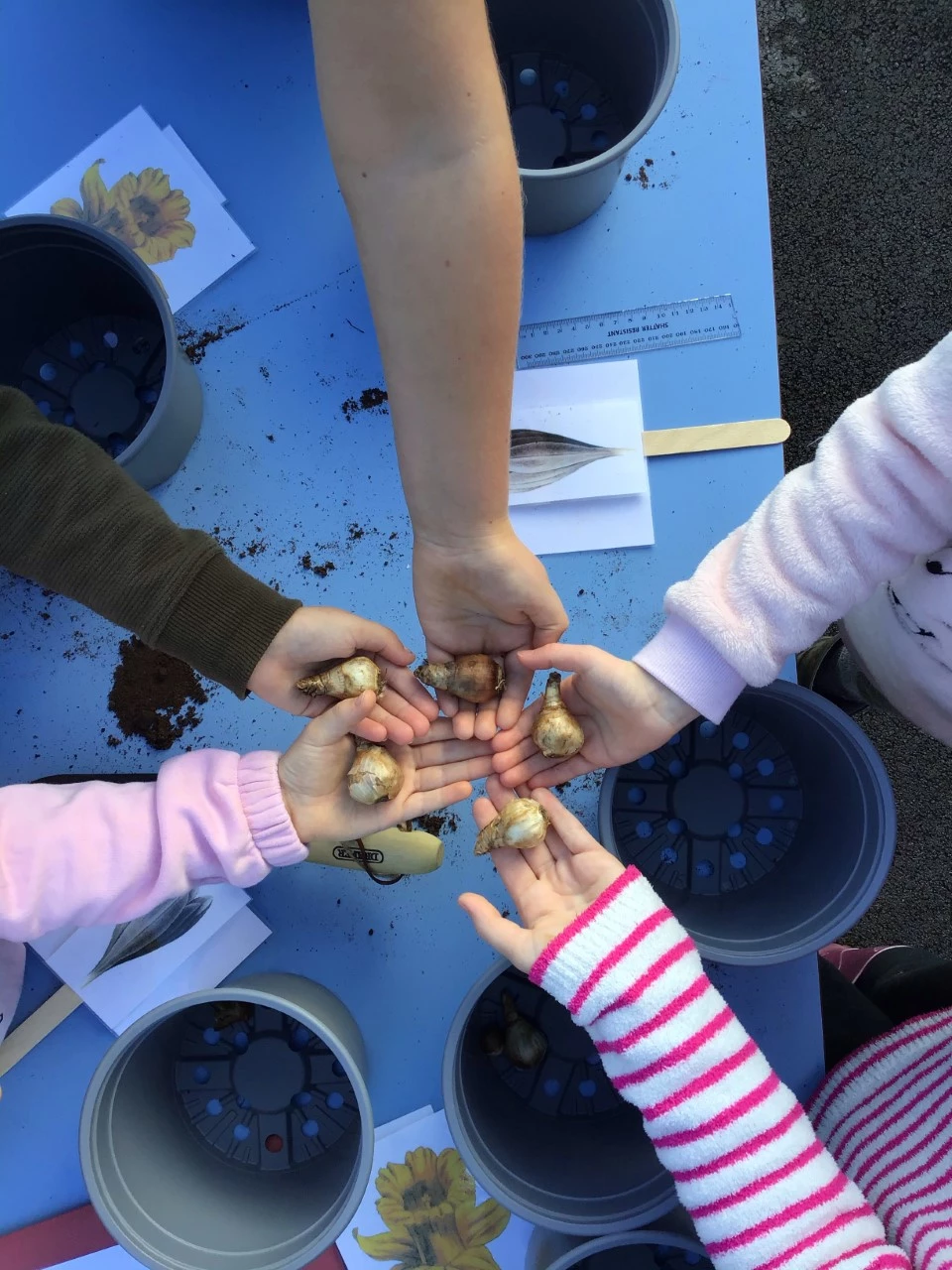
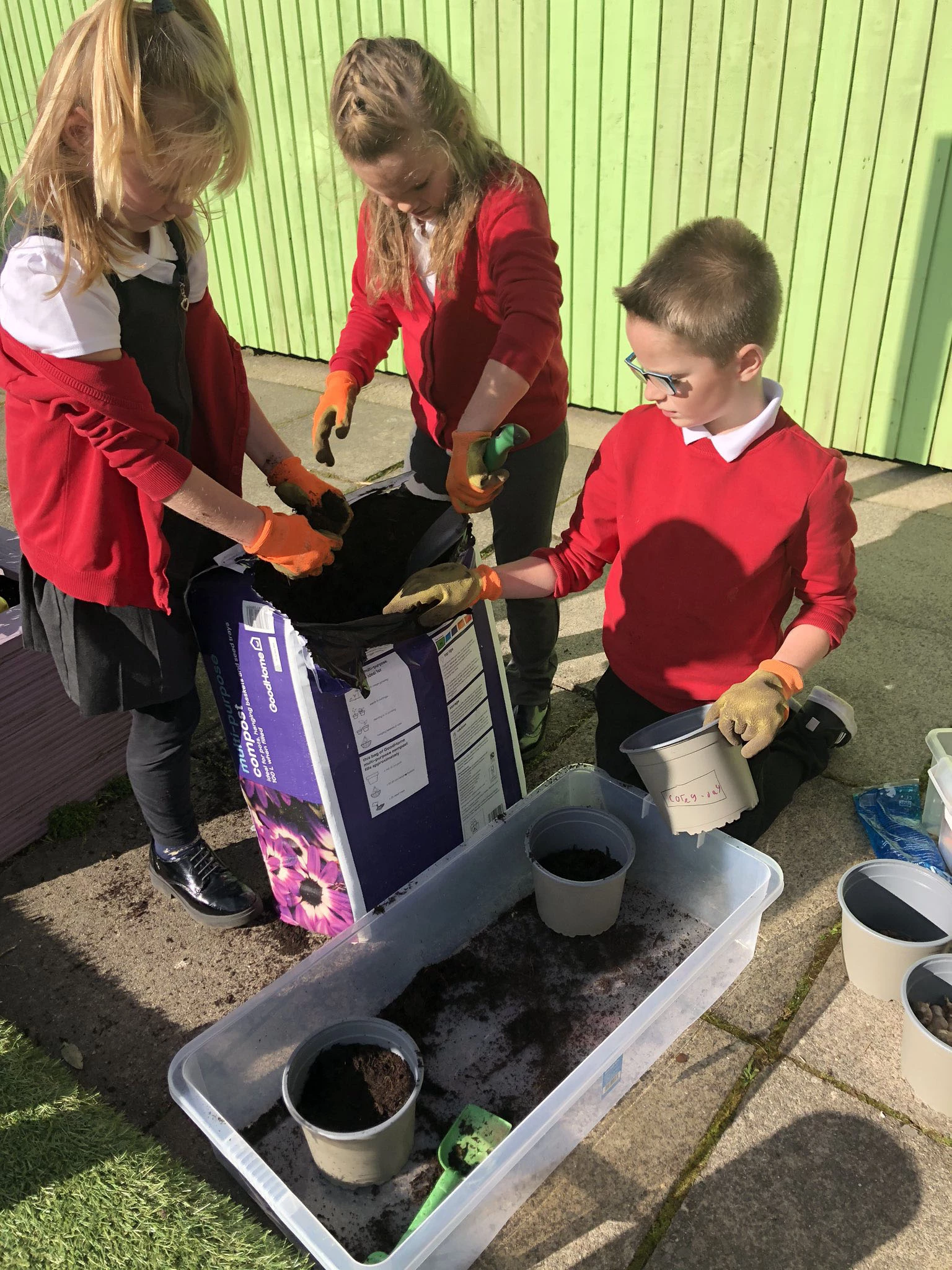
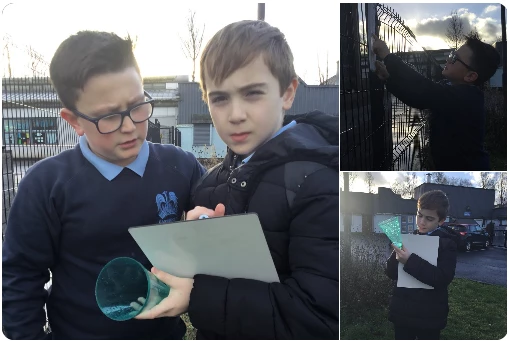
Super Scientists 2020 Penny Dacey, 3 August 2020 Amgueddfa Cymru – National Museum Wales would like to congratulate the 4,463 pupils from across the UK who achieved Super Scientist recognition for their participation in the Spring Bulbs for Schools Investigation 2019-2020.A big congratulations to you all! Thank you for working so hard planting, observing, measuring and recording, you really are Super Scientists!Many thanks to The Edina Trust for funding this project.Super Scientists 2020Enillwyr / WinnersCymru / Wales: Ysgol Gynradd Gymraeg TonyrefailGogledd Iwerddon / Northern Ireland: Holy Cross Girls' Primary SchoolLloegr / England: St Michael's CE Aided Primary SchoolYr Alban / Scotland: Gavinburn Primary School Yn Ail / Runners upCymru / Wales: Bryncoch CiW Primary SchoolGogledd Iwerddon / Northern Ireland: Greenhaw Primary SchoolLloegr / England: King's Meadow AcademyYr Alban / Scotland: Penpont Primary School Clod Uchel / Highly CommendedCymru / Wales:St Paul's CiW PrimarySt. Julian's PrimarySt. Robert's Catholic PrimaryYsgol Gymraeg CaerffiliGogledd Iwerddon / Northern Ireland:Steelstown Primary SchoolLloegr / England:Arkholme C of E Primary SchoolBursar Primary AcademyClifton Primary SchoolOssett Flushdyke Junior and Infant SchoolSt Austins Catholic Primary SchoolStoneferry Primary SchoolWoodfield PrimaryYr Alban / Scotland:Dalbeattie Primary SchoolSt Fergus' Primary SchoolSt John Ogilvie Primary School Cydnabyddiaeth arbennig / Special RecognitionCymru / Wales:Blaendulais Primary SchoolBro PedrBroad HavenCarreghofa C P SchoolDarran Park PrimaryEvenlode PrimaryFerryside V.C.P SchoolGaer Primary SchoolHenllys C/W PrimaryLitchard Primary SchoolLlanedeyrn Primary SchoolLlanharan Primary SchoolPil Primary SchoolSofrydd Primary SchoolSt Athan PrimarySt Joseph's Cathedral Primary SchoolTonyrefail Community SchoolYsgol DeganwyYsgol Gymraeg Dewi SantYsgol Llwyn yr EosYsgol San SiorLloegr / England:Canon Peter Hall Primary SchoolFieldhead Primary AcademyFleet Wood Lane Primary SchoolHudson Road Primary SchoolOldfleet Primary SchoolStanford in the Vale Primary SchoolYr Alban / Scotland:Carnbroe Primary SchoolEarlston Primary SchoolGreenburn SchoolLawefield Primary SchoolSanquhar Primary SchoolSt Mungo PrimaryWhatriggs Primary School Gwyddonwyr Gwych / Super ScientistsCymru / Wales:Dyffryn CledlynAberdare Park Primary SchoolAlbert Primary SchoolBlaengwrach PrimaryGarth primary SchoolGeorgetown PrimaryHendredenny Park PrimaryHigh Cross Primary SchoolLlangan Primary SchoolMaesgwyn Special SchoolNPTC Newtown CollegeSt. Michael's RC PrimaryTy Isaf Infants SchoolWhite Rose Primary SchoolY Berllan DegYsgol Craig yr WylfaYsgol Ysbyty IfanGogledd Iwerddon / Northern Ireland:Auchencairn Primary SchoolJohn Paul II Primary SchoolNewbuildings Primary SchoolSaint Patrick's Primary SchoolSt Anne's Primary SchoolSt Paul's Primary and Nursery SchoolLloegr / England:Adelaide Primary SchoolBardney CofE Primary SchoolCastleford Park Junior AcademyChorley St James CE PrimaryDunstall Hill Primary SchoolGarstang St Thomas C.E. PrimaryGonerby Hill Foot C E Primary SchoolNorth Road Primary SchoolSandal Magna Community AcademySt Helen's C of E Primary SchoolSt Michael's Church of England Aided Primary SchoolSt Peter's Catholic Primary SchoolYr Alban / Scotland:Cummertrees Primary SchoolDrummore Primary SchoolGelston Primary SchoolGlenluce Primary SchoolGordon Primary SchoolLaurieknowe Primary SchoolLocharbriggs Primary SchoolLoreburn Primary SchoolNew Abbey Primary SchoolNewmains Primary SchoolOur Lady of Peace Primary SchoolSaint Anthony's Primary SchoolSheuchan Primary SchoolWormit Primary SchoolSt Peter's Primary School
Covid stories: 'Everyone has learned that in the end, a simple life is best' Jan, Cardiff, 30 July 2020 Jan’s contribution to the Collecting Covid: Wales 2020 questionnaire project. The current Covid situation has brought us closer as a family and we have spoken to neighbours we didn’t know before… We have communicated by Zoom with our children. Our son is a doctor and has been involved in ITU in a main London hospital. He was pleased to contribute on the front line but equally pleased to leave it when things settled down. The lockdown was a rollercoaster. I am now used to the new normal although miss my children dreadfully from the point of view of actually being able to see them. I am calmer than I was at the beginning of the pandemic but still very much aware of my own anxiety about keeping a social distance with people. One of the ways I dealt with my anxiety was to walk the streets of Cardiff taking photographs of people’s window displays - the colourful rainbows and the messages of support to NHS workers. That activity, playing quizzes online with the family, my dad’s 90th in the garden at a social distance and clapping and chatting to neighbours on a Thursday night will stay in my mind forever. Everyone has learned that in the end, a simple life is best. I have certainly learned to appreciate my local community more - the corner shop and veg and fruit barrow, the market - who all went out of their way to help with providing food. It made me think how lucky I am to have a garden and green space outside my door. Everyone I have spoken to have appreciated how much more difficult it must have been and still is for those who live in high-rise flats/have mental health issues and those who are on the NHS waiting lists. It makes you appreciate what you have rather than what you don’t and how maintaining good health is a priority.