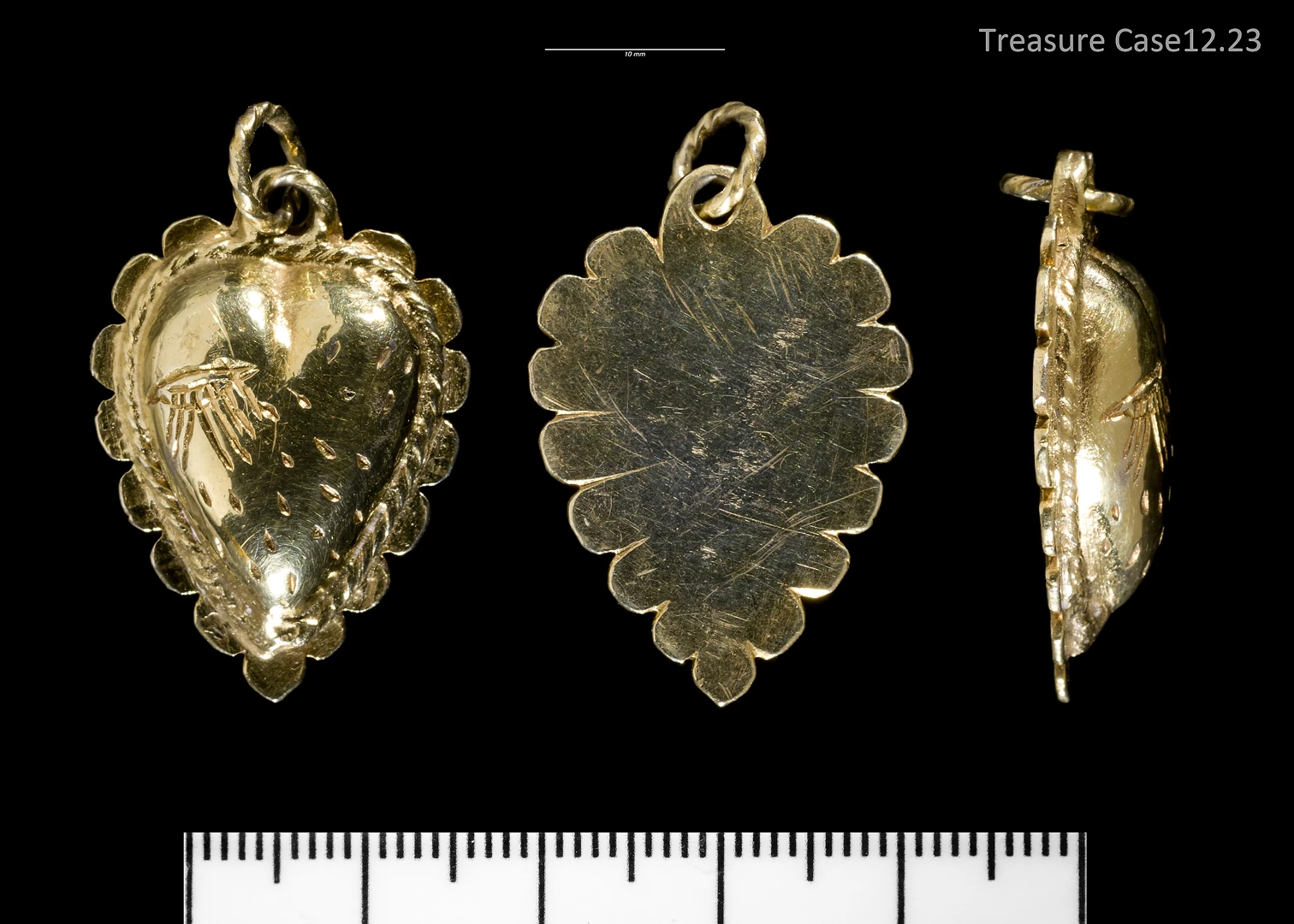
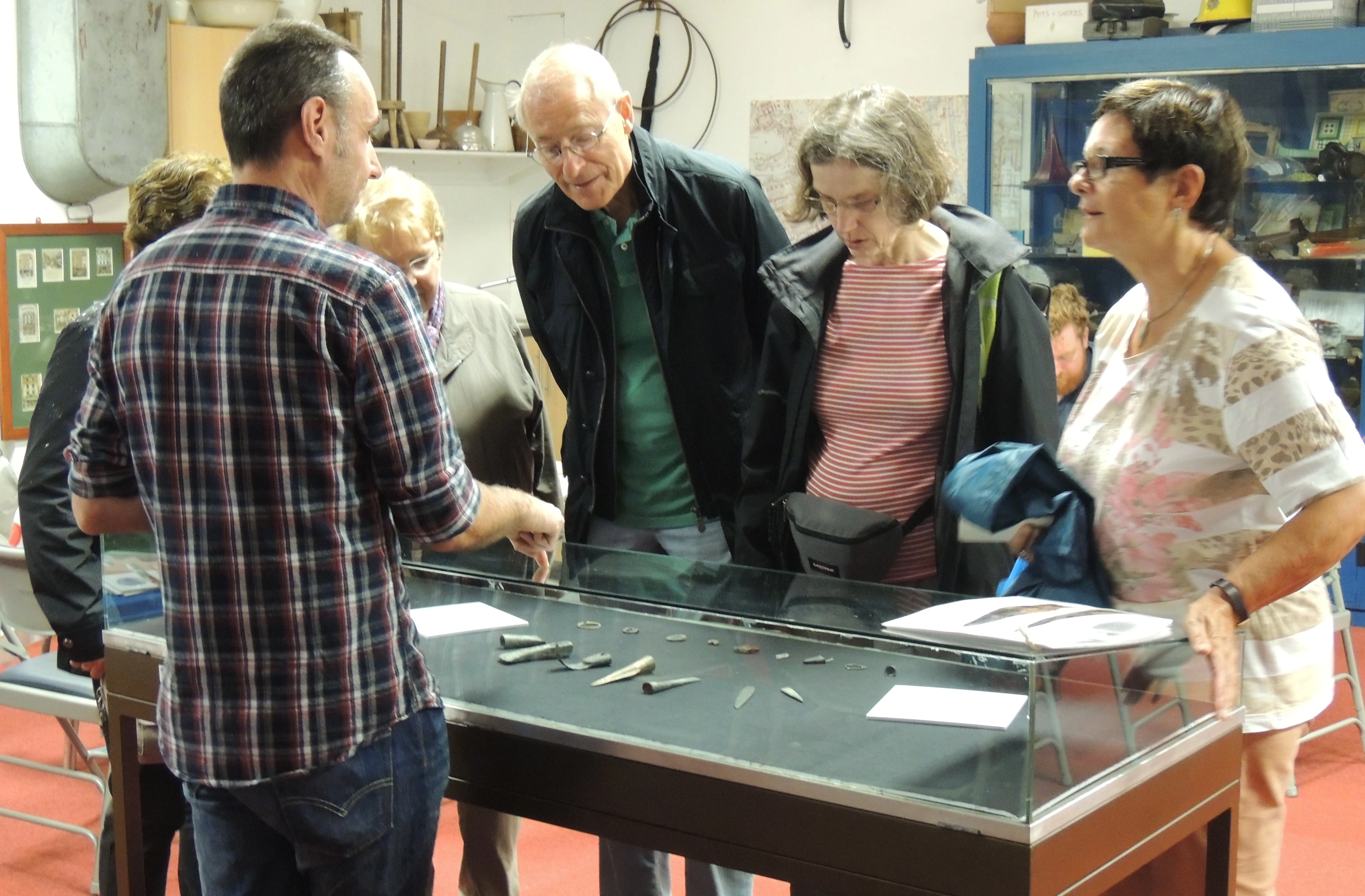
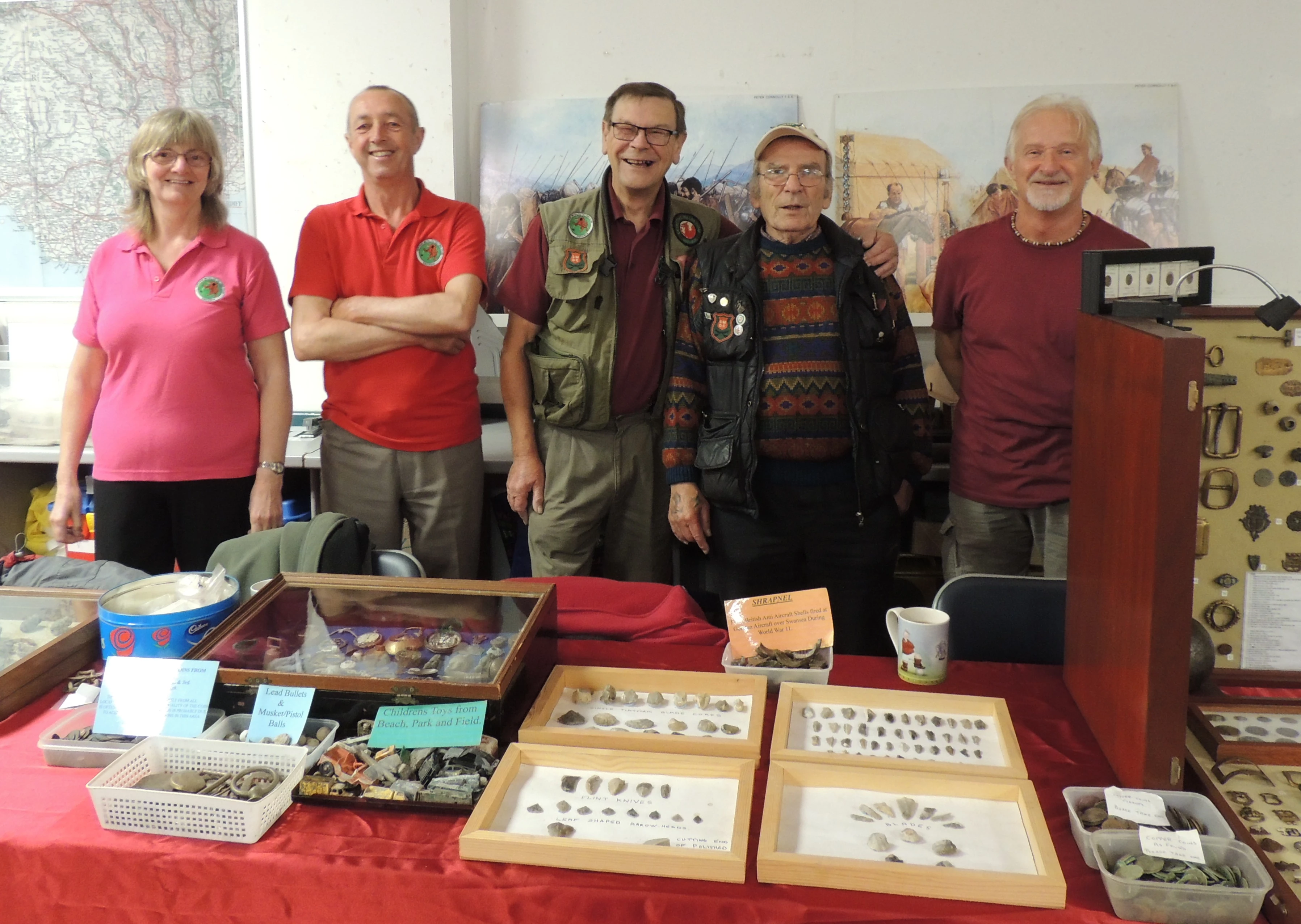
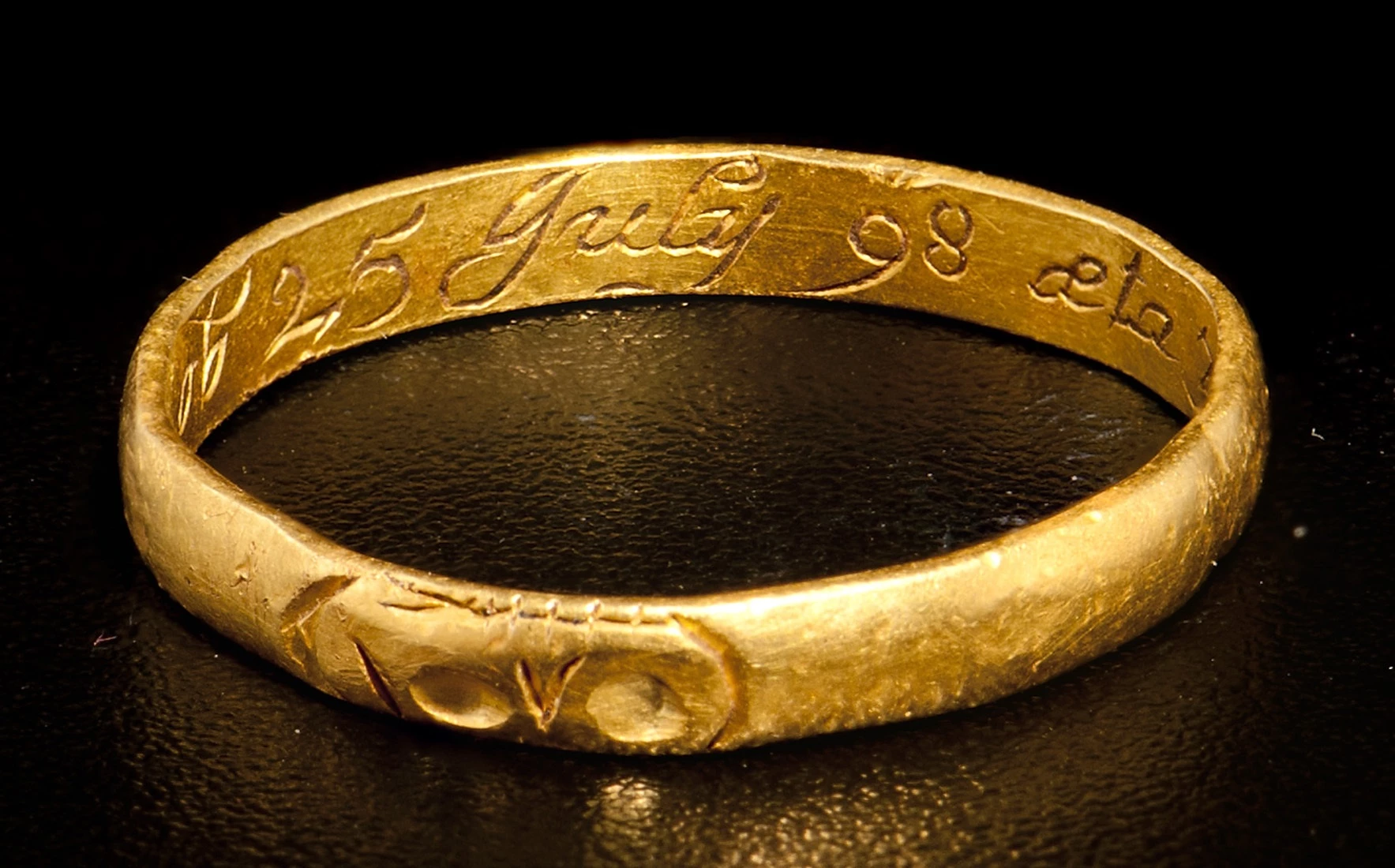
Connecting with the past through objects Rhianydd Biebrach, 9 December 2016 If you have read any of the recent blog posts about the Saving Treasures; Telling Stories Project, or the Lost Treasures of Swansea Bay Project and its various exciting activities, you will know that Saving Treasures works with metal detector groups and local museums in Wales to widen access to, and understanding of, the material heritage of Wales.What is material heritage?Material heritage is the physical remains of the past, the objects left behind by past societies. Often, these are brought to light by members of the public, mainly metal detectorists, who report their significant finds to their local Finds Liaison Officer in order that they can be recorded on the Portable Antiquities Scheme database.Taken together, these objects – especially when they are made available to the public in museum collections – help to build up a picture of how we used to live and who we used to be.Why is it important?The Saving Treasures; Telling Stories Project recognises that interaction with the history of your local area through the objects past communities left behind can be a powerful and enriching experience.For those who are interested in the past, having access to the actual things that long-dead people used, wore and handled can bring us into contact with them much more directly than a history book ever could.Every object has a story to tellThe discovery of a lost mourning ring or a hoard of Bronze Age axes tells us something about the people who used such objects and raises questions about how they came to be in the ground. Were they lost, discarded, or put there deliberately? And if so, why?Thinking about these questions allows us to empathise with our forebears, understand something of their hopes, fears and concerns, and walk a little way in their shoes.
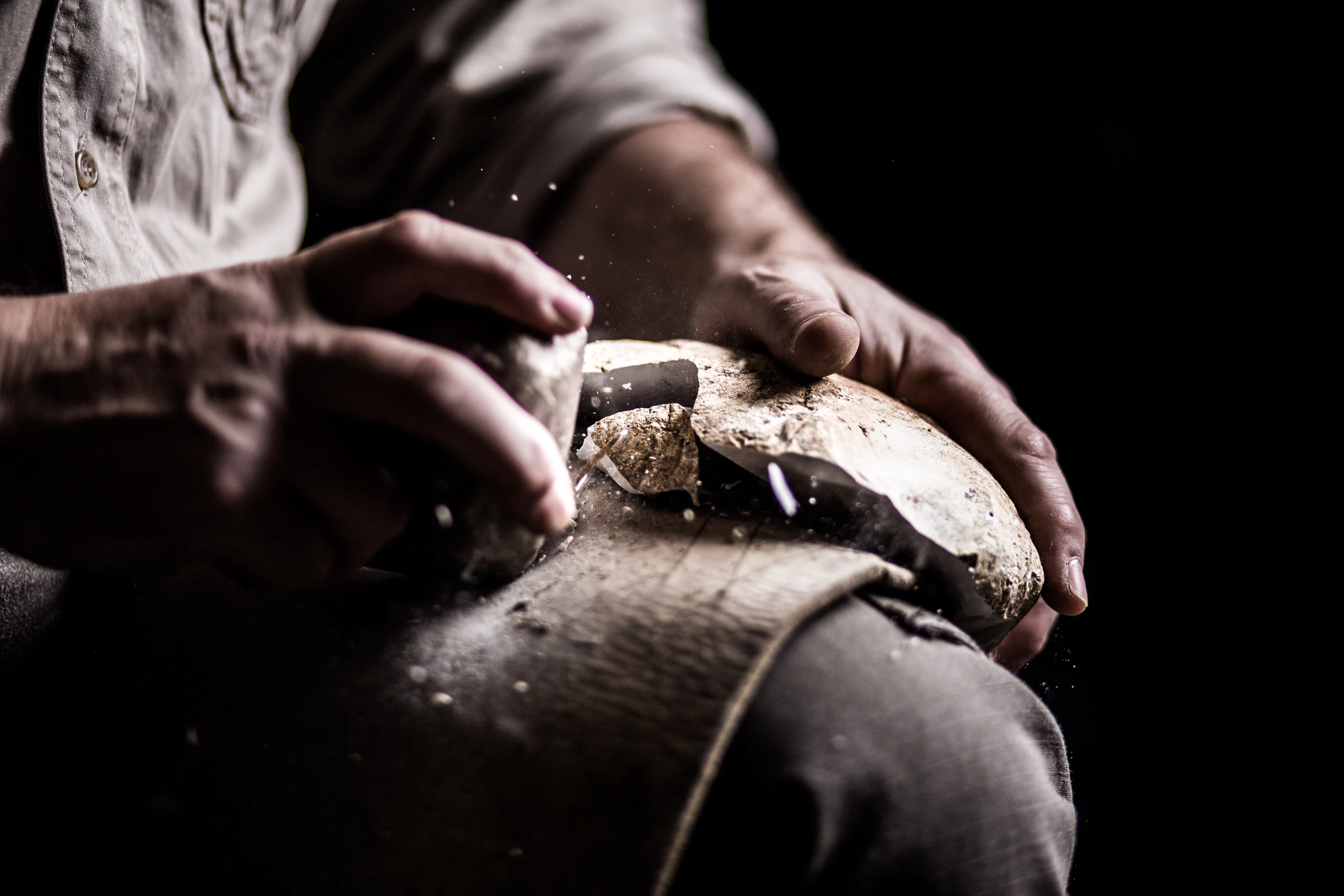
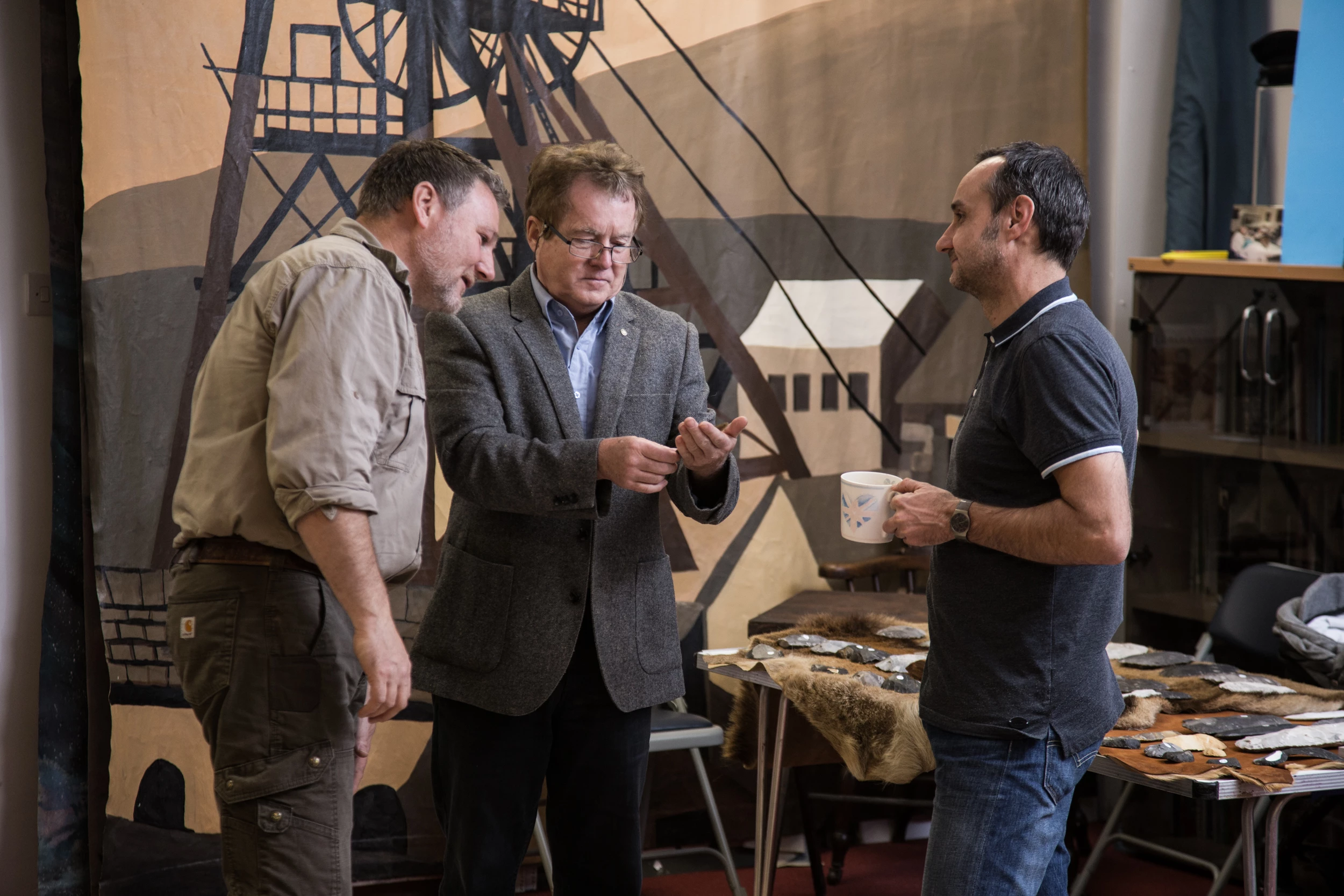
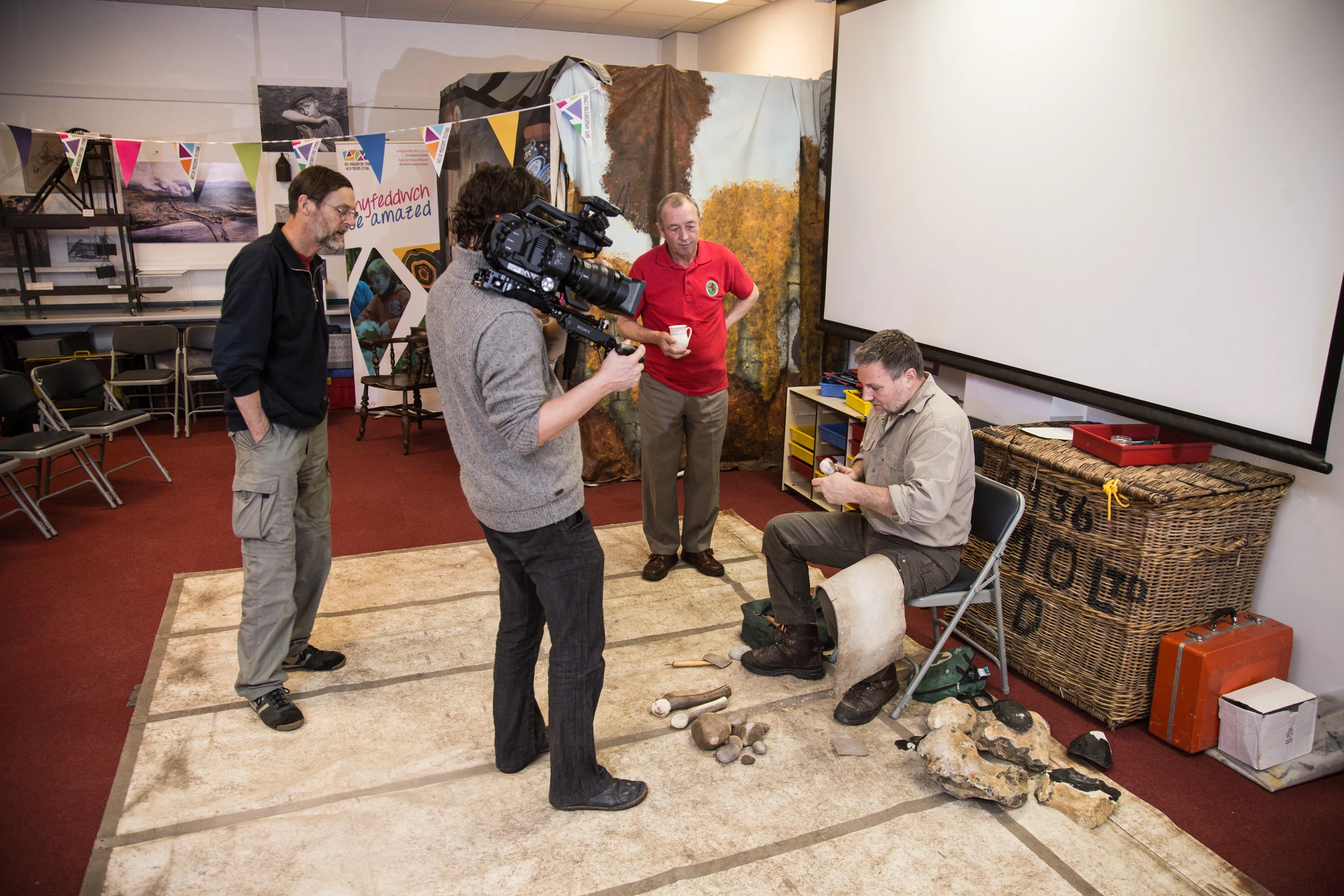
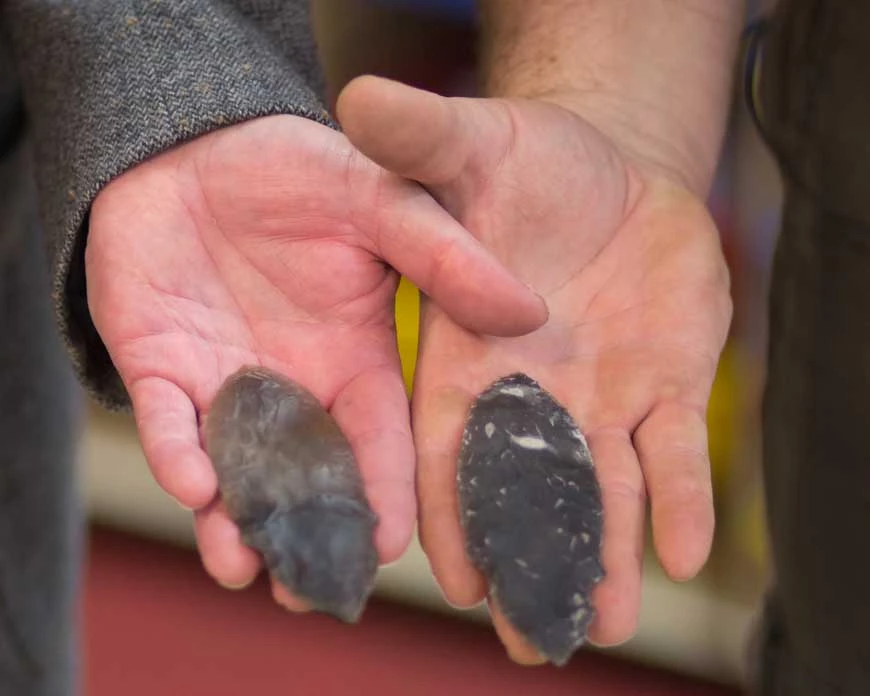
4,000 Years in the Life of a Bronze Age Dagger Rhianydd Biebrach, 18 November 2016 Sometime at the beginning of the Bronze Age, about 2,250 to 2,000 BC, some people walked through the wetlands where Swansea Bay now lies. Perhaps they used one of the wooden trackways which had been laid across the wet ground, parts of which can still be seen when the tide is out.They had with them a special object, a fine flint dagger, a piece of exquisite workmanship made by an expert craftsman. The dagger was part of a Europe-wide culture, and was perhaps an important part of their identity.For some reason the precious object was dropped; perhaps by accident, but more likely left as a deliberate offering in shallow water in a place of special significance.RediscoveryThe dagger remained submerged, first in the water, and then, as the environment changed, in peat beneath the sands of Swansea Bay, for four millennia. Then, in 1971, a student, Paul Tambling and his girlfriend, Angela, were walking across the bay and saw it sticking out of the sand.They picked it up and took it home, and it became a treasured object once more, associated with happy memories and a unique symbol of their relationship.ReportingEarly in 2016 Paul and Angela heard of a flint knapping demonstration being held at Cyfarthfa House Museum in Merthyr Tydfil and decided to take their dagger along to show an expert.The flint knapper recognised the dagger’s significance and it was reported to Mark Lodwick, the Portable Antiquities Scheme finds co-ordinator at Amgueddfa Cymru.The dagger was identified as a ‘Beaker Dagger’, more commonly found in south-eastern England, often accompanying high-status burials, with only four other examples known of in Wales.The discovery was exciting, and Mark contacted Paul and Angela, who brought the dagger in for recording and told him their story.RecreationIdeally, an object of this importance would belong in a public collection in a museum, but it is understandable that Paul and Angela want to keep it, given its personal significance to them.Happily, a solution has been found in the form of flint-knapper Karl Lee, who attended Swansea Museum’s Welsh Museums Festival event in October and made a replica for display in their galleries.It will now become a part of Swansea Museum’s Lost Treasures of Swansea Bay project, which invites communities to respond to the deep history of the bay through the many archaeological items found there by members of the public.
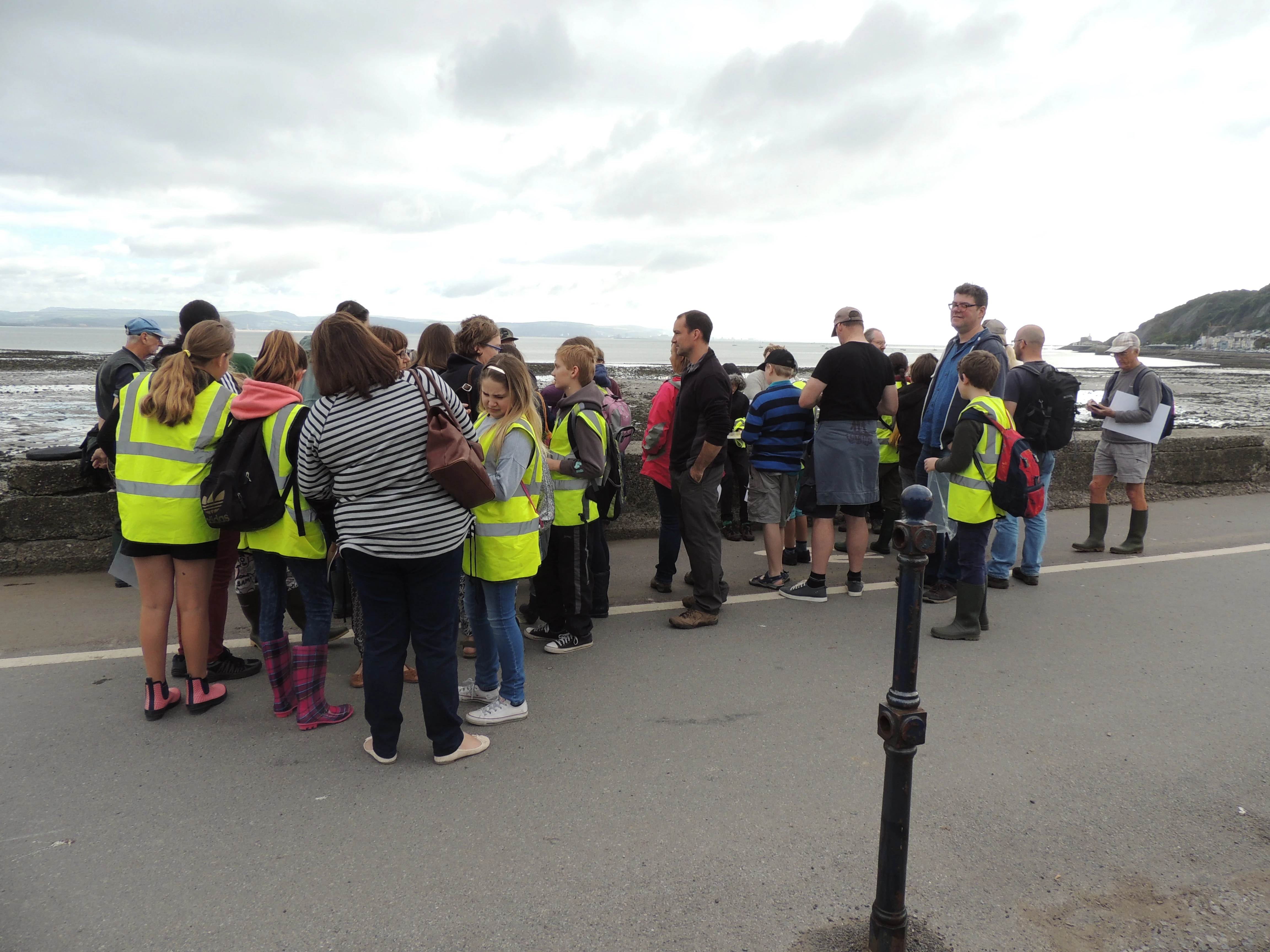
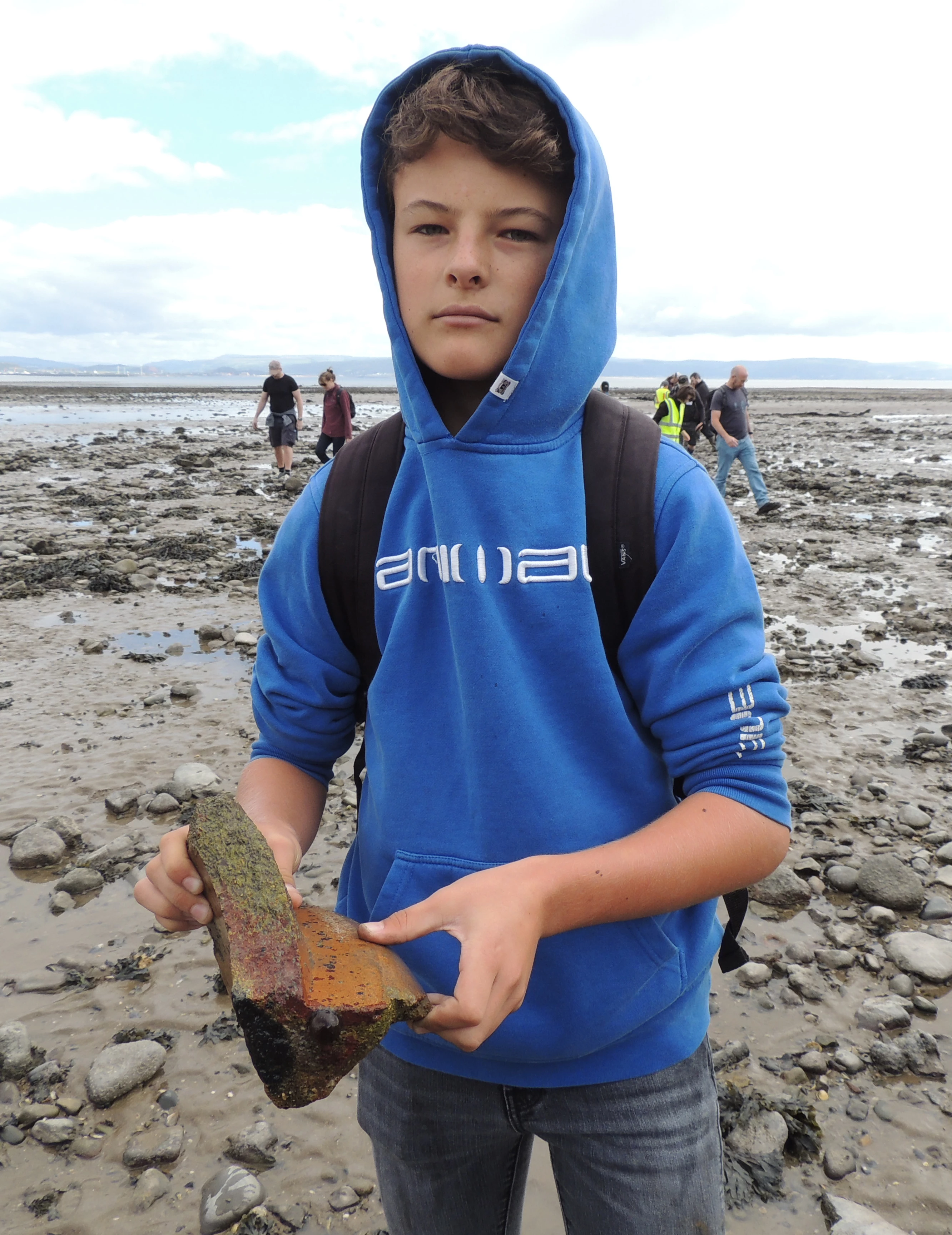
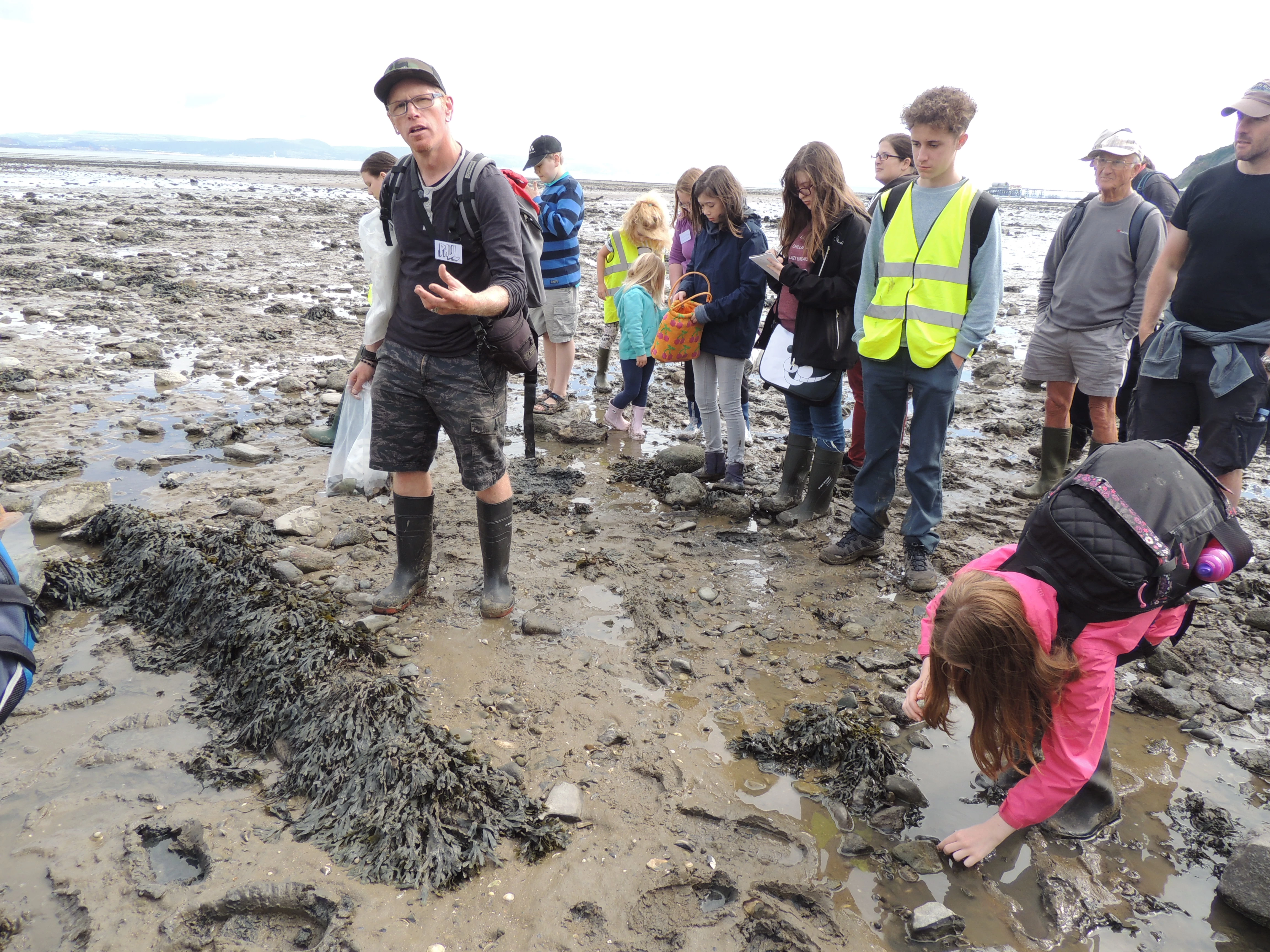
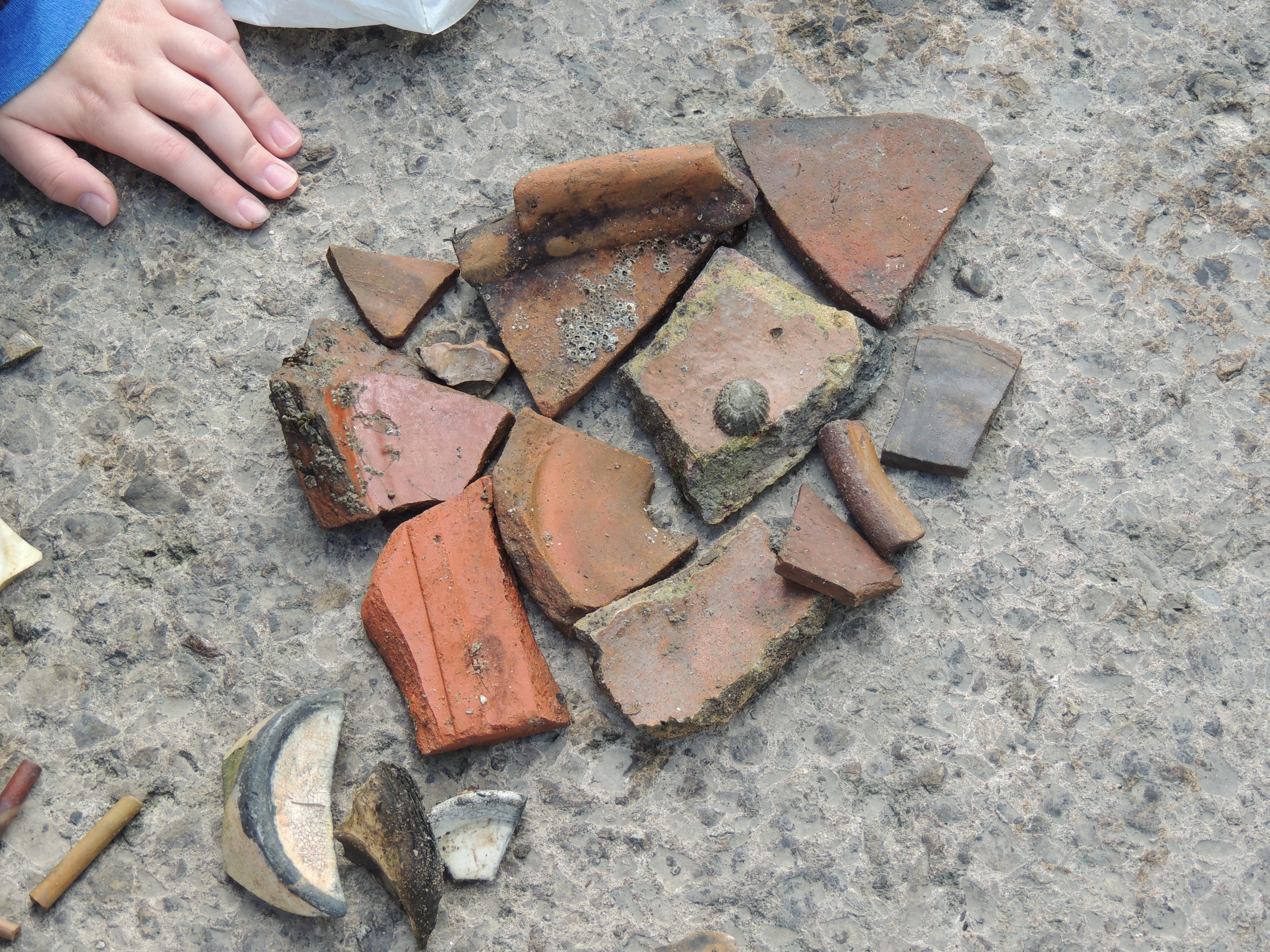
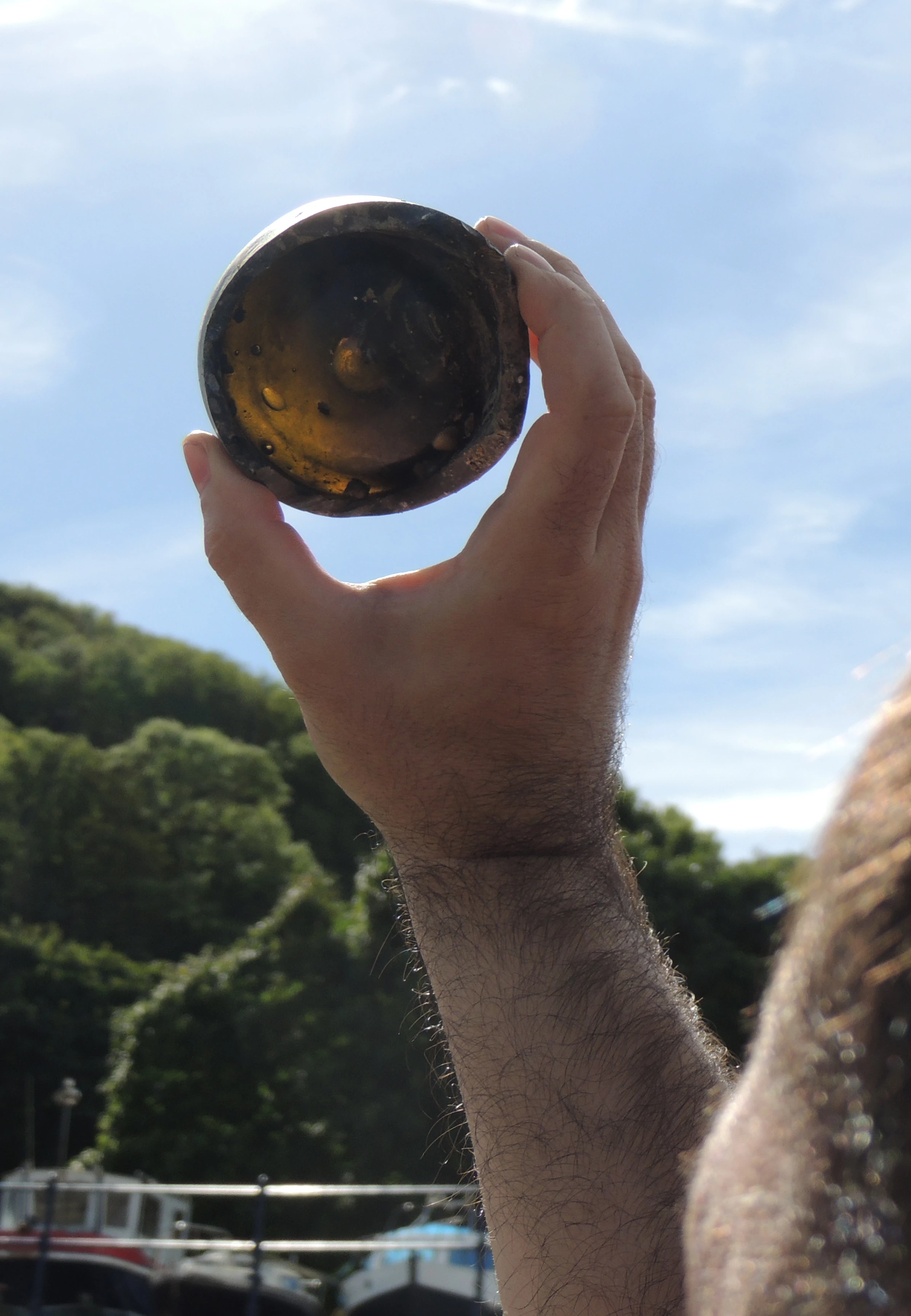
The Swansea Bay Big Beachcomb Rhianydd Biebrach, 4 November 2016 On a bright and breezy Saturday morning in September an enthusiastic group of children and adults gathered at the Mumbles in wellies and hi-vis jackets ready for a Big Beachcomb.The Beachcomb was the first activity of Swansea Museum’s Lost Treasures of Swansea Bay project, which is being funded by the Saving Treasures; Telling Stories project based at Amgueddfa Cymru.Led by Paul Huckfield of the Glamorgan Gwent Archaeological Trust and Mark Lodwick of the Portable Antiquities Scheme Cymru we set out with the retreating tide to see what treasures of Swansea’s past we could find.SearchingThe vast expanse of mud, sand, rocks and shallow pools did not look promising at first. But almost as soon as we had set off Paul was showing us the blackened and glistening remains of a prehistoric forest. Within another hour he had pointed out the sites of seven shipwrecks, old mooring points and other remains of Swansea’s maritime past.On the surface of the shore we found hundreds of pieces of old pottery, metalwork, animal bones, glassware and pieces of clay pipe. A particularly evocative find was the base of a wine bottle, dating back to the 1600s.The glass was thick, and so dark that you could only see its muddy green colour by holding it up to the sun. This was a high-status object - once, it would have held a decent vintage rather than plonk.CollectingWhen enough pieces had been collected in carefully labelled bags we laid them out on the slipway and sorted them into categories with the help of Paul and Mark – ceramics, glass and metalware, organic material.ImaginingWe speculated about who the objects had belonged to, when they were made, and how they ended up in Swansea Bay. Some, such as the bottle and some of the pots, were imported items – could they have been among the cargoes of one of the wrecked ships? Had the pipes been smoked by sailors and fishermen with wheezy chests? Were the bones the remains of their dinner?Our treasures have now been taken back to Swansea Museum where they will be studied by the Young Archaeologists Club and used as inspiration for the Dylan Thomas Centre’s Young Writers Squad.Look out for the next chapter in their history in a future blog.
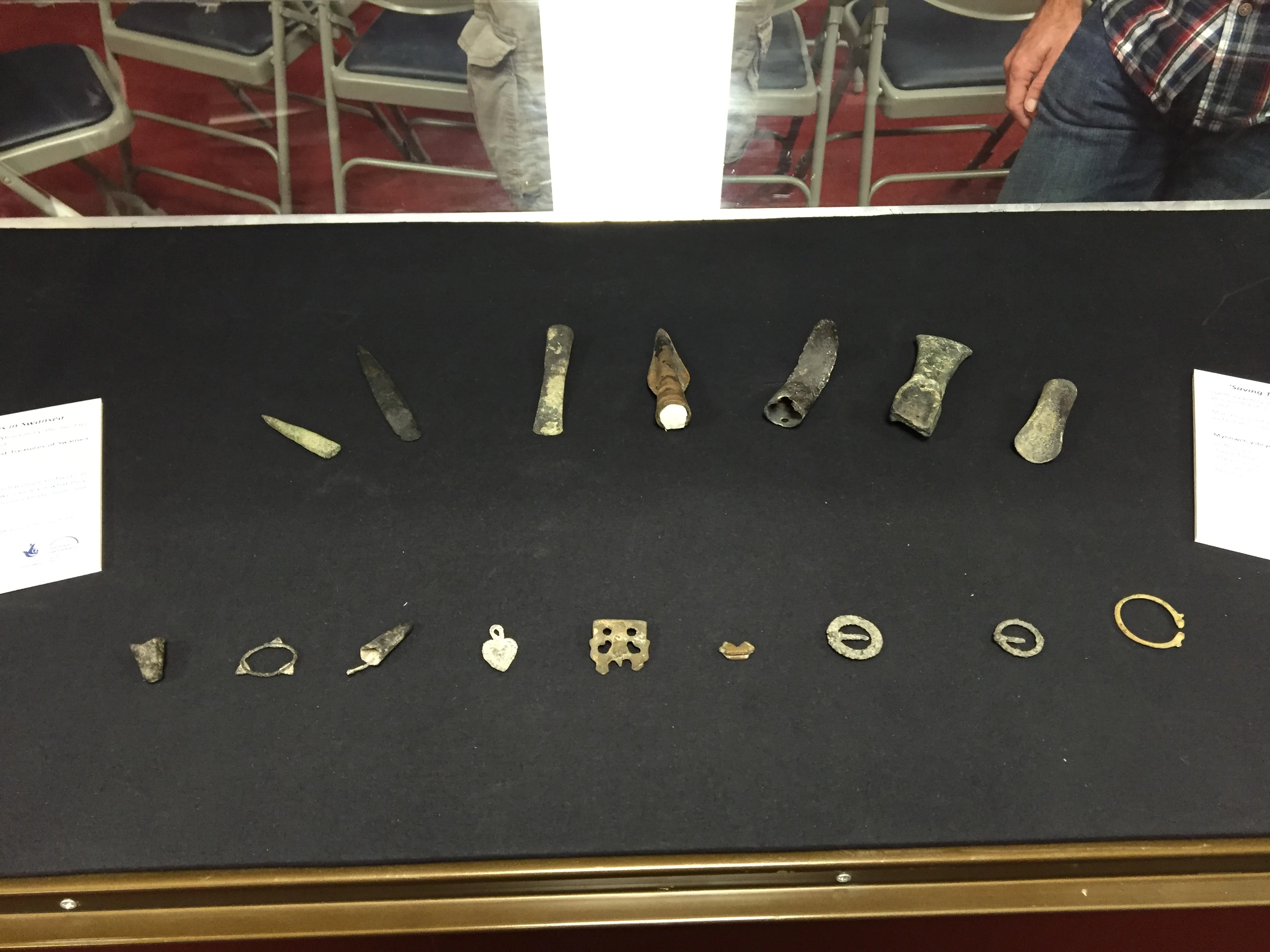
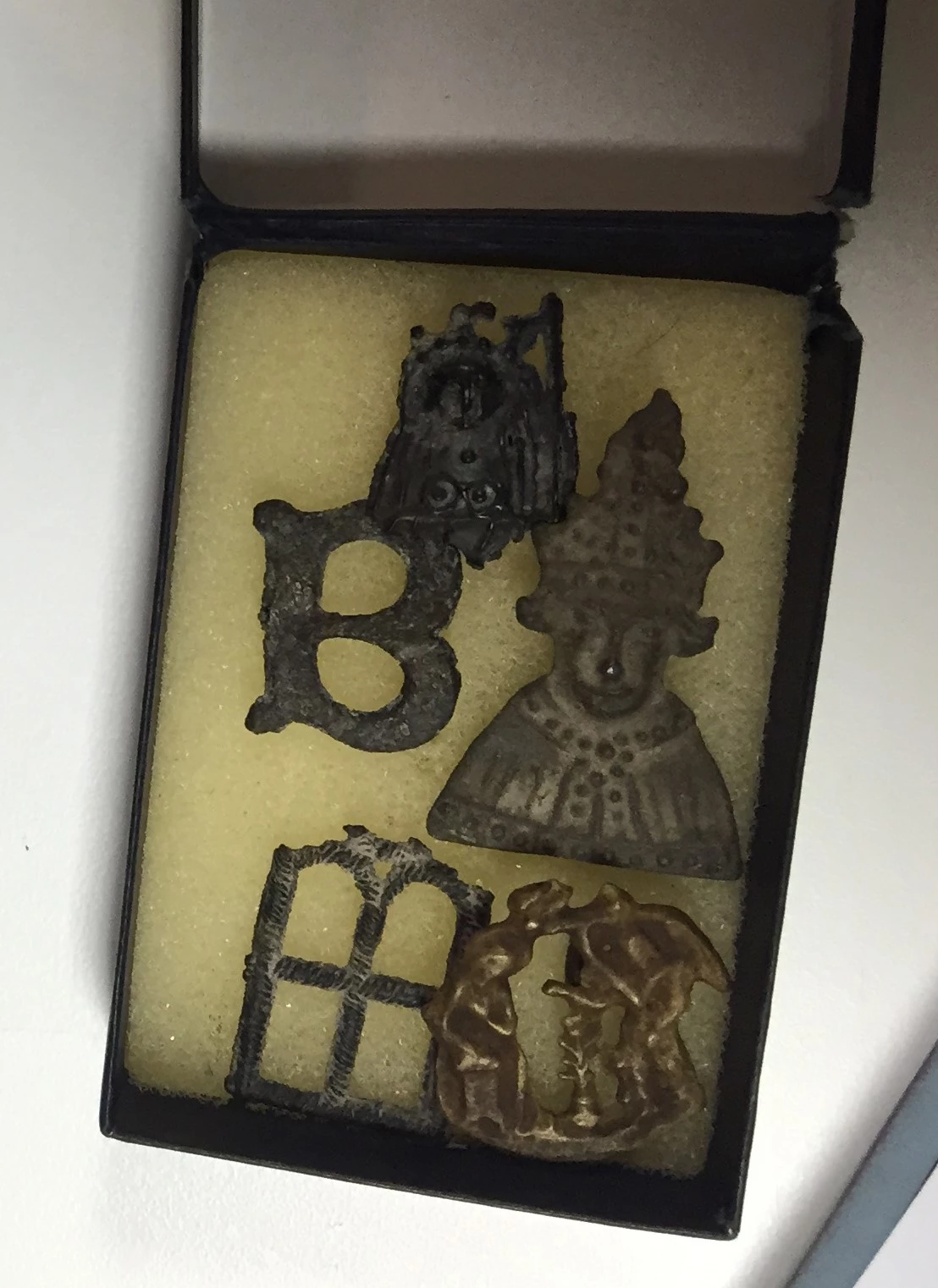
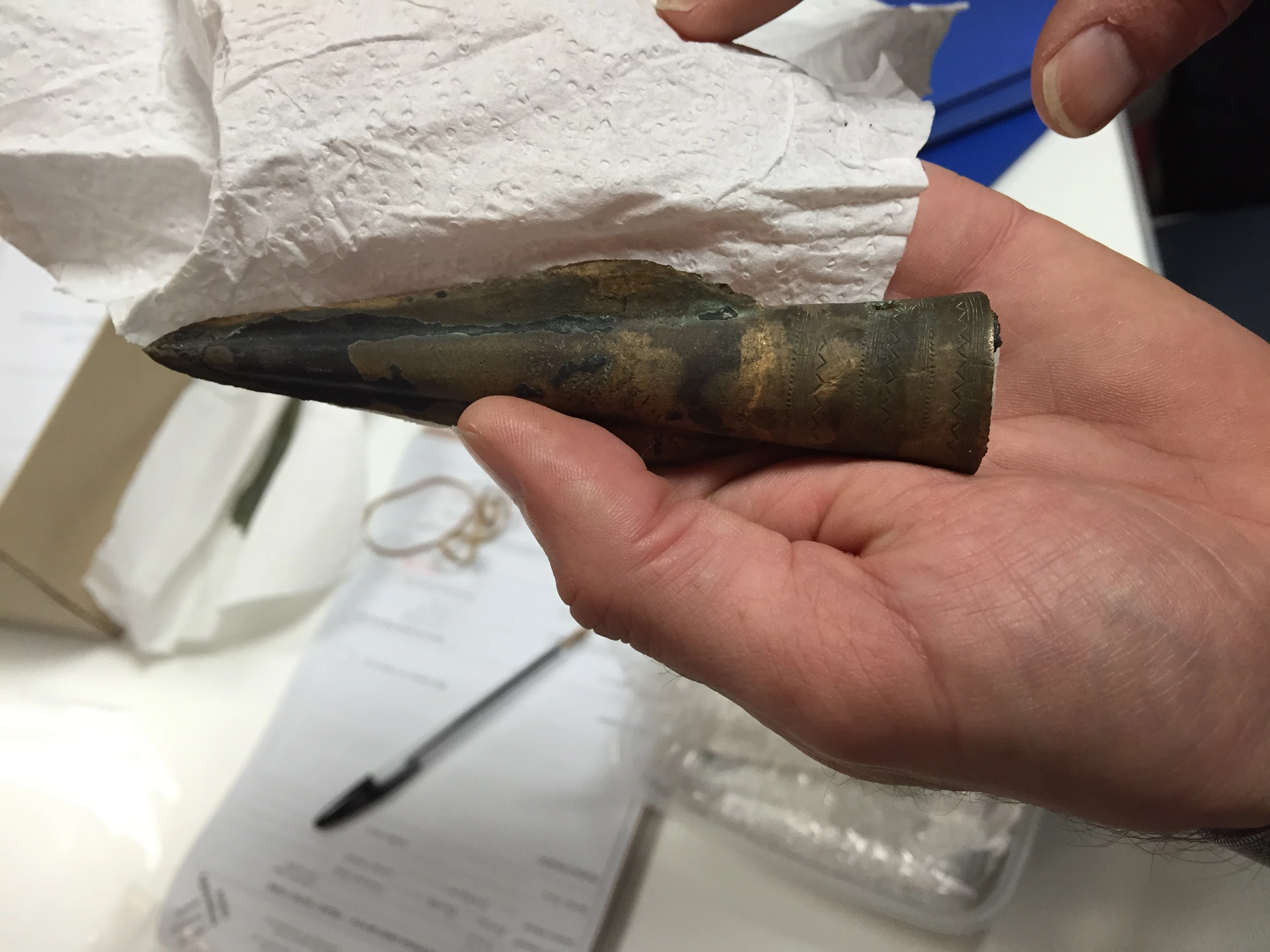
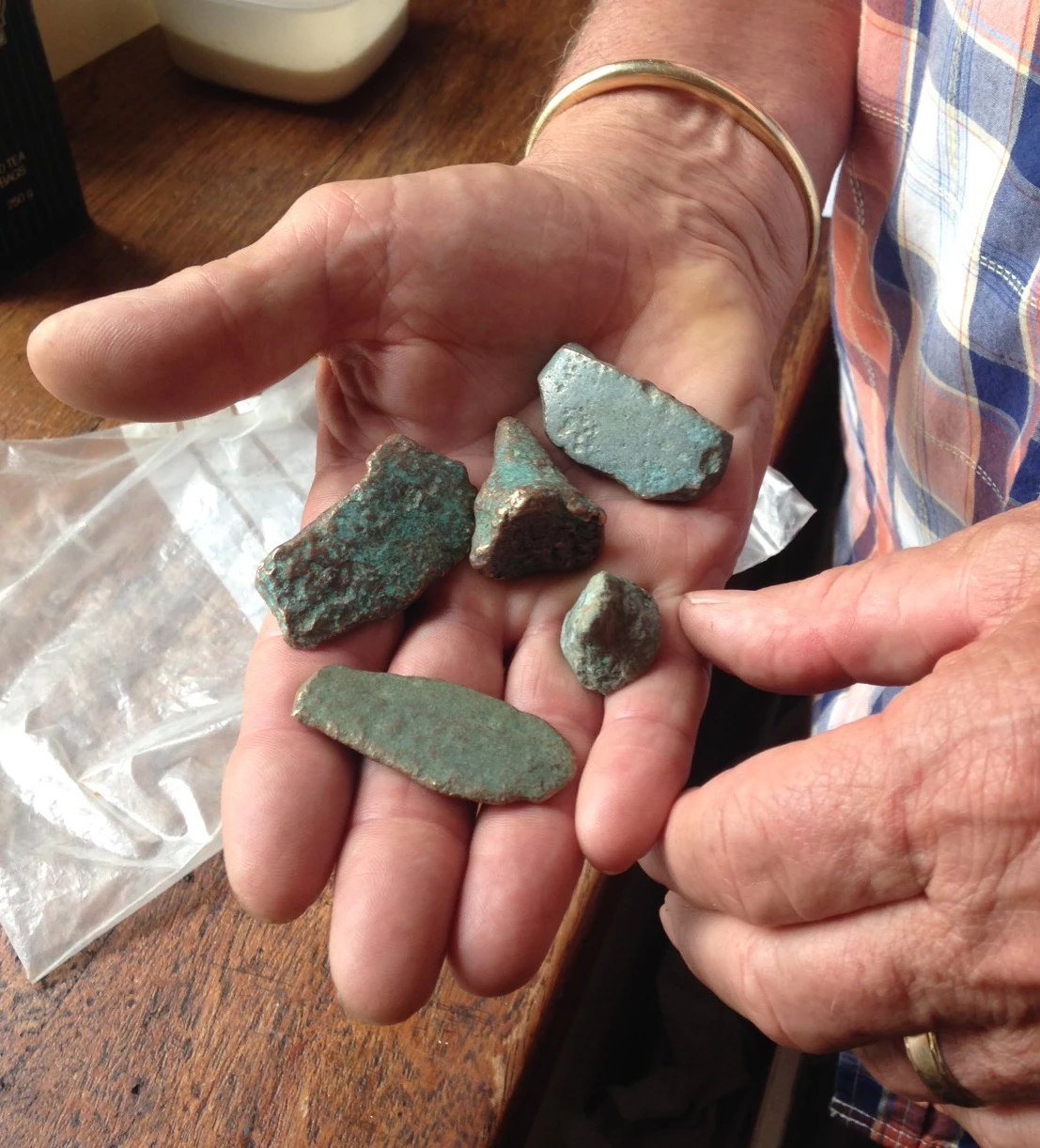
The Lost Treasures of Swansea Bay Rhianydd Biebrach, 14 October 2016 ‘The Lost Treasures of Swansea Bay’ is the first Community Archaeology project funded by the HLF project Saving Treasures, Telling Stories. Run by Swansea Museum, the project is inspired by a collection of finds made by a local metal detectorist on Swansea Bay, which has also been acquired for the museum by Saving Treasures.Blades and BadgesIt includes some mysterious items, such as a Bronze Age tool with a curved blade which has had archaeologists scratching their heads. Ideas about its purpose range from opening shellfish to scraping seaweed off nets or rocks or carving bowls.Among the other items found on the Bay are a number of medieval pilgrim badges, including one brought back from the important shrine of Thomas Becket at Canterbury. Pilgrim badges are usually made of lead or pewter and were often bought at shrines as a souvenir and worn on the pilgrim’s hat or cloak.It is thought that those found in Swansea Bay were probably thrown into the sea by pilgrims returning to south Wales by boat as a thanks offering for their safe return. It seems like a curiously pagan thing for a medieval Christian to do, but it’s similar to the modern practice of throwing coins in wells, which is itself a survival of an ancient religious ritual.The Archaeology of the BayThe new collection is just a tiny fraction of the objects discovered on the Bay, which has a rich and varied – as well as sensitive – archaeology. This includes fragments of Bronze Age trackways and prehistoric forests, Roman brooches, ceramics, shipwrecks and the remains of World War Two bombs.Community InvolvementEach one has a tale to tell and together they are helping archaeologists build the story of human activity in the Bay over thousands of years. Helping to interpret the finds, their significance for the history of Swansea Bay and for the people of modern Swansea are representatives from Swansea community groups, including the Red Café youth group, the Dylan Thomas Centre’s Young Writers Squad, Community First families and the Young Archaeologists Club.The project’s first activity, a Big Beachcomb, took place on the Bay itself on Saturday 17 September, but to find out about that you will have to wait for the next blog in this series…
Introducing the Saving Treasures, Telling Stories Project Rhianydd Biebrach, 30 September 2016 What’s it all about?Archaeological collections in museums across Wales are being given a boost over the next few years by the project Saving Treasures, Telling Stories.Focusing on items discovered by metal detectorists, its key aims include collecting and collections development, training and community engagement with local heritage and archaeology.Saving TreasuresHundreds of items discovered by metal detectorists are reported to PAS Cymru every year, allowing them to be recorded and made publicly accessible via https://finds.org.uk/.In 2015, 37 of these were declared Treasure under the 1996 Treasure Act http://www.legislation.gov.uk/ukpga/1996/24/contents, many of which were acquired for local museums by Saving Treasures, on behalf of the people of Wales.Over the next three years the project will build on this progress, hoping to foster strategic collecting by museums as well as responsible discovering and reporting by metal detectorists.It will provide training to museum professionals and volunteers to equip them with the skills and knowledge to best collect, interpret and display their treasures.Telling StoriesSaving Treasures is not just about museums. It’s also about people, especially those who live in the communities where the treasures have been discovered.In order to reach out to non-traditional museum audiences the project is funding up to six Community Archaeology projects, which will be run by local museums working with community groups to help interpret their collections and bring them closer to their collective pasts.The first Community Archaeology project, called the ‘The Lost Treasures of Swansea Bay’, is run by Swansea Museum and inspired by a fantastic collection of finds made by a local metal detectorist on Swansea Bay.Each item has a tale to tell and together they are helping archaeologists build the story of human activity in the Bay over thousands of years.Saving Treasures is a partnership between Amgueddfa Cymru - National Museum Wales, the Welsh Museums Federation and the Portable Antiquities Scheme in Wales (PAS Cymru), and is funded by the Heritage Lottery Fund.Keep an eye out for the next blog in what will be a continuous series of updates throughout the life of the project, to find out more about the mysterious Lost Treasures of Swansea Bay…