Swaps: David Hurn on Photography 29 September 2017 Swaps: Photographs from the David Hurn Collection runs from 30 September 2017 to 15 April 2018. This exhibition celebrates the major gift of photographs from David Hurn’s private collection and marks the opening of Amgueddfa Cymru’s first gallery dedicated to photography. Here are some short films from the exhibition: The Collection "The collection really didn’t start until 1958 I suppose. I started taking pictures in 1955, and in 1958 I was shooting pictures in Trafalgar Square, and there was another photographer who came up to me and said a very bizarre thing. He said “I think you might be a pretty good photographer”. Anyway, it turned out to be Sergio Larrain. I was looking at Sergio’s pictures and he gave me a couple of his pictures. And I realised how much I treasured not only the beautiful pictures, but there is something (which is in my opinion indescribable) about the connection between having the print that a photographer himself had okayed. So I started to collect and then I started the idea of actually swapping a print. And so that’s what I started to do, and I had the confidence that I could go to photographers like Dorothea Lang and people like that. I then had the arrogance to meet her and say how much I liked her pictures, and I would love to swap a print. And I suddenly discovered that people like doing it. I think the collection is a very personal collection. I think of the photographers that are in there; it would not be possible to have a better collection." Dorothea Lange White Angel Breadline, San Francisco, 1933. "Dorothea Lange was one of the great photographers in the history of photography, who was very important particularly because of the pre-war pictures in the dustbowl. I knew of Dorothea Lange and I happened to be in Chicago, and I knew that at that time she was living in Chicago, and so I literally went… I was now known a little bit as a photographer, and I just went to see her basically. I hadn’t thought about getting a print, it was before I swapped prints even. I saw her and she was showing me some prints, and I basically said “I love this picture” and she gave me the picture. She did a wonderful book, it was done with her husband and it’s one of the most complete books which is the pointing out of a social problem. It’s a very beautiful book. It really shows you how a book can be laid out, and how the correct captioning and the correct text and the correct pictures can put together a very powerful argument for something, you know. It’s a very important book I think." Henri Cartier-Bresson French painter Henri Matisse at his home, villa 'Le Rêve'. Vence, France, 1944. "Bresson was married to a wonderful photographer called Martine Franck. Martine had photographed on Toraigh Island which is a little island off the Irish coast, and photographed somebody called James Dixon who was a naïve painter there, and I had about three paintings by James Dixon because I’d also been to Toraigh island and photographed. I said ‘Ok, why don’t we swap the painting for a picture by Bresson and a picture by you?’ So I got two pictures for the painting. So, the pictures arrived and I’ve got the two pictures – a wonderful, wonderful picture by Martine Franck. And then this appealed because it’s perhaps one of my favourite painters photographed by one of my favourite photographers. Later, after Henri had died I got an envelope through the post, and it’s from Martine, and it’s another one of the same picture, but it’s got a bend in the corner. I do actually have the note which is even more charming, and the note says ‘discovered this picture. It had obviously been damaged and Henri had realised that it was damaged, therefore had another print made’ because he didn’t make his own prints ever, they were always made by the same people, ‘and so I thought you might like this as well.’ It’s a beautiful portrait. It’s everything to me a portrait should do, you know." Banner photograph by John Davies. More info David Hurn at Magnum Henri Cartier-Bresson at Magnum Sergio Larrain at Magnum Martine Franck at Magnum Dorothea Lange at the History Place
The Artists in Residence programme at St Fagans Sian Lile-Pastore, 20 July 2017 History, Art and Play St Fagans National Museum of History is renowned for its historic installations - from a medieval church to a tailor's shop, bakehouse and terraced houses . The museum has long been an inspiration to artists, who have used and responded to the museum site, its collections and archives over the years. Recently, we have created more opportunities for artists to use the museum in innovative ways, through an Artists in Residence programme. Thanks to the generous support of the Heritage Lottery Fund in Wales and the Arts Council of Wales, the Artist in Residency programme provides opportunities for artists to develop their work, as well as developing new experiences for visitors - such as the children's play area, by the artist Nils Norman. Detail from Yr Iard, an artist-led play area at St Fagans For 2017 and 2018 we are really excited to be working with Owen Griffiths, Sean Edwards with research support from Louise Hobson. Their brief is to investigate how visitors navigate the museum site. Artists in Residence at St Fagans Nils Norman, 2015-16 As part of the redevelopment of St Fagans National Museum of History , there was a need for new play area. We wanted the play area to be unique and bespoke to the site and to encourage creative play. We invited the artist Nils Norman to spend time at the museum as a resident artist and to create a design for the new play area as well as some ideas for creative play around the site. Nils is a London based artist who has worked on numerous projects dealing with play and urban design, he is the author of four publications and is also a Professor at the Royal Danish Academy of Art and Design, Copenhagen, Denmark where he leads the School of Walls and Space. See more of Nils' work. Birdscreens - Nils Norman Imogen Higgins “Being on a residency at St Fagans has enabled me the freedom to explore the potential of community arts independently. This freedom has allowed me to expand on ideas that play to my strengths and interests. Additionally, it has given me the chance to work in a more focused way and to a specific brief. I have also had to experiment with creative ways of gathering information, which I am sure will be a great advantage in my career as a community artist.” Imogen Higgins is a recent ceramics graduate based in Cardiff was is interested in community arts and engagement and her task was to work with local groups to feed into the design of the playground. Imogen began her workshops by looking at patterns in the collections and on site, investigating patchwork quilts, medieval tiles and the paving patterns in the Italian garden and also researched play grounds and creative play around Cardiff. She worked with two local groups as part of the project – students from Woodlands High School and parents and children from Ysgol Gynradd Hywel Dda. You can read more on Imogen's project blog. Workshop - Imogen Higgins Fern Thomas “Over recent years my practice has increasingly explored historical narratives, documents and archives. I am drawn to exploring lost objects, hidden narratives or knowledge, and imagining the layers of history one place can offer. I was therefore very excited about the potential of this residency, with the specific opportunity to explore the archives of St Fagans.” Fern Thomas is a Swansea-based artist whose work is rooted in research and she is also interested in folklore and folk magic. Her remit was to undertake research for the play area and information about her research and work can be foundFern's website. “The residency itself has been key in helping me shape new territory within my practice, helping me clarify my interest in archives and Welsh history, which I intend to take further into future works and research.” Fern Thomas Melissa Appleton “I set out to sample the site and to create a palette of fragments - a space of collisions – between the domestic, the spiritual, the everyday, the otherworldly. Gathering structures, plants, windows, patterns, objects, rocks, tools and doorways, I planned to rework these into a shifted, yet familiar, landscape. In essence, I set out to evolve a parallel St Fagans, with one foot in this world and one in another.” (interview with CCQ, 2015) Melissa Appleton's work usually manifests outside of the gallery walls and combines constructed environments, live events, sound and other materials into an expanded form of sculpture. During her residency in 2015 Melissa worked with the site close-up and at a distance, collaborating with Mighty Sky (Swansea) to film the site using a drone and Cardiff Met to map parts of the site using a 3D scanner. As a result of this and interviews with museum staff, Melissa gathered a palette of elements that included a man on beach conjuring mackerel through song; a triskelion (an ancient symbol depicting three hares with ears intertwined); a triple harp; window frames made from recycled aircrafts; a figure of death scratched into a headpost and the ghost of a naked coracle man furiously paddling across a river. Melissa plotted an apocryphal masterplan for the museum, drawing on St Fagans' evolution which has been shaped by desires and dreams of different curators and staff over the last fifty years. As the residency progressed Melissa became interested in the ‘listening studio and laboratory’ (the recording studio and sound/video archive) which inhabited the edge of the museum redevelopment (underway at the time), seemingly unchanged since the 1960’s – caught between the awaited future expansion and the present day. Melissa is now working with Bedwyr Williams (also artist-in-residence in 2015) on a speculative project to tour the sound and video archive across Wales in a vehicle which reimagines the curator's original caravan. Melissa Appleton James Parkinson “I set out to look into the architectural histories of the Museum and the process of recording, relocating, and rebuilding. I wanted to explore areas across the site where fragments of original and replicated elements had been fused to produce a believable whole. I was interested in how this process is central to the museum’s creation and continual development but also challenges the notion of the historic monument being fixed and immobile.” James Parkinson is a Bristol based artist whose work uses processes of material translation to re-code notions of space, object, and body. During the residency James spent the majority of his time with Museum conservators and staff from the Historic Buildings Unit. Since completing the residency, James has continued to work and develop ideas informed by his time at St Fagans. “During the residency I was able to develop a series of texts by transcribing interviews I conducted with conservators who describe techniques used to excavate a series of wall paintings. I am interested in recirculating the conditions of artefact and monuments in the museum’s collection through writing, and tracking the effect of this process of translation. Allowing these voices into my practice is a substantial moment and going forward I’m really excited at the possibilities of bringing these texts into proximity with other areas of my work.” More about the artist's work: James Parkinson Around Anything, 2015, James Parkinson That's the Original - James Parkinson Claire Prosser Claire Prosser is a visual artist, writer and performer. During her residency at St Fagans she worked with museum attendants, craftspeople, gardeners and cleaners to look at the small, every day, repetitive, subconscious movements that people make as part of their jobs – the way the museum attendants use their hands to turn the key in the locks of the historic buildings, the movements the clog maker uses as he sews or cuts leather. At the end of the residency Claire ‘scored’ a performance entitled ‘If Movement was an Object’ that was then performed for the public by herself and Expressions Dance Company. “When I was spending time with these members of staff, I realised that what I was more interested in was not necessarily the technical movements and skilled work, but the necessary, subconscious, idiosyncratic movements that each person would adopt. [….]These movements, are human, necessary and ordinary. They happen because of the time spent in the space, they happen because over time people naturally become familiar with a space. They are of the person that is there in that location, at that time every single day. These people are just as part of the space as the space is a part of them. What happens if these movements are taken elsewhere? Do they fit? Just like an object that fits in a certain space, can a movement be moved and refit?” Claire Prosser Claire Prosser Bedwyr Williams Bedwyr Williams Bedwyr Williams represented Wales in the Venice Biennale in 2015 and is currently one of the shortlisted artists for Artes Mundi. During his residency at St Fagans, Bedwyr spent a lot of his time in the sound archives as well as walking around the site filming and taking photographs. He is still considering ways to use his research in his work, but did make a short film whilst at St Fagans, which has since been exhibited as part of his show at the Whitworth in Manchester. Since presenting his work at Artes Mundi 2016, Bedwyr was awarded the The Derek Williams Trust Prize, and through the Trust's generosity, his work, 'Tyrrau Mawrion' is now part of the national collections. Read more about the St Fagans 'Making History' Redevelopment or browse the art collection of Amgueddfa Cymru - National Museum Wales.
Llareggub: Peter Blake illustrates Under Milk Wood Rhodri Viney, 10 November 2016 'Llareggub: Peter Blake illustrates Dylan Thomas’s Under Milk Wood' was an exhbition that was held at Amgueddfa Cymru - National Museum Wales between 23 November 2013 - 16th March 2014. The exhibition featured portraits drawn in black and white pencil on tinted paper, watercolors illustrating the dream sequences in the play, ‘narratives and locations’ in a mix of media including collage, and photographs that Blake took himself in Laugharne in the 1970s. Sir Peter Blake discusses his approach, technique and relationship with Under Milk Wood in these films made for the exhibition. Under Milk Wood at Entiharmon Editions Peter Blake on Wikipedia Peter Blake at the Tate Under Milk Wood on Wikipedia Dylan Thomas on Wikipedia 'Dylan' at the National Library of Wales
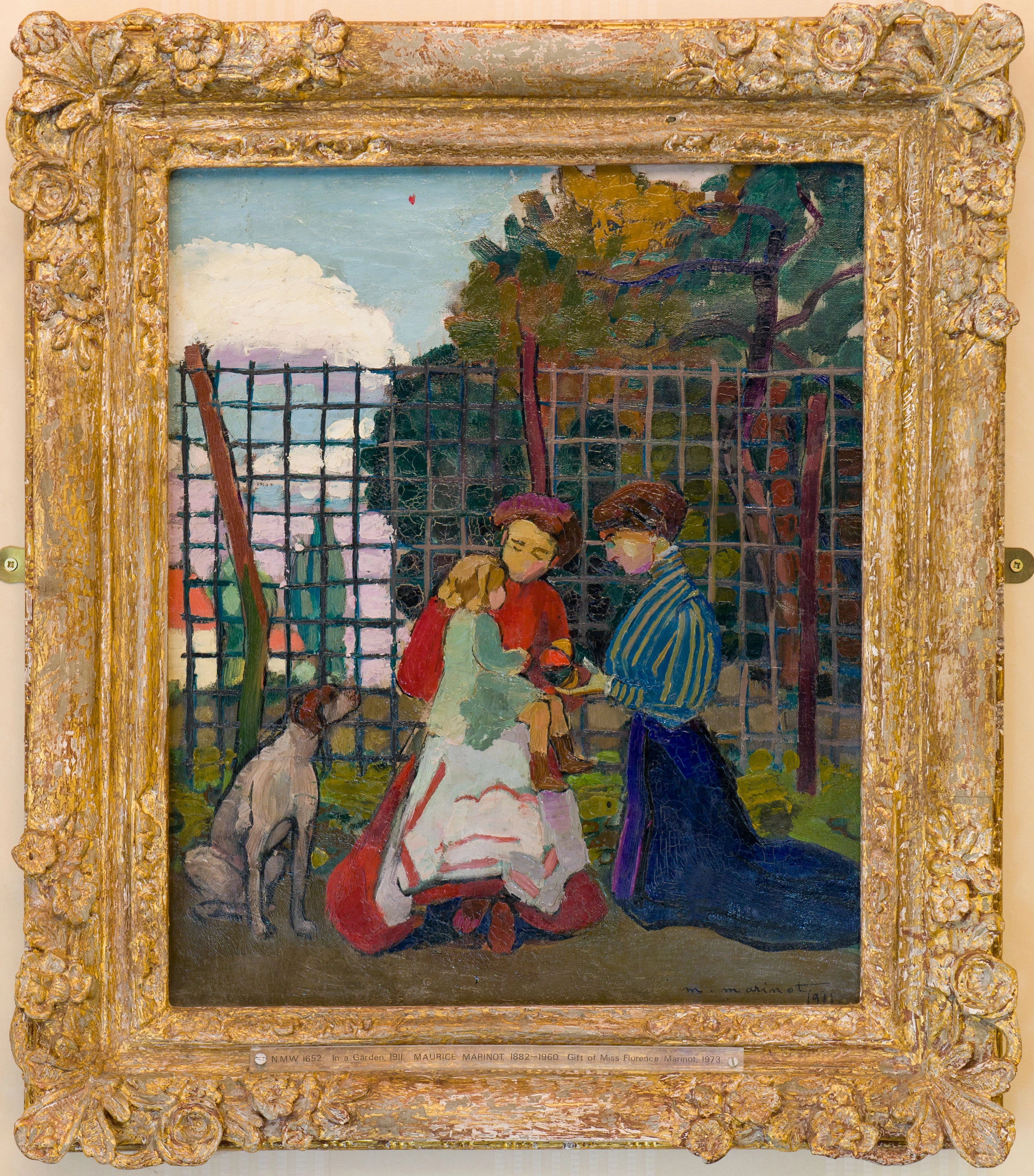
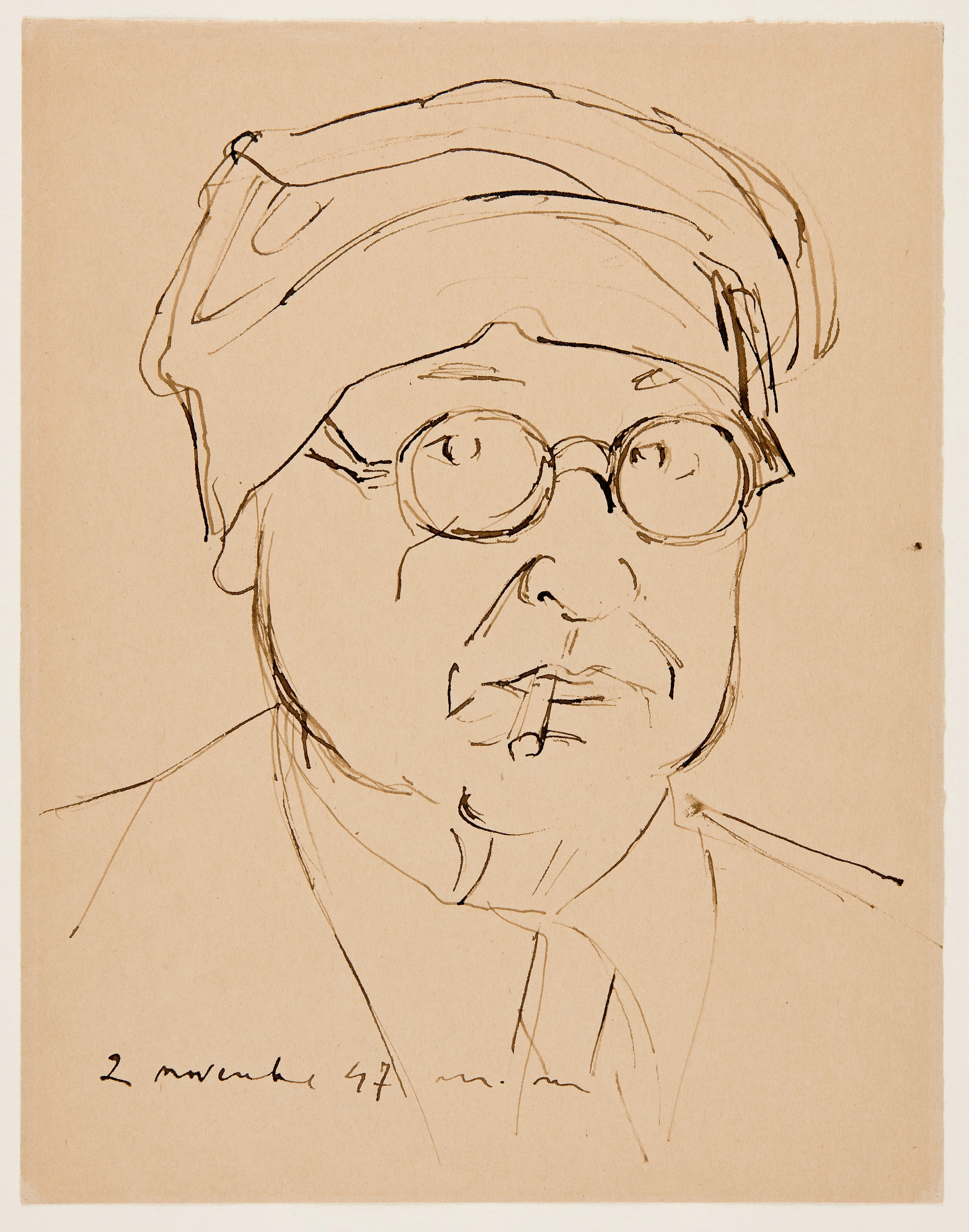
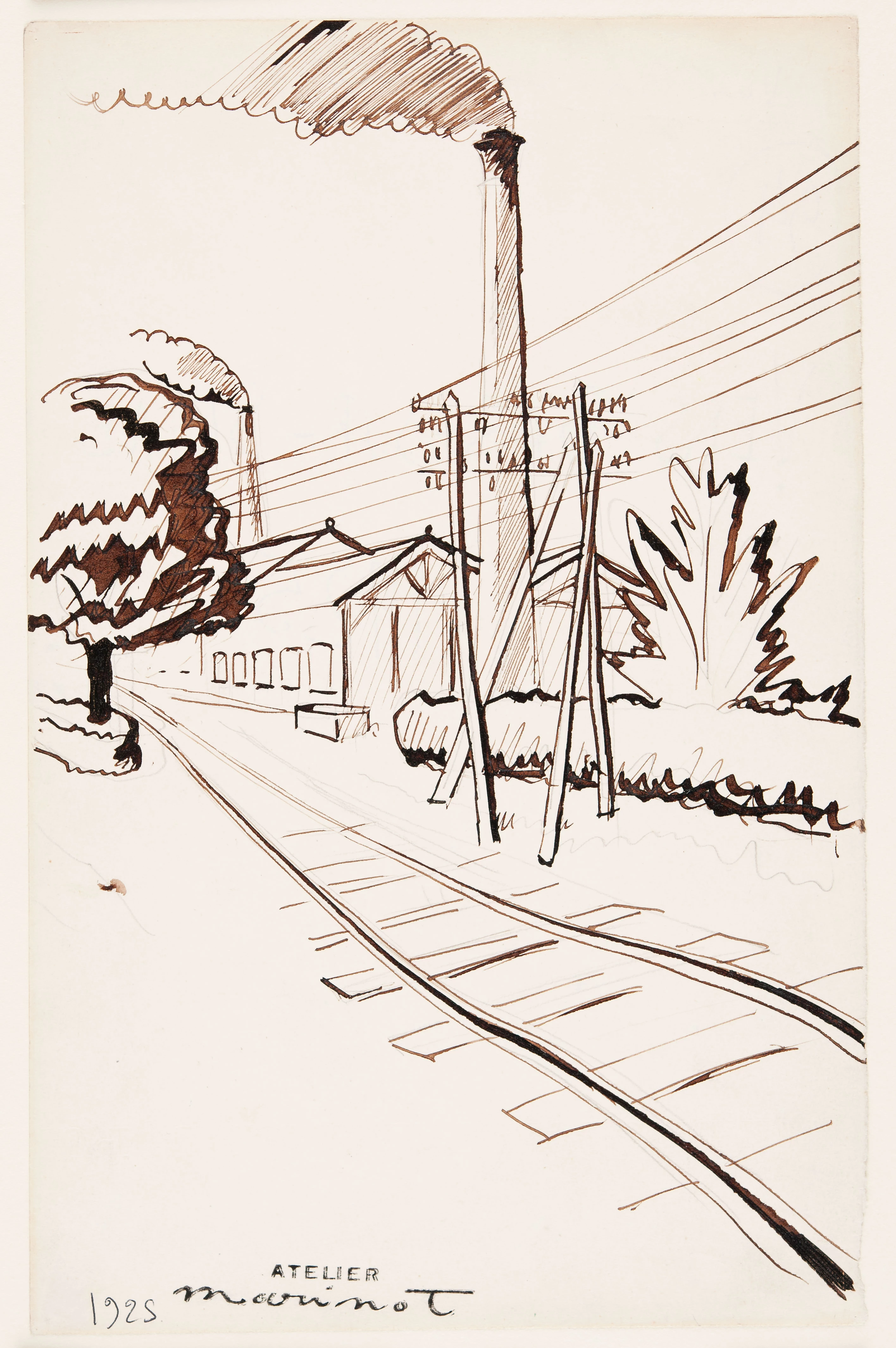
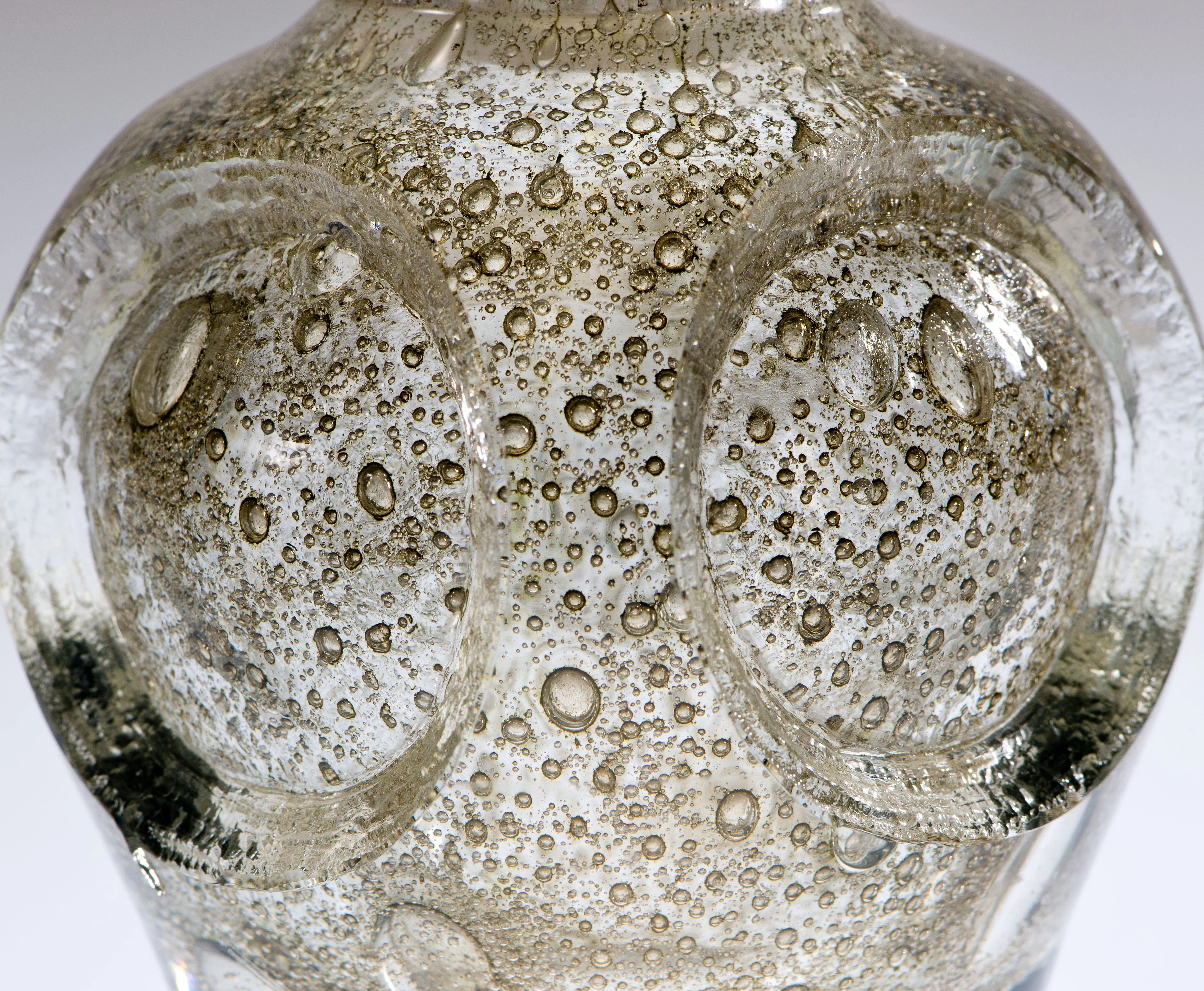
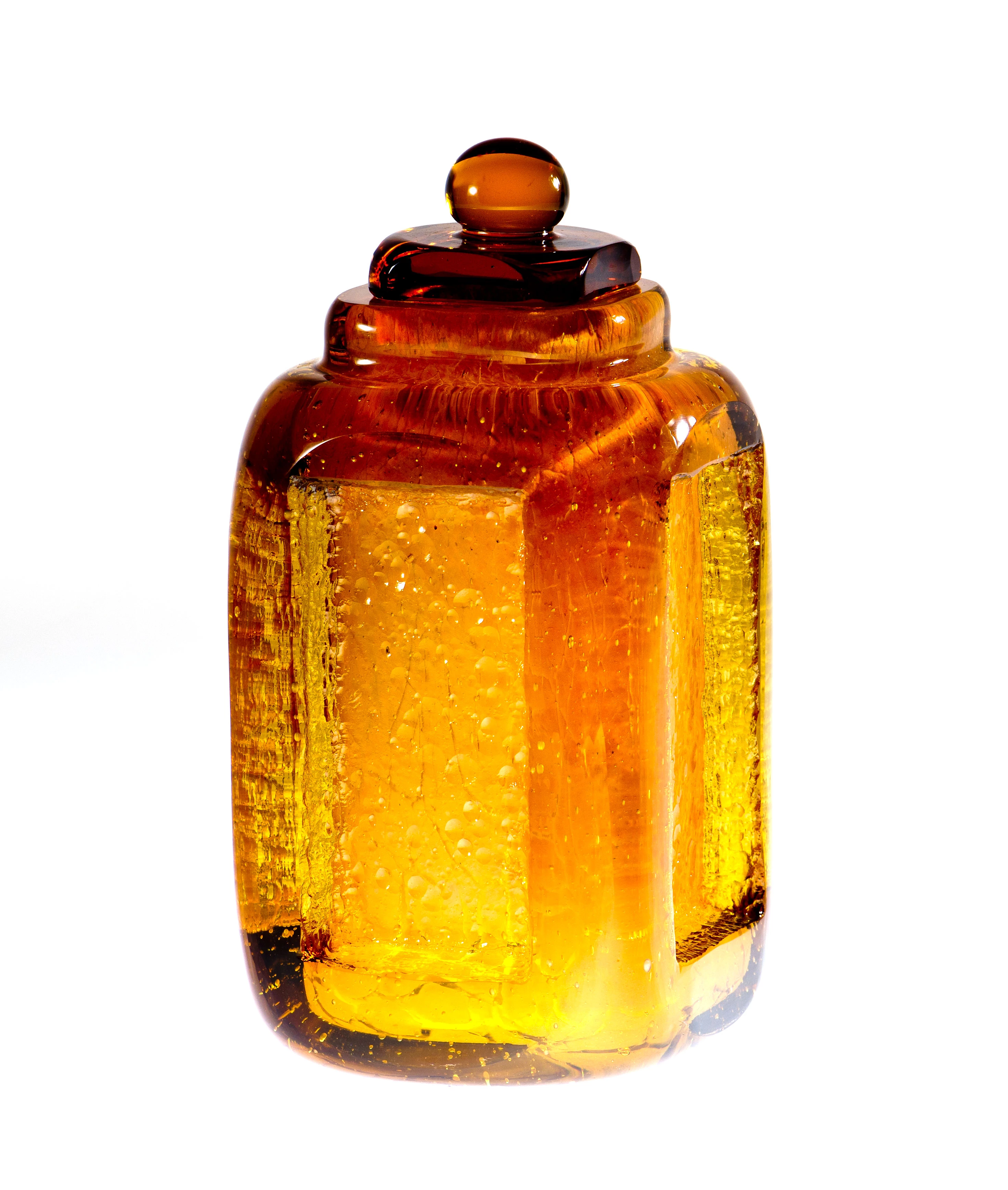
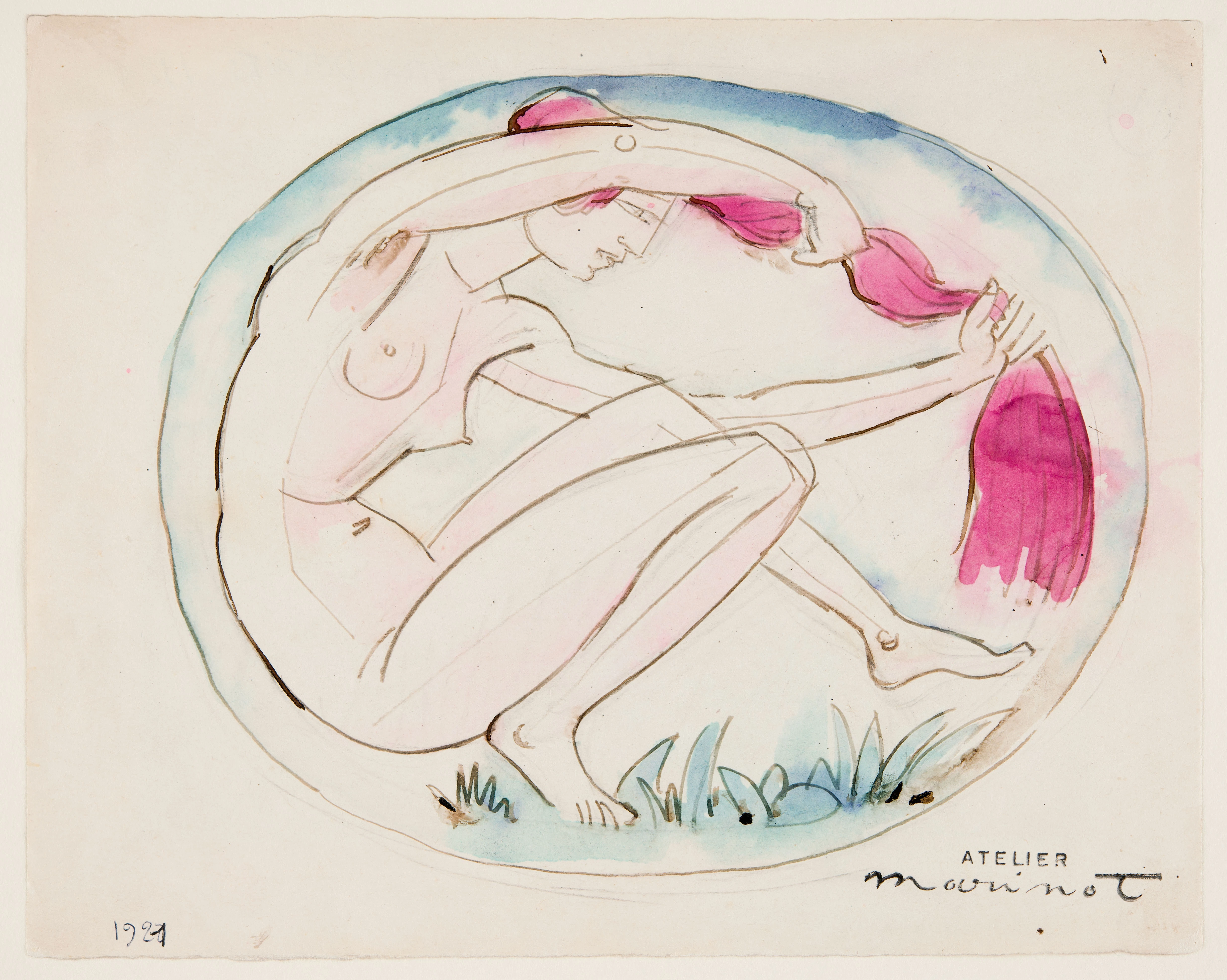
Heat, Smoke and Tears - The work of Maurice Marinot Rachel Conroy, 19 November 2015 'I have never seen anything so beautiful, so precious and at the same time so simple' (André Derain) In a Garden, 1908, oil on canvas. (DA007037) Design for enamelled decoration, 1921, watercolour, ink and pencil on paper. (DA008188) Maurice Marinot (1882-1960) is one of the most important glassmakers of the twentieth century. He was a pioneer in the development of glass as an art form. In 1944, a munitions truck exploded outside of his studio, destroying a lifetime of work and making his glass very rare. Marinot was born in Troyes, south-east of Paris and began his career as a painter. He enrolled at a prestigious Paris art school, but was expelled for being a ‘dangerous non-conformist.’ At the 1905 Salon d’automne in Paris, his paintings were shown alongside those by artists such as Matisse and Derain. Critics attacked the exhibition for its riot of colour, coining the term ‘fauves’ (‘wild beasts’) to describe the artists. In 1911 Marinot visited the glassworks of his old school friends, Gabriel and Eugène Viard, at Bar-sur-Seine. He was immediately captivated. Desperate to learn the secrets of glassmaking, Marinot persuaded the Viards to give him a work space and tools. He initially drew on his experience as a painter, decorating pieces made by others with vibrant enamels. By the early 1920s, he was sufficiently skilled to begin creating and exhibiting his own glass. Self portrait, 1947, pen and ink on paper. (DA008196) Near Bar-sur-Seine, 1925, pen ink and pencil on paper. (DA006752) "To be a glassman is to blow the transparent stuff close to the blinding furnace…to work in the roasting heat and the smoke, your eyes full of tears, your hands dirtied with coal-dust and scorched" (Maurice Marinot, 1920). Marinot made unique works, entirely by hand, that he considered as creative and meaningful as painting or sculpture. His glass is dense, bold and highly experimental, with an emphasis on form and constant interest in the effects of light. Working in glass provided Marinot with the opportunity to extend his exploration of colour – from delicate, opaque pinks and rich purples, to lucid greens and shimmering metallic. Taking inspiration from nature, his objects can seem as if they are cut from a block of melting ice, carved from granite or filled with murky pond water. Marinot’s career in glass was intense and very successful, yet relatively brief. In 1937 failing health and a catastrophic fire at the glassworks meant he stopped making after 26 years of experimentation. His extraordinary achievements continue to influence glass artists today. In 1973 Florence Marinot, the artist’s daughter, gifted works to Amgueddfa Cymru. Florence chose to donate them to this Museum due to the strength of its collection of modern French paintings. Only three other collections in the UK and Ireland hold work by the artist: the Victoria and Albert Museum, New Walk Museum in Leicester and the National Gallery of Ireland. Detail of a bottle, 1929, bubbled and acid-etched glass. (DA008203_05) Bottle and stopper, 1929, acid-etche, crackled and cased glass. (DA008205_03) With thanks to Dr P. Merat for permission to reproduce images of work. All images © Dr P Merat.
John Dillwyn Llewelyn — Welsh Pioneer Photographer Mark Etheridge, 21 April 2015 The John Dillwyn Llewelyn Collection at Amgueddfa Cymru – National Museum Wales contains some of the earliest images ever taken in Wales. The collection comprises of approximately 850 photographic prints (mainly salted paper), 230 Calotype paper negatives and 160 Collodion glass negatives. It also includes some documents and photographic equipment. As well as negatives and prints taken by the Llewelyn family, the collection also contains many prints by other photographers (including some by Calvert Richard Jones and Roger Fenton) that were collected by the family. All the photographs and negatives from the John Dillwyn Llewelyn Collection can be viewed on Amgueddfa Cymru’s Collections Online catalogue. John Dillwyn Llewelyn (1810 – 1882) John Dillwyn Llewelyn was born at The Willows, Swansea on 12 January 1810. The family had lived at Penllergare (four miles north of Swansea) since 1817, however on coming of age John inherited this estate from his maternal grandfather and took on the additional surname Llewelyn. It was at Penllergare where many of the photographs in this collection were taken in the 1850s. On 18th June 1833 John married Emma Thomasina Talbot, the youngest daughter of Thomas Mansel Talbot of Margam and Penrice. Importantly Emma was first cousin to the pioneer photographer William Henry Fox Talbot who contended with Daguerre in 1839 for the title of inventor of photography, and who invented the negative process. He died on 24 August 1882 at Atherton Grange, his London home, and is buried with his wife Emma at Penllergare. Collodion glass negative of John Dillwyn Llewelyn, c.1853 Collodion glass negative showing the south front of Penllergare House, 1858 Scientist, Botanist & Astronomer John was from a very wealthy background, his father Lewis Weston Dillwyn managed the family-owned Cambrian Pottery in Swansea. This meant he was in the very lucky position of being able to pursue his interests in science, botany and astronomy without having to work. He was a gifted amateur scientist and a member of the Royal Institution of South Wales. He built an orchid house and observatory (which still stands) in the grounds at Penllergare . Salted paper print showing a vase of roses on the porch at Penllergare House, 1850s Calotype paper negative of the observatory at Penllergare, 1850s Pioneer Photographer With such an interest in science, and with his wife’s family connections to Fox Talbot it seems natural that John took up photography almost from its inception in 1839. However he wasn’t very successful at this point with either Talbot’s process or Daguerre’s. Unable to overcome some of the technical difficulties he gave up and didn’t return to photography until the early 1850s. Most of the collection the Museum holds dates from the 1850s. He was a founder member of the Photographic Society of London (which later became the Royal Photographic Society), and in 1853 he attended the inaugural meeting. He exhibited regularly in the early exhibitions of the Society as well as in Dundee, the Manchester Art Treasures exhibition and Paris exhibition in 1855. John was especially talented at capturing fleeting moments, such as waves, cloud movement and steam. At the Paris exhibition in 1855 he was awarded a silver medal for his ‘Motion’ series, a series of four images - breaking waves in Caswell Bay, sailing ship off Caswell, the steamer JUNO blowing off steam at Tenby, and clouds over St. Catherine’s, Tenby. This Collodion glass negative is from the ‘Motion’ series showing the steamer JUNO at Tenby, c.1855 Collodion glass negative showing John with his calotype camera in 1853 This photograph was made using the Oxymel process. It was taken on 15 March 1858 at 1pm with an exposure of 15 minutes. It shows Swansea from St. Thomas, and sailing vessels can be seen in the background. Invention of the Oxymel Process His invention of the Oxymel process in 1856 was a development of the collodion process which used a solution of acetic acid, water & honey to preserve images. This meant that glass negatives could be prepared in advance and exposed in the camera as required. As a result landscape photographers no longer needed to carry around portable laboratories and darkroom tents. The Illustrated London News in 1856 wrote that: “The plates may be prepared at home and a boxful taken out and think of this ye tourists, as you travel along and a fine prospect meets your eye you have nothing to do but to stop your carriage, get out your camera, and in a few minutes you may secure a picture, drawn by Nature herself, that would have taken you hours to sketch." Salted paper print showing John with all the apparatus needed to take a collodion negative Is this the first ever photograph of a snowman taken in Wales? This photograph was taken about 1853/54 and is probably by Mary Dillwyn or Thereza Llewelyn. The Llewelyn Family John and Emma had seven children, six of whom survived into adulthood. Various members of the family seem also to have been interested in photography. His daughter Thereza took a number of the images, and we know that both Thereza and John’s wife Emma also helped print some of his photographs. John’s youngest sister Mary Dillwyn was also an early photographer, and is generally regarded as the first woman photographer in Wales. This photographs shows the Llewelyn children having a picnic on the Goppa near Swansea in 1855. It is one of a series of photographs of the children taken by John on the 23rd September each year for his wife’s birthday. The Historic Photography Collection Further Reading Penllergare A Victoria Paradise by Richard Morris, 1999. The Photographer of Penllergare A Life of John Dillwyn Llewelyn 1810-1882 by Noel Chanan, 2013.