: Museum Blogs

A week working at the National Slate Museum with Cari and Mali

Cari and Mali, work experience students , 14 July 2025

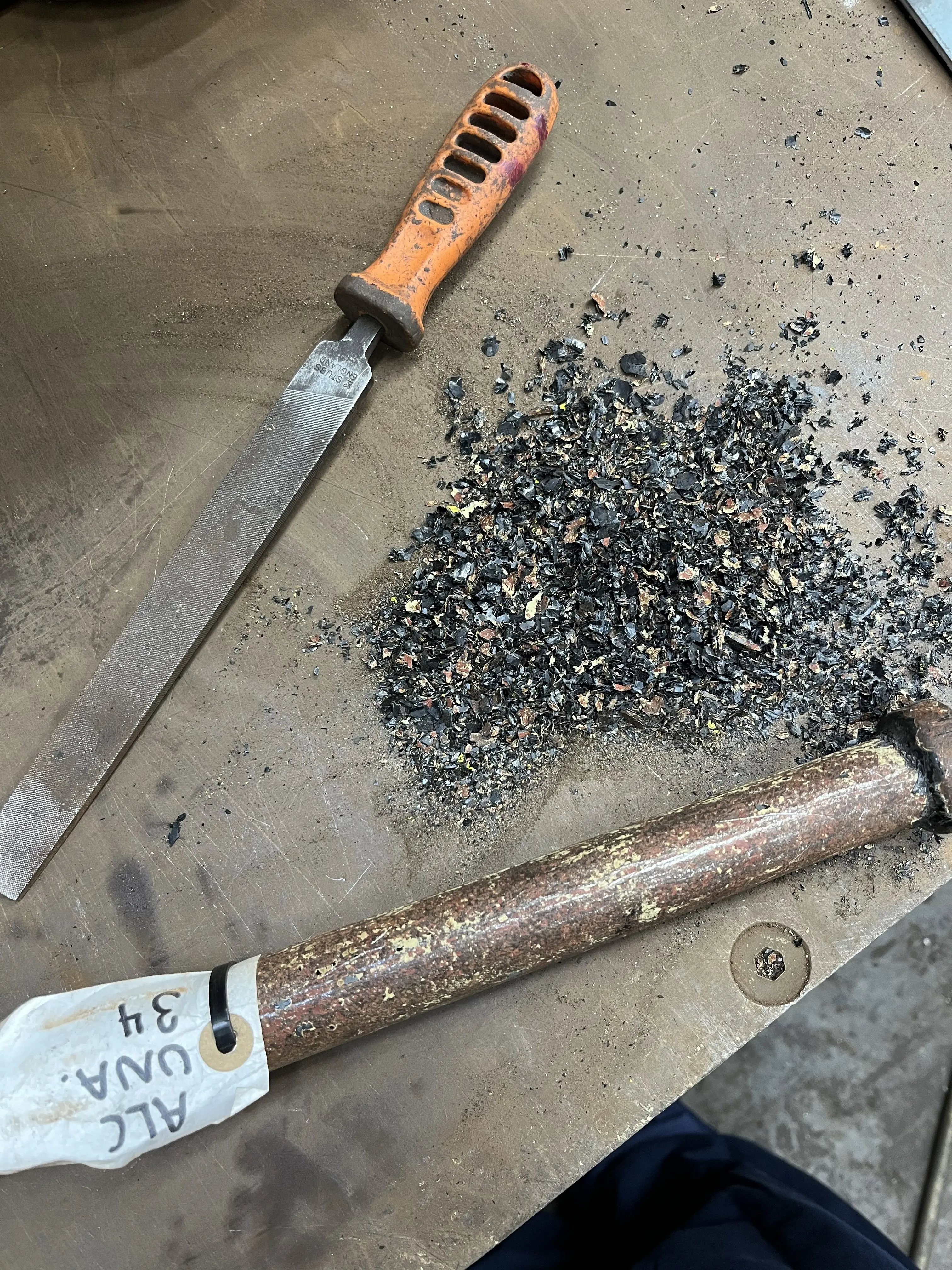
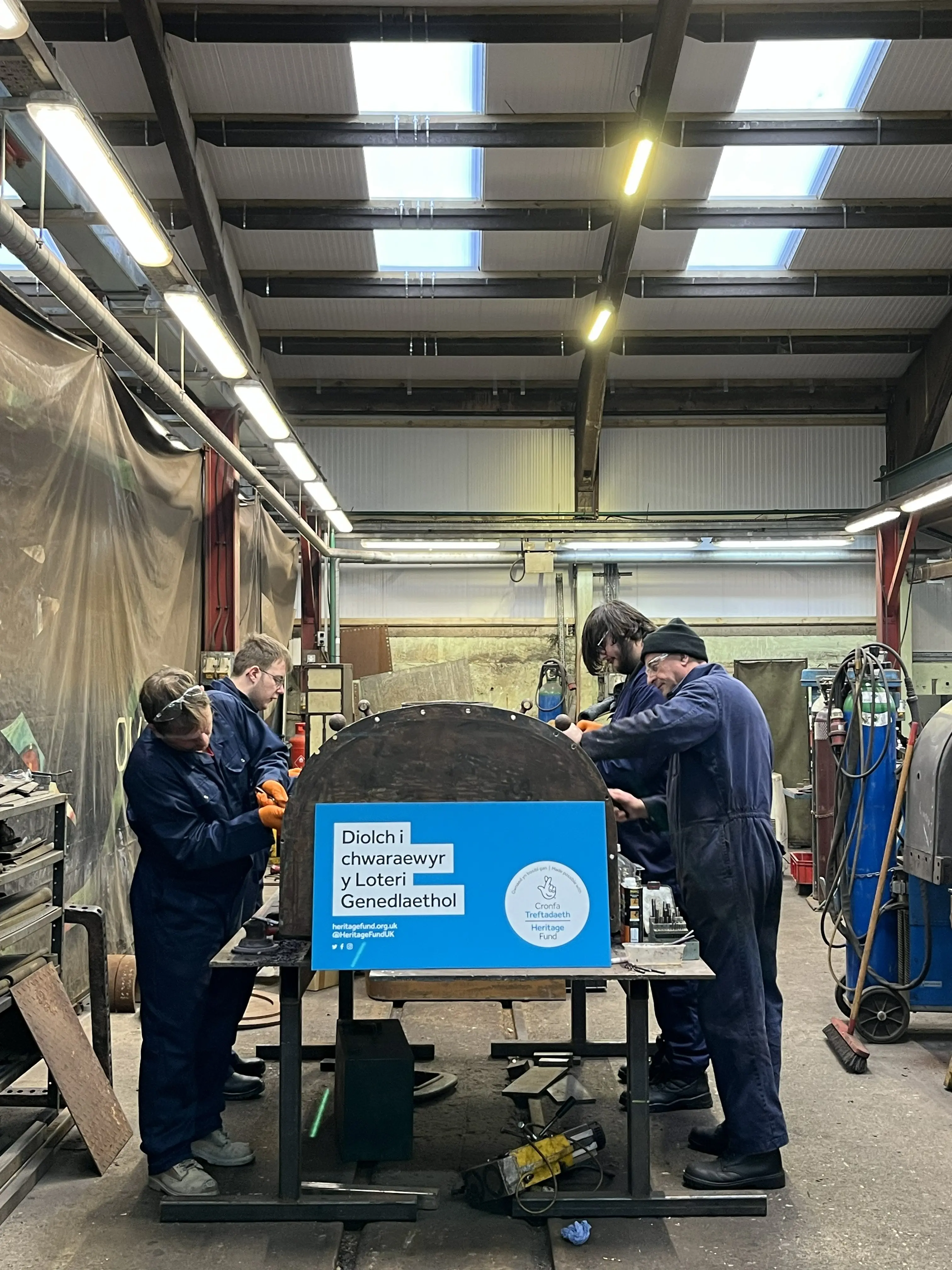
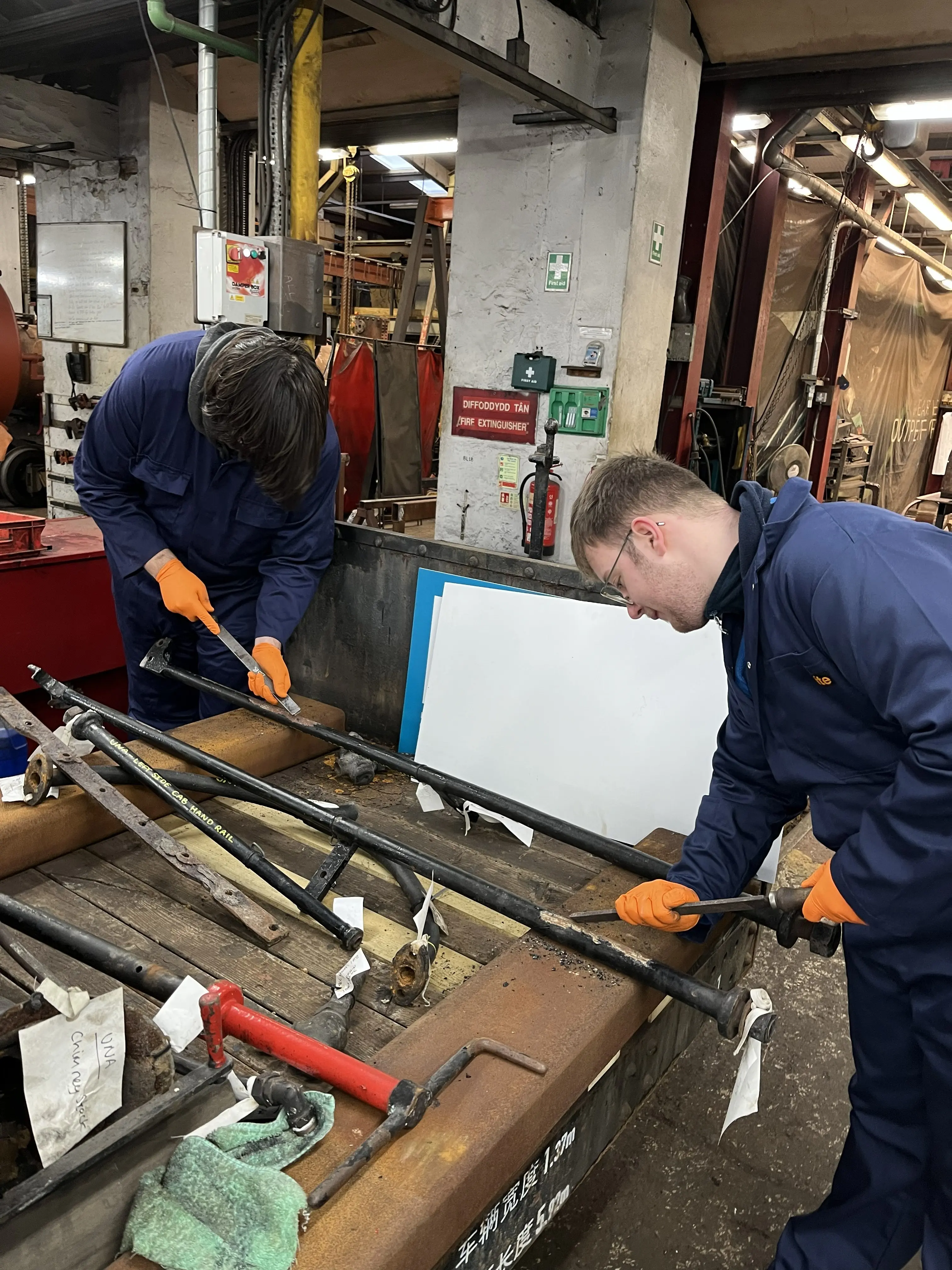
Cari and Mali, two work experience students at National Slate Museum.
Cari, work experience student, walking along a narrow road surrounded by green leafy trees.

Day 1 

What did we do today?

On our first day we went for a walk around the area expanding our understanding of the history of the quarries. In addition, we visited the Quarry Hospital learning more about illnesses and diseases that the quarries would face.

What skills did we learn from the experience?

School pupils had come to visit the Museum, so we learned how to work with visitors - especially younger children, and learned more about the area from listening to the presentation. While walking around the area, we certainly learned a lot more about the history of the quarries and the quarrymen.

Day 2

What did we do today?

Today we went to Penrhyn Castle. Here, we walked around the castle and watched a slate splitting demonstration. At the demonstration we learned more about the influence of slate, not only in Wales, but across the world. We also gathered feedback from viewers. While visiting the Castle, we discovered a bed made entirely from slate!

What skills did we learn from the experience?

When gathering feedback from the audience of the demo, we developed public engagement skills and received feedback and it was a means to gain confidence and communication skills.

A laptop opened onto a screen showing the blog a student on work experience is creating.

Day 3

What did we do today?

A historic day today at the Quarry Hospital. We were able to expand our historical understanding of the hospital, the area, the quarries and the quarrymen. We then came back to the office to work on our blog and for a meeting.

What skills did we learn from the experience?

By working on the blog we have strengthened our design, proofreading and language skills. And of course, by spending time at the Quarry Hospital we were able to expand our historical understanding.

Day 4

What did we do today?

A historic day today at the Quarry Hospital. We were able to expand our historical understanding of the hospital, the area, the quarries and the quarrymen. We then came back to the office to work on our blog and for a meeting.

What skills did we learn from the experience?

By working on the blog we have strengthened our design, proofreading and language skills. And of course, by spending time at the Quarry Hospital we were able to expand our historical understanding.

Collage of an event set up with Museum Wales branding, and work experience students helping to set up wearing high-vis.

Day 5

What did we do today?

Today we helped set up the Slate Museum stand for the Snowdonia Trail Marathon 2025. After that we came back to the office to finish our blog and the reels.

What skills did we learn from the experience?

By setting up the stall we strengthened our teamwork skills and our physical skills! By finishing the blog and the reels it allowed us to strengthen your editing and technology skills.

Head over to Facebook to see a Reel Cari and Mali made to document their time on work experience! 

Hip-Hop: A Welsh Story

Kieron Barrett, 9 July 2025

There are two questions which have been at the forefront of my mind when curating Hip-hop: A Welsh Story for National Museum Cardiff. Firstly, ‘what is Hip Hop?’ and secondly ‘what is a museum?’ You’d think both would be relatively simple to explain but I’ve still not come up with a satisfactory answer. Yet continually searching for some kind of resolution to them both has laid the foundations for the whole project.

You’d think the former would be easier for me. I’ve followed Hip Hop since the early 80s and it forms an important part of my identity. At various moments I’ve been a rapper, a DJ, a promoter, a blogger and an artist manager, but most of all I’ve been a fan of Hip Hop culture in all of its many forms. My background is in Hip Hop, not in museums. However, I took the responsibility of bringing an exhibition like this to life incredibly seriously. To do that properly I would have to step outside of my own relationship to Hip Hop, to ensure that I was representing a cross section of the whole country. I had to investigate the many ways that Hip Hop has become a part of Welsh culture and in many cases Welsh identity. I wanted to explore and celebrate the impact that Hip Hop has had on Wales since it first arrived back in the early 80s.

Although Hip Hop was born in the 1970s, the culture really started to make an impact here from the tail end of 1982. It was easy to form a collective identity then as we only had 4 TV channels and limited print media. However Hip Hop has been through many changes since and in the age of the internet and increased globalisation, it’s not so easy to put your finger on what makes something Hip Hop.

That’s a long conversation and I'm not going to unpack that here just yet, but it was important for me to hear thoughts and experiences from as many people as possible. To make an exhibition with legitimacy we had to include voices older and younger than myself as well as my peers. I travelled across Wales and spoke to lots of people I knew and a number of others that I didn’t - in Newport, Cardiff, Port Talbot, Bridgend, Swansea, Carmarthen, Caernarfon, Aberystwyth, Bangor, Conwy, Colwyn Bay, Wrexham and many other smaller towns and villages in-between. In total there were over 70 recorded interviews - a number of which are going into the museum’s oral history archive. However I met and spoke to hundreds more people along the way and this whole project has been a huge collective effort. I also have to give a special mention to Luke Bailey who collected a number of important interviews in podcast form which were invaluable to the research.

I trawled through multiple archives to find more stories and information. Newspapers, libraries and the BBC in particular. There were a number of videos and articles that I knew existed, but most seemed to be lost forever. I spent hours looking through websites and articles on the internet and I’m grateful to Dr Kieran Nolan the founder of irishhiphop.com for finding some of the archived pages of my old website welshhiphop.com from 2000. I found some incredible pictures but years of being passed around the internet had greatly degraded the quality of them. Wild goose chases were common in trying to hunt down the originals but they all led me to find even more voices, and more stories. This inevitably led to more photos and more (objects) for us to share with you. Some people I chased around social media sites for years before I got to speak to them in person and it took time to build and maintain trust enough for them to unlock their memories and lend us their most cherished connections to the past. I often felt the weight of this huge responsibility and still do for everything that’s on display.

I started to pull out recurring themes from the interviews and conversations. Community and competition were the most common. Not that everybody recognised these within their own experiences, but enough to start building a narrative for the exhibition. There has been a common misconception that we are creating a history of Hip Hop in Wales, perhaps this is because people view museums as a place to store history and that’s arguably one part of their function. In fact a number of people didn’t want to take part at first for the simple fact that they weren’t ready to be consigned to the past. That’s certainly not what this exhibition is about and it’s not how I view museums. For me they help us to explore our identity, especially as it relates to nationality. In the Victorian and Edwardian eras this seems to have been more prescribed, but now it’s an ever-evolving discussion and I’m so pleased that Hip Hop is finally part of that conversation.

But we really are only able to scratch the surface. We’d need the whole building and then some to get close to a proper history of Hip Hop in Wales. I heard a podcast with Neil deGrasse Tyson in which he said, “The goal of a museum is to inspire you to want to learn more” and I hope we manage to do that for you. We will continue to populate this blog with more context and more information over the next few months.

I thought I knew a lot about Hip Hop in Wales when I started this project but I have learned so much along the way. We have such a rich Hip Hop history here and you can see its influence everywhere if you look closely enough. I know people are apprehensive about the way Hip Hop will be represented and believe me nobody is more nervous than me about getting things right. I’ve been grateful for such an incredible team in pulling everything together. I could never have guessed how much work goes into a museum exhibition before I started. 

We wanted to make sure this exhibition was accessible to as many people as possible but it had to be historically and academically sound as well. This meant spending hours of my own time doing my homework on Hip Hop and unpacking the many mythologies that underpin it. Books, academic papers, interviews, documentaries, articles. It’s difficult to scrutinise something you love that much but this was largely background research. In Wales we have adapted and carved our own chapter within Hip Hop’s history. We echo the wider narratives of struggle, acceptance, self expression, healthy competition and passing on the torch to the future generations that follow us. There are many stories worth telling, we have highlighted a few to create ‘Hip-hop: A Welsh Story’ and we really hope you visit and leave the exhibition as inspired as we’ve been whilst building it.