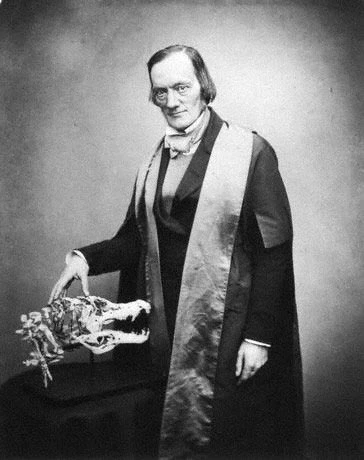
Important Fossil Turtle discovered after being lost for 150 years Cindy Howells, 18 November 2012 Chaning Pearce [Image (c) Bristol City Museum & Art Gallery] The fossil turtle at National Museum Cardiff, its significance previously unknown Sir Richard Owen in 1855 by Maull & Polyblank. Founding father of the National Museum of History, London and inventor of the word 'dinosaurs' In 1842 the famous naturalist and palaeontologist Sir Richard Owen described four new fossil turtle specimens from the Purbeck Limestone (Lower Cretaceous) of Dorset. One of these has always been in Natural History Museum in London, but the other three were held in private collections, and after 1842, effectively vanished for 150 years! One of the missing three was discovered in the Natural History Museum several years ago by Dr Andrew Milner whilst studying turtles and other reptiles, but the whereabouts of the other two remained a mystery. However, further research led him to the National Museum Cardiff where a fossil turtle in the collections was positively identified as one of Owen's missing specimens. This fossil turtle - originally named Chelone obovata - was owned by Joseph Chaning Pearce (1811-1847), who worked as a doctor in Bath until his early death at the age of 37. He built up one of the largest private collections of fossils outside London and had set aside part of his house as a private museum. After his death his family kept the small museum until at least 1886 when they moved to Kent. The collection is next heard of in 1915, when much of it was bought by the Bristol Museum and Art Gallery, along with its original catalogue. Dr Milner searched the collections at Bristol Museum but did not find the Chaning Pierce specimen, and assumed that it was destroyed in 1940 when incendiary bombs landed on the exhibition hall of the Bristol Museum during the Second World War. However, in 2008 he found the original hand-written catalogue, and on page 32 is the record for Fossil no.12 Chelone obovata with a pencil annotation - Sent to Cardiff Museum, 3rd March 1933. Dr Milner contacted the Department of Geology, National Museum Cardiff, and it transpired that in 1933 a Purbeck turtle shell was registered, although we had very little information about it. The specimen had been on display in the Evolution of Wales exhibition since 1993 as it is very well preserved and fairly complete. Richard Owen's original description in 1842 describes this turtle as the 'type specimen' of the species Chelone obovata - meaning that this is the specimen against which all others should be checked. Although there were no illustrations, he published a very detailed and accurate description. This description matches the specimen in National Museum Cardiff exactly, and there is no doubt that it is the same specimen. A recent investigation shows that the turtle now belongs in the genus Hylaeochelys and the species latiscutata. This specimen has significant historical interest as it was collected prior to 1840, and described by Sir Richard Owen - the man who invented the name 'dinosaur'. The details of the rediscovery have been published in Morphology and Evolution in Turtles, edited by D. B. Brinkman et al., in the series - Vertebrate Paleobiology and Paleoanthropology.
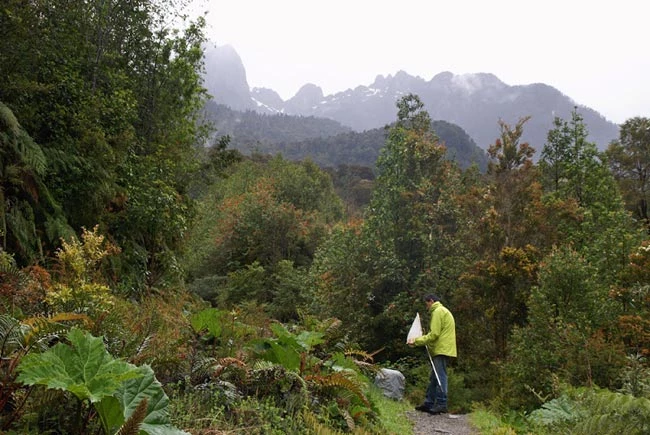
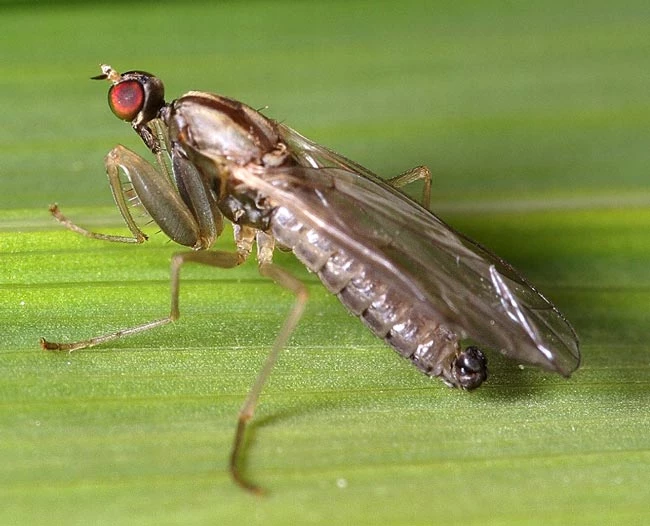
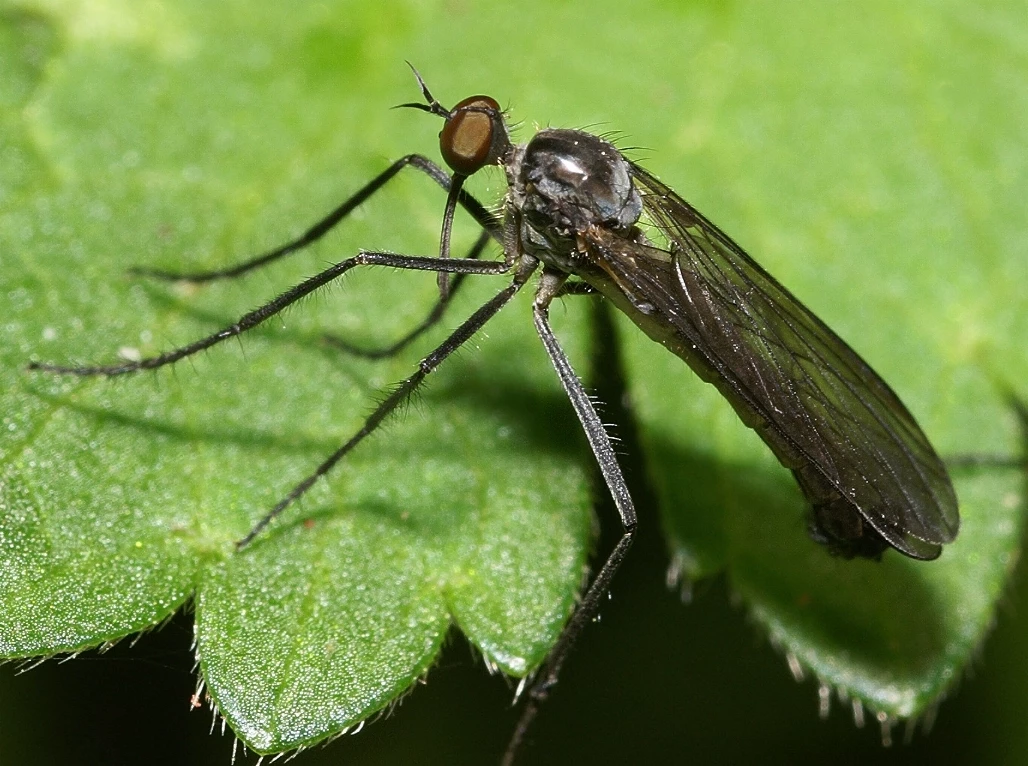
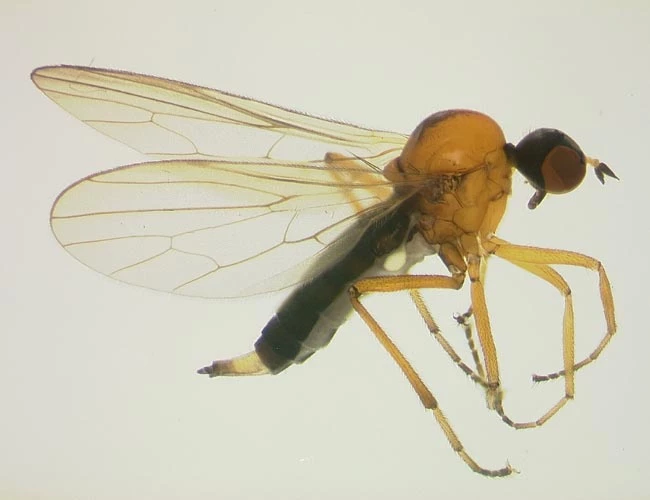
Species new to science: Dance-Flies from Chile Adrian Plant, 6 November 2012 Collecting insects, Alerce Andino, Chile. Chelipodozus sp. (about 4 mm long) Cladodromia sp. (about 4 mm long). Empis sp. An undescribed species of the macrorrhncha-group (about 6 mm long). An undescribed species of Neotrichina (about 4 mm long). All species are constantly evolving, and their current distributions and diversity, even in the local context of Wales, have been determined by factors such as climate change, continental drift and ecology. Scientists must therefore study organisms in a global context in order to properly appreciate how they fit into the Tree of Life. This is very much the case with insects, including flies (Diptera). Their major evolutionary lineages appeared in the remote past, at places now separated by the drifting apart of continents. For instance, many major species of Diptera evolved in Patagonia and Australasia, at a time when these lands formed part of the ancient supercontinent of Gondwana. In temperate regions, flies known as 'dance-flies' (Empidoidea) are numerous and may account for 10% of all fly species. Some feed on flowers and are important in pollination, while most are fierce predators of other invertebrates helping significantly to regulate pests. Still others have complicated mating rituals involving spectacular display flights and the presentation of dead insects as 'presents'! The Empidoidea first appeared in Gondwana in Jurassic times, at least 160 million years ago. As the supercontinent broke up and the continental fragments drifted apart, there was a massive increase in diversity of these flies. Collaboration between entomologists at Amgueddfa Cymru and other museums around the World have improved our understanding of the evolutionary history of these flies. One such project saw a team of entomologists from Amgueddfa Cymru and the Muséum national d'Histoire naturelle in Paris embarking on an expedition to Patagonia sponsored by CAFOTROP (CAnopée des FOrêts TROPicales). The objective was to look for new Gondwanic species in the dense temperate rainforests of Chilean Patagonia using specialist sampling methods of close searching, netting and trapping. This was followed by sifting, sorting and preserving the catch, ready for preparation and identification of the specimens once back in the laboratory. These southern temperate rainforest proved very rich in Empidoidea with three weeks collecting resulting in some 8,000 specimens, including many species unknown to science. Many genera have been identified that are now restricted to locations that were once part of Gondwana, such as Ceratomerus, Clinorhampha, and Cladodromia. Particularly exciting was finding new species of the Empis macrorryncha - a group of flies that are closely related to species of the same group known from SW Australia. This suggests these species evolved from a common ancestor which probably lived before the Gondwana continent fragmented.
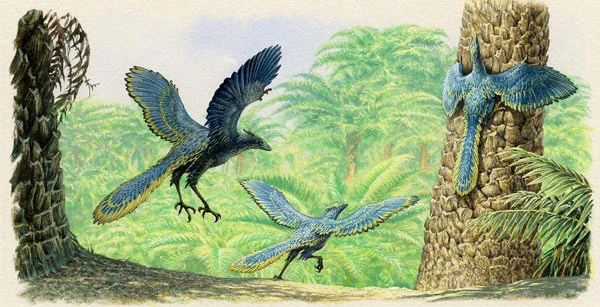
Archaeopteryx – the missing link between dinosaurs and birds? Cindy Howells and Caroline Buttler, 13 October 2011 Archaeopteryx is an iconic fossil, often thought of as the ‘missing link’ between dinosaurs and birds. It was first described in 1861 by the German palaeontologist Hermann von Meyer (1801–1869). Since then Archaeopteryx has been the focus of controversy surrounding the origin of birds and their links with dinosaurs.Only eleven specimens and an isolated feather have so far been found, all coming from a few quarries near the Bavarian town of Solnhofen in southern Germany.Almost all of the specimens are from the Solnhofen Limestone, fine muddy limestones deposited in tropical lagoons about 150 million years ago near the end of the Jurassic Period. One was found in the overlying Mörnsheim Formation and is younger by perhaps half a million years. Archaeopteryx specimen (Museum für Naturkunde, Berlin, Germany) DiscoveryIn 1861 Hermann von Meyer published a description of a single fossil feather found in the Solnhofen Limestone and named it Archaeopteryx lithographica.Archaeopteryx means ‘ancient wing’. Von Meyer also mentioned that ‘an almost complete skeleton of an animal covered in feathers’ had been found. After competition from other museums this skeleton was eventually bought by the British Museum along with other Solnhofen fossils for £700, then a huge sum of money.In 1863 Richard Owen, Superintendent of the natural history collections at the British Museum, described and illustrated the specimen, declaring it be a bird with ‘rare peculiarities indicative of a distinct order’. The discovery of this remarkable fossil came just two years after the publication of Charles Darwin's book On the Origin of Species, which changed people’s perception of the natural world.Archaeopteryx seemed to fit well with Darwin’s theory as it showed features of both birds and reptiles.What did Archaeopteryx look like?Archaeopteryx was a primitive bird with feathers, but its fossilised skeleton looks more like that of a small dinosaur. It was about the size of a magpie.Unlike modern birds it had a full set of teeth, a long bony tail and three claws on its wing which may have been used for grasping branches. It lacked the fully reversed toes which enable many modern birds to perch. However, Archaeopteryx did have a wishbone, wings and asymmetrical ‘flight’ feathers, like a bird. It is likely that Archaeopteryx could fly, although perhaps not strongly. Reconstruction of Archaeopteryx (© J. Sibbick) The world of ArchaeopteryxArchaeopteryx lived on land near a series of stagnant and salty lagoons within a shallow tropical sea. Life in the lagoons was concentrated in the surface waters, as most of the lower levels were extremely toxic. It is possible that the only animals living in the lagoons were small floating crinoids (sea-lilies) and some fish.Ammonites, shrimps, lobsters and starfish lived in the open sea nearby and were occasionally washed into the lagoons during storms. They did not survive for long in the lagoon waters. Horseshoe crabs have been found preserved at the end of a short trail of their own footprints. Very occasionally marine reptiles, such as ichthyosaurs and crocodiles, were also washed in.Flying over the sea were pterosaurs and large insects such as dragonflies. These were blown into the lagoonal waters during these storms. A juvenile specimen of a small theropod dinosaur called Compsognathus has also been discovered in the same deposit, which must have been washed in from the land. Reconstruction of Archaeopteryx (© J. Sibbick) How did Archaeopteryx die and become preserved?Although Archaeopteryx lived on land, occasionally some would have been caught up in storms as they flew or glided over the water. Waterlogged and unable to take off again, they would have drowned and sunk to the floor of the lagoon.All of the known specimens display various characteristics of immaturity, indicating that none of the specimens was fully adult. This may have been the reason for their inability to survive storm events.The carcasses were quickly buried by fine lime muds deposited on the lagoon floors. It is thought that one metre of rock today represents 5,000 years of deposition. The fossils of Solnhofen are exceptionally well preserved, due to the lack of disturbance from both predators and water movement. Within the fine-grained limestones, delicate features such as dragonfly wings or the feathers of Archaeopteryx can be found.Further readingWellnhofer, P. 2009. Archaeopteryx the icon of evolution. Pfeil Verlag, Munich, 208 ppArticle by: Cindy Howells, Collections Manager (Palaeontology) and Caroline Buttler, Head of Palaeontology
Exotic Marine Fish - evidence of rising sea temperatures around Wales? Graham Oliver, 16 March 2011 Atlantic Tripletail (Lobotes surinamensis) caught near Peterstone, east of Cardiff. Original fish preserved in spirit. Preparing a model of Atlantic Tripletail in a laboratory at Amgueddfa Cymru. The finished model of Atlantic Tripletail. In the past few years fishermen and members of the public have been reporting unusual catches and strandings of marine fish from around our shores — fish that would normally live in much warmer, tropical waters. Is this further evidence of rising sea temperatures around the shores of Wales? These specimens are brought to National Museum Cardiff for identification, where they are incorporated into the national collections. In order to display their natural colours, painted casts are made and exhibited alongside the actual fish preserved in fluid. The first UK sightings of tropical Tripletail In 2006, an Atlantic Tripletail (Lobotes surinamensis) was caught in a fisherman's net in the Bristol Channel, near Peterstone, east of Cardiff. As the fisherman did not recognize the 60cm specimen, he brought it to the Museum for identification. Tripletails are normally found in tropical and subtropical waters, and this individual is the first record from UK waters. We know that these fish like muddy estuaries, which may be part of the reason it was in the Bristol Channel. They are semi-migratory, often associating themselves with floating debris, and it is possible it travelled here via the warm waters of the Gulf Stream. Jacks, Swordfish and Leatherbacks Another exotic catch was of a juvenile Jack, caught off the entrance to Milford Haven in August 2007. It is difficult to identify juvenile Jacks and the specimen needed to be X-rayed to confirm that it was the first Welsh record of an Almaco Jack (Seriola rivoliana). This species is usually found in the warm waters of the Caribbean, but between July and September 2007 six were found along the south and west coasts of Britain, doubling the number of records since the first in 1984. Then in 2008 a 2.2metre-long Swordfish (Xiphias gladius) was found dead on a beach near Barry in south Wales. Although this was not a new record, this oceanic species is seldom caught in Welsh waters. These records of warm-water fish appear to be further evidence of rising sea temperatures. The findings coincide with increasing numbers of turtles, especially Leatherbacks, in the Irish Sea. However, the occurrence of exotic marine species is not new, and the Gulf Stream has frequently brought warmer water animals to our shores. Most recently, two species of shipworm (Bankia gouldi and Uperotus lieberkindii) have been found in timbers washed up on the Lleyn Peninsula in north Wales. These are both warm-temperate and tropical species, and have not been recorded before from the UK. The establishment of such exotic species around the British coastline, or at least an increase in their frequency, would reflect real changes in their geographical range. The recording of marine species is vital to our recognition of such events, and the role of fishermen and the public cannot be underestimated — indeed we welcome this participation, and look forward to the arrival of the next mystery creature at the enquiry desk. Juvenile specimen of an Almaco Jack (Seriola rivoliana) caught at Milford Haven. X-ray image of the juvenile Almaco Jack, used to help confirm its identification. The Swordfish (Xiphias gladius) found dead on Barry beach. Note the damage to the side of the fish, probably caused after death. Boarfish (Capros aper) found off the coast of Wales. Although not a rare fish, it is rarely seen as it tends to live in deeper waters.
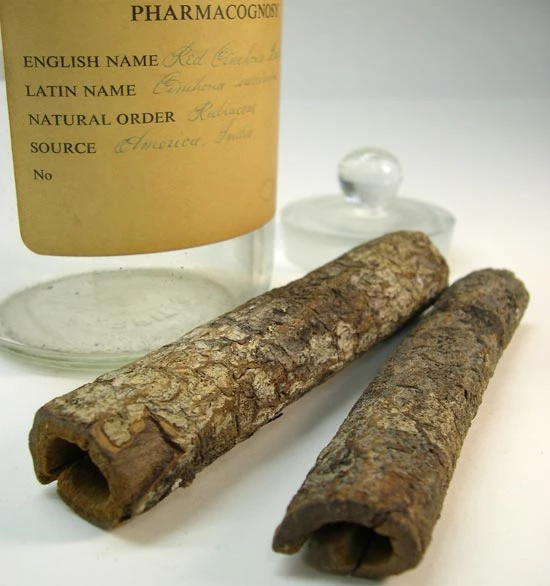
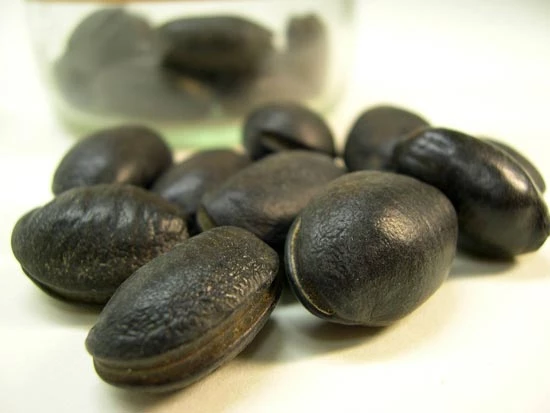
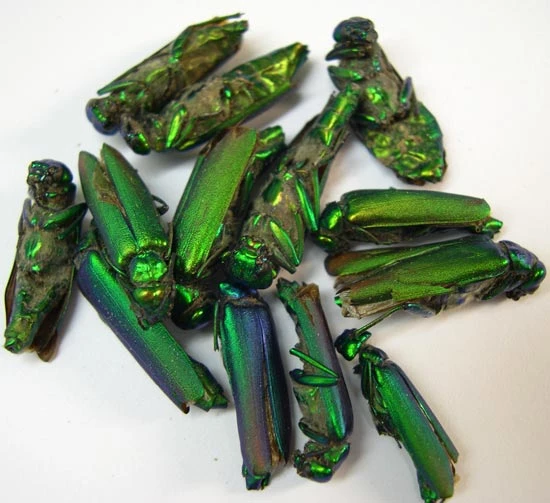
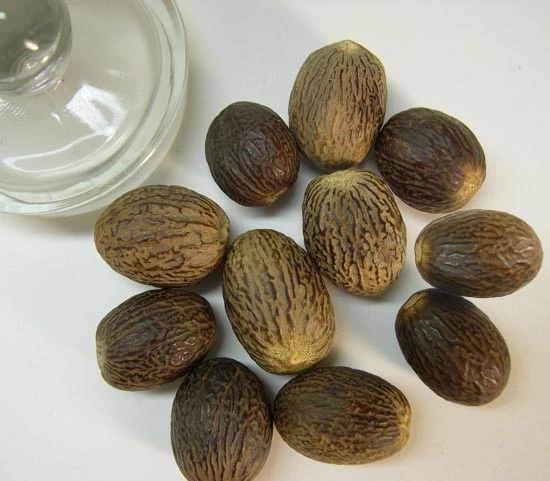
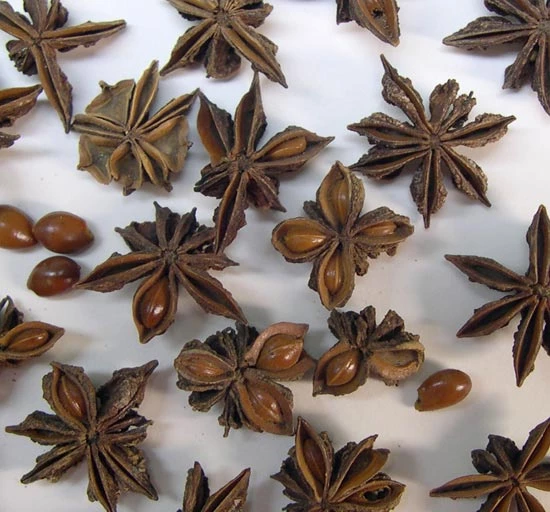
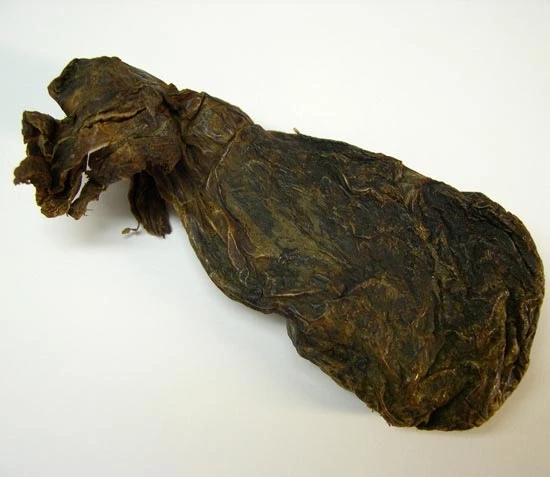
Old cures: Amgueddfa Cymru's Historic Medicine Collection Victoria Purewal, 22 October 2010 Some examples from the materia medica collection, stored in glass jars. Nearly all medical benefits and cures come from nature. Even one of the most deadliest human diseases, malaria, was first treated with the extract from the bark of a South American tree. Amgueddfa Cymru holds a remarkable collection of materials used in historic medical remedies. In 2007, Amgueddfa Cymru were gifted a collection of 469 materia medica specimens from Professor T.D. Turner OBE of the Welsh School of Pharmacy, Cardiff University. It includes material of animal and plant origin, such as bark, roots, leaves and resins, which were the traditional sources of medicinal drugs. The collection will help visitors and students wishing to learn more about current and historic medicines. Life or Death The amount of active ingredients within each plant can vary, but would often make the difference between life and death. The active chemical constituents such as alkaloids, glycosides or tannins were released by, for example, macerating or chewing the material or making an extract or a tincture. Many of these constituents have since been identified and isolated and are now used in their pure form in modern pharmaceuticals. Kola nuts, the original ingredient of the medicinal Coca Cola of 1886 Kola Nuts and Coca leaves The Coca Cola we know today was originally derived from Mariani's Coca Wine and then John Pemberton's Coca Cola, originally intended as a patent medicine to act as a tonic and help calm the stomach. The constituents were sarsparilla, coca leaf and kola nuts. Kola nuts are a high source of caffeine and, although this has been substituted today, caffeine and sarsparilla are still important components of present day Coca Cola. The Kola nut of Western Africa (Cola acuminata) was chewed or brewed into a stimulating tea. Coca leaf (Erythroxylum coca), the plant from which cocaine is derived, originated from the Andean highlands of South America, was also chewed to diminish sensations of hunger and fatigue, and to aid digestion. It is believed that the Aztecs gave their slaves coca leaf to help them move the huge stone masses for building their pyramids. Coca leaf is still used by Peruvians to help combat altitude sickness. Cocaine was extracted and used as the first local anaesthetic primarily for eye and dental surgery. Cinchona bark from Tropical South America, containing anti-malarial quinine. Tree bark to treat malaria Some barks have been used for medicinal purposes. In Britain, the best known is probably willow bark (Salix alba), from which aspirin is derived. Even the leaves of the willow have helped with pain relief — Hippocrates recommended their use in 5BC. The bark of the Cinchona tree has equally important characteristics. Cinchona also known as Jesuit Bark is a genus of about 25 species native to tropical South America. The bark contains a source of a variety of alkaloids, the most familiar being the anti-malarial and anti-fever compound, quinine. These compounds interfere with the protozoan parasites of the genus Plasmoidium, which cause malaria. Potable, bottled water in colonial India was carbonated and spiked with quinine to both improve the flavour and prevent the onset of malaria, and hence became Indian Tonic Water. The Ordeal or Calabar Bean, from Calabar in south-east Nigeria. The Ordeal Bean: Die if guilty, survive if innocent The name Calabar Bean (Physostigma venosum) is derived from the locality of Calabar in south-east Nigeria, where it was used in 'trial by ordeal', notably in cases of witchcraft — hence its alternative name, the Ordeal Bean. The bean would be ground up and placed in a drink given to the accused. It was assumed that a guilty person would nervously sip the concoction, causing certain death. An innocent person, in contrast, would knock back the whole drink with bravado, which would generally be too much for the stomach, which would expel the poison quickly. Consequently, death was taken as a sign of guilt, but surviving was a sign of innocence. Its medical significance was discovered in 1855 and it is now the basis of the highly important drug physostigmine, used to treat reduced bladder control, glaucoma and delayed gastric emptying. Blistering beetles are distributed widely from southern Europe to Central Asia and Siberia. Blistering beetles These beetles are known as Cantharides or Blistering beetles (Lytta vesicatoria). Crushing the insect body releases the chemical cantharidin, which is aggressively stimulating to mammalian skin and internal organs. It was found to be a successful aphrodisiac by causing irritation or stimulation to the urinary tract. It has even been successfully used on cattle to encourage mating. The nutmeg, believed to look like our brain. Nutmeg If a plant has a shape or form that in any way resembles part of the human body, then that plant was once believed to heal that part. The humble nutmeg (Myristica fragrans), because it superficially looks like a human brain, has been associated with powers surrounding the brain and mind. This has been accepted through folklore as nutmeg also has psychoactive components. Nutmeg contains the alkaloid myristicin which, is narcotic and toxic, and large doses can cause hallucinations, nausea, vomiting and circulatory collapse; very large doses can be fatal. Nutmeg is a fruit endemic to Banda, the largest of the Molucca Spice Islands of Indonesia. The seed was highly sought, for its medicinal properties (it was thought to ward off the plague) and as a symbol of wealth and opulence; a person with a handful of nutmegs in their possession in the late 1600s would have been financially secure for life. The bloody wars that ensued to control the nutmeg plantations resulted in the death of 6,000 Bandanese people. Between the 17th and mid-20th centuries, the Dutch had full control of the Spice Islands. They sometimes kept the price of this spice artificially high by setting fire to their own warehouses full of nutmegs. The British fought bitterly to gain control of Run, one of the smaller Spice Islands, which resulted in the Dutch giving Britain Manhattan Island in exchange for Run. Nutmeg has been considered to be a useful medicinal herb in a number of Asian societies. It has been used to treat digestive problems and as an aphrodisiac; it has been claimed to combat asthma and heart complaints, and is still used as a sedative and as flavouring agent. Japanese Star Anise, physically similar to the culinary spice Chinese Star Anise. Star Anise There are two types of Star Anise: one is the commonly used Chinese spice (Illicium verum) and the other is the Japanese Star Anise (Illicium anisatum). When dried they are very difficult to tell apart, but one is harmless and the other toxic. The only way to separate the two conclusively is to conduct chemical analysis or to examine the shape of their calcium oxalate crystals. The trees also look similar, so, understandably in the past these spices have been combined and sold as foodstuffs. Japanese star anise contains several active components that cause severe inflammation of the kidneys, urinary tract and digestive organs. Consumers have been hospitalised with neurological symptoms after ingesting excessive doses of Japanese star anise or smaller doses of products adulterated with the fruit. Cases of illness, including serious neurological effects such as seizures, have also been reported after using star anise tea, and this may be a result of mixing up the Japanese and Chinese species. Medicinally Japanese Star Anise is used as a carminative, to relieve toothache and to stimulate the kidneys and promote urination. The leaves and seeds are also anti-bacterial. Castor sac of the mature North American Beaver Castor Canadensis. Beaver Castor sac This unusual item is a singular castor sac of the mature North American Beaver Castor Canadensis. It is also known as Castor Fibre and is similar to the anal gland in dogs. The castor sac secretes a yellowish substance called castoreum, which the beaver uses in combination with its urine to scent-mark its territory. Both male and female beavers possess a pair of castor sacs located in two cavities under the skin between the pelvis and the base of the tail. Historically, castoreum has been used in the treatment of hysteria and menstrual cramps, and was used successfully for cardiac disease. Today, it is used in beaver trapping, as a tincture in some perfumes and is even touted as an aphrodisiac. Castoreum is also used in small amounts to contribute to the flavour and odour of cigarettes. Hopefully Amgueddfa Cymru's materia medica collection will be expanded in the future. The collection is open to the public, but currently only by appointment so please contact (029) 2057 3224 or (029) 2057 3119 prior to your visit.