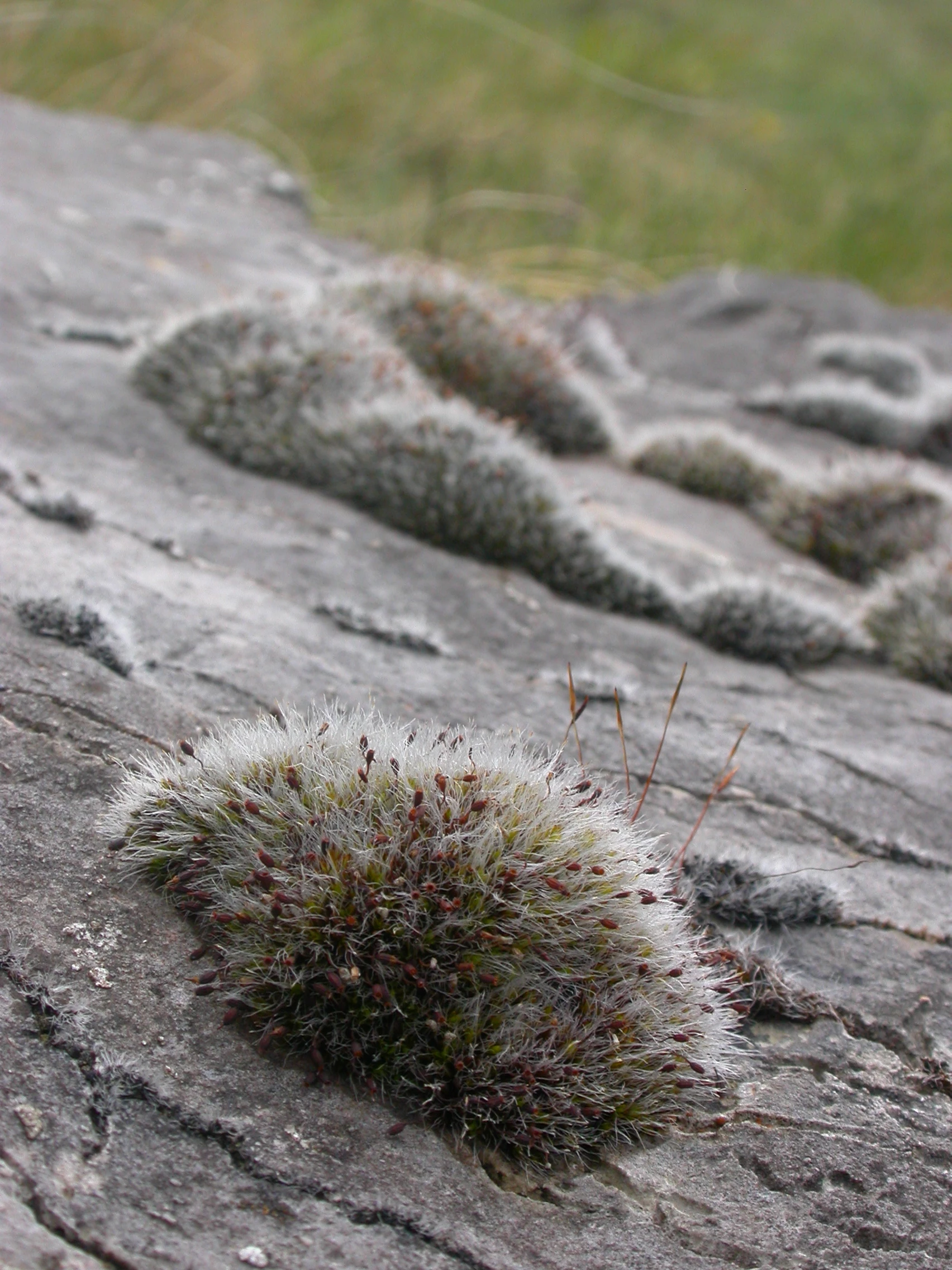
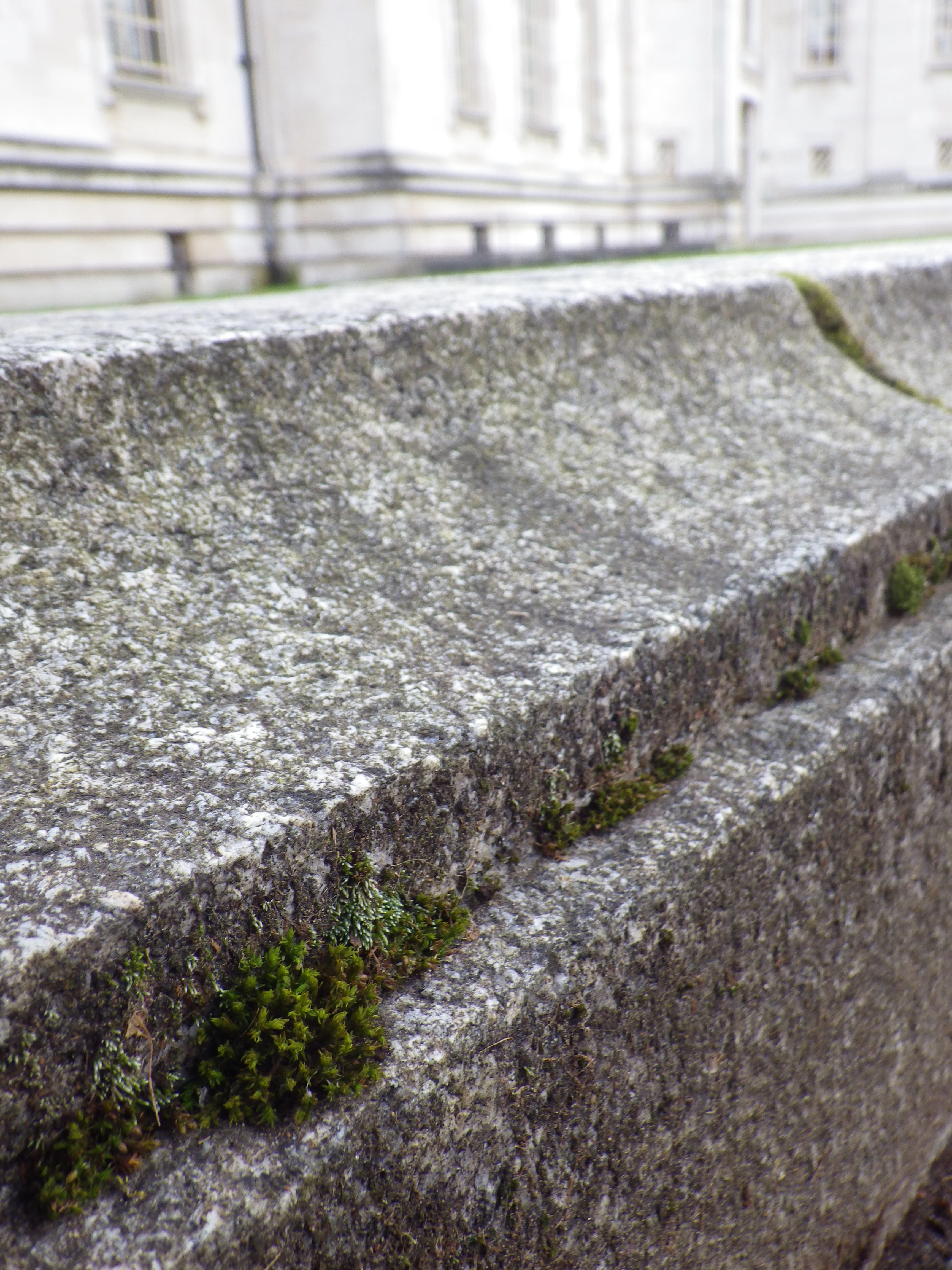
Alive or Dead? Resurrection Plants Katherine Slade, 14 May 2014 Mosses in their extreme environment on the wall surrounding National Museum Cardiff. Grey-cushioned Grimmia moss (Grimmia pulvinata) with white hair points, seen here on a rock face on the Great Orme in North Wales. © Kath Slade So how long do you think you can survive without breathing? Humans generally last only six minutes without oxygen before brain damage occurs. But what about 25 years? Some plants can live without respiring for that long. How could this exceptional resurrection ability be used to help thousands of people? Or perhaps even help us to colonise new worlds?All plants need water to survive. They combine water with carbon dioxide during photosynthesis to create sugar for energy. But what happens in extreme environments when water is not available?The Antarctic is an extreme environment where water is unavailable to plants as it is locked up as solid ice. But you don’t have to look as far as the Antarctic for an extreme environment for a plant. Your roof, sheer rock faces and the tops of walls are habitats where many plants would struggle to get water. Yet mosses grow in these habitats all around us. So how do they do it?Some plants have adapted to dry habitats or drought conditions by holding onto water when it is available. They may have waxy leaf surfaces or store water in cells in a similar way to a cactus. Mosses and liverworts take water from the surrounding atmosphere, often relying less on water from the ground. Some mosses also have white hair points to their leaves. These hair points improve take up of water from the air by increasing surface area, as well as acting to catch water droplets.Other plants show an amazing ability to survive despite being completely dried out. This is not the same as not watering your cactus for a few months, where it is using stored water to stay alive. This is when a plant fully dries out AND all life processes such as photosynthesis and respiration stop. On adding water, life processes begin and the plant revives. This is known as desiccation tolerance.Desiccation tolerance was first observed in animals over 300 years ago. Dirt from a dried-out river was put in water under a microscope. Tiny rotifers were seen swimming about, much to the surprise of the observer! It took science another 150 years to confirm that resurrection of life was even possible.This resurrection ability is common in adult mosses and liverworts as well as in seeds, spores and pollen. It is rare in adult flowering plants and ferns (a notable exception being the Resurrection Plant (Selaginella lepidophylla), a plant related to ferns). Scientists have managed to grow seeds from the flowering Lotus that were 1100 years old.One liverwort has been revived after 25 years of being completely dried out. The resurrection of this liverwort after so long was particularly interesting as it was an adult plant rather than a spore or seed. It’s a strange thought that the dried specimens of mosses and liverworts in the National Museum Wales collections behind me as I’m writing this, may be more alive than I thought! The National Museum Wales collections - more alive than they first appear? Heath Star-moss (Campylopus introflexus) with white hair points. First seen in the UK in the 1940s and now fairly common, perhaps helped by its desiccation-tolerant ability? © Kath SladeThe ability to revive depends on how fast the plant dried out, how long for, the intensity of drying and the temperature. The plant may be better able to cope if it has experienced drying out before and become ‘hardened’. Mosses have a number of adaptations that enable them to revive, they can:quickly take up waterquickly repair cell contentsswitch particular genes on and offgo into protein production overdriveThese mosses contribute to biodiversity in their own right and create habitats for other species. But how could a reviving wall-top moss be useful? The secrets mosses hold in their resurrection abilities can help us understand how plants managed to colonise the land around 470 million years ago.More relevant to humans may be the discovery of how to translate this desiccation tolerance into crop plants in the future. Thousands of people starve every year when crops fail in drought conditions. If we can help crop plants to survive droughts by programming them to lie dormant until rain returns, we could create a more stable food supply.An intriguing thought is that desiccation tolerant plants could be used to help terraform other planets. Resurrection abilities helped plants to colonise the land 470 million years ago, maybe one day it could help us colonise new worlds.Further reading:J. Graham (2003) Stages in the Terraforming of Mars: the Transition to Flowering Plants. AIP Conference ProceedingsPeter Alpert (2005) The limits and frontiers of desiccation-tolerant life. Integrative and Comparative Biology 45:685-695Black, M. and H.W. Pritchard (editors) (2002) Desiccation and survival in plants: Drying without dying, pp. 207–237Proctor et al. (2007) Desiccation-Tolerance in Bryophytes: A Review. The Bryologist, 110:4, 595-621How Long can Seeds Live? Millenium Seed Bank at Kew Gardens
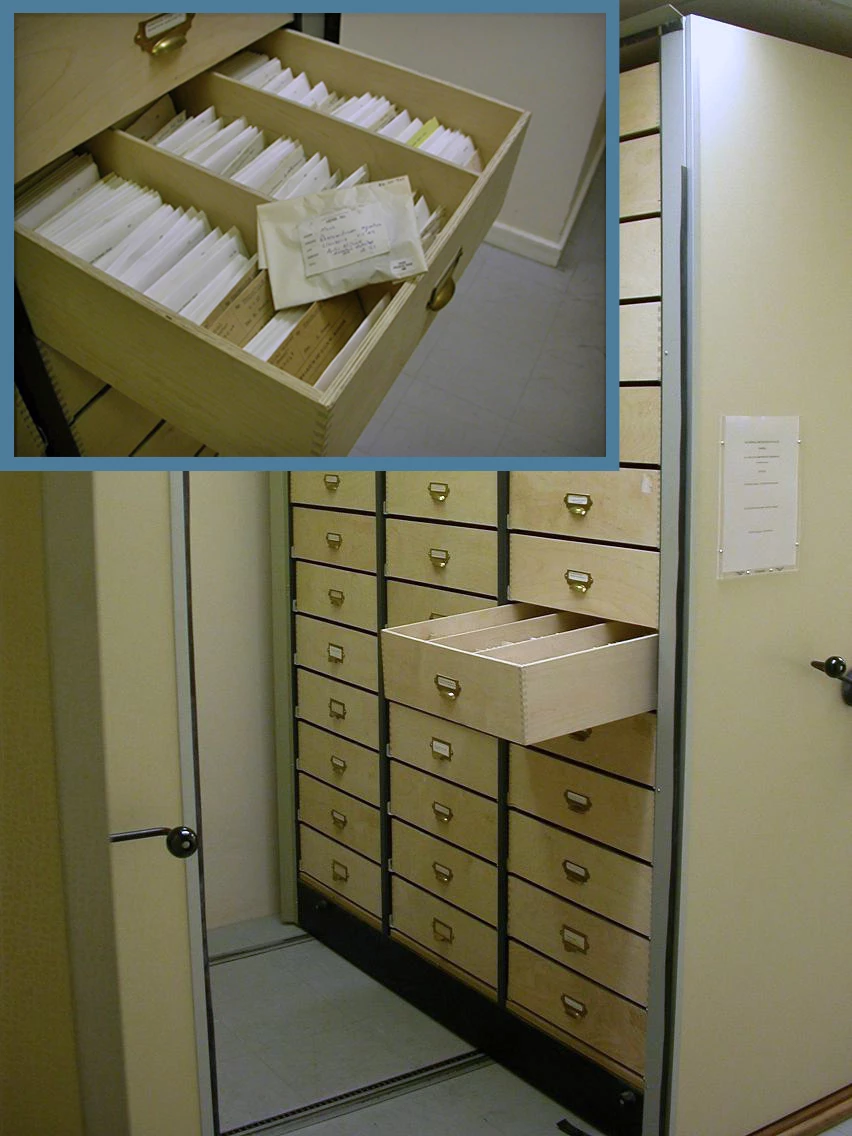
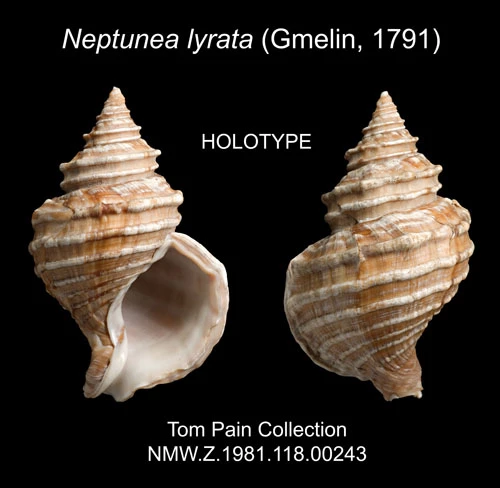
Type your way into our collections Harriet Wood, 17 April 2014 The homepage of the Mollusca Types Catalogue. Neptunea lyrata, the oldest type specimen held at Amgueddfa Cymru, collected by Captain James Cook in 1778 from Alaska. Specimen images and labels for the type of Octopus maculosus described by our first director, Williams Evans Hoyle, in 1883. A map illustrating the 110 countries that our web visitors come from so far. Top 10 most viewed specimens after 18 months online The Mollusca Types Catalogue was published online by Amgueddfa Cymru in September 2012. This was the first time that images of over 350 of our most important mollusc specimens were made available to our ever growing cyber audience. The Mollusc collections at Amgueddfa Cymru The mollusc collections at Amgueddfa Cymru are of international significance and contain hundreds of thousands of specimens. Molluscs are an extremely diverse group that exist in most of the environments on the planet – from landsnails on mountain tops to bivalves in deep-sea hydrothermal vents, venomous cone shells to freshwater pearl mussels, carnivorous slugs to camouflaging cuttlefish. Our collection reflects this diversity and geographical and environmental range. What are type specimens? The ‘type’ specimens of any natural history collection are among the scientific gems that need to be safeguarded above all others. They are specimens carefully selected to represent new species and offer a permanent reference for future taxonomists. Within the Amgueddfa Cymru Mollusca collection there are 3200 type specimens, spanning nearly 200 years of collecting. Two-thirds come from the famous Melvill-Tomlin shell collection, illustrating its scientific depth and historical importance. Our earliest type is a large cold-water whelk from Alaska, collected in 1778 by Captain James Cook during his third and last voyage. This and many others were described by some of the great collectors and taxonomists of their time, including William Evans Hoyle, the Museum’s first director and Cephalopod expert. The Mollusca Types Catalogue online With many collection-based enquiries hinging on type material we were keen to develop a tool to make them accessible across the world and so the Mollusca Types Catalogue was born. The project began in 2009 when the focus was on isolating 350 of our most important types from the main collection, then storing them in new cabinets for easy access and increased security. All of these specimens and their labels were photographed and references for the original species descriptions were checked and scanned. This information was pulled together onto a database and published online. But this is only the beginning… The many remaining types will be added periodically, with staff continuing to research unrecognised types within our collections. New type specimens will also be added whenever new species are discovered and described by our taxonomists. Who’s been looking? Since going online in 2012 the number of enquiries relating to type specimens has increased dramatically. This illustrates the important role that websites play in increasing access and the use of our collections. With the use of Google Analytics we can get some idea of who’s been looking over the last 18 months: We have had 3,973 visitors, viewing 12,268 pages. We have had hits from 113 countries. Top 5 users: UK, Spain, United States, Italy, France. 59.5% are new visitors and 40.5% are returning visitors. Most viewed specimen: Scintilla lynchae Oliver & Holmes, 2004 Take a look So, take a look for yourselves and let’s see where we are in a year from now…. Wood, H. & Turner, J. A. 2012. Mollusca Types Catalogue. Amgueddfa Cymru - National Museum Wales. Available online at http://naturalhistory.museumwales.ac.uk/molluscatypes
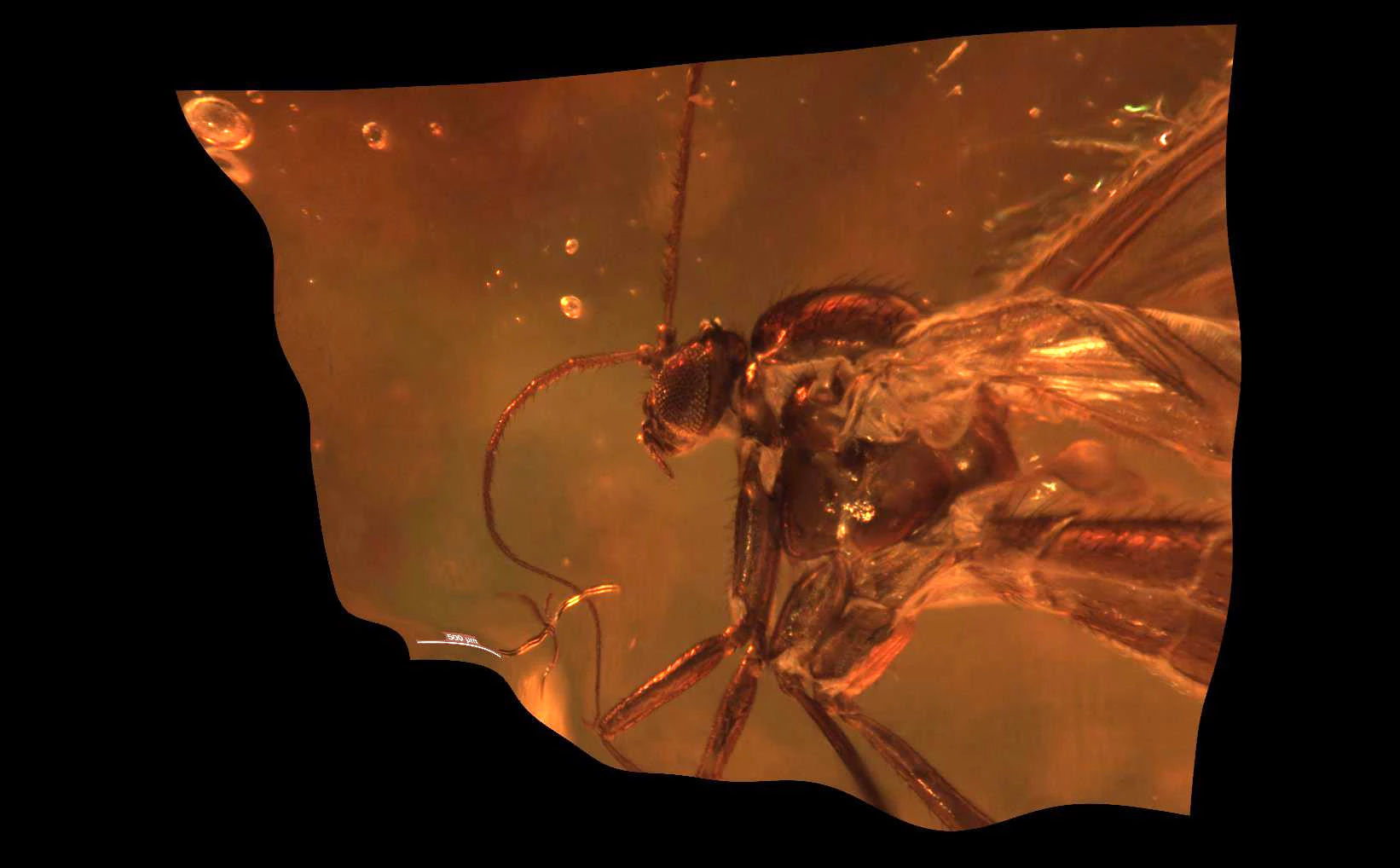
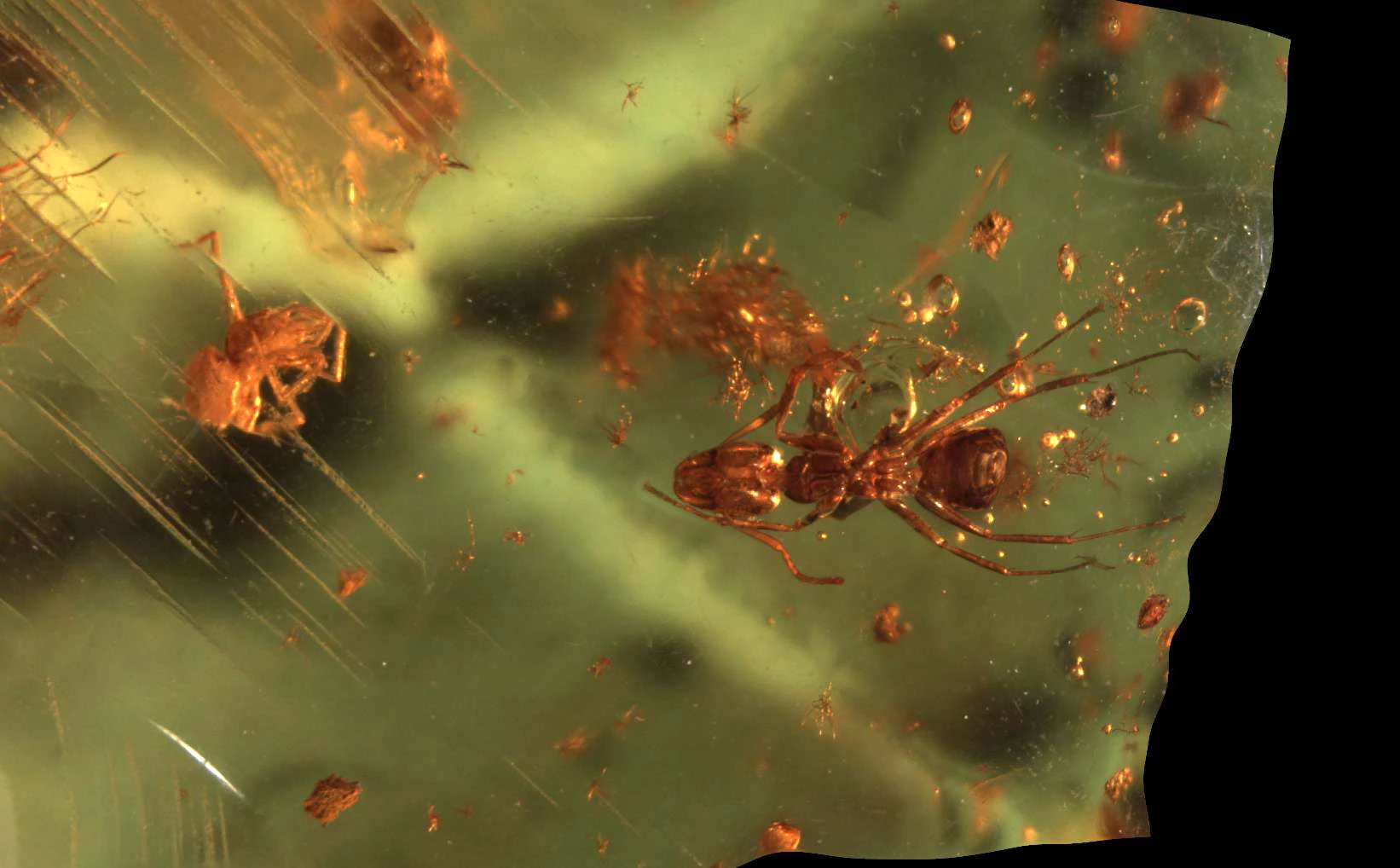
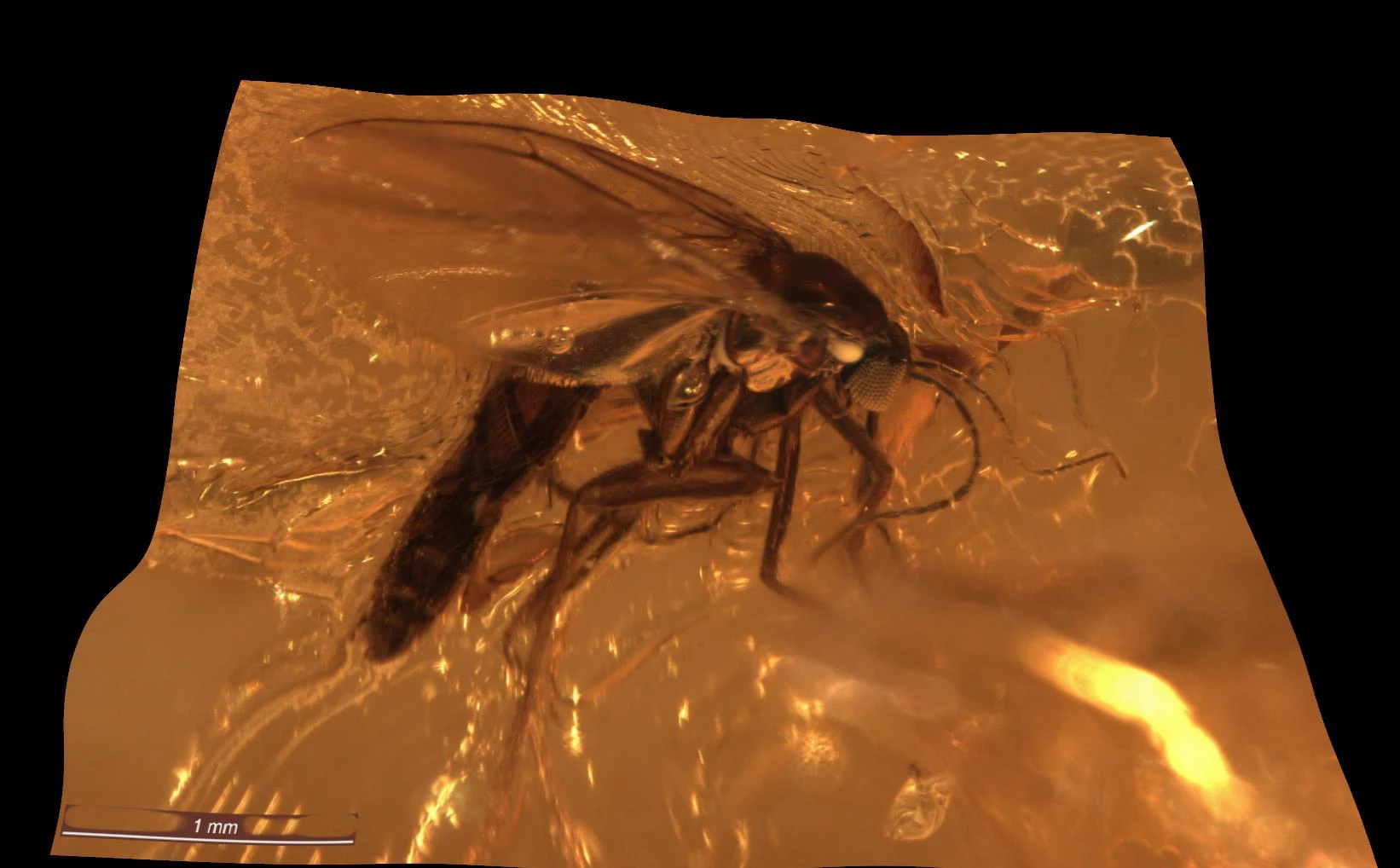
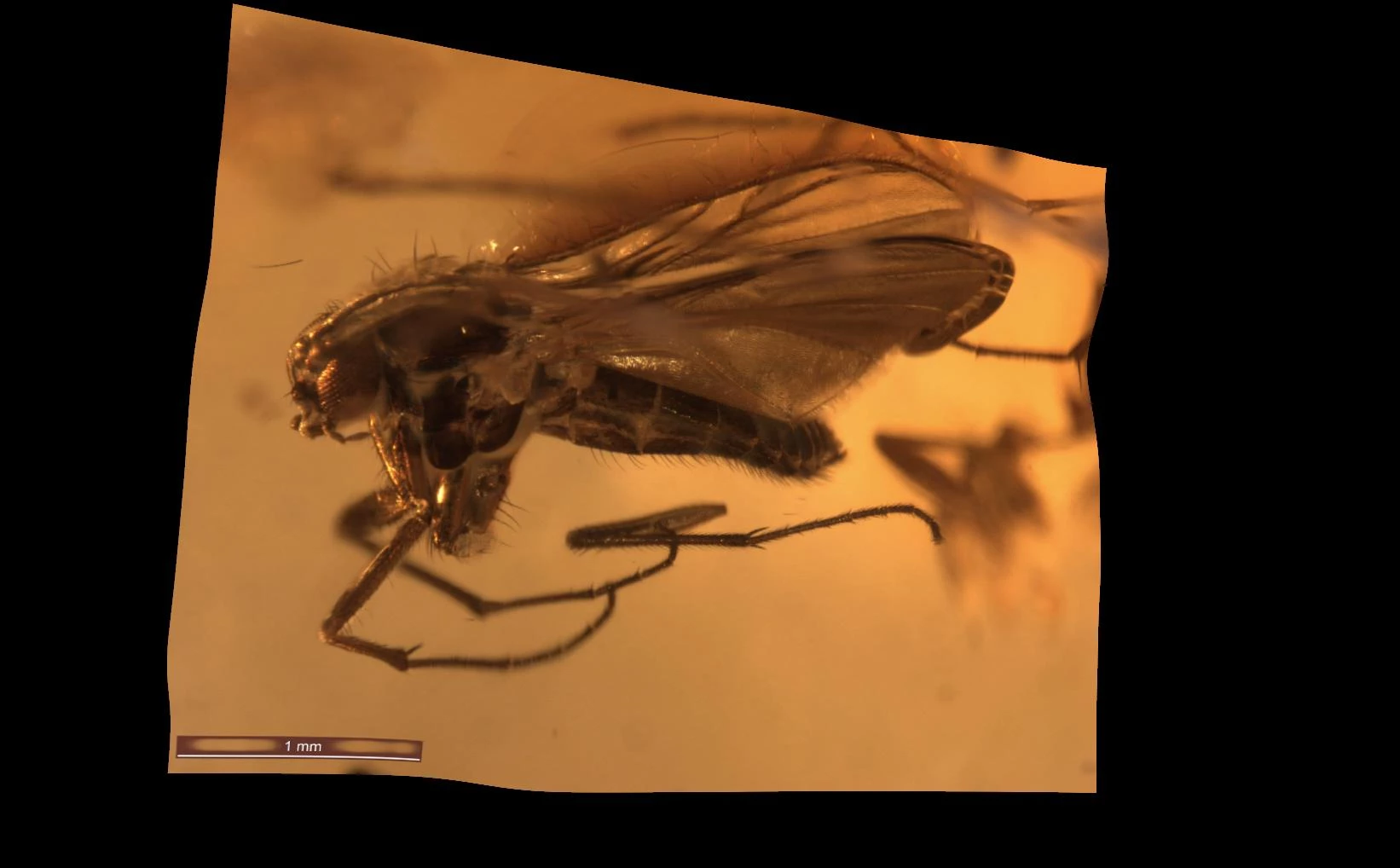
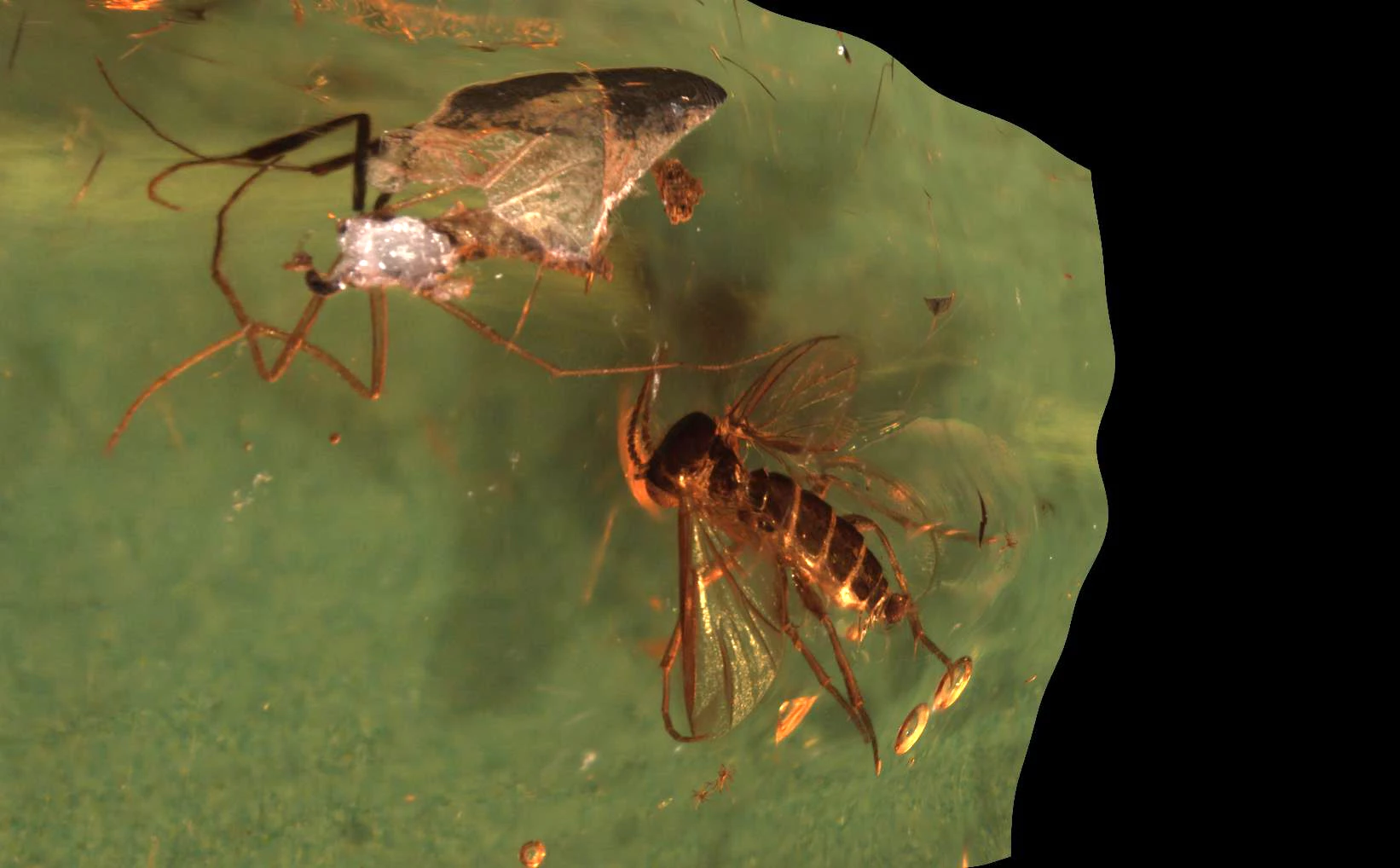
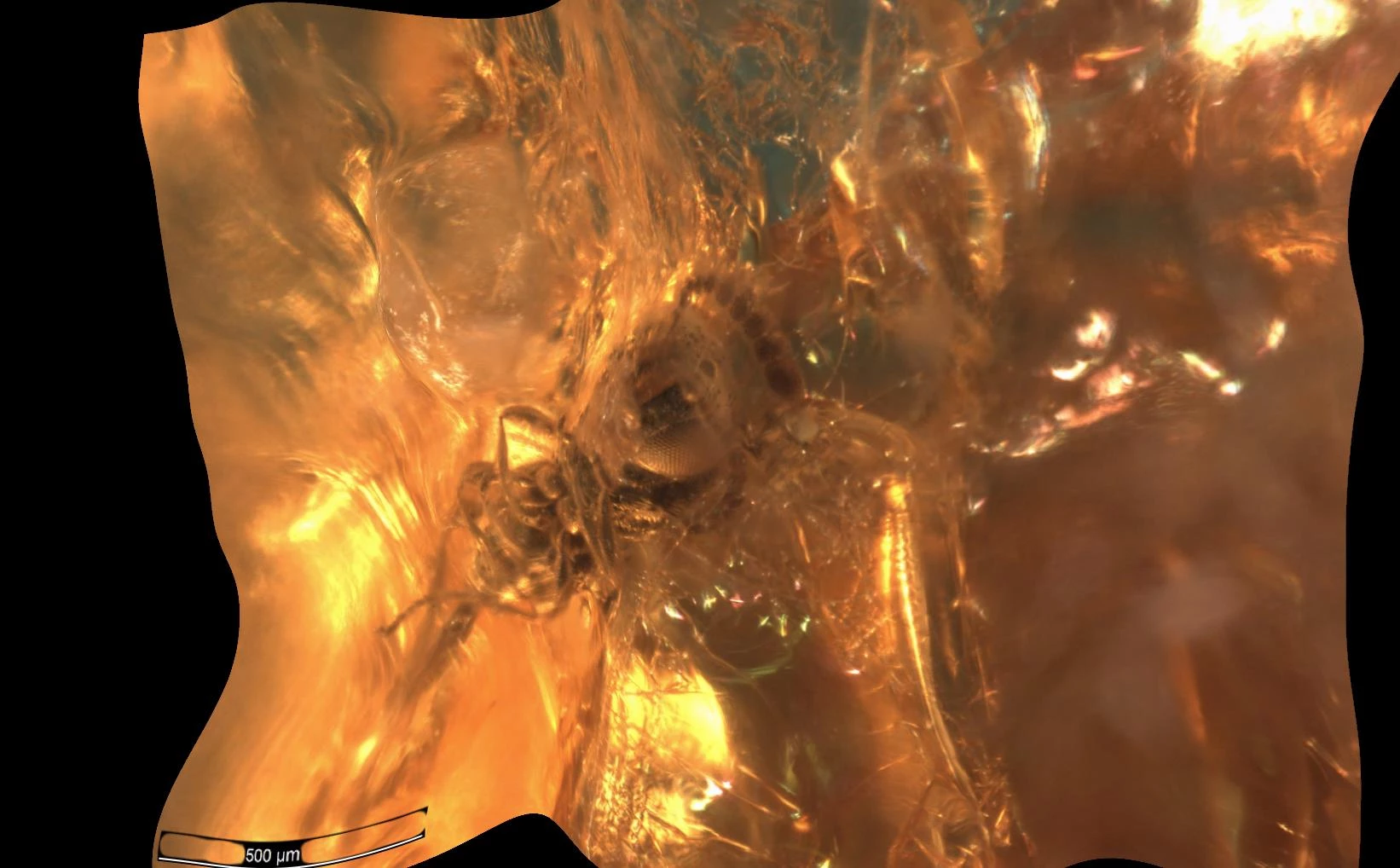
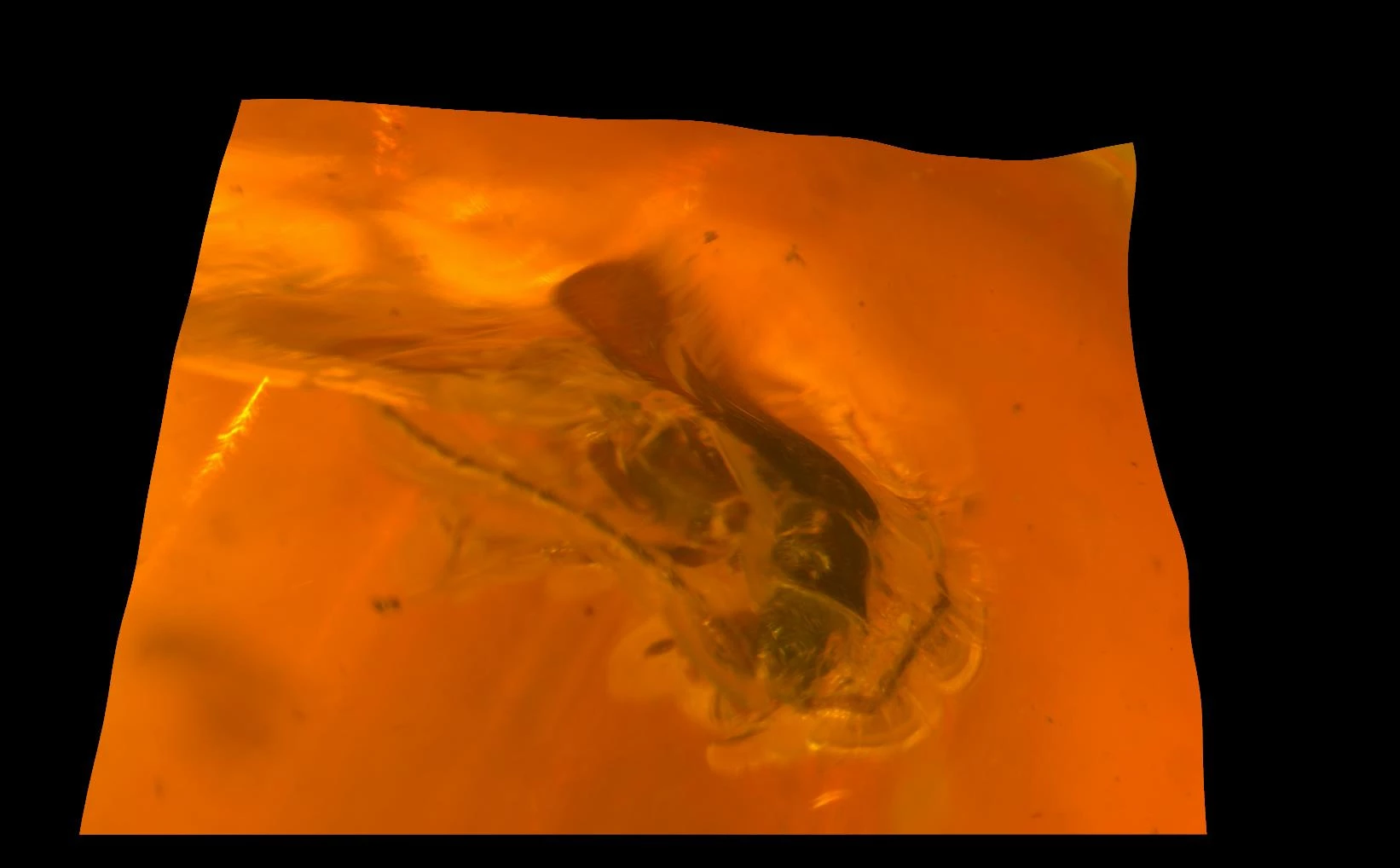
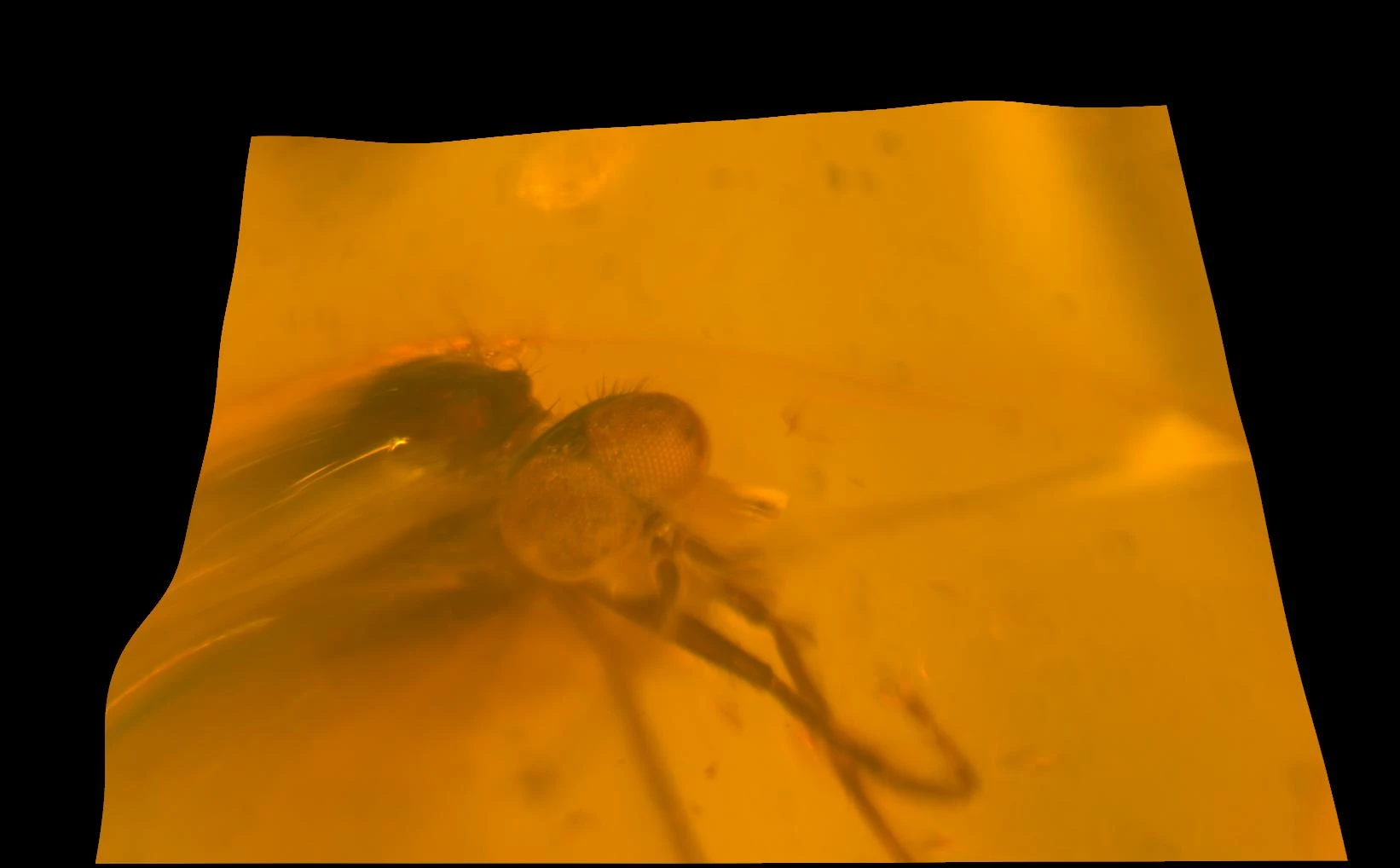
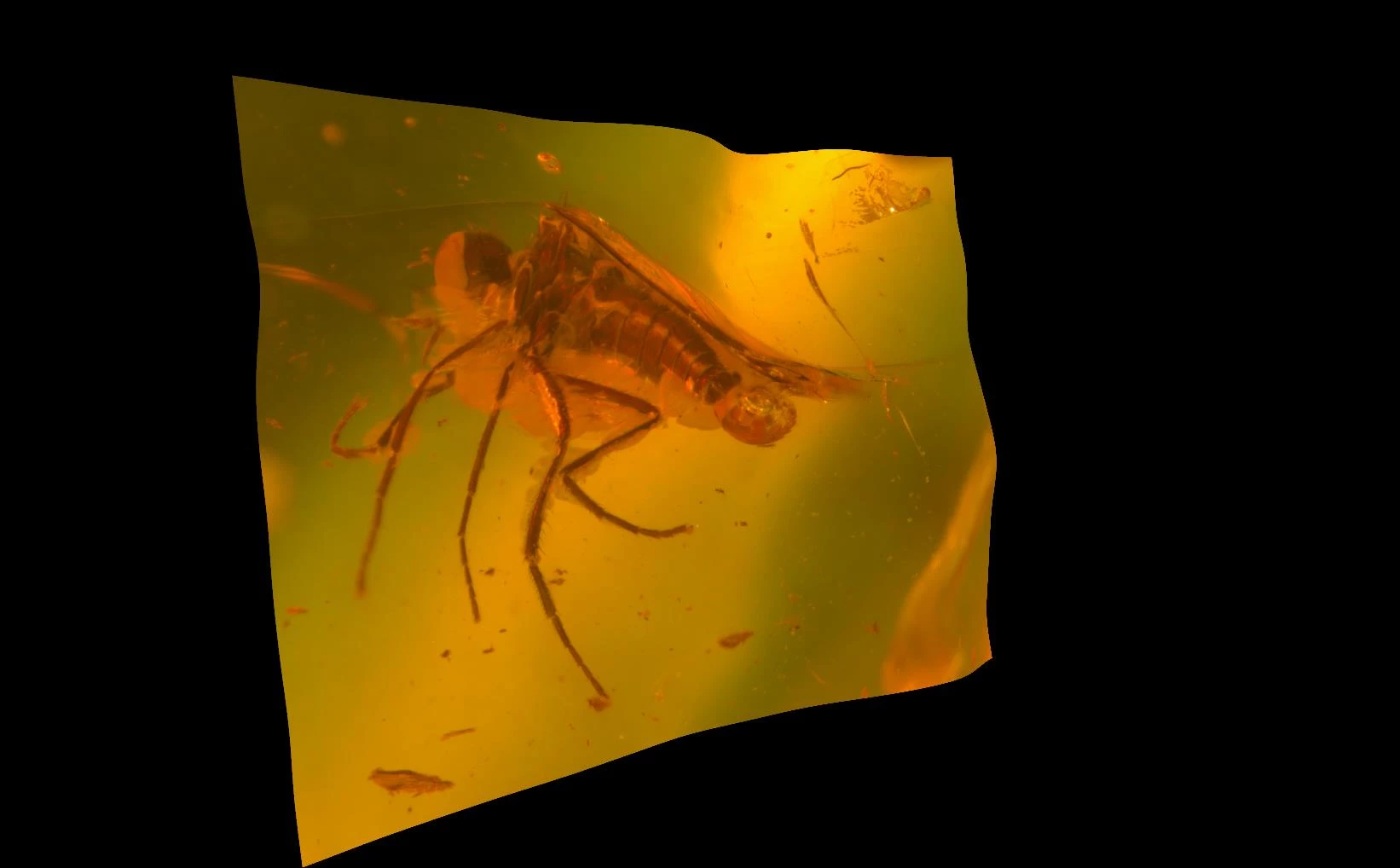
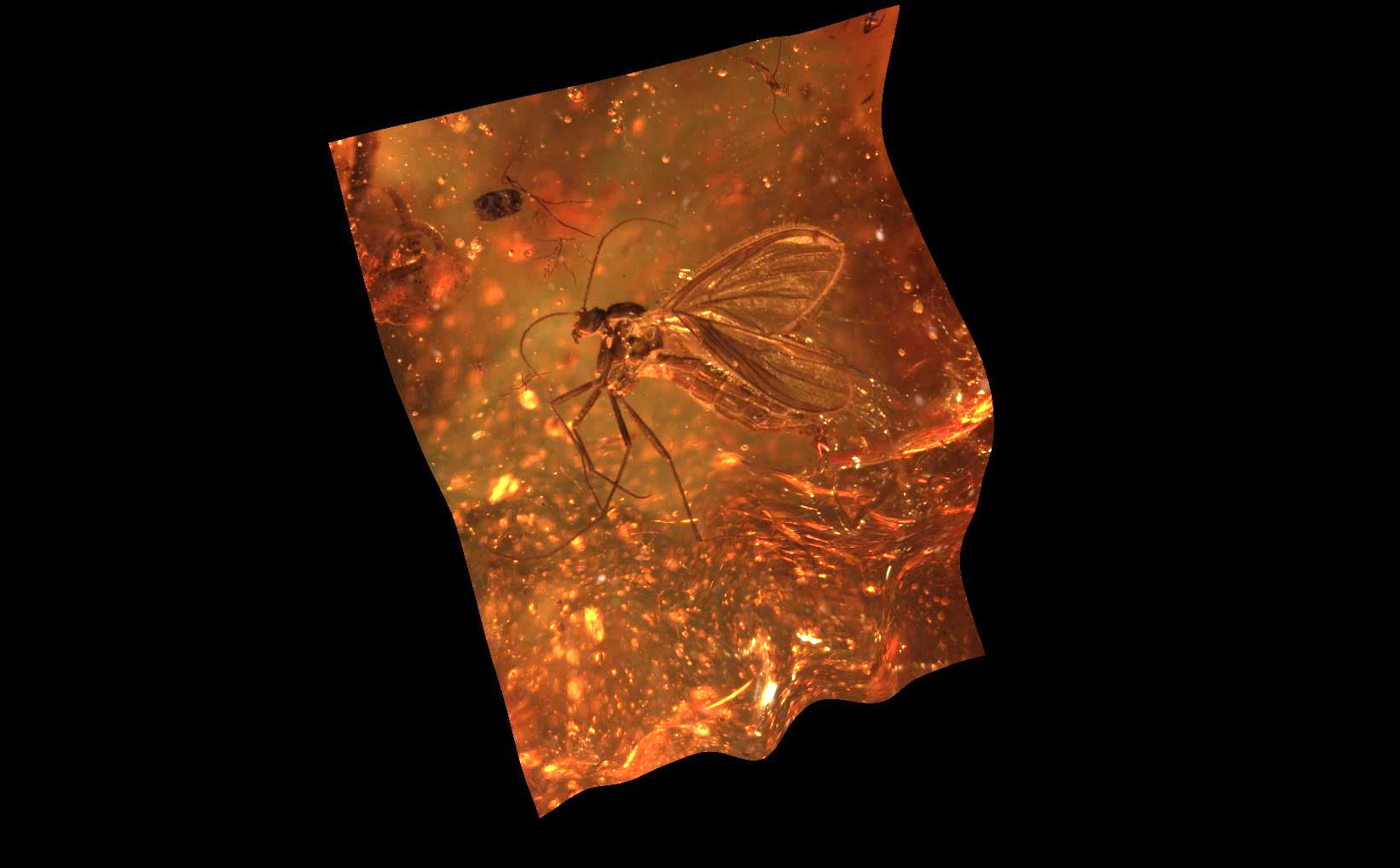
Trapped in Time Trevor Bailey, 26 February 2014 Fungus Gnat (Sciaridae) These small animals look like they died yesterday, but they are actually about 50 million years old. A student on work experience at the Museum used new software to image our amber collection. Using a microscope, photos were taken from different depths inside an amber sample. The in-focus parts of each photo were then merged to create a single clear image. Windows on an ancient world These animals died after becoming trapped in soft sticky resin produced by conifer trees as protection against fungal infection. When the trees died their resin was buried underground in layers of vegetation and sediment - eventually becoming hardened by pressure and heat to form amber. Most of our amber comes from the Baltic Sea region. The trapped animals include ants, aphids, beetles, flies, gnats, harvestmen, moths, nematode worms, spiders, and wasps. These forest creatures lived at least 50 million years ago in the Eocene epoch. This was a time of greenhouse climate which was much warmer than today due to higher levels of carbon dioxide in the atmosphere. There’s also a wasp preserved in amber from Cretaceous sediments of New Jersey, USA – which makes it old enough to have seen the dinosaurs! Looking after amber We store our amber in air tight containers in a room where the temperature and amount of water vapour in the air (humidity) can be controlled. If amber is exposed to rapid swings between too damp and too dry, tiny cracks can form, and these windows to the past can be broken. Trapped in Amber Fungus Gnat (Sciaridae) Ant and Spider Spider Fungus Gnat (Sciaridae) Fungus gnat (Sciaridae) Biting Midge and Moth Wasp, possibly Stigmaphronidae Beetle True Fly (Diptera) True Fly (Diptera) Fungus Gnat (Sciaridae)
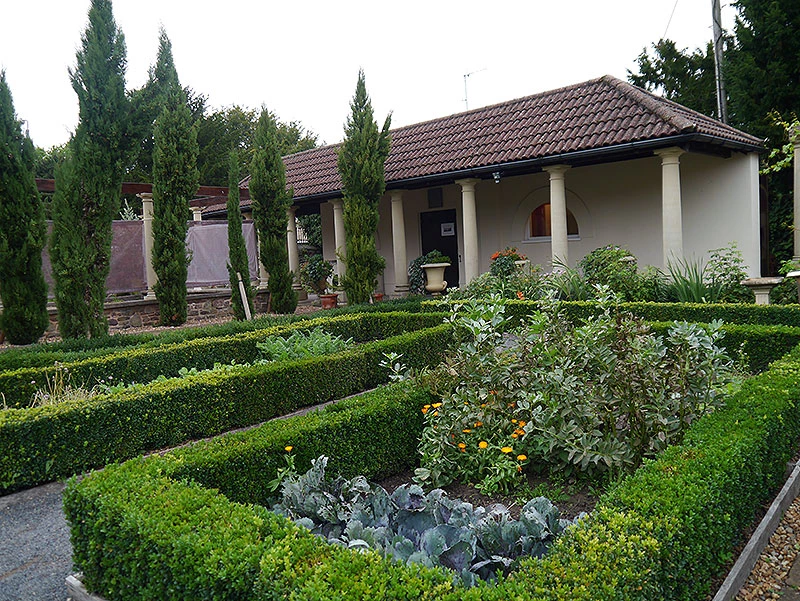
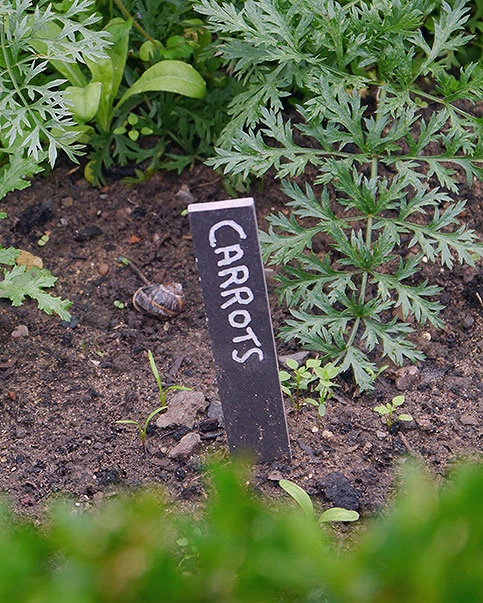
Plants of Plenty 10 February 2014 Where do peanuts and potatoes grow? What are tomatoes? Explore the imaginary mixed-up Plant of Plenty and learn more about the plants on your plate. Beans are the seeds of a bean plant and they grow in a pod. Sometimes we eat the pod as well. Beans belong to the same plant family as peas. Tomatoes are the fruits of a tomato plant. If you slice a tomato, you can see the seeds inside. Tomato growers use bumblebees in their greenhouses to pollinate the flowers to produce tomatoes. Plums are fruits. The stone inside a plum is the seed. The tasty fleshy part is to attract animals (including us!) to help spread the seeds. Cloves are flowers. These whole cloves are dried flower buds of a tropical tree. Most cloves are produced in Indonesia where people harvest them by hand and dry them in the sun. We eat leaves of herbs. Oregano and mint have aromatic leaves. People all over the world use herbs to make teas or to flavour their cooking. Scientists think the essential oils that give the leaves their scent may have evolved to stop animals eating them. We eat the leaves of onions, leeks and chives. Think of how you can peel away an onion’s layers. Each layer in the onion is a specialised leaf that the plant uses to store food and water. In legend, St David told Welsh soldiers to wear leeks. That way they could identify each other easily in battle. Carrots are roots. We grow so many carrots in the UK that we are the 5th largest producer in the world. The ancestors of today’s carrots were purple or yellow. Then plant breeders developed orange carrots and they became popular. Potatoes are underground stems. Potato plants store carbohydrate (starch) in these special underground stems called tubers. Potatoes are in the same plant family as tomatoes, peppers and chillies. Peanuts are seeds. Peanuts are harvested from underground. When insects pollinate the flowers of the peanut plant, pods develop with the nuts (seeds) inside. Slowly the pods are pushed down into the ground as the stalk on the pod grows longer.
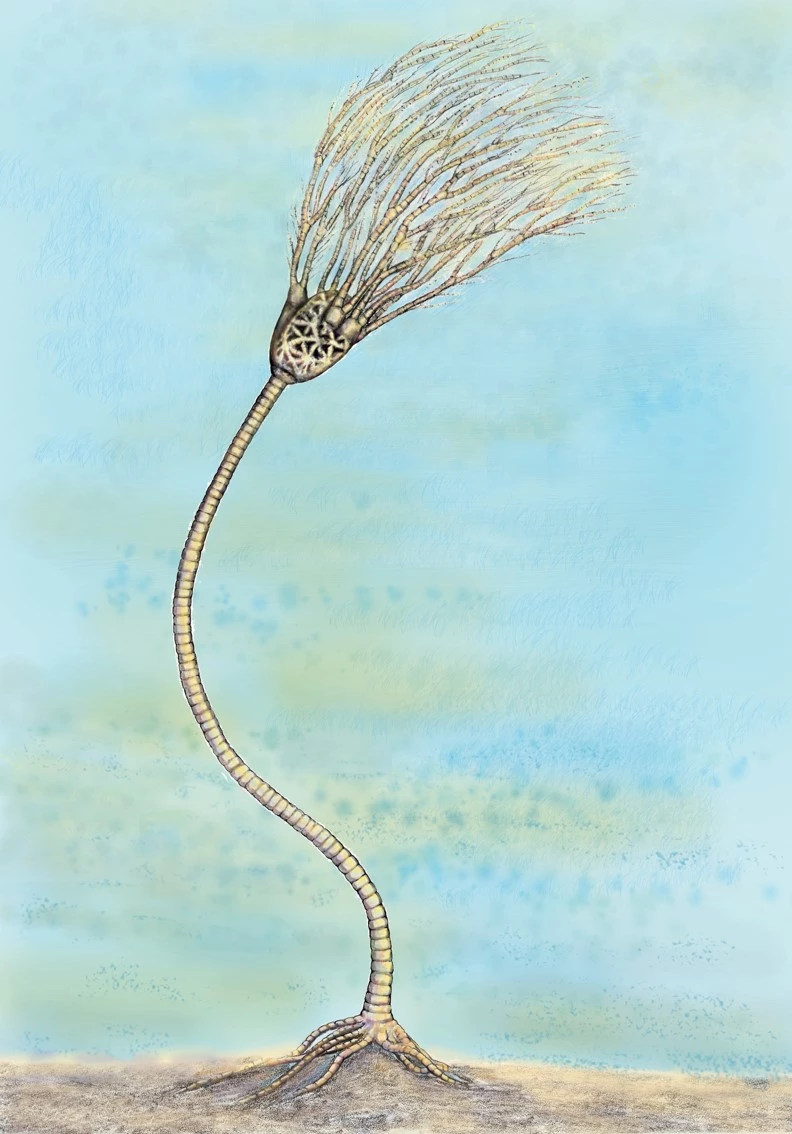
New species of fossil crinoid discovered in south Wales Cindy Howells, 3 February 2014 The discovery of any new type of fossil is one of the most exciting things that can happen to a palaeontologist. A new fossil discovered in south Wales – and the only one known of its kind - has been given the name Hylodecrinus cymrus to illustrate its Welsh origins. Whilst on a field trip to Pembrokeshire in 2009 to study the 350 million year old (Carboniferous Period) rocks in a small cove at West Angle Bay, Cindy Howells, a palaeontology curator at Amgueddfa Cymru, discovered an interesting new fossil that did not match any scientifically recorded specimen. In the Carboniferous Period Wales was located close to the equator and was covered with shallow tropical seas. The rocks here suggest there were many fierce tropical storms which usually smashed the shells of marine organisms into small pieces before they were fossilised. However a few layers contain whole fossils, deposited in quieter conditions, and in one of these the new specimen was found. Hylodecrinus cymrus – the holotype, and only specimen. Reconstruction of Hylodecrinus cymrus. The fossil is a crinoid, a small marine animal that looked a little like a plant. Crinoids have a long flexible stem, anchored into the sea-bed. This is topped with a small cup shaped structure containing its internal organs. Long flexible feathery tentacles, or arms, are extended up above the animal and these collect micro-organisms from the seawater and channel them down to its stomach. The new fossil was carefully extracted from the rocks and taken back to Cardiff. After consultation with Professor Tom Kammer from West Virginia University (an expert on Carboniferous crinoids), it was decided that this fossil was a new species and also belonged to a group never seen before outside the USA. It has been given the name Hylodecrinus cymrus to illustrate its Welsh origins. The description of this new fossil was published online in the Geological Journal. This specimen becomes the ‘type’ specimen of the species, against which others may be compared. As of 2013, it is the only known specimen of this species. The tropical seas of the Carboniferous Period were teeming with life including brachiopods, bivalves, gastropods, corals, fish and particularly crinoids. Rocks of this age are especially well exposed along the south Wales coastline, from Glamorgan to Pembrokeshire. Studies on fossils help us to understand how these rocks were deposited, and the conditions in which the animals preserved within them would have lived. Geological map of south Wales showing the location of West Angle Bay, Pembrokeshire