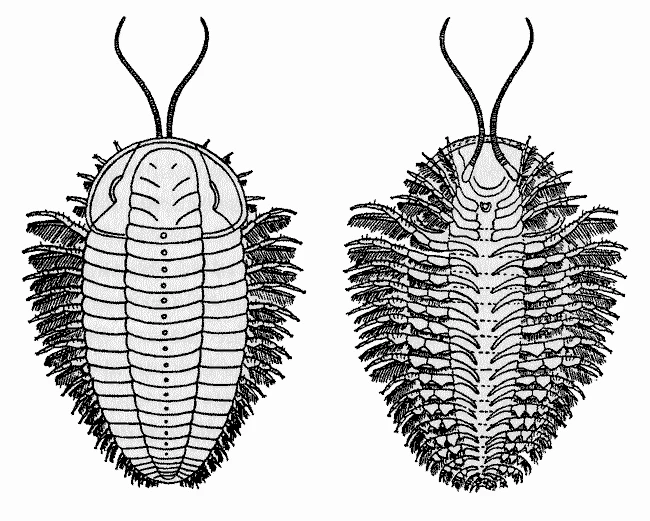
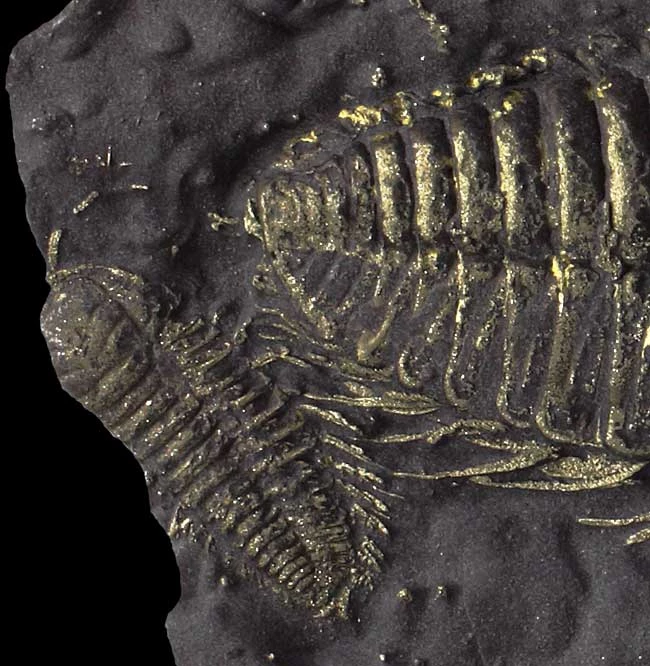
Golden Wonder! Rare fossil trilobite preserved in stunning detail Lucy McCobb, 2 August 2013 A tiny Triarthrus eatoni specimen lies next to the bigger one. Trilobites of various ages were fossilized together and must have lived in the same place. Only larvae are missing. Trilobites are common in the rocks in Wales, but this rare specimen differs from others in our collection. Preserved beneath the carapace are the legs and on the head a pair of delicate antennae ('feelers'). These features stand out vividly in gold against a black shale background. Such exceptional fossils give us great insights into how trilobites moved, fed and sensed the world around them. All trilobites had legs and antennae when they were alive, but these were quite soft and usually rotted away before they could be fossilized. Most trilobite fossils are just parts of the hard exoskeleton or carapace and tell us little about the softer parts of the body. Why is the trilobite golden? The golden colour is because the animal has been fossilized in pyrite, also known as iron pyrites or Fool's Gold. Fossilization of soft body parts in pyrite is very rare, and is only known from a couple of places in the world. This particular fossil comes from rocks of Ordovician age (approx. 455 million years ago) from New York State in the USA. Soft-bodied fossils preserved in pyrite are also found in the much younger Hunsrück Slate in Germany, of early Devonian age (approx. 390 million years ago). Pyrite is an iron sulphide mineral (FeS2), and it can form where there are low oxygen levels and lots of iron. The trilobites were probably swept up by an underwater avalanche and buried in deep sea mud. The mud would have been rich in sulphates and dissolved iron, but low in oxygen. Sulphate-reducing bacteria would have helped decay the trilobites, releasing sulphides. The sulphides combined with the dissolved iron to form pyrite, which replaced or coated the trilobite tissues as they decayed. The Museum's golden fossil from Martin Quarry, New York State. Larger trilobite approx. 3 cm long Beecher's Trilobite Bed Pyritized trilobites have been known from the famous Beecher's Trilobite Bed in New York State for over a century. The bed was discovered by amateur fossil collector William S. Valiant in 1892, but is named after Charles Emerson Beecher, an academic from Yale University to whom Valiant showed his amazing trilobite finds. Beecher leased the land between 1893 and 1895, and quarried out as many fossils as he could, until he thought there was nothing left to be found. He wrote many scientific papers about the trilobites until his untimely death in 1904. The trilobites were found in just one thin (4 cm) layer of rock, laid down around 455 million years ago, during the Ordovician period. C.E. Beecher's 1893 reconstruction of Triarthrus eatoni based on fossils from his Trilobite Bed. The legs have two branches, an inner walking leg and an outer gill with fine filaments. The Trilobite Bed was rediscovered in 1984 and since then, more beds containing golden trilobites have been found in New York State. In 2004, an amateur collector started searching about 50 miles away, and eventually found a rock layer of the same age containing trilobites. Our specimen comes from this new quarry, now known as Martin Quarry after its finder. Many important fossils have been found in Martin Quarry and studied by Professor Derek Briggs of the Yale Peabody Museum, and his colleagues. Growing Up Our specimen (Triarthrus eatoni) has a second, tiny trilobite next to the larger one. Trilobites grew from larva to adult by going through a series of moults. As they got older, they regularly moulted off their old exoskeleton to grow bigger. Many different sizes of Triarthrus have been found in the Trilobite Bed, but none of its earliest larval stage. Trilobites of various ages clearly lived together, but the larvae must have lived somewhere else. They may have floated around as plankton in the water column, while larger juveniles and adults lived on the sea bed.
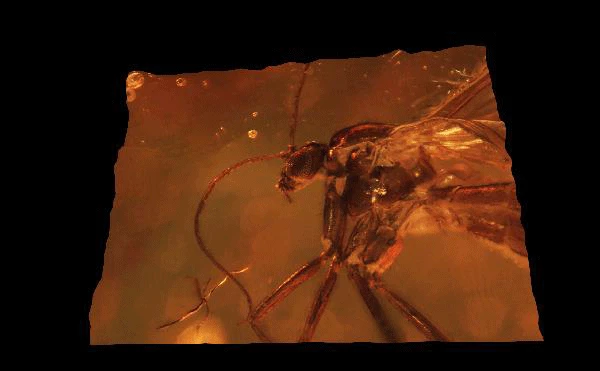
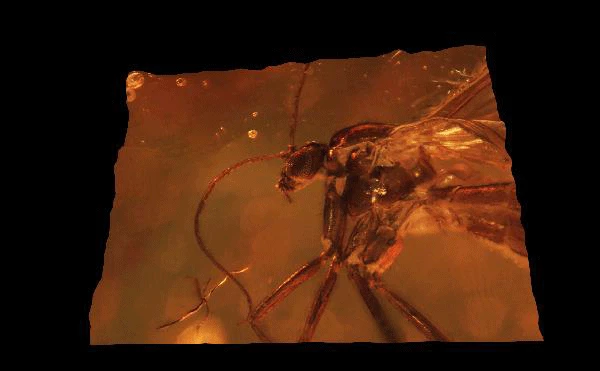
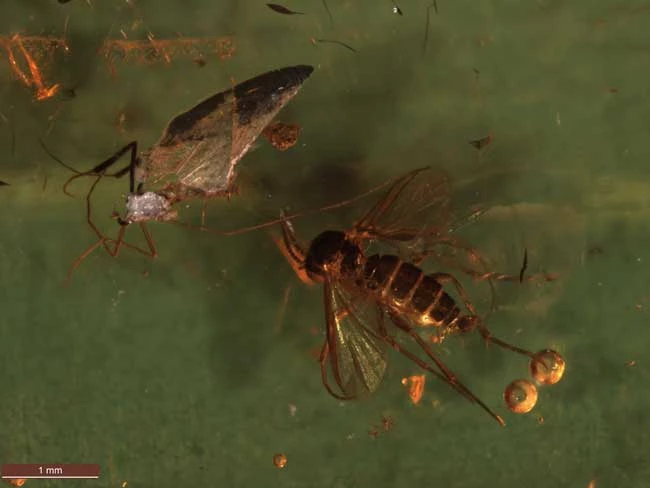
Insects in Amber 25 July 2013 Please click on the thumbnails below to browse through a selection insects caught in amber. Amber insects Fungus gnat in amber 98.2G.2 Opilones Spider 98.7G.27 Moth 98.7G.24 Biting Midge and Moth 98.7G.1 Sciaindae Fungus Gnat
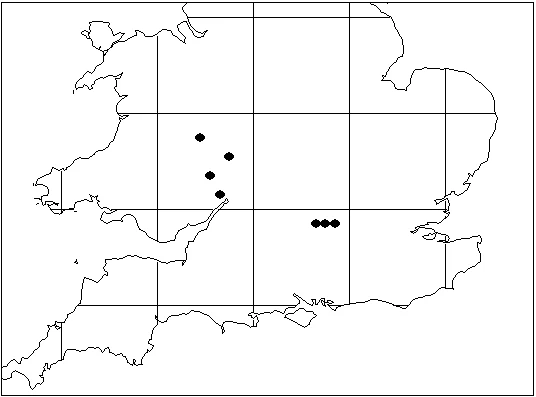
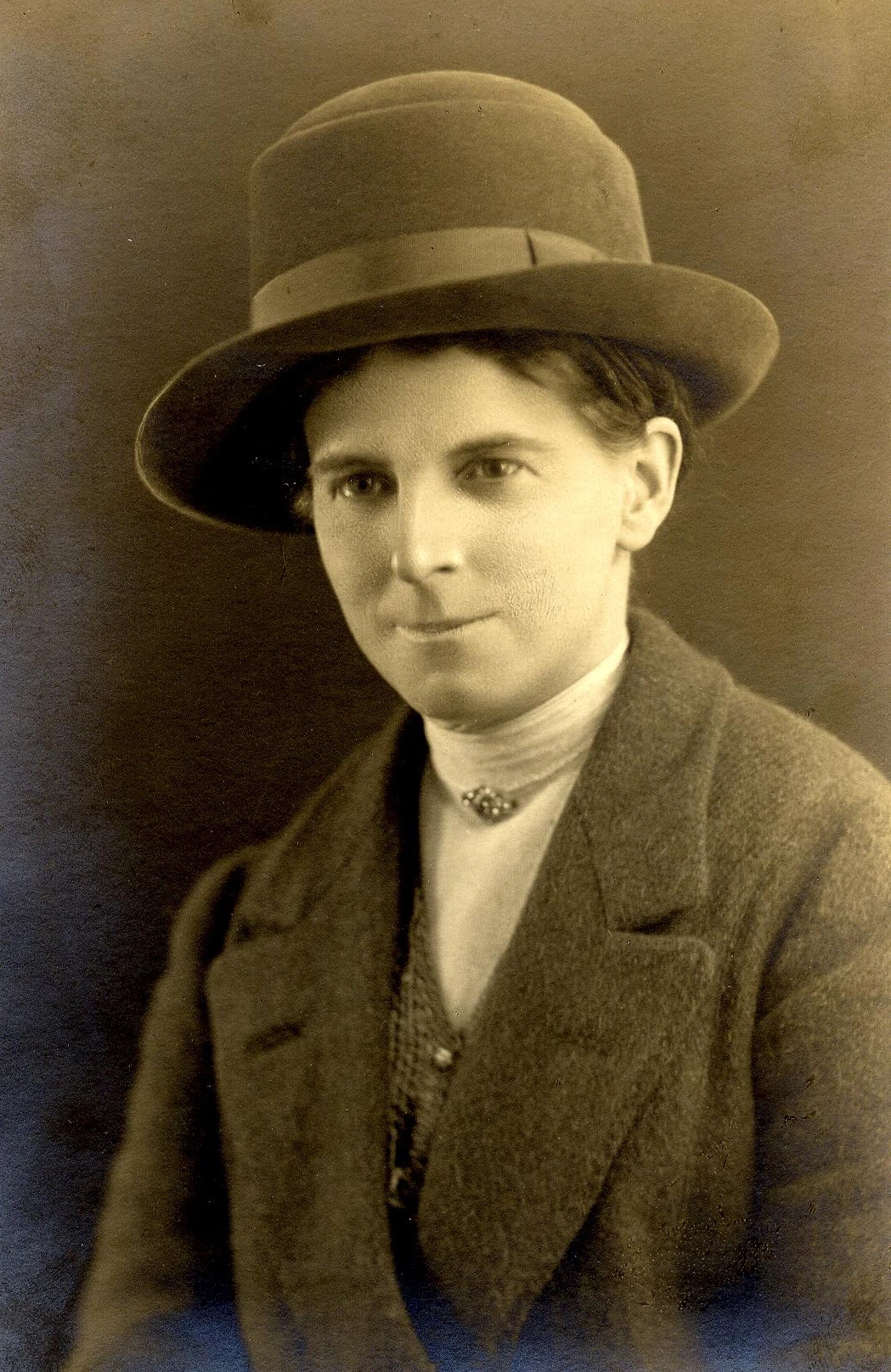
The Ghost Orchid: one of Britain's rarest plants 3 July 2013 The Herefordshire Ghost Orchid, 2009 Distribution map of Ghost Orchids in Britain (all records: data courtesy of Botanical Society of the British Isles 2013). Eleanor Vachell, c. 1930. A 1953 Ghost Orchid collected by Rex Graham The 1982 Herefordshire Ghost Orchid preserved in formalin The Welsh National Herbarium at Amguedfa Cymru has a small - but very precious - collection of Ghost Orchids (Epipogium aphyllum Sw.); is this something to be proud of, or should they have been left in the wild? The answer lies in the donations to the Museum, and slugs... Ghost Orchids are among the rarest plants in Britain. They have been found in about 11 sites in the Chilterns and West Midlands in England, but such is their rarity and the secrecy surrounding them that it is difficult to be sure exactly how many sites there are. Regarded as extinct Ghost Orchids were first discovered in Britain in 1854 but were only seen 11 times before the 1950s. They were seen regularly in a few Chilterns sites between 1953 and 1987 but then disappeared and were regarded as extinct until one plant was discovered in 2009. In most sites they have only been seen once, and rarely for more than ten years in any one site. Ghost orchids - a fleeting occurrence in dark, shaded woods Ghost Orchids get their name from their creamy-white to pinkish-brown colour and their fleeting occurrences in dark, shaded woods. The colour results from the absence of chlorophyll, as they are parasites of fungi associated with tree roots, and they do not need to photosynthesise their own food. They spend most of their lives as rhizomes (underground shoots) in the soil or leaf litter of woodlands, and flowering shoots only occasionally appear above ground. Even then, their small size (usually less than 15cm, rarely up to 23cm) and unpredictable appearance between June and October means that Ghost Orchids are rarely seen. Until recently the only British specimen held by Amgueddfa Cymru was a scrap of rhizome collected for Eleanor Vachell in 1926 - her herbarium is one of the most comprehensive ever put together by a British botanist - who donated her collection to the Museum when she died in 1949. The story of how the fragment of Ghost Orchid was discovered is given in her botanical diary: "28 May 1926. The telephone bell summoned Mr [Francis] Druce to receive a message from Mr Wilmott of the British Museum. Epipogium aphyllum had been found in Oxfordshire by a young girl and had been shown to Dr [George Claridge] Druce and Mrs Wedgwood. Now Mr Wilmott had found out the name of the wood and was ready to give all information!!! Excitement knew no bounds. Mr Druce rang up Elsie Knowling inviting her to join the search and a taxi was hurriedly summoned to take E.V. [=Eleanor Vachell] and Mr Druce to the British Museum to collect the particulars from Mr Wilmott. The little party walked to the wood where the single specimen had been found and searched diligently that part of the wood marked in the map lent by Mr Wilmott but without success, though they spread out widely in both directions... Completely baffled, the trio, at E.V.'s suggestion, returned to the town to search for the finder. After many enquiries had been made they were directed to a nice house, the home of Mrs I. ?, who was fortunately in when they called. E.V. acted spokesman. Mrs I. was most kind and after giving them a small sketch of the flower told them the name of the street where the girl who had found it lived. Off they started once more. The girl too was at home and there in a vase was another flower of Epipogium! In vain did Mr Druce plead with her to part with it but she was adamant! Before long however she had promised to show the place to which she had lead Dr Druce and Mrs Wedgwood and from which the two specimens had been gathered. Off again. This time straight to the right place, but there was nothing to be seen of Epipogium! 2 June 1926. A day to spare! Why not have one more hunt for Epipogium? Arriving at the wood, E.V. crept stealthily to the exact spot from which the specimen had been taken and kneeling down carefully, with their fingers they removed a little soil, exposing the stem of the orchid, to which were attached tiny tuberous rootlets! Undoubtedly the stem of Dr Druce's specimen! Making careful measurements for Mr Druce, they replaced the earth, covered the tiny hole with twigs and leaf-mould and fled home triumphant, possessed of a secret that they were forbidden to share with anyone except Mr Druce and Mr Wilmott. A few days later E.V. received from Mr Druce an excited letter of thanks and a box of earth containing a tiny rootlet that he had found in the exact spot they had indicated." [Source: Forty, M. & Rich, T. C. G., eds. (2006). The botanist. The botanical diary of Eleanor Vachell (1879-1948). National Museum of Wales, Cardiff.] Eleanor shared the rootlet with her great friend Elsie Knowling, who also had a herbarium. Coincidentally, the two fragments have been reunited at the Museum after being apart for 84 years. In 1953, Elsie's son Rex Graham stumbled across 22 Ghost Orchids in a Buckinghamshire wood, the largest colony of ever seen in Britain (Graham 1953). This was the first time that Ghost Orchids had been seen for 20 years and it made the national press. At the time Rex collected only three specimens, but over the next few years he collected more when they were found eaten off by slugs. Eventually Rex had four specimens for his own herbarium, to add to the scrap in his mother's herbarium. The Ghost Orchids were amongst the treasures in Graham & Harley herbarium, which was donated to Amgueddfa Cymru in 2010. The third collection is the Museum's only specimen preserved in spirit (rather than being pressed and dried) so that the three dimensional structure of the flower can be seen. Dr Valerie Richards (formerly Coombs) was looking for wild orchids in Herefordshire in 1982 when she discovered a single ghost orchid in a new site. When she took a local botanist to the site a few days later, a slug had eaten through the stem. She picked it up and took it home and preserved it in formalin like the zoological specimens she had been used to working with during her university days. The specimen was kindly donated to the Museum in 2013. The fourth and final collection resulted from the hard work and intuition of Mark Jannink combined with another hungry slug. Mark wondered if Ghost Orchids flowered more frequently after cold winters. He researched all previous Ghost Orchid discoveries - their preferred habitat, time of flowering and weather patterns - then staked out ten possible sites in the West Midlands, visiting them every two weeks throughout the summer of 2009, following the first cold winter for many years. Finally in September, he discovered one small specimen - causing great excitement amongst botanists, as the Ghost Orchid had been declared officially extinct in 2005! Mark returned several times over the next few days as the plant gradually faded and 'browned', until the stem was once again eaten through by slugs. The remains were collected and pressed, and donated to our herbarium shortly after. So five of the seven British Ghost Orchids in Amgueddfa Cymru have been collected as a consequence of slugs, which are more of a threat than botanists. The Ghost Orchids are fully protected by law under the Wildlife and Countryside Act 1981 but nobody seems to have told that to the slugs! We also have eight specimens from Europe, where Ghost Orchids are more widespread, though still rare. One of our best specimens was collected by W. A. Sledge in Switzerland. You are welcome to visit the Welsh National Herbarium to see the Ghost Orchids, but don't expected us to reveal where they were found! And please leave your slugs at home. Adapted for the website from the following article: The Ghost Orchid Collection [PDF] The scrap of Ghost Orchid rootlet in Eleanor Vachell's herbarium. Also attached to the specimen are Dr George Claridge Druce's (1924) account of it from Gardeners Chronicle series 3 volume 76, page 114 and two small sketches by Miss Baumgartner. Swiss Ghost Orchids collected by W. A. Sledge in 1955. The 2009 Ghost Orchid from Herefordshire. References Graham, R. A. (1953). Epipogium aphyllum Sw. in Buckinghamshire. Watsonia 3: 33 and tab. (http://archive.bsbi.org.uk/Wats3p33.pdf ). Harley, R. M. (1962). Obituary: Rex Alan Henry Graham. Proceedings of the Botanical Society of the British Isles 4: 505-507. For further information on Ghost Orchids see: Farrell, L. (1999) Epipogium aphyllum Sw. page 136 in Wigginton, M. J. (1999) British Red Data Books 1. Vascular plants. 3rd edition. JNCC, Peterborough. Foley, M. J. Y. & Clark, S. (2005) Orchids of the British Isles. The Griffin Press, Maidenhead. Jannink, M. & Rich, T. C. G. (2010). Ghost orchid rediscovered in Britain after 23 years. Journal of the Hardy Orchid Society 7: 14-15. Taylor, L. & Roberts, D. L. (2011). Biological Flora of the British Isles: Epipogium aphyllum Sw. Journal of Ecology 99: 878–890. http://onlinelibrary.wiley.com/doi/10.1111/j.1365-2745.2011.01839.x/abstract:
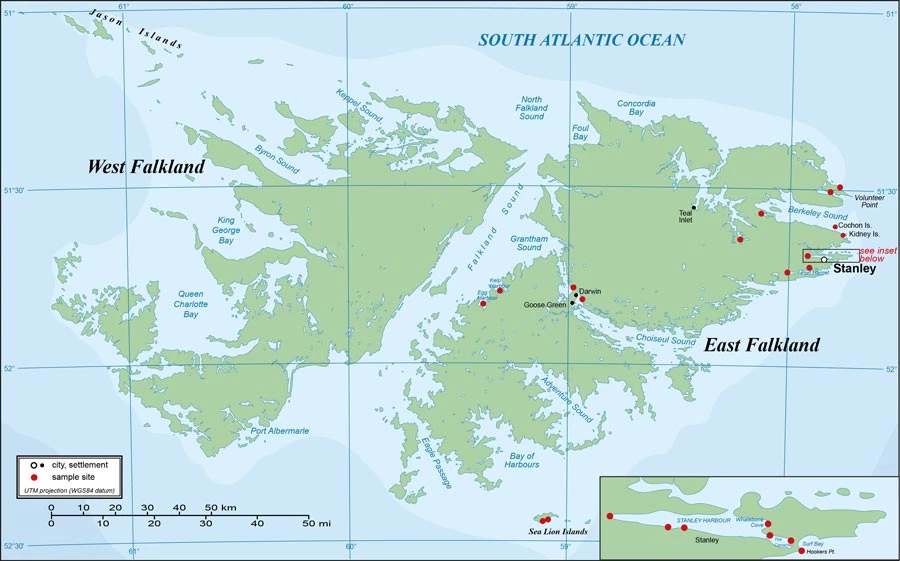
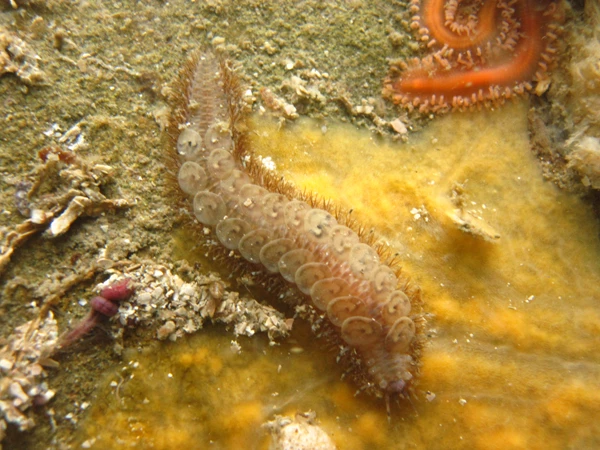
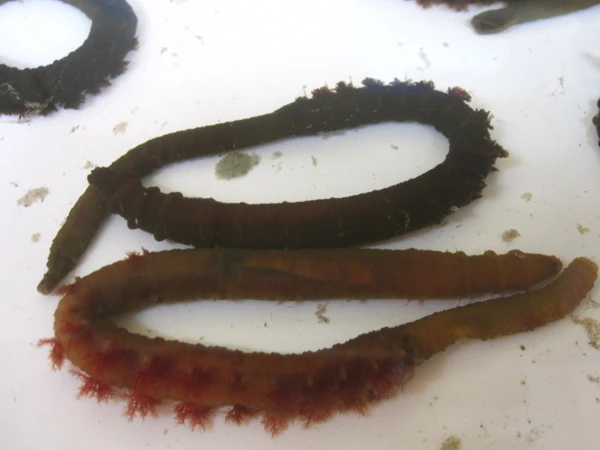
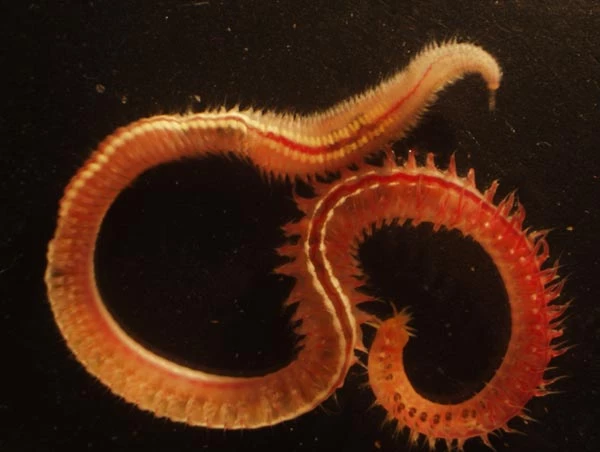
Species new to Science: Polychaetes from the Falkland Islands Teresa Darbyshire, 21 February 2013 1. Map showing the sample sites around East Falkland with enlarged inset map of locations around Stanley 3. Two cirratulids found under a rock during a dive 4. Scaleworm (Polynoidae) found under a rock while diving 8. Paddleworm (Phyllodocidae) with distinctive black stripes 9. Two different species of lugworm (Arenicolidae) from a shore 10. A new species of ragworm (Nereididae) Polychaetes (or bristleworms) are found in nearly every marine habitat on Earth. They are very adaptable and diverse in appearance, and there are currently around 10,000 species described. With increasing environmental pressures on our marine environment it is more important than ever to know what species live where. Polychaetes from offshore habitats around the Falkland Islands in the South Atlantic have often been sampled as part of Antarctic research cruises. Those from intertidal regions (between high and low tide marks) are conversely not so well known. Some intertidal work was done at the beginning of the twentieth century by a Falkands naturalist, Rupert Vallentin, who sent specimens to taxonomists for identification and research. Since then little has been done. Teresa Darbyshire, a marine biologist from Amgueddfa Cymru, has been collaborating with the local Shallow Marine Surveys Group to study the polychaetes of the Falkland Islands. Four weeks of fieldwork in late 2011, funded by the Shackleton Scholarship Fund, allowed nineteen different shores to be sampled (Images 1, 2, 6) on East Falkland, the main island of the group. Diving together with the Shallow Marine Surveys Group also allowed offshore sites to be sampled (Image 3, 4, 7). Fieldwork in the Falkland Islands offered some unusual biological hazards including sea lions investigating Teresa while working underwater, elephant seals creeping up behind her on the shore, and caracaras (birds of prey) trying to fly off with the sample pots! (Image 5) Features important for their identification such as colour and patterns (Image 8) often disappear or change once polychaetes are preserved ("fixed"). Specimens were, therefore, mostly looked at and photographed live under a microscope. Specimens were also "relaxed" before fixing so that they were less likely to contort and possibly break-up, so making them much easier to identify later on. Polychaete identification is neither quick nor easy! Different species occur across the world and change according to both habitat and location. Located in the South Atlantic, the Falkland polychaetes are likely to be different from those in the North Atlantic and so their identification is requiring much searching of available literature. To start with, the specimens were first sorted into families (groups of related species). Although not all families exist in all environments, the families recognised from the Falklands also occur in British waters. Each family was then studied in turn, to identify the different species present across all of the sites. It's always easier to identify something if you have many specimens to look at as you may get a range of different sizes, from juveniles to adults, and also specimens in different condition. Over thirty different families have now been identified from the samples. Two new species have already been found of lugworm (Arenicolidae , Image 9) and ragworm (Nereididae, Image 10). This is surprising as these two groups contain large animals and are generally well known as they are often used by fishermen for bait. It is expected that several more new species will be found as the samples are analysed. A second visit occurred in 2013 to sample additional locations both on East Falkland and across West Falkland too. Eventually, it is intended that all of these samples together will facilitate the production of a list of the intertidal and inshore polychaetes of the Falkland Islands. This will be of great benefit to all those working to protect the environment of the Falkland Islands as well as polychaete researchers from around the world.
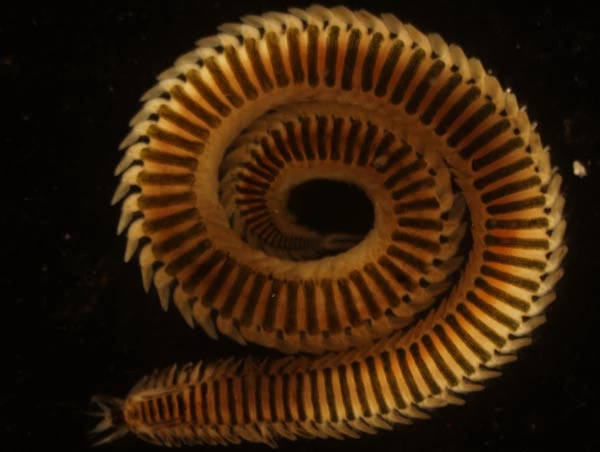
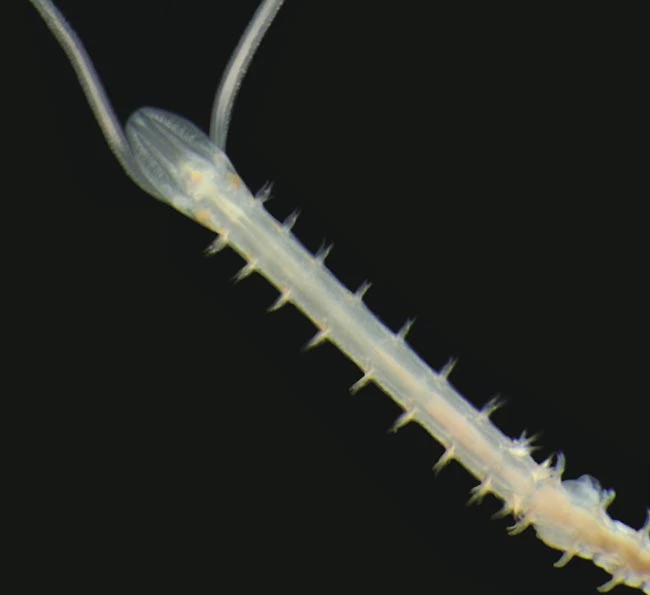
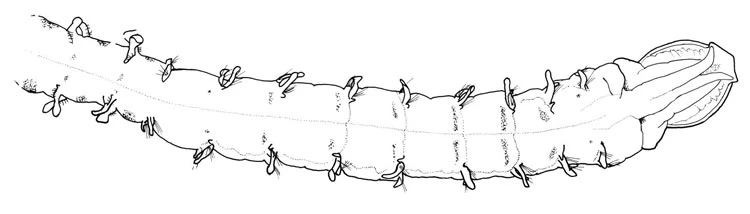
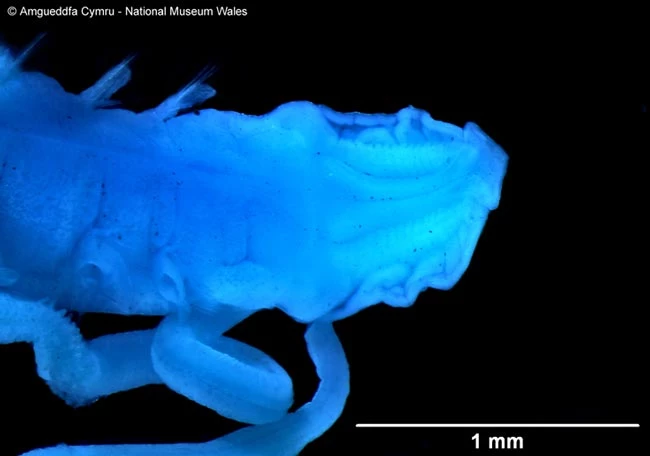
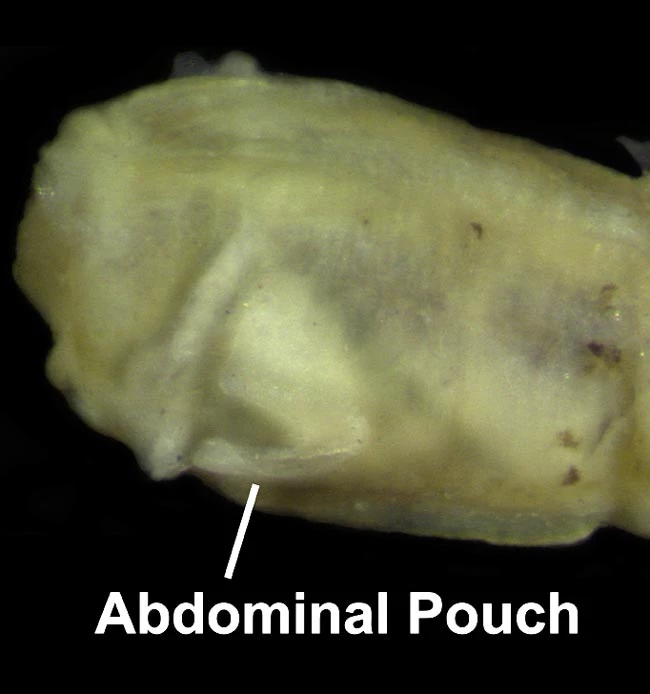
Species new to science: Shovelhead Worms from around the world Katie Mortimer-Jones, 8 January 2013 A British species of Shovelhead worm (Magelona johnstoni). Image: Andy Mackie. A Portuguese species of Shovelhead worm (Magelona lusitanica) Head end of Magelona montera from the Red Sea, stained with methyl green. Image: James Turner Magelona obockensis from the Gulf of Aden Head end of Magelona sinbadi from the Persian Gulf, stained with methyl green. Image: James Turner An example of a magelonid pouch Marine bristle-worms (Polychaetes) are related to earthworms and leeches - well known examples are lugworms and ragworms used by sea fisherman as bait. The Magelonidae is a small family of polychaetes that have a unique flattened head, used for digging, giving them the common name, the shovelhead worms. There are over 70 species of shovelhead worms, 11 of which were first described by marine biologists from Amgueddfa Cymru. Polychaetes are found in nearly every marine habitat and often make up a large proportion of the animals living in and on the seabed. There may be 9000 species worldwide, although estimates vary widely and new species are being discovered constantly (even in British waters). Polychaetes can vary hugely in their form and size, how mobile they are, and how they obtain their food. What are Shovelhead Worms (Polychaeta: Magelonidae)? The Magelonidae is a small family of polychaetes, found all over the world. They burrow in muds and sands, and are generally found at water depths of less than 100 m. They are slender, beautiful worms, usually less than 10 cm long. They have a unique flattened head, used for digging in sediments, giving the group its common name, the shovelhead worms. The have two long feeding tentacles (palps) that are adorned with small 'bumps' (papillae). Over 70 species are known worldwide, 11 of which were first described by marine biologists from Amgueddfa Cymru, including one British species, Magelona johnstoni Fiege, Licher & Mackie, (2000). Marine biologists at Amgueddfa Cymru have studied the shovelhead worms in the seas surrounding the Arabian Peninsula and confirmed the presence there of Magelona cornuta, Magelona obockensis, Magelona pulchella, Magelona crenulifrons and an undescribed species from the Red Sea (Mortimer, 2010). This research led to collaboration with scientists from the Spanish Centre d'Estudis Avançats de Blanes (CEAB) who made Magelona specimens available from over 100 locations in the same region. A worm with horns The undescribed species highlighted in 2010, was first noticed in the collections of the Muséum National d'Histoire Naturelle in Paris. It is a particularly interesting species as it has uniquely shaped horns on its head, giving it the appearance of wearing a bullfighter's hat! It has now been named Magelona montera, after the Spanish word for a matador's hat (Mortimer et al., 2012). A further six species of Magelona have now been identified from seas surrounding the Arabian Peninsula, including another new species from Iran named after the fictional sailor, Sinbad (M. sinbadi, M. cf. agoensis, M. conversa, M. cf. falcifera, M. symmetrica, and M. cf. cincta). This raises the total number of species known from the Red Sea/Gulf region to eleven, three of which were originally described from the Seychelles by Museum staff (Mortimer & Mackie, 2003; 2006). The partnership between Amgueddfa Cymru and CEAB has proven to be successful and also led to a review of the shovelhead worms from Portugal, including the description of a new species, Magelona lusitanica. This work was published in the proceedings of the 10th International Polychaete Conference, held in Italy, June 2010 (Mortimer, Gil & Fiege, 2011). In 2013, Museum staff worked with scientists from the East China Sea Fisheries Research Institute, Shanghai to describe a new species from the Yellow Sea, China (Zhou & Mortimer, 2013). Amgueddfa Cymru taxonomists have now studied 30% of all known Magelona species. However, it doesn't stop there. Work is now starting on British species as part of the museum's review of the British Polychaete Fauna. We will also investigate the distinctive abdominal pouches present in some magelonid species, whose function remains a mystery. References: Fiege, D., Licher, F. & Mackie, A.S.Y. 2000. A partial review of the European Magelonidae (Annelida: Polychaeta): Magelona mirabilis redefined and M. johnstoni sp. nov. distinguished. Journal of the Marine Biological Association of the United Kingdom, 80, 215-234. Mortimer, K. 2010. Magelonidae (Polychaeta) from the Arabian Peninsula: a review of known species, with notes on Magelona tinae from Thailand. Zootaxa, 2628, 1-26. Mortimer, K., Cassà, S., Martin, D. & Gil, J. 2012. New records and new species of Magelonidae (Polychaeta) from the Arabian Peninsula, with a re-description of Magelona pacifica and a discussion on the magelonid buccal region. Zootaxa, 3331, 1-43. Mortimer, K., Gil, J. & Fiege, D. 2011. Portuguese Magelona (Annelida: Magelonidae) with a description of a new species, a re-description of Magelona wilsoni Glémarec, 1966 and a key to adult Magelonidae from European waters. Italian Journal of Zoology, 78(S1), 124-139. Mortimer, K. & Mackie, A.S.Y. 2003. The Magelonidae (Annelida: Polychaeta) from the Seychelles, with the description of three new species. In: Sigvaldadóttir, E., Mackie, A.S.Y., Helgason, G.V., Reish, D.J., Svavarsson, J., Steingrímsson, S.A. & Gudmundsson, G. (eds). Advances in polychaete research. Hydrobiologia, 496(1-3), 163-173. Mortimer, K. & Mackie, A.S.Y. 2006. The Magelonidae (Annelida: Polychaeta) from the Seychelles. 2. Description of four additional species, three new to science. In: Sardá, R,. San Martín, G., López, E., Martin, D. & George, D. (eds). Scientific advances in polychaete research. Scientia Marina, 70(S3), 125-137. Zhou, J. & Mortimer, K. 2013. A new species of Magelona (Polychaeta: Magelonidae) from Chinese coastal waters . Journal of the Marine Biological Association, U.K, 93(6):1503-1510.