World Octopus Day
Harriet Wood, 8 October 2014
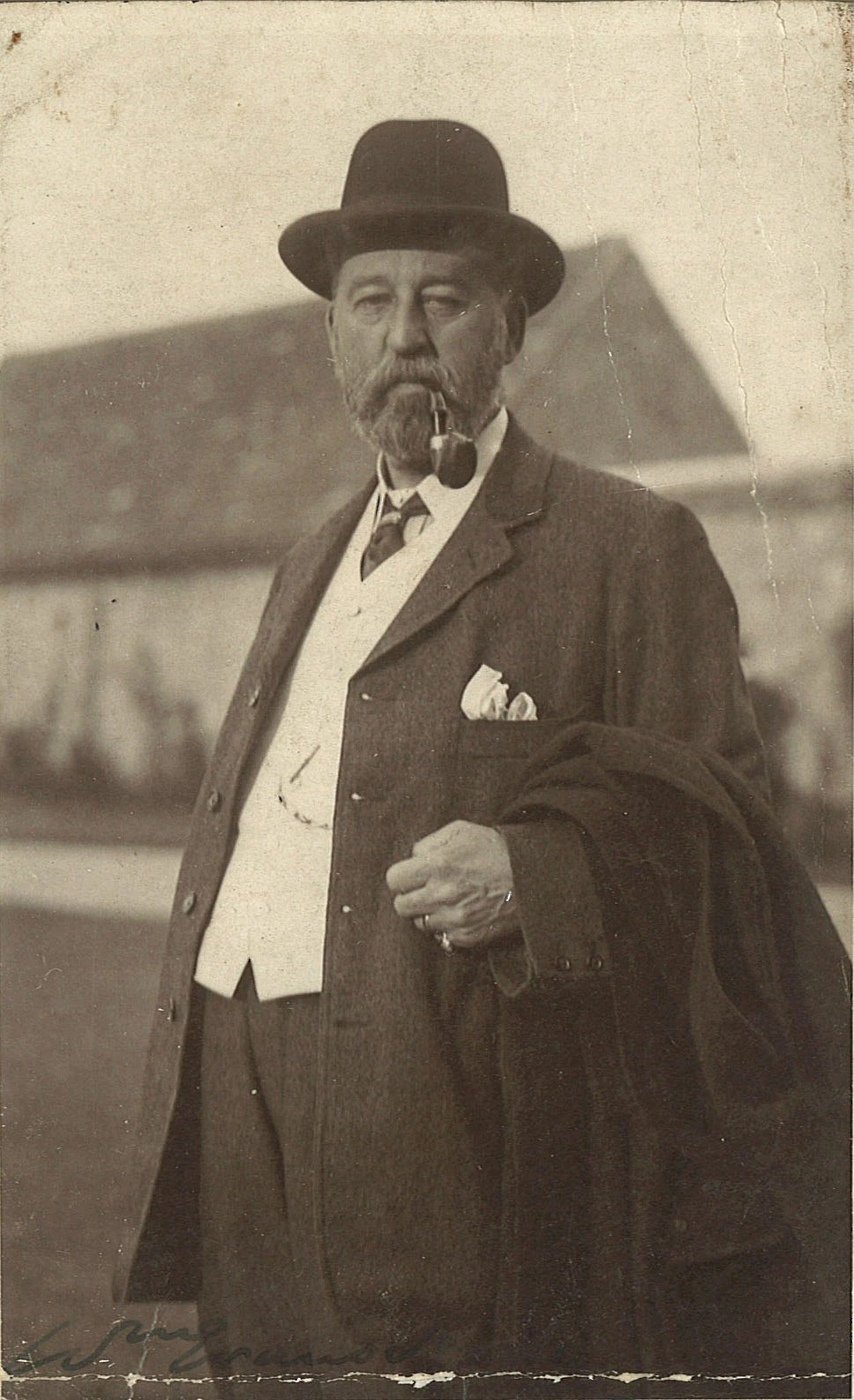
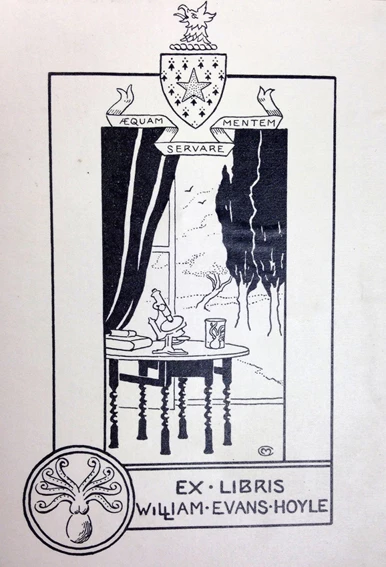
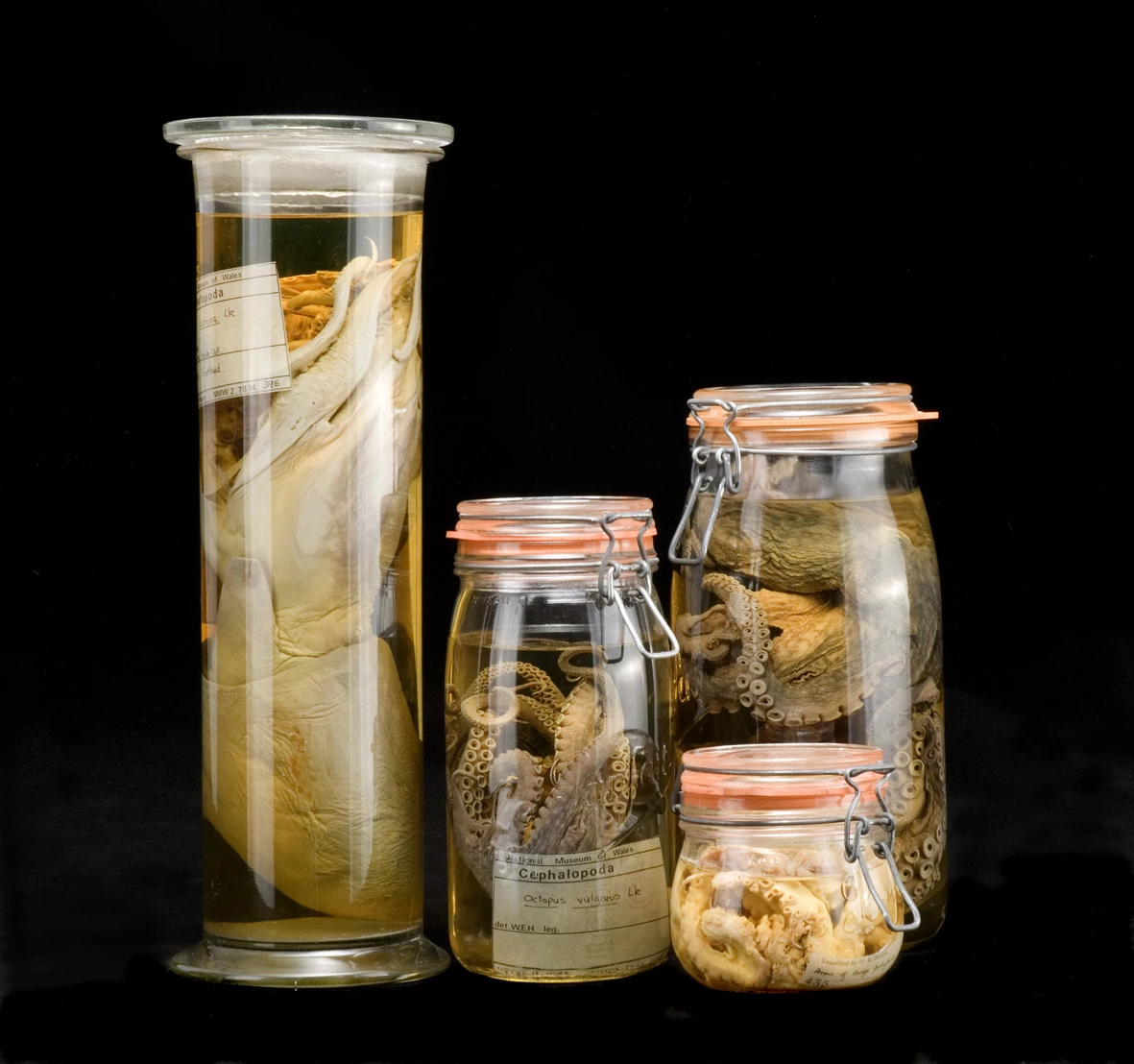
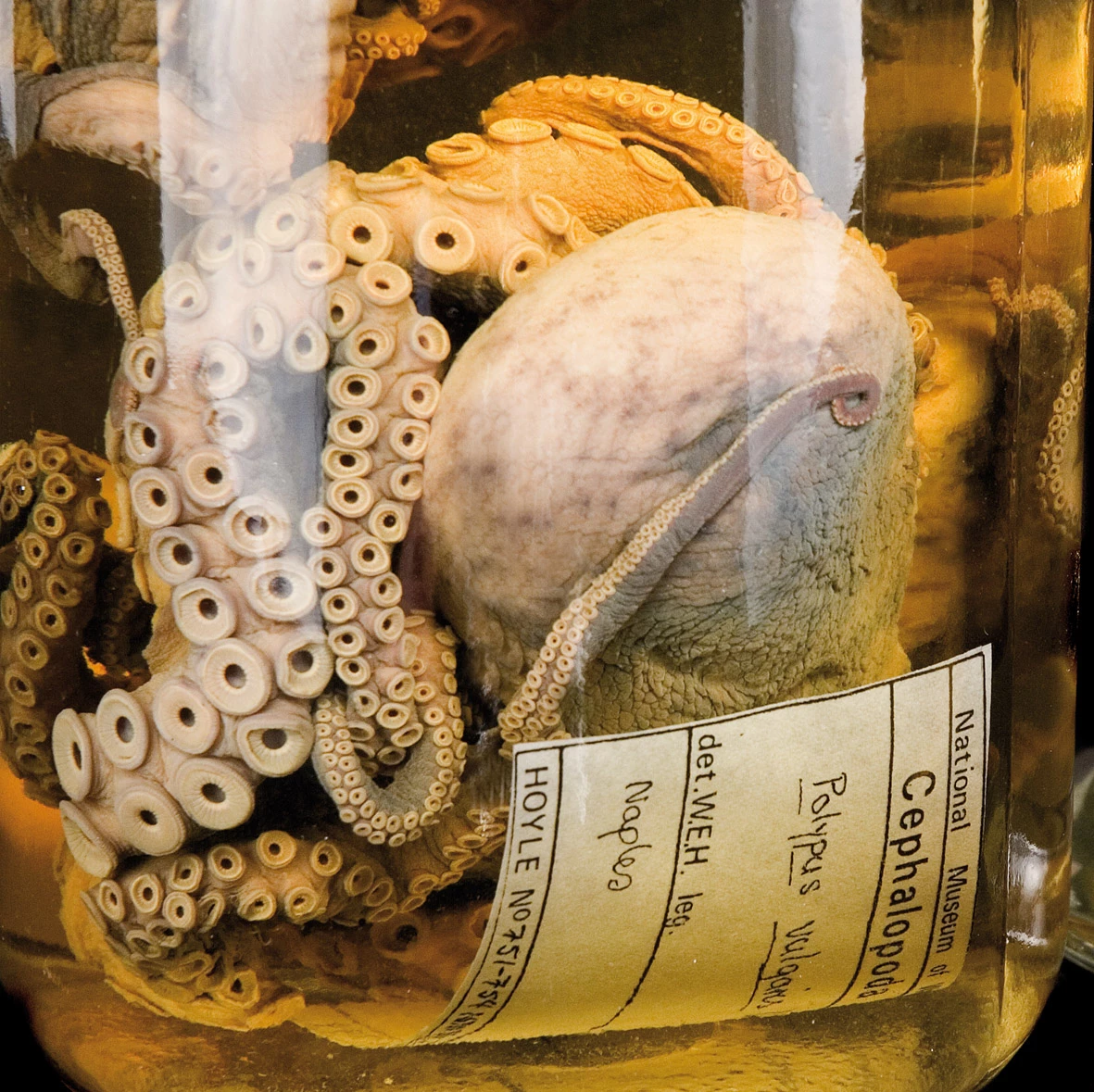
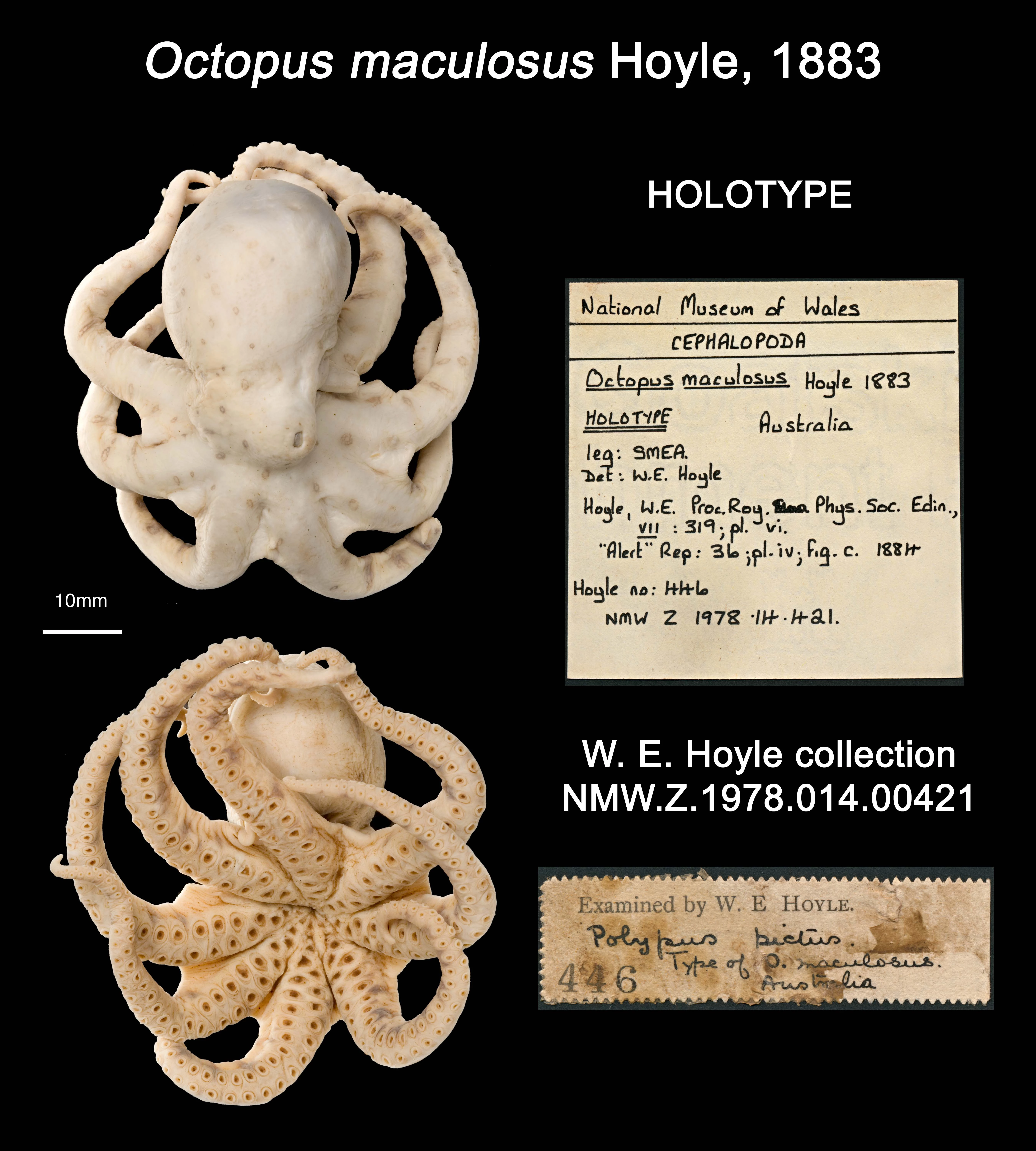
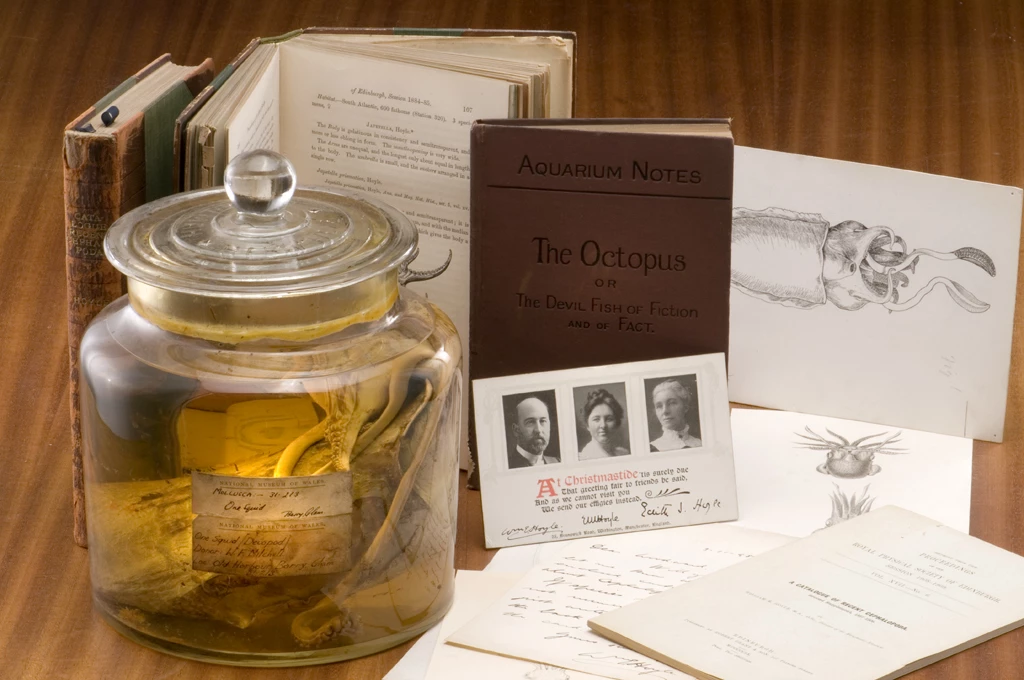
Today is a very special day…it’s World Octopus Day! So, what better opportunity to celebrate the life of the eminent Cephalopod expert Dr William Evans Hoyle. Here at Amgueddfa Cymru Hoyle has a particularly special place in our hearts as he was our first Director and donated part of his Cephalopod collection to our museum containing some 463 jars of specimens.
So, who was this man…?
Born in Manchester in 1855, Hoyle followed a varied and interesting career but his passion was always for science and nature. From an Oxford degree in Natural History to a diploma in medicine; from writing Challenger Reports to being Keeper and Director of the Manchester Museum; whatever the challenge, Hoyle took it on with energy, enthusiasm and a great sense of humour.
The challenge of Challenger:
It was in 1882 that he was invited to be a naturalist on the editorial staff of the “Challenger” Expedition, under the supervision of Sir John Murray. This was to be the start of his life-long love for cephalopods. All of the cephalopods collected over the four years of the expedition (1872-1876) were passed through his hands. His skills in dissection and anatomy meant he was an excellent candidate to carry out their thorough examination. He produced diagnoses and descriptions of these creatures which were compiled into a preliminary report in 1885 and a final report in 1886.
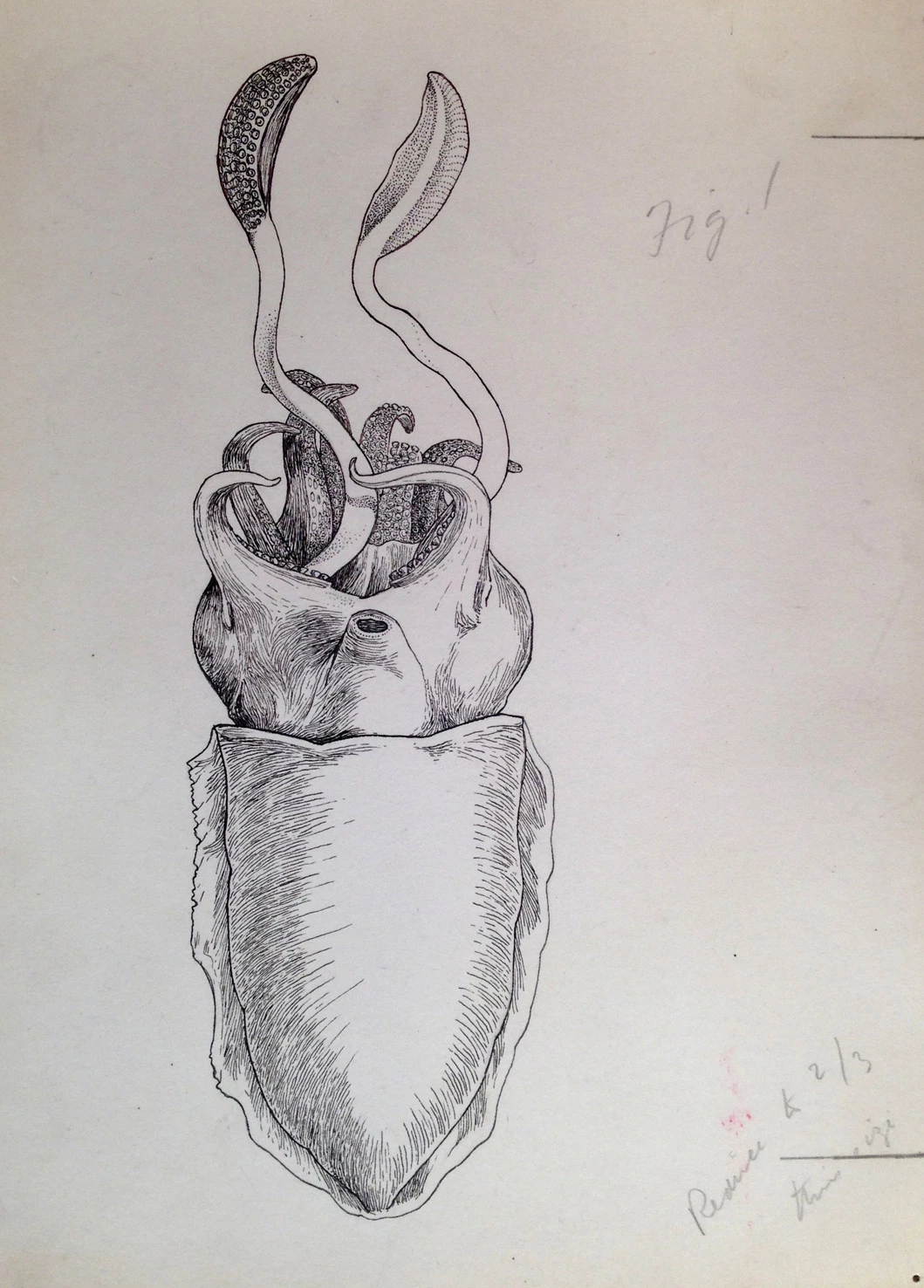
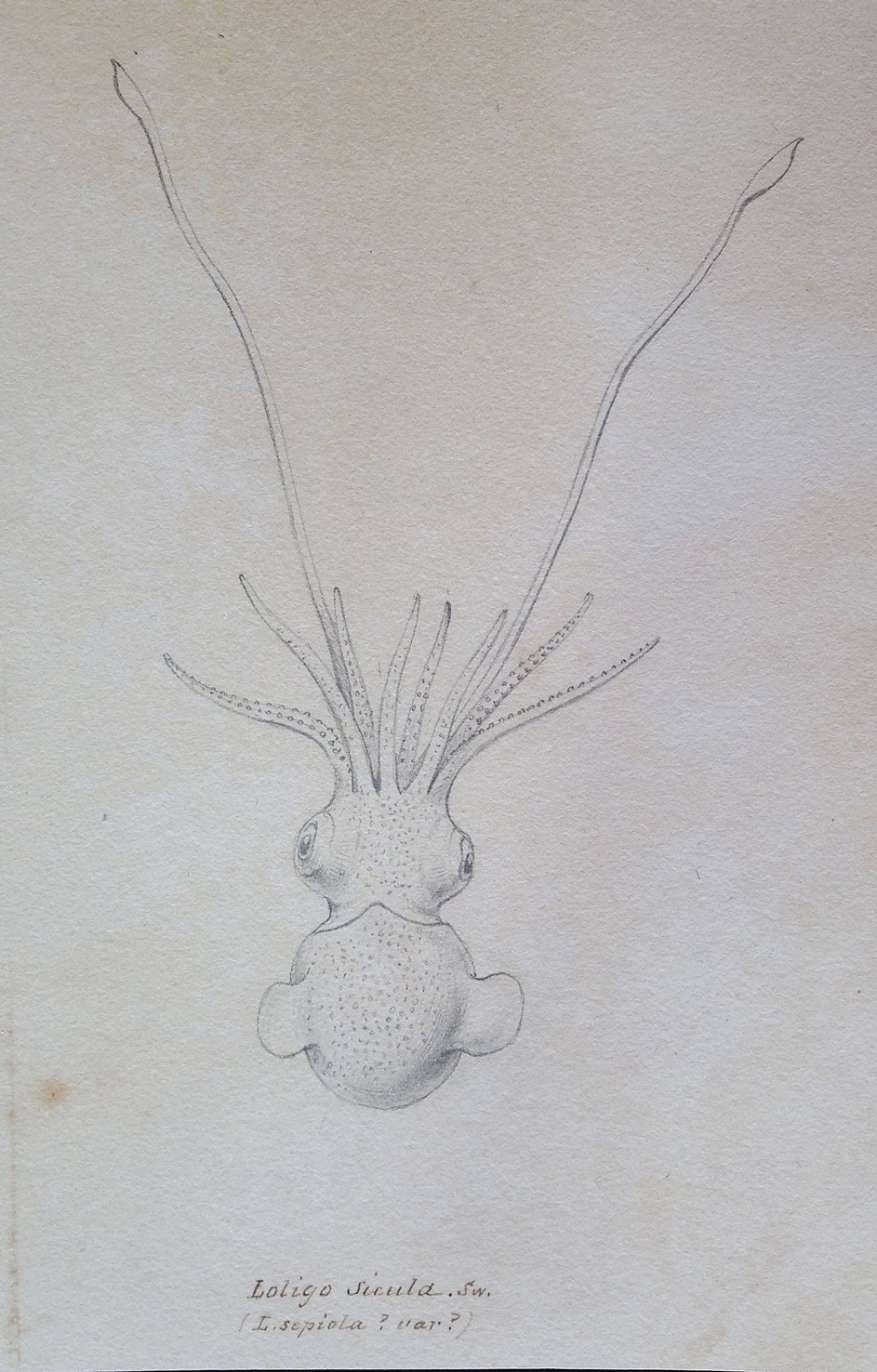
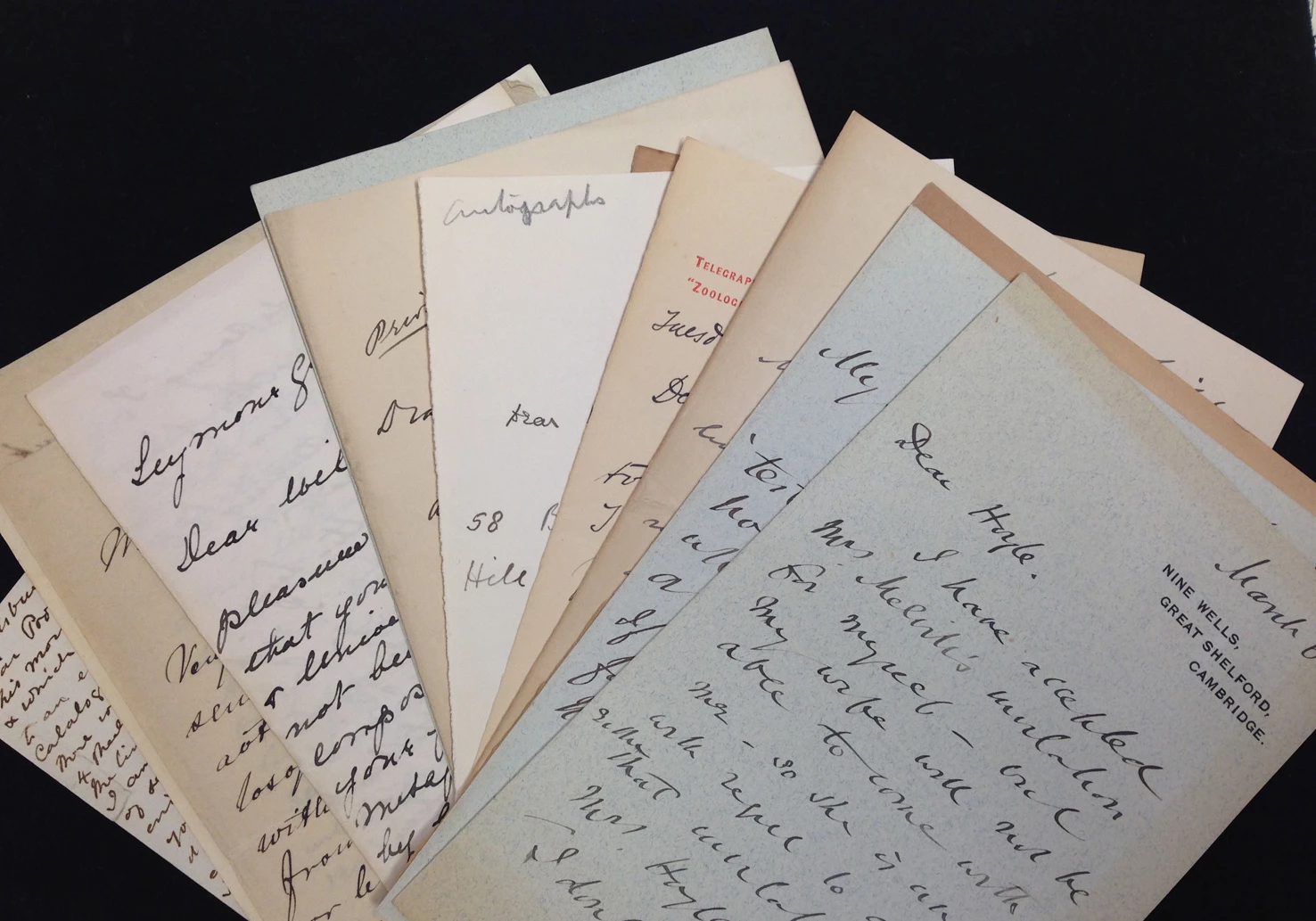
His tenure with the Challenger team lasted six years but for the remainder of his life he studied and analysed cephalopods from all over the world and produced numerous publications. Examples of some of his studies are those collected by Herdman from Ceylon (1924); Stanley Gardiner from the Maldives and Laccadives (1905); those collected on the National Antarctic Exhibition (1907); and the Scottish National Antarctic Expedition (1912). Hoyle was a meticulous worker and drew many of his own beautiful illustrations for these publications, some of which now reside in the archive at Amgueddfa Cymru. He quickly became recognised as a chief authority in the subject.
Director of the National Museum of Wales
After 20 years of working at the Manchester Museum, including a period as Director, Hoyle took his final career change in 1909 when he was appointed Director of the National Museum of Wales (now Amgueddfa Cymru). By this time he was already considered the most prominent science museum director in Great Britain. For Hoyle this was the perfect job and represented the fulfilment of a life long ambition. It allowed him to be involved in the development of a museum, both as a building and a concept, from the beginning. The museum was chartered in 1907 but Hoyle joined the team at a time when he could participate in the architectural discussions and was responsible for some major changes in the design of the building. As part of his research he visited many museums in both Europe and America so he could learn from their mistakes and find the best methods of development. He noted particularly that often not enough space was allocated for collections and their future growth.
A place for exploration and discovery
Hoyle applied great energy to his work and with his exceptional organisational skills and knowledge he pushed this museum forward. With such a strong scientific background, and experience of working with material from expeditions, he was a strong promoter of the museum as a science and research institute. He promoted it as an arena for exploration and discovery of the world. Hoyle also had good acquaintances with fellow natural historians, especially as a member of the Cardiff Naturalist Society, and so encouraged them to donate their collections. His years at NMW put this museum on the scientific map and made it a place where eminent scientists were proud to bequeath their collections.
As a concept Hoyle was a great believer that museums should be “Schools for learning” as well as store houses for interesting objects. He was very well known as a popular lecturer in a great many subjects and his sense of humour and enthusiasm brought his talks alive. He was also known to have a wonderful ability to interest children and pass this enthusiasm onto them.
He was Director through the First World War which proved a great difficulty at times and caused frustrating delays in the development of the building. Sadly, Hoyle retired due to ill health in 1924 and was never to see the completion of the museum as he died on 7th February 1926 in Porthcawl.