From Antarctica to Wales: The Remarkable Journey of Shackleton’s Penguin

From the frozen landscapes of Antarctica to the collections of Amgueddfa Cymru, one remarkable penguin has a story to tell. A story of exploration, scientific discovery and an unexpected connection between one of the world’s most famous polar explorers and Wales. 

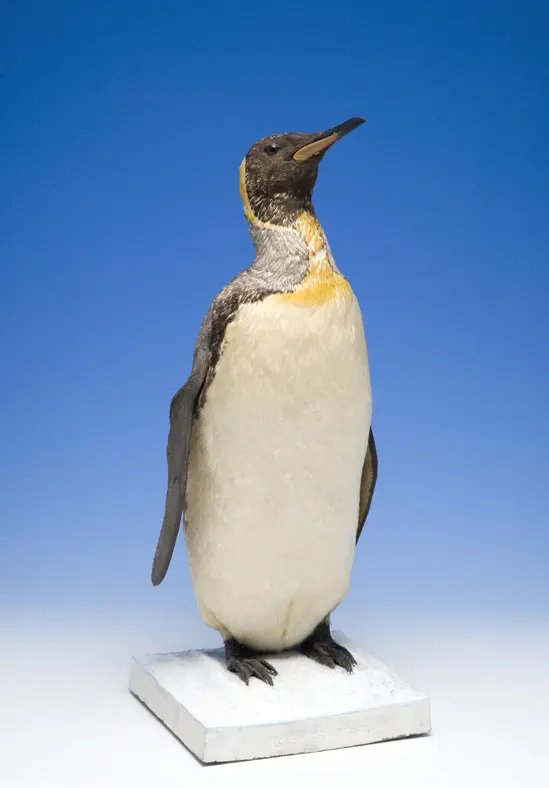
More than a century ago, Sir Ernest Shackleton, the celebrated Antarctic explorer, made a gift to the National Museum of Wales (as it was known then) of a King Penguin collected during his pioneering expedition to the Antarctic. 

But how did this extraordinary bird find its way to Wales?

An expedition into the unknown

In 1907, Ernest Shackleton set sail aboard the Nimrod, embarking on an ambitious expedition to explore the largely uncharted Antarctic continent. 

The British Antarctic Expedition of 1907-1909, better known as the Nimrod Expedition, would become one of the most celebrated voyages of the heroic age of Antarctic exploration. 

During the expedition Shackleton and his companions endured extreme temperatures, treacherous ice and unimaginable hardships. In January 1909, they reached within approximately 97 geographical miles of the South Pole, travelling further south than anyone before them. 

Although they did not reach the Pole itself, their achievements captured the imagination of the world. 

The expedition was about more than geographical records. Scientific research and the collection of natural history specimens were also important parts of the voyage, helping to expand knowledge of the Antarctic and its remarkable wildlife. 

Among the specimens associated with the expedition was a magnificent King Penguin, believed to have been collected on Macquarie Island, a remote sub-Antarctic island between New Zealand and Antarctica. 

A rather unusual request

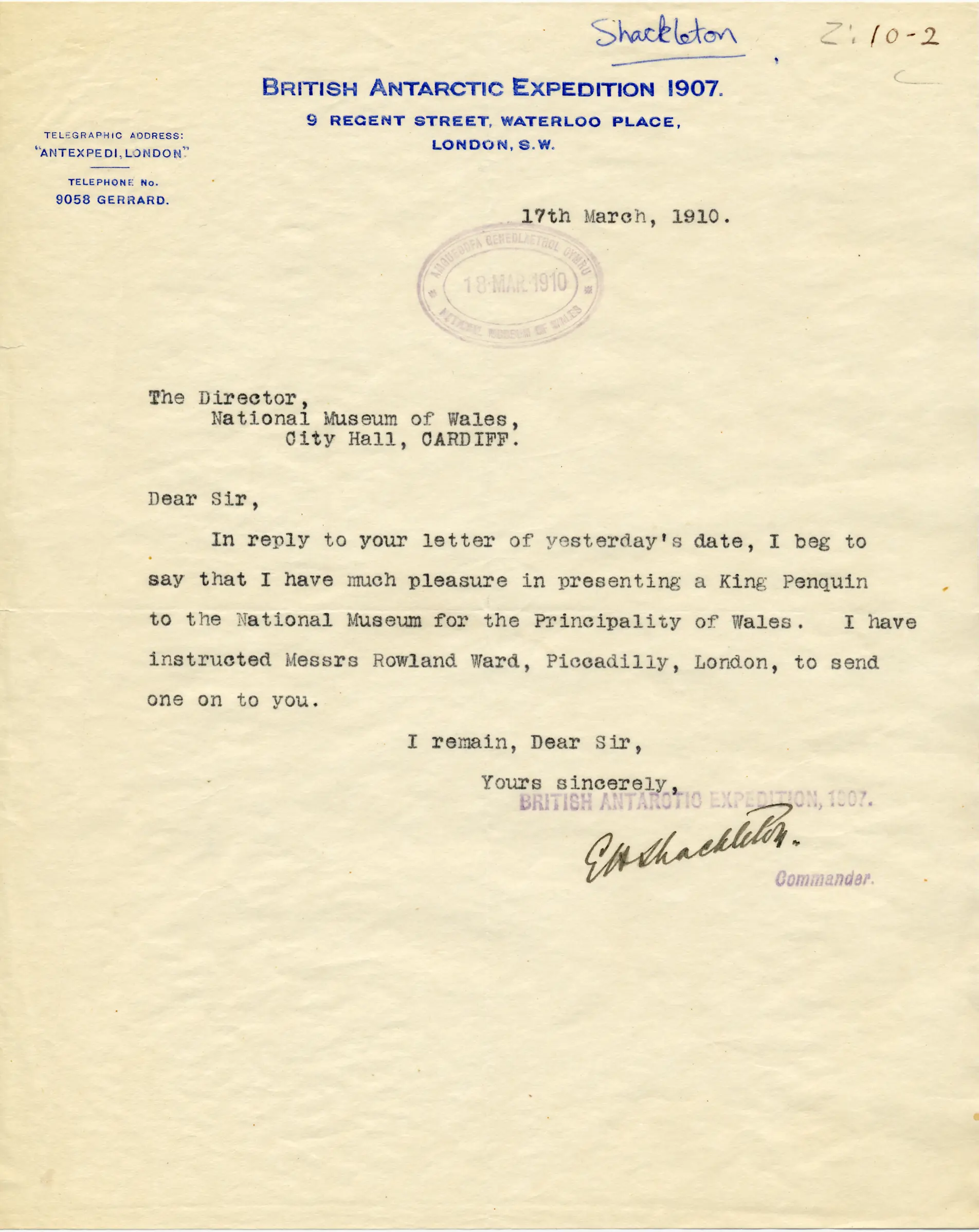
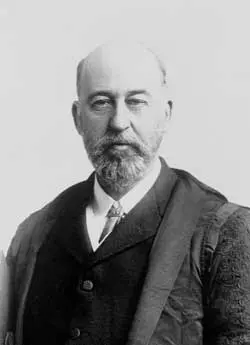
On 16 March 1910, William Evans Hoyle, Director of the National Museum of Wales, wrote to Shakleton with a request. 

The museum was developing its natural history collections, and Hoyle hoped that the famous explorer might be willing to donate a specimen from his recent expedition. Remarkably, the explorer replied the very next day, on 17 March 1910, agreeing to present the museum with a King Penguin. 

Arrangements were made through Rowland Ward, the renowned London taxidermy firm, for the preserved bird to come to the national collection. It was a generous gesture from one of the most celebrated explorers of his generation, and one that would establish a lasting connection between Shackleton’s Antarctic adventures and Wales’s national collections. 

Even more remarkably, the original correspondence between Hoyle and Shackleton survives in the museum’s Natural History Archive, providing a fascinating glimpse into the story behind the donation. 

A Penguin takes centre stage

Standing approximately 90 centimetres tall, the preserved King Penguin became a remarkable addition to the museum’s growing natural history collections. 

In 1914, the bird was displayed at Cardiff City Hall as part of an Antarctic Exhibition alongside an Emperor Penguin. 

For visitors in Wales, the opportunity to see these extraordinary birds offered a glimpse into a distant world that few people could ever hope to experience for themselves. 

More than a century later, the bird remains an important part of the story of the museum’s collections, preserving a connection to one of the most remarkable periods in the history of exploration. 

A lasting legacy

Today, Shackleton’s King Penguin tells a story of courage, curiosity and the human desire to explore the unknown. It reminds us that museums play an important role as storehouses for biodiversity, keeping a record of a species over time, allowing generations of visitors and researchers to learn more about the natural world.

From the icy waters of the Southern Ocean to the museum collections of Amgueddfa Cymru, the journey of Shackleton’s penguin is a reminder that even the most unexpected objects can have extraordinary stories to tell. 

Now, more than 115 years after the generous donation, the penguin continues to connect Wales with one of the greatest adventures in the history of polar exploration as it makes its next journey from Cardiff to Swansea’s National Waterfront Museum.

Life in the Sea

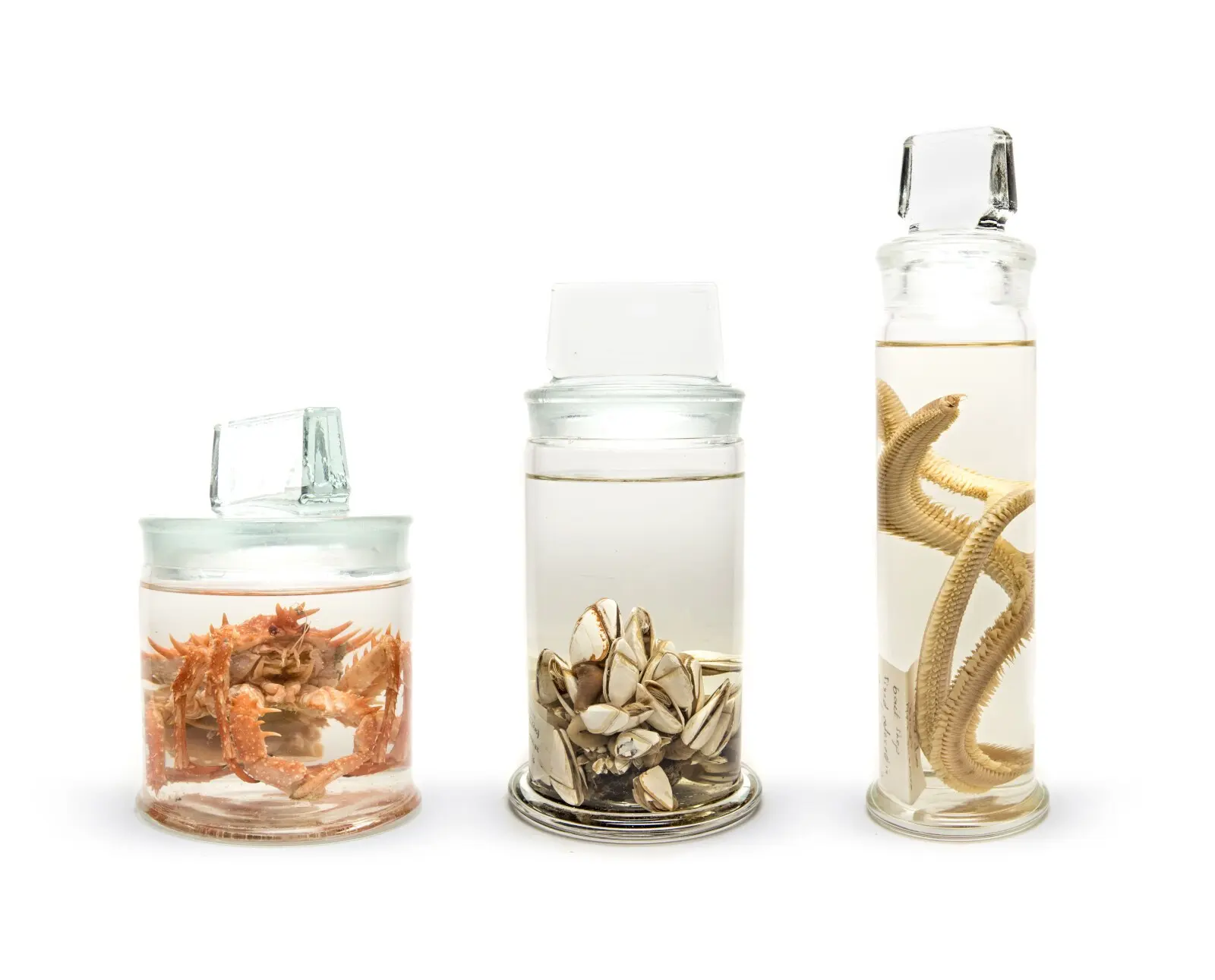
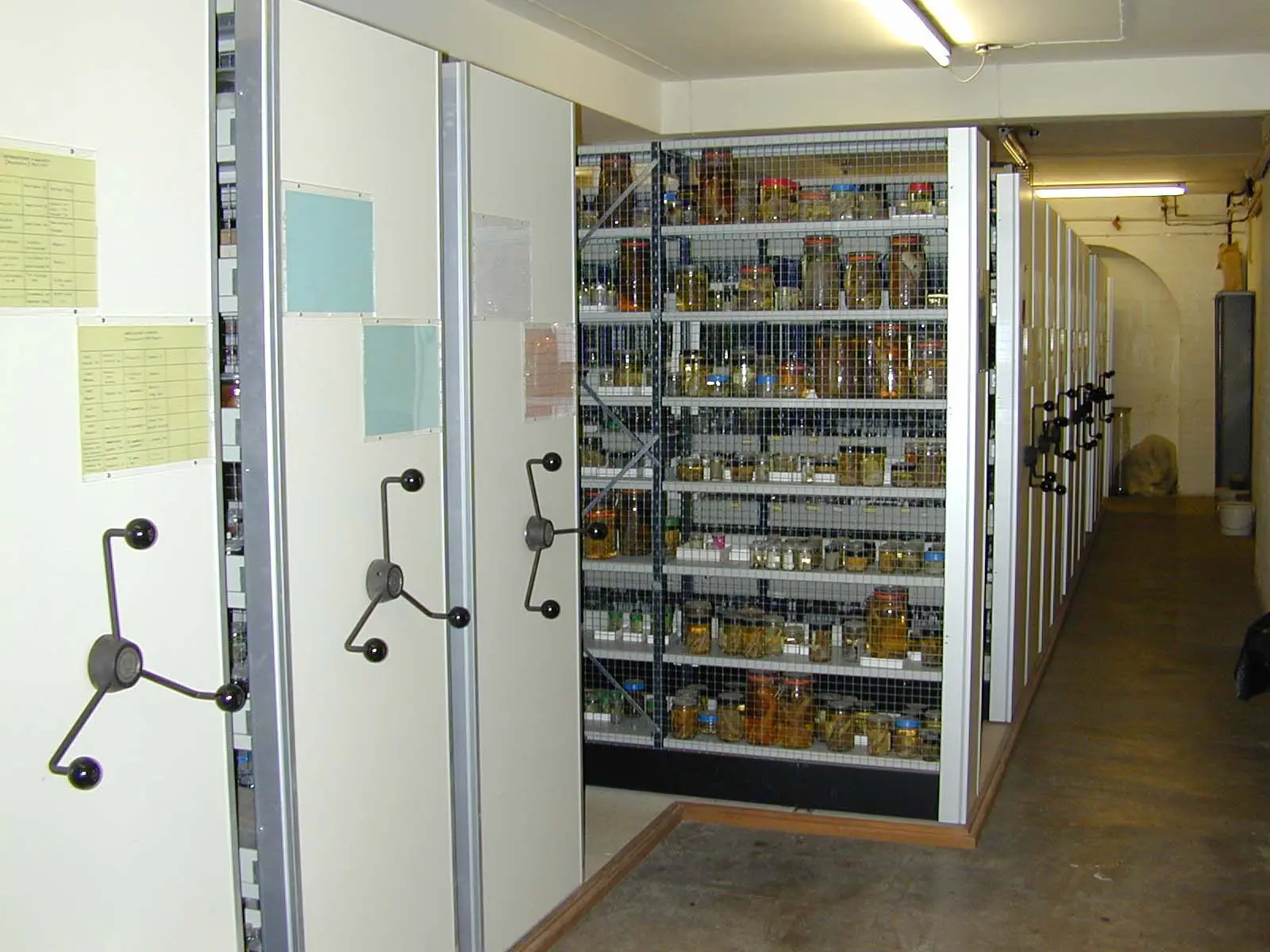
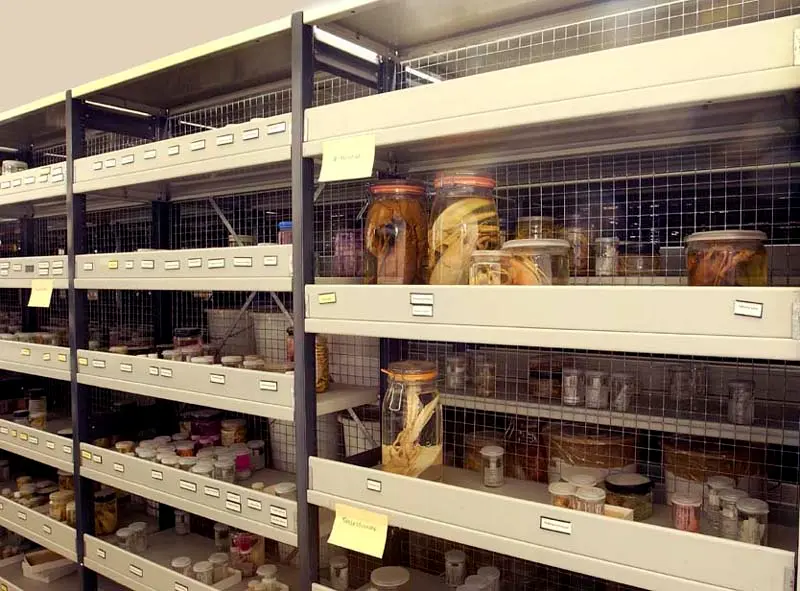
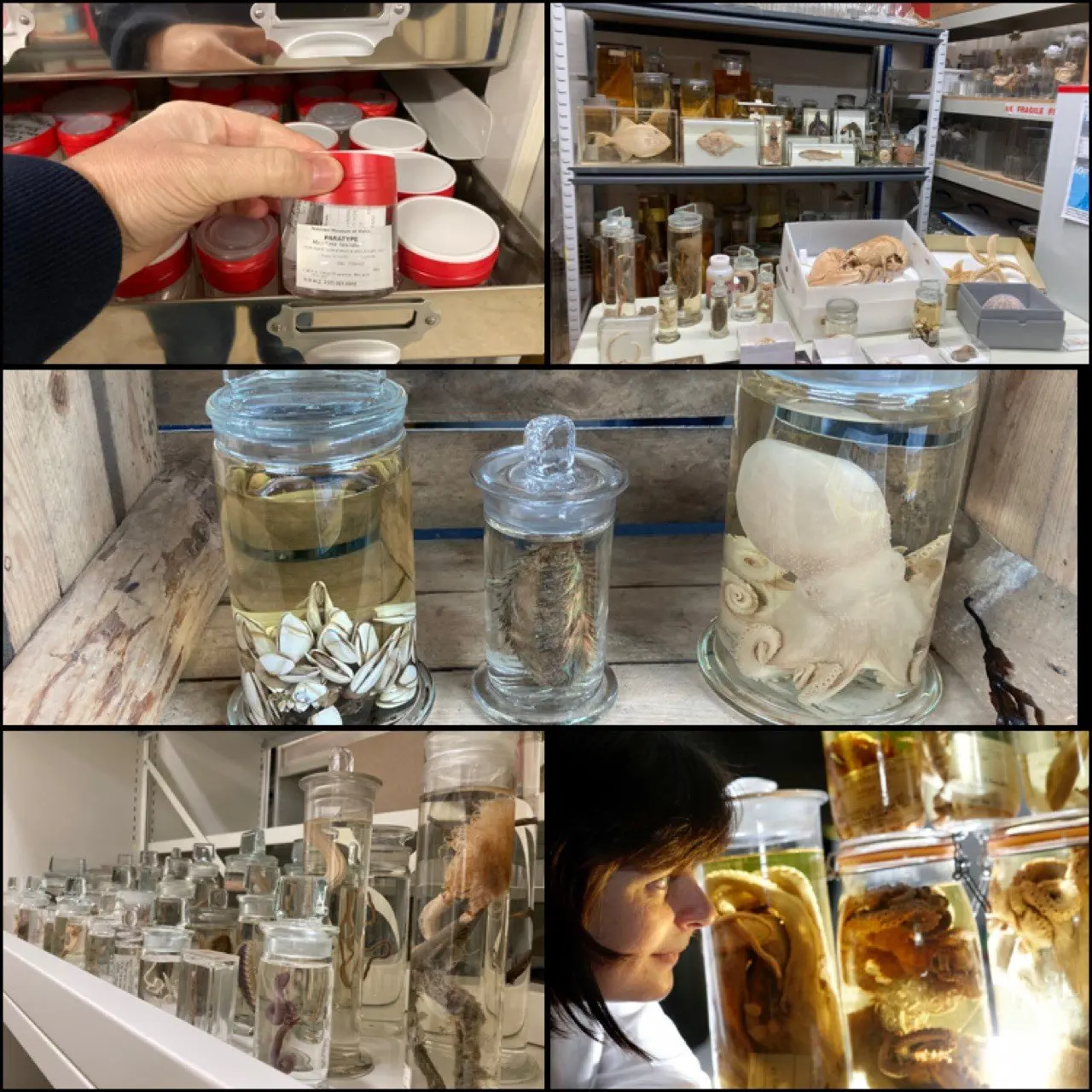
  • Amgueddfa Cymru houses nearly 750,000 specimens of marine life in its collections, such as worms, crabs, starfish and more!
  • The collections are an important reflection of which animals live in which habitat at any point in time. Therefore, they are vitally important in tracking what happens with climate and ecological change.
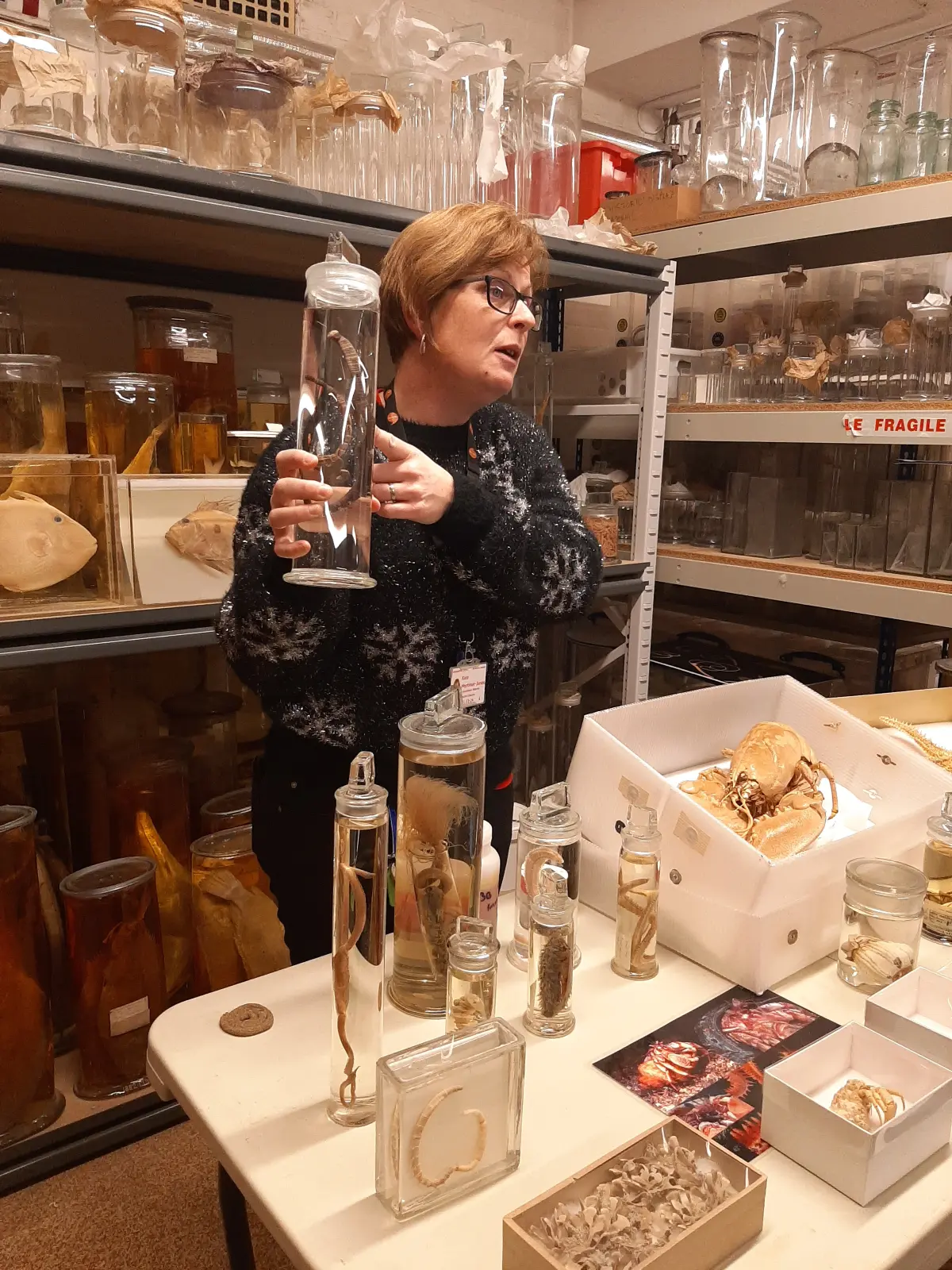
  • Delve into the world of the curators who look after these collections and carry out research into these wondrous animals

Amgueddfa Cymru has a rich history researching sea life, starting with the work of William Evans Hoyle, our first director (1909-1924), and continuing with the work of our current curators and scientists. Hoyle focused his research on squid, octopus and cuttlefish (cephalopods), but since then the museum has been actively involved in understanding more about the diversity of life living in and on the seabed, a subject known as benthic biodiversity.

An important role of museums is to house and care for collections, and whilst some of these collections may be used in the galleries and exhibitions you see around you, others are utilised for different functions such as education and scientific research. Our collections are enhanced by our research activities and expertise, and this goes for the sea life collections housed in National Museum Cardiff.

The Museum holds a wide and diverse collection of marine invertebrates. These are animals in our oceans and seas without back bones, such as sea worms, shells, starfish, crabs, lobsters, corals, sea urchins and many more. Whilst most of our marine invertebrate collection is housed together, our extensive collection of molluscs (a group which includes clams, oysters, mussels, cephalopods to name a few) is housed separately and cared for by specific curators.

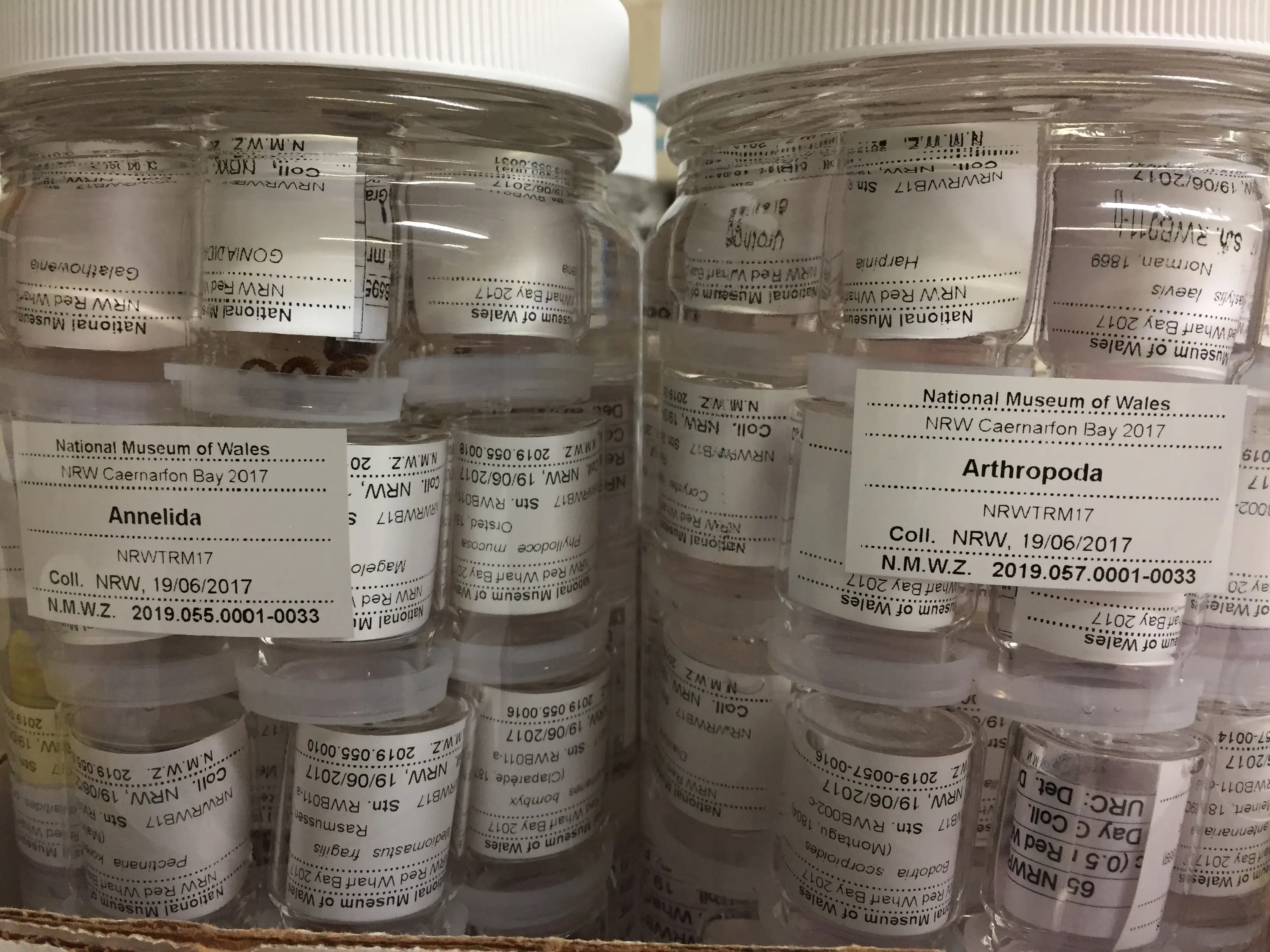
The Marine Invertebrate Collection comprises approximately 750, 000 specimens, and this number is continually growing through the museum’s own fieldwork and research, as well as donations. The collection represents many different groups of animals but over half is comprised of marine bristleworms, or polychaetes to give them their scientific name. Marine bristleworms [Link to can of worms article when published], are segmented worms related to earthworms and leeches and are a vital part of seabed communities. The abundance of sea worms in our collections reflects our museum’s expertise but also the abundance of bristleworms occurring in seabed sediments, sometimes as many as 50–80% of the animals living there.

Most of our marine collections are preserved in fluid, usually industrial denatured alcohol (IDA) or ethanol, which prevents the specimens from rotting. Much of this material will have been additionally fixed before preservation using formaldehyde. However, we also have frozen tissue samples, used for DNA analysis (allowing us to see which species are more closely related to one another) and dry collections, the latter of which are predominantly collections of Crustacea (e.g., crabs and lobsters) and corals.

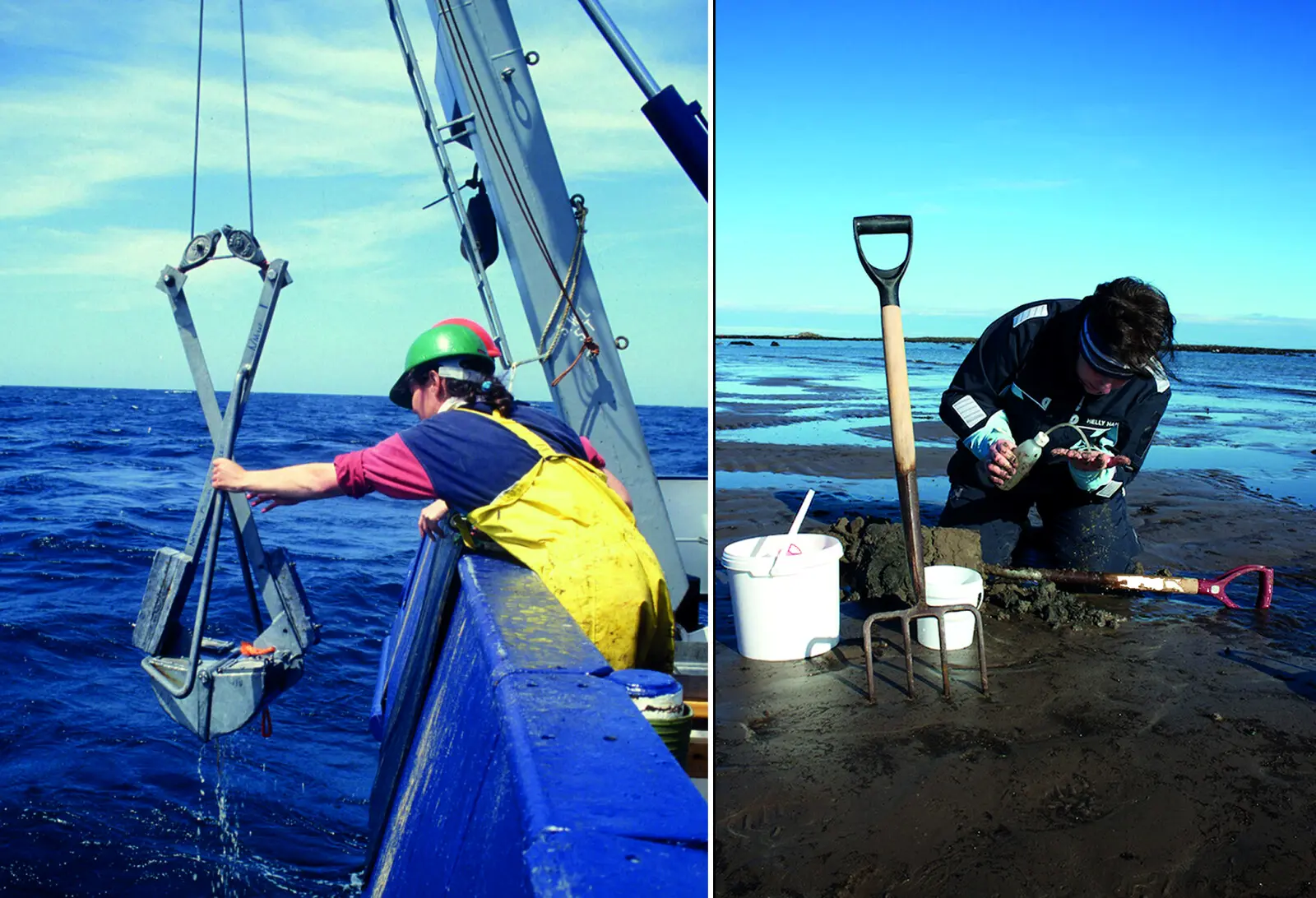
Most of the material in our collection is from the UK, and we house the largest collection of Welsh marine invertebrates in the world. Much of this material has been collected during years of seabed life surveys around the Welsh coast and Irish Sea by Museum staff. However, we also have specimens from over 60 different countries around the world, some arrived as donations, and some came from our own survey work in places such as the Seychelles, Hong Kong and the Falkland Islands. The donated material includes reference collections from oil and gas survey work and surveys monitoring the health of the seabed in the UK and around the world.

So why are our collections important, and why is it important to have so many specimens? Our collections are a unique record of which species lived in which habitat at any given time. This is important as it allows us to track changes which may occur as a response to climate or environmental change, pollution events or even transportation of alien or invasive species around the world, allowing us to assist in the protection of seabed life. We can also check any previous identifications that have been made by going back to the original samples, something that you would not be able to do just with the record itself. Our collections are also used by researchers and scientists to enhance their skills in identification and as part of the work describing other new species.

One of the most important uses of our collections is keeping safe the scientifically priceless specimens we call ‘types’. When a new species is discovered, described and named, the scientists in question choose a specimen that they say best represents the new species, and this specimen is then known as the holotype. These specimens are vitally important because they enable people across the world to know what the new species looks like in comparison to other species. Many museums across the world are depositories for type material and are entrusted to keep it safe but facilitate access to it for those who need to.

Our own curators and scientists use our collections too. Our expertise in the marine invertebrate section is in marine bristleworms and we have described over 35 new species since 2000. The collections allow us to compare similar species so that we can see when a species is new to science or a new record for a particular area. To do this work we employ drawing techniques, Scanning Electron Microscopy (which allows us to take images at high magnifications), photography and DNA analysis.

You can find out about some of our research on marine bristleworms in the following blogs:

So, next time you are in the main hall of National Museum Cardiff, think about the marine invertebrate collections beneath your feet and the importance they have in keeping our seabed habitats around Wales healthy. You may even find some of these collections in our displays and exhibitions. We used many of our bristleworm specimens in the touring exhibition ‘Wriggle! The Wonderful World of Worms’.

A Colourful Language of the Sea: How Flags Connected Wales to the World

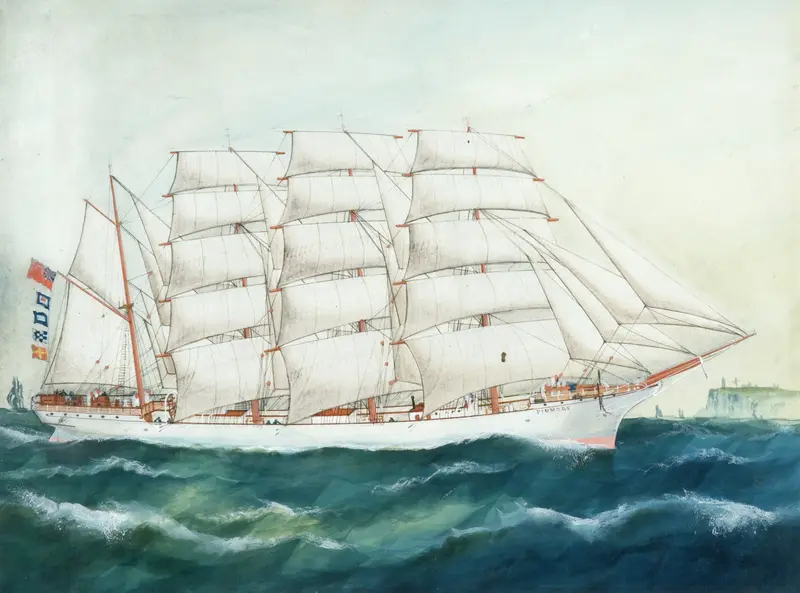
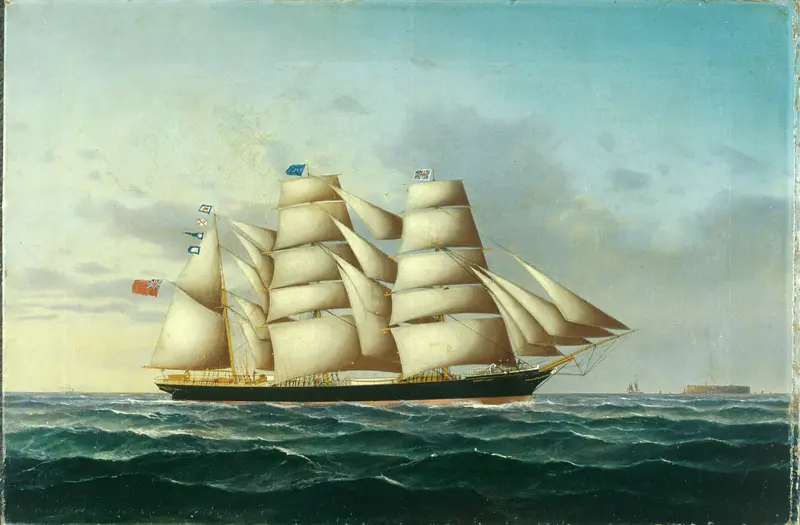
Imagine standing on the deck of a ship in Swansea Harbour 150 years ago. Around you, vessels are arriving from across the world, carrying cargo, passengers and stories from distant shores. But how did sailors communicate with one another before radios and modern technology?

The answer was often found in the colourful flags flying high above their ships.

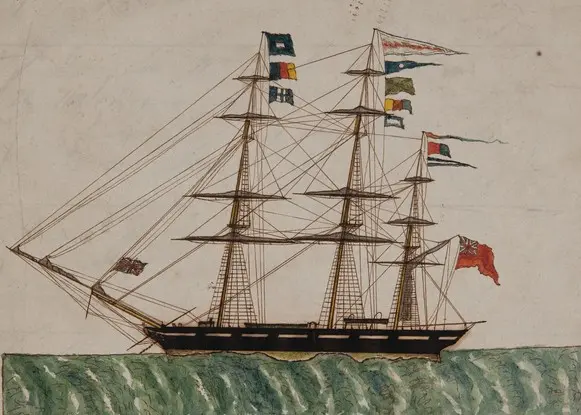
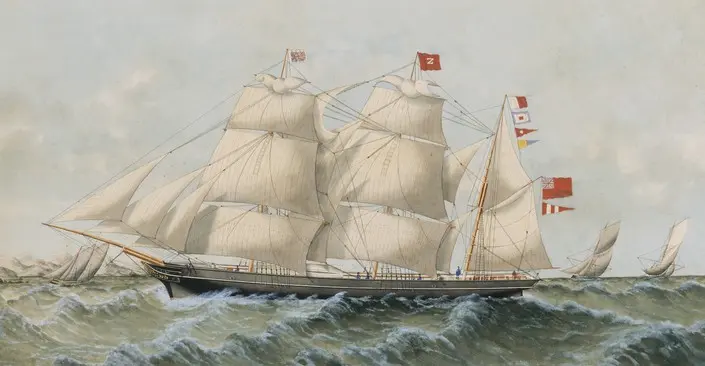
For centuries, maritime flags have helped sailors communicate across oceans, overcoming language barriers and sharing important information through colours and patterns.

Five colours, countless messages

The International Code of Signals uses just five colours: red, blue, yellow, black and white.

Chosen for their visibility and contrasting combinations, these colours form distinctive patterns that allow ships to communicate messages without exchanging a single word.

Each flag represents a letter of the alphabet, but many also carry a specific meaning when flown individually.

Here are three examples:

🔴 Red – Bravo

A solid red flag warns that a vessel is carrying, loading or unloading dangerous goods.

🔵⚪ Blue and white – Alpha

This distinctive flag signals that a diver is working beneath the water and warns other vessels to keep clear and proceed slowly.

🔴🟡 Red and yellow – Oscar

Divided diagonally into red and yellow, this flag communicates one of the most urgent messages at sea: Man overboard!

Connecting Wales to the world

These colourful flags have a particular connection to Wales’s rich maritime history.

During the nineteenth century, Welsh ports such as Swansea, Cardiff, Porthmadog and Newport became bustling centres of international trade. Ships carried Welsh coal, copper and other goods to destinations across the globe, returning with cargoes, people and ideas that helped shape Welsh communities.

In these busy harbours, maritime flags were an important part of everyday life.

Ships displayed national ensigns and shipping company flags to identify themselves, while signal flags provided a shared means of communication between vessels whose crews might speak different languages.

From the copper ships of Swansea to the coal-carrying vessels of Cardiff, the maritime world relied on systems of communication that helped connect Wales with distant shores.

A tradition that continues today

Although modern ships now rely on radio, satellite navigation and digital technology, maritime signal flags remain in use.

Their bold colours and distinctive designs are a lasting reminder of the ingenuity of generations of seafarers.

And behind each flag is a story of communication, cooperation and the extraordinary connections made possible by the sea.

Next time you spot colourful flags flying from a ship, remember that you’re looking at a language that once helped connect Welsh ports with the rest of the world.

Slate quarries in the landscape and their names

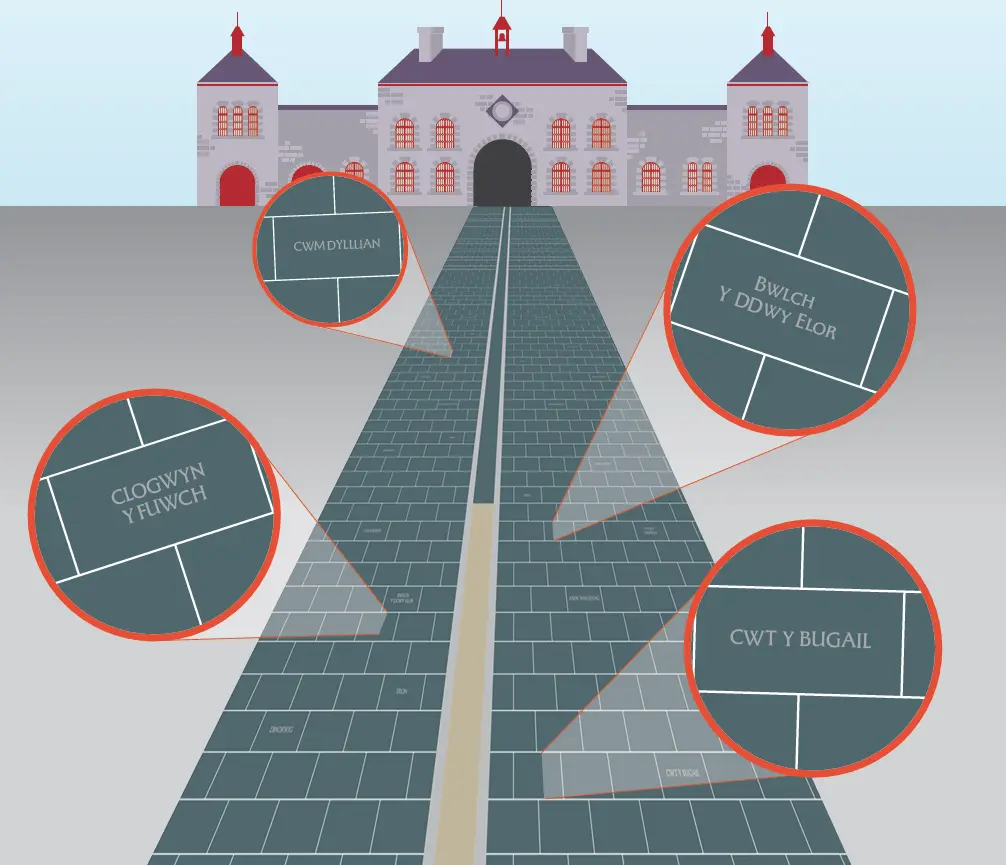
The National Slate Museum is keen to celebrate the wealth of names for slate quarries scattered throughout Wales by carving their names into a slate path which will lead to the gateway of the refurbished Museum. Anyone who explores the many corners of Wales will easily notice the remains of the huge effort made by previous generations to dig and extract slate rock from the ground and transform it into slates for various uses. Some of these remains can be very obvious since the quarrymen reshaped the landscape by blasting the rock and pouring waste into massive tips. And yet the remains of some of the quarries are mere ripples on the face of the earth since they weren’t worked for long enough to produce much waste nor create the need for numerous holes, addits and a transport system. Whatever the size and substance of the physical remains another clue can point to the presence of a quarry and that is its name.


Most of the names are Welsh and they frequently originate from a nearby landscape feature e.g. Ffynnon y Gog – cuckoo spring, Dŵr Oer – cold water, Pompren – wooden bridge a Rhiw Gwreiddyn – hill of the root. Some of them have been named after a person such as Doctor Hughes, Chwarel Gethin – Gethin’s quarry, Mathew’s, Palmerston’s, Vivian and Hollands. Several of the names simply follow the name of the location or area where they reside such as Tal y Fan, Nantlle Vale, Hafod y Llan, Garreg Fawr and Deeside. It may be difficult to trace exactly why some quarries have been given a specific name, but the name itself is so well known that it is synonymous with a slate quarry even without the prefix ‘chwarel’ or quarry. We could refer to Dorothea, Glynrhonwy, Llechwedd, Prince of Wales and Alexandra in this regard.


More than anything, the wealth of quarry names present in various corners of Wales is testament to the sweat and labour expended by men to produce and export slate to the four corners of the world. Over the years historians and experts have recorded the majority of the quarries in various papers and books. The Slate Museum redevelopment project is keen to celebrate this wealth by carving as many names as possible into a slate path which will lead visitors to the gateway. After poring over various sources Museum staff have gathered a list of 196 names which include names from the area of the World Heritage Site in Northwest Wales in addition to Denbighshire, Pembrokeshire, Radnorshire and Carmarthenshire. However, we need to ensure that the path is as representative and comprehensive as possible and so we are calling on local knowledgeable people the length and breadth of Wales to contribute names of lesser-known quarries here:   
 

Contribute to our list of Welsh slate quarry names here - Google Forms

Find out more here - Our website 
 

This activity was a part of the National Slate Museum redevelopment project, which is funded by The National Lottery Heritage Fund, UK Government via Gwynedd Council as part of the Llewyrch o’r Llechi project, Welsh Government including the Community Facilities Programme, the Wolfson Foundation, The Garfield Weston Foundation and other funders. 

Logo full of funder logos

My Year with Amgueddfa Cymru

About one year from the start of my role as an Amgueddfa Cymru Producer (ACP). I’m now at the end of my time with the museum, and I’ve been asked to reflect on the experience.

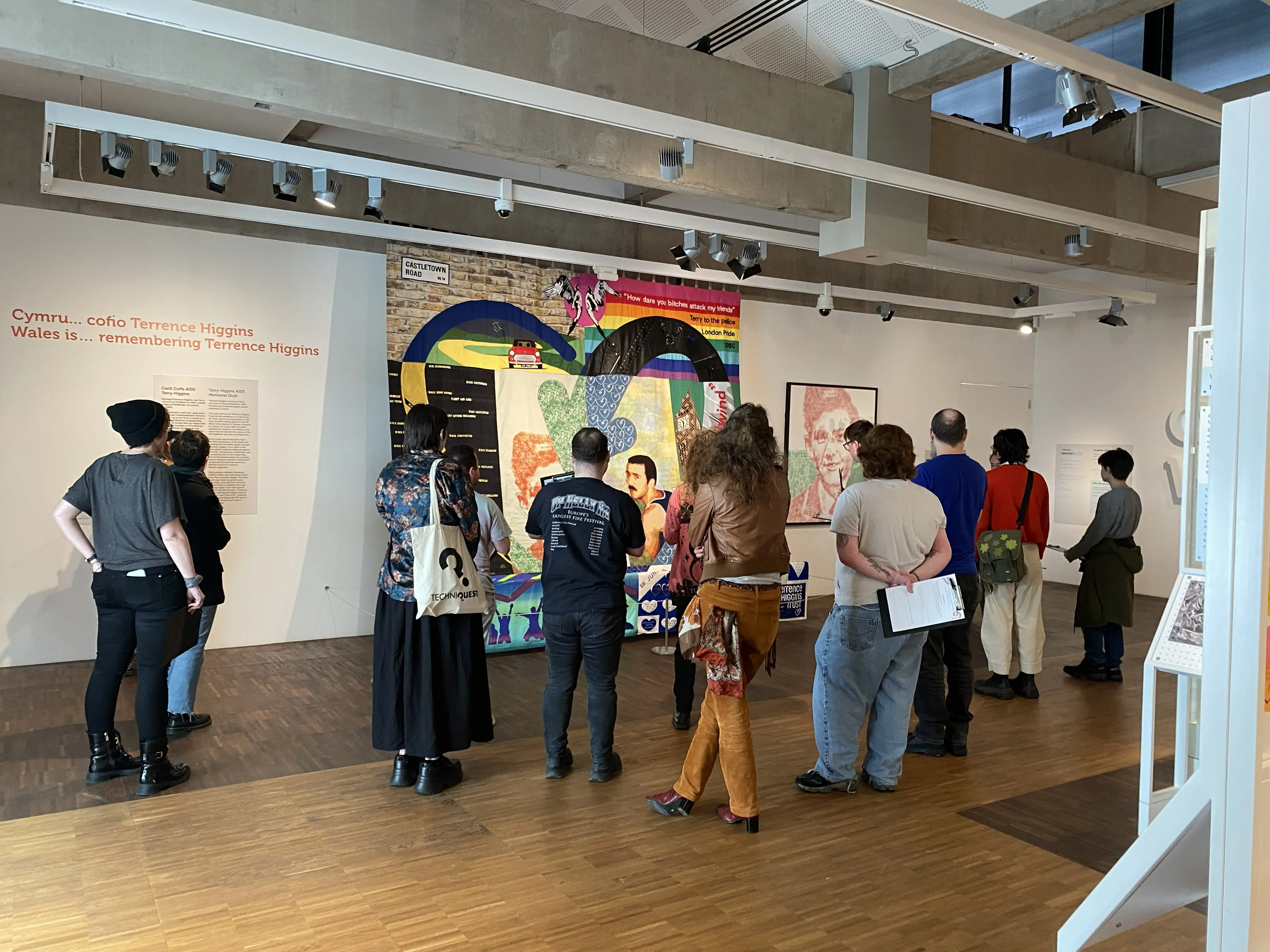
My work with the museum started in June 2025 with a workshop before pride (there’s a whole blog post about that too, which you can find here). After that first workshop was delivered, I wanted to try and construct a workshop of my own. One that allowed people to see more of the Queer Welsh history that the museum has to share. My early research into the Amgueddfa Cymru’s online collections catalogue revealed a whole host of things that can’t all be displayed all of the time. I was exceedingly lucky that when I asked if I would be able to plan, and just maybe deliver this workshop, that Amgueddfa Cymru said yes. 

The first step was to decide what I wanted to be able to offer people. After visiting St Fagans National Museum of History with a friend a few months earlier I realised that I wanted to make people feel at home. This idea came about through the Rhyd-y-car Terrace Houses. Quite often I find it’s easy to feel detached from these spaces, as though they only reflect other people. Typically, I notice a focus on the family home in museums, but the married heterosexual 2.4 kids and a dog kind of life has never reflected my own situation. It’s important to remember also that this nuclear family structure is a fairly modern invention, and one that has always been aspirational. People wanted it exactly because it’s not the life that they were actually living.

With the idea of home in mind, I set about researching. I drew a lot of inspiration from Sara Ahmed’s Queer Phenomenology as well as Mike Parker’s On the Red Hill: a very different — and much easier to read — book about two gay couples living in Wales. Reg Mickisch and George Walton moved to Wales after meeting in London and living in Brighton together. They ran a couple of BnBs, and at their deaths they left their home Rhiw Goch to Parker and his partner. The book engages with these ideas of finding and making a home, and the return to nature after living in the city. Photos of Reg and George on their various cycling holidays, and at their wedding, can be accessed through the Amgueddfa Cymru’s online collection.

Both books led me to be guided by the idea of orientation, as it relates to locating yourself and things, but also sexual orientation. What is it that we are drawn towards? Who are we drawn towards? Where do we find ourselves attracted towards? This gave the workshop its semi-guided structure. At each stop on the tour, I allowed people to wander off and come back having found their own way around. This meant that everyone had a different experience of the site and latched on to different objects and stories. In an ideal world we would have had longer to allow people to discuss because it was fascinating to compare and see what each person related to their own experience. I was surprised by the fact that multiple people felt drawn towards the clock recovered from the Aberfan disaster in the Wales Is gallery, an object that I personally hadn’t given much thought to.

I was lucky that previous ACPs had made a self-guided queer tour booklet that I was then able to adapt into the route that we took on the day. Using most of the buildings and objects that they had picked out I did some research on the history and relevance of each stop. From here I came up with two lots of questions, one for artefacts inside the gallery spaces, and one for the buildings outside. My goal was to allow people to pick something without much conscious thought and then to examine that thing, and why they had been attracted towards it. 
 

For objects I wanted people to examine if they had made any assumptions about who might have owned or used that thing, and what those assumptions might be based on. Then there was a more personal side of questioning, are there in museums that you recognise from your own life or your family? Are there things that you would want in your home, or clothes that you would want to wear? Does it speak to the life that you lead now, or the life that you want to lead?
 

The questions for buildings were more inspired by Ahmed’s Queer Phenomenology and thought about where we imagine queer history happening. For me the idea of the public toilet and the toll house were particularly interesting because of their use as transitional spaces. Neither of them are places to rest in, to take time and get in touch with yourself. They are defined by their function before leaving becomes necessary. They suggest a brief respite, but they can never be permanent stops. I wonder if the instability of these spaces has left an effect on the queer mind?

While we had to navigate the temporary closure of the Gweithdy and the inaccessibility of the workmen’s institute I tried to touch on these in a presentation before we went exploring. It was a blend of information from the museum and the sources that had informed my planning and way of thinking for the day, however the key takeaway was this: People often make heterosexual assumptions. Perhaps deliberately, but often it is the only option that they know how to consider. However just because the heterosexual (or indeed cisgender, or male, or white) assumption might be the standard or most likely, it isn’t always verifiable or true. In cases where we do not know with certainty, where we might never know the truth, a queer interpretation might be no less astute than a normative one. The point is not to change or rewrite history, but to consider the rich inner lives of people that are now lost to us.

Overall, I am hugely grateful to Hywel and Amgueddfa Cymru for allowing me to bring this workshop from an idea I had on a wooden bench in front of a fireplace, to an actual workshop attended by friends and strangers (and newborn lambs) on a beautiful spring day. I also have to thank everyone that attended for taking a chance on my queer little workshop and bringing their experiences and thoughts to the group. Even when people didn’t speak, having people willing to show up and get involved was a pleasure and a privilege that I won’t forget.

Wales REACH is made possible with The National Lottery Heritage Fund. It is a partnership between thirteen organisations and is led by The Open University and Amgueddfa Cymru. It is funded with a grant from the National Lottery Heritage Fund. The current phase started in autumn 2024 and is scheduled to run until autumn 2026.