Wales is… connected
Ophelia Dos Santos, Curator of Black History, 9 November 2026
A very brief look at Black history in Wales and its global connections

Group of boys from South Church Street School, Butetown, rugby football club, 1924-25. Mr Bull was headmaster at this time (84.105I/6).
When people think of Wales, they often picture mountains, castles and coal. Yet the stories that connect Wales to the wider world are often less visible. Shaped by empire, migration and global trade, Wales has long been part of a wider network of people, goods and ideas. At Amgueddfa Cymru, we explore these histories through our collections – from photographs and artworks to everyday personal belongings.
The histories of Black and racially minoritised communities are not a recent addition to the Welsh story; they have always been part of it, woven into the fabric of Welsh life even when overlooked or excluded from mainstream narratives.
Tiger Bay
Audio CD book 'Born Down Tiger Bay: An extract of childhood memories from the book written and narrated by Cardiff Singer Patti Flynn' (F2018.7.7).
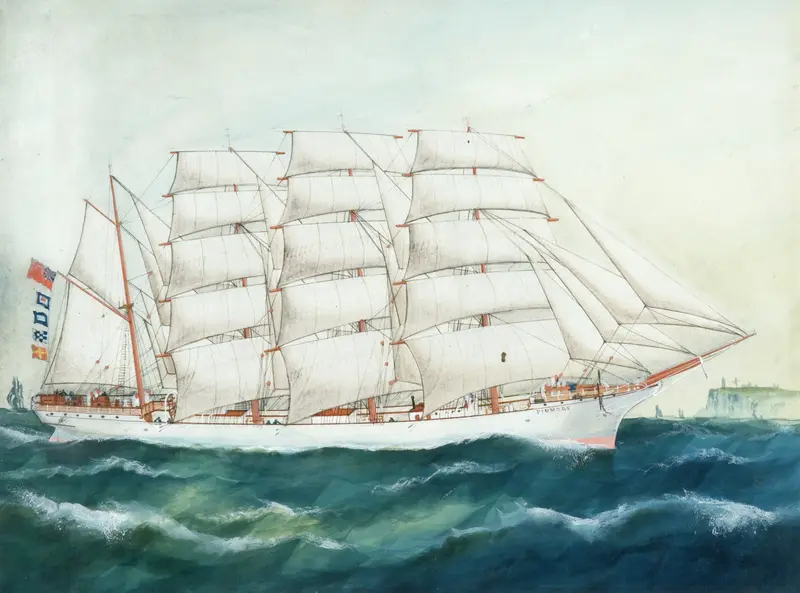
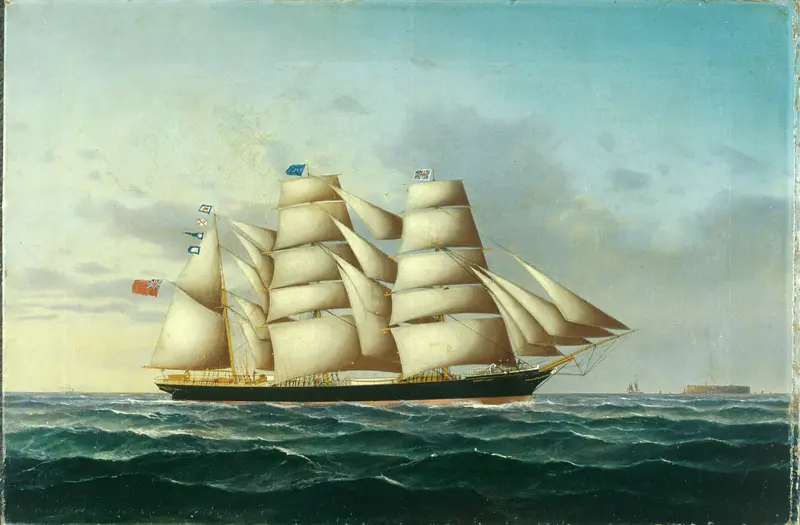
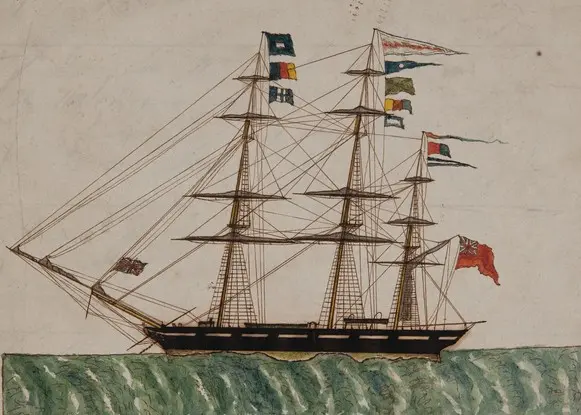
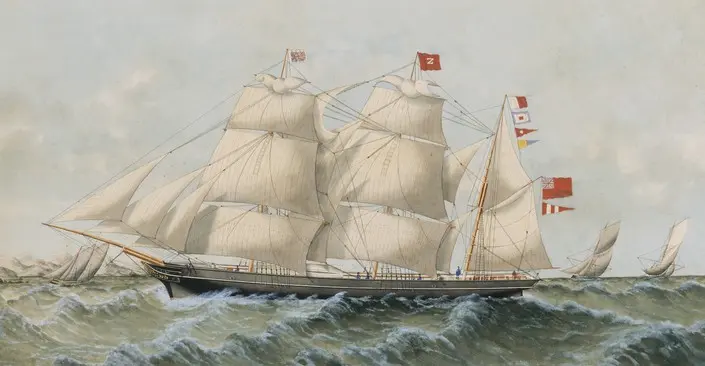
Black histories in Wales are not confined to Cardiff’s docklands, though they provide perhaps the clearest example of Wales’s global connections. During the nineteenth and twentieth centuries, Cardiff became one of the world’s busiest coal-exporting ports, linking Wales to Africa, the Caribbean, the Americas, Asia and beyond. Ships carried Welsh coal across the globe, which returned cultural exchange and new global connections.
Sailors and workers from places including Somalia, Yemen, Jamaica, Barbados, Nigeria and Cabo Verde settled in the communities around the docks, creating one of Britain’s oldest multicultural neighbourhoods.
The terms Tiger Bay, Butetown and Cardiff Docks are often used interchangeably, although they refer to slightly different things. Butetown is the official name of the area established in the nineteenth century, while Tiger Bay was the popular name associated with the dockside district and its diverse population.
Cardiff Docks Joint Registration Committee registration card issued to A. Tyler of 23 Swansea Street, Cardiff. Mr Tyler who worked in Cardiff docks between the 1920s and 1940s. Registration number '1466'. Folded card with green covers and black print (88.45I/1).
The Walker family and key workers from Jamaica
Arriving as part of a wider movement of Caribbean migration to Britain, the Walker family represents just one of many Jamaican families who made Wales their home during the 1960’s. Ivy Leslie and Gerald Fitz Walker, both from Jamaica, met in Port Talbot and went on to marry and have a family. They brought with them skills, experiences and cultures that enriched Welsh communities. Their story reflects the resilience, determination and contribution of a generation who helped build post-war Britain while forging lasting connections between Wales and the Caribbean.
Suitcase used by Ivy May Leslie when she emigrated from Jamaica to Port Talbot in 1961. Born in St Andrew, Jamaica, she later married Gerald Fitz Walker (also of Jamaica) in 1967. They lived in Enfield Street, Port Talbot, where they raised eight children.
Solidarity and resistance
Poster produced by Mudiad Gwrth-Apartheid Cymru / Wales Anti-Apartheid Movement advocating against cultural links with the Apartheid regime in South Africa. Designed by Anthony Evans. With slogan: DIM CYSYLLTIADAU DIWYLLIANNOL A DE AFFRICA / NO CULTURAL LINKS WITH SOUTH AFRICA (F2019.6.5). © Anthony Evans/Amgueddfa Cymru
Wales’s history is also a story of resilience, protest and solidarity. From struggles for workers’ rights in coalfields and industrial communities, to campaigns for social justice, language, equality and political representation – people in Wales have long challenged inequality and fought for change. These traditions of collective action connect Wales to wider global movements, including anti-colonial campaigns, civil rights struggles and movements against racism. Black communities in Wales were not only shaped by global connections through trade and migration; they also contributed to local and international struggles for justice.
The future
Exploring Black histories in Wales is not simply about recovering stories from the past; it is about supporting Black communities in the present and ensuring their histories, experiences and perspectives continue to shape how Wales understands itself.
Placard used by an attendee at the Black Lives Matter Cardiff demonstration held outside the Senedd on 27 June 2020 (F2020.20.13).
It also requires an honest reflection on the gaps that remain. Whose stories have yet to be told? What histories have been overlooked, forgotten or excluded from the historical record? By listening to community feedback, strengthening connections and developing our learning resources, we can continue to broaden our understanding of Wales’s past and present.