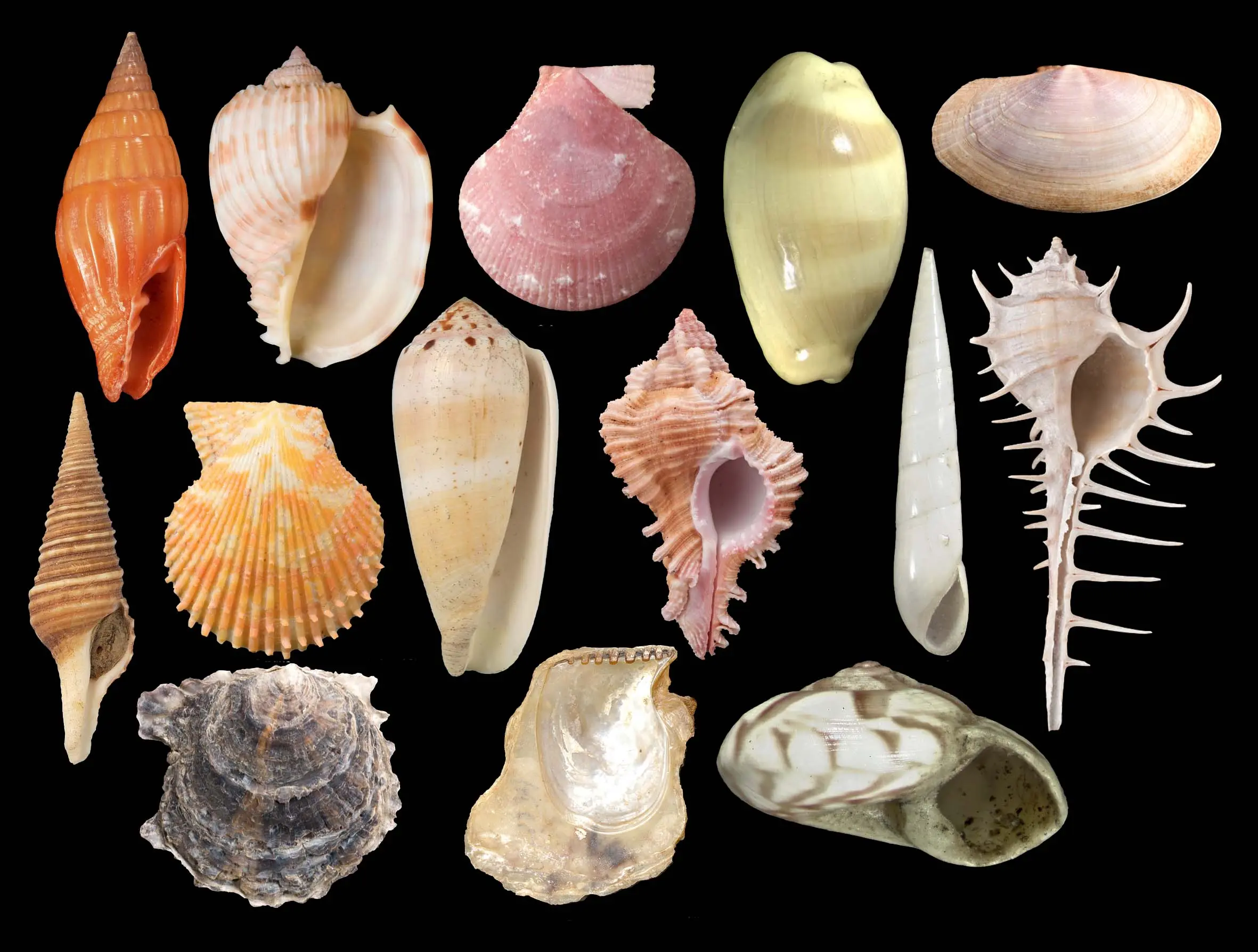
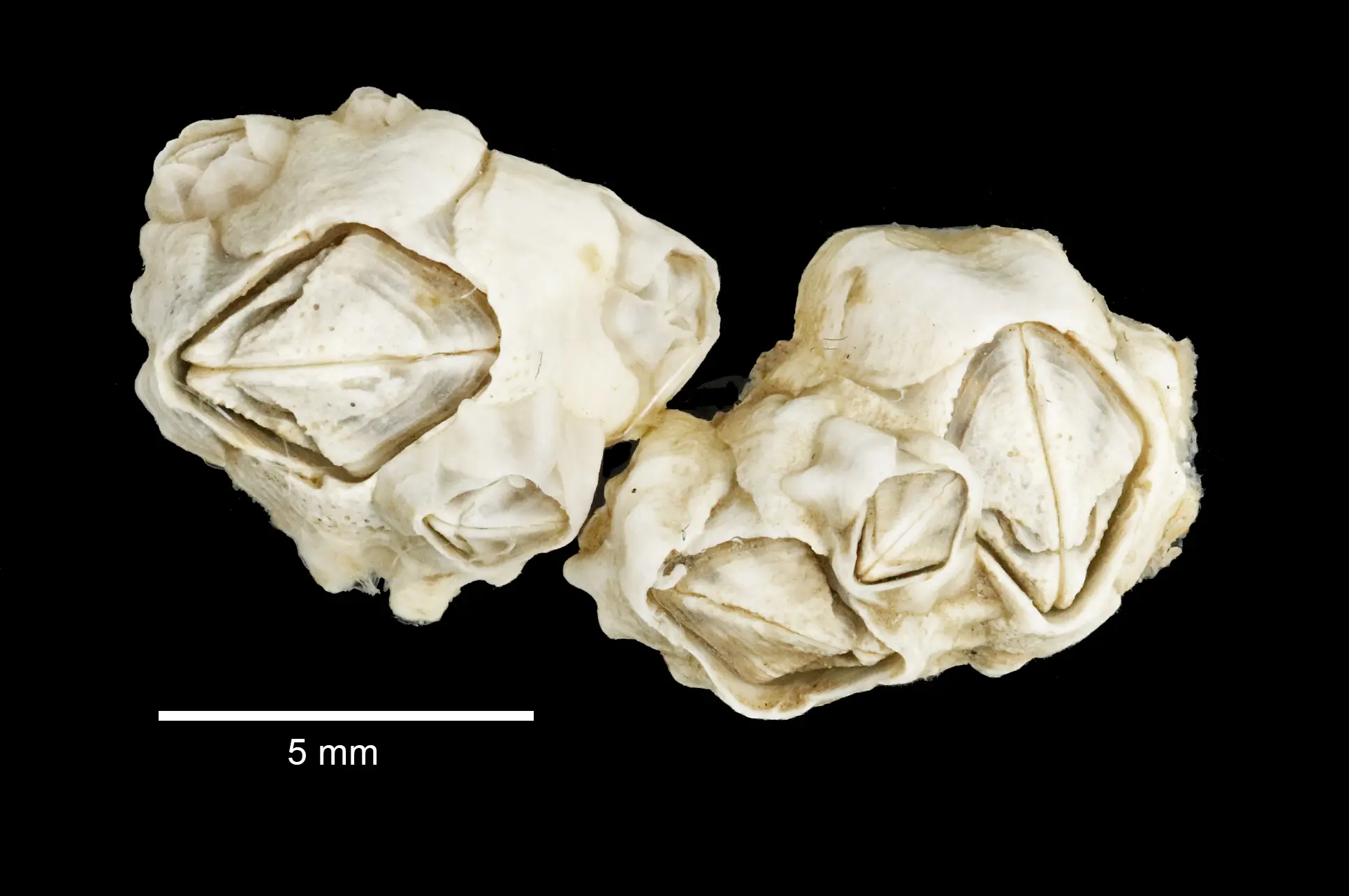
Time Travelling in the Archaeology Stores By Aron O’Shea Aron O'Shea - Archaeology Volunteer, 20 May 2026 Since January 2025, I’ve had the wonderful pleasure of helping Archaeology staff at the National Museum Cardiff alongside my fellow volunteer, Jeff. Together, Jeff and I have worked with the amazing Dr Elizabeth Walker, the all-knowing Evan Chapman, and the excellent Siân Iles (who you might recognise from a previous Museum Voices blog). This is a short blog about what we’ve accomplished so far. At the end, I have linked to some additional online material for those who wish to discover more of what is presented here briefly.First on our journey through the Archaeology stores is the Stone Age (or the Palaeolithic). Here, Elizabeth introduced us to Coygan Cave, an important Middle Palaeolithic cave site (destroyed by quarrying) near Laugharne, Carmarthenshire.The cave appears to have been used as a den by hyenas for the most part, given the accumulation of large prey animal remains, including those of mammoths, woolly rhinoceros, giant deer, and horse alongside an assortment of small mammals and birds. Remains of some other carnivores were present such as brown bear, wolf, and arctic fox. Equally of note from Coygan are three wonderful examples of so-called bout coupé handaxes, one of which is on display and pictured here. Elizabeth kindly took the time to explain how stone tools are made (something which I still find mind boggling) and how to spot signs of their use. Previously, the skeletal remains from Coygan were stored in plastic boxes to keep them in their “comfortable” temperature and humidity ranges. Upgrades to the stores’ environmental conditions meant that the remains could be repackaged into archival cardboard boxes, and the plastic containers repurposed for other artefacts. Jeff and I were tasked to work on rehousing the teeth, bones and coprolites (fossilised dung) whilst tracking their new home location and ticking off each bag of remains from a list. All in all, we transferred over 2,000 bags of remains and managed to reclaim a few shelves of storage space! Having not really considered the life (and death) of prehistoric creatures before, it was humbling (and terrifying) to think of the size and kinds of animals with which Neanderthals and modern humans would have cohabited.One of our next projects saw us jump forward in time to the Roman occupation of Britain! More specifically, we find ourselves in the Roman city of Venta Silurum, the “market” and administrative capital of the Silures tribe that was established and located in what is now Caerwent.Large portions of the stone city walls and the foundations of some buildings still stand today – visit and see for yourself! Several excavations were undertaken at Venta Silurum, first by the Caerwent Exploration Fund (CEF) in 1899-1913 and later by Amgueddfa Cymru from 1981 to 1995. Amongst the discoveries from the later excavations (missed by the CEF!) was the beautiful copper alloy belt-buckle below, which you can read more aboufirst by the Caerwent Exploration Fund (CEF) in 1899-1913 and later by Amgueddfa Cymru from 1981 to 1995. Amongst the discoveries from the later excavations (missed by the CEF!) was the beautiful copper alloy belt-buckle below, which you can read more about here.Besides the wonderfully decorative metalwork, the Museum’s excavations of the forum-basilica (local government building with an open-air market) at Caerwent uncovered a veritable hoard of……oyster shells, thought to have been consumed by the government officials. Curator and fountain of knowledge for all things store-related, Evan, tasked us with the job of auditing these oyster shells and sorting them by excavation phase. While the work was dusty, it was a great opportunity to learn about the more civil dynamic between Empire and local tribes which contrasts sharply with the military fortification at nearby Caerleon.The final highlight in this whistle-stop tour through history lands us in the Medieval period, and to a certain degree at the beginning of the Museum’s collections. Museums have long been places for education and for “showing off” artefacts to which most people have little access; Amgueddfa Cymru, in its early years, was no different. Other than acquiring new and unique artefacts, one way that museums and scholars in the 19th century could display or study artistic or archaeological objects was by replication. A noteworthy example of this practice was the making and sale of plaster copies of carved Medieval ivory objects for example. The skilfully furnished copies were called “fictile ivories”. A recent exhibition by the Courtauld Institute of Art and the Victoria & Albert Museums has also explored this topic, which you can read about (and watch) here. A collection of such fictile ivories had been purchased and catalogued by Amgueddfa Cymru (then the Welsh Museum of Natural History, Arts and Antiquities) and has since been housed within the Archaeology Stores, one example being the panel carving of various saints. Siân, Senior Curator Collections Development: Medieval, Jeff and I set about scouring the text-only 1902 catalogue of over 130 “ivories” to attempt to match up the descriptions with what we saw in the collection. The reasoning behind this approach was twofold: firstly, to understand which copies were still present in the collections; secondly, to better be able to identify and connect the artefacts to those housed in museums like the V&A and indeed to the original objects from which the replicas were derived. Fortunately, the magic of photography and extensively digitised collections made the work a little easier, as most of the “ivories” and the Museum’s catalogue reference biblical scenes or mythological scenes less known to contemporary audiences (me!). Though a maddening experience of déjà vu and (carefully) rifling through boxes of (sometimes large and unwieldy) casts, I am honoured to have been connected in some small way to part of the early collections of the Museum. The slightly odd-looking faces and unexpected creatures present were certainly a bonus. and (carefully) rifling through boxes of (sometimes large and unwieldy) casts, I am honoured to have been connected in some small way to part of the early collections of the Museum. The slightly odd-looking faces and unexpected creatures present were certainly a bonus.Were it not abundantly obvious – I’ve had a fantastic time volunteering with Amgueddfa Cymru. Not only was it a chance to get up close and personal with some incredible artefacts and pieces of Welsh history, but I’ve also met some amazing and kind people in the Museum staff. Everyone from the Security to the Volunteering team, to the Archaeology department have been generous and welcoming. I shall treasure the time spent laughing and learning in the Archaeology stores (and in the break room!).A very special thanks go to Elizabeth Walker, Evan Chapman, and Siân Iles without whom I would not have had the pleasure of the above-described adventure, nor would I have understood half of what I do now. Thanks also to Jeff for his friendship, support and, especially, his voice in reading out various numbers and coordinates.Further Reading:The Museum’s Collections Online database is a great place to find photos of and information about objects!Prehistory[ARTICLE] ‘A Day in Archaeology – Sorting out the storeroom’ by Elizabeth Walkerhttps://www.archaeologyuk.org/resource/sorting-out-the-storeroom-dr-elizabeth-a--walker--principal-curator--collections---access--amgueddfa-cymru---national-museum-wales-.html[ARTICLE] ‘The Cave Men of Ice Age Wales’ by Elizabeth Walkerhttps://museum.wales/articles/1317/The-Cave-Men-of-Ice-Age-Wales/[ARTICLE] ‘The oldest people in Wales – Neanderthal teeth from Pontnewydd Cave’ by Elizabeth Walkerhttps://museum.wales/articles/1014/The-oldest-people-in-Wales---Neanderthal-teeth-from-Pontnewydd-Cave/[VIDEO] Cambrian Archaeological Association Presidential Address 2022 (Elizabeth A Walker): The significance of Welsh Caves to Palaeolithic Archaeologyhttps://cambrians.org.uk/elizabeth-a-walker-presidential-address-2022/ [Mention of Coygan begins at 27:16]Roman[ARTICLE] ‘A Day in Archaeology – The Llantrisant Fawr Hoard’ by Evan Chapman https://www.archaeologyuk.org/resource/llantrisant-fawr-hoard-by-evan-chapman--senior-curator--archaeology-at-amgueddfa-cymru-museum-wales.html[ARTICLE] ‘Segontium – The Romans in North Wales’ by Evan Chapmanhttps://museum.wales/articles/1322/Segontium---The-Romans-in-North-Wales/[ARTICLE] ‘Gelligaer Roman fort’ by Evan Chapmanhttps://museum.wales/articles/1328/Gelligaer-Roman-fort/Medieval[ARTICLE] ‘Medieval Cardiff’https://museum.wales/articles/1334/Medieval-Cardiff/[ARTICLE] ‘A Day in Archaeology – Medieval Floor Tiles Project at Amgueddfa Cymru’ by Jennifer Frost (Volunteer)https://www.archaeologyuk.org/resource/medieval-floor-tiles-volunteering-project-at-amgueddfa-cymru-museum-wales.html[ARTICLE] ‘A Day in Archaeology – Medieval Floor Tiles Project at Amgueddfa Cymru: Part 2’ by Siân Iles https://www.archaeologyuk.org/resource/medieval-floor-tiles-volunteering-project-at-amgueddfa-cymru--part-2--museum-wales-.htmlSources:Aldhouse-Green, S., Scott, K., Schwarcz, H., Grün, R., Housley, R., Rae, A., Bevins, R. and Redknap, M. 1995. ‘Coygan Cave, Laugharne, South Wales, a Mousterian Site and Hyaena Den: a Report on the University of Cambridge Excavations’, Proceedings of the Prehistoric Society, 61, pp. 37-79.Guest, P. 2022. ‘The Forum-Basilica at Caerwent (Venta Silurum): A History of the Roman Silures’, Britannia, 53, pp. 227-267.
Teaching on the Moon Heather Jackson, 14 May 2026 As the technical team planned their rigging for Luke Jerram’s Museum of the Moon, I was dealing with a different challenge: How to create inspiring Moon workshops that linked to our collections and would still appeal to pupils after the installation had left the building.I started by going to the experts – our potential audience. The Stanwell School Astronomy Club were key to the development of these workshops. In our first session together I introduced the possible collections we could use and they voted for the specimens they found most interesting. In their subsequent feedback session, they developed questions they hoped the workshop would answer, and it became clear that having some genuine photographs of the Apollo 12 mission (which collected the Goodwill Moon Rock on display in our Evolution of Wales gallery), would help set the scene. With the help of Natural Science curator Dan Cox and the NASA archive, I tracked down images of Astronaut Alan Bean’s time on the lunar surface. He collected the actual Moon rock that is displayed in our Evolution of Wales gallery, so it was great to find photographs of him taking rock samples on the Moon. Photographs of Apollo 12 astronaut Alan Bean collecting lunar rock samples, courtesy of NASA, and the Moon Rock on display at National Museum Cardiff The students had selected examples of replica lunar dust and iron meteorites as some of their favourite items. National Museum Cardiff has an excellent rock and meteorite collection, so to give learners a sense of the lunar landscape, I added some samples of olivine basalt and an unusual rock called anorthosite, both of which can be found on the Moon. Although the anorthosite in our workshop is from Norway, the same rock was found by the Apollo missions in the lunar highlands (which make up the lighter patches we see on the Moon).Two secondary school teachers then helped to develop the workshop narrative, and we invited Stanwell Astronomy Club back in to test our possible activities. Testing the workshop with the Stanwell School Astronomy Club One of the things that delighted me was the enthusiasm the pupils showed for the detailed maps of lunar craters. Robin Maggs from the photography department was able to produce high quality replicas of maps of lunar craters from the 1970s, so students could use these for their own measurements – and learn about our map collection.Finally, we refined the sessions with help from Tim Curtis, Numeracy Lead at Cardiff West Community High School and his pupils, and hope they will be enjoyed by learners for years to come.The workshop is truly authentic – it allows pupils to explore photographs of the Apollo missions, maps created at the time, and rock samples from our collections that are so close to the lunar rocks that only a geologist could tell the difference. Real experiences, with real specimens, and real scientific outcomes. Pupils from Cardiff West Community High School taking part in The Moon, Maps and Meteorites workshop Find more information on the The Moon, Maps and Meteorites workshop on our Learning pages
Check out our Super Scientists! Megan Naish, 5 May 2026 Results of the Super Scientist Competition 2026Congratulations to all the amazing schools who contributed to this year’s investigation. All of the schools listed below will be sent Super Scientist certificates and pencils in recognition of the great work they have done. Schools who entered the most data have been sent additional prizes including seeds to plant. The runners up received gift vouchers, and the winning schools are to be awarded an extra special prize for their class. This year we are also celebrating 20 years of the Spring Bulbs for Schools project; an exciting milestone achieved through the efforts and dedication of each and every school who has taken part – so thank you all so much!Professor Plant would like to thank all the schools that contributed to making this year’s investigation a success. Enillwyr / Winners:Cymru / Wales: Henllys Church in WalesLloegr / England: Lammack Primary SchoolYr Alban / Scotland: Langbank Primary SchoolGogledd Iwerddon / Northern Ireland: Scarva Primary School Yn Ail / Runners up:Cymru / Wales: Pil Primary SchoolLloegr / England: Pinehurst Primary SchoolYr Alban / Scotland: Leslie Primary SchoolGogledd Iwerddon / Northern Ireland: Irvinestown Primary School Cydnabyddiaeth Arbennig / Special Recognition:Cymru / Wales: Raglan CiW VC Primary SchoolYsgol Gymraeg AberystwythYsgol Bryn DeriYsgol Tir MorfaYsgol Twm o'r NantYsgol San SiorYsgol Glan ConwyYGG TonyrefailForden CiW SchoolPlasnewydd PrimarySt. Mary's Church in Wales Primary SchoolMountain Lane PrimaryYsgol PentreuchafYsgol Gymraeg MorswynRhayader Primary SchoolLloegr / England: Broadgreen Primary SchoolThe Olive SchoolSt Anthony's RC Primary School - BlackburnAnfield Road Primary SchoolStanford in the Vale Primary SchoolCastle View Primary SchoolOur Lady of the Assumption Catholic Primary SchoolSt Chrysostom's C of E Primary SchoolYr Alban / Scotland: Addiewell Primary SchoolKirklandneuk Primary SchoolNewmains Primary SchoolSt Peter's Primary SchoolGreenburn ASN SchoolLogan Primary SchoolCroftfoot Primary SchoolGogledd Iwerddon / Northern Ireland: St Mary's Primary School - MaguiresbridgeSt Francis' Primary School, AghadergBallyholland Primary SchoolSt John's Primary School - NI Clod Uchel / Highly CommendedCymru / Wales: Ysgol Gynradd LlandegfanMalpas Park Primary SchoolSt Cadoc's Roman Catholic Primary SchoolYsgol Llanfair Dyffryn ClwydYsgol LlanhariMontgomery Church in Wales SchoolCornist Park C.PYsgol Dyffryn IalMarlborough Primary SchoolPeterston super Ely Primary SchoolNPTC Newtown CollegeYsgol Padarn Sant Llanmartin Primary SchoolYsgol Pen y FroYsgol LlanddulasLloegr / England: St Mary's CE Primary - ManchesterEmmaus Primary SchoolSylvester Primary AcademyWensley Fold CE Primary AcademySacred Heart Catholic Primary School and NurserySt Anne's Stanley C of E Primary SchoolSt Peter's CE Primary SchoolTrumacar Primary SchoolSt Edward's Catholic Primary SchoolSt Nicholas Catholic AcademyYr Alban / Scotland: Doonfoot Primary SchoolSt Conval's Primary SchoolLivingston Village Primary SchoolMount Florida Primary SchoolGavinburn Primary SchoolOur Lady's RC Primary SchoolGogledd Iwerddon / Northern Ireland: St John's Eglish Primary SchoolCortamlet Primary School Gwyddonwyr Gwych / Super ScientistsCymru / Wales: Ysgol HafodwenogSt. Mary’s Overton PrimaryArchbishop Rowan Williams VA CiW PrimarySketty Primary SchoolYsgol Gymraeg CasnewyddPontllanfraith PrimaryYsgol PenmachnoYsgol y Berllan DegSt Patrick's RC Primary – NewportLloegr / England: Hamstead Primary SchoolSt Silas Primary - BlackburnOur Lady of Perpetual Succour RC Primary SchoolLunt's Heath Primary SchoolSt Joseph's RC Primary - DarwenOur Lady of Perpetual Succour Catholic Primary SchoolHill View Primary School – HaltonYr Alban / Scotland: St John Ogilvie Primary SchoolSt Brendan's Primary SchoolSt Mary's Primary - GlasgowAlloway Primary SchoolGogledd Iwerddon / Northern Ireland: St Patrick's Primary - EskraSt Michael's Primary School, Clady Cyfranwyr / ContributorsCymru / Wales: Oystermouth PrimarySt Athan PrimaryYsgol Bryn HedyddYsgol Maes y MynyddYsgol Mynydd BychanCwmnedd Primary SchoolPennar Community SchoolYsgol LlanychllwydogMary Immaculate R.C. SchoolYsgol Gymraeg Nant GwenlliLloegr / England: St Gerard's Catholic Primary & NurseryMonksdown Primary SchoolChurch Cowley St James CE Primary SchoolYr Alban / Scotland: -Gogledd Iwerddon / Northern Ireland: St Mary's Primary SchoolSt Brendan's Primary School Well done everyone! Below are some lovely comments left by schools concluding this year’s Spring Bulbs Project:Ysgol Pentreuchaf:Diolch am gael cymeryd rhan yn y cofnodi. Edrych ymlaen at y flwyddyn nesa Diolch.Langbank Primary School Our school grounds look lovely with all our spring flowers. Our learning during this project has tied in well to our science and maths lessons, especially negative numbers…Thank you so much from P7 at Langbank for letting us be part of this project again.Leslie Primary SchoolThank you for all your effort. We are looking forward to taking our plants home today.Ysgol San SiorThank you for giving us our daffodils-I hope that people can be more considerate about nature the online lessons inspired me a lot. i am sad that there will no longer be any more online lessons but i will be more considerate about my surroundings and try to make less carbon footprints.-I enjoyed watching my flower growPinehurst Primary School Our lovely daffodils opened today. They look so pretty and really brighten up our school. Thank you, Bulb Buddies, for your incredible work this year!-Professor Plant
Conservation work on National Slate Museum objects 16 April 2026 Conservation is at the heart of the National Slate Museum redevelopment project and our conservation team are already hard at work assessing and working on the collections to make sure they look their best and keep them safe so that they can be enjoyed for generations to come when the Museum reopens. Jennifer Griffiths is Senior Conservator of Industry Collections and is one of several team members working on the National Slate Museum collection. here she tells us a bit more about her work. “I’ve started my part of the conservation work with treatment of a pay trolley." said Jennifer." This wooden cabinet contains 49 small pay tins made from tin-plate. The cabinet and all of drawers within the cabinet were extremely dirty with surface and ingrained dirt and the tins, all very heavily corroded. The cabinet can be seen here before and after conservation." "So far, the conservation of the cabinet and 7 of the tins has taken a total of 45 days' work.""Each pay tin takes 2 days to complete and so far, 7 tins have been completed.""Just 42 tins to go!"Over the next few months we'll be taking a closer look at all the other conservation work taking place including cleaning our wooden pattern collection, paper and artworks, furniture and clothing! The National Slate Museum redvelopment project is funded by The National Lottery Heritage Fund, UK Government via Cyngor Gwynedd as part of the Llewyrch o'r Llechi project, Welsh Government including the Community Facilities Programme, the Wolfson Foundation, Garfield Weston Foundation and other funders. We are extremely grateful to all our funders for their support.
Crafted memories, Rachel Evans 1 April 2026 As an artist, my work explores the traces of social history held within domestic artefacts and local landscapes. I’m drawn to details that reflect nurture and resourcefulness, especially those shaped by women’s everyday experiences, which are often missing from official histories. This project was a great opportunity to engage with participants, hear their stories, and explore how everyday objects carry memories and histories.Our sessions in Morfa ward, Ysbyty Alltwen 'day room' began with conversations about domestic life in the past, sparked by handling artefacts from the museum, such as crockery, utensils, and textiles. We created our own pieces inspired by domestic life using air-dry clay, incorporating textures that reflect both industrial and household labour. Letter stamps allowed us to imprint memories from our discussions into the clay, adding a personal layer to collective stories. Colour was added with ink and graphite, or tea and coffee, buffed between layers to give an aged effect—a process that echoed domestic chores.Rag rugs, part of the Slate Museum’s collection and a symbol of domestic resourcefulness, inspired us to create our own collaborative sample. Traditionally made by prodding strips of rag through sacking cloth, we adapted the method for simplicity: looping rags around pipe cleaners, then linking and stitching them into a smaller rug shape. The embroidery hoop pieces are inspired by a quarryman’s blanket from c.1900, made from patched pieces of grey cloth trimmed with red, to protect its owner from the harsh conditions of the barracks. Our stitched pieces combine the resourcefulness of stitching and mending with symbols from the carved hearths seen in some slate quarrying communities.The postcard-sized pieces continue the theme, featuring symbols from the hearths, with text drawn from conversations and memories.This project has been a wonderful way to share personal stories and creativity, bringing people together through collective making —thanks to everyone involved!"It was nice to come together as a group and learn new skills" - a patient on Morfa ward, Alltwen hospitalContact details: rachelevanscelf@gmail.com Instagram: rachelevans_artist This activity was a part of the National Slate Museum redevelopment project, which is funded by The National Lottery Heritage Fund, UK Government via Gwynedd Council as part of the Llewyrch o’r Llechi project, Welsh Government including the Community Facilities Programme, the Wolfson Foundation, The Garfield Weston Foundation and other funders.