Collections & Research

Polychaete research in the Falklands by Teresa Darbyshire - Day 1

Peter Howlett, 16 November 2011

I'm a polychaete (marine bristleworms) taxonomist in the marine section of the Department of Biodiversity & Systematic Biology. I was awarded a grant by the Shackleton Fund to visit and conduct research in the Falkland Islands, so now I'm off to Stanley for the next month to collect and investigate the polychaete fauna of the Islands. I'll be collecting specimens by digging them up on the beachesand also by diving. It's nearly 100 years since scientists last looked at this group in the intertidal and shallow subtidal regions of the Islands and there is much potential for the discovery of new species.

Day 1

I can’t say I was looking forward to an 18 hour flight that much although it has to be said I had no idea what to expect flying on an RAF flight from Brize Norton. With dive kit in tow, I had a lot of baggage with me but this paled into insignificance next to the guys checking in from the BBC who faced a £4500 bill for excess baggage! The flight itself was fairly painless in the end taking off at 11pm and heading south through the night.

Photo 1: Ascension Islands airport

Nine hours and not much sleep later we landed on Ascension Island for a 2 hour refuelling stop. The 23°C fresh air was welcome although the views were very bleak (photo 1). Another 8 hours and 2 films later we finally arrived at Mount Pleasant in bright sunshine and more warmth. Not what I was expecting and I didn’t pack that much in the way of light clothing!

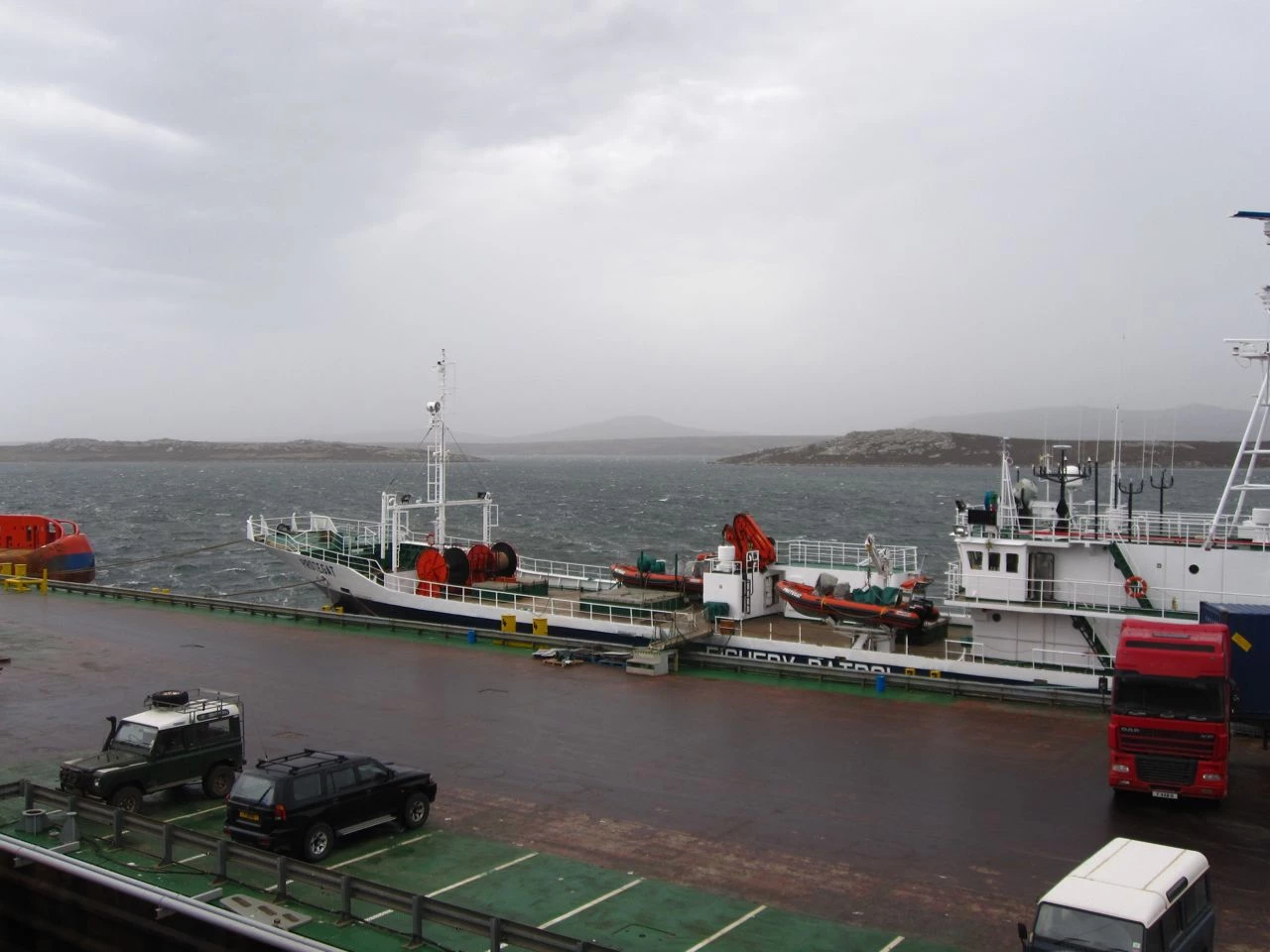
Photo 2: The fisheries offices in Port Stanley, Falkland Islands

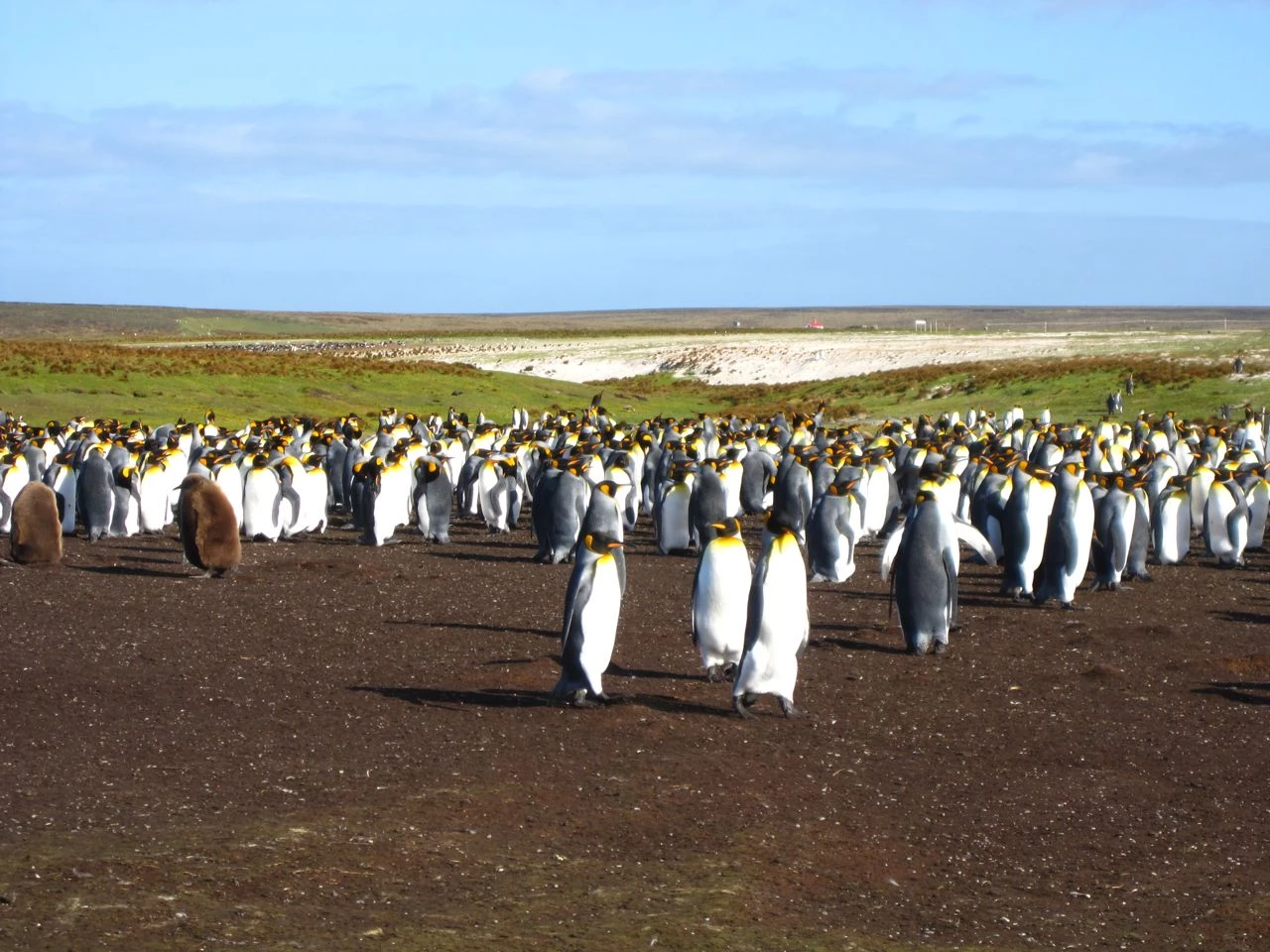
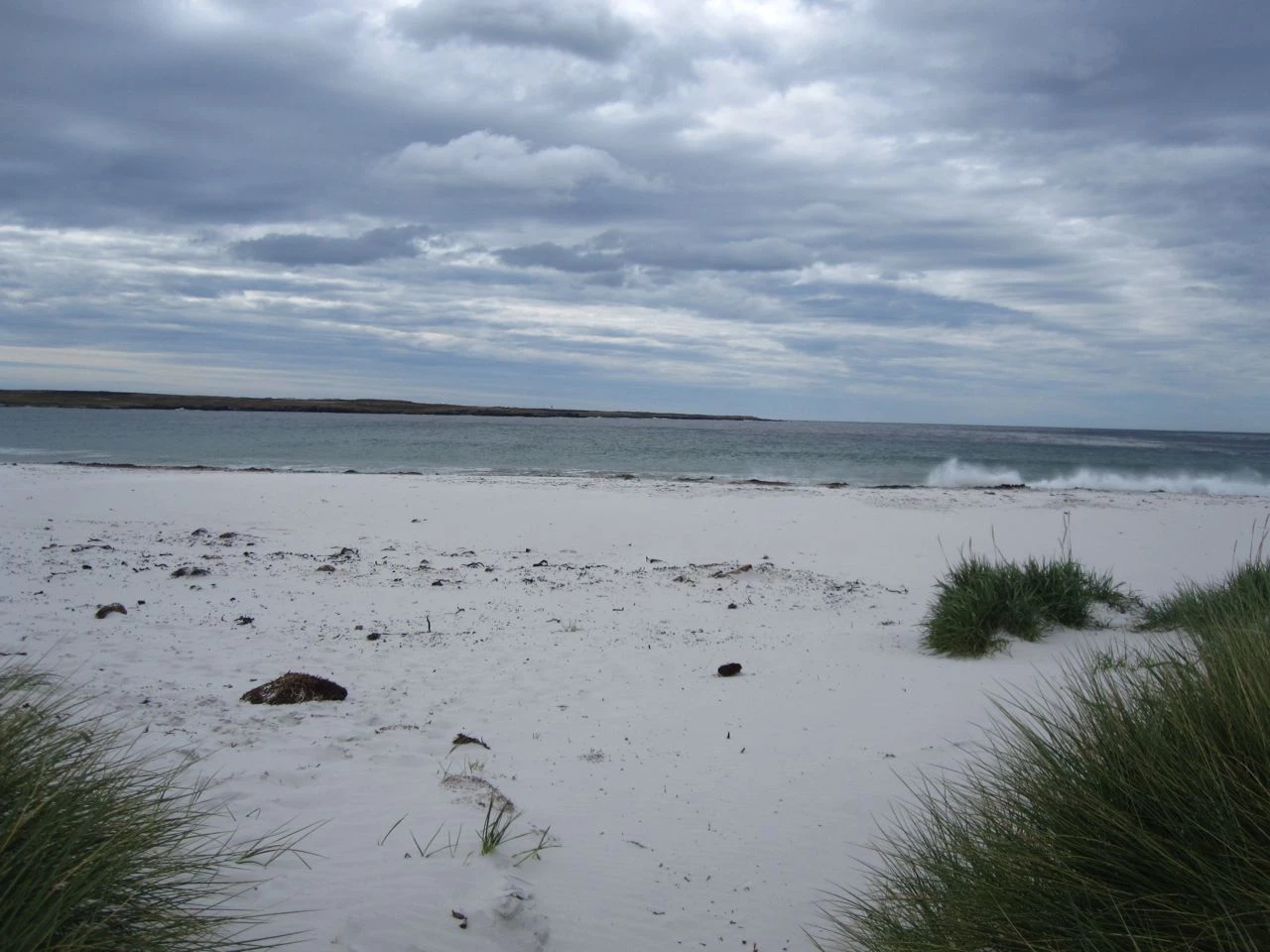
A long and dusty trip to Stanley showed a very windswept, rocky landscape dotted with sheep. After finding the flat I am staying in I also met Steve and Jude who I will be diving with later in the week. Jude then whisked me off for a quick tour of the local area including seeing my first penguin and a couple of beaches roped off due to mines!

Photo 3: Steps up to the offices are not for the faint-hearted!

This morning I made it to the Fisheries department where I will be based. Built on a large floating pontoon (photo 2) with a very disconcerting set of steps up to it (photo 3) everyone I met was very helpful and friendly and I’m looking forward to viewing my first group of worms in the lab there! Low tide is at 3pm this afternoon so I will be out with my fork and bucket beginning my investigations very shortly. I will also have the help of Freya a local volunteer and biology graduate who is keen get involved and see what we can find! 

Teresa Darbyshire

Polychaete research in the Falklands by Teresa Darbyshire - Day 2

Peter Howlett, 16 November 2011

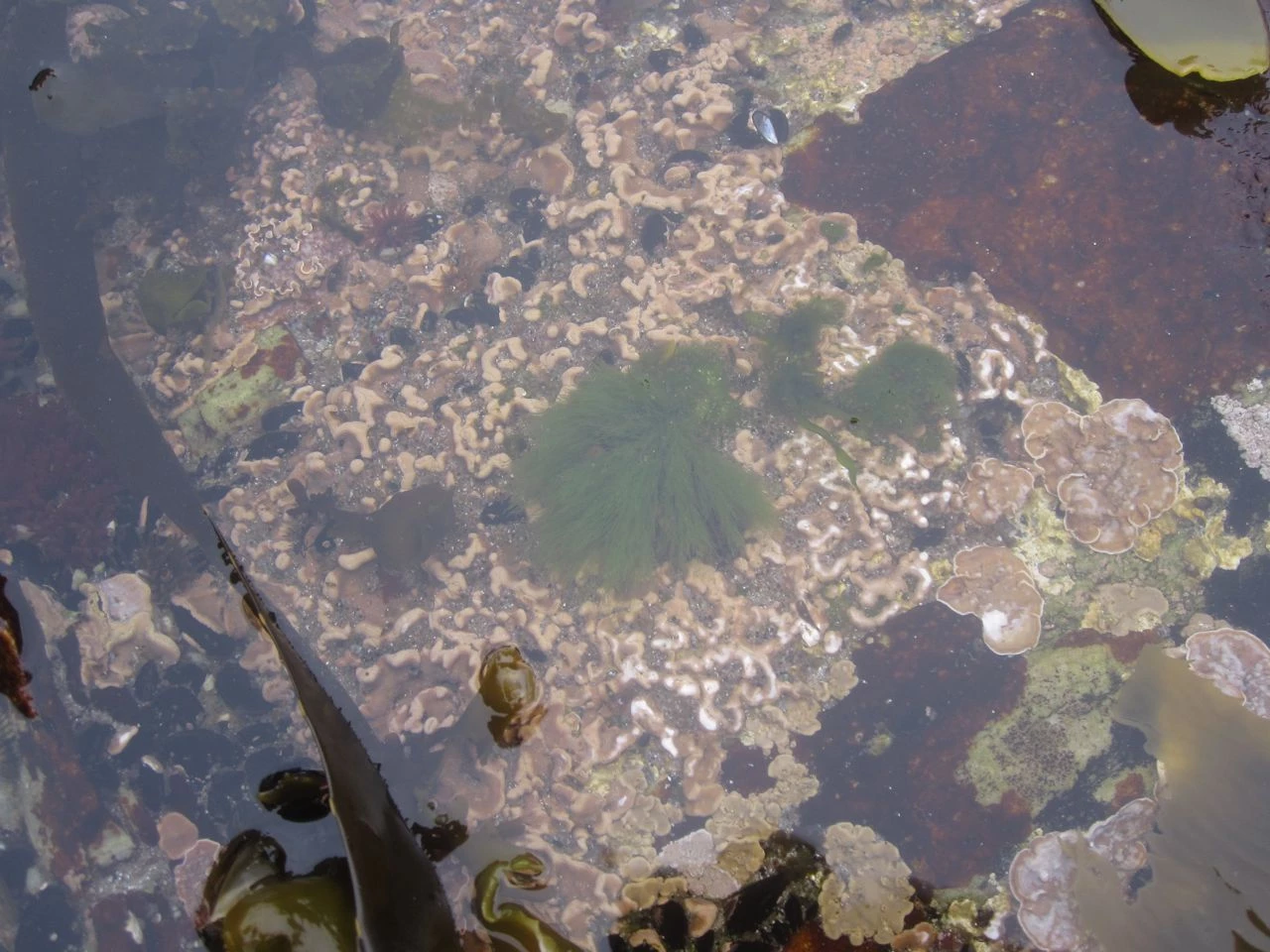
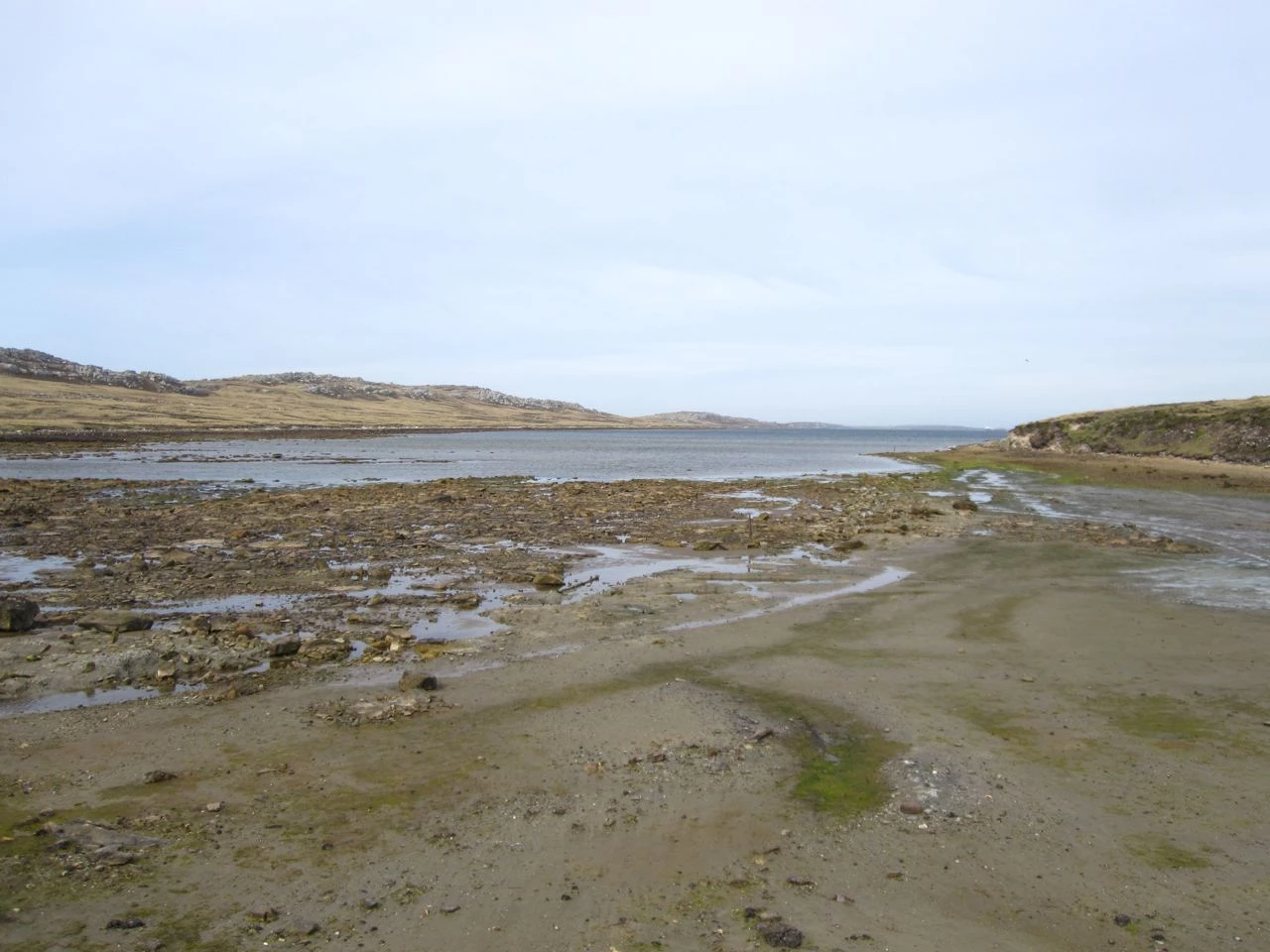
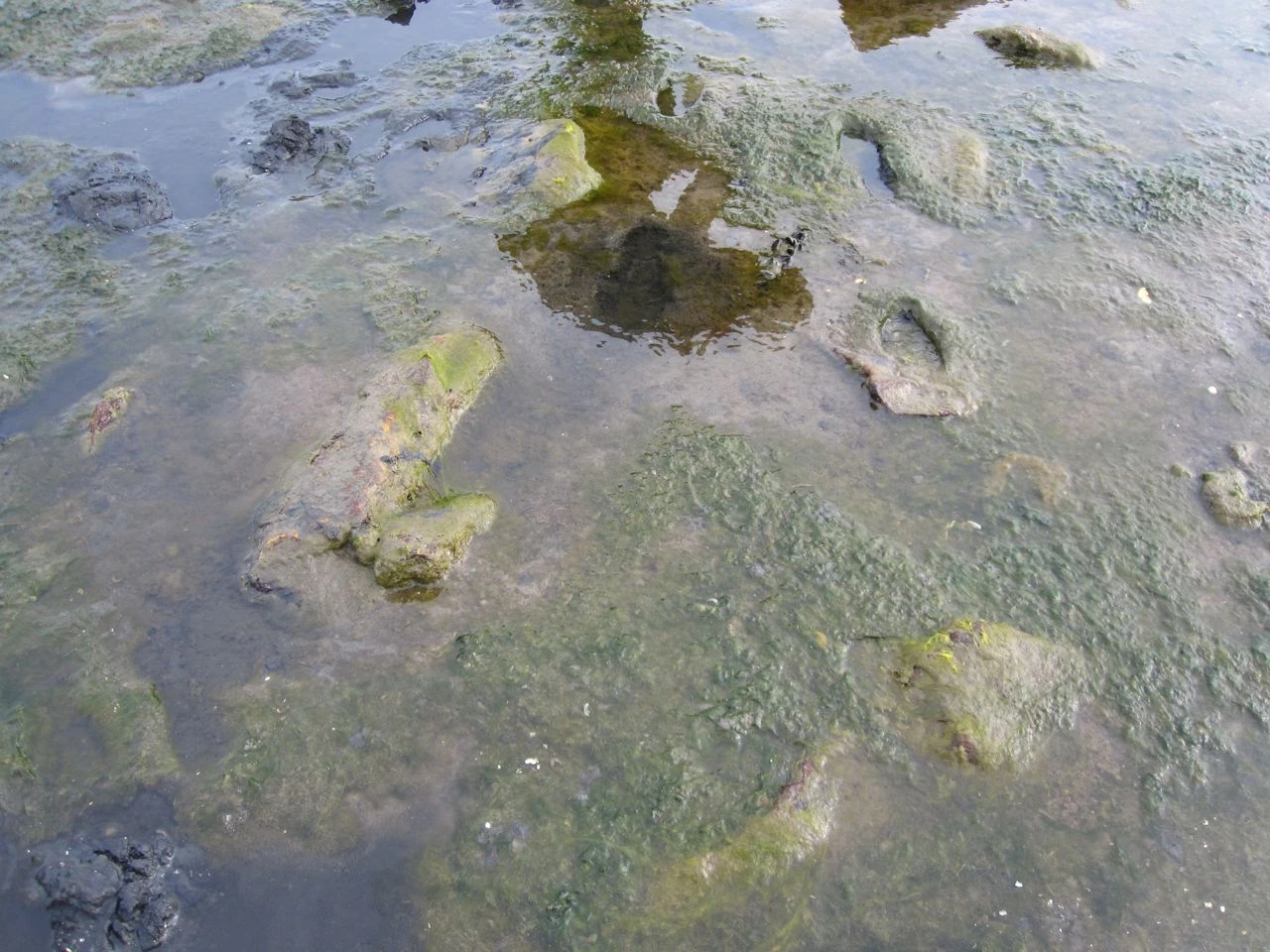
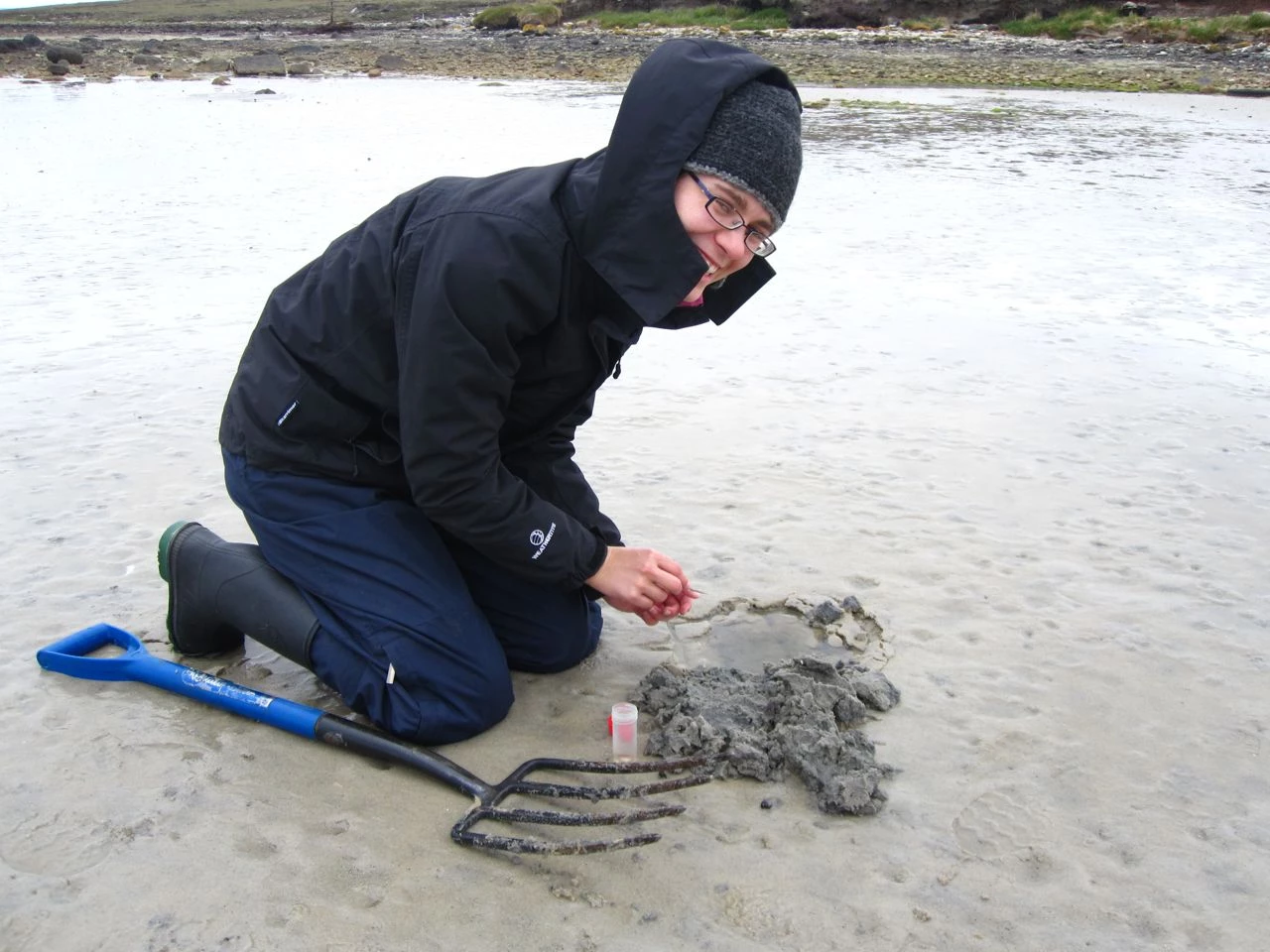
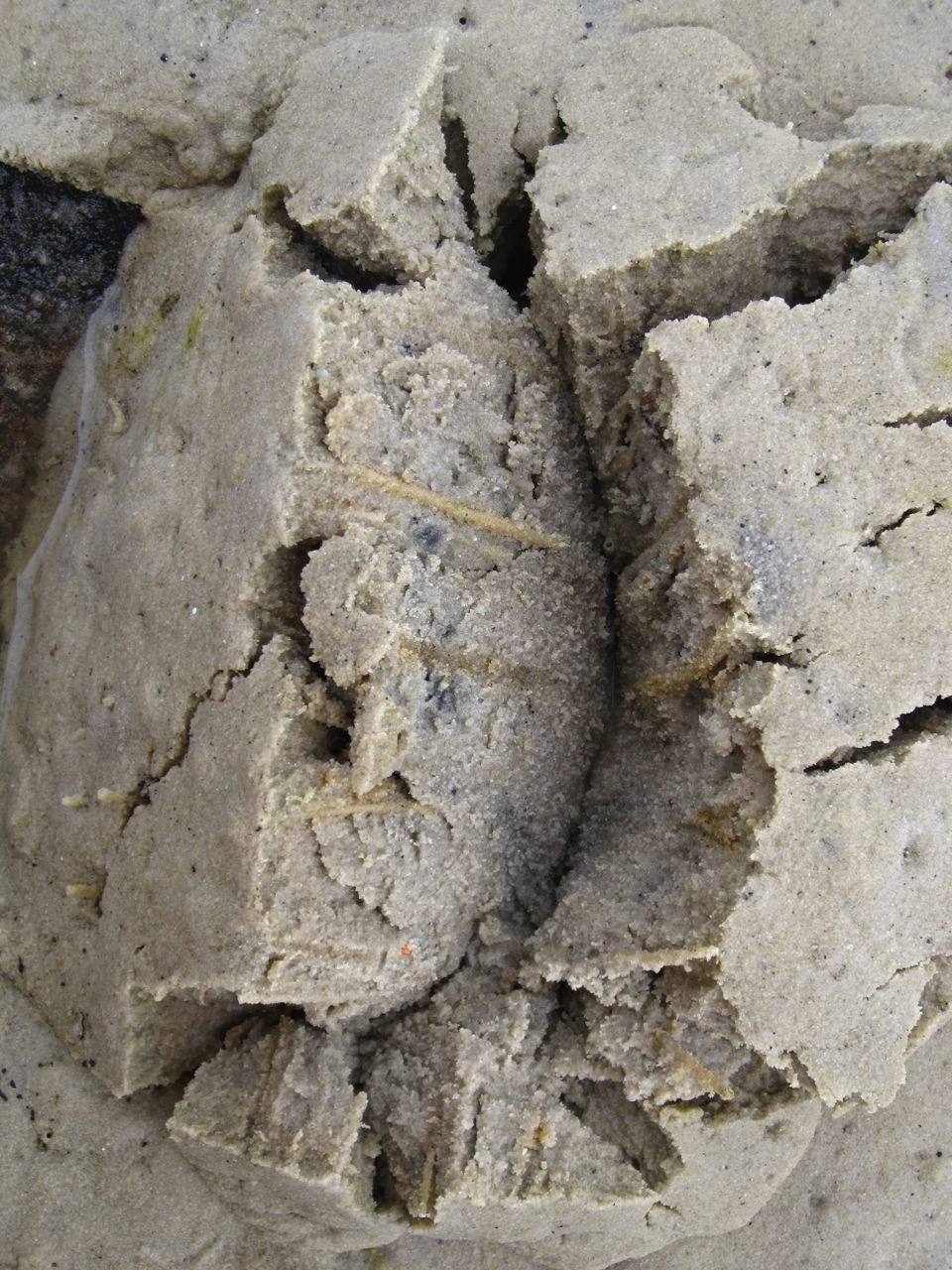
So, Freya and I tramped down to the local shore in our wellies and waterproof trousers earlier. The wind was whistling around us but was surprisingly not as cold as you might expect. I introduced Freya to the delights of attacking a shoreline with a large garden fork and then having to peer at the results as if you’ve lost a contact lens (photo 1). There is not a large tidal range here, less than 1.5m which for someone used to the 10m range of the Bristol Channel is tiny. Still we found a reasonable range of little worms, some excitingly large, others eye-strainingly small and did our best to keep them from breaking into several smaller pieces before we could get them back to the lab.

Falklands beach

Photo 1: Searching for polychaete worms on the shore.

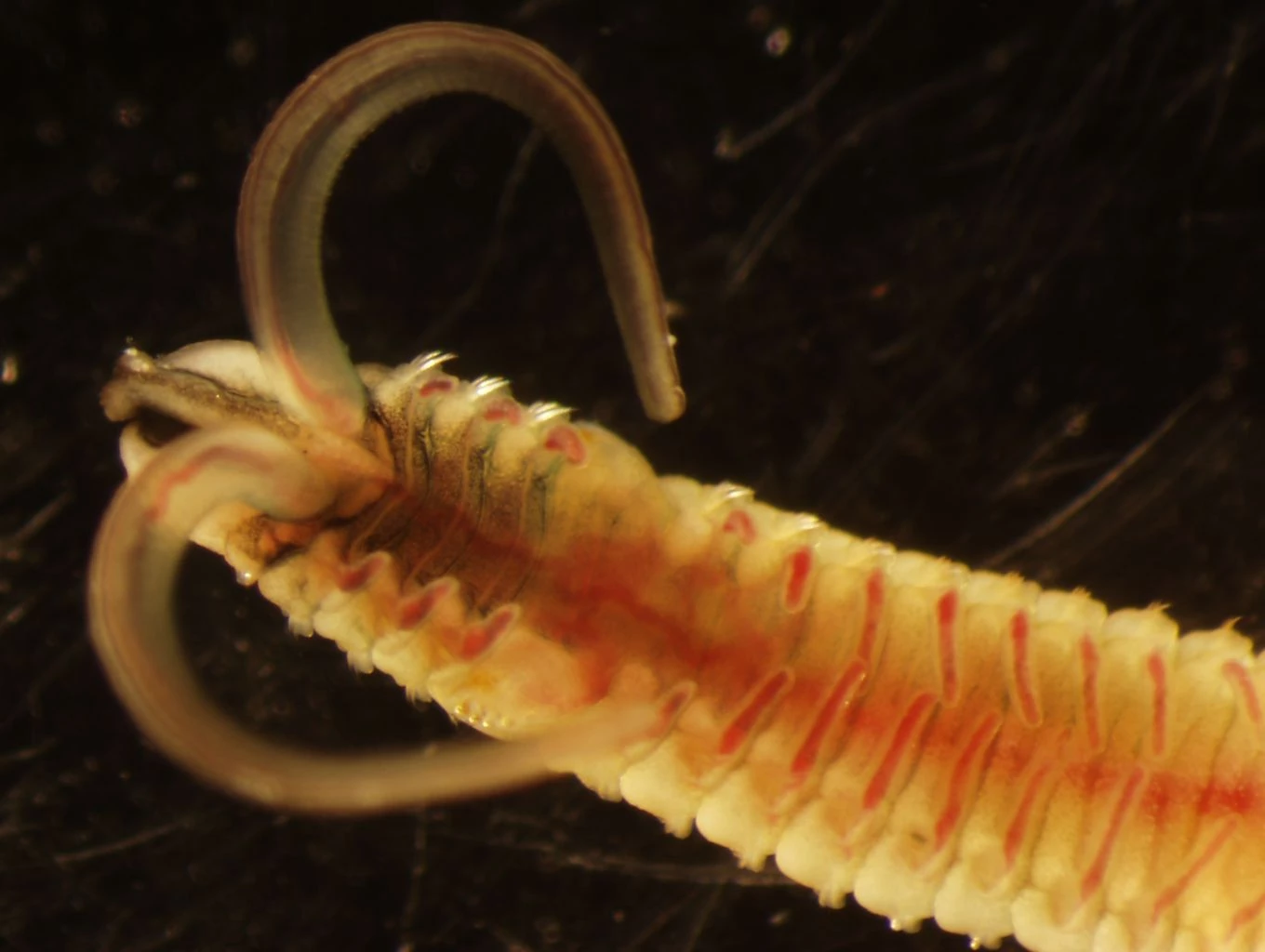
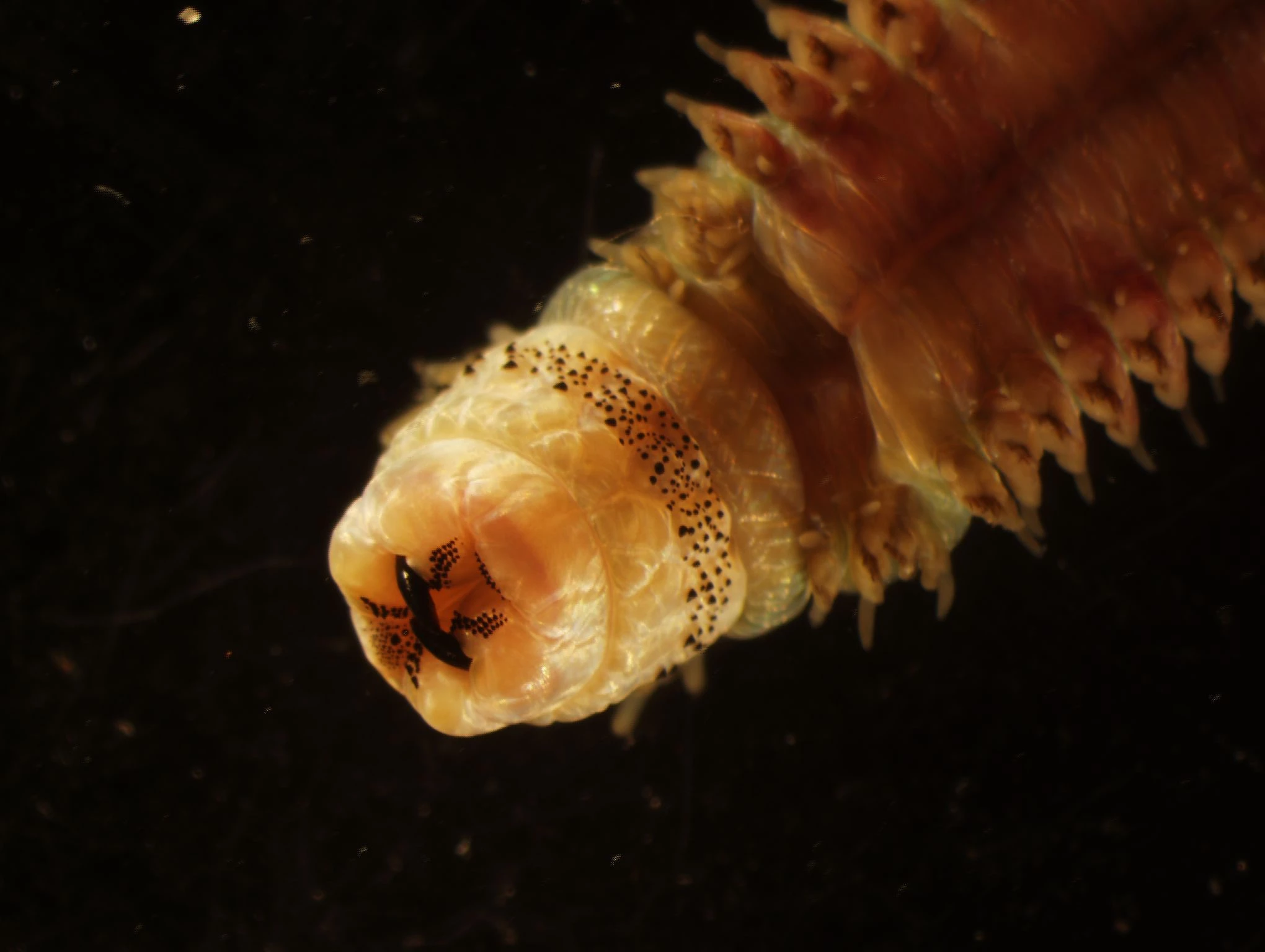
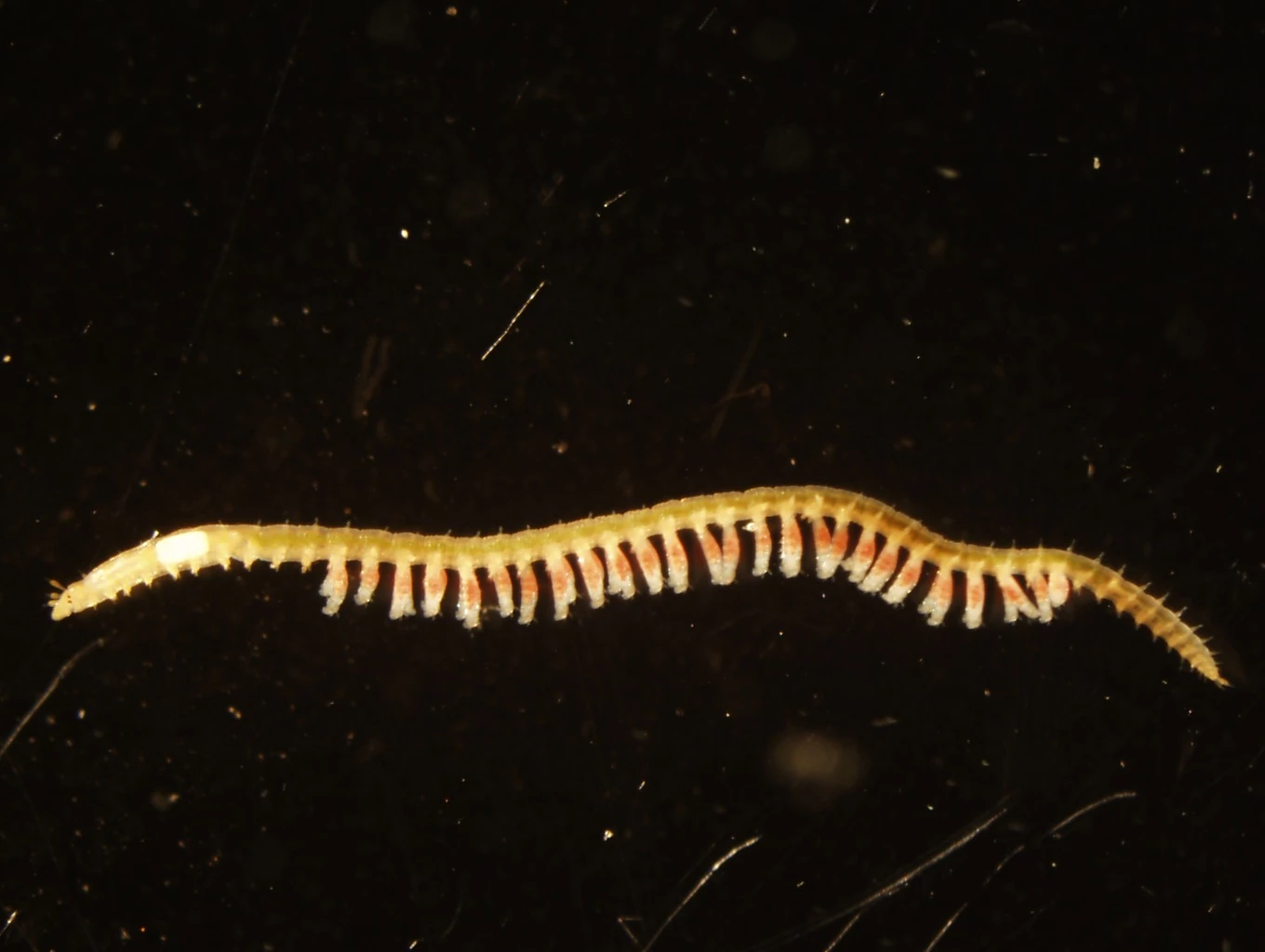
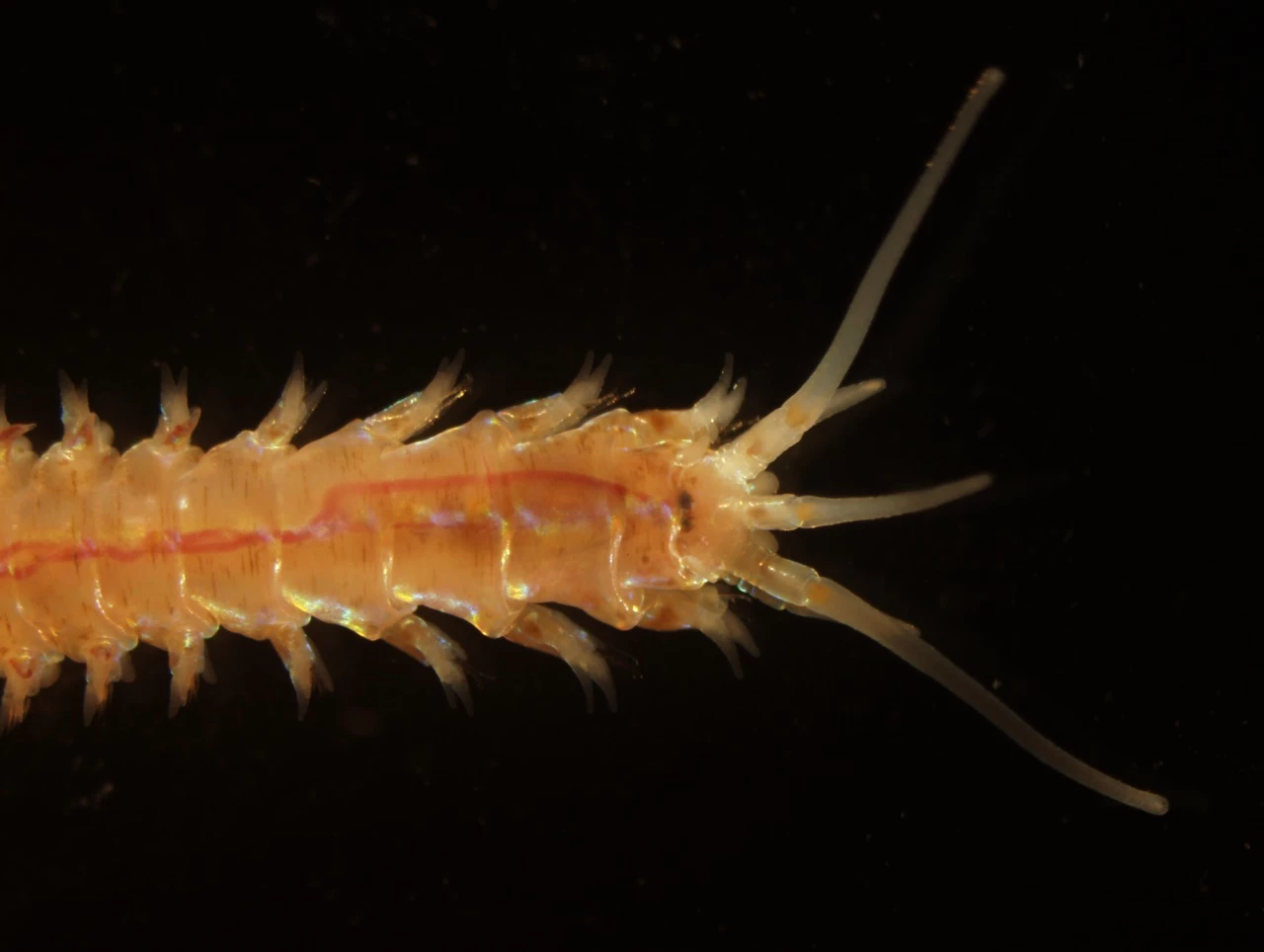
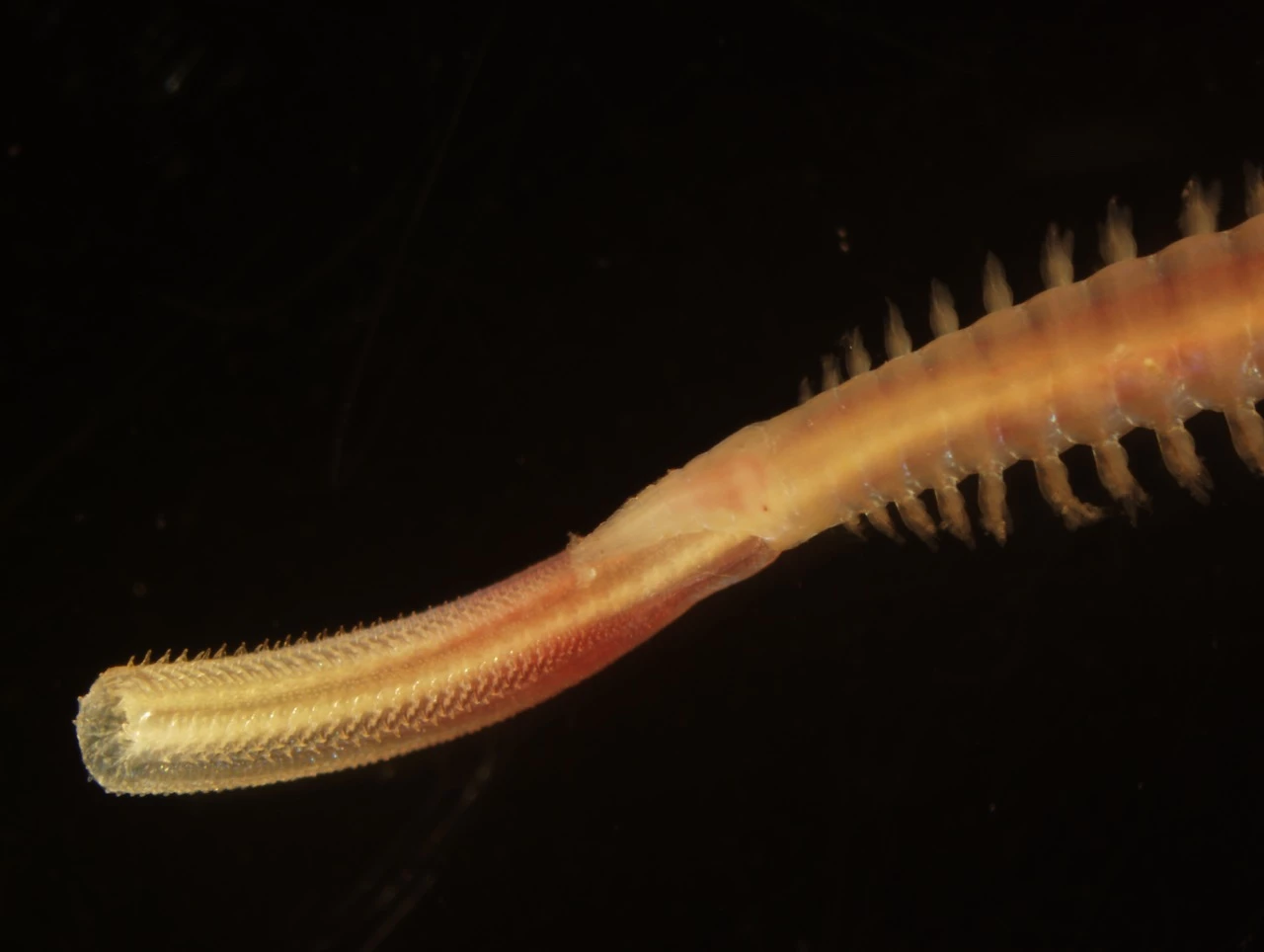
We sampled 3 sites down the shore and, not surprisingly with such a small tidal range, found that the specimens varied little between samples and there was not a high diversity within those. That said, I have a nice collection just from today covering at least 12 different family groups and slightly more species. The most striking was a very stripy phyllodocid looking as if it had just escaped from jail (photo 2) and a terebellid with a fantastic ‘80s crimp to its gills (photo 3). Not the best photos I admit but I am hoping to access the camera microscope soon!

Phyllodocid worm

Photo 2: Phyllodocid worm found today.

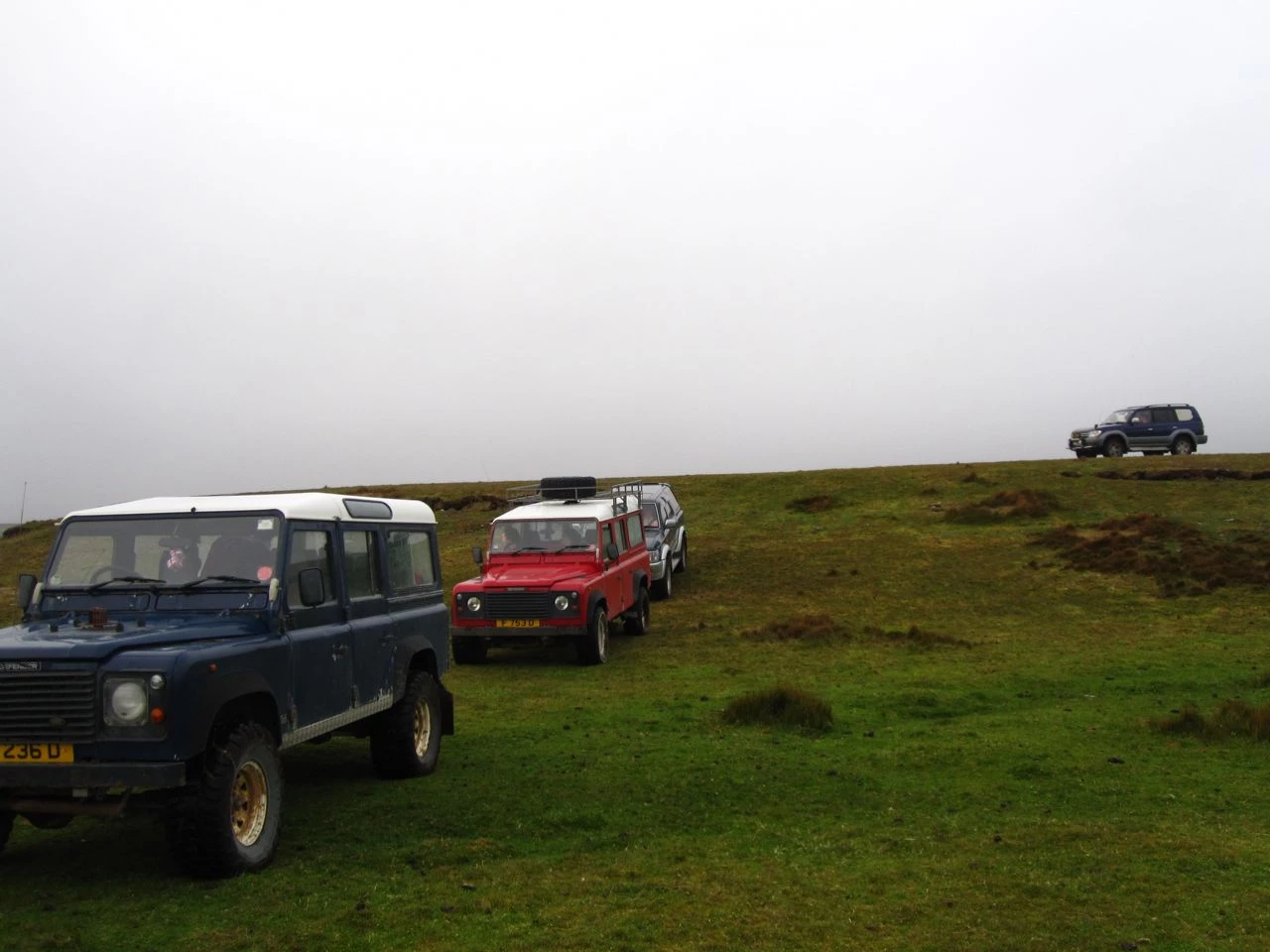
Tomorrow will be a new site, hopefully with different animals to find. Luckily I havebeen given a landrover to use as I need to get around. I’m just about used to it now and have stopped hopping along when I set off!. 4x4’s are the only vehicles seen on the roads and I’m very grateful to the complete stranger who has entrusted me with this vehicle to use while he is away! People here are very friendly, nothing is locked and doors are left open. In paranoia, I did try to lock the landrover last night but found that the locks were so unused that I couldn’t get a key in them!

Terebellid worm

Photo 3: A Terebellid worm with a fancy 80s-style 'perm' to its gills.


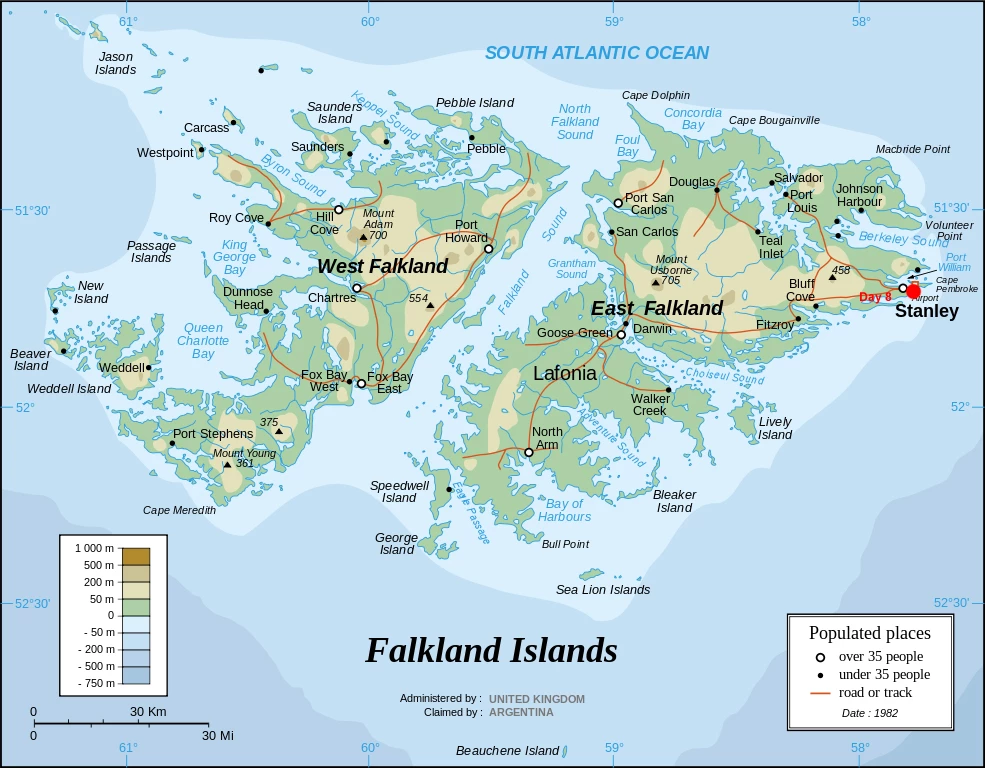
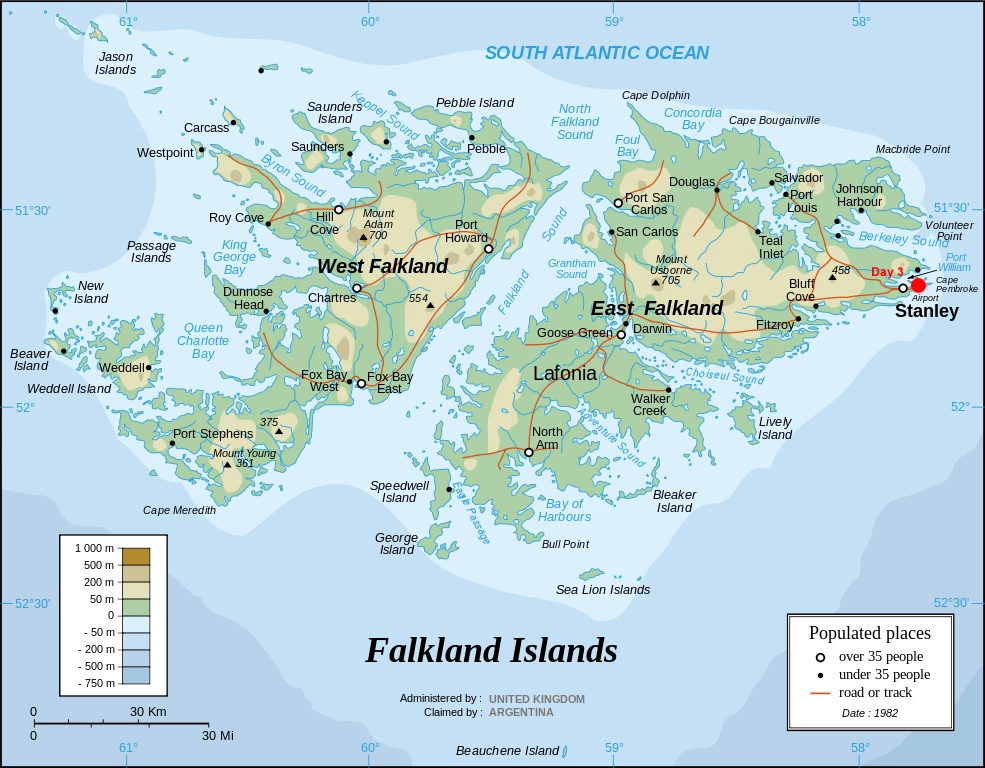
Falkland Island map

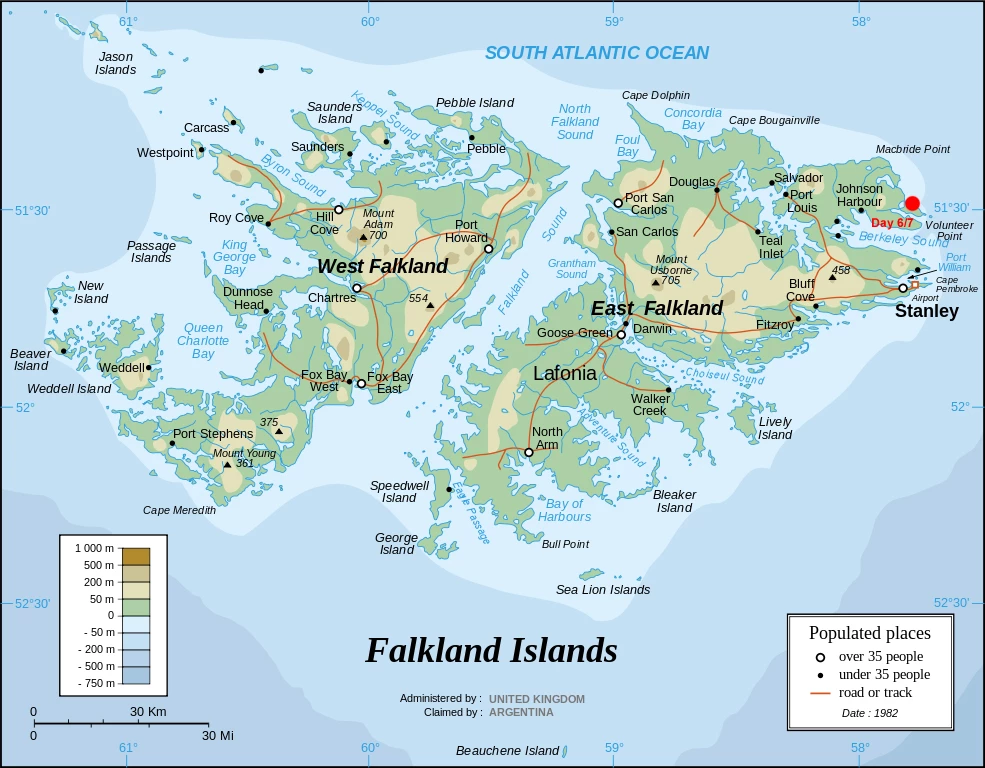
Map showing where I sampled on Day 2.

Excavation of Roman Armour from Caerleon

Penny Hill, 15 November 2011

The large block of armour was initially far too heavy to lift in one piece, so we had to split it into three. Julia has been working on the largest section (see previous blog) and I’m now excavating one of the smaller blocks.

At first glance this second block contains a number of interesting objects. A piece of bronze sheet with a cast head, a plain bronze disc, scale armour, a selection of iron objects (not yet identified) and something composed of rows of overlapping flat headed pins, similar in appearance to drawing pins. At this stage it’s difficult to tell if these objects are associated or not.

The most striking object in the block is the cluster of overlapping disc headed pins that have been laid down in rows and imitate scale. When new and brightly polished the copper alloy discs would have shimmered and caught the light. They are now very fragile, little metal remains and their shape is preserved by the green copper corrosion products. Retrieval and conservation is going to be fun and probably age me about 10 years!

The pins were once attached to a backing, probably made of leather which would have been flexible and allowed movement. This has now perished, leaving a black stain in the soil. I’ve kept samples so we can have a closer look at this later. However, the thickness of the backing material can be established by measuring the distance between the head and the bend in the pin.

Now the backing has gone, the soil is the only thing keeping the pins together. It’s going to be a challenge lifting them and preserving the pins original association. This is vital though as it might help identify this mysterious object .

In a time before modern mechanisation it is hard to work out how the Romans managed to make such small and perfectly formed little pins. A closer look down the microscope reveals interesting manufacturing marks but doesn’t really help with the intriguing question, how did they make them? On closer inspection different types of pins have been used, some are domed, some flat and there are also slightly larger studs, which may indicate that the pins were possibly laid in a pattern. I've put a few pictures up just in case anyone has seen an object like this before or fancies a challenge and work out how these little disc headed pins could have been made?

Deconstruction: Blocklifting from the Blocklift

28 October 2011

As mentioned in the previous post, the only way to advance the study of this large blocklift was to take x-rays of the excavated ‘features’, in order to get a better idea of the condition of the archaeological metals, and to see if there were objects beneath the ones excavated. For this to happen, the five features had to be separated and lifted in miniature blocklifts.

As readers can see by the first photograph which shows the whole soil block after the completion of micro-excavation, separating features was a difficult task: whilst feature 1 was a discrete item, easily removed from the rest of the block, I had to make certain executive decisions about breaking up the rest of the block. Where possible, I tried to divide the features from each other using the cracks that were already present in the block, or by cutting over and under overlapping features. Inevitably, some damage did occur to the peripheries of features during the lifting process.

The process of blocklifting was remarkably easy: effectively, I blocklifted these features in the same way that they were lifted on site, except that as I was working in a laboratory, I had the opportunity to use conservation-grade materials in a much more controlled environment.

To begin with, I had to stabilise the artefacts in preparation for a process which would jar them quite a lot. I first consolidated the exposed artefacts using a removable adhesive called Paraloid B72, and then added a layer of melted wax, called Cyclododecane, to provide a more intimate support. Handily, this layer will eventually sublime by itself.

I then wrapped features in Clingfilm, to act as a barrier layer between the archaeology and the rigid material I would use hold the block together. For this, I selected polyurethane foam (readers may have come across this whilst completing DIY projects; it is often used as an insulating filler), as it has a very low density, and will not interfere with the attainment of an image of the mineralized iron plate. Polyurethane is prepared by mixing two liquid components together, and could be poured around the covered feature, reaching all nooks and crannies. Walls of plastic card and clay had been built around the feature to enclose the polyurethane.

Once the polyurethane had hardened, I began to pedestal the feature being lifted, before undercutting it. The separated feature could be turned over, and large amounts of extraneous burial deposit removed, which would have otherwise interfered with x-raying the metal artefacts.

I repeated this process until all the features were lifted, and prepared for X-radiography.

Investigation of Caerleon Armour: X-radiography

28 October 2011

After having managed to break the large soil block up into small enough blocks to get into the x-ray machine, I finally began the task of x-raying the archaeological artefacts.

For this, I had the chance to use the Museum’s newly acquired computerised radiography system. Here, instead of using the traditional wet-plate method requiring film and much time spent in a dark room, we use a phosphor plate which can be used around 1000 times. This plate is read by a scanner, and an image produced within about 45 seconds.

This new system has allowed us to capture so much more detail about the inside of the blocks and the condition of the armour than would ever have been possible using the traditional method. The x-ray records the density of materials at every point, and the software used to view the image allows for manipulation in much the same way as programs like Photoshop: we can zoom into areas of the image, adjust brightness and contrast, apply filters, invert the negative, etc. Thus far all of the features have been x-rayed, and the results have been astounding: I have included copies of the images, complete with annotations. It would appear that a lot more existed beneath the surface excavated than previously supposed.

I had hoped that the x-rays could be used as a guide for further excavation of the features and eventual extraction of the artefacts: however, the condition of the metal inside suggests almost complete mineralization of the iron, and cautions against this course of action. The most that can really happen with these soil blocks now is that they are extensively x-rayed, and stored safely in case of future research.

Aside from highlighting areas of interest on the x-rays, and explaining certain phenomenon, my role as conservator for this project has come to an end. Now, curators, archaeologists and specialists will have to identify objects in the x-rays, marry up these images with the photographic record of my excavation, and begin to tie this information into the narrative of the site overall.