Collections & Research

Mammoth fun in the Ice Age

Louise Mumford, 15 July 2008

National Archaeology Week 2008 is under way at National Museum Wales, and at three NMW sites, visitors have been getting arty like cave-dwellers, writing like Romans, helping to sort out a medieval pottery's rejects and witnessing the technology that put the Iron into the Iron Age.

And all in the first five days!

At National Museum Cardiff, families joined Ken Brassil and  Bethan Jones for Cave Art workshops.

Bethan:

"The cave art weekend was a great success. The visitors became their very own cave men and women for the weekend, exploring the new Origins gallery, studying traditional cave paintings and the animals before stepping back through time in to our Evolution of Wales exhibition, where they were able to experience what life may have been like in a damp dark cave....

The families sketched the animals found around that time before heading back to the present to create their art from the sketches they'd made. The children were able to use and experience similar materials to those their ancestors would have used: stone, wood and even bones. I think using the bones to draw with was everyone's favourite, especially mine!

 A really fun-packed weekend. I was very impressed with the amount of sculpture made as well as drawings. Good job every one, including the parents and grandparents, for getting stuck in!"

Ken:

"National Archaeology Week kicked off in Amgueddfa Cymru - National Museum Cardiff with the latest take on Ice Age art created by seriously enthusiastic families of South Walians and super visitors from Quebec City too.

We explored the Palaeolithic zone of the new archaeology galleries and sought out the robotic mammoths in the Evolution of Wales Gallery as catalysts for making clay figures ... to take home.

The mini figures we created made up for the (almost total) absence of Ice Age art from Wales....Mini mammoths were the most popular creation. Some of the seniors modelled hybrid rhino-mammoths, even a cold loving turtle. One family brought their teddy bear mascot to keep company with our museum specimen bear-skull from Tian Shan, China!

If the participants had decided not to take their animals home, then we would need to add two new cases to our new archaeology gallery to accommodate Ice Age Art: Class of 2008 .... Congratulations to you artist-archaeologists....
 

What Machen primary school have been saying about their visit to the archaeological dig at Llanmaes

Chris Owen, 7 July 2008

"I really enjoyed looking at the pottery and teeth. I would like to know all the things the Iron Age Celts ate. How did they build the round houses? Did they play sport?"

"I liked doing the music because of the really good beats! I liked looking at the pigs teeth and the Roman coin. I would like to be an archaeologist because I love history, but I don't like working in wet weather!"

"I really liked looking at the pig bones and i learnt such a lot!"

"The ceremony we did was fab and I loved our music! I wanted to wear the mask home, but I wasn't sure about tearing up the cauldron we'd made!"

"Recording the music on the computer and changing it using the technology was really cool! The bones were cool as well!"

"I liked wearing the mask and playing the music."

"I really enjoyed today because it was fun. My favourite part was doing the music and going back in time!"

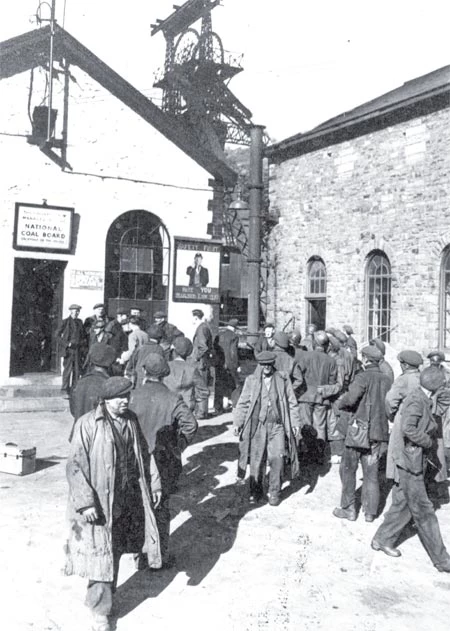
The National Coal Board in South Wales

25 February 2008

Post War Britain

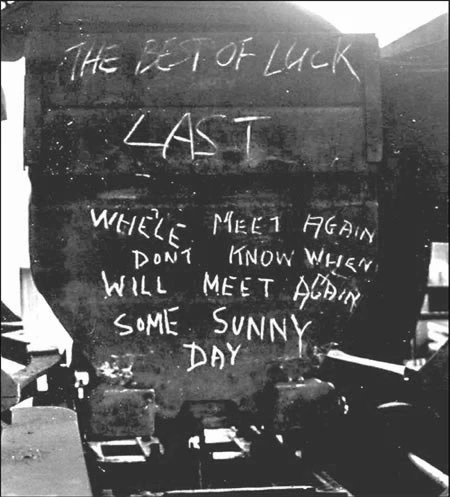
The dismal history of the coal industry between the world wars, government control during the Second World War and the need for coal in post-war Britain made nationalisation of the British coal industry almost inevitable after the election of a Labour government in 1945.

'Vesting Day', 1 January 1947, was largely welcomed in Welsh collieries when the south Wales coalfield became part of the South-Western Division of the National Coal Board (NCB). Assets taken over by the NCB in the UK included over 1,400 coal mines, 225,000 acres of farm land, 140,000 miners' houses, shops, offices, hotels, swimming baths, a holiday camp and a cycle track!

Investment and Disappointment

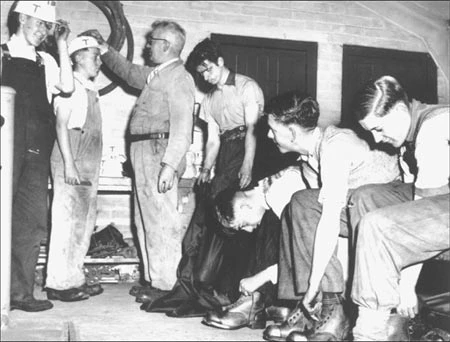
Nationalisation brought in considerable new investment for south Wales. Between 1948 and 1953, nearly £32 million was invested in the Cardiff region alone, with the reconstruction of Nantgarw Colliery cost £4.5 million. There was increased mechanisation at the coal face and drives to improve health and safety. However, by the mid-1950s, the NCB began to be seen as remote as any of the previous private coal owners. Investment had also often failed to bring results, with the expensive Nantgarw Colliery producing a disappointing 100,000 tons of coal a year.

Closures and disasters

Even from the early days of the NCB there was a tendency to close smaller, uneconomic pits and reorganise the larger ones. However, during the 1960s a deliberate rundown of the south Wales coalfield had begun. No other British coalfield suffered such closures - in 1960 there were 106,000 south Wales miners, by 1970 there were 60,000. The pace of closures only slackened off during the Middle East oil crisis of the mid-1970s.

1960, an explosion at Six Bells Colliery killed 45 miners, and on the morning of Friday, 21 October 1966, a large section of the spoil heap of Merthyr Vale Colliery slid down the hillside onto the village of Aberfan, killing 144 people including 116 children.

The 1960's

The 1960s saw the development of new 'super pits' at Abernant, Brynlliw and Cynheidre Collieries as well as the reorganisation of existing collieries such as Coegnant, Deep Navigation and Merthyr Vale.

The decade also saw all British mineworkers brought onto the same pay rate. Both management and trade unions broadly welcomed this agreement, although many men saw a substantial fall in their incomes.

The Agreement forged a greater sense of unity between UK coalfields, which paved the way for the national strikes of 1972 and 1974, which were fought over wages, the latter dispute bringing about the fall of the Conservative government.

The final years

By the early 1980s the British mining industry had become one of the safest and most efficient in Europe. However, a new Conservative government was in place and a new round of pit closures announced. The Welsh coalfields were especially vulnerable due to the age of the collieries and the difficult geology.

Although closures had been reluctantly accepted in the past, the lack of alternative employment led to calls for industrial action. The last great miners' strike began in March 1984 and lasted a year. The defeat of the miners paved the way for the final destruction of the Welsh coal industry.

The next ten years saw the end of coal as a nationalised industry. In 1994, Tower Colliery, the last remaining deep coal mine in Wales was closed by the NBC, (renamed British Coal). However, convinced that the mine was still economical, 239 miners bought the colliery with their own redundancy money and the mine remained operational until it's final closure on 25th January 2008, bringing to an end 200 years of deep coal mining in south Wales.

This article forms part of a booklet in the series 'Glo'produced by Big Pit: National Mining Museum. Download here

Ebrill 3, 2007

David Thorpe, 3 April 2007

Ers dechrau gweithio yn Sain Ffagan, mae fy 'niddordeb' mewn materion crefyddol wedi gorfod tyfu'n sylweddol. Ydw, wir, dwi'n ddigon hapus (wrth fy modd, bron) yn mwydro am oriau am yr Eglwys Ganoloesol; llafarganu, cerfluniau, darluniau Almaenig o'r Apocalyps hydnoed - ond mae maes 'Yr Eglwys Heddiw' yn llawer mwy niwlog a chythryblus ei olwg i fi na'r hen, hen hanes. Ces i ddipyn o gyflwyniad i'r pwnc pan yn trafod ail-gysegru'r Eglwys. Roedd yn rhaid ystyried pob math o broblemau dyrys - rhyw hybrid ysbrydol-ymarferol sy'n gorfod ystyried anghenion trigolion Pontarddulais, yr Eglwys yn Nghymru a thros chwe chan mil o ymwelwyr y flwyddyn. Mae'n codi sylw at nyth gacwn o enwadau, defodau, ac, yn naturiol, hanes difodiant adeiladau tebyg, nad oedd lle iddynt yma yn Sain Ffagan.

Roedd hi'n braf, felly, gweld yr erthygl hon (http://news.bbc.co.uk/1/hi/magazine/default.stm), felly, ar dudalen Saesneg y BBC. Mae'n adlewyrchu cymaint o'r themau yr hoffem ni - ac y bydd raid i ni - fynd i'r afa'l â nhw wedi i'r Eglwys agor yn swyddogol fis Hydref. Beth yw rôl addoldy heddiw - ai creiryn yn unig fydd yr Eglwys wrth iddi agor? Gobeithio y bydd digon ohonoch chi'n ymweld â ni i roi dipyn o fywyd i'r lle - does dim byd tebyg i'r teimlad yna pan fydd hi'n llawn pobl!

Felly, gyda'r mwydro lled-athronyddol o'r ffordd, rhaid troi ngolwg i'r Pasg. Stori'r Atgyfodiad yw prif thema ein murluniau - a bydd yr artist Tracey Williams a minnau'n cynnal gweithgareddau'n peintio a dehongli'r stori dros y pythefnos nesa'. Mae croeso i chi alw i mewn i gymryd rhan - dewch â'ch het artist gyda chi!

Mawrth 27, 2007

David Thorpe, 3 April 2007

Pnawn da. Gai ddechre trwy estyn gwahoddiad ichi (nage, ddim i'r Eglwys. 'Dych chi ddim wedi blino darllen am honno eto...)?

Mae Oriel 'Perthyn' (neu 'Belonging') newydd Sain Ffagan yn agor yn swyddogol ar ddydd Sadwrn, Mawrth 31, 2007 - gobeithio y gallwch ymweld â ni! Mae'r Oriel wedi bod yn wagle tywyll ers rhai misoedd 'nawr, ond mae'r goleuadau, y camerâu a'r gwrthrychau i gyd wedi'u gosod - ac un ohonynt yn arbennig â chysylltiad gyda'r Eglwys. Dim ond jyst a ffitio i mewn i'w chornel 'mae hi, ond mae murlun Santes Catrin yn werth ei gweld. Rhaid ifi gyfadde' teimlo braidd yn bigog-tu-fewn pan welais i hi'n cael ei symud o'i chuddfan yn y Castell i lawr i'w chartref newydd - mae hi gyda un o'r olion hynaf o ddarlunio o'r Eglwys ac yn fregus iawn.

Cafodd y Santes ei phaentio yng nghanol y 14eg Ganrif, ac yn ffigwr pwerus, gosgeiddig iawn. Mae'r olwyn y tu ol iddi, wrth gwrs, yn ein hatgoffa o artaith y Cristnogion cynnar - yn ogystal ag agwedd hard sell yr Eglwys Gatholig Ganol Oesol. Mae gan bob un o'r seintiau yn yr Eglwys wrthrychcau i'n atgoffa o stori eu bywyd - ond canolbwyntio ar eu rhinweddau fyddwn ni heddiw, yn hytrach na'r aberth a'r boen welwn yn y darluniau canoloesol. Ta waeth, mae 'na gannoedd o bethau eraill (o oes cyn Crist i foddi Capel Celyn) i'w gweld yn yr Oriel newydd - ond cofiwch ddweud helo wrth y Gatrin pan ewch chi heibio.

Cyffro yng nghasgliad yr Amgueddfa - a chyffro felly i'n dehonglwyr: roedd rhaid ffarwelio â'n 'Celt' preswyl, Owain (hwnnw wedi mynd i adeiladu nyth wiail i'w epil newydd), a chroesawu Anna i'n plith (y hi fydd yn gweithio yn Oriel Perthyn) yr wythnos hon. Ychwanegu hwnnw at chwa'r gwanwyn o fysus ysgol, ynghyd â'r gobaith y cai amser i dynnu gwynt a sgrifennu'r wythnos nesa, a dyna fy wythnos. Hwyl am y tro!