Making a photographic collection accessible - Part 1 Mark Etheridge, 17 September 2015 Staff at Amgueddfa Cymru work across a number of different departments. These departments do not work in isolation, but staff work together to look after the collections preserved for the people of Wales.The industry and transport photographic collections comprise over 206,000 images, covering all aspects of Welsh industrial, maritime and transport activity. One of the greatest treasures held within this rich collection is the Hansen Collection, which comprises of 4,569 negatives (two-thirds glass, and a third film) of ships mainly at Cardiff. These were taken by members of the Hansen family between 1920 and 1975. They provide an amazing photographic record of shipping activity at the port during those years. You can find out more about the history of this collection by reading this article from 2011.One of our main aims is to make all the collections we look after more accessible. When we purchased the Hansen Collection in 1979, the first stage in the process of making the collection available was to compile a catalogue. Initially a handwritten catalogue was produced which could be consulted in the photographic research room. Then in 1996 the catalogue was published under the title “the Hansen Shipping Photographic Collection” making the contents of this collection available to a wider audience. A few years ago I worked on converting this catalogue into a digital format so that it could be placed on the museum website. It is now available for anyone to search, and find vessels they are interested in. The online catalogue has greatly improved access to this collection, and we have had enquires from all over the world because of it. People might be researching a particular ship and are looking for an image of it. A family member might have worked on the vessel and so someone might be interested in seeing what the ship looked like.Following placing the catalogue online the next stage has been to input information on each negative onto our collections management database. A number of staff are currently involved in this, including myself and staff working in the History & Archaeology and Collections Services departments. We have so far put just over 1,500 negatives onto the system. It is a long process, especially as we are repacking the collection into conservation grade packing as we go along. As well as preserving the collection and making information on the collection available, we also need to digitise each negative. This will provide us with a record shot, meaning that we can minimize the handling of the original. This is especially important as so much of the collection is made up of fragile glass plates. We have made a start on this, and have so far digitsed 572 negatives. Our intention is now to continue this work and digitise the remainder of the collection.We will be doing a series of blogs on various aspects of the process to make this collection accessible, and will be blogging on cataloguing and adding the collection to our database, repacking the collection, and the digitisation process. Check back to see how we are getting on with this important photographic collection.Mark Etheridge Curator: Industry & Transport Follow us on Twitter - @IndustryACNMW
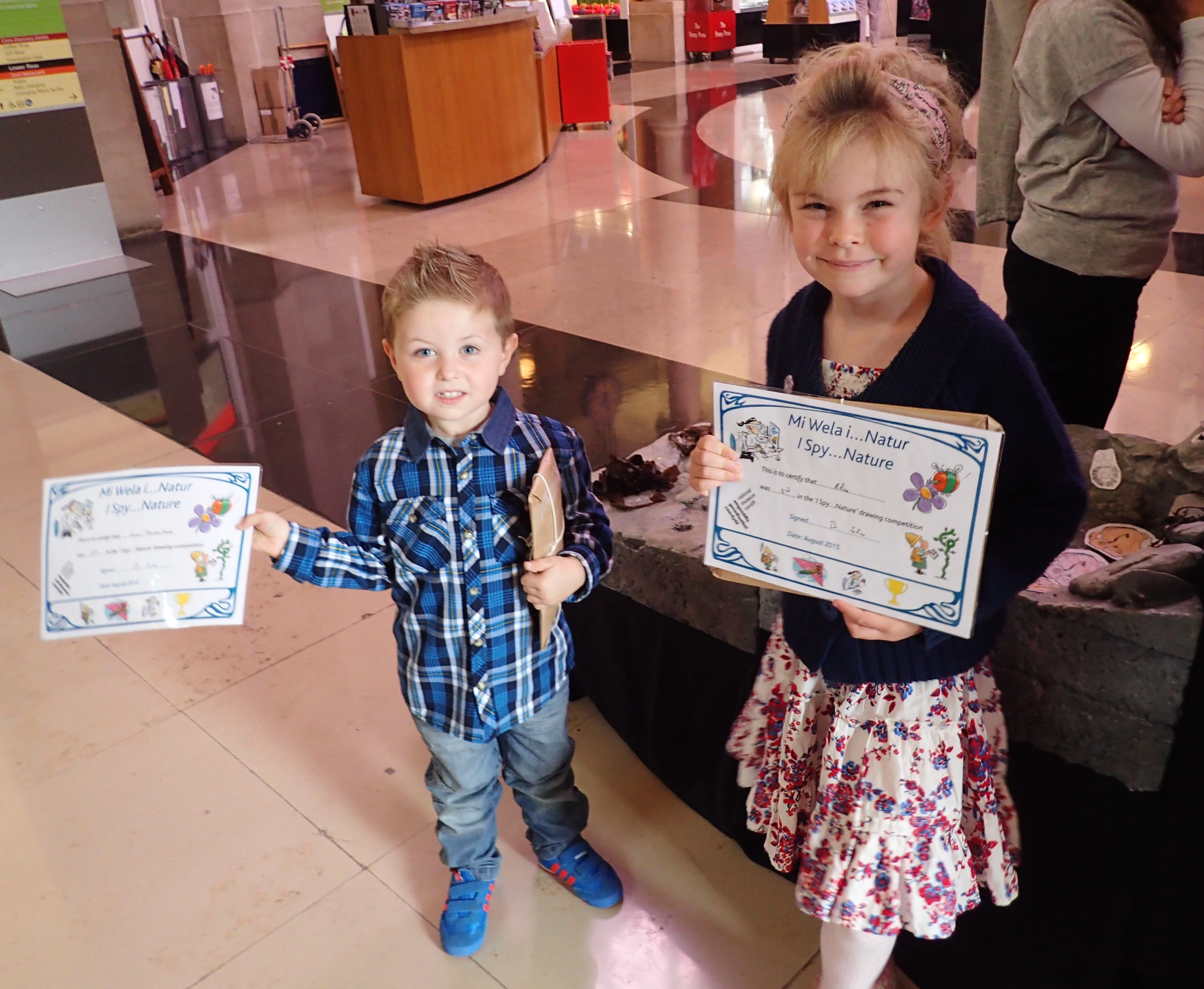
I Spy...Nature Competition Winners 2015 Katie Mortimer-Jones, 10 September 2015 The Natural Sciences Department at National Museum Cardiff have once again taken their 'I Spy...Nature' Pop-up museum to the Capitol Shopping Centre in Cardiff during this year's summer holidays. Our younger visitors were encouraged to utilise their drawing skills to draw some of the fantastic specimens from Amgueddfa Cymru Collections on display as part of a drawing competition. Examples were fossils, minerals, marine creatures, flowers and bugs from all around the world. We had some fantastic entries and it was extremely difficult to pick the winners. However, after much deliberation we eventually managed to pick a 1st, 2nd and 3rd place in three age categories (under 6, 6-9 and 10-13 years). Due to the fact that it was so hard to choose winners we also selected a couple of highly commended drawings.Each winner will receive a natural history inspired prize from the Museum's shop and will receive a special behind the scenes tour of the museum to find out what museum scientists do and where we house the museum's natural history collections, which comprise of over 3 million specimens.We very much look forward to welcoming our prize-winners and their families to the museum.
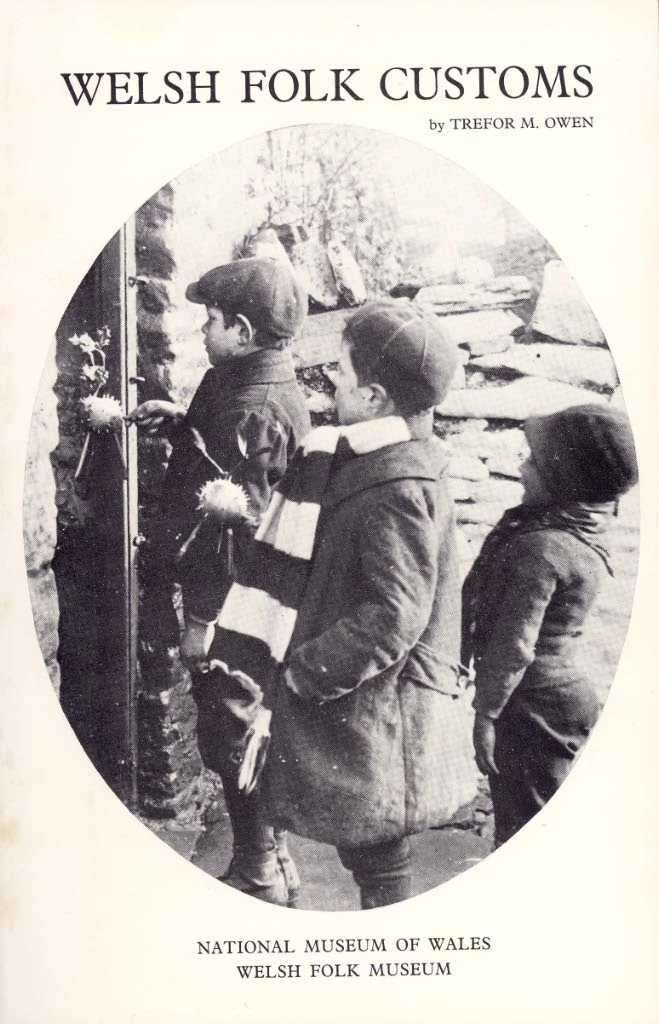
Christmas Cards Sara Maidment, 3 September 2015 [update - voting is now closed, thanks to all who took part and look out for the winners very soon!]Christmas Comes Early - When You're the One Designing the CardsAs summer comes to an end we are busy working on our 2015 Christmas cards and would like your help.Amgueddfa Cymru-National Museum Wales has the most wonderful and diverse collections and we like to take inspiration from them when producing our Christmas cards.Our curators have been scoring the collections looking for objects, paintings, photographs and specimens that shout Christmas and we have selected some images as potential cards for this year.Help Us Choose - Vote For Your FavouriteWe’d like you to help us make our final choice of six by voting for your favourite three images. Natural History Collage 1 Natural History Collage 2 Natural Sciences Collage 3 These images have been created by the Digital Imaging Officer in our Natural Science Department. Look closely and you’ll see that these snowflakes and tree are not what they seem. Quilt 1 (Hexagons) Quilt 2 (Triangles) Red and white applique quilts from the textile collections at St Fagans National History Museum. The red used is usually referred to as Turkey red! Pine Cone Illustration This pine cone is botanical illustration from our Natural Sciences department at National Museum Cardiff. Welsh Woman by John Thomas This photography of a Welsh lady comes from our photographic archive at St Fagans National History Museum, and was taken by John Thomas, an early travelling photographer. Calennig This photograph shows children enjoying the Welsh tradition of Calennig, a celebration of New Year. It is from the photographic archive at St Fagans National History Museum. Robin (Taxidermy) This beautiful piece of taxidermy of a robin is from our Natural Science collections. Turkeys This illustration of turkeys by Pierre Belon comes from our Library at National Museum Cardiff. History of British Birds 1 History of British Birds 2 These two beautiful illustrations from the History of British Birds 4th edition and was suggested by our Librarians at National Museum Cardiff. Poinsettia This striking poinsettia image is also from our Library at National Museum Cardiff. Star Map from the 1500s Another suggestion from our Library, this is an illustration from a C16th star map. Christmas Wreath A photograph of a Christmas wreath hung on the door of St Fagans Castle. Hand-Knitted Socks A row of hand knitted sock from the textile collections at St Fagans National History Museum.Which one is your favourite? Don't forget to cast your vote!
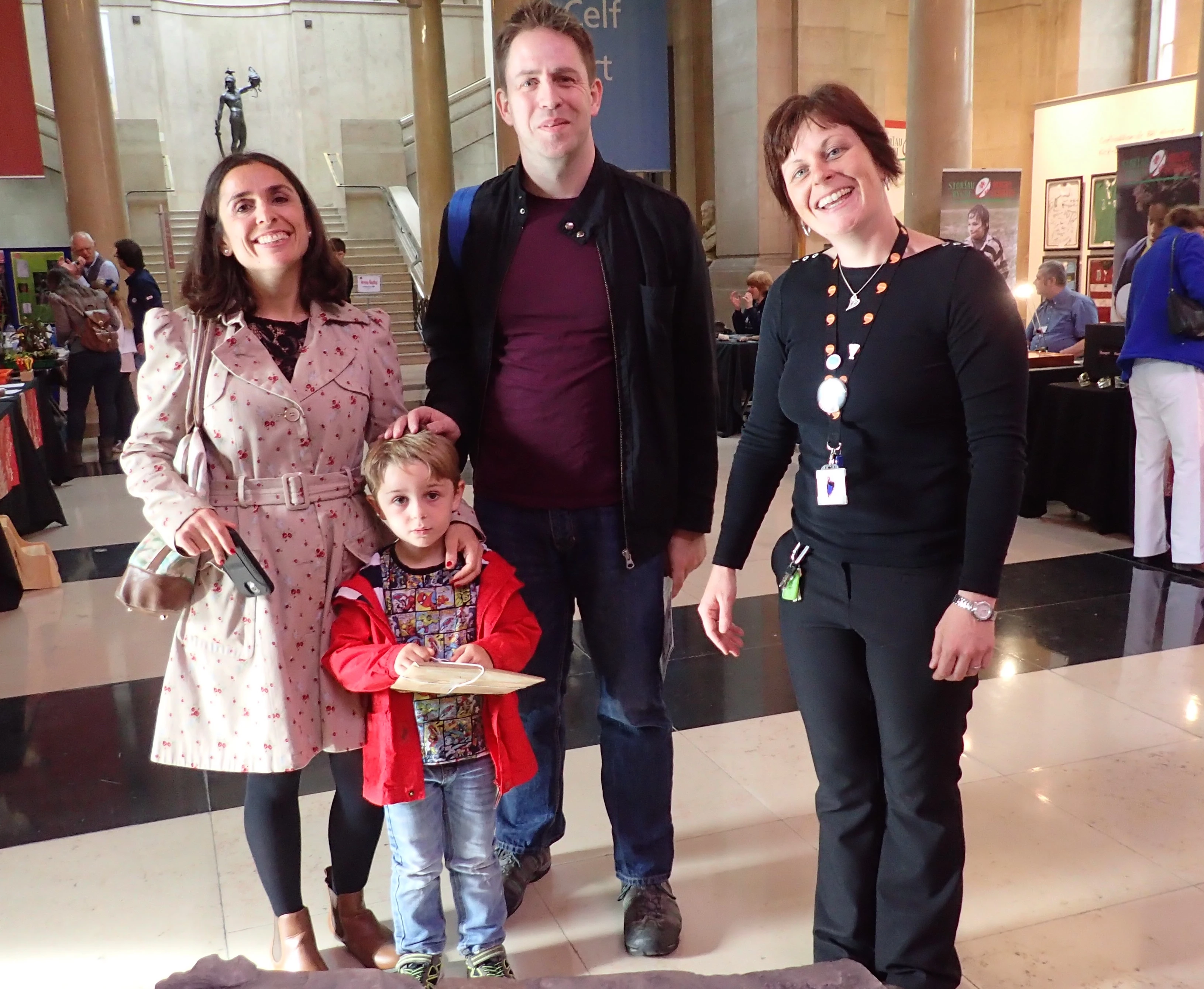
Popping up once again at Capitol Cardiff Katie Mortimer-Jones, 2 September 2015 Staff from the Museum's Natural Science Department have been popping-up at the Capitol Shopping Centre in Cardiff again this year with their 'I Spy Nature' Pop-up Museum. Museum curators and learning staff showed a plethora of objects and specimens from the Natural History collections at National Museum Cardiff to shoppers over a six day period in July and August. Over 1200 people visited the pop-up museum and saw fossils, minerals, marine invertebrates, a beautiful botanical display of common British species and a variety of insects from around the world. Created for this year’s display was an ingenious dark box for viewing florescent minerals under UV light. Visitors could be seen donning their safety specs to view inside. Our younger visitors were encouraged to utilise their drawing skills to draw some of the specimens on display as part of our drawing competition. Competition winners will be announced shortly and the winning entries will be displayed on the blog. We were even lucky enough to be visited by singer and actress Connie Fisher, whose favourite object was a fossilised fish.The I Spy Nature exhition at National Museum Cardiff will run until 3rd January 2016.
Seaweed Collections Online Katherine Slade, 28 August 2015 Our seaweed collection has become a lot more accessible to the public for research and learning. Selected seaweeds from our collection are now available on the Seaweed Collections Online Website as part of a project in collaboration with other UK museums and herbaria.The project is a collaboration between museums and botanic gardens from all over the UK, bringing together their seaweed collections into one virtual space. Here at Amgueddfa Cymru, we have been taking images of each specimen so that the public can view them in detail online, along with their associated data. Initially, over 600 specimens will be accessible, with more added as new specimens enter the collection.Each seaweed specimen is a piece of evidence that shows that a species was at a particular place, at a particular point in time. Combining the data from all UK specimens creates a powerful tool for research, for example to track changes in species distributions. Species chosen for the project include non-natives, indicators of environment change, large brown seaweeds, and those of conservation concern.Data is searchable via name, date, collector, locality etc., and you can browse images in the media gallery. People wishing to view the actual specimen will be able to find out the institution holding it, to arrange a loan or visit.The recently acquired Eifion Jones & Margaret Martin collection has 120 specimens represented online. This 1,000-specimen collection, as well as recent collections made by staff at Amgueddfa Cymru, has helped to strengthen the Welsh content of the herbarium.Further details about our algal and seaweed collections are on our website. You may also want to read the Royal Botanic Garden Edinburgh and Manchester Museum articles about the Seaweed Collections Online project.Blog post by Kath Slade, Botany Curator