: Homepage

Rebuilding The Vulcan Hotel

Dafydd Wiliam, 15 June 2023

Support the Vulcan Hotel project.          
Please Donate

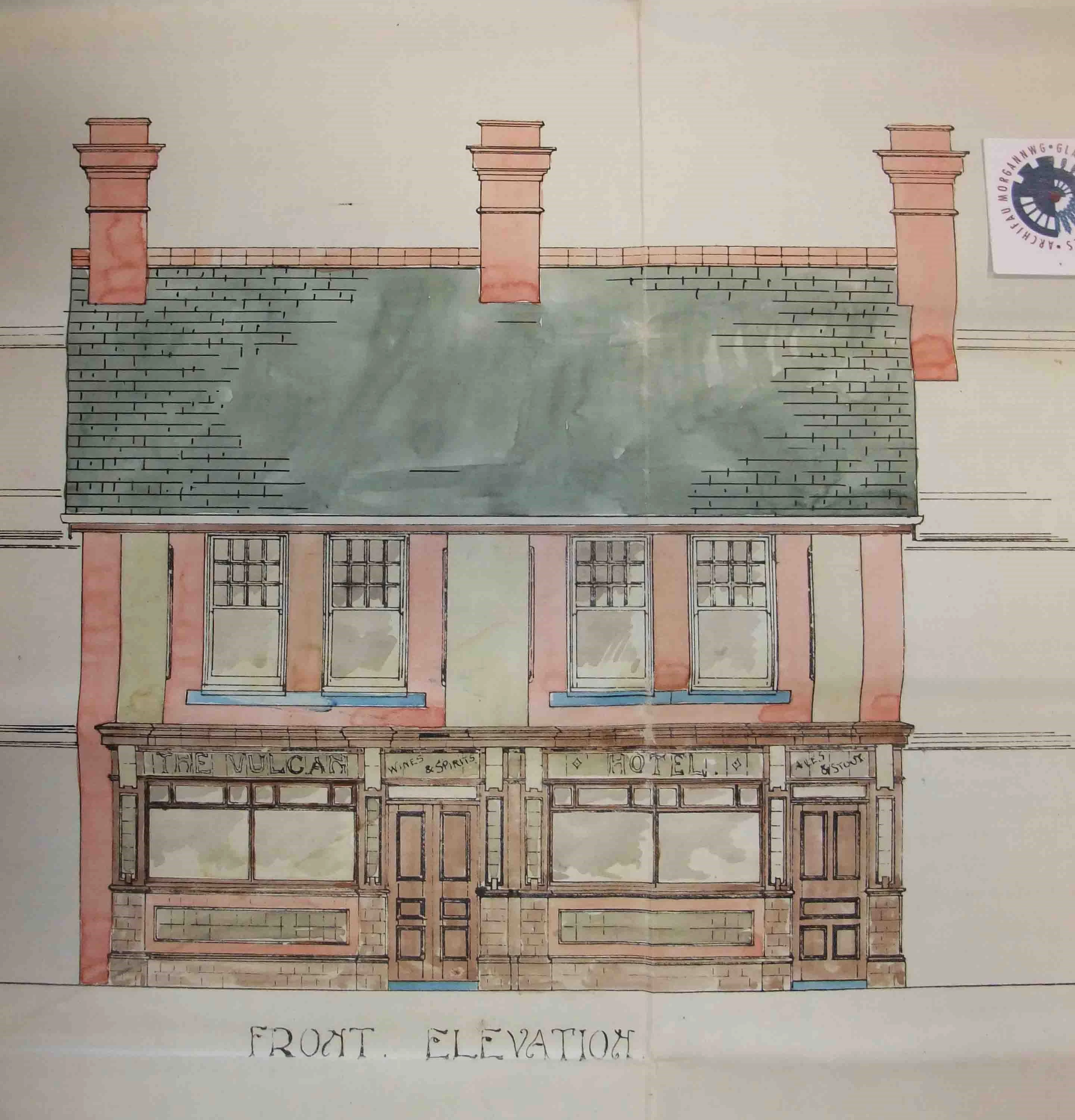
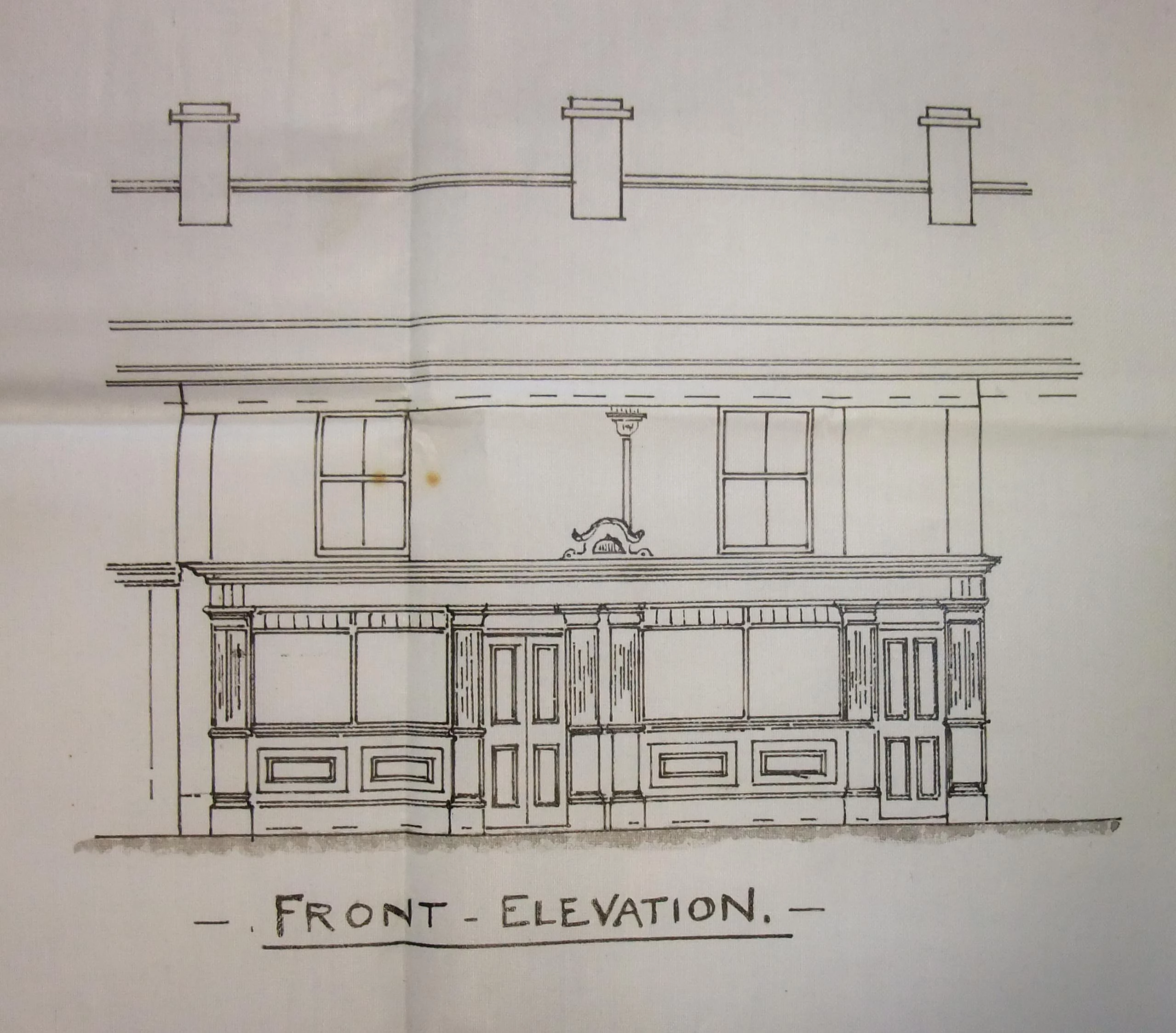
A drawing showing how the facade of The Vulcan looked prior to 1914.

The Vulcan façade, labelled 'At present' in 1914.

A drawing showing how the facade of The Vulcan would look after alterations in 1914.

 The Vulcan façade labelled 'Proposed' in 1914.

The façade

The Vulcan Hotel was first registered as an ‘ale house’ in 1853. By the time it was dismantled by the Museum in 2012 it had seen several phases of alterations. The scale of the 1901 and 1914 alterations required approval by the County Planning Authority and these plans are held today by the Glamorgan Archives. Further work was undertaken in 1925 and 1941.

The planning application from 1914 features two drawings of the façade (the 1901 application doesn’t show the façade). A drawing in black and white was labelled ‘Present’ while a drawing in colour was labelled ‘Proposed’. No written text survives to accompany the drawings, but careful study can shed more light on the proposed changes. The most obvious alteration was the number of windows on the first floor was increased from two to four, which were flanked by new, raised pilasters of red brick. The parapet fronting the roof, depicted as a series of horizontal lines above the windows was removed, the chimneys were altered, and the roof was tiled in new, grey slate. Another change - which is quite subtle on these drawings - is the most dramatic in The Vulcan’s history. The whole building was increased in height. The ‘at present’ drawing shows a roof of the same height as its neighbours, while the ‘proposed’ drawing shows The Vulcan being taller than those either side of it.

The configuration of the ground floor façade remained unchanged – two doorways and two windows, each divided into two large panes with fanlights above. Looking closely, however, there are several key differences which suggest that they are in fact, two different facades. The ‘at present’ drawing depicts two fielded panels under each window, while the ‘proposed’ drawing has only one. The number of door panels are different. The pilasters on either side of the windows, depicted in the ‘at present’ drawing, are fluted and stop short of the frieze, while the pilasters in the ‘proposed’ drawing aren’t fluted and continue through the frieze to the cornice above. There are seven fanlights above each windowpane in the ‘at present’ drawing, while the ‘proposed’ drawing shows only three. The decorative finial above the cornice was removed and last but not least, only the ‘proposed’ drawing features the inscriptions THE VULCAN HOTEL, WINES & SPIRITS and ALES & STOUT. 

Although not made clear by the plans, we assume that the drawing labelled ‘Present’ depicts a ground floor façade made of timber, and that the façade proposed in 1914 was of glazed earthenware tiles - which remained in place until 2012. 

The tiles

By the time the Museum dismantled The Vulcan in 2012, the colourful brown and green tiles of the façade had had been in place for 97 years, and as a result many were so damaged that they could not be reused. Many more wouldn’t separate from the cement that was used to bond them in place. The tiles bearing the Vulcan’s name fared much better as they were higher up the building, and they will be kept for future display. The tiles were manufactured by Craven Dunnill, of Ironbridge, Shropshire – fortunately, their name was stamped on the back of the tiles. As the company is still going, we decided to commission a whole new set of tiles for the rebuilt Vulcan – and these were cast from the very same wooden moulds that were used to cast the originals.

The windows

The leaded windows of The Vulcan were installed at the same time as the tiles – as part of the major refurbishment completed in 1915. Looking closely, they are to be seen in a photograph depicting the Vulcan that was taken in 1919. An article published in The Western Mail on 16 December, 1914 stated:

‘Broke Public House Window

Paul Begley (46), a cripple, was fined 10s and costs at Cardiff on Tuesday…for disorderly conduct in Adam Street and for wilfully breaking two panes of plate glass in the bar window of The Vulcan Inn. Although the damage amounted to £3, the landlord…made no claim.’

The pre-refurbishment façade featured two large windows with two large panes in each. If we presume that this article relates to one of those, then perhaps the Landlord ‘made a claim’ as he knew the windows were due to get replaced within the coming weeks or months. The switch from plate glass to small-paned leaded glass may have also been an attempt to lessen the impact of such damage in the future. It appears that the window frames fared better, as one was re-used as the rear bar window – the old opening being enlarged to fit.

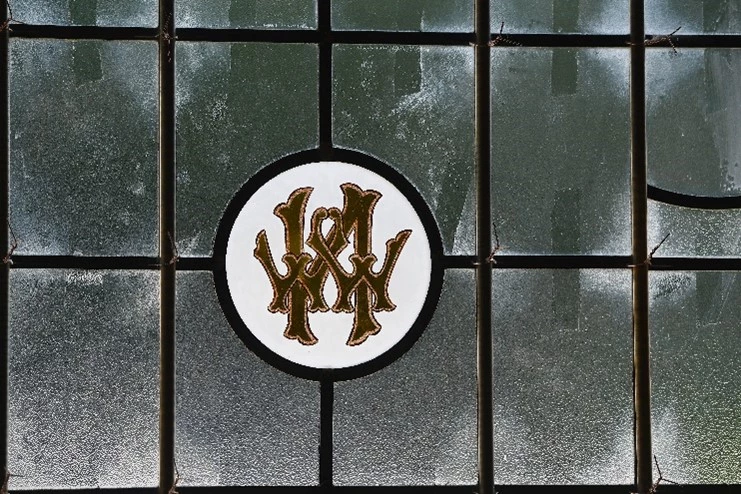
Window pane with a logo incorporating a big letter 'N' with two smaller 'W's behind. They represent William Walter Nell.

When Brains Brewery bought the pub in the 1950s, they renovated the windows and installed their Red Dragon logo in a roundel in the centre of each of the four large panes. By 2012, only one of these remained. As the rebuilt Vulcan will be set in 1915, it isn’t appropriate to include the Brains logo as they didn’t own the pub at that time. It was owned by William Walter Nell and supplied by his Eagle Brewery, based in St John’s Square, The Hayes, in Cardiff City Centre. As his W.W.N. monogram survives on a building in Merthyr Tydfil, we were able to replicate it to replace the Red Dragon. The work of reconditioning these leaded windows was undertaken by specialists from the Swansea College of Art, in the Centre for Architectural Glass. They sourced the correct glass to replace damaged panes, cleaned each individual pane of glass before putting them back in their original position, and re-leaded the windows ready for the next 97 years. 
Support the Vulcan Hotel project

Please Donate

Diwrnod Rhyngwladol y Nyrsys – stori Elizabeth Radcliffe

Elen Phillips, 11 May 2020

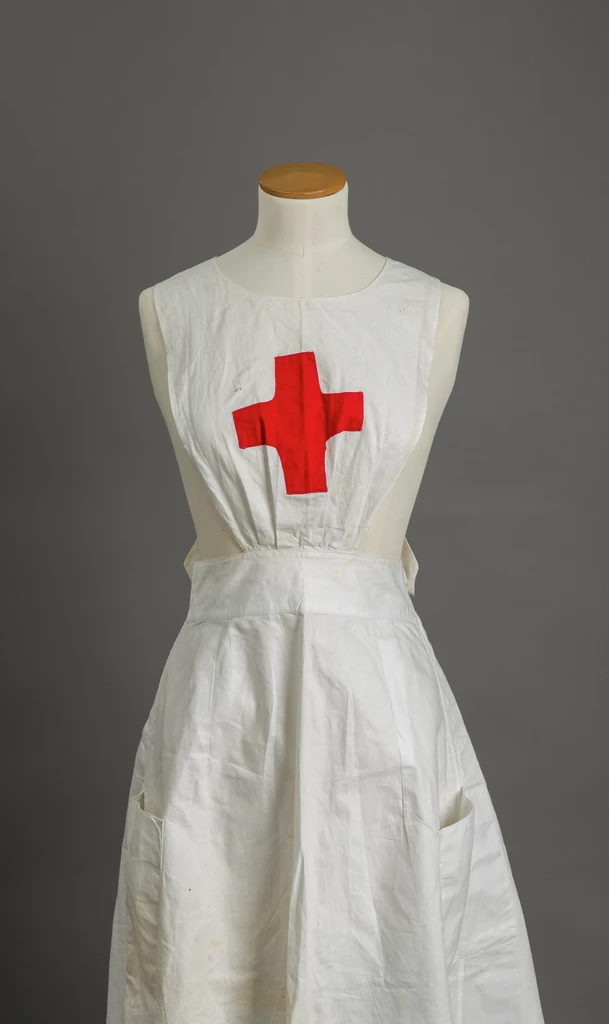
Red Cross apron worn by Elizabeth Radcliffe, 1916-19

Red Cross apron worn by Elizabeth Radcliffe, 1916-19

Heddiw (12 Mai 2020) yw Diwrnod Rhyngwladol y Nyrsys – diwrnod sy’n cael ei nodi’n flynyddol, ond sydd ag arwyddocâd arbennig eleni wrth i ni ddiolch i ofalwyr a nyrsys ledled Cymru am eu gofal a’u gwasanaeth yn ystod y cyfnod dihafal hwn.

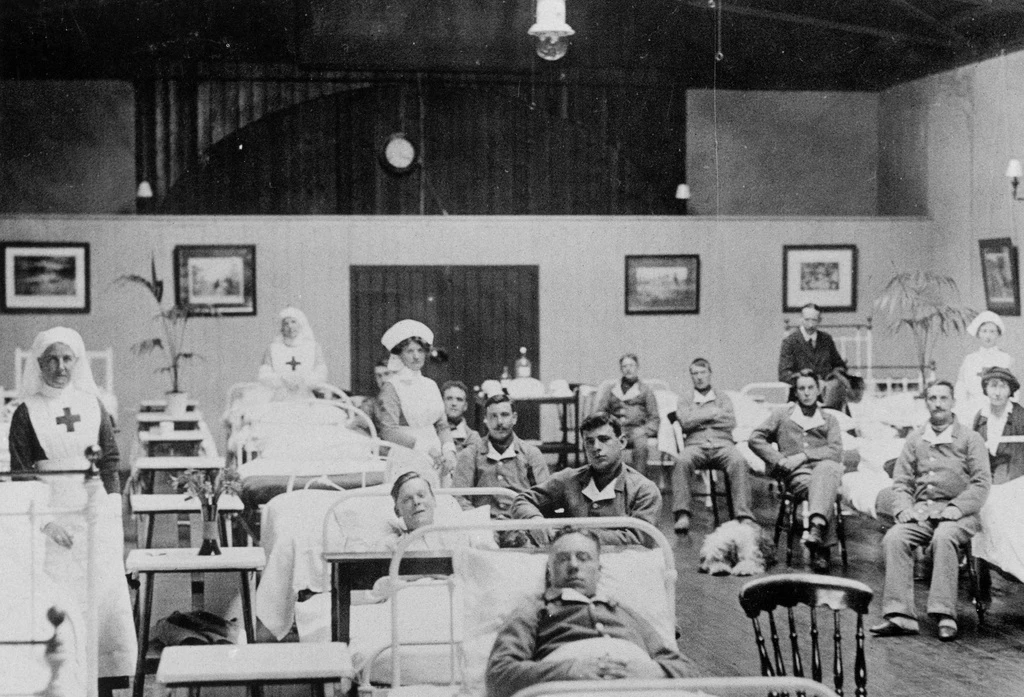
Ychydig dros ganrif yn ôl, yn debyg i heddiw, roedd aberth ac ymdrechion nyrsys a gofalwyr ar flaen meddwl y boblogaeth, ond o dan amgylchiadau gwahanol iawn wrth gwrs. Yn ystod y Rhyfel Byd Cyntaf, sefydlwyd bron i 18,000 o elusennau newydd ym Mhrydain ac fe welwyd ymgyrchu gwirfoddol ar raddfa heb ei debyg o'r blaen. Ynghyd ag Urdd Sant Ioan, roedd y Groes Goch Brydeinig yn ganolog i'r ymgyrch hon. Yn 1909, daeth y ddwy elusen ynghyd i sefydlu cynllun y Voluntary Aid Detachment (VAD), gyda'r bwriad o roi hyfforddiant meddygol i wirfoddolwyr a'u paratoi i wasanaethu gartref a thramor mewn cyfnodau o ryfel. Yn ôl ystadegau'r Groes Goch, erbyn diwedd y Rhyfel Byd Cyntaf roedd 90,000 o bobl wedi cymryd rhan yn y cynllun - yn eu plith Elizabeth Radcliffe o bentref Sain Ffagan.

Yn ferch i ofalwr capel y pentref, roedd Elizabeth a’i theulu yn denantiaid i’r Arglwydd Plymouth o Gastell Sain Ffagan. Ganwyd chwech o blant i William a Catherine Radcliffe – pedwar mab (William, Thomas, Robert a Taliesin) a dwy ferch (Elizabeth a Mary). Cyn y Rhyfel, bu Elizabeth yn gofalu am blant James Howell – un o berchnogion y siop enwog yng Nghaerdydd. Ond erbyn 1916, roedd hi nôl yn Sain Ffagan ac yn gwirfoddoli fel nyrs VAD yn yr ysbyty ategol a agorwyd ar dir y Castell ym Mawrth y flwyddyn honno. Ar y pryd, roedd hi’n 28 mlwydd oed.

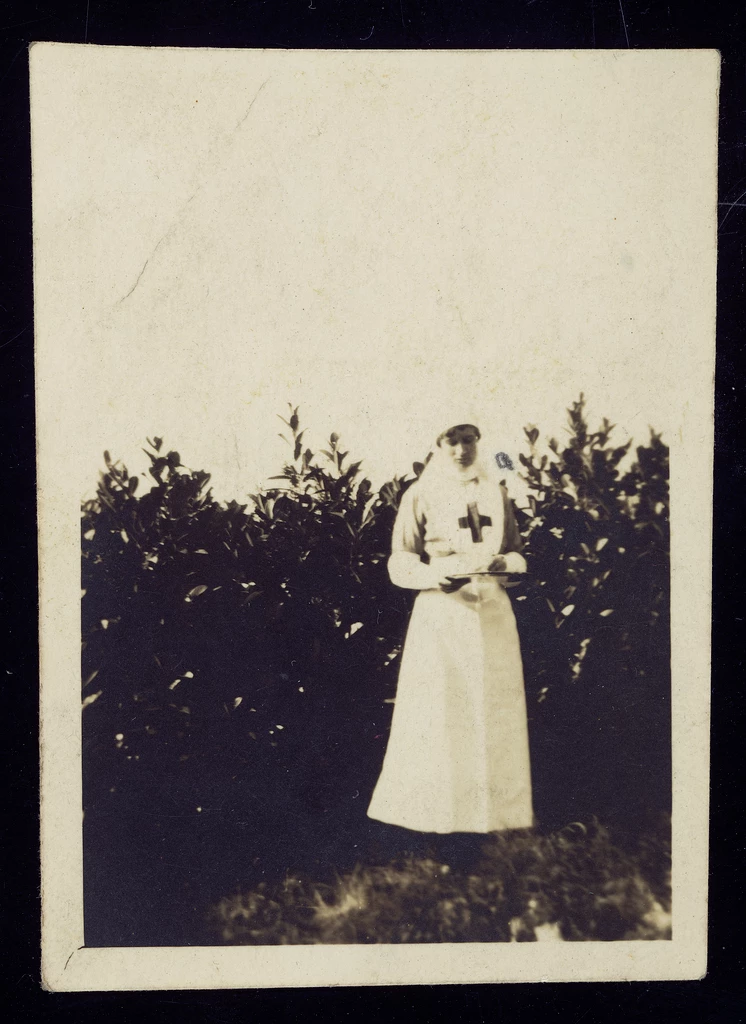
Roedd y rhan fwyaf o nyrsys Ysbyty Sain Ffagan yn wirfoddolwyr lleol – menywod o’r pentref, yn anad dim, a oedd wedi derbyn hyfforddiant sylfaenol gan y Groes Goch. Dim ond 70 o wlâu a dwy ward oedd yn yr ysbyty, felly milwyr ag anafiadau ysgafn oedd yn cael eu trin yno. Roedd gofyn i’r gwirfoddolwyr wisgo iwnifform swyddogol y mudiad, sef ffrog las a ffedog wen gyda chroes goch wedi ei phwytho ar y frest. Mae llyfrau cyfrifon Ystâd Plymouth yn cynnwys sawl cyfaniad ariannol at gostau prynu gwisgoedd i staff yr ysbyty. Mae’n debyg fod siop J. Howell & Co. ymhlith y cyflenwyr.

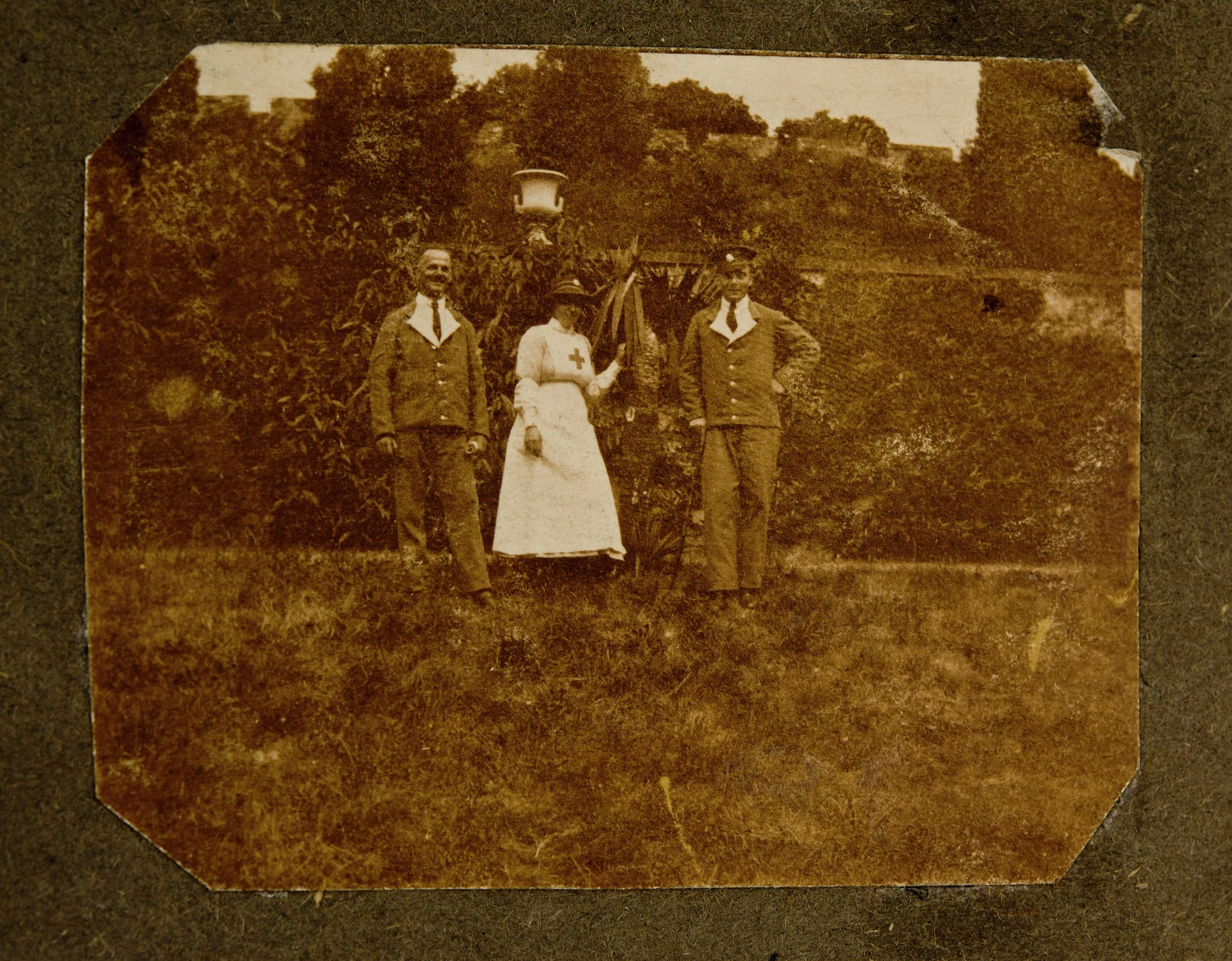
Yn ffodus iawn, mae gwisg Elizabeth Radcliffe o’r cyfnod hwn wedi goroesi, ynghyd â llun ohoni yn ei lifrai. Rhoddwyd ei ffedog a'i llewys i gasgliad yr Amgueddfa yn 1978, ac yn ddiweddar cawsom ragor o wybodaeth amdani a’i brodyr gan aelodau’r teulu. O’r pedwar brawd aeth i’r ffrynt, dim ond un ohonynt – Taliesin – ddaeth adref i Sain Ffagan yn fyw. Mae enwau William, Thomas a Robert Radcliffe i’w canfod ar gofeb rhyfel y pentref, ynghyd ag Archer Windsor-Clive - mab ieuengaf yr Arglwydd Plymouth - a laddwyd ym Mrwydr Mons. Mae’n amhosibl i ni amgyffred â mawredd y golled i Elizabeth a’i rhieni – un teulu ymysg y miliynau a rwygwyd gan erchyllterau’r Rhyfel Mawr.

Os hoffech ddarganfod mwy am waith y Groes Goch yn ystod y Rhyfel Byd Cyntaf, mae adnoddau gwych ar wefan y mudiad. Mae llu o wrthrychau a delweddau perthnasol yn y casgliad yma yn Sain Ffagan hefyd. Ewch draw i'r catalog digidol i ddarganfod mwy.

Victory in Europe Day

5 May 2020

VE Day marks the occasion in 1945 when the Allied forces accepted Nazi Germany's surrender, bringing an end to the Second World War in Europe.

Here you can learn more about Wales during the Second World War through objects from the collection.

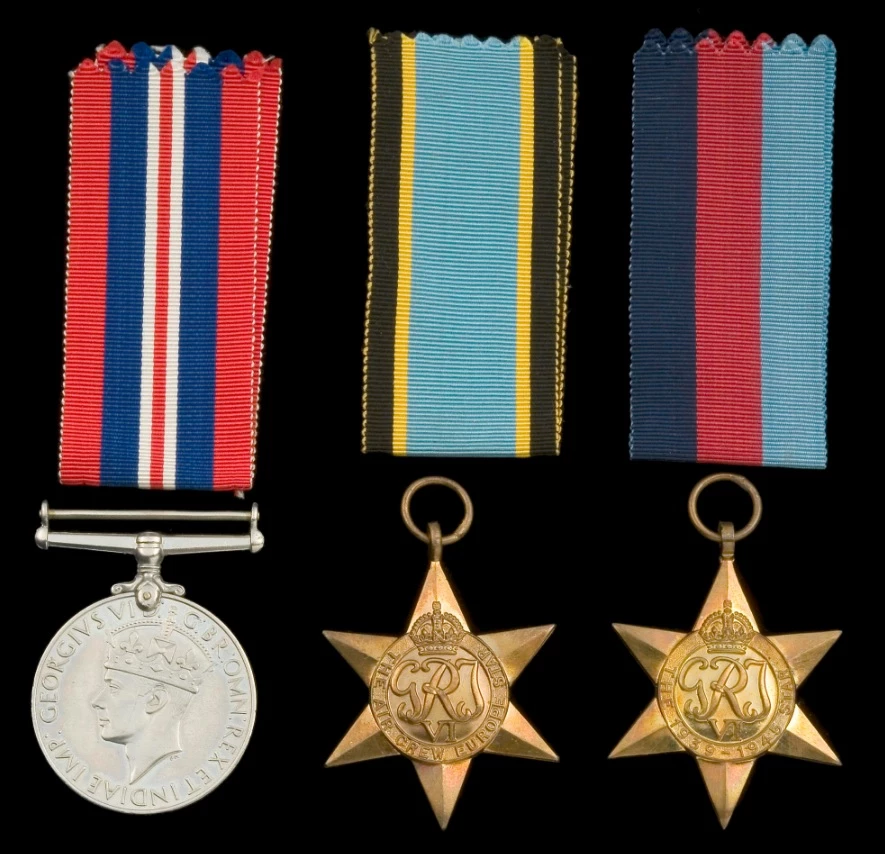
Sgt Evans’ medals (from left to right): The War Medal, The Air Crew Europe Star, The 1939-1945 Star

Sgt Evans’ medals (from left to right): The War Medal, The Air Crew Europe Star, The 1939-1945 Star.

The National Museum Wales’ collection of Second World War medals attests to the incredible heroism and sacrifice of Welsh servicemen and civilians between 1939 and 1945.

Read More


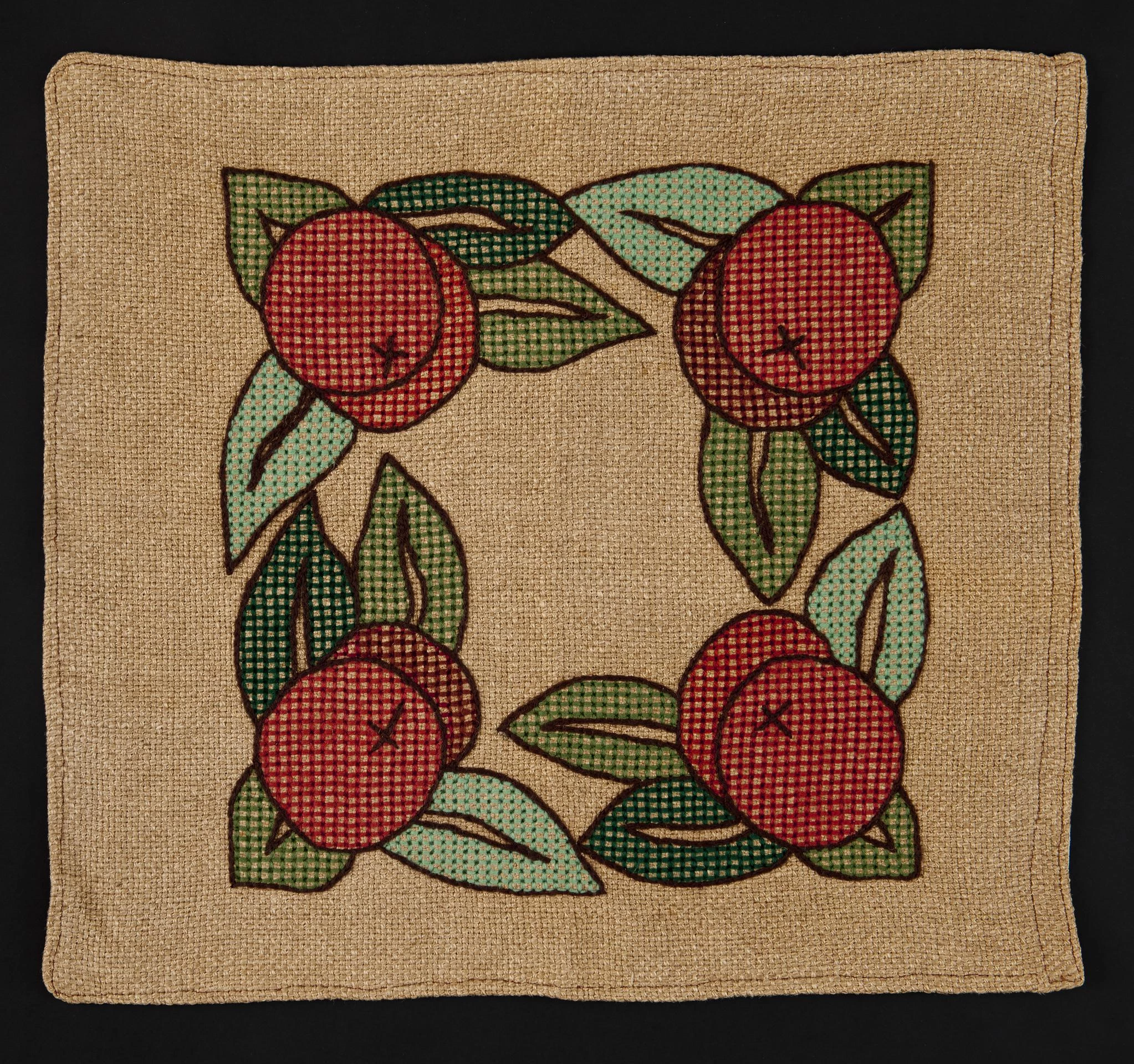
Following food rationing in 1940, clothes rationing came into force in June 1941. The main reason was to reduce the need for raw materials and to redirect labour to war work.

Read More

 
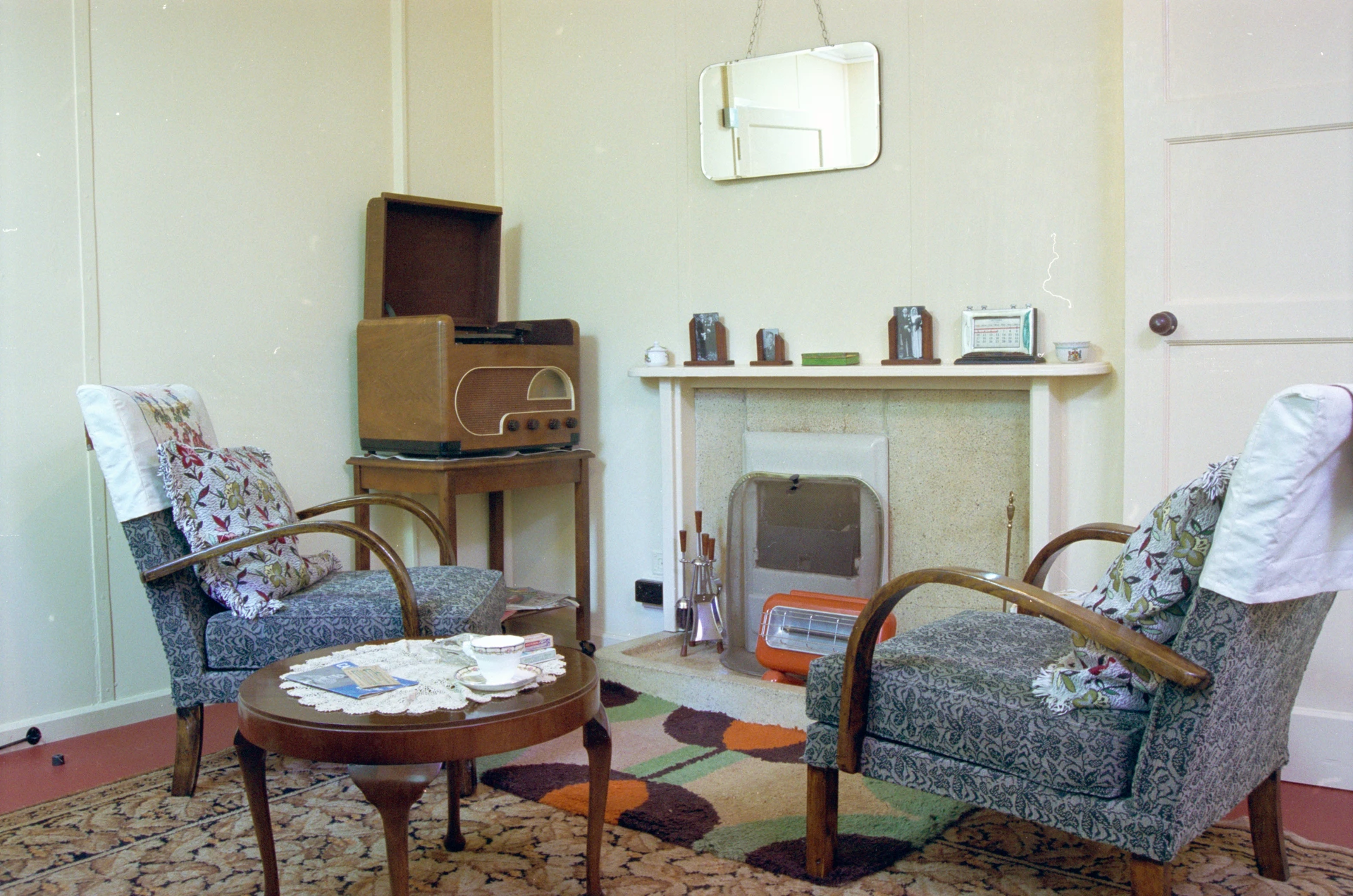
Utility fireside chairs in the Prefab living room, St Fagans National Museum of History

Utility fireside chairs in the Prefab living room, St Fagans National Museum of History

In 1941, the Board of Trade designed a collection of furniture of simple design that could be produced cheaply, which was referred to as ‘utility furniture'.

Read More


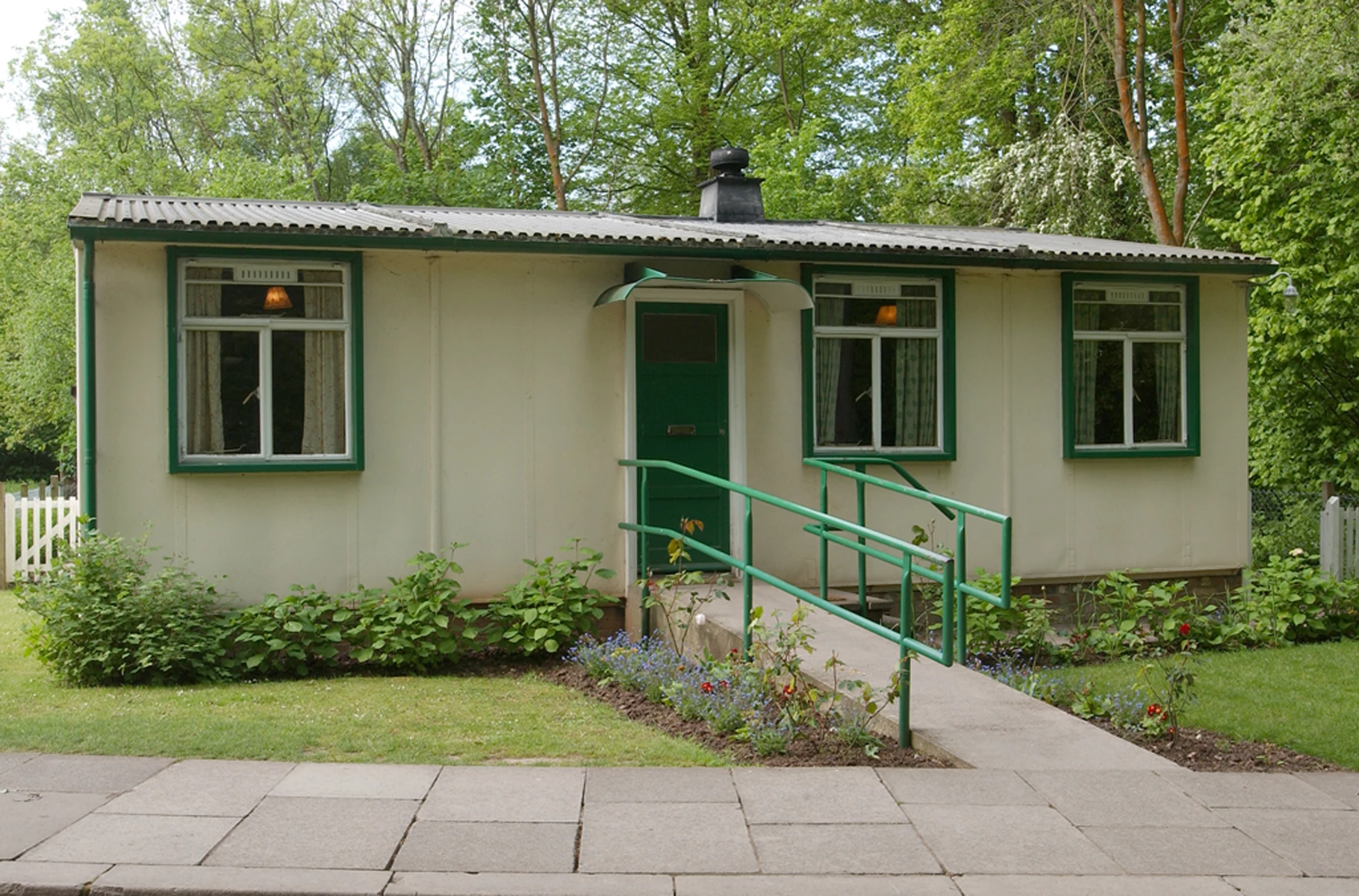
Thousands of British homes were destroyed by bombing during the Second World War. They could not be replaced immediately because of the shortage of builders and materials.

Read More


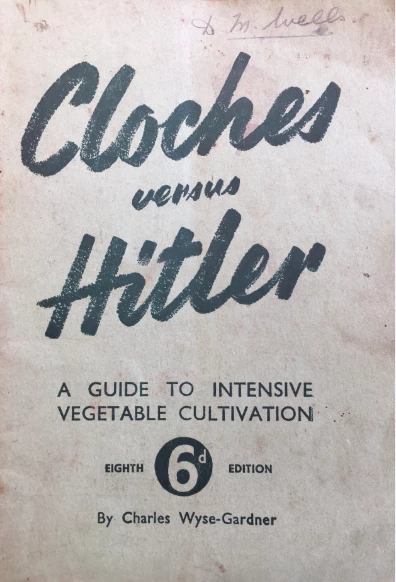
Some have drawn similarities between our current situation and the Second World War – long queues outside shops, empty shelves and rationing of items in our supermarkets.

Read More


Cymru Yfory

Jennifer Evans, 5 June 2019


The Investiture of the Prince of the Wales at Caernarfon Castle made 1969 a particularly exciting year in Wales. And an exhibition held at National Museum Cardiff reflected the patriotic fervour of the investiture with the wonder and excitement of the first humans on the moon during the Apollo 11 mission with Cymru Yfory – Wales Tomorrow. It was held in the Main Hall and was the museum’s official contribution towards the celebrations of Investiture Year.

As the forward in the catalogue put it:

"If a National Museum chooses to open its doors to contributions from the designer’s studio, the market place, the planner’s office or the research laboratory, no precedent is necessary. The Victoria & Albert Museum did these things excitedly in 1946 in the exhibition, Britain can make it . We saw then, after many drab years, a splash of enterprise and colour and an unexpected promise for the future.

For its main contribution to the year of the Investiture and of Croeso ’69 [a year long campaign to promote Welsh tourism and business built around the Investiture], the NMW has chosen deliberately to look beyond its ordinary boundaries and also to look into the future.

It has invited contributions from organisations of all sorts and the brief has been simple: that the ideas presented should be imaginative and for the future. They are not promises; they may not even be pleasant, but at least they refer to aspects of a possible future…"

Stands and ceiling display [with the General Post Office stand to the left]

Stands and ceiling display [with the General Post Office stand to the left]


The exhibition represented a major break with the traditions of the Museum; it was showing that it had an interest not only in the past, but in the life of the community in the present and the future. The whole of the Main Hall was used – isolated from the rest of the Museum by hanging drapes and a magnificent inflated plastic ceiling. For the first time professional designers were commissioned to design and plan the exhibition; Alan Taylor (Senior Designer, BBC Wales TV) and John Wright (Principal of Newport College of Art) co-ordinated the design of exhibits contributed by over twenty organisations. The results were spectacular, an immediate surprise to every visitor who had known the Main Hall as a dignified setting for classical sculpture.

The range and imagination of the stands on display at this 1969 exhibition were vast; they included ideas and plans for the Cardiff of the future, for the valleys, for the Severn Estuary and for housing and schools. Some were realistic but most were fantastical and frivolous – especially exhibits illustrating clothing, furniture and domestic habits of the future. A major contributor was General Industrial Plastics Limited, manufacturers and designers of plastic products who made the magnificent inflated ceiling display, pieces of air filled furniture and the plastic carrier bag provided with the official catalogue. Cardiff College of Art, the National Coal Board, the City of Cardiff, the General Post Office and British Rail also contributed stands.

As part of the fun atmosphere, a spoof contributor named Kumro Kemicals Corporation was created. The catalogue states they were established in 1999 (bear in mind this event took place in 1969!) and that their products were “the result of the most intensive research programme ever undertaken by any corporation in the Western Hemisphere…” As part of their contribution, Kumro produced sealed envelopes bearing the following message, DO NOT OPEN UNTIL 1999 – and the Library still holds one of these that remains unopened!

When publishing images, copyright issues need to be considered and a number of these photographs are stamped on the reverse with either Hylton Warner & Co Ltd or Giovanni Gemin (Whitchurch Road, Cardiff). Internet searches brought up a little information on Hylton Warner but nothing current and no information at all was found concerning Giovanni Gemin. Therefore, a notice was placed on the Photo Archive News website requesting communication from anyone who might be familiar with these two photographers. After some time, we were contacted by the son of Giovanni Gemin. Award-winning author Giancarlo Gemin was kind enough to grant permission to publish the photographs and also tell us the following about his father:

"He was an industrial and commercial photographer based in Cardiff from 1961. He worked regularly for BBC Wales, and was one of the official photographers at the investiture of the Prince of Wales. He was awarded the Chartered Institute of Incorporated Photographers (AIIP) and an Associate of Master Photographers (AMPA)".

Models standing beneath the clear plastic ceiling installation

Models standing beneath the clear plastic ceiling installation


As well as items of ephemera such as the official catalogue, carrier bag, stickers etc. we are fortunate to hold two volumes of comments books. These are a fascinating record of visitors’ thoughts and the majority are very positive but, not everyone appreciated looking to the future instead of a classical past and to end this post, here are just a few that have made us smile:

BW, Rhwibina – "Awful"

RM, Rhondda – "Not as good as the British Museum"

MB, Cheltenham – "Baffled!"

MD, Durham – "I prefer the face of OLD WALES proud and noble not false and plastic"

CS, Cardiff – "Needs dusting"

L, Cardiff – "Rubbish, waste of good museum space!"

TO, County Cork – "TRASH"

 
Inflatable ceiling display in process of construction

Inflatable ceiling display in process of construction

 
  • Selection of ephemera
  • Courtaulds display [Hylton Warner image courtesy of Drake Education Associates]
  • General Post Office [GPO] display
  • City of Cardiff display

We also recently made contact with Drake Educational Associates who purchased Hylton Warner along with copyright of all their photographs a number of years ago. We thank them also for allowing us to use the images in this article.