: Collections

Diwrnod Rhyngwladol y Nyrsys – stori Elizabeth Radcliffe

Elen Phillips, 11 May 2020

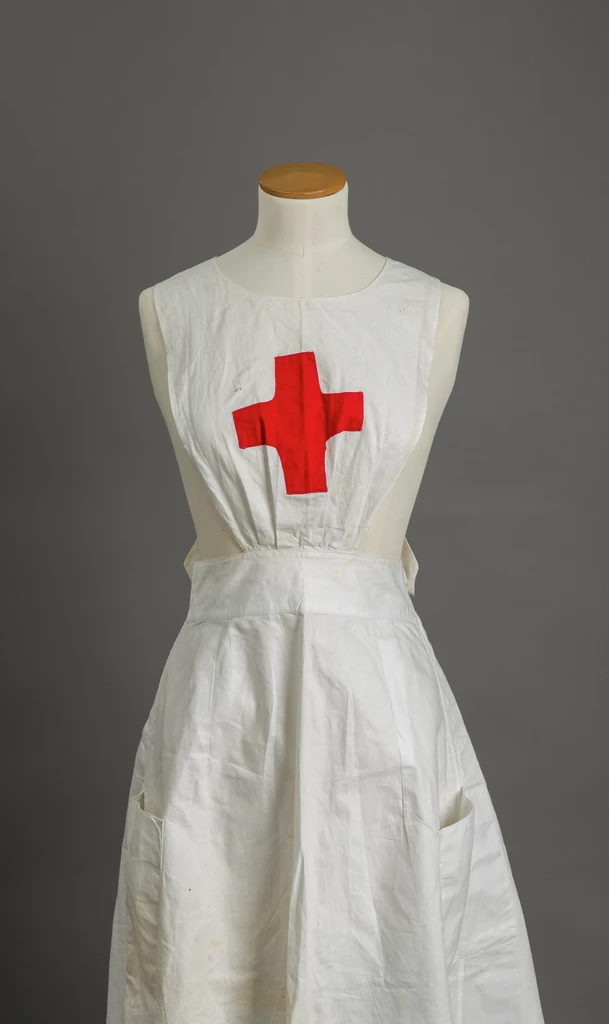
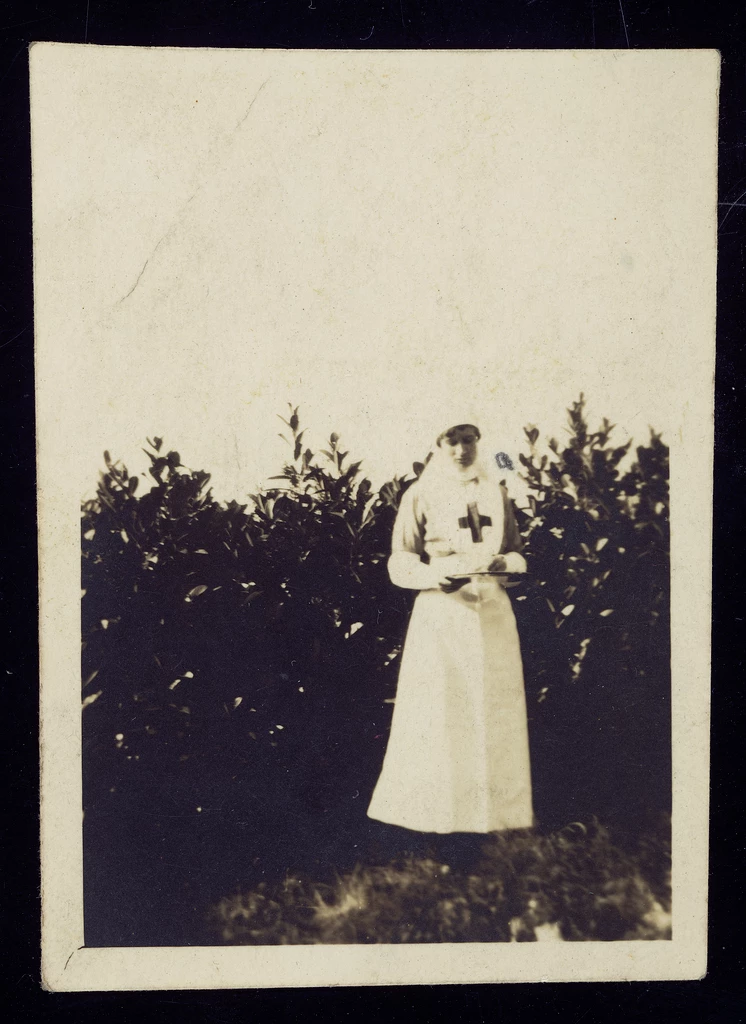
Red Cross apron worn by Elizabeth Radcliffe, 1916-19

Red Cross apron worn by Elizabeth Radcliffe, 1916-19

Heddiw (12 Mai 2020) yw Diwrnod Rhyngwladol y Nyrsys – diwrnod sy’n cael ei nodi’n flynyddol, ond sydd ag arwyddocâd arbennig eleni wrth i ni ddiolch i ofalwyr a nyrsys ledled Cymru am eu gofal a’u gwasanaeth yn ystod y cyfnod dihafal hwn.

Ychydig dros ganrif yn ôl, yn debyg i heddiw, roedd aberth ac ymdrechion nyrsys a gofalwyr ar flaen meddwl y boblogaeth, ond o dan amgylchiadau gwahanol iawn wrth gwrs. Yn ystod y Rhyfel Byd Cyntaf, sefydlwyd bron i 18,000 o elusennau newydd ym Mhrydain ac fe welwyd ymgyrchu gwirfoddol ar raddfa heb ei debyg o'r blaen. Ynghyd ag Urdd Sant Ioan, roedd y Groes Goch Brydeinig yn ganolog i'r ymgyrch hon. Yn 1909, daeth y ddwy elusen ynghyd i sefydlu cynllun y Voluntary Aid Detachment (VAD), gyda'r bwriad o roi hyfforddiant meddygol i wirfoddolwyr a'u paratoi i wasanaethu gartref a thramor mewn cyfnodau o ryfel. Yn ôl ystadegau'r Groes Goch, erbyn diwedd y Rhyfel Byd Cyntaf roedd 90,000 o bobl wedi cymryd rhan yn y cynllun - yn eu plith Elizabeth Radcliffe o bentref Sain Ffagan.

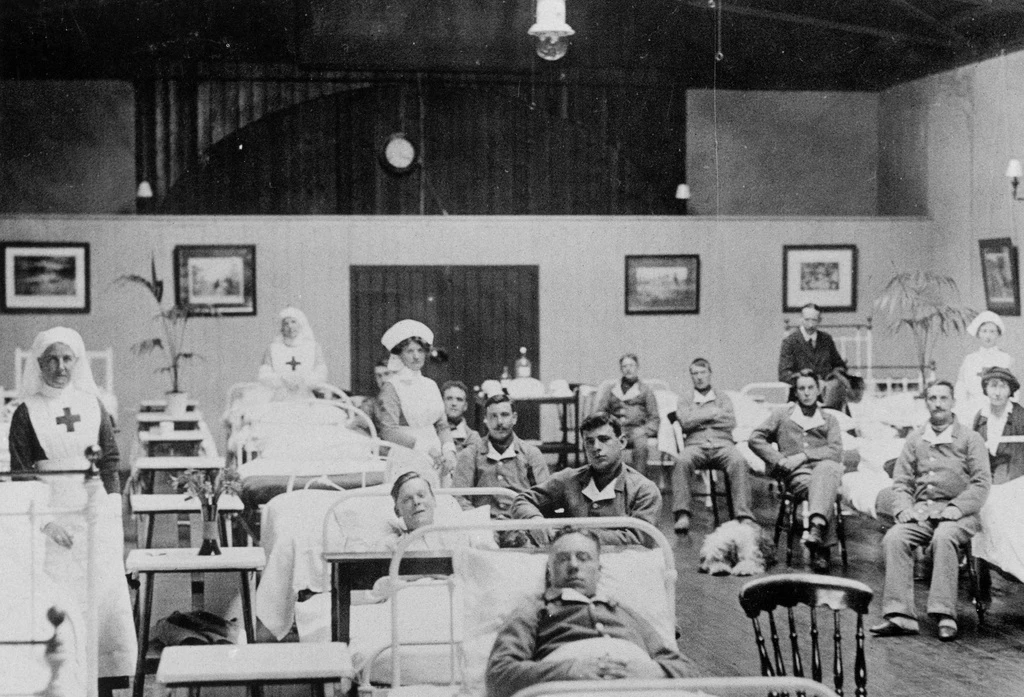
Yn ferch i ofalwr capel y pentref, roedd Elizabeth a’i theulu yn denantiaid i’r Arglwydd Plymouth o Gastell Sain Ffagan. Ganwyd chwech o blant i William a Catherine Radcliffe – pedwar mab (William, Thomas, Robert a Taliesin) a dwy ferch (Elizabeth a Mary). Cyn y Rhyfel, bu Elizabeth yn gofalu am blant James Howell – un o berchnogion y siop enwog yng Nghaerdydd. Ond erbyn 1916, roedd hi nôl yn Sain Ffagan ac yn gwirfoddoli fel nyrs VAD yn yr ysbyty ategol a agorwyd ar dir y Castell ym Mawrth y flwyddyn honno. Ar y pryd, roedd hi’n 28 mlwydd oed.

Roedd y rhan fwyaf o nyrsys Ysbyty Sain Ffagan yn wirfoddolwyr lleol – menywod o’r pentref, yn anad dim, a oedd wedi derbyn hyfforddiant sylfaenol gan y Groes Goch. Dim ond 70 o wlâu a dwy ward oedd yn yr ysbyty, felly milwyr ag anafiadau ysgafn oedd yn cael eu trin yno. Roedd gofyn i’r gwirfoddolwyr wisgo iwnifform swyddogol y mudiad, sef ffrog las a ffedog wen gyda chroes goch wedi ei phwytho ar y frest. Mae llyfrau cyfrifon Ystâd Plymouth yn cynnwys sawl cyfaniad ariannol at gostau prynu gwisgoedd i staff yr ysbyty. Mae’n debyg fod siop J. Howell & Co. ymhlith y cyflenwyr.

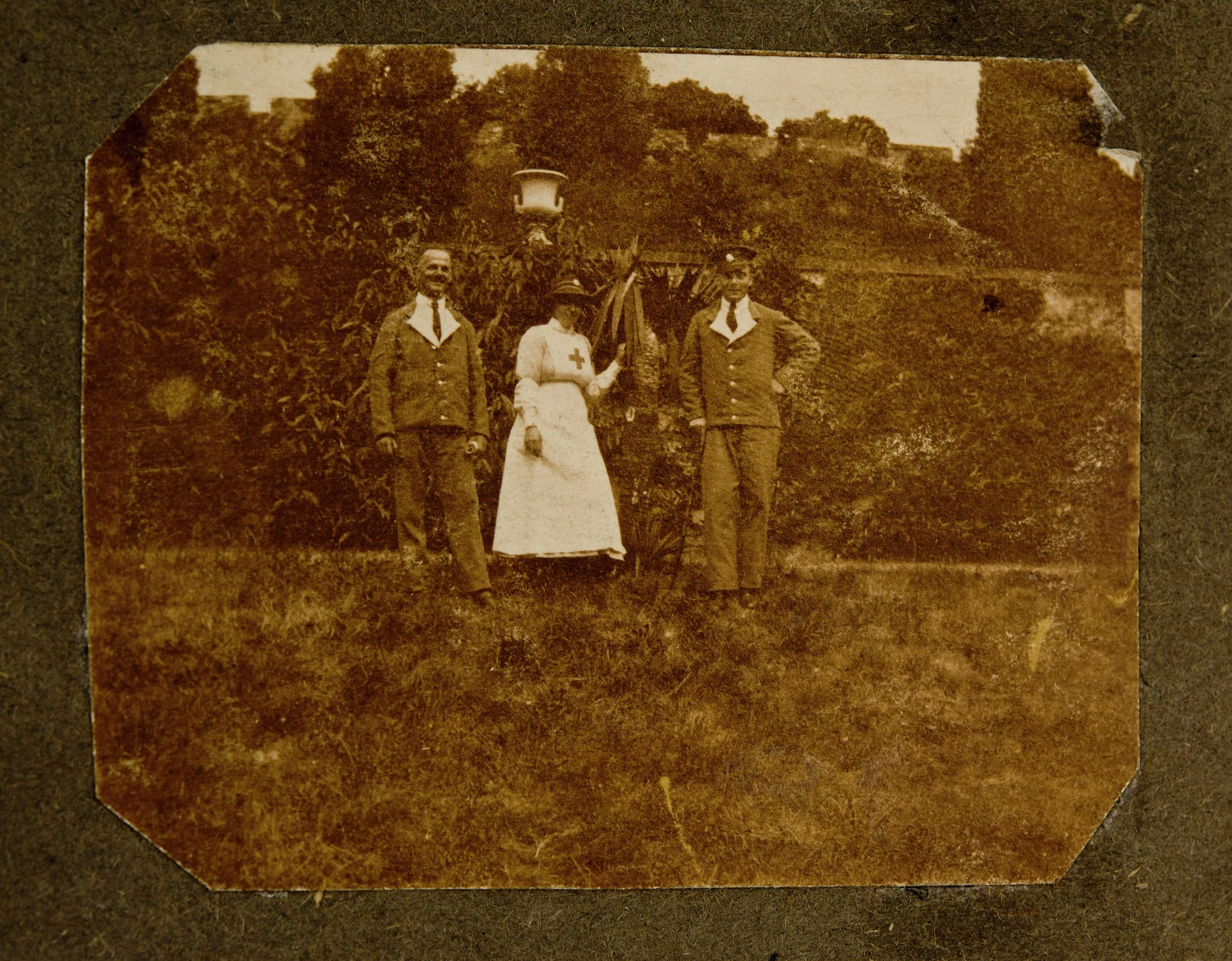
Yn ffodus iawn, mae gwisg Elizabeth Radcliffe o’r cyfnod hwn wedi goroesi, ynghyd â llun ohoni yn ei lifrai. Rhoddwyd ei ffedog a'i llewys i gasgliad yr Amgueddfa yn 1978, ac yn ddiweddar cawsom ragor o wybodaeth amdani a’i brodyr gan aelodau’r teulu. O’r pedwar brawd aeth i’r ffrynt, dim ond un ohonynt – Taliesin – ddaeth adref i Sain Ffagan yn fyw. Mae enwau William, Thomas a Robert Radcliffe i’w canfod ar gofeb rhyfel y pentref, ynghyd ag Archer Windsor-Clive - mab ieuengaf yr Arglwydd Plymouth - a laddwyd ym Mrwydr Mons. Mae’n amhosibl i ni amgyffred â mawredd y golled i Elizabeth a’i rhieni – un teulu ymysg y miliynau a rwygwyd gan erchyllterau’r Rhyfel Mawr.

Os hoffech ddarganfod mwy am waith y Groes Goch yn ystod y Rhyfel Byd Cyntaf, mae adnoddau gwych ar wefan y mudiad. Mae llu o wrthrychau a delweddau perthnasol yn y casgliad yma yn Sain Ffagan hefyd. Ewch draw i'r catalog digidol i ddarganfod mwy.
Food Rationing during the Second World War

Mared McAleavey, 5 May 2020

Can you imagine how you would feel today if you were told that you couldn't buy your favourite food?

Or, if you could, you could only buy a small amount that would have to last you a week and you would have to queue up for it?

This is what happened to people during the Second World War (1939 -45) when rationing was introduced in Britain.

Why was rationing introduced in Britain during the Second World War?

Adolf Hitler, Germany's dictator, tried to force an early end to the war by attacking ships carrying food and other resources heading for Britain.

He wanted to starve the nation into defeat and his weapon was a fleet of submarines or U boats which travelled across the Atlantic.

In Wales, as in other parts of the country, their planes also targeted ports and docks, as well as goods trains in industrial places such as Newport, Swansea and Cardiff.

What was Rationing in the Second World War?

Certain items, in particular food, were in very short supply and difficult to buy in people's usual shops.

People started to panic buy in a manner similar to recent times as in the petrol or Covid crisis.

So, the Government introduced rationing as a fair system to allow people to have a certain amount of food each week.

Other countries involved in the war such as America had rationing too. Some people remembered rationing as it had also taken place during the First World War (1914 -18).

When did Food Rationing start in Britain in the Second World War?

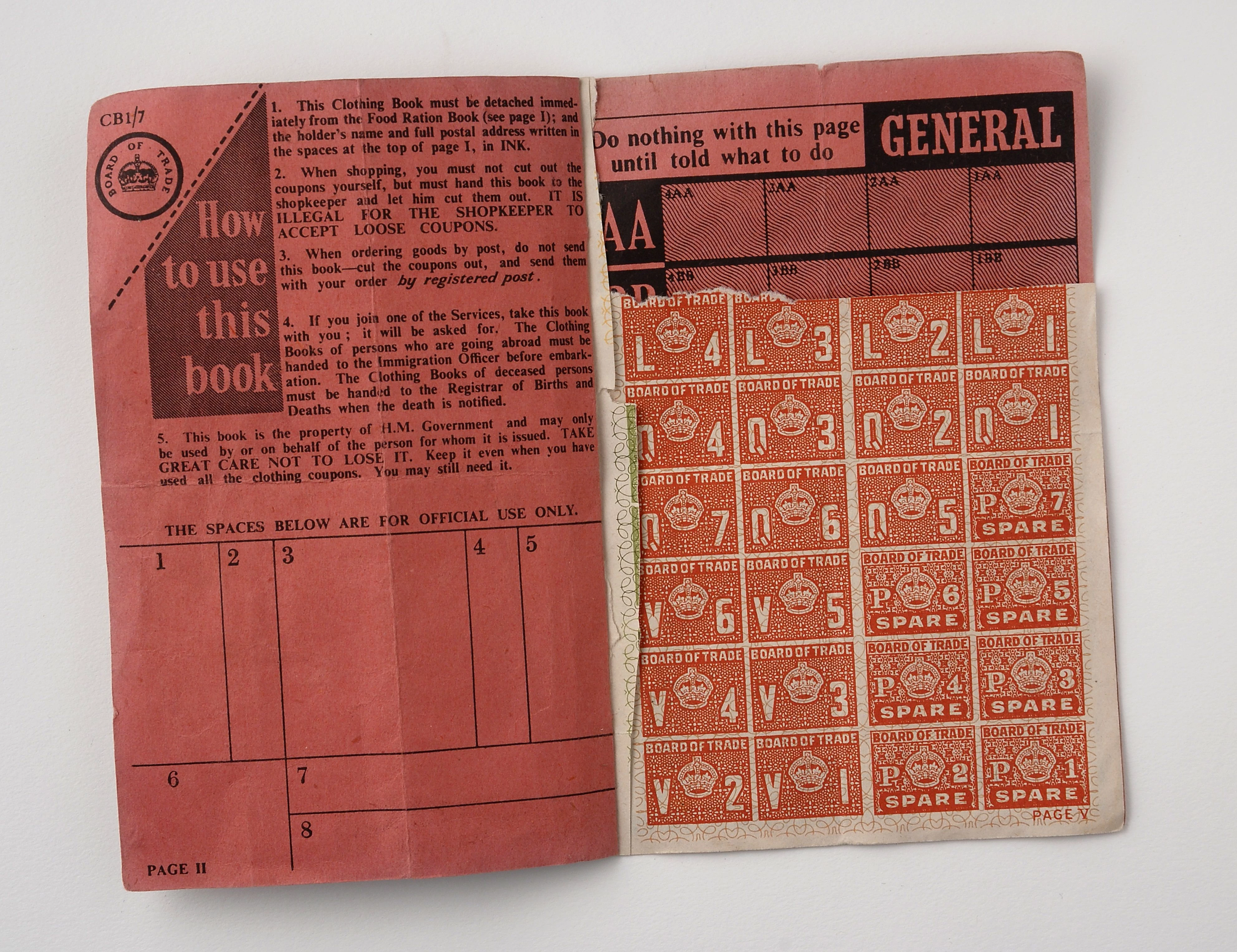
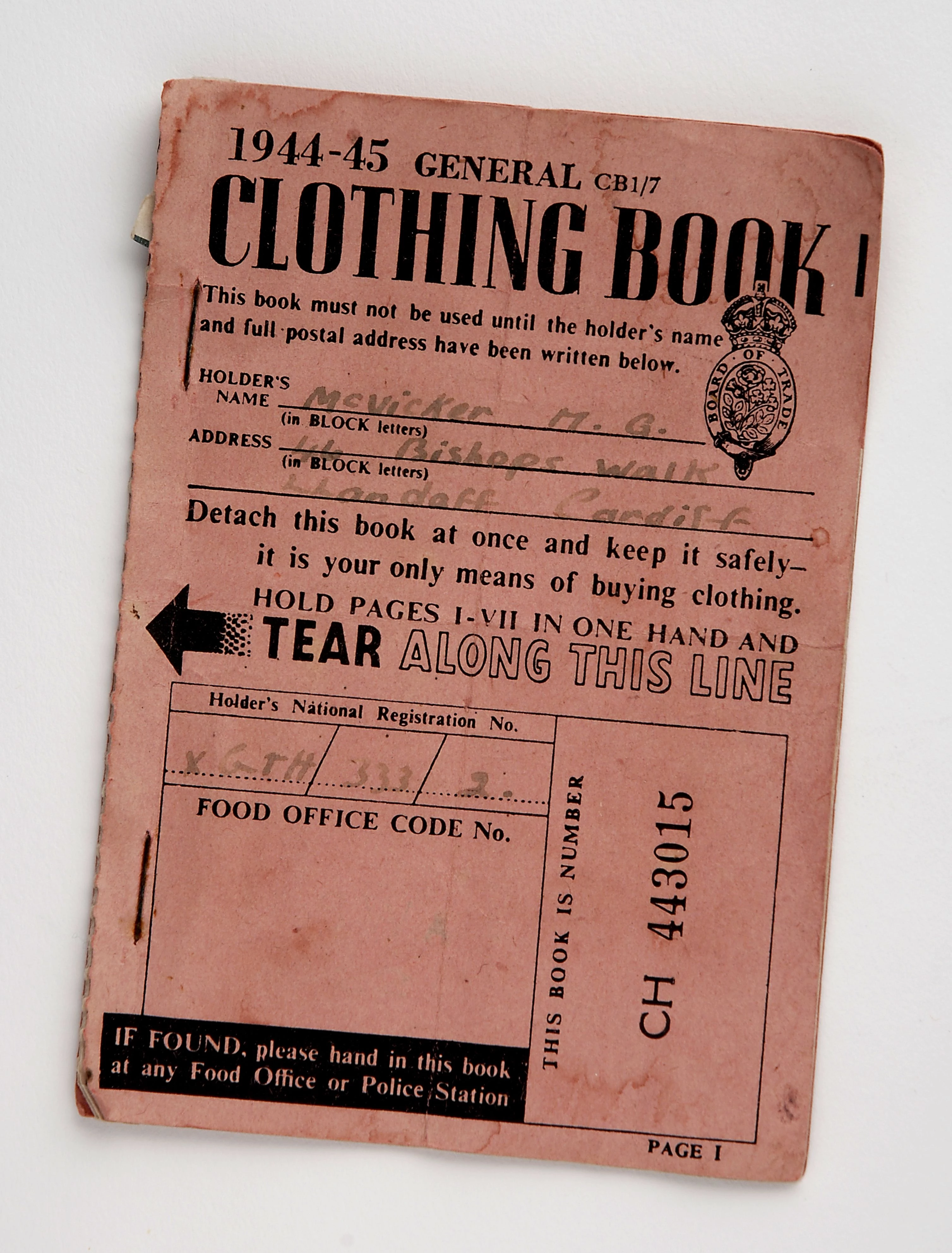
World War 2 ration card

With the shortage of food during the First World War still fresh in the memory, the government introduced the food rationing scheme in January 1940.

How did the rationing system work?

Every person in the country, including children, received a ration book and each home had to register with a local butcher, grocer and milkman who had to ensure they had enough food for their customers.

The ration books contained coupons which had to be presented when items were bought. Everyone had a ration book, including members of the Royal Family.

The list of foods which were rationed grew as the war continued.

The rules were very strict and people who were caught trying to cheat were fined or sent to prison.

Often people who were poor or unemployed and undernourished in the pre-war years were much better fed in wartime because of rationing.

How did rationing affect people's lives in the Second World War?


Dig for Victory, by Mary Tunbridge

Dig for Victory, by Mary Tunbridge.

In 1939 the government began its "Dig for Victory" campaign and it issued a series of colourful posters to encourage people to grow their own fruit and vegetables.

Some of these posters can be seen in Blaenwaun Post Office and the tailor's shop at the Museum.

Surplus products were made into jam, pickles or chutney which could be eaten in the winter.

People also kept goats, chickens, rabbit and pigs. Pigs were particularly popular as they would eat virtually anything and could be fattened up quickly to be killed for their meat.

Woolton Pie

Woolton Pie was a pastry dish of vegetables and was widely served in the war.

It enabled people to use the both the vegetables they grew and those which were rationed, thus giving them a nutritious diet.

Who were Potato Pete and Doctor Carrot?

To make the campaign appealing, two characters, Potato Pete and Doctor Carrot were created to promote eating vegetables.

They appeared in most recipes in books and magazines.

Potato Pete and Doctor Carrot

What sort of food was rationed in Britain during the Second World War?

Here is an example of a ration for one adult during the war:

  • Bacon and ham 4oz
  • Butter 2oz
  • Cheese 2oz
  • Margarine 4oz
  • Cooking fat 4oz
  • Milk 3 pints
  • Sugar 8oz
  • Jam 1lb every two months
  • Tea 2oz
  • Eggs, 1 a week, if available powdered egg packet every four weeks.

Children, because they were still growing, received extra milk, orange juice and cod liver oil.

Many non - food items were also rationed such as soap, clothing, petrol and paper.

When did rationing end after the Second World War?

In 1945 the war ended but rationing continued.

Because of poor weather conditions, bread was rationed until 1948 and potatoes were also in short supply.

Some food was not restricted at all e.g. whale meat but, not surprisingly, this never proved popular with British people!

It was only in the early 50s that some foods were no longer rationed i.e. tea in 1952, eggs, cream, sugar and sweets in 1953 cheese, and butter, cheese and cooking oil in 1954 and meat and bacon in 1954.

Here is a photo of Mrs. Barbara Donaldson from Aberdare, Mid Glamorgan.

Mrs. Barbara Donaldson from Aberdare

She remembered rationing quite clearly as she was 13 years old when war broke out.

The dried egg was quite tasty and had a great deal of uses, she said.

After the war, she always refused to buy margarine as she said it had an artificial taste and reminded her of the war years and "The White Cliffs of Dover" a song she was never keen on!

dried eggs can in world war 2

Lesser known facts about Rationing in the Second World War.

Whale meat was 'off ration', i.e. it was available for people to buy without ration books.

It was not popular with the British public as they thought it had an unpleasant smell and tasted bland even when spices were added to it.

Because bananas were imported i.e. brought from countries abroad, they were one food item which was not available at all during the Second World War.

Some fruiterers would put sign in their windows stating, "Yes, we have no bananas!" to raise people's spirits. This was inspired by a 1920s American catchy and fun song of the same name.

Other fruits which many children never saw until the war was over were oranges, lemons, pineapples and grapes all of which were also imported.

Rationing furniture during the Second World War

Sioned Williams, 5 May 2020

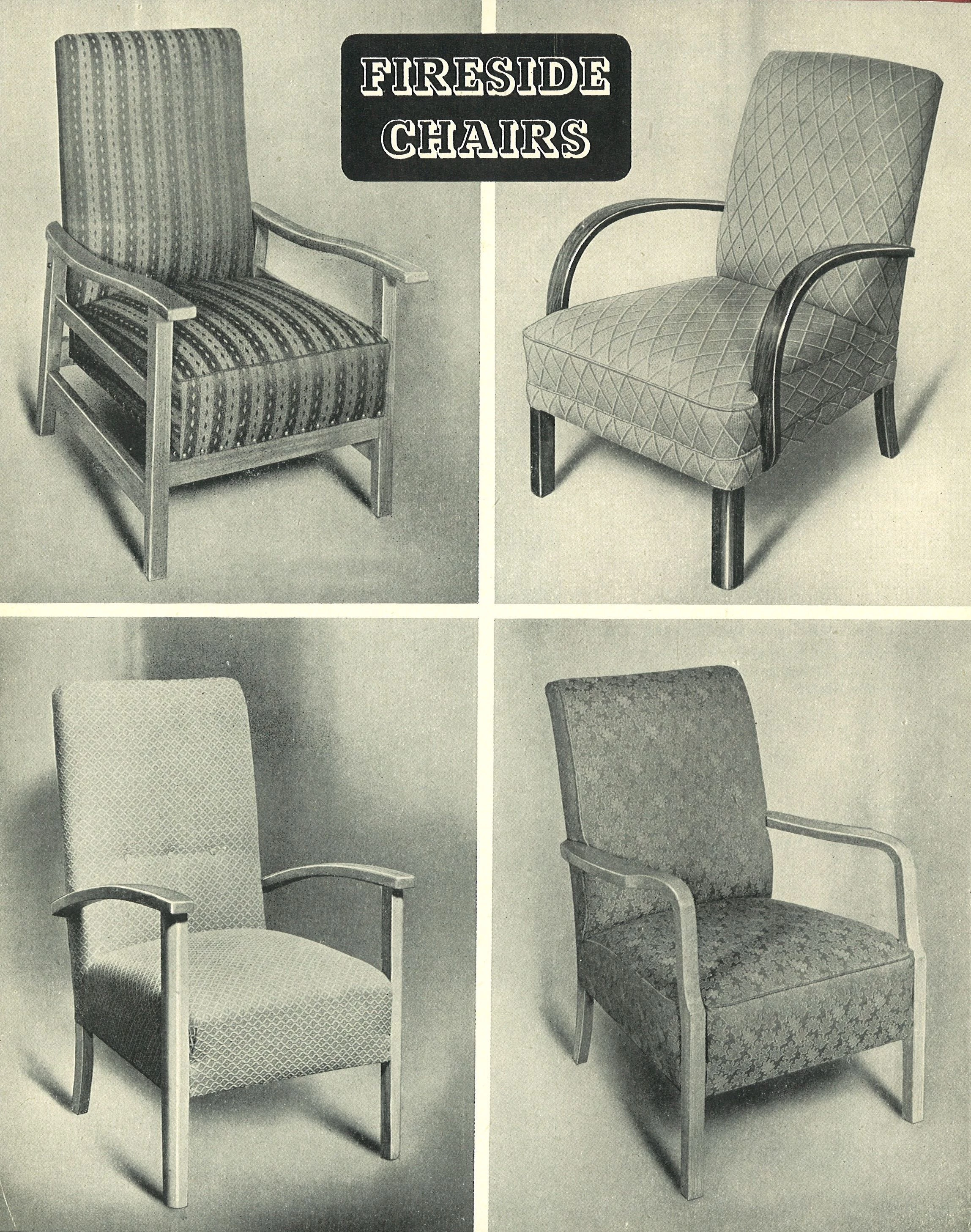
Page from utility furniture catalogue, 1947

Page from utility furniture catalogue, 1947

Reusing, recycling and make do and mend was part of life during the harsh rationing of the Second World War. Everyday materials that would have once been in abundance were scarce so buying from new wasn’t an option for many. The only new furniture produced during the war came under a government rationing scheme.

In 1941, the Board of Trade designed a collection of furniture of simple design that could be produced cheaply, which was referred to as ‘utility furniture’. In 1942, Sir Hugh Dalton, the Chair of the Board of Trade announced their aim:

To secure the production of furniture of sound construction, in simple but agreeable designs and at reasonable prices.

The first utility furniture catalogue was published in 1943 with a collection of around 30 pieces. They were designed by the advisory committee headed by furniture designer, Gordon Russell. The pieces were simple and modern, with a nod to the arts and crafts style. Every piece produced had to conform to the utility scheme standards and was stamped with the logo, ‘CC41’ (Controlled Commodity 1941).

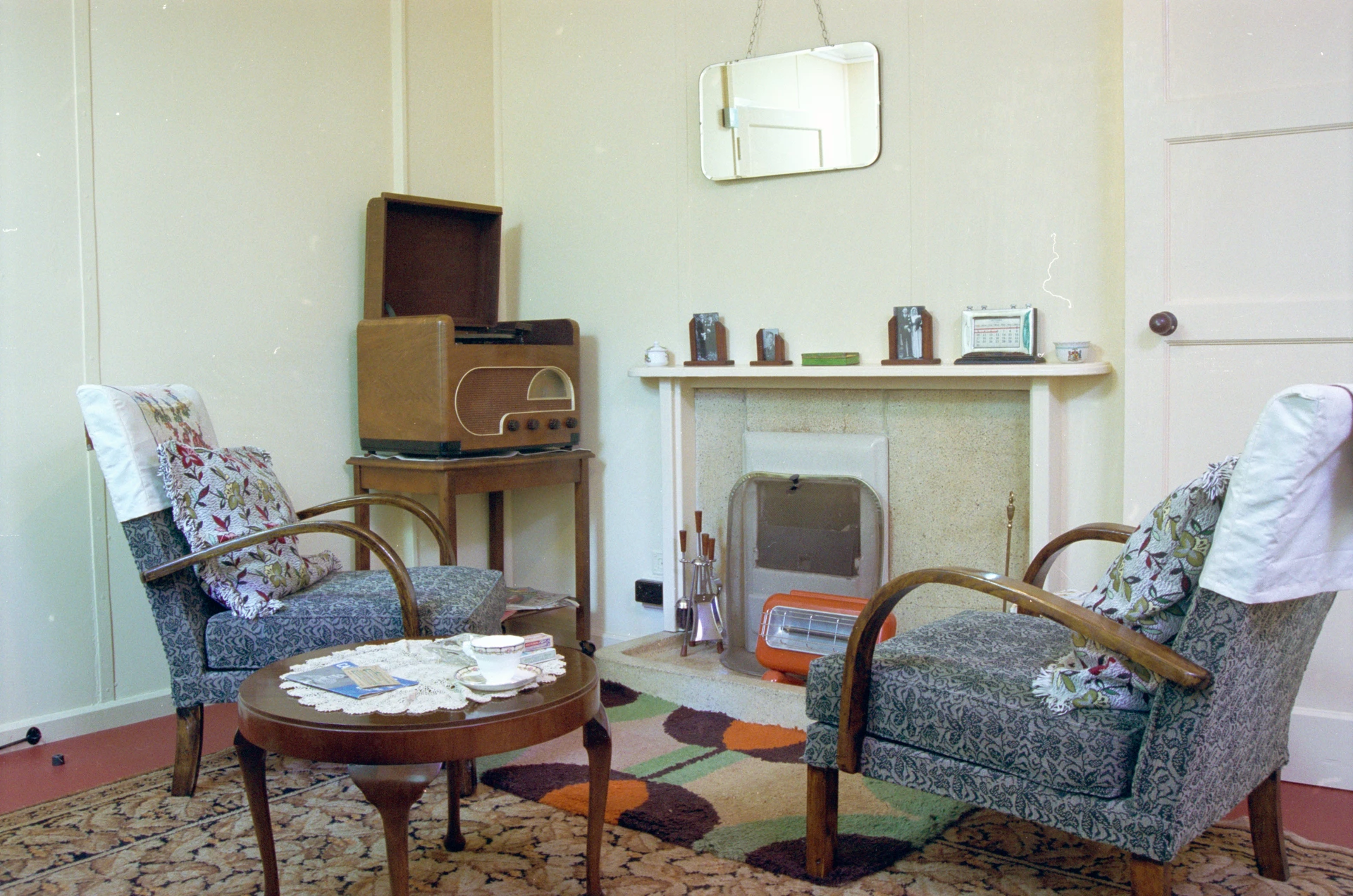
Utility furniture was available to order either from the catalogue or local shops and was paid for through a voucher scheme. Every piece was valued in units, for example a fireside chair was worth 6 units and a sideboard was worth 8 units. Not everyone was elegible and people would apply for a permit before receiving up to 30 units worth of vouchers. Priority was given to those who had lost their homes during the war and to young couples moving to new homes such as the prefabs.

A few pieces of utility furniture are on display in the Prefab at St Fagans National Museum of History. The prefabs were built in response to the housing shortage after the war. They were cleverly designed to include fitted storage cupboards in every room in order to limit the amount of new furniture needed. The end of the war in 1945 wasn’t the end of rationing and the utility scheme persisted through the years of austerity until 1952.