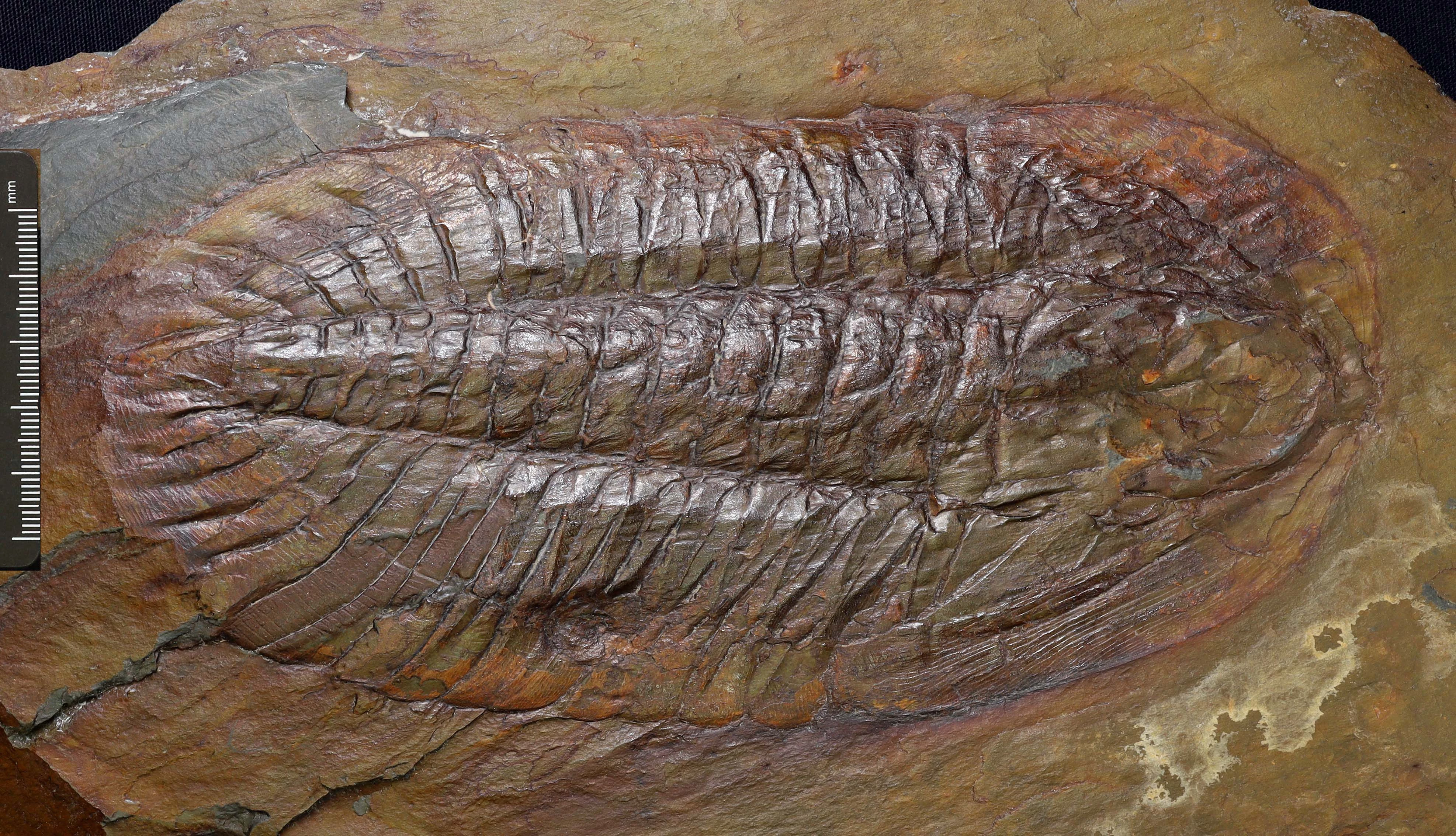
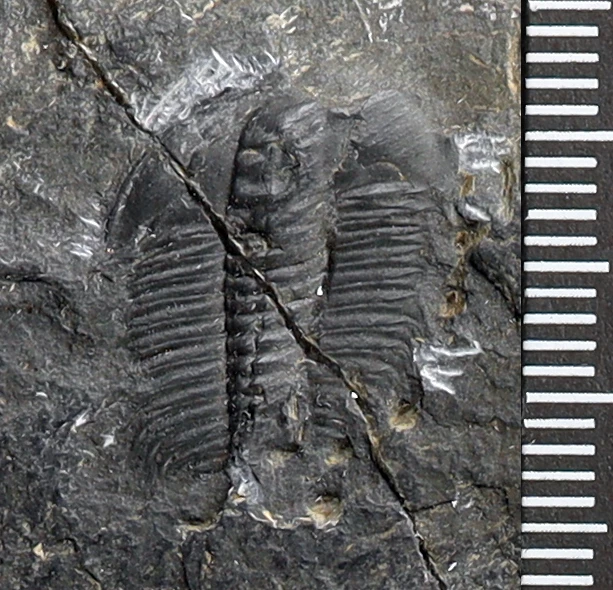
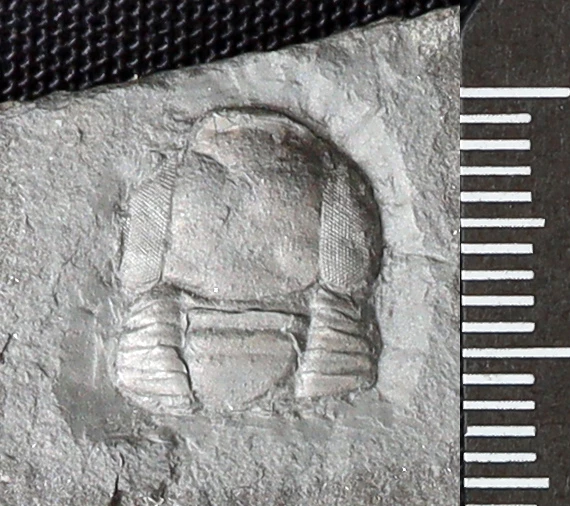
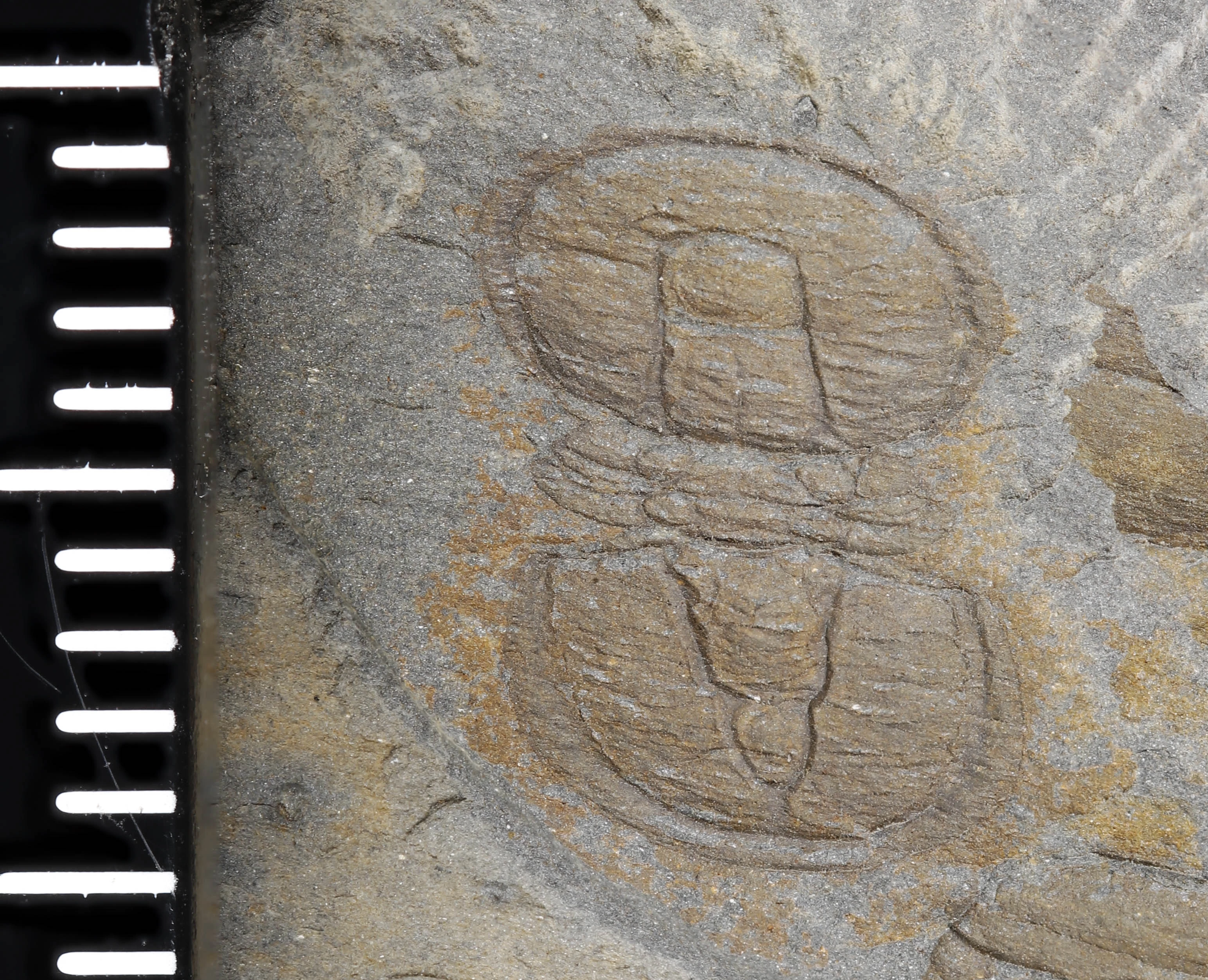
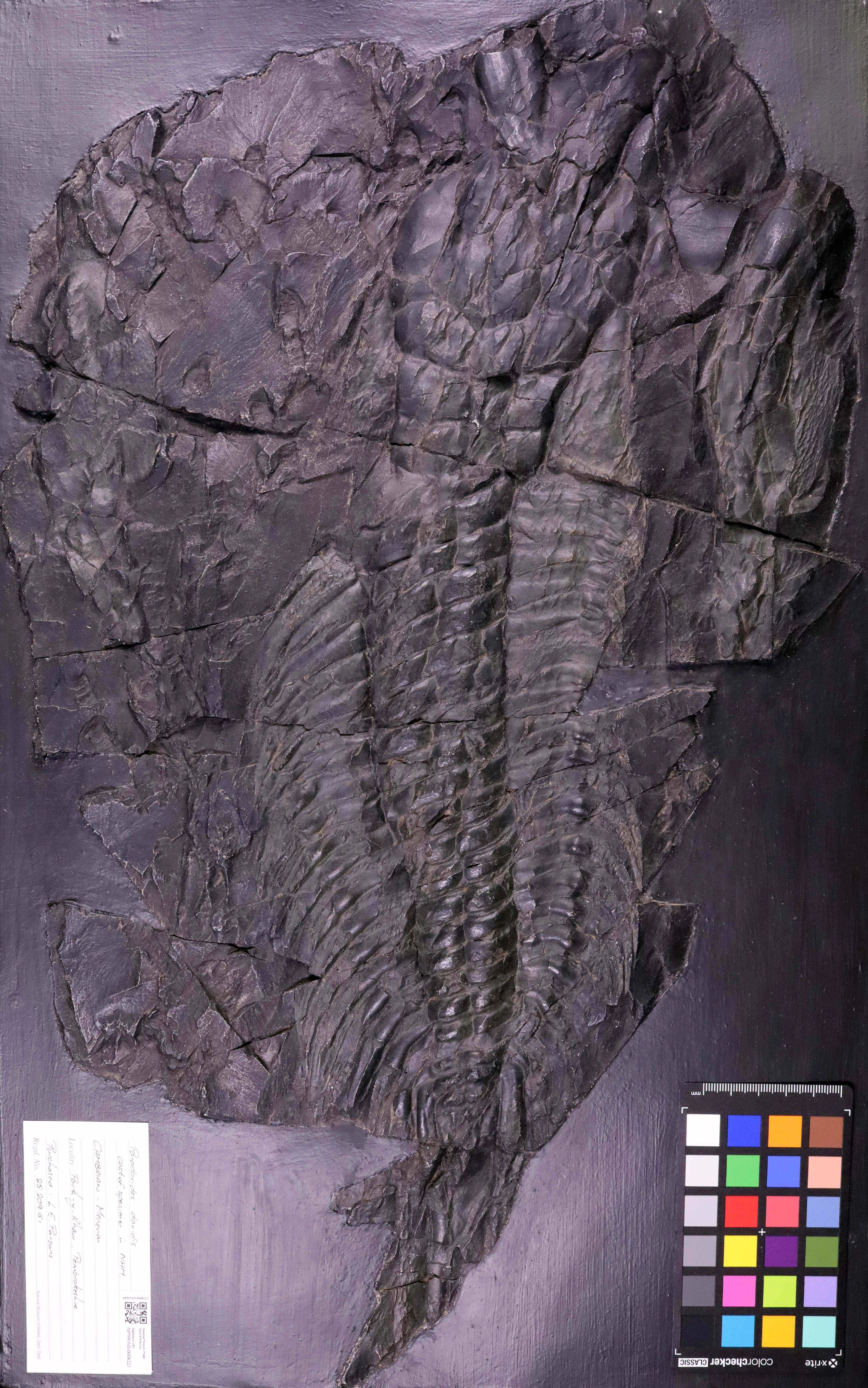
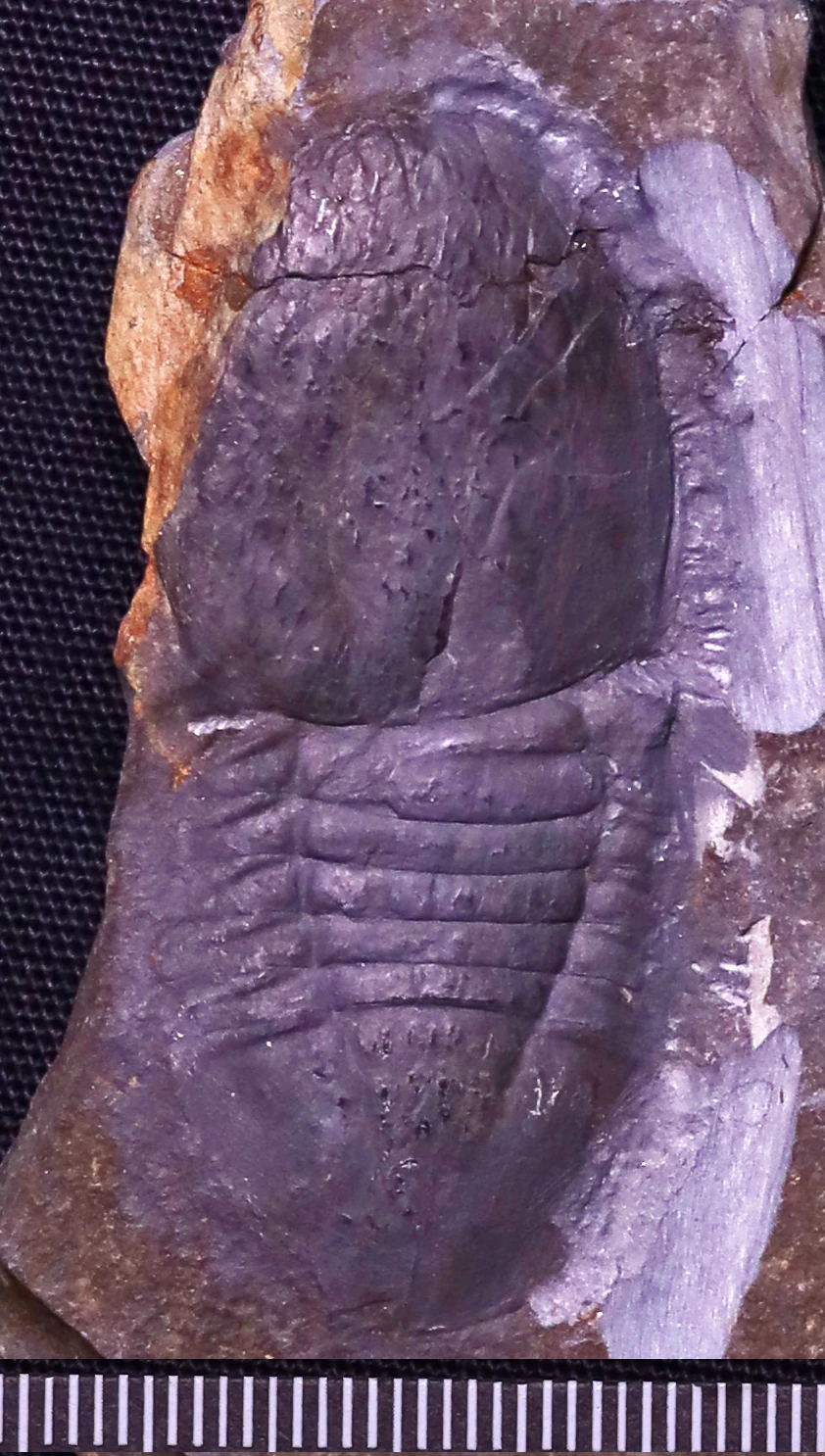
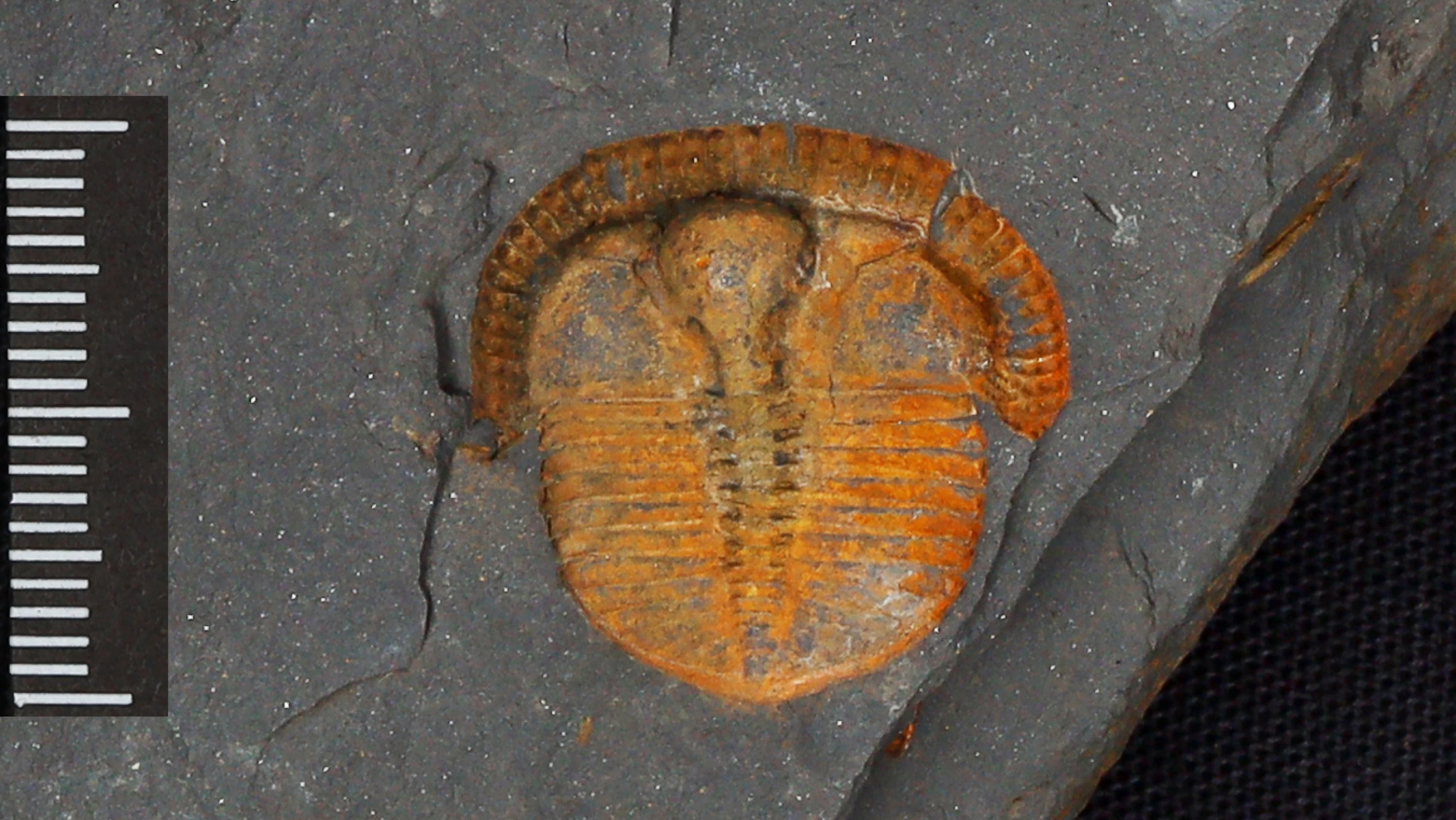
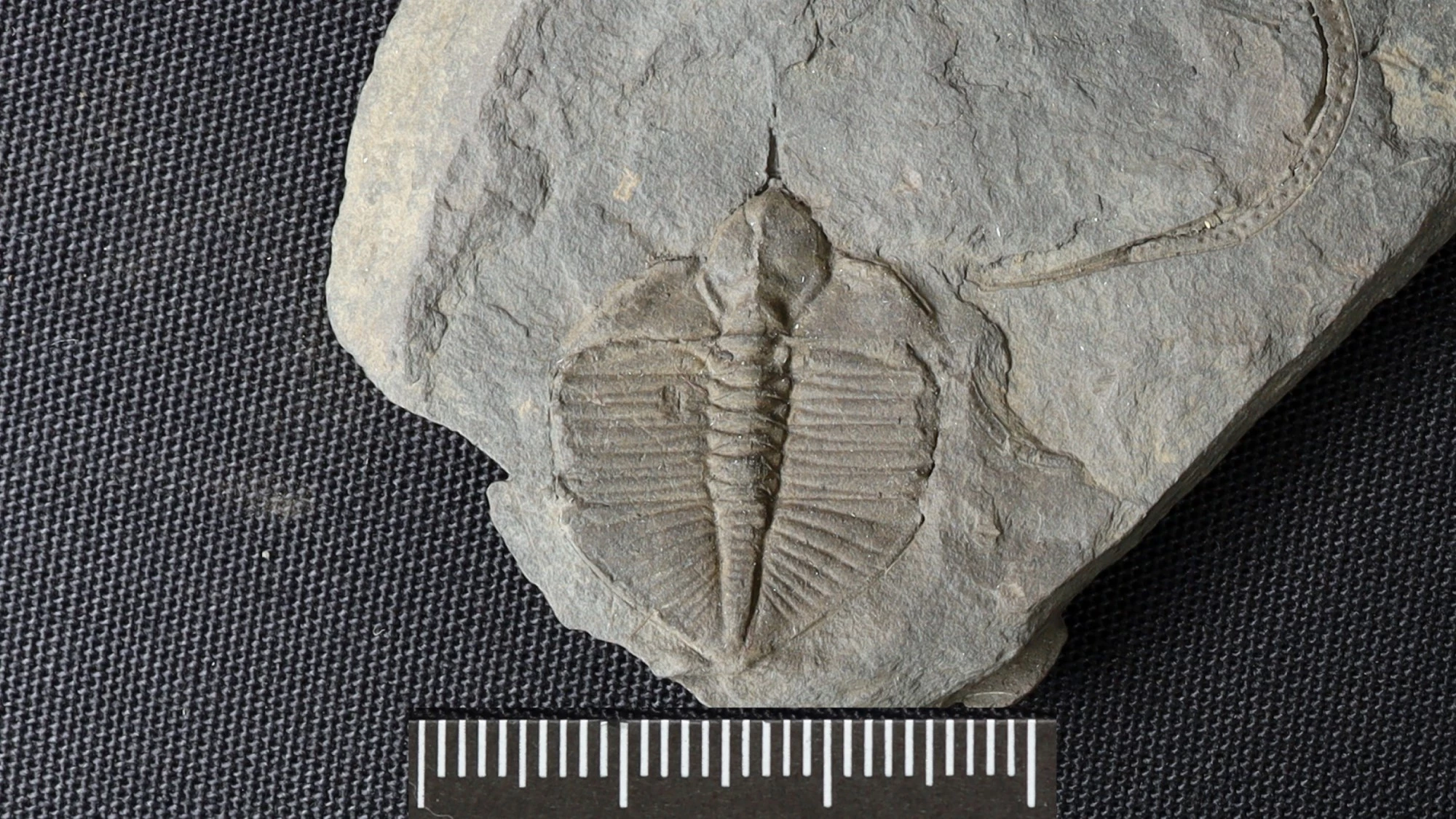
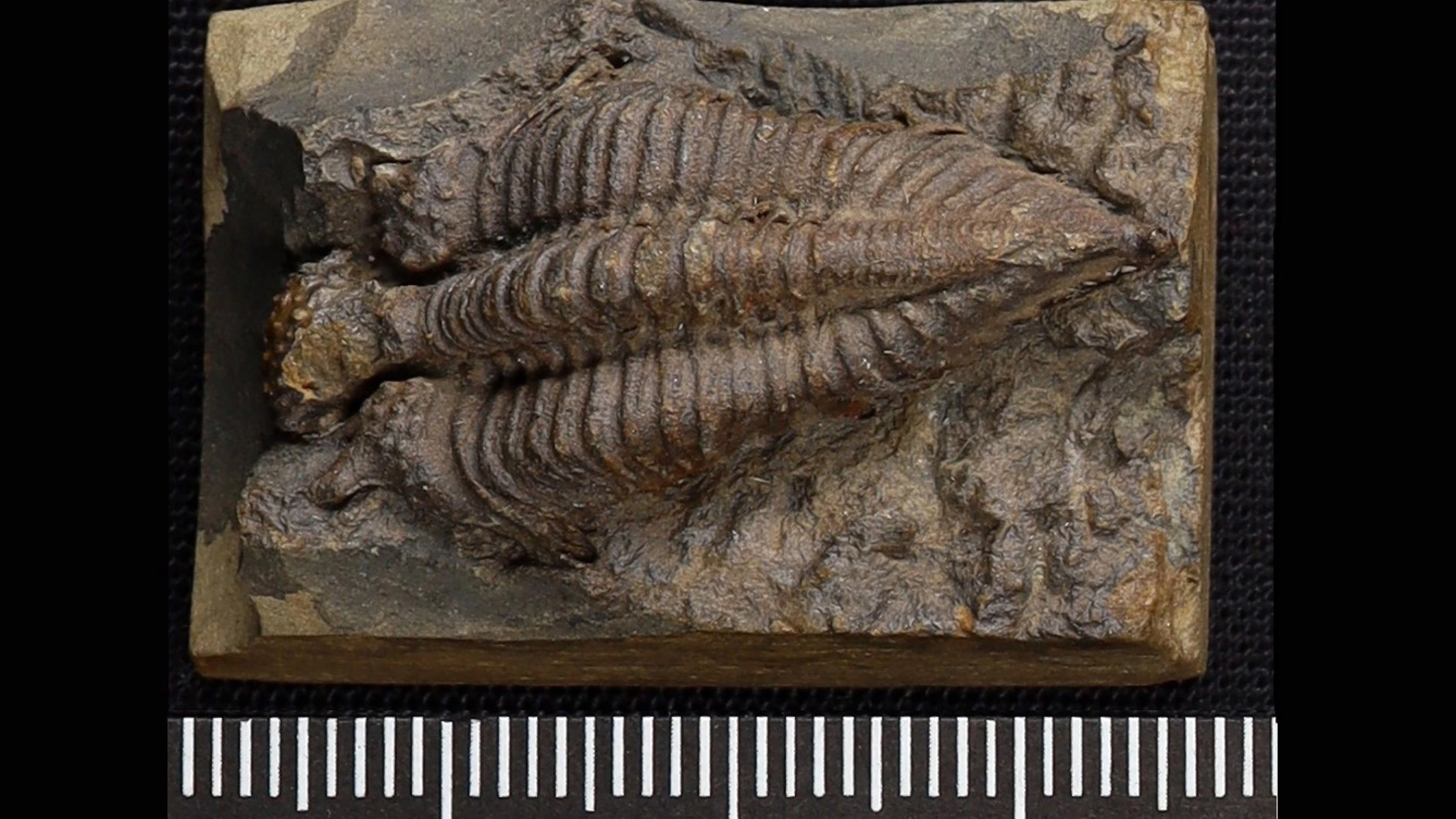
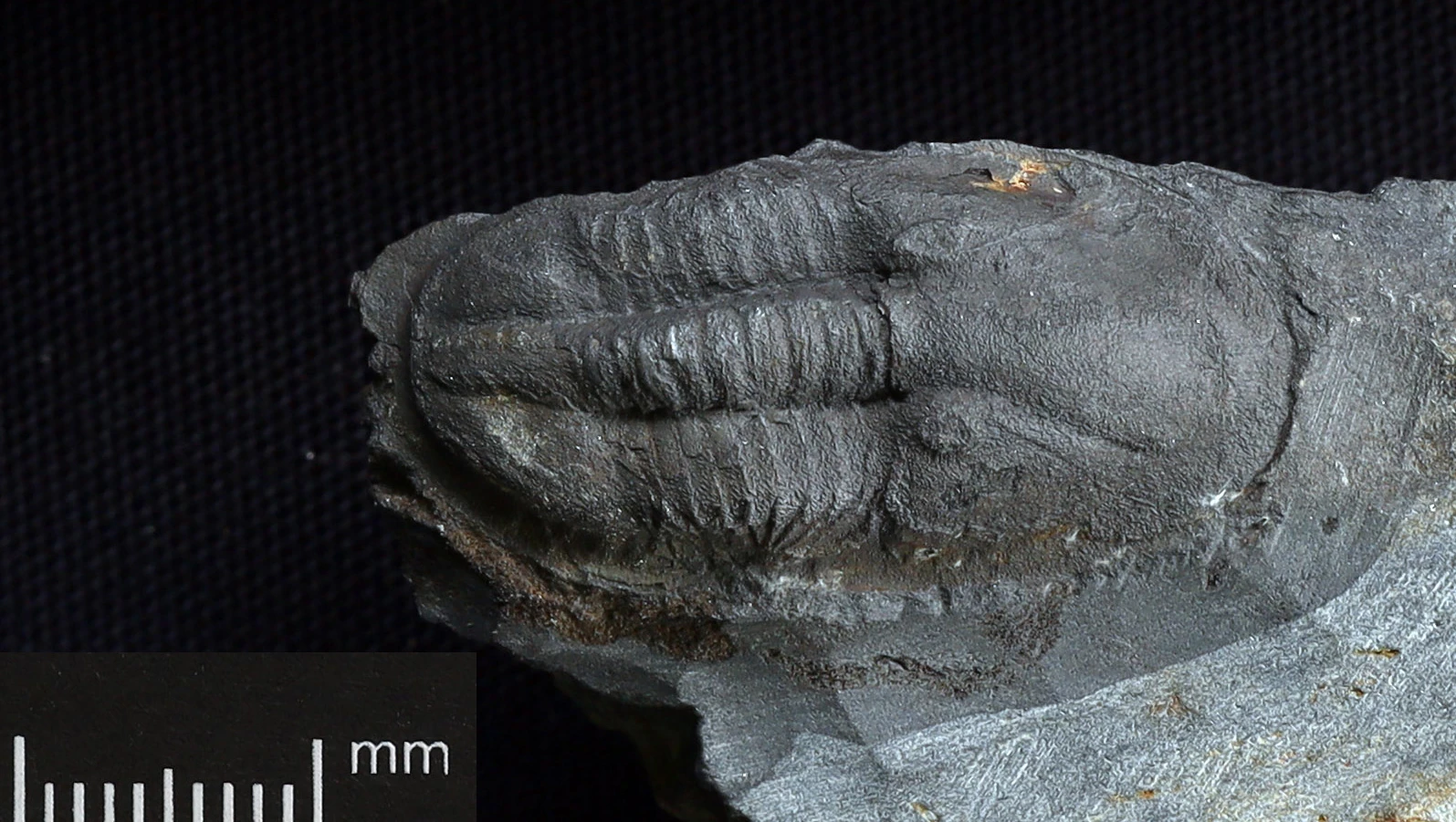
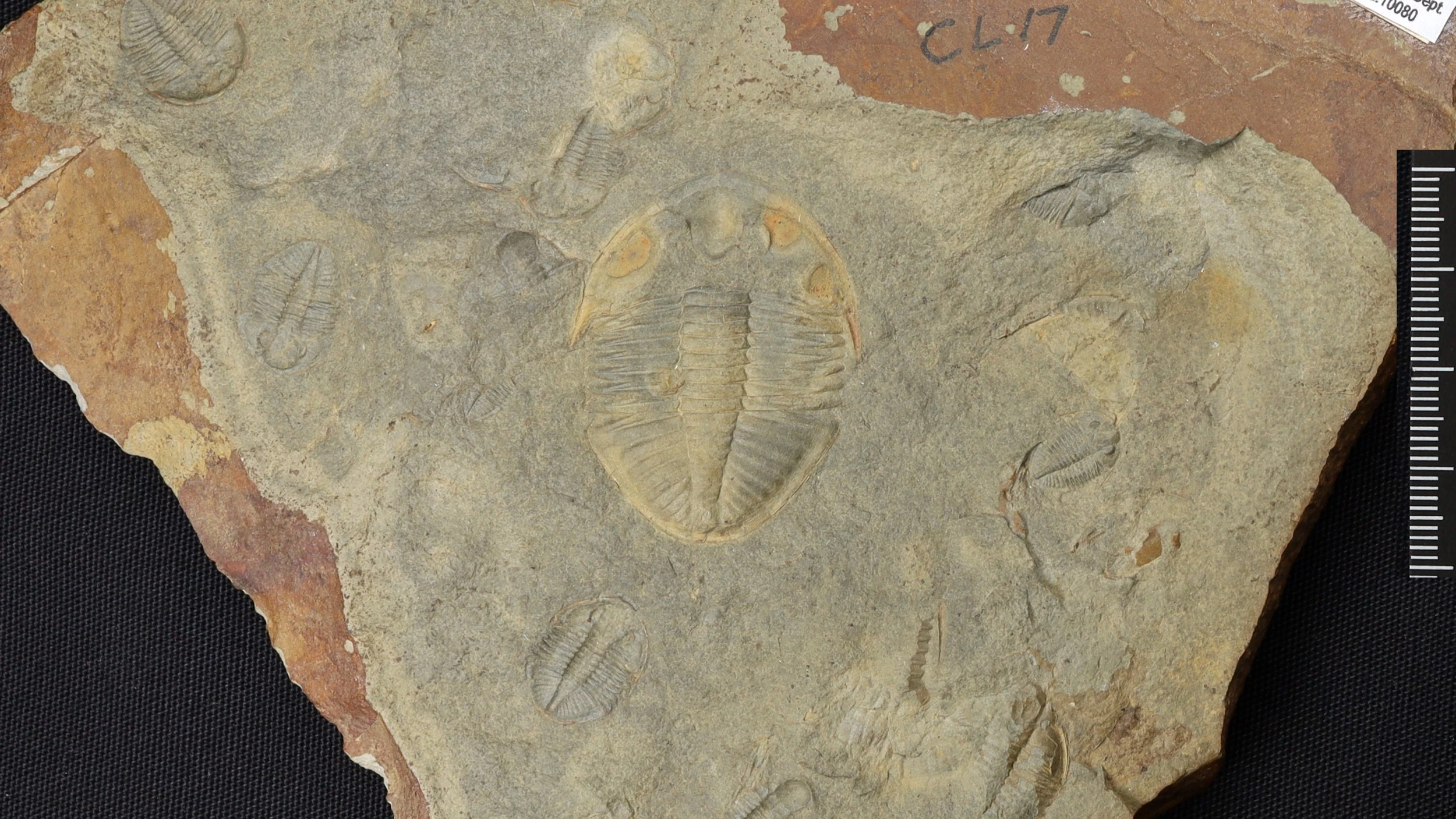
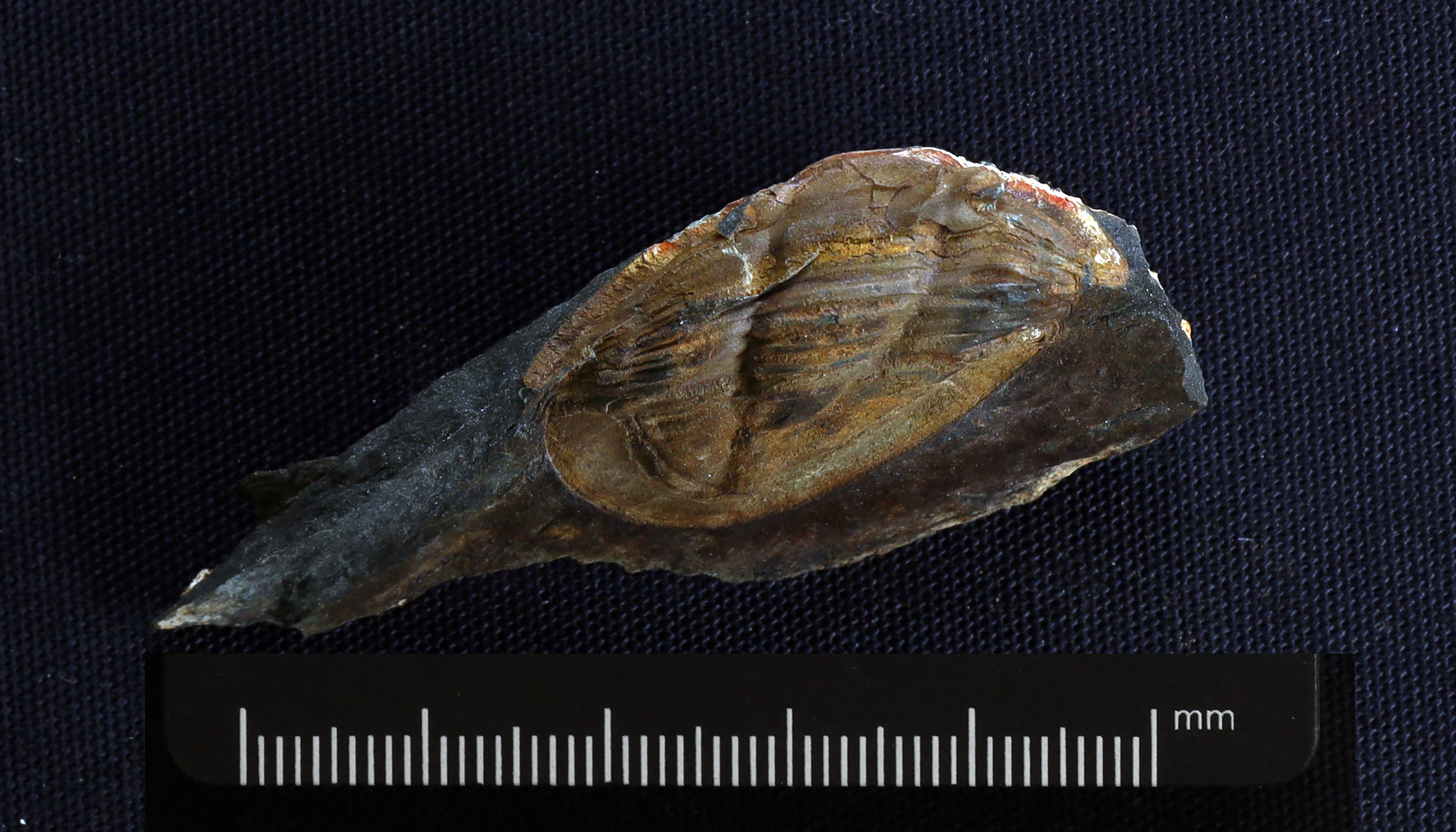
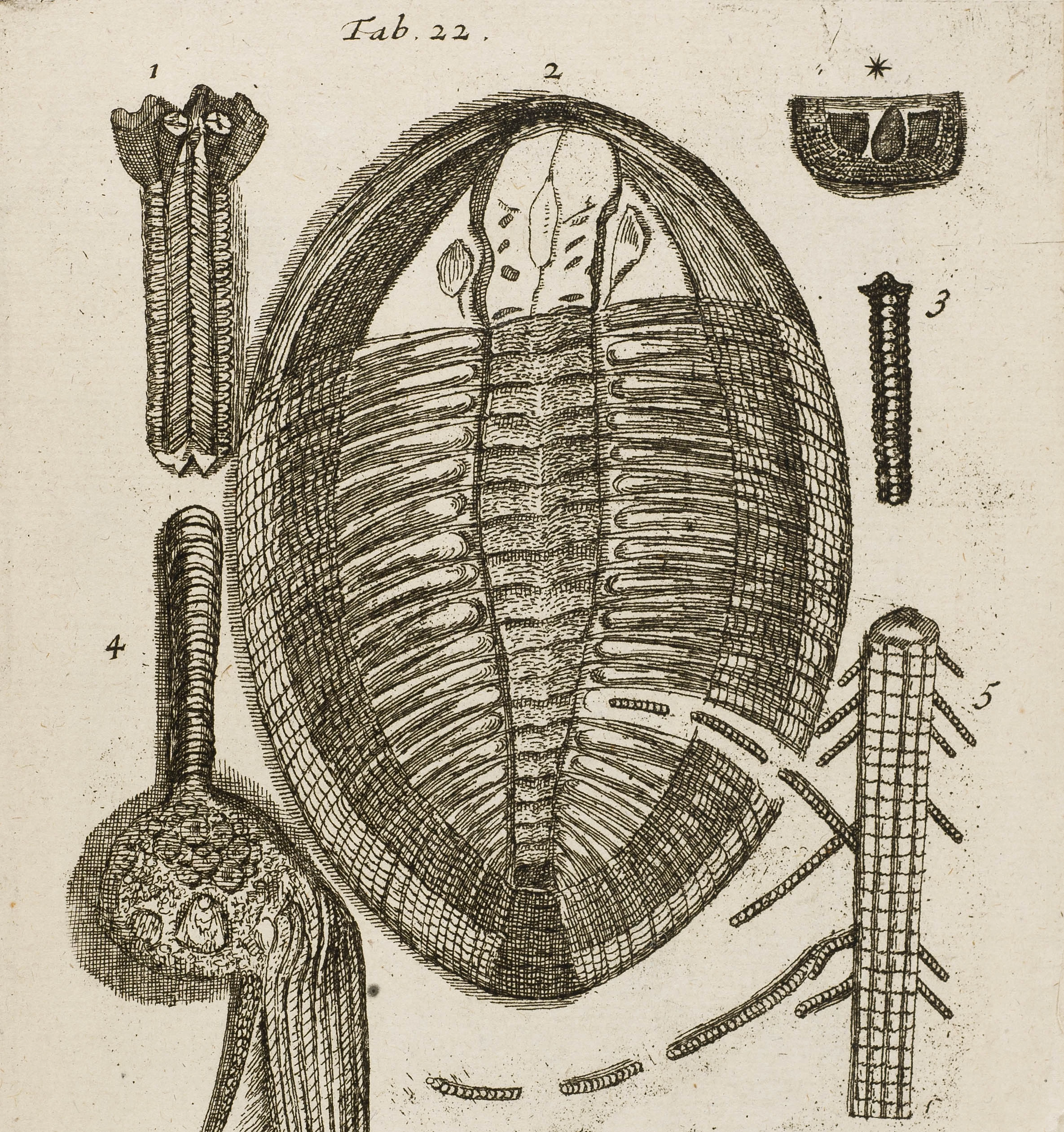
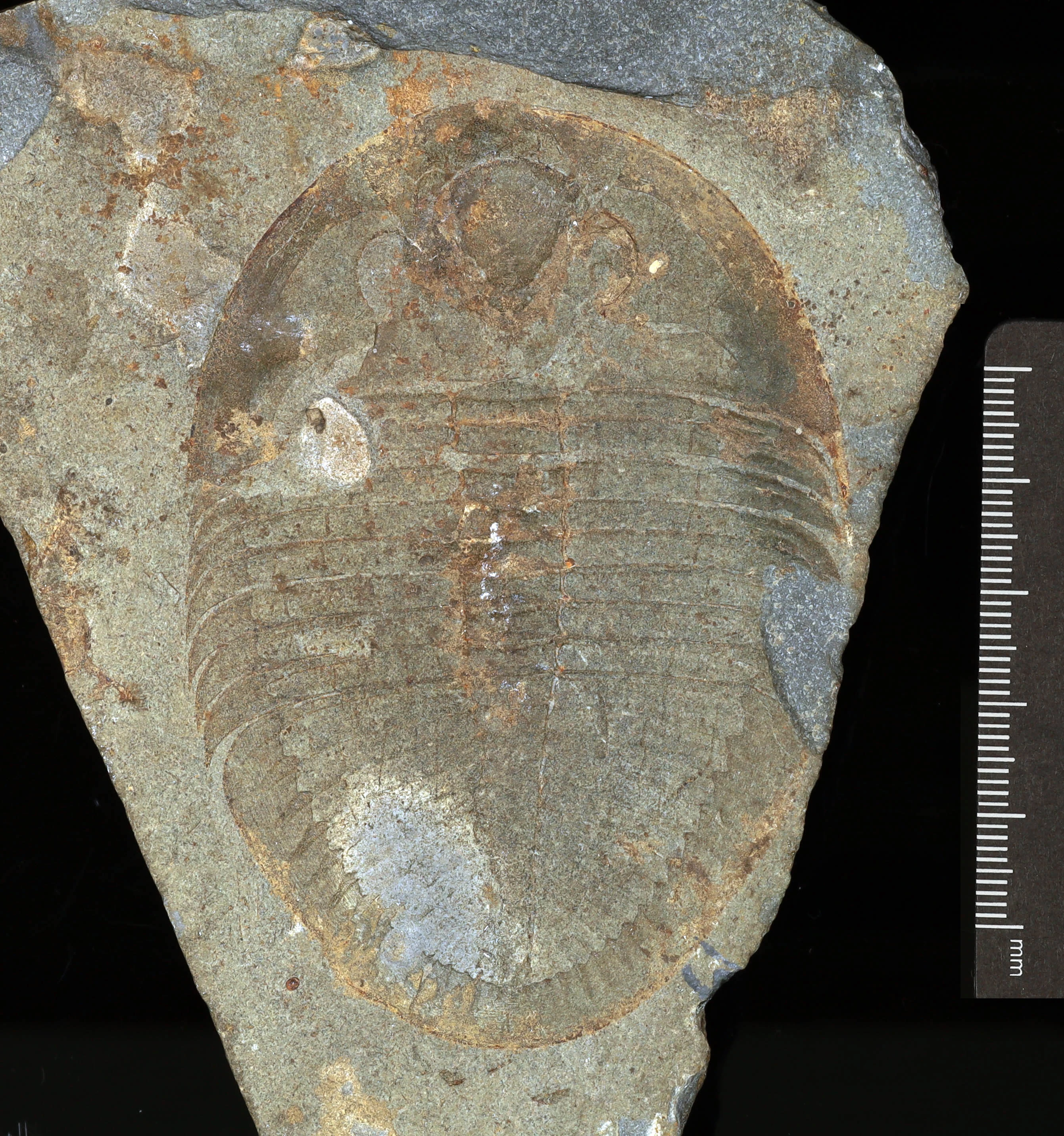
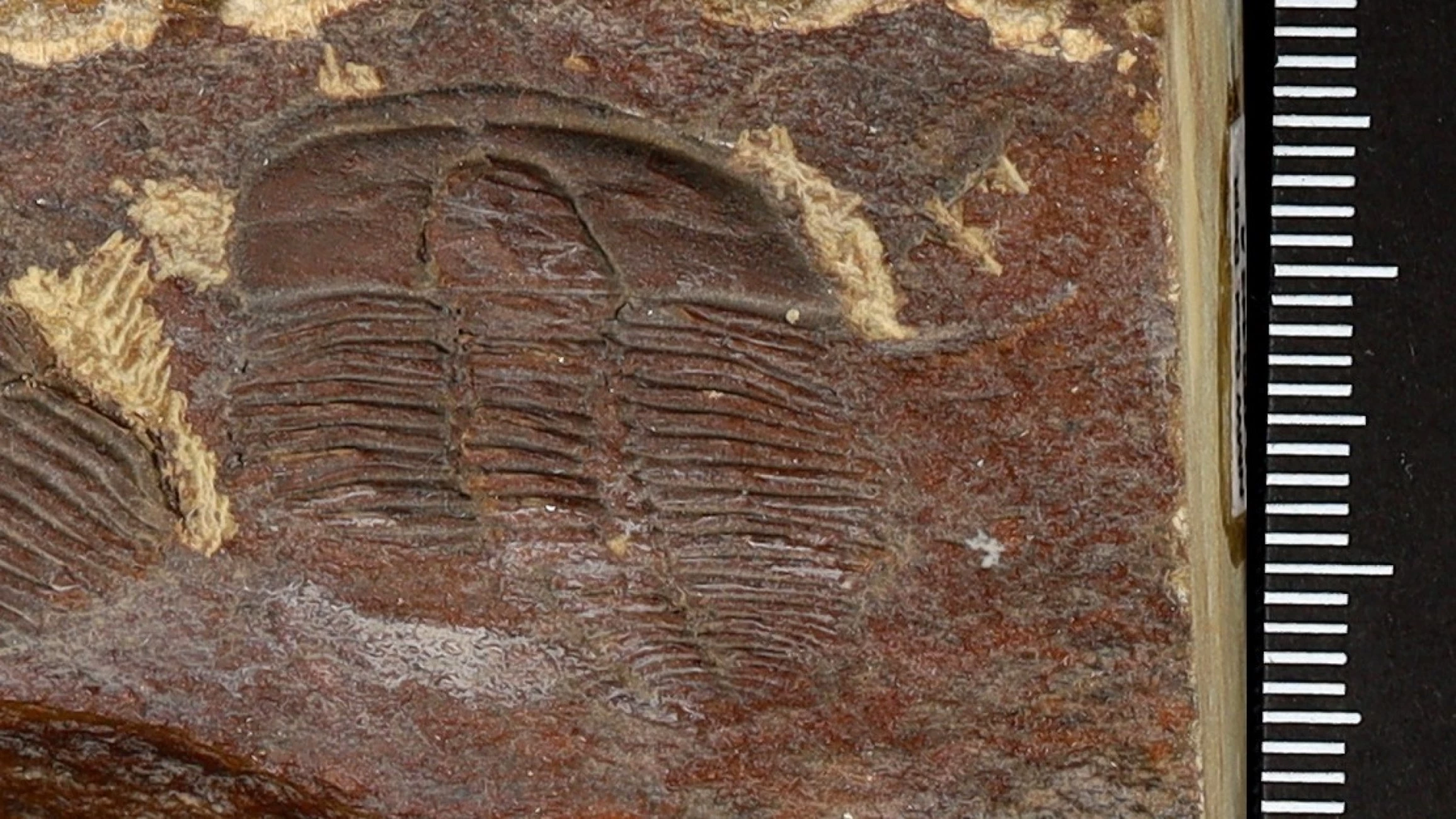
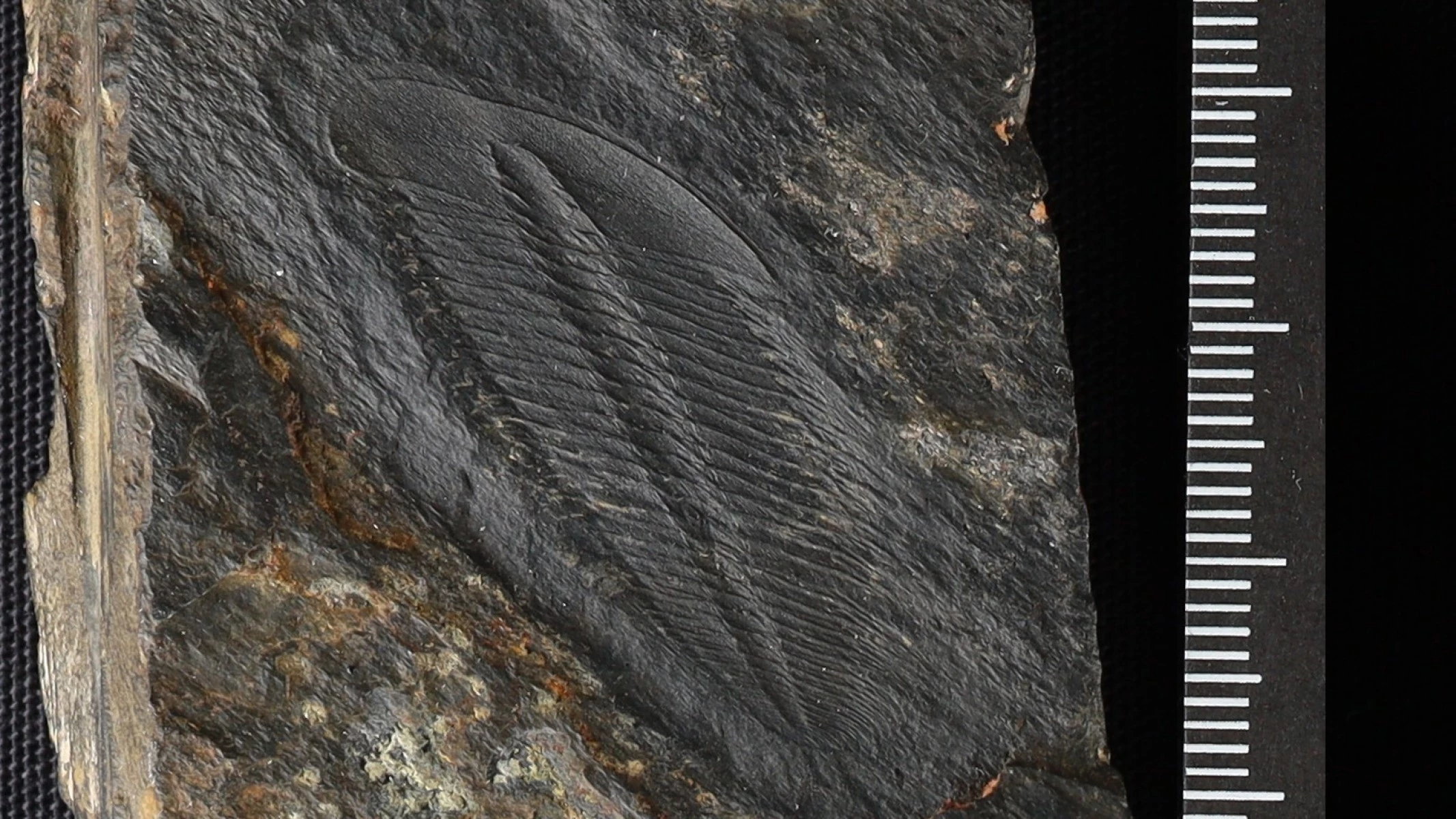
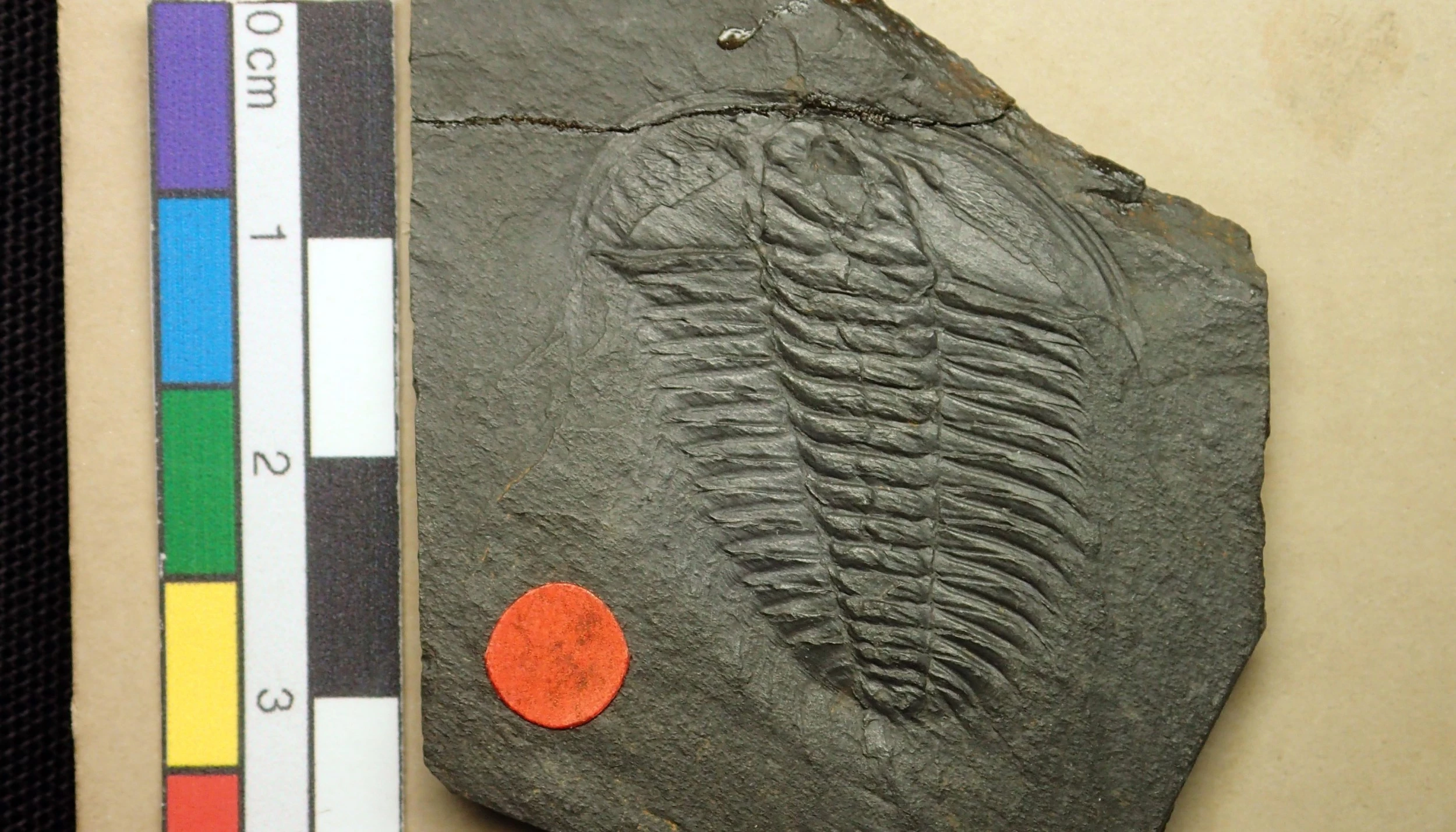
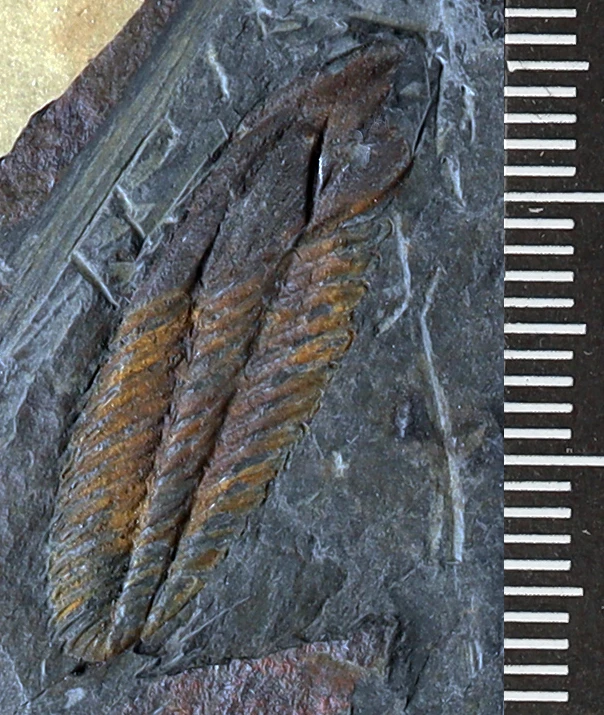
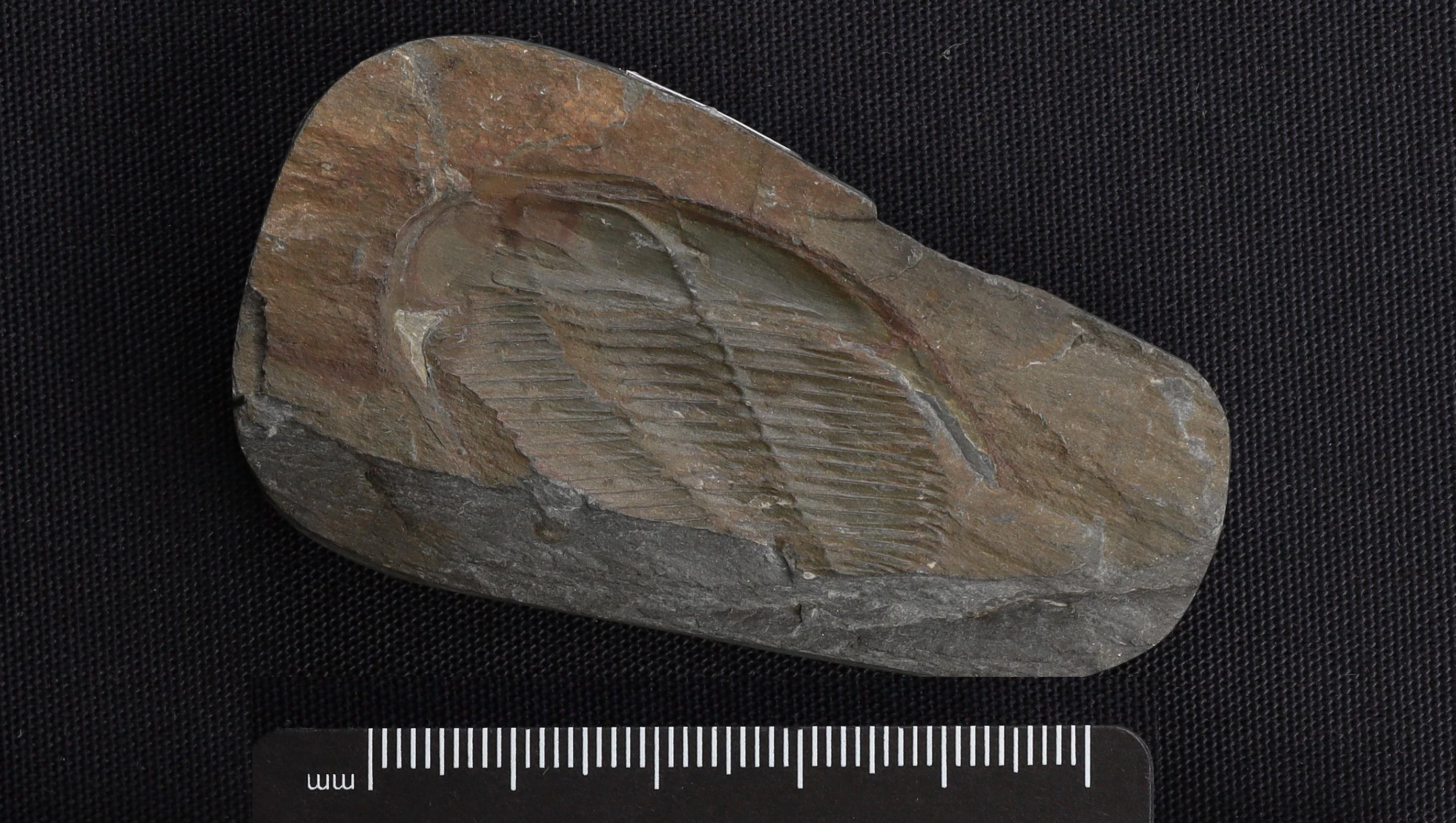
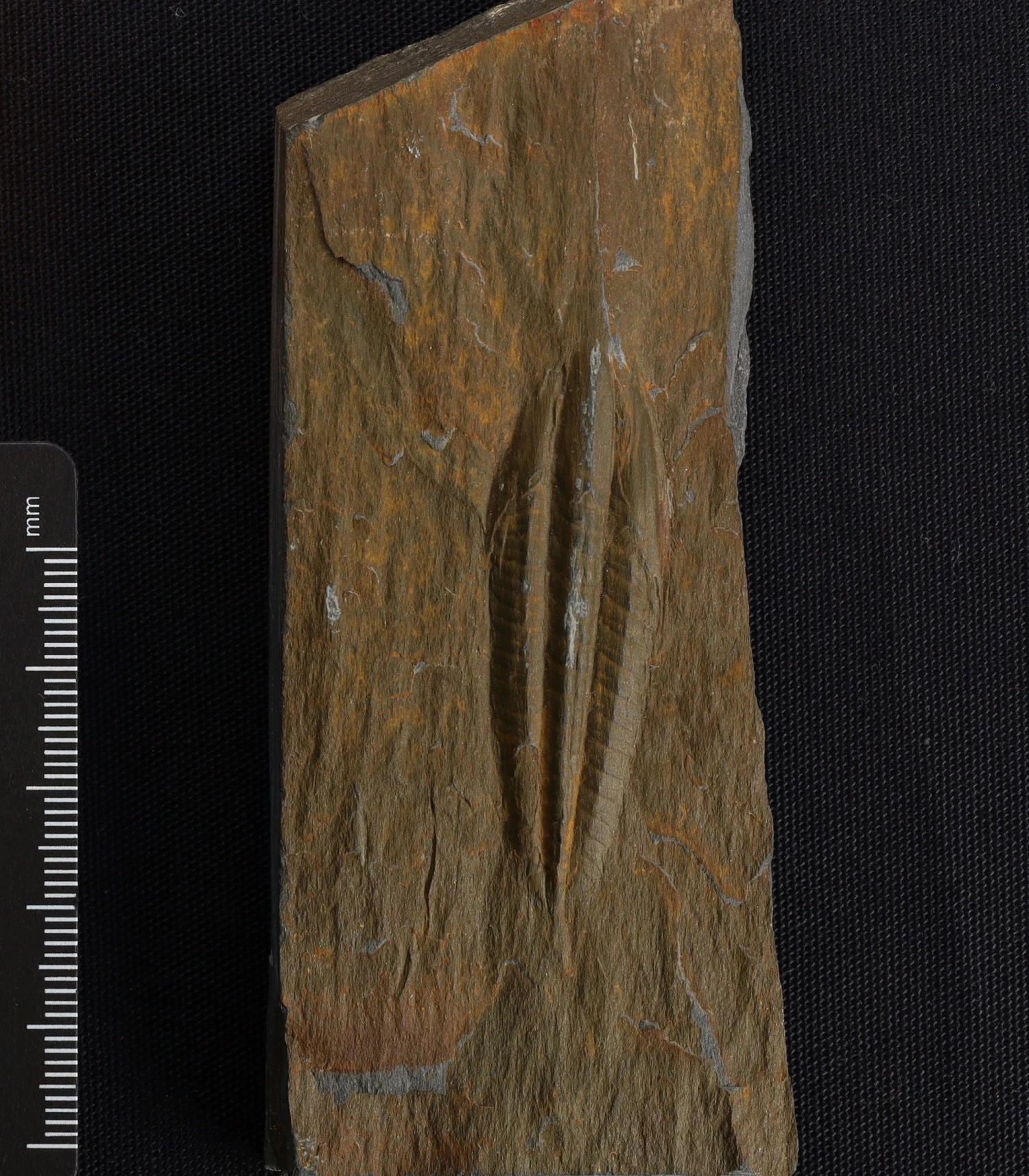
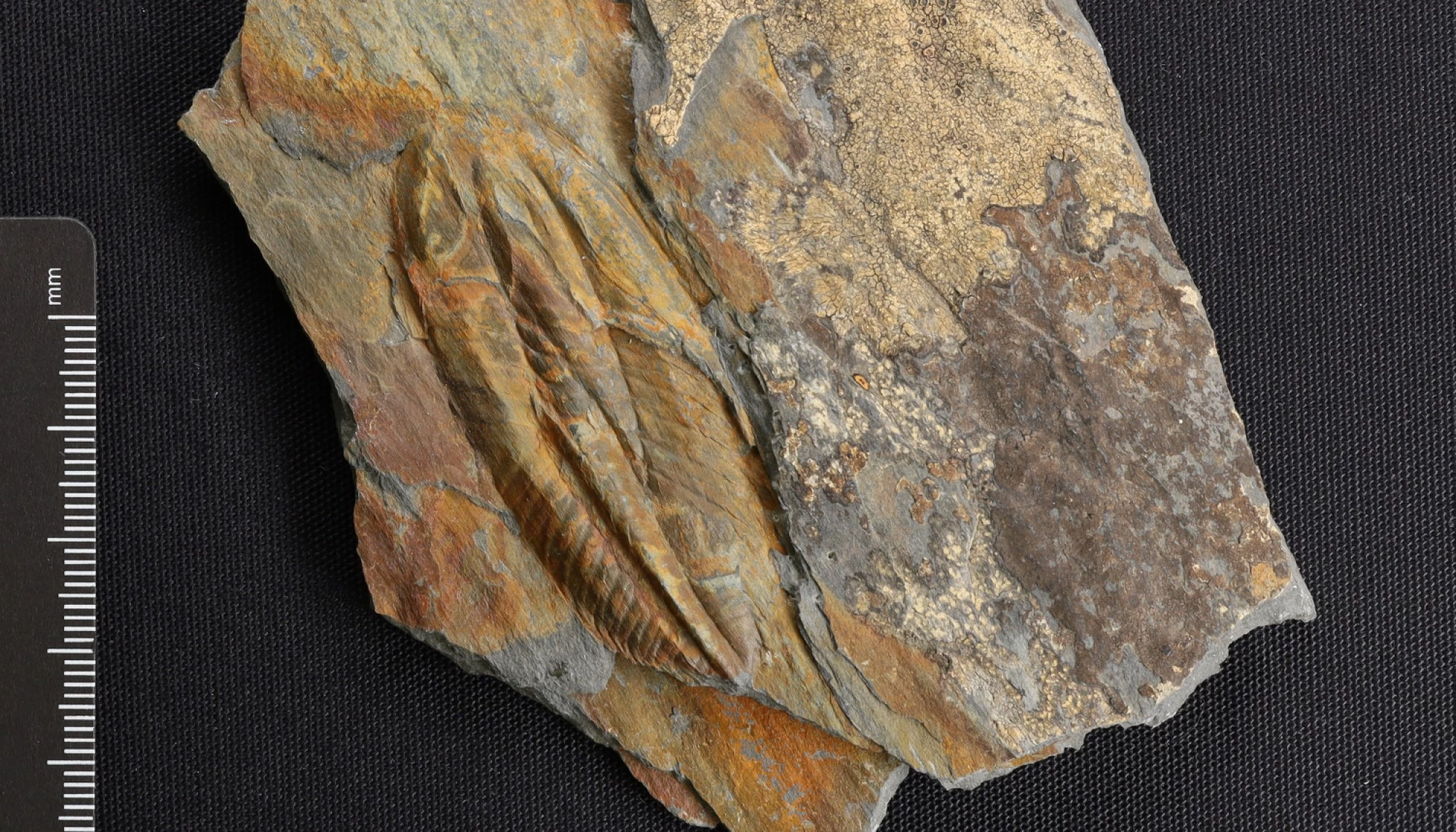
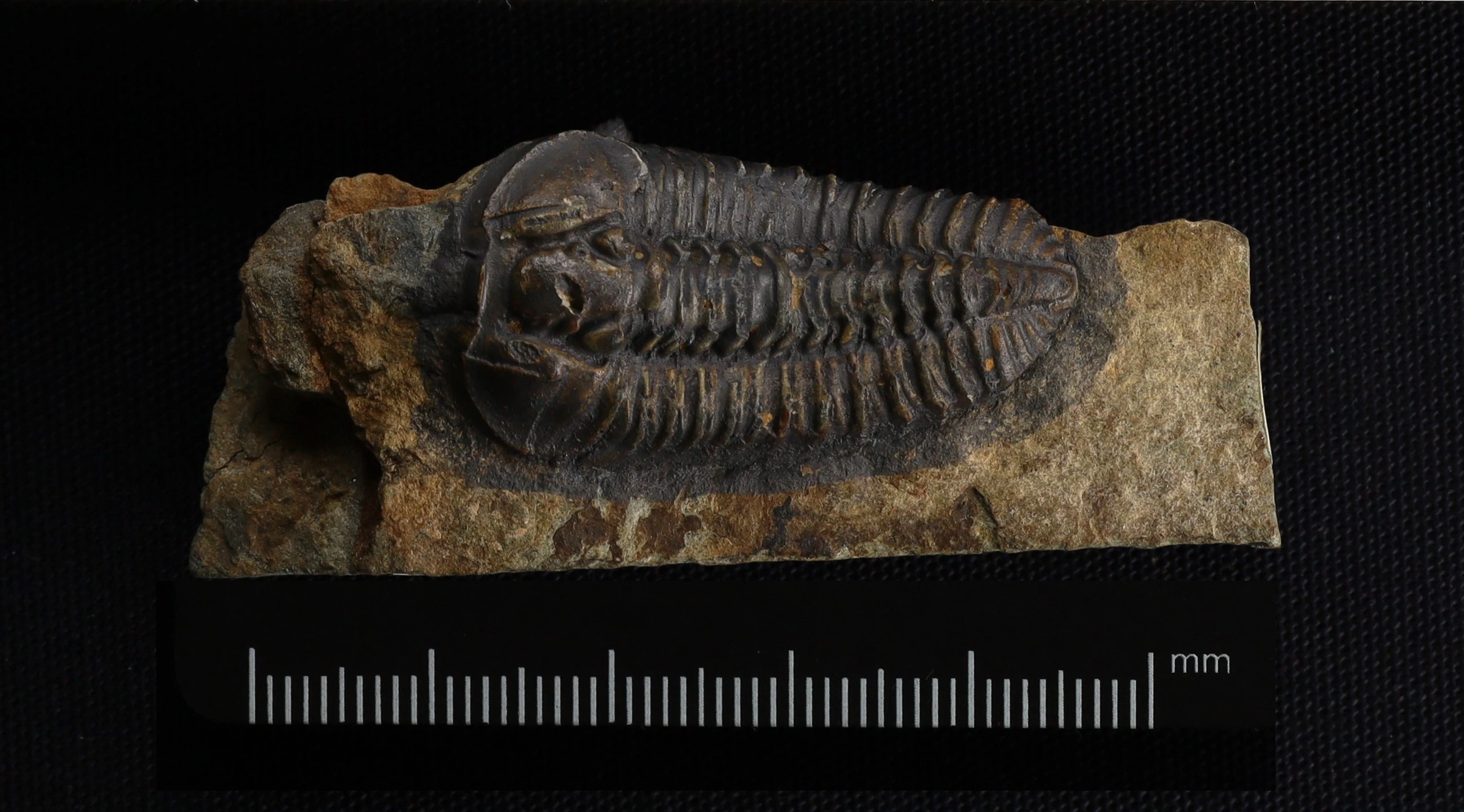
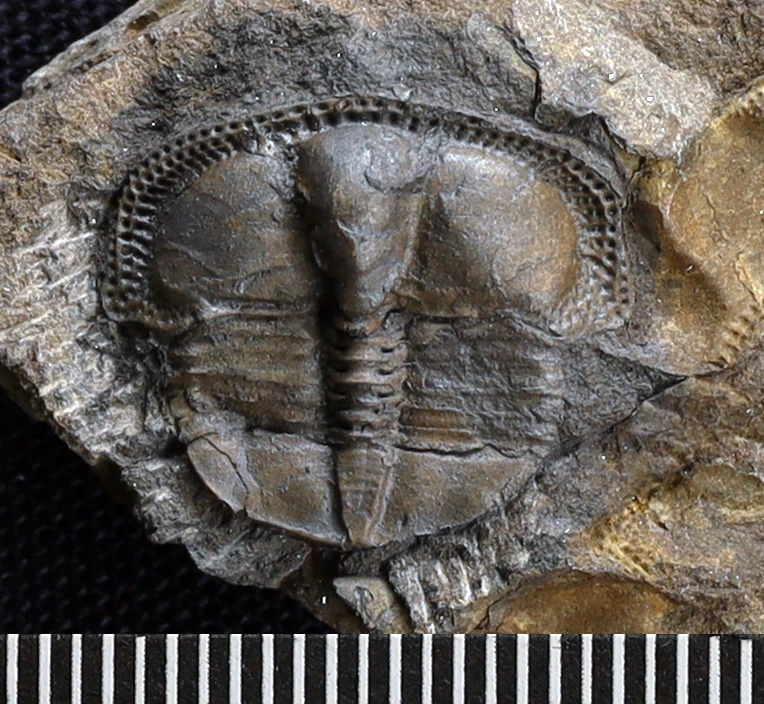
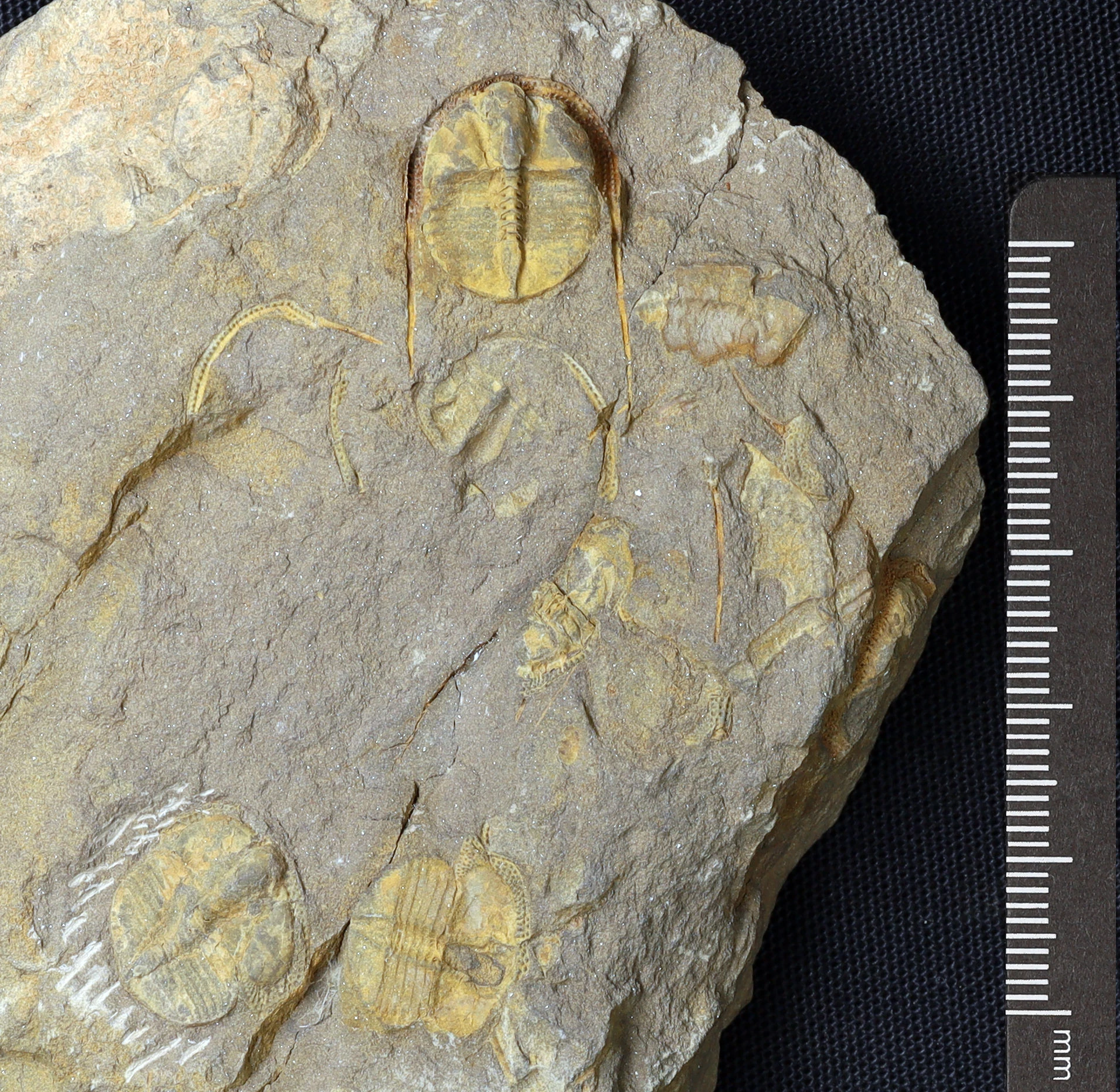
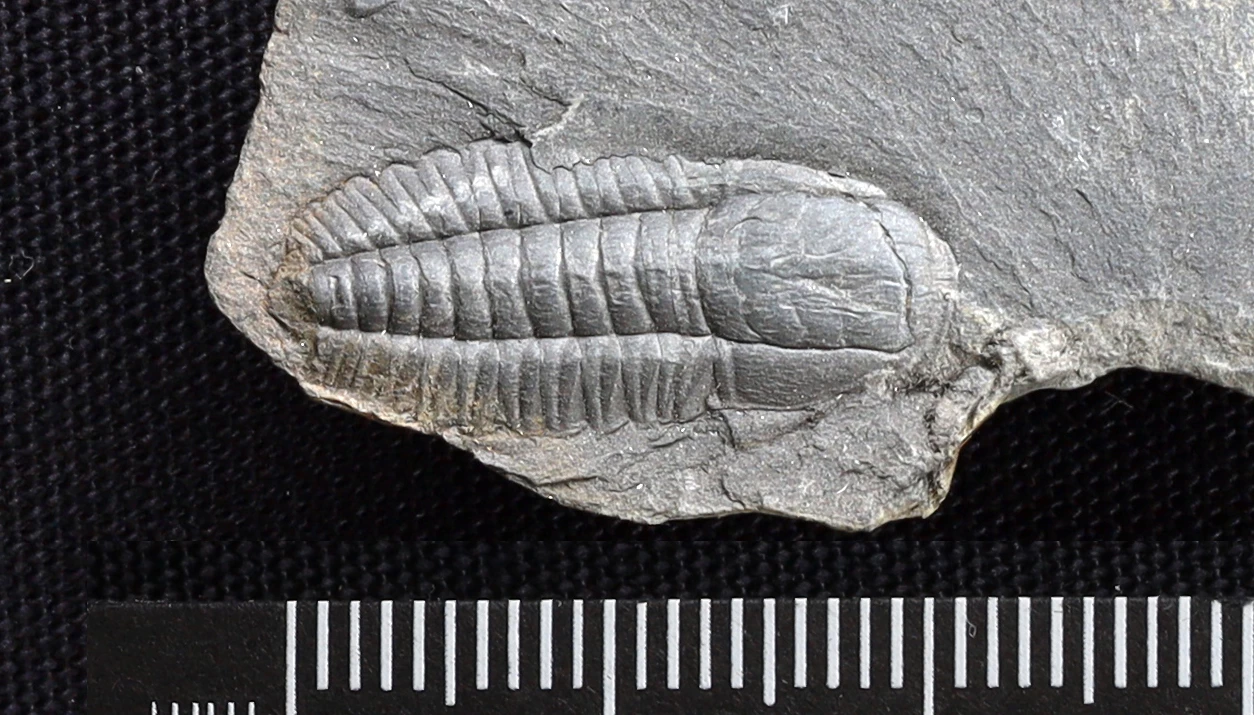
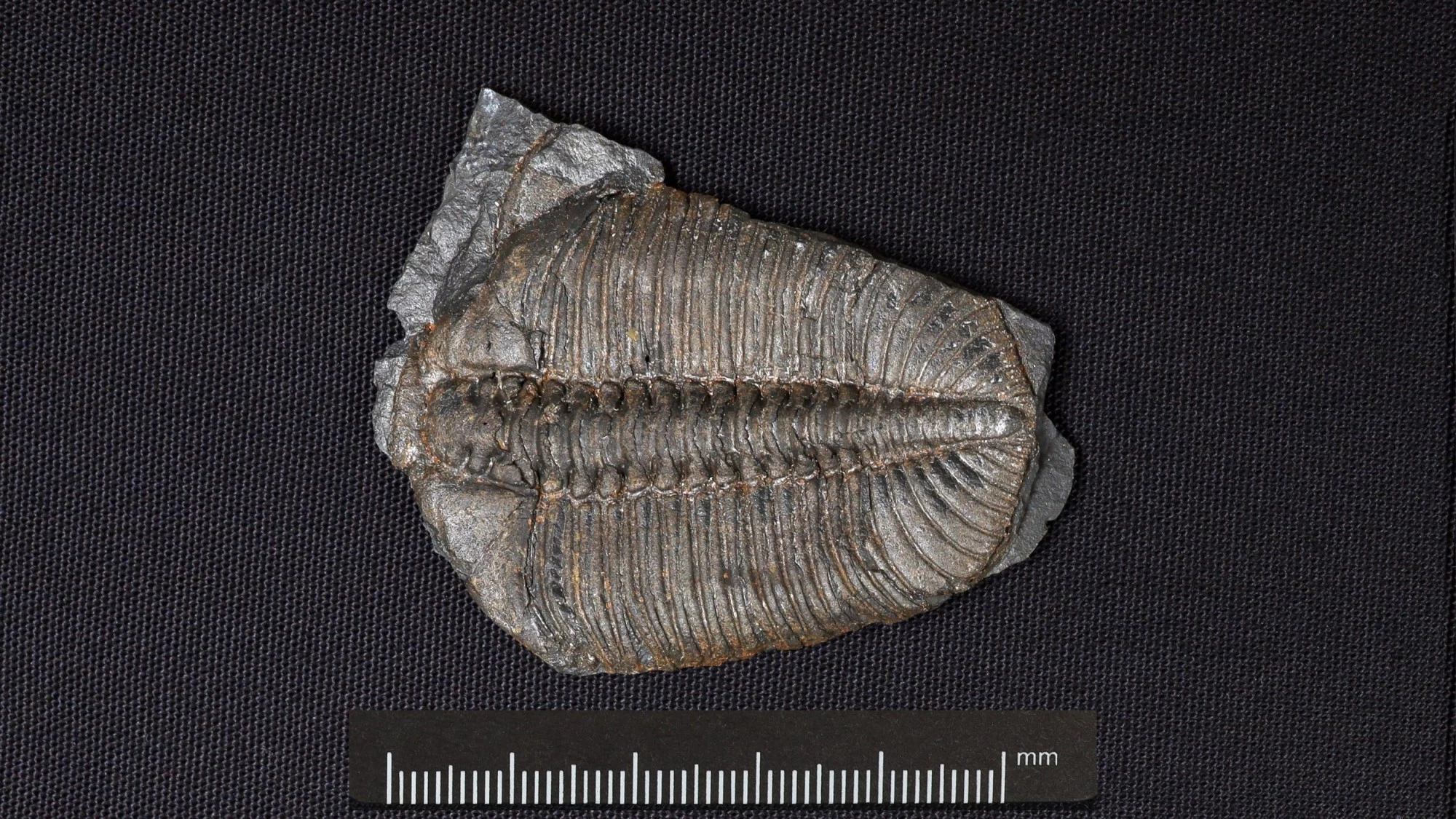
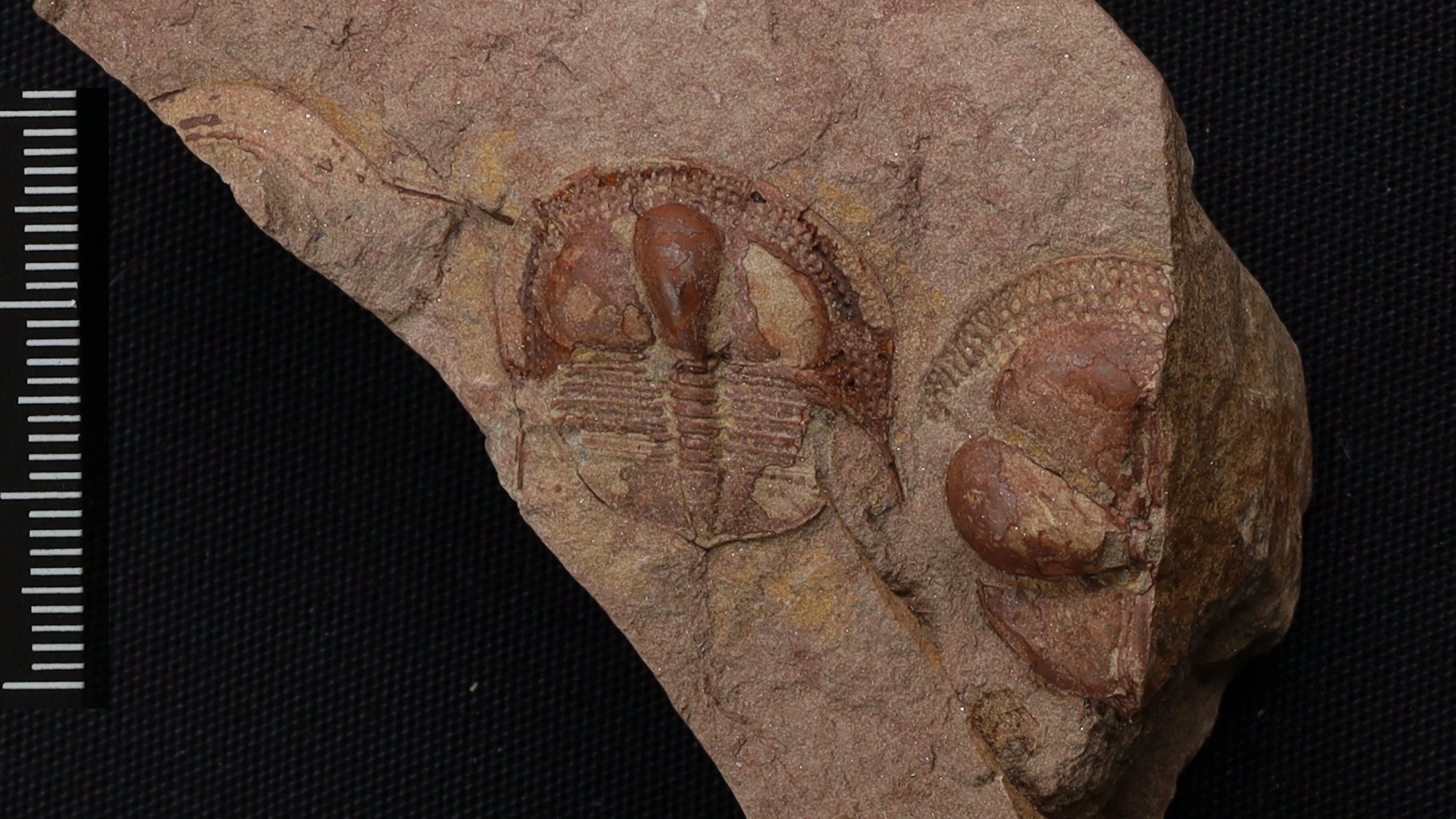
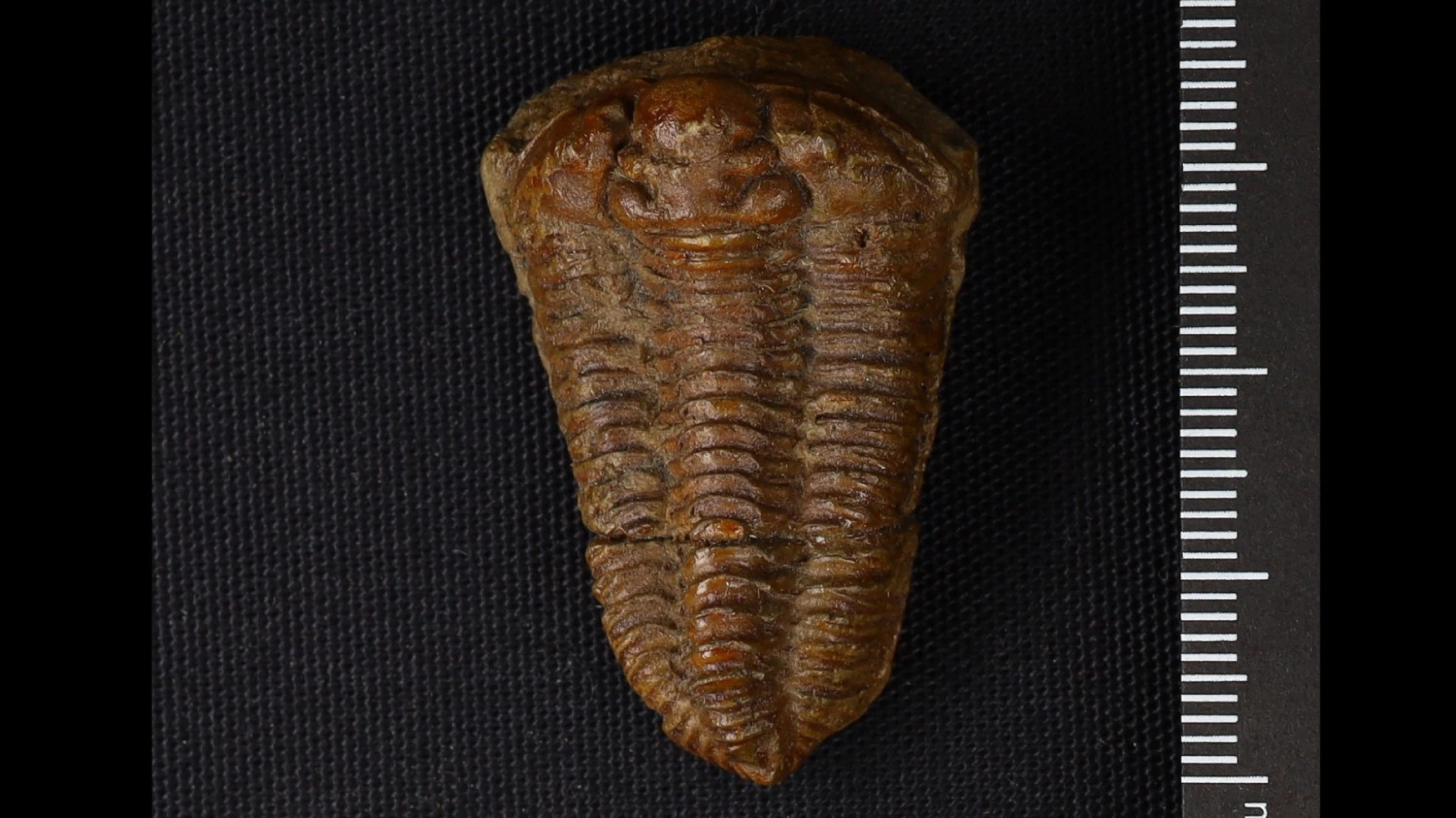
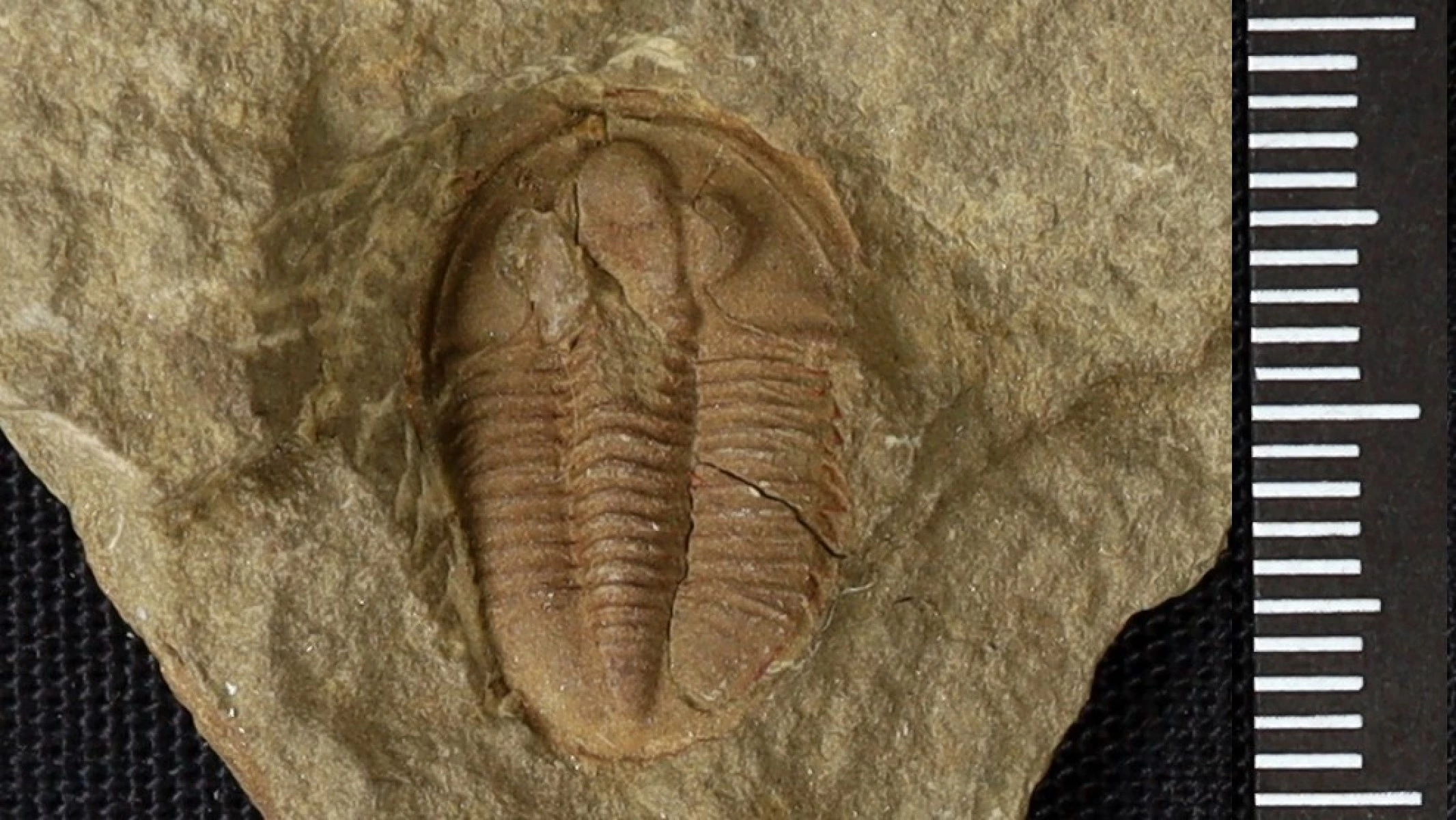
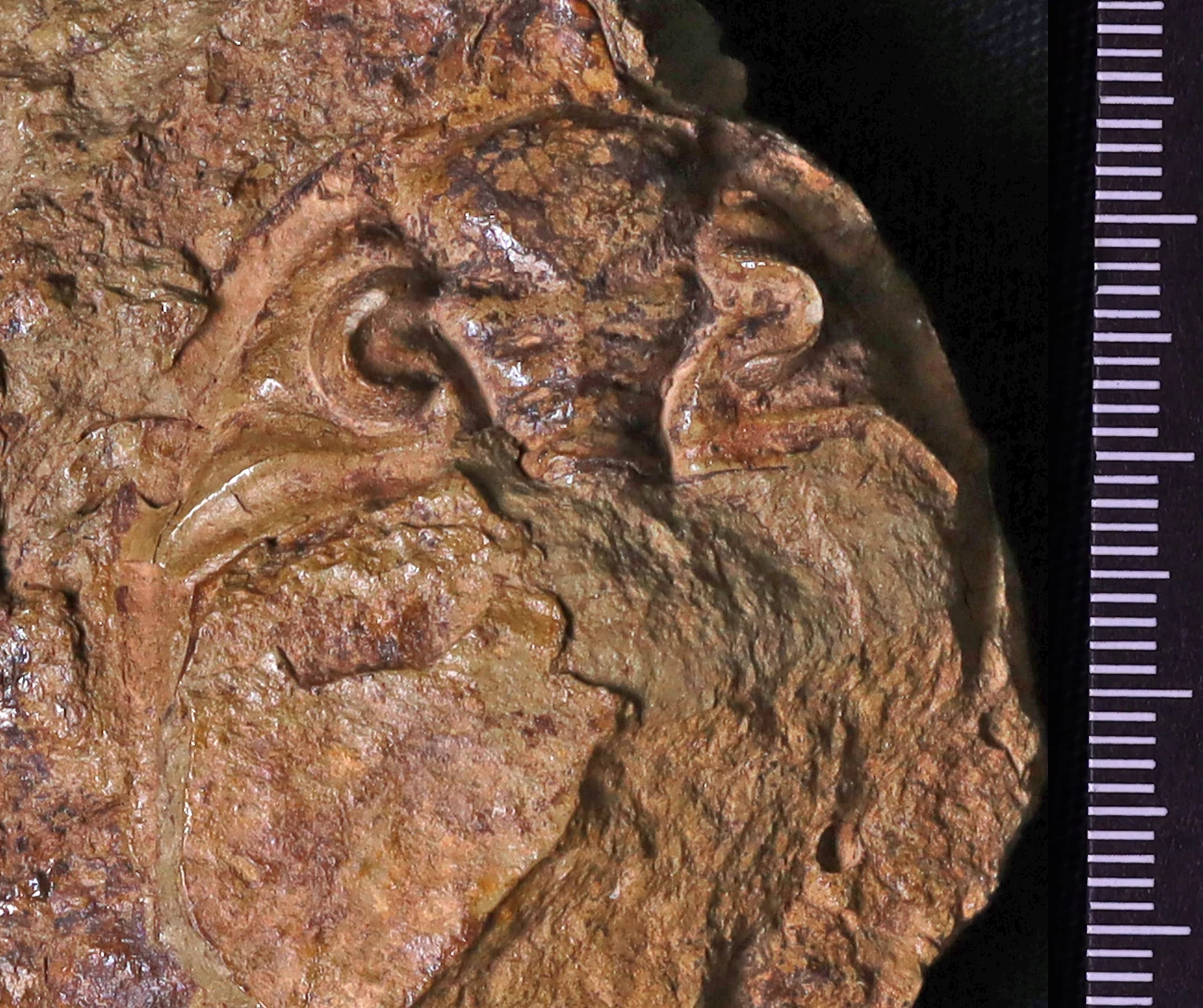
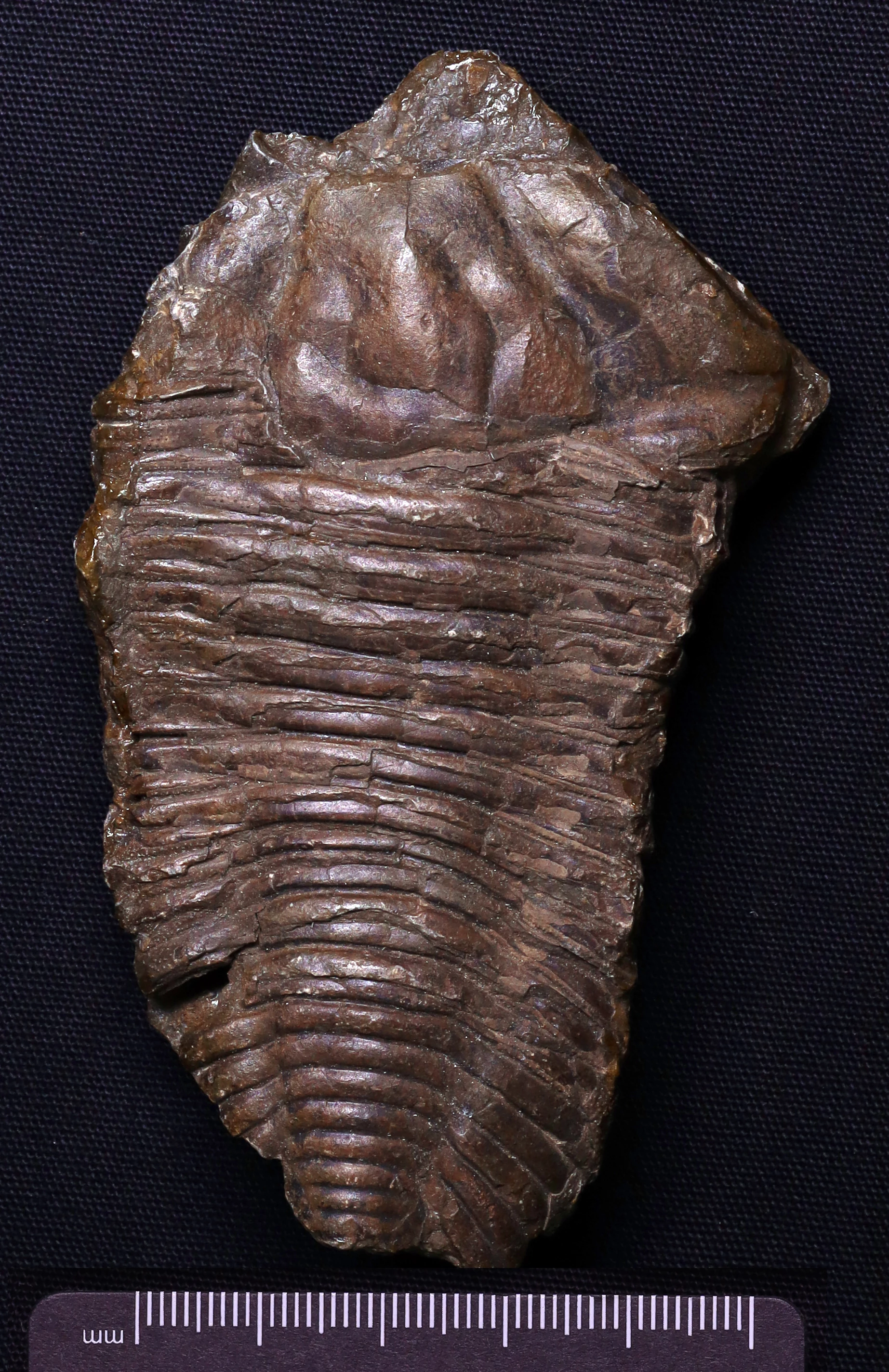
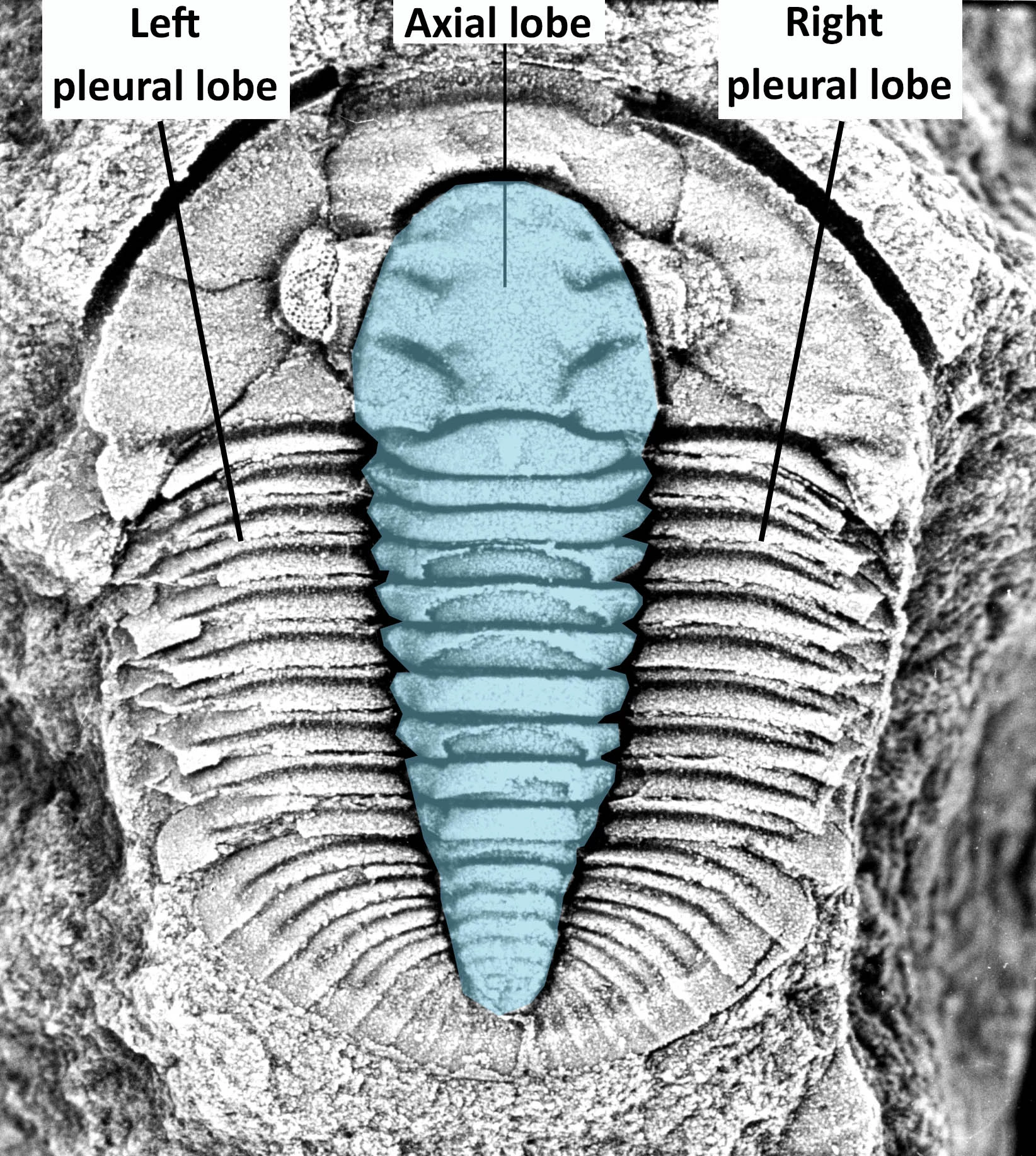
Trilobites in Wales Lucy McCobb, 27 August 2024 Trilobites are the fossils most associated with Wales, and they are found in many parts of the country.Trilobites are some of the oldest animal fossils known, with some being over 500 million years old.The first scientific drawings of trilobites were made in Wales over 300 years ago, by Welsh naturalist Edward Lhwyd in 1698If we asked you to name a fossil from Wales, what would you think of? An ammonite, perhaps, one of those lovely spiral shells you sometimes spot on the beach? Or maybe dinosaurs are more your thing, and you’d choose Dracoraptor, the small meat-eating theropod found near Penarth a few years back?These fossils date from the Jurassic, a time period made famous by a string of Hollywood blockbusters. But did you know that most of the rocks in Wales are much older than that? The fossils within them show us the animals and plants that lived millions of years before the dinosaurs. Among the best known of these ancient creatures are the trilobites, whose fossils were first discovered in Wales over three hundred years ago.What kind of animals were trilobites? The 3 ‘lobes’ of the trilobite body, showing how they got their name. (Rorringtonia kennedyi from near Llandrindod Wells, Ordovician period.) Niobella smithi, Porthmadog area, Ordovician period. We often describe trilobites as looking like giant woodlice because they both have bodies with lots of segments. Although they both belong to a group of animals called ‘arthropods’, they are only very distant cousins. The name arthropod means ‘jointed leg’ because these creatures have lots of those, along with a tough outer shell or skin, known as an exoskeleton. You may not have realized it but you’re sure to have encountered a few arthropods. That includes uninvited scuttling guests such as spiders, silverfish, beetles or other insects. If you enjoy watching butterflies and bees visiting the flowers in your garden or local park, then you’ve been an arthropod fan all along. And wouldn’t you agree that one of the most exciting things you can find in a seaside rock pool is a crunchy-shelled crab armed with fearsome claws?Trilobites are an extinct group of arthropods. They had a hard exoskeleton and jointed legs like the arthropods living today, but their bodies were built quite differently. The name trilobite comes from the fact that their bodies have three distinct ‘lobes’ or areas. The central area is raised and runs down the middle of the trilobite’s head, along the length of its body and down the centre of its tail. The two areas either side are mirror images of each other and are usually lower than the middle one, like plains either side of a mountain ridge. Their outer edges curve under slightly to make a hard rim around the trilobite’s softer underbelly.Trilobite legs are known from only a few, very rare fossils. The legs weren’t hard like the exoskeleton that covered the entire back of the animal, so were less likely to become fossils. They had a pair of jointed legs under each body segment, with a feathery gill for breathing at the top of each leg. They also had a pair of antennae or ‘feelers’ at the front of their head.Trilobite eyes were quite special. They had compound eyes like insects with lots of small lenses stuck together, rather than having one large lens in each eye like us. In trilobite eyes, each lens was made of a crystal of the mineral calcite. We are sometimes lucky enough to find trilobite fossils with their crystal eye lenses intact. We can study them to discover how trilobites saw their ancient world. Trilobite eyes are the oldest complex eyes that we know of in the history of life. How long ago did trilobites live?Trilobites are among the oldest fossil animals known. The oldest trilobite fossils were found in Spain, Morocco, Russia and USA, and are around 521 million years old. Because a lot of the oldest rocks in Wales were squashed and heated, the oldest trilobites we find here aren’t quite so old – around 514 million years. Trilobites appeared early in a time we call the Cambrian period, when lots of shelly animals were found as fossils for the first time. This is known as the ‘Cambrian explosion’, because a great variety of different life forms suddenly appeared in the fossil record for the first time. This huge diversity of life just seemed to ‘explode’ into existence from nowhere, although it is likely that fossils of the animals that lived before just don’t exist because they had entirely soft bodies.Trilobites were a very successful group of animals, which were around for about 270 million years. They died out at the end of the Permian period around 252 million years ago, in the biggest mass extinction event that has ever happened on Earth. However, trilobite numbers had already been falling for some time before this point. Only a few species belonging to one major group were still around when they were finally wiped out in ‘the big dying’, along with over 80% of all species living in the sea at that time!Where did trilobites live and what did they eat? Olenus’ wide body segments may have housed large gills, to help it survive in the stagnant deep sea. Free swimming trilobites like Sagavia had large eyes to allow them see all around. All trilobites lived in the sea, but in a variety of different places and in different ways. Many lived on the sea bed, crawling over or burrowing into it. Others lived among ancient reefs made by corals and other sea creatures. Some were predators, hunting other animals, others lived by scavenging scraps of food and waste, or by filtering food out of the water. While most trilobites lived in relatively shallow water, some were adapted to living at the bottom of deeper oceans. Olenus fossils from North Wales had wide body segments. We think these housed large gills allowing it to survive in deep water where there wasn’t much oxygen. Some palaeontologists even suggest that the gills may have been home to bacteria, which could live on sulphur and provide the trilobites with an alternative source of energy that didn’t need oxygen.Some trilobites were adapted to swim freely above the sea floor in the open water. For others their way of life is still unknown, like the tiny pea-sized trilobites called agnostids. It’s possible that they floated in the open ocean, lived attached to seaweed, or lived as parasites on larger animals.How many different kinds of trilobites were there? The smallest trilobites in Wales include agnostids like Peronopsis from Pembrokeshire. Paradoxides from Pembrokeshire, the largest trilobite known from the UK Free-swimming Degamella had a narrow, streamlined body and large eyes Trinucleus, the first named trinucleid trilobite, a very common group in Wales. Eyeless Cnemidopyge likely used its long spine to sense its surroundings and stay in touch with other trilobites. ‘Strawberry headed’ trilobite Encrinurus was covered in bumps. Stygina’s smooth exoskeleton would have reduced drag. Trilobites evolved into a great variety of different types – over 22,000 species are known from their long history and new species are discovered every year. The average trilobite is around 2-10 cm long, but they came in a much larger range of sizes. The smallest we find in Wales include Peronopsis and Shumardia at less than a centimetre long, and the largest known from the British Isles is the giant Paradoxides at around 50 cm long. The largest complete trilobite found worldwide is the 70 cm long Isotelus rex from Canada, and fragments of a trilobite that may have exceeded 80 cm have been found in Portugal.Trilobite bodies had lots of different features to adapt them to their varied lifestyles. Swimming trilobites like Degamella had narrow, streamlined bodies and huge eyes that allowed them to see all around. Other trilobites had eyes on the end of stalks and may have lived partly buried in the sea bed. Some had very small eyes or none at all, and likely lived down in the dark depths.One very common group of trilobites found in Wales is the trinucleids, which had a very unusual looking head. Trinucleids had a wide sun visor-like brim around a semi-circular head, with rows of holes in it like a sieve. This sieve-like fringe was likely used to filter food out of the water. Spines are common on trilobites and would’ve been useful in lots of ways. Those sticking out around the edges would make predators think twice and would also act like a snow shoe, spreading the weight of the trilobite making it less likely to sink into soft mud. Some blind trilobites like Cnemidopyge had a single long spine sticking out the front of their head which they likely used to sense their surroundings. Intriguing fossils from Morocco show ‘conga lines’ of similar, related trilobites (Ampyx ), using their spines to keep in touch with each other as they moved together across the sea bed. Other trilobites were as prickly as hedgehogs – did these spines simply keep hungry predators at bay or could they also have been used to display to other trilobites?The exoskeletons of many trilobites were covered with bumps or ridges. Perhaps some of these had uses – for camouflage, sensing their environment, controlling water flow, making it easier to dig – or maybe some of them were for display. The bodies of other trilobites were smooth, making it easier to swim or burrow.How did trilobites grow up and get bigger? Llechfaen o gyffiniau Llanfair-ym-Muallt â nifer o Ogyginus o wahanol feintiau (ac oedrannau). From some very small fossils, we know what trilobite babies looked like. They started off life as a larval form that looked very different from the adults, like insects and crabs do today. Then they grew through several more stages, becoming more and more like adult trilobites at each stage. Once adults, they continued to grow bigger.Like all arthropods, trilobites had to moult to allow them to grow, which they did several times throughout their lives. They grew a new exoskeleton underneath the old one, which they then broke open and threw away. They took in water to expand the new larger one to its full size and let it harden. This is similar to how crabs moult and grow today. One reason why we find so many trilobites is that each animal moulted several exoskeletons during its lifetime, each one being a potential future fossil. In mid Wales, we can find lots of different sizes (and ages) of some of the more common trilobites, including Ogyginus corndensis. When were the first trilobites found in Wales? In the past, people believed the tails of trilobite Merlinia were butterflies turned to stone by a magic sprite. The first scientific drawing of a trilobite, Dr Edward Lwyd’s ‘flatfish’ (1698), now known to be Ogygiocarella debuchii. The first scientific drawing of a trilobite, Dr Edward Lwyd’s ‘flatfish’ (1698), now known to be Ogygiocarella debuchii. No doubt people in Wales first noticed trilobites and other fossils centuries ago, although they probably didn’t realise that they were the remains of once living things. They made up stories about the strange shapes they saw in the rock. One such tale was told in the Carmarthen area to explain trilobite tails found in the rocks, which local people thought were butterflies that had turned to stone! The legend goes that the magician Merlin fell in love with a fair sprite, but sadly she did not feel the same way. One day, Merlin was in a cave and the sprite cast a spell to trap him there forever. Some butterflies that were fluttering around got caught up in the magic and were frozen in the rock for all time. Scientists used this story when giving the trilobites their scientific name, Merlinia.Cymru has a long history of studying trilobites. The first ever scientific illustrations of these fossils were drawn by Edward Lhwyd, a Welshman well-known for studying natural history, archaeology and Celtic languages. Lhwyd worked at the Ashmolean Museum in Oxford and travelled around Wales gathering information for a book about its natural history. His letters about his travels in 1698 included drawings of some trilobites he found near Llandeilo in Carmarthenshire, which were published in a scientific journal later that year. He described the largest of these as the ‘sceleton of some flat fish ’ because that was the living creature it most reminded him of, and he had no idea that animals could become extinct. We can tell from Lhwyd’s clear drawing that this was in fact a very common Welsh trilobite now known as Ogygiocarella debuchii. A second type of trilobite illustrated by Lhwyd was labelled ‘Trinucleum’. This is clearly one of the distinctive trinucleid trilobites with a sieve-like fringe. A piece of a third trilobite he drew has since been identified as one known as Atractopyge. In the three centuries since Lhwyd made those first drawings of trilobites, we have learnt that they were arthropods rather than fishes, and dozens of different species have been found in Welsh rocks. But perhaps none of these discoveries has been more exciting than when J. W. Salter found a giant trilobite in Pembrokeshire over 150 years ago. Salter worked for the Geological Survey and visited lots of places for his work looking for fossils. In 1862, he was in a boat off Pembrokeshire, aiming to land at Solva, near St Davids. By good luck, he landed at Porth-y-rhaw by mistake, an inlet a mile to the west. In the rocks there he found fossils of a very large trilobite. Salter named his new discovery Paradoxides davidis and it is the biggest trilobite known from the British Isles, around half a metre long. Where in Wales can we find trilobites? Some Cambrian trilobites from Wales: Bailiella from Pembrokeshire. Meneviella from Gwynedd Parabolina from Gwynedd Solenopleura from Gwynedd Most of the rocks beneath Wales’ rugged landscape are very old. Just the job when we want to look for fossils of trilobites, some of the oldest animals known. Most trilobites in Wales come from rocks from the Cambrian, Ordovician and Silurian periods, which between them make up large parts of the country. These are the three oldest periods of geological time from which we find recognisable fossils. The Cambrian (485-540 million years ago) was named after the Roman name for Wales, Cambria. The Ordovician (444-485 million years ago) and Silurian (419-444 million years ago) were named after ancient Welsh tribes, the Ordovices and the Silures. Three Ordovician Angelina trilobites from North Wales, which look quite different from each other due to their bodies being compressed by forces coming from different directions. Three Ordovician Angelina trilobites from North Wales, which look quite different from each other due to their bodies being compressed by forces coming from different directions. Three Ordovician Angelina trilobites from North Wales, which look quite different from each other due to their bodies being compressed by forces coming from different directions. The oldest trilobites in Wales come from Cambrian rocks in Snowdonia and were discovered in the Penrhyn slate quarries in the 1880s. Slightly younger Cambrian trilobites are found south of Maentwrog in Eryri (Snowdonia), on the Llŷn Peninsula, in the St David’s area of Pembrokeshire and in the Mawddach Valley near Dolgellau. Some Ordovician trilobites from Wales: Gravicalymene from Denbighshire, Some Ordovician trilobites from Wales: Lloydolithus from Carmarthenshire Some Ordovician trilobites from Wales: Marrolithoides from Carmarthenshire Some Ordovician trilobites from Wales: Porterfieldia from Carmarthenshire Some Ordovician trilobites from Wales: Platycalymene from Powys. Some Ordovician trilobites from Wales: Salterolithus from Powys. Mid Wales is famous for Ordovician trilobites, although a lot of the best known collecting localities are on privately owned land. ‘Trilobite Dingle’, near Welshpool, was informally named by 19th century geologist Roderick Murchison in honour of the plentiful fossils found there and is now a protected site (SSSI). Many trilobites from this period have also been found in west Wales, particularly in the areas around Haverfordwest and Carmarthen, in Eryri (a few even from the summit of Yr Wyddfa!), on the Llŷn Peninsula and near Corwen in the north-east. Some Silurian trilobites from Wales: Calymene from Penylan Quarry, Some Silurian trilobites from Wales: Proetus from Monmouthshire Some Silurian trilobites from Wales: Dalmanites from Gwent. Some Silurian trilobites from Wales: Trimerus from Gwent. In the past, Penylan quarry in Cardiff was well known for its fantastic Silurian fossils, including complete examples of trilobites such as Encrinurus. Sadly, the site became partly inaccessible when a major road was built, although the remainder of the site is now protected. Silurian trilobites have also been found in lots of other parts of Wales, including in the Haverfordwest and Llandovery areas of west Wales, in Powys around Meifod, Old Radnor and Builth Wells, near Llanystumdwy on the Llŷn Peninsula, and near Usk in Monmouthshire.The youngest trilobites found in Wales date from the Carboniferous period, around 350 million years ago, and are found rarely on the Gower and Pembrokeshire coasts, in the Merthyr Tydfil area, and near Llangollen. Carboniferous trilobites are also found on the north coast, among the remains of ancient reefs in areas such as Llandudno and Prestatyn.
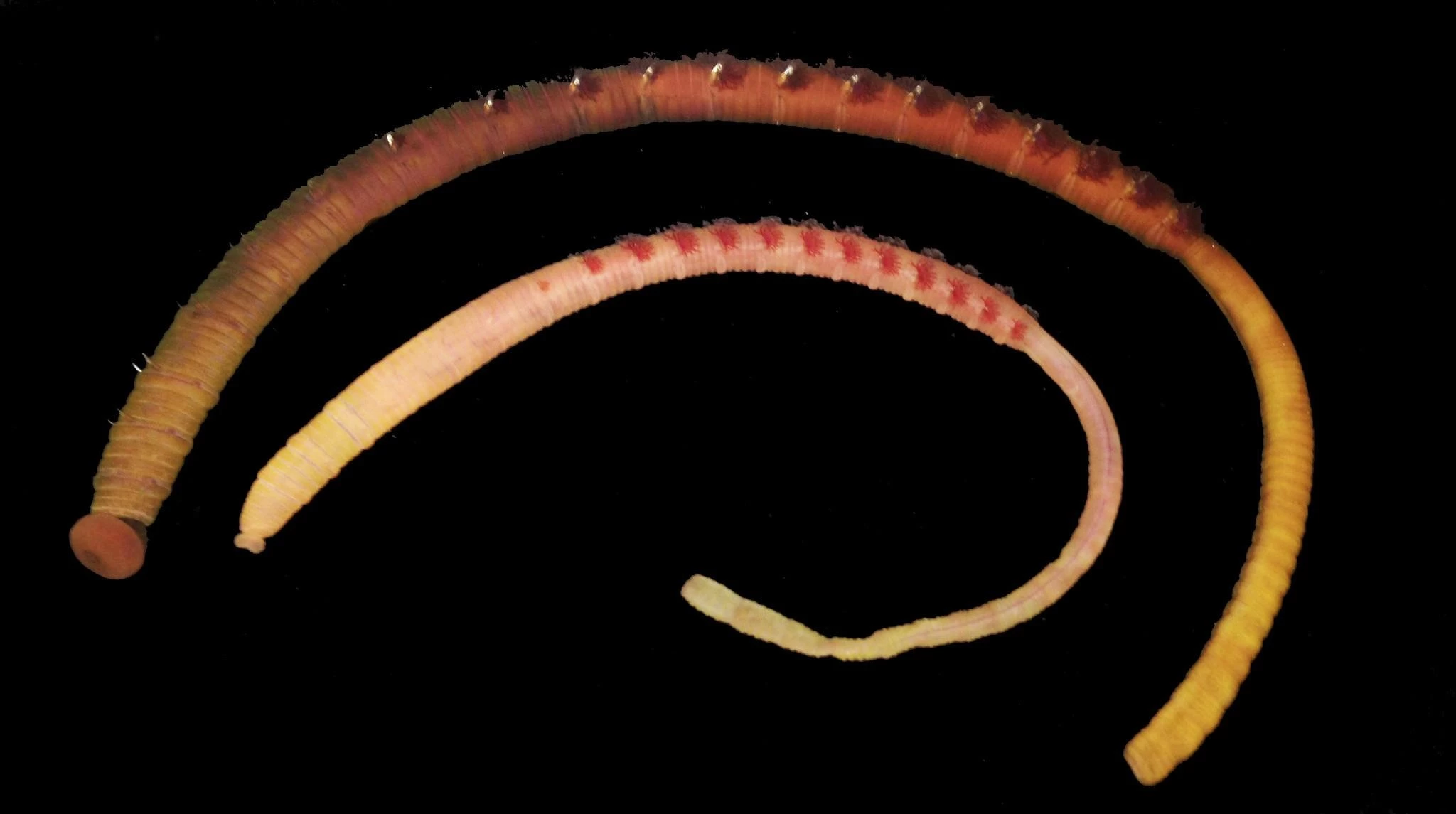
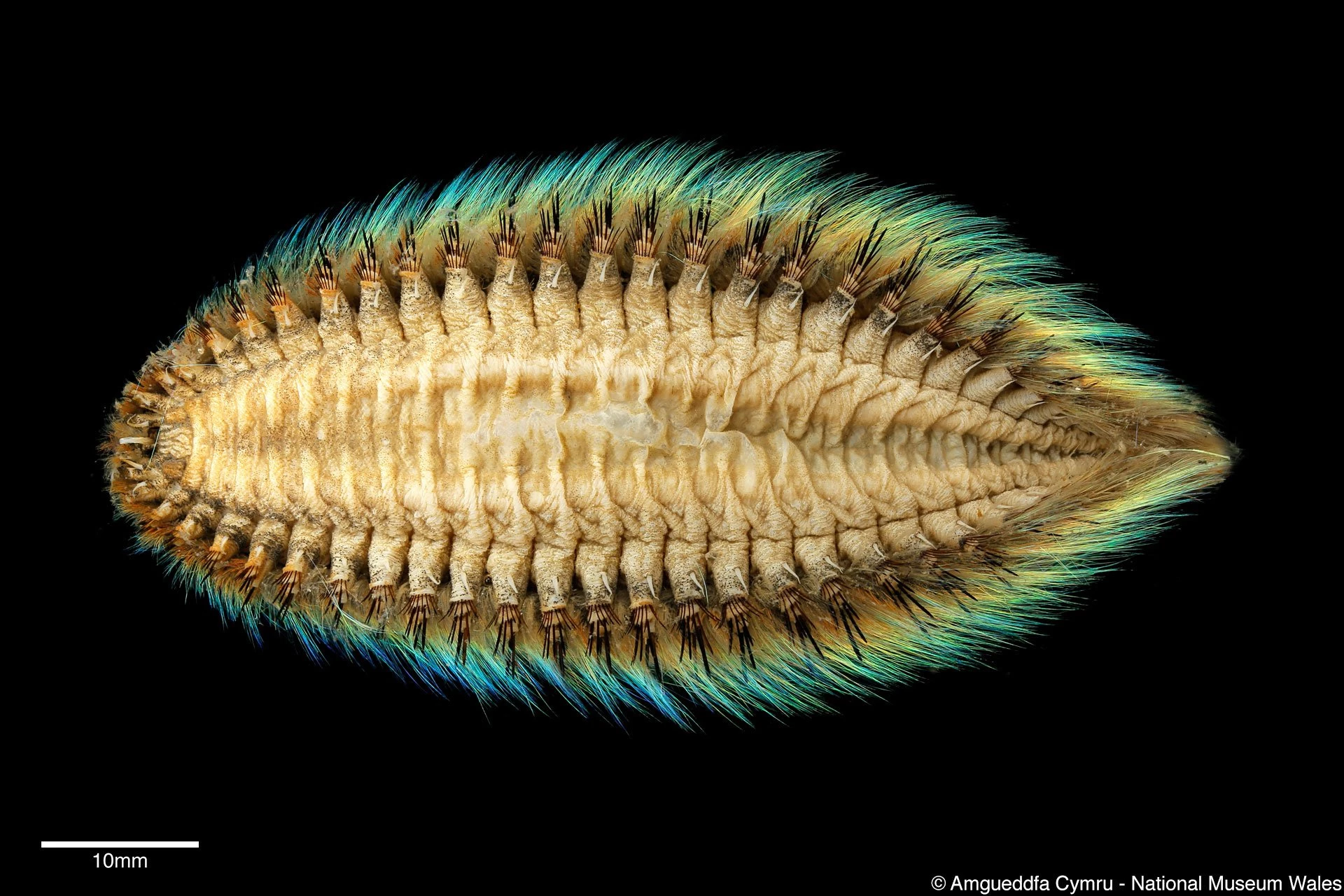
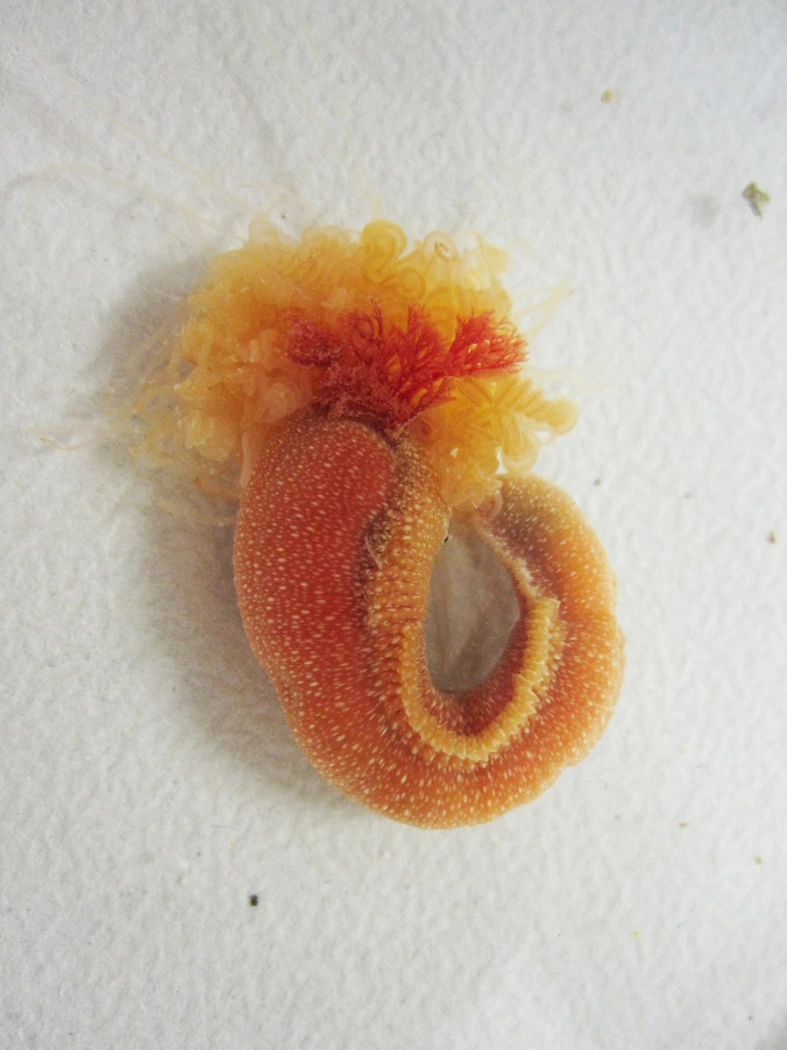
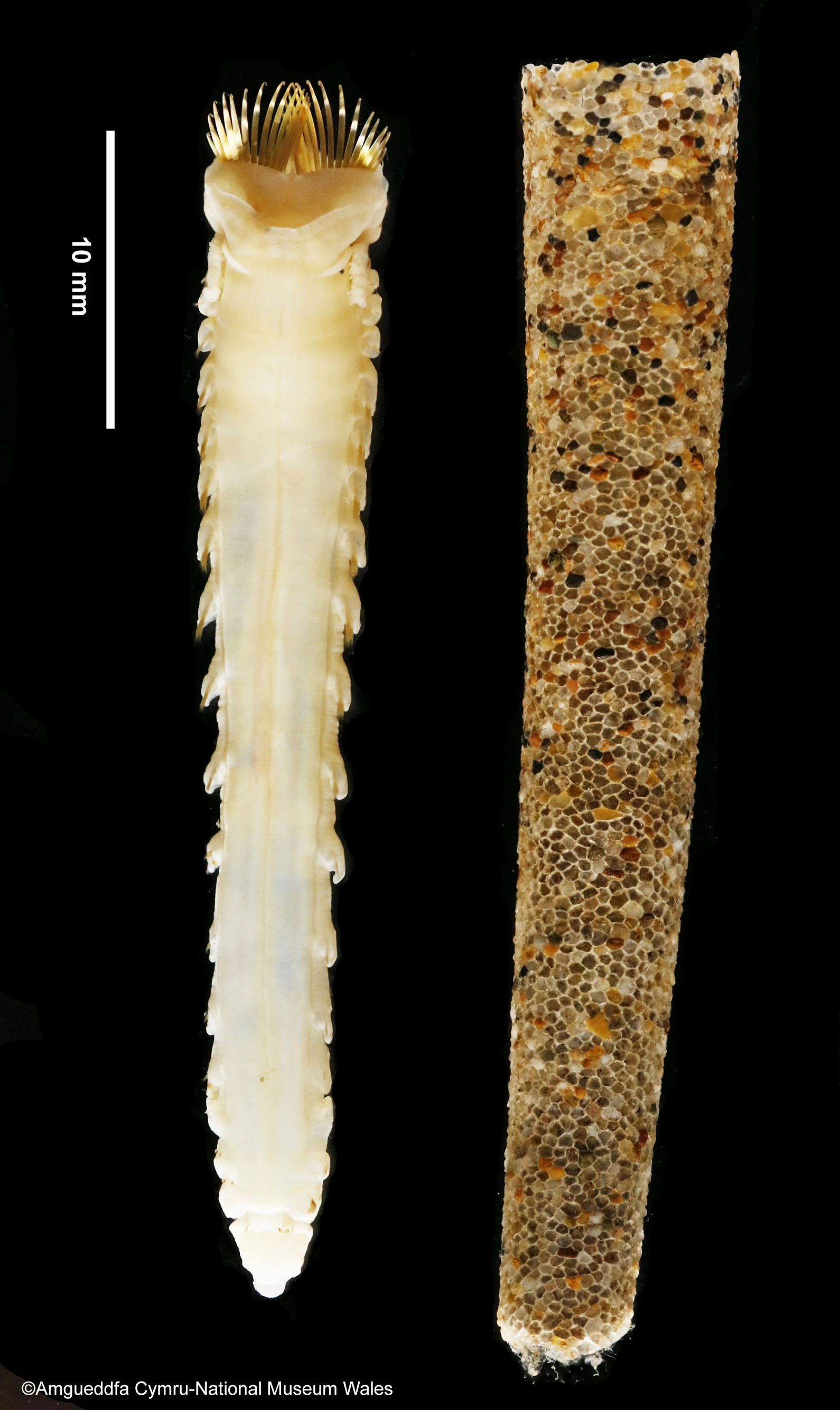
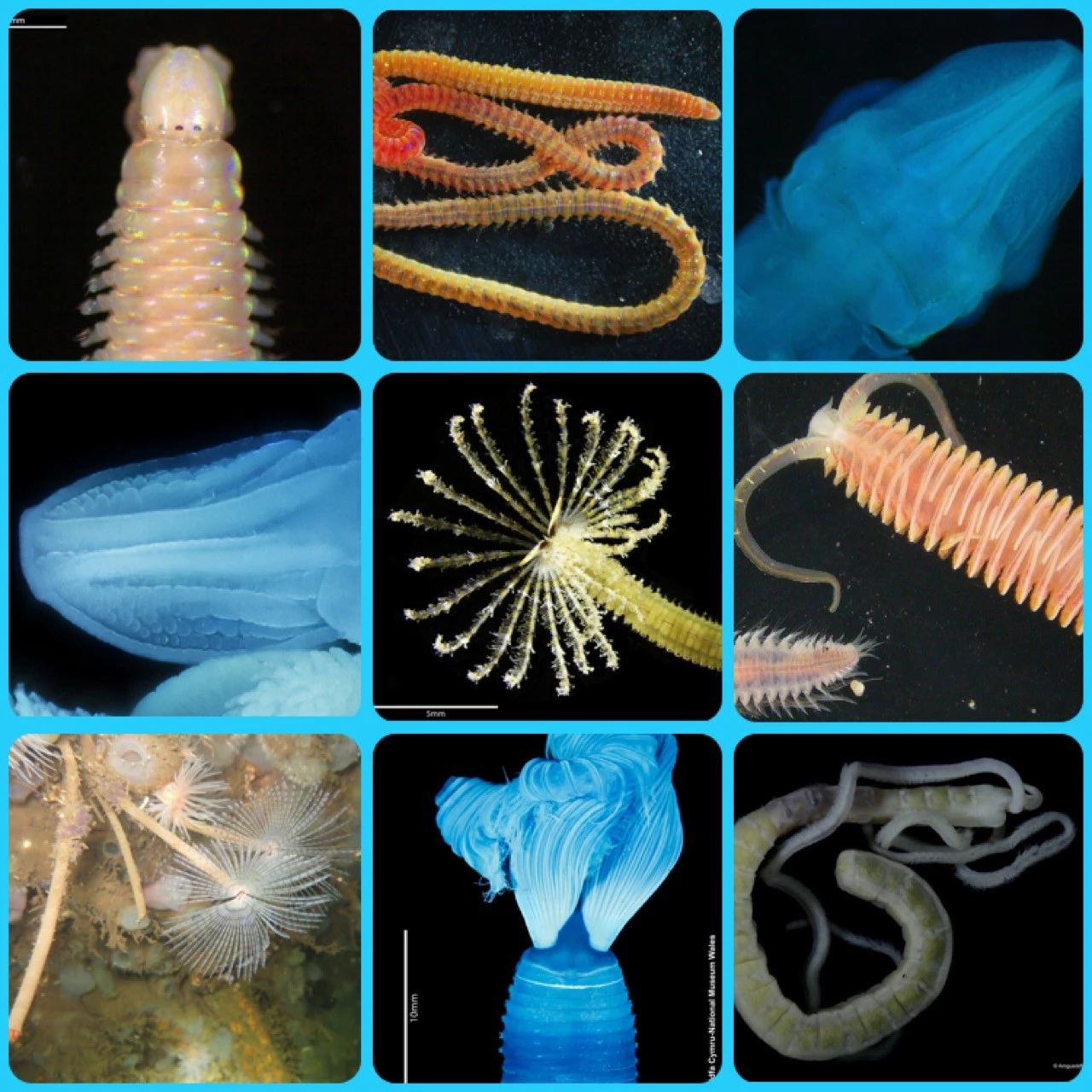
A can of worms – what are marine bristleworms and why are they so important? Katie Mortimer-Jones & Teresa Darbyshire, 7 August 2024 The two species of lugworm, Arenicola marina and Arenicola defodiens that we find around the UK. King Ragworm, Alitta virens often used by fisherman as bait! Can you see the beautiful colourful bristles along the edges of this Sea Mouse, Aphrodita aculeata? You can see the body is made up of lots of segments, which show that it is a worm. Strawberry Spaghetti Worm, Eupolymnia nebulosa which occurs commonly around the UK gets its name from its red body with white spots. Can you see the bright red gills? The Ice-cream Cone Worm, Lagis koreni, builds an intricate tube made of sand and pieces of shell. They live upside down and use the beautiful gold bristles to dig in the sand. Montage of some of the amazing bristle worms that we find around the world. Think you know worms? These might surprise you. Marine worms can be beautiful, ferocious, wondrous and spectacularMarine worms are vitally important for the health of our oceans, they play important roles in food webs, and are the ‘gardeners of the oceans’Amgueddfa Cymru has two experts in sea worms, discovering new species both at home and abroadYou might never have heard of marine bristleworms, but they are amazingly important and often surprisingly beautiful creatures. That’s what we as museum curators think, and hopefully you will agree after reading this article!Amgueddfa Cymru – Museum Wales has a vast collection of marine invertebrates, animals that live in the sea, and which, unlike you and me, don’t have a backbone. Most come from waters around Wales, but some were collected from all around the world. They include the sea creatures you may be more familiar with, such as lobsters, crabs, starfish, clams, mussels, corals and anemones, but also contain many more that you may not have heard of.What are bristleworms?One such group is the sea worms, or more specifically marine bristleworms. The scientific name for marine bristleworms is polychaetes, a name which translates to “many bristles”, as they have many hair-like bristles along their bodies for movement or attachment. They are related to earthworms and leeches, in a group called ‘Annelida’, the segmented worms. If you have ever studied an earthworm closely in your garden, you will have seen the body is made up of many segments, which give the group its name. Where can I see bristleworms?Have you ever seen the squiggles of sand across the surface of the beach and wondered what made these strange sandy ‘casts’? Well, they are made by lugworms, a common type of marine bristleworm often used by fishermen to catch fish. The lugworms live beneath the surface of the sand in burrows, munching on the sand to gain nutrients. They then need to get rid of the sand, which they release from their tails, almost like a tube of toothpaste. So, what you are seeing is actually the waste products from the worm – yes, worm poo!Another type of marine bristleworm that you may have heard of are ragworms, also used by fisherman as bait. The King Ragworm, Alitta virens, can grow up to a metre long, and is a scavenger, often feeding on other animals! But don’t worry, you don’t often see one on the beach.Why are marine bristleworms important?Firstly, they often make up a large proportion of the animals that live in the seabed, sometimes as much as 50-80%! This makes them an important part of ocean food webs, providing food for other animals such as crabs, lobsters, fish, sea birds and even other types of worms. Without them, whole food webs would collapse. Secondly, they are the ‘gardeners of the ocean’, doing a similar job to earthworms on land. They are constantly turning over the sediments within the seabed, getting oxygen down into them. Scientists often call them good ‘indicator species’, which means that they can often tell us about the health and well-being of the oceans. For example, the presence of some bristleworms tells us that the seabed is healthy, whilst others may indicate the environment is polluted. Other worms can build reef-like structures which can be home to all sorts of other animals.What do bristleworms look like?So hopefully we have convinced you of how important marine bristleworms are, but what about convincing you just how pretty they are? Well, there are over 12,000 different species of marine bristleworms across the world, and we are finding new species all the time. We have well over 1,000 species here in the UK, and that number is growing, too. So, what do they look like? Marine bristleworms have adapted to live in almost all marine habitats and environments and so they are really variable in their shape, size and colour. A few are really small, so small in fact that they live between the sand grains on the beach, whilst others are said to reach over 4 metres in length! Some can look very similar to earthworms but many look very different, and a few don’t even look like worms at all. Some are brightly coloured, looking almost like flowers, others are almost iridescent and shiny, and some even look a little scary! So, let’s tell you about several fascinating worms……The so-called Sea Mouse, Aphrodite aciculata, looks furry but it is actually a worm. They live all around the UK and you can sometimes see them washed up on the beach. Turn one upside down and you can see the segments which tell you that is the case. It is a predator, often eating other worms. However, look at those beautiful and colourful bristles along its body!The Strawberry Spaghetti Worm, Eupolymnia nebulosa, gets its name from its strawberry red body with white spots, and the mass of spaghetti-like tentacles on its head used to capture its food. Despite its name, we are not sure it would go well with cream! You can find them hiding underneath rocks on the beach, all around the UK.Speaking of food, how about an Ice-cream Cone Worm, Lagis koreni. These beautiful worms build intricate cone shaped tubes out of sand grains and small fragments of shells. The worms live upside down, digging in the sand using golden bristles, which look a little like eyelashes! You may come across an empty tube on UK beaches.Why do museums have collections of marine bristleworms?So, hopefully we have convinced you that worms can be wonderous creatures but why do museums have collections of them? These collections provide an amazing snapshot of which species have lived in different places at different times. This is important so that we can map any changes that might occur due to things like climate change.Are new species of bristle worm still being found?Amgueddfa Cymru has two specialists in marine bristleworms who study these amazing animals. They are taxonomists, scientists who find, describe and name new species and inform others across the world what to look out for. Museum collections are an extremely important resource for this type of research, helping us to learn more about biodiversity on Earth and record and investigate changes to it. You can find out more about the museum’s work on describing species here and keep an eye out on the museum’s blog pages for updates.
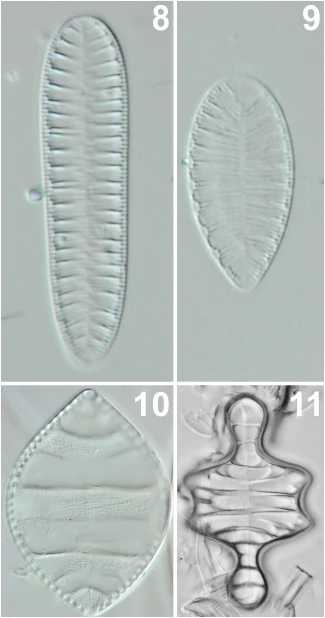
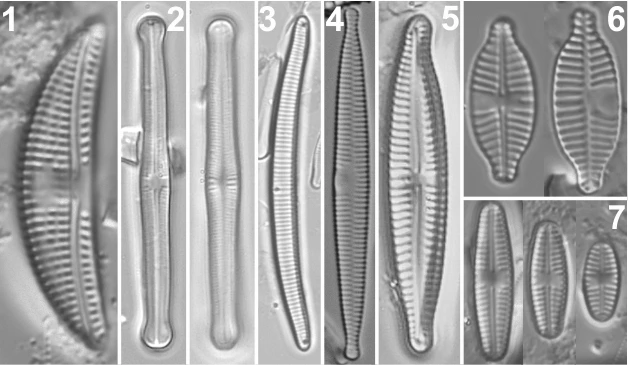
Diatom Flora of Britain and Ireland Ingrid Jüttner, 16 May 2023 Fig. 1. 1=Amphora macedoniensis, 2=Achnanthidium caledonicum, 3=Eunotia juettnerae, 4=Fragilaria battarbeeana, 5=Gomphonema varioreduncum, 6=Planothidium reichardtii, 7=Sellaphora saugerresii, (light microscopy). Fig. 2. 8=Surirella pinnata, 9=Surirella subsalsa, 10=Cymatopleura hibernica, 11=Tetracyclus emarginatus, (light microscopy). Fig. 3. Species in nutrient-rich waters: 12=Cocconeis pediculus, 13=Navicula gregaria, 14=Rhoicosphenia abbreviata, 15=Nitzschia palea; species in acidified waters: 16=Eunotia exigua, 17=Eunotia incisa, 18=Tabellaria flocculosa, 19=Pinnularia subcapitata, (scanning electron microscopy). Fig. 4. 20=Cocconeis neothumensis, 21=Eunotia serra, 22=Staurosirella rhomboides, 23= Semiorbis hemicyclus, (scanning electron microscopy). What are diatoms?Diatoms are microscopic, single-celled algae which live in fresh and brackish waters, the sea, and moist terrestrial habitats. They are the most species-rich group of algae. It is estimated that between 100,000 and 2 million species exist and new species are frequently discovered.Why are diatoms important?Diatoms are important algae in the environment producing oxygen and providing a source of food for many organisms. They are also sensitive to many environmental conditions, for example different species vary in their preference for nutrient concentrations, acidity, salinity, sediment load, flow regime and temperature. Hence, diatoms are good bioindicators providing us with information about the environment and the health of aquatic ecosystems. Many methods to monitor environmental change have been developed and diatom indices such as the UK’s Trophic Diatom Index (TDI) and the Diatom Acidification Metric (DAM) are regularly used by environmental researchers and the environment agencies to monitor water quality and the ecological status of our freshwater ecosystems (Kelly et al. 2020, Jüttner et al. 2021).What makes diatoms unique?Diatoms have a unique feature, a cell wall that is made of silica, and its shape and intricate morphological pattern are used to identify the different species in microscopy.How can we help identify diatoms?The website Diatom Flora of Britain and Ireland is a major project facilitating the identification of diatoms using their morphological features. The project is led by Amgueddfa Cymru’s diatom curator Dr Ingrid Jüttner, funded by the British Phycological Society and in-kind contributions from the participating experts and institutions. It consists of a web-based diatom flora and peer-reviewed publications providing a taxonomic review of diatoms from freshwater, brackish and subaerial habitats in Britain and Ireland.https://naturalhistory.museumwales.ac.uk/diatoms/ https://www.researchgate.net/profile/Ingrid-JuettnerAn estimated several thousand species of freshwater diatoms occur in Britain and Ireland. The last decade has seen many taxonomic revisions, including those in common genera including Amphora, Achnanthidium, Eunotia, Fragilaria, Gomphonema, Planothidium and Sellaphora and some rarely recorded species in these genera are now documented on the diatom flora website (Fig. 1). It is likely that many new diatom species in Britain and Ireland are yet to be discovered, especially in under recorded habitats such as remote upland freshwaters.Additionally, we began to study historic material that was used by earlier diatom researchers to describe new species, for example the collections by William Smith, one of the most prominent diatomists in the 19th century. His major contribution to diatom research was the publication of the Synopsis of the British Diatomaceae (1853, 1856), one of the first systematic diatom monographs, and still an important resource for diatom identification. His slide collections and original type material of the species he described are kept in Meise Botanic Garden, Belgium (Hoover 1976), in the Natural History Museum, London (Smith 1859), and in the Royal Botanical Garden of Edinburgh. Smith’s collections comprise more than 1200 samples from all over Britain, but many species in the British flora described by Smith are poorly documented and will be the subject of our studies in the future (Fig. 2).Why is the Diatom Flora of Britain and Ireland website so important?Recent taxonomic revisions and studies on species distribution (e.g., Novais et al. 2015, Levkov et al. 2016, Wetzel et al. 2019, Jüttner et al. 2022, Van de Vijver et al. 2022) have led to improved understanding of species taxonomy and ecology. These studies were published in a range of scientific journals and books making it difficult for practically oriented users of diatom monitoring methods, students and researchers not involved in taxonomic research to keep up to date. Hence, the freely available Diatom Flora of Britain and Ireland website, summarising the most recent progress in diatom taxonomy, is a valuable tool that supports the use of diatoms in a wide array of disciplines and applications.Currently 334 species in 66 genera are published online. All taxa are documented using light microscopy observations, but many are also illustrated with scanning electron microscopy pictures, and some with images of the living cells. All taxa are accompanied by morphological descriptions and a list of key references. Many of the published species are from freshwaters impacted by eutrophication or acidification and are frequently encountered during environmental monitoring of rivers and lakes (Fig. 3).More recently, we found and illustrated several rare species from unpolluted freshwaters (Fig. 4). However, the floras of semi- or near-natural aquatic habitats for example those typical in bogs, upland lakes, headwater streams and springs remain poorly represented and will be a focus of our work in the future. Unpolluted freshwaters can harbour high numbers of endangered taxa (Cantonati et al. 2022) and a better understanding of the flora of these unique wetlands is important and can support projects that assess environmental change in threatened habitats and support ecological restoration work. References Cantonati M., Hofmann G., Spitale D., Werum M., Lange-Bertalot H. 2022. Diatom Red Lists: important tools to assess and preserve biodiversity and habitats in the face of direct impacts and environmental change. Biodiversity and Conservation 31: 453–477. https://doi.org/10.1007/s10531-021-02339-9Hoover, R.B. 1976. Inventory of the original typical collection of the Reverend William Smith (1808–1857). Types du Synopsis of British Diatomaceae. tt. [i]–xlv, 1–106, 11 plât. Antwerp: Koninklijke Maatschappij voor Dierkunde van Antwerpen met de medewerking van de Koninklijke Albert 1 en het Stadsbestuur van Antwerpen.Jüttner I., Kelly M.G., Evans S., Probert H., Orange A., Ector L., Marsh-Smith S. 2021. Assessing the impact of land use and liming on stream quality, diatom assemblages and juvenile salmon in Wales, United Kingdom. Ecological Indicators 121, 107057. https://doi.org/10.1016/j.ecolind.2020.107057Jüttner I., Hamilton P.B., Wetzel C.E., Van der Vijver B., King L., Kelly M.G., Williams D.M., Ector L. 2022. A study of the morphology and distribution of four Achnanthidium Kütz. species (Bacillariophyta), implications for ecological status assessment, and description of two new European species. Cryptogamie Algologie 43(10): 147–176. https://doi.org/10.5252/cryptogamie-algologie2022v43a10Kelly M.G., Phillips G., Juggins S., Willby N.J. 2020. Re-evaluating expectations for river phytobenthos assessment and understanding the relationship with macrophytes. Ecological Indicators 117, 106582. https://doi.org/10.1016/j.ecolind.2020.106582Levkov Z., Mitić-Kopanja D., Reichardt E. 2016. The diatom genus Gomphonema from the Republic of Macedonia. Diatoms of Europe Vol. 8. Koeltz Botanical Books, Oberreifenberg, 552 tt.Novais M.H., Jüttner I., Van de Vijver B., Morais M.M., Hoffmann L., Ector L. 2015. Morphological variability within the Achnanthidium minutissimum species complex (Bacillariophyta): comparison between the type material of Achnanthes minutissima and related taxa, and new freshwater Achnanthidium species from Portugal. Phytotaxa 224(2): 101–139. https://doi.org/10.11646/phytotaxa.224.2.1Smith W. 1853. A Synopsis of the British Diatomaceae. Vol.1. John Van Voorst, London, 89 tt., 31 plât.Smith W. 1856. A Synopsis of the British Diatomaceae. Vol.2. John Van Voorst, London, 107 tt., 67 plât.Smith W. 1859. List of British Diatomaceae in the Collection of the British Museum. Taylor and Francis, London, 55 tt.Van de Vijver B., Williams D.M., Kusber W.-H., Cantonati M., Hamilton P.B., Wetzel C.E., Ector L. 2022. Fragilaria radians (Kützing) D.M.Williams et Round, the correct name for F. gracilis (Fragilariaceae, Bacillariophyta): a critical analysis of this species complex in Europe. Fottea 22(2): 256–291. https://doi.org/10.5507/fot.2022.006Wetzel C.E., Van de Vijver B., Blanco S., Ector L. 2019. On some common and new cavum-bearing Planothidium (Bacillariophyta) species from freshwater. Fottea 19(1): 50–89. https://doi.org/10.5507/fot.2018.016
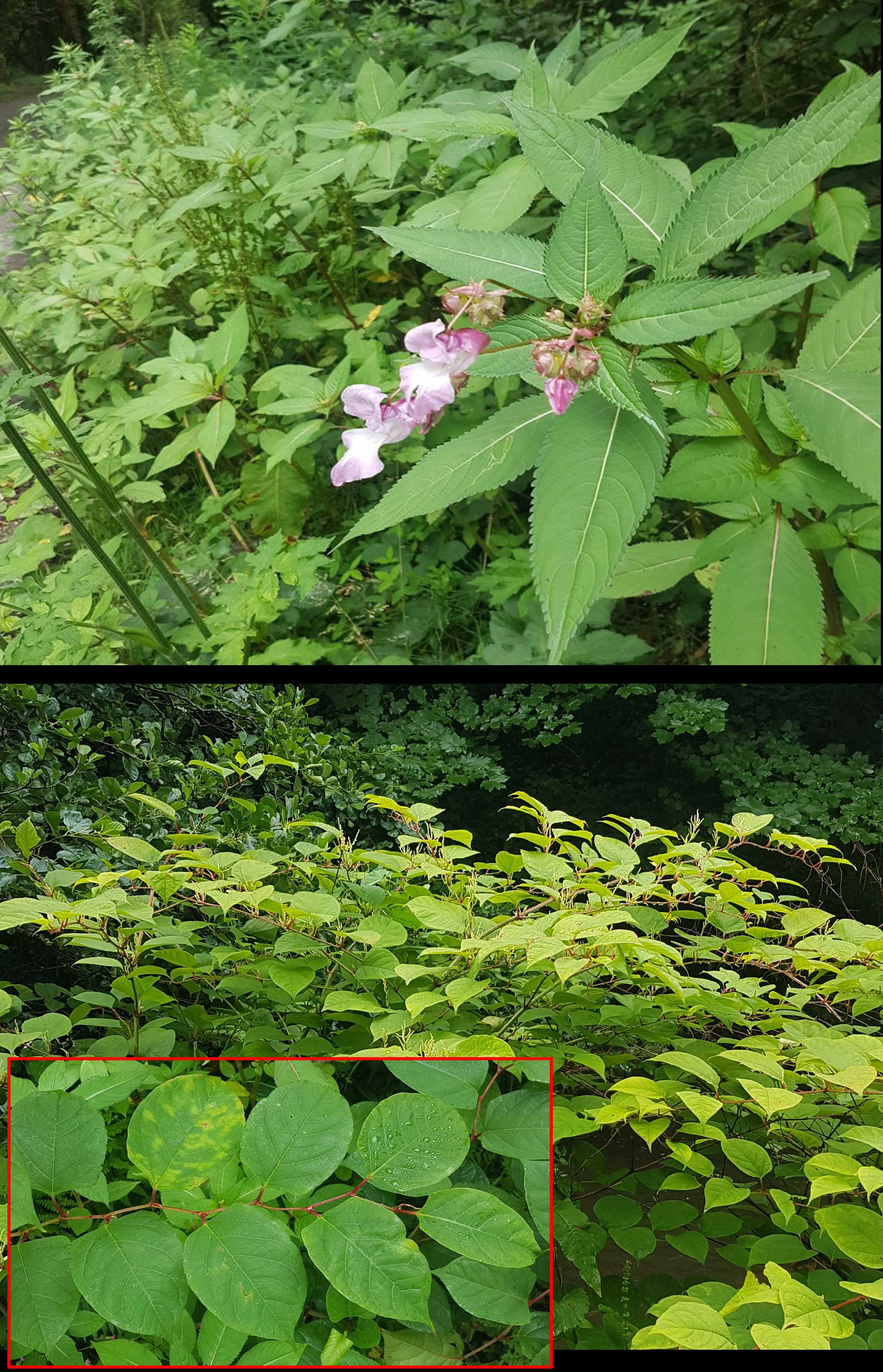
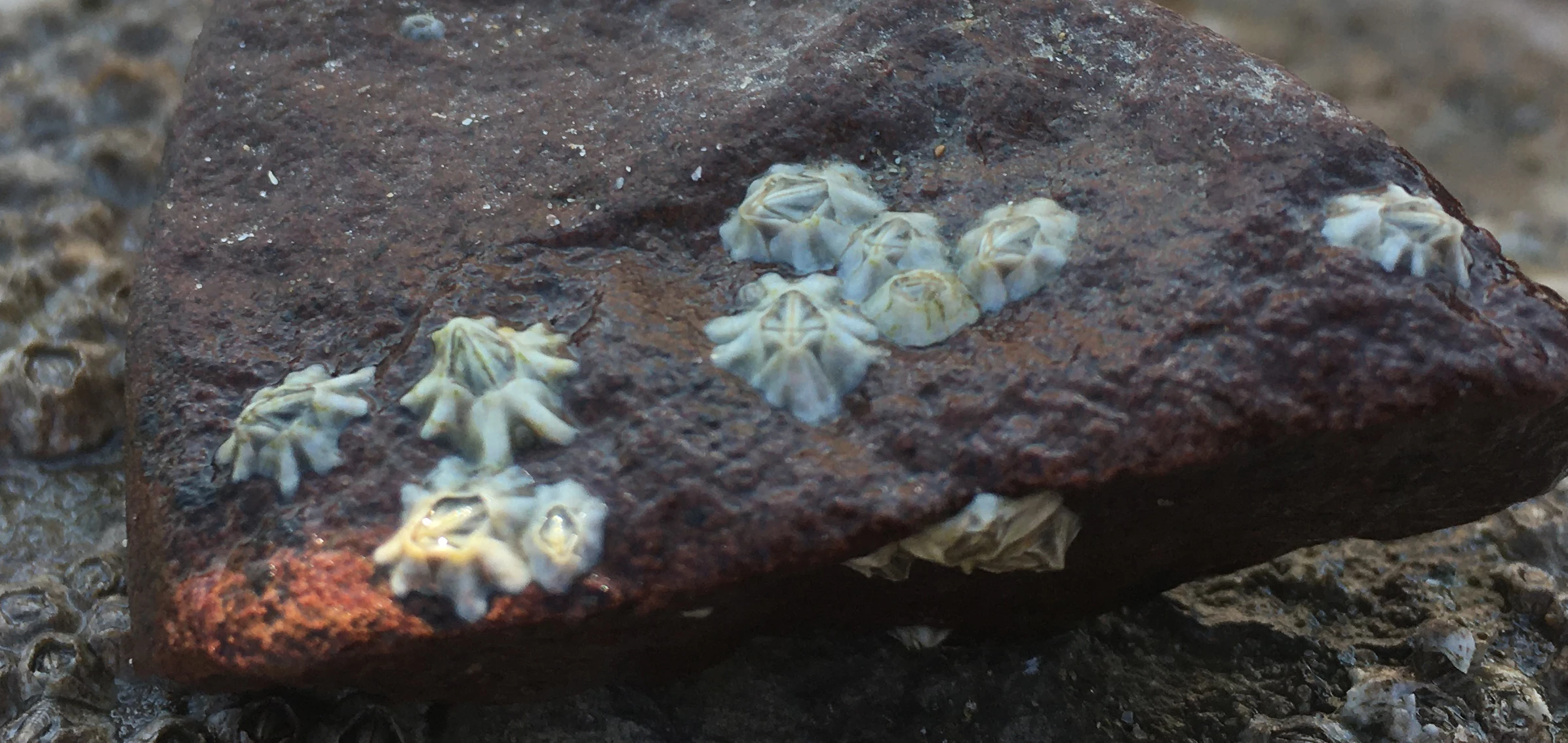
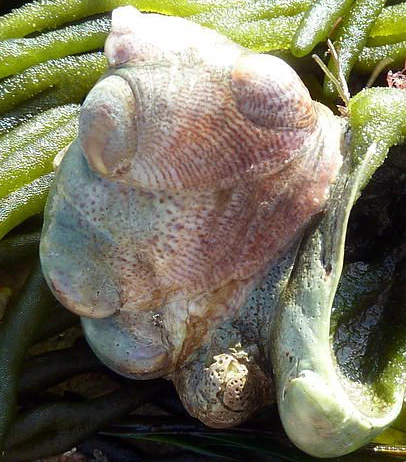
Alien Invaders Anna Holmes, 15 May 2023 Watch out for these where you live: Himalayan Balsam and Japanese Knotweed Pom-pom weed (Caulacanthus okamurae) attaches to mussels forming a dense sheet Darwin’s Barnacle (Austrominius modestus) travelled all the way from Australia on ships during WWII. It attaches to rocks. [Figure caption – barnacle plates] You’ve probably seen these stacks of these American Slipper Limpets (Crepidula fornicata) on your local shore Invasive species can wreak havoc on our biodiversity, economy and healthHow do we know that a plant or animal is a problem? Knowing how to identify these alien/invasive species is important to save our ecosystems – and this is where Amgueddfa Cymru’s taxonomists come in… Have you ever wondered what Invasive Species are? Some people know them as aliens, but what is all the fuss about? Why don’t they belong here and what harm can they do?!In fact, Invasive species are causing problems with our wildlife, our economy, and our biodiversity. They take over habitats and spread quickly, wreaking havoc, costing millions in repairs, and can spread diseases that our native plants and animals cannot fight against. In general, they are a real nuisance! If you’d like to learn more and help with the fight read on.What are non-native species?The world has become a much smaller place in terms of travel, but as we move around the planet for business, holidays and trade, animals and plants move with us. Years ago, before we realised what an issue we were causing, we imported plants because they looked pretty or shellfish because they grew quickly, making a fast profit. However, these plants and shellfish could hide other animals or plants, and these were all set to invade too!When species arrive at a location that they would not have naturally been able to reach they are classed as Non-Native. It is not a habitat that they could reach without human help. When non-native species find that conditions are right and become established, it can turn out to be a real problem. In Britain over 2000 plants and animals have been introduced from all over the world by humans either intentionally or by accident.What is an Invasive species?While most of the non-native animals and plants in Britain are harmless, around 10–15% can spread and begin to have a negative impact on our native species, our health, ecosystems and our economy. It is then that they are classed as Invasive Species.There are two good examples of problem plants that are invasive species that you are likely to see where you live. The first is Himalayan Balsam that goes by the fabulous Welsh name of Jac y Neidiwr. A pretty, pink flower that spreads like wildfire, it was brought to the UK from the Himalayas in 1839 as a garden ornamental. The second is Clymog Japan (or Japanese knotweed) which has deep underground stems so even if you chop it down it grows back the following year. It can grow to 2.1m (7ft) shading all other plants. Both these invasive plants suppress other plant growth, reducing biodiversity in that area.Animal intruders are just as much of a problem, sometimes even more so as they are usually a bit more mobile. And even those static ones that live in the sea, like oysters and sea squirts, have a mobile breeding phase allowing them to spread elsewhere.Marine Invaders - where do they from and how do they get here?In the marine realm, things can be just as problematic. Wireweed (Gwymon Sargaso) is a floating brown seaweed with small gas bladders along its stem. Accumulating in harbours and on beaches it is a nuisance, shading other seaweeds, which like land plants need sunlight to grow. Wireweed grows very quickly, entangling propellors, but it also reduces primary production, an important component of a healthy ecosystem. This causes negative effects on our native animals and plants, changing the biodiversity balance.Invasive species are bad news although some of them are a direct result of human importation, many are the result of accidental introduction via aquaculture, ballast water in ships or other means. Many of the marine invertebrate species known as invasive species have a sedentary adult stage, however, they have a mobile larval stage in their life cycle. This allows for movement of species as tiny planktonic animals. Once in the water column, minor currents can transport them within the harbour allowing them to move from ship to ship.In Britain and Ireland the number of species that are classed as non-native fluctuates and scientists constantly research horizon species – those that have been found in a nearby country that could turn up here. For marine species one of those places routinely monitored is the Netherlands as it is so close to our shores - if something turns up there it is likely that six months or so later it will be found in British waters.Luckily Natural Resources Wales (NRW) have produced a guide to marine non-native species in Wales. And Amgueddfa Cymru has a Marine Invasive Species Kit, produced in partnership with NRW, that can be loaned out for workshops to help people identify non-native species. For further details on that kit contact: anna.holmes@museumwales.ac.uk.Human importsSpecies become invasive when conditions are just right for them, this means that they can outgrow and outcompete native species for food and space. A good example of this is the Wystrysen y Môr Tawel or the Pacific Oyster (Magallana gigas). Once, our native European oyster (Ostrea edulis) populations thrived. In Roman times they were shipped back to Italy for consumption, but today, years of unsustainable trawling and the spread of a deadly disease has greatly reduced stocks. Due to this reduction in numbers, the Pacific Oyster with its heavy, robust shell, fast growth rate and resilience to disease, was introduced in the 1960s for commercial purposes. The first record in the wild was just five years later and it has spread rapidly. In southern England, a popular aquaculture area, escapees have reproduced and are wreaking havoc in some locations. Causing dense aggregations of sharp, heavy shells, they are hazardous for humans and animals walking on beaches. 150,000 Pacific oysters in the Devon and Cornwall area were recorded recently where several years previous there were very few. (For further reading on this check out Pacific oyster expansion threatens Devon and Cornwall estuaries - BBC News).Cimwch Americanaid or American lobster (Homarus americanus), is imported to the UK and has been since the 1950s. It is cheap and industrially fished, but unfortunately has brought a disease with it that harms our European lobster. The American lobster is considered an invasive species because it can outcompete our native lobster for space and can breed with it; a process called hybridisation (when two similar species can successfully breed). It is difficult, but not impossible, to identify the American lobster - causing an issue for those trying to monitor the invader.Aquaculture Funding and support Many species were accidentally introduced, hidden on plants, in the soil or even on animals such as oysters. Ewin Mochyn or the Slipper Limpet (Crepidula fornicata) was accidentally introduced with oyster spat from eastern North America in the 1970s and has rapidly spread. Once the Slipper Limpet arrived in foreign destinations it was able to maximise its good fortune by having planktonic larvae that could help it spread locally. Today, strict aquaculture regulations are attached to import of any non-native species and so theoretically this should not happen again. Unfortunately, the Slipper Limpet is here to stay as it is impossible to get rid of. It enjoys an offshore and lower beach habitat forming dense stacks of individuals and attaches to and smothers native wildlife.Ballast water and hull invaders One of the major transporters of marine non-native species are the large cargo ships. To travel across seas and oceans the huge ships take on ballast water (also above) at their point of origin to keep the vessel balanced. The water is sucked in through pipes while in port, sometimes with the larvae of potential invasive species in the water. Once at the destination port, ballast tanks are emptied, dispersing the larvae in a completely different location. A large percentage of marine invaders were initially imported this way. However, today there are control measures in place for managing ballast water in British ports.Many marine interlopers used times of conflict to their advantage and attached to warships that travelled across the world. The Leathery Sea squirt (or Chwistrell Fôr Ledr) was first recorded in Plymouth in 1953 just after the Korean war. Ships returned to port during and after the conflict with various critters attached to their hulls and one, the leathery sea squirt, has now spread as far as Orkney. Able to attach to hard surfaces it is often encrusted with other animals and plants and in the UK is commonly found with other invasive species.Darwin’s barnacle, Gwyran Darwin, a native of Australia, was first spotted in Britain in Chichester Harbour in 1946 and is known to attach to hulls of submarines and warships. Hitchhiking on wartime traffic, the crustacean had crossed the world! It has since spread across the rocky shores through England into Wales and has now reached Scotland and Ireland with 7861 records and counting in the British Isles. Distinctive and rather pretty with its white frilly edged plates, it is found covering rocks on our shores all around the Welsh coast.Rafting on plastic litter as a mode for transport Our seas and oceans are connected, forming one huge body of water that potential marine invaders can exploit. While the common types of import such as aquaculture, ballast water and hull attachment are well-known and monitored to a certain extent, there is one area that is relatively unknown. Some marine animals that can attach or cling to floating plastic items and cross seas without any assistance from humans. Rafting species, as they are known to scientists, use plastic litter to travel from shore to shore and even across oceans. Currents create a huge conveyor belt for those species that are able hang on for the duration. For more information on Rafting animals see Rafting bivalves in Britain and Ireland | Museum WalesBut can you do anything to help?The answer is yes, if you would like to join the fight, extra eyes on the ground are always welcomed! Check, Clean, Dry is a national biosecurity campaign and although originally aimed at freshwater river and lake users it can be applied to the coast as well. If you wear shoes with a rugged sole, check to see if anything it stuck in the bottom. Wash with freshwater and scrub off anything that is attached and then leave to dry. But, beware, some marine animals like shells and barnacles can close up and survive out of water for a few days so be vigilant.In Wales an app has been created to record invasive species and not just marine ones. To find out more check out Ecosystem Invaders Ecosystem Invaders | North Wales Wildlife Trust
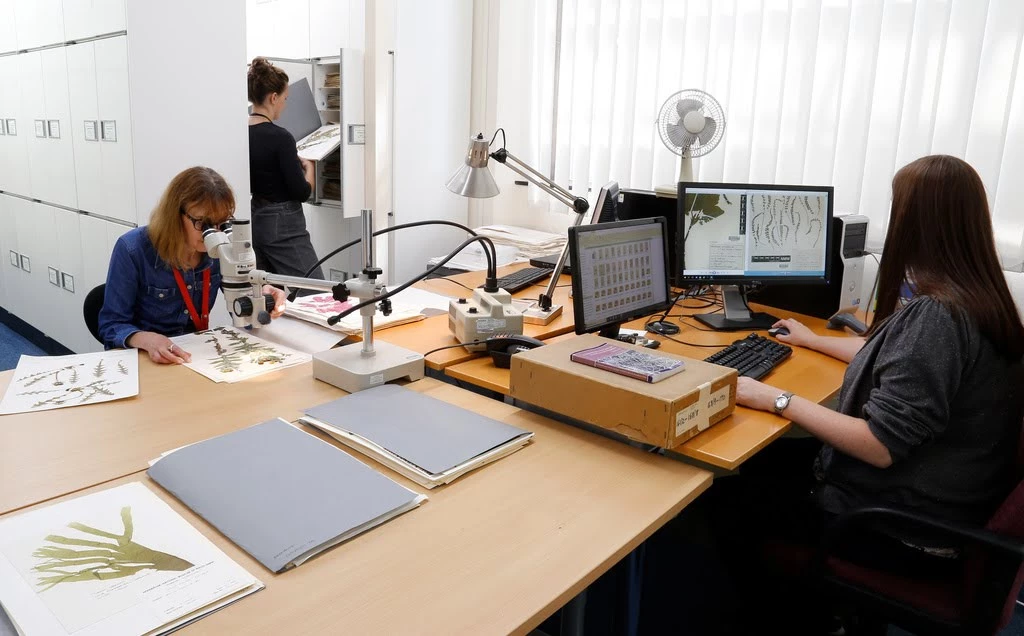
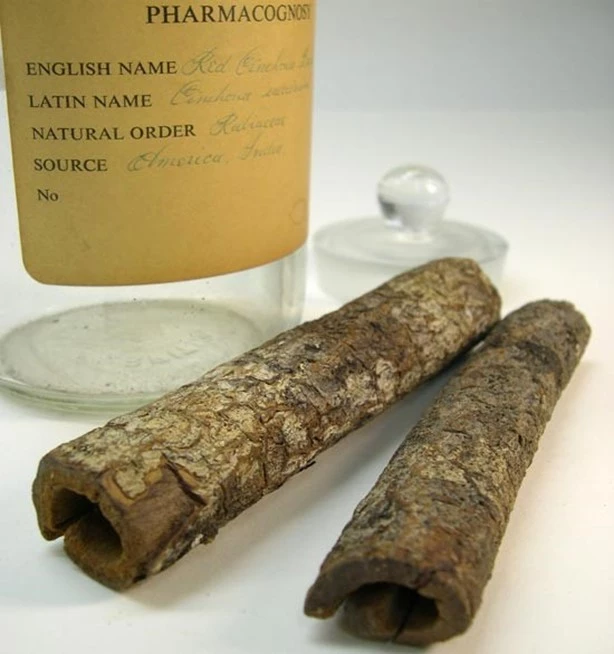
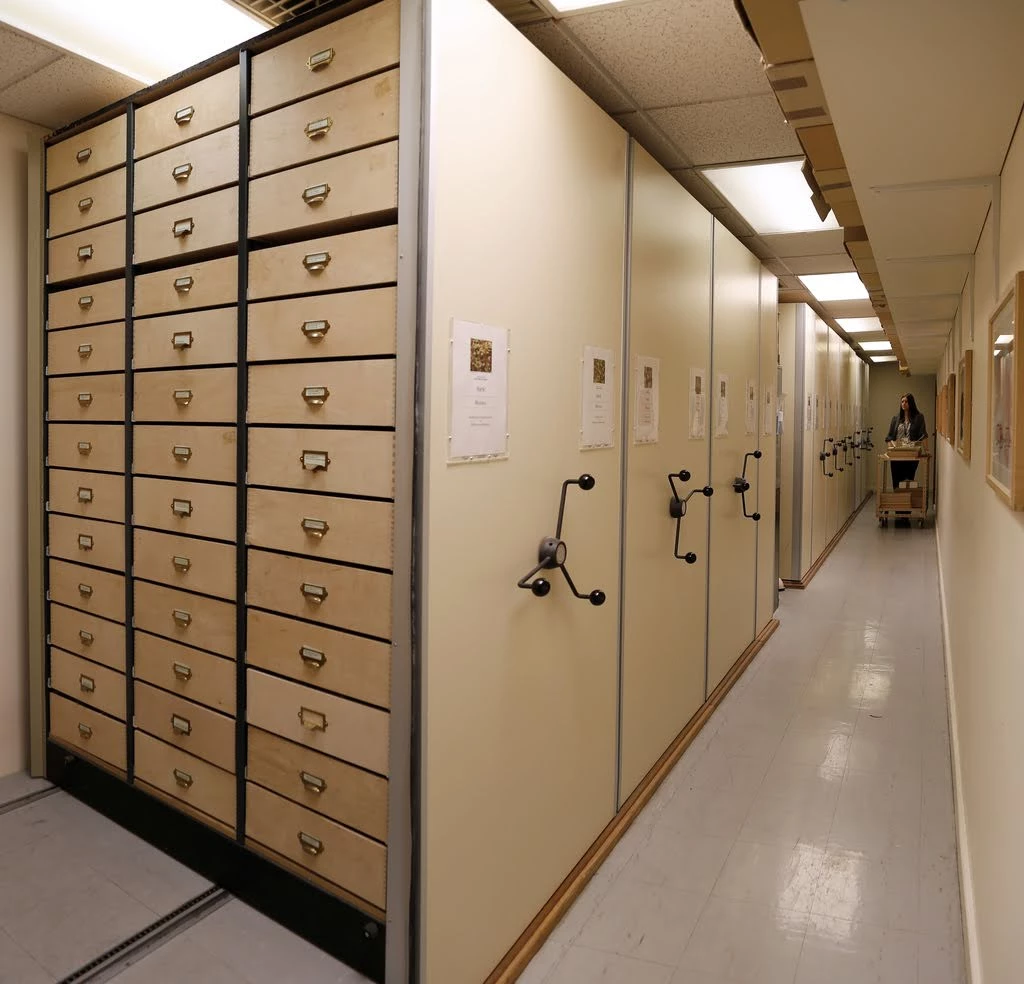
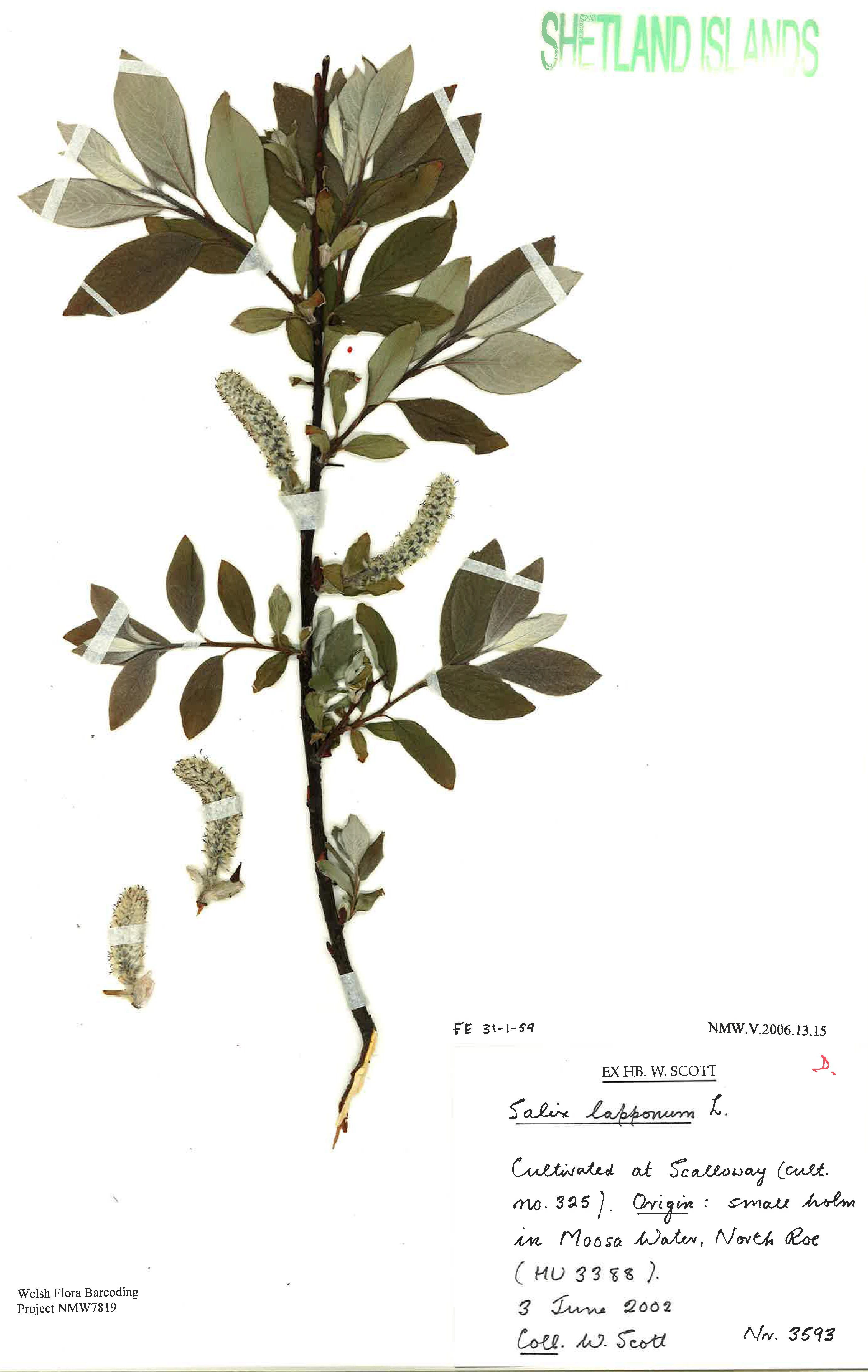
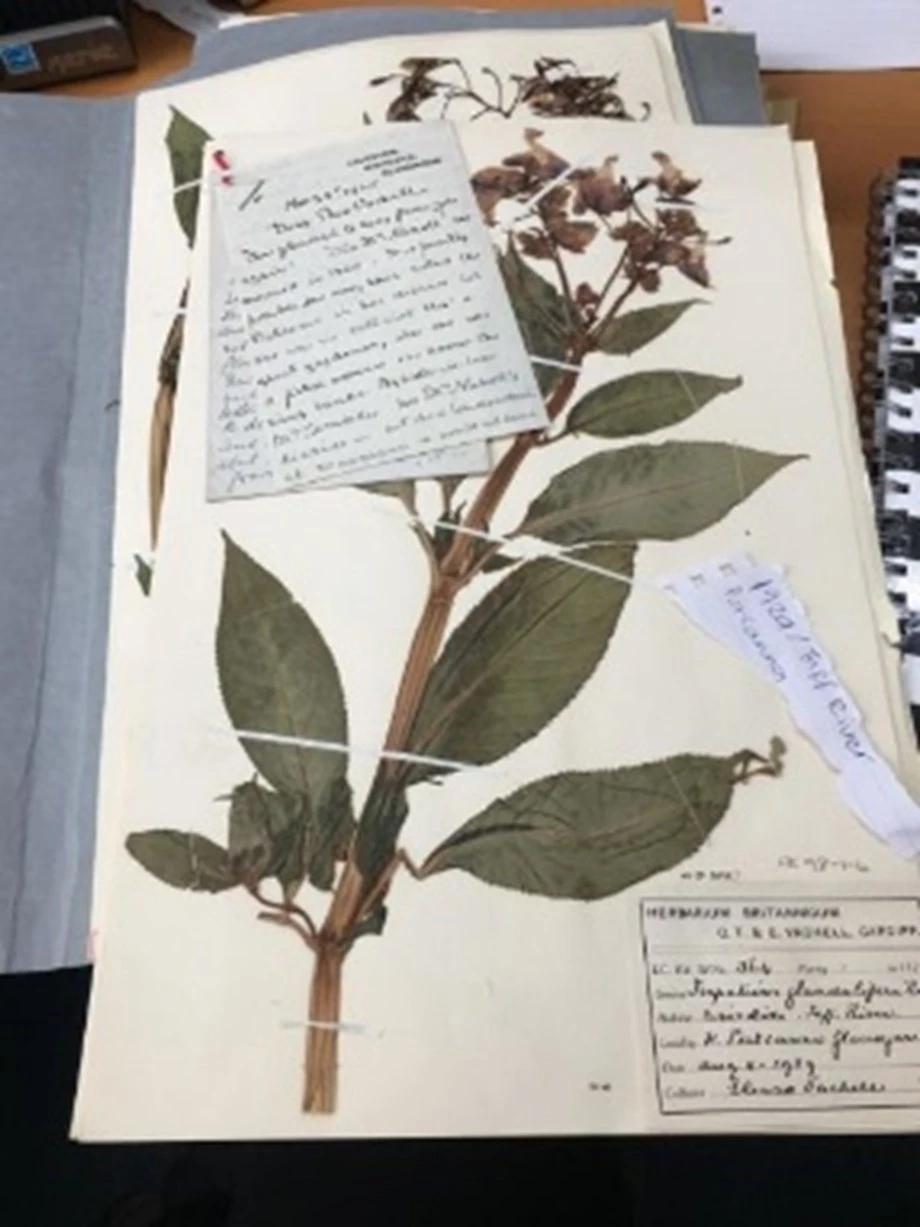
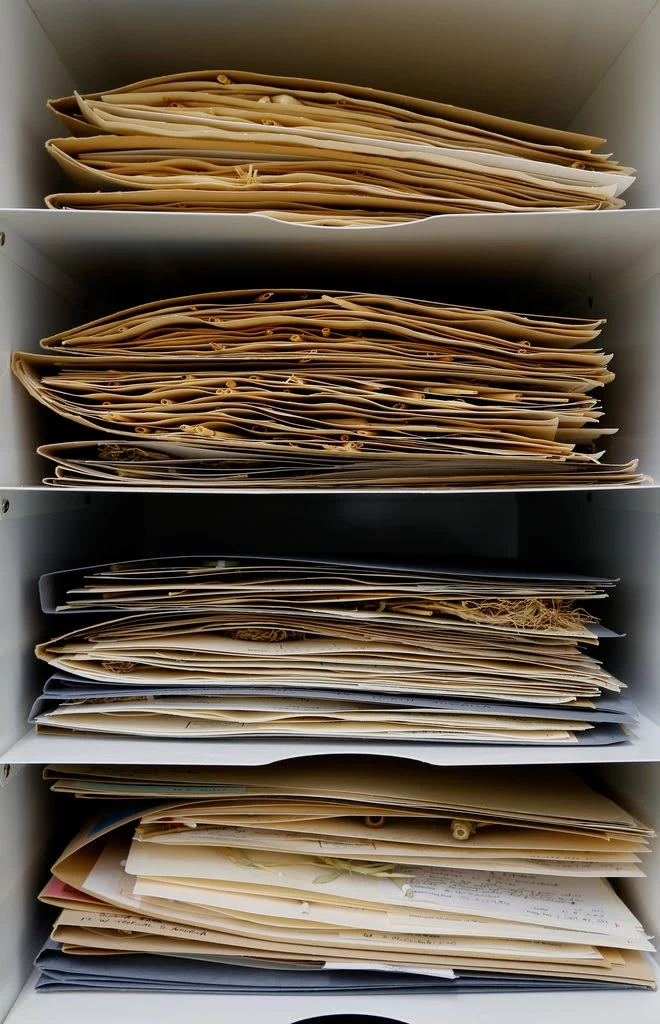
Herbarium Katherine Slade and Sally Whyman, 2 April 2022 Introduction Did you know that National Museum Wales houses the Welsh National Herbarium? Welsh National Herbarium at National Museum Wales Here we explore the herbarium and what it means. We discuss how the herbarium is stored and what can be found there as well as who can benefit from it. What is a Herbarium? A herbarium is a collection of preserved (mostly dried) plant specimens that have been stored appropriately and arranged systematically to ensure quick access for curators, artists, students, researchers and the general public for scientific research and education. The Welsh National Herbarium contains vascular plants (such as flowering plants, conifers, ferns and club-mosses), bryophytes (mosses, liverworts and hornworts), lichens, fungi, slime moulds and algae. There are also botanical illustrations, models and collections relating to the use of plants by people such as spices, herbs, crops, wood and fibres. Specimens are also kept of diseased plants, keeping a record of plant infections and pest damage over time. In the vascular herbarium, specimens are arranged by plant family and genus while other plant groups such as mosses are arranged alphabetically. Specimens are stored in tall metal cabinets and in wooden drawers on roller racking, within the herbarium, which is kept at an even temperature and humidity. Move from herbarium cabinet to herbarium cabinet, and you can delve into a huge array of plant diversity world-wide. For example one cabinet might have Black Raspberry (Rubus occidentalis from North America, and the next cabinet you open might have Laver seaweed (Porphyra species) from Pembrokeshire. A herbarium is the only place to be if you want to study the world’s plants in one place, or even ‘just’ all plants that live across Wales! Curators are working to scan all specimens, making accessing data and sharing specimen images and information with other institutions easier. Difference between a Herbarium and Herbaria Herbaria is the plural and herbarium is the singular, so you have one herbarium and many herbaria. There are thousands of herbaria around the world and each one is the home of historical plant records covering hundreds of years to the present day. The oldest plants in National Museum Wales are 300 years old. They are plant time capsules containing unique information that would otherwise be lost. The herbarium is checked regularly for infestations, and strict guidelines are put in place to ensure all specimens remain in pristine condition. Any loss or damage to specimens would be catastrophic because of the irreplaceable nature of collections. It is the curator’s role to ensure that all specimens are kept in good condition indefinitely, stored according to the correct guidelines. The herbarium is checked regularly for infestations, and strict guidelines are put in place to ensure all specimens remain in pristine condition. Herbaria contain ‘type specimens’, individual specimens that a scientist has used to base their description on when describing a new species. Any loss or damage to specimens would be catastrophic because of the irreplaceable nature of collections. Who benefits from herbaria? Botanists The most obvious field that benefits from herbaria is botany; botanists are plant scientists that study and perform experiments on plants. Some herbarium specimens are hundreds of years old, so this gives botanists a unique chance to look at how plant life has changed over time. Cinchona bark which contains quinine, from the economic botany collection There are many studies that can be performed on herbarium entries, and these usually depend on the specialist skills of the researcher looking at them. Botanists can use herbaria and botanical specimens to answer questions such as: Where do plants live and how does this change over time? What is the diversity and abundance of a certain plant species? Where can you find rare plants? An important question for conservation. How have plants changed their flowering time (phenology) in response to climate change? For example some plants flower earlier due to climate change that’s occurred since the industrial revolution. When were invasive non-native species first recorded in, for example, Wales? How have plants changed their morphology over time? For example the density of stomata when cross referenced to fossil plants in the museum, shows evidence for adaptation by plants to changes in carbon dioxide in our atmosphere millions of years ago. Other Scientists It’s not exclusively botanists that benefit from herbaria, other branches of science can also use the botanical collections in their research. Biologists, climate scientists, conservationists and ecologists can benefit from the specimens found in herbarium and frequently use collections for ongoing research. Herbaria can answer questions such as: When did a plant pest first arrive in Wales? How do plants respond to climate change? Has a plant been found in a particular habitat? Historians Specimens stored in the herbarium can give insights into the daily life of people in history. Collections like the economic botanic collection contain plants and botanical items that have had an important domestic, medicinal or cultural use to society. This collection contains herbs, dyes, textiles and culturally important items that are kept to demonstrate their importance to world culture through displays, museum visits and exhibitions. Historians can also use herbarium collections for project collaborations, for records of discoveries and for exploration. Artists Artists have, and continue to draw inspiration from herbaria, using the unique perspective from nature that only a herbarium collection can give. Teachers / People in education Herbaria and museums are a great resource for education. Curators at National Museum Wales use the collections to help tell stories of history, culture and science in the museum galleries, exhibitions, for behind the scenes tours, at events and online. What can be found in Herbaria? Vascular Plants Vascular plant herbarium cabinets at Welsh National Herbarium, part of National Museum Wales Vascular plants also sometimes known as ‘higher plants’ are composed of all individuals that have water conducting tissue in their stems. Flowers, conifers, grasses, trees, ferns, club-mosses, horsetails, herbs, succulents, etc. are all types of vascular plants. These types of plants are usually stored on archival herbarium sheets, but the exact method of preparation and storage may depend on the specimen. Plants that are easily pressed are mounted onto acid free herbaria sheets, with a descriptive label for each specimen. Curators aim to preserve all the reproductive (eg fruits, seeds) and vegetative organs (eg stems, leaves) of each plant, which are critical for species identification. Any plant parts that can’t be easily pressed, e.g. tubers, bulbs, fleshy stems, large flowers, cones, fruits, etc are usually dried and placed in boxes and then cross referenced with the pressed specimen. Bryophytes (Mosses and Liverworts) Bryophyte herbarium storage at the Welsh National Herbarium, part of National Museum Wales Bryophytes include liverworts, hornworts and mosses and are sometimes also known as ‘lower plants’ and represent some of the oldest organisms on Earth. Bryophytes often grow closely packed together on rocks, soil or trees. These types of plant don’t have regular water conducting tissue (a vascular system), so rely heavily on their environment to regulate their water levels. In National Museum Wales, mosses, liverworts and hornworts are not pressed onto herbarium sheets. Instead, specimens are air dried and placed in packets or boxes to ensure their long-term storage. Algae Algae are a very diverse group of non-flowering aquatic organisms that contain chlorophyll, so can photosynthesise to produce energy for themselves. Some can cause algal blooms in lakes and the sea as well as forming ‘pond scum’. However, algae are very important to the Earth, and it’s estimated that they produce 70-80% of the Earth’s atmospheric oxygen. The term ‘algae’ covers a wide range of organisms including seaweed such as kelp, filamentous species and microscopic algae such as diatoms and dinoflagellates. These groups are not all related and can exist in a huge range of different forms! In Wales, red laver seaweed (Porphyra) is collected to make laverbread which is often served as part of a Welsh breakfast. Collecting and preserving algae can be done in a few different ways; storing them in liquid, on a microscope slide or dry preserving the specimen onto herbarium paper. What method is best usually depends on the species being collected and its properties. Fungi Fungi are organisms with often highly complex chemical makeups that occupy almost every habitat on Earth. Fungi are studied by mycologists and are not related to plants so are placed in their own kingdom. Surprisingly, most fungi are hidden to us, many dwelling underground connected by a network of long thin cells called hyphae. It is only a small portion of fungi that produce fruiting bodies we know as toadstools and mushrooms. For the herbarium, the best way to preserve fungi fruiting bodies is to air dry them (cutting them into slices first if they are large), and then store in packets or boxes. Without fungi we wouldn’t have beer, cheese or perhaps many plants. Fungi help decomposition, making nutrients available to plants in the soil. Many trees have symbiotic relationships with fungi with nutrients and water transported directly into the tree roots. Fungi even help plants to communicate with each other within the soil using their underground networks. Lichens Lichens are unique in plant taxonomy because they are an organism composed of two separate organisms in a symbiotic relationship. A lichen is composed of a fungus, and either an algal cell or bacterial cell. The fungal portion of the organism extracts organic carbohydrates and nutrients from the environment, and the algal/bacterial portion of the organism undergoes photosynthesis to capture energy from the sun. Because lichen are difficult to extract from their environment, commonly they are collected still attached to their substrate (rocks, bark, soil crusts) and stored in boxes. How to make a Herbarium Making your own herbarium is a fairly simple process, it doesn’t require many materials. Please note that the following instructions are for preparing pressing plants such as ferns and flowers. Different preservation techniques are used for seaweeds, fungi and mosses. Step #1: Head out to a local field or forest, or even your back garden and look for interesting specimens to use. Never pick rare or endangered plants and always get permission from the landowner. Use the rule of 1 in 20 - only take a plant if there are another 19 in the same place. Always follow the Botanical Society of Britain and Ireland’s code of conduct. Step #2: Once you’ve found something to add to your collection, take lots of photos for future reference showing where the plant is growing and features that could help with identification. Make notes about its appearance that may be lost in the preservation process such as colour, stem shape and overall height. Also note down the date, where the plant was found including map reference and the habitat; is it in the shade, sheltered by trees or on a slope? Step #3: Once you’re happy you’ve captured all the details, carefully take a few cuttings of the plant, make sure you don’t damage it unnecessarily. Take care to select parts that contain as many plant parts as possible eg. leaves showing different shapes, stems, flowers and seeds. Step #4: Use a thick bag or container to carry your cuttings home. There you can start the process of pressing your plants. How to press plants for a Herbarium Herbarium specimen showing strips of card attaching the plant to the sheet Once you’ve arrived home with your plants you can start preparing them for pressing. Step #1: Create a homemade plant press (you can use hardboard or plywood). Place one board flat on a hard level surface and place several sheets of newspaper on top, then add a sheet of blotting paper. Step #2: Prune and brush clean your cuttings. Remove larger fleshy fruits which will not press well. Step #3: Place your specimen on top of the blotting paper. Arrange it so that as little as possible is overlapping to aid the drying process, removing spare branches if needed. If possible, turn over a leaf so that the underside can be easily seen on the herbarium specimen once it is pressed. Step #4: Place another layer of blotting paper on top of your plant, and another layer of newspaper on top of that. Step #5: Close the press by putting another piece of hardboard or plywood on top of your specimen. Use books/bricks or similar heavy items to press your cutting flat. Step #6: You will need to keep the plant in the press for between 2-21 days, depending on the thickness and type of plant you’ve chosen to press. Check the plant once a day to keep an eye on progress. Replace the newspaper and blotting paper within the press if they’re damp. How to make a Herbarium sheet Once you’re happy that your specimen is dry and pressed you can create your herbarium sheet. Himalayan Balsam (Impatiens glandulifera) specimen collected in 1929 in Cardiff. This specimen has been mounted onto a herbarium sheet, complete with detailed notes of the habitat in which it was found. Step #1: Place your plants on a sheet of card . (Top tip: If possible, use conservation-grade or acid free card, it doesn’t break down as quickly as ordinary types of paper, which means your herbarium will last for much longer). Step #2: Attach the plant to the sheets of paper at strategic points with short thin strips of acid free card (see image). Cut the strips to roughly 2-4mm width – so that they are relatively easy to cut and handle but won’t cover too much of the plant. Place a small amount of glue at either end of the strip so that the plant itself doesn’t get glue on. Then place the strip over a stem or leaf tip and press the glued ends onto the sheet. (Top tip: PVA glue will work for this or use conservation grade EVA that lasts forever). Step #3: In the bottom right hand corner using a pencil or a pen with colour fast, fade proof ink, write the name of the plant along with all the information you recorded when collecting it. Don’t forget to add your name as the collector, if the specimen is sent to a herbarium this is very valuable information. You have now completed your first herbarium sheet. How to prepare a Herbarium file Repeat the above process and build on your collection of herbarium sheets to create a herbarium. File the specimens away flat in boxes and never turn them upside down as pieces may fall off. Make sure you create labels for each sheet and use the information you collected when picking your plants to add names to and classify each specimen. As you add to the collection, decide how to organise it. You could arrange it alphabetically or keep plants that related to each other together in their families. Herbarium files at the Welsh National Herbarium, part of National Museum Wales Whichever arrangement you choose, make sure it’s the right one for you as it will become much more time consuming to rearrange as your collection grows. Imagine trying to rearrange the 750,000 specimens in National Museum Wales! “This article includes material written originally by Amy Wyatt, a Professional Training Year student at Amgueddfa Cymru in 2018, and was extended by botany curators Katherine Slade & Sally Whyman.”