: Research

Uncovering our Collections: Half a Million Records now Online

26 March 2018

As we reveal half a million collection records for the first time, we look at some of the strangest and most fascinating objects from National Museum Wales Collections Online.

This article contains photos of human skeletal fragments.

The Biggest

We have some real whoppers in our collections - including a full-size Cardiff Tram and a sea rescue helicopter - but the biggest item in our collection is actually Oakdale Workmen's Institute.

Built in 1917, the Institute features a billiard room, dance hall and library - and is nowadays found in St Fagans National Museum of History.

Photograph from 1908 showing Horace Watkins in a very early, precarious-looking monoplane

Horace Watkins testing his monoplane in 1908

Many of the buildings in St Fagans are part of the national collection - meaning they have the same legal status as one of our masterpiece Monets or this coin hoard. The buildings are dismantled, moved, rebuilt - and cared for using traditional techniques, by the museum's legendary Historic Buildings Unit.
 

The Oldest


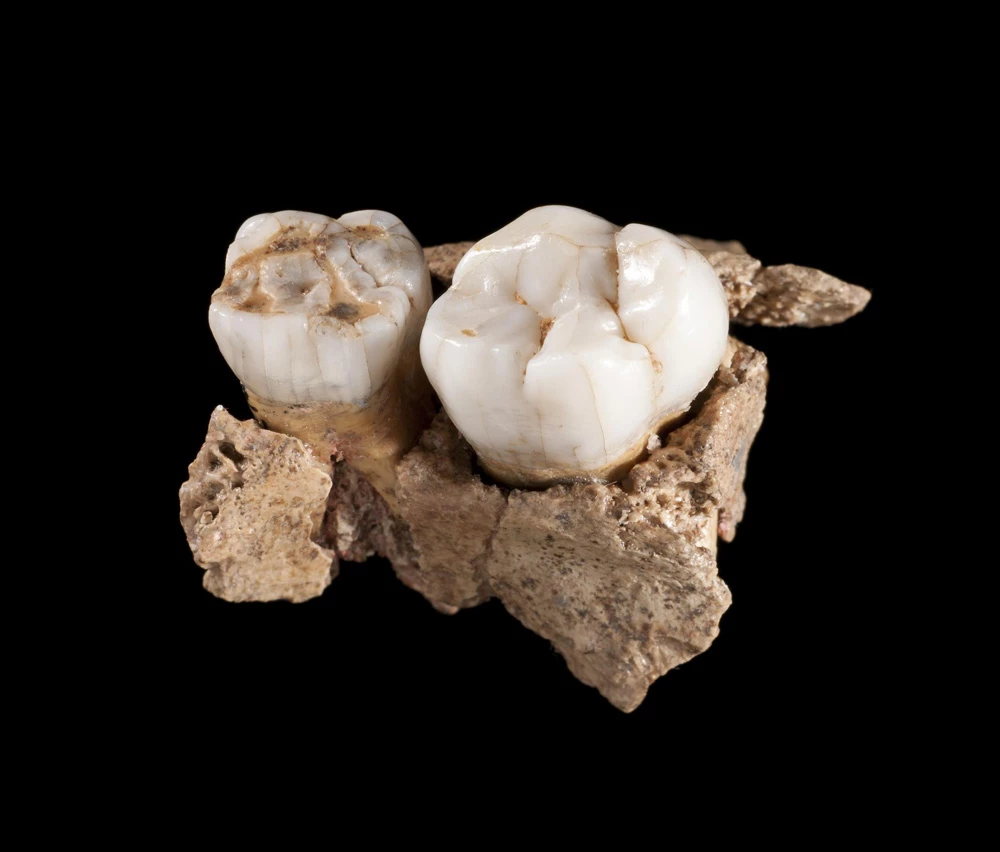
photograph of two teeth, belonging to a Neanderthal boy aged 8

The oldest human remains ever discovered in Wales

These teeth belonged to an eight year-old Neanderthal boy - and at 230,000 years old, they are the oldest human remains in Wales.

They were discovered in a cave near Cefn Meiriadog in Denbighshire, along with a trove of other prehistoric finds, including stone tools and the remains of a bear, a lion, a leopard and a rhinocerous tooth.

These teeth are among some of the incredible objects on display at St Fagans National Museum of History
 

The Shiniest

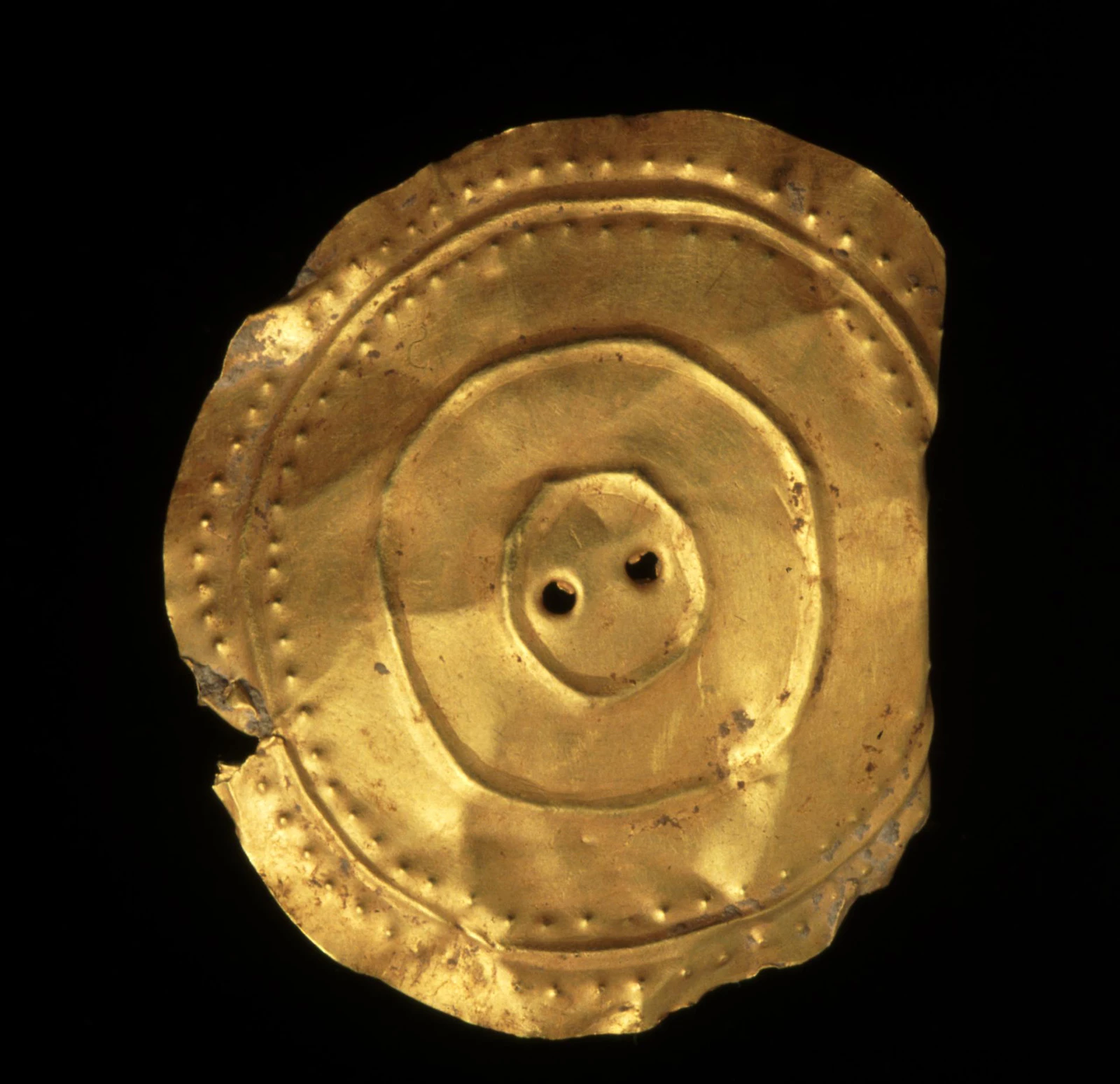
People in Wales have been making, trading and wearing beautiful treasures from gold for thousands of years - like this Bronze Age hair ornament and this extremely blingy Medieval signet.


photograph of gold disc with repousse design

At around 4000 years old, this sun disc is one of the earliest and rarest examples of Welsh bling

One of the earliest examples of Welsh bling is this so-called 'sun disc', found near Cwmystwyth in Ceredigion.

Current research suggests that these 'sun discs' were part of ancient funeral practice, most likely sewn onto the clothes of the dead before their funerals. Only six have ever been found in the UK.
 

Most Controversial

At first glance, an ordinary Chapel tea service - used by congregations as they enjoyed a 'paned o de' after a service. A closer look reveals the words - 'Capel Celyn'. The chapel, its graveyard and surrounding village are now under water.


Photograph showing a cup and saucer with 'Capel Celyn' and a ribbon scroll design

Capel Celyn, in the Tryweryn Valley, is now underwater

Flooded in 1965 by the Liverpool Corporation, the Tryweryn valley became a flashpoint for Welsh political activism - creating a new generation of campaigners who pushed for change in how Welsh communities were treated by government and corporations.

Curators from St Fagans collected these as an example of life in Capel Celyn - to serve as a poignant reminder of a displaced community, and to commemorate one of the most politically charged moments of the 20th century in Wales.
 

Honourable Mention: an Airplane made from a Dining Room Chair

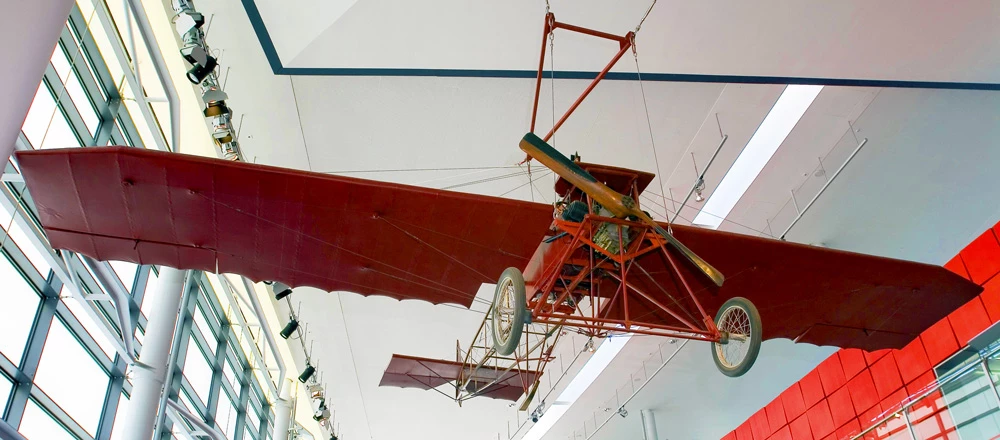
Made from a dining room chair, piano wire and a 40 horsepower engine, the Robin Goch (Red Robin) was built in 1909 - and also features a fuel gauge made from an egg timer.


photograph of a small, early twentieth century airplane with red wings

The Robin Goch (Red Robin) on display at the National Waterfront Museum

Its builder, Horace Watkins, was the son of a Cardiff printer - here he is pictured with an earlier, even more rickety version of his famous monoplane.
 

Photograph from 1908 showing Horace Watkins in a very early, precarious-looking monoplane

Horace Watkins testing his monoplane in 1908

Our collections are full of stories which reflect Wales' unique character and history. The Robin Goch is one of the treasures of the collection, and is an example of Welsh ingenuity at its best.

Half a Million Searchable Items

The launch of Collections Online uncovers half a million records, which are now searchable online for the first time.

“Collections Online represents a huge milestone in our work, to bring more of our collections online and to reach the widest possible audience.

It’s also just the beginning. It’s exciting to think how people in Wales and beyond will explore these objects, form connections, build stories around them, and add to our store of knowledge." – Chris Owen, Web Manager
 

Search Collections Online

Plans for the future

Our next project will be to work through these 500,000 records, adding information and images as we go.

We'll be measuring how people use the collections, to see which objects provoke debate or are popular with our visitors. That way, we can work out what items to photograph next, or which items to consider for display in our seven national museums.

Preparing and photographing the collections can take time, as some items are very fragile and sensitive to light. If you would like to support us as we bring the nation's collections online, please donate today - every donation counts.


Donate Today


We are incredibly grateful to the People's Postcode Lottery for their support in making this collection available online.
 

Wales and the World Wars: Kate Rowlands' Diaries

27 January 2017

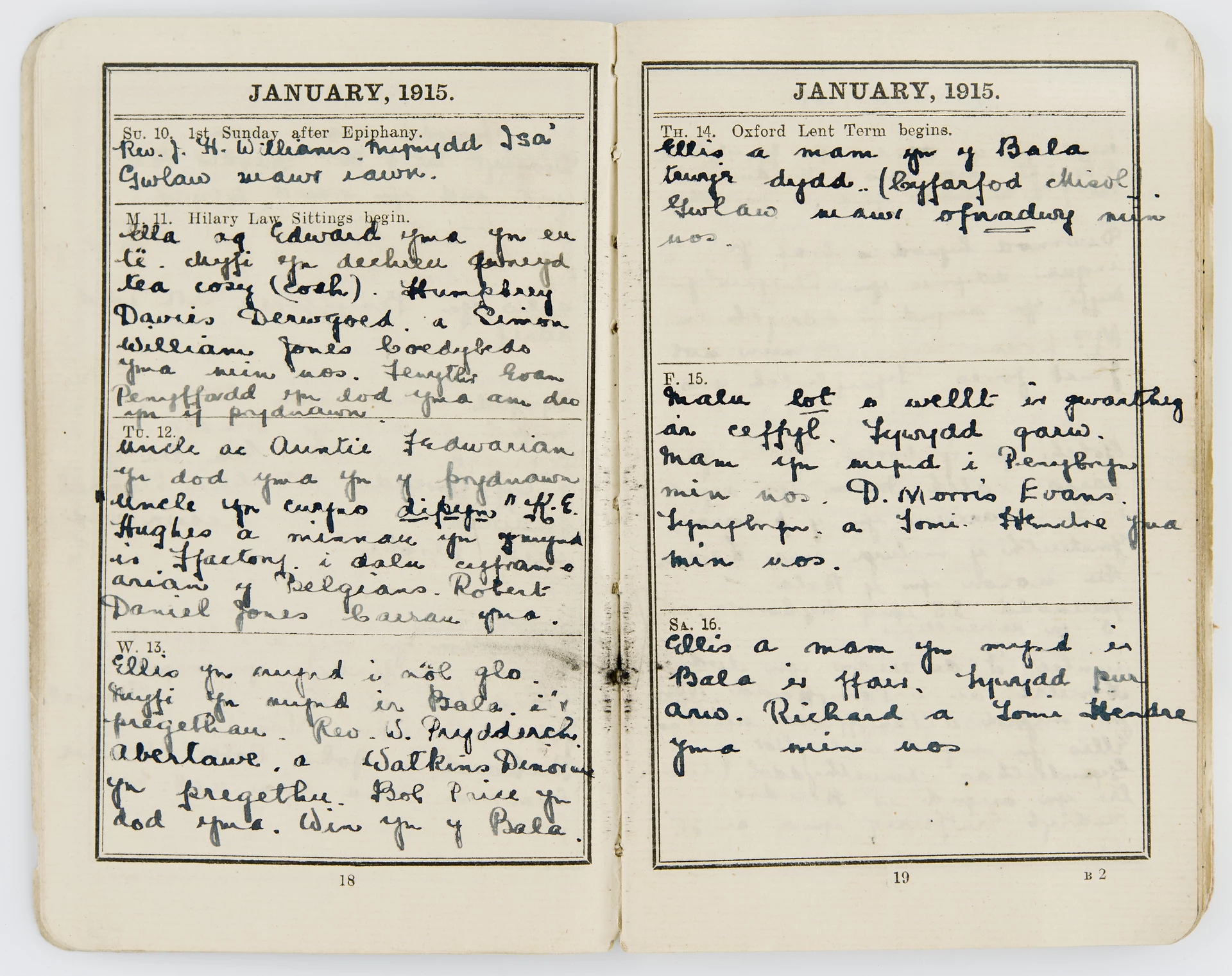
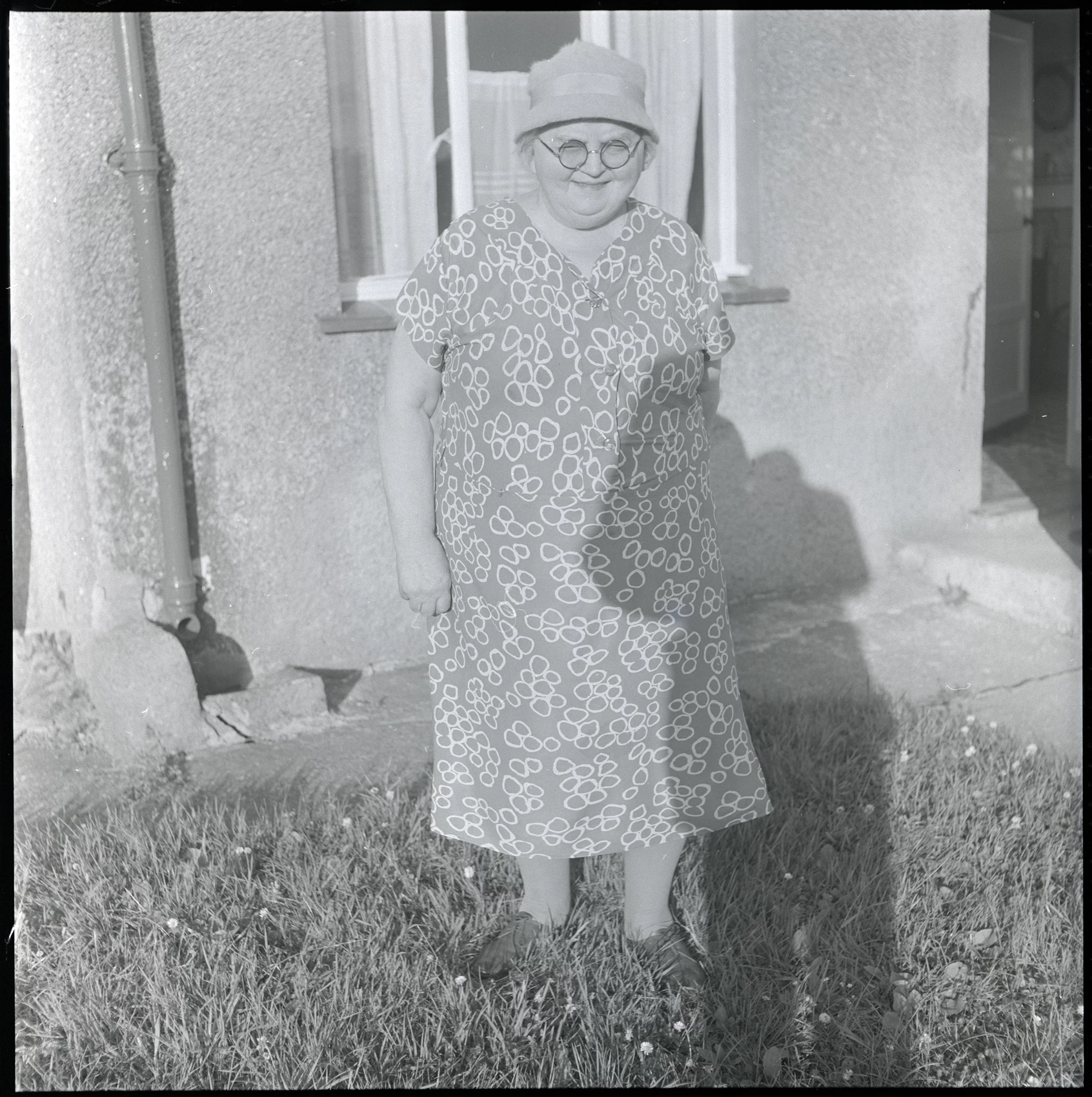
The twitter account @DyddiadurKate shares entries from the diaries of Kate Rowlands, Sarnau. Over a century later, her entries from 1915 tell a story about life in Wales during the First World War.

The diary was donated to the Museum in 1969, during a period when archive staff travelled to communities across Wales to record people telling their stories, in their own words.

Kate Rowlands' 1915 diary is a rich and nuanced account of life in rural Wales during the Great War. It gives us glimpses into everyday tasks, the names of fields and farms, local characters, dialects, as well chapel and farm life.

The diary is reproduced in Welsh, exactly as it was written, on twitter. You can read more about the personal stories we've uncovered about the First World War on the museum blog.

More about the Diary

The Author

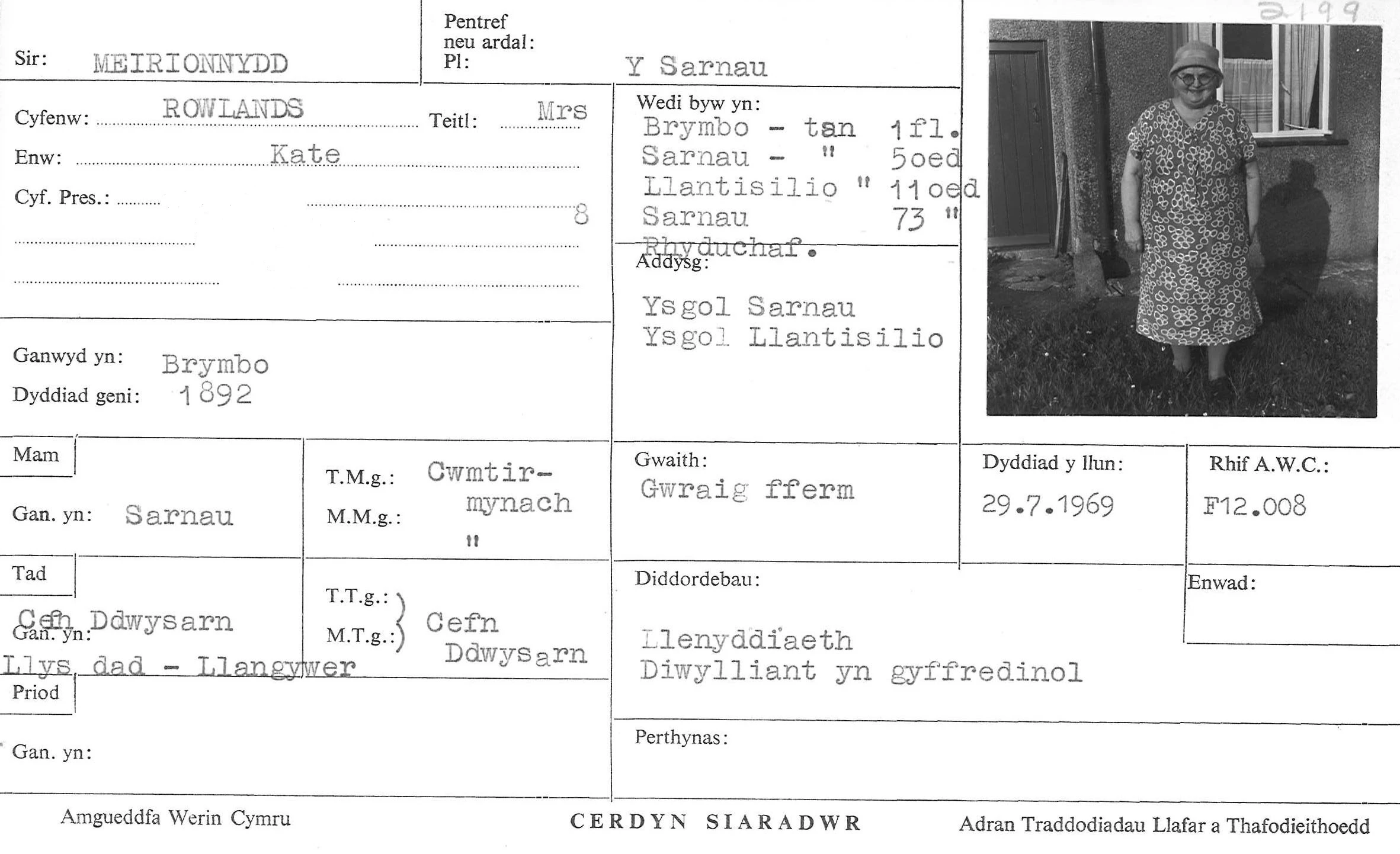
Kate Rowlands' diary from 1915 was donated to the Museum in 1969. She also recorded a number of Oral History recordings with curators from the Museum, all of which add to our understanding of her life in rural North Wales, in the early to mid twentieth-century.

She was born in Brymbo, near Wrexham, in 1892. Her mother, Alice Jane, was originally from Hendre, Cefnddwysarn, and nine months after Kate was born, both mother and daughter returned to this area, following the sudden death of Kate's father from an illness sustained working in the steel industry. Her mother's family had a great influence on her upbringing - in one oral history interview with the Museum, Kate states that "y nhw oedd y canllawie gathon ni gychwyn arnyn nhw" - "they were the ones who guided us as we got started in life".


Homework to farm work

Kate's mother remarried with Ellis Roberts Ellis, who is also mentioned in the diary. In 1897, when Kate was five years old, the family moved to a small farm near Llantisilio, Llangollen, and then to Tyhen, Sarnau - the location of the diary. An only child, she left school at fourteen to help her parents with work on the farm.

"My parents lost their health to an extent. That really went across my going ahead with my education. I had to be home, you see... A bit of everything, jack of all trade. I had to help a lot with horses and things like that. Heating up the big oven to cook bread, and churning when it was called for, two times a week or so."

Oral History

Kate Rowlands donated her diary after being interviewed in 1969. Due to the tireless work of St Fagans' early curators, the archive now holds a rich collection of items, documents and recordings relating to women's history, especially women living and working in rural communities.

Kate also donated her 1946 diary to the Museum. This volume is also available online on twitter.

Read more about Welsh Women's History.

Kate Rowlands - Early life (Welsh recording)
Kate Rowlands - Week on the Farm (Welsh recording)
Kate Rowlands - Playing Steddfod and Leaving School (Welsh recording)

You can download an electronic version of the diary here:

Dyddiadur Kate E-book (PDF)

PLEASE NOTE: The diary is in Welsh

Species new to Science: Polychaetes from the Falkland Islands

Teresa Darbyshire, 21 February 2013

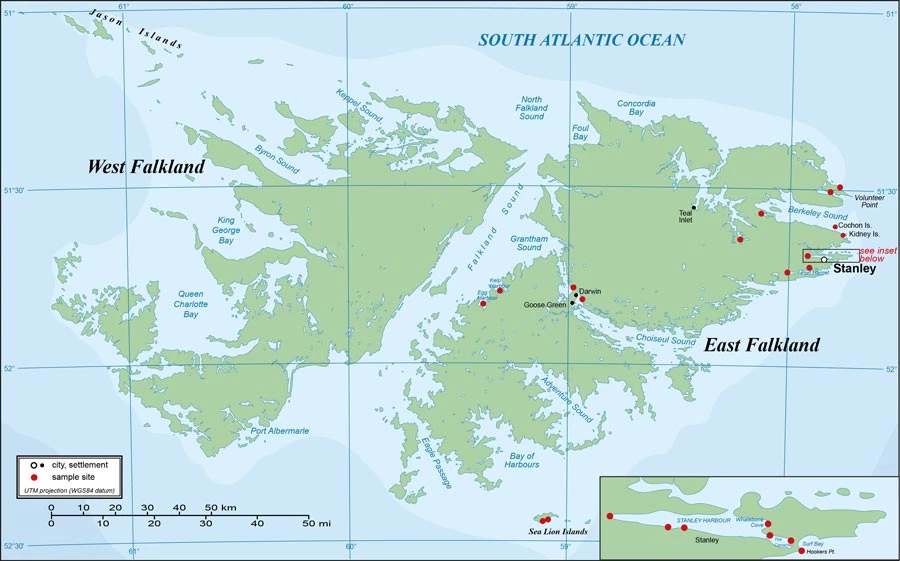
1. Map showing the sample sites around East Falkland with enlarged inset map of locations around Stanley

1. Map showing the sample sites around East Falkland with enlarged inset map of locations around Stanley

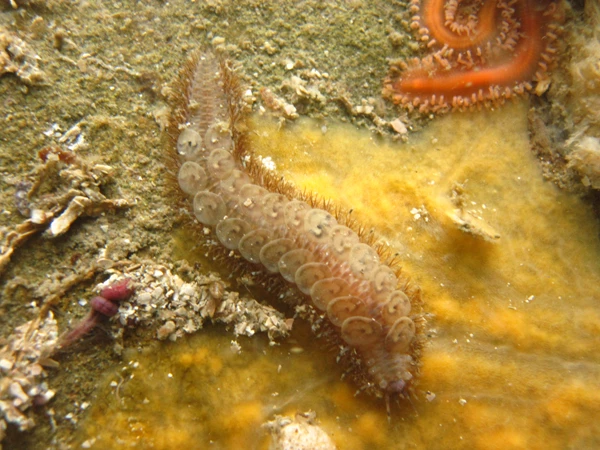
3. Two cirratulids found under a rock during a dive

3. Two cirratulids found under a rock during a dive

4. Scaleworm (Polynoidae) found under a rock while diving

4. Scaleworm (Polynoidae) found under a rock while diving

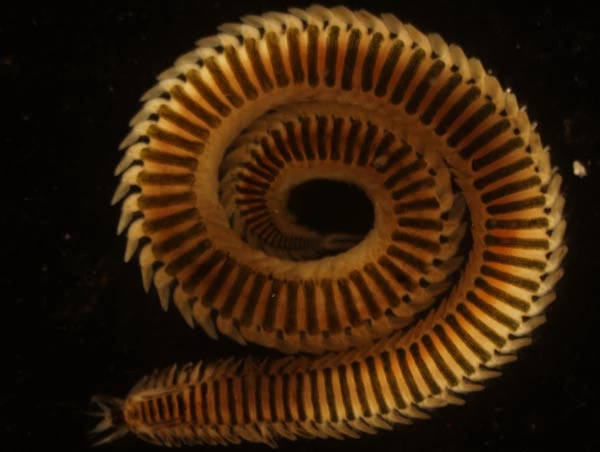
8. Paddleworm (Phyllodocidae) with distinctive black stripes

8. Paddleworm (Phyllodocidae) with distinctive black stripes

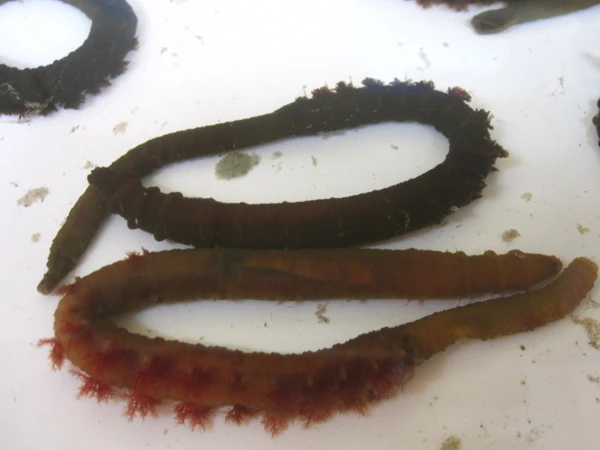
9. Two different species of lugworm (Arenicolidae) from a shore

9. Two different species of lugworm (Arenicolidae) from a shore

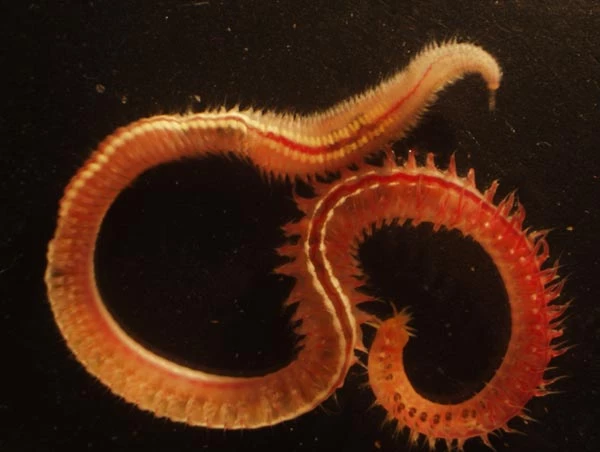
10. A new species of ragworm (Nereididae)

10. A new species of ragworm (Nereididae)

Polychaetes (or bristleworms) are found in nearly every marine habitat on Earth. They are very adaptable and diverse in appearance, and there are currently around 10,000 species described. With increasing environmental pressures on our marine environment it is more important than ever to know what species live where.

Polychaetes from offshore habitats around the Falkland Islands in the South Atlantic have often been sampled as part of Antarctic research cruises. Those from intertidal regions (between high and low tide marks) are conversely not so well known. Some intertidal work was done at the beginning of the twentieth century by a Falkands naturalist, Rupert Vallentin, who sent specimens to taxonomists for identification and research. Since then little has been done.

Teresa Darbyshire, a marine biologist from Amgueddfa Cymru, has been collaborating with the local Shallow Marine Surveys Group to study the polychaetes of the Falkland Islands. Four weeks of fieldwork in late 2011, funded by the Shackleton Scholarship Fund, allowed nineteen different shores to be sampled (Images 1, 2, 6) on East Falkland, the main island of the group. Diving together with the Shallow Marine Surveys Group also allowed offshore sites to be sampled (Image 3, 4, 7).

Fieldwork in the Falkland Islands offered some unusual biological hazards including sea lions investigating Teresa while working underwater, elephant seals creeping up behind her on the shore, and caracaras (birds of prey) trying to fly off with the sample pots! (Image 5)

Features important for their identification such as colour and patterns (Image 8) often disappear or change once polychaetes are preserved ("fixed"). Specimens were, therefore, mostly looked at and photographed live under a microscope. Specimens were also "relaxed" before fixing so that they were less likely to contort and possibly break-up, so making them much easier to identify later on.

Polychaete identification is neither quick nor easy! Different species occur across the world and change according to both habitat and location. Located in the South Atlantic, the Falkland polychaetes are likely to be different from those in the North Atlantic and so their identification is requiring much searching of available literature. To start with, the specimens were first sorted into families (groups of related species). Although not all families exist in all environments, the families recognised from the Falklands also occur in British waters. Each family was then studied in turn, to identify the different species present across all of the sites. It's always easier to identify something if you have many specimens to look at as you may get a range of different sizes, from juveniles to adults, and also specimens in different condition.

Over thirty different families have now been identified from the samples. Two new species have already been found of lugworm (Arenicolidae , Image 9) and ragworm (Nereididae, Image 10). This is surprising as these two groups contain large animals and are generally well known as they are often used by fishermen for bait. It is expected that several more new species will be found as the samples are analysed.

A second visit occurred in 2013 to sample additional locations both on East Falkland and across West Falkland too. Eventually, it is intended that all of these samples together will facilitate the production of a list of the intertidal and inshore polychaetes of the Falkland Islands. This will be of great benefit to all those working to protect the environment of the Falkland Islands as well as polychaete researchers from around the world.

A new discovery within an old instrument: was the Welsh crwth unique in possessing two soundboxes?

2 April 2012

The National Library of Wales crwth

The National Library of Wales crwth. Image: National Library of Wales

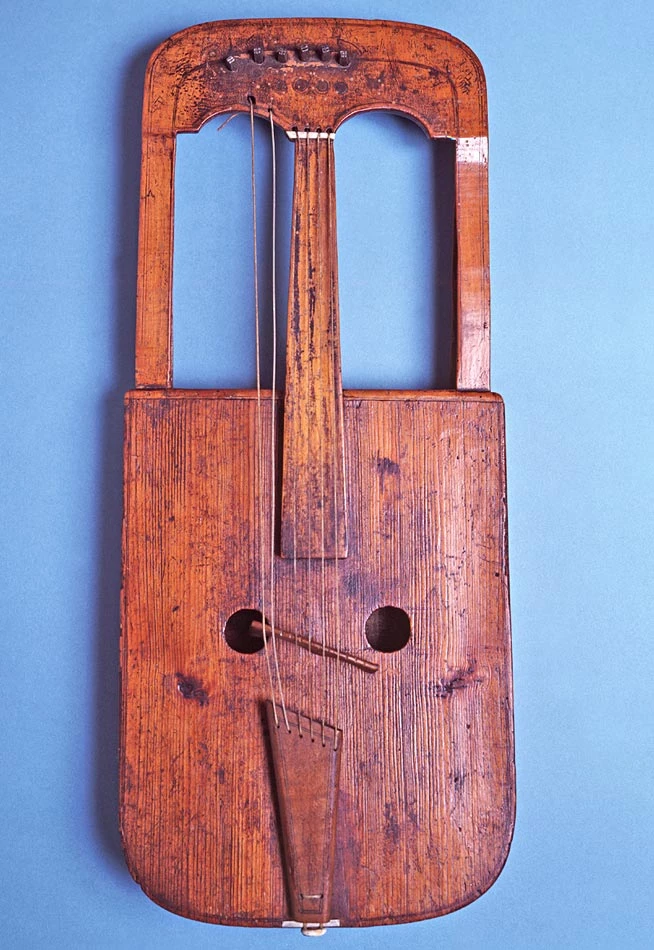
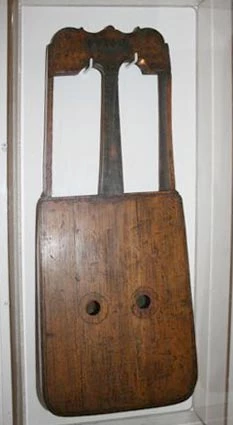
The 18th century crwth housed at St Fagans National Museum of History

The 18th century crwth housed at St Fagans National Museum of History

Amgueddfa Cymru is fortunate enough to house one of only three surviving authentic Welsh crwths in Britain. Does the discovery of a hidden aperture make the crwth unique amongst bowed instruments by having two soundboxes?

An early stringed instrument first referred to in writing in the 12th century Laws of Hywel Dda (Hywel the Good), the crwth was popular in Wales throughout the Middle Ages, when it was enjoyed in aristocratic circles. The Laws of Hywel Dda mention the crwth, along with the harp and pipes, as instruments of status, played by noblemen and frequently providing musical entertainment.

Crwth competitions were contested in the first recorded eisteddfod, held by Lord Rhys at Cardigan Castle in 1176, while a cywydd poem by Rhys Goch Eryri c.1436, delights in the magicians, acrobats and musicians (crwth players included), who were welcomed into the households of wealthy patrons.

The emergence of the fiddle

The social role of the crwth altered significantly from around 1600 onwards however, when it became more associated with the folk music tradition. The emergence of the fiddle during the 18th century effectively brought crwth playing and crwth making to an end in Wales, closing over a thousand years of practice and development.

When an increase of interest in traditional music eventually took place during the late 20th century, the once common art of constructing a crwth, along with the most appropriate playing methods and performance techniques, had all but become a mystery.

The last remaining crwths

Of the three remaining historical examples in existence, each comprise a six-stringed instrument, oblong in shape and possessing a flat back, sides and soundboard, with the body and soundbox, as well as the main frame, being fashioned from a single piece of wood. A fingerboard divides a rectangular opening at one end while two holes can be seen in the soundboard.

The St Fagans crwth

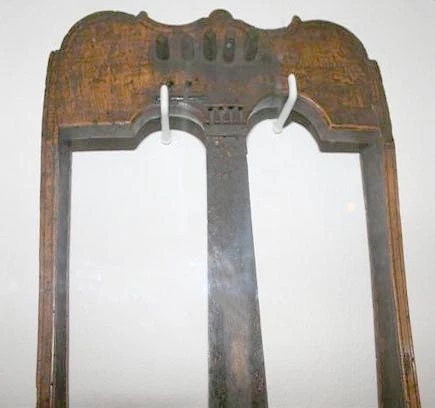
The crwth in the Museums collection is inscribed 1742 and was made by Richard Evans of Llanfihangel Bachellaeth, Caernarfonshire. It was originally loaned to the museum by Colonel J.C.Wynne Finch of Y Foelas, Caernarfonshire, in 1935; the family of whom retains ownership of the instrument to this day. Although complete there is a line of blocked off tuning pin holes slightly offset from the current set.

The Aberystwyth crwth

The National Library of Wales, Aberystwyth, houses a second crwth, which was donated on the library's opening in 1907 by its principal founder Sir John Williams. This instrument was possibly owned by the Reverend John Jenkins (1770-1829) of Ceri, Montgomeryshire. Although it is complete (with the exception of two missing drone strings), it has undergone restoration/repair at some point to the main framework.

The Warrington crwth

The final example is kept at Warrington Museum and Art Gallery, and although its date is unknown, it bears a likeness to an instrument described and drawn in the 1775 edition of the journal Archaeologia (volume III, plate vii). This crwth was bought in Wales in 1843 by Dr James Kendrick, one of Warrington's first local historians and a noted antiquarian. Kendrick donated the artefact to the town that same year and it became one of the earliest exhibits at the local museum.

The Warrington crwth is less complete than the other two, with missing tailpiece, strings, fingerboard and nut.

The St Fagans crwth under x-ray.

The St Fagans crwth under x-ray. The darkened area within the neck clearly shows a tapering void and at its widest point is an aperture concealed beneath the fingerboard.

The x-ray of the National Library crwth

The x-ray of the National Library crwth displaying the same tapering characteristics as the St Fagans example.

The crwth at Warrington Museum and Art Gallery

The crwth at Warrington Museum and Art Gallery. © Warrington Museum and Art Gallery

The missing fingerboard on the Warrington crwth allows the tapering void to be seen more clearly.

The missing fingerboard on the Warrington crwth allows the tapering void to be seen more clearly. This is visible on the photograph by the lighter bare wood which is bordered by a darker glue-lined impression.

Hidden aperture revealed

Conservation work on the St Fagans crwth uncovered a hidden aperture beneath an overhanging fingerboard. On further inspection this seemed to travel up the full length of the neck. X-rays of the instrument revealed a tapering, very purposeful cavity extending the full length of the fingerboard.

The effect of this void reduces the surface area available for the fingerboard to adhere to the neck. Consequently, it would have been much more difficult to construct than had a solid, flat surface been used - which would have better adhered to the neck upper surface.

What would have been the reason for constructing such an aperture? An increase in the tonal quality of the instrument? The aperture might well have performed in much the same way as the soundbox of an instrument or amplifier to provide a fuller sound to the vibration of the strings.

Unique among bowed instruments?

This second soundbox could possibly make the crwth unique amongst bowed instruments as such a design feature has no comparable legacy in the violin family.

Inspection of the Aberystwyth crwth revealed a similar aperture in the neck. As this surviving example contains different design features to that housed at St Fagans, (and presumably constructed by a different maker), it seems quite plausible that such a void might well have been a consistent characteristic for all crwths.

To confirm this hypothesis, close study of an image from the crwth at Warrington Museum revealed the tapering adhesive lines still visible on each side of the neck, with the bare wood area in the middle, showing the extent of the original aperture. Again, the variations in design suggest a different maker.

Therefore, the inclusion of an aperture in the crwth must have been a standard construction technique that crwth makers employed for the manufacture of the instrument.

The difference this aperture makes to the sound of the instrument could possibly be tested by recording the tonal scale of a replica crwth with a solid fingerboard, and then hollowing out the same instrument and recording the difference.

Ultraviolet discovery

Another aspect worth noting is an ink design that appears on the top surface of the St Fagans crwth's fingerboard, which only became apparent under ultraviolet light examination.

The linear graphic design found under ultraviolet light on the top surface of the fingerboard on the St Fagans crwth.

The linear graphic design found under ultraviolet light on the top surface of the fingerboard on the St Fagans crwth.

As the crwth was commonly held against the torso, the player could see down the instrument's neck and a design inked along the neck could possibly have aided the positioning of the fingers along the instrument's length. Interestingly, a vestige of this design also appears on the soundboard of a small harp which is also housed at St Fagans.

Article by: Emyr Davies, Conservator: Furniture, Musical Instruments and Horology, St Fagans National History Museum and Emma Lile, Curator: Music, Sports and Customs, St Fagans National History Museum

Sourcing the Stonehenge Bluestones

Richard Bevins, 21 February 2012

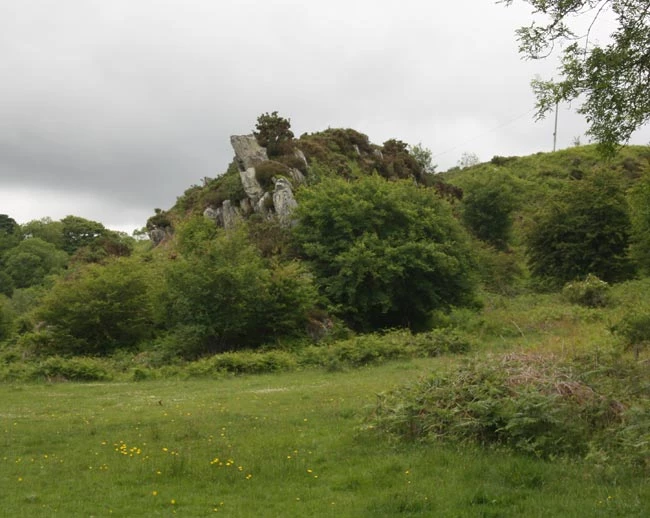
Pont Saeson, June 2011.

Pont Saeson, June 2011.

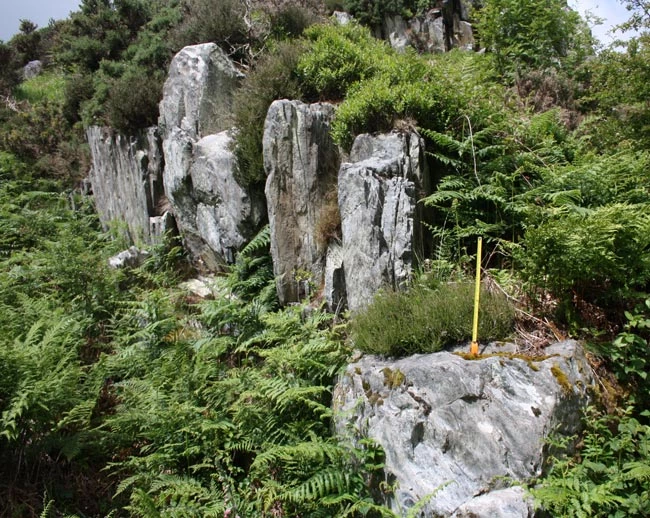
Close up of the outcroppng rocks, Pont Saeson, June 2011.

Close up of the outcroppng rocks, Pont Saeson, June 2011.

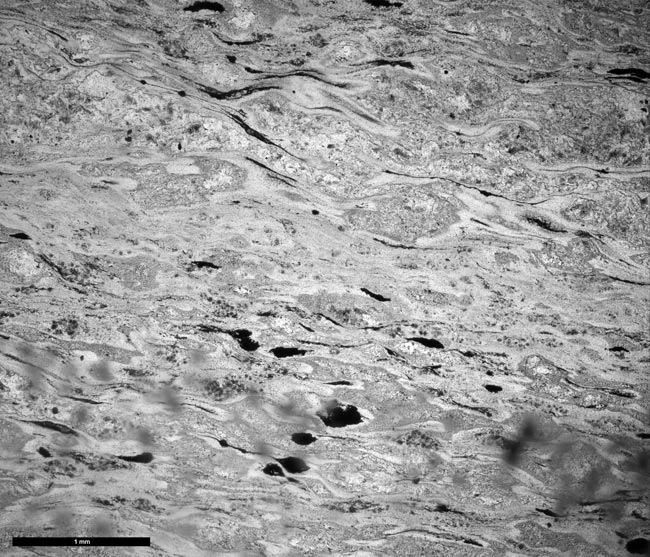
Microscopic view of the newly identified match to the Stonehenge bluestones

Microscopic view of the newly identified match to the Stonehenge bluestones

The source of the Bluestones at Stonehenge has long been a subject of fascination and controversy. One type was traced to north Pembrokeshire in the early 1920s, but now geologists at Amgueddfa Cymru and University of Leicester have directly matched another type to a different part of north Pembrokeshire. Will this provide us with more ideas about how the stones might have been transported to Stonehenge?

The Stonehenge monument

Stonehenge, on Salisbury Plain, is one of the world's most iconic ancient monuments. It is designated as a UNESCO World Heritage Site, and it is as recognisable worldwide as sites such as Machu Picchu in Peru and the Xian Terracotta Warriors in China.

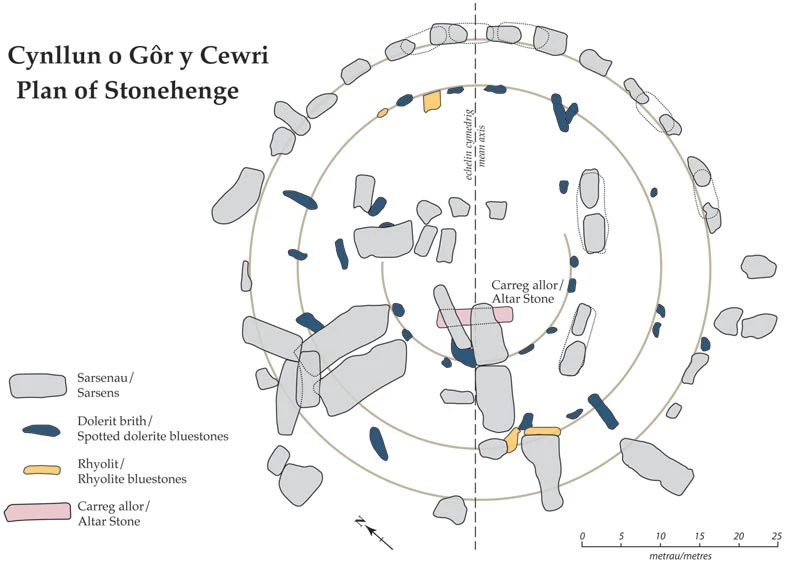
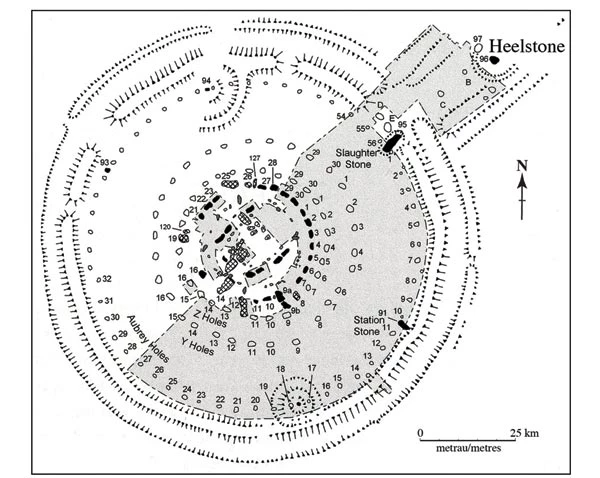
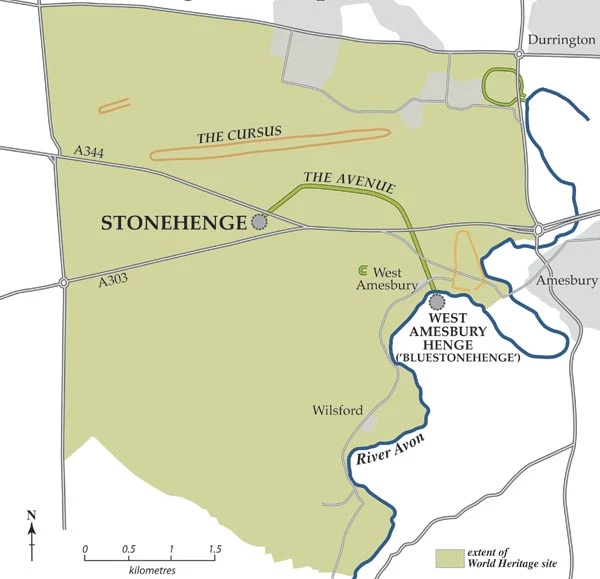
Stonehenge is a complex site. It is best known, of course, for the standing stones, which comprise the Outer Circle, the Inner Circle, the Inner Horseshoe and the Heel Stone and, within the structure, the so-called Altar Stone. Surrounding the stone circle are further structures, identified by mounds and ditches, and a series of 'holes' thought to have held standing stones of more henges. These holes, known as the Aubrey Holes, are important because they contain debris (or 'debitage' as some archaeologists call the material) whose lithology is not represented among the current standing stones. However, the current Stonehenge monument is only a part of a broader range of contemporary features, including the Avenue, the Cursus and the recently identified West Amesbury Henge (known as Bluestonehenge). Collectively, these comprise the Stonehenge Landscape.

The large stones that form the Outer Circle are known as 'Sarsens'. They are hard, resistant sandstones thought to have been collected from the local Salisbury Plain environment. The sources of the smaller stones that form the Inner Circle, the Inner Horseshoe and the Altar Stone, known as the 'Bluestones', are 'exotic' to the Salisbury Plain area. For many years their source baffled eminent Victorian investigators such as Maskelyne, Cunnington, Teal and Judd. This is the so-called Bluestone lithology.

The Bluestones

In 1923, however, H.H. Thomas from the Geological Survey published a paper in The Antiquaries Journal in which he claimed to have sourced the spotted dolerite component of the Bluestones to hilltop rock outcrops, or 'tors', exposed in the high Preseli, to the west of Crymych in west Wales. Specifically, he thought that the tors on Carn Meini and Carn Marchogion were the likely source outcrops. He went on to speculate about how humans had transported the stones to Salisbury Plain, favouring transport across land rather than a combined land and sea journey.

Not all the Bluestone stones standing today at Stonehenge, however, are spotted dolerites. Four of them are ash-flow tuffs, of either dacitic or rhyolitic composition. Debris recovered from the Aubrey Holes, as well as various archaeological excavations at Stonehenge and the Stonehenge Landscape, comprise spotted dolerite and more, and very different, dacitic and rhyolitic Bluestone material.

Map of the Preseli area showing the research area, and the proposed origins of the Bluestones

Map of the Preseli area showing the research area, and the proposed origins of the Bluestones

Plan of Stonehenge

Plan of Stonehenge

Plan of Stonehenge

Plan of Stonehenge showing archaeological detail

The Stonehenge landscape

The Stonehenge Landscape

Recent discoveries

In 2009 Amgueddfa Cymru, in collaboration with Dr Rob Ixer, University of Leicester began new petrological investigations. Examination of debris from the Cursus Field, adjacent to the Cursus, showed the presence of samples identified as being ash-flow tuffs, with tube pumice, crystal fragments and lithic clasts in a fine-grained recrystallized matrix. These were broadly similar to the four dacitic and rhyolitic standing stones, yet showed key differences. Also present were samples that had previously been informally called 'rhyolite with fabric'. This lithology is defined by a very well-developed fabric, present on the millimetre scale. This distinctive rock texture has led Museum scientists to identify the source of the rock to Pont Saeson, in the low ground to the north of Mynydd Preseli.

Vaporising the Bluestones

To test this match further, quantitative evidence has been acquired by analysing the composition of tiny, micron-sized zircon crystals from Stonehenge and Pont Season rhyolite samples, using a technique known as 'laser ablation inductively coupled plasma mass spectrometry' at Aberystwyth University.

The technique is to focus a very high-power laser beam, with a diameter of only 10 microns, onto the zircon crystals (themselves no larger than 100 microns) and 'ablate' them — essentially vaporizing them — so that after analysis the zircon crystals are peppered with small craters. The vapour generated by this process is then analysed in the mass spectrometer, which reveals the chemistry of the zircon crystals. This was the first time zircon chemistry had ever been used to provenance archaeological material.

As well as zirconium (and the closely related element hafnium) the crystals contained detectable concentrations of a range of elements including scandium, tantalum, uranium, thorium and the rare earth elements, and the analyses from the two sample sets proved to be near identical, providing a geochemical 'fingerprint'.

This result is of considerable significance, and was published in 2011 in the internationally recognised Journal of Archaeological Science.

In June 2011 more detailed sampling identified the outcrop known as Craig Rhos-y-felin near Pont Saeson as the source of the majority of the rhyolite debris recovered during excavations at Stonehenge and the vicinity.

The results from these latest excavations were published in the journal Archaeology in Wales in December 2011.