: Wales in the World

Autographs from Captain Scott’s 1910 Antarctic Expedition.

12 November 2010

The Terra Nova loading in Bute East Dock, Cardiff, June 1910

The Terra Nova loading in Bute East Dock, Cardiff, June 1910

Scott’s 1910-13 British Antarctic Expedition

Scott’s 1910-13 British Antarctic Expedition captured the imagination of the British public, most especially when the expedition ship, the Terra Nova, returned to Cardiff from the South without Scott and four of his companions. The autographs of the expedition members were much sought after.

In the collections of Amgueddfa Cymru there are three items, two dating from the start of the expedition and one from the end, together bearing the signatures of 27 of the officers, scientists and crew of Scott’s expedition. Amongst them are the signatures of Scott, Wilson, Bowers and Oates who died on the return march from the South Pole. Notably absent on the documents from the start of the expedition is the signature of Welshman Edgar Evans from Rhossili on Gower who was the first to die on the return from the South Pole; he was merely a Petty Officer.

Sailing towards Antarctica, June 1910

Sailing towards Antarctica, June 1910

Setting off from Cardiff

Accompanying a photograph of the Terra Nova and the ship’s and other officers are the signatures of:

  • E. L. Atkinson
    Surgeon Edward Leicester Atkinson, RN (1881-1929). Main Party Surgeon and parasitologist. Atkinson led the search party which found the bodies of Scott, Wilson and Bowers in November 1912.
  • W. W. Archer
    W.W. Archer, RN (Retired).  Chief Steward, Shore Party.
  • G. Murray Levick
    Surgeon George Murray Levick, RN (1877-1956). Surgeon on the Northern Party of the expedition, surviving for seven months through the winter in an ice cave. He studied the Adélie Penguin colony at Cape Adare and later wrote a book on Antarctic penguins.
  • L. E. G. Oates
    Captain Lawrence Edward Grace Oates (1880-1912), 6th Inniskilling Dragoons. Weakened by severely frostbitten feet, Oates died on the return march from the South Pole, on 16 March 1912 when he famously told his companions Scott, Wilson and Bowers, “I am just going outside and may be some time” as left the tent and crawled out into the blizzard.
  • E. R. G. R. Evans
    Lieutenant Edward (Teddy) Ratcliffe Garth Russell Evans, RN (1881-1957). Second-in-Command. Evans was instrumental in garnering Welsh support and sponsorship for the expedition and took over command of the expedition after Scott died.
  • R. Scott
    Captain Robert Falcon Scott, CVO, RN (1868-1912). Expedition Leader. Scott had led the 1901-04 Discovery Expedition and returned to lead the Terra Nova Expedition. He reached the South Pole on 16 January 1912 with Wilson, Bowers, Oates and Edgar Evans. All five died on the return journey.

The Terra Nova Sails towards Antarctica

Letter dated June 17th 1910, At Sea, from Teddy Evans to P. Lowry Rusden of The Mercantile Pontoon Co Ltd, Roath Dock, Cardiff on British Antarctic Expedition headed paper:

"... We had a fine breeze early yesterday & have been sailing over 8 knots ever since. I don’t think any of us will forget Cardiff.

Sailing towards Antarctica, June 1910

Sailing towards Antarctica, June 1910

Signatures of

  • Edward R. G. R. Evans
    Lieutenant Edward (Teddy) Ratcliffe Garth Russell Evans, RN (1881-1957). Second-in-Command. With Welsh support and sponsorship, Evans had been planning his own Antarctic expedition when he heard about Scott’s plans. He later had a distinguished naval career and was created Lord Mountevens in 1946.
  • D. G. Lillie
    Dennis G. Lillie MA. Ship’s Party Biologist
  • Victor Campbell
    Lieutenant Victor Lindsey Arbuthnot Campbell, RN (1875-1956). Leader of the Northern Party, initially based at Cape Adare in Victoria Land. The six men of the Northern party were later stranded farther south along the coast and survived seven months of winter in an ice cave with little food and only their summer clothing.
  • Apsley Cherry-Garrard
    Apsley George Benet Cherry-Garrard BA (1886-1959). Assistant Zoologist. Cherry-Garrard paid £1000 to join the Expedition. With Wilson and Bowers he made a winter journey to collect Emperor Penguin eggs which he later described in his book, The worst journey in the world. He was a member of the search party which found the bodies of Scott, Wilson and Bowers in November 1912.
  • H. Rennick
    Lieutenant Henry E. de P. Rennick, RN. First Officer on the Terra Nova.
  • E. W. Nelson
    Edward W Nelson (1883-1923). Biologist, Shore Party.
  • Edward A. Wilson
    Dr Edward Adrian Wilson (1872-1912). Chief Scientist and Zoologist, Shore Party. Wilson had been with Scott on the 1901-4 Discovery Expedition. A skilled and talented artist and zoologist, Wilson was a close friend of Scott. He died with Scott and Bowers in their tent on the Ross Ice Shelf on their return from the South Pole in March 1912.
  • E. L. Atkinson
    Surgeon Edward Leicester Atkinson, RN (1881-1929). Main Party Surgeon and parasitologist. Atkinson led the search party which found the bodies of Scott, Wilson and Bowers in November 1912.
  • H. R. Bowers
    Lieutenant Henry Robertson Bowers, Royal Indian Marines (1883-1912). Scott put Bowers in charge of stores. He was a member of the final Polar Party and died with Scott and Wilson in their tent on the Ross Ice Shelf in March 1912 on the return march from the South Pole.
The Return to Cardiff, 1913

The Return to Cardiff, 1913

The Return to Cardiff

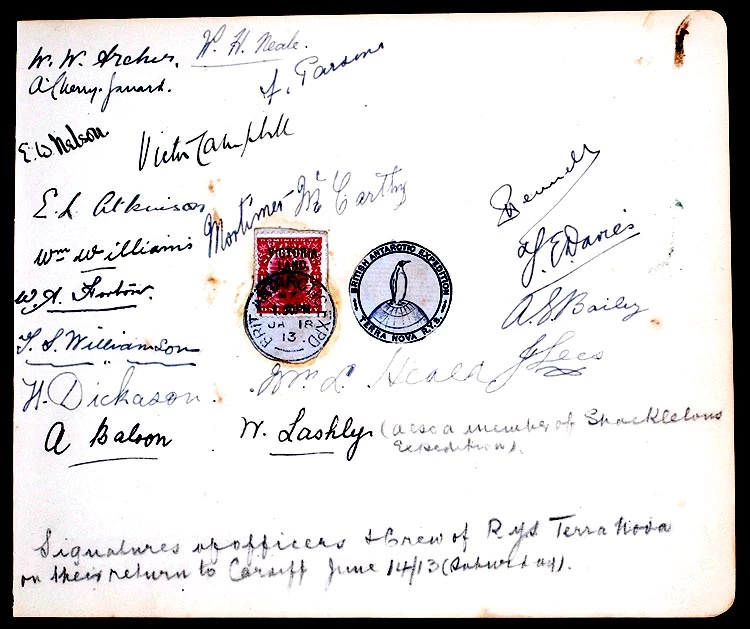
Signatures of officers and crew of RYS Terra Nova on their return to Cardiff June 14/13 (Saturday). New Zealand One Penny stamp, overprinted “Victoria Land” and franked “British Antarctic Expedition Ja 18 [19]13”.

The signatures on this sheet are of interest because although they include four of the officers and scientists, the signatures are mostly those of the lower ranks, indicating that all of the crew were regarded as celebrities upon the expedition’s return.

  • W. W. Archer
    W Archer, RN (Retired).  Chief Steward, Shore Party.
  • A. Cherry-Garrard
    Apsley Cherry-Garrard Assistant Zoologist.
  • E. W. Nelson
    Edward W Nelson. Biologist.
  • E. L. Atkinson
    Surgeon Edward L Atkinson RN. Main Party Surgeon and parasitologist.
  • Wm W. Williams
    C.E.R.A. 2nd Class William W. Williams, RN. Chief Engineer, Ship’s Party.
  • W. A. Horton
    E.R.A. 3rd Class William A. Horton, RN. Second Engineer, Ship’s Party.
  • T. S. Williamson
    Petty Officer 1st Class Thomas S. Williamson, RN.  Shore Party. He had served with Scott on the 1901-4 Discovery Expedition. He was a member of the search party which found the bodies of Scott, Wilson and Bowers in November 1912.
  • H. Dickason
    Able Seaman Harry Dickason, RN. Northern Party.
  • A. Balson
    Leading Seaman Albert Balson, R.N. Ship’s Party.
  • W. H. Neale
    Steward W.H. Neale. Ship’s Party.
  • F. Parsons
    Petty Officer 1st Class Frederick Parsons, RN. Ship’s Party.
  • Victor Campbell
    Lieutenant Victor Lindsey Arbuthnot Campbell, RN (1875-1956). Leader of the Northern Party.
  • Mortimer McCarthy
    Able Seaman Mortimer McCarthy. Ship’s Party.
  • Wm L. Heald
    Petty Officer 1st Class William L. Heald, RN (Retired). Ship’s Party. He had served with Scott on the 1901-4 Discovery Expedition.
  • W. Lashly
    Chief Stoker William Lashly, RN (1867-1940). Shore Party. He served with Scott on the 1901-4 Discovery Expedition. He was a member of the search party which found the bodies of Scott, Wilson and Bowers in November 1912. After the First World War, Lashly settled in Cardiff, working as a customs officer until 1932 when he retired to Hampshire.
  • H. Pennell
    Lieutenant Harry Lewin Lee Pennell, RN (1882-1916). Ship’s Party, Navigator.
  • F. E. Davies
    Leading Shipwright Francis E.C. Davies, RN. Carpenter, Ship’s Party.
  • A. S. Bailey
    Petty Officer 2nd Class Arthur S. Bailey, RN. Ship’s Party
  • J. Lees
    Able Seaman Joseph Lees, RN. Ship’s Party.
The Welsh in Antarctica

29 October 2010

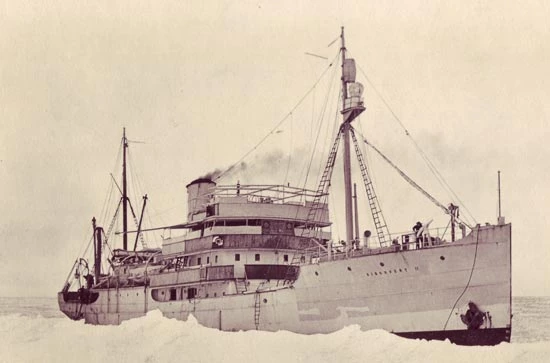
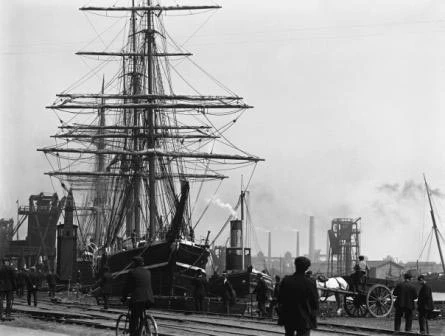
Royal Research Ship <em>Discovery II</em> in loose pack ice, Bouvet Island, Southern Ocean, 1926.

Royal Research Ship Discovery II in loose pack ice, Bouvet Island, Southern Ocean, 1926.

One of the most poignant Welsh stories from Scott's 1910-13 British Antarctic Expedition is that of Petty Officer Edgar Evans from Rhossili in Gower, one of the team of five who made it to the South Pole with Scott himself. Evans was the first to die on the return march from the South Pole.

Here we explore other Welsh links with Antarctica — a geologist from St Fagans, and the Antarctic work of a zoologist from St Brides Major who later became Director of the National Museum.

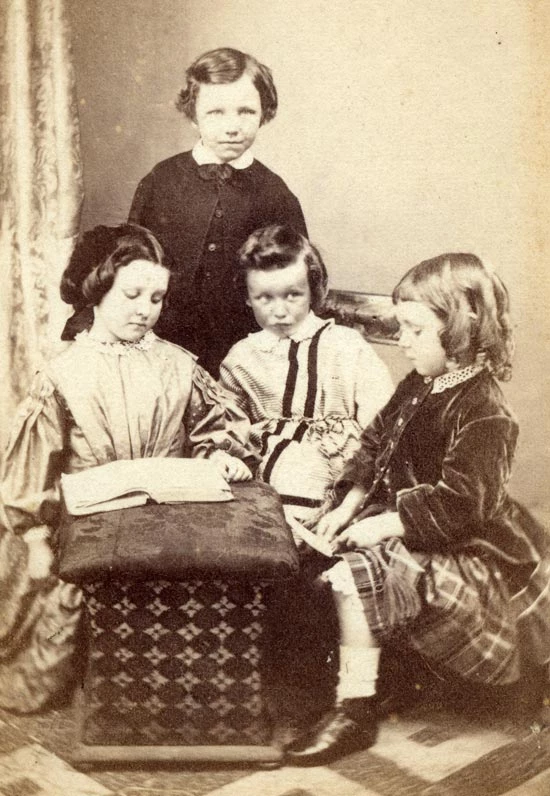
David (standing), aged about 7, with his sister Ethel (left) and two brothers (Edmund and Arthur), photographed in Cardiff in about 1865.

Edgeworth David (standing), aged about 7, with his sister Ethel (left) and two brothers (Edmund and Arthur), photographed in Cardiff in about 1865.

Sir Tannat William Edgeworth David (1858-1934) by Norman Carter. © Estate of Norman Carter.

Sir Tannat William Edgeworth David (1858-1934) by Norman Carter. © Estate of Norman Carter.

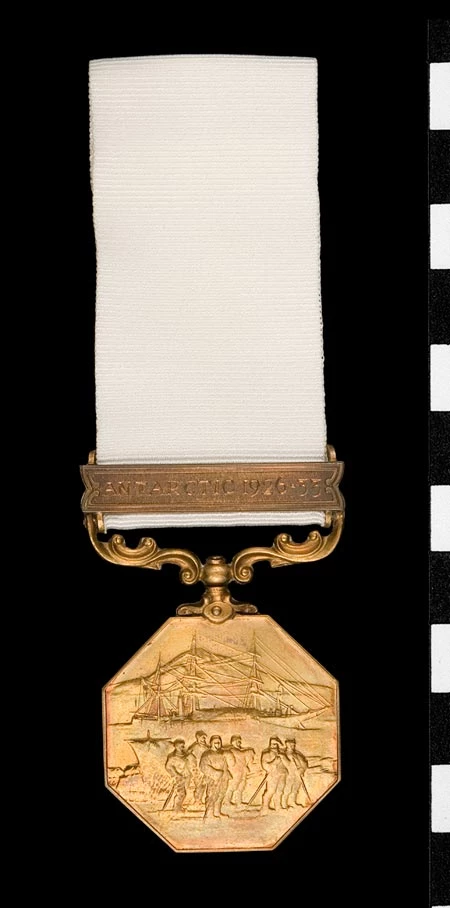
Dilwyn John's Polar Medal.

Dilwyn John's Polar Medal.

A Welsh Geologist at the South Magnetic Pole

The geologist T.W. Edgeworth David was born in 1858 in St Fagans where his father was rector. He studied glacial deposits in south Wales before moving to Australia in 1882 to join the Geological Survey of New South Wales. In 1891 he was appointed Professor of Geology at the University of Sydney. He became one of Australia's most famous scientists.
David joined Ernest Shackleton's Nimrod expedition in 1907. In March 1908, aged 50, he led the first ascent of Mount Erebus, an active volcano on Ross Island. With Douglas Mawson and Alistair Mackay, in January 1909, he was the first to reach the region of the South Magnetic Pole. His journey of 2,028 kilometres took 122 days and is one of the longest unsupported man-hauled sledging journeys ever undertaken.

He persuaded the Australian government to contribute towards Scott's 1910 expedition and helped him appoint geologists from among his students. He was awarded the Polar Medal in 1910 and an honorary degree by the University of Wales in 1921.

Dilwyn John and the Discovery Investigations

Scott's first Antarctic ship, Discovery, returned to the continent in 1925 in the first of a series of scientific research cruises in the Southern Ocean to study the biology of the Southern Ocean and the effects of commercial whaling on the whale populations. This research, known as the Discovery Investigations, continued until 1951.

David Dilwyn John (1901-95), from St Bride's Major in Glamorgan, was a zoologist who participated in three of these cruises between 1925 and 1935. The first, on Discovery, between 1925 and 1927, worked in the seas around South Georgia and the Antarctic Peninsula. He then spent two years on RRS William Scoresby on a whale marking expedition around South Georgia. In 1931-33, he was Chief Scientist on Discovery II on the first winter circumnavigation of Antarctica.

In 1935 John joined the staff of the British Museum (Natural History) as Assistant Keeper of Zoology. He left in 1948 to become Director of the National Museum of Wales, a post he held until 1968. He was awarded the Polar Medal in 1941.

Dilwyn John on his retirement as Director of the National Museum of Wales in 1968.

Dilwyn John on his retirement as Director of the National Museum of Wales in 1968.

Dilwyn John (on right) on John Peaks (415 metres), named after him on Powell Island, South Orkney Islands, 1933.

Dilwyn John (on right) on John Peaks (415 metres), named after him on Powell Island, South Orkney Islands, 1933.

The Ebbw Vale Steel, Iron & Coal Company

23 July 2010

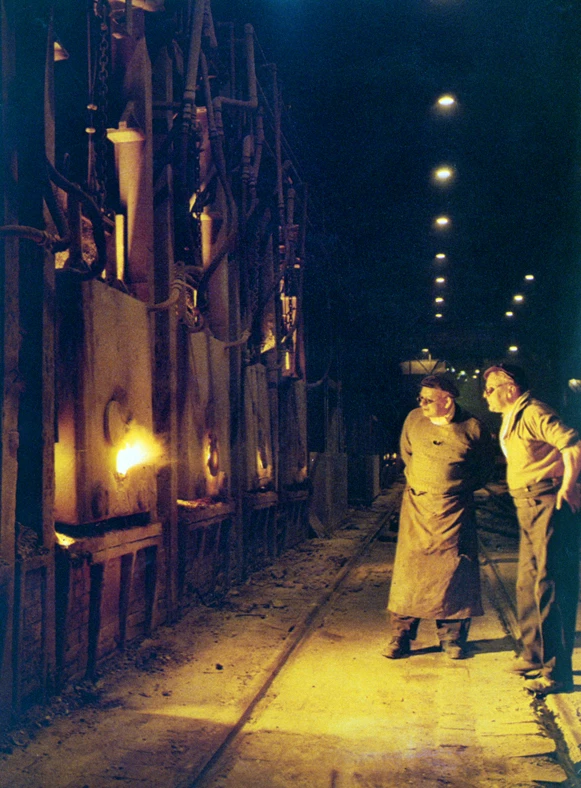
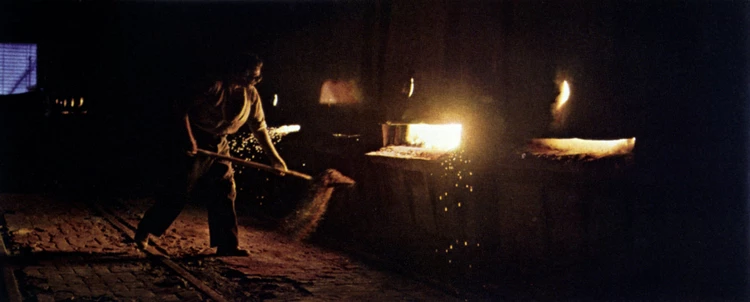
Ebbw Vale Open Hearth Furnaces, 1960s.

Ebbw Vale Open Hearth Furnaces, 1960s.

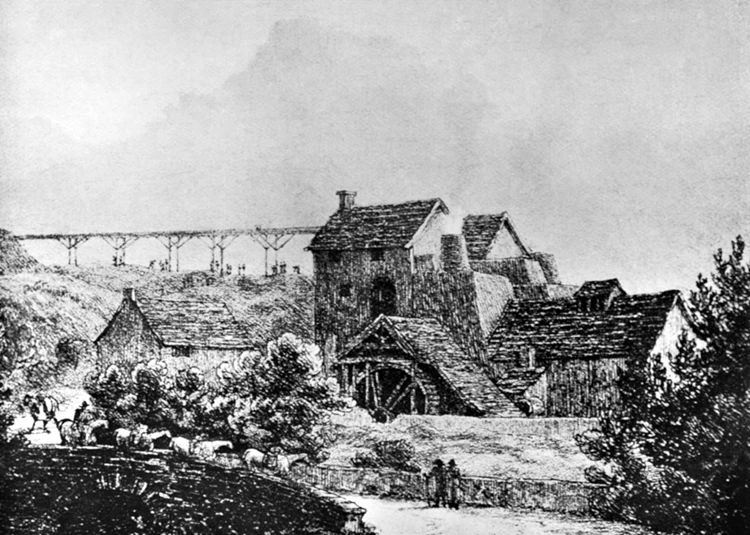
blast furnaces at Clydach Ironworks, 1813

The early iron industry of South Wales was small scale and rural; blast furnaces at Clydach Ironworks, 1813.

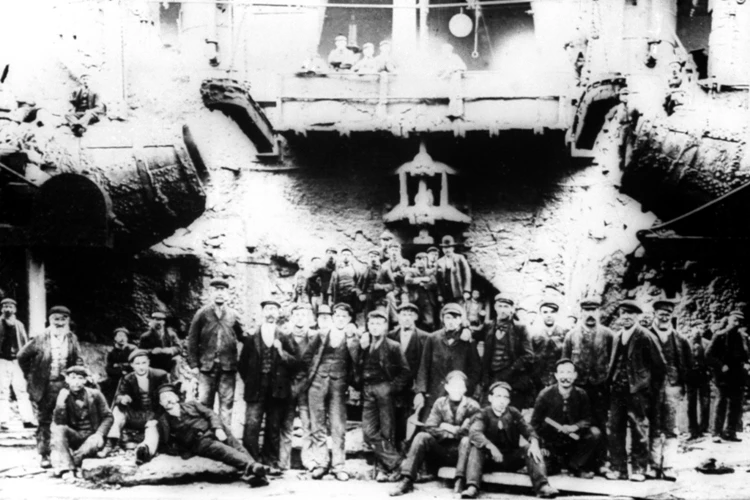
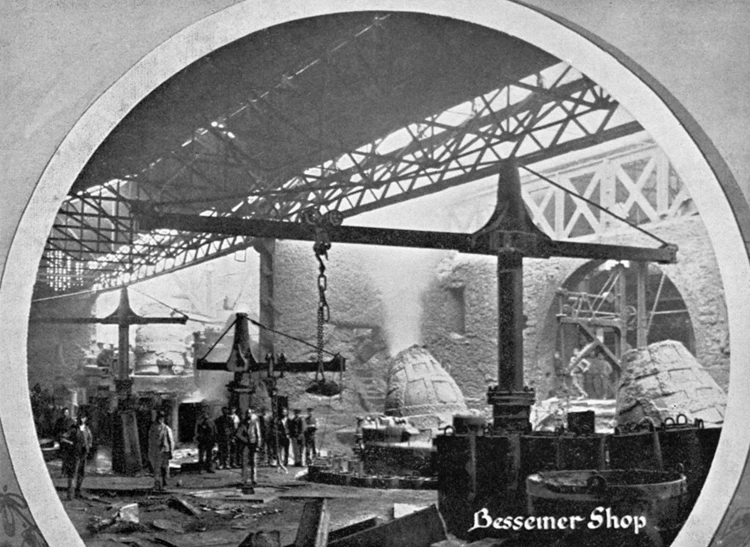
Bessemer Converters - one of the first two installations in Britain

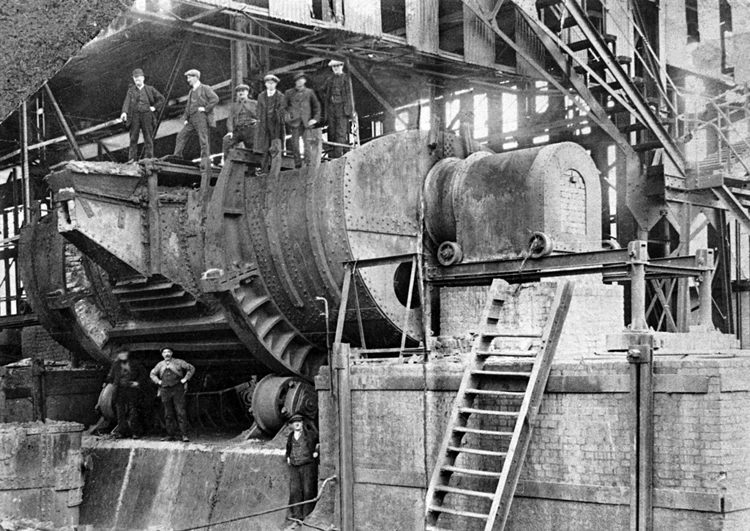
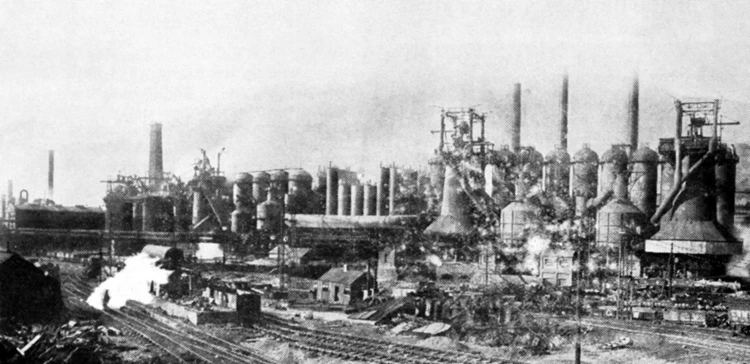
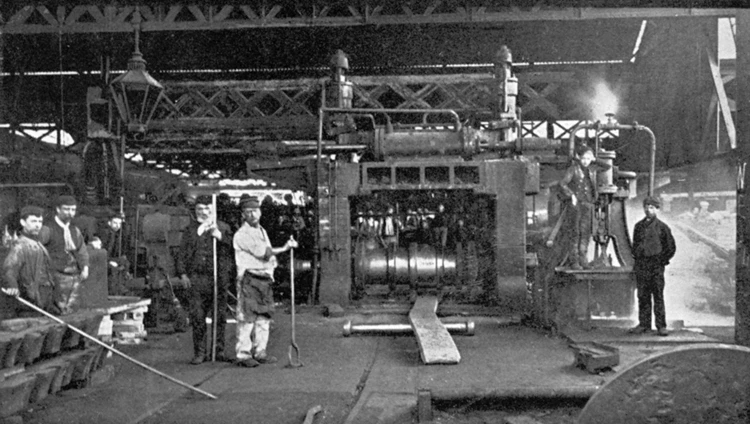
Sir Henry Bessemer paid the Ebbw Vale Company £30,000 for their patents on steel making (George Parry received £10,000) and in 1866-68 the company erected six Bessemer Converters to make steel, one of the first two installations in Britain.

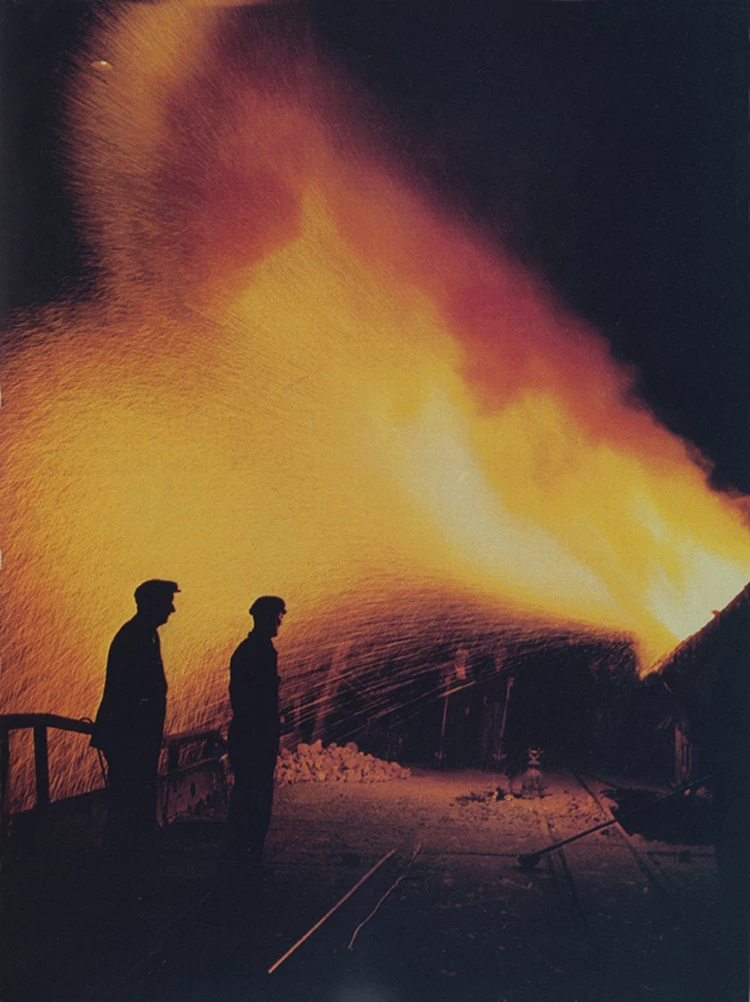
Bessemer converter

A Bessemer converter "on the blow" is a dramatic sight. The process had not changed at Ebbw Vale in the 1950s when this photograph was taken.

The Ebbw Vale Steel, Iron & Coal Company

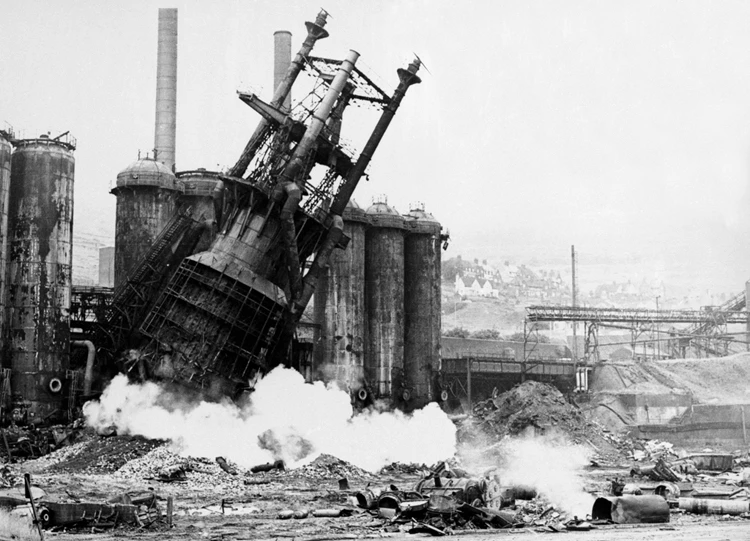
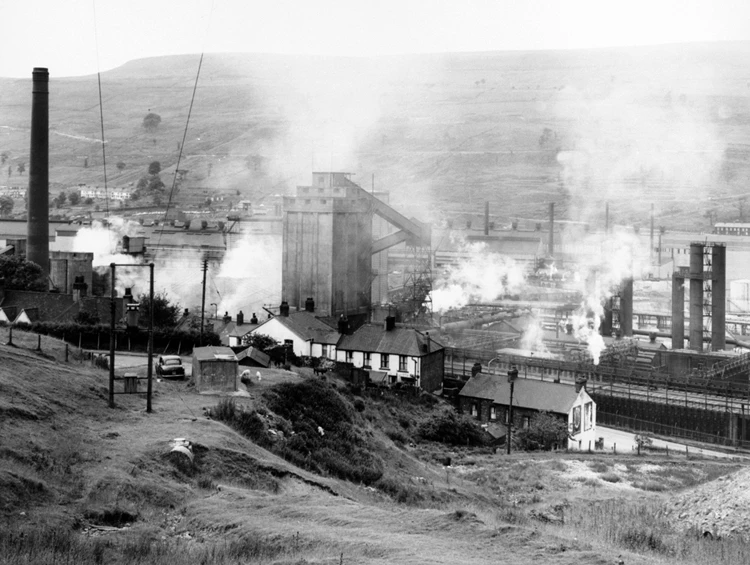
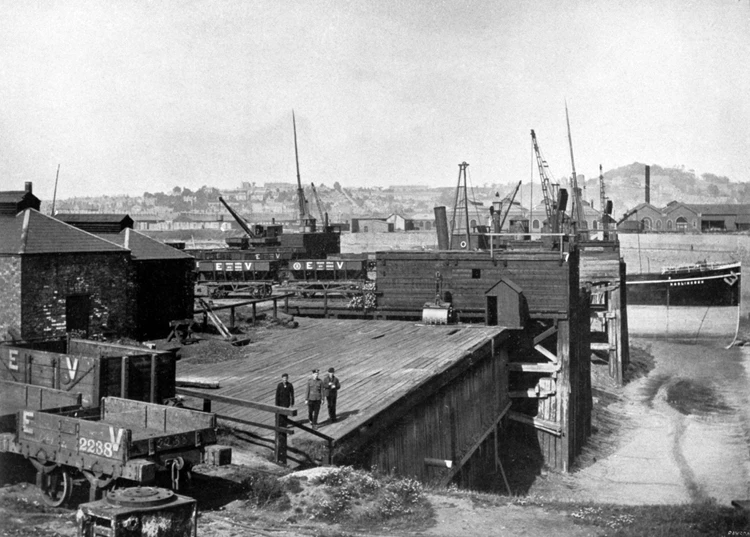
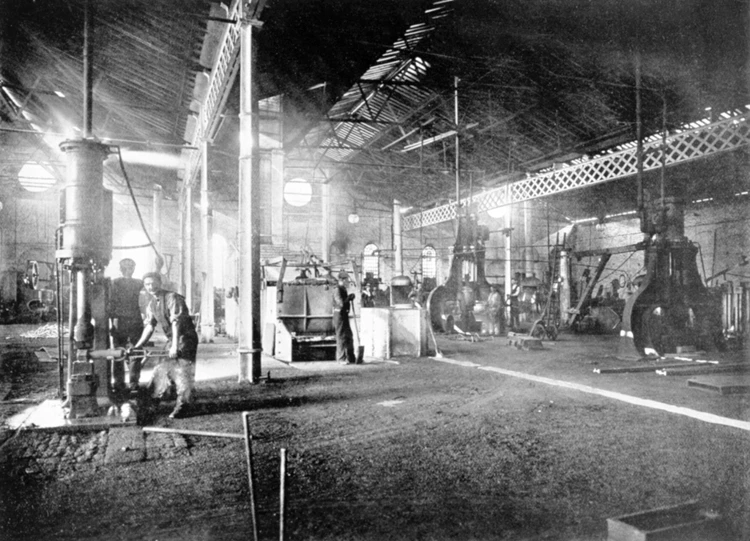
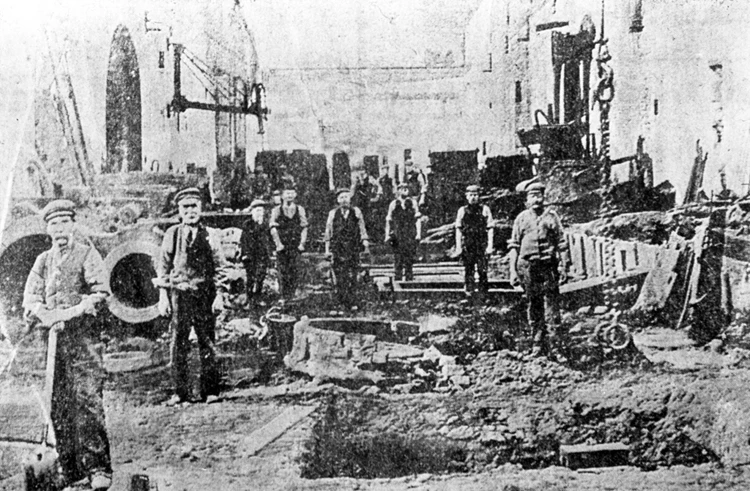
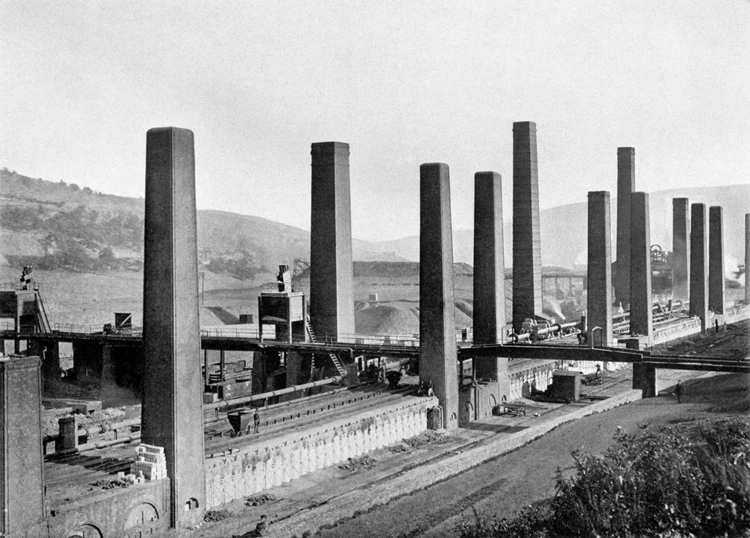
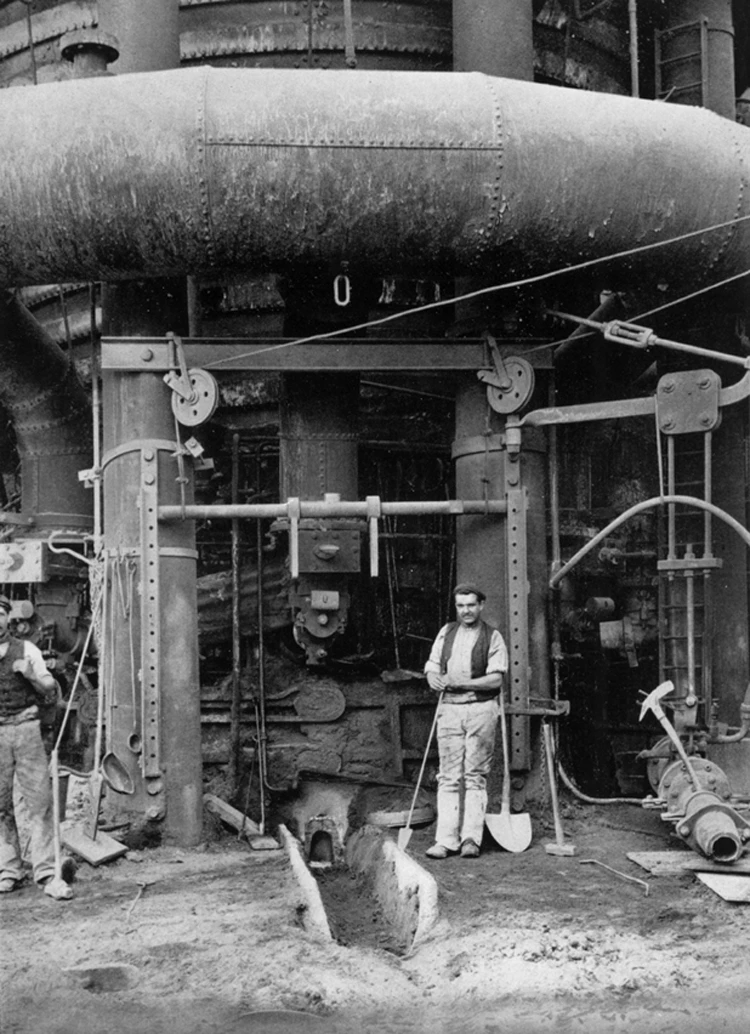
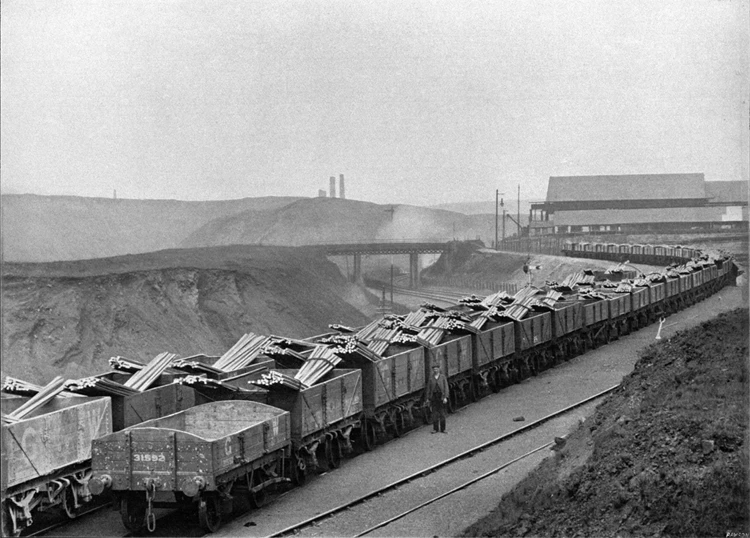
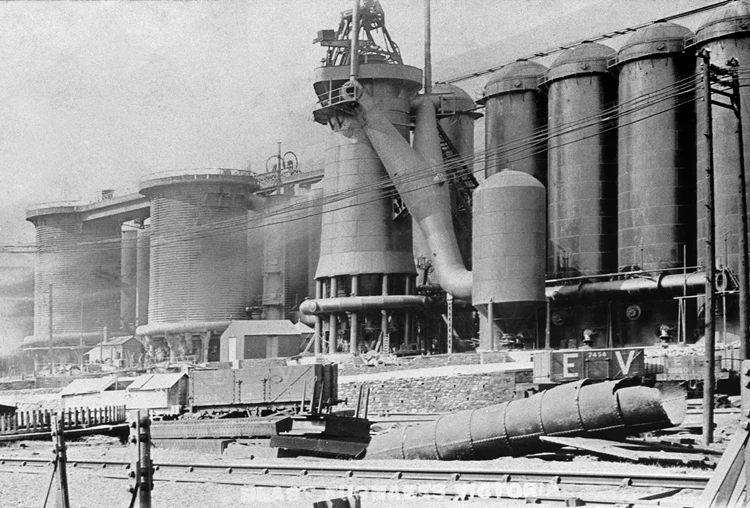
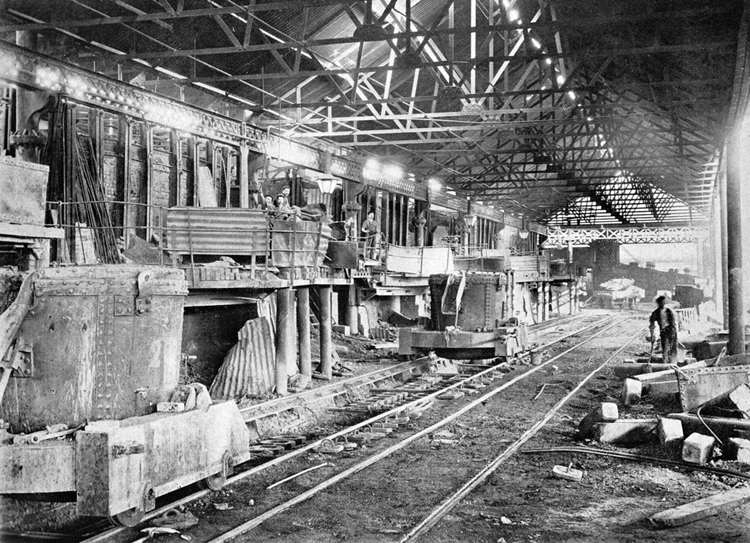
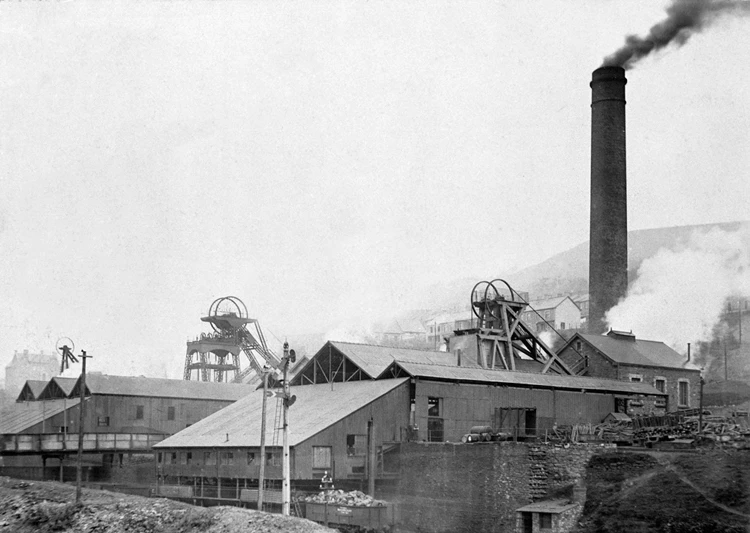
The Ebbw Vale Steel, Iron & Coal Company was based in south Wales. Founded in 1790, it was the largest tinplate producer in the country, until its closure in 2002.

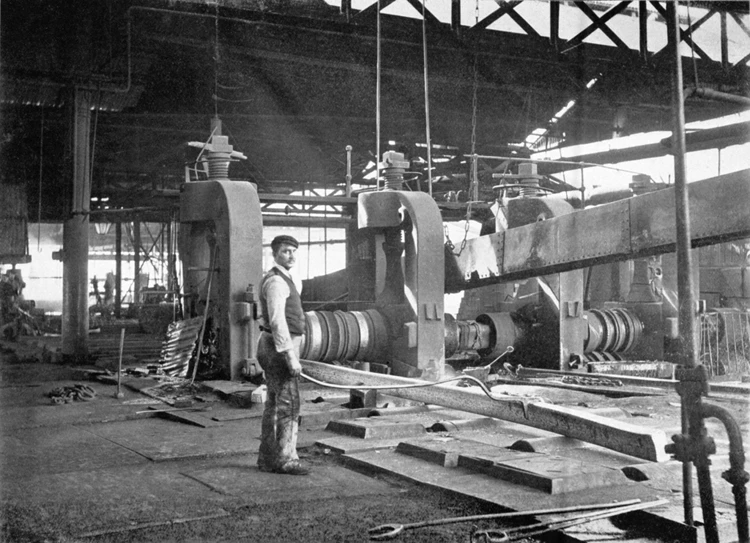
In the Edwardian period it employed 34,000 men, and by the mid-nineteenth century it was at the forefront of technological development, especially in the conversion of iron to steel. It gained further British technological firsts after a complete rebuild in 1936-8 and went on to outlast all the other Heads of the Valleys iron and steel plants.

Beginnings

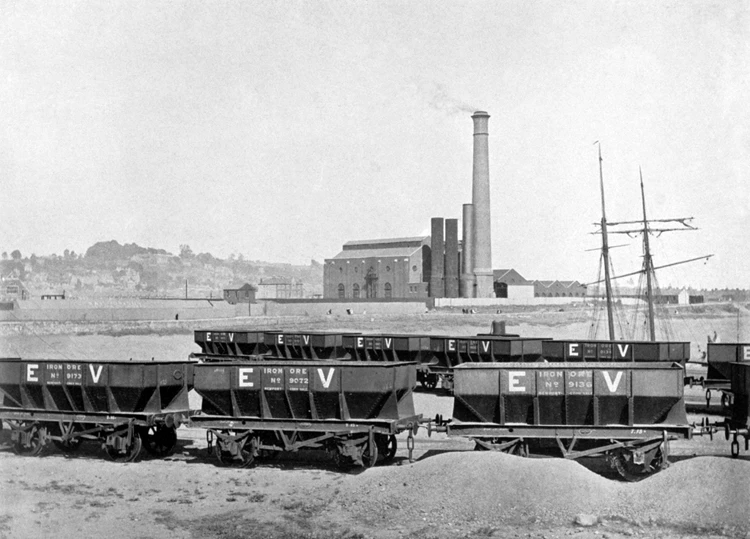
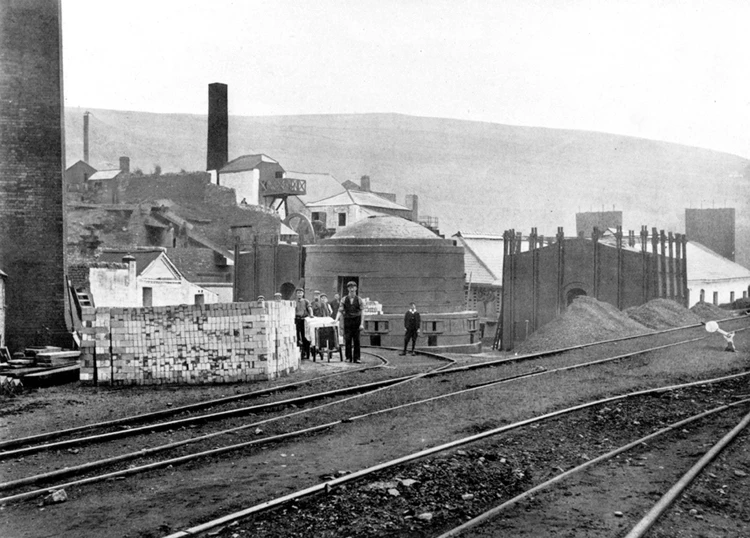
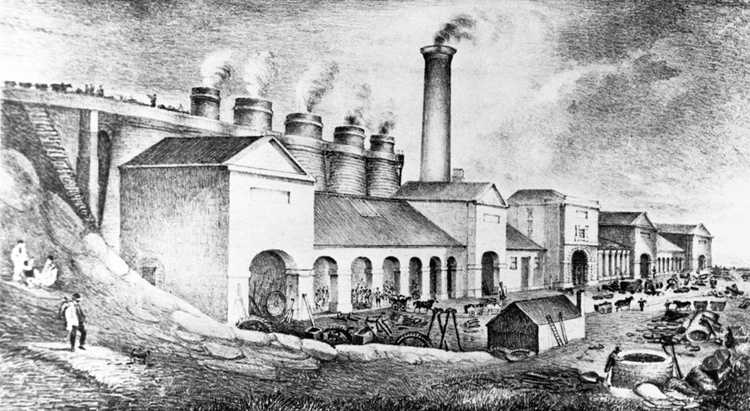
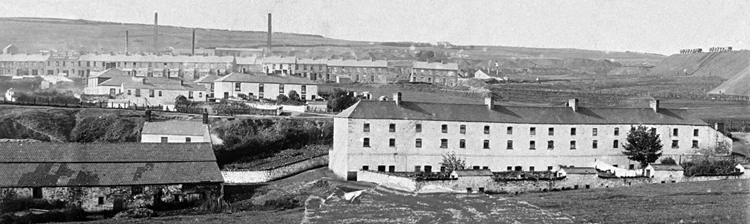
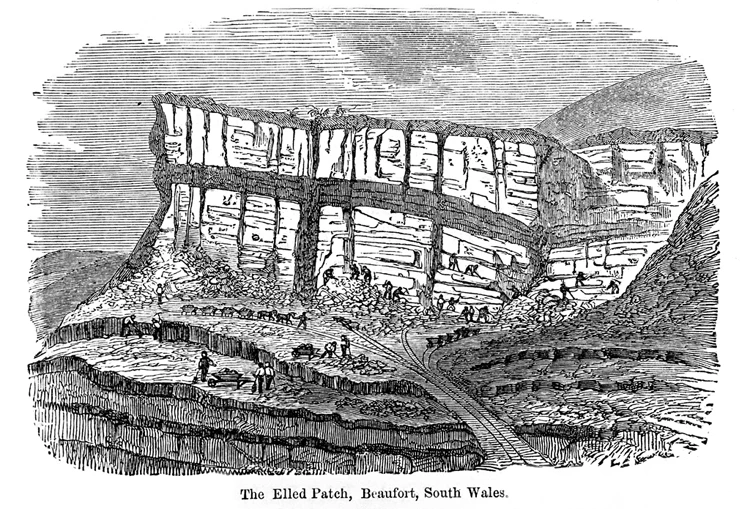
Ebbw Vale Ironworks was part of a chain of works along the northern rim of the south Wales coalfield where the raw materials for making iron - iron ore, coal and limestone - occurred together.

It was established in 1790 by a partnership led by Jeremiah Homfray, owner of the Penydarren Ironworks at Merthyr Tydfil. In 1796 he sold the works to the Harford family who ran it for the next half a century, building three more blast furnaces, puddling furnaces to produce wrought iron and rolling mills to make rails. The Harfords also bought the three blast furnaces at Sirhowy in 1818, to increase their supplies of pig iron for the furnaces and mills.

Expansion

The Harfords went bankrupt in 1842 when their overseas investments collapsed. Their works were kept going by trustees and in 1844 Abraham Derby IV, the Coalbrookdale ironmaster, came out of semi-retirement to form the Ebbw Vale Company.

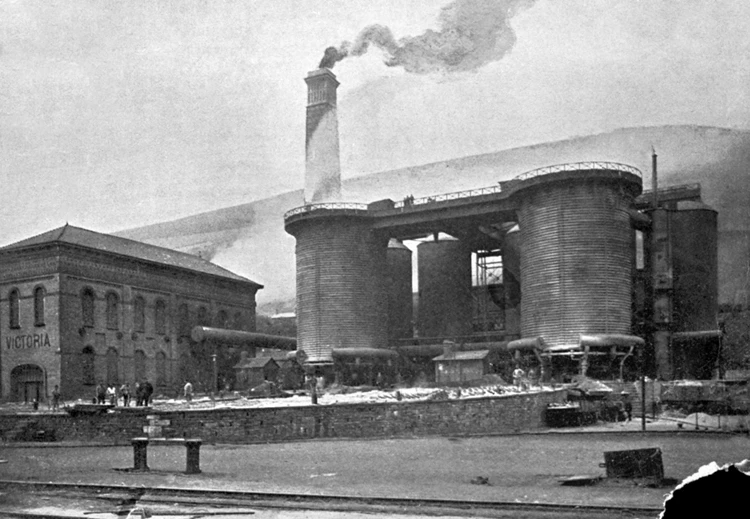
The company rapidly expanded, buying the neighbouring Victoria Ironworks in 1848, Abersychan Ironworks in 1852, Pentwyn Ironworks in 1858 and Pontypool Ironworks in 1872. When the local iron ores became exhausted the company bought iron mines in Somerset, Gloucestershire and Spain during the 1850s.

In 1854-5 George Parry, the works chemist, experimented with steel making but it was not until 1868, when the company installed a Bessemer plant, that regular steel production began.

The cost of expansion

The company was reformed as the Ebbw Vale Steel, Iron & Coal Company Limited in 1868. The cost of continued expansion in the boom of the early 1870s crippled the company in the depression that came later in the decade. Iron trade declined as steel superseded iron - fortunately the Ebbw Vale Company had been an early innovator in steel production.

From 1873 the company was controlled by Manchester financiers, who did not seem to understand the iron and steel trade. The works declined; Pentwyn closed in 1868, Sirhowy and Abersychan closed in 1882-3, Pontypool in 1890 and by 1892 the concern was almost bankrupt, with the plant described as obsolete and the machinery in disrepair.

Changing direction — the insatiable demand for Welsh Coal

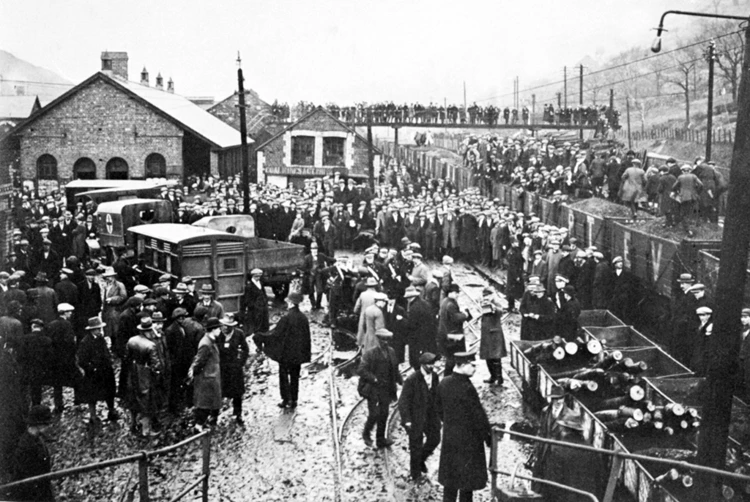
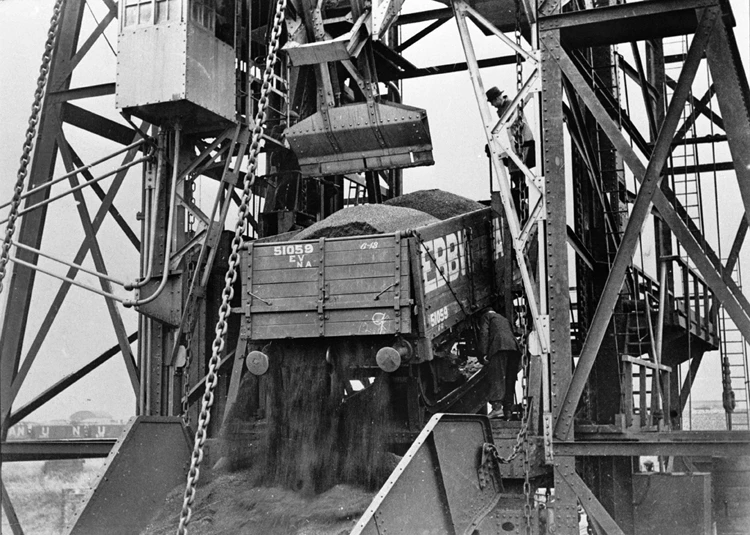
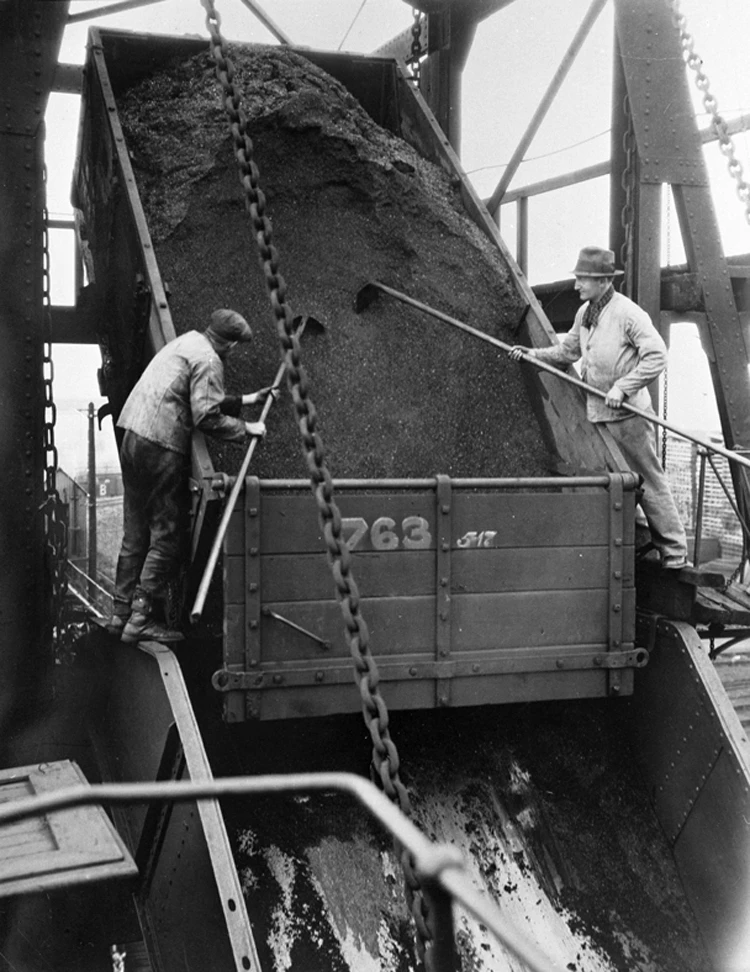
From the 1870s onwards the Ebbw Vale Steel, Iron & Coal Company's prosperity lay in coal rather than iron and steel. In 1873 it was already the largest coal producer in south Wales, but the bulk of its coal was being used in the coke ovens and the steam engines of the ironworks.

In the 1870s and 1880s the company switched direction to take advantage of the spectacular growth in demand for Welsh steam coal to drive the world's ships, trains and steam engines.

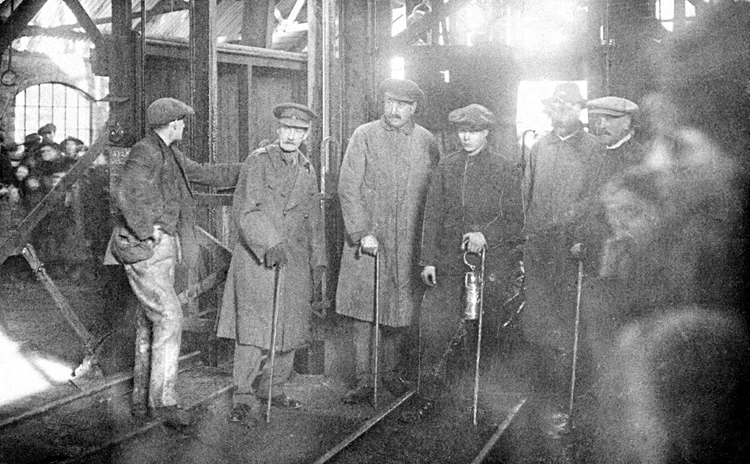
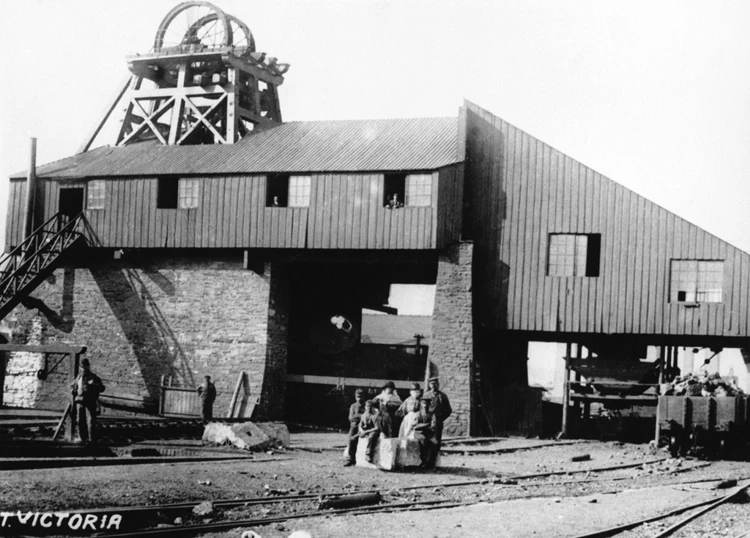
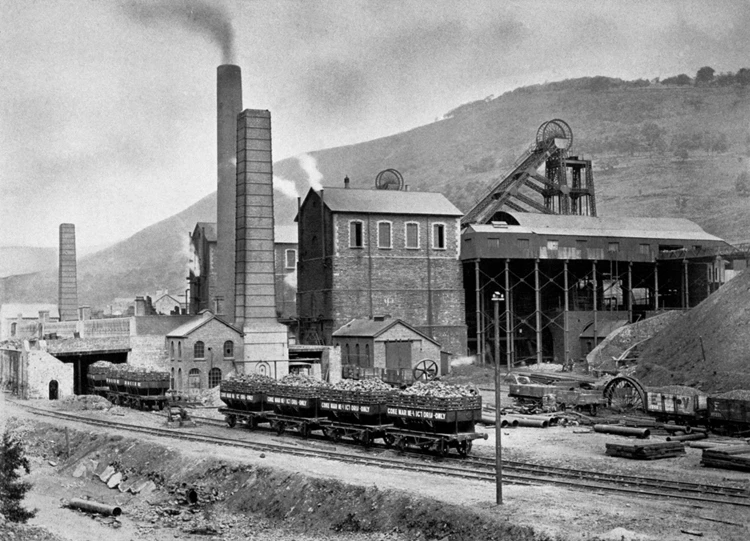
As the older collieries in the Ebbw Vale area were becoming exhausted it sank two new collieries - Waunlwyd (1874-7) and Marine Colliery at Cwm (1889-91). Ebbw Vale coal became a familiar sight all over the world.

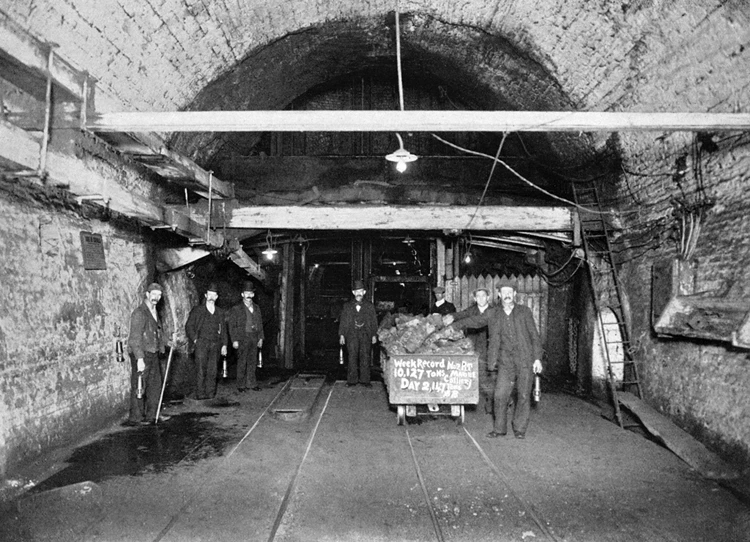
The increasingly insatiable demand for Welsh steam coal during the first two decades of the twentieth century enabled the company to rapidly expand and modernise its collieries. Some of the older collieries were closed and output was doubled at Waunlwyd and Marine.

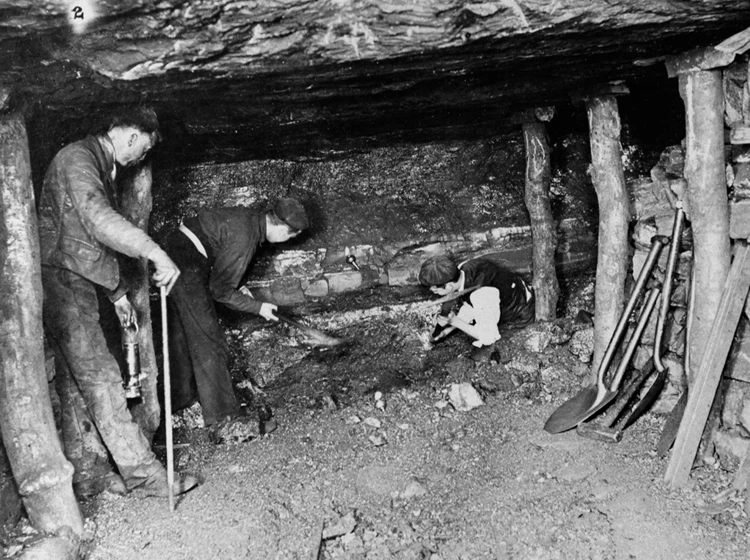
In twenty years the company doubled its output to 2 million tons. More coal meant more miners and the company's workforce rose to nearly 6,000, and profits rose dramatically too.

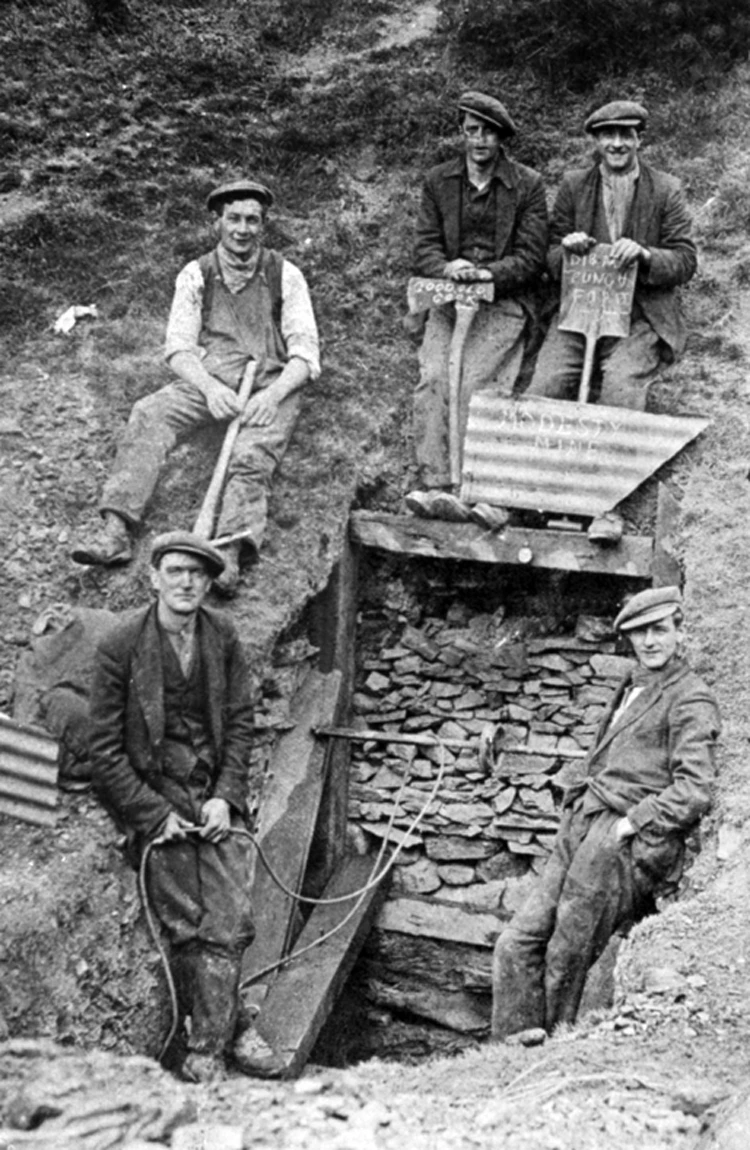
Digging for coal at Llangynidr Road during the 1926 miner's lockout.

Digging for coal at Llangynidr Road during the 1926 miner's lockout.

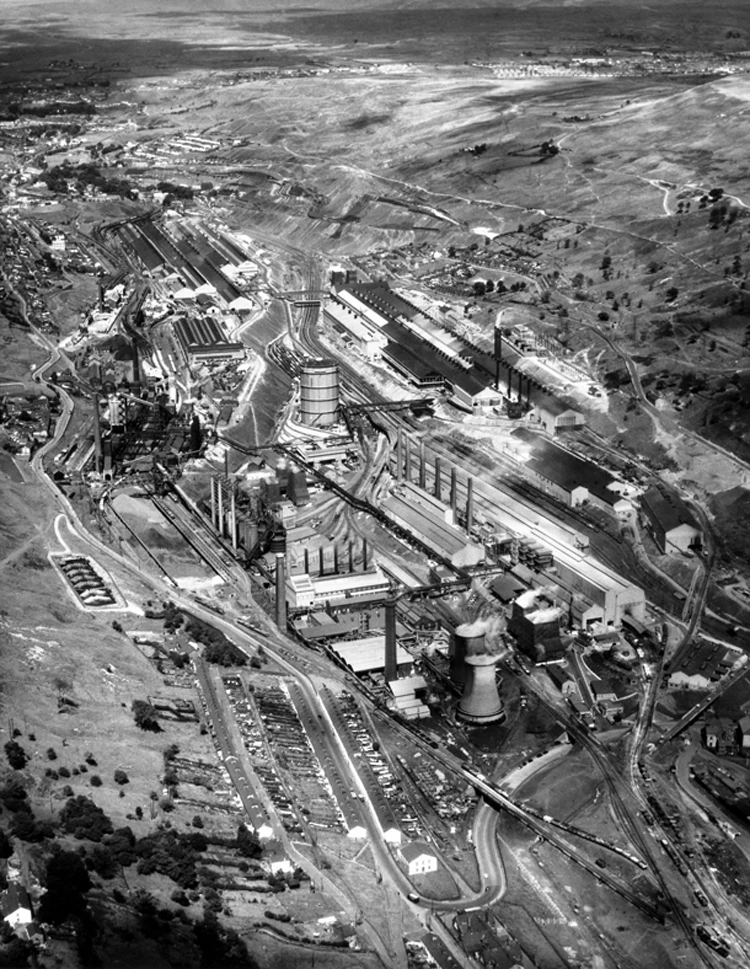
An air view of the works in August 1957

An air view of the works in August 1957

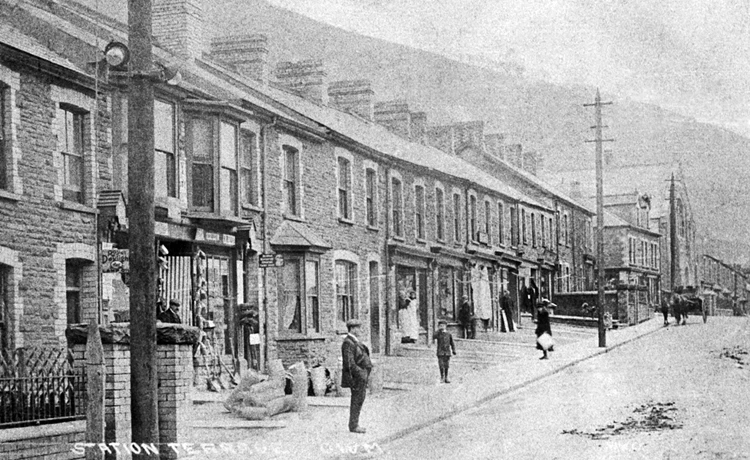
Station Terrace, Cwm's first major shopping centre, in 1913.

As Marine Colliery expanded so did the village of Cwm where the bulk of the miners and families lived. Station Terrace, Cwm's first major shopping centre, in 1913.

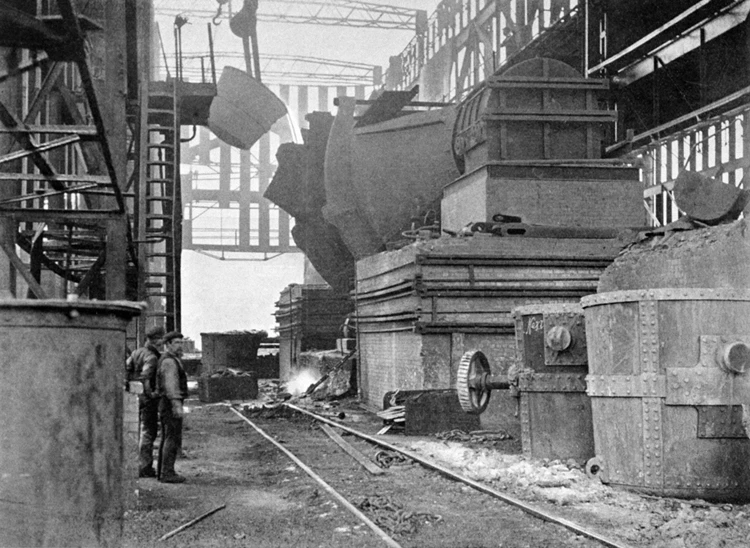
750-ton hot metal receiver in the Bessemer Steel Works

The 750-ton hot metal receiver in the Bessemer Steel Works was the largest in the World when installed in 1905-06.

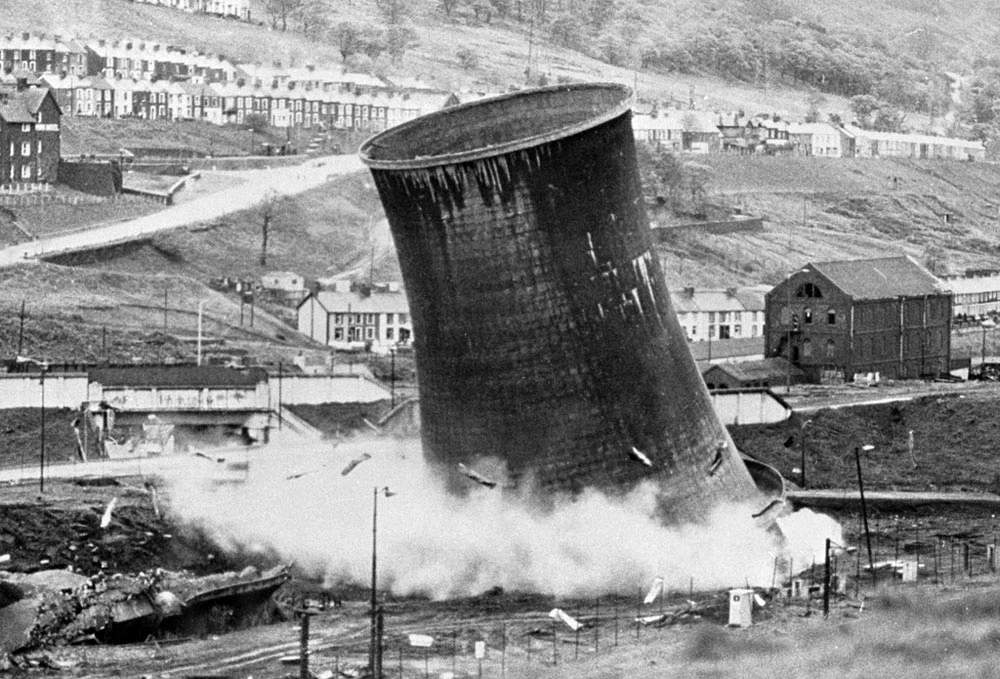
On 30 October 1929 the works were closed.  In 1936 they were demolished.

On 30 October 1929 the works were closed. In 1936 they were demolished.

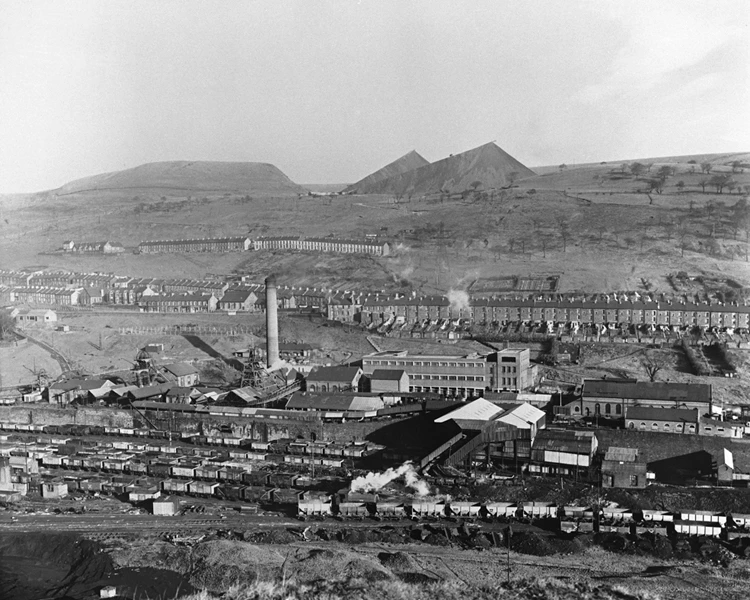
Coal mining and its landscape, Waunlwyd, 1950s

Coal mining and its landscape, Waunlwyd, 1950s

Modernisation

In 1892 control of the company returned to iron and steel interests. The companies finances were consolidated, with expansion and modernisation beginning in 1897. In 1910 a number of south Wales colliery owners led by Viscount Rhondda became directors.

In May 1911, under the impression that profits would be increased by concentrating on coal production alone, they closed the iron and steel works. However, their hopes were not fulfilled and those works reopened in April 1912.

The last act of expansion before the First World War was the construction of sheet mills in 1912.

Between 1918 and 1920 the company increased its capital from £1.8 million to £7.7 million and embarked on further expansion. Two modern blast furnaces built at Victoria in 1920-23 replaced the four old Ebbw Vale blast furnaces. Plants were installed to produce steel railway sleepers and weldless tubes and couplings. However, the international iron and steel trade slumped in the early 1920s.

Troubled times

The golden age of the early twentieth century was shattered from the 1920s onwards. The boom in the coal export market collapsed as ships switched to oil for fuel. After 1922 the company's high profits turned into big losses.

Closure

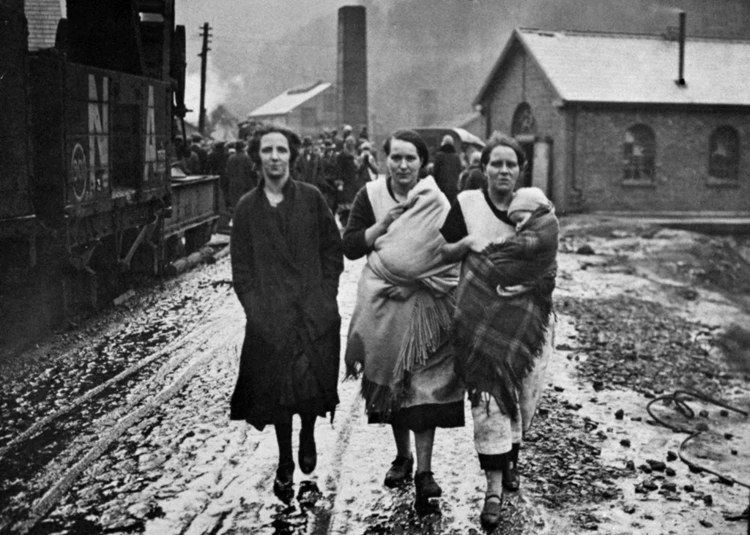
The 1920s and 1930s were the "Years of the Locust" as wages fell, collieries closed and unemployment rocketed. There were bitter and long industrial disputes in 1921 and 1926 and the financial crisis of 1929 affected the Ebbw Vale company badly. Its works closed, putting almost half the town's population out of work.

In 1935 the company went into liquidation and all its collieries were sold to Partridge Jones and John Paton Ltd, the largest colliery owner in the Gwent valleys.

Rebuilding

To remain internationally competitive, Britain's tinplate industry required an American-style steel stripmill. A new stripmill was planned in Lincolnshire but Government intervention caused it to be relocated to Ebbw Vale, and in 1936-8 the old works was cleared and an integrated iron, steel and tinplate plant built.

The former collieries of the Ebbw Vale Steel, Iron & Coal Company were taken over by the National Coal Board when the whole industry was nationalised in 1947. In that year, three were still in production — Waunlwyd, Cwmcarn and Marine. They were closed in 1964, 1968 and 1988 respectively.

Up to the present

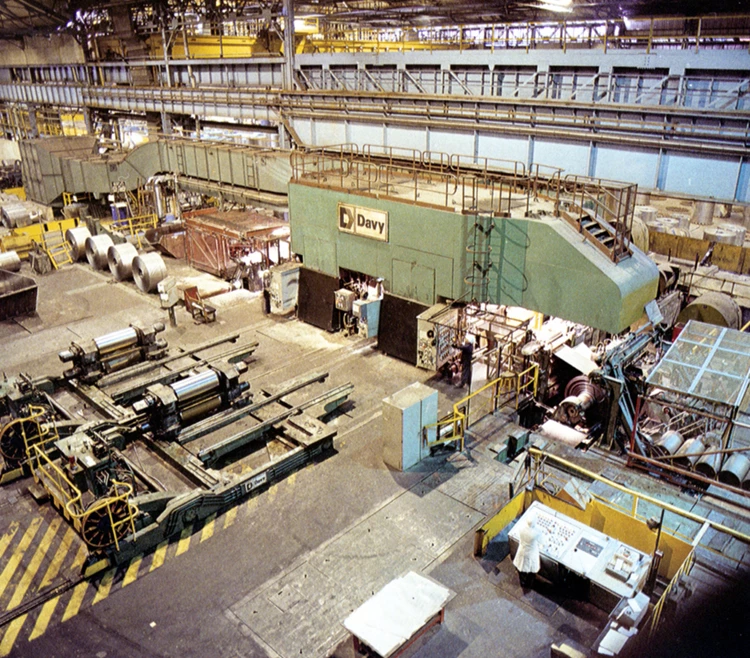
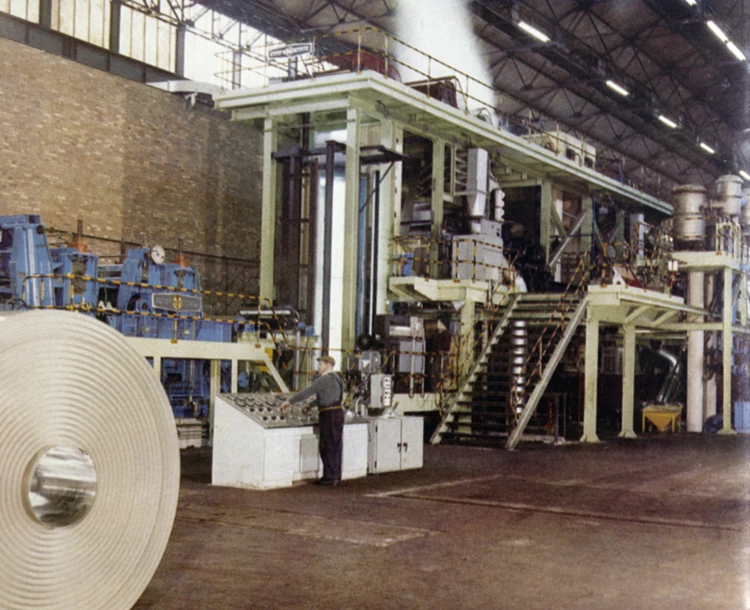
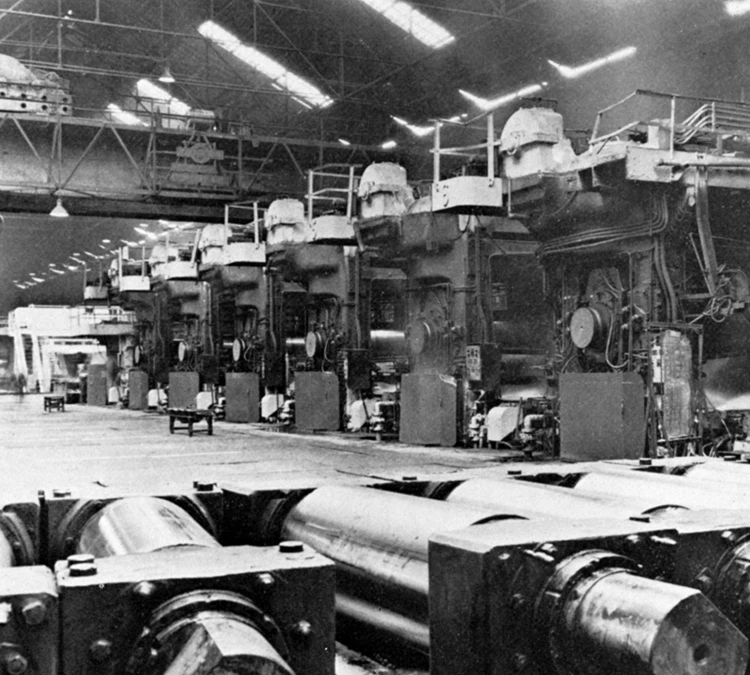
The first electrolytic line outside the USA was built at Ebbw Vale in 1947-8. The Bessemer and open hearth steel plants were expanded and in 1960 Britain's first LD converter was installed at the works. Such plant was soon to supersede all Bessemer and open hearth steel plants in the UK. Two further electrolytic tinning lines were installed in 1961 and 1969, with galvanising lines added in 1957 and 1969.

Rationalisation in the steel industry following nationalisation in 1967 led to the steel plant at Ebbw Vale closing in 1978.

Until closure in 2002 the works concentrated on tinplating and galvanising, and was the largest tinplate producer in Britain.

Fuelling Antarctic exploration: The Crown Patent Fuel Company in Cardiff

Jennifer Protheroe-Jones, 23 July 2010

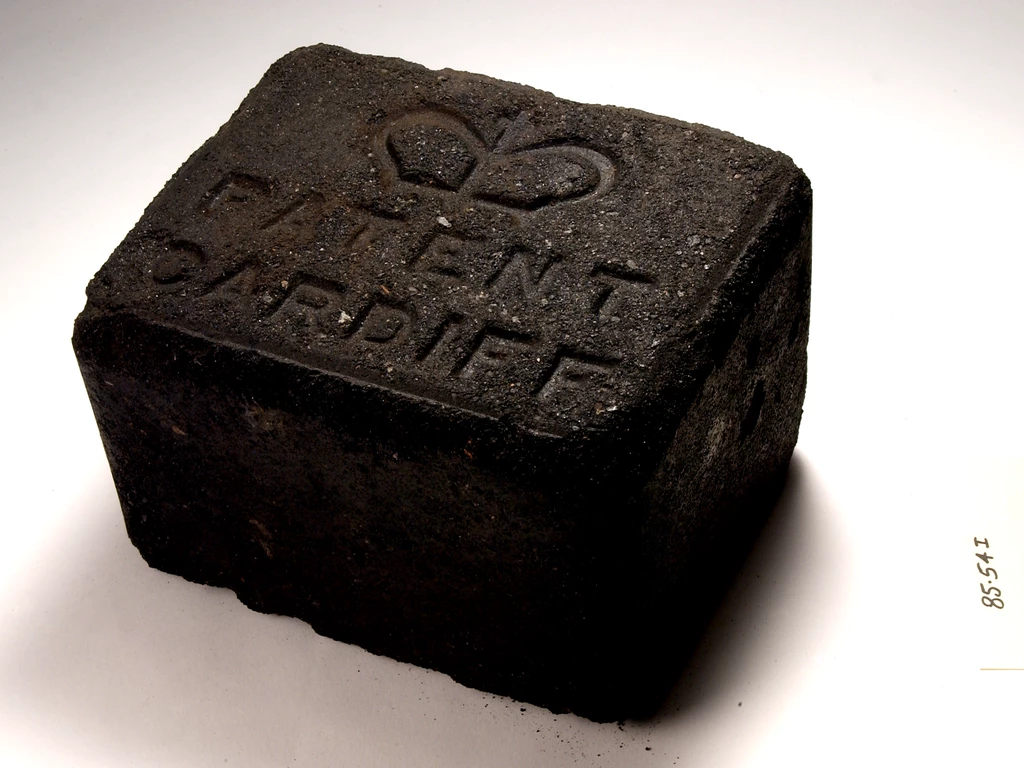
A block of Crown Patent Fuel.

A block of Crown Patent Fuel.

Age of Polar Expeditions

The early 20th century was a time of great heroic explorations to the Antarctic continent. Crown Patent Fuel from south Wales was the fuel of choice for these Antarctic expeditions.

Crown Patent Fuel

In addition to 100 tons of steam coal from south Wales coal companies, Captain Scott's 1910 British Antarctic Expedition was also given 300 tons of fuel blocks by Cardiff's Crown Patent Fuel Company. This, along with other sponsorship from Cardiff and south Wales, persuaded Scott to designate Cardiff the home port of his ship, the Terra Nova. He sent the Terra Nova to load fuel in Cardiff rather than have it sent by rail to London.

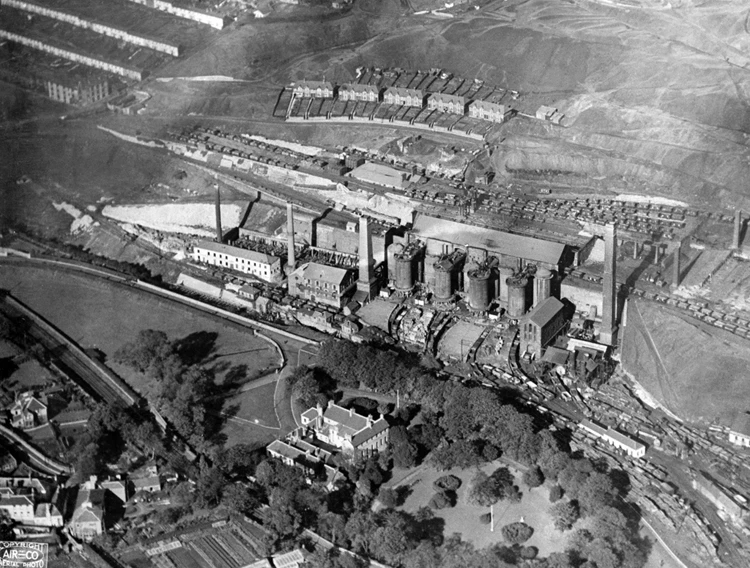
The Crown Patent Fuel works were situated alongside the Glamorganshire Canal at Maendy. The works was one of a number along the canal and, together with a number of works at other south Wales ports, made the region the largest producer of patent fuel in the world. Most of the patent fuel was exported, with France being a major customer.

Scott commends Welsh coal

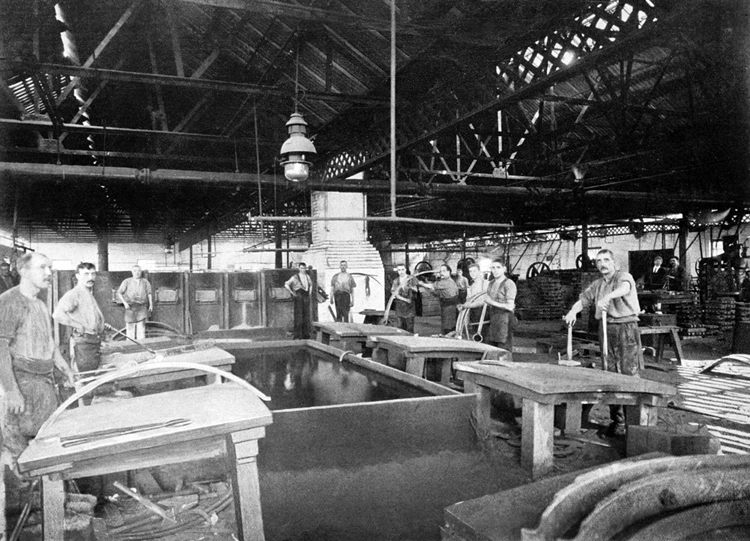
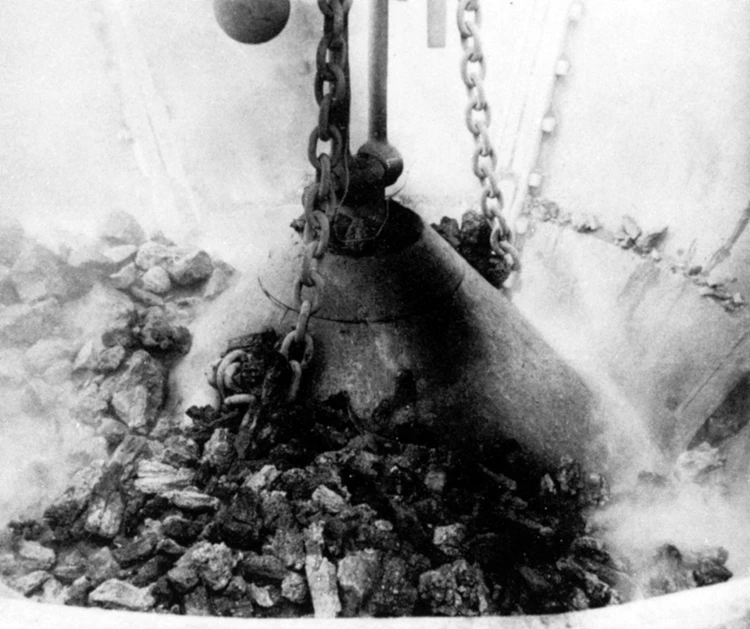
The fuel was made by mixing and heating waste small coal with pitch, the residue from distilled coal tar, and ramming the mixture into moulds. Various size blocks were produced, ranging from 7lbs to 56 lbs, with 28lbs being the most common — and the size taken on Scott's expedition. The blocks stacked well and took up less space than coal.

When the expedition reached their base at Cape Evans on Ross Island in Antarctica, the fuel blocks were used to build a back wall to the stables for the expedition ponies.

Earlier expeditions

In 1901 the Discovery, Captain Scott's first Antarctic expedition ship, took on 200 tons of Patent Fuel in Cardiff. The Aurora, the ship of the Australasian Antarctic Expedition (1911-14), was also in Cardiff taking on Crown Patent Fuel on 4 August 1911 before sailing for Australia and Antarctica.

The Ebbw Vale Steel, Iron & Coal Company

20 July 2010

The Ebbw Vale Steel, Iron & Coal Company was based in south Wales. Founded in 1790, it was the largest tinplate producer in the country, until its closure in 2002.