Who were the Celts? 5 June 2021 The early Celts rarely wrote about themselves. To the Greeks, they were known as Keltoi, Keltai or Galatai and to the Romans Celti, Celtae and Galli.The first mention of the Celts was made by the Greeks authors between 540 and 424BC. But the most valuable insights are provided by Roman authors. As the Roman world was expanding, they came in direct contact with the Celts on their northern borders, however, these classical texts are incomplete as they were often copied long after the event. Therefore, the information we have provides, at best, an occasional 'snapshot' of the Celts.It is believed that the Celts were a collection of tribes which originated in central Europe. Although separate tribes, they had similar culture, traditions, religious beliefs and language in common.What did the Celts call themselves?We don’t actually know what the Celts called themselves. The name ‘Celts’ is a modern name which is used to describe many tribes of people who lived during the Iron Age. None of the Classical texts refer to the peoples of Britain and Ireland as Celts. Therefore, as the Celts were a collection of tribes, they were more generally known by the name of those tribes or societies as opposed to a collective nation or empire.Where did the Celts come from? Early sources place Celts in western Europe and also occupying land near the headwaters of the Danube River. Their home territories have often been traced to central and eastern France, extending across southern Germany and into the Czech Republic.In 279BC the Celts were known to have looted Delphi, the sacred Greek site. Strabo (Geographer) recorded a meeting between the Celts and Alexander the Great in 335BC in the Balkans. Classical writers had recorded a large-scale migration of Celts soon after 400BC, this migration took the Celts from central Europe into Northern Italy and Eastern Europe.Celts in BritainIt is believed that the Celts arrived at the shores of Britain at approximately 1,000BC and lived there during the Iron Age, the Roman Age and the post Roman era. Their legacy continues today where examples of the language, culture and traditions continue to exist.Welsh CeltsToday, Wales is seen as a Celtic nation. The Welsh Celtic identity is widely accepted and contributes to a wider modern national identity. During the 1st centuries BC and AD, however, it was specific tribes and leaders which were named. By the time of the Roman invasion of Britain, four tribal peoples occupied areas of modern day Wales:Ordovices (north-west)Deceangli (north-east)Demetae (south-west)Silures (south-east)To understand how Celts first came to be associated with Wales, we must turn to the historical development of Celtic linguistics (the study of languages).What languages did the Celts speak? Tracing the beginnings of Celtic languages is difficult. Most agree that they derive from an earlier language known as 'proto-Indo-European'. This probably reached western Europe through the movement of peoples, possibly from Central Asia between 6000 and 2000BC. Unfortunately, there is little agreement over precisely when this occurred and when and how Celtic languages subsequently developed.On current understanding, Celtic languages have their origins at some time between 6000 and 600BC, with the earliest known inscriptions in a Celtic language being found in Northern Italy and dating to the 6th century BC. George Buchanon, a 16th-century scholar, suggested that the peoples of continental Europe had once spoken a related group of Gallic languages. Since modern Welsh, Irish and Scots Gaelic were similar to these ancient languages, the people of Britain, it was argued, originally came from France and Spain.A pioneering study by Edward Lhuyd in 1707 recognised two families of Celtic languages, P-Celtic or Brythonic (Welsh, Breton, Cornish) and Q-Celtic or Goidelic (Irish, Scots Gaelic, Manx). The Brythonic languages were assumed to have come from Gaul (France), whilst the Goidelic languages were given an Iberian (Spain, Portugal) origin.During the 18th century, people who spoke Celtic languages were seen as Celts. The ancient inhabitants of Wales, were therefore increasingly known as Celts.Celtic LanguagesThe native tongue of Wales (known as Cymru by the Celts), is Welsh. Welsh is a Celtic language and is still widely spoken in Wales and across the world. In Cornwall some (although very few) still speak Corning, which is from the same linguistic strand as Welsh and Breton.In Scotland, the Scots Gaelic is also still spoken, although by not as many as Welsh speakers. The local affiliate to the BBC in Scotland is known as BBC Alba, which is the Celtic name for the region. It is also worth noting that the origin of the Bagpipes, a famous musical instrument from Scotland can be traced to Celtic times as well.What did the Celts look like? Looking again at the recordings by Roman literature, the Celts were described as wearing brightly coloured clothes, with some having used blue dye from the woad plant to paint patterns on their bodies.What did the Celts wear?They are known for their colourful wool clothing and later on the Scottish Tartan. The clothes the Celts would wear showed status and importance within the tribe. The usual Celtic attire would include a tunic and a belt, as well as a long cloak and trousers which were fastened by a ’fibuale’.In fact, many historians have noted that the Celts were one of the first people in Europe to wear trousers, the ‘fibuale’ would be clasps, which were used to fasten their trousers.What did the Celts eat?There were obviously no supermarkets during the time of the Celts, they would grow their own plants, farm and hunt animals for food.Their diet would include, wild foods such as mushrooms, berries, nettles, wild garlic and apples they would also eat spinach, onions, leeks, carrots and parsnips, blackberries, gooseberries and blueberries. Hazelnuts and walnuts as well as grains for bread and porridge would also feature in their diet.As for meat, they would hunt deer, foxes, beavers, wild boars and bears as well as farm domesticated animals such as chickens, goats, sheep, pigs and cattle. They would also fish for Salmon, Trout or Mackerel. They would also eat eggs from hens and wild birds, along with insects and honey from bees.More information about the food the Celts would eat during the Iron Age can be seen in our Daily life of the Celts learning resource.Celtic Art and Archaeology The appearance of a new style of art during the 5th century BC and its later spread across much of Europe has frequently been interpreted by archaeologists as evidence for a common Celtic culture or identity.Celtic art was recognised and named by British scholars during the mid 19th century. However, it was not until 1910-14 that the earliest objects decorated in this style were traced to a common cultural area of north-east France, southern Germany and the Czech Republic.It was named the La Tène culture , after an important collection of decorated metalwork discovered at a site on the edge of Lake Neuchâtel in Switzerland. The spread of La Tène or Celtic art across Europe, including Britain and Ireland, was for a long time interpreted as invasions by Celtic people.More recently, British archaeologists have become increasingly dissatisfied with the idea of Celts invading Britain and of a 'Celtic' society sharing language, art, religious belief and identity. There is little conclusive evidence amongst the archaeological remains for large-scale arrivals of a new people from the Continent.The archaeology of the Iron Age in Britain is suggesting a mosaic of regional societies, each with their own distinctive identity. This is at considerable odds with a uniform Celtic culture.Archaeologists have also become more critical of their own assumptions when interpreting Iron Age sites. The presence of La Tène art in Wales need not indicate invading Celts, it could equally show the spread of a fashion across many societies or suggest long-distance exchange contacts. At the same time, we now know that much of the later La Tène art is distinctively British in style and largely absent in Continental Europe.Debate has surrounded the notion of the Celts since scholars first began to examine it, and this discussion is set to continue.It is possible that future genetic studies of ancient and modern human DNA may help to inform our understanding of the subject. However, early studies have, so far, tended to produce implausible conclusions from very small numbers of people and using outdated assumptions about linguistics and archaeology.Background ReadingExploring the World of the Celts by S. James. Published by Thames & Hudson (1993).The Celts: Origins, Myths and Inventions by J. Collis. Tempus Publishing Ltd (2003).The Ancient Celts by B. Cunliffe. Oxford University Press (1997).
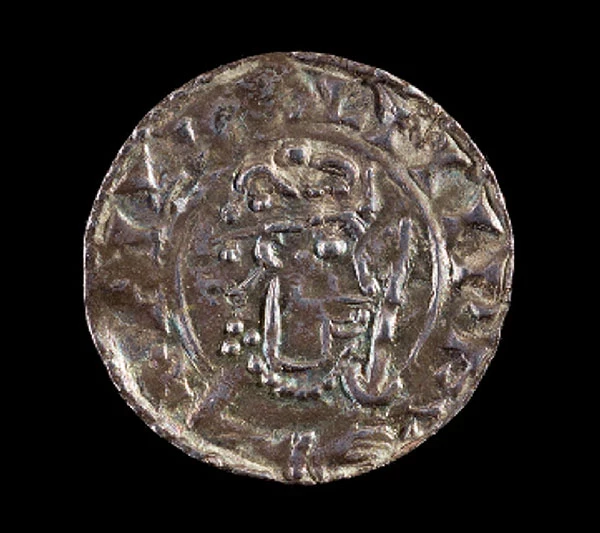
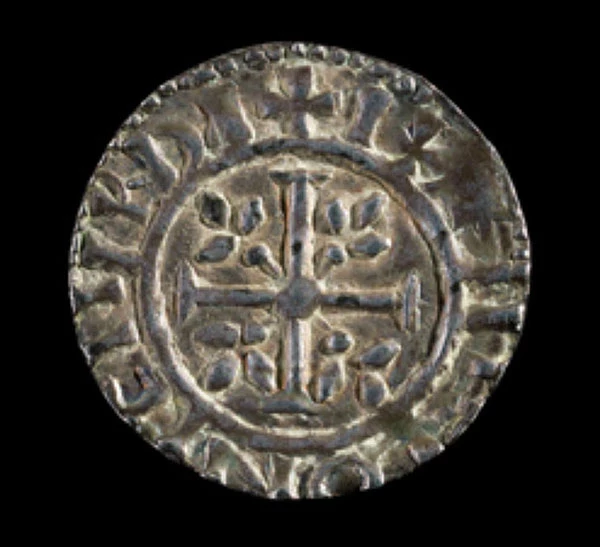
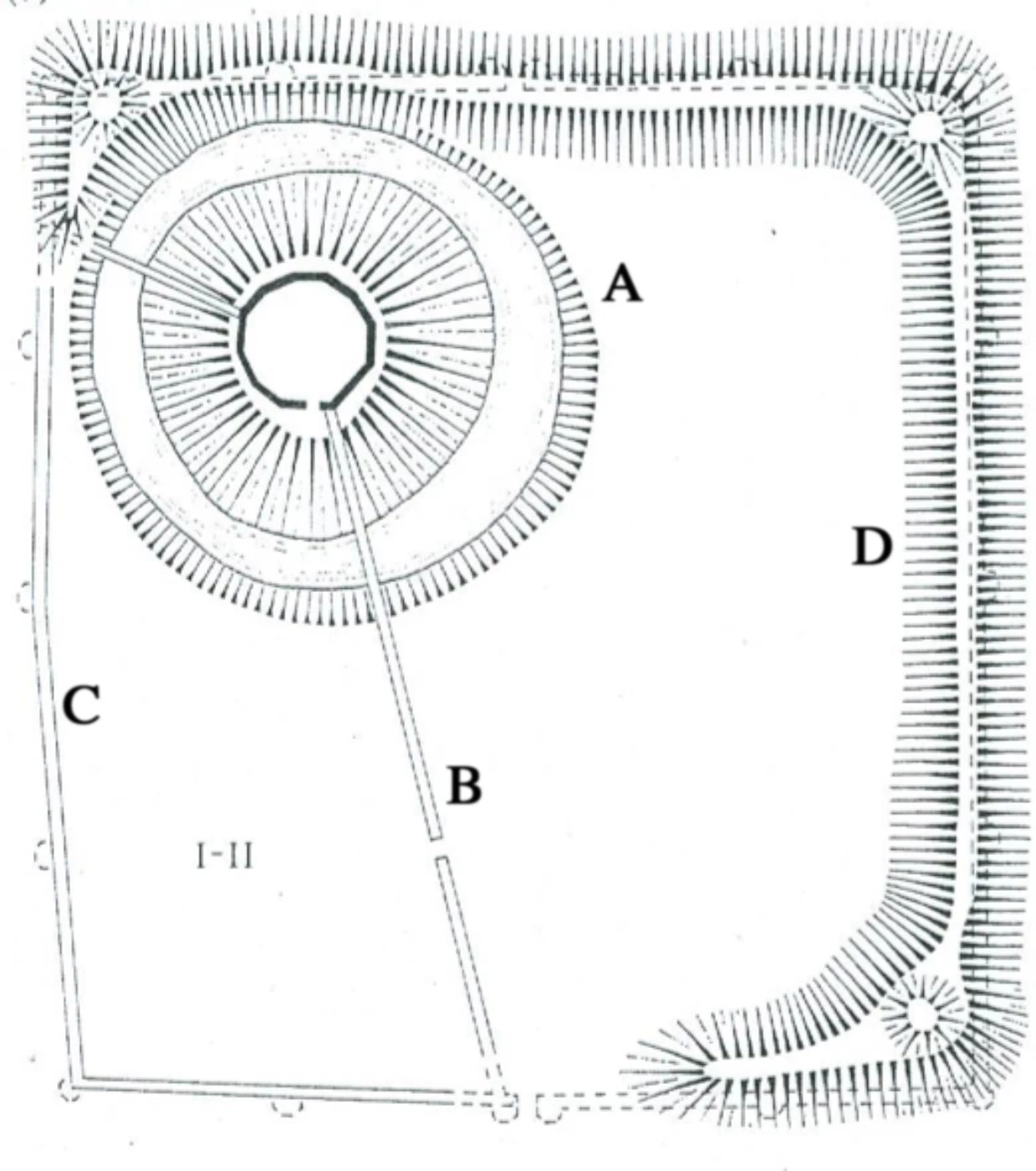
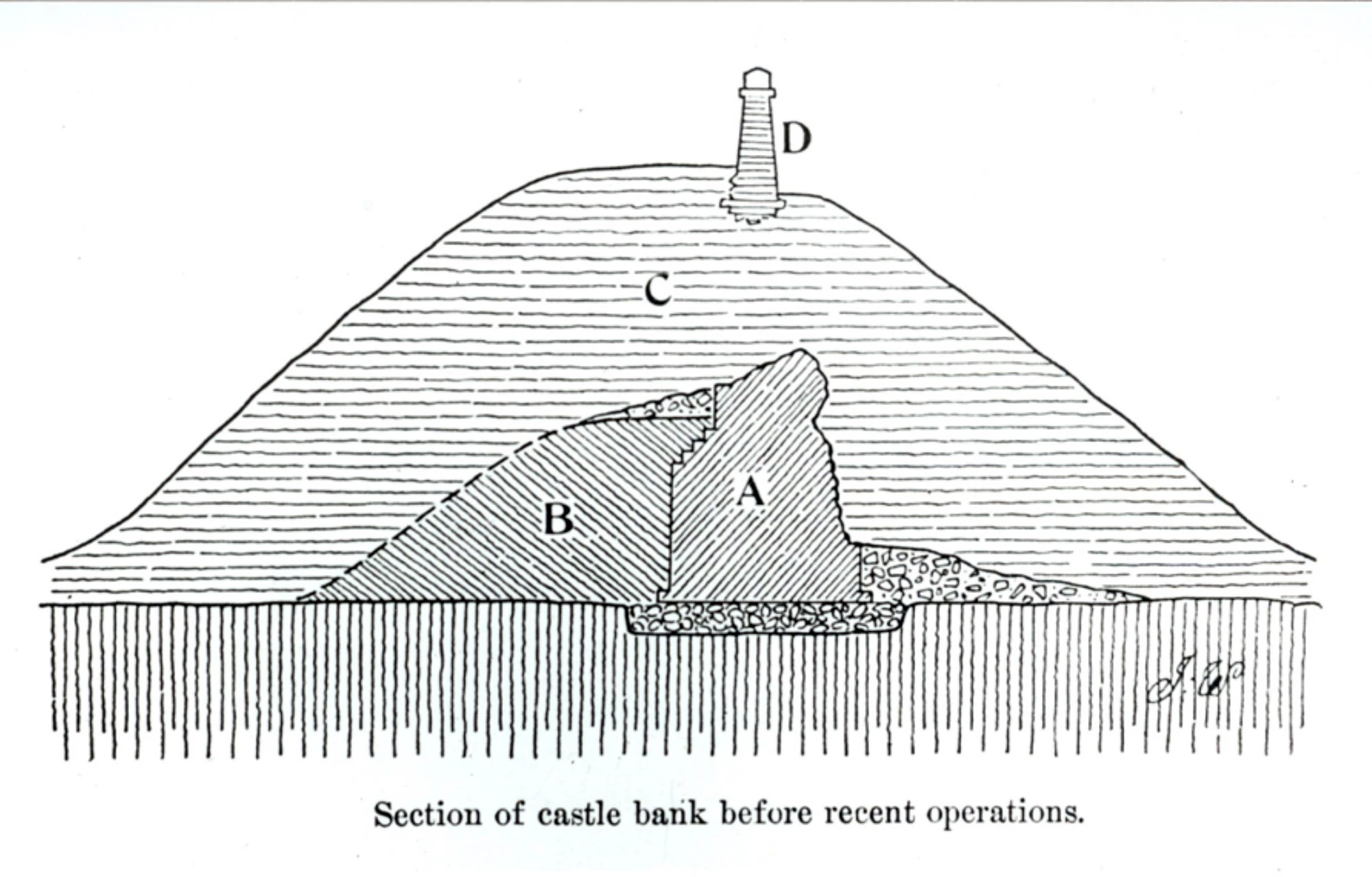
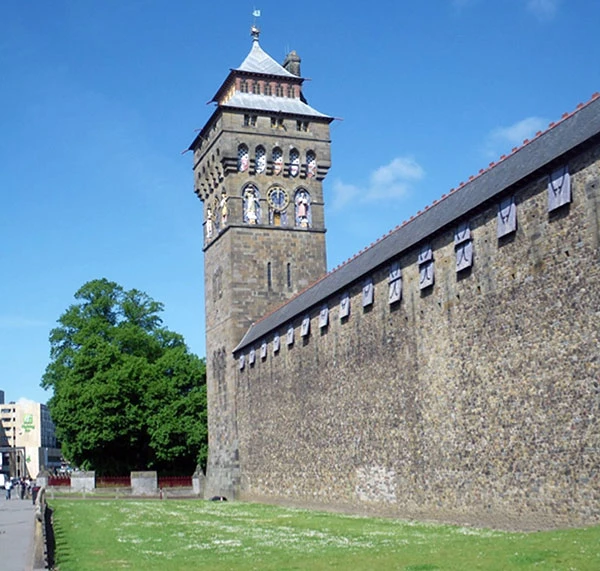
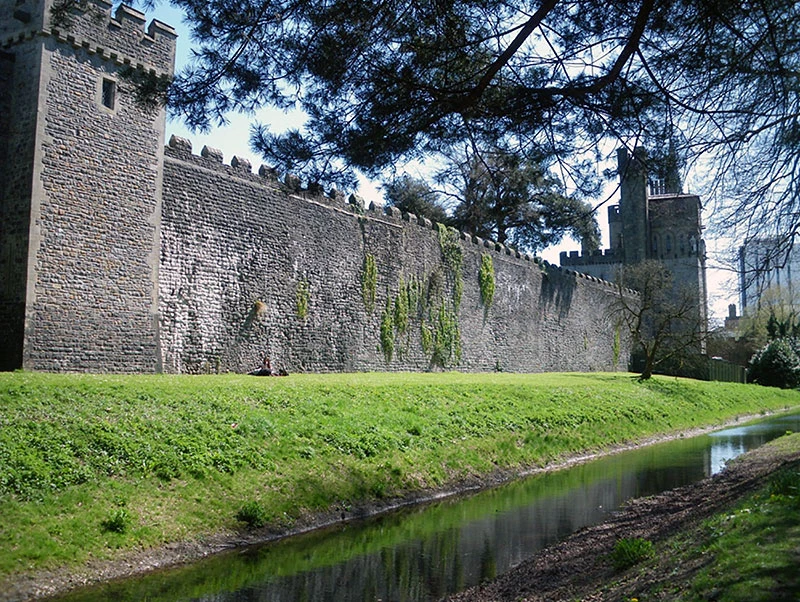
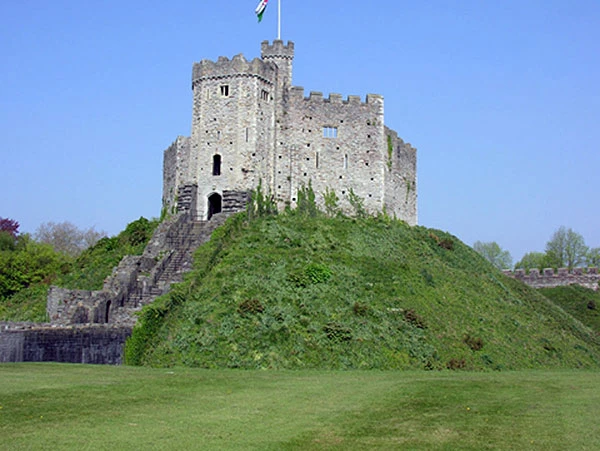
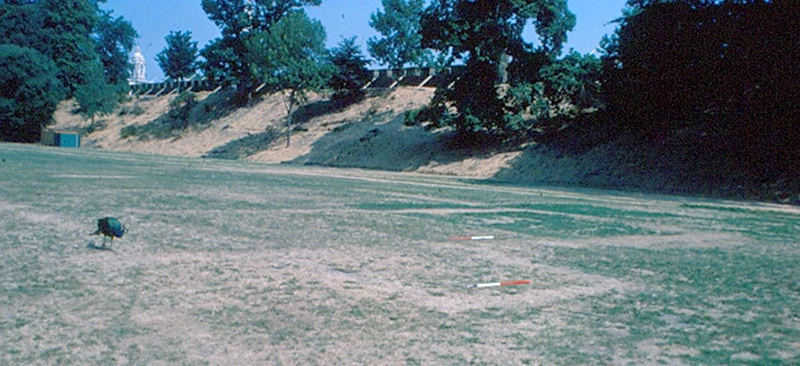
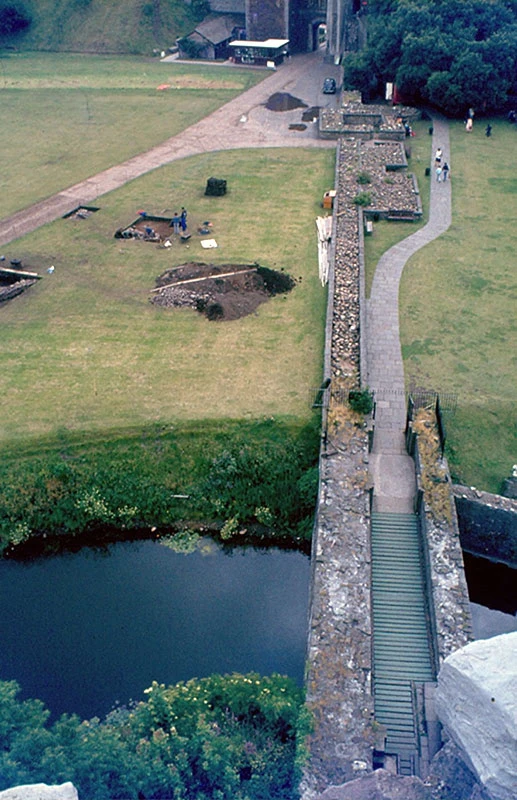
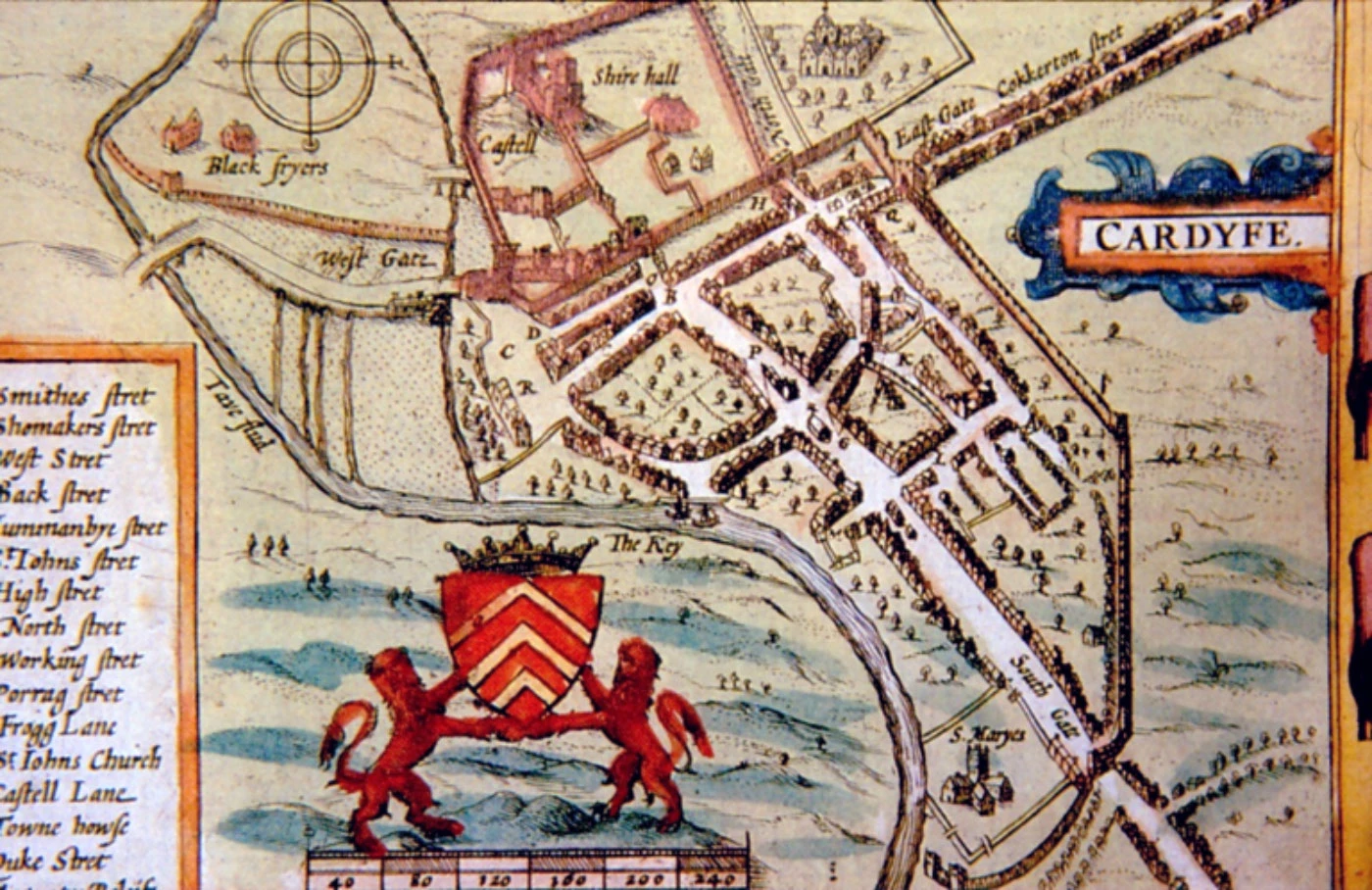
Norman Cardiff and minting coins Edward Besly and Peter Webster, 5 October 2018 Coin of William Rufus - front Coin of William Rufus - reverse Amgueddfa Cymru-National Museum Wales has just acquired a rare piece of Cardiff’s early history: a silver penny of the Norman king William II (1087-1100) made in the castle mint in the early 1090s. The newly acquired coin of William Rufus. William II, known as ‘Rufus’ (‘the Red’, perhaps from his hair colour), was the son of William the Conqueror (also known as ‘the Bastard’). During his reign the Normans made their first incursions into this part of Wales under Robert FitzHamon, a Norman baron who conquered the area and became the first lord of Glamorgan. The Normans brought with them the habit of using coinage and it seems that a mint was set up at the castle soon after its foundation in 1081. However, no coin certainly identified to be of William Rufus from the Cardiff mint had been recorded before this one showed up in 2017, within a private collection which was offered up for auction. Prior to the Norman invasion, coinage was in regular use in Anglo-Saxon England, with a network of mints and a centralised supply for the dies used to make it, but there was no tradition of minting in Wales. Early Norman Cardiff was a frontier town, and so its mint had to fend for itself: the obverse (‘heads’) die seems to have been borrowed from elsewhere and the king’s effigy was re-engraved, giving him a slightly comical appearance. The reverse (‘tails’) was made locally from scratch – it bears a clear, if crudely engraved mint signature ‘CAIRDI’ [CIVRDI or CIIIRDI], but we cannot fully read the moneyer’s name, ‘IÐHINI’ (Ð = ‘TH’) – he may have been called Æthelwine (interestingly, a Saxon rather than a Norman name). The designs of current coins were changed every few years – and the king took a cut every time a new coinage was issued. We now know of coins from four different issues in the name of ‘William’ (which could be either William the Conqueror, or his son William Rufus) and four more for Henry I (1100-35) from the Cardiff mint, but they are all incredibly rare. In the civil war of King Stephen’s reign (1135-54), Cardiff fell into the hands of the Angevin party of his enemy, the Empress Maud. In 1980, a hoard of over 100 coins, mostly previously-unknown Cardiff issues of Maud, was found at Coed-y-Wenallt, above Cardiff, and transformed our knowledge of that period. It included baronial issues from Cardiff and Swansea – which, for the latter, was the earliest evidence of that place-name. After that, however, the Cardiff mint disappears from history. Our new coin of Rufus provides another piece of the jigsaw that is the early history of Cardiff and its region. Many pieces are no doubt still missing, and who knows what may still await discovery? As for the man himself, he died on 2 August 1100, whilst hunting in the New Forest, when struck by an arrow: an unfortunate accident or was he murdered? Edward Besly, Numismatist (Coins and Medals Curator), Amgueddfa Cymru-National Museum Wales. The Norman castle as envisaged by RCAHM. The stone keep is probably later than the reign of William Rufus and would originally have been of wood. Motte surrounded by a ditch Assumed Ward wall Re-used Roman wall probably without projecting towers Earth bank with ditch outside A schematic section through the castle’s earthen defences before the 19th and 20th century removal of the outer portion of the medieval bank and the reconstruction of the Roman Fort wall. Remains of Roman fort wall Roman bank Norman bank Later Medieval castle wall Reconstructed Norman castle wall between the South Gate and the Clock Tower The west castle wall. The stretch between the towers is essentially the wall of the Norman castle. The massive Norman motte, with later medieval stone shell keep. The Medieval bank surviving on the inside of the East walls. The crop mark visible in the foreground is a late medieval building. The stone wall and gateway from the outer to the inner ward, seen here looking from the Keep to the South Gate. This wall probably has its origin in the defences of the Norman castle. Speed’s 1610 map of Cardiff. The coming of the Normans Cardiff today is largely a product of Victorian development, but at the very centre of the city is a historic core originating with the Roman military and later re-occupied by the Normans. There is little or no trace of a settlement at Cardiff between the end of the Roman period and the coming of the Normans into Wales in the 1080s, although there may have been some occupation at the point where the Roman road from Caerleon to Carmarthen crossed the River Taff. When the Normans arrived, this was the point where they chose to site the military and administrative centre for their new lordship of Glamorgan, re-using the remains of the late Roman fort for a castle enclosure and establishing a small town at its southern gate. Reconstructing the Norman castle Norman Cardiff had its focus in the castle, but the castle building we see today is very different to the original one. To get at the Norman castle we have to strip away the 19th and 20th century alterations made by the marquesses of Bute, which had in part involved the restoration of the walls of the late Roman fort. The Normans threw up a massive earth bank over the remains of the Roman fort walls, from a point near the north-west corner of the castle, round onto the sides now fronting Kingsway and Duke Street. The remaining Roman fort walling (from near the present south gate round onto the side now facing into Bute Park) was repaired, although, strangely, the projecting towers which will have formed part of the Roman defences appear to have been removed – perhaps to provide material for the repairs. This Norman wall can still be seen, albeit with a good deal of 19th century restoration, between the south gate and the Clock Tower and north of the western castle apartments. The material for the banks on the north, east and part of the south sides was taken from a massive ditch dug around the entire enclosure. This is now filled in on Kingsway and Castle/Duke Street and underlies the present western moat and northern dock feeder. This ditch can still be glimpsed occasionally when service trenches are opened around the castle, but a clearer idea of its scale can be gained from the evidence of John Ward, curator of the Cardiff Museum and Art Gallery from 1893 to 1912. Ward observed the underground toilets being dug in Kingsway and reported that, although completely below ground, they did not reach the bottom of the ditch. Ward’s schematic diagram of the castle’s earthen bank shows the result of this ditch digging – the sizeable bank still present on the inner side of the castle walls (to the left of the diagram) repeated on the outside. Inside these outer defences, the Normans constructed a massive motte – a mound rather like an inverted pudding basin, surrounded by a large moat. This can still be seen, although the mound received some landscaping by Capability Brown in the late 18th century and the moat (which Brown filled in) was re-excavated in the 19th century and may be more regular than it once was. We can assume that there was some sort of structure on the top of the mound, probably a wooden palisade and tower, likely to have been replaced by the present stone ‘shell-keep’ in the 1240s. The remainder of the castle interior was probably divided as seen now by some sort of wall between the keep and the south gate. A stone wall seems likely but is uncertain. We can expect buildings (probably of wood) within the two ‘wards’ thus created but, to date, no certain structures have been discovered within the limited area excavated. The Norman town. South of the castle lay the small town of Cardiff. The classic view of the medieval town is that created in 1610 by John Speed, which shows a walled enclosure extending south from just east of the south-east corner of the castle to the bottom of what is now St Mary’s Street. This, however, depicts the late medieval town. It is likely that the first Norman town was smaller, probably bordered by the present day Womanby Street, Quay Street, Church Street and St Johns Street (the semi-circle of streets at the northern end of the town as seen on the Speed map). This layout can still be seen in the streets of Cardiff and it is noticeable that the junctions of High Street and St Mary’s Street, and of St John’s Street and Working Street, lie on the suggested early boundary. This, along with much else of the documentary history of Norman and Angevin Cardiff, is discussed by David Crouch (2006). Crouch’s hope that archaeology will add to this picture has so far not been fulfilled. The only excavations within the suggested first town (in Womanby Street and Castle Street), although they confirm Norman occupation, have not yielded structures of such an early date. Indeed, the assiduous digging of cellars by the Victorian residents of Cardiff has unfortunately removed a good deal of the potential evidence. Peter Webster, Honorary Research Fellow, Amgueddfa Cymru – National Museum Wales (former lecturer, Cardiff University) Further Reading Cardiff Castle The medieval castle is treated extensively in RCAHMW, An inventory of the ancient monuments in Glamorgan, Vol. III, Part 1a, Medieval Secular Monuments, the early castles from the Norman conquest to 1217, London 1991, 162-211, which, despite the title, takes the castle story up to the 20th century. Further background to the restoration of the Marquesses of Bute is provided by J. P. Grant, architect to the 4th Marquess (Cardiff Castle, its history and architecture, Cardiff 1923). The Town The best discussion of Norman Cardiff is David Crouch. ‘Cardiff before 1300’ pp.34-41 in J.R.Kenyon, D.M.Williams (Eds.), Cardiff. Architecture and Archaeology in the Medieval Diocese of Llandaff, British Archaeological Association Conference Transactions 29, London 2006. This includes references to earlier work by W.Rees (1962) and D.Walker (1978).
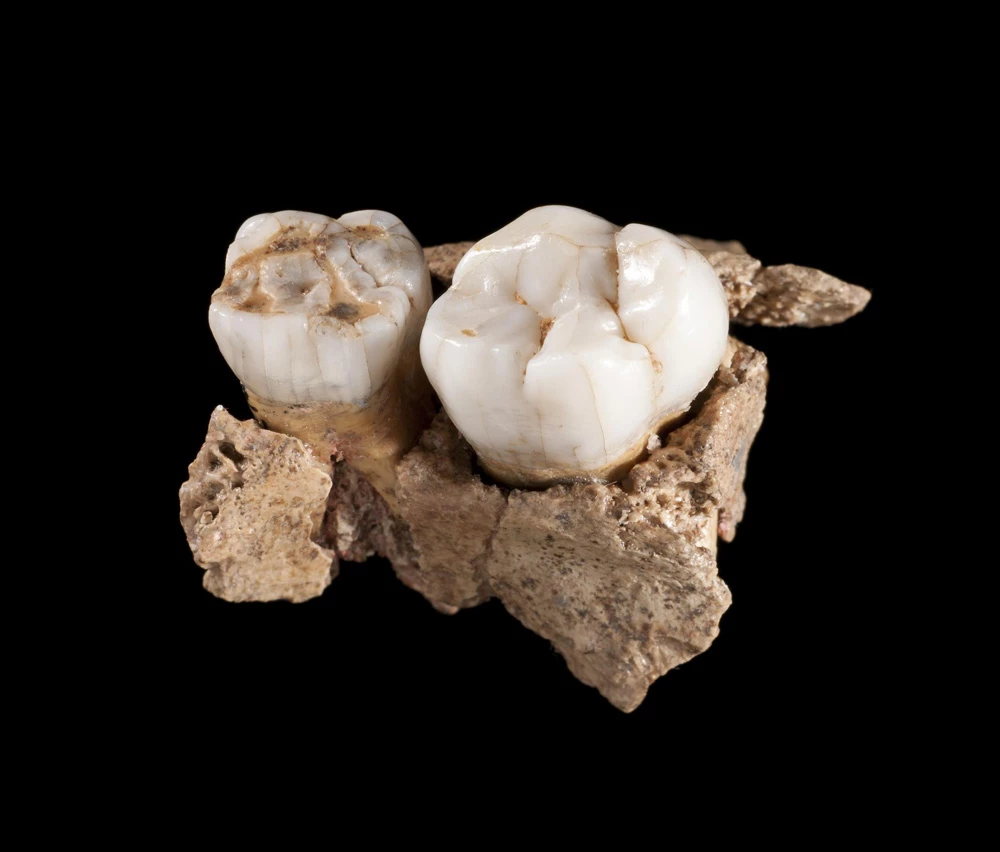
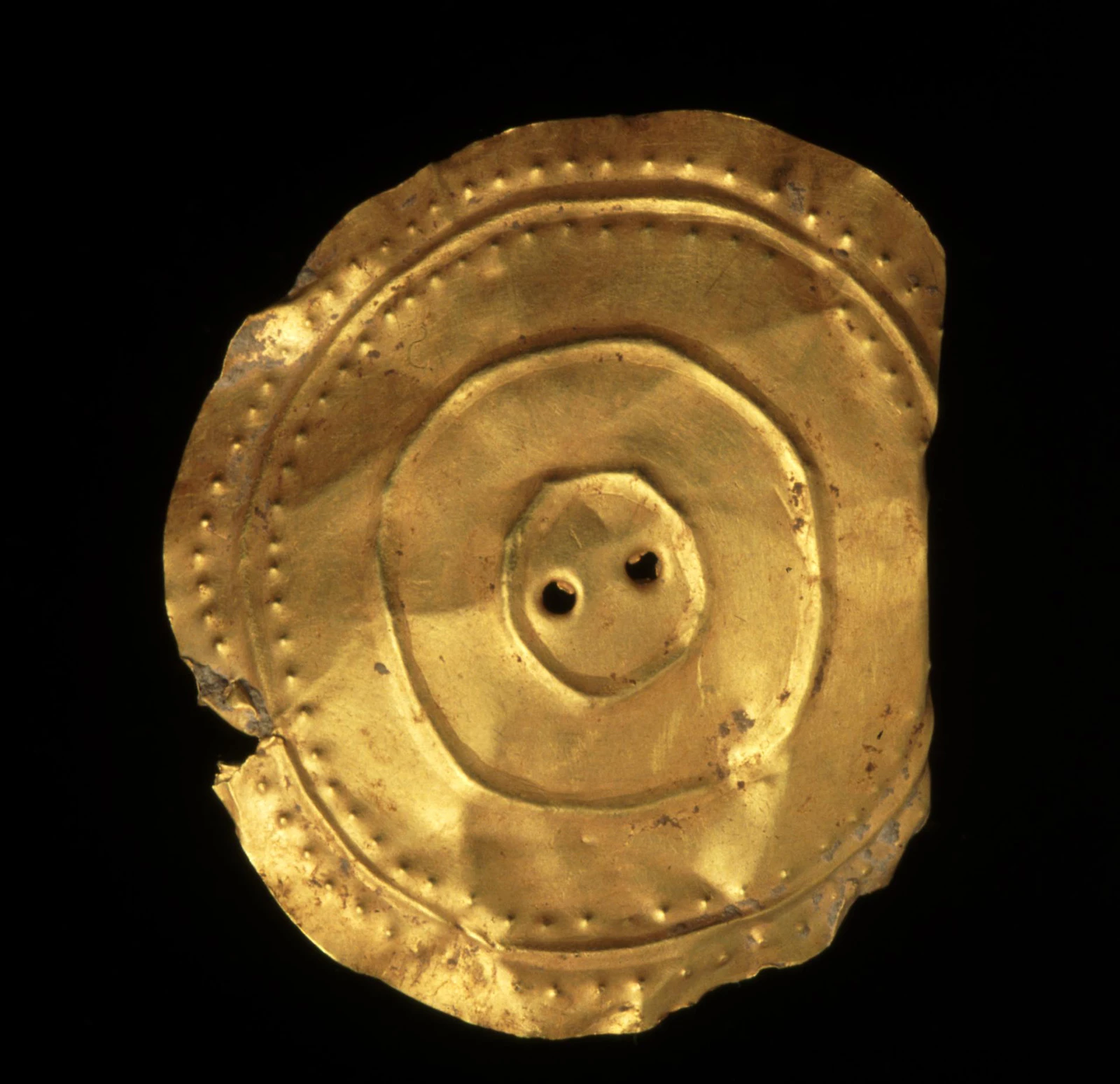
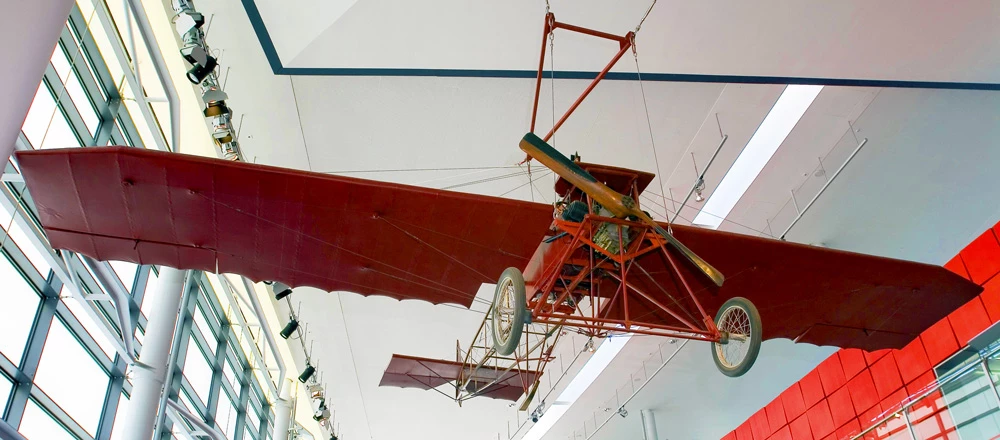
Uncovering our Collections: Half a Million Records now Online 26 March 2018 As we reveal half a million collection records for the first time, we look at some of the strangest and most fascinating objects from National Museum Wales Collections Online. This article contains photos of human skeletal fragments. The Biggest We have some real whoppers in our collections - including a full-size Cardiff Tram and a sea rescue helicopter - but the biggest item in our collection is actually Oakdale Workmen's Institute. Built in 1917, the Institute features a billiard room, dance hall and library - and is nowadays found in St Fagans National Museum of History. Horace Watkins testing his monoplane in 1908 Many of the buildings in St Fagans are part of the national collection - meaning they have the same legal status as one of our masterpiece Monets or this coin hoard. The buildings are dismantled, moved, rebuilt - and cared for using traditional techniques, by the museum's legendary Historic Buildings Unit. The Oldest The oldest human remains ever discovered in Wales These teeth belonged to an eight year-old Neanderthal boy - and at 230,000 years old, they are the oldest human remains in Wales. They were discovered in a cave near Cefn Meiriadog in Denbighshire, along with a trove of other prehistoric finds, including stone tools and the remains of a bear, a lion, a leopard and a rhinocerous tooth. These teeth are among some of the incredible objects on display at St Fagans National Museum of History The Shiniest People in Wales have been making, trading and wearing beautiful treasures from gold for thousands of years - like this Bronze Age hair ornament and this extremely blingy Medieval signet. At around 4000 years old, this sun disc is one of the earliest and rarest examples of Welsh bling One of the earliest examples of Welsh bling is this so-called 'sun disc', found near Cwmystwyth in Ceredigion. Current research suggests that these 'sun discs' were part of ancient funeral practice, most likely sewn onto the clothes of the dead before their funerals. Only six have ever been found in the UK. Most Controversial At first glance, an ordinary Chapel tea service - used by congregations as they enjoyed a 'paned o de' after a service. A closer look reveals the words - 'Capel Celyn'. The chapel, its graveyard and surrounding village are now under water. Capel Celyn, in the Tryweryn Valley, is now underwater Flooded in 1965 by the Liverpool Corporation, the Tryweryn valley became a flashpoint for Welsh political activism - creating a new generation of campaigners who pushed for change in how Welsh communities were treated by government and corporations. Curators from St Fagans collected these as an example of life in Capel Celyn - to serve as a poignant reminder of a displaced community, and to commemorate one of the most politically charged moments of the 20th century in Wales. Honourable Mention: an Airplane made from a Dining Room Chair Made from a dining room chair, piano wire and a 40 horsepower engine, the Robin Goch (Red Robin) was built in 1909 - and also features a fuel gauge made from an egg timer. The Robin Goch (Red Robin) on display at the National Waterfront Museum Its builder, Horace Watkins, was the son of a Cardiff printer - here he is pictured with an earlier, even more rickety version of his famous monoplane. Horace Watkins testing his monoplane in 1908 Our collections are full of stories which reflect Wales' unique character and history. The Robin Goch is one of the treasures of the collection, and is an example of Welsh ingenuity at its best. Half a Million Searchable Items The launch of Collections Online uncovers half a million records, which are now searchable online for the first time. “Collections Online represents a huge milestone in our work, to bring more of our collections online and to reach the widest possible audience. It’s also just the beginning. It’s exciting to think how people in Wales and beyond will explore these objects, form connections, build stories around them, and add to our store of knowledge." – Chris Owen, Web Manager Search Collections Online Plans for the future Our next project will be to work through these 500,000 records, adding information and images as we go. We'll be measuring how people use the collections, to see which objects provoke debate or are popular with our visitors. That way, we can work out what items to photograph next, or which items to consider for display in our seven national museums. Preparing and photographing the collections can take time, as some items are very fragile and sensitive to light. If you would like to support us as we bring the nation's collections online, please donate today - every donation counts. Donate Today We are incredibly grateful to the People's Postcode Lottery for their support in making this collection available online.
The Late Bronze Age hoard from Trevethin: A Tale of Axes and Spears Matthew Guiseppe Knight, 16 September 2017 The Trevethin Hoard, Torfaen The upper blade of the broken South Wales axe. Imagine the scene. You’re out walking in a field. You have your trusty metal-detector in hand, sweeping backwards and forwards across the ground as you walk. A steady rhythmic beep emits with each step. Suddenly the machine starts beeping more frequently. Something lies beneath the ground. You crouch down to dig, to see what you’ve found. As you dig you start to reveal an ancient axehead… This was the story for metal-detectorist, Gareth Wileman in November 2014. Over a couple of weeks Gareth uncovered a Late Bronze Age hoard comprising three bronze socketed axeheads and two bronze spearheads in close proximity in the Community of Trevethin, Torfaen. Recognising the significance of the find, Gareth promptly contacted Mark Lodwick, the Finds Co-ordinator for Portable Antiquities Scheme Cymru, who was able to investigate the hoard findspot. The hoard was buried around 3000 years ago (between 950-800 BC) during the Late Bronze Age. This period is a time when large amounts of metalwork, including weapons and tools, were hoarded and buried in various locations in the landscape. What’s in the hoard? While the objects in the hoard may be broadly classed as ‘axeheads’ and ‘spearheads’, each object represents a distinctive type, that we can use to inform our understanding of how different objects were traded in the Bronze Age. Of particular interest is the socket of a ‘South Wales’ socketed axe that was buried within the hoard. The cutting edge was deliberately removed in the Bronze Age. One of the other axes has also been deliberately damaged. These axes have three vertical ribs on both faces and are particularly common in… you guessed it, South Wales! Conversely, one of the spearheads is relatively rare. It is referred to as a ‘lunate opening spearhead’ due to two semi-circular holes in the middle of the blade. The tip of this spearhead has broken off and part of the socket has broken off, which may also have been deliberate. Why does the hoard matter? The Trevethin hoard was found in an area where Bronze Age activity was previously unknown. It adds to a growing volume of Late Bronze Age material found across Wales. Gathering or hoarding objects and burying them is a widespread tradition in the Late Bronze Age, but reasons behind this are uncertain. Combinations of weapons, such as spears, and tools, such as axes, are common in Late Bronze Age hoards. These categories should not be taken too seriously though; an axe can be a deadly weapon too, while some spearheads might have been ceremonial items. The combination of different objects may represent a single person’s collection of objects. Alternatively, it may reflect several people coming together to bury objects that were important to the local area. We will probably never know exactly what is represented in the Trevethin hoard. The rare ‘lunate opening’ spearhead. The only complete axe in the hoard One axe was found broken with lots of smaller fragments. Excavating the hoard was very muddy! To Break or Not To Break In the Trevethin hoard, the blades of two of the axes appear to have been deliberately removed. The spearheads display similar intentional damage. However, the third axe was left complete. Why was this? And where are the missing pieces? It’s possible that the pieces are still out there, waiting to be found. However, deliberately destroying objects in hoards was common. Certain parts of objects were selected for burial – in this case the socket end of the axes – while others were excluded (the cutting edge). In other hoards, we sometimes only find axe blades and no sockets. The part of the object that was included may have been important. Including complete objects also has significance. At Trevethin, the complete axe was sharpened and probably used before it was buried. It still would have been functional, so why abandon a useful, usable tool? It is possible the axe was used over many years and was significant to its owners, which made it suitable for burial. It’s important to think of these items as both functional and symbolic objects. Understanding the Bronze Age Archaeology is about understanding people in the past. The Trevethin hoard offers a valuable insight into the Bronze Age in this area of Wales, where previously no prehistoric material was known. It shows that Bronze Age communities were present and engaging with their objects in mysterious ways we might only speculate. Every find helps us understand the broader picture, and the Trevethin hoard is an important step towards this. Notes and Acknowledgements This hoard was responsibly reported through Portable Antiquities Scheme Cymru and is now proudly on display at Pontypool Museum where it can be enjoyed by all members of the public. It was acquired with funding from the Saving Treasures: Telling Stories Project. More details on how the hoard was investigated, as well as a conversation with the finder, Gareth Wileman, can be found here. Thanks to Adam Gwilt (Principal Curator: Prehistory at National Museum Wales) and Mark Lodwick (Finds Coordinator: PAS Cymru) for allowing me access to an unpublished report on the hoard.
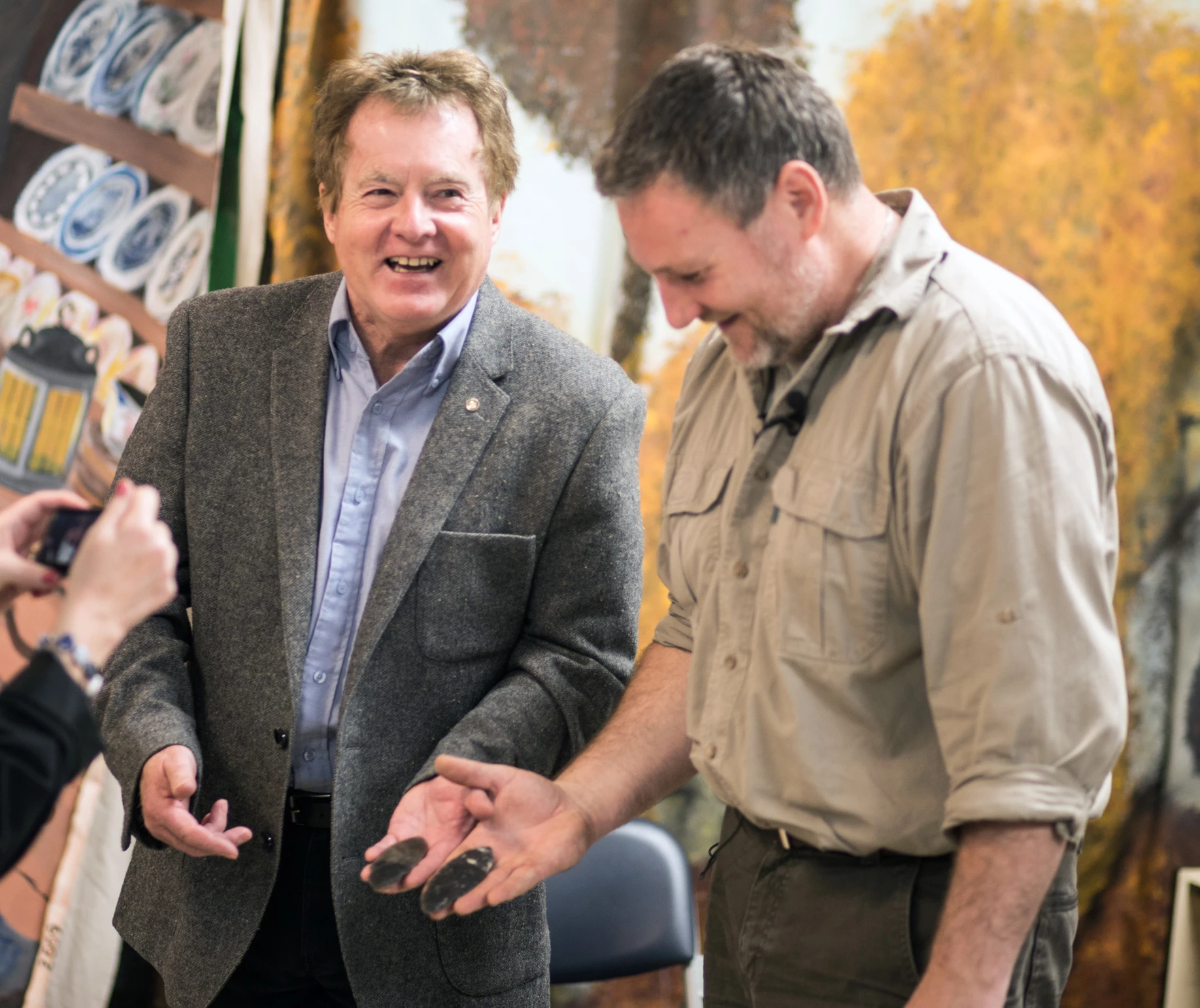
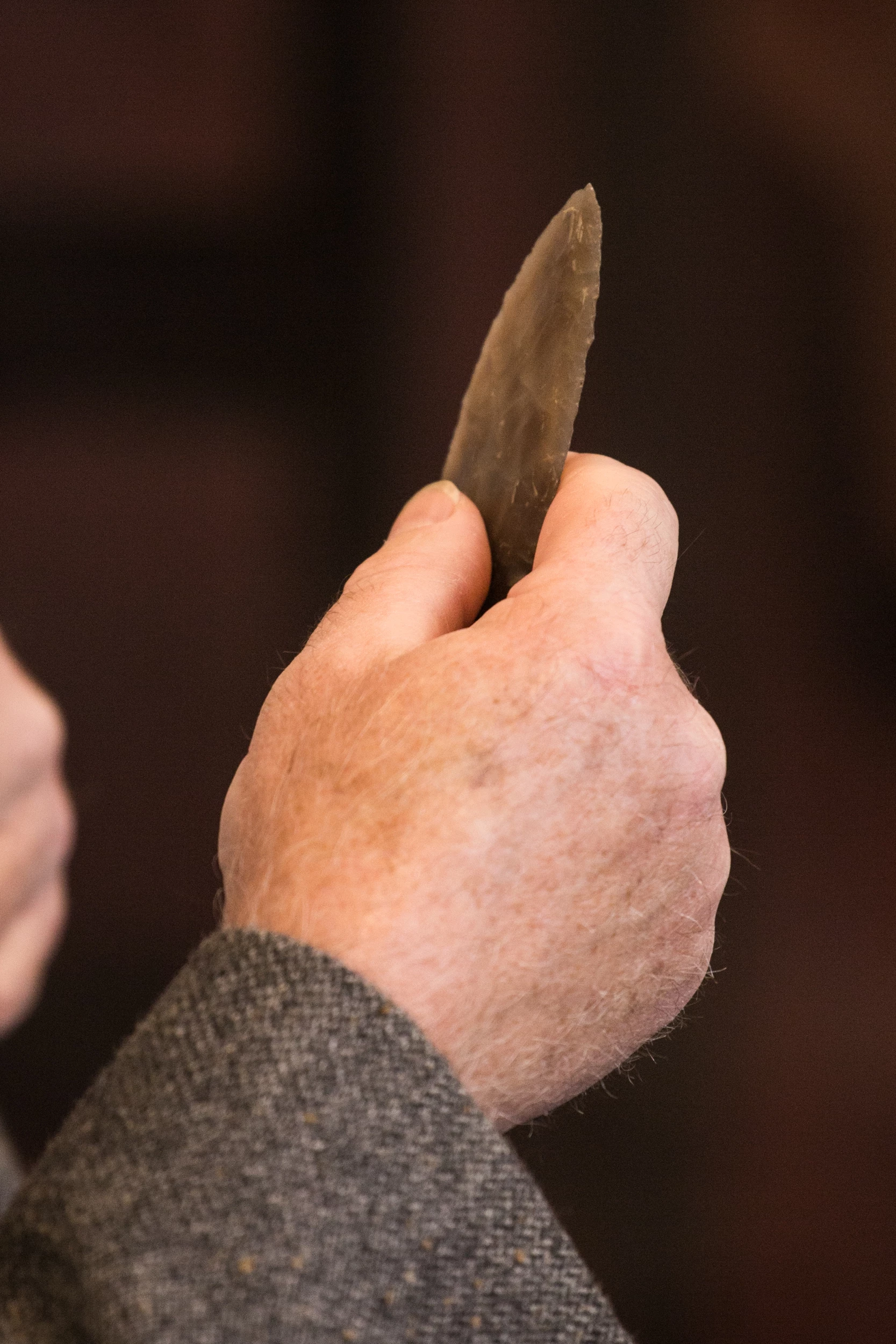
The Swansea Bay Dagger Abigail Dickinson and Roqib Monsur, 21 June 2017 In 1971, Architecture student Paul Tambling was blissfully unaware of perhaps the biggest archaeological discovery that he would ever make in his lifetime and how finding the Swansea Bay dagger (as it is now known) would have an impact on his life. While walking along Swansea beach Paul and his partner Angela noticed what appeared to be a piece of flint poking out of the sand. What they had discovered purely by chance, was in fact, a ‘4200 year old flint dagger’. Paul told us: “When I picked up the dagger I was mystified as to how the dagger would have got there in the first place especially as flint does not naturally outcrop anywhere in Wales. Also, the flint was in an immaculate condition and did not appear to have been adversely affected by the action of the sea. I regard it as not only a great work of art but also a very skilled piece of workmanship and I find that it gives me great inspiration when I am designing buildings, where I am also constantly aiming to achieve such a level of craftsmanship”. Almost 46 years later, and still in possession of the dagger the couple keep the item close to their hearts and believe it to be a unique symbol of their lasting relationship. Paul said: “During and since my student days the flint has moved with me in an old envelope over six times and there were periods of my life when I actually thought that I had lost it. Nevertheless, since I recently discovered its huge historic importance, the flint in rarely out of my sight” The flint has now been identified as a ‘Beaker Folk Dagger’ dating from the early Bronze Age, around 2250 to 2000 years BC which makes it around 4200 years old. In its day it carried great symbolic relevance as it would have accompanied high status burials to be with the deceased in the afterlife. There are a small number of other daggers that have been found in Wales but none are of the quality of the Swansea Bay dagger. The greatest number of daggers of this period have been found in South East England. The Beaker Dagger has its huge archaeological and symbolic value, but what does it mean to Paul and Angela as a family? “This dagger represents the span of our married life. I found it 3 years before we got married and it’s an object that provides us with a special and lasting reminder of those wonderful weekends spent in Swansea all those years ago and binds us together. It was a magical time which just can’t be repeated.” Paul and Angela Tambling, who run an architectural consultancy practice based in Brecon, had been unaware of the importance of the dagger but since its archaeological relevance has come to light they are constantly told by experts how lucky they were to find such an important object and in such an un-expected location. “I suppose luck is on my side” said Paul “I was lucky to marry Angela and lucky to find the dagger while with Angela.” Paul told us that he instinctively knew that it was a marvellous object as soon as he picked it up but couldn’t work out whether it was a dagger or a spear head. Through the years Angela has been continually saying to him. “Why don’t you go and find out?” After much badgering Paul finally decided to visit Brecknock Museum only to find, when he got there, that it was closed for extensive restoration work. In early 2016 the couple attended a demonstration of flint knapping in Cyfarthfa Museum, Merthyr Tydfil, given by Phil Harding of Time Team. It was here, after speaking with Phil that the true importance of the dagger become apparent and Phil advised that this object of archaeological importance should be recorded and the find reported to Amgueddfa Cymru – National Museum Wales. Soon after, the couple were contacted by, and subsequently met with, Mark Lodwick the Portable Antiquities Scheme Finds Co-ordinator for Wales at Amgueddfa Cymru. When Mark explained the significance of the dagger Paul said: “The hairs on the back of my neck were standing up when I was told about the layers of significance of the dagger and the fact that I was in the possession of something that somebody has made 4200 years ago”. Paul continued “I held this object in my hand reflecting on the fact that I had previously treated it with a kind of disrespect since 1971, storing it in an old envelope in the back of a drawer somewhere.” Since meeting with Phil Harding and Mark Lodwick attention in the dagger has increased dramatically and this has prompted both Paul and Angela to take a greater interest in both archaeology and the Beaker Folk. Currently there are no plans for a museum to acquire the Swansea Bay dagger as the item belongs to Paul and Angela but they have made every effort, with the help of Mark Lodwick, to make the importance of the dagger known to the public.