: Work & Labour

Revolutionary Dreams: Investigating French art

22 March 2012

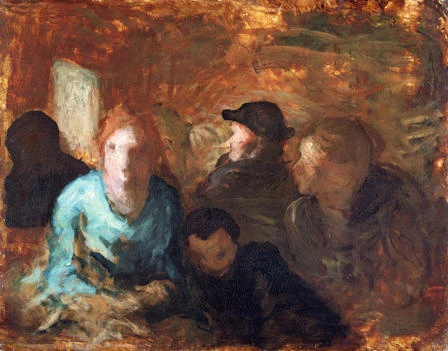
A Third Class Carriage, Honore Daumier
A Third Class Carriage

Honore Daumier (1808 - 1879)

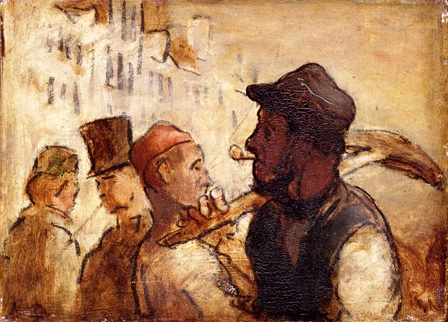
Workmen on the Street, 1838-40. Honore Daumier (1808 - 1879)
Workmen on the Street

, 1838-40
Honore Daumier (1808 - 1879)

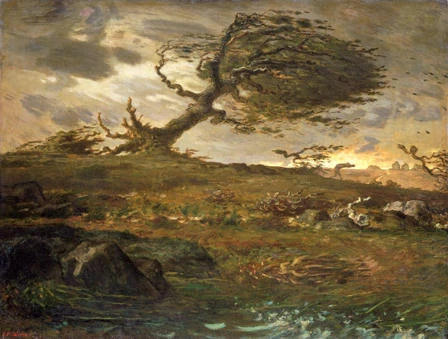
The Gust of Wind, Jean-François Millet
The Gust of Wind

Jean-François Millet (1814 - 1875)

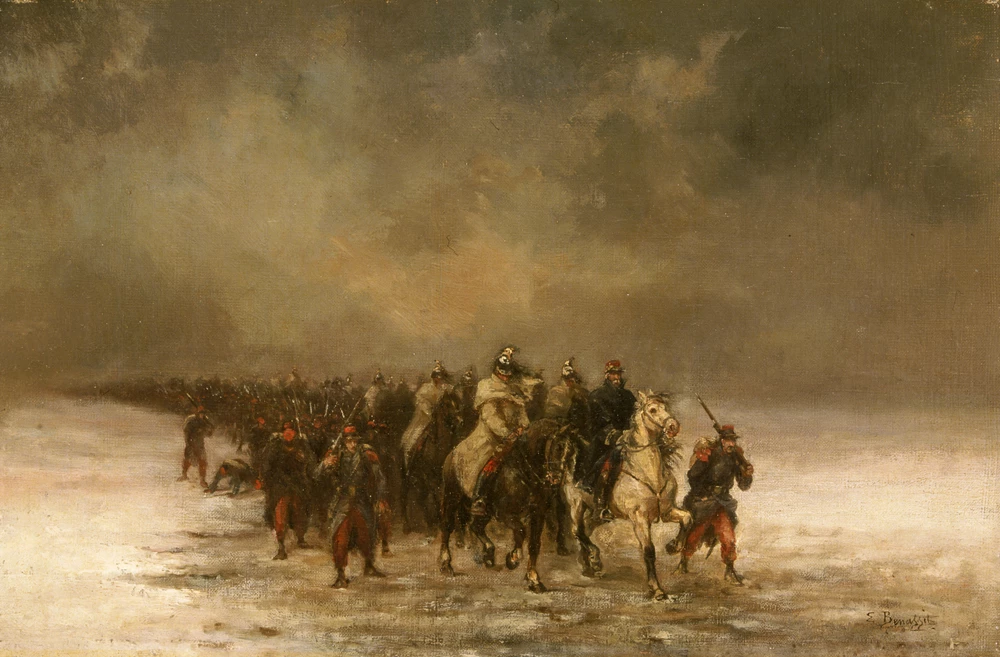
The Retreat, Louis Eugène Benassit

The Retreat
Louis Eugène Benassit (1833 - 1904)

Amgueddfa Cymru has one of the most exceptional collections of nineteenth-century French Art in the United Kingdom. Engaging with the turbulence of nineteenth century France and the relationship between the revolutions of the people and revolutionary developments in art, we take a fresh look at the Museum's collection of pre-Impressionist French paintings, researched and interpreted by postgraduate students from the University of Bristol.

The Century of Revolution

The turbulent social and political history of France during the nineteenth century led many artists to document the shifting realities and expectations of life. The 1789 French Revolution, which established the First French Republic, sparked a century of uprisings and uncertainty for the population. While some artists sought to represent current events, others looked to recapture lost traditions.

Revolution and the rise of Realism

From the seventeenth century, the state-run Academy of Fine Arts and its official exhibition, the Salon, led the direction of French art. During the nineteenth century, many artists began to challenge its approach, and to examine how the lives of the people were altered by the dramatic changes of the nineteenth century. Increasingly artists abandoned the biblical figures and Roman heroes that had previously dominated the walls of the Salon.

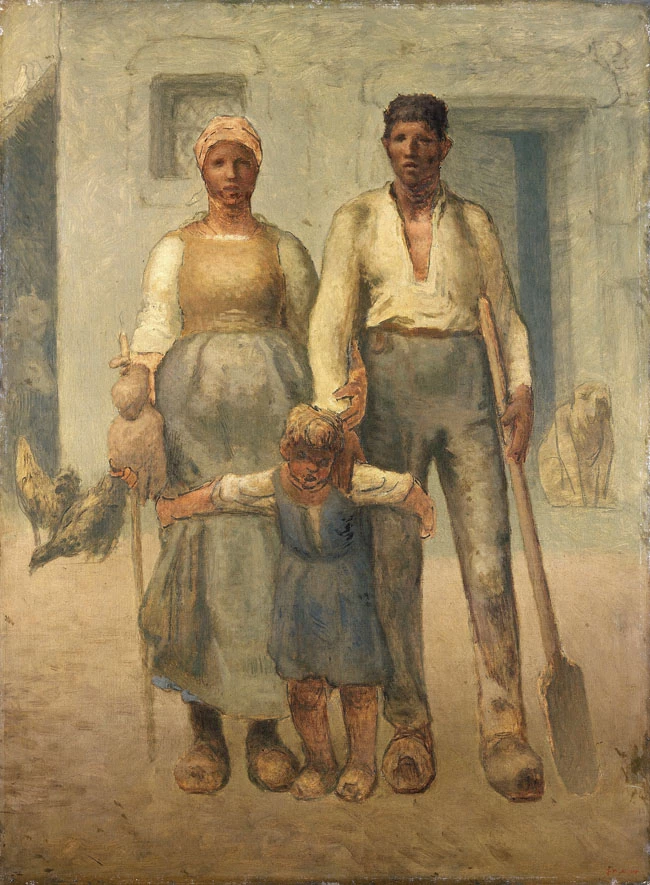
In A Third Class Carriage Honoré Daumier refers to a key invention of the century, the steam train. In contrast, Jean-François Millet's The Peasant Family depicts rural farmers and idealises the French countryside. While these are very different paintings their common theme is that they are representations of real, contemporary, humble life.

It was during this period that French artists first began to paint like this; an approach sometimes known as 'Realist' painting. These changes in subject matter laid the groundwork for much of Modern Art as we understand it today.

Political Unrest

The overthrow of King Charles X in the July Revolution of 1830 led to the July Monarchy of Louis-Phillippe, ousted in the Revolution of February 1848. The Second Republic gave all men a right to vote and promised democracy. However, a brutal suppression of the workers' rebellion demonstrated that frustration was still present. Daumier's Workmen on the Street indicates such tensions and his imagery criticised continuing class distinctions.

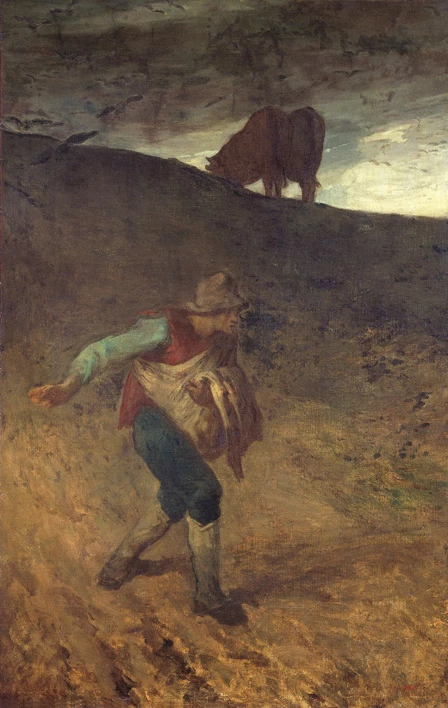
Millet's later The Sower highlights rural labour and peasant life. Agriculture was an ingrained part of the French national identity, however, Millet mourned the mass migration from rural areas into the cities.

During the Franco-Prussian War in 1870 many artists went into exile in safer rural locations. Millet fled from Barbizon to the Normandy coast. He painted The Gust of Wind on his return; the frightening strength and power of the storm representing both change and the violence of war.

The Second Empire collapsed with France's defeat in 1871, causing a group of French radicals to briefly seize control of Paris in the 'Commune' of the same year. Soon quashed, it was replaced by the Third Republic.

The distress and loneliness within these desolate landscapes may be read as a response to the turbulent events in France at this time. Most importantly they show how political events shaped national identity and, in turn, its art.

The Peasant Family (1871-2), Jean-François Millet (1814 - 1875)

The Peasant Family (1871-2)
Jean-François Millet (1814 - 1875)
Oil on canvas
The Davies Sisters Collection

The Sower, 1847-8, Jean-François Millet
The Sower

, 1847-8
Jean-François Millet (1814 - 1875)

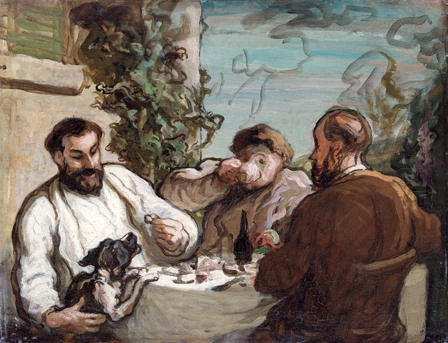
Lunch in the Country, 1868, Honore Daumier
Lunch in the Country

, 1868
Honore Daumier (1808 - 1879)

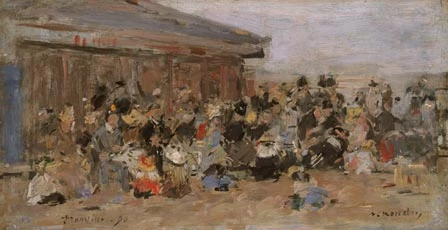
Beach at Trouville, 1890  Louis Eugéne Boudin
Beach at Trouville

, 1890
Louis Eugéne Boudin (1824 - 1898)

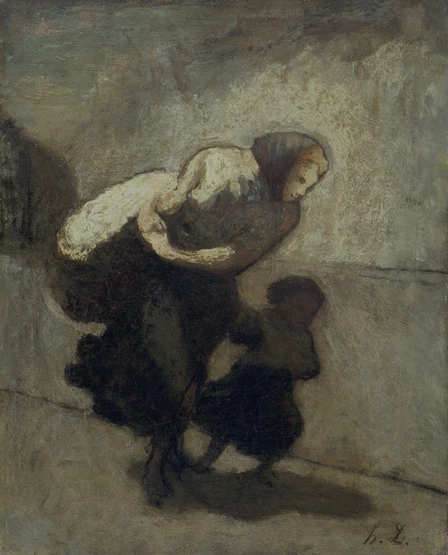
The Heavy Burden, Honore Daumier
The Heavy Burden

Honore Daumier (1808 - 1879)

Leisure

During the second half of the nineteenth century, changes in class structure in France led to a growth in the wealth of the middle classes, known as the bourgeoisie.

In particular, they enjoyed paintings that showed themselves in the pursuit of leisure and inferred their new status in society. Artists responded by creating paintings to suit the tastes of this growing audience.

1804 saw the invention of the steam powered locomotive and within 50 years, railway lines were being constructed across France. Daumier's Lunch in the Country and Boudin's Beach at Trouville are depictions of bourgeois tourist activities.

In addition to reflecting revolutionary developments in tourism and transport, artists employed bright colour and loose linear structure to create an air of entertainment and recreation. Such revolutionary light effects and loose brushstrokes had a strong influence on the emerging style of Impressionism.

Women and Domesticity

Paintings of women feature significantly in the Museum's collection of nineteenth-century French paintings. It is, however, interesting to note that all these women were painted by male artists, so viewers are observing women from the perspective of the nineteenth-century man.

With this in mind we can begin to understand the role of women in society. Daumier's The Heavy Burden presents us with the activities of working class women, while the other paintings depict fashionable and delicate beauties of a higher social ranking. This shows us that class and gender divisions were still intact following the Revolution.

Society's expectations for women to be demure and feminine run through several of the paintings. Whether they are active and working or seated and passive can be seen as an indication of their situation within society.

Research and Reveal

Here we present four essays, giving a fresh look at the Museum's collection of pre-Impressionist French paintings, researched and interpreted by postgraduate students from the University of Bristol:

Personalities in Paintings, by Matthew Howles


Landscape Fakes, by Jessica Hoare


The Landscapes of Millet, by Jessica Hoare


The Paintings of Charles Bargue, by Rhian Addison


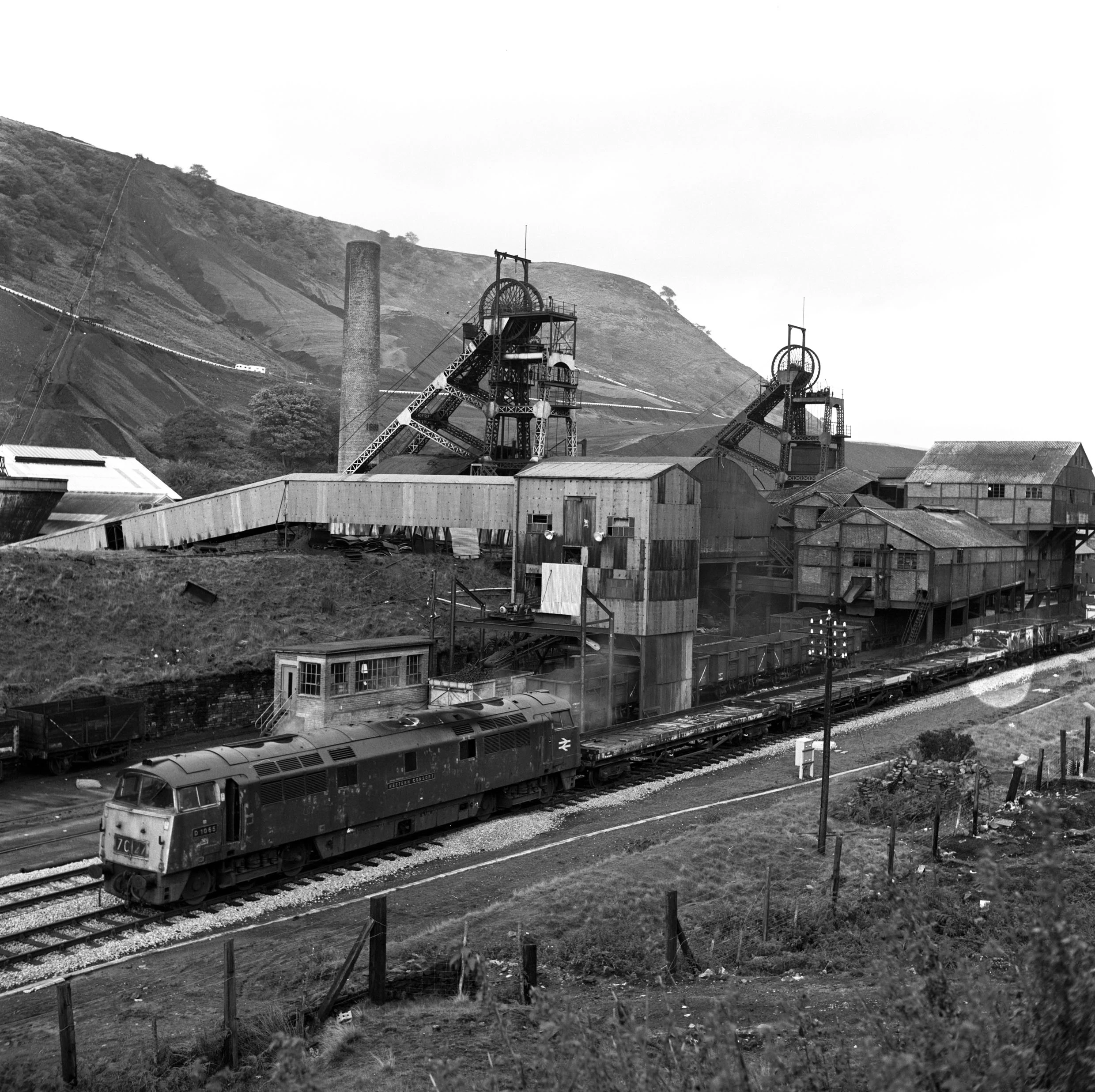
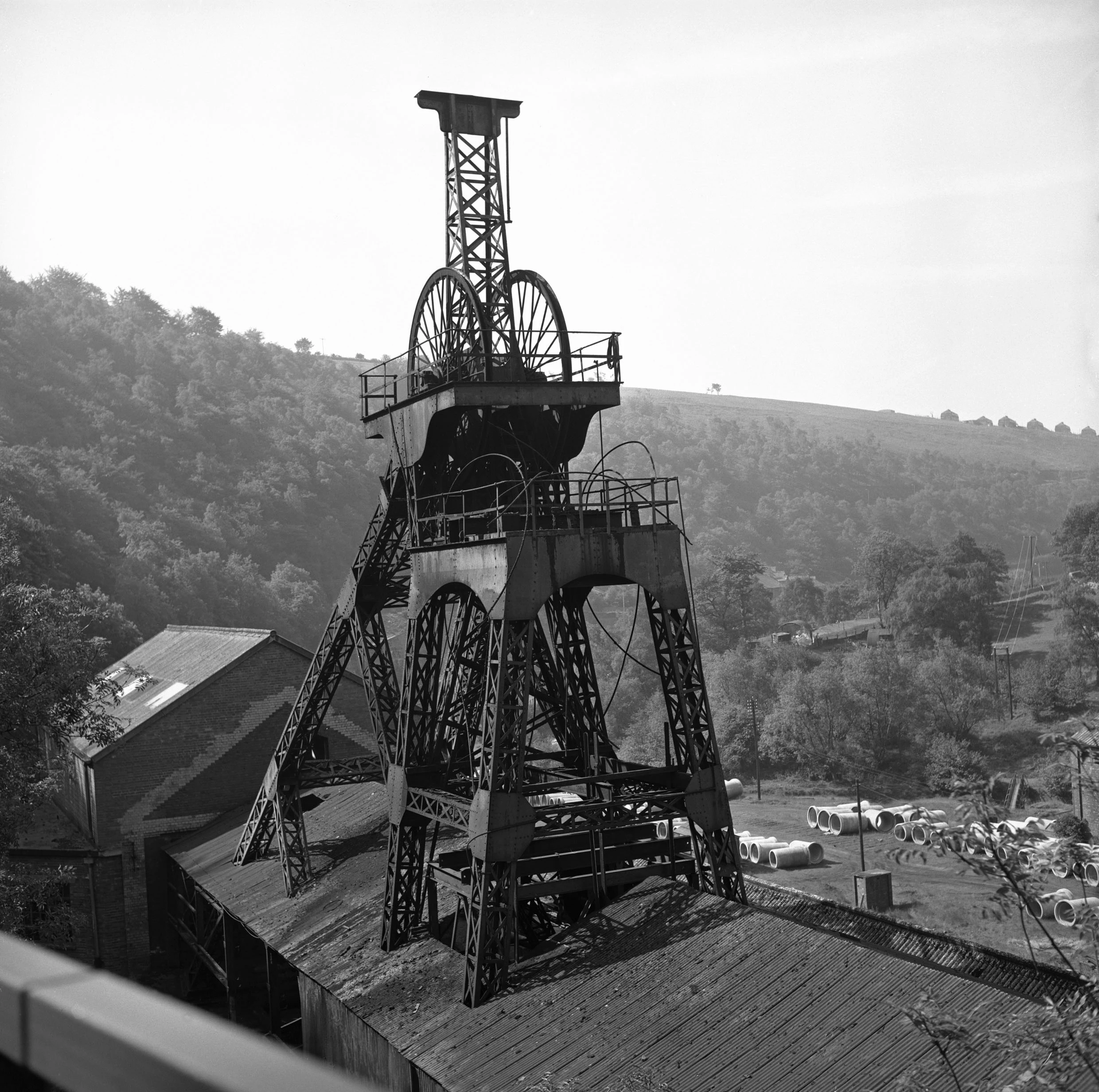
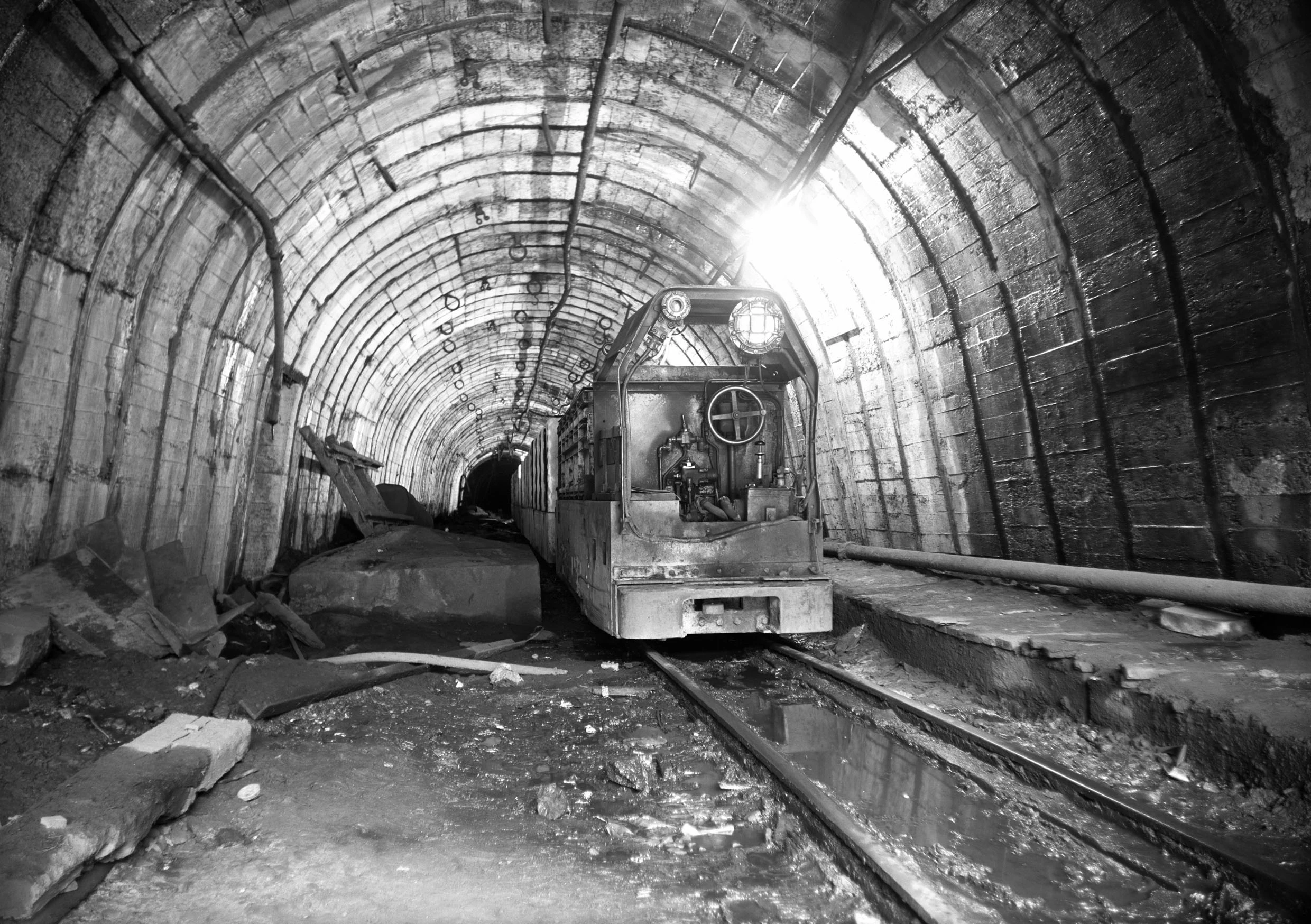
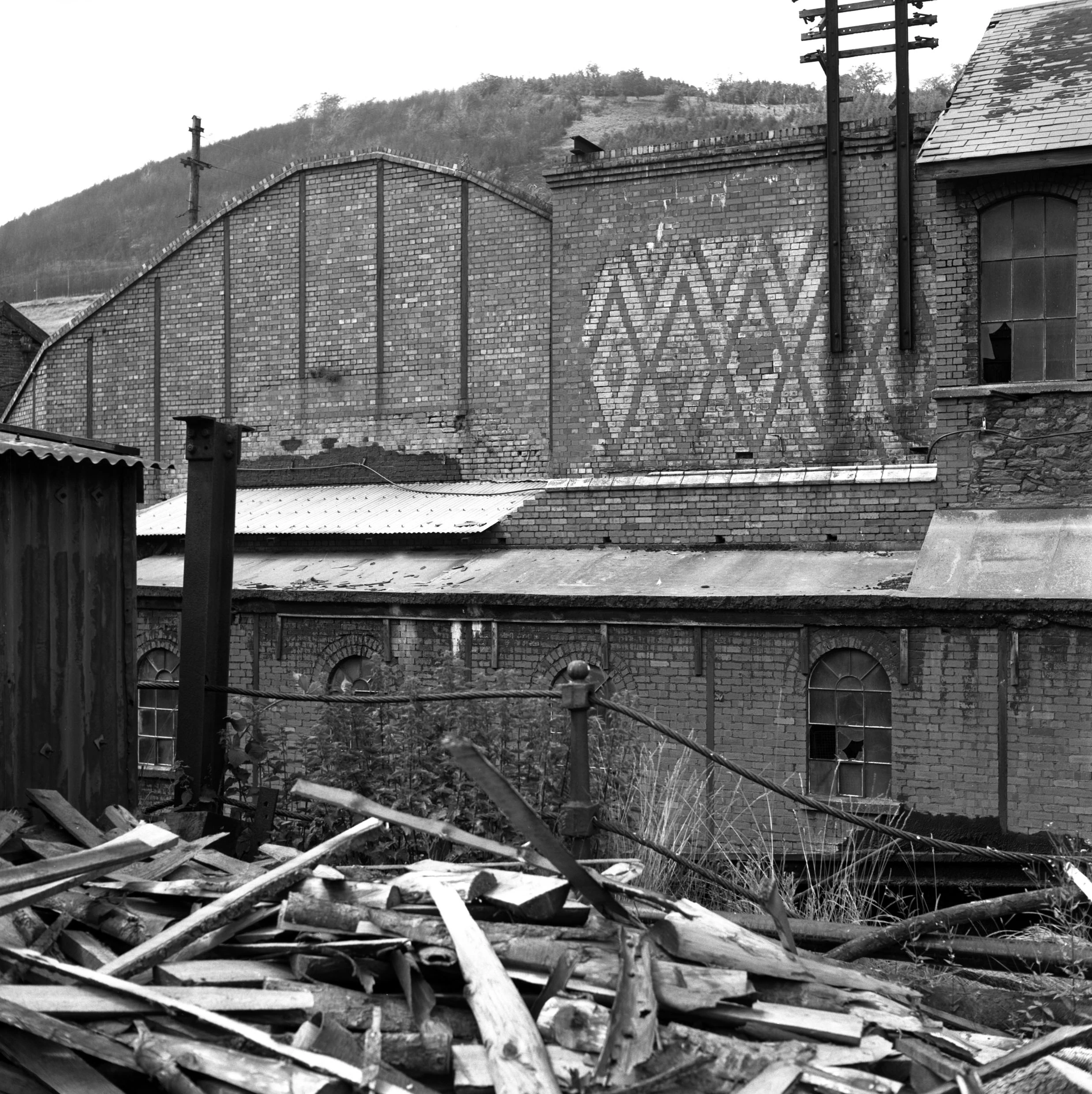
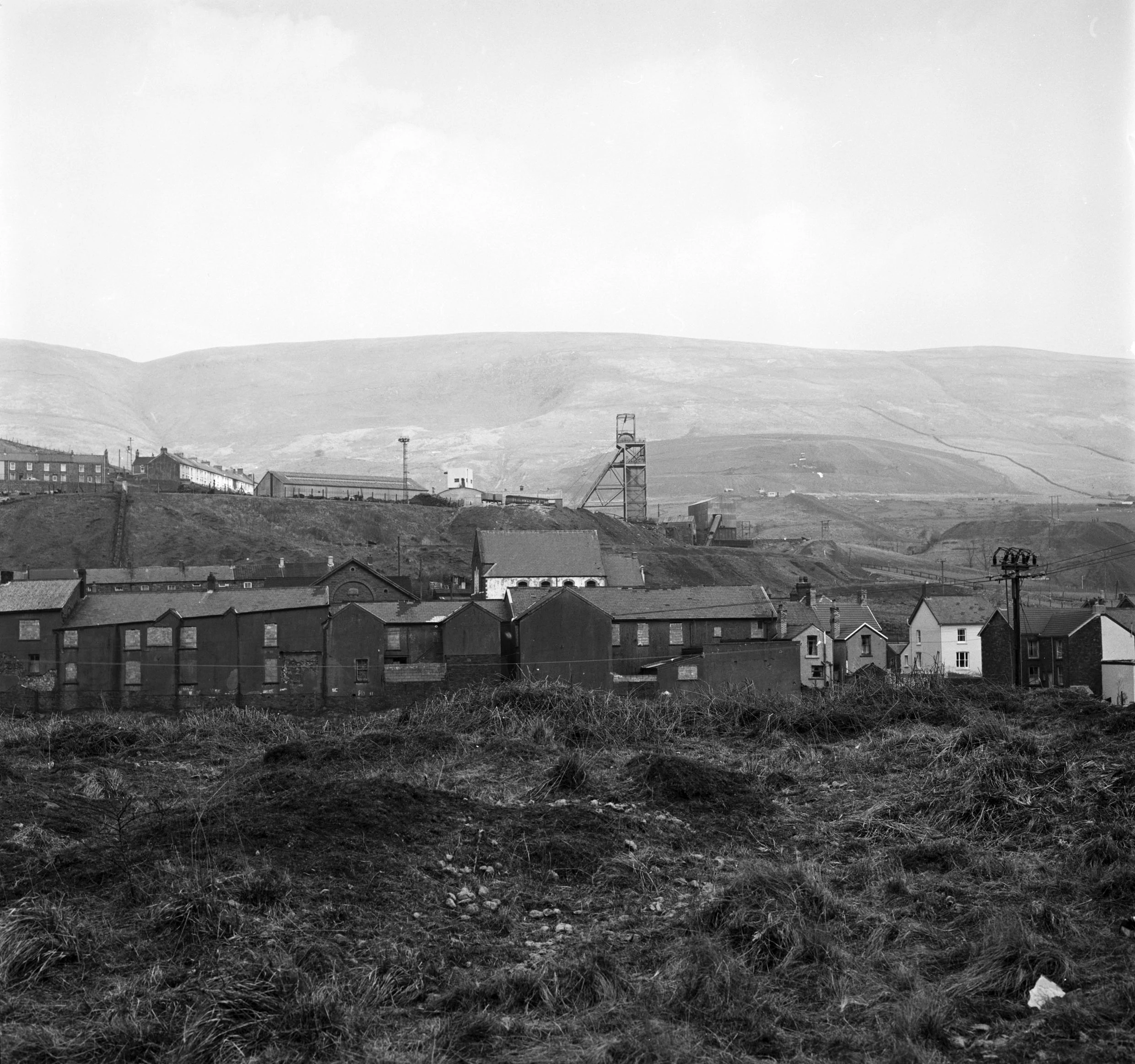
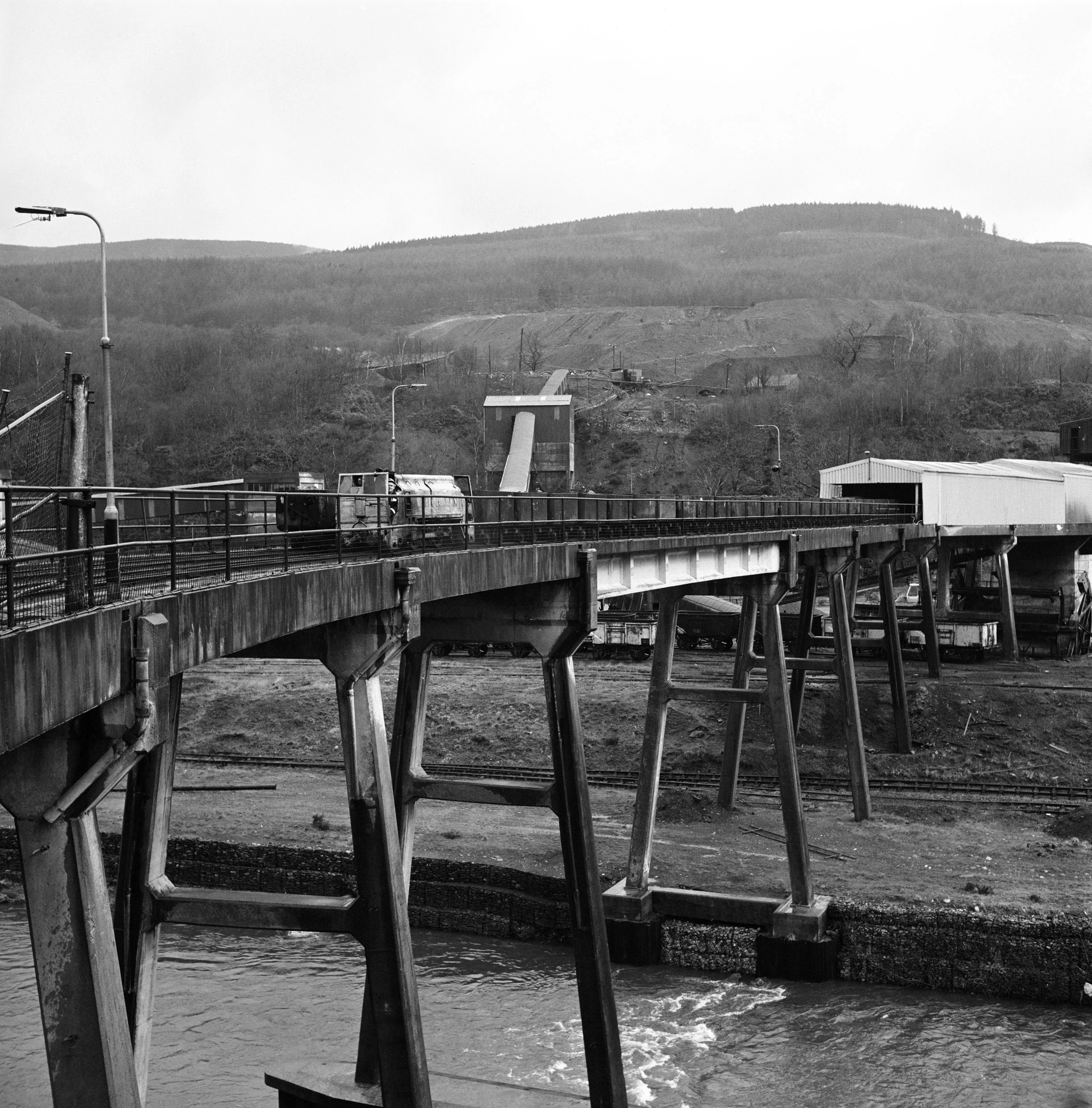
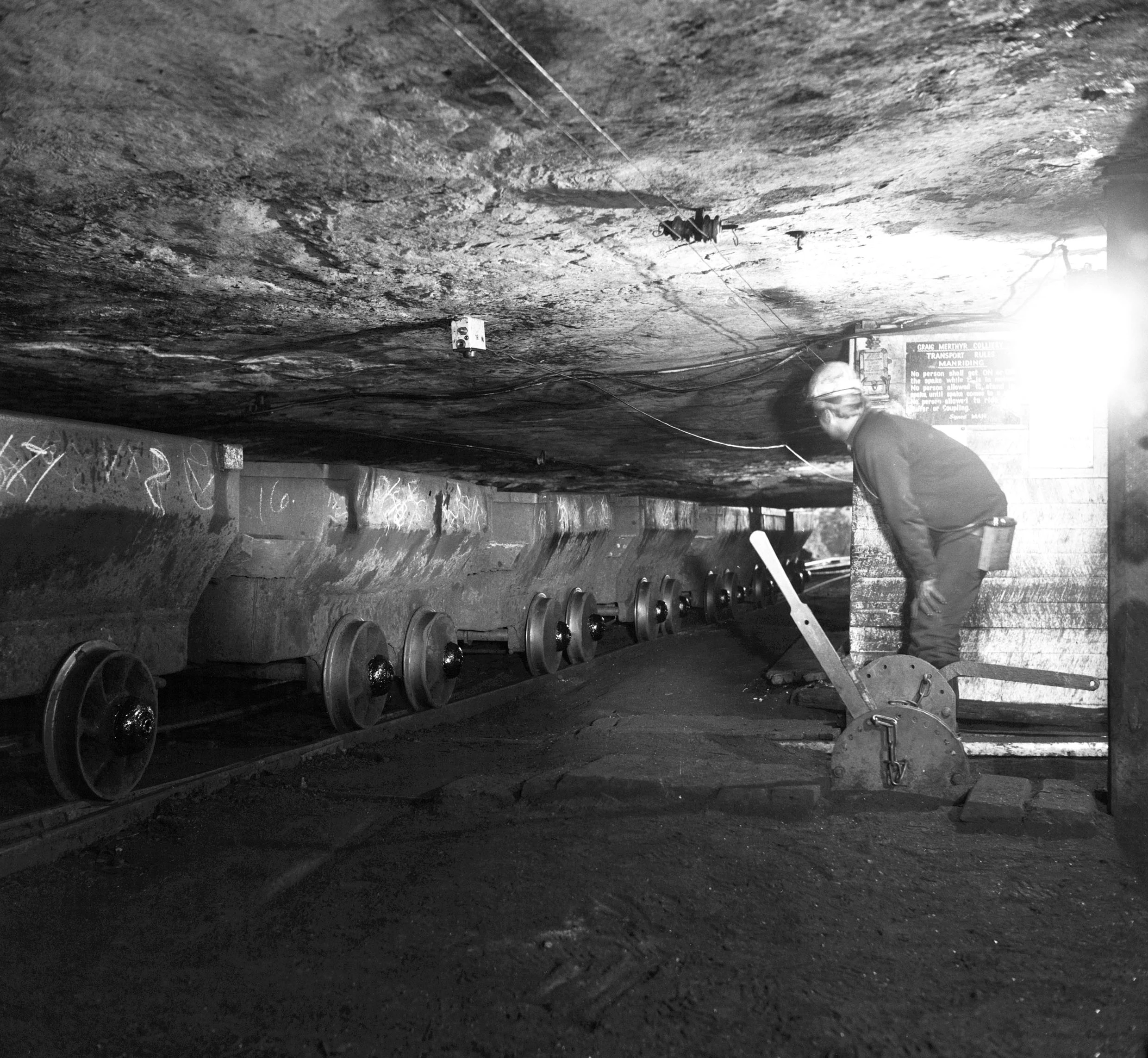
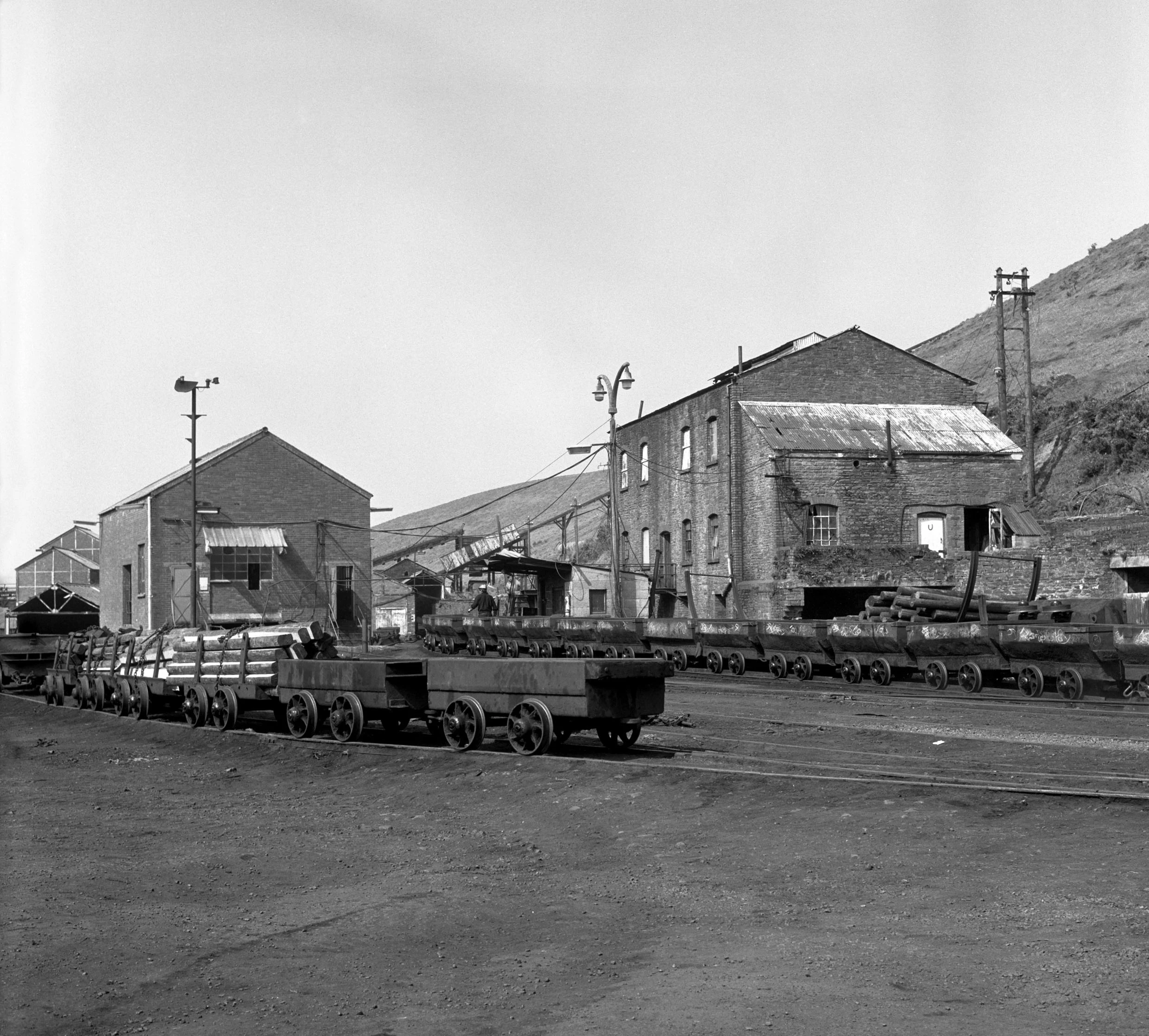
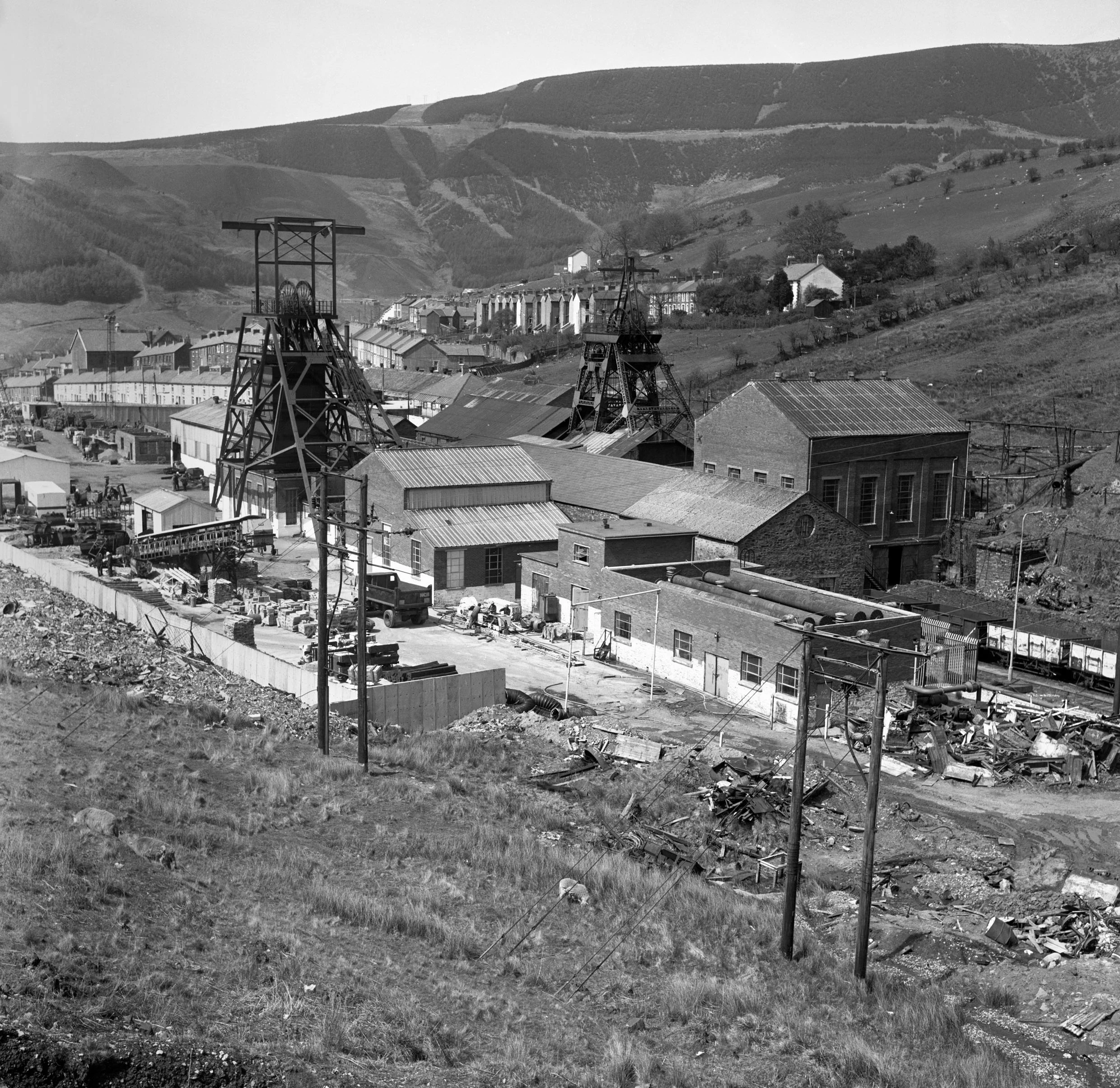
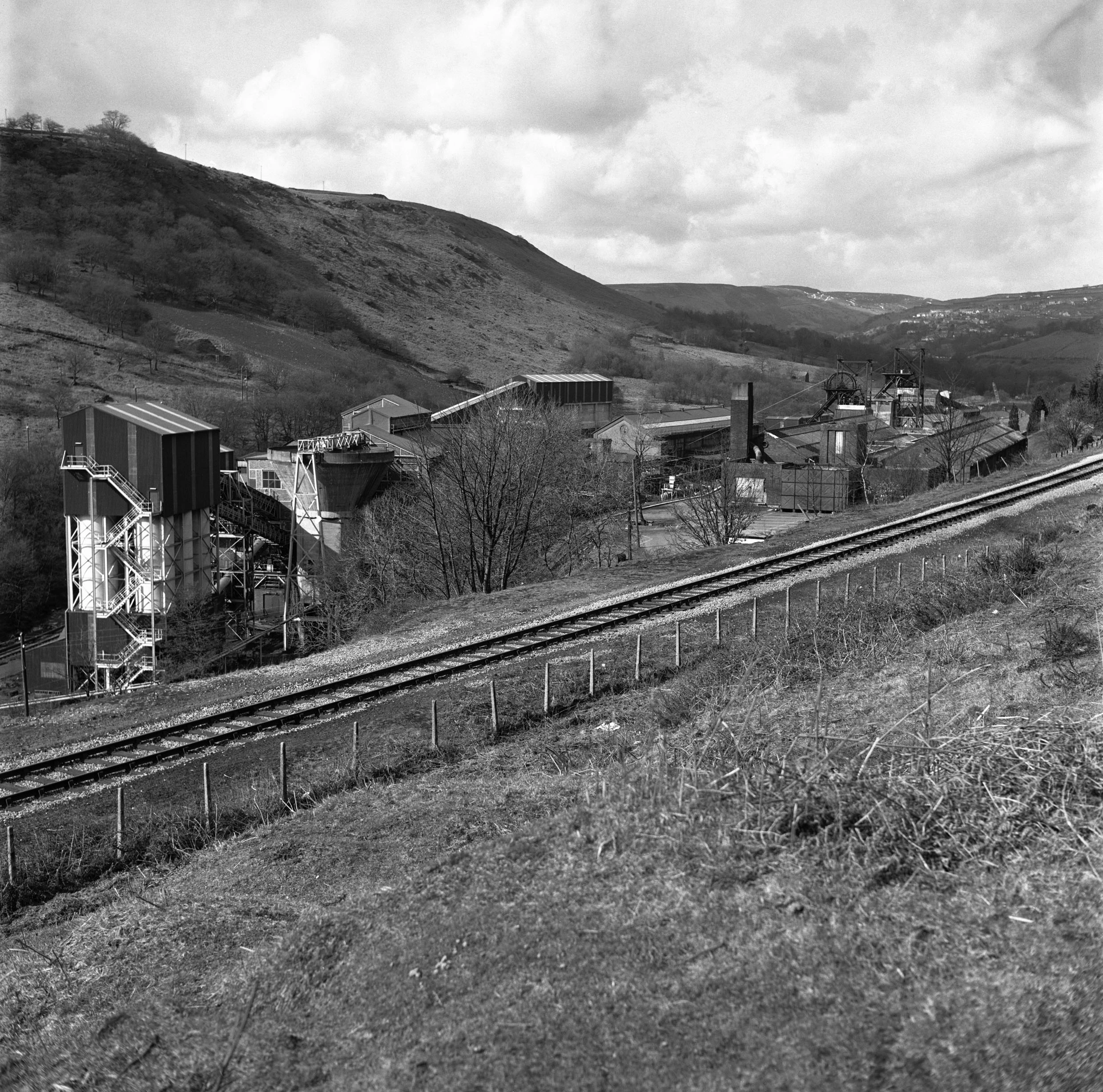
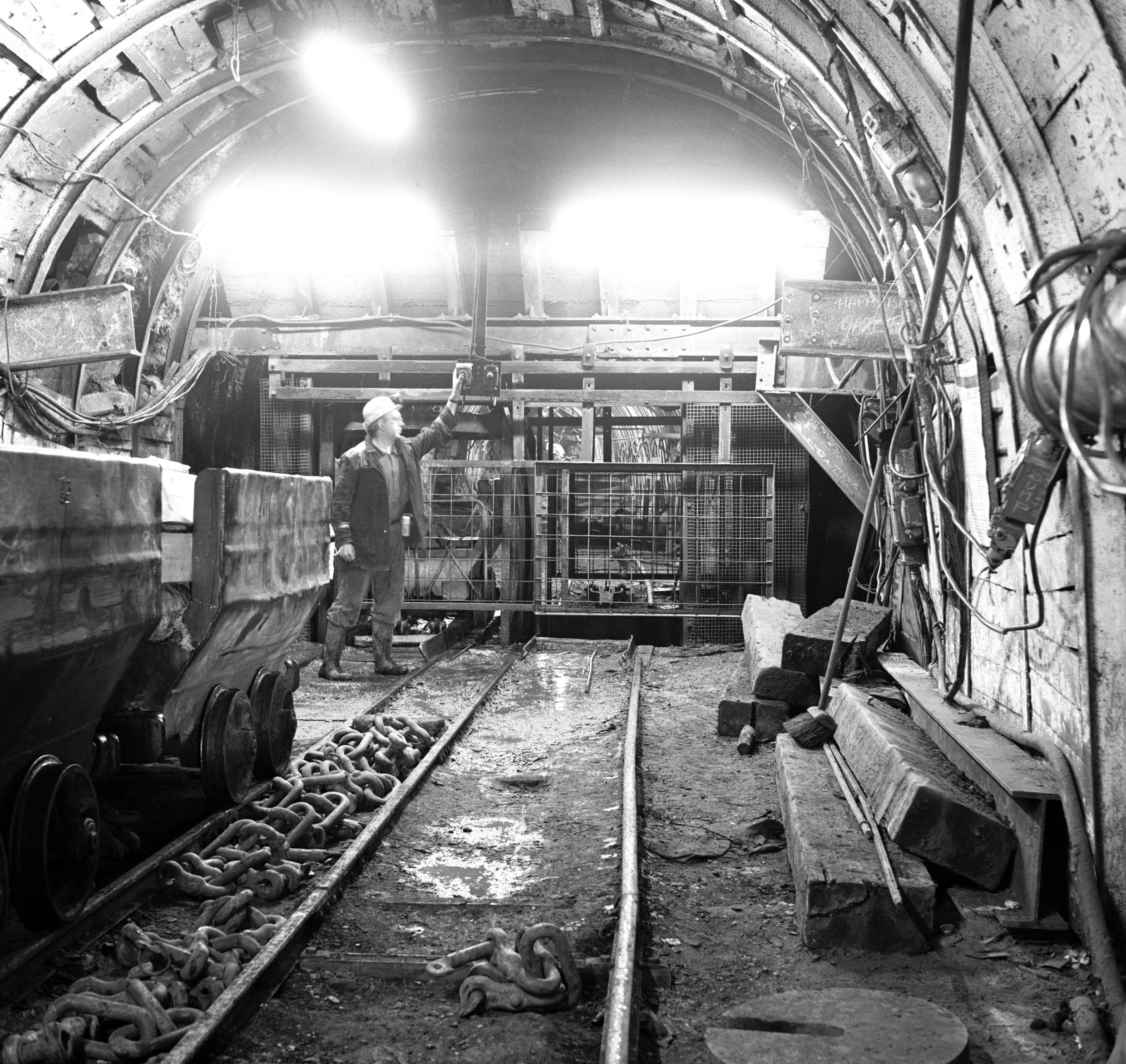
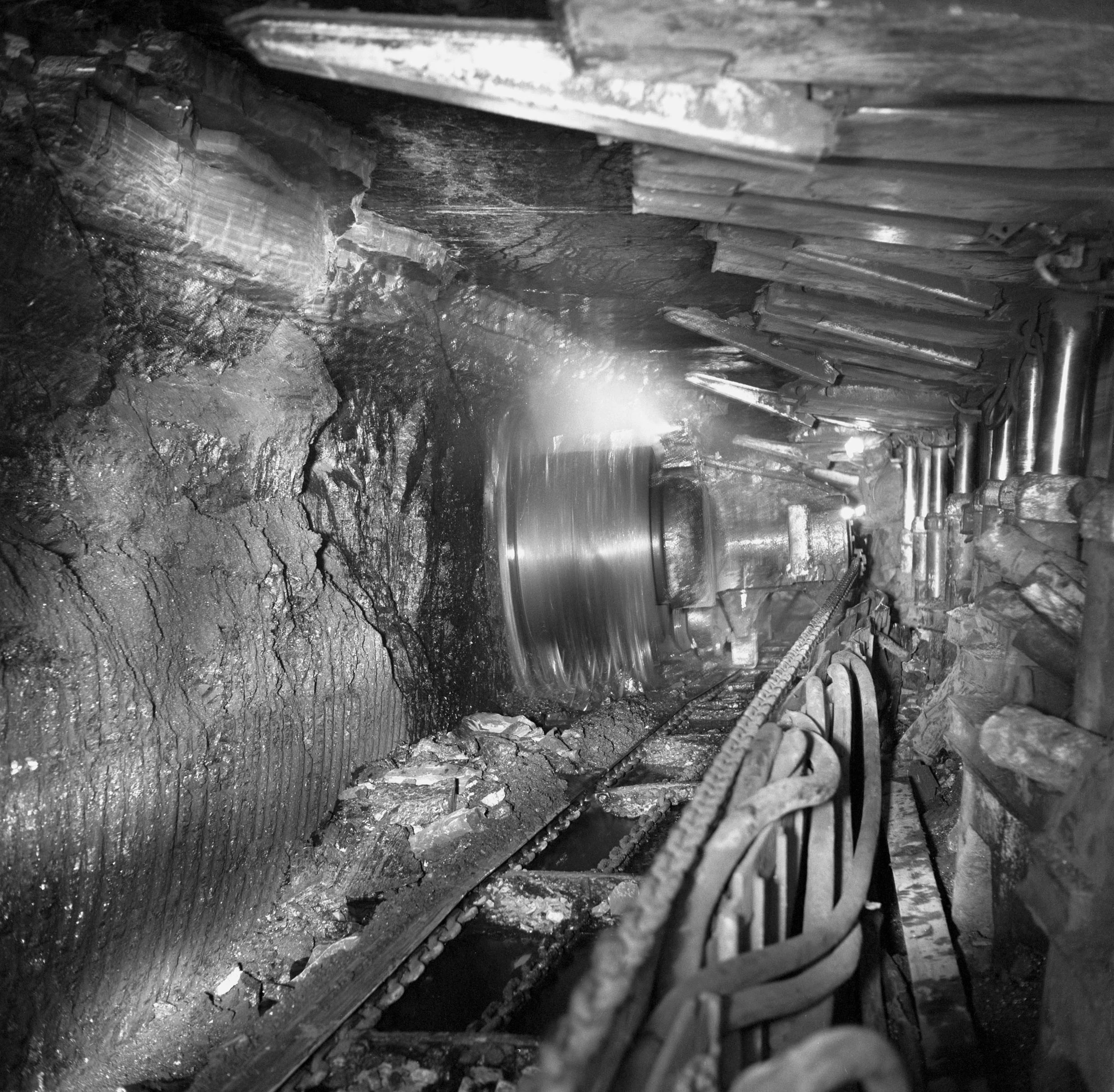
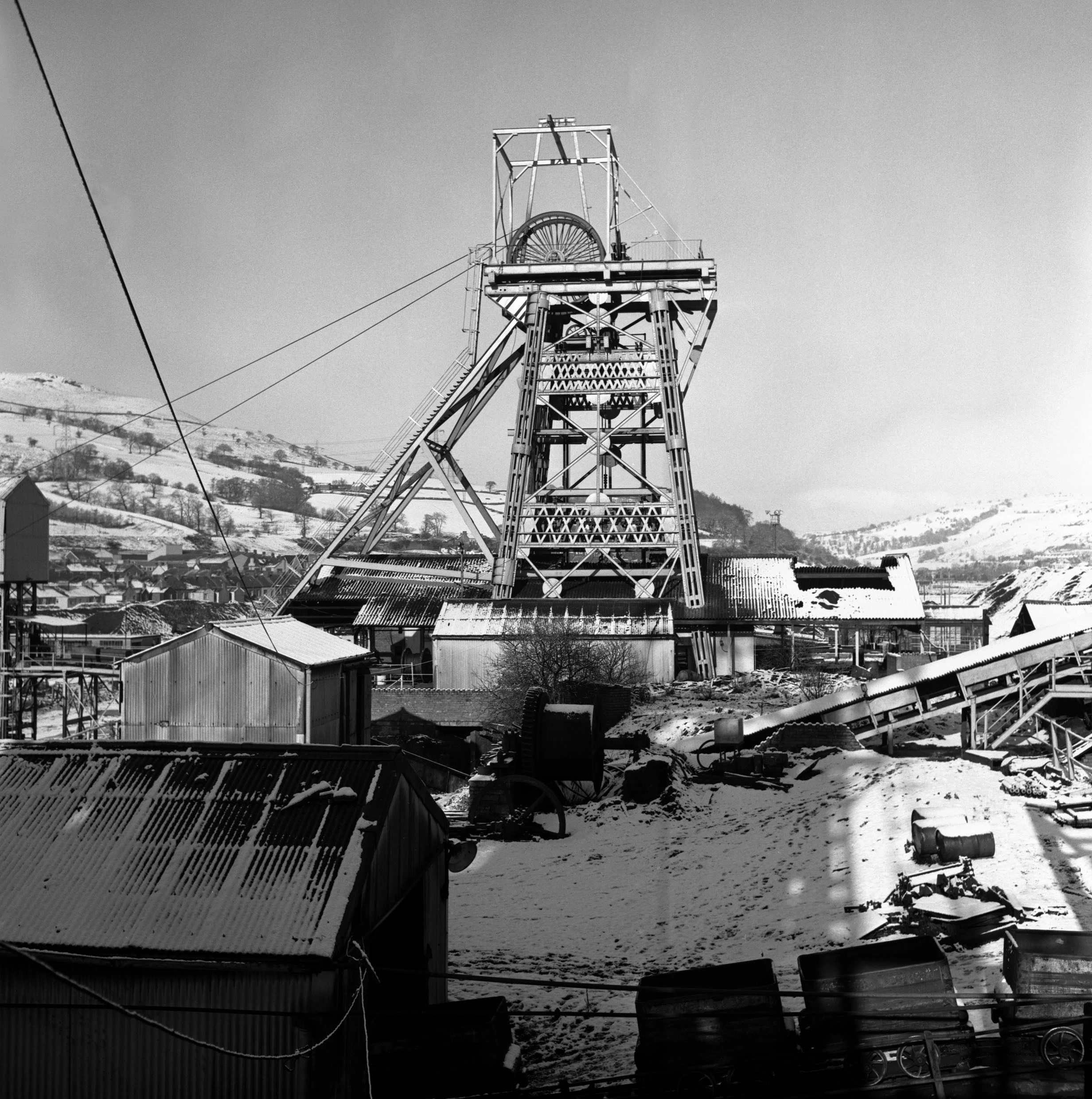
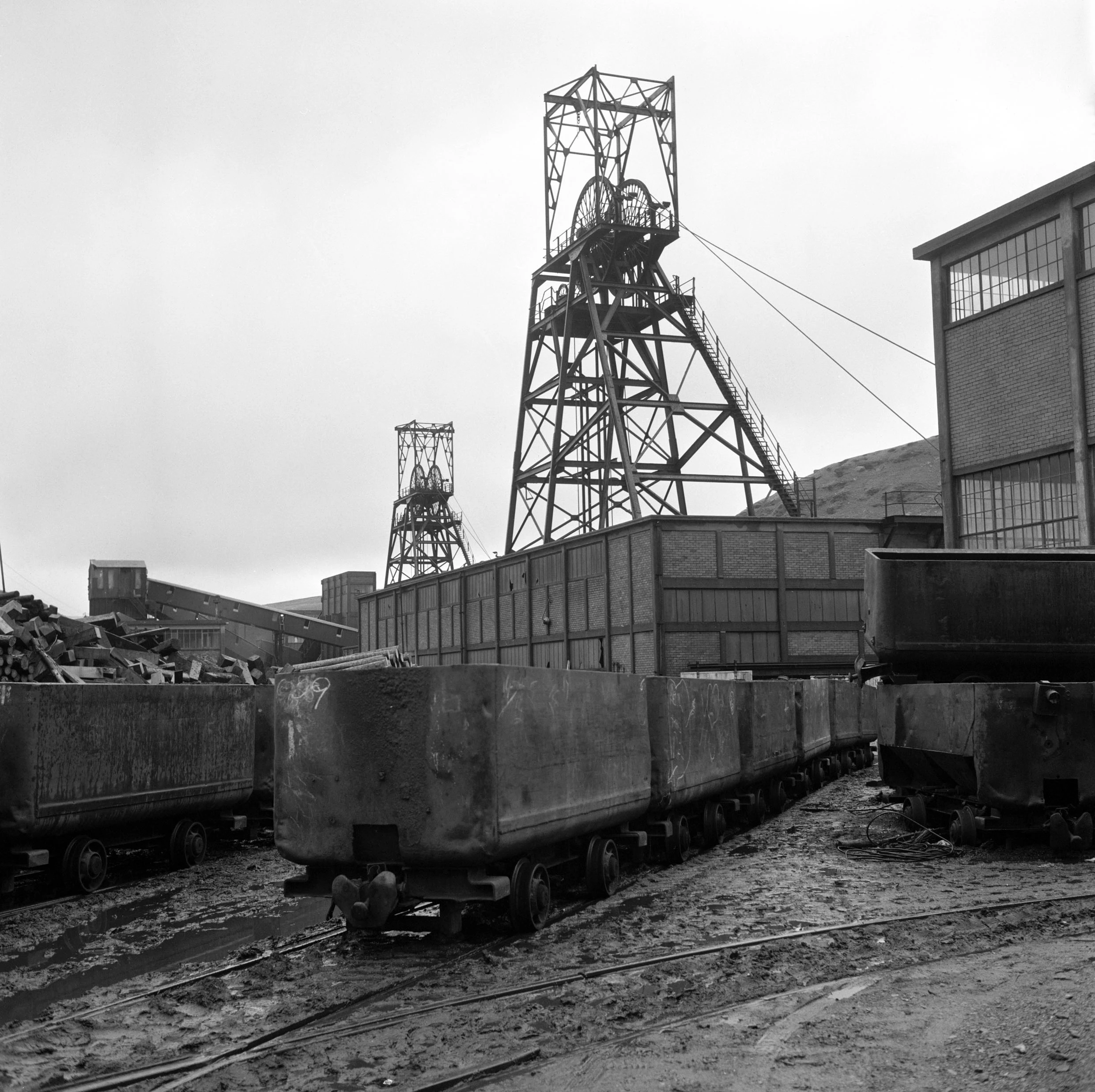
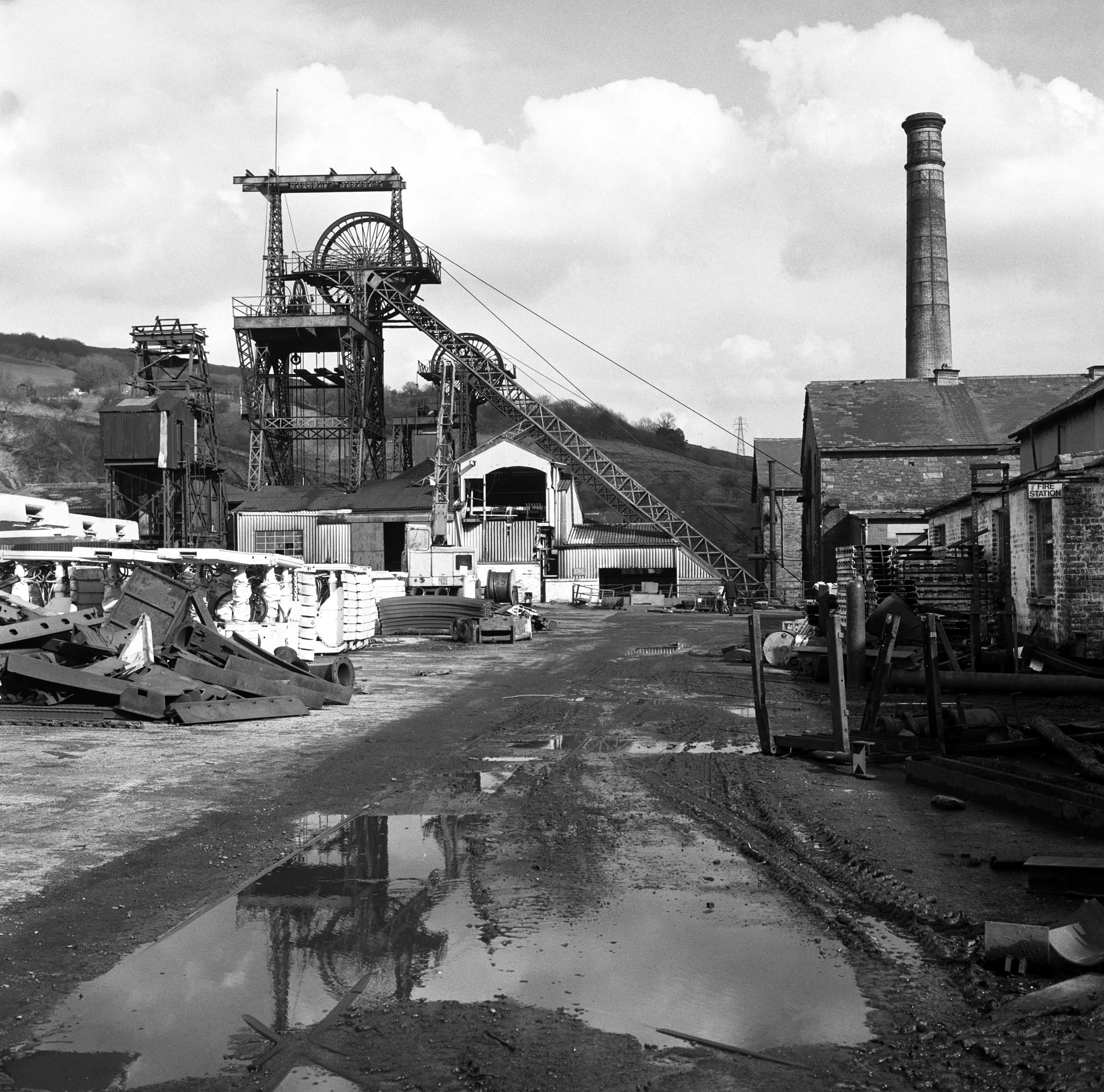
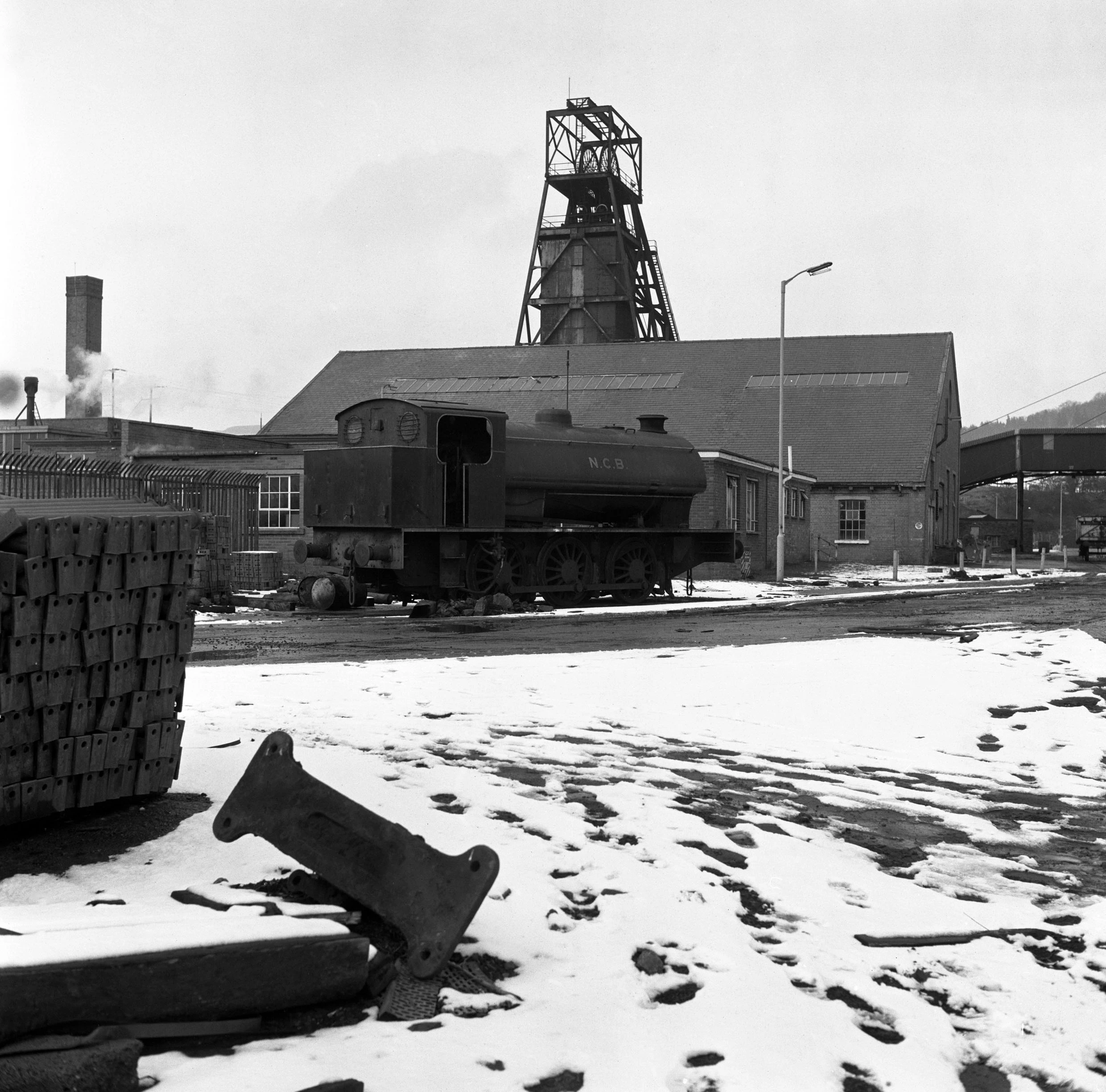
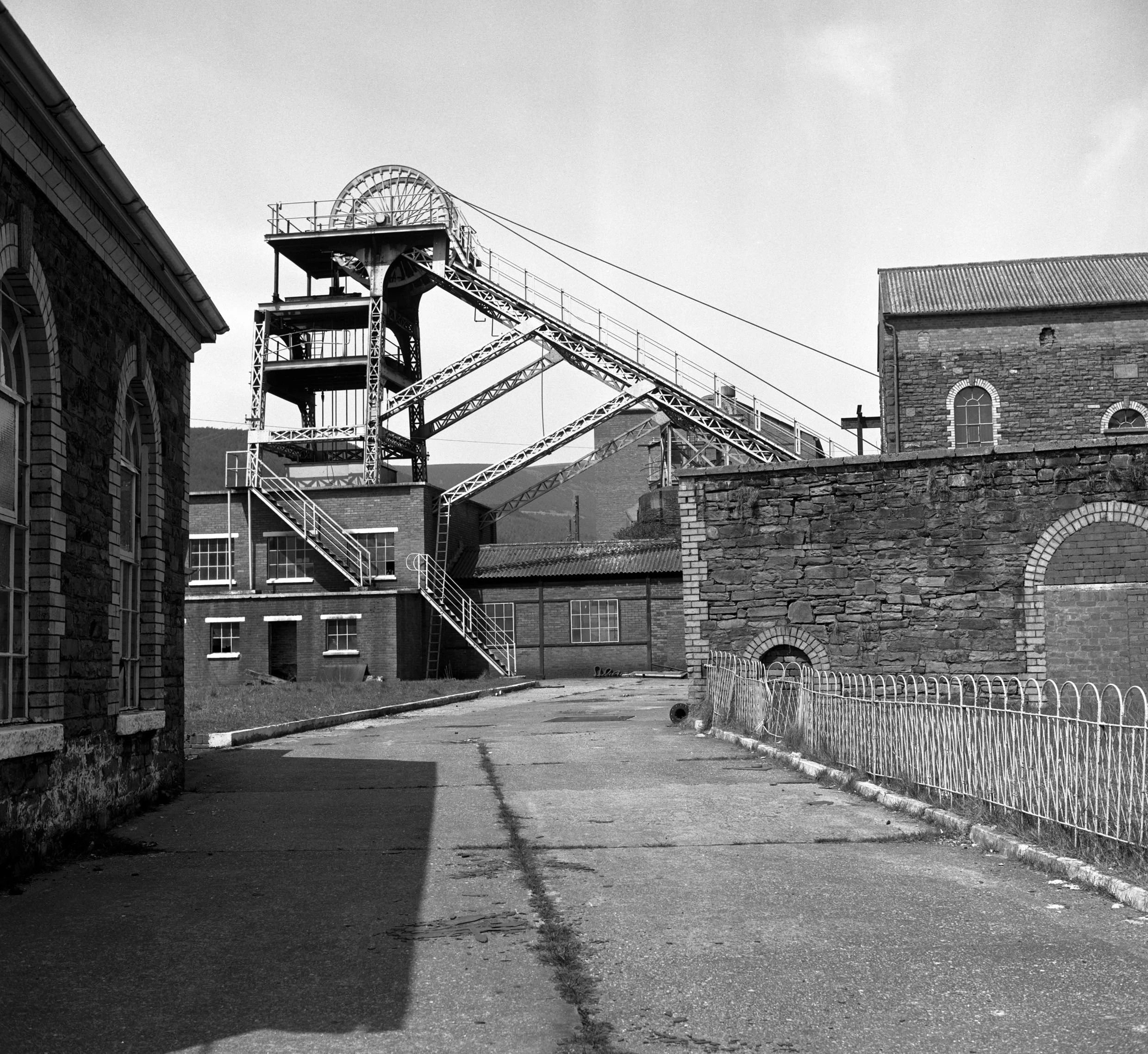
The Colliery photographs of John Cornwell

10 January 2012

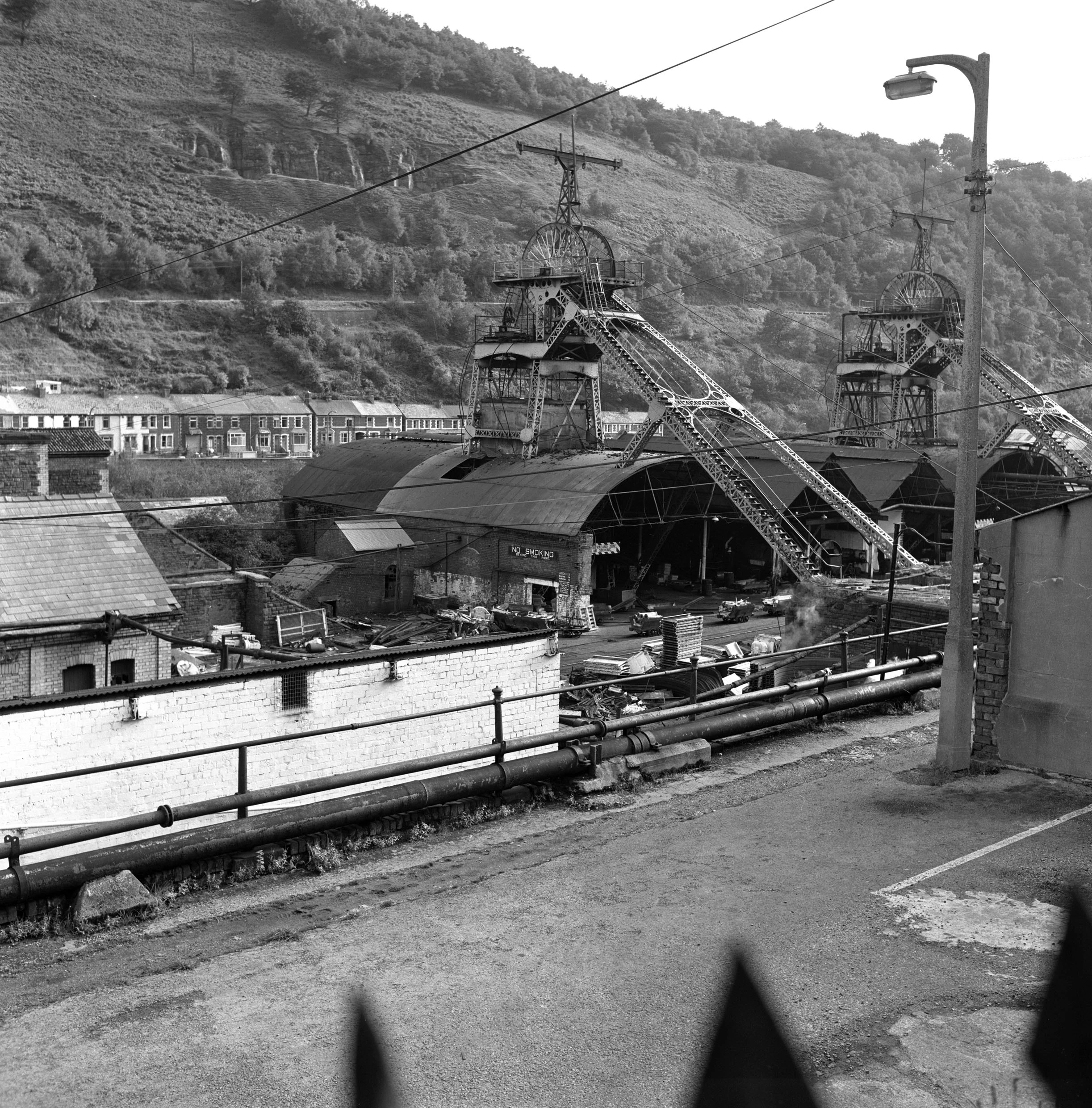
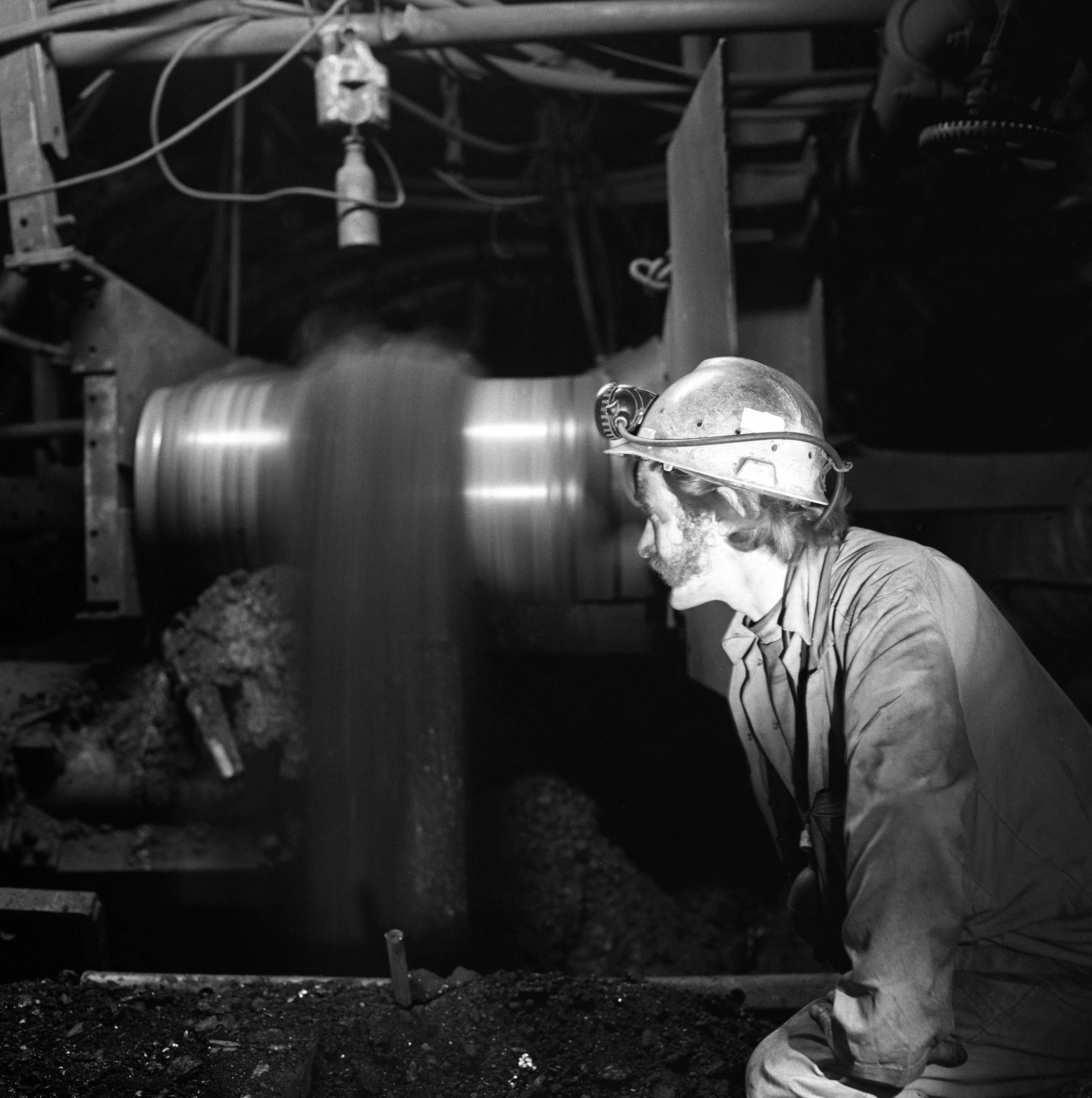
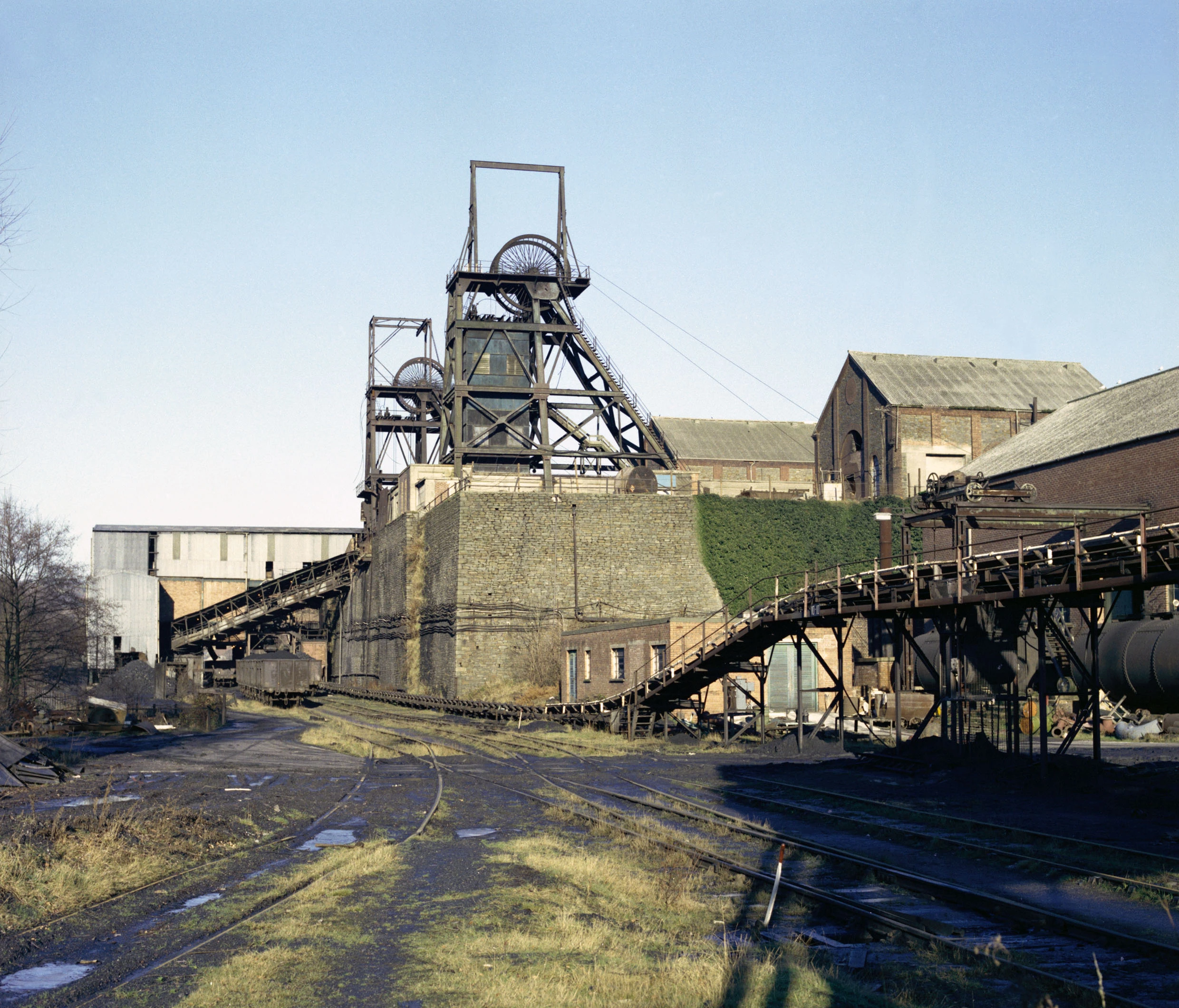
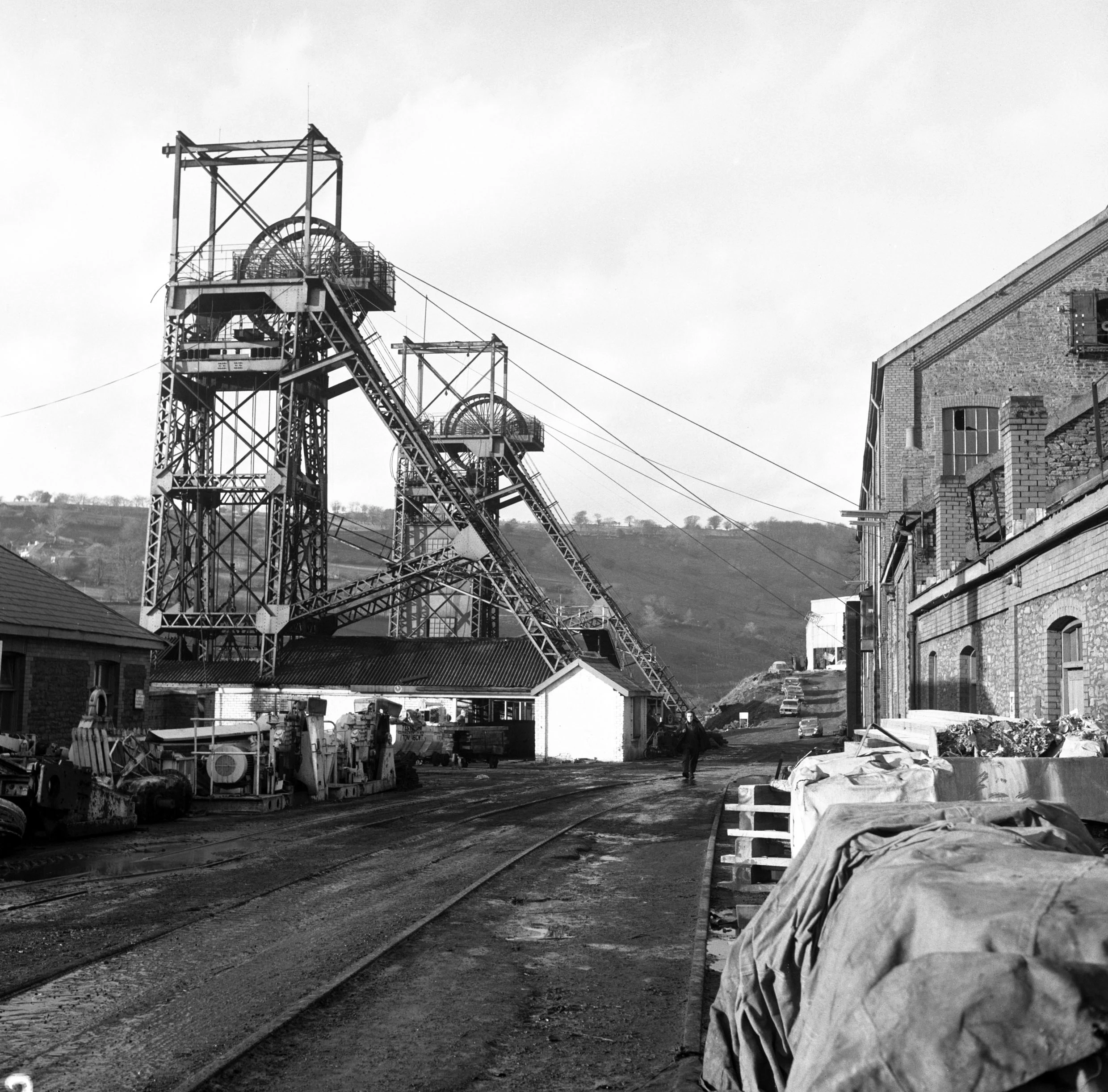
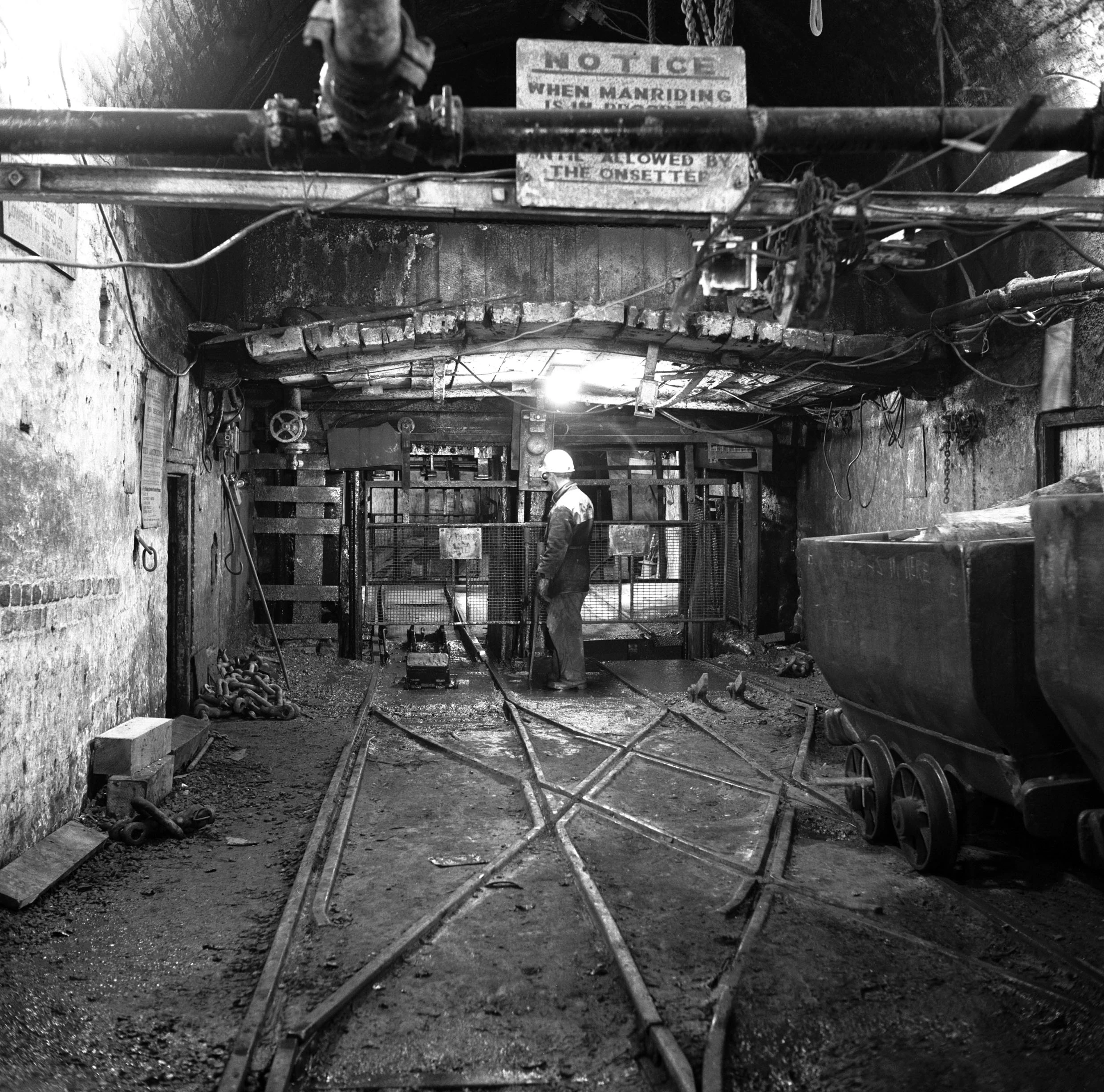
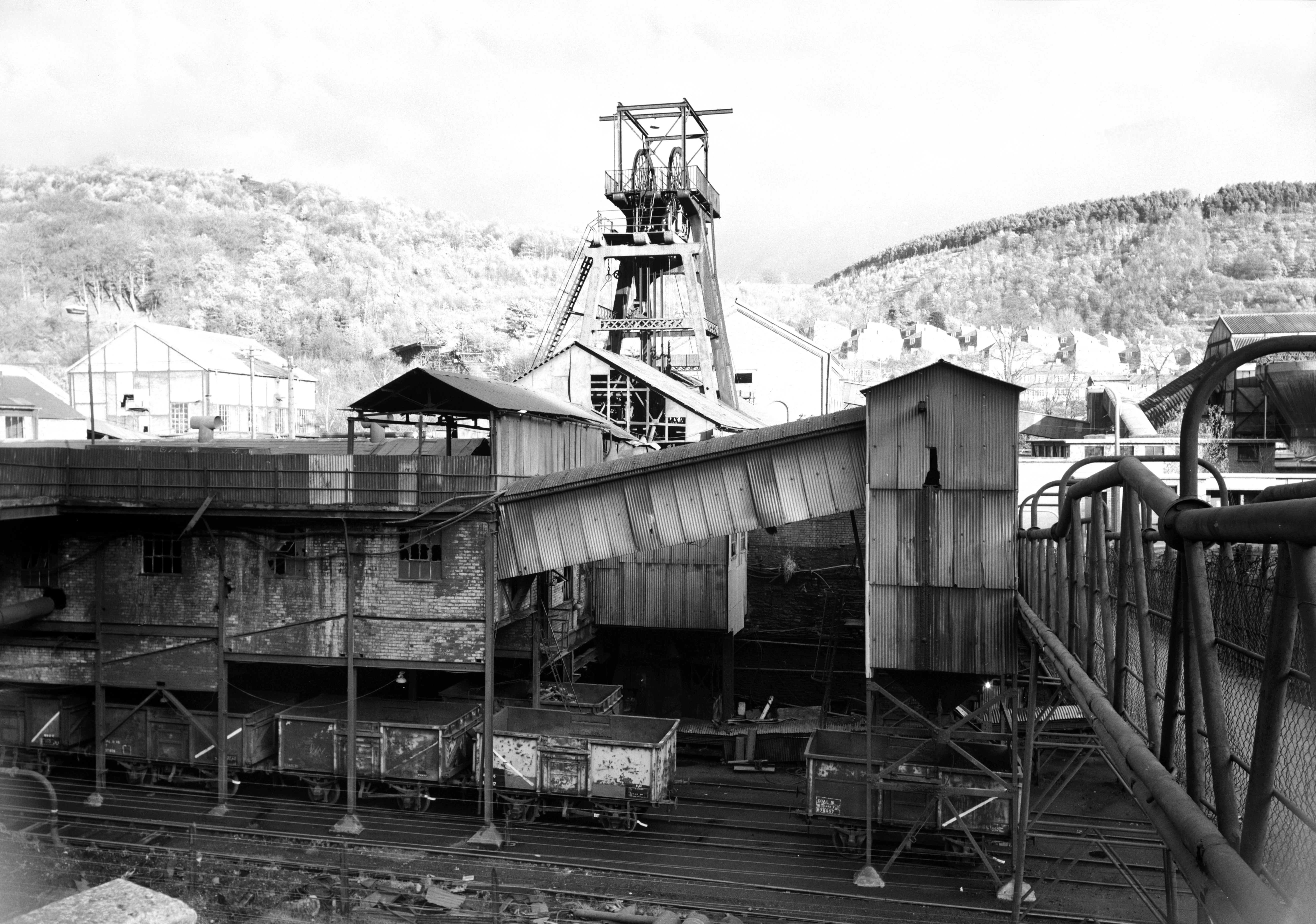
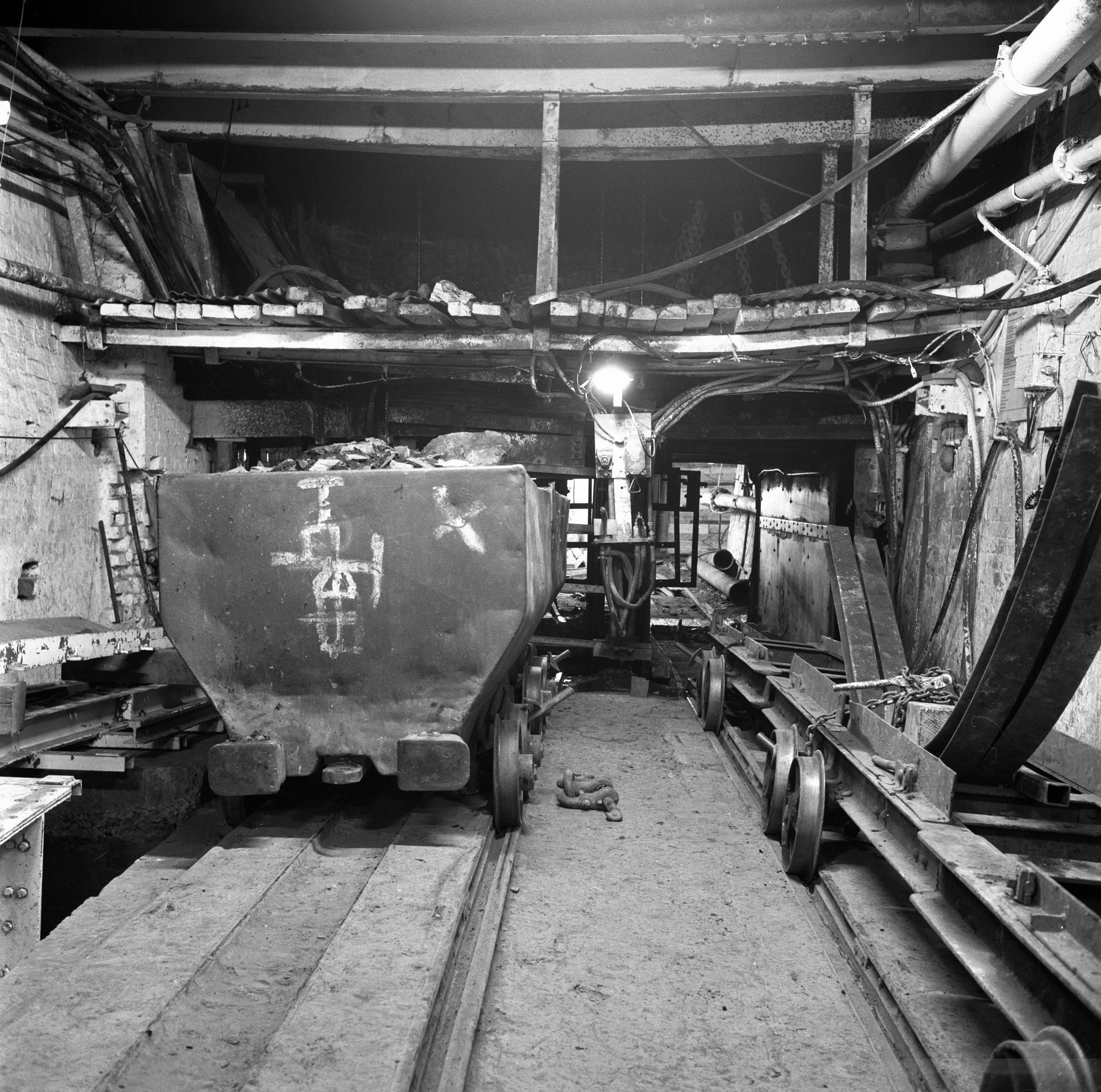
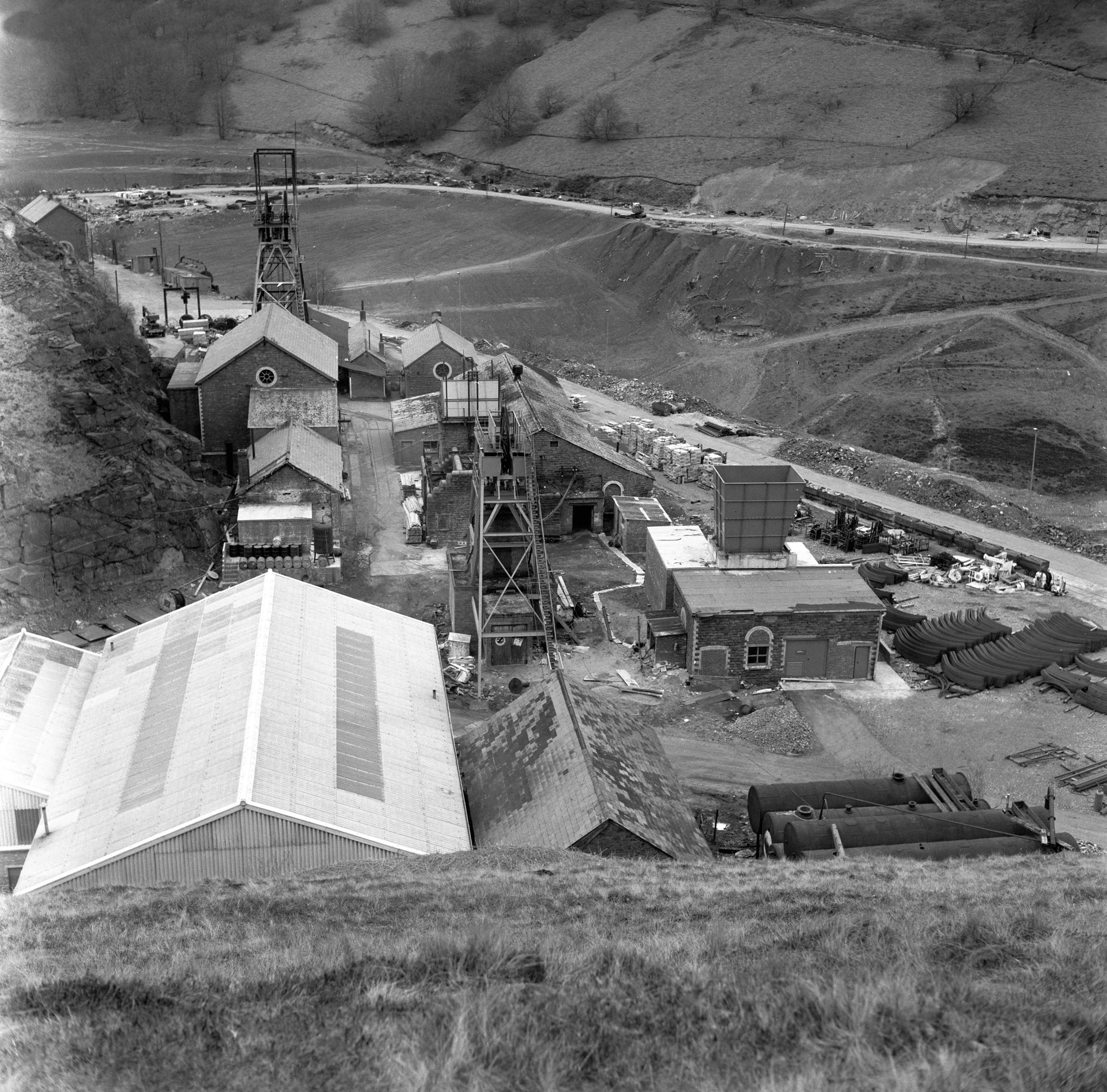
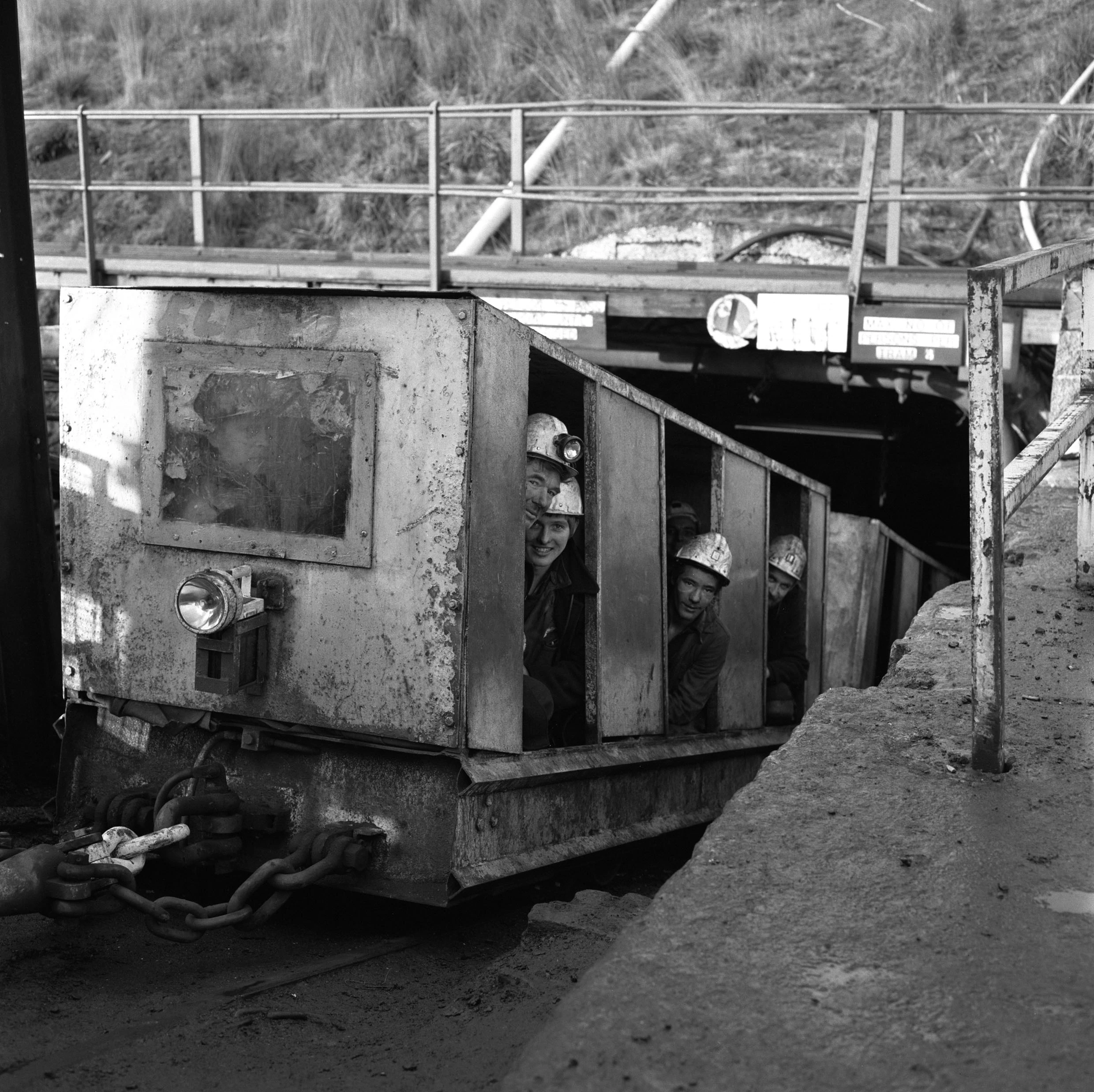
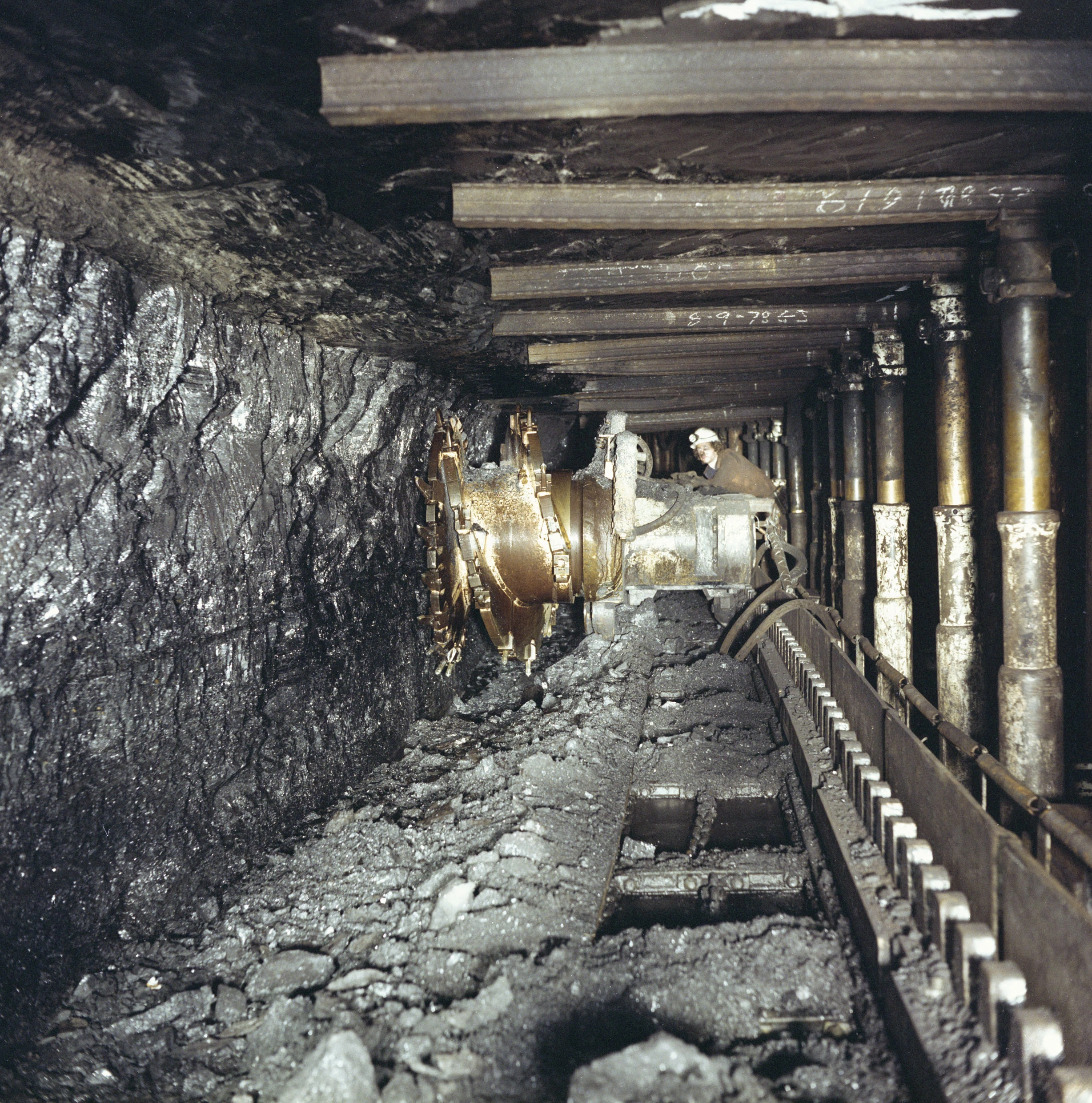
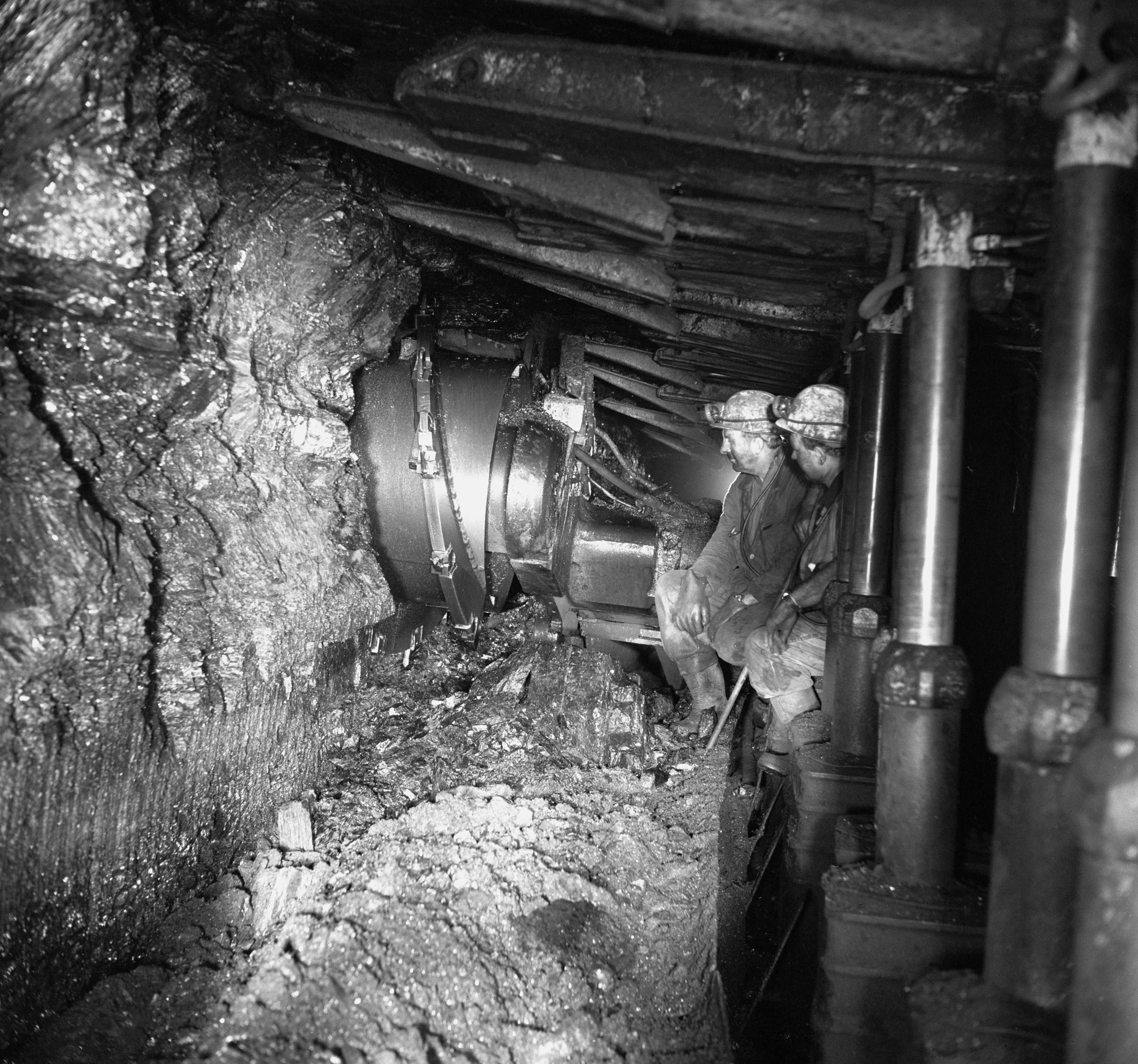
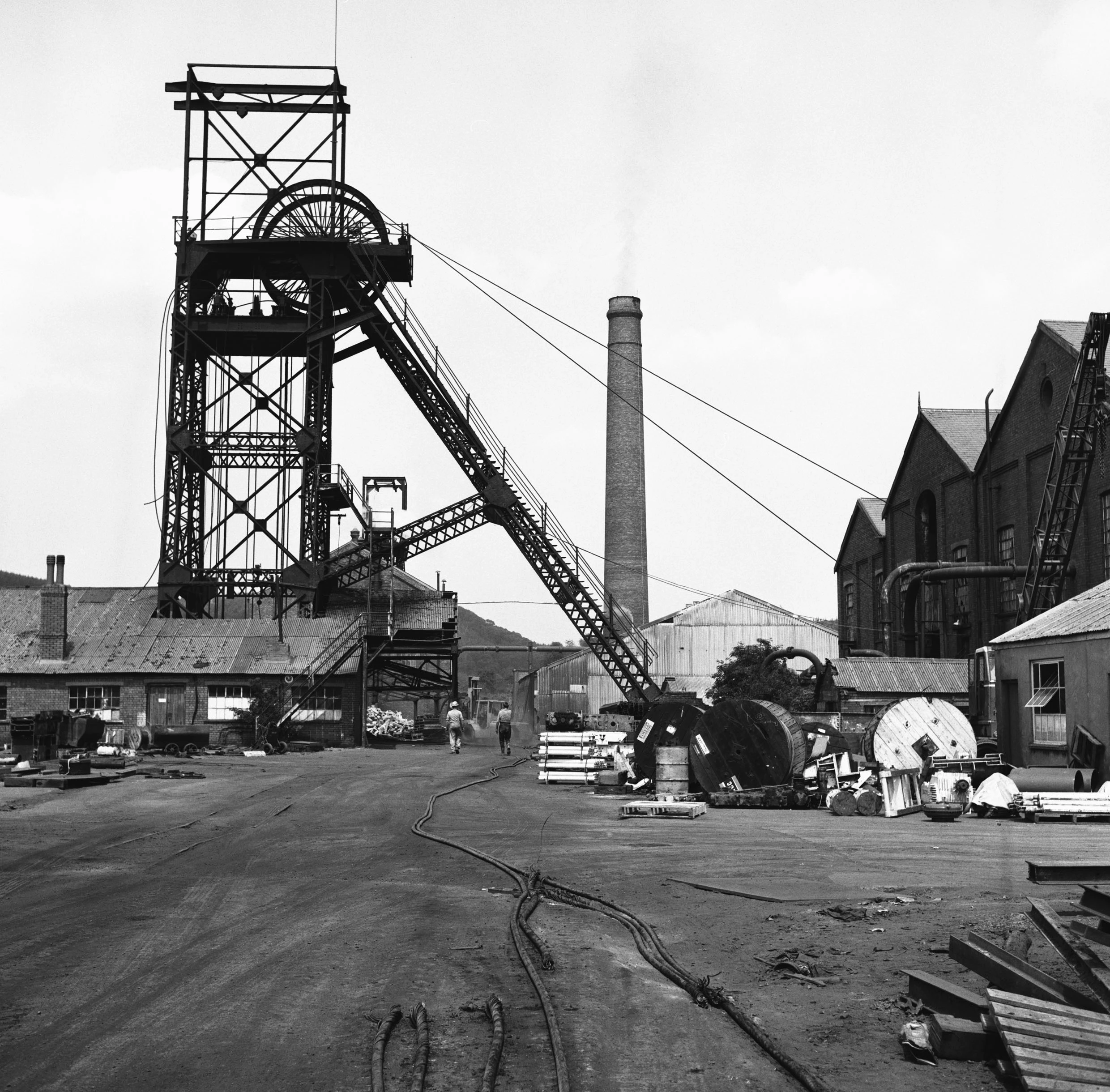
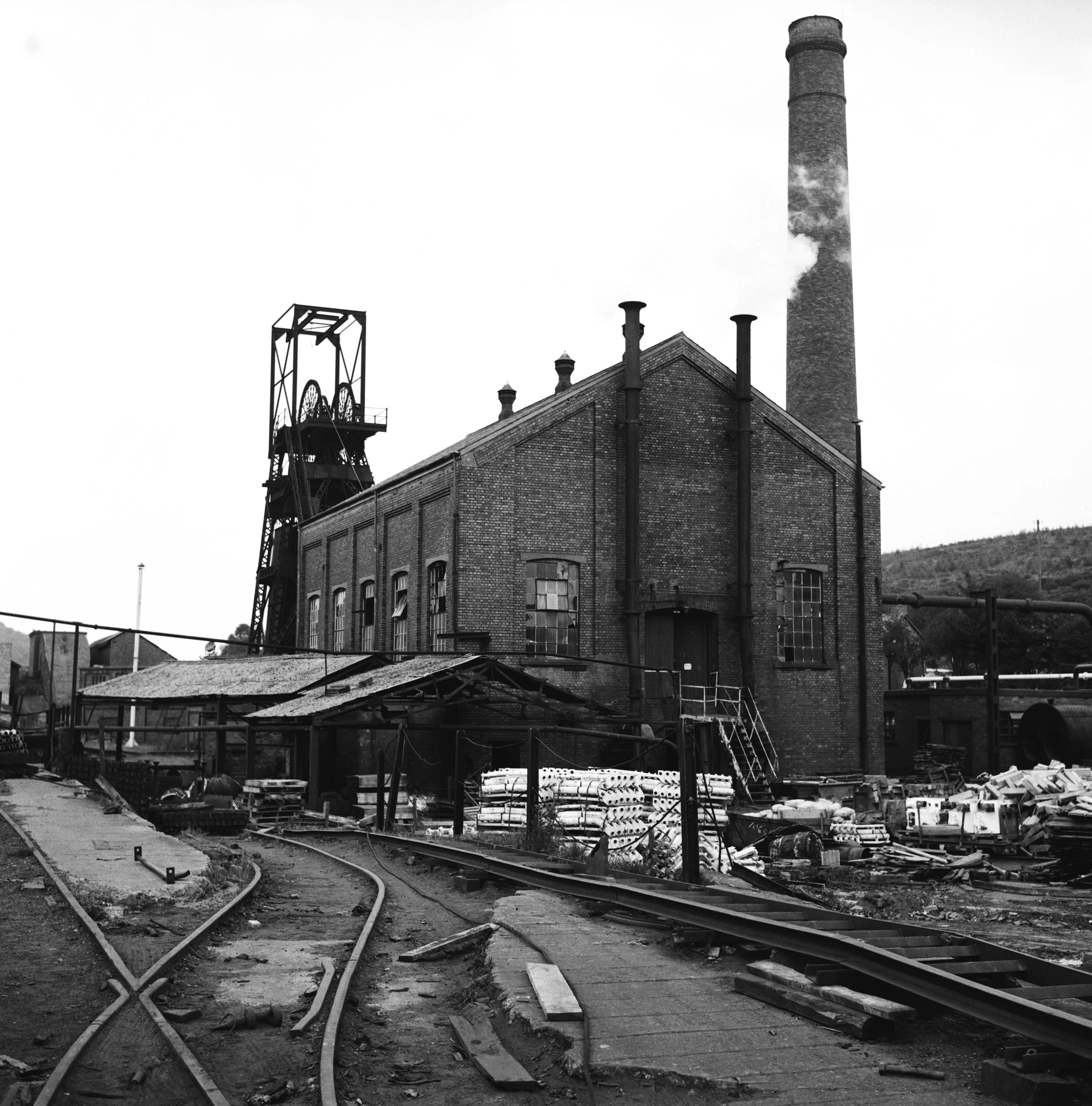
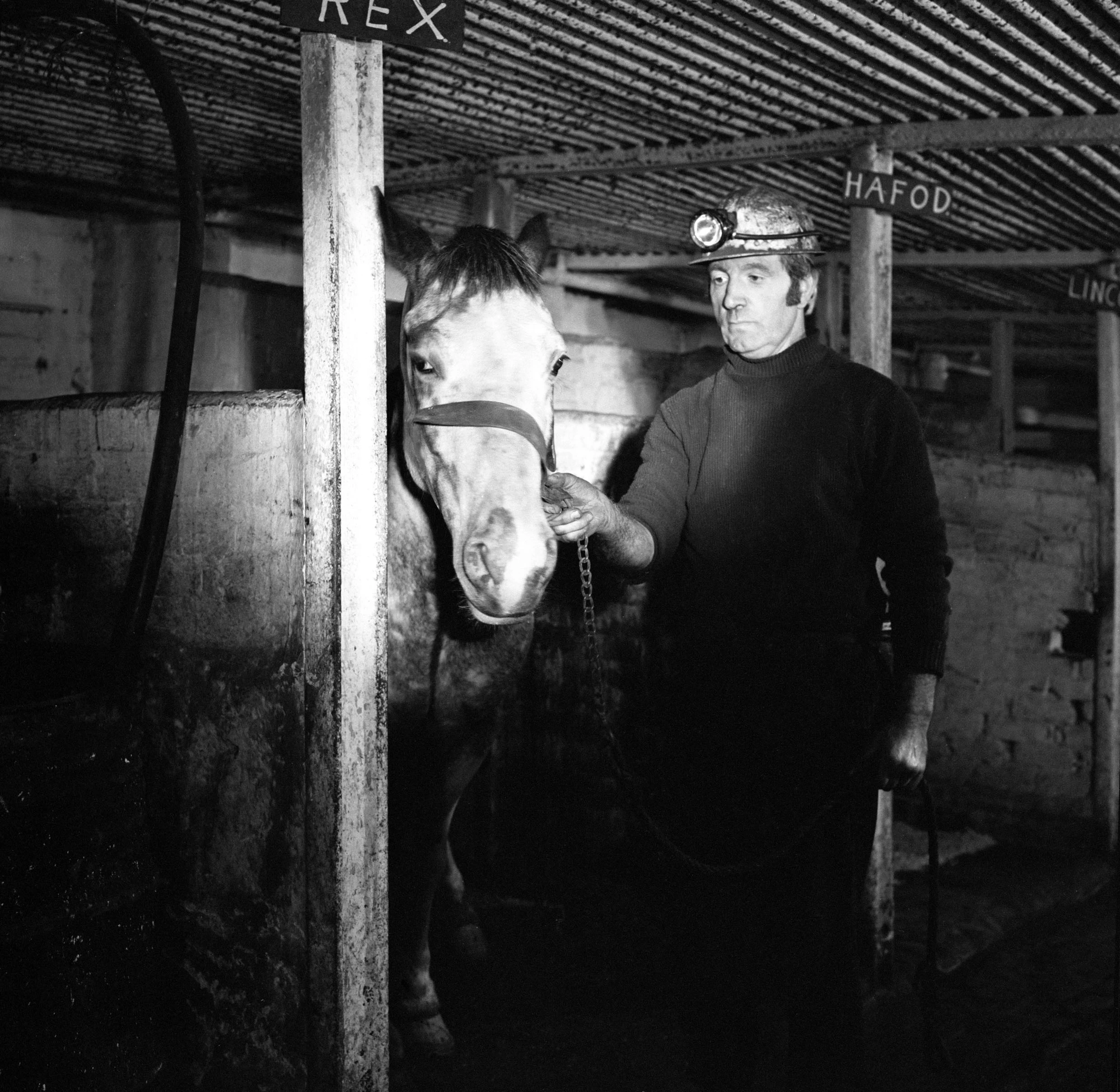
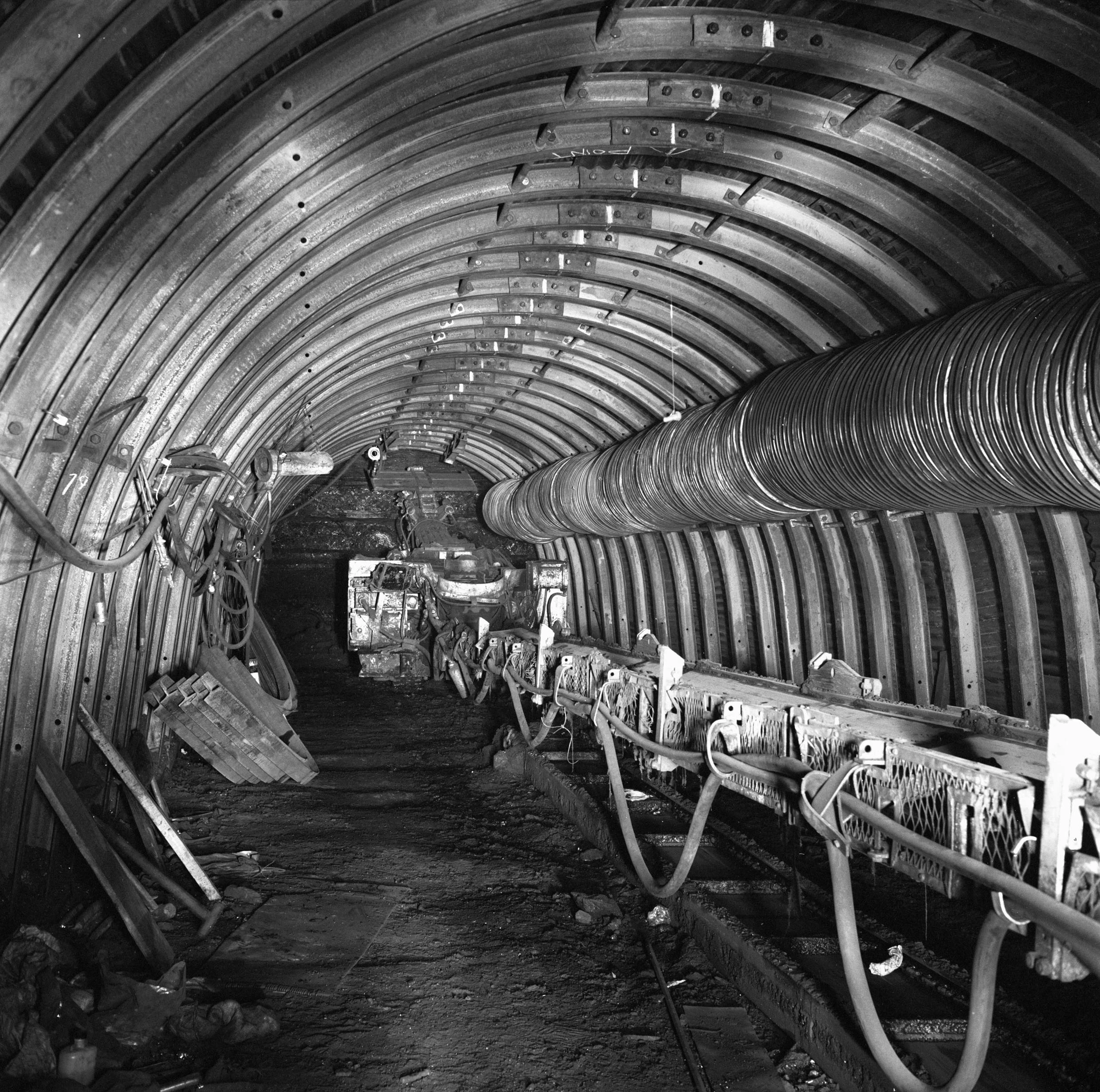
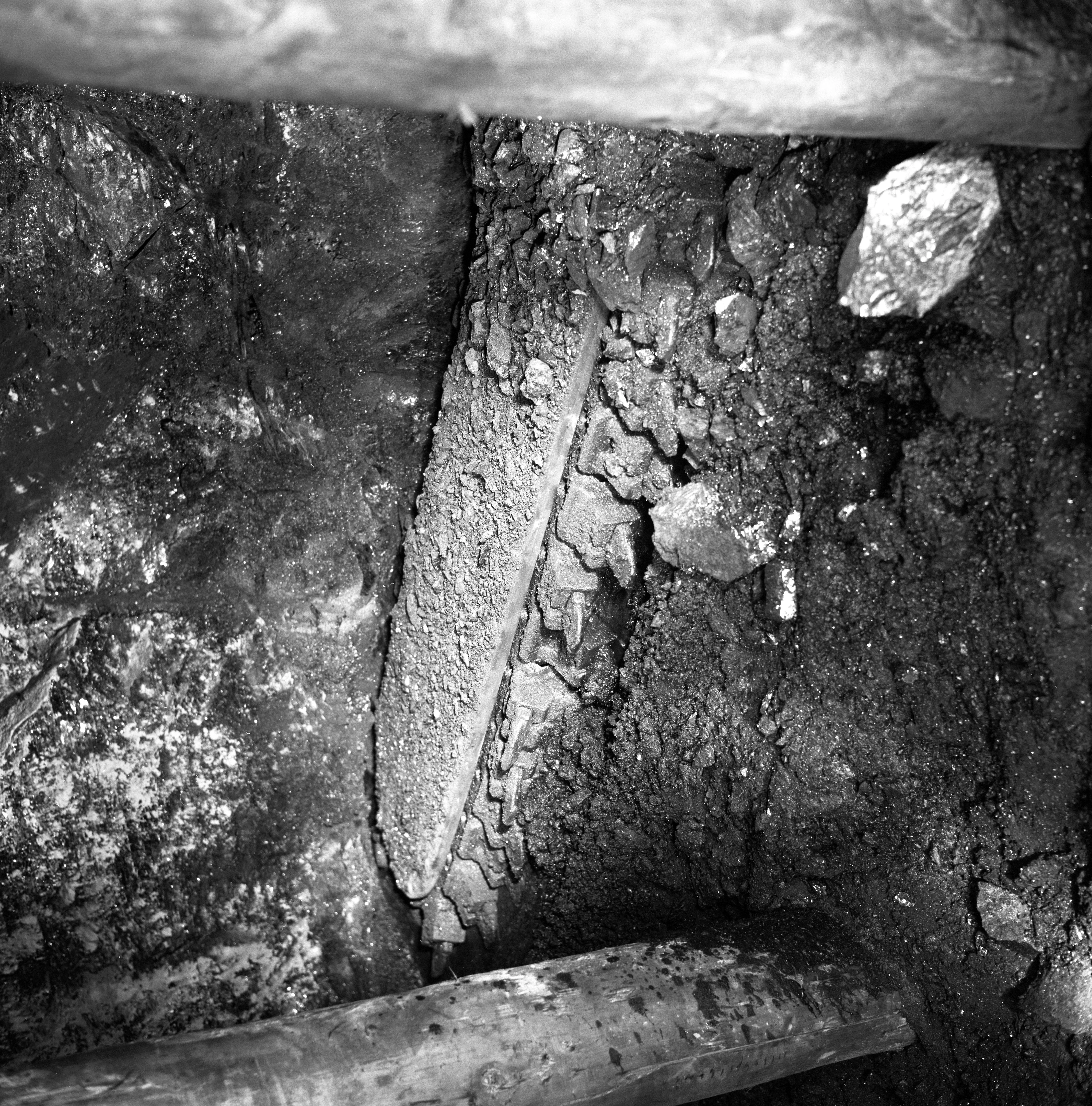
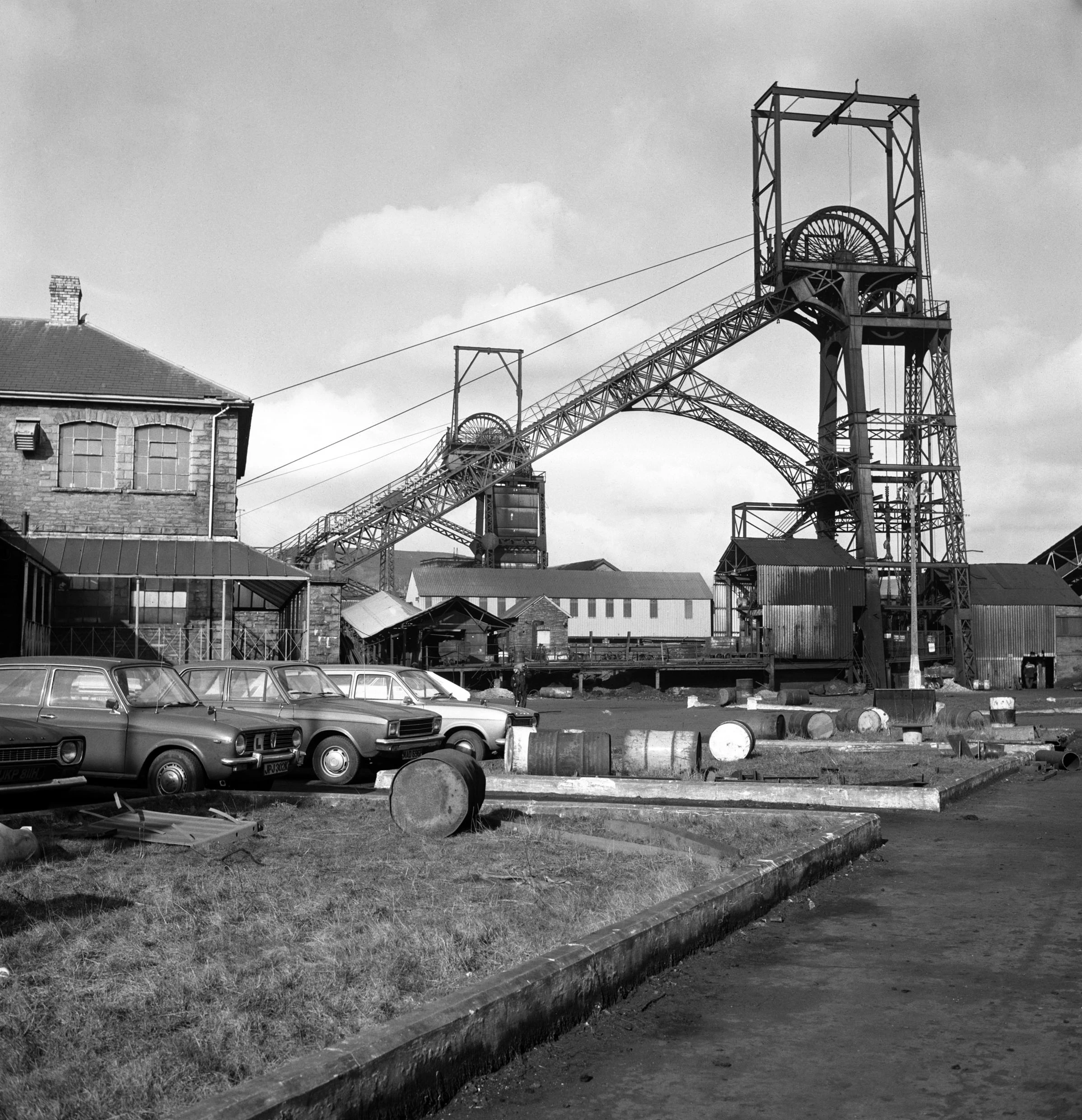
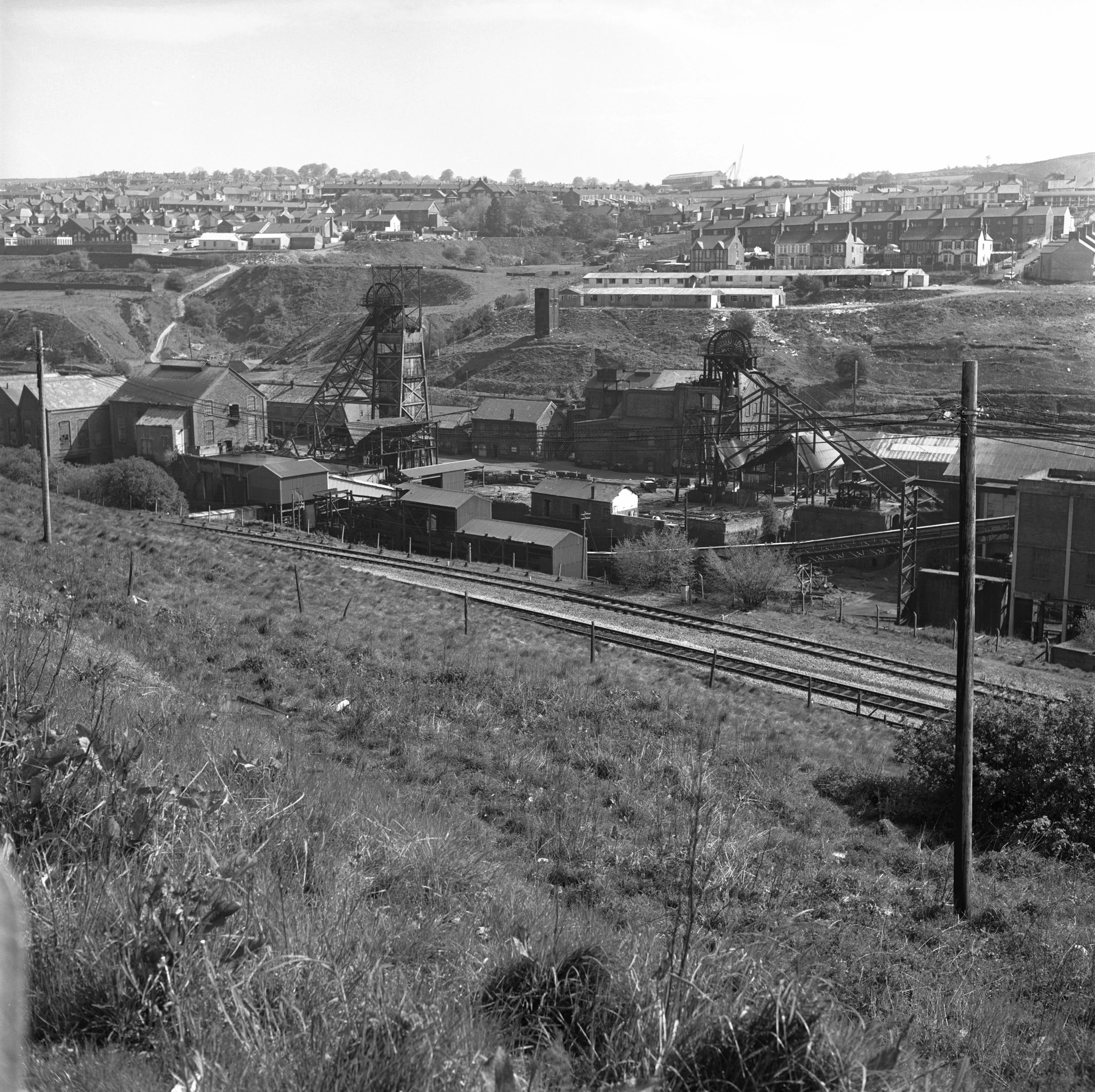
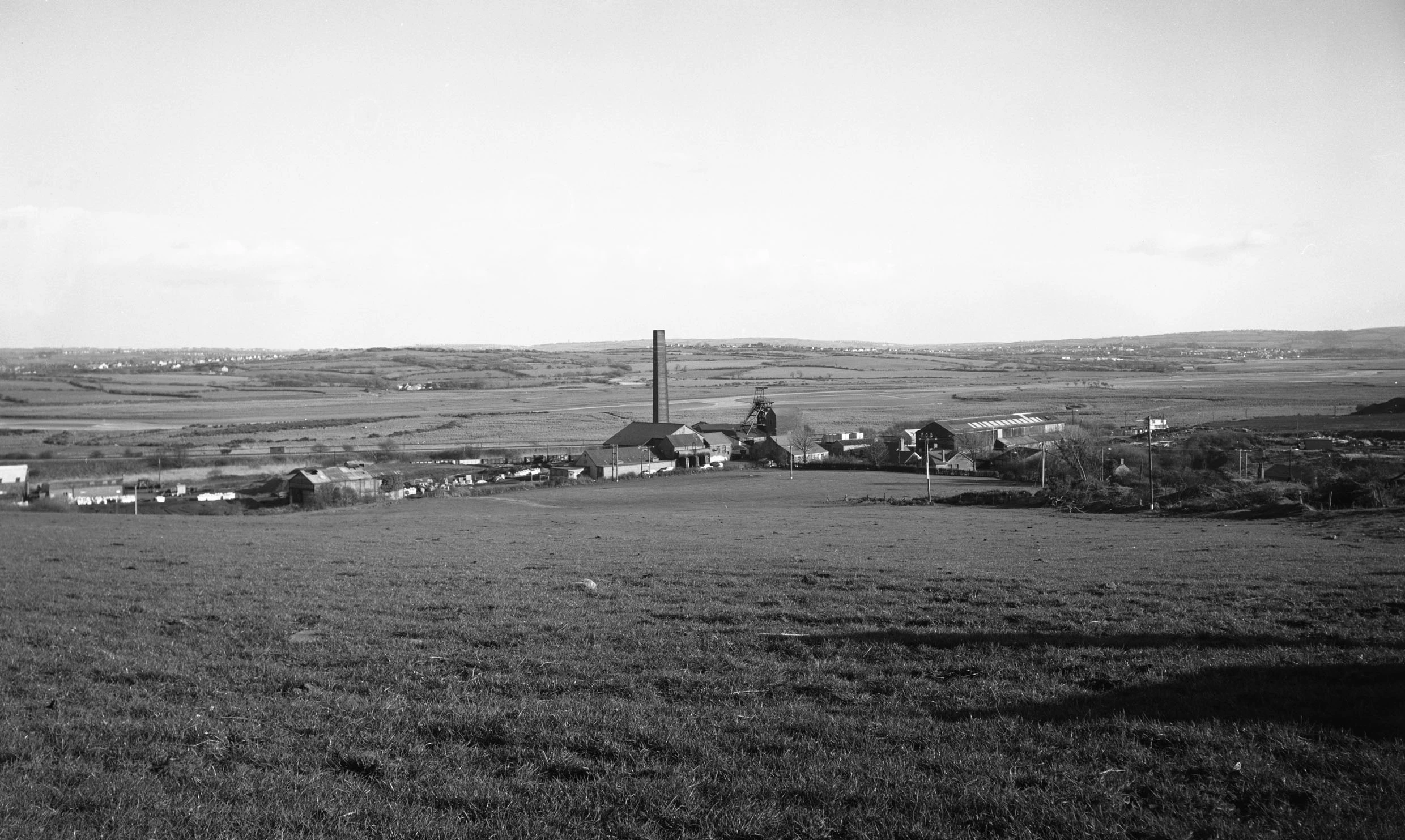
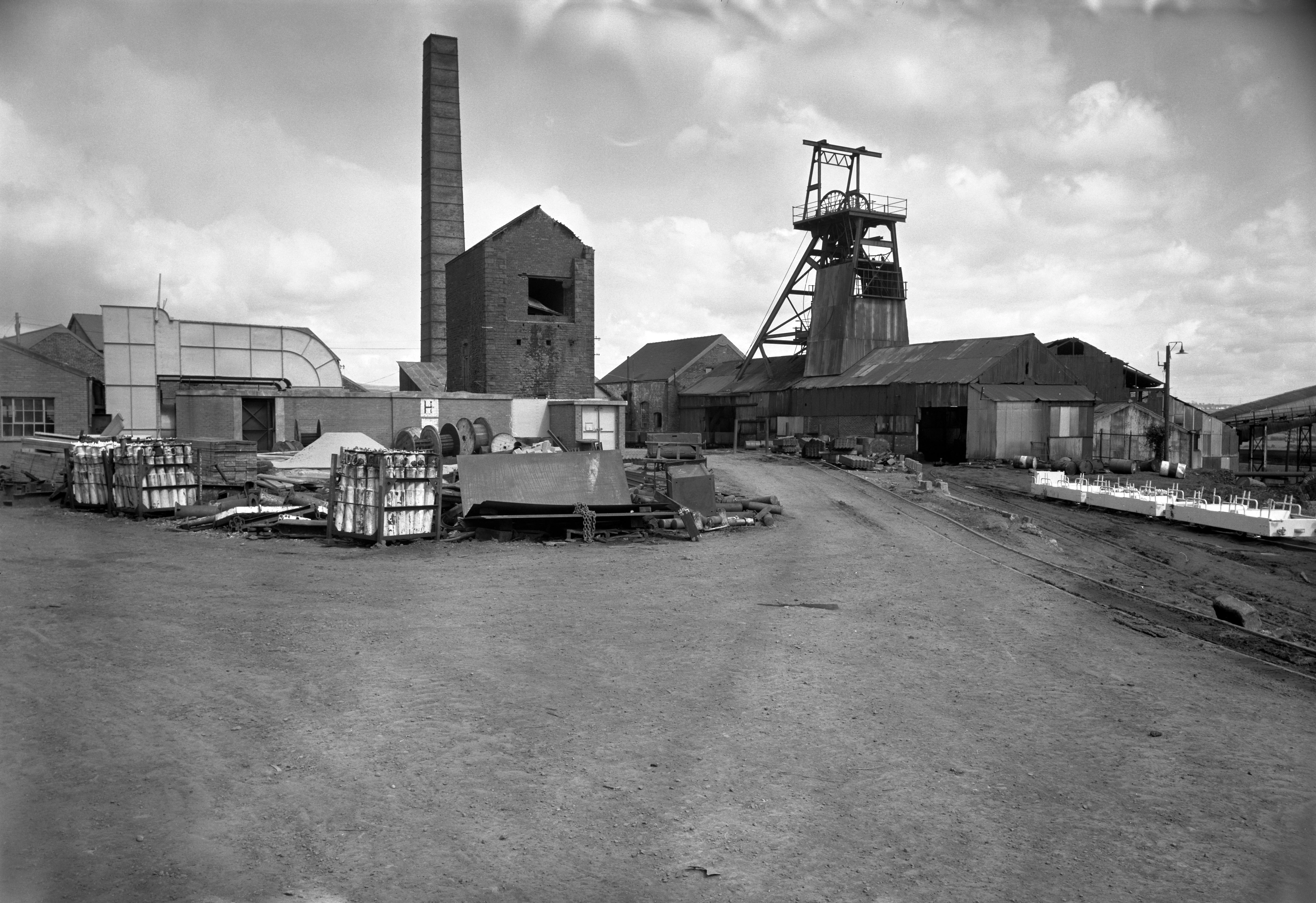
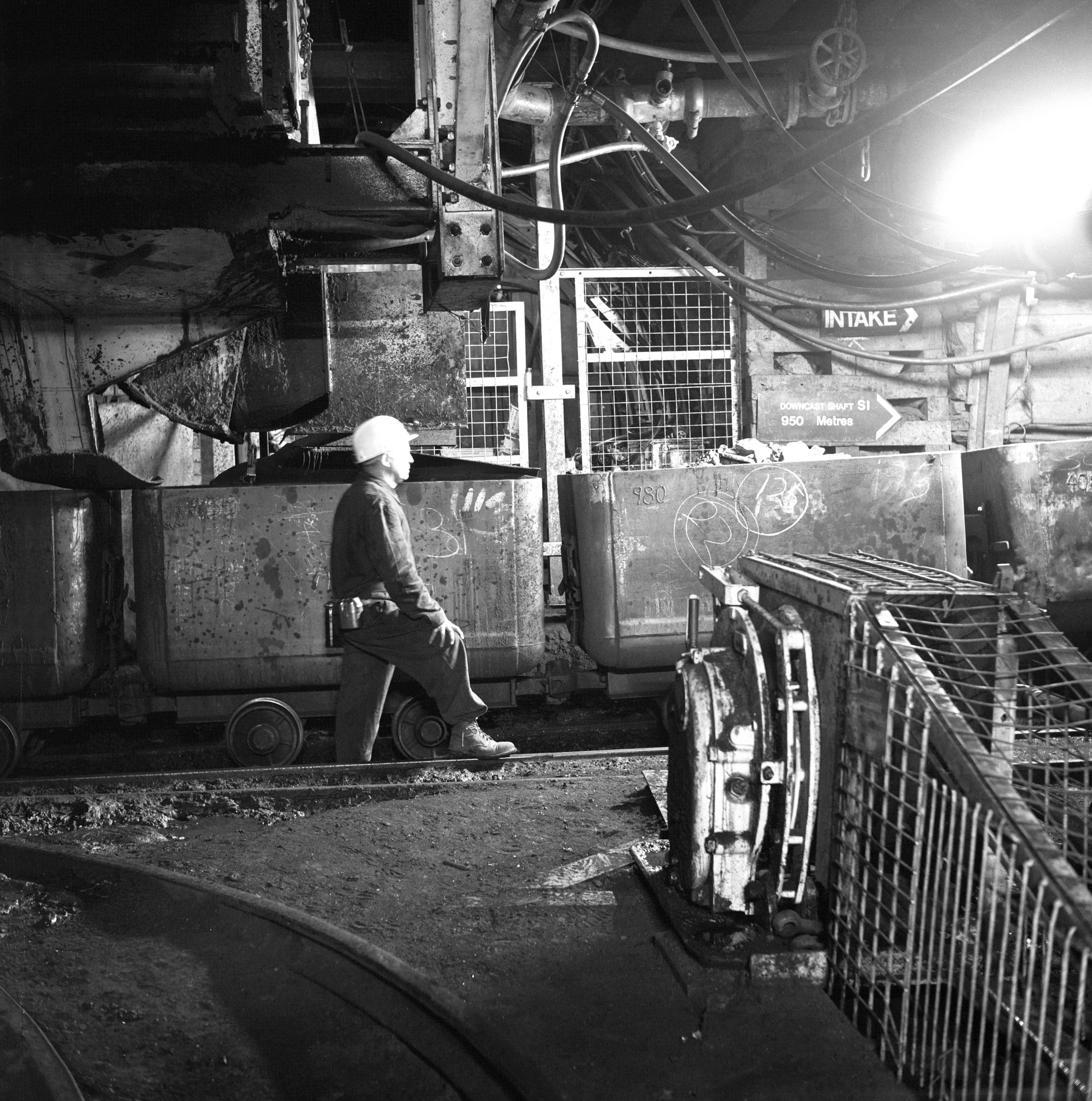
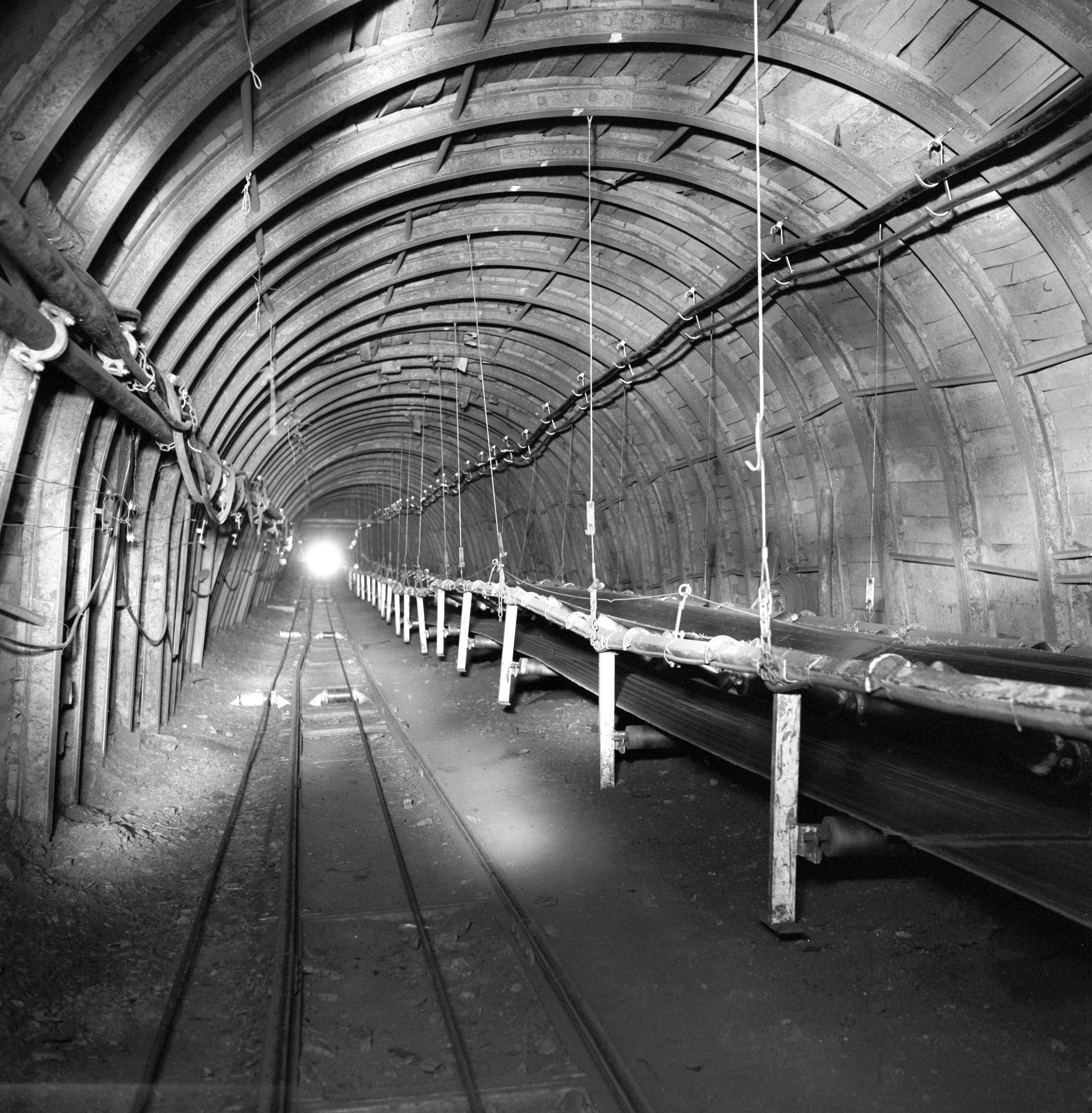
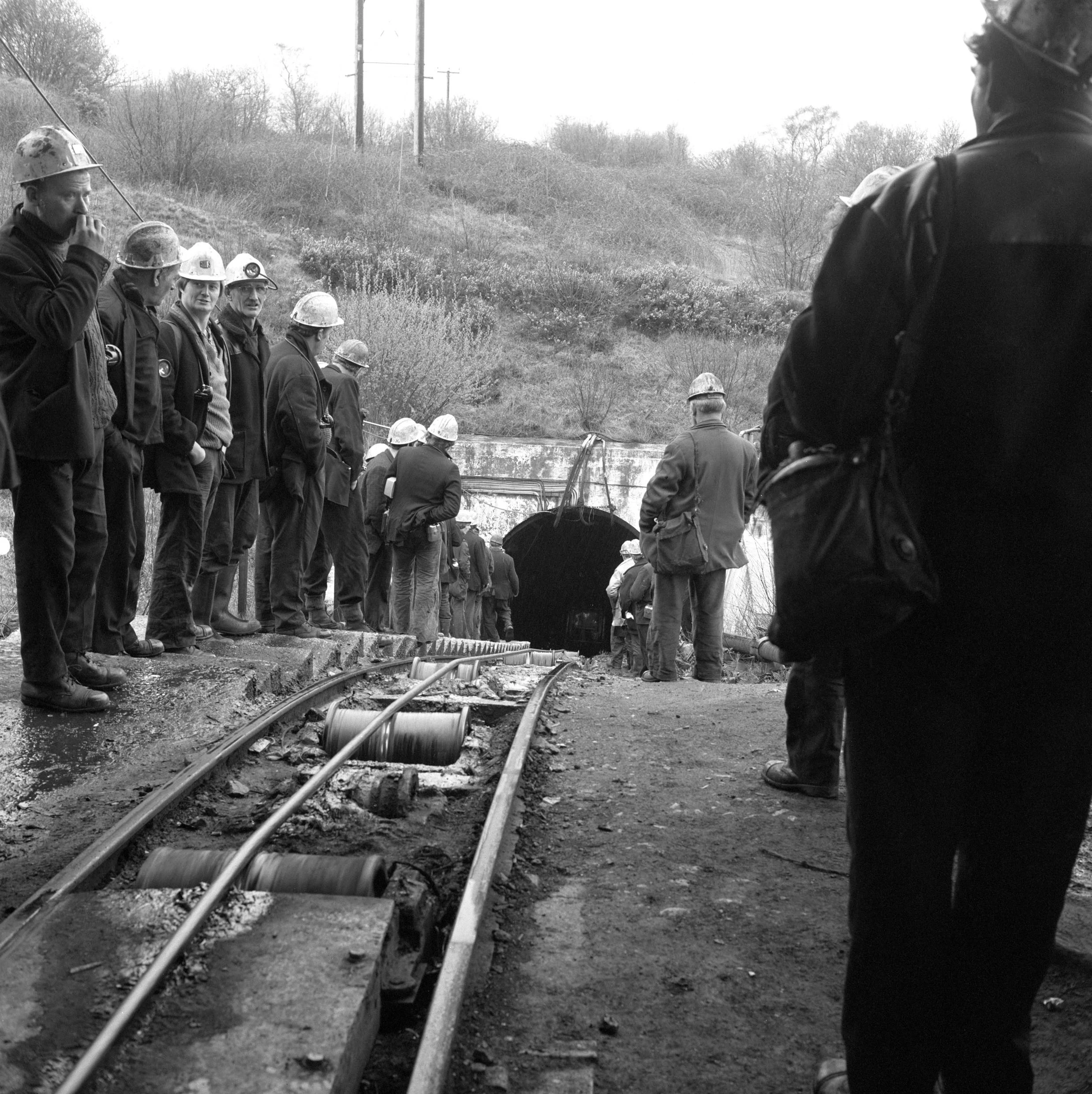
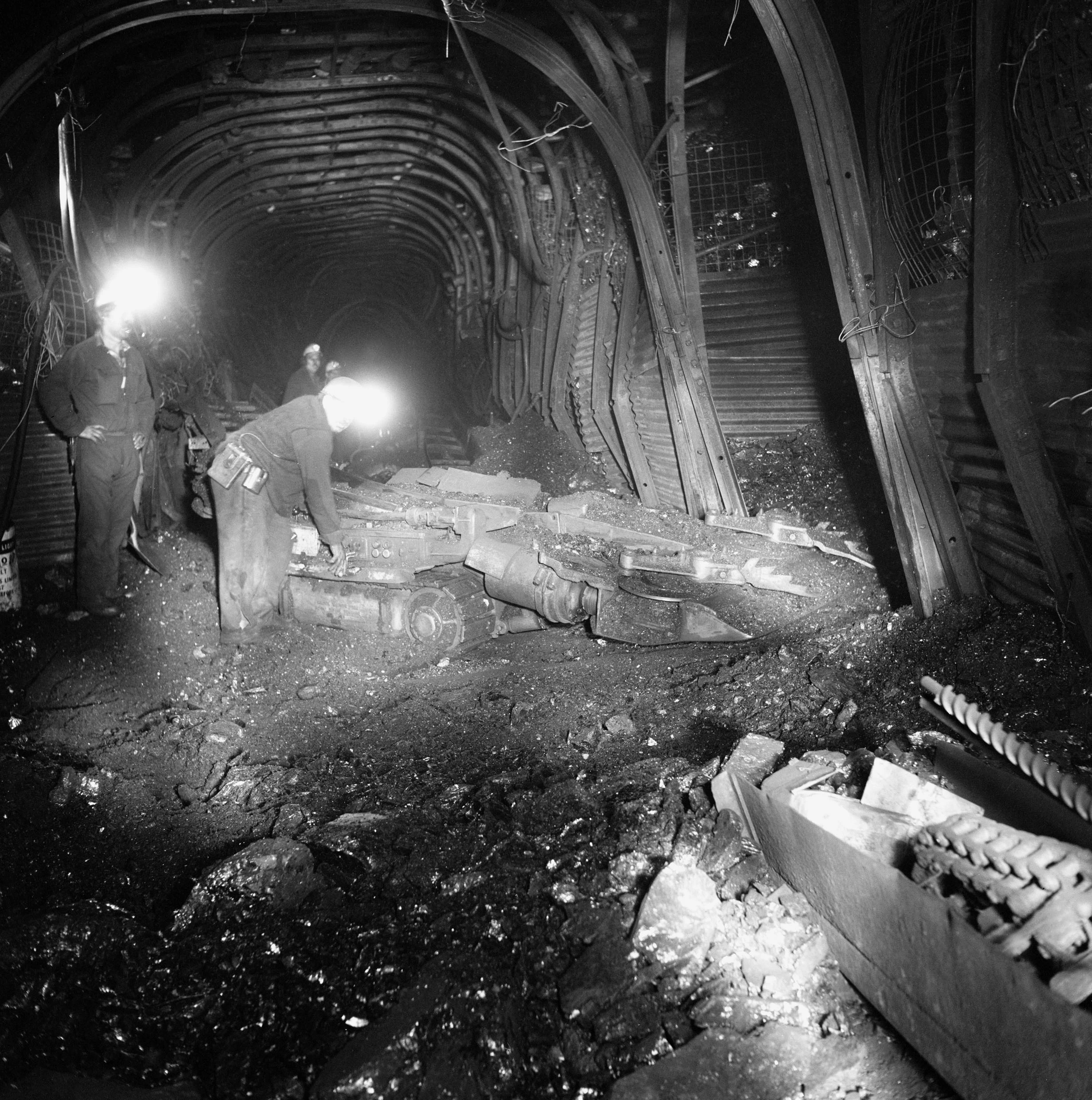
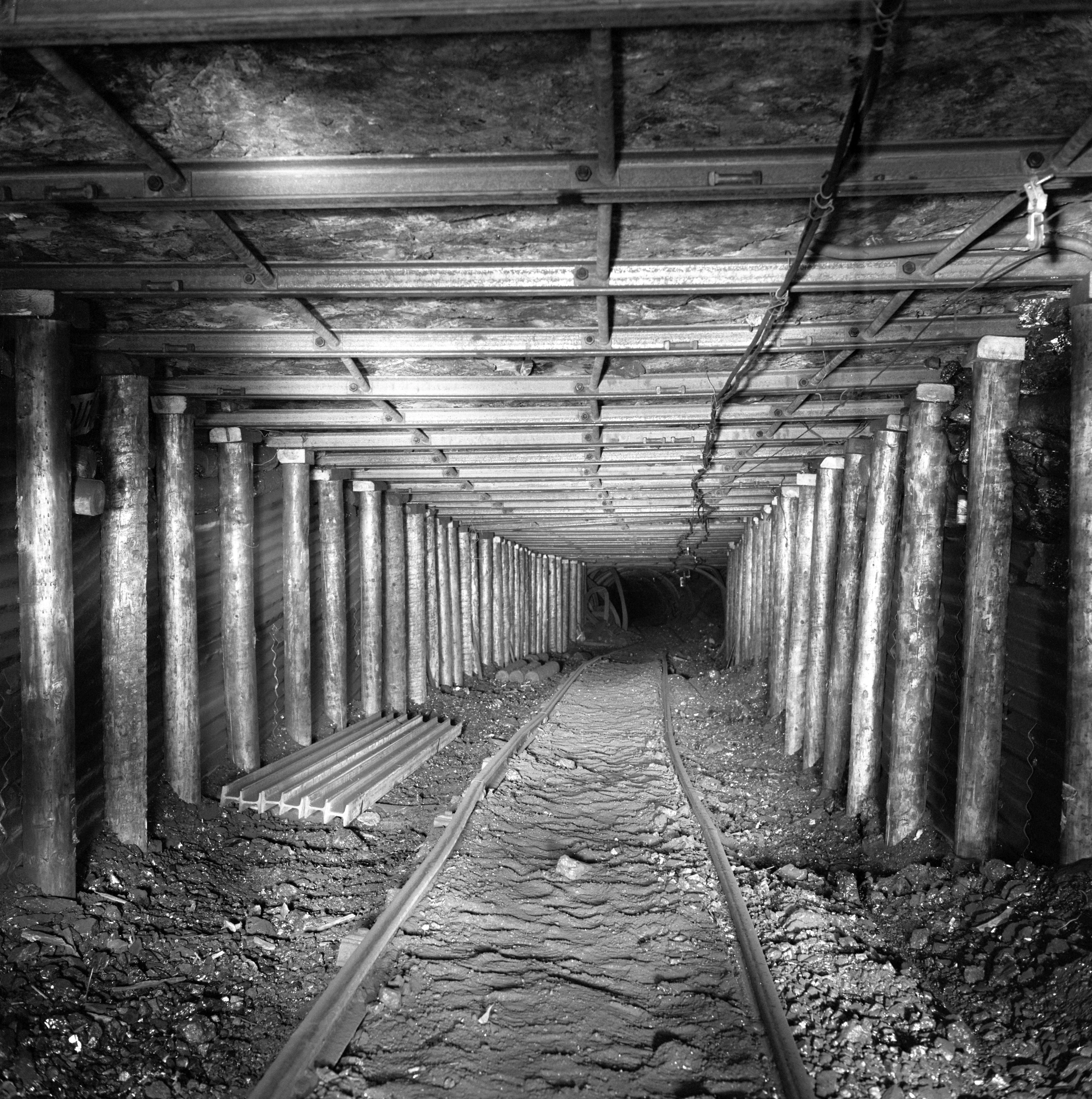
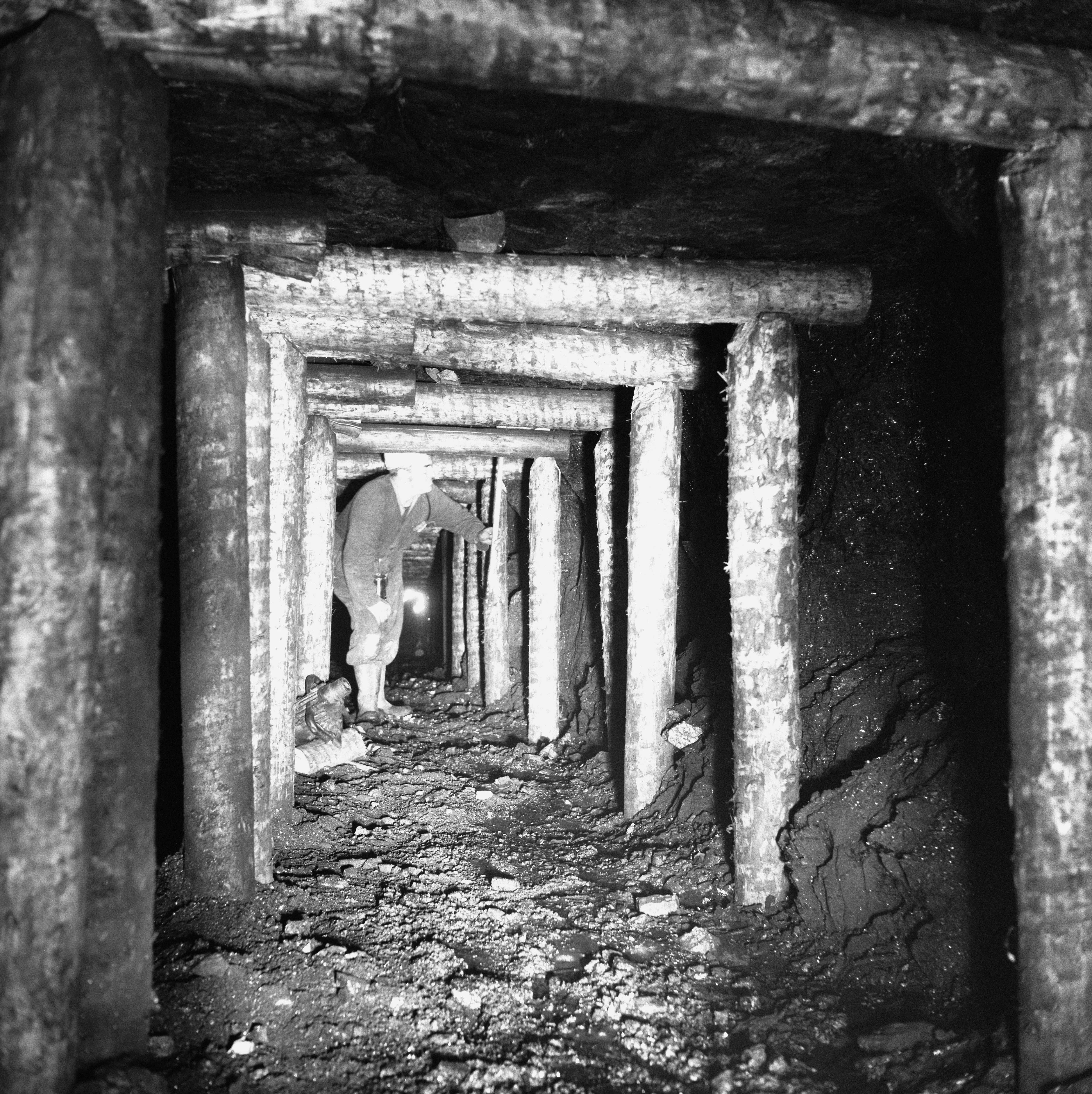
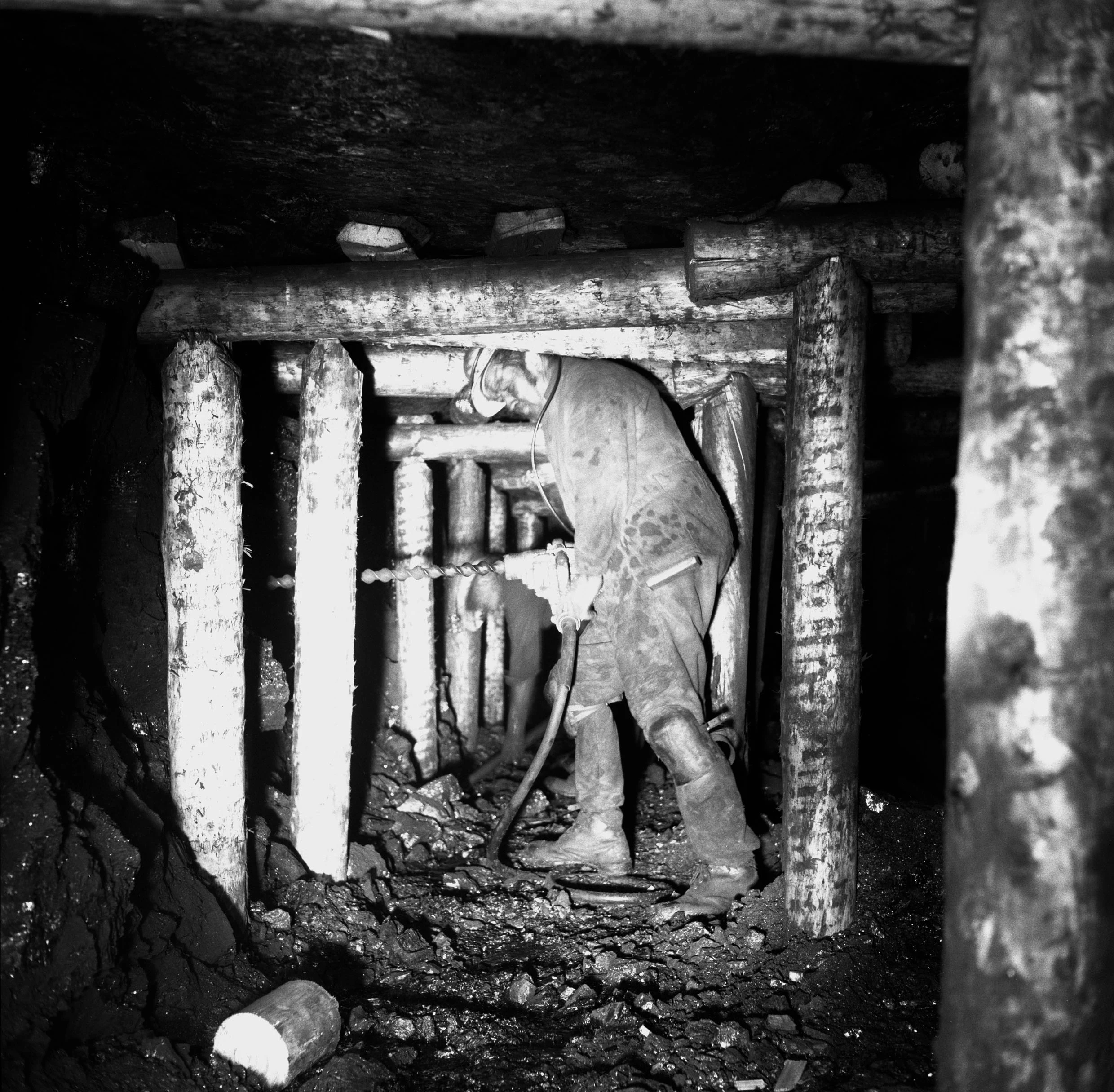
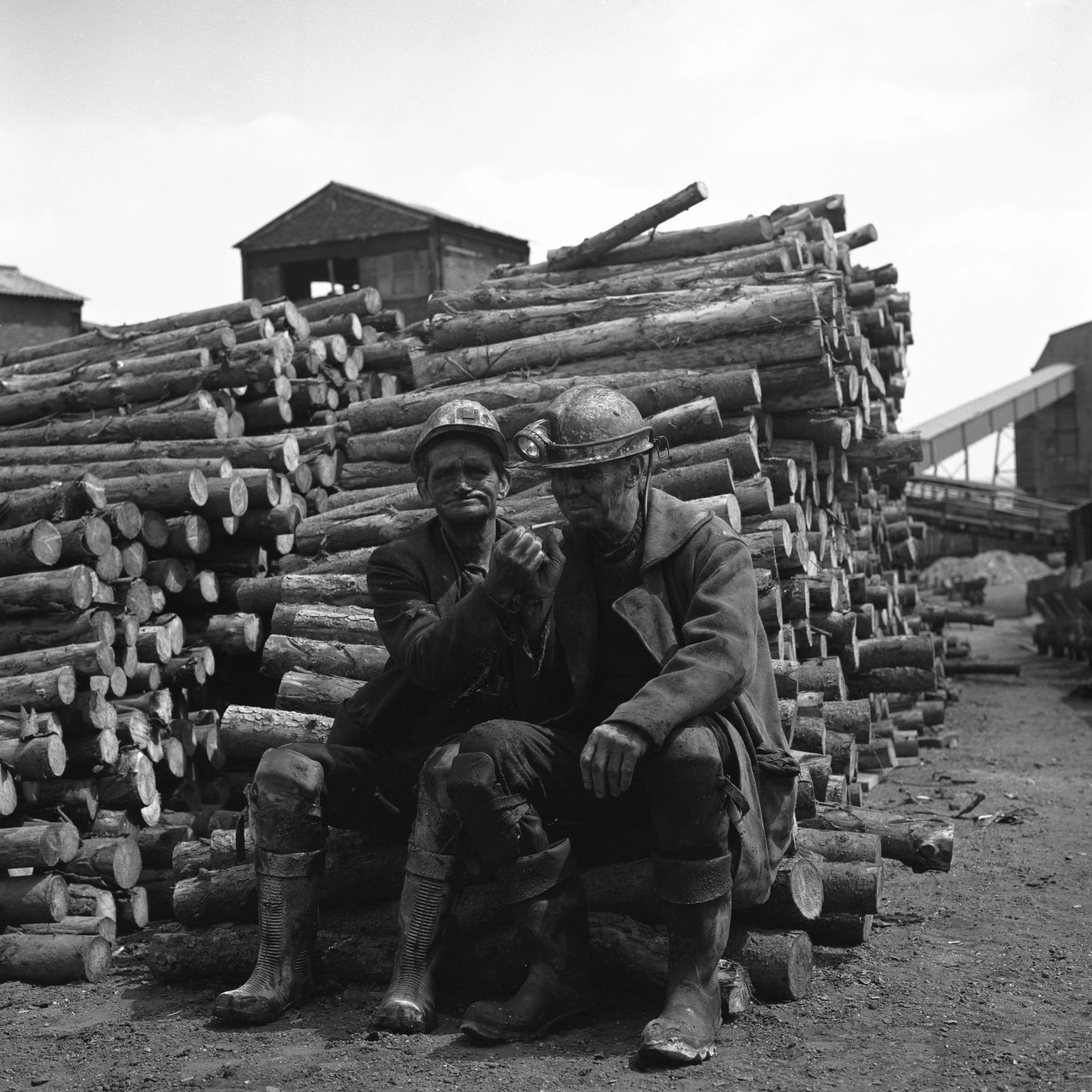
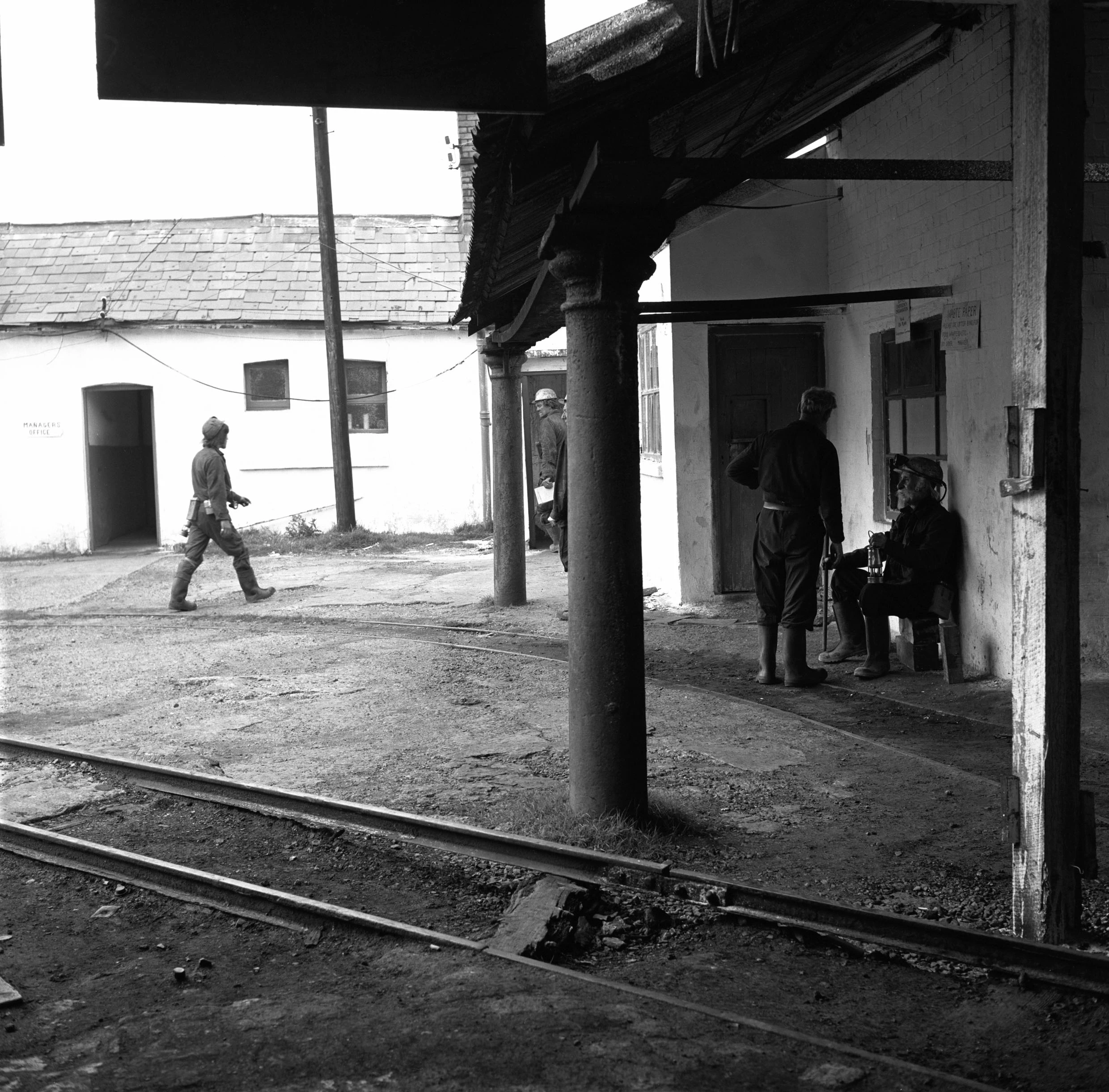
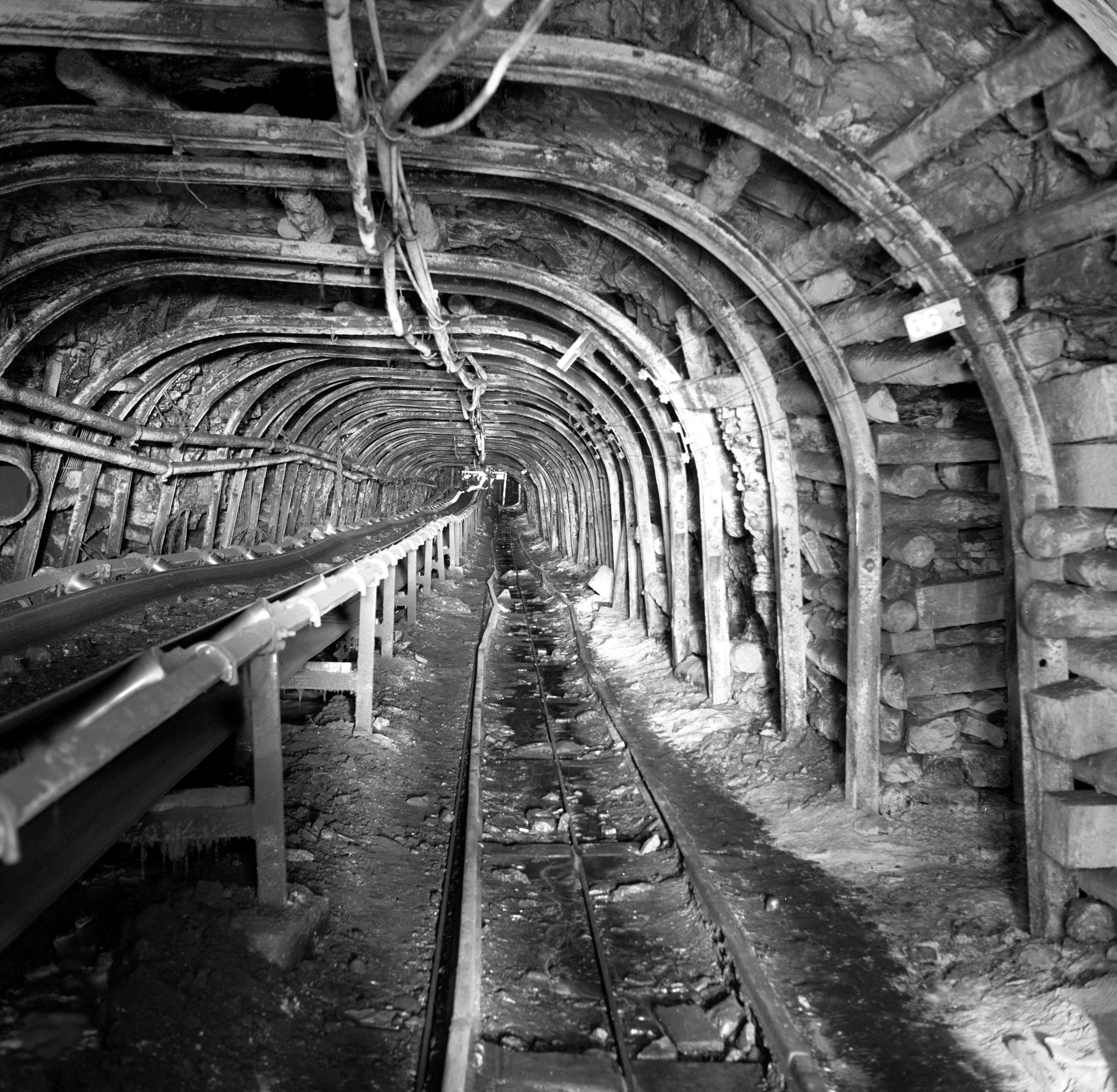
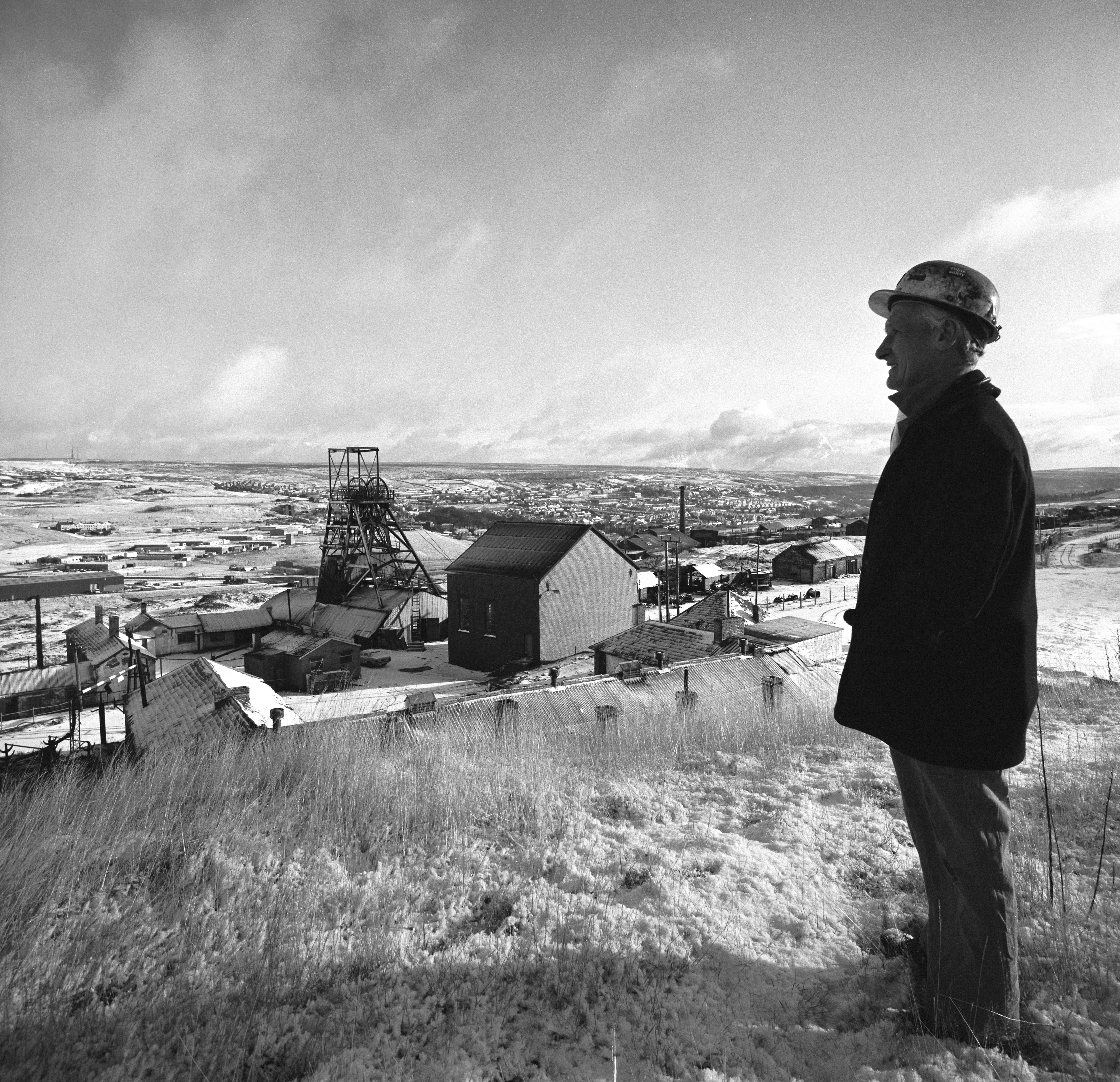
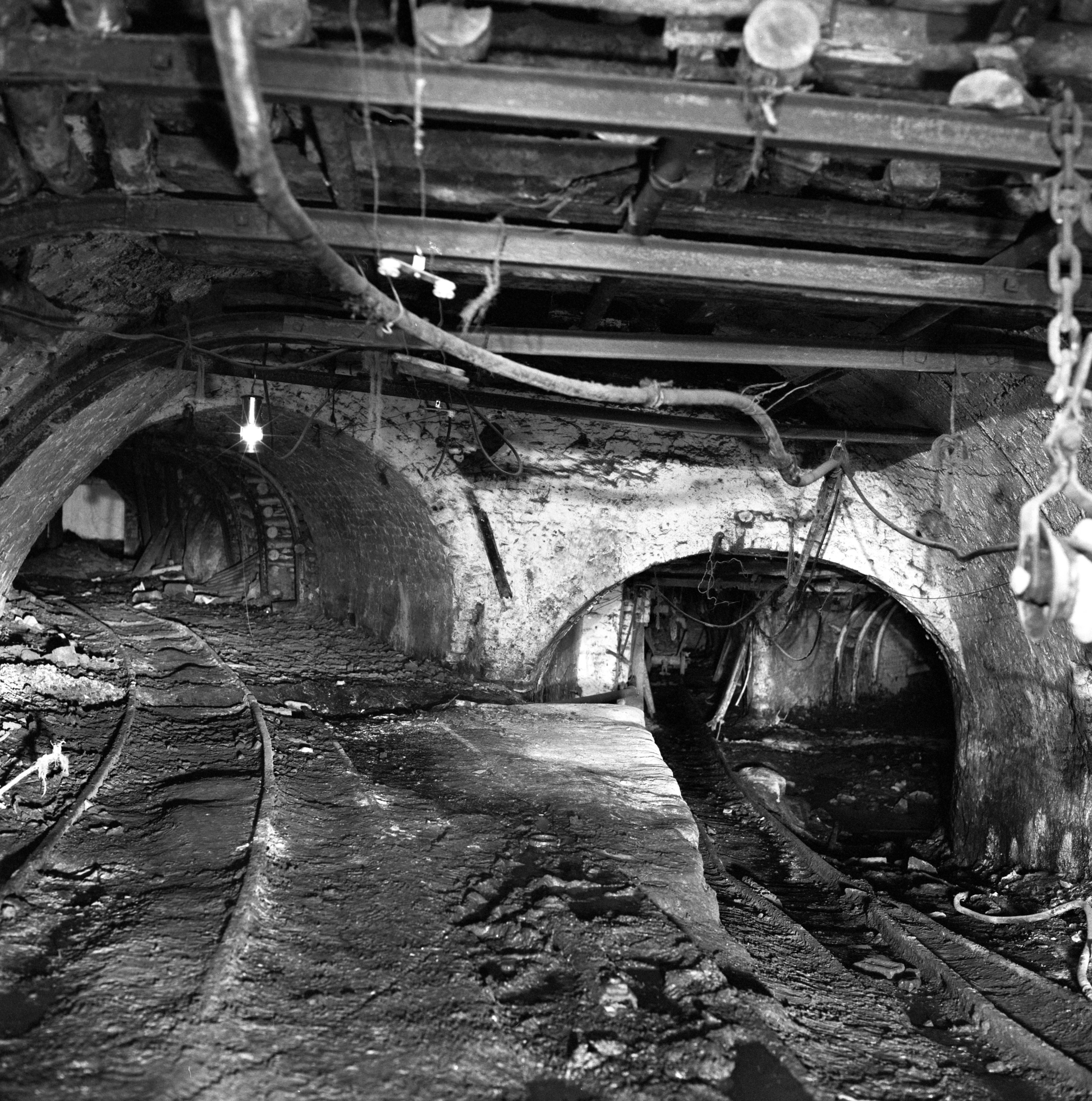
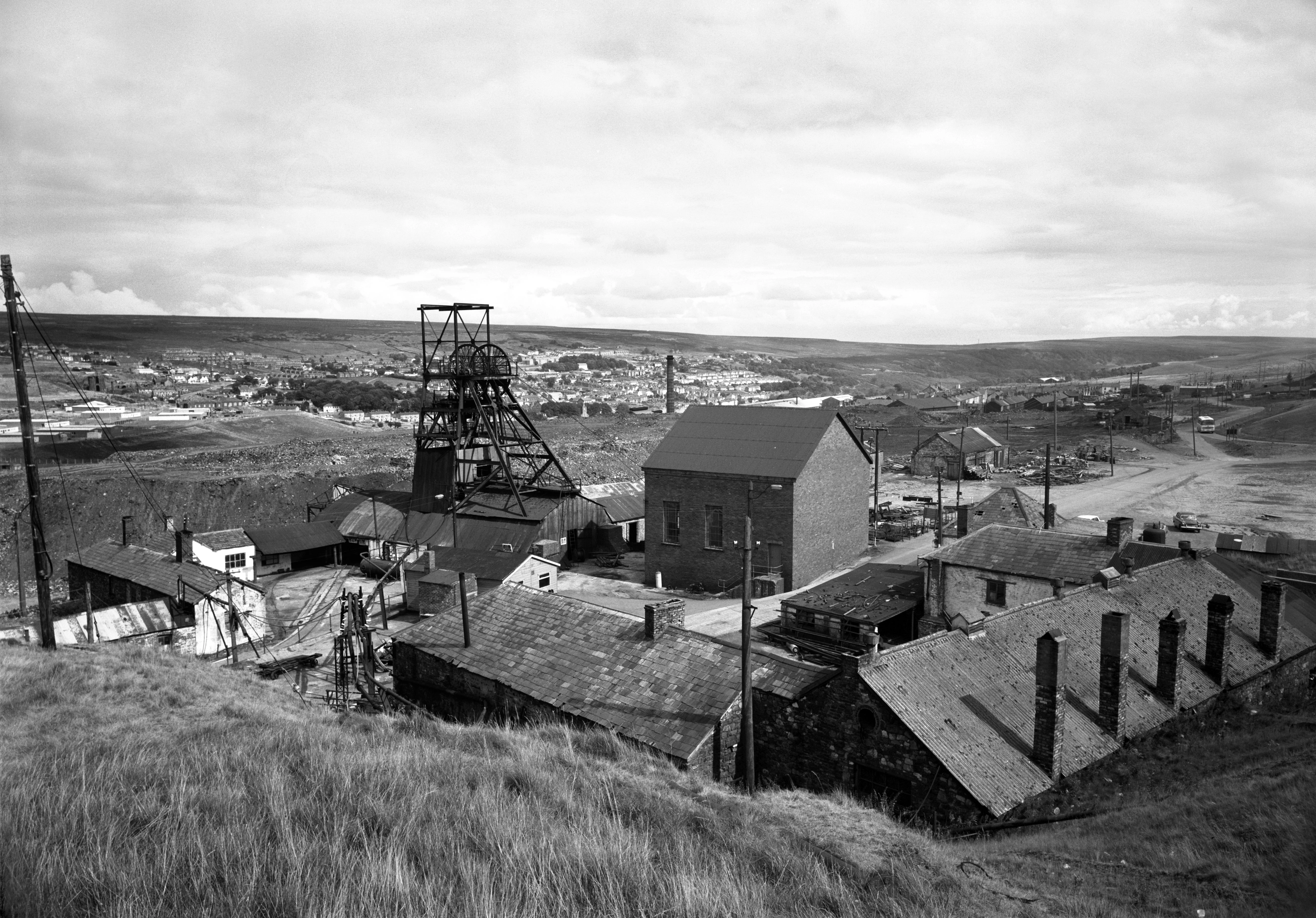
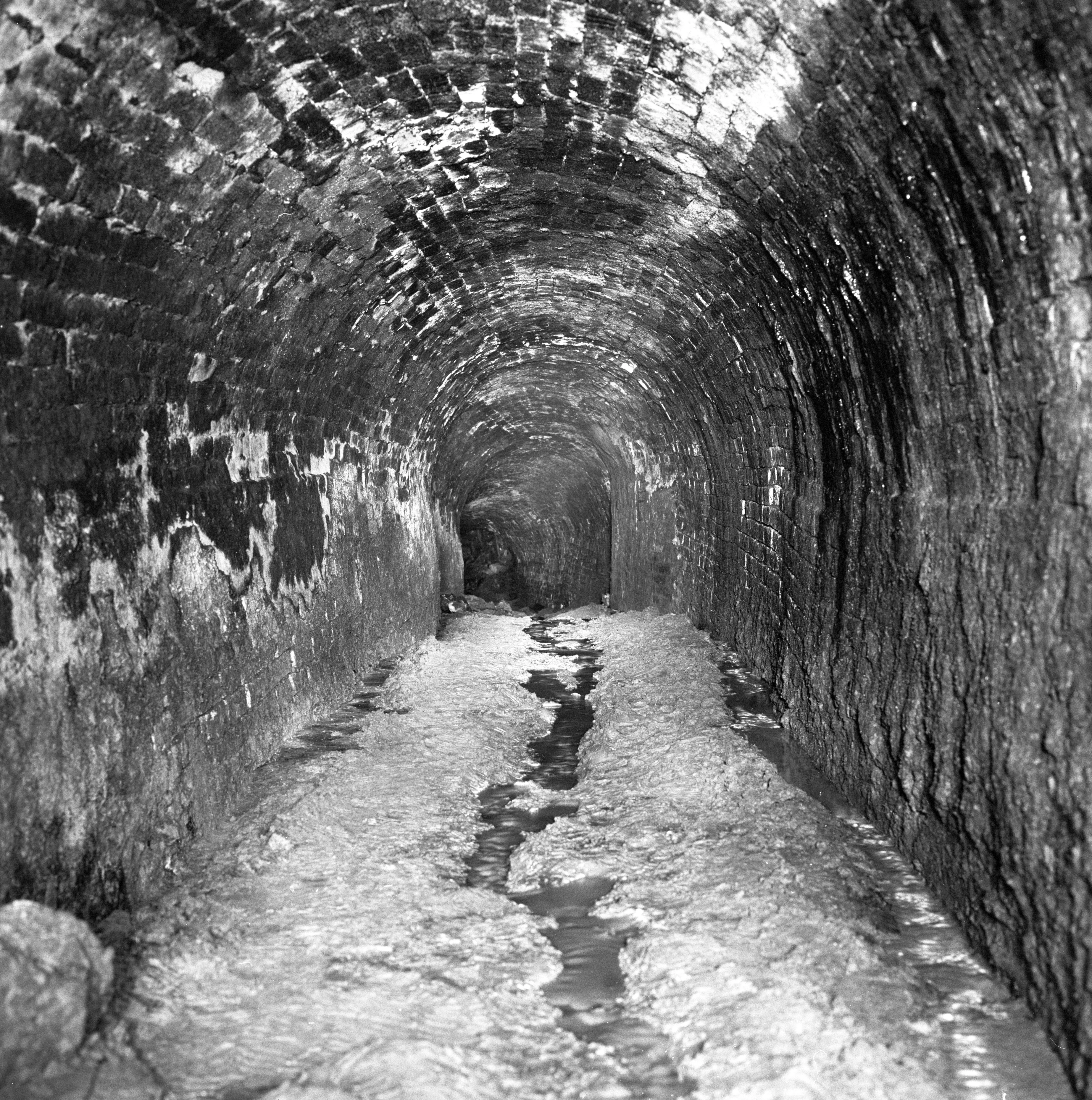
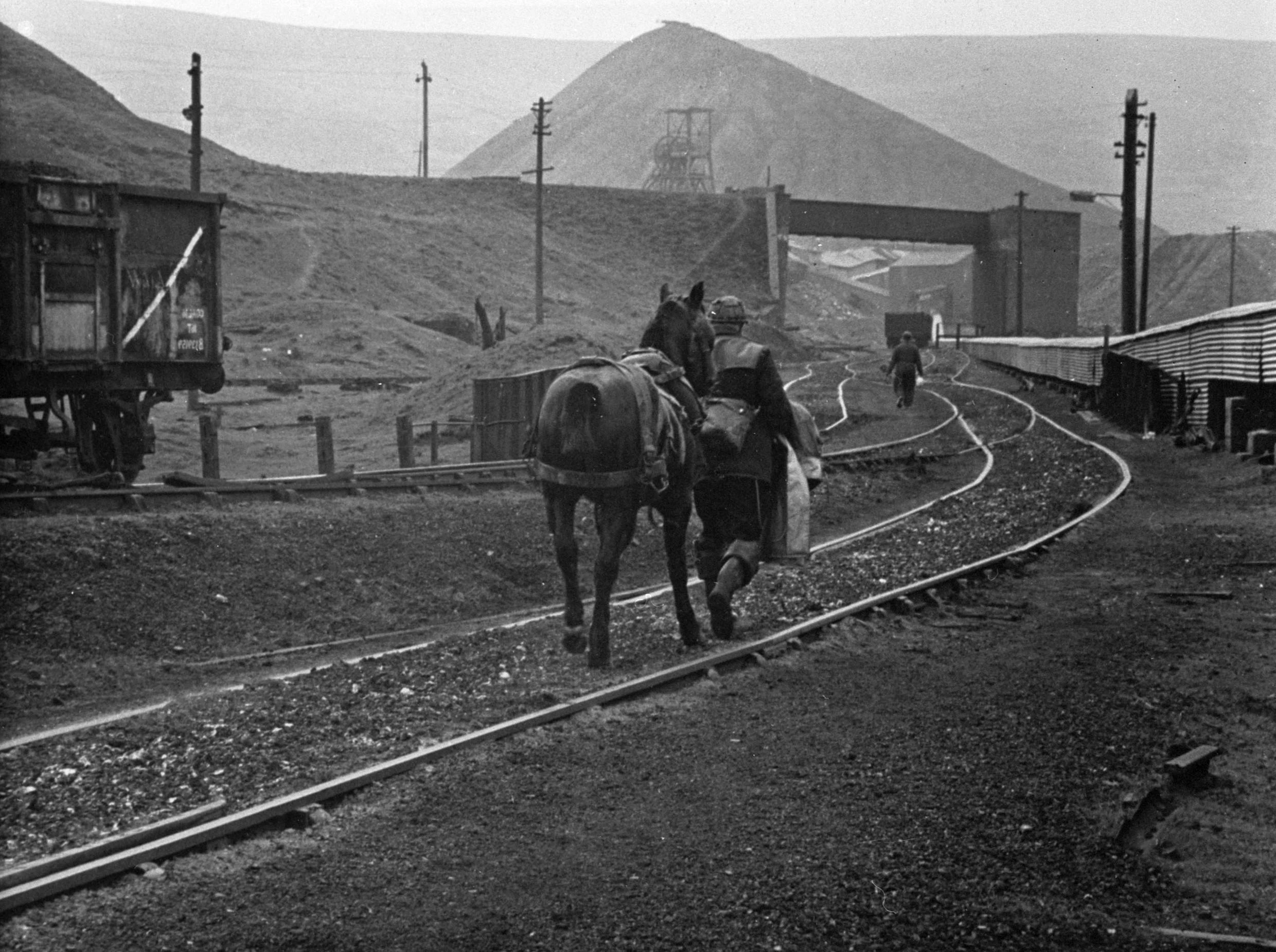
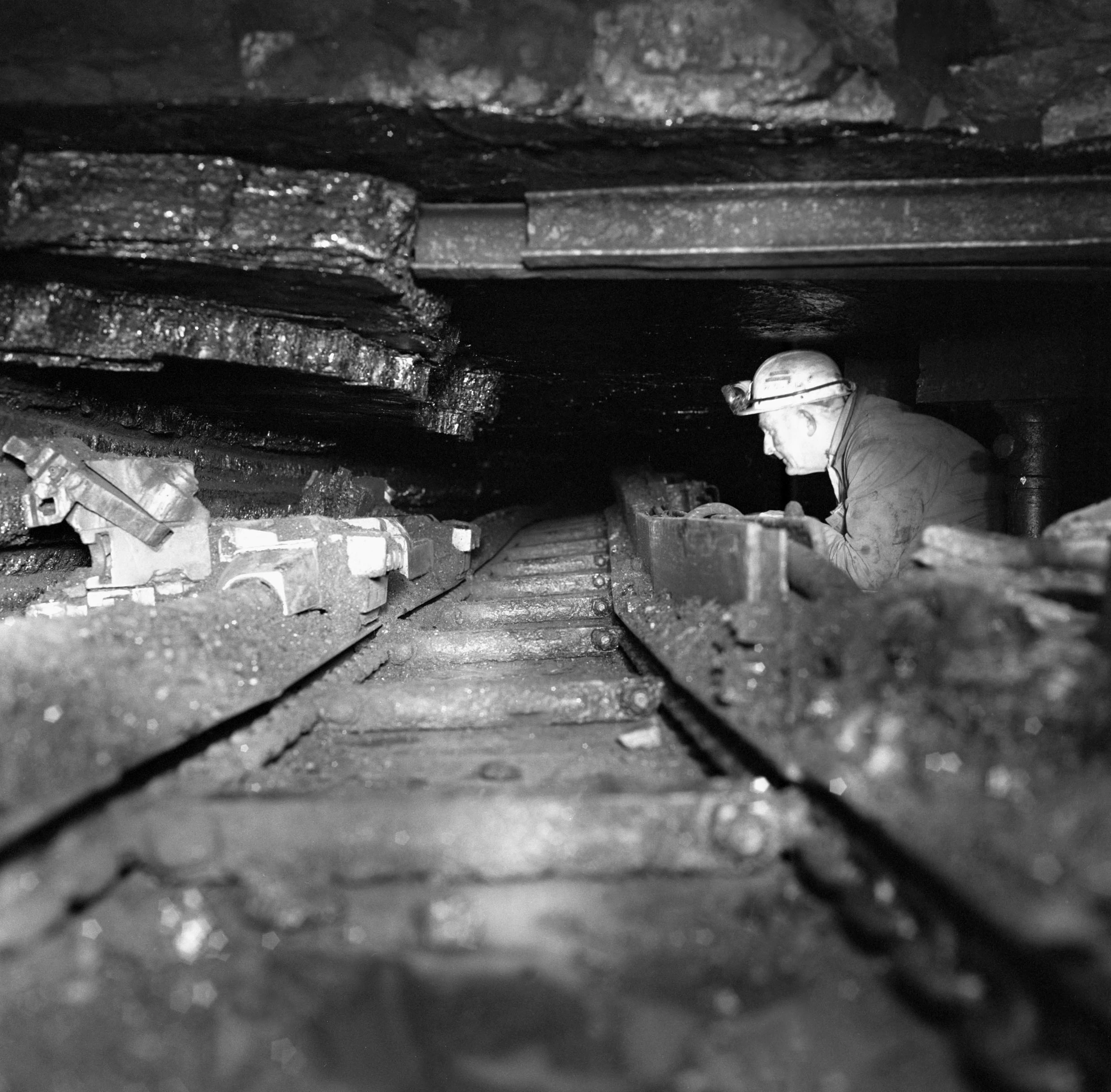
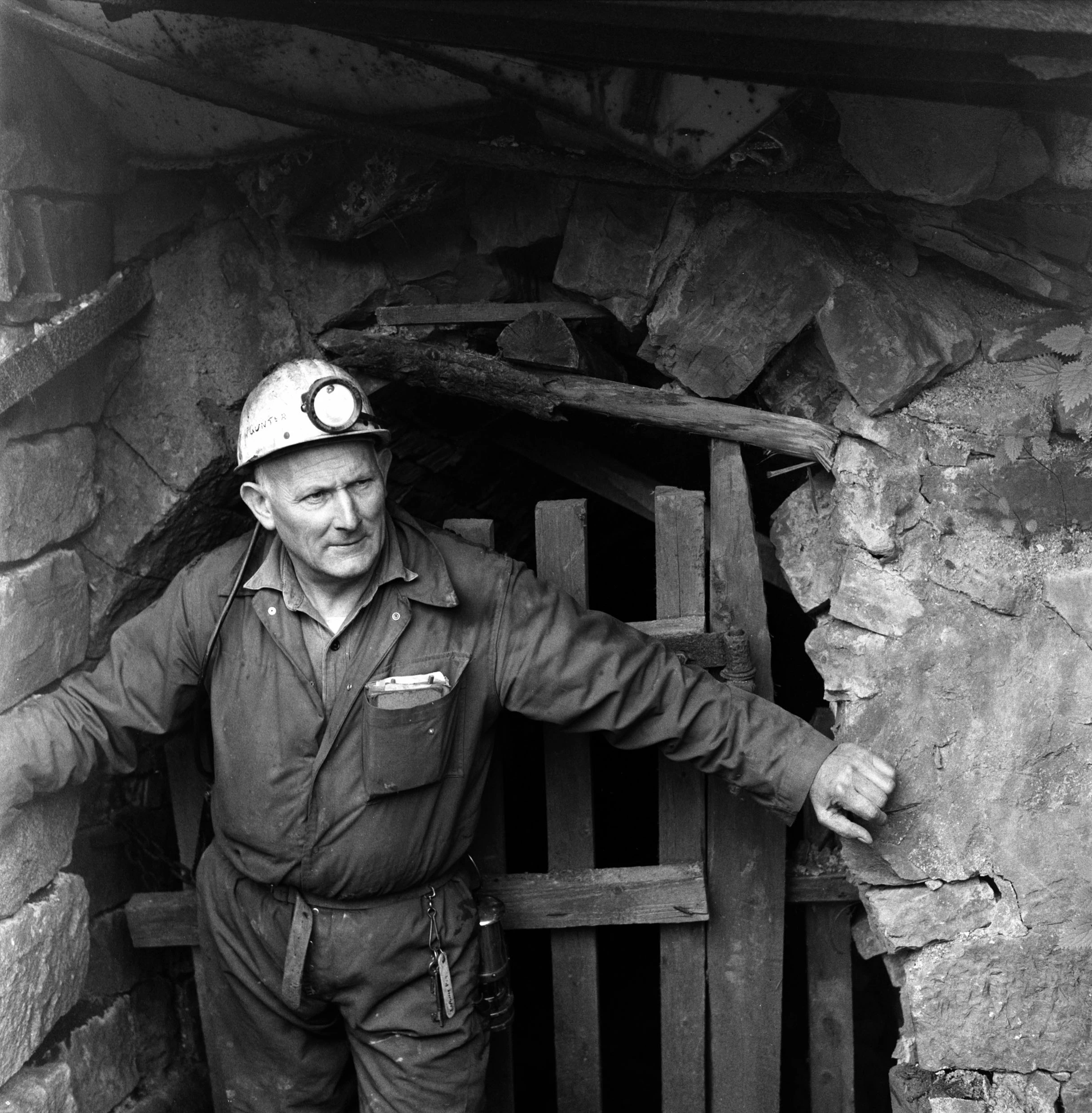
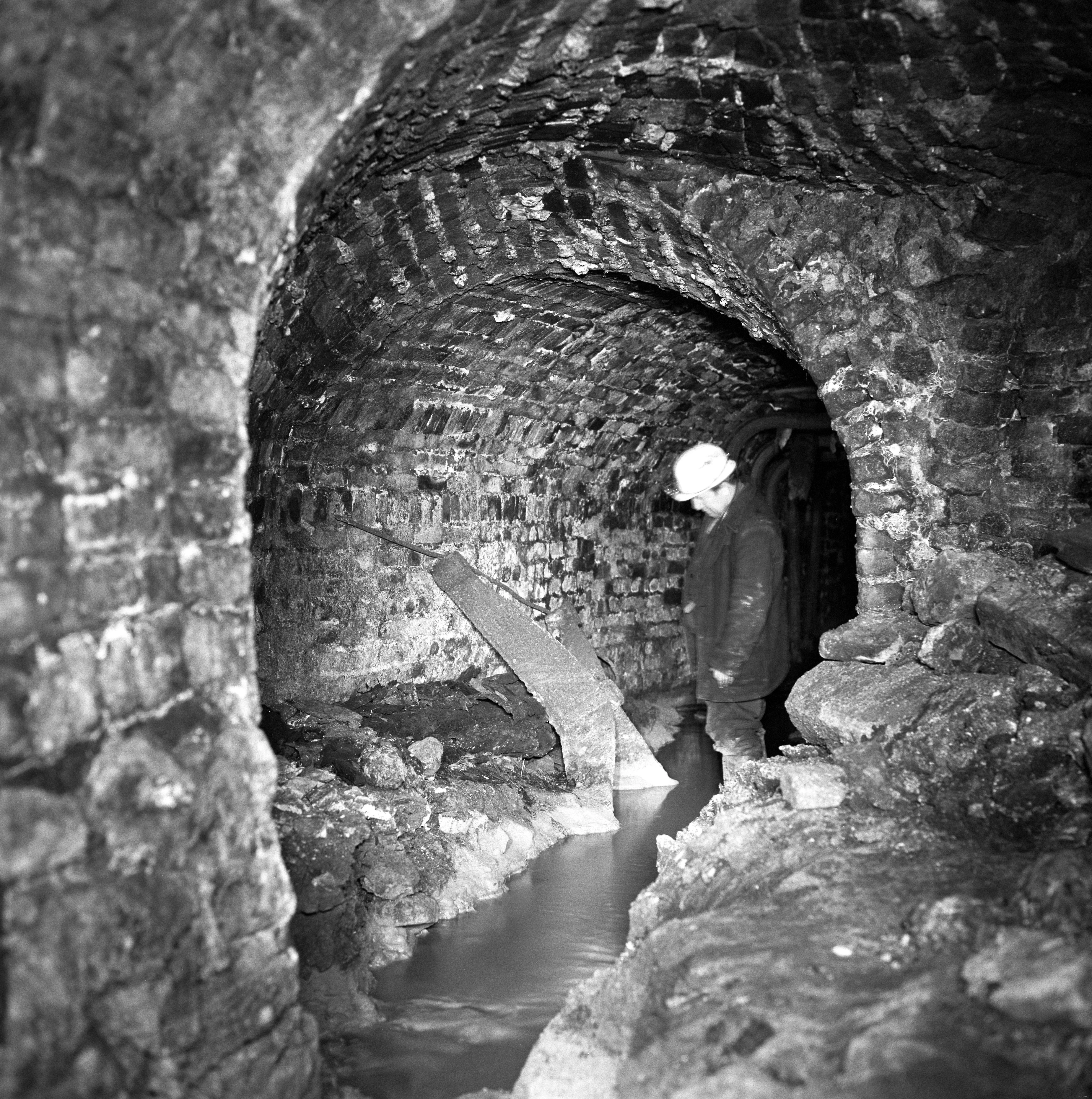
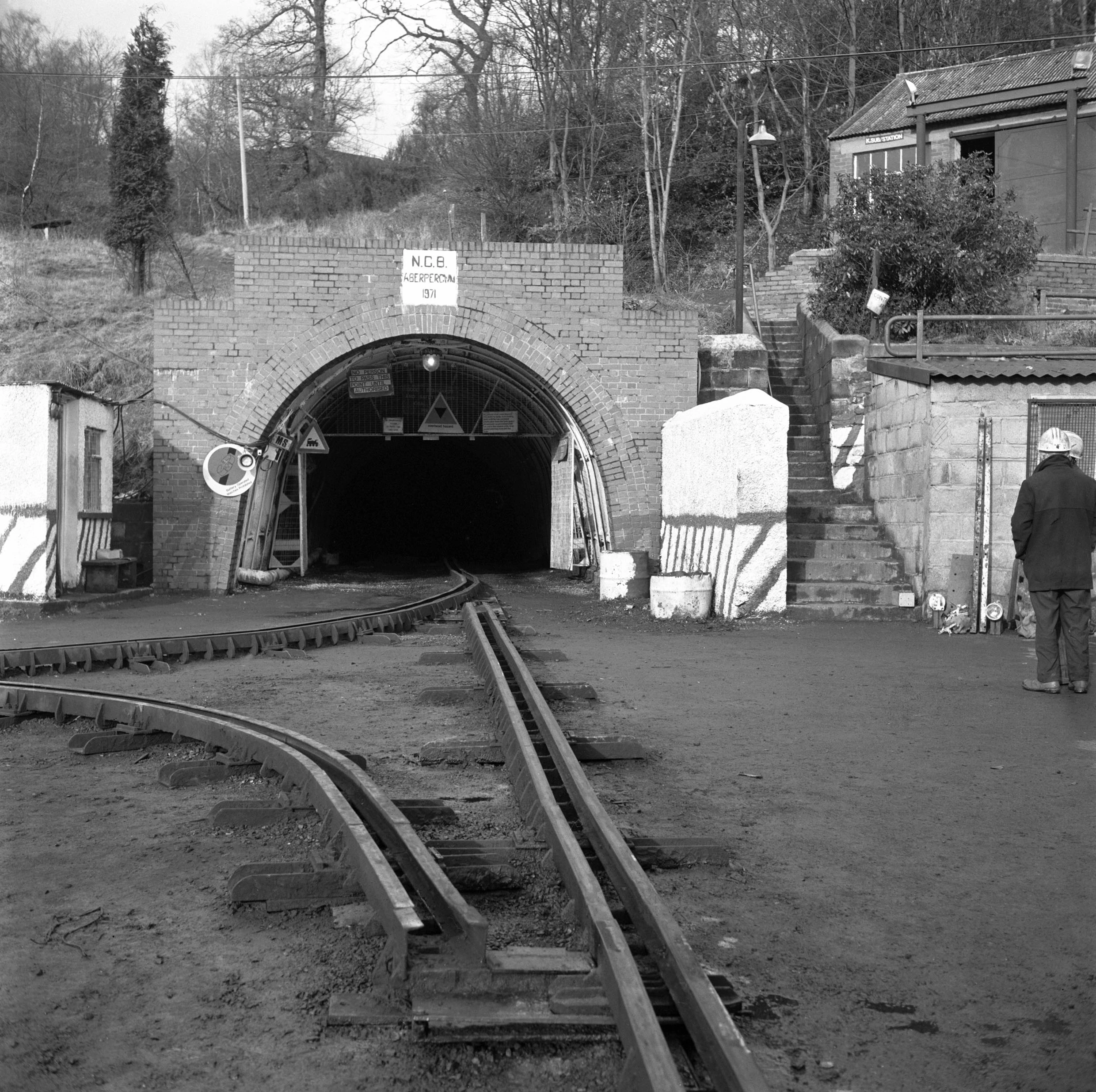
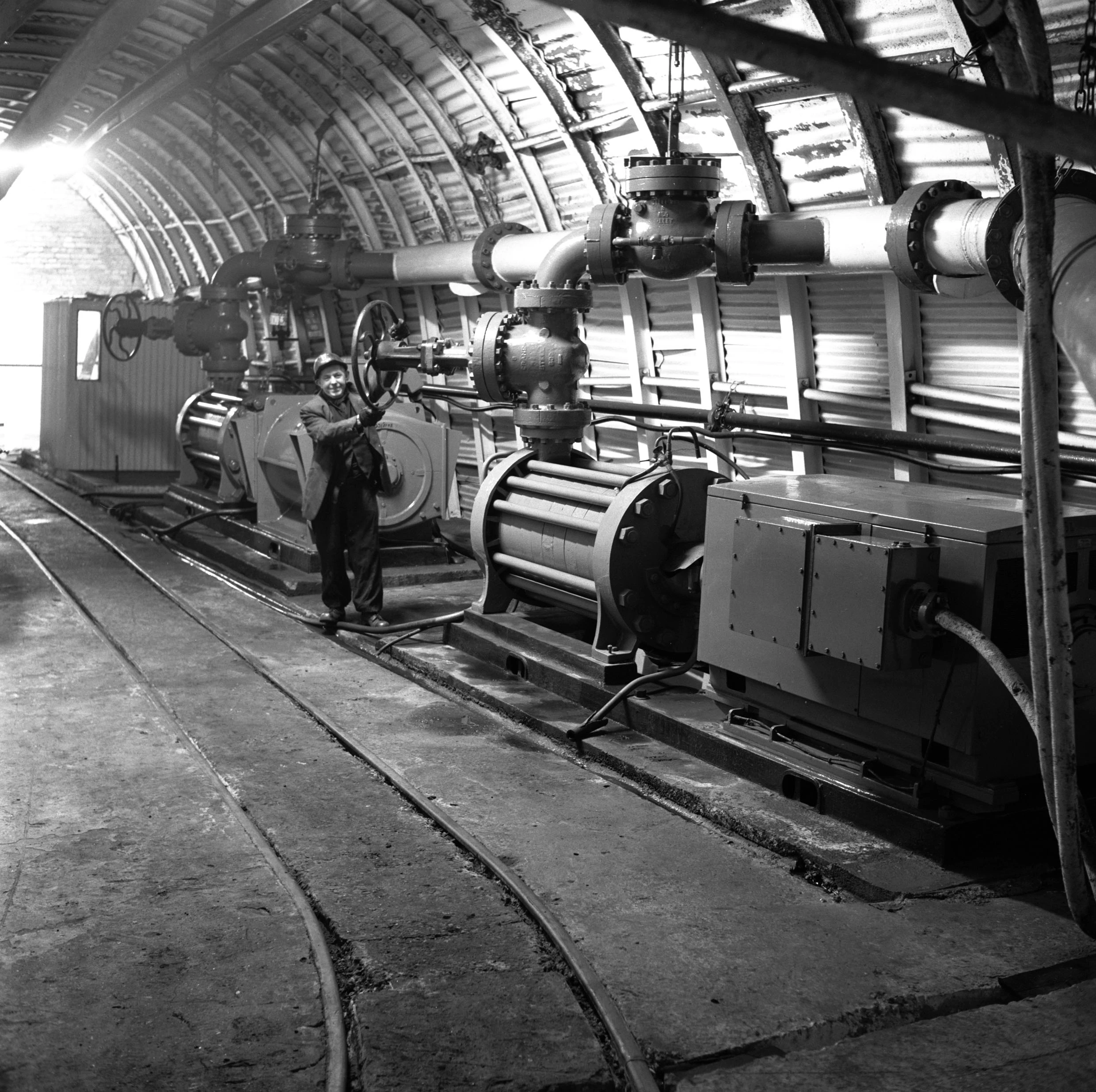
John Cornwell was a freelance photographer who took many photographs of collieries, mostly in south Wales and the English Midlands, both underground and on the surface, during the 1970s and early 1980s. He perfected a method of underground photography using the standard colliery lighting and was able to photograph coal faces, roadways, shafts and equipment with amazing clarity. In addition to photographing working mines he also recorded abandoned mine workings, above and below ground.

John Cornwell was also well respected in the broader field of industrial archaeology. He published a number of books on Welsh and English collieries.

The copyright of his south Wales images is now owned by National Museum Wales.

Download the catalogue to the Cornwell Photographic Collection [PDF 4.7MB]

Revolting women

Andrew Deathe, 23 May 2011

The battle for the right to vote

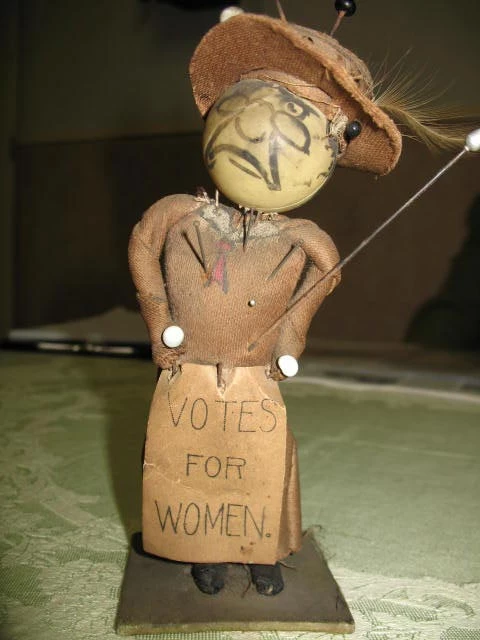
Anti-suffragette 'voodoo' doll

This anti-suffragette 'voodoo' doll is an unflattering and grotesque caricature of a suffrage campaigner. The anti-suffrage movement used images such as this in cartoons and posters to ridicule and insult women who wanted the right to vote.

Like many people around the world, women in Britain had to fight for the right to vote. Today we take this privilege for granted but it was not always the case.

During the late 19th and early 20th centuries the women's suffrage movement fought for the right for women to vote in General Elections.

These mainly female campaigners were known as Suffragettes or Suffragists. There have been many books written about them. What has received less attention however is the existence of an anti-suffrage movement, which sought to prevent women from getting the vote.

Objectors to votes for women tried to convince people that the female mind was unable to understand politics. When they failed in this they resorted to tactics such as sending this 'voodoo doll'. Some of them went as far as attacking or spitting on women activists in the streets.

The doll is an unflattering and grotesque caricature of a suffrage campaigner. The anti-suffrage movement used images such as this in cartoons and posters. They ridiculed and insulted women who wanted the right to vote.

These views were an extension of the idea that 'a woman's place is in the home'. Women were frequently shown as needing protection from the 'man's world' of work and politics. Their role was to look after their husbands, homes and children.

During the First World War the role of women in society changed. While men were away fighting, women took on many of their jobs. They were able to disprove the stereotype of being the weaker sex and prove their equality to men. This gave them another strong argument for having the vote.

Despite the strength of opposition shown in this doll, hundreds of thousands of women in Wales were eventually empowered to express their political views at the ballot box. It is due to the commitment of the suffrage movement that every British adult has the right to use their vote in elections.

View this item in 3D on the People's Collection Wales

Children in Mines

11 April 2011

Children in mines

All alone in the dark

Mary Davis was a 'pretty little girl' of six years old. The Government Inspector found her fast asleep against a large stone underground in the Plymouth Mines, Merthyr. After being wakened she said: "I went to sleep because my lamp had gone out for want of oil. I was frightened for someone had stolen my bread and cheese. I think it was the rats."

Susan Reece, also six years of age and a door keeper in the same colliery said: "I have been below six or eight months and I don't like it much. I come here at six in the morning and leave at six at night. When my lamp goes out, or I am hungry, I run home. I haven't been hurt yet."

In Harm's Way

A coal mine was a dangerous place for adults, so it is no surprise that many children were badly injured underground.

"Nearly a year ago there was an accident and most of us were burned. I was carried home by a man. It hurt very much because the skin was burnt off my face. I couldn't work for six months."

Phillip Phillips, aged 9, Plymouth Mines, Merthyr

"I got my head crushed a short time since by a piece of roof falling..."

William Skidmore, aged 8, Buttery Hatch Colliery, Mynydd Islwyn

"...got my legs crushed some time since, which threw me off work some weeks."

John Reece, aged 14, Hengoed Colliery

Child Colliers and Horse Drivers

Some children spent up to twelve hours on their own. However, Susan Reece's brother, John, worked alongside his father on the coalface:-

"I help my father and I have been working here for twelve months. I carry his tools for him and fill the drams with the coal he has cut or blasted down. I went to school for a few days and learned my a.b.c." John Reece, aged 8, Plymouth Mines, Merthyr

Philip Davies had a horse for company. He was pale and undernourished in appearance. His clothing was worn and ragged. He could not read:-

"I have been driving horses since I was seven but for one year before that I looked after an air door. I would like to go to school but I am too tired as I work for twelve hours." Philip Davies, aged 10, Dinas Colliery, Rhondda

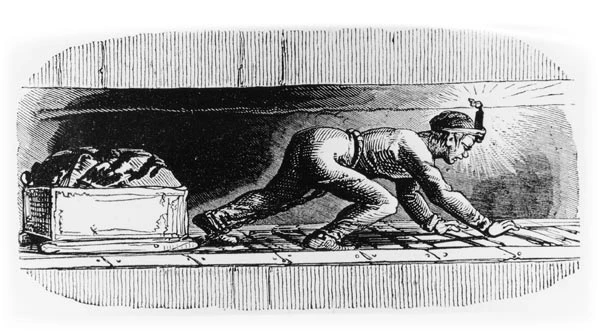
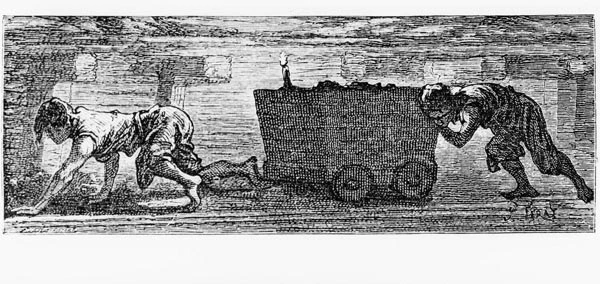
Drammers pulled their carts by a chain attached at their waist. They worked in the low tunnels between the coalfaces and the higher main roadways where horses might be used. The carts weighed about 1½cwt. of coal and had to be dragged a distance of about 50 yards in a height of about 3 feet.

"My employment is to cart coals from the head to the main road; the distance is 60 yards; there are no wheels to the carts; I push them before me; sometimes I drag them, as the cart sometimes is pulled on us, and we get crushed often."
Edward Edwards, aged 9, Yskyn Colliery, Briton Ferry

For this a drammer would earn about 5p a day.

Three Sisters

The Dowlais iron works also owned iron and coal mines; they were the largest in the world at this time and supplied products to many parts of the world. However, they still relied on children for their profits. Three sisters worked in one of their coal mines:-

"We are doorkeepers in the four-foot level. We leave the house before six each morning and are in the level until seven o’clock and sometimes later. We get 2p a day and our light costs us 2½p a week. Rachel was in a day school and she can read a little. She was run over by a dram a while ago and was home ill a long time, but she has got over it."

Elizabeth Williams, aged 10 and Mary and Rachel Enoch, 11 and 12 respectively, Dowlais Pits, Merthyr

After the Act

The publication of the Report and the ensuing public outcry made legislation inevitable. The Coal Mines Regulation Act was finally passed on 4 August 1842. From 1 March 1843 it became illegal for women or any child under the age of ten to work underground in Britain.

There was no compensation for those made unemployed which caused much hardship. However, evasion of the Act was easy - there was only one inspector to cover the whole of Britain and he had to give prior notice before visiting collieries. Therefore many women probably carried on working illegally for several years, their presence only being revealed when they were killed or injured.

The concept of women as wage earners became less acceptable in the mining industry as the years went by. However, a small number of female surface workers could be found in Wales well into the twentieth century. In 1990 the protective legacy was repealed and after 150 years women are once again able to work underground.

The Hansen Collection of shipping photographs

Mark Etheridge, 15 March 2011

One of the greatest treasures in Amgueddfa Cymru's rich industrial photography archive is the Hansen Collection. The collection comprises 4,569 negatives (some two-thirds of which are glass) of ships at Cardiff, taken by members of the Hansen family between 1920 and 1975. They provide a marvellous photographic record of shipping activity at the port during those years.

<em>Bristol Queen</em>

For those who lived along the shores of the Bristol Channel, no summer was complete without a trip on one of P.& A. Campbell's 'White Funnel' pleasure steamers. Here is the newly-built Bristol Queen leaving Cardiff in the summer of 1947. (1179/1279)

<em>British Success</em>

Where Cardiff once exported coal, oil and petroleum products were being imported by the late 1940s. The 'BP' tanker British Success, built on the Clyde in 1946, was photographed by Hansen berthing in Cardiff's Roath Dock on 2 August, 1947. (1633/1720)

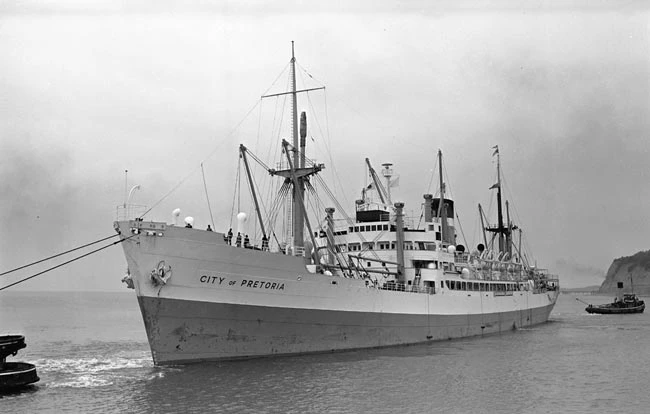
<em>City of Pretoria</em>

Ships of the major British cargo liner companies became a common sight in Cardiff in the years after the 2nd World War. Here is the City of Pretoria, built at Birkenhead in 1947 and owned by Ellerman Bucknall Line, arriving in Cardiff in 1964, with Penarth Head just visible in the background. (3633/180C)

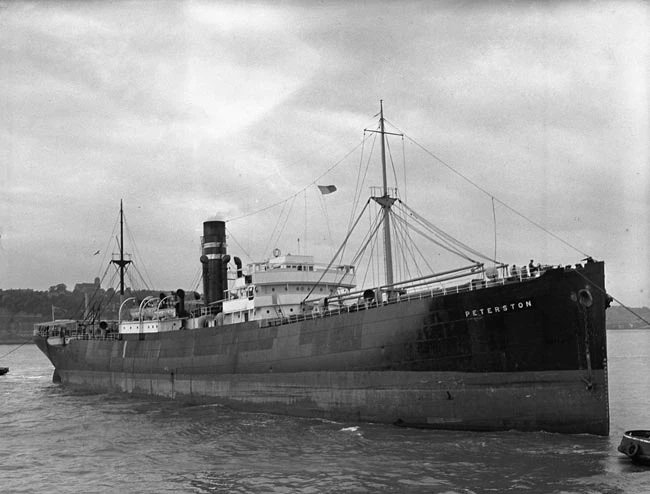
<em>Peterston</em>

Ships owned by Cardiff's shipping companies naturally figure prominently in the Hansen Collection. The tramp steamer Peterston, built at Sunderland in 1925 for Evan Thomas, Radcliffe & Co., is seen here arriving at Cardiff in 1947. (1181/1281)

The Collection was purchased in 1979 and since then numerous images from the collection have appeared in books published by Amgueddfa Cymru and the World Ship Society.

In 1993 an album of selected photographs was published jointly by Amgueddfa Cymru and the University of Wales Press, with financial support from the Baltic Exchange. Shipping at Cardiff: Photographs from the Hansen Collection, 1920-75 (ISBN 0-7083-1231-4) proved popular, renewing interest in and provoking many enquiries regarding the scope and contents of the entire collection.

A Danish seaman with an interest in photography, Lars Peter Hansen settled in Cardiff in 1891 and established a photographic business whose mainstay was recording shipping in the booming docks. He was succeeded in the business in 1936 by his third son Leslie, who continued to photograph ships until his retirement in 1975.

It is most unfortunate that no negatives appear to have survived from the pre-1920 period, although there are a few prints of vessels lost in the First World War in the Museum's collection that bear the Hansen imprint.

In 1979, Leslie Hansen's son, also named Leslie, decided to sell the remaining negatives and the entire collection was purchased by the Welsh Industrial & Maritime Museum.

The Museum's now-retired Conservation Officer, Mr Don Taylor, then undertook the formidable tasks of renumbering all the negatives, placing them in new negative bags and subsequently compiling a catalogue. Mr Taylor's wide knowledge of shipping and his characteristic thoroughness resulted in the publication in 1996 of The Hansen Shipping Photographic Collection (ISBN 0-7200-0437-3).

Readers wishing to order prints from this collection should contact:
Image Licensing Officer
NMGW Enterprises Limited
Cathays Park
Cardiff
CF10 3NP
Tel. (029) 2057 3280 or email kay.kays@museumwales.ac.uk.

Please quote the ship's name and the catalogue number. Prices for various types of photographic reproductions are available on application to the above address.

Click on the link below to open the catalogue to the Hansen Shipping Photographic Collection:
The Hansen Shipping Photographic Collection