: Worship, Religion & Beliefs

Uncovering our Collections: Half a Million Records now Online

26 March 2018

As we reveal half a million collection records for the first time, we look at some of the strangest and most fascinating objects from National Museum Wales Collections Online.

This article contains photos of human skeletal fragments.

The Biggest

We have some real whoppers in our collections - including a full-size Cardiff Tram and a sea rescue helicopter - but the biggest item in our collection is actually Oakdale Workmen's Institute.

Built in 1917, the Institute features a billiard room, dance hall and library - and is nowadays found in St Fagans National Museum of History.

Photograph from 1908 showing Horace Watkins in a very early, precarious-looking monoplane

Horace Watkins testing his monoplane in 1908

Many of the buildings in St Fagans are part of the national collection - meaning they have the same legal status as one of our masterpiece Monets or this coin hoard. The buildings are dismantled, moved, rebuilt - and cared for using traditional techniques, by the museum's legendary Historic Buildings Unit.
 

The Oldest


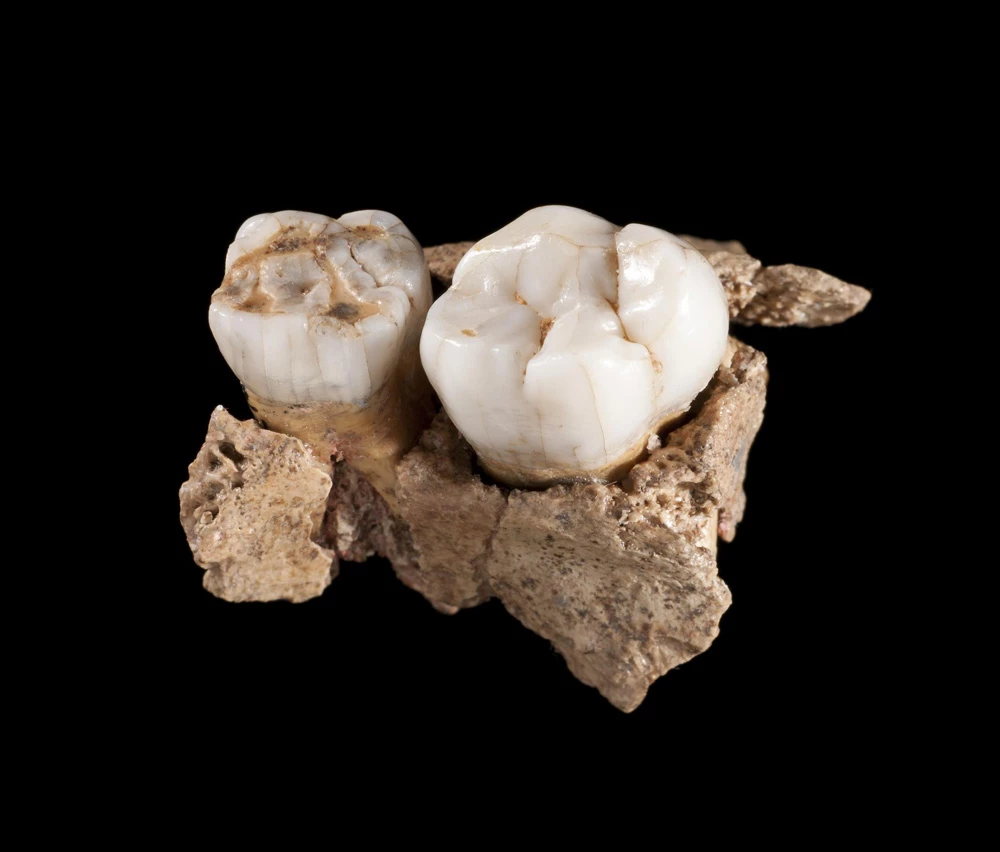
photograph of two teeth, belonging to a Neanderthal boy aged 8

The oldest human remains ever discovered in Wales

These teeth belonged to an eight year-old Neanderthal boy - and at 230,000 years old, they are the oldest human remains in Wales.

They were discovered in a cave near Cefn Meiriadog in Denbighshire, along with a trove of other prehistoric finds, including stone tools and the remains of a bear, a lion, a leopard and a rhinocerous tooth.

These teeth are among some of the incredible objects on display at St Fagans National Museum of History
 

The Shiniest

People in Wales have been making, trading and wearing beautiful treasures from gold for thousands of years - like this Bronze Age hair ornament and this extremely blingy Medieval signet.


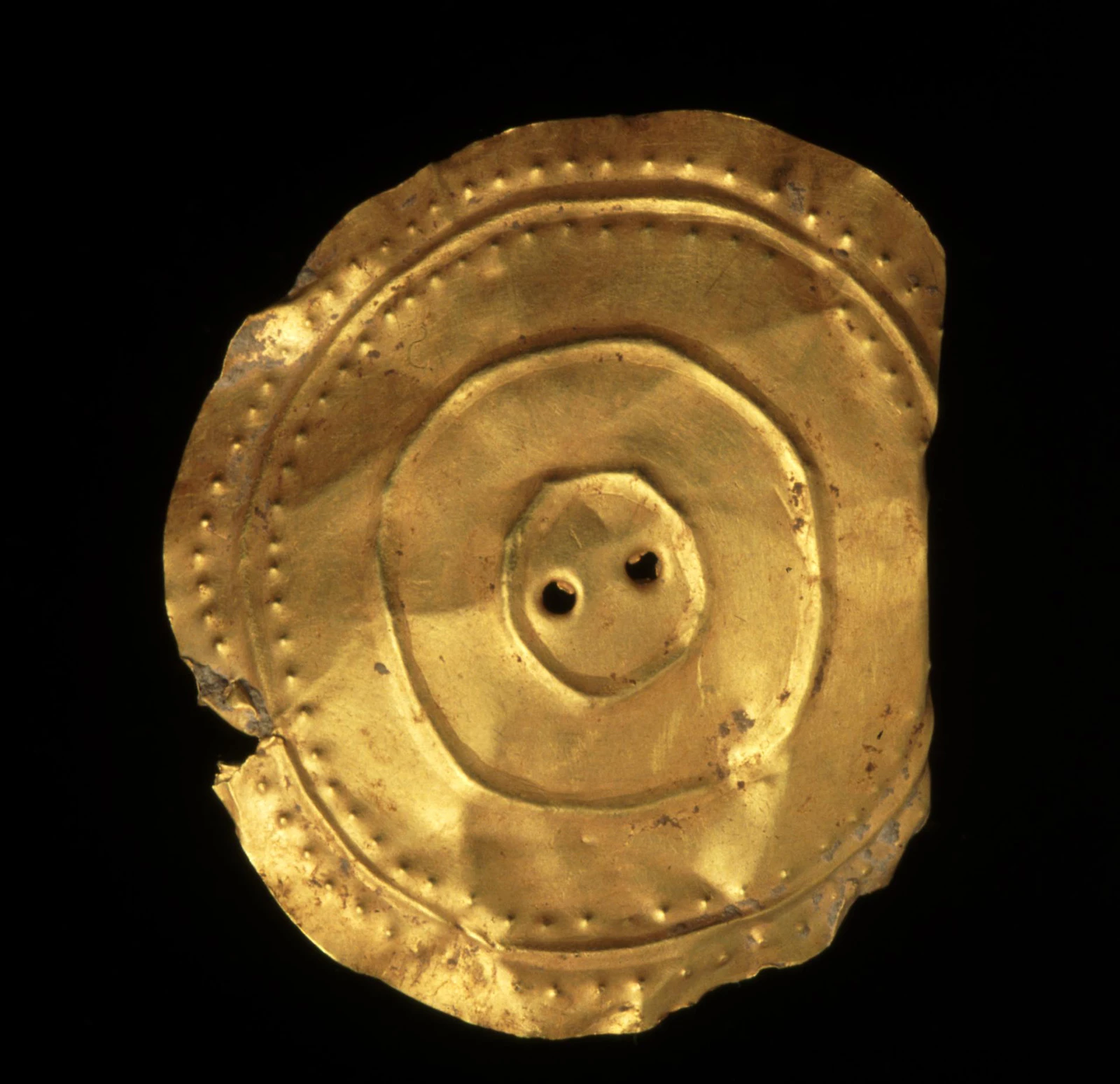
photograph of gold disc with repousse design

At around 4000 years old, this sun disc is one of the earliest and rarest examples of Welsh bling

One of the earliest examples of Welsh bling is this so-called 'sun disc', found near Cwmystwyth in Ceredigion.

Current research suggests that these 'sun discs' were part of ancient funeral practice, most likely sewn onto the clothes of the dead before their funerals. Only six have ever been found in the UK.
 

Most Controversial

At first glance, an ordinary Chapel tea service - used by congregations as they enjoyed a 'paned o de' after a service. A closer look reveals the words - 'Capel Celyn'. The chapel, its graveyard and surrounding village are now under water.


Photograph showing a cup and saucer with 'Capel Celyn' and a ribbon scroll design

Capel Celyn, in the Tryweryn Valley, is now underwater

Flooded in 1965 by the Liverpool Corporation, the Tryweryn valley became a flashpoint for Welsh political activism - creating a new generation of campaigners who pushed for change in how Welsh communities were treated by government and corporations.

Curators from St Fagans collected these as an example of life in Capel Celyn - to serve as a poignant reminder of a displaced community, and to commemorate one of the most politically charged moments of the 20th century in Wales.
 

Honourable Mention: an Airplane made from a Dining Room Chair

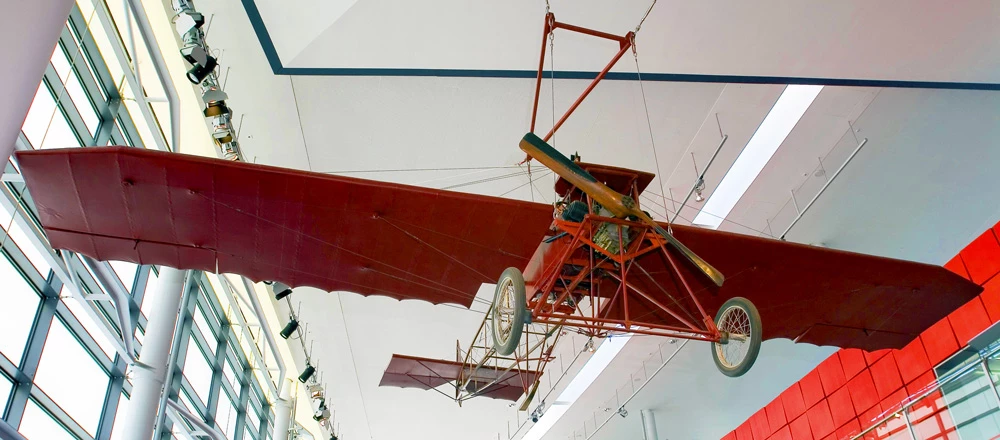
Made from a dining room chair, piano wire and a 40 horsepower engine, the Robin Goch (Red Robin) was built in 1909 - and also features a fuel gauge made from an egg timer.


photograph of a small, early twentieth century airplane with red wings

The Robin Goch (Red Robin) on display at the National Waterfront Museum

Its builder, Horace Watkins, was the son of a Cardiff printer - here he is pictured with an earlier, even more rickety version of his famous monoplane.
 

Photograph from 1908 showing Horace Watkins in a very early, precarious-looking monoplane

Horace Watkins testing his monoplane in 1908

Our collections are full of stories which reflect Wales' unique character and history. The Robin Goch is one of the treasures of the collection, and is an example of Welsh ingenuity at its best.

Half a Million Searchable Items

The launch of Collections Online uncovers half a million records, which are now searchable online for the first time.

“Collections Online represents a huge milestone in our work, to bring more of our collections online and to reach the widest possible audience.

It’s also just the beginning. It’s exciting to think how people in Wales and beyond will explore these objects, form connections, build stories around them, and add to our store of knowledge." – Chris Owen, Web Manager
 

Search Collections Online

Plans for the future

Our next project will be to work through these 500,000 records, adding information and images as we go.

We'll be measuring how people use the collections, to see which objects provoke debate or are popular with our visitors. That way, we can work out what items to photograph next, or which items to consider for display in our seven national museums.

Preparing and photographing the collections can take time, as some items are very fragile and sensitive to light. If you would like to support us as we bring the nation's collections online, please donate today - every donation counts.


Donate Today


We are incredibly grateful to the People's Postcode Lottery for their support in making this collection available online.
 

St Dwynwen’s Day – The Welsh Patron Saint of Love

14 June 2014

What Is St Dwynwen’s Day?

St Dwynwen’s Day is celebrated in Wales on 25 January and commemorates St Dwynwen, the Welsh patron saint of love and friendship. Often described as the Welsh equivalent of Valentine’s Day, the celebration has its roots in medieval Welsh tradition.

When is St Dwynwen's Day Celebrated?

St Dwynwen's day is celebrated in Wales on 25 January and commemorates the patron saint of friendship and love.
Who was St Dwynwen?

Dwynwen lived during the 5th century and was, by all accounts, one of the prettiest of Brychan Brycheiniog's 24 daughters.
Who Was Maelon Dafodrill?

Central to the legend of St Dwynwen is her relationship with Maelon Dafodrill, a story that explains her association with love and loss.

The story goes that Dwynwen fell in love with Maelon Dafodrill, but unfortunately her father had already arranged that she should marry someone else. Maelon was so outraged that he raped Dwynwen and left her.

In her grief Dwynwen fled to the woods, where she begged God to make her forget Maelon. After falling asleep, Dwynwen was visited by an angel, who appeared carrying a sweet potion designed to erase all memory of Maelon and turn him into a block of ice.

God then gave three wishes to Dwynwen. First she wished that Maelon be thawed, second that God meet the hopes and dreams of true lovers and third that she should never marry. All three were fulfilled, and as a mark of her thanks, Dwynwen devoted herself to God's service for the rest of her life.

Ynys Llanddwyn and St Dwynwen’s Church

Remains of Dwynwen's church can be seen today on the island of Llanddwyn, off the coast of Anglesey.

During the 14th century, on visiting the island, the poet Dafydd ap Gwilym witnessed a golden image of Dwynwen inside the church, and was bold enough to request her help as a messenger between himself and Morfudd, the girl he hoped to win — despite the fact that Morfudd was already married.

Also situated on the island is Dwynwen's well, where, allegedly, a sacred fish swims, whose movements predict the future fortunes and relationships of various couples. Visitors to the well believe that if the water boils while they are present, then love and good luck will surely follow.

The popularity and celebration of St Dwynwen's day has increased considerably in recent years, with special events, such as concerts and parties, often held and greetings cards printed. Although still not as popular as St Valentine's Day in February, St Dwynwen is certainly becoming better-known among today's population of Wales.

Love Tokens in Wales: From Lovespoons to Staybusks

Throughout history and still today, love tokens are given as symbols of devotion and commitment to loved ones.

LOVESPOONS

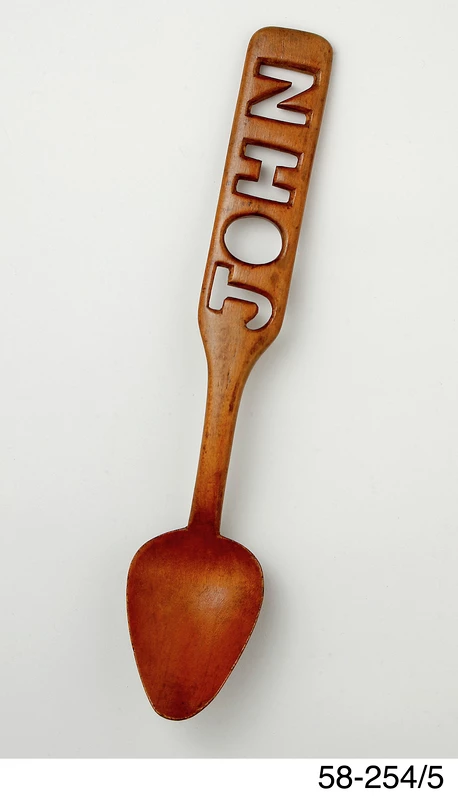
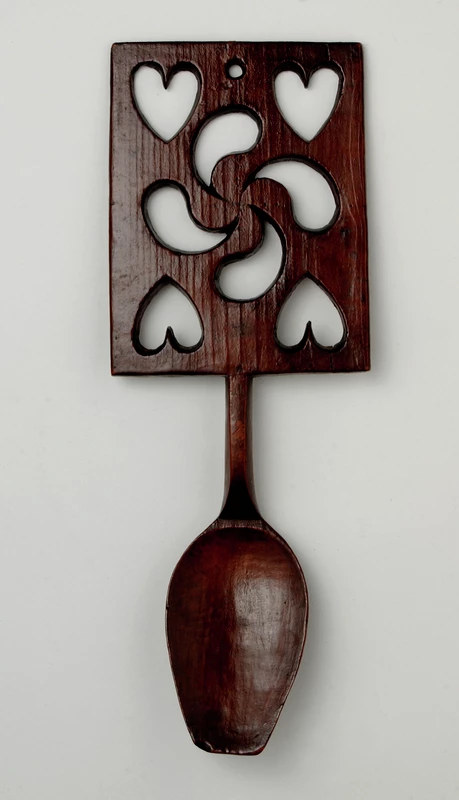
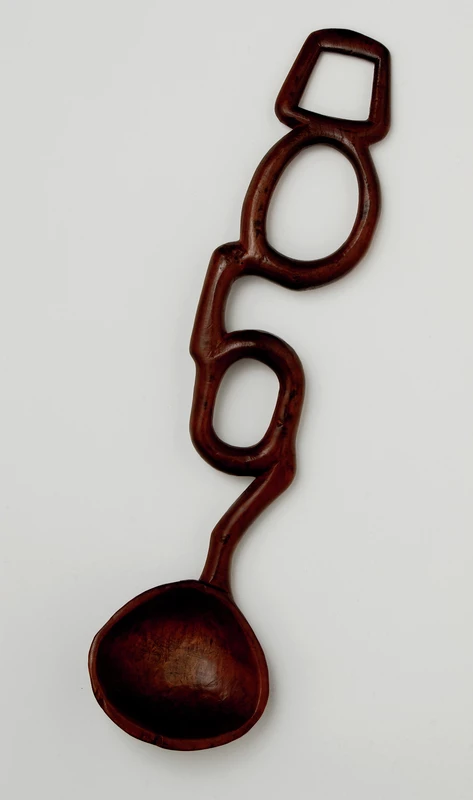
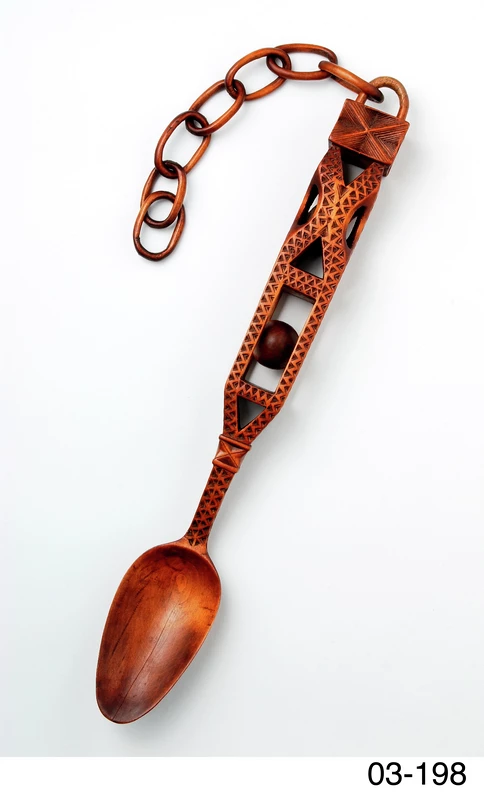
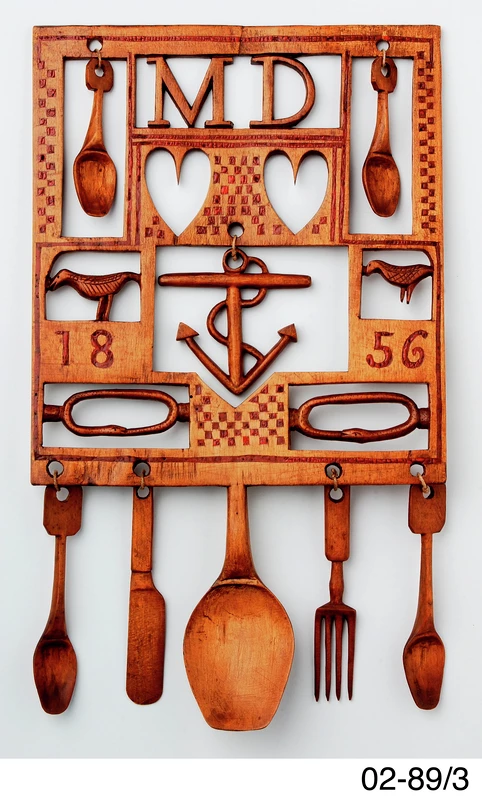
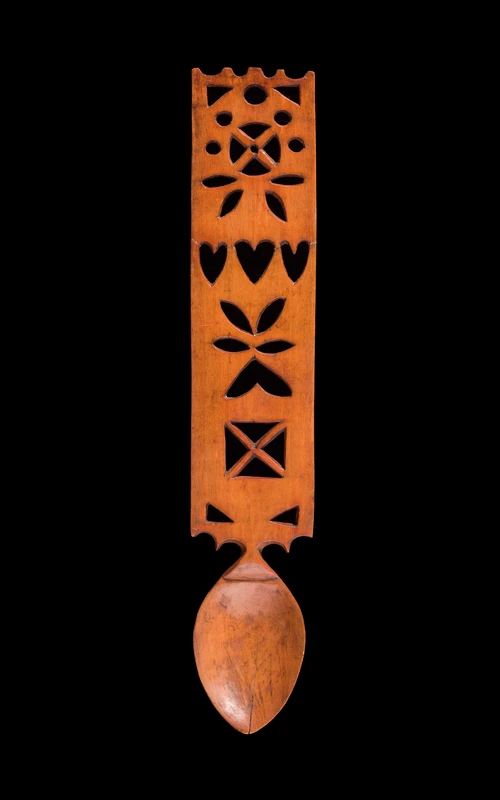
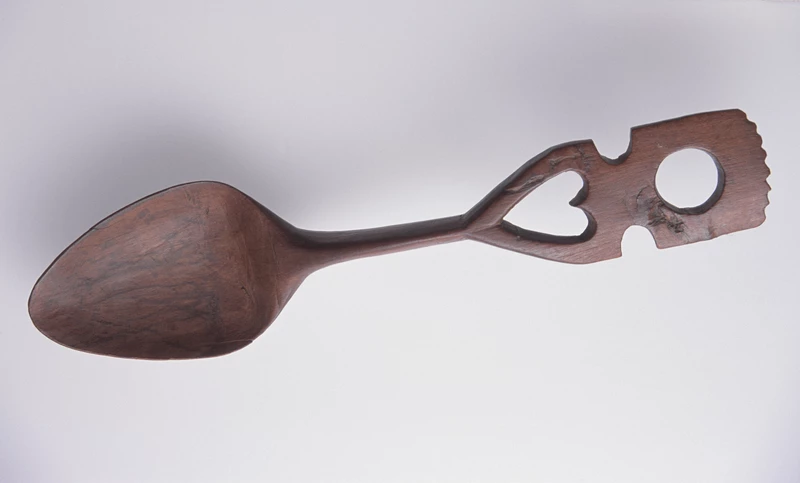
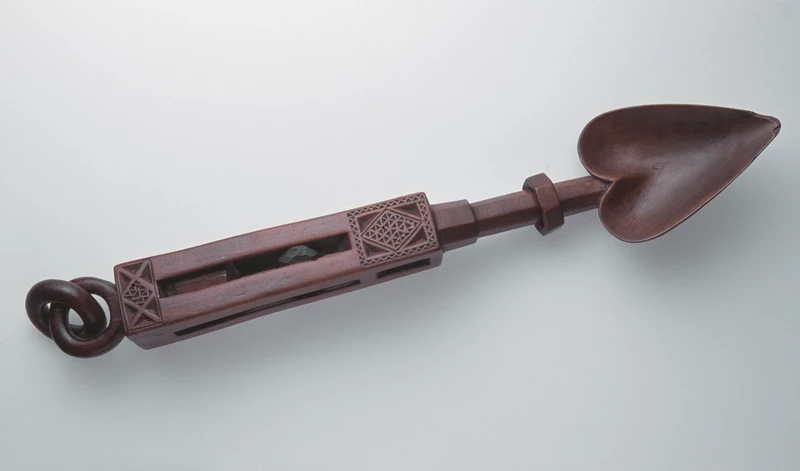
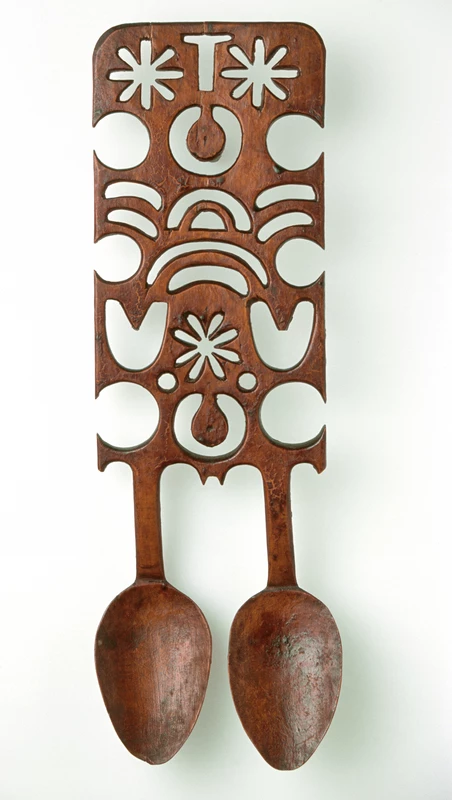
Traditionally crafted by male suitors, lovespoons were presented to admired maidens. Using simple tools, they expressed their passions and emotions through the symbols they carved.

STAYBUSKS

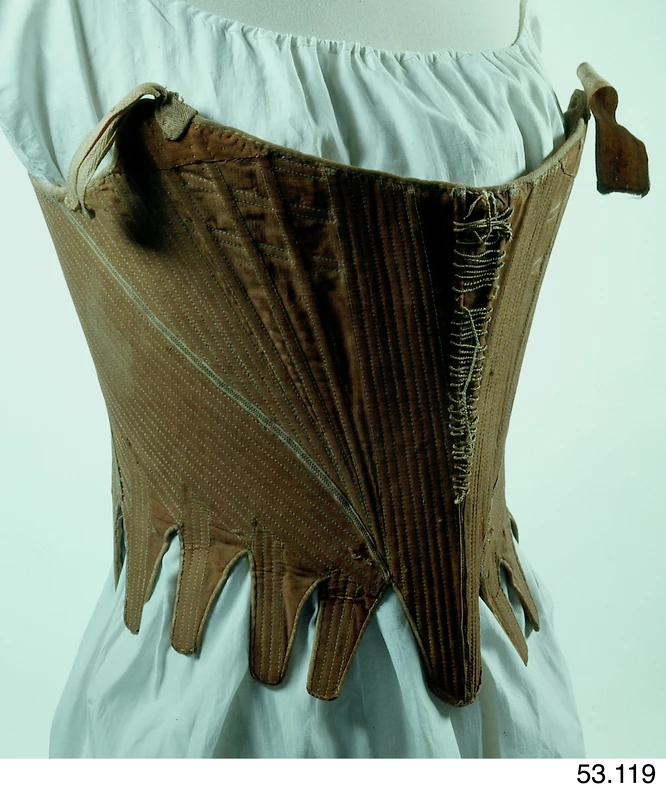
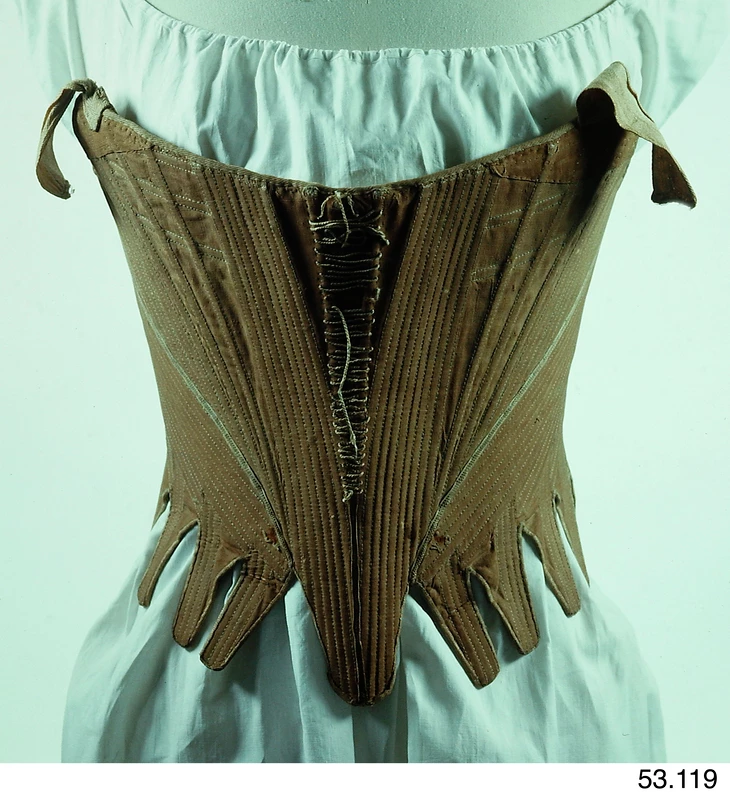
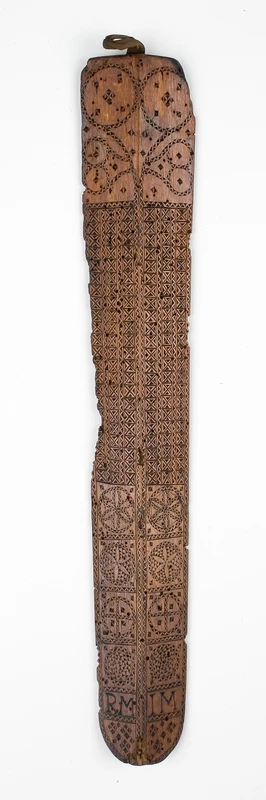
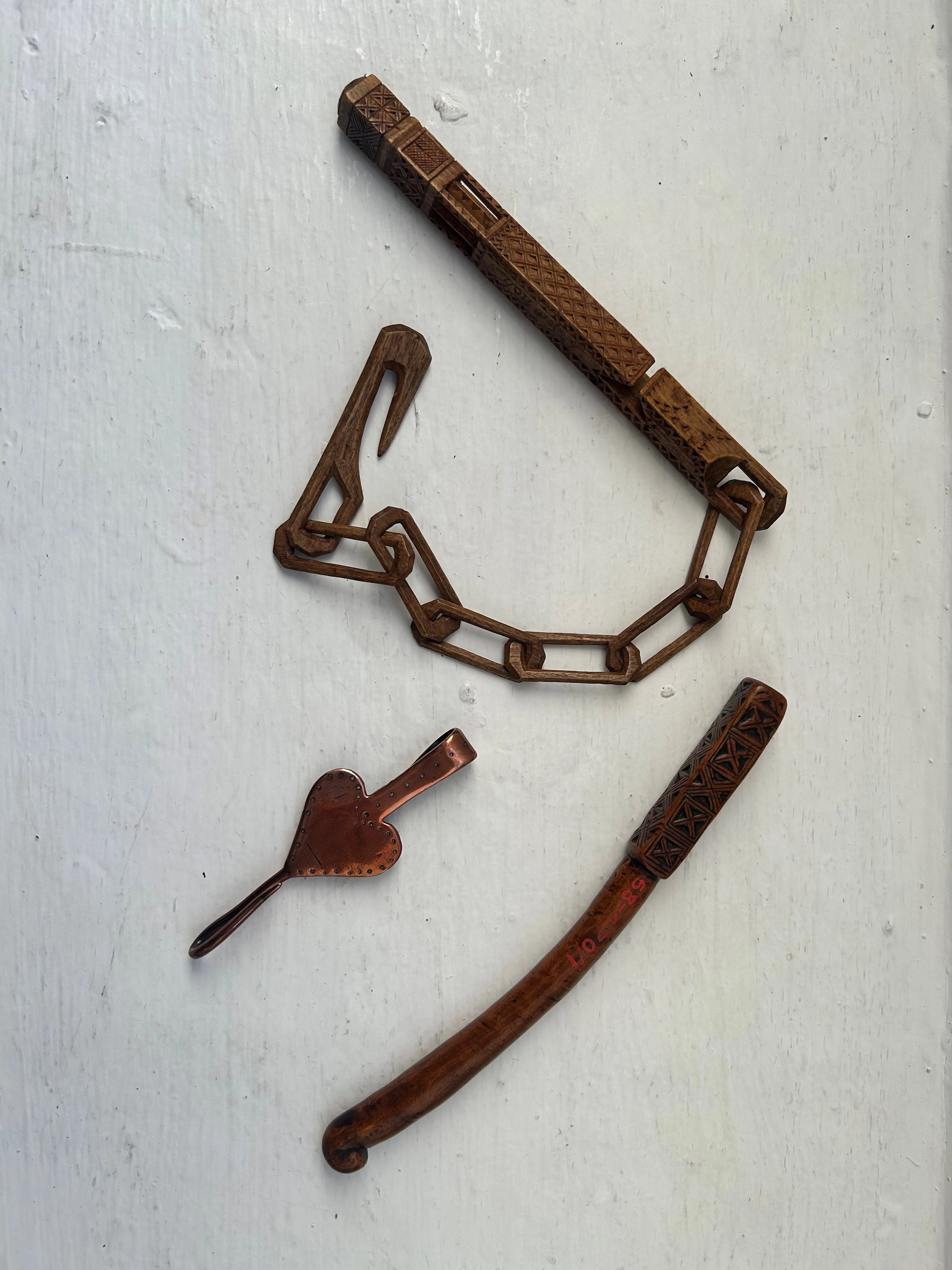
Decorated with motifs and initials, a busk was inserted into a woman’s stays, keeping her torso upright and sitting close to her heart. Pictured is a Staybusk from Llanwrtyd, inscribed with the initials RM and IM.

JESSIE KNIGHT TATTOOS

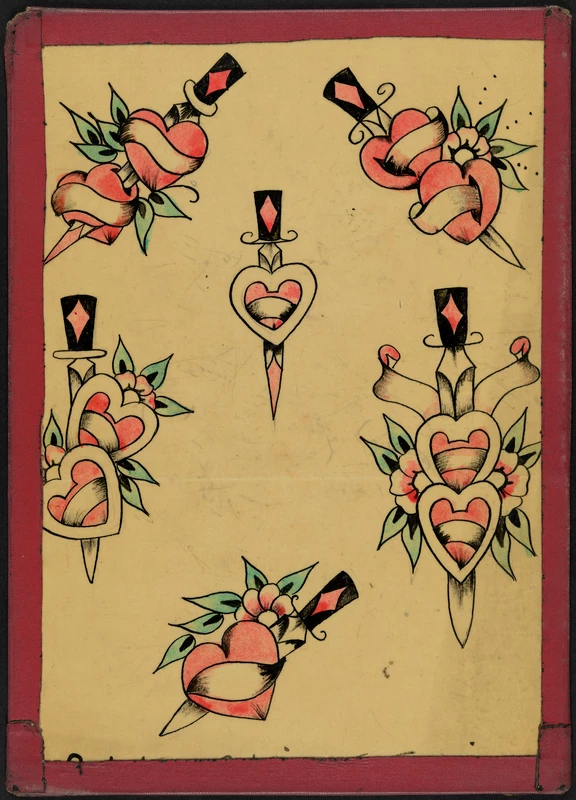
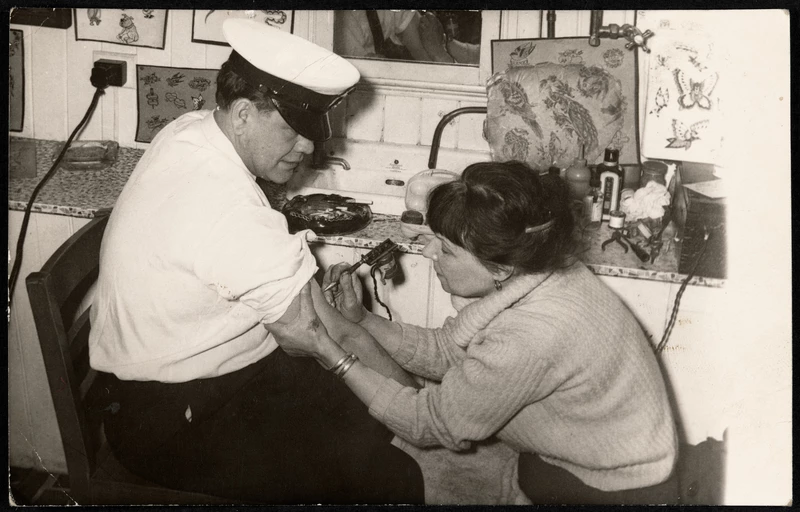
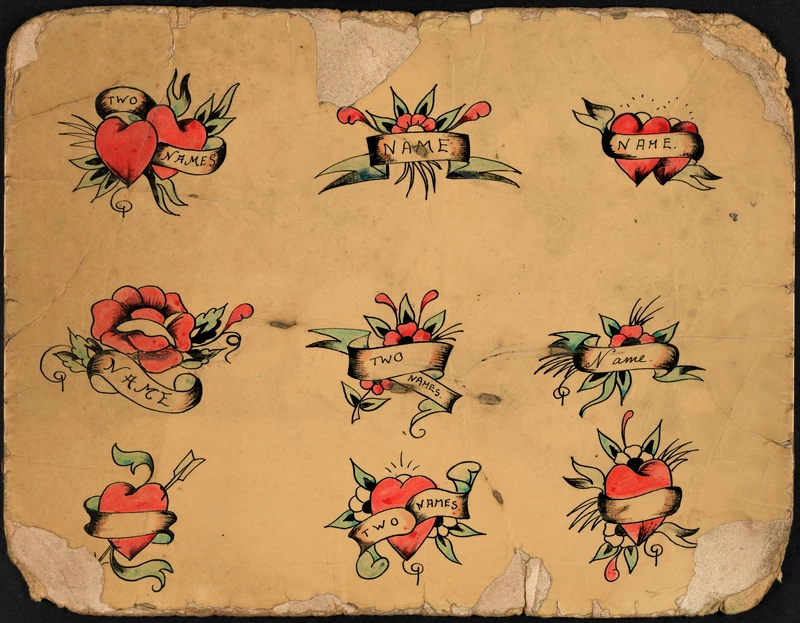
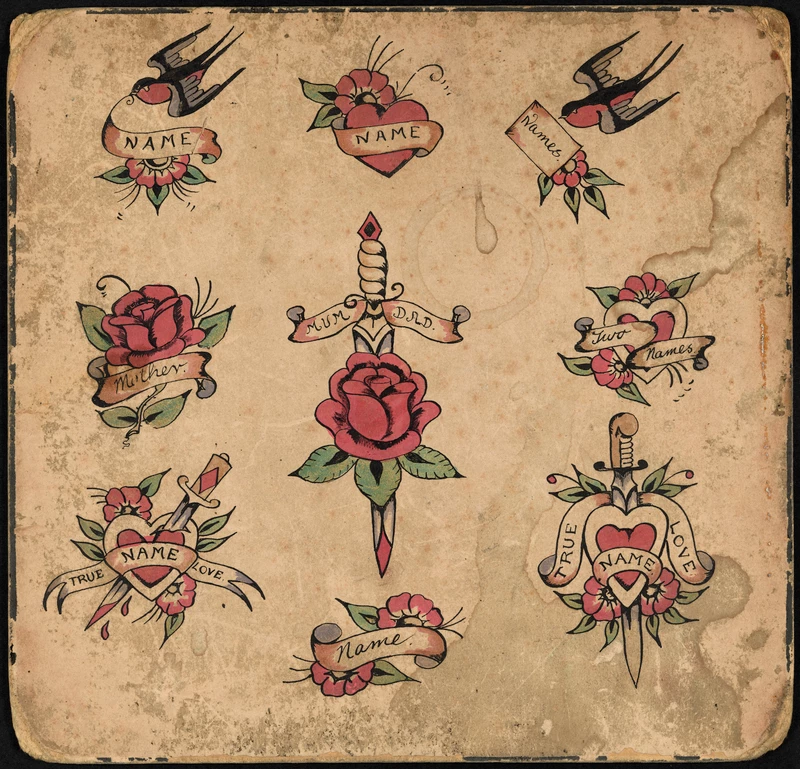
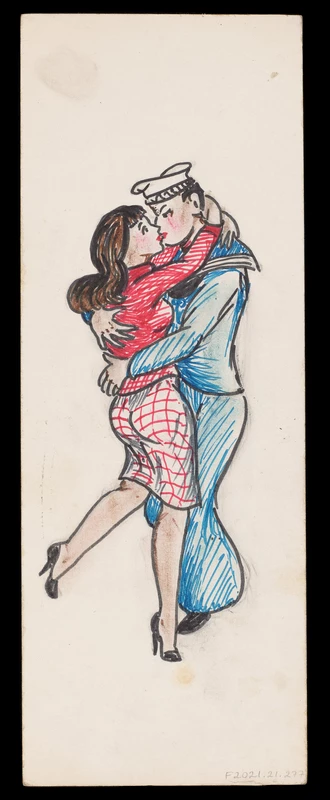
Between the 1920s and 1960s, Jessie Knight tattooed these designs onto sailors and servicemen. Symbolising their devotion, these permanent love tokens served as a way for sailors to keep their loved ones close at sea. 

KNITTING SHEATH

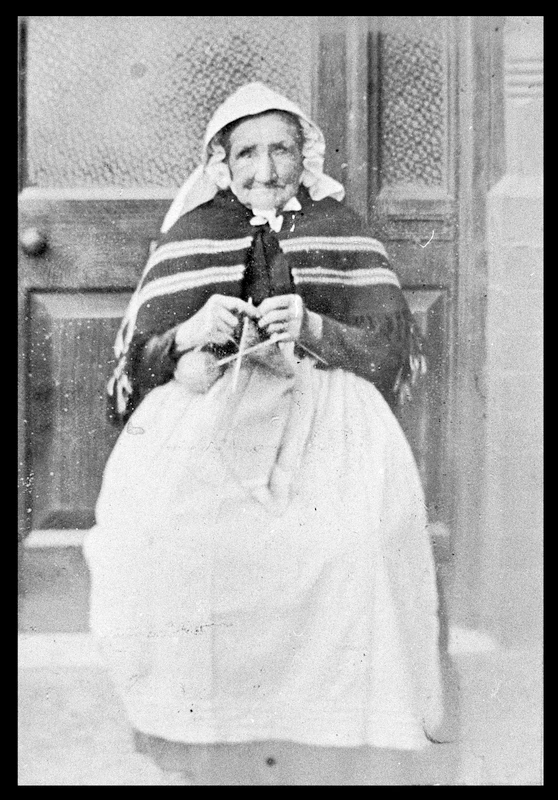
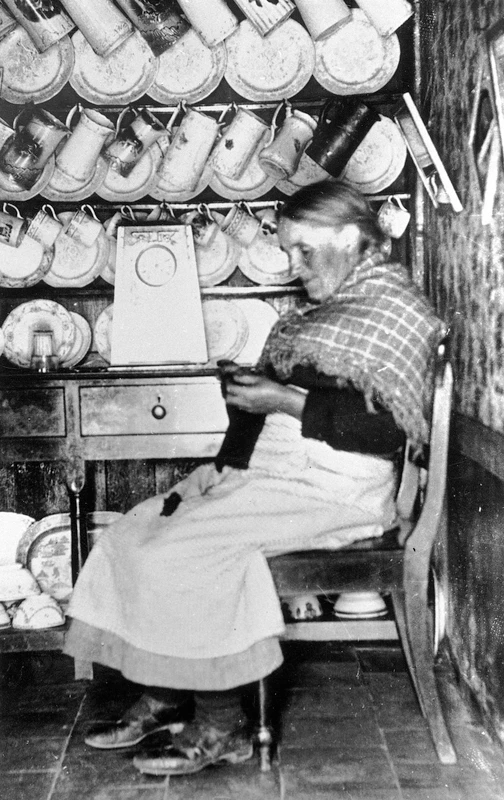
It was a Welsh custom to carve knitting sheaths with names and motifs and give them as love tokens. Worn on the right side of the body, they held the needle steady, freeing the left hand to work the yarn.

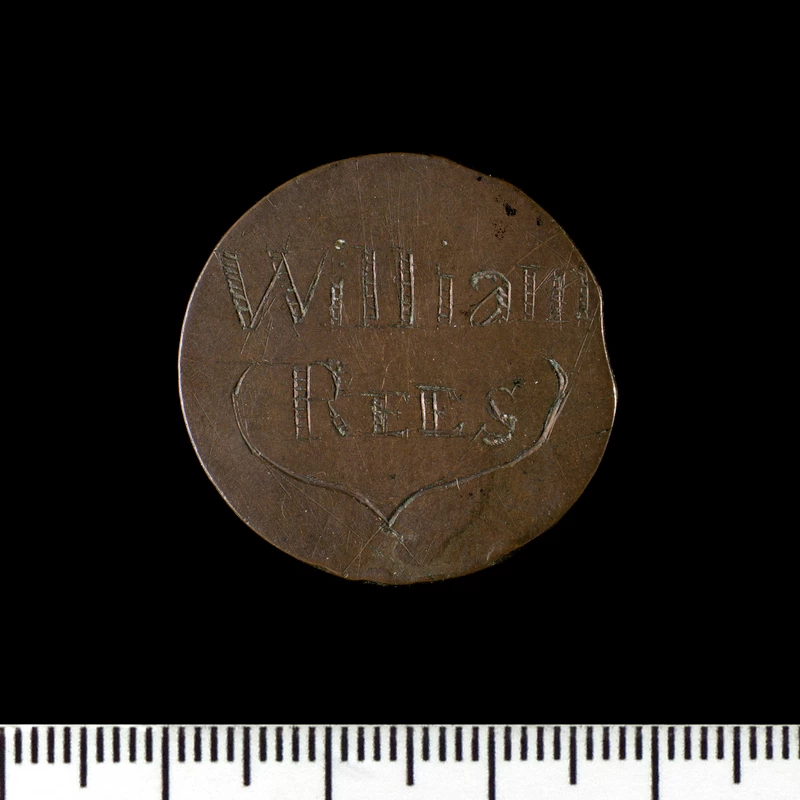
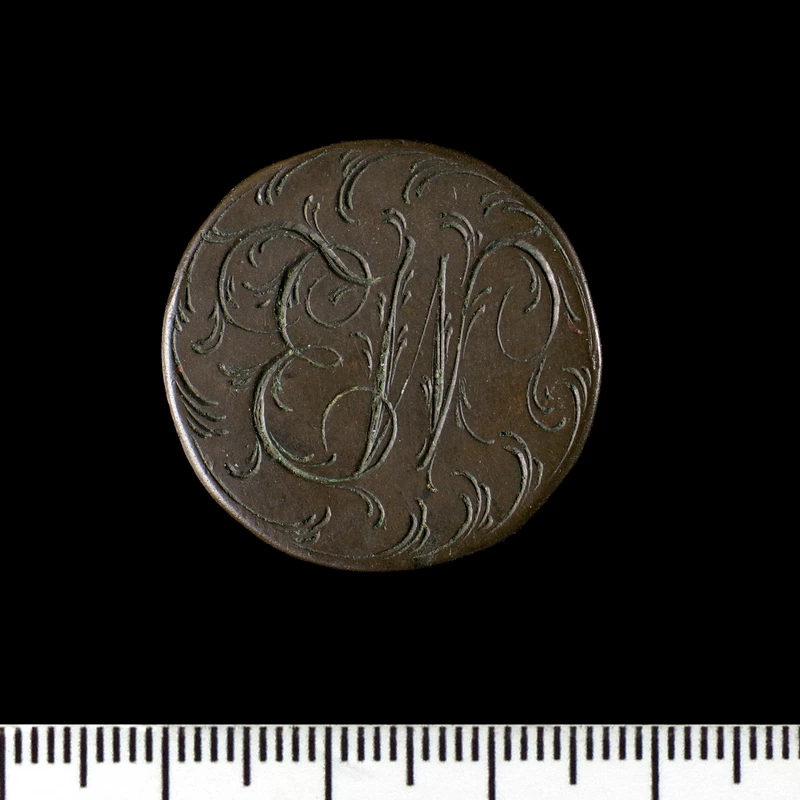
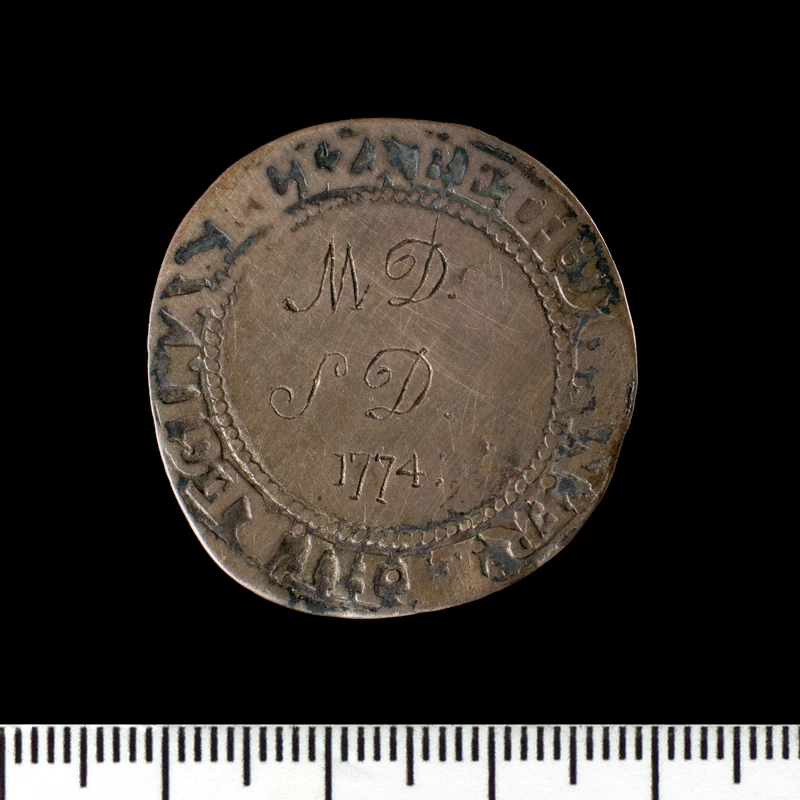
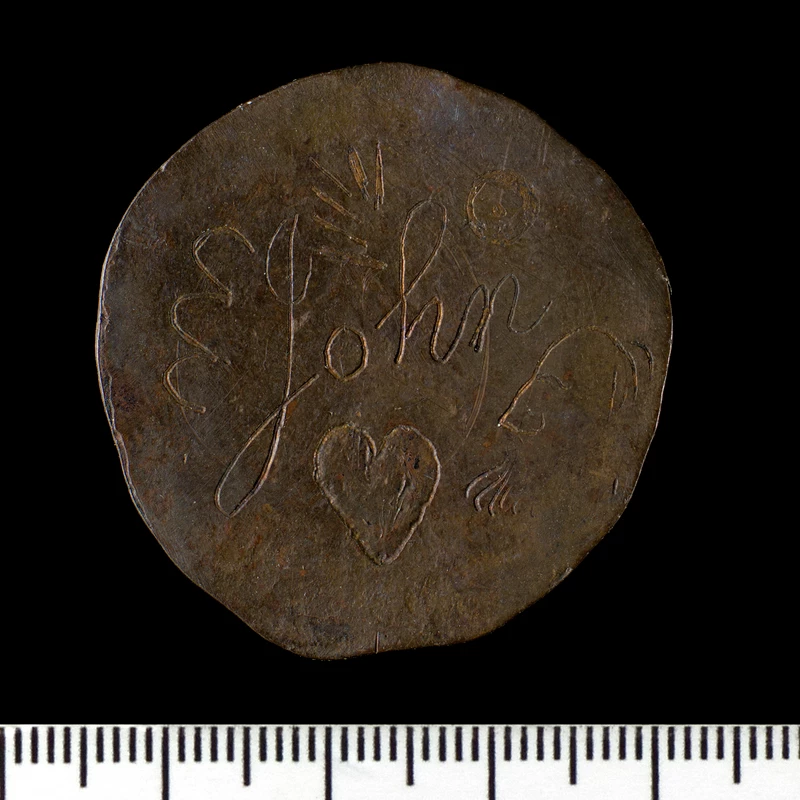
LOVE COINS

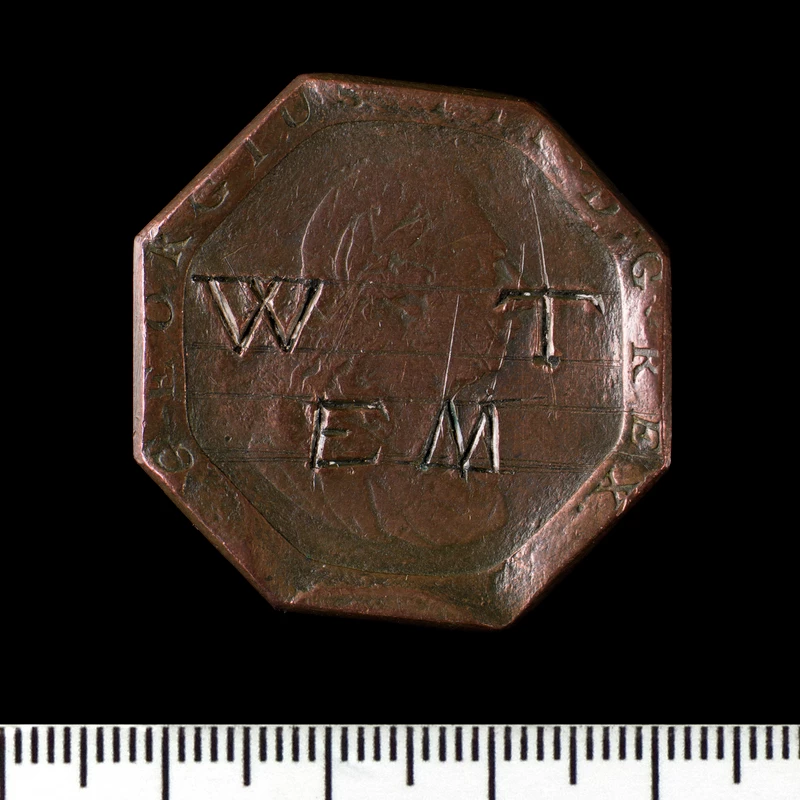
Made by sailors or convicts in the 18th-19th century, these coins were engraved with symbols of love, separation, and return. Offered as parting gifts for long or indefinite separations.

These enduring love tokens, each with their own unique story, continue to symbolise love and connection through Welsh history and tradition.

The Healing Power of Dogs

Penny Hill, 5 March 2014

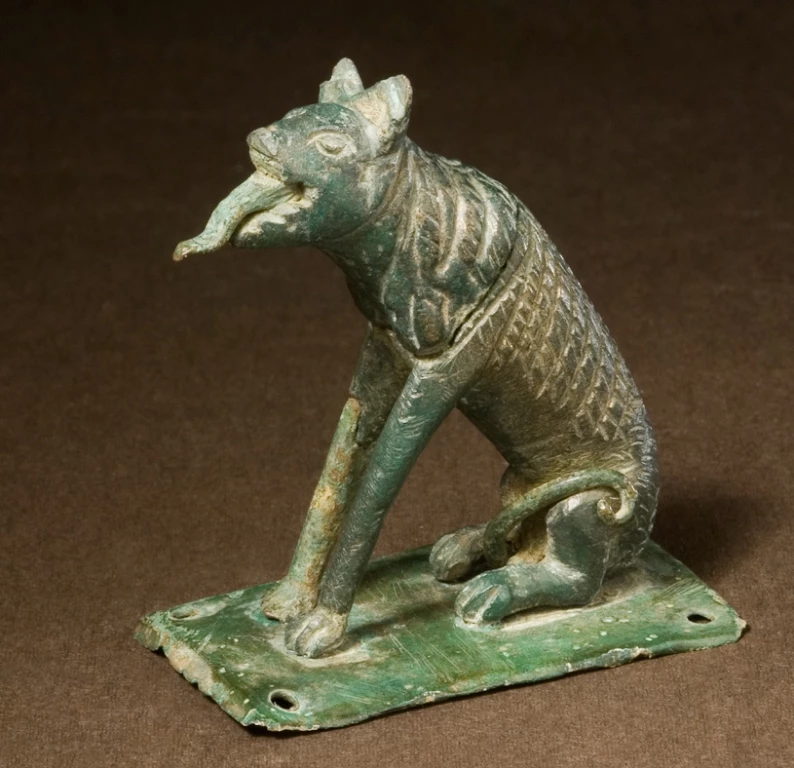
Detailed miniature statue of a dog

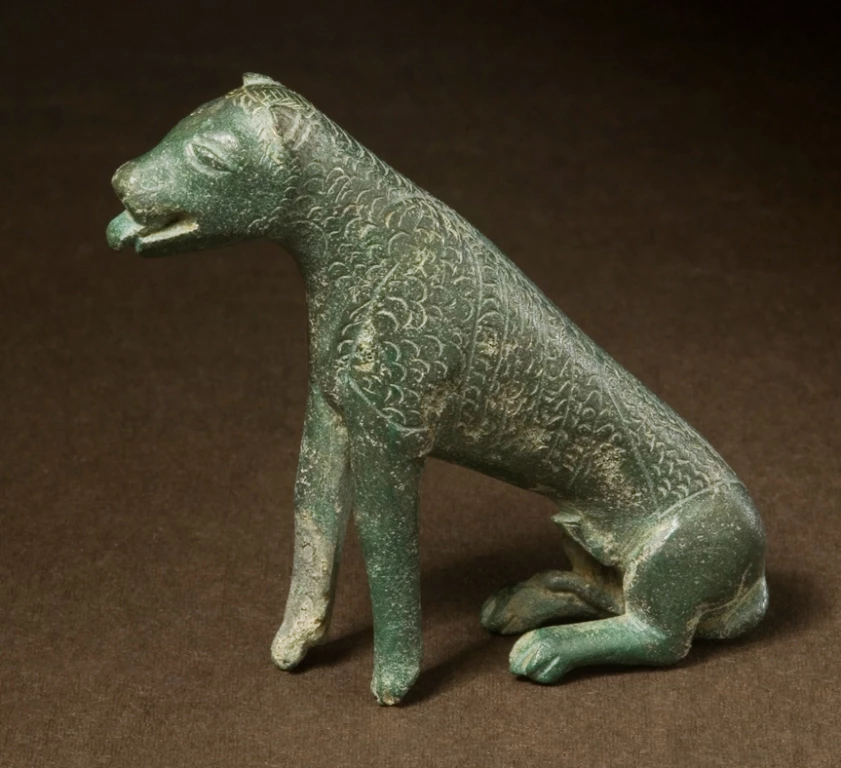
This detailed miniature statue of a dog is no more than 4 to 5cms in height, and was probably once coated in tin or silver. Holes in the metal base plate suggest he was attached to a small plinth.

One of two miniature statues of dogs found at Llys Awel

One of two miniature statues of dogs found at Llys Awel. His tongue is sticking out in the action of licking.

Man’s best friend, the dog has recently been making headlines again through his ability to save life by either sniffing out cancer or licking to help restore circulation to injured limbs. This association between people, dogs and good health is nothing new and was recognised back in antiquity.

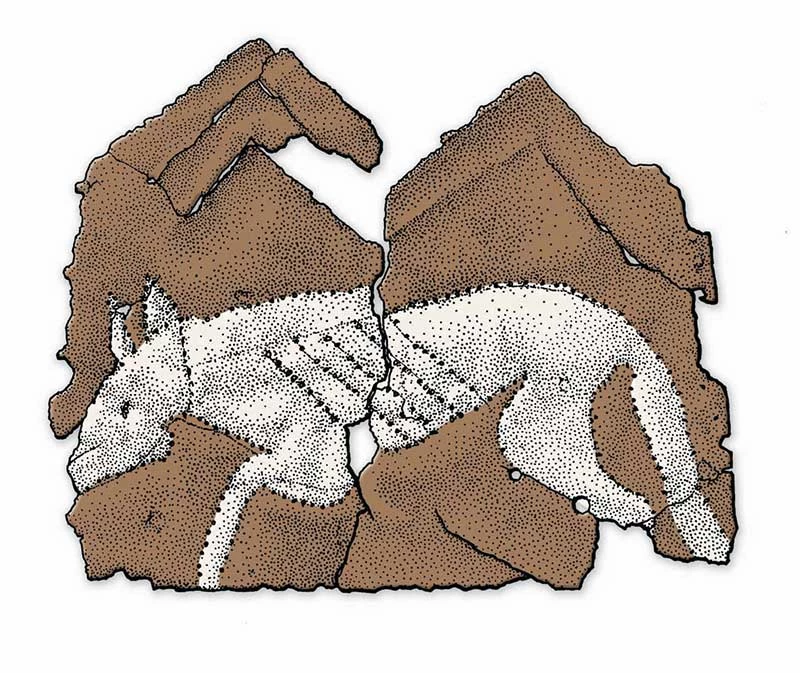
Housed in the Archaeology collections are 2 small dog figurines, part of a group of objects found at Llys Awel, Conwy. There are also two copper alloy plaques. One is decorated with a dot-punched outline of a dog; the second is not so well preserved, the dotted outline is less clear and it could either be another dog or a name, possibly of a god. The site is believed to be a shrine dedicated to a healing god and the objects themselves date to the Roman period in Britain, sometime between the late first century AD and the end of the fourth century AD. The objects were probably left by people as gifts to the god hoping they would be granted good health and help to recover from an illness.

Why dogs?

Well, the Greek god of medicine, Asklepios (adopted by the Romans who knew him as Aesculapius), was frequently depicted with a dog as his animal companion. This association probably came about after people observed dogs healing themselves by licking. A major sanctuary to his cult was built in the fourth century BC at Epidaurus, in Greece. This place became one of the major centres for healing in the ancient world. One part of the healing treatment or ritual was to receive licks from a sacred dog kept at the sanctuary. The only known British equivalent of Epidaurus is the cult centre of the Romano-British god Nodens at Lydney in Gloucestershire. Here, 9 representations of dogs were found: like the dogs at Llys Awel these were probably left by visitors seeking cures for their ailments.

The dogs are made from copper alloy and are about 5cm tall. They are seated with tails between their legs and tongues sticking out, as if in the action of licking. The figures are incredibly detailed with eyes, ears, nose, paws and fur texture well defined. They were probably made by the lost wax process, so there was only one chance to get the metal casting right. One dog was cast as a single piece, but the other revealed a slightly more complicated construction.

During conservation we can find out how the statue was made

During conservation we can find out how the statue was made. Different pieces appear to have been cast separately and soldered together.

Illustration of a votive plaque with added shading to highlight the outline of a dog.

Illustration of a votive plaque with added shading to highlight the outline of a dog.

Illustration of votive leaf plaque

Illustration of votive leaf plaque. Do the dotted lines in the lower half spell out the name of a long lost god or is it another dog?

Conservation

During conservation it became apparent the dog was cast in several sections, the head, body, tail and tongue. The individual pieces were then soldered together to create the whole figure. Grooves in the metal at the junction between the head and body support this idea and would have helped the solder grip and hold the two sections together. There is evidence to suggest the craftsman had problems casting the figure, the molten copper alloy failing to flow to all parts of the tiny mould. Repairs had to be made to the nose and the right front leg, the miscast material removed and then new sections recast and soldered in place. The replacement nose has gone, but we still have the replacement leg, which is not as well modelled as the original left leg.

The statue was probably given a coat of either tin or silver to hide the construction detail and enhance its appearance, which would have helped elevate our dog to a slightly higher pedigree. Unfortunately analysis of the surface was inconclusive; the coating, if one had existed, did not survive. Therefore we can only imagine its original appearance and wonder if the people who gave this little treasure to the god were ever granted their wish.

Revolutionary Dreams: Investigating French art

22 March 2012

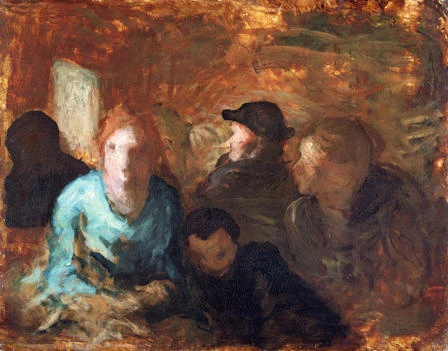
A Third Class Carriage, Honore Daumier
A Third Class Carriage

Honore Daumier (1808 - 1879)

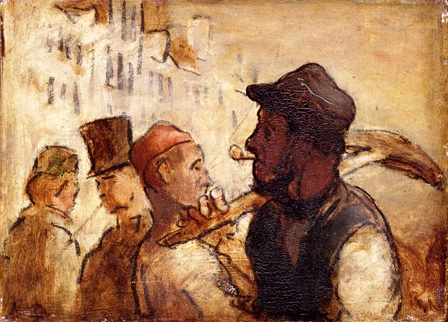
Workmen on the Street, 1838-40. Honore Daumier (1808 - 1879)
Workmen on the Street

, 1838-40
Honore Daumier (1808 - 1879)

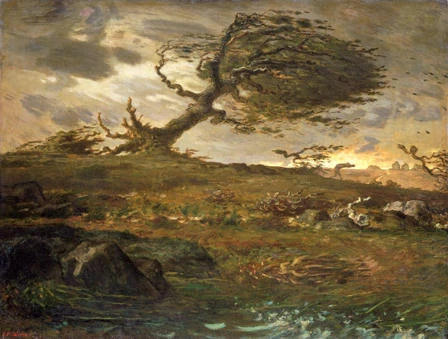
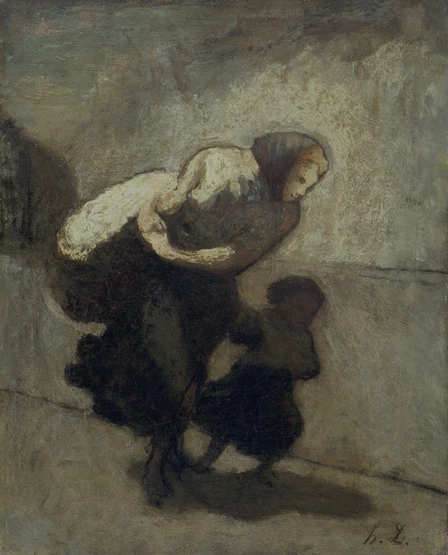
The Gust of Wind, Jean-François Millet
The Gust of Wind

Jean-François Millet (1814 - 1875)

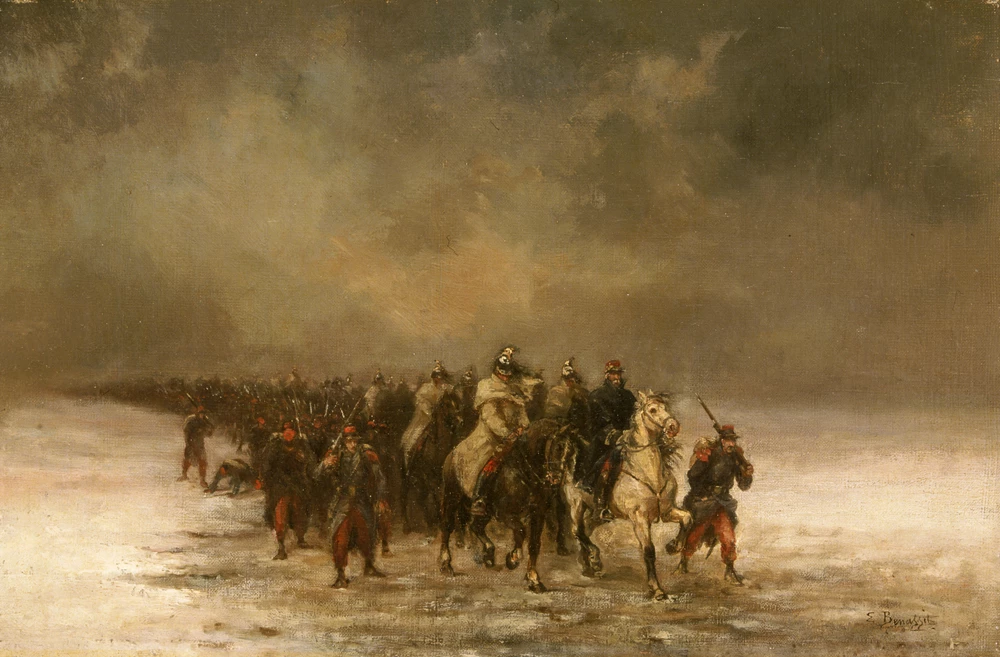
The Retreat, Louis Eugène Benassit

The Retreat
Louis Eugène Benassit (1833 - 1904)

Amgueddfa Cymru has one of the most exceptional collections of nineteenth-century French Art in the United Kingdom. Engaging with the turbulence of nineteenth century France and the relationship between the revolutions of the people and revolutionary developments in art, we take a fresh look at the Museum's collection of pre-Impressionist French paintings, researched and interpreted by postgraduate students from the University of Bristol.

The Century of Revolution

The turbulent social and political history of France during the nineteenth century led many artists to document the shifting realities and expectations of life. The 1789 French Revolution, which established the First French Republic, sparked a century of uprisings and uncertainty for the population. While some artists sought to represent current events, others looked to recapture lost traditions.

Revolution and the rise of Realism

From the seventeenth century, the state-run Academy of Fine Arts and its official exhibition, the Salon, led the direction of French art. During the nineteenth century, many artists began to challenge its approach, and to examine how the lives of the people were altered by the dramatic changes of the nineteenth century. Increasingly artists abandoned the biblical figures and Roman heroes that had previously dominated the walls of the Salon.

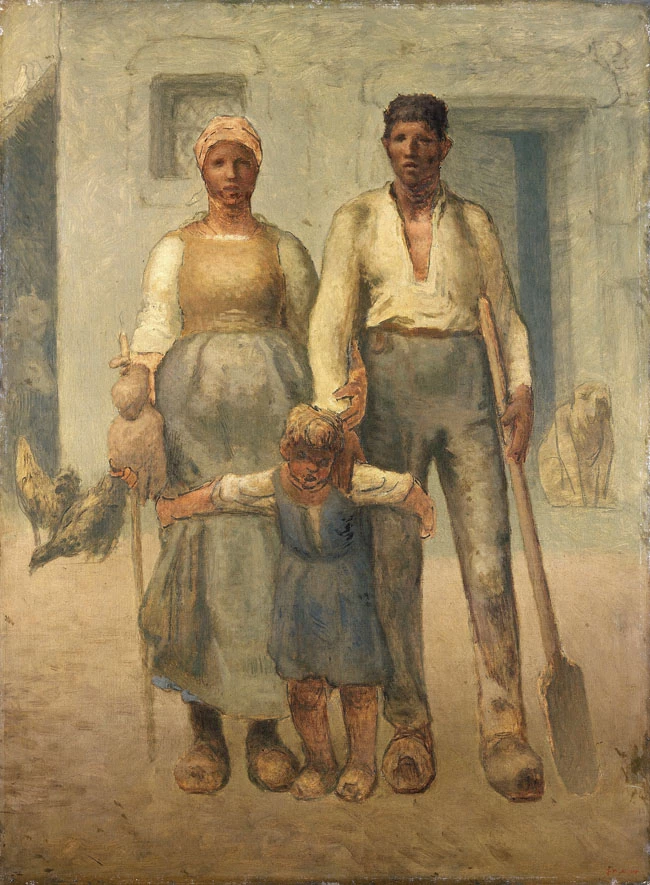
In A Third Class Carriage Honoré Daumier refers to a key invention of the century, the steam train. In contrast, Jean-François Millet's The Peasant Family depicts rural farmers and idealises the French countryside. While these are very different paintings their common theme is that they are representations of real, contemporary, humble life.

It was during this period that French artists first began to paint like this; an approach sometimes known as 'Realist' painting. These changes in subject matter laid the groundwork for much of Modern Art as we understand it today.

Political Unrest

The overthrow of King Charles X in the July Revolution of 1830 led to the July Monarchy of Louis-Phillippe, ousted in the Revolution of February 1848. The Second Republic gave all men a right to vote and promised democracy. However, a brutal suppression of the workers' rebellion demonstrated that frustration was still present. Daumier's Workmen on the Street indicates such tensions and his imagery criticised continuing class distinctions.

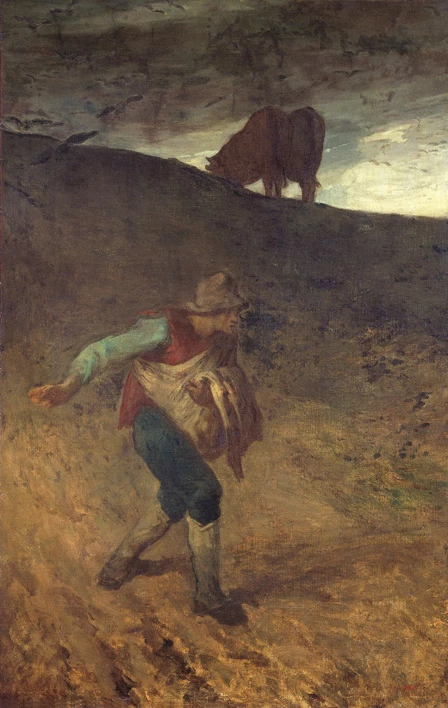
Millet's later The Sower highlights rural labour and peasant life. Agriculture was an ingrained part of the French national identity, however, Millet mourned the mass migration from rural areas into the cities.

During the Franco-Prussian War in 1870 many artists went into exile in safer rural locations. Millet fled from Barbizon to the Normandy coast. He painted The Gust of Wind on his return; the frightening strength and power of the storm representing both change and the violence of war.

The Second Empire collapsed with France's defeat in 1871, causing a group of French radicals to briefly seize control of Paris in the 'Commune' of the same year. Soon quashed, it was replaced by the Third Republic.

The distress and loneliness within these desolate landscapes may be read as a response to the turbulent events in France at this time. Most importantly they show how political events shaped national identity and, in turn, its art.

The Peasant Family (1871-2), Jean-François Millet (1814 - 1875)

The Peasant Family (1871-2)
Jean-François Millet (1814 - 1875)
Oil on canvas
The Davies Sisters Collection

The Sower, 1847-8, Jean-François Millet
The Sower

, 1847-8
Jean-François Millet (1814 - 1875)

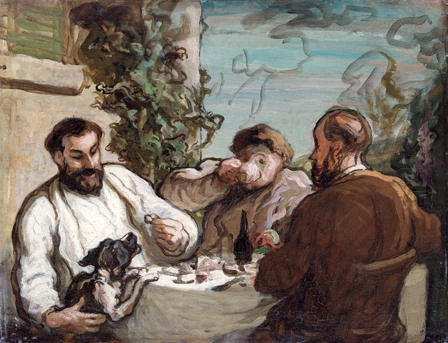
Lunch in the Country, 1868, Honore Daumier
Lunch in the Country

, 1868
Honore Daumier (1808 - 1879)

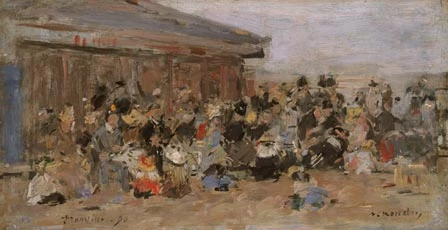
Beach at Trouville, 1890  Louis Eugéne Boudin
Beach at Trouville

, 1890
Louis Eugéne Boudin (1824 - 1898)

The Heavy Burden, Honore Daumier
The Heavy Burden

Honore Daumier (1808 - 1879)

Leisure

During the second half of the nineteenth century, changes in class structure in France led to a growth in the wealth of the middle classes, known as the bourgeoisie.

In particular, they enjoyed paintings that showed themselves in the pursuit of leisure and inferred their new status in society. Artists responded by creating paintings to suit the tastes of this growing audience.

1804 saw the invention of the steam powered locomotive and within 50 years, railway lines were being constructed across France. Daumier's Lunch in the Country and Boudin's Beach at Trouville are depictions of bourgeois tourist activities.

In addition to reflecting revolutionary developments in tourism and transport, artists employed bright colour and loose linear structure to create an air of entertainment and recreation. Such revolutionary light effects and loose brushstrokes had a strong influence on the emerging style of Impressionism.

Women and Domesticity

Paintings of women feature significantly in the Museum's collection of nineteenth-century French paintings. It is, however, interesting to note that all these women were painted by male artists, so viewers are observing women from the perspective of the nineteenth-century man.

With this in mind we can begin to understand the role of women in society. Daumier's The Heavy Burden presents us with the activities of working class women, while the other paintings depict fashionable and delicate beauties of a higher social ranking. This shows us that class and gender divisions were still intact following the Revolution.

Society's expectations for women to be demure and feminine run through several of the paintings. Whether they are active and working or seated and passive can be seen as an indication of their situation within society.

Research and Reveal

Here we present four essays, giving a fresh look at the Museum's collection of pre-Impressionist French paintings, researched and interpreted by postgraduate students from the University of Bristol:

Personalities in Paintings, by Matthew Howles


Landscape Fakes, by Jessica Hoare


The Landscapes of Millet, by Jessica Hoare


The Paintings of Charles Bargue, by Rhian Addison


The Llandaf Diptych

Mark Redknap, 25 June 2011

The diptych showing the resin replica of the Liverpool piece on display at National Museum Cardiff

The diptych showing the resin replica of the Liverpool piece on display at National Museum Cardiff

Right hand side of the Llandaf Diptych

Laser scanning the left leaf in Liverpool. (c) National Museums Liverpool

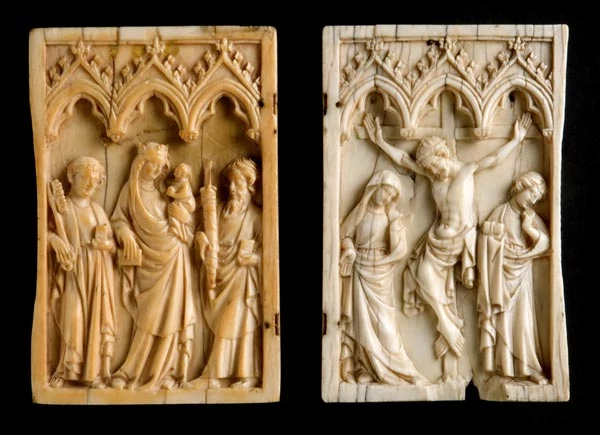
Married again: the two leafs of the Llandaff diptych.

Married again: the two leaves of the Llandaf diptych. Left leaf (c) National Museums Liverpool

Medieval diptychs and triptychs were two- and three-panel images intended to aid devotion and meditation of Christ's life and suffering. A right hand ivory diptych panel from Llandaf housed in the collections at Amgueddfa Cymru has recently been reunited with its left hand panel for the first time in over a century.

Medieval ivories are known from secular sites in Wales, such as gaming pieces from castle sites and a small shield from Caerleon (Monmouthshire). A figurative ivory with devotional significance has been excavated from Dolforwyn Castle (Montgomeryshire), while a carved ivory diptych from Valle Crucis Abbey (Denbighshire) was reported in 1866.

However, as in England, many objects of private devotion in Wales were destroyed in the sixteenth and seventeenth centuries; many diptychs in museums are now incomplete, the partner panels becoming separated in antiquity.

Occasionally, missing elements are rediscovered and reunited.

The Llandaf diptych

For over 100 years, the right hand panel of an elephant ivory diptych from Landaff has been considered a rare survivor with a Welsh provenance.

Made in Paris about 1340/60, it depicts Christ on the Cross, flanked by the Virgin Mary on the left and St John the Evangelist as a young man on the right, holding a book and turned away from the cross. The figures are positioned beneath an architectural canopy composed of three Gothic trefoiled arches, each surmounted by a triangular gable with crockets and finials.

According to museum records, it was discovered by Mr Henry Bird of Cardiff during the demolition of 'the old well-house' at Llandaf in May 1836. After passing through several hands, it was purchased in 1901 by the Cardiff Museum (precursor of the National Museum of Wales) from the estate of John Storrie (curator 1878-93).

Research has revealed that the decorative details, dimensions, condition and hinge positions of the Llandaf piece corresponded very closely to a left-hand ivory panel now in the collections of National Museums Liverpool. This left hand panel shows the Virgin and Child flanked by Saints Peter (bearing keys) and Paul (with sword), providing a neat visual counterpoint to the Crucifixion scene on the right panel. The architectural canopies on each leaf are the same, while the style of execution of the figures and size of the borders also correspond.

When did the two become separated?

The Liverpool panel was acquired in 1953 from the estate of Mr Philip Nelson, who purchased it from a dealer in Bath in 1934. The right hand leaf was bought by John Storrie from a shop of Mr L. Roberts. Could both have been found at Llandaf in 1836, to end up in different hands, or were they separated at an earlier date?

Llandaf, whose focal point remains the cathedral rebuilt by Bishop Urban (1107–34) and his successors, abounded in wells. Two of the better known examples are St Teilo's holy well (Ffynnon Deilo), and the "Dairy Well" in the grounds of Llandaf Court, a house used as the Bishop's Palace from 1869 to 1940. The latter became, for a time, the resting place for a late tenth- or eleventh-century cross shaft and head, set into its end wall in 1870. The thirteenth-century fortified Bishop's Palace lies to the south-east of the cathedral: could this have been the location of the original diptych?

Today the Llandaf diptych panel is displayed with a laser-cut resin copy of its partner, commissioned from National Museums Liverpool (Conservation Technologies). The latest technology was used to create an accurate replica of the Liverpool piece. A great advantage of this replication method is that it involves no contact with the original artefact surface and, therefore, no risk to the object whatsoever.