: Work & Labour

The Ebbw Vale Steel, Iron & Coal Company

23 July 2010

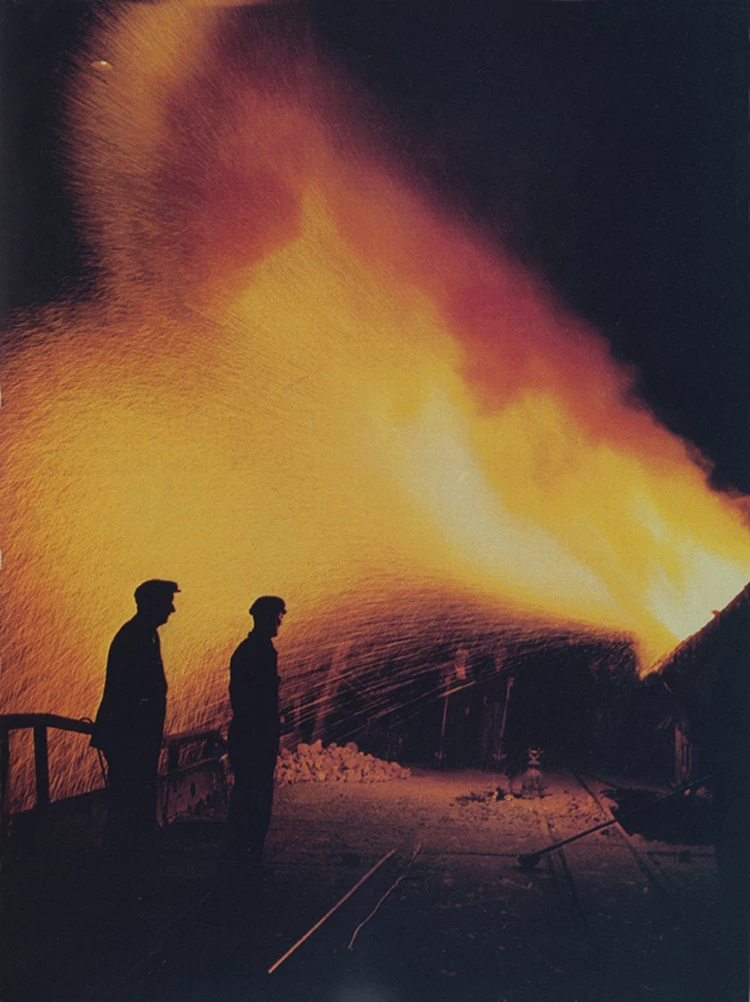
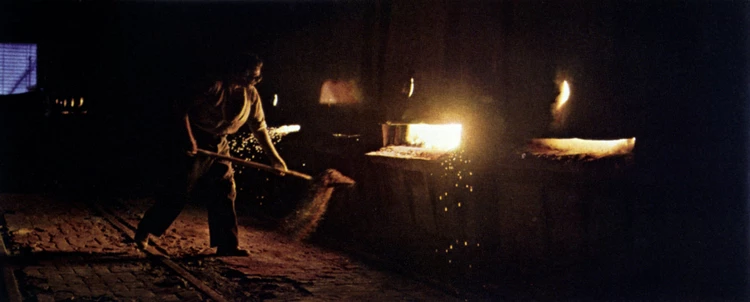
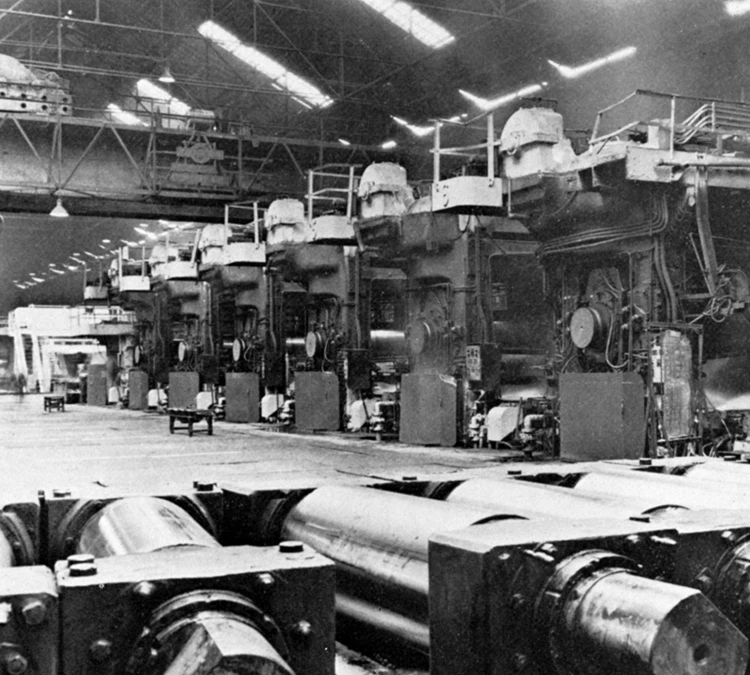
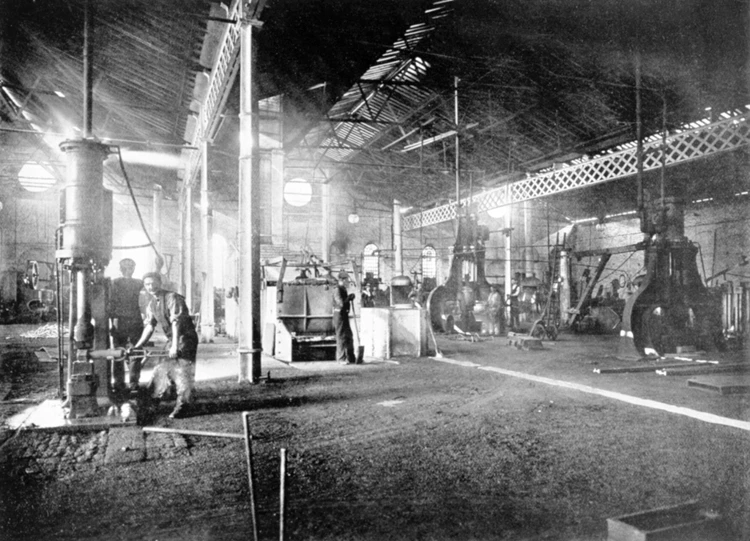
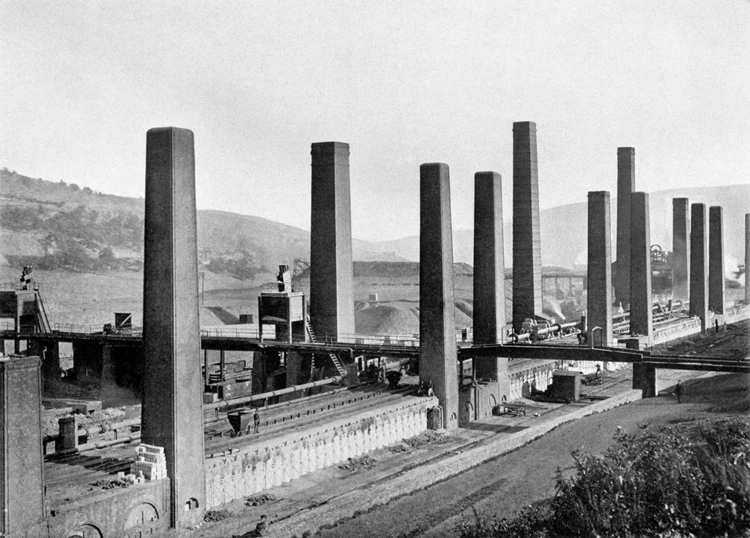
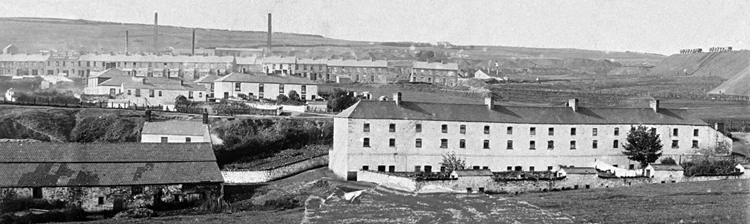
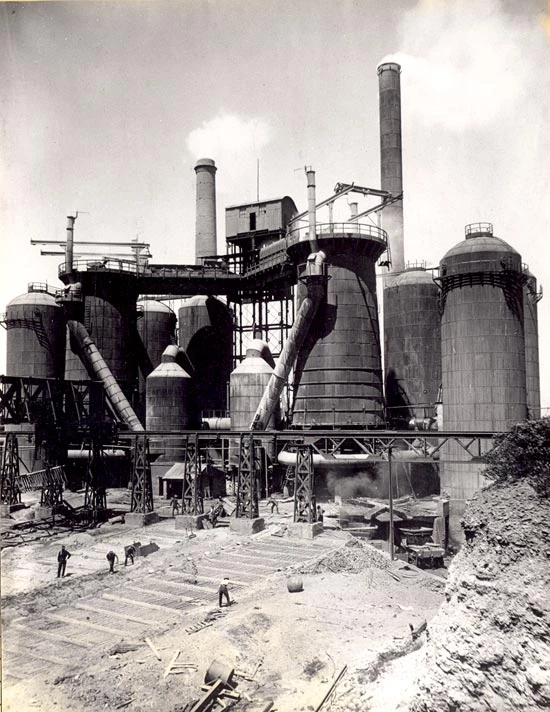
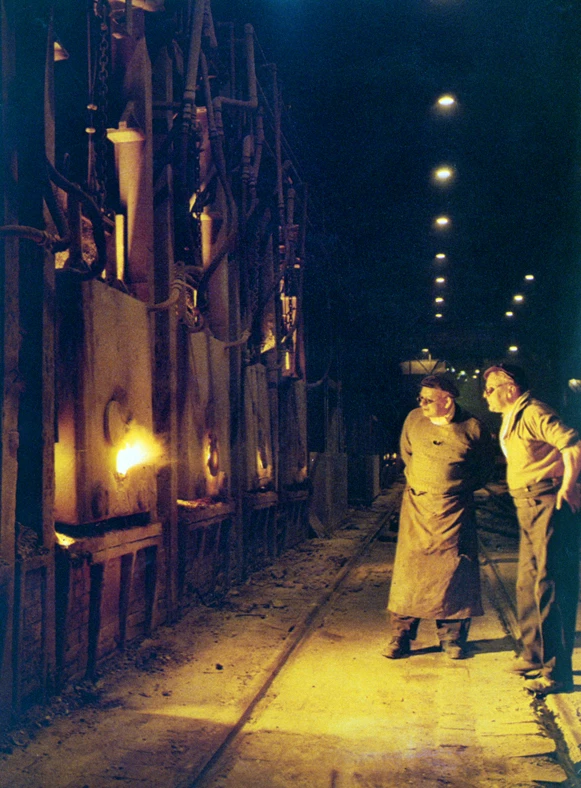
Ebbw Vale Open Hearth Furnaces, 1960s.

Ebbw Vale Open Hearth Furnaces, 1960s.

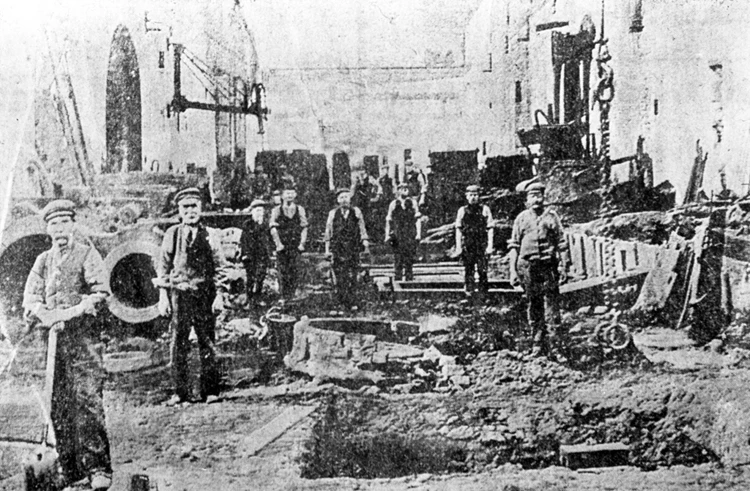
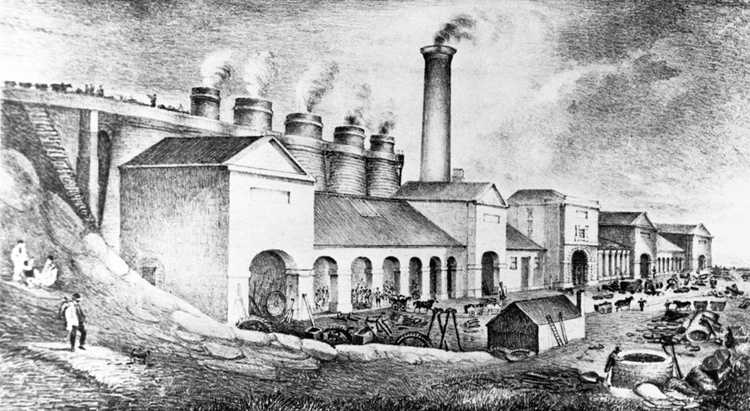
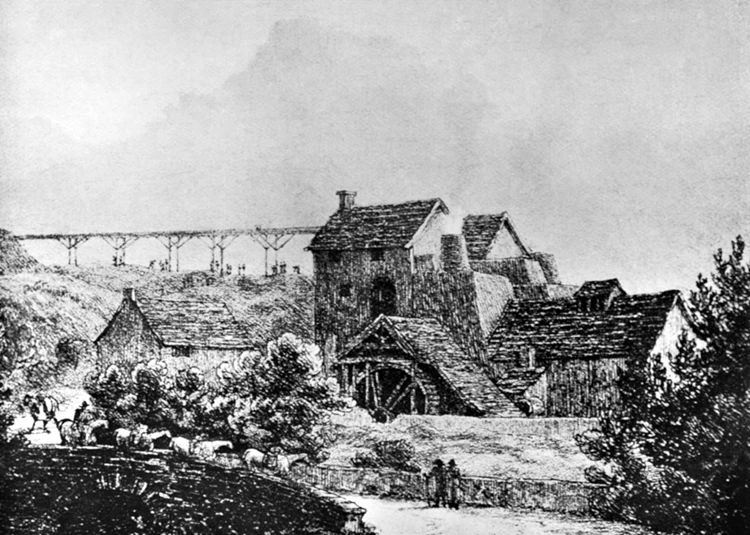
blast furnaces at Clydach Ironworks, 1813

The early iron industry of South Wales was small scale and rural; blast furnaces at Clydach Ironworks, 1813.

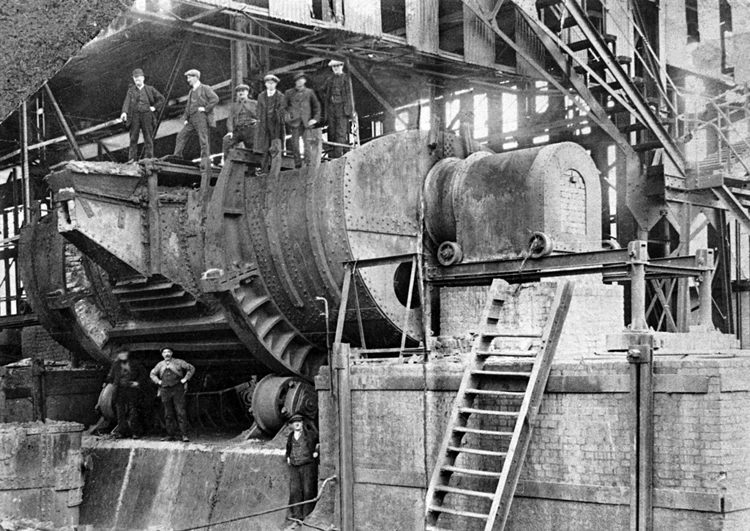
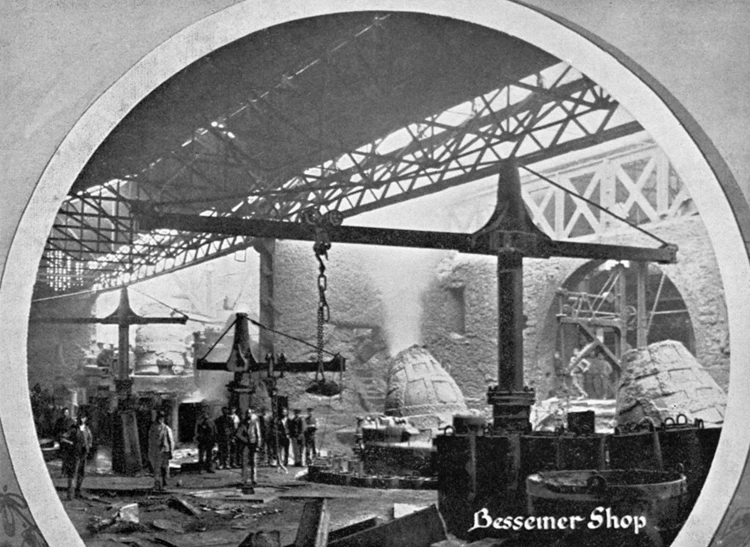
Bessemer Converters - one of the first two installations in Britain

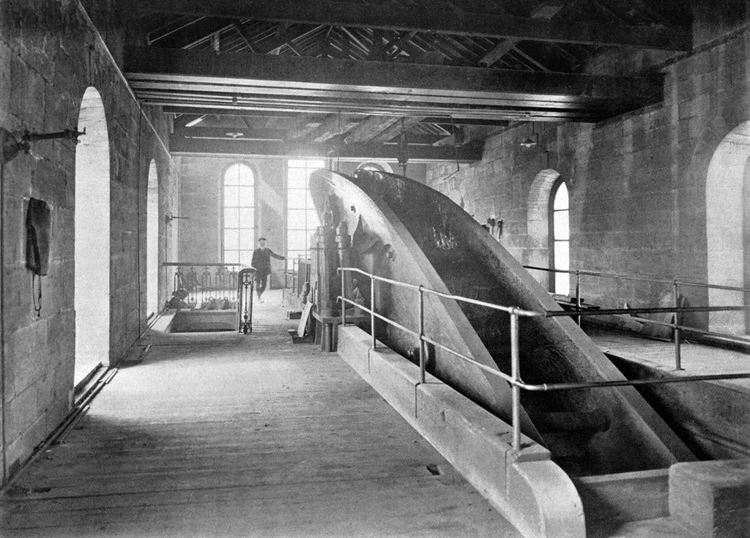
Sir Henry Bessemer paid the Ebbw Vale Company £30,000 for their patents on steel making (George Parry received £10,000) and in 1866-68 the company erected six Bessemer Converters to make steel, one of the first two installations in Britain.

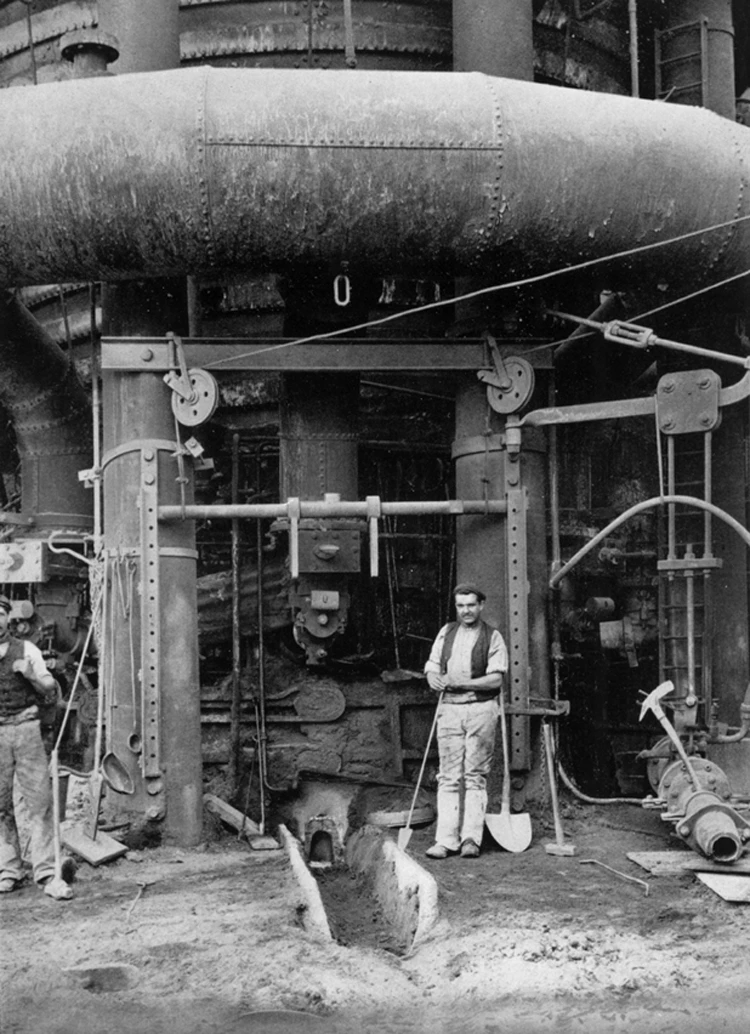
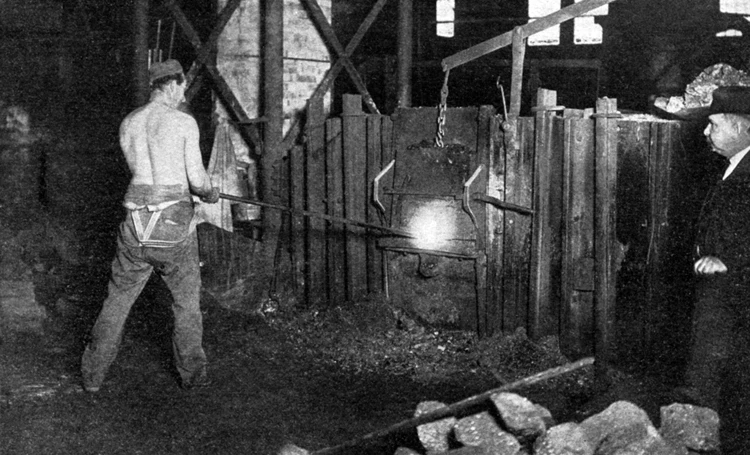
Bessemer converter

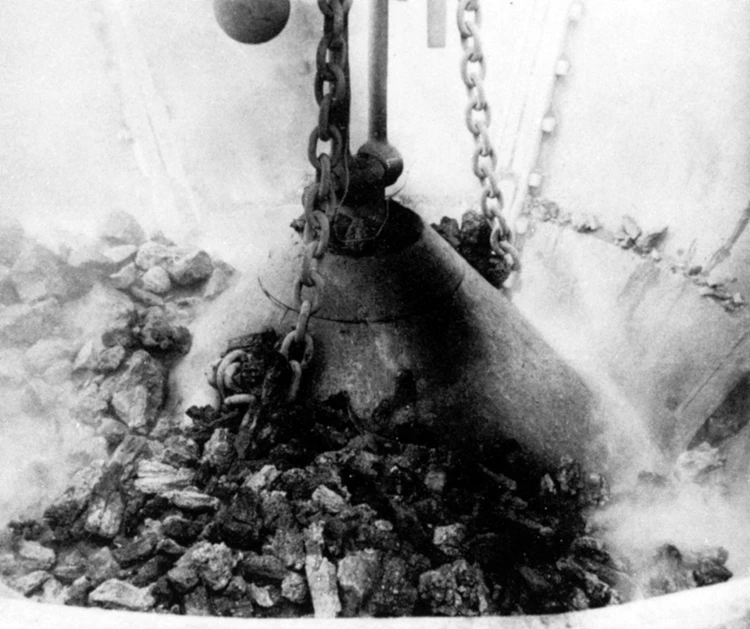
A Bessemer converter "on the blow" is a dramatic sight. The process had not changed at Ebbw Vale in the 1950s when this photograph was taken.

The Ebbw Vale Steel, Iron & Coal Company

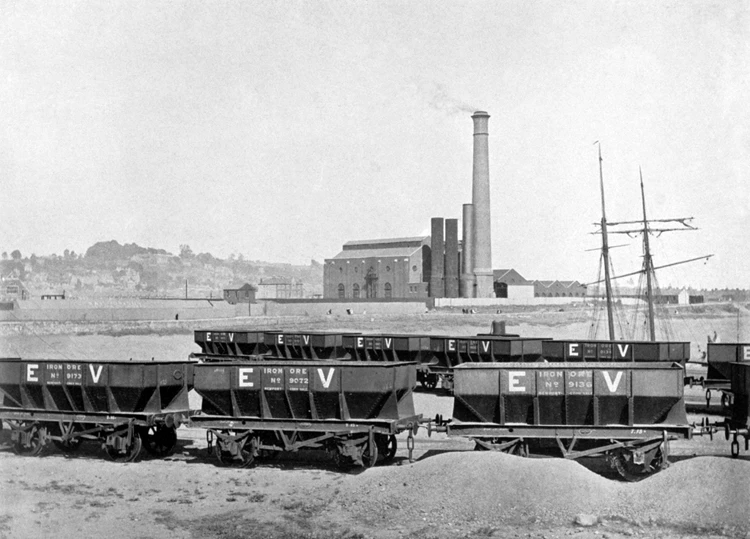
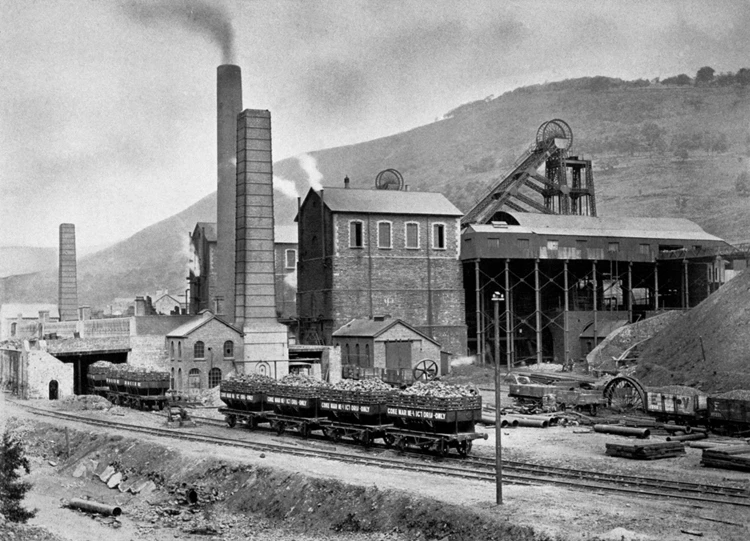
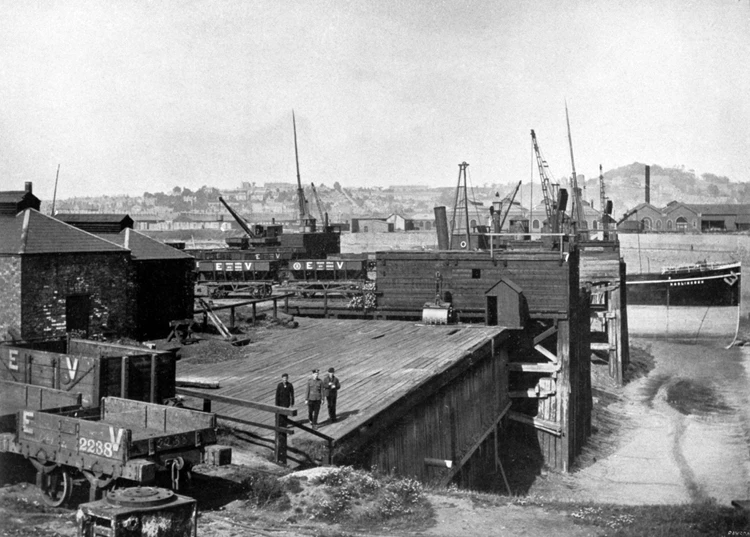
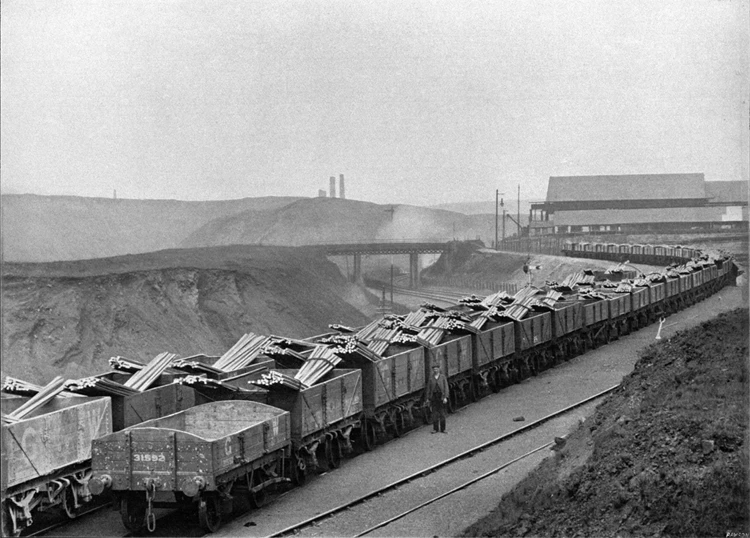
The Ebbw Vale Steel, Iron & Coal Company was based in south Wales. Founded in 1790, it was the largest tinplate producer in the country, until its closure in 2002.

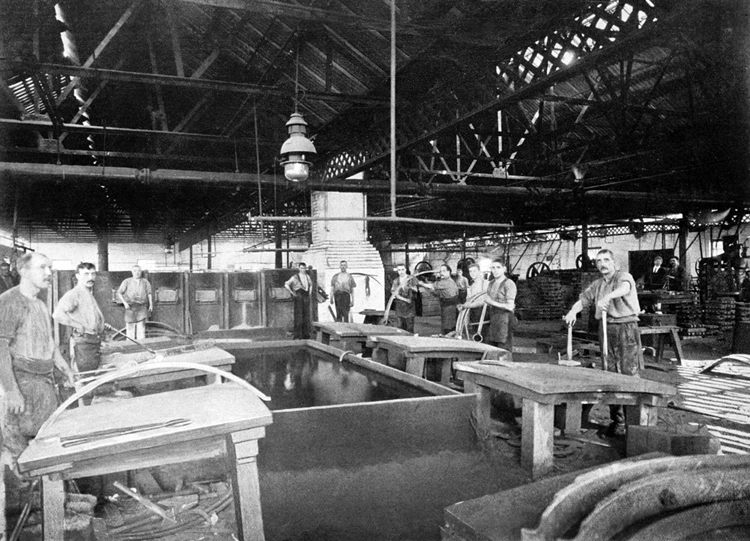
In the Edwardian period it employed 34,000 men, and by the mid-nineteenth century it was at the forefront of technological development, especially in the conversion of iron to steel. It gained further British technological firsts after a complete rebuild in 1936-8 and went on to outlast all the other Heads of the Valleys iron and steel plants.

Beginnings

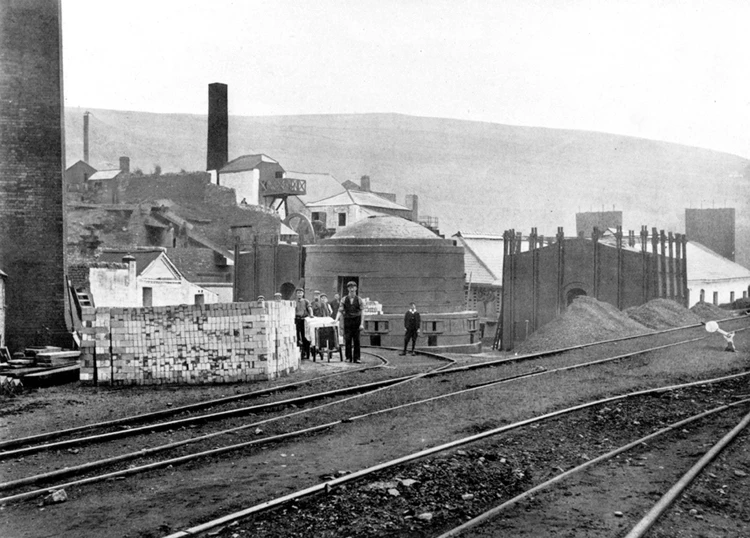
Ebbw Vale Ironworks was part of a chain of works along the northern rim of the south Wales coalfield where the raw materials for making iron - iron ore, coal and limestone - occurred together.

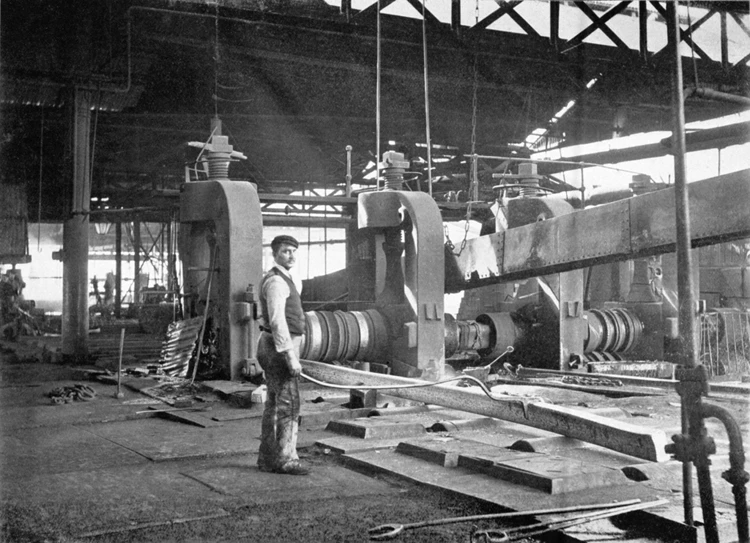
It was established in 1790 by a partnership led by Jeremiah Homfray, owner of the Penydarren Ironworks at Merthyr Tydfil. In 1796 he sold the works to the Harford family who ran it for the next half a century, building three more blast furnaces, puddling furnaces to produce wrought iron and rolling mills to make rails. The Harfords also bought the three blast furnaces at Sirhowy in 1818, to increase their supplies of pig iron for the furnaces and mills.

Expansion

The Harfords went bankrupt in 1842 when their overseas investments collapsed. Their works were kept going by trustees and in 1844 Abraham Derby IV, the Coalbrookdale ironmaster, came out of semi-retirement to form the Ebbw Vale Company.

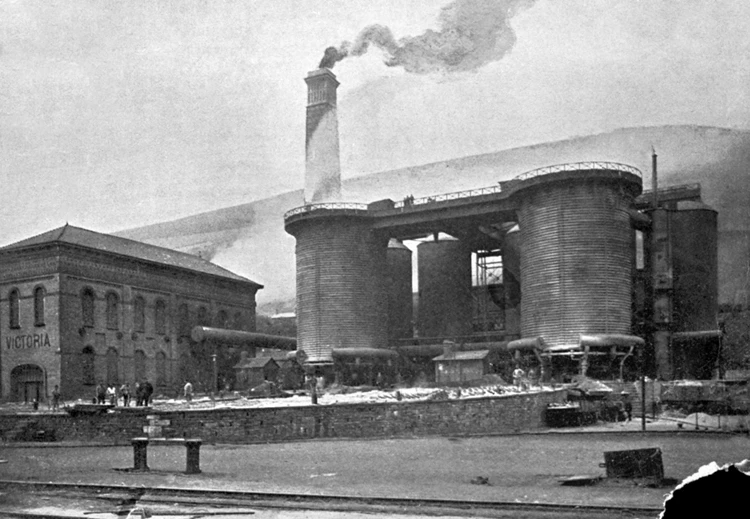
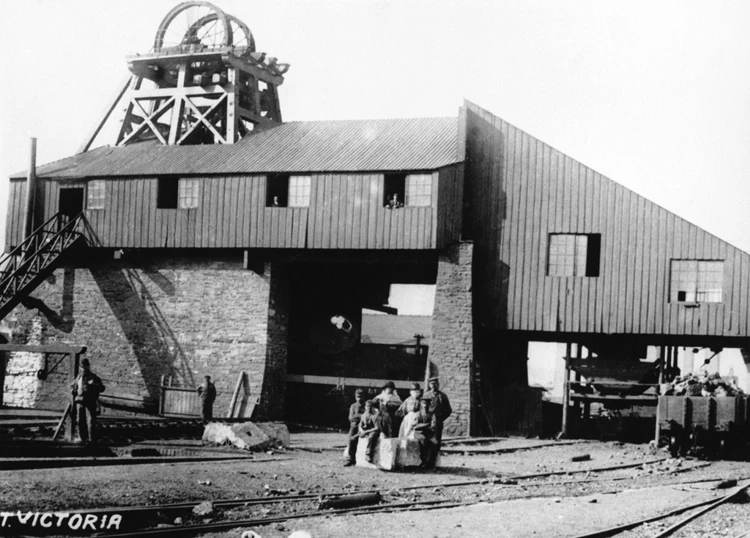
The company rapidly expanded, buying the neighbouring Victoria Ironworks in 1848, Abersychan Ironworks in 1852, Pentwyn Ironworks in 1858 and Pontypool Ironworks in 1872. When the local iron ores became exhausted the company bought iron mines in Somerset, Gloucestershire and Spain during the 1850s.

In 1854-5 George Parry, the works chemist, experimented with steel making but it was not until 1868, when the company installed a Bessemer plant, that regular steel production began.

The cost of expansion

The company was reformed as the Ebbw Vale Steel, Iron & Coal Company Limited in 1868. The cost of continued expansion in the boom of the early 1870s crippled the company in the depression that came later in the decade. Iron trade declined as steel superseded iron - fortunately the Ebbw Vale Company had been an early innovator in steel production.

From 1873 the company was controlled by Manchester financiers, who did not seem to understand the iron and steel trade. The works declined; Pentwyn closed in 1868, Sirhowy and Abersychan closed in 1882-3, Pontypool in 1890 and by 1892 the concern was almost bankrupt, with the plant described as obsolete and the machinery in disrepair.

Changing direction — the insatiable demand for Welsh Coal

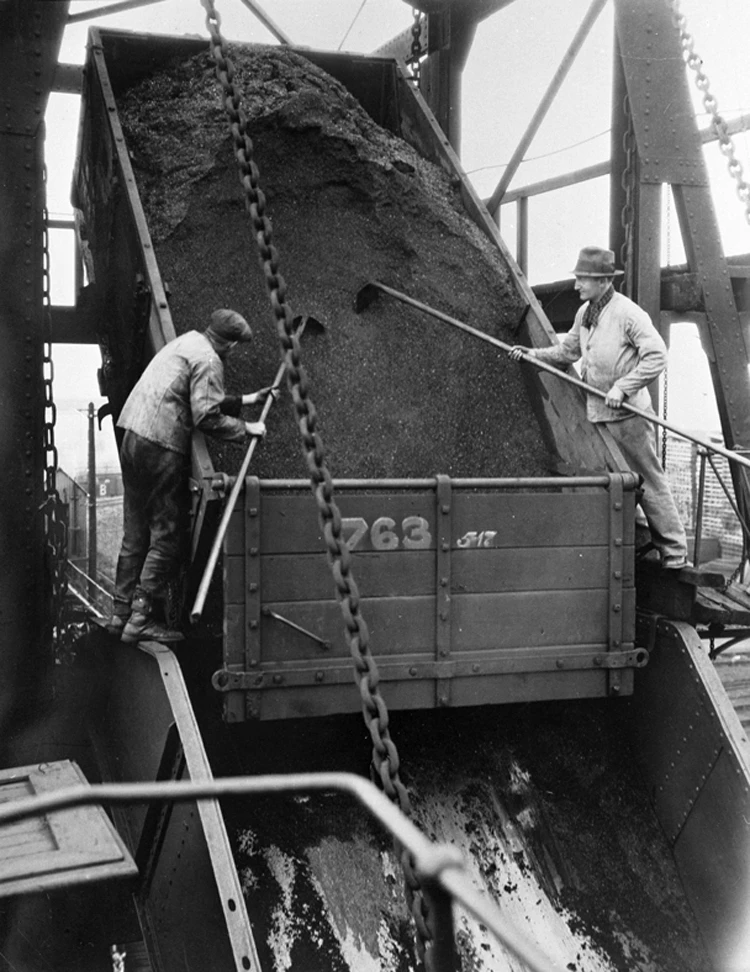
From the 1870s onwards the Ebbw Vale Steel, Iron & Coal Company's prosperity lay in coal rather than iron and steel. In 1873 it was already the largest coal producer in south Wales, but the bulk of its coal was being used in the coke ovens and the steam engines of the ironworks.

In the 1870s and 1880s the company switched direction to take advantage of the spectacular growth in demand for Welsh steam coal to drive the world's ships, trains and steam engines.

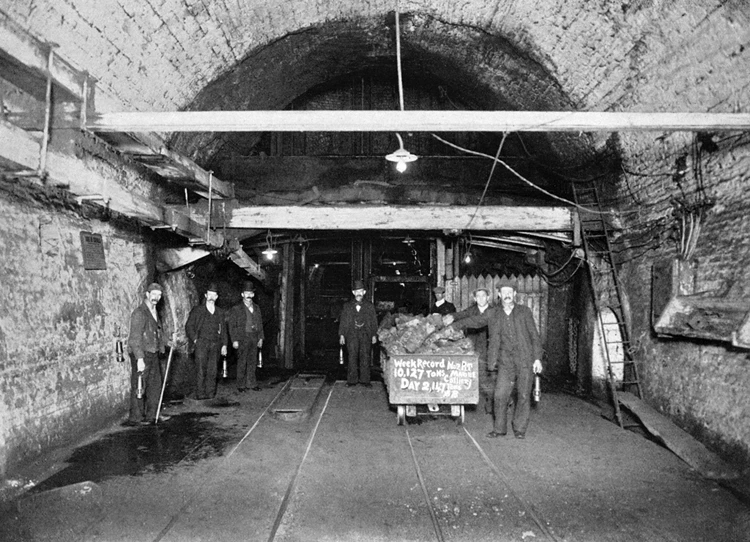
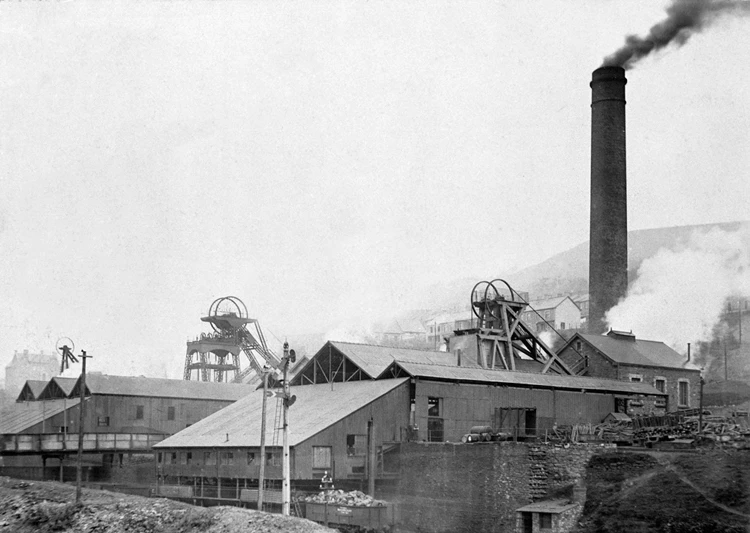
As the older collieries in the Ebbw Vale area were becoming exhausted it sank two new collieries - Waunlwyd (1874-7) and Marine Colliery at Cwm (1889-91). Ebbw Vale coal became a familiar sight all over the world.

The increasingly insatiable demand for Welsh steam coal during the first two decades of the twentieth century enabled the company to rapidly expand and modernise its collieries. Some of the older collieries were closed and output was doubled at Waunlwyd and Marine.

In twenty years the company doubled its output to 2 million tons. More coal meant more miners and the company's workforce rose to nearly 6,000, and profits rose dramatically too.

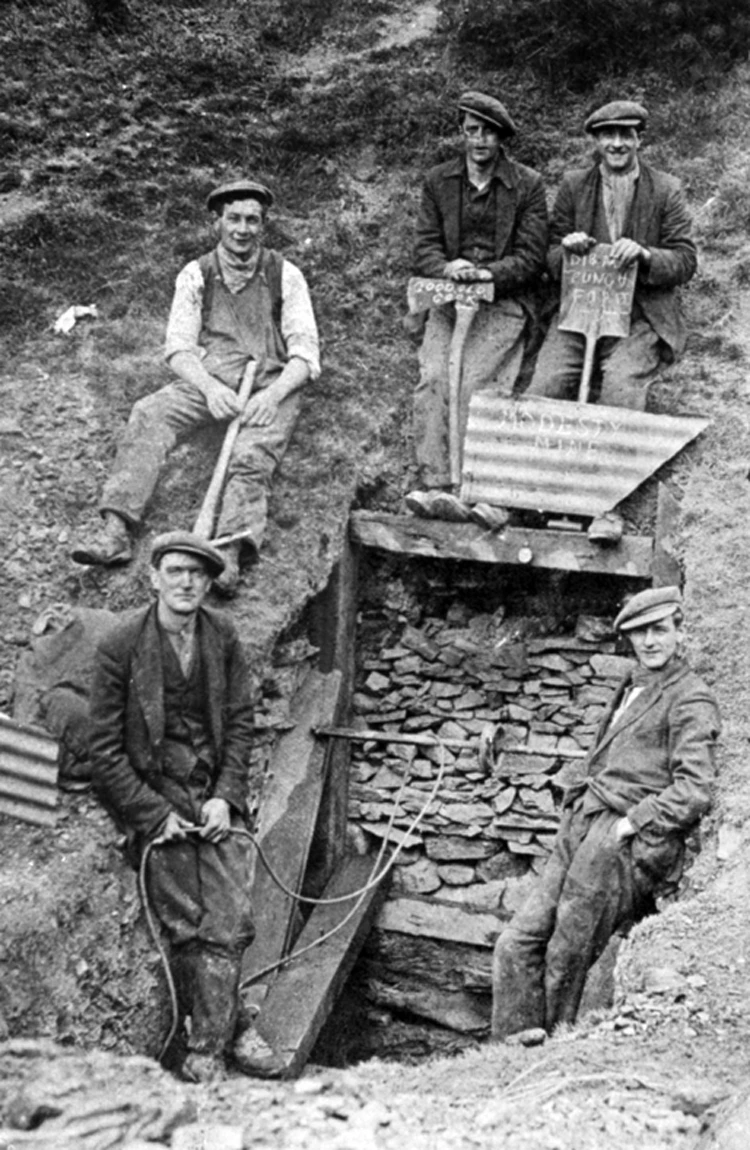
Digging for coal at Llangynidr Road during the 1926 miner's lockout.

Digging for coal at Llangynidr Road during the 1926 miner's lockout.

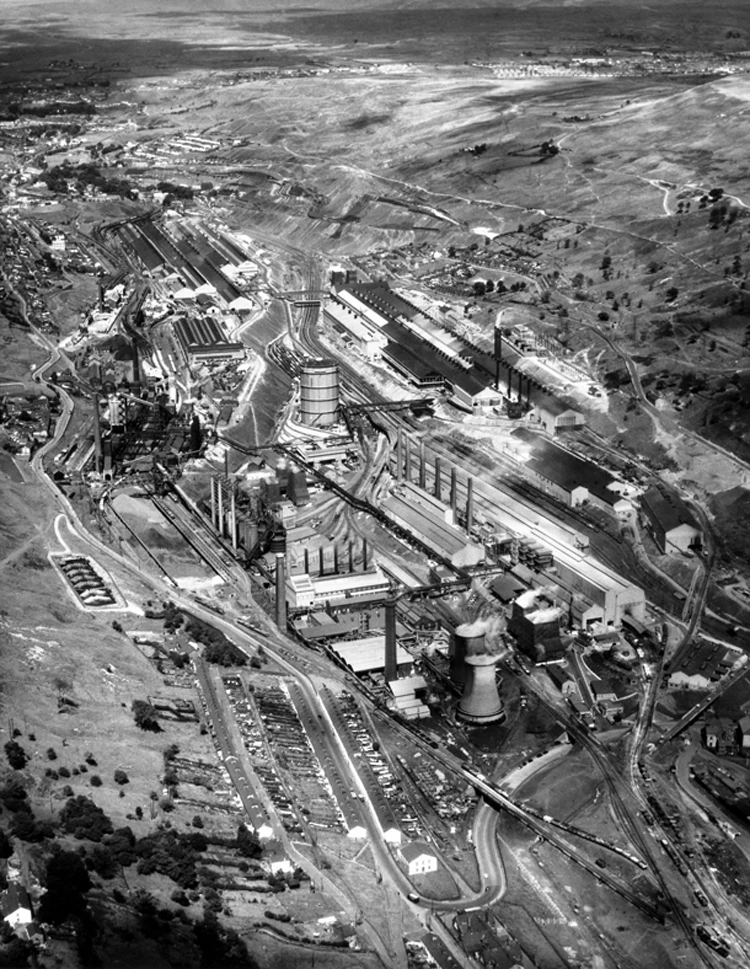
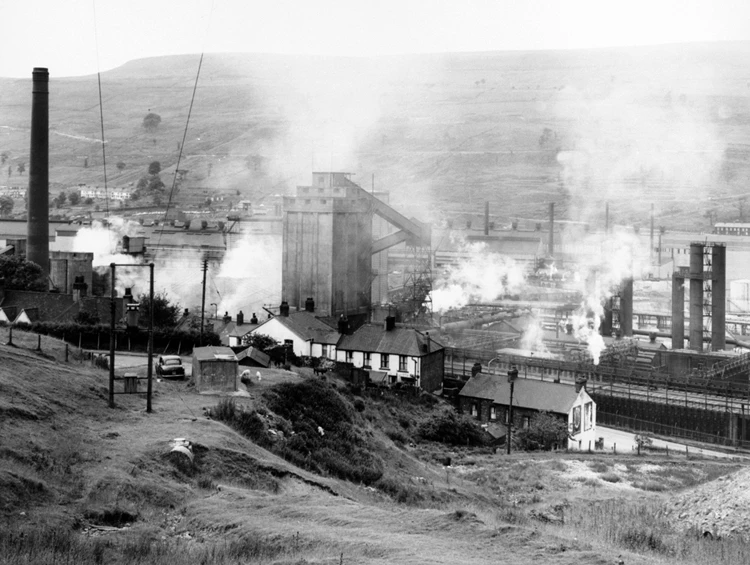
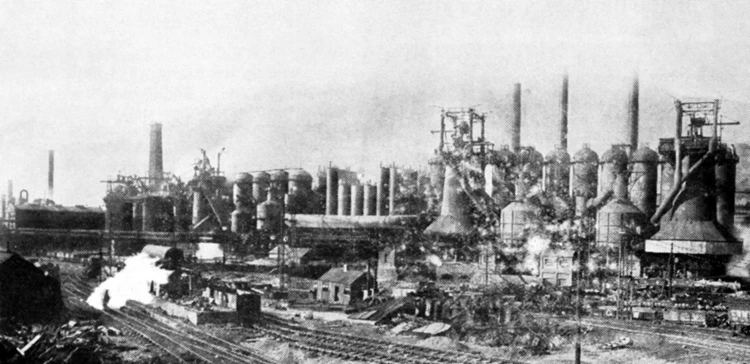
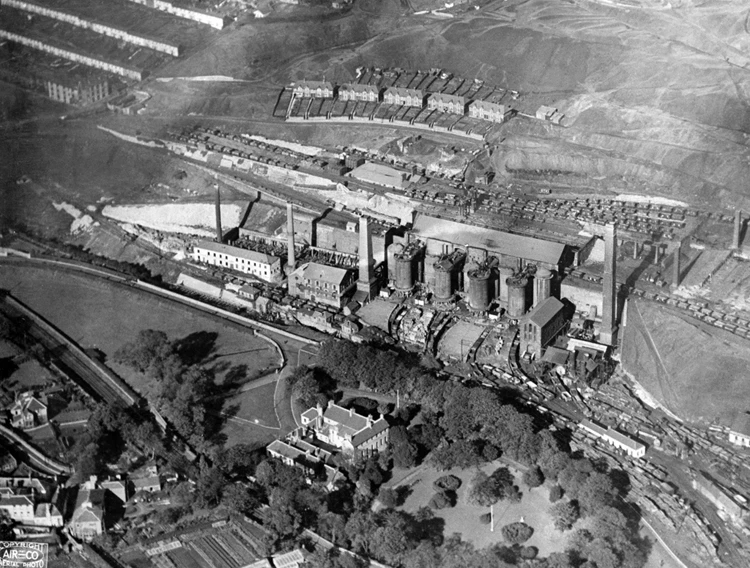
An air view of the works in August 1957

An air view of the works in August 1957

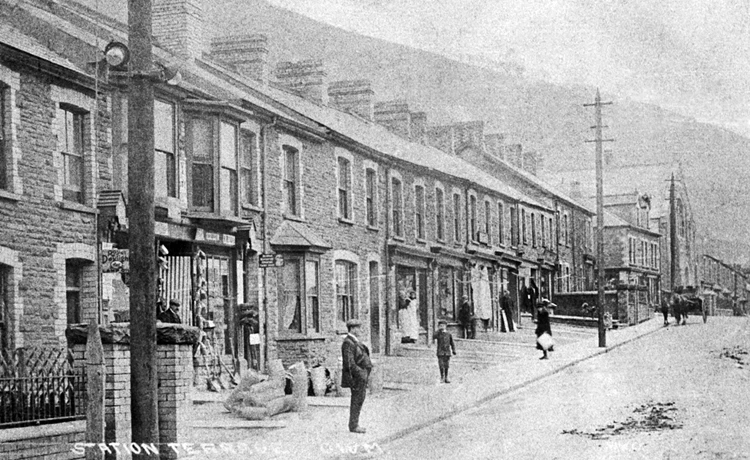
Station Terrace, Cwm's first major shopping centre, in 1913.

As Marine Colliery expanded so did the village of Cwm where the bulk of the miners and families lived. Station Terrace, Cwm's first major shopping centre, in 1913.

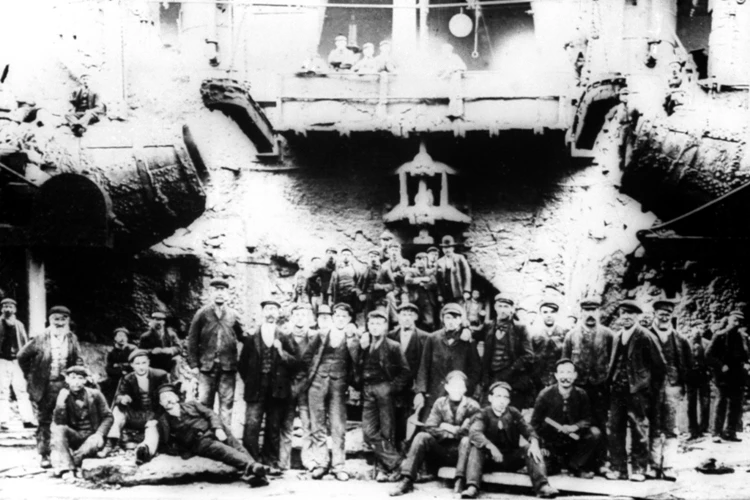
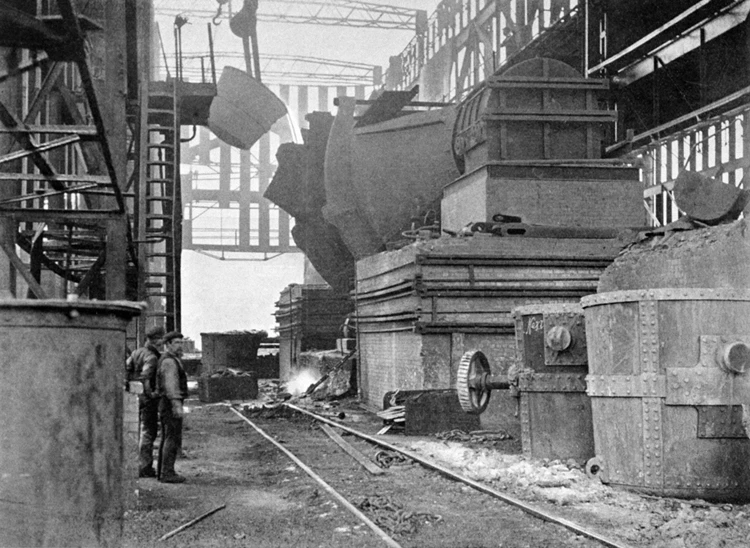
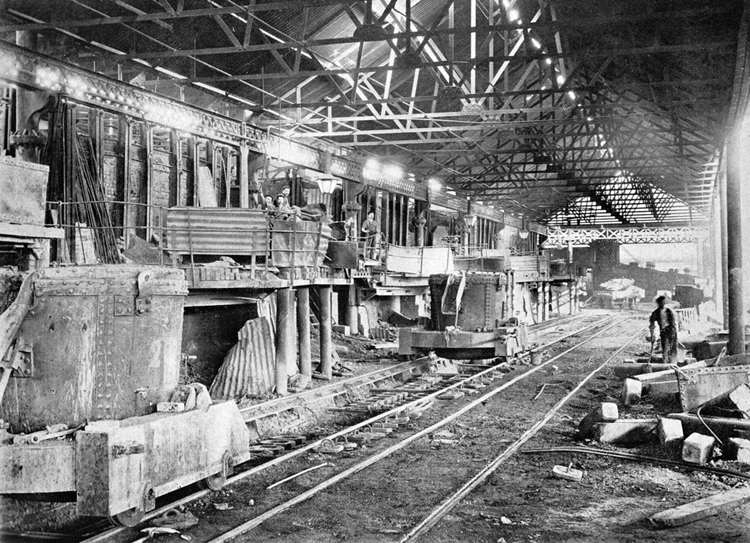
750-ton hot metal receiver in the Bessemer Steel Works

The 750-ton hot metal receiver in the Bessemer Steel Works was the largest in the World when installed in 1905-06.

On 30 October 1929 the works were closed.  In 1936 they were demolished.

On 30 October 1929 the works were closed. In 1936 they were demolished.

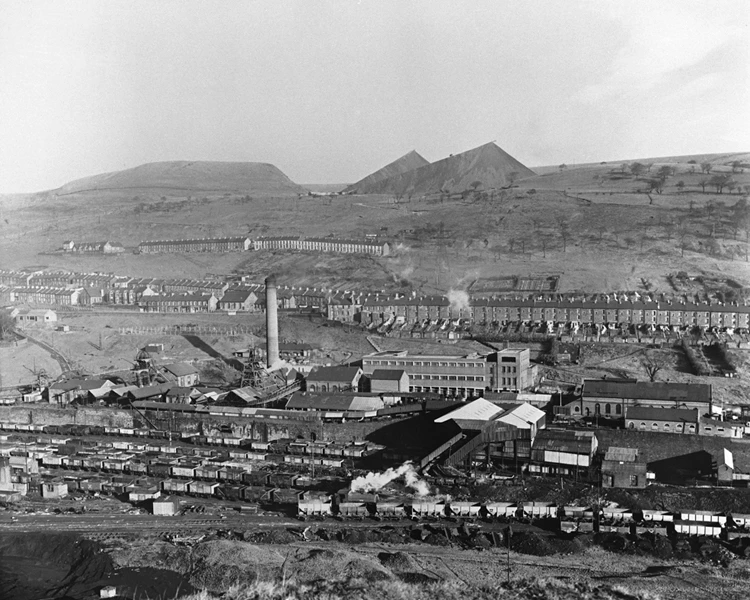
Coal mining and its landscape, Waunlwyd, 1950s

Coal mining and its landscape, Waunlwyd, 1950s

Modernisation

In 1892 control of the company returned to iron and steel interests. The companies finances were consolidated, with expansion and modernisation beginning in 1897. In 1910 a number of south Wales colliery owners led by Viscount Rhondda became directors.

In May 1911, under the impression that profits would be increased by concentrating on coal production alone, they closed the iron and steel works. However, their hopes were not fulfilled and those works reopened in April 1912.

The last act of expansion before the First World War was the construction of sheet mills in 1912.

Between 1918 and 1920 the company increased its capital from £1.8 million to £7.7 million and embarked on further expansion. Two modern blast furnaces built at Victoria in 1920-23 replaced the four old Ebbw Vale blast furnaces. Plants were installed to produce steel railway sleepers and weldless tubes and couplings. However, the international iron and steel trade slumped in the early 1920s.

Troubled times

The golden age of the early twentieth century was shattered from the 1920s onwards. The boom in the coal export market collapsed as ships switched to oil for fuel. After 1922 the company's high profits turned into big losses.

Closure

The 1920s and 1930s were the "Years of the Locust" as wages fell, collieries closed and unemployment rocketed. There were bitter and long industrial disputes in 1921 and 1926 and the financial crisis of 1929 affected the Ebbw Vale company badly. Its works closed, putting almost half the town's population out of work.

In 1935 the company went into liquidation and all its collieries were sold to Partridge Jones and John Paton Ltd, the largest colliery owner in the Gwent valleys.

Rebuilding

To remain internationally competitive, Britain's tinplate industry required an American-style steel stripmill. A new stripmill was planned in Lincolnshire but Government intervention caused it to be relocated to Ebbw Vale, and in 1936-8 the old works was cleared and an integrated iron, steel and tinplate plant built.

The former collieries of the Ebbw Vale Steel, Iron & Coal Company were taken over by the National Coal Board when the whole industry was nationalised in 1947. In that year, three were still in production — Waunlwyd, Cwmcarn and Marine. They were closed in 1964, 1968 and 1988 respectively.

Up to the present

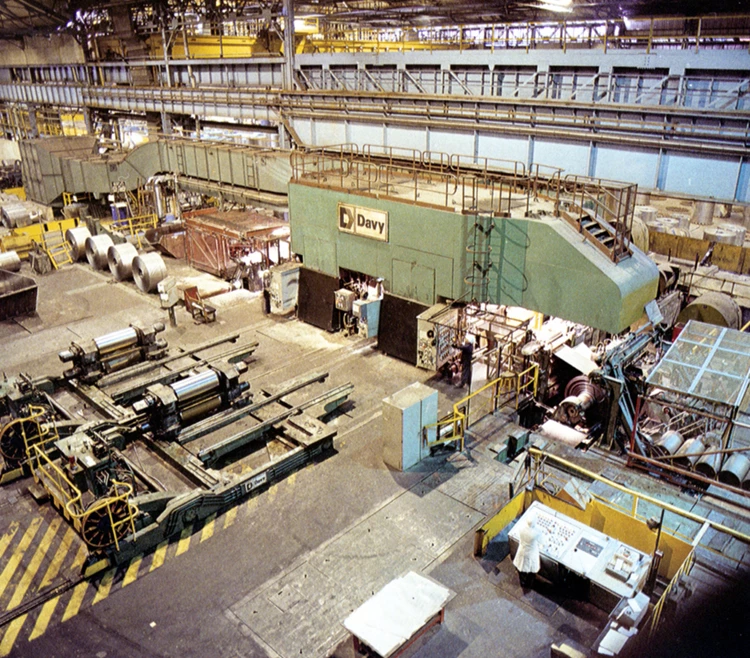
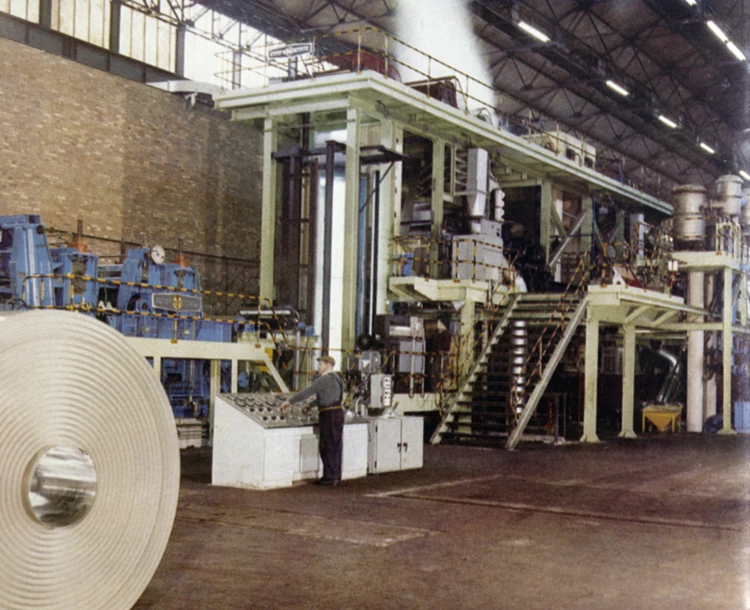
The first electrolytic line outside the USA was built at Ebbw Vale in 1947-8. The Bessemer and open hearth steel plants were expanded and in 1960 Britain's first LD converter was installed at the works. Such plant was soon to supersede all Bessemer and open hearth steel plants in the UK. Two further electrolytic tinning lines were installed in 1961 and 1969, with galvanising lines added in 1957 and 1969.

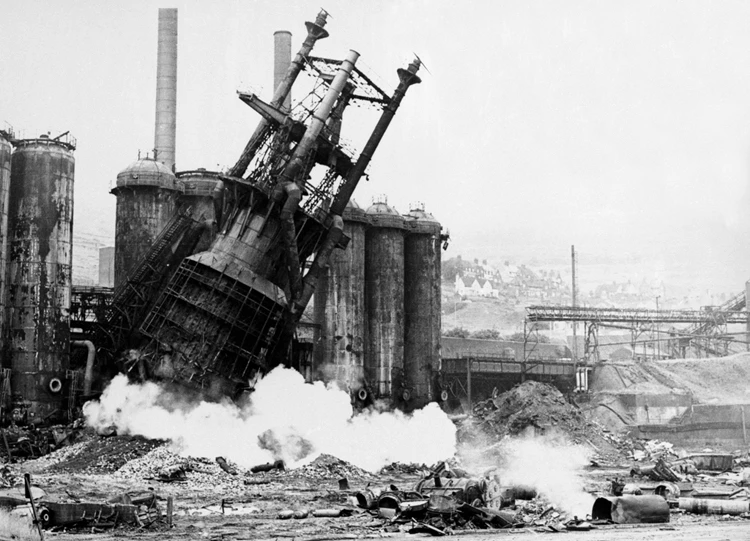
Rationalisation in the steel industry following nationalisation in 1967 led to the steel plant at Ebbw Vale closing in 1978.

Until closure in 2002 the works concentrated on tinplating and galvanising, and was the largest tinplate producer in Britain.
The Ebbw Vale Steel, Iron & Coal Company

20 July 2010

The Ebbw Vale Steel, Iron & Coal Company was based in south Wales. Founded in 1790, it was the largest tinplate producer in the country, until its closure in 2002.

Working Abroad - Welsh Emigration

9 February 2010

Welsh industrial emigration: The legacy

In the nineteenth and twentieth centuries, millions of people across the world moved to different countries looking for work. They wanted to improve their lives, try new working practices, or have adventures in different lands.

Many people left Wales and took traditional Welsh industrial skills with them. Some helped create continuing economic success in the countries they moved to. Some made huge fortunes, finding fame. Others led more quietly successful lives, settling down and raising families. Some returned to Wales after time abroad, others were never to see this country again.
Here we look at the various industries from Wales that supplied workers and expertise around the world. What were those industries and skills? Where did the workers go? What values and traditions did they take with them? What impact did their leaving have on the country they left behind?
Welsh coal mine, Kentucky

Welsh coal mine, Kentucky

Coal

"Wales experienced a spectacular boom in coal mining in the late 19th and early 20th centuries. The world looked to the Welsh mining industry for expertise and advice."

[see more]

Burra Burra copper mine, 1874.

Burra Burra copper mine, 1874.

Copper

"The world of copper smelting was led by Wales in the 19th century. The works around Swansea and Holywell supplied over 50% of the world's copper."

[see more]

 
John Davies of Talsarnau, Gwynedd, with his brother and friend seeking gold during the Australian Gold Rush

John Davies of Talsarnau, Gwynedd, with his brother and friend. They are seeking gold in Queensland, Australia in the 1880s

Gold

"Gold has been mined intermittently in Wales for thousands of years, but the industry never employed huge numbers of workers. Despite this, many Welsh emigrants joined the famous 'Gold Rushes' of the 19th century."

[see more]

Welsh workers in the ironworks at Hughesovka

Welsh workers in the ironworks at Hughesovka, John Hughes is second from the right in the front row

Iron

"Wales was at the forefront of the development of the iron industry in Britain and it is therefore not surprising to find Welsh people leading the industry across the world in the nineteenth century."

[see more]

 
Bangor, Pennsylvania

Bangor, Pennsylvania

Slate

"Slate was used in Europe as a roofing material. Welsh slate was exported across the world for prestigious building projects. The discovery of slate deposits in different countries became one of a number of economic factors that influenced Welsh workers to move to those areas."

[see more]

Lithgow Steelworks, New South Wales, Australia, 1920s

Lithgow Steelworks, New South Wales, Australia, 1920s

Steel

"Iron working centres often adapted themselves to the creation of steel, a stronger, more versatile material. Unsurprisingly Welsh workers played an important part in this change."

[see more]

 
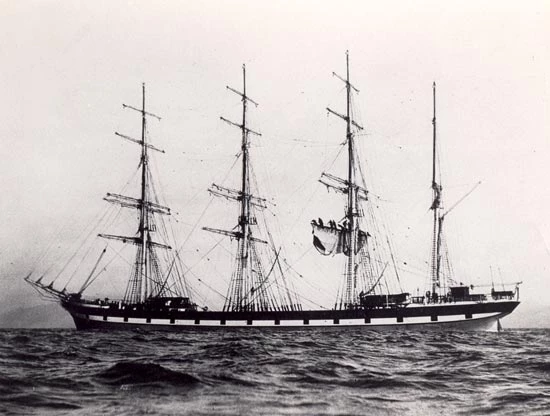
<em>Metropolis</em> built for William Thomas in 1887
Metropolis

built for William Thomas in 1887

Shipping

"Wales has a 1,200km (750 mile) coastline and a long tradition of seafaring. Welsh sailors travelled around the world, exporting Welsh goods and importing raw materials for industry. Welsh shipping lines were among the best-known in maritime trade and the company owners were amongst the richest."
[see more]

Quarrying stone, Randolph, Wisconsin

Quarrying stone, Randolph, Wisconsin

Metal Mining

"Wales has a 1,200km (750 mile) coastline and a long tradition of seafaring. Welsh sailors travelled around the world, exporting Welsh goods and importing raw materials for industry. Welsh shipping lines were among the best-known in maritime trade and the company owners were amongst the richest."

[see more]

 
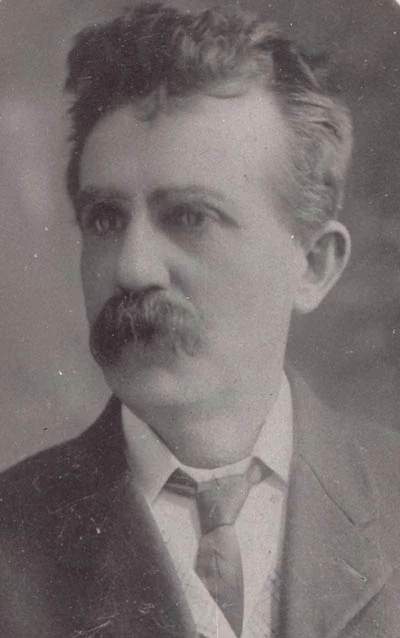
John Williams

John Williams

Tinplate

"The manufacture of tinplate was another area where Wales held a virtual monopoly in the world. South Wales accounted for over 80% of world production in the early 1890s."

[see more]

Morgan C. Jones, (on the right), nephew of Morgan Jones and working for the same company

Morgan C. Jones, (on the right), nephew of Morgan Jones and working for the same company

Other Industries

"Not all Welsh people worked in the 'traditional' heavy industries of Wales of course. Many worked in other industries and many transferred the skills they learnt in mines, foundries and works to other places of work."

[see more]

 
Cartoon from the Western Mail, 1928

Cartoon from the Western Mail, 1928

Migration Patterns

"Not everyone who left Wales for a new life abroad stayed away. Many people returned home for various reasons. This is called back migration."

[see more]

Breaker boys in Pennsylvania.

Breaker boys in Pennsylvania. Many Welsh boys in the USA began work in this way at an early age.

Radicalism

"Welsh industrial workers came from areas that had well organised unions. They had a reputation for standing up for their rights, safe working conditions and decent pay."

[see more]

 
Old Saron Church, the first Welsh church in Minnesota, 1856

Old Saron Church, the first Welsh church in Minnesota, 1856

Welsh Culture

"Like many emigrants, Welsh people took their culture with them to the new countries. In a strange, new place, keeping the songs, stories, languages and traditions of home alive helped emigrants to deal with the unfamiliarity."

[see more]

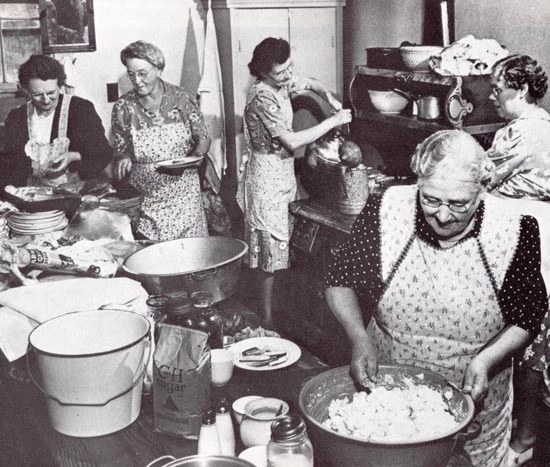
 Preparing food for a Gymanfa Ganu (singing festival), Peniel Church, Pickett, Wisconsin,1946.

Preparing food for a Gymanfa Ganu (singing festival), Peniel Church, Pickett, Wisconsin,1946.

Women

"The majority of industrial workers were men but women of course formed an important part of migrant communities."

[see more]

 
California, USA

California, USA

Place names

"It was common for emigrants of all nationalities to name their new settlements after places in their home countries. This provided a sense of identity and a link with home."

[see more]

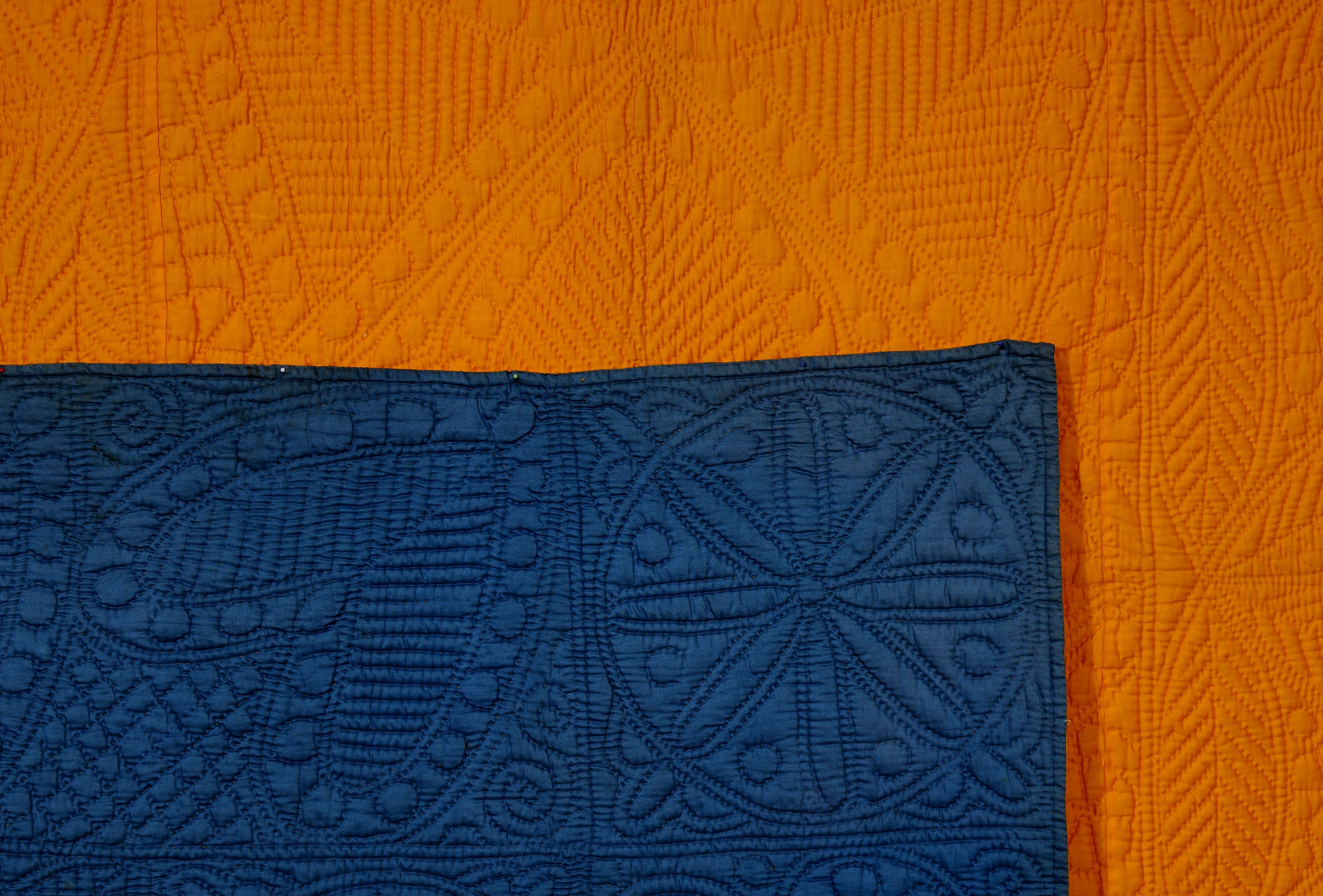
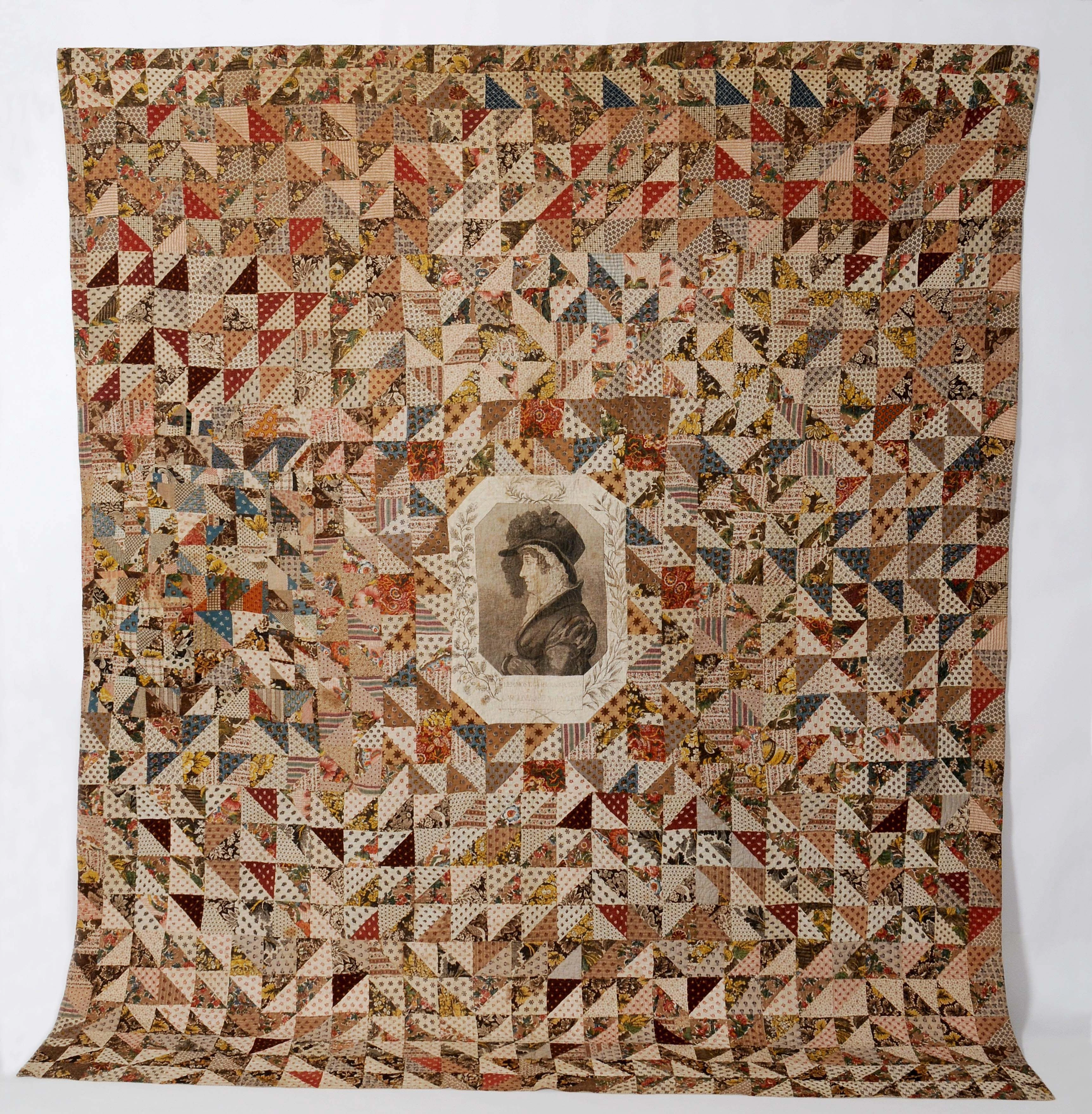
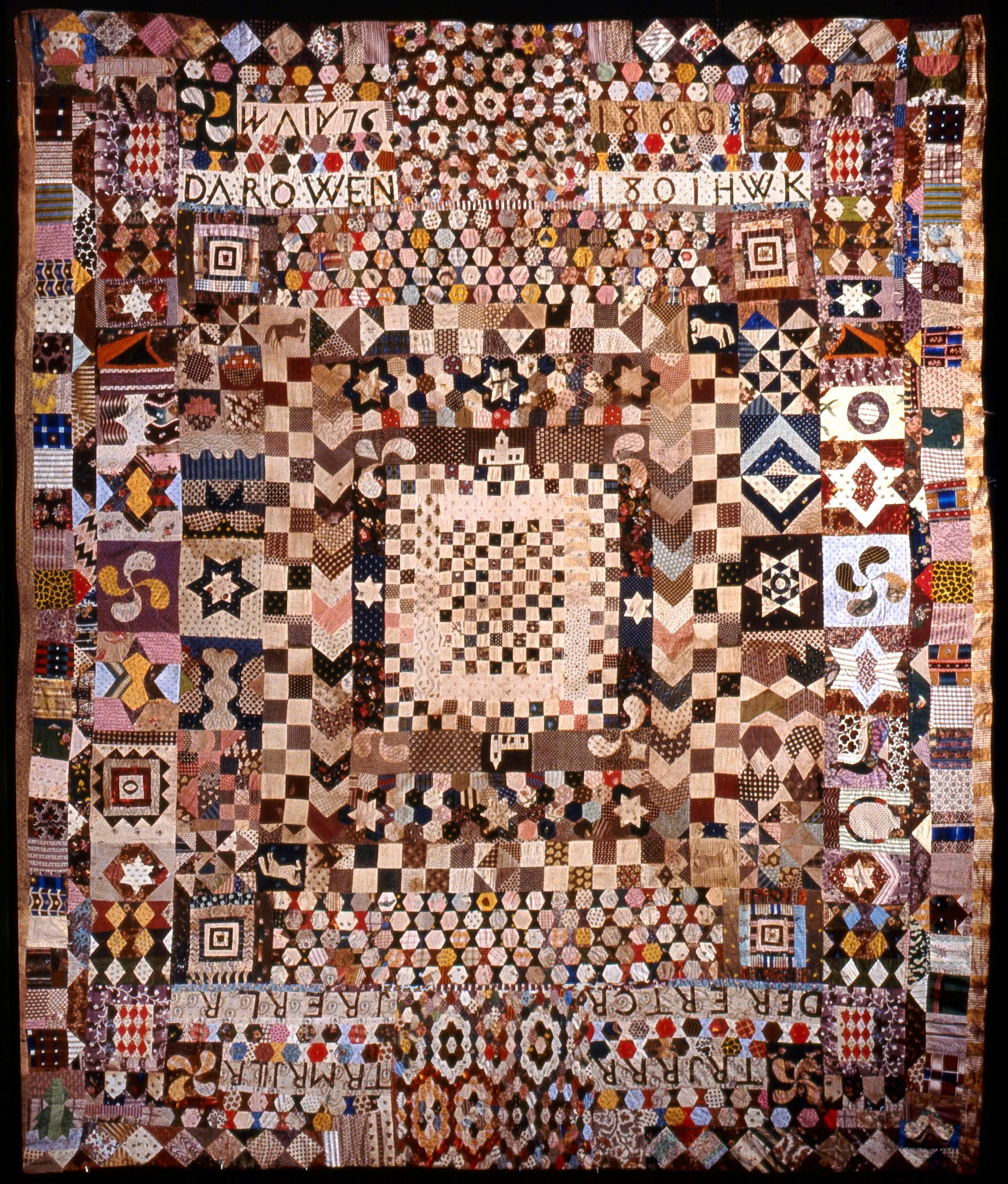
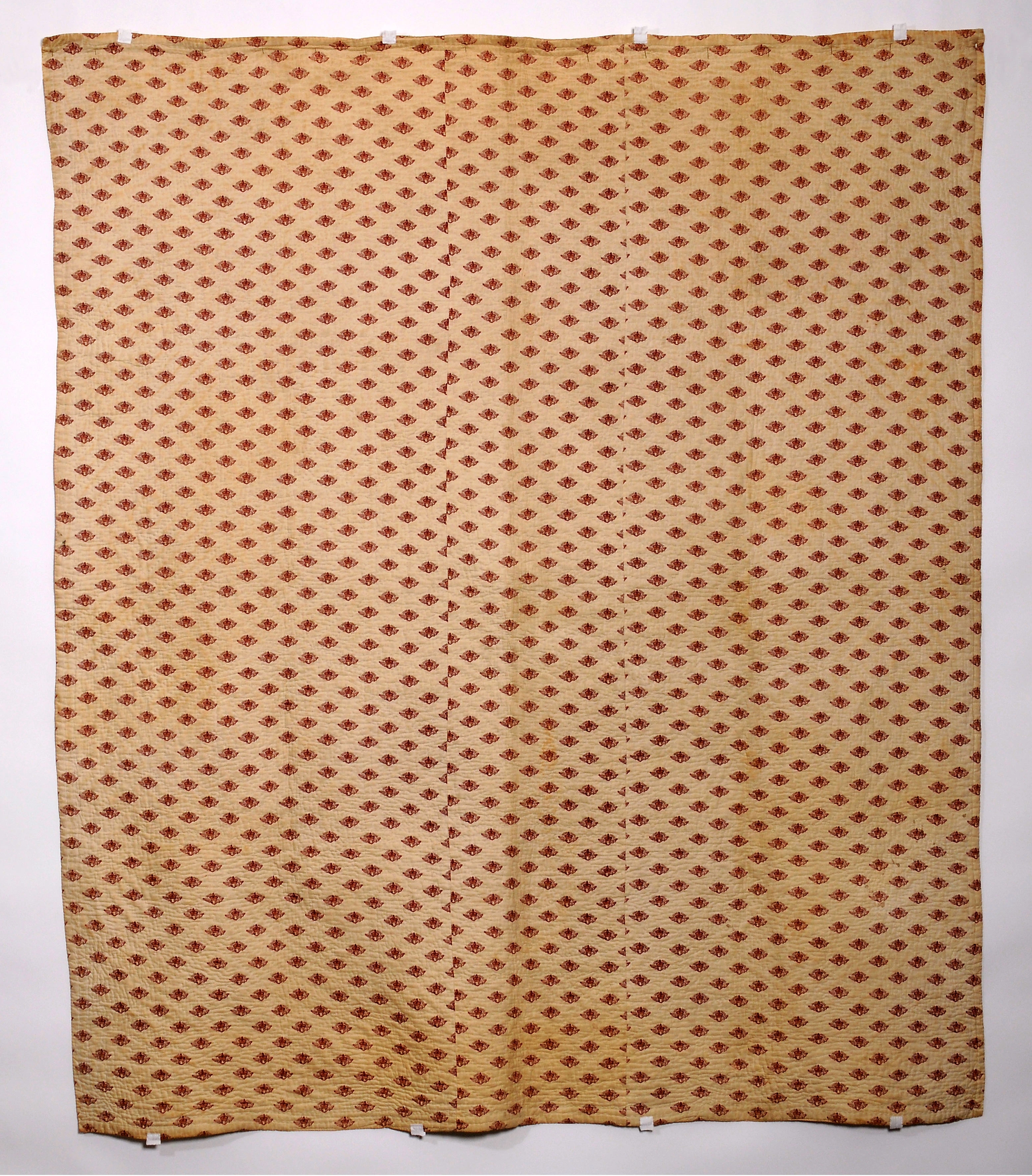
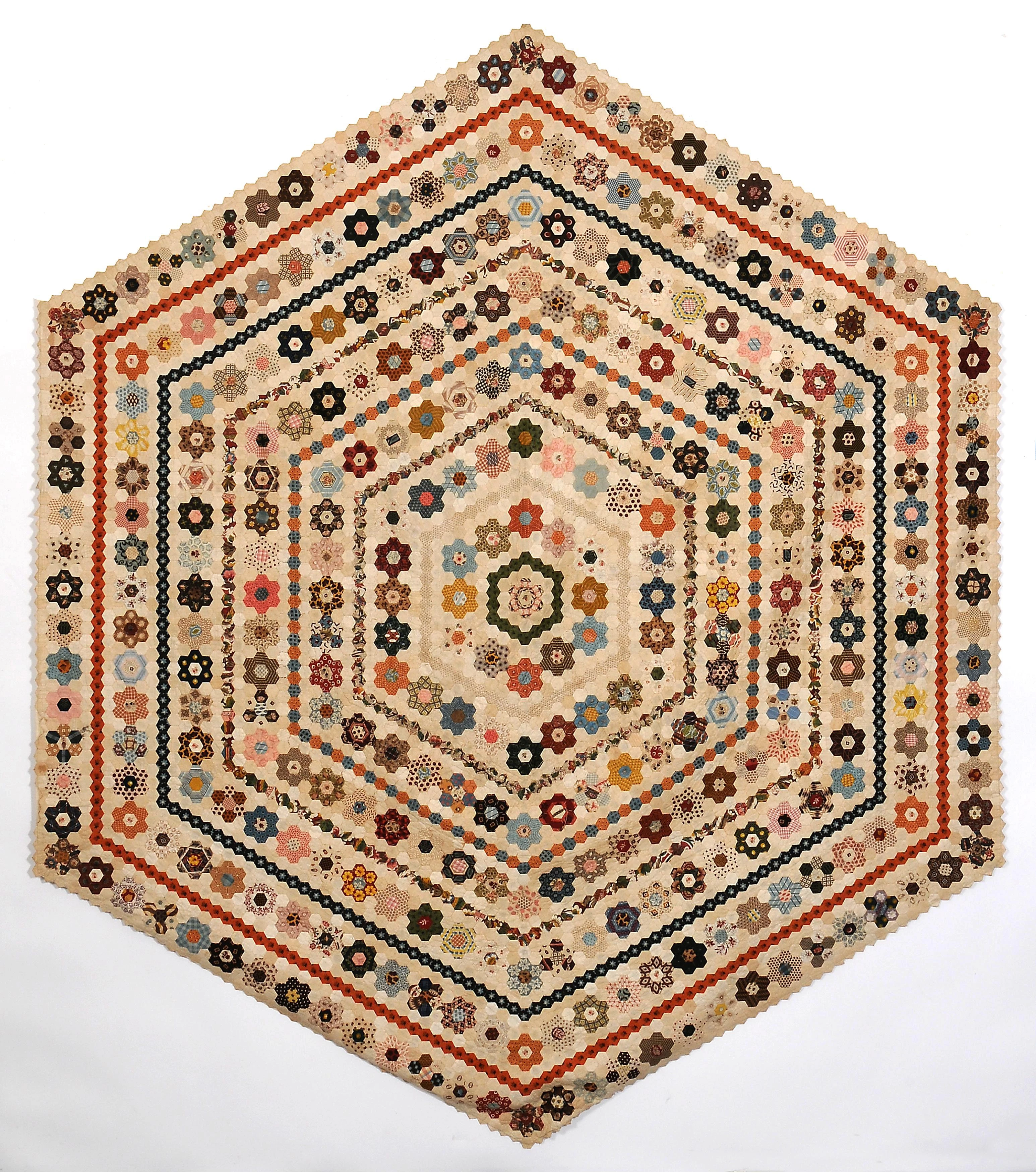
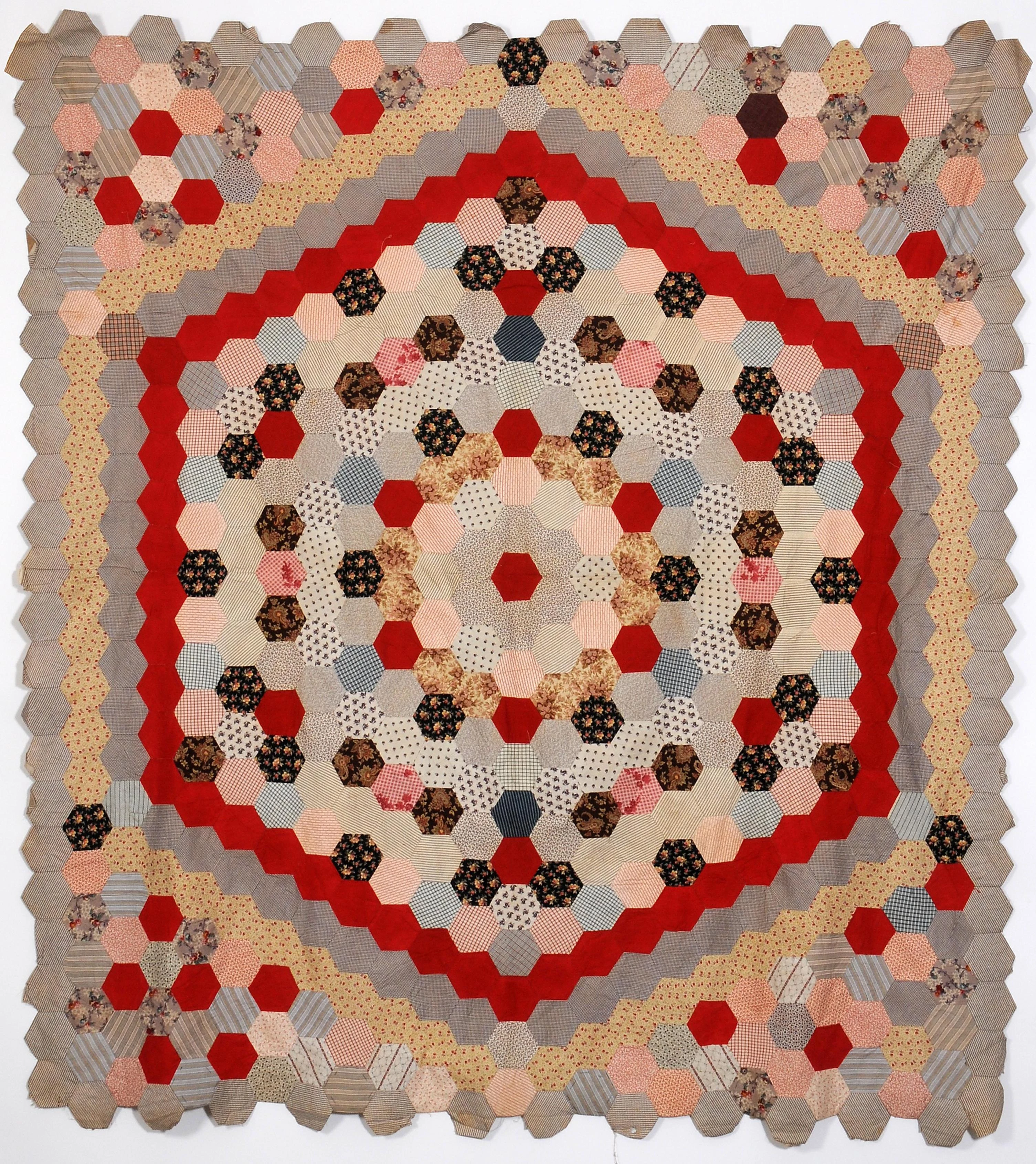
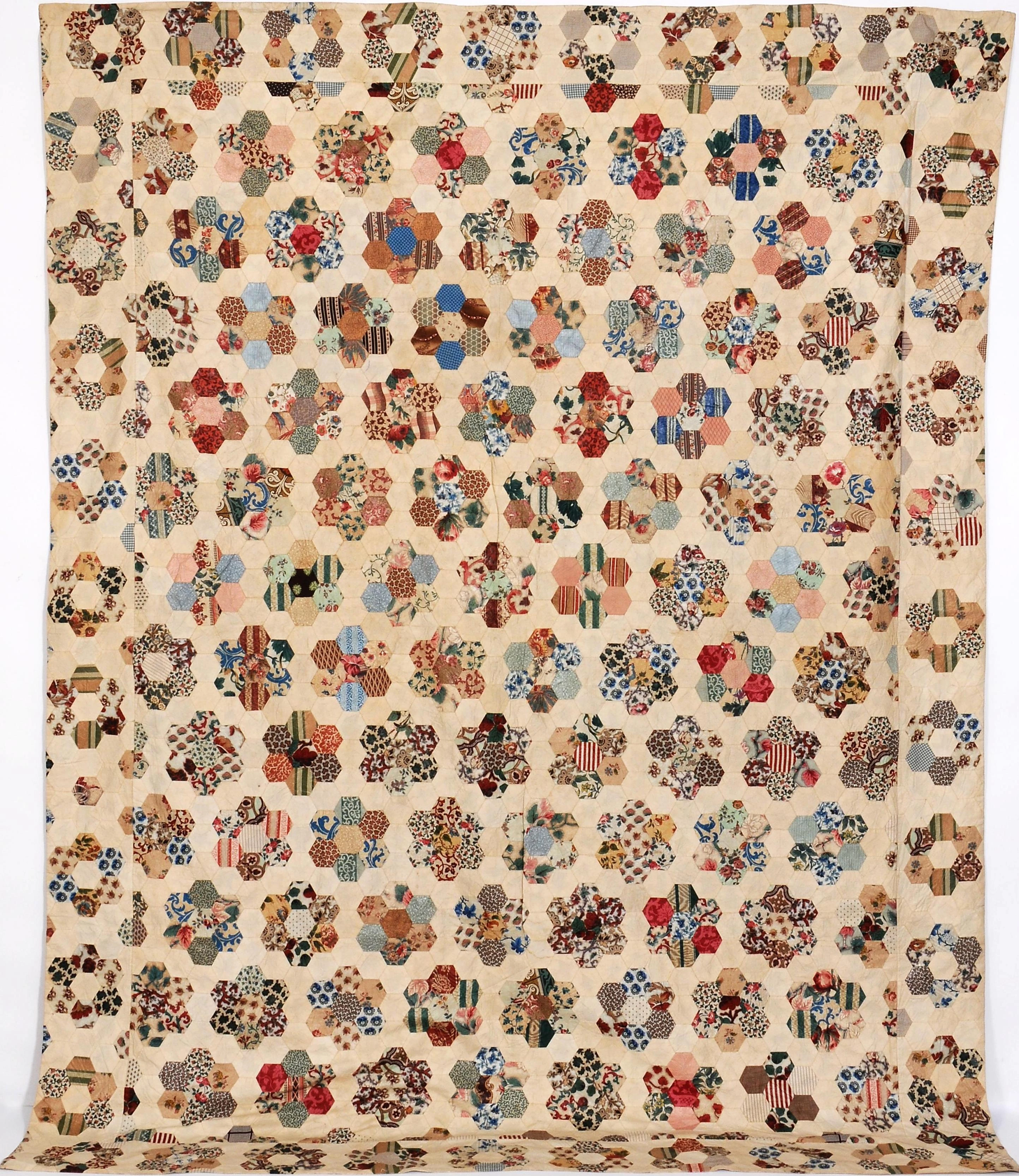
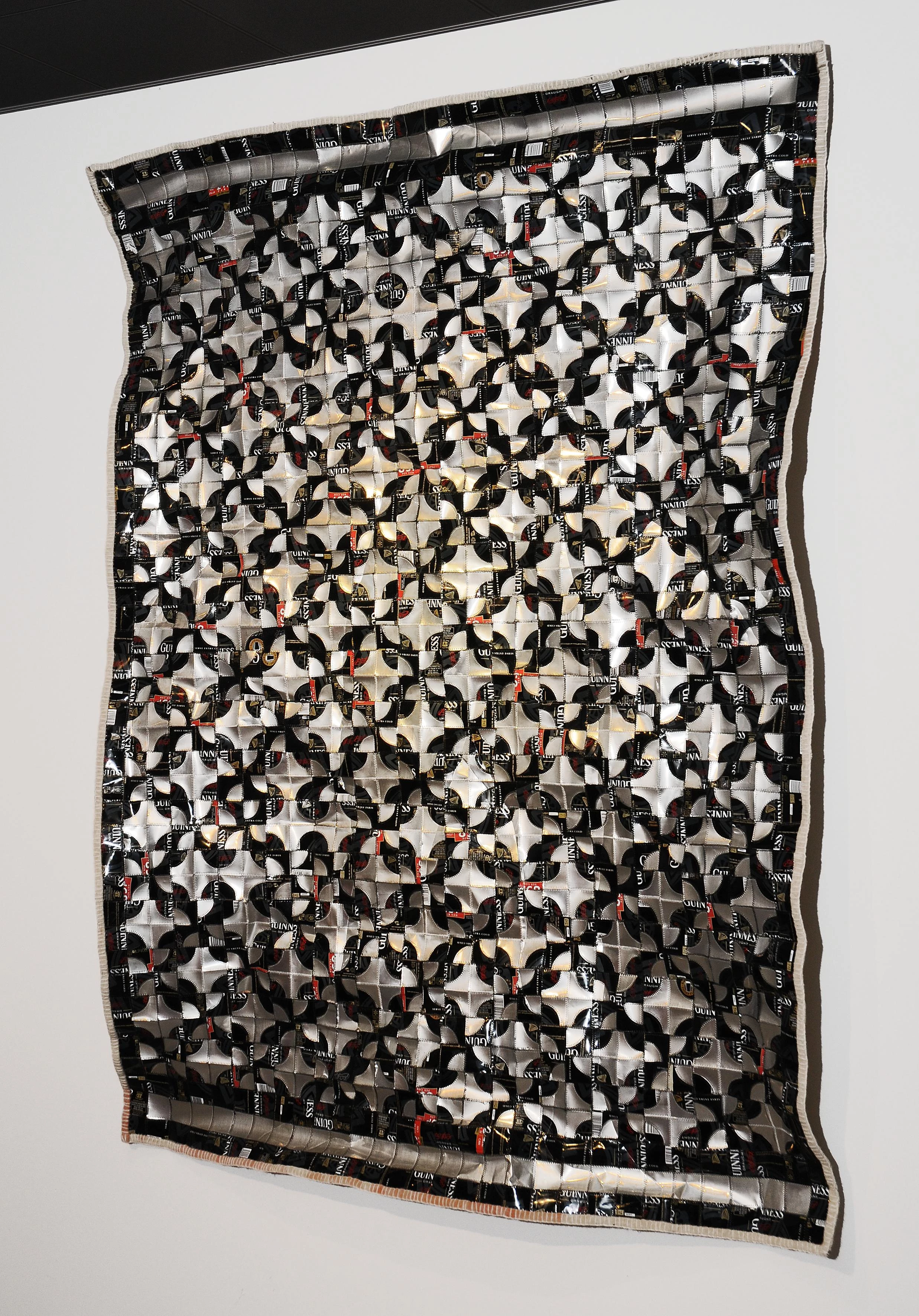
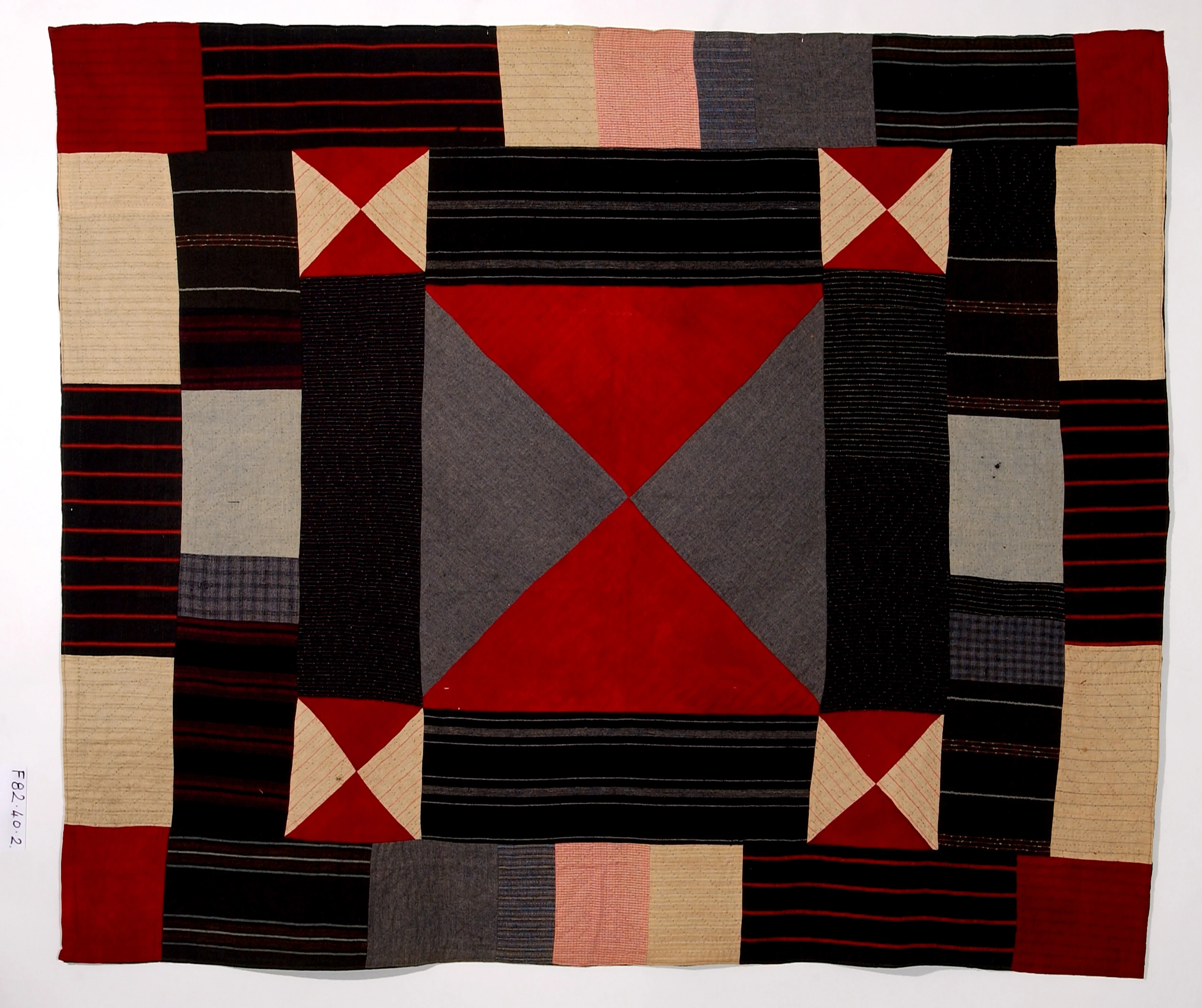
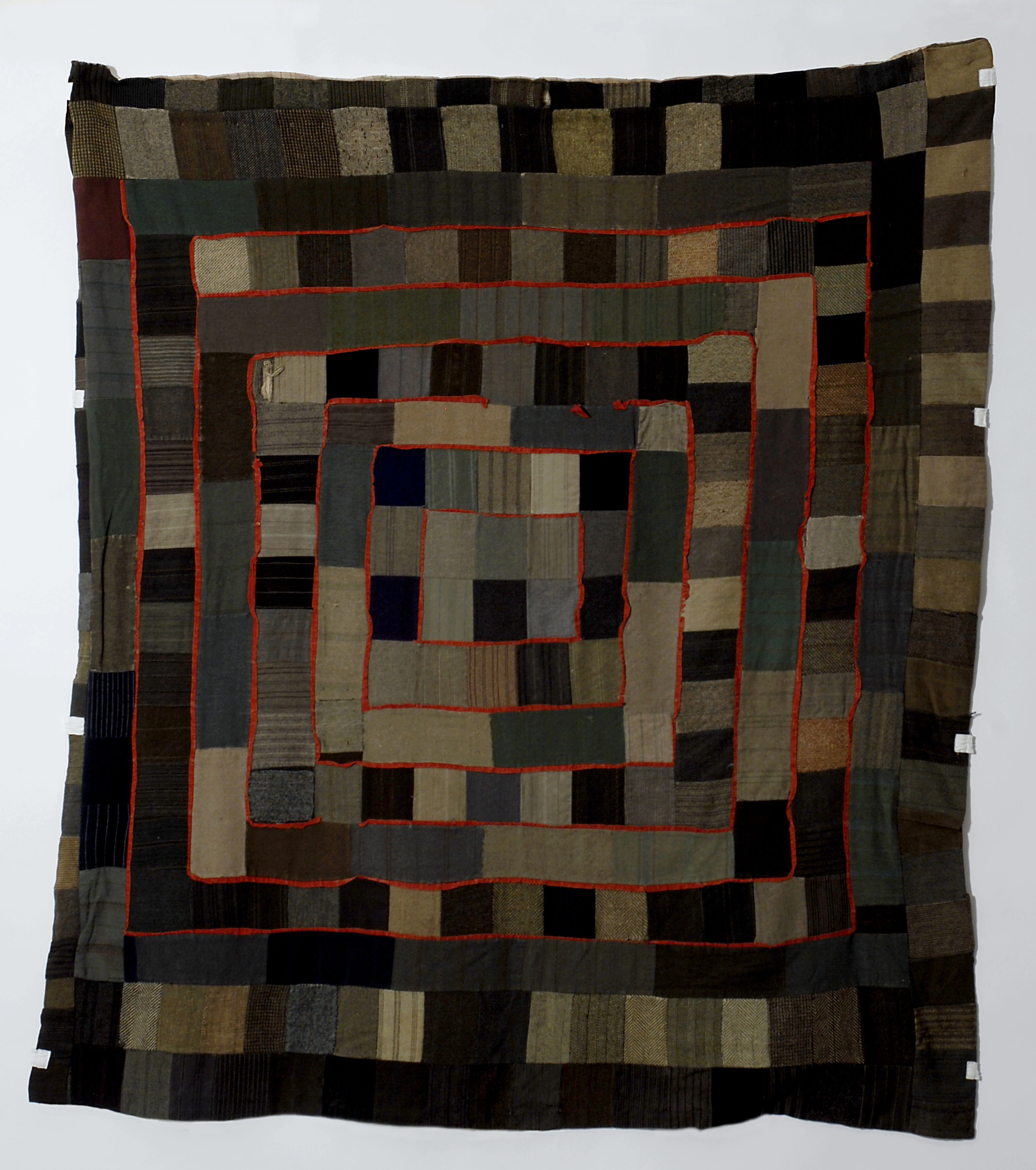
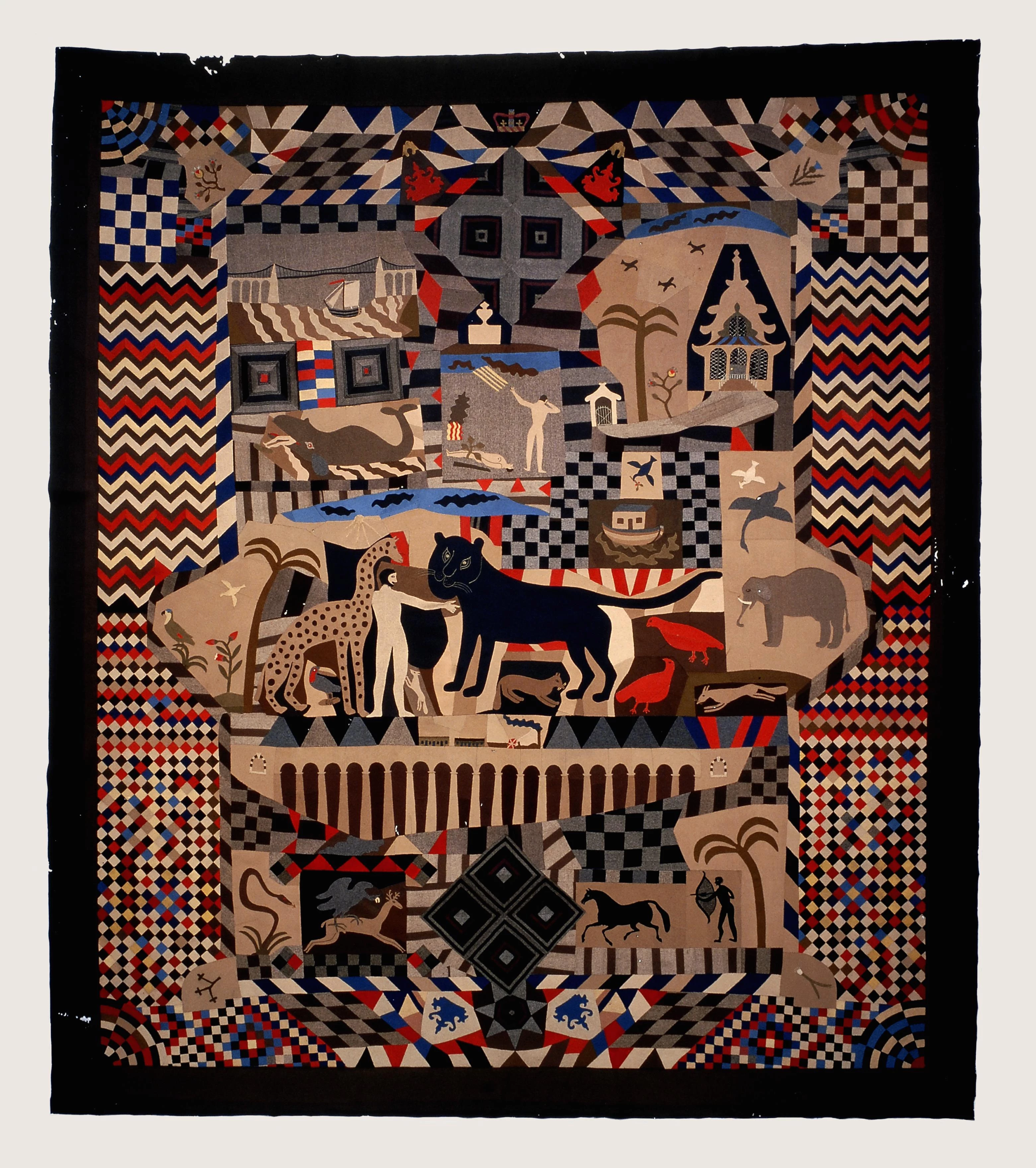
The Quilt Collection

17 April 2009

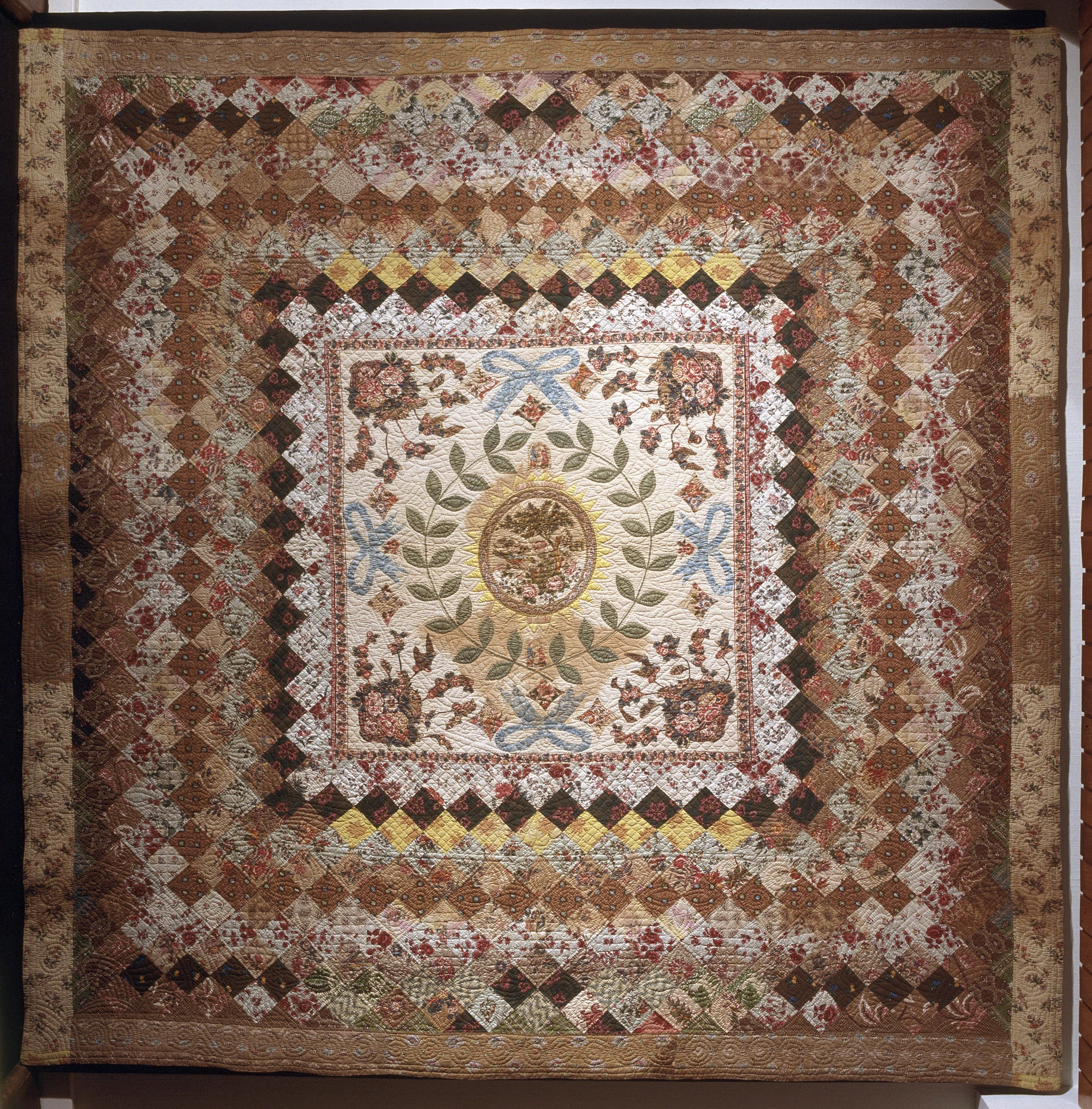
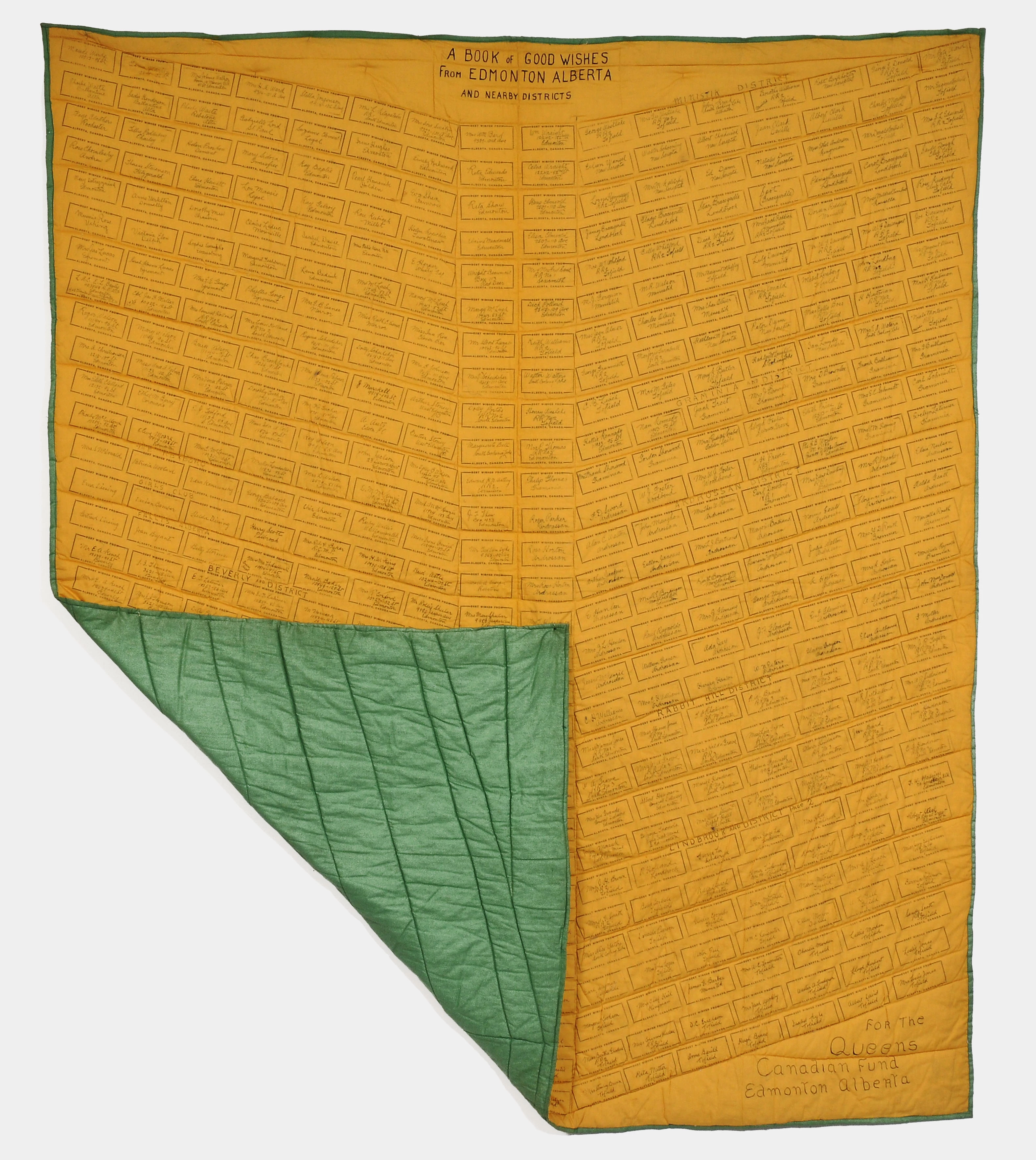
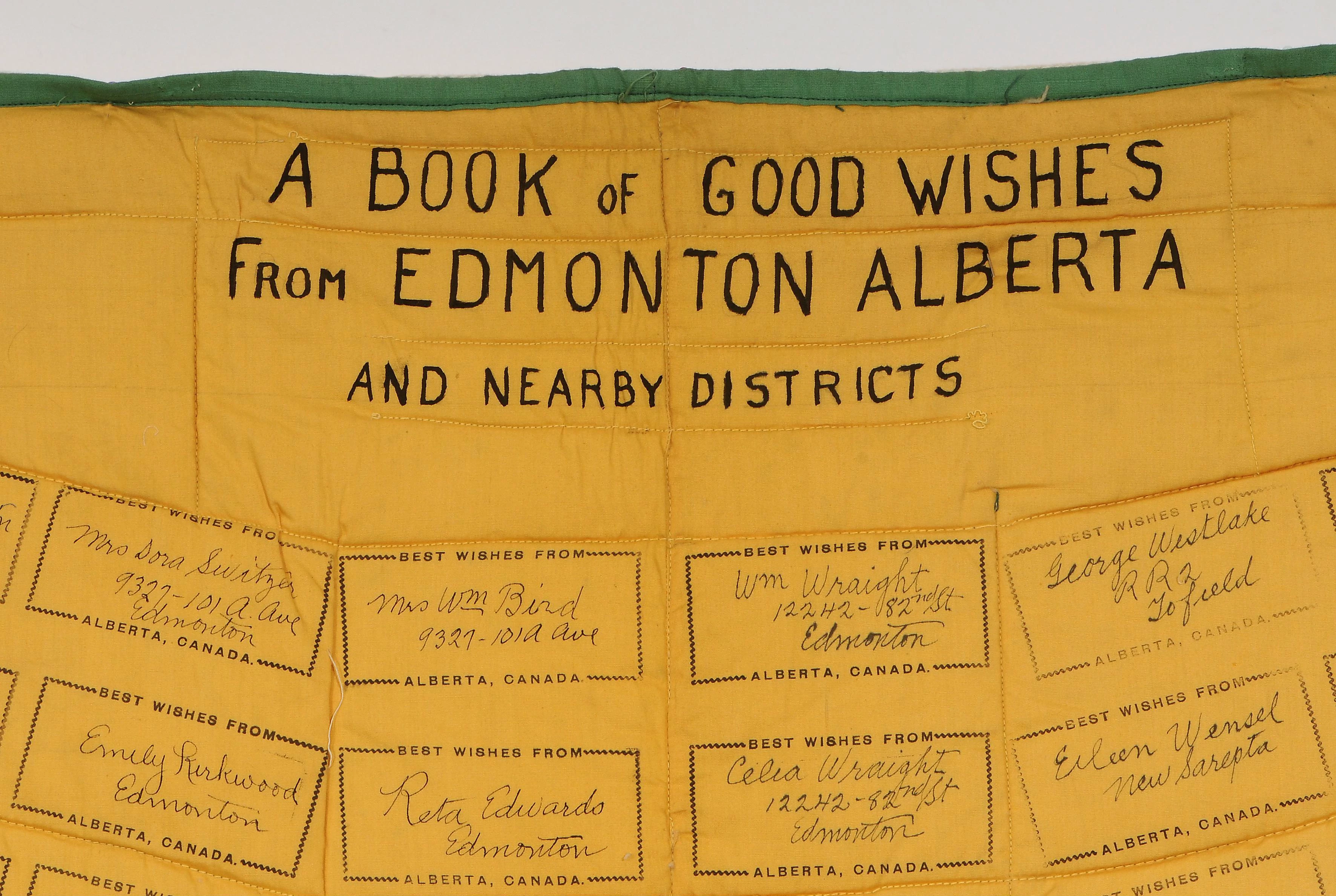
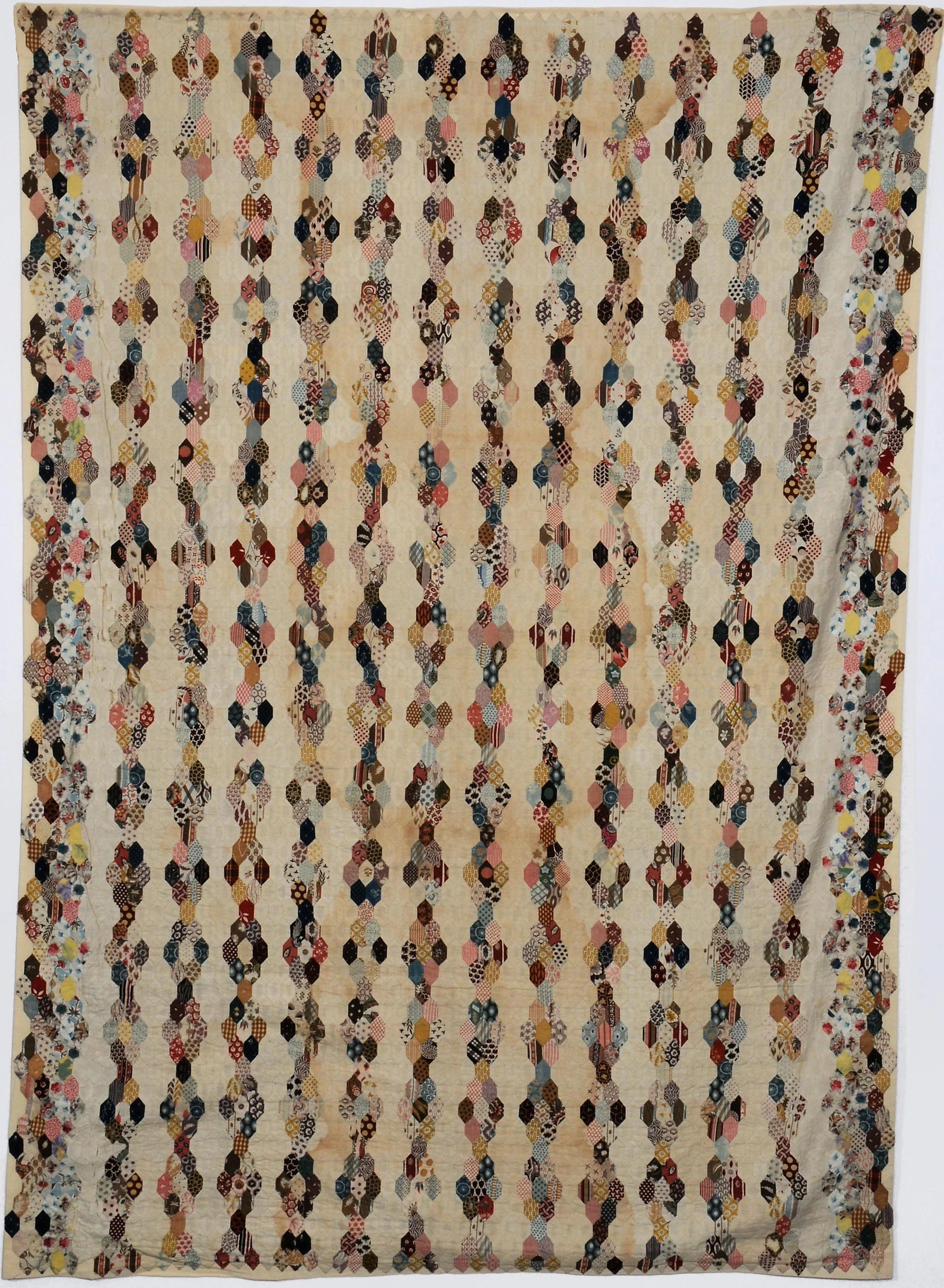
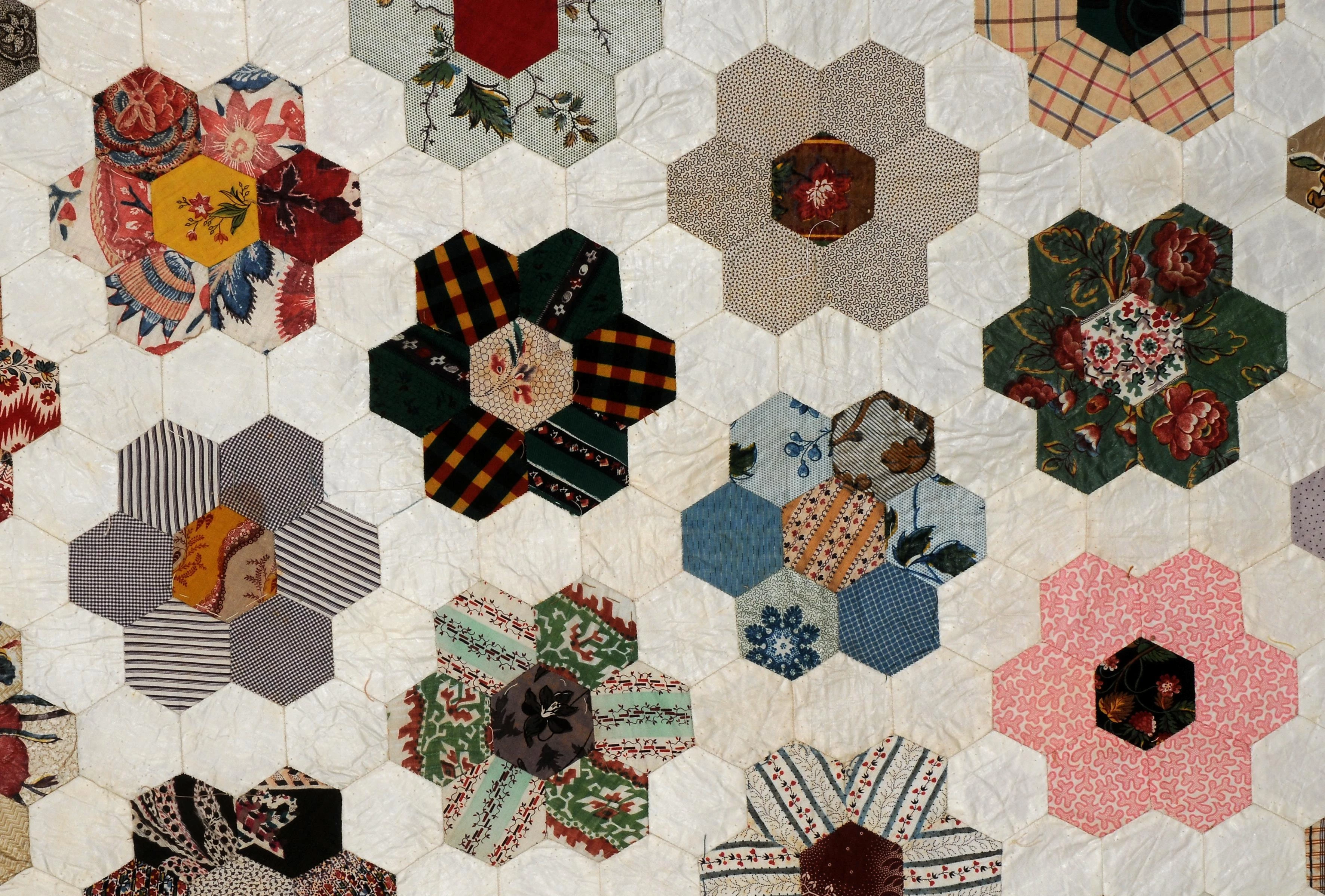
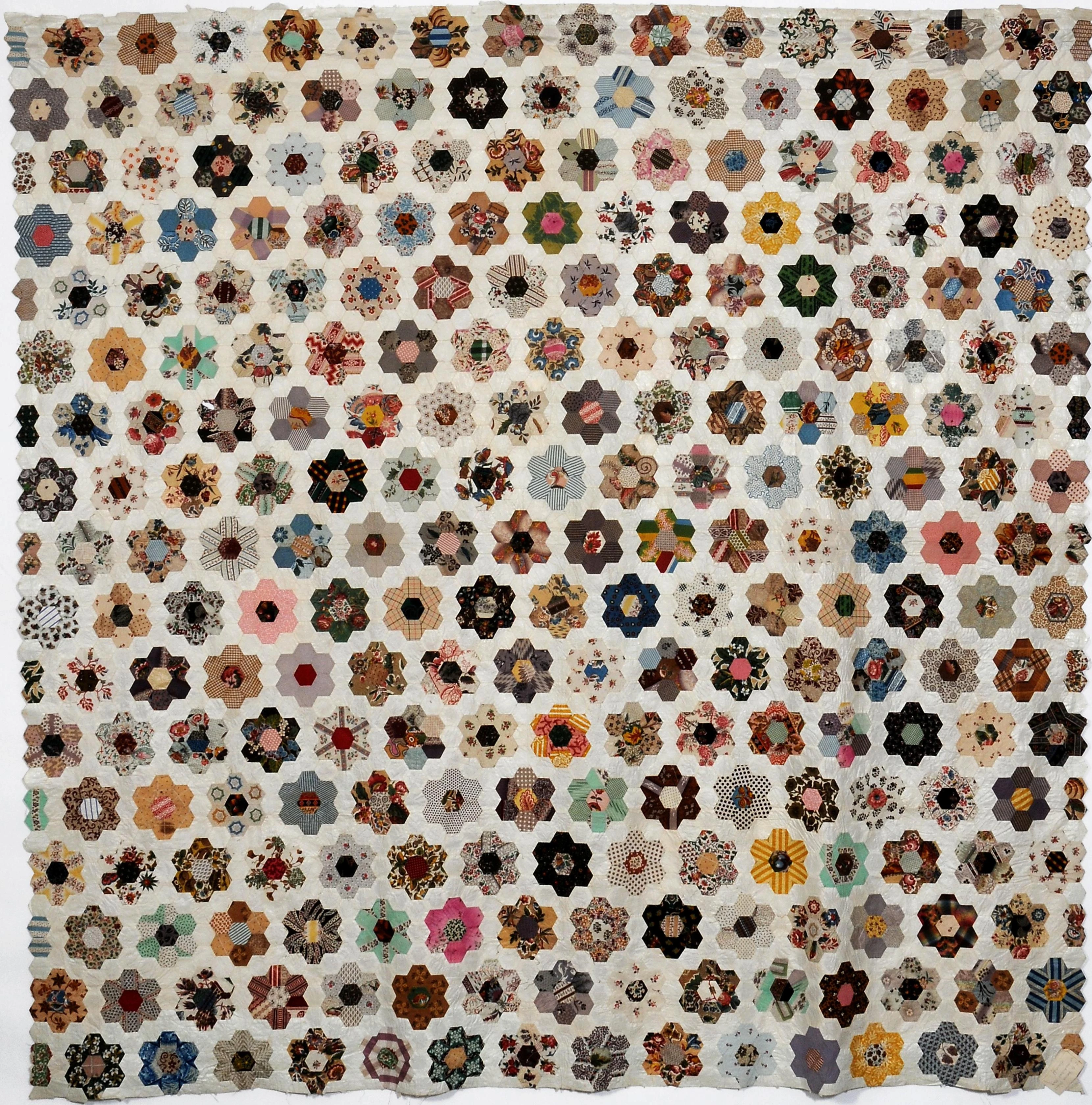
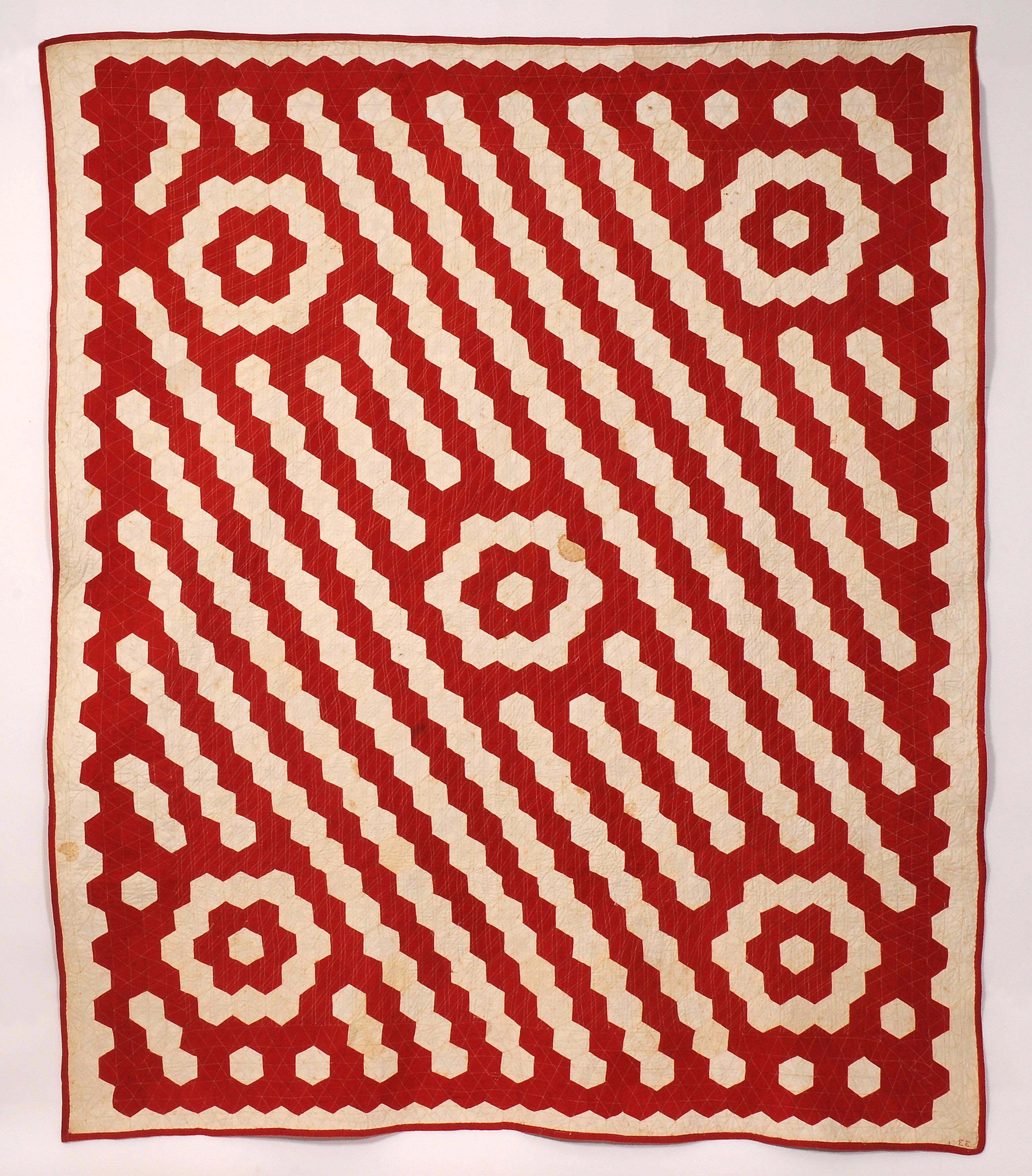
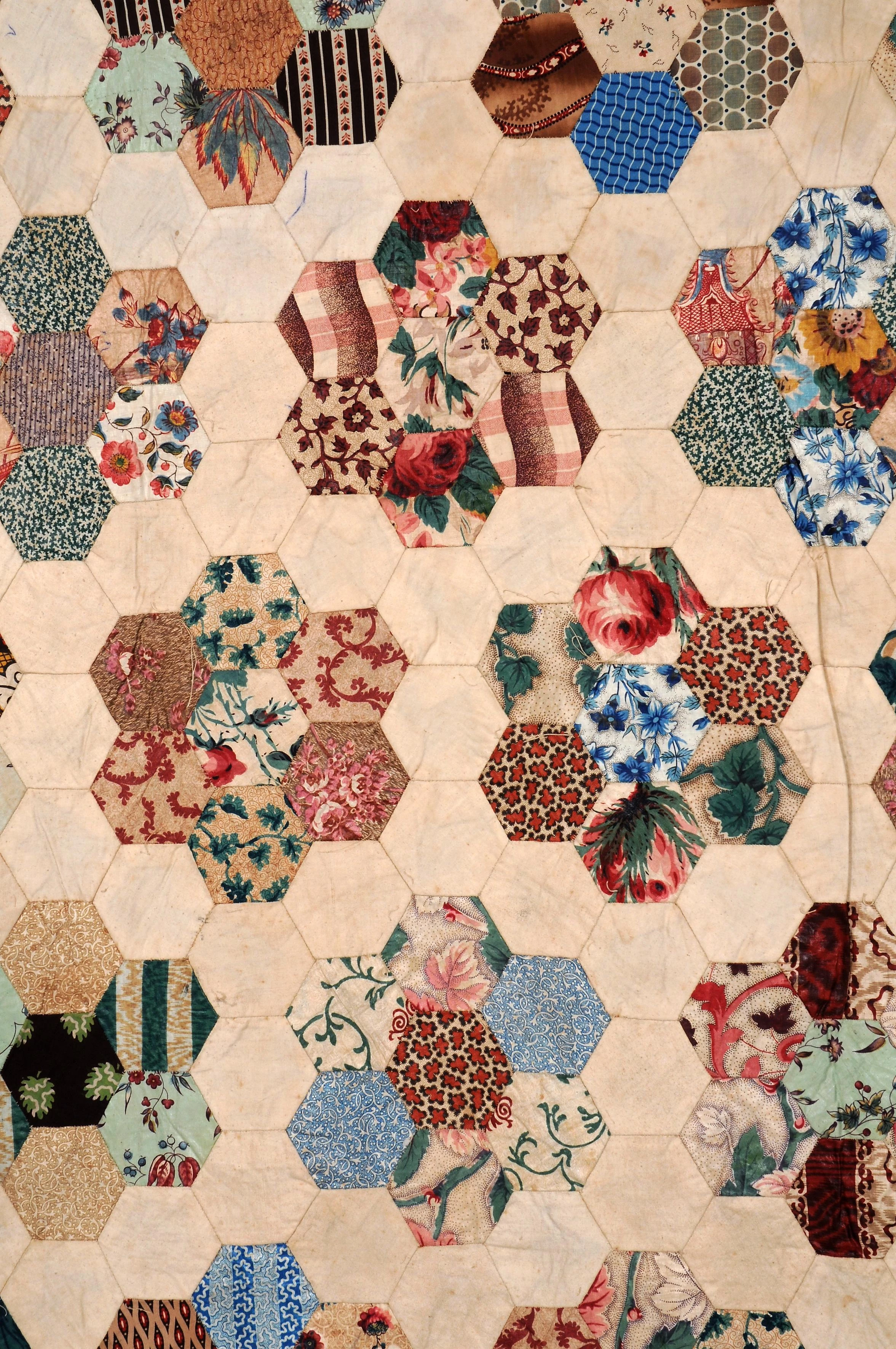
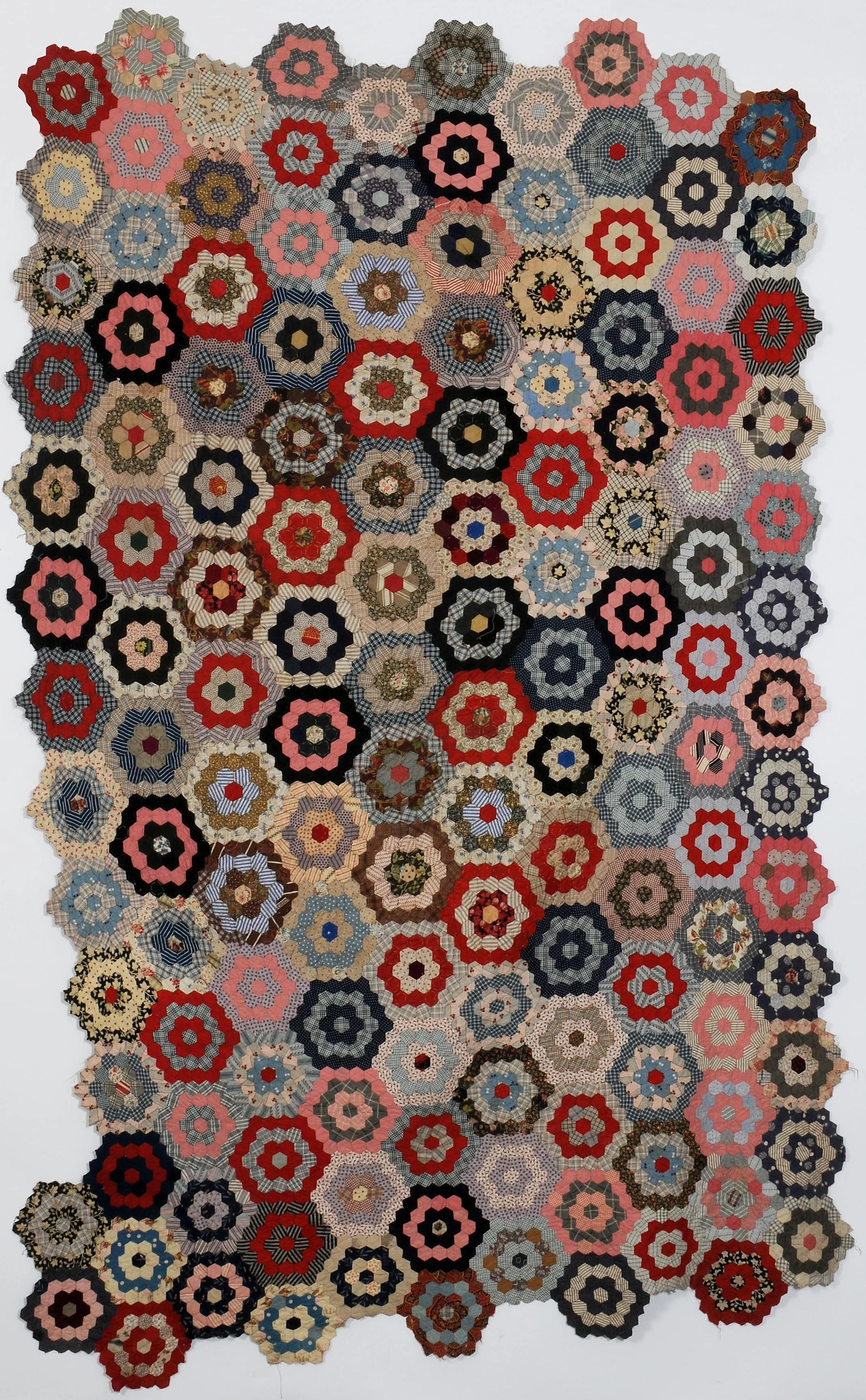
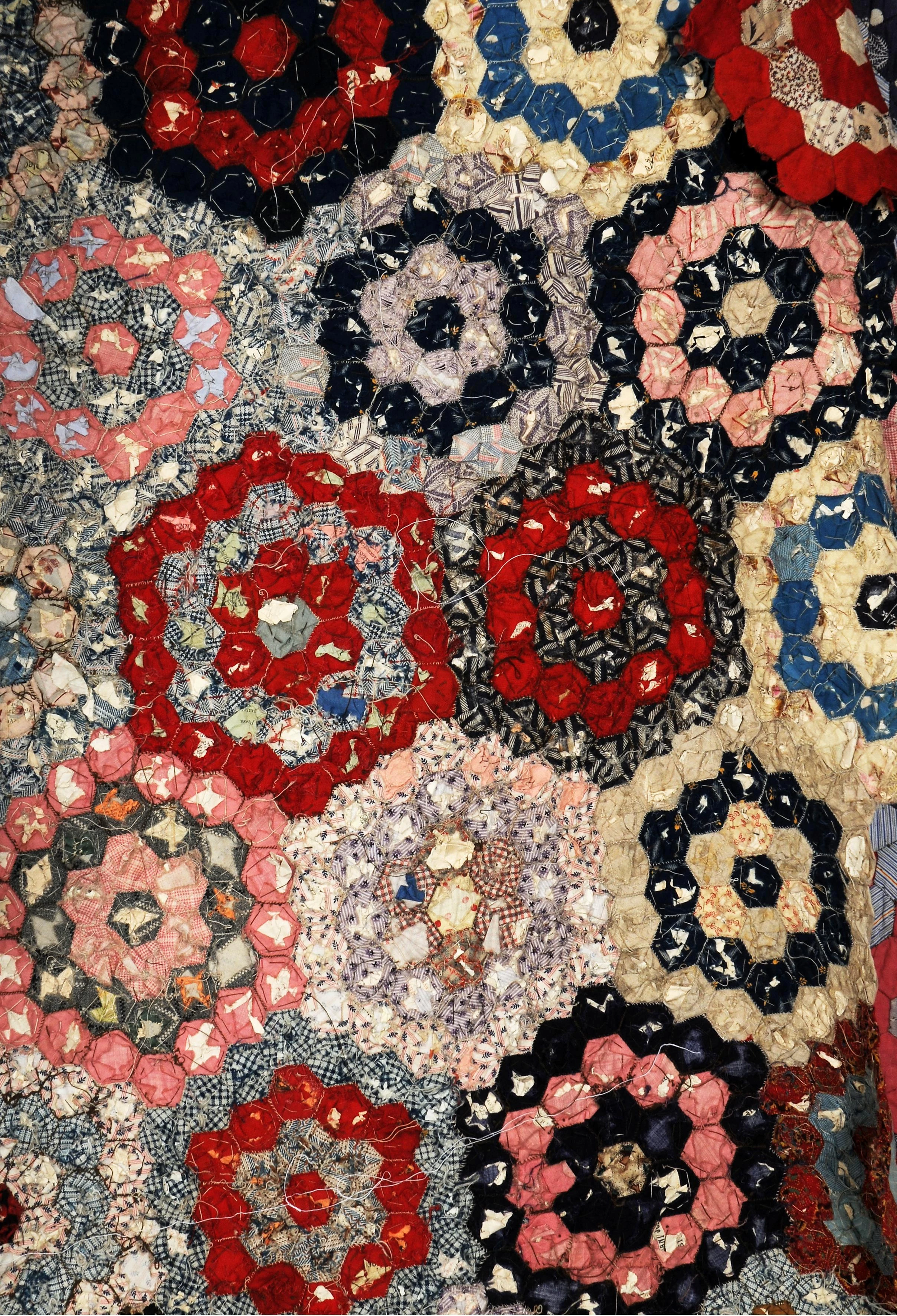
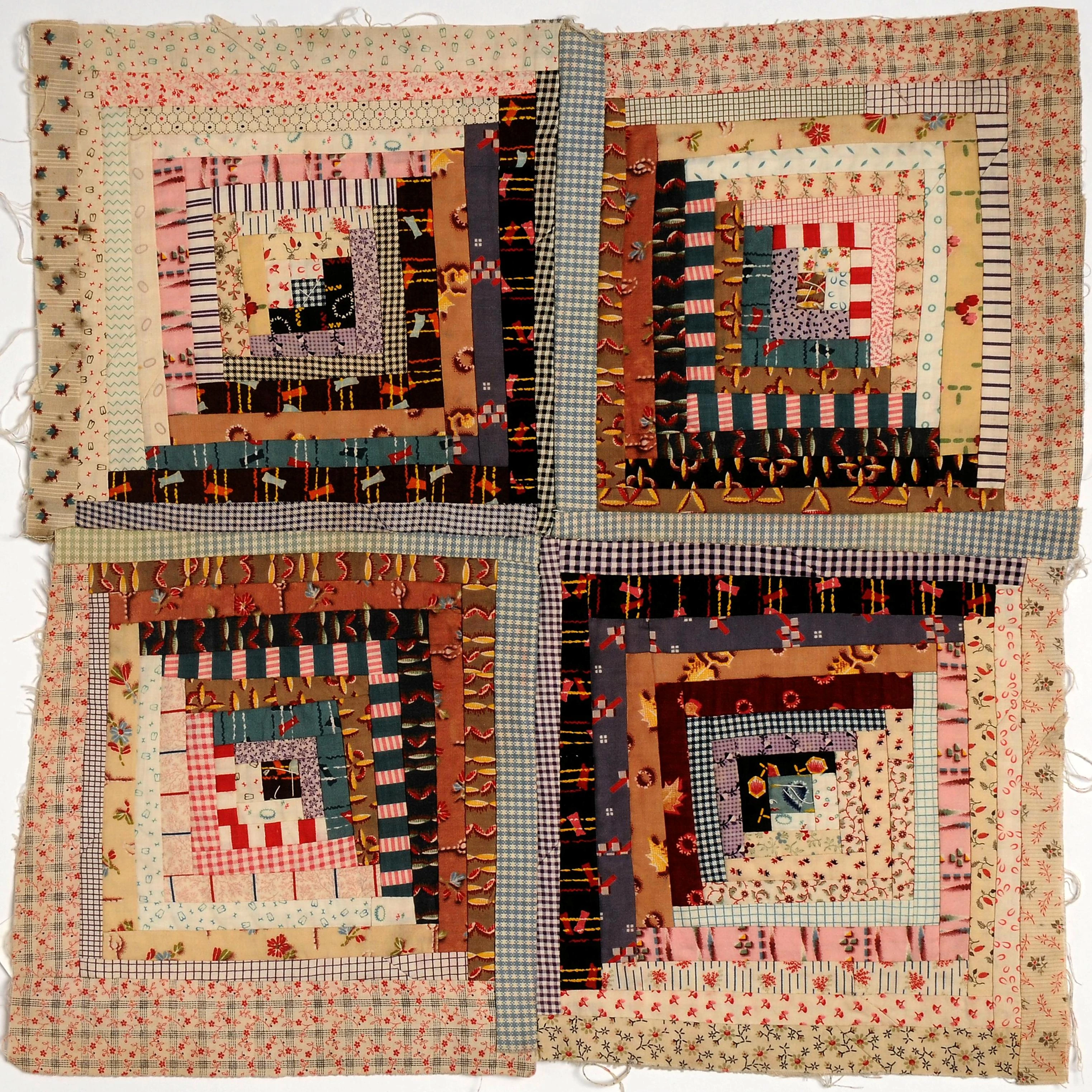
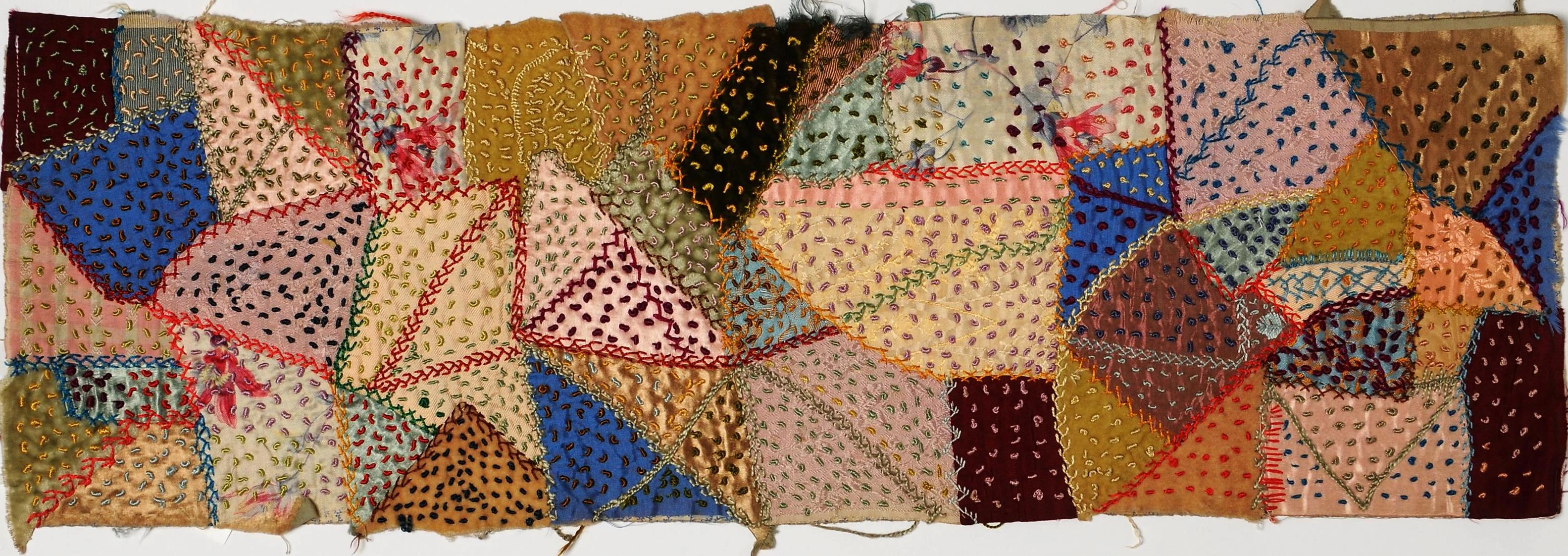
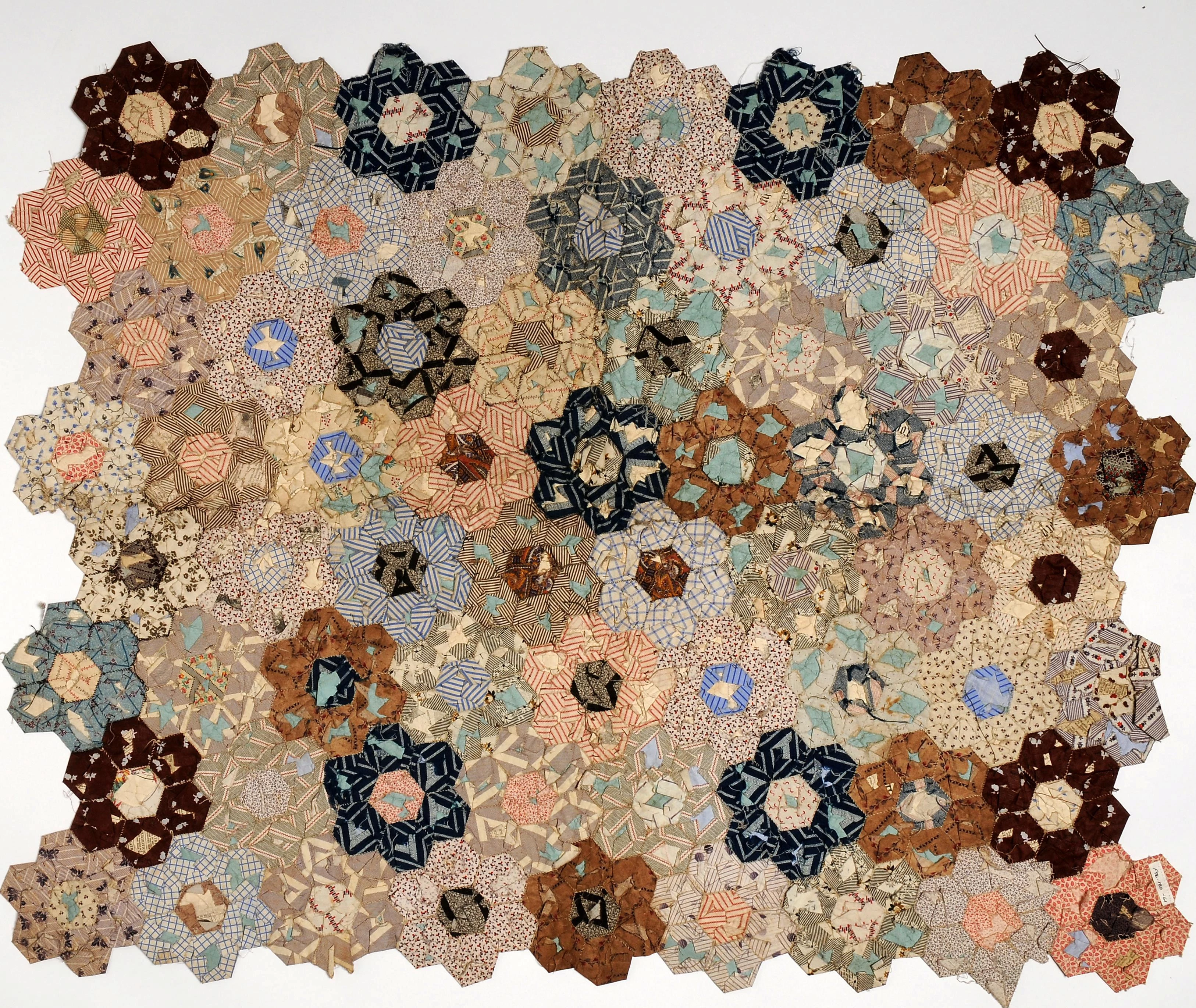
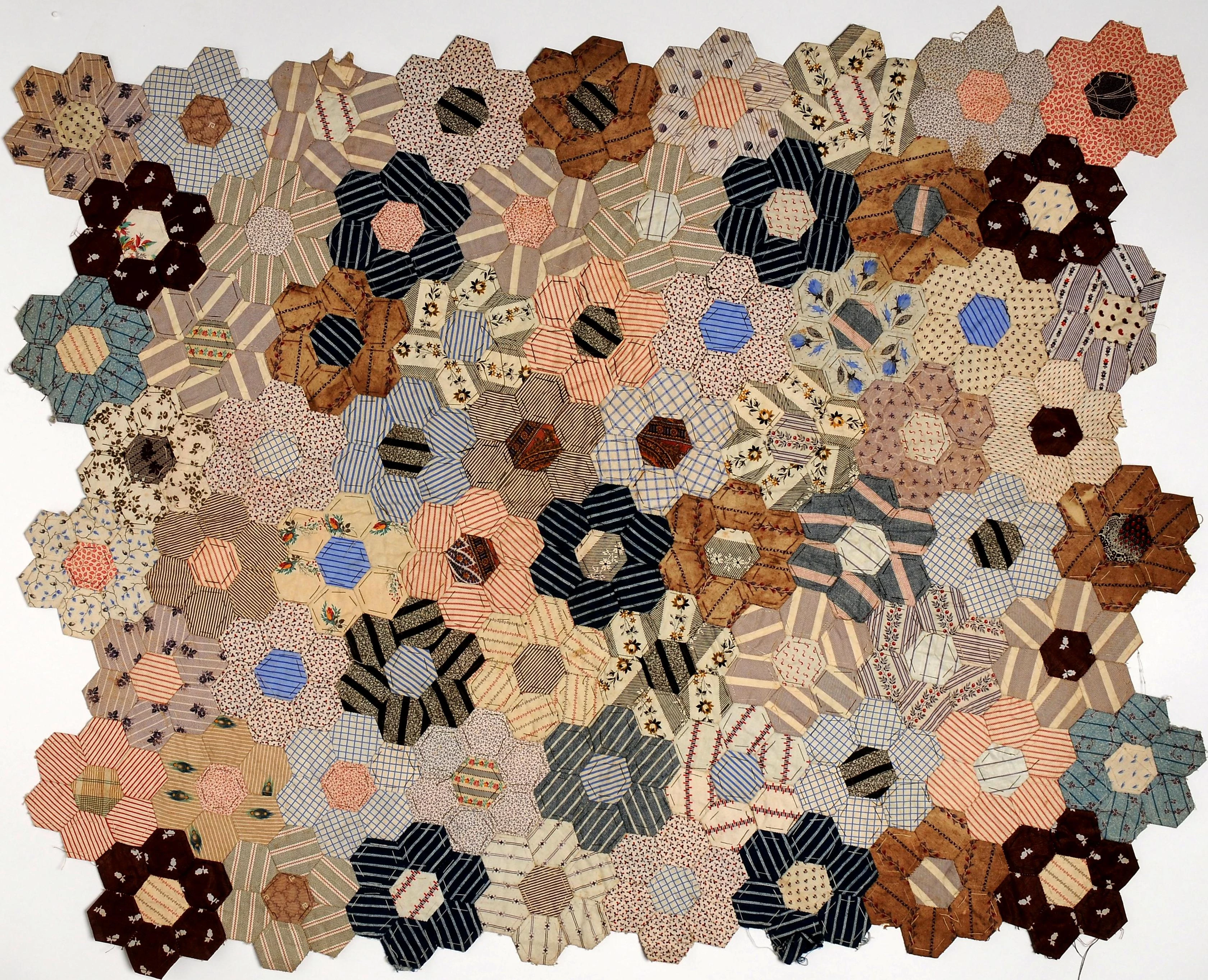
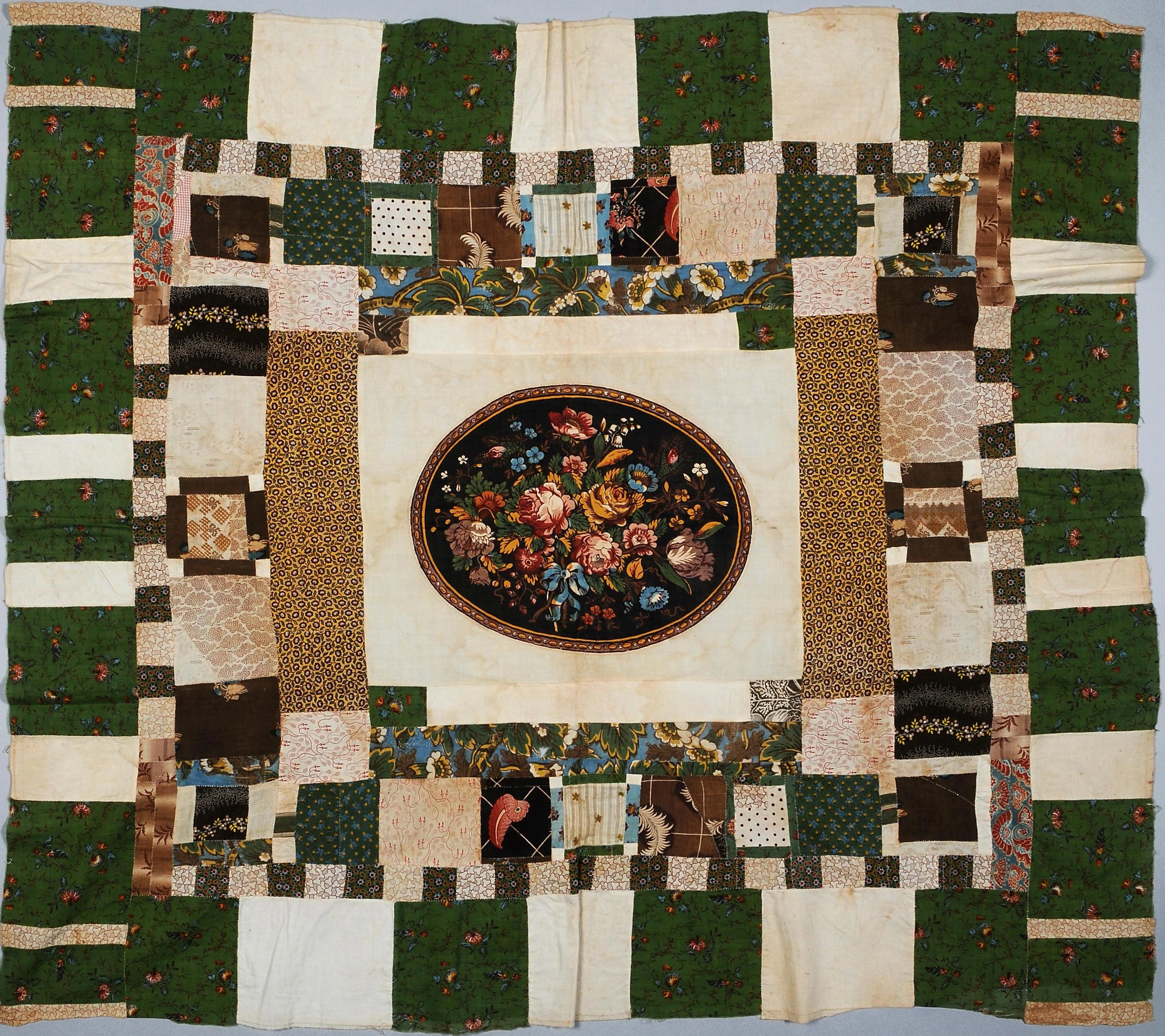
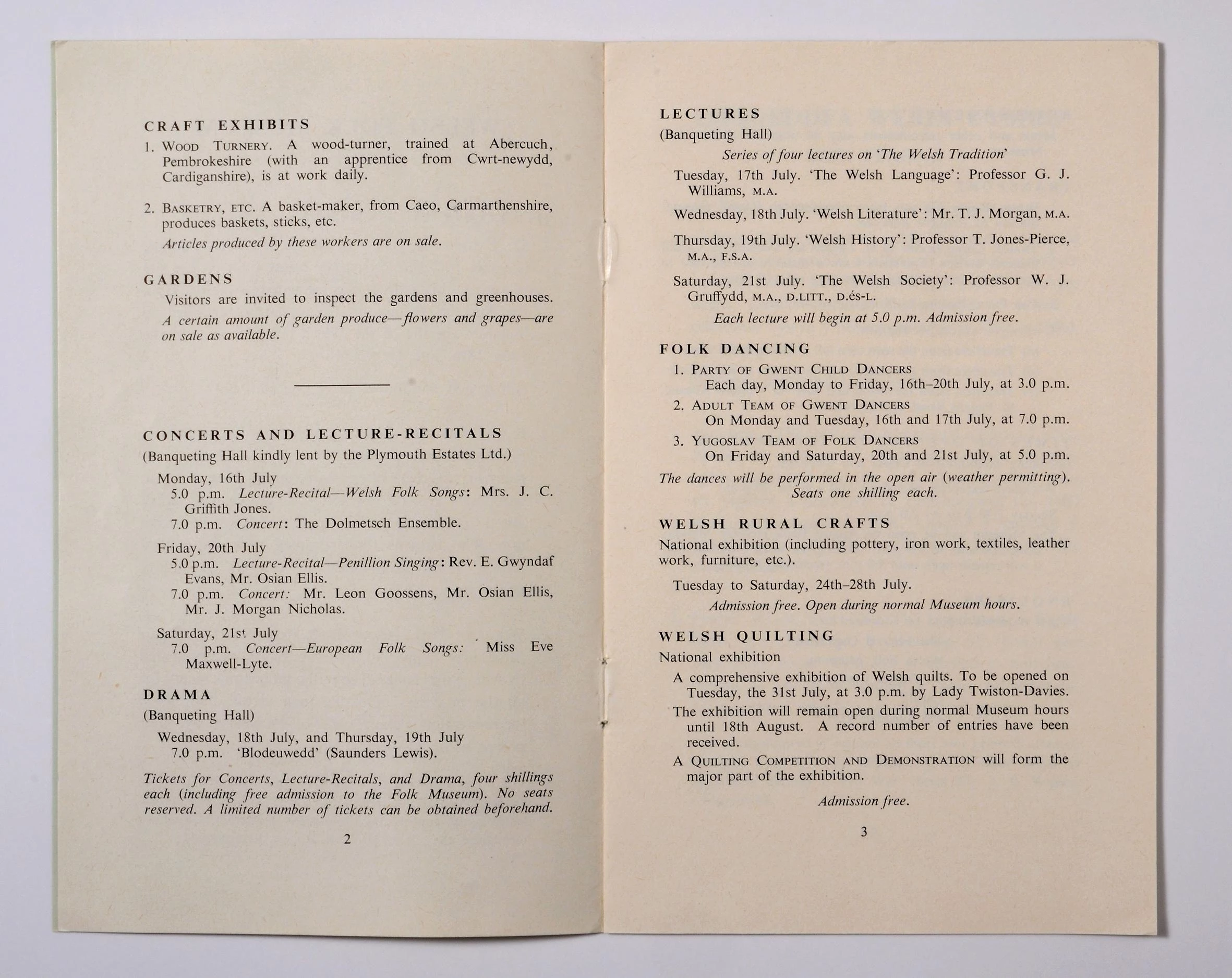
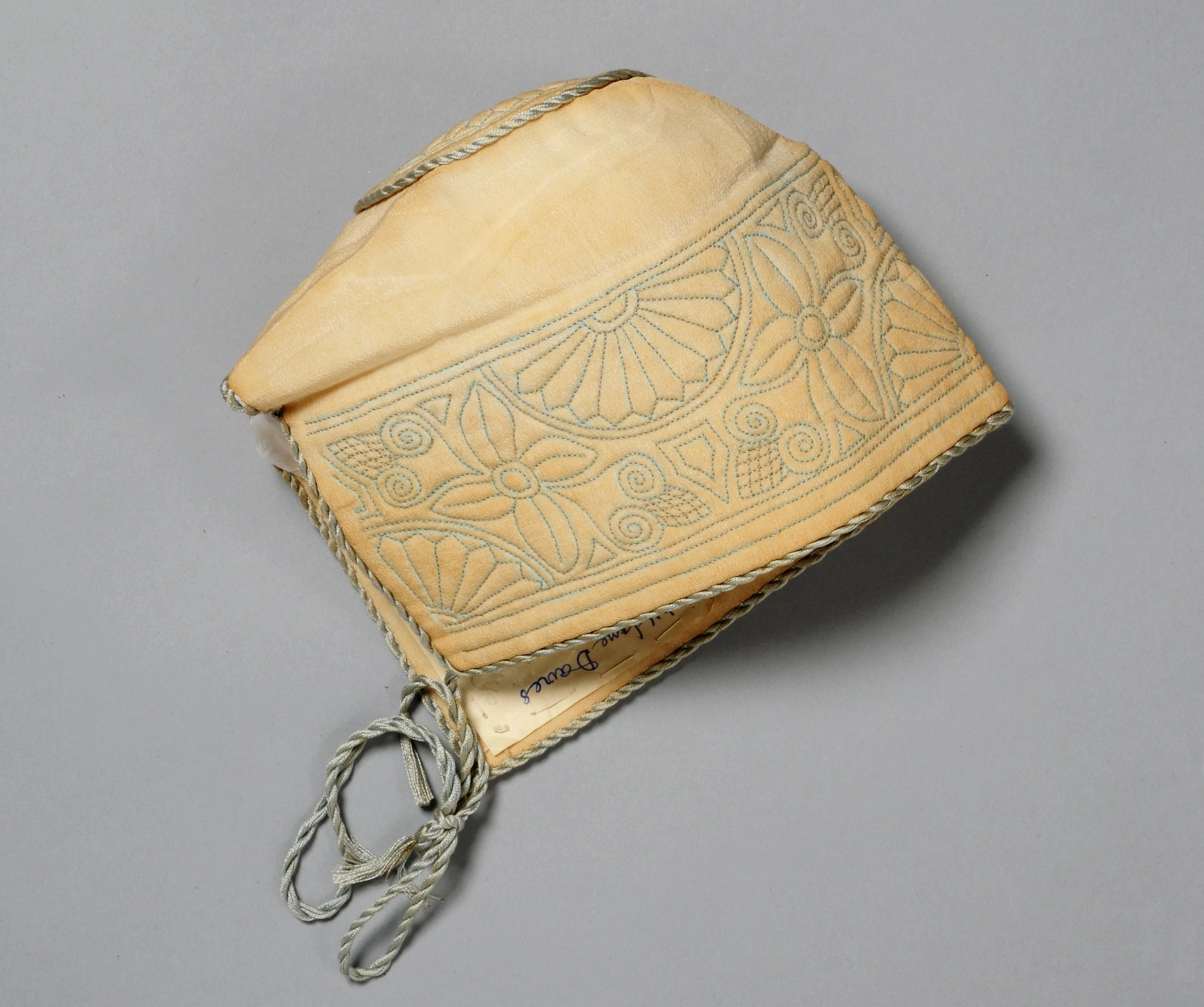
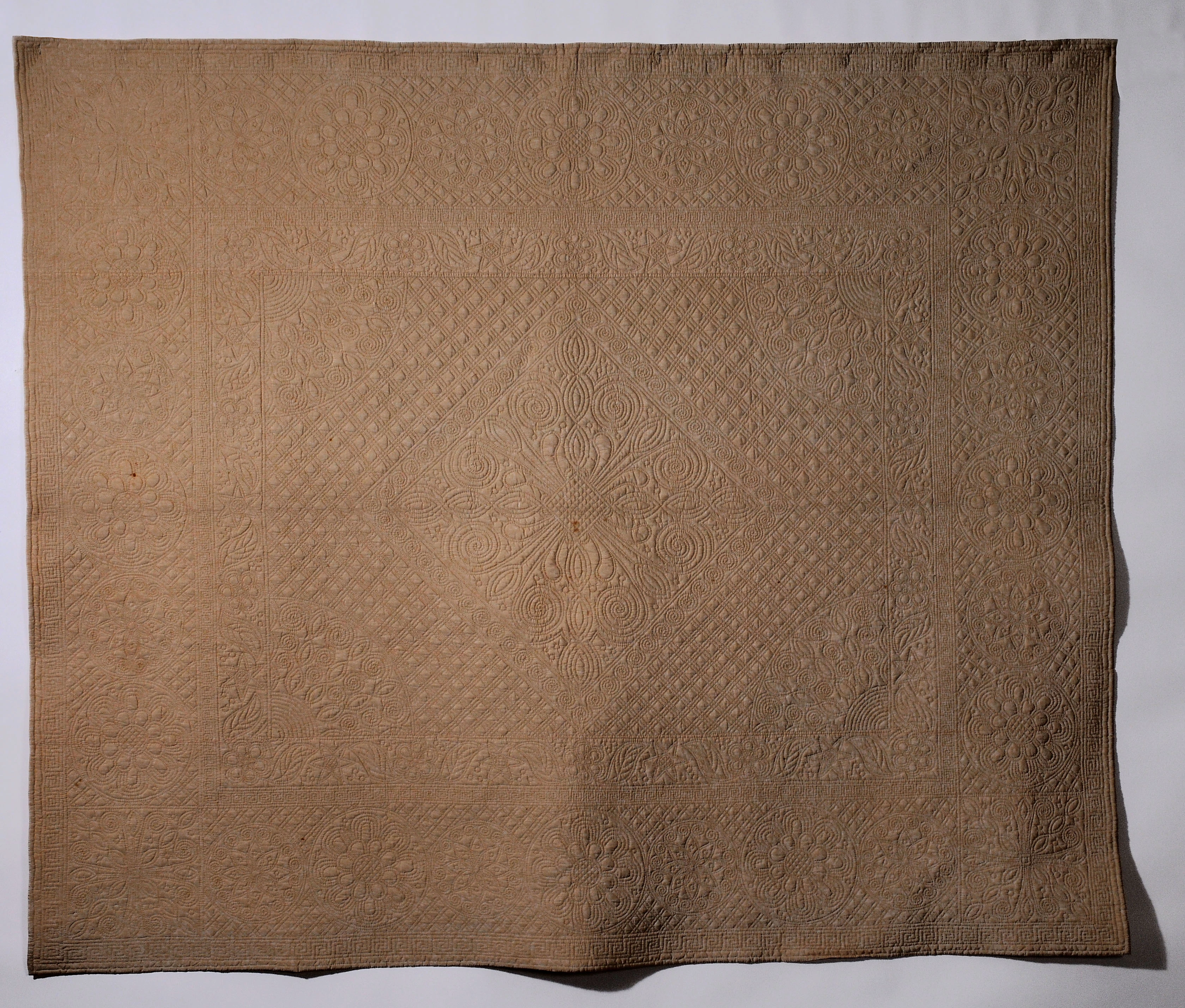
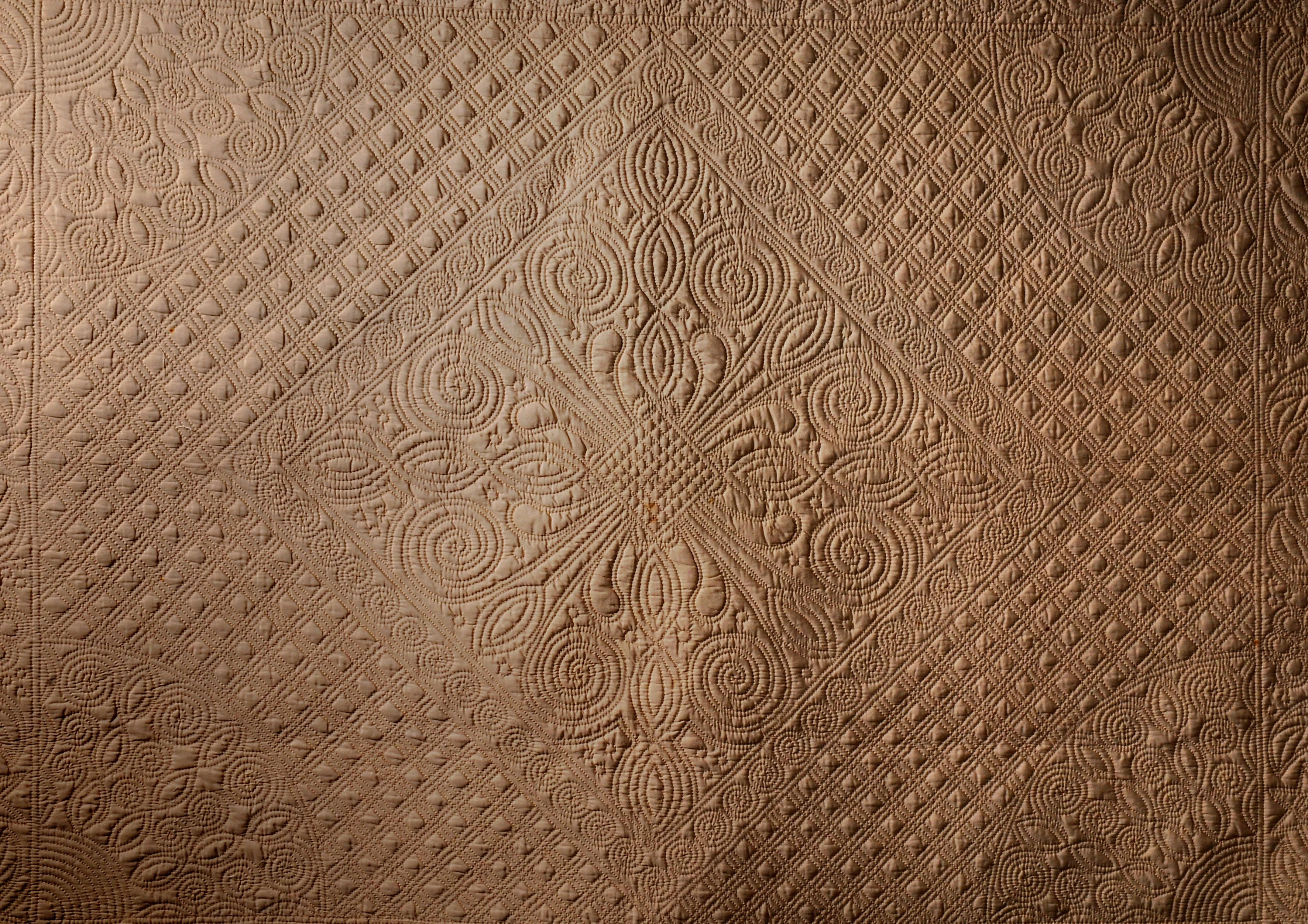
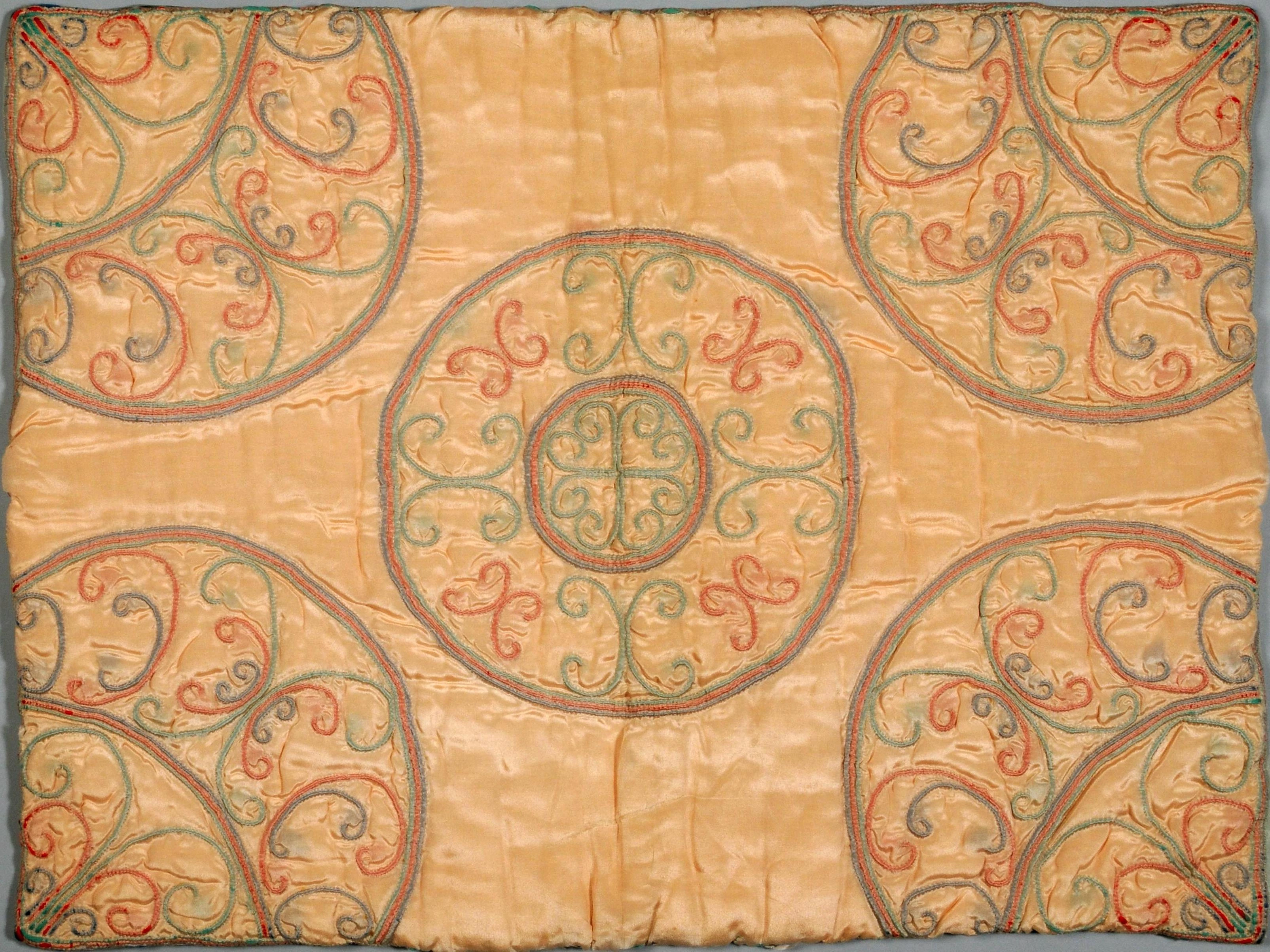
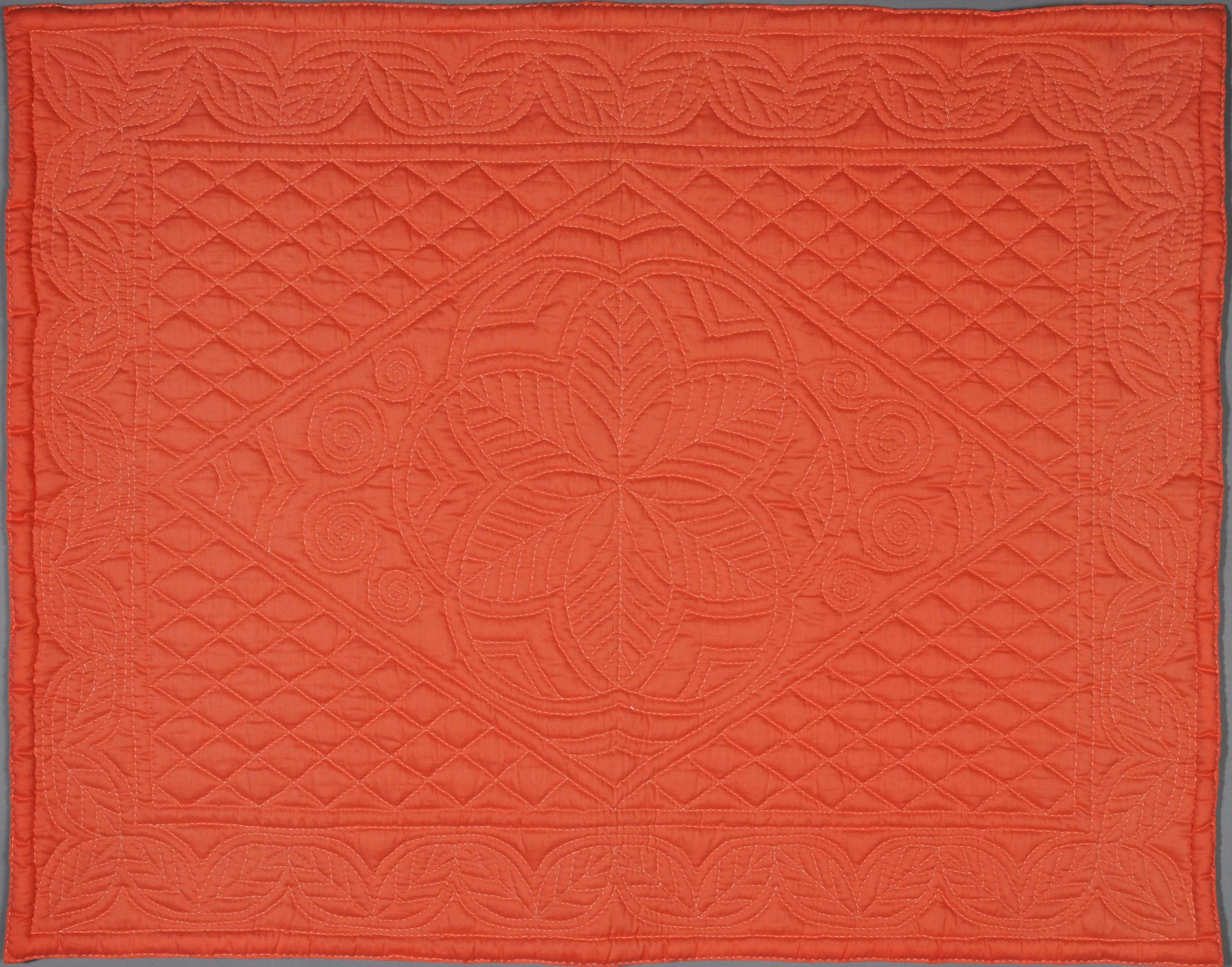
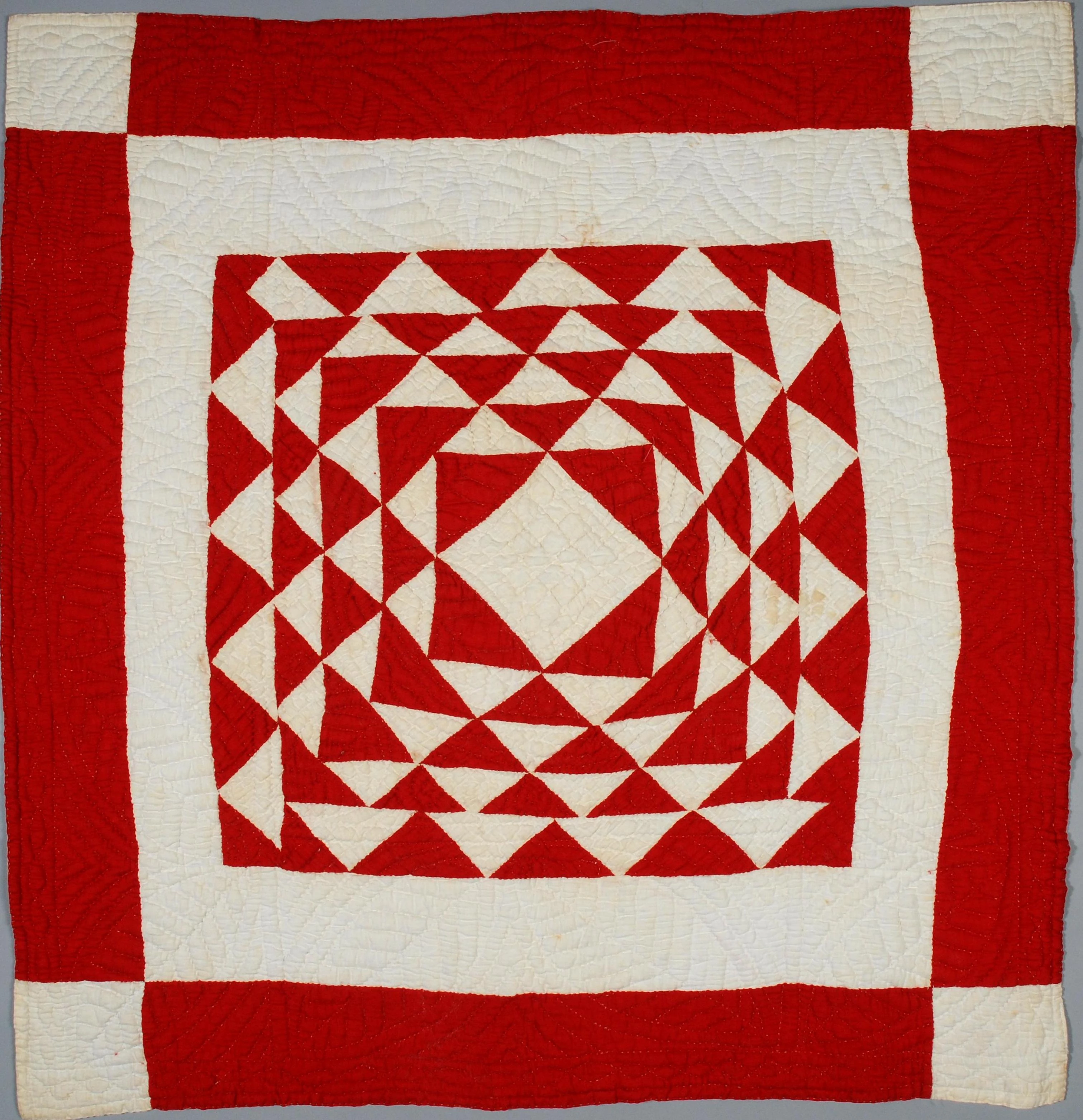
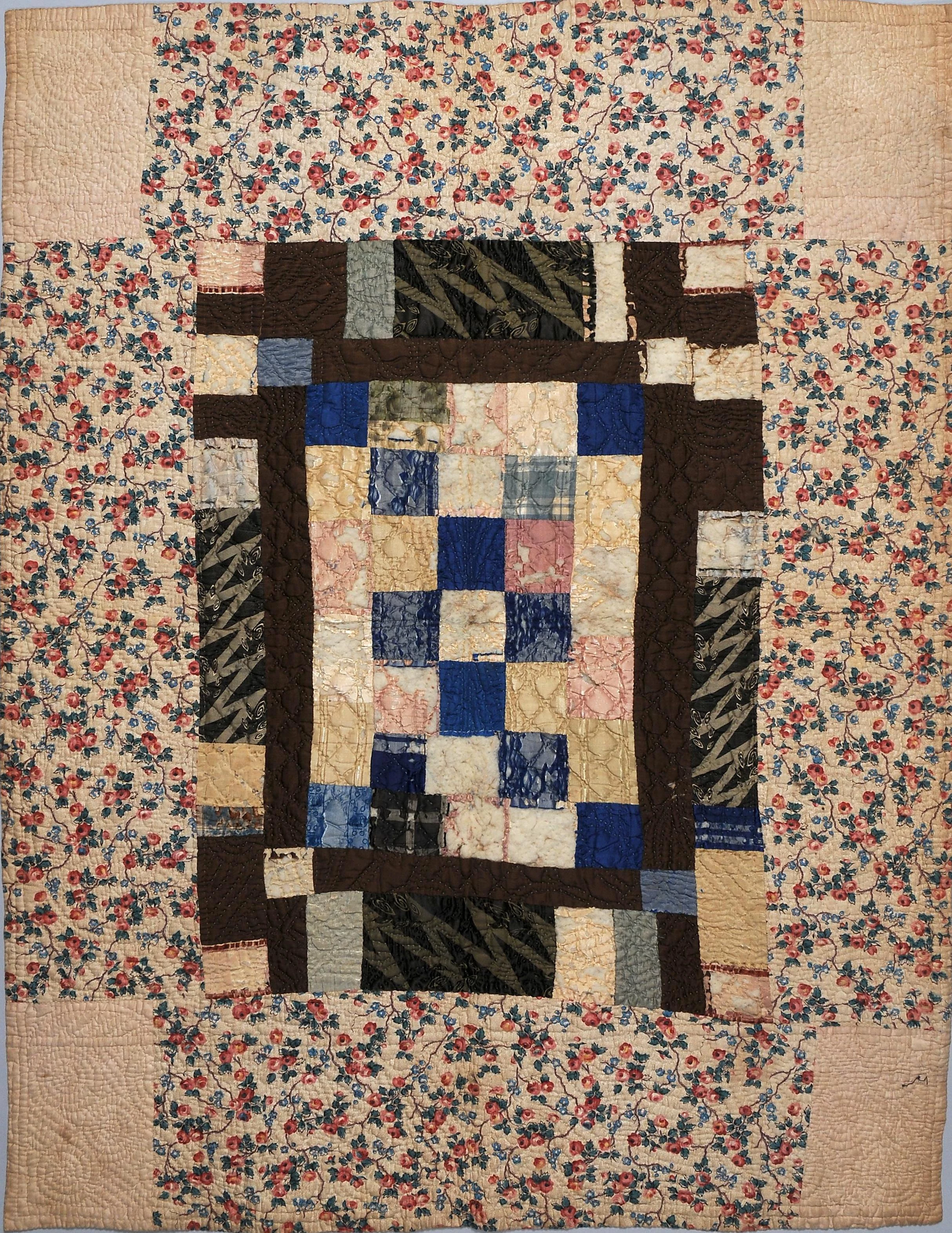
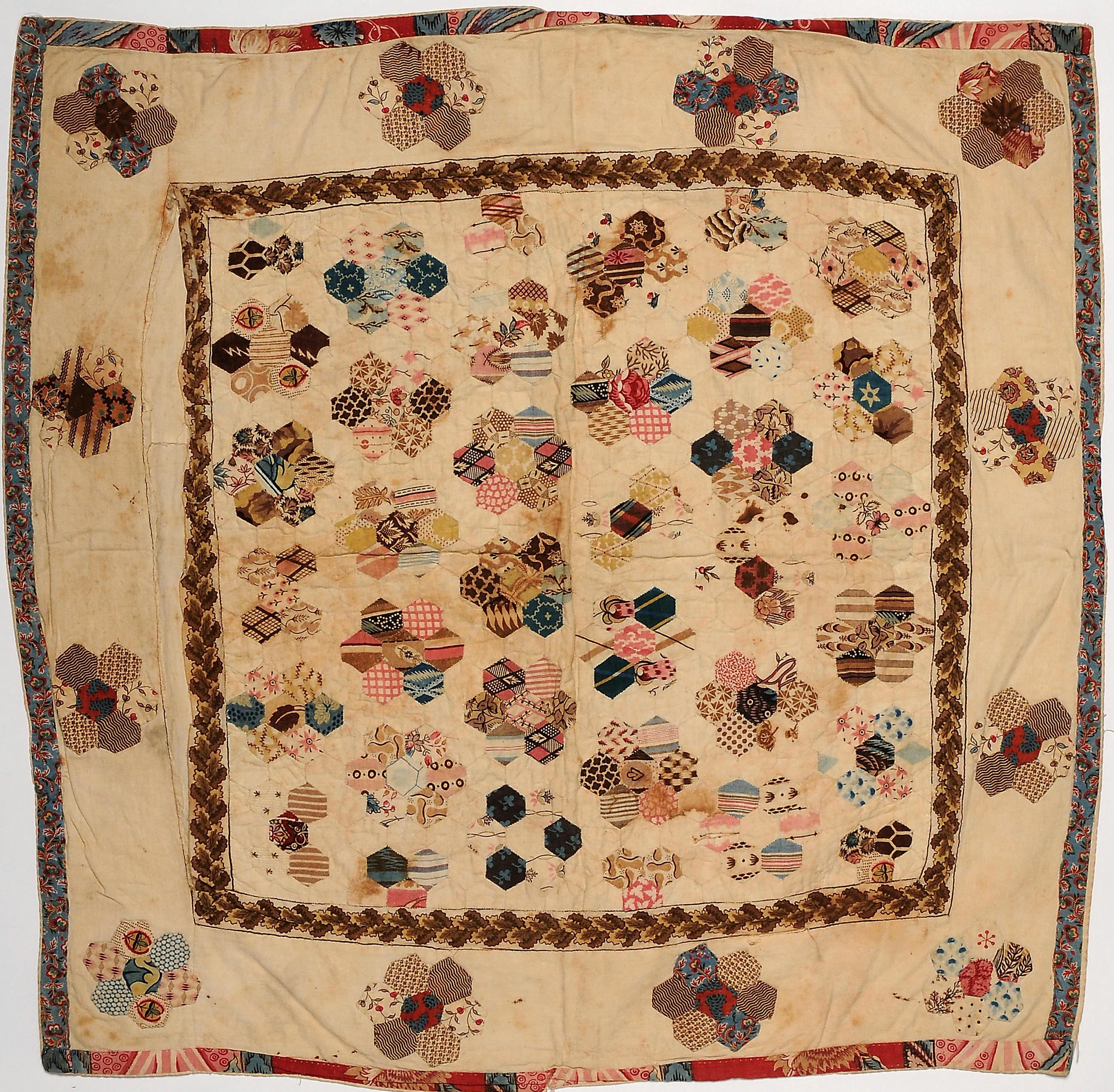
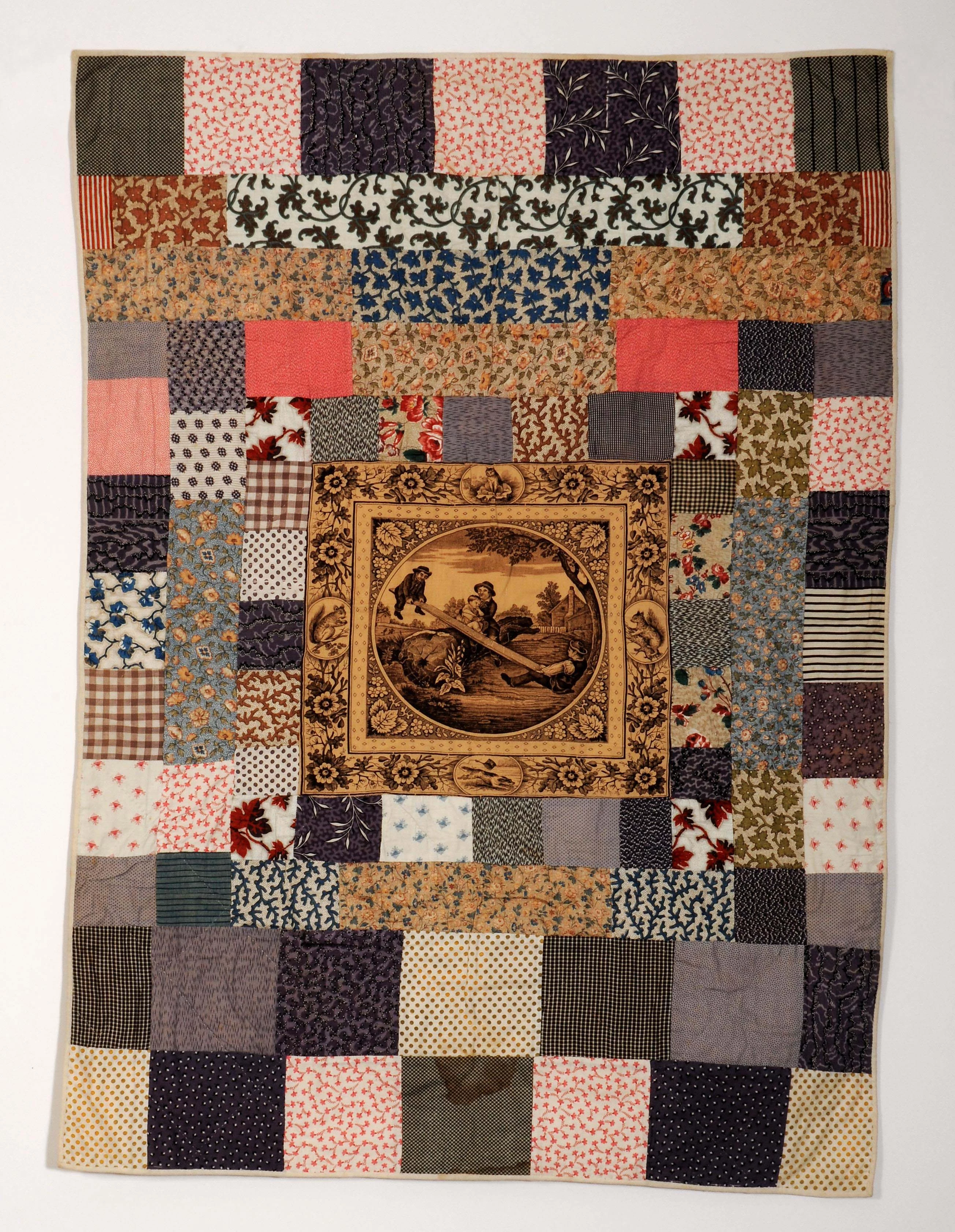
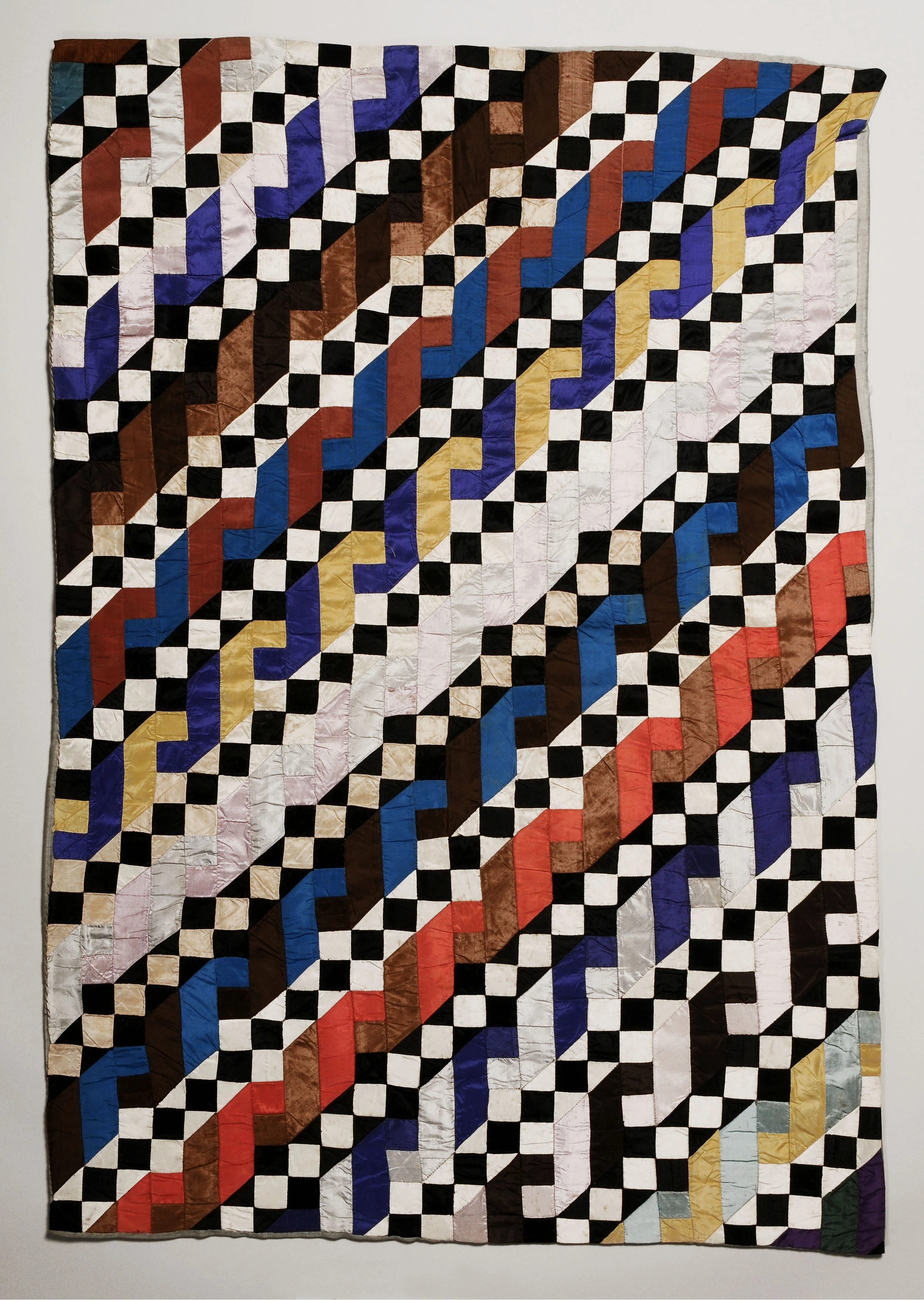
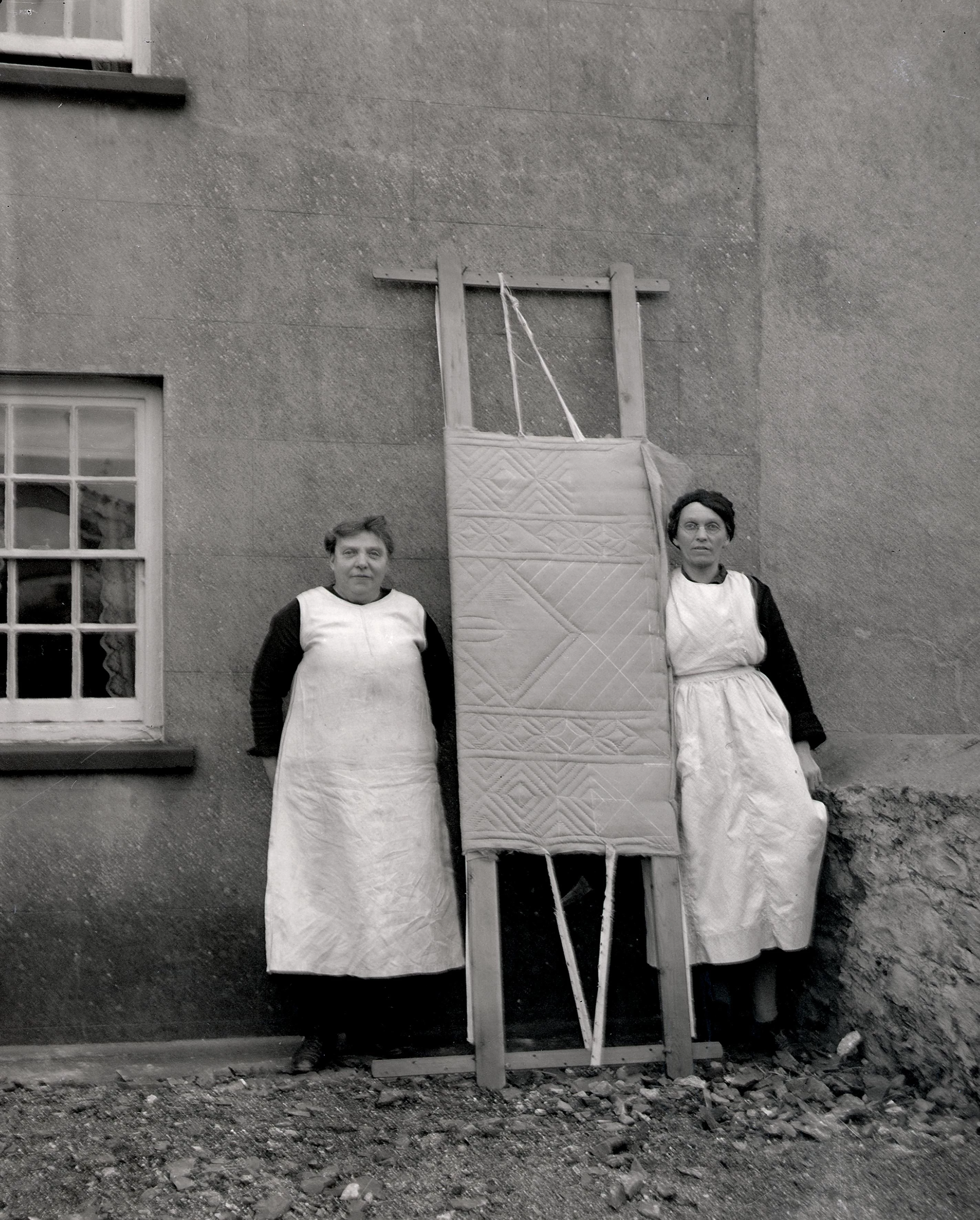
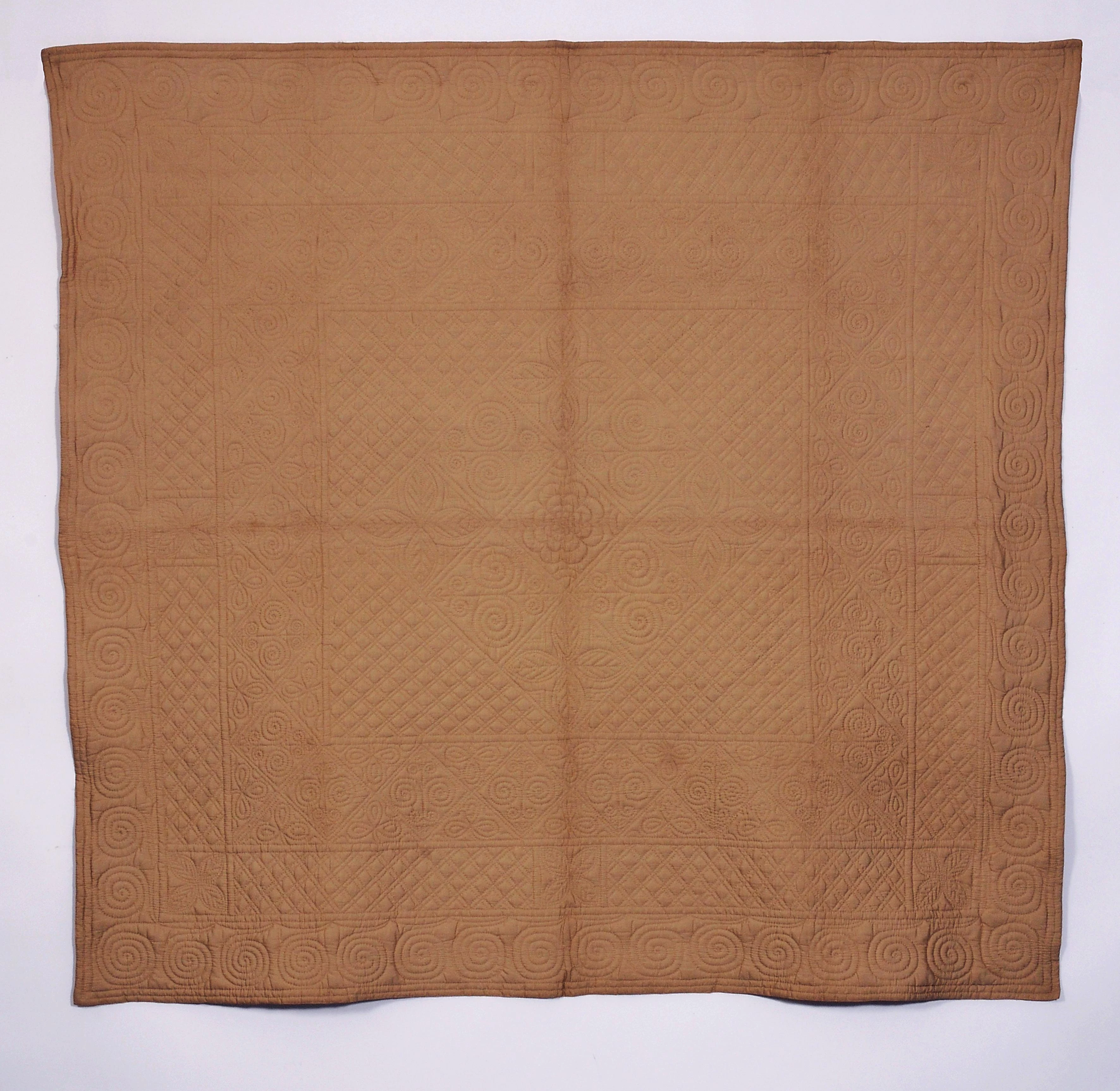
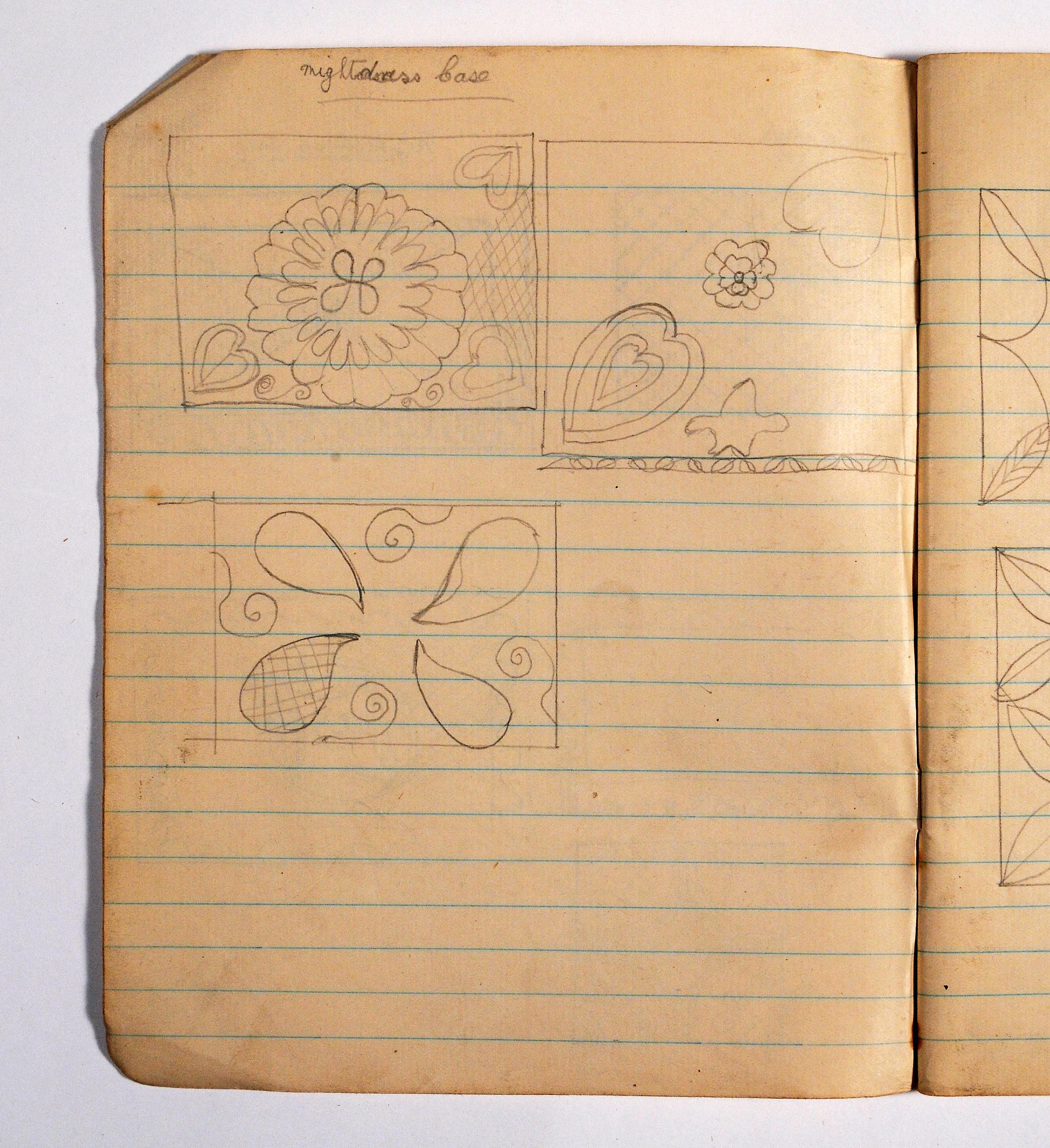
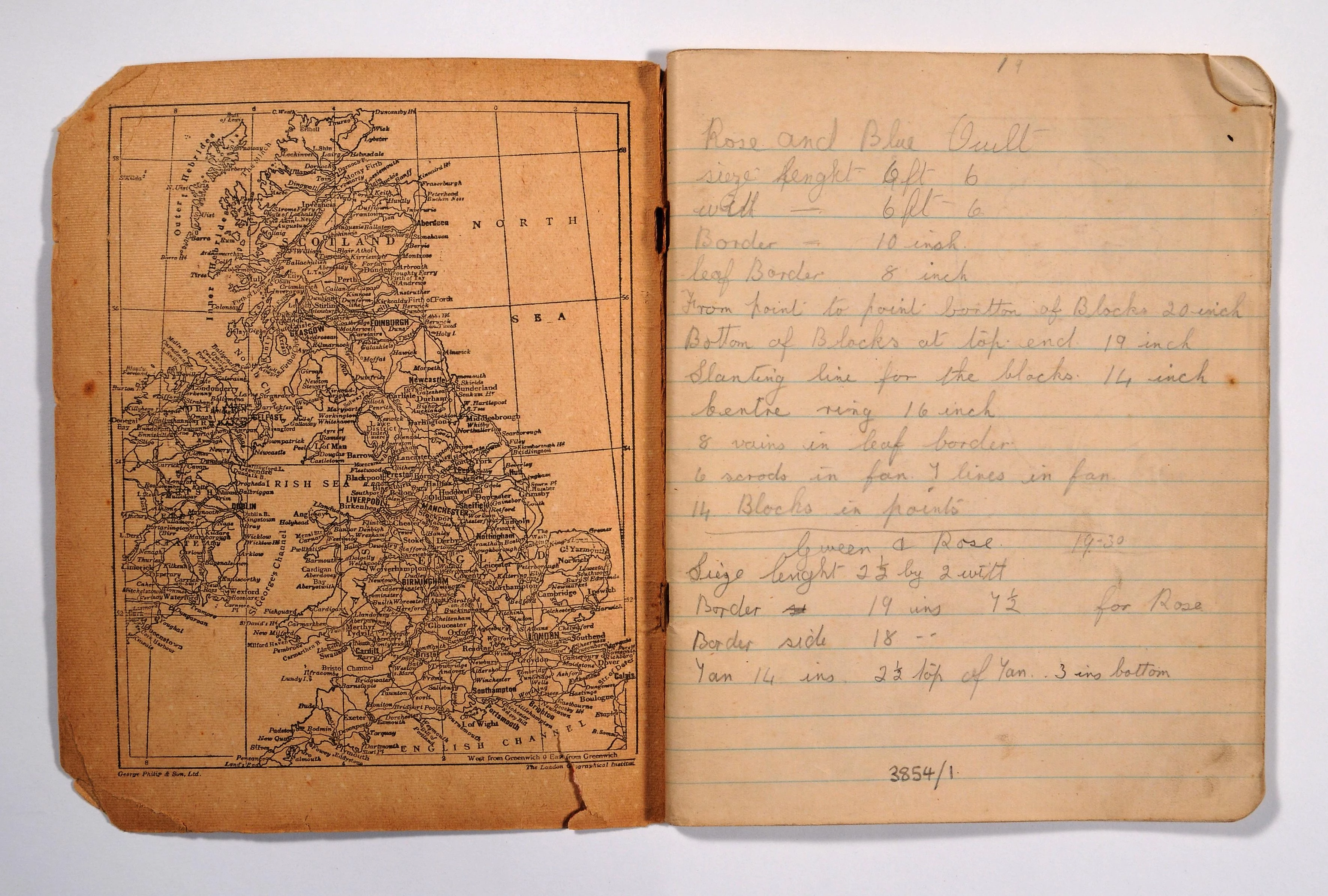
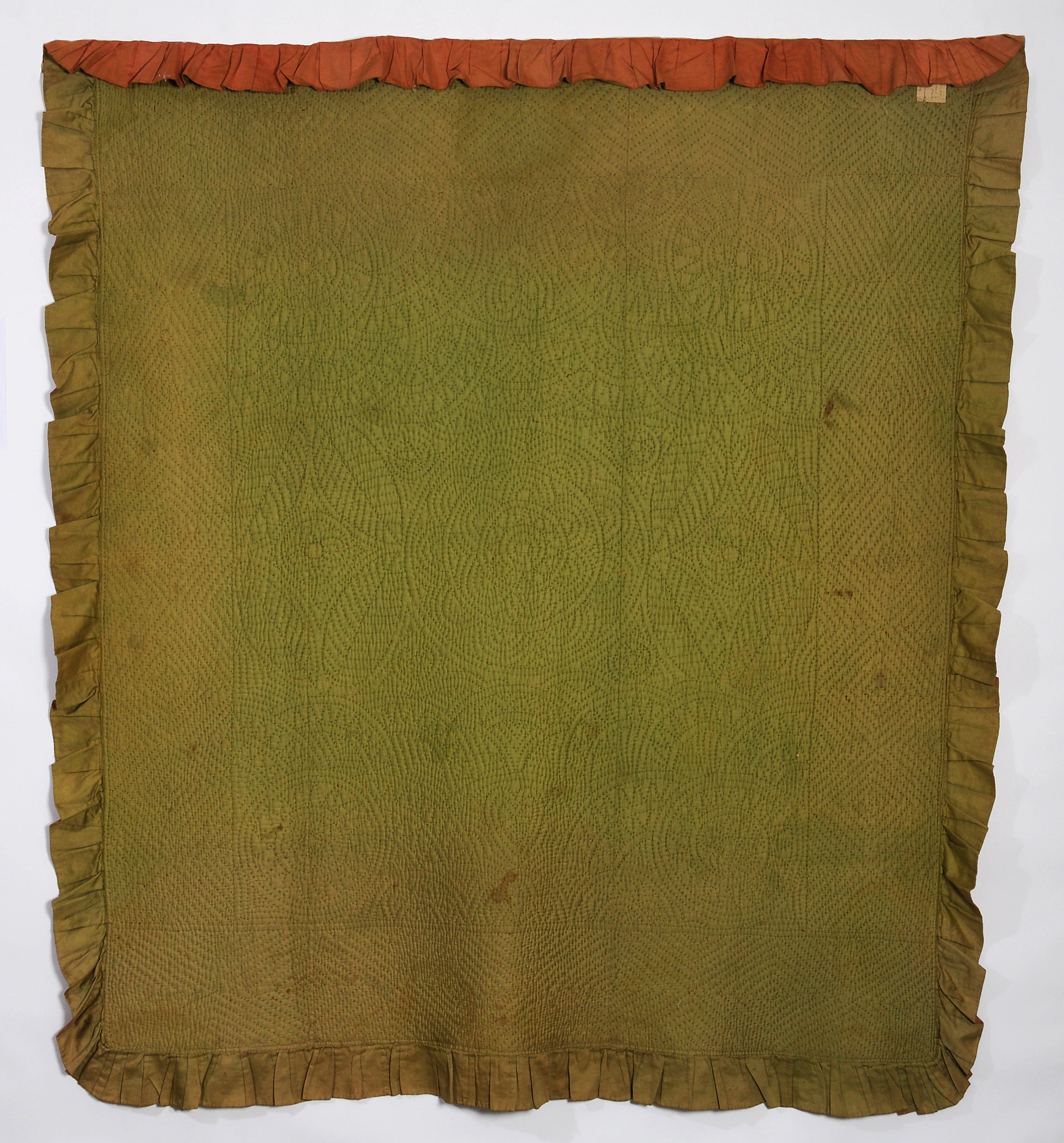
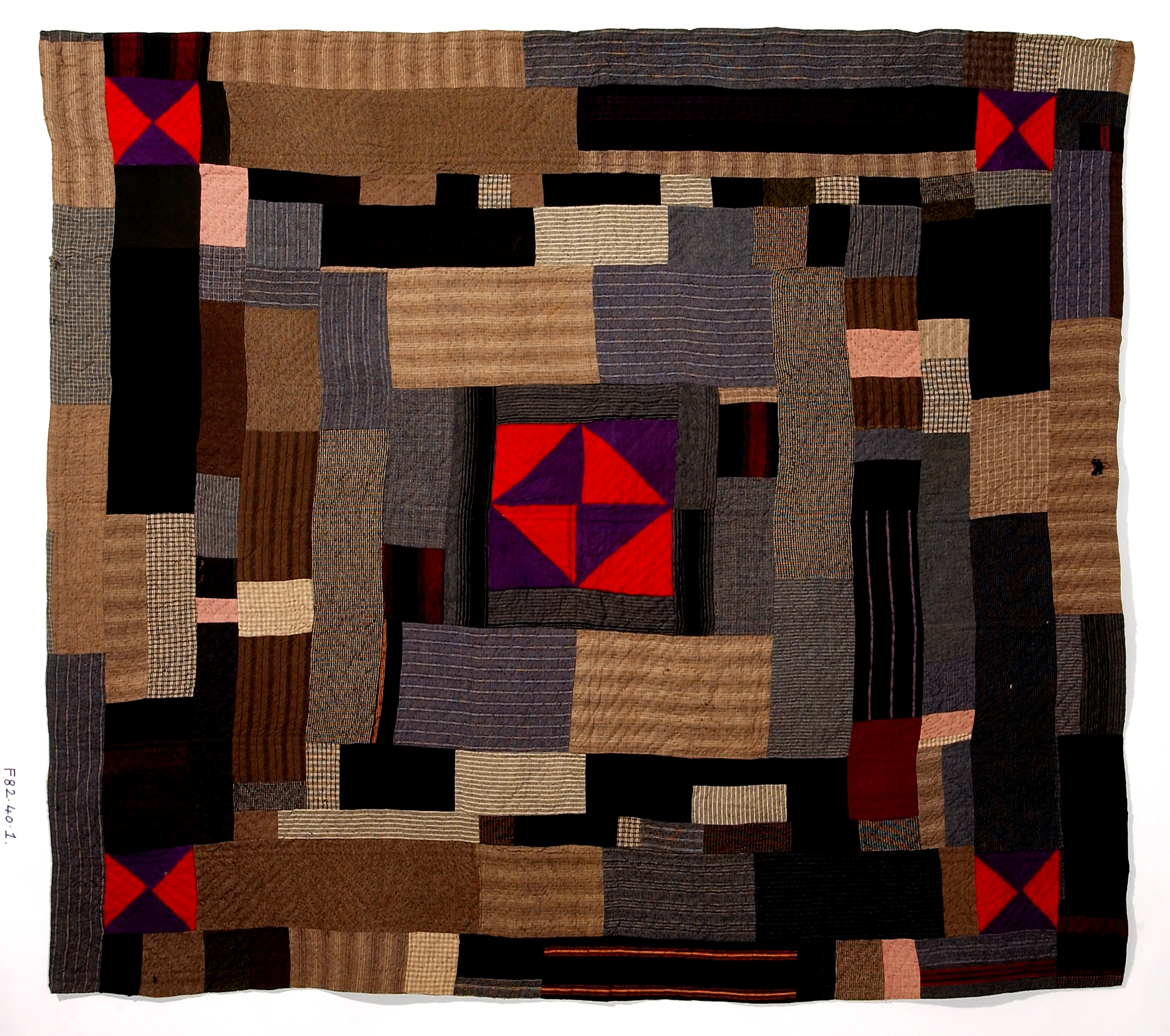
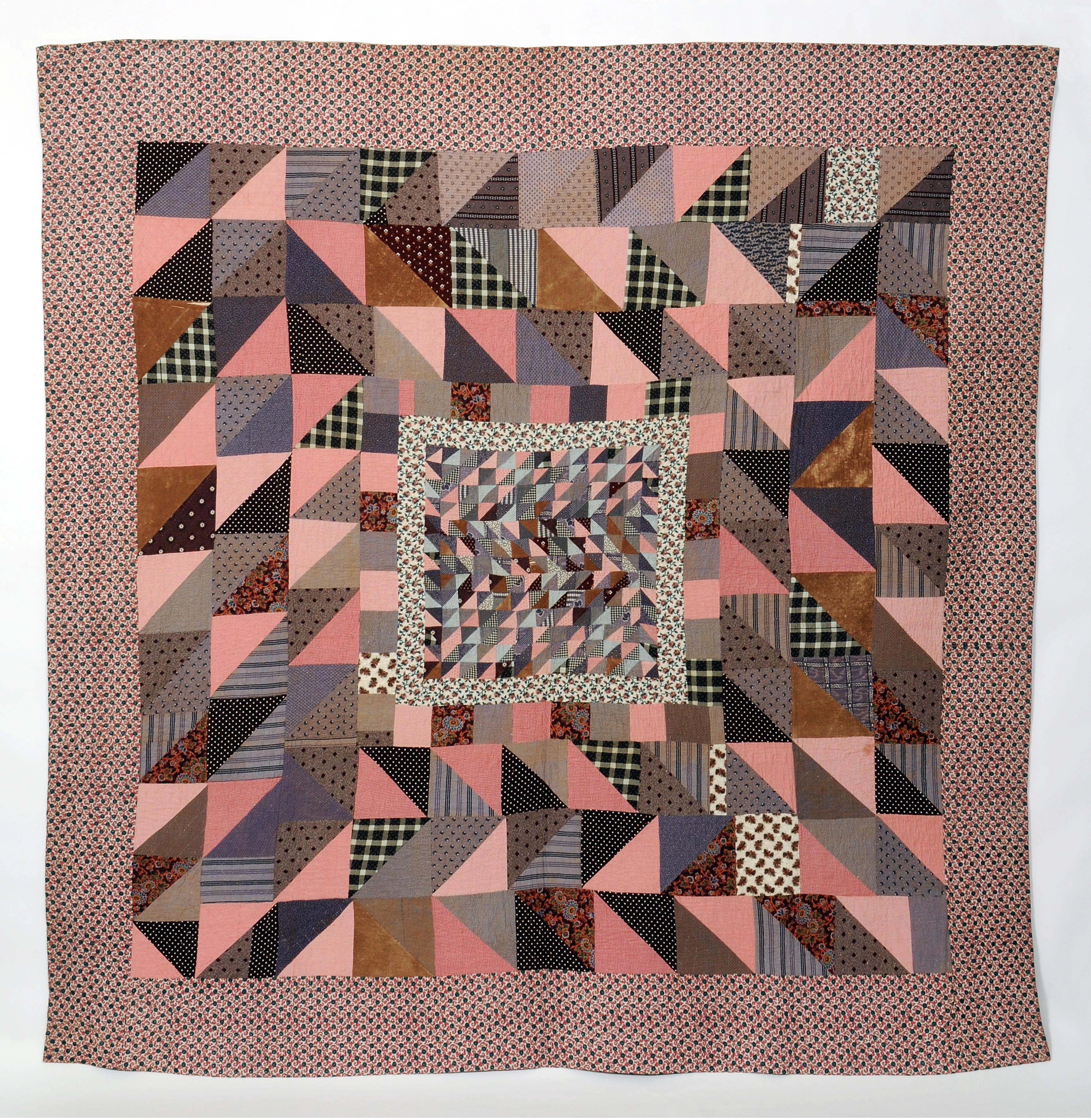
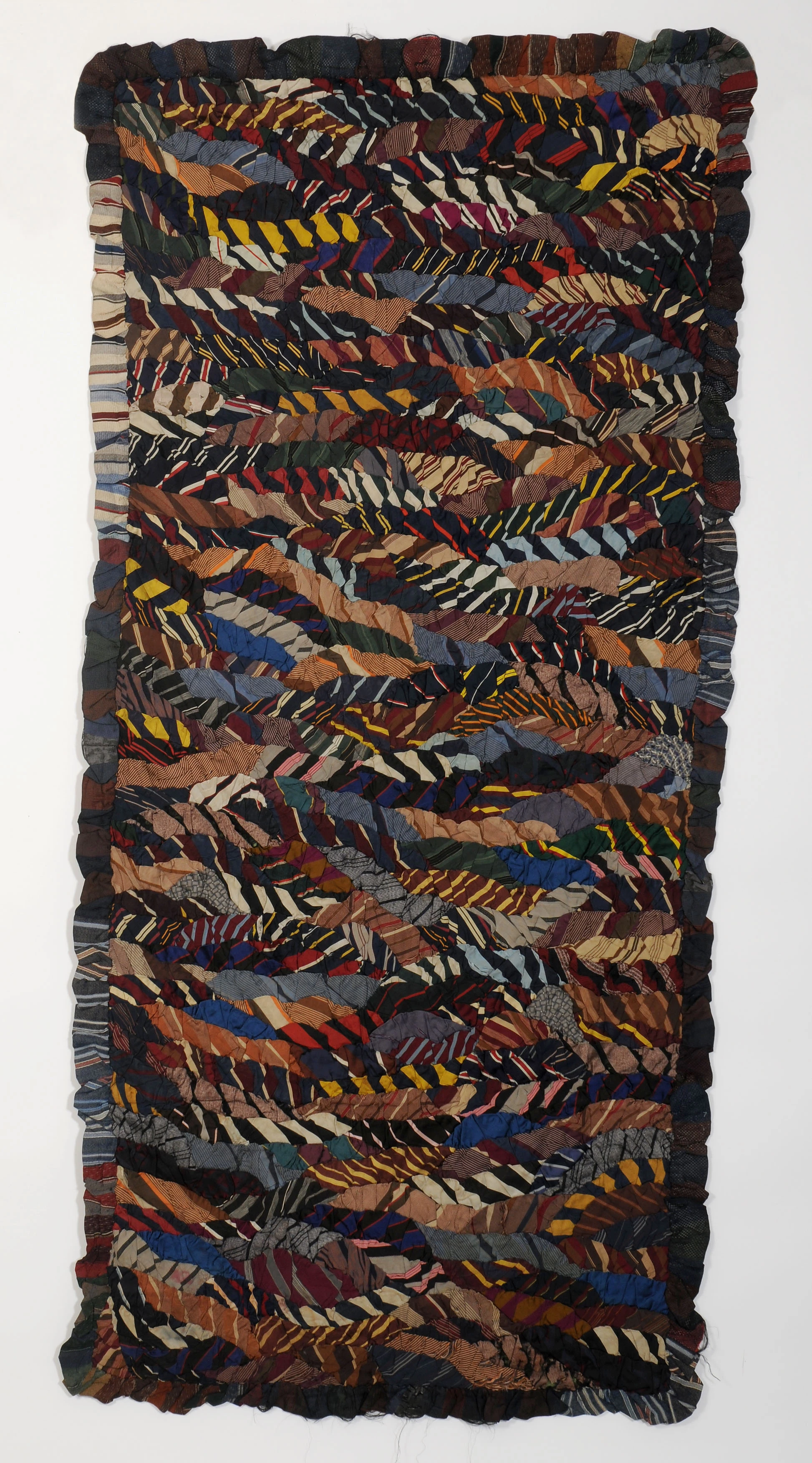
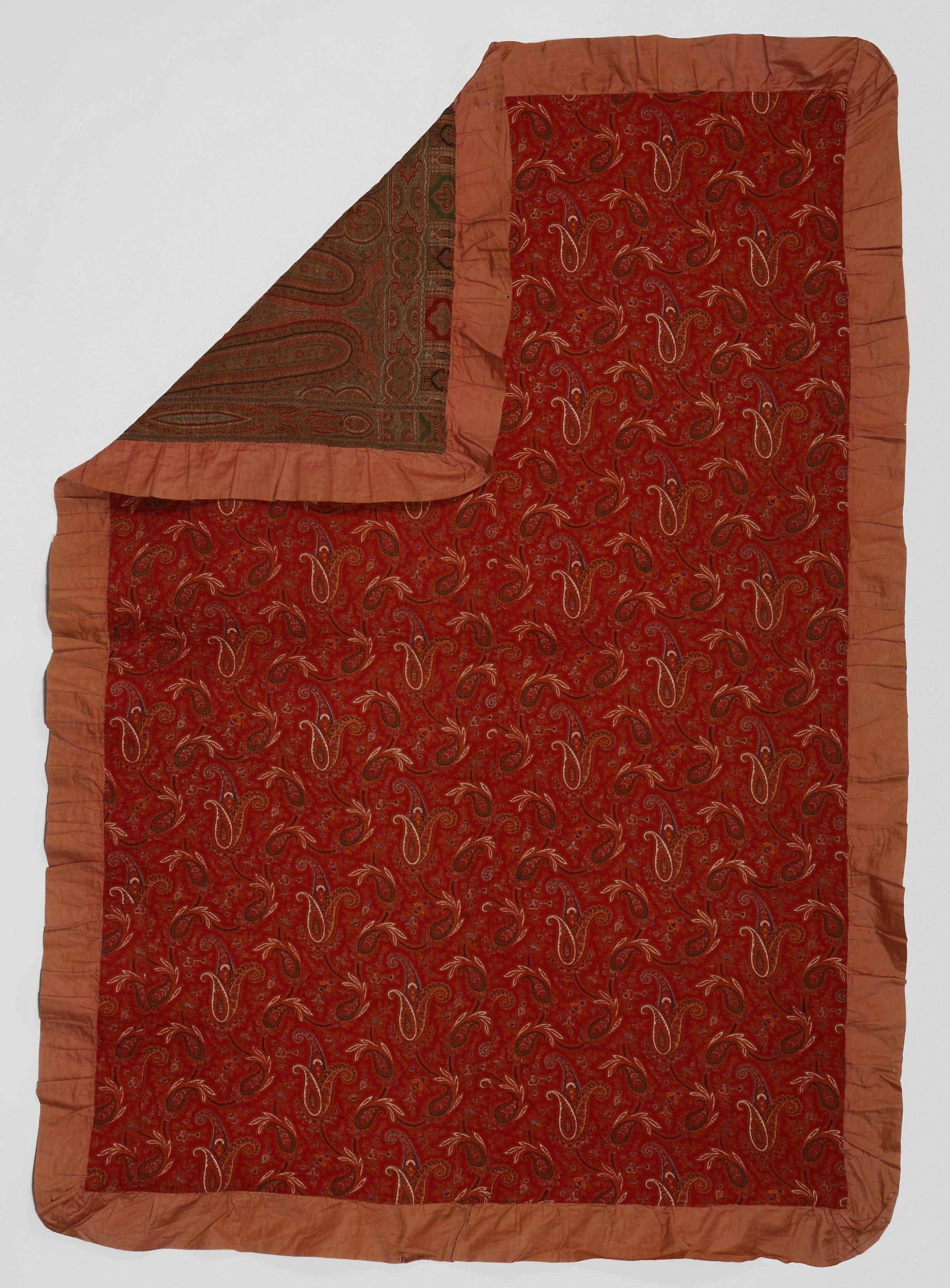
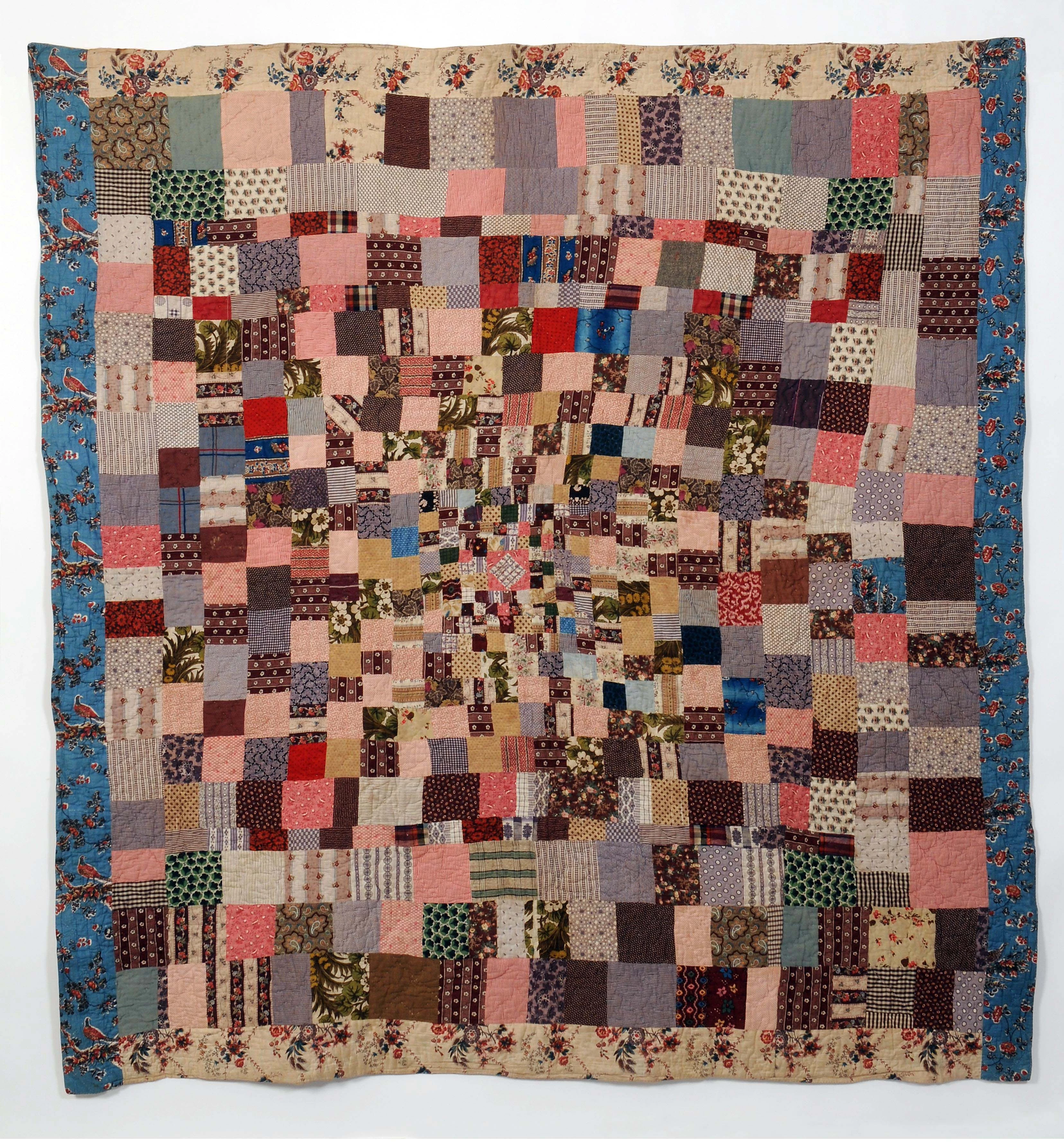
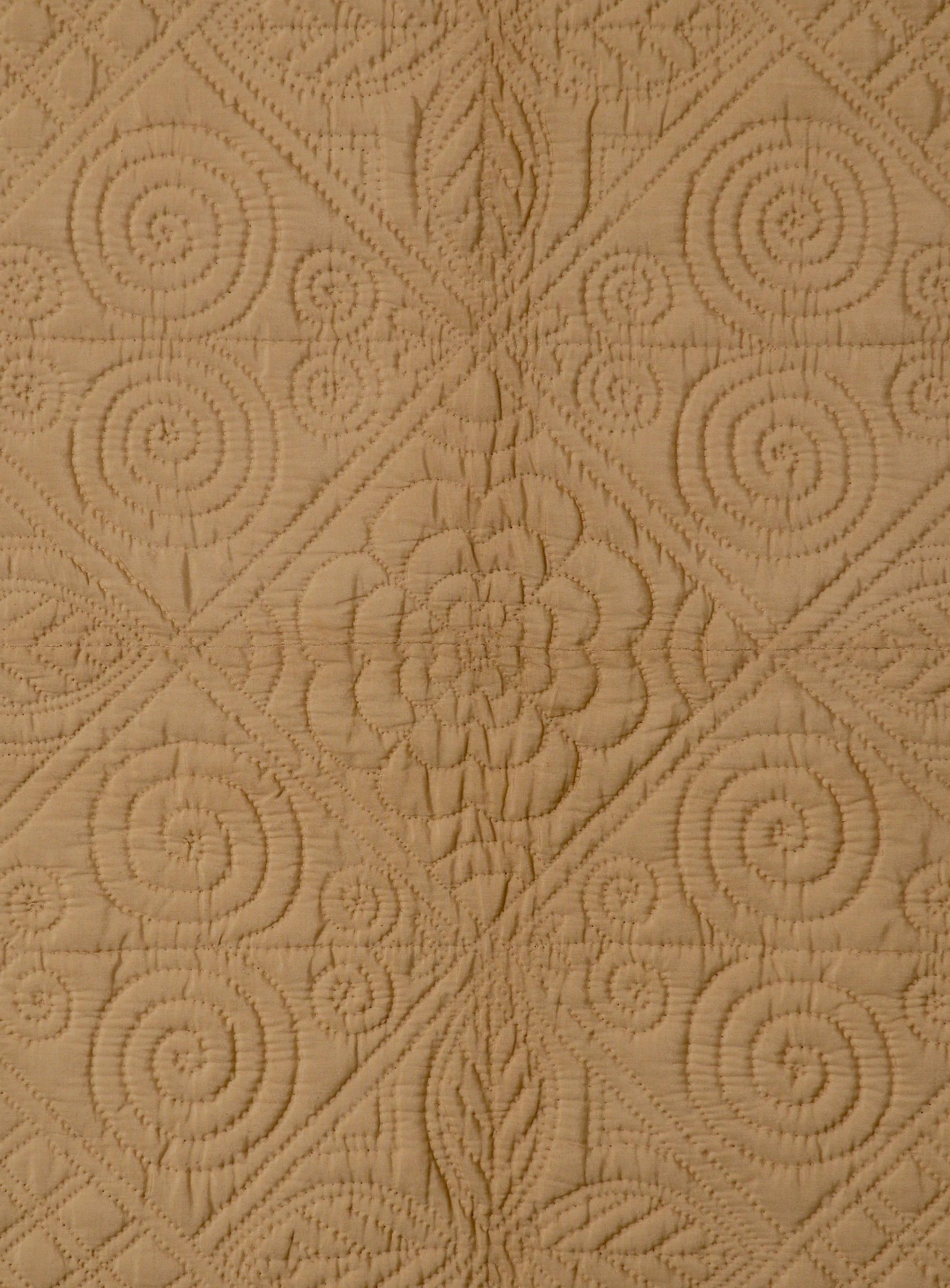
The collection of quilting and patchwork at Amgueddfa Cymru contains examples of bedcovers from the eighteenth to the twentieth centuries, together with smaller items such as cushion covers, linings from christening baskets, eighteenth-century petticoats and a christening gown worn by Peter Morgan of Golden Grove in 1722. The quilt collection at the Museum dates back to the 1930s. Although a few examples of quilts had been donated to the Museum in 1914, no systematic collecting had been undertaken prior to the establishment of the Department of Folk Culture and Industries in 1932.

The collection is available to view by appointment. If you would like further information, please contact the curator using our Email Form.

Scroll down through our collection of quilts which are listed in the following categories:

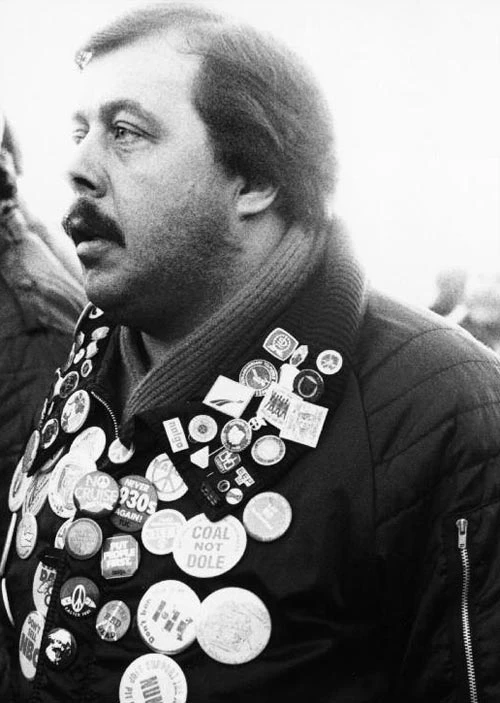
The Miners Strike of 1984

12 March 2009

National Coal Board

On 1 March 1984 the National Coal Board announced that it planned to close 20 coal mines with the loss of 20,000 jobs. The year-long strike that followed changed the political, economic and social history of Wales forever.

"The miners in south Wales are saying — we are not accepting the dereliction of our mining valleys, we are not allowing our children to go immediately from school into the dole queue — it is time we fought!"

Emlyn Williams, President, NUM, South Wales Area

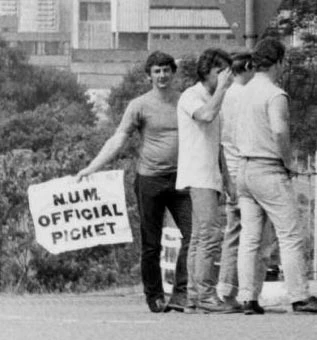
Picketing and demonstrations

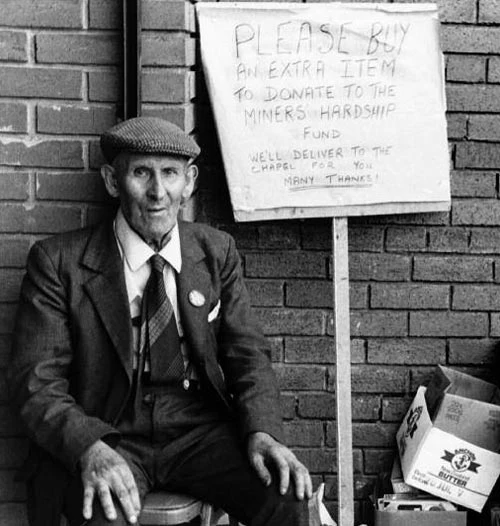
The majority of Welsh miners initially voted against a strike but later played a major part in picketing and demonstrations. Miners' wives rose to the challenge of supporting their men by raising funds and organizing food distribution, but were also active on picket lines and marches.

Although Wales did not suffer the picket line violence seen in some other British coalfields, Welsh miners were killed on picket duty and carrying out colliery safety work and a taxi driver was killed as he took a strike-breaker to work.

"We had to fight the enemy without in the Falklands, but we always have to be aware of the enemy within, which is much more difficult to fight and more dangerous to liberty."

Margaret Thatcher, Prime Minister

Collecting stories

There were rights and wrongs on both sides of the dispute and great pains have been taken to try to collect stories from each side. The passions aroused by the strike have made this a difficult task, for even now some participants are reluctant to allow their stories to be told.

This, and the fact that the majority of the stories were collected from Wales, where only a small percentage of the workforce returned to work during the strike, makes it inevitable that one view should seem to predominate. If stories had been collected elsewhere it is quite possible that the opposite view would dominate.

An objective and balanced history of the miners strike will one day be written but the pages that follow present the stories of some of the men and women whose lives were touched by what today has simply become known as... The Strike.

This article forms part of a booklet in the series 'Glo' produced by Big Pit: National Mining Museum. You can download the booklet here