Tom Mathias Photographs
21 March 2007
This remarkable collection of photographs represents the work of two exceptionally gifted photographers from different eras and very different backgrounds.
The original photographs were taken by Tom Mathias, a self-taught photographer, at the turn of the 20th Century. Using simple equipment, Tom Mathias recorded the daily life around the Cilgerran district of Dyfed, west Wales.
Following Mathias's death in 1940 all his negatives were dumped in an outhouse, where they lay, forgotten, for more than thirty years.
James Maxwell (Maxi) Davis, a professional photographer living in the area, discovered them in the 1970s. The glass negatives were in a very poor condition. Many were broken and damaged beyond repair. Most of the reminder were very badly degraded, meaning a slow and painstaking process to print what images could be saved. Enough had survived however for Maxi to appreciate the importance of what he had found and set about the task of conserving and restoring the photographs.
It is thanks to these efforts that Tom Mathias's remarkable photographs have been saved for posterity.
Click on the thumbnails below for more infomration.
Tom Mathias Photographs

Tom Mathias (1866 - 1940)
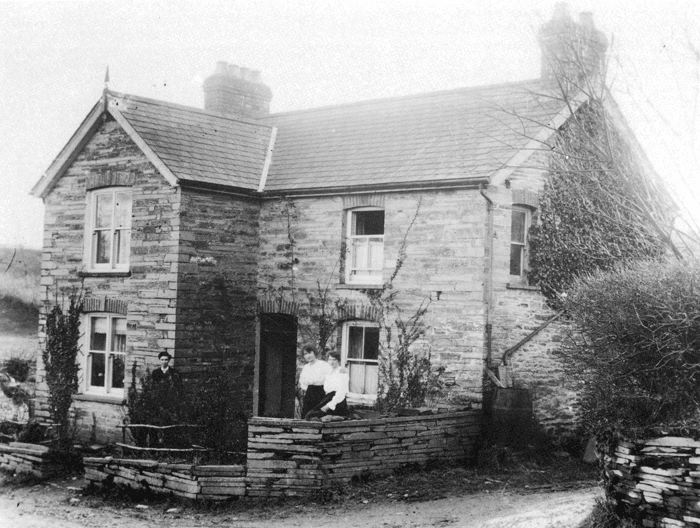
Aberdyfan, Pont-rhyd-y-ceirt, the Mathias family home.
It was here that the negatives of Tom Mathias's photographs were discovered thirty years after his death.
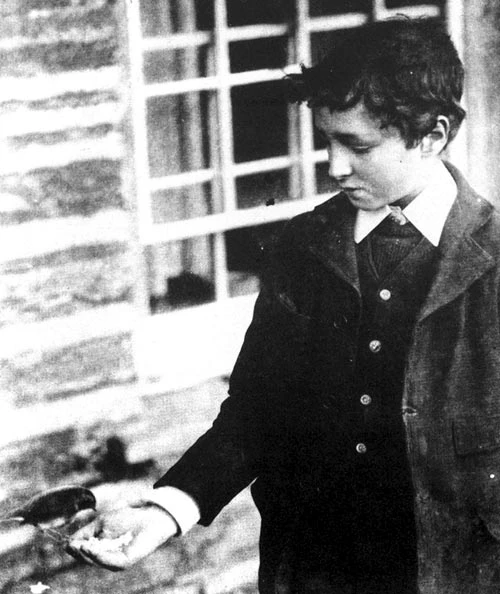
Tom James Mathias, son of Tom Mathias, feeding a robin.
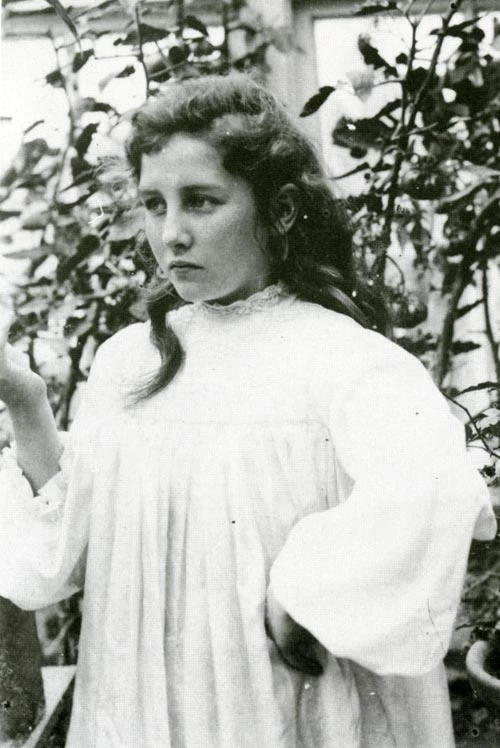
Tilla, Tom Mathias' daughter
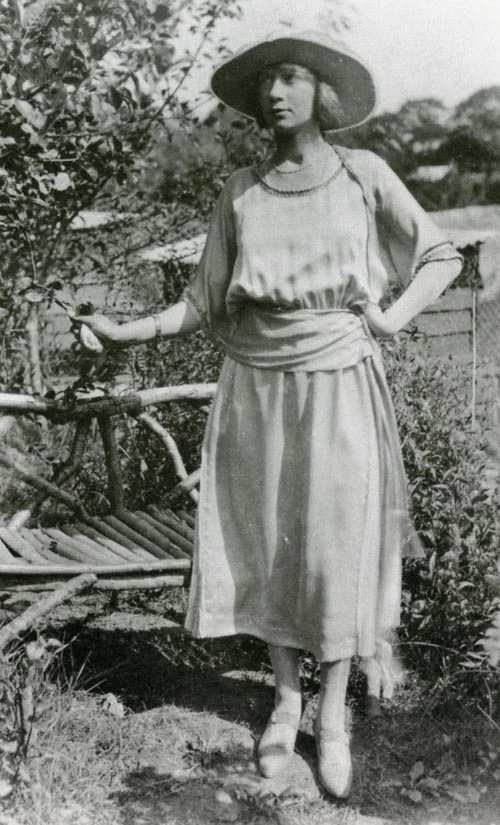
Tom's niece, Helen Baud. Helen and her sister Paulette were frequent visitors to Aberdyfan and feature in several of the photographs.
Tom Mathias holding a sparrow hawk. Tom was renowned locally for his knowledge of natural history
Tom examining one of the apple trees in his orchard. He is credited with improving the keeping qualities of some local varieties of apple
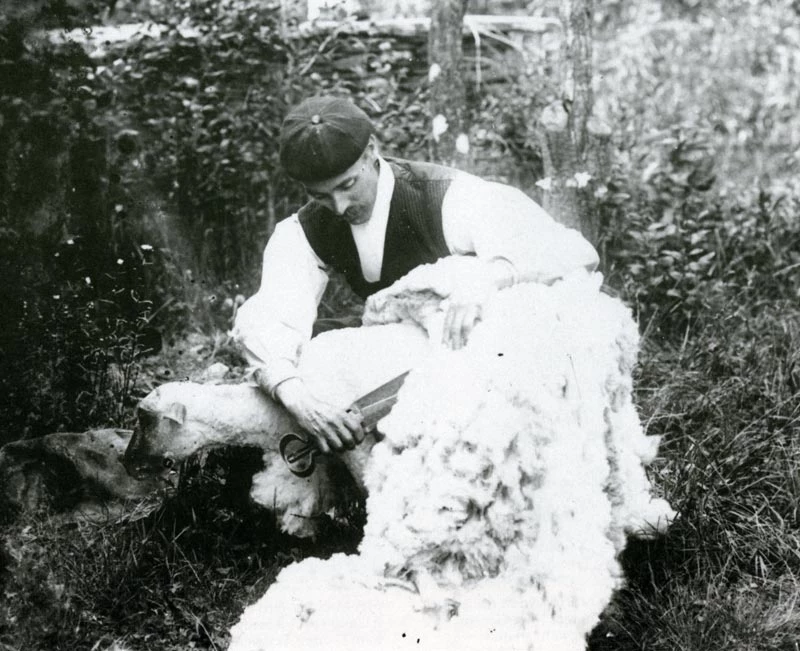
An early photograph of Tom Mathias hard at work shearing
Tom Mathias' son, James, hard at work making a garden shed
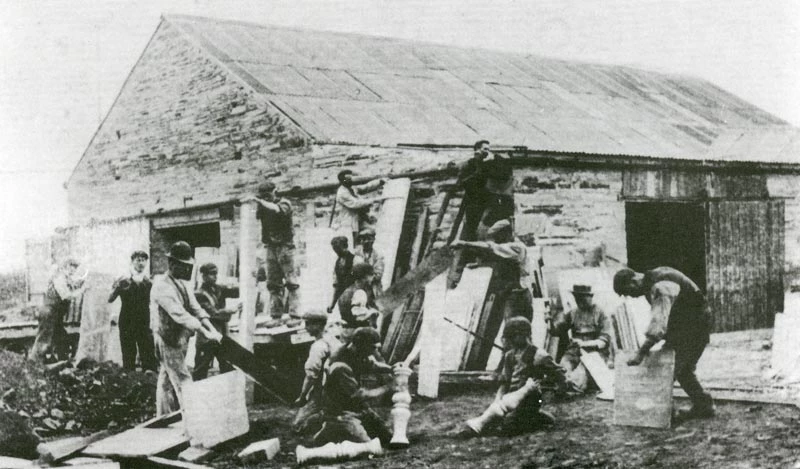
The workshops at Cefn Quarry. Note the turned slate pillars
Quarrymen at work, Cefn Quarry
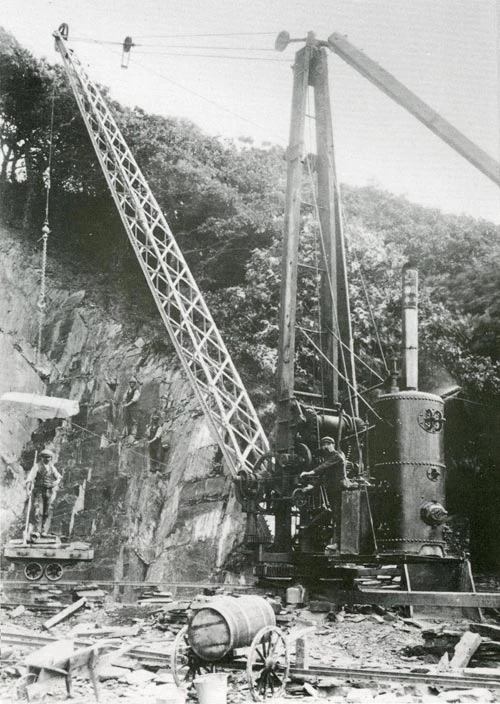
A steam crane in operation at Forest Quarry, 1910
Dolbadau Quarry, 1907. Cilgerran was the centre of a small-scale slate quarrying industry from the late eighteenth century to the early 1930's. Tom Mathias took many photographs of the quarries, but unfortunately, because of their condition, only a few were able to be reproduced.
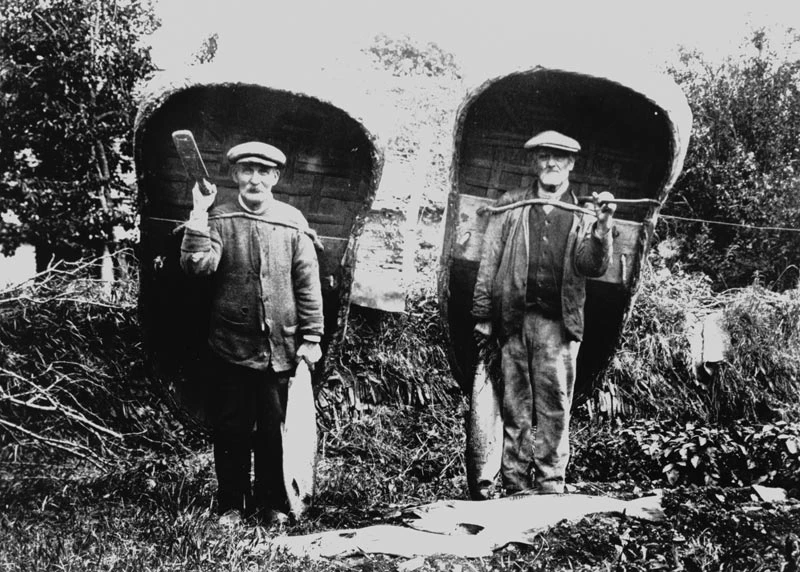
Cilgerran coracle-men William Johnson and John Morgan with their haul of fish, 1905.
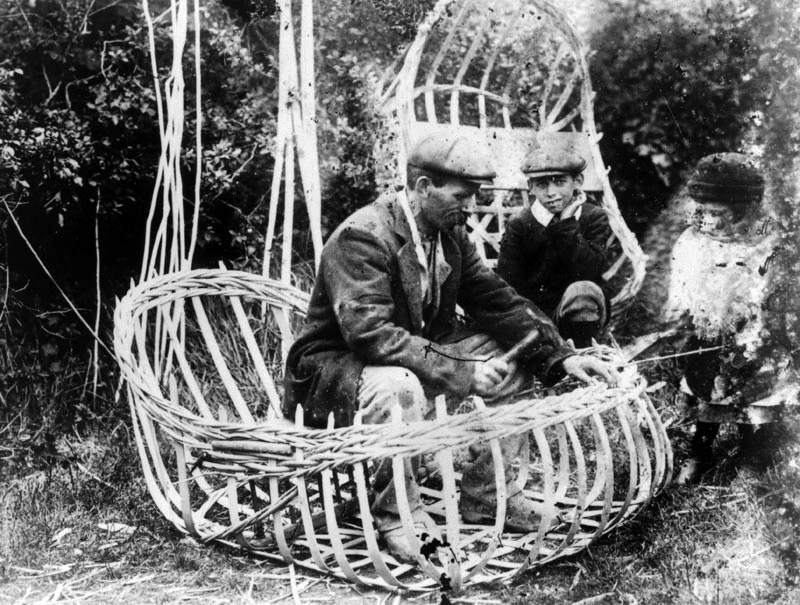
So few coracle photographs have survived that this one has been included despite its poor quality. It shows William Griffiths of Llechryd finishing off the frame of a Teifi coracle whilst his children, Moses and Sarah, look on. 1916.
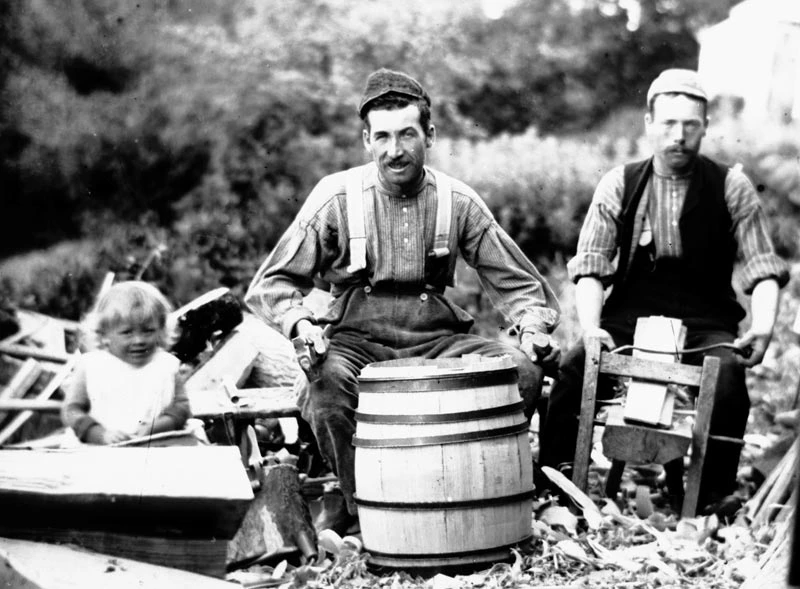
Local coopers Griffith and Thomas Thomas, with baby, Johnny Michael Thomas, taken in 1892.
Timber was brought to Cilgerran Sawmill for conversion into planks. This photograph shows the arrival of the largest tree trunk ever to be brought to the sawmill.
Forestry was another important local industry which Tom Mathias diligently recorded.
Kathryn Davies operating a stocking-making machine
Mother and daughter Hannah and Elizabeth Davies, the local quilters.
Boy holding a child's hay rake
Tom's grand-daughter Nesta playing with her toys.
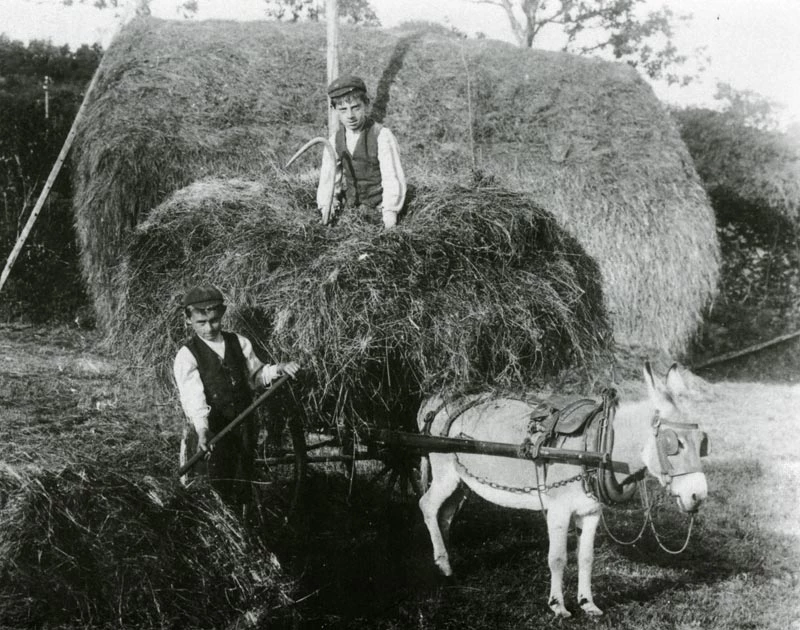
The brothers Hugh and Myrddin Jones, Cilfowyr, loading hay onto a donkey cart
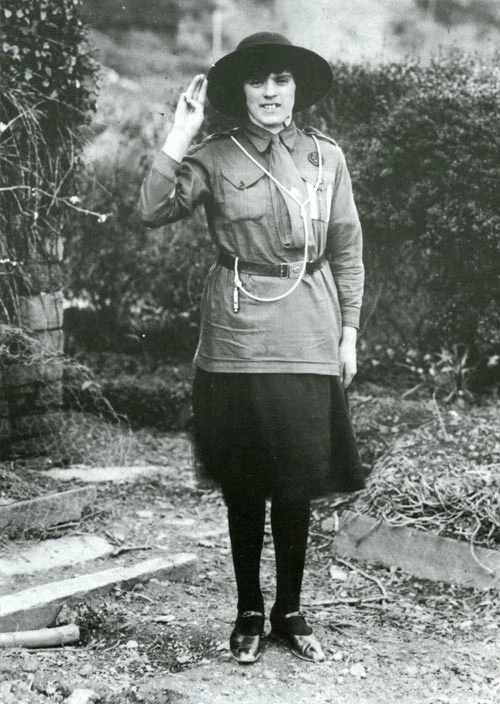
Girl Guide patrol leader, Maggie Thomas, Plas-y-Berllan, Llechryd. 1925
Four generations of the Davies family of Banc-y-felin, Llechryd. 1913
Richard Morris of Cefn Lodge, Cilgerran on his horse 'White Bud'.
Miss Olivia Griffiths, Neuadd, Cilgerran, shortly after her graduation with first class honours in German from the University College of Wales, Aberystwyth, 1910.
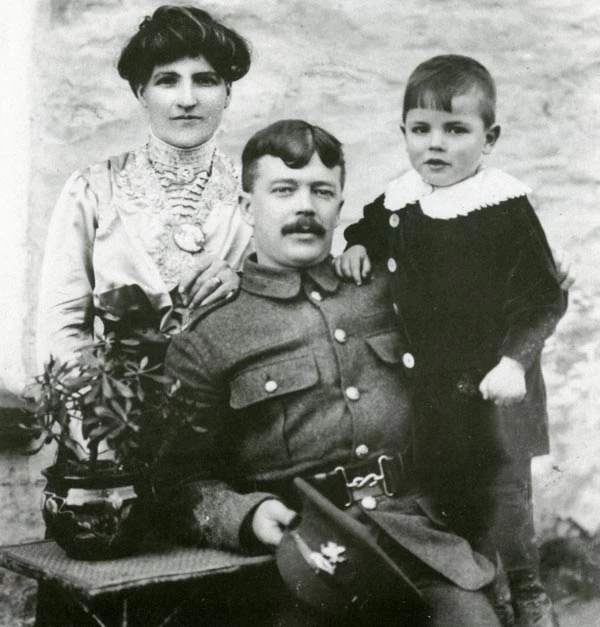
Evan Peter Morgan of Church Street, Cilgerran, photographed with his wife Elizabeth Jane and son David whilst he was home on leave during the First World War (1914-1918)
A convoy of policemen from Pembrokeshire, Carmarthenshire and Glamorgan on their way to Cardiganshire to assist the local constabulary during the anti-tithe agitation which broke out in the county between 1888-94
Butcher's delivery van, 1910
Baker's van with delivery boy, Willie Davies, 1910.
David Wilson, fishmonger's delivery boy photographed in 1905. He was later to loose a leg in combat in the First World War. He used his compensation to establish his own business in Bridge Street, Cardigan, thereby earning himself the nickname 'Lucky Leg Wilson'
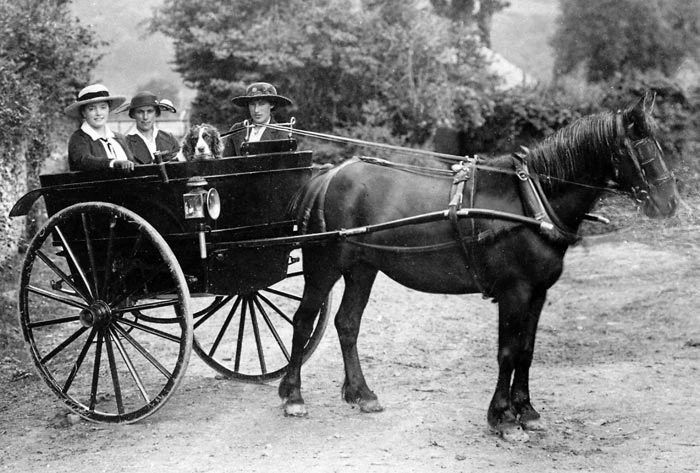
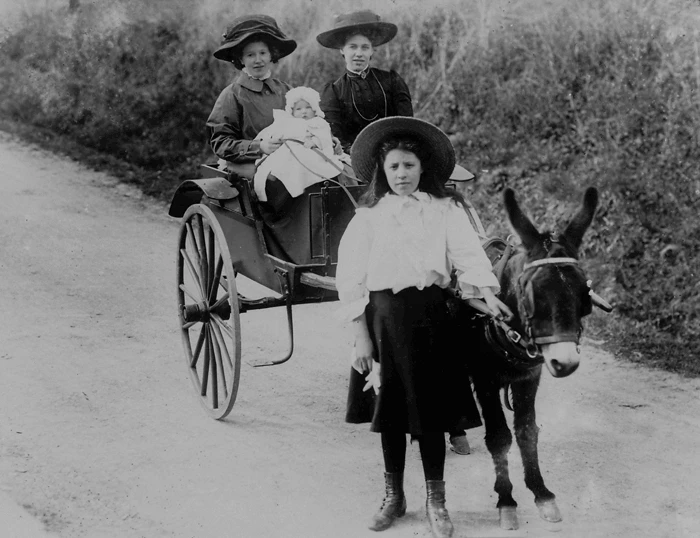
Three local women photographed in a pony and trap, 1916. Tom Mathias made his living taking photos of local people, but he never owned a studio, so all his photographs were were taken outside or at his clients' homes.
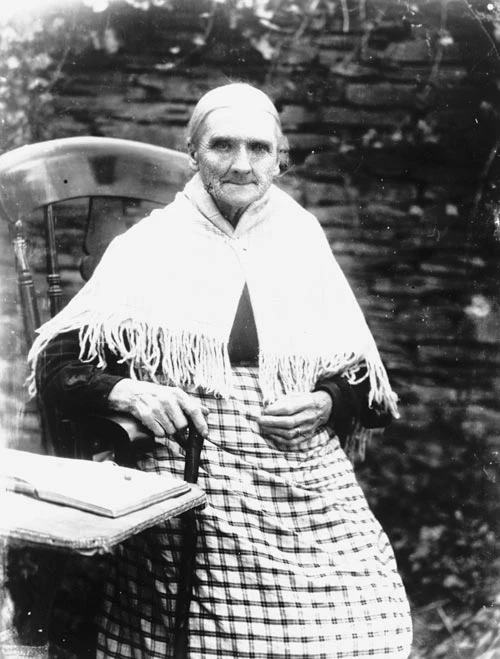
Mrs Ann Williams, 1910.
Repairing the spire of Llandygwydd Church.
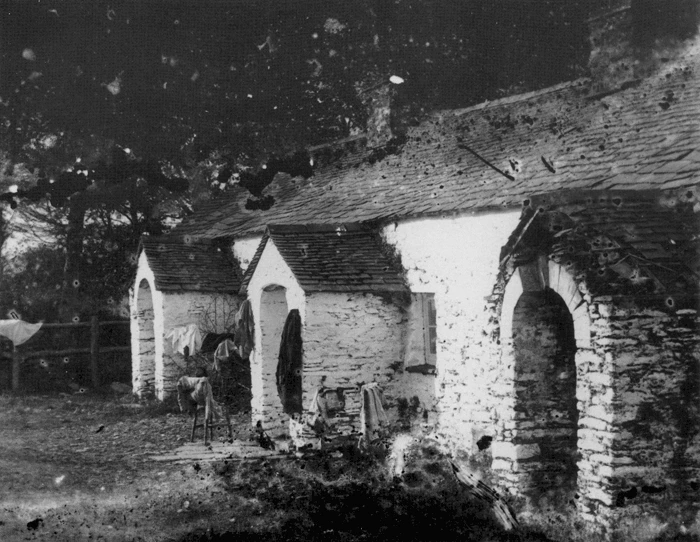
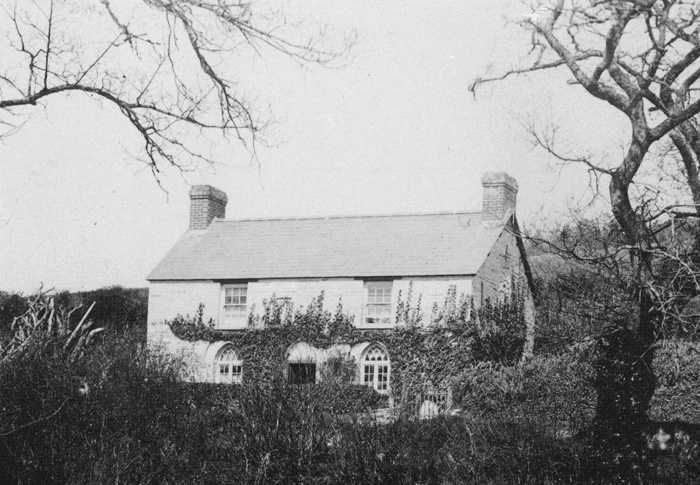
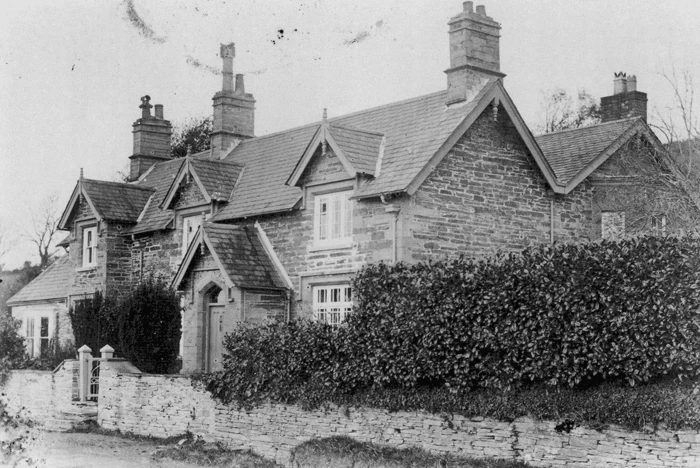
A row of labourers' cottages at Lancych. They stand in marked contrast to the gentry houses that Tom Mathias also photographed.
A ride in a donkey cart.
Tom Mathias's patience as a photographer is displayed at its best in his pictures of children. This is Teifryn Thomas, the son of Llechryd's postmaster, proudly showing off his new tricycle.
An unidentified girl carrying a baby in a shawl 'Welsh fashion'.
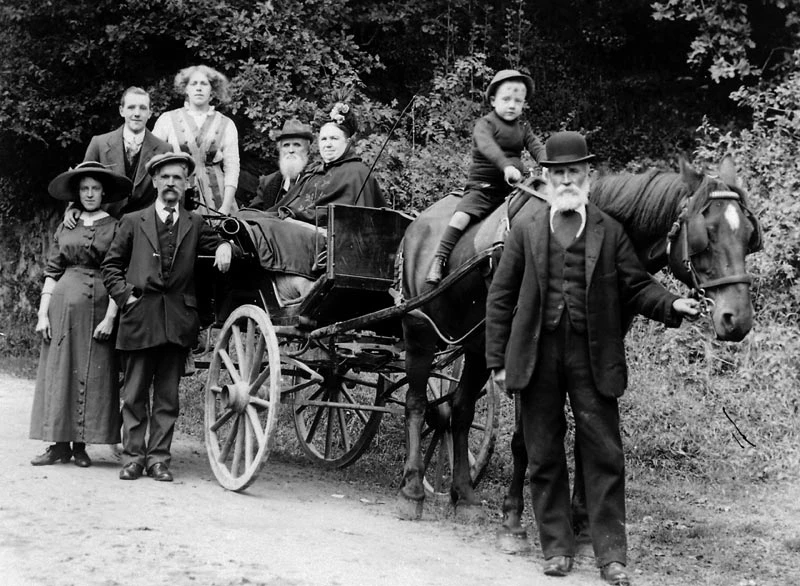
James Mathias (no relation) taken with his family c.1910. Morgan Mathias, the young man shown in the photograph, was later killed in the First World War.
Three generations of a Cilgerran family.
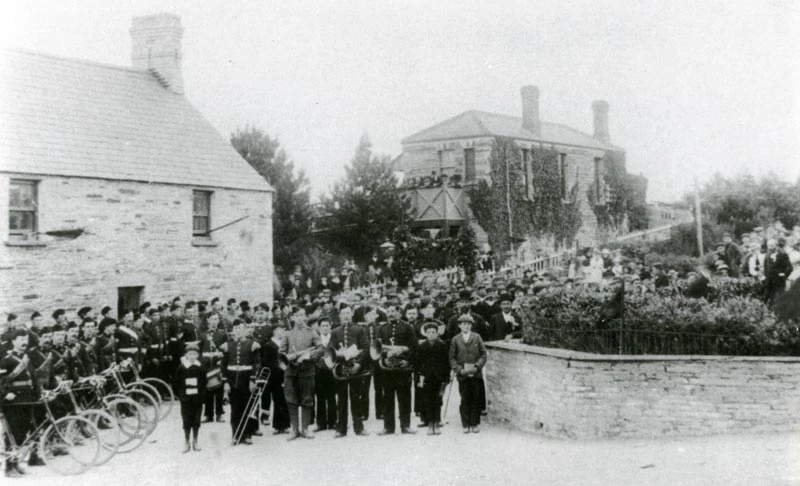
The Band of the Cardigan Volunteer Corps waiting at Cilgerran station to welcome Lt. Colby of Ffynone home from the Boer War, c.1902
Onnen-deg, Llechryd.
The number of photographs of houses in the collection suggest that there was a lucrative market for them. This is Fernhill, Llechryd.
The Band of the Cardigan Volunteer Corps marching down Cilgerran High Street 1902, accompanied by members of the Cardigan Naval Reserve.
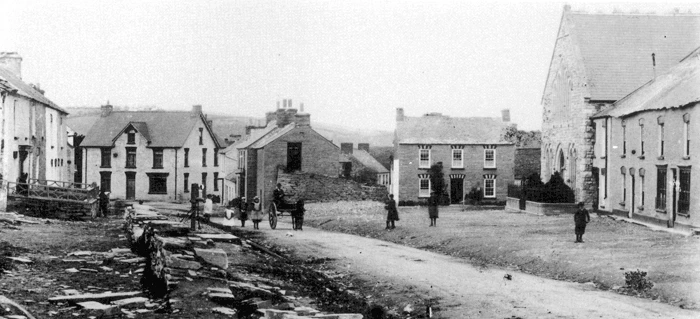
Cilgerran High Street, taken in 1905
Skating on the old canal connecting the river Teifi and the now abandoned Castle Malgwyn tinworks.
Villagers skating on the frozen Teifi during the cold winter of 1891
Cilgerran High Street, taken in 1910
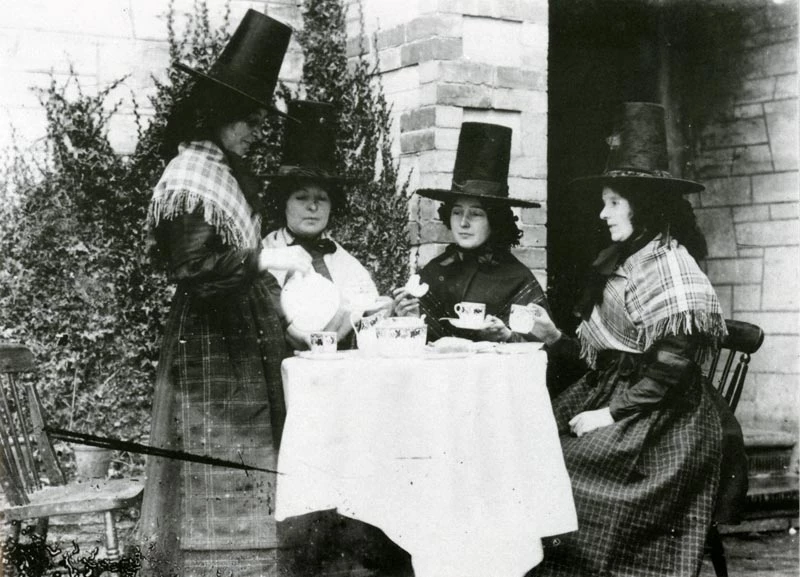
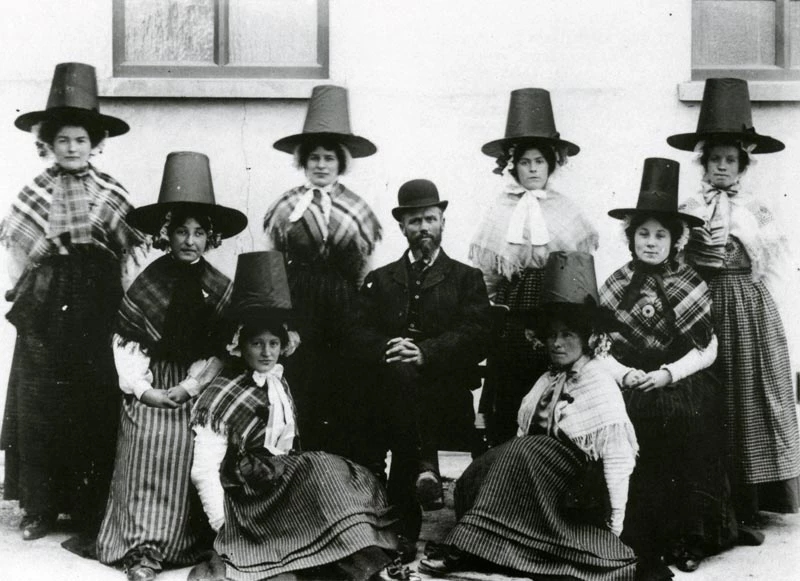
...These photographs of momen in 'traditional' Welsh costume possibly illustrate Tom Mathias's attempt to break into this lucrative market.
...The most popular postcards were scenes of women knitting, going to the market or having tea...
Towards the end of the nineteenth century it became fashionable to publish postcards of women in 'traditional' Welsh costume...
Repairing the bridge at Glanarberth in 1912
Repairing the bridge at Pont-rhyd-y-ceirt, 1920. Johnny Michael, the conductor of Cilgerran Children's choir, can be seen standing on the left with his children, Teifryn and Tegwyn.
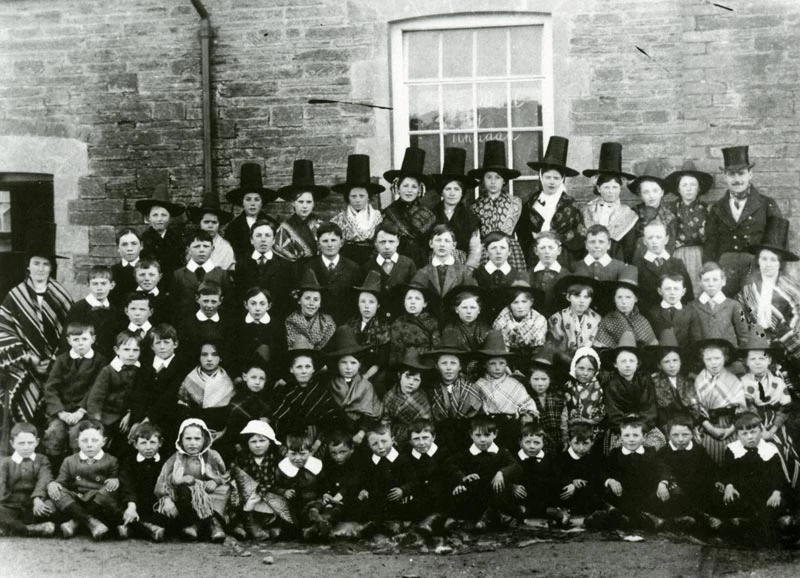
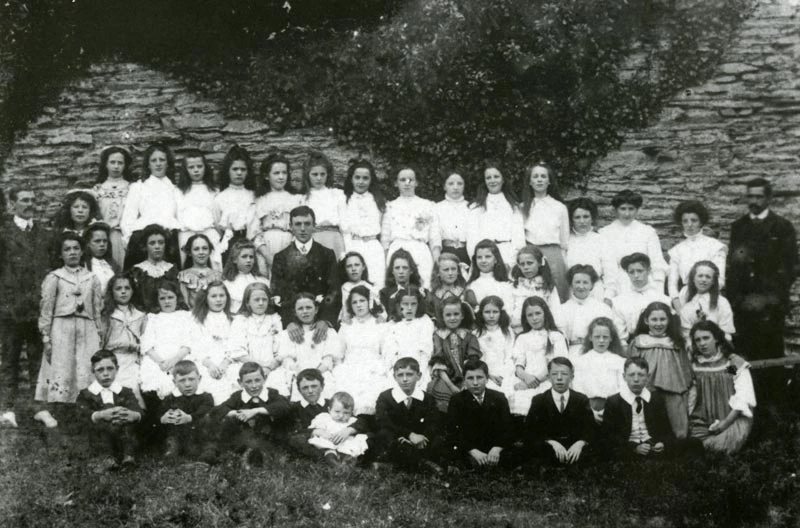
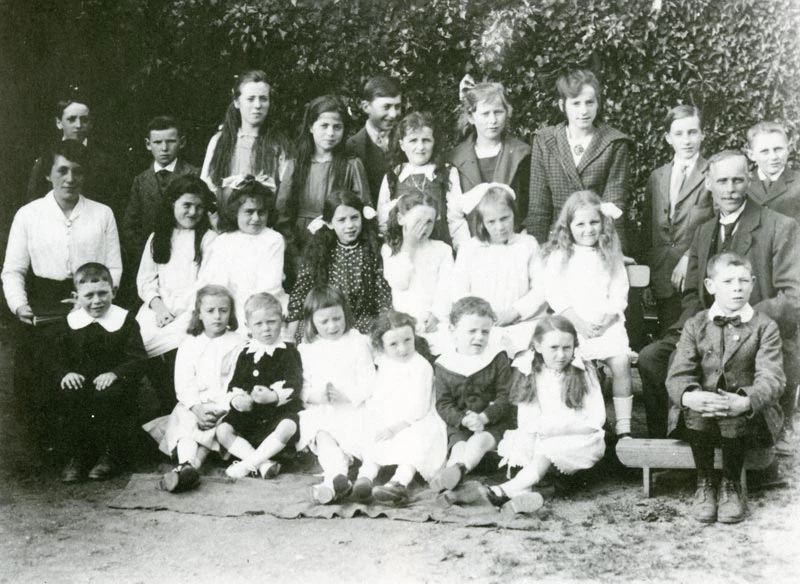
The children of Blaen-ffos School, 1915. The patriotic garb suggests that the photograph was taken on St. David's Day. The title of the Welsh national anthem 'Land of my Fathers', is written on the blackboard in the window.
The ladies of Llwyn Adda Chapel Sunday School sporting their 'Welsh costumes'
Cilgerran Children's Choir with conductor Johnny Michael
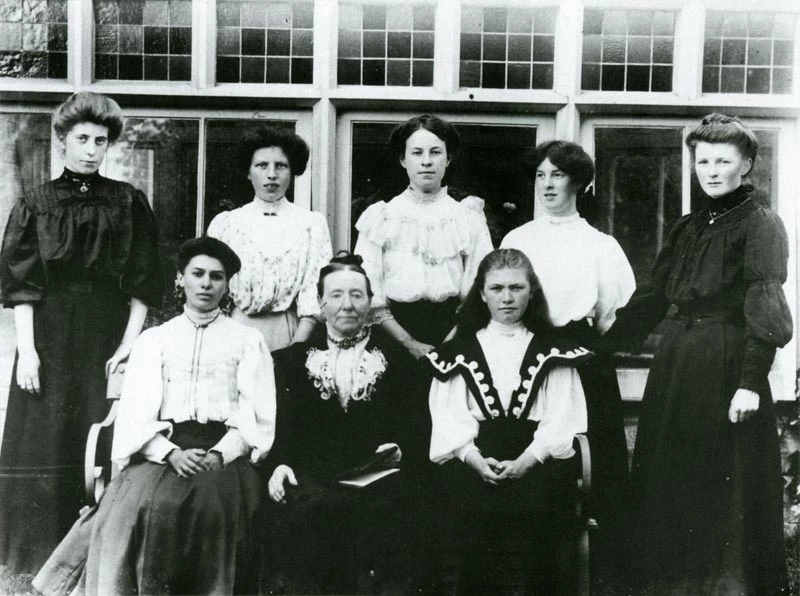
A Sunday School class at Glanolmarch House, Llechryd, with the owner, Mrs. Stephens
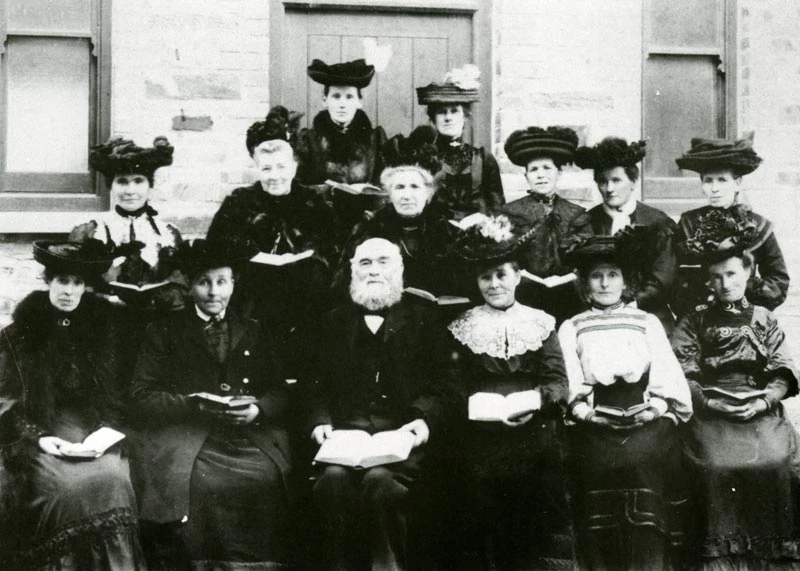
A ladies' Sunday School class, Babell Chapel, Cilgerran, 1906
Penuel Baptist Chapel's annual Sunday School outing to Poppit Sands, 1913.
A Sunday School class at Llwyn Adda Calvinistic Methodist Chapel, Llechryd. Tom Mathias (on the right) was a lifelong member of the chapel and a Sunday School teacher for many years. The other teacher is Margaret Ann Thomas
Penrhiw Supply Stores, Aber-cuch, with owner W.J. Lewis, wearing the white apron.
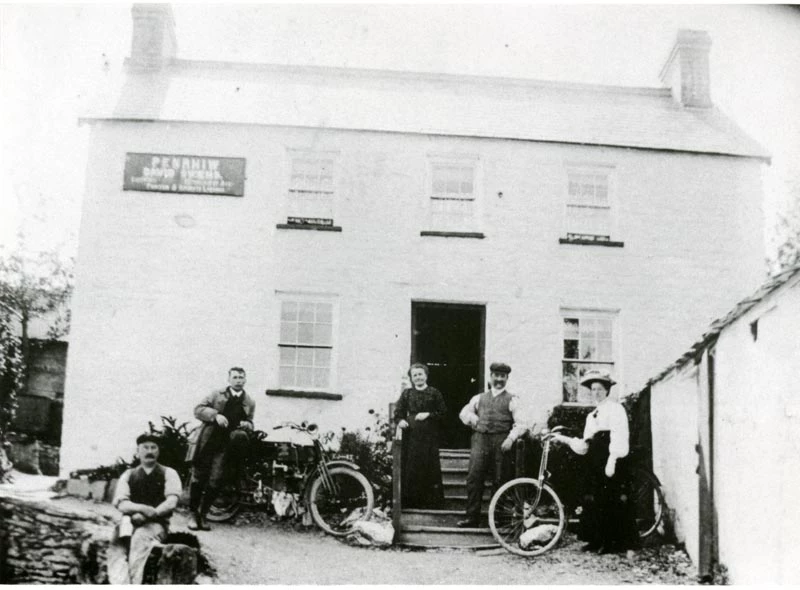
Penrhiw Arms, Aber-cuch, 1914. The landlord, David Owens, and his wife Elizabeth, can be seen standing on the steps. The building has since been demolished as part of a road widening scheme.
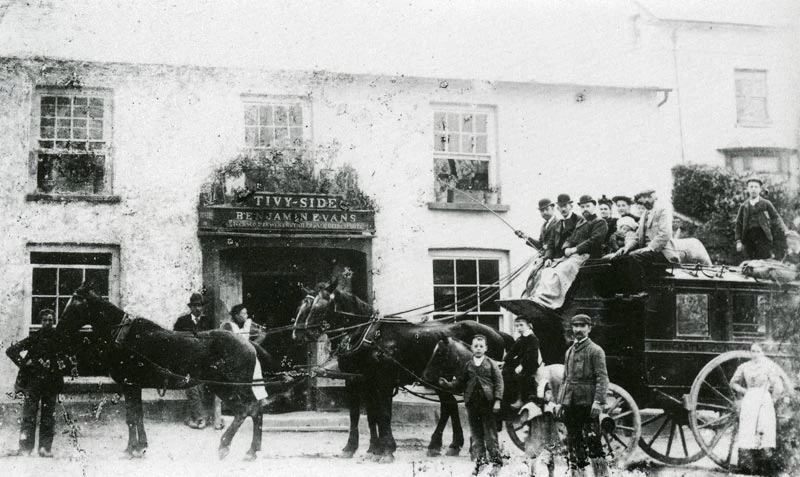
The Newcastle Emlyn to Cardigan stagecoach outside the Tivy-side Inn, Llechryd, in 1906.
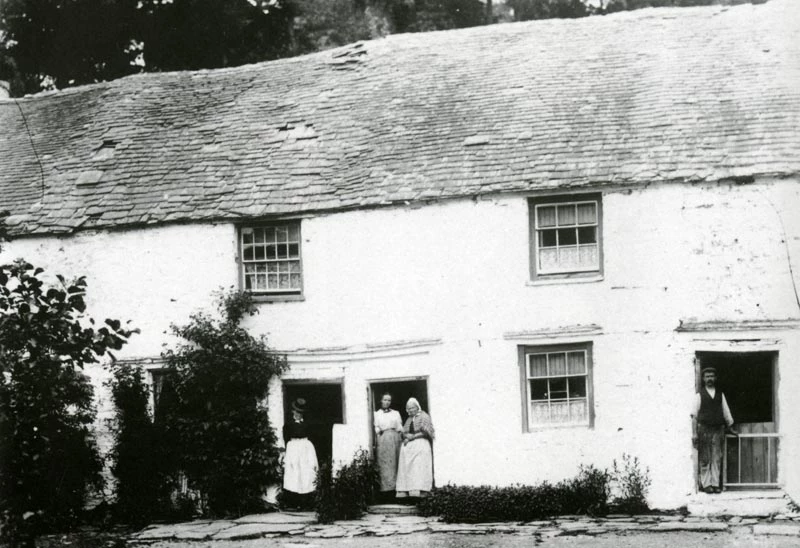
Pantdŵr, Llechryd, c. 1900
Bridge House, Cilgerran, 1910. The occupant, Miss Kathryn Davies, is standing in the doorway whilst her brother sits on the parapet of the railway bridge (since demolished).
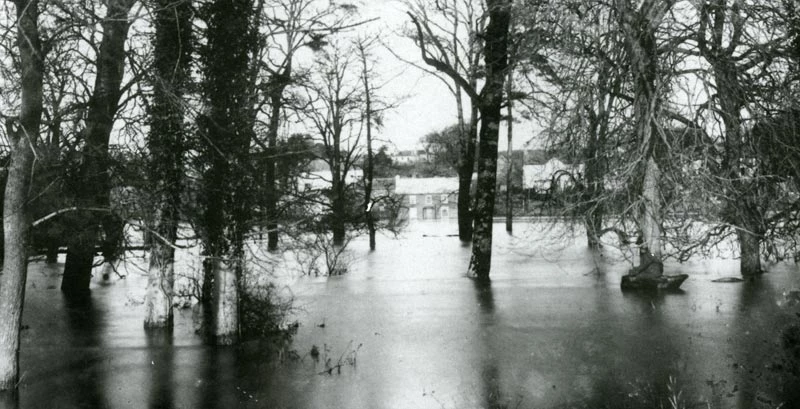
Flooding on the River Teifi, Lechryd, c. 1910. The Tivy-side inn is visible in the middle of the shot.
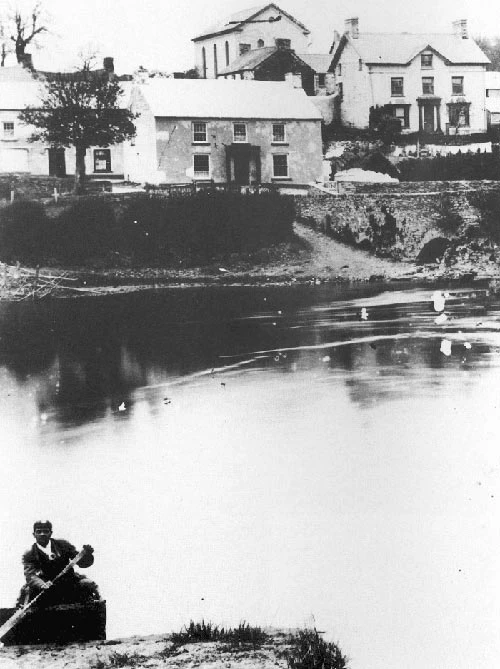
Looking across the river Teifi at Llechryd towards the Tivy-side Inn. The inn, or 'tavarn' has long since closed.
A number of the photographs in the collection feature local views and record important or unusual events in the district.
The new footbridge at Aber-cuch, 1908
Constructing a new footbridge across the River Teifi at Aber-cuch, 1908
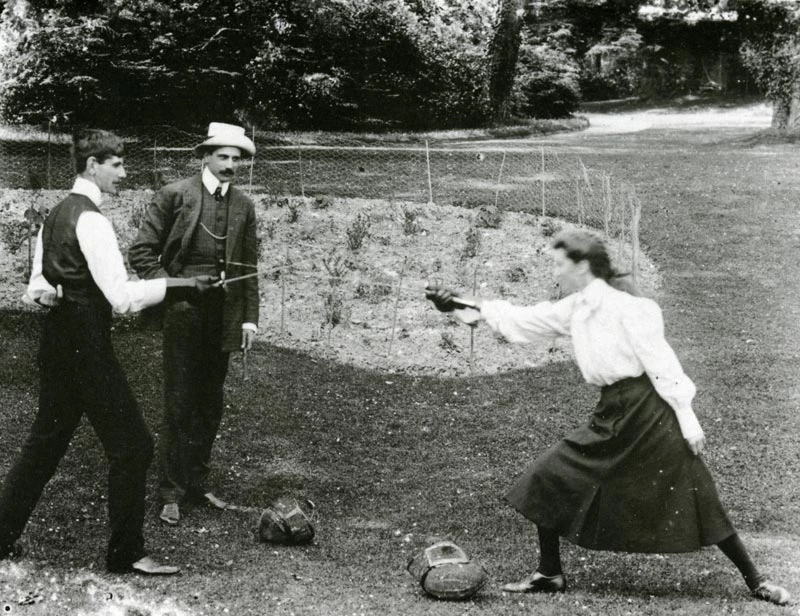
Miss Rita Morgan Richardson fencing with her brother whilst Dr. Stephens, Glanolmarch, looks on.
Miss Rita Morgan Richardson, Rhos-y-gilwen, Cilgerran with her German governess and exotic dogs
The Lewis-Bowen family of Clyn-fiw, Boncath
Mrs Lewis-Bowen, Clyn-fiw, Boncath (on the right), with her children, Dorothea and William, and the family's nurse and governess. The young girl on the left is Rita Morgan Richardson
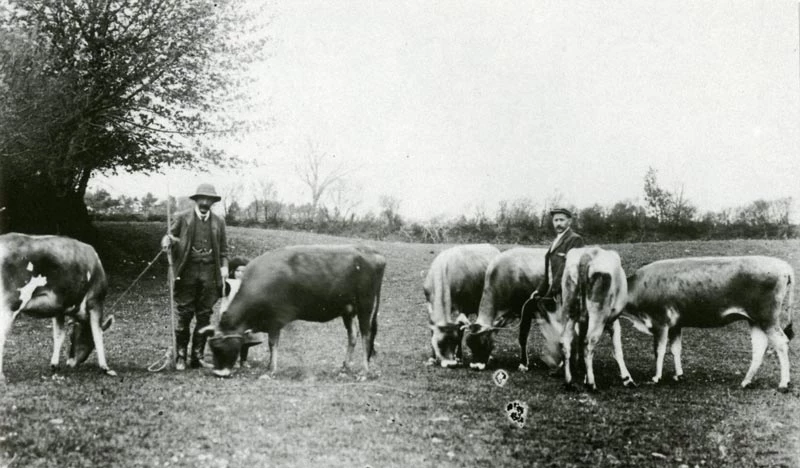
The Rhos-y-gilwen herd proudly displayed in front of the house.
C. E. G. Morgan Richardson of Rhos-y-gilwen, standing amongst his prize herd of Shorthorn cattle
Mrs Morgan Richardson outside Noyaddwilym, Llechryd. The family later moved or Rhos-y-gilwen
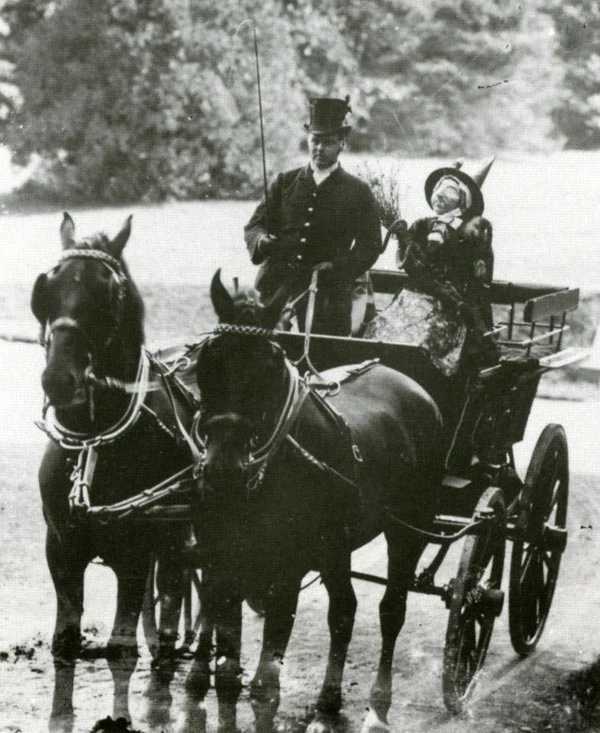
A coachman with an 'unusual' passenger outside Castle Malgwyn, presumably at Halloween
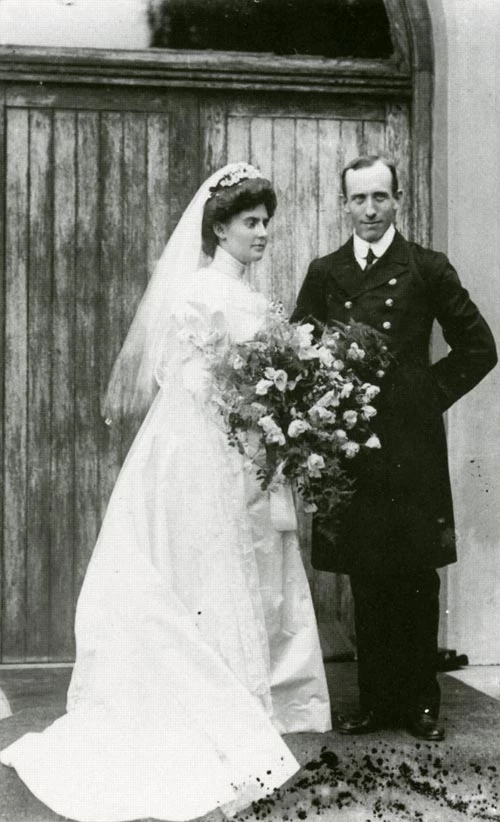
The wedding of Miss Grace Gower of Castle Malgwyn, and Staff Surgeon Gill R. N. at St. Llawddog Church, Cilgerran, 8 August 1907
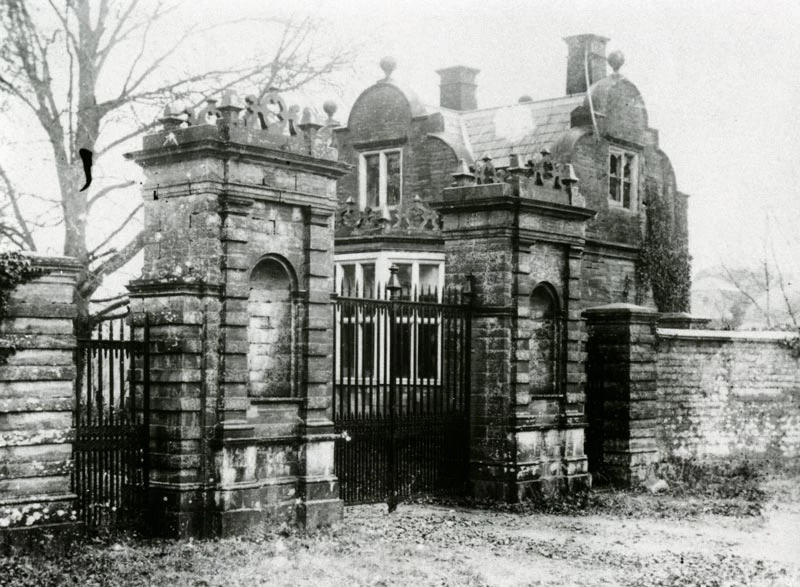
Lodge, Castle Malgwyn
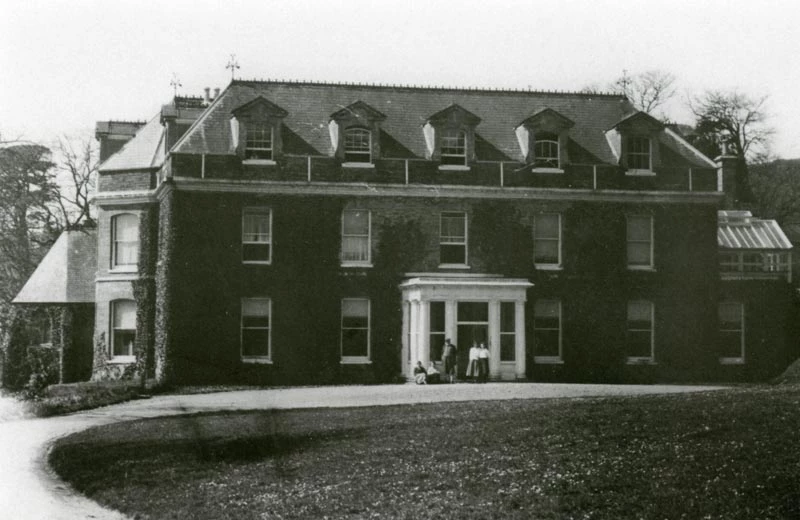
Castle Malgwyn, Llechryd, home of the Gower family. The house is now a hotel
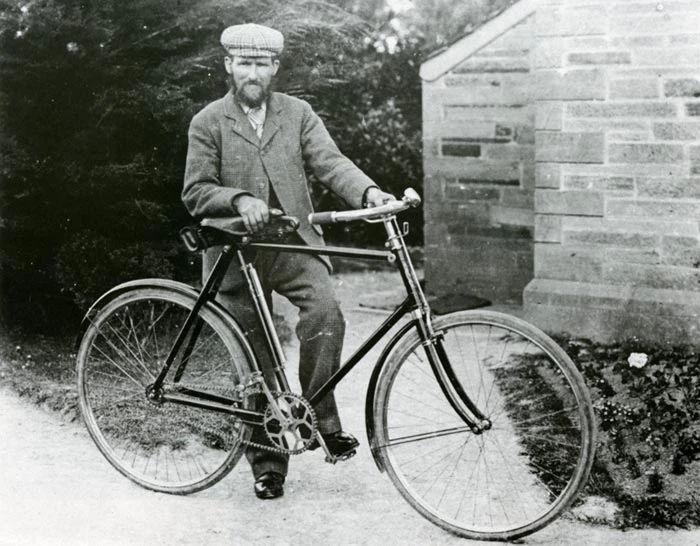
Thomas Daniel posing with his bicycle
Thomas Daniel, the gardener at Glanolmarch, Llechryd, with a crop of onions.
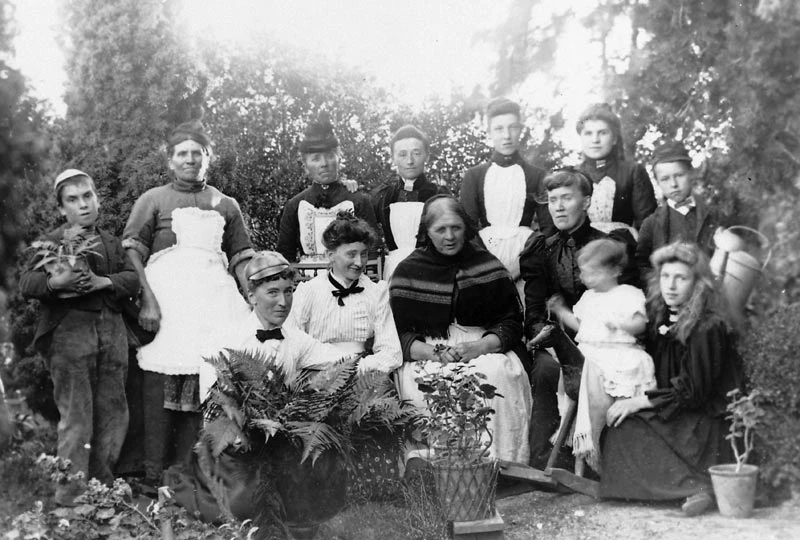
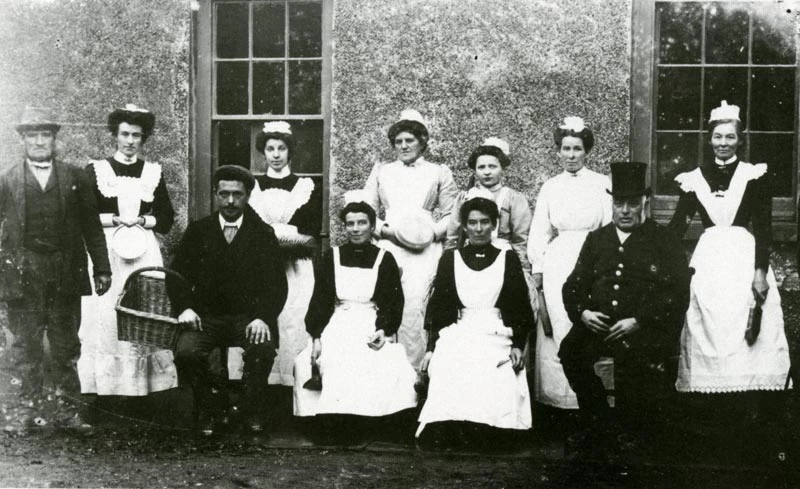
An unidentified group of domestic servants. The area known as Tivyside, i.e. the Teifi valley between Llandysul and the sea at Cardigan, a distance of less than twenty miles, was famous for its gentry houses. The local gentry families were regular patrons of Tom Mathias.
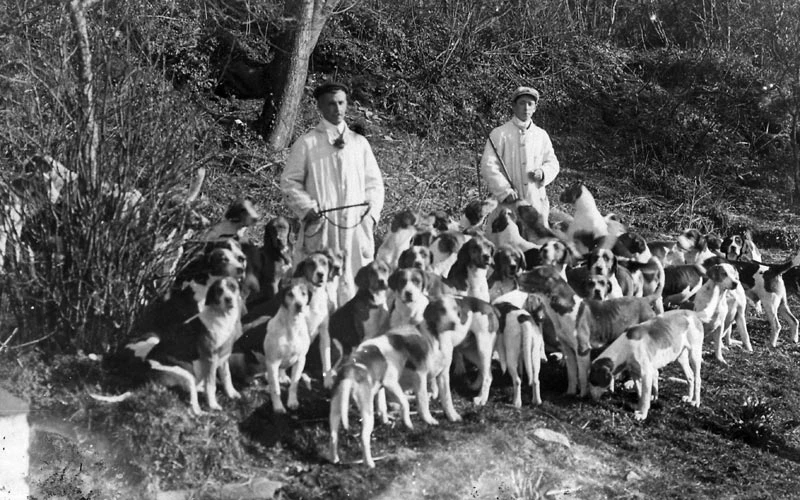
The Tivyside Hunt was the focus of the gentry's social life. The hunt, one of the oldest in Wales, is seen here with the master, Spence Colby of Ffynone.
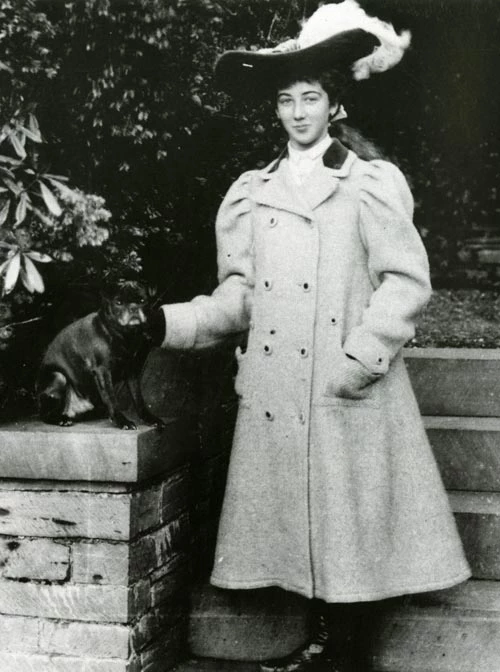
Miss Rita Morgan Richardson, Rhos-y-gilwen, Cilgerran
The staff at Clyn-fiw, 1906
An unidentified gamekeeper with his family
Pentre, Boncath, 1910
The Coedmore staff in their uniforms. Note how many display the tools of their trade
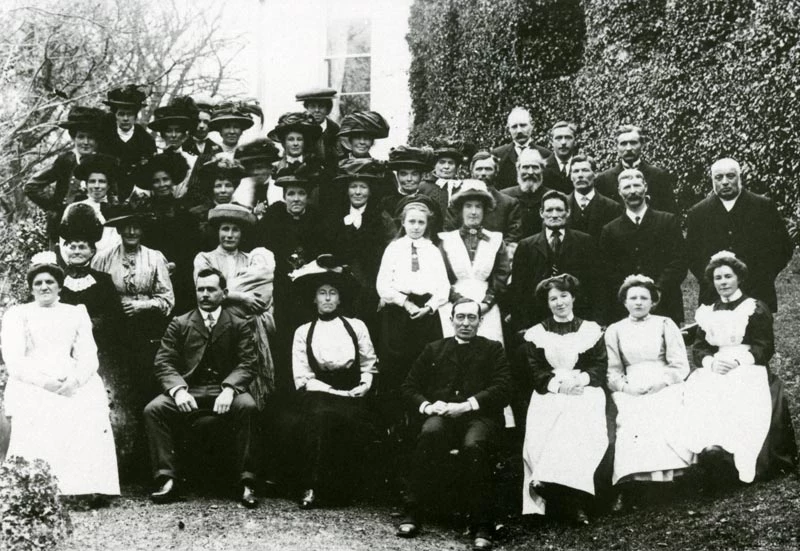
In their heyday the gentry houses provided employment for large numbers of people. This is the staff of the Coedmore estate taken in 1909
The domestic servants in the kitchen courtyard at Coedmore. The area known as Tivyside, i.e. the Teifi valley between Llandysul and the sea at Cardigan, a distance of less than twenty miles, was famous for its gentry houses. The local gentry families were regular patrons of Tom Mathias.
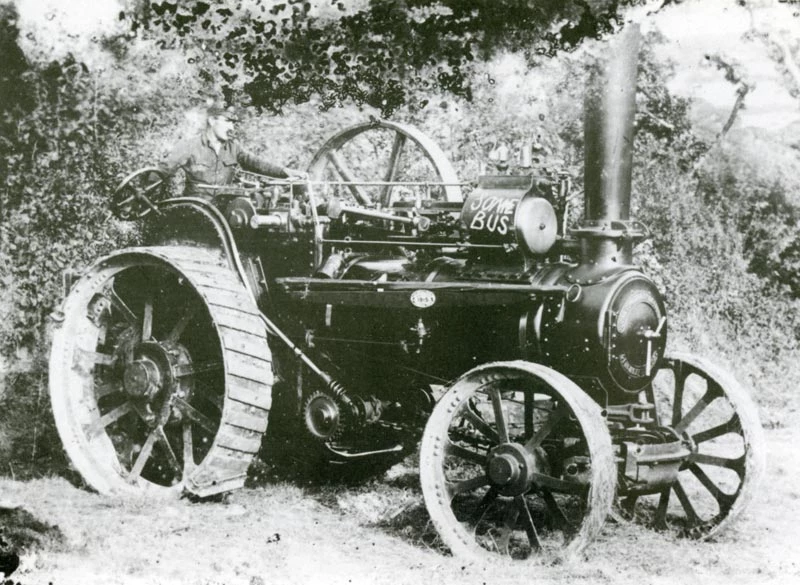
A Fowler traction engine on hire to the army from the local agricultural contractor, Dan Lladd of Clunderwen (right)
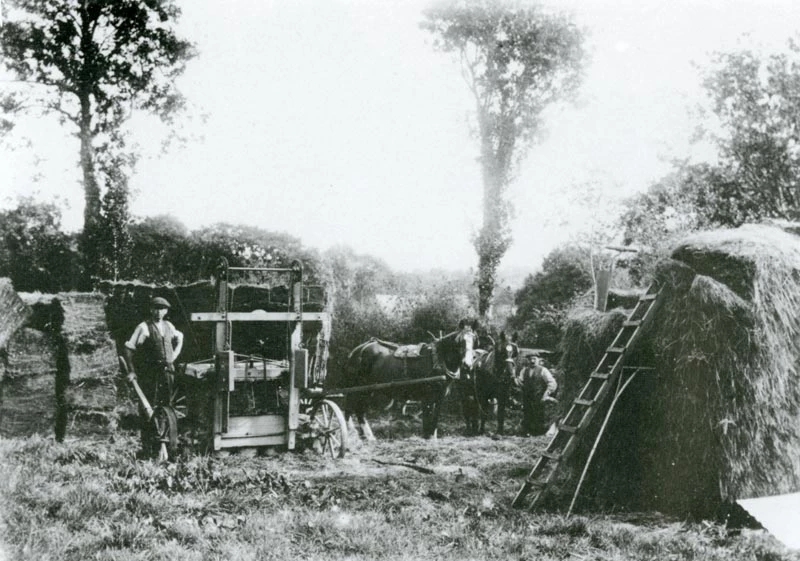
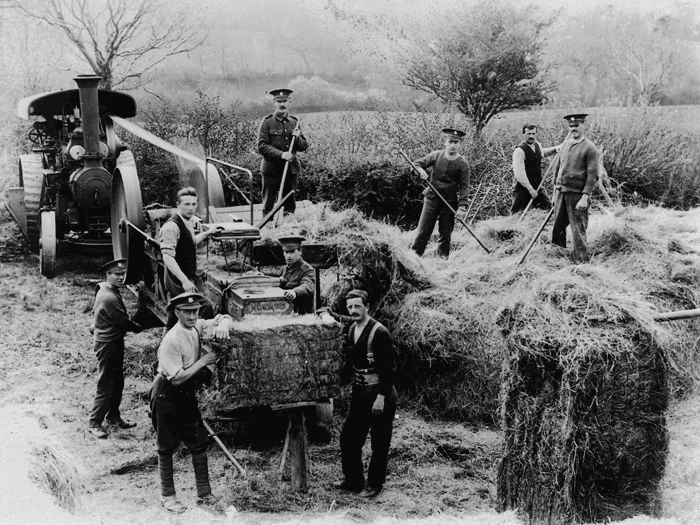
A hay press (an early form of baler) in use. The bound 'bales' can be seen in the background. The original machine found its way into the collection of vintage machinery enthusiast, Geler Jones of Cardigan. His collection has since been purchased by the National Trust for display at its property in Llannerch Aeron.
James Evans using a side-rake at Castle Malgwyn Home Farm, Llechryd.
Parcyneithw Farm. Mr. Griffith Davies standing in the yard with his wife, seven daughters - Sarah, Margaret, Edith, Ellen, Elizabeth, May and Catherine - their son, Ifan (right) and servant, Alfred.
This ingenious manually-operated hay-turning machine was invented by local farmer, Arthur John Davies, Penwenallt. The prototype was made for him by the village blacksmith, but a Dublin firm began manufacturing the machine commercially before Davies could take out a patent.
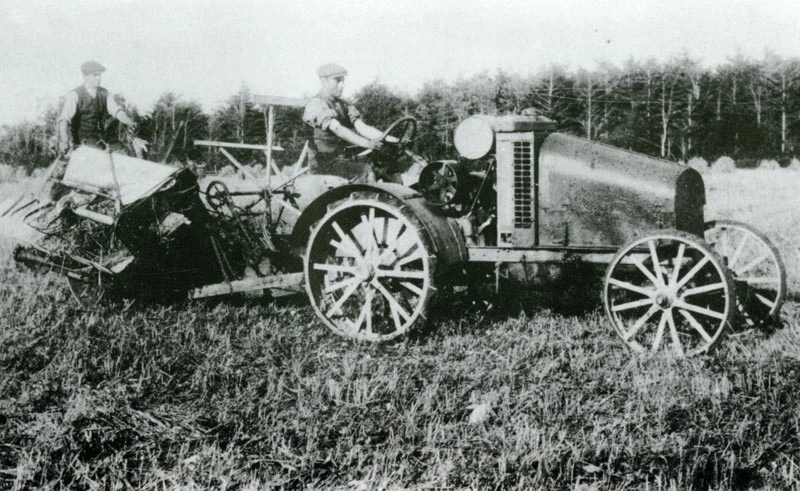
One of the first tractors and corn binders in the district in use at Castle Malgwyn Home Farm
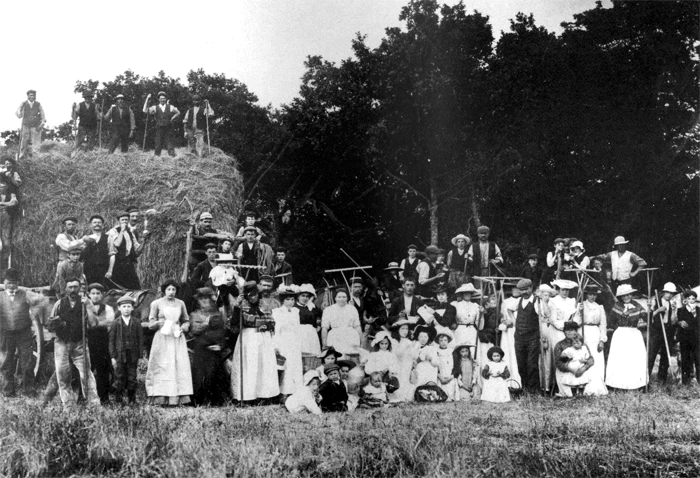
The hay harvest was a time when neighbouring farmers combined together to bring in the crop. Often very large numbers of people came together and it was an important social occasion, as this photograph shows.
A haymaking scene at Aberdyfan, c.1910.
A large number of people were required for the harvest even on a small holding like Aberdyfan. Note the use of a pitching pole to lift the hay from the carts onto the stack.
Tractor in military use.
Soldiers at work bailing hay. It is probably that they are members of a 'Foraging Company' who travelled the country during the Great War obtaining fodder for military horses. The variety of cap badges show that they were drawn from several regiments. It is possible that they might also be conscientious objectors who had been assigned to non-combat duties.