: Traditions

Welsh love spoons

25 January 2024

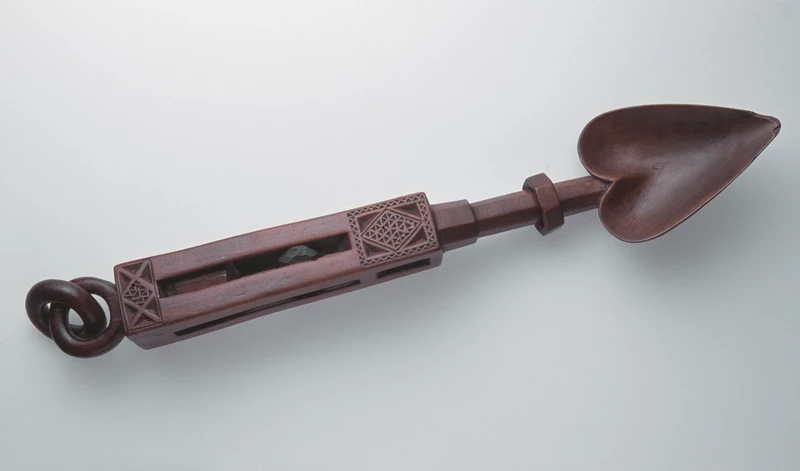
Although the exact origins of lovespoon-making in Wales are unclear, we know that such spoons would have been shaped with great care and devotion by their carvers. Lovespoons were given as a token of love and affection and each spoon was unique.

The lovespoon collection at Amgueddfa Cymru contains beautifully ornamented examples both historical and modern. It conveys the changing nature of the art through time and encompasses a wide variety of styles and designs all carefully handcrafted to the highest quality.

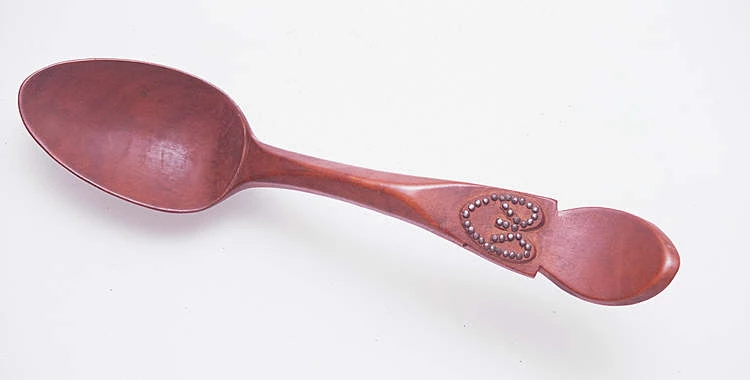
Presenting a decoratively carved spoon to a loved one as a token of affection has long been popular in Wales. From the Museum's oldest dated spoon of 1667 to contemporary examples by renowned present-day carvers, the calibre of the spoons is testimony to the makers' skill and devotion in creating objects intended to be treasured by their recipients.

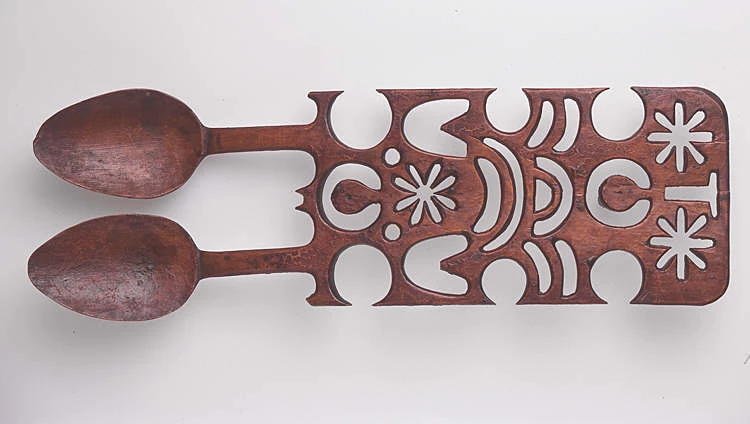
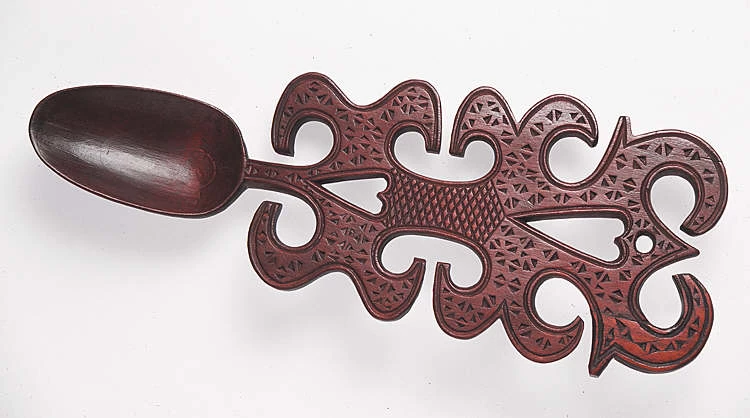
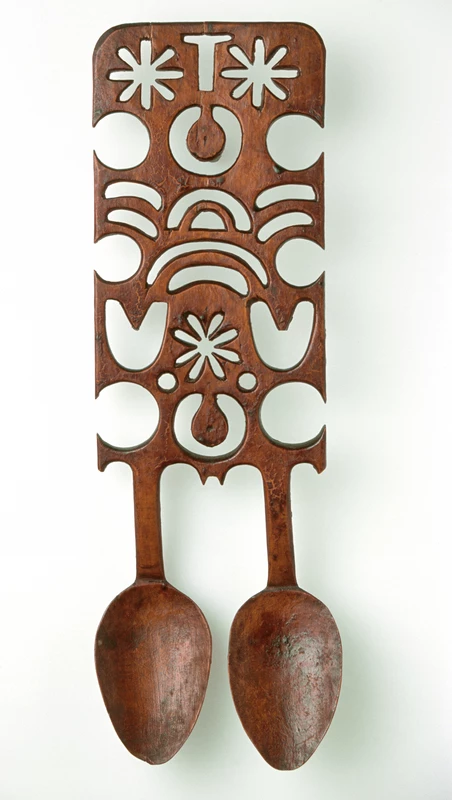
Two spoons carved from one piece of wood and joined by a single handle, which has intricate symmetrical carvings including star-like shapes, crescents, circles and a letter T.

Young men traditionally made a lovespoon from a single piece of wood, as a love token for their sweethearts.

Romantic gifts to maidens

Despite the lack of historical sources, it is generally believed that lovespoons were formerly crafted by male suitors and then presented as romantic gifts to the maidens they admired. The eighteenth- and nineteenth- century examples which form the basis of the Museums collection were driven by the emotion and passion of carvers who sought to produce works of art worthy of their beloveds.

The simplest of tools, such as small pocket knives, were traditionally used to to create the spoons, if possible, from a single piece of wood. Close-grain woods, such as sycamore, box and fruit woods were particularly popular.

Although the popularity of lovespoons has fluctuated over time, lovespoon carving has survived intact and continues thanks to a new breed of craftsmen determined to preserve the art.
Traditionally, lovespoons were given as romantic gifts, but today they are frequently given as gifts to commemorate events such as weddings, birthdays, anniversaries and christenings. Their function has significantly altered over time - particularly from the mid-twentieth century onwards when the fashion for mass-produced examples became increasingly prominent.

What do love spoons mean?

The symbolism on the spoons has also changed in recent years, with the introduction of Celtic and national emblems, such as daffodils and dragons, a means of expressing Welsh identity. This contrasts with the previously romantic sentiment, such as hearts, diamonds and wheel motifs.

Lovespoons continue to represent an expression of one's thoughts and emotions and carvers remain who honour the folk origins, either by creating spoons on commission or as presents for their family and friends.

Lovespoon carving is an ever-evolving craft and one which is sure to continue to delight and inspire for many generations to come.
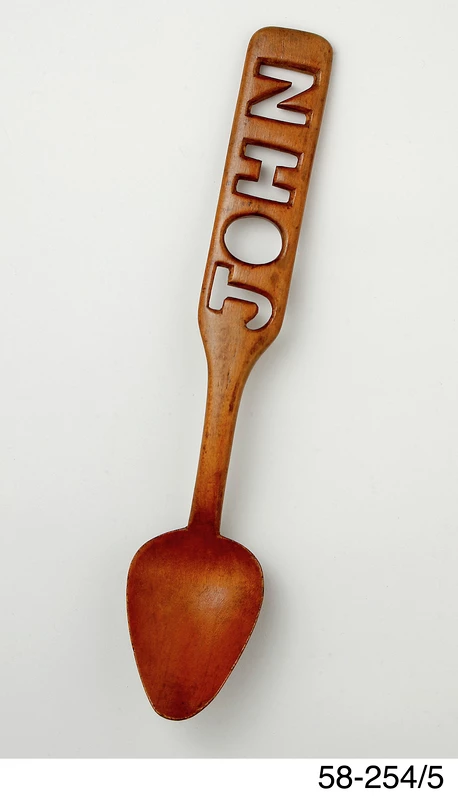
Judging by the exquisite array of designs in the Museums collections, carvers have always felt free to decorate their lovespoons as they saw fit. Although each spoon is unique and often features initials or dates personal to the recipient, over time a series of symbols were employed to depict romantic thoughts and feelings. Such symbolism can, of course, be interpreted in many ways, and we can only imagine the true emotions of the carver as he prepared the spoon.
  • Hearts

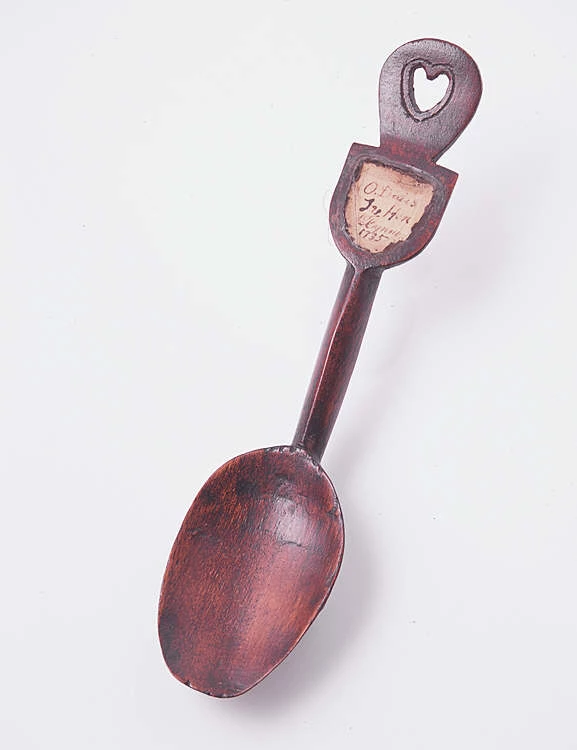
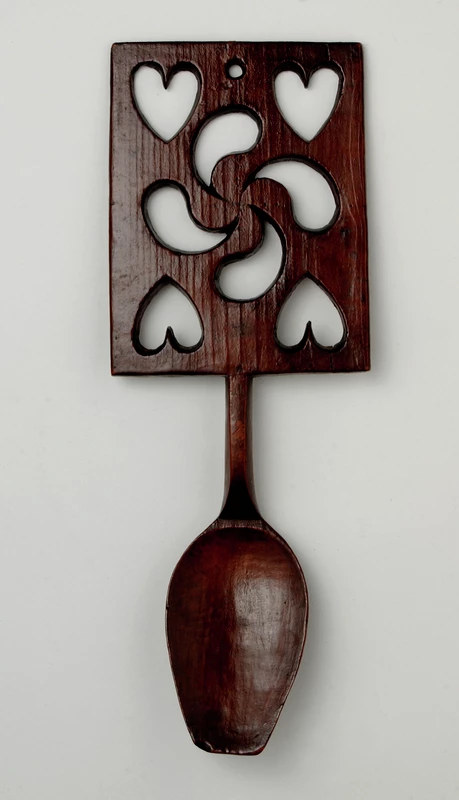
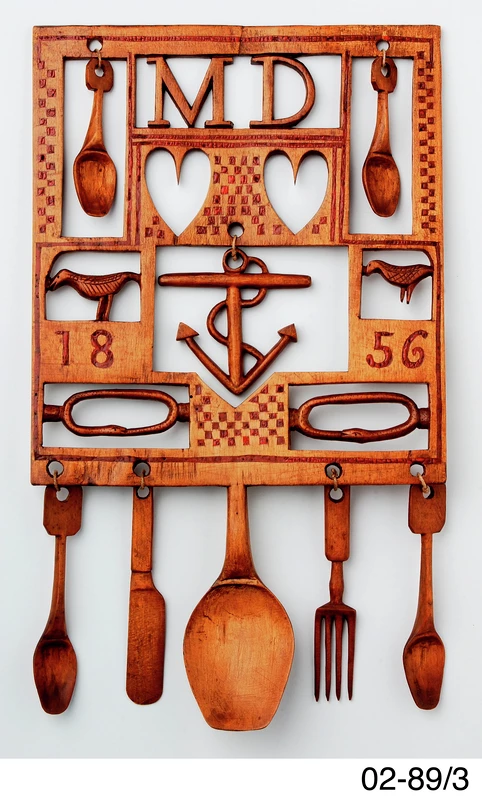
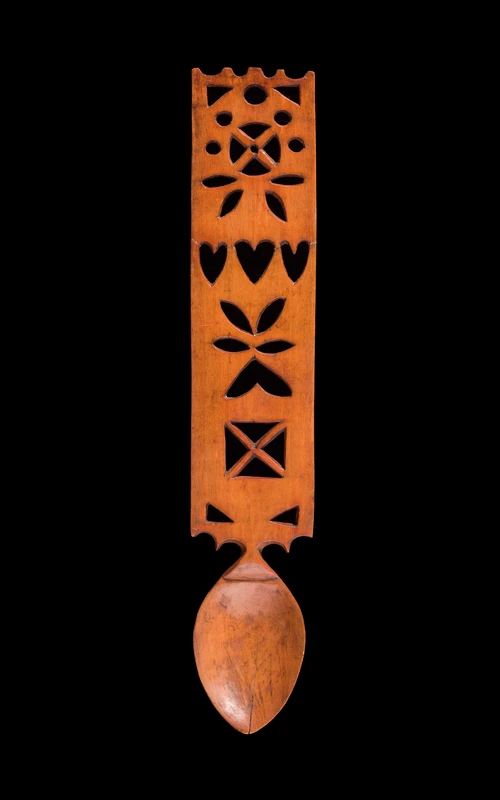
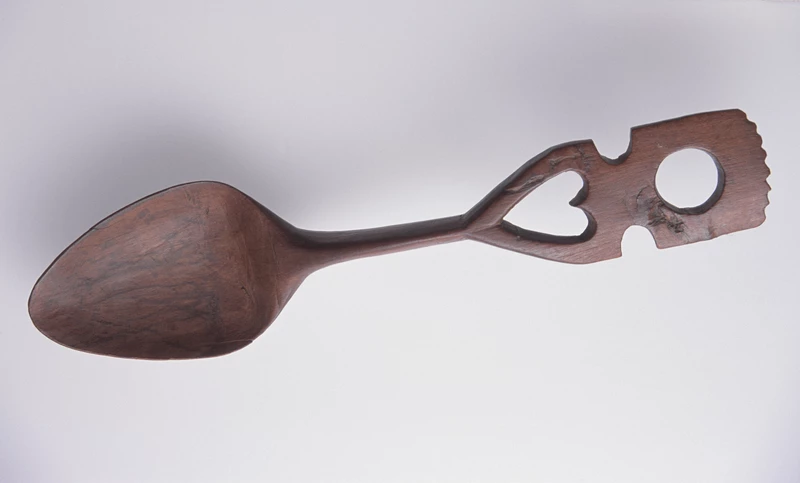
The heart is the universal symbol of love and is frequently seen on Welsh lovespoons. It is a sign of passion and strong emotion - surely signifying the carver's depth of feeling for his beloved. A lovespoon showing twin hearts might well indicate a mutual love between sender and recipient.
  • Double bowls

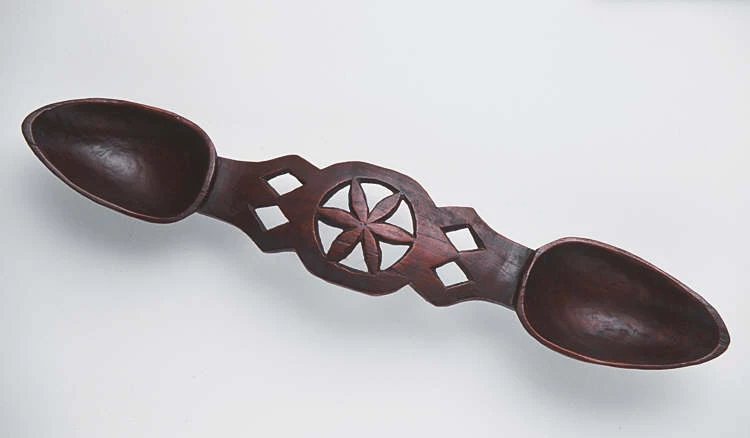
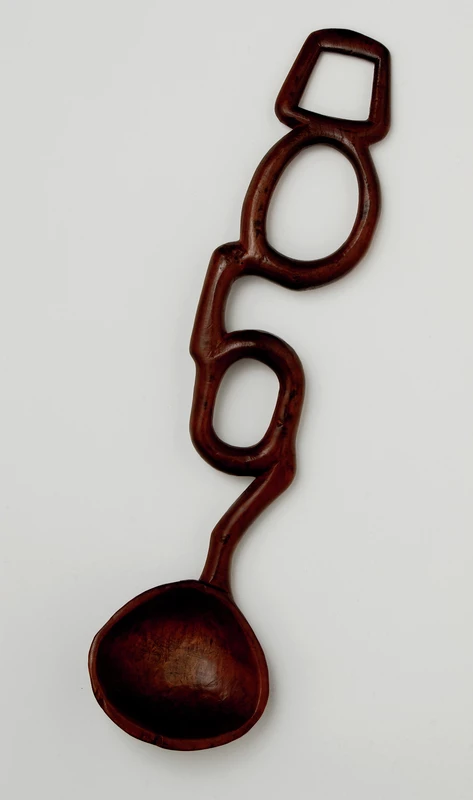
Occasionally, lovespoons are carved with two or more bowls, possibly to indicate the union of the souls when joined together, or perhaps the number of children desired.

  • Comma or paisley shape 

Often visible on historic Welsh lovespoons, this shape is said to represent the soul and deep affection.

  • Balls in cage 

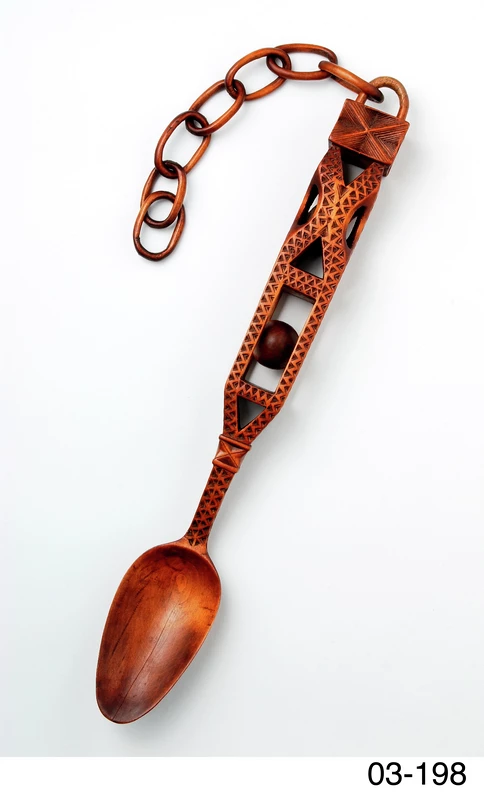
Balls carved within cages are commonly thought to represent the number of children desired by the carver, but could equally be a sign of a man held captive by his love.

  • Chain links

Generally considered to indicate loyalty and faithfulness, chain links might also symbolise a couple bound together in their love and loyalty.

  • Diamonds

Diamonds are believed to represent a wish for prosperity and good fortune and a promise to provide well for a loved one.

  • Keys and keyholes 

In addition to the house images that sometimes appear on Welsh lovespoons appearing to represent domestic contentment, key and keyhole carvings are also used frequently, perhaps symbolizing security or, more romantically, the key to one's heart.

  • Wheel 

Wheel symbols often feature in Welsh lovespoons and are said to represent a vow by the carver to work hard and to guide a loved one through life.

Try your hand at designing your very own virtual lovespoon to send to a loved one.

Take a look at our online shop for the perfect St Dwynwen's day gift

Visit online shop

St Dwynwen’s Day – The Welsh Patron Saint of Love

14 June 2014

What Is St Dwynwen’s Day?

St Dwynwen’s Day is celebrated in Wales on 25 January and commemorates St Dwynwen, the Welsh patron saint of love and friendship. Often described as the Welsh equivalent of Valentine’s Day, the celebration has its roots in medieval Welsh tradition.

When is St Dwynwen's Day Celebrated?

St Dwynwen's day is celebrated in Wales on 25 January and commemorates the patron saint of friendship and love.

Who was St Dwynwen?

Dwynwen lived during the 5th century and was, by all accounts, one of the prettiest of Brychan Brycheiniog's 24 daughters.

Who Was Maelon Dafodrill?

Central to the legend of St Dwynwen is her relationship with Maelon Dafodrill, a story that explains her association with love and loss.

The story goes that Dwynwen fell in love with Maelon Dafodrill, but unfortunately her father had already arranged that she should marry someone else. Maelon was so outraged that he raped Dwynwen and left her.

In her grief Dwynwen fled to the woods, where she begged God to make her forget Maelon. After falling asleep, Dwynwen was visited by an angel, who appeared carrying a sweet potion designed to erase all memory of Maelon and turn him into a block of ice.

God then gave three wishes to Dwynwen. First she wished that Maelon be thawed, second that God meet the hopes and dreams of true lovers and third that she should never marry. All three were fulfilled, and as a mark of her thanks, Dwynwen devoted herself to God's service for the rest of her life.

Ynys Llanddwyn and St Dwynwen’s Church

Remains of Dwynwen's church can be seen today on the island of Llanddwyn, off the coast of Anglesey.

During the 14th century, on visiting the island, the poet Dafydd ap Gwilym witnessed a golden image of Dwynwen inside the church, and was bold enough to request her help as a messenger between himself and Morfudd, the girl he hoped to win — despite the fact that Morfudd was already married.

Also situated on the island is Dwynwen's well, where, allegedly, a sacred fish swims, whose movements predict the future fortunes and relationships of various couples. Visitors to the well believe that if the water boils while they are present, then love and good luck will surely follow.

The popularity and celebration of St Dwynwen's day has increased considerably in recent years, with special events, such as concerts and parties, often held and greetings cards printed. Although still not as popular as St Valentine's Day in February, St Dwynwen is certainly becoming better-known among today's population of Wales.

Love Tokens in Wales: From Lovespoons to Staybusks

Throughout history and still today, love tokens are given as symbols of devotion and commitment to loved ones.

LOVESPOONS

Traditionally crafted by male suitors, lovespoons were presented to admired maidens. Using simple tools, they expressed their passions and emotions through the symbols they carved.

STAYBUSKS

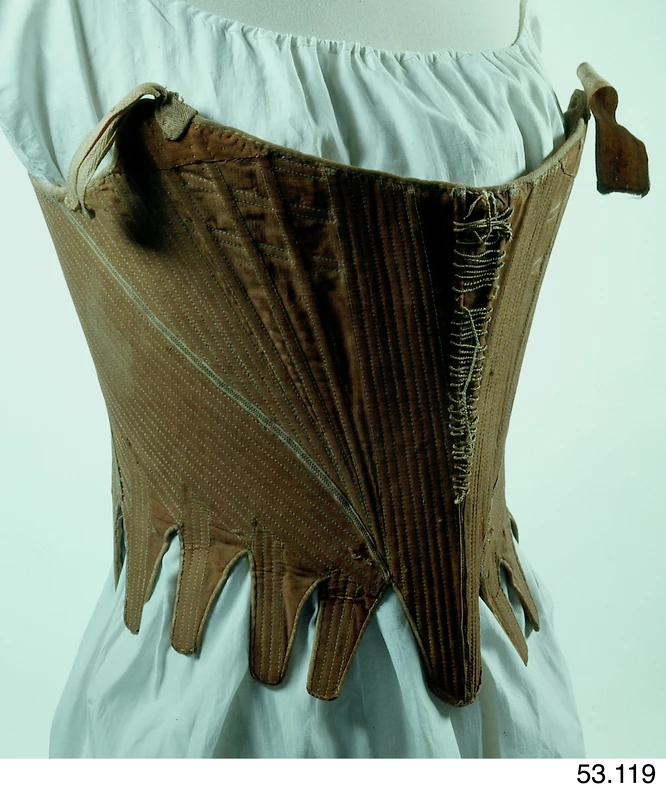
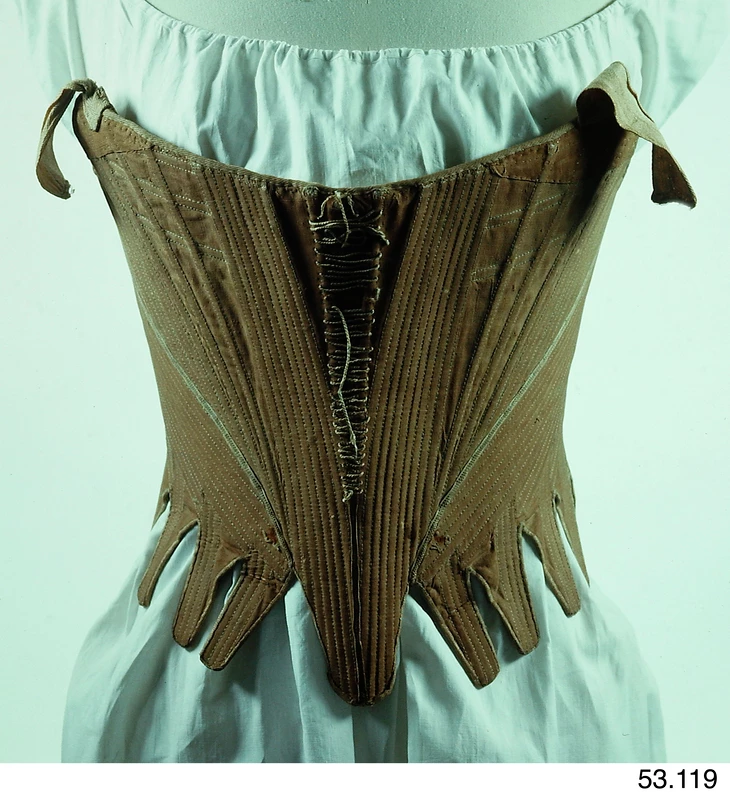
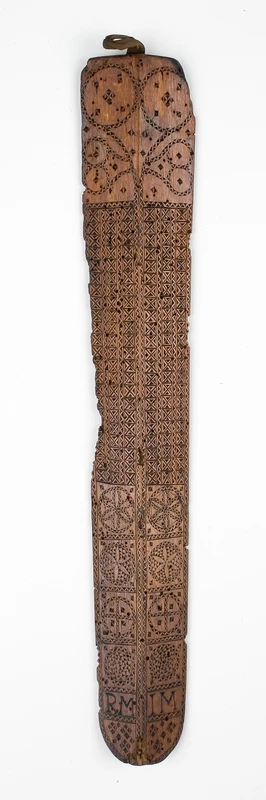
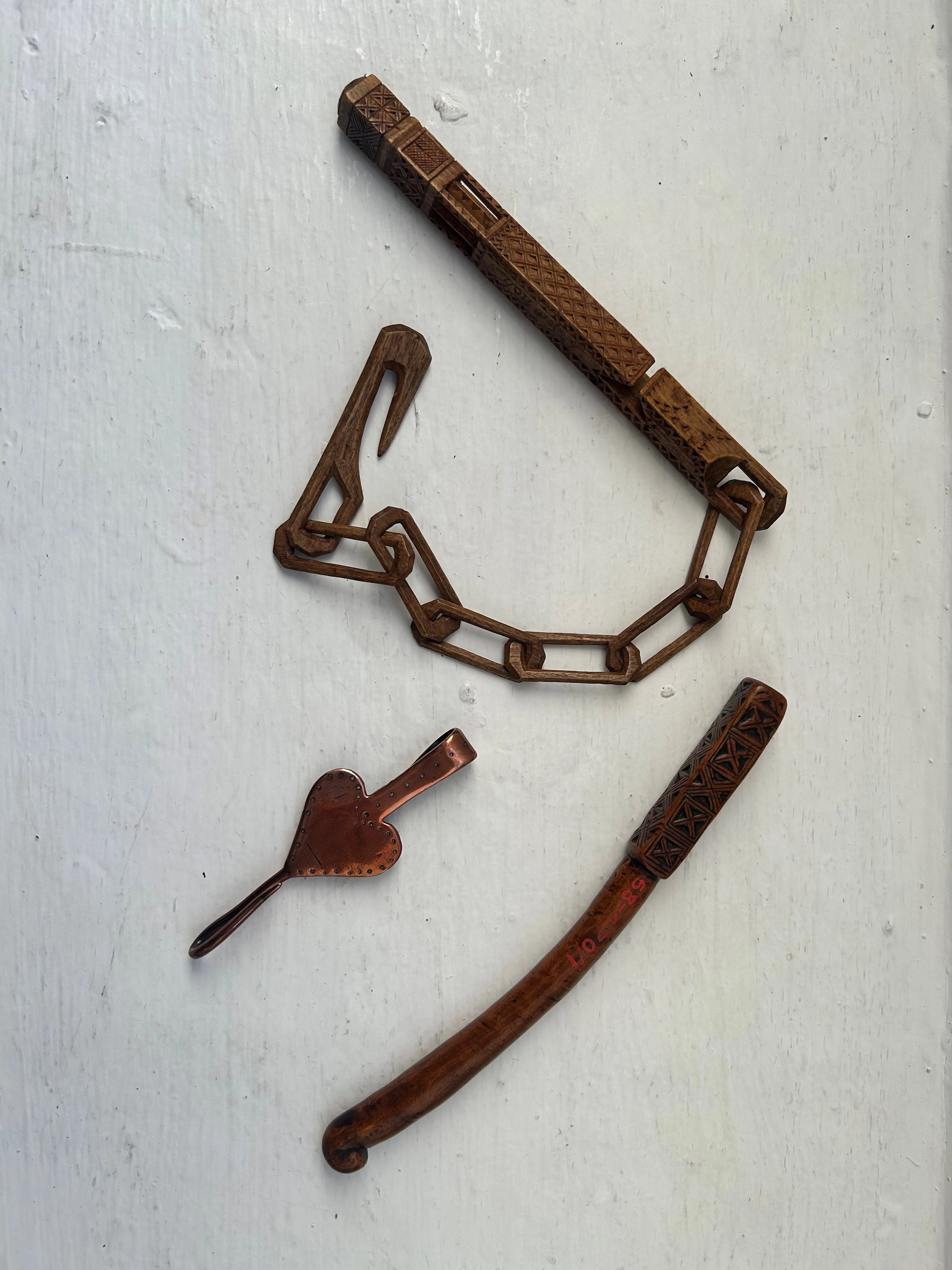
Decorated with motifs and initials, a busk was inserted into a woman’s stays, keeping her torso upright and sitting close to her heart. Pictured is a Staybusk from Llanwrtyd, inscribed with the initials RM and IM.

JESSIE KNIGHT TATTOOS

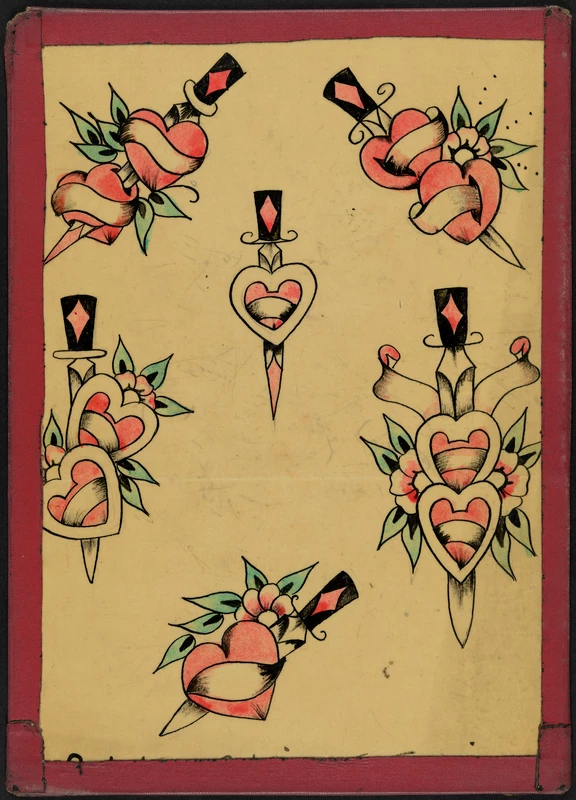
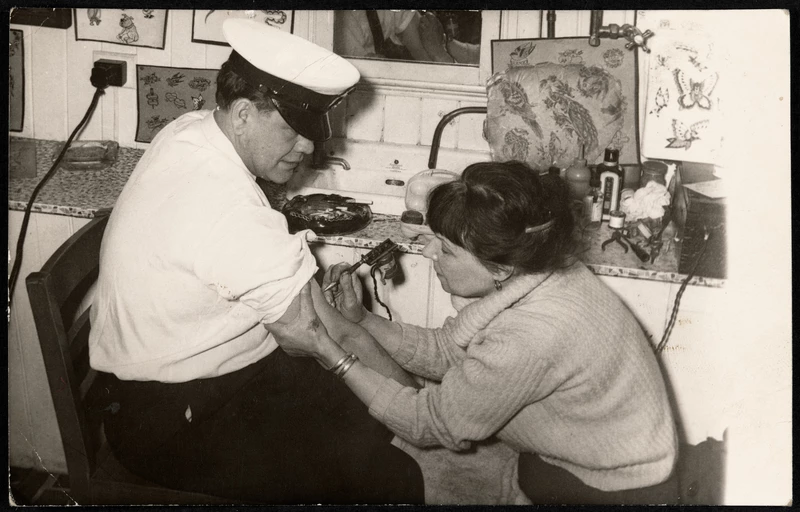
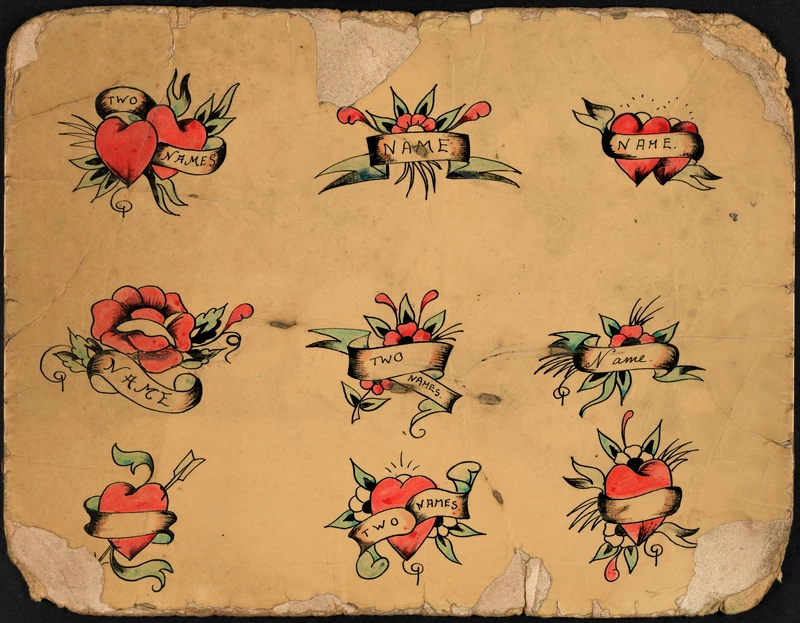
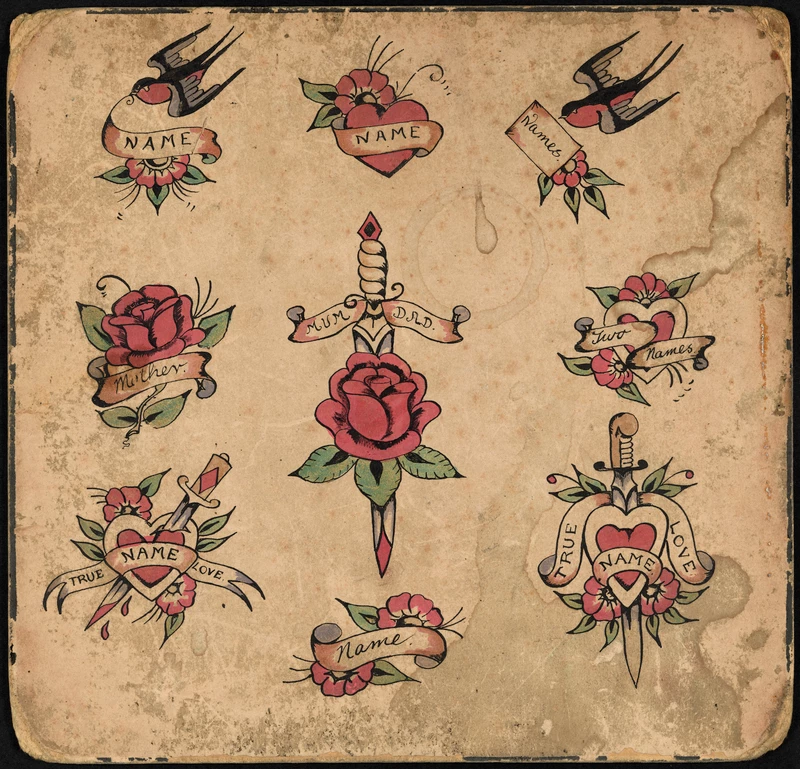
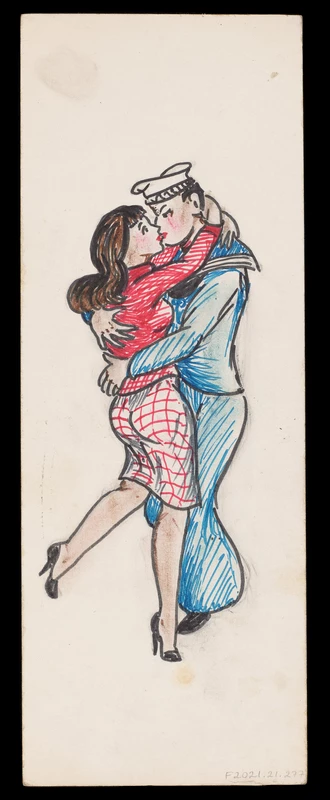
Between the 1920s and 1960s, Jessie Knight tattooed these designs onto sailors and servicemen. Symbolising their devotion, these permanent love tokens served as a way for sailors to keep their loved ones close at sea. 

KNITTING SHEATH

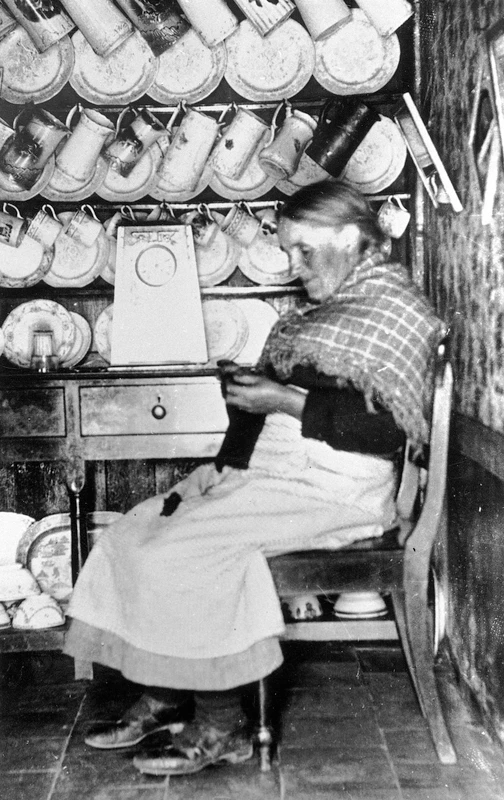
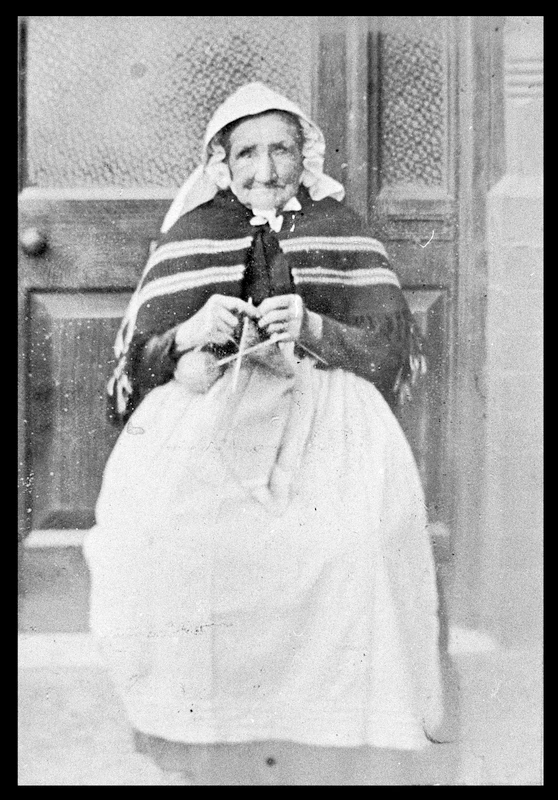
It was a Welsh custom to carve knitting sheaths with names and motifs and give them as love tokens. Worn on the right side of the body, they held the needle steady, freeing the left hand to work the yarn.

LOVE COINS

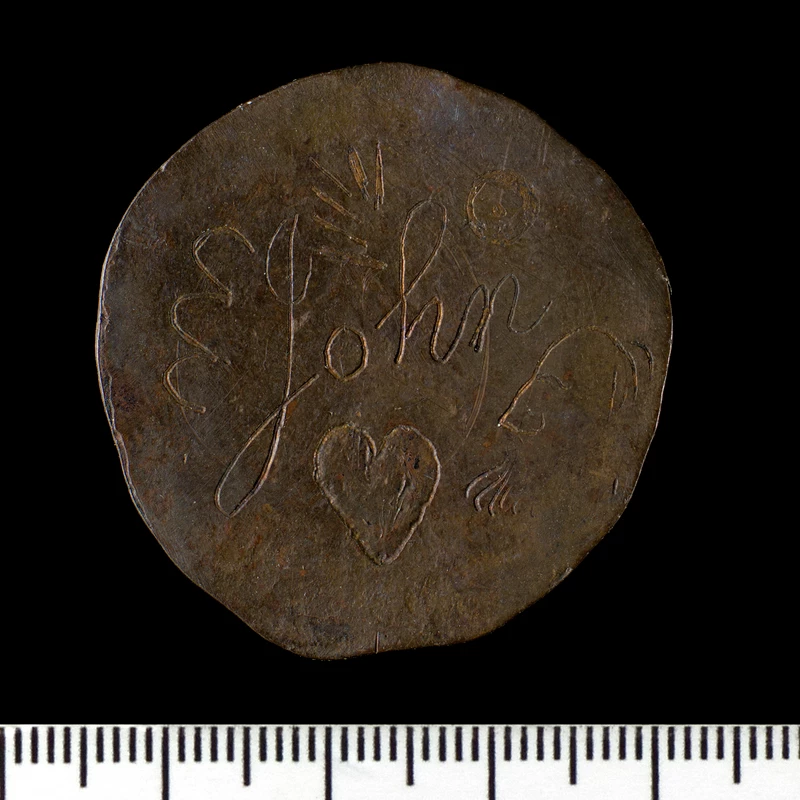
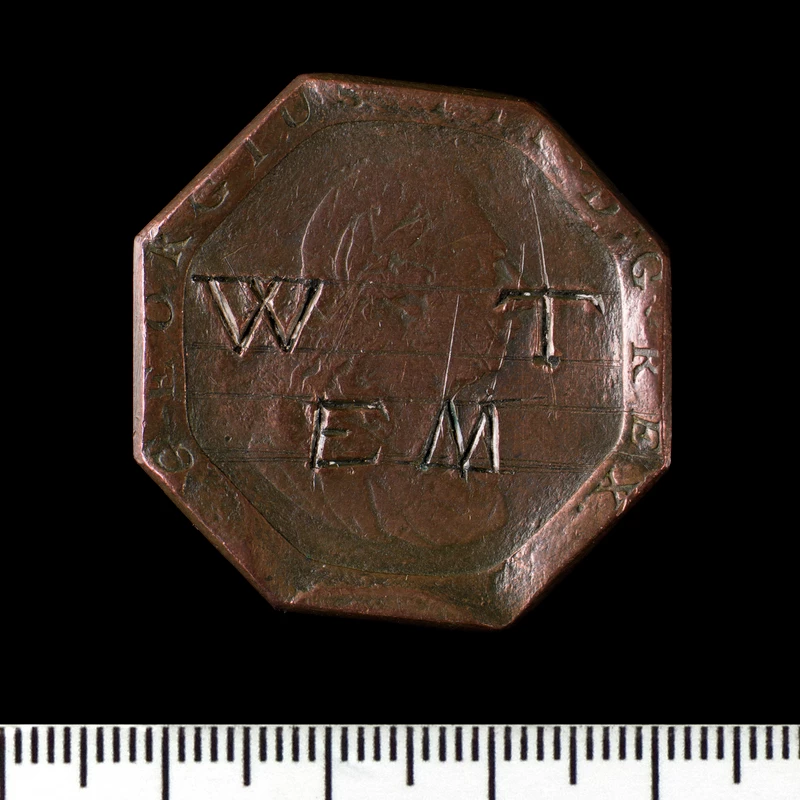
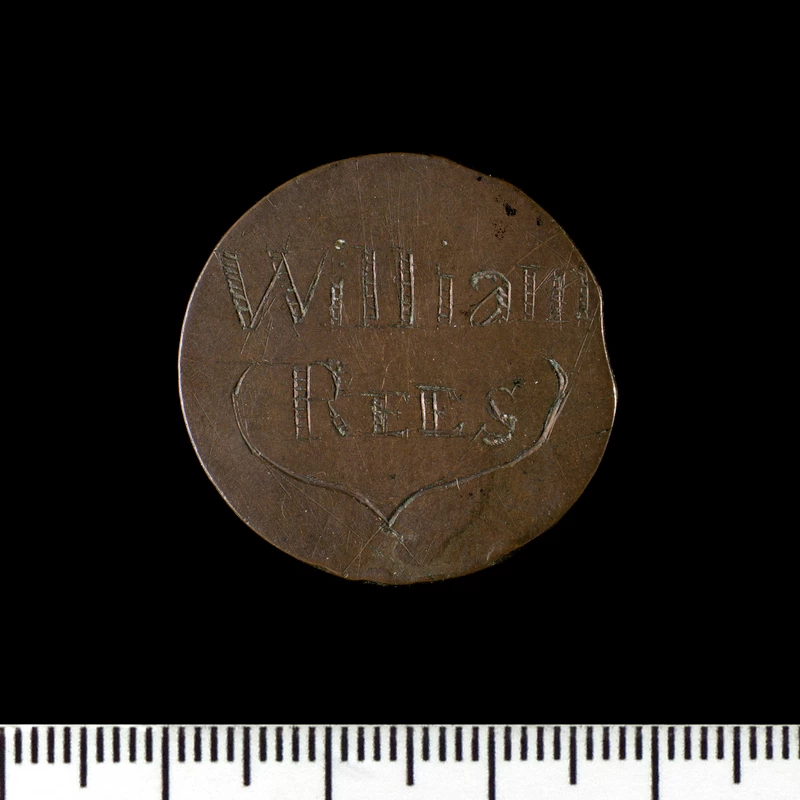
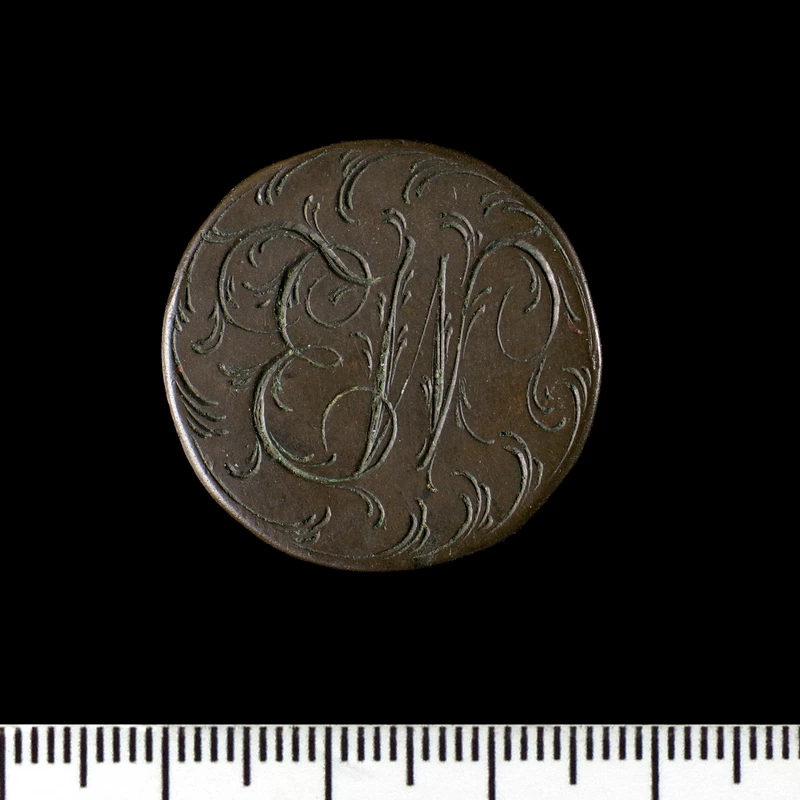
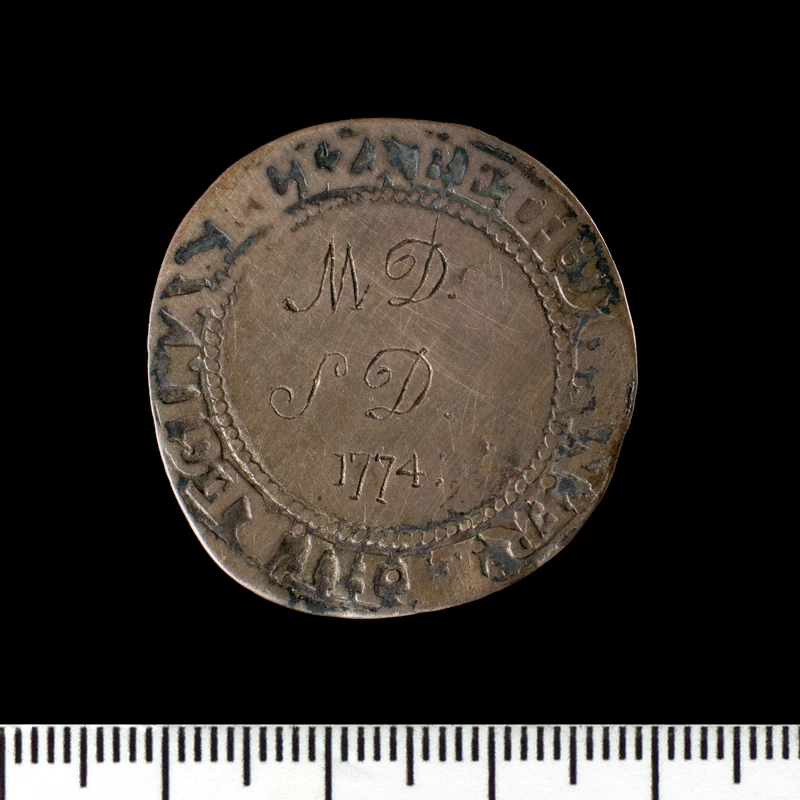
Made by sailors or convicts in the 18th-19th century, these coins were engraved with symbols of love, separation, and return. Offered as parting gifts for long or indefinite separations.

These enduring love tokens, each with their own unique story, continue to symbolise love and connection through Welsh history and tradition.

Welsh National Dress (FAQ)

14 June 2014

An old colourised photograph of a girl in a tall Welsh hat and a shawl, holding a basket.

What does Welsh national dress look like?

The popular image of Welsh ‘national’ dress, of a woman in a red woollen cloak and tall black hat, is one which largely developed during the nineteenth century. It was part of a conscious revival of Welsh culture during a period when traditional values were under threat.

Where did the style come from?

The costume regarded as national dress is based on clothing worn by Welsh countrywomen during the early nineteenth century, which was a striped flannel petticoat worn under a flannel open-fronted bedgown, with an apron, shawl and kerchief or cap. Style of bedgown varied, with loose coat-like gowns, gowns with a fitted bodice and long skirts and also the short gown, which was very similar to a riding habit style.


A sepia photograph of a woman wearing a tall Welsh hat, standing against a background of a coastal scene, with one hand on her hip and the other resting on a basket.

Did Welsh women really wear tall black hats?

The hats generally worn were the same as hats worn by men at the period. The tall ‘chimney’ hat did not appear until the late 1840s and seems to be based on an amalgamation of men’s top hats and a form of high hat worn during the 1790–1820 period in country areas.


Who made the Welsh ‘national’ style popular?

Augusta Hall, known as Lady Llanover, was the wife of an ironmaster in Gwent, and was very influential in encouraging the wearing of a ‘national’ dress, both in her own home and at eisteddfodau. She considered it important to encourage the use of the Welsh language and the wearing of an identifiable Welsh costume. She succeeded in her aim mainly because people felt that their national identity was under threat and the wearing of a national costume was one way to promote that identity.

A further influence was the work of artists producing prints for the rising tourist trade, which had the effect of popularising the idea of a typical Welsh costume, and later the work of photographers who produced thousands of postcards. This contributed to the stereotyping of one style of costume, as opposed to the various styles which were worn earlier in the century.


An old black and white photograph of a seated man in a suit and a standing woman with a patterned shawl.

Where did the patterns on a ‘Welsh shawl’ come from?

Shawls were the most fashionable of accessories between 1840 and 1870. The most popular were the Paisley shawls whose pattern originally came from Kashmir in India.

At first plain shawls with a woven patterned border attached were the most common. Later many fine examples with allover and border patterns were woven in Norfolk, Scotland and Paris. Shawls of the middle of the century were very large and complemented the full skirts of the period.

Shawls were made in other fabrics and patterns, including Cantonese silk and fine machine lace, though it was the paisley pattern which became very popular in Wales, along with home-produced woollen shawls with checked patterns.

Did Welsh women really wear a shawl?

In later years, although fashionable women no longer wore shawls, smaller shawls were still made and worn by countrywomen and working women in the towns. By the 1870s, cheaper shawls were produced by printing the designs on fine wools or cotton. Even during the early years of the twentieth century woollen, knitted and paisley shawls were widely worn in rural Wales. The paisley shawl even became accepted as part of ‘Welsh’ costume, though there is nothing traditionally Welsh about it at all.

Was the Welsh shawl used in babywearing?

A black and white photograph of a woman with a baby wrapped in her shawl.

One tradition of shawl-wearing which is truly Welsh is the practice of carrying babies in a shawl. Illustrations showing this have survived from the late eighteenth century when Welsh women wore a simple length of cloth wrapped around their body. When shawls became popular, they were adapted to the same use, and some women even today still keep up the tradition.


Read more about Welsh Women’s History.

National emblems (FAQ)

14 June 2014

 The Welsh flag made by Howell & Co and presented to Scott's Expedition.

The Welsh flag made by Howell & Co and presented to Captain Scott's Antarctic Expedition.

The Red Dragon

Why is there a Red Dragon on the Welsh flag?

The Red Dragon is the heraldic symbol of Wales, and is incorporated into the Welsh national flag.

According to tradition, the red dragon appeared on a crest born by

Arthur , whose father, Uthr Bendragon, had seen a dragon in the sky predicting that he would be king.

Where did the dragon symbol originate?

The dragon as a symbol was probably introduced into Britain by the Roman legions. Medieval Welsh poets often compared their leaders to dragons in poems praising their bravery, for example, Gruffydd ab yr Ynad Coch said of

Llywellyn ap Gruffudd Pen dragon, pen draig oedd arnaw ('A dragon's head he had').

Between 1485 and 1603, the dragon formed part of the arms of the Tudor dynasty, but it was replaced on the royal coat of arms with a unicorn by order of James I.

How did the Welsh dragon end up on the national flag of Wales?

The Red Dragon reappeared as the royal badge for Wales in 1807, and from then on it was often seen in the regalia of Welsh patriotic societies. At the suggestion of the Gorsedd of the Bards, it was officially recognised by the Queen in 1959, and is now widely used as the national flag.

The Leek and the Daffodil

A group of leeks on a white background.

Why is the leek a Welsh symbol?

Legend has it that St David ordered his soldiers to wear leeks on their helmets during a battle against the Saxons during the sixth century, while the Battle of Crecy, in 1346, featured loyal and brave Welsh archers who fought in a field of leeks. By 1536, when Henry VIII gave a leek to his daughter on 1 March, was already associated with St David's Day. It is possible that the green and white family colours adopted by the Tudors were taken from their liking for the leek.

Yellow daffodils blooming in a field.

When did people start wearing a daffodil on St David's day?

In comparison with the ancient Welsh associations of the leek, the daffodil has only recently assumed a position of national importance. An increasingly popular flower during the 19th century, especially among women, its status was elevated by the Welsh-born prime minister David Lloyd George, who wore it on St David's Day and used it in ceremonies in 1911 to mark the investiture of the Prince of Wales at Caernarfon.

Christmas Traditions: 'Plygain' Singing

14 June 2014

Christmas Eve

In many parts of Wales, Christmas meant rising early (or staying up overnight) to attend the plygain service at the parish church. The hour for the plygain appears to have varied between 3 a.m. and 6 a.m., the latter becoming more common as time went on. To await the service, young people, in particular, would pass away the time in one way or another.

In some country districts they would gather at certain farmhouses to make cyflaith (treacle toffee) and spend the night merrily, decorating the houses with holly and mistletoe, as at Marford, Flintshire, in the 1830's. According to Mrs. Thrale's journal of a tour in 1774 the inhabitants of Dyffryn Clwyd kindled their lights at two in the morning and sang and danced to the harp until the plygain.

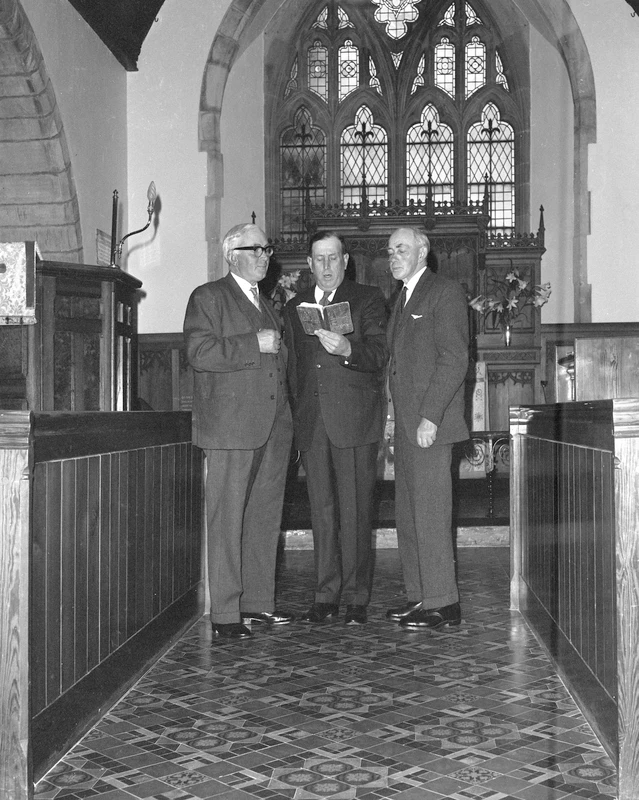
Black and White photograph of three men standing in the isle of a church singing

Llanrhaeadr Party singing Plygain carols

In other districts, especially country towns, the time was spent playing in the streets. In Tenby, Pembrokeshire, for example, crowds carried torches, shouted verses and blew cow-horns, before finally forming a torch procession in which the young men of the town escorted the rector from his house to the church. A similar procession is recorded in Laugharne, Carmarthenshire, and also in Llanfyllin, Montgomeryshire, where candles were used instead of torches.

Plygain candles

In the countryside the plygain at the parish church was attended by people from even the remotest farmsteads. Often each person brought his or her candle to help to light the church since, until the nineteenth century, regular services were rarely held at night-time and no provision for lighting was usually made. The brilliant illumination from the candles of the attenders was an important feature of the festival. In Llanfyllin, special candles known as canhwyllau plygain were made by local chandlers in the middle of the 19th century.

During the service the church was decorated inside with chandeliers holding coloured candles and, in Dolgellau, for example, decked with holly. In Maentwrog, Merioneth, candles were also fixed in sockets on the tops of standards or posts fastened to pews here and there in the building. In Lanfyllin the edifice was lighted with some hundreds of candles, placed a few inches; apart from each other, around the walls inside which made the building look very brilliant. In Maentwrog it was the carollers singing in the little gallery at the bell tower end of the church who brought their own candles for it was too dark in that part of the building to follow the service in the Common Prayer Book.

While no doubt the custom varied in detail from parish to parish, the brilliant illumination of the church appears to have made a lasting impression on the memories of those who have left us descriptions, and to have been a striking characteristic of the traditional plygain. As Gwynfryn Richards has suggested, the spiritual significance of candle-lighting at Christmas as a symbol of the coming of the Light of the World, may be discerned in these practices.

The Plygain Service

The plygain itself was an abbreviated form of morning service interspersed with and followed by carols sung by soloists and parties. William Payne described the plygain in Dolgellau as he knew it in the middle of the last century in the following words:

'Now the church is in a blaze, now crammed, body, aisles, gallery, now Shon Robert, the club-footed shoemaker, and his wife, descending from the singing seat to the lower and front part of the gallery, strike up alternately, and without artificial aid of pitch pipe, the long, long carol and old favourite describing the Worship of Kings and of the Wise Men, and the Flight into Egypt, and the terrible wickedness of Herod. The crowds are wholly silent and rapt in admiration. Then the good Rector, and his curate, David Pugh, stand up, and read the Morning Service abbreviated, finishing with the prayer for All Conditions of Men, and the benediction restless and somewhat surging is the congregation during prayers the Rector obliged sometimes to stop short in his office and look direct at some part or persons, but no verbal admonishment. Prayers over, the singers begin again more carols, new singers, old carols in solos, duets, trios, choruses, then silence in the audience, broken at appropriate pauses by the suppressed hum, of delight and approval, till between eight and nine, hunger telling on the singers, the Plygain is over and the Bells strike out a round peal.'

In Maentwrog a sermon was included in the plygain service, but the rector was careful to keep both sermon and service short, as he evidently felt that the chief attraction was not the service but the carolling that followed it. In other places, such as Llanfair Dyffryn Clwyd, holy communion was administered during the plygain.

A Pre-Reformation Survival

Seen against its historical background the plygain is a survival of a pre-Reformation Christmas service modified to suit the new Protestant conditions. Richards points out that plygain in the sixteenth century denoted an ordinary morning service and only at a later date came to be restricted to the service held on Christmas morning. The plygain, he suggests, took the place of the midnight Christmas mass of the Catholic period and was originally associated with a communion service held later on Christmas morning.

The practice of holding the communion service at eight o'clock ended the earlier association between the plygain (morning service) at six, seven or eight o'clock, and the High Mass at nine or ten o'clock. After the Reformation, carol-singing in the vernacular, which had hitherto been excluded from the Latin service of the church at Christmas, was incorporated in the early morning Christmas service, and, as nineteenth-century descriptions plainly show, had become the main attraction of the plygain. John Fisher has drawn attention to the similarity between the Manx festival of Oiel Verrey, held at midnight on Christmas Eve, and the Welsh plygain. He points out that both became popular carol-singing festivals soon after the translation of the Bible into the respective vernacular tongues.

Far from disappearing under the impact of Nonconformity in the nineteenth century, the plygain was one of the few traditional church festivals not discarded by Welsh Nonconformist chapels, although the character of the service was sometimes changed by making it a variation of the ordinary week-night prayer-meeting. As a general custom, the early-morning Christmas plygain ceased towards the end of the last century, although in some cases it survived to a later date.

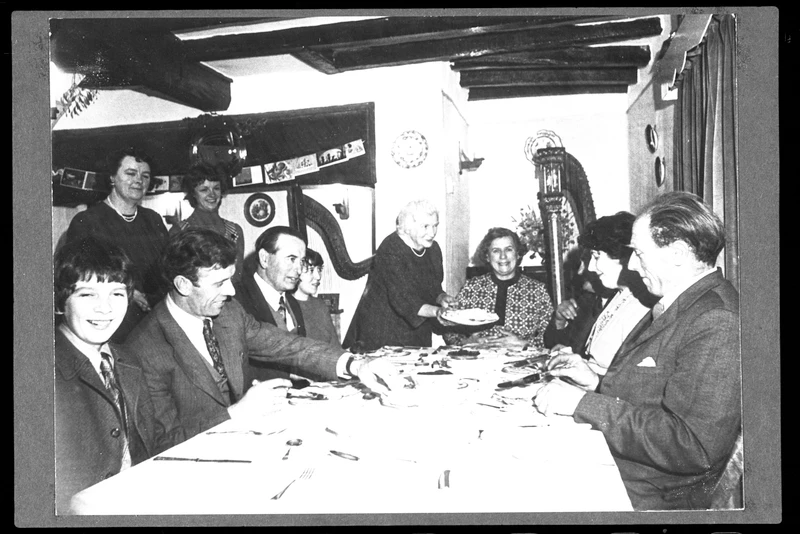
old black and white photograph showing a part of eleven people sat and stood around a large farmehouse table celebrating a Plygain Supper at Cefn Llwyn Farmhouse, Llangynyw

Plygain Supper at Cefn Llwyn Farmhouse, Llangynyw

The Carol-Singing Tradition in North Wales

In the past, all parts of North Wales shared a strong carol-singing tradition. Nowadays, however, this tradition survives at its most intense in the east midlands, in the predominantly Welsh-speaking areas bounded by Mallwyd, Llanerfyl, Cefnyblodwel (within England) and Llangynog.

For the stranger, attending a plygain service is an unusual experience. For almost two hours, the service is completely in the hands of the carol singers. No programme has been prepared beforehand and no-one acts as announcer, but, each in turn, the carol parties walk forward quietly and leisurely forward to sing. On average there will be eight to fourteen parties present and one is likely to hear between twenty and thirty Christmas carols during the service - all in Welsh and all different, since it is a point of honour not to offer a carol already heard that evening

Adapted from Trefor M. Owen, Welsh Folk Customs (Cardiff, 1959), pp. 28-33