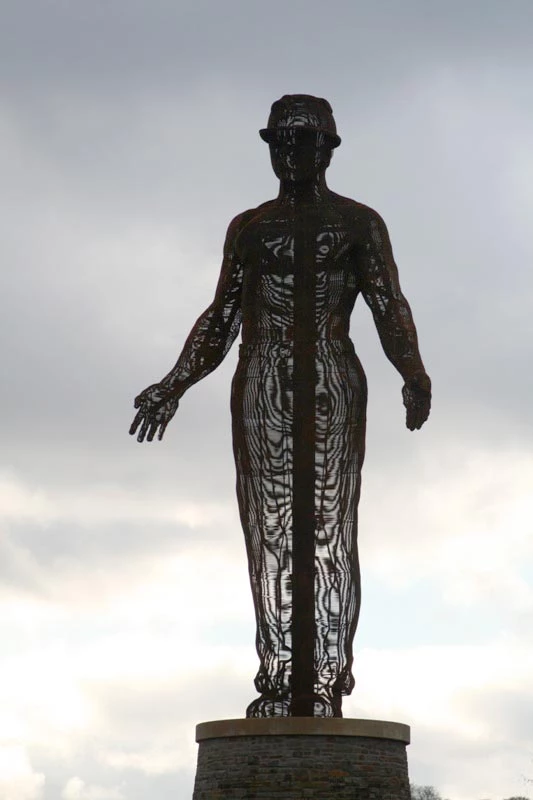
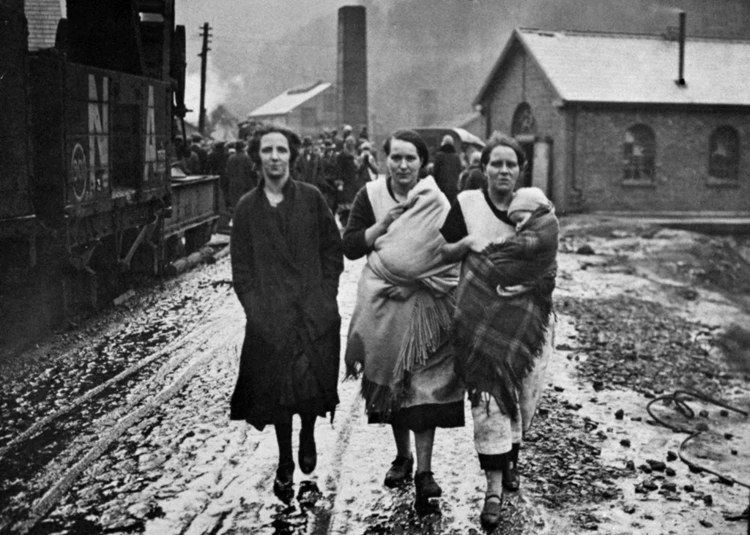
The Guardian of the Valleys 20 May 2011 Six Bells Disaster In the summer of 1960, the community of Six Bells near Abertillery, south Wales witnessed a disaster that would haunt them for the rest of their lives. On June 28th an underground explosion at 'Arrael Griffin' colliery led to the deaths of 45 miners, all local men - fathers, sons, husbands, brothers. Fifty years later, to the day, after tireless work by the community and local organisations, a steel sculpture by Sebastien Boyesen, over 60ft high, was dedicated to those who died. The name of each man who perished is engraved on its plinth. It was not possible to attach the outstretched arms for the opening ceremony due to safety concerns, but the statue was complete by the 28th July. Guardian of the Valleys This short film, by Alun Jones and Ian Smith, records the commemorative event and the dedication of the 'Guardian of the Valleys' who now stands proud, in memory of not just the Six Bells miners, but miners everywhere.
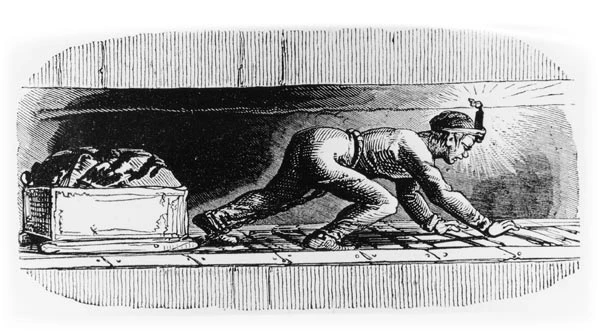
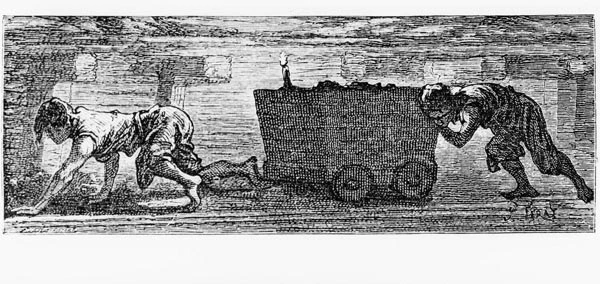
Children in Mines 11 April 2011 All alone in the dark Mary Davis was a 'pretty little girl' of six years old. The Government Inspector found her fast asleep against a large stone underground in the Plymouth Mines, Merthyr. After being wakened she said: "I went to sleep because my lamp had gone out for want of oil. I was frightened for someone had stolen my bread and cheese. I think it was the rats." Susan Reece, also six years of age and a door keeper in the same colliery said: "I have been below six or eight months and I don't like it much. I come here at six in the morning and leave at six at night. When my lamp goes out, or I am hungry, I run home. I haven't been hurt yet." In Harm's Way A coal mine was a dangerous place for adults, so it is no surprise that many children were badly injured underground. "Nearly a year ago there was an accident and most of us were burned. I was carried home by a man. It hurt very much because the skin was burnt off my face. I couldn't work for six months." Phillip Phillips, aged 9, Plymouth Mines, Merthyr "I got my head crushed a short time since by a piece of roof falling..." William Skidmore, aged 8, Buttery Hatch Colliery, Mynydd Islwyn "...got my legs crushed some time since, which threw me off work some weeks." John Reece, aged 14, Hengoed Colliery Child Colliers and Horse Drivers Some children spent up to twelve hours on their own. However, Susan Reece's brother, John, worked alongside his father on the coalface:- "I help my father and I have been working here for twelve months. I carry his tools for him and fill the drams with the coal he has cut or blasted down. I went to school for a few days and learned my a.b.c." John Reece, aged 8, Plymouth Mines, Merthyr Philip Davies had a horse for company. He was pale and undernourished in appearance. His clothing was worn and ragged. He could not read:- "I have been driving horses since I was seven but for one year before that I looked after an air door. I would like to go to school but I am too tired as I work for twelve hours." Philip Davies, aged 10, Dinas Colliery, Rhondda Drammers pulled their carts by a chain attached at their waist. They worked in the low tunnels between the coalfaces and the higher main roadways where horses might be used. The carts weighed about 1½cwt. of coal and had to be dragged a distance of about 50 yards in a height of about 3 feet. "My employment is to cart coals from the head to the main road; the distance is 60 yards; there are no wheels to the carts; I push them before me; sometimes I drag them, as the cart sometimes is pulled on us, and we get crushed often." Edward Edwards, aged 9, Yskyn Colliery, Briton Ferry For this a drammer would earn about 5p a day. Three Sisters The Dowlais iron works also owned iron and coal mines; they were the largest in the world at this time and supplied products to many parts of the world. However, they still relied on children for their profits. Three sisters worked in one of their coal mines:- "We are doorkeepers in the four-foot level. We leave the house before six each morning and are in the level until seven o’clock and sometimes later. We get 2p a day and our light costs us 2½p a week. Rachel was in a day school and she can read a little. She was run over by a dram a while ago and was home ill a long time, but she has got over it." Elizabeth Williams, aged 10 and Mary and Rachel Enoch, 11 and 12 respectively, Dowlais Pits, Merthyr After the Act The publication of the Report and the ensuing public outcry made legislation inevitable. The Coal Mines Regulation Act was finally passed on 4 August 1842. From 1 March 1843 it became illegal for women or any child under the age of ten to work underground in Britain. There was no compensation for those made unemployed which caused much hardship. However, evasion of the Act was easy - there was only one inspector to cover the whole of Britain and he had to give prior notice before visiting collieries. Therefore many women probably carried on working illegally for several years, their presence only being revealed when they were killed or injured. The concept of women as wage earners became less acceptable in the mining industry as the years went by. However, a small number of female surface workers could be found in Wales well into the twentieth century. In 1990 the protective legacy was repealed and after 150 years women are once again able to work underground.
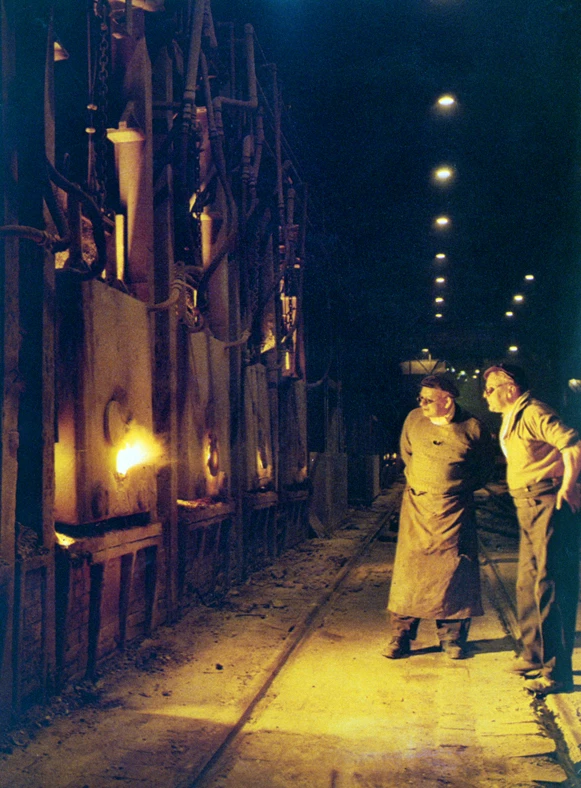
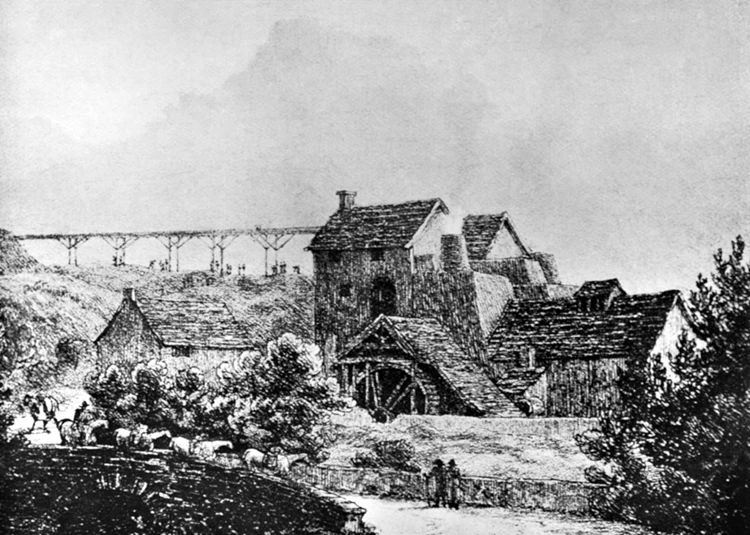
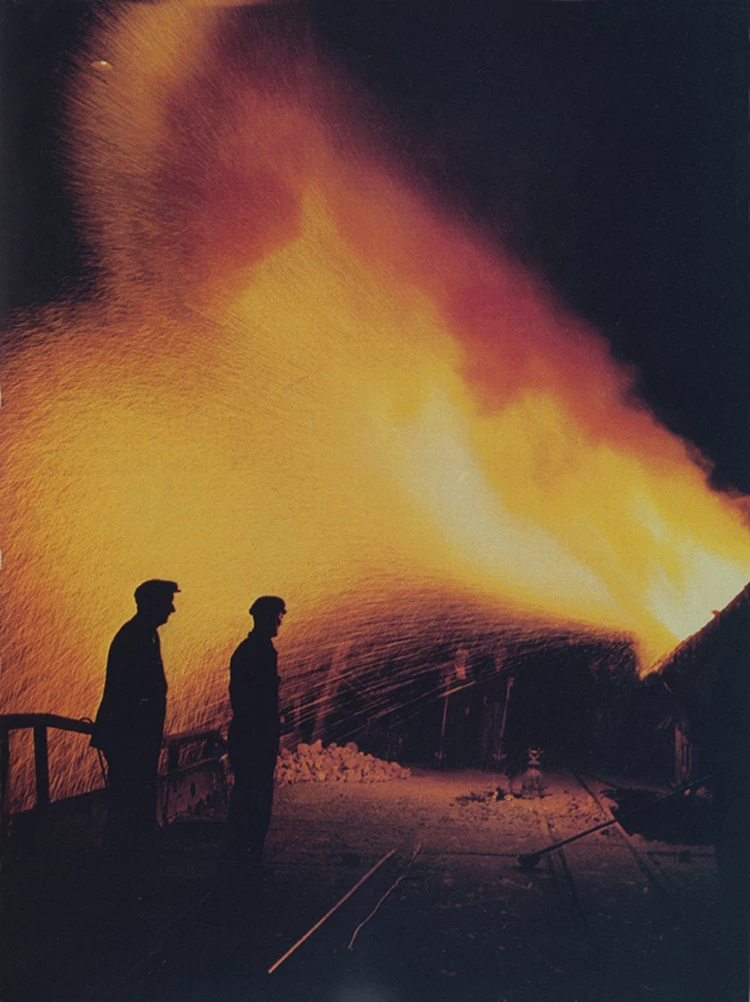
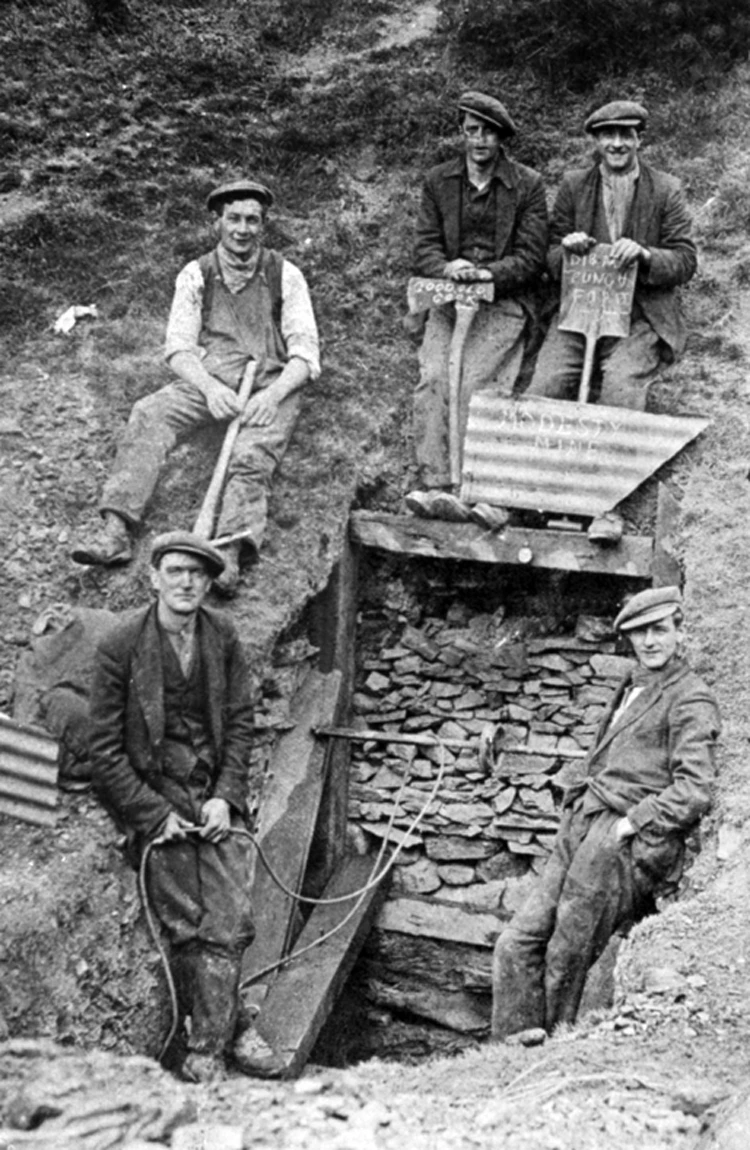
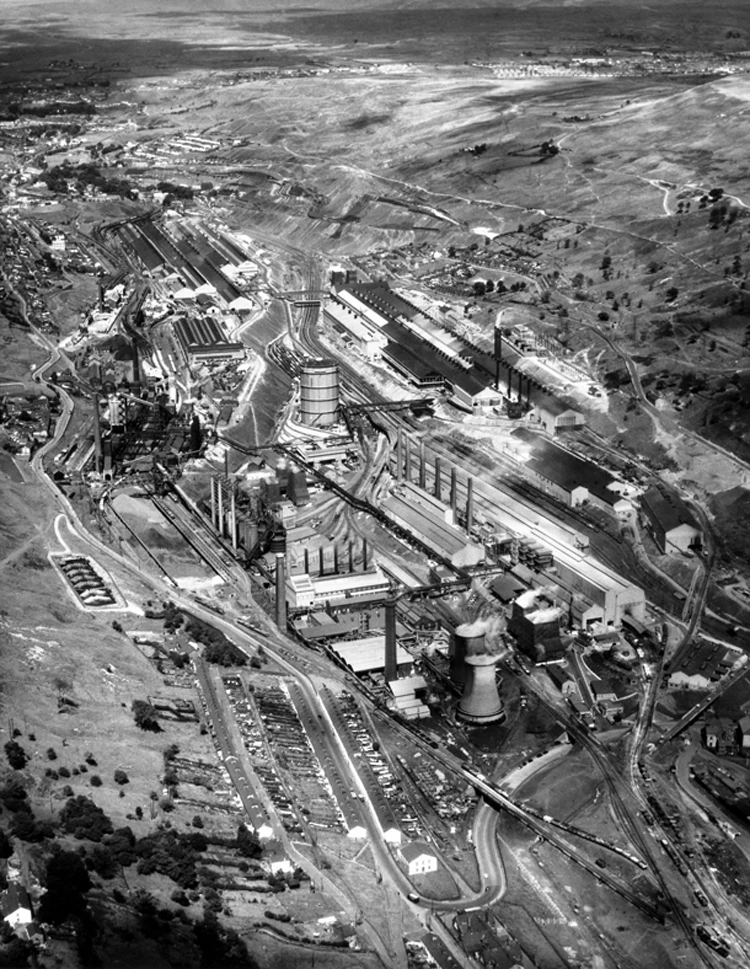
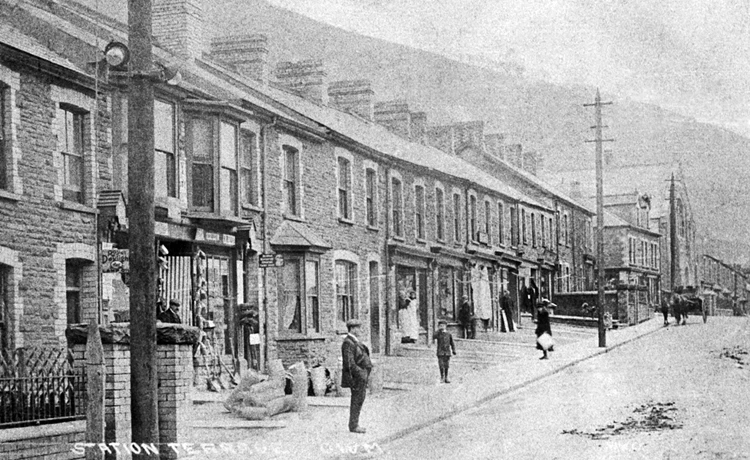
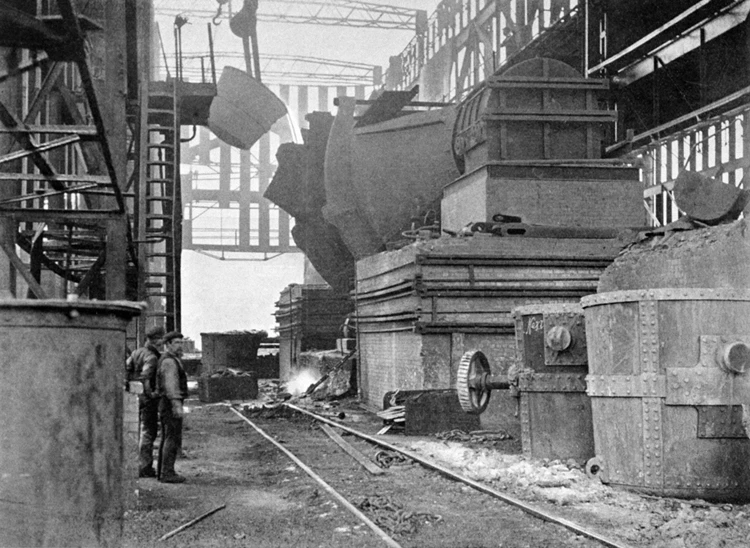
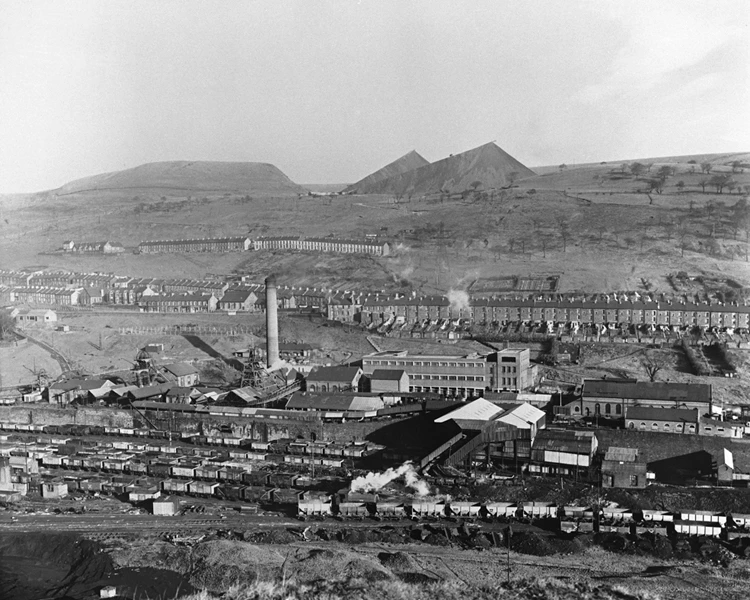
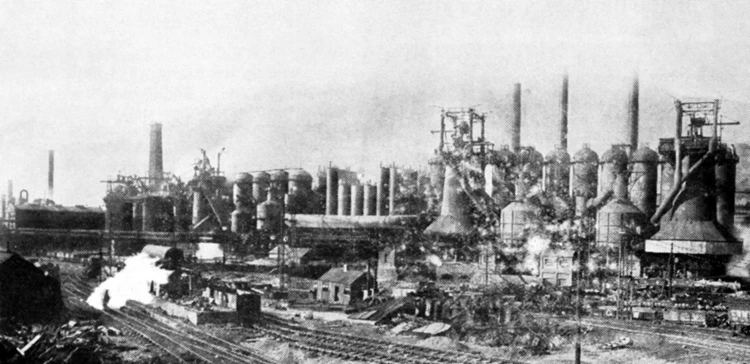
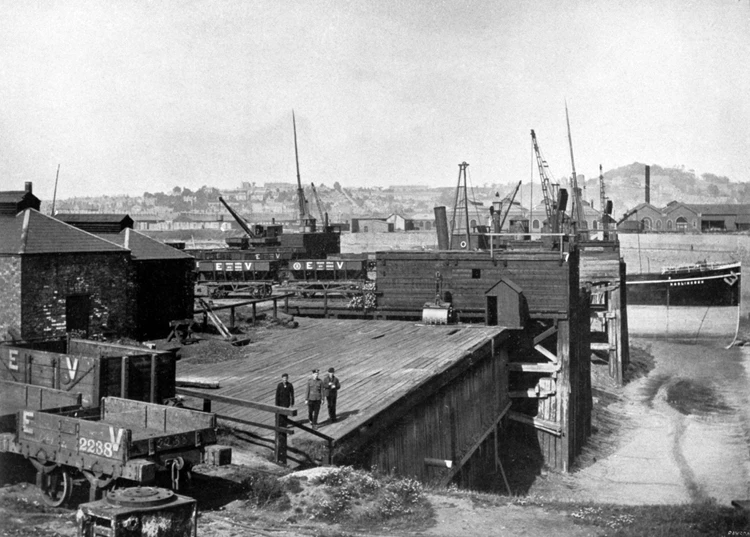
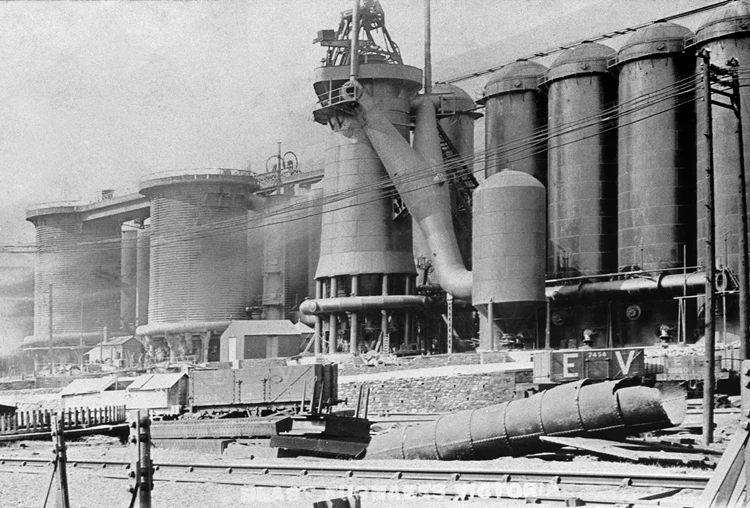
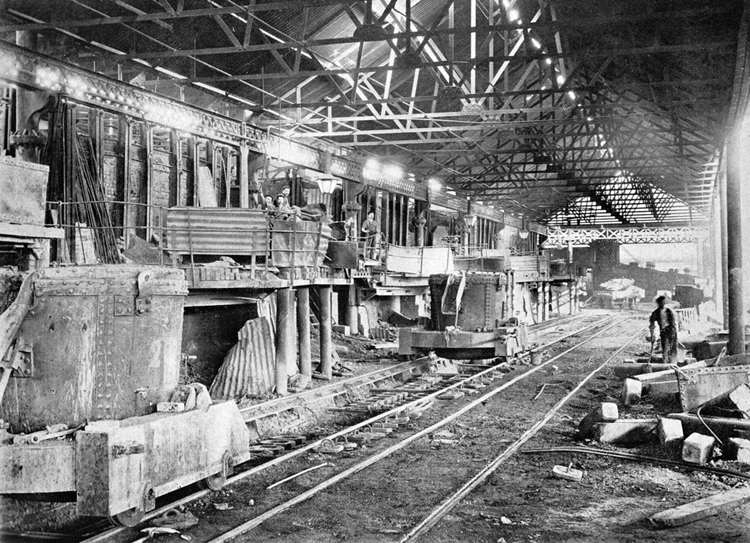
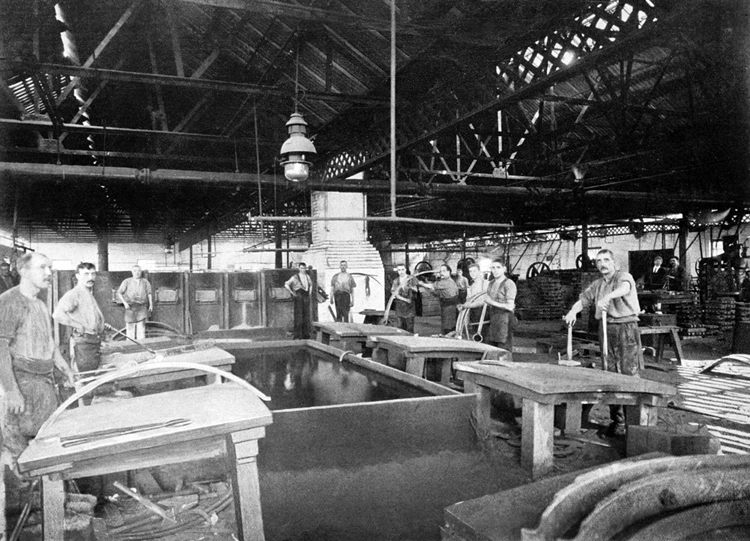
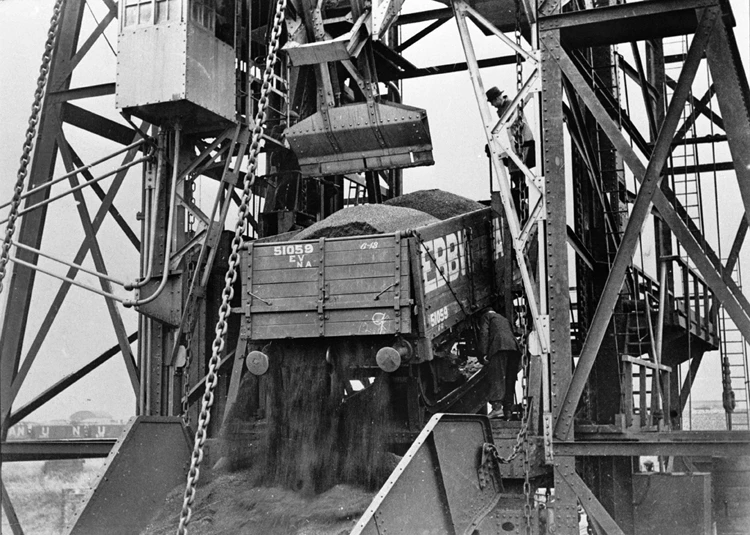
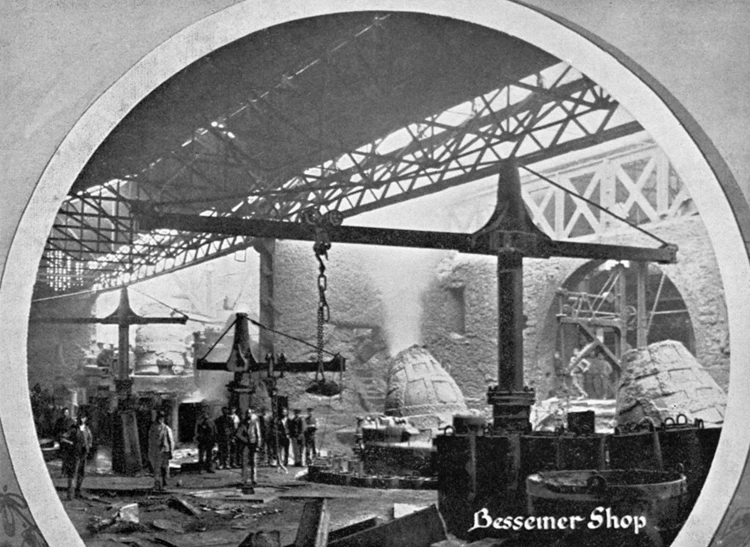
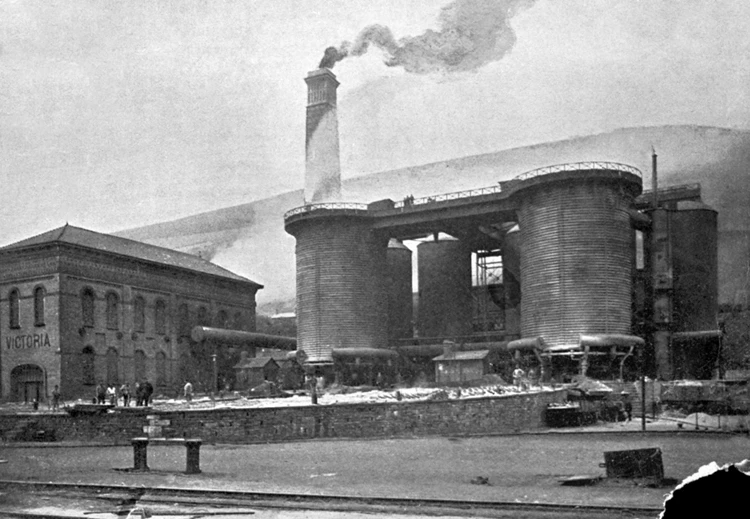
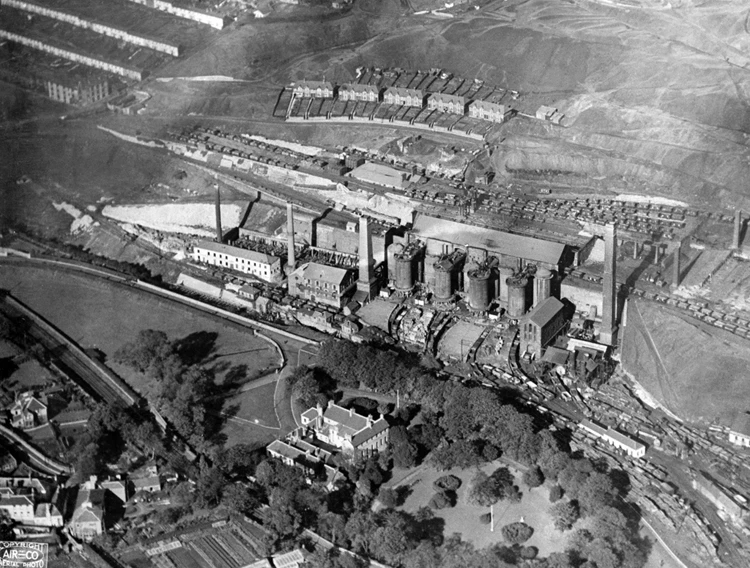
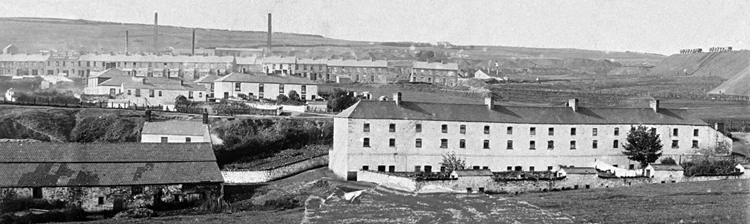
The Ebbw Vale Steel, Iron & Coal Company 23 July 2010 Ebbw Vale Open Hearth Furnaces, 1960s. The early iron industry of South Wales was small scale and rural; blast furnaces at Clydach Ironworks, 1813. Sir Henry Bessemer paid the Ebbw Vale Company £30,000 for their patents on steel making (George Parry received £10,000) and in 1866-68 the company erected six Bessemer Converters to make steel, one of the first two installations in Britain. A Bessemer converter "on the blow" is a dramatic sight. The process had not changed at Ebbw Vale in the 1950s when this photograph was taken. The Ebbw Vale Steel, Iron & Coal Company The Ebbw Vale Steel, Iron & Coal Company was based in south Wales. Founded in 1790, it was the largest tinplate producer in the country, until its closure in 2002. In the Edwardian period it employed 34,000 men, and by the mid-nineteenth century it was at the forefront of technological development, especially in the conversion of iron to steel. It gained further British technological firsts after a complete rebuild in 1936-8 and went on to outlast all the other Heads of the Valleys iron and steel plants. Beginnings Ebbw Vale Ironworks was part of a chain of works along the northern rim of the south Wales coalfield where the raw materials for making iron - iron ore, coal and limestone - occurred together. It was established in 1790 by a partnership led by Jeremiah Homfray, owner of the Penydarren Ironworks at Merthyr Tydfil. In 1796 he sold the works to the Harford family who ran it for the next half a century, building three more blast furnaces, puddling furnaces to produce wrought iron and rolling mills to make rails. The Harfords also bought the three blast furnaces at Sirhowy in 1818, to increase their supplies of pig iron for the furnaces and mills. Expansion The Harfords went bankrupt in 1842 when their overseas investments collapsed. Their works were kept going by trustees and in 1844 Abraham Derby IV, the Coalbrookdale ironmaster, came out of semi-retirement to form the Ebbw Vale Company. The company rapidly expanded, buying the neighbouring Victoria Ironworks in 1848, Abersychan Ironworks in 1852, Pentwyn Ironworks in 1858 and Pontypool Ironworks in 1872. When the local iron ores became exhausted the company bought iron mines in Somerset, Gloucestershire and Spain during the 1850s. In 1854-5 George Parry, the works chemist, experimented with steel making but it was not until 1868, when the company installed a Bessemer plant, that regular steel production began. The cost of expansion The company was reformed as the Ebbw Vale Steel, Iron & Coal Company Limited in 1868. The cost of continued expansion in the boom of the early 1870s crippled the company in the depression that came later in the decade. Iron trade declined as steel superseded iron - fortunately the Ebbw Vale Company had been an early innovator in steel production. From 1873 the company was controlled by Manchester financiers, who did not seem to understand the iron and steel trade. The works declined; Pentwyn closed in 1868, Sirhowy and Abersychan closed in 1882-3, Pontypool in 1890 and by 1892 the concern was almost bankrupt, with the plant described as obsolete and the machinery in disrepair. Changing direction — the insatiable demand for Welsh Coal From the 1870s onwards the Ebbw Vale Steel, Iron & Coal Company's prosperity lay in coal rather than iron and steel. In 1873 it was already the largest coal producer in south Wales, but the bulk of its coal was being used in the coke ovens and the steam engines of the ironworks. In the 1870s and 1880s the company switched direction to take advantage of the spectacular growth in demand for Welsh steam coal to drive the world's ships, trains and steam engines. As the older collieries in the Ebbw Vale area were becoming exhausted it sank two new collieries - Waunlwyd (1874-7) and Marine Colliery at Cwm (1889-91). Ebbw Vale coal became a familiar sight all over the world. The increasingly insatiable demand for Welsh steam coal during the first two decades of the twentieth century enabled the company to rapidly expand and modernise its collieries. Some of the older collieries were closed and output was doubled at Waunlwyd and Marine. In twenty years the company doubled its output to 2 million tons. More coal meant more miners and the company's workforce rose to nearly 6,000, and profits rose dramatically too. Digging for coal at Llangynidr Road during the 1926 miner's lockout. An air view of the works in August 1957 As Marine Colliery expanded so did the village of Cwm where the bulk of the miners and families lived. Station Terrace, Cwm's first major shopping centre, in 1913. The 750-ton hot metal receiver in the Bessemer Steel Works was the largest in the World when installed in 1905-06. On 30 October 1929 the works were closed. In 1936 they were demolished. Coal mining and its landscape, Waunlwyd, 1950s Modernisation In 1892 control of the company returned to iron and steel interests. The companies finances were consolidated, with expansion and modernisation beginning in 1897. In 1910 a number of south Wales colliery owners led by Viscount Rhondda became directors. In May 1911, under the impression that profits would be increased by concentrating on coal production alone, they closed the iron and steel works. However, their hopes were not fulfilled and those works reopened in April 1912. The last act of expansion before the First World War was the construction of sheet mills in 1912. Between 1918 and 1920 the company increased its capital from £1.8 million to £7.7 million and embarked on further expansion. Two modern blast furnaces built at Victoria in 1920-23 replaced the four old Ebbw Vale blast furnaces. Plants were installed to produce steel railway sleepers and weldless tubes and couplings. However, the international iron and steel trade slumped in the early 1920s. Troubled times The golden age of the early twentieth century was shattered from the 1920s onwards. The boom in the coal export market collapsed as ships switched to oil for fuel. After 1922 the company's high profits turned into big losses. Closure The 1920s and 1930s were the "Years of the Locust" as wages fell, collieries closed and unemployment rocketed. There were bitter and long industrial disputes in 1921 and 1926 and the financial crisis of 1929 affected the Ebbw Vale company badly. Its works closed, putting almost half the town's population out of work. In 1935 the company went into liquidation and all its collieries were sold to Partridge Jones and John Paton Ltd, the largest colliery owner in the Gwent valleys. Rebuilding To remain internationally competitive, Britain's tinplate industry required an American-style steel stripmill. A new stripmill was planned in Lincolnshire but Government intervention caused it to be relocated to Ebbw Vale, and in 1936-8 the old works was cleared and an integrated iron, steel and tinplate plant built. The former collieries of the Ebbw Vale Steel, Iron & Coal Company were taken over by the National Coal Board when the whole industry was nationalised in 1947. In that year, three were still in production — Waunlwyd, Cwmcarn and Marine. They were closed in 1964, 1968 and 1988 respectively. Up to the present The first electrolytic line outside the USA was built at Ebbw Vale in 1947-8. The Bessemer and open hearth steel plants were expanded and in 1960 Britain's first LD converter was installed at the works. Such plant was soon to supersede all Bessemer and open hearth steel plants in the UK. Two further electrolytic tinning lines were installed in 1961 and 1969, with galvanising lines added in 1957 and 1969. Rationalisation in the steel industry following nationalisation in 1967 led to the steel plant at Ebbw Vale closing in 1978. Until closure in 2002 the works concentrated on tinplating and galvanising, and was the largest tinplate producer in Britain.

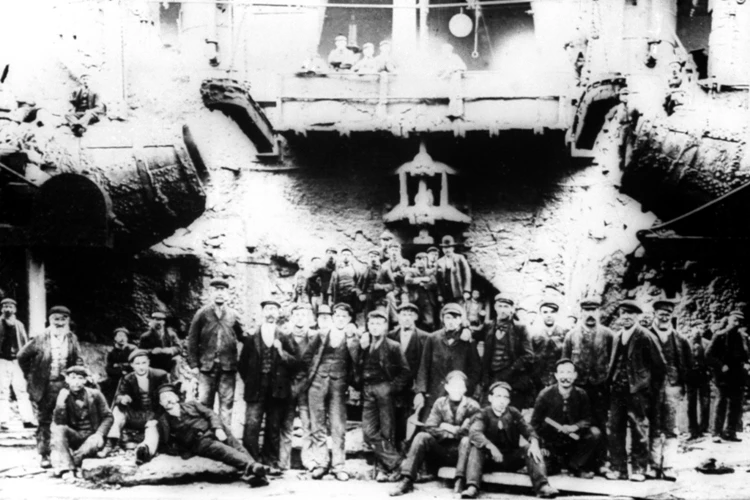
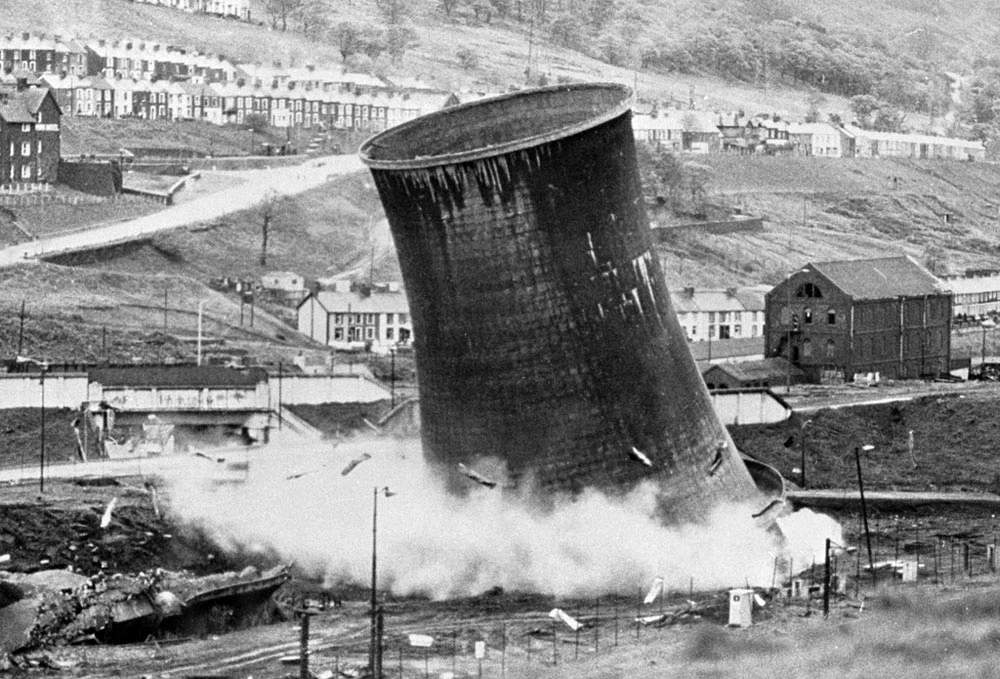
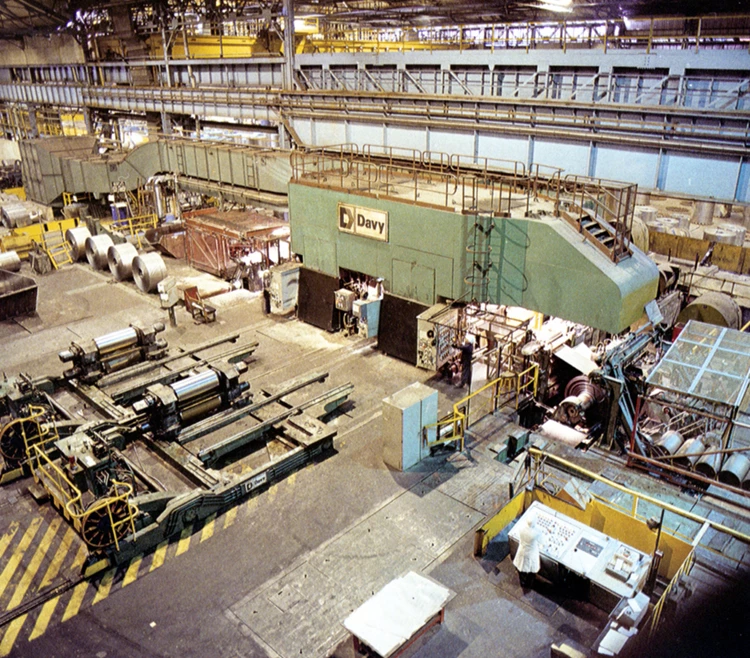
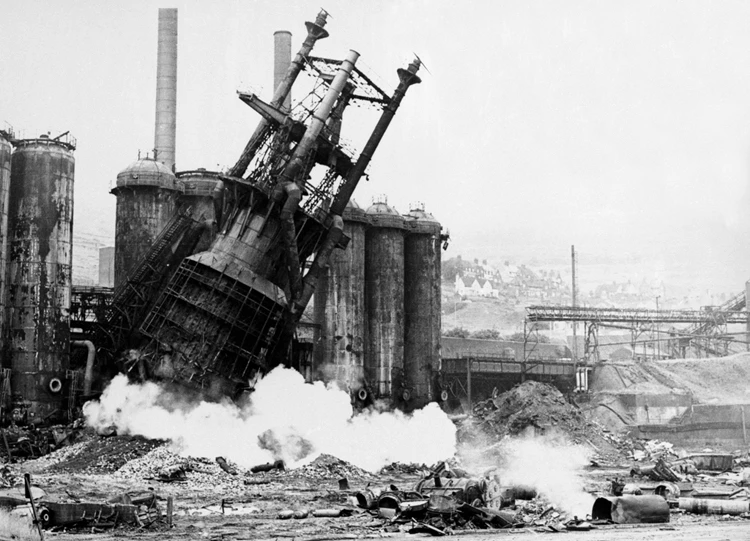
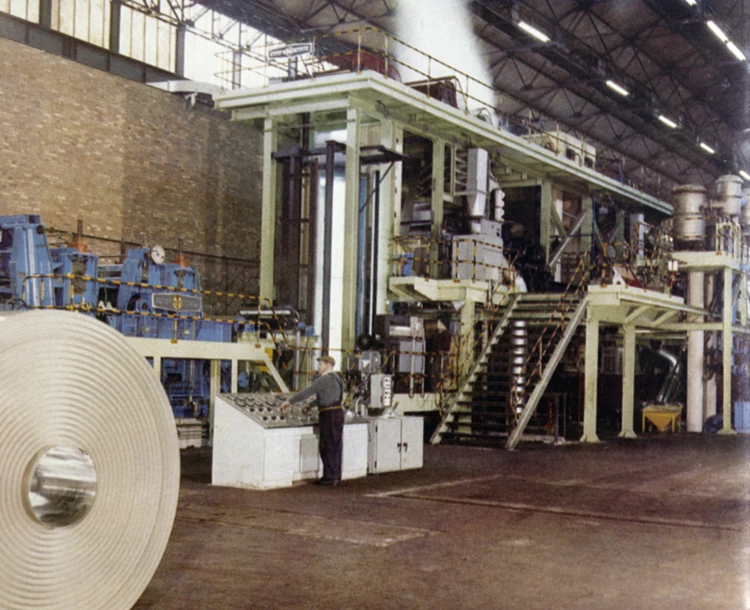
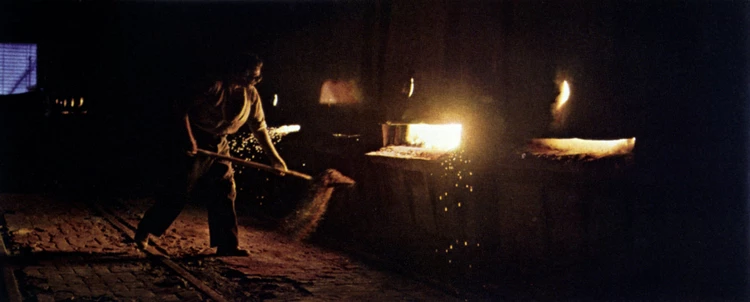
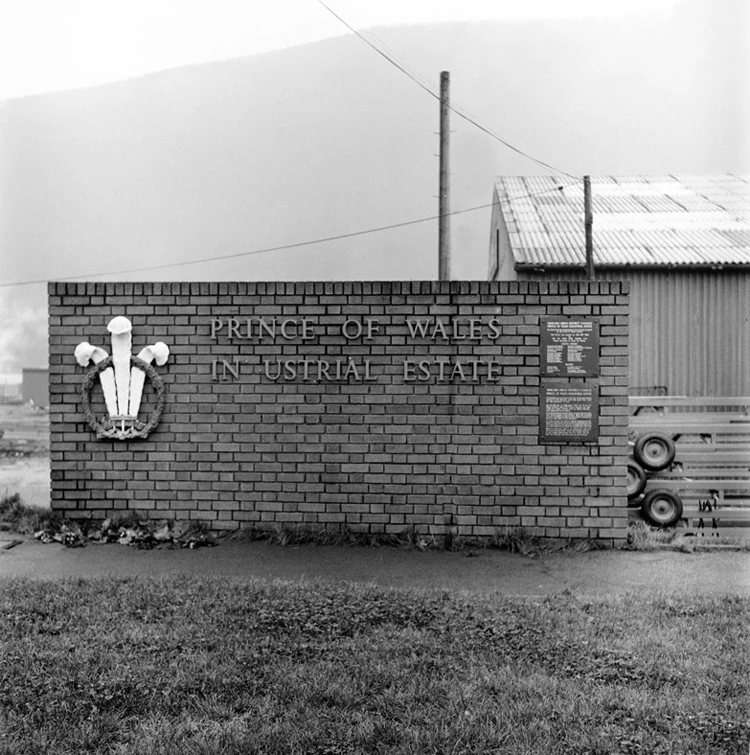
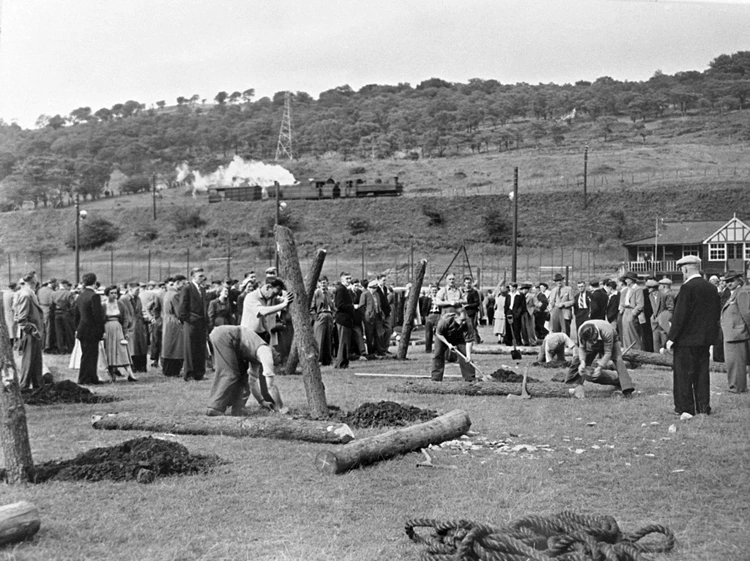
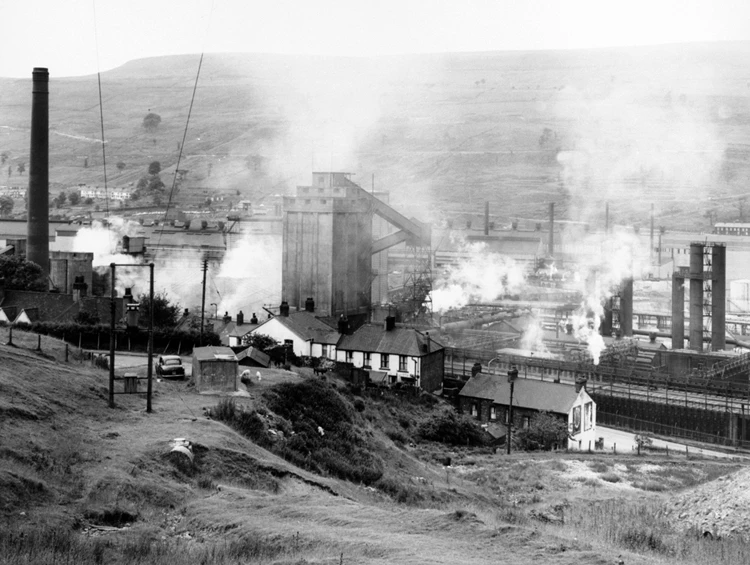
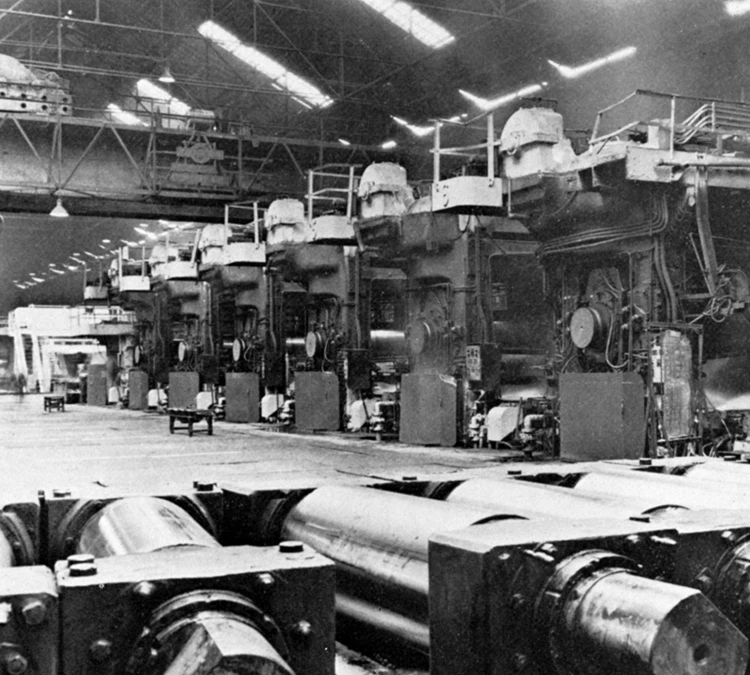
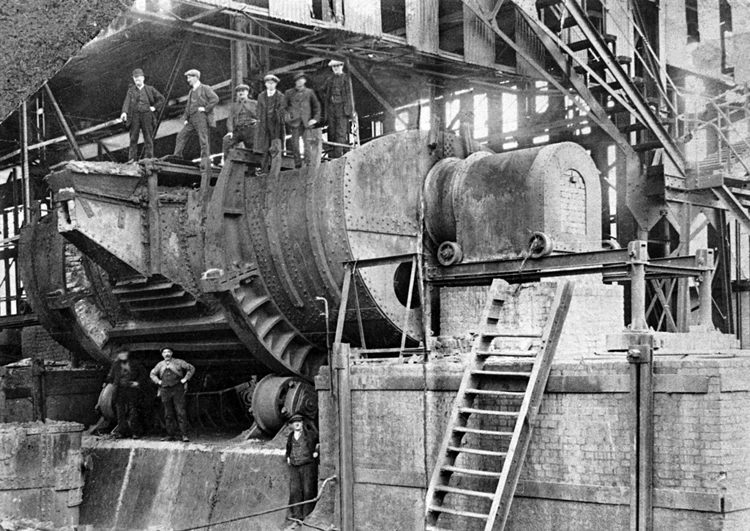
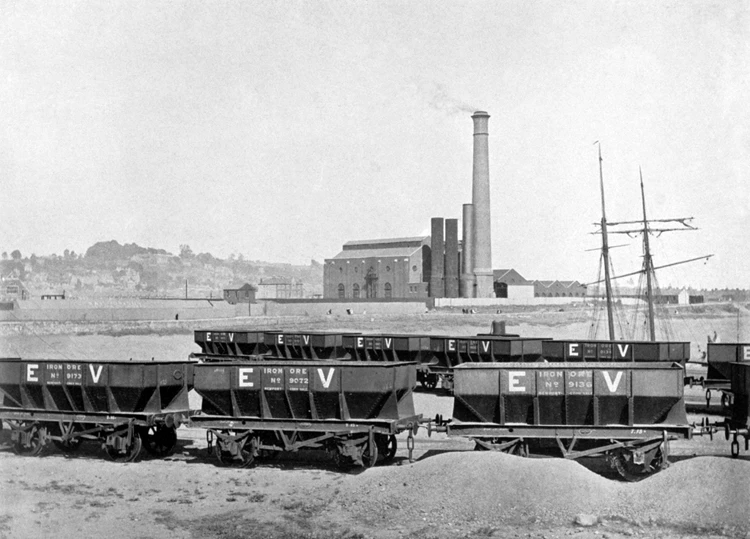
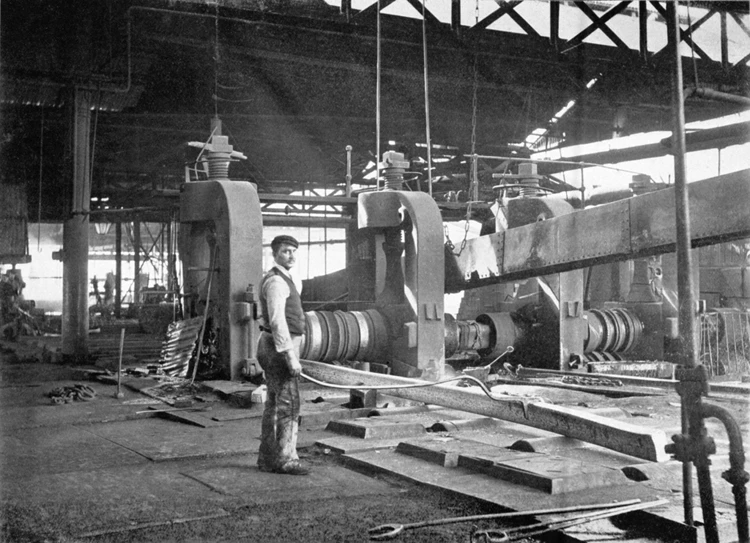
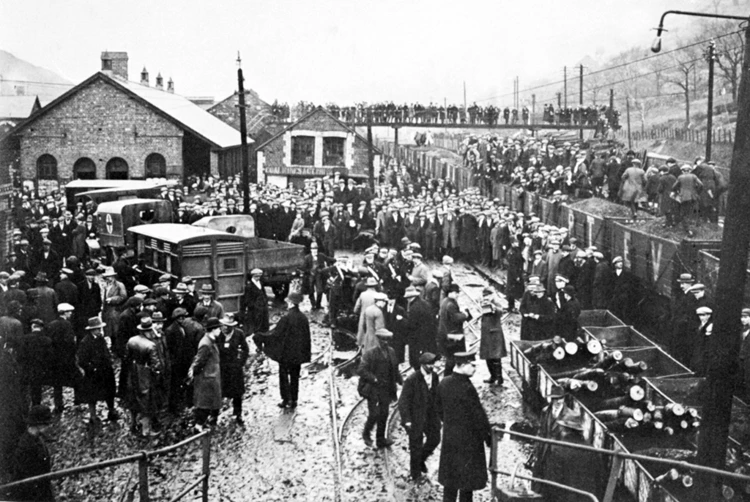
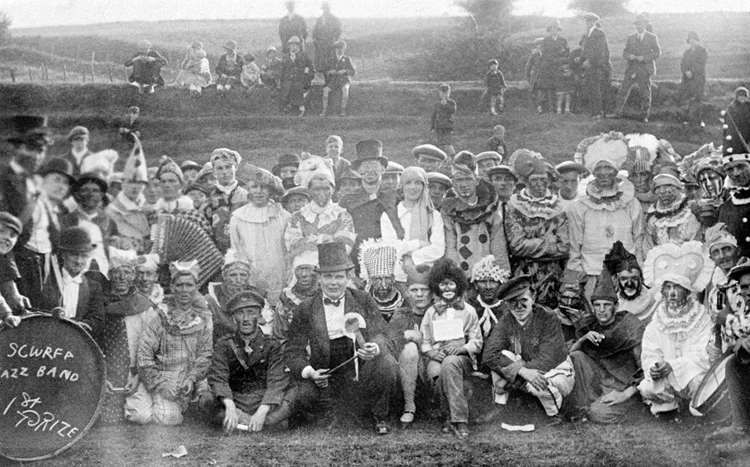
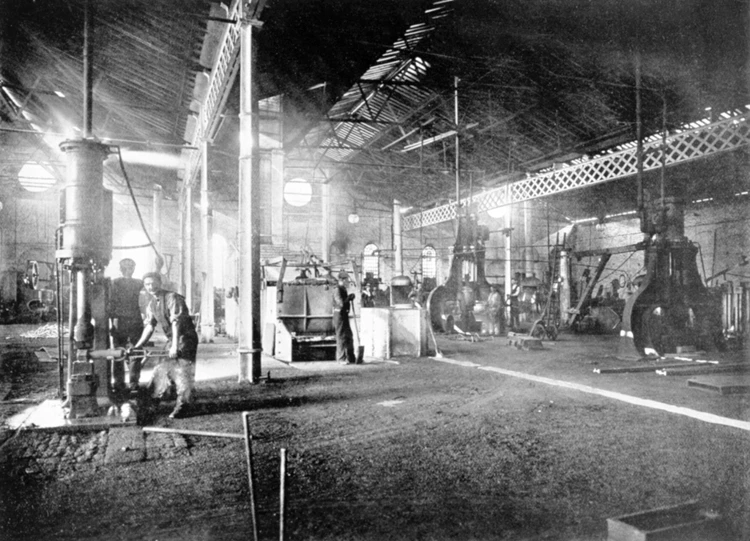
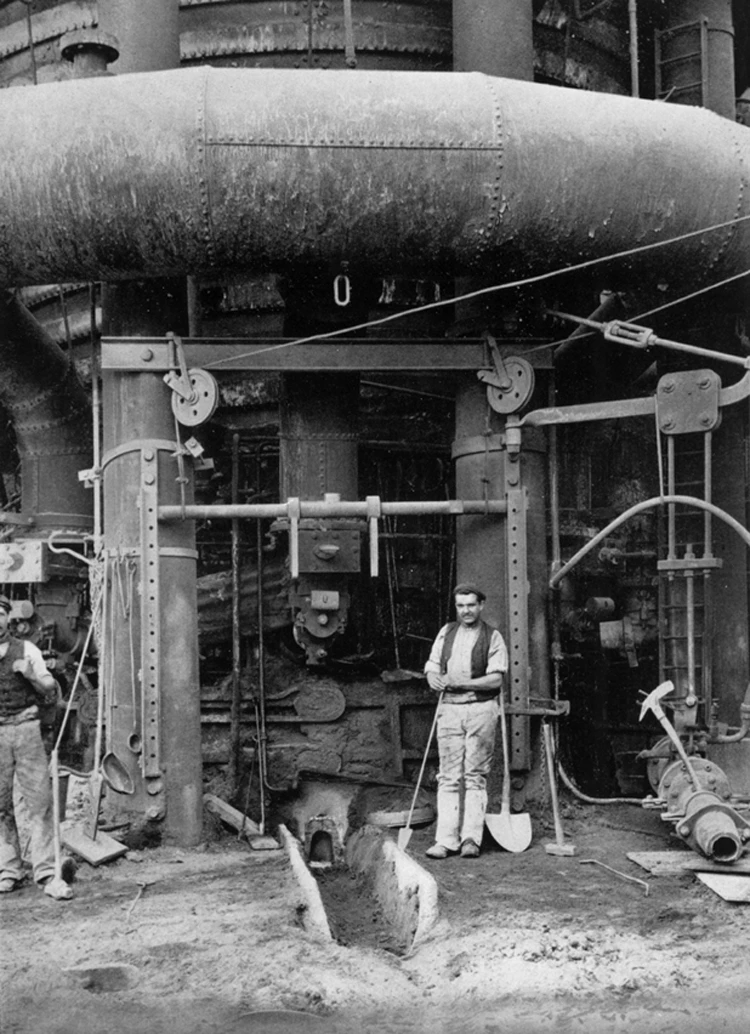
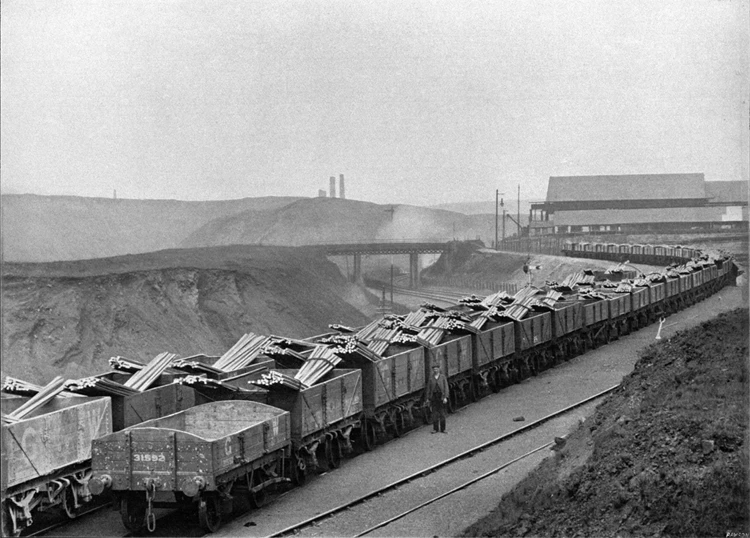
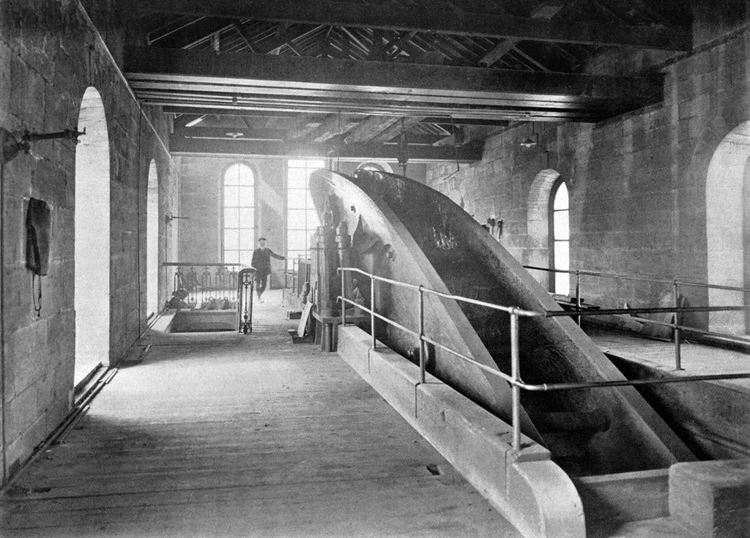
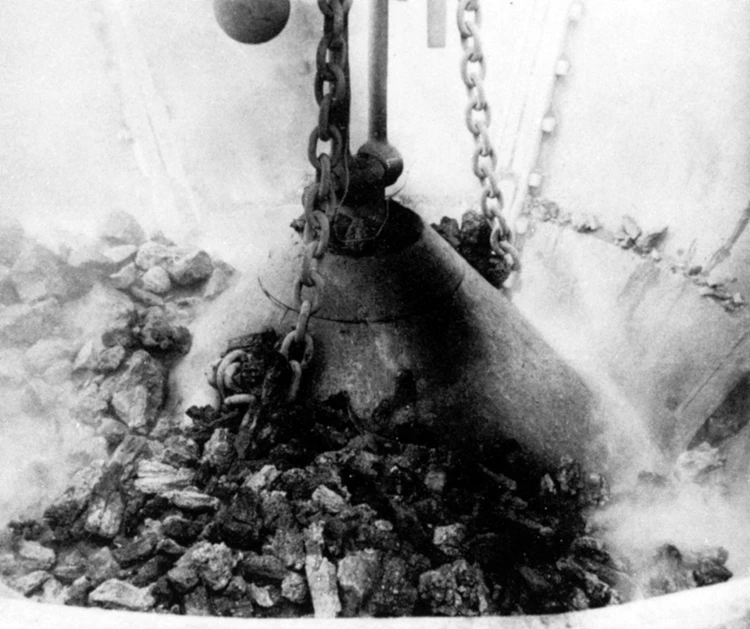
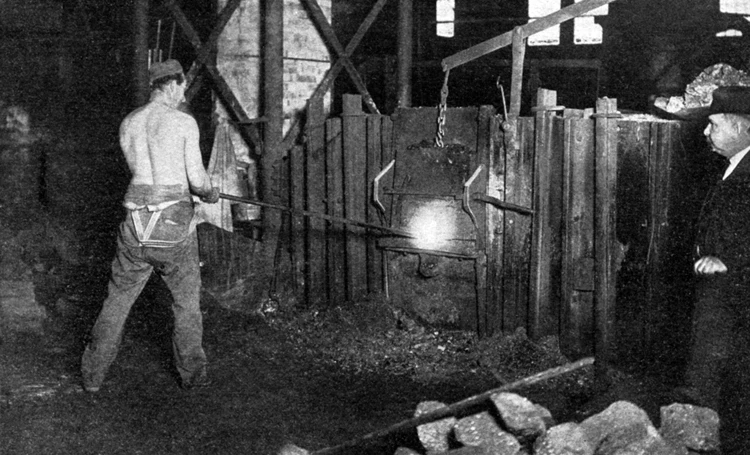
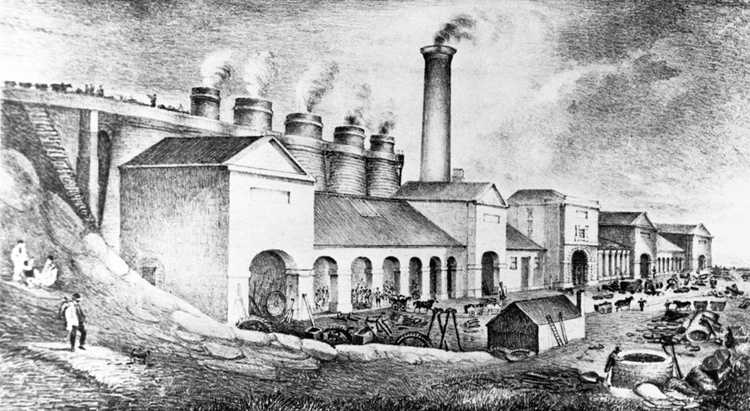
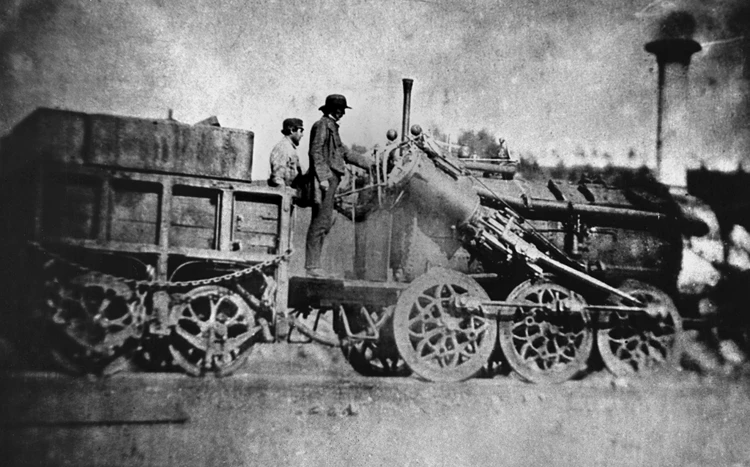
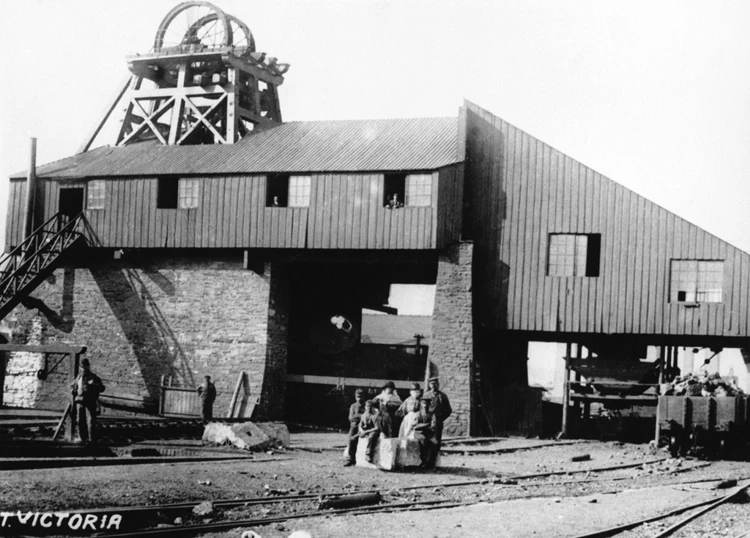
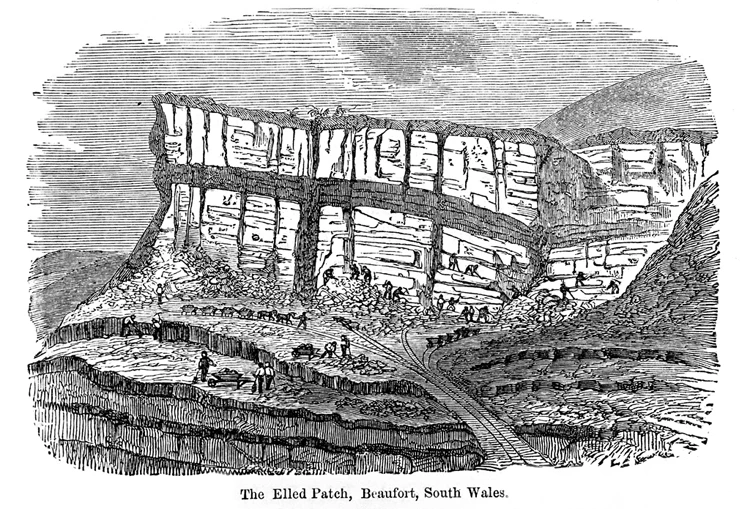
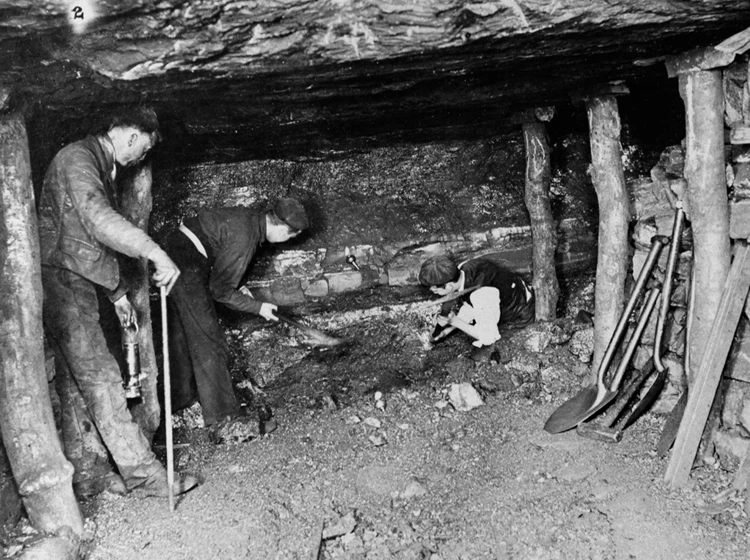
The Ebbw Vale Steel, Iron & Coal Company 20 July 2010 The Ebbw Vale Steel, Iron & Coal Company was based in south Wales. Founded in 1790, it was the largest tinplate producer in the country, until its closure in 2002. Ebbw Vale Steel, Iron & Coal Co. The Double Reduction Mill installed in 1978 produced very thin strip steel for making drinks cans Demolition of the blast furnaces, August 1978. The no 2 electrolytic tinplating line was the fastest in the world when installed in 1961. An air view of the works in August 1957 Fettling an open hearth steel furnace at Ebbw Vale in about 1962. Abercarn Colliery site in the 1970's Underground timbering competition at Cwm Betterment Society Carnival 1956 Coal mining and its landscape, Waunlwyd, 1950s The new works started production in 1938 and prosperity returned to the town of Ebbw Vale. The new stripmill produced high quality strip steel at 20 miles per hour & far faster than the hand rolling mills it replaced. On 30 October 1929 the works were closed. In 1936 they were demolished. In 1929 a new 1,500 ton hot metal receiver, then the largest in the world, was installed. The works were due to close before it could be used. Ebbw Vale's inland location necessitated a huge fleet of railway trucks to haul iron ore from the Newport wharves to the furnaces The Roughing Mill at the Steel Works. The depressed state of the steel trade between the wars has been described as "like entering a tunnel and not emerging until 1938". The new Nos. 4 and 5 blast furnaces at Victoria produced 2,750 tons a week each. On St David's day 1927, 52 miners at Marine Colliery were killed in an explosion. The cause of the disaster was never ascertained. On St David's day 1927, 52 miners at Marine Colliery were killed in an explosion. The cause of the disaster was never ascertained. During the industrial disputes of the 1920s and the depression of the 1930s jazz bands provided fun and just as important, kept up spirits. Digging for coal at Llangynidr Road during the 1926 miner's lockout. As Marine Colliery expanded so did the village of Cwm where the bulk of the miners and families lived. Station Terrace, Cwm's first major shopping centre, in 1913. The Prince of Wales during his visit to Victoria No 5 pit in 1918. The colliery had recently been deepened and modernised. After he had been underground he agreed to the colliery being renamed 'Prince of Wales'. Marine Colliery, 1907: Coke for the furnaces, but the bulk of its coal was exported overseas. Pride and achievement: Pit Bottom. Marine Colliery, Cwm, c.1907. In 1907 the company built a third brickworks and production reached 14 million a year. The company owned four wharves at Newport to import iron ore and pit props and to export iron and steel By 1907 the company employed 350 maintenance and engineering staff: The Smith Shop in the Engineering Department. Victoria Foundry, rebuilt in 1902, produced 18,000 tons of castings a year, used both within the works and sold to other firms. In 1907 the company owned 524 coke ovens and was producing 200,000 tons of coke a year. The tapping hole of the "Yankee" furnace at Victoria, it could produce 2,300 tons of iron a week. Ten hours output of steel billets from the Bessemer Steel Works. The 750-ton hot metal receiver in the Bessemer Steel Works was the largest in the World when installed in 1905-06. A new American design blast furnace was built at Victoria in 1903. Two open-hearth steel furnaces were built in 1898, followed by a further three in 1905-06. In 1897 a spring making shop was built to make railway carriage springs. The export market was the mainstay of the company. Cardiff Docks, early twentieth century The export market was the mainstay of the company. Cardiff Docks, early twentieth century The new pits sunk from the 1870s onwards were much deeper than the older collieries so that they could reach new reserves and the steam coal seams. The shaft of Victoria No. 5 (Prince of Wales) Colliery. Waunlwyd Colliery. At the turn of the century two trainloads of coal from this colliery went to Crewe everyday to power the locomotives of the L.M.S. The rolling mills about 1900. A Bessemer converter "on the blow" is a dramatic sight. The process had not changed at Ebbw Vale in the 1950s when this photograph was taken. One of the works' main products was rails; steel replaced wrought iron in the 1870s and in 1881 wrought iron puddling ceased at Ebbw Vale. The Bessemer steel converters kept the works going through the 1880s. The last act of expansion was the rebuilding of the two Victoria Furnaces in 1882. The four furnaces of Ebbw Vale were rebuilt in 1871-72, increasing production to 800 tons per week per furnace In 1866 the "Darby" blast furnace blowing engine was installed, the largest in the world. Sir Henry Bessemer paid the Ebbw Vale Company £30,000 for their patents on steel making (George Parry received £10,000) and in 1866-68 the company erected six Bessemer Converters to make steel, one of the first two installations in Britain. One of George Parry, the works chemist, inventions was the "cap and cone" to close the top of the blast furnace to retain heat. It was briefly lowered during charging. Much of the company's pig iron production was converted to wrought iron in 100 puddling furnaces. Abersychan Ironworks shown here in 1866 was bought by the Ebbw Vale Company in 1852. The company's other works probably resembled it, although their buildings were not as ornate. Ebbw Vale experimented with locomotives from 1829 and was one of the first South Wales ironworks to do so. This is the Tredegar Iron Company's locomotive 'St David' in 1854. The Ebbw Vale Company built many rows of homes for its workers, Gantra Row, intended for colliers, accommodated one family in the upper two floors of each house and another in the basement. No. 6 pit, Victoria, sank in 1838 provided coke for the Victoria Ironworks. Women were prohibited from working underground in 1842 but a small number continued to work on the surface until the early twentieth century. The earliest coal and ironstone mines were "patches" or small opencast pits. The early iron industry of South Wales was small scale and rural; blast furnaces at Clydach Ironworks, 1813. Holing in the Gwern Y Cae Seam, Sirhowy No. 7 Pit, 1898. Ebbw Vale Open Hearth Furnaces, 1960s.
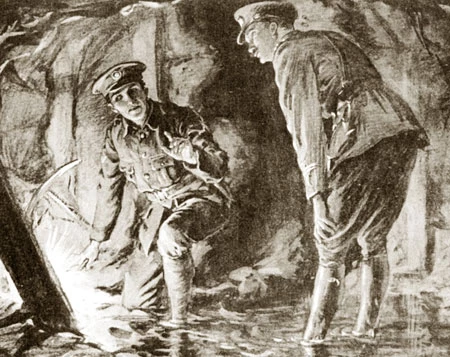
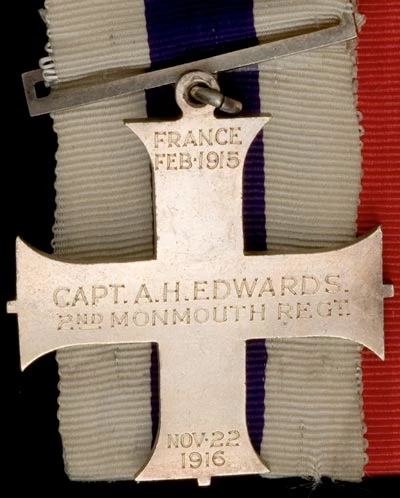
Welsh miners digging for victory on the Western Front Edward Besly, 1 October 2009 Artists' impression of Edwards' mining exploits. From Deeds that Thrill the Empire, by courtesy of Dix Noonan Webb. Military Cross (1915), 1914 Star, British War Medal and Allied Victory Medal awarded to Captain (later Major) Arthur Edwards. Many recipients of the Military Cross arranged to have details of the award engraved on its back. The trenches of World War 1 Captain Arthur Edwards from Blaenafon in south Wales oversaw the explosion of the first British mine on the Western Front in March 1915. The First World War (1914-18) is famous for the trench warfare of the Western Front in France and Flanders. Huge armies faced each other in horrible conditions, preparing for the next big battle intended to break the stalemate. Tunnelling and mining on both sides formed a significant part of this trench warfare, as each side tried to gain an advantage. Tunnels were dug underneath "no man's land" and under the enemy's trenches. They were then packed with explosives and detonated. The dry chalk of the Somme was especially suited to mining, but it was also possible to mine in the sodden clay of Flanders. The experience and skills of Welsh miners played an important part in the construction of these mines. Fighting the war underground It was all started by Captain Arthur Edwards, a mining engineer who served in the 2nd Battalion of the Monmouthshire Regiment. In December 1914 the 4th Divisional Mining Party was formed, under Edwards' command. In March 1915, after two months of tunnelling under enemy lines, the tunnels were evacuated, packed with explosives and detonated. The huge explosion caused buildings above ground to be destroyed — the tunnels were under buildings that were being used by enemy snipers. On another occasion, German miners, tunnelling in one direction, broke into allied tunnels being dug in the opposite direction, resulting in fierce hand-to-hand fighting underground. A Badge of Honour In June 1915 Captain Arthur Edwards was awarded the Military Cross, a newly introduced decoration for captains and junior officers. He was also twice mentioned in despatches for gallant and distinguished service. He served through the War, including the first day of the Battle of the Somme (1 July 1916) before being badly wounded by a gas shell in June 1918. His medals were acquired by Amgueddfa Cymru in 2006.