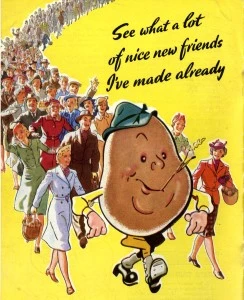
The ration years of the Second World War 30 July 2012 Dig for Victory, by Mary Tunbridge. Marguerite Patten Marguerite Patten OBE has been teaching Britain how to cook since the 1930s. During the Second World War, as a leading Home Economist for the Ministry of Food’s Food Advice Division, Marguerite and her colleagues worked tirelessly to make people aware of the importance of keeping their families well fed on the rations available. The diet, imposed by necessity, was low in fats and sugars and high in fibre and vegetables with Potato Pete and Lord Carrot leading the way in this surprisingly healthy new lifestyle. The Food Advice Division travelled all over Britain and set up demonstrations in markets, shops, factories, canteens and welfare clinics to buoy the nation into getting through the war on the Home Front with the same spirit as the Forces in action. A contributor to the Kitchen Front, broadcast daily by the BBC, Marguerite was able to pass on her favourite recipes to the nation, and these recipes more often or not contained potatoes. When war broke out in 1939, farmers were told to increase potato production by ploughing up grasslands and the quantity of potatoes produced increased significantly as the war continued. As a result of this careful planning and planting, rationing potatoes was not necessary during the war. Potato Pete Potato Pete and friends. Marguerite and her colleagues at the Ministry of Food Advice Bureau urged the nation to eat potatoes twice a day. Not only are the humble spuds a fantastic source of energy in the form of carbohydrate, but they are also rich in Vitamin C. To encourage consumption, a cartoon character called Potato Pete was invented with his very own song, cookbook and leaflets. Cake and pastry mixes could be bulked out with potatoes to save fat. Marguerite recalls ‘Home-grown vegetables were a very important part of our diet. We were encouraged to eat plenty of potatoes in place of bread, which used imported wheat, and for the valuable vitamins they contain. Carrots, parsnips and swedes were also used in a variety of recipes and green vegetables were very important and great emphasis was placed on cooking them correctly’. Cooks were advised to always scrub potatoes, not peel them, as up to a quarter of the potato and essential vitamins could be lost in this way. Scalloped potatoes, champ, potato fingers and potato Jane were all popular war time recipes, promoted widely by the Ministry of Food’s Advice Bureau. Although the food was monotonous with meagre rations of meat, eggs and butter (and the total absence of many foods that we know take for granted), the health of the nation was surprisingly good despite the physical and emotional stresses that so many endured. Infant mortality declined and the average age of death by natural causes increased. For many poorer members of the community, this enforced rationing introduced more protein and vitamins to their daily diet, whilst for others a significant reduction in the consumption of meat, fats and sugar was a major benefit to their health. Dig for Victory Home gardeners added to potato production in a response to the ‘Dig for Victory’ campaign. However, the Ministry of Agriculture urged home growers not to grow too many potatoes at the expense of other vegetables, and to stick to the official cropping plan. Varieties such as Arran Pilot, Duke of York and King Edward were recommended and are still as popular today. Austerity gardening, as it became known, is demonstrated to perfection at St Fagans National Museum of History’s B2 prefab garden with vegetables, fruits and herbs all grown using the techniques and cropping plans recommended by the Ministry of Agriculture during the 1940s.
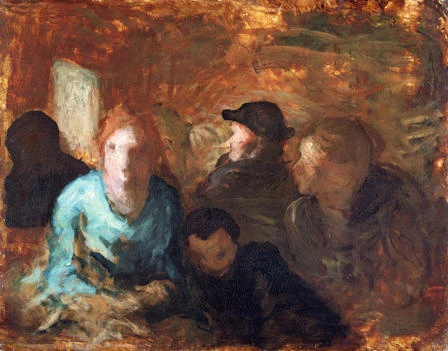
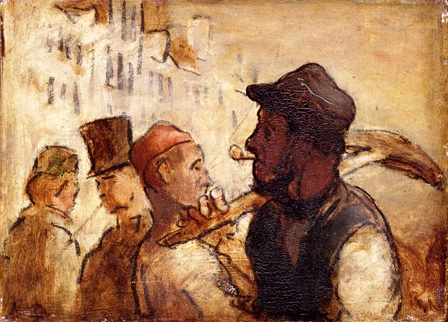
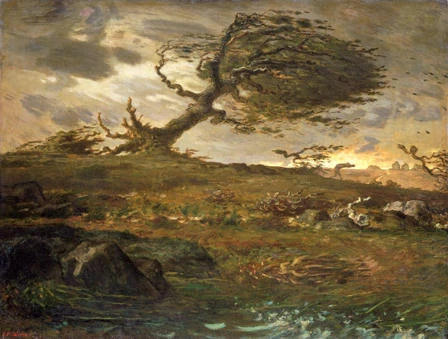
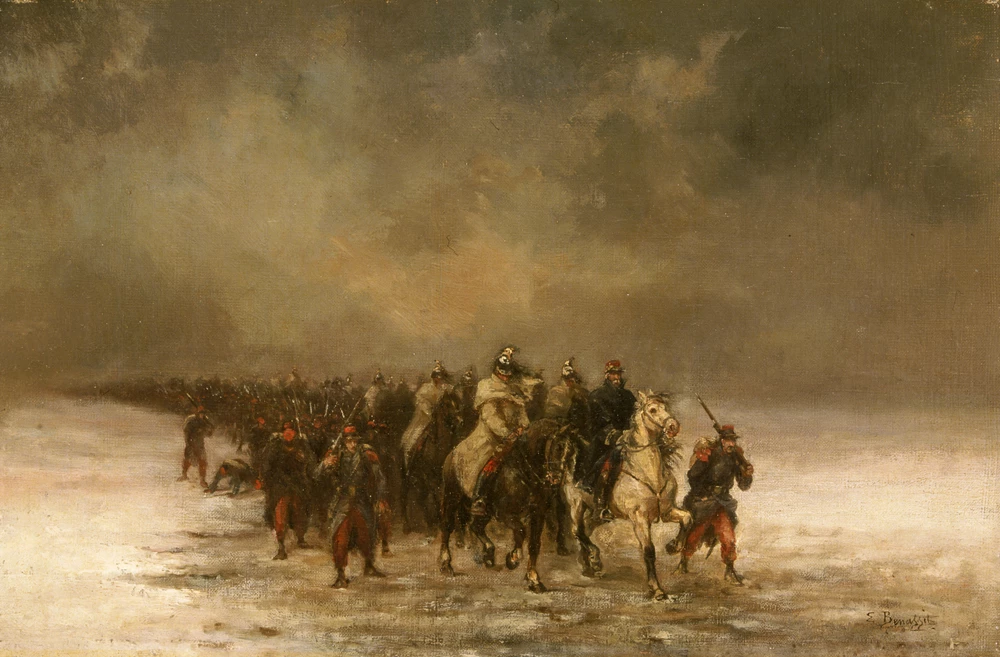
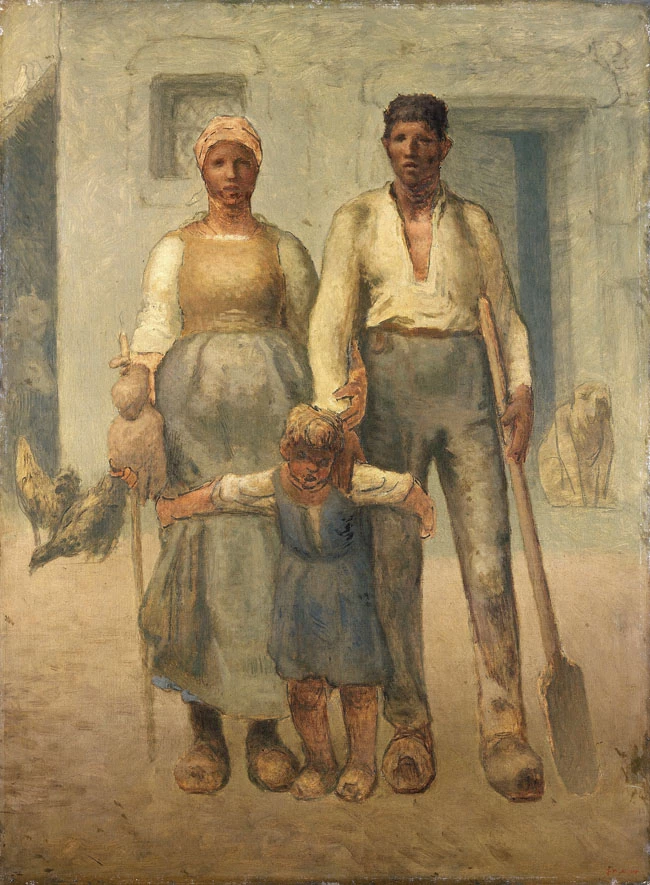
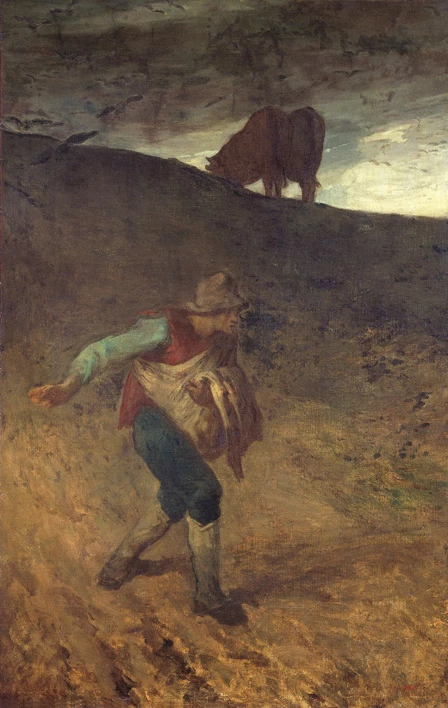
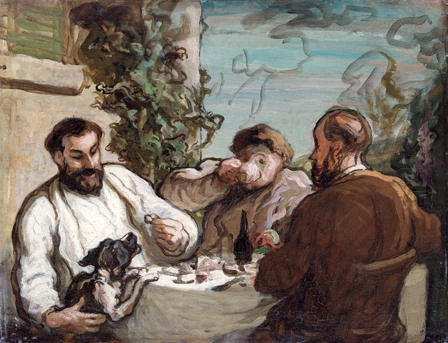
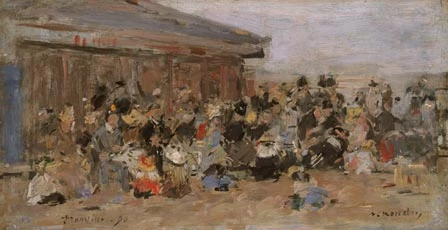
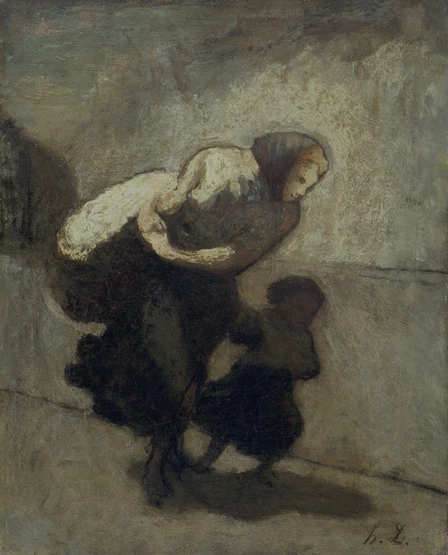
Revolutionary Dreams: Investigating French art 22 March 2012 A Third Class Carriage Honore Daumier (1808 - 1879) Workmen on the Street, 1838-40 Honore Daumier (1808 - 1879) The Gust of Wind Jean-François Millet (1814 - 1875) The Retreat Louis Eugène Benassit (1833 - 1904) Amgueddfa Cymru has one of the most exceptional collections of nineteenth-century French Art in the United Kingdom. Engaging with the turbulence of nineteenth century France and the relationship between the revolutions of the people and revolutionary developments in art, we take a fresh look at the Museum's collection of pre-Impressionist French paintings, researched and interpreted by postgraduate students from the University of Bristol.The Century of RevolutionThe turbulent social and political history of France during the nineteenth century led many artists to document the shifting realities and expectations of life. The 1789 French Revolution, which established the First French Republic, sparked a century of uprisings and uncertainty for the population. While some artists sought to represent current events, others looked to recapture lost traditions.Revolution and the rise of RealismFrom the seventeenth century, the state-run Academy of Fine Arts and its official exhibition, the Salon, led the direction of French art. During the nineteenth century, many artists began to challenge its approach, and to examine how the lives of the people were altered by the dramatic changes of the nineteenth century. Increasingly artists abandoned the biblical figures and Roman heroes that had previously dominated the walls of the Salon.In A Third Class Carriage Honoré Daumier refers to a key invention of the century, the steam train. In contrast, Jean-François Millet's The Peasant Family depicts rural farmers and idealises the French countryside. While these are very different paintings their common theme is that they are representations of real, contemporary, humble life.It was during this period that French artists first began to paint like this; an approach sometimes known as 'Realist' painting. These changes in subject matter laid the groundwork for much of Modern Art as we understand it today.Political UnrestThe overthrow of King Charles X in the July Revolution of 1830 led to the July Monarchy of Louis-Phillippe, ousted in the Revolution of February 1848. The Second Republic gave all men a right to vote and promised democracy. However, a brutal suppression of the workers' rebellion demonstrated that frustration was still present. Daumier's Workmen on the Street indicates such tensions and his imagery criticised continuing class distinctions.Millet's later The Sower highlights rural labour and peasant life. Agriculture was an ingrained part of the French national identity, however, Millet mourned the mass migration from rural areas into the cities.During the Franco-Prussian War in 1870 many artists went into exile in safer rural locations. Millet fled from Barbizon to the Normandy coast. He painted The Gust of Wind on his return; the frightening strength and power of the storm representing both change and the violence of war.The Second Empire collapsed with France's defeat in 1871, causing a group of French radicals to briefly seize control of Paris in the 'Commune' of the same year. Soon quashed, it was replaced by the Third Republic.The distress and loneliness within these desolate landscapes may be read as a response to the turbulent events in France at this time. Most importantly they show how political events shaped national identity and, in turn, its art. The Peasant Family (1871-2) Jean-François Millet (1814 - 1875) Oil on canvas The Davies Sisters Collection The Sower, 1847-8 Jean-François Millet (1814 - 1875) Lunch in the Country, 1868 Honore Daumier (1808 - 1879) Beach at Trouville, 1890 Louis Eugéne Boudin (1824 - 1898) The Heavy Burden Honore Daumier (1808 - 1879) LeisureDuring the second half of the nineteenth century, changes in class structure in France led to a growth in the wealth of the middle classes, known as the bourgeoisie.In particular, they enjoyed paintings that showed themselves in the pursuit of leisure and inferred their new status in society. Artists responded by creating paintings to suit the tastes of this growing audience.1804 saw the invention of the steam powered locomotive and within 50 years, railway lines were being constructed across France. Daumier's Lunch in the Country and Boudin's Beach at Trouville are depictions of bourgeois tourist activities.In addition to reflecting revolutionary developments in tourism and transport, artists employed bright colour and loose linear structure to create an air of entertainment and recreation. Such revolutionary light effects and loose brushstrokes had a strong influence on the emerging style of Impressionism.Women and DomesticityPaintings of women feature significantly in the Museum's collection of nineteenth-century French paintings. It is, however, interesting to note that all these women were painted by male artists, so viewers are observing women from the perspective of the nineteenth-century man.With this in mind we can begin to understand the role of women in society. Daumier's The Heavy Burden presents us with the activities of working class women, while the other paintings depict fashionable and delicate beauties of a higher social ranking. This shows us that class and gender divisions were still intact following the Revolution.Society's expectations for women to be demure and feminine run through several of the paintings. Whether they are active and working or seated and passive can be seen as an indication of their situation within society.Research and RevealHere we present four essays, giving a fresh look at the Museum's collection of pre-Impressionist French paintings, researched and interpreted by postgraduate students from the University of Bristol:Personalities in Paintings, by Matthew Howles Landscape Fakes, by Jessica Hoare The Landscapes of Millet, by Jessica Hoare The Paintings of Charles Bargue, by Rhian Addison External linksArt History at the University of BristolAssociation of Art Historians
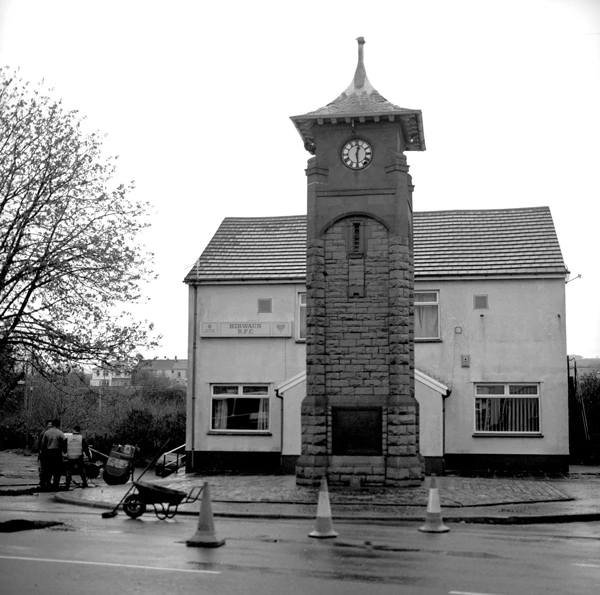
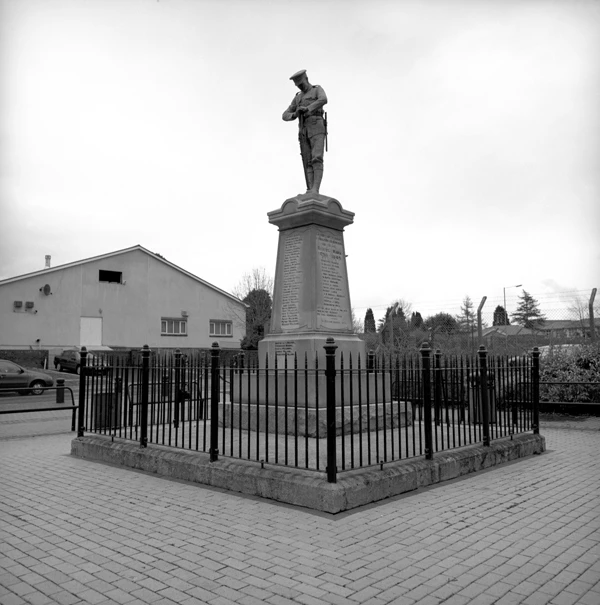
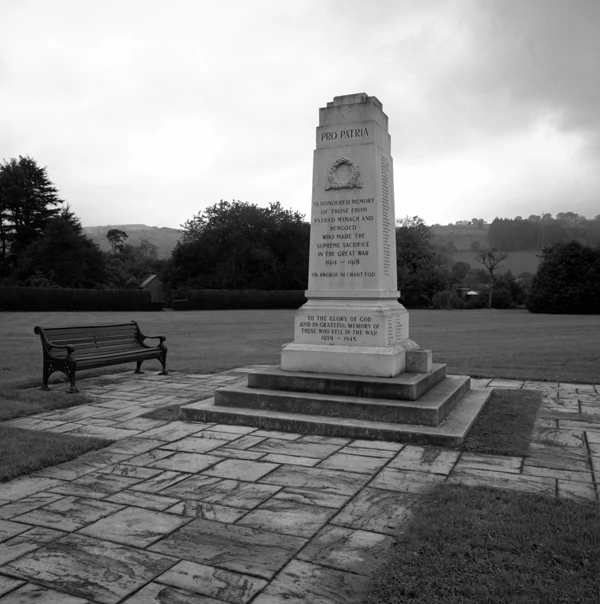
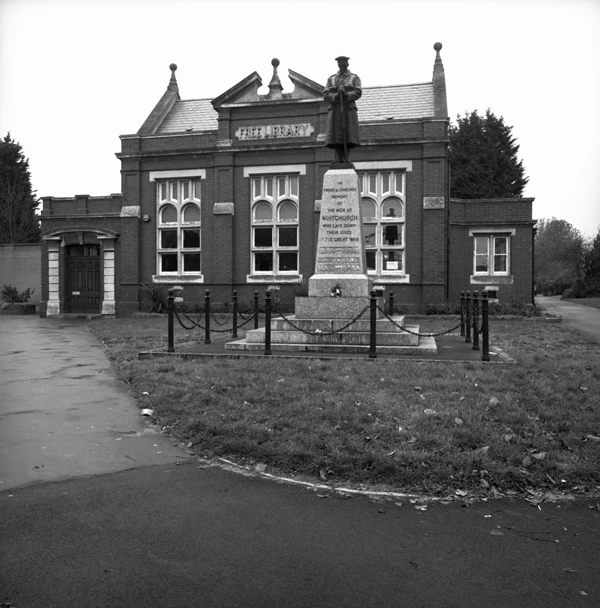
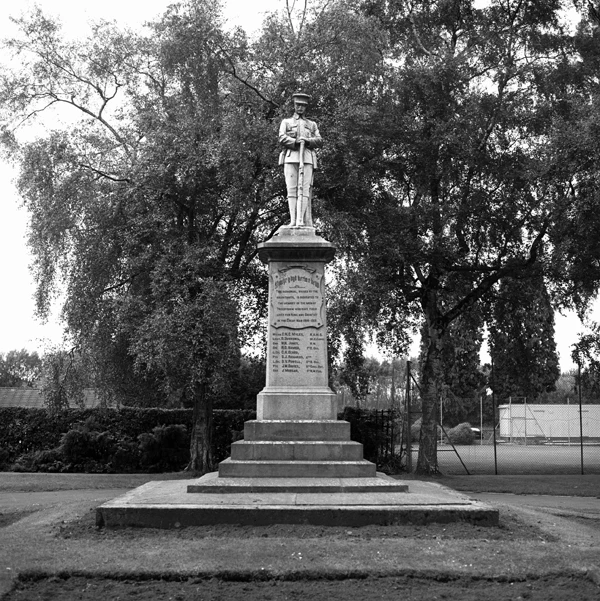
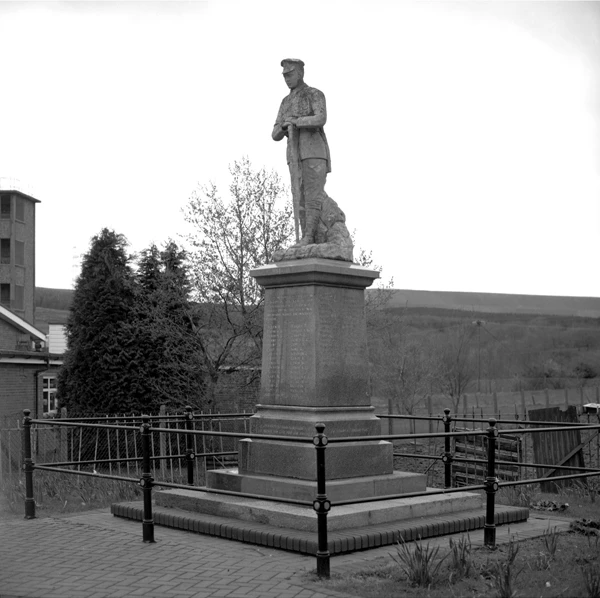
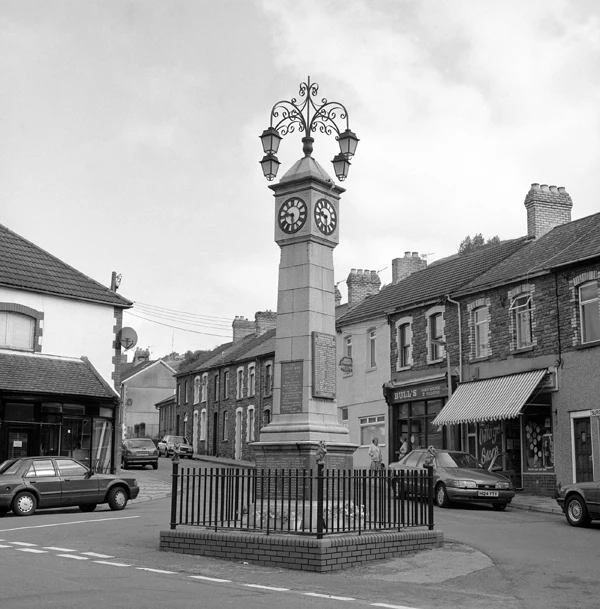
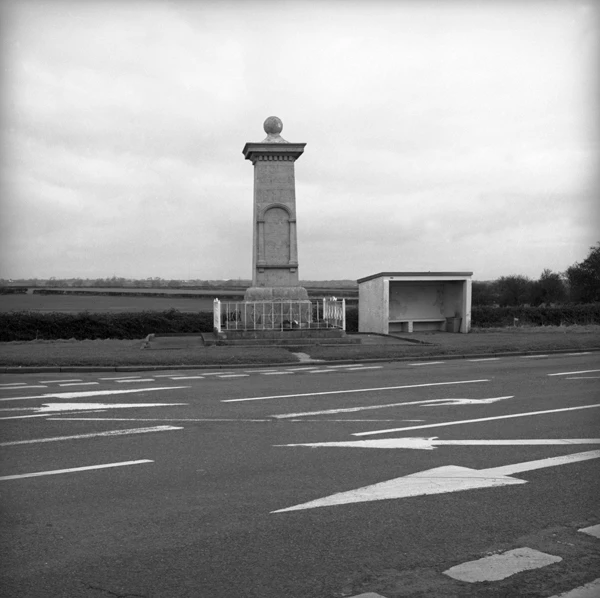
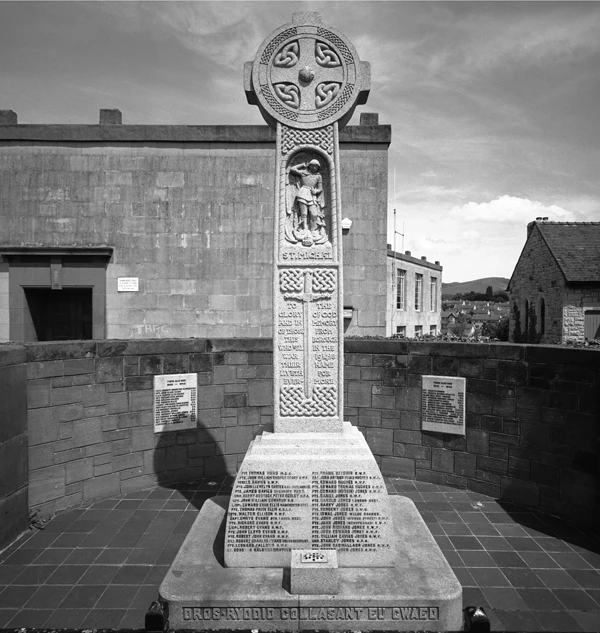
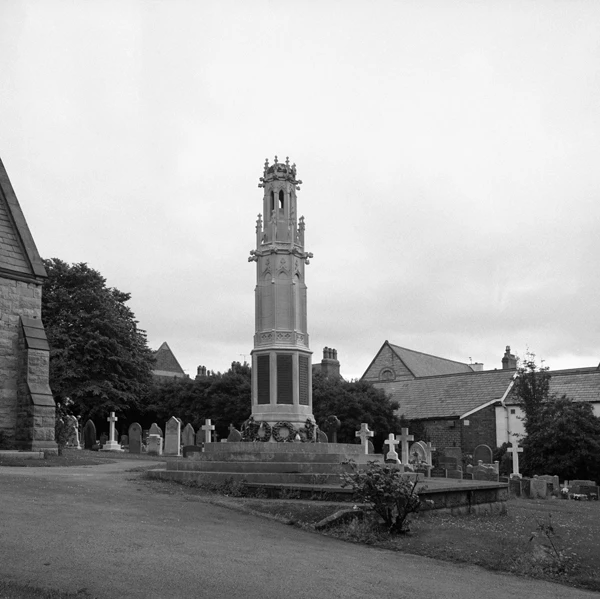
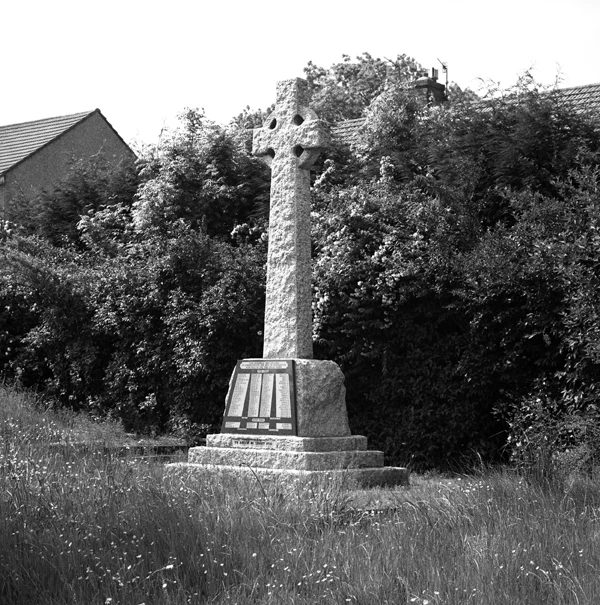
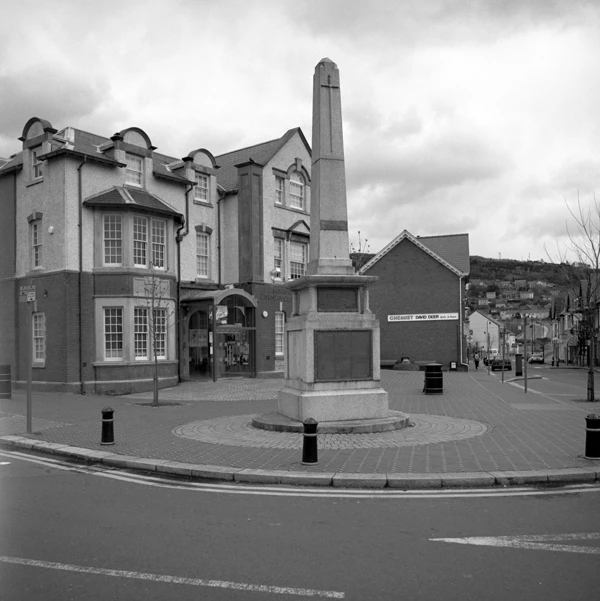
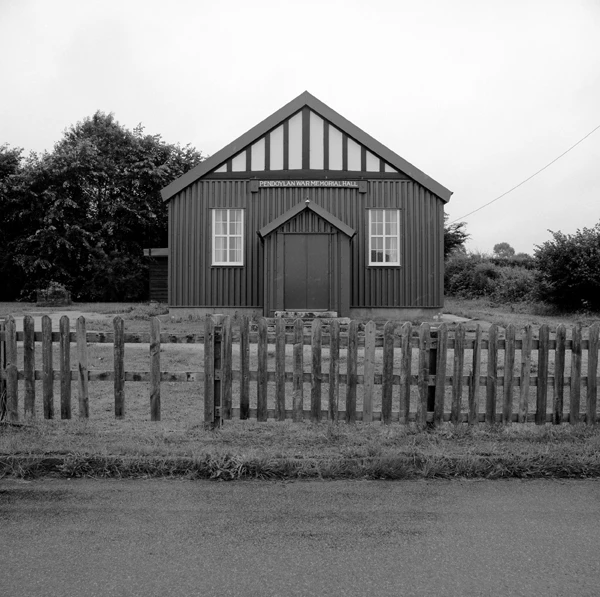
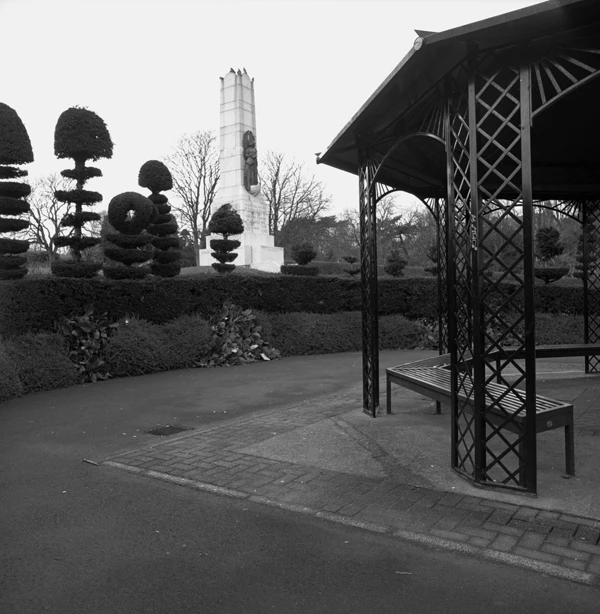
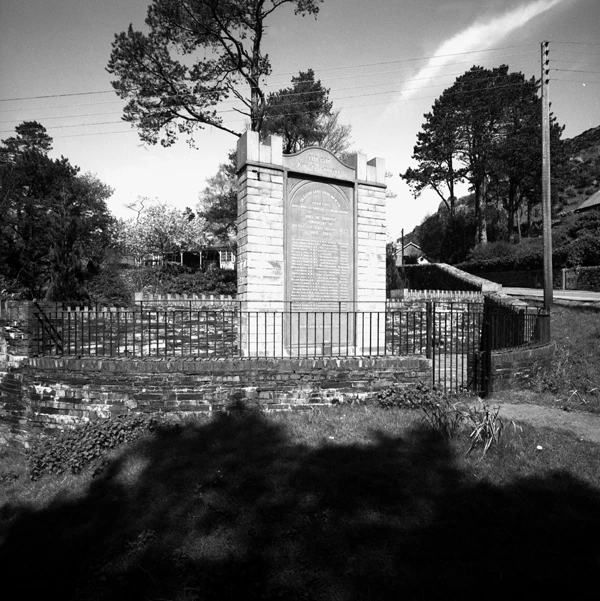
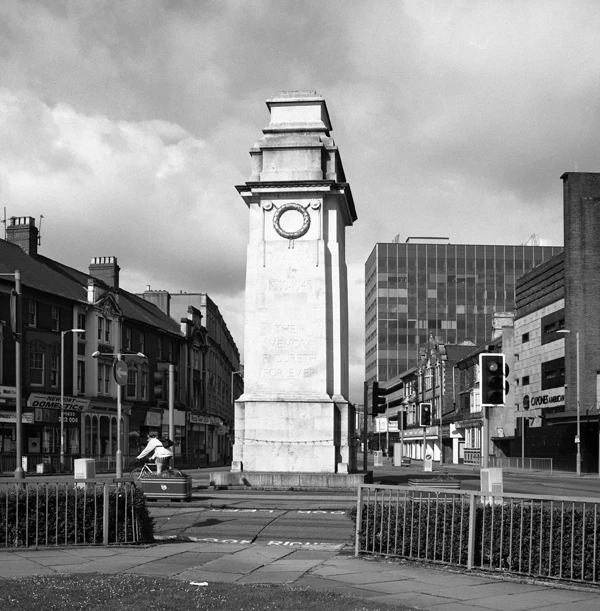
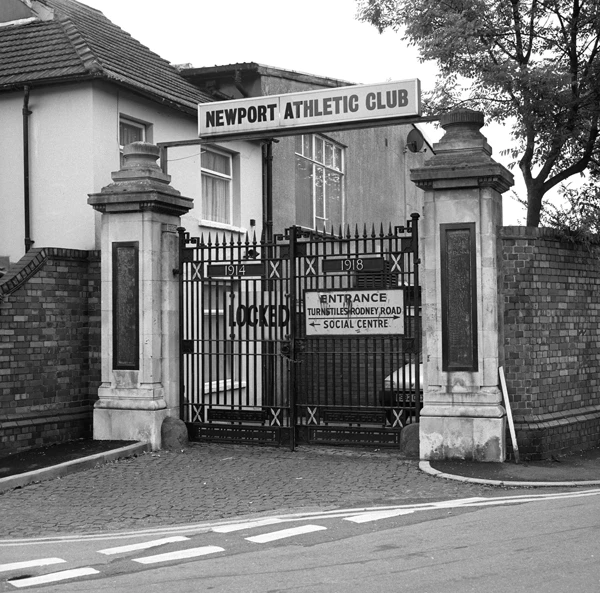
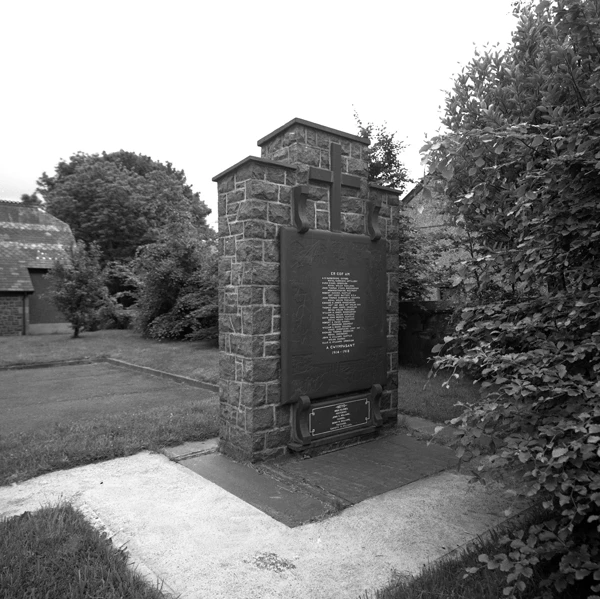
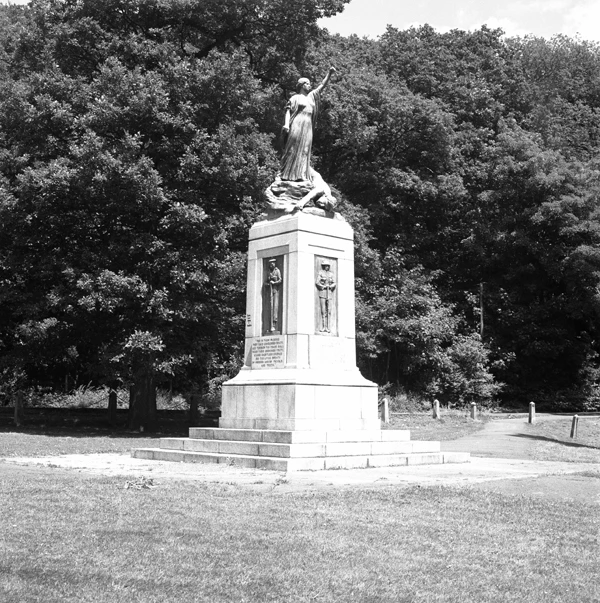
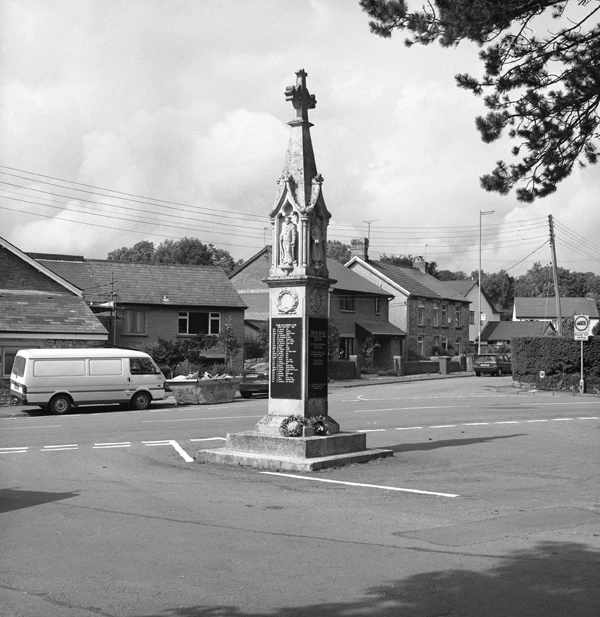
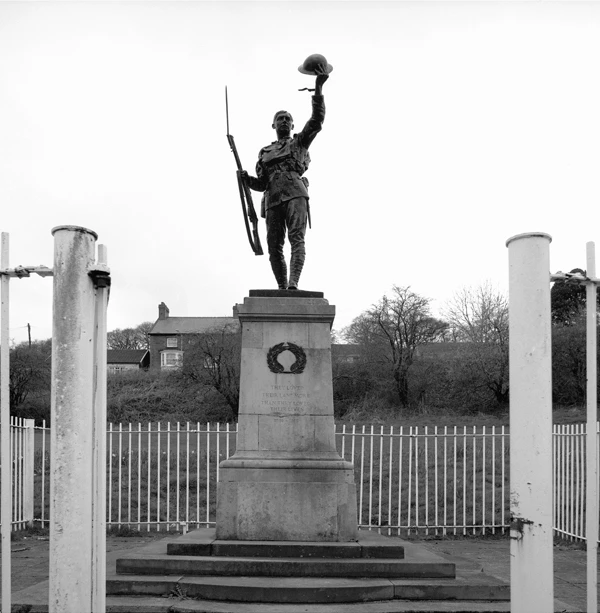
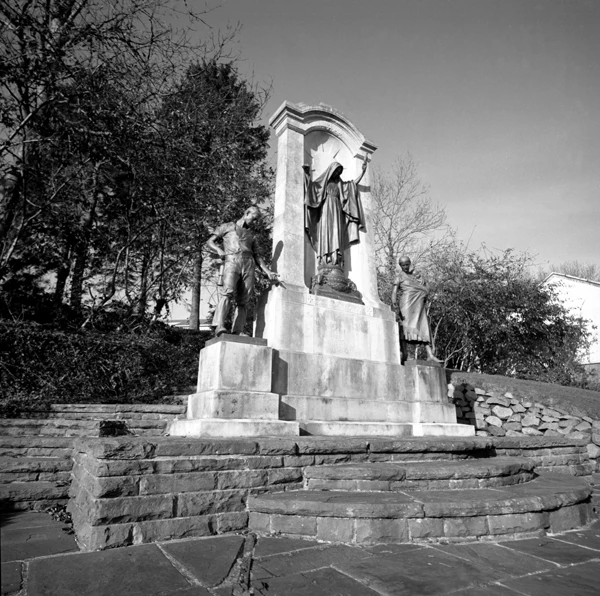
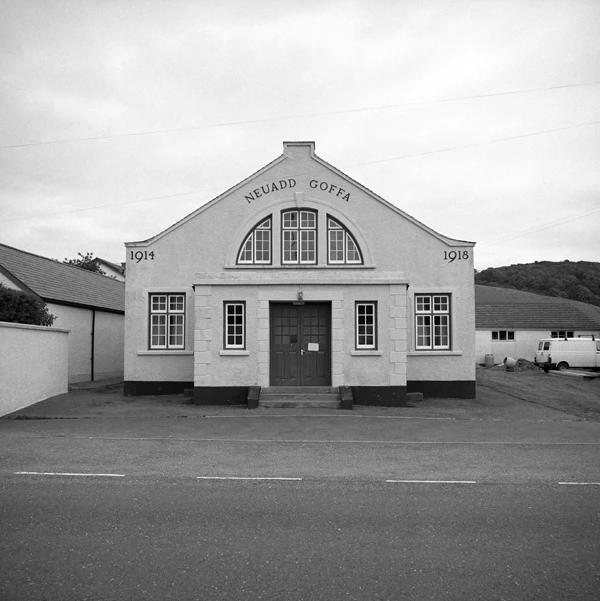
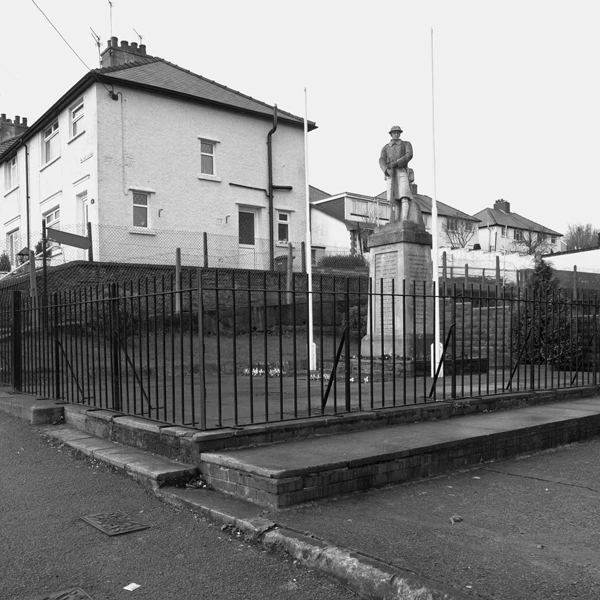
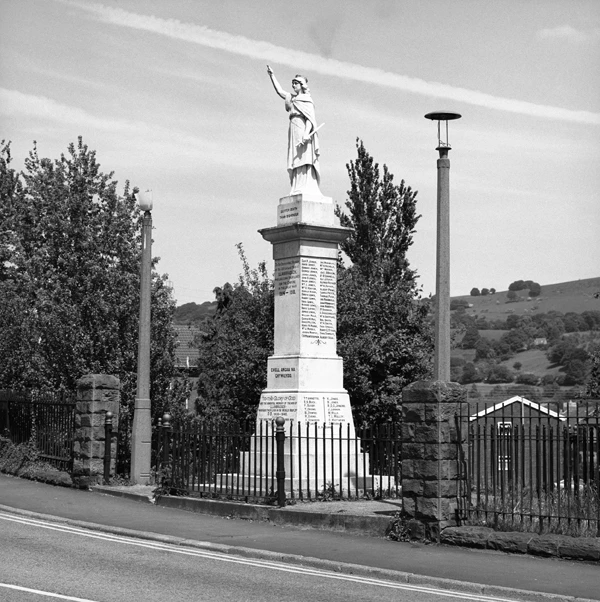
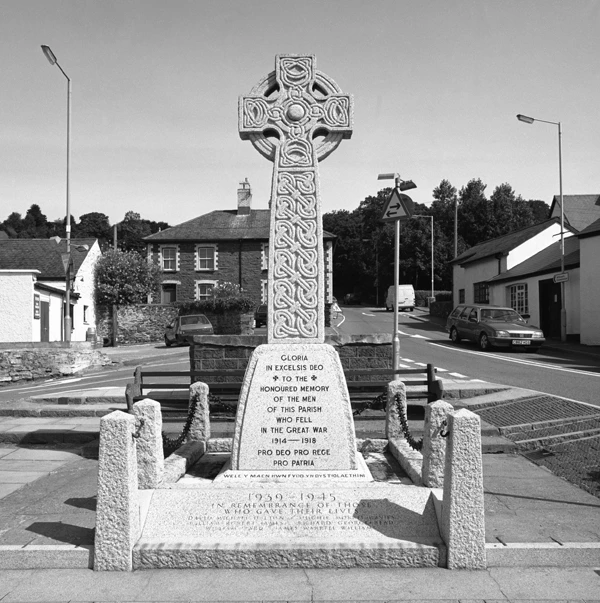
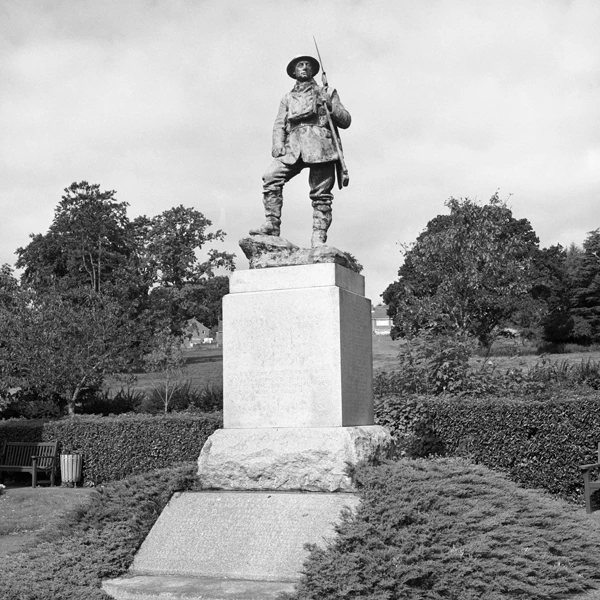
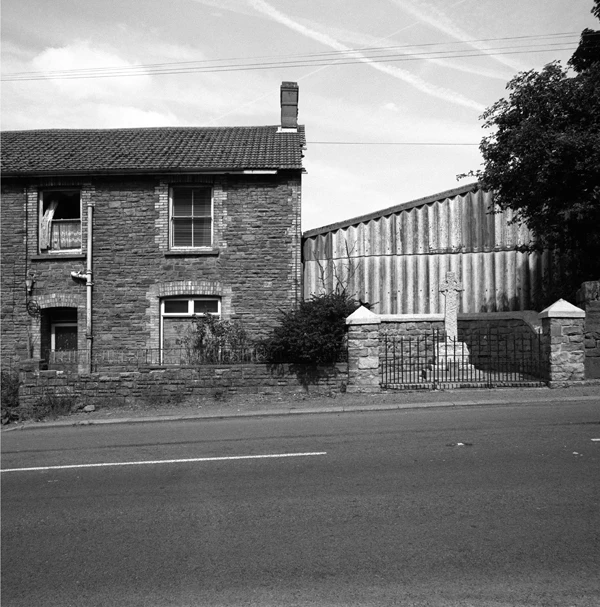
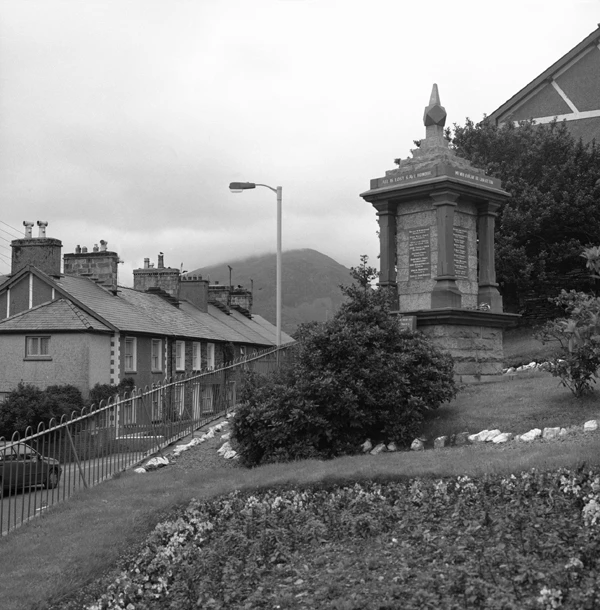
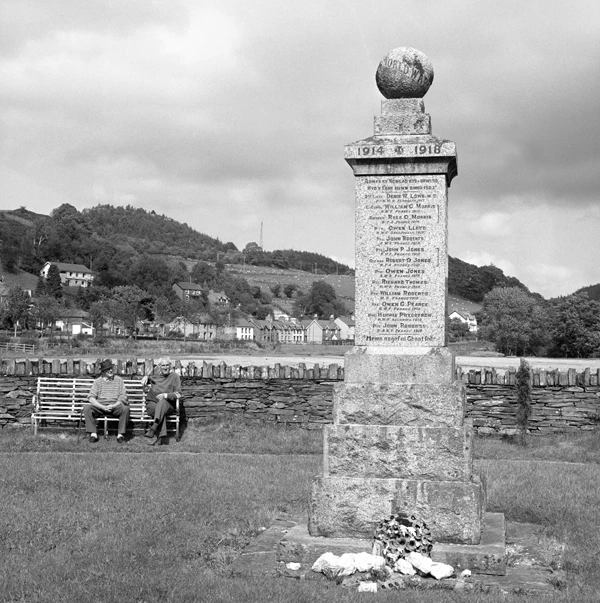
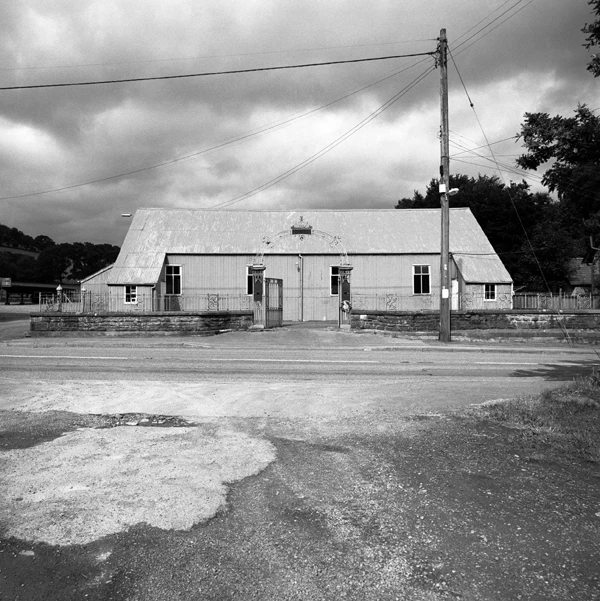
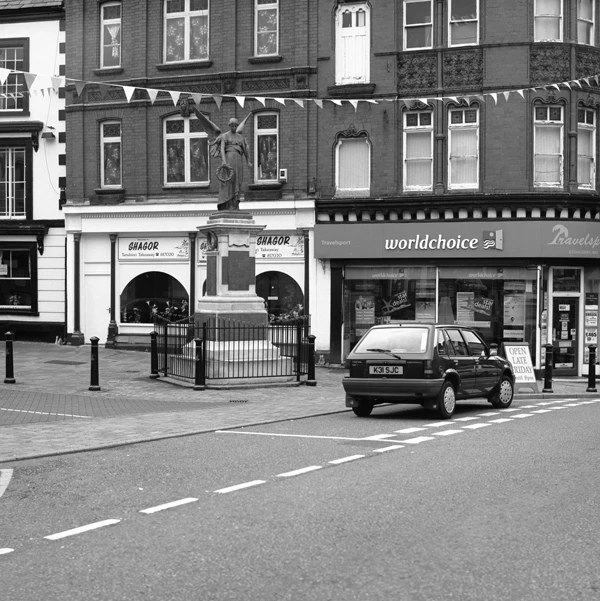
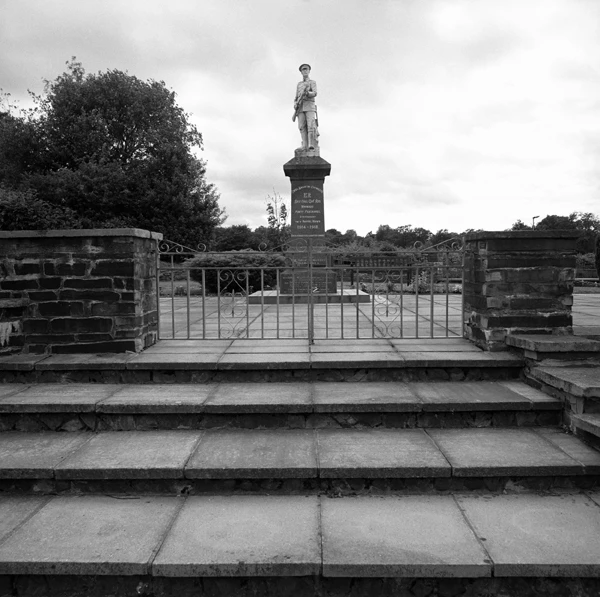
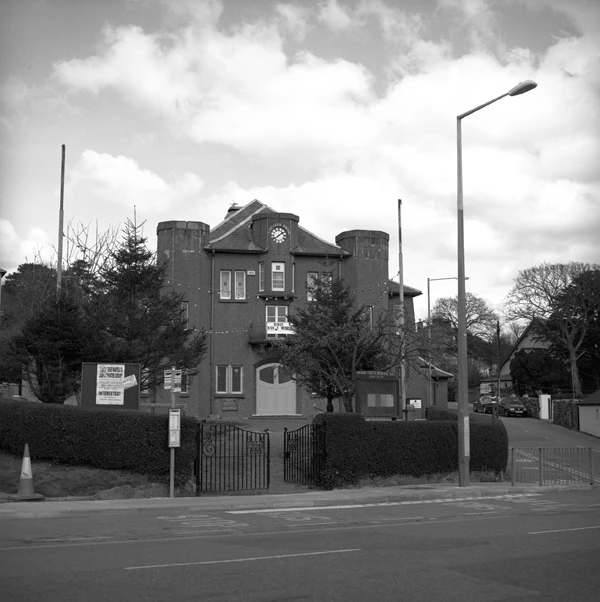
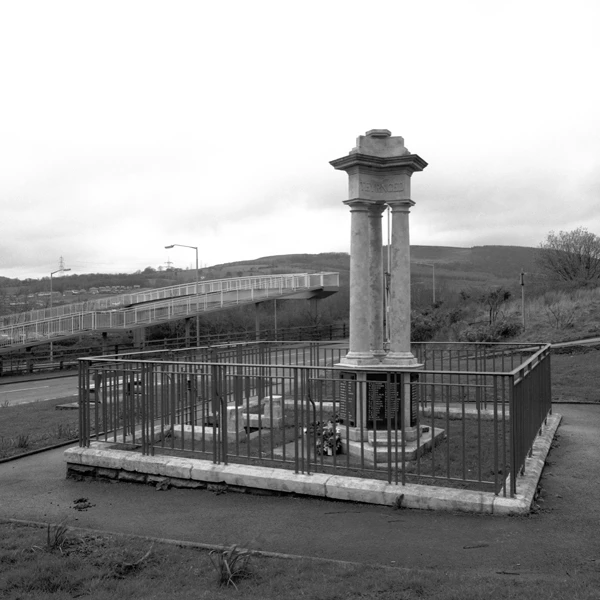
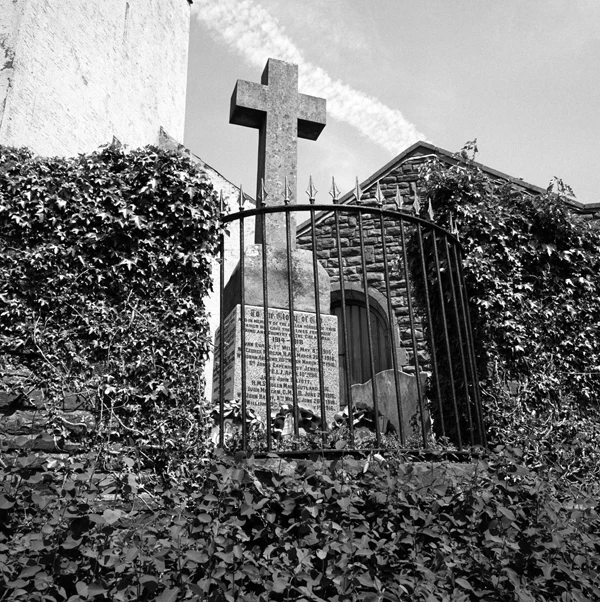
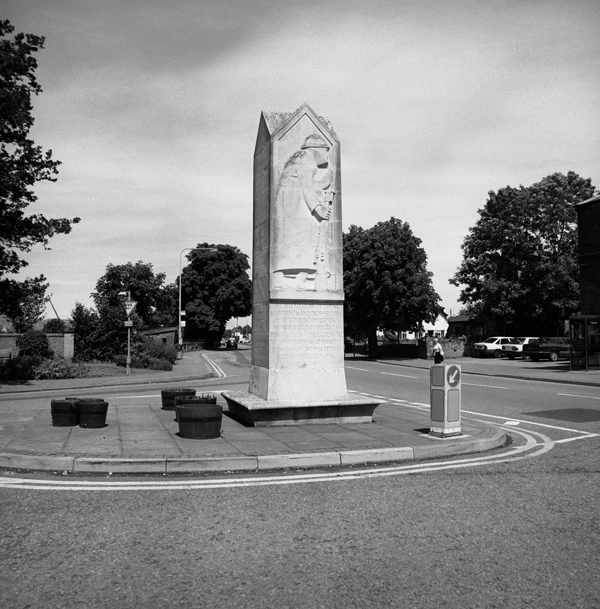
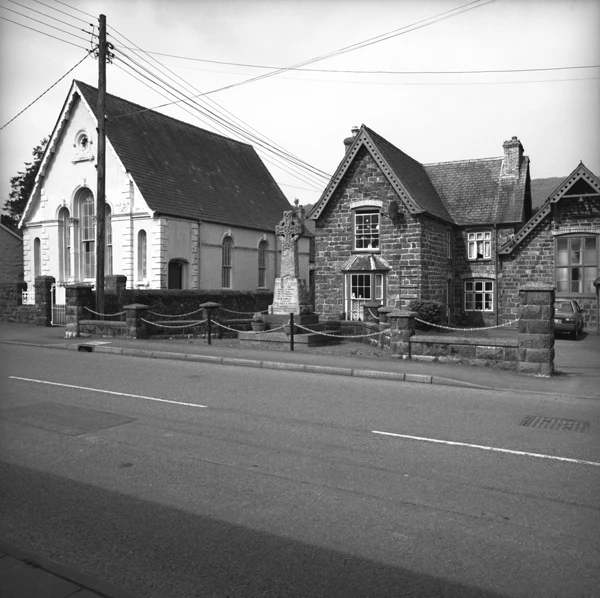
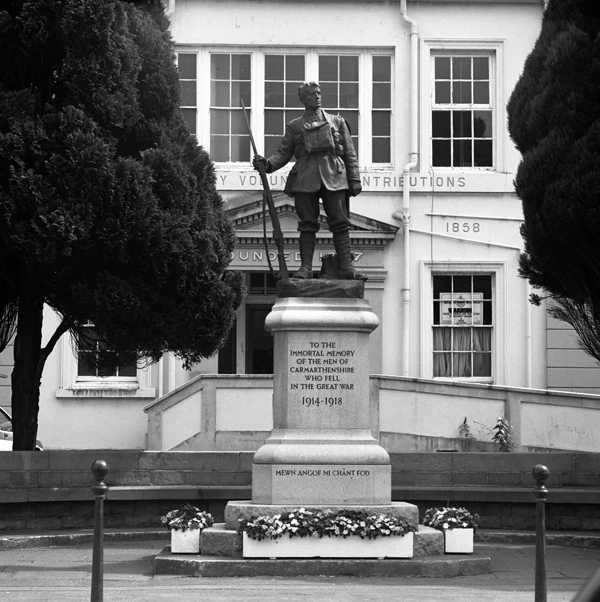
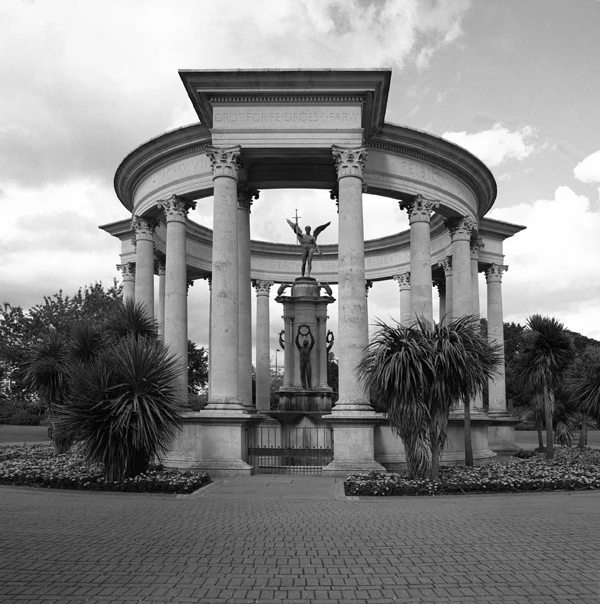
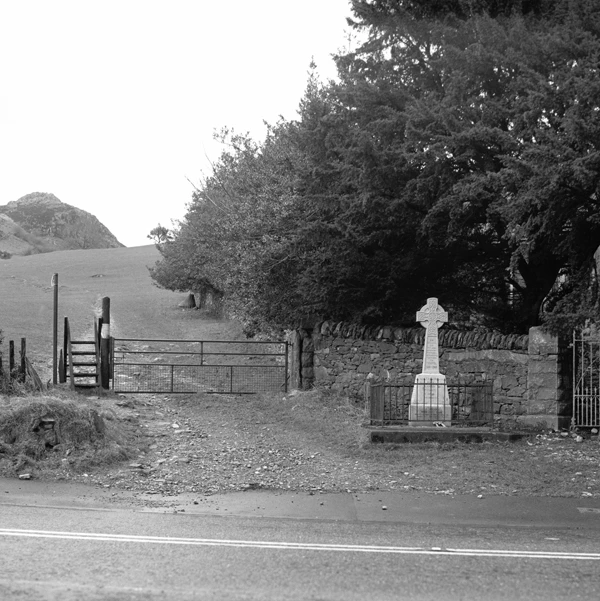
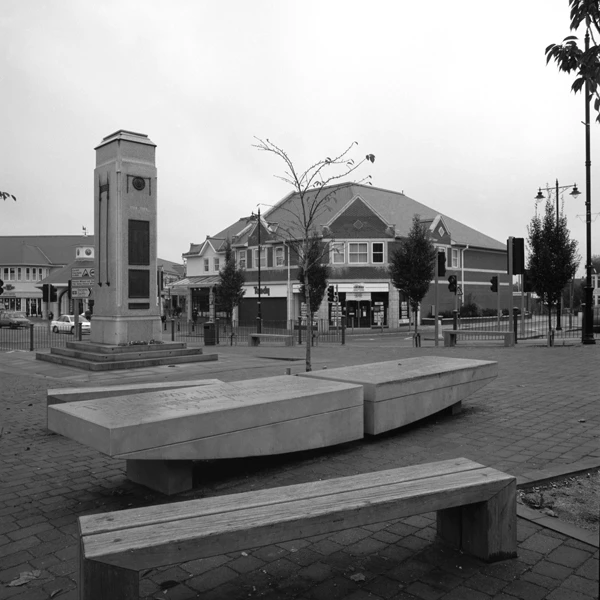
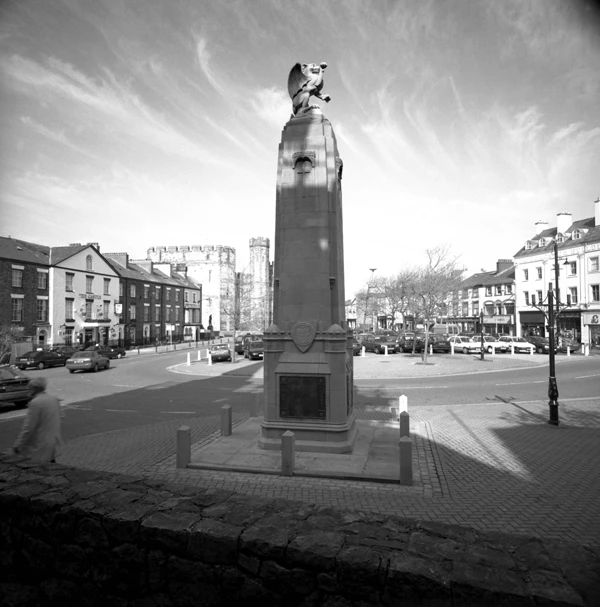
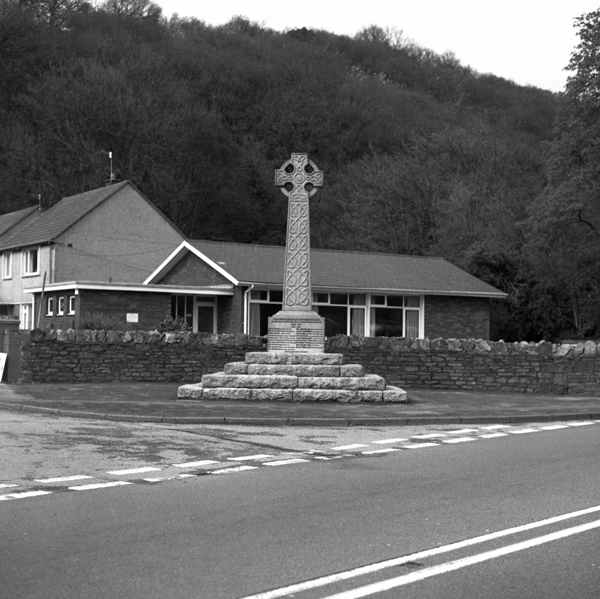
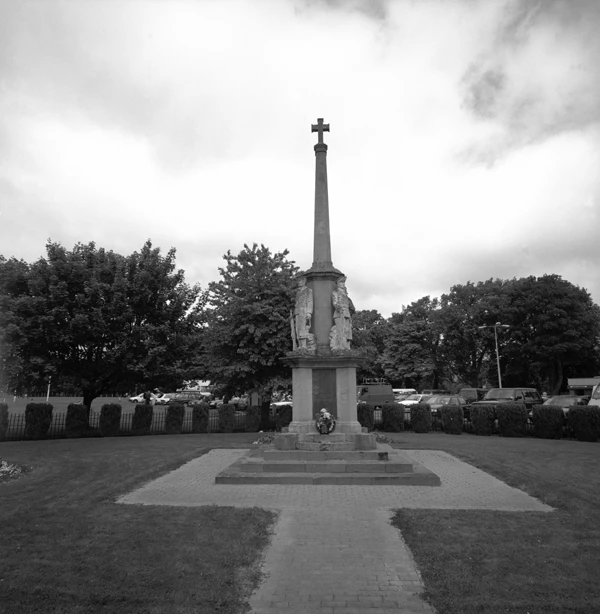
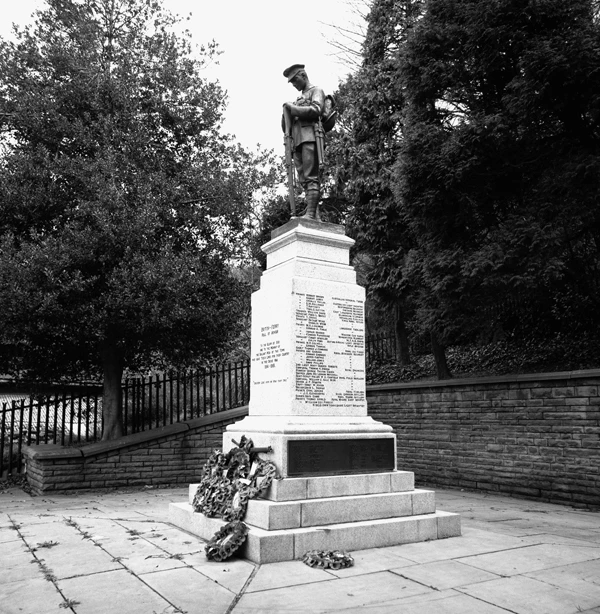
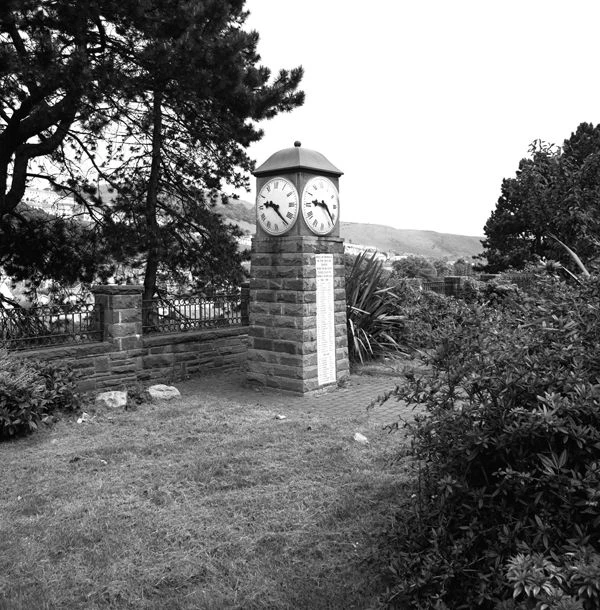
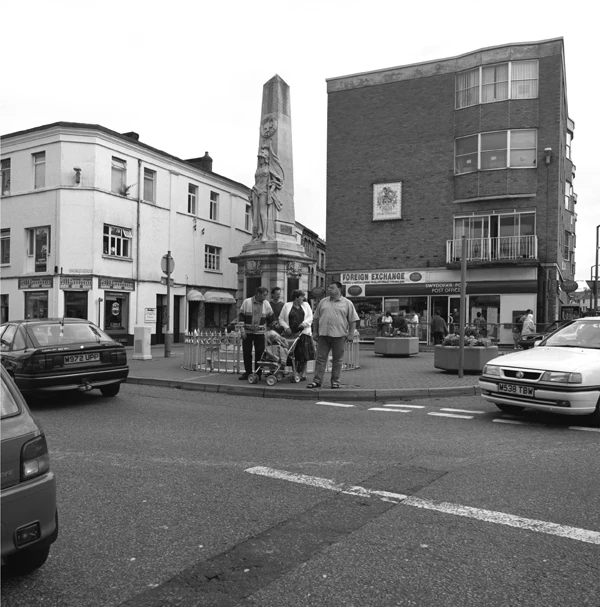
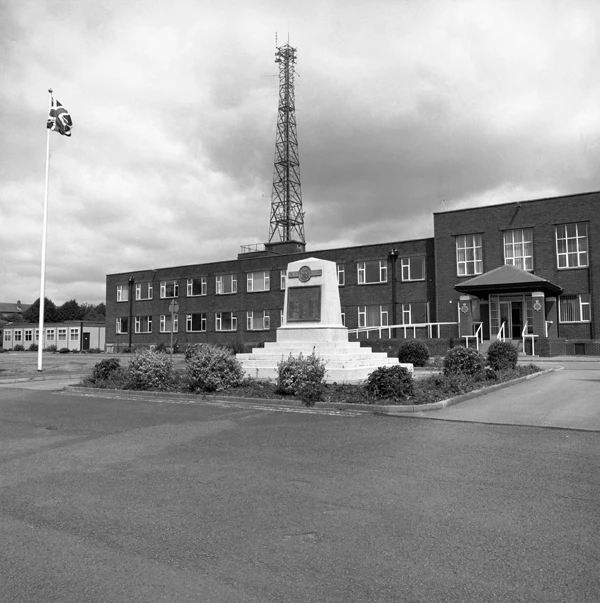
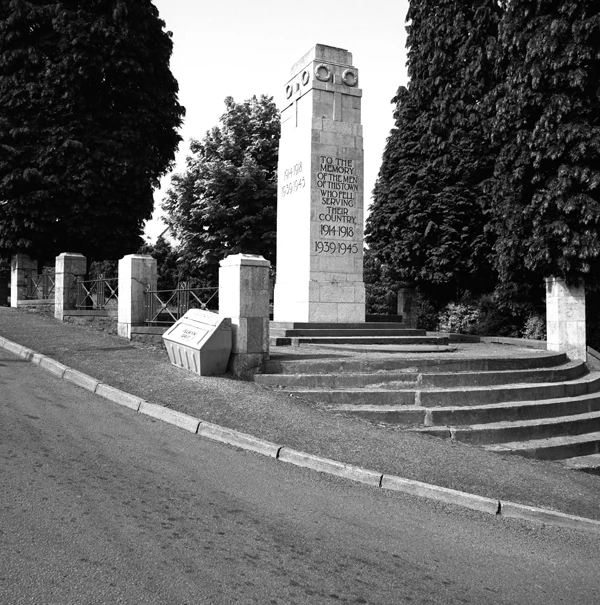
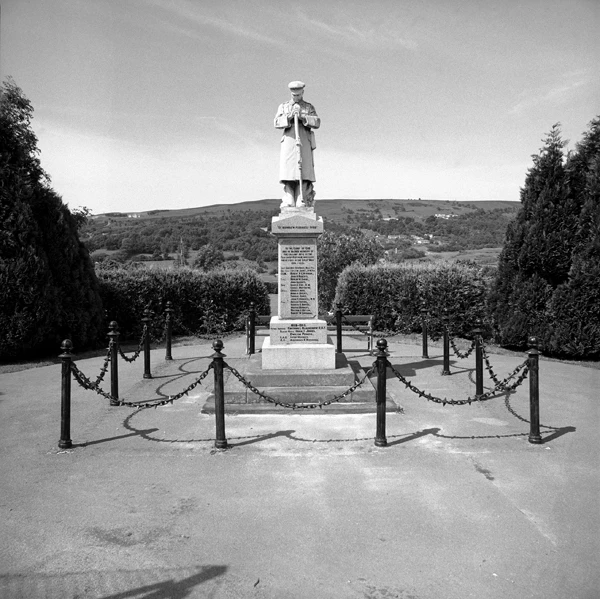
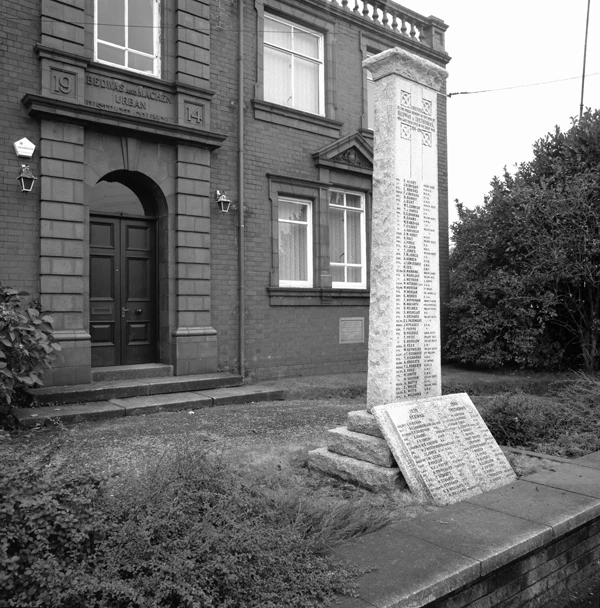
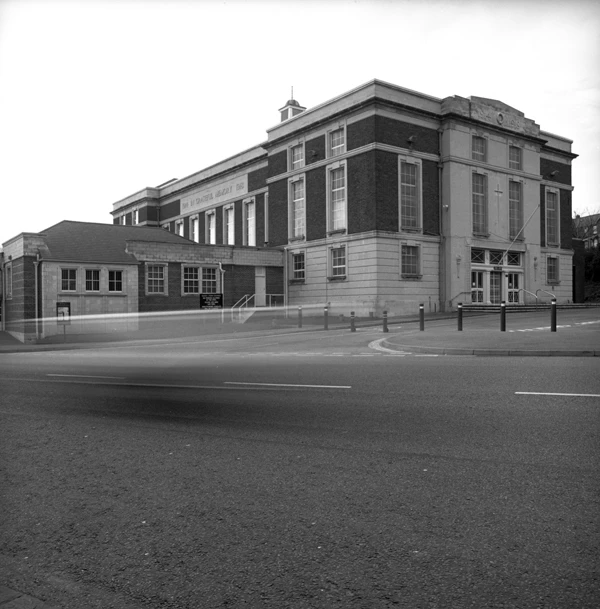
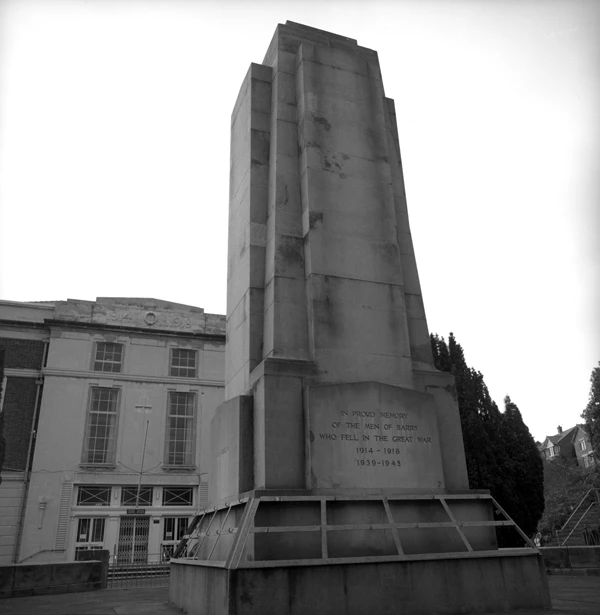
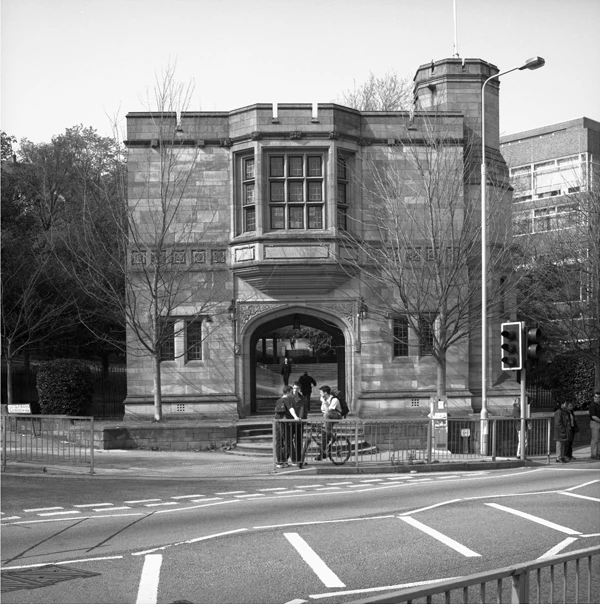
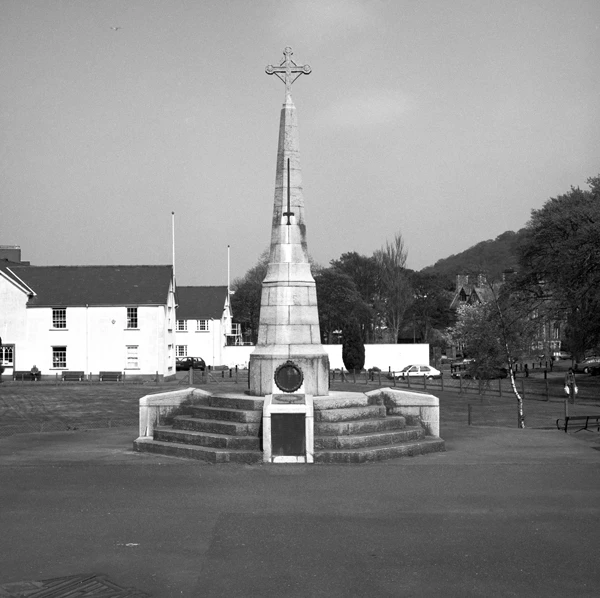
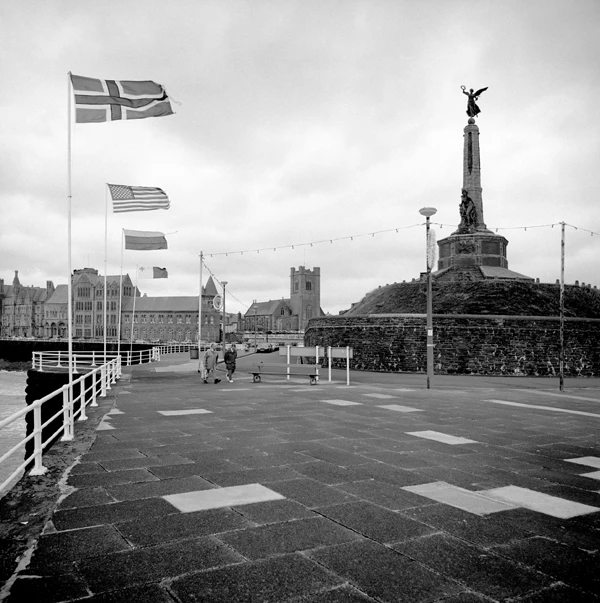
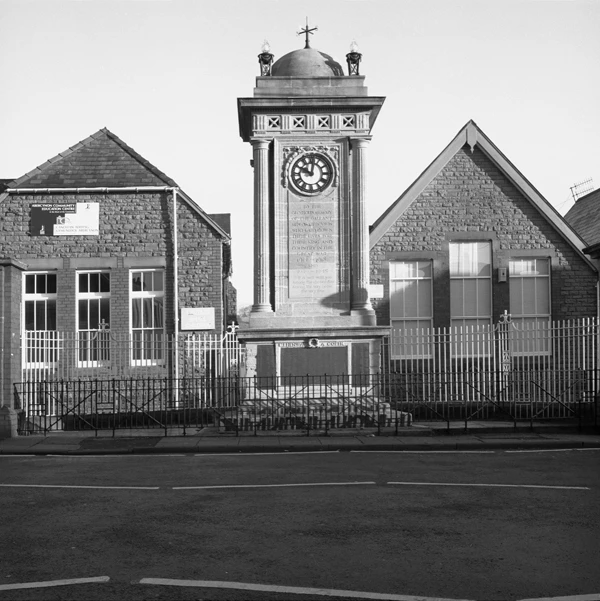
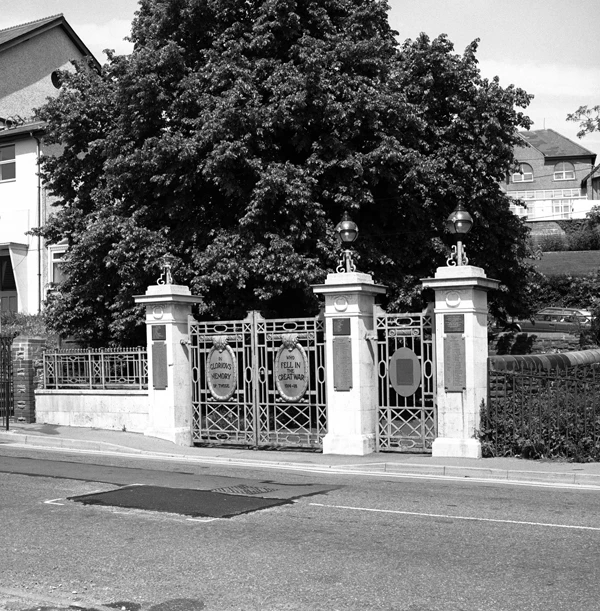
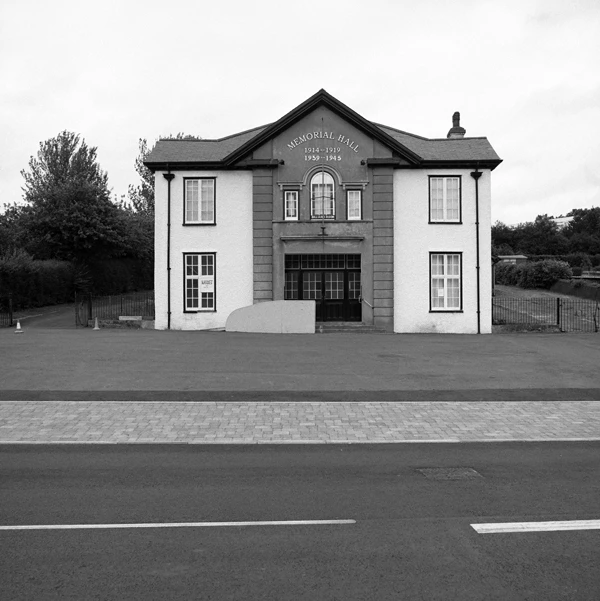
Aftermath: remembering the Great War in Wales 10 November 2011 Of the 700,000 British servicemen who lost their lives in the First World War, 35,000 are listed in the Welsh Book of Remembrance. The decision taken in 1915 to ban the repatriation of bodies from the battlefield had far reaching consequences in the commemoration process. The many hundreds of local war memorials across Wales reflected the desire for an immediate and permanent reminder of the dead, as communities sought public acknowledgement for their loss. Inscriptions on memorials invoke ideals of honour, sacrifice and loyalty, and are often expressed in Welsh and English, or as at Swansea, in Latin. The Second World War prompted a new ear of commemoration. A selection of different designs of war memorial built throughout Wales is shown in the following image gallery. War Memorials Ystrad Mynach UKNIWM Ref: 6803 Whitchurch, Cardiff [UKNIWM Ref: 6724] Troed-y-rhiw [UKNIWM ref: 6799] Swansea [UKNIWM ref: 6627] Seven Sisters [UKNIWM ref: 6853] Senghenydd [UKNIWM ref: 6791] St Athan [UKNIWM ref: 17704]. See also: War memorials trust Ruthin [UKNIWM ref: 7050] Prestatyn [UKNIWM ref: 7157] Pontlotyn [UKNIWM ref: 6786] Pontardawe [UKNIWM ref: 6622] Penrhiw-ceiber [UKNIWM ref: 6782] Pendoylan [UKNIWM ref: 37258] Penarth [UKNIWM ref: 6703] Oakley Slate Quarries [UKNIWM ref: 51556] Newport [UKNIWM ref: 2044] Newport Athletic Club [UKNIWM ref: 3687] Nantlle [UKNIWM ref: 17391] Mountain Ash [UKNIWM ref: 6777] Miskin [UKNIWM ref: 6776] Merthyr Vale [UKNIWM ref: 2116] Merthyr Tydfil [UKNIWM ref: 2009] Llanrhystud [UKNIWM ref: 17476] Llanharan [UKNIWM ref: 6764] Llanbradach [UKNIWM ref: 6763] Llanbadarn Fawr [UKNIWM ref: 6920] Lampeter [UKNIWM ref: 6813] Hirwaun [UKNIWM ref: 6761] Gwauncaegurwen [UKNIWM ref: 6856] Fochriw Blaenau Ffestiniog Dolwyddelan [UKNIWM ref: 17366] Dolaucothi Denbigh Cwmann Criccieth [UKNIWM ref: 24475] Cilfynydd [UKNIWM ref: 6756] Church Village [UKNIWM ref: 17692] Chirk [UKNIWM ref: 17780] Cemmaes Carmarthen [UKNIWM ref: 6809] Welsh National War Memorial, Cardiff [UKNIWM ref: 6640] Capel Curig [UKNIWM ref: 24488] Caerphilly [UKNIWM ref: 6746] Caernarfon [UKNIWM ref: 6831] Cadoxton-juxta-Neath Builth Wells [UKNIWM ref: 6837] Briton Ferry [UKNIWM ref: 6609] Tirphil [UKNIWM ref: 6792] Bridgend [UKNIWM ref: 6738] Bridgend Police War Memorial [UKNIWM ref: 6739] Blackwood [UKNIWM ref: 3671] Bersham [UKNIWM ref: 17812] Bedwas [UKNIWM ref: 6737] Barry [UKNIWM ref: 6633] Barry [UKNIWM ref: 17700] Bangor War Memorial Gatehouse Bangor War Memorial Aberystwyth [UKNIWM ref: 6913] Abercynon [UKNIWM ref: 6727] Aberbargoed [UKNIWM ref: 6726] Aberaeron [UKNIWM ref: 17467]
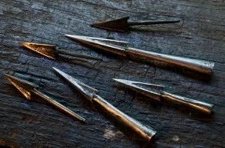
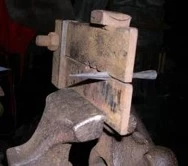
Reproducing Roman Arrowheads Evan Chapman, 14 September 2010 Roman arrowhead with three ribs from Dinorben, north Wales Roman arrowhead with four ribs from Caerleon, south Wales Replica arrowheads jig used to form a four-vane arrowhead The Romans used many different types of arrowheads. The most characteristic had a series of vanes: the early type had three vanes, but by the 3rd century examples with four vanes are found. One possible reason for this change is that the four-vane type was easier to produce. In 2008 St Fagans National History Museum hosted the World Field Archery Championship, and the Museum held a number of small exhibitions on archery. A number of replica Roman arrowheads were produced especially for the Roman archery display, to show what Roman arrowheads looked like when new. Careful conservation work on some of the Museum's Roman arrowheads revealed enough original surface detail to help us work out how the Romans had made them. The Museum's blacksmith at St Fagans was keen to produce the replicas in the same way, and he experimented until he could produce copies that closely matched the originals. This experimental work revealed that the four-vane type was easier and quicker to make, as the vanes could be formed in a jig. The vanes on the three-vane type, being more spread out, had to be individually hammered into shape. While doing this one vane tended to get in the way of working on another. Was this why four-vane types started to be produced? If this is true, why did the Romans start off with three-vane arrowheads? Roman archery equipment was based on that developed in the Near East. There, the original metal arrowheads had been cast in bronze. The three-vane form of these bronze arrowheads was simply copied when iron arrowheads started to be made. Further Reading Andrew Murphy, blacksmith at St Fagans National Museum of History using the jig to recreate Roman arrowheads Bishop, M.C. & Coulston, J.C.N. 2006 Roman Military Equipment, from the Punic Wars to the Fall of Rome (Oxford: Oxbow Books) Chapman, E.M. 2005 A Catalogue of Roman Military Equipment in the National Museum of Wales, BAR British Series 388 (Oxford)
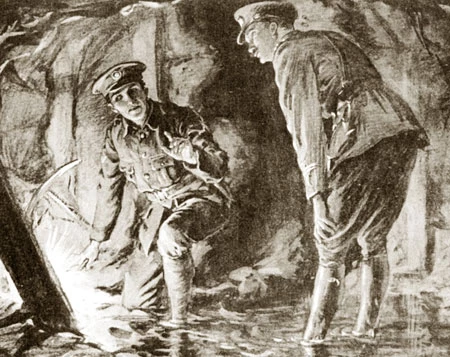
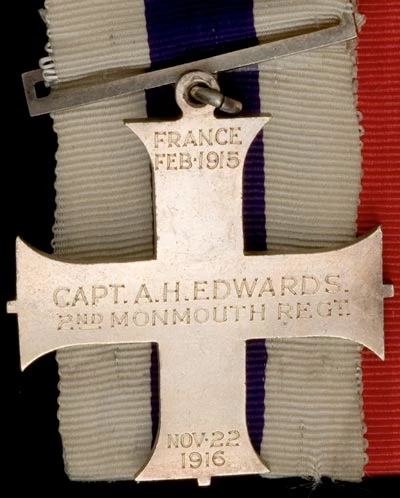
Welsh miners digging for victory on the Western Front Edward Besly, 1 October 2009 Artists' impression of Edwards' mining exploits. From Deeds that Thrill the Empire, by courtesy of Dix Noonan Webb. Military Cross (1915), 1914 Star, British War Medal and Allied Victory Medal awarded to Captain (later Major) Arthur Edwards. Many recipients of the Military Cross arranged to have details of the award engraved on its back. The trenches of World War 1 Captain Arthur Edwards from Blaenafon in south Wales oversaw the explosion of the first British mine on the Western Front in March 1915. The First World War (1914-18) is famous for the trench warfare of the Western Front in France and Flanders. Huge armies faced each other in horrible conditions, preparing for the next big battle intended to break the stalemate. Tunnelling and mining on both sides formed a significant part of this trench warfare, as each side tried to gain an advantage. Tunnels were dug underneath "no man's land" and under the enemy's trenches. They were then packed with explosives and detonated. The dry chalk of the Somme was especially suited to mining, but it was also possible to mine in the sodden clay of Flanders. The experience and skills of Welsh miners played an important part in the construction of these mines. Fighting the war underground It was all started by Captain Arthur Edwards, a mining engineer who served in the 2nd Battalion of the Monmouthshire Regiment. In December 1914 the 4th Divisional Mining Party was formed, under Edwards' command. In March 1915, after two months of tunnelling under enemy lines, the tunnels were evacuated, packed with explosives and detonated. The huge explosion caused buildings above ground to be destroyed — the tunnels were under buildings that were being used by enemy snipers. On another occasion, German miners, tunnelling in one direction, broke into allied tunnels being dug in the opposite direction, resulting in fierce hand-to-hand fighting underground. A Badge of Honour In June 1915 Captain Arthur Edwards was awarded the Military Cross, a newly introduced decoration for captains and junior officers. He was also twice mentioned in despatches for gallant and distinguished service. He served through the War, including the first day of the Battle of the Somme (1 July 1916) before being badly wounded by a gas shell in June 1918. His medals were acquired by Amgueddfa Cymru in 2006.