: Conflict & Invasion

Victory in Europe Day

5 May 2020

VE Day marks the occasion in 1945 when the Allied forces accepted Nazi Germany's surrender, bringing an end to the Second World War in Europe.

Here you can learn more about Wales during the Second World War through objects from the collection.

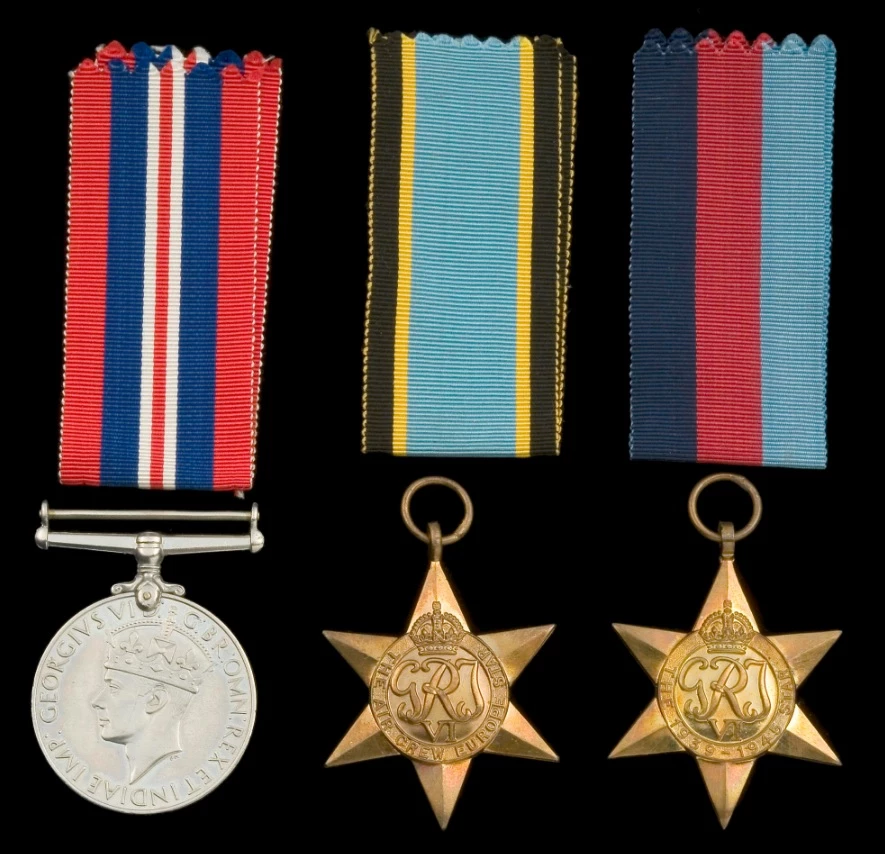
Sgt Evans’ medals (from left to right): The War Medal, The Air Crew Europe Star, The 1939-1945 Star

Sgt Evans’ medals (from left to right): The War Medal, The Air Crew Europe Star, The 1939-1945 Star.

The National Museum Wales’ collection of Second World War medals attests to the incredible heroism and sacrifice of Welsh servicemen and civilians between 1939 and 1945.

Read More


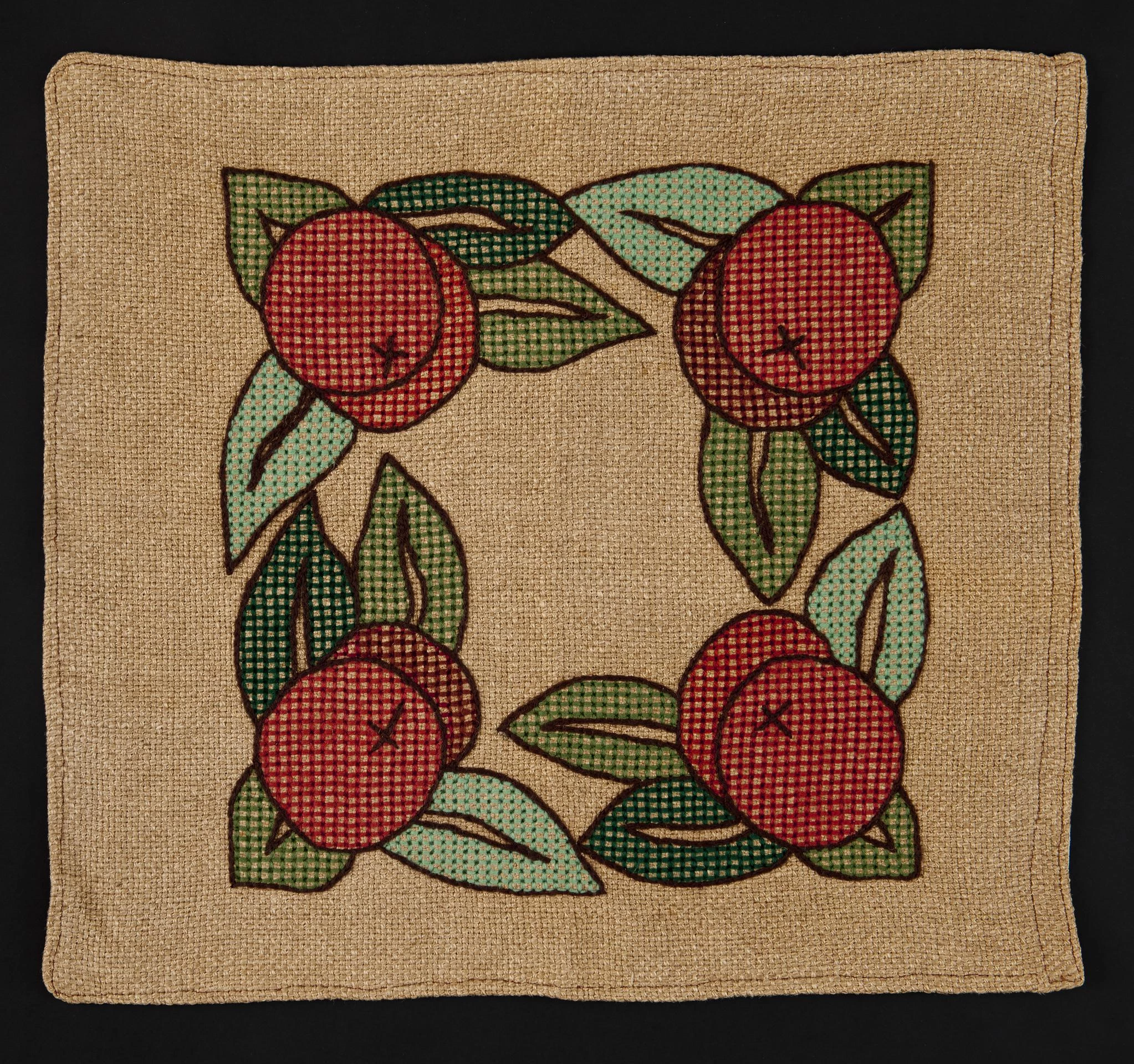
Following food rationing in 1940, clothes rationing came into force in June 1941. The main reason was to reduce the need for raw materials and to redirect labour to war work.

Read More

 
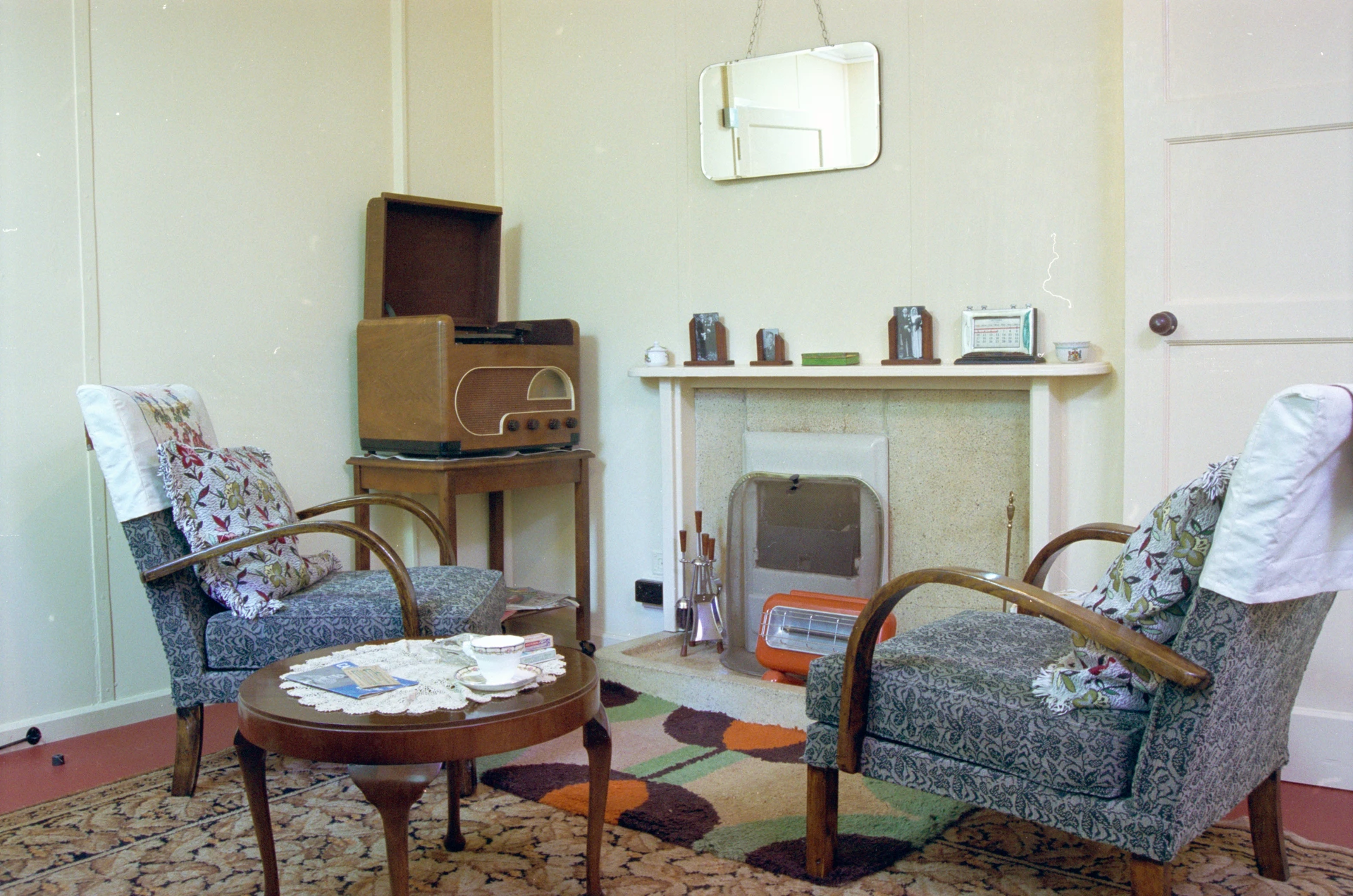
Utility fireside chairs in the Prefab living room, St Fagans National Museum of History

Utility fireside chairs in the Prefab living room, St Fagans National Museum of History

In 1941, the Board of Trade designed a collection of furniture of simple design that could be produced cheaply, which was referred to as ‘utility furniture'.

Read More


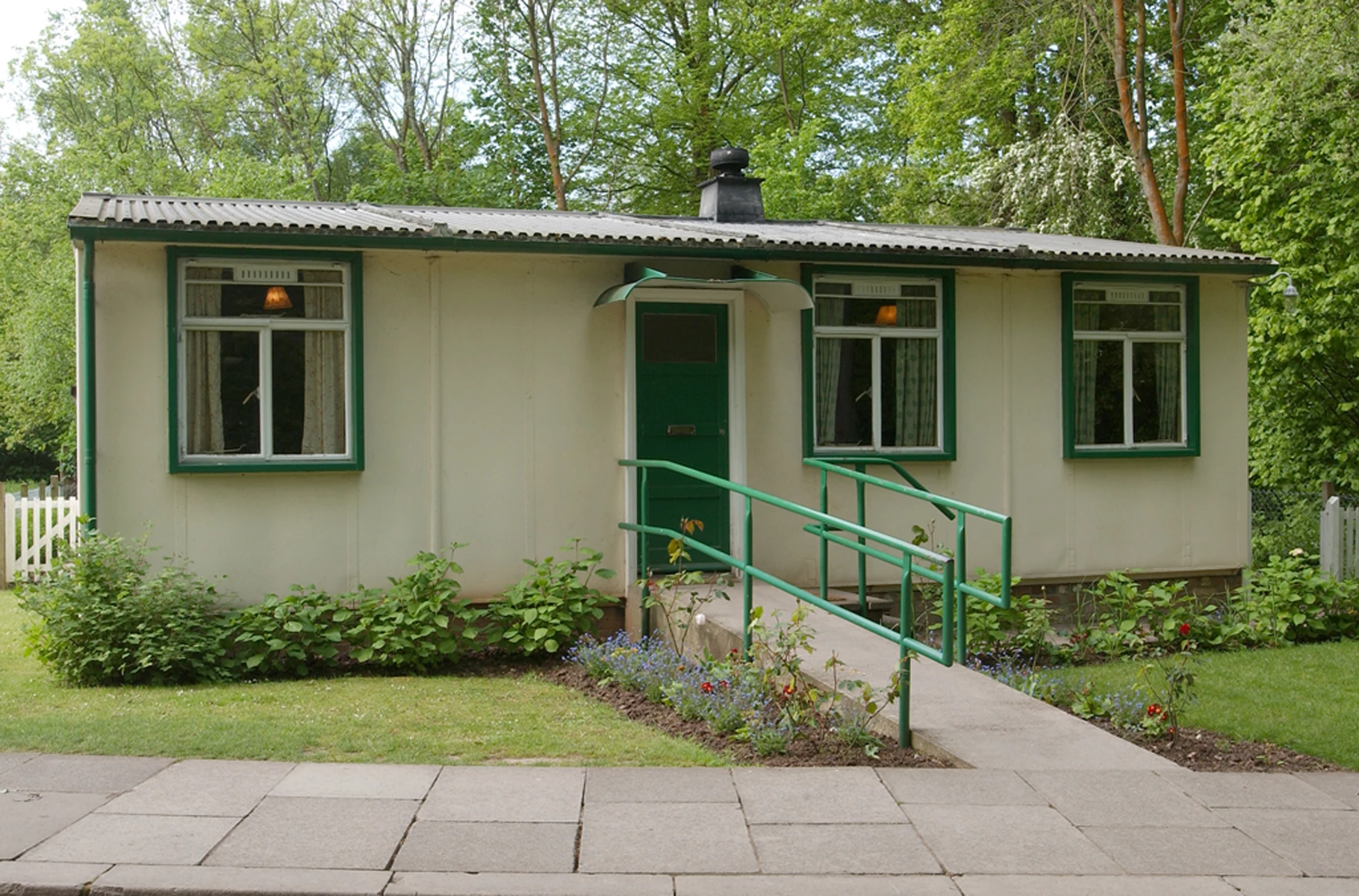
Thousands of British homes were destroyed by bombing during the Second World War. They could not be replaced immediately because of the shortage of builders and materials.

Read More


Some have drawn similarities between our current situation and the Second World War – long queues outside shops, empty shelves and rationing of items in our supermarkets.

Read More


Uncovering our Collections: Half a Million Records now Online

26 March 2018

As we reveal half a million collection records for the first time, we look at some of the strangest and most fascinating objects from National Museum Wales Collections Online.

This article contains photos of human skeletal fragments.

The Biggest

We have some real whoppers in our collections - including a full-size Cardiff Tram and a sea rescue helicopter - but the biggest item in our collection is actually Oakdale Workmen's Institute.

Built in 1917, the Institute features a billiard room, dance hall and library - and is nowadays found in St Fagans National Museum of History.

Photograph from 1908 showing Horace Watkins in a very early, precarious-looking monoplane

Horace Watkins testing his monoplane in 1908

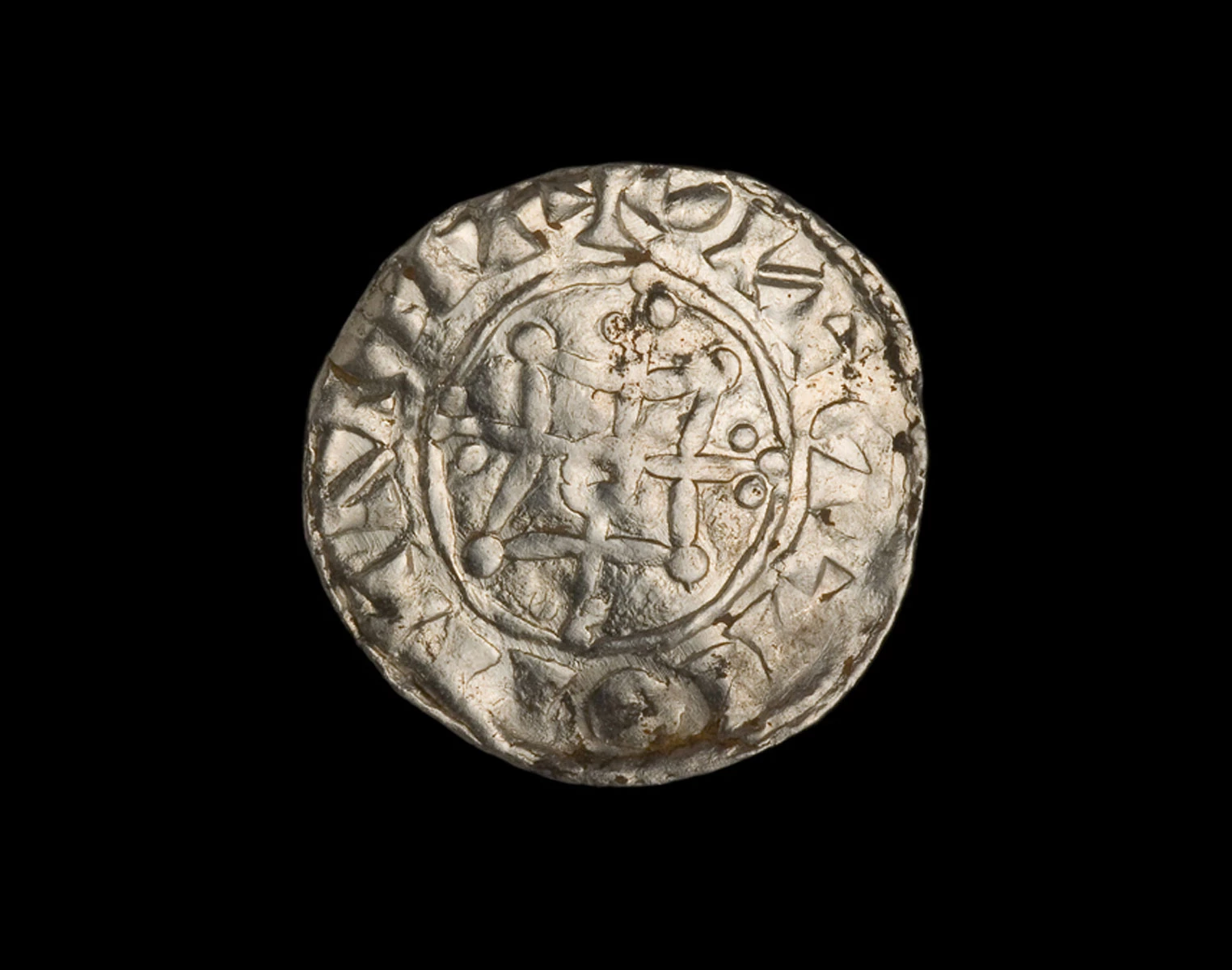
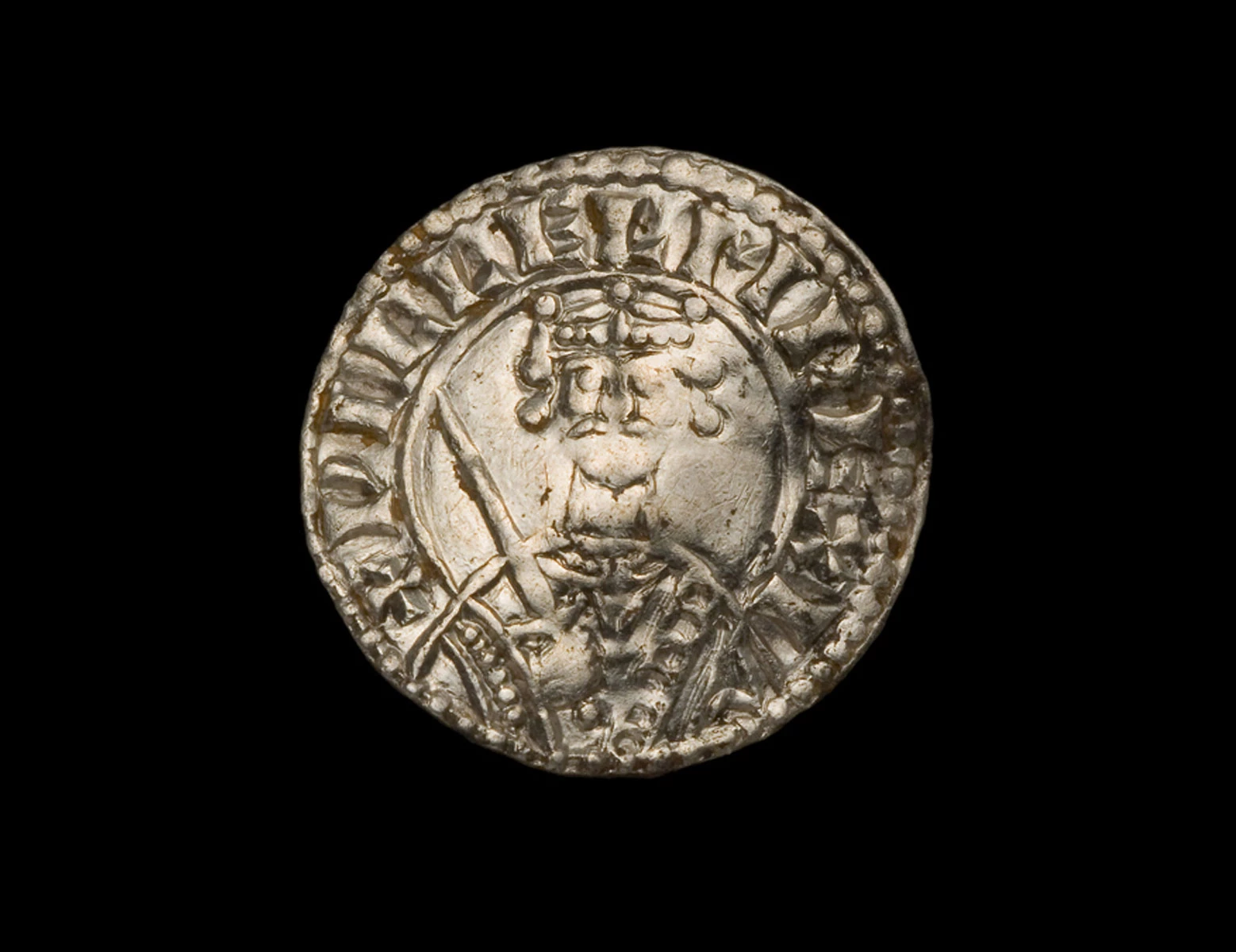
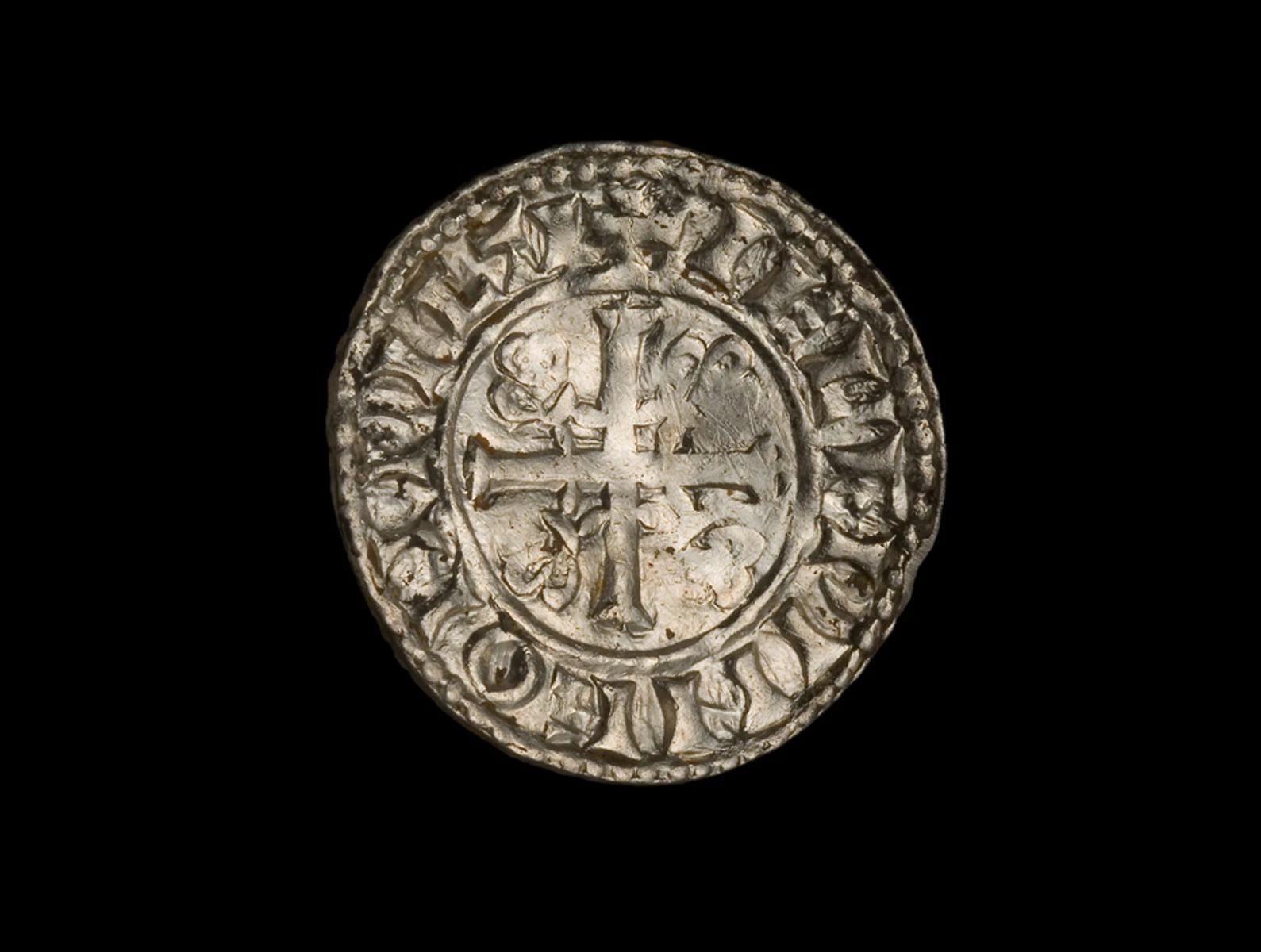
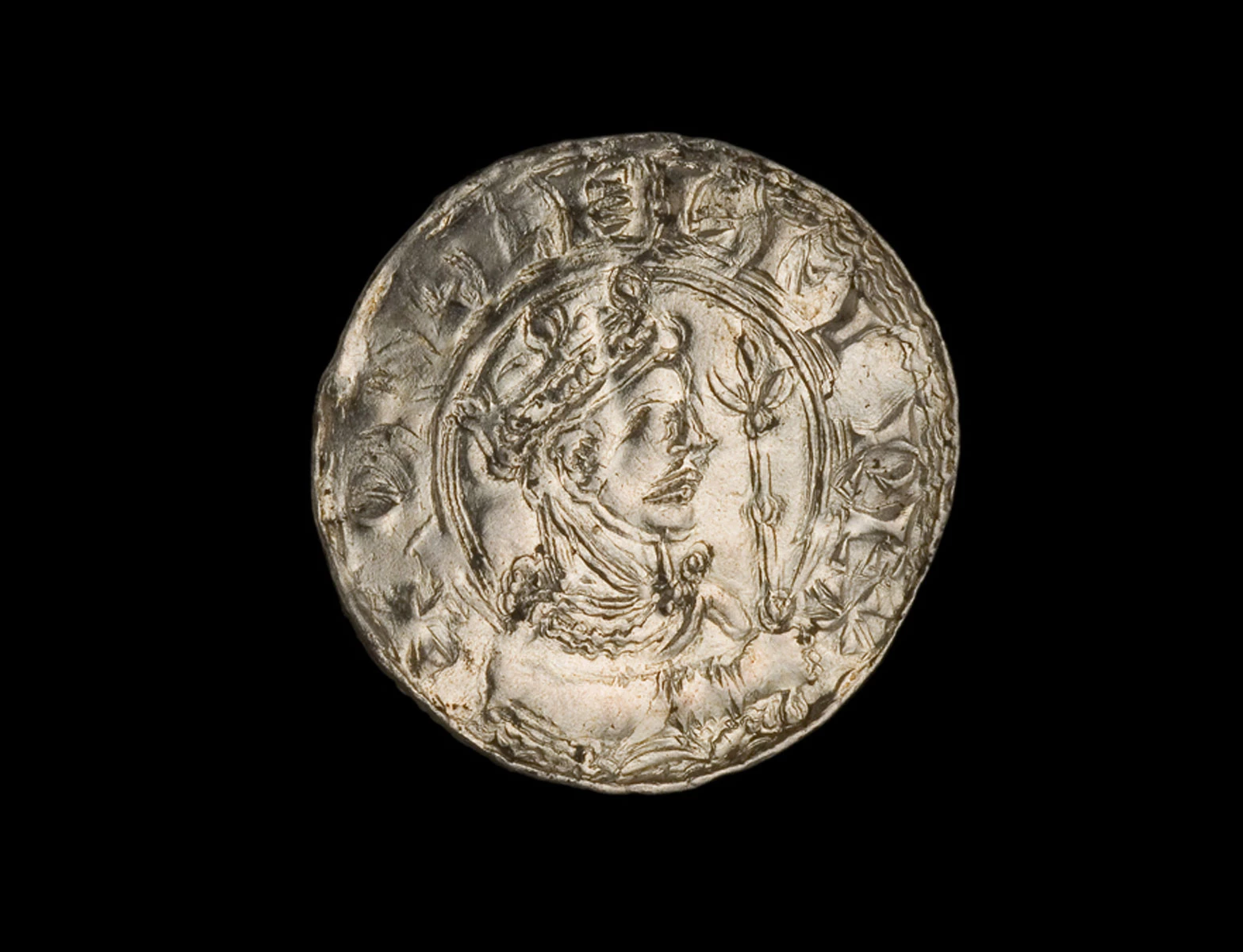
Many of the buildings in St Fagans are part of the national collection - meaning they have the same legal status as one of our masterpiece Monets or this coin hoard. The buildings are dismantled, moved, rebuilt - and cared for using traditional techniques, by the museum's legendary Historic Buildings Unit.
 

The Oldest


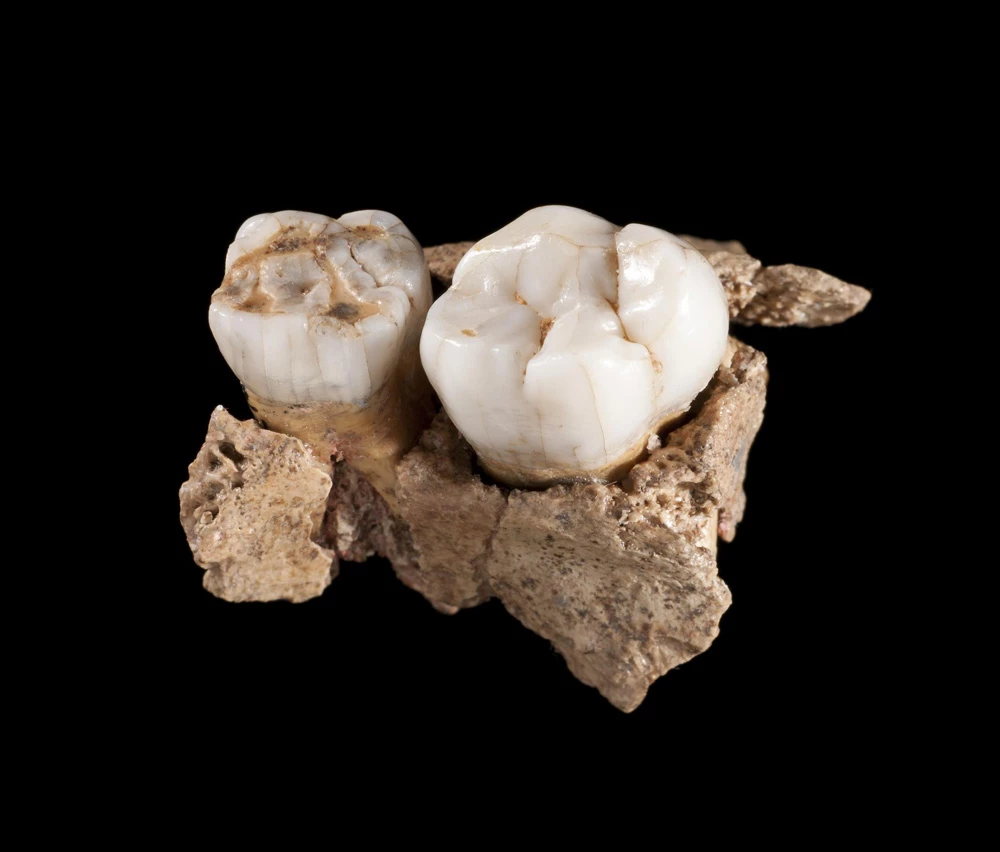
photograph of two teeth, belonging to a Neanderthal boy aged 8

The oldest human remains ever discovered in Wales

These teeth belonged to an eight year-old Neanderthal boy - and at 230,000 years old, they are the oldest human remains in Wales.

They were discovered in a cave near Cefn Meiriadog in Denbighshire, along with a trove of other prehistoric finds, including stone tools and the remains of a bear, a lion, a leopard and a rhinocerous tooth.

These teeth are among some of the incredible objects on display at St Fagans National Museum of History
 

The Shiniest

People in Wales have been making, trading and wearing beautiful treasures from gold for thousands of years - like this Bronze Age hair ornament and this extremely blingy Medieval signet.


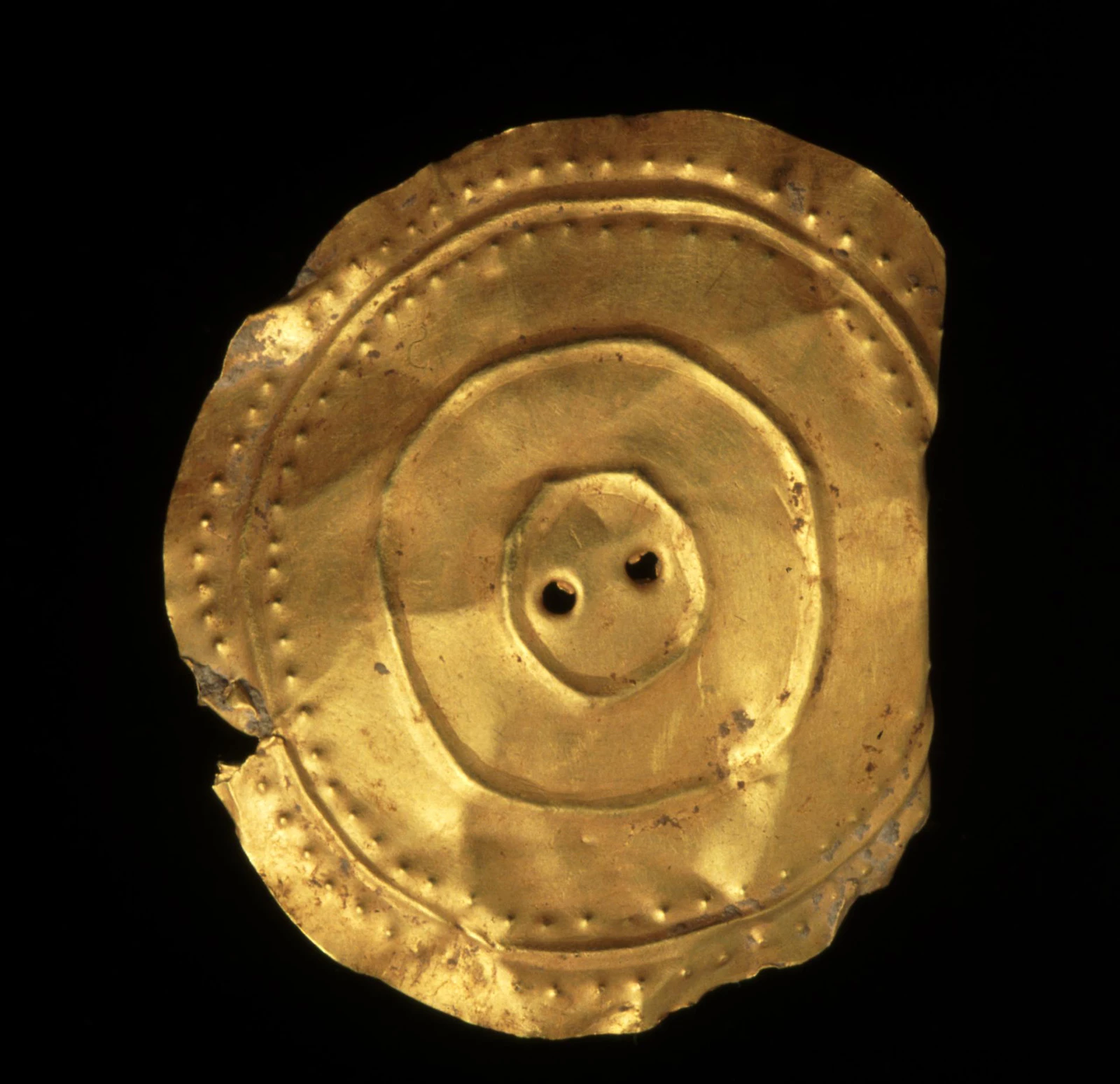
photograph of gold disc with repousse design

At around 4000 years old, this sun disc is one of the earliest and rarest examples of Welsh bling

One of the earliest examples of Welsh bling is this so-called 'sun disc', found near Cwmystwyth in Ceredigion.

Current research suggests that these 'sun discs' were part of ancient funeral practice, most likely sewn onto the clothes of the dead before their funerals. Only six have ever been found in the UK.
 

Most Controversial

At first glance, an ordinary Chapel tea service - used by congregations as they enjoyed a 'paned o de' after a service. A closer look reveals the words - 'Capel Celyn'. The chapel, its graveyard and surrounding village are now under water.


Photograph showing a cup and saucer with 'Capel Celyn' and a ribbon scroll design

Capel Celyn, in the Tryweryn Valley, is now underwater

Flooded in 1965 by the Liverpool Corporation, the Tryweryn valley became a flashpoint for Welsh political activism - creating a new generation of campaigners who pushed for change in how Welsh communities were treated by government and corporations.

Curators from St Fagans collected these as an example of life in Capel Celyn - to serve as a poignant reminder of a displaced community, and to commemorate one of the most politically charged moments of the 20th century in Wales.
 

Honourable Mention: an Airplane made from a Dining Room Chair

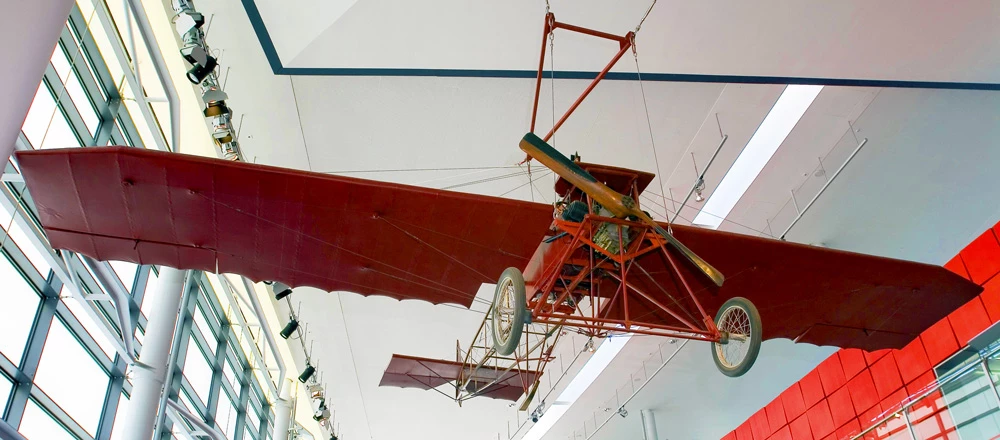
Made from a dining room chair, piano wire and a 40 horsepower engine, the Robin Goch (Red Robin) was built in 1909 - and also features a fuel gauge made from an egg timer.


photograph of a small, early twentieth century airplane with red wings

The Robin Goch (Red Robin) on display at the National Waterfront Museum

Its builder, Horace Watkins, was the son of a Cardiff printer - here he is pictured with an earlier, even more rickety version of his famous monoplane.
 

Photograph from 1908 showing Horace Watkins in a very early, precarious-looking monoplane

Horace Watkins testing his monoplane in 1908

Our collections are full of stories which reflect Wales' unique character and history. The Robin Goch is one of the treasures of the collection, and is an example of Welsh ingenuity at its best.

Half a Million Searchable Items

The launch of Collections Online uncovers half a million records, which are now searchable online for the first time.

“Collections Online represents a huge milestone in our work, to bring more of our collections online and to reach the widest possible audience.

It’s also just the beginning. It’s exciting to think how people in Wales and beyond will explore these objects, form connections, build stories around them, and add to our store of knowledge." – Chris Owen, Web Manager
 

Search Collections Online

Plans for the future

Our next project will be to work through these 500,000 records, adding information and images as we go.

We'll be measuring how people use the collections, to see which objects provoke debate or are popular with our visitors. That way, we can work out what items to photograph next, or which items to consider for display in our seven national museums.

Preparing and photographing the collections can take time, as some items are very fragile and sensitive to light. If you would like to support us as we bring the nation's collections online, please donate today - every donation counts.


Donate Today


We are incredibly grateful to the People's Postcode Lottery for their support in making this collection available online.
 

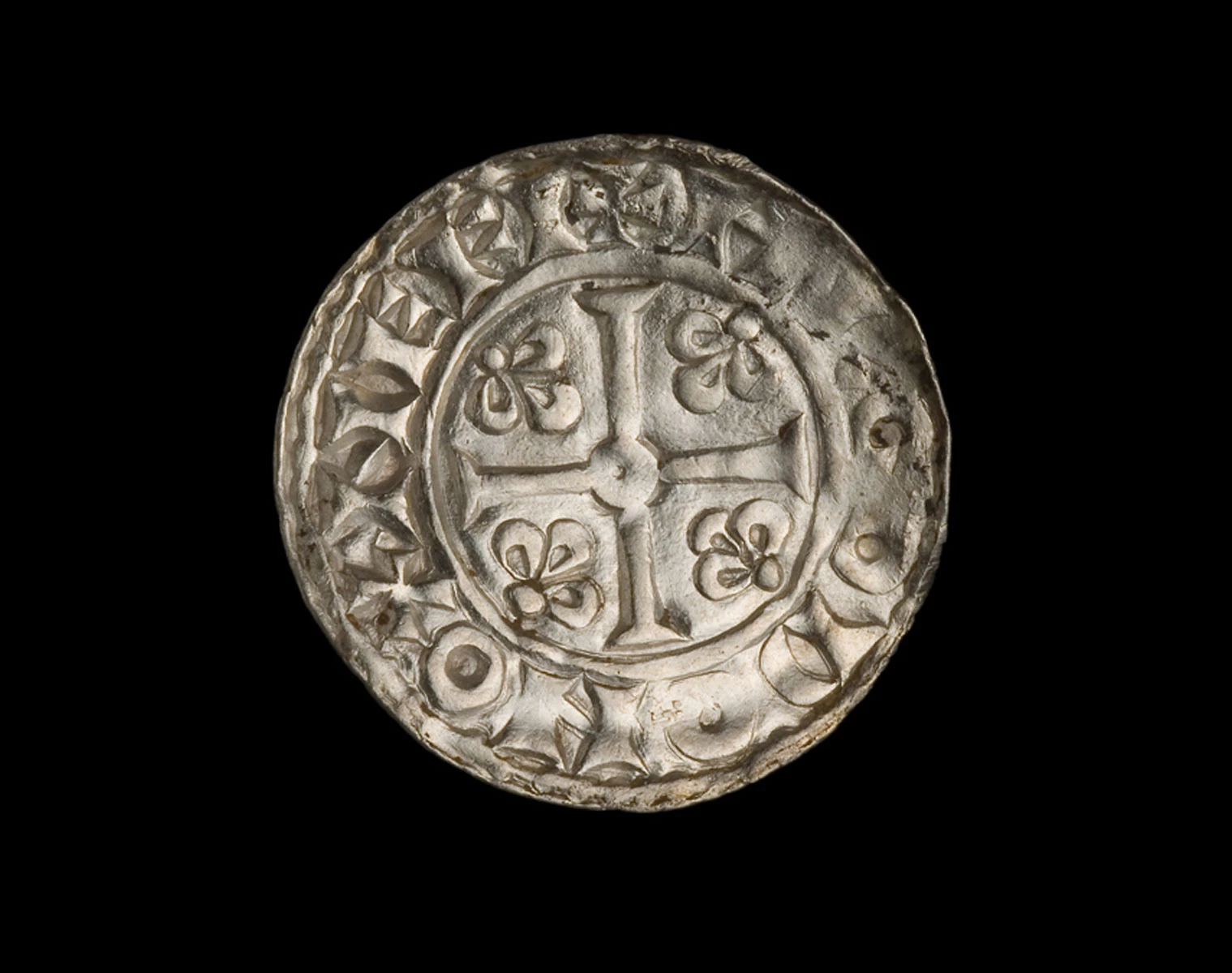
199 Silver Pennies - the Abergavenny Hoard

Edward Besly, 6 January 2017

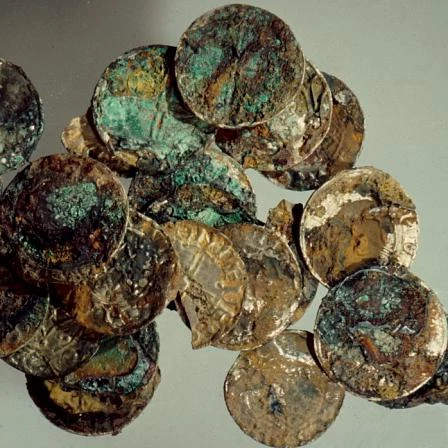
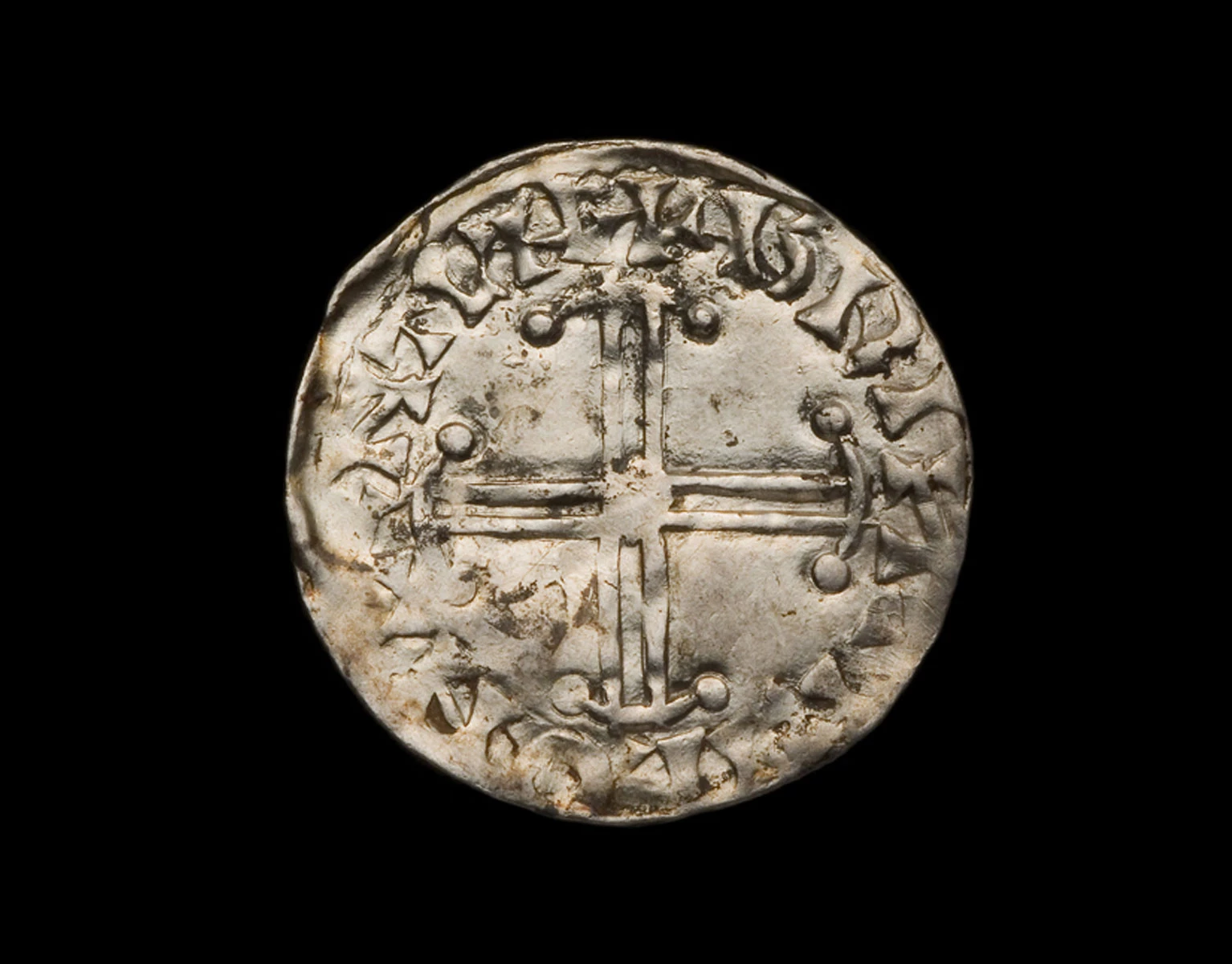
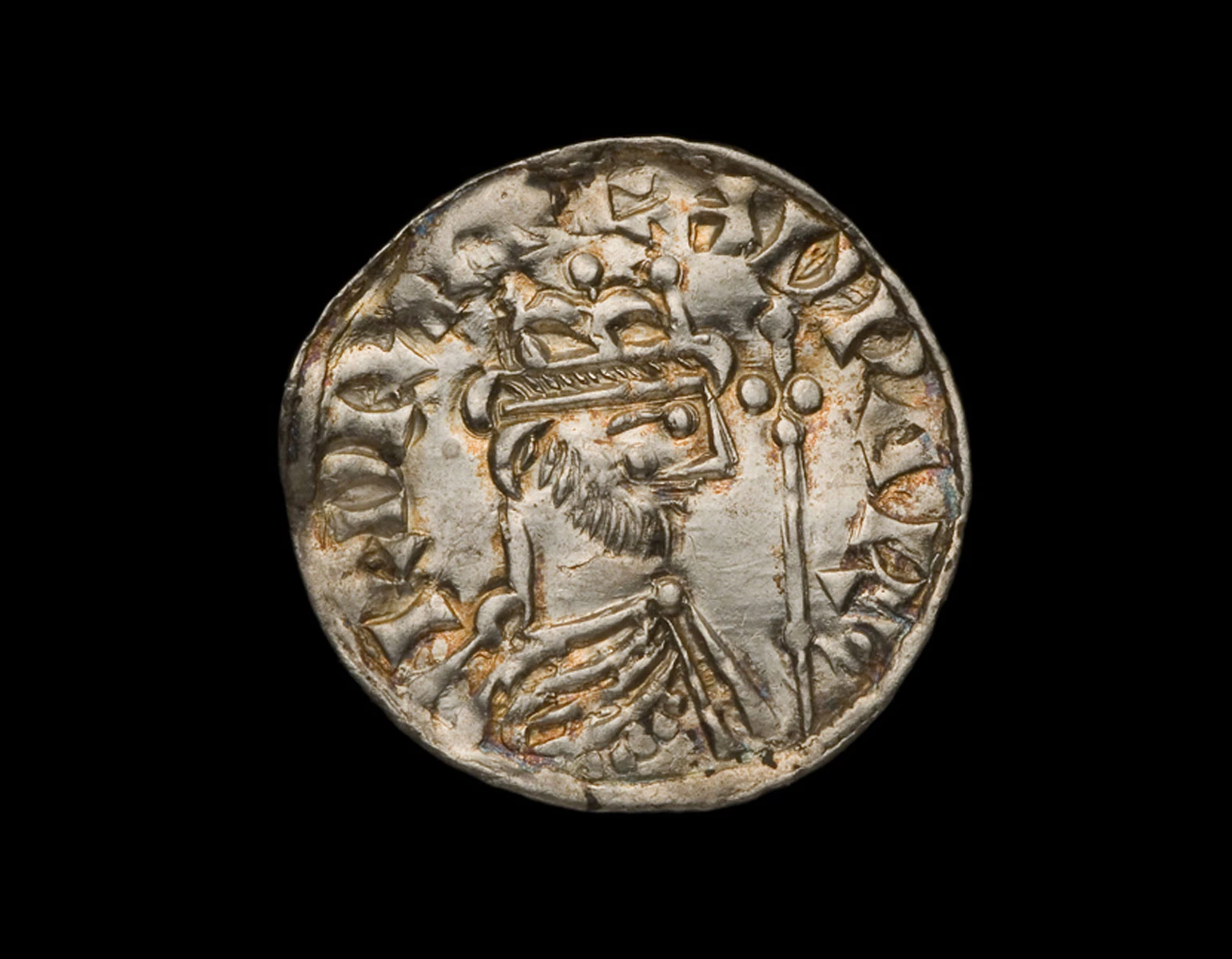
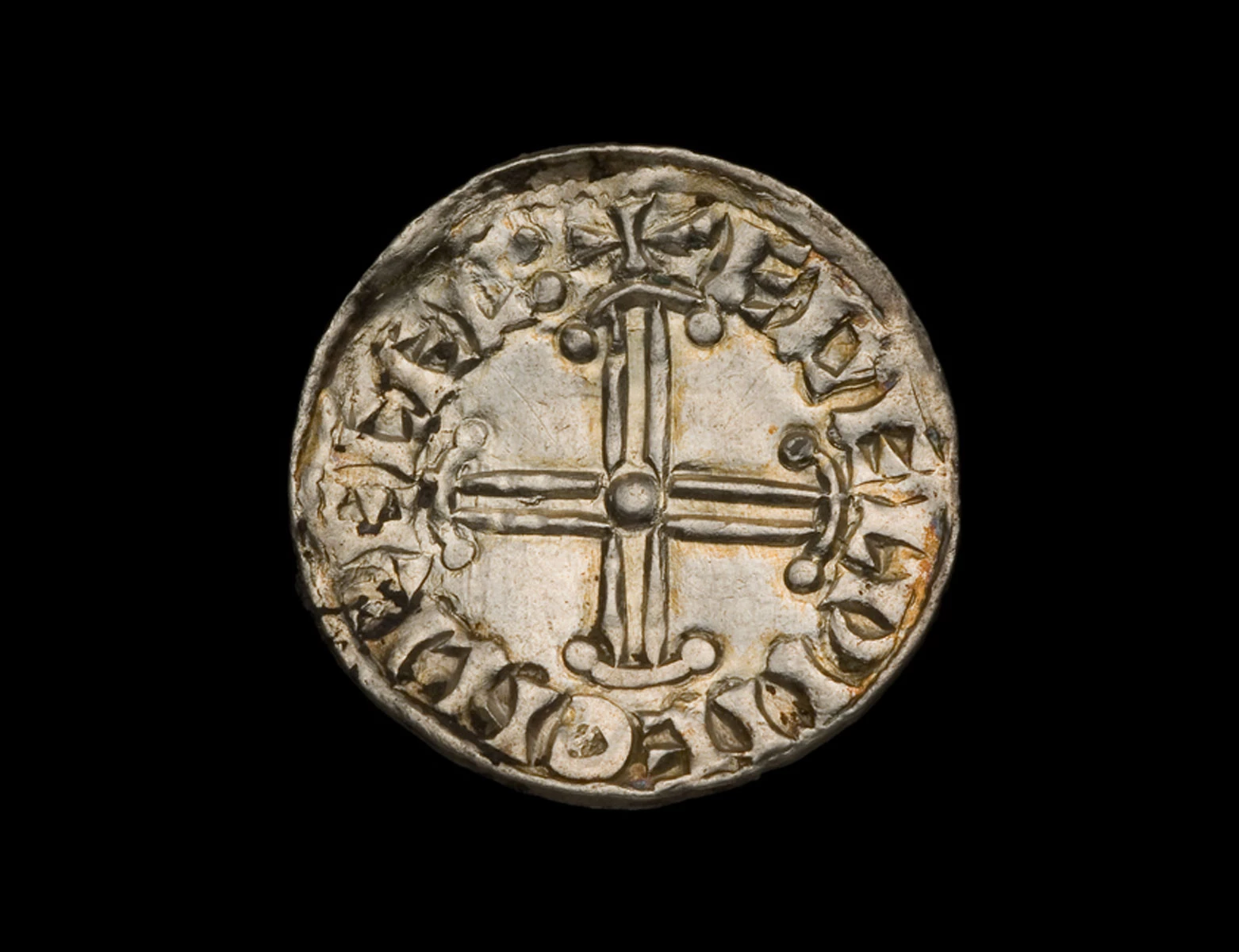
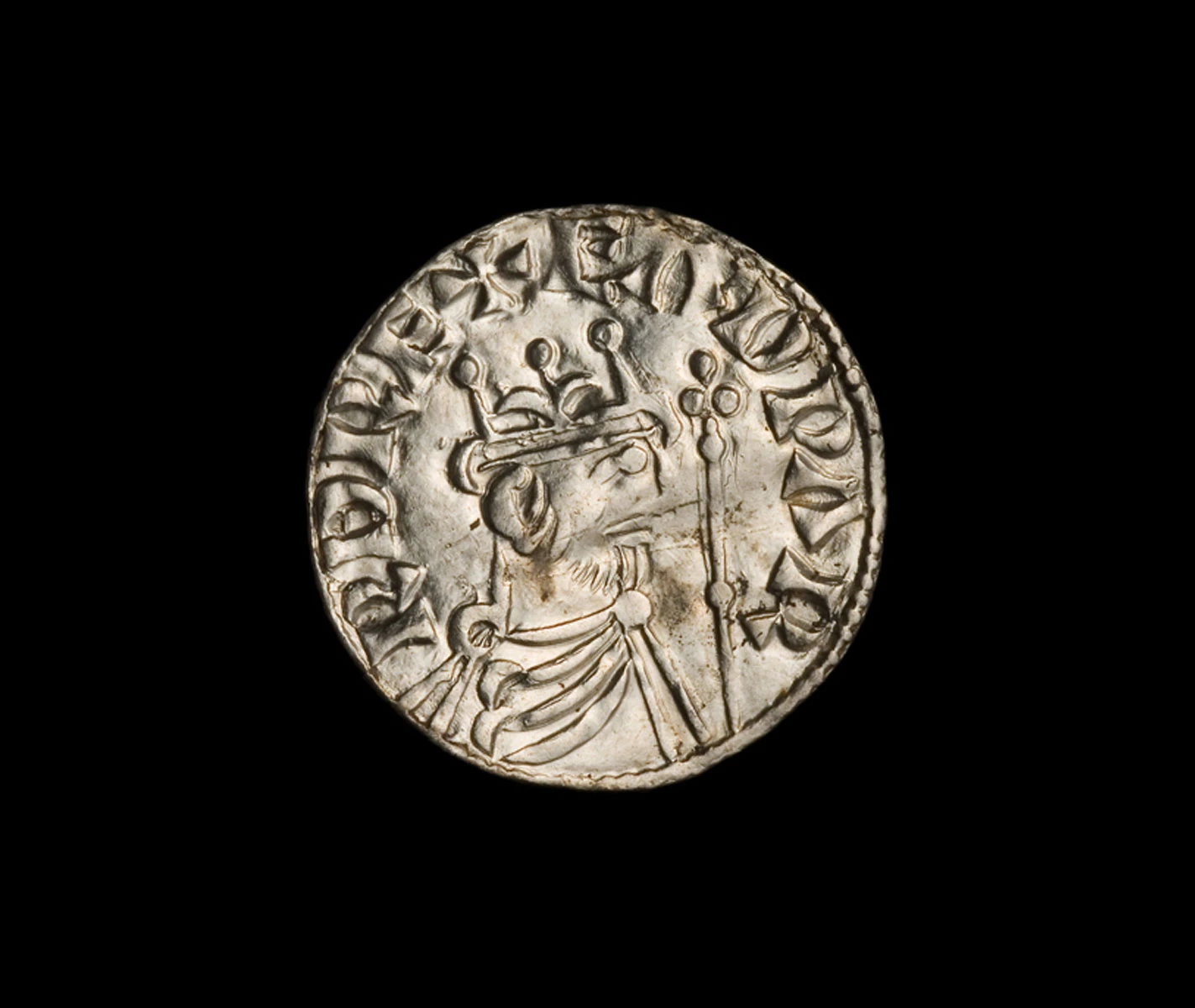
Part of the Abergavenny hoard as discovered.

Part of the Abergavenny hoard as discovered.

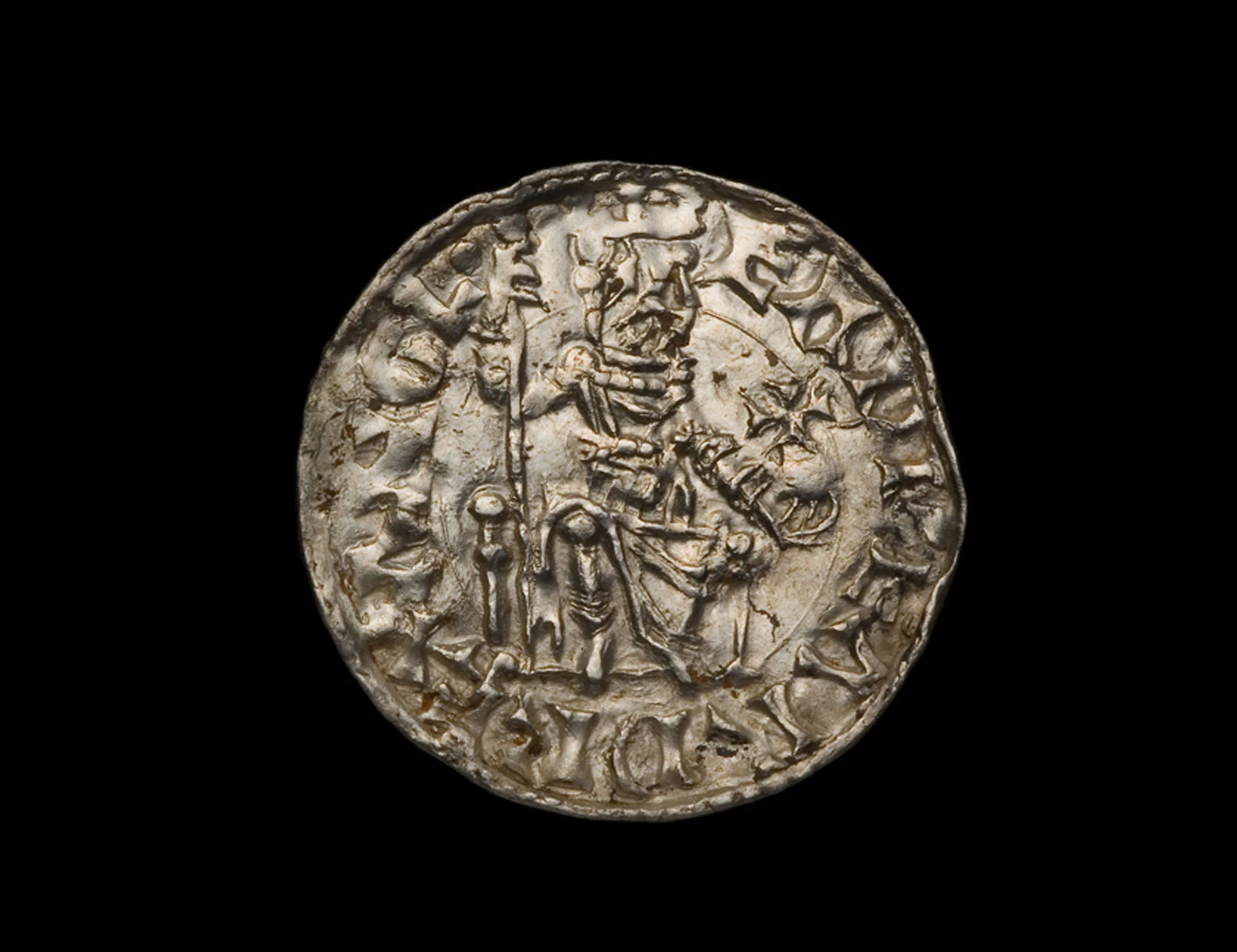
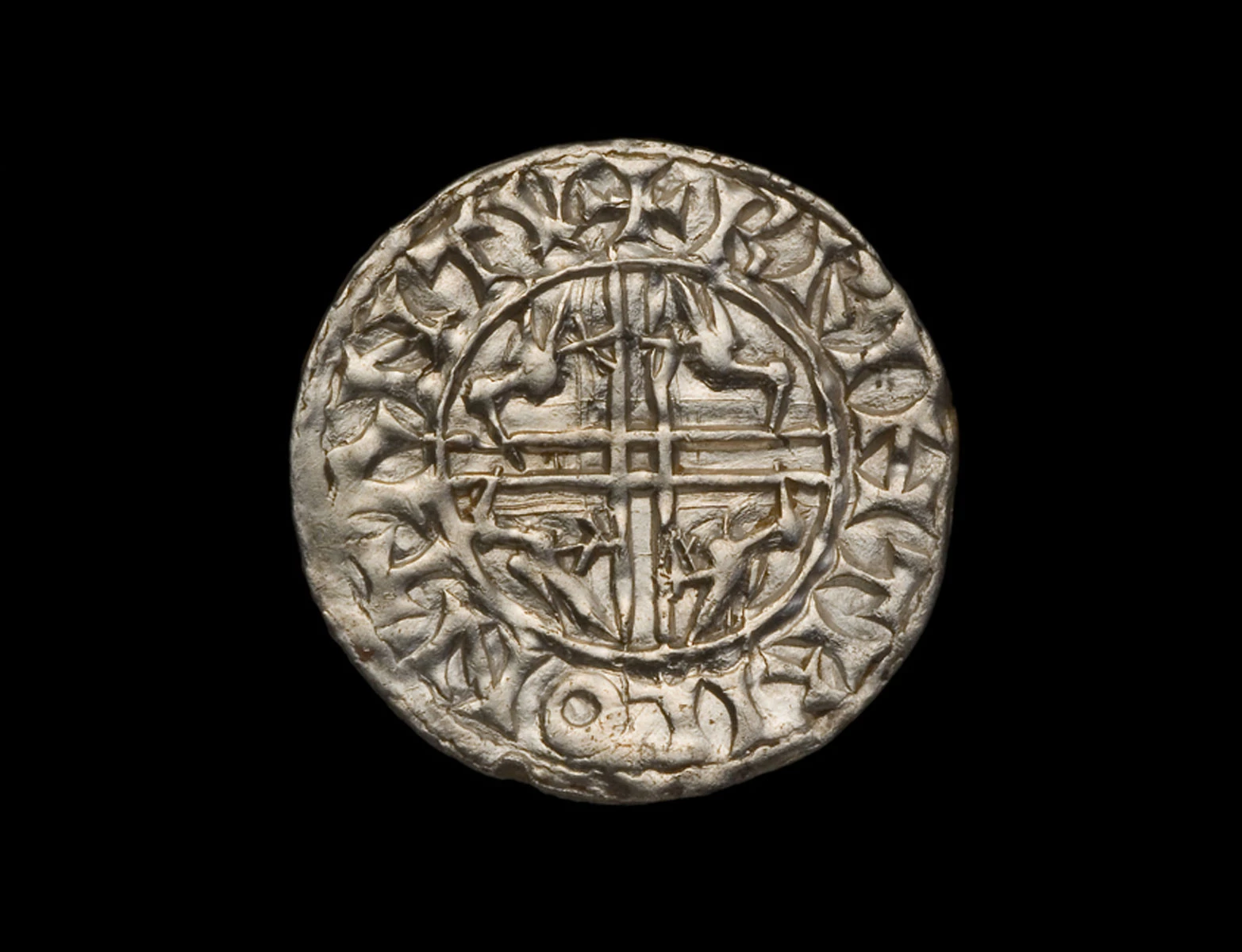
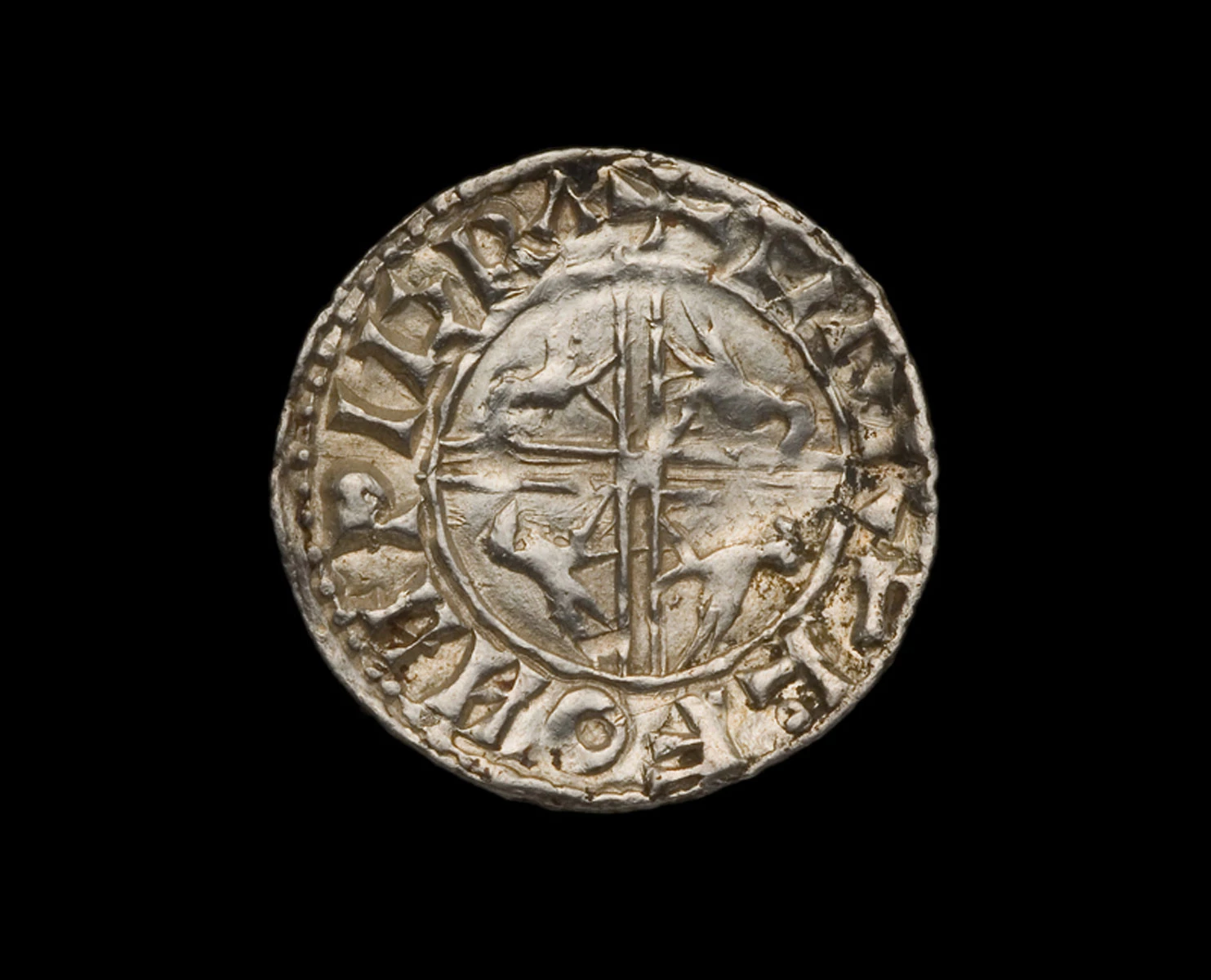
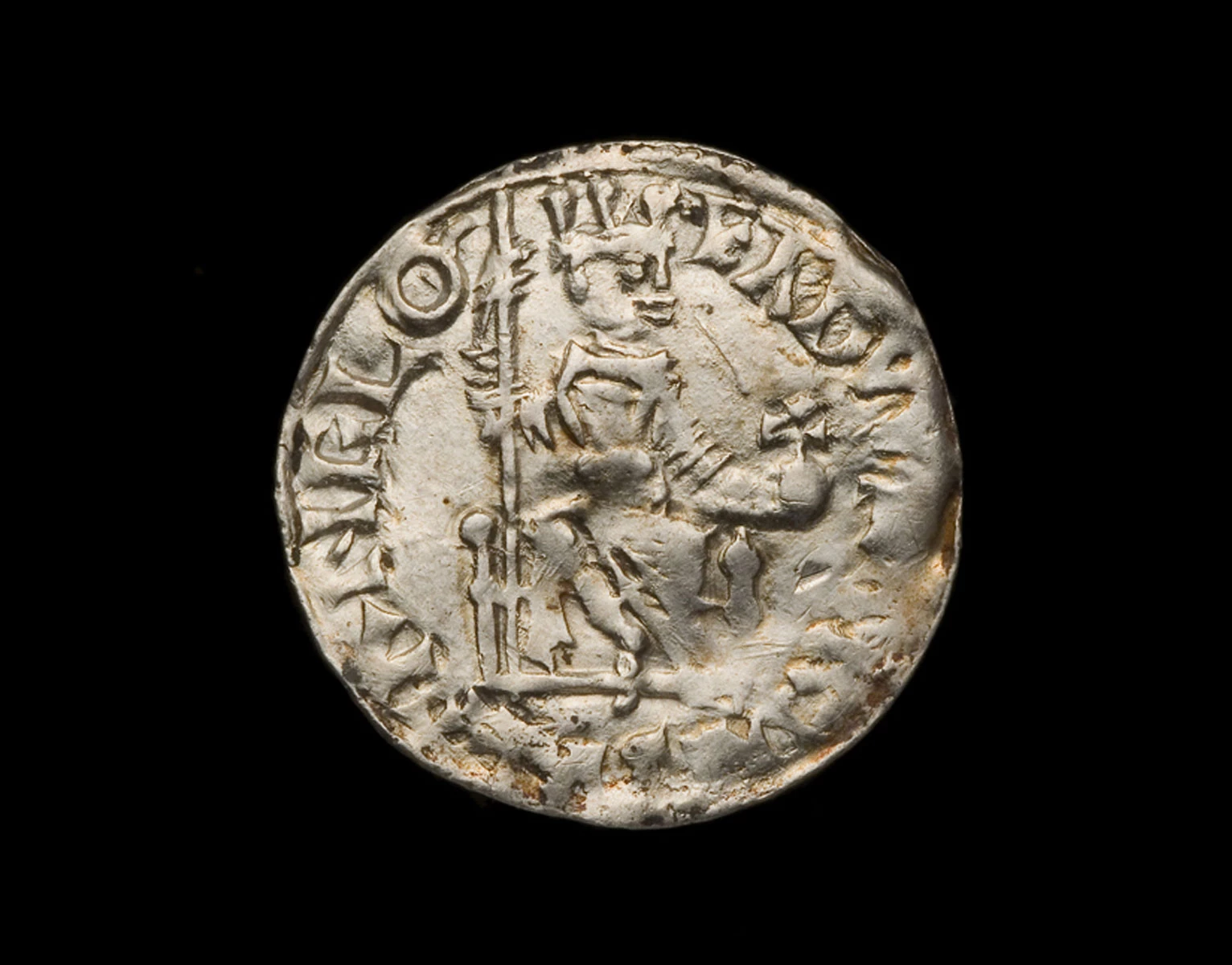
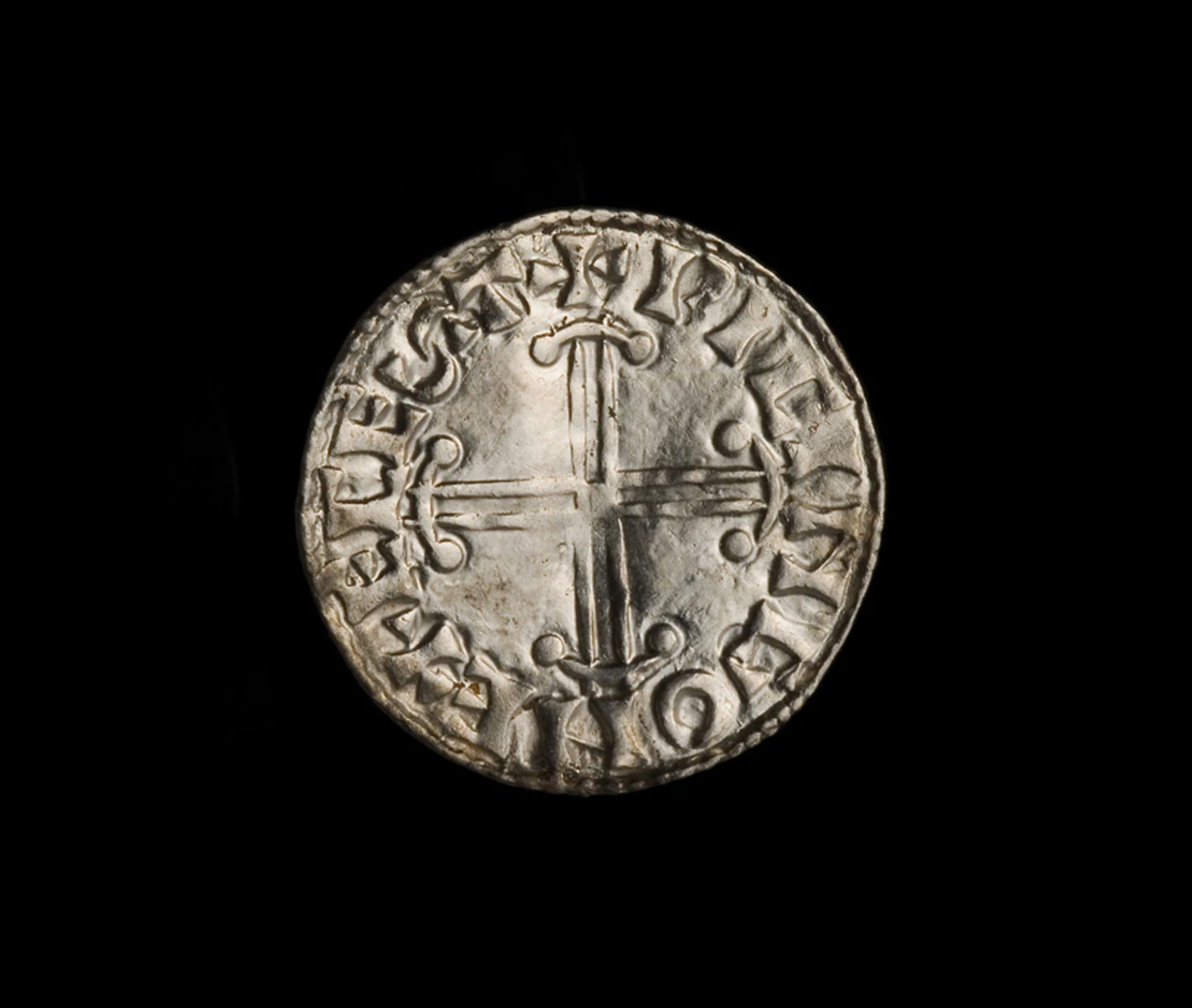
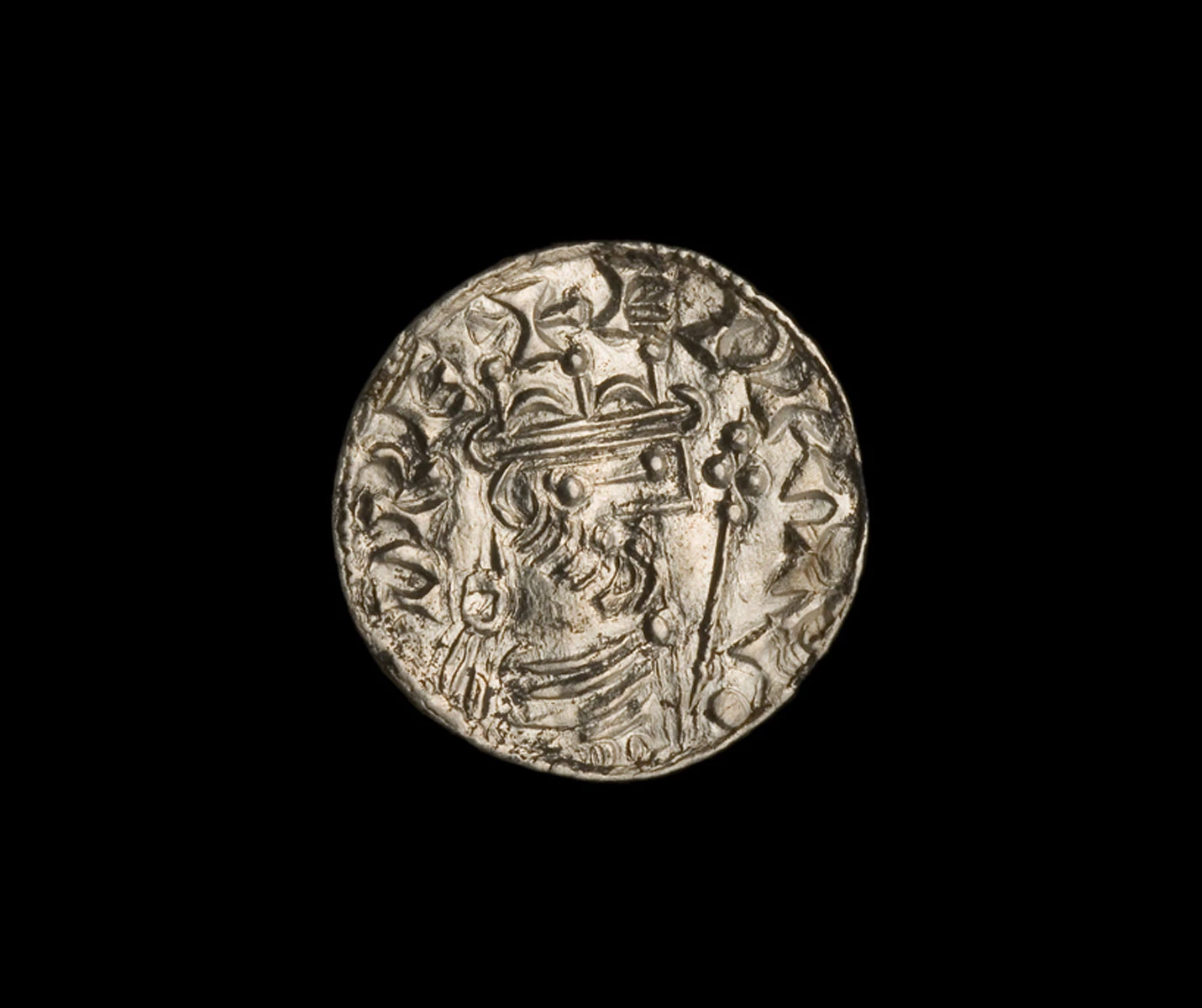
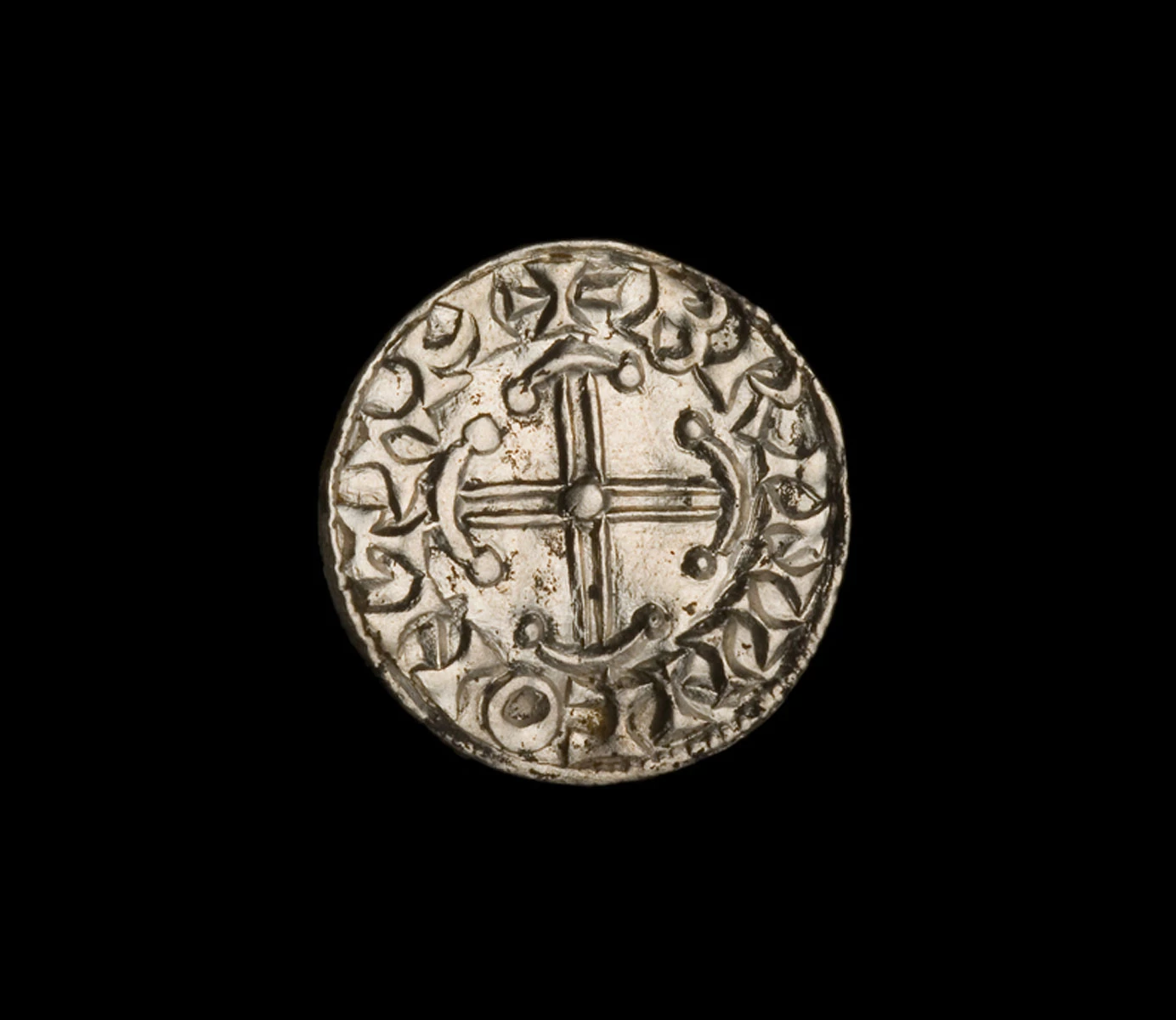
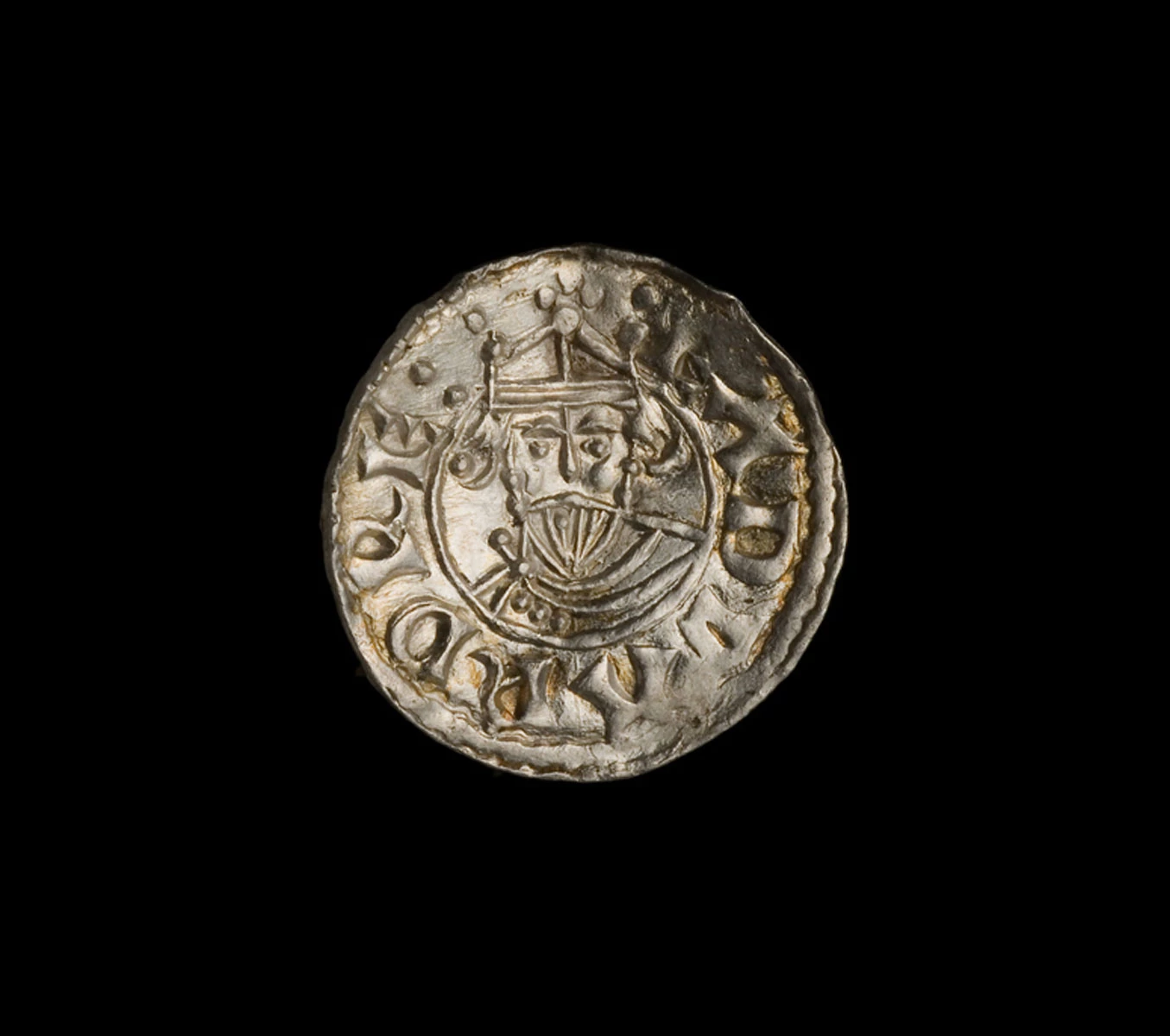
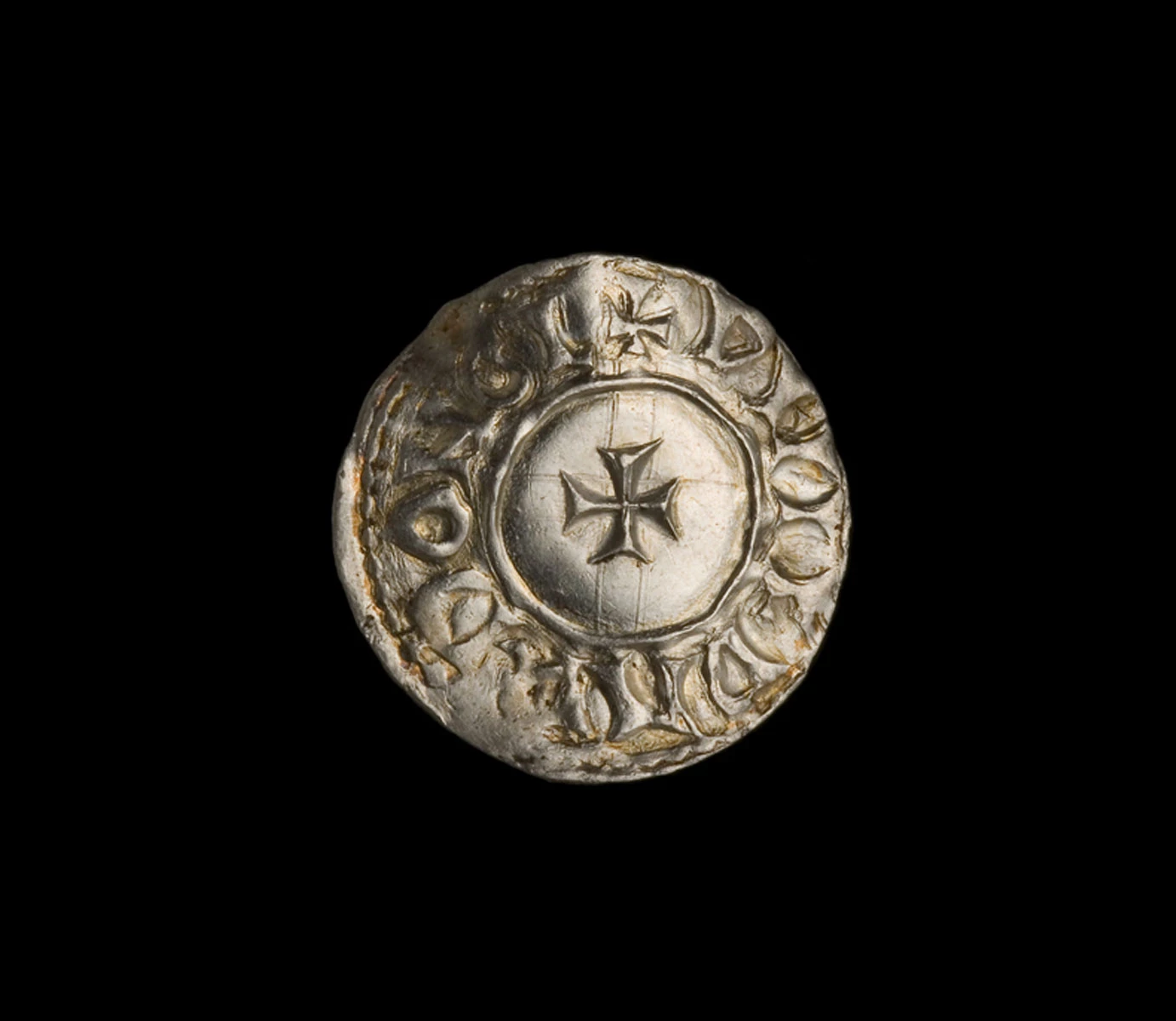
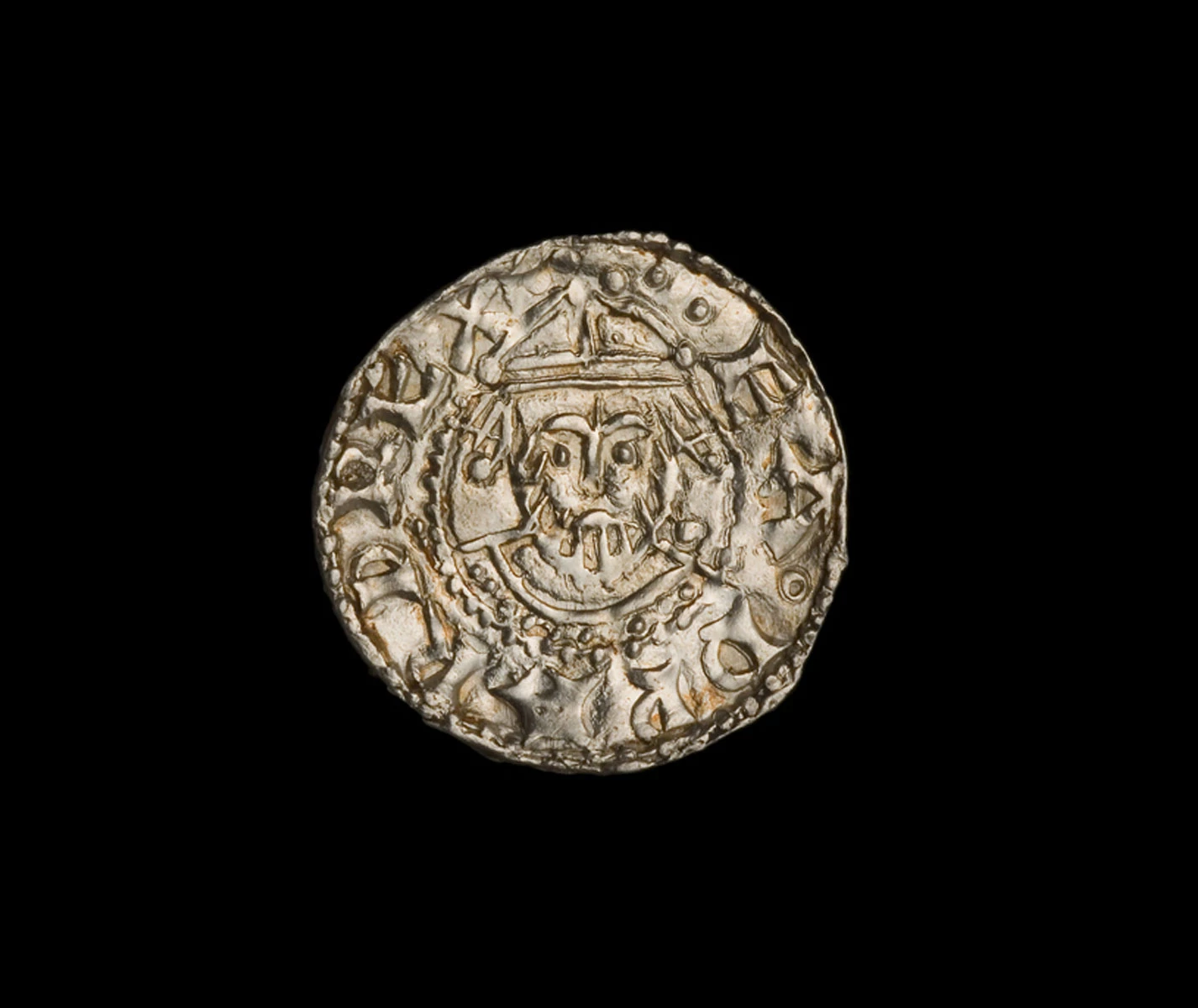
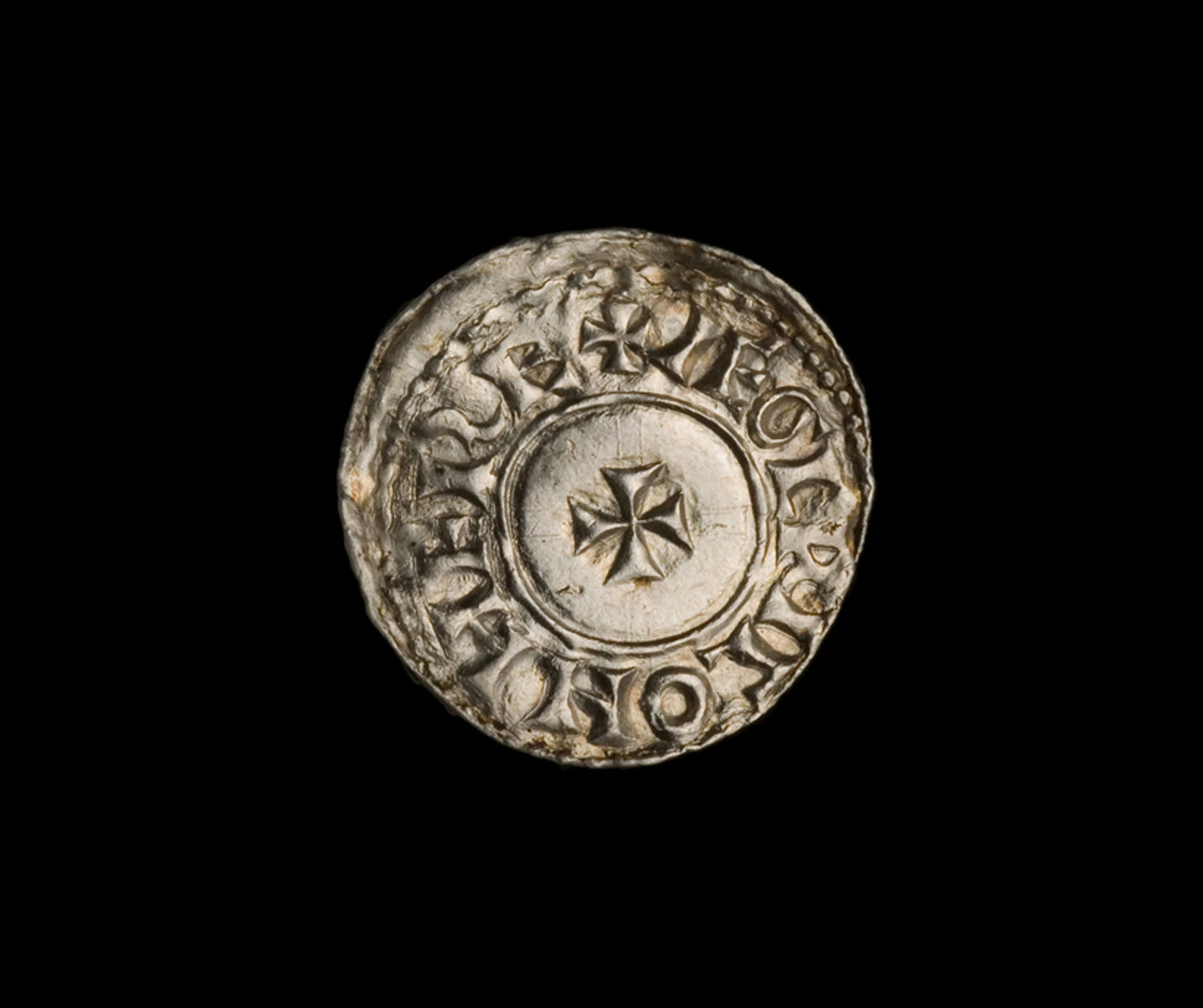
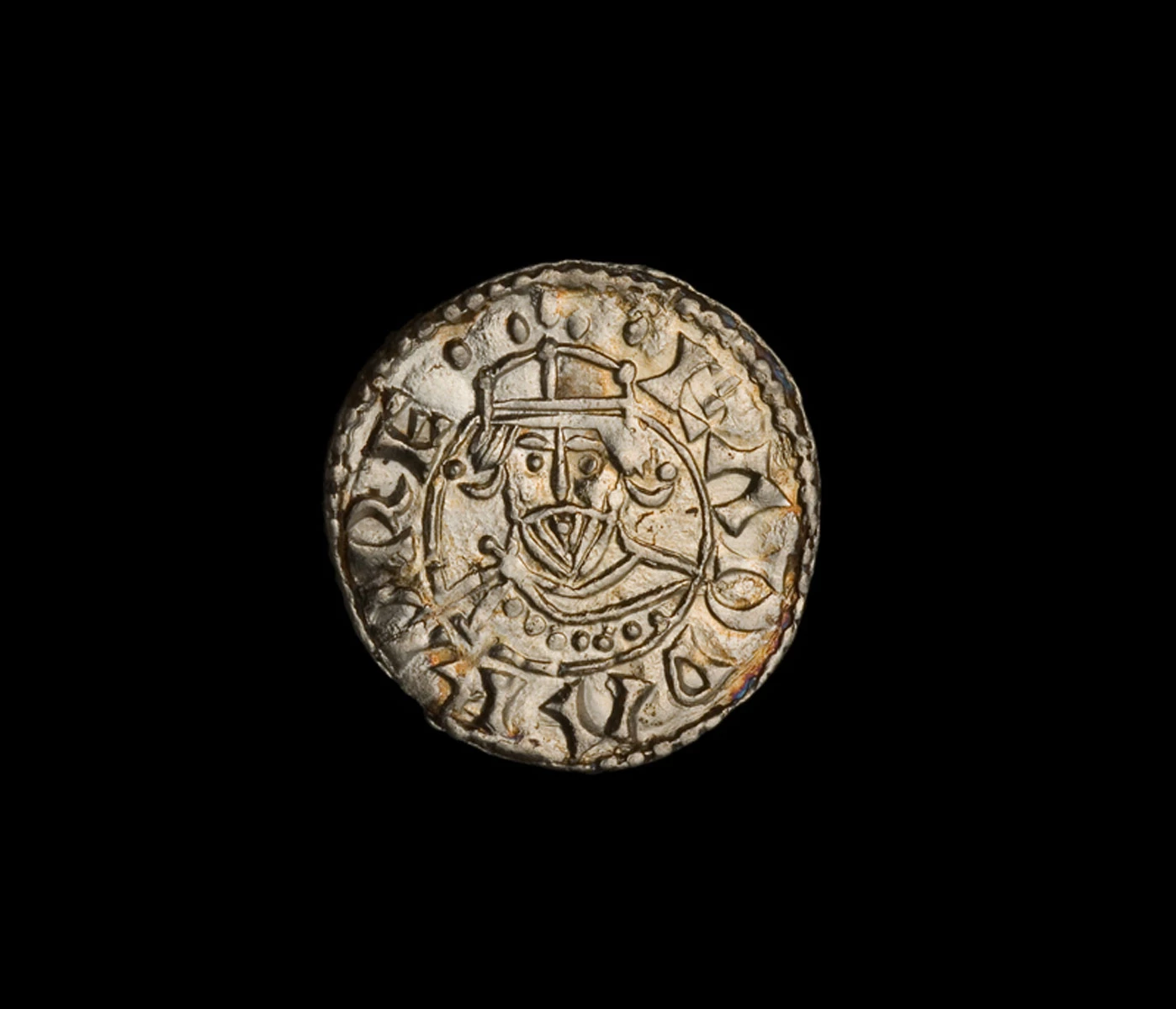
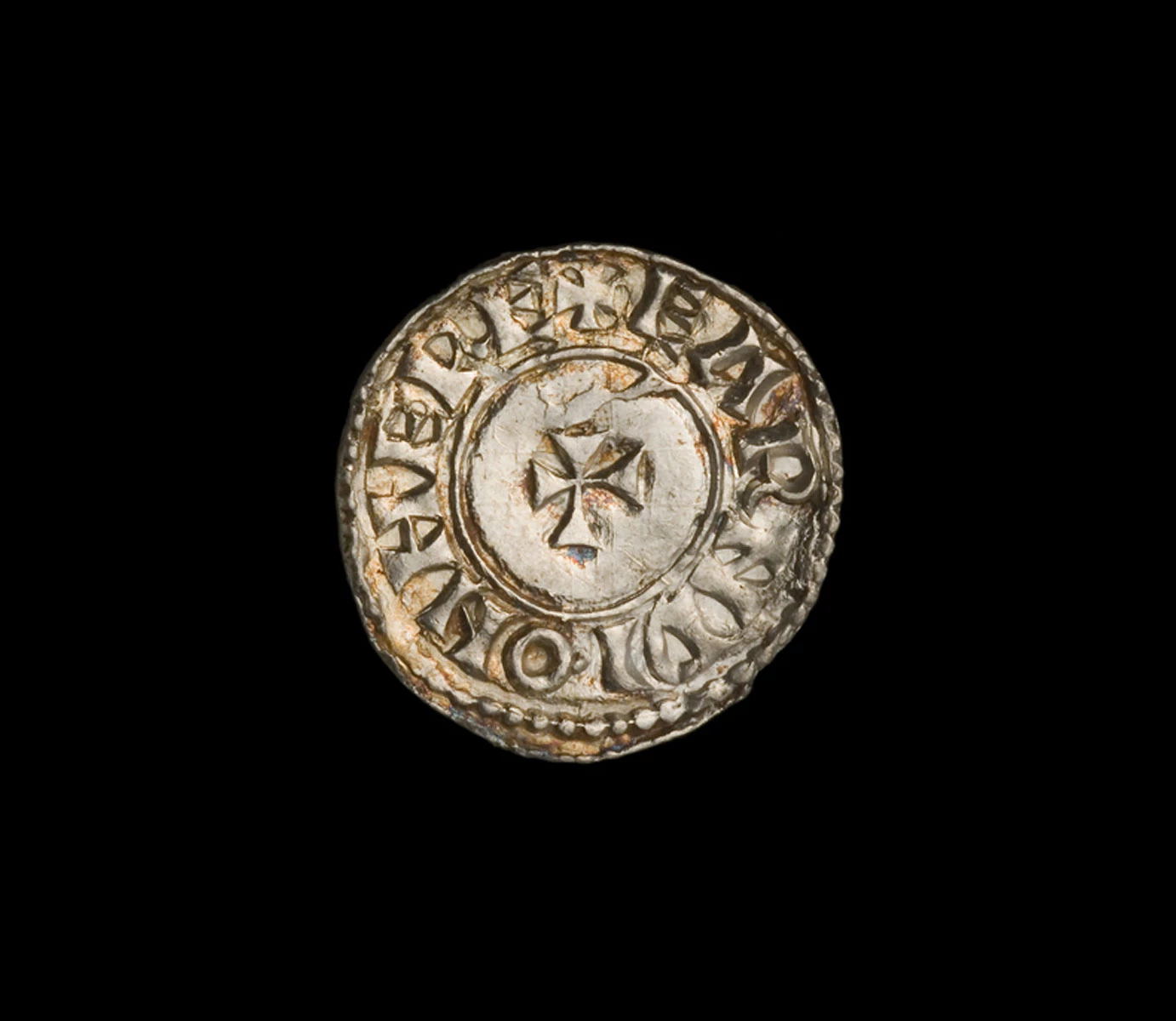
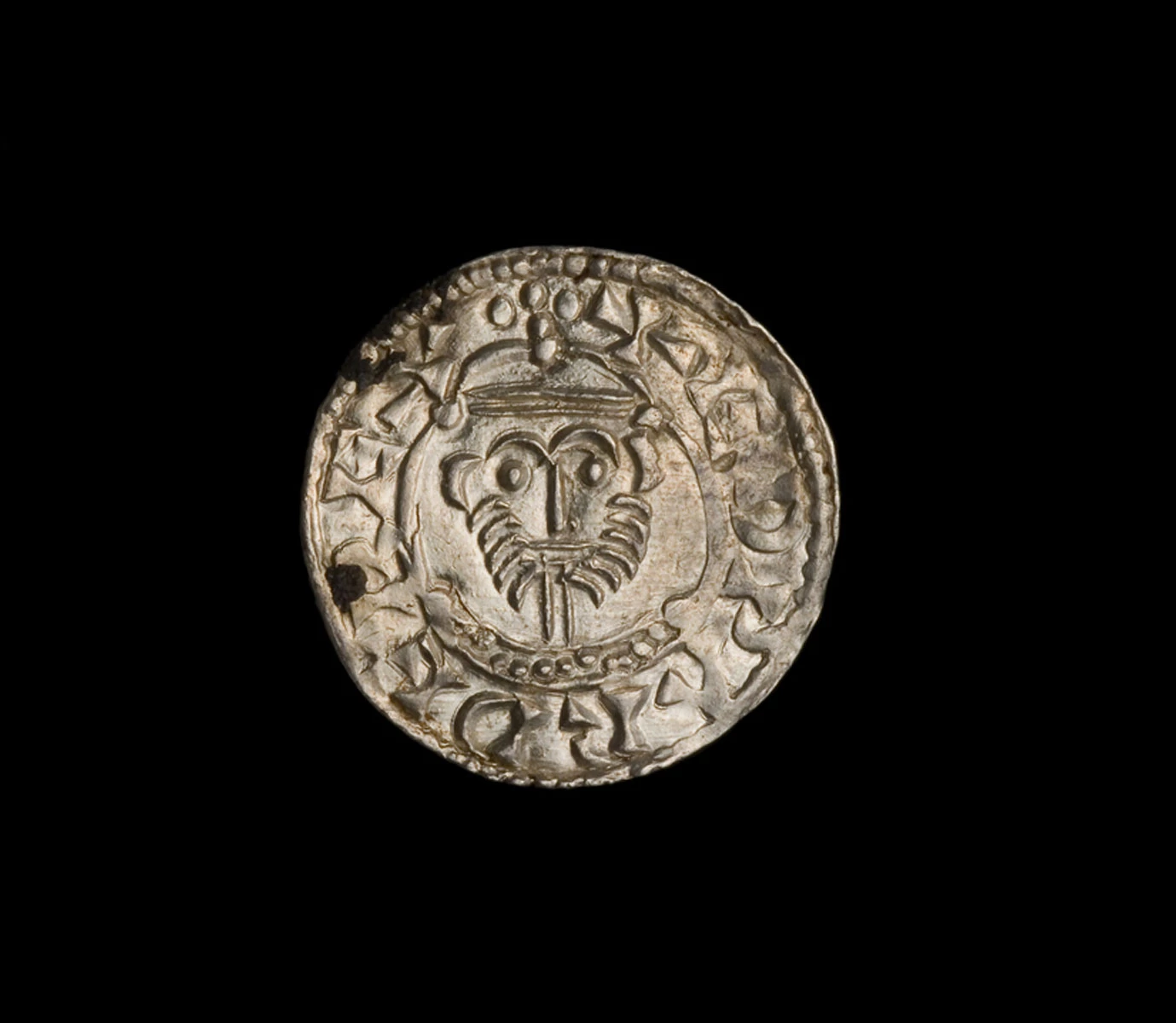
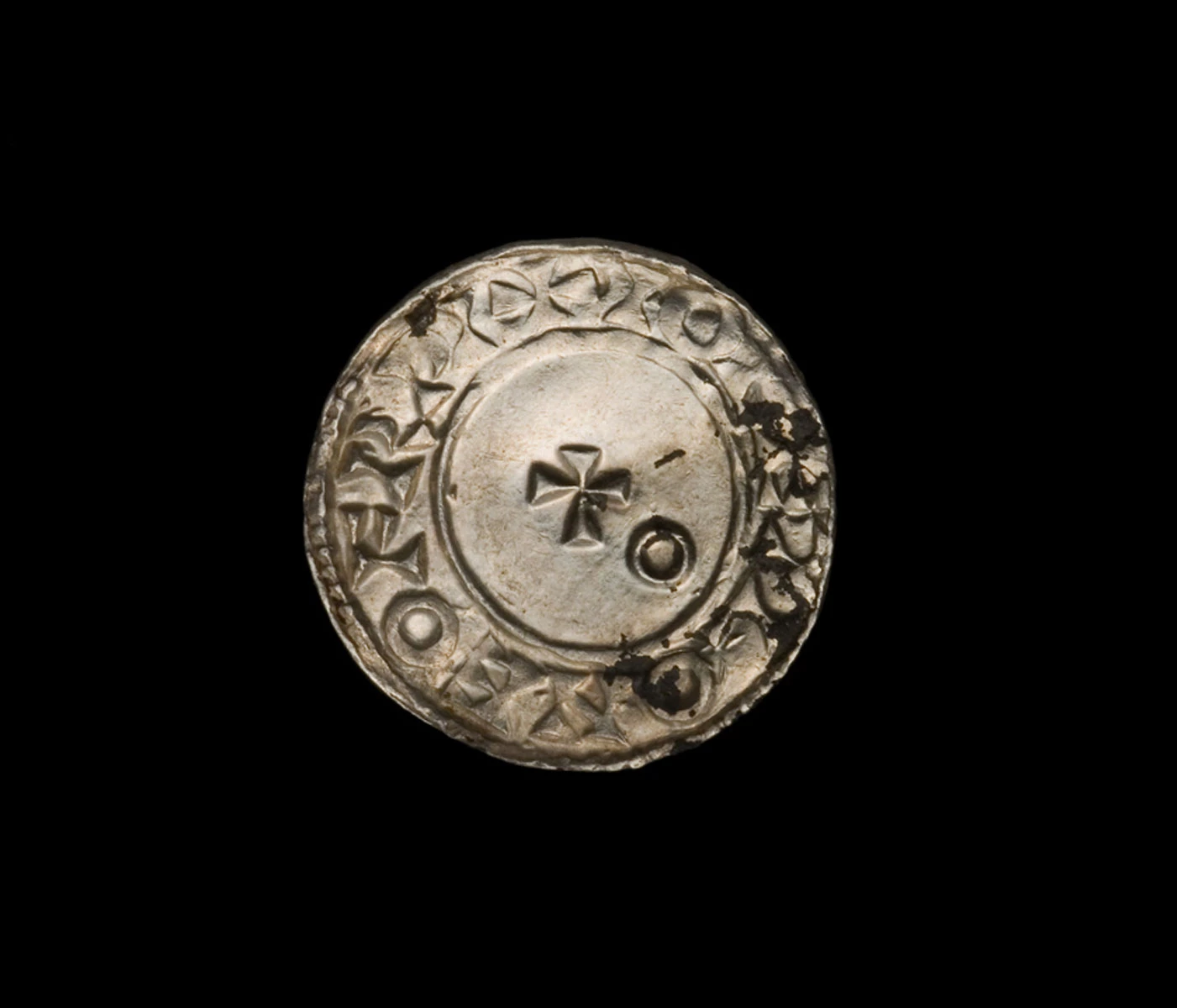
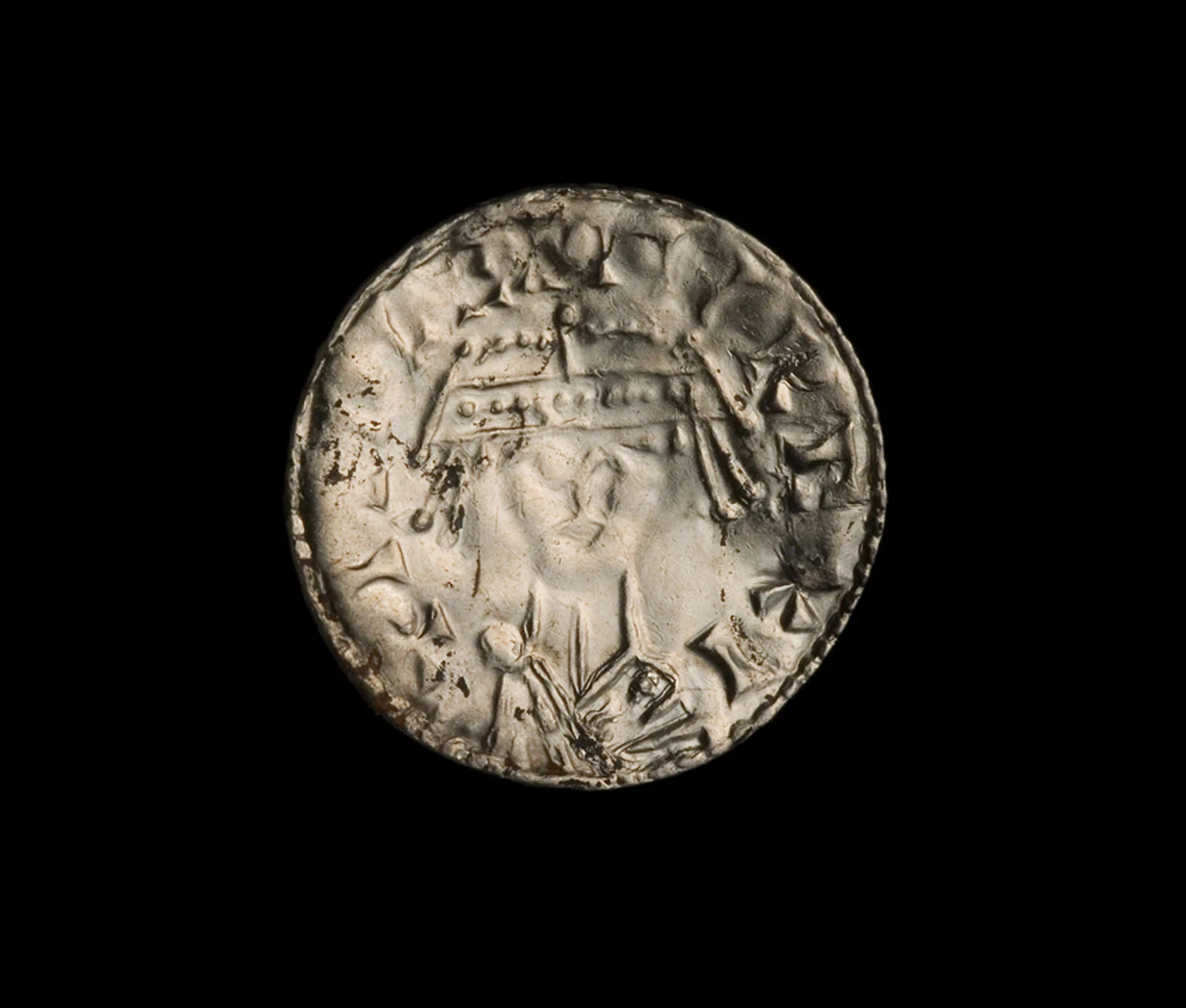
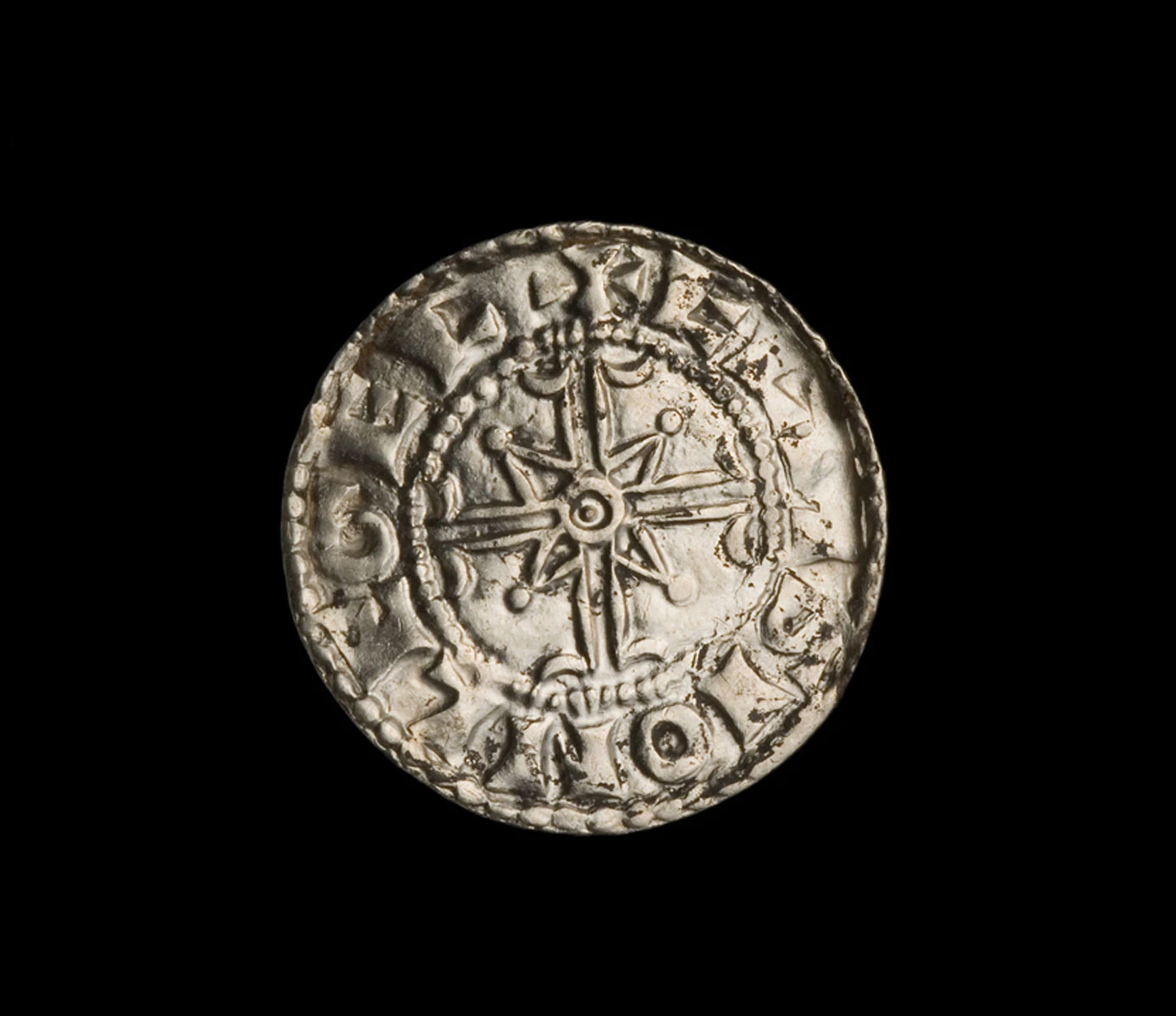
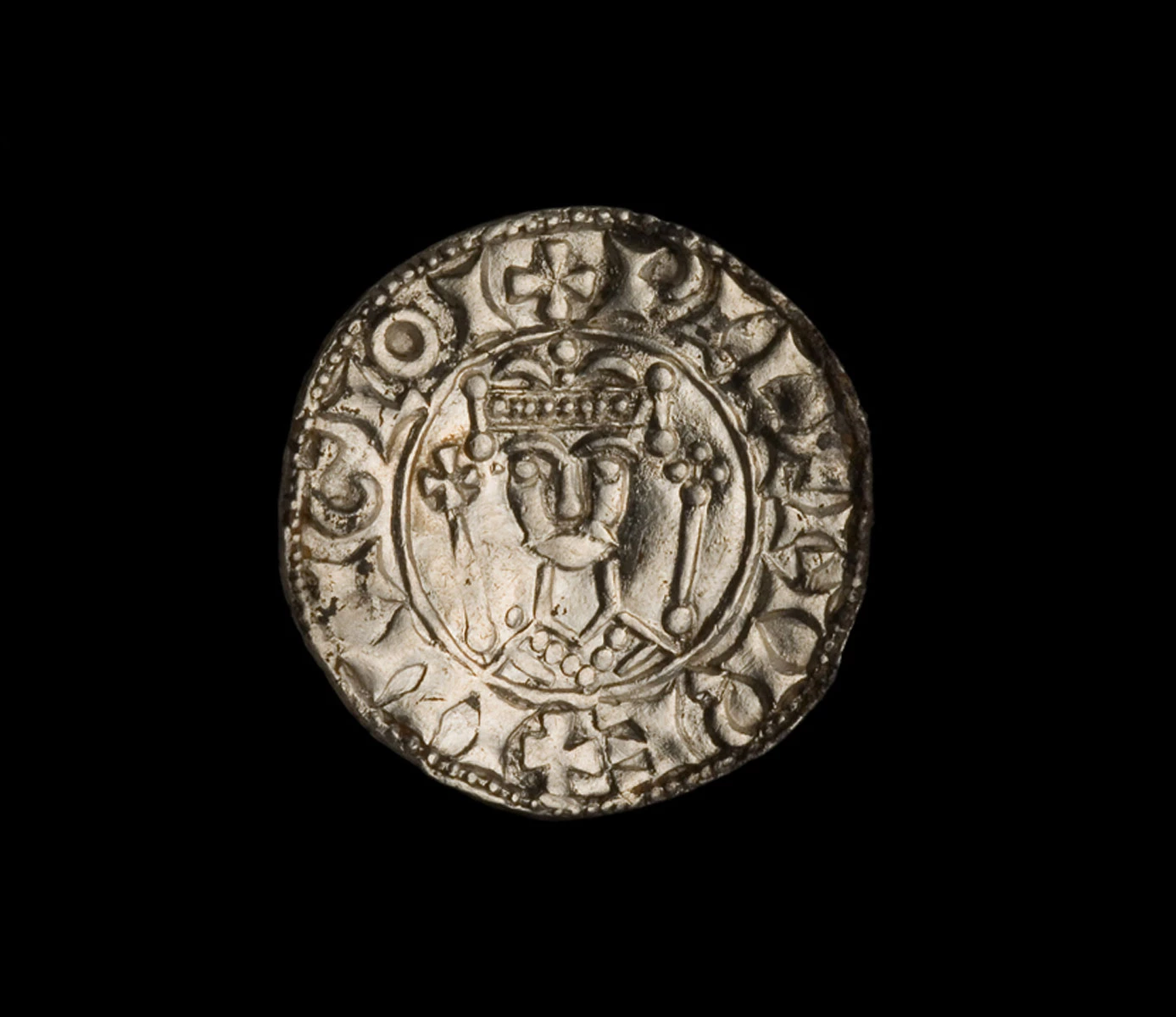
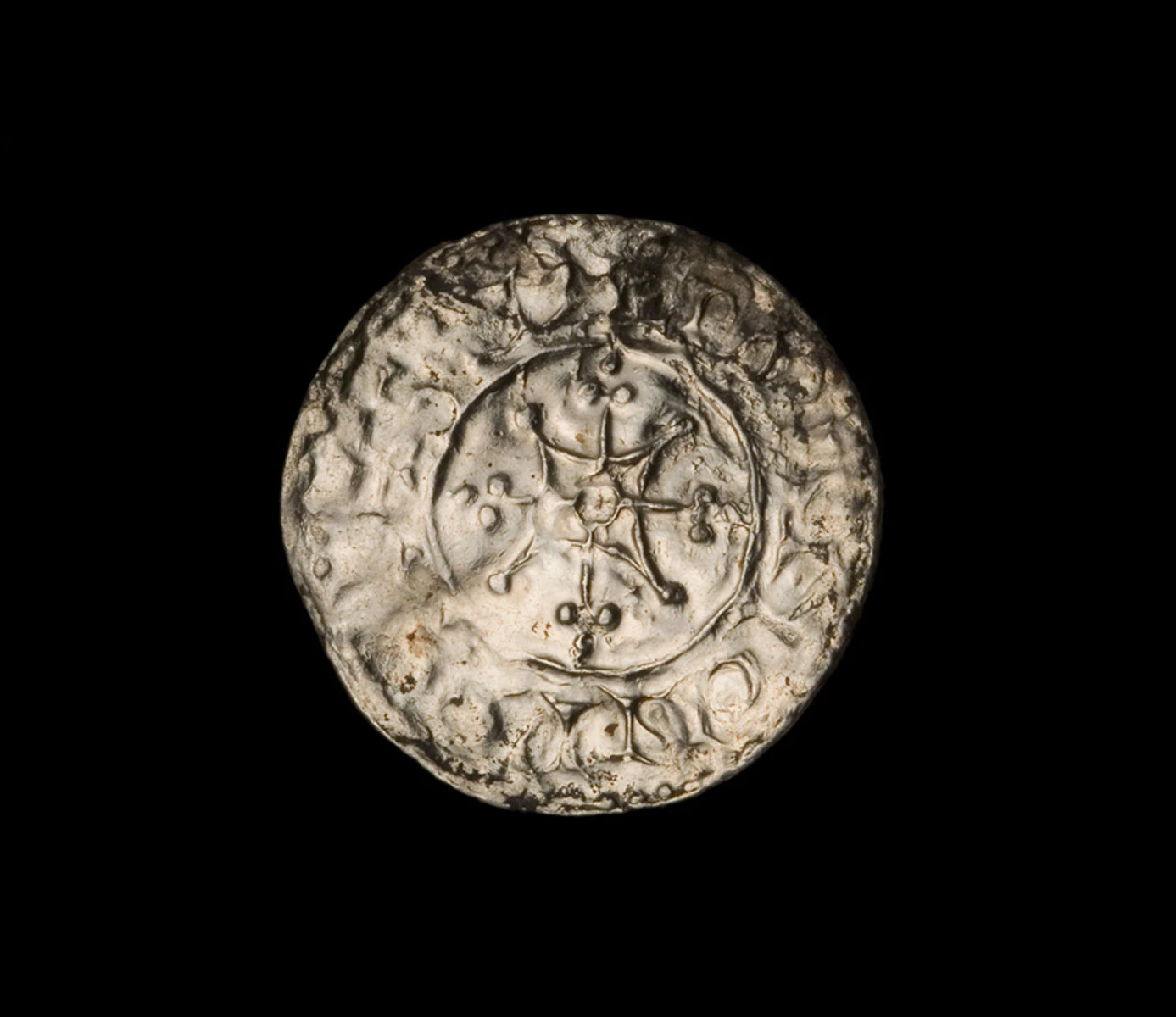
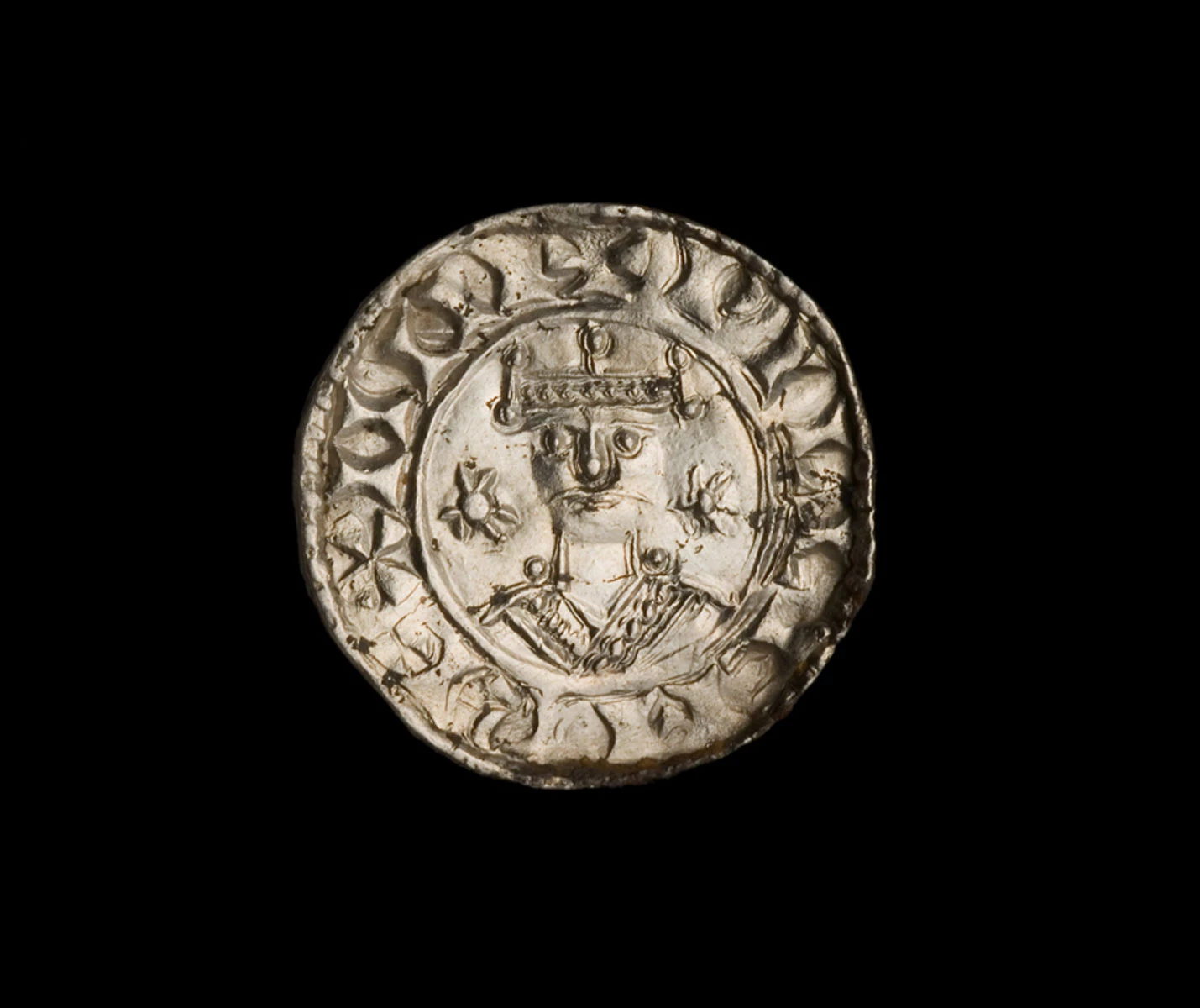
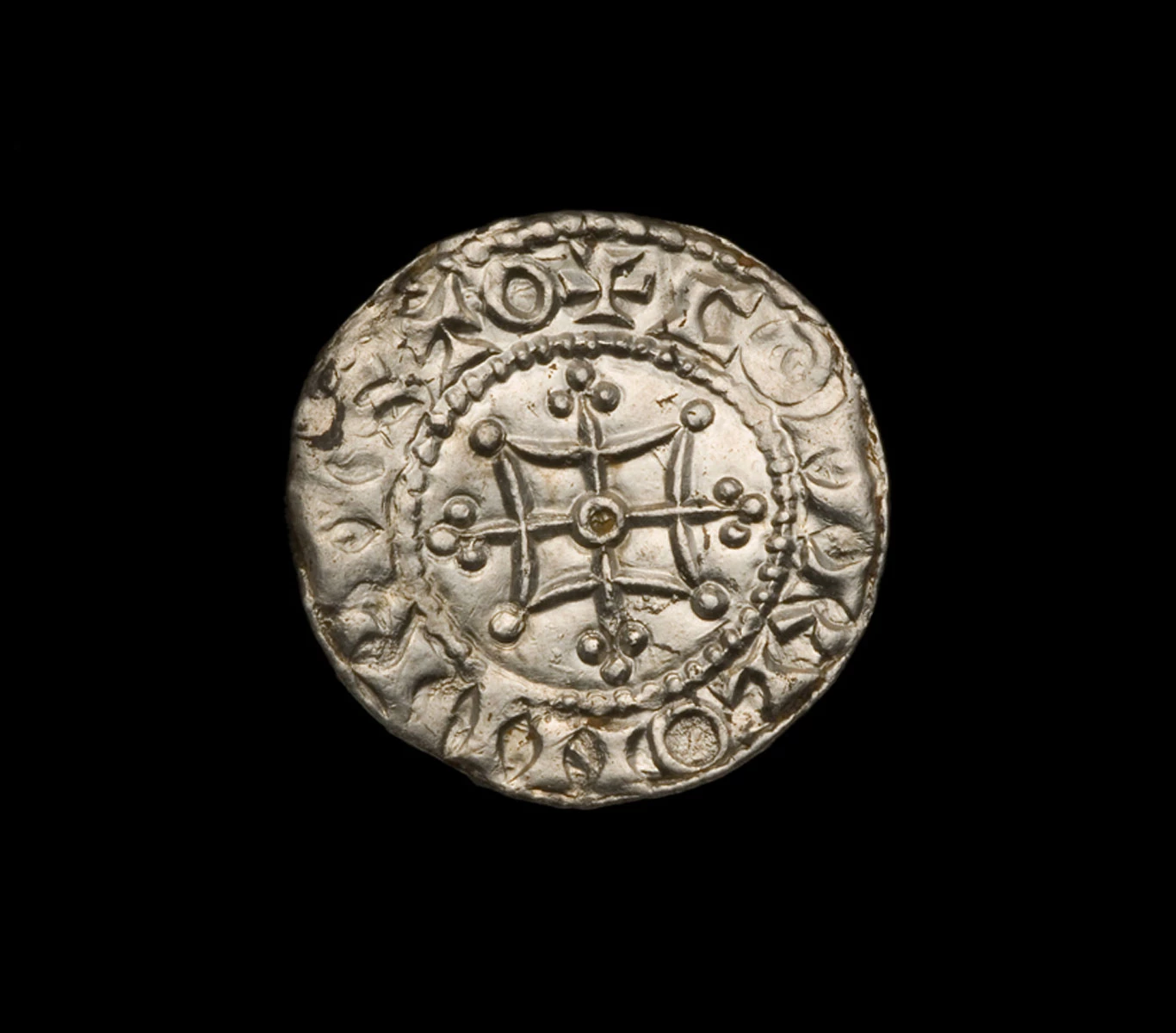
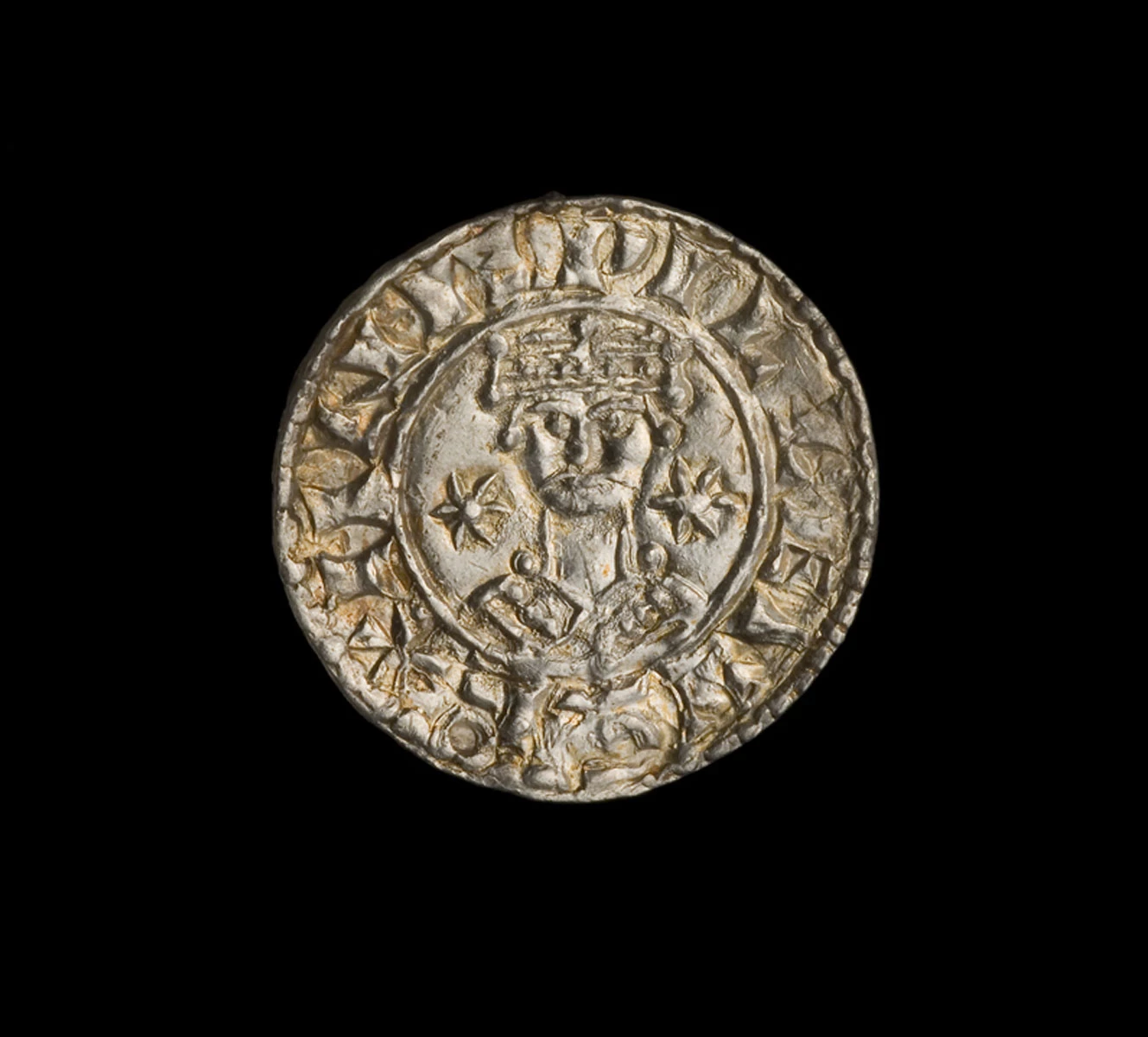
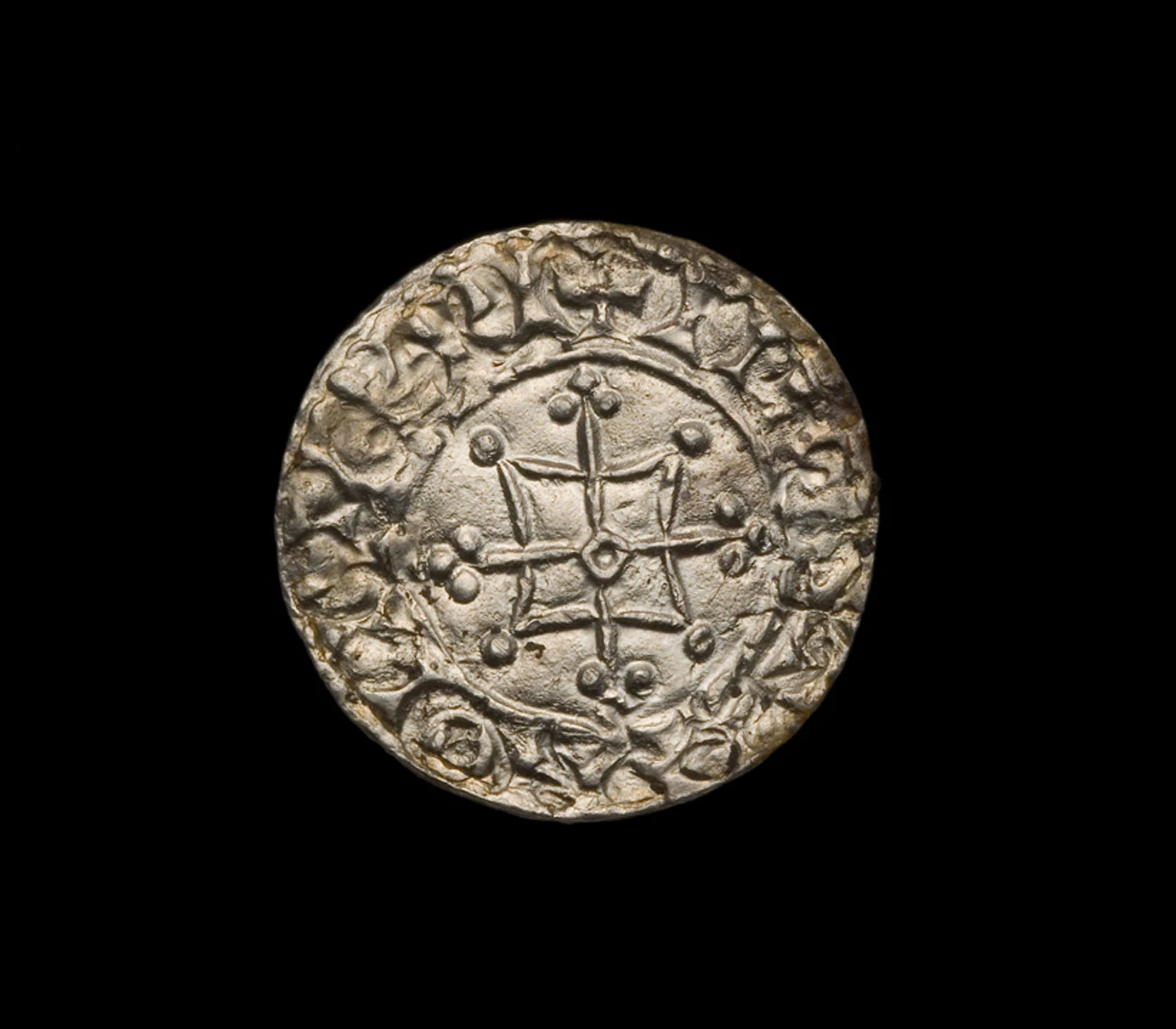
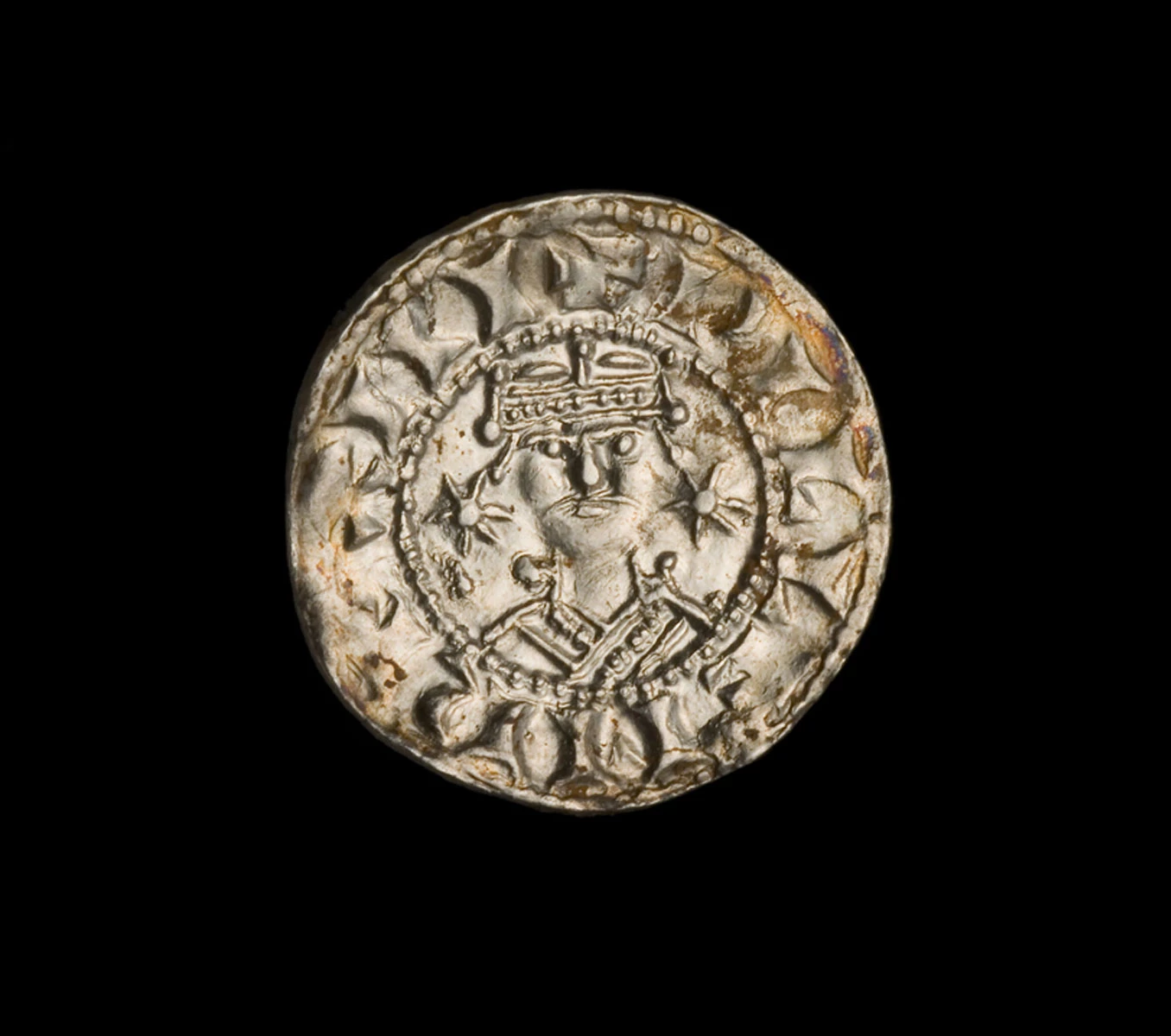
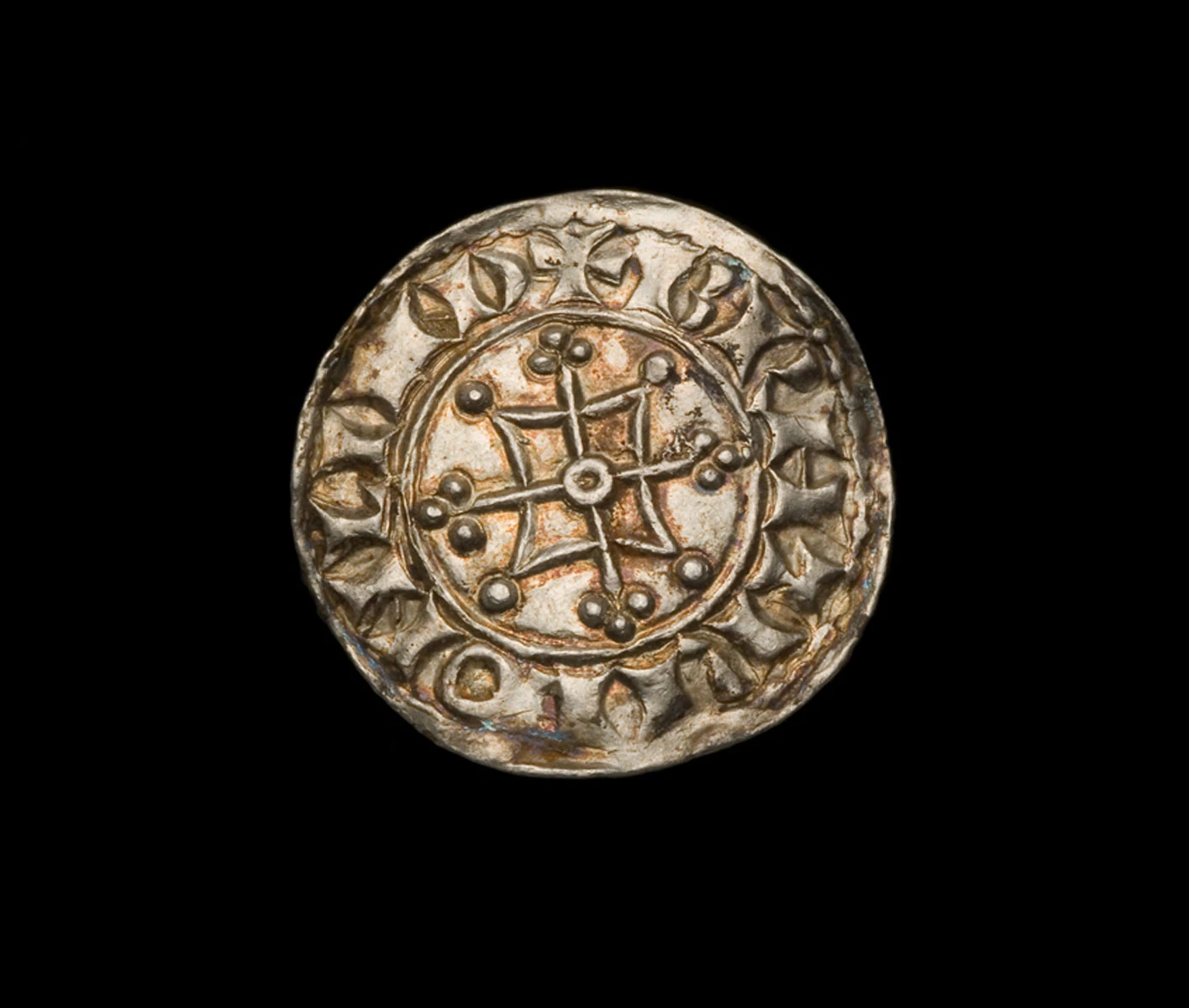
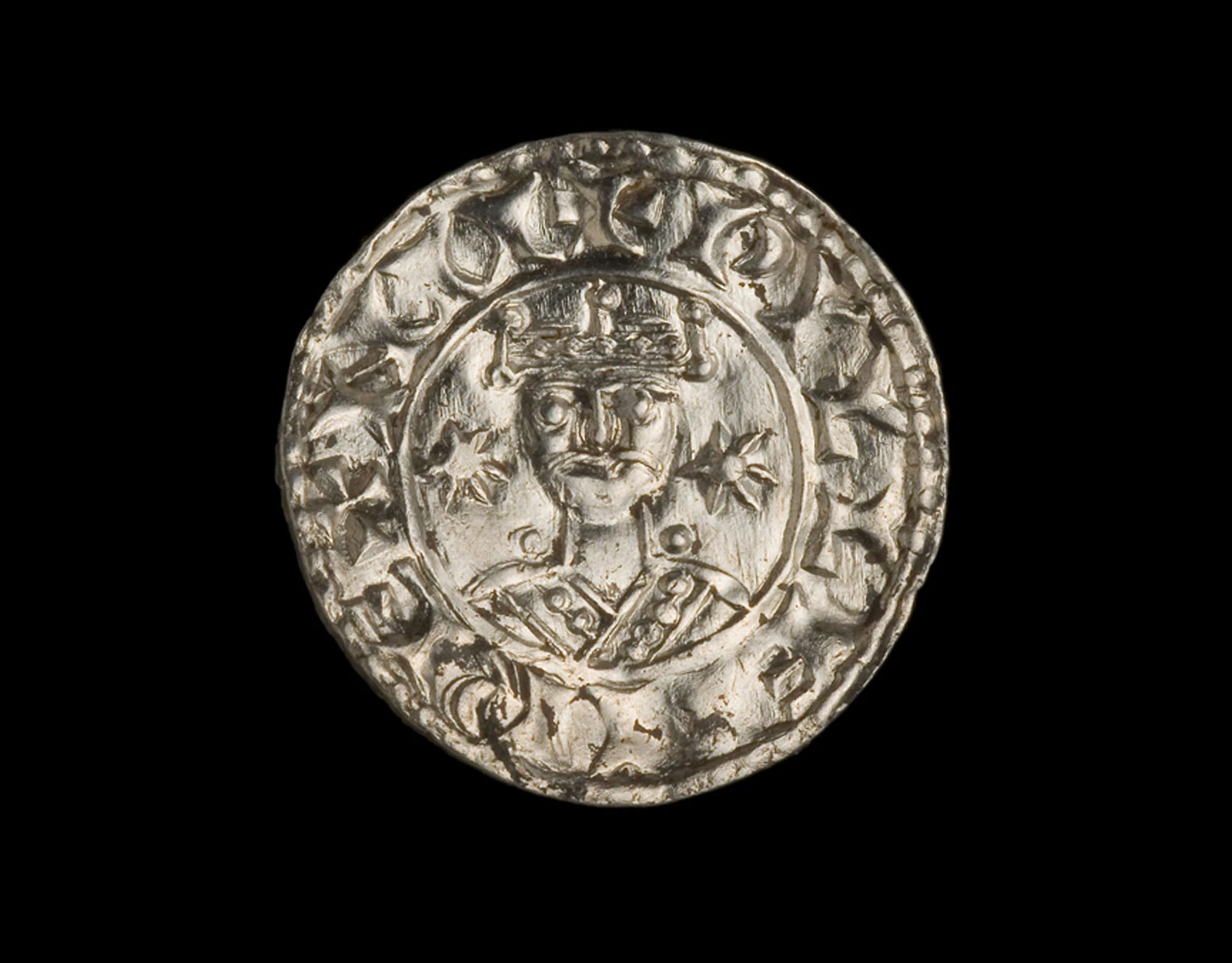
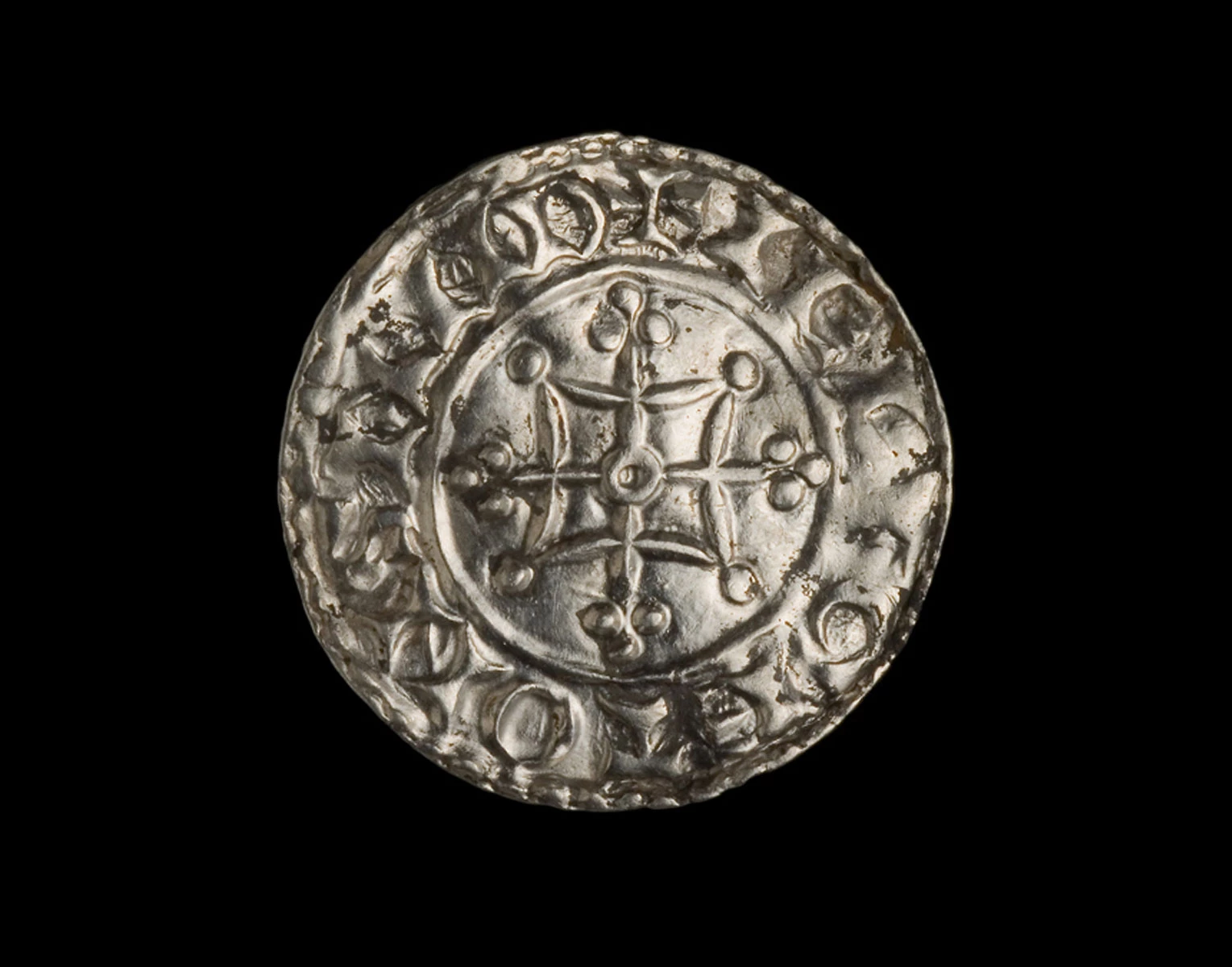
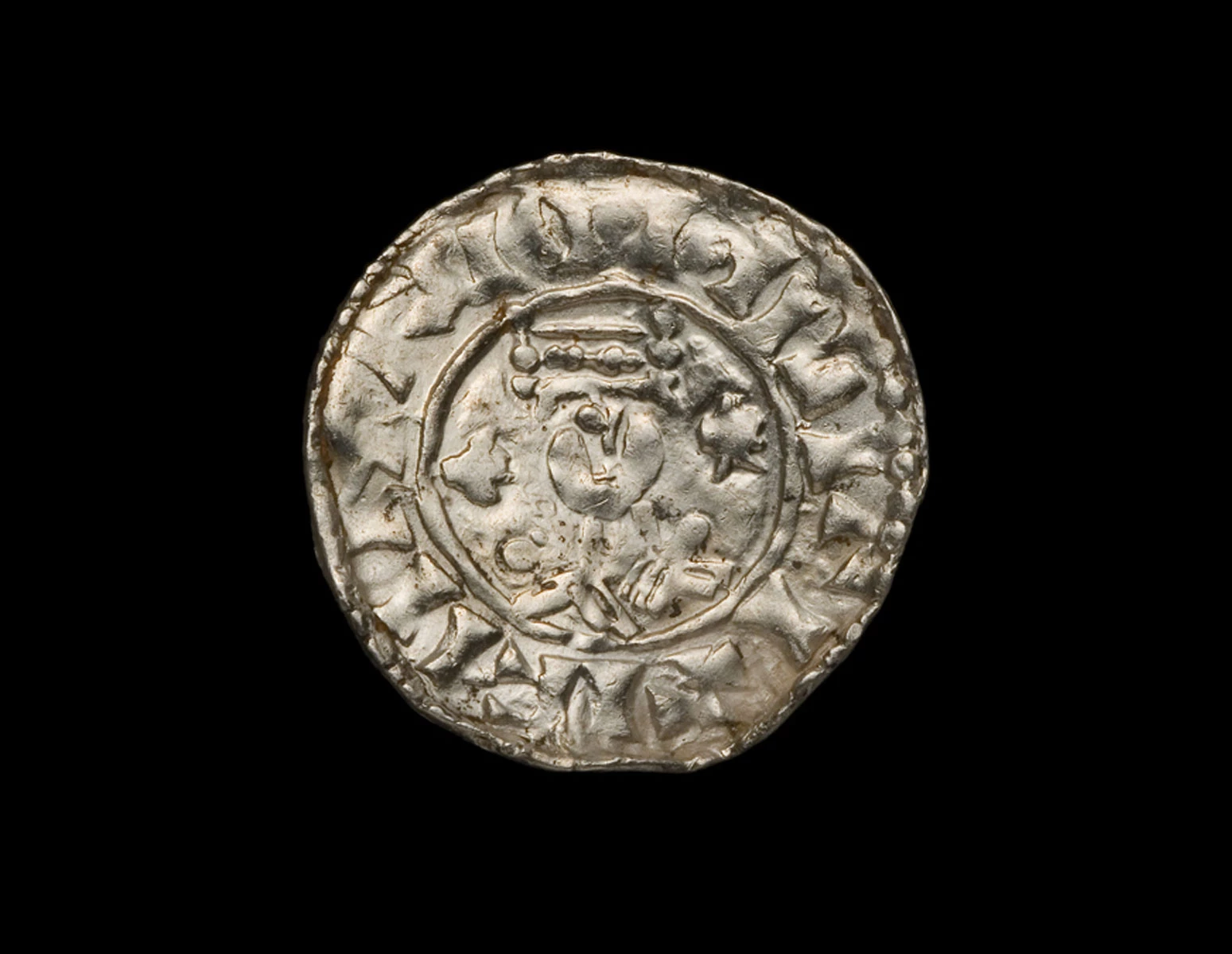
In April 2002 three metal-detectorists (John L Jones, Richard Johns and Fred Edwards) had the find of their lives in a field near Abergavenny, Monmouthshire: a scattered hoard of 199 silver pennies.

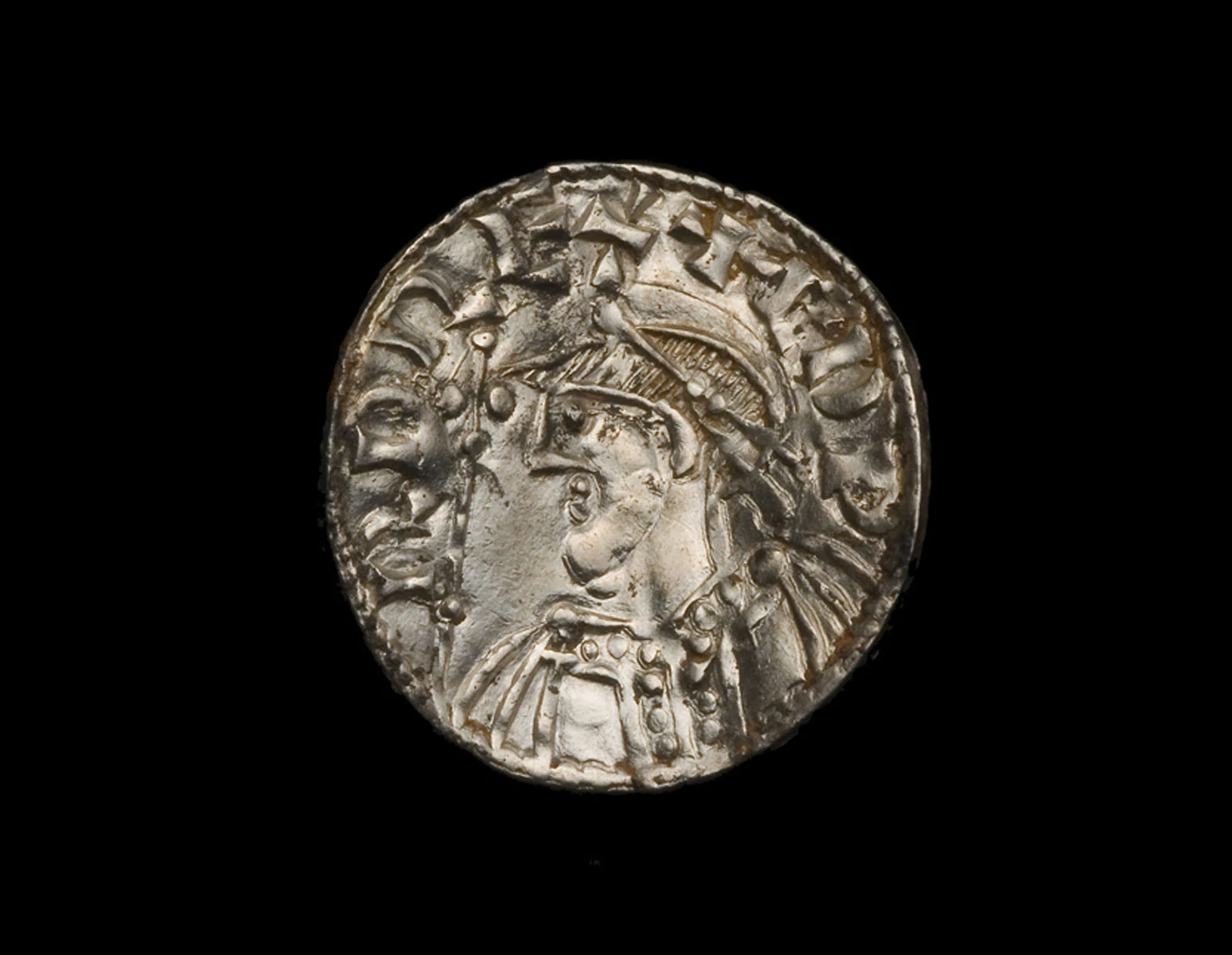
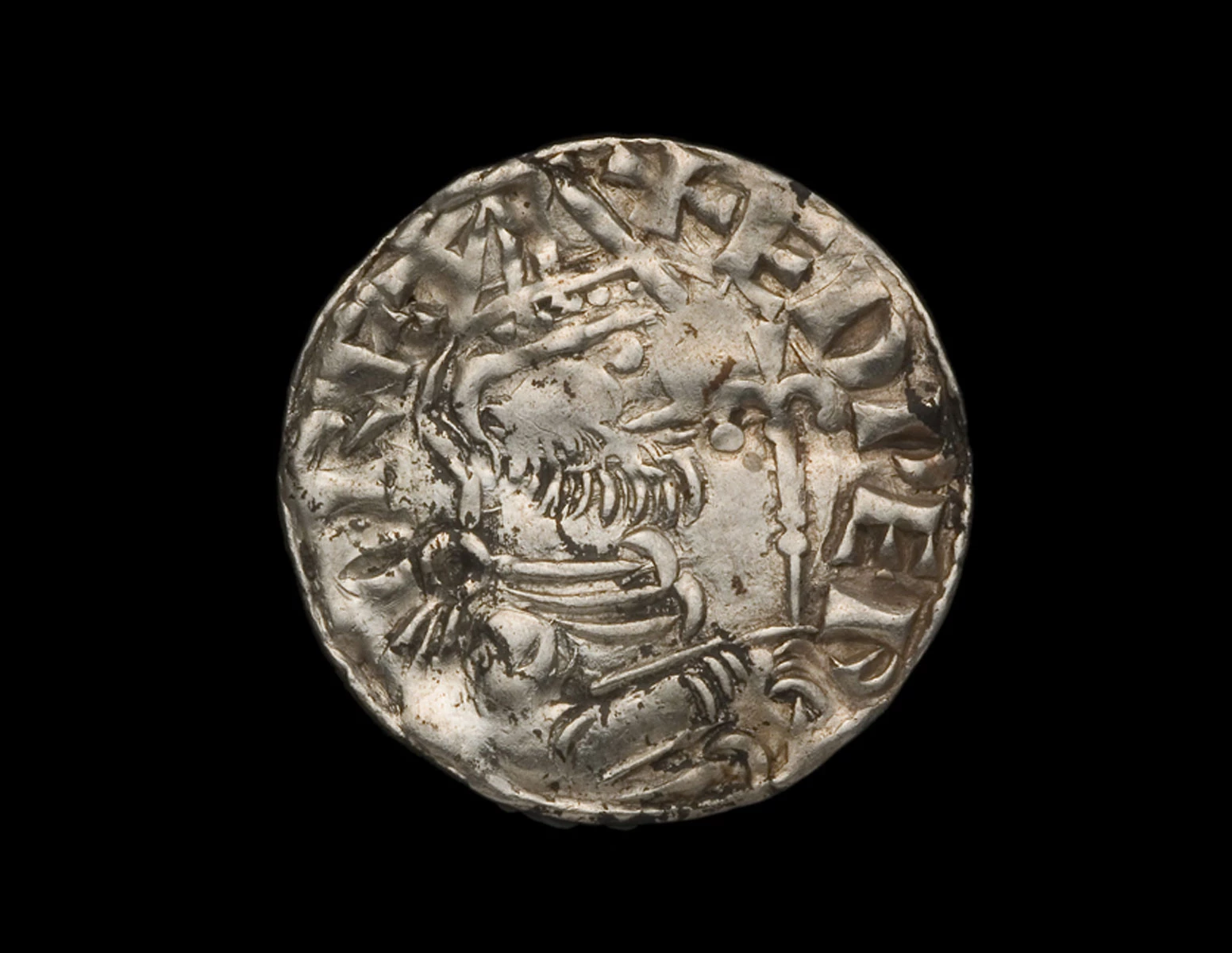
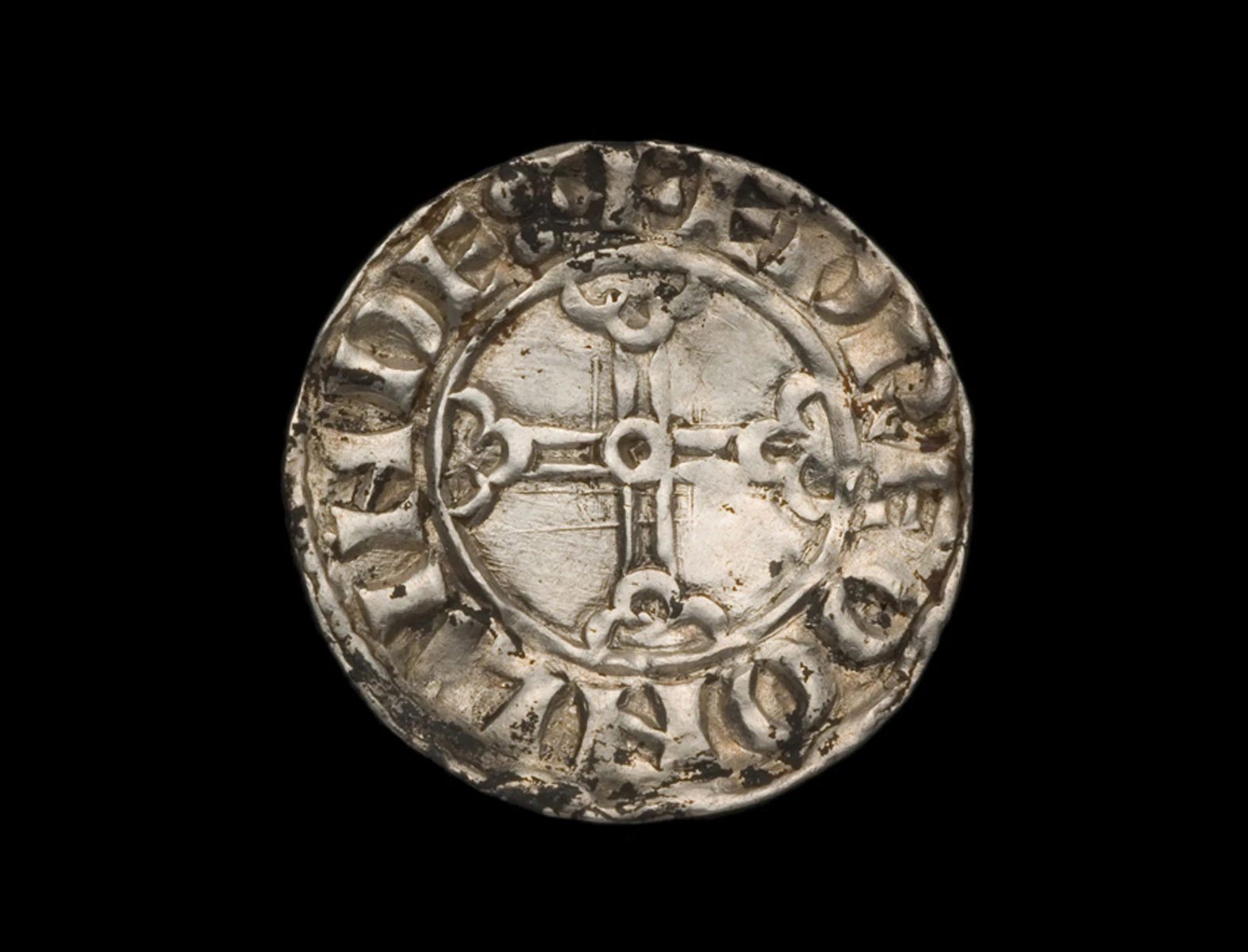
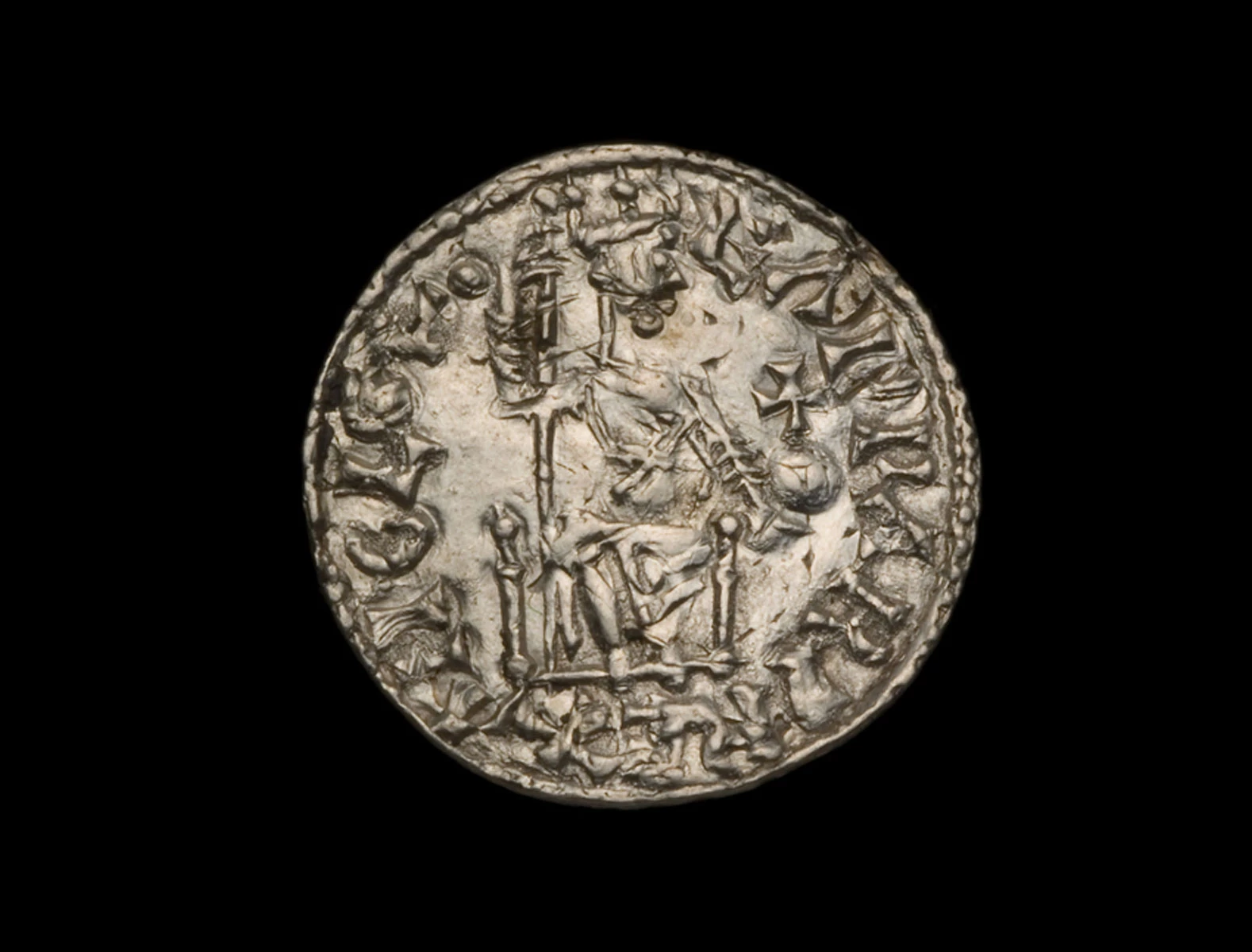
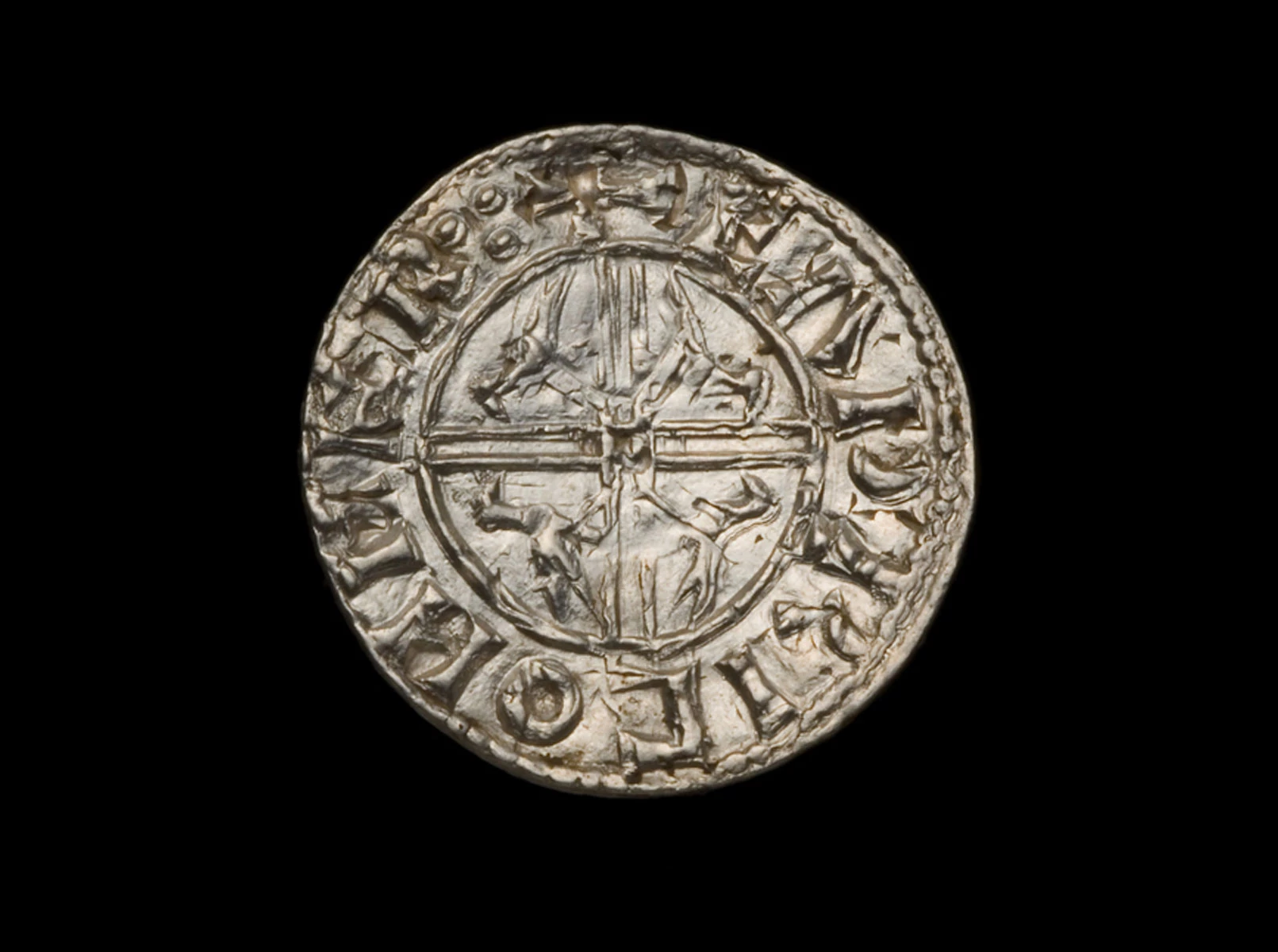
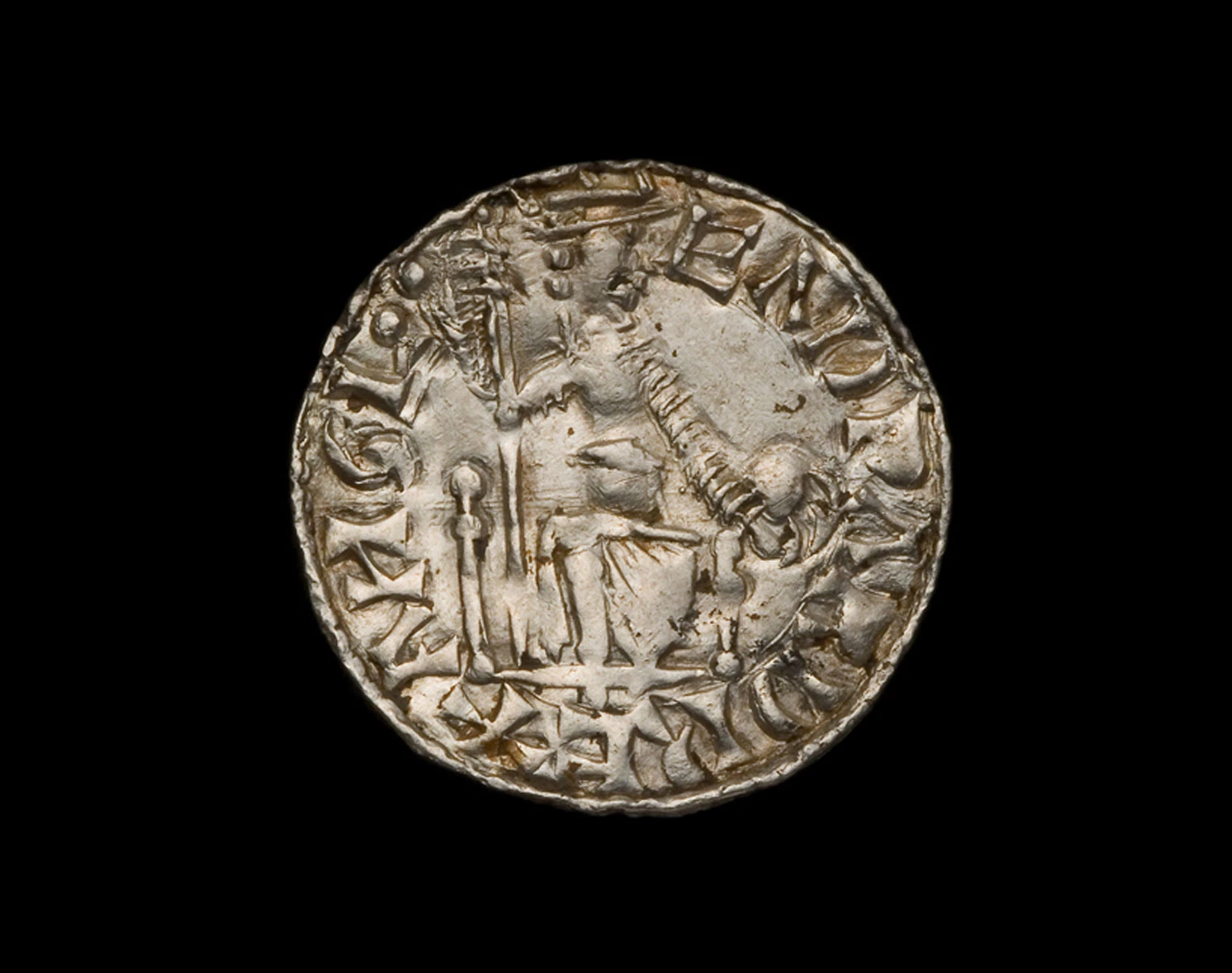
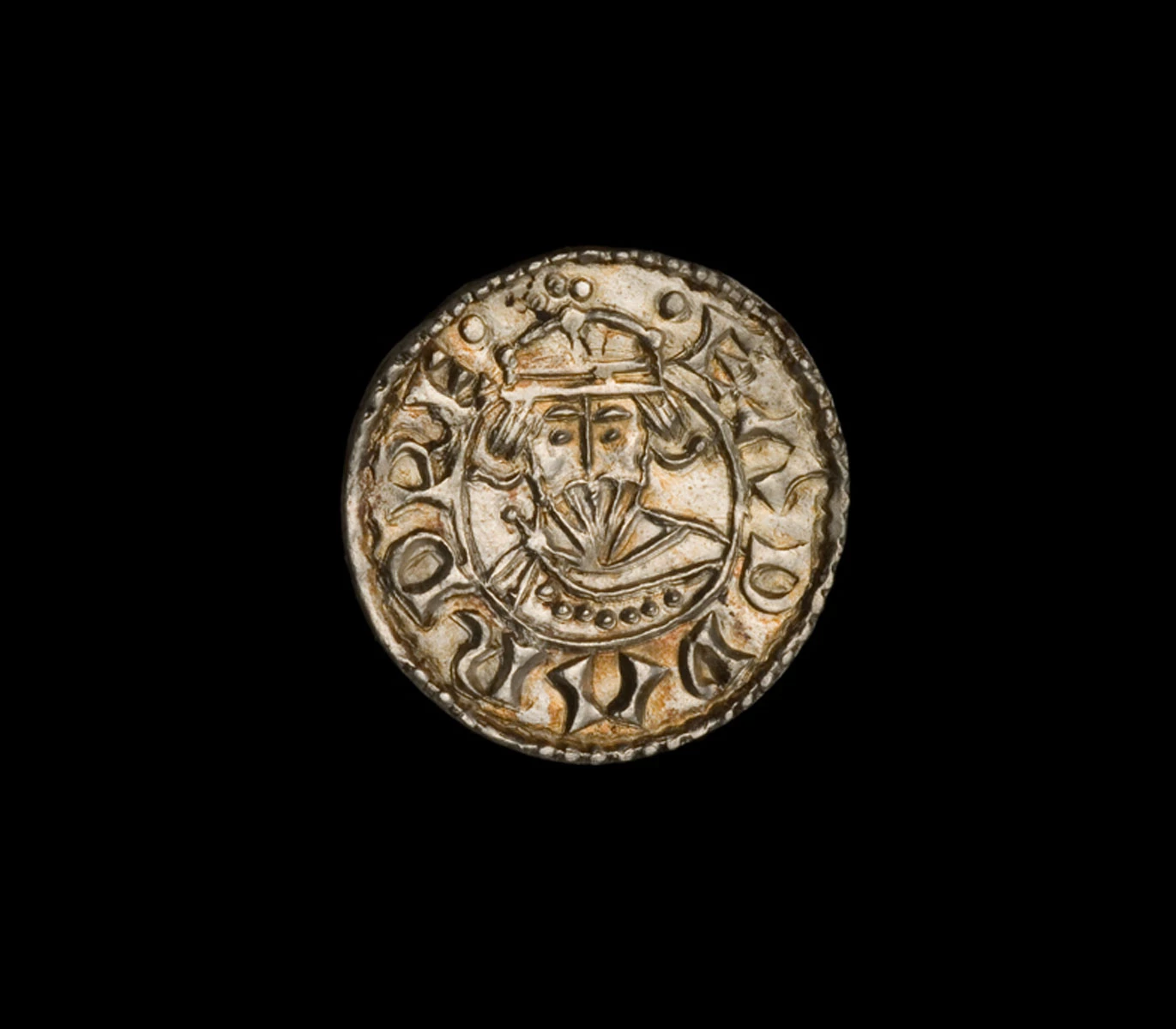
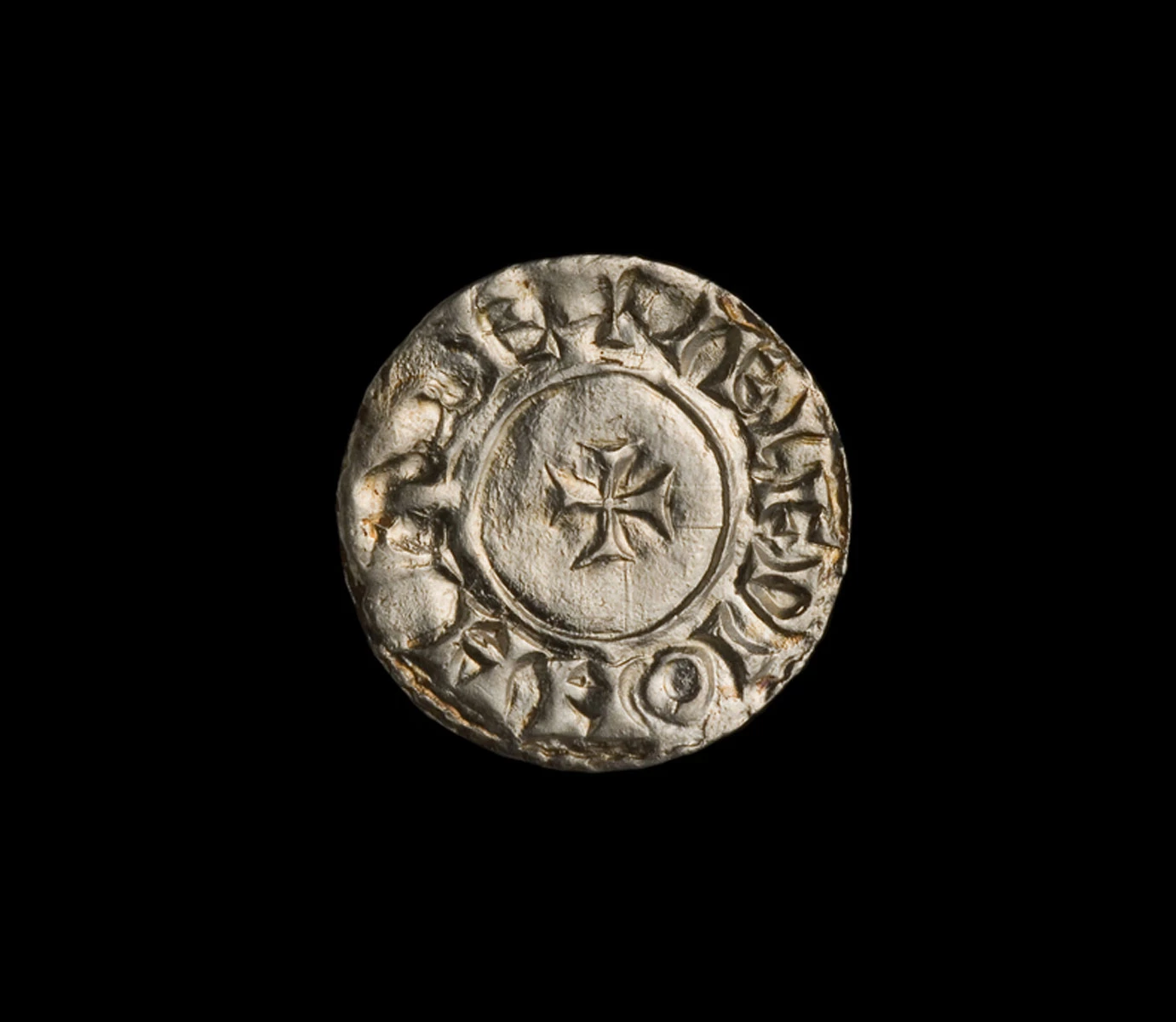
The hoard included coins of the Anglo-Saxon king Edward the Confessor (1042-66) and the Norman king William the Conqueror (1066-87). The hoard probably pre-dates the founding of Abergavenny near by in the 1080s.

The hoard was heavily encrusted with iron deposits, including traces of fabric, suggesting that the coins had originally been held in a cloth bag. It is not clear whether they had been deliberately hidden, or simply lost. Either way their owner was the poorer by a significant amount: sixteen shillings and seven pence (16s 7d, or £0.83p) would for most have represented several months' wages.

Minting coins

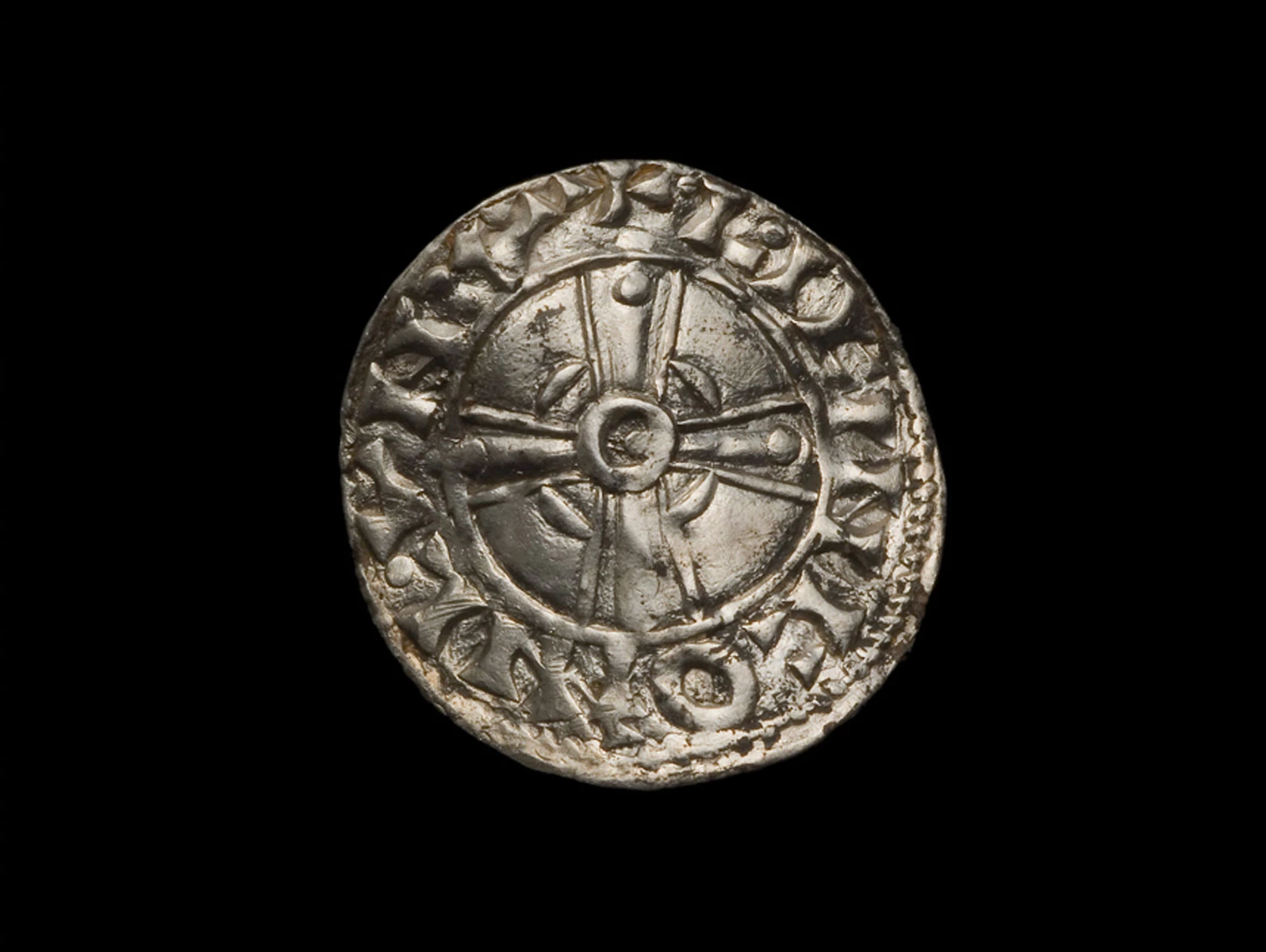
Anglo-Saxon and Norman coins form an unique historical source: each names its place of minting and the moneyer responsible. People had easy access to a network of mints across England (there were none in Wales) and every few years existing money was called in to be re-minted with a new design. The King, of course, took a cut on each occasion.

The Abergavenny hoard includes 36 identifiable mints, as well as some irregular issues which cannot at present be located. Coins from mints in the region, like Hereford (34 coins) and Bristol (24), are commonest, outweighing big mints such as London (19) and Winchester (20). At the other end of the scale there are single coins from small mints such as Bridport (Dorset), or distant ones such as Thetford (Norfolk) and Derby.

Hoards from western Britain are rare, so the Abergavenny Hoard has produced many previously unrecorded combinations of mint, moneyer, and issue.

We shall probably never know quite why these coins ended up in the corner of a field in Monmouthshire but, as well as expanding our knowledge of the coinage itself, they will cast new light on monetary conditions in the area after the Norman Conquest.

Conservation

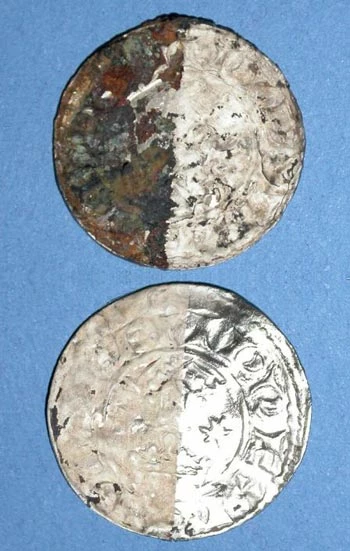
The coins were found covered in iron concretions and many of them were stuck to each other. This disfigured the coins and obscured vital details. Removing this concretion with mechanical methods, such as using a scalpel, would have damaged the silver, and chemicals failed to shift the iron.

The solution to the problem was found in an unexpected, but thoroughly modern tool - the laser. A laser is a source of light providing energy in the form of a very intense single wavelength, with a narrow beam which only spreads a few millimetres.

As laser radiation is of a single colour (infrared light was used in this case) the beam will interact intensely with some materials, but hardly at all with others. This infrared source was absorbed better by the darker overlying iron corrosion than by the light silver metal.

The laser was successful at removing much of the iron crust, but initially left a very thin oxide film on the surface. When this was removed, the detail revealed on the underlying coin was excellent; it was possible to see rough out and polishing marks transferred to the coin from the original die, as well as the inscribed legend.

Background Reading

Conquest, Coexistence, and Change. Wales 1063-1415 by R. R. Davies. Published by Oxford University Press (1987).

The Norman Conquest and the English Coinage by Michael Dolley. Published by Spink and Son (1966).

The Great War: Britain’s Efforts and Ideals

2 August 2014

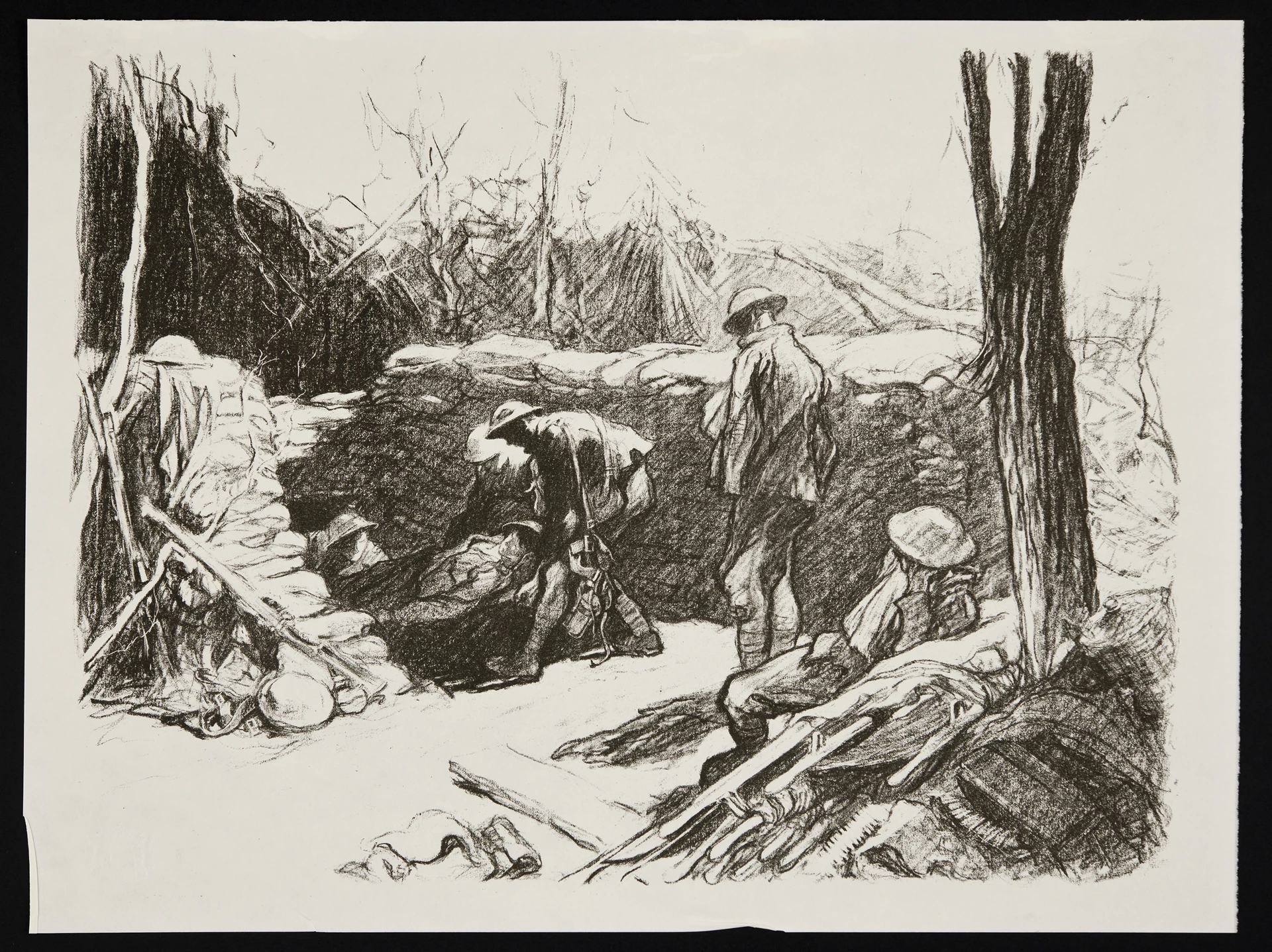
The most ambitious print project of the First World War

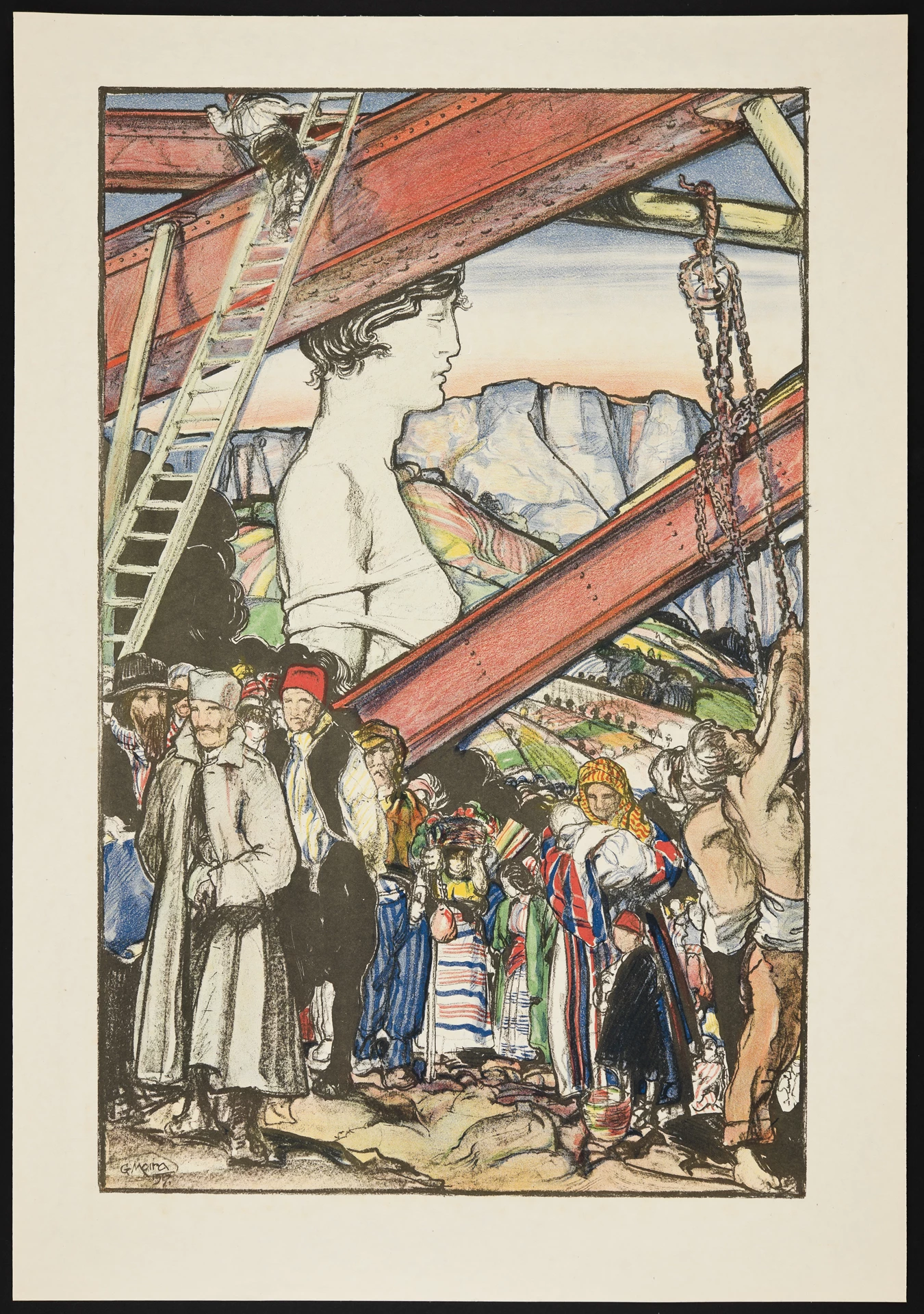
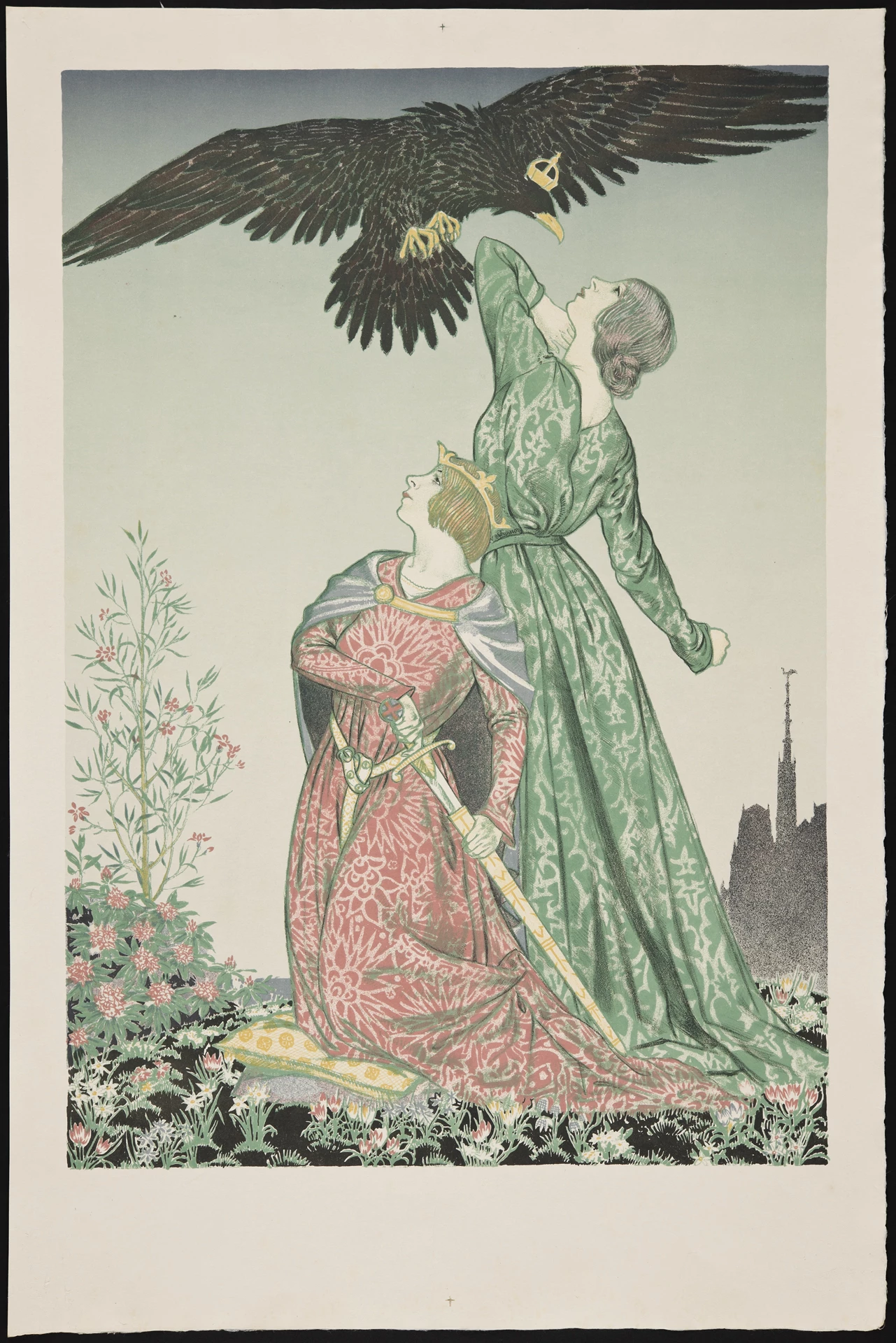
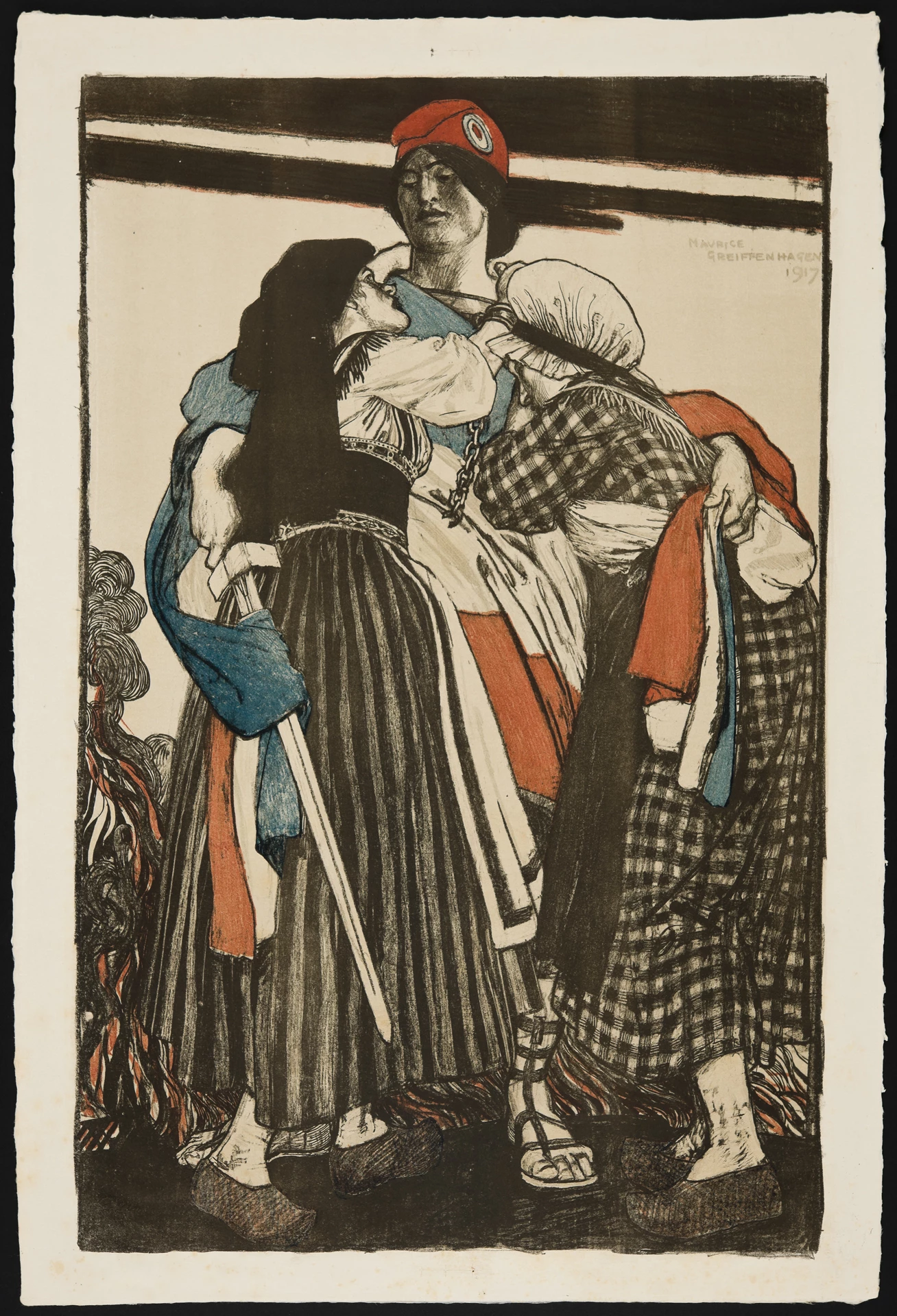
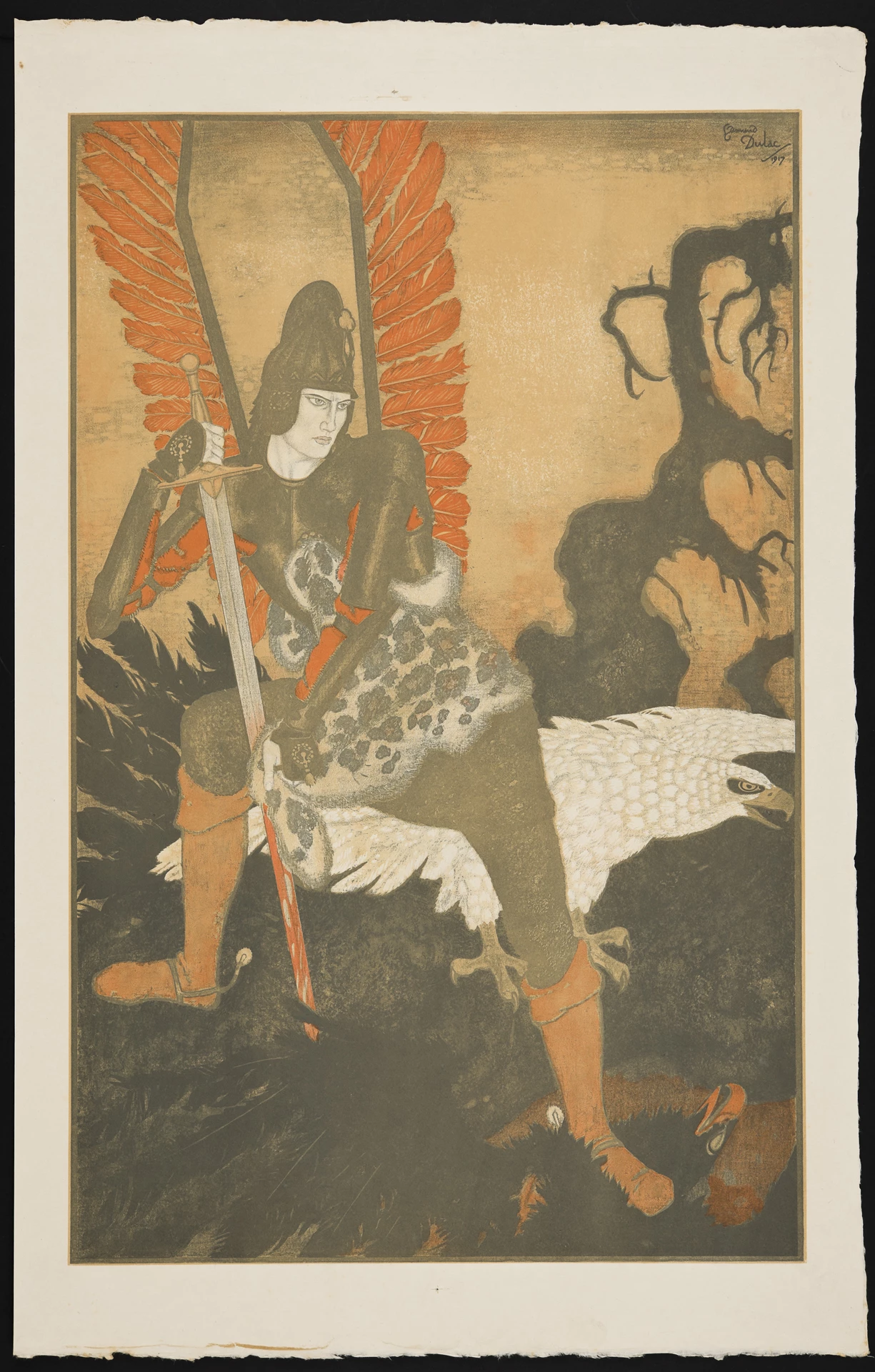
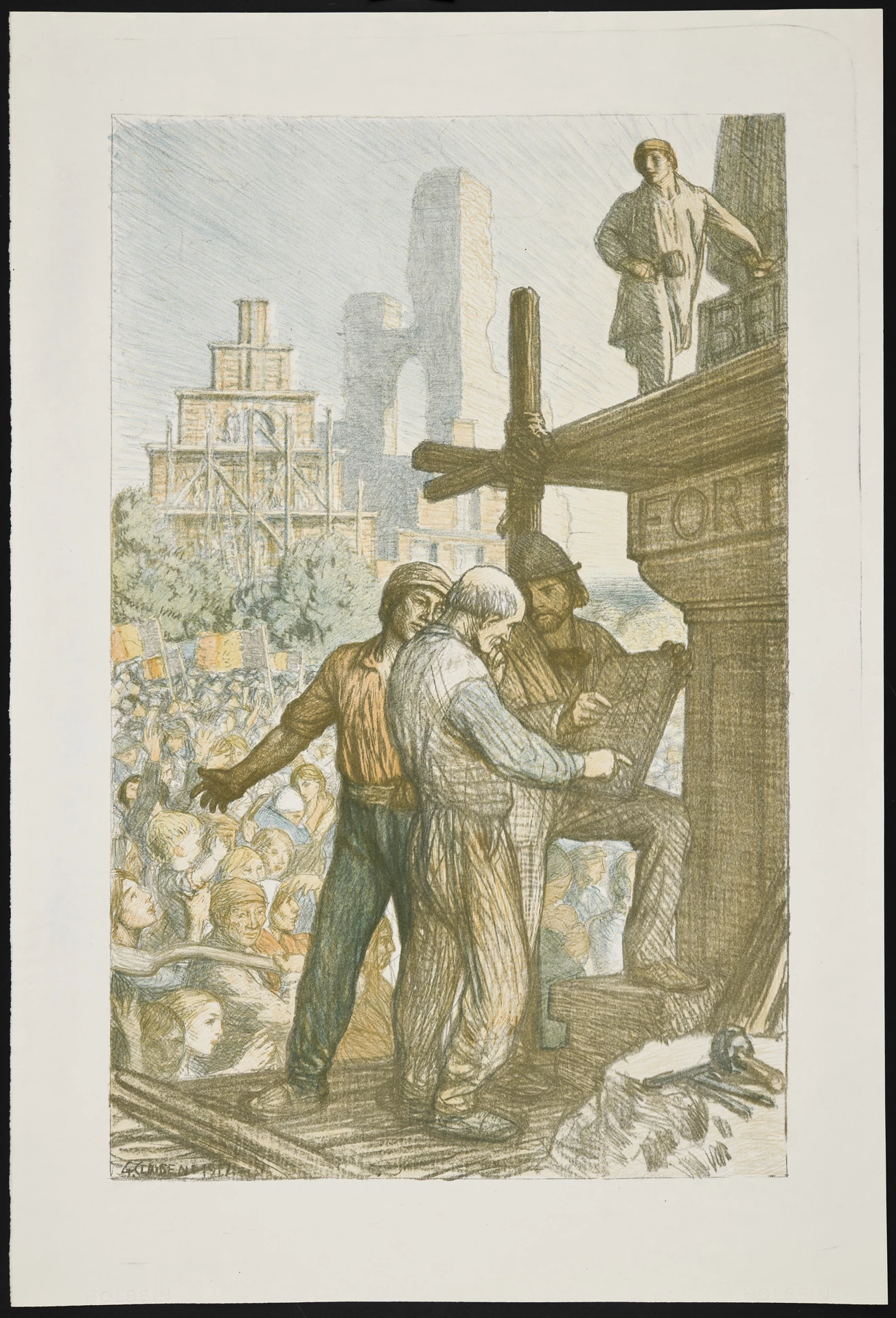
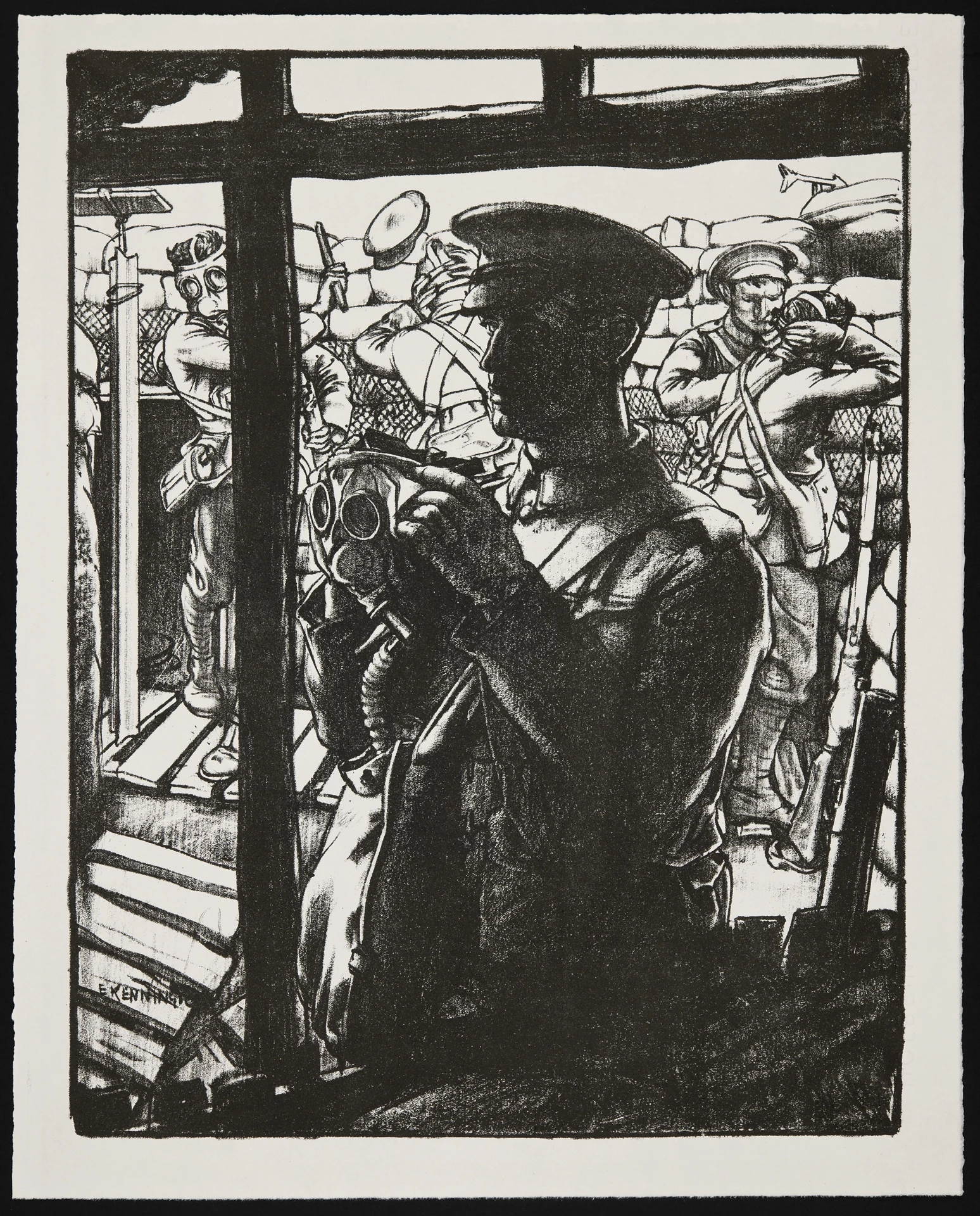
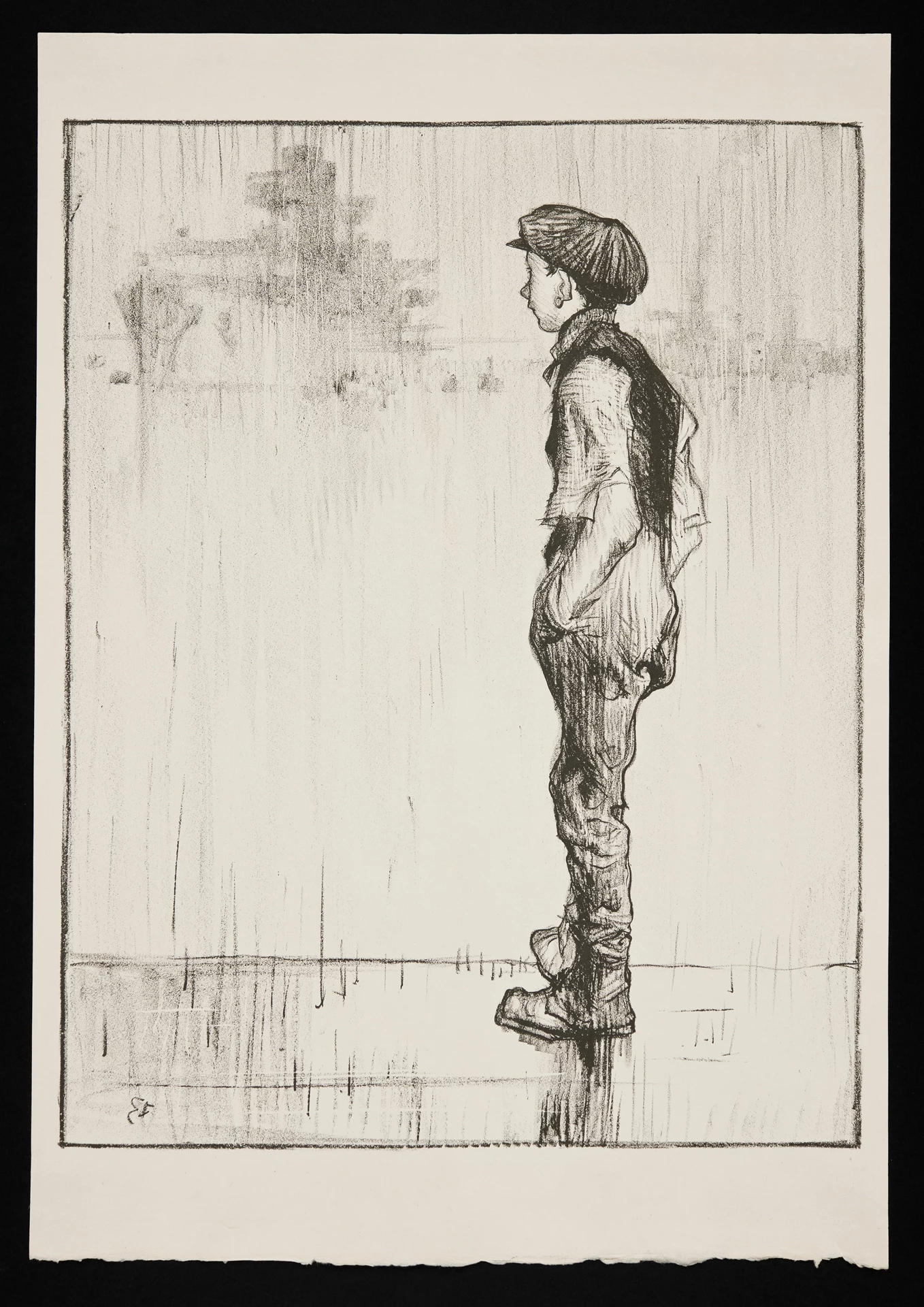
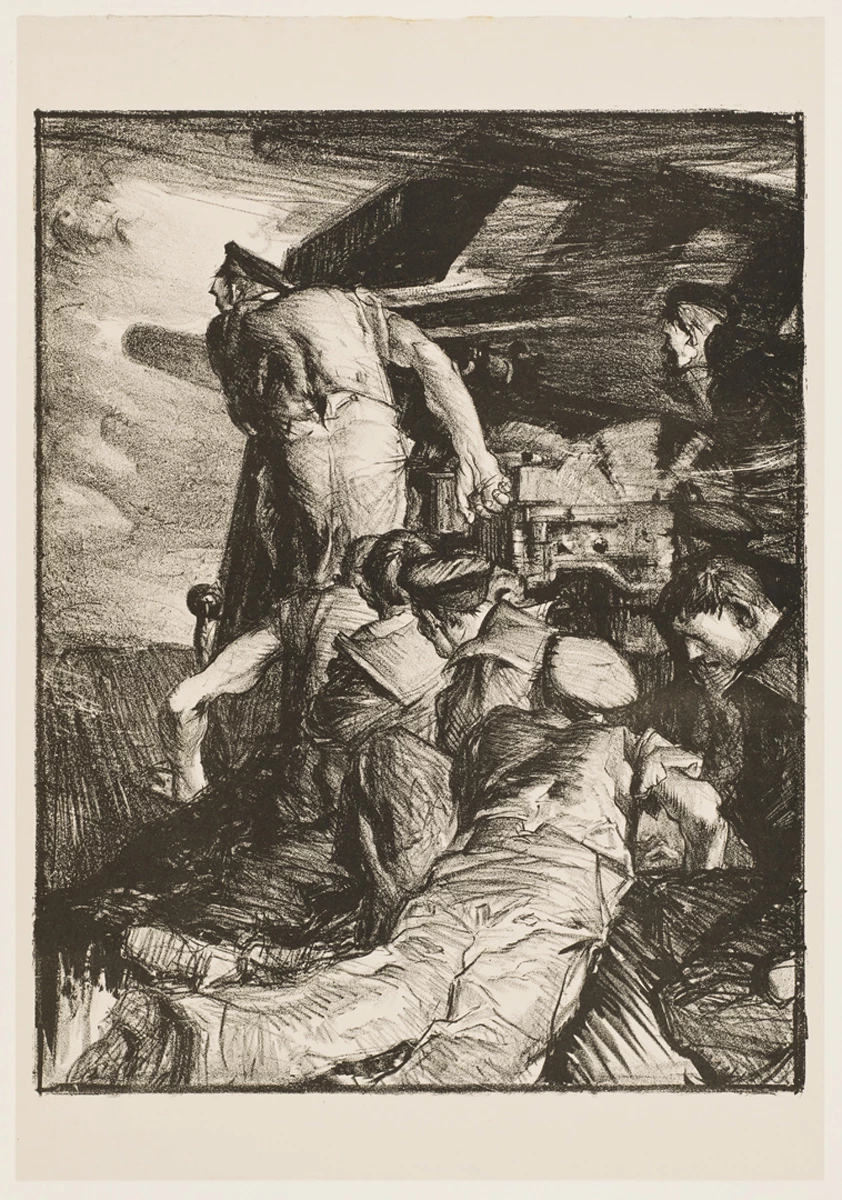
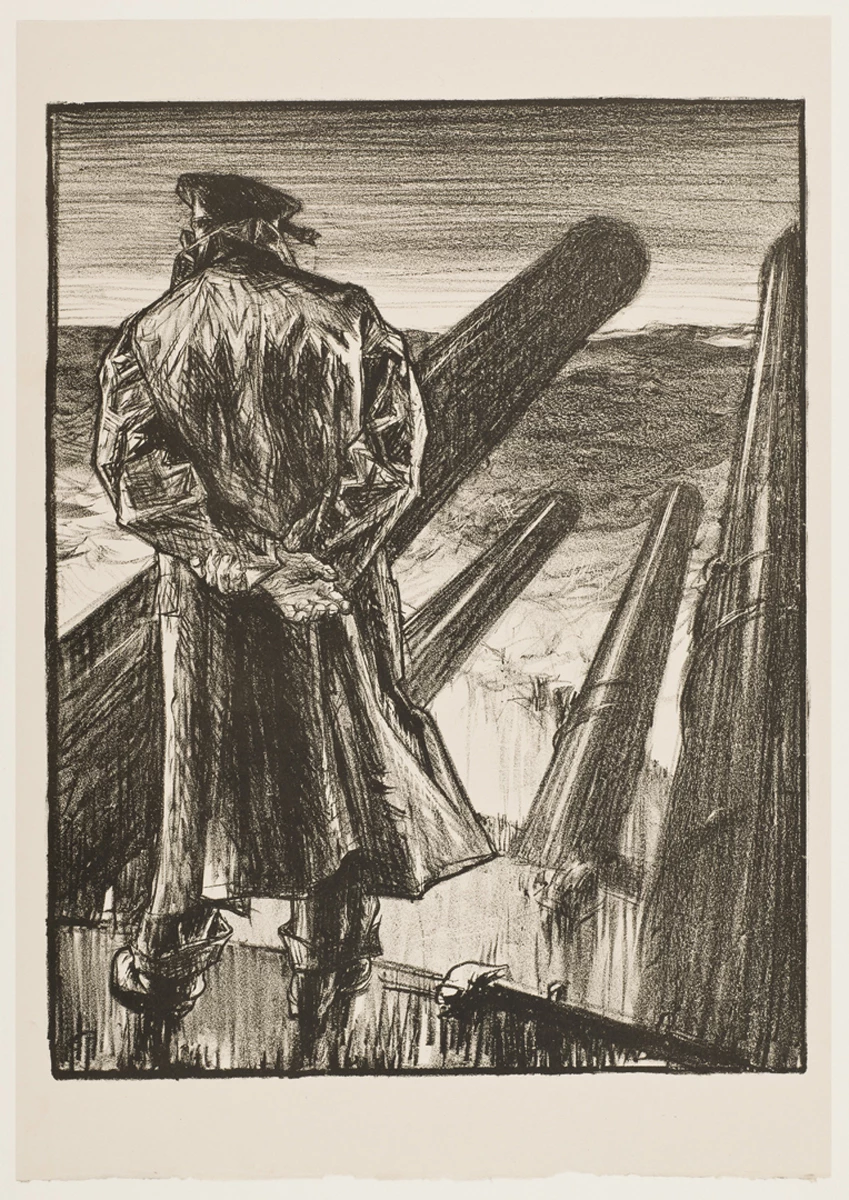
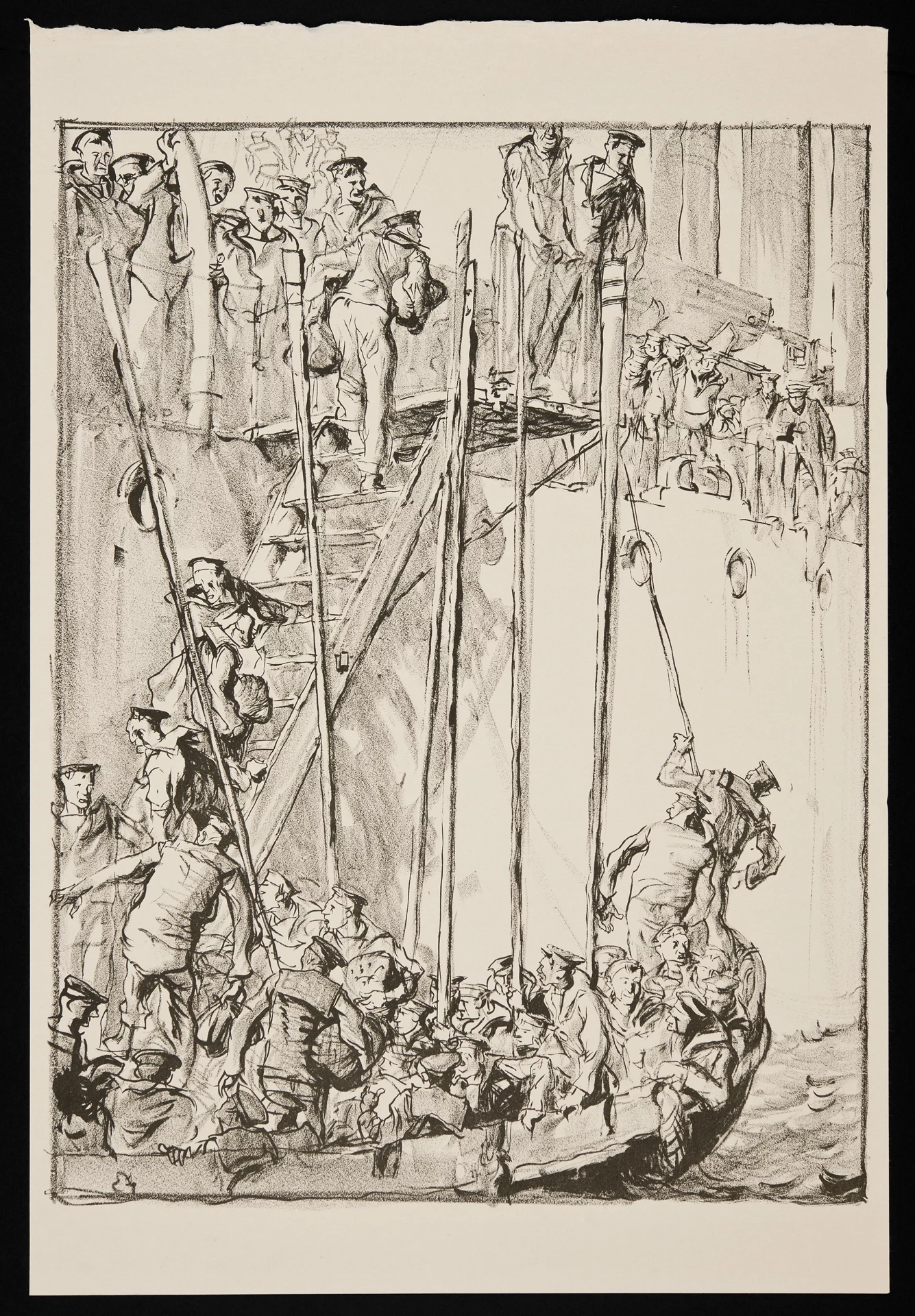
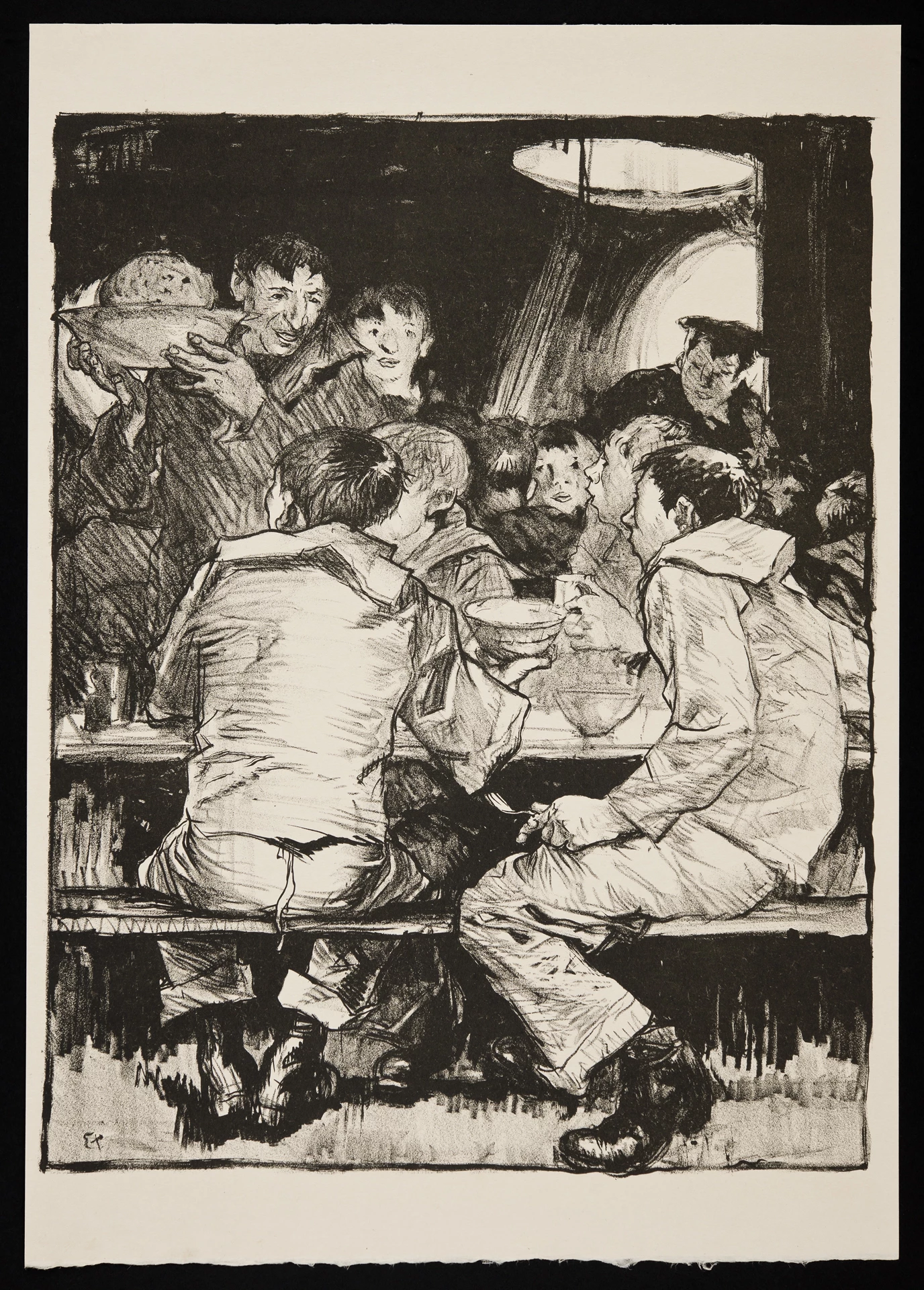
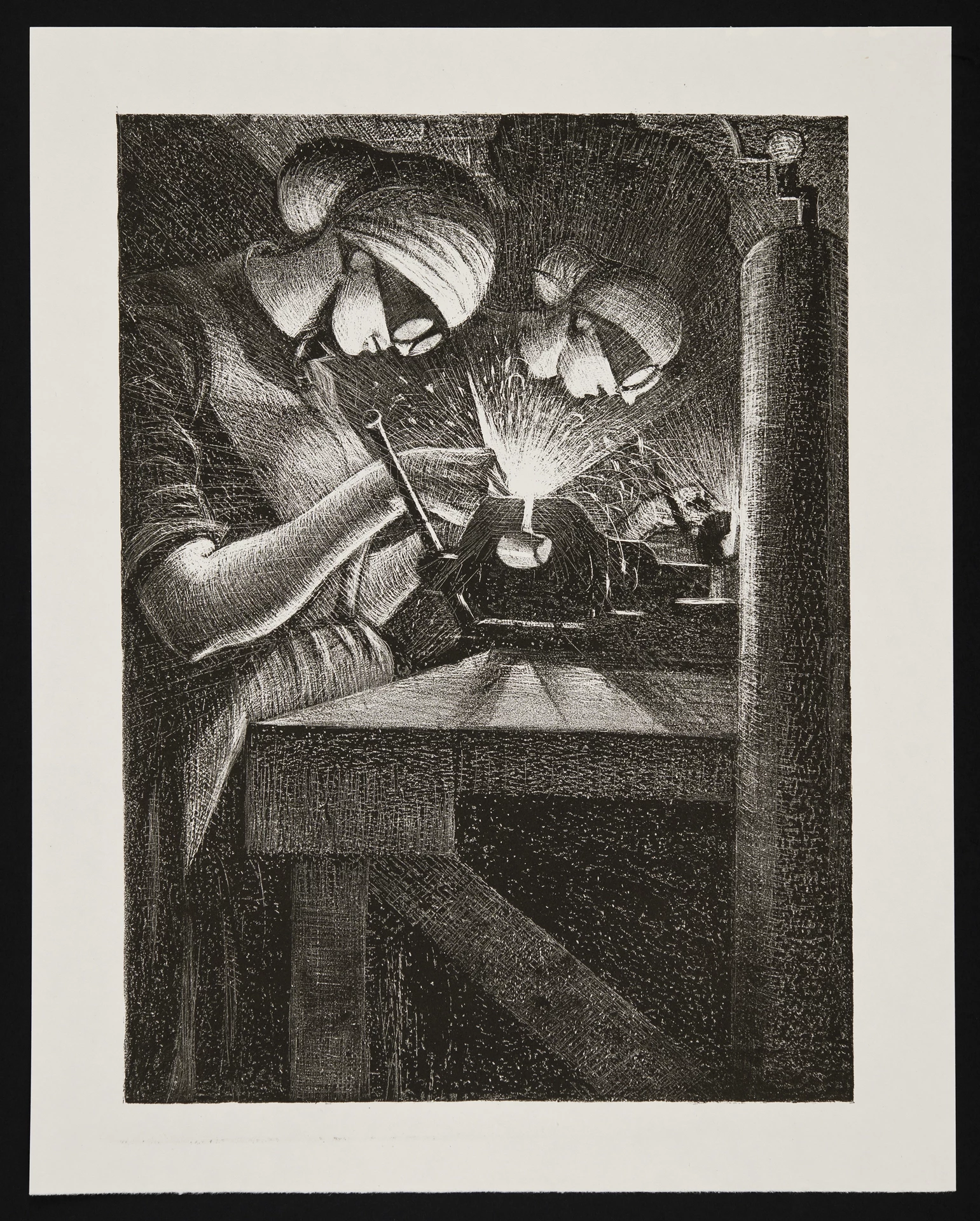
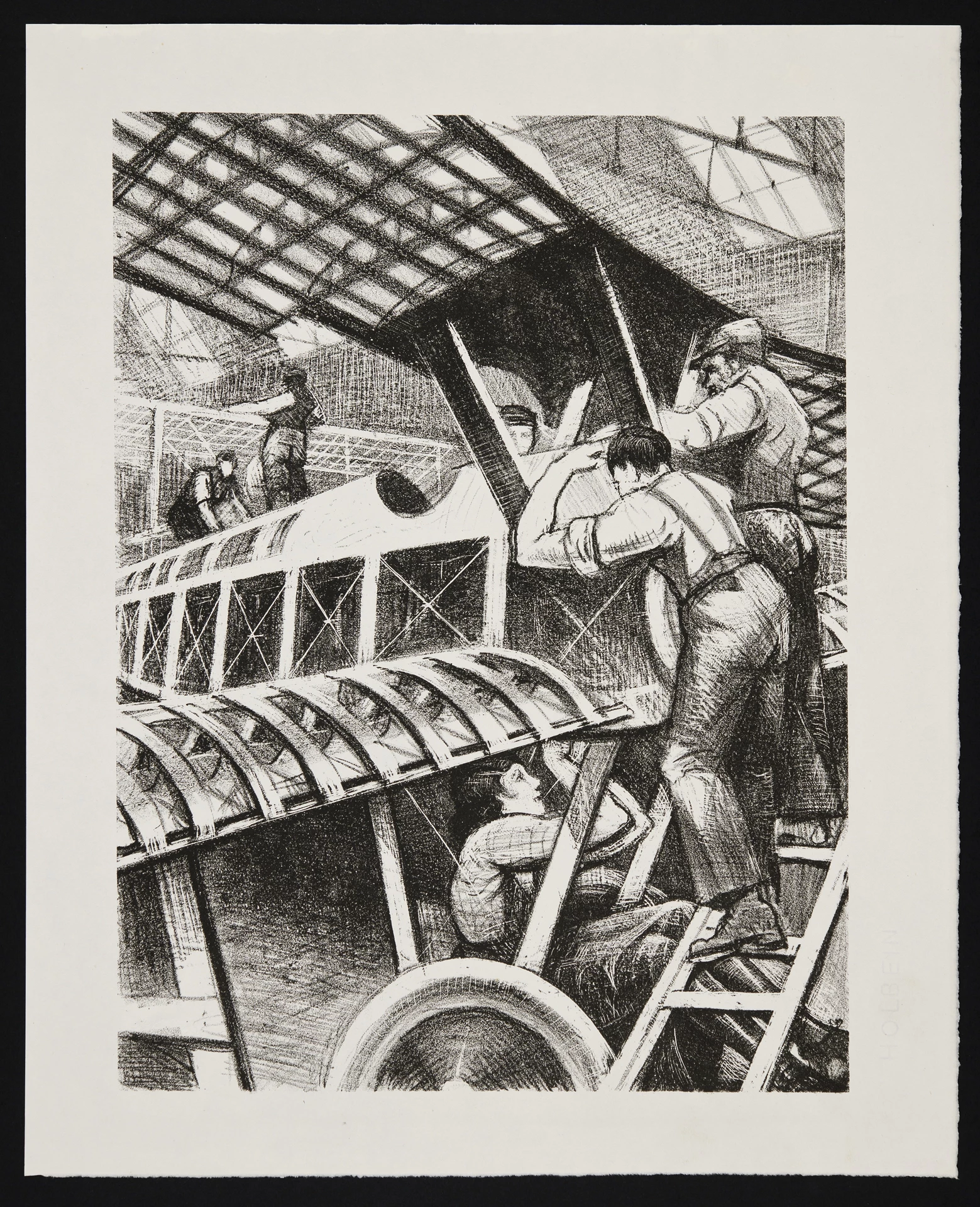
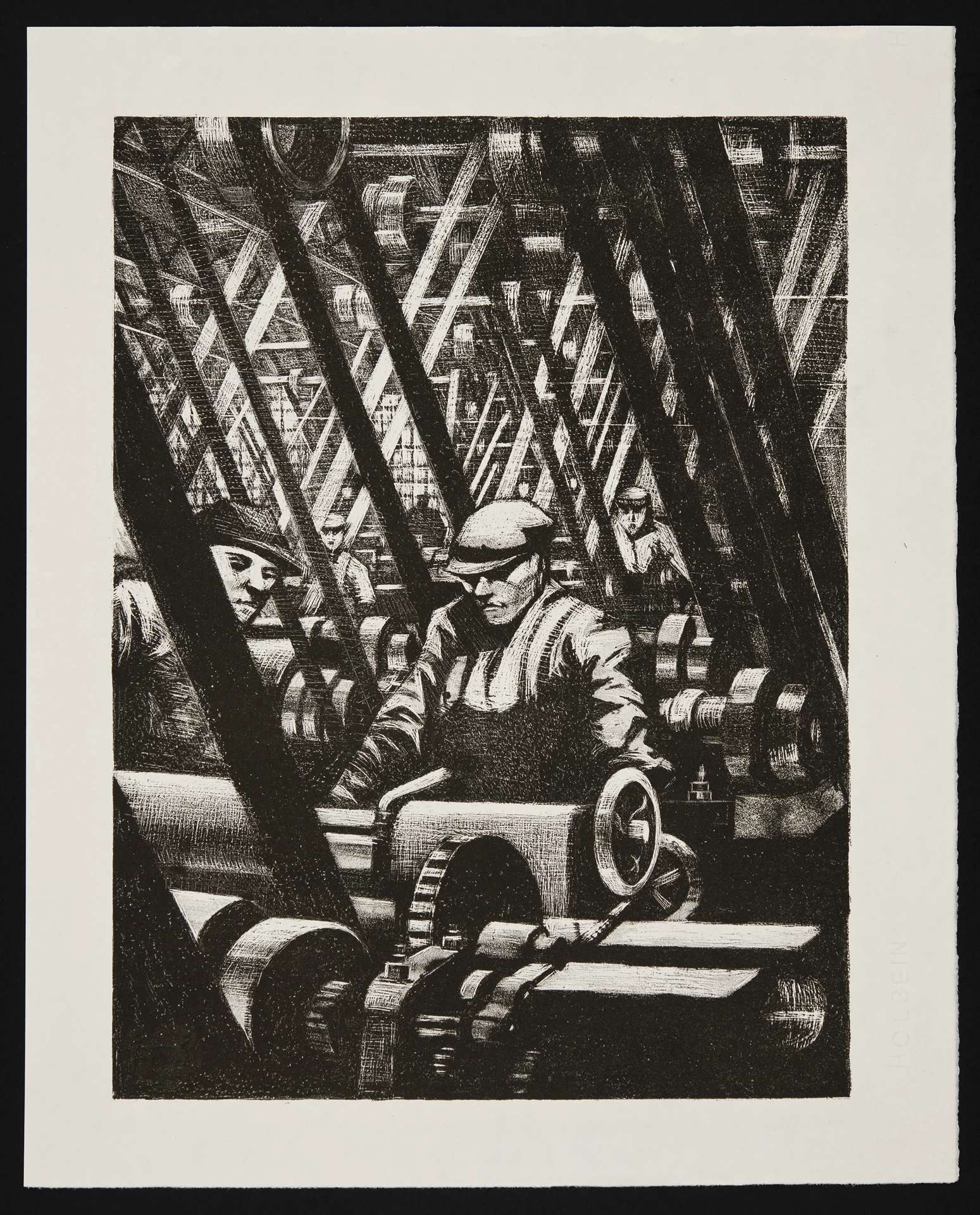
This exhibition presents the complete print series, The Great War: Britain’s Efforts and Ideals. These sixty-six prints were produced by the British government in 1917 as artistic propaganda with the aim of encouraging a war-weary public and raising support for the war effort.

Eighteen artists contributed to the series, including Augustus John, George Clausen and Frank Brangwyn – some of the most celebrated artists of the time.

As a government commission, the artists did not have full artistic freedom. They were given their subjects and each image had to pass censorship regulations.

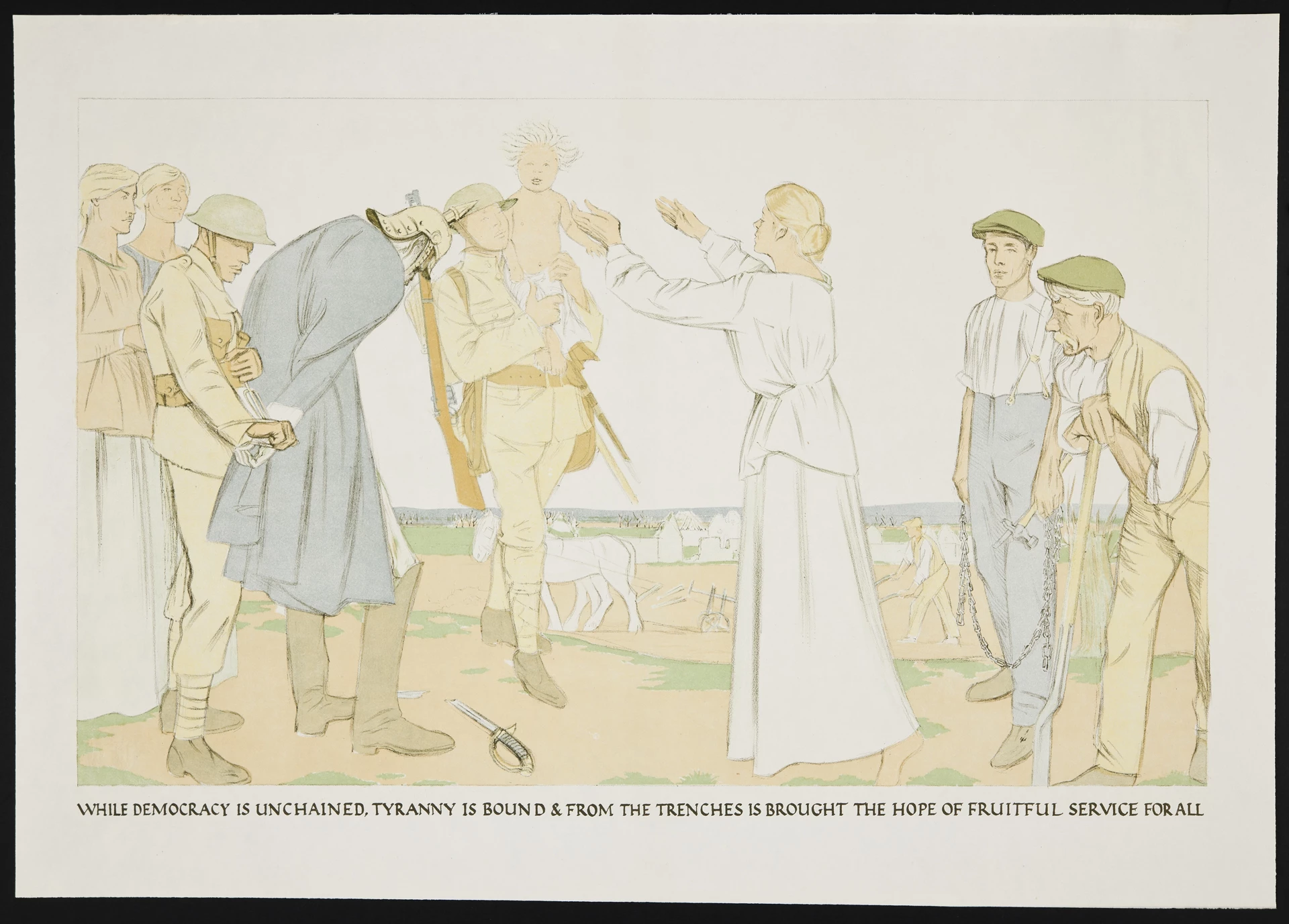
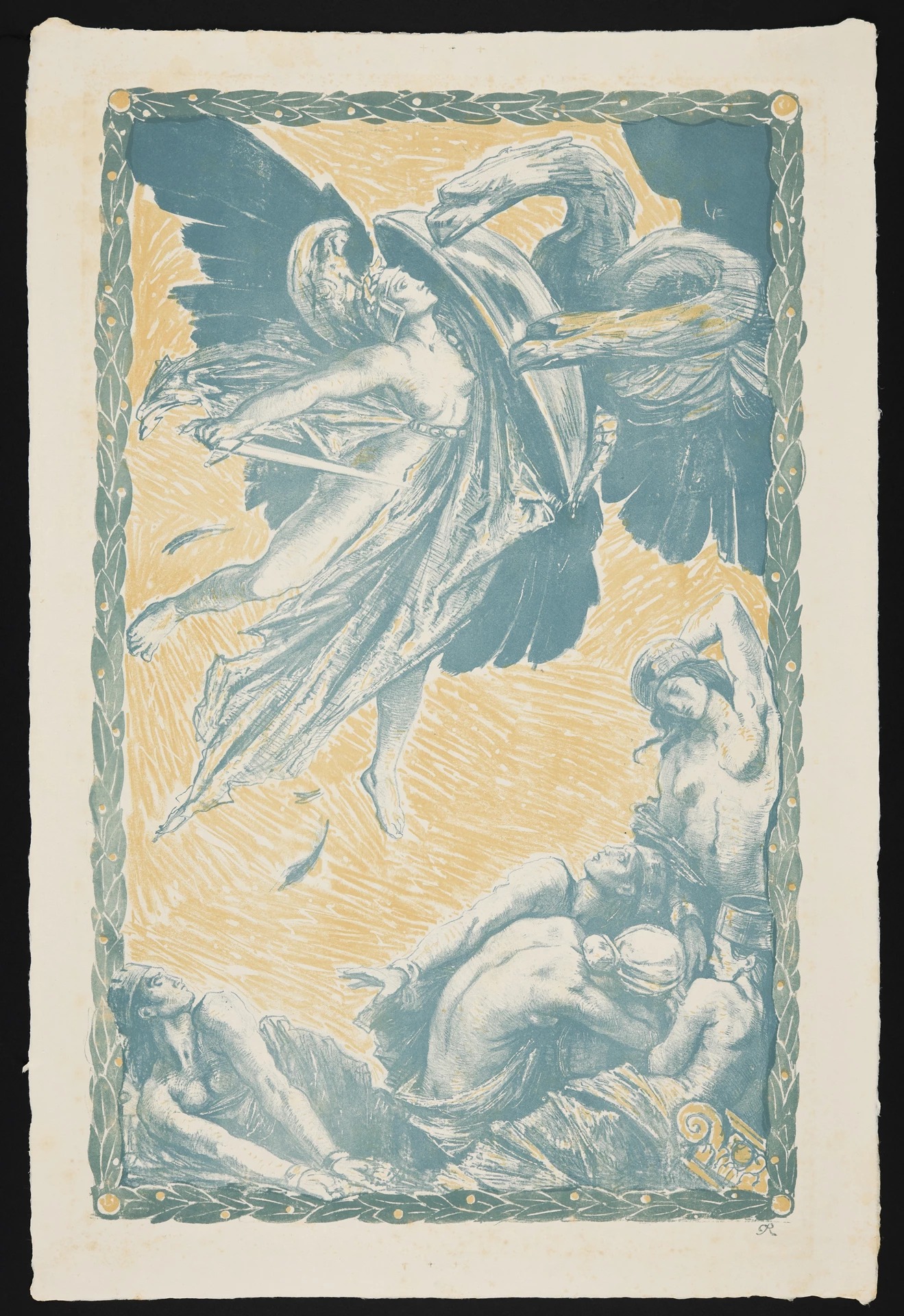
The prints are divided into two sets of portfolios, ‘Ideals’ and ‘Efforts’. The ‘Ideals’ address the question of why Britain was at war and what it aimed to achieve. These images are dramatic and symbolic, such as The Freedom of the Seas and The Triumph of Democracy. The ‘Efforts’ illustrate some of the activities of the war effort, the means by which Britain was to achieve the ‘Ideals’. The Efforts are separated into nine subject headings, each depicting a different activity or theme.

Producing and Exhibiting

These prints were commissioned by Wellington House, a government department secretly set up to produce propaganda. The project was managed by the artist Thomas Derrick (1885–1954), and the printing carried out under the direction of the artist and contributor F. Ernest Jackson (1872–1945). The printer was Avenue Press, London.

The contributing artists were paid well, each receiving £210 (about £10,000 today) with the possibility of further royalties from sales. The prints were a limited edition of two hundred. The ‘Efforts’ were sold for £2 2s 0d (£100) each and the ‘Ideals’ for £10 10s 0d (£500).

As a government commission, the artists did not have full artistic freedom. They were given their subjects and each image had to pass censorship regulations.

The series was first exhibited at the Fine Art Society, London in July 1917, followed by regional art galleries around Britain. It was also shown in France and in America, where the majority of the portfolios were sent to be exhibited and sold.

Contemporary Reaction to Prints

“The very soul of the war is to be read in the set of sixty-six brilliant lithographs.”   
(The Illustrated London News, 1917)

These prints were commissioned as propaganda with the specific aim of raising civilian morale and manipulating public opinion towards the First World War in Britain and abroad. In 1917, after three years of hard fighting and unprecedented loss of life, the government needed a new way to maintain public support for the war. These prints were designed to remind people of the aims and objectives, and emphasise the importance of patriotic duty.

It is hard to know whether the prints were successful as propaganda. They were widely published when first exhibited in 1917. Some journalists supported the message, “To see these lithographs is a patriotic as well as an artistic duty” (Burton Daily Mail, Feb 15, 1918). Others were not so positive, “their efforts are in almost every instance sincere; yet the result is, on the whole, meagre and unsatisfying.” (The Daily Telegraph, 20 July 1917). In America, the reaction initially seemed positive, ‘they have been a revelation to American Fifth Avenue art patrons, dealer, critics…They put up British prestige’. However, prints sales there did not meet expectations and a loss was made on the project as a whole.

Lithography and the Senefelder Club

‘The most brilliant of the younger men are all now making remarkable lithographs…there is a genuine renaissance of the art’ (Joseph Pennell, 1914)

Lithography is a printing technique based on the principle that oil and water do not mix. An artist draws an image onto a smooth surface, traditionally a limestone, with a greasy material. Ink is then rolled onto the surface, it is attracted to the drawing, but repelled by the dampened un-drawn areas. Paper is laid down on the stone and run through a press. Different effects can be achieved using different greasy materials to draw. These can imitate a chalk or pencil drawing or even watercolour. Many of these prints were produced using a ‘transfer’ method, where a drawing made on special paper is transferred to the stone, rather than working on it directly. For colour lithographs, the artist begins with the design on a key-stone using one colour. Any further colours require a different stone, inked up and printed one on top of another.

Many of the contributing artists were members of the Senefelder club, a small club set up in 1908 to encourage and revive artistic lithography. It was named after the 18th century German inventor of the process. This portfolio was produced at a time of a revival of interest in the artistic opportunities of lithography.

“To lose sight of Britain's ultimate ideals of freedom and democratic justice is to reduce the present war to nothing less than a carnival of carnage” (Burton Daily Mail, Feb 15, 1918)

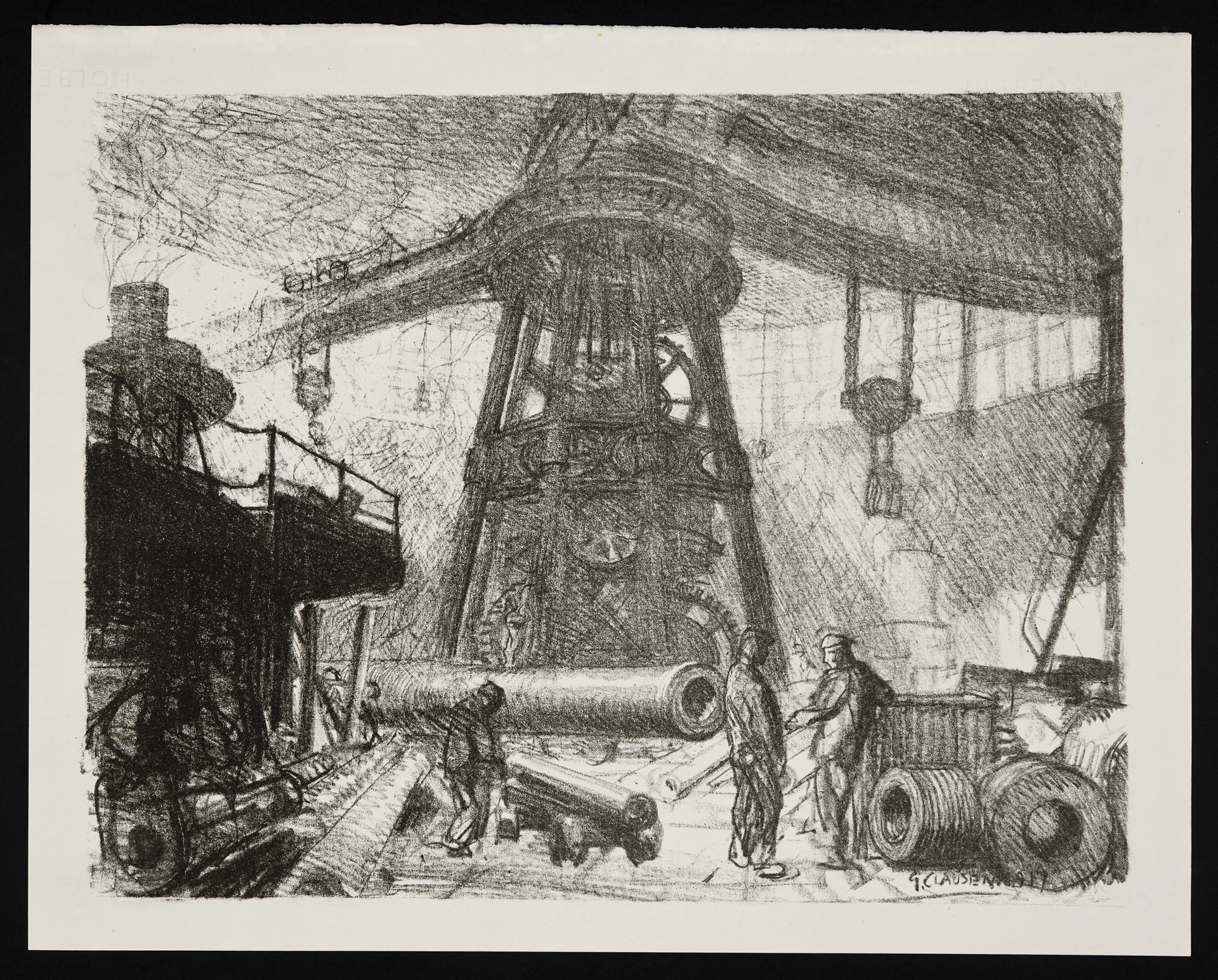
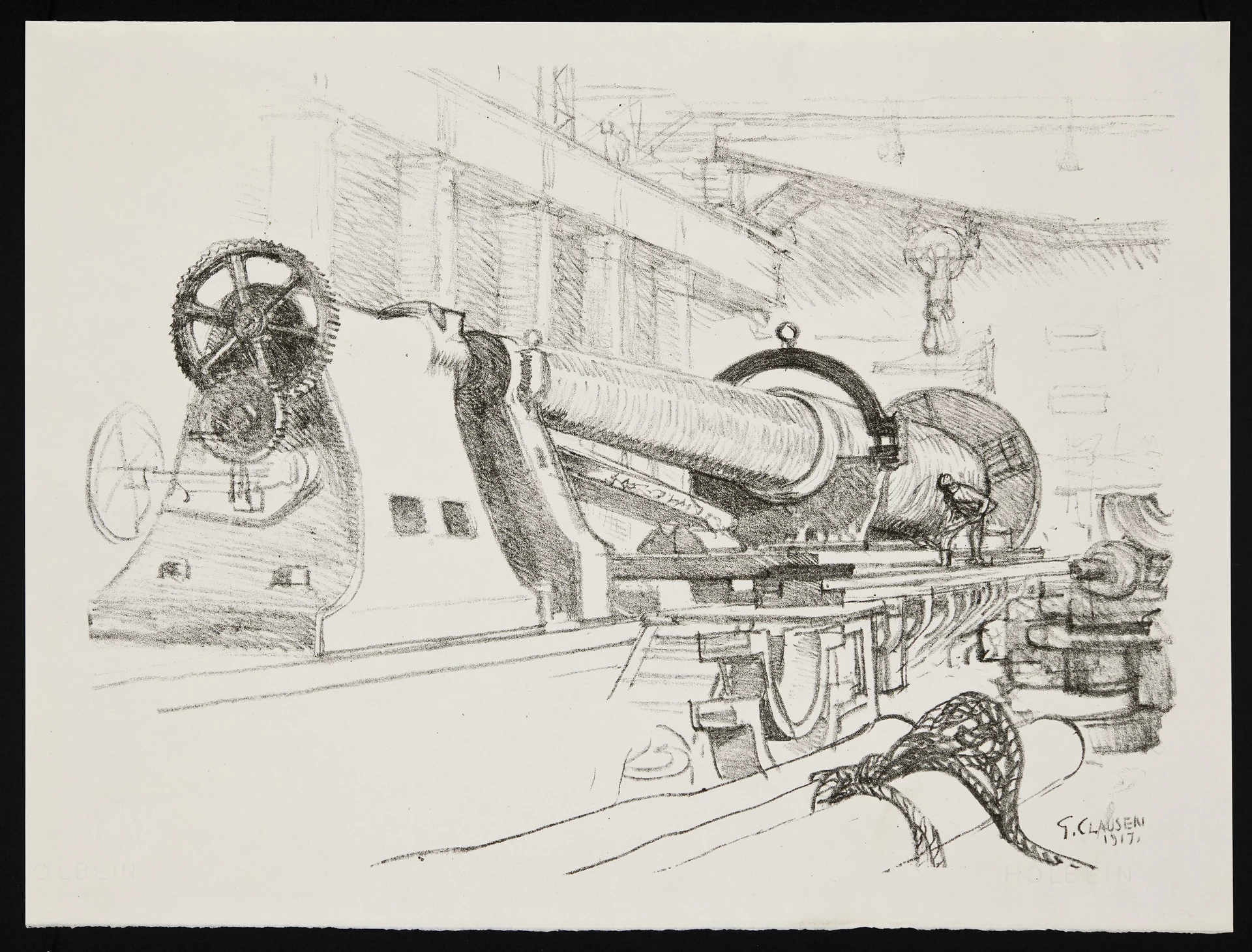
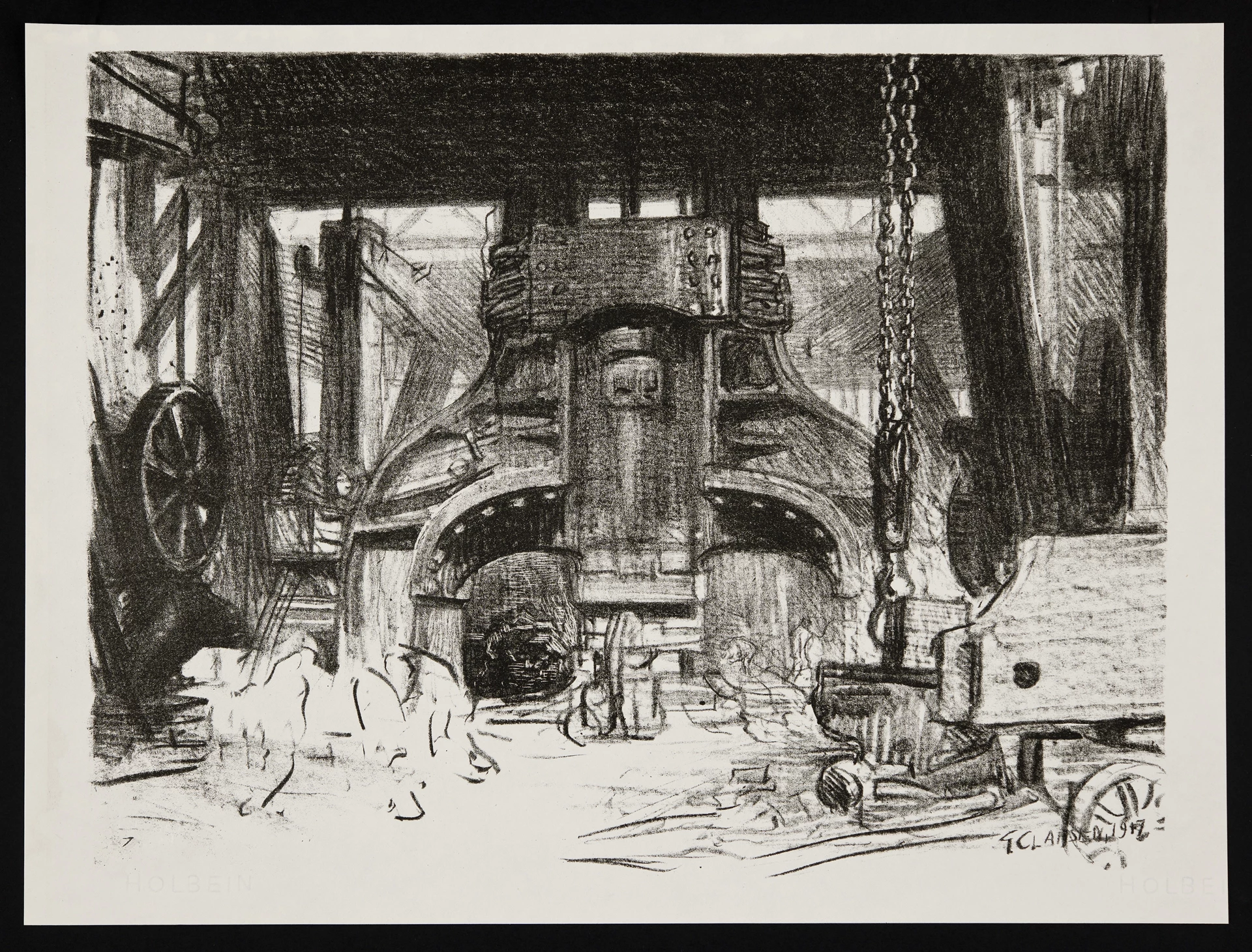
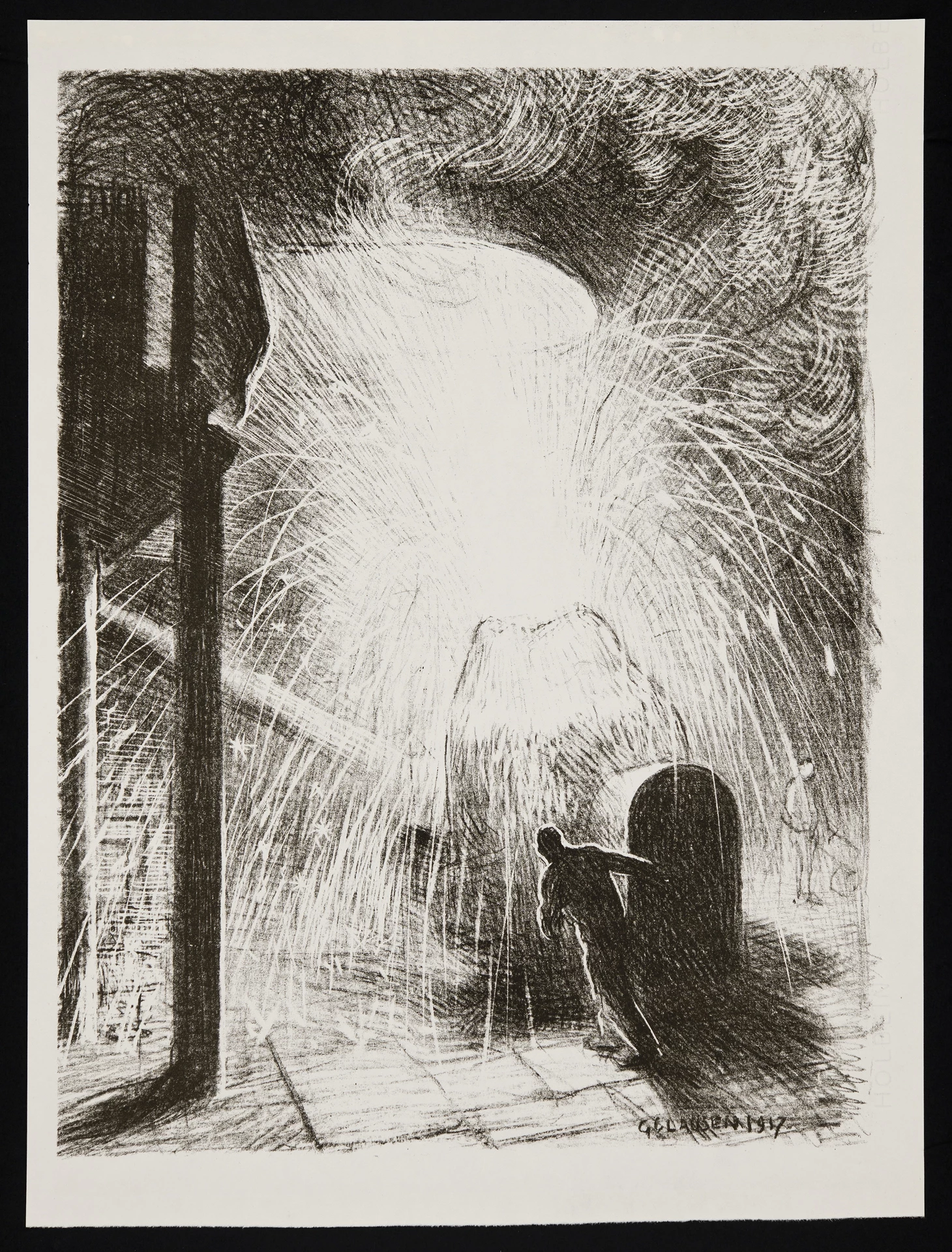
Twelve artists each contributed a large colour lithograph to this section. Some of the artists, including Brangwyn and F. Ernest Jackson, were accomplished lithographers, whilst for others, such as Clausen and Grieffenhagen, it was the first time that they had used the technique.

The Ideals express the aims and ambitions of the war through use of allegory and symbolism. Allegory is a traditional form of representation in art in which historical or mythological figures are used to communicate broader ideas and concepts. In Ideals, the message and meaning of the composition is referenced by the title of each work. Countries and concepts are represented as figures and forms. Although allegorical representation had been out of artistic fashion for some time when these prints were made, it was used here as a propaganda tool to emphasise the importance of the objectives. Through grandiose associations, the prints aimed to justify the means and realities of the war for ordinary people.

Although many people praised the project, The Ideals received some criticism for their idealistic portrayal of war.

Showing soldiers in training and at the Front, one journalist described these prints as capturing ‘the spirit of our new, young army’. Kennington was probably chosen for this subject as he had himself enlisted with the 13th (Kensington) Battalion London Regiment and fought on the Western Front, France, 1914-1915. He was wounded and discharged as unfit in 1915. These prints do not attempt to depict the horror and tragedy of war; as in most of his war art, Kennington instead champions the common soldier.

Kennington was born in Chelsea, London, the son of a well-known portrait artist. He studied at St Paul’s Art School, the Lambeth School of Art and the City and Guilds School. He was appointed an official war artist from 1917-1919 and again in 1940-1943, painting portraits of sailors and airmen.

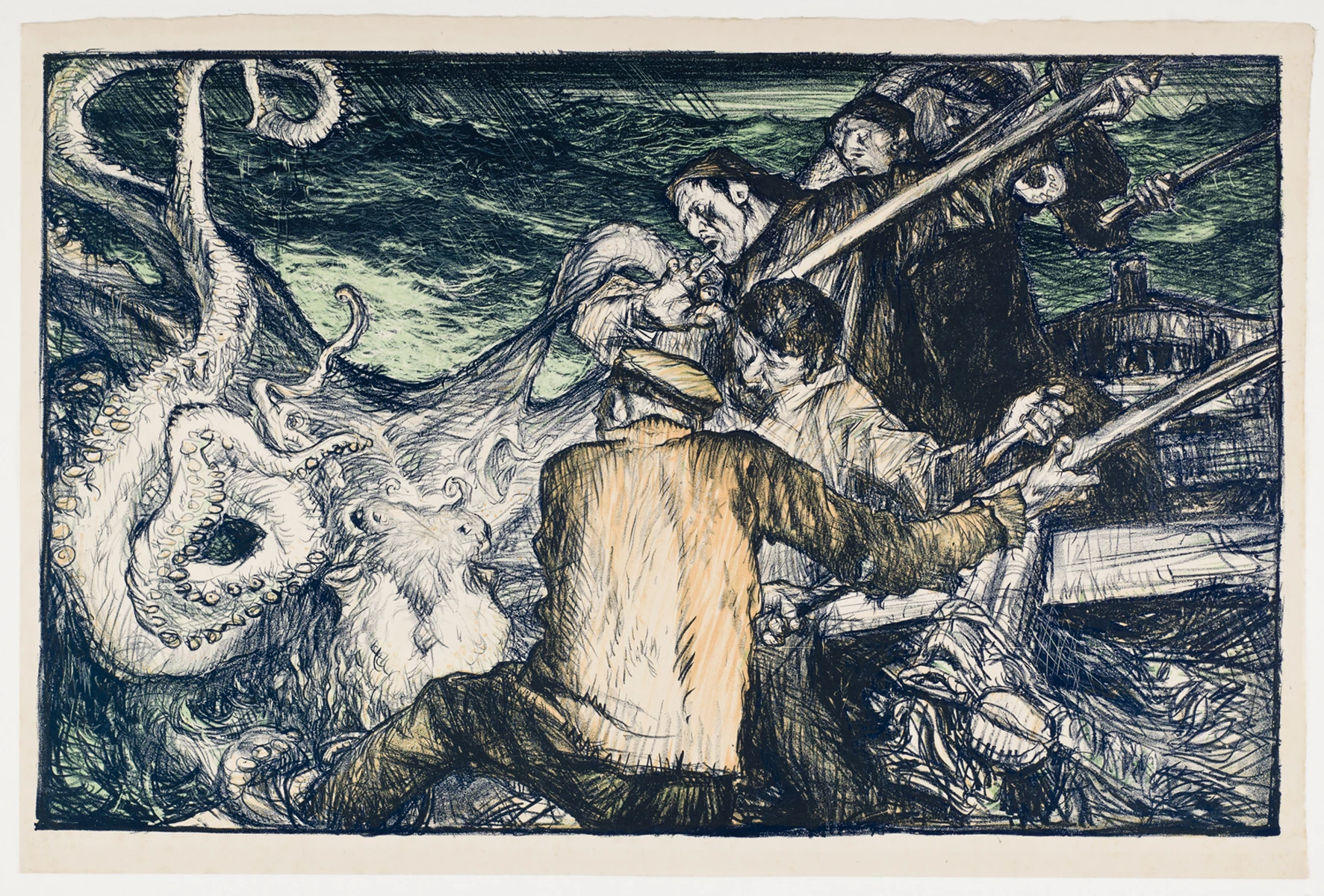
Brangwyn’s subject reflects his interest in the sea. In many of his prints he has exploited the particular quality of lithography that enables artists to create prints similar to sketches and drawings. Brangwyn was deeply affected by the destruction and loss of life in the war, particularly in Belgium, where he had been born. He was never appointed an official war artist, but produced many further lithographs to support various charities.

Brangwyn was born in Bruges to an Anglo-Welsh father and Welsh mother from Brecon. The family moved back to Britain and by the age of fifteen Brangwyn was studying under designer and socialist William Morris. As he became successful as a painter, etcher and lithographer, Brangwyn began to travel widely across the world. He had an international reputation at the time of undertaking this commission and was a member of the Senefelder Club, which promoted the medium of lithography.
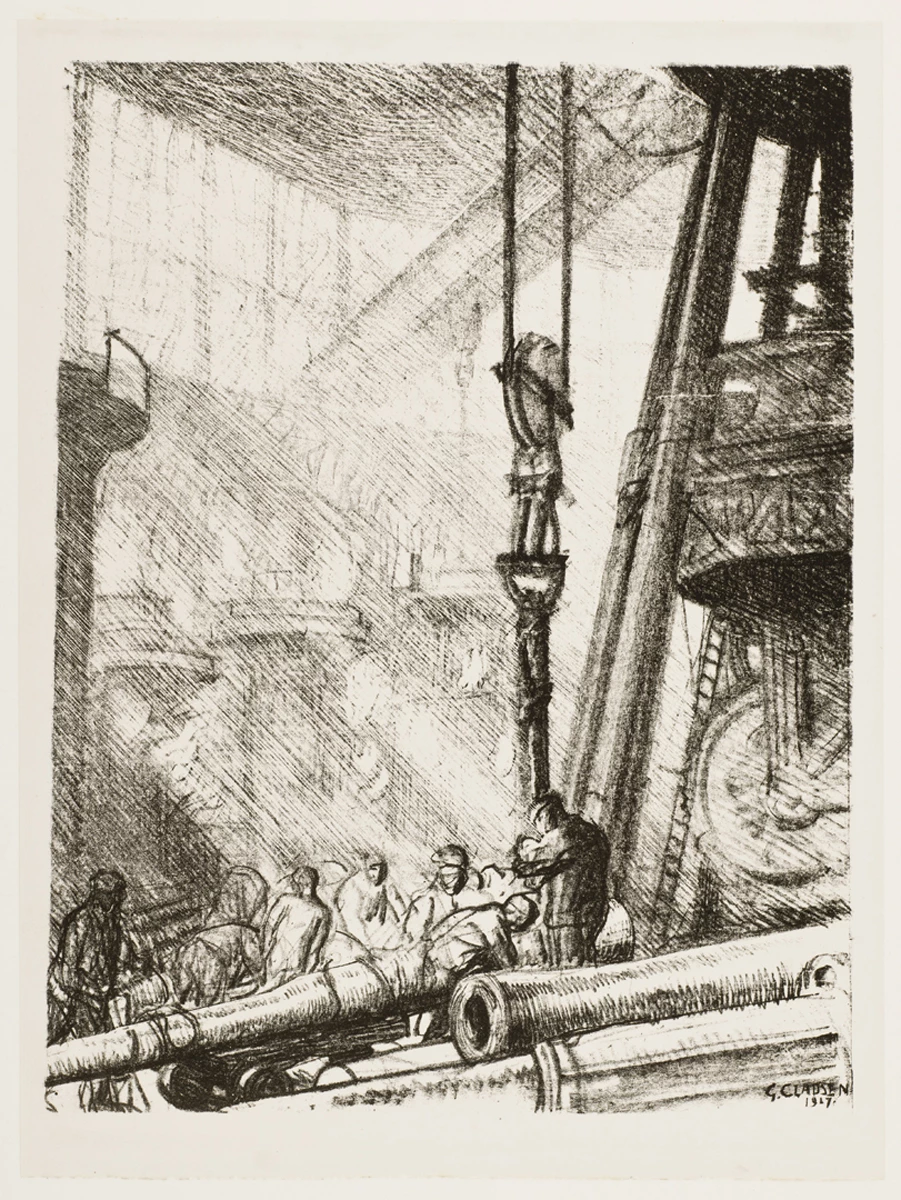
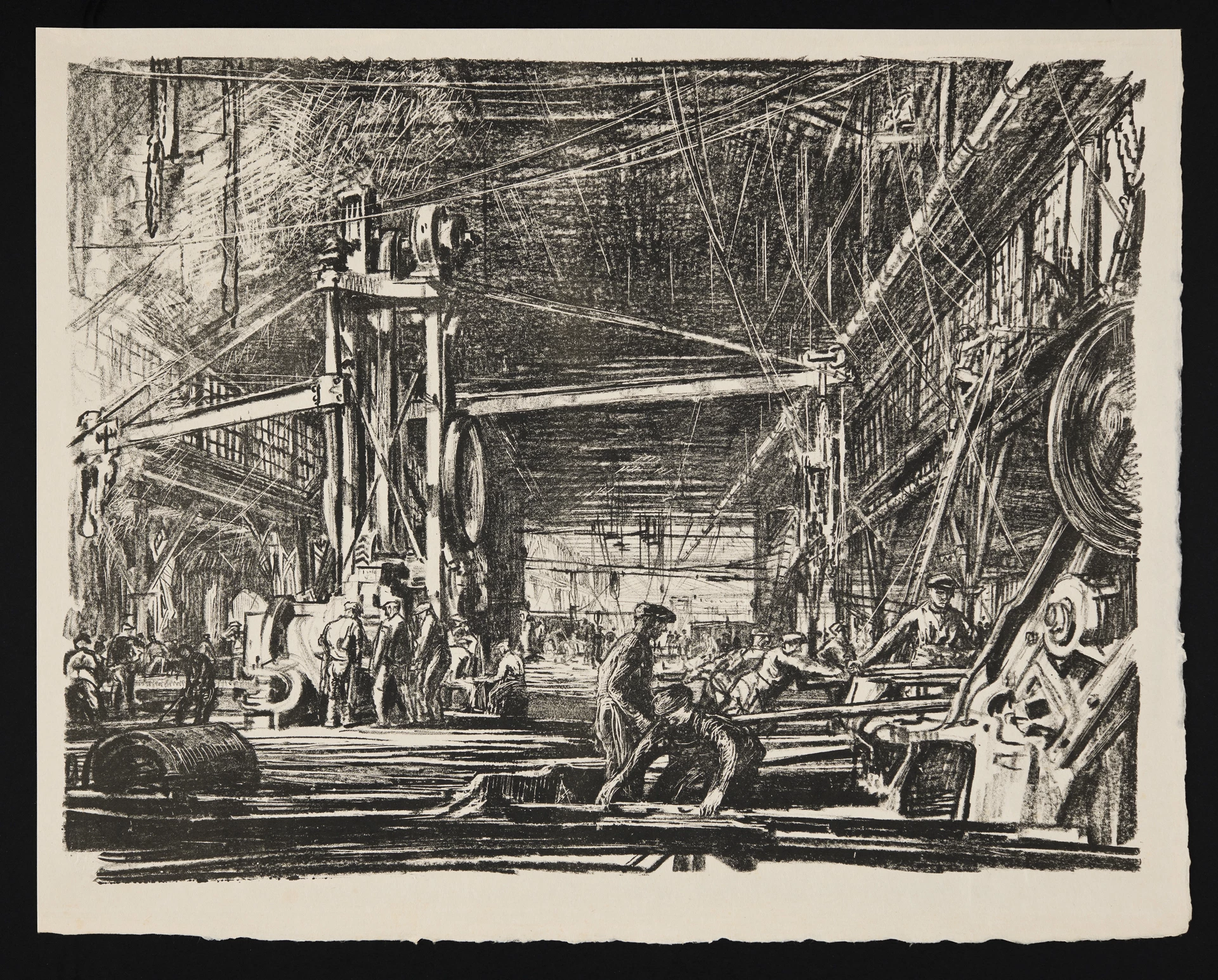
Clausen researched this set of prints at the Royal Gun Factory, Woolwich Arsenal, London, which manufactured armaments, ammunition and explosives for the British Armed Forces. At its peak during the First World War it employed around 80,000 people and extended over 1,30 acres. Clausen was appointed an official war artist in 1917. As an older artist he did not go to the Front line, instead recording activities on the home front.

Clausen was born in London to George Clausen Senior, a decorative painter of Danish descent. He attended the Royal College of Art and South Kensington art schools, then the Académie Julian in Paris. He was a founding member of the New English Art Club and was elected Professor of Painting at the Royal Academy in 1904. He was knighted in 1927.

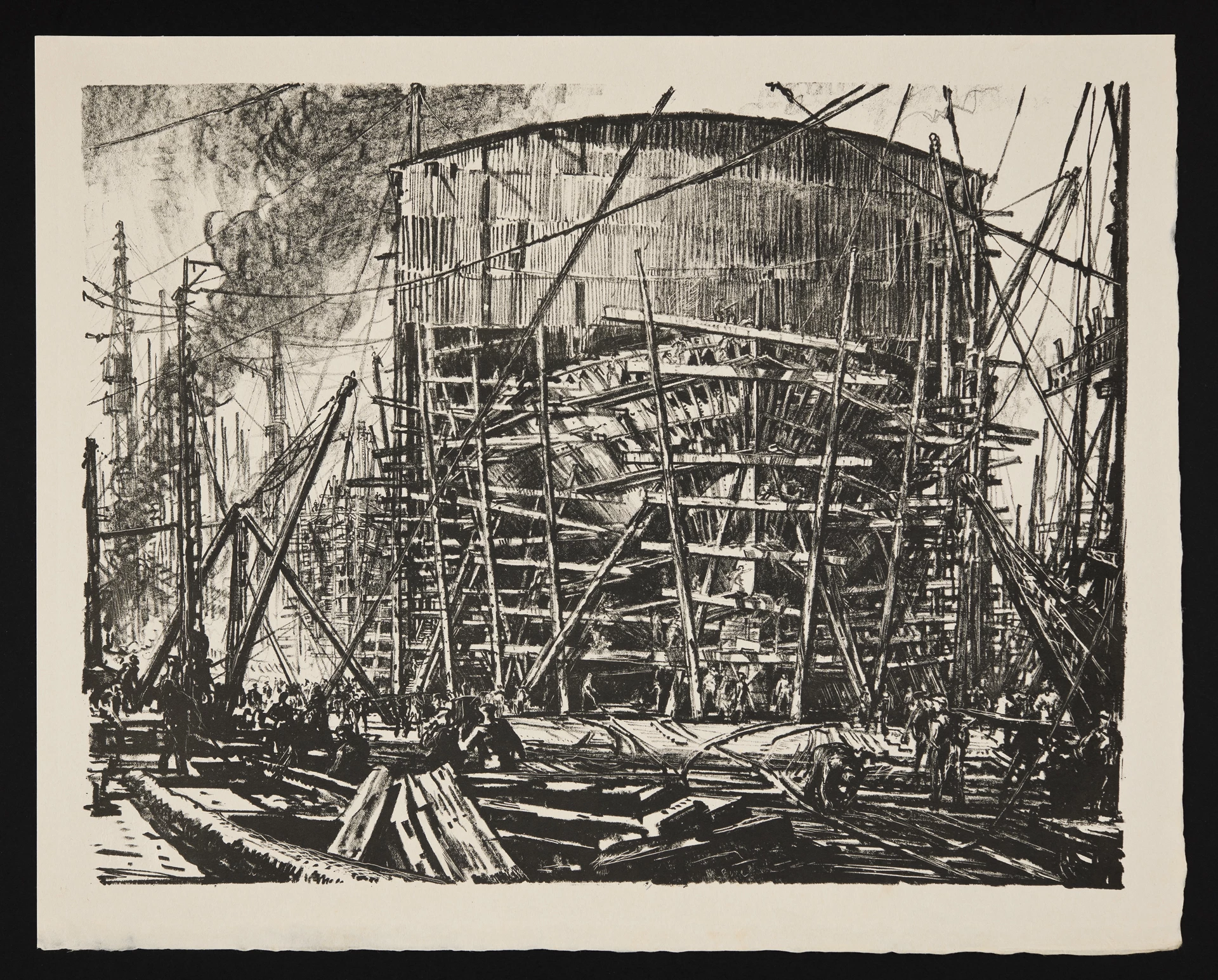
Muirhead Bone was the first appointed official war artist. As one of Britain’s leading draughtsmen, he was renowned for the almost photographic detail he achieved in his drawings. As well as recording the war on the Front, Bone spent time on the Clyde in Scotland, documenting shipbuilding. He sketched with a notebook strapped to his hand. These prints show different stages in the building, as well as views of the yard, one from the top of crane. One journalist wrote that his series, ‘delights in the intricacies of scaffolding and mechanical contrivances’. These images were also published in a War Office publication, The Western Front, vol II, 1917.

Bone was born in Glasgow and studied at Glasgow School of Art. He settled in London in 1901. He was an official war artist in 1916-1918, and the official Admiralty artist in 1939-1946. Bone was knighted in 1937.

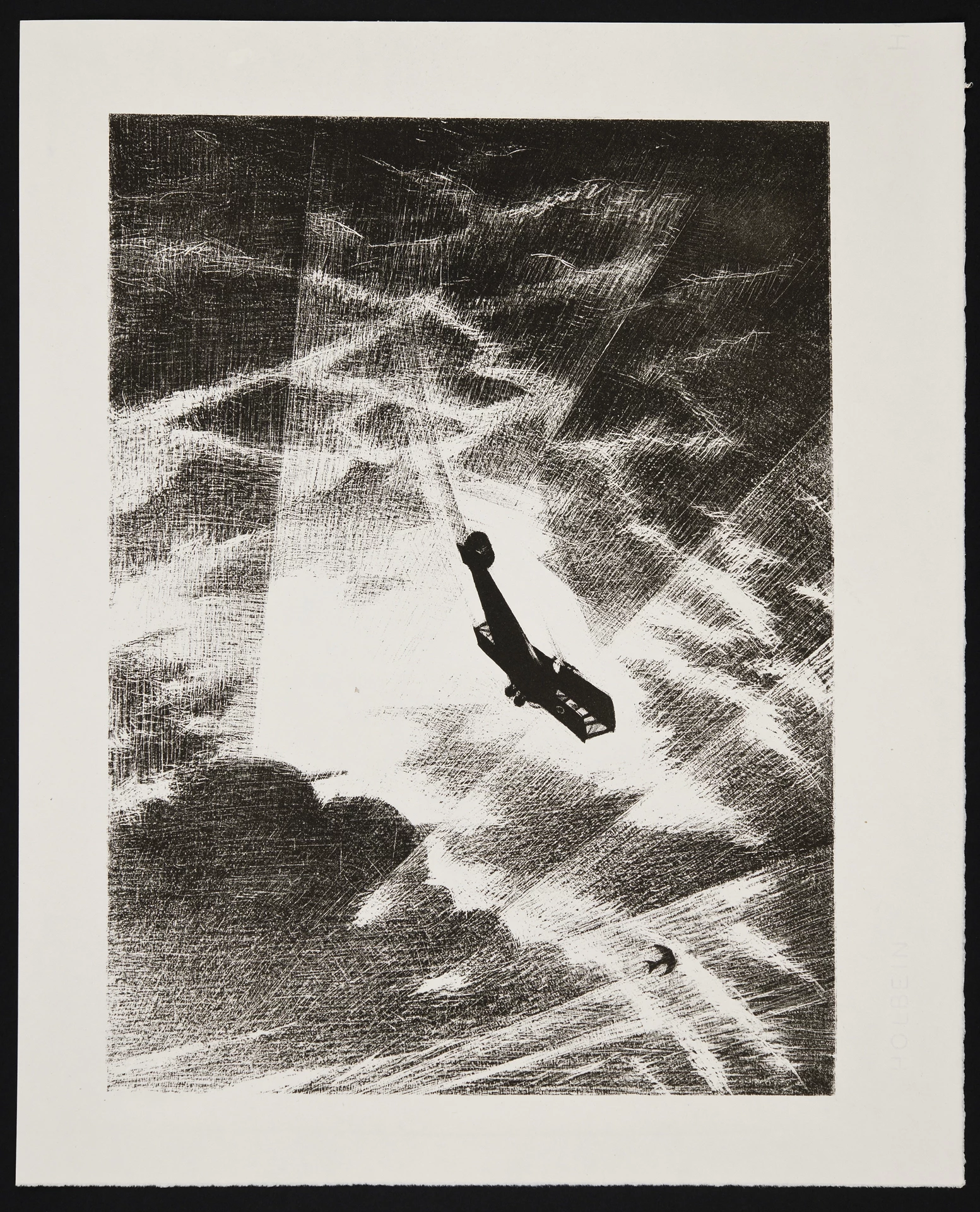
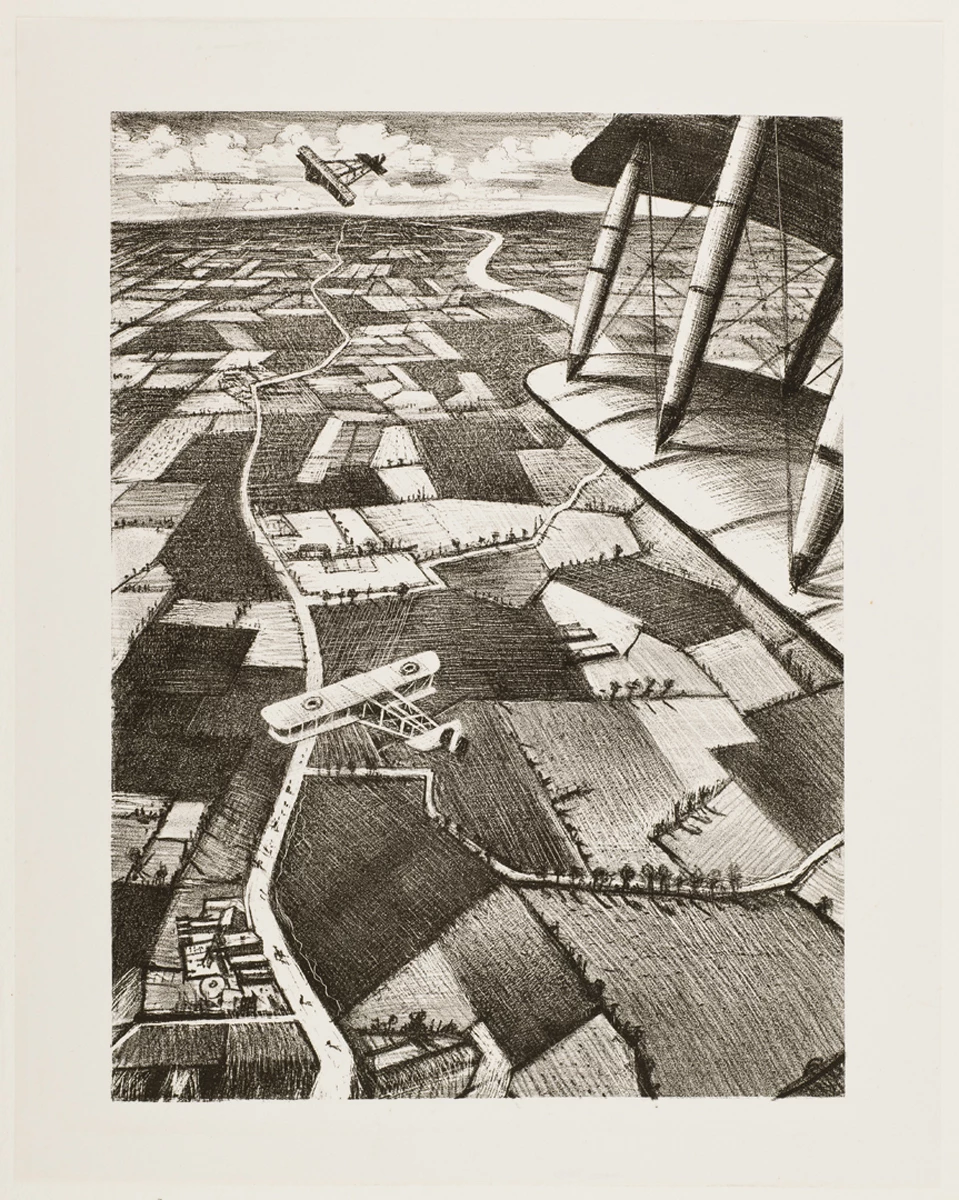
Nevinson’s prints were particularly admired when first exhibited. He ‘contrives to make the visitor almost giddy’, one critic wrote, another that he possessed ‘the power of expressing sensations rather than visual facts’.

Nevinson studied lithography under Ernest Jackson in 1912. At the outbreak of war he volunteered as an ambulance driver, an experience which deeply affected him. He was appointed an official war artist in 1917. These prints follow the process of building aircraft from making parts to assembly and flight. Acetylene Welder and Assembling parts both show the growing contribution of women workers.

Nevinson was born in London to the war correspondent and journalist Henry Nevinson. He studied at the Slade School and in Paris. He is one of the most renowned war artists of the period. His work was influenced by avant-garde European art movements such as Cubism and Futurism, yet slowly moved to a more realist style as he attempted to portray conflict.

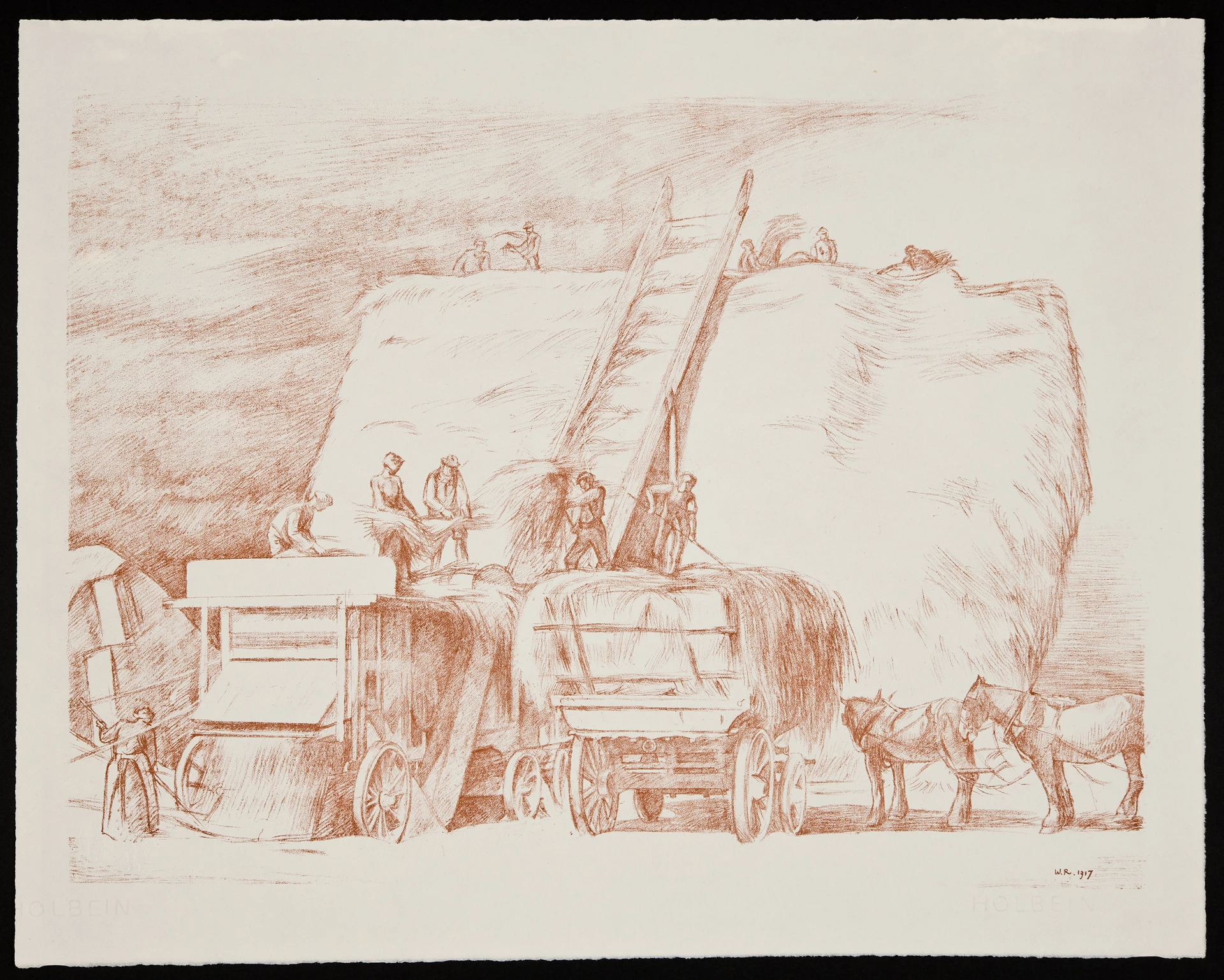
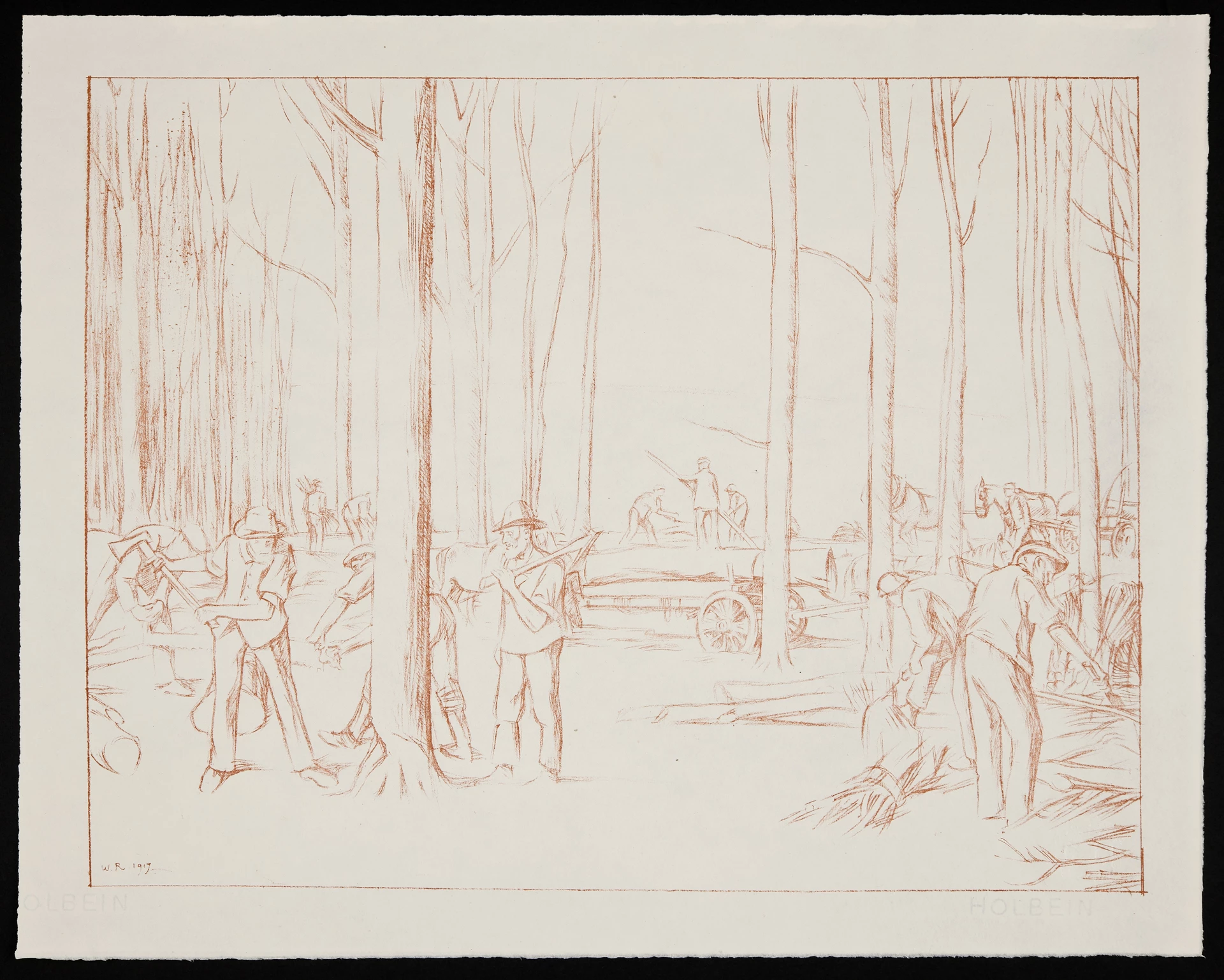
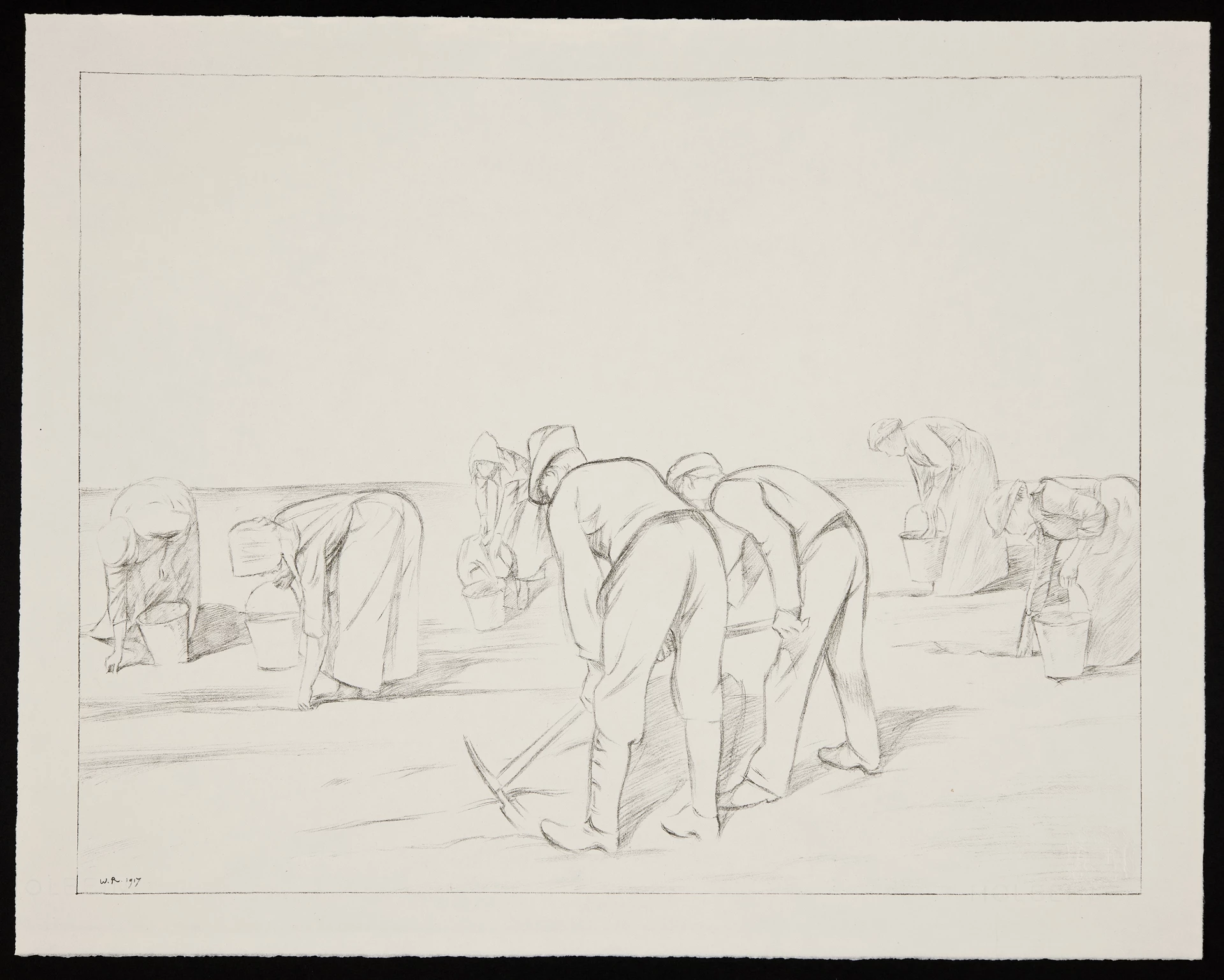
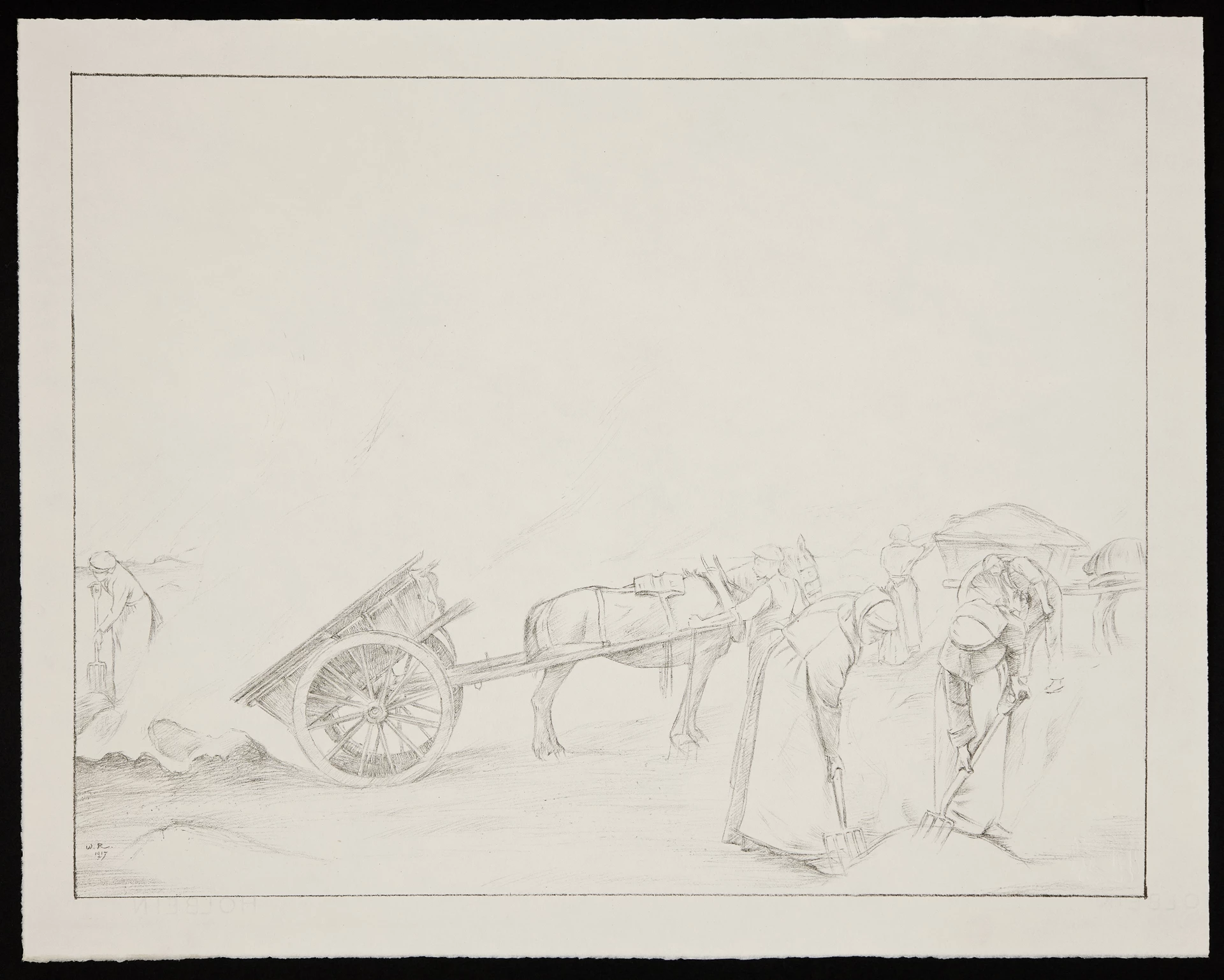
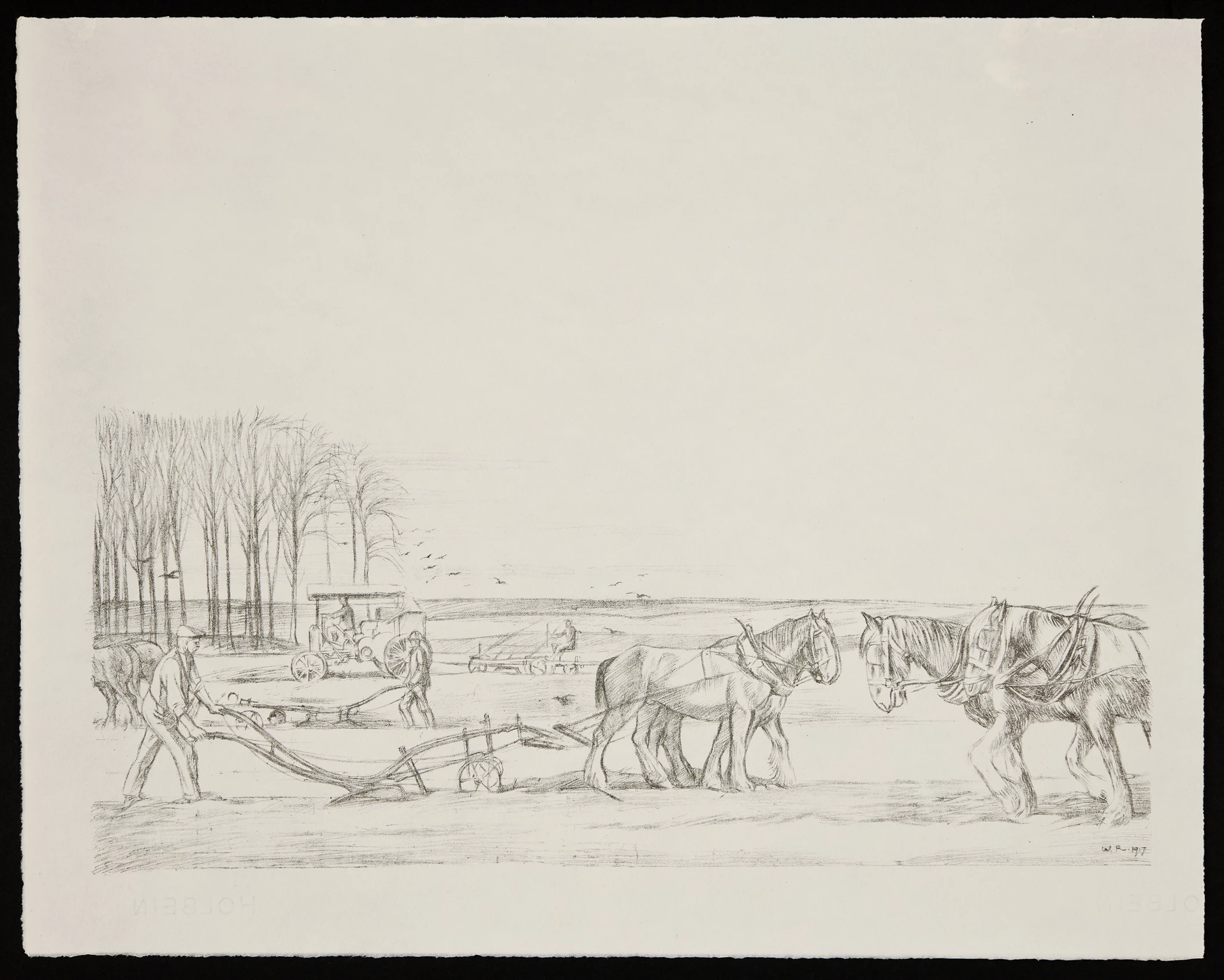
On 15th May 1917, Rothenstein wrote to Ernest Jackson, ‘I hope to have the 5th drawing finished early this week and the last next week. I will then come up to town and do what is needful to the stones’. He was not happy with some of his early work, writing, ‘somehow the lines seem poor and thin’. He decided to print some in a red/brown colour rather than black. These works are simple and understated, a contrast to the busyness and modernity of war shown in many of the other prints in the series. They take their cue from images of rural labour that characterised much landscape painting from the mid-nineteenth century onwards. They were probably drawn around Stroud, Gloucestershire, where Rothenstein was living.

Rothenstein was born in Bradford of German-Jewish descent. He studied at the Slade School of art, London and the Académie Julian, Paris. As well as being appointed official war artist to the British Army 1917-1918, he was artist to the Canadian army in 1919. Between 1920 and 1935 he served as Principal of the Royal College of Art and in 1931 he was knighted.

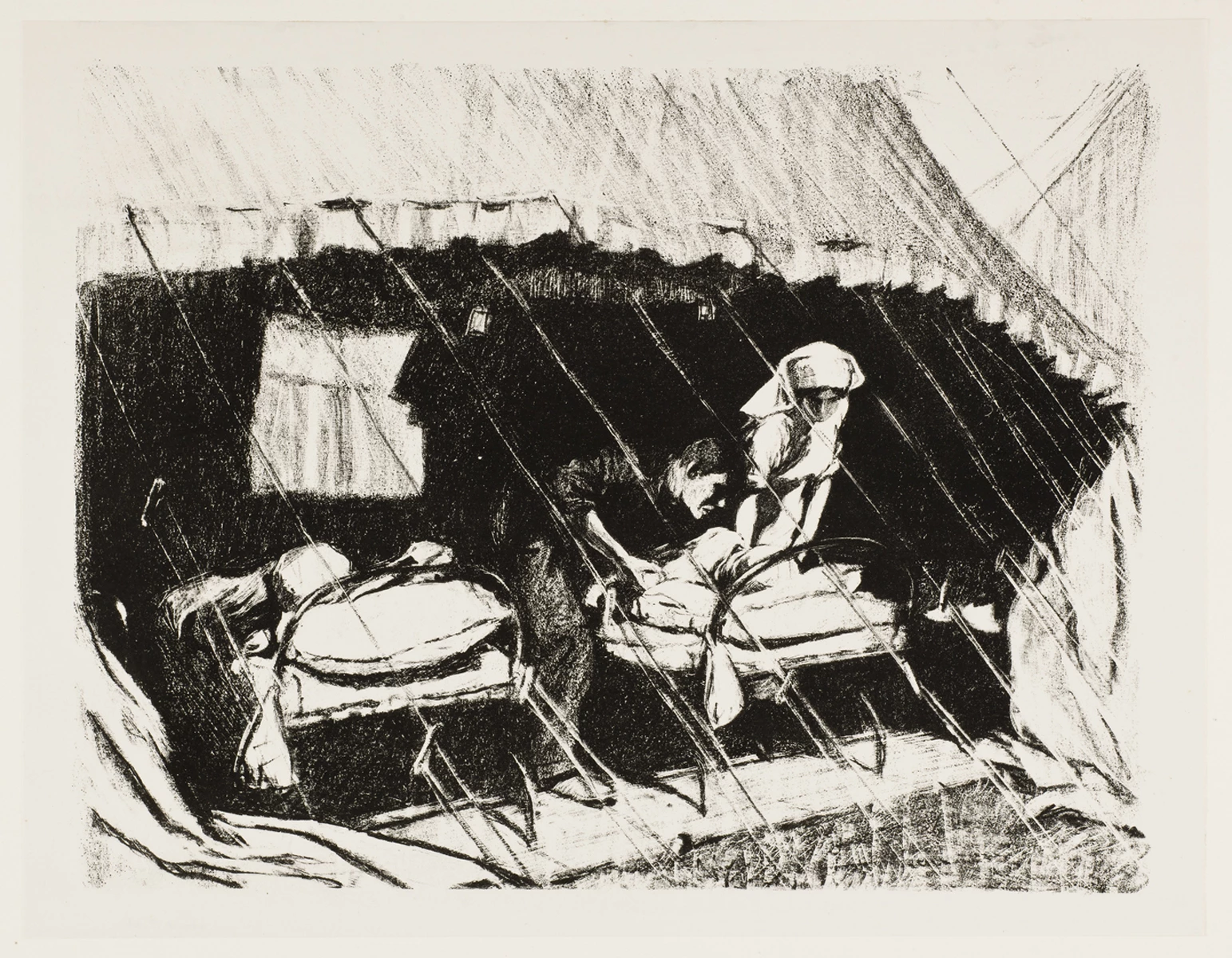
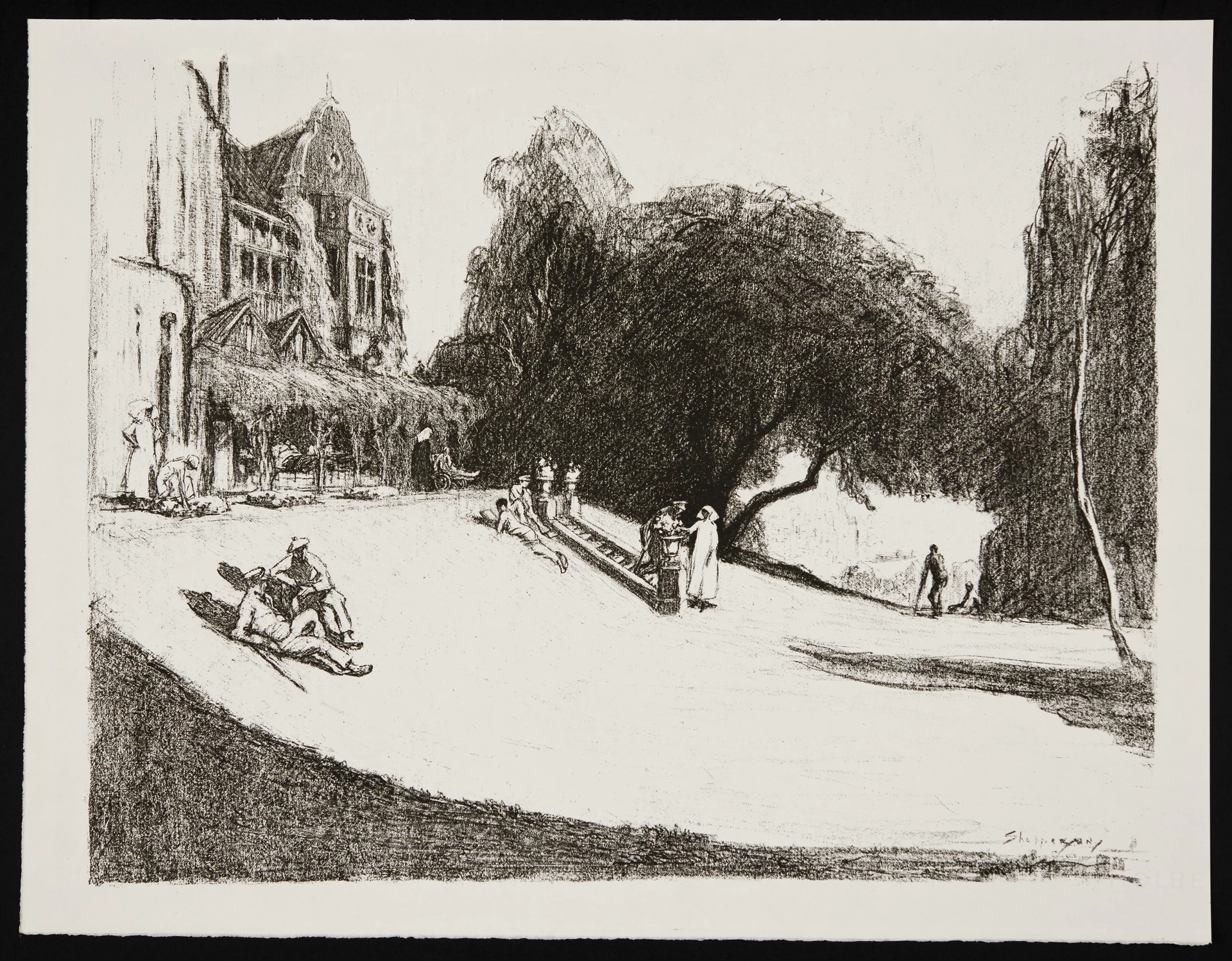
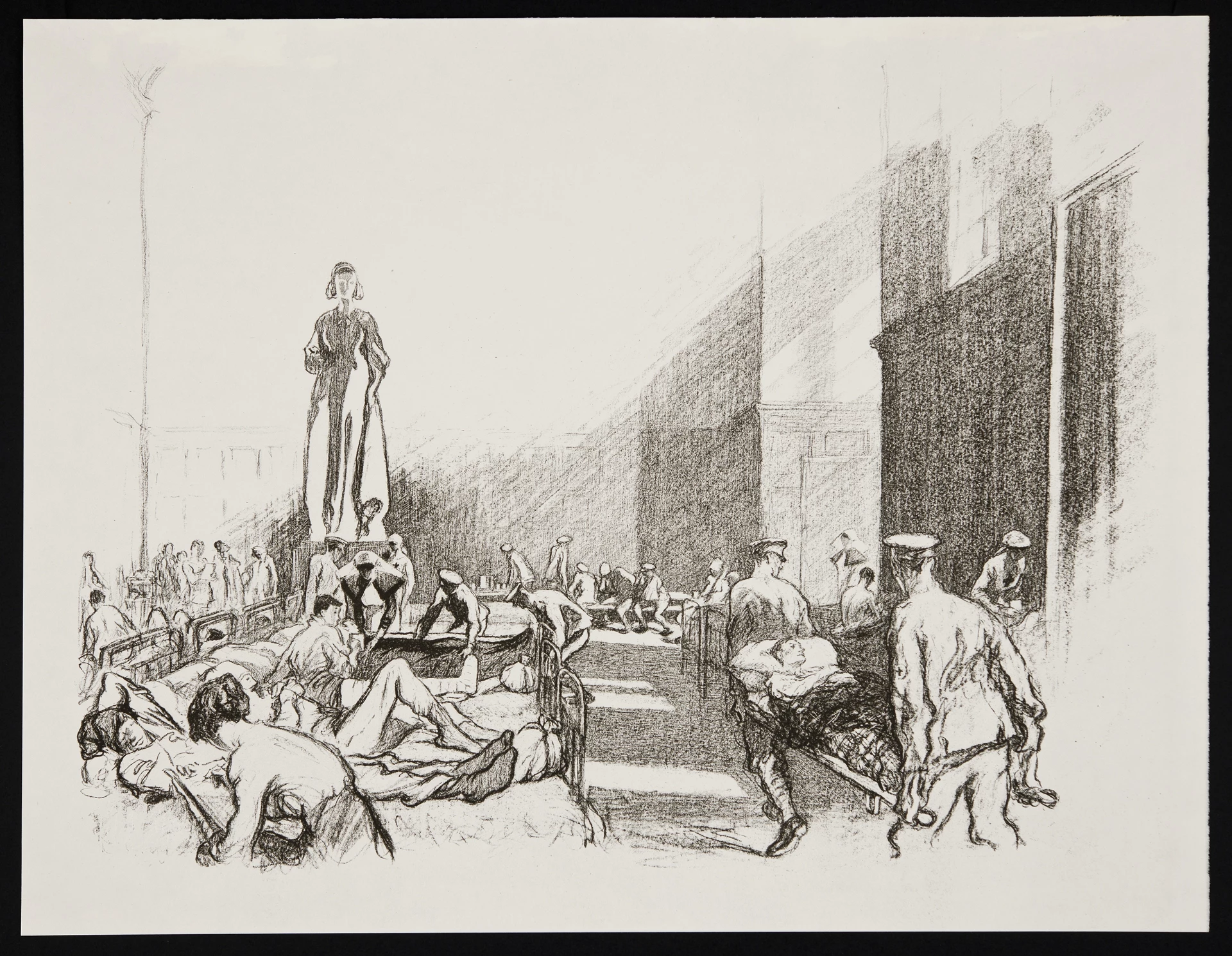
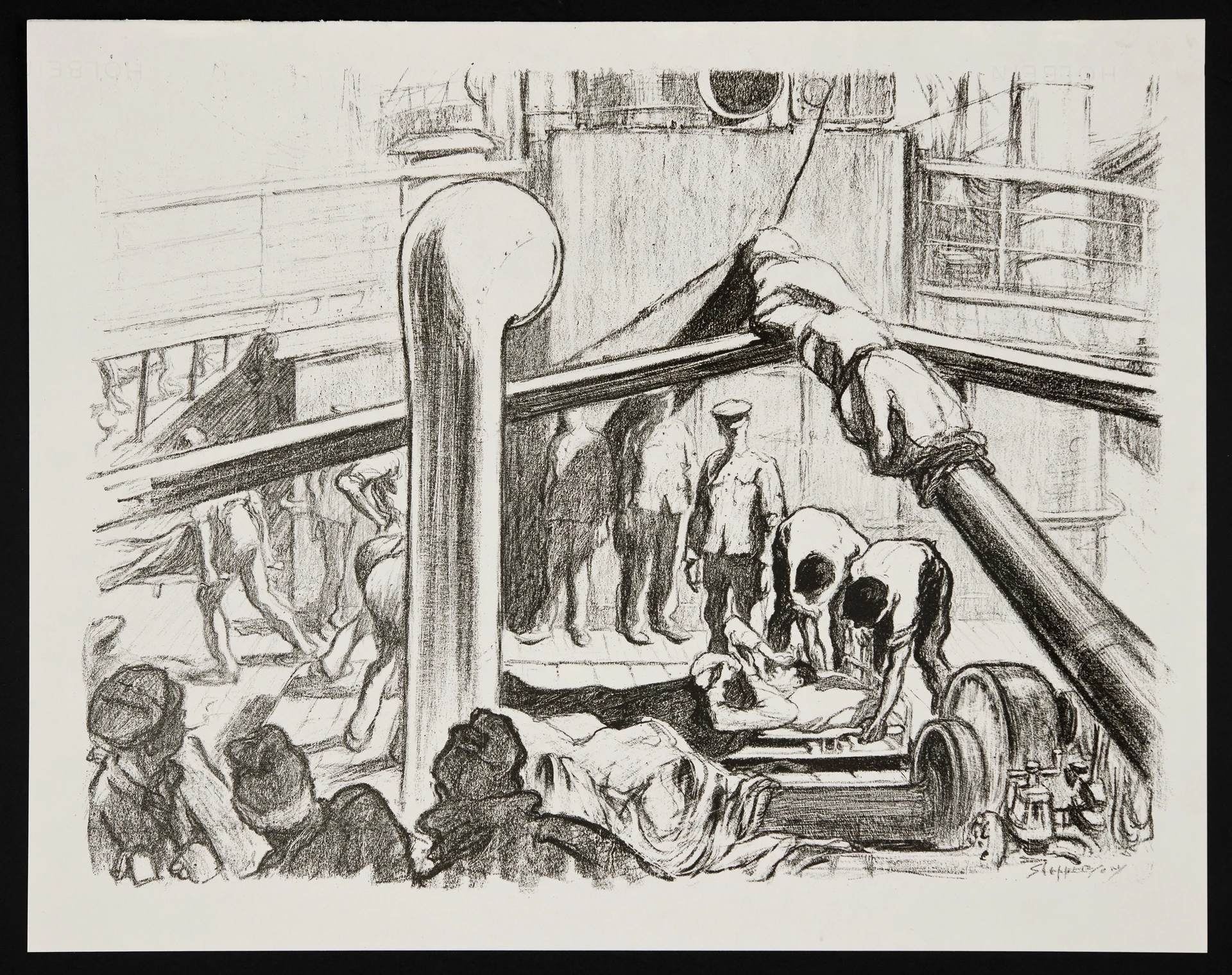
These prints follow the journey of a wounded soldier from the Front Line, through treatment, to convalescence back at home. The organisers initially asked the artist Henry Tonks (1867-1937), a surgeon before becoming an artist, to respond to the work of the medical services. However, Tonks found the paper supplied ‘entirely unsympathetic’for drawing and declined. Shepperson was later commissioned for the subject and produced a very well received series.

Shepperson was born in Beckenham, Kent, and was a successful water-colourist, pen and ink artist, illustrator and lithographer. Having given up law he studied art in Paris and London. He is well-known for his humorous drawings contributed to the Punch magazine between 1905 and 1920.

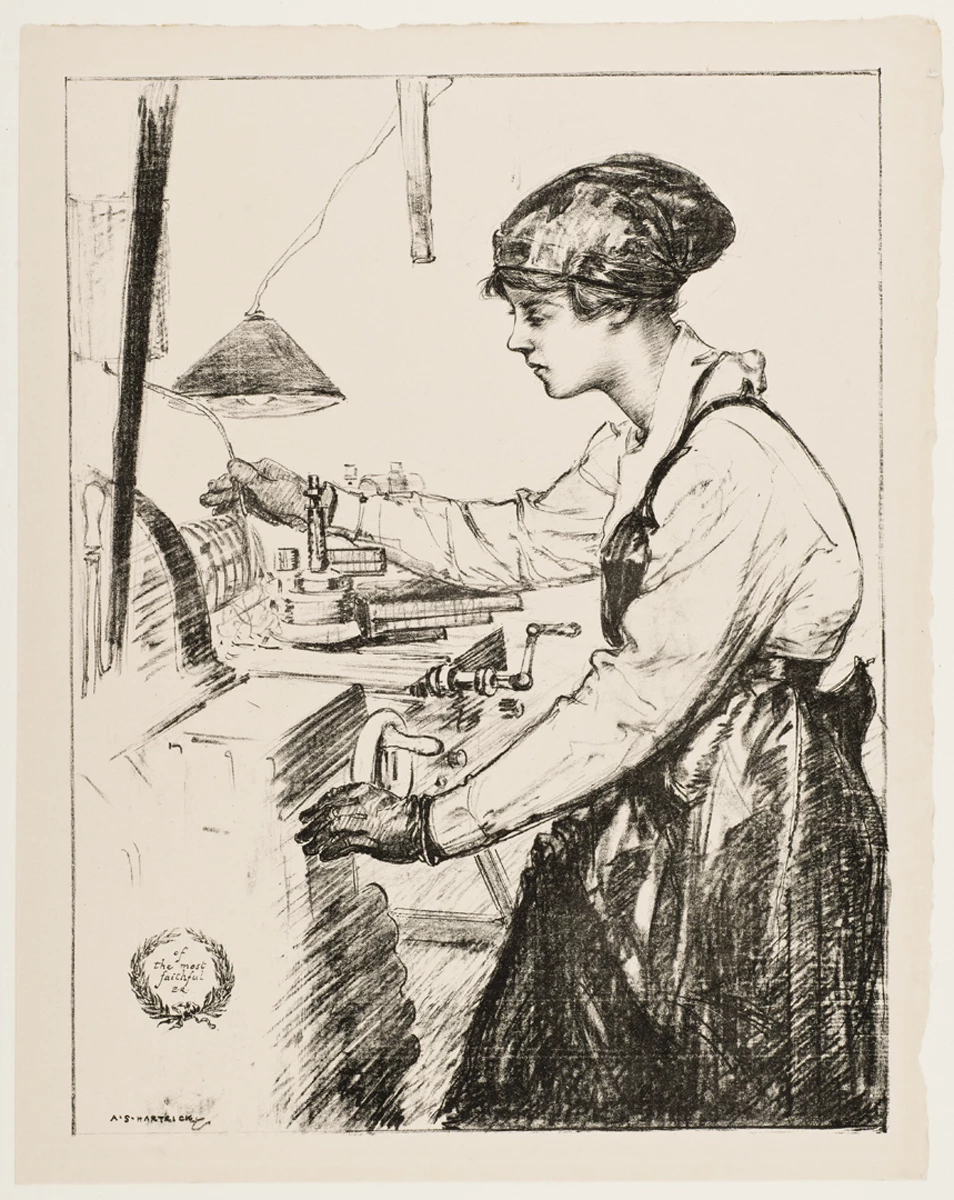
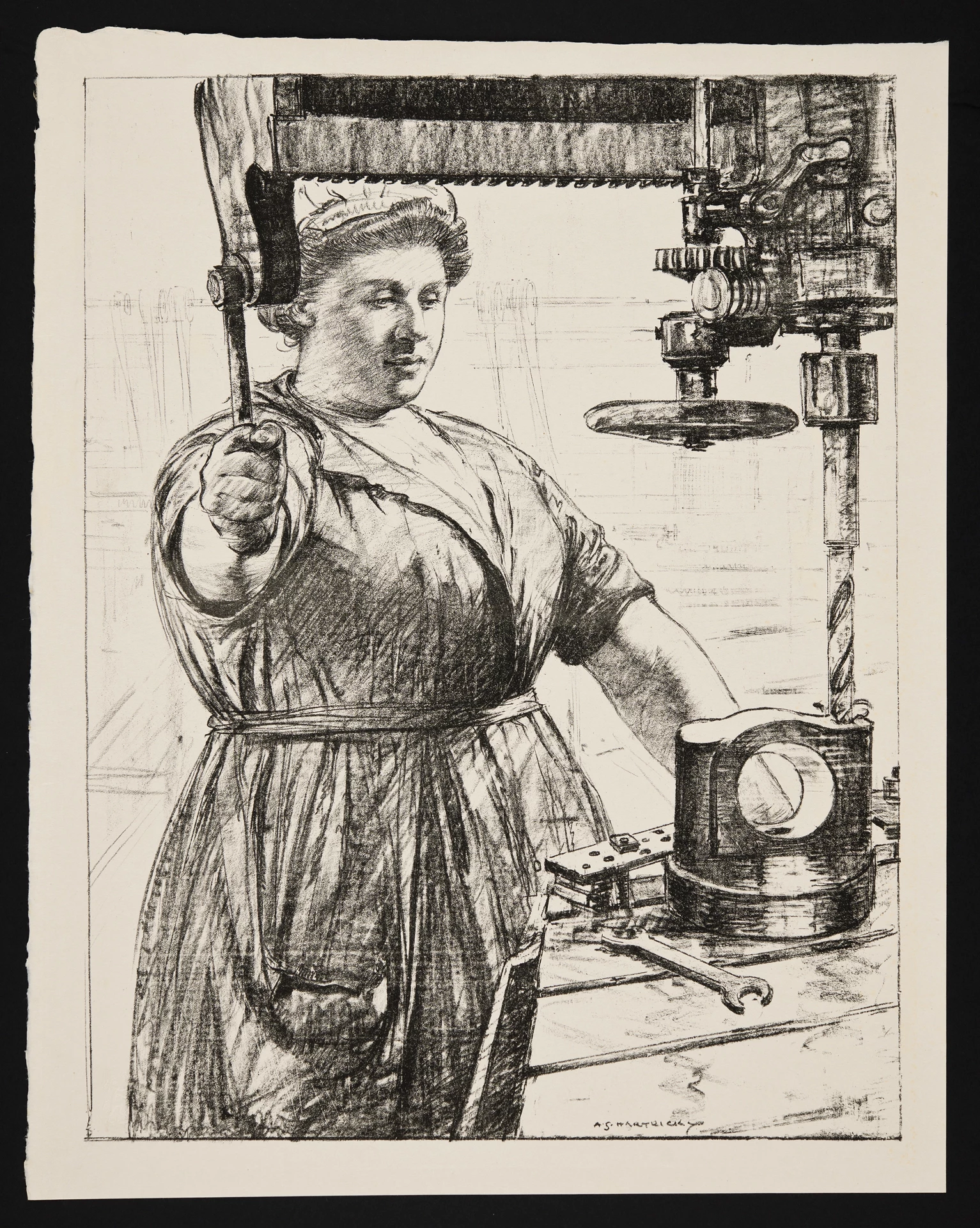
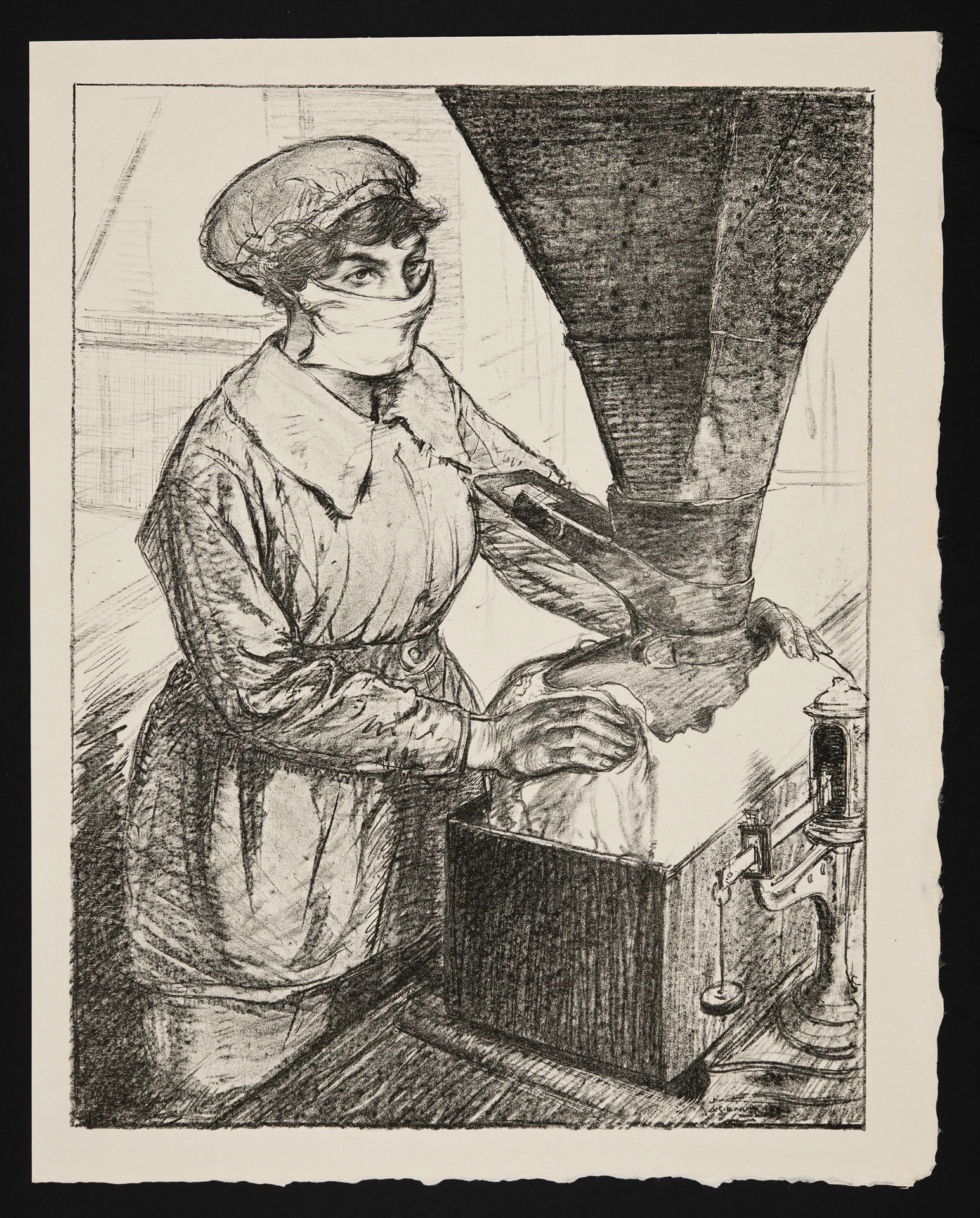
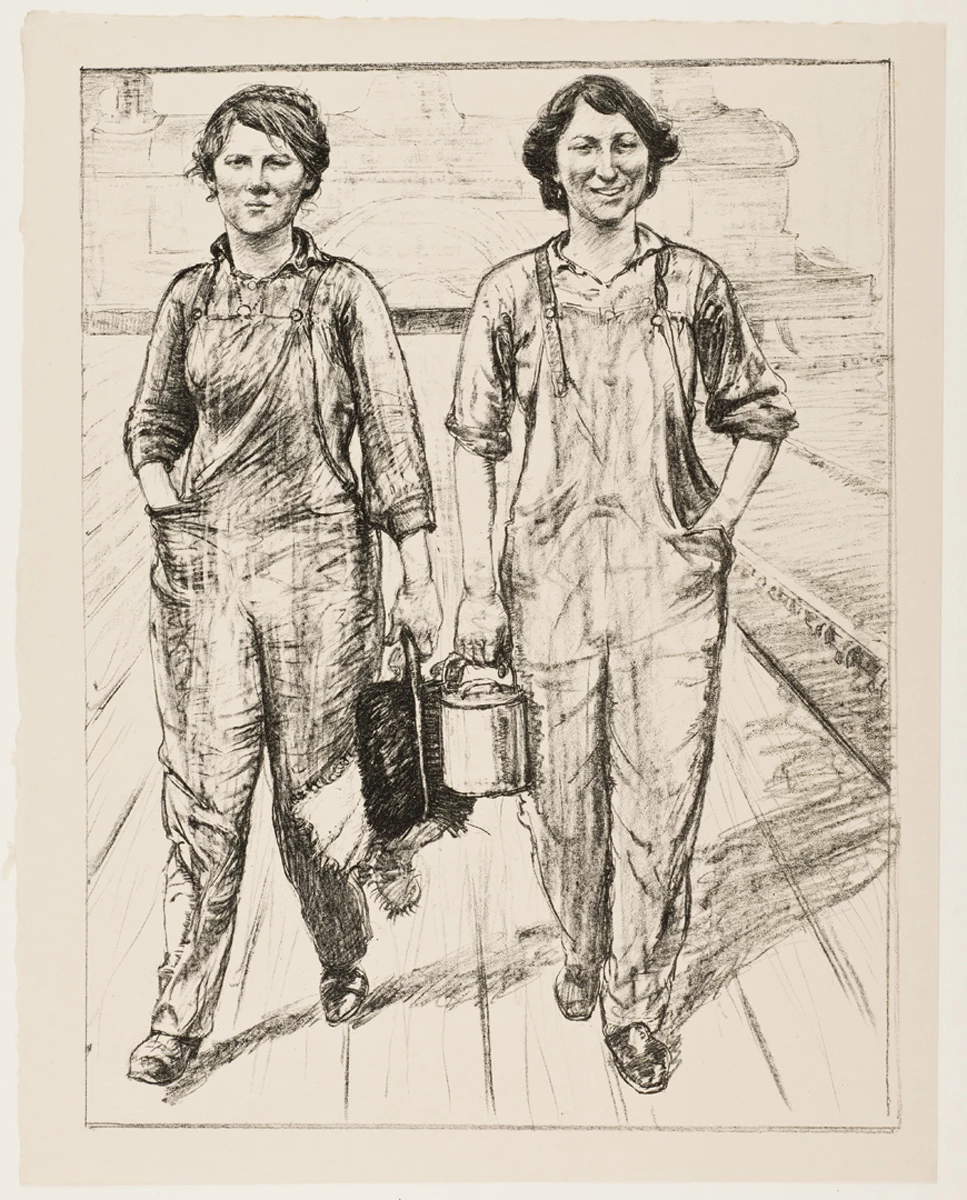
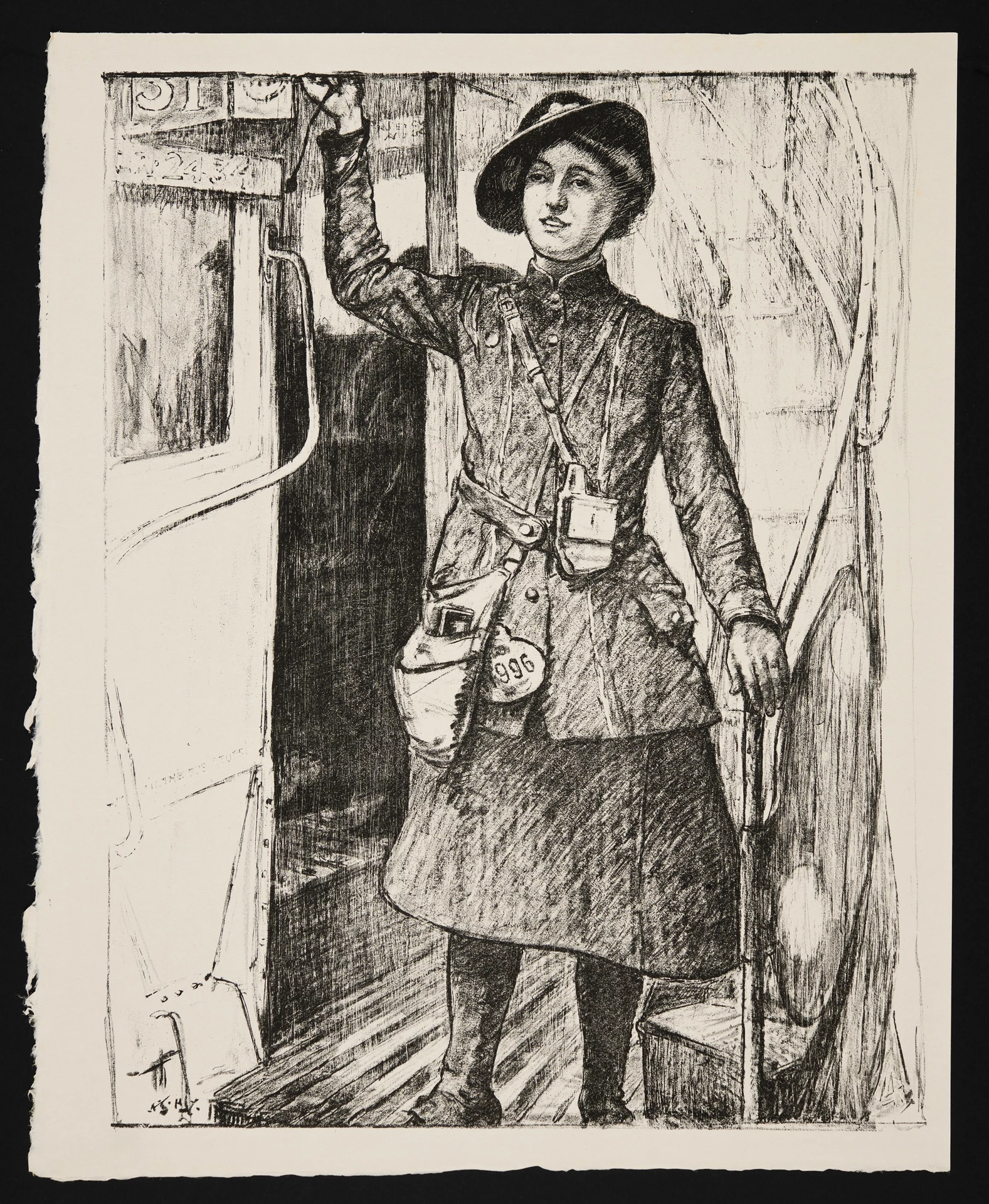
These prints record the vital contribution made by women as part of the war effort. When more men were required for fighting in 1915, there was a call to women to 'do their bit'. In taking on jobs in areas traditionally reserved for men the female workforce raised levels of production both in factories and fields. Although much of the work was both arduous and dangerous, the war allowed many women an unprecedented degree of freedom, and an opportunity to demonstrate their abilities in previously male-dominated spheres. Hartrick was sent to make studies on the spot, and many of the compositions seem deliberately posed - as propaganda images they give no indication of the hardships and hazards that women faced on a daily basis.

The artist and illustrator Hartrick was born in India and brought up in Scotland. He first studied medicine, before attending the Slade School in London, and art schools in Paris, exhibiting in the 1887 Paris Salon. In 1909 he became a founding member of the Senefelder Club. He also turned to teaching the method, writing an instruction book on Lithography As A Fine Art in 1932.

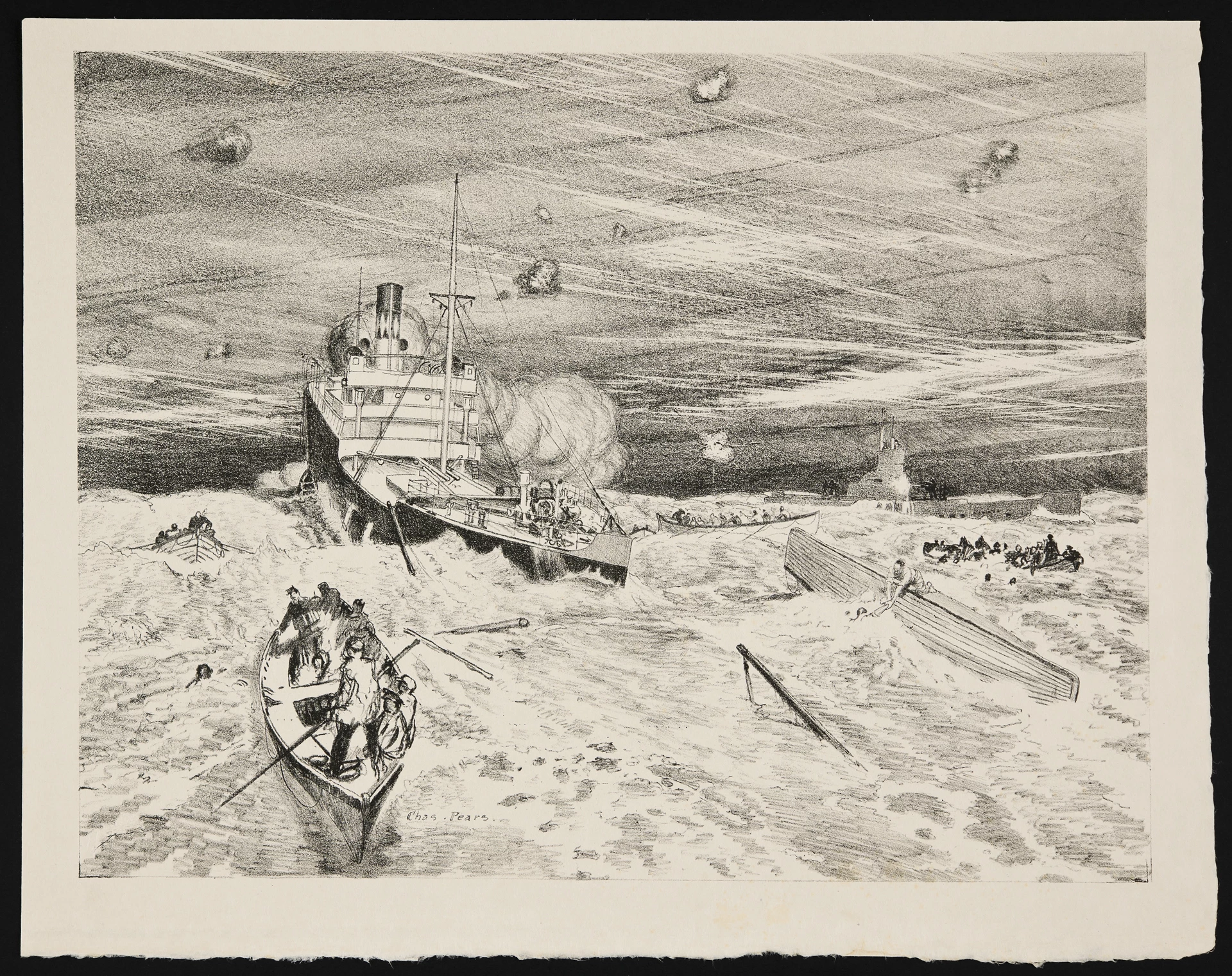
The merchant navy undertook vital tasks during the war, supporting naval ships, transporting troops and carrying essential supplies. It was dangerous work and the fleet suffered great losses. Pears’ images capture the ships in great detail.

Pears was born in Pontefract, Yorkshire and, although he worked as a successful illustrator and lithographer, is best known for his marine paintings. During the First World War Pears was a commissioned officer in the Royal Marines, and worked as an official naval artist from 1914-1918, and again in 1940. Throughout his career he was also a popular poster designer, creating works for organisations including the London Underground.

Conservation

Each of the works has been treated in the Paper Conservation studio at Amgueddfa Cymru – National Museum Wales. Since their arrival at the Museum in 1919, the prints had been stored in their original mounts and folders for almost 100 years.

Many of the prints were foxed (reddish-brown spots) and dirty. This is a sign that the paper is in poor condition and without treatment, would continue to deteriorate.
Funding was sought to appoint a trainee Paper conservator to work on this project for five months. All the works were washed, pressed, repaired and re-mounted. They are now in the best possible condition and the new mounts provide excellent storage conditions. This conservation will ensure that they will be preserved for generations to come.

Research has also been carried out on the type of paper used for the prints. From the watermark ‘HOLBEIN’ we have discovered that the paper was made by Spalding and Hodge, a paper merchant and manufacturer whose paper mills were located in Kent.

Do you remember Doctor Carrot and Potato Pete?

30 July 2012

The Food Rationing Scheme of 1940

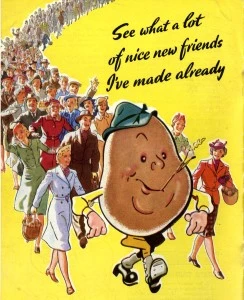
Potato Pete and friends

Potato Pete and friends.

At the beginning of the Second World War, Britain imported 60% of its food. With the shortage of food during the First World War still fresh in the memory, the government introduced the food rationing scheme in January 1940.

Ration books were distributed and every home had to register with a local butcher, grocer and milkman who received enough food for their registered customers. The first foods to be rationed were butter, sugar, bacon and ham. Over a period of time, more food was added to the system, and the rationed amount varied from month to month due to availability of different foods.

From December 1941, all quality foods were included in the 'points' system. Every person had 16 points per month to buy a selection of foods such as biscuits, tinned foods and dried fruit - if available in the shops. This was an effective system as it enabled the government to allocate a higher point value to items when stocks were low and to lower the number of points when items were freely available. Naturally, children were treated differently and they received additional foods essential for their growth and development such as milk, orange juice and cod liver oil.

Britain was not the only country with food rations.

Britain was not the only country with food rations.

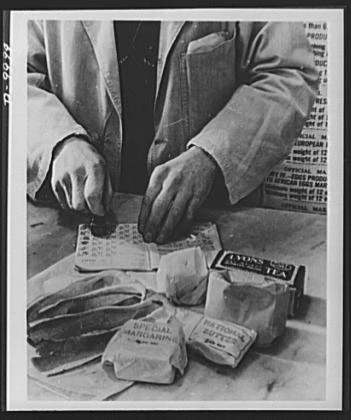
A shopkeeper cancels the coupons in a British housewife's ration book for the tea, sugar, cooking fats and bacon she is allowed for one week. Most foods in Britain are rationed and some brand names are given the designation

A shopkeeper cancels the coupons in a British housewife's ration book for the tea, sugar, cooking fats and bacon she is allowed for one week. Most foods in Britain are rationed and some brand names are given the designation "National".

Vegetable Gardens

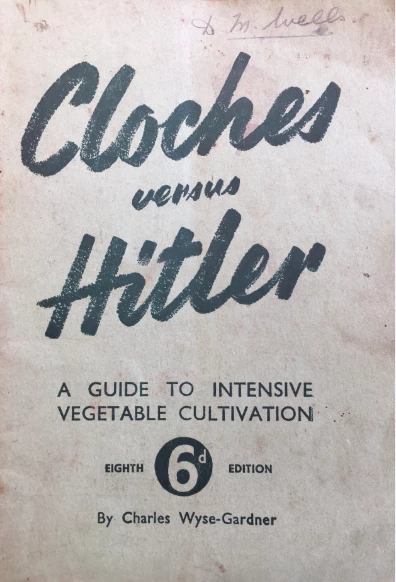
Ensuring that the family's rations lasted until the end of the week was a big problem so the 'Dig for Victory' campaign was launched in October 1939, encouraging families to prepare their own food. Everyone was encouraged to turn their flower beds and lawns into vegetable gardens. People were urged to keep chickens, rabbits, goats and pigs – a particularly popular animal as it ate any leftovers from the kitchen.

Considerable time and was spent on propaganda promoting ingenuity and economical savings when preparing food. Home economists were employed to travel around Britain sharing tips on how to cook with the scarce resources available. The Ministry of Food started publishing Food Facts pamphlets in 1940, and magazines, newspapers and daily radio programmes such as The Kitchen Front and the Radio Doctor were full of ideas and recipes to enable families to make the most of the weekly rations.

Potato Pete and Doctor Carrot – two characters created to promote vegetable eating appeared in most recipes. The public were encouraged to experiment with new and unusual foods. One fish which proved very unpopular was the modern favourite, tuna, while whale meat was even less popular.

Vitamins

Food shortages worsened at the end of the war, when dry weather and poor harvest of 1945 affected the availability of both potatoes and bread, which were rationed for the first time. By 1948, the food allowance on average was much lower than during the war. Restrictions on tea were lifted in 1952 – a huge relief for a nation of tea drinkers. Eggs, cream, sugar and sweets were removed from the system in 1953 and butter, cheese and cooking oil in 1954. Fourteen years of rationing ended on 4 July 1954 when restrictions were lifted on meat and bacon.

Rationing forced families to change their eating patterns. Rationing enabled the poorest sections of society to eat more protein and vitamins, which led to a substantial upturn in the health of the nation, The general health of children improved, and on average they were taller and heavier than pre-war children. There was a decrease in the number of infant deaths and an increase in the average life span.