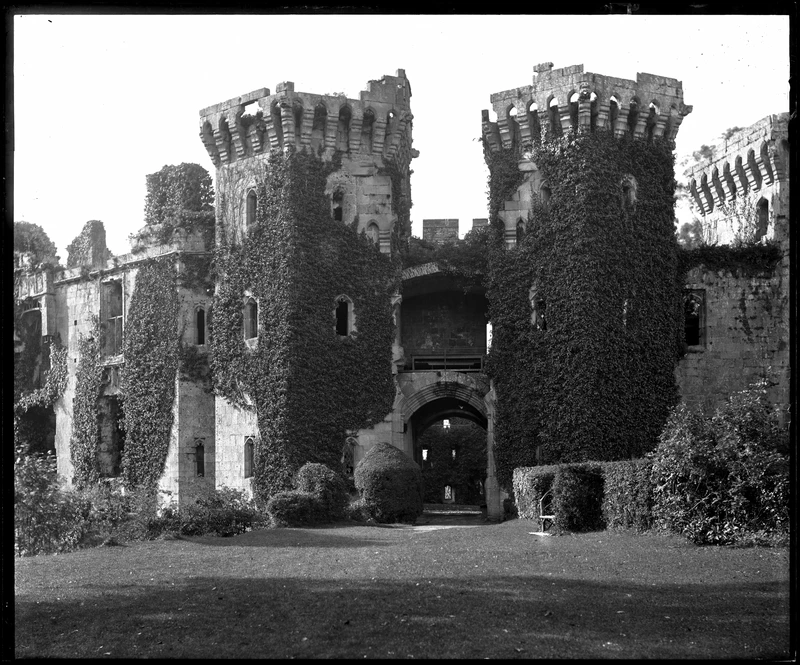
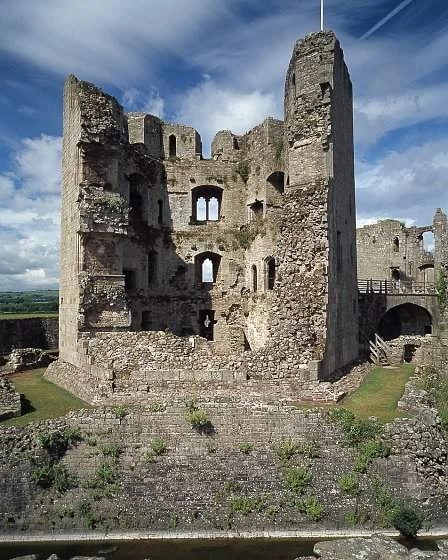
Raglan Castle 22 March 2022 Raglan Castle is one of the finest late medieval buildings in the British Isles and, although now ruined, it remains a striking presence in the landscape of south-east Wales. Where is Raglan Castle? Raglan Castle is located just north of the village of Raglan in the county of Monmouthshire, off the A40 between Monmouth and Abergavenny. For details on how to visit, see Cadw’s webpage. When was Raglan Castle built? Much of what remains at Raglan dates from the 15th century, the period of the Wars of the Roses and the rise of the Tudor dynasty, though there is believed to have been an earlier, Norman motte-and-bailey castle on the site. The hexagonal Great Tower is the most impressive of the buildings from this period, dominating the two courtyards of the castle. The Great Tower. An impressive self-contained fortress-cum-residence which lies outside the circuit of the castle's curtain walls. Image: Cadw (Crown copyright). The castle as it stands today was built in three main phases. The first phase of building in the fifteenth century included the hexagonal, five-storey Great Tower, which was surrounded by a moat and, when it was originally built, could only be accessed from inside the castle via a drawbridge. The second phase, built by Sir William Herbert, the first Earl of Pembroke, added sumptuous apartments. Finally, the castle was transformed into a mansion by the Earls of Worcester in the 16th century. The Great Gatehouse, Raglan. Built between 1460 and 1469 the gatehouse was designed to impress and intimidate visitors with its arrays of gun loops, machicolations, portcullises and doors. Image: Cadw (Crown copyright). Who built Raglan Castle? There is some controversy over who built the first phase of the castle; it was built either by William Herbert, the first Earl of Pembroke, or his father, William ap Thomas, who had purchased Raglan in 1432. William Herbert was a key figure in the politics of the late 15th century. During the Wars of the Roses he supported Edward IV. The reward for his loyalty was considerable, providing him with the title Earl of Pembroke, and sufficient resources to convert Raglan into a palace-fortress. Earl William's success was, however, to be short-lived. In 1469 he was captured by Lancastrian supporters at the Battle of Edgecote and put to death. The Herberts retained control of Raglan until 1492 when it passed to the Somerset family. William Somerset, the third Earl of Worcester (1526–1589), was the first of his family to significantly alter the castle's buildings. Reconstruction of Raglan Castle, about 1620, showing the formal gardens that existed in the castle's heyday. Image: Cadw (Crown copyright). He focused his efforts on upgrading the quality of the hall and service ranges to meet the social expectations of his time. He also established the gardens, including a series of walled terraces, an artificial lake, a fountain, flower beds and herb gardens. The Herberts retained control of Raglan until 1492, when it passed to the Somerset family. William Somerset, the third Earl of Worcester (1526–1589), was the first of his family to significantly alter the castle's buildings. The third Earl focused his efforts on upgrading the quality of the hall and service ranges to meet the social expectations of his time. He also established the gardens, including a series of walled terraces, an artificial lake, a fountain, flower beds and herb gardens. Reconstruction of life at Raglan Castle in the 16th century, at the time of the Third Earl of Worcester. Image: Cadw (Crown copyright). What happened to Raglan Castle? By the middle of the 17th century, Raglan's fortunes were at their peak. It had achieved a level of sophistication and opulence that only the greatest country houses could match. However, the English Civil War was to change all this. In 1642, the fifth Earl of Worcester declared his support for the Royalist cause, offering considerable financial support to King Charles I. This was to make Raglan a target for Parliamentarian forces, which subsequently besieged the castle in June 1646. Its defenders held out during the summer, but by mid-August the Parliamentarians had moved their siege works to within sixty yards of the castle. Its defenders surrendered on 19 August. After it was captured, the castle was deliberately made useless for defensive purposes, a process known as ‘slighting’. This is when the gigantic hole was torn through the Great Tower. In the years that followed Raglan was abandoned and left to decay, becoming a convenient source of building material and a picturesque tourist attraction. Today this decay has been halted and the building conserved through the work of Cadw and its predecessors. The ivy-covered Main Gatehouse, photographed by Sir Thomas Mansel Franklen (1840–1928) Who owns Raglan Castle? Raglan Castle is still owned by the Somerset family, who became Dukes of Beaufort in 1682. In 1938 it was put in the care of the Ministry of Works, and it is now looked after by Cadw. Which films have used Raglan Castle as a backdrop? Raglan Castle appeared in Terry Gilliam’s film Time Bandits (1981), where it stood in for an Italian castle under siege in the Napoleonic Wars. Background reading Raglan Castle by J. R. Kenyon. Published by Cadw (2003). The decorated floor tiles from Raglan Castle Cadw listing Coflein listing (Royal Commission of Ancient and Historical Monuments of Wales) Header image adapted from Raglan Castle by Steve Slater, CC BY 2.0
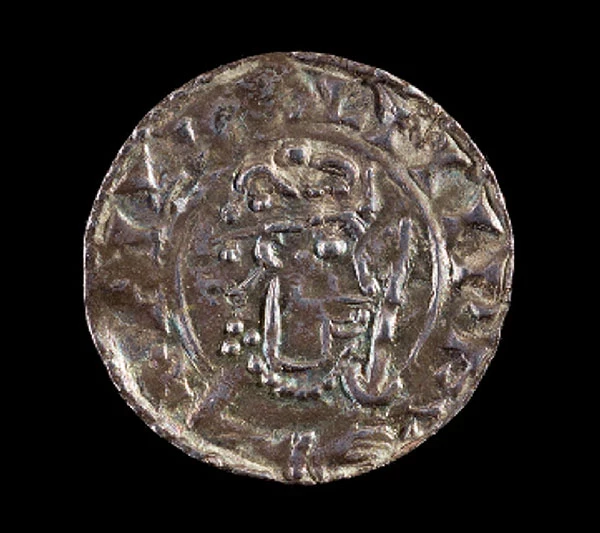
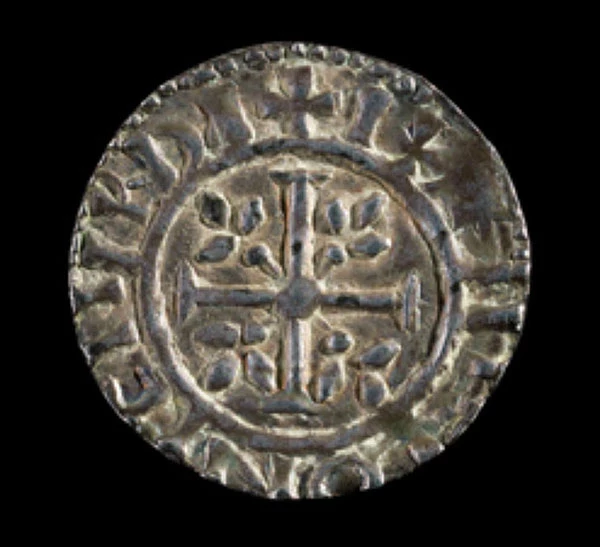
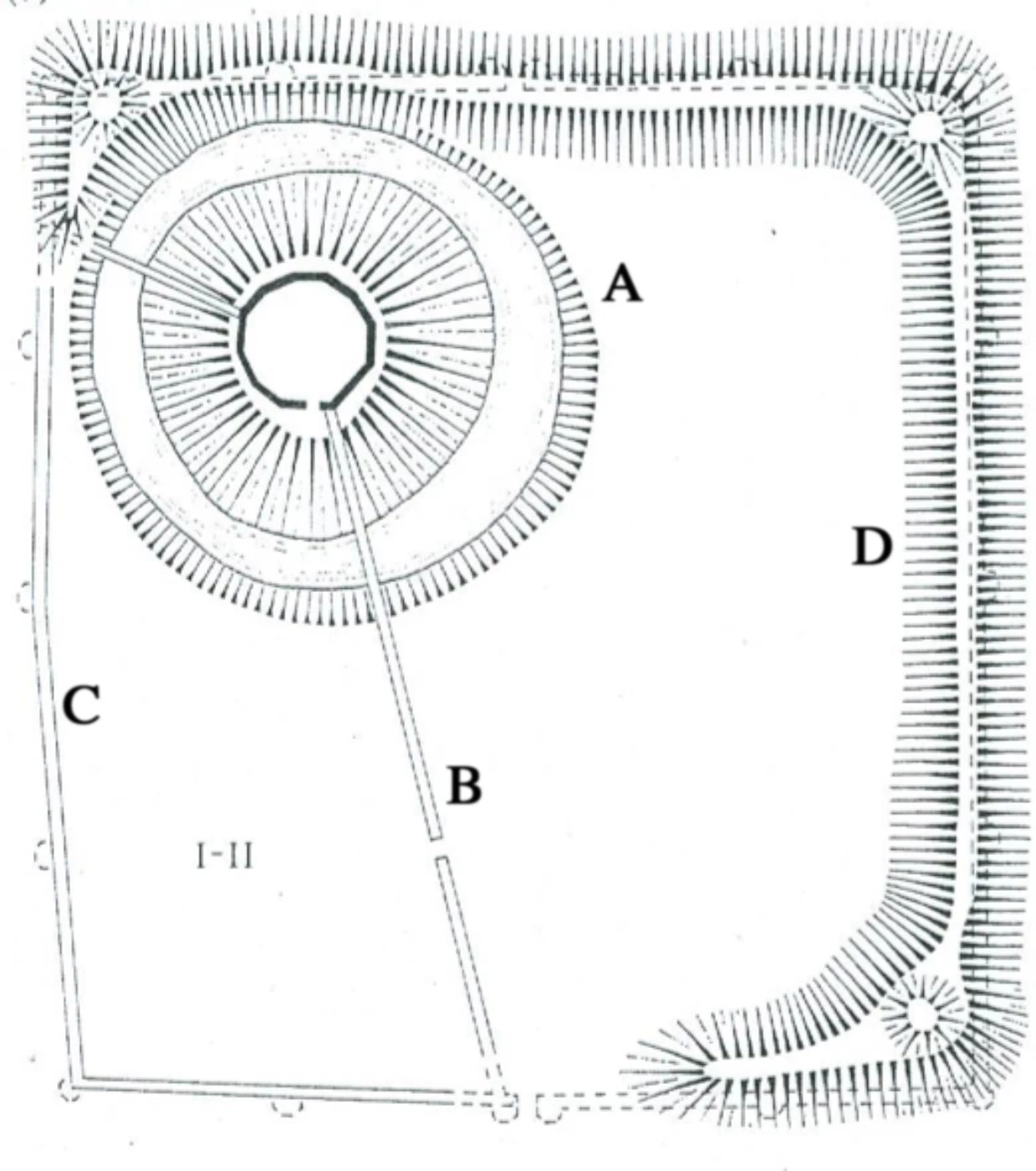
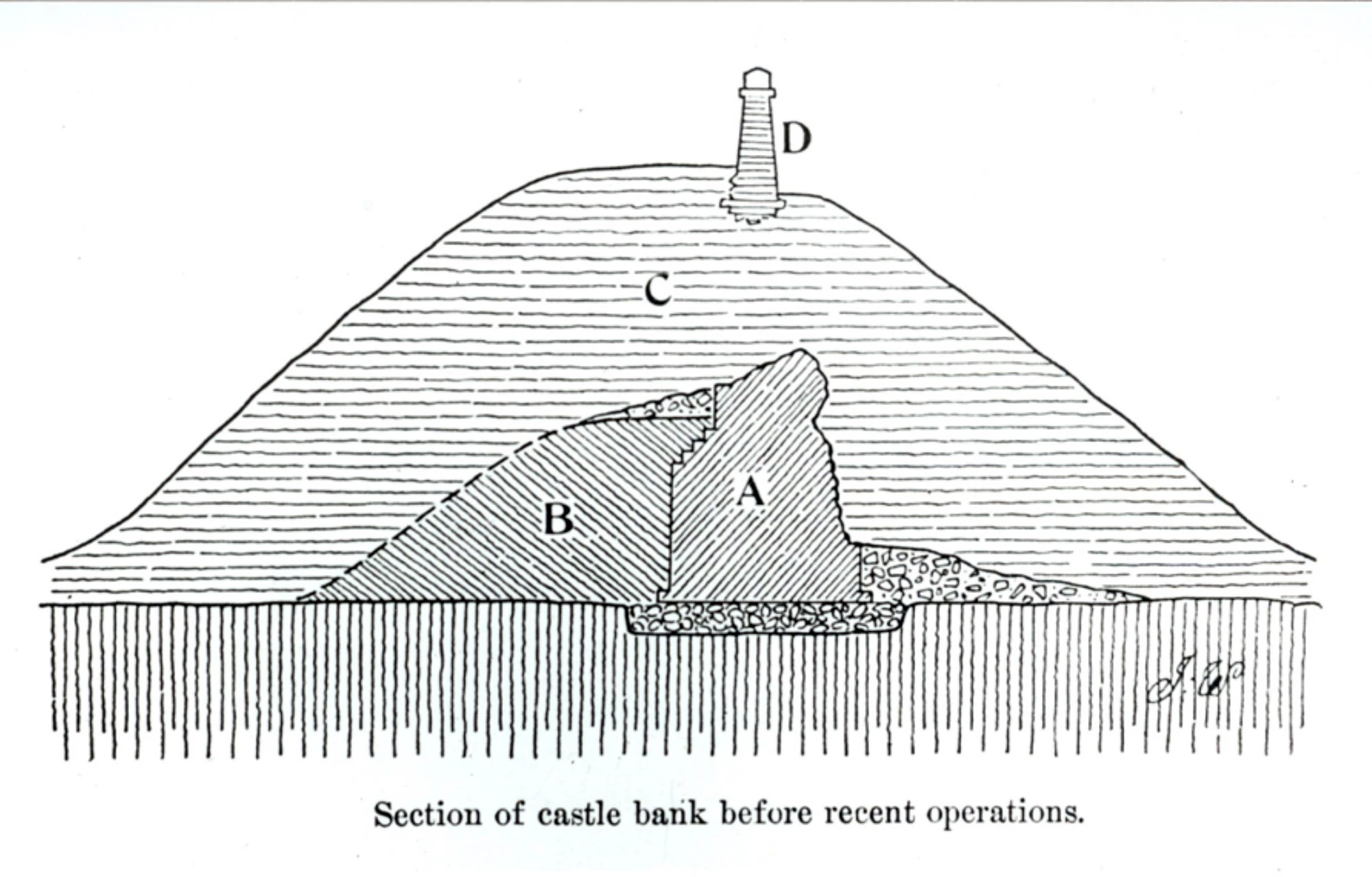
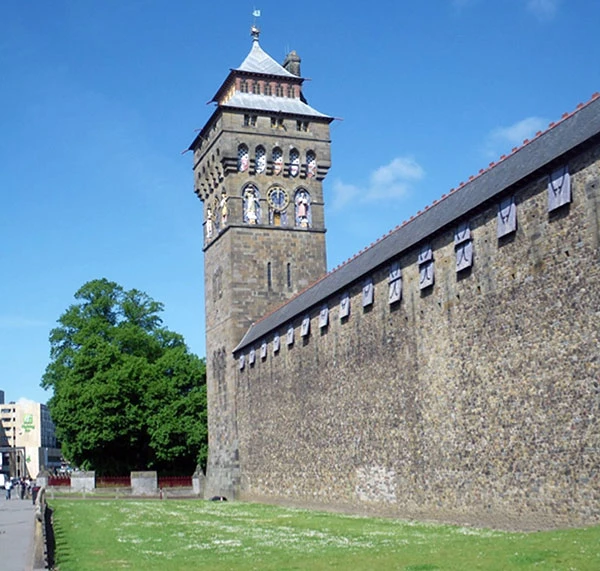
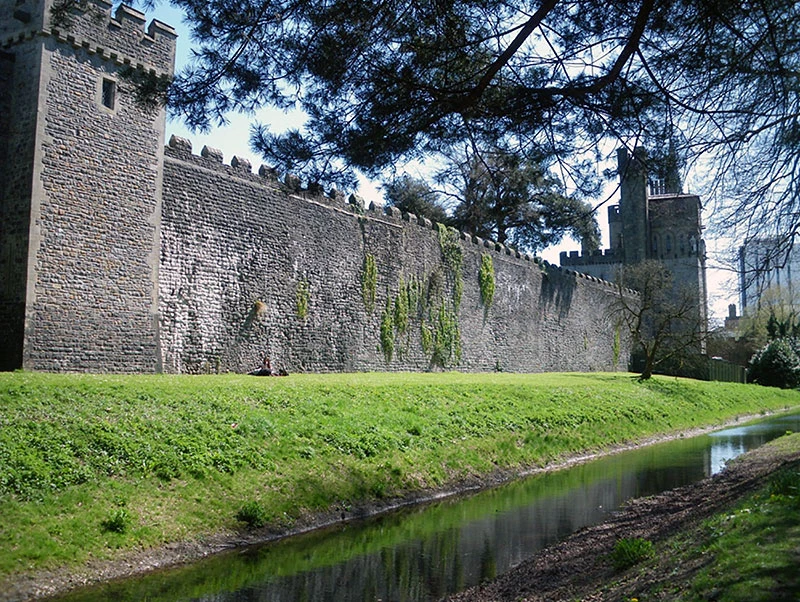
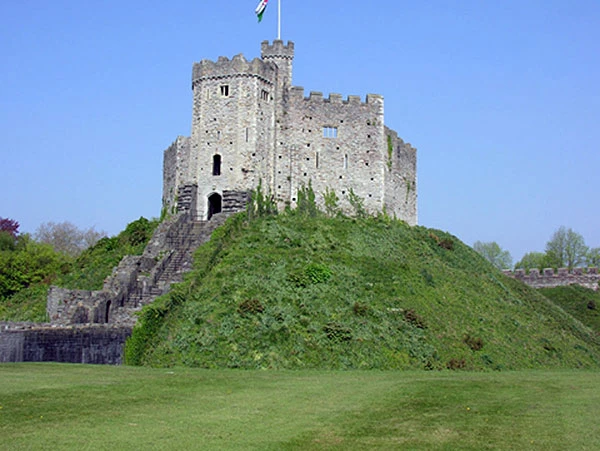
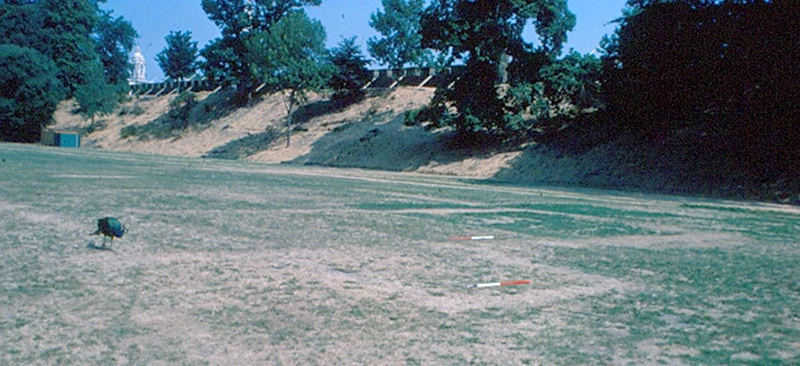
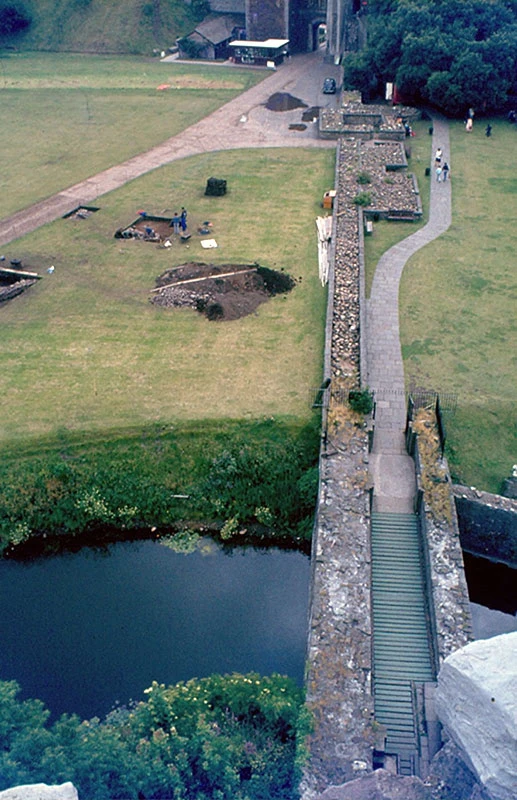
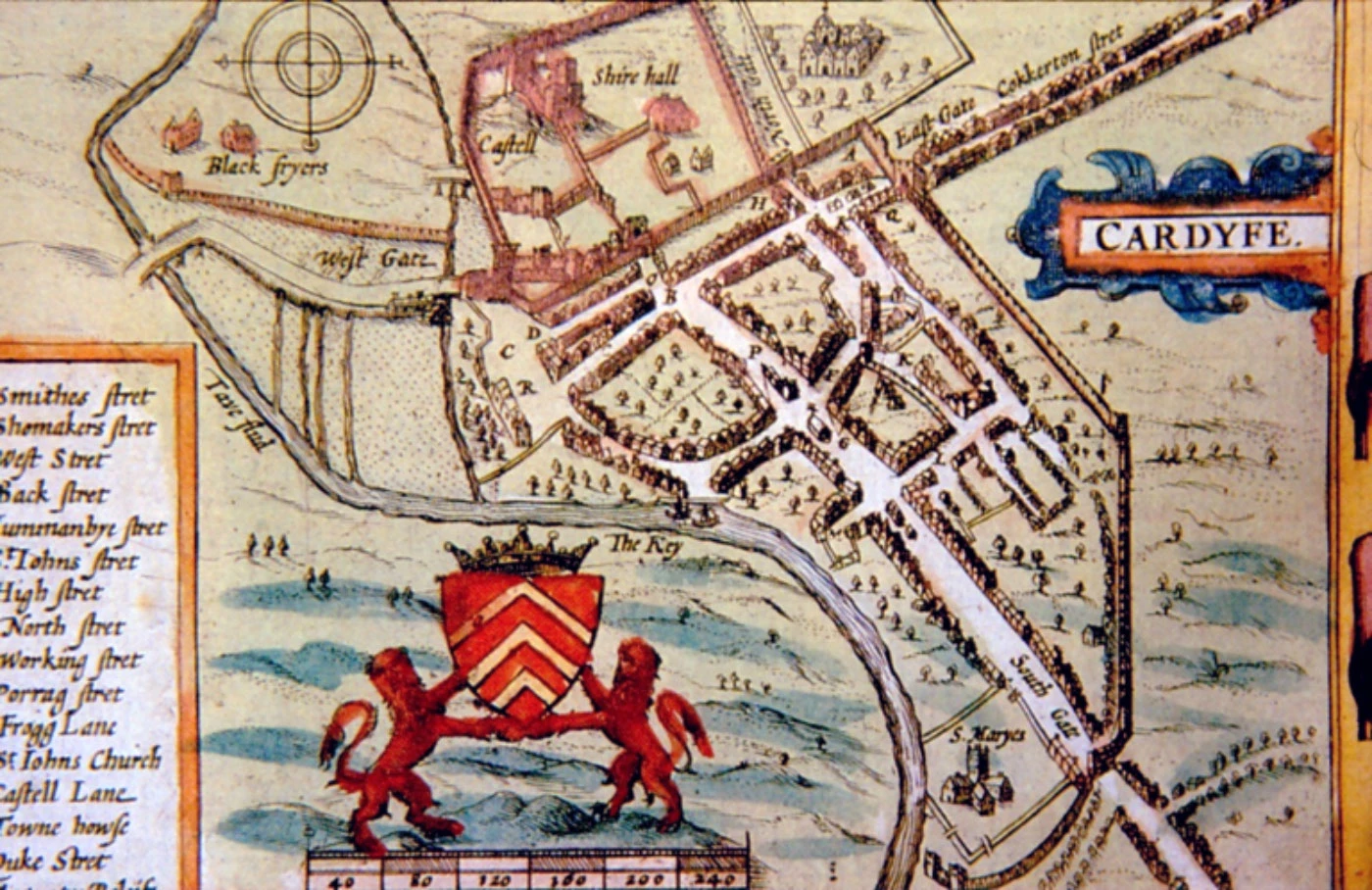
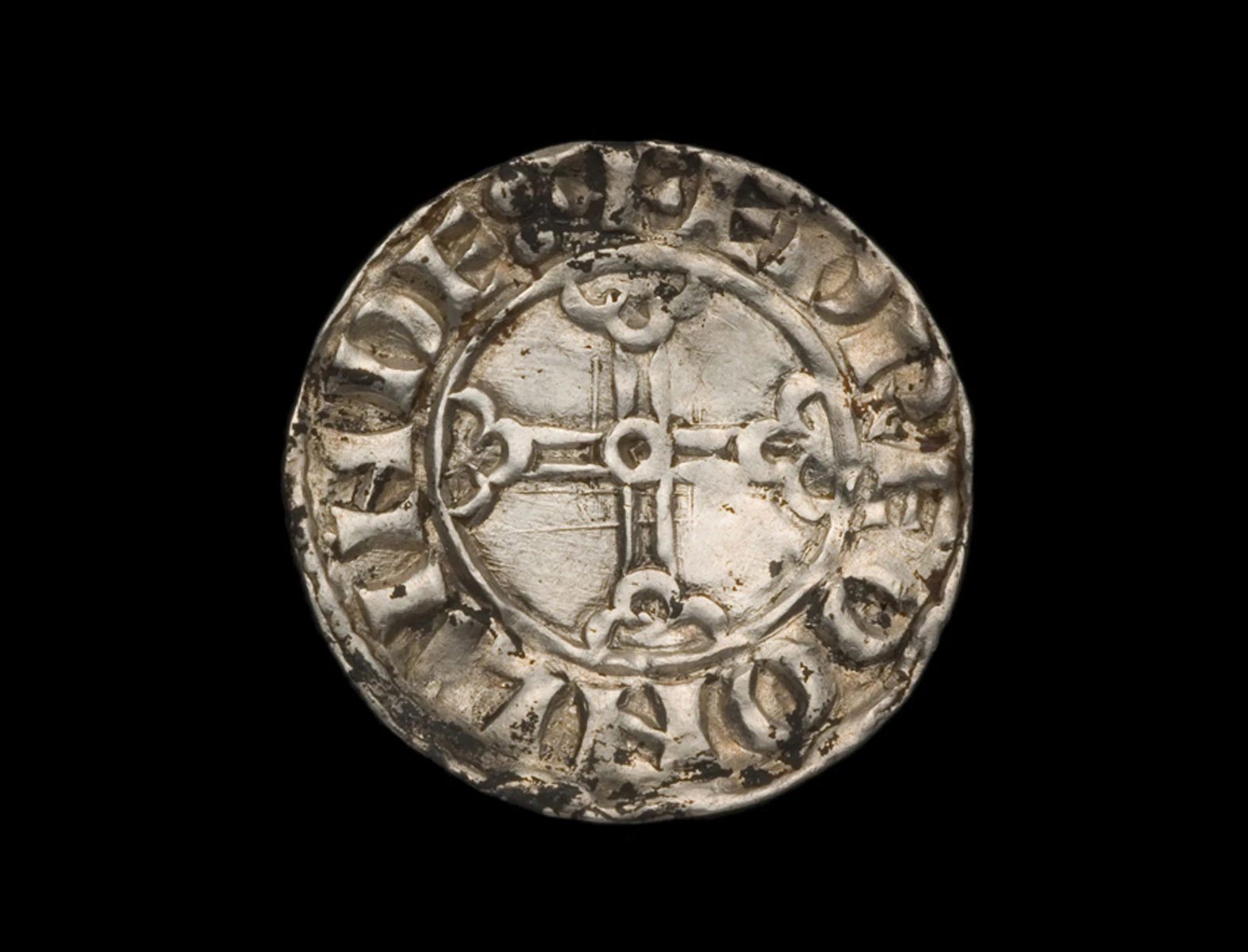
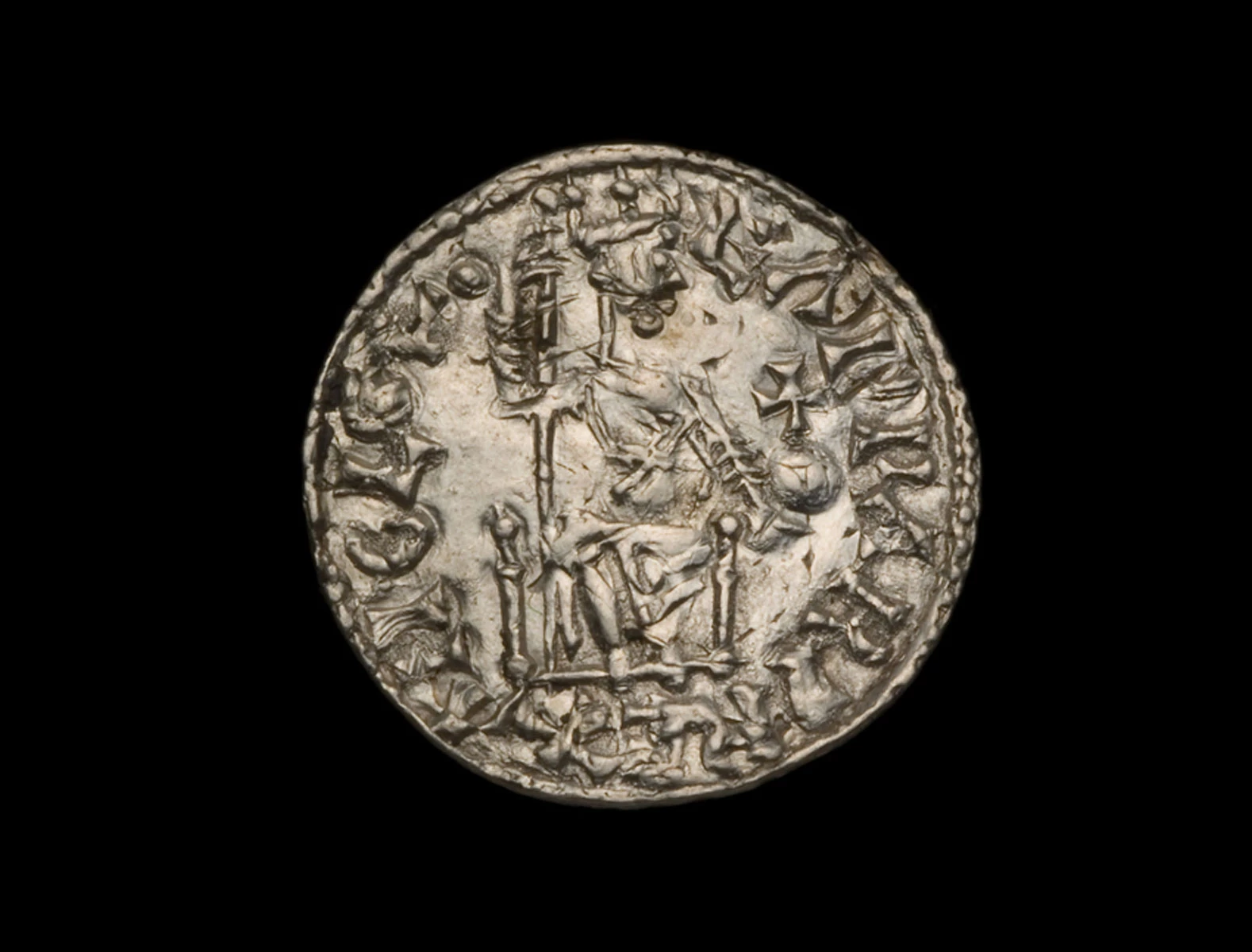
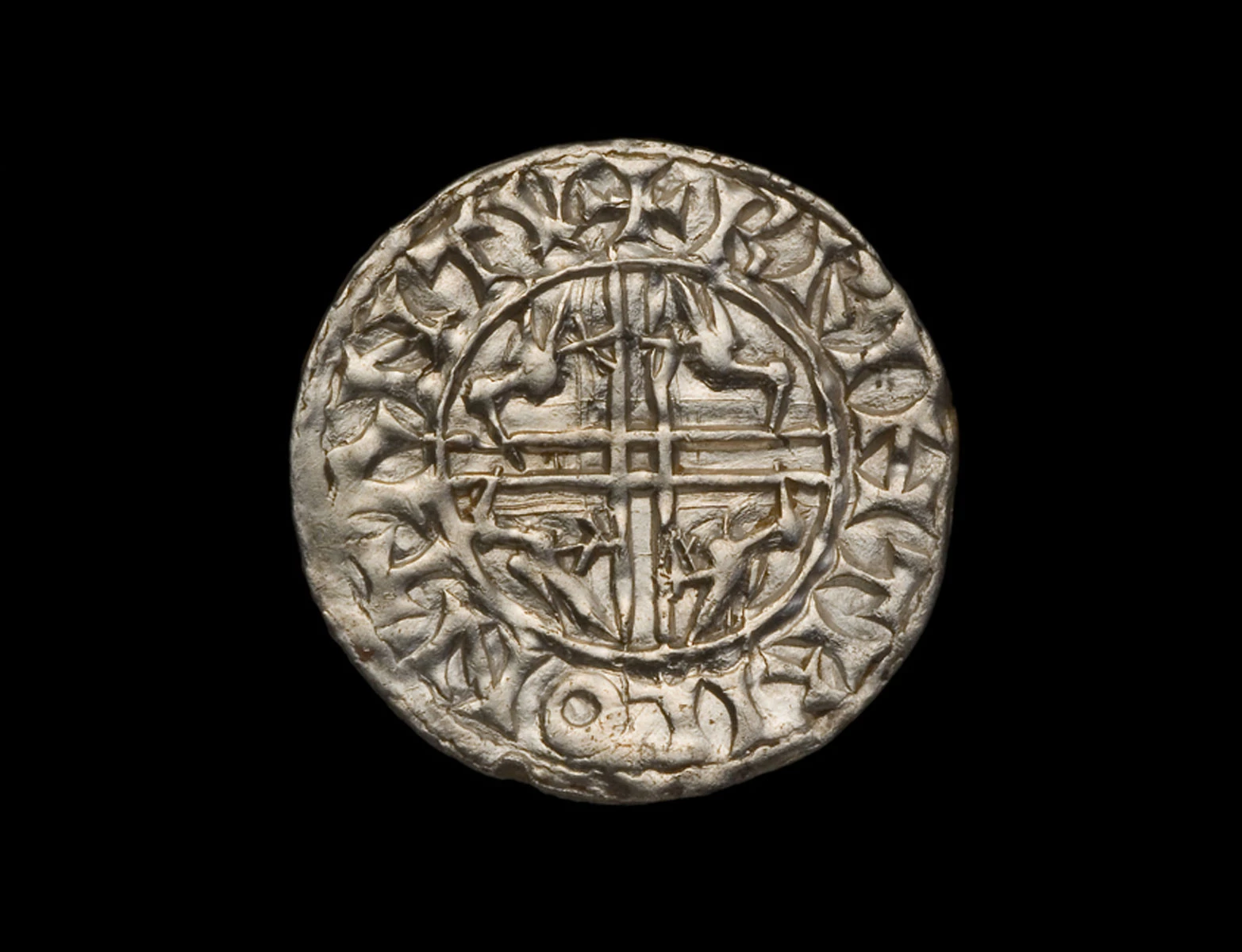
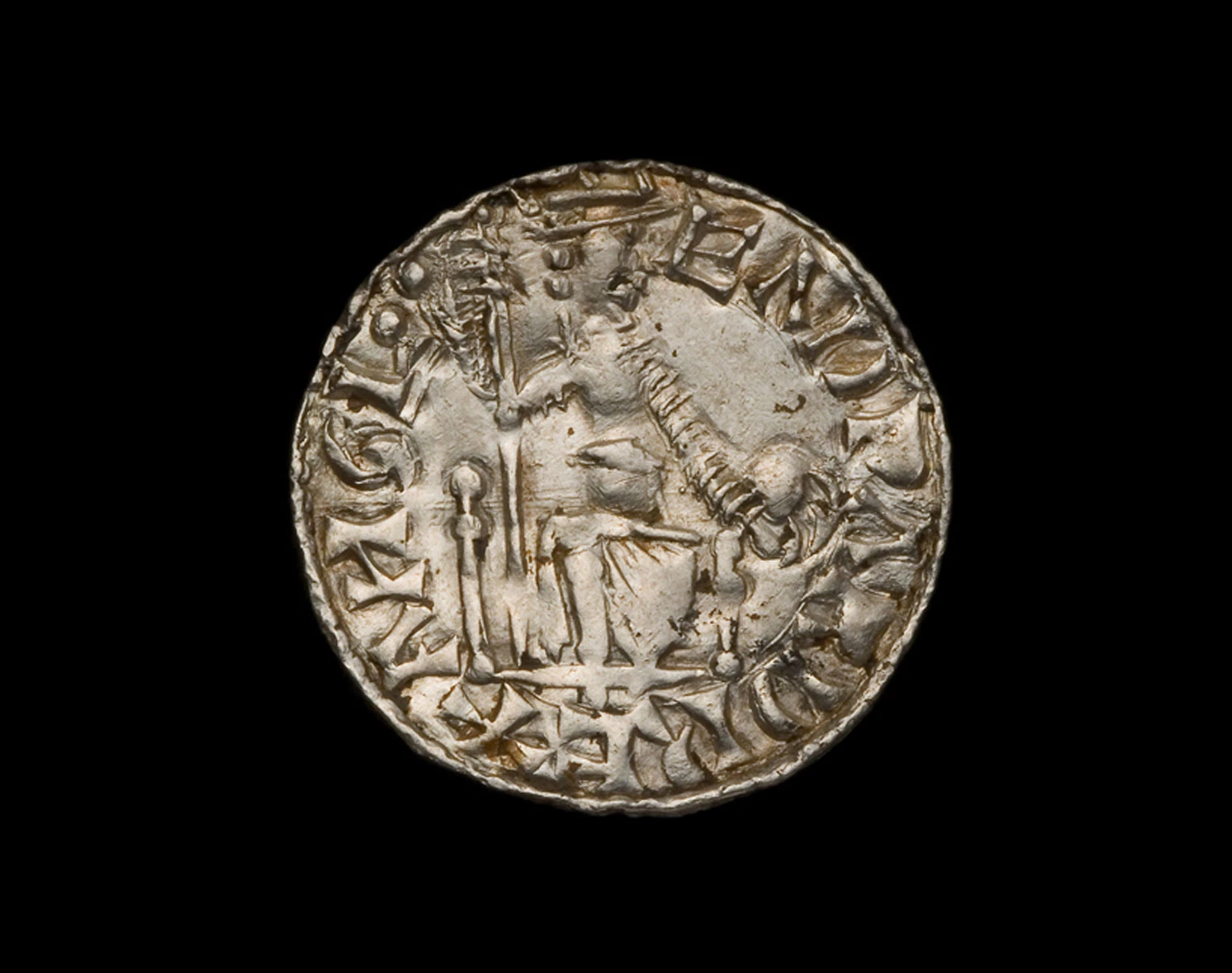
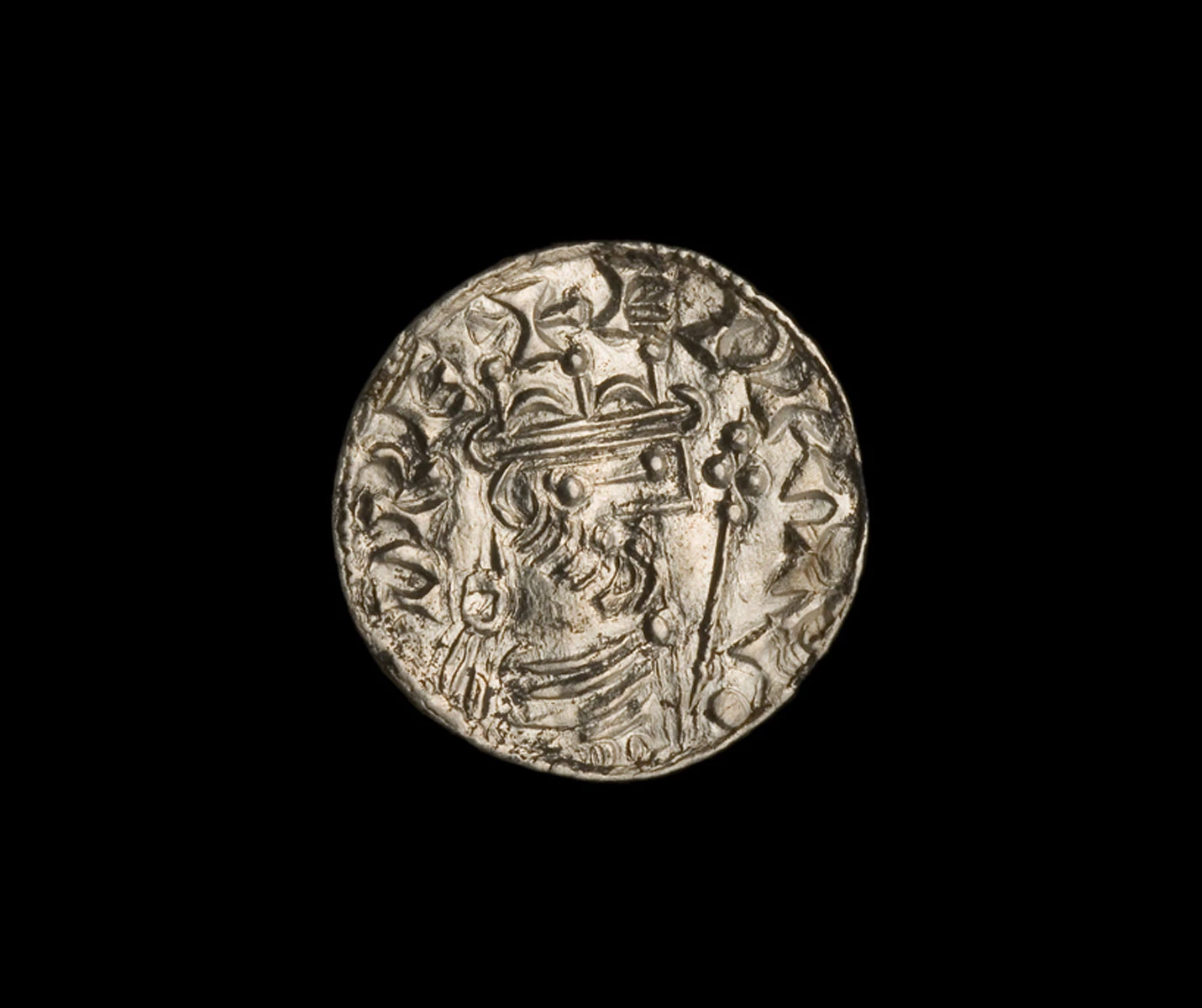
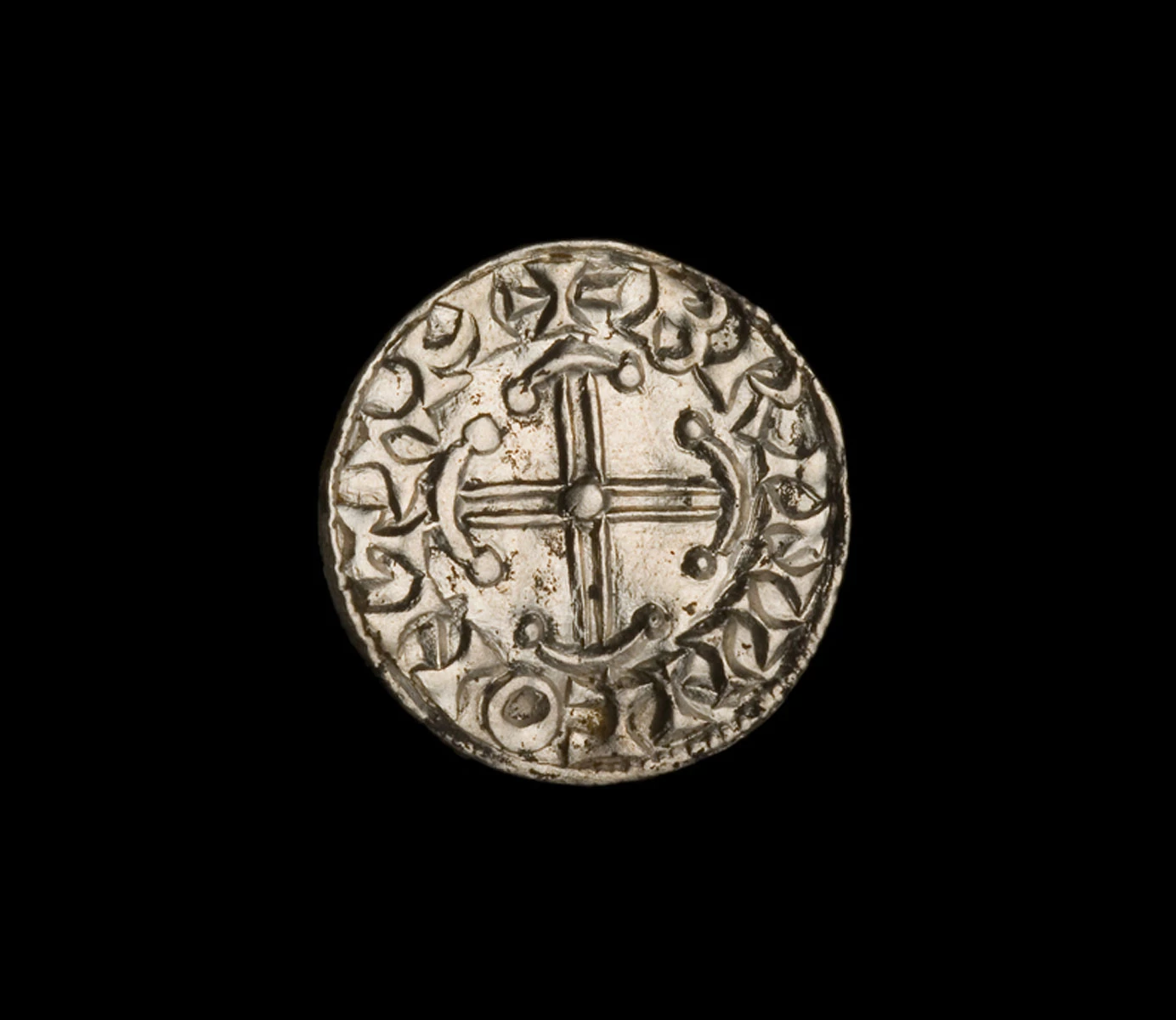
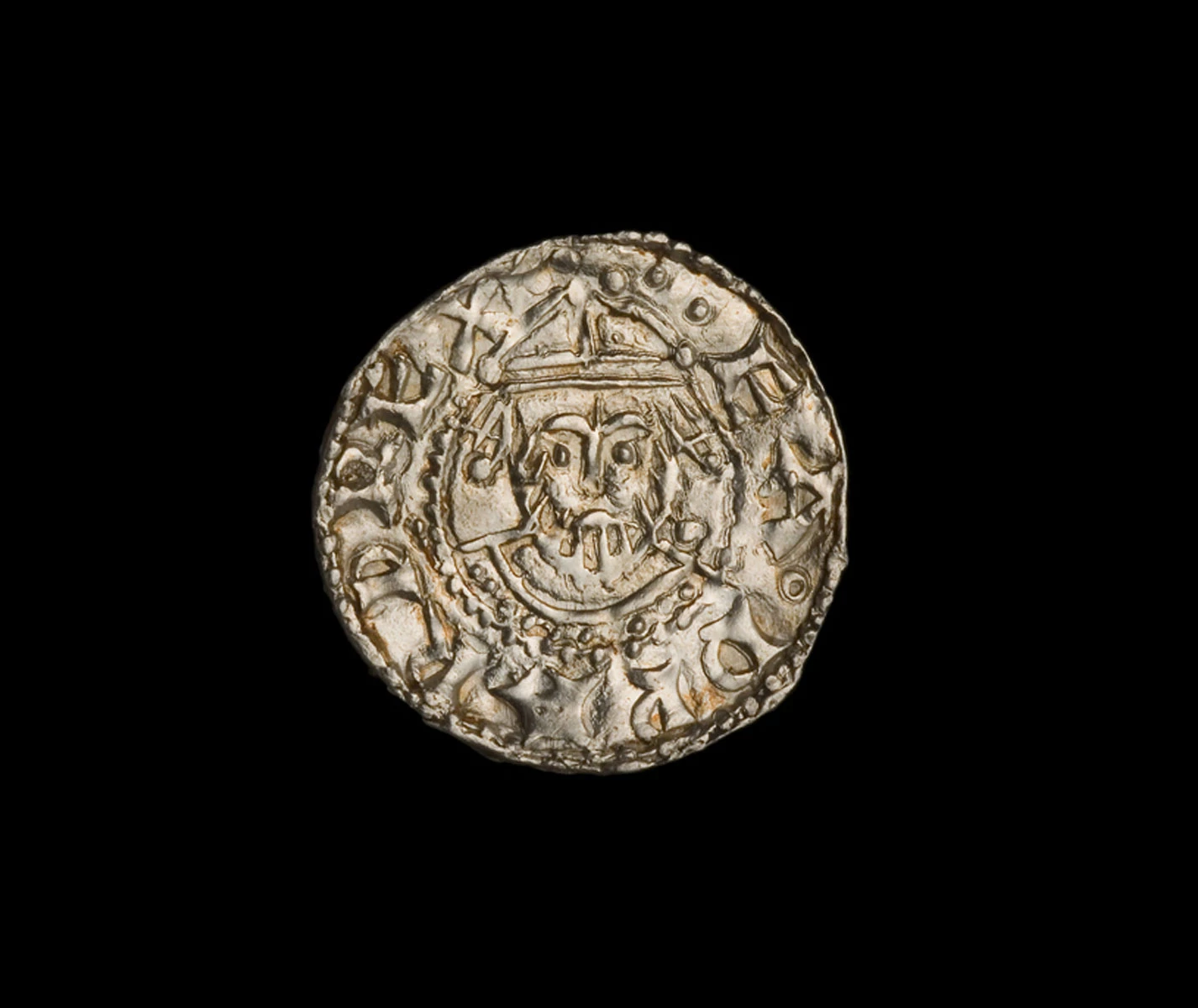
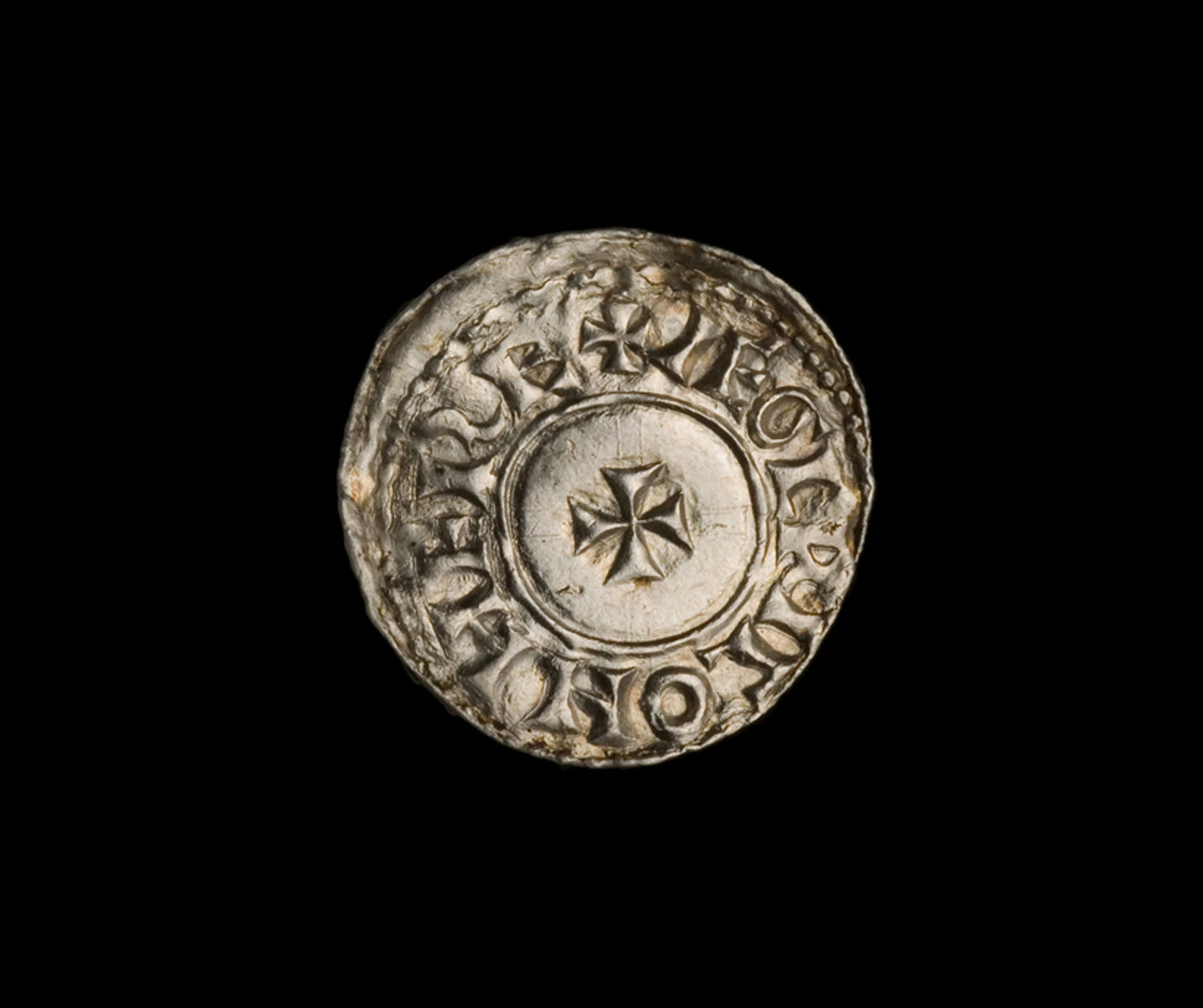
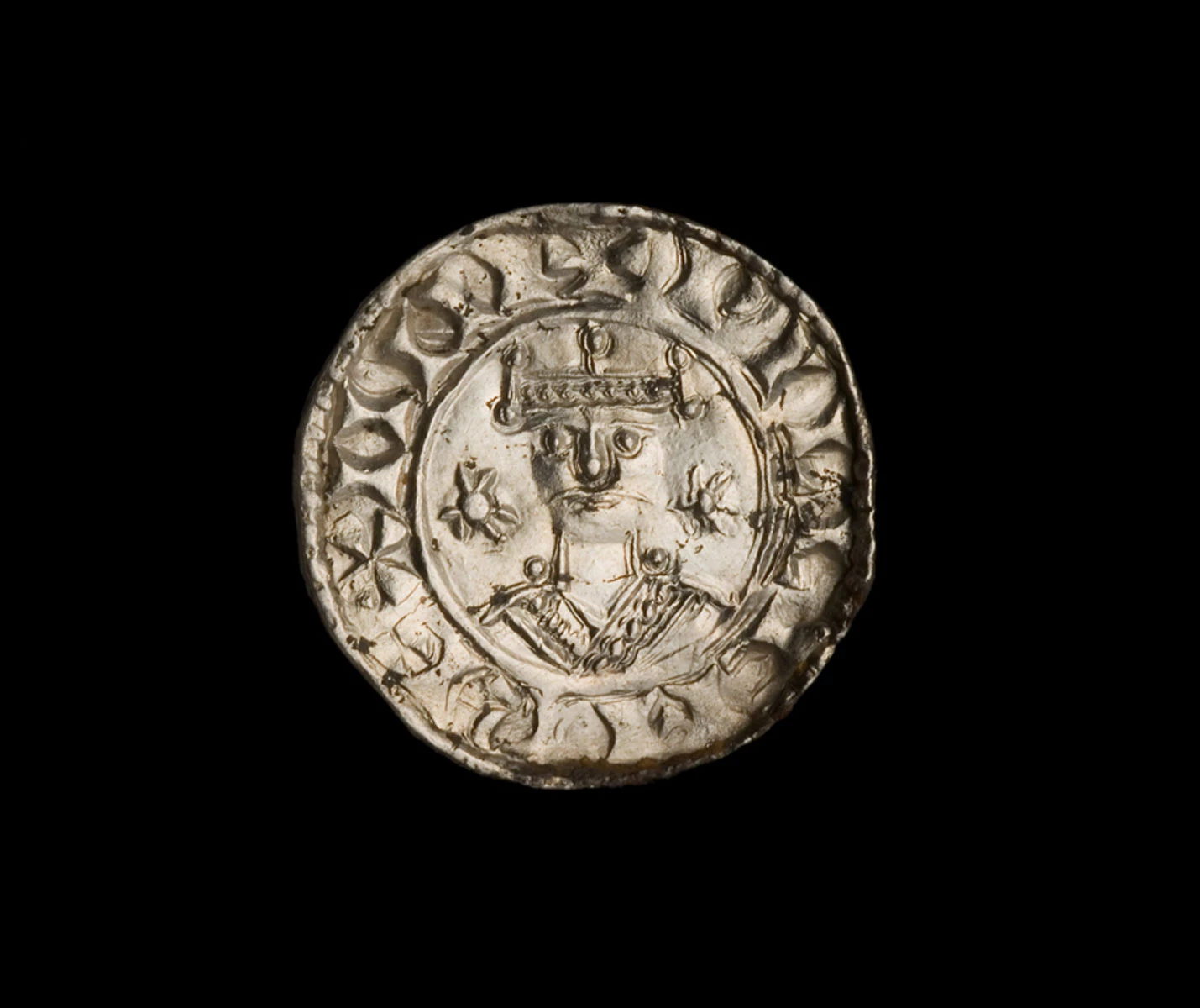
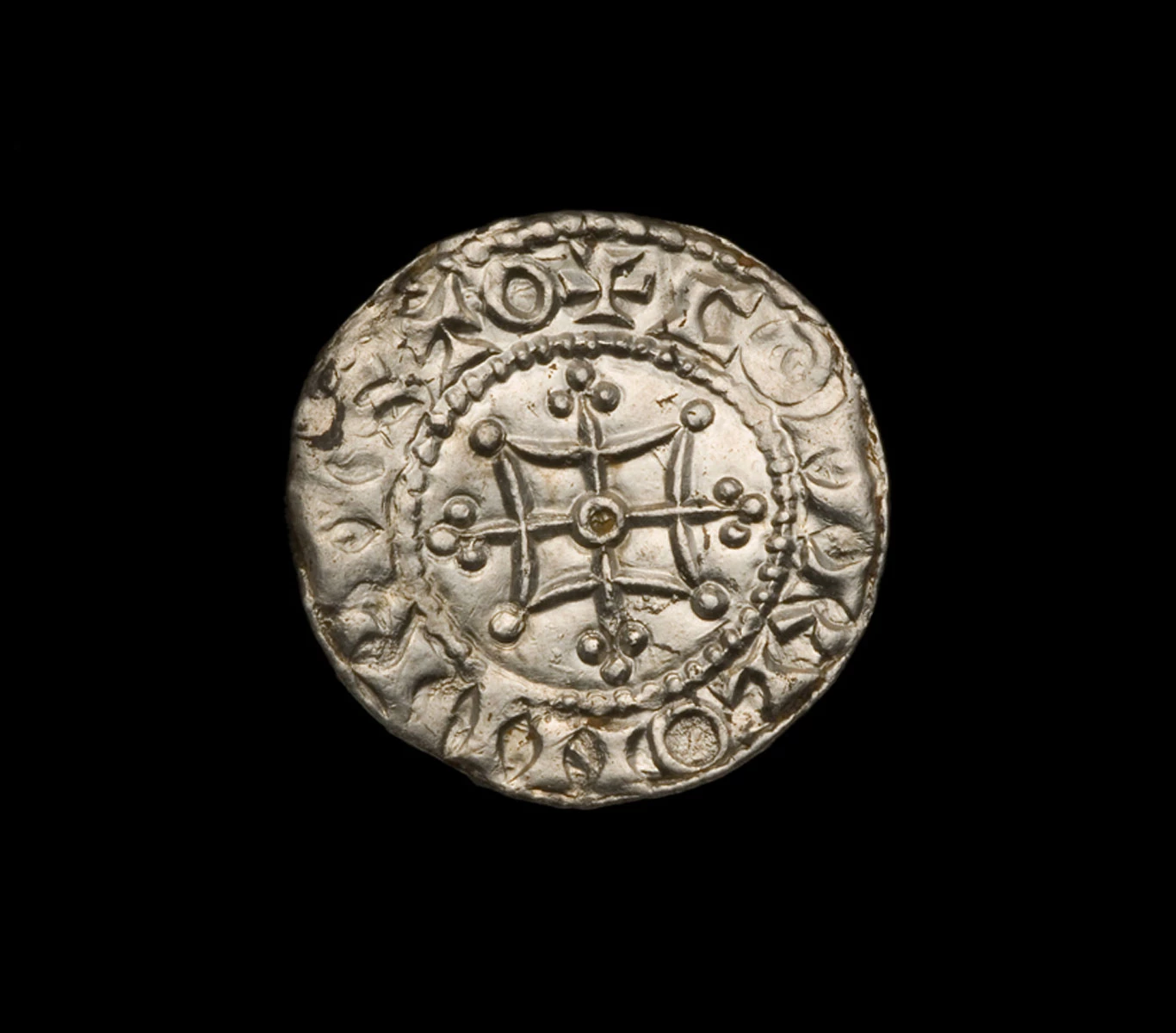
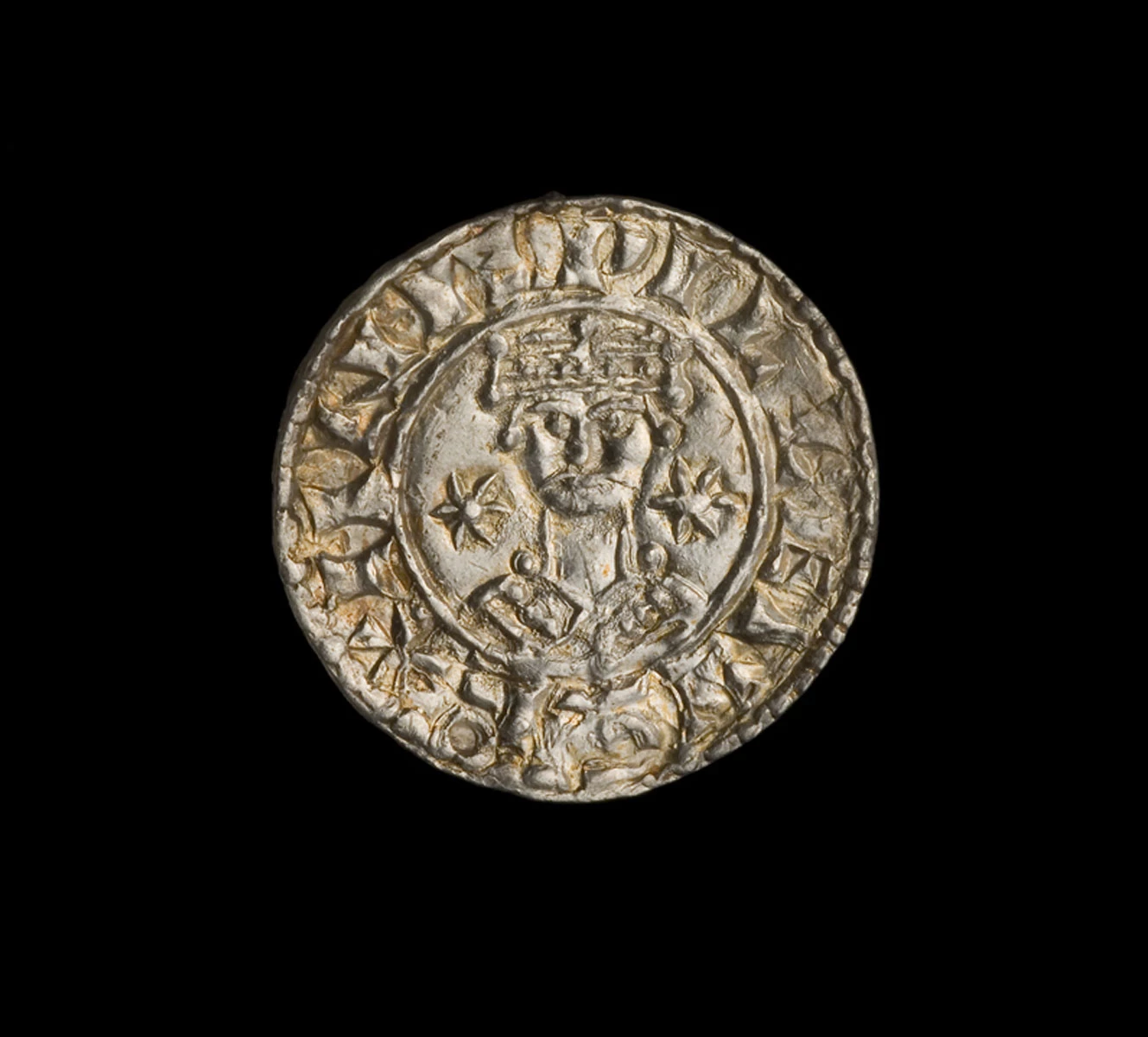
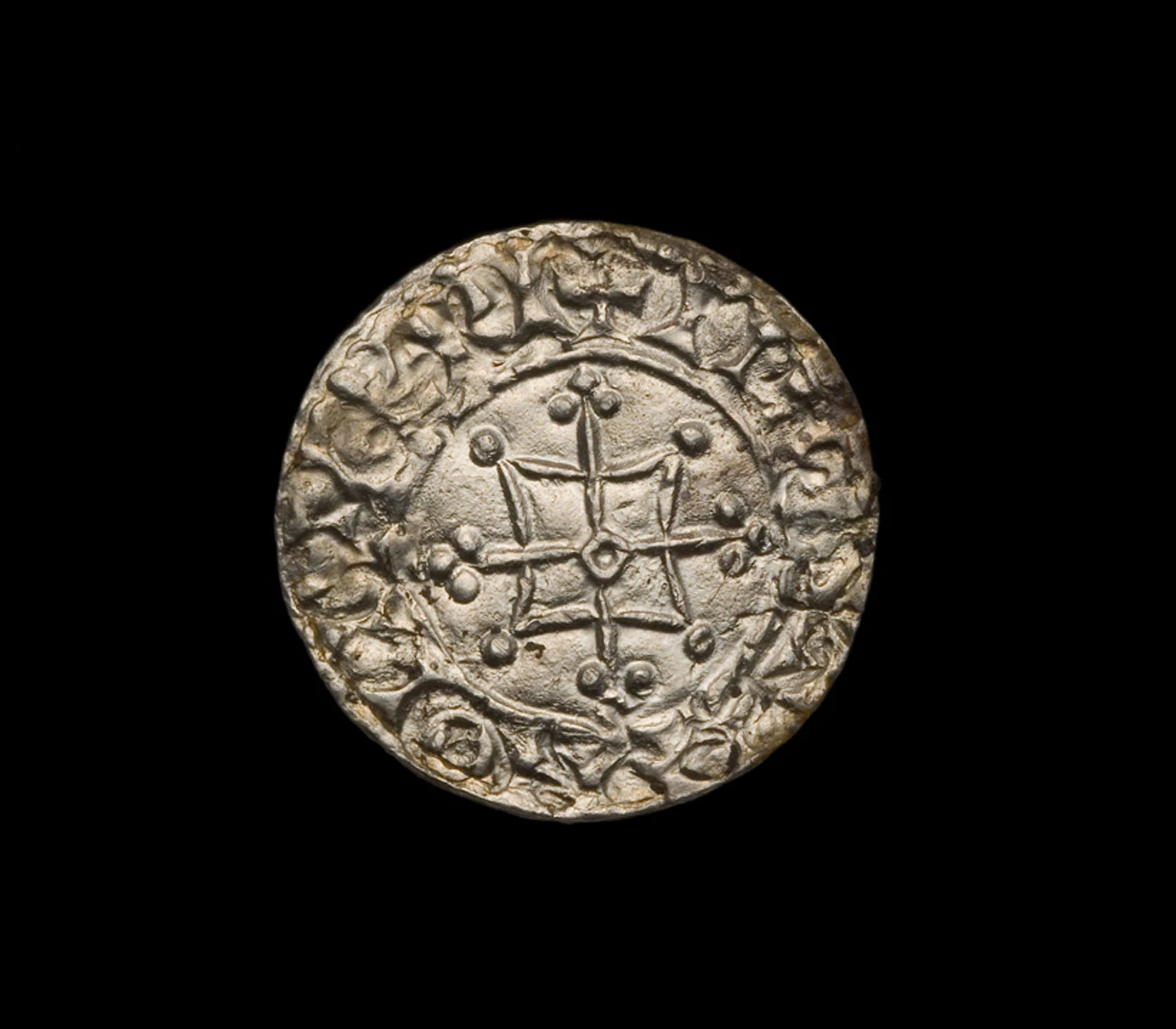
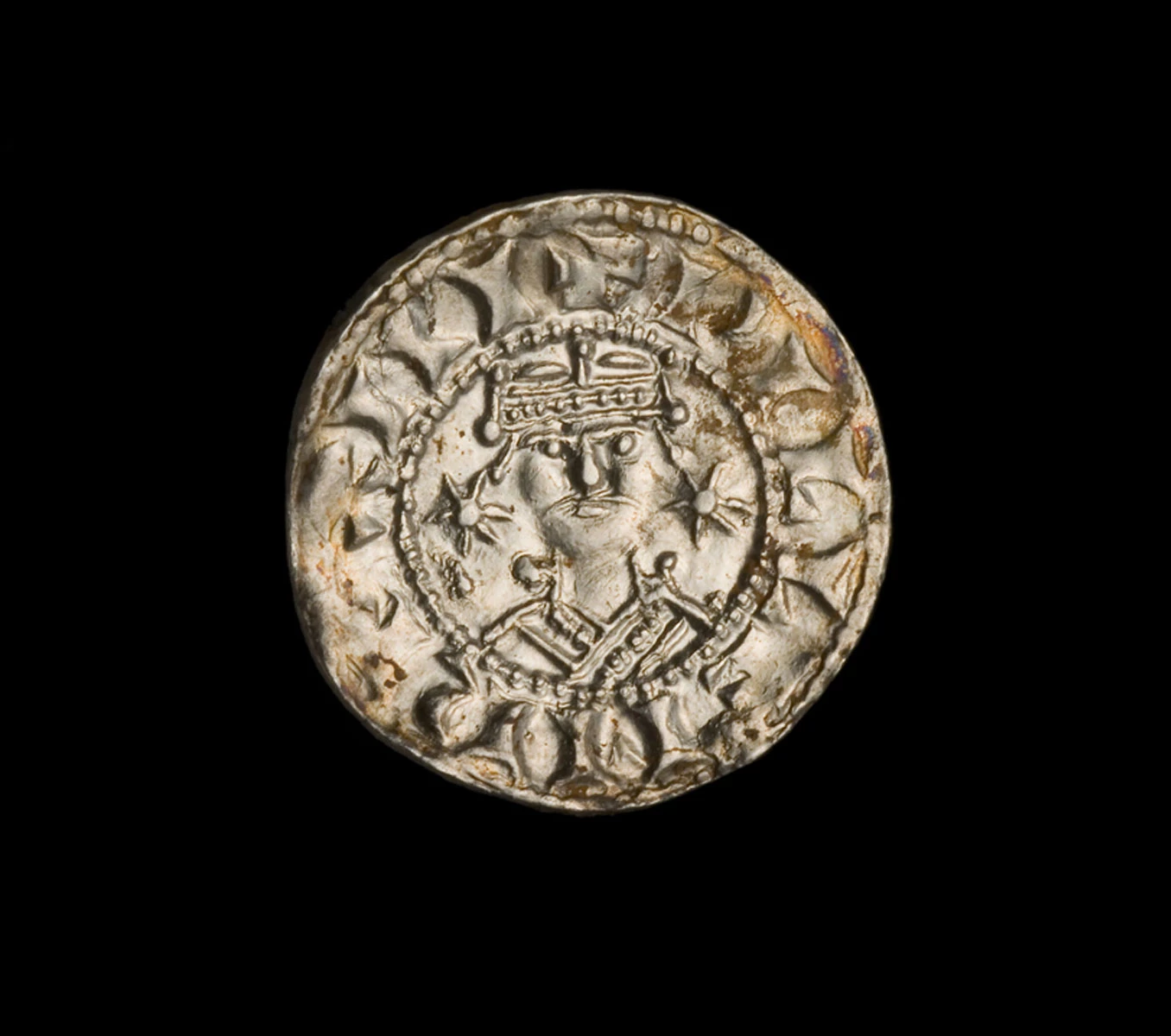
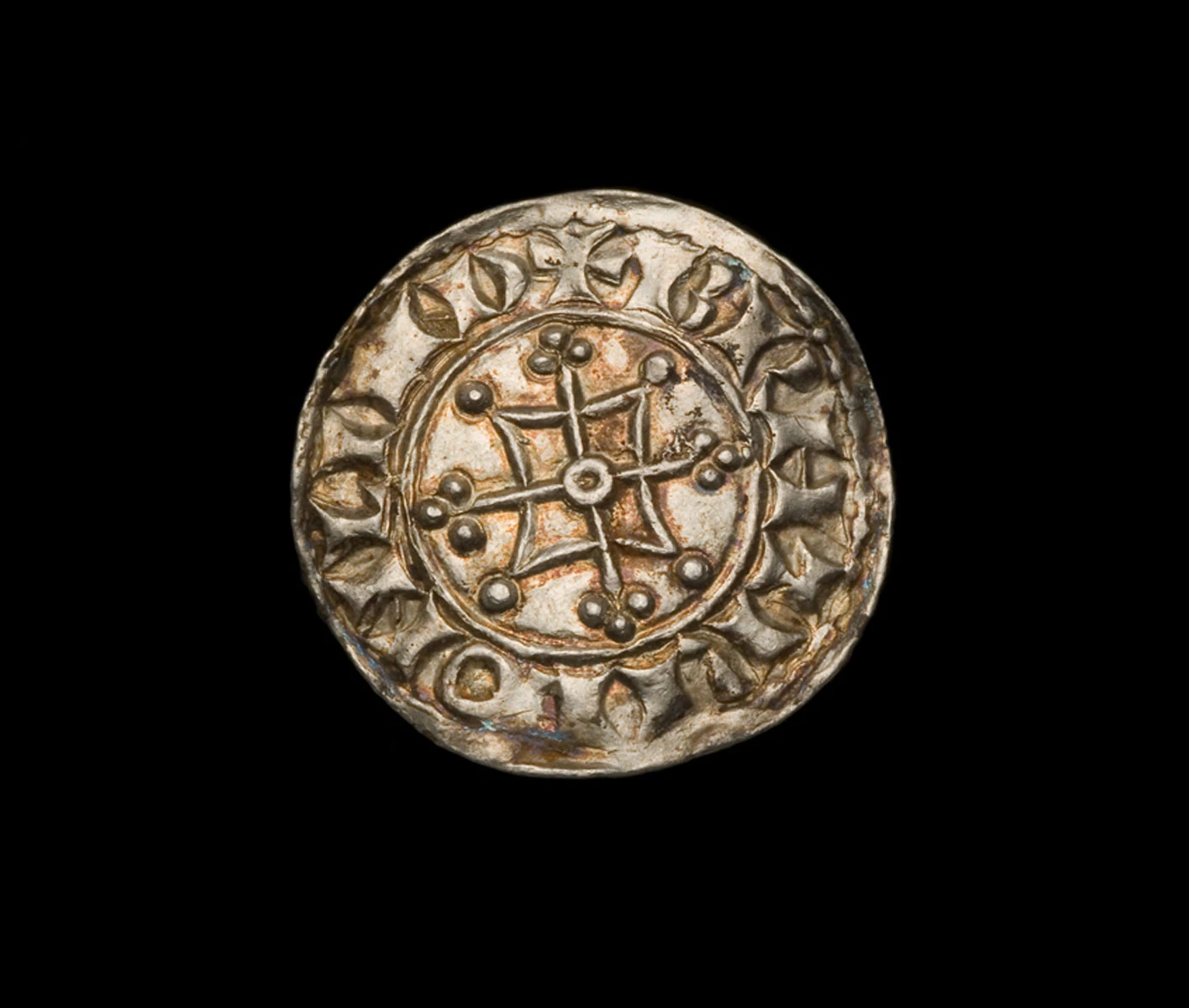
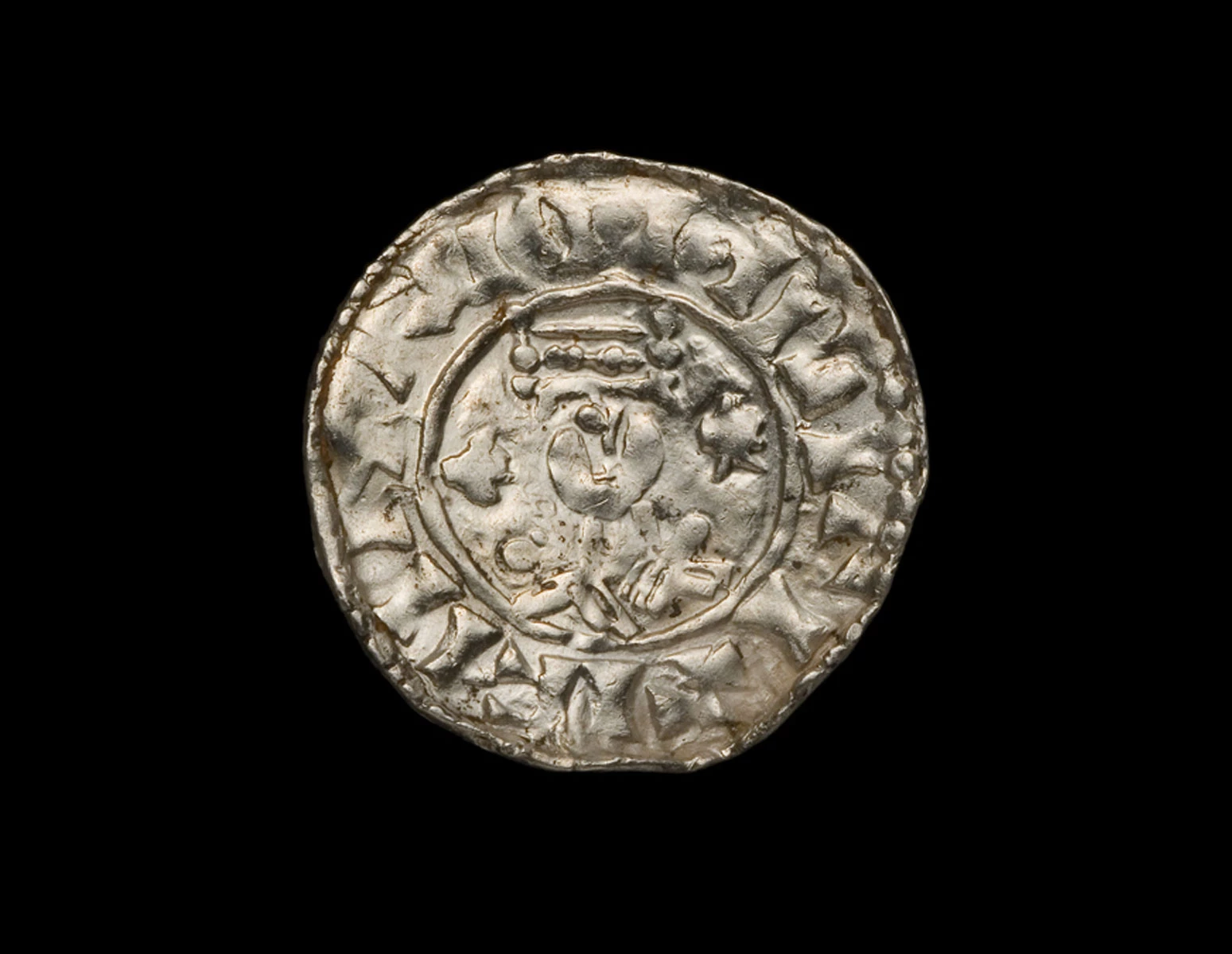
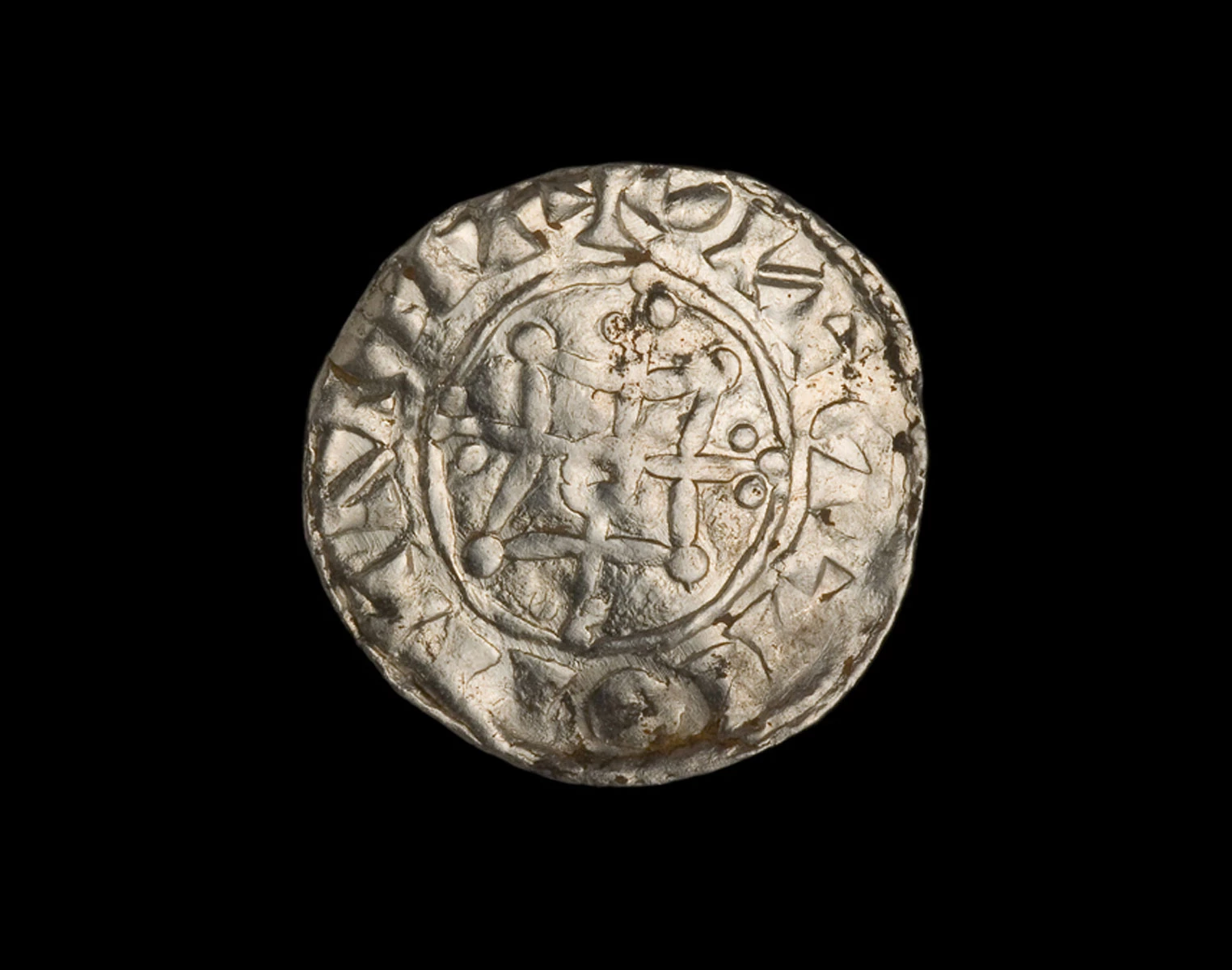
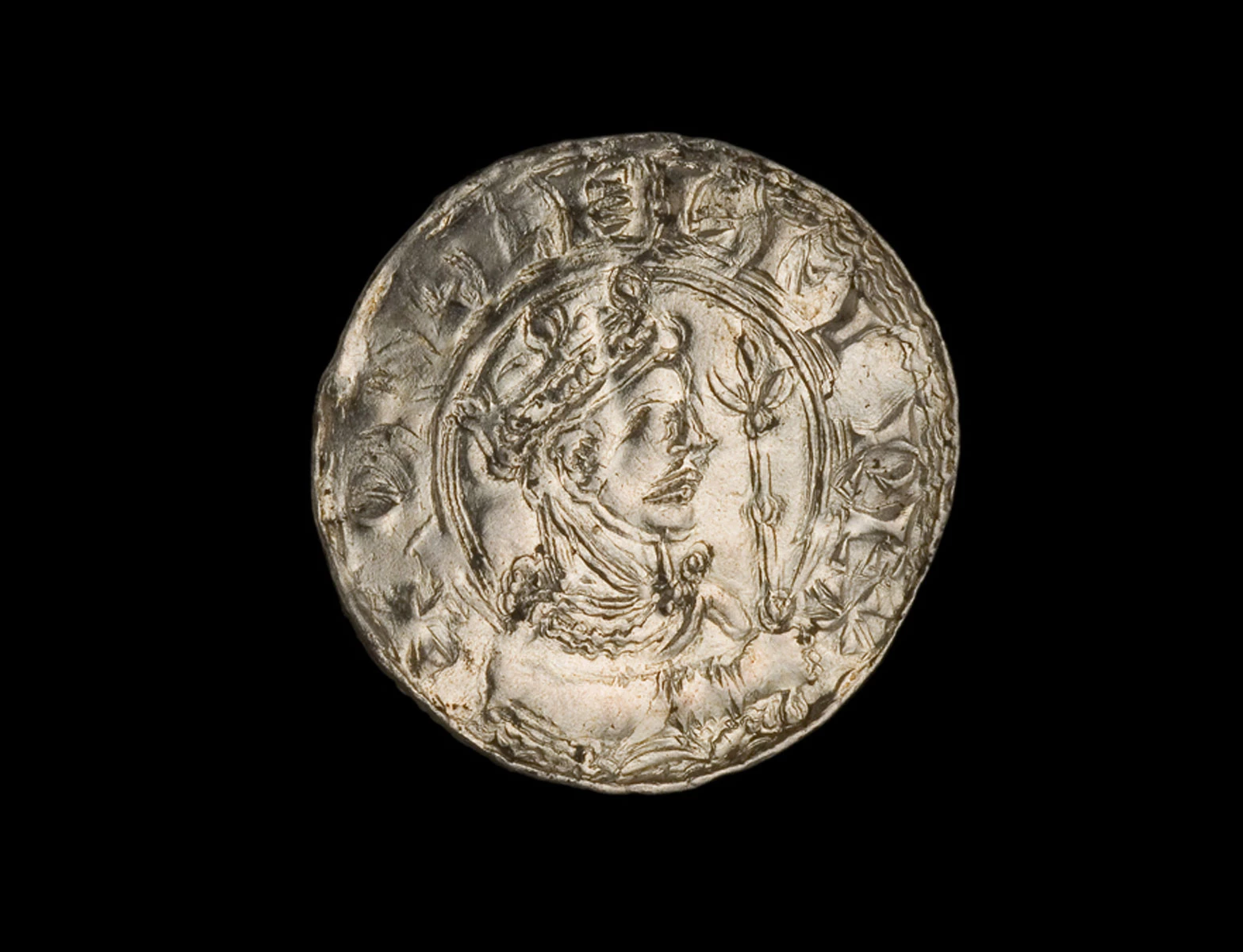
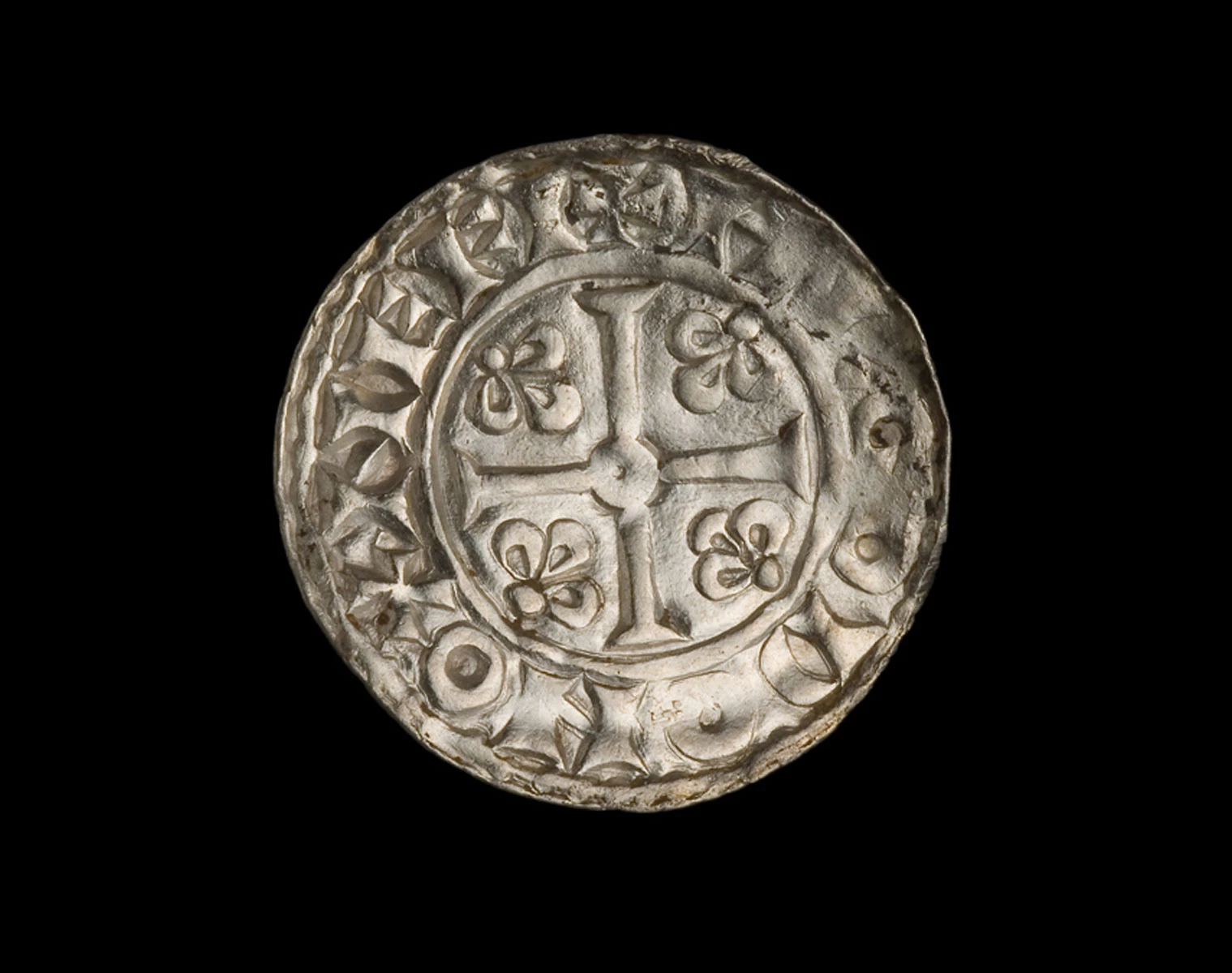
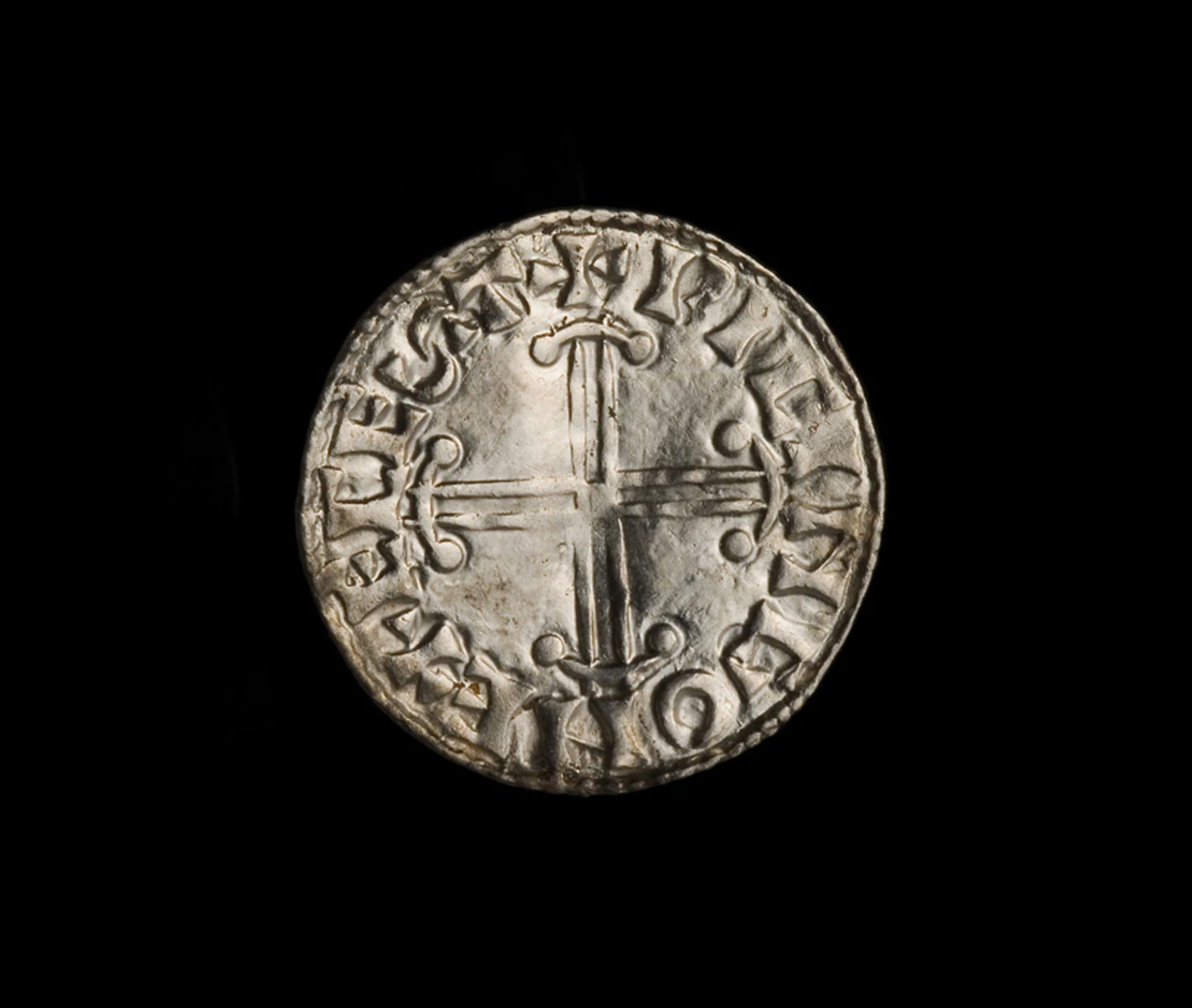
Norman Cardiff and minting coins Edward Besly and Peter Webster, 5 October 2018 Coin of William Rufus - front Coin of William Rufus - reverse Amgueddfa Cymru-National Museum Wales has just acquired a rare piece of Cardiff’s early history: a silver penny of the Norman king William II (1087-1100) made in the castle mint in the early 1090s. The newly acquired coin of William Rufus. William II, known as ‘Rufus’ (‘the Red’, perhaps from his hair colour), was the son of William the Conqueror (also known as ‘the Bastard’). During his reign the Normans made their first incursions into this part of Wales under Robert FitzHamon, a Norman baron who conquered the area and became the first lord of Glamorgan. The Normans brought with them the habit of using coinage and it seems that a mint was set up at the castle soon after its foundation in 1081. However, no coin certainly identified to be of William Rufus from the Cardiff mint had been recorded before this one showed up in 2017, within a private collection which was offered up for auction. Prior to the Norman invasion, coinage was in regular use in Anglo-Saxon England, with a network of mints and a centralised supply for the dies used to make it, but there was no tradition of minting in Wales. Early Norman Cardiff was a frontier town, and so its mint had to fend for itself: the obverse (‘heads’) die seems to have been borrowed from elsewhere and the king’s effigy was re-engraved, giving him a slightly comical appearance. The reverse (‘tails’) was made locally from scratch – it bears a clear, if crudely engraved mint signature ‘CAIRDI’ [CIVRDI or CIIIRDI], but we cannot fully read the moneyer’s name, ‘IÐHINI’ (Ð = ‘TH’) – he may have been called Æthelwine (interestingly, a Saxon rather than a Norman name). The designs of current coins were changed every few years – and the king took a cut every time a new coinage was issued. We now know of coins from four different issues in the name of ‘William’ (which could be either William the Conqueror, or his son William Rufus) and four more for Henry I (1100-35) from the Cardiff mint, but they are all incredibly rare. In the civil war of King Stephen’s reign (1135-54), Cardiff fell into the hands of the Angevin party of his enemy, the Empress Maud. In 1980, a hoard of over 100 coins, mostly previously-unknown Cardiff issues of Maud, was found at Coed-y-Wenallt, above Cardiff, and transformed our knowledge of that period. It included baronial issues from Cardiff and Swansea – which, for the latter, was the earliest evidence of that place-name. After that, however, the Cardiff mint disappears from history. Our new coin of Rufus provides another piece of the jigsaw that is the early history of Cardiff and its region. Many pieces are no doubt still missing, and who knows what may still await discovery? As for the man himself, he died on 2 August 1100, whilst hunting in the New Forest, when struck by an arrow: an unfortunate accident or was he murdered? Edward Besly, Numismatist (Coins and Medals Curator), Amgueddfa Cymru-National Museum Wales. The Norman castle as envisaged by RCAHM. The stone keep is probably later than the reign of William Rufus and would originally have been of wood. Motte surrounded by a ditch Assumed Ward wall Re-used Roman wall probably without projecting towers Earth bank with ditch outside A schematic section through the castle’s earthen defences before the 19th and 20th century removal of the outer portion of the medieval bank and the reconstruction of the Roman Fort wall. Remains of Roman fort wall Roman bank Norman bank Later Medieval castle wall Reconstructed Norman castle wall between the South Gate and the Clock Tower The west castle wall. The stretch between the towers is essentially the wall of the Norman castle. The massive Norman motte, with later medieval stone shell keep. The Medieval bank surviving on the inside of the East walls. The crop mark visible in the foreground is a late medieval building. The stone wall and gateway from the outer to the inner ward, seen here looking from the Keep to the South Gate. This wall probably has its origin in the defences of the Norman castle. Speed’s 1610 map of Cardiff. The coming of the Normans Cardiff today is largely a product of Victorian development, but at the very centre of the city is a historic core originating with the Roman military and later re-occupied by the Normans. There is little or no trace of a settlement at Cardiff between the end of the Roman period and the coming of the Normans into Wales in the 1080s, although there may have been some occupation at the point where the Roman road from Caerleon to Carmarthen crossed the River Taff. When the Normans arrived, this was the point where they chose to site the military and administrative centre for their new lordship of Glamorgan, re-using the remains of the late Roman fort for a castle enclosure and establishing a small town at its southern gate. Reconstructing the Norman castle Norman Cardiff had its focus in the castle, but the castle building we see today is very different to the original one. To get at the Norman castle we have to strip away the 19th and 20th century alterations made by the marquesses of Bute, which had in part involved the restoration of the walls of the late Roman fort. The Normans threw up a massive earth bank over the remains of the Roman fort walls, from a point near the north-west corner of the castle, round onto the sides now fronting Kingsway and Duke Street. The remaining Roman fort walling (from near the present south gate round onto the side now facing into Bute Park) was repaired, although, strangely, the projecting towers which will have formed part of the Roman defences appear to have been removed – perhaps to provide material for the repairs. This Norman wall can still be seen, albeit with a good deal of 19th century restoration, between the south gate and the Clock Tower and north of the western castle apartments. The material for the banks on the north, east and part of the south sides was taken from a massive ditch dug around the entire enclosure. This is now filled in on Kingsway and Castle/Duke Street and underlies the present western moat and northern dock feeder. This ditch can still be glimpsed occasionally when service trenches are opened around the castle, but a clearer idea of its scale can be gained from the evidence of John Ward, curator of the Cardiff Museum and Art Gallery from 1893 to 1912. Ward observed the underground toilets being dug in Kingsway and reported that, although completely below ground, they did not reach the bottom of the ditch. Ward’s schematic diagram of the castle’s earthen bank shows the result of this ditch digging – the sizeable bank still present on the inner side of the castle walls (to the left of the diagram) repeated on the outside. Inside these outer defences, the Normans constructed a massive motte – a mound rather like an inverted pudding basin, surrounded by a large moat. This can still be seen, although the mound received some landscaping by Capability Brown in the late 18th century and the moat (which Brown filled in) was re-excavated in the 19th century and may be more regular than it once was. We can assume that there was some sort of structure on the top of the mound, probably a wooden palisade and tower, likely to have been replaced by the present stone ‘shell-keep’ in the 1240s. The remainder of the castle interior was probably divided as seen now by some sort of wall between the keep and the south gate. A stone wall seems likely but is uncertain. We can expect buildings (probably of wood) within the two ‘wards’ thus created but, to date, no certain structures have been discovered within the limited area excavated. The Norman town. South of the castle lay the small town of Cardiff. The classic view of the medieval town is that created in 1610 by John Speed, which shows a walled enclosure extending south from just east of the south-east corner of the castle to the bottom of what is now St Mary’s Street. This, however, depicts the late medieval town. It is likely that the first Norman town was smaller, probably bordered by the present day Womanby Street, Quay Street, Church Street and St Johns Street (the semi-circle of streets at the northern end of the town as seen on the Speed map). This layout can still be seen in the streets of Cardiff and it is noticeable that the junctions of High Street and St Mary’s Street, and of St John’s Street and Working Street, lie on the suggested early boundary. This, along with much else of the documentary history of Norman and Angevin Cardiff, is discussed by David Crouch (2006). Crouch’s hope that archaeology will add to this picture has so far not been fulfilled. The only excavations within the suggested first town (in Womanby Street and Castle Street), although they confirm Norman occupation, have not yielded structures of such an early date. Indeed, the assiduous digging of cellars by the Victorian residents of Cardiff has unfortunately removed a good deal of the potential evidence. Peter Webster, Honorary Research Fellow, Amgueddfa Cymru – National Museum Wales (former lecturer, Cardiff University) Further Reading Cardiff Castle The medieval castle is treated extensively in RCAHMW, An inventory of the ancient monuments in Glamorgan, Vol. III, Part 1a, Medieval Secular Monuments, the early castles from the Norman conquest to 1217, London 1991, 162-211, which, despite the title, takes the castle story up to the 20th century. Further background to the restoration of the Marquesses of Bute is provided by J. P. Grant, architect to the 4th Marquess (Cardiff Castle, its history and architecture, Cardiff 1923). The Town The best discussion of Norman Cardiff is David Crouch. ‘Cardiff before 1300’ pp.34-41 in J.R.Kenyon, D.M.Williams (Eds.), Cardiff. Architecture and Archaeology in the Medieval Diocese of Llandaff, British Archaeological Association Conference Transactions 29, London 2006. This includes references to earlier work by W.Rees (1962) and D.Walker (1978).
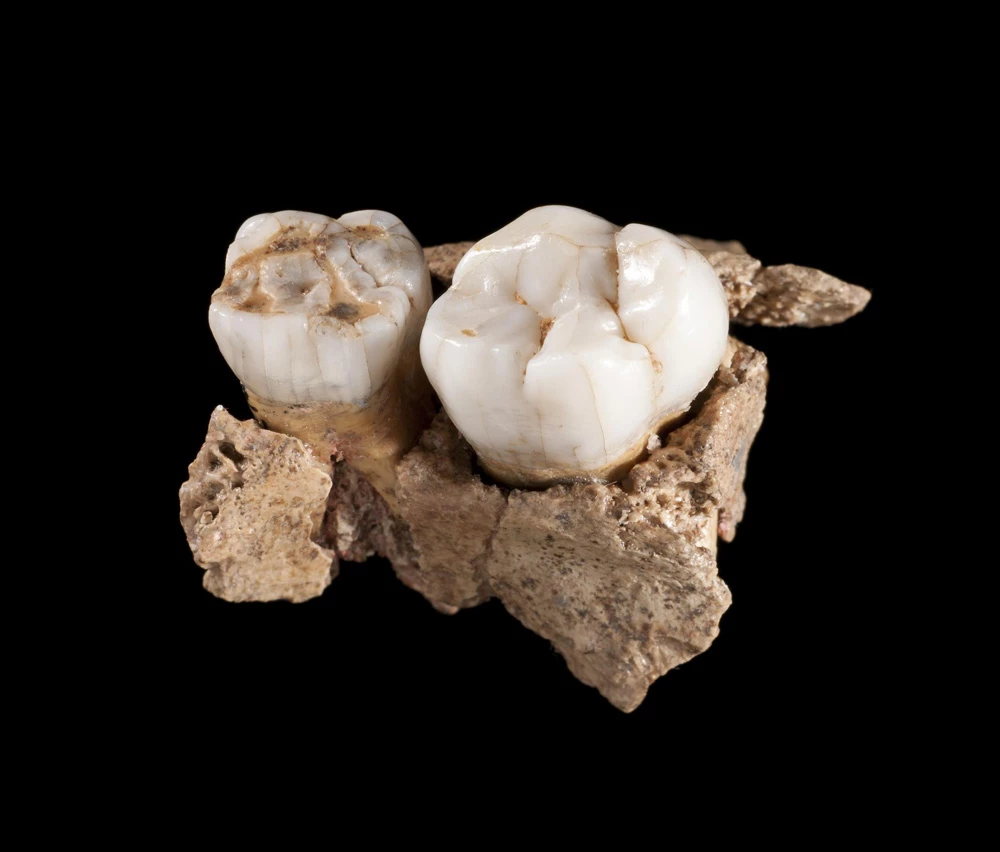
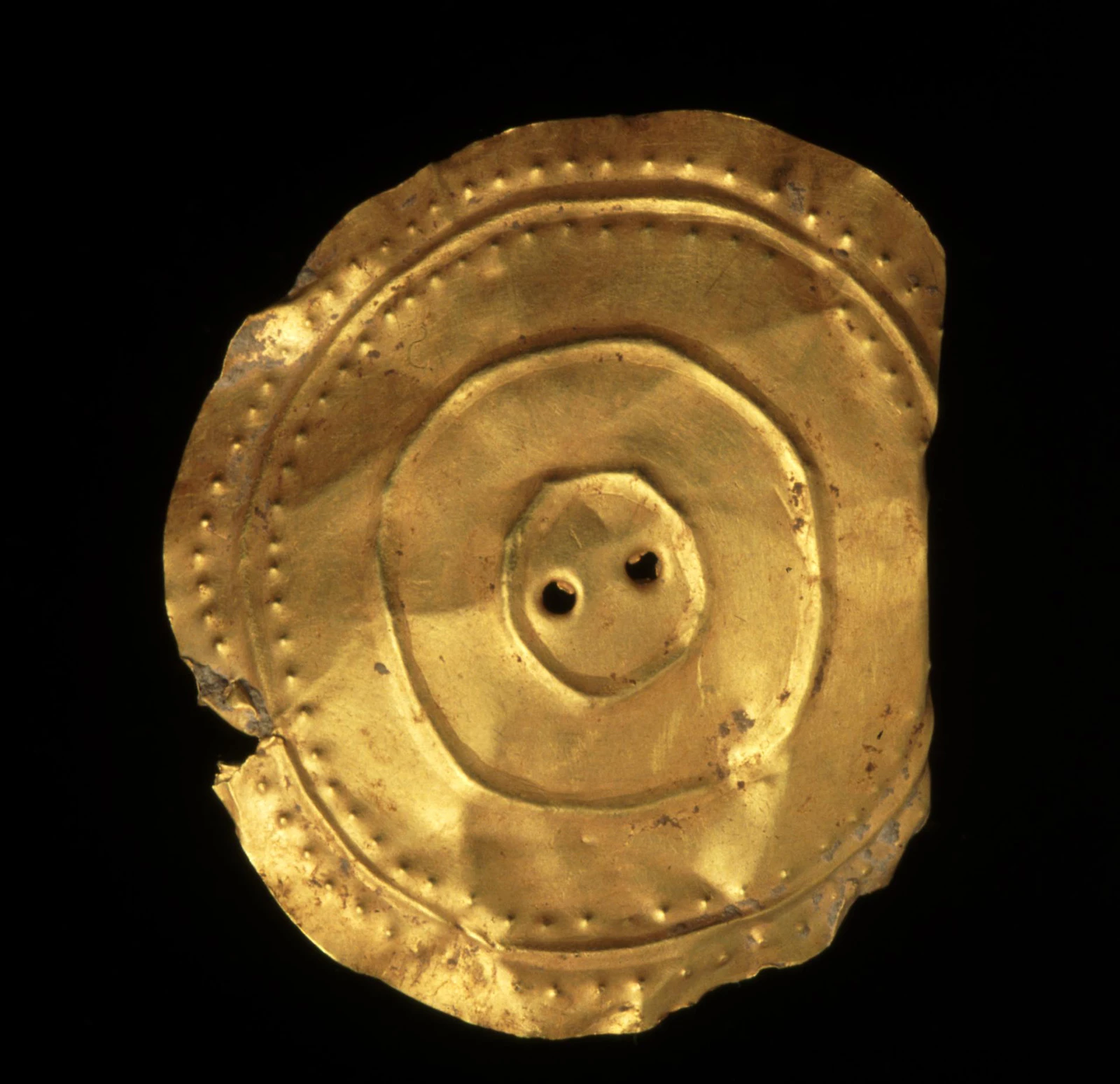
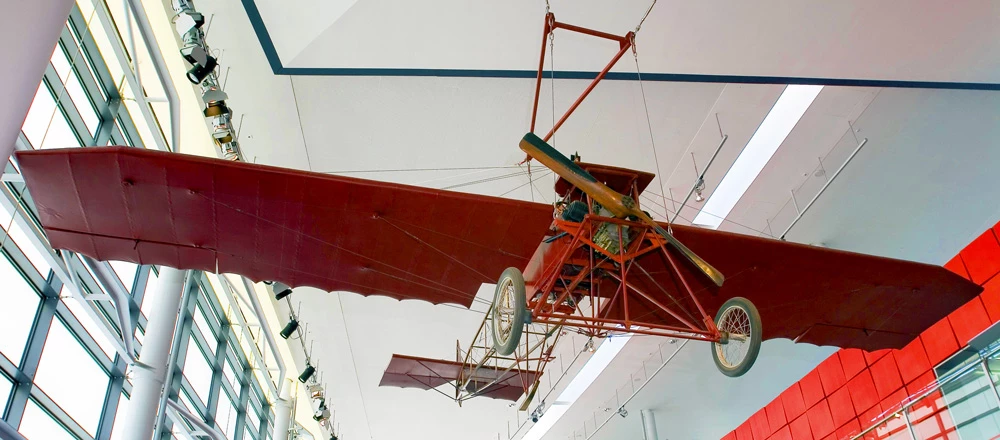
Uncovering our Collections: Half a Million Records now Online 26 March 2018 As we reveal half a million collection records for the first time, we look at some of the strangest and most fascinating objects from National Museum Wales Collections Online. This article contains photos of human skeletal fragments. The Biggest We have some real whoppers in our collections - including a full-size Cardiff Tram and a sea rescue helicopter - but the biggest item in our collection is actually Oakdale Workmen's Institute. Built in 1917, the Institute features a billiard room, dance hall and library - and is nowadays found in St Fagans National Museum of History. Horace Watkins testing his monoplane in 1908 Many of the buildings in St Fagans are part of the national collection - meaning they have the same legal status as one of our masterpiece Monets or this coin hoard. The buildings are dismantled, moved, rebuilt - and cared for using traditional techniques, by the museum's legendary Historic Buildings Unit. The Oldest The oldest human remains ever discovered in Wales These teeth belonged to an eight year-old Neanderthal boy - and at 230,000 years old, they are the oldest human remains in Wales. They were discovered in a cave near Cefn Meiriadog in Denbighshire, along with a trove of other prehistoric finds, including stone tools and the remains of a bear, a lion, a leopard and a rhinocerous tooth. These teeth are among some of the incredible objects on display at St Fagans National Museum of History The Shiniest People in Wales have been making, trading and wearing beautiful treasures from gold for thousands of years - like this Bronze Age hair ornament and this extremely blingy Medieval signet. At around 4000 years old, this sun disc is one of the earliest and rarest examples of Welsh bling One of the earliest examples of Welsh bling is this so-called 'sun disc', found near Cwmystwyth in Ceredigion. Current research suggests that these 'sun discs' were part of ancient funeral practice, most likely sewn onto the clothes of the dead before their funerals. Only six have ever been found in the UK. Most Controversial At first glance, an ordinary Chapel tea service - used by congregations as they enjoyed a 'paned o de' after a service. A closer look reveals the words - 'Capel Celyn'. The chapel, its graveyard and surrounding village are now under water. Capel Celyn, in the Tryweryn Valley, is now underwater Flooded in 1965 by the Liverpool Corporation, the Tryweryn valley became a flashpoint for Welsh political activism - creating a new generation of campaigners who pushed for change in how Welsh communities were treated by government and corporations. Curators from St Fagans collected these as an example of life in Capel Celyn - to serve as a poignant reminder of a displaced community, and to commemorate one of the most politically charged moments of the 20th century in Wales. Honourable Mention: an Airplane made from a Dining Room Chair Made from a dining room chair, piano wire and a 40 horsepower engine, the Robin Goch (Red Robin) was built in 1909 - and also features a fuel gauge made from an egg timer. The Robin Goch (Red Robin) on display at the National Waterfront Museum Its builder, Horace Watkins, was the son of a Cardiff printer - here he is pictured with an earlier, even more rickety version of his famous monoplane. Horace Watkins testing his monoplane in 1908 Our collections are full of stories which reflect Wales' unique character and history. The Robin Goch is one of the treasures of the collection, and is an example of Welsh ingenuity at its best. Half a Million Searchable Items The launch of Collections Online uncovers half a million records, which are now searchable online for the first time. “Collections Online represents a huge milestone in our work, to bring more of our collections online and to reach the widest possible audience. It’s also just the beginning. It’s exciting to think how people in Wales and beyond will explore these objects, form connections, build stories around them, and add to our store of knowledge." – Chris Owen, Web Manager Search Collections Online Plans for the future Our next project will be to work through these 500,000 records, adding information and images as we go. We'll be measuring how people use the collections, to see which objects provoke debate or are popular with our visitors. That way, we can work out what items to photograph next, or which items to consider for display in our seven national museums. Preparing and photographing the collections can take time, as some items are very fragile and sensitive to light. If you would like to support us as we bring the nation's collections online, please donate today - every donation counts. Donate Today We are incredibly grateful to the People's Postcode Lottery for their support in making this collection available online.
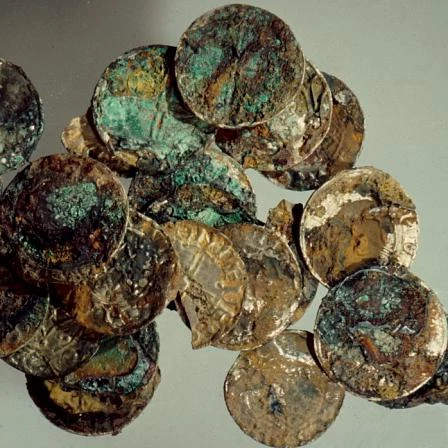
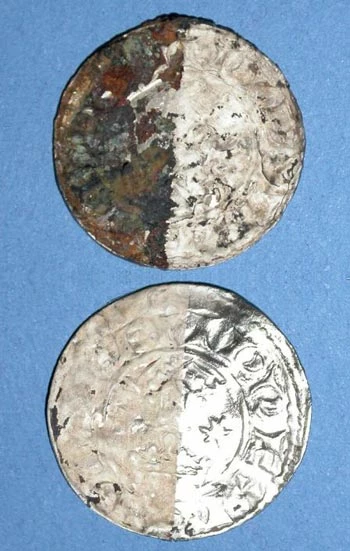
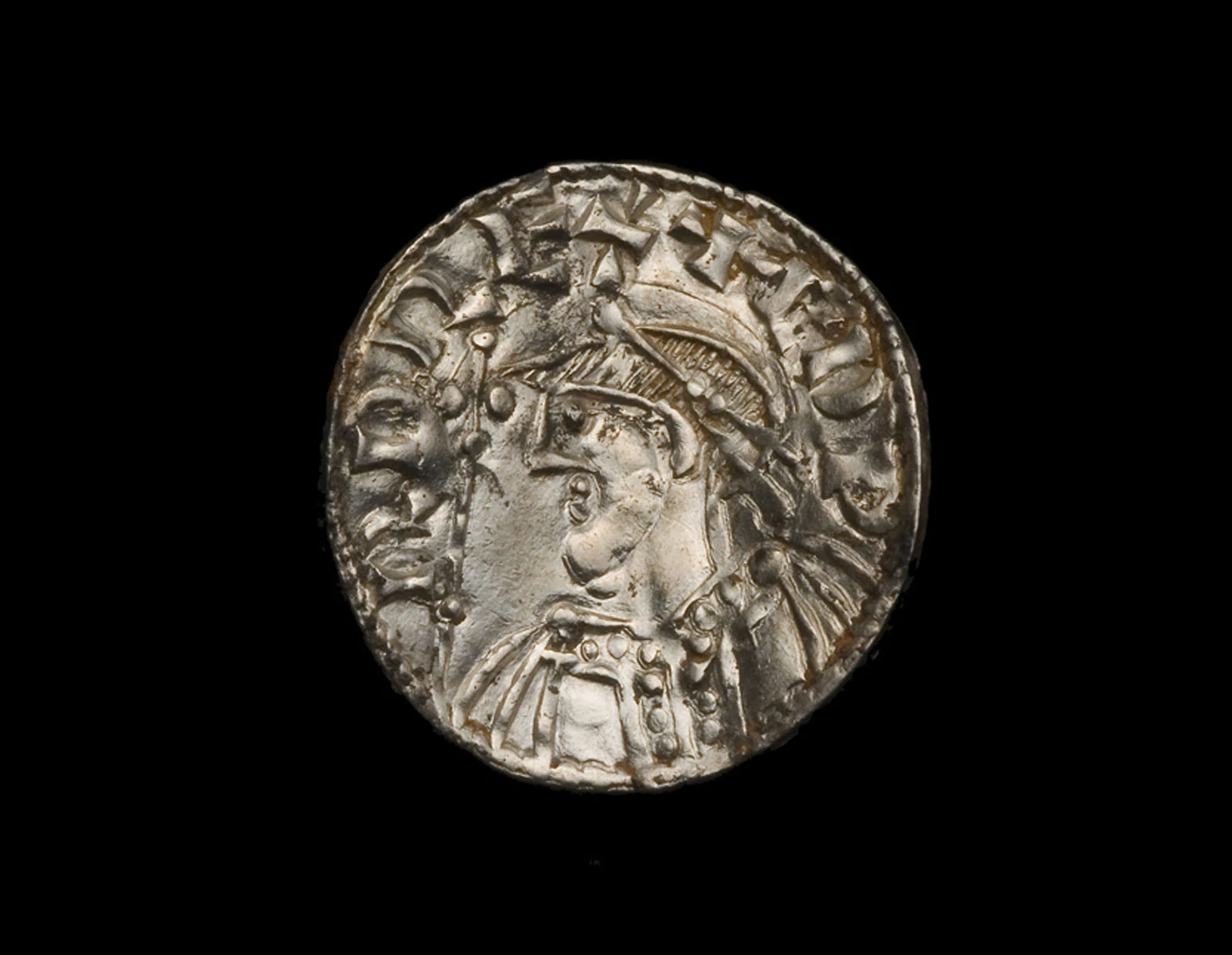
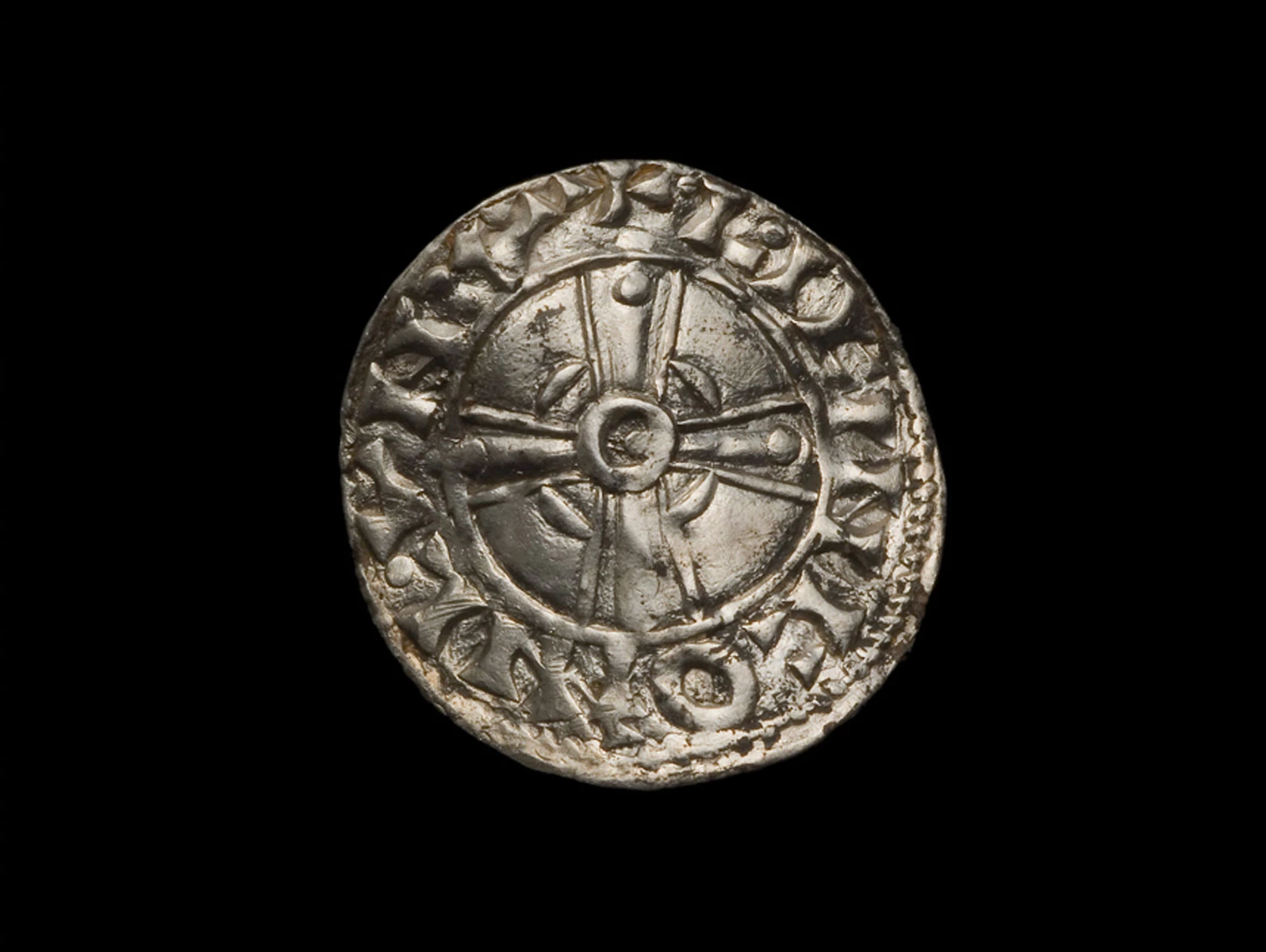
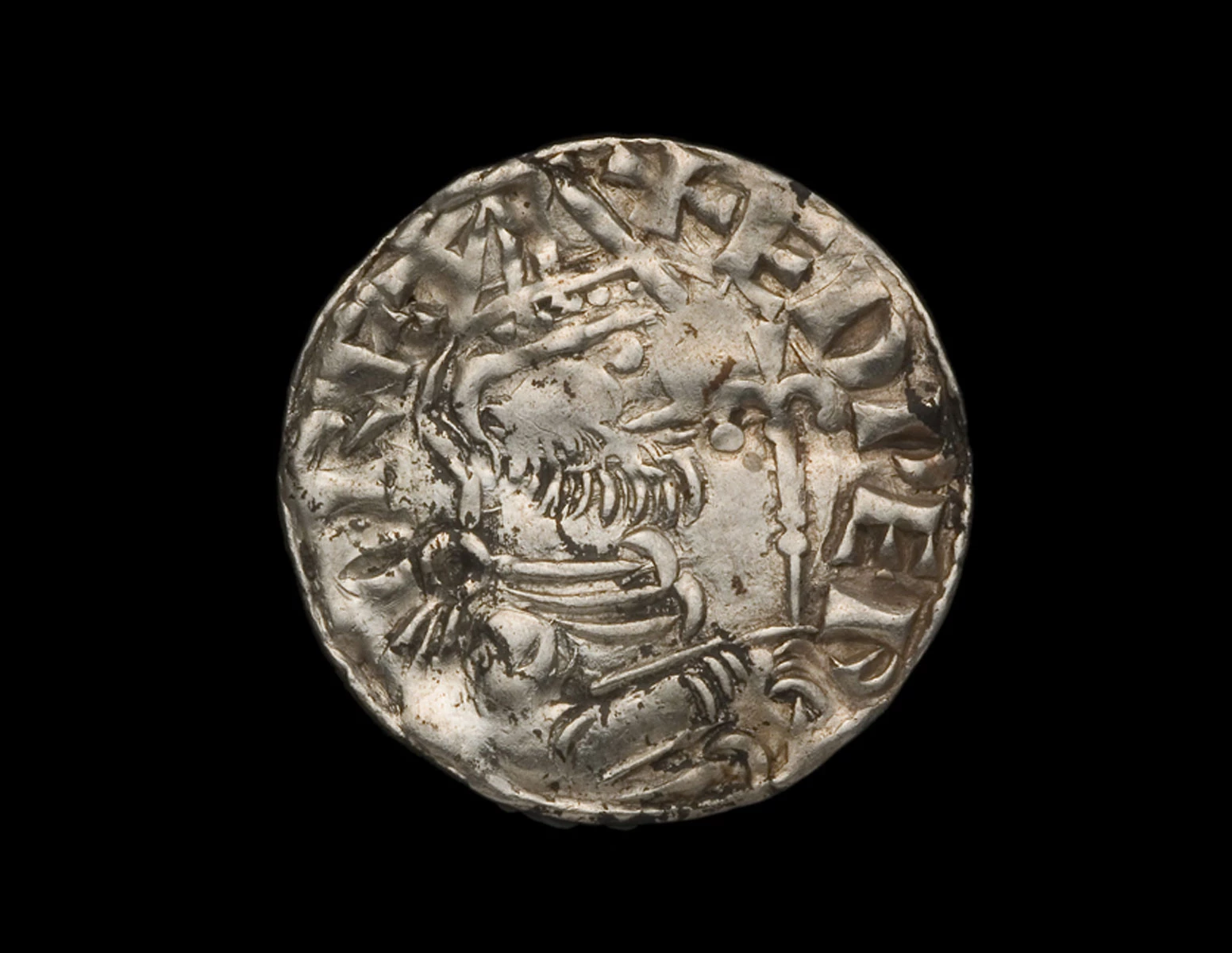
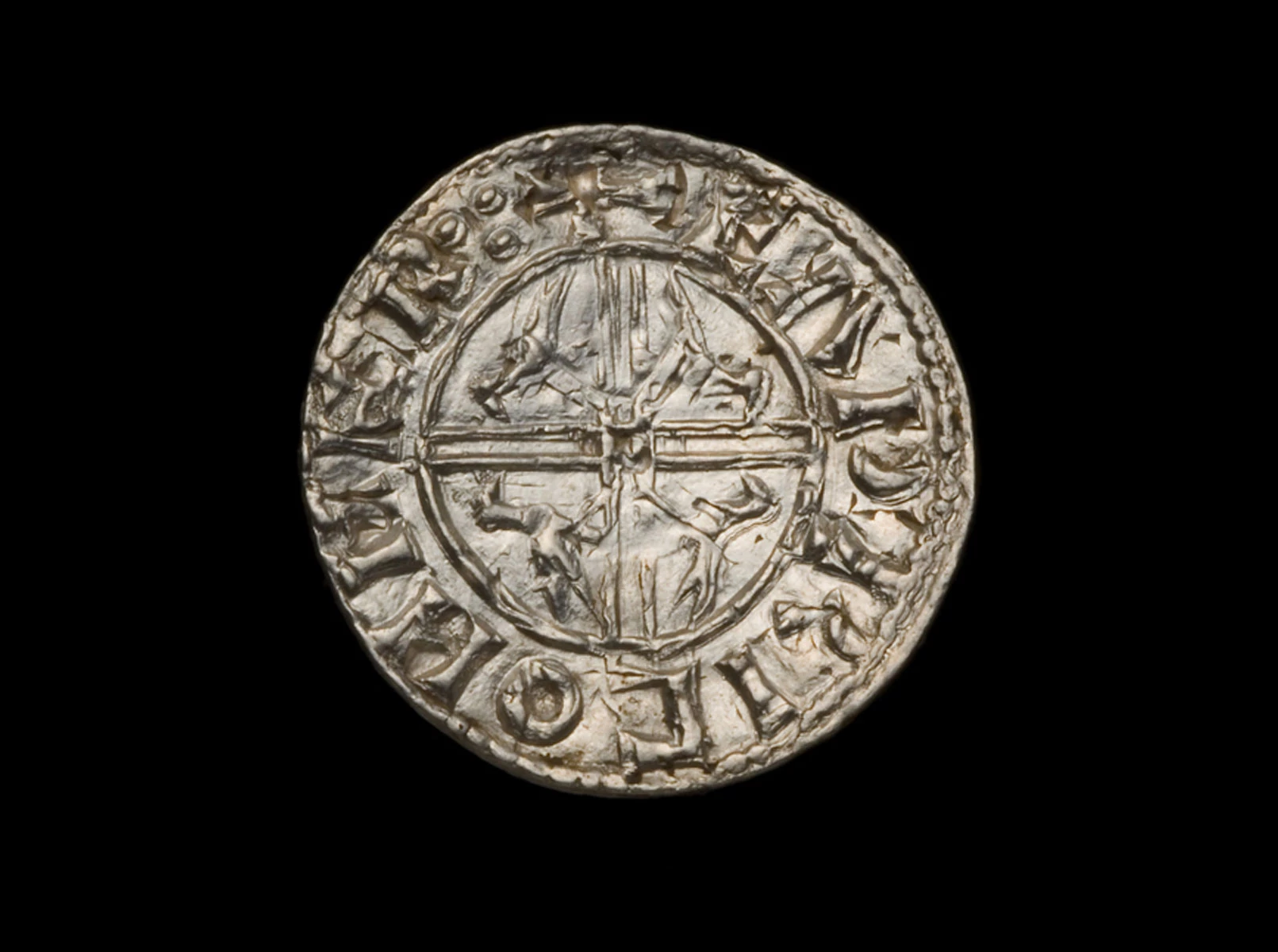
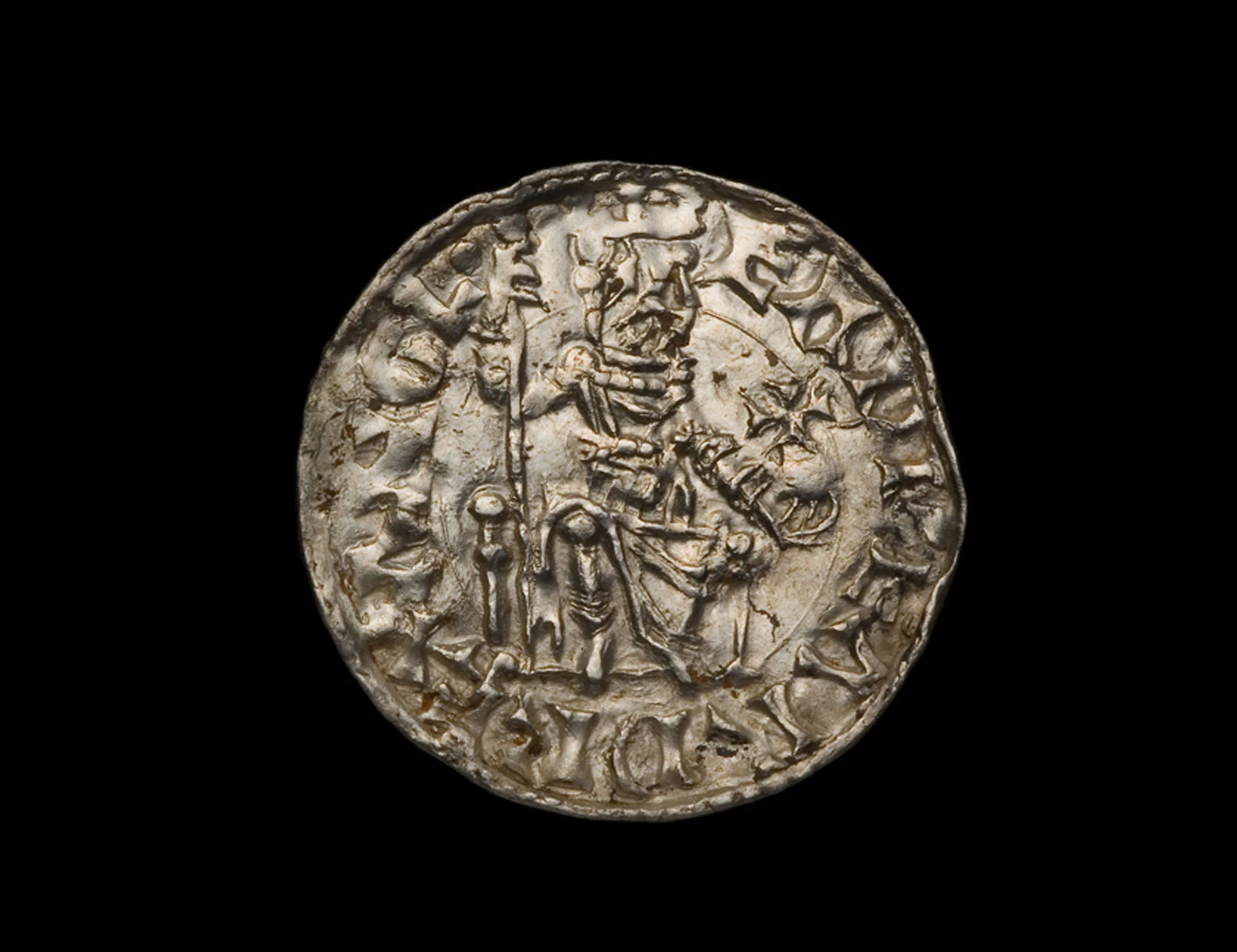
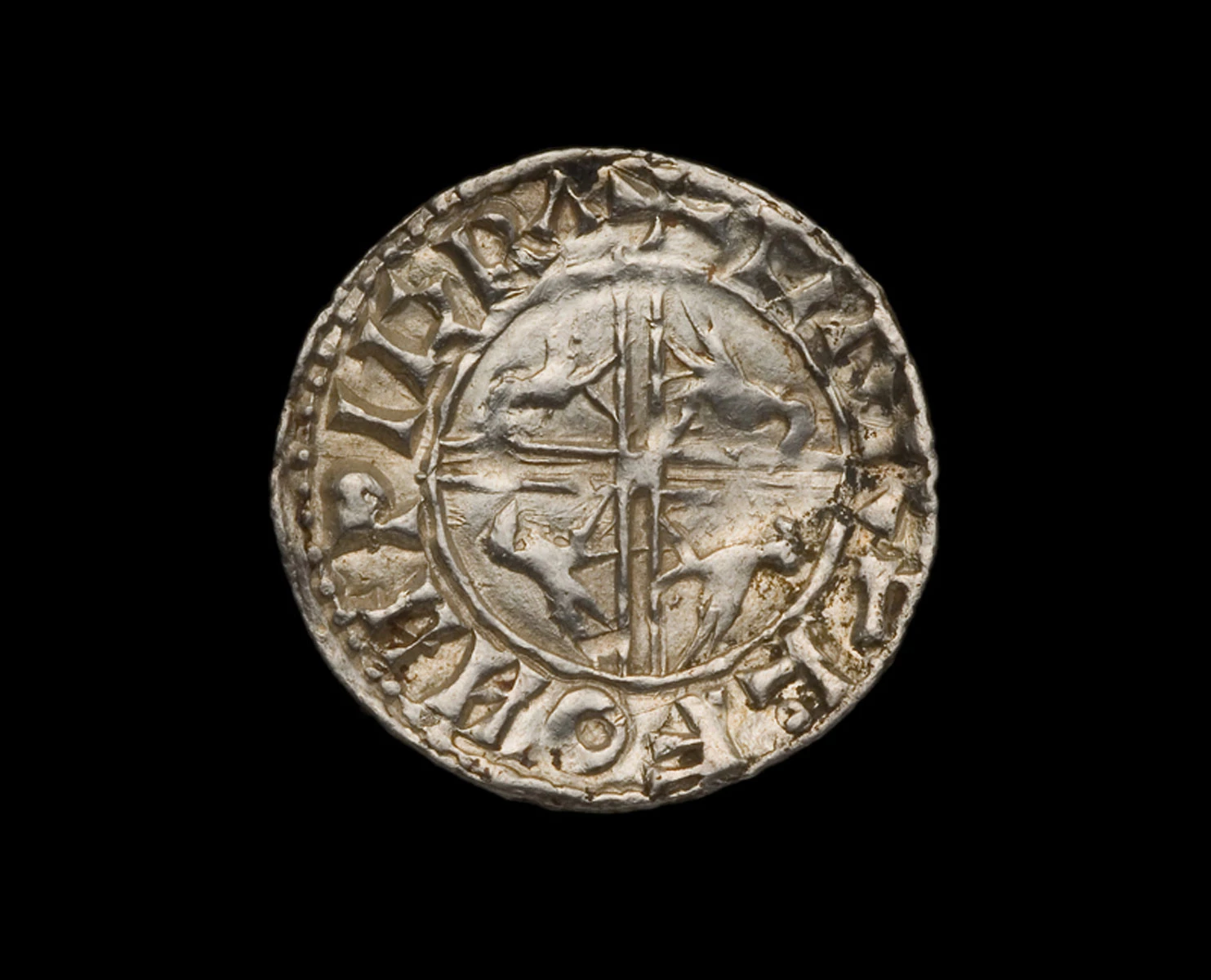
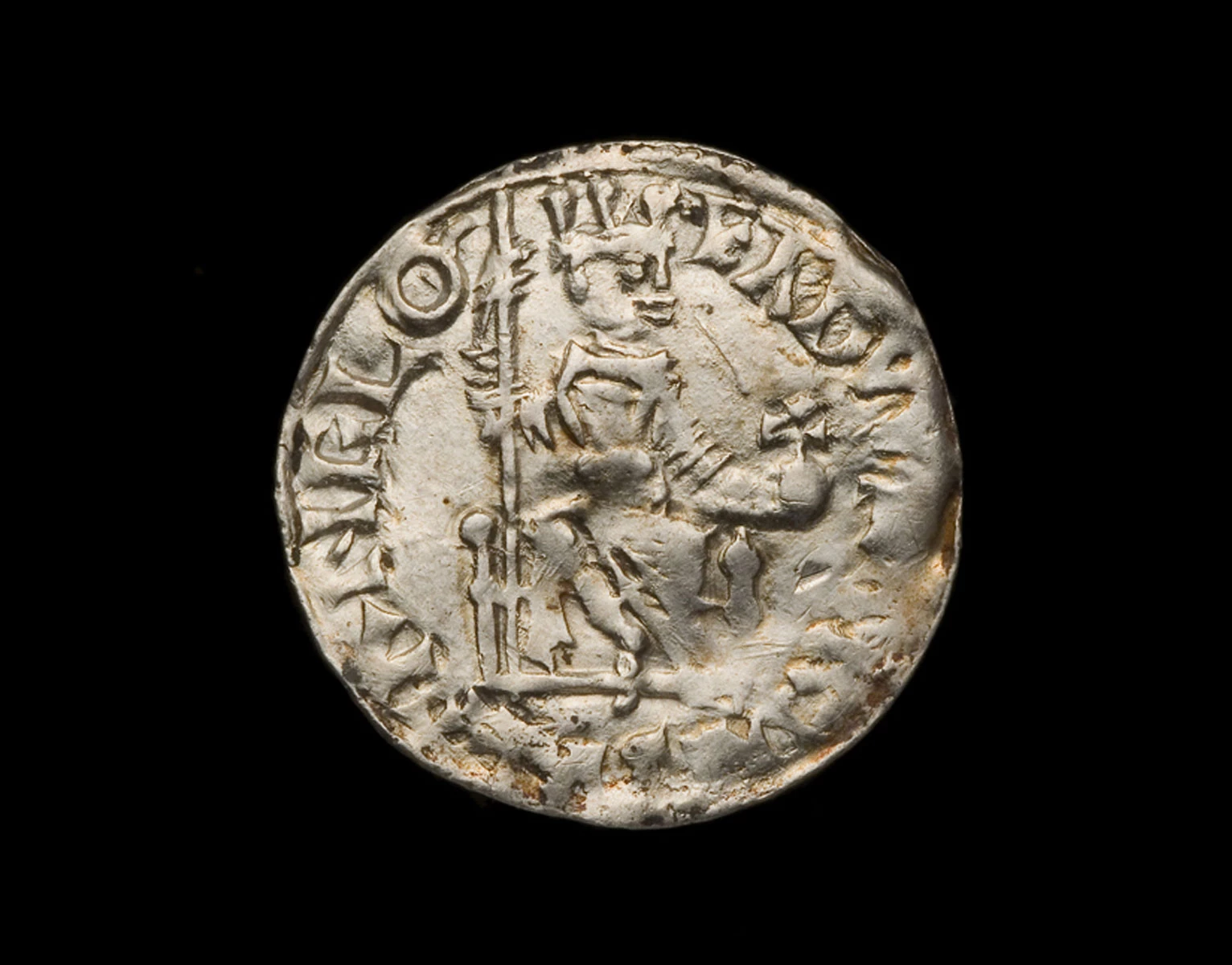
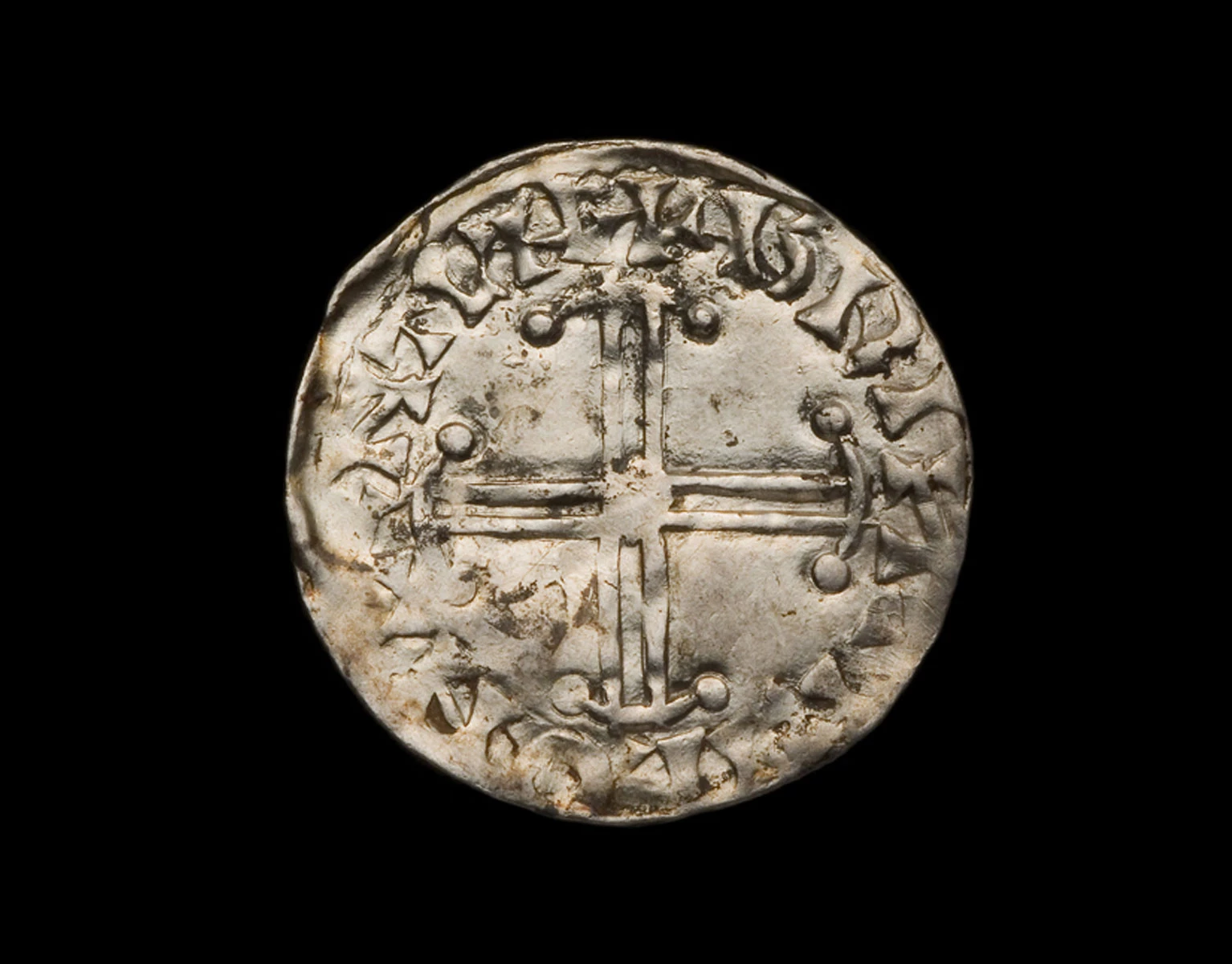
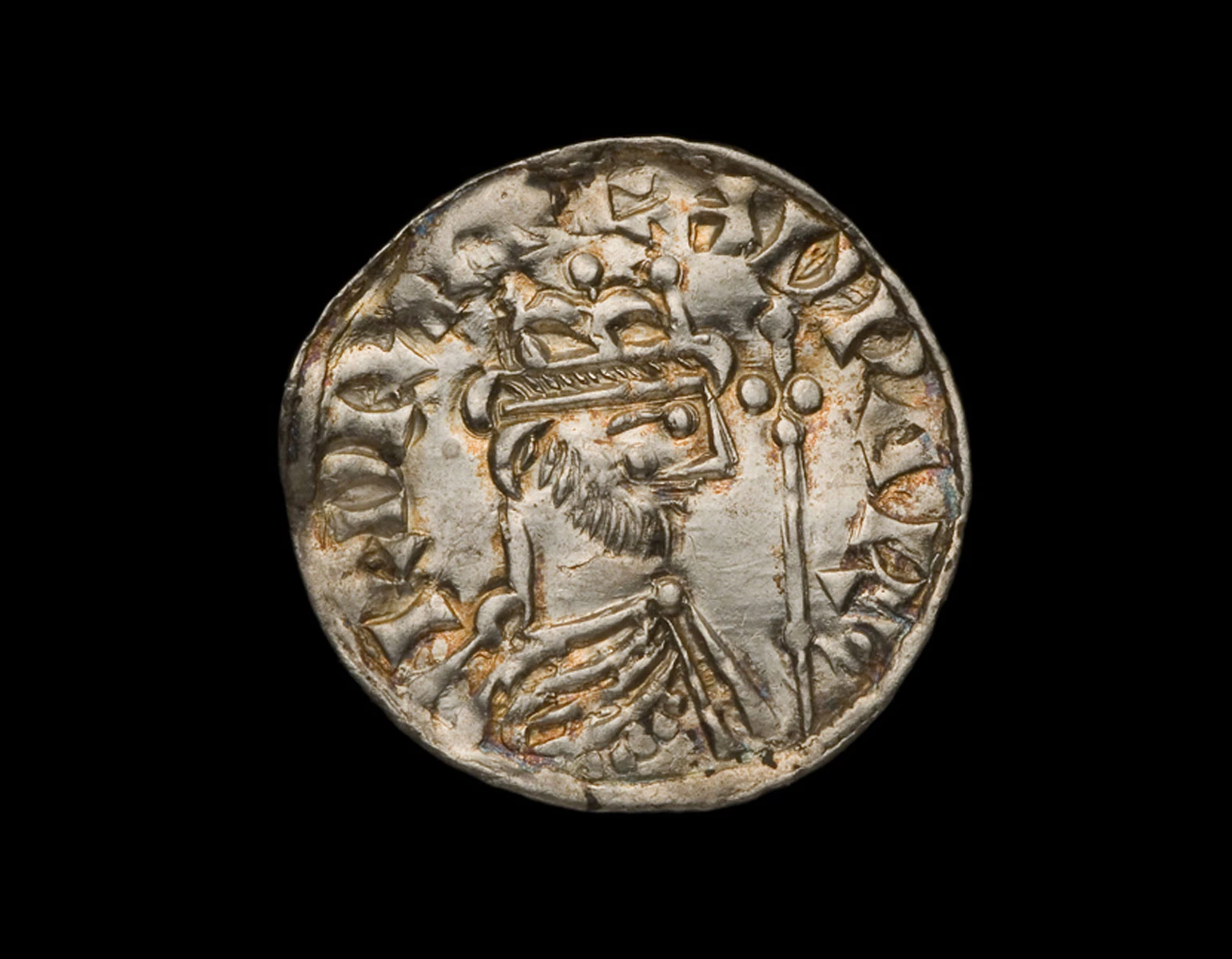
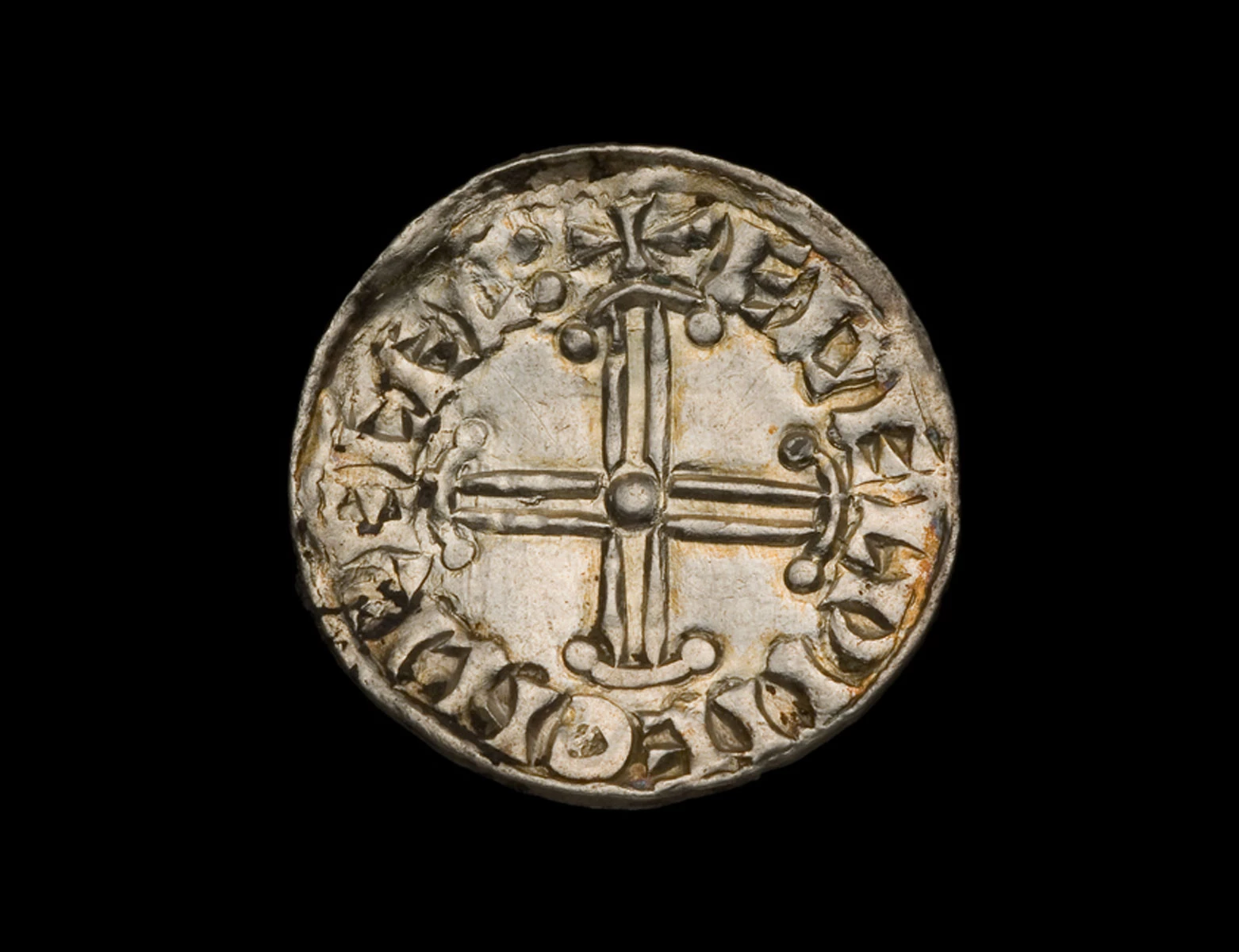
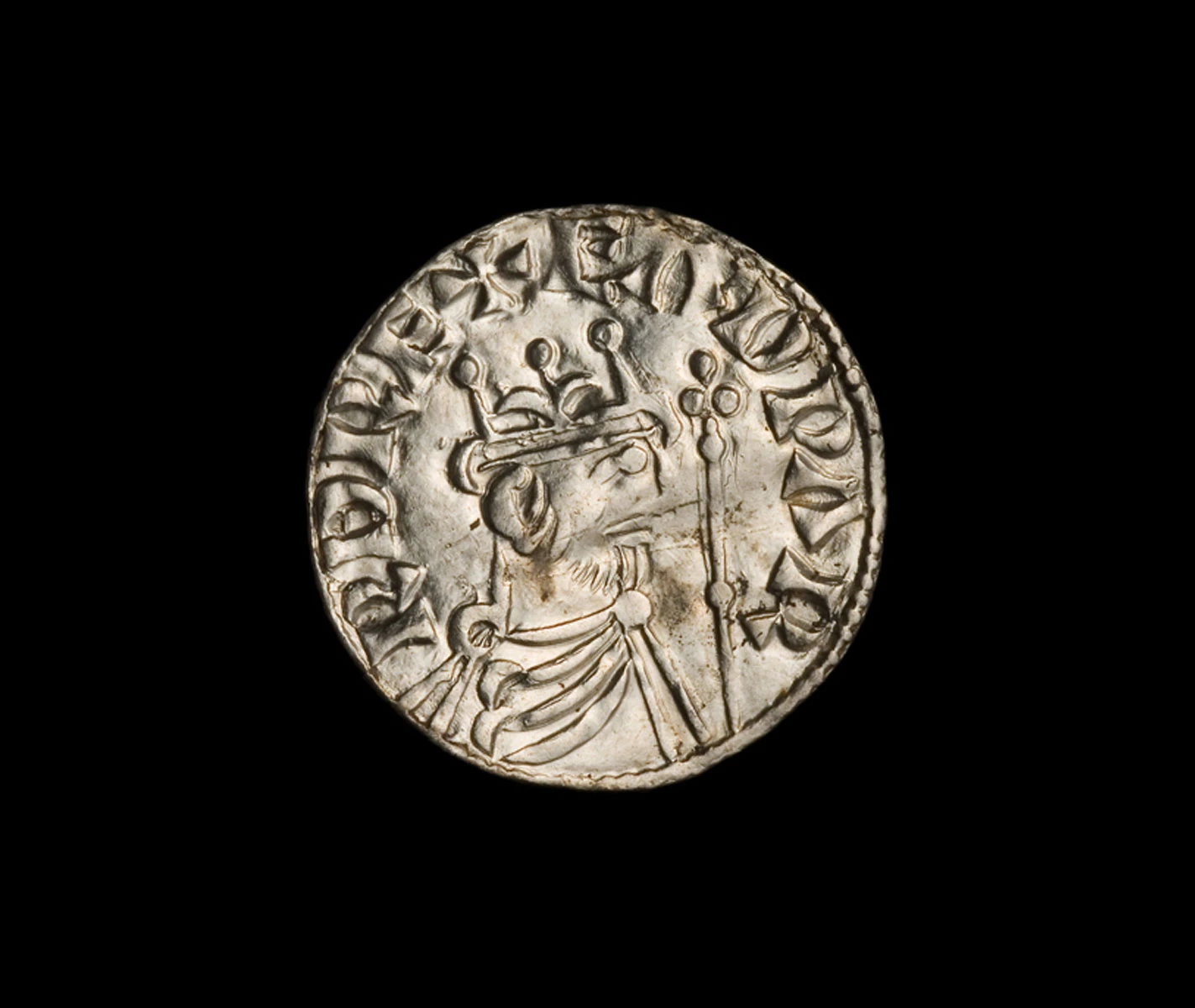
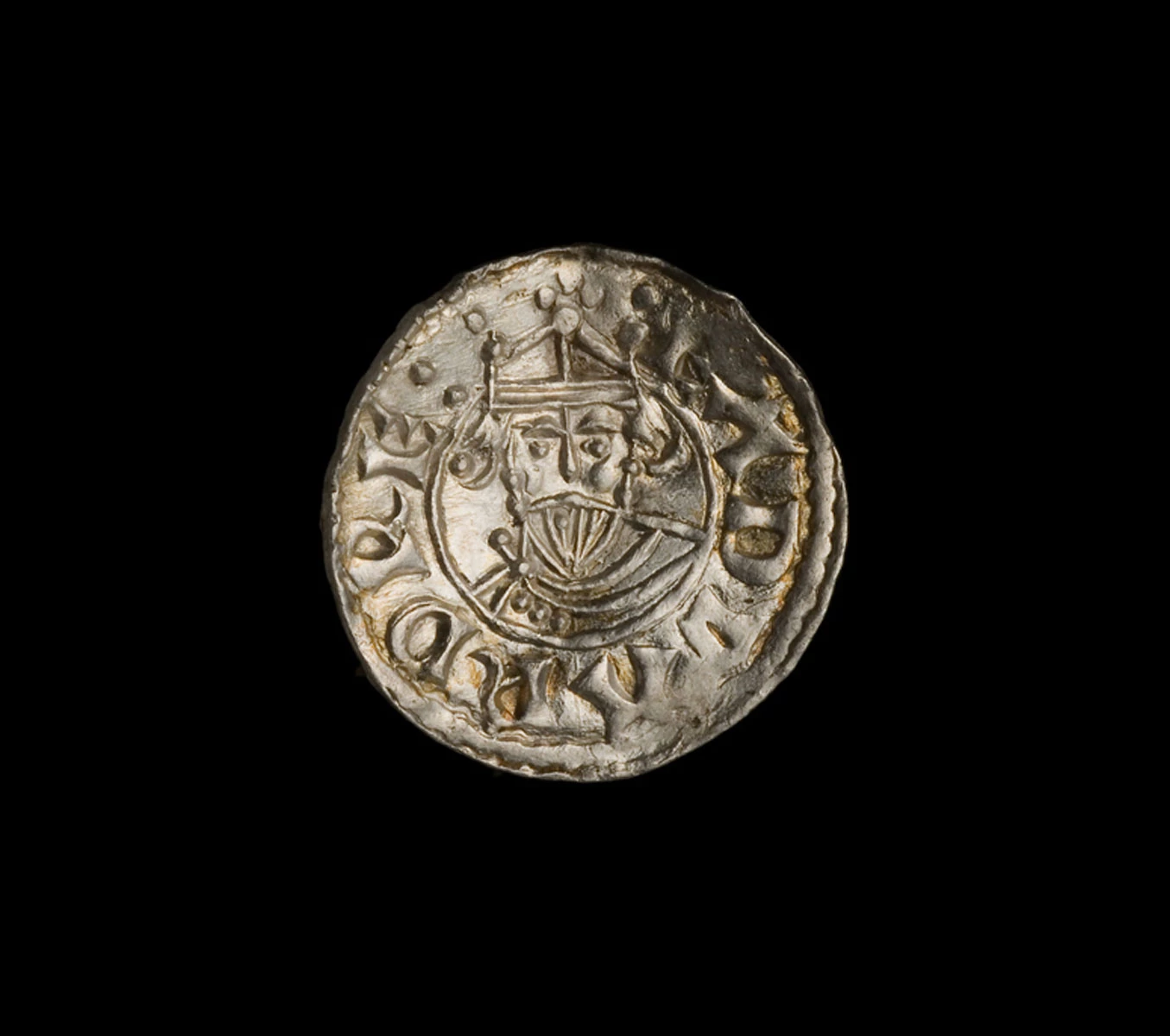
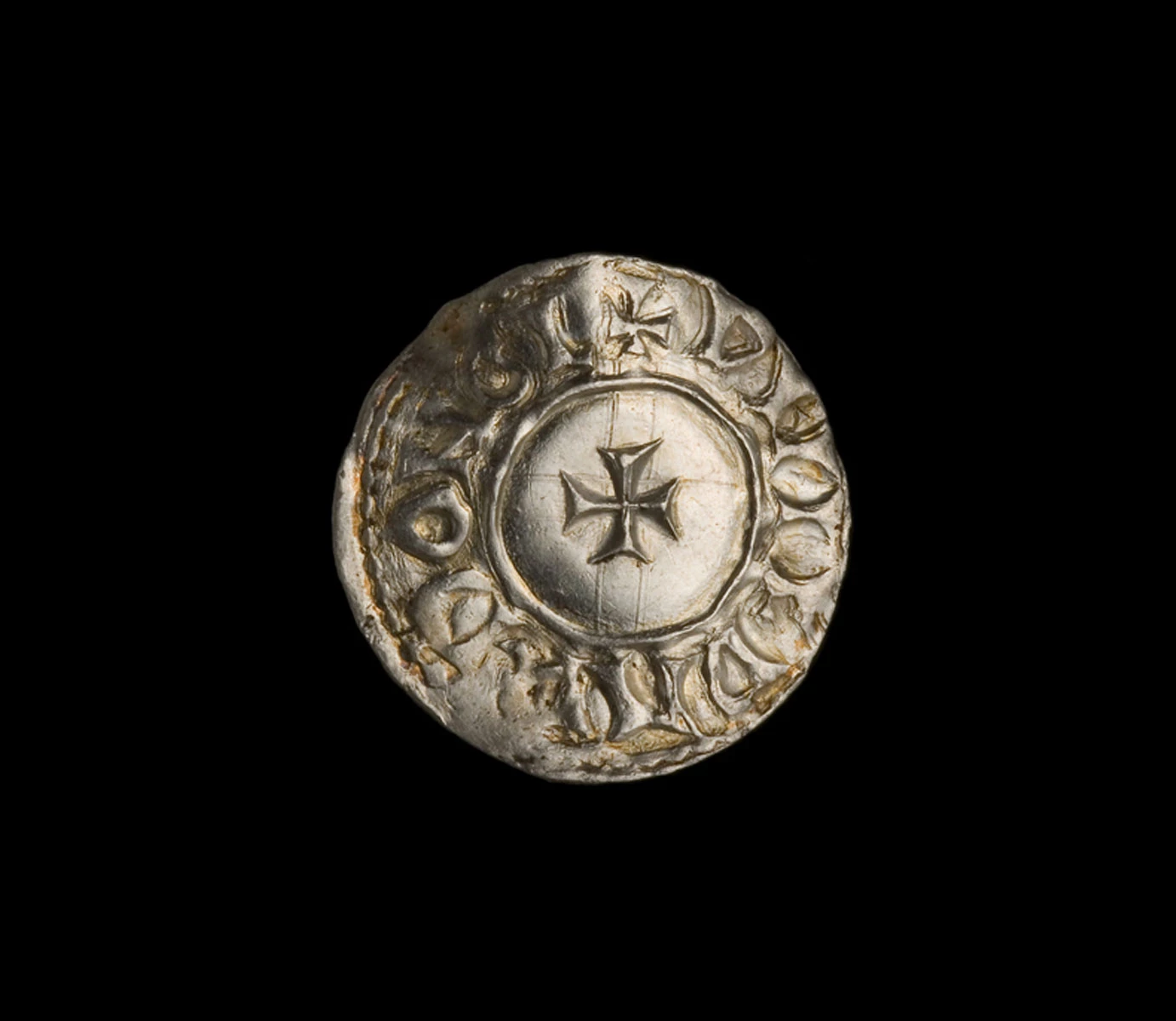
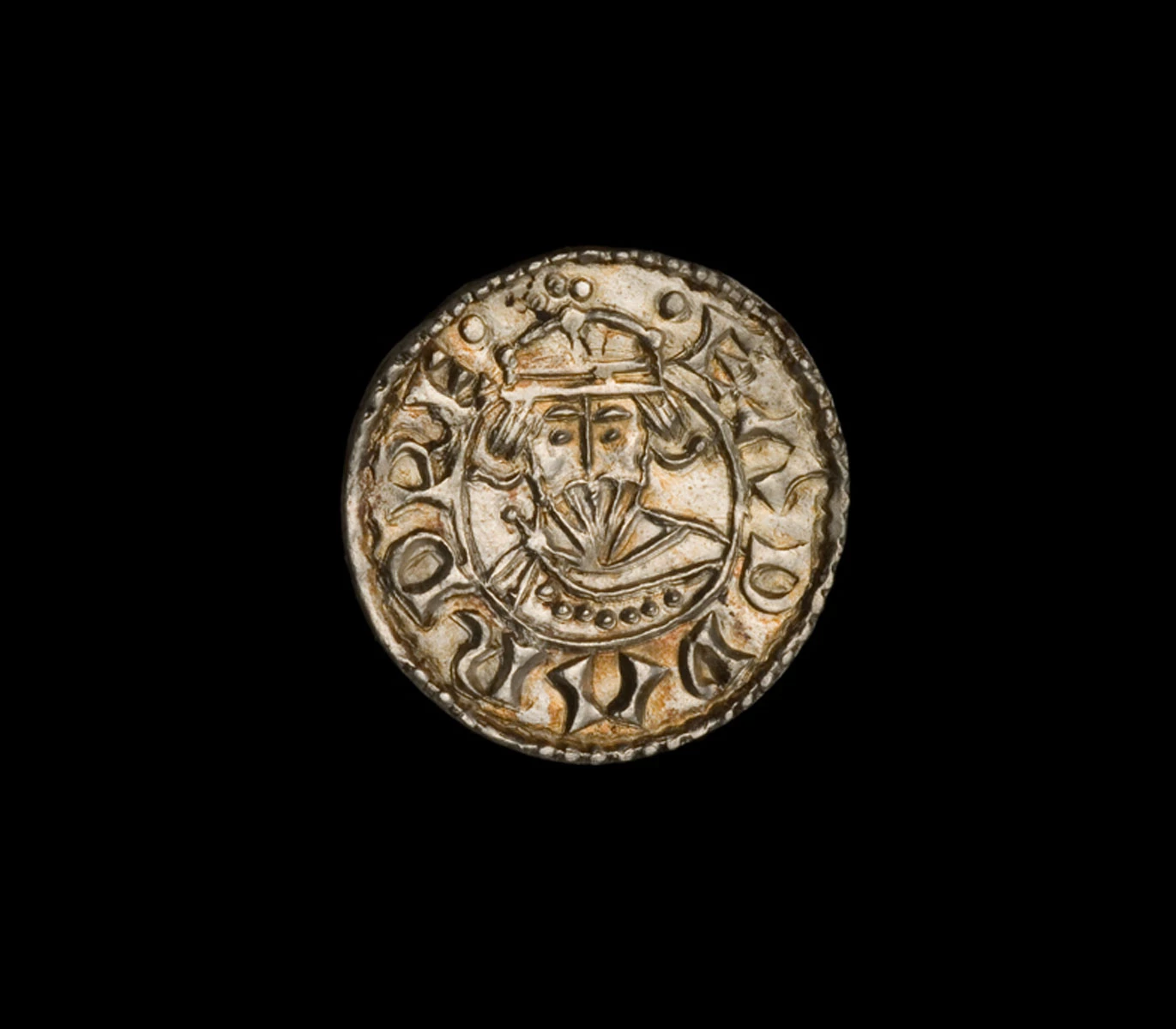
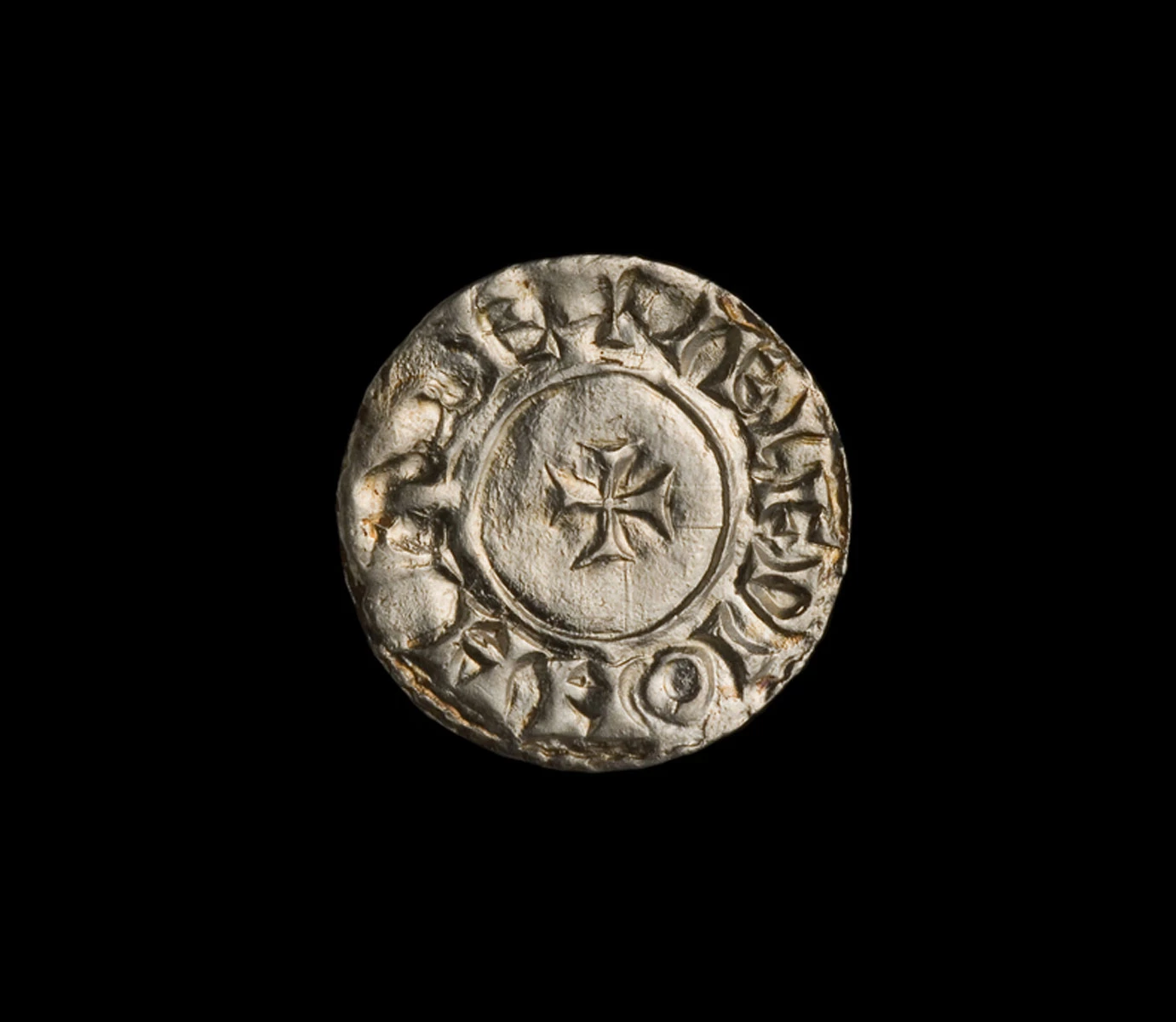
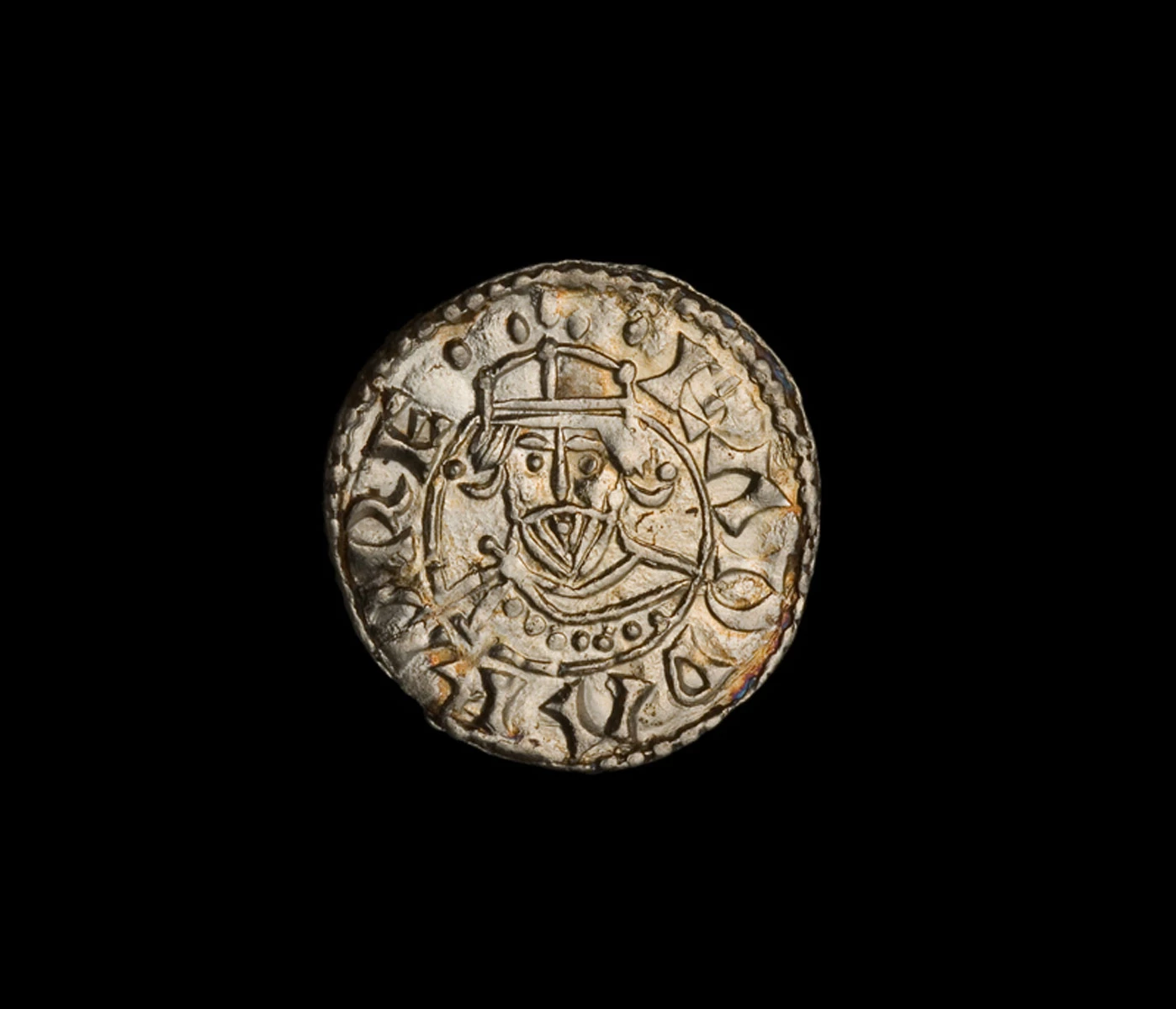
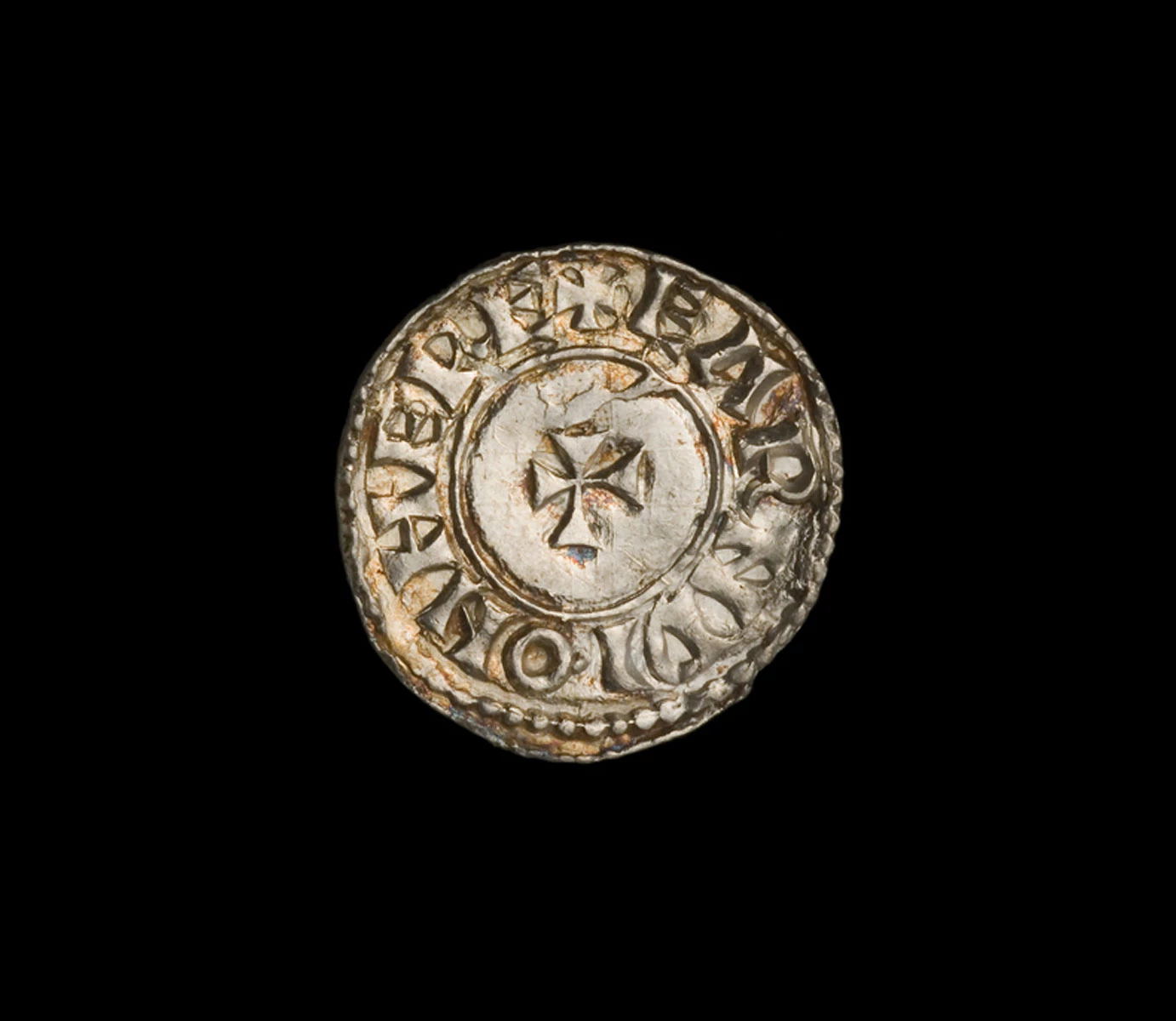
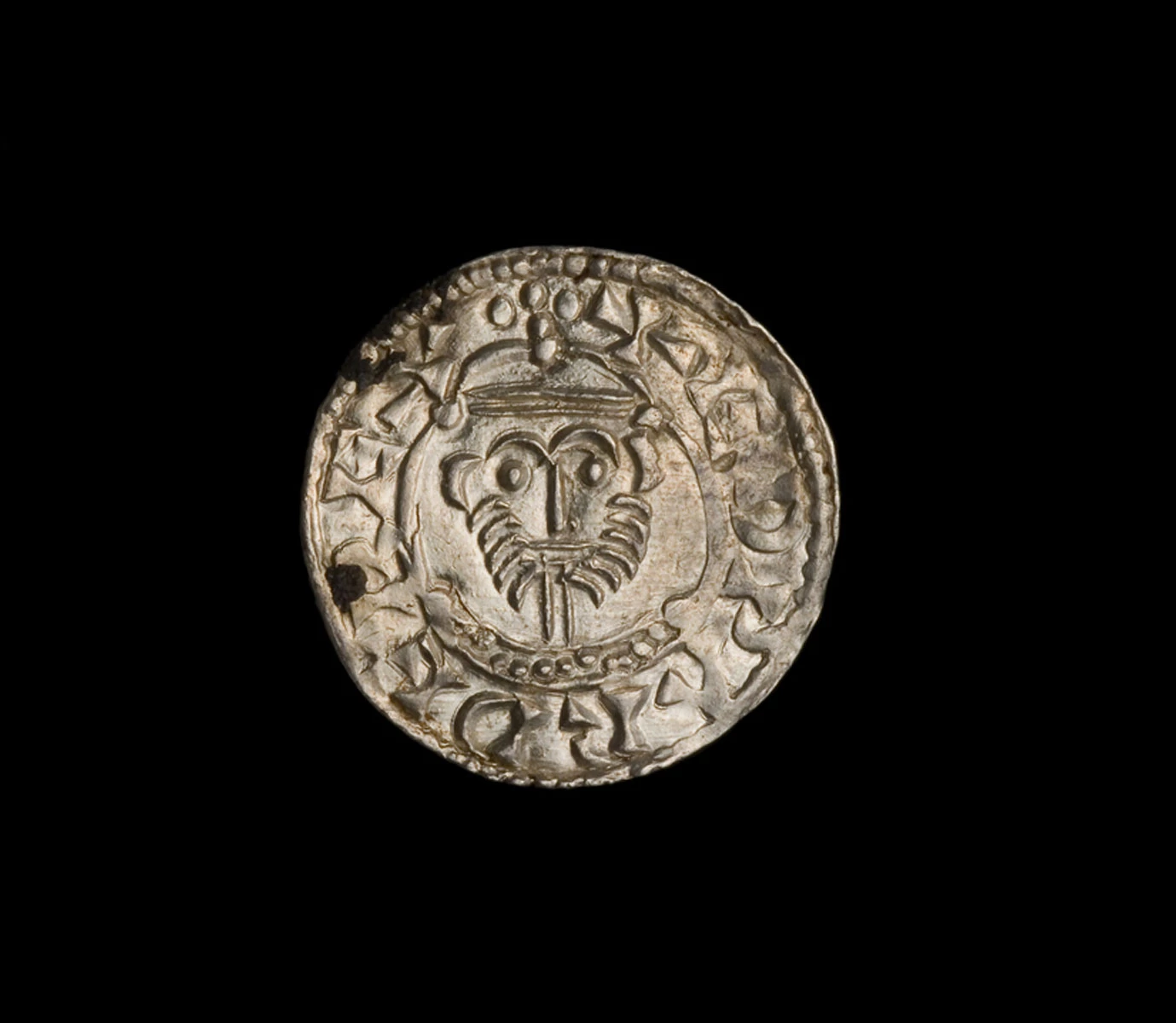
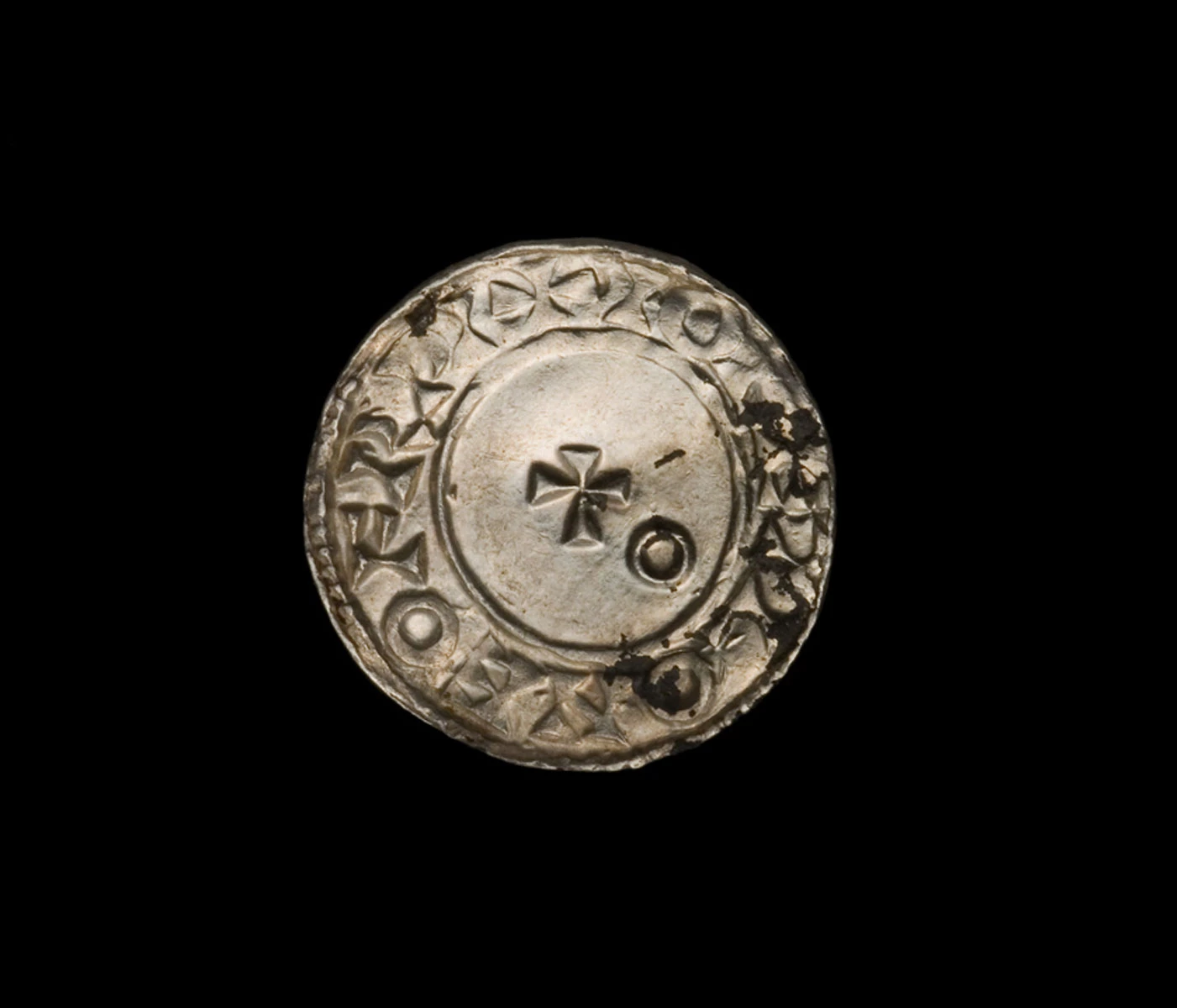
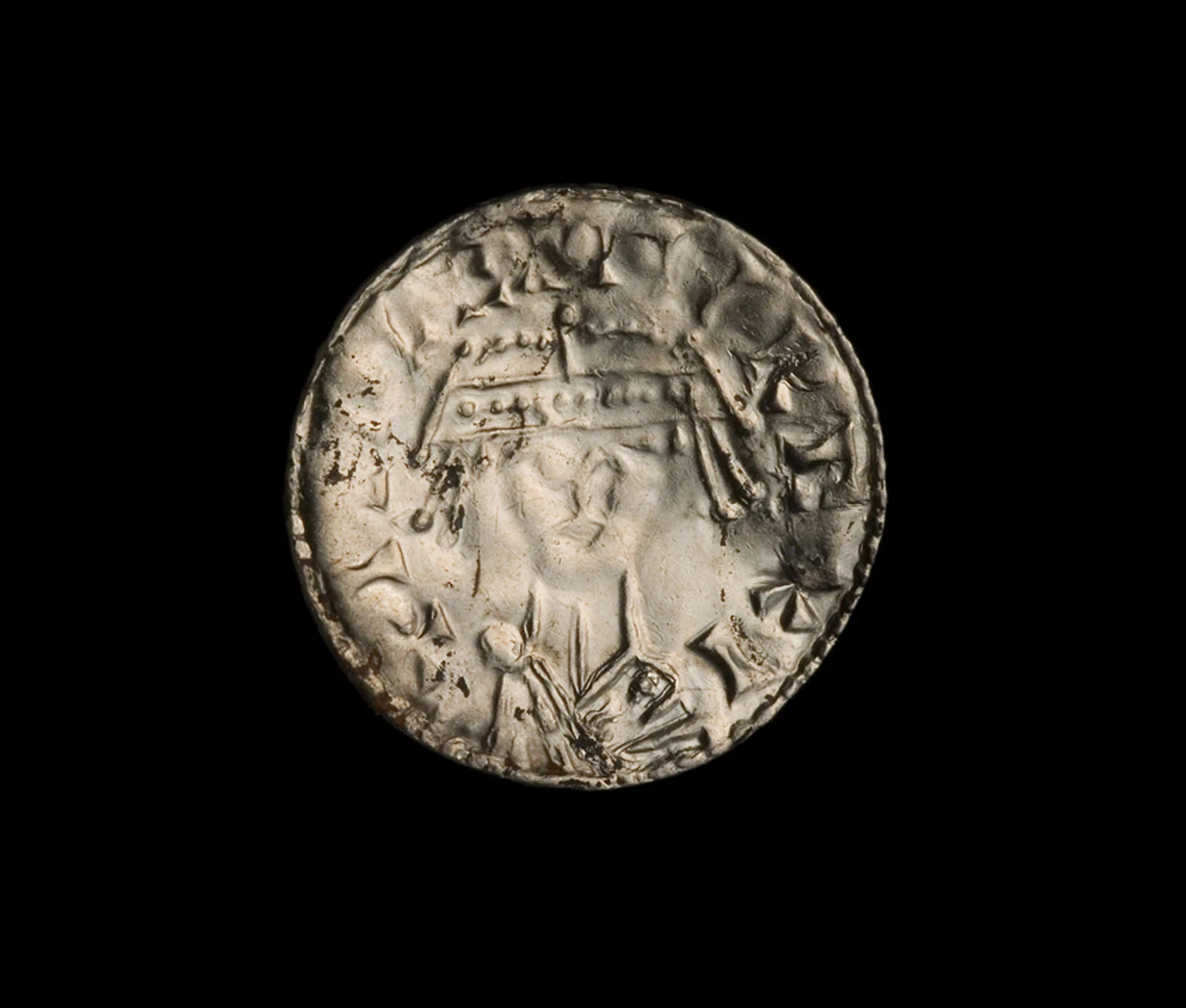
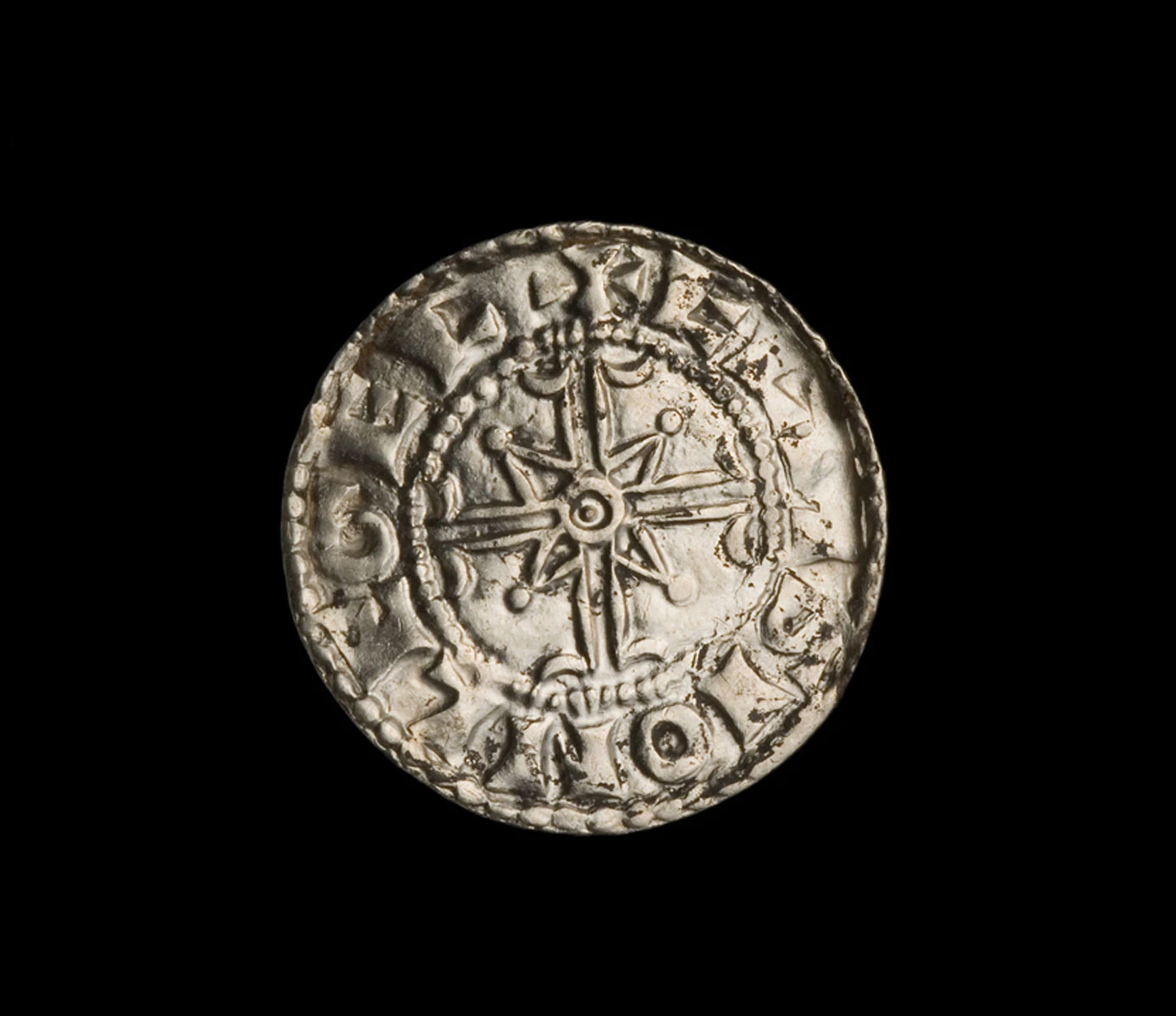
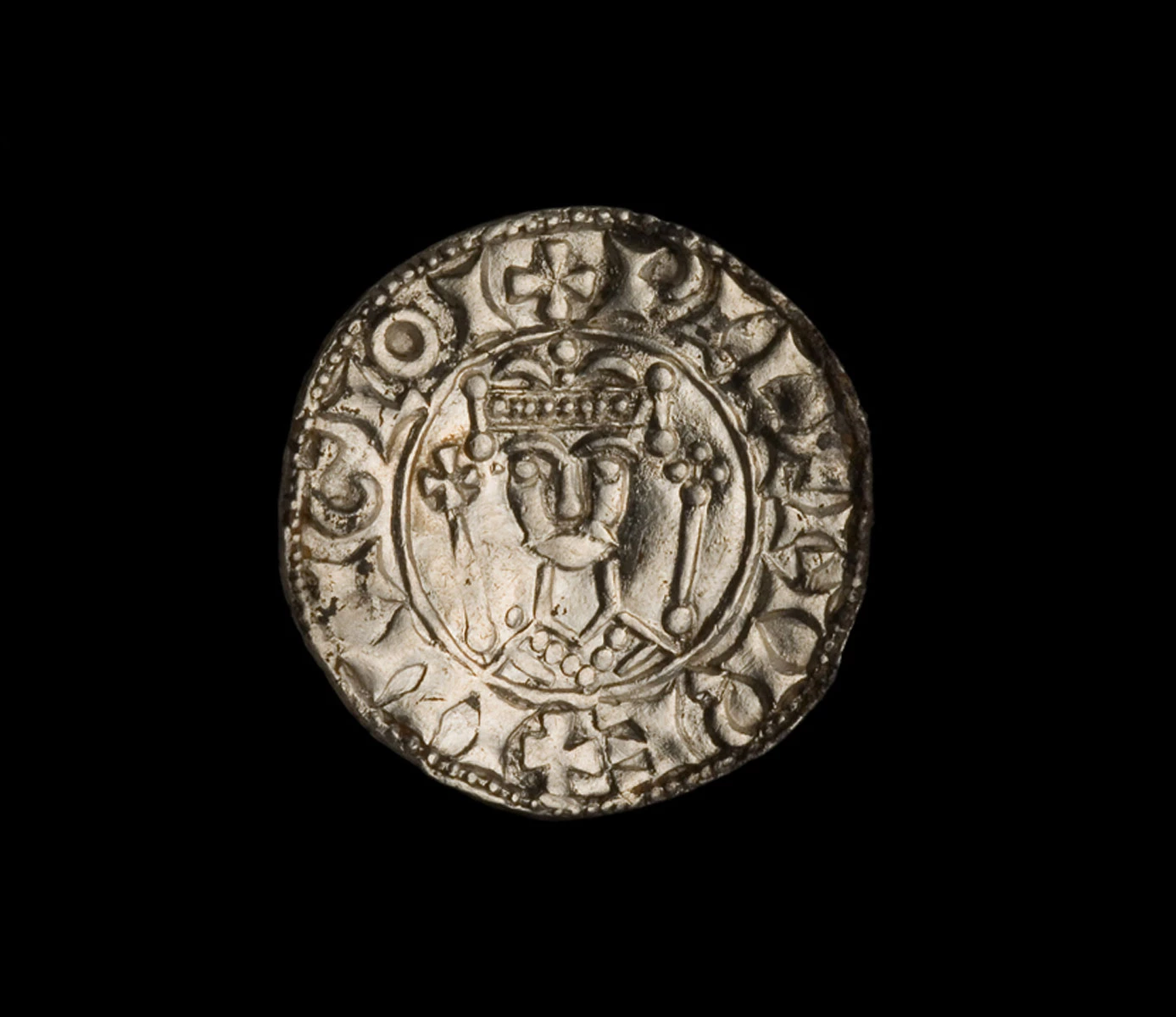
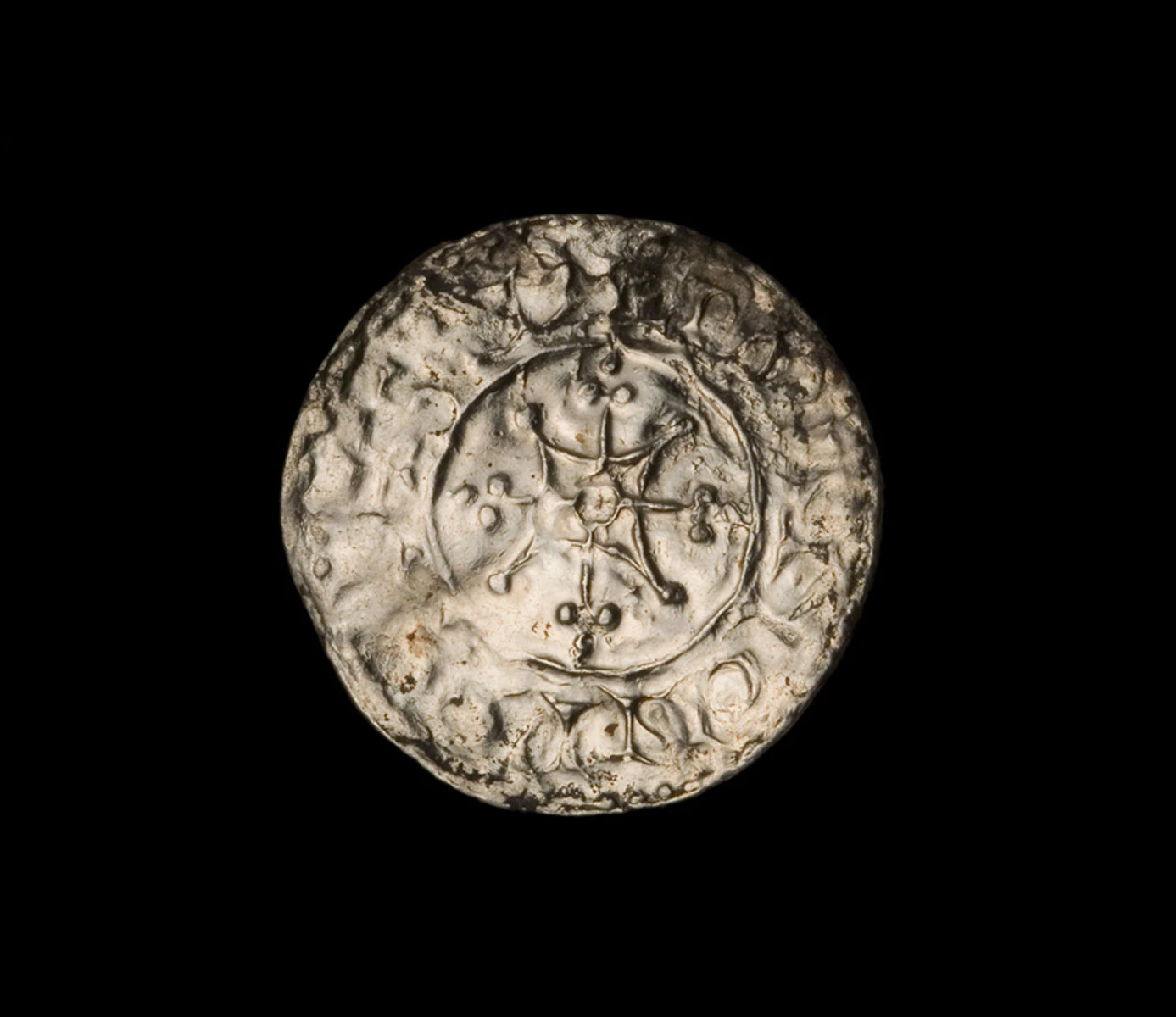
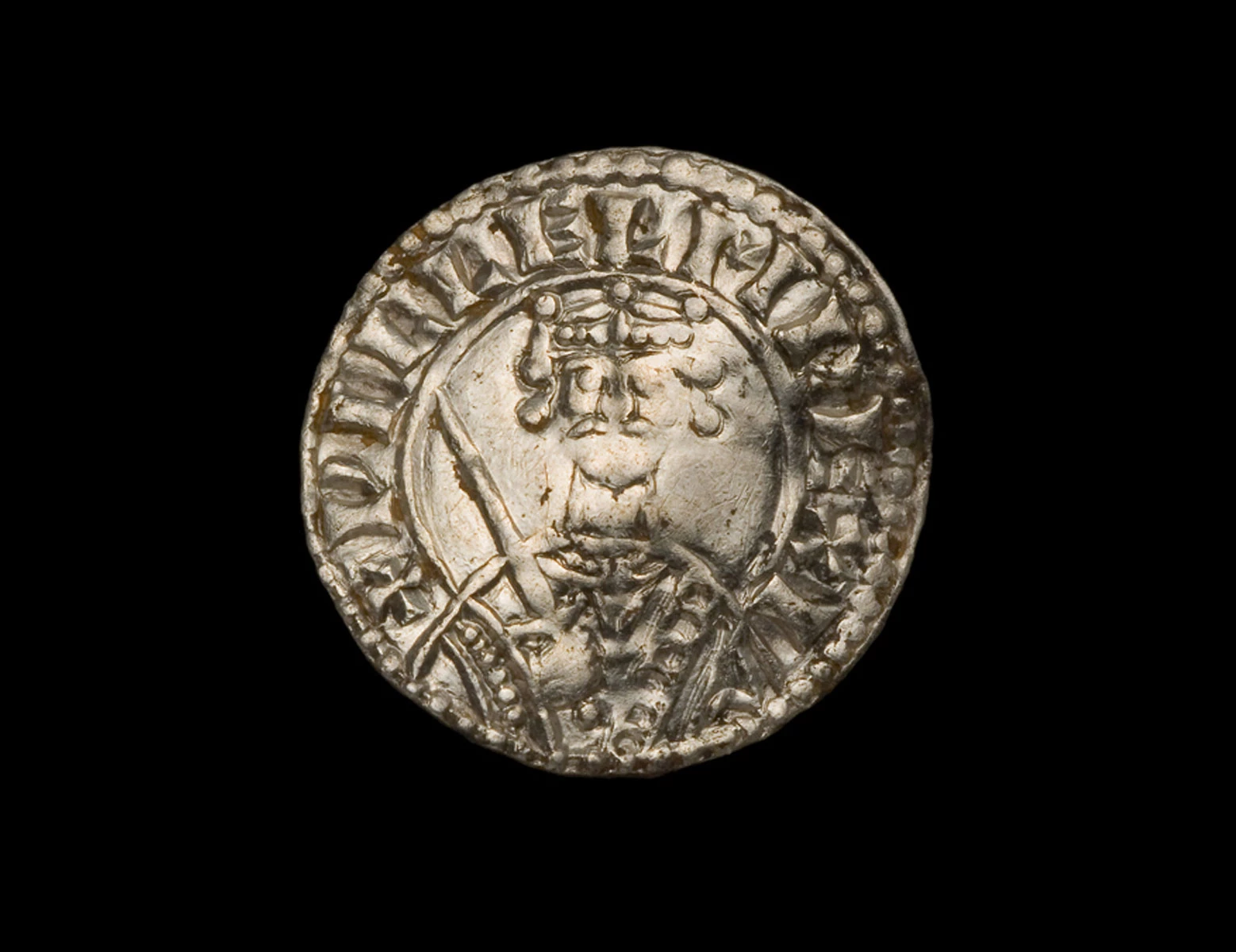
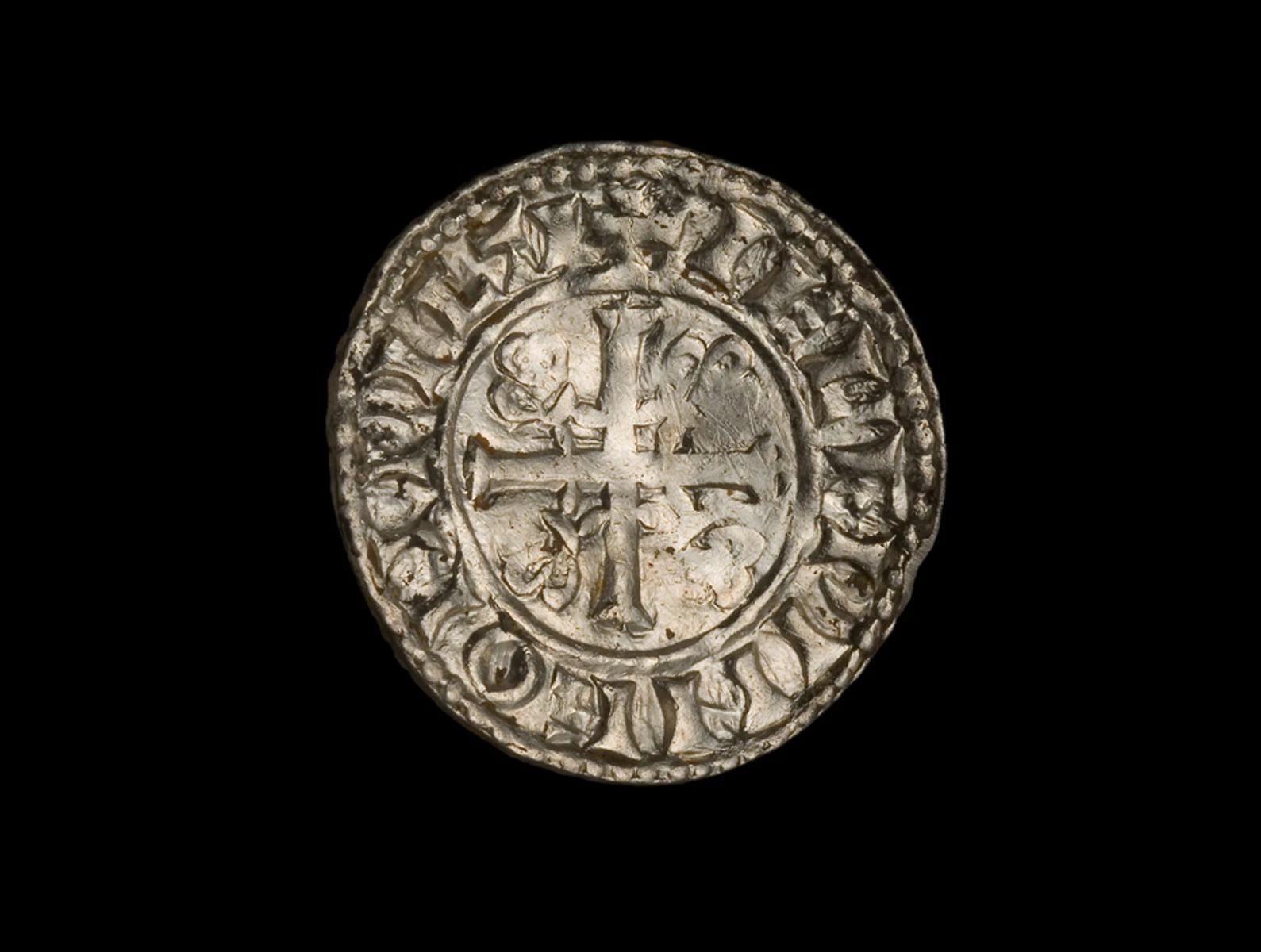
199 Silver Pennies - the Abergavenny Hoard Edward Besly, 6 January 2017 Part of the Abergavenny hoard as discovered. In April 2002 three metal-detectorists (John L Jones, Richard Johns and Fred Edwards) had the find of their lives in a field near Abergavenny, Monmouthshire: a scattered hoard of 199 silver pennies. The hoard included coins of the Anglo-Saxon king Edward the Confessor (1042-66) and the Norman king William the Conqueror (1066-87). The hoard probably pre-dates the founding of Abergavenny near by in the 1080s. The hoard was heavily encrusted with iron deposits, including traces of fabric, suggesting that the coins had originally been held in a cloth bag. It is not clear whether they had been deliberately hidden, or simply lost. Either way their owner was the poorer by a significant amount: sixteen shillings and seven pence (16s 7d, or £0.83p) would for most have represented several months' wages. Minting coins Anglo-Saxon and Norman coins form an unique historical source: each names its place of minting and the moneyer responsible. People had easy access to a network of mints across England (there were none in Wales) and every few years existing money was called in to be re-minted with a new design. The King, of course, took a cut on each occasion. The Abergavenny hoard includes 36 identifiable mints, as well as some irregular issues which cannot at present be located. Coins from mints in the region, like Hereford (34 coins) and Bristol (24), are commonest, outweighing big mints such as London (19) and Winchester (20). At the other end of the scale there are single coins from small mints such as Bridport (Dorset), or distant ones such as Thetford (Norfolk) and Derby. Hoards from western Britain are rare, so the Abergavenny Hoard has produced many previously unrecorded combinations of mint, moneyer, and issue. We shall probably never know quite why these coins ended up in the corner of a field in Monmouthshire but, as well as expanding our knowledge of the coinage itself, they will cast new light on monetary conditions in the area after the Norman Conquest. Conservation The coins were found covered in iron concretions and many of them were stuck to each other. This disfigured the coins and obscured vital details. Removing this concretion with mechanical methods, such as using a scalpel, would have damaged the silver, and chemicals failed to shift the iron. The solution to the problem was found in an unexpected, but thoroughly modern tool - the laser. A laser is a source of light providing energy in the form of a very intense single wavelength, with a narrow beam which only spreads a few millimetres. As laser radiation is of a single colour (infrared light was used in this case) the beam will interact intensely with some materials, but hardly at all with others. This infrared source was absorbed better by the darker overlying iron corrosion than by the light silver metal. The laser was successful at removing much of the iron crust, but initially left a very thin oxide film on the surface. When this was removed, the detail revealed on the underlying coin was excellent; it was possible to see rough out and polishing marks transferred to the coin from the original die, as well as the inscribed legend. Abergavenny Hoard Edward the Confessor, 'Expanding Cross'; London, Lifing Edward the Confessor, 'Expanding Cross'; London, Lifing Edward, 'Pointed Helmet'; London, Eadred Edward, 'Pointed Helmet'; London, Eadred Edward, 'Sovereign'; Hereford, Eadric Edward, 'Sovereign'; Hereford, Eadric Edward, 'Sovereign'; Taunton, Brihtric Edward, 'Sovereign'; Taunton, Brihtric Edward, 'Sovereign'; Worcester, Garulf Edward, 'Sovereign'; Worcester, Garulf Edward, 'Sovereign/Hammer Cross'; Taunton, Brihtric Edward, 'Sovereign/Hammer Cross'; Taunton, Brihtric Edward, 'Hammer Cross'; Cricklade, Æthelwine Edward, 'Hammer Cross'; Cricklade, Æthelwine Edward, 'Hammer Cross'; Exeter, Wicing Edward, 'Hammer Cross'; Exeter, Wicing Edward, 'Hammer Cross'; Tamworth, Brininc Edward, 'Hammer Cross'; Tamworth, Brininc Edward, 'Bust Facing'; Gloucester, Wulfweard Edward, 'Bust Facing'; Gloucester, Wulfweard Edward, 'Bust Facing'; Hereford, Ægelric Edward, 'Bust Facing'; Hereford, Ægelric Edward, 'Bust Facing'; Hereford, Ælfwi Edward, 'Bust Facing'; Hereford, Ælfwi Edward, 'Bust Facing'; Hereford, Earnwi Edward, 'Bust Facing'; Hereford, Earnwi Edward, 'Bust Facing'; York, Iocetel Edward, 'Bust Facing'; York, Iocetel William I, 'Bonnet'; Chester, Ælfsige William I, 'Bonnet'; Chester, Ælfsige William, 'Two Sceptres/Two Stars'; Wareham, Sideman William, 'Two Sceptres/Two Stars'; Wareham, Sideman William, 'Two Stars'; Bristol, Ceorl William, 'Two Stars'; Bristol, Ceorl William, 'Two Stars'; Hereford, Leofstan William, 'Two Stars'; Hereford, Leofstan William, 'Two Stars'; London, Brihtric William, 'Two Stars'; London, Brihtric William, 'Two Stars'; Sandwich, Ælfget William, 'Two Stars'; Sandwich, Ælfget William, 'Two Stars'; irregular issue William, 'Two Stars'; irregular issue William, 'Sword'; Wilton, Ælfwine William, 'Sword'; Wilton, Ælfwine William, 'Profile Right'; Oxford, Heregod William, 'Profile Right'; Oxford, Heregod Background Reading Conquest, Coexistence, and Change. Wales 1063-1415 by R. R. Davies. Published by Oxford University Press (1987). The Norman Conquest and the English Coinage by Michael Dolley. Published by Spink and Son (1966).
Wales – a modern maritime nation? David Jenkins, 26 September 2013 A Welsh tramp steamer loading Welsh coal at a Welsh port - The Cardiff-owned Radnor at Barry Docks in 1925