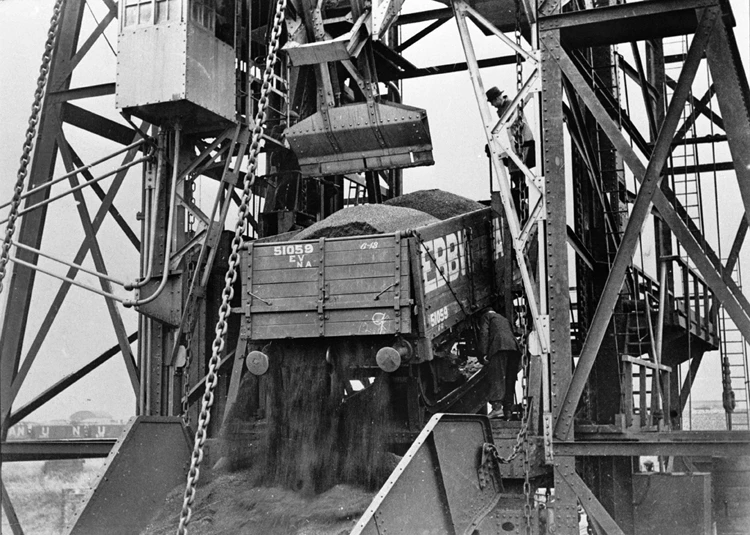
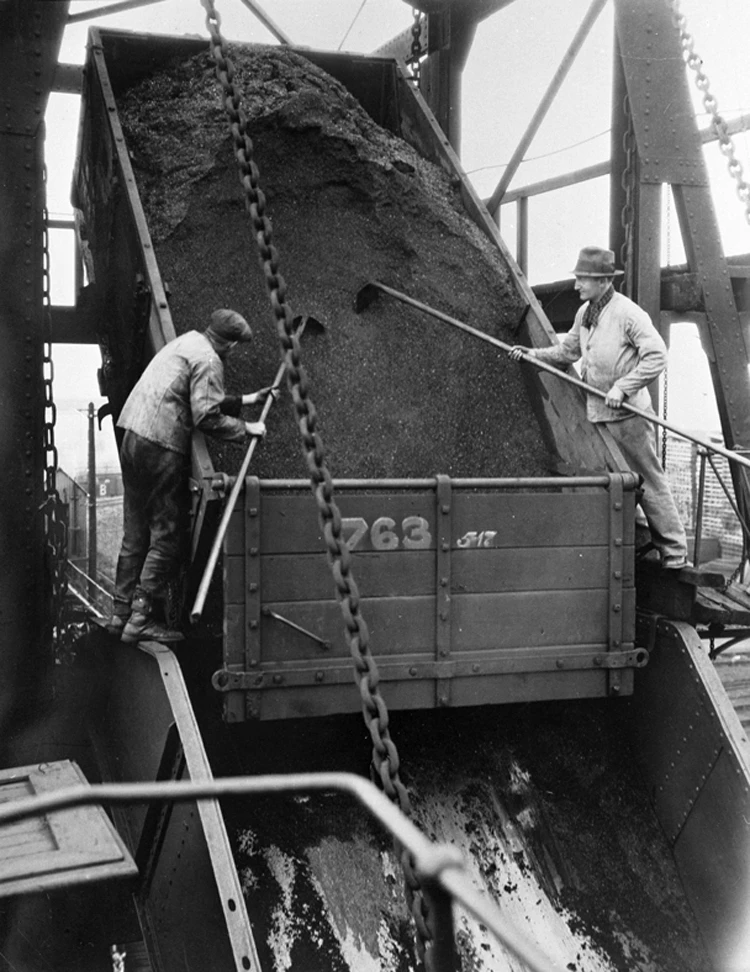
: Industry - Workshop of the World

Fuelling Antarctic exploration: The Crown Patent Fuel Company in Cardiff

Jennifer Protheroe-Jones, 23 July 2010

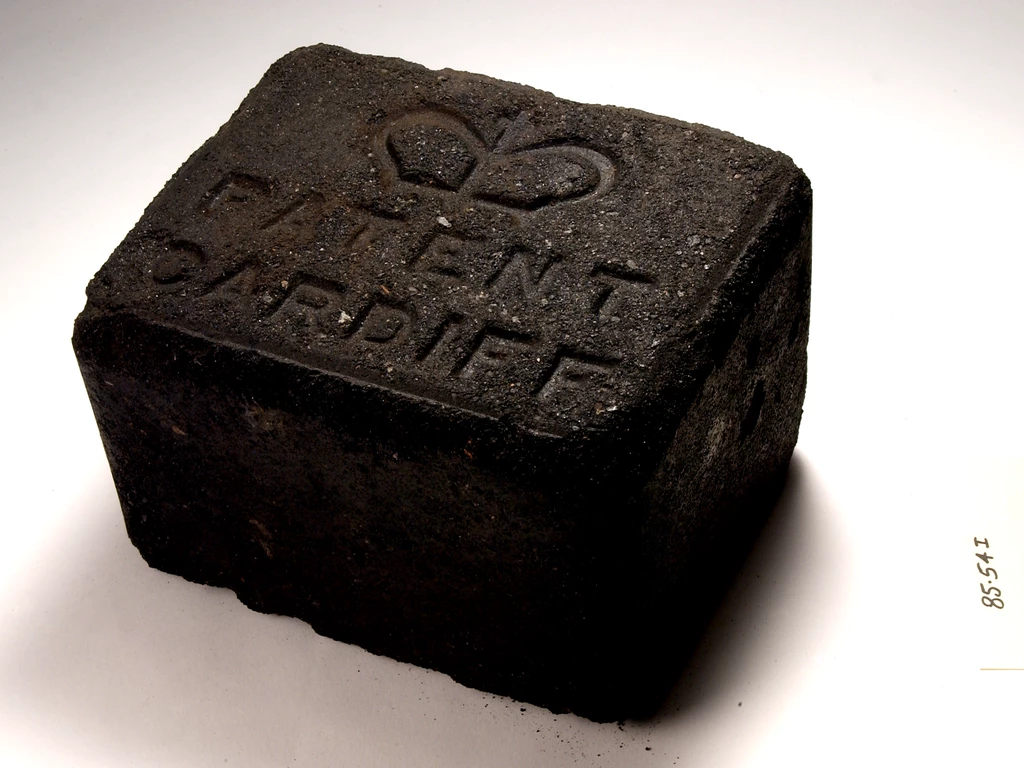
A block of Crown Patent Fuel.

A block of Crown Patent Fuel.

Age of Polar Expeditions

The early 20th century was a time of great heroic explorations to the Antarctic continent. Crown Patent Fuel from south Wales was the fuel of choice for these Antarctic expeditions.

Crown Patent Fuel

In addition to 100 tons of steam coal from south Wales coal companies, Captain Scott's 1910 British Antarctic Expedition was also given 300 tons of fuel blocks by Cardiff's Crown Patent Fuel Company. This, along with other sponsorship from Cardiff and south Wales, persuaded Scott to designate Cardiff the home port of his ship, the Terra Nova. He sent the Terra Nova to load fuel in Cardiff rather than have it sent by rail to London.

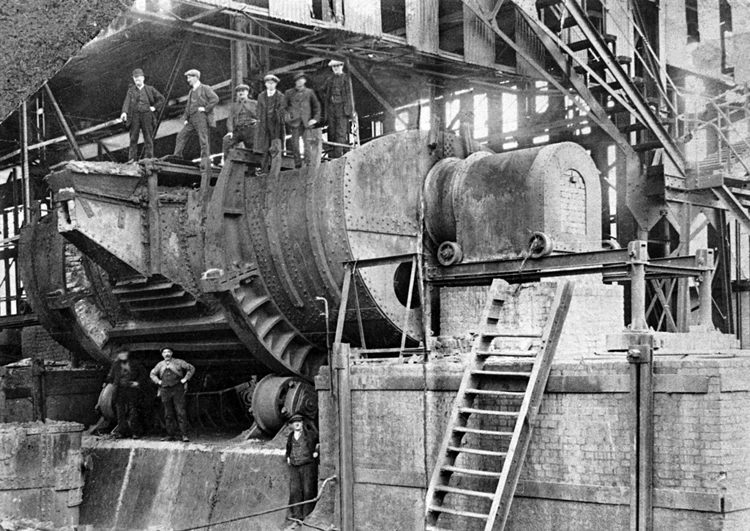
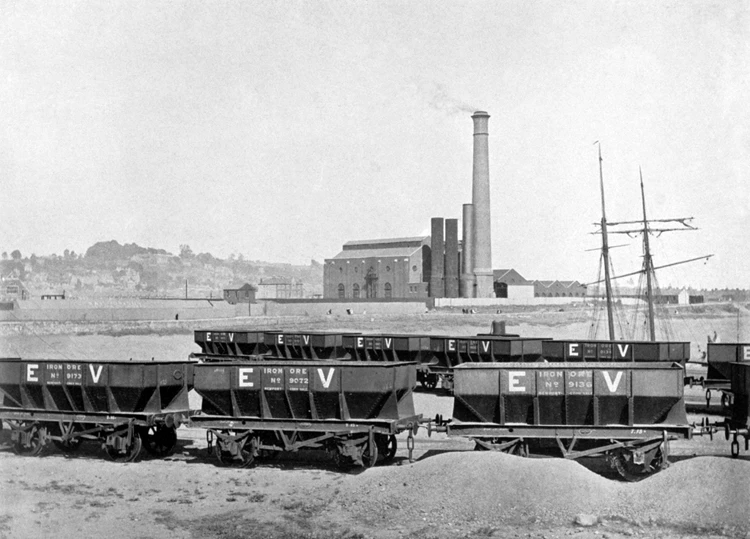
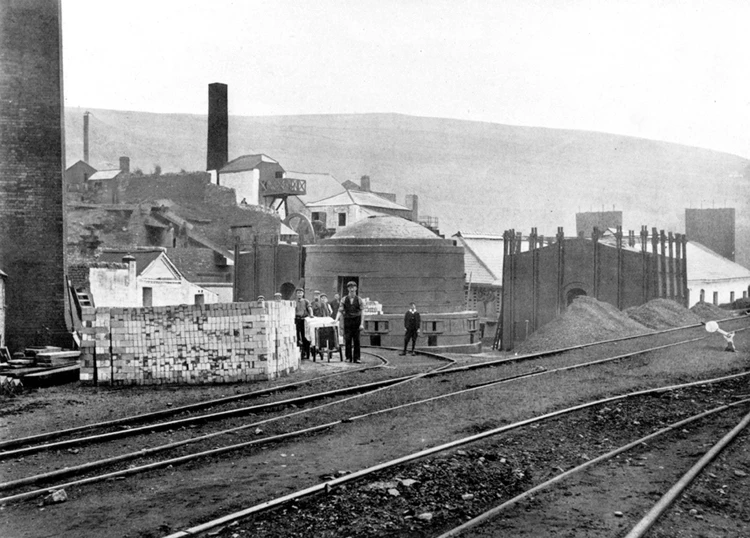
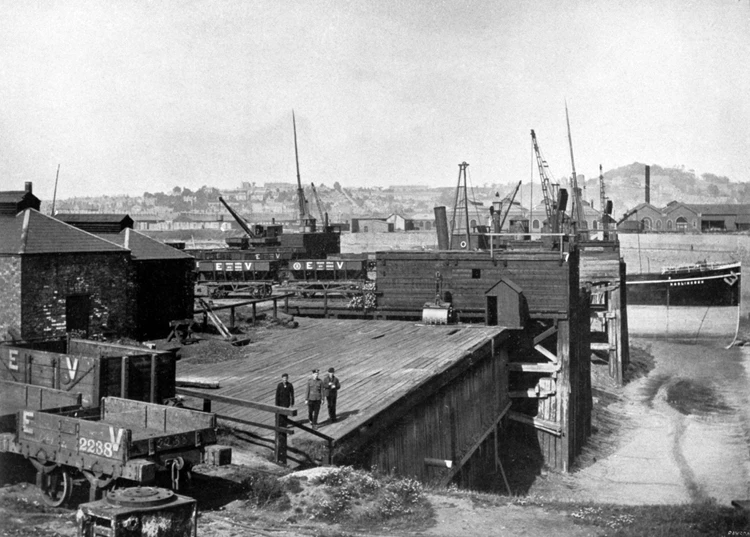
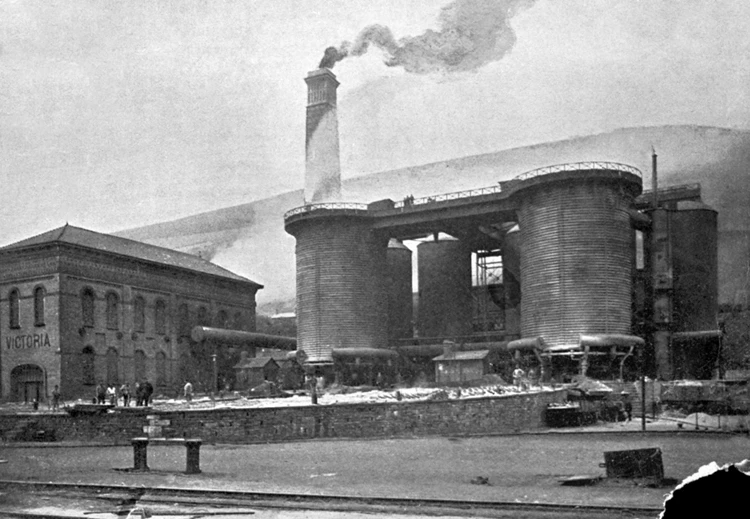
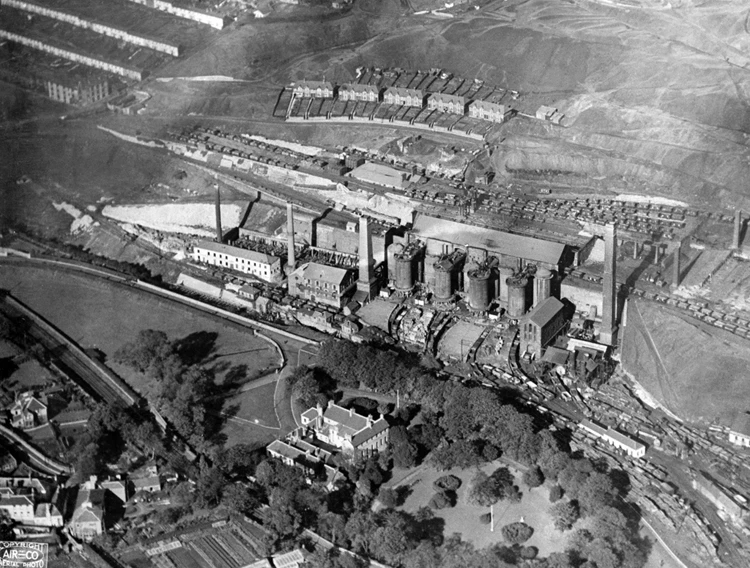
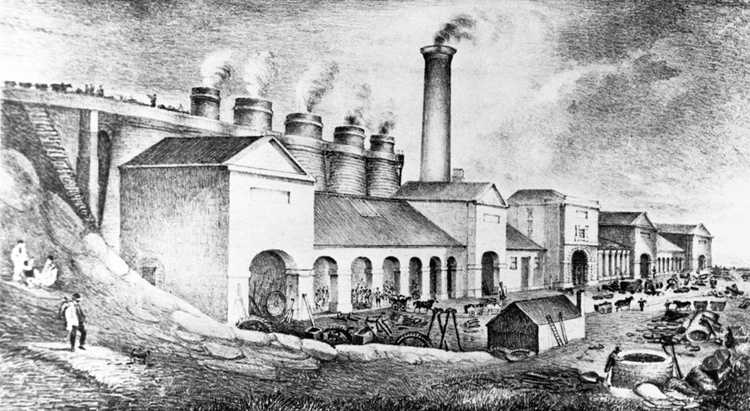
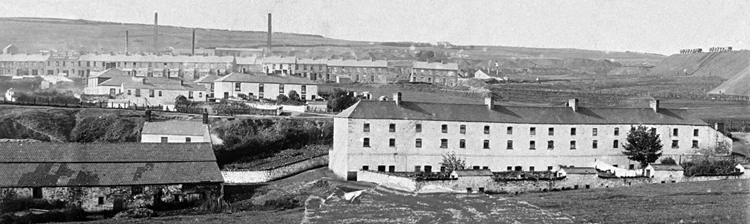
The Crown Patent Fuel works were situated alongside the Glamorganshire Canal at Maendy. The works was one of a number along the canal and, together with a number of works at other south Wales ports, made the region the largest producer of patent fuel in the world. Most of the patent fuel was exported, with France being a major customer.

Scott commends Welsh coal

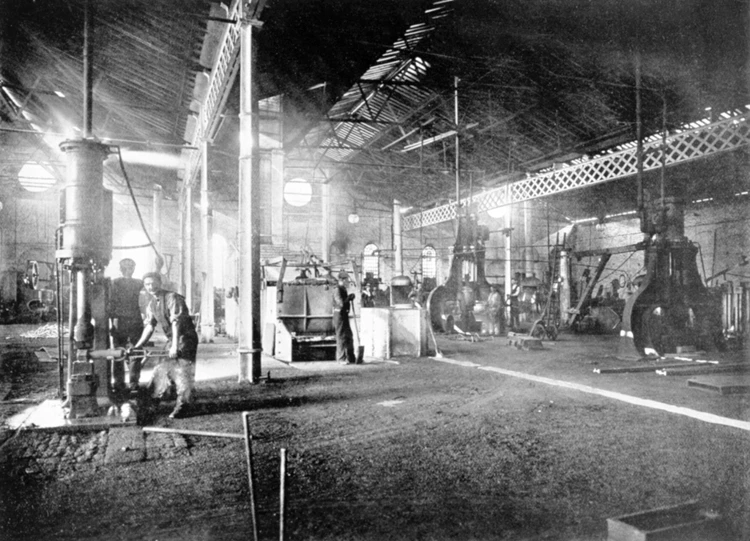
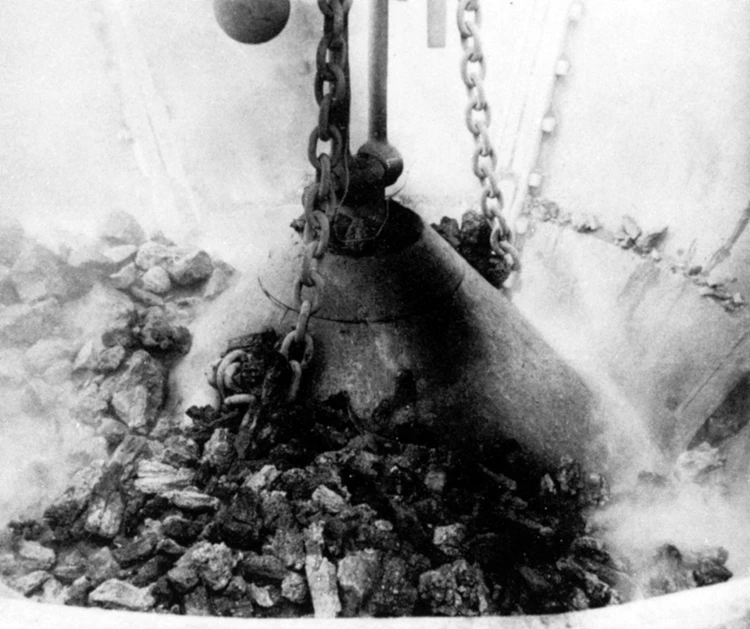
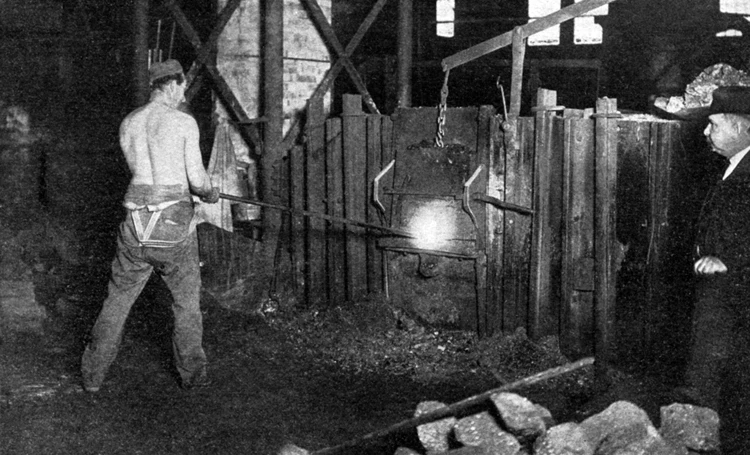
The fuel was made by mixing and heating waste small coal with pitch, the residue from distilled coal tar, and ramming the mixture into moulds. Various size blocks were produced, ranging from 7lbs to 56 lbs, with 28lbs being the most common — and the size taken on Scott's expedition. The blocks stacked well and took up less space than coal.

When the expedition reached their base at Cape Evans on Ross Island in Antarctica, the fuel blocks were used to build a back wall to the stables for the expedition ponies.

Earlier expeditions

In 1901 the Discovery, Captain Scott's first Antarctic expedition ship, took on 200 tons of Patent Fuel in Cardiff. The Aurora, the ship of the Australasian Antarctic Expedition (1911-14), was also in Cardiff taking on Crown Patent Fuel on 4 August 1911 before sailing for Australia and Antarctica.

The Ebbw Vale Steel, Iron & Coal Company

20 July 2010

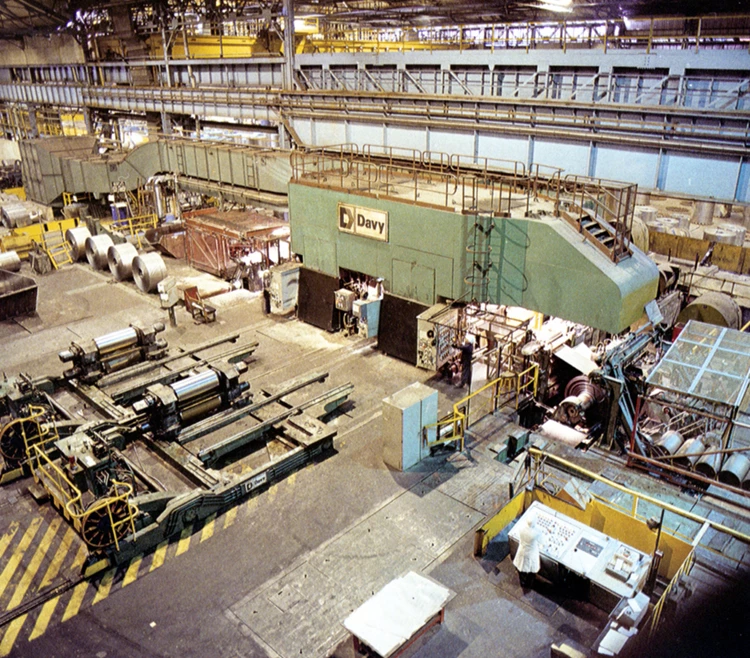
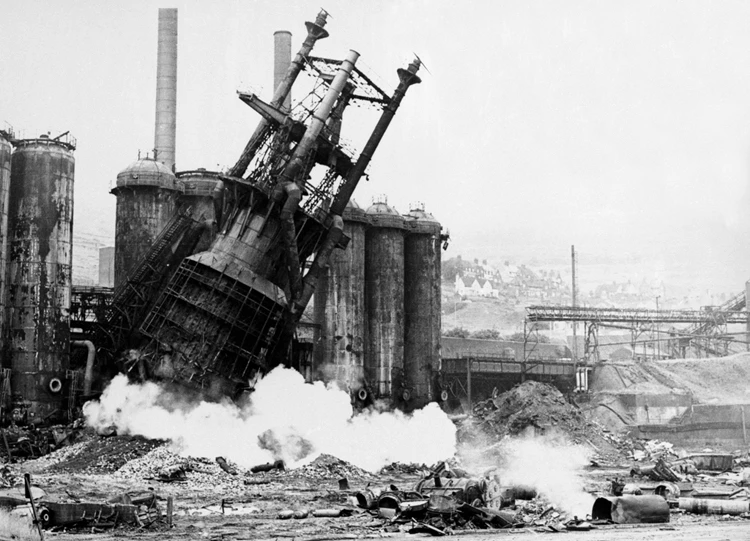
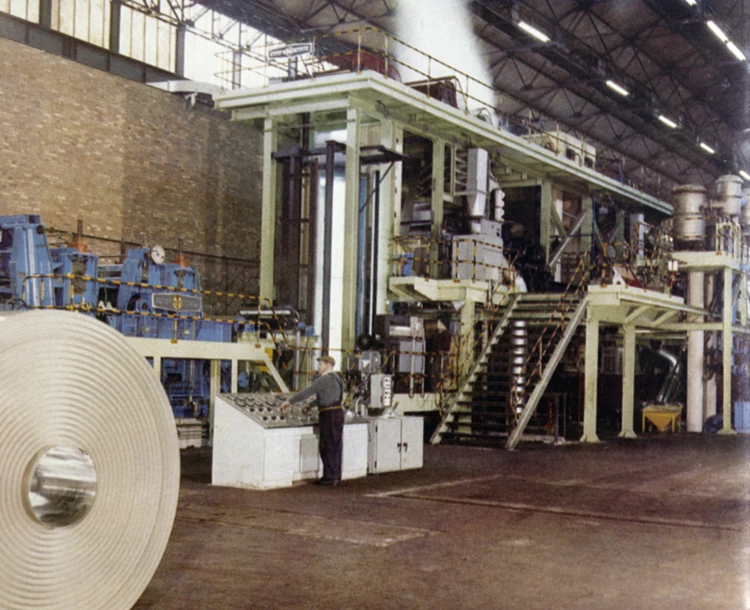
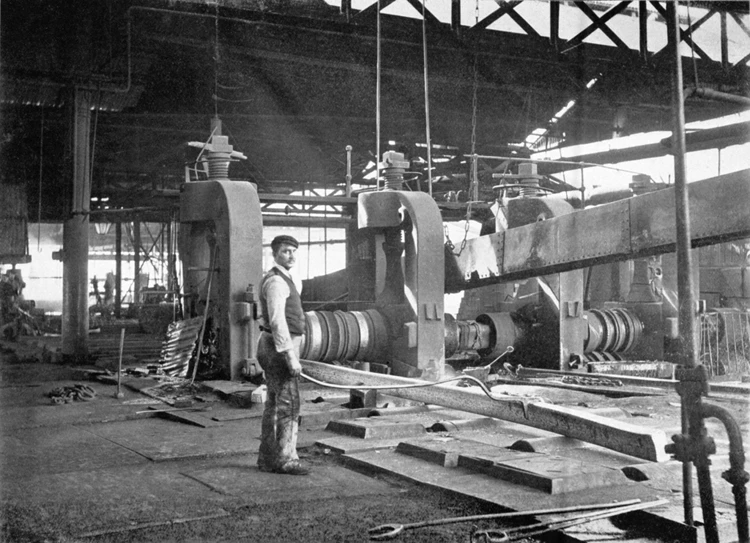
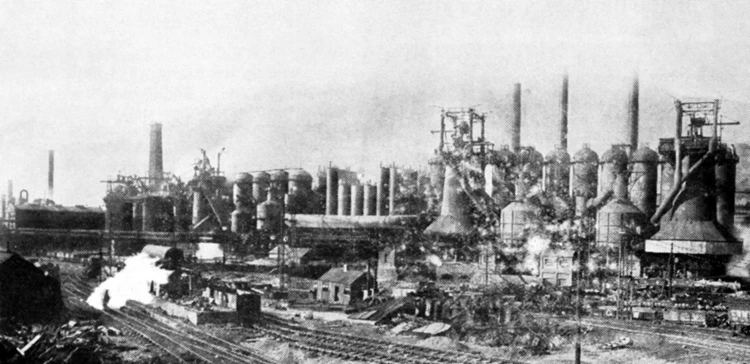
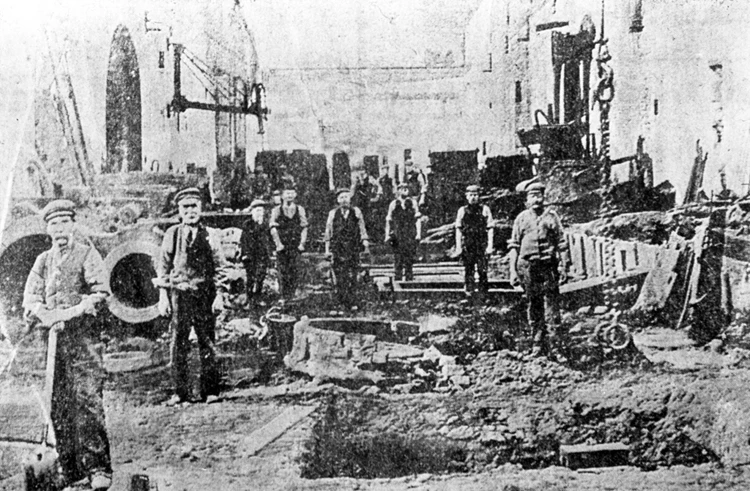
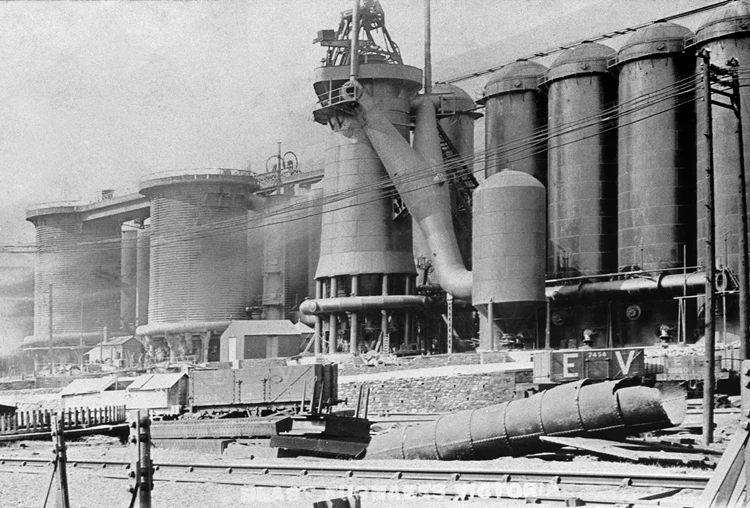
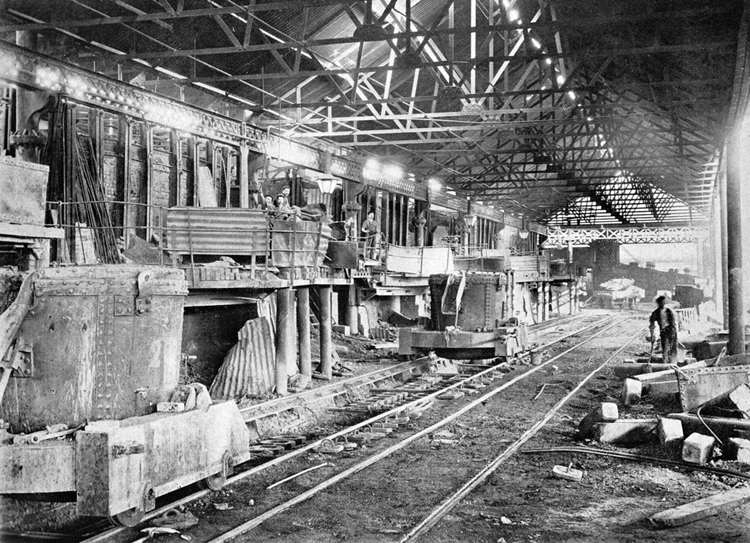
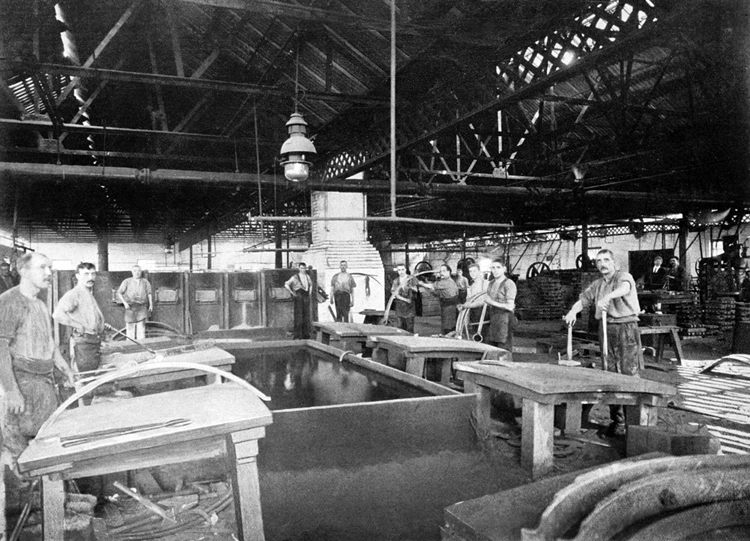
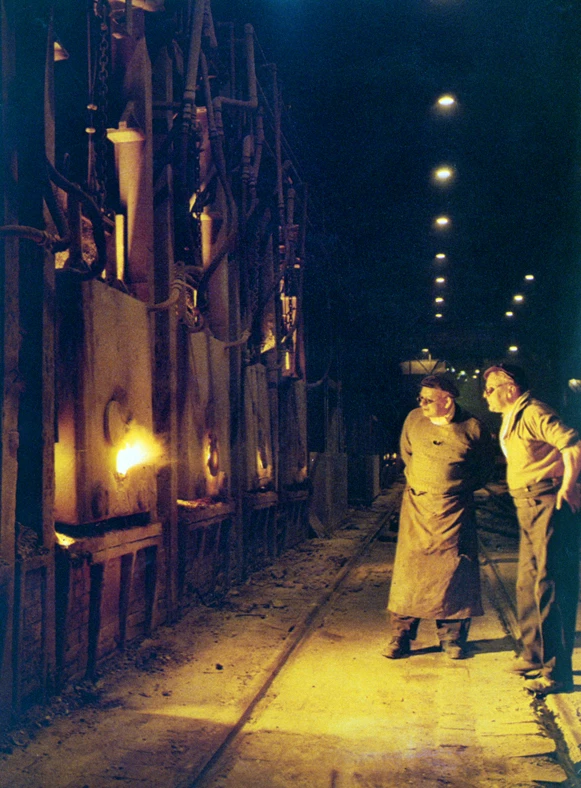
The Ebbw Vale Steel, Iron & Coal Company was based in south Wales. Founded in 1790, it was the largest tinplate producer in the country, until its closure in 2002.

When tea-drinking was a fashionable, expensive habit

Rachel Conroy, 25 June 2010

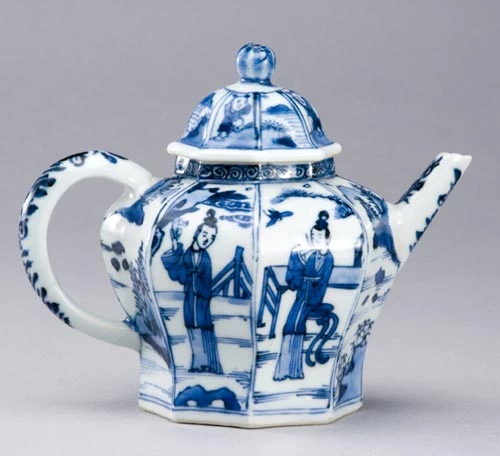
Chinese porcelain teapot, c. 1700-20

Figure 1: Chinese porcelain teapot, c. 1700-20

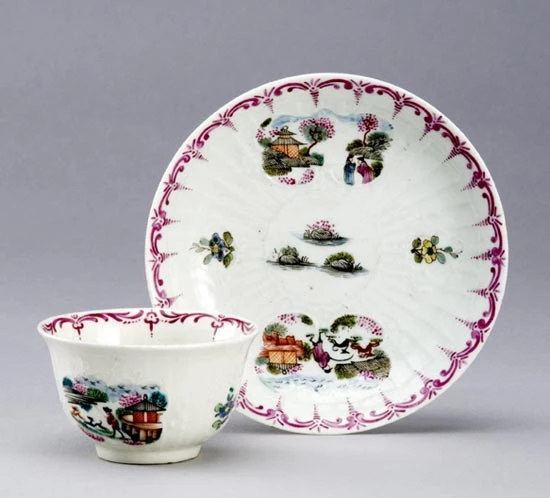
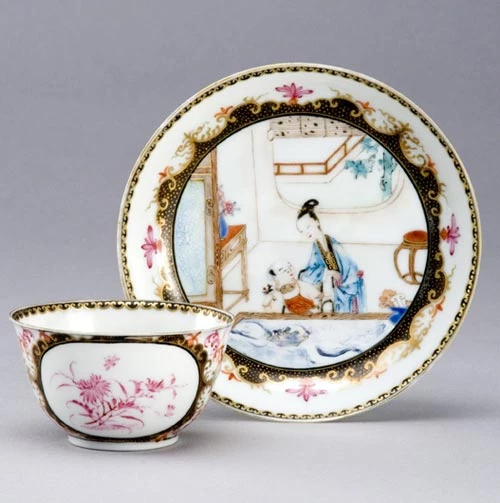
Chinese tea bowl and saucer, c. 1760-70

Figure 2: Chinese tea bowl and saucer, c. 1760-70

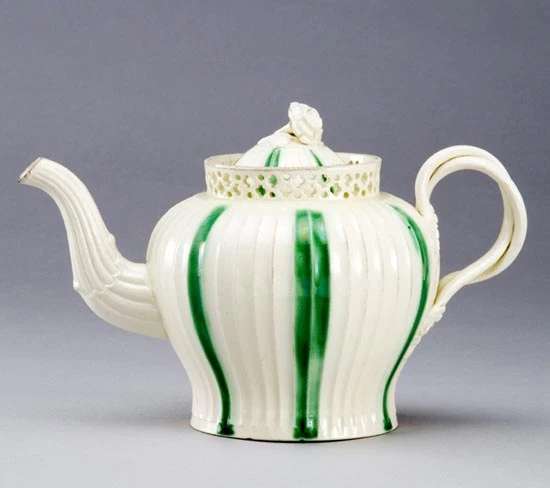
Creamware teapot, Leeds Pottery, c. 1775

Figure 3: Creamware teapot, Leeds Pottery, c. 1775

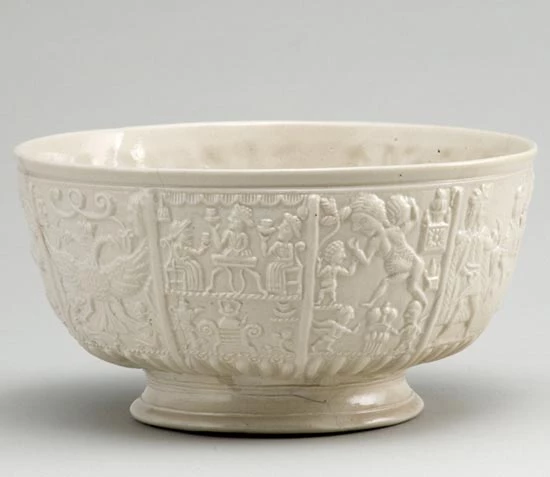
Slop bowl, Staffordshire, 1740s

Figure 4: Slop bowl, Staffordshire, 1740s

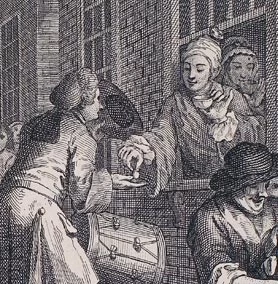
Detail of William Hogarth, 'Industry and Idleness: The Industrious 'Prentice Married', 1747

Figure 5: Detail of William Hogarth, 'Industry and Idleness: The Industrious 'Prentice Married', 1747

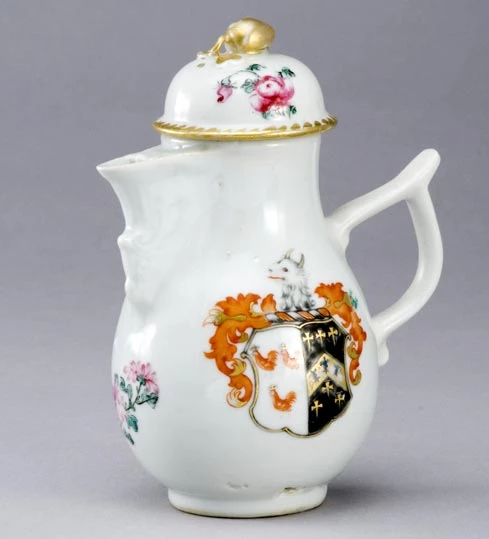
Cream jug, Chinese porcelain, c. 1771.

Figure 6: Cream jug, Chinese porcelain, c. 1771. Part of a tea service made for Penry Williams (1714-1781) of Penpont, Brecon

Porcelain tea bowl and saucer, Worcester, 1755-8

Figure 7: Porcelain tea bowl and saucer, Worcester, 1755-8

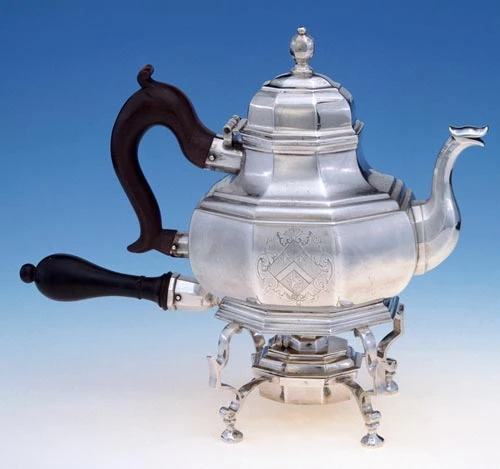
Tea kettle, stand and spirit lamp by Robert Watts, 1711-12.

Figure 8: Tea kettle, stand and spirit lamp by Robert Watts, 1711-12.

In the eighteenth century tea-drinking was a highly fashionable activity for the wealthy upper classes.

Tea was first imported into Britain from China in the mid-seventeenth century by the East India Company. At first it was considered as something of a novelty and was promoted for its health-giving properties.

Green tea

The most common tea was bohea, a type of black tea, but green tea was also popular. At first it was drunk weak and without milk, after the Chinese tradition. Later, milk or cream and sugar were added.

Teapots and (locked) teachests

Only the wealthy could afford tea. It was kept in locked teachests that were controlled by the lady of the house. Domestic servants received a tea allowance as part of their wages.

The eighteenth century saw an explosion in tea-related consumer goods, and there are many fine examples in the applied art collection at Amgueddfa Cymru. At first these were made from very expensive materials, particularly imported Chinese porcelain and silver (figs 1 & 2). Later, the production of cheaper ceramics and silver plate allowed the middle classes to follow the fashions of the very wealthy (fig. 3).

Drinking tea became more commonplace in the late eighteenth century. The abolition of import duties in 1784 meant it became recognized as an important part of the diet for the poor.

Taking afternoon tea

Entertaining friends by hosting afternoon tea was an important part of women's lives. The selection of objects for the tea table was crucial. Visiting England in 1784, the Duc de Rochefoucauld commented that tea drinking provided "the rich with an opportunity to display their magnificence in the matter of tea-pots, cups and so on" (cited in Clifford 1999: 161).

Guests were expected to conform to certain modes of behaviour and good manners, which included sticking to polite topics of conversation such as the arts, theatre and music.

Tea bowls

For most of the eighteenth century tea was drunk in the Chinese style, from a bowl without a handle. These were also known as "tea dishes" or "basons". A wonderful slop bowl, which was used at the table for rinsing dregs from used tea bowls, depicts three women enjoying tea together (fig. 4). The bowls are usually shown being held with the fingers at the rim and thumb under the base (fig. 5).

Chinese exports

Chinese porcelain teapots and bowls were exported along with the tea. They were prized for their translucency and white surface and were collected fanatically.

Chinese porcelain manufacturers began to make tea-related objects purely for the European market, such as teapot stands, milk jugs, sugar basins, spoon trays and slop bowls (figure 6). Once they had uncovered the secrets of producing porcelain, Chinese teawares were widely reproduced by Continental and English factories (fig. 7).

Kettles and urns

Teapots were filled by hot-water kettles on grand stands or smaller table-top versions, with burners to keep the water hot (fig. 8). The kettles were eventually replaced in about the 1760s by tea urns heated by charcoal burners and, from the 1770s, with heated iron bars that slotted into a "sleeve" inside the urn (fig. 9). These "tea kitchens" or "tea fountains" allowed people to help themselves at less formal gatherings such as breakfast. The most elaborate examples also had additional urns for coffee and hot water.

Moral and physical decline

Eighteenth-century attitudes towards tea-drinking were quite mixed and contradictory. The obsessive collection of teawares was criticised by social commentators, with women being the most frequent target. Furthermore, afternoon tea was often claimed to be no more than an opportunity for women to spread malicious gossip or boast about themselves. A satirical poem, The Tea-Table, by 'Moses Oldfashion' was published in Mist's Weekly Journal in 1722:

"...Chief Seat of Slander! Ever there we see
Thick scandal circulate with right Bohea.
There, source of black'ning Falshoods! Mint of Lies!
Each Dame th'Improvements of her Talent tries,
And at each Sip a Lady's Honour dies".

Although at first tea was thought to have many health benefits, some commentators began to fear its popularity could cause physical decline. In 1753 Mr Andree described the dangers of "intemperate", excessive tea drinking, describing it as "pernicious", worsening epilepsy and causing hysteric fits. He also tells of a young girl who had been eating tea for a number of weeks, causing her to suffer facial palsy and convulsions (fig. 10).

Thankfully, these objections did not diminish the British public's desire for tea and it has remained an important part of daily life. Although tea-drinking today is generally a far less formal affair than during the eighteenth century, it continues to be enjoyed and shared by millions of people everyday.

References

Andree, John. Cases of the epilepsy, Hysteric Fits, and St. Vitus's Dance, with the process of cure: interspersed with practical observations. To which are added, cases of the bite of a mad dog, and a method that has been found successful. The second edition, with emendations and additions in the introduction, and some new cases and Inspections of Dead Bodies (1753). London: printed for W. Meadows and J. Clarke, in Cornhill. Eighteenth Century Collections Online. Web. 12 Jan 2010. http://galenet.galegroup.com/servlet/ECCO

Clifford, Helen. 'A commerce with things: the value of precious metalwork in early modern England', in M. Berg and H. Clifford (eds.) (1999) Consumers and Luxury: Consumer Culture in Europe 1650-1850, pp. 147-169. Manchester: Manchester University Press.

Oldfashion, Moses. 'The Tea-Table', in (author unknown) A collection of miscellany letters, selected out of Mist's Weekly Journal (1722): 224-227. London: printed by N. Mist, in Great Carter-Lane. Eighteenth Century Collections Online. Web. 12 Jan 2010. http://galenet.galegroup.com/servlet/ECCO

Article author: Rachel Conroy. Assistant Curator - Applied Art

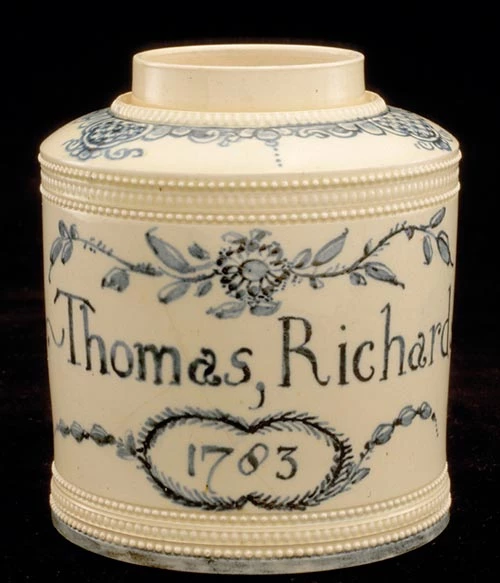
Tea jar or canister, Swansea, 1783

Figure 10: Tea jar or canister, Swansea, 1783

Tea jar or canister, Swansea, 1783

Figure 10: Tea jar or canister, Swansea, 1783

Dinorwig '69: End of the line for one of the largest slate quarries in the world

22 August 2009

End of the line

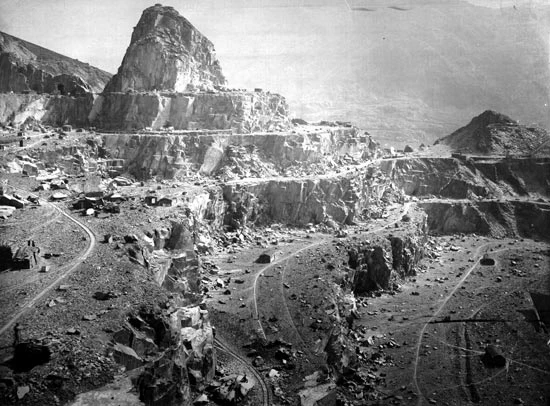
Black and white photograph of Dinorwig Quarry

Dinorwig Quarry. With the dawn of the Industrial Revolution slate was used to cover the roofs of factories and houses throughout Britain, mainland Europe as well as towns in North America and other parts of the world.

On 22nd August 1969 silence came to Dinorwig Quarry. After almost 200 years of hard toil, the quarry was closed and the men were sent home for the last time.

Not only did 350 men lose their jobs but a quarrying community and a way of life that had existed since the 1780's changed forever.

Everyone in the area had lived in the shadow of Dinorwig Quarry all their lives. Everyone had a father, grandfather, husband, uncle or brother who had worked there. A century earlier, closure would have been unimaginable. Dinorwig was one of the two largest slate quarries in the world ‐ and, along with its neighbour at Penrhyn, Bethesda, could produce more roofing slates in a year than all other combined slate mines and quarries world-wide.

Old quarrying methods

This is a clip from the first audio film in Welsh, Y Chwarelwr (The Quarryman), made in 1935. There is no sound in this piece as only some of the film survived, and the sound was recorded on disks separate from the film itself. © Urdd Gobaith Cymru.
Why did the quarry close?

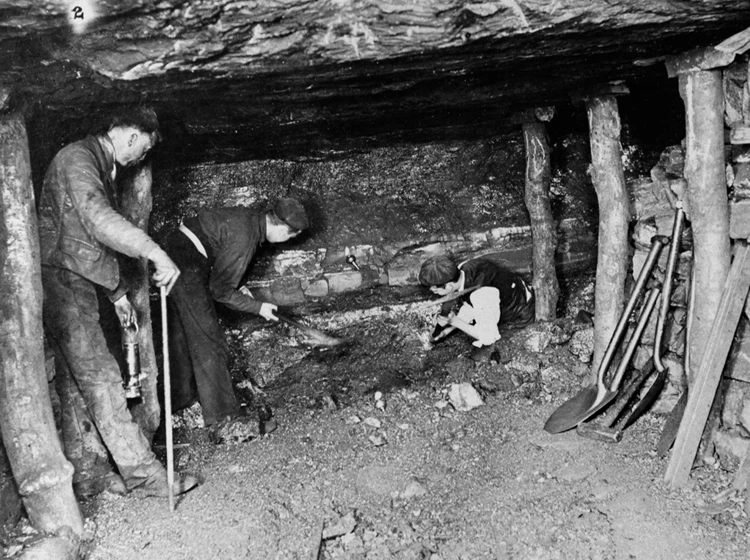
Quarrymen at Dinorwig Quarry.

Quarrymen at Dinorwig Quarry.

Dinorwig Quarry's demise didn't happen overnight. Things hadn't been going well for a number of years for various reasons:

  • there was less demand for slate in the UK during the 20th century;
  • Welsh slate was expensive compared to roofing tiles and slate from overseas;
  • the quarry owners were competing against one another for a share of a fairly small market;
  • Dinorwig Quarry hadn't been developed effectively. The slate that was easy to get at had been quarried by the 60s and investment was needed to develop further. The quarry owners didn't have the money for this investment. One of their mistakes was to invest heavily in Marchlyn Quarry, but this part of the mountain didn't make them any money. There was no slate worth working there at all;
  • by the late 1960s, the quarry depended on orders from France to survive. In July 1969, these orders stopped. The final nail in the coffin.

By the 1960s, the slate industry in general was facing an uncertain future.

What next?

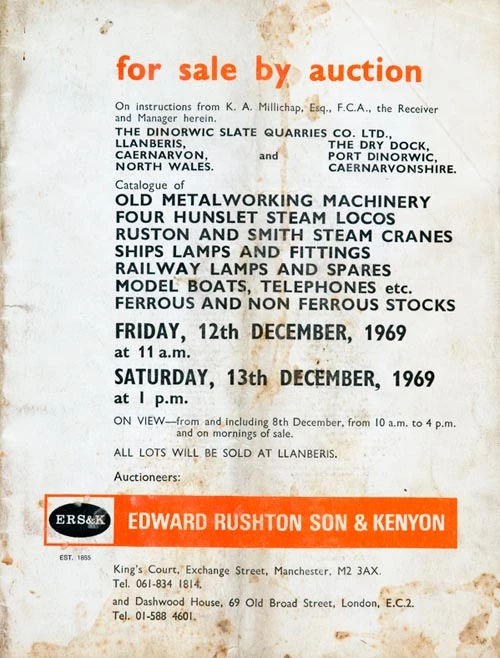
Dinorwig Quarry auction catalogue

Dinorwig Quarry auction catalogue. December 1969

Many of the 350 who lost their work found other jobs, some locally, at Ferodo and Peblig Mills, others further afield at Dolgarrog, Trawsfynydd and Holyhead. Others went even further to find work — to Corby, the relatively new steel town in Northamptonshire.

October and December, 1969 saw the auctions — selling off anything and everything that was worth carrying from the workshops. Fortunately for us, here at the Museum, Hugh Richard Jones, Dinorwig Quarry's Chief Engineer, ensured that not everything was sold. With the help of like-minded visionaries, he was instrumental in ensuring that the water wheel wasn't broken up and taken away and in preserving the machinery in the workshops.

Three years following the closure of Dinorwig Quarry, in 1972, the National Slate Museum was opened at Gilfach Ddu, and Hugh Richard Jones became its first manager.

From Industry to Impressionism – what two sisters did for Wales

1 January 2009

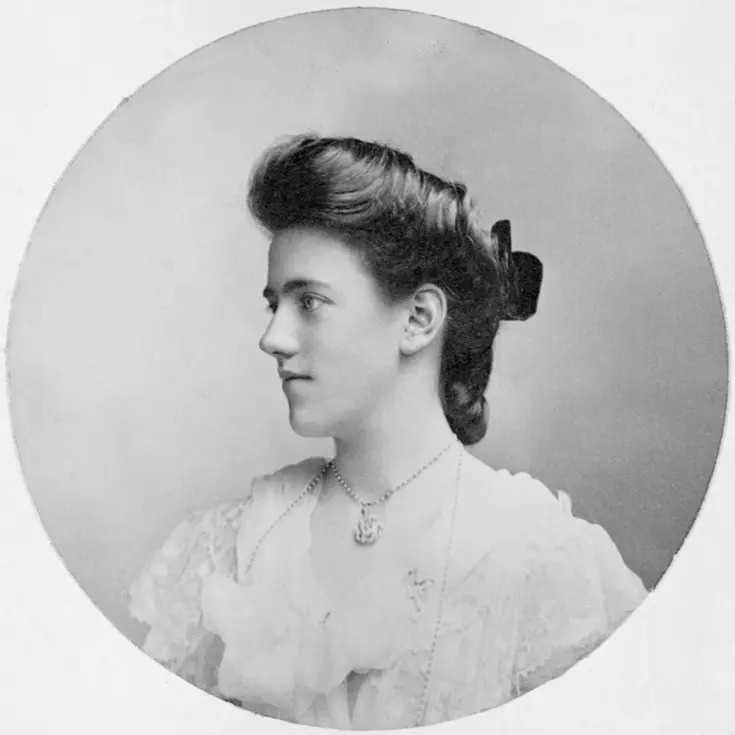
Gwendoline Davies (1882 - 1951)

Gwendoline Davies (1882-1951)
Known as Gwen, the elder, more determined and thoughtful sister, and an accomplished musician.

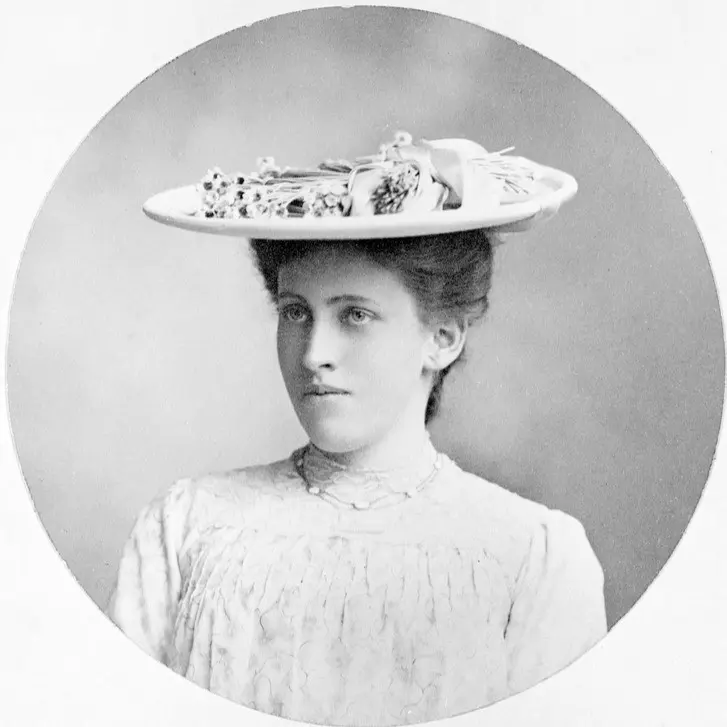
Margaret Davies (1884 - 1963)

Margaret Davies (1884-1963)
Known as Daisy, the younger, more practical sister, and a fine painter and engraver.

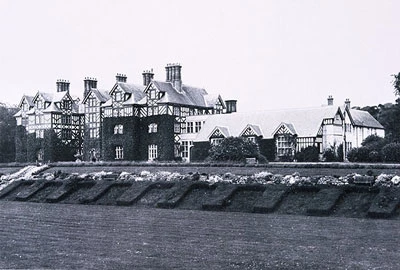
Gregynog Hall

Gregynog Hall

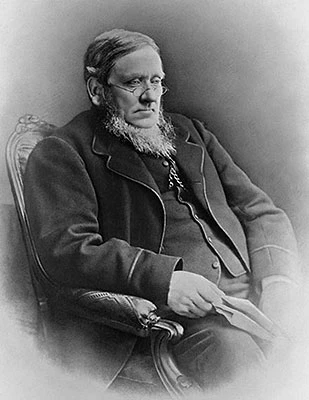
David Davies (1818-1890)

David Davies (1818-1890)
This image shows him in a rare moment of repose. Private collection (Lord Davies)

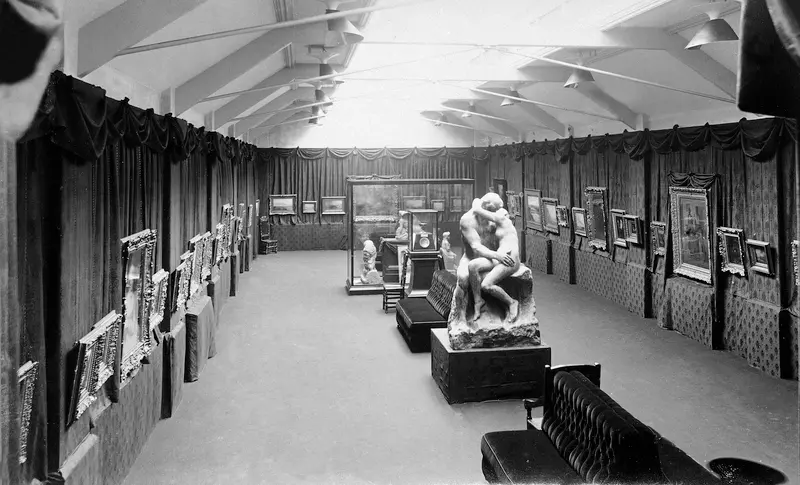
'The Loan Exhibition of Paintings', 1913

'The Loan Exhibition of Paintings' held in the temporary national museum in Cardiff City Hall in 1913.

Gwendoline (1882–1951) and Margaret Davies (1884–1963), two sisters from mid-Wales, were among the first people in Britain to collect French Impressionism and Post-Impressionism. They bequeathed their magnificent art collection to Amgueddfa Cymru, completely transforming the range and quality of Wales’s national art collection.

The Davies sisters were the greatest benefactors of the Museum’s first hundred years. Their idealism and generosity had a remarkable impact generally on cultural and intellectual life in Wales and is still with us today.

The industrial legacy of David Davies

Gwendoline and Margaret were the granddaughters of David Davies of Llandinam, one of the greatest entrepreneurs of the 19th century. He built much of the railway system in mid-Wales and was a pioneer of the coal industry in south Wales.

David Davies created a massive fortune. After his death in 1890, his son Edward succeeded him. In turn, Gwendoline, Margaret and their brother David, later 1st Lord Davies, inherited the estate.

Their upbringing and childhood

The sisters had a childhood dominated by the strict religious beliefs of Calvinistic Methodism. They were taught that it was their Christian duty to use well the great wealth they would inherit.

After a good and progressive education, they developed a passion for the arts and music. Art history was in its infancy in Britain, so the sisters travelled widely in Europe, studying art in Germany and Italy before beginning their art collecting.

Their sophisticated knowledge of art history was unusual for women of this period and their background.

Beginning the collection

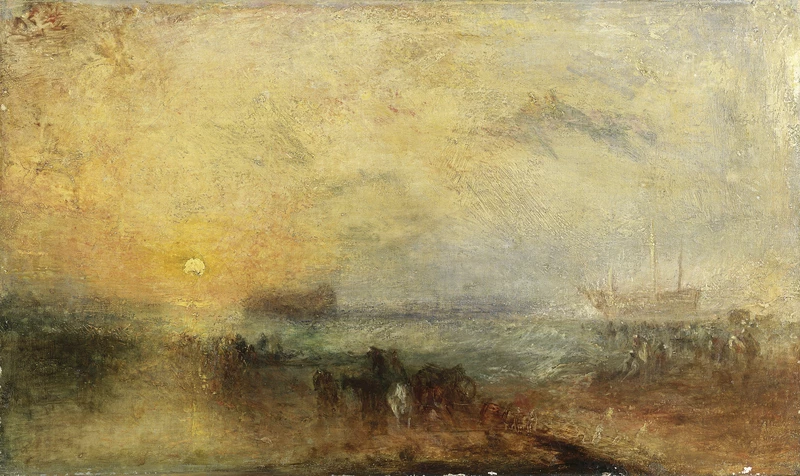
In 1908, the sisters began collecting art in earnest. Their early purchases included landscapes by Corot, peasant scenes by Millet and also Turner’s The Storm and Morning after the Storm.

In the first six years of collecting, they amassed nearly a hundred paintings and sculptures. Their early taste was quite traditional, but in 1912 they turned to buying Impressionism.

Impressionism

Their Impressionist purchases were generally less expensive than the works they had been acquiring by artists such as Turner and Corot.

In 1913, Gwendoline acquired her most important painting, La Parisienne, for £5,000.

The impact of the First World War

The War transformed the lives of Gwendoline and Margaret. They worked as volunteers with the Red Cross in France. However, they still managed to add to their collection during these years. They bought works by Daumier, Carrière, Renoir, Manet and Monet. In 1916 Gwendoline Davies also spent £2,350 on ten oil paintings and a drawing by Augustus John.

In 1918, Gwendoline bought her two celebrated landscapes by Cézanne, The François Zola Dam and Provençal Landscape, which are among her most important and visionary purchases.

Collecting after the First Word War

In 1920, Gwendoline acquired perhaps her finest works, Cézanne’s Still-Life with Teapot for £2,000 and Van Gogh’s Rain – Auvers for £2,020.

They also spent large sums on Old Masters, including Botticelli’s Virgin and Child with a Pomegranate.

Then their collecting suddenly reduced. Gwendoline wrote in 1921 that they could not continue to purchase so much ‘in the face of the appalling need everywhere’.

They still spent over £2,000 on Turner’s Beacon Light in 1922 and £6,000 on a Workshop of El Greco Disrobing of Christ in 1923. In 1926, Gwendoline stopped collecting altogether.

Gregynog: a centre for the arts, music and crafts

The Davies sisters championed many social, economic, educational and cultural initiatives in Wales during the 1920s and 1930s.

In 1920, they bought Gregynog Hall, which they established as a centre for music and the arts in Wales. They also set up the Gregynog Press in 1922, which produced some of the finest books ever illustrated in Britain between the two world wars. Gregynog Hall complemented the Arts and Crafts Museum the sisters had already helped create at Aberystwyth.

Gregynog hosted the popular Festivals of Music and Poetry up until the outbreak of war in 1939, when the sisters again turned their attention to the war effort.

The end of an era

When Gwendoline died in 1951 Margaret kept up such activities as she was able to during her final years. However, without Gwendoline, its ‘chief creator and inspirer’, Gregynog’s heyday was never to be revived. In the year before she died, Margaret gave the house and its grounds to the University of Wales for use as a residential conference centre.

From personal to public collection

In October 1951, Amgueddfa Cymru announced the arrival of ‘the late Miss Gwendoline Davies’ bequest. This was one of the most valuable donations in recent years to any public collection in Britain.

Margaret continued to collect art until just before her death in 1963, focusing on work by modern British artists, many of whom were Welsh. Her works were also destined for the Museum and many of her later acquisitions were made with the Museum in mind.

In 1963 Margaret’s bequest of 152 objects joined that of Gwendoline. Together, the sisters’ collections completely transformed the Welsh national art collection.

A guide to the paintings

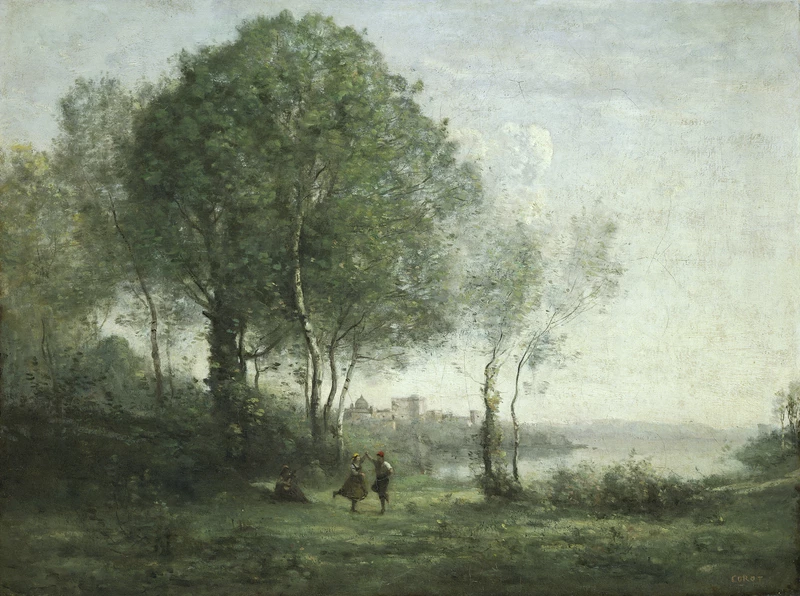
Jean-Baptiste Camille Corot (1796-1875), Castel Gandolfo, dancing Tyrolean shepherds by Lake Albano, oil on canvas, 1855-60
Jean-Baptiste Camille Corot

(1796–1875), Castel Gandolfo, dancing Tyrolean shepherds by Lake Albano, oil on canvas, 1855–60

In 1909 Gwendoline paid £6,350 for this painting, described at the time as one of Corot’s masterpieces. Earlier that year, Margaret recorded seeing ‘several charming pictures by Corot’ at the Louvre.

Amgueddfa Cymru, Bequest of Gwendoline Davies, 1951) NMW A 2443

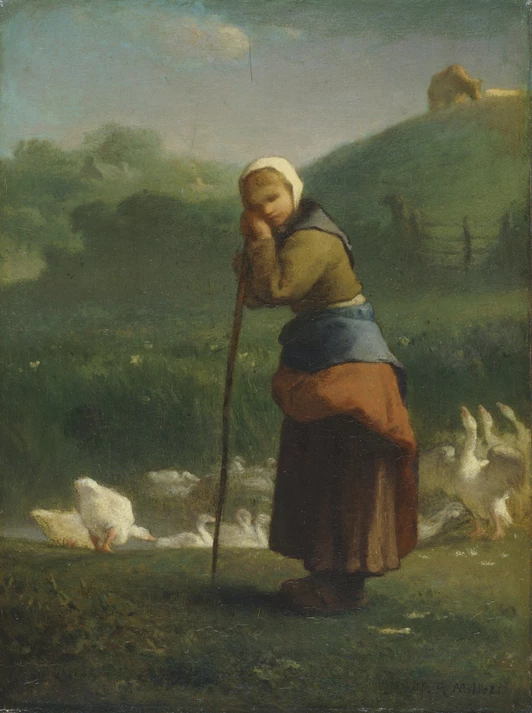
Jean-François Millet (1814-1875), The Goose Girl at Gruchy, oil on canvas, 1854-6.
Jean-François Millet

(1814–1875), The Goose Girl at Gruchy, oil on canvas, 1854–6

Gwendoline and Margaret Davies bought a number of works by Barbizon School artists in the early years of their collecting. Millet was one of the sisters’ favourites.

Amgueddfa Cymru (Bequest of Gwendoline Davies, 1951) NMW A 2479

JMW Turner, The Morning after the Storm, oil on canvas, c. 1840-45
J.M.W. Turner

(1775–1851), The Morning after the Storm, oil on canvas, about 1840–5

Gwendoline purchased this work in November 1908 for £8,085, while Margaret acquired its companion The Storm. Both paintings were apparently inspired by the great storm of 21 November 1840.

Amgueddfa Cymru (Bequest of Gwendoline Davies, 1952) NMW A 434.

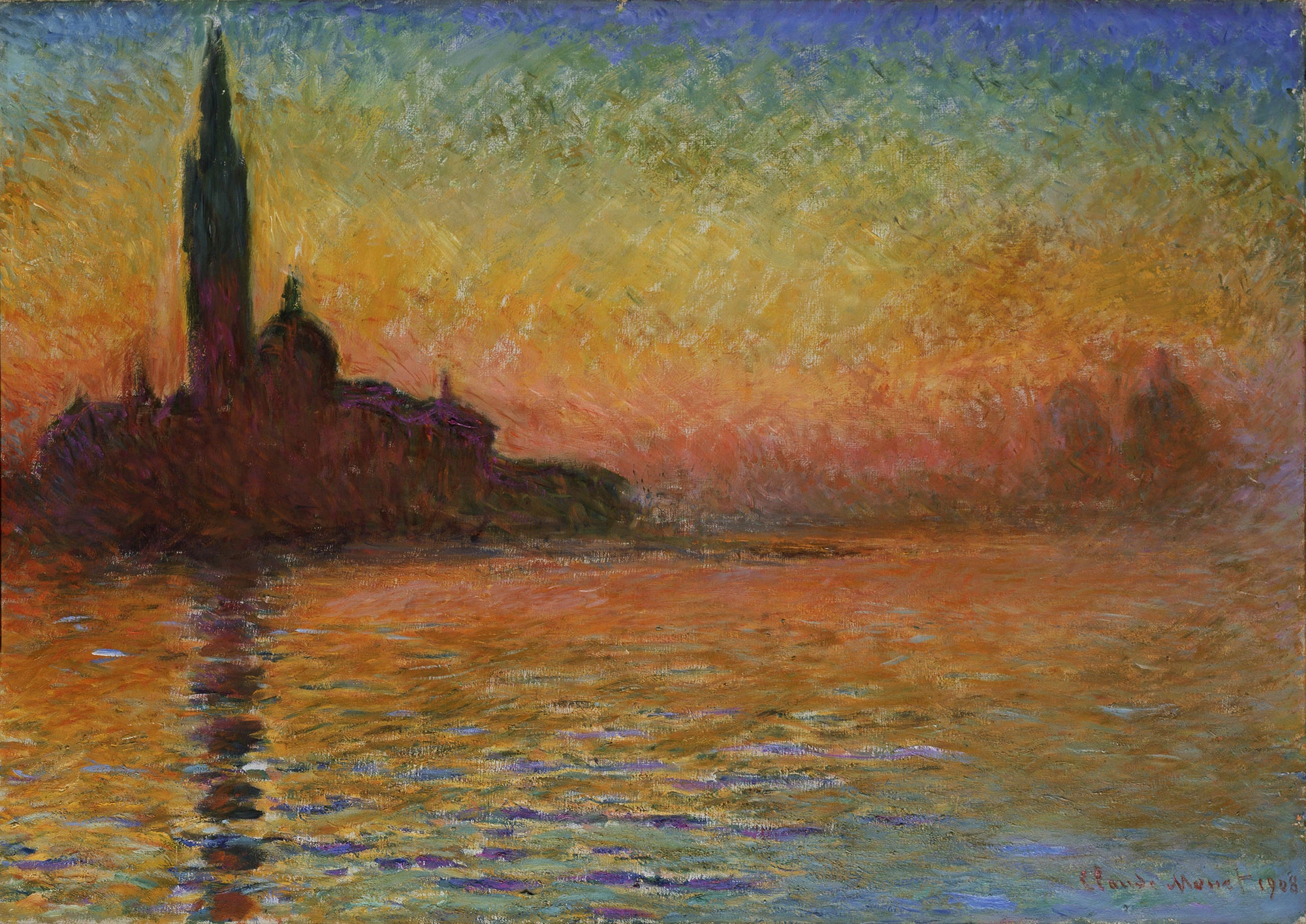
Claude Monet (1840–1926), San Giorgio Maggiore by Twilight, oil on canvas, 1908.
Claude Monet

(1840–1926), San Giorgio Maggiore by Twilight, oil on canvas, 1908

The sisters visited Venice in 1908 and 1909. The subject is the Palladian church of San Giorgio Maggiore, shown as a purple silhouette at twilight. Gwendoline acquired this work for £1,000 in October 1912.

Amgueddfa Cymru (Bequest of Gwendoline Davies, 1951) NMW A 2485.