Art

Grand portrait for a wedding in 1777

25 July 2007

Amgueddfa Cymru has an outstanding group of whole-length portraits from the 1770s. These include a work that was critical in establishing the reputation of the artist George Romney after his return from a career-making visit to Italy, and helped to make him the chief competitor of Reynolds and Gainsborough.

Elizabeth Harriet Warren

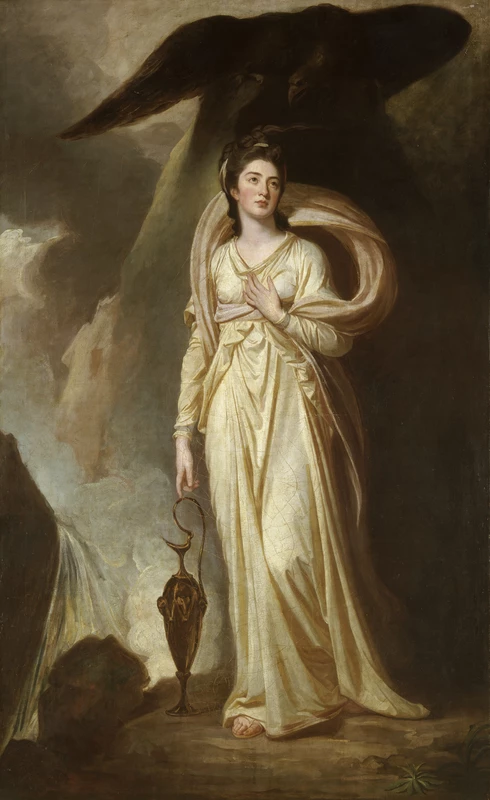
George Romney (1734-1802), Elizabeth Harriet Warren (Viscountess Bulkeley) as Hebe, c. 1776 Oil on canvas, 238.5 cm x 148 cm.

Romney had moved to London from Kendal in 1762 to seek success and fame. One of the pictures that began to make his reputation was a grand group portrait of the Warren family of Poyton, Cheshire, completed in 1769.  

Between 1773 and 1775 Romney travelled in Italy, to study classical and renaissance art first-hand and to increase his credibility with patrons. On his return to London he found himself largely forgotten. However, he leased a large house in Cavendish Square, and some of his former supporters came forward with new commissions.

Sir George Warren was one of the first, ordering a portrait of his daughter Elizabeth, to mark her wedding in April 1777 to Thomas, 7th Viscount Bulkeley of Beaumaris (1752-1822). The principal landowner in Anglesey, and an associate of Sir Watkin Williams-Wynn, he was MP for his county from 1774 to 1784, when he was made a British peer.

She sat for Romney on five occasions during May 1776. The artist then fell ill, and the final sitting took place in December. He put much thought into the composition, and there are sketches for it in several collections.

Ronmey had long wanted to establish himself as a painter of "histories" (works with a literary and moral message), and Elizabeth is depicted as Hebe, cupbearer of the gods and goddess of youthful beauty. Hebe's traditional attributes are a cup or ewer and the eagle, symbolic of her father Zeus. She was a popular allegorical persona for 18th-century portraits of young women.

This work exemplifies the "sublime and terrible" aspect of Romney's style. The mountain cascade is in austere, almost monochrome colour. The picture was intended to remind the viewer of classical sculpture. It was one of a number of neo-classical works that transformed his standing in 1776 and led to twenty years as London's busiest and most fashionable portrait-painter.

Elizabeth and Thomas Bulkeley had no children and her portrait, which hung in the drawing room of their Anglesey house, Baron Hill, was eventually inherited by his half-brother. It passed to the Williams-Bulkeley family until bought by the Museum (where it had been on loan since 1948) with the assistance of the Art Fund in 2000.

Further reading:

Fritz Saxl & Rudolph Wittkower, British Art and the Mediterranean , Oxford 1948, repr.63(4);

John Steegman, A Survey of Portraits in Welsh Houses, vol. 1, Houses in North Wales, National Museum of Wales, Cardiff 1957, p.25;

David Irwin, English Neoclassical Art, London 1966, p.152.
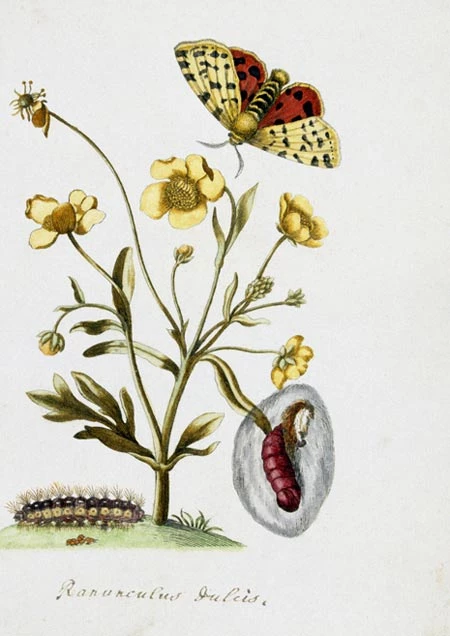
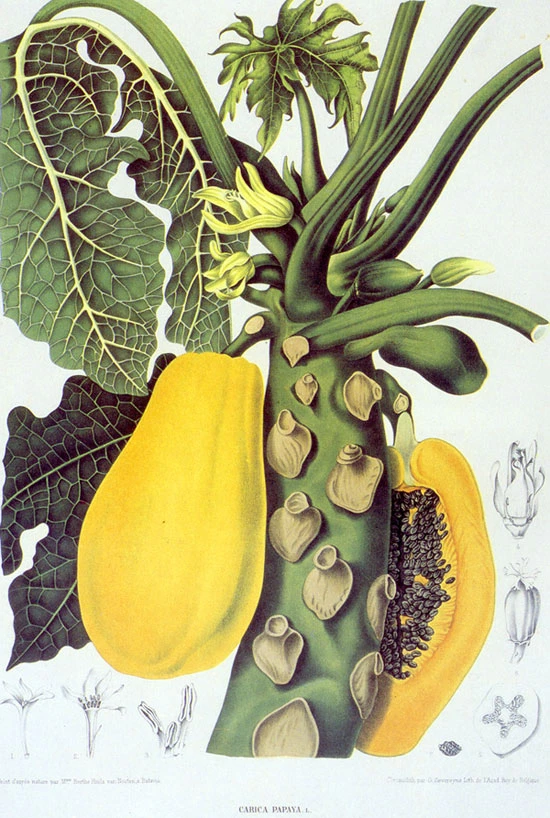
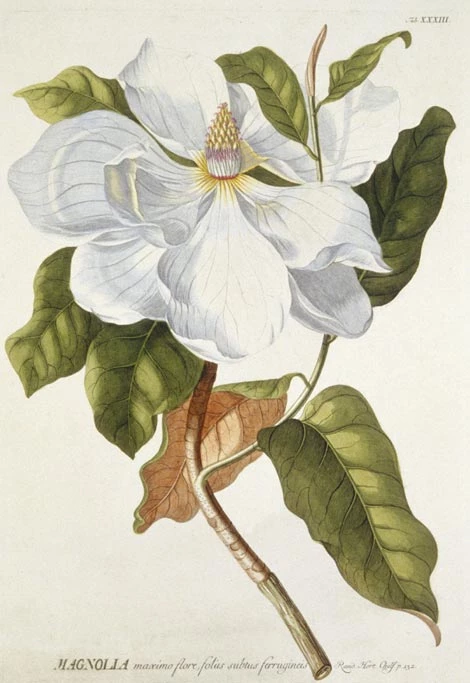
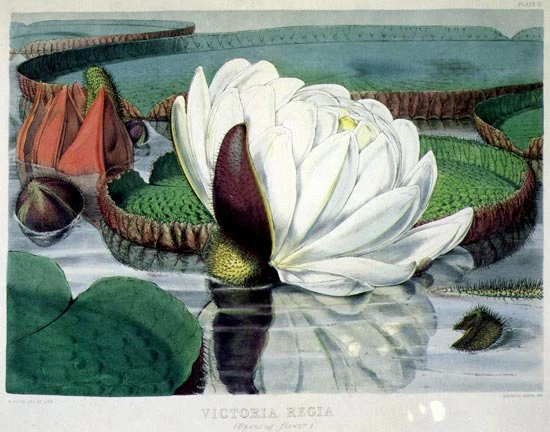
A marriage of art and science - botanical illustrations at Amgueddfa Cymru

12 July 2007

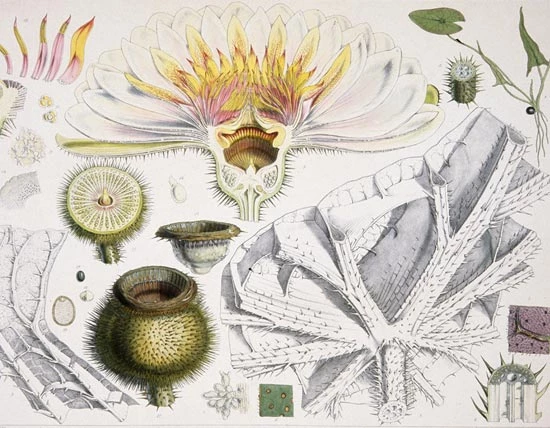
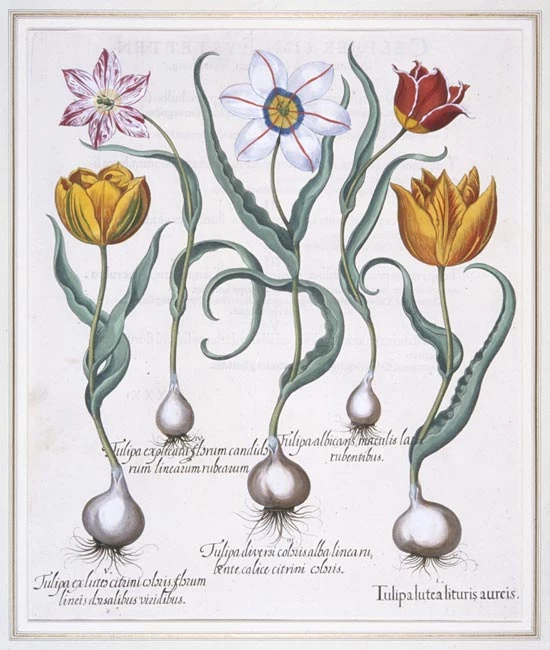
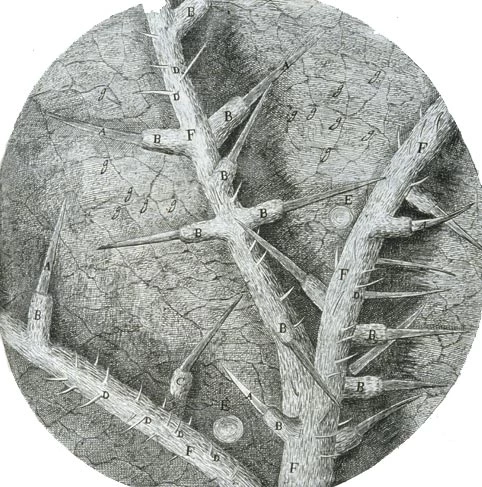
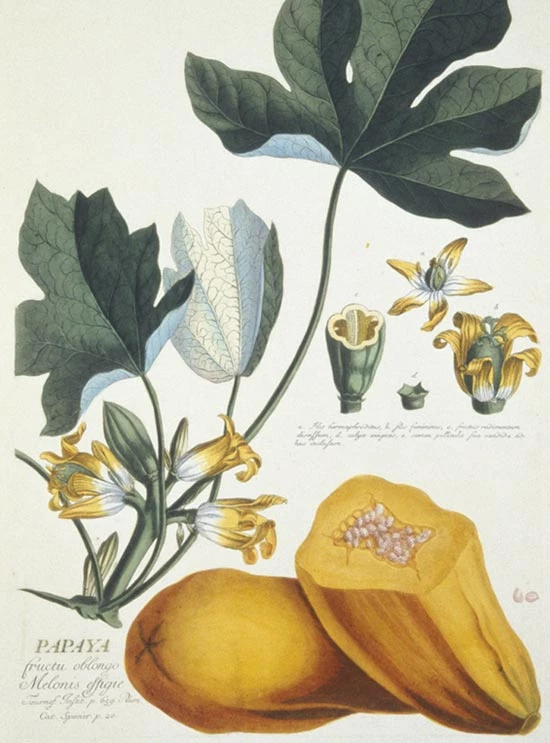
Botanical illustration

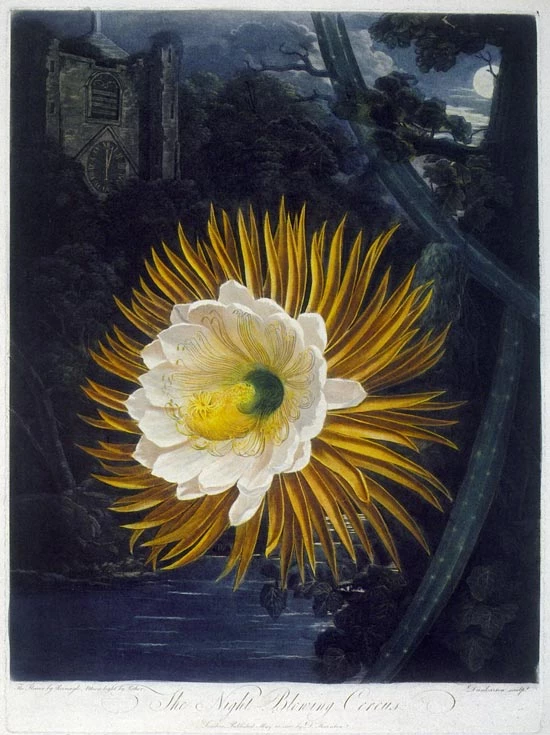
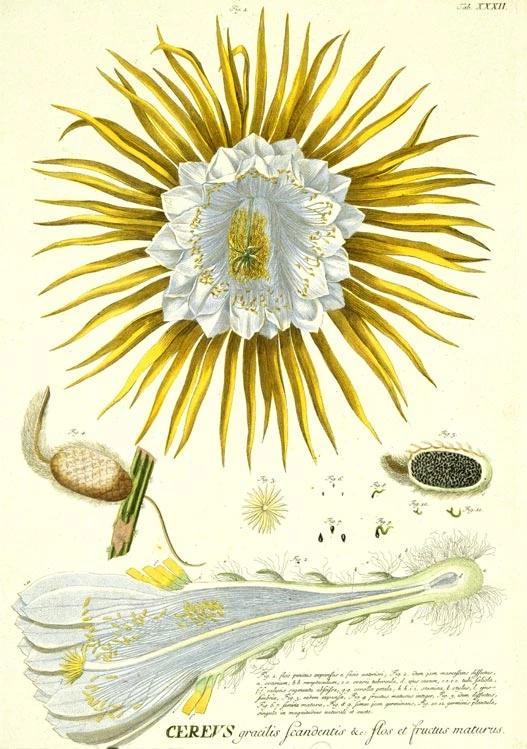
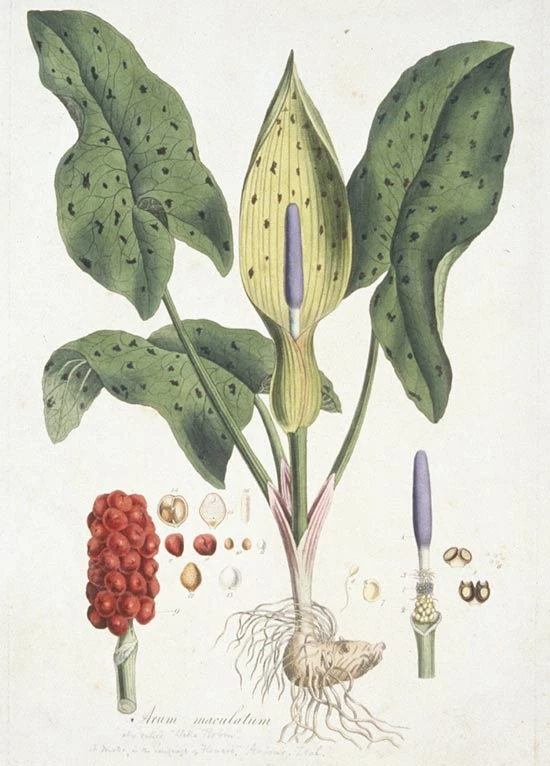
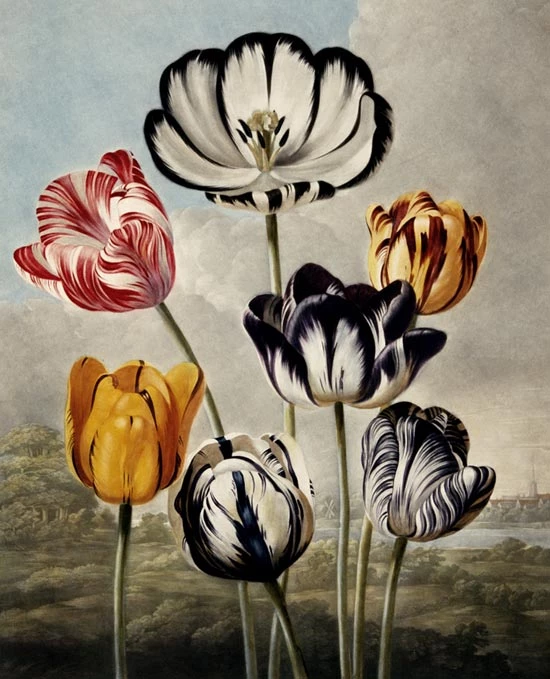
Mankind has always been fascinated by flowers and the plants on which they grow - by their beauty and their possibilities for healing and knowledge. The stories behind botanical illustrations are rich and intriguing in their own right - the desire to capture the flower before it fades often amounted to an obsession. Scientists risked life and limb to acquire new specimens and the collection of over 7,000 botanical prints and drawings at Amgueddfa Cymru reveals the human tales behind the history of botanical discovery.

A Sisley painting of the south Wales coast

6 July 2007

La falaise a Penarth, le soir, marée basseby Alfred Sisley
La falaise a Penarth, le soir, marée basse

by Alfred Sisley

The view at the same location today

The view at the same location today

Sisley and south Wales

Within the Museum's art collections is a view of the south Wales coast painted by Alfred Sisley - La falaise a Penarth, le soir, marée basse ('The cliff at Penarth, the evening, low tide'). Sisley's coastal views of 1897 are the only pictures of Wales ever painted by a leading Impressionist.

The first Impressionist exhibition

Born in Paris in 1839 to British parents, Alfred Sisley became a leading member of the circle of young painters who stood in opposition to the traditional art taught at the French Académie. In 1874, this group mounted the show that has gone down in history as the 'First Impressionist Exhibition'. Sisley participated in three of the next seven shows organized by the Impressionists between 1876 and 1886.

He never enjoyed the success of his friends Monet, Renoir and Pissarro and in 1882 he withdrew to the small town of Moret-sur-Loing near Fontainebleau, where he worked for the rest of his career, dying there in 1899.

a

Sisley paints south Wales

In the summer of 1897, Sisley visited south Wales, staying at 4 Clive Place, Penarth and on 5 August he married Eugenié Lescouezec at Cardiff Town Hall.

Sisley found Penarth stimulating. On 16 July he wrote "I have been here for a week ... The countryside is very pretty and the Roads with the big ships sailing into and out of Cardiff, is superb ... I don't know how long I shall stay at Penarth. I am very comfortable here, 'in lodgings' with some very decent folk. The climate is very mild, and has indeed been too hot these last few days, especially now as I write. I hope to make good use of what I see around me and to return to Moret in October, or thereabouts".

Sisley's 19 or so oil paintings of Penarth and Langland Bay near Swansea (where he stayed from 15 August until his return to Moret on 1 October) are his only sea pieces and show the energy and excitement of a new discovery. The Penarth seascapes are more atmospheric than the Langland views, which capture the intense heat and light of the Gower Peninsula.

Six Penarth views have so far been identified. One shows a tree at the cliff's edge with shipping and Penarth Pier in the background. Two show the view northwards up the Bristol Channel and three show the view southwards looking along the cliff's edge towards Lavernock. La falaise a Penarth is one of these southward looking views.

The evening light rakes sharply from the west, casting a mauvish shadow from the steep cliff over the beach below. It depicts low tide, with the rocks of Ranny Point and Lavernock Point clearly visible.

On 4 October 1897 an article in the French paper Le Journal observed: "The Impressionist master has brought back from Penarth and Langland Bay a series of admirable sea pieces, in which the strange flavour of that landscape, little frequented by painters, is rendered with an art that is as captivating as it is personal."

Sisley's vision marks a fundamental change in the interpretation of the Welsh landscape, replacing the Romantic outlook of Turner and his successors. He and his fellow Impressionists blazed a trail for the next generation, led by the native Welsh artists Augustus John and James Dickson Innes.

A magnificent Romantic Landscape

6 July 2007

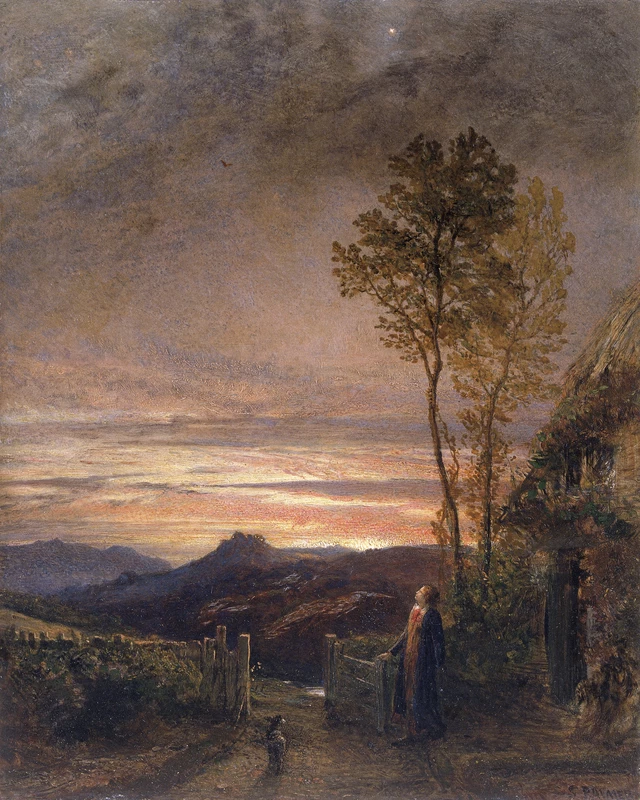
Samuel Palmer ranks among the most important British landscape painters of the Romantic Period. The first of his paintings to enter the collections of Amgueddfa Cymru is a landscape titled The Rising of the Lark.

'The Rising of the Lark' by Samuel Palmer
The Rising of the Lark

by Samuel Palmer.
Acquired 1990; Gift; Sidney Leigh through the National Art Collections Fund

Samuel Palmer (1805–51)

Samuel Palmer was the son of a London bookseller. His early work was profoundly influenced by the visionary poet and painter William Blake (1757–1827), whom Palmer met in 1824.

Palmer settled in the village of Shoreham in Kent. He created a symbolic language, using his pictures to celebrate the rural fruitfulness and pastoral simplicity of the world before the industrial revolution.

Palmer’s later work is more conventional and naturalistic. He travelled to Wales and other parts of Britain in the early 1830s, but no place inspired him as much as Shoreham.

Following his marriage to Hannah, the daughter of the artist John Linnell (1792—1882), his painting became increasingly geared to the requirements of the art market.

Inspired by a poem

The Rising of the Lark is inspired by lines from L’Allegro by the poet John Milton (1608–74), a favourite of the artist:

‘To hear the lark begin his flight,
And, singing, startle the dull night,
From his watch-tower in the skies,
Till the dappled dawn doth rise’

Through the rising sun and the joyful song of the lark, Palmer suggests a new beginning. The shepherd opening the gate through which the lamb will pass into the broad landscape may symbolise the stirrings of new life.

Palmer based this oil painting on a detailed drawing dating from his later time in Shoreham. His son Alfred Herbert Palmer wrote about the picture in his biography, The Life of Samuel Palmer. He suggests that it was painted soon after his father’s return from Italy in 1839.

The Romantic Period

This painting belongs to the Romantic period. At this time many artists, musicians and writers aimed to recapture a rural lifestyle which they felt was being lost to industrialisation.

The W. J. Grant-Davidson gift of Swansea and English pottery

5 July 2007

In 1994, forty pieces of pottery and porcelain were given to Amgueddfa Cymru.  They were the gift of W. J. Grant-Davidson a distinguished historian of the Welsh potteries. Amongst the collection were several unique and important items, manufactured in Swansea in the early 19th century.

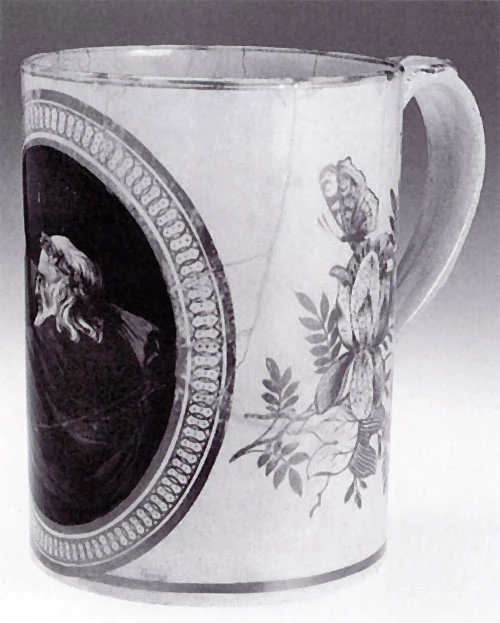
The Swansea earthenware tankard by William Weston Young.

The Swansea earthenware tankard by William Weston Young.

Generous gifts

One of the most interesting pieces is a large earthenware tankard. It was made at the Cambrian Pottery, Swansea, in the opening years of the 19th century. It is decorated with the head and shoulders of a druid. We can tell from the inscription that this was painted by William Weston Young (1776-1847). The decoration is unique, though Weston Young also painted a plaque with a druid cutting mistletoe (now in the Victoria and Albert Museum, London).

William Weston Young

William Weston Young worked at the pottery from 1803 until 1806 as a painter and as assistant to the owner, Lewis Weston Dillwyn. A land surveyor by profession, Weston Young was subsequently a partner in the Nantgarw China Works.

A pictorial puzzle

Other household items in the collection include a milk-pan, egg cups and a jug inscribed 'John Jinken 1793'. There is also a punchbowl decorated with a swan and a pike. This may have been made especially for the Pike family, who came from Dorset and shipped clay to Swansea. An image used as a pun like this is called a rebus.

Pioneer potter

Mr Grant-Davidson was also interested in English ceramics. There are ten examples from the mid 18th century in the collection he gave to the museum. As well as three fine Staffordshire stoneware teapots, there are two documentary pieces of Josiah Wedgwood's creamware. The collection includes one of the four known pieces of manganese decorated creamware, made by the potter Enoch Booth. Made in the first half of the 1740s, these may be the earliest examples of an earthenware body which is one of Britain's principal contributions to ceramic history.

Historian and collector

W. J Grant-Davidson was a distinguished historian of the Welsh potteries. He collected British ceramics from the late Middle Ages to the early 20th century. His best known publications are the article 'Early Swansea Pottery, 1764 - 1810' and the book ‘The Pottery of South Wales’. These feature many pieces from his collection.