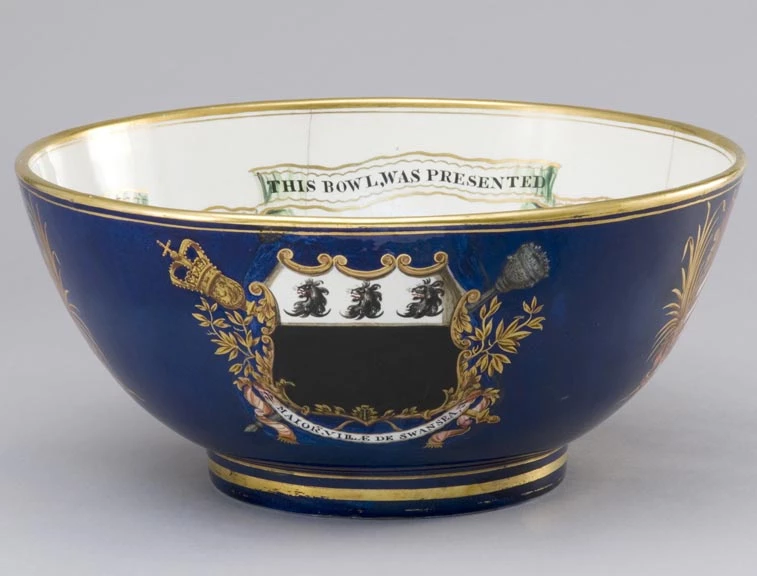
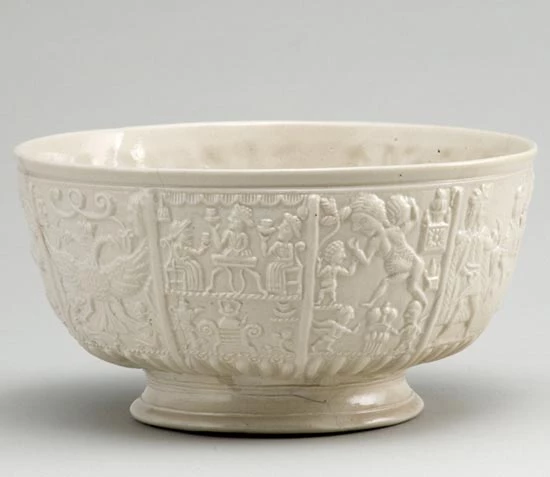
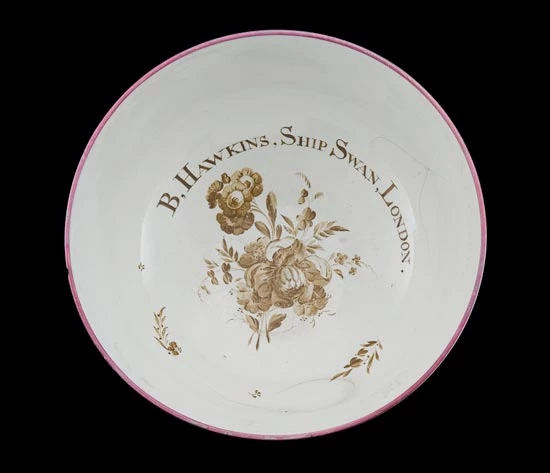
Drinking punch in the eighteenth century Rachel Conroy, 28 January 2011 Figure 1: Silver punch ladle with mahogany handle, by Dorothy Mills and Thomas Sarbitt, London, 1752-3. Figure 2: Silver gilt punch bowl designed by Robert Adam and made by Thomas Heming, London, 1771-2. Punch was first drunk in Britain in the 1650s. This was around the same time that tea, coffee and hot chocolate became available. By the turn of the eighteenth century, it was an incredibly popular drink. Making punch Punch was made using a mixture of expensive imported ingredients. The alcohol content was provided by rum or brandy, to which sugar, citrus fruit, spices – usually grated nutmeg – and water were added. The Punch Bowl Using an elegant ladle, punch was served from large communal bowls into individual glasses (Figure 1). One of the most important punch bowls in Amgueddfa Cymru’s collection is that designed by Robert Adam for Sir Watkin Williams-Wynn (Figure 2). It was commissioned to celebrate the success of Sir Watkin's horse, Fop, at the Chester Races and would have been displayed prominently on the sideboard at his fashionable London home. Punch was often drunk at gatherings of clubs and societies, usually held in taverns, coffee houses, or special punch-houses (Figure 3). These were almost exclusively attended by men. Drinking punch seems to have been a highly sociable act that strengthened social ties. A letter published in 1736 describes this eloquently: "…we hope nothing will ever hinder a Man drinking a Bowl of Punch with his Friend, that’s one of the greatest pleasures we enjoy in the Country, after our labour. Figure 3: Earthenware punch bowl by the Cambrian Pottery, Swansea, about 1800-1810. It is inscribed 'B, HAWKINS, SHIP SWAN, LONDON', suggesting it was used at a tavern or punch-house. Figure 4: Delftware punch bowl inscribed 'Edward Jones Scoole Master 1751', probably Liverpool, 1751. Figure 5: Large salt-glazed stoneware goblet, possibly by Mortlake, c. 1794-5. Punch bowls were made to commemorate special events; they were decorated with the names of guilds or societies, or masculine symbols such as ships. An interesting example in Amgueddfa Cymru’s collection is inscribed ‘Edward Jones Scoole Master 1751’ (Figure 4). It has a painting of a school teacher and his pupils reading together. It is easy to imagine such a personal object being commissioned by Edward Jones, or perhaps given to him as a gift. Raucous and uncivilised parties: During the first half of the eighteenth century, there was widespread alarm about the dangers of alcoholism, particularly resulting from the widespread availability of cheap, home-distilled gin. Excessive punch drinking was often associated with bad behaviour. Excessive drinking in general was often linked with moral decline, and punch parties were usually satirised by contemporary artists as raucous and uncivilised. William Hogarth’s A Midnight Modern Conversation, published in 1732/33, is perhaps the best known illustration of a punch party. It was immensely popular and was soon reproduced on punch bowls and other vessels for consuming and serving alcohol (Figure 5). Eighteenth century binge drinking Old Bailey records often support the linking of excessive punch drinking with unsociable, even criminal behaviour. This includes stealing expensive punch bowls from public houses and people’s homes and sharing a bowl of punch with a victim before swindling them. From around the 1750s, punch also began to be served from porcelain and earthenware punch-pots. These are very similar in form and sometimes in decoration to teapots, but are much larger (Figure 6). Unlike open punch bowls, punch pots enabled the drink to be served in a controlled manner by one person – just like tea. This mediated form of serving might have been considered more civilised and refined than communal punch bowls, where people could help themselves and easily drink to excess. Punch drinking was at its most popular during the mid-eighteenth century, but it continued to be enjoyed into the nineteenth century. A fine earthenware punch bowl was made for John Richardson by the Cambrian Pottery in 1845, the same year that he served as Mayor of Swansea (Figure 7). Interestingly, he commissioned the bowl as a birthday gift for his infant grandson and it is decorated with several Richardson coats of arms. Part of the inscription reads ‘GAILY STILL OUR MOMENTS ROLL, WHILST WE QUAFF THE FLOWING BOWL’. Figure 6: Soft-paste porcelain punch pot, Derby, 1760-2 Figure 7: Earthenware punch bowl by the Cambrian Pottery, Swansea, 1845. References: Harvey, Karen. 'Barbarity in a tea-cup? Punch, domesticity and gender in the eighteenth century', Journal of Design History, 21 (3) (2008), pp. 205-21. (unknown) 1736 A collection of all the pamphlets that were written pro and con on the British distillery, whilst the act for laying a duty upon the retailers of spirituous liquors, and for licensing the retailers thereof, was depending in Parliament. London. Eighteenth Century Collections Online. Web. 12 Jan 2010. http://galenet.galegroup.com/servlet/ECCO http://www.oldbaileyonline.org
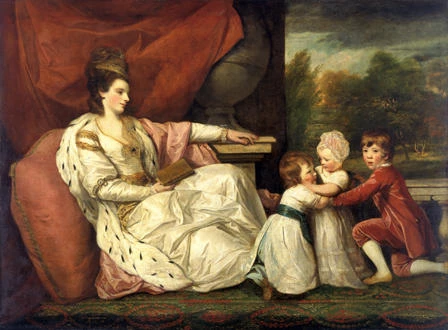
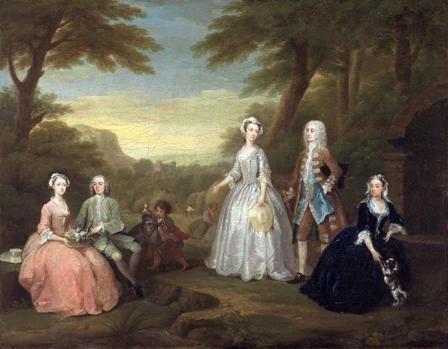
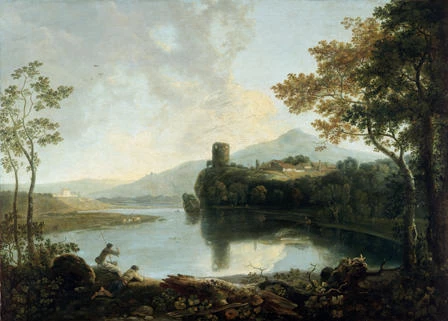
Becoming an Artist in the Eighteenth Century 8 October 2010 Joshua Reynolds (1723 - 1792), Charlotte (Grenville), Lady Williams-Wynn (1754-1830) and her Children, oil on canvas, purchased with assistance of the Art Fund and the National Heritage Lottery Fund 1998, NMW A 12964 William Hogarth (1697 - 1764), The Jones Family Conversation Piece, 1730, oil on canvas, Purchased with the assistance of the National Heritage Memorial Fund and the Art Fund 1996, NMW A 3978 Richard Wilson (1714 - 1782), Dolbadarn Castle, oil on panel, purchased 1937, NMW A 72 The social status of artists had traditionally been low. To earn the respect of his future clients, an artist needed a good general education, including some knowledge of geometry and of classical history and literature. Many were therefore the sons of middle-class professionals or tradesmen. An artist's training was still largely based on the traditional apprenticeship system. He became a pupil of an established artist, to whom he paid a fee. In return he was taught the technical skills of preparing paints and canvases, and learnt through example and by carrying out routine tasks. It was realised that more formal and structured training was also needed, and London had a number of drawing schools. The Welsh painter Thomas Jones attended two of these for eighteen months before beginning a two-year pupilage with Richard Wilson. Once he had achieved an acceptable level of skill, an artist might find work as a paid assistant, but eventually he had to establish his own practice. If he could afford it, a period of study abroad was a vital stage in developing a career. Nearly two hundred British and Irish artists travelled in Italy during the eighteenth century. Specialization Eighteenth-century British artists had to develop a particular skill that would attract customers. They did so by specializing in one of a number of 'branches' of painting. Theorists regarded history paintings, works with morally uplifting messages, often drawn from ancient history, as the 'highest' form of art. In practice the demand for history painting was largely met by the European Old Master paintings collected by the very wealthy. Most British painters were portraitists, as almost anyone who could afford it had their image taken — in miniature or in chalks or pencil, if an oil painting was too expensive. Reynolds cleverly flattered his aristocratic clients by giving their great portraits a touch of Old Master glamour. Some artists, notably Hogarth, developed the conversation piece of figures interacting in a domestic setting or painted 'fancy' or genre paintings of modern life. Others found a niche in painting animals, ships or flowers Landscape painting became increasingly popular as people's attitudes to nature changed. From being images of a place, it became a way of expressing ideals and emotions. Richard Wilson specialized in landscapes that conveyed the serenity of the classical world. Others sought to convey the beauty and grandeur they found in nature. The Emergence of a Profession To gain status and financial reward, artists had to leave their craft origins behind and establish themselves as professionals. They did this by becoming more highly skilled, but particularly by forming clubs and societies. These promoted members' interests, particularly through exhibitions, and kept out those felt not to be good enough. A number of leading artists, dissatisfied with the much larger Society of Artists, set up the Royal Academy of Arts in 1768. Membership was limited and by election. Its first President was Sir Joshua Reynolds (1723-1792), portrait painter and theorist, who mixed easily with the elite of the day. The Academy promoted professional status of artists and provide training. Success in its annual exhibition could make an artist's reputation. The Royal Academy's exhibitions were held in the 'Great Room' at Somerset House from 1780. Pictures were hung from floor to ceiling, and artists schemed to get their works 'on the line' — the potential purchaser's eye level. An artist also needed suitable premises in a fashionable area, to receive clients and show off his work. These were expensive but the prices that a successful artist could charge also increased sharply. Reynolds at the height of his success charged £200 for a full-length portrait, a sum which was then a middle-class annual salary.
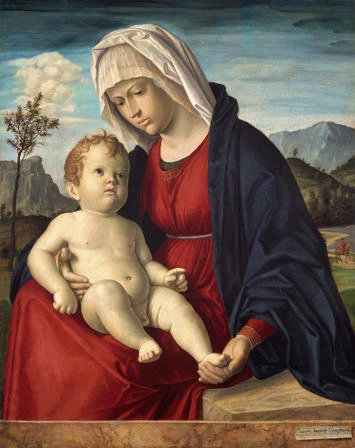
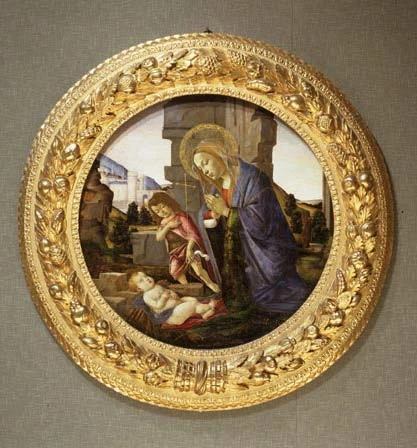
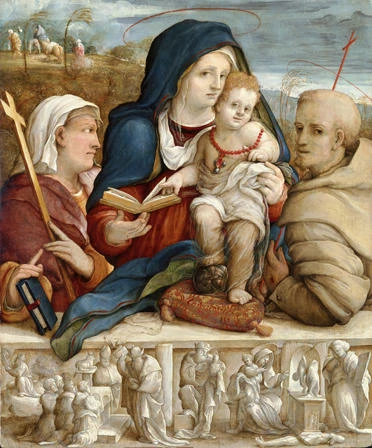
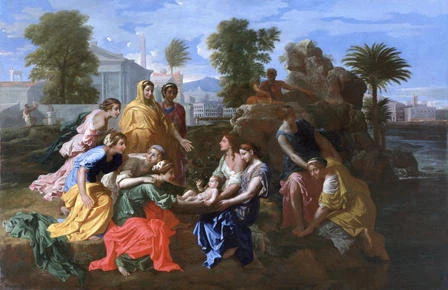
Art in Italy 1500-1700: The Renaissance 28 September 2010 Cima da Conegliano (1459 - 1517), Virgin and Child, oil on board, about 1500, Purchased, 1977, NMW A 240 Workshop of Alessandro Botticelli (1447 - 1510), Virgin adoring the Child with the young St John the Baptist, oil on board, bequeathed by Gwendoline Davies, 1951, NMW A 241 Amico Aspertini (c.1474 - 1552), Virgin and Child between Saint Helena and St Francis, oil on panel, purchased 1986, NMW A 239 Nicolas Poussin (1594 - 1665), The Finding of Moses, 1651, oil on canvas, Purchase jointly with the National Gallery, London, with assistance of National Heritage Memorial Fund and the Art Fund, 1988, NMW A 1 Claude Gellée, Le Lorrain (1600 - 1682), Landscape with St Philip Baptising the Eunuch, 1678, oil on canvas, purchased with the assistance of the Art Fund 1982, NMW A 4 In the fourteenth to sixteenth centuries, Italian scholars and artists developed a fresh interest in the ancient cultures of Greece and Rome. Architects and artists tried to recreate and improve on the ancient world, using a classical style for buildings and decoration, pictures and sculpture. Today this period is known as the Renaissance ('rebirth'). The heart of the Renaissance in the fourteenth and fifteenth centuries was Florence, the financial hub of Europe, and the most prosperous city in Italy. Supported by the Medici and other leading families, the arts flourished. The Renaissance soon developed in Italy's other city states, both major cities like Venice and Milan in the north and smaller ones like Mantua and Urbino. From the late fifteenth century, Florentine artists like Leonardo, Michelangelo and Raphael worked in the Vatican in Rome for a series of Popes. From the early sixteenth century Renaissance ideas spread to the rest of Europe, especially to France, the Netherlands and Germany, and later to Britain. Artists travelled abroad seeking work and sharing ideas, while the new technology of printing helped styles spread quickly. Style and Symbolism Artists of the Renaissance drew their inspiration from the art of classical Greece and Rome. They also tried to improve upon it, for example by perfecting the new system of linear perspective. Painted portraits and altarpieces, carved and cast statues, all show how artists studied the sculpture, gemstones, coins and medals of the ancient world. Architects used features from ancient Roman buildings — columns, arches, domes — in adventurous new ways. A wide range of everyday objects, from necklaces to wine cups, was produced to give a classical flavour to the lives of the wealthy. These were decorated with motifs taken from ancient sources. The educated élite of the Renaissance acquired works of art to symbolize social and cultural virtues inherited by them from the ancient world. They displayed modern craftsmanship — maiolica pottery, glass, pictures, bronze figures and medallions — alongside classical antiquities. Classical references in the subject matter and decoration were highly prized, as were sophisticated design and skilful use of materials. Later in the sixteenth century an exaggerated style known as Mannerism developed. From about 1600, the more dramatic and emotional Baroque style emerged, well suited to promote the religious themes of the Catholic Counter-Reformation. Northern Landscape Artists in Rome The Renaissance sparked a growing appreciation and interest in the natural world. Landscapes were often used as backgrounds for religious paintings. During the sixteenth century landscape painting gradually became more acceptable as an independent art form. In the seventeenth century landscapes became increasingly popular, although classical or biblical stories were still often included in the foreground. Artists from all over Europe flocked to Rome in the seventeenth century, attracted by the beauty of the Roman countryside and its classical ruins. These artists developed the classical landscape style. The French artists Claude Lorraine and Nicolas Poussin painted figures in serene landscape settings. They depicted nature as calm and idyllic, with every tree and rock carefully placed to create a balanced, idealized whole. How did these works of art come to Wales? A few European paintings are known to have been in Welsh homes by the second half of the seventeenth century. By the 1770s art collecting was an accepted aristocratic pastime. Welsh landowners like Sir Watkin Williams-Wynn acquired Italian, French and Dutch paintings of the seventeenth century. They also bought classical antiquities and commissioned work from foreign artists. Wales's nineteenth-century industrialization created new fortunes and new art collectors, among them Gwendoline and Margaret Davies , best known for their Impressionist paintings; and saw a new interest in earlier Renaissance art. Some of the Old Master paintings in Amgueddfa Cymru once hung in Welsh country houses. Others were given to the Museum by Welsh collectors, and they tell a fascinating story of how art has been appreciated in Wales over many generations.
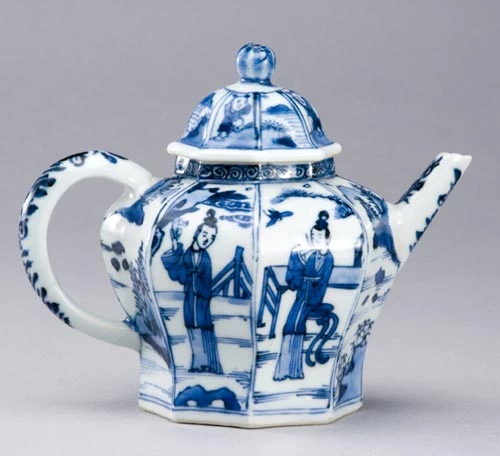
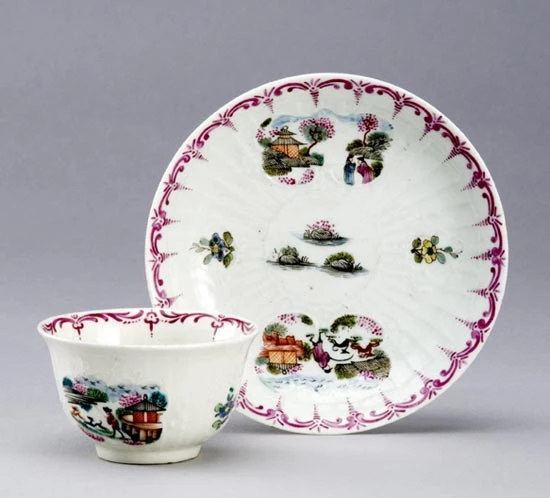
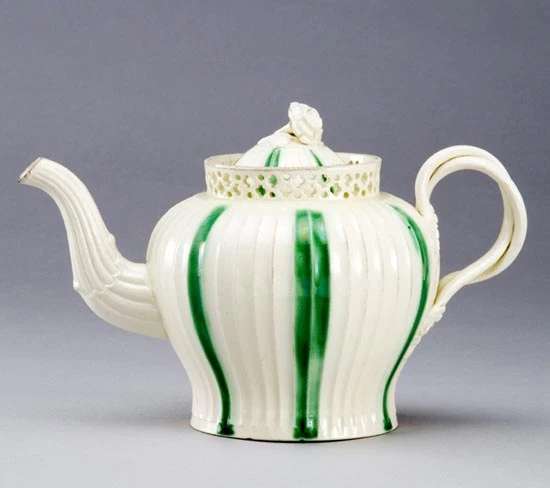
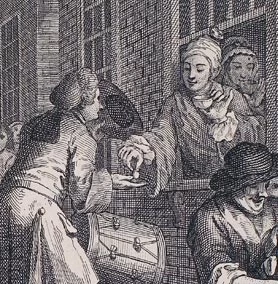
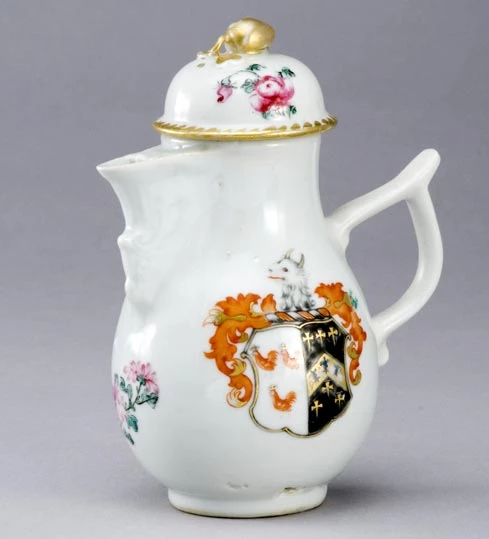
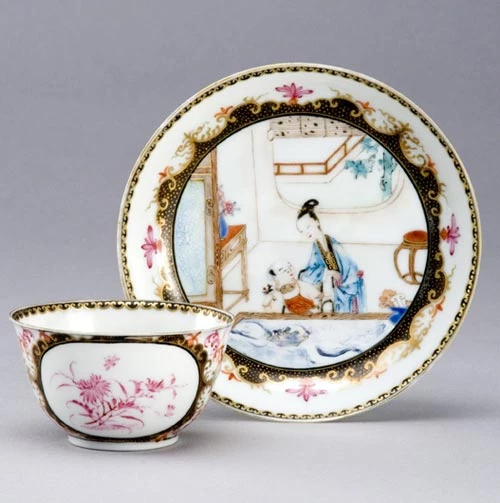
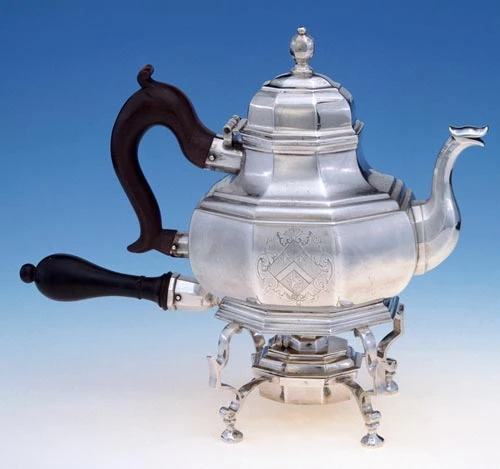
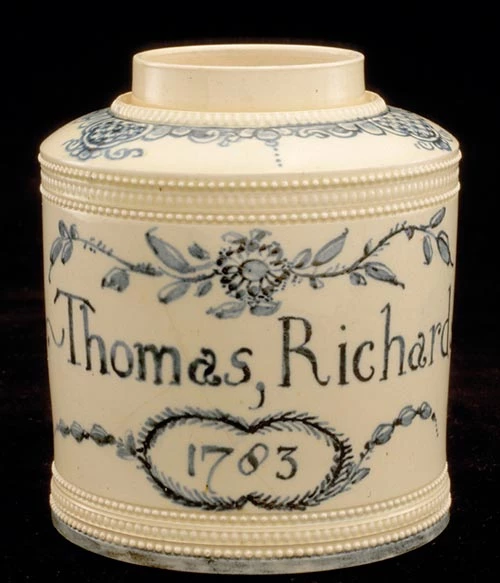
When tea-drinking was a fashionable, expensive habit Rachel Conroy, 25 June 2010 Figure 1: Chinese porcelain teapot, c. 1700-20 Figure 2: Chinese tea bowl and saucer, c. 1760-70 Figure 3: Creamware teapot, Leeds Pottery, c. 1775 Figure 4: Slop bowl, Staffordshire, 1740s Figure 5: Detail of William Hogarth, 'Industry and Idleness: The Industrious 'Prentice Married', 1747 Figure 6: Cream jug, Chinese porcelain, c. 1771. Part of a tea service made for Penry Williams (1714-1781) of Penpont, Brecon Figure 7: Porcelain tea bowl and saucer, Worcester, 1755-8 Figure 8: Tea kettle, stand and spirit lamp by Robert Watts, 1711-12. In the eighteenth century tea-drinking was a highly fashionable activity for the wealthy upper classes. Tea was first imported into Britain from China in the mid-seventeenth century by the East India Company. At first it was considered as something of a novelty and was promoted for its health-giving properties. Green tea The most common tea was bohea, a type of black tea, but green tea was also popular. At first it was drunk weak and without milk, after the Chinese tradition. Later, milk or cream and sugar were added. Teapots and (locked) teachests Only the wealthy could afford tea. It was kept in locked teachests that were controlled by the lady of the house. Domestic servants received a tea allowance as part of their wages. The eighteenth century saw an explosion in tea-related consumer goods, and there are many fine examples in the applied art collection at Amgueddfa Cymru. At first these were made from very expensive materials, particularly imported Chinese porcelain and silver (figs 1 & 2). Later, the production of cheaper ceramics and silver plate allowed the middle classes to follow the fashions of the very wealthy (fig. 3). Drinking tea became more commonplace in the late eighteenth century. The abolition of import duties in 1784 meant it became recognized as an important part of the diet for the poor. Taking afternoon tea Entertaining friends by hosting afternoon tea was an important part of women's lives. The selection of objects for the tea table was crucial. Visiting England in 1784, the Duc de Rochefoucauld commented that tea drinking provided "the rich with an opportunity to display their magnificence in the matter of tea-pots, cups and so on" (cited in Clifford 1999: 161). Guests were expected to conform to certain modes of behaviour and good manners, which included sticking to polite topics of conversation such as the arts, theatre and music. Tea bowls For most of the eighteenth century tea was drunk in the Chinese style, from a bowl without a handle. These were also known as "tea dishes" or "basons". A wonderful slop bowl, which was used at the table for rinsing dregs from used tea bowls, depicts three women enjoying tea together (fig. 4). The bowls are usually shown being held with the fingers at the rim and thumb under the base (fig. 5). Chinese exports Chinese porcelain teapots and bowls were exported along with the tea. They were prized for their translucency and white surface and were collected fanatically. Chinese porcelain manufacturers began to make tea-related objects purely for the European market, such as teapot stands, milk jugs, sugar basins, spoon trays and slop bowls (figure 6). Once they had uncovered the secrets of producing porcelain, Chinese teawares were widely reproduced by Continental and English factories (fig. 7). Kettles and urns Teapots were filled by hot-water kettles on grand stands or smaller table-top versions, with burners to keep the water hot (fig. 8). The kettles were eventually replaced in about the 1760s by tea urns heated by charcoal burners and, from the 1770s, with heated iron bars that slotted into a "sleeve" inside the urn (fig. 9). These "tea kitchens" or "tea fountains" allowed people to help themselves at less formal gatherings such as breakfast. The most elaborate examples also had additional urns for coffee and hot water. Moral and physical decline Eighteenth-century attitudes towards tea-drinking were quite mixed and contradictory. The obsessive collection of teawares was criticised by social commentators, with women being the most frequent target. Furthermore, afternoon tea was often claimed to be no more than an opportunity for women to spread malicious gossip or boast about themselves. A satirical poem, The Tea-Table, by 'Moses Oldfashion' was published in Mist's Weekly Journal in 1722: "...Chief Seat of Slander! Ever there we see Thick scandal circulate with right Bohea. There, source of black'ning Falshoods! Mint of Lies! Each Dame th'Improvements of her Talent tries, And at each Sip a Lady's Honour dies". Although at first tea was thought to have many health benefits, some commentators began to fear its popularity could cause physical decline. In 1753 Mr Andree described the dangers of "intemperate", excessive tea drinking, describing it as "pernicious", worsening epilepsy and causing hysteric fits. He also tells of a young girl who had been eating tea for a number of weeks, causing her to suffer facial palsy and convulsions (fig. 10). Thankfully, these objections did not diminish the British public's desire for tea and it has remained an important part of daily life. Although tea-drinking today is generally a far less formal affair than during the eighteenth century, it continues to be enjoyed and shared by millions of people everyday. References Andree, John. Cases of the epilepsy, Hysteric Fits, and St. Vitus's Dance, with the process of cure: interspersed with practical observations. To which are added, cases of the bite of a mad dog, and a method that has been found successful. The second edition, with emendations and additions in the introduction, and some new cases and Inspections of Dead Bodies (1753). London: printed for W. Meadows and J. Clarke, in Cornhill. Eighteenth Century Collections Online. Web. 12 Jan 2010. http://galenet.galegroup.com/servlet/ECCO Clifford, Helen. 'A commerce with things: the value of precious metalwork in early modern England', in M. Berg and H. Clifford (eds.) (1999) Consumers and Luxury: Consumer Culture in Europe 1650-1850, pp. 147-169. Manchester: Manchester University Press. Oldfashion, Moses. 'The Tea-Table', in (author unknown) A collection of miscellany letters, selected out of Mist's Weekly Journal (1722): 224-227. London: printed by N. Mist, in Great Carter-Lane. Eighteenth Century Collections Online. Web. 12 Jan 2010. http://galenet.galegroup.com/servlet/ECCO Article author: Rachel Conroy. Assistant Curator - Applied Art Figure 10: Tea jar or canister, Swansea, 1783 Figure 10: Tea jar or canister, Swansea, 1783
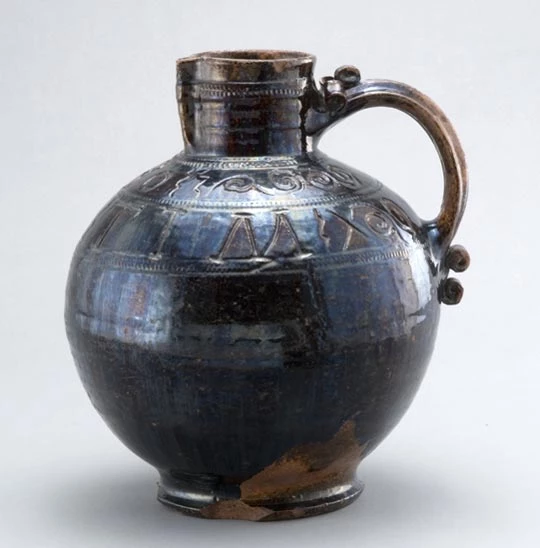
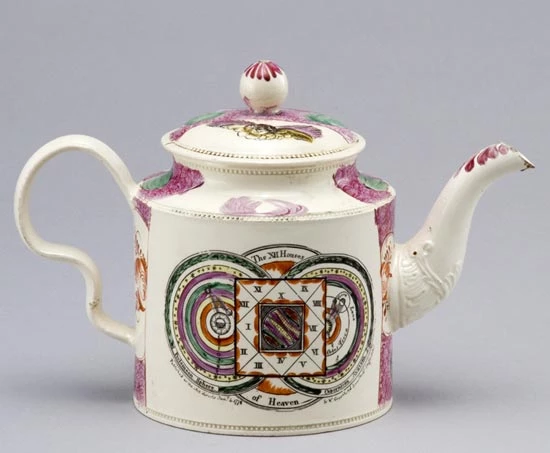
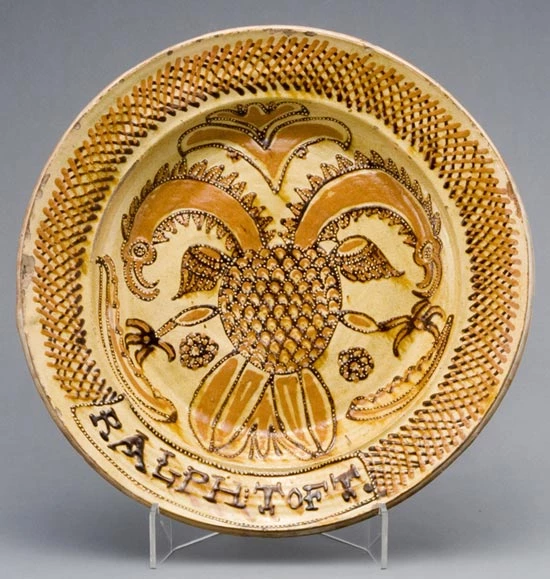
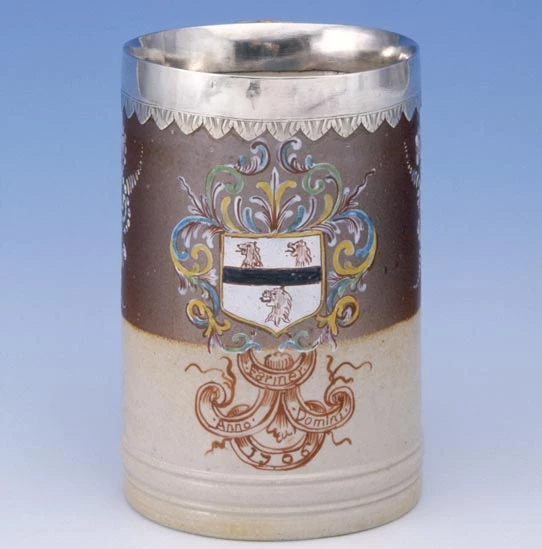
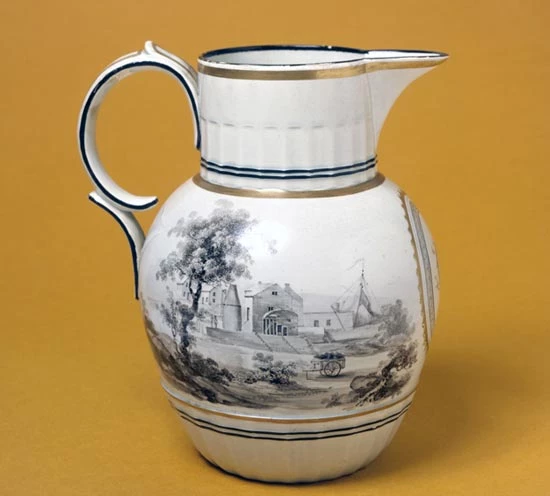
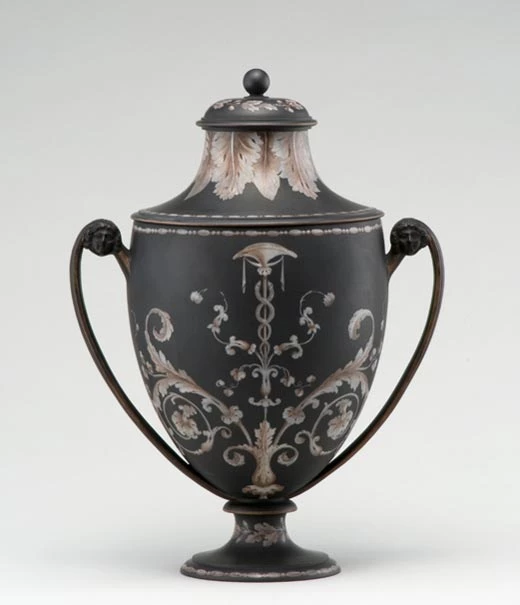
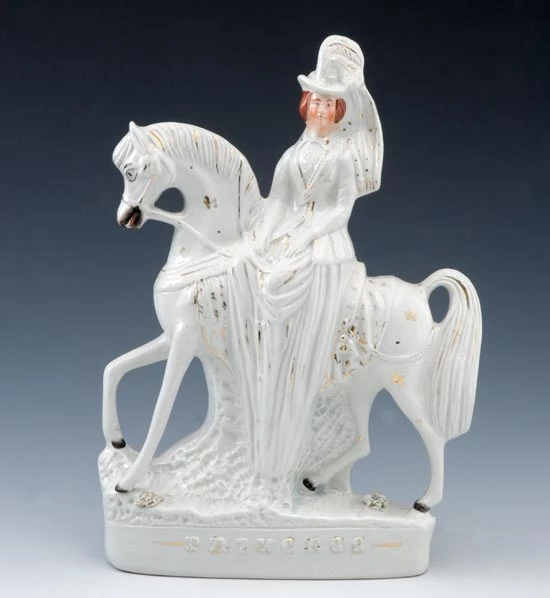
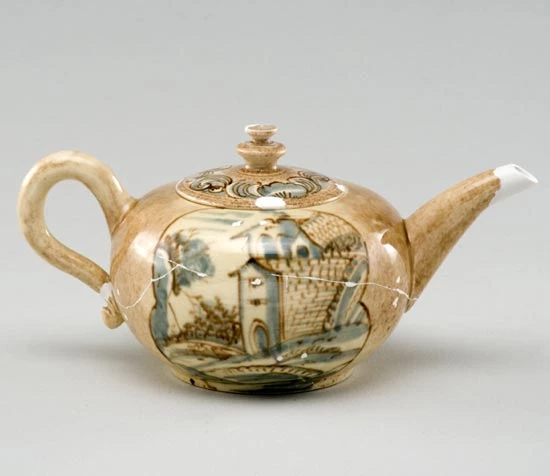
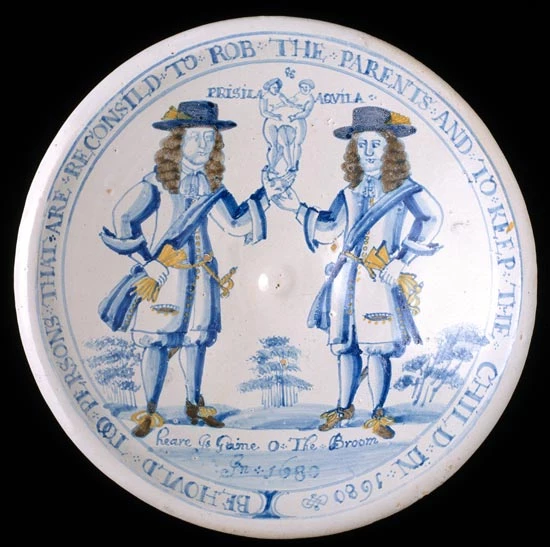
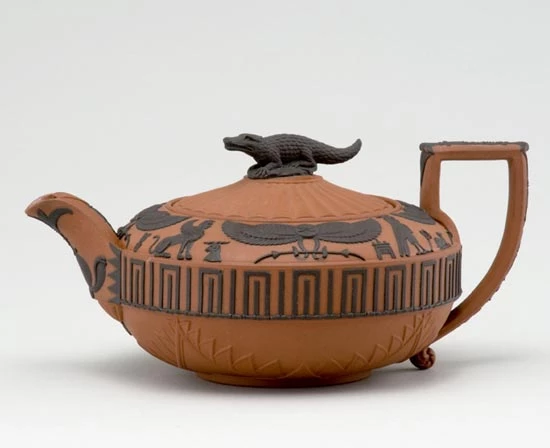
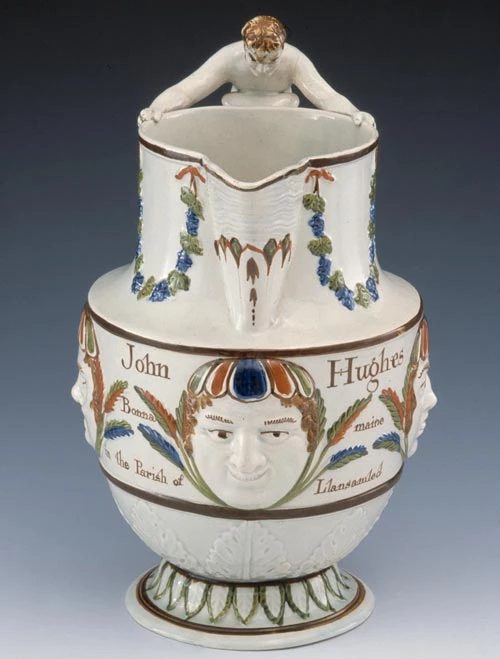
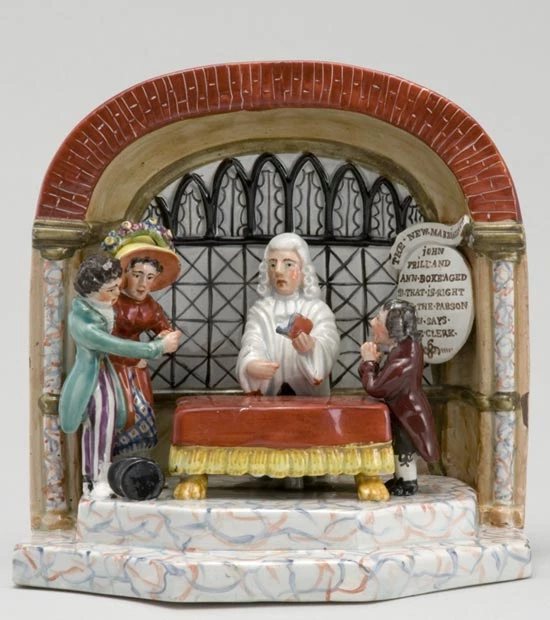
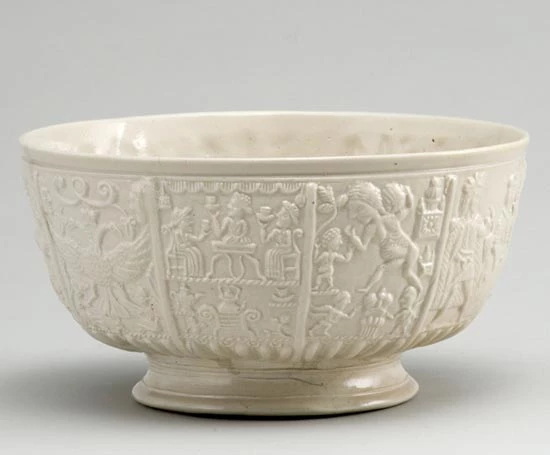
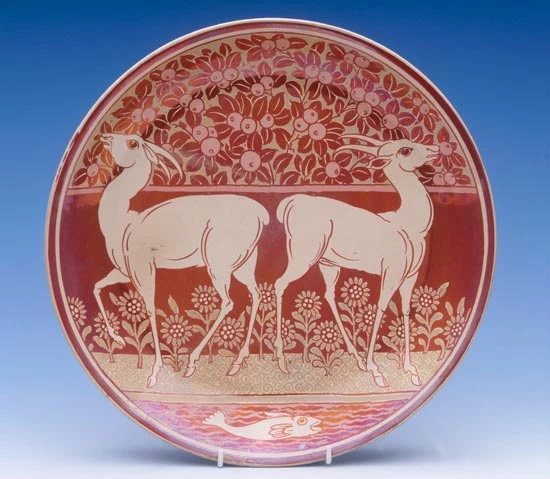
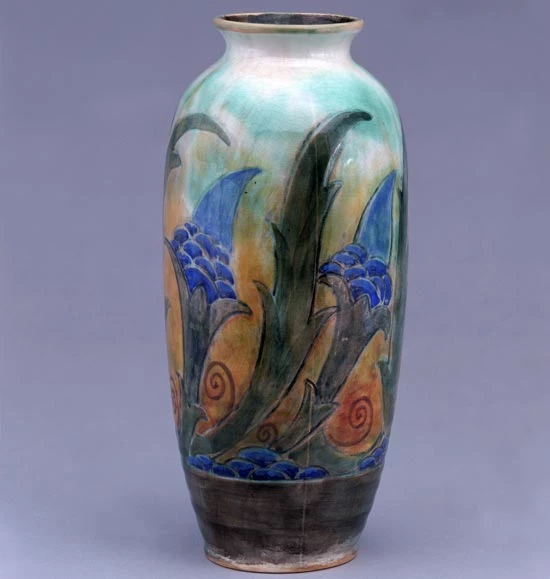
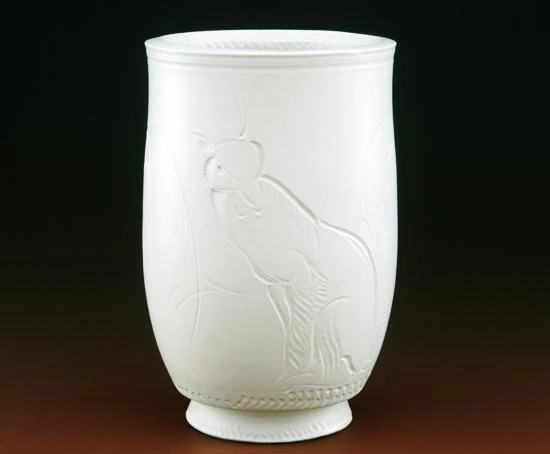
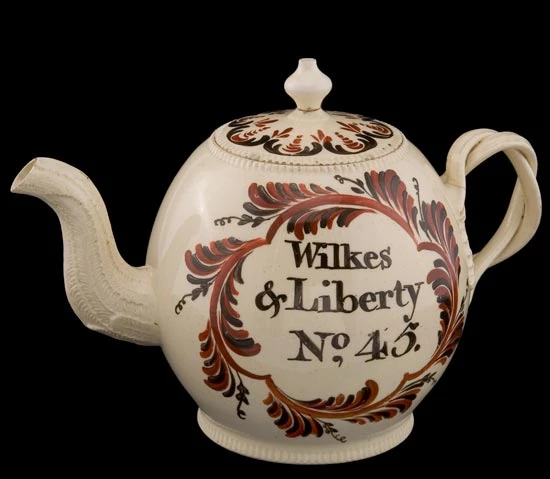
English Pottery at Amgueddfa Cymru Andrew Renton, 6 January 2010 1: Incised earthenware harvest jug, made in Gestingthorpe, Suffolk, in 1680. Purchased 1904. Amgueddfa Cymru boasts a magnificent collection of English pottery, the beginnings of which go back to the founding of the Museum. Generations of benefactors have ensured that the collection continues to thrive. The former Cardiff Municipal Museum began collecting ceramics in 1882, aiming to develop the best collection of Welsh pottery and porcelain that it could. By 1895 the Museum believed "that these collections are now the best and most representative in existence", and began to shift its attention to other areas of interest, such as English and continental ceramics. In 1896, Robert Drane became honorary curator. He was a passionate collector of Worcester porcelain, and had also selected the Museum's first acquisitions of Welsh porcelain. 2: Creamware teapot with printed and enamelled decoration on the theme of astrology, made by William Greatbatch, Staffordshire, about 1778. Purchased 1902. 3: Slipware dish with double-headed eagle, made by Ralph Toft, Staffordshire, about 1663-88. Purchased 1903. 4: Silver-mounted stoneware mug, enamelled with the arms of Farmer, Fulham, 1706. Purchased 1903. 9: Enamelled pearlware jug, made at the Ferrybridge Pottery, Yorkshire, about 1800. Bequeathed by Ernest Morton Nance, 1953. 10: Basalt stoneware vase with encaustic painting, made by Wedgwood and Bentley, about 1775-85. Given by Mr & Mrs F E Andrews, 1934 11: Earthenware figure of Alexandra, Princess of Wales (1844-1925), made in Staffordshire, about 1862. Bequeathed by Mrs H de C Hastings, 1995 12: Creamware teapot painted under the glaze in blue and manganese, made by Enoch Booth, Staffordshire, about 1743. Given by W J Grant-Davidson, 1994 The establishment of the National Museum of Wales At this time, Cardiff Municipal Museum was also pushing the case for a national museum for Wales, and its own ambition to evolve into that new institution. In 1902 it talked of "the growing national character of its collections" and so began building its collection of English pottery. Medieval to industrial Taking charge of this new collecting priority, Drane quickly assembled much of the English pottery now at the National Museum. The full breadth of the English pottery tradition was represented, from late medieval wares to seventeenth- and eighteenth-century stoneware, slipware and delftware and industrially produced wares pioneered in Staffordshire from the middle of the eighteenth century. [Illustration 1-2] Some outstanding objects included: a rare and magnificent seventeenth-century slipware dish by Ralph Toft of Staffordshire [Illustration 3] an important stoneware mug enamelled with the arms of Farmer and dated 1706 [Illustration 4] a remarkable Brislington delftware dish dated 1680, which exposes two Somerset squires who kidnapped a pair of conjoined twins to exhibit them as a money-raising venture. [Illustration 5] The Museum's pride in its achievement was obvious. A report on the Brislington delftware dish in 1905 states 'Very few of these dishes are known to exist, and the Cardiff example is perhaps the best of them.' 5: Delftware dish made in Brislington near Bristol, about 1680. Purchased in 1904 6: Rosso antico stoneware teapot, made by Wedgwood, Staffordshire, about 1810-20. Given by Wilfred de Winton, 1903. 7: Pearlware beer jug, inscribed for John Hughes of Llansamlet near Swansea and probably made by Ralph Wedgwood in Burslem, Staffordshire, or Ferrybridge, Yorkshire, about 1790-1800. Given by W S de Winton in 1904 8: The New Marriage Act, pearlware, believed when acquired to have been made in Swansea but in fact made in Staffordshire, about 1825. Purchased, 1941 Wilfred de Winton The banker Wilfred de Winton was a supporter of the national museum campaign, and later donated his huge collection of porcelain. His gifts of English pottery included an amusing pearlware beer jug moulded with faces showing the progressive stages of drunkenness, its handle in the form of a merman peering into the jug. [Illustration 6-7] At the time this jug was thought to have been made at the local Cambrian Pottery, but is in fact one of many supposedly Welsh pieces in the collection that have proved to be English. [Illustration 8] Ernest Morton Nance In 1953 Ernest Morton Nance bequeathed his collection of Welsh ceramics. Nance was particularly proud of his 'Cambrian Pottery' jug. He believed that its painted views of a pottery were in Swansea. In fact, this jug was also most likely made at Ralph Wedgwood's Ferrybridge pottery in about 1800. [Illustration 9] 13: Slip-cast salt-glazed stoneware slop bowl, made in Staffordshire, about 1740. Given by W J Grant-Davidson, 1994 14: Red stoneware teapot with moulded chinoiserie decoration, made in Staffordshire, about 1760-65. Given by W J Grant-Davidson, 1994 15: Earthenware dish painted in red and gold lustre by William de Morgan, about 1881. Purchased 1994 16: Hand-painted earthenware vase, designed by Frank Brangwyn for Royal Doulton, about 1930-35. Purchased 1972 The collection continues to grow Generations of benefactors have ensured that the collection of English pottery continues to thrive. [Illustration 10] Bequests have brought in extensive collections of lustre pottery (Lord Boston, 1942), mid-nineteenth-century pot lids (Miss E. A. Nicholl, 1981) and Victorian Staffordshire figures (Mrs H. Hastings, 1995). [Illustration 11] In 1994 the gift of W. J. Grant-Davidson, a scholar of Welsh pottery, included interesting Staffordshire pottery, the highlight being an important early creamware teapot of about 1743 by Enoch Booth. [Illustration 12-14] Amgueddfa Cymru also collects modern pottery, and has acquired such examples as a William de Morgan lustre dish and a Royal Doulton vase designed by Frank Brangwyn. [Illustration 15-16] Other modern pieces have come from the Museum's Outreach Collection, for example designs of the 1930s by architect Keith Murray for Wedgwood, and, in particular, from a generous gift from Mick Richards of an excellent collection of Susie Cooper's ceramics. [Illustration 17] The collection is still growing, including acquisitions such as a creamware teapot of about 1765, which commemorates the radical politician John Wilkes. [Illustration 18] 17: Thrown and incised earthenware vase, made by Susie Cooper Pottery, about 1932. Given by Mick Richards, 2003. 18: Creamware teapot celebrating John Wilkes, probably made and enamelled in Staffordshire, about 1763-68. Purchased 2009 Author: Andrew Renton, Head of Applied Art