: Furniture & Tableware

Uncovering our Collections: Half a Million Records now Online

26 March 2018

As we reveal half a million collection records for the first time, we look at some of the strangest and most fascinating objects from National Museum Wales Collections Online.

This article contains photos of human skeletal fragments.

The Biggest

We have some real whoppers in our collections - including a full-size Cardiff Tram and a sea rescue helicopter - but the biggest item in our collection is actually Oakdale Workmen's Institute.

Built in 1917, the Institute features a billiard room, dance hall and library - and is nowadays found in St Fagans National Museum of History.

Photograph from 1908 showing Horace Watkins in a very early, precarious-looking monoplane

Horace Watkins testing his monoplane in 1908

Many of the buildings in St Fagans are part of the national collection - meaning they have the same legal status as one of our masterpiece Monets or this coin hoard. The buildings are dismantled, moved, rebuilt - and cared for using traditional techniques, by the museum's legendary Historic Buildings Unit.
 

The Oldest


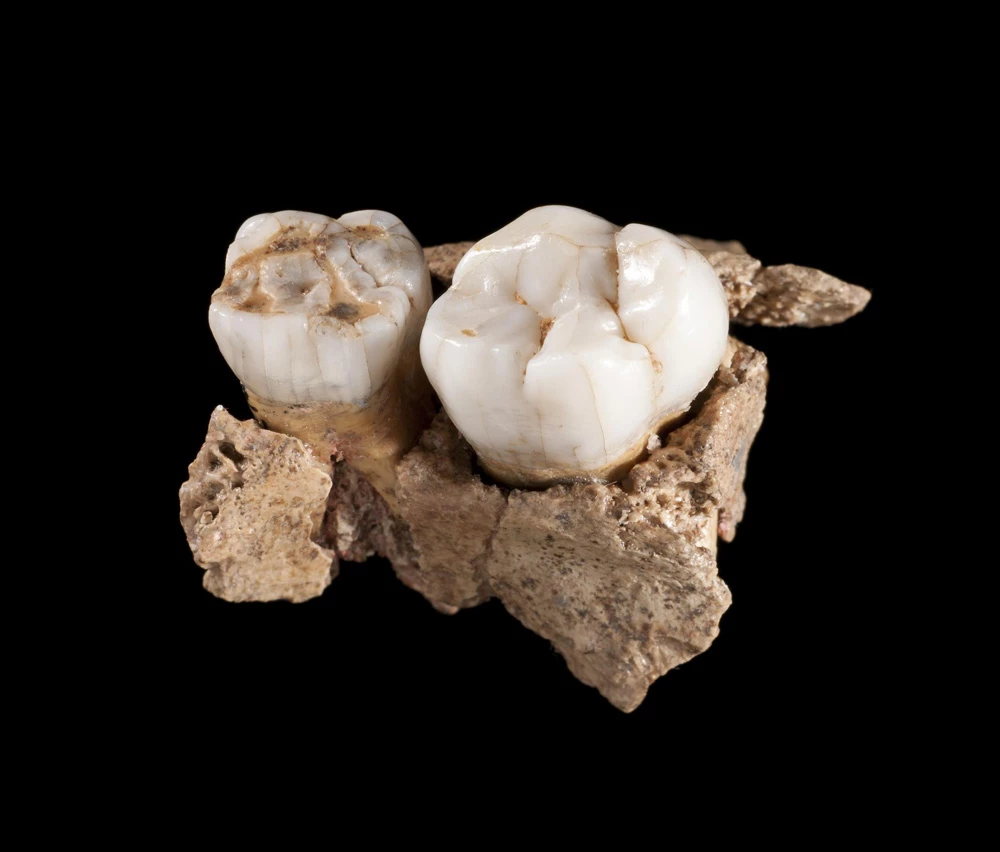
photograph of two teeth, belonging to a Neanderthal boy aged 8

The oldest human remains ever discovered in Wales

These teeth belonged to an eight year-old Neanderthal boy - and at 230,000 years old, they are the oldest human remains in Wales.

They were discovered in a cave near Cefn Meiriadog in Denbighshire, along with a trove of other prehistoric finds, including stone tools and the remains of a bear, a lion, a leopard and a rhinocerous tooth.

These teeth are among some of the incredible objects on display at St Fagans National Museum of History
 

The Shiniest

People in Wales have been making, trading and wearing beautiful treasures from gold for thousands of years - like this Bronze Age hair ornament and this extremely blingy Medieval signet.


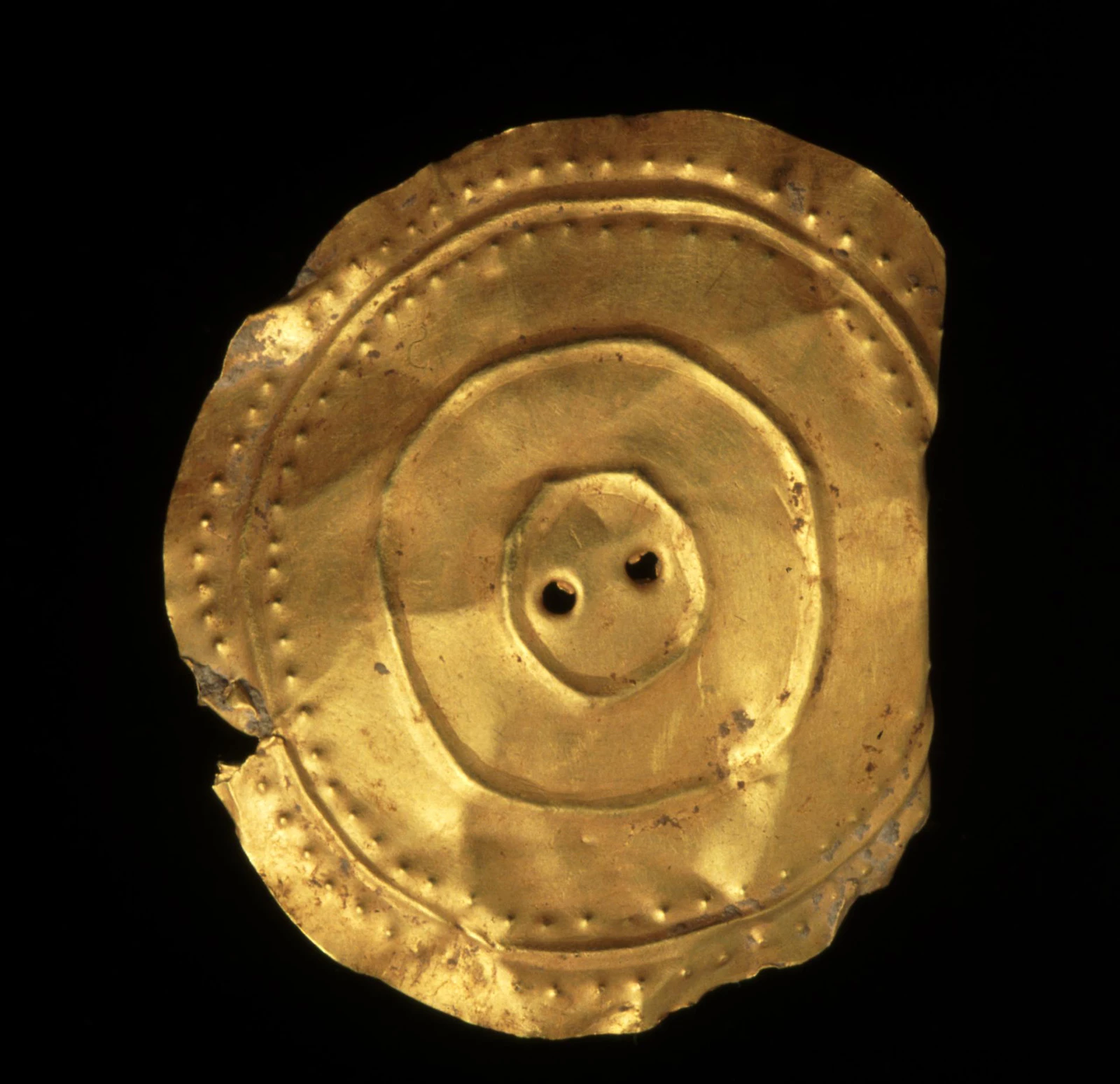
photograph of gold disc with repousse design

At around 4000 years old, this sun disc is one of the earliest and rarest examples of Welsh bling

One of the earliest examples of Welsh bling is this so-called 'sun disc', found near Cwmystwyth in Ceredigion.

Current research suggests that these 'sun discs' were part of ancient funeral practice, most likely sewn onto the clothes of the dead before their funerals. Only six have ever been found in the UK.
 

Most Controversial

At first glance, an ordinary Chapel tea service - used by congregations as they enjoyed a 'paned o de' after a service. A closer look reveals the words - 'Capel Celyn'. The chapel, its graveyard and surrounding village are now under water.


Photograph showing a cup and saucer with 'Capel Celyn' and a ribbon scroll design

Capel Celyn, in the Tryweryn Valley, is now underwater

Flooded in 1965 by the Liverpool Corporation, the Tryweryn valley became a flashpoint for Welsh political activism - creating a new generation of campaigners who pushed for change in how Welsh communities were treated by government and corporations.

Curators from St Fagans collected these as an example of life in Capel Celyn - to serve as a poignant reminder of a displaced community, and to commemorate one of the most politically charged moments of the 20th century in Wales.
 

Honourable Mention: an Airplane made from a Dining Room Chair

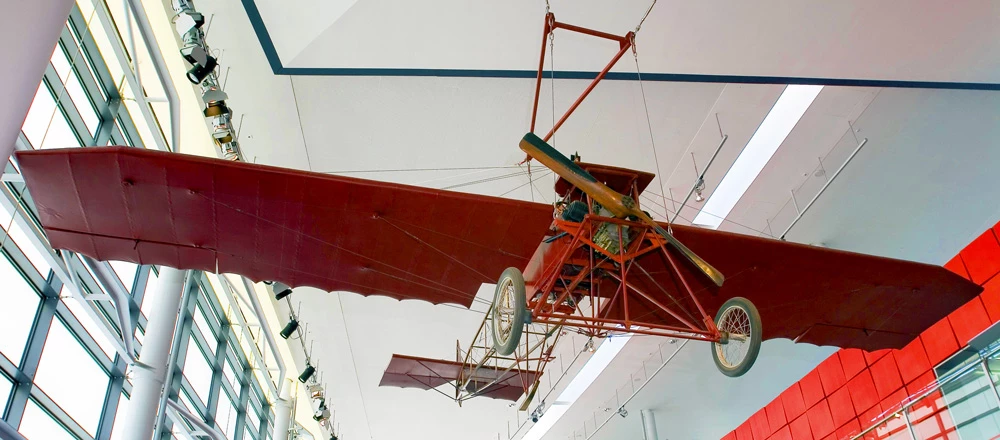
Made from a dining room chair, piano wire and a 40 horsepower engine, the Robin Goch (Red Robin) was built in 1909 - and also features a fuel gauge made from an egg timer.


photograph of a small, early twentieth century airplane with red wings

The Robin Goch (Red Robin) on display at the National Waterfront Museum

Its builder, Horace Watkins, was the son of a Cardiff printer - here he is pictured with an earlier, even more rickety version of his famous monoplane.
 

Photograph from 1908 showing Horace Watkins in a very early, precarious-looking monoplane

Horace Watkins testing his monoplane in 1908

Our collections are full of stories which reflect Wales' unique character and history. The Robin Goch is one of the treasures of the collection, and is an example of Welsh ingenuity at its best.

Half a Million Searchable Items

The launch of Collections Online uncovers half a million records, which are now searchable online for the first time.

“Collections Online represents a huge milestone in our work, to bring more of our collections online and to reach the widest possible audience.

It’s also just the beginning. It’s exciting to think how people in Wales and beyond will explore these objects, form connections, build stories around them, and add to our store of knowledge." – Chris Owen, Web Manager
 

Search Collections Online

Plans for the future

Our next project will be to work through these 500,000 records, adding information and images as we go.

We'll be measuring how people use the collections, to see which objects provoke debate or are popular with our visitors. That way, we can work out what items to photograph next, or which items to consider for display in our seven national museums.

Preparing and photographing the collections can take time, as some items are very fragile and sensitive to light. If you would like to support us as we bring the nation's collections online, please donate today - every donation counts.


Donate Today


We are incredibly grateful to the People's Postcode Lottery for their support in making this collection available online.
 

English Pottery at Amgueddfa Cymru

Andrew Renton, 6 January 2010

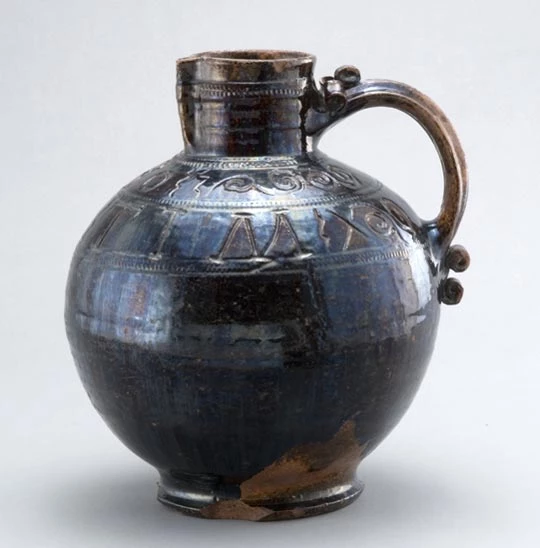
Incised earthenware harvest jug, made in Gestingthorpe, Suffolk, in 1680. Purchased 1904.

1: Incised earthenware harvest jug, made in Gestingthorpe, Suffolk, in 1680. Purchased 1904.

Amgueddfa Cymru boasts a magnificent collection of English pottery, the beginnings of which go back to the founding of the Museum. Generations of benefactors have ensured that the collection continues to thrive.

The former Cardiff Municipal Museum began collecting ceramics in 1882, aiming to develop the best collection of Welsh pottery and porcelain that it could. By 1895 the Museum believed "that these collections are now the best and most representative in existence", and began to shift its attention to other areas of interest, such as English and continental ceramics.

In 1896, Robert Drane became honorary curator. He was a passionate collector of Worcester porcelain, and had also selected the Museum's first acquisitions of Welsh porcelain.

The establishment of the National Museum of Wales

At this time, Cardiff Municipal Museum was also pushing the case for a national museum for Wales, and its own ambition to evolve into that new institution. In 1902 it talked of "the growing national character of its collections" and so began building its collection of English pottery.

Medieval to industrial

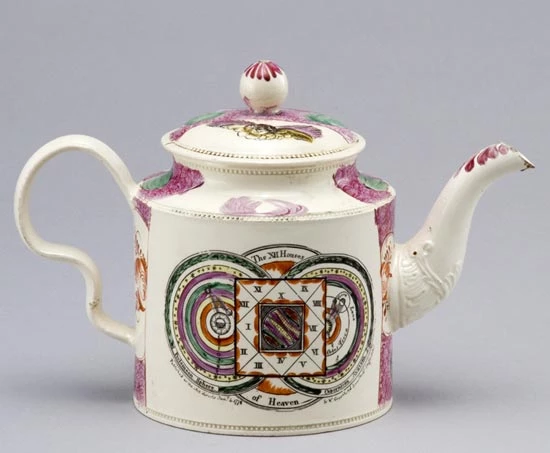
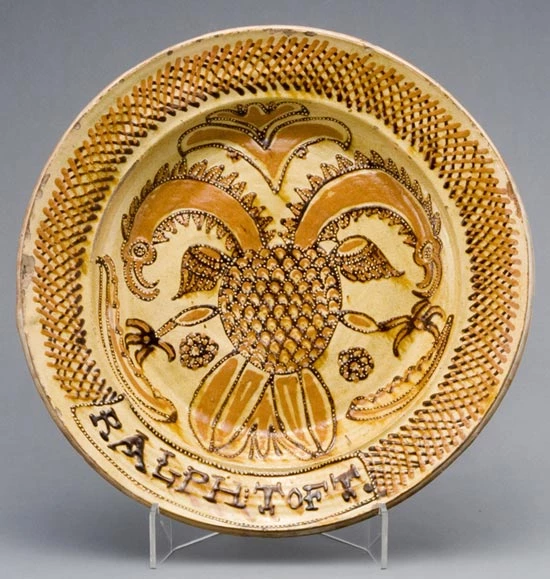
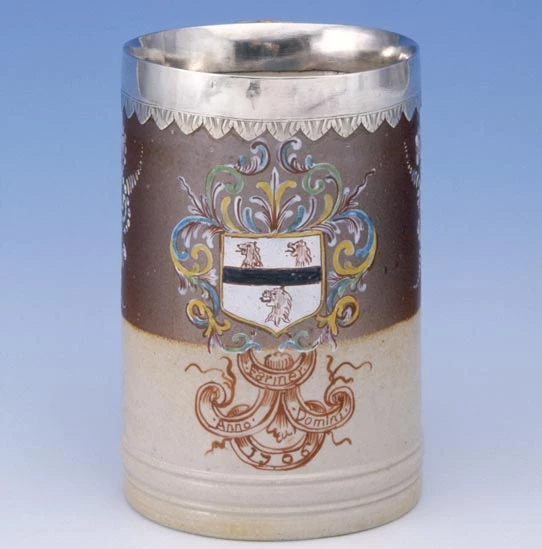
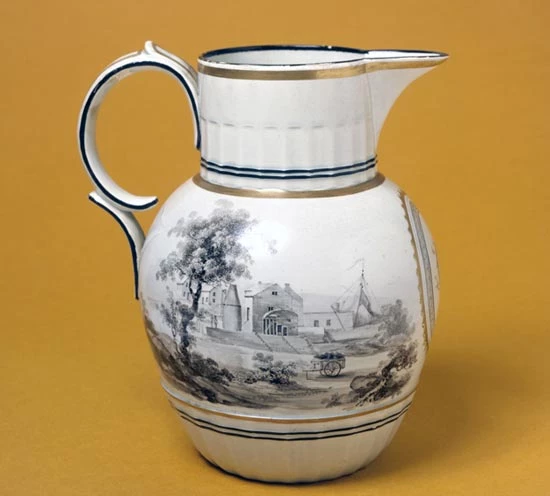
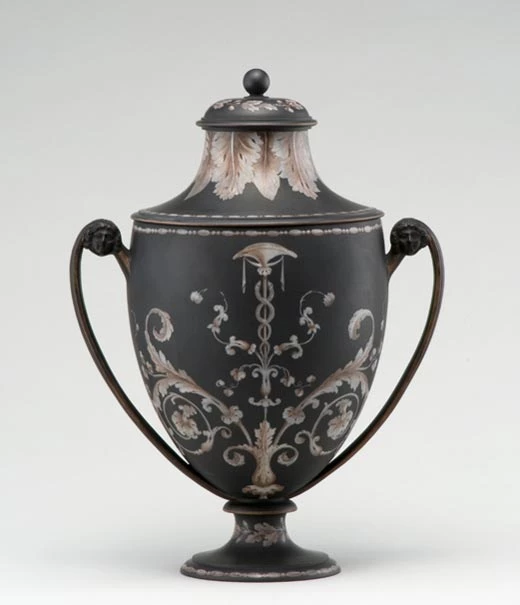
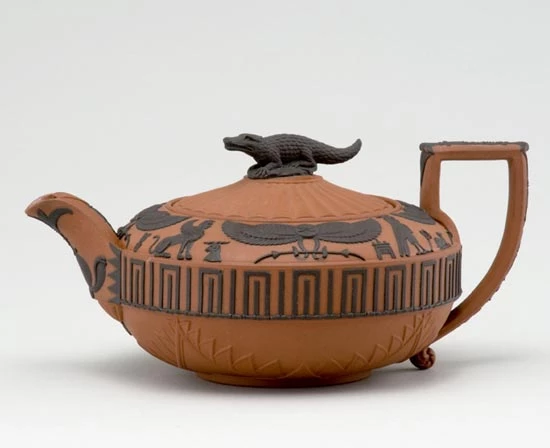
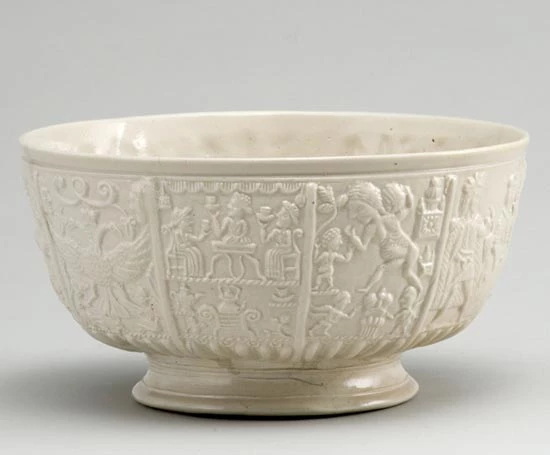
Taking charge of this new collecting priority, Drane quickly assembled much of the English pottery now at the National Museum. The full breadth of the English pottery tradition was represented, from late medieval wares to seventeenth- and eighteenth-century stoneware, slipware and delftware and industrially produced wares pioneered in Staffordshire from the middle of the eighteenth century. [Illustration 1-2]

Some outstanding objects included:

  • a rare and magnificent seventeenth-century slipware dish by Ralph Toft of Staffordshire [Illustration 3]
  • an important stoneware mug enamelled with the arms of Farmer and dated 1706 [Illustration 4]
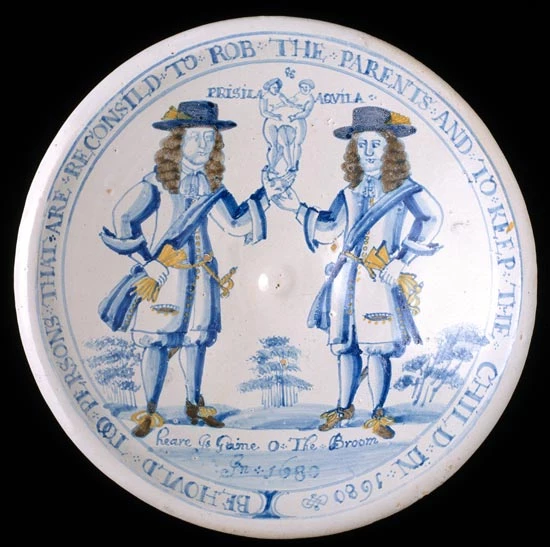
  • a remarkable Brislington delftware dish dated 1680, which exposes two Somerset squires who kidnapped a pair of conjoined twins to exhibit them as a money-raising venture. [Illustration 5]

The Museum's pride in its achievement was obvious. A report on the Brislington delftware dish in 1905 states 'Very few of these dishes are known to exist, and the Cardiff example is perhaps the best of them.'

Wilfred de Winton

The banker Wilfred de Winton was a supporter of the national museum campaign, and later donated his huge collection of porcelain.

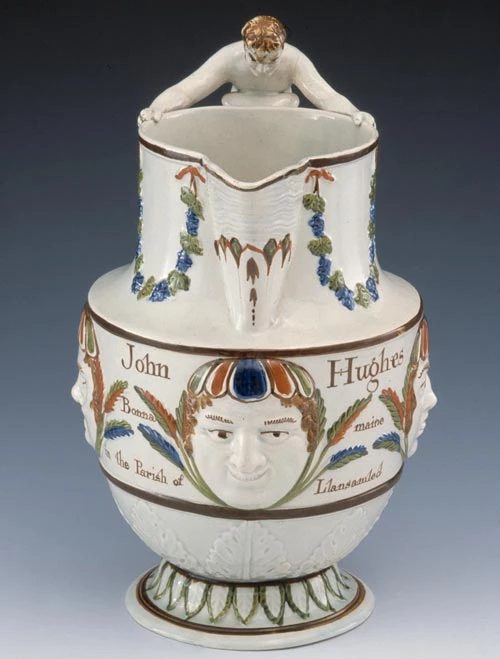
His gifts of English pottery included an amusing pearlware beer jug moulded with faces showing the progressive stages of drunkenness, its handle in the form of a merman peering into the jug. [Illustration 6-7] At the time this jug was thought to have been made at the local Cambrian Pottery, but is in fact one of many supposedly Welsh pieces in the collection that have proved to be English. [Illustration 8]

Ernest Morton Nance

In 1953 Ernest Morton Nance bequeathed his collection of Welsh ceramics. Nance was particularly proud of his 'Cambrian Pottery' jug. He believed that its painted views of a pottery were in Swansea. In fact, this jug was also most likely made at Ralph Wedgwood's Ferrybridge pottery in about 1800. [Illustration 9]

The collection continues to grow

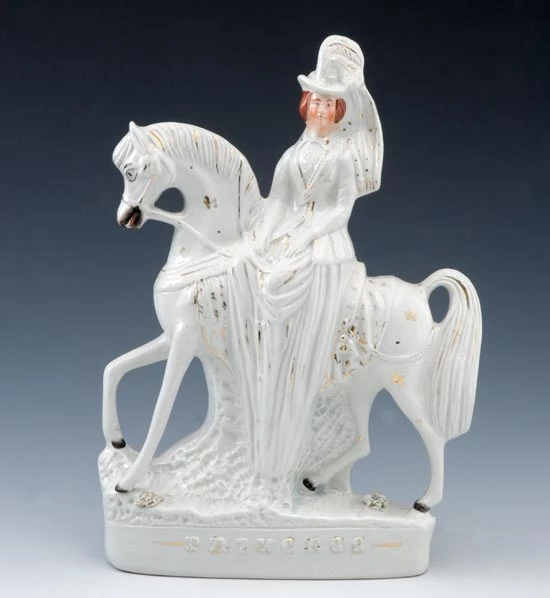
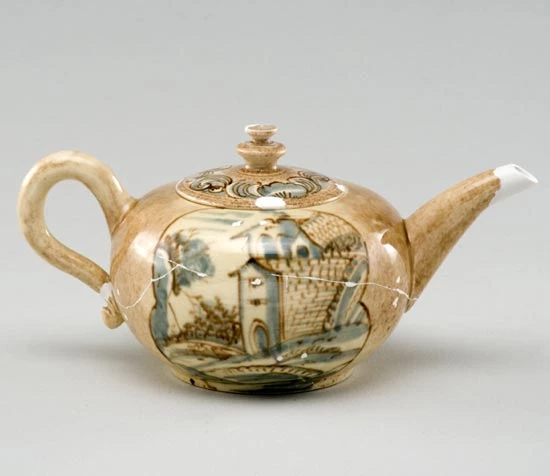
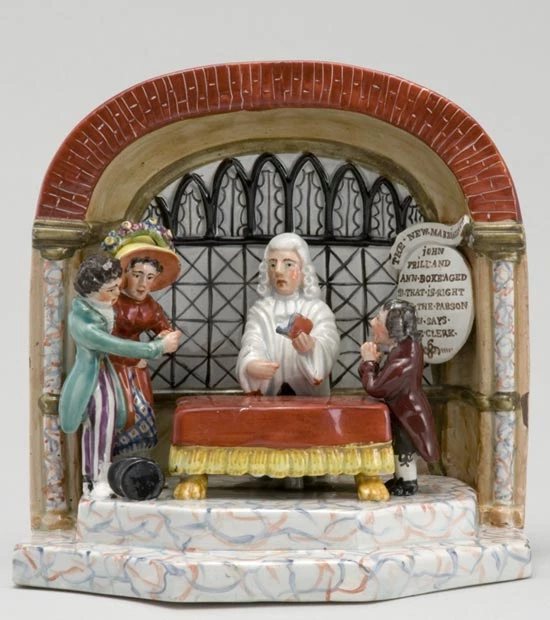
Generations of benefactors have ensured that the collection of English pottery continues to thrive. [Illustration 10] Bequests have brought in extensive collections of lustre pottery (Lord Boston, 1942), mid-nineteenth-century pot lids (Miss E. A. Nicholl, 1981) and Victorian Staffordshire figures (Mrs H. Hastings, 1995). [Illustration 11] In 1994 the gift of W. J. Grant-Davidson, a scholar of Welsh pottery, included interesting Staffordshire pottery, the highlight being an important early creamware teapot of about 1743 by Enoch Booth. [Illustration 12-14]

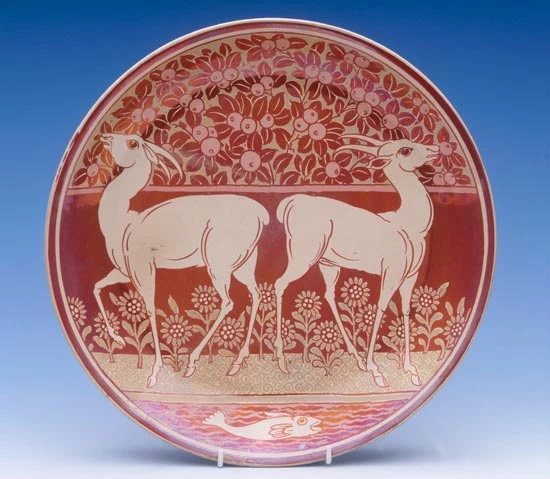
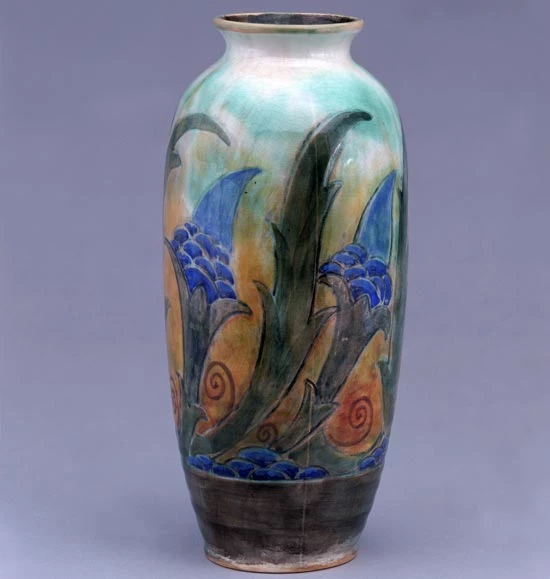
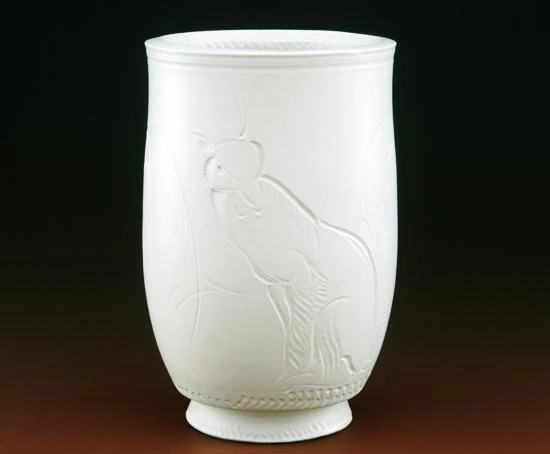
Amgueddfa Cymru also collects modern pottery, and has acquired such examples as a William de Morgan lustre dish and a Royal Doulton vase designed by Frank Brangwyn. [Illustration 15-16] Other modern pieces have come from the Museum's Outreach Collection, for example designs of the 1930s by architect Keith Murray for Wedgwood, and, in particular, from a generous gift from Mick Richards of an excellent collection of Susie Cooper's ceramics. [Illustration 17]

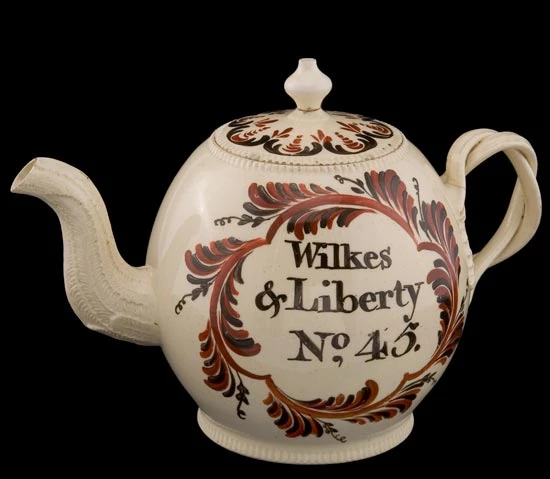
The collection is still growing, including acquisitions such as a creamware teapot of about 1765, which commemorates the radical politician John Wilkes. [Illustration 18]

Author: Andrew Renton, Head of Applied Art

Remembering the white ox of Nannau

Oliver Fairclough, 15 September 2009

The Nannau ox painted with family's cowman Sion Dafydd, by Daniel Clowes of Chester

The Nannau ox painted with the family's cowman, Sion Dafydd, by Daniel Clowes of Chester. The ox was one of the last of an ancient herd of white cattle at Nannau.

Oil painting of Sir Robert Williames Vaughan

Sir Robert Williames Vaughan (1768-1843). By permission of Llyfrgell Genedlaethol Cymru / National Library of Wales

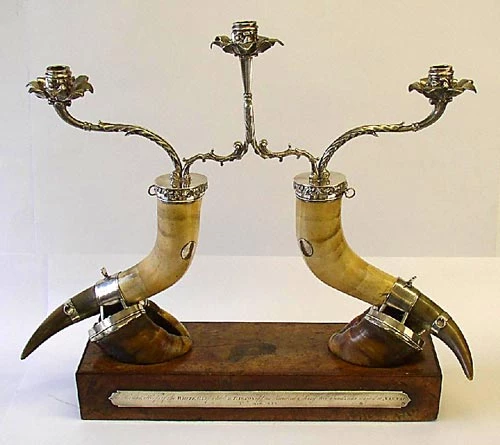
Candelabrum made from two horns and hoofs of the Nannau Ox

The candelabrum made from the horns of the Nannau Ox, mounted onto two of its hoofs. The horns can be detached to form two drinking cups.

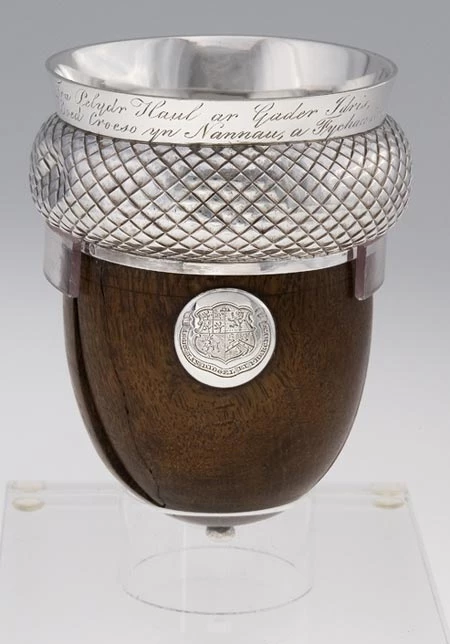
Oak and silver acorn-shaped Cup

This oak and silver cup is part of a set of six acorn-shaped cups made for the 1824 birthday celebrations at Nannau, using the wood of the Ceubren yr Ellyll.

The White Ox

On 25 June 1824 one of Wales's grandest 21st-birthday celebrations took place for the son of Merioneth's biggest resident landowner. Held on the Nannau estate, Dolgellau, 200 guests sat down to an extravagant banquet that included a huge joint of beef from the white ox of Nannau. Various items produced to commemorate the event are now in the collections of Amgueddfa Cymru including a candelabrum made from the horns and hoofs of the prized white ox.

Heirs to landed estates

For centuries it was customary for communities to celebrate the coming of age of the heir to a landed estate. This seems to have been especially true in north Wales. Until the Parliamentary reforms of 1832, the region was socially conservative, and its traditional Welsh-language culture remained strong.

The best-documented celebrations were those of Robert Williames Vaughan of Nannau.

A pillar of the community

The young man's father, Sir Robert Williames Vaughan (1768-1843), 2nd baronet, was Merioneth's biggest resident landowner and its sole representative in Parliament for over four decades. A pillar of the community, he took pride in maintaining old Welsh customs and kept open house at Nannau, where the neighbourhood came to dinner daily without special invitation.

Beef for the poor, beer for the rich

The younger Robert Williames Vaughan's coming of age was marked not only by his family but also by the local inhabitants of the nearby towns. It was accompanied by illuminations, fireworks, balloon ascents and cannon fire, and also much eating and drinking, especially of beef, which the poor never otherwise enjoyed, and beer, which the wealthy usually avoided in favour of wine. Oxen were roasted for the poor of Corwen, Barmouth and Bala and subscription dinners were held in Conway, Dolgellau and Chester.

Tables bent under the weight of good things

The central event was the celebration at Nannau itself on 25 June 1824. A wood, canvas and thatch tent was built in front of the late 18th-century mansion. Here, played in to the tune of The Roast Beef of Old England, 200 guests sat down to "a most sumptuous and plentiful banquet". After a fish course, a huge joint or 'Baron' of beef from a prized white ox, weighing 166lbs, was escorted into the room by the family's cowman, Sion Dafydd. The tables literally bent under the weight of good things. As well as wines, enormous jugs of Cwrw Da ('beer') were placed at proper intervals on the tables.

The Vaughans had a long tradition of cultural patronage and Sir Robert's toast to his son encapsulates the spirit of the occasion: "May he fear God and Honour the King; show reverence to his superiors and respect to his inferiors. Heddwch, Dedwyddwch a Chymydogaeth dda".

Owain Glyndwr and the hollow oak of the demon

The white ox was commemorated in a painting by Daniel Clowes of Chester, and the horns and hoofs were made into a candelabrum. Sir Robert also had six special toasting cups made for the occasion. They were made from the wood of the Derwen Ceubren yr Ellyll, 'the hollow oak of the demon', an ancient tree at Nannau associated with Owain Glyndwr. These were subsequently cherished by the Vaughans, and are now also in Amgueddfa Cymru's collection.

The 1824 celebration was the highpoint of the family's influence. When the region marked Robert Williames Vaughan's wedding eleven years later in 1835 feeling in the neighbourhood was still said to be "worthy of old times when the words Radical & Reform were unknown", but he never enjoyed his father's prestige and died childless in 1859.

Article by: Oliver Fairclough, Keeper of Art, Amgueddfa Cymru

A splendid silver cup for a copper magnate

25 July 2007

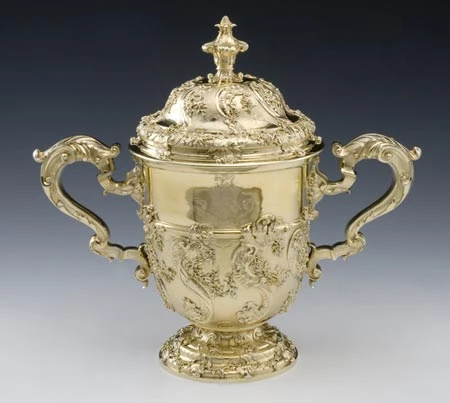
Ornamental silver cup and cover

Silver Cup and Cover, Paul Crespin, 1733

Silver Cup and Cover, Paul Crespin, 1733

Owning and displaying a large silver cup and cover was a mark of wealth and status for centuries in Britain. By 1700 such cups were no longer drinking vessels. They became entirely ornamental and a focus for the skills of their designers and makers.

William Lewis Hughes

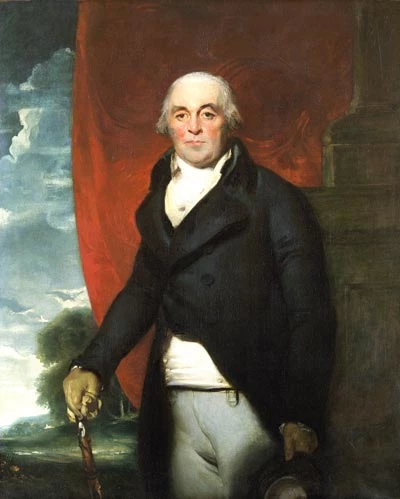
Sir Thomas Lawrence's (1769 - 1830) portrait of Thomas Williams (1737-1802) oil on canvas; 127.5 x 102.1 cm.

Sir Thomas Lawrence's (1769 - 1830) portrait of Thomas Williams (1737-1802) oil on canvas; 127.5 x 102.1 cm.

A hundred years later, a particularly splendid cup made in 1733, and now in Amgueddfa Cymru, was the prized possession of one of the wealthiest men in Wales, William Lewis Hughes (1767—1835), of Kinmel Park, Denbighshire. This tells us something about a growing taste at the time for antiques, rather than the new.

The cup bears the mark of Paul Crespin, together with London marks for 1733-4. Crespin was born in 1694 into a French Protestant family. He set up business in London in 1720, and although he was recorded as bankrupt in 1747, he seems to have continued working there until 1759.

Crespin was one of the most cosmopolitan and sophisticated makers of his day. As early as 1724 he made a "curious silver vessel for bathing, which weighed about 6030 ounces" (now lost) for the King of Portugal.

He had many important clients, and his masterpiece is perhaps the celebrated "Neptune" centrepiece of 1741 in the Royal Collection, an elaborate rococo object made for Frederick, Prince of Wales.

A large silver cup

Detail of the cup cover

Partly because of the wealth derived from the Parys copper mine and partly because of the energetic personality of Edward Hughes, the family was to become spectacularly rich.

The cup is exceptionally large, standing 14 inches high and weighing over 150 troy ounces — a cup and cover of 1731 by Crespin's associate Abraham Buteaux and described as "large" in 1749 weighed only 94 ounces.

It is ornamented entirely in the newly fashionable rococo manner, and would have seemed quite novel. The foliage and vine decoration also appear on a pair of wine coolers made by Crespin for the Duke of Marlborough in the same year, and the double scroll handles appear a little later on cups by George Wickes, Paul de Lamerie, John Le Sage and John White.

Coat of arms

The arms of William Lewis Hughes of Kinmel.

The arms of William Lewis Hughes of Kinmel. Note the arms of its original owner have been erased.

The engraving is of very high quality, remaining crisp, with little sign of surface wear. The arms of its original owner have been erased, presumably because the cup came on the market in the early 19th century. Its surface may originally have been white silver, rather than gilt. The present, rather brassy gilding is contemporary with the later armorials that can be dated to around 1830. It is interesting that the cup was 'improved' and resold in this way.

The cup's new owner was William Lewis Hughes of Kinmel. It probably came into his possession before he was raised to the peerage as Lord Dinorben in 1831, as his arms, which are engraved on both sides of the cup, have what appears to be an added Baron's coronet and lack the heraldic supporters that he was to adopt as a peer.

Parys copper mine

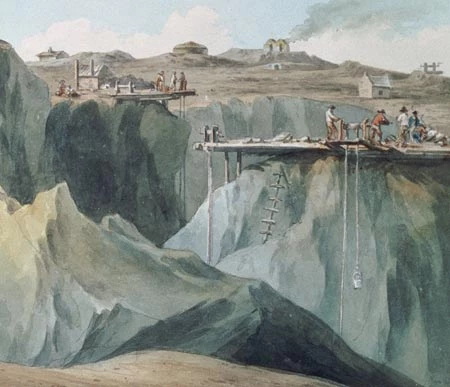
Junction of Mona and Parys Copper Mine as depicted in 1790.

Junction of Mona and Parys Copper Mine as depicted in 1790.

Hughes's mother was the niece of William Lewis of Llysdulas, Anglesey. With her husband the Rev. Edward Hughes she became heir of the Llysdulas estate, which included one side of Mynydd Parys. Partly because of the wealth derived from the Parys copper mine and partly because of the energetic personality of Edward Hughes, the family was to become spectacularly rich.

The Copper King

Foliage and vine decoration

The cup engraved ornament is of very high quality, remaining crisp, with little sign of surface wear.

William Lewis Hughes, the first Lord Dinorben, was colonel of the Anglesey Militia and MP for Wallingford from 1802 to 1831. From 1819 his London home was Bute House, South Audley Street. Edward and William Hughes were business partners of Thomas Williams, the 'copper king', whose portrait by Lawrence is also in the collections of Amgueddfa Cymru.

The cup was later owned by the Edwardian financier and philanthropist Sir Ernest Cassel (1852-1921), and was acquired by the Museum in 2005 with the support of the National Heritage Memorial Fund and the Art Fund.

The Brynmawr Experiment, 1929-40

23 April 2007

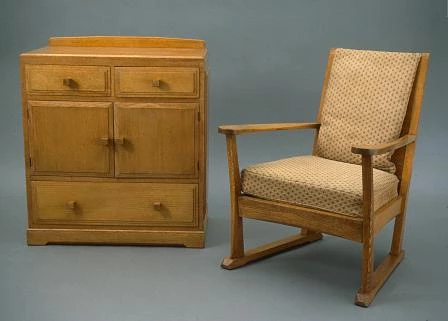
Brynmawr furniture

Talybont cupboard-chest and Ynysddu armchair by the Brynmawr Furniture Company.

Talybont cupboard-chest and Ynysddu armchair by the Brynmawr Furniture Company.

The 'Brynmawr Experiment' was an attempt by the Quakers to relieve the mass unemployment in the town of Brynmawr, south Wales in the early 1920s. They set up a small furniture-making enterprise that led to a major chapter in the social and artistic history of Wales.

The venture started in 1929, employing twelve local untrained men and later took on boys trained straight from school. Support came mainly from other successful Quaker companies - the first order was for 400 chairs for a Quaker school in York. Each chair cost £1 each (equivalent to £41 or $71 today). New equipment and machinery was bought with the profits

Paul Matt

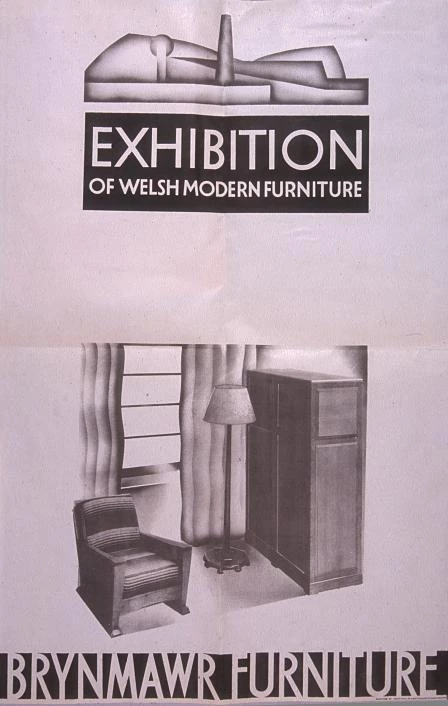
Advertising poster for the Brynmawr Furniture Company.

Advertising poster for the Brynmawr Furniture Company.

The success of Brynmawr furniture was mainly due to the designer, Paul Matt. He had served his apprenticeship under his father, a skilled designer and cabinet-maker in London.

Paul Matt designed furniture that was simple to construct, taking into consideration that the workers were initially all unskilled. The main timber used was imported oak, finished with a coat of clear wax which gave the furniture an overall simple and minimal appearance, in line with the Quaker philosophy.

Glossy catalogues and promotional leaflets emphasised the high quality and design of the products whilst providing sustainable employment for the local community. These ideals appealed to the middle and professional classes of the 1930s and the company made the furniture affordable to such professions.

'Welsh' furniture

David Morgan's department store opened in Cardiff in 1879. The store provided important support for the Brynmawr Furniture Company between 1932 and 1940.

David Morgan's department store opened in Cardiff in 1879. The store provided important support for the Brynmawr Furniture Company between 1932 and 1940.

Brynmawr furniture was available in large department stores such as Browns of Chester and Lewis's of Birmingham and Manchester. In 1938 the company had a permanent showroom in London's fashionable Cavendish Square.

Although successful in England, the company was also keen to promote Brynmawr furniture in Wales. David Morgan Limited, a well-known Cardiff department store provided exhibition space free of charge for the products and exhibitions were held at the National Eisteddfods.

The furniture was marketed as 'Welsh' and branded using Welsh place-names such as the Cwmbran chest, Llanelli table and the Cwm-du chair. This ensured a loyal following within Welsh professional and academic circles throughout the 1930s.

The advent of War

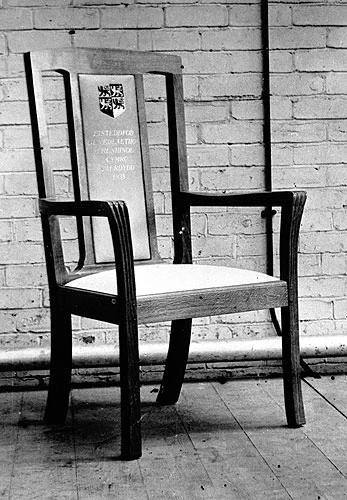
The Cardiff National Eisteddfod Chair, 1938 from the Bryn-mawr Settlement Factory.

The Cardiff National Eisteddfod Chair, 1938 from the Bryn-mawr Settlement Factory.

In 1936 Arthur Reynolds took over as designer from Paul Matt. Although production remained relatively unaffected, sales gradually declined in the late 1930s as the war approached. The advent of war also made it difficult to import materials therefore the Brynmawr Furniture Co. sadly had no other choice than to cease trading in 1940.

Background Reading

'Crafts and the Quakers' by Gwen Lloyd Davies. In Planet, vol. 51, p108-111 (July 1985).

'Utopian designer: Paul Matt and the Brynmawr Experiment', by Roger Smith. In Furniture History vol. 23, p88-94 (1987).

Lindsay Shen, 'Philanthropic Furniture: Gregynog Hall, Powys' by Lindsay Shen. In Furniture History vol. 31, p217-235 (1995).