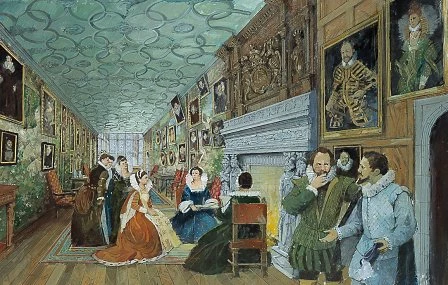
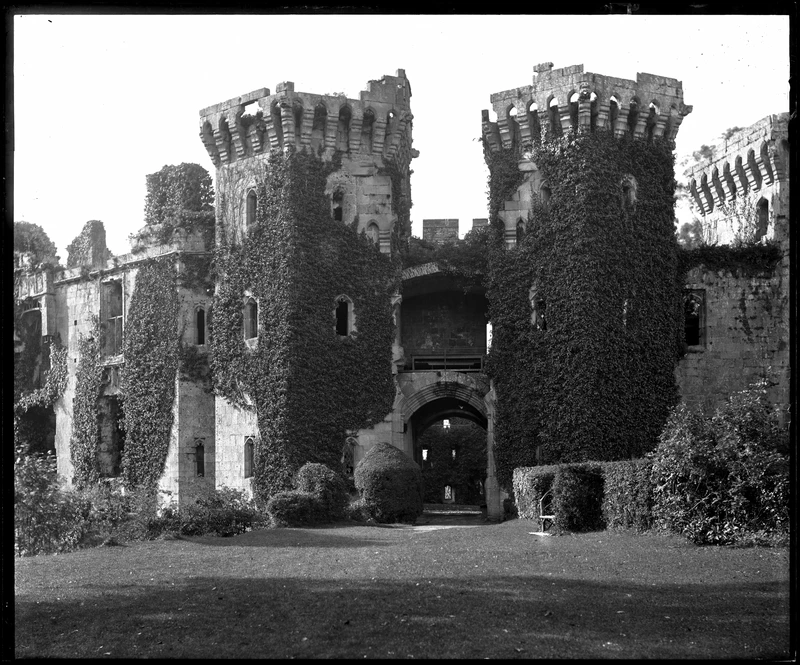
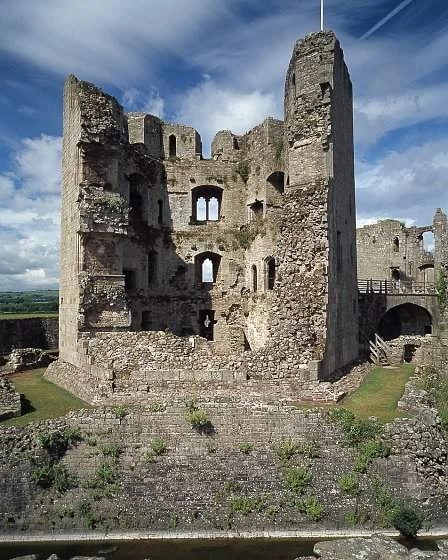
Raglan Castle 22 March 2022 Raglan Castle is one of the finest late medieval buildings in the British Isles and, although now ruined, it remains a striking presence in the landscape of south-east Wales. Where is Raglan Castle? Raglan Castle is located just north of the village of Raglan in the county of Monmouthshire, off the A40 between Monmouth and Abergavenny. For details on how to visit, see Cadw’s webpage. When was Raglan Castle built? Much of what remains at Raglan dates from the 15th century, the period of the Wars of the Roses and the rise of the Tudor dynasty, though there is believed to have been an earlier, Norman motte-and-bailey castle on the site. The hexagonal Great Tower is the most impressive of the buildings from this period, dominating the two courtyards of the castle. The Great Tower. An impressive self-contained fortress-cum-residence which lies outside the circuit of the castle's curtain walls. Image: Cadw (Crown copyright). The castle as it stands today was built in three main phases. The first phase of building in the fifteenth century included the hexagonal, five-storey Great Tower, which was surrounded by a moat and, when it was originally built, could only be accessed from inside the castle via a drawbridge. The second phase, built by Sir William Herbert, the first Earl of Pembroke, added sumptuous apartments. Finally, the castle was transformed into a mansion by the Earls of Worcester in the 16th century. The Great Gatehouse, Raglan. Built between 1460 and 1469 the gatehouse was designed to impress and intimidate visitors with its arrays of gun loops, machicolations, portcullises and doors. Image: Cadw (Crown copyright). Who built Raglan Castle? There is some controversy over who built the first phase of the castle; it was built either by William Herbert, the first Earl of Pembroke, or his father, William ap Thomas, who had purchased Raglan in 1432. William Herbert was a key figure in the politics of the late 15th century. During the Wars of the Roses he supported Edward IV. The reward for his loyalty was considerable, providing him with the title Earl of Pembroke, and sufficient resources to convert Raglan into a palace-fortress. Earl William's success was, however, to be short-lived. In 1469 he was captured by Lancastrian supporters at the Battle of Edgecote and put to death. The Herberts retained control of Raglan until 1492 when it passed to the Somerset family. William Somerset, the third Earl of Worcester (1526–1589), was the first of his family to significantly alter the castle's buildings. Reconstruction of Raglan Castle, about 1620, showing the formal gardens that existed in the castle's heyday. Image: Cadw (Crown copyright). He focused his efforts on upgrading the quality of the hall and service ranges to meet the social expectations of his time. He also established the gardens, including a series of walled terraces, an artificial lake, a fountain, flower beds and herb gardens. The Herberts retained control of Raglan until 1492, when it passed to the Somerset family. William Somerset, the third Earl of Worcester (1526–1589), was the first of his family to significantly alter the castle's buildings. The third Earl focused his efforts on upgrading the quality of the hall and service ranges to meet the social expectations of his time. He also established the gardens, including a series of walled terraces, an artificial lake, a fountain, flower beds and herb gardens. Reconstruction of life at Raglan Castle in the 16th century, at the time of the Third Earl of Worcester. Image: Cadw (Crown copyright). What happened to Raglan Castle? By the middle of the 17th century, Raglan's fortunes were at their peak. It had achieved a level of sophistication and opulence that only the greatest country houses could match. However, the English Civil War was to change all this. In 1642, the fifth Earl of Worcester declared his support for the Royalist cause, offering considerable financial support to King Charles I. This was to make Raglan a target for Parliamentarian forces, which subsequently besieged the castle in June 1646. Its defenders held out during the summer, but by mid-August the Parliamentarians had moved their siege works to within sixty yards of the castle. Its defenders surrendered on 19 August. After it was captured, the castle was deliberately made useless for defensive purposes, a process known as ‘slighting’. This is when the gigantic hole was torn through the Great Tower. In the years that followed Raglan was abandoned and left to decay, becoming a convenient source of building material and a picturesque tourist attraction. Today this decay has been halted and the building conserved through the work of Cadw and its predecessors. The ivy-covered Main Gatehouse, photographed by Sir Thomas Mansel Franklen (1840–1928) Who owns Raglan Castle? Raglan Castle is still owned by the Somerset family, who became Dukes of Beaufort in 1682. In 1938 it was put in the care of the Ministry of Works, and it is now looked after by Cadw. Which films have used Raglan Castle as a backdrop? Raglan Castle appeared in Terry Gilliam’s film Time Bandits (1981), where it stood in for an Italian castle under siege in the Napoleonic Wars. Background reading Raglan Castle by J. R. Kenyon. Published by Cadw (2003). The decorated floor tiles from Raglan Castle Cadw listing Coflein listing (Royal Commission of Ancient and Historical Monuments of Wales) Header image adapted from Raglan Castle by Steve Slater, CC BY 2.0
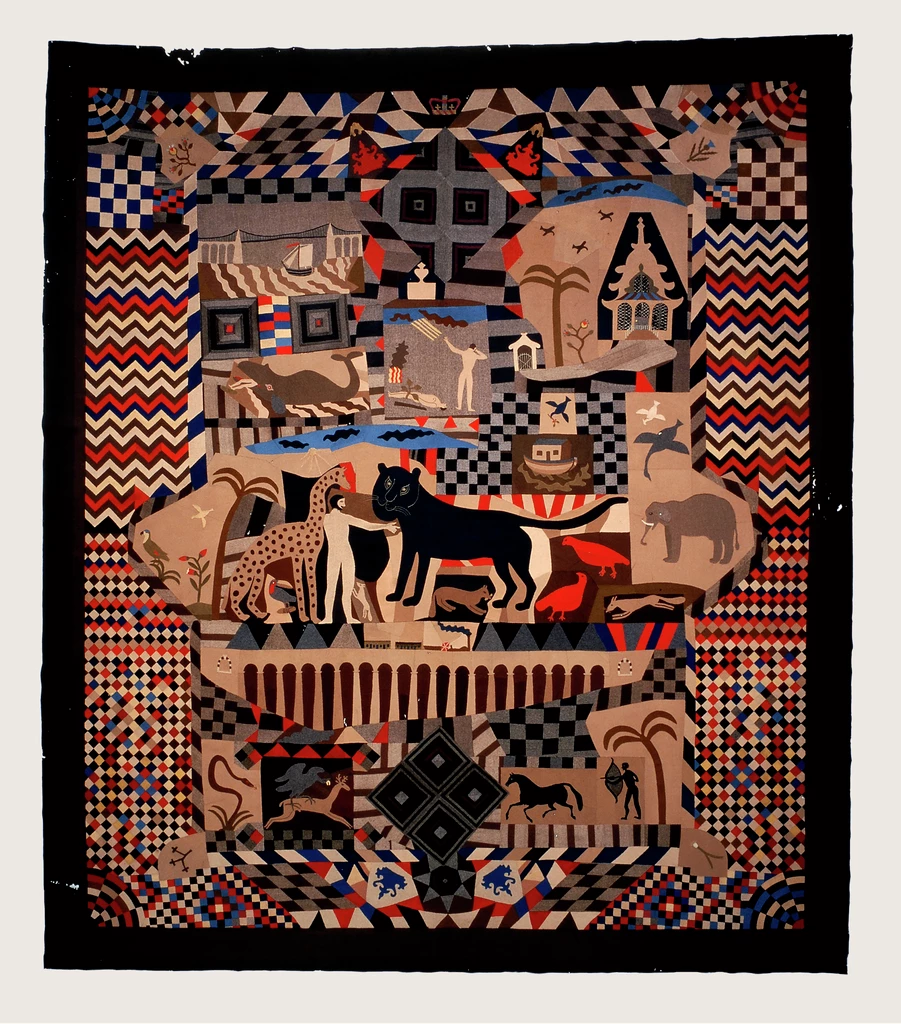
The Wrexham Tailor’s Quilt, 1842–52 Elen Phillips, 2 March 2020 Wrexham Tailor’s Quilt, 1842–52 Collections Online: Patchwork Bedcover Amgueddfa Cymru – National Museum Wales is home to over two hundred examples of quilting and patchwork. This vast collection includes a wide variety of styles and techniques, ranging in date from the early 1700s to the present day. The Wrexham Tailor’s Quilt is probably one of the most well-known patchworks produced in Wales. Made by James Williams – a military master tailor from 8 College Street, Wrexham – its design is unlike any other in the Museum’s collection. The quilt’s background is a pieced composition of diamond patches, chevrons, squares and rhomboids. Biblical scenes dominate the centre – Adam naming the animals, Jonah and the Whale, Noah’s Ark with a dove bearing an olive branch, and Cain and Abel. Other figurative motifs include Thomas Telford’s Menai Suspension Bridge (opened in 1826), a Chinese pagoda, and Cefn Viaduct, complete with a crossing steam train. Details are picked out through embroidery in silk thread. Meticulously pieced, James Williams made his quilt by recycling a variety of felted woollen cloths, possibly off-cuts of broadcloth from military uniforms. In total, it consists of 4,525 separate pieces of cloth, butt-joined with overcast stitches worked from the reverse. Examples of this type of inlaid (‘intarsia’) patchwork found in museum collections are usually the work of professional tailors. The technique requires a high degree of skill and the use of thick cloth that does not fray to accommodate the oversewing required. According to family history, James Williams spent a decade completing the piece, the work being done in his leisure hours between 1842 and 1852. The quilt soon became an exhibition piece; it was displayed at the Art Treasures Exhibition in Wrexham in 1876, at the Palace of Arts in Wembley in 1925, and to much public acclaim at the Wrexham National Eisteddfod of 1933. Census returns for the Wrexham area suggest that James Williams was born in 1818. His tailoring establishment appears in numerous trade directories from the 1850s onwards. He died in 1895, leaving his son to inherit the family business. Forty years after his death, the economic depression of the 1930s prompted Williams’s grandson to sell the quilt to the Museum, stating that “it has always been my wish that the quilt should be sent to [the] National Museum of Wales so as my fellow countrymen should have the opportunity to admire a work of art that today could not be done if you were to pay the most skilful craftsman £1 a minute to do”.
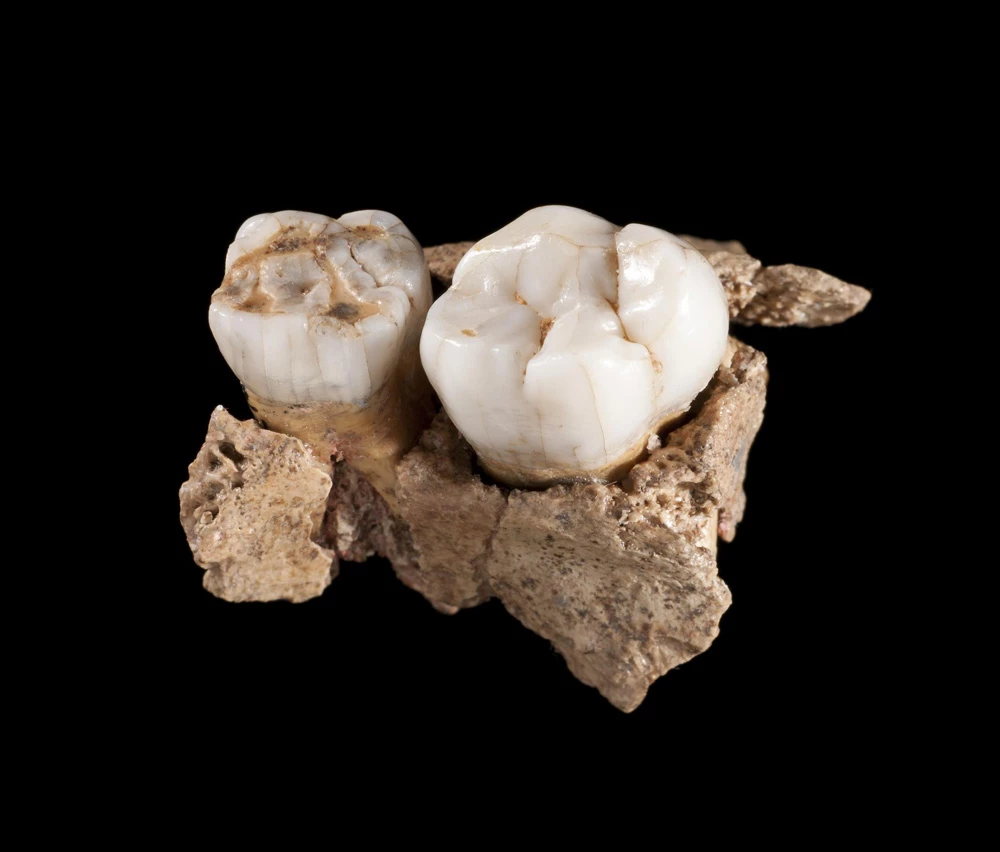
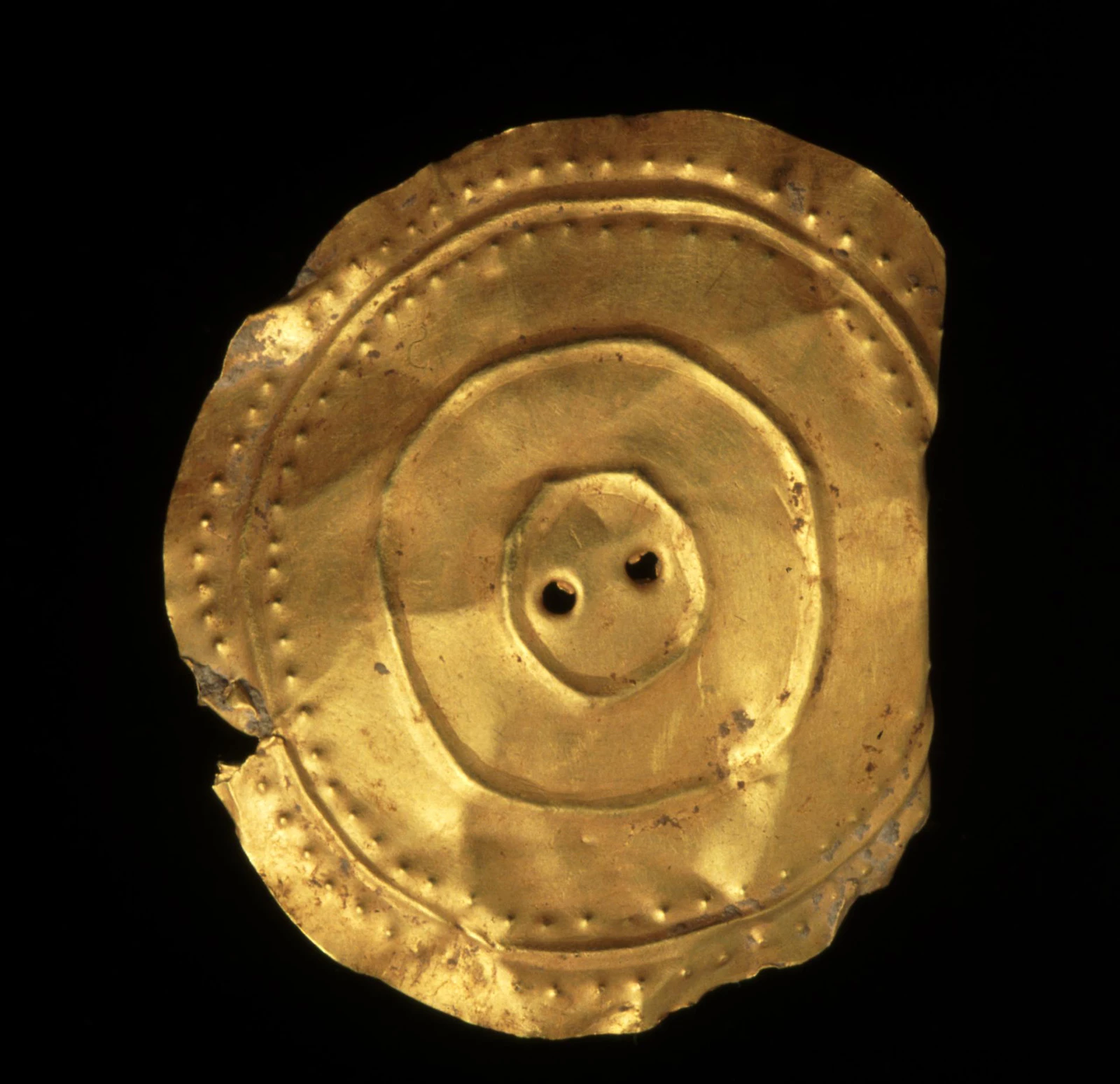
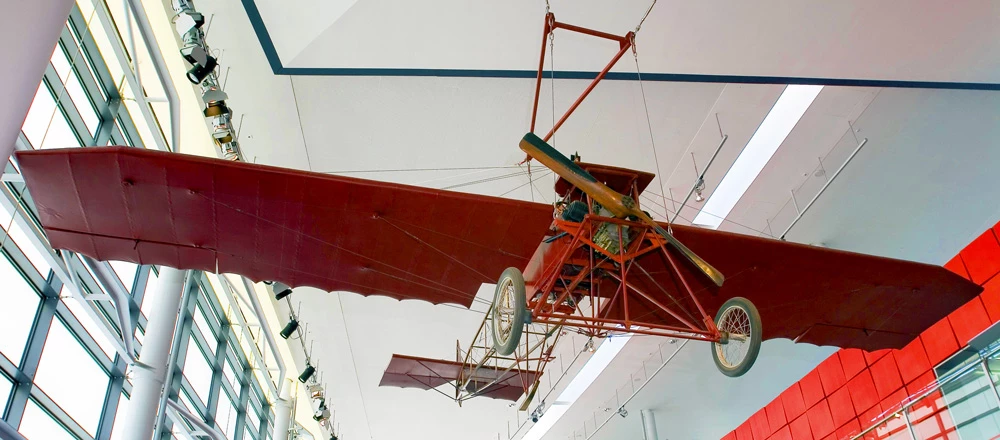
Uncovering our Collections: Half a Million Records now Online 26 March 2018 As we reveal half a million collection records for the first time, we look at some of the strangest and most fascinating objects from National Museum Wales Collections Online. This article contains photos of human skeletal fragments. The Biggest We have some real whoppers in our collections - including a full-size Cardiff Tram and a sea rescue helicopter - but the biggest item in our collection is actually Oakdale Workmen's Institute. Built in 1917, the Institute features a billiard room, dance hall and library - and is nowadays found in St Fagans National Museum of History. Horace Watkins testing his monoplane in 1908 Many of the buildings in St Fagans are part of the national collection - meaning they have the same legal status as one of our masterpiece Monets or this coin hoard. The buildings are dismantled, moved, rebuilt - and cared for using traditional techniques, by the museum's legendary Historic Buildings Unit. The Oldest The oldest human remains ever discovered in Wales These teeth belonged to an eight year-old Neanderthal boy - and at 230,000 years old, they are the oldest human remains in Wales. They were discovered in a cave near Cefn Meiriadog in Denbighshire, along with a trove of other prehistoric finds, including stone tools and the remains of a bear, a lion, a leopard and a rhinocerous tooth. These teeth are among some of the incredible objects on display at St Fagans National Museum of History The Shiniest People in Wales have been making, trading and wearing beautiful treasures from gold for thousands of years - like this Bronze Age hair ornament and this extremely blingy Medieval signet. At around 4000 years old, this sun disc is one of the earliest and rarest examples of Welsh bling One of the earliest examples of Welsh bling is this so-called 'sun disc', found near Cwmystwyth in Ceredigion. Current research suggests that these 'sun discs' were part of ancient funeral practice, most likely sewn onto the clothes of the dead before their funerals. Only six have ever been found in the UK. Most Controversial At first glance, an ordinary Chapel tea service - used by congregations as they enjoyed a 'paned o de' after a service. A closer look reveals the words - 'Capel Celyn'. The chapel, its graveyard and surrounding village are now under water. Capel Celyn, in the Tryweryn Valley, is now underwater Flooded in 1965 by the Liverpool Corporation, the Tryweryn valley became a flashpoint for Welsh political activism - creating a new generation of campaigners who pushed for change in how Welsh communities were treated by government and corporations. Curators from St Fagans collected these as an example of life in Capel Celyn - to serve as a poignant reminder of a displaced community, and to commemorate one of the most politically charged moments of the 20th century in Wales. Honourable Mention: an Airplane made from a Dining Room Chair Made from a dining room chair, piano wire and a 40 horsepower engine, the Robin Goch (Red Robin) was built in 1909 - and also features a fuel gauge made from an egg timer. The Robin Goch (Red Robin) on display at the National Waterfront Museum Its builder, Horace Watkins, was the son of a Cardiff printer - here he is pictured with an earlier, even more rickety version of his famous monoplane. Horace Watkins testing his monoplane in 1908 Our collections are full of stories which reflect Wales' unique character and history. The Robin Goch is one of the treasures of the collection, and is an example of Welsh ingenuity at its best. Half a Million Searchable Items The launch of Collections Online uncovers half a million records, which are now searchable online for the first time. “Collections Online represents a huge milestone in our work, to bring more of our collections online and to reach the widest possible audience. It’s also just the beginning. It’s exciting to think how people in Wales and beyond will explore these objects, form connections, build stories around them, and add to our store of knowledge." – Chris Owen, Web Manager Search Collections Online Plans for the future Our next project will be to work through these 500,000 records, adding information and images as we go. We'll be measuring how people use the collections, to see which objects provoke debate or are popular with our visitors. That way, we can work out what items to photograph next, or which items to consider for display in our seven national museums. Preparing and photographing the collections can take time, as some items are very fragile and sensitive to light. If you would like to support us as we bring the nation's collections online, please donate today - every donation counts. Donate Today We are incredibly grateful to the People's Postcode Lottery for their support in making this collection available online.
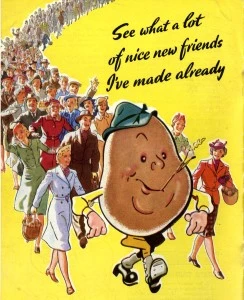
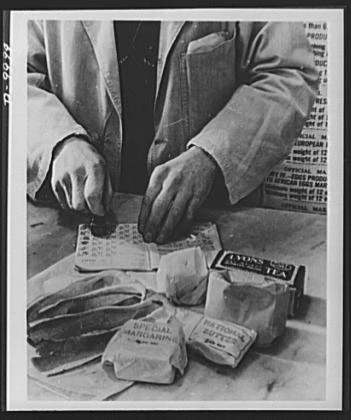
Do you remember Doctor Carrot and Potato Pete? 30 July 2012 The Food Rationing Scheme of 1940 Potato Pete and friends. At the beginning of the Second World War, Britain imported 60% of its food. With the shortage of food during the First World War still fresh in the memory, the government introduced the food rationing scheme in January 1940. Ration books were distributed and every home had to register with a local butcher, grocer and milkman who received enough food for their registered customers. The first foods to be rationed were butter, sugar, bacon and ham. Over a period of time, more food was added to the system, and the rationed amount varied from month to month due to availability of different foods. From December 1941, all quality foods were included in the 'points' system. Every person had 16 points per month to buy a selection of foods such as biscuits, tinned foods and dried fruit - if available in the shops. This was an effective system as it enabled the government to allocate a higher point value to items when stocks were low and to lower the number of points when items were freely available. Naturally, children were treated differently and they received additional foods essential for their growth and development such as milk, orange juice and cod liver oil. Britain was not the only country with food rations. A shopkeeper cancels the coupons in a British housewife's ration book for the tea, sugar, cooking fats and bacon she is allowed for one week. Most foods in Britain are rationed and some brand names are given the designation "National". Vegetable Gardens Ensuring that the family's rations lasted until the end of the week was a big problem so the 'Dig for Victory' campaign was launched in October 1939, encouraging families to prepare their own food. Everyone was encouraged to turn their flower beds and lawns into vegetable gardens. People were urged to keep chickens, rabbits, goats and pigs – a particularly popular animal as it ate any leftovers from the kitchen. Considerable time and was spent on propaganda promoting ingenuity and economical savings when preparing food. Home economists were employed to travel around Britain sharing tips on how to cook with the scarce resources available. The Ministry of Food started publishing Food Facts pamphlets in 1940, and magazines, newspapers and daily radio programmes such as The Kitchen Front and the Radio Doctor were full of ideas and recipes to enable families to make the most of the weekly rations. Potato Pete and Doctor Carrot – two characters created to promote vegetable eating appeared in most recipes. The public were encouraged to experiment with new and unusual foods. One fish which proved very unpopular was the modern favourite, tuna, while whale meat was even less popular. Vitamins Food shortages worsened at the end of the war, when dry weather and poor harvest of 1945 affected the availability of both potatoes and bread, which were rationed for the first time. By 1948, the food allowance on average was much lower than during the war. Restrictions on tea were lifted in 1952 – a huge relief for a nation of tea drinkers. Eggs, cream, sugar and sweets were removed from the system in 1953 and butter, cheese and cooking oil in 1954. Fourteen years of rationing ended on 4 July 1954 when restrictions were lifted on meat and bacon. Rationing forced families to change their eating patterns. Rationing enabled the poorest sections of society to eat more protein and vitamins, which led to a substantial upturn in the health of the nation, The general health of children improved, and on average they were taller and heavier than pre-war children. There was a decrease in the number of infant deaths and an increase in the average life span.
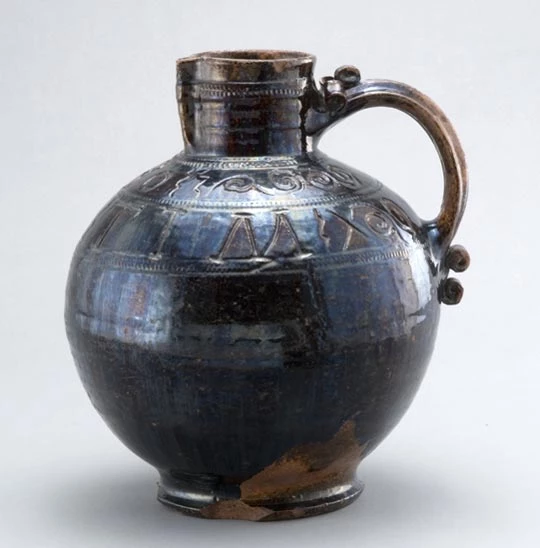
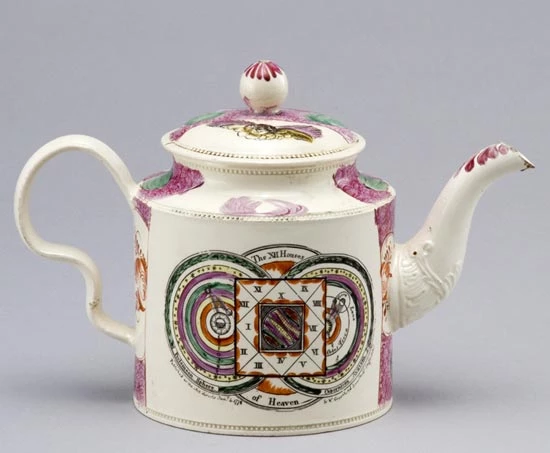
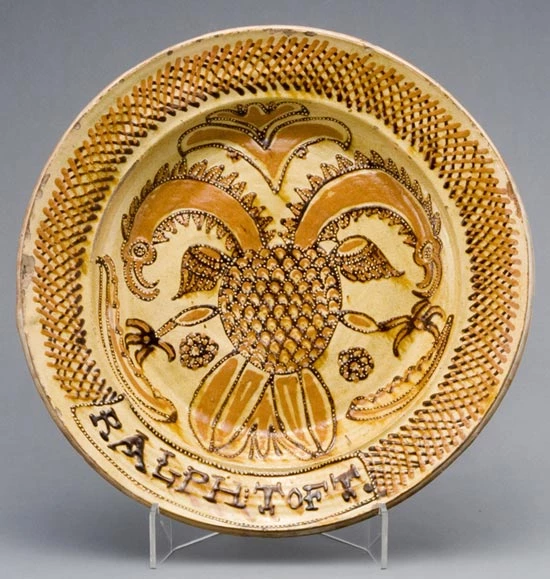
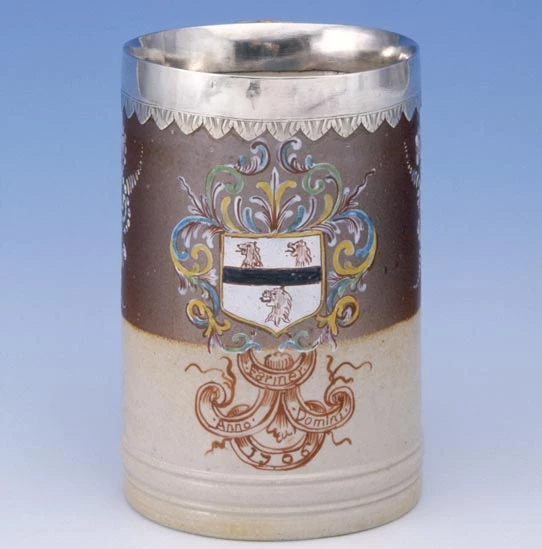
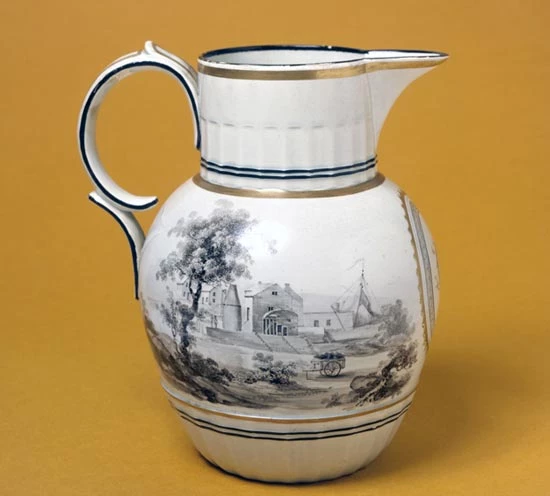
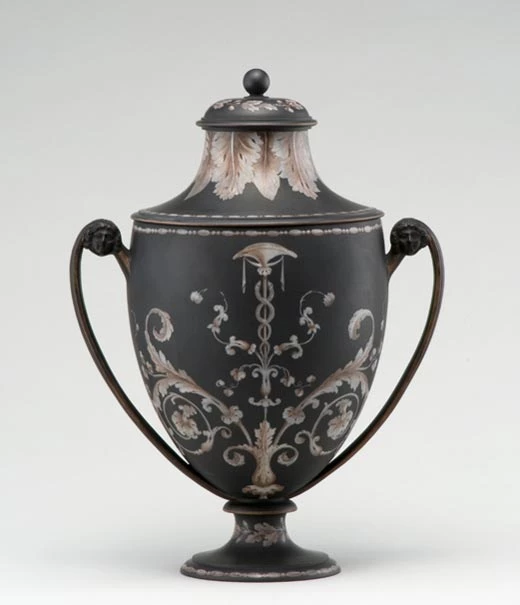
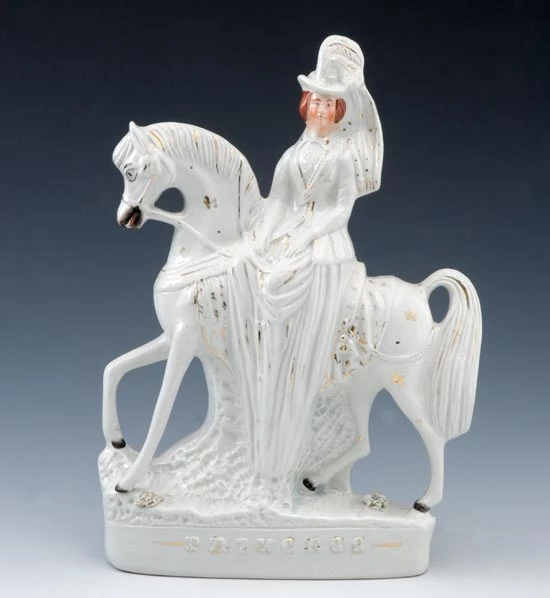
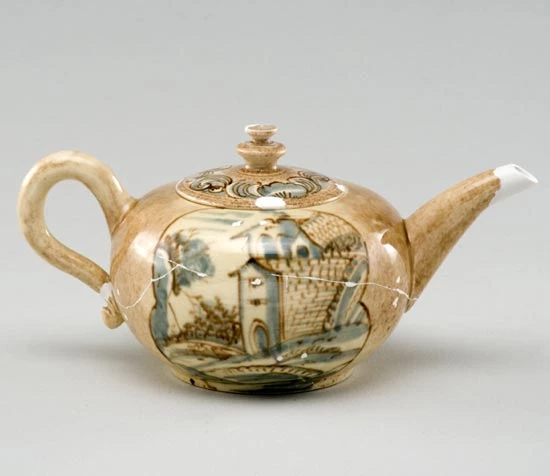
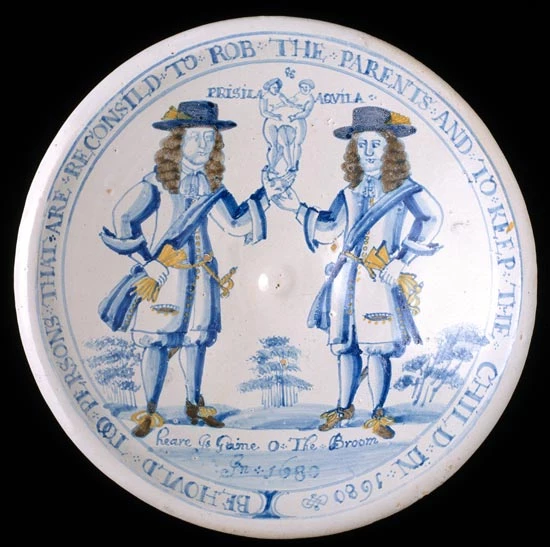
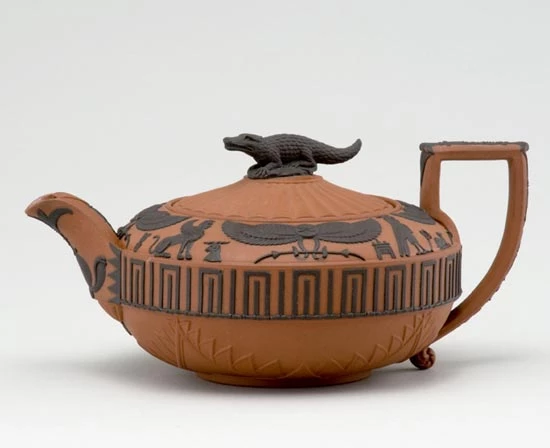
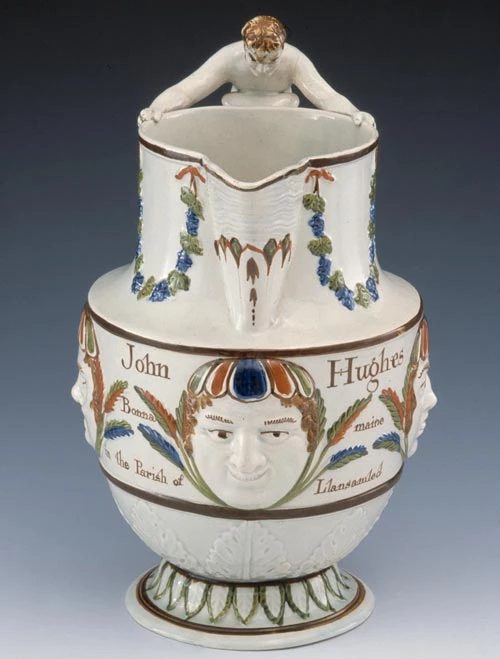
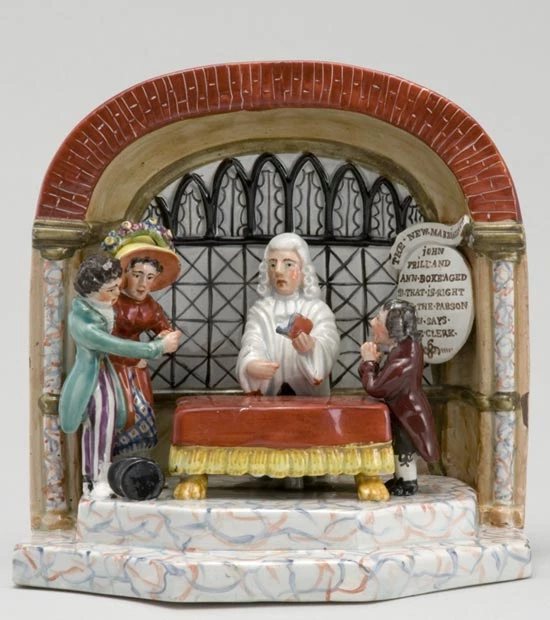
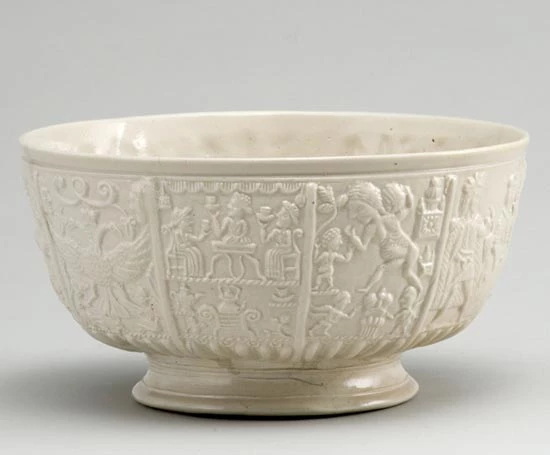
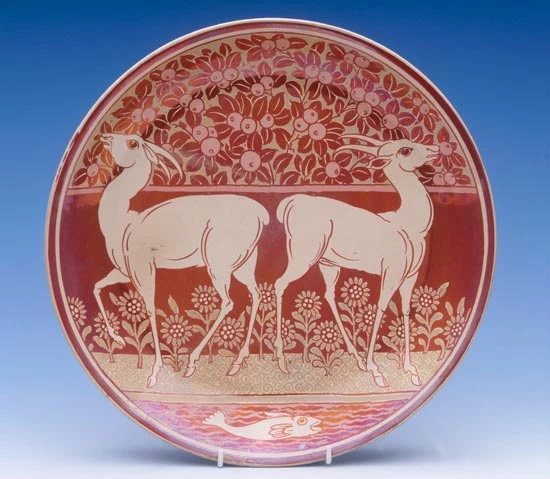
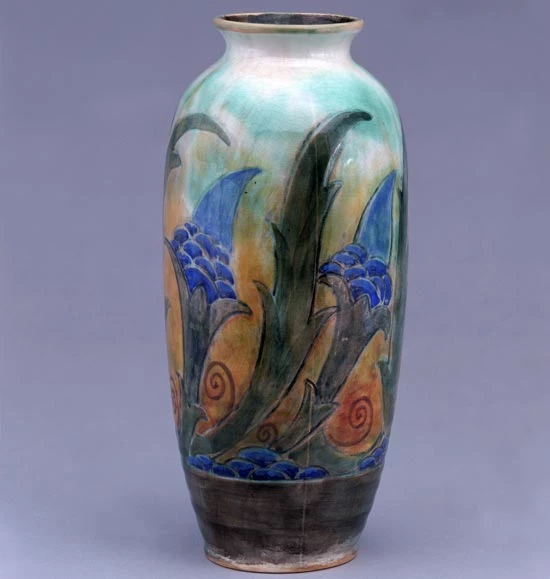
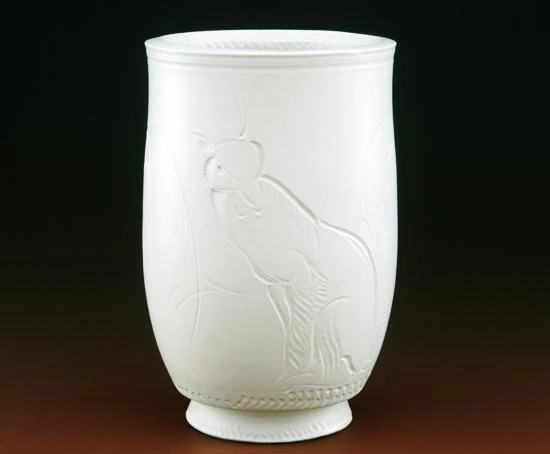
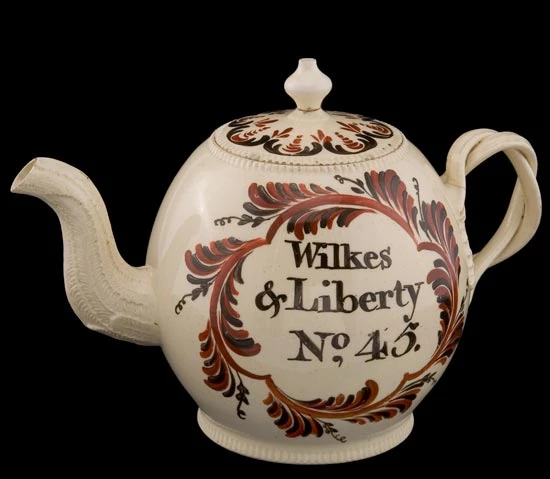
English Pottery at Amgueddfa Cymru Andrew Renton, 6 January 2010 1: Incised earthenware harvest jug, made in Gestingthorpe, Suffolk, in 1680. Purchased 1904. Amgueddfa Cymru boasts a magnificent collection of English pottery, the beginnings of which go back to the founding of the Museum. Generations of benefactors have ensured that the collection continues to thrive. The former Cardiff Municipal Museum began collecting ceramics in 1882, aiming to develop the best collection of Welsh pottery and porcelain that it could. By 1895 the Museum believed "that these collections are now the best and most representative in existence", and began to shift its attention to other areas of interest, such as English and continental ceramics. In 1896, Robert Drane became honorary curator. He was a passionate collector of Worcester porcelain, and had also selected the Museum's first acquisitions of Welsh porcelain. 2: Creamware teapot with printed and enamelled decoration on the theme of astrology, made by William Greatbatch, Staffordshire, about 1778. Purchased 1902. 3: Slipware dish with double-headed eagle, made by Ralph Toft, Staffordshire, about 1663-88. Purchased 1903. 4: Silver-mounted stoneware mug, enamelled with the arms of Farmer, Fulham, 1706. Purchased 1903. 9: Enamelled pearlware jug, made at the Ferrybridge Pottery, Yorkshire, about 1800. Bequeathed by Ernest Morton Nance, 1953. 10: Basalt stoneware vase with encaustic painting, made by Wedgwood and Bentley, about 1775-85. Given by Mr & Mrs F E Andrews, 1934 11: Earthenware figure of Alexandra, Princess of Wales (1844-1925), made in Staffordshire, about 1862. Bequeathed by Mrs H de C Hastings, 1995 12: Creamware teapot painted under the glaze in blue and manganese, made by Enoch Booth, Staffordshire, about 1743. Given by W J Grant-Davidson, 1994 The establishment of the National Museum of Wales At this time, Cardiff Municipal Museum was also pushing the case for a national museum for Wales, and its own ambition to evolve into that new institution. In 1902 it talked of "the growing national character of its collections" and so began building its collection of English pottery. Medieval to industrial Taking charge of this new collecting priority, Drane quickly assembled much of the English pottery now at the National Museum. The full breadth of the English pottery tradition was represented, from late medieval wares to seventeenth- and eighteenth-century stoneware, slipware and delftware and industrially produced wares pioneered in Staffordshire from the middle of the eighteenth century. [Illustration 1-2] Some outstanding objects included: a rare and magnificent seventeenth-century slipware dish by Ralph Toft of Staffordshire [Illustration 3] an important stoneware mug enamelled with the arms of Farmer and dated 1706 [Illustration 4] a remarkable Brislington delftware dish dated 1680, which exposes two Somerset squires who kidnapped a pair of conjoined twins to exhibit them as a money-raising venture. [Illustration 5] The Museum's pride in its achievement was obvious. A report on the Brislington delftware dish in 1905 states 'Very few of these dishes are known to exist, and the Cardiff example is perhaps the best of them.' 5: Delftware dish made in Brislington near Bristol, about 1680. Purchased in 1904 6: Rosso antico stoneware teapot, made by Wedgwood, Staffordshire, about 1810-20. Given by Wilfred de Winton, 1903. 7: Pearlware beer jug, inscribed for John Hughes of Llansamlet near Swansea and probably made by Ralph Wedgwood in Burslem, Staffordshire, or Ferrybridge, Yorkshire, about 1790-1800. Given by W S de Winton in 1904 8: The New Marriage Act, pearlware, believed when acquired to have been made in Swansea but in fact made in Staffordshire, about 1825. Purchased, 1941 Wilfred de Winton The banker Wilfred de Winton was a supporter of the national museum campaign, and later donated his huge collection of porcelain. His gifts of English pottery included an amusing pearlware beer jug moulded with faces showing the progressive stages of drunkenness, its handle in the form of a merman peering into the jug. [Illustration 6-7] At the time this jug was thought to have been made at the local Cambrian Pottery, but is in fact one of many supposedly Welsh pieces in the collection that have proved to be English. [Illustration 8] Ernest Morton Nance In 1953 Ernest Morton Nance bequeathed his collection of Welsh ceramics. Nance was particularly proud of his 'Cambrian Pottery' jug. He believed that its painted views of a pottery were in Swansea. In fact, this jug was also most likely made at Ralph Wedgwood's Ferrybridge pottery in about 1800. [Illustration 9] 13: Slip-cast salt-glazed stoneware slop bowl, made in Staffordshire, about 1740. Given by W J Grant-Davidson, 1994 14: Red stoneware teapot with moulded chinoiserie decoration, made in Staffordshire, about 1760-65. Given by W J Grant-Davidson, 1994 15: Earthenware dish painted in red and gold lustre by William de Morgan, about 1881. Purchased 1994 16: Hand-painted earthenware vase, designed by Frank Brangwyn for Royal Doulton, about 1930-35. Purchased 1972 The collection continues to grow Generations of benefactors have ensured that the collection of English pottery continues to thrive. [Illustration 10] Bequests have brought in extensive collections of lustre pottery (Lord Boston, 1942), mid-nineteenth-century pot lids (Miss E. A. Nicholl, 1981) and Victorian Staffordshire figures (Mrs H. Hastings, 1995). [Illustration 11] In 1994 the gift of W. J. Grant-Davidson, a scholar of Welsh pottery, included interesting Staffordshire pottery, the highlight being an important early creamware teapot of about 1743 by Enoch Booth. [Illustration 12-14] Amgueddfa Cymru also collects modern pottery, and has acquired such examples as a William de Morgan lustre dish and a Royal Doulton vase designed by Frank Brangwyn. [Illustration 15-16] Other modern pieces have come from the Museum's Outreach Collection, for example designs of the 1930s by architect Keith Murray for Wedgwood, and, in particular, from a generous gift from Mick Richards of an excellent collection of Susie Cooper's ceramics. [Illustration 17] The collection is still growing, including acquisitions such as a creamware teapot of about 1765, which commemorates the radical politician John Wilkes. [Illustration 18] 17: Thrown and incised earthenware vase, made by Susie Cooper Pottery, about 1932. Given by Mick Richards, 2003. 18: Creamware teapot celebrating John Wilkes, probably made and enamelled in Staffordshire, about 1763-68. Purchased 2009 Author: Andrew Renton, Head of Applied Art