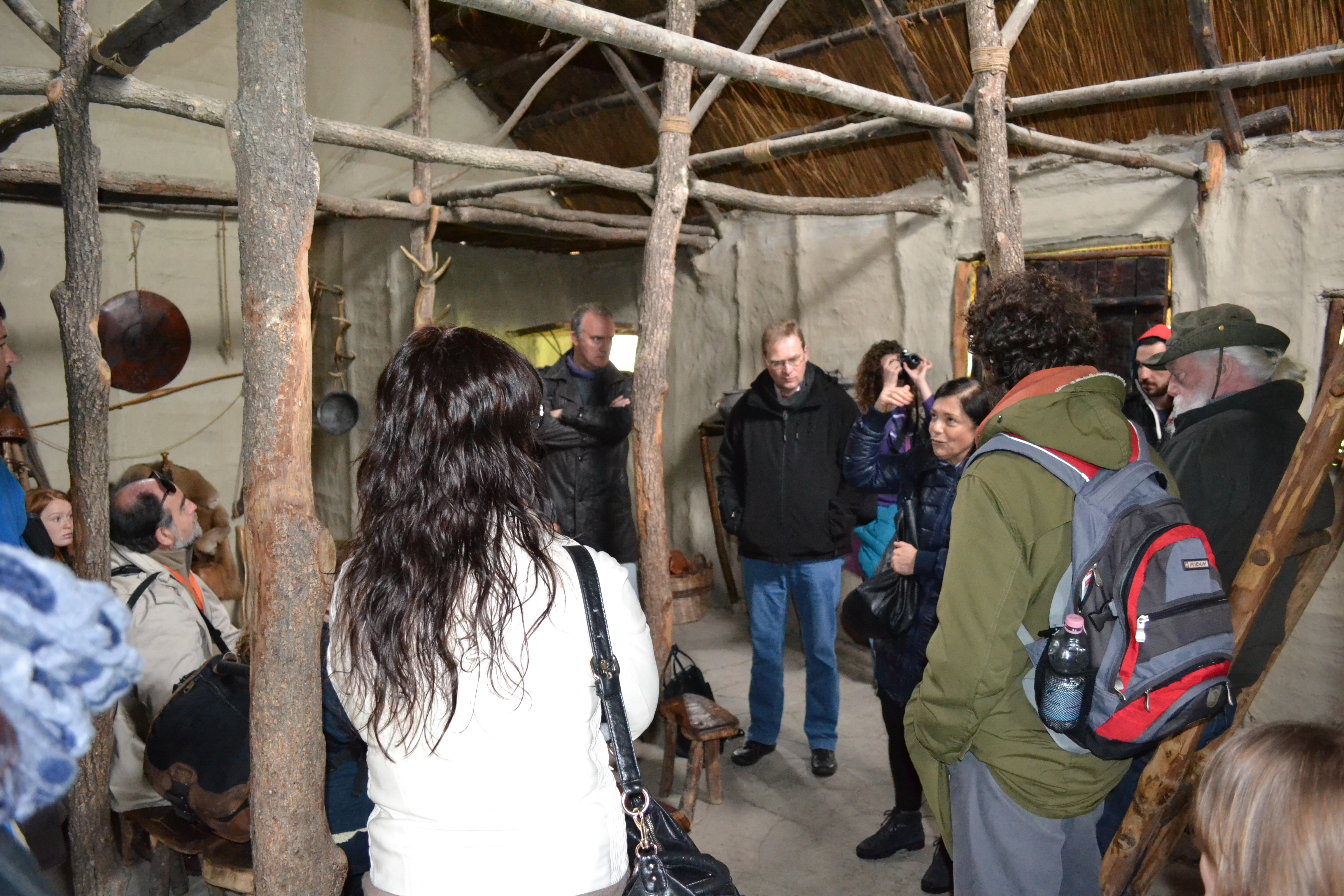
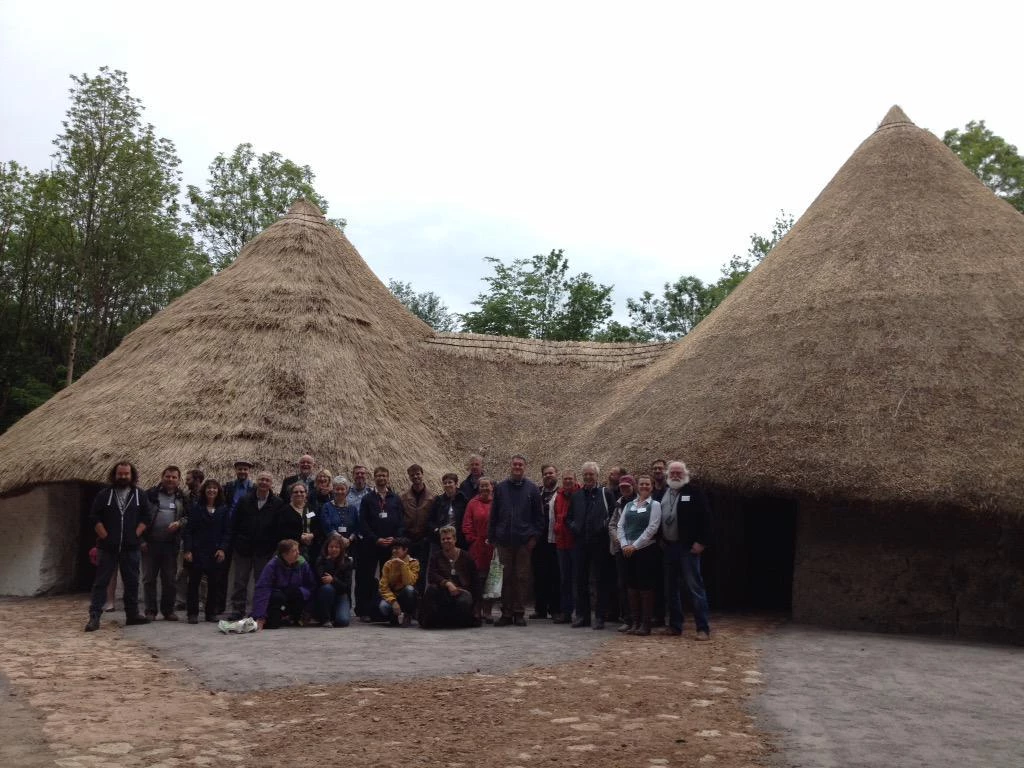
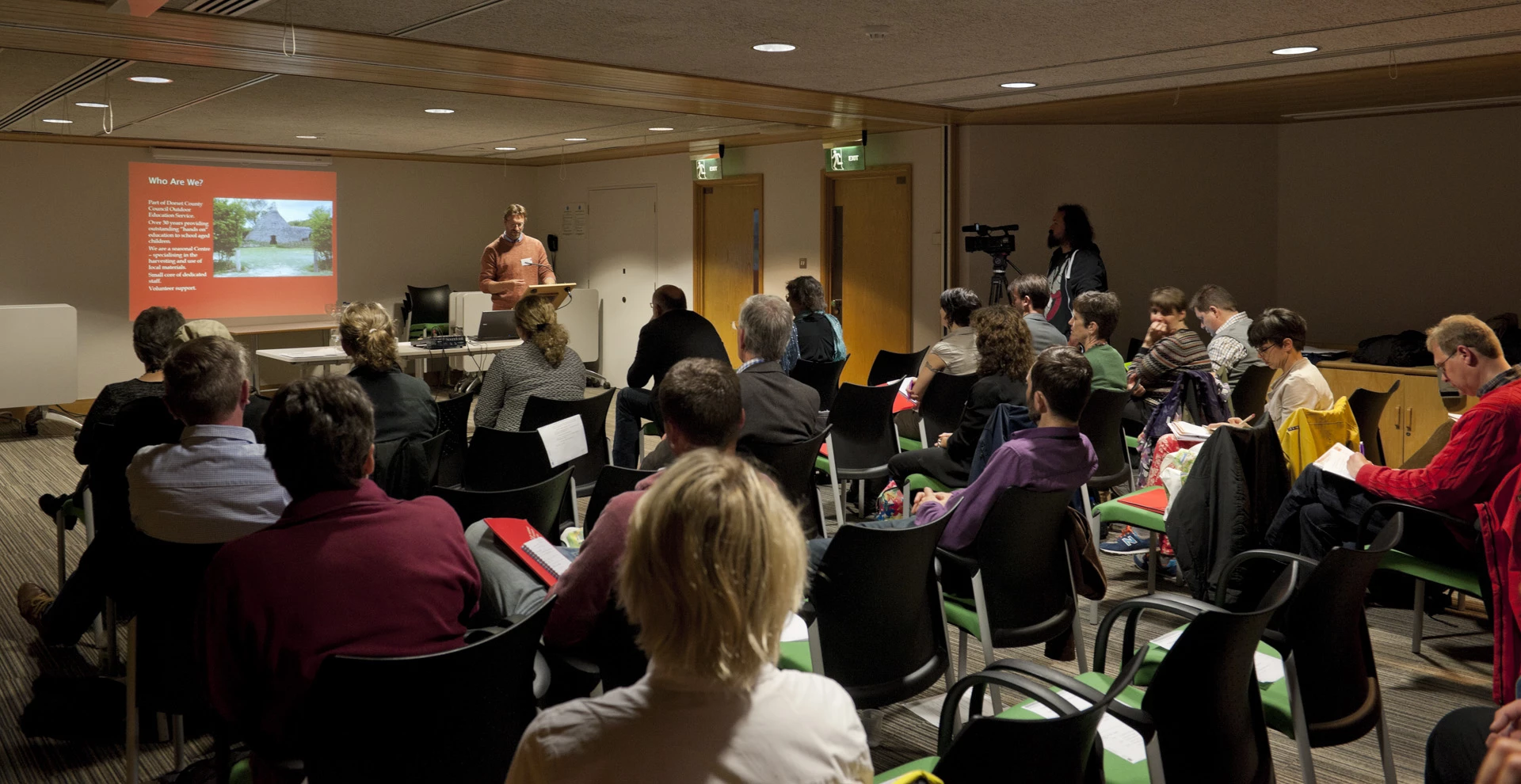
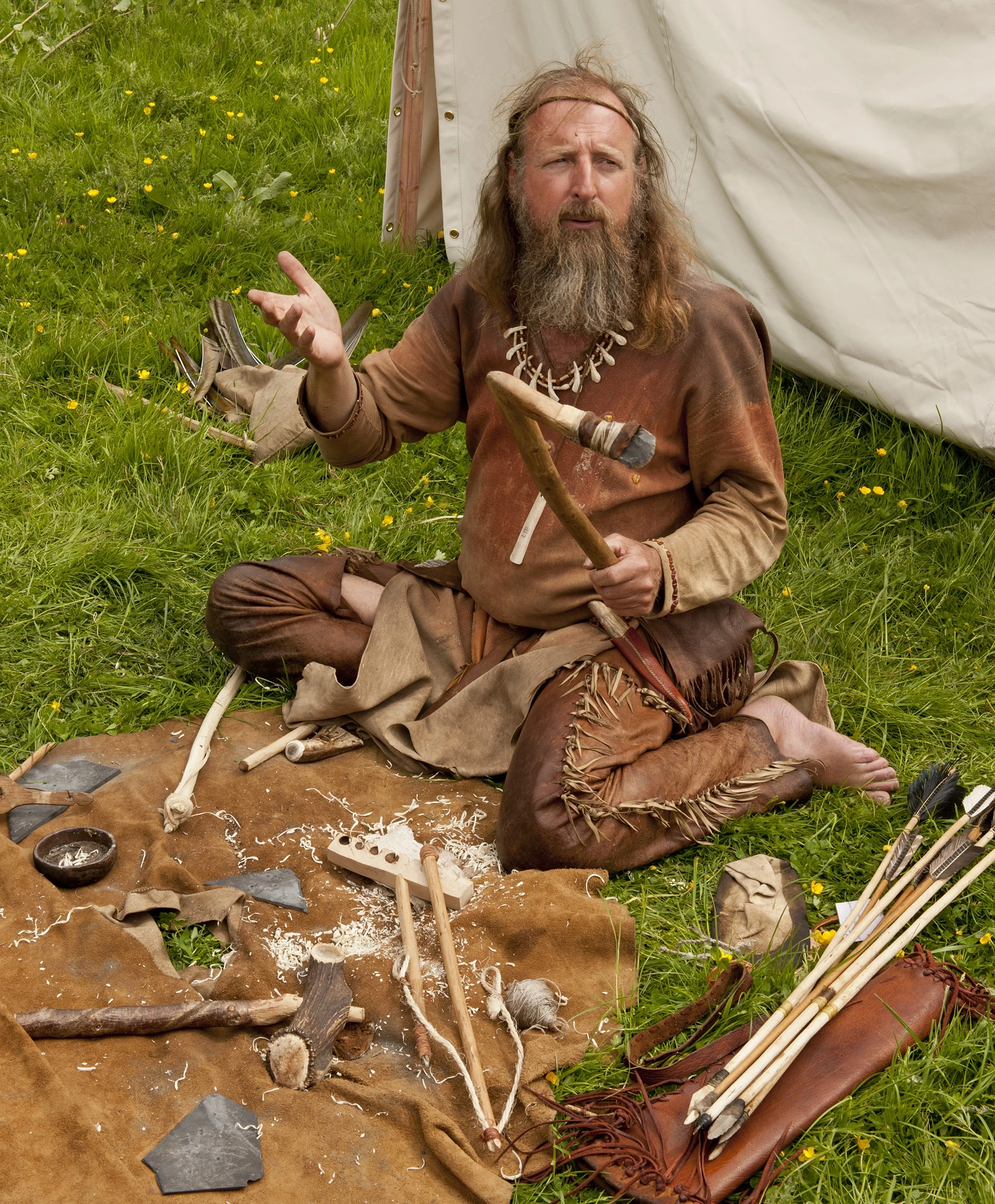
St Fagans and the OpenArch project Steve Burrow, 3 November 2015 For the last five years St Fagans National History Museum has been a partner in the EU Culture-funded project, OpenArch.OpenArch is an exciting project which aims to raises standards of management, interpretation and visitor interaction in those open-air museums that focus on Europe’s early history – archaeological open-air museums (AOAMs) as they have become known. AOAMs can be found right across Europe, bringing to life everything from Stone Age campsites to Iron Age farms, Roman forts and medieval towns. Their great strength is in the way in which they present their stories, often through detailed reconstructions and live interpretation.The partners in this project are:Archaeological-Ecological Centre Albersdorf, GermanyArcheon, NetherlandsC.I. De Calafell, CataloniaEXARC, NetherlandsExeter University, UKFotevikens Museum, SwedenHunebedcentrum, NetherlandsKierikki Stone Age Village, FinlandParco Archeologico e Museo all’aperto della Terramara di Montale, ItalyViminacium, SerbiaAnd, of course, St Fagans National History Museum. The project itself consists of three main strands: conferences and workshops, staff exchanges, and activities. OpenArch meeting in a reconstructed Bronze Age house in Modena, Italy Almost all the partners have hosted conferences related to the main area they are covering in the project: management practices, visitor interaction, craft work, scientific studies and communication, among others. Many of these have attracted large audiences and all have been stimulating opportunities to share new ideas.Staff exchanges have also been a key method of strengthening links between the partner organisations, with practitioners spending time working in one another’s institutions to help share best practice.The activities that partners have undertaken have, of course, been very varied. For example, visitor surveys have been undertaken to help us understand how well we are serving the public, and scientific studies have been carried out to learn more about how life was lived in the past and how this can be shown to the public. What has St Fagans done?St Fagans has benefited tremendously from the project. Over the course of the last five years, around twenty members of staff from all parts of the Museum have had the opportunity to see how their colleagues in other museums go about their work. It’s been a chance to share what we do well, and learn from others. On one exchange visit, staff from our Events team were able to see how public activities were organized by our partners at Archeon in the Netherlands. On another, our Iron Age learning facilitator helped out on an Iron Age themed event in Calafell, Spain. The experience has certainly given us a better appreciation of the benefits of European working and has helped us to develop further ideas for collaborative working with European partners.Throughout the project we have been using the experience we’ve gained in OpenArch to improve the quality of the new Iron Age farmhouses we’ve been building. For example, we learnt from the very high standards of interior display demonstrated by our colleagues in Modena in Italy and adopted their standards in the choice of display items; while the work of the Hunebedcentrum in the Netherlands helped in suggesting ways that we could improve our building maintenance programmes. Along the way we’ve shared what we’ve learnt and how we’ve applied it in presentations at conferences run by the partners.Perhaps the high point of our involvement in the project was the conference that we ran in May 2015. We used this to focus the project on issues relating to the management of archaeological open-air museums, and over three days we looked at issues both theoretical and practical in the company of a very distinguished selection of speakers from across Europe.Alongside the conference we ran a craft festival as a major public event – the first of its kind to be held at St Fagans in many years. Over the course of a packed day, we hosted around 50 craftspeople from across Wales and the UK, including colleagues from our partner museums who were with us on staff exchange. Together they put on a great show, demonstrating everything from metalworking to pot-making, leatherwork, painting, food preparation and lots more. Over 5,000 visitors came to visit and feedback was excellent.More information about our involvement in OpenArch can be found on the project website: openarch.eu. The OpenArch partners meeting outside Bryn Eryr, our new roundhouses in May 2015.
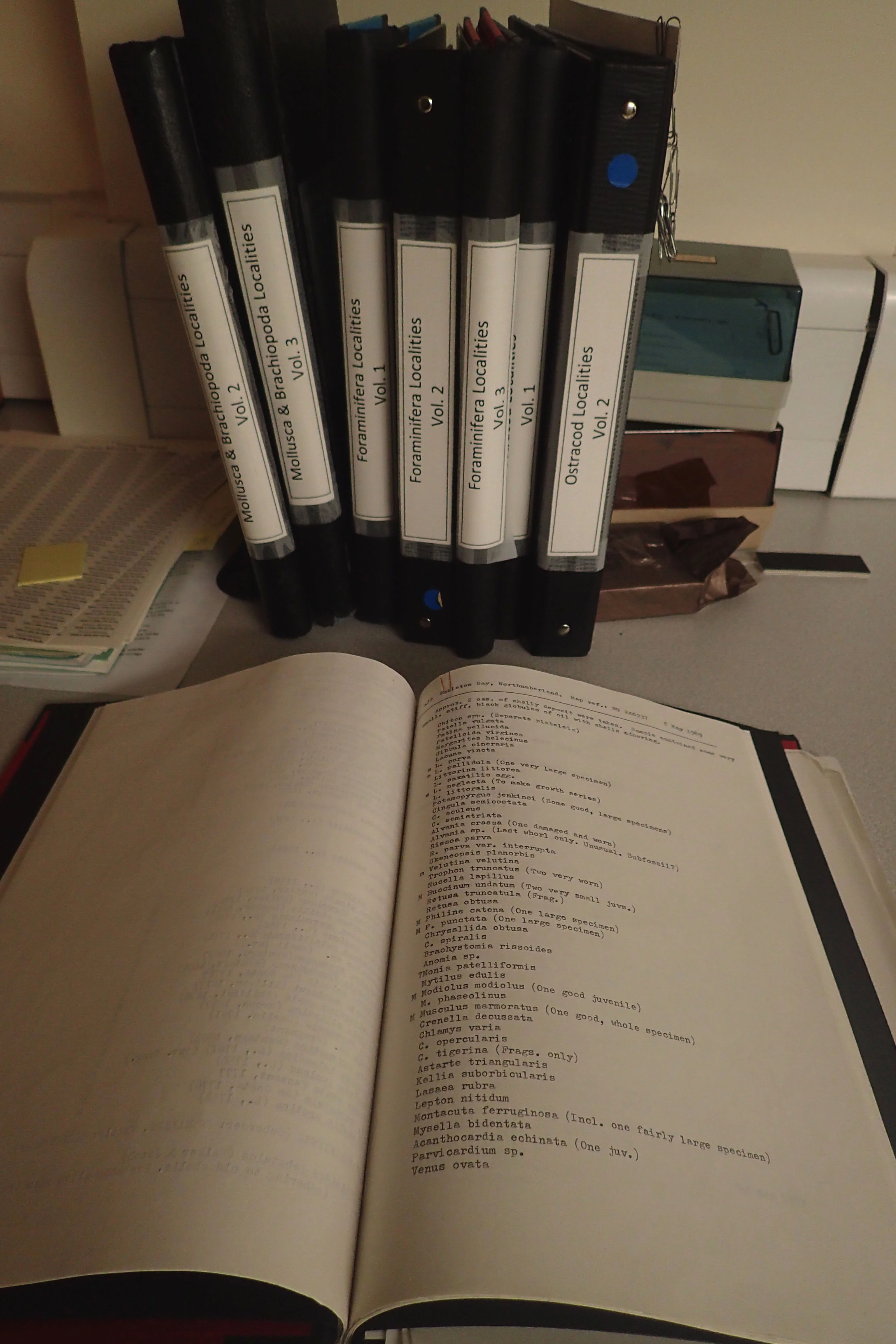
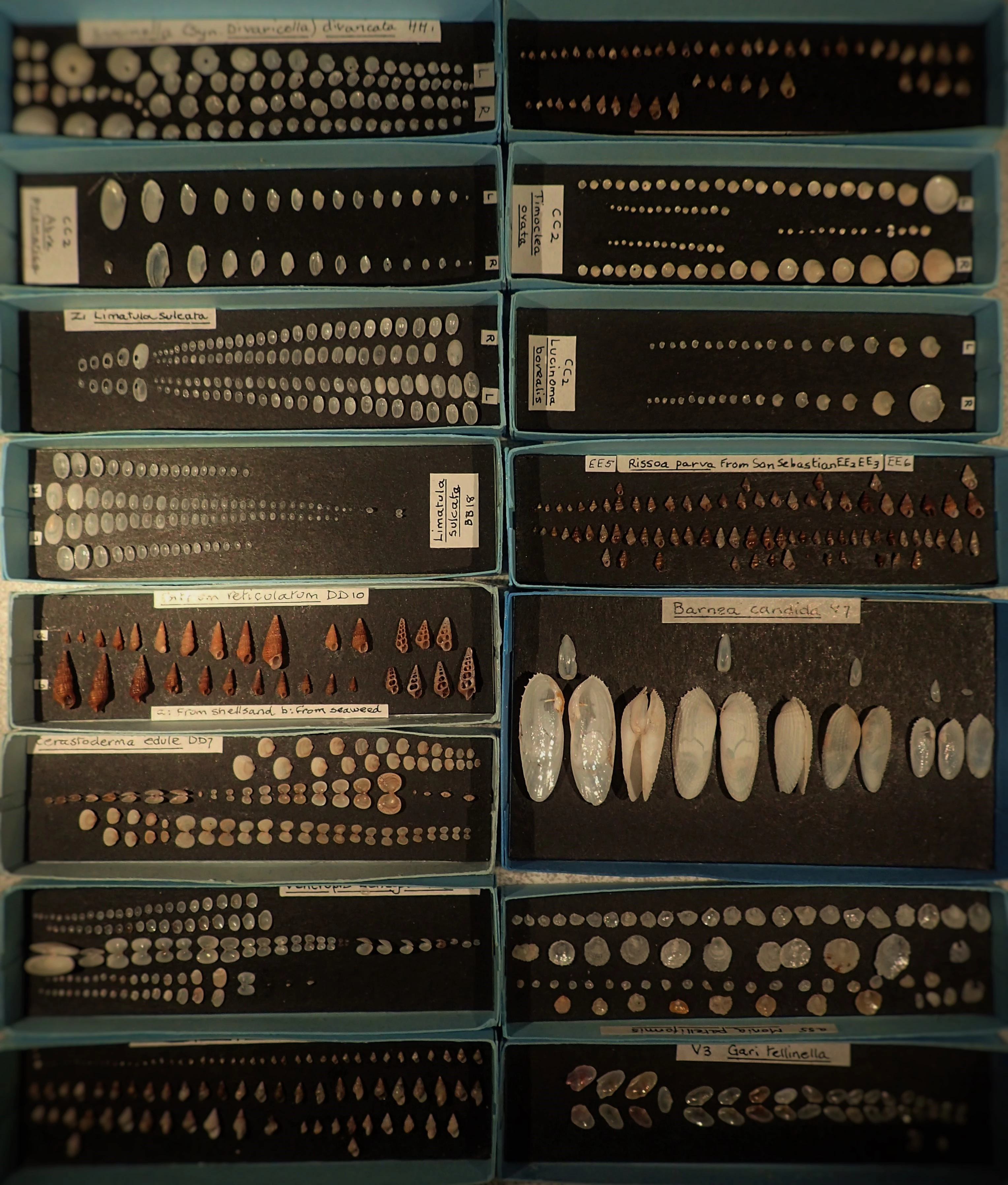
Adventures in the Mollusca Collections Theodore John Tamblyn, 2 November 2015 Perspective of a gap year internAs a gap year student, one is constantly reminded to find a healthy balance between leisure and useful activities. My favourite kind of balance has always been the kind where one leans as far as possible off the side of the bed without falling off, but I was determined to achieve something more lasting in my first period of freedom from education, perhaps reinvigorating my past interest in life sciences (something which had been left moribund by seven years of National Curriculum biology). Almost on cue, I came upon an internship at the National Museum of Wales, where I could undertake the documentation of a mollusc collection donated to the Museum by an eminent conchologist, an authority on shells, Ted Phorson.A fantastical microscopic worldComing upon Ted Phorson’s excellent yet bewildering mollusc collection after a summer of agreeable idleness was something of a jarring experience, as the complexity and the scale of the task ahead of me was (and still is) vast. The as-yet-unsorted material spans some twenty boxes of varying size, each containing unknown hundreds of regimented specks that, under the lens of a powerful microscope, reveal themselves as minute and fantastical shells marshalled into graded rows by size and species. Each sample of specimens requires a unique record to be written, a process that entails much cross-checking of names and an even greater amount of sifting through the abstruse catalogues and index card systems that accompany the collection. Slides must be cleaned and specimens remounted; some samples of shells from the extreme depths of the North Atlantic, two miles down, needed to be identified from scratch, a daunting task in itself.A Kafkaesque catalogueAfter three weeks amid the boxes I have become familiar with the eccentricities of Ted Phorson’s organisational system, but at the start the reams of papers seemed near-impenetrable. The collections catalogues are a case in point. Containing the full list of every specimen collected at every location visited, the catalogues read from left to right as in any normal book, but the numbering system used to reference specimens to their location runs from right to left: locality Z3 is at the beginning of the series, while a9 is at the end. I have no idea why the list starts (or ends) with a9, as opposed to a1, or why some of the locations have two letters in their code instead of one; over the last weeks I have found myself going in circles from specimen to slide to index card and back again, until all the hand-typed lettering swims together in a surreal wash of Kafkaesque confusion. Despite the seeming chaos, however, the organisation of the collection is impeccable, with every specimen attributable to an exact locality, date, and grid reference (eventually). Any problems I have encountered are all my own, which underlines how crucial documenting the collection really is – with an explicable digital record system, it will be considerably easier for the shells and other organisms to be studied by museum staff and visiting experts.Phorson’s eccentricitiesPhorson’s collection is most certainly worthy of study. His technique, of picking through individual samples of sand under a microscope, allowed him to capture the smallest of shells. It was a painstaking process, as a note in the catalogue reveals: “The lower (finer) fraction (of approx. 150gms) was found to contain abundant small molluscs of generally good quality and an abundance of excellent foraminifera and ostracoda… The sorting and picking of this fraction involved many weeks of work”. Not content with mollusc shells alone, Ted Phorson also extracted thousands of foraminifera and ostracods (shelled amoeba relatives and minute crustaceans, respectively), as well fossilised spores from the Coal Measures, fragments of insects, tiny shrimp-like organisms and embryonic starfish; all these minute specimens were affixed to cardboard microscope slides with glue, perfectly aligned for easy examination. Perhaps the most notable slides are those that contain growth series, charting the growth of a shell from the egg upwards; these form an invaluable resource for the identification and study of juvenile and even embryonic shells, a difficult task for which very little scientific literature is available. To compile these physical records of organic growth, Phorson must have worked backwards from the largest to the very smallest, affixing each in perfect order and orientation to create meticulous and minute displays, artful despite their serious scientific bent, exquisite to behold.We’ve only just begunMy first stint with the collection has lasted for three weeks, and it has been a frustrating, fascinating, and enlightening experience. At the end of it, I have completed some 400 records, a box and a half of slides, and my understanding of mollusc shells and the process of curating a complex and scientific collection is considerably richer. There is a lot more work to be done, however, and I will be coming back to the museum in the new year to continue the task, all things permitting. Thanks are certainly due to my sponsors, the Conchological Society of Great Britain & Ireland, whose kind support has allowed me to eat during my stay in Cardiff, and to the Museum itself, for trusting me with its irreplaceable scientific resources, which I hope I have done justice to.Learn more about the project here: Curation of a British Shell Collection
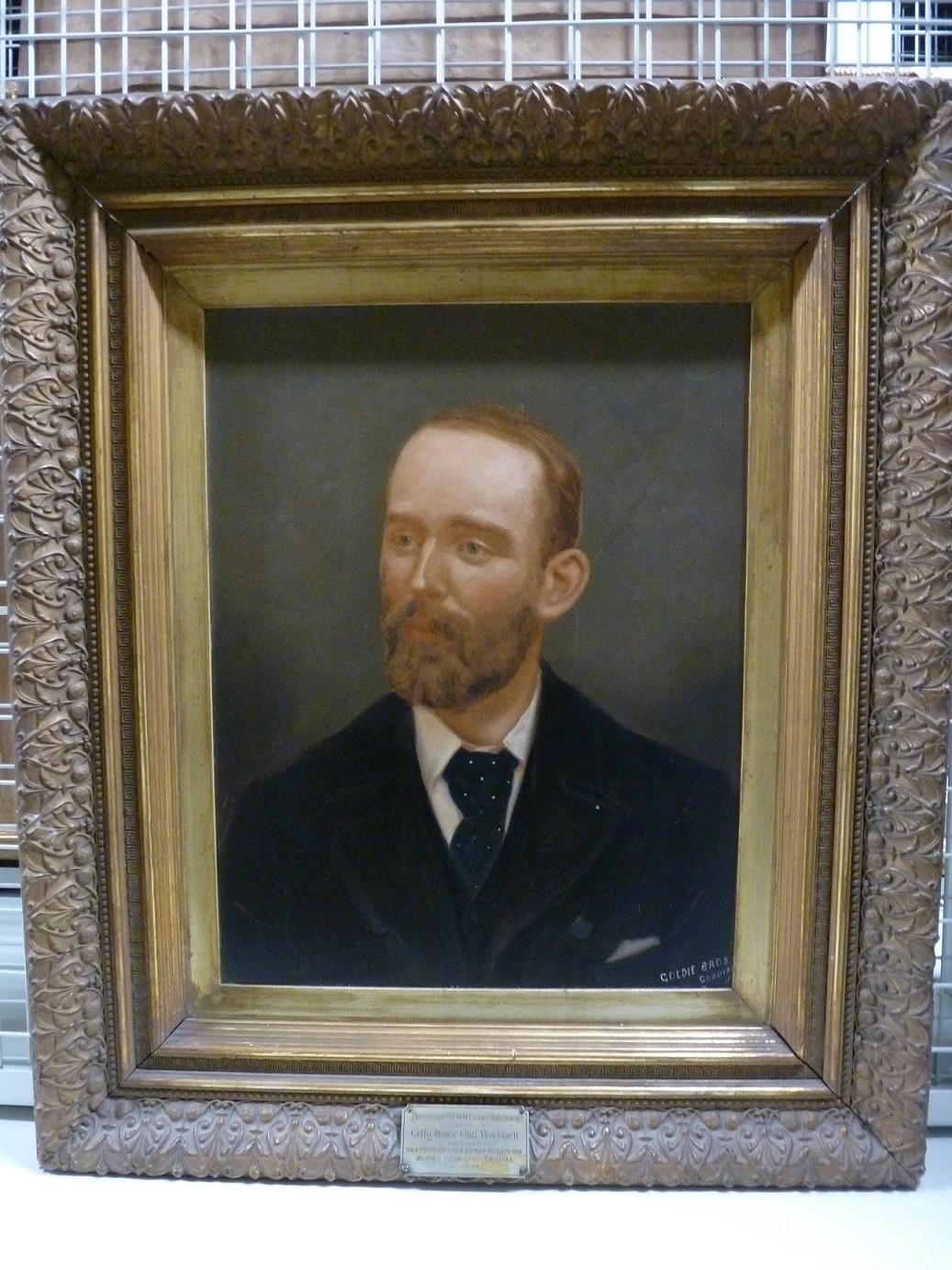
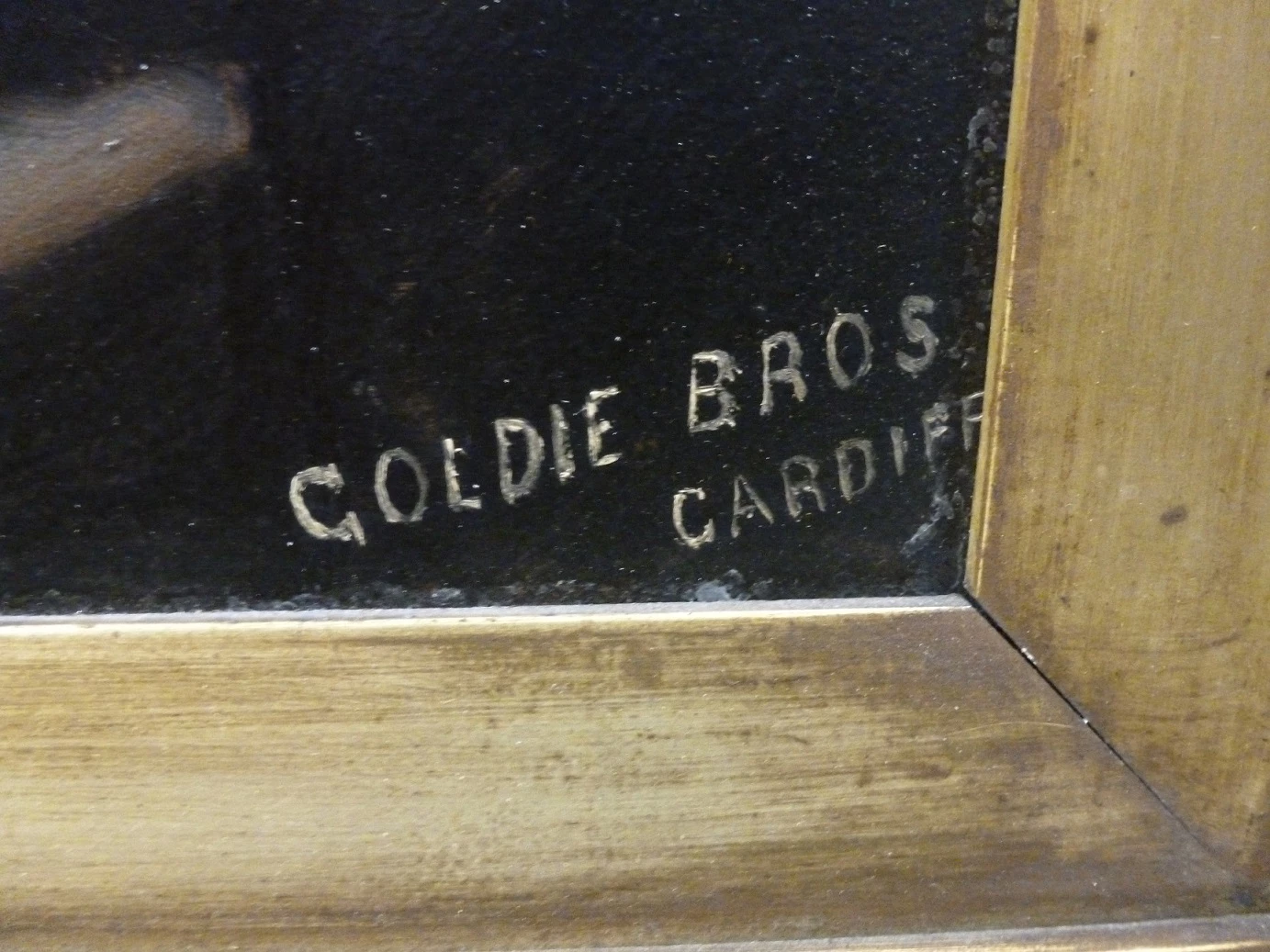
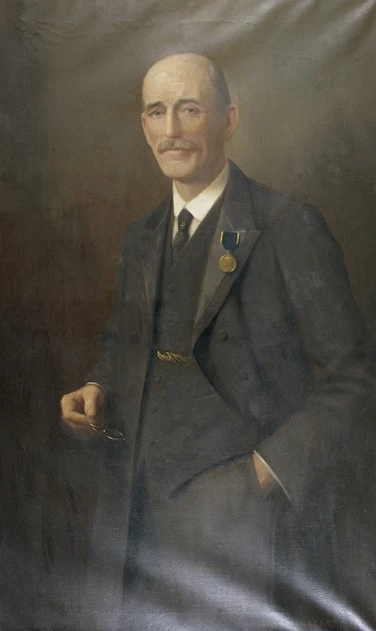
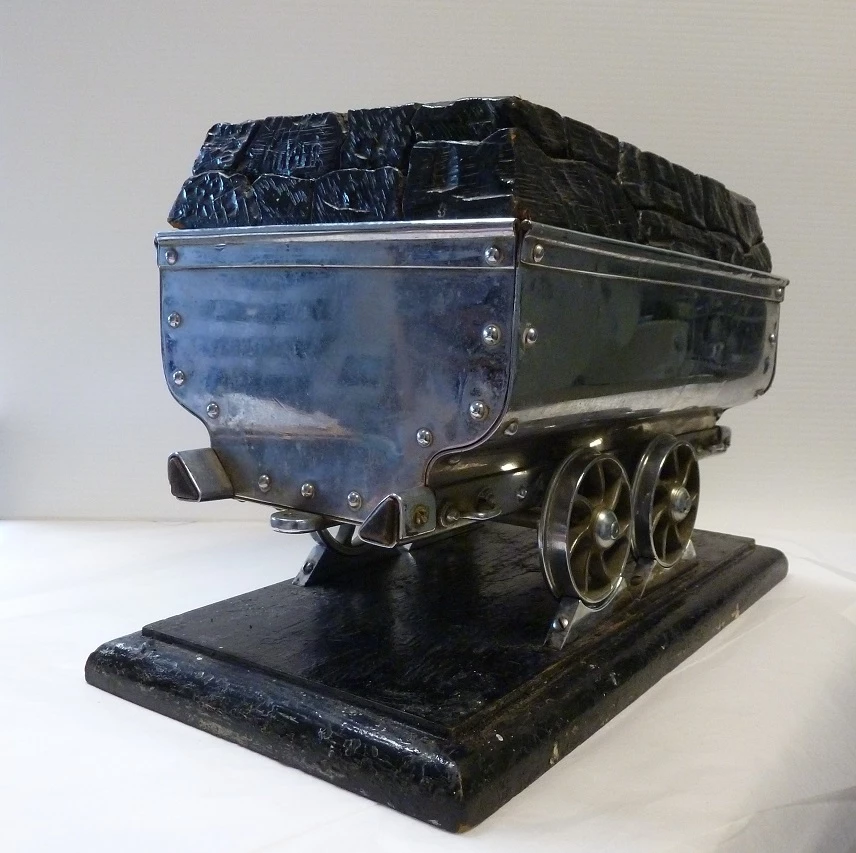
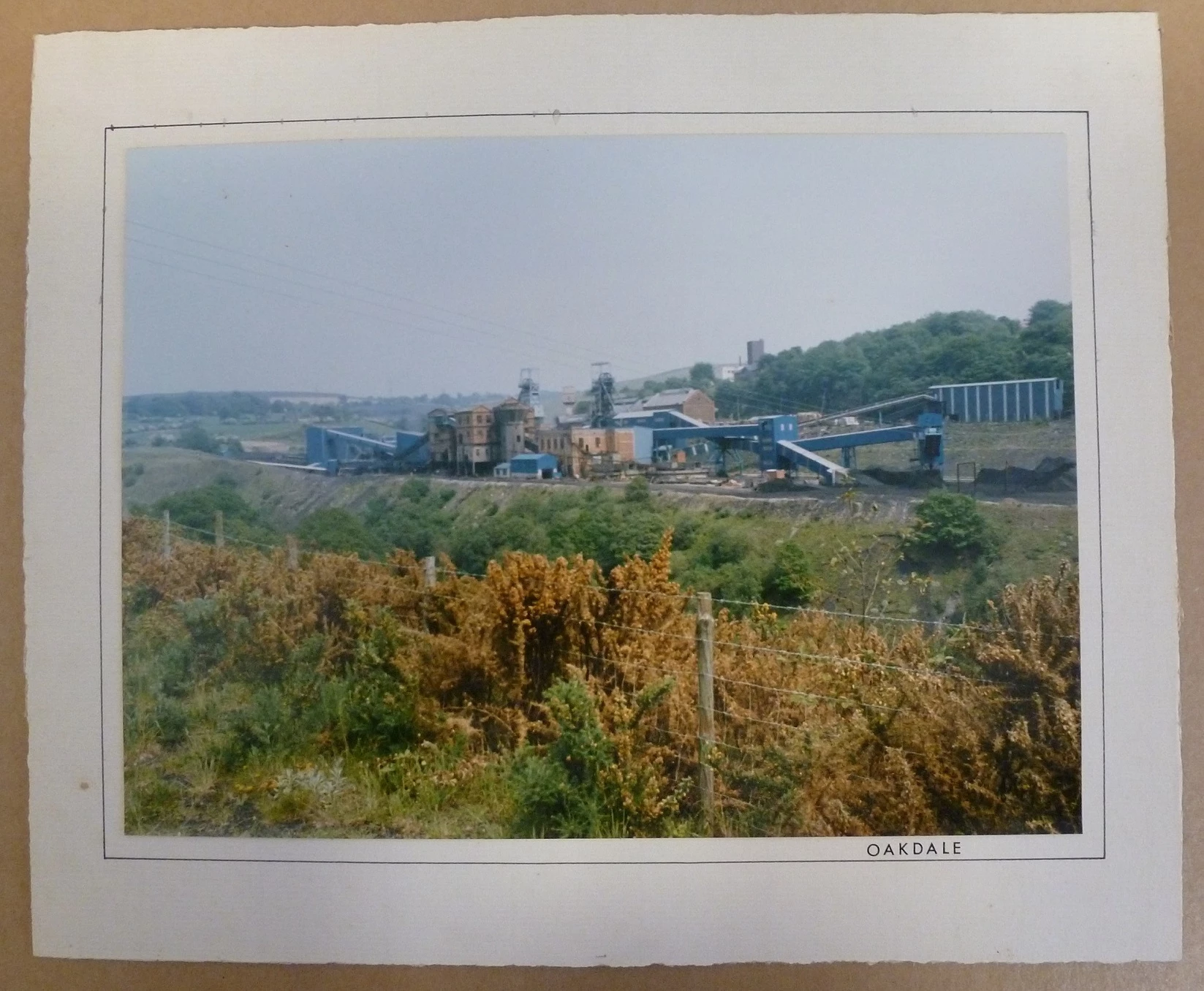
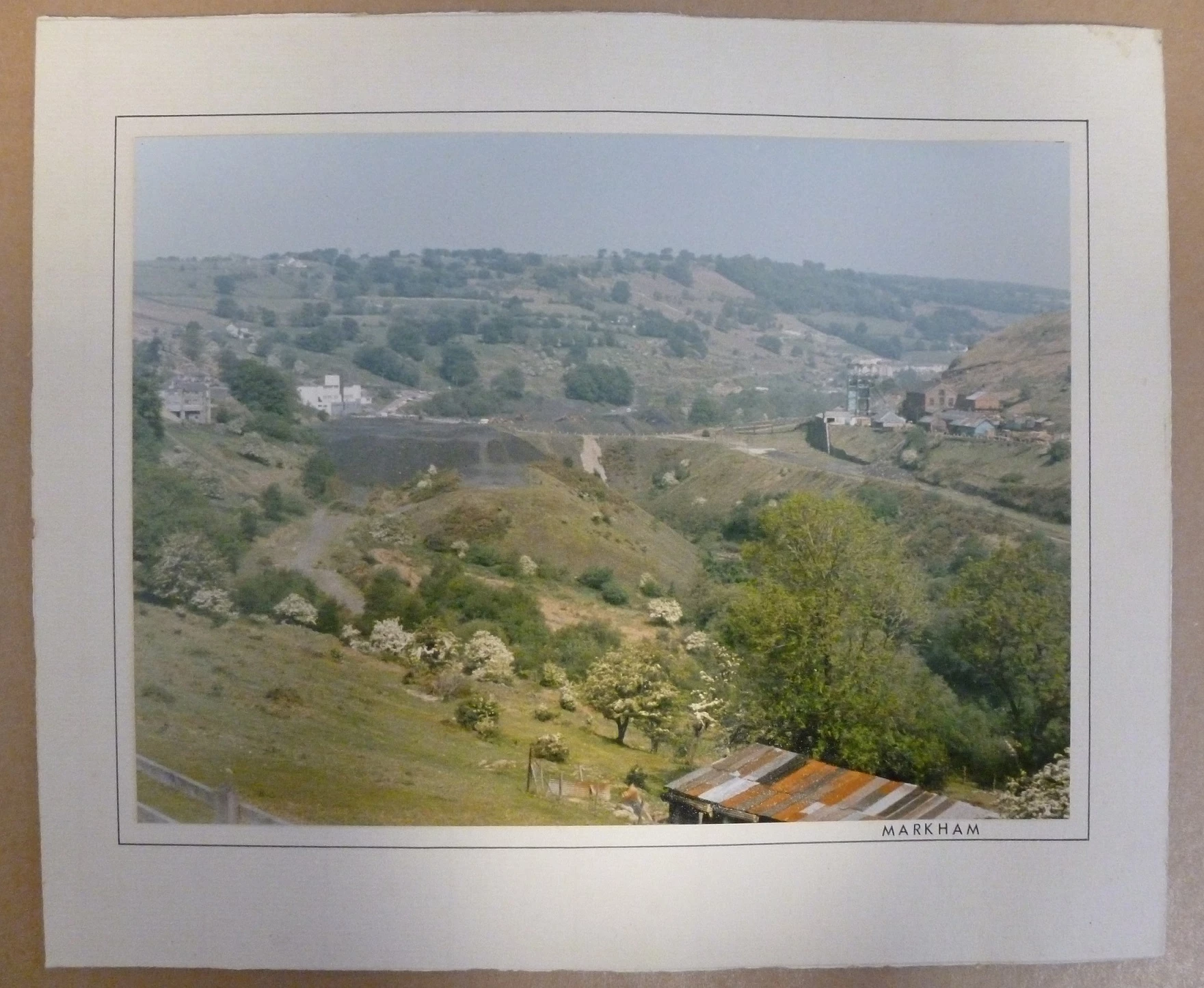
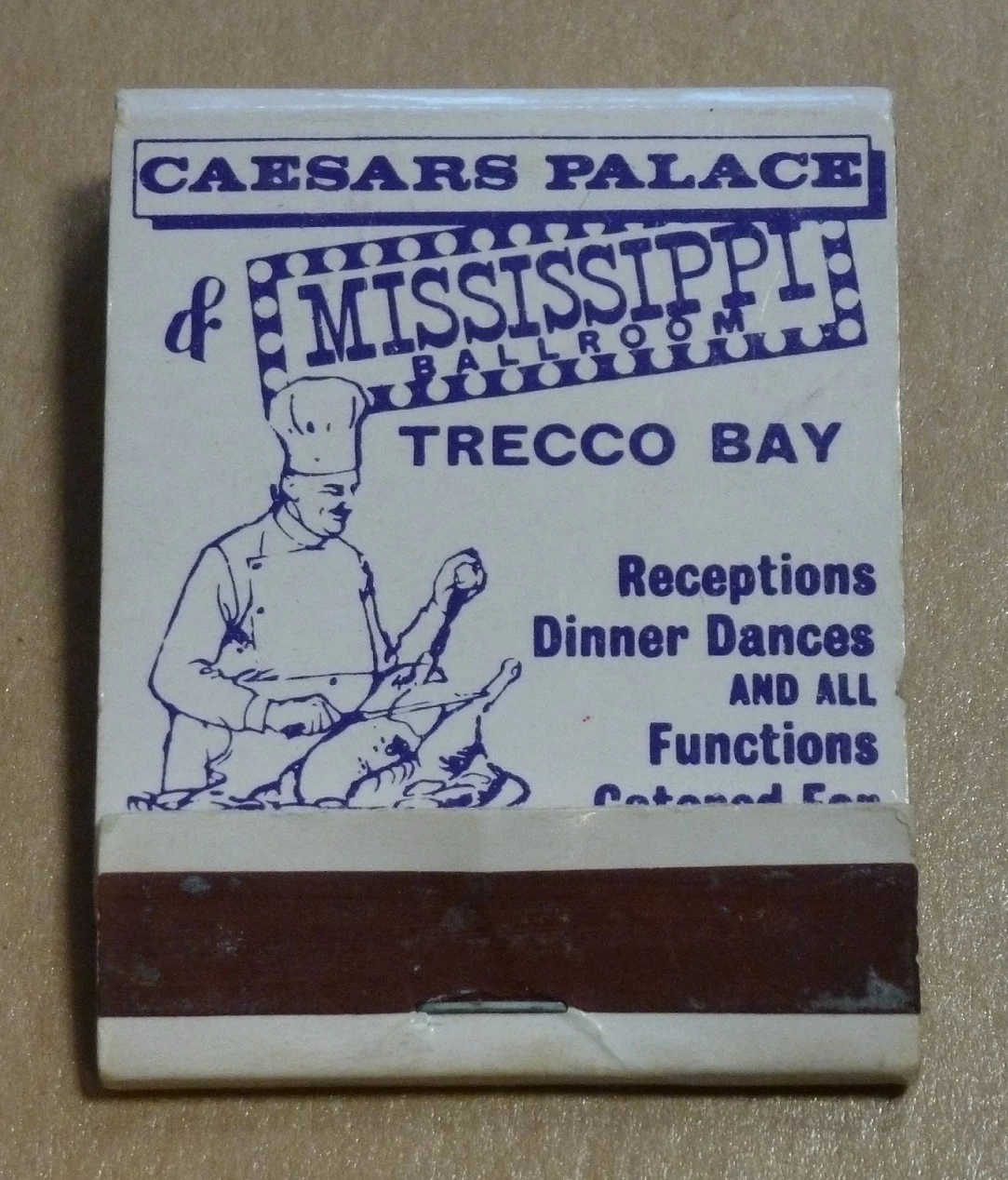
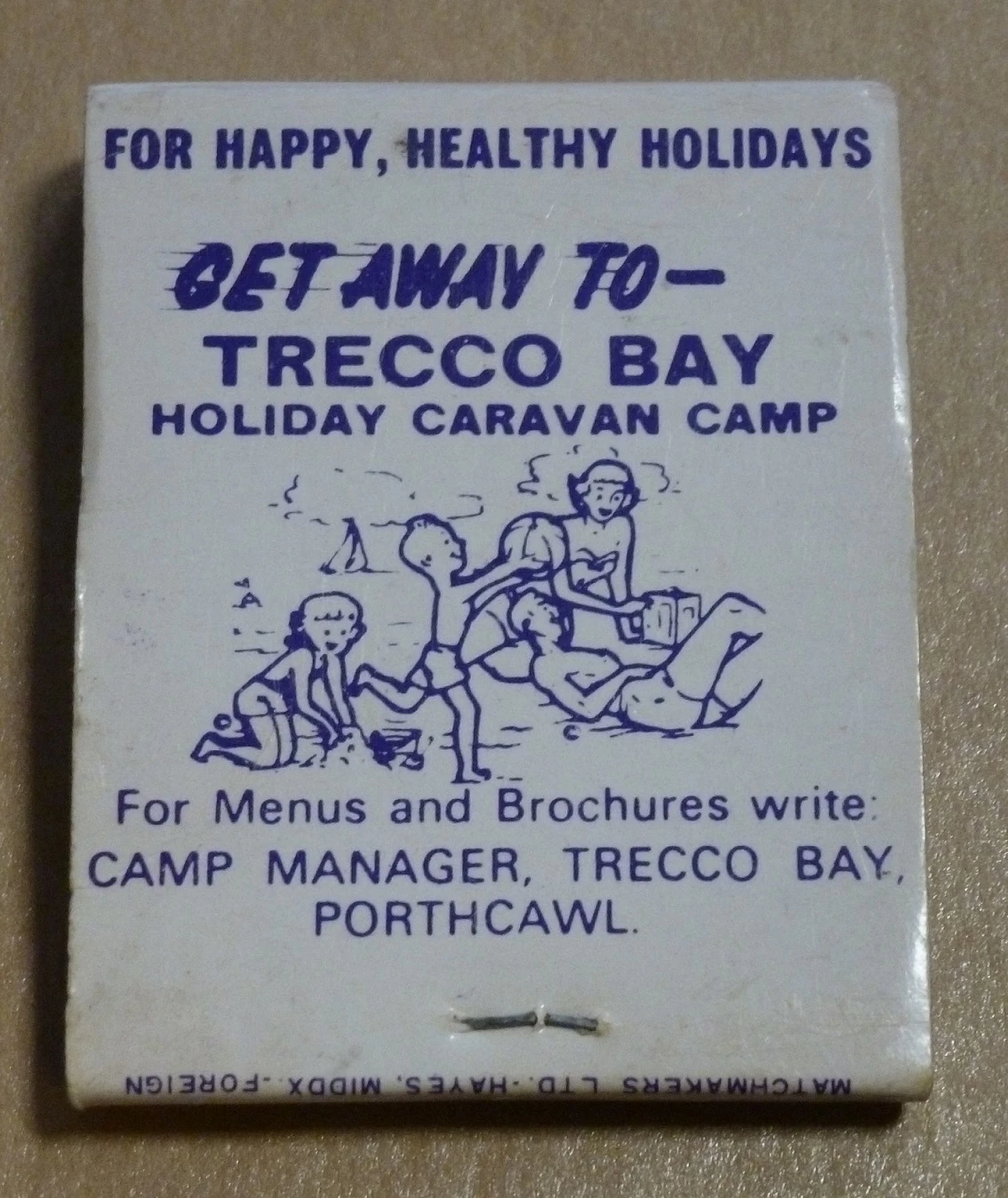
A Window into the Industry Collections – October 2015 Mark Etheridge, 27 October 2015 This month Amgueddfa Cymru was able to acquire a painting of Henry Howard Evans. The painting dates to about 1892, and is interesting as it has been painted over a photograph. The photograph was taken by Goldie Bros. of Cardiff and it is signed at bottom right. The brothers Frank and Lawrence C. Goldie had studios at Swansea, and in 1888 they opened a photographic studio in Queen Street, Cardiff where this photograph was probably taken. They produced photographic portraits of people such as the Marquis of Bute and Madame Patti. This photograph has then been painted over to resemble an oil painting, and presumably this was done by, or on behalf of, Goldie Bros. The painting contained an engraved inscription on the frame that shows it was presented to Mr H.H. Evans, who was Undermanager of the Gelly Colliery, by the Gelly House Coal Workmen and friends on his leaving the colliery in December 1892.We know quite a lot about the life of Henry H. Evans. He was born on 28th April 1865 in 15 Windsor St., Aberdare. He started work as a colliers’ boy at 12 years of age at Bwllfa Colliery, Aberdare. In 1880 the family moved to Maerdy in the Rhondda Fach and Henry continued his career as a collier in Maerdy Colliery until 1884 when he was articled to Mr Rees Llewelyn, Mining Engineer, Aberdare. His training was cut short by the death of his father, Mr John Evans a colliery official, in the Maerdy Colliery explosion of 1885 when he became the family’s bread winner. He began to attend the first mining night school in Aberdare about this time, walking over the mountain from Maerdy to Aberdare for the lessons. At twenty four he gained his 2nd class certificate of competency and became the under manager of Gelli Nos. 2 and 3 Pits where he remained for several years. He later returned to Maerdy Colliery as under manager.He became manager of Bwllfa Colliery, Aberdare in 1894 where he remained for 18 years until he became the Agent for Albion Collieries in 1912. In 1910 he received the Edward Medal for bravery for saving the life of Mr John Isaac, a colliery repairer who had been trapped under a fall of roof. The museum holds in its collection another painting dating from 1929, which shows H.H. Evans wearing his Edward Medal.By January 25th 1932, he had become general manager of the Cambrian Combine and lead a team of volunteers following the explosion in Llwynypia Colliery. He was 67 years old at the time and stayed down the pit until the last victim had been found. Eleven men were killed including two rescuers.The Mines Inspector’s report was rather scathing about the rescue attempt – “In reference to the rescue operations, in the cold light of events it must be said that they were conducted with greater valour than discretion, for even when men from the Porth Rescue Station equipped with breathing apparatus were engaged in J. Alsop’s face, officials not so equipped, including the General Manager (Mr. H.H. Evans), the Agent (Mr. R. Lloyd) and the Manager (Mr. J. Whitticombe), were engaged in Prior’s and Brown’s. They had with them a canary but appear to have had more regard for its life than for their own, with the result that one of their party, John Evans, Overman, was overcome by afterdamp and died.”He died on May 2nd 1936 only a few weeks after being elected Chairman of the Monmouthshire and South Wales Coalowners’ Association. He was buried in Aberdare Cemetery.This painting joins the other painting mentioned here. As well as a model of a coal dram. This model is a scale replica of a ‘Patent Cambrian Tram’ invented by H.H. Evans and R. Evans in 1931.As well as this photograph/painting we have acquired a number of other photographs this month, these include these two photographs showing Oakdale Colliery and Markham Colliery, which were taken during the late 20th century.Finally this ‘book’ of matches we have collected for the two adverts that relate to tourism in Porthcawl. On the front is an advert for Caesars Palace & Mississippi Ballroom while the reverse has an advert for Trecco Bay Holiday Caravan Camp. Mark EtheridgeCurator: Industry & TransportFollow us on Twitter - @IndustryACNMW
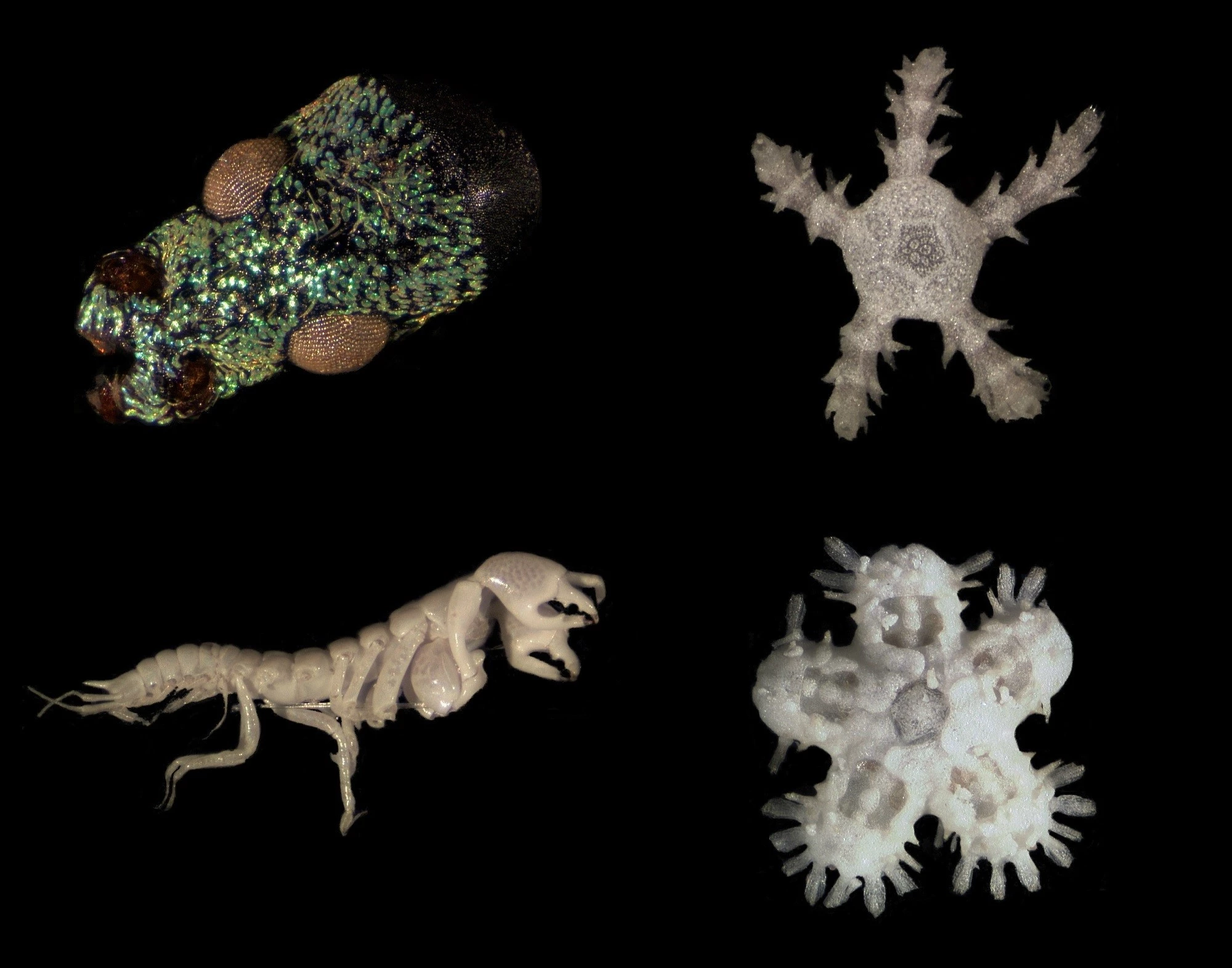
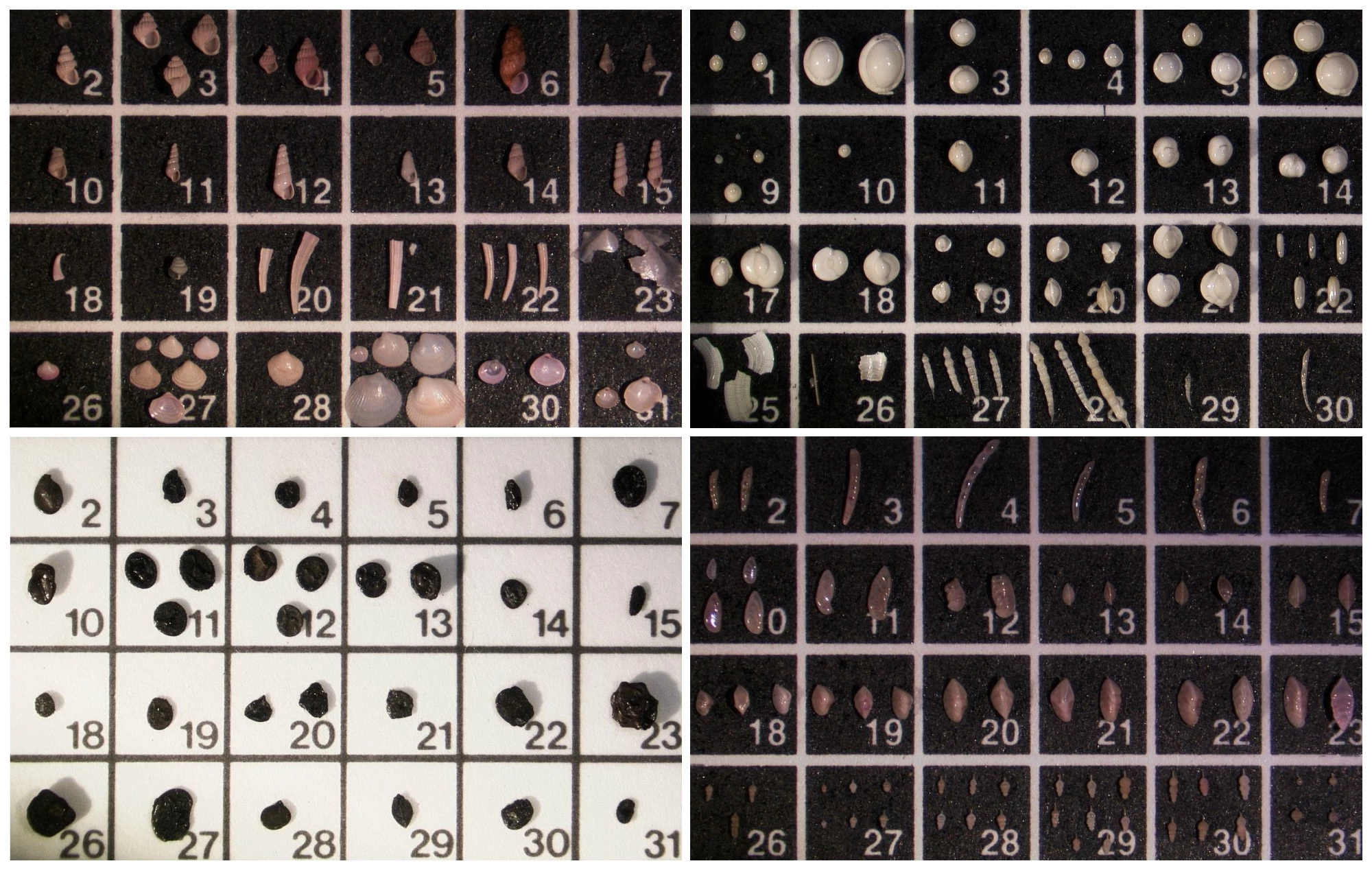
Curation of a British Shell Collection Harriet Wood, 20 October 2015 We are delighted to welcome our new intern, Theo Tamblyn, to the Invertebrate Diversity Section of the Department of Natural Sciences. Theo is currently in his gap year between A Level’s and university and is looking into studying an Earth Sciences degree at either Bristol University or UCL next year. Theo’s passion for the natural world started at a young age, firstly with a focus on insects, which then evolved into collecting and learning about shells (molluscs), aided by his 8 year membership to the Conchological Society of Great Britain & Ireland. He is no stranger to the Department, having already undertaken work experience with the Mollusca Curators whilst still at school, and Theo is keen to work with us once again. So, what will he be doing... The Ted Phorson collectionTheo will be spending a total of 3 months with us curating and databasing the Ted Phorson collection, which was bequeathed to us in 2006. This collection, although primarily British marine molluscs, also contains lamp shells (Brachiopods), seed shrimp (Ostracods) and a group of miniscule marine seafloor dwelling animals known as forams (Foraminifera). It is a complex collection consisting of a mixture of microscope slides, growth series, loose micro-specimens and larger shell material. You can see from Figs. 3 and 4 that the slides and growth series in particular are often extremely beautiful. Small but perfectly formedThe uniqueness of Ted Phorson’s collection comes from the fact that he meticulously picked out the tiny shells found in fine un-sieved shell-sand, therefore capturing the juveniles (young) of many species. Juveniles are an ongoing problem for scientists, with very few illustrations published of even the most common species, and so a reference collection like Ted Phorson’s is invaluable. The work that Theo carries out will make this collection accessible for the first time - it can then be utilised for Museum research projects such as the Marine Bivalve Shells of the British Isles, as well as being a useful resource for external users.We are grateful to the Conchological Society of Great Britain & Ireland who have kindly part-funded Theo Tamblyn’s internship.
The plight of the museum conservator Christian Baars, 17 October 2015 Conservators are a misunderstood race. When we start talking about what we do (conservation, of course), many people see us cuddling pandas and elephant babies. Some of us do indeed work with elephants – but generally only long after their demise. Because we protect not the living from dying, but the dead from decaying.Natural and cultural heritage (for a definition, please see here) does not last forever. In fact, heritage can be incredibly ephemeral. In the museum context, just think of all the materials we hold in store: paper, wood, bone, feathers, leaves, glass, ceramics – all things that can break or decompose easily. But this just happens to be what your heritage is made of. All those objects making up our cultural treasure chest are in constant danger of breaking, getting mouldy, being eaten by insects, falling apart.It is the job of your friendly museum conservator to make sure your children and your children’s children will still have that cultural reference point in many years to come. This requires a lot of work, all of the time – the rot never sleeps. Usually, only when things go wrong do conservators end up in the news. Most of the time, these highly skilled and experienced people go about their jobs unseen, in laboratories and studios deep in the bowels of museums, or in the galleries long after closing time.To be a conservator today requires years of training, and rightly so – our heritage is too precious to risk gluing a beard back on wonky and with the wrong type of glue. The National Museum’s team of 20 conservators cares for approximately three million objects. These collections are hugely varied: the museum collects helicopters, microfossils, skeletons, oil paintings, mobile phones, harps and 18th century ball gowns. Conservation is therefore definitely for the specialist.Restoring a painting, cleaning a Viking sword or preparing a fossil dinosaur skull, let me tell you, is really not easy. If you want to do it well it takes knowledge of materials, history and analytical sciences, experience and skill. Is it any easier to store things? Well, no, actually, to store objects correctly – that is, without inviting decay – the store must be dry (but not too dry!), cool, clean, free from pests, well organised, and have the right type of shelving for whatever we are storing.Do you now want a chance to find out what a conservator is and what they really do? If you have a coin bring it along to our first Museum Conservators Open Day – we’ll show you what it’s made from during half term week: 27th October 2015 at National Museum Cardiff. You can play the X-ray game (perfectly safe, promise!), find out what creepy-crawlies are eating our collections and your wardrobe at home, and try your hands at conservation skills. All for free from 10am to 5pm!