Collections & Research

Making History at St Fagans: Roundhouses and a Prince's Court

Dafydd Wiliam, 26 March 2015

I have just begun my fourth week as Principal Curator of Historic Buildings, here at St. Fagans, and this is my first blog post. My background is in archaeology, and more specifically, experimental archaeology.

This type of archaeological investigation tests the theories that have grown out of excavated archaeological evidence. Essentially we try and build something that would leave the same evidence as discovered, if excavated in the future. This challenges our assumptions and raises new questions.

Iron Age Roundhouses

In my time I have built four roundhouses based on the archaeology of Iron Age homes. As the excavated archaeology in many cases is less than 30cm in depth, everything above ground is conjecture derived from the surviving evidence. As you may imagine, trying to figure out the structural details of buildings that haven’t been seen in 2,000 is a challenging yet satisfying task. Therefore, it gives me great pleasure to be part of St. Fagans latest experimental projects – the construction of an Iron Age farmhouse based on evidence from Bryn Eryr in Anglesey, and Llys Llywelyn, a medieval Royal Court based on evidence from Llys Rhosyr, again in Angelsey.

As I write the thatching of the farmhouse is underway, and it won’t be long until the building is watertight. This will be a blessed relief, as the prolonged rain this winter has prevented the buildings 1.8m-thick clay walls from drying as quickly as hoped. Yes, the walls are of solid clay – unlike most excavated roundhouses which had wattle and daub or stone walls. Although such buildings were not uncommon, this is the first reconstruction of this kind of under-represented roundhouse.

A Medieval Prince's Court

The two buildings of Llys Llywelyn have reached chest height, and the Museum’s stonemasons are about to start on the window reveals. The court was discovered in Anglesey and excavated between 1992 and 1996. The surviving masonry stands no more than 1m in height. Therefore, like the farmhouse, this too is a replica based on excavated evidence.

Written records from the period, such as ‘Brut y Tywysogion’ state clearly that there was a Royal Hall at this location, and frequented by Llywelyn ap Iorwerth during the first half of the 13th century. What we do not know for certain, however, is what it looked like. This knowledge comes from the comparative analysis of surviving Royal halls built during the same period, as seen at Conwy castle and the Bishop’s Palace in St. Davids.

As I plan to write regular blog posts to keep you informed of the latest developments, I will also aim to re-cap the work that has already been achieved so that you have a clearer understanding of these remarkable buildings, and our attempts at bringing it back to life.

I Spy…Nature out and about

Katie Mortimer-Jones, 24 March 2015

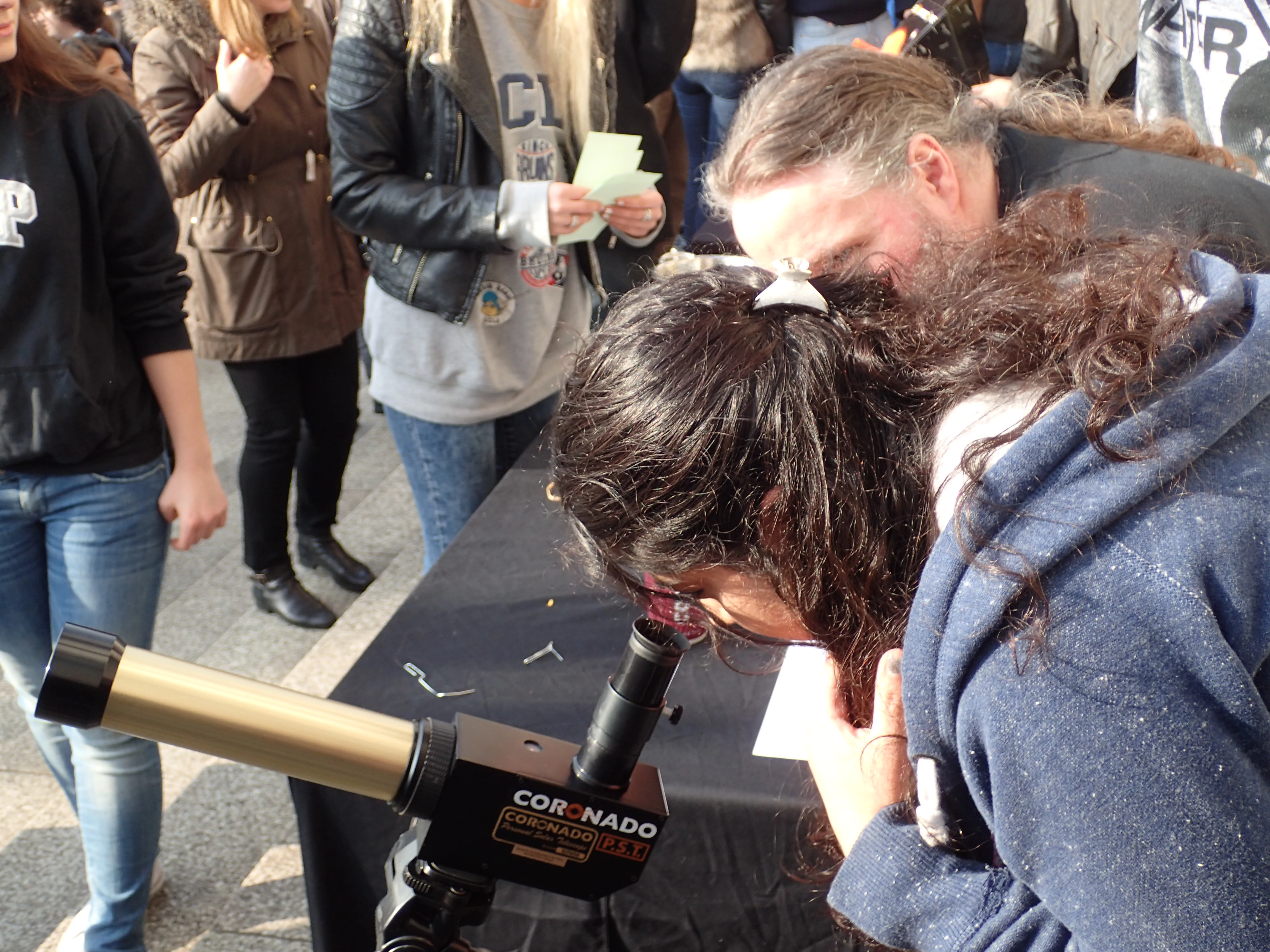
Last year Staff from the Departments of Natural Sciences, and Learning, Participation and Interpretation took their I Spy…Nature themed pop-up museum out into the community. This year we have been delivering I Spy…Nature related workshops throughout March as part of the I Spy…Nature Exhibition outreach programme. Workshops at National Museum Cardiff allowed members of the public to carry out fieldwork within the museum, bringing the outside in! Visitors were able to explore the miniature world of British Slugs and Snails, go pond dipping, explore a rocky shore (utilising our brand new portable 3D Rocky shore) and go worm charming with our OPAL Community Science officer. During the middle part of March, staff ran a series of school workshops both at National Museum Cardiff and within a local primary school, where pupils could explore the seafloor, Fossils and Minerals before trying their hand at scientific illustration with a local artist.  The aim of these sessions was to inspire children to explore their natural environment and also to give them a chance to experience the work that museum scientists do. For British Science and Engineering Week, staff held an I Spy…Nature Open day in the main Hall at National Museum Cardiff, with a plethora of specimens from our collections and even a giant lobster, fly and squirrel!

 For more information on the I Spy…Nature activities see our Storify Story.

New Volunteer Opportunities at St.Fagans - Helping to Care for Collections

Penny Hill, 18 March 2015

As part of the redevelopment project at St.Fagans National History Museum, we wish to open our doors to volunteers and invite them to work alongside the Preventive Conservation team, helping to care for the collections on open display in the historic houses. There are hundreds of objects on display ranging from furniture, textiles, pottery and agricultural equipment. Providing plenty of opportunities to share a skill or learn something new.


Caring for this site is no mean feat, we currently have 26 furnished properties including a castle. Plus there are 4 new buildings on the way, including a medieval hall and the Vulcan pub! So plenty to keep us busy. The Museum is also open throughout the year and can have up to 700,000 visitors during that time, which means we are kept on our toes making sure everything continues to look good, day in and day out.

This work is a combined effort, involving staff from many different sections, which often goes on behind the scenes unnoticed by visitors. However, we wish to change this and provide opportunities for volunteers to assist us, not only in the care of objects, but also contribute to interpretation and help inform the public.


We are currently refurbishing one of the cottages on site, aiming to provide a comfortable and creative work space for our new collection care volunteers. We hope to start recruiting in May so if you're interested, I'll be posting more updates as the project continues to progress.

Introducing three joint projects for conservators at NMW!

Kim Thüsing, 17 March 2015

We’re in the process of preparing objects to go on display in the new galleries that are being built on the site of St Fagans.  #makinghistory  

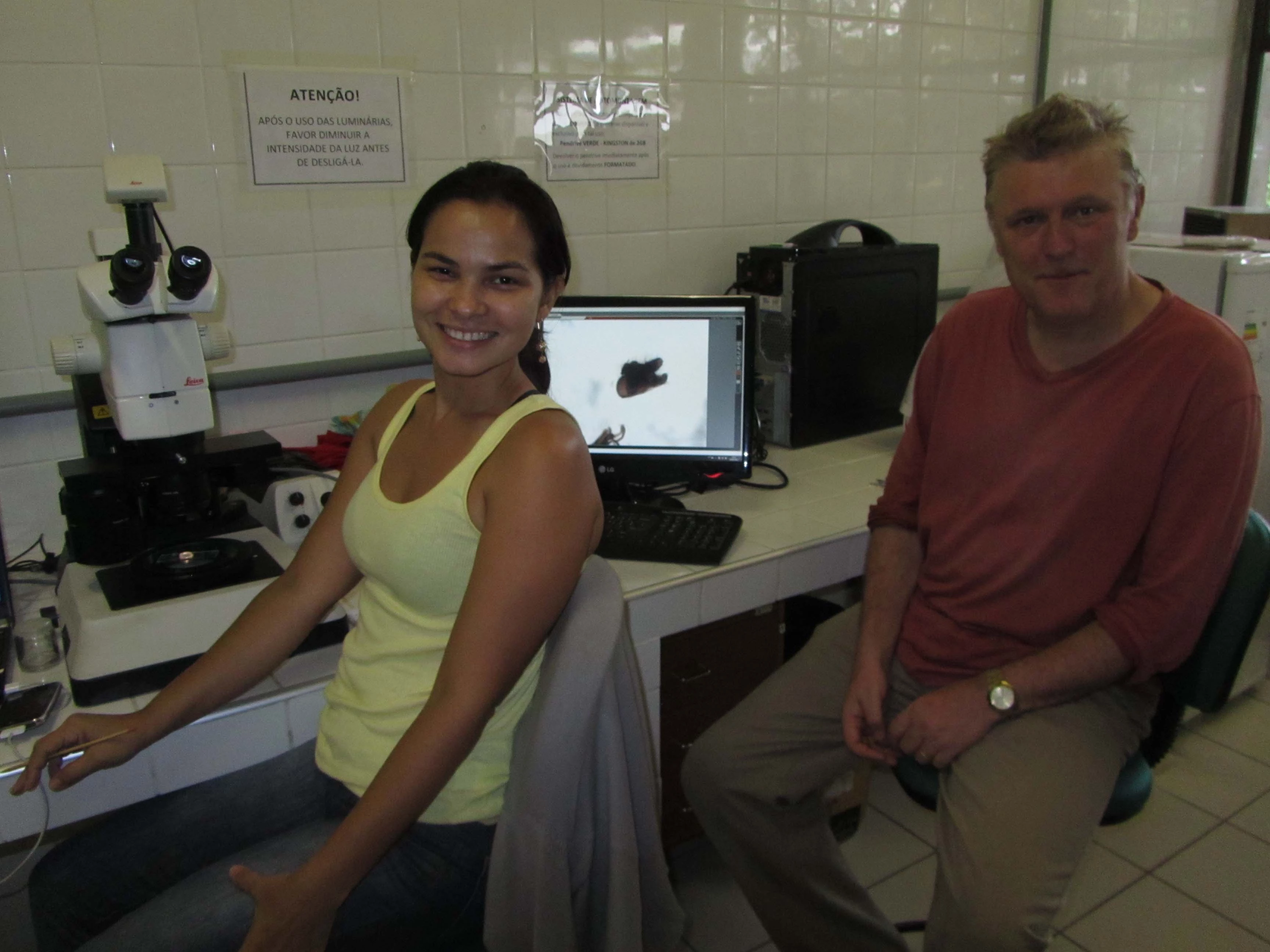
As the textile conservator, I have come across three objects that, though they are kept in the textile store, are not exclusively made of textile but have paper components and have botanical specimens attached, neither of which come under my area of expertise.  Hence, I’ve roped in my two colleagues, the  Senior Conservator Archives and the Senior Conservator Natural Sciences and the three of us will now jointly treat these objects. 

Joint projects are always a great opportunity for sharing skills and learning from colleagues so we’re all really looking forward to this!

Dyddiadur Kate: Anturiaethau’r peiriant dyrnu

Elen Phillips, 9 March 2015

A ninnau bron ar derfyn 3 mis cyntaf @DyddiadurKate, mae un ‘cymeriad’ wedi chwarae rhan blaenllaw iawn yng nghofnodion yr wythnosau diwethaf sy’n haeddu bach o sylw ar y blog – y peiriant dyrnu. Rhwng Ionawr a Mawrth 1915, bu’r peiriant hwn ar grwydr i sawl ffermdy gerllaw cartref Kate a’i theulu. Ynghyd â mynychu’r capel, corddi a chrasu, hynt a helynt y peiriant dyrnu yw un o brif weithgarwch y dyddiadur hyd yma. Ond diolch amdano. Arferion amaethyddol fel hyn sy’n gwreiddio’r dyddiadur o fewn cymuned a chyfnod.

18 Ionawr – Yr injan ddyrnu yn Llwyniolyn

23 Ionawr – Ellis yn Tynybryn gyda’r peiriant dyrnu

30 Ionawr – Y peiriant dyrnu yn Penycefn

2 Mawrth – Yr injan ddyrnu yn y Derwgoed

4 Mawrth – Ellis yn mynd i Fedwarian at y peiriant dyrnu

Yma yn Sain Ffagan, mae sawl un mwy cymwys na fi i drafod peiriannau dyrnu. Un o fy mhrif ddiddordebau i fel curadur yw hanes prosesau casglu – y dulliau hynny a ddefnyddwyd gan Iorwerth Peate, Ffransis Payne, Minwel Tibbott ac eraill i roi hanes Cymru ar gof a chadw. Mewn blog blaenorol, soniais am waith arloesol yr Amgueddfa ym maes cofnodi hanes llafar – bu Kate Rowlands ei hun yn destun sawl cyfweliad. Dull poblogaidd arall a fabwysiadwyd gan yr Amgueddfa i gasglu data oedd holiaduron a llyfrau ateb. Roedd y rhain yn cael eu gyrru at unigolion o fewn plwyfi yng Nghymru yn gofyn am wybodaeth benodol ynglyn ag arferion eu milltir sgwâr. Mae casgliad helaeth ohonynt yma yn trafod amrywiol bynciau – meddygyniaethau gwerin, arferion tymhorol ac ati. I’r un perwyl, mae gennym hefyd bentwr o lythyrau ac ysgrifau.

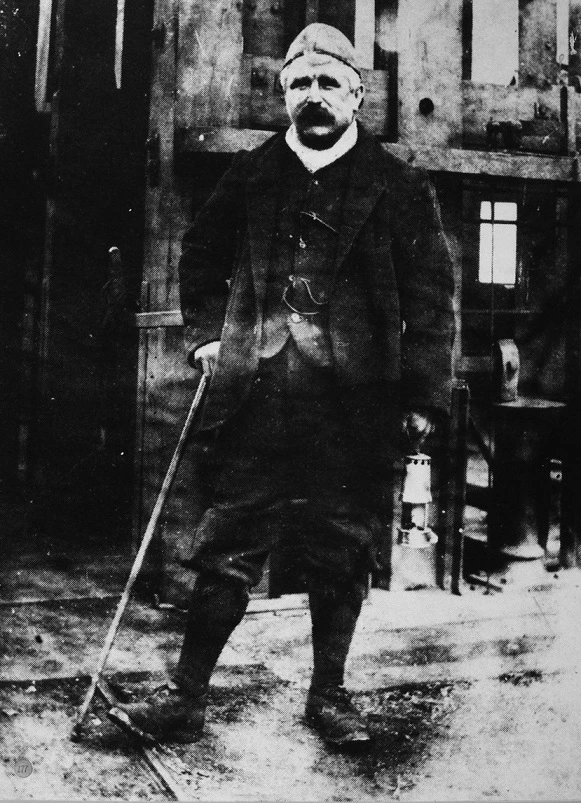
Tra’n chwilota am ddeunydd yn yr archif o ardal y Sarnau, Cefnddwysarn a bro @DyddiadurKate, fe ddes i o hyd i ysgrif gan Mary Winifred Jones o’r Hendre, Cwm Main. Bydd mwy ar y blog cyn hir am y teulu hwn – mae tad a brodyr Mary yn cael eu crybwyll sawl gwaith yn y dyddiadur. Ysgrif yw hon sy’n disgrifio ffotograff o ddiwrnod dyrnu ar fferm Pentre Tai’n y Cwm, Cefnddwysarn. Gallwch weld y llun a’r ysgrif fan hyn. Tybed os mai hwn yw’r peiriant dyrnu y mae Kate yn sôn amdano?

Ar fuarth fferm Seimon Davies Pentre Tai yn Cwm Cefnddwysarn y tynwyd y darlun hwn. Perchenog y peiriant oedd Morgan Hughes Bryniau Cynlas ar ol hyny. Bu y peiriant yn gyfrwyn i roi gwaith i amryw amaethwyr bychain yn ystod y gaeaf pan oedd ychydig yn dod i fewn am fod ganddo ychwaneg nag un peiriant yr oedd yn rhaid cael dau ddyn i ganlyn pob un sef y gyrwr ar porthwr…

Yr hyn sy’n dod yn amlwg wrth ddarllen atgofion Mary Jones, ac yn wir dyddiadur Kate Rowlands, yw pwysigrwydd cydweithio o fewn cymuned amaethyddol – cymdogion a ffrindiau, hen ac ifanc, yn cynorthwyo’i gilydd.