: Social and Cultural History

Food Rationing during the Second World War

Mared McAleavey, 5 May 2020

Can you imagine how you would feel today if you were told that you couldn't buy your favourite food?

Or, if you could, you could only buy a small amount that would have to last you a week and you would have to queue up for it?

This is what happened to people during the Second World War (1939 -45) when rationing was introduced in Britain.

Why was rationing introduced in Britain during the Second World War?

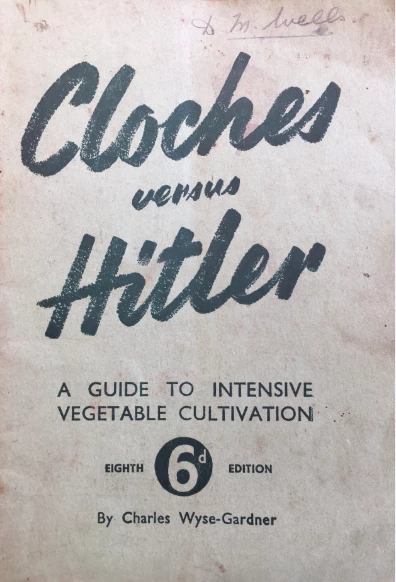
Adolf Hitler, Germany's dictator, tried to force an early end to the war by attacking ships carrying food and other resources heading for Britain.

He wanted to starve the nation into defeat and his weapon was a fleet of submarines or U boats which travelled across the Atlantic.

In Wales, as in other parts of the country, their planes also targeted ports and docks, as well as goods trains in industrial places such as Newport, Swansea and Cardiff.

What was Rationing in the Second World War?

Certain items, in particular food, were in very short supply and difficult to buy in people's usual shops.

People started to panic buy in a manner similar to recent times as in the petrol or Covid crisis.

So, the Government introduced rationing as a fair system to allow people to have a certain amount of food each week.

Other countries involved in the war such as America had rationing too. Some people remembered rationing as it had also taken place during the First World War (1914 -18).

When did Food Rationing start in Britain in the Second World War?

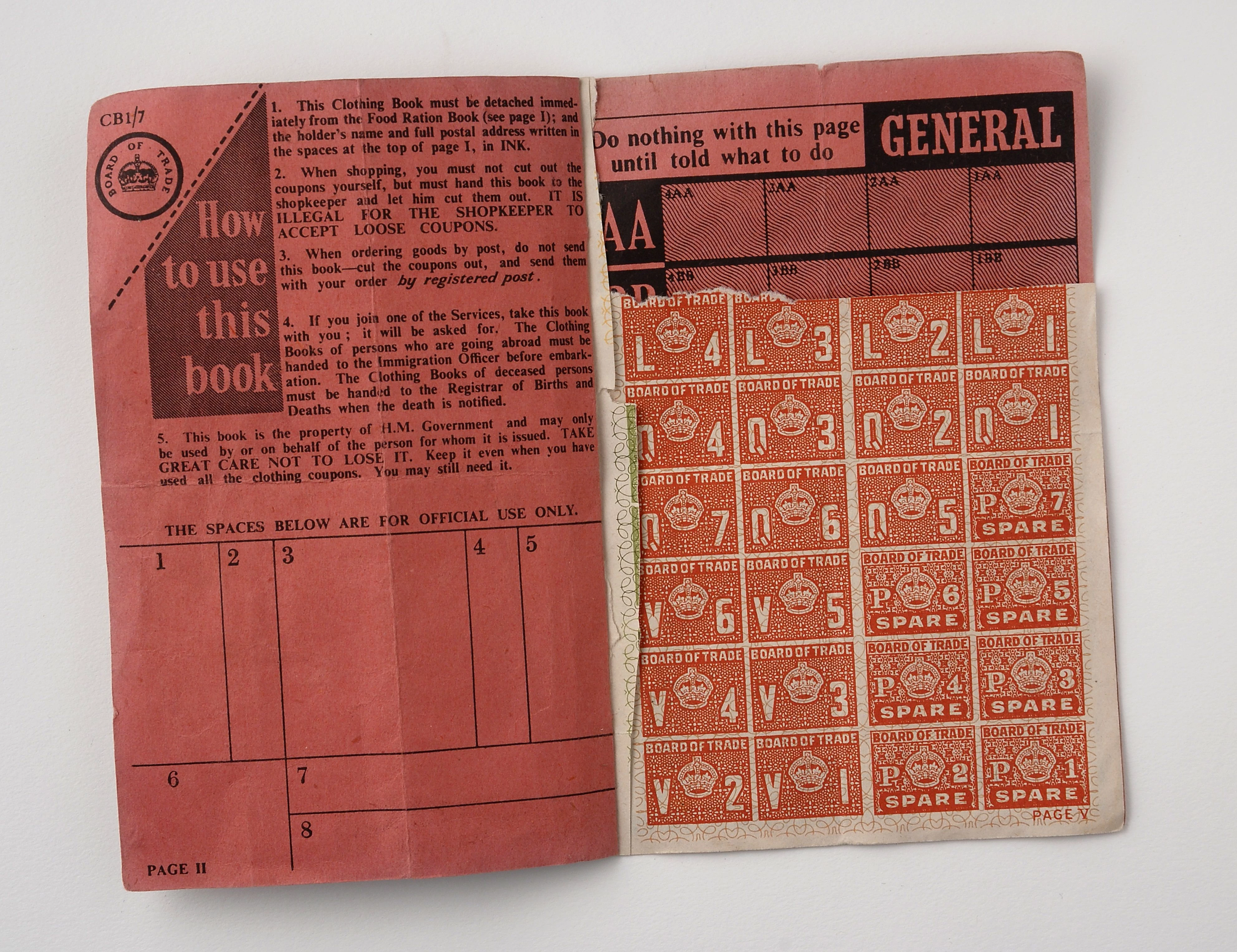
World War 2 ration card

With the shortage of food during the First World War still fresh in the memory, the government introduced the food rationing scheme in January 1940.

How did the rationing system work?

Every person in the country, including children, received a ration book and each home had to register with a local butcher, grocer and milkman who had to ensure they had enough food for their customers.

The ration books contained coupons which had to be presented when items were bought. Everyone had a ration book, including members of the Royal Family.

The list of foods which were rationed grew as the war continued.

The rules were very strict and people who were caught trying to cheat were fined or sent to prison.

Often people who were poor or unemployed and undernourished in the pre-war years were much better fed in wartime because of rationing.

How did rationing affect people's lives in the Second World War?


Dig for Victory, by Mary Tunbridge

Dig for Victory, by Mary Tunbridge.

In 1939 the government began its "Dig for Victory" campaign and it issued a series of colourful posters to encourage people to grow their own fruit and vegetables.

Some of these posters can be seen in Blaenwaun Post Office and the tailor's shop at the Museum.

Surplus products were made into jam, pickles or chutney which could be eaten in the winter.

People also kept goats, chickens, rabbit and pigs. Pigs were particularly popular as they would eat virtually anything and could be fattened up quickly to be killed for their meat.

Woolton Pie

Woolton Pie was a pastry dish of vegetables and was widely served in the war.

It enabled people to use the both the vegetables they grew and those which were rationed, thus giving them a nutritious diet.

Who were Potato Pete and Doctor Carrot?

To make the campaign appealing, two characters, Potato Pete and Doctor Carrot were created to promote eating vegetables.

They appeared in most recipes in books and magazines.

Potato Pete and Doctor Carrot

What sort of food was rationed in Britain during the Second World War?

Here is an example of a ration for one adult during the war:

  • Bacon and ham 4oz
  • Butter 2oz
  • Cheese 2oz
  • Margarine 4oz
  • Cooking fat 4oz
  • Milk 3 pints
  • Sugar 8oz
  • Jam 1lb every two months
  • Tea 2oz
  • Eggs, 1 a week, if available powdered egg packet every four weeks.

Children, because they were still growing, received extra milk, orange juice and cod liver oil.

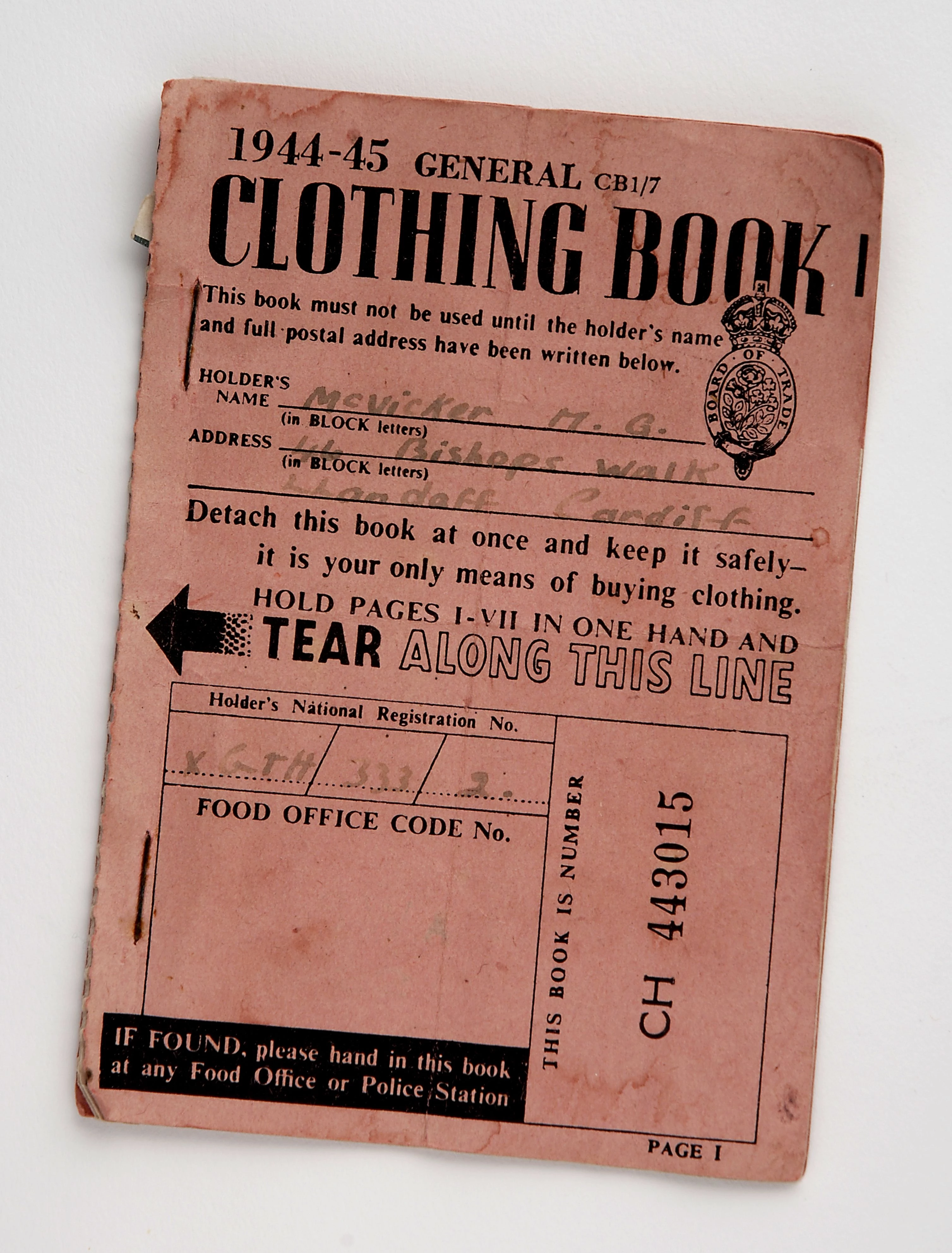
Many non - food items were also rationed such as soap, clothing, petrol and paper.

When did rationing end after the Second World War?

In 1945 the war ended but rationing continued.

Because of poor weather conditions, bread was rationed until 1948 and potatoes were also in short supply.

Some food was not restricted at all e.g. whale meat but, not surprisingly, this never proved popular with British people!

It was only in the early 50s that some foods were no longer rationed i.e. tea in 1952, eggs, cream, sugar and sweets in 1953 cheese, and butter, cheese and cooking oil in 1954 and meat and bacon in 1954.

Here is a photo of Mrs. Barbara Donaldson from Aberdare, Mid Glamorgan.

Mrs. Barbara Donaldson from Aberdare

She remembered rationing quite clearly as she was 13 years old when war broke out.

The dried egg was quite tasty and had a great deal of uses, she said.

After the war, she always refused to buy margarine as she said it had an artificial taste and reminded her of the war years and "The White Cliffs of Dover" a song she was never keen on!

dried eggs can in world war 2

Lesser known facts about Rationing in the Second World War.

Whale meat was 'off ration', i.e. it was available for people to buy without ration books.

It was not popular with the British public as they thought it had an unpleasant smell and tasted bland even when spices were added to it.

Because bananas were imported i.e. brought from countries abroad, they were one food item which was not available at all during the Second World War.

Some fruiterers would put sign in their windows stating, "Yes, we have no bananas!" to raise people's spirits. This was inspired by a 1920s American catchy and fun song of the same name.

Other fruits which many children never saw until the war was over were oranges, lemons, pineapples and grapes all of which were also imported.
Rationing furniture during the Second World War

Sioned Williams, 5 May 2020

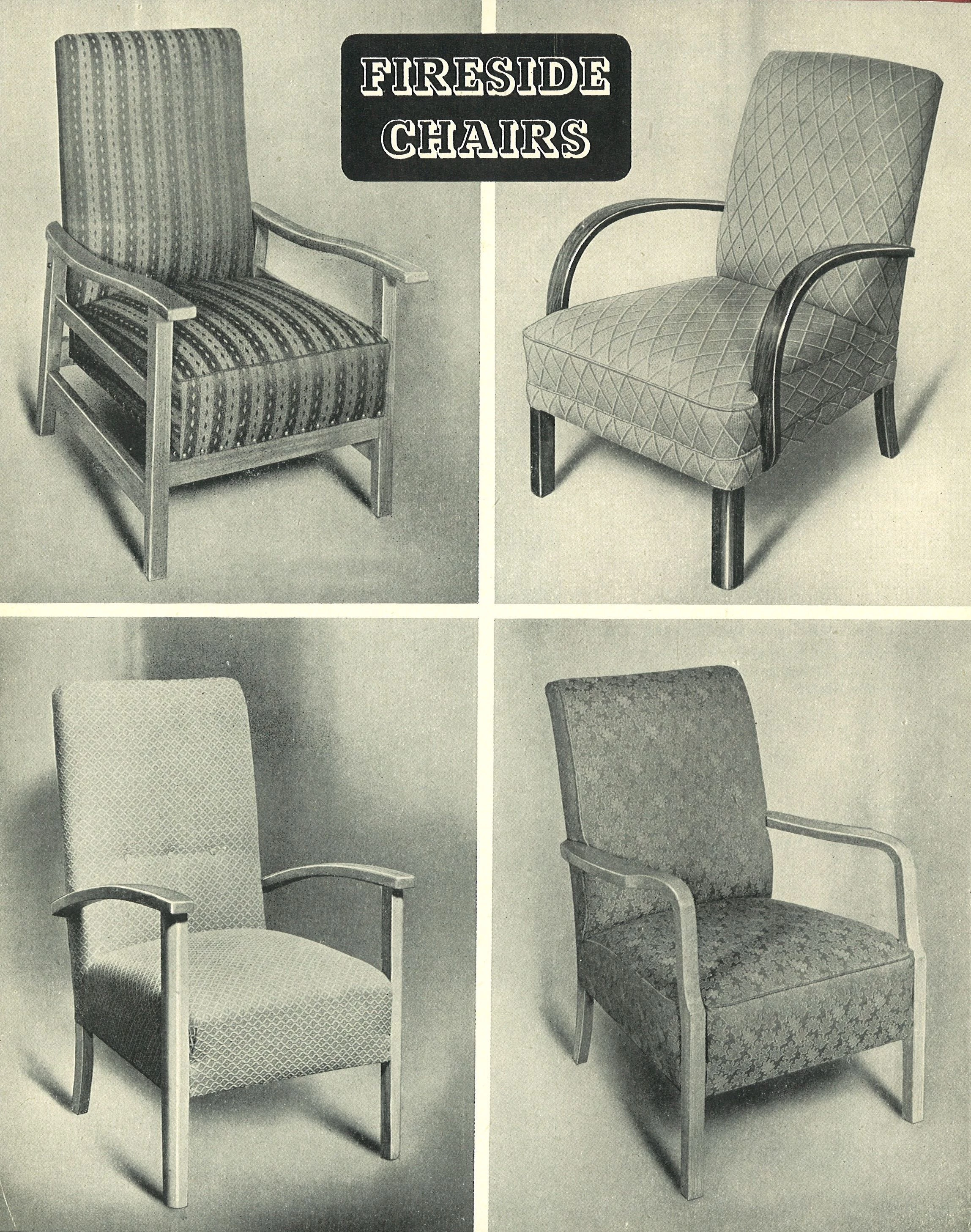
Page from utility furniture catalogue, 1947

Page from utility furniture catalogue, 1947

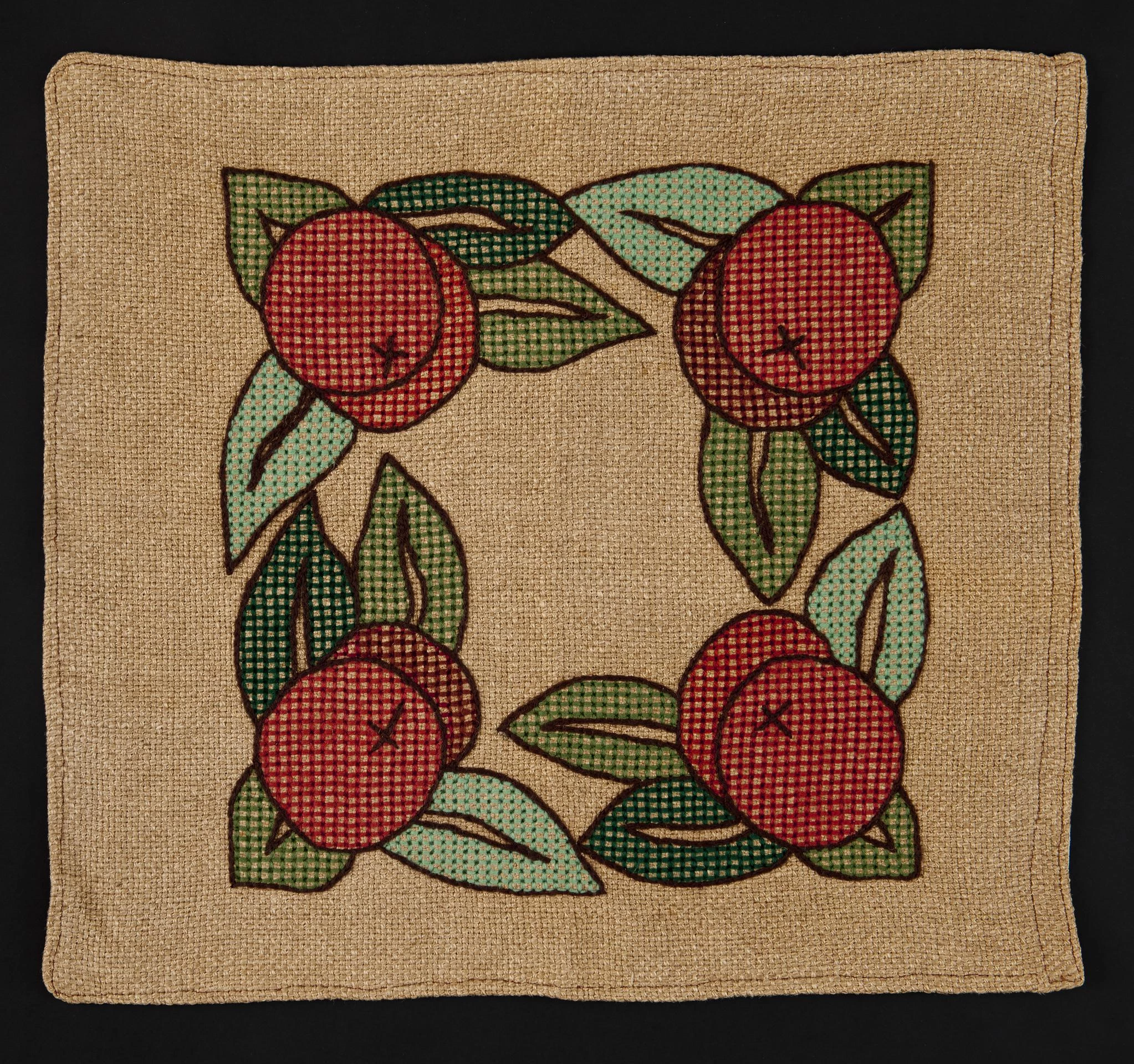
Reusing, recycling and make do and mend was part of life during the harsh rationing of the Second World War. Everyday materials that would have once been in abundance were scarce so buying from new wasn’t an option for many. The only new furniture produced during the war came under a government rationing scheme.

In 1941, the Board of Trade designed a collection of furniture of simple design that could be produced cheaply, which was referred to as ‘utility furniture’. In 1942, Sir Hugh Dalton, the Chair of the Board of Trade announced their aim:

To secure the production of furniture of sound construction, in simple but agreeable designs and at reasonable prices.

The first utility furniture catalogue was published in 1943 with a collection of around 30 pieces. They were designed by the advisory committee headed by furniture designer, Gordon Russell. The pieces were simple and modern, with a nod to the arts and crafts style. Every piece produced had to conform to the utility scheme standards and was stamped with the logo, ‘CC41’ (Controlled Commodity 1941).

Utility furniture was available to order either from the catalogue or local shops and was paid for through a voucher scheme. Every piece was valued in units, for example a fireside chair was worth 6 units and a sideboard was worth 8 units. Not everyone was elegible and people would apply for a permit before receiving up to 30 units worth of vouchers. Priority was given to those who had lost their homes during the war and to young couples moving to new homes such as the prefabs.

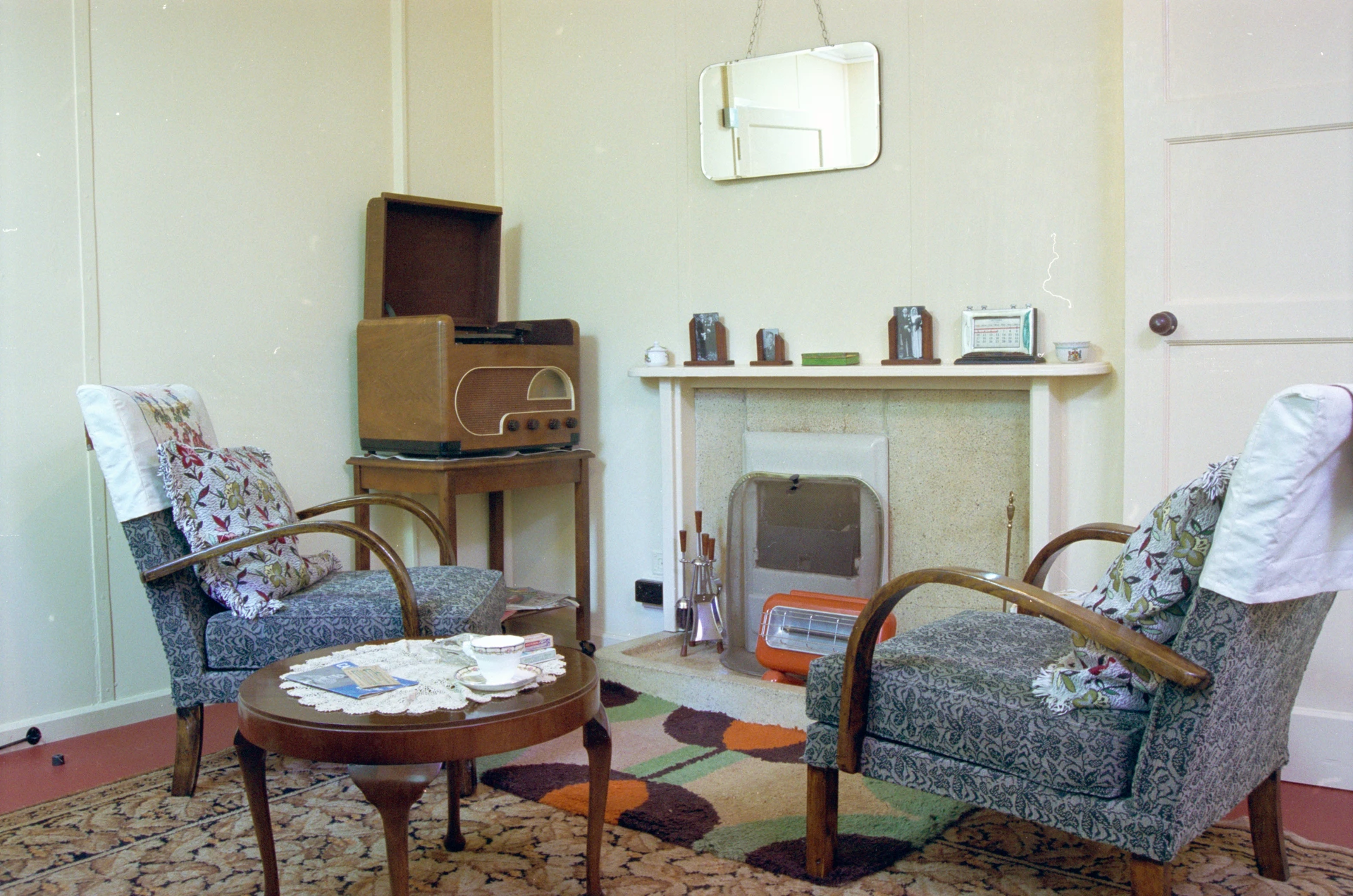
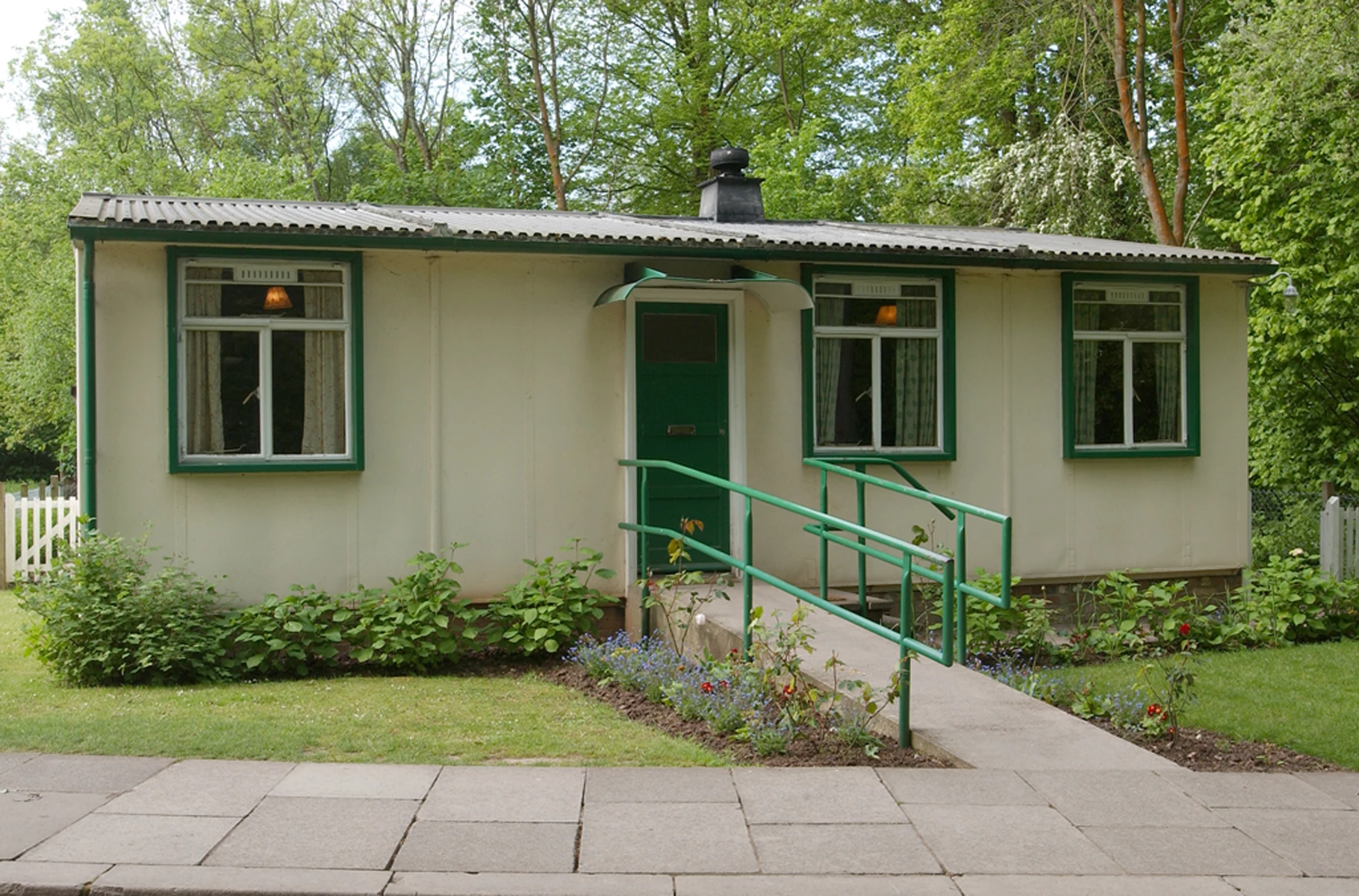
A few pieces of utility furniture are on display in the Prefab at St Fagans National Museum of History. The prefabs were built in response to the housing shortage after the war. They were cleverly designed to include fitted storage cupboards in every room in order to limit the amount of new furniture needed. The end of the war in 1945 wasn’t the end of rationing and the utility scheme persisted through the years of austerity until 1952.

VE Day: Medals of Heroism, Service and Sacrifice

Alastair Willis, 5 May 2020

Victory in Europe Day or VE Day commemorates the Allied victory over Nazi Germany. The United Nations also marks the 8th-9th May for all countries as a “time of remembrance and reconciliation for those who lost their lives during the Second World War”.

On 8th May 1945, the War in Europe ended. After almost six years of bloody conflict, Nazi Germany had finally been defeated. By the end of the Second World War – which lasted another four months in the Pacific – more than 60 million soldiers and civilians had been killed, including more than 15,000 Welsh people. The National Museum Wales’ collection of Second World War medals attests to the incredible heroism and sacrifice of Welsh servicemen and civilians between 1939 and 1945. In this article, we will present some of the medals from the war in Europe and share with you the stories of their recipients.

British servicemen were eligible for eight campaign stars (a retrospective ninth was added in 2012) and two service medals. Extraordinary acts of bravery or service by service personnel or civilians were rewarded with gallantry medals.

Petty Officer William John James (Royal Navy), Cardiff

Petty Officer William John James, served on HMS Galatea, a Royal Navy light cruiser that operated in the Atlantic and Mediterranean until it was torpedoed and sunk by a German U-Boat off Alexandria in December 1941. James and over 460 of the crew were killed; only around 100 sailors survived. His medals were awarded posthumously and given to his family after the end of hostilities and were accompanied by a condolence slip from the Admiralty.

W.J. James’ medals (from left to right): The Naval General Service Medal with the Palestine 1936-1939 clasp, The 1939-1945 Star, The Atlantic Star, The Africa Star and The War Medal

W.J. James’ medals (from left to right): The Naval General Service Medal with the Palestine 1936-1939 clasp, The 1939-1945 Star, The Atlantic Star, The Africa Star and The War Medal.

Condolence slip accompanying W.J. James’ medals.

Condolence slip accompanying W.J. James’ medals.

Reverend Ivor Lloyd Phillips (Army), Kilgetty

These medals were awarded to the Reverend Ivor Lloyd Phillips, a military chaplain who served with the 102 (Pembroke Yeomanry) Field Regiment, Royal Artillery in Tunisia and Italy.

Rev. I.Ll. Phillips’ medals (from left to right): the Military Cross, The 1939-1945 Star, The Africa Star with 1st Army clasp, The Italy Star, The Defence Medal and The War Medal with a bronze oak leaf demonstrating that Phillips had been “Mentioned in De

Rev. I.Ll. Phillips’ medals (from left to right): the Military Cross, The 1939-1945 Star, The Africa Star with 1st Army clasp, The Italy Star, The Defence Medal and The War Medal with a bronze oak leaf demonstrating that Phillips had been “Mentioned in Despatches”.

Phillips was awarded the Military Cross, which was at the time the second highest military decoration after the Victoria Cross. The recommendation for the award says “He has carried out his duties in a completely selfless and devoted manner… his work has been unremitting and he is held in very deep esteem by all ranks… Never deterred by any considerations of enemy shelling, he has always shown complete disregard for personal safety. He always hurries to the spot where casualties have occurred and his presence and work with them… has always been the greatest inspiration to others”

He later became Archdeacon of Newport.

Rev. Phillips.

Rev. Phillips.

Rev. Phillips’ Army Chaplain’s Badge.

Rev. Phillips’ Army Chaplain’s Badge.

Rev. Phillips donated his medals to the National Museum Wales in 1991.

Sergeant Glyn Griffiths (Royal Air Force), Llandudno

Griffiths (right) and other members of his squadron on a Hurricane.

Glyn Griffiths (right) and other members of his squadron on a Hurricane.

Born in Llandudno in 1918, Sgt Griffiths was an RAF fighter pilot who flew Hawker Hurricanes as part of 17 Squadron during the Battle of Britain, from July to October 1940. He destroyed at least six enemy aircraft and possibly as many as 15. He was awarded the Distinguished Flying Medal for his actions. Following the Battle of Britain he became an instructor and later flew operationally with 4 Squadron. Returning from a sortie over France, he and his wingman collided over their base and Griffiths was forced to bail out. He suffered severe burns, which ended his wartime service.

Sgt Griffiths medals (from left to right): Distinguished Flying Medal, The 1939-1945 Star with Battle of Britain clasp, The Atlantic Star, The Defence Medal, The War Medal, Croix de Guerre (Belgium), Order of Leopold II (Belgium)

Sgt Griffiths medals (from left to right): Distinguished Flying Medal, The 1939-1945 Star with Battle of Britain clasp, The Atlantic Star, The Defence Medal, The War Medal, Croix de Guerre (Belgium), Order of Leopold II (Belgium).

Sergeant William Herbert Evans (RAF), Cardiff

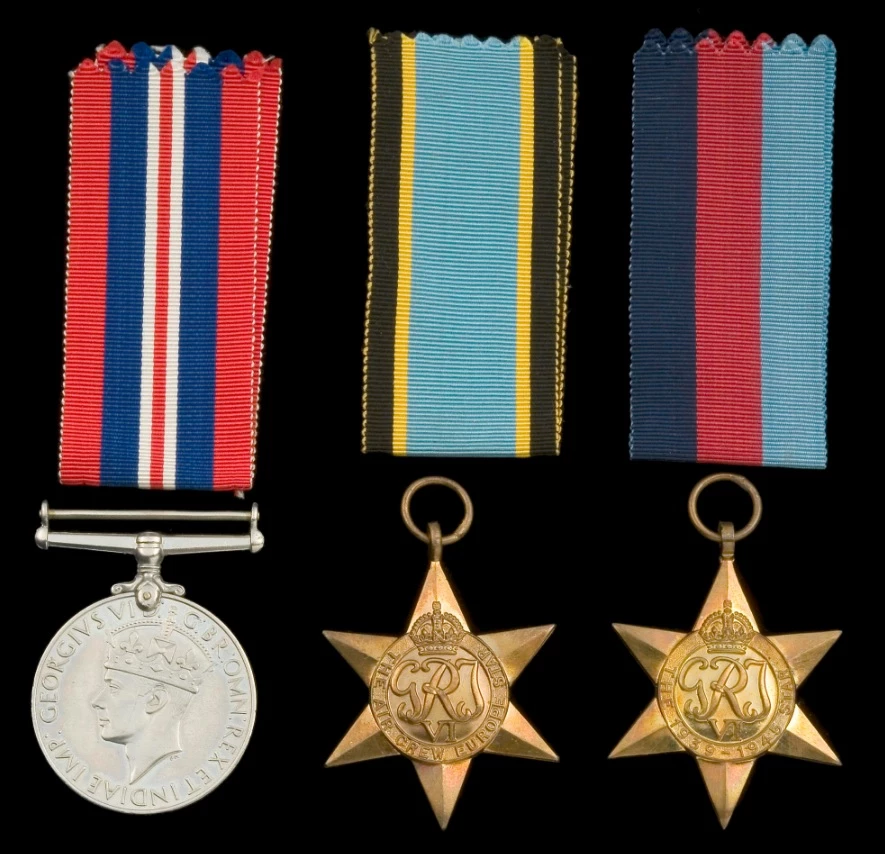
Sgt Evans was the navigator of a Halifax bomber in 78 Squadron. He was killed on 31st August 1943, when his aeroplane was shot down during a 600-aircraft raid on the German cities of Mönchengladbach and Rheydt. His medals were issued posthumously.

Sgt Evans’ medals (from left to right): The War Medal, The Air Crew Europe Star, The 1939-1945 Star

Sgt Evans’ medals (from left to right): The War Medal, The Air Crew Europe Star, The 1939-1945 Star.

Sgt Evans’ medals were donated to the National Museum by his family.

Benjamin Lewis Aylott (Police), Pontarddulais

London-born Aylott had served in the Royal Navy during the First World War before moving to Pontarddulais. At the outbreak of the Second World War he joined the Glamorgan Constabulary as a War Reserve Constable. He was awarded the King's Police and Fire Services Gallantry Medal for apprehending an armed army deserter on 27th December 1943.

B.L. Aylott’s King's Police and Fire Services Gallantry Medal

B.L. Aylott’s King's Police and Fire Services Gallantry Medal.

B.L. Aylott and his family following his investiture by King George VI at Buckingham Palace.

B.L. Aylott and his family following his investiture by King George VI at Buckingham Palace.

His medals were donated to the museum by his son Terry Aylott in 2011.

Thomas William Keenan (Civilian), Cardiff

On the night of 2nd-3rd January 1941, over 100 German aircraft attacked Cardiff. Keenan, watchman at a fuel depot, used his hat to remove an incendiary bomb from the top of a tank containing 300,000 gallons of petrol. His hands were badly burned, but the fuel tank was saved. He was awarded the George Medal for his bravery. Among his medals are two from the First World War that Keenan had received as a result of serving in the Machine Gun Corps.

T.W. Keenan’s medals (left to right): George Medal, British War and Victory Medals (WW1), The Defence Medal, 1939-1945

T.W. Keenan’s medals (left to right): George Medal, British War and Victory Medals (WW1), The Defence Medal, 1939-1945.

Keenan’s medals (reverse).

Keenan’s medals (reverse).

Gordon Love Bastian (Merchant Navy), Barry

Eynon Hawkins (Royal Navy), Llanharan

These Albert Medals were awarded to G.L. Bastian and E. Hawkins for saving life at sea.

Born in Barry, Bastian was a Second Engineer officer on the S.S. Empire Bowman, which was torpedoed on 31st March 1943. His Albert Medal was awarded for “exceptional bravery, strength and presence of mind” in saving two men from the ship’s flooding stokehold.

Hawkins, a Royal Navy Able Seaman from Llanharan, was serving as a gunner aboard a defensively armed merchant vessel that was torpedoed and set on fire on 10th January 1943. According to the London Gazette (29 June 1943), “Hawkins, with the greatest coolness and courage, organised a party of survivors in the water until they were later picked up by one of H.M. ships. Twice he swam to the assistance of other survivors who were in difficulties, himself receiving burns in the face as he pulled them to safety.”

Albert Medals of G.L. Bastian and E. Hawkins

Albert Medals of G.L. Bastian and E. Hawkins.

Albert Medals of G.L. Bastian and E. Hawkins.

Albert Medals of G.L. Bastian and E. Hawkins.

Both medals were donated to the National Museum by their recipients.

Elizabeth Harriet Edwards (Civilian), Cardiff

The British Red Cross Society awarded the medal below to Hetty Edwards for proficiency in First Aid. Edwards was the Librarian of the National Museum of Wales between 1931 and 1970. During the Second World War, she volunteered as a nurse for the British Red Cross Society.

Read more about Hetty Edwards:

Part One

Part Two

Part Three

E.H. Edwards’ Proficiency in Red Cross First Aid Medal

E.H. Edwards’ Proficiency in Red Cross First Aid Medal.

Victory in Europe Day

5 May 2020

VE Day marks the occasion in 1945 when the Allied forces accepted Nazi Germany's surrender, bringing an end to the Second World War in Europe.

Here you can learn more about Wales during the Second World War through objects from the collection.

Sgt Evans’ medals (from left to right): The War Medal, The Air Crew Europe Star, The 1939-1945 Star

Sgt Evans’ medals (from left to right): The War Medal, The Air Crew Europe Star, The 1939-1945 Star.

The National Museum Wales’ collection of Second World War medals attests to the incredible heroism and sacrifice of Welsh servicemen and civilians between 1939 and 1945.

Read More


Following food rationing in 1940, clothes rationing came into force in June 1941. The main reason was to reduce the need for raw materials and to redirect labour to war work.

Read More

 
Utility fireside chairs in the Prefab living room, St Fagans National Museum of History

Utility fireside chairs in the Prefab living room, St Fagans National Museum of History

In 1941, the Board of Trade designed a collection of furniture of simple design that could be produced cheaply, which was referred to as ‘utility furniture'.

Read More


Thousands of British homes were destroyed by bombing during the Second World War. They could not be replaced immediately because of the shortage of builders and materials.

Read More


Some have drawn similarities between our current situation and the Second World War – long queues outside shops, empty shelves and rationing of items in our supermarkets.

Read More