: The Museum at Work

Pithead Baths

Ceri Thompson, 30 June 2011

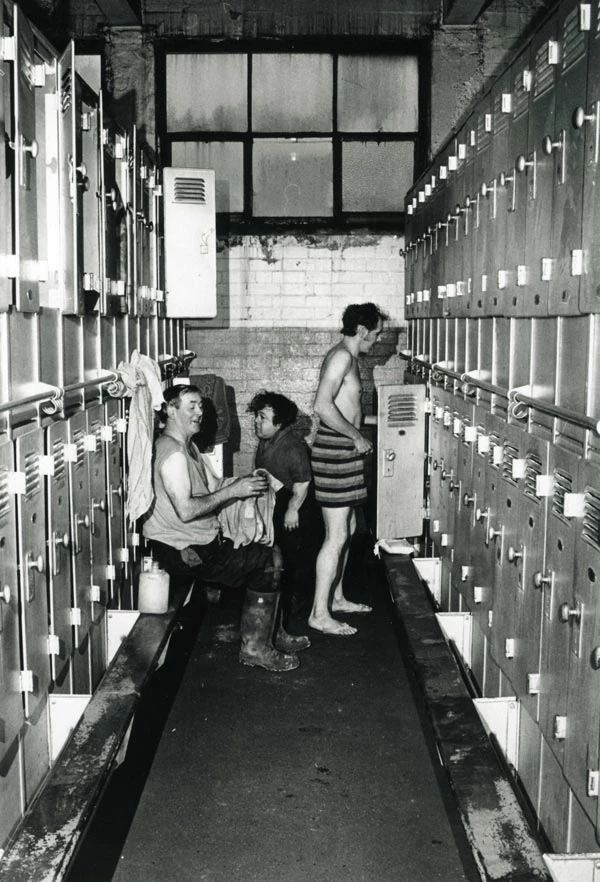
The pithead baths at Bit Pit: National Coal Museum

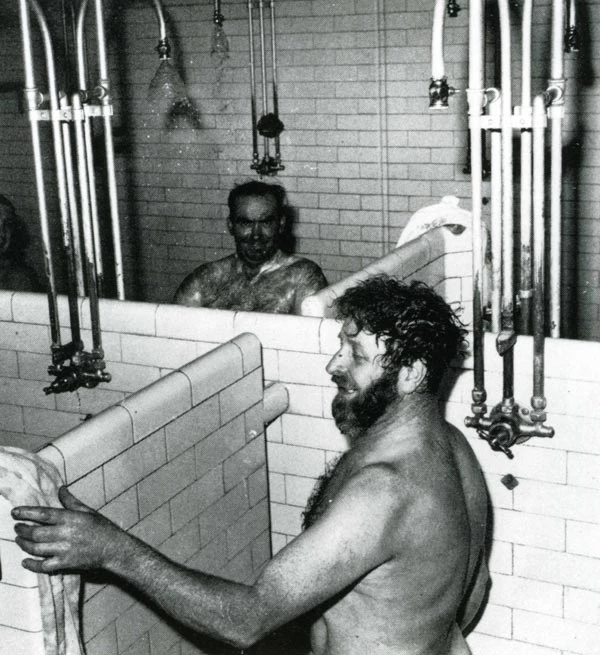
The pithead baths at Bit Pit: National Coal Museum

All prevailing coal-dust

Before pithead baths became widely available, most coal miners, already exhausted from a day's work had little choice but to travel home from work still filthy with coal dust. Their clothing was often soaking with sweat and mine water and they were at risk from contracting pneumonia, bronchitis or rheumatism. Once home they had the task of removing as much of the dirt as possible in a tin bath in front of the fire.

The women of the house were usually responsible for the heating of water for the miner's bath and the cleaning and drying of his clothes. In addition it was a constant battle to clean the house from the all-prevailing coal dust. This was never ending and back breaking work and exhaustion and physical strain often led to serious health problems, leading in some cases to premature births and miscarriages.

It took considerable lobbying by social reformers, working under the banner of the 'Pithead Baths Movement', to convince the Government, mine owners and even some of the miners and their wives, that pithead baths were needed. From the initial campaigns of the 1890s it was a long, hard struggle to the establishment in 1926 of a special fund for the building of baths under the auspices of the Miners' Welfare Committee.

Social Reform

Pithead baths had been in use in Belgium, France and Germany since the 1880s. In 1913, a delegation was sent by David Davies, the proprietor of the Ocean Coal Company and an advocate of social reform, to see these European baths. This visit led to the building of the first Welsh baths at Deep Navigation Colliery, Treharris, in 1916. The success of the Deep Navigation baths played a key part in the propaganda campaign by those who wished to see pithead baths at every Welsh colliery.

In 1919 the British Government established a Royal Commission, (the 'Sankey Commission'), to investigate social and living conditions in the coalfields. As a result a 'Miners' Welfare Fund' was set up to '... improve the social well being, recreation, and condition of living of workers in or about coal mines.' This fund gained its income through a levy of a penny on every ton of coal mined. The fund was used for various purposes including the provision of playing fields, swimming pools, libraries, and institutes. From 1926, an additional levy was raised specifically to fund a baths building programme.

Modern Architectural style

During the period the Miners' Welfare Fund was in existence, from 1921 to 1952, over 400 pithead baths were built in Britain. The Miners' Welfare Committee's own architects' department established the most cost-effective way of constructing, equipping and operating baths buildings. By the 1930s, a 'house style' had developed, based on the 'International Modern Movement' of architectural design.

Baths stood out amongst other colliery buildings with their flat roofs, clean lines and the plentiful use of glass to give a natural light and airy feel. Some baths, such as the one at Big Pit, were rendered white which, even today, makes it a prominent landmark on the hillside. The limited resources available to the Miners' Welfare Committee meant that many Welsh collieries were not provided with baths until the 1950s. After the nationalisation of the coal industry in 1947 the provision of pithead baths became the responsibility of the National Coal Board.
Fossils in stone: acid preparation of fossils

Christian Baars, 7 June 2011

<em>Gryphaea arcuata</em> — Devil's toenails

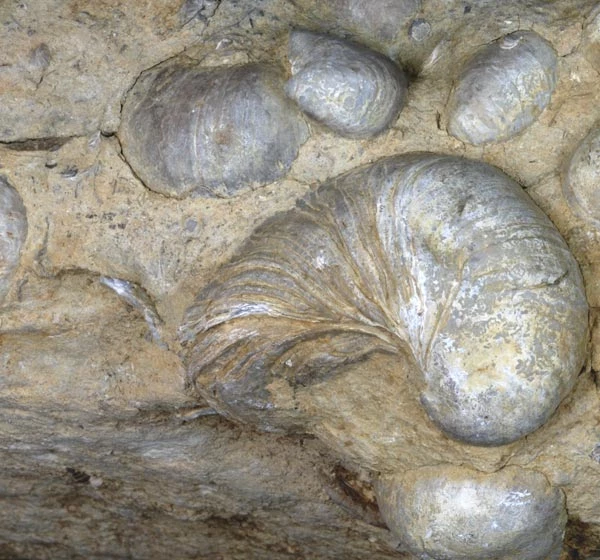
A limestone rock, from Southerndown in south Wales, containing fossil shells. (Gryphaea arcuata — Devil's toenails).

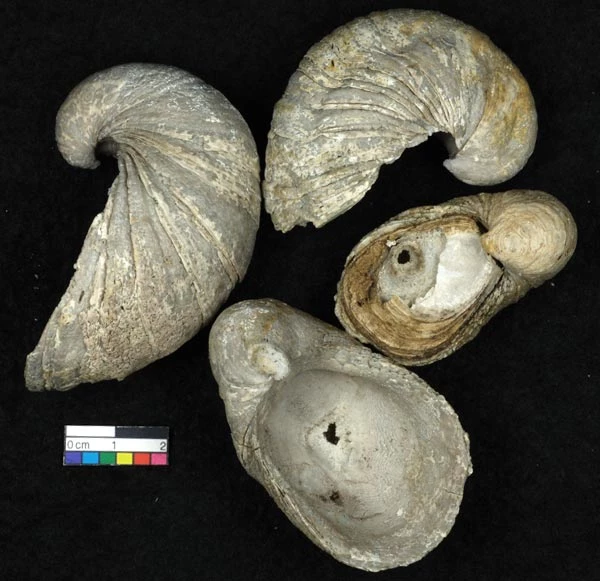
Fossil shells (<em>Gryphaea arcuata</em> – Devil's toenails) after the rock has been dissolved in acid.
Fossil shells (Gryphaea arcuata – Devil's toenails) after the rock has been dissolved in acid.

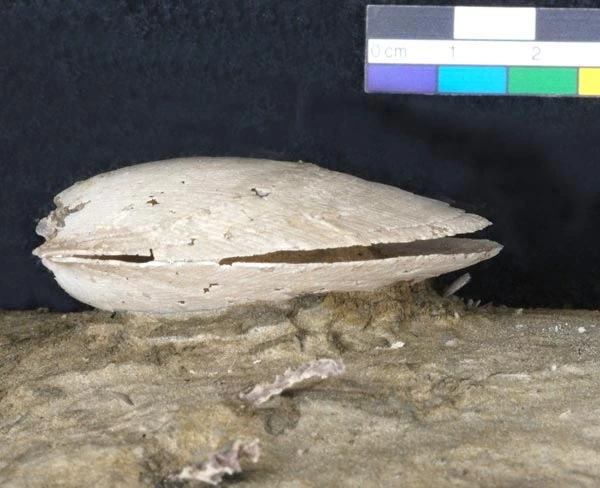
A fossil bivalve shell that has been partially prepared using acid

A fossil bivalve shell that has been partially prepared using acid. The two parts of the shell (the valves) are still attached to each other, and the bottom valve is still attached to the rock.

We rarely find fossils in perfect condition. When we collect them, most of them are partially or almost completely concealed in rock. To study them in detail, or to prepare them to be displayed, we must carefully remove the rock.

It's not easy to remove the rock from the fossils, which are sometimes extremely delicate. It can be a long and painstaking process. Sometimes we use hand tools, like pins, scrapers or little chisels. We can also use specialist tools, like pneumatic pens similar to engraving devices. A third option is to use an air-abrasive machine that is little like a miniature sandblaster.

An alternative is to dissolve the rock in acid. Most fossil shells were composed originally of calcium carbonate, and many are preserved in

limestone , which is the same chemical make-up. In some circumstances, however, the calcium carbonate of the shells dissolves away and is replaced by silica, but the enclosing limestone remains unchanged. Because limestone dissolves readily in acid, but silica doesn't, we can extract these specimens with chemicals.

Vinegar, no salt please

The acid we commonly use is acetic acid — the same acid that is in vinegar. We use highly concentrated acetic acid, 80%, but dilute it with water to about 5%.

We immerse the rock sample containing fossils in the diluted acetic acid, which almost immediately starts to fizz as it reacts with the limestone.

The rock can take anything from a few days to many months to dissolve completely, depending on its specific composition. The reaction with the rock gradually neutralizes the acid, which needs to be refreshed from time to time. At the end of the process all that remains is some slushy rock residue, and the silicified fossils.

Many silicified fossils are very delicate; they have to be handled with extreme care, and we often need to strengthen them with adhesives.

The fossils are now ready for research or for displaying. Many are exquisitely preserved: 450-million-year-old silicified shells sometimes look as if they have just been picked up from a modern beach!

Exotic Marine Fish - evidence of rising sea temperatures around Wales?

Graham Oliver, 16 March 2011

Atlantic Tripletail (Lobotes surinamensis) caught near Peterstone, east of Cardiff.

Atlantic Tripletail (Lobotes surinamensis) caught near Peterstone, east of Cardiff. Original fish preserved in spirit.

Preparing a model of Atlantic Tripletail in a laboratory at Amgueddfa Cymru.

Preparing a model of Atlantic Tripletail in a laboratory at Amgueddfa Cymru.

The finished model of Atlantic Tripletail.

The finished model of Atlantic Tripletail.

In the past few years fishermen and members of the public have been reporting unusual catches and strandings of marine fish from around our shores — fish that would normally live in much warmer, tropical waters. Is this further evidence of rising sea temperatures around the shores of Wales?

These specimens are brought to National Museum Cardiff for identification, where they are incorporated into the national collections. In order to display their natural colours, painted casts are made and exhibited alongside the actual fish preserved in fluid.

The first UK sightings of tropical Tripletail

In 2006, an Atlantic Tripletail (Lobotes surinamensis) was caught in a fisherman's net in the Bristol Channel, near Peterstone, east of Cardiff. As the fisherman did not recognize the 60cm specimen, he brought it to the Museum for identification.

Tripletails are normally found in tropical and subtropical waters, and this individual is the first record from UK waters.

We know that these fish like muddy estuaries, which may be part of the reason it was in the Bristol Channel. They are semi-migratory, often associating themselves with floating debris, and it is possible it travelled here via the warm waters of the Gulf Stream.

Jacks, Swordfish and Leatherbacks

Another exotic catch was of a juvenile Jack, caught off the entrance to Milford Haven in August 2007. It is difficult to identify juvenile Jacks and the specimen needed to be X-rayed to confirm that it was the first Welsh record of an Almaco Jack (Seriola rivoliana).

This species is usually found in the warm waters of the Caribbean, but between July and September 2007 six were found along the south and west coasts of Britain, doubling the number of records since the first in 1984.

Then in 2008 a 2.2metre-long Swordfish (Xiphias gladius) was found dead on a beach near Barry in south Wales. Although this was not a new record, this oceanic species is seldom caught in Welsh waters.

These records of warm-water fish appear to be further evidence of rising sea temperatures. The findings coincide with increasing numbers of turtles, especially Leatherbacks, in the Irish Sea. However, the occurrence of exotic marine species is not new, and the Gulf Stream has frequently brought warmer water animals to our shores.

Most recently, two species of shipworm (Bankia gouldi and Uperotus lieberkindii) have been found in timbers washed up on the Lleyn Peninsula in north Wales. These are both warm-temperate and tropical species, and have not been recorded before from the UK.

The establishment of such exotic species around the British coastline, or at least an increase in their frequency, would reflect real changes in their geographical range.

The recording of marine species is vital to our recognition of such events, and the role of fishermen and the public cannot be underestimated — indeed we welcome this participation, and look forward to the arrival of the next mystery creature at the enquiry desk.

Juvenile specimen of an Almaco Jack (<em>Seriola rivoliana</em>) caught at Milford Haven.

Juvenile specimen of an Almaco Jack (Seriola rivoliana) caught at Milford Haven.

X-ray image of the juvenile Almaco Jack, used to help confirm its identification.

X-ray image of the juvenile Almaco Jack, used to help confirm its identification.

The Swordfish (<em>Xiphias gladius</em>) found dead on Barry beach.

The Swordfish (Xiphias gladius) found dead on Barry beach. Note the damage to the side of the fish, probably caused after death.

Boarfish (<em>Capros aper</em>) found off the coast of Wales.

Boarfish (Capros aper) found off the coast of Wales. Although not a rare fish, it is rarely seen as it tends to live in deeper waters.

The early Years of the Museum Schools Service at National Museum Cardiff

Donald Moore, 26 May 2010

Preparing items for the Museums School Service in 1950

Preparing items for the Museums School Service in 1950

The Museums School Service in the 1970's

The Museums School Service in the 1970's

The Museums School Service (Learning Department) today

The Museums School Service (Learning Department) today

The Education Service of Amgueddfa Cymru — National Museum Wales celebrated its sixtieth anniversary in 2009. It was founded in 1949 as The Museum Schools Service, but is now the Learning Department.

The driving force behind the schools service was the then Director, Sir Cyril Fox, and the new service aimed to improve teaching and learning in conventional subjects whilst also creating aspirations beyond the curriculum. The creative input was to be provided by subject officers - qualified teachers already based in the appropriate curatorial departments.

The Museum Schools Service could not be fully integrated into the Museum as it was independently funded through subscription by various local education authorities (LEA's). However, with the withdrawal of LEA funding in the 1990s and the creation of unitary authorities, the Learning Department became fully integrated into the National Museum.

The prime aim of the curators is to collect, preserve, interpret and display material, and make available for researchers those items that are held in the reserve collections. Such accessioned items do not lend themselves to handling sessions by school parties, nor as loan material to schools. Nevertheless, the Schools Service was able, over the years, to build up a considerable loan and handling collection, one which is still maintained.

Subject catalogues were compiled to enable schools to select material for loan, and the loans were then allocated at the end of each term ready to be delivered around Wales at the beginning of the next term.

By 1970, all the curatorial departments were in some way participating in the Schools Service, including the Welsh Folk Museum, as it was then, at St Fagans National History Museum. All the LEAs in Wales were contributing to the scheme, and as a result all secondary schools could receive major loans every term, whilst primary schools had travelling displays, and of course many schools made visits to the museums in Cardiff and St Fagans, as they do now to all the sites.

Such was the reputation of the Museum School Service that staff were invited to assist in the setting up of similar ventures in other countries.

Article by Donald Moore (former School Service Officer in Archaeology at the Museum, later Senior Officer administering the whole service)

Documenting the Past - The Tomlin archive

15 February 2010

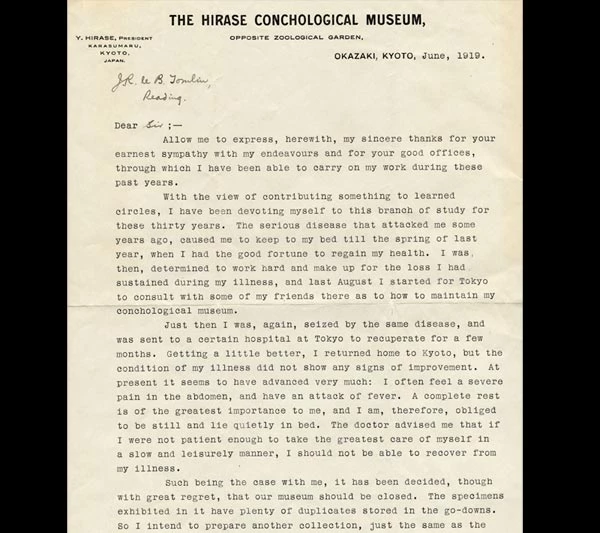
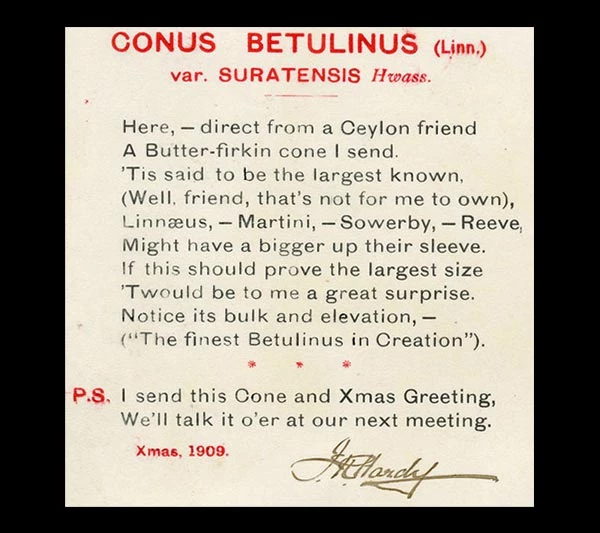
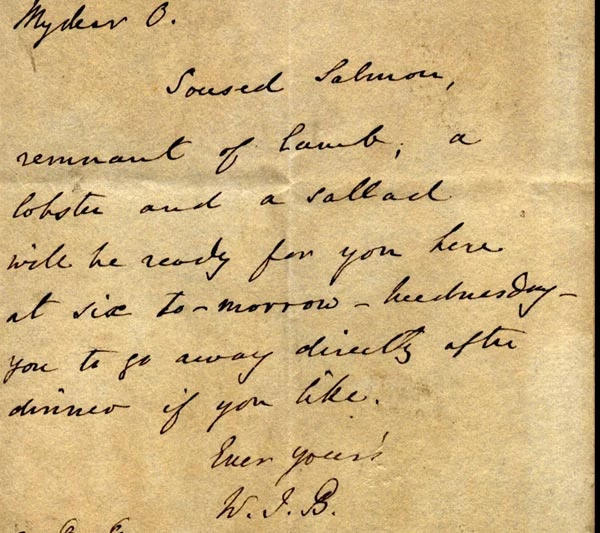
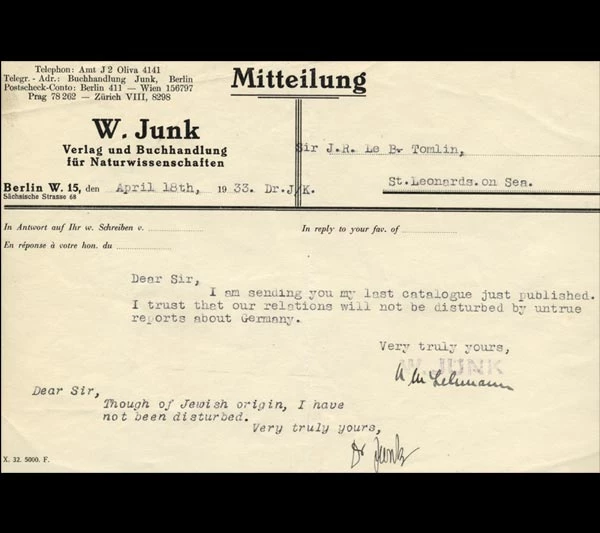
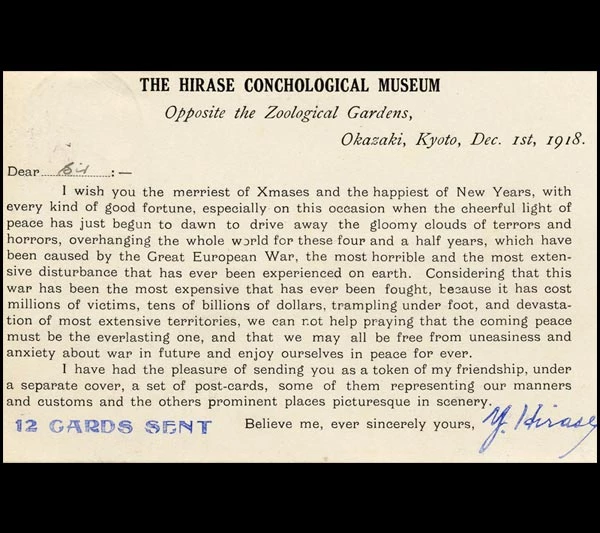
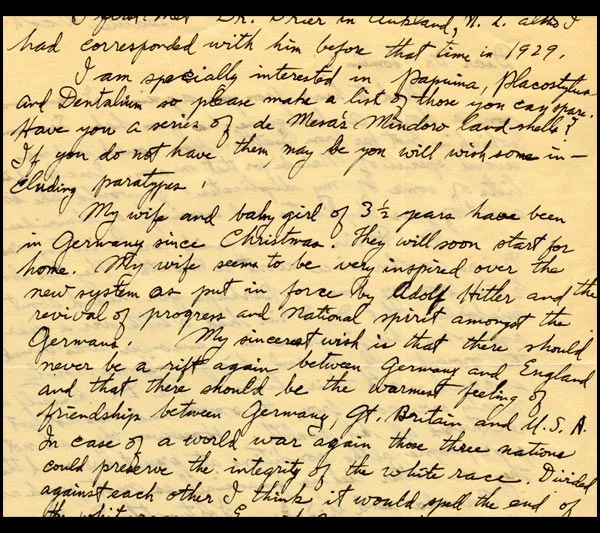
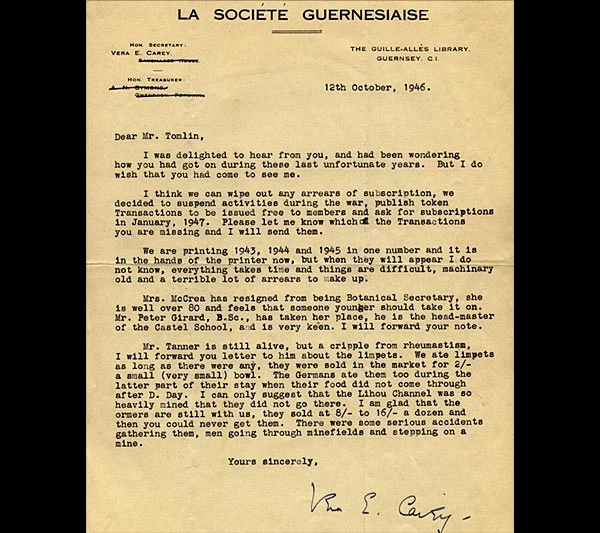
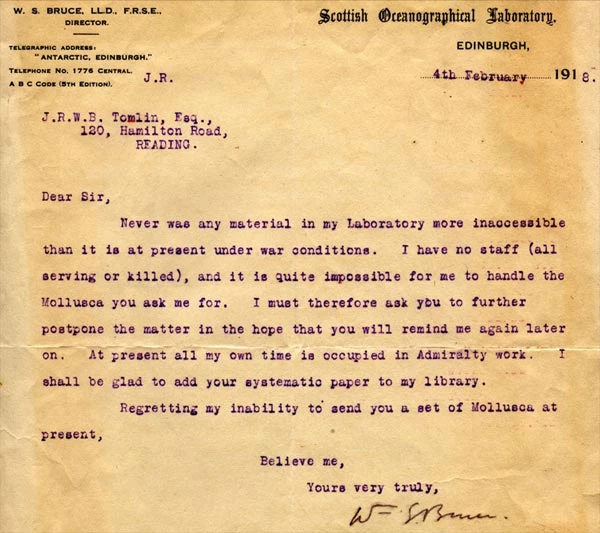
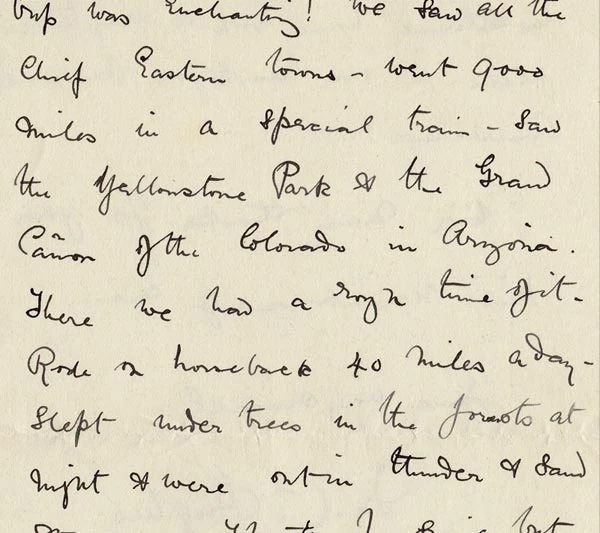
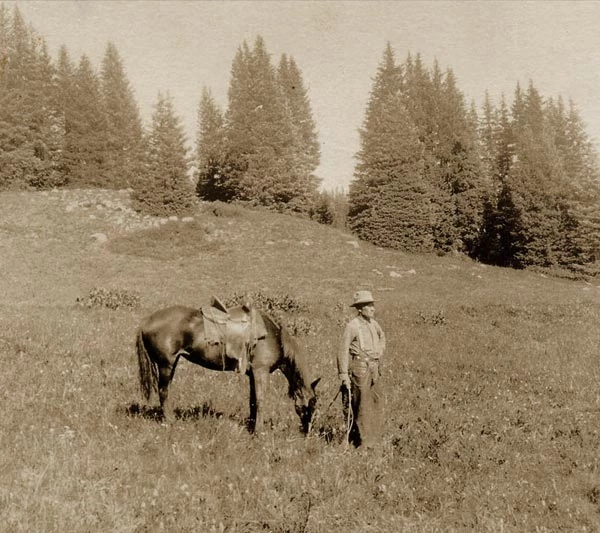
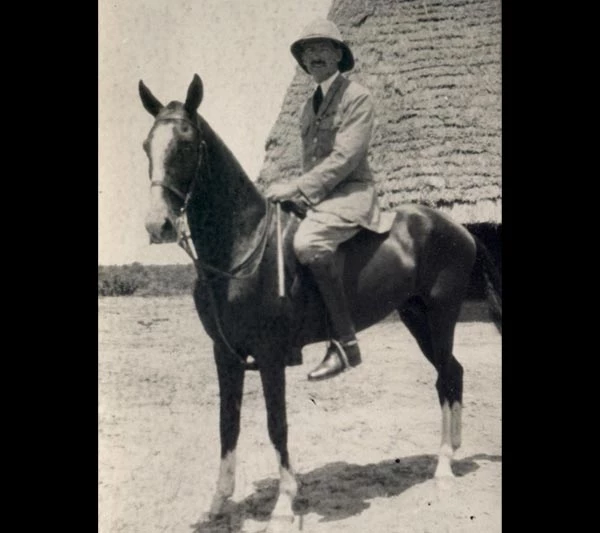
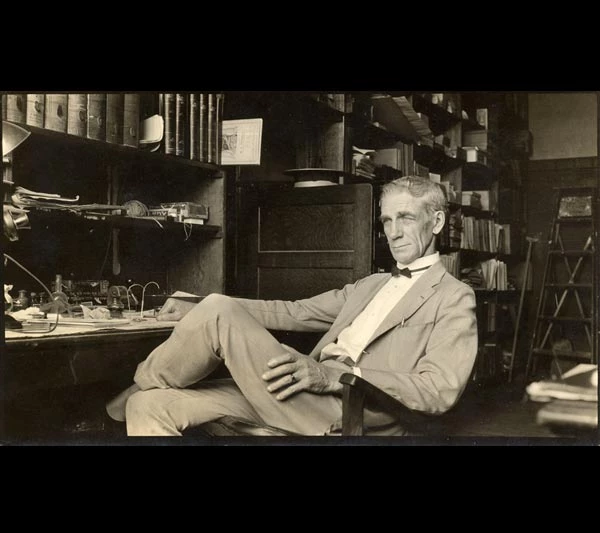
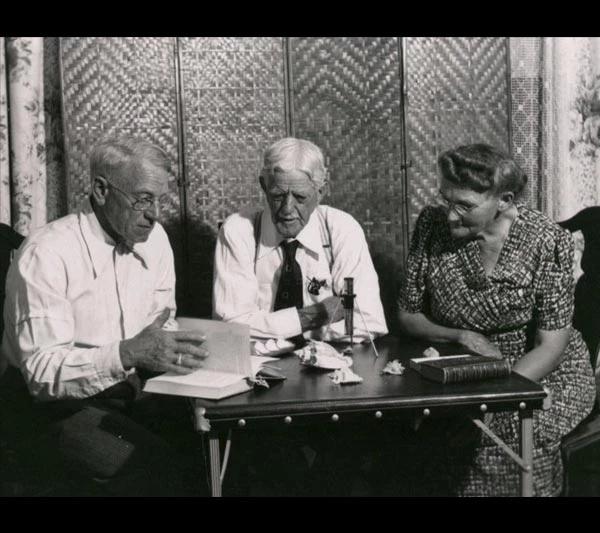
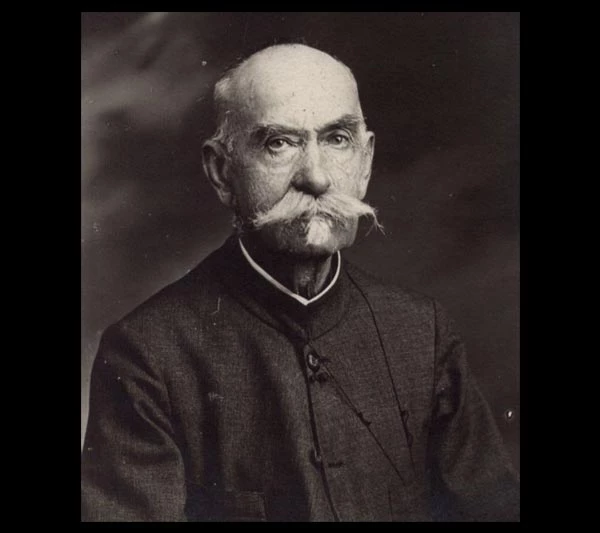
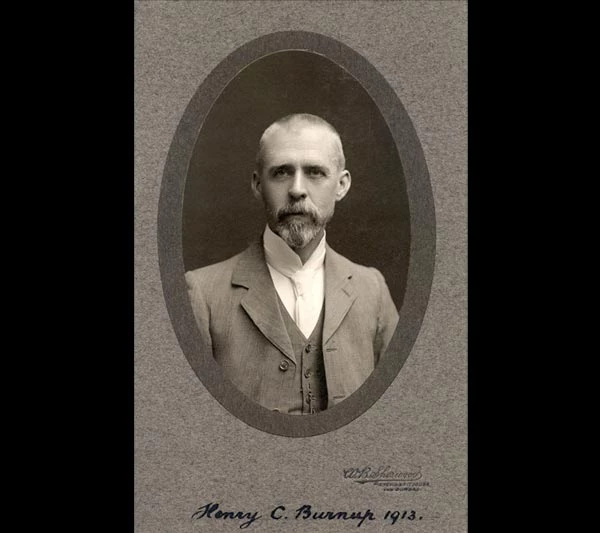
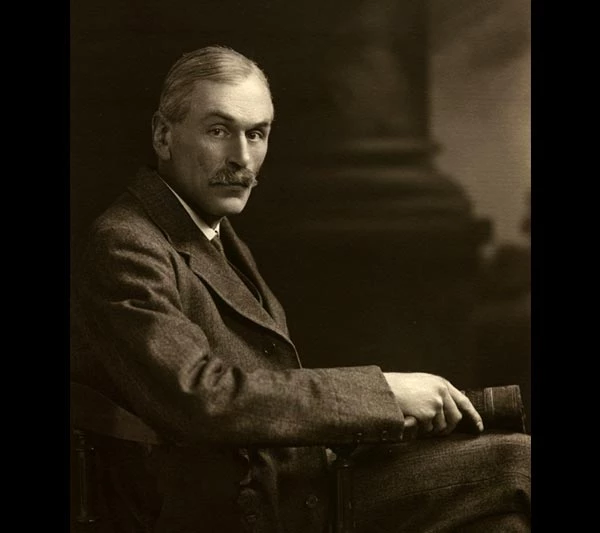
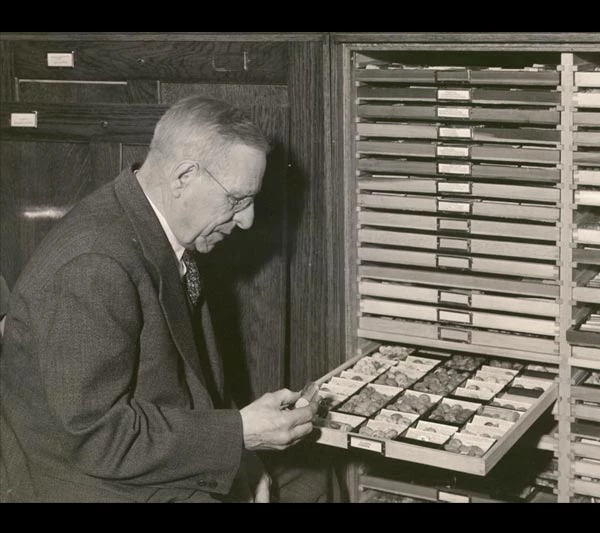
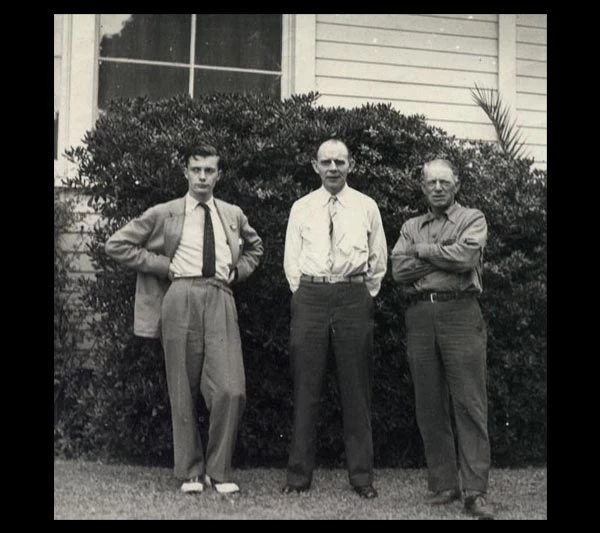
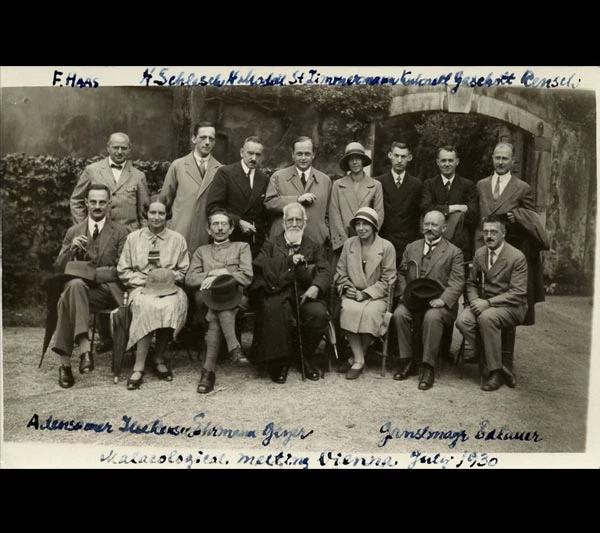
John Read le Brockton Tomlin was one of the most highly respected shell collectors of his time. Amgueddfa Cymru holds both his extensive shell collection and his archive of correspondence.

It is an archive not only of scientific history, capturing a bygone era of collecting, but also a personal insight into the lives of some of the most famous shell collectors of the day.

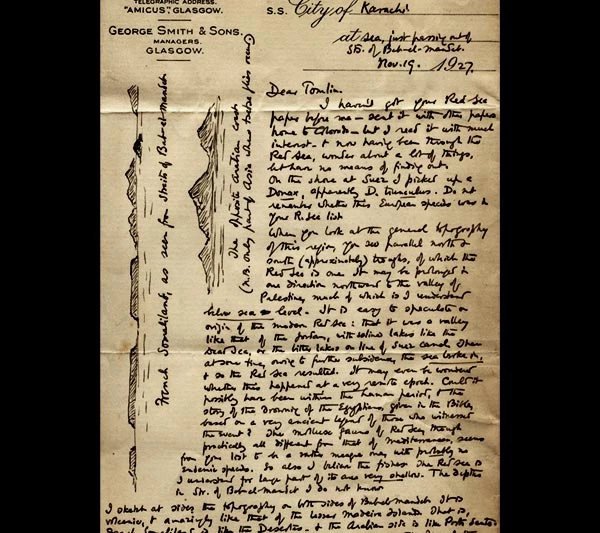
The archive is estimated to contain well over a thousand documents dating from the early 1800's through to the mid 1900's. It is a collection of all of the correspondence between Tomlin and his many shell associates around the world.

Many interesting discoveries have been made whilst cataloguing this archive. It has brought into focus aspects of the lives of collectors, recounting expeditions and voyages, personal illness and hardship, war, dinner invitations and Christmas cards.

A selection of items from the archive have been made available below.