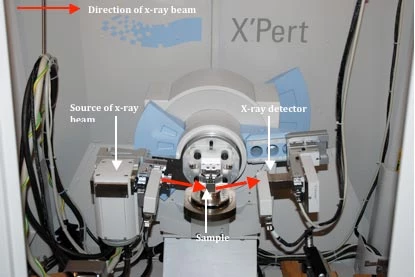
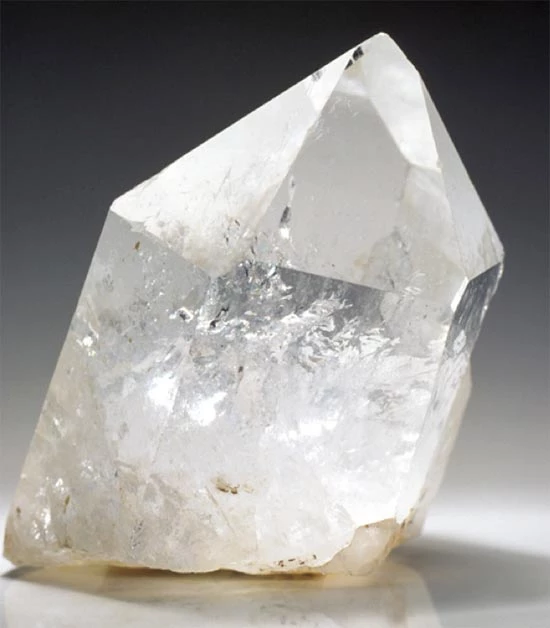
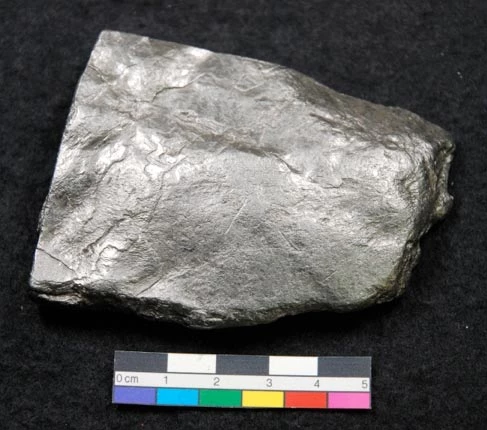
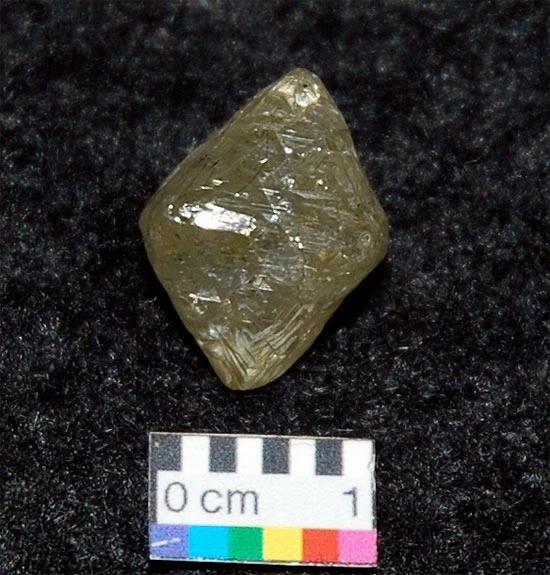
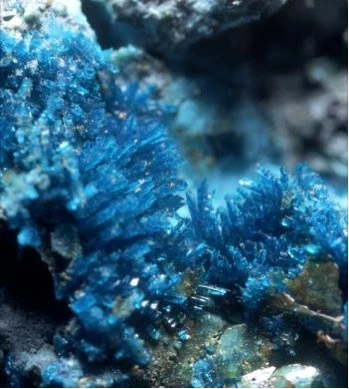
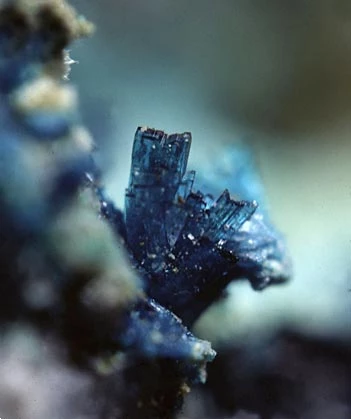
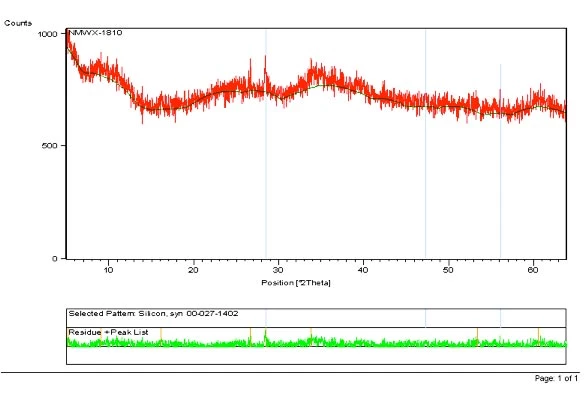
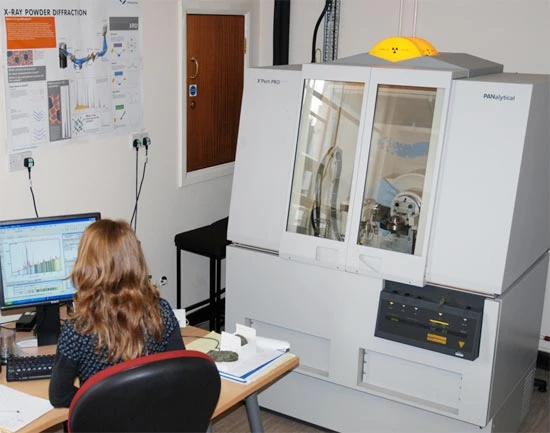
Mineral identification at Amgueddfa Cymru Amanda Valentine & Jana Horak, 7 December 2009 The X-Ray diffraction machine at the Museum Passing of an X-ray beam through a rock sample from the source to the detector Quartz crystal Graphite Diamond Langite wroewolfeite One of the activities of the Geology Department at Amgueddfa Cymru is to document all the minerals known in Wales. Minerals can be identified visually, but for a more definitive confirmation a process known as X-ray diffraction analysis (XRD) is used. This technique allows natural minerals and man-made crystalline materials to be 'fingerprinted' and compared to a database of known samples. X-ray diffraction analysis Most minerals are crystalline, which means they are made up of a regular framework of atoms creating a unique 'crystal lattice'. When X-rays are passed through a mineral, the atoms cause the X-rays to be diffracted, or bent, into many directions. The resulting X-ray pattern can then be recorded to produce a 'fingerprint'. Because no two minerals have exactly the same arrangement of atoms, their 'fingerprints' (or lattices diffraction patterns) are unique. These patterns can therefore be used to identify the mineral. To analyse a mineral by XRD a small sample, usually ground into a powder, is bombarded with X-rays. The data is recorded as a graph, called a diffractogram, which is a convenient form for viewing the result. To identify the mineral, the result is compared with a database of patterns from thousands of known minerals. An X-ray pattern of quartz showing its unique pattern Identical looking minerals Visual identification is still important, as it is possible for two different mineral species to have the same chemical composition but look very different. For example, diamond and graphite (both pure carbon) have the same chemical composition, but are clearly different not only in appearance but also in hardness and crystal form. On the other hand, langite and wroewolfeite are two chemically identical copper minerals that both form blue needles and are consequently difficult to tell apart visually. But because they have different crystal structures and therefore produce different diffraction patterns, XRD provides a quick and reliable method for distinguishing between them. Some minerals don't have a regular crystal structure and therefore don't produce diffraction patterns. Known as 'Amorphous minerals', they cannot be identified by XRD. A diffractogram pattern of an amorphous sample with no identifiable peaks The application of XRD The technique is widely used in geology and also in a range of related disciplines. For example, it is used to identify minerals in artists' pigments and the composition of corrosion on archaeological artefacts. Conservators can then devise the appropriate treatment for museum specimens.
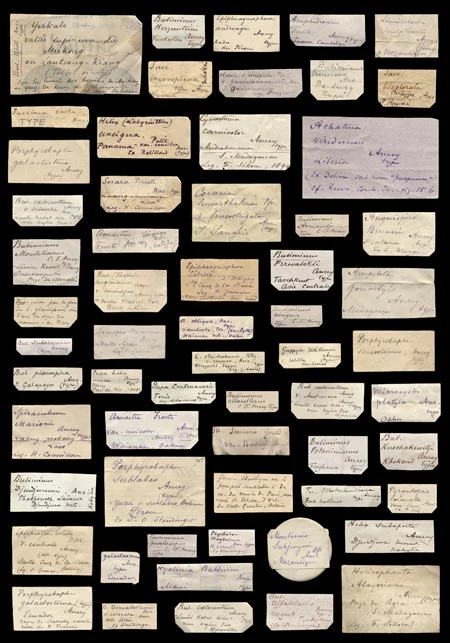
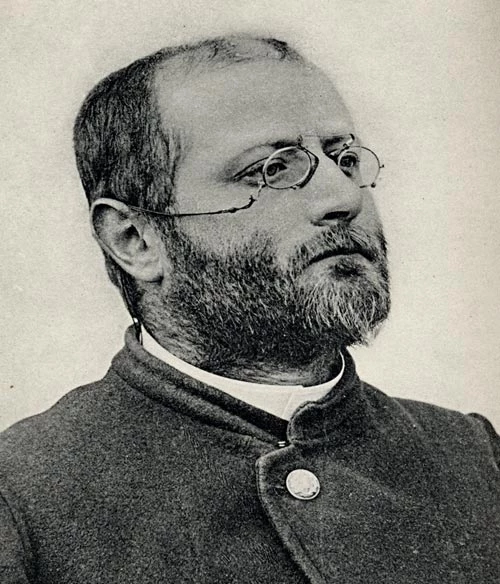
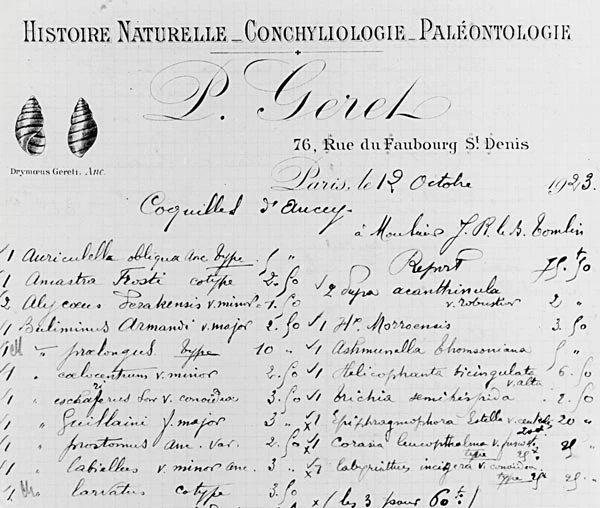
A great shell collector's work is finally brought together Harriet Wood and Jennifer Gallichan, 9 November 2009 A specimen plate from the The New Molluscan Names of César-Marie-Felix Ancey Amgueddfa Cymru’s mollusc collections are of international significance, and contain hundreds of thousands of specimens. In 2008 the definitive book on the work of the great collector César-Marie-Felix Ancey (1860–1906) was produced. César-Marie-Felix Ancey named many land and freshwater species new to science. A portion of his collection came to Amgueddfa Cymru in 1955, as part of the Melvill-Tomlin collection. Museum staff have been researching Ancey’s collection, held in museums across the world, since 2004 and have now produced the most up-to-date and comprehensive list ever of his new scientific names and publications. It forms a reference tool for specialists and researchers worldwide. Examples of Ancey’s handwritten collection labels César-Marie-Felix Ancey (1860–1906) Geret’s sales list, selling some of Ancey’s collection to Tomlin César-Marie-Felix Ancey César-Marie-Felix Ancey was one of the great Victorian collectors and made a huge contribution to science in his short life. Born in Marseille, France, on 15 November 1860, he showed a keen interest in natural history from an early age. He created his own collection of shells and later wrote and published many papers on conchology. Aged 23 he was appointed conservator of the Oberthur entomological collections at Rennes, France. He later returned to Marseille to study law, literature and science, and successfully obtained his diploma in 1885. Two years later he entered the government in Algeria. After 13 years hard work he was promoted to acting administrator at Mascara in Western Algeria. All his mollusc studies were done in his spare time. Specimens from across the globe Ancey’s main interest was in small land snails. Through exchange and purchase he collected specimens from all over the world. The Pacific and Asia are particularly strong in his collection, but it also covers Europe, North and South America and Africa. It was Ancey’s great desire to make a scientific journey to the Cape Verde Islands or South America, but sadly this dream was never realised as Ancey died of a fever at the young age of 46. The collection gets split up After Ancey’s death his entire collection went to Paul Geret, a shell dealer, who sold it on in 1919 and 1923. It was at this point that the collection was split up — the great private collectors of the time, Tomlin, Dautzenberg and Connolly among others, all competed for a part of it. A majority of Ancey’s specimens are now held at Amgueddfa Cymru (Cardiff: Melvill-Tomlin collection), the Royal Belgian Institute of Natural Sciences (Brussels: Dautzenberg collection), Muséum National d’Histoire Naturelle (Paris), Bernice P. Bishop Museum (Honolulu) and the Natural History Museum (London: Connolly collection). A tribute to Ancey’s achievements In 1908 a list of his mollusc publications was produced, shortly followed by a separate list of the scientific names he had published. These two publications indicated that Ancey had described some 550 scientific names in over 140 papers. The problem was that neither of these lists were complete, and this has caused difficulty to researchers in this field of science ever since. Staff at Amgueddfa Cymru have now located all of Ancey’s papers to form a comprehensive bibliography listing 176 publications and within these we have identified 756 new scientific names. From trawling the Melvill-Tomlin collection we know that nearly 300 of these names are represented in our collection of Ancey specimens and that we hold type specimens of 155 of these. The result of this research is The New Molluscan Names of César-Marie-Felix Ancey, the most complete access to Ancey’s work that has ever been available. Now the true extent of Ancey’s contribution to science and conchology can be revealed, helping to make his collection more accessible to the scientific community worldwide.
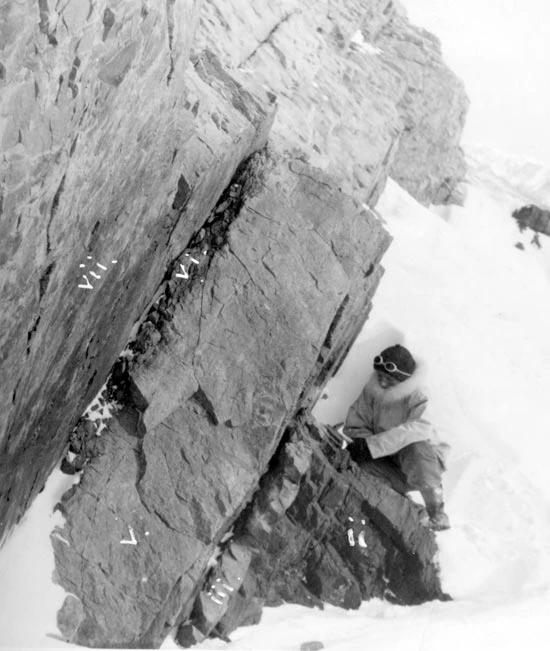
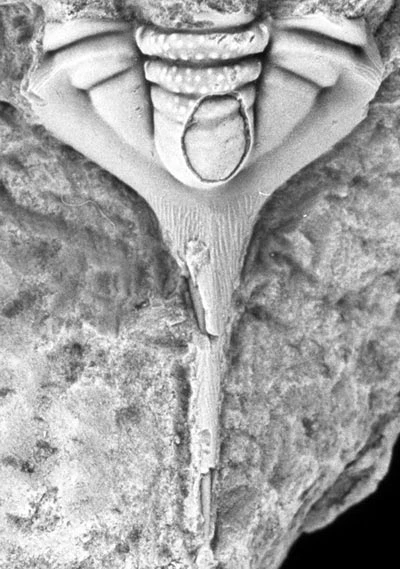
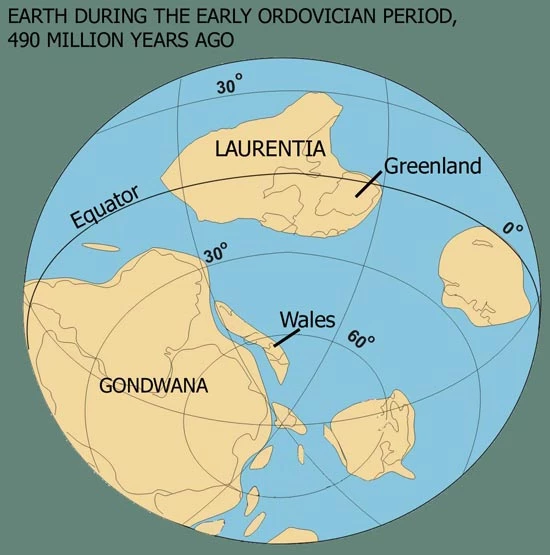
Tropical trilobites from frozen Greenland Lucy McCobb, 5 August 2009 Collecting fossils in the snow. 1950s. Aerial Photo of Greenland: The fossils were collected from the area shaded in red. The large fossilised eye of Carolinites, a trilobite which swam in the open ocean searching for food. The tail of the trilobite Acidiphorus has an impressive spine. The Museum's extensive holding of fossils include a collection of Ordovician age (470-490 million years old) trilobite fossils from Greenland. Although the continent is now cold and icy, it was not always so. British explorers in the icy north Greenland is a very difficult place in which to study and collect fossils. Most of it remains ice-covered throughout the year, and rock outcrops are readily accessible only in coastal areas during the summer months. Expeditions to explore the geology of Greenland began in the late nineteenth century, and continue to the present day. These have been organised by the Greenland Geological Survey, based in Copenhagen. In the 1990s, the Museum was presented with a collection of Cambrian and Ordovician trilobites from central east Greenland made between 1950 and 1954 by Dr John Cowie, formerly of the University of Bristol, and a colleague, Dr Peter Adams. Globe-trotting Greenland Today, we are familiar with Greenland as a cold, icy place, but this has not always been the case. The tectonic plates that make up the Earth's lithosphere have moved around throughout its history, and geologists have demonstrated that during the Ordovician Period Greenland lay close to the equator, and together with North America and Spitsbergen formed the ancient continent of Laurentia. At this time, Wales lay far away in cool, high southern latitudes, close to the vast continent of Gondwana. The fossil faunas of the shallow Ordovician seas around Laurentia and Gondwana are very different, and no trilobite species is common to Greenland and Wales. Earth during the early Ordovician Period, 490 million years ago Tropical trilobites new to science. The Ordovician trilobites of Greenland are preserved in limestone which accumulated on the floor of warm, shallow sub-tropical seas. Around forty different species have been identified in our Greenland collection, and several are new to science. Research has confirmed they are common to, or closely related, to those from other parts of Laurentia. Features of different trilobite species provide clues as to how they lived. Most were probably benthic (living on the sea floor), and were either scavengers or deposit feeders. Others have features such as very large eyes, showing that they were pelagic (swimmers); such forms were widely distributed in the Ordovician oceans, and found in other tropical regions apart from Laurentia.
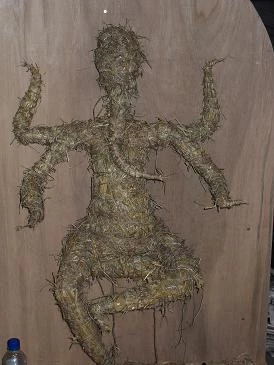
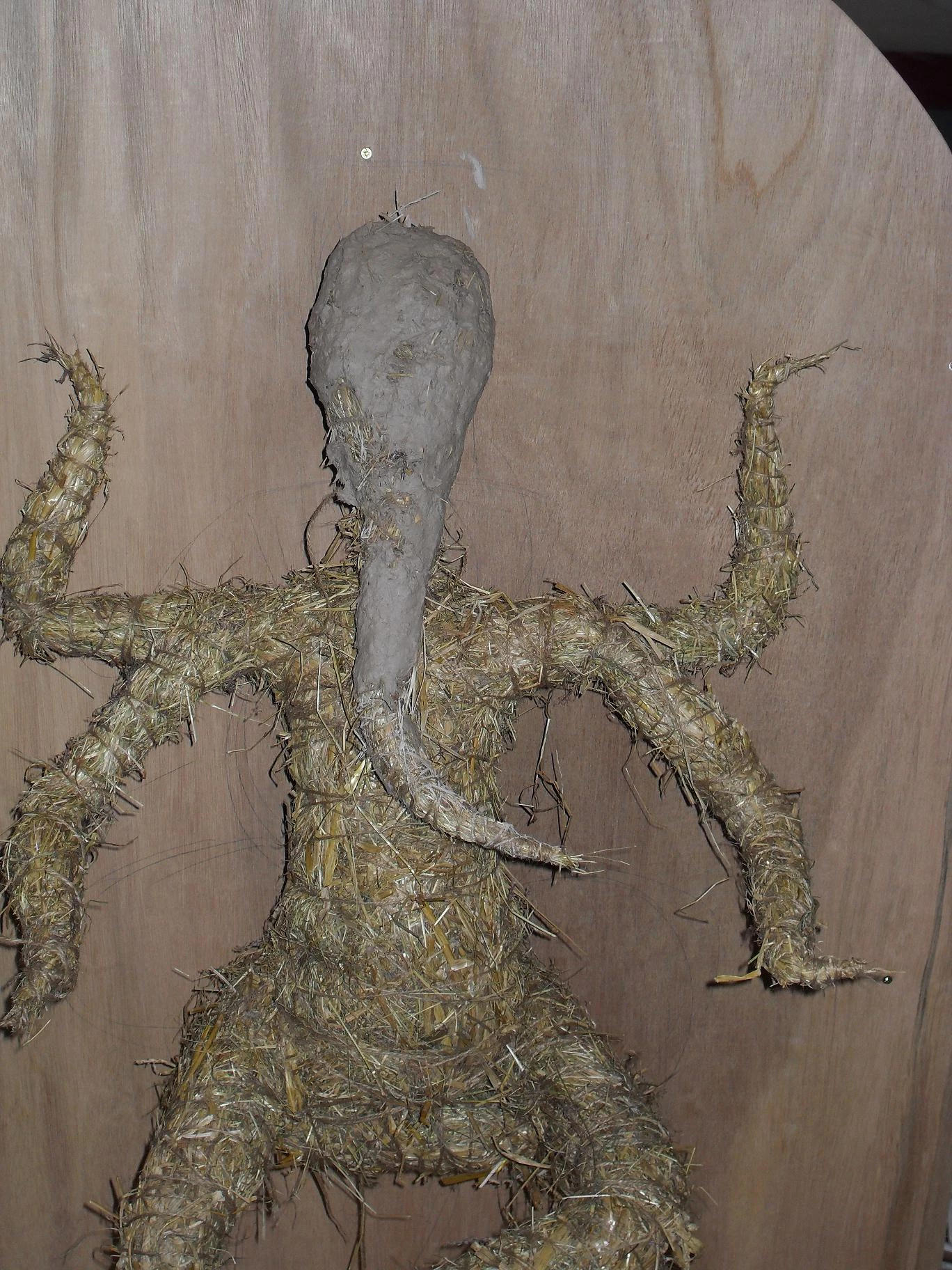
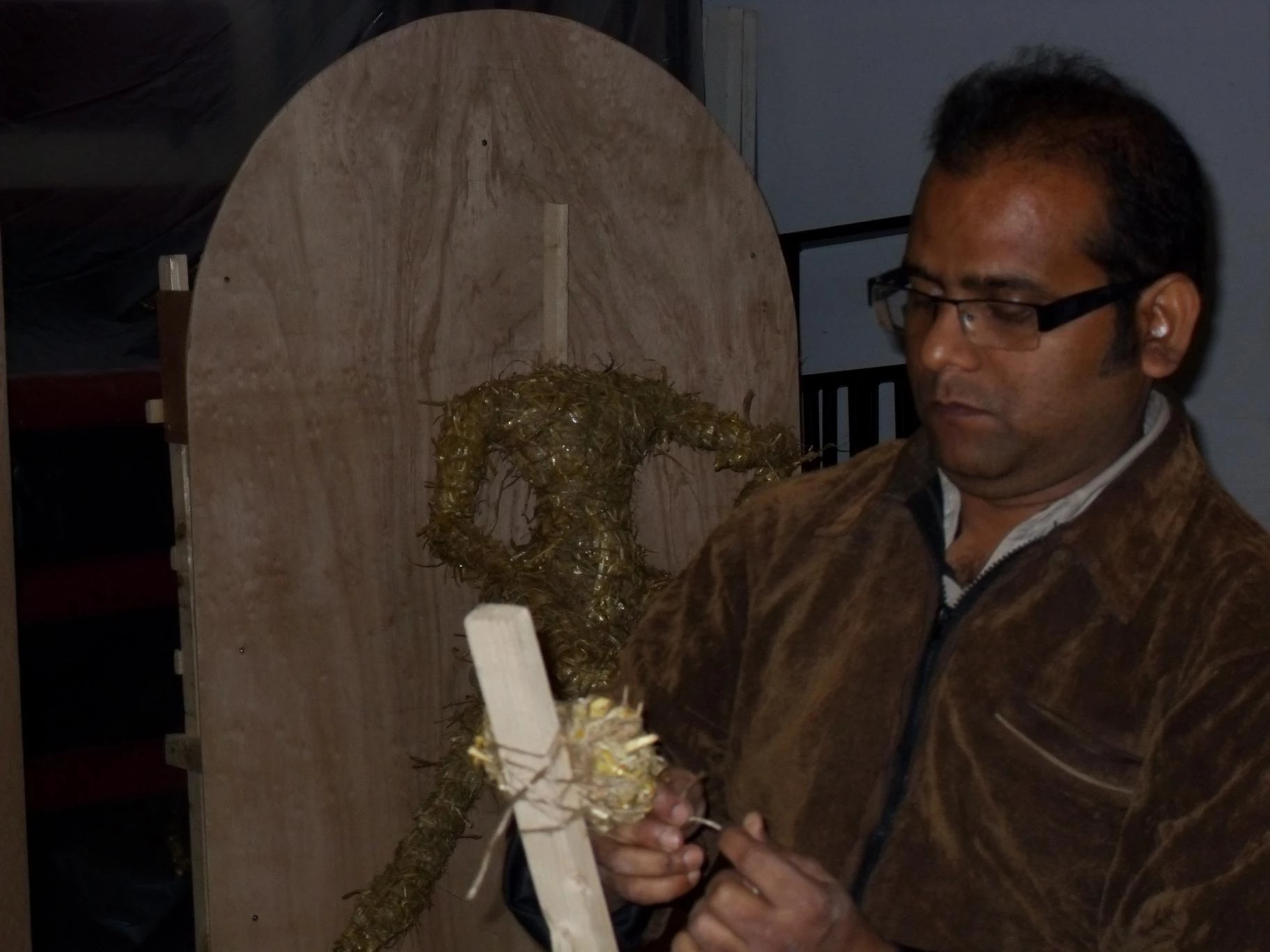
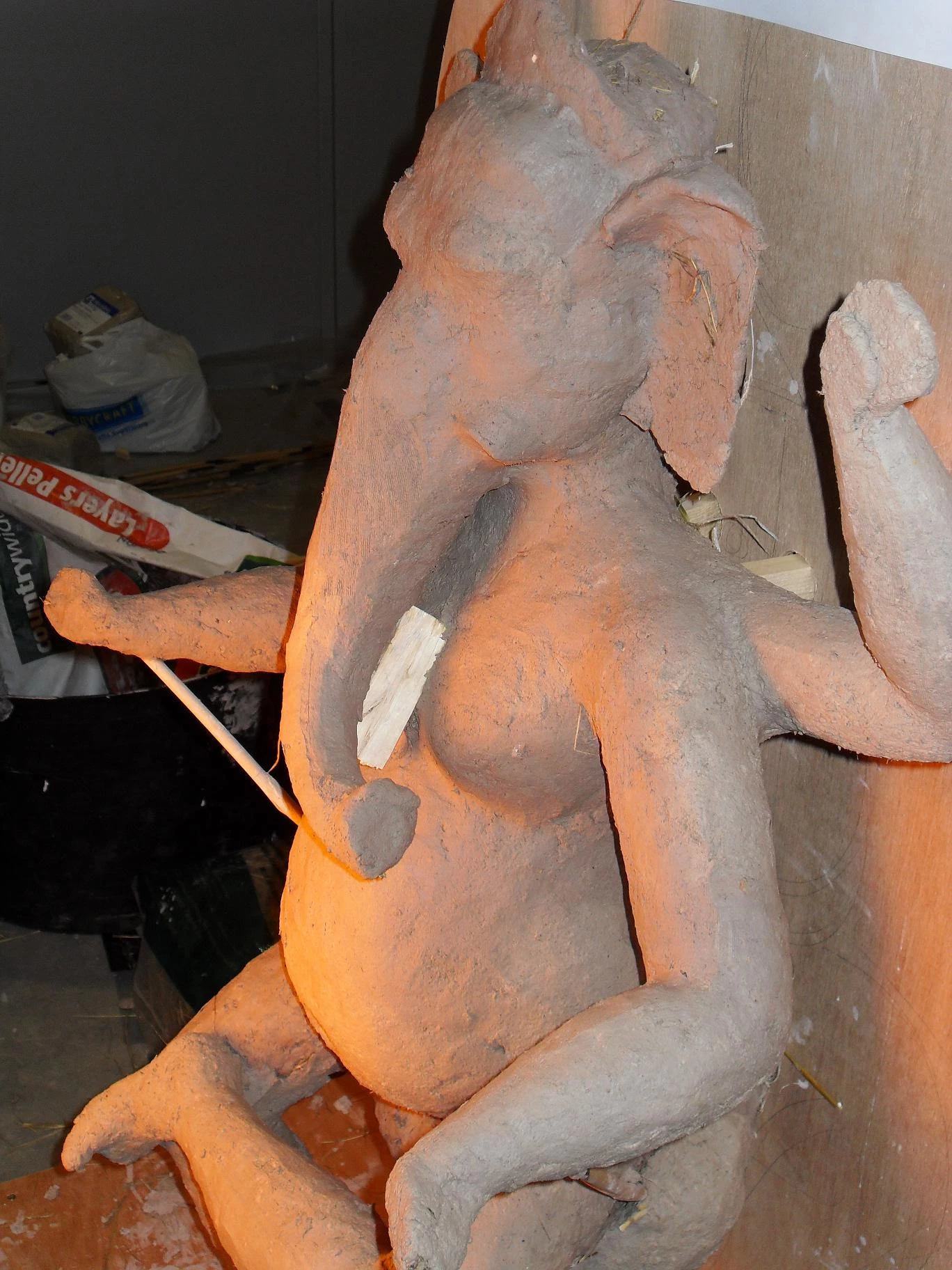
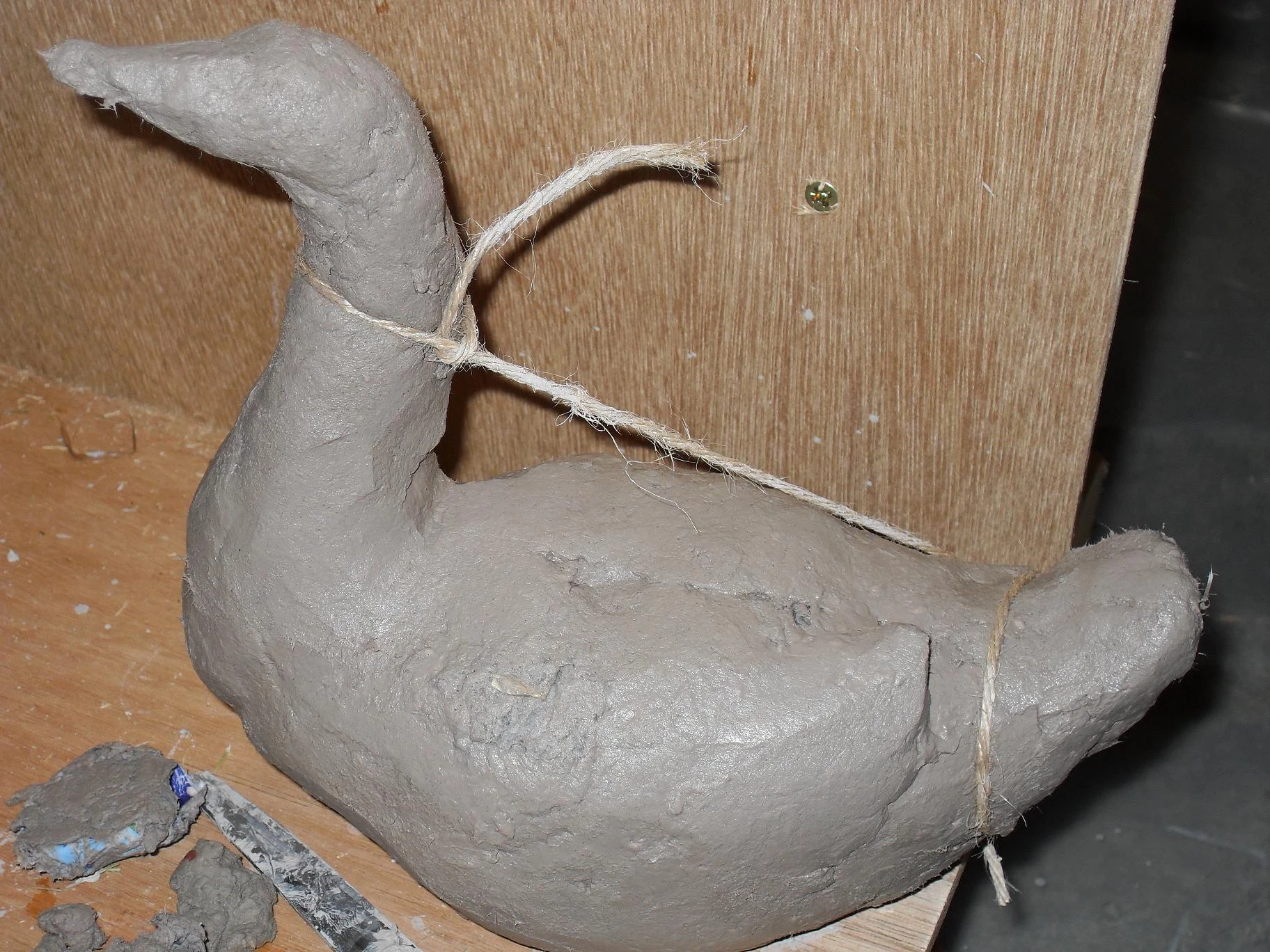
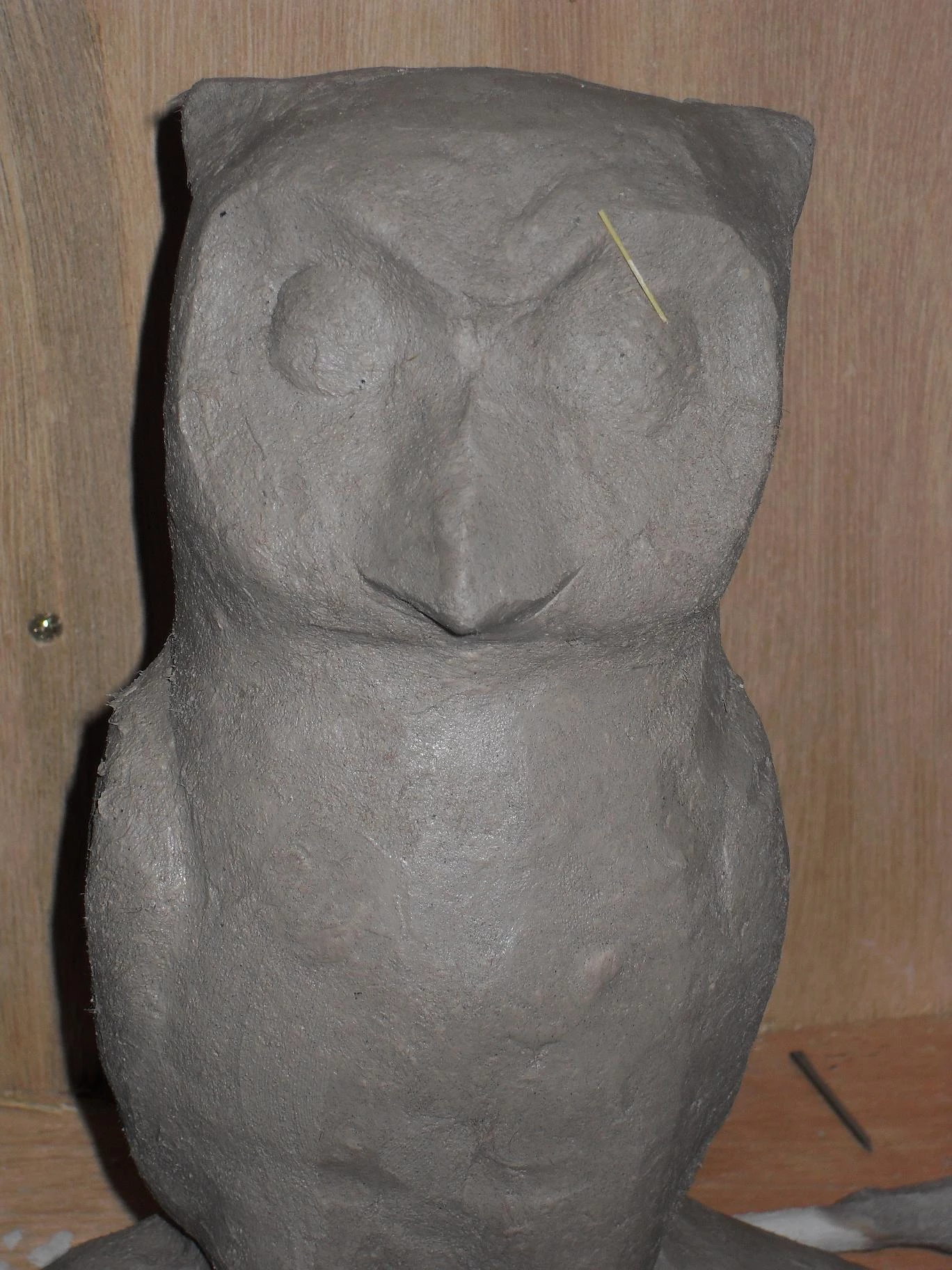
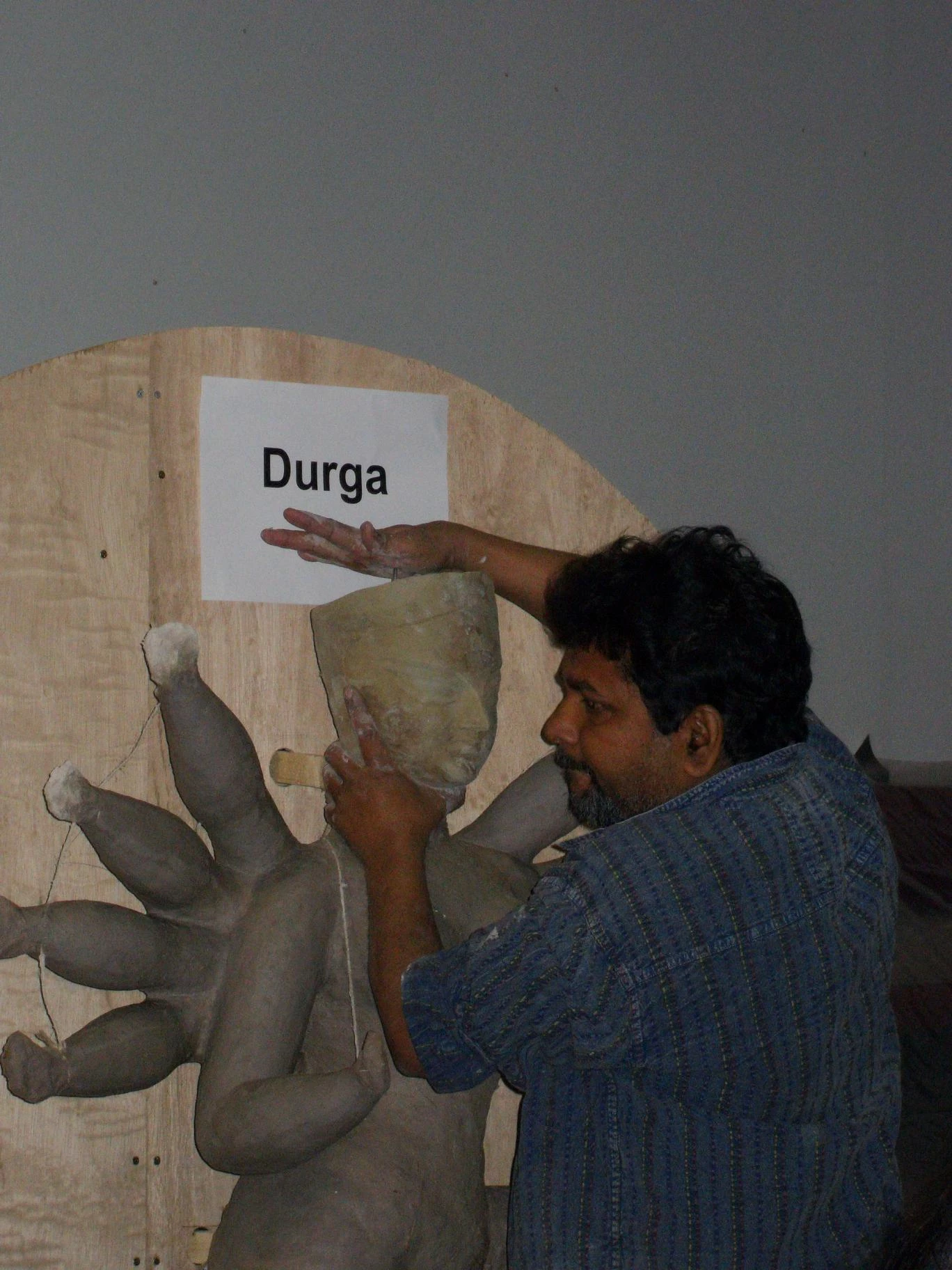
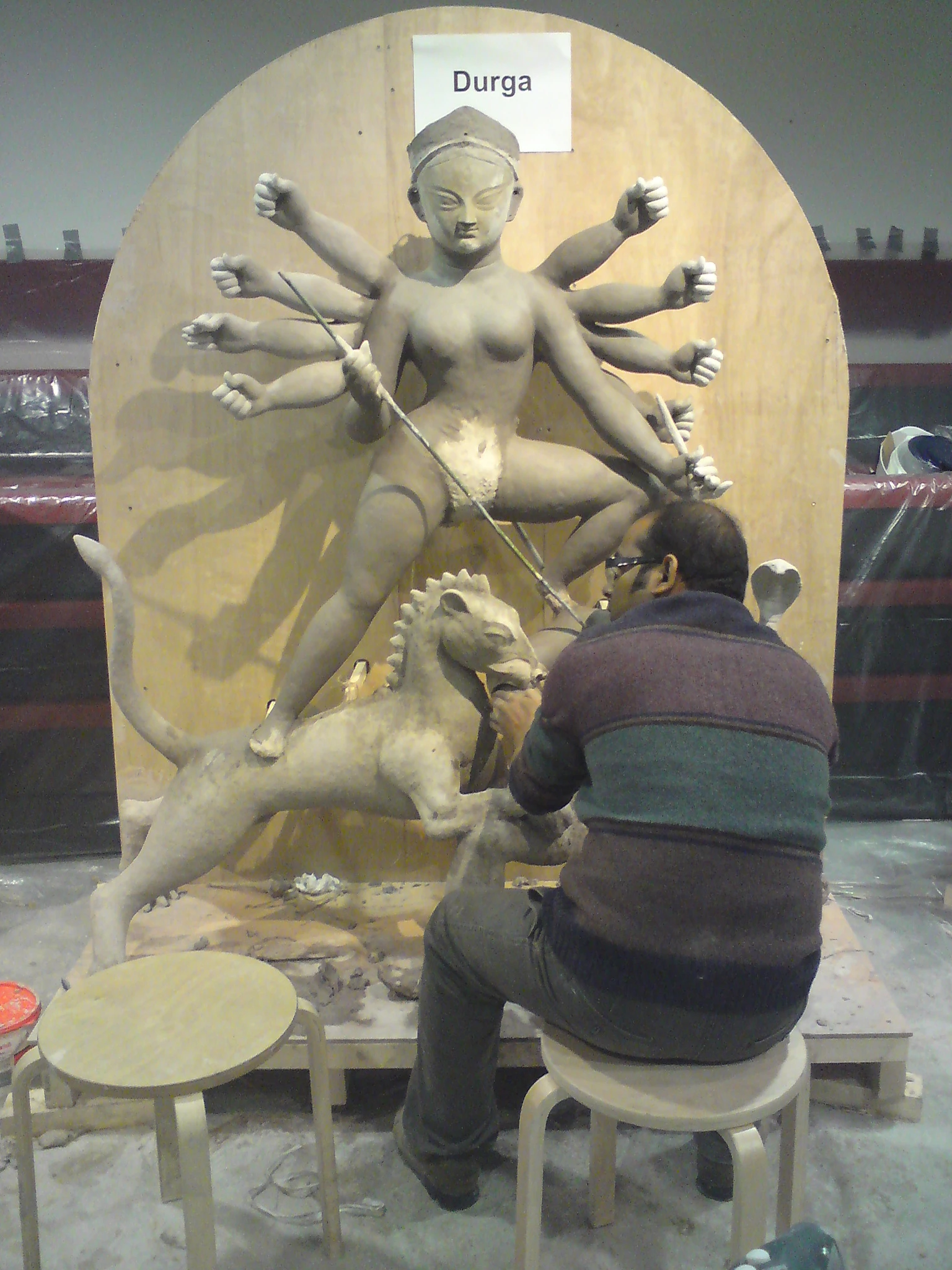
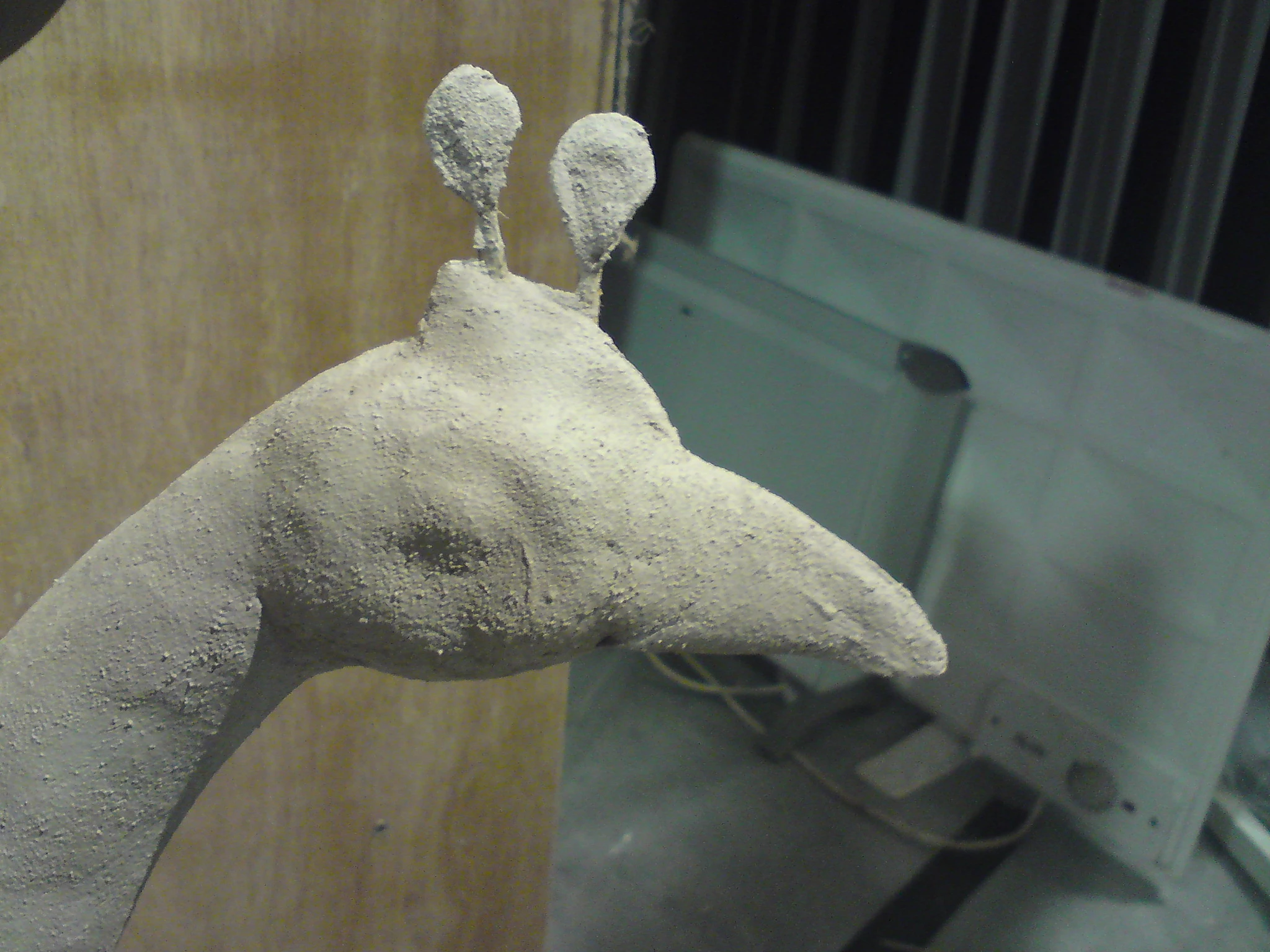
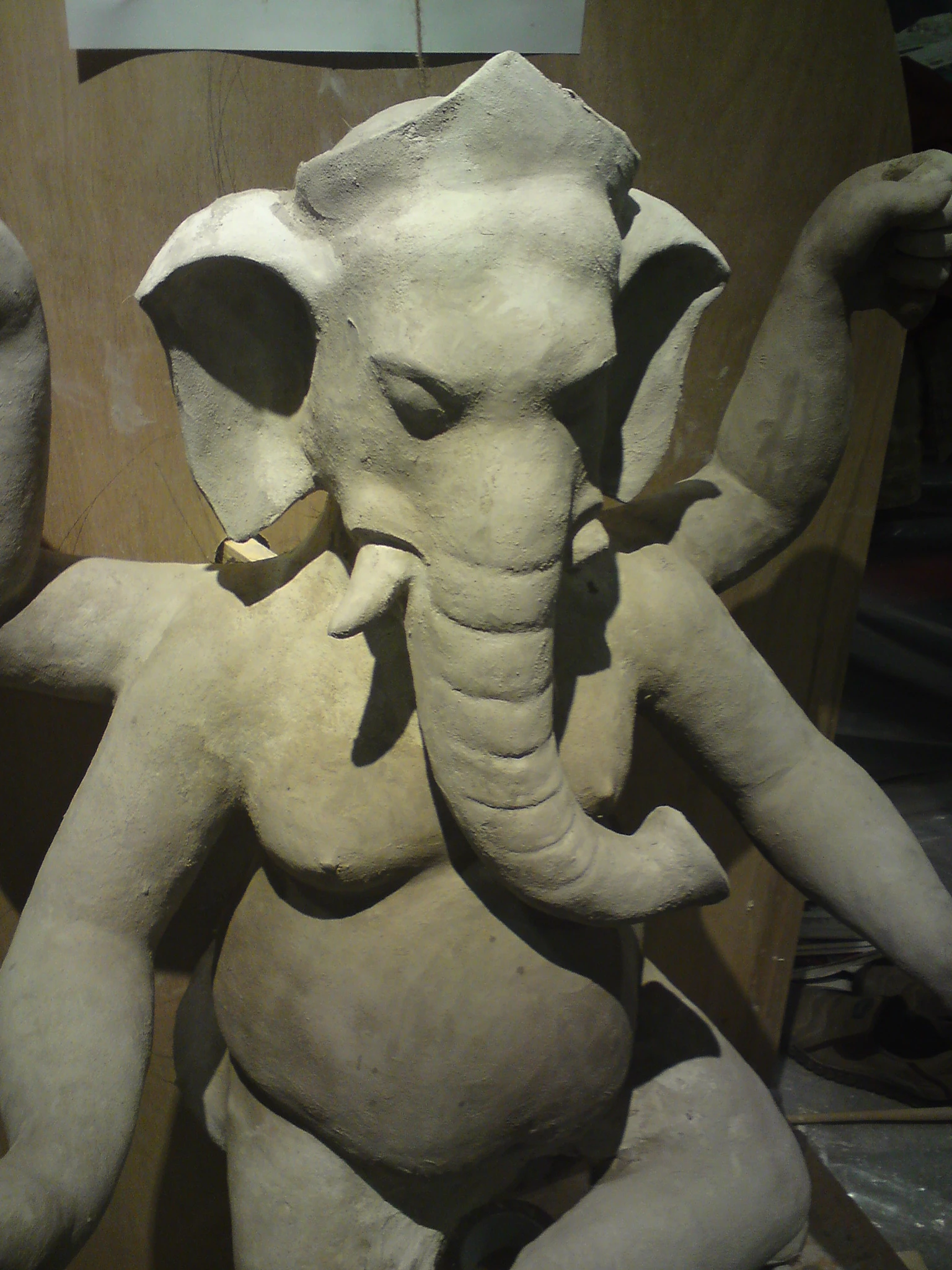
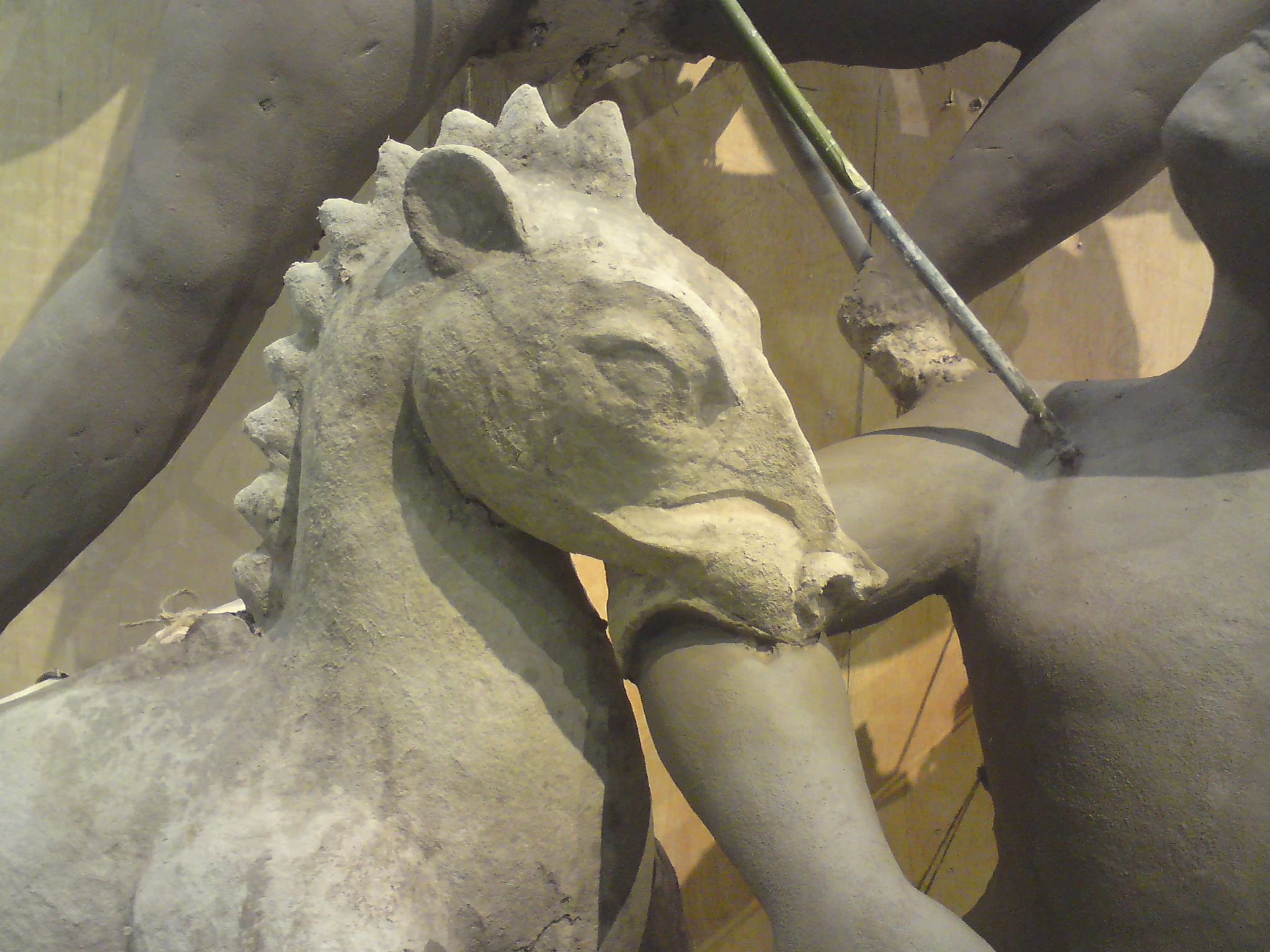
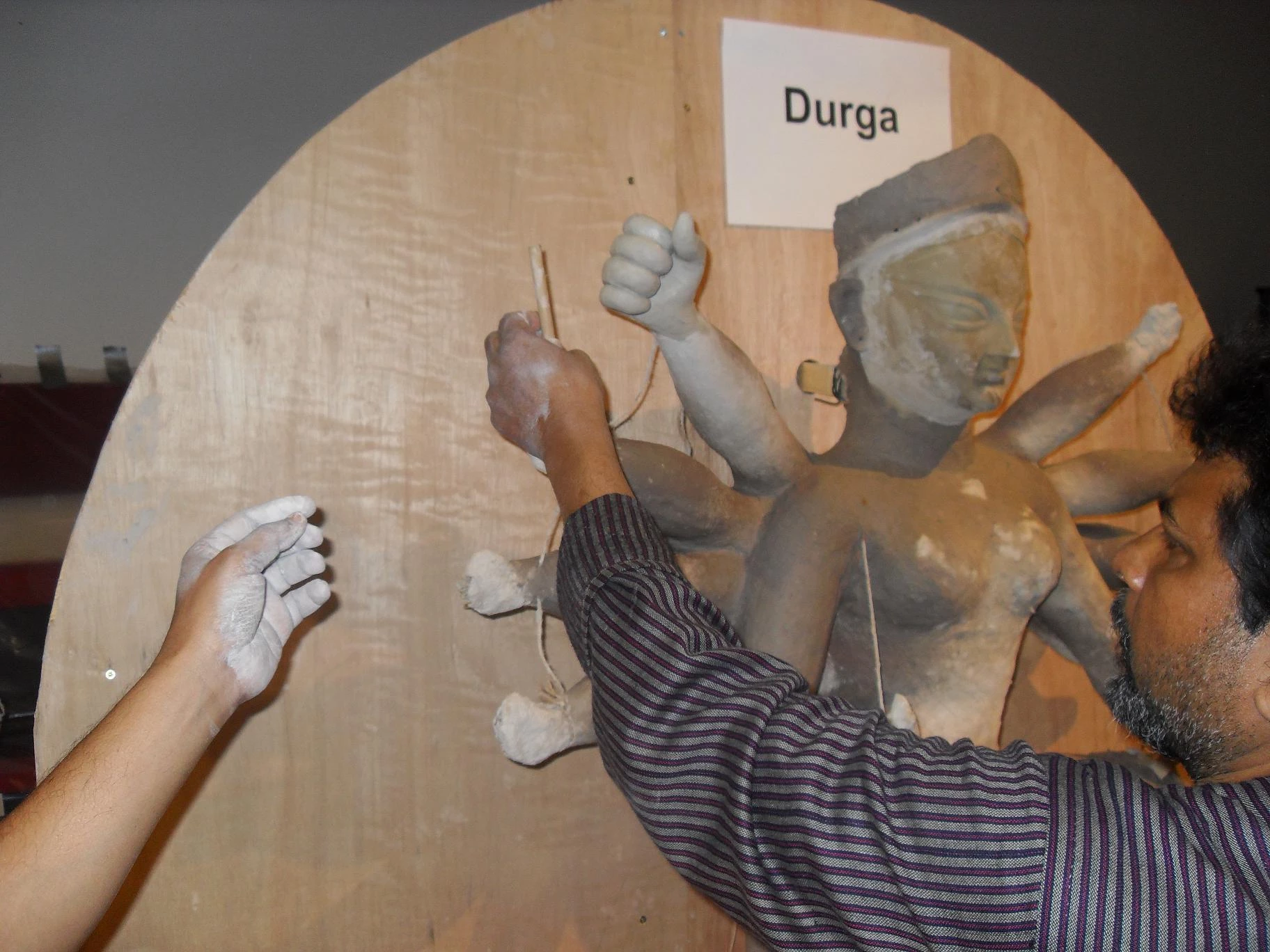
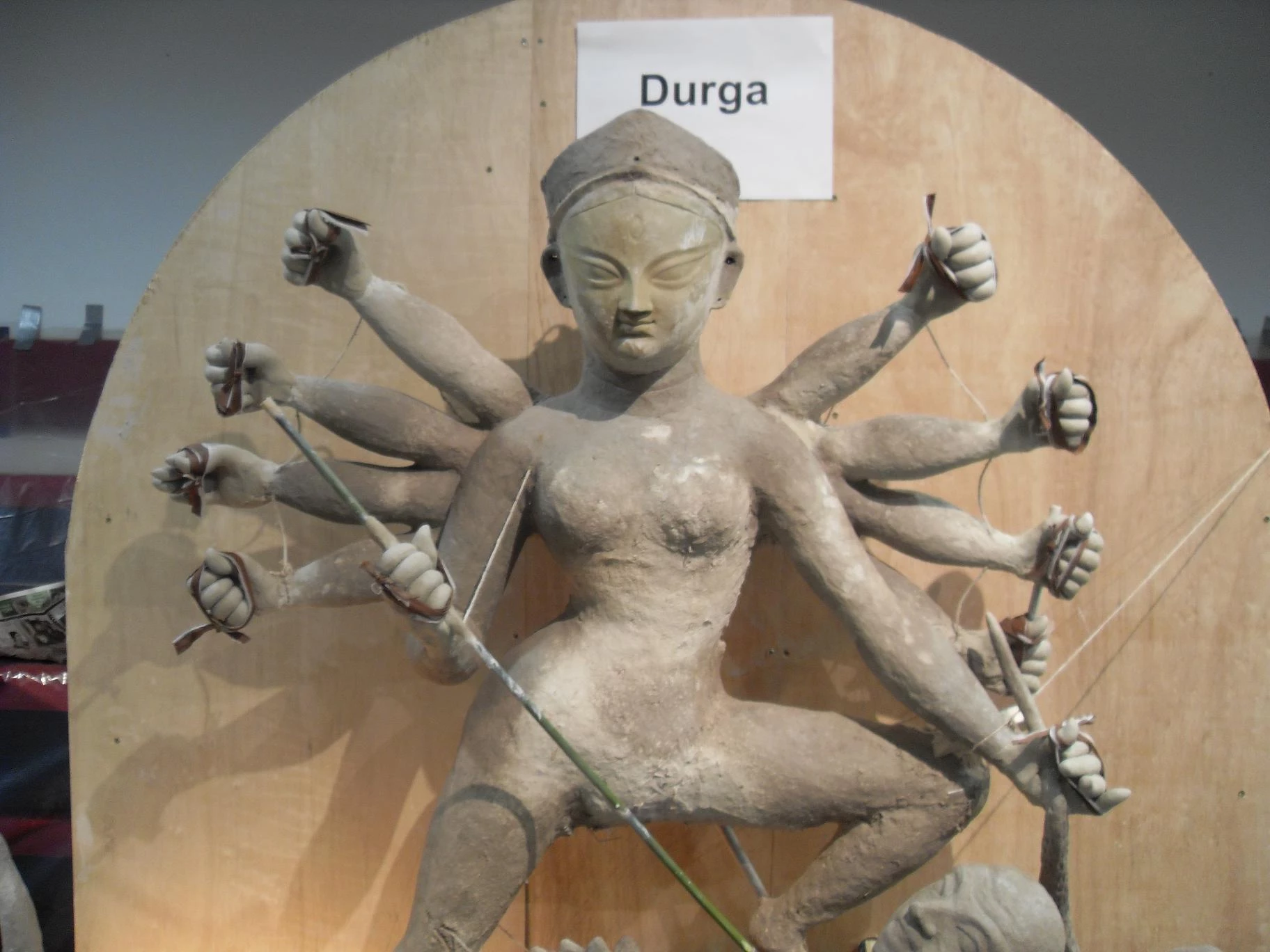
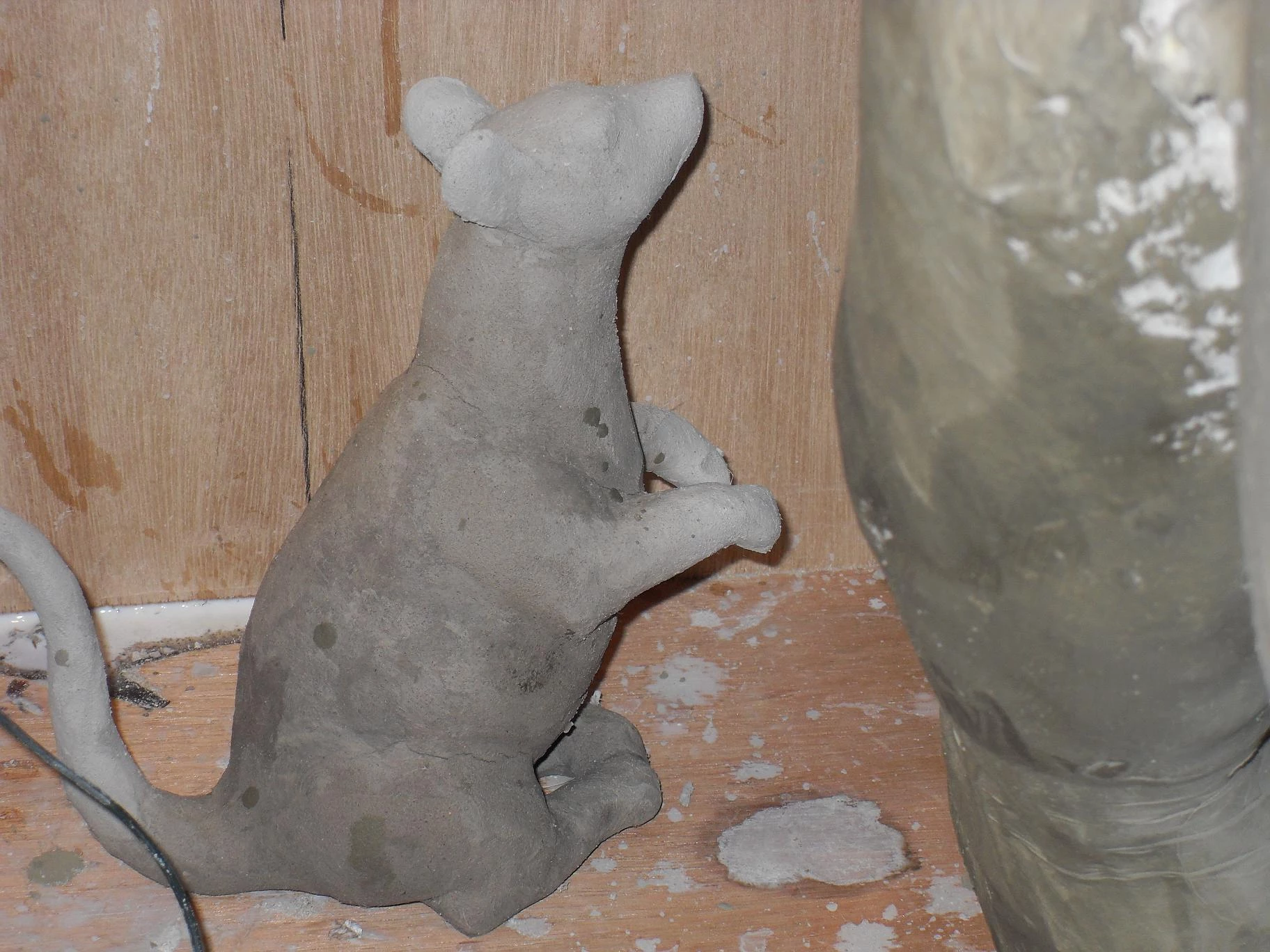
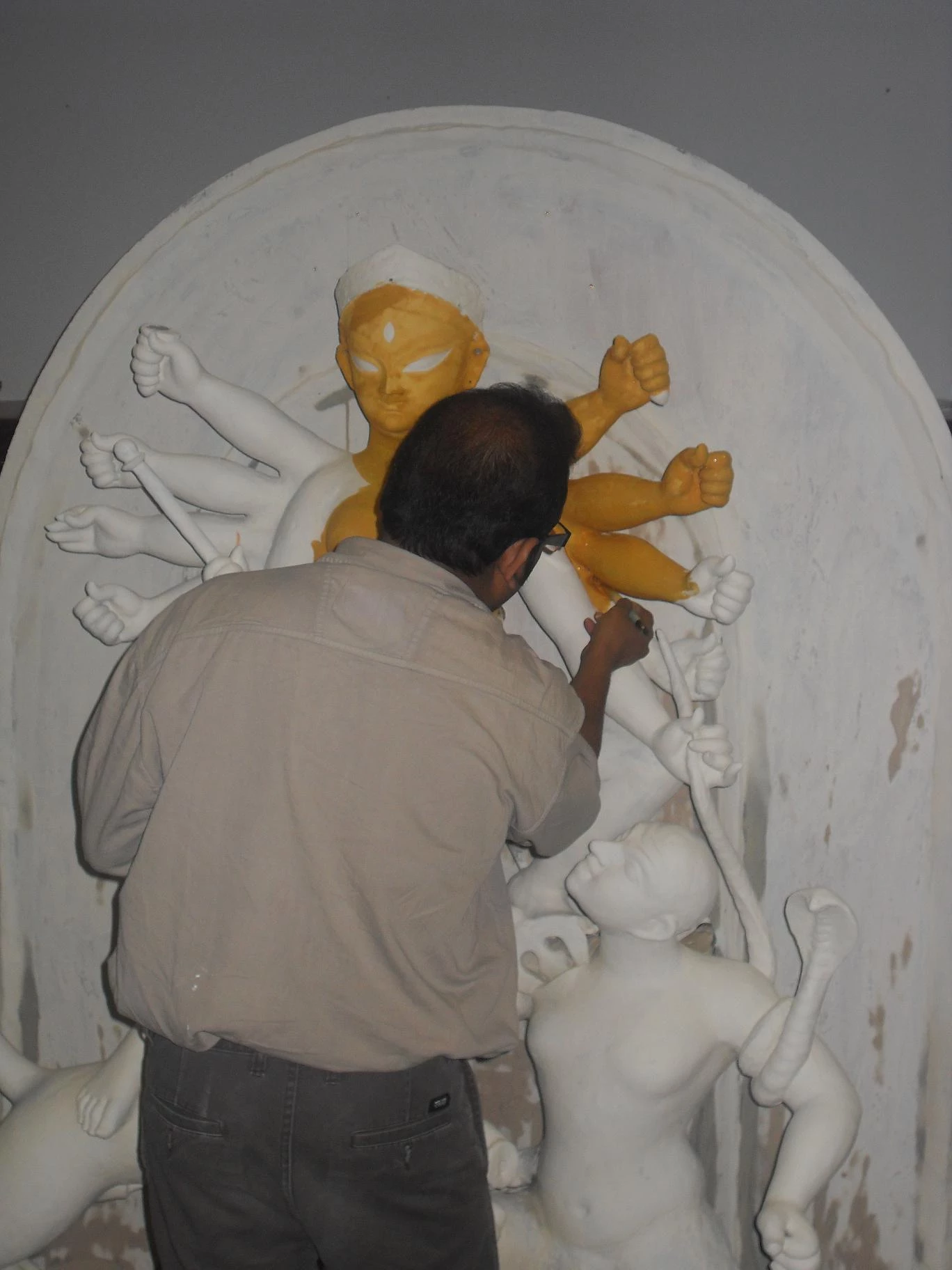
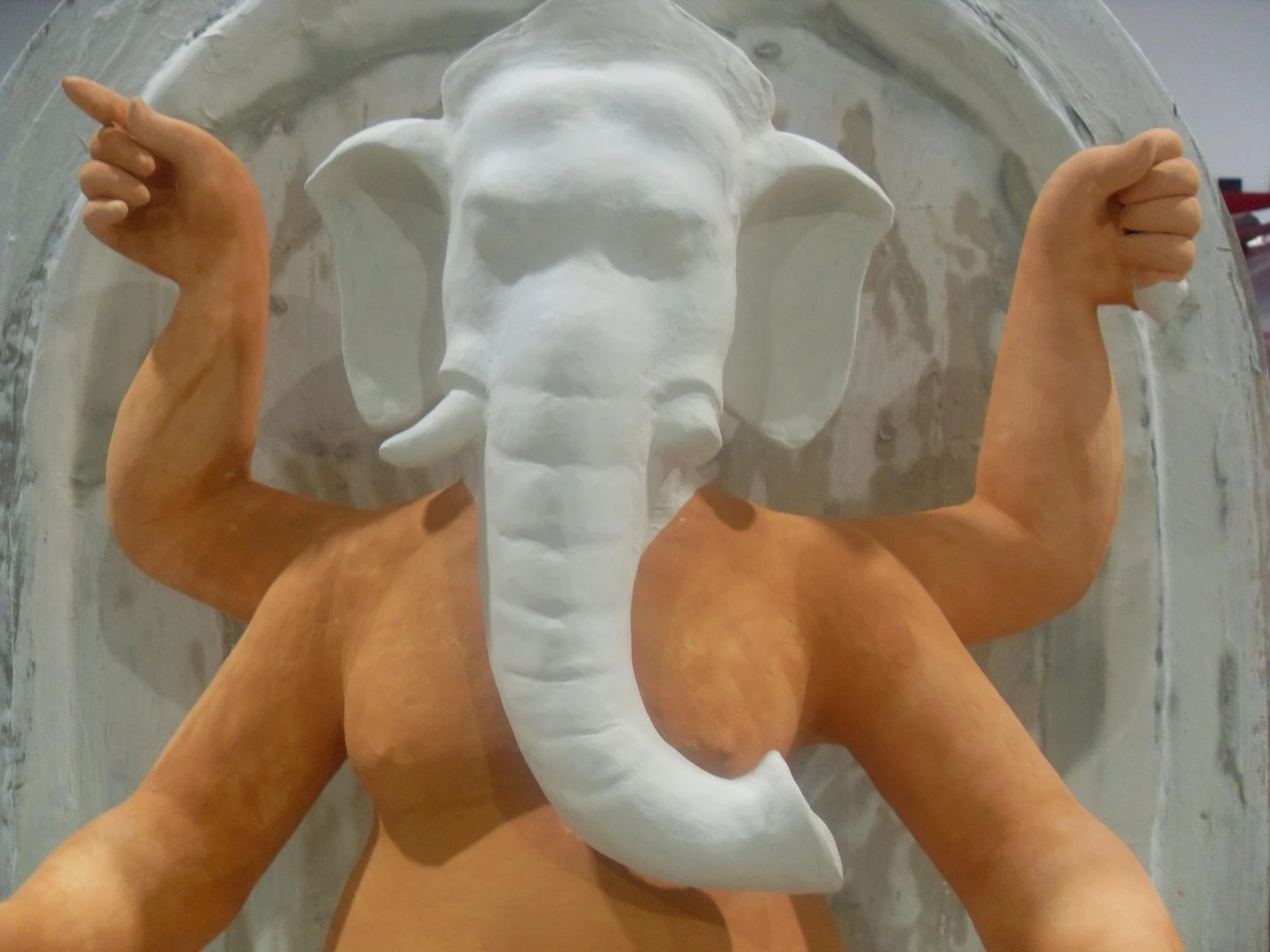
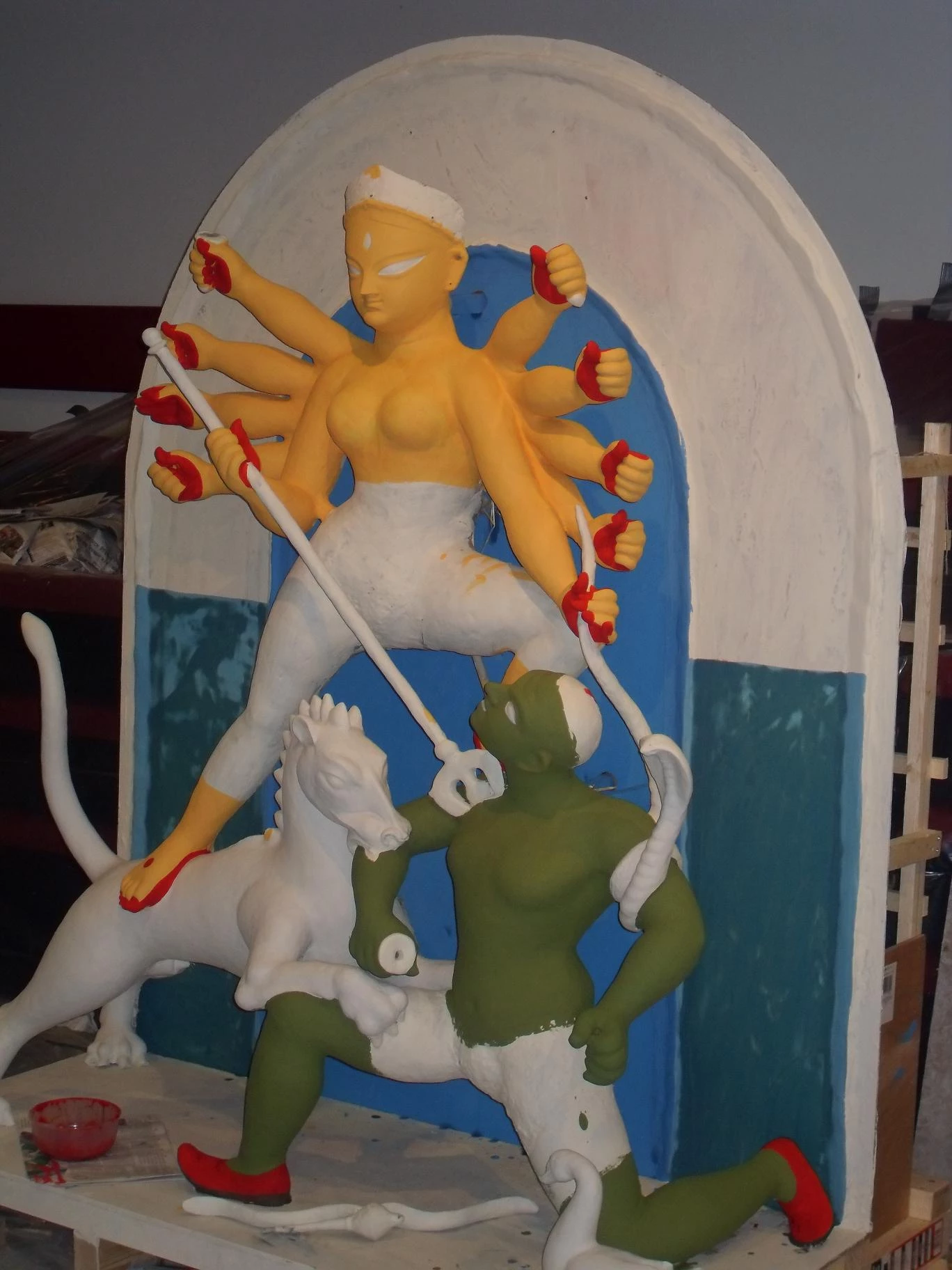
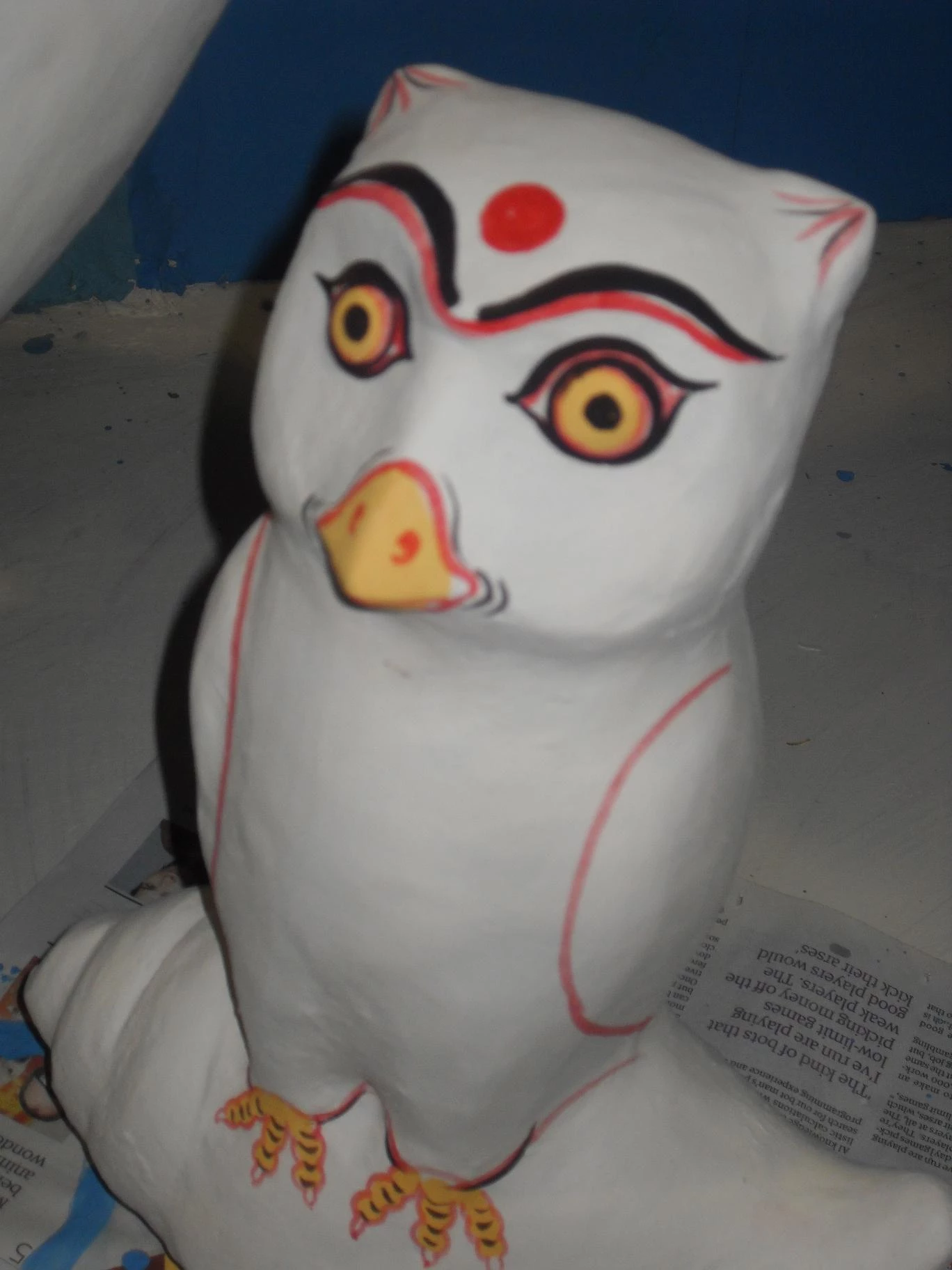
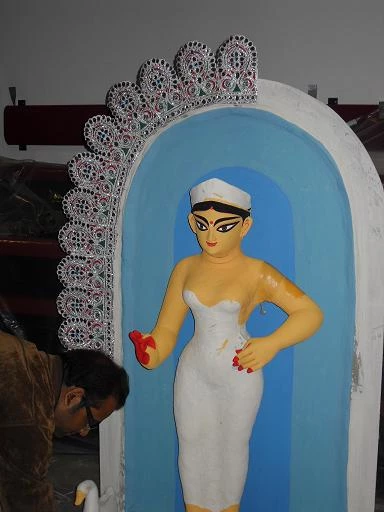
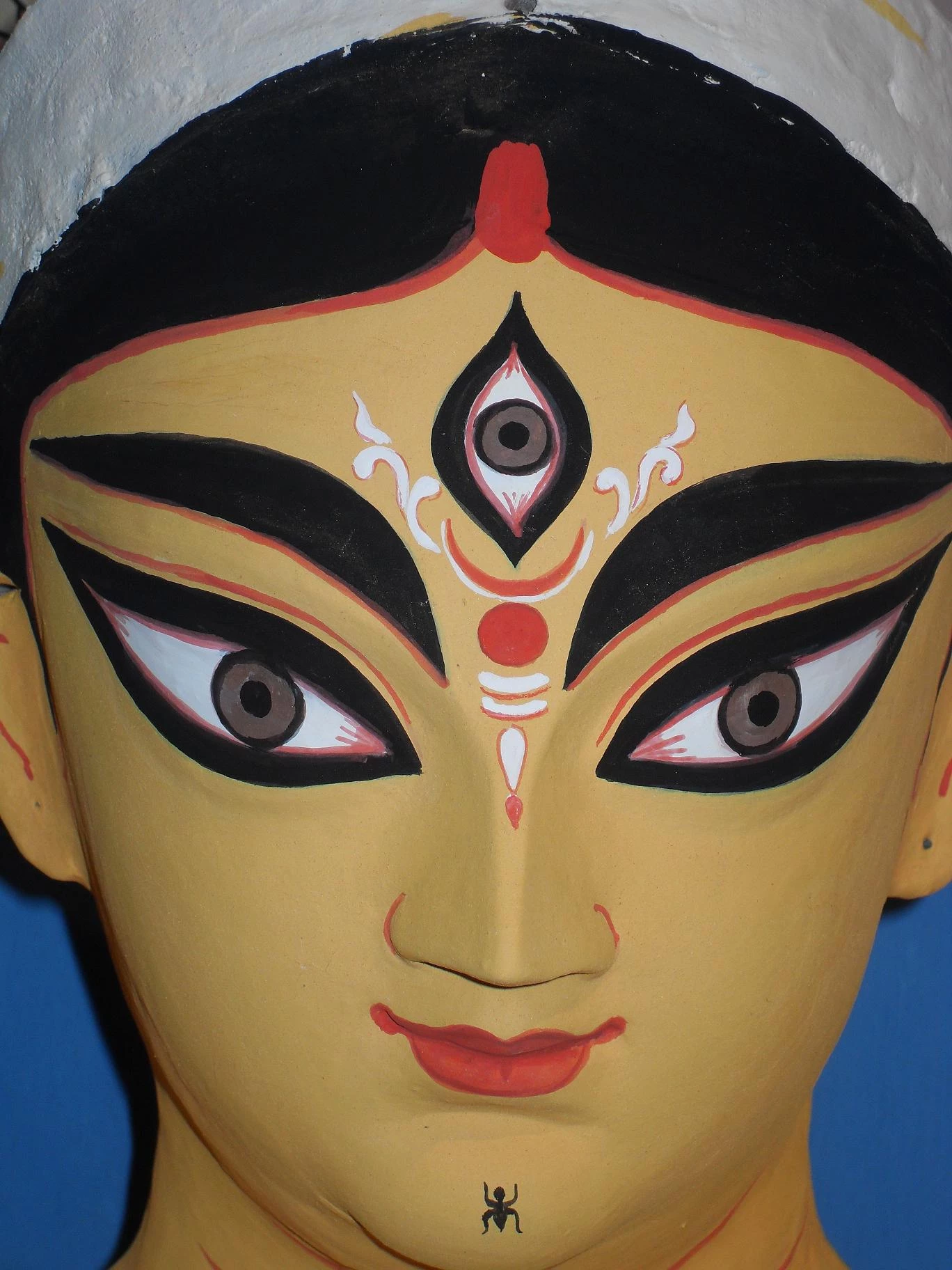
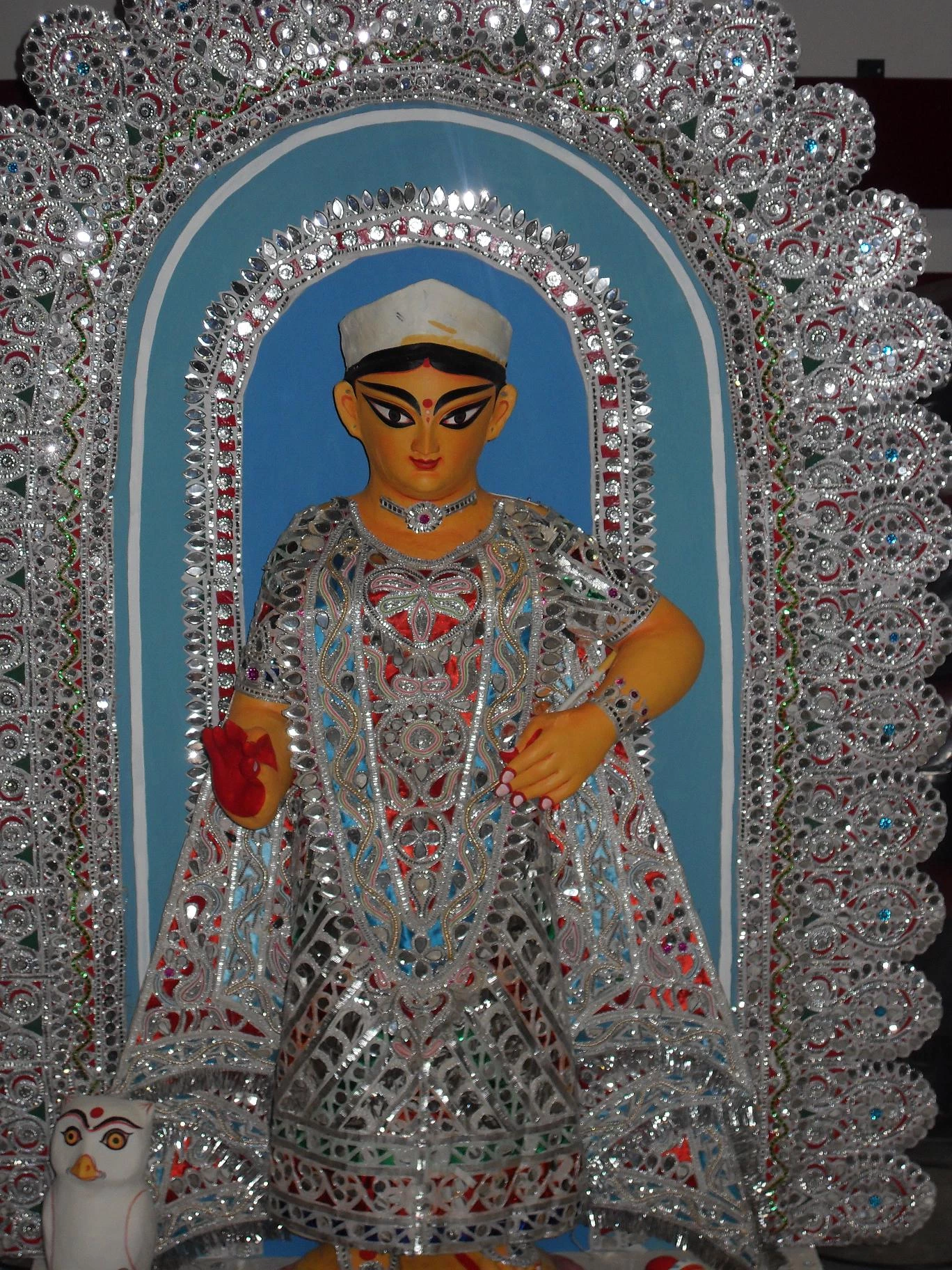
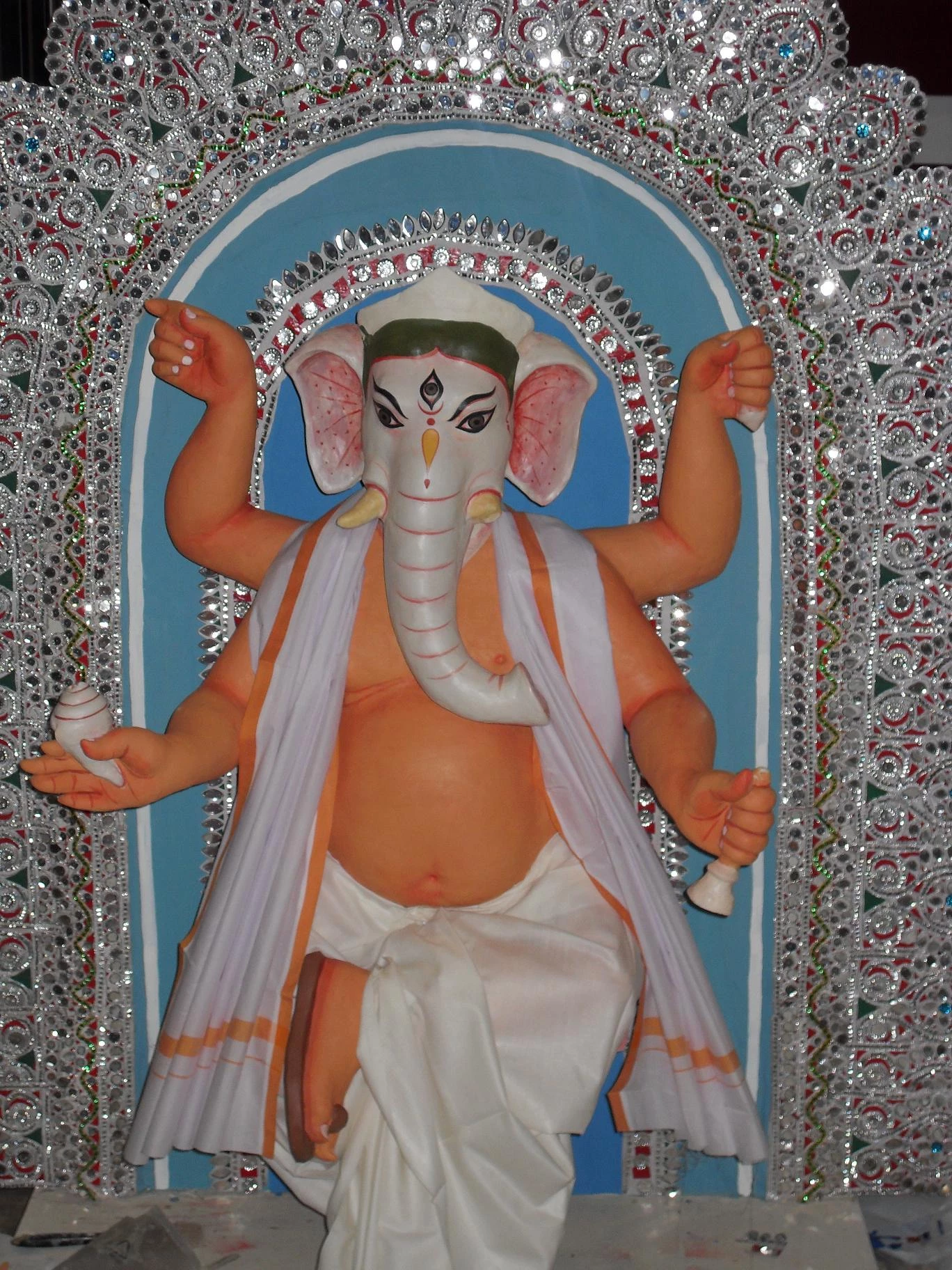
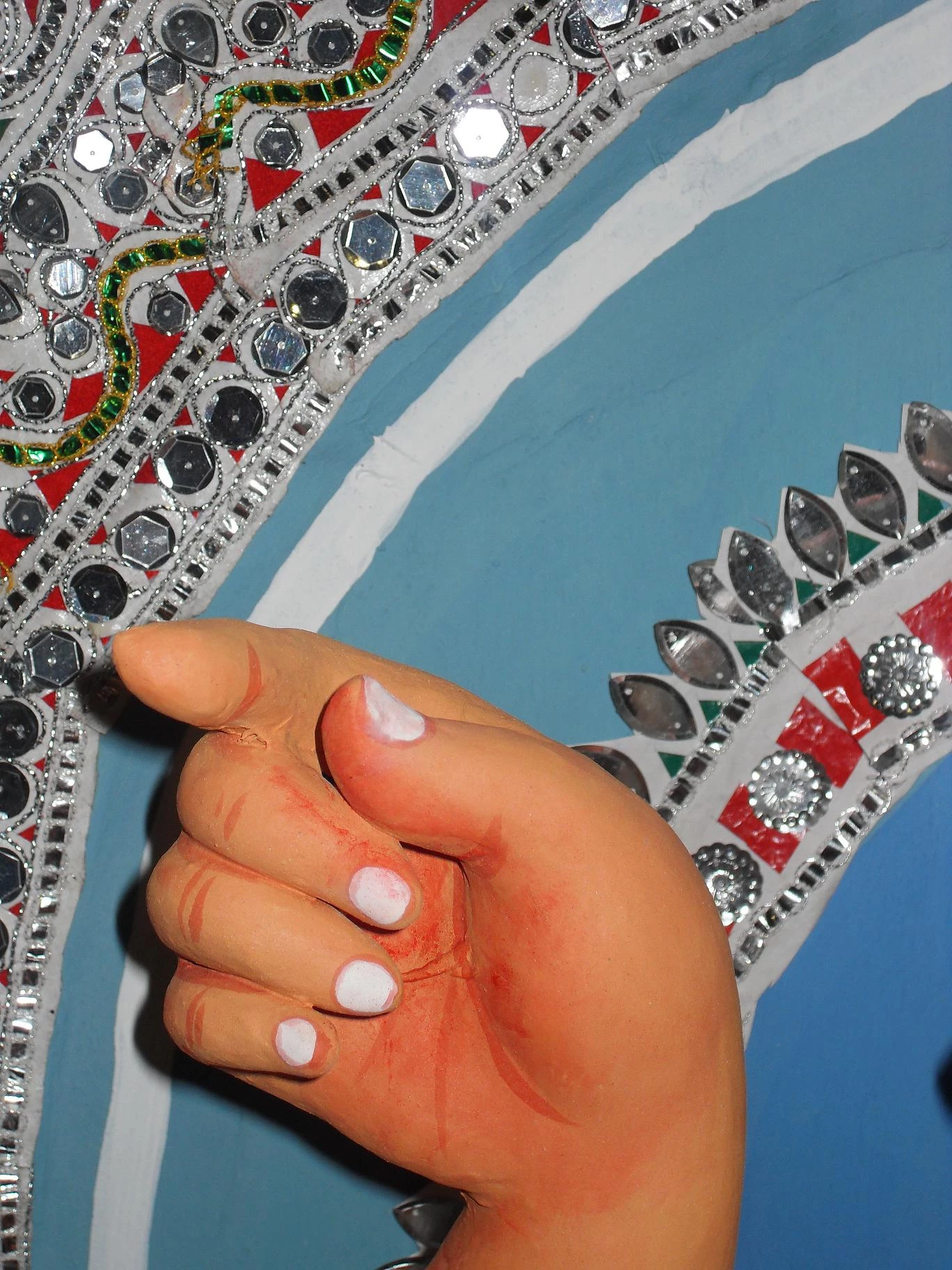
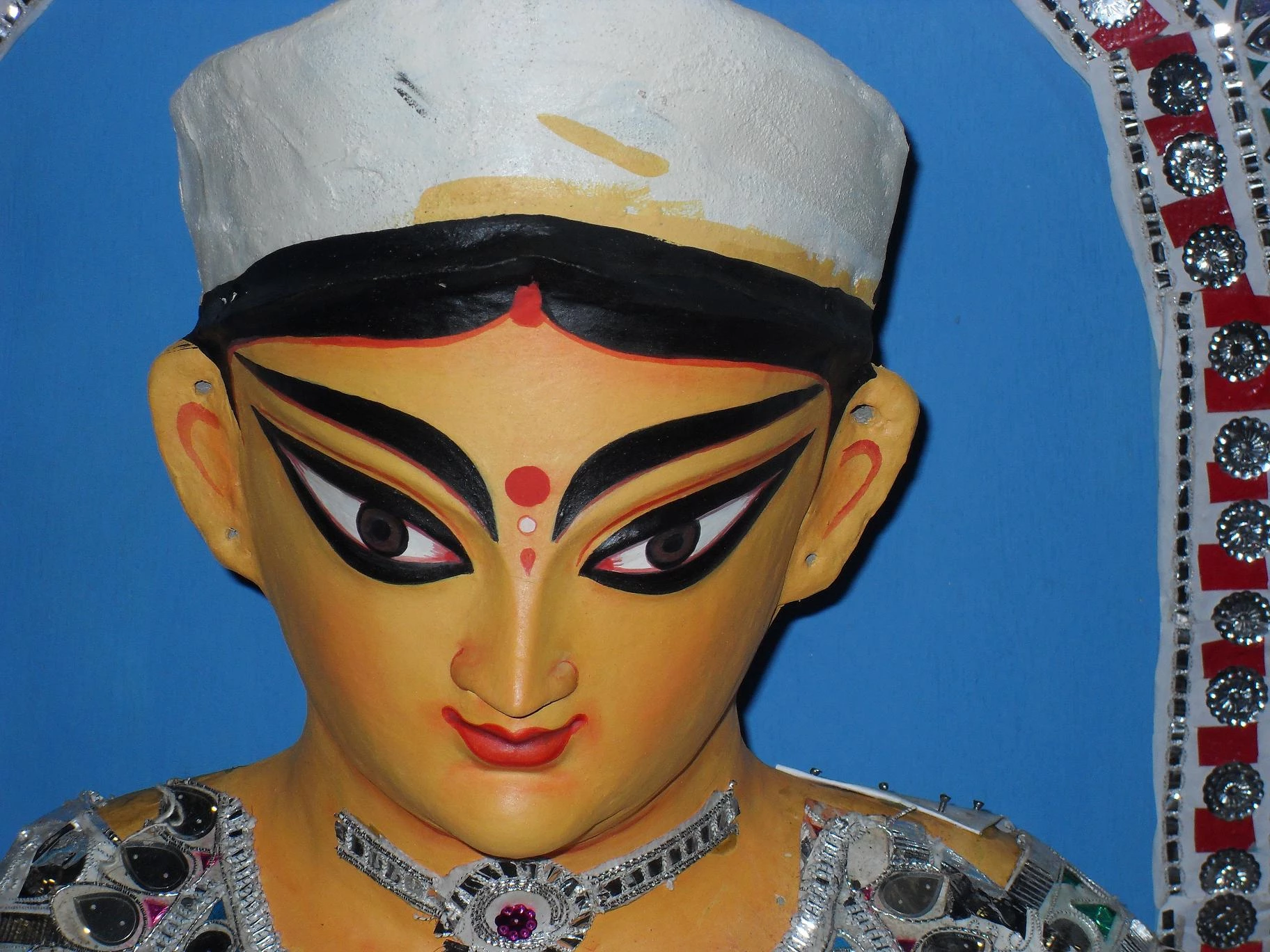
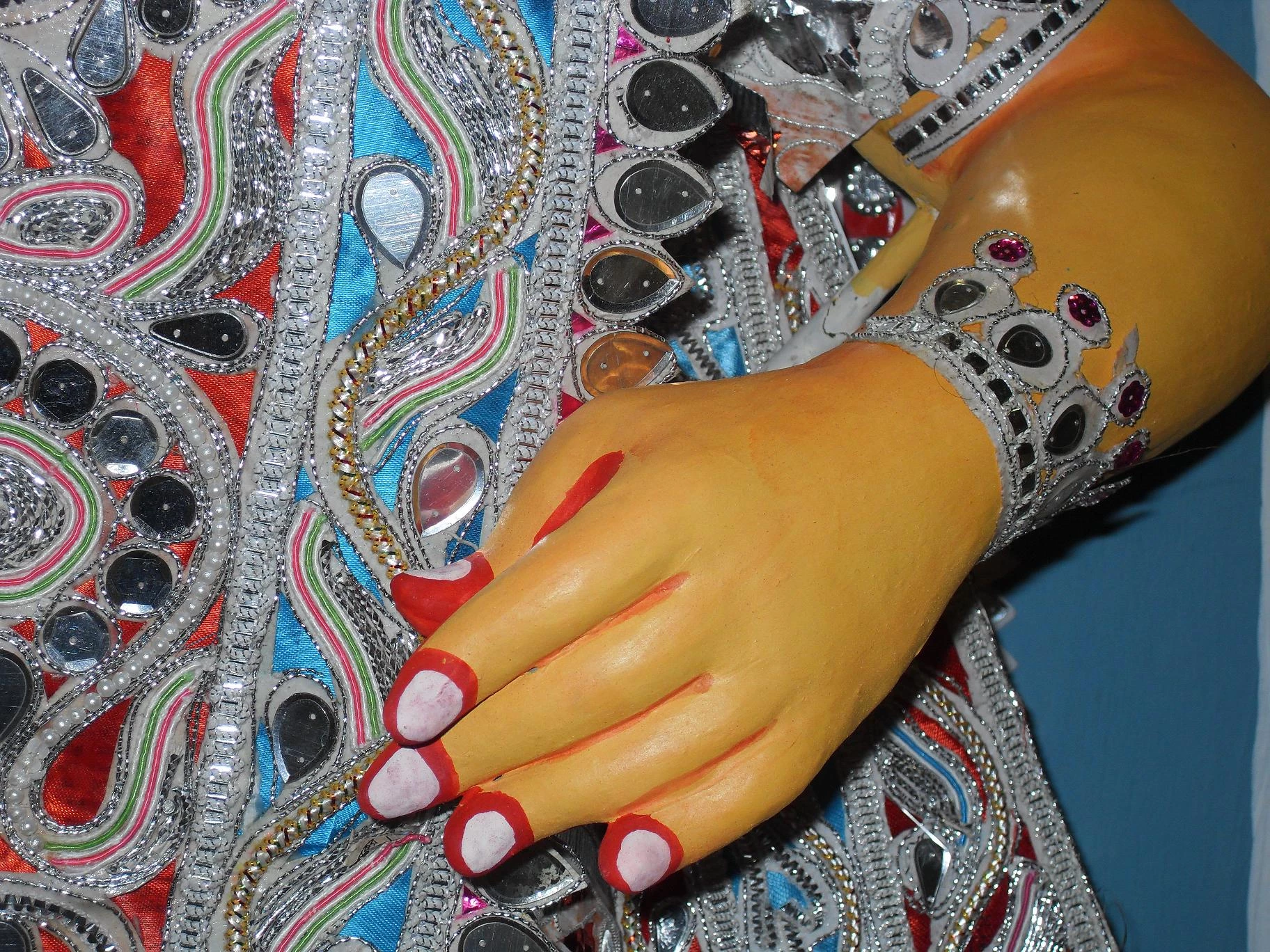
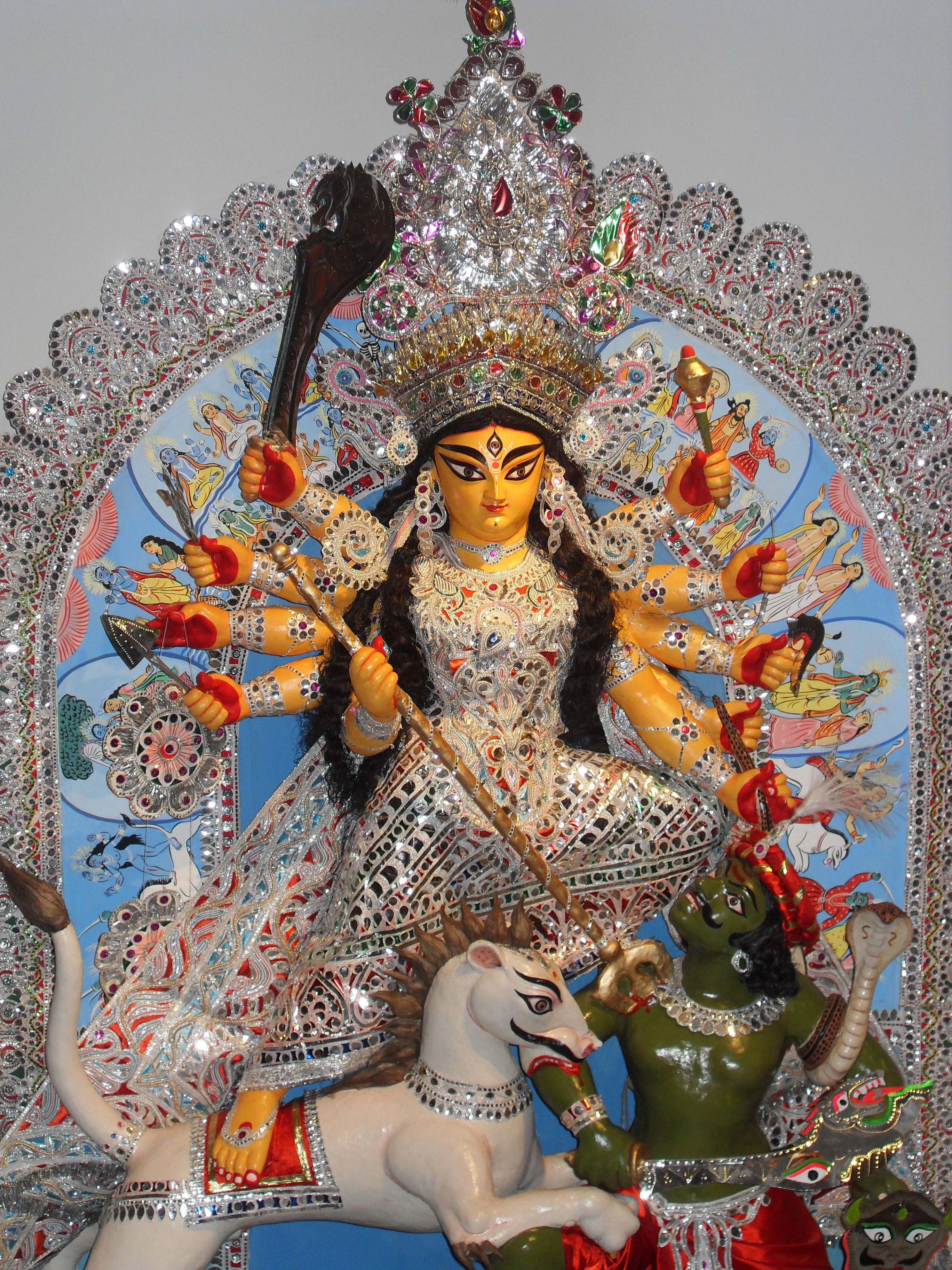
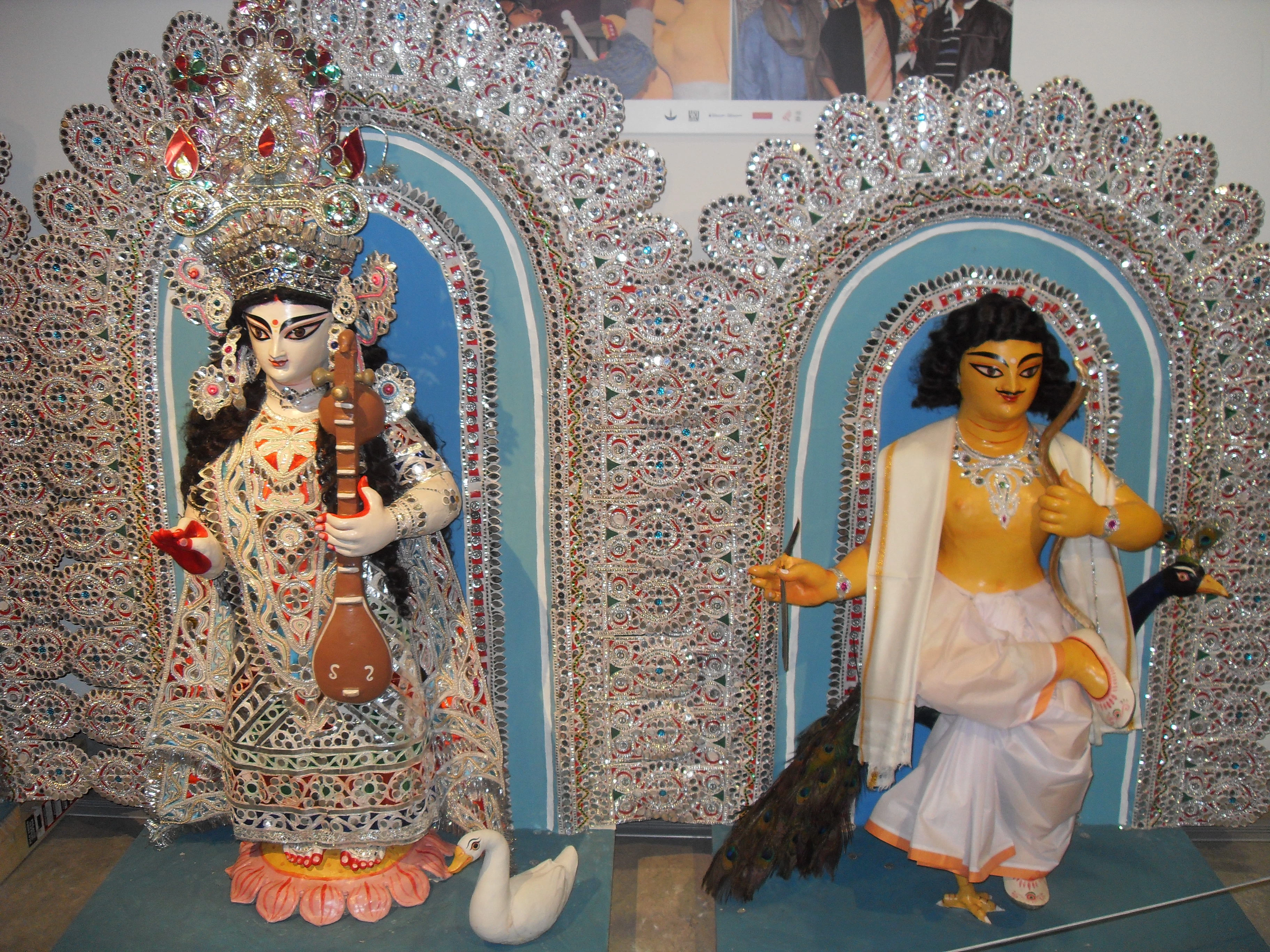
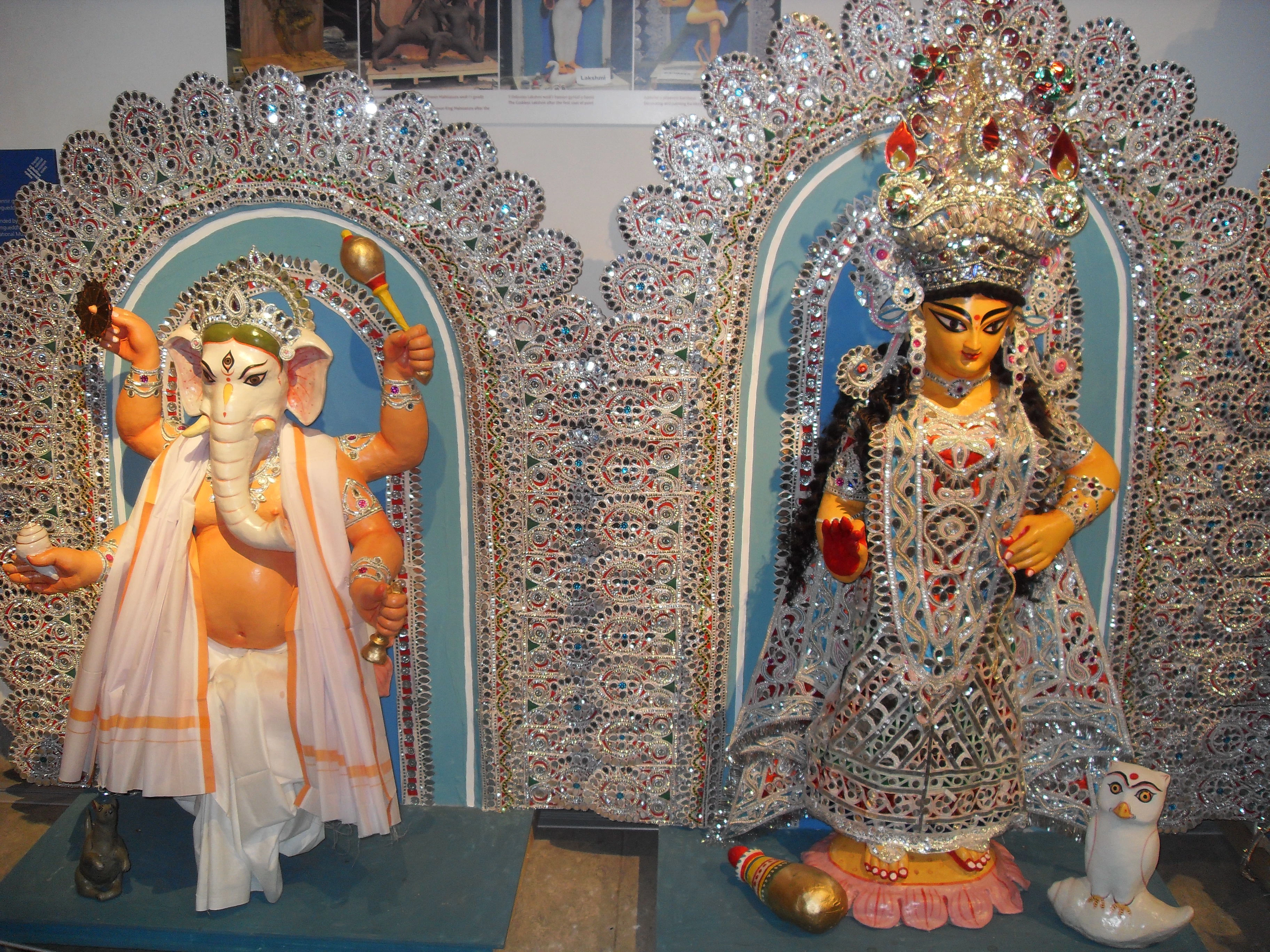
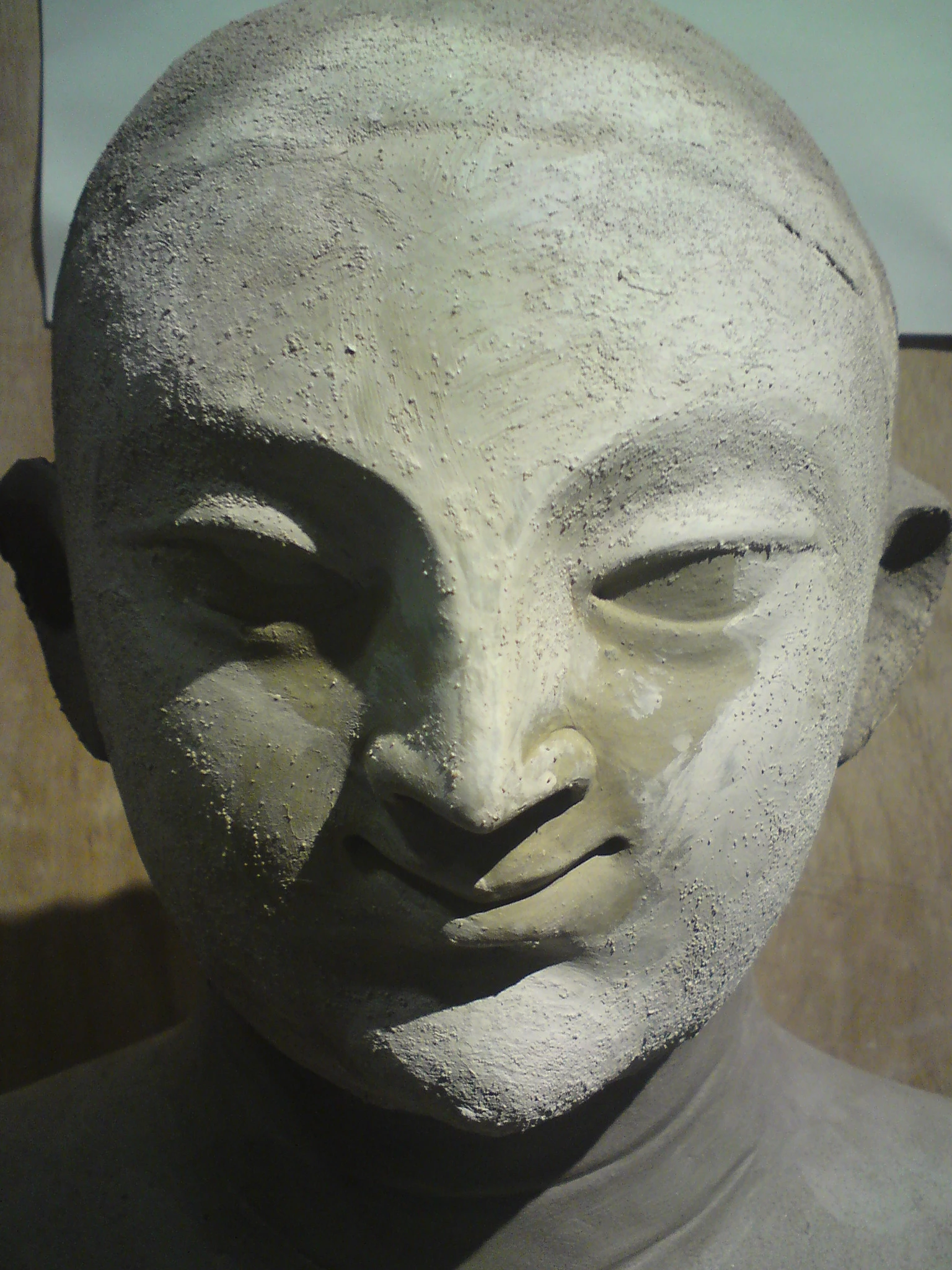
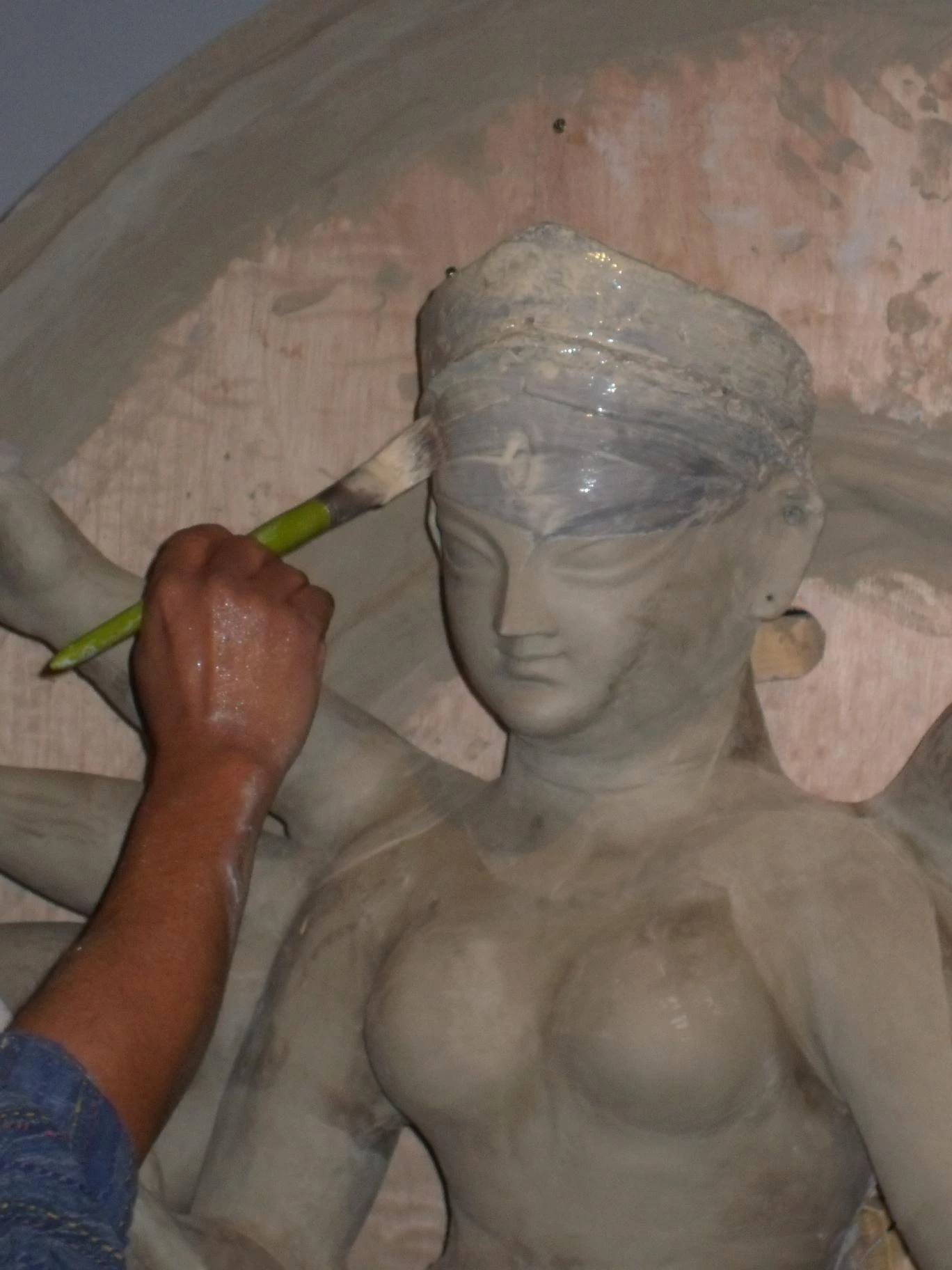
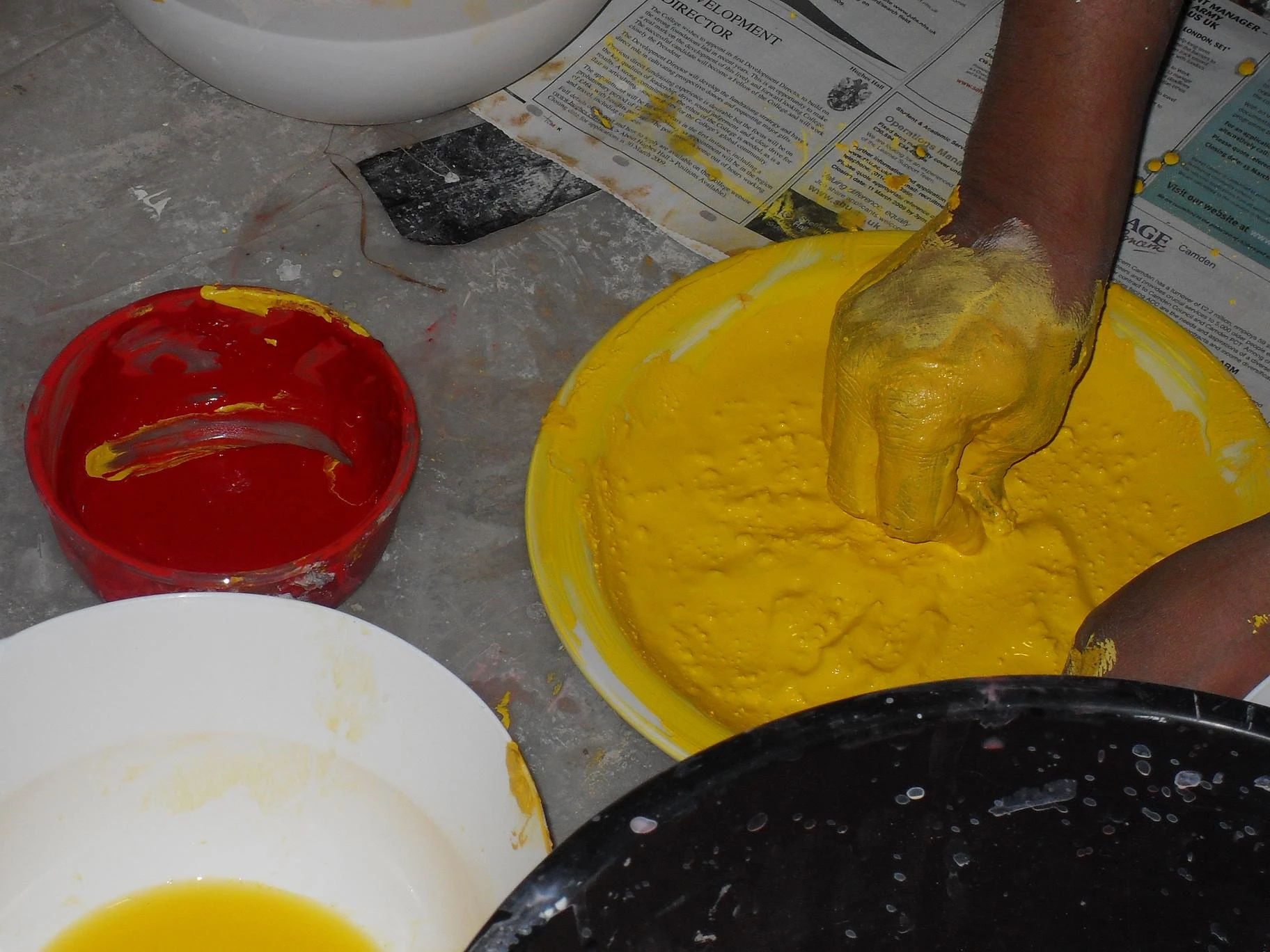
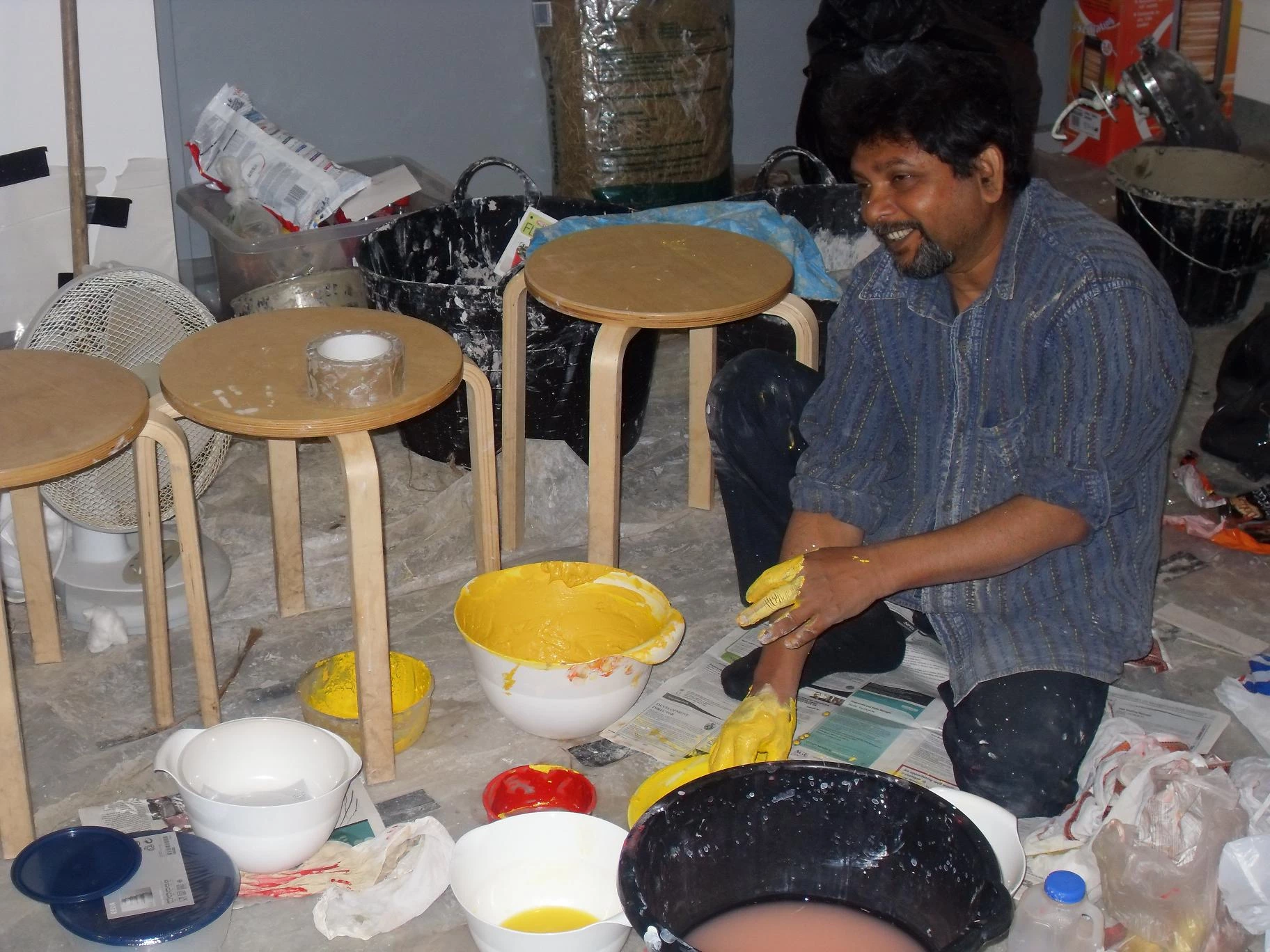
Durga Puja: Creating a Goddess 29 July 2009 The Goddess Durga ready for the Puja For three weeks in the spring of 2009, two artists from India created beautiful images of the Goddess Durga and her family at St Fagans National History Museum. Week by week, simple materials like clay, papier mache, hay and wood were skilfully transformed into finely detailed sculptures – all with their own symbols and meanings. They were made for the Wales Puja Committee – a Hindu group that has worshipped in Wales since the 1970s. Their existing image of the Goddess Durga was old and worn – so they needed a new one. Durga is the invincible Mother Goddess, riding a lion into battle. Created by the Gods when evil threatened the Universe, she is ‘Shakti’ the divine power to stand against, absorb and fight dark forces. Throughout worship, known as Puja, Hindu people celebrate the defeat of evil by Durga. She is portrayed in all her beauty displaying strength, warmth and motherly love. She stands proud on a lion slaying the demon King, Mahisasura. With her are her two sons, Ganesh and Kartikeya and her two daughters Lakshmi and Saraswati. The two award winning artists - Purnendu and Dubyendu Dey – were from Kolkata, India. Throughout the process of creation certain religious rites were followed. The most important of these is known as Chakkshu Daan - the Painting of the Eyes. Purnendu carefully brought Durga to life by painting her eyes. From this point on the image of the Goddess is worshipped as though she has all the powers given to her by the Gods. The Pujas begin on the sixth day of Navaratri, the nine nights of rites to the Goddess Durga, with the welcoming of the Goddess and her family. Mantras are chanted in Sanskrit and offerings made to seek the Goddess’ blessings to fight evil. After nine days the final day known as Dushera arrives, this is the day to say goodbye to the Mother Goddess and her family. In India, they are placed into the waters of the river Ganges, with hopes of welcoming her back next year. In Wales, they are stored carefully ready for next year. Durga Ganesha's body formed by tying hay to a wire frame Placing a mixture of clay and paper on to the straw to form Ganesha's head The Goddess Durga, her lion, and the buffalo demon formed from straw and wire The artist Dibyendu Dey weaving wire and hay to form a head Using a heat lamp to dry the clay Securing the neck of Sarasvati's swan to the body with string as the clay dries Tylluan Lakshmi Placing a mask, already made by the artists, on the Goddess Durga's face The artist Dibyendu Dey shaping the Goddess Durga, her lion and her foe, the buffalo demon A close-up of the head of Kartikeya's peacock The face begins to dry Ganesha before being painted The Goddess Durga's Lion Rolling the clay to make fingers The clay rolled to form fingers and palms Placing the fingers on the Goddess Durga's hands The image of the Goddess Durga drying before being painted Ganesha's mouse, perhaps a symbol of his keen, quick intelligence Painting glue over a thin layer of cotton to seal to seal the form Mixing the paint The artist Purnendu Dey mixing the natural powdered pigments with water The artist Dibyendu Dey painting the Goddess Durga Ganesha The Goddess Durga victorious over the buffalo demon Lakshmi's Owl Placing a glittering border around the form. The colour red is considered to be lucky by the people of India, and Hindu deities are depicted as having red palms to show their divinity. Lakshmi The artist Purnendu Dey painting the lion's eye The Goddess Durga's lion attacking the buffalo demon The artist Purnendu Dey painting the buffalo's head Placing the hand-painted background behind the Goddess Durga A closer look at the hand-painted background The Goddess Durga after the painting of the eye ceremony. From this point onwards the Hindus believe that the image is enlivened, and the Goddess is worshipped as though she has all the powers given to her by the Gods. Sarasvati, Goddess of Knowledge and the Arts, holding her instrument, the veena. Kartikeya sitting on a peacock Lakshmi Ganesha, the lord of all living things One of Ganesha's four hands Lakshmi, Goddess of wealth and happiness A close-up of Lakshmi's hand and costume Kartikeya, the brave warrior and Ganesha's brother Sarasvati The Goddess Durga The Goddess Durga ready for the Puja Sarasvati and Kartikeya Ganesha and Lakshmi
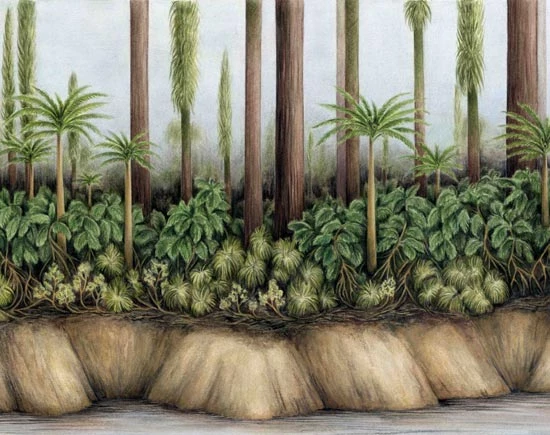
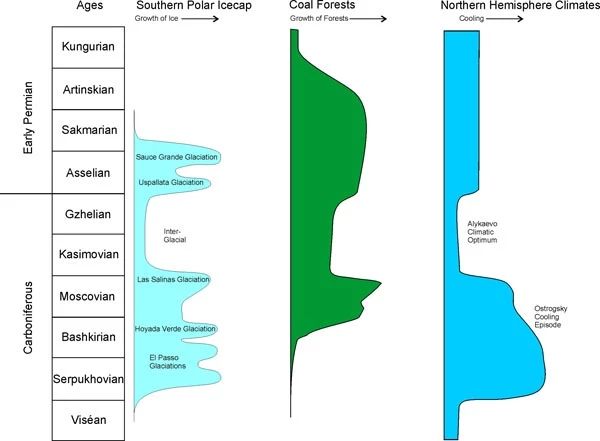
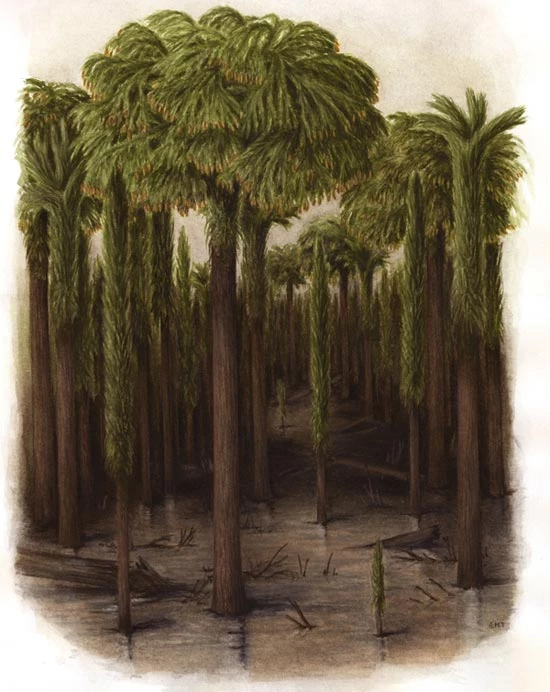
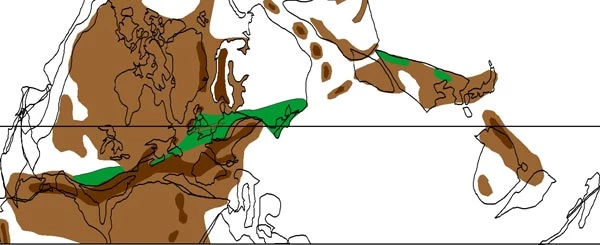
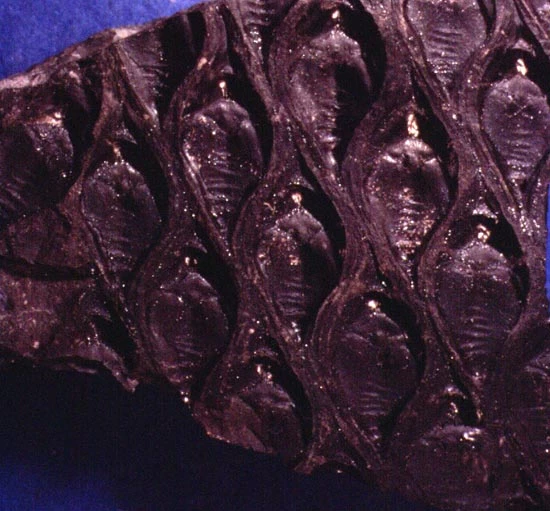
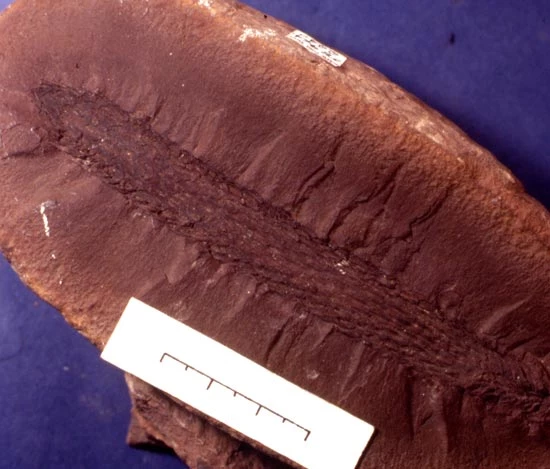
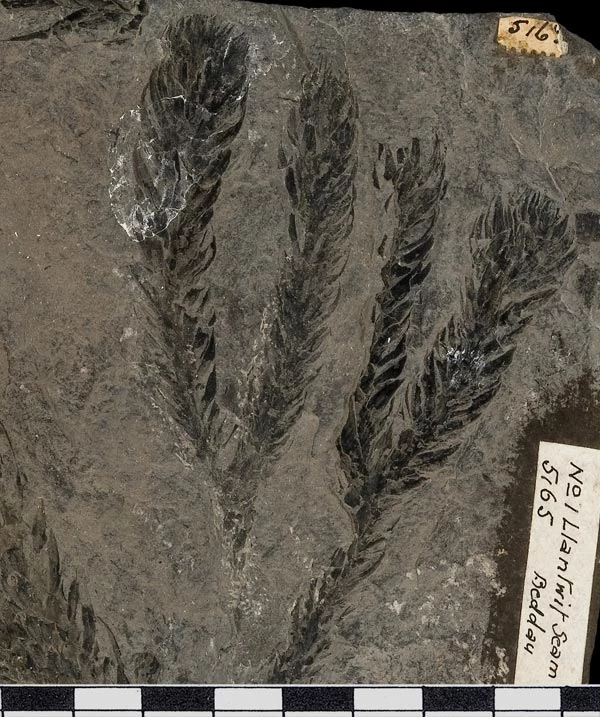
How coal cooled the climate 300 million years ago Christopher Cleal, 1 June 2009 Reconstruction of the levee of a river that flowed through the tropical wetlands 300 million years ago. The plants growing on these levees are often found as fossils in the rocks associated with coals in Wales. Painting: Annette Townsend. A comparison of how the area of coverage of the Coal Forests varied with time with evidence of changing climate in late Carboniferous and early Permian times. Reconstruction of giant lycophytes growing in tropical wetlands of Wales, about 300 million years ago. Note that there are plants in different stages of their life-cycle. Painting by Annette Townsend. A map of the tropical lands about 300 million years ago, showing mountains (dark brown), lowlands (light brown) and wetlands where peat was being deposited (green). Bark from the trunk of a Late Carboniferous giant lycophyte, found at the Risca Colliery in south Wales. The diamond-shaped structures on the surface, which are about 1cm long and 0.5cm wide, are where the leaves were originally attached. A cone from a Late Carboniferous giant lycophyte, found in an ironstone nodule in south Wales. These cones produced spores. The scale is marked in centimetres. The leafy shoot of a giant lycophyte from the Upper Carboniferous Llantwit Beds of Beddau, south Wales. South Wales has the best-exposed coal-bearing rocks in Europe. Scientists at Amgueddfa Cymru are leading an international team of specialists investigating how the formation of this coal affected the composition of the ancient atmosphere. What is coal? Coal is what is left of peat when it has been compressed and heated, so that virtually all that remains is carbon. The coalfields in Wales are the remains of part of a wetland forest that extended over large areas of the tropics, about 300 million years ago (the Late Carboniferous Period). These are known as the Coal Forests. There is also evidence of extensive ice cover over much of the land around the southern pole at this time. This is in fact the only other time in the geological past, other than the last 2 million years or so, when there has been this combination of extensive tropical forests and polar ice. Looking at the Late Carboniferous world therefore provides valuable insights into how plants, climate and atmosphere might be interacting in our present-day world. Plants of the Coal Forests The Coal Forests were quite different from anything growing today. The main plants were tree-like lycophytes ('club mosses') that could grow up to 50m tall. Unlike a modern tree, most of the trunk of these giant lycophytes did not consist of wood, but of soft cork-like tissue (periderm). This allowed the plants to grow to their full size in as little 10 years. Also unlike modern trees, when these lycophytes had reached their full size, they reproduced by producing cones, and then died. Life, death and carbon Because these plants grew so quickly and then died, vast quantities of peat accumulated on the forest floor. This eventually formed the coal found in the coalfields of Wales and other parts of Europe, as well as North America and China. All plants obtain carbon for growth from the atmosphere. These forests are thought to have been responsible for extracting nearly a hundred thousand-million tonnes (100 gigatonnes) of carbon from the atmosphere every year, and would have had a profound influence on the composition of the atmosphere during Carboniferous times. The contraction of coal forests and global warming The Coal Forests habitats remained essentially stable for about 10 million years. Then they contracted in size, probably due to changes in drainage patterns in the wetlands where they grew. This coincided with a marked increase in global temperatures. Most notable was a significant contraction of the ice sheet in the southern polar regions, which has been recognized in the rocks of both Australia and Argentina. It seems that the contraction of the Coal Forests caused the amount of carbon (as CO2) to build up in the atmosphere, and that this caused temperatures to increase through a greenhouse effect. South Wales Coalfield There are Late Carboniferous coalfields across Europe, North America and China. However, the South Wales Coalfield is particularly important as it shows one of the most complete successions of rocks in which the remains of the Coal Forests are preserved. It has also yielded an excellent fossil record of plants, as well as of animals including insects, spiders and freshwater molluscs. It is also one of the few places in Europe where these rocks are exposed at the surface. In most other places, the geology of these coal deposits has to be investigated in underground mines — an increasingly difficult thing to do as mines are progressively closing. The geological record of the South Wales Coalfield has therefore played an important role in developing our understanding of the evolution of the Coal Forests, especially through the work of Welsh geologists such as Emily Dix and David Davies in the 1920s and 1930s. More recently, scientists at Amgueddfa Cymru have been investigating how the south Wales forests changed in composition with time. This has been done by looking at changes in species diversity in the plant fossil record, and at the evidence from pollen and spores extracted from the rocks. This suggests that the Coal Forests were remarkably stable habitats for most of the time they existed in south Wales, at least until they contracted and caused the increase in global temperatures. Further reading Cleal, C. J. & Thomas, B. A. 1994. Plant fossils of the British Coal Measures. Palaeontological Association, London. Cleal, C. J. & Thomas, B. A. 2005. Palaeozoic tropical rainforests and their effect on global climates: is the past the key to the present? Geobiology, 3, 13-31. Thomas, B. A. & Cleal, C. J. 1993. The Coal Measures forests. National Museum of Wales, Cardiff.