: Taxonomy & Systematics

International fame for Wales's 'National Fossil'

26 July 2007

Paradoxides davidis

A specimen of Paradoxides davidis from Porth-y-rhaw, x 0.75. Amgueddfa Cymru collection

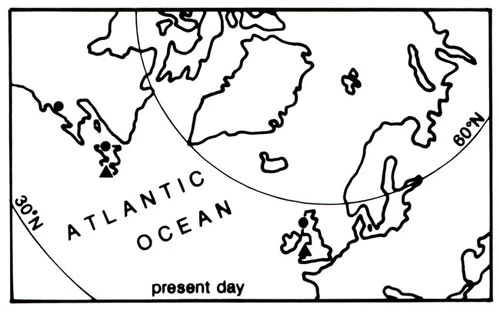
Stage one in the evolution of the north Atlantic area.

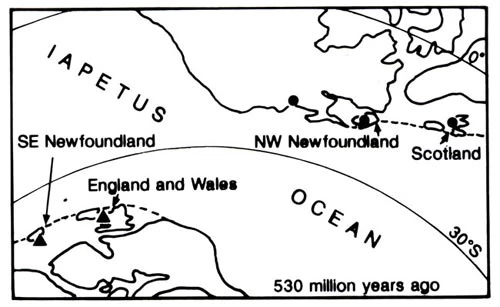
Stage one in the evolution of the north Atlantic area. Triangles indicate areas yielding 'Welsh' trilobites, with dots showing 'North American' forms.

Stages two in the evolution of the north Atlantic area.

Stage two in the evolution of the north Atlantic area. Triangles indicate areas yielding 'Welsh' trilobites, with dots showing 'North American' forms.

Stage three in the evolution of the north Atlantic area.

Stage three in the evolution of the north Atlantic area. Triangles indicate areas yielding 'Welsh' trilobites, with dots showing 'North American' forms.

Fossil collecting around the St. David's Peninsula, Pembrokeshire

In 1862 the well-known palaeontologist J W. Salter was collecting fossils in south-west Wales as part of his duties for the British Geological Survey. While examining coastal exposures by boat around the rocky St David's peninsula, Salter one day landed in a small inlet called Porth-y-rhaw, in the mistaken belief that it was Solva Harbour, only a short distance to the east.

His mistake turned out to be extremely lucky, because in the rocks of Porth-y-rhaw, he discovered the remains of one of the largest trilobites ever found (over 50 cm long), and this discovery ensured that the locality became established as a classic and well-known source of fossils.

Life in the sea hundreds of millions of years ago

The dark mudstones exposed there were deposited in an ancient sea some 510 million years ago, during what is now called the Cambrian Period - the name reflecting the fact that rocks of this age were first recognised and named in Wales by the early 19th-century geologists.

Porth-y-rhaw is one of a small number of sites in Wales where Cambrian fossils are reasonably well-preserved and easy to find, and in addition to Salter's giant trilobite it also yields many other kinds of these extinct marine arthropods of more usual dimensions (2-3 cm long).

A National fossil for Wales

The formal scientific name given by Salter to the giant trilobite is Paradoxides davidis, named after his friend David Homfray, an amateur fossil collector from Porth-madog. This trilobite is now one of the best-known from Britain, and is illustrated in numerous publications; choice specimens are among the prize possessions of many of our major museums, including the National Museum of Wales. Indeed, if there were to be a 'national fossil' for Wales, Paradoxides davidis would be the prime contender.

Worldwide Fame

Many specimens of Paradoxides davidis also occur in the Avalon Peninsula of south-east Newfoundland, in rocks of exactly the same age as those exposed in Porth-y-rhaw.

In this context, it is important to understand that in the Cambrian Period, the distribution of continents and oceans was quite different from that of the present day. At that time, Wales, England and south-east Newfoundland all lay on the southern side of an ancient ocean, called Iapetus, and were separated from Scotland and north-west Newfoundland, as shown on the accompanying map.

While the same kinds of trilobites occur in Wales and south-east Newfoundland, quite different ones are common to Scotland and north-west Newfoundland, providing evidence that they once formed parts of different continents.

Snowdon is born

Around 480 million years ago, movements in the Earth's interior caused the ancient Iapetus Ocean to narrow gradually and finally to disappear as two continental masses collided, leading to the formation of a high mountain range of which the Welsh, Scottish, Scandinavian and Appalachian mountains are the present day remnants.

The new Atlantic Ocean

Much later in Earth history, between 200 and 65 million years ago, the two continents began to pull apart again, leading to the formation of a new ocean that was to become the present day Atlantic. However, the new split was not along quite the same line as that along which Iapetus had closed, and left south-east Newfoundland with its 'Welsh' trilobites anchored to the rest of Newfoundland and North America, with Scotland and its 'North American' trilobites attached to the rest of the British Isles.

The occurrence of these same trilobites in areas that today are geographically remote emphasises the need for geologists to study fossils far afield if they are to interpret fully the ancient history of their own local pieces of the Earth's crust.

460-million-year-old relatives from Wales and Belgium reunited

26 July 2007

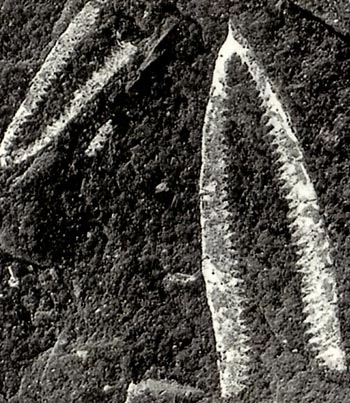
Didymograptus, a 'tuning-fork' graptolite of the kind found commonly in both areas.
Didymograptus

, a 'tuning-fork' graptolite of the kind found commonly in both areas.

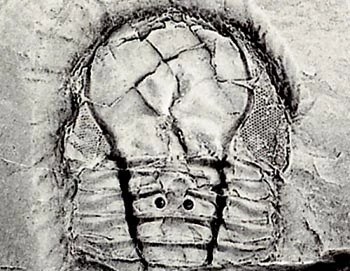
Pricyclopyge, a large-eyed pelagic trilobite
Pricyclopyge

, a large-eyed pelagic trilobite that is widespread in Britain and northwest Europe.

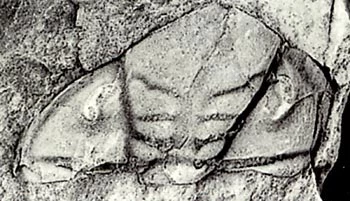
Headshield of Ormathops,

Headshield of Ormathops, a benthic trilobite endemic to Bohemia.

Llanvirn Farm, Abereiddy, Pembrokeshire

In the late 19th century, Henry Hicks, a surgeon from St David's, took up an interest in the ancient rocks of north Pembrokeshire. In 1881, he named the rocks at Abereiddi Bay the "Llanvirn Group", after a nearby farm. Today, this name is internationally recognized and is found in geological publications all over the world - fame indeed for a small farm on the windswept Pembrokeshire coast.

Staff at Amgueddfa Cymru have been studying Llanvirn rocks and their fossils for over thirty years. In 2000, Dr R Owens of the Department of Geology was invited to examine fossils from rocks of the Llanvirn Series that are exposed in the Meuse valley in Belgium. Trilobite species found in these rocks were compared to those from the British Isles.

Identical fossils from Wales and Belgium

Fossils in Llanvirn rocks tend to be difficult to find without a good deal of time and effort. The graptolites and trilobites discovered in Belgium are all identical with those found in Wales and the Lake District. The Llanvirn rocks in which the fossils occur are understood to have been laid down in the deep ocean.

During the Ordovician period when Llanvirn rocks were deposited, southern Britain, Belgium and northern Germany were all part of a small continent named Avalonia, separated from the vast continent of Gondwana by the Rheic Ocean.

Blind trilobites

Trilobites that are thought to have lived only on the sea floor (benthic species) tend to be confined to specific areas, but those thought to have swam the ocean waters (pelagic species) are widely distributed. One of the trilobite species found in Belgium has enormous eyes and is thought to be pelagic. This fossil is common in many areas. By contrast, another one, described originally by Hicks from Abereiddi, is blind, and is thought to have been benthic. However, it also has a wide distribution, which in this case is more difficult to explain. It could have spent a long time as a small larva, allowing it to drift around and causing a wider distribution of the fossils; alternatively it might have been pelagic, living in and around floating masses of seaweed.

Ordovician rocks that are younger than those of the Llanvirn Series also crop out in the Meuse valley and these contain trilobite species that are also found in north Wales and northern England. These show that throughout the Ordovician Period, Belgium remained part of Avalonia. However, rocks that occur between these and the earlier Llanvirn rocks contain trilobites unlike those from Britain, but which closely resemble fossils from Bohemia. It is unlikely that part of Avalonia split away, moved closer to Bohemia and then merged back again. So why the similarity of these trilobites to those of Bohemia?

The answer could lie in the underwater environment becoming more similar to that of Bohemia than to southern Britain. Although the relative longitudes of Bohemia and Avalonia are unknown, the distance separating the two areas must have been sufficiently close to allow the trilobite larvae to cross between the two and become widely distributed.

The outcome of this work has been to confirm close fossil links across parts of Pembrokeshire and Belgium 460 million years ago, but also to highlight problems of fossil distribution that have yet to be fully resolved.

A marriage of art and science - botanical illustrations at Amgueddfa Cymru

12 July 2007

Botanical illustration

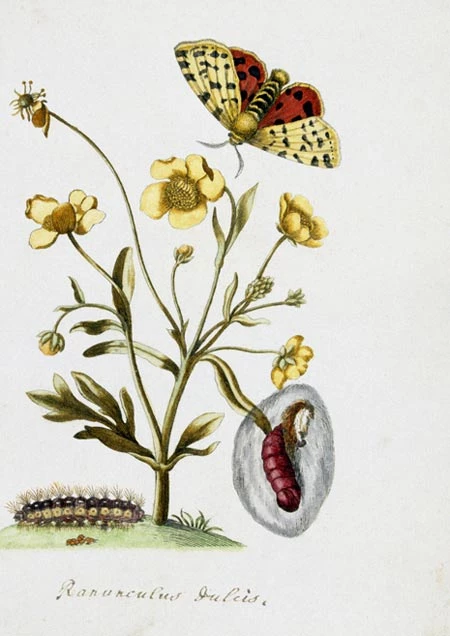
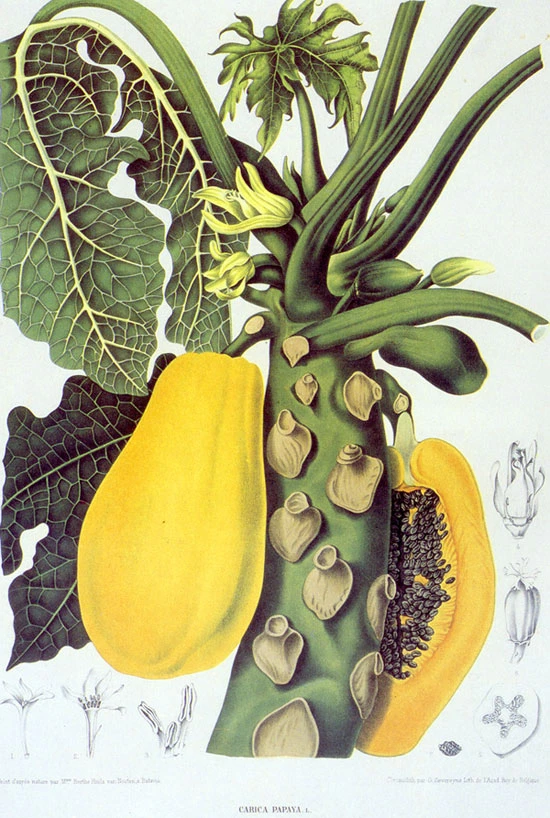
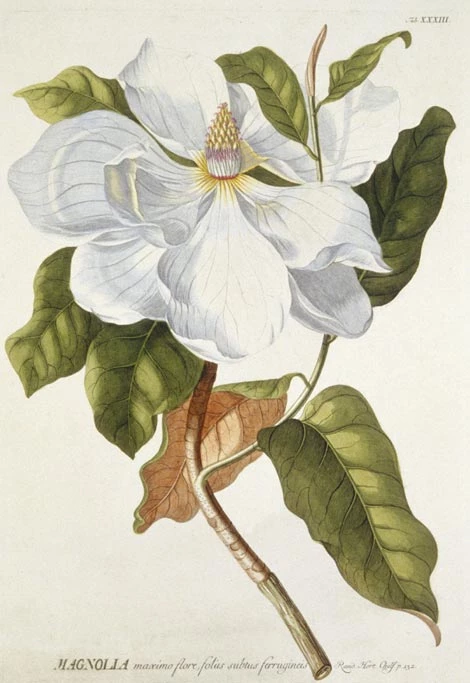
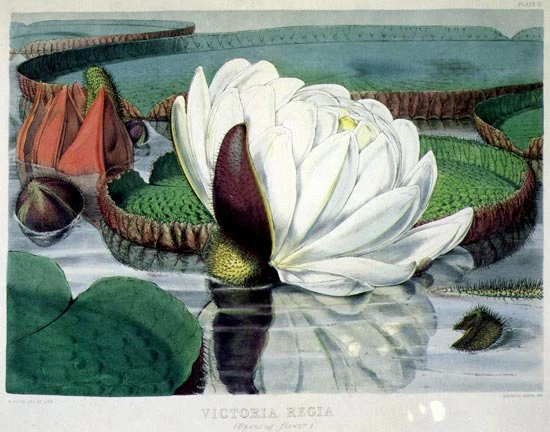
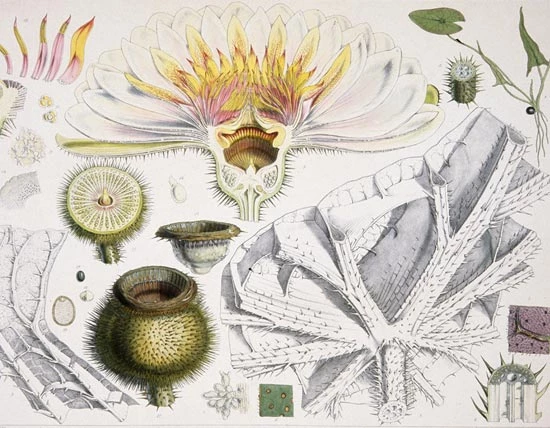
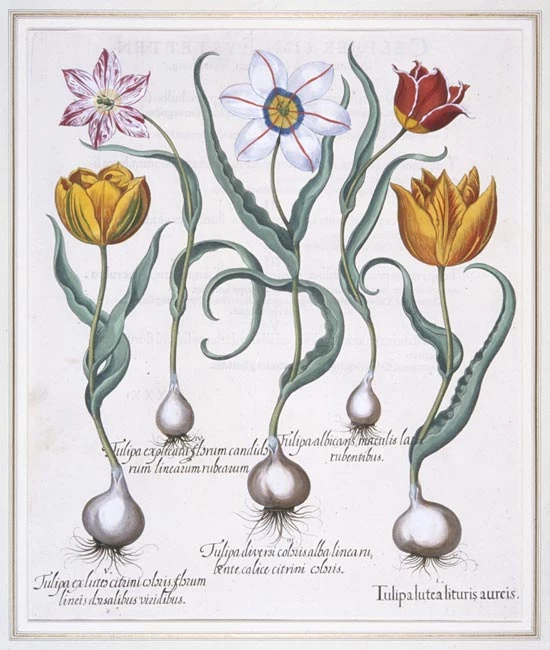
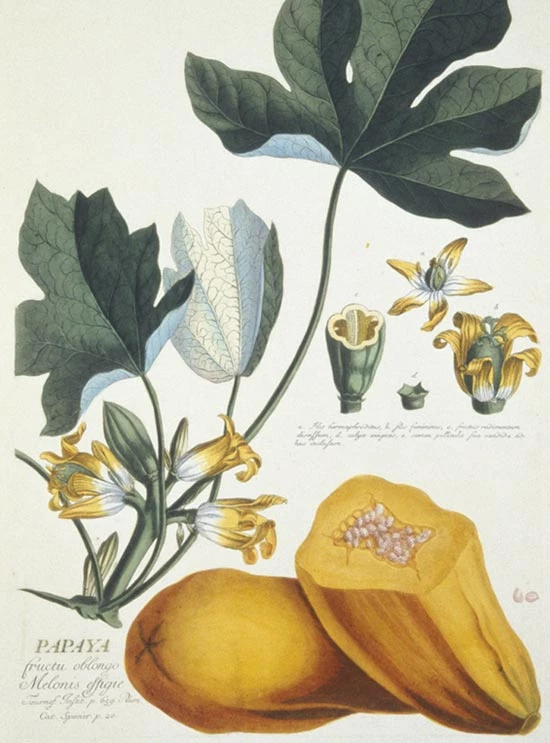
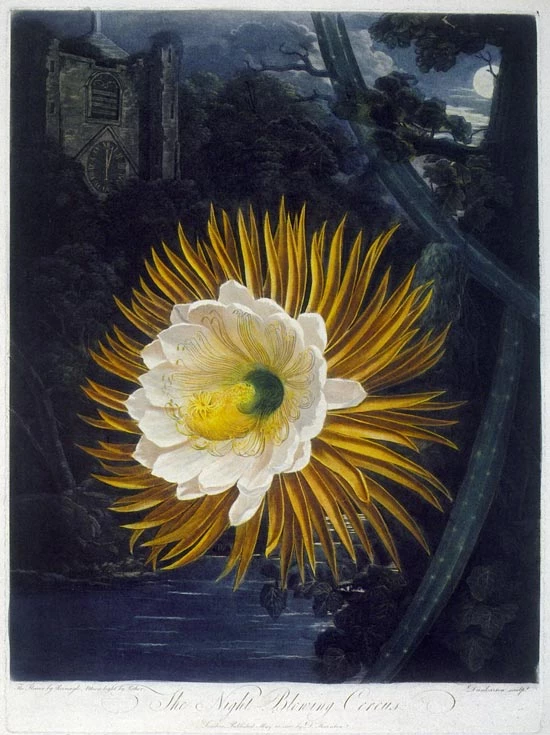
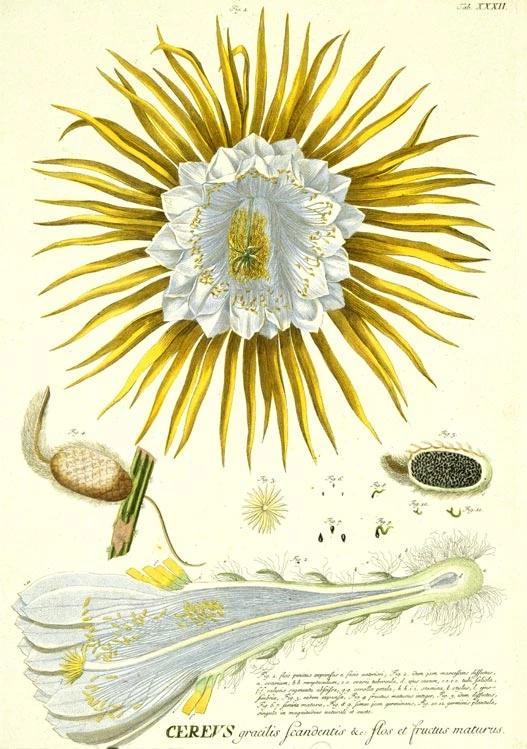
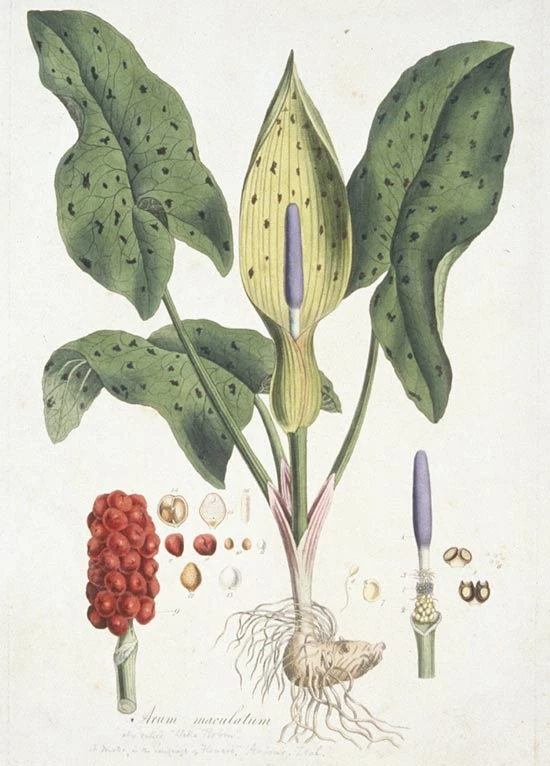
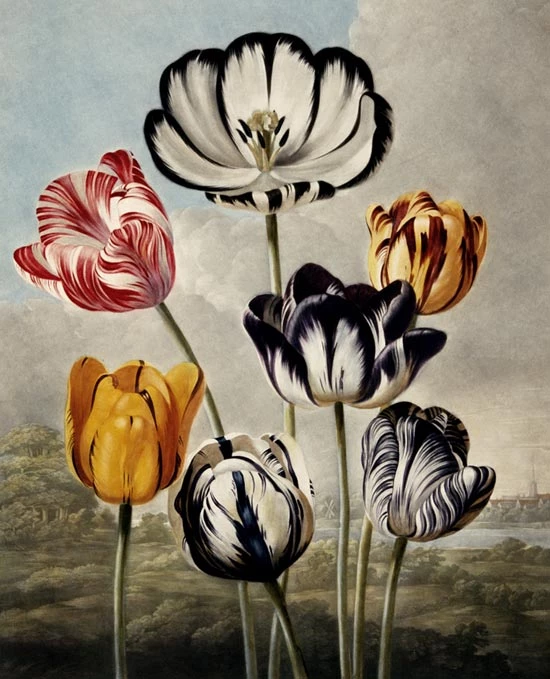
Mankind has always been fascinated by flowers and the plants on which they grow - by their beauty and their possibilities for healing and knowledge. The stories behind botanical illustrations are rich and intriguing in their own right - the desire to capture the flower before it fades often amounted to an obsession. Scientists risked life and limb to acquire new specimens and the collection of over 7,000 botanical prints and drawings at Amgueddfa Cymru reveals the human tales behind the history of botanical discovery.

Brambles, blackberries, jam and jargon

12 June 2007

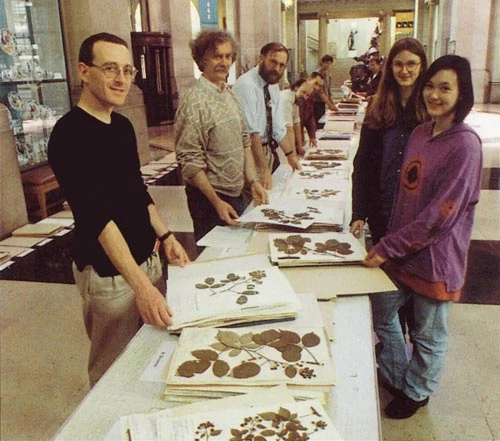
Bramble Jam - botanists sorting the collection during the reorganisation.

Bramble Jam - botanists sorting the collection during the reorganisation.

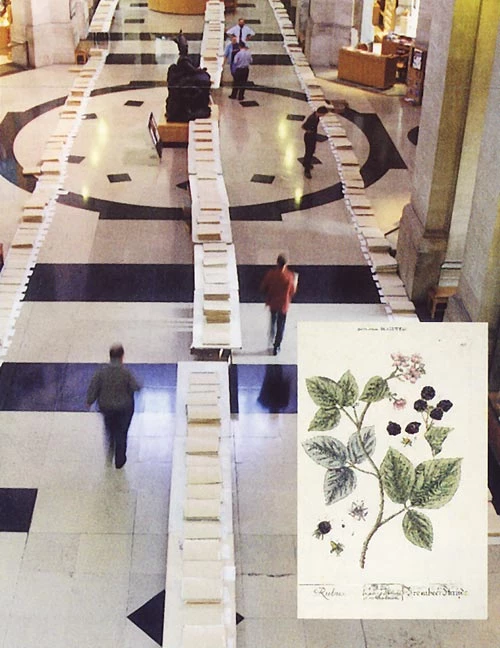
Bramble specimens laid out along the length of the Main Hall of the National Museum, Cardiff.

Bramble specimens laid out along the length of the Main Hall of the National Museum, Cardiff.

The bramble collection held at Amgueddfa Cymru is recognised as a major scientific reference tool for the study and naming of plants worldwide.

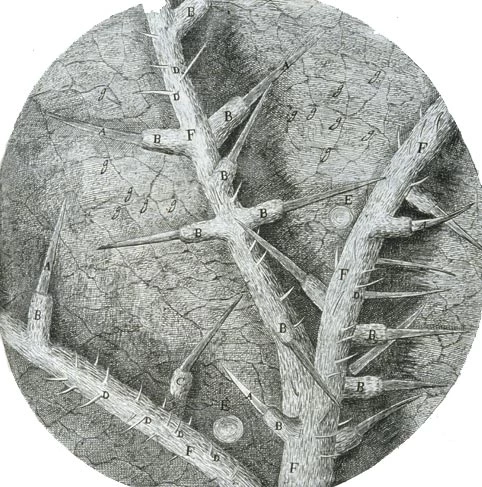
The Bramble and Blackberry or Rubus collection held in the Museum herbarium is one of the major British reference collections for naming plants. The collection holds 15,000 specimens and includes all of the 325 species known from Britain and Ireland. As the classification of brambles is being revised continuously, the management, conservation and continued use of the collection is of utmost importance.

Brambles are a particularly difficult group of plants to identify as there are often only small differences between each species and bushes of different species often grow tangled together, making the gathering of individual species very difficult. Due to the sheer number of species of bramble in Britain, many specimens in the collection remain unnamed.

When a new species is discovered, the specimen that is used to identify the species in which it belongs is known as a type specimen. Type specimens are vitally important for solving identification problems and the Museum collection contains type specimens of at least 100 species.

There is also a significant historical aspect to the collection as it contains the personal collections of several important collectors from the late 19th to the early 20th century.

European specimens are also of value and through these it has been discovered that a number of French and German bramble species have remained undetected in the British Isles until very recently. It is hoped that the European specimens could be of future use linking some as yet unnamed specimens in the herbarium to continental species.

One collection - 786,000 shells - Cataloguing and curating the Melvill-Tomlin shell collection

12 June 2007

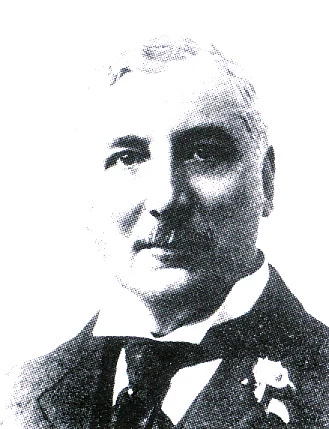
James Cosmo Melvill.

James Cosmo Melvill.

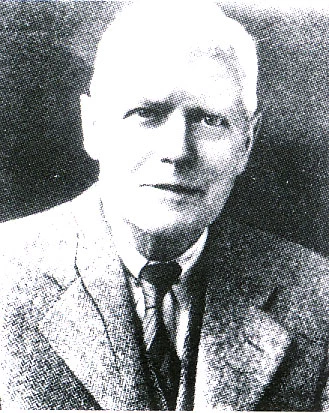
John Read le Brockton Tomlin.

John Read le Brockton Tomlin.

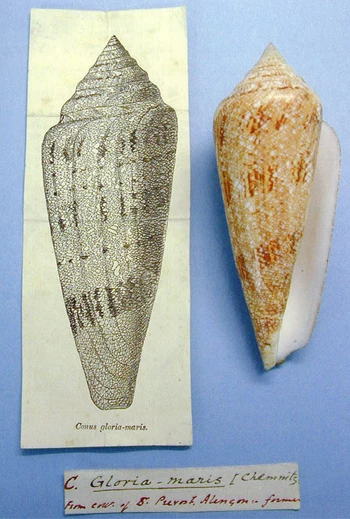
Conus gloriamaris.

Melvill's greatest prize specimen of Conus gloriamaris.

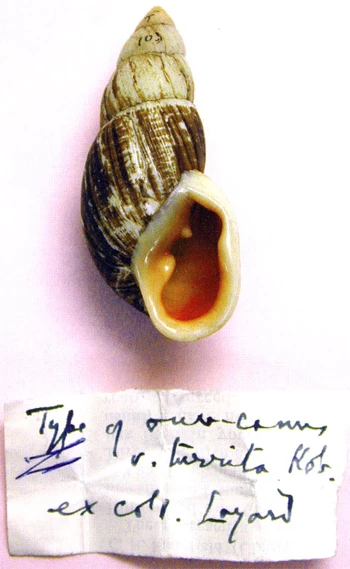
Placostylus from Layard.
Placostylus

from Layard.

When the Melvill-Tomlin collection of molluscs was received by Amgueddfa Cymru in 1955, it was the second largest shell collection in private hands in the world.

The collection, begun by James Melvill in 1853 and passed to John Tomlin in 1919, represented all regions of the world and contained nearly half of all mollusc species known.

Melvill described and named over 1000 species new to science. Tomlin continued to add important specimens from across the world until his death in 1954.

On Tomlin's death in 1954, the Museum received the entire collection, his library and papers. Tomlin's allegiance with Amgueddfa Cymru is thought to have developed whilst teaching at Llandaff Cathedral School in Cardiff.

Housing the collection

The collection arrived in mahogany cabinets, but is today housed in a mobile storage racking system allowing the whole collection to be organised in a standard, systematic sequence, providing easy access to any taxonomic researcher working on the collection.

Long and slow curation

Modern documentation is achieved by entering information into a computer database, but in the past information was hand-written into large registers. Between 1978 and 1994, museum staff and volunteers verified, labelled, and secured specimens in the collection.

The information on the collections was then published for taxonomists around the world for further study. If the process had continued in such a way, then a full inventory would have taken another thirty years.

Computer databases completes the 'first' inventory

In 1995, a computer database was purchased allowing many people to enter data at the same time. Over twenty staff and volunteers have since been involved in making an inventory of the collection.

Since work begun in 1978, the first inventory has now been completed and any enquiries can now be answered accurately in minutes, rather than days or weeks.

The first inventory has been completed and any enquiries can now be answered accurately in minutes, rather than days or weeks. Over 786,000 shells have been added to the database.

New to science

Within this collection, there are thousands of very important specimens that are referred to as 'types'. These are the specimens that were new discoveries to science when collected, and were usually described, illustrated and named by the collector.

With many older collections, it is only the detective work of museum curators and taxonomists around the world that can help to verify this information. An electronic inventory makes this task much easier by making the entire database of a collection available to taxonomists worldwide.