: Transport & Maritime

William James Tatem, 1st Baron Glanely (1868-1942)

David Jenkins, 30 November 2011

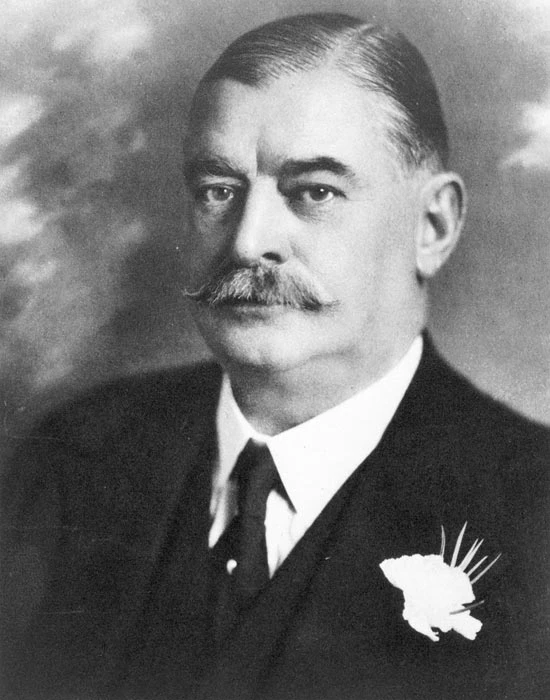
William James Tatem, 1st Baron Glanely of St Fagans.

William James Tatem, 1st Baron Glanely of St Fagans.

Lord Glanely is probably best remembered today as a noted racehorse owner, whose horses won all five Classic races of the British turf. However, he made his money in shipping, and was generous in his support of numerous worthy causes in south Wales, particularly Amgueddfa Cymru and Cardiff University.

Tatem was not Welsh at all; he was born at Appledore in north Devon in 1868, and the early death of his father Thomas led his mother to move her family to Cardiff when Tatem was eighteen. He joined the shipping company Anning Brothers as a clerk and became thoroughly familiar with all aspects of the shipping business. Armed with this knowledge he ventured into shipping on his own account in 1897, and the master of one of his first ships was a fellow-native of Appledore, William Reardon Smith.

A substantial fleet

By 1914 Tatem had built up a substantial fleet of sixteen ships. He was knighted in 1916 and in 1918 was elevated to the peerage, taking the title Baron Glanely of St Fagans. A perceptive and far-sighted shipowner, he sold off his entire fleet for a vast sum at the height of the post-First World War boom in 1919, only to re-enter shipowning with the purchase of six new ships, obtained at bargain prices, a few years later. This enabled him to survive the depression years far better than many of his contemporaries.

Exning, Lord Glanely's palatial Newmarket house.

Exning, Lord Glanely's palatial Newmarket house.

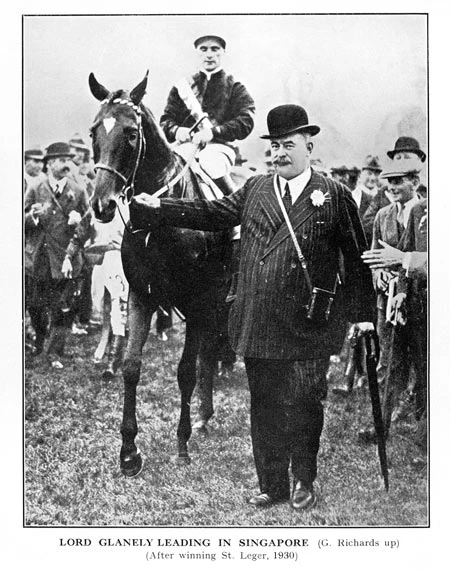
Lord Glanely leads in <em>Singapore</em>, victorious in the 1930 St Leger; the jockey was Gordon Richards

Lord Glanely leads in Singapore, victorious in the 1930 St Leger; the jockey was Gordon Richards

'Sporting Bill'

His horse-racing interests expanded considerably after the First World War. In 1919-20 he bought the fine house Exning in Newmarket, together with the nearby Lagrange stables. His first major win came at Royal Ascot in 1919 when his Grand Parade won the Derby. This win caused some controversy, as he had another horse running in the same race, the favourite, Dominion. At the finishing post Dominion was far down the field, while Grand Parade came home first at 33:1 — and all of Glanely's money was on the latter horse! He was a familiar figure at all the major race meetings and was popularly known as "sporting Bill".

Philanthropy and charitable causes

He was generous in his financial support of the National Museum, and this is recalled by the Glanely gallery in National Museum Cardiff. He was twice president of the University College of South Wales and Monmouthshire, in 1920-25 and 1934-42, where he had funded the construction of new scientific laboratories.

During the Spanish Civil War he employed two of his own ships to transport a large number of Basque refugees to south Wales, and he also endowed a charity to support them thereafter.

Despite his success in so many endeavours, personal happiness eluded him. His only son Shandon died aged just six in 1905, and Lady Glanely died following injuries sustained in a car accident in 1930. He was killed in an air-raid on Weston-Super-Mare on 24 June 1942.
The Hansen Collection of shipping photographs

Mark Etheridge, 15 March 2011

One of the greatest treasures in Amgueddfa Cymru's rich industrial photography archive is the Hansen Collection. The collection comprises 4,569 negatives (some two-thirds of which are glass) of ships at Cardiff, taken by members of the Hansen family between 1920 and 1975. They provide a marvellous photographic record of shipping activity at the port during those years.

<em>Bristol Queen</em>

For those who lived along the shores of the Bristol Channel, no summer was complete without a trip on one of P.& A. Campbell's 'White Funnel' pleasure steamers. Here is the newly-built Bristol Queen leaving Cardiff in the summer of 1947. (1179/1279)

<em>British Success</em>

Where Cardiff once exported coal, oil and petroleum products were being imported by the late 1940s. The 'BP' tanker British Success, built on the Clyde in 1946, was photographed by Hansen berthing in Cardiff's Roath Dock on 2 August, 1947. (1633/1720)

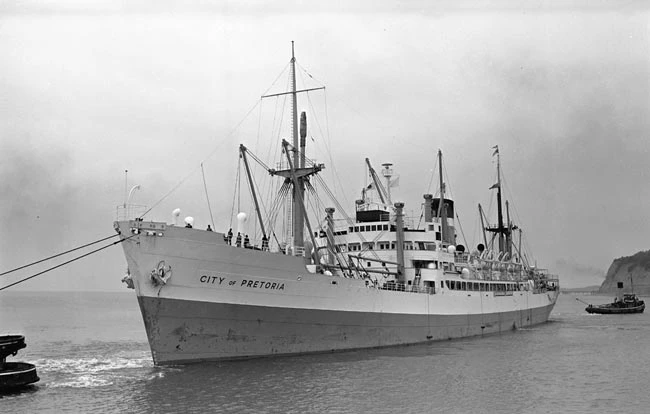
<em>City of Pretoria</em>

Ships of the major British cargo liner companies became a common sight in Cardiff in the years after the 2nd World War. Here is the City of Pretoria, built at Birkenhead in 1947 and owned by Ellerman Bucknall Line, arriving in Cardiff in 1964, with Penarth Head just visible in the background. (3633/180C)

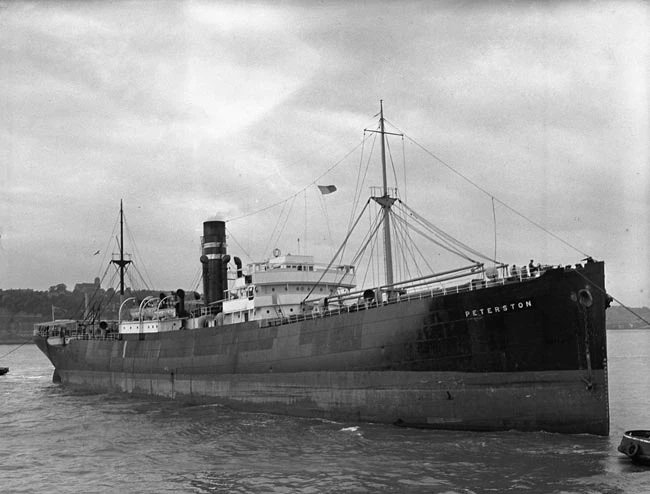
<em>Peterston</em>

Ships owned by Cardiff's shipping companies naturally figure prominently in the Hansen Collection. The tramp steamer Peterston, built at Sunderland in 1925 for Evan Thomas, Radcliffe & Co., is seen here arriving at Cardiff in 1947. (1181/1281)

The Collection was purchased in 1979 and since then numerous images from the collection have appeared in books published by Amgueddfa Cymru and the World Ship Society.

In 1993 an album of selected photographs was published jointly by Amgueddfa Cymru and the University of Wales Press, with financial support from the Baltic Exchange. Shipping at Cardiff: Photographs from the Hansen Collection, 1920-75 (ISBN 0-7083-1231-4) proved popular, renewing interest in and provoking many enquiries regarding the scope and contents of the entire collection.

A Danish seaman with an interest in photography, Lars Peter Hansen settled in Cardiff in 1891 and established a photographic business whose mainstay was recording shipping in the booming docks. He was succeeded in the business in 1936 by his third son Leslie, who continued to photograph ships until his retirement in 1975.

It is most unfortunate that no negatives appear to have survived from the pre-1920 period, although there are a few prints of vessels lost in the First World War in the Museum's collection that bear the Hansen imprint.

In 1979, Leslie Hansen's son, also named Leslie, decided to sell the remaining negatives and the entire collection was purchased by the Welsh Industrial & Maritime Museum.

The Museum's now-retired Conservation Officer, Mr Don Taylor, then undertook the formidable tasks of renumbering all the negatives, placing them in new negative bags and subsequently compiling a catalogue. Mr Taylor's wide knowledge of shipping and his characteristic thoroughness resulted in the publication in 1996 of The Hansen Shipping Photographic Collection (ISBN 0-7200-0437-3).

Readers wishing to order prints from this collection should contact:
Image Licensing Officer
NMGW Enterprises Limited
Cathays Park
Cardiff
CF10 3NP
Tel. (029) 2057 3280 or email kay.kays@museumwales.ac.uk.

Please quote the ship's name and the catalogue number. Prices for various types of photographic reproductions are available on application to the above address.

Click on the link below to open the catalogue to the Hansen Shipping Photographic Collection:
The Hansen Shipping Photographic Collection

Autographs from Captain Scott’s 1910 Antarctic Expedition.

12 November 2010

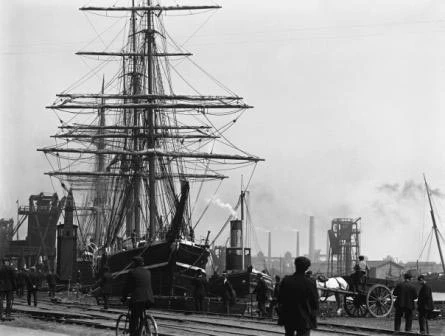
The Terra Nova loading in Bute East Dock, Cardiff, June 1910

The Terra Nova loading in Bute East Dock, Cardiff, June 1910

Scott’s 1910-13 British Antarctic Expedition

Scott’s 1910-13 British Antarctic Expedition captured the imagination of the British public, most especially when the expedition ship, the Terra Nova, returned to Cardiff from the South without Scott and four of his companions. The autographs of the expedition members were much sought after.

In the collections of Amgueddfa Cymru there are three items, two dating from the start of the expedition and one from the end, together bearing the signatures of 27 of the officers, scientists and crew of Scott’s expedition. Amongst them are the signatures of Scott, Wilson, Bowers and Oates who died on the return march from the South Pole. Notably absent on the documents from the start of the expedition is the signature of Welshman Edgar Evans from Rhossili on Gower who was the first to die on the return from the South Pole; he was merely a Petty Officer.

Sailing towards Antarctica, June 1910

Sailing towards Antarctica, June 1910

Setting off from Cardiff

Accompanying a photograph of the Terra Nova and the ship’s and other officers are the signatures of:

  • E. L. Atkinson
    Surgeon Edward Leicester Atkinson, RN (1881-1929). Main Party Surgeon and parasitologist. Atkinson led the search party which found the bodies of Scott, Wilson and Bowers in November 1912.
  • W. W. Archer
    W.W. Archer, RN (Retired).  Chief Steward, Shore Party.
  • G. Murray Levick
    Surgeon George Murray Levick, RN (1877-1956). Surgeon on the Northern Party of the expedition, surviving for seven months through the winter in an ice cave. He studied the Adélie Penguin colony at Cape Adare and later wrote a book on Antarctic penguins.
  • L. E. G. Oates
    Captain Lawrence Edward Grace Oates (1880-1912), 6th Inniskilling Dragoons. Weakened by severely frostbitten feet, Oates died on the return march from the South Pole, on 16 March 1912 when he famously told his companions Scott, Wilson and Bowers, “I am just going outside and may be some time” as left the tent and crawled out into the blizzard.
  • E. R. G. R. Evans
    Lieutenant Edward (Teddy) Ratcliffe Garth Russell Evans, RN (1881-1957). Second-in-Command. Evans was instrumental in garnering Welsh support and sponsorship for the expedition and took over command of the expedition after Scott died.
  • R. Scott
    Captain Robert Falcon Scott, CVO, RN (1868-1912). Expedition Leader. Scott had led the 1901-04 Discovery Expedition and returned to lead the Terra Nova Expedition. He reached the South Pole on 16 January 1912 with Wilson, Bowers, Oates and Edgar Evans. All five died on the return journey.

The Terra Nova Sails towards Antarctica

Letter dated June 17th 1910, At Sea, from Teddy Evans to P. Lowry Rusden of The Mercantile Pontoon Co Ltd, Roath Dock, Cardiff on British Antarctic Expedition headed paper:

"... We had a fine breeze early yesterday & have been sailing over 8 knots ever since. I don’t think any of us will forget Cardiff.

Sailing towards Antarctica, June 1910

Sailing towards Antarctica, June 1910

Signatures of

  • Edward R. G. R. Evans
    Lieutenant Edward (Teddy) Ratcliffe Garth Russell Evans, RN (1881-1957). Second-in-Command. With Welsh support and sponsorship, Evans had been planning his own Antarctic expedition when he heard about Scott’s plans. He later had a distinguished naval career and was created Lord Mountevens in 1946.
  • D. G. Lillie
    Dennis G. Lillie MA. Ship’s Party Biologist
  • Victor Campbell
    Lieutenant Victor Lindsey Arbuthnot Campbell, RN (1875-1956). Leader of the Northern Party, initially based at Cape Adare in Victoria Land. The six men of the Northern party were later stranded farther south along the coast and survived seven months of winter in an ice cave with little food and only their summer clothing.
  • Apsley Cherry-Garrard
    Apsley George Benet Cherry-Garrard BA (1886-1959). Assistant Zoologist. Cherry-Garrard paid £1000 to join the Expedition. With Wilson and Bowers he made a winter journey to collect Emperor Penguin eggs which he later described in his book, The worst journey in the world. He was a member of the search party which found the bodies of Scott, Wilson and Bowers in November 1912.
  • H. Rennick
    Lieutenant Henry E. de P. Rennick, RN. First Officer on the Terra Nova.
  • E. W. Nelson
    Edward W Nelson (1883-1923). Biologist, Shore Party.
  • Edward A. Wilson
    Dr Edward Adrian Wilson (1872-1912). Chief Scientist and Zoologist, Shore Party. Wilson had been with Scott on the 1901-4 Discovery Expedition. A skilled and talented artist and zoologist, Wilson was a close friend of Scott. He died with Scott and Bowers in their tent on the Ross Ice Shelf on their return from the South Pole in March 1912.
  • E. L. Atkinson
    Surgeon Edward Leicester Atkinson, RN (1881-1929). Main Party Surgeon and parasitologist. Atkinson led the search party which found the bodies of Scott, Wilson and Bowers in November 1912.
  • H. R. Bowers
    Lieutenant Henry Robertson Bowers, Royal Indian Marines (1883-1912). Scott put Bowers in charge of stores. He was a member of the final Polar Party and died with Scott and Wilson in their tent on the Ross Ice Shelf in March 1912 on the return march from the South Pole.
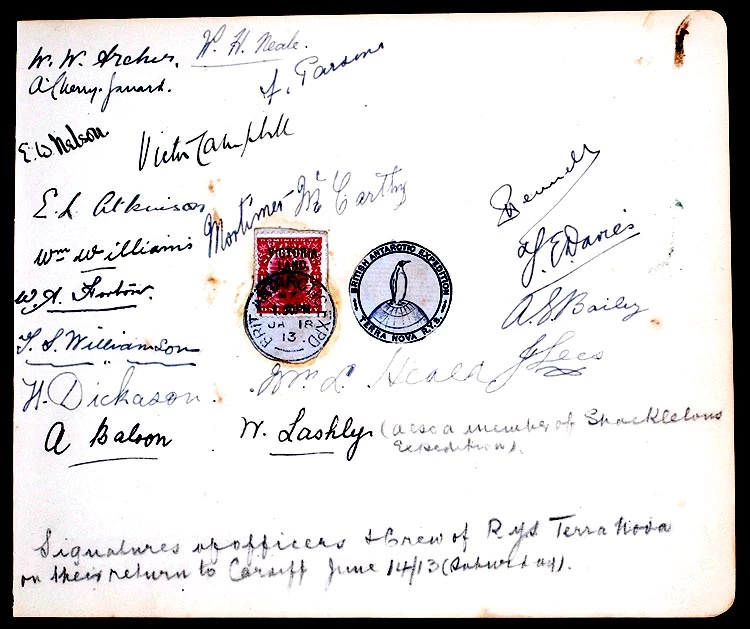
The Return to Cardiff, 1913

The Return to Cardiff, 1913

The Return to Cardiff

Signatures of officers and crew of RYS Terra Nova on their return to Cardiff June 14/13 (Saturday). New Zealand One Penny stamp, overprinted “Victoria Land” and franked “British Antarctic Expedition Ja 18 [19]13”.

The signatures on this sheet are of interest because although they include four of the officers and scientists, the signatures are mostly those of the lower ranks, indicating that all of the crew were regarded as celebrities upon the expedition’s return.

  • W. W. Archer
    W Archer, RN (Retired).  Chief Steward, Shore Party.
  • A. Cherry-Garrard
    Apsley Cherry-Garrard Assistant Zoologist.
  • E. W. Nelson
    Edward W Nelson. Biologist.
  • E. L. Atkinson
    Surgeon Edward L Atkinson RN. Main Party Surgeon and parasitologist.
  • Wm W. Williams
    C.E.R.A. 2nd Class William W. Williams, RN. Chief Engineer, Ship’s Party.
  • W. A. Horton
    E.R.A. 3rd Class William A. Horton, RN. Second Engineer, Ship’s Party.
  • T. S. Williamson
    Petty Officer 1st Class Thomas S. Williamson, RN.  Shore Party. He had served with Scott on the 1901-4 Discovery Expedition. He was a member of the search party which found the bodies of Scott, Wilson and Bowers in November 1912.
  • H. Dickason
    Able Seaman Harry Dickason, RN. Northern Party.
  • A. Balson
    Leading Seaman Albert Balson, R.N. Ship’s Party.
  • W. H. Neale
    Steward W.H. Neale. Ship’s Party.
  • F. Parsons
    Petty Officer 1st Class Frederick Parsons, RN. Ship’s Party.
  • Victor Campbell
    Lieutenant Victor Lindsey Arbuthnot Campbell, RN (1875-1956). Leader of the Northern Party.
  • Mortimer McCarthy
    Able Seaman Mortimer McCarthy. Ship’s Party.
  • Wm L. Heald
    Petty Officer 1st Class William L. Heald, RN (Retired). Ship’s Party. He had served with Scott on the 1901-4 Discovery Expedition.
  • W. Lashly
    Chief Stoker William Lashly, RN (1867-1940). Shore Party. He served with Scott on the 1901-4 Discovery Expedition. He was a member of the search party which found the bodies of Scott, Wilson and Bowers in November 1912. After the First World War, Lashly settled in Cardiff, working as a customs officer until 1932 when he retired to Hampshire.
  • H. Pennell
    Lieutenant Harry Lewin Lee Pennell, RN (1882-1916). Ship’s Party, Navigator.
  • F. E. Davies
    Leading Shipwright Francis E.C. Davies, RN. Carpenter, Ship’s Party.
  • A. S. Bailey
    Petty Officer 2nd Class Arthur S. Bailey, RN. Ship’s Party
  • J. Lees
    Able Seaman Joseph Lees, RN. Ship’s Party.

Fuelling Antarctic exploration: The Crown Patent Fuel Company in Cardiff

Jennifer Protheroe-Jones, 23 July 2010

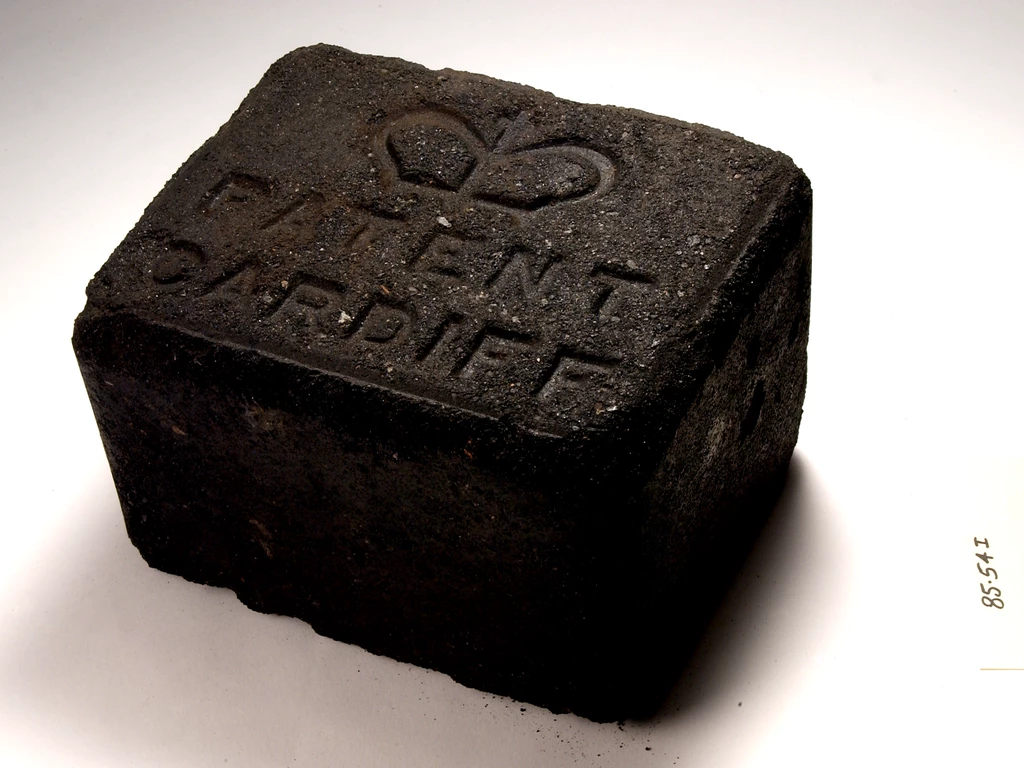
A block of Crown Patent Fuel.

A block of Crown Patent Fuel.

Age of Polar Expeditions

The early 20th century was a time of great heroic explorations to the Antarctic continent. Crown Patent Fuel from south Wales was the fuel of choice for these Antarctic expeditions.

Crown Patent Fuel

In addition to 100 tons of steam coal from south Wales coal companies, Captain Scott's 1910 British Antarctic Expedition was also given 300 tons of fuel blocks by Cardiff's Crown Patent Fuel Company. This, along with other sponsorship from Cardiff and south Wales, persuaded Scott to designate Cardiff the home port of his ship, the Terra Nova. He sent the Terra Nova to load fuel in Cardiff rather than have it sent by rail to London.

The Crown Patent Fuel works were situated alongside the Glamorganshire Canal at Maendy. The works was one of a number along the canal and, together with a number of works at other south Wales ports, made the region the largest producer of patent fuel in the world. Most of the patent fuel was exported, with France being a major customer.

Scott commends Welsh coal

The fuel was made by mixing and heating waste small coal with pitch, the residue from distilled coal tar, and ramming the mixture into moulds. Various size blocks were produced, ranging from 7lbs to 56 lbs, with 28lbs being the most common — and the size taken on Scott's expedition. The blocks stacked well and took up less space than coal.

When the expedition reached their base at Cape Evans on Ross Island in Antarctica, the fuel blocks were used to build a back wall to the stables for the expedition ponies.

Earlier expeditions

In 1901 the Discovery, Captain Scott's first Antarctic expedition ship, took on 200 tons of Patent Fuel in Cardiff. The Aurora, the ship of the Australasian Antarctic Expedition (1911-14), was also in Cardiff taking on Crown Patent Fuel on 4 August 1911 before sailing for Australia and Antarctica.

Sir William Reardon Smith (1856-1935)

David Jenkins, 15 October 2009

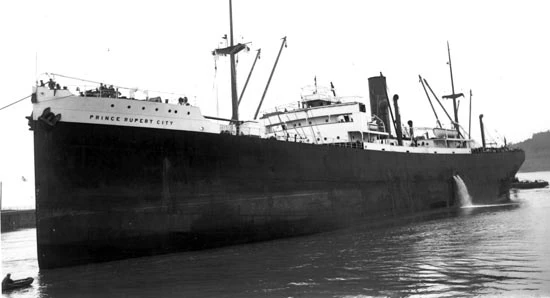
black and white photo of the tramp steamer <em>Prince Rupert City</em>

The tramp steamer Prince Rupert City, a typical Reardon Smith vessel of the inter-war years.

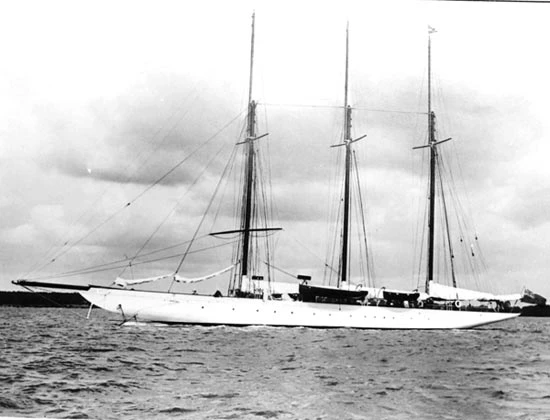
The sail training yacht Margherita

The sail training yacht Margherita, on which Reardon Smith apprentices gained experience of seafaring under sail.

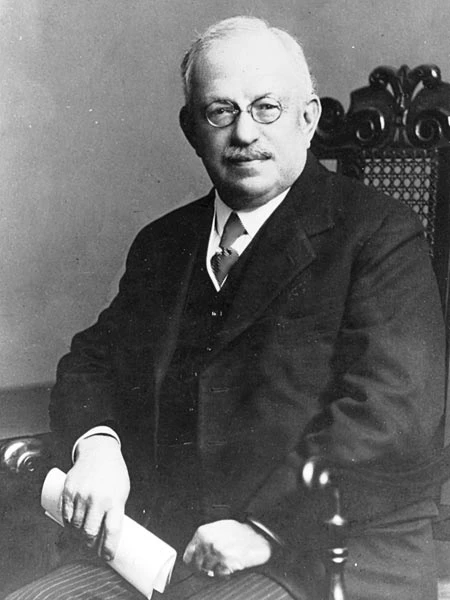
Sir William Reardon Smith, Bart., 1856-1935.

Sir William Reardon Smith, Bart., 1856-1935.

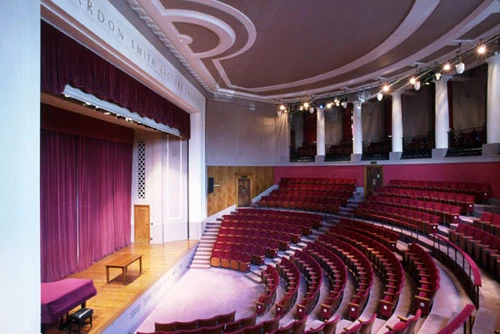
The Reardon Smith lecture theatre at the National Museum

The Reardon Smith lecture theatre at the National Museum Cardiff, inaugurated in 1932.

Most museums can acknowledge a great benefactor without whom their histories would have been very different; in the case of Amgueddfa Cymru, that person was Sir William Reardon Smith.

During his terms as the Museum's treasurer (1925-28) and president (1928-32), Sir William Reardon Smith utterly transformed the Museum's faltering finances and oversaw the completion of National Museum Cardiff's splendid east wing, which forms an integral part of Cardiff's unique civic centre.

Reardon Smith was not Welsh by birth; he was born to a seafaring family in the north Devon coastal village of Appledore on 7 August 1856.

Cabin boy

When Reardon Smith was 3 his father died when his schooner sank in a storm off Burry Port. Nevertheless, by the time he had reached his early teens he was a cabin boy on similar local vessels engaged in the coasting trades of the Bristol Channel. He later served on sailing ships carrying railway lines to the USA and copper ore Chile.

Captain Reardon Smith

Aged just 22, he served as captain of a number of sailing ships and steamers, mostly owned by the famous Scottish shipping company Hugh Hogarth of Glasgow, until he left the sea in 1900 and moved to Cardiff with his wife and family.

In 1905 he embarked on what would become his life's work when he promoted a company to acquire and operate a new steamship, the City of Cardiff. The venture prospered, and by the outbreak of the First World War he owned 9 tramp steamers, all working in the export of coal from south Wales.

Despite a number of losses to submarines during the war, Reardon Smith continued to expand his fleet, and by 1930 he controlled no fewer than 35 ships.

Sir William

Sir William was created a baronet in 1920, and became increasingly involved in philanthropic activities. In 1921 he established the Reardon Smith Nautical School; four years later he acquired a large yacht, the Margherita, to serve both as training vessel and family yacht.

He gave generously to the Cardiff Royal Infirmary and towards the cost of a new hospital at Bideford, and also endowed the chair of geography at Exeter University, which still bears his name.

However, the object of his greatest generosity was the National Museum of Wales. Between 1915 and 1935 he and his wife Lady Ellen donated something in the region of £150,000.

In addition to his personal donations, he also worked tirelessly to raise funds from elsewhere. In recognition, the new lecture theatre built as part of the Museum's east wing in 1932 was named the Reardon Smith Lecture Theatre.

Sir William died on 23 December 1935 after a brief illness. His success as a shipowner was equalled only by his exceptional generosity. By preferring to spend his fortune on improving the lives of others rather than indulging himself, he ensured that many present-day inhabitants of both south Wales and the West Country still owe him a debt of gratitude.

Article by: David Jenkins, Senior Curator of Industry