Collections & Research

Would you like to talk?

Christian Baars, 9 September 2016

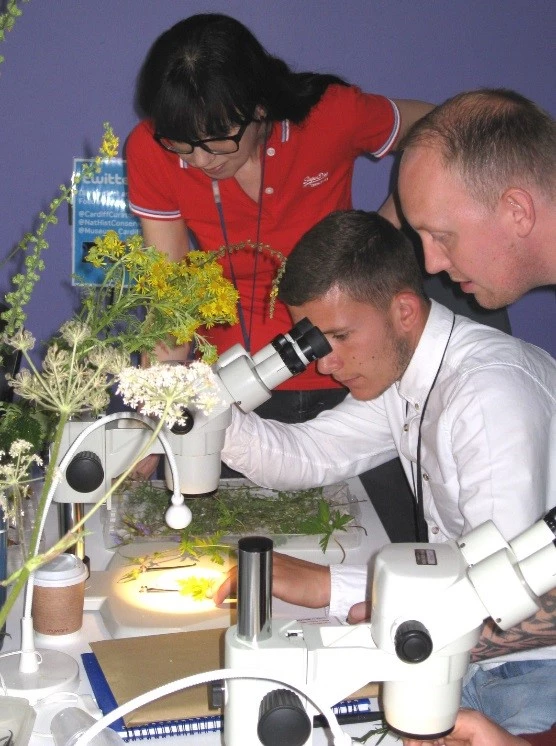
Museums are outgoing institutions. Our doors are open to anyone, regardless of age, level of ability, ethnicity, and so on. We are happy to welcome everyone and will do our best to accommodate people’s needs and interests. Many museums are free because we do not want low income to be a barrier for visiting. AC-NMW’s Conservation Department has recently stepped up its outreach programme. We organise regular Open Days (the next one is on 25th October), talks, behind-the-scenes tours, schools activities etc – preservation of the museum’s objects is an important part of what the museum does and quite rightly forms part of the museum’s public offer. So much for museums.

Now for the visitors. Why do people visit museums? Because they have travelled here and are trying to get a sense of place. Because they want to spend some quality time with friends/family. Because they have a specific interest. There are many reasons, most of which indicate that visiting museums is a leisure activity that reflects what people are interested in and how they like to spend their spare time, just like reading, cycling or watching box sets on TV. Jehra Patrick summarised in her blog some of the motivational identities of museum visitors compiled by John H. Falk. She also suggested that to get people in the doors, museums should stop telling them why they should come and start asking them why they do

Last year we asked visitors whether they would like conservators to be more visible in public spaces. The feedback was a resounding and emphatic ‘YES!’ by 90% of our visitors. We heard the shout and started scheduling more of our regular maintenance work during public opening hours both at St Fagans and in the city centre. Again we checked with the visitors and, low and behold, they said they would like to see conservation in action even more often. Visitors are insatiable, one might conclude. Or are we really that good? Either way, it was all good news, the new way of working was a success, we congratulated ourselves, lots of shoulder padding going on etc.

Now a dear friend asked recently: ‘do visitors like to talk to museum staff about Conservation, or do they just like to talk to staff?’ Jaw drops. Had we not asked visitors whether they would like to speak to conservators? And had they not told us that they did? Well, yeah – but what we didn’t ask was whether it mattered that they spoke to conservators. Or anyone else.

It is certainly clear from experience (I am now straying from hard data into anecdotal evidence) that many museums visitors like to talk. When we work in the galleries or historic houses there are endless opportunities for chatting. We, as staff and volunteers, make it as obvious as possible that we are approachable and happy to talk. Many visitors use the opportunity to do just that: ask questions about our work, about the objects on display, or tell us about a moth infestation they once had in a carpet. The latter does not tend to happen randomly – pest management is one aspect of our work.

However, there is certainly a difference between being a member of museum staff (visitor perception) and being a highly skilled individual with years of experience who is fully subscribed to the museum’s policy of inclusivity, enthusiastically raring to inform visitors about the museum’s efforts in heritage preservation (conservator perception). It is interesting to note that, when working in the galleries, conservation is not the only thing we talk about. We also find ourselves giving directions, answering questions about objects on display, telling people about other cultural venues in South Wales. And – for reasons of liability – avoiding giving advice on moth infestations in domestic carpets.

Does it need a conservator to answer general enquiries? Of course not, and the museum already has additional staff for just that sort of thing. Should a conservator therefore refuse to answer such questions? Again, of course they should not – courtesy and politeness alone should be reason enough to attempt to answer any question.

Visitors cannot be expected to distinguish between different members of museum staff or volunteers. I, as a conservator, have to be aware of this and be prepared to answer any question asked of me as best I can to create experiences that fulfil visitor needs. It is also clear that visitors have expectations of their museum experience that often differ from what staff believe the offer is. The route to success for me, as member of staff, is therefore to be flexible and acknowledge the visitor’s diverse interests and needs. And to ask the right questions.

Find out more about care of collections and Preventive Conservation at Amgueddfa Cymru - National Museum Wales here


Dyddiadur Kate: Brenshach y bratie! Atgofion wyr am ei nain

Elen Phillips, 9 September 2016

Os ydych yn un o ddilynwyr selog @DyddiadurKate, ’da chi’n siŵr o fod wedi sylwi nad oedd Mrs Rowlands mor gyson â’i chofnodion yn 1946. Pam? Gallwn ond ddyfalu. Gofynion teuluol, dim awydd … pwy a ŵyr. Gan fod mis o dawelwch o’n blaenau  — does dim cofnod tan 10 Hydref! — dyma gyfle i ni lenwi’r bwlch gyda rhagor o hanes Kate Rowlands y Sarnau.

Yn gynharach eleni, daeth pecyn drwy’r post i ni yma yn Sain Ffagan gan Eilir Rowlands, un o wyrion Kate. Ynddo roedd toriadau papur newydd, hen luniau, coeden deulu a llythyr yn llawn atgofion amdani. Felly, dyma i chi grynodeb o'r llythyr arbennig hwnnw yng ngeiriau Eilir Rowlands: 

Fy ofynwyd be fyddai fy nain yn feddwl o hyn i gyd – syndod mawr mi dybiaf, gyda’r ebychiad lleol ‘brenshiach y bratie!’ Ond dw i’n siwr y byddai yn hynod falch bod ardal cefn gwlad y Sarnau a Chefnddwysarn yn cael gymaint o sylw yn genedlaethol ac yn fyd eang, a bod y pwyslais ar gymdogaeth glos gyda gwaith dyddiol yn cael y sylw haeddiannol.

Fe sonir am y dyddiadur mewn sgyrsiau yn yr ardal a mae’r enw KATE yn ddiarth i bawb. Fel KITTY TY HÊN y byddai pawb yn ei chyfarch a'i hadnabod… Ni wyddwn fy hun tan yn ddiweddar ei bod yn cael ei galw yn KATE pan yn ifanc!! KITTY ROWLANDS sydd ar ei charreg fedd yng Nghefnddwysarn gyda’r cwpled:

’Rhoes i eraill drysori

Ei chyngor a’i hiwmor hi

Mae'n amlwg oddi wrth dyddiadur 1946 fod cymaint o fynd a dod ag yn 1915 a'r gymdogaeth yr un mor glos. Y gwahaniaeth mwyaf mi dybiaf oedd fod ceir a bwsiau a'r ffordd o drafeilio wedi datblygu oedd yn golygu fod pobl yn mynd ymhellach i ymweld â'i gilydd. Hefyd roedd tripiau wedi dod yn ffasiynol yng nghefn gwlad.

Ganwyd fi yn 1950 felly cof plentyn sydd gennyf am nain a taid yn byw yn Ty Hên, ond yn cofio’n dda am ddiwrnod dyrnu, cneifio a hel gwair. Ty hynod fach oedd Ty Hên, ond clud a chysurus. Bob tro yr oeddwn yn cerdded y milltir o’r Hendre i Ty Hên roedd nain bron yn ddieithriad yn crosio sgwariau ar gyfer gwneud cwilt i hwn a llall. Llygaid eitha gwantan oedd gan nain erioed ond roedd pob sgwar bach yn berffaith. Wrth roi proc i'r tân glo hen ffasiwn ei dywediad fydde 'fyddai'n mynd â hwn efo fi sdi' gan chwerthin!

Roedd safle Ty Hên mewn lle hynod o brydferth. Mae'n edrych dros bentre Sarnau a mynydd y Berwyn yn y pellter. Mae'n cael haul peth cynta yn y bore. Ffordd ddifrifol o wael oedd i Ty Hên ers talwm, rhan ohoni ar hyd ffos lydan a elwid yn 'ffordd ddŵr' ac yn arwain i allt serth a chreigiog. Mi glywais nain yn dweud sawl tro am yr adegau y byddai fy nhaid wedi mynd i nôl nwyddau gyda cheffyl a throl ac yn dod adre i fyny'r allt byddai'n gweiddi ar fy nain (a oedd yn disgwyl amdano ac yn ei wylio wrth ddrws y tŷ) 'SGOTSHEN'. Beth oedd hyn yn ei feddwl oedd os oedd fy nhaid wedi gor-lwytho'r drol ac yn rhy drwm i'r ceffyl ei thynnu fyny'r allt a'r drol yn cychwyn ar yn ôl, byddai'n rhaid cael 'sgotshen' (wejen o bren) tu ôl i'r olwyn i arbed damwain a thamchwa. Byddai nain yn disgwyl am y waedd ac yn gorfod rhedeg yn syth gyda'r 'sgotshen' yn ei llaw a'i gosod tu ôl yr olwyn.

Mae Ty Hên erbyn heddiw yn hollol wahanol o ran edrychiad oherwydd fe unwyd y tŷ gyda’r beudy a’r stabl ac mae yn awr yn un tŷ hir. Perchnogion y tŷ yw par ifanc o Loegr sydd â chysylltiadau Cymreig ac maent wedi dysgu Cymraeg. Maent wedi addasu yr adeilad allanol ar gyfer beicwyr sy’n dod ar wyliau. Medraf glywed fy nain yn dweud ‘brenshach y bratie’ pe byddai yn gweld Ty Hên heddiw ac eto yn falch bod bwrlwm a bywyd yn dal yn yr hen gartre.

Gyda diolch i Eilir Rowlands, Cefnddwysarn.

Paratoi i ‘ail agor’ siop draper Emlyn Davies - Rhan 1: Siwtcês o storiau a script?

Orinda Roberts, 7 September 2016

Yr Oriel yn Siarad

Wrth i mi sefyll a myfyrio yng nghanol yr arddangosfa, tybiais i mi weld ffigwr yn sefyll tu ôl i’r cownter pren……yna wrth edrych ar y bolltiau a’r crysau gwlanen ar y silffoedd…bron â chlywn i leisiau dynion…gydag acenion amrywiol…teimlais fy hun fel pe bawn yn llithro’n llythrennol i’r gorffennol….mae’n wir mae distaw oedd y presennol…ond deuai bwrlwm siop brysur o’r gorffennol yn fyw i’m meddwl i……yn sydyn dychmygais gyda gwên ddrygionus bod siwtcês David Lewis yn neidio allan o’r casyn gwydr ac yn mynnu dweud ei stori am ei anturieithau cyffrous…….

Yn wir roedd fel petai congl arall o’r amgueddfa yn galw am y cyfle i fynegi ei hun a dweud ei stori mewn modd bywiog a dramatig.

Dyma stori siop draper Emlyn Davies!

Pwy oedd Emlyn Davies?

Dyn lleol o Gastell Newydd Emlyn a symudodd i Ddowlais, Merthyr Tydfil i weithio fel cynorthwy-ydd yn siop J.S.Davies Drapers. Ym 1898 agorodd ei siop ddefnydd ei hun.

Gwerthu gwlanen fyddai yn bennaf, a prynai’r mwyafrif o’i stoc o Felin Cambrian yn Drefach Felindre (sydd nawr yn gartref i’r Amgueddfa Wlân). Byddai David Lewis, perchennog y felin, yn teithio i’r cymoedd i gasglu archebion am wlanen, a’r defnydd yn cael ei gludo ar y tren i Ddowlais o stesion Henllan. Byddai’r gwlanen yn cael ei droi’n grysau a dillad isaf i weithwyr y pyllau glo a’r gweithfeydd haearn lleol.

Creu Sesiwn i Blant

Ychydig o fisoedd nôl, fe ddechreuais i weithio ar y syniad o greu sesiwn a gweithdy i blant ysgol yn yr amgueddfa wlân wedi selio ar yr hanes uchod, ac atgyfodi’r siop a chafodd ei ail greu yn yr amgueddfa yn 2013.

Mae’n hanfodol, i ddechre, i unrhyw hwylusydd neu actor mewn amgueddfa pan yn ceisio bywiogi darn o hanes i wneud ei waith ymchwil ei hun. Rhaid darllen y ffeithiau wrth gwrs, gwrando ar unrhyw dystiolaeth sydd ar gael yn yr archif, a chael gweld gwrthrychau priodol o’r casgliad - ond hefyd yn ychwanegol i hyn oll mae’n rhaid ymgolli eich hun yn llwyr yng nghefndir a chyfnod yr hanes yn gyffredinol.

Mae’n bwysig i ffurfio perthynas dda gyda’r curaduron, ac unrhyw arbennigwyr arall sydd yn gweithio I’r sefydliad, a thrwy’r unigolion hynny cael mynediad i lu o adnoddau defnyddiol arall i sicrhau bod y sesiwn neu weithdy yn un a sail hanesyddol gywir iddo.

Gweithio Gydag Atgofion

Y stop gyntaf i mi wrth droedio nol i orffennol y siop oedd i gysylltu a Mark Lucas, Curadur y Diwydiant Gwlân, a fi’n gyfrifol am gasglu’r hanes at ei gilydd.

Fe rhoddodd bentwr o ffeil i mi i ddechrau, yn cynnwys copi o fywgraffiad bywyd a hanes teulu Emlyn Davies a ysgrifennwyd gan ei wŷr Alan Owen: Emlyn Davies: The Life & Times Of a Dowlais Draper in the first Half Of The Twentieth Century.

Un o’r profiadau mwyaf cyffrous i mi yn y broses yma o adfywio hanes yw i gael cyfarfod mewn person a phobol sydd ynghlwm yn uniongyrchol â’r hanes. Diddorol oedd nodi bod Mark Lucas mewn cysylltiad rheolaidd a Alan Owen, a bod cyfle i mi gyfarfod ag ef i holi cwestiunau - mwy am hyn yn y blog nesa!


Amynedd y milwr - clytwaith Richard Evans, 1883

Elan Llwyd - Fforwm Ieuenctid Sain Ffagan, 7 September 2016

Wrth wneud gwaith gyda’r Fforwm Ieuenctid, darganfyddais fod yna glytwaith i orchuddio cist o ddroriau (‘patchwork chest of drawers cover’) yng nghasgliad Sain Ffagan a gafodd ei greu gan fy hen hen ewythr, Richard Evans o Lanbrynmair, yn ystod ei amser yn gwasanaethu fel milwr yn India. Mae wedi ei greu o ddefnydd gwlanog trwchus coch a du ac felly tybiwyd ei fod wedi ei bwytho o ddillad milwr, ac yn ôl yr hyn sydd wedi ei arysgrifio ar ei gefn, roedd yn ‘Rhodd i fy Mam Sarah Evans 1883.’ Fe wnaeth y rhoddwr (Miss Ceridwen E Lloyd), sef nith i Richard Evans, ysgrifennu llythyr gyda’r gwrthrych a ymunodd â’r casgliad yn 1962, yn nodi “roedd ganddo fwy o amynedd na llawer ohonom heddiw.” 

Roedd yr amynedd angenrheidiol i wneud gwniadwaith yn un o’r rhesymau pam ddaeth y grefft yn rhan o fywyd i rai mewn gwersylloedd milwrol. Yn ogystal â bod yn sgil ymarferol er mwyn gallu trwsio eu lifrau, roedd milwyr yn cael eu hannog i ddechrau gwnïo fel ffordd o ymlacio. Cefnogwyd y syniad gan fudiadau dirwest yn y bedwaredd ganrif ar bymtheg wrth iddynt weld gwnïo fel ffordd o gadw’r milwyr rhag demtasiynau yfed a gamblo, yn enwedig yng ngwres India. Roedd y grefft hefyd yn cael ei hybu fel rhan o therapi milwr mewn ysbyty er mwyn lleddfu diflastod. Mae yna enghraifft o waith tebyg yn y casgliad yn Sain Ffagan – gemwaith a gafodd ei greu gan y Corporal Walter Stinson pan roedd yn glaf yn Ysbyty VAD Sain Ffagan yn 1917-18.

Roedd gogwydd fwy emosiynol ar y math yma o waith hefyd. Weithiau, crewyd cwiltiau allan o lifrau cyd-filwyr a fu farw ar faes y gad i ddangos ffyddlondeb a gwladgarwch. Roedd gan y grefft bwrpas tu hwnt i’r cyfnod o ryfela hefyd, gan fod dysgu i wnïo yn gallu cael ei gysylltu ag ennill arian ar ôl gadael y fyddin. Yn y casgliad, mae yna ddarlun gwlân a oedd wedi ei brynu gan hen dad-cu y rhoddwr gan gyn-filwr oedd wedi colli ei goes wrth ymladd.

Mae llu o resymau felly i esbonio pam ddaeth gwniadwaith yn grefft fwy poblogaidd i filwyr. Daeth buddion y grefft i ddisgyblaeth a gwellhad milwyr â’r grefft oedd wedi ei hystyried yn un fenywaidd ar hyd y blynyddoedd yn rhan o hunaniaeth milwyr yn ystod y cyfnod hwn – ac ysbrydoli fy hen hen ewythr, yn bictiwr o wrywdod milwr gyda’i getyn a’i fwstash (trydydd o’r chwith yn y rhes gefn) i greu clytwaith fel anrheg i’w fam.

The Glass Worms

Julian Carter, 2 September 2016

Our new exciting, family-friendly exhibition Wriggle has now opened and delves into the wonderful world of worms. As part of this exhibition we have put together a display of some very historic worm models made of glass. These are from a part of our collections called the ‘Blaschka glass model collection’. The models were made by the German glass-worker and naturalist Leopold Blaschka, along with his son, Rudolf, in the latter half of the 1800s’. This period was a time of great scientific discovery and new museums were opening to the public with their galleries displaying fossils, plants and animals from across the globe.

However many types of animal and plant specimens are very difficult to preserve and display, particularly soft-bodied animals, such as jellyfish, marine worms and sea anemones. The best method is to preserve in some sort of preserving fluid such as ethanol or formaldehyde but colours quickly faded and their shapes became distorted. Leopold Blaschka devised a solution to this problem by using his glass working skills to accurately model these animals out of glass. Together with his son, he went on to establish a successful business supplying glass models, mostly of marine animals, to museums worldwide during the latter half of the 19th century.

Initially the Blaschkas relied on illustrations in books as sources of reference for the glass animals, and many of the models are three dimensional representations of animals that they never saw in reality. However, in later years they increasingly based the models on their own observations of real animals, either during field trips or from live specimens in specially built aquariums in their house. This development in their naturalist skills is seen in the models as over time they became increasingly scientifically accurate.  

Amgueddfa Cymru has an extensive collection of these historic glass models representing a wide range of sea creatures such as sea slugs, sea cucumbers, marine worms, cephalopods and sea anemones. A selection of these models is on permanent display in the Marine galleries both as part of a stand-alone case, and as part of the surrounding displays. However for the Wriggle exhibition we have also put together a display case of all our worm related Blaschka glass models. Some of these models have not been on display for many years, and required delicate conservation work to enable their handling and display in the exhibition. A good example is the life series of three enlarged models of the marine worm Proceraea cornuta. All three of the models had been previously damaged in some way and careful conservation work was required to anable their safe display.

Also on display are models of commonly found species from our seashores such as the lugworm Arenicola marina and the ragworm Perinereis cultrifera.

The models of the leech Pontobdella (Hirudo) vittata and the Peacock worm Sabella pavonina are also notable in that they are still mounted on the packing card the Blaschkas’ would have originally shipped the models out on.

However personal favourites are the models of two tube living worms - the sand mason worm Lanice conchilega and the exquisite sphagetti worm Pista cretacea. Both have dense tentacle crowns which becomes an astonishing piece of craftsmanship and taxonomic accuracy when fashioned in glass!

Further information on the museums Blaschka glass model collectin can also be found online at http://www.museumwales.ac.uk/en/rhagor/galleries/blaschka/ .