History

Welsh participation in the development of Britain’s maritime empire

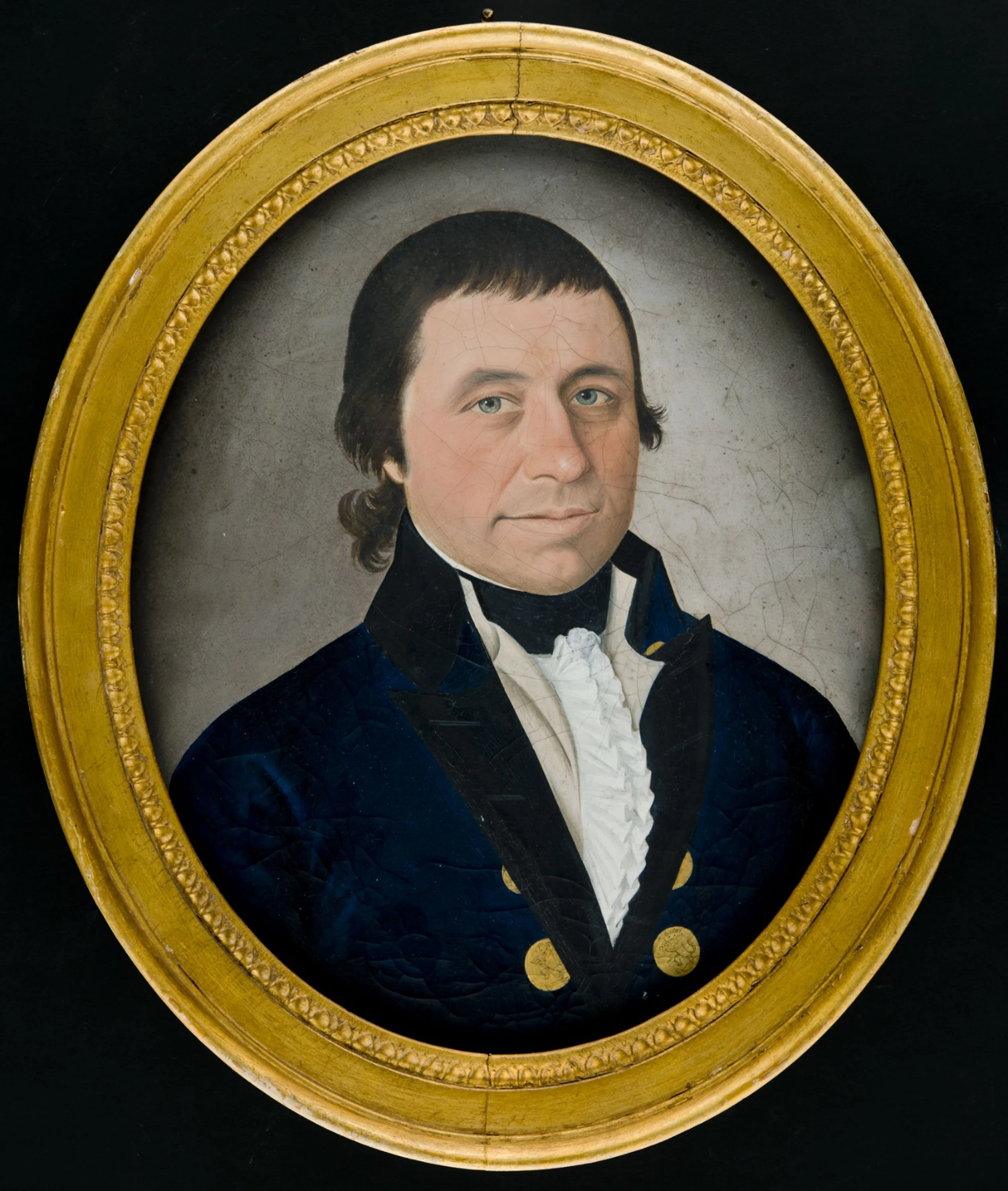
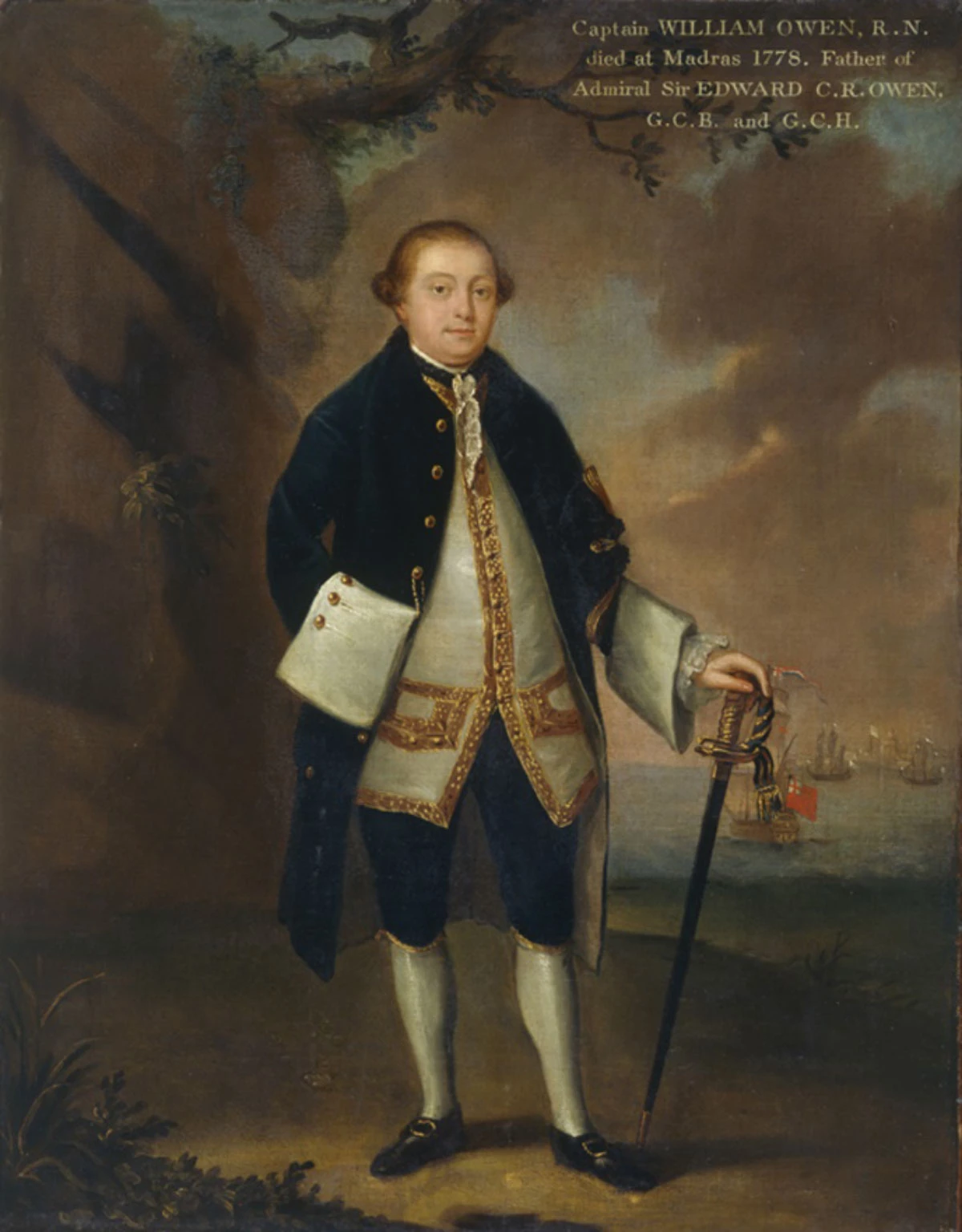
Two portraits illustrate Welsh participation in the development of Britain’s maritime empire. One of these, a small full-length measuring 54.5 x 42.6 cm, was painted around 1764. Its subject is William Owen (1737-1778). The other was made in Canton, China, perhaps in 1791, and is of John Jones (1751-1828), a Captain in the service of the East India Company.

William Owen

William Owen (1737-1778)

William Owen (1737-1778)

William Owen came from a Montgomeryshire gentry family, the Owens of Cefyn-yr-Hafodau. Life at sea was dangerous, and progress up the career ladder was difficult and required influence as well as talent. However, it was a socially appropriate career for a gentleman, it required little investment, and there was the remote possibility of making a fortune from prize money.

Families had to persuade a Captain to accept their son on board as ‘a young gentleman’ to build up the six years’ service needed to qualify as a Lieutenant. William’s father obtained a recommendation to the Secretary of the Admiralty who placed the boy with his son-in-law. William served in West Africa and the West Indies, before sailing for India in 1754. He was to be in India for a hectic seven years, while Britain was at war with France.

William fought on land at the Battle of Plassey as well as at sea, being wounded with a musket ball. William, who was promoted Lieutenant in 1758, also took part in the blockade of the French base of Pondicherry and was again wounded in an attack on two French ships in the harbour.

In his portrait, Owen is wearing the uniform of a Lieutenant in the Royal Navy (pattern of 1748-1767). Part of his right arm is missing, as he explains in an account of his services:

‘on the night of 7 Oct 1760 he [was] ordered to cut out the French ships La Baleine and Hermoine from under the guns of Pondicherry, … [when] he had the misfortune to have his right arm shot off … by a Cannon Ball’.

Owen went on half-pay when the war ended in November 1762. Promotion in the Navy was slow in peacetime and in 1766 he accompanied Lord William Campbell, newly appointed as governor, to Nova Scotia. Campbell granted him an island in Passamaquoddy Bay (between New Brunswick and Maine). By 1771 there were seventy-three settlers on Owen’s island. As Britain and Spain then appeared close to war, he returned to England. However it was not until 1776 that he was recommissioned and ordered to India. Promotion followed and he was made Commander into the sloop HMS Cormorant. William did not live to see the end of that war as he was killed in a drunken accident in Madras in October 1778.

John Jones

John Jones (1751-1828)

John Jones (1751-1828)

The subject of the other portrait, John Jones was born in Swansea in August 1751. He came from a middle-class family, and was apprenticed a merchant seaman in the West India trade, He then served on the East India Company’s ship Queen, on a voyage to Madras and China in 1770-1772. On his return he joined the Royal Navy. In 1773 Britain was at peace, and he probably did so in the hope of improving his social as well as his professional status. He was less obviously officer-class than William Owen, and served as a Master, the warrant officer responsible for navigation, before being commissioned Lieutenant in 1782 at the end of the American War. He was now out of a job and re-joined the East India Company which he served for the next fifteen years. He was 1st Mate on the Carnatic in 1786-7, and of the Deptford in 1787-9. He was then appointed Captain of the East Indiaman Boddam, making three voyages to China in 1791-2, 1793-4 and 1800-1.

His private ledger survives for his first voyage in the Boddam and reveals that he invested £11,000 in goods to be sold in Madras and Canton including a pack of fox hounds, making a personal profit of nearly £4,000. He was then able to invest £7,500 in Chinese goods in Canton, which would have sold for a further profit in London.

His portrait was painted by Guan Zuolin, a Chinese artist active in Canton between 1770 and 1805. He worked in a flat, clear-cut European style using oils thinned with water. In 1794 Jones bought St Helen’s House, overlooking Swansea bay, which was rebuilt for him as a neo-classical villa by the architect William Jernegan. A view of about 1800 shows it set in its own parkland, grazed by Jones’s horses, cattle and sheep. Here he passed a comfortable retirement until his death in a carriage accident in 1828.

St Helen’s House
St Helen’s House
Chinese Jades at Amgueddfa Cymru

Jade is a tough translucent material that can be made into ornaments, ceremonial weapons and ritual objects. For more than 7 millennia Jade has had a high cultural significance in China and throughout history craftsman used innovative design, technical skills to produce a great variety of objects from diverse categories in jade.

The Material

The Chinese term for jade "Yu" can be used to reference to any stone of beauty or value; such as agate or turquoise, which possess the five following values:

  1. Smooth texture
  2. Hardness
  3. Dense structure
  4. Translucency
  5. Variant hues

However when we discuss the term "Jade" (particularly in a western museum) we are specifically discussing either of two different minerals; nephrite and jadeite. The mineral jadeite arrived relatively late to china (around the end of the 18th century) therefore the majority of what is considered to be a Chinese jade is nephrite.

Jades of Amgueddfa Cymru

All animals carved during the Ming and Qing dynasty came with auspicious meanings and good wishes directed to the viewer. The majority of the collection at National Museum Cardiff are such objects.

Duck (NMW A 50761)

Duck (NMW A 50761)

This duck looks as if it is swimming. The lotus on its back and in its back are to bring the owner good fortune. Combination of the simple forms and fine details makes it typical of the late Ming period.

Buffalo (NMW A 50764)

Buffalo (NMW A 50764)

Buffalo were used in houses to repress evil spirits. However due to it role pulling a plough it has also become a symbol of spring and agriculture. Those lying with their head tuned could indicate the world being at peace.

Swan / Goose (NMW A 50767)

Swan / Goose (NMW A 50767)

We are unsure whether this is a swan or a goose, in ancient Chinese culture the swan was the heavenly version of a goose, though both are sacred animals.

Lion (NMW A 50787)

Lion (NMW A 50787)

Lions aren’t native to china but became known through the spread of Buddhism. Usually in jade they are represented in the manner of a dog. Though more commonly they are seen in porcelain and at rest. This is a good example of jade as a material being used as a display of wealth.

Water Dropper (NMW A 50777)

Water Dropper (NMW A 50777)

The water dropper was used to support the treasures of the studio such as the brush, ink, paper and ink stone. These pieces were used as early as the 13th century however were for more widely known during the Ming and Qing period.

The collection of Chinese jade in Europe was scarce before the 19th century. Really it seems to have started after the exhibition of jades at the crystal palaces great exhibition.

The first pieces to enter the collection were for the turner house collection presumably acquired by the galleries 1st patron John Pike Thomas in the 1800’s. Primarily though, they come from the David Bertram Levinson bequest in 1967. Little is known about the provenance of the jade but it’s likely they are all from the 1800s and 1900's.

Article written up from talk given on Chinese Jades, 15th May 2015.

Bibliography

Books

Lin, J C S. The Immortal Stone: Chinese Jades from the Neolithic Period to the Twentieth Century. The Fitzwilliam Museum, (Scala Publishers, 2009).

Wilson, M. Chinese Jades, (V&A Publications, 2004).

Articles/ Chapters

Nichol, D. 2010. Chinese Jade from the National Museum of Wales Collection. National Museum of Wales Geological Series No 2x, 000pp.

Websites

Amgueddfa Cymru Art Collection Online

Glo - people's history online

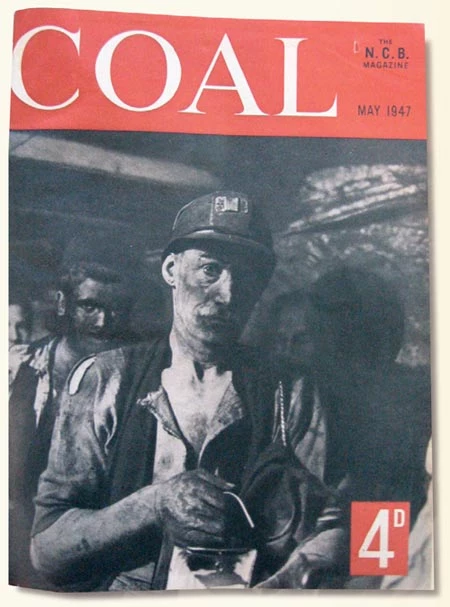
COAL magazine from the National Coal Board

COAL magazine, produced by the National Coal Board from May 1947. It later became COAL NEWS.

All issues of the magazine Glo are now available on this site.

The style of Glo is based on the photojournalistic magazine Picture Post and compliments the excellent St Fagans publication Homefront, which commemorated Welsh life during the Second World War.

Glo is also similar in appearance to COAL, the National Coal Board's magazine, first published in 1947.

Glo can best be described as a 'people's history' magazine; people are asked to contribute their own views, images and experiences of a particular topic.

A selection of stories and images from the magazines are also available on Rhagor as individual articles, each linking to the relevant issue of Glo.

Issues are available to download below.

GLO - The Miners strike of 1984

The Miners Strike of 1984 [PDF 2.6 MB]

'Strike!' The 1984/5 Miners' Strike
Minreworkers [4.8 MB]

Minreworkers [PDF 4.8 MB]

Mineworkers
Glo

The forgotten coalfield? [PDF 2MB]

North Wales: The Forgotten Coalfield?
Glo Edition 7 - A Cog in the Wheel

A Cog in the Wheel [PDF 2.4MB]

A Cog in the Wheel
Big Pit [PDF 5.4MB]

Big Pit [PDF 5.4MB]

Big Pit
When Dai Became Tommy [PDF 5MB]

When Dai Became Tommy [PDF 5MB]

When Dai became Tommy
Front cover of Glo issue 10: Cambrian Voices

Glo issue 10: Cambrian Voices [PDF 2.2MB]

Cambrian Voices
Laughter and Tears - Glo 2016

Laughter and Tears [PDF 7.1MB]

Laughter and Tears
 

St Dwynwen’s Day – The Welsh Patron Saint of Love

What Is St Dwynwen’s Day?

St Dwynwen’s Day is celebrated in Wales on 25 January and commemorates St Dwynwen, the Welsh patron saint of love and friendship. Often described as the Welsh equivalent of Valentine’s Day, the celebration has its roots in medieval Welsh tradition.

When is St Dwynwen's Day Celebrated?

St Dwynwen's day is celebrated in Wales on 25 January and commemorates the patron saint of friendship and love.

Who was St Dwynwen?

Dwynwen lived during the 5th century and was, by all accounts, one of the prettiest of Brychan Brycheiniog's 24 daughters.

Who Was Maelon Dafodrill?

Central to the legend of St Dwynwen is her relationship with Maelon Dafodrill, a story that explains her association with love and loss.

The story goes that Dwynwen fell in love with Maelon Dafodrill, but unfortunately her father had already arranged that she should marry someone else. Maelon was so outraged that he raped Dwynwen and left her.

In her grief Dwynwen fled to the woods, where she begged God to make her forget Maelon. After falling asleep, Dwynwen was visited by an angel, who appeared carrying a sweet potion designed to erase all memory of Maelon and turn him into a block of ice.

God then gave three wishes to Dwynwen. First she wished that Maelon be thawed, second that God meet the hopes and dreams of true lovers and third that she should never marry. All three were fulfilled, and as a mark of her thanks, Dwynwen devoted herself to God's service for the rest of her life.

Ynys Llanddwyn and St Dwynwen’s Church

Remains of Dwynwen's church can be seen today on the island of Llanddwyn, off the coast of Anglesey.

During the 14th century, on visiting the island, the poet Dafydd ap Gwilym witnessed a golden image of Dwynwen inside the church, and was bold enough to request her help as a messenger between himself and Morfudd, the girl he hoped to win — despite the fact that Morfudd was already married.

Also situated on the island is Dwynwen's well, where, allegedly, a sacred fish swims, whose movements predict the future fortunes and relationships of various couples. Visitors to the well believe that if the water boils while they are present, then love and good luck will surely follow.

The popularity and celebration of St Dwynwen's day has increased considerably in recent years, with special events, such as concerts and parties, often held and greetings cards printed. Although still not as popular as St Valentine's Day in February, St Dwynwen is certainly becoming better-known among today's population of Wales.

Love Tokens in Wales: From Lovespoons to Staybusks

Throughout history and still today, love tokens are given as symbols of devotion and commitment to loved ones.

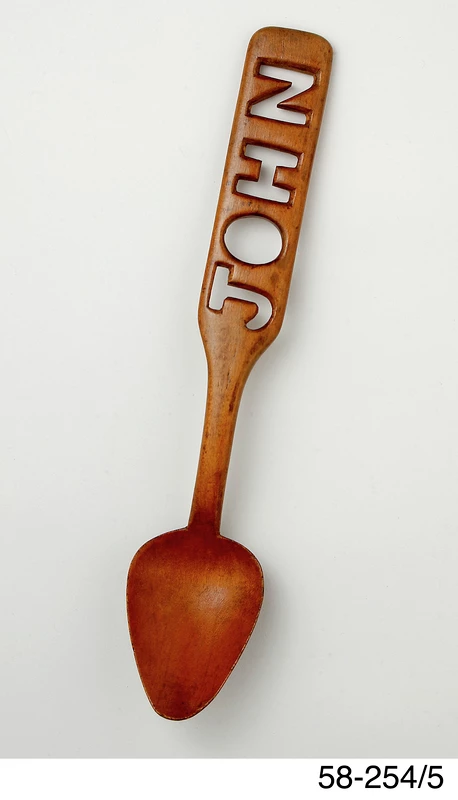
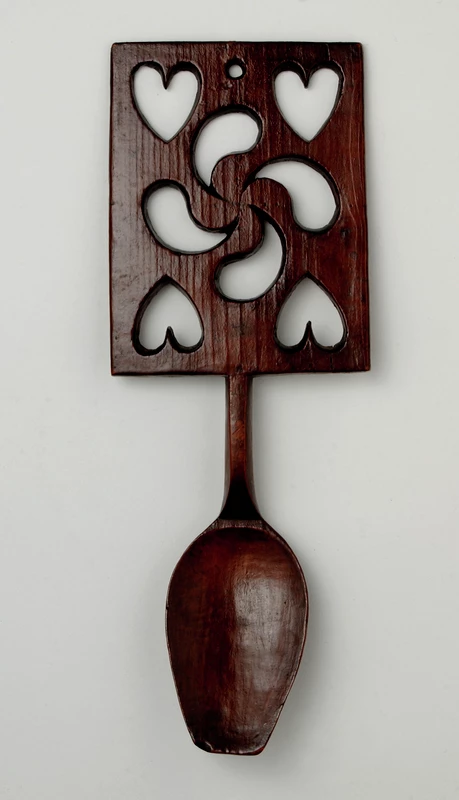
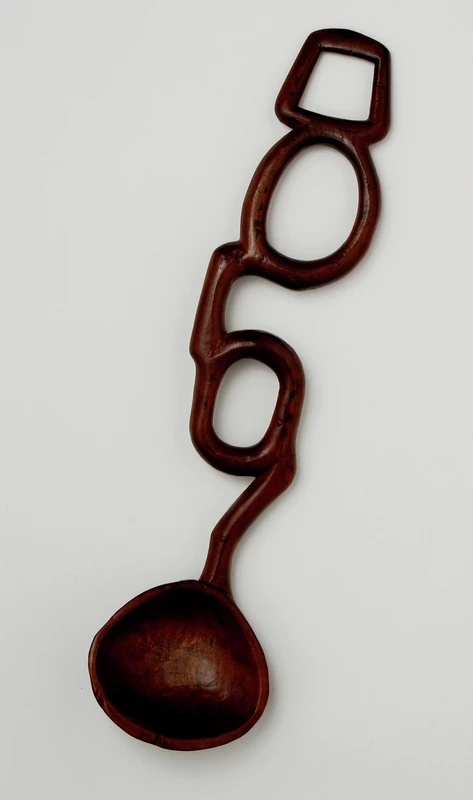
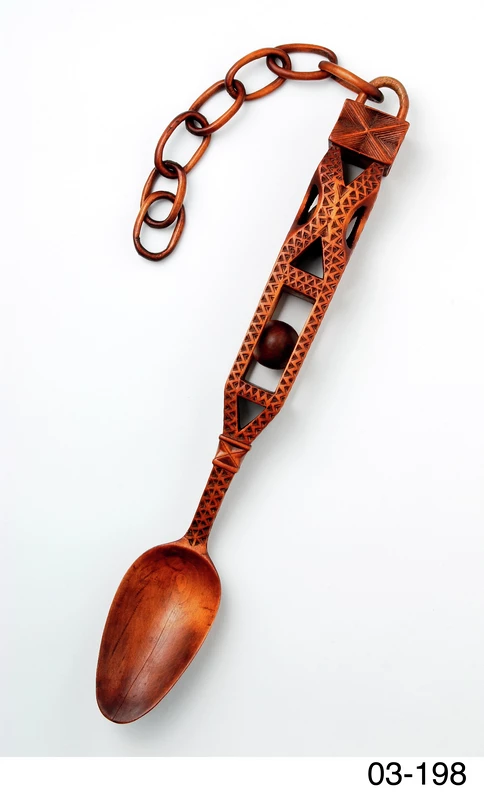
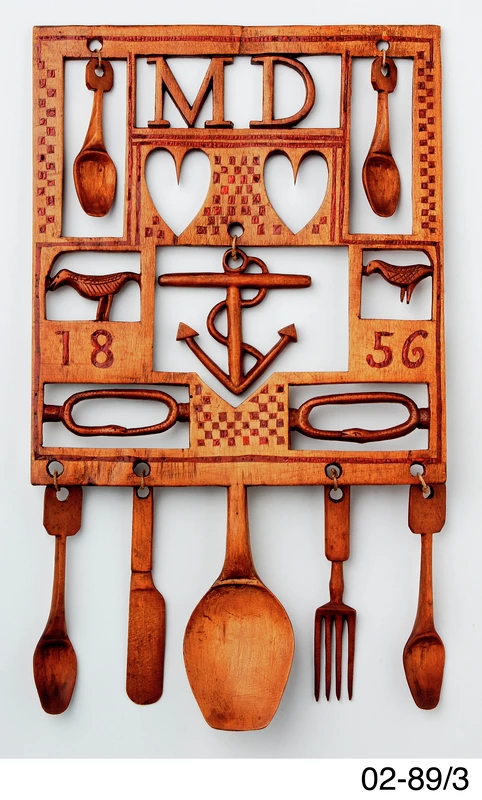
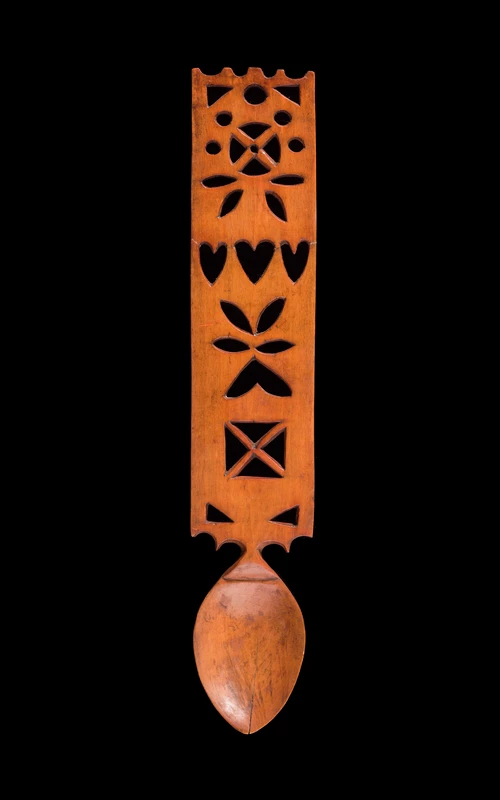
LOVESPOONS

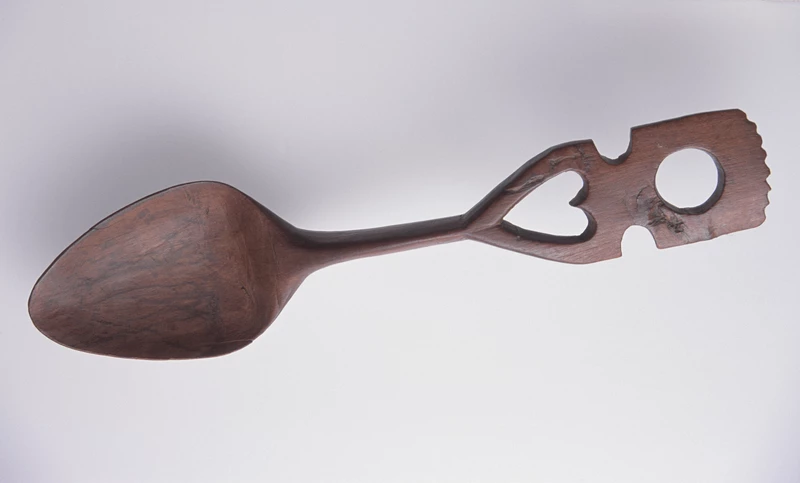
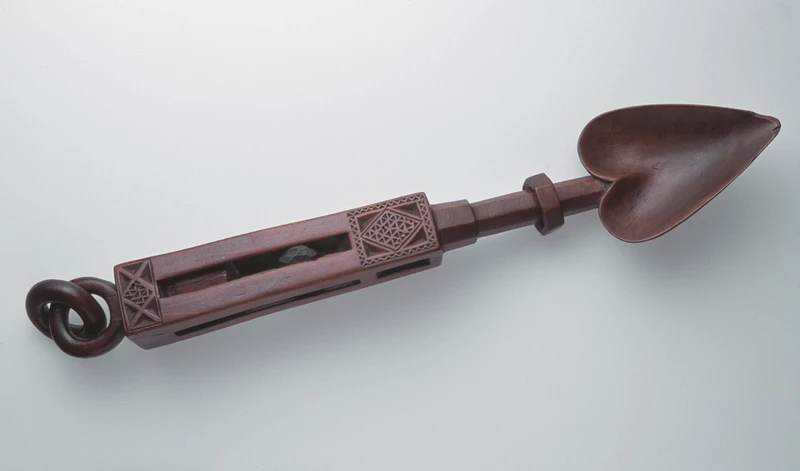
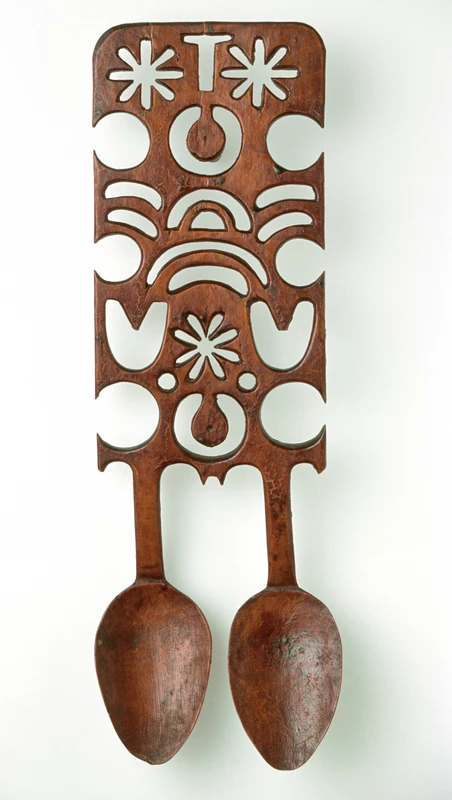
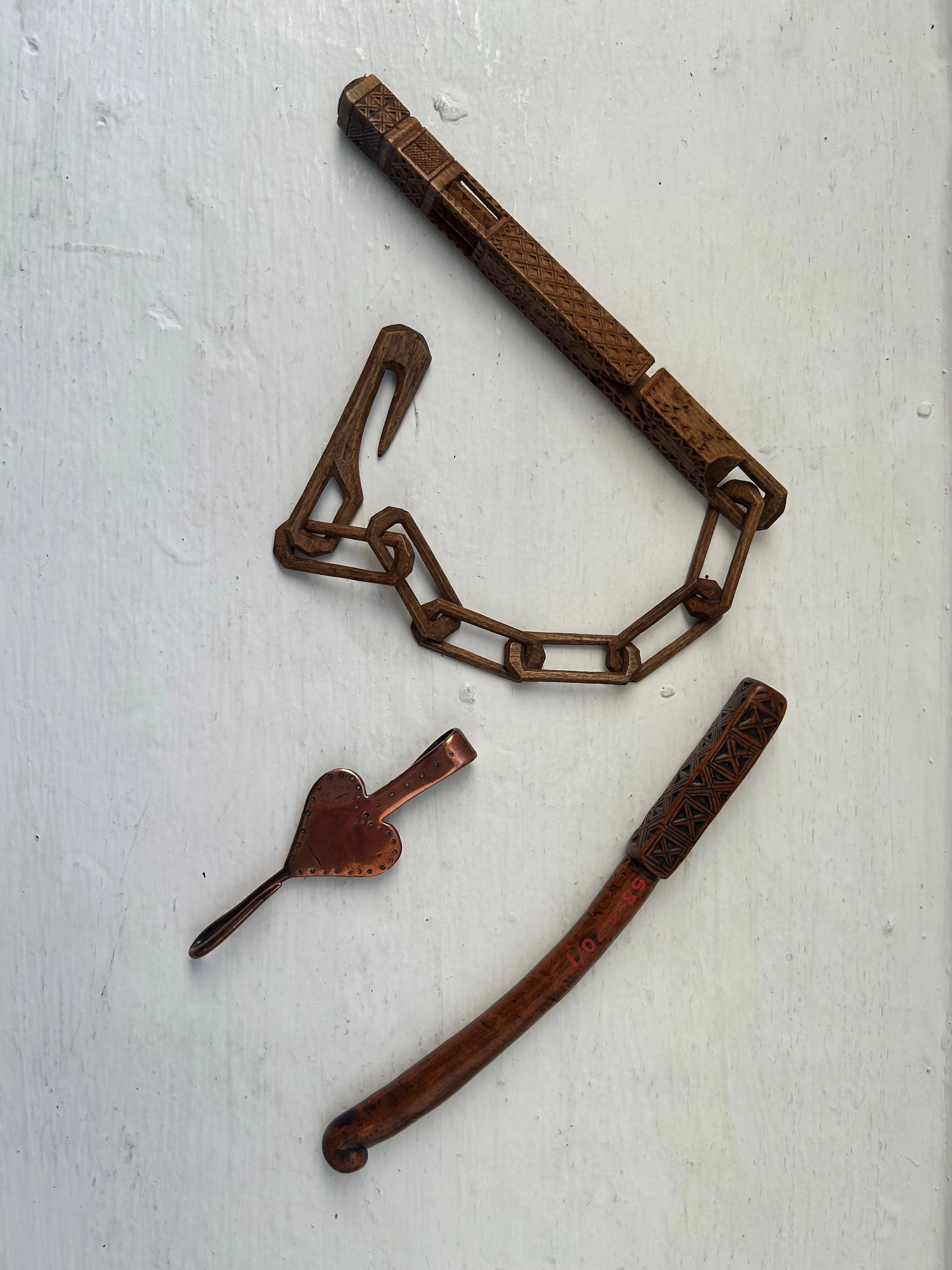
Traditionally crafted by male suitors, lovespoons were presented to admired maidens. Using simple tools, they expressed their passions and emotions through the symbols they carved.

STAYBUSKS

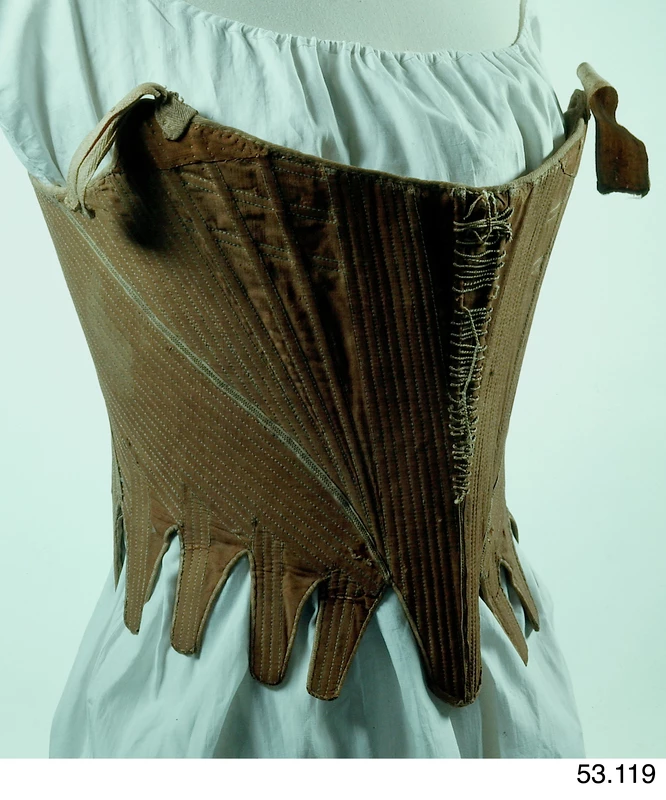
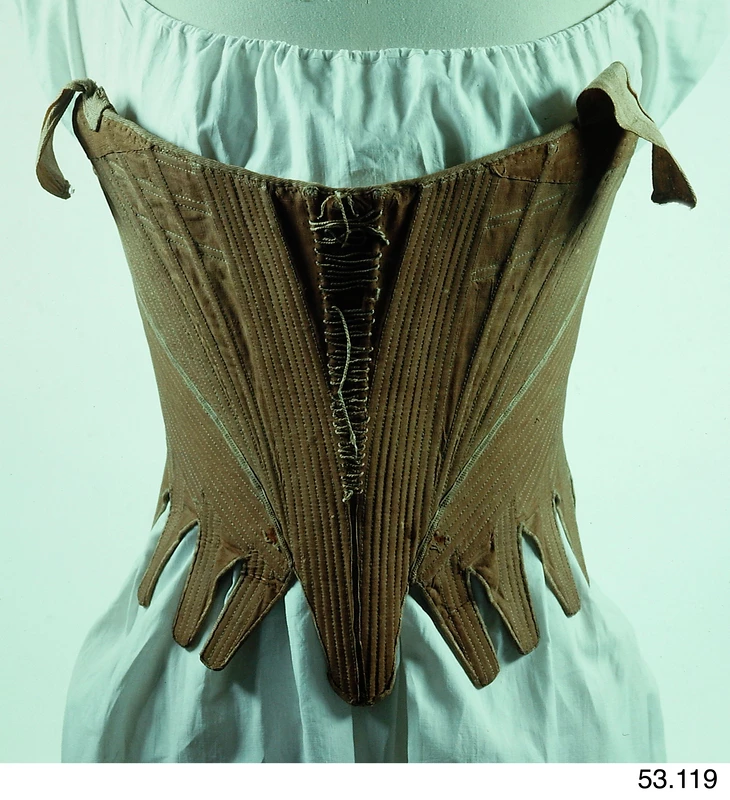
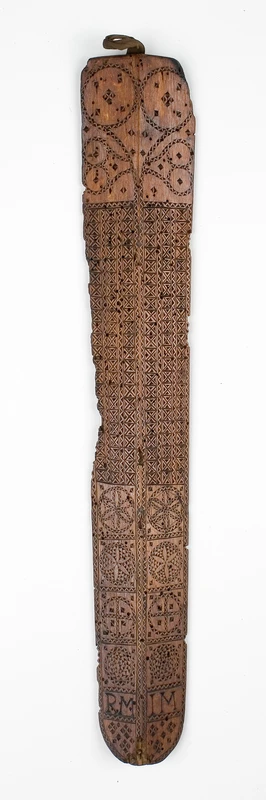
Decorated with motifs and initials, a busk was inserted into a woman’s stays, keeping her torso upright and sitting close to her heart. Pictured is a Staybusk from Llanwrtyd, inscribed with the initials RM and IM.

JESSIE KNIGHT TATTOOS

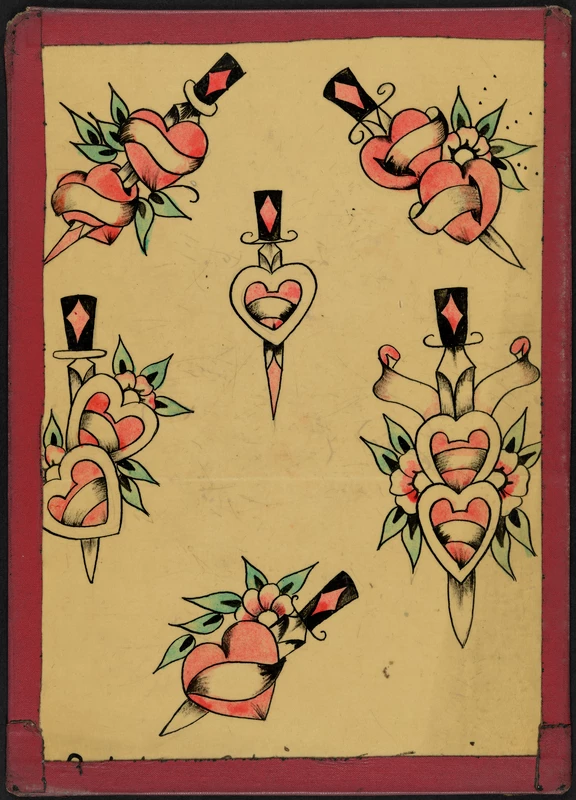
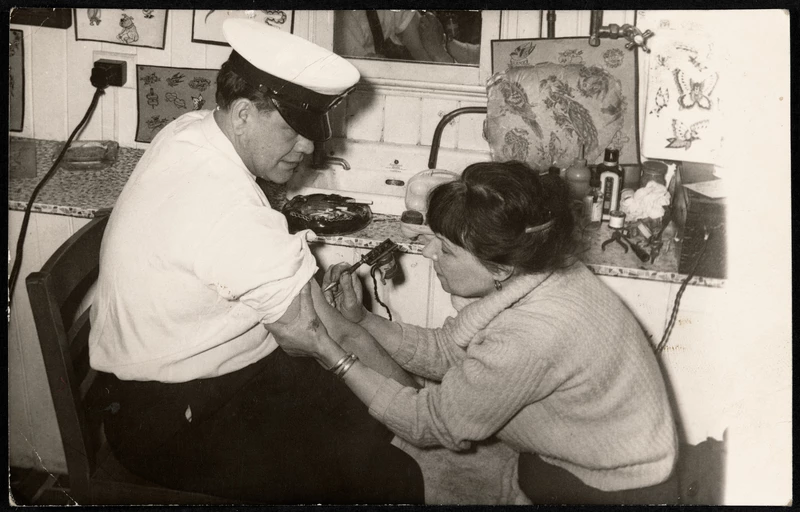
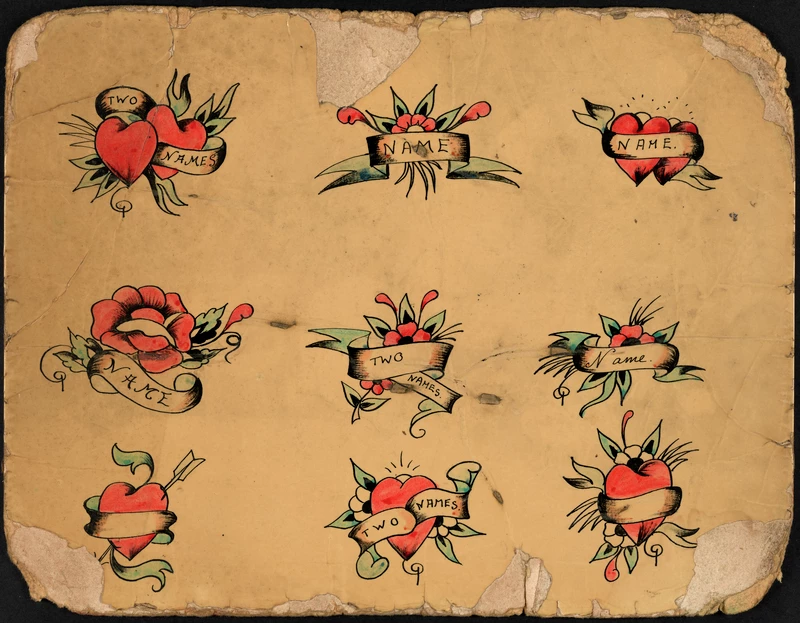
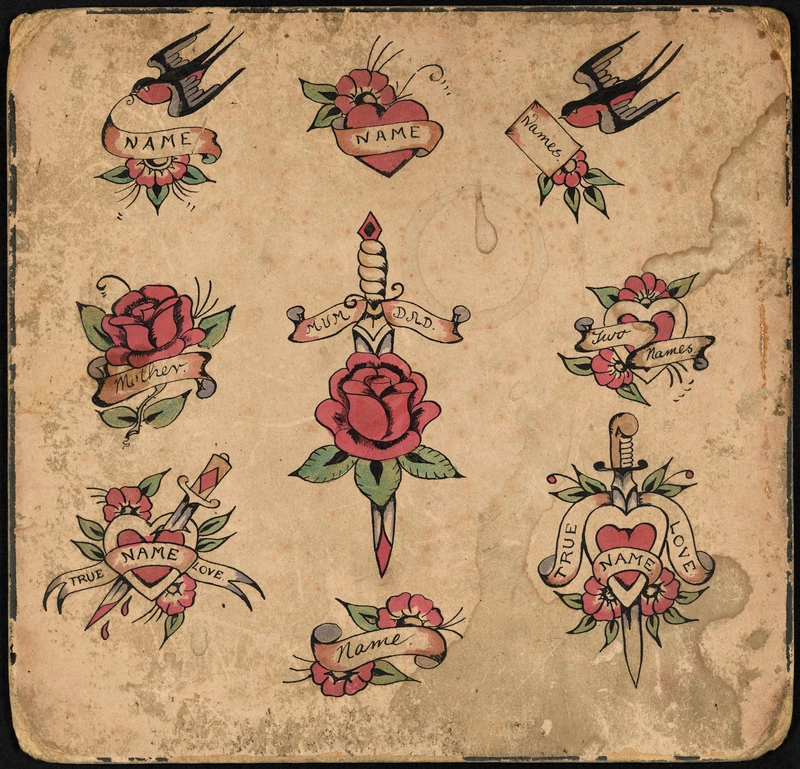
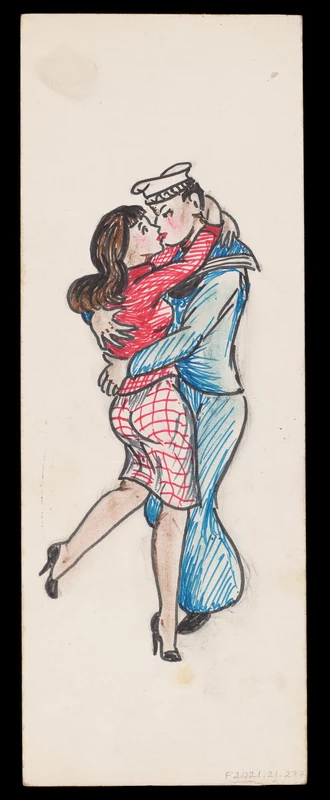
Between the 1920s and 1960s, Jessie Knight tattooed these designs onto sailors and servicemen. Symbolising their devotion, these permanent love tokens served as a way for sailors to keep their loved ones close at sea. 

KNITTING SHEATH

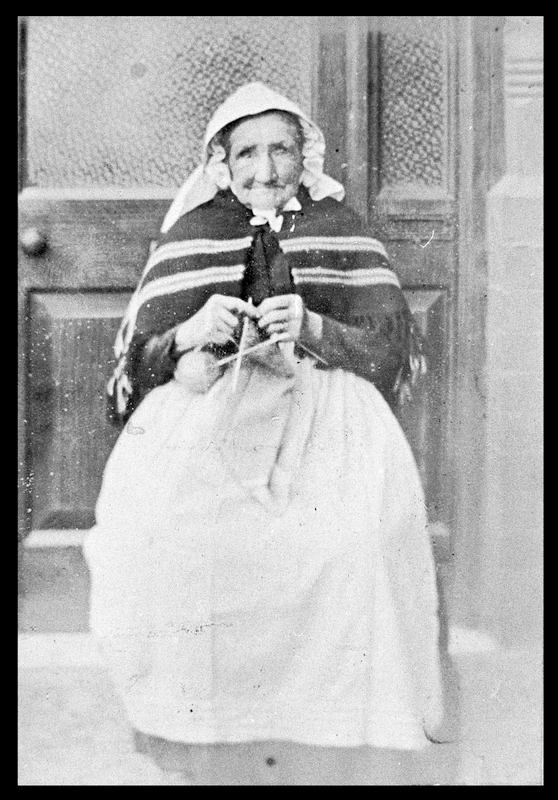
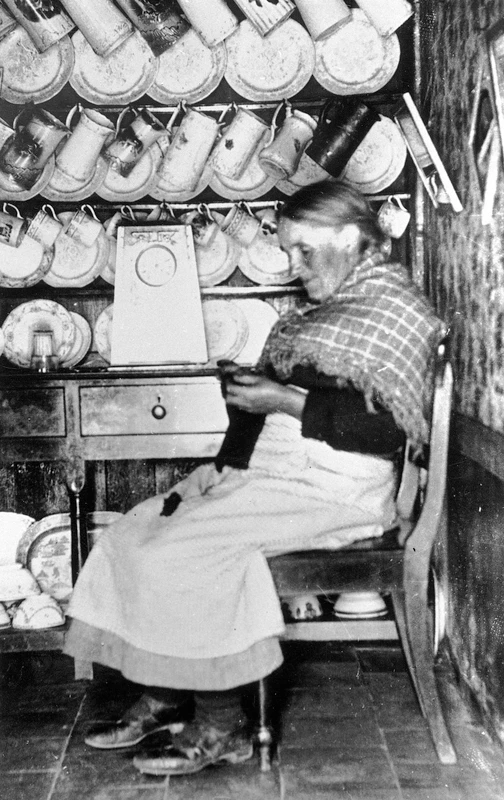
It was a Welsh custom to carve knitting sheaths with names and motifs and give them as love tokens. Worn on the right side of the body, they held the needle steady, freeing the left hand to work the yarn.

LOVE COINS

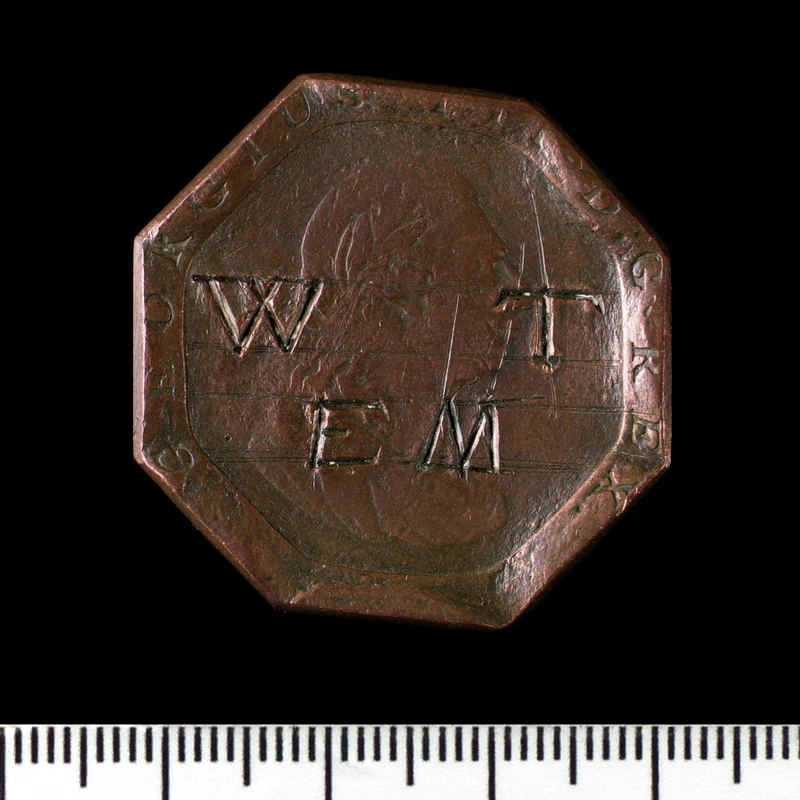
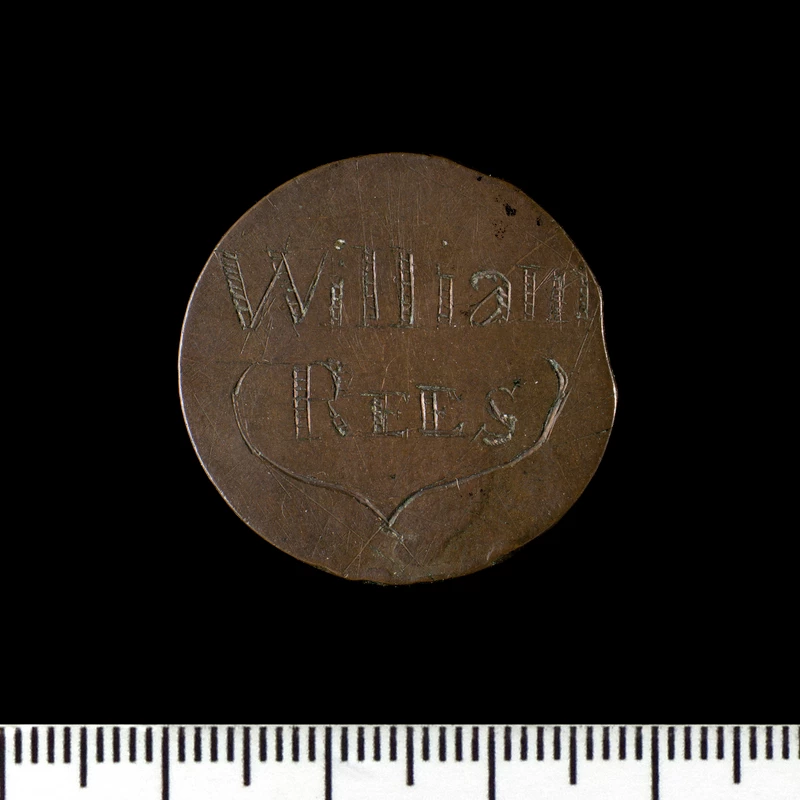
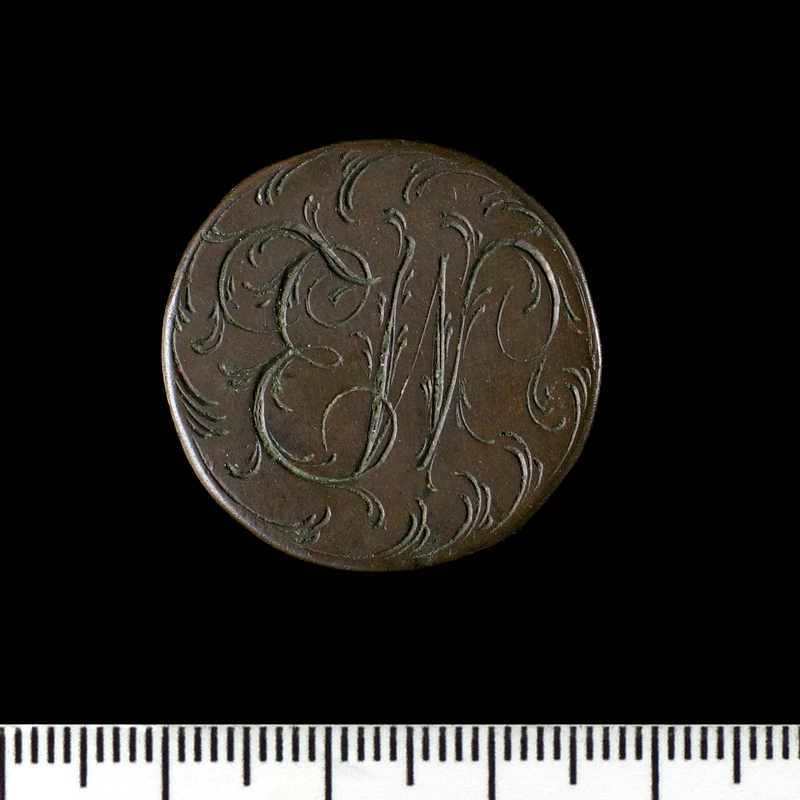
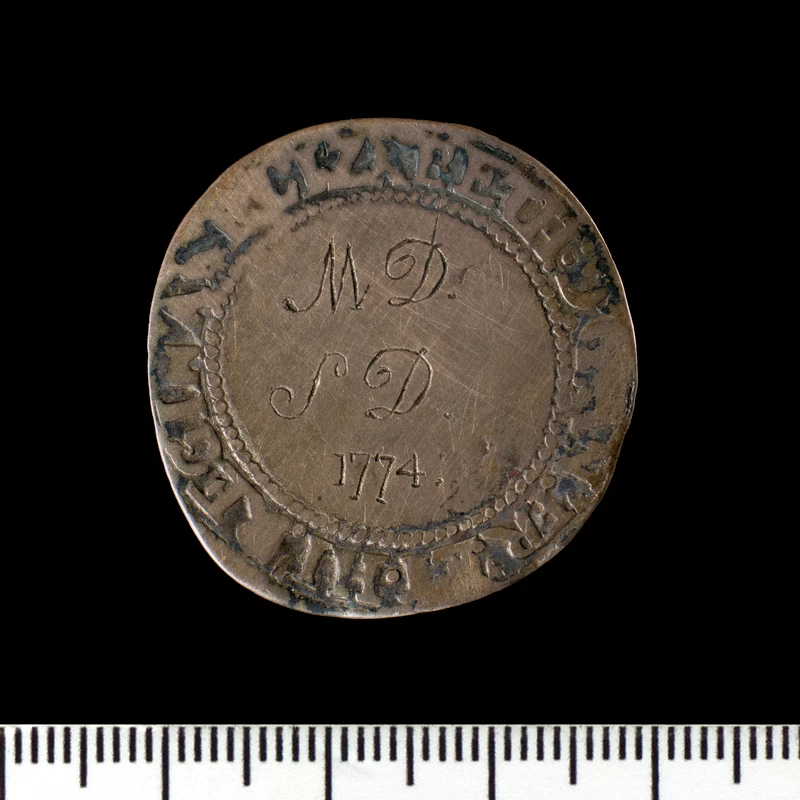
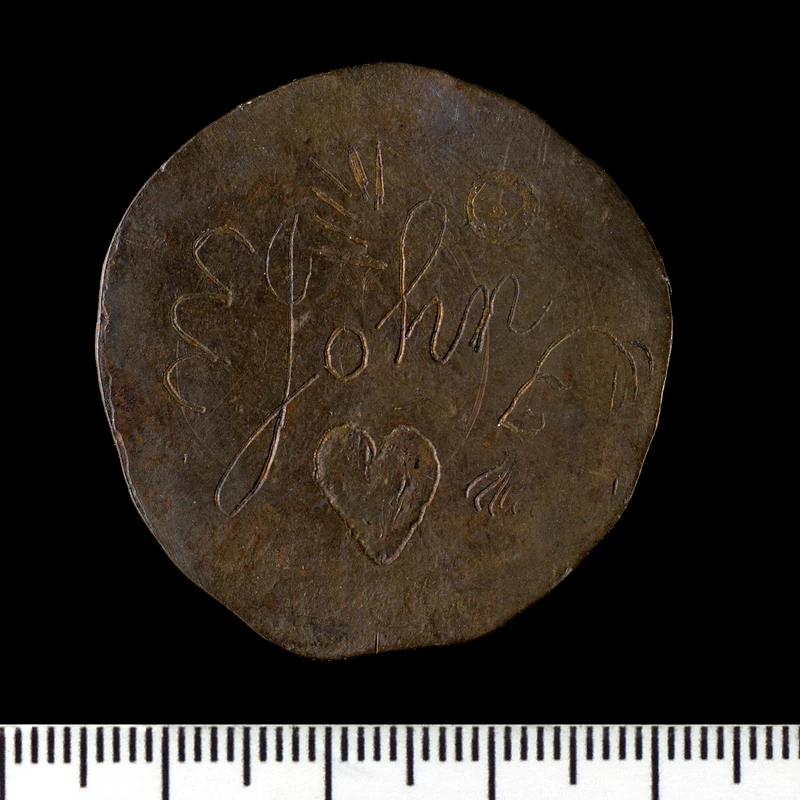
Made by sailors or convicts in the 18th-19th century, these coins were engraved with symbols of love, separation, and return. Offered as parting gifts for long or indefinite separations.

These enduring love tokens, each with their own unique story, continue to symbolise love and connection through Welsh history and tradition.

Welsh National Dress (FAQ)

An old colourised photograph of a girl in a tall Welsh hat and a shawl, holding a basket.

What does Welsh national dress look like?

The popular image of Welsh ‘national’ dress, of a woman in a red woollen cloak and tall black hat, is one which largely developed during the nineteenth century. It was part of a conscious revival of Welsh culture during a period when traditional values were under threat.

Where did the style come from?

The costume regarded as national dress is based on clothing worn by Welsh countrywomen during the early nineteenth century, which was a striped flannel petticoat worn under a flannel open-fronted bedgown, with an apron, shawl and kerchief or cap. Style of bedgown varied, with loose coat-like gowns, gowns with a fitted bodice and long skirts and also the short gown, which was very similar to a riding habit style.


A sepia photograph of a woman wearing a tall Welsh hat, standing against a background of a coastal scene, with one hand on her hip and the other resting on a basket.

Did Welsh women really wear tall black hats?

The hats generally worn were the same as hats worn by men at the period. The tall ‘chimney’ hat did not appear until the late 1840s and seems to be based on an amalgamation of men’s top hats and a form of high hat worn during the 1790–1820 period in country areas.


Who made the Welsh ‘national’ style popular?

Augusta Hall, known as Lady Llanover, was the wife of an ironmaster in Gwent, and was very influential in encouraging the wearing of a ‘national’ dress, both in her own home and at eisteddfodau. She considered it important to encourage the use of the Welsh language and the wearing of an identifiable Welsh costume. She succeeded in her aim mainly because people felt that their national identity was under threat and the wearing of a national costume was one way to promote that identity.

A further influence was the work of artists producing prints for the rising tourist trade, which had the effect of popularising the idea of a typical Welsh costume, and later the work of photographers who produced thousands of postcards. This contributed to the stereotyping of one style of costume, as opposed to the various styles which were worn earlier in the century.


An old black and white photograph of a seated man in a suit and a standing woman with a patterned shawl.

Where did the patterns on a ‘Welsh shawl’ come from?

Shawls were the most fashionable of accessories between 1840 and 1870. The most popular were the Paisley shawls whose pattern originally came from Kashmir in India.

At first plain shawls with a woven patterned border attached were the most common. Later many fine examples with allover and border patterns were woven in Norfolk, Scotland and Paris. Shawls of the middle of the century were very large and complemented the full skirts of the period.

Shawls were made in other fabrics and patterns, including Cantonese silk and fine machine lace, though it was the paisley pattern which became very popular in Wales, along with home-produced woollen shawls with checked patterns.

Did Welsh women really wear a shawl?

In later years, although fashionable women no longer wore shawls, smaller shawls were still made and worn by countrywomen and working women in the towns. By the 1870s, cheaper shawls were produced by printing the designs on fine wools or cotton. Even during the early years of the twentieth century woollen, knitted and paisley shawls were widely worn in rural Wales. The paisley shawl even became accepted as part of ‘Welsh’ costume, though there is nothing traditionally Welsh about it at all.

Was the Welsh shawl used in babywearing?

A black and white photograph of a woman with a baby wrapped in her shawl.

One tradition of shawl-wearing which is truly Welsh is the practice of carrying babies in a shawl. Illustrations showing this have survived from the late eighteenth century when Welsh women wore a simple length of cloth wrapped around their body. When shawls became popular, they were adapted to the same use, and some women even today still keep up the tradition.


Read more about Welsh Women’s History.