: The Museum at Work

The De la Beche archive at Amgueddfa Cymru

Tom Sharpe, 20 April 2009

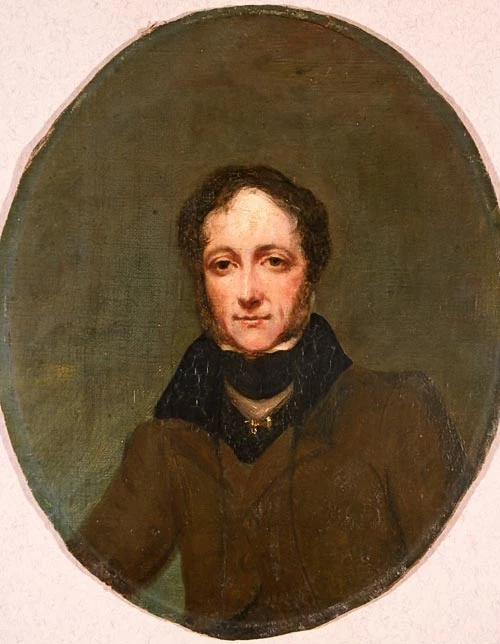
Sir Henry Thomas De la Beche (1796-1855)

Sir Henry Thomas De la Beche (1796-1855)

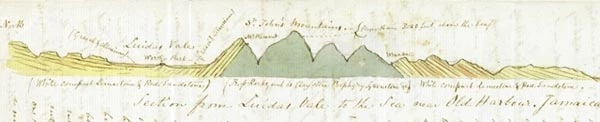
De la Beche's sketch of the Geology of Jamaica

The first geological map of Jamaica

Duria Antiquior - A more Ancient Dorset
Duria Antiquior

- A more Ancient Dorset. A watercolour painted in 1830 by Henry De la Beche. This was the first portrayal of a fossil environment in its entirety, showing the interactions of the various elements of the fossil fauna and flora, in particular the large marine reptiles of the early Jurassic Period.

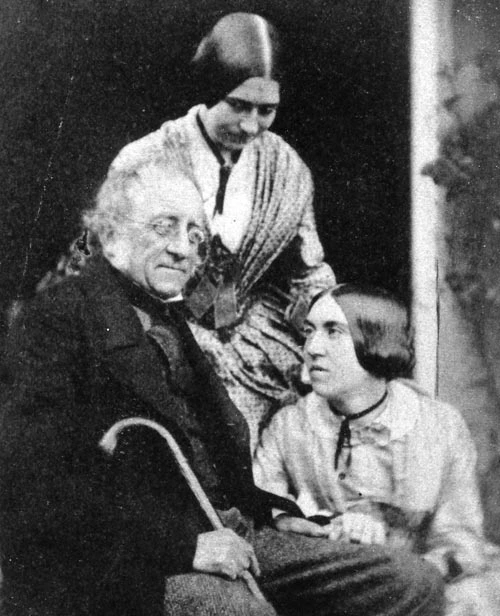
De la Beche and his daughters in Swansea in 1853

De la Beche and his daughters in Swansea, 1853

The Department of Geology at Amgueddfa Cymru houses one of the most important geological archives in the world. It contains over 2,000 items - letters, diaries, journals, sketches and photographs - of one of the leading geologists of the early 19th century, Sir Henry Thomas De la Beche (1796-1855).

During the first half of the 19th century De la Beche played an important role in the new science of geology. In addition to his own scientific contributions, he established geology as a profession and founded several of Britain's major geological institutions, including

  • the British Geological Survey
  • the Museum of Practical Geology (later the Geological Museum and now part of the Natural History Museum in London)
  • the School of Mines (now part of Imperial College London)
  • and the Mining Record Office (now part of the Coal Authority).

De la Beche was born in London and brought up in Devon and in Lyme Regis in Dorset, where he developed an interest in geology through his friendship with a local fossil collector, Mary Anning (1799-1847).

Jamaica

His family wealth came from slavery, and a sugar plantation in Jamaica, and in 1823-4 he spent 12 months on the estate. He toured the island, examining its rock outcrops. On his return to England he published the first description of the geology of Jamaica and its first geological map. De la Beche is regarded as the 'Father of Jamaican geology'.

De la Beche began mapping the rocks of Devon in the early 1830s. However unrest in Jamaica, related to the abolition of slavery and the collapse of the sugar market, left him in financial difficulties and unable to continue his work. He wrote to the Board of Ordnance offering to complete the geological mapping of Devon for the Government for £300. His application was successful and he was appointed Geologist to the Ordnance Trigonometrical Survey.

Founding the British Geological Survey

Once the Devon work was completed, he successfully applied to continue with the geological mapping of Cornwall, and in 1835 the Ordnance Geological Survey was established. From this grew today's British Geological Survey. When most geologists were clerics or interested amateurs of private means, De la Beche was one of the first professionals.

In 1837, De la Beche moved his Geological Survey to Swansea, recognising the economic importance of the Welsh coalfield. He soon became involved in the local scientific scene as a member of the Swansea Philosophical and Literary Institution and a friend of the Swansea naturalist Lewis Weston Dillwyn.

De la Beche was accompanied by his 18-year-old daughter Elizabeth (Bessie). She soon got to know one of Dillwyn's sons,

Lewis Llewelyn Dillwyn , and they married in August 1838. It is from their descendants that the Museum acquired the bulk of the De la Beche archive in the 1930s.

Spectacular fossils discovered

The papers contain a wealth of information about the developing science of geology in the first half of the 19th century. The names of the geological timescale (Cambrian, Ordovician and so on) that we now take so much for granted were being proposed and argued over, new and spectacular fossils were being discovered and evidence of the Ice Age was being recognised for the first time.

De la Beche himself worked on the first descriptions of the large fossil marine reptiles, the ichthyosaurs and the plesiosaurs, and there is much in the papers on the formation of the Geological Survey and the other organizations he established.

Darwin writes to De la Beche

De la Beche corresponded with the leading geologists of the day and, with his experience of Jamaica, was often called on for advice relating to that island. One letter of 1842 in the collection quizzes him about the colours of horses, cattle and other animals bred for a number of generations on the island, and how they had changed. The author was Charles Darwin, at that time formulating his theory of evolution.

De la Beche was a skilled draughtsman and this is evident in the archive, for in addition to faithful landscape views, fossil illustrations and geological cross-sections, he sketched many caricatures and cartoons. Through these he would comment on developments in the science, or on his activities and those of his contemporaries.

The archive is an important resource for the history of geology and is frequently consulted by researchers from Britain and abroad - to arrange a visit, please

contact us .

Editor's note: this article was amended on 28/06/17 to remove a reference to de la Beche being a "fair slave-owner".
The Quilt Collection

17 April 2009

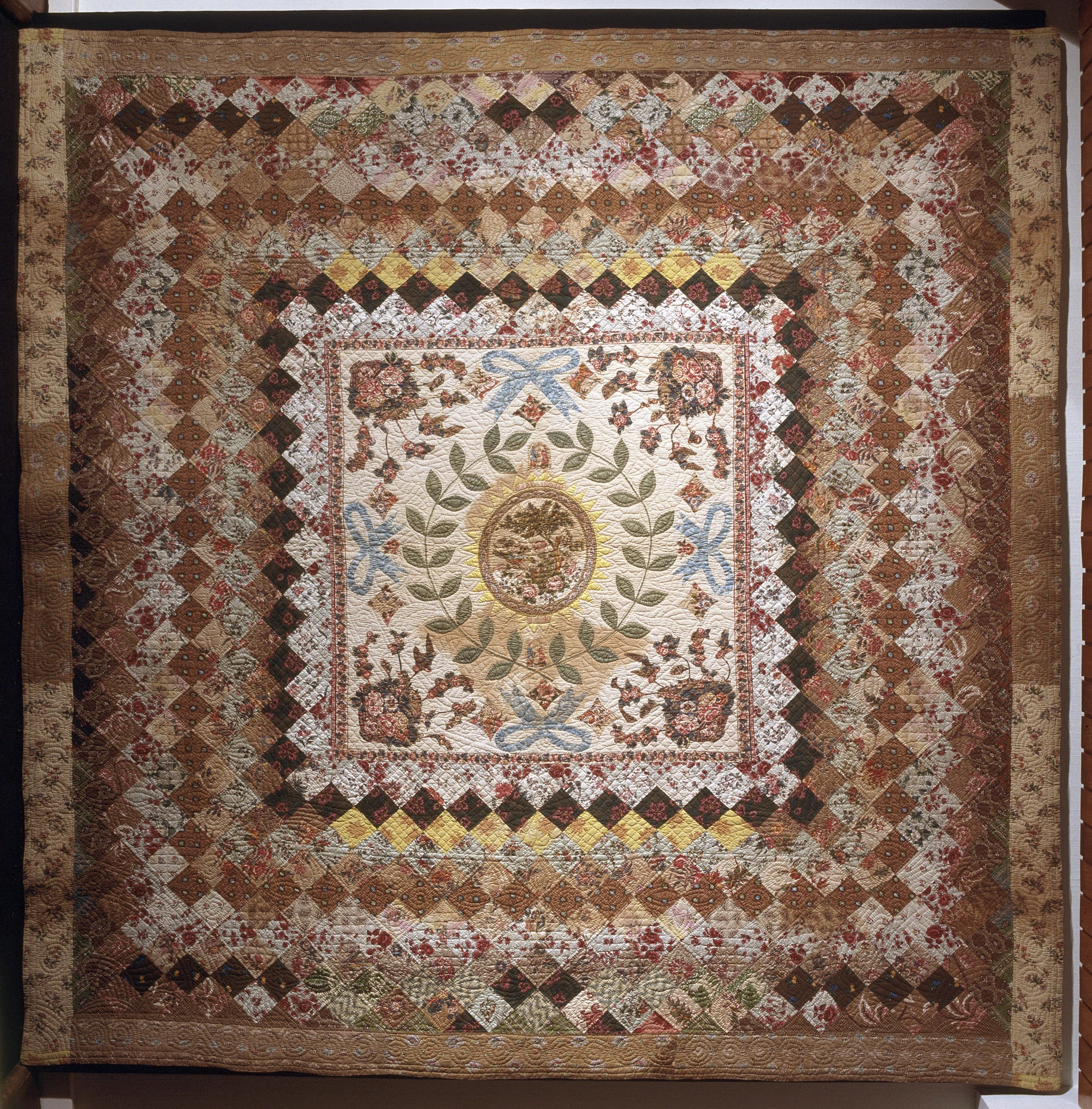
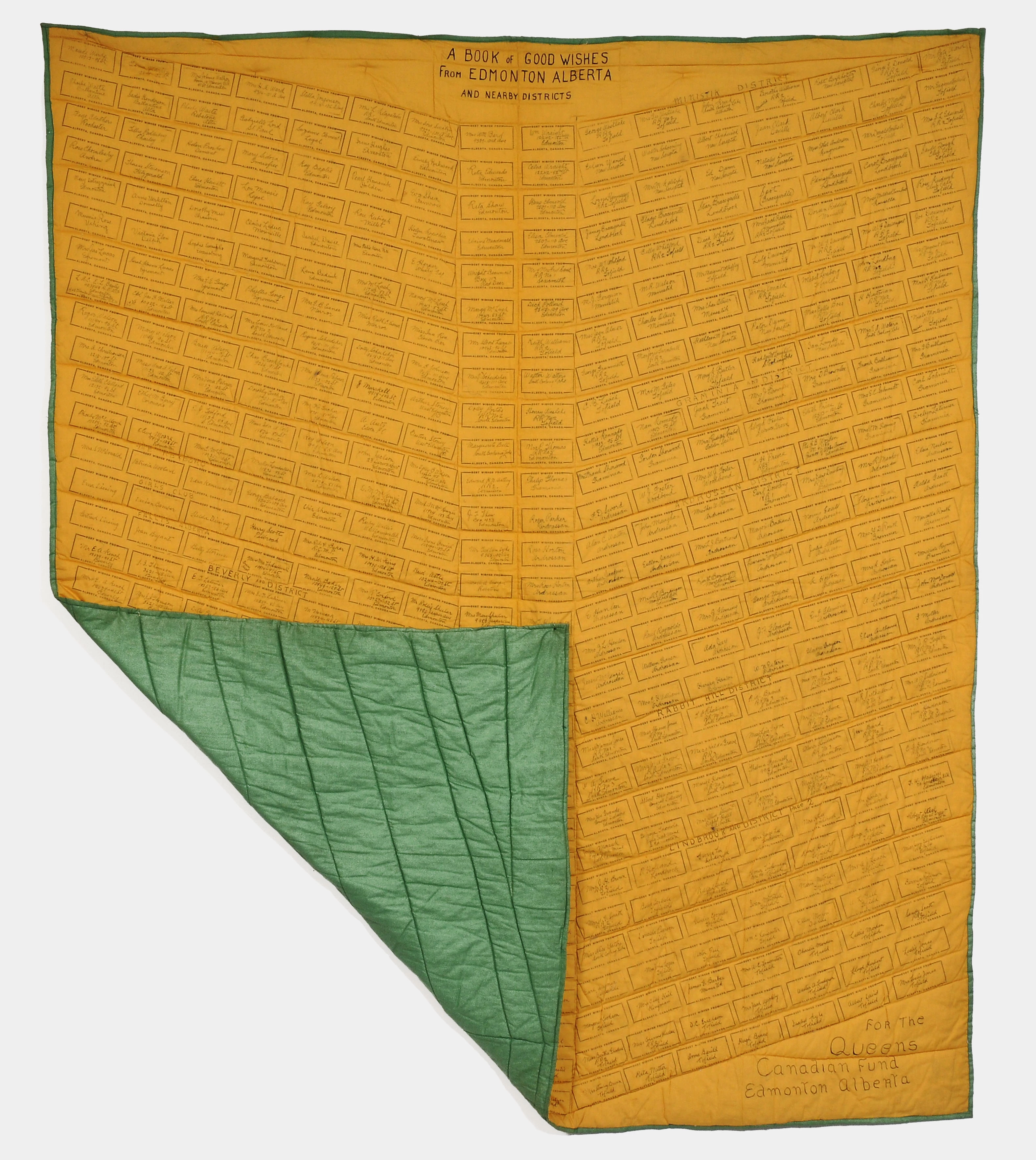
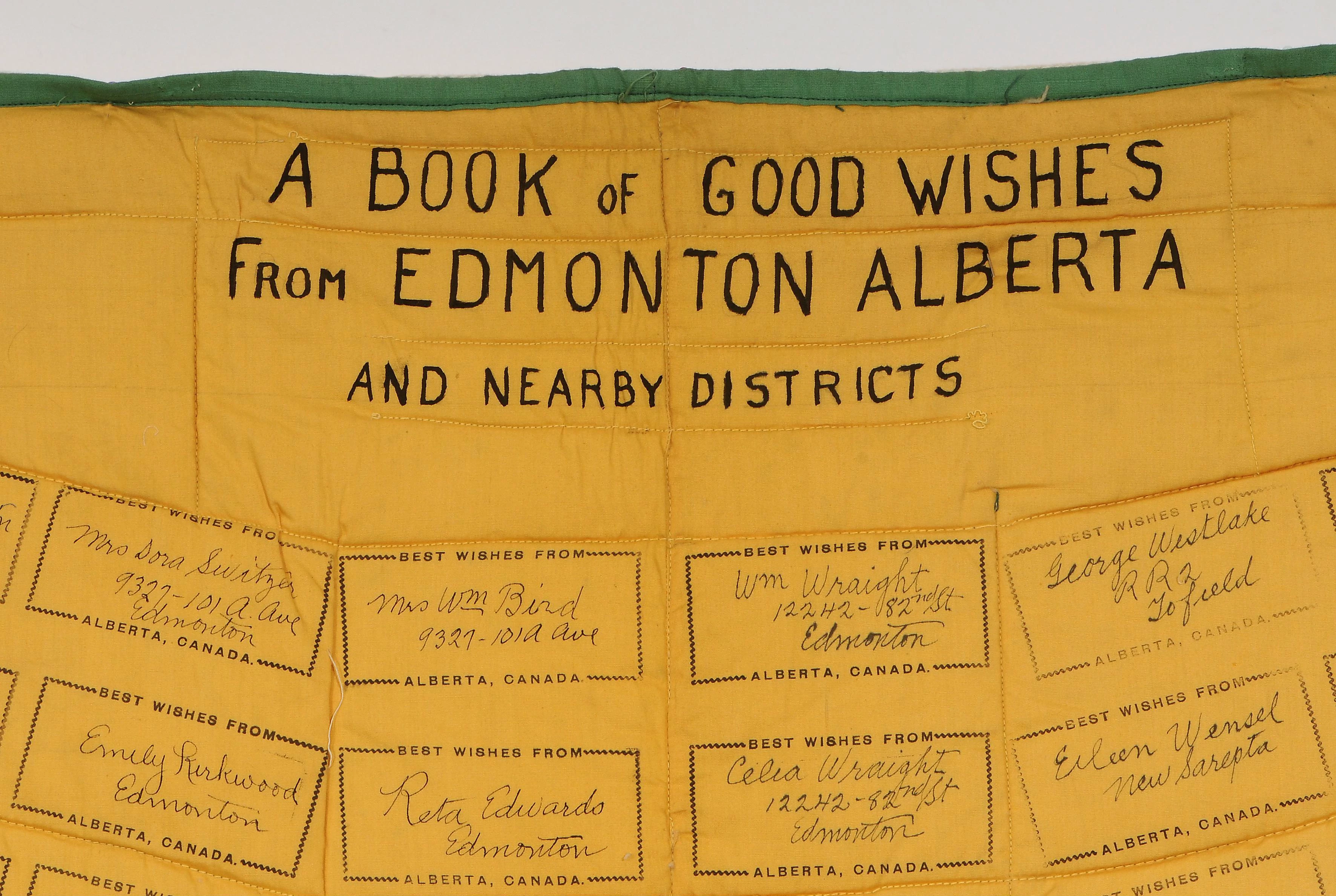
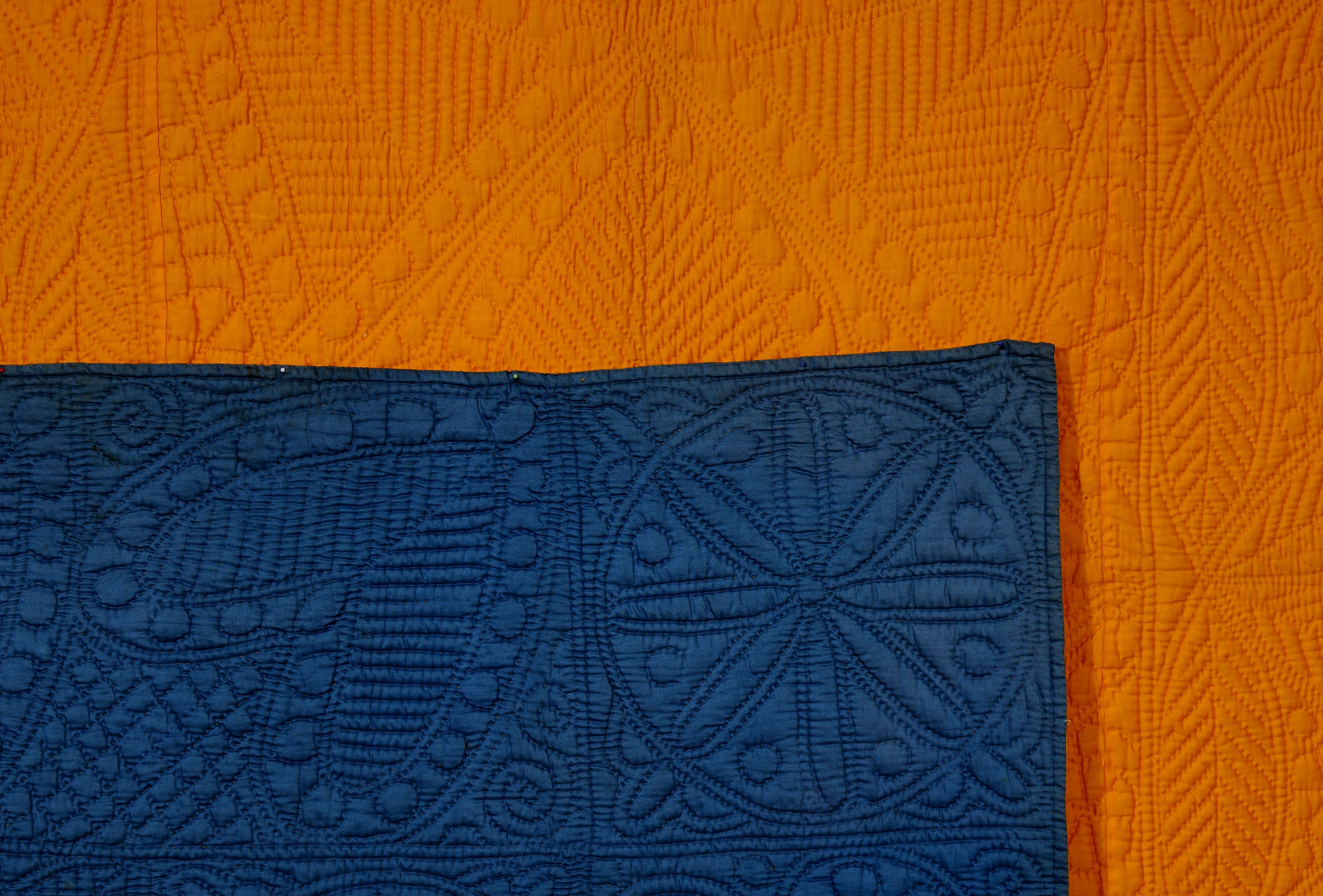
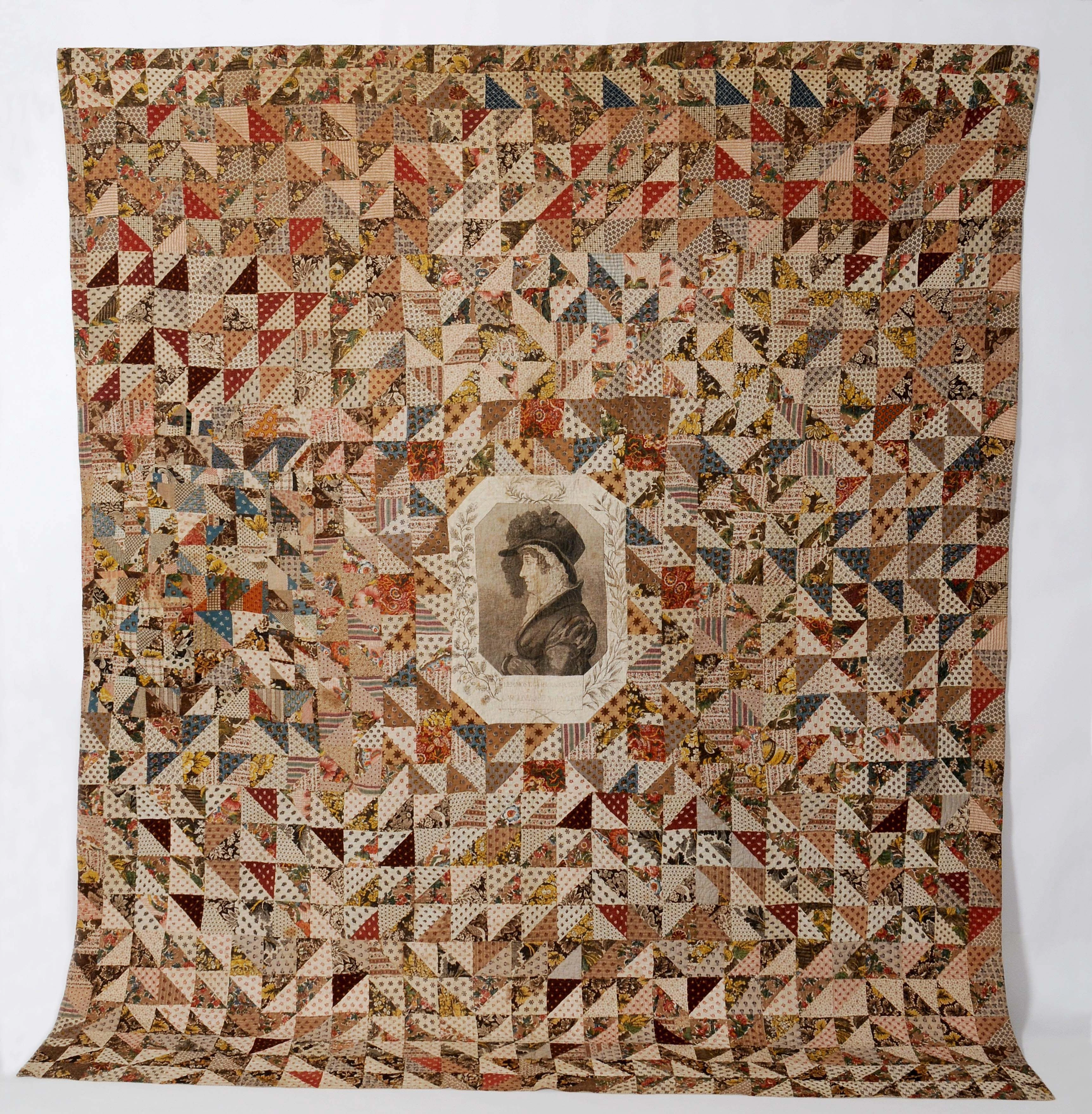
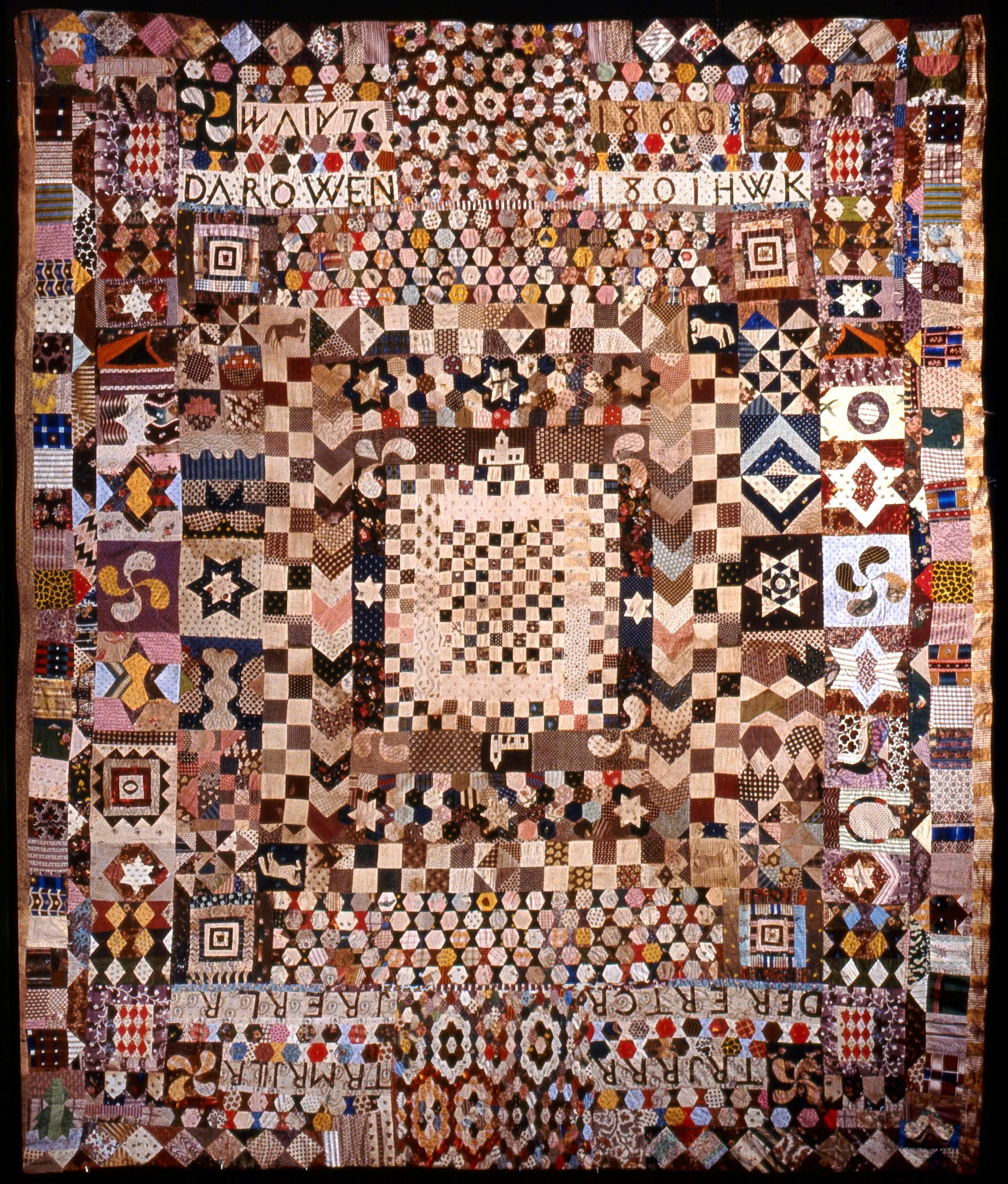
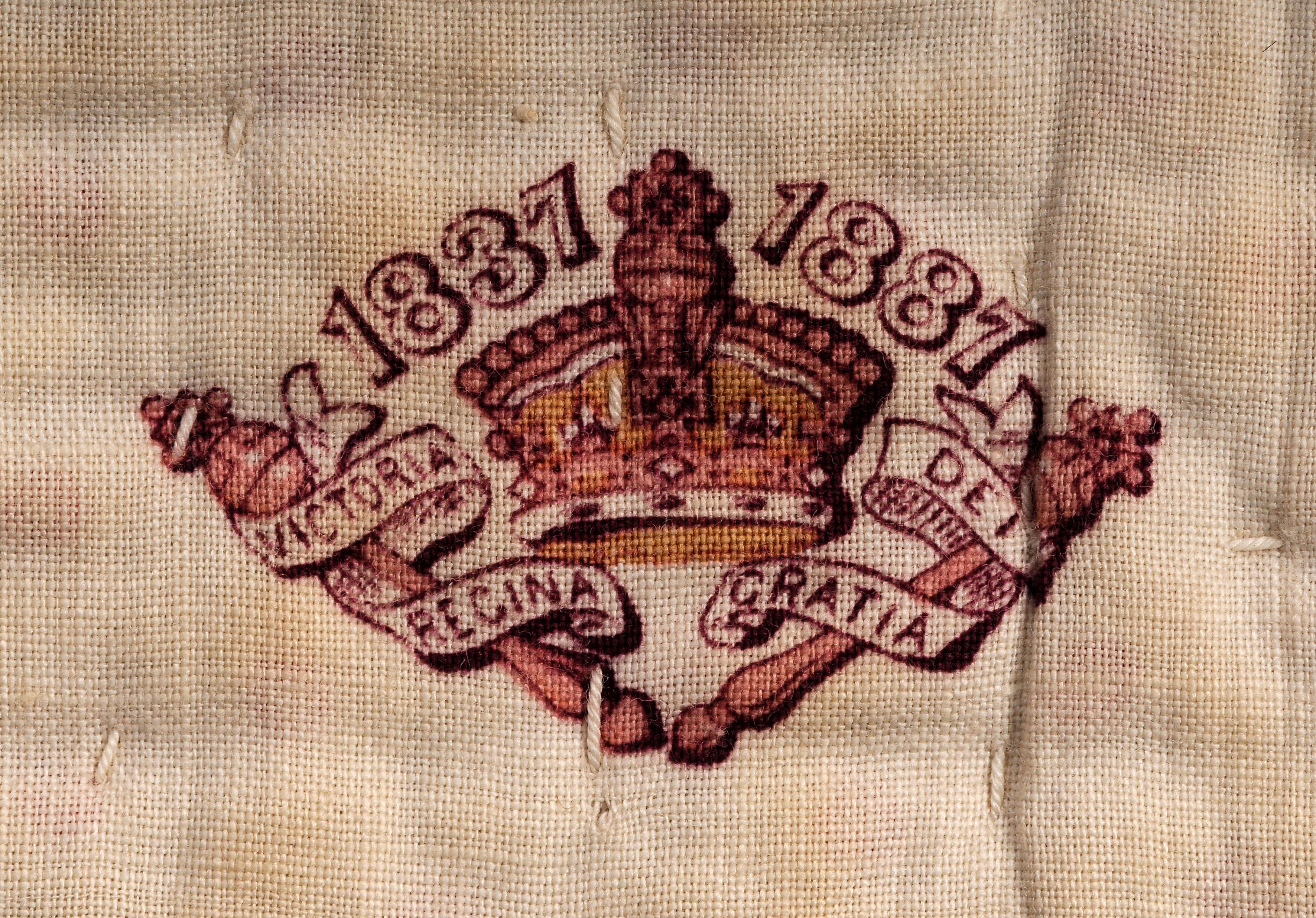
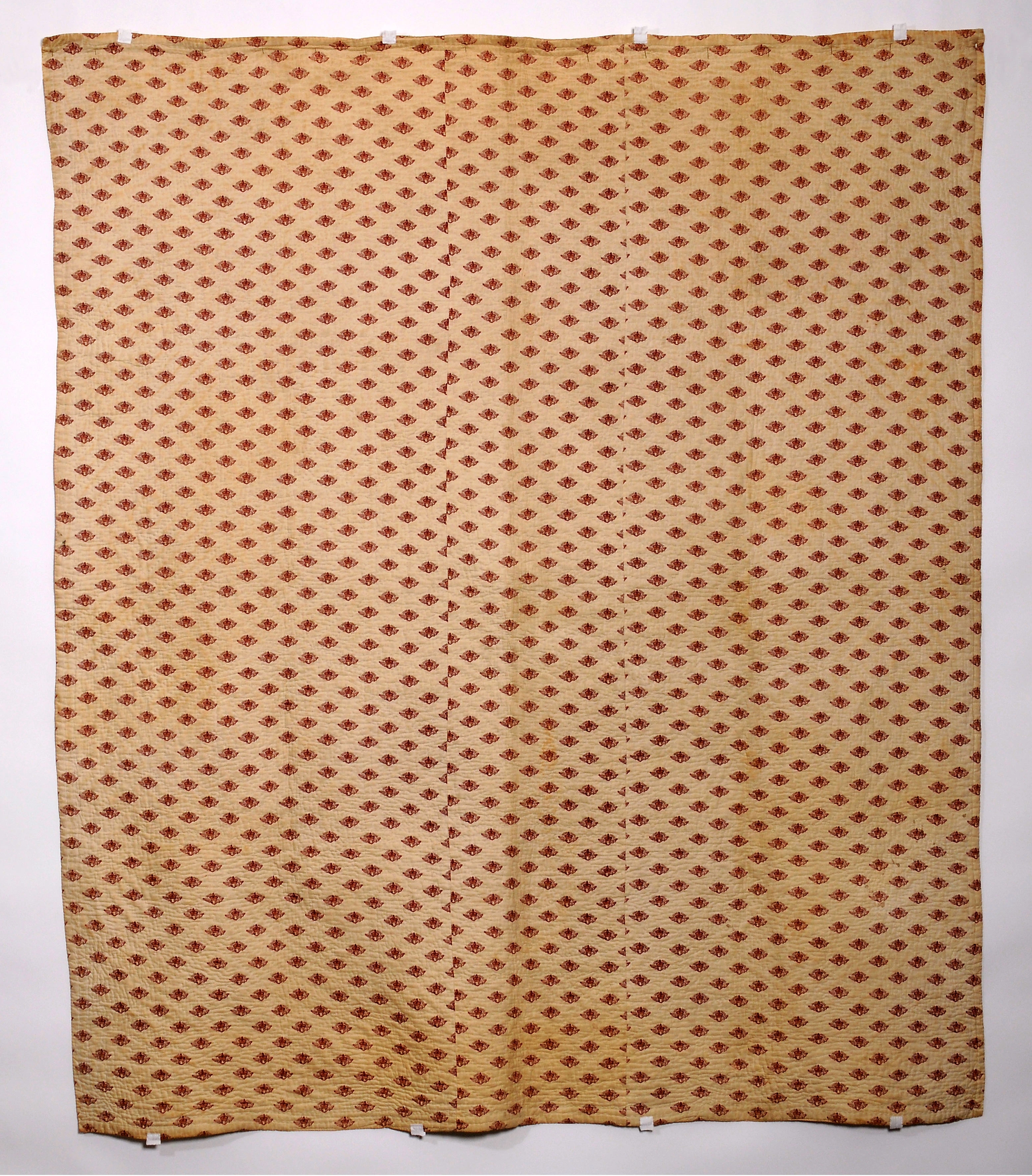
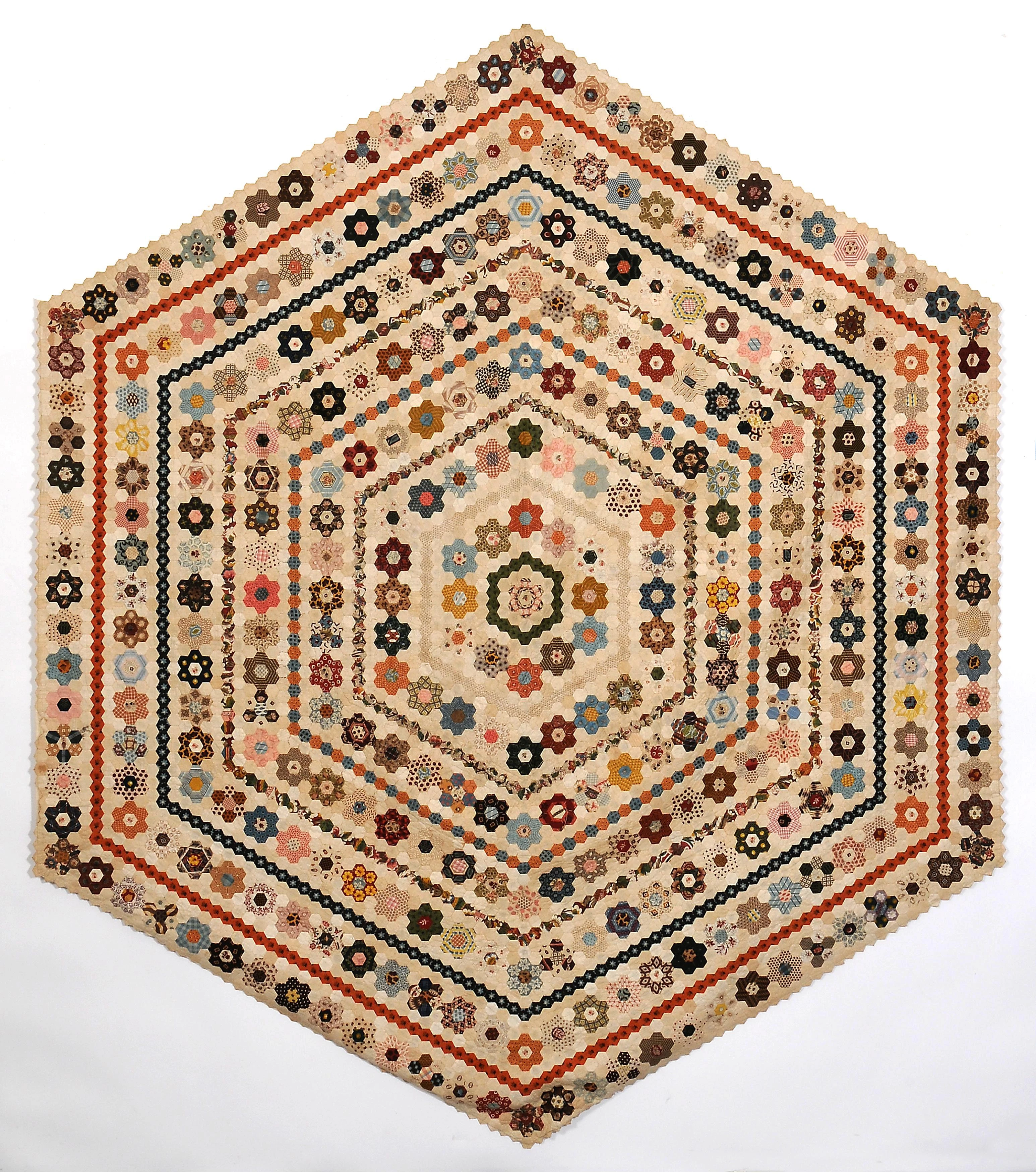
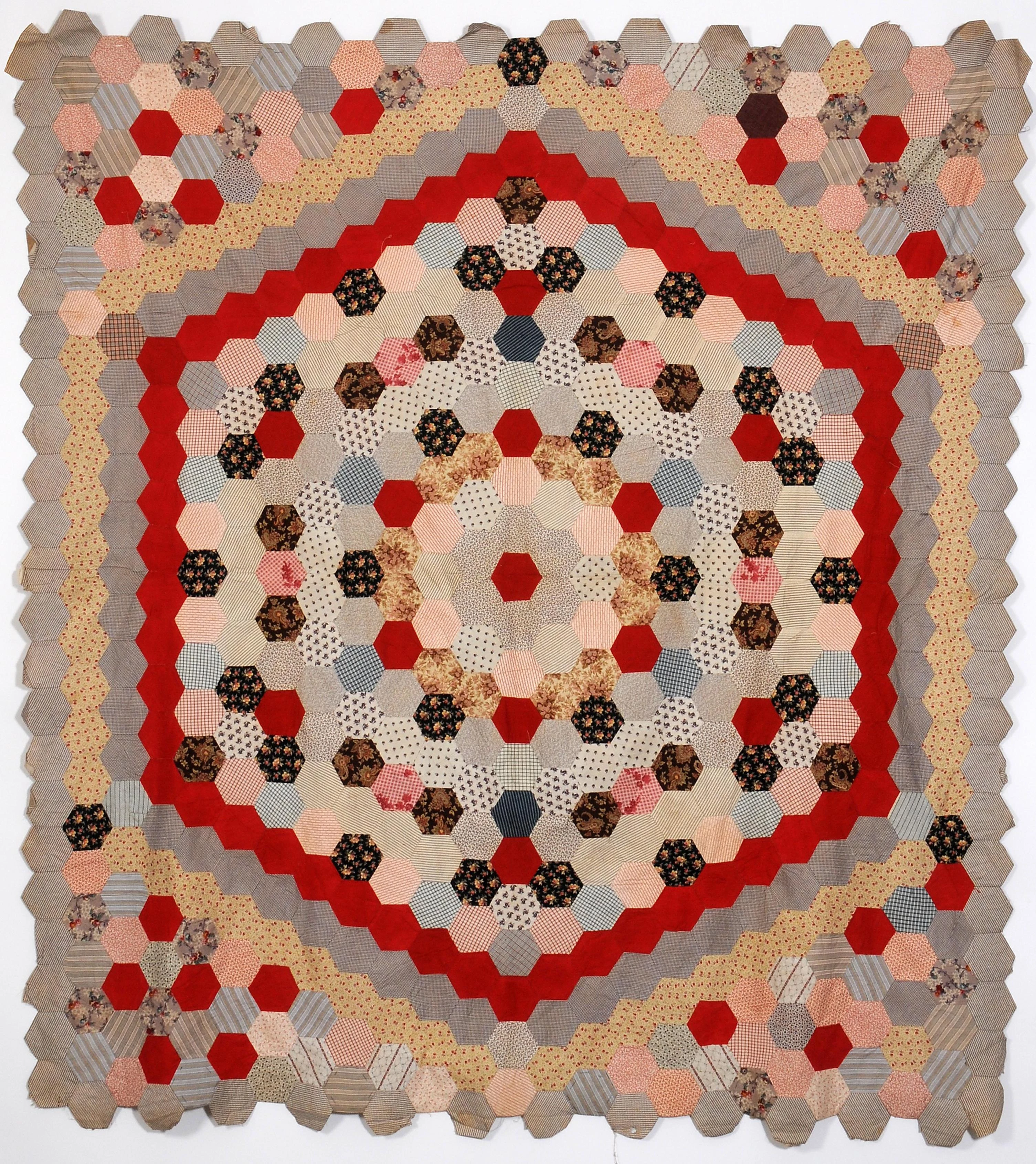
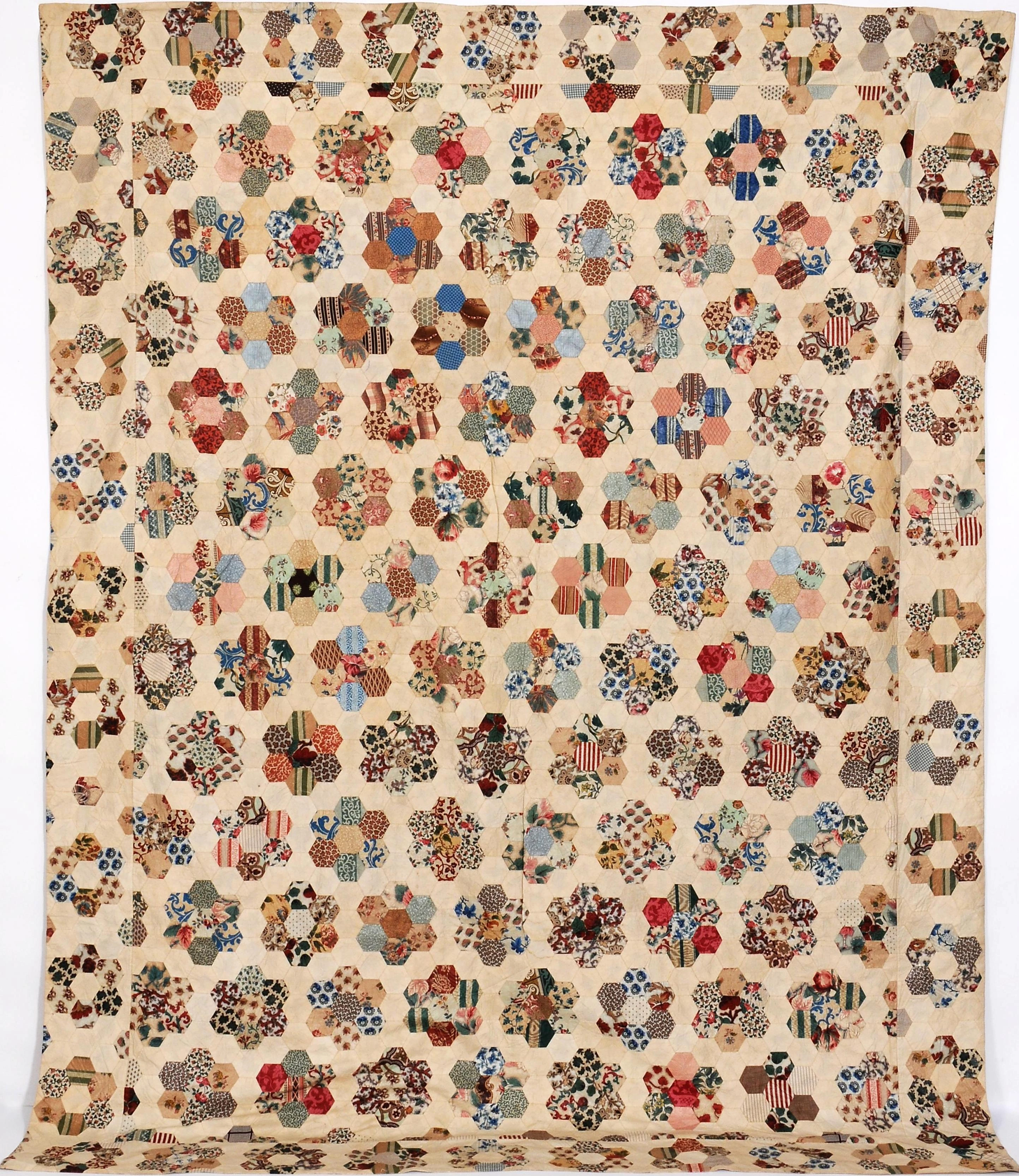
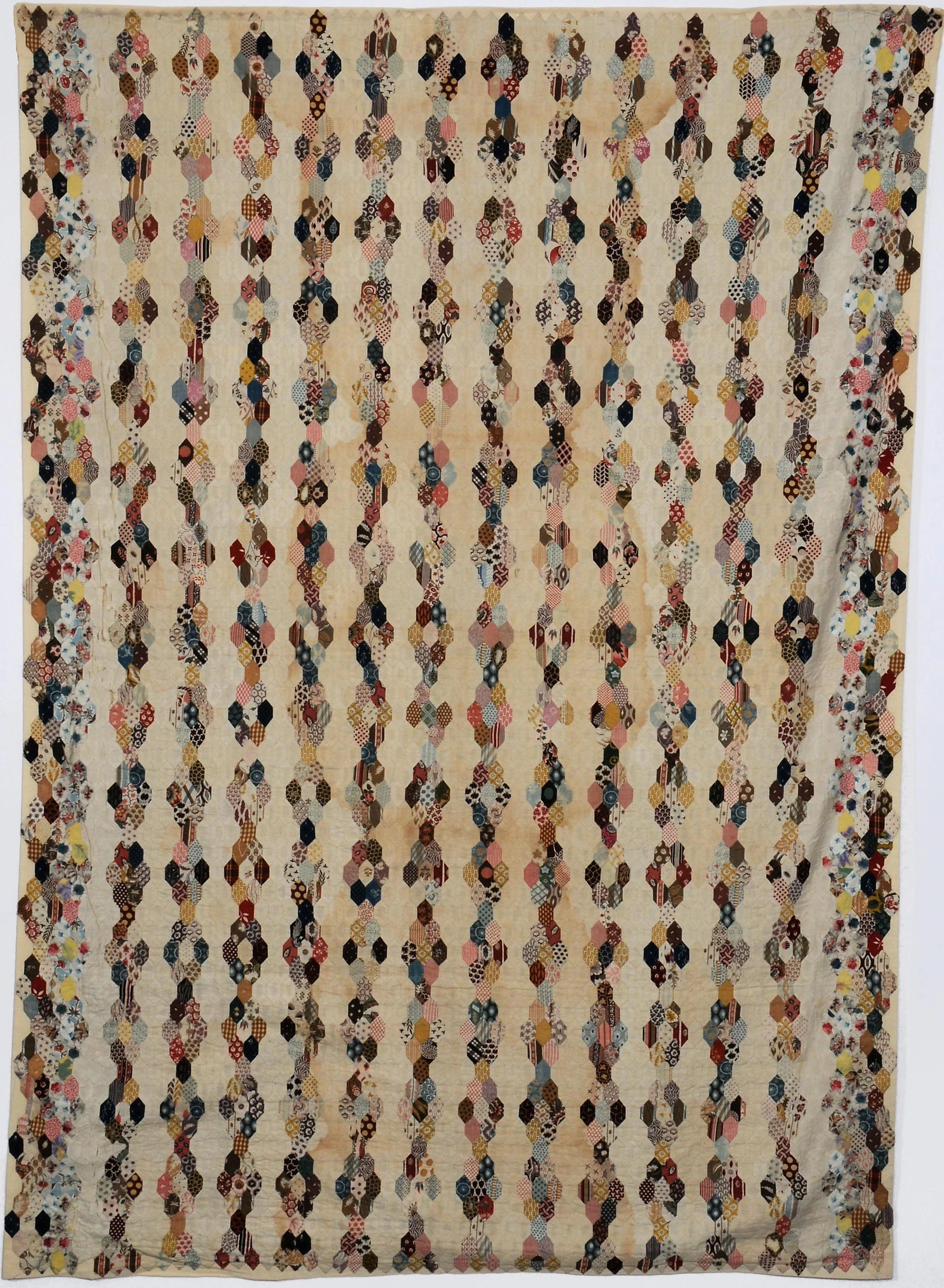
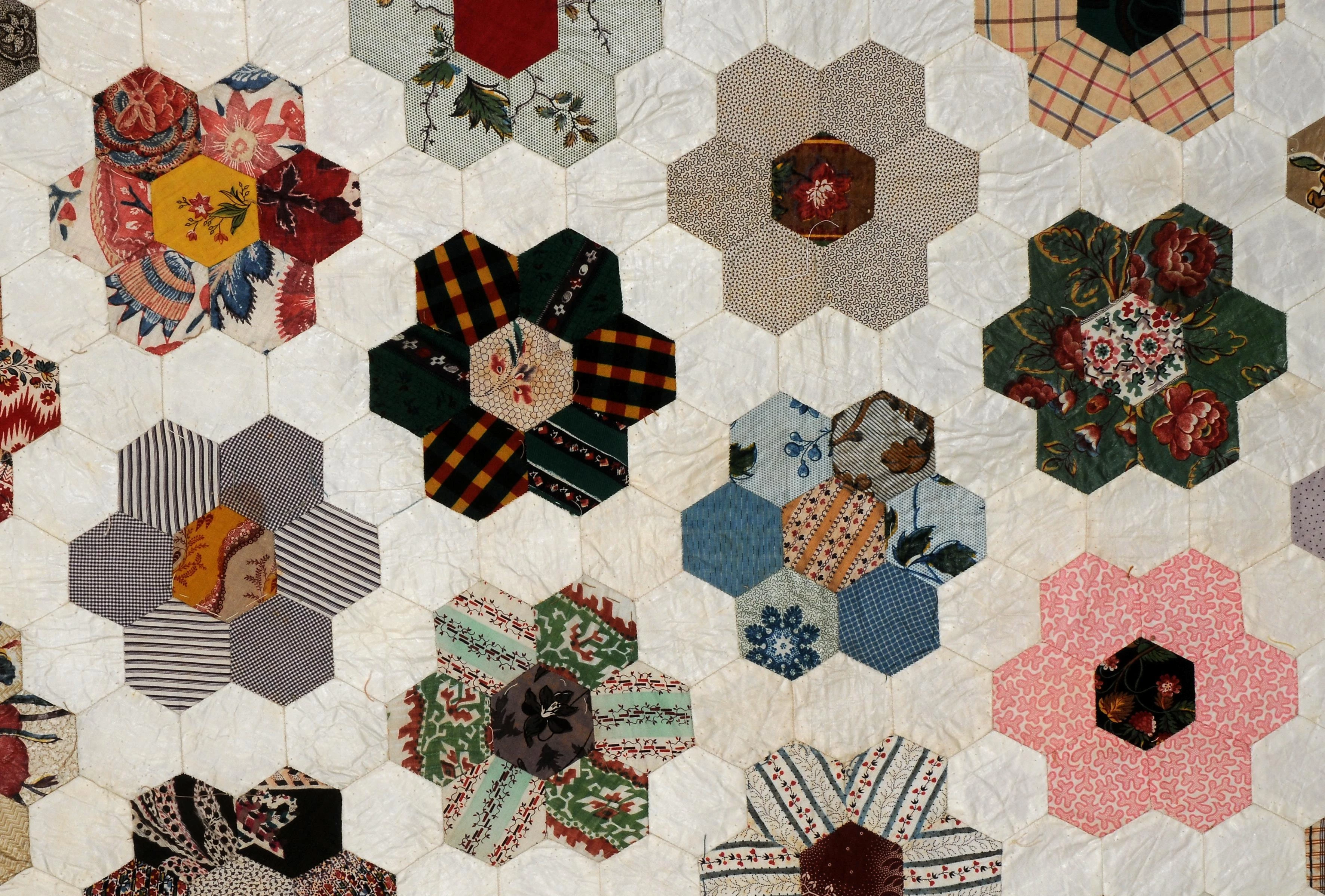
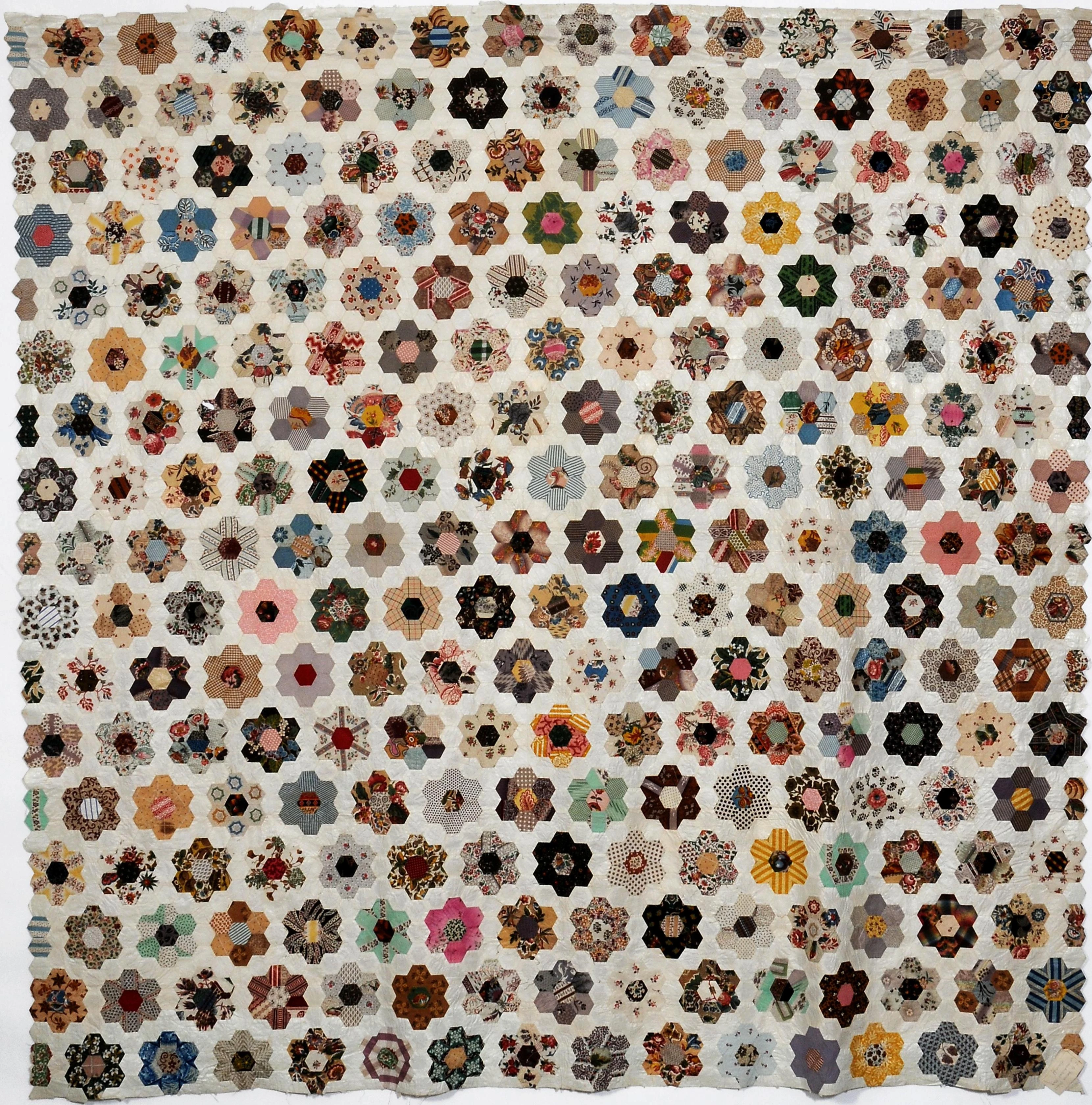
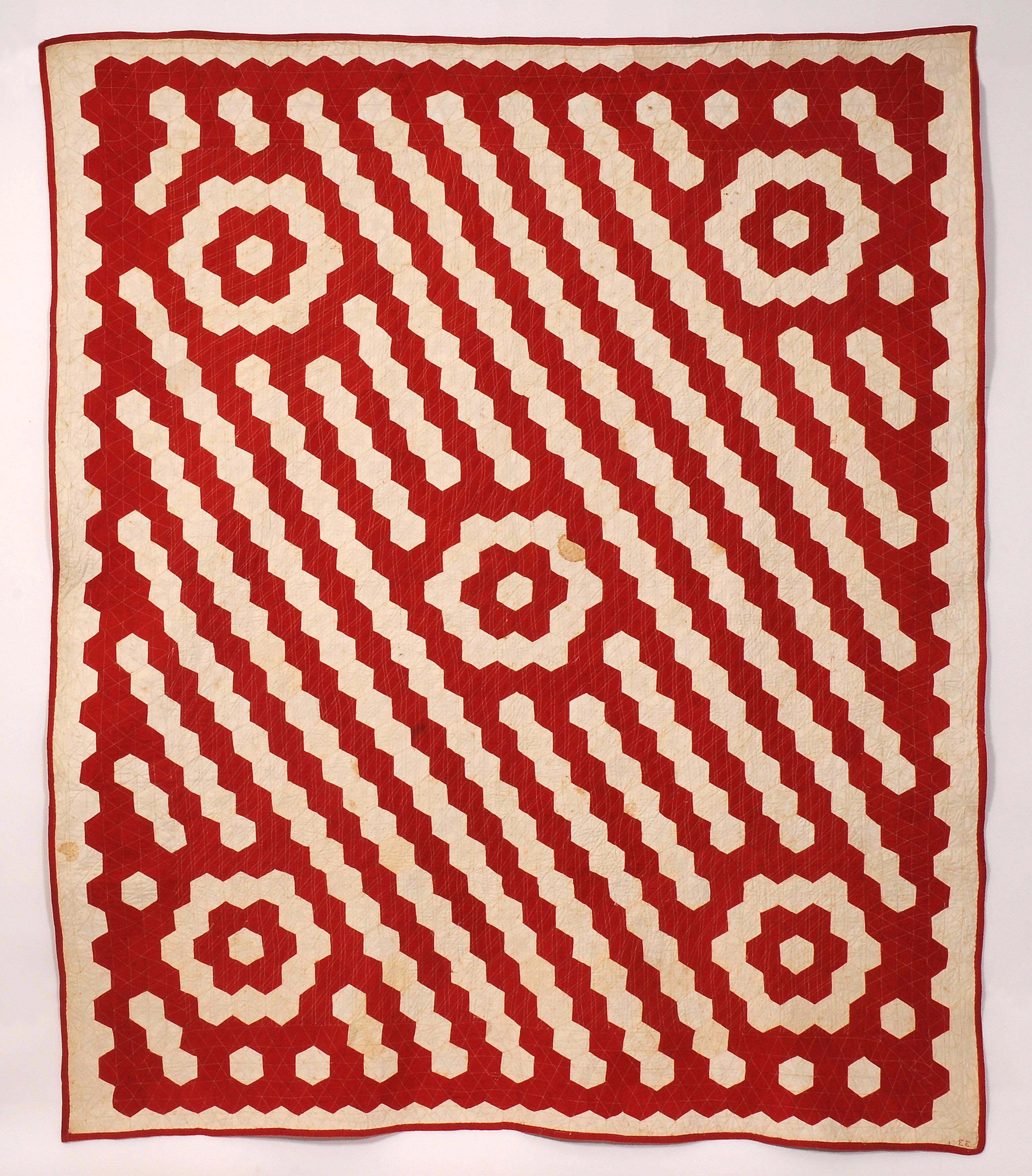
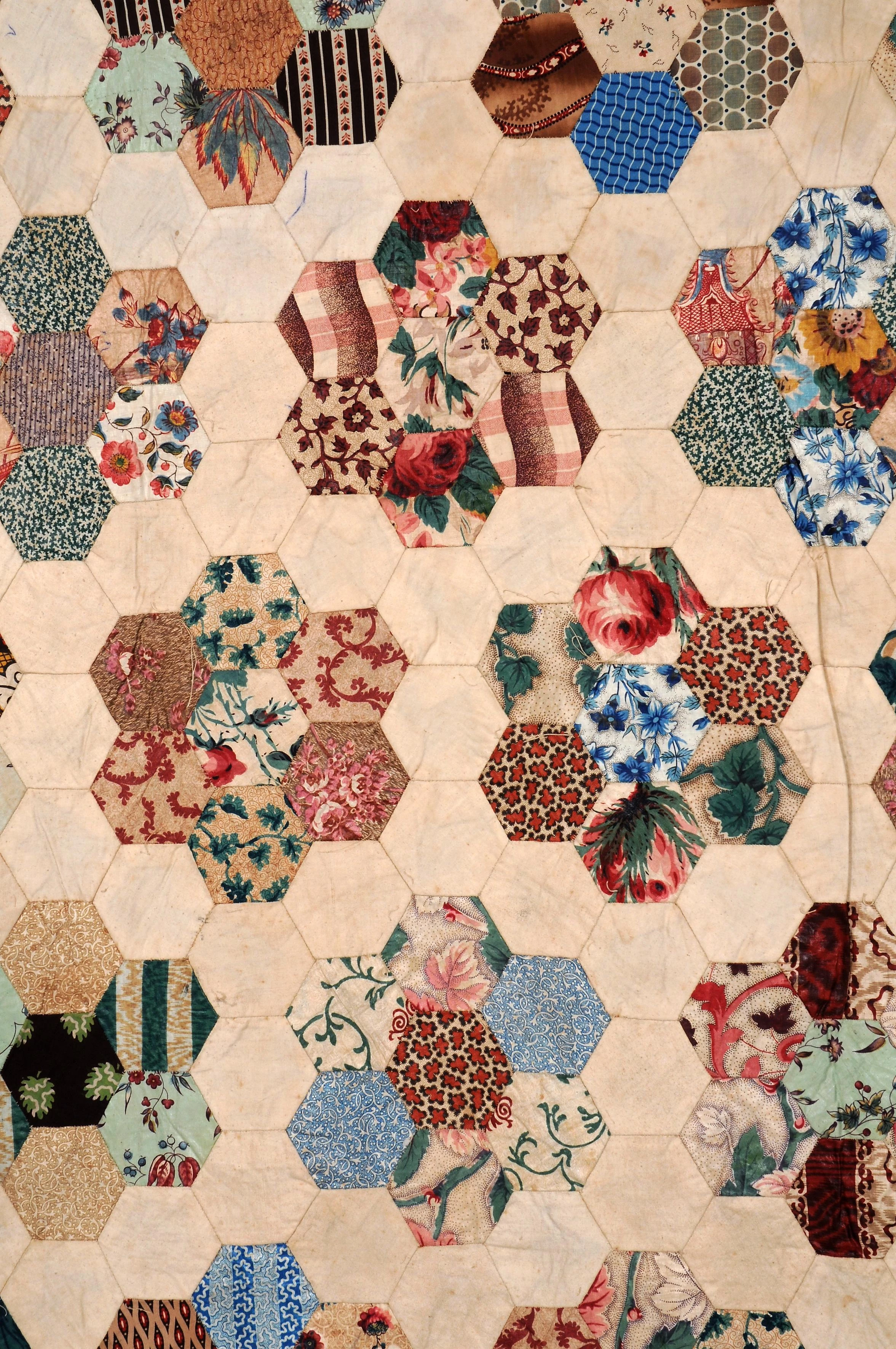
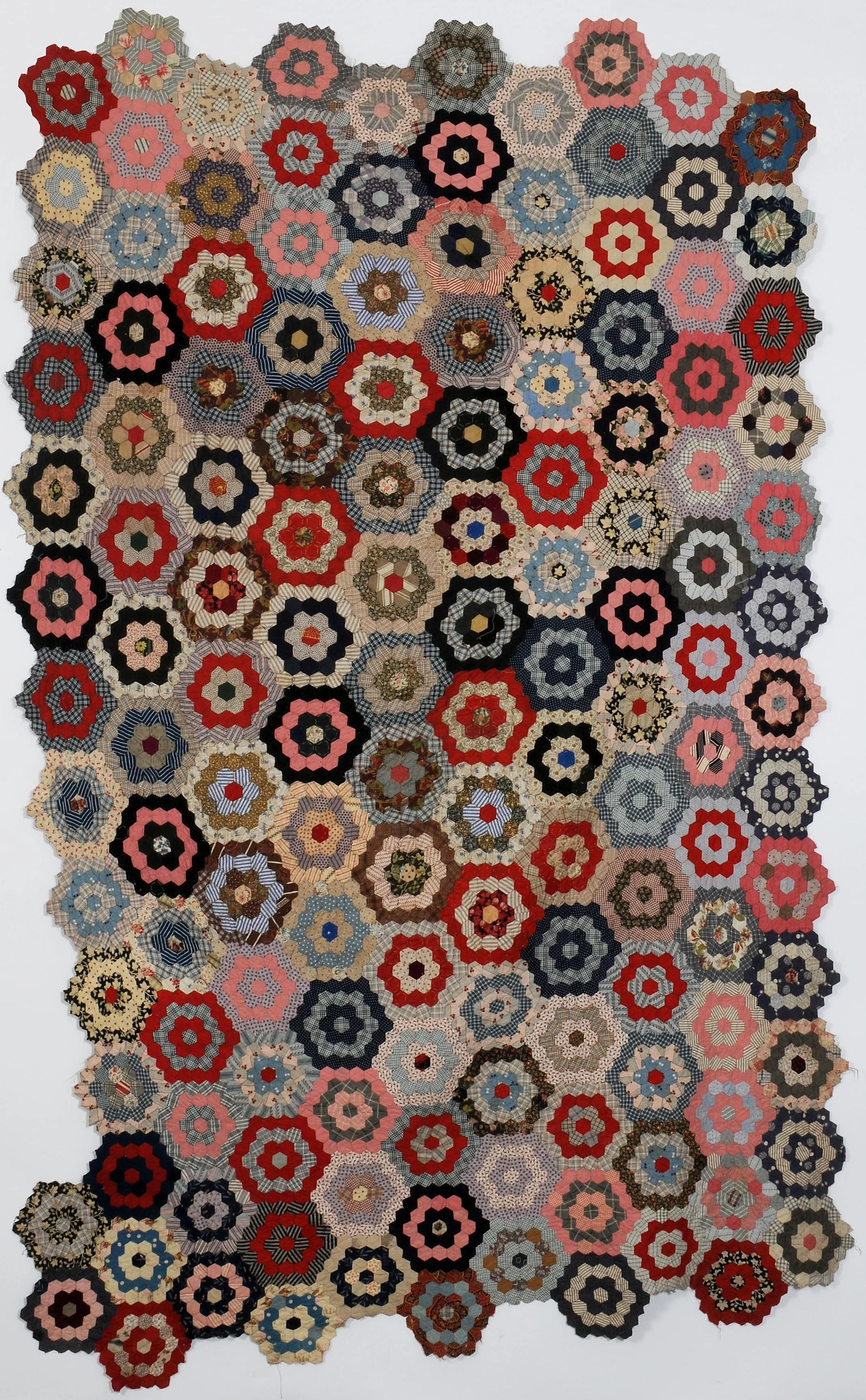
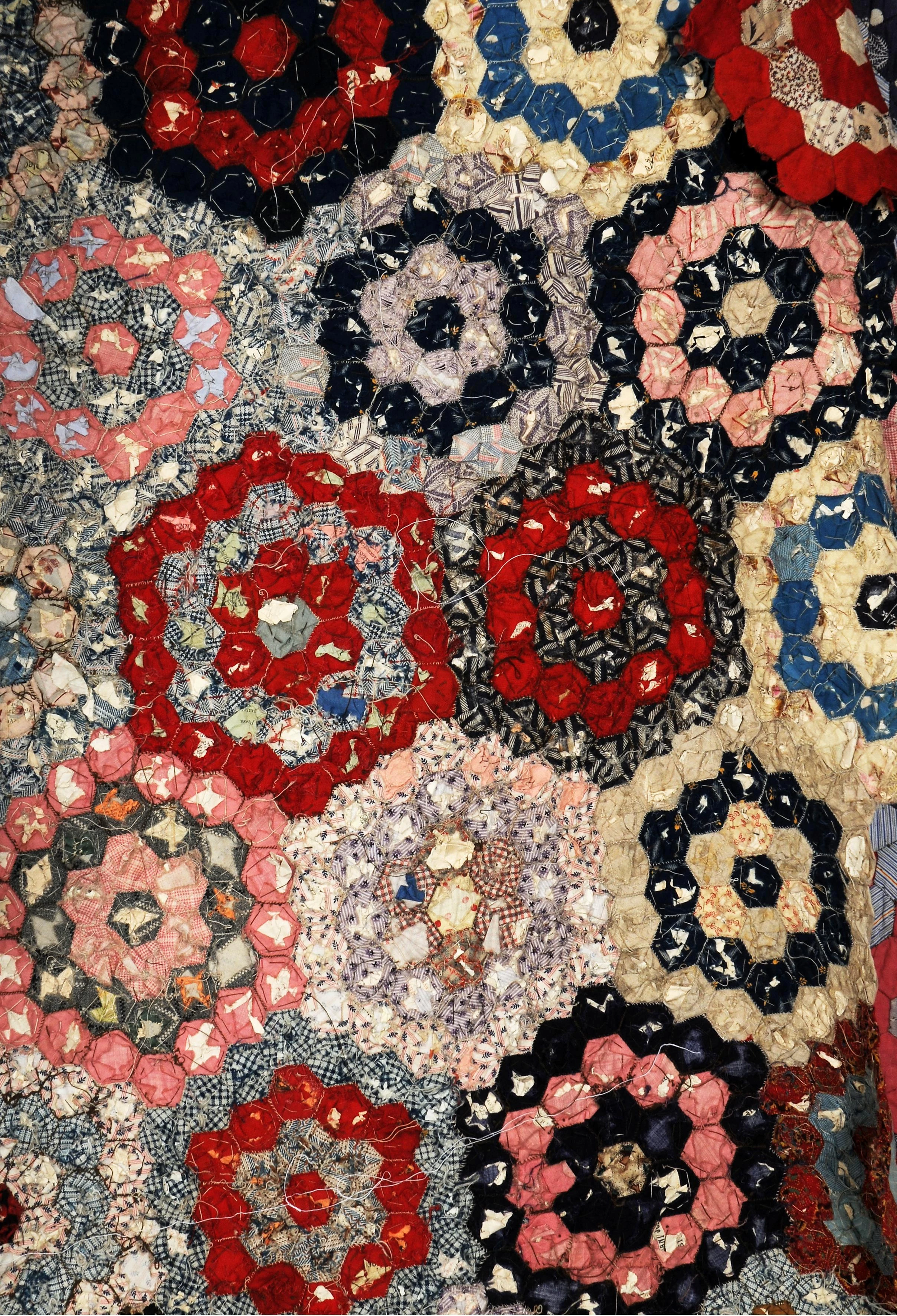
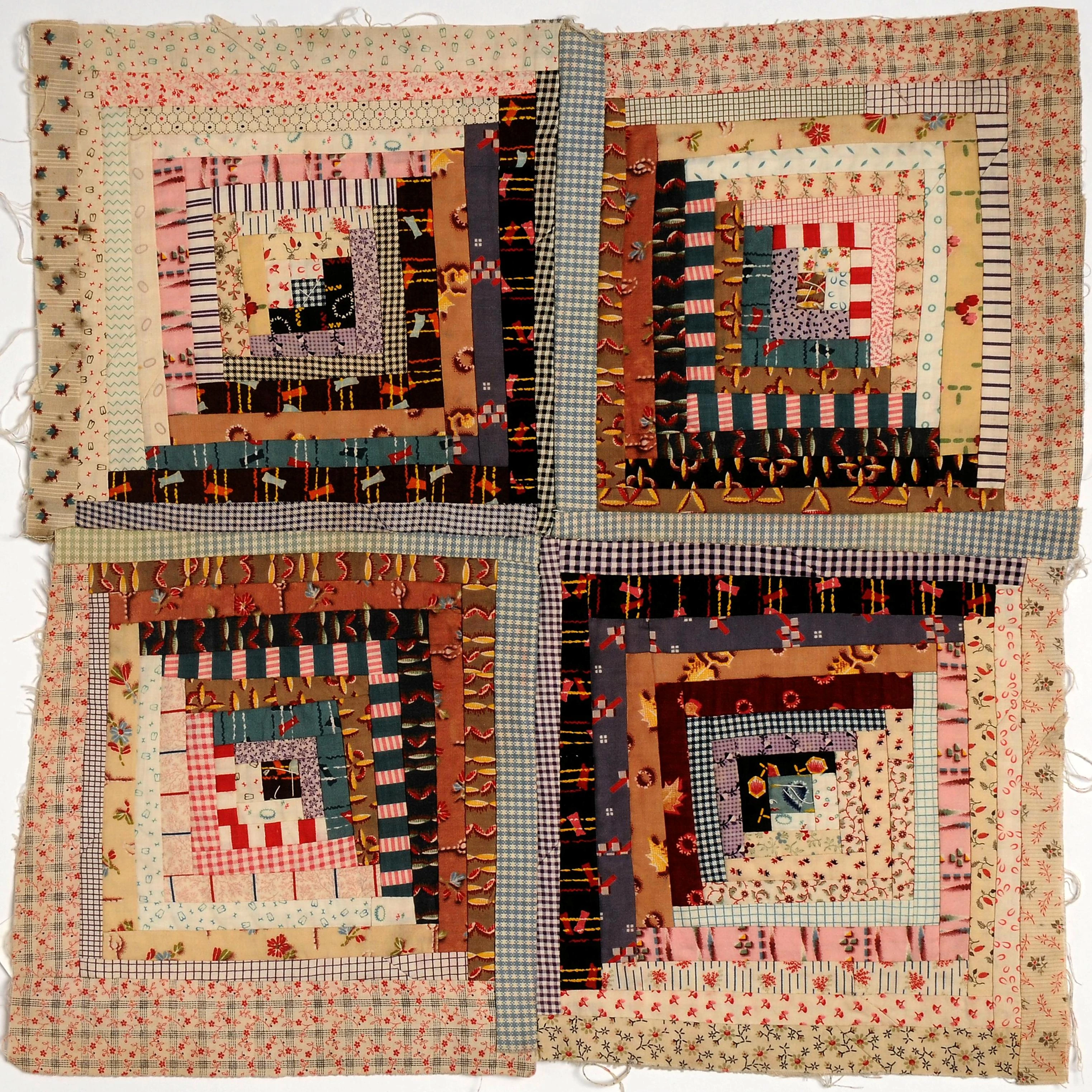
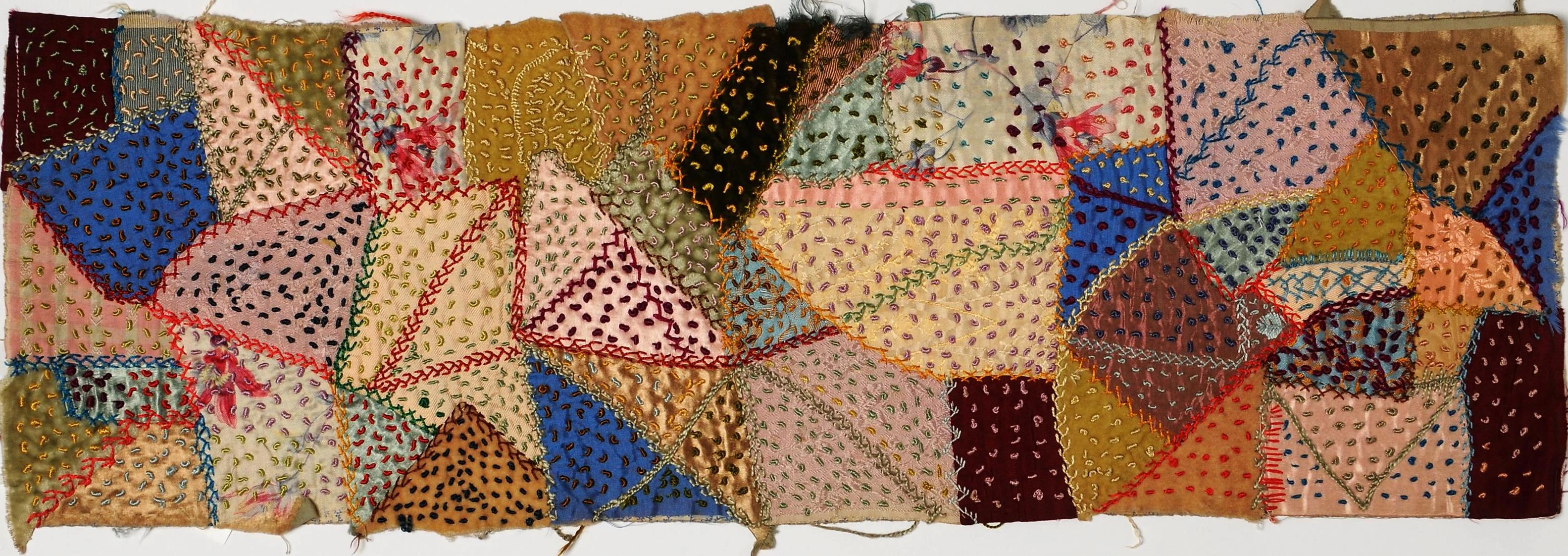
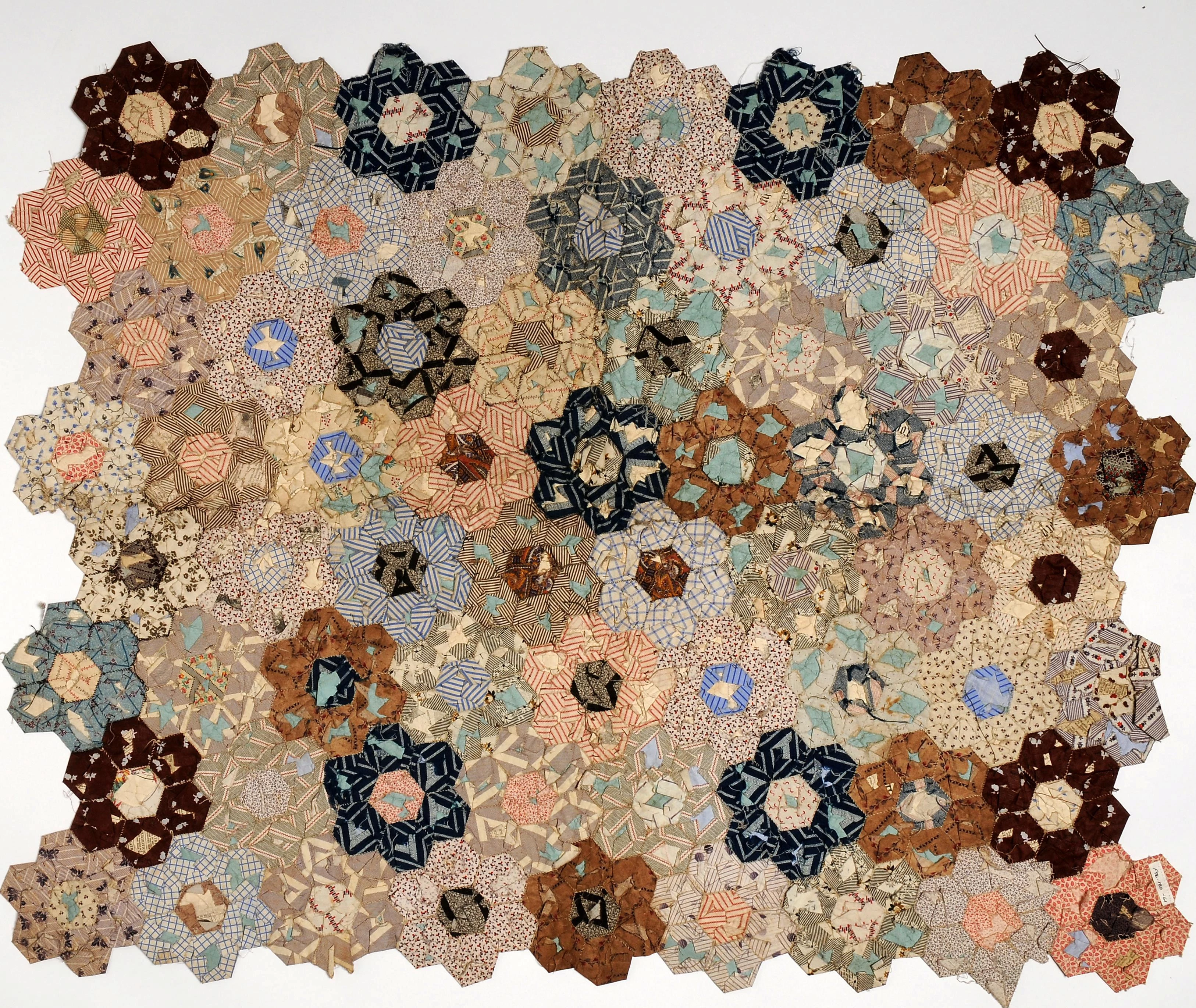
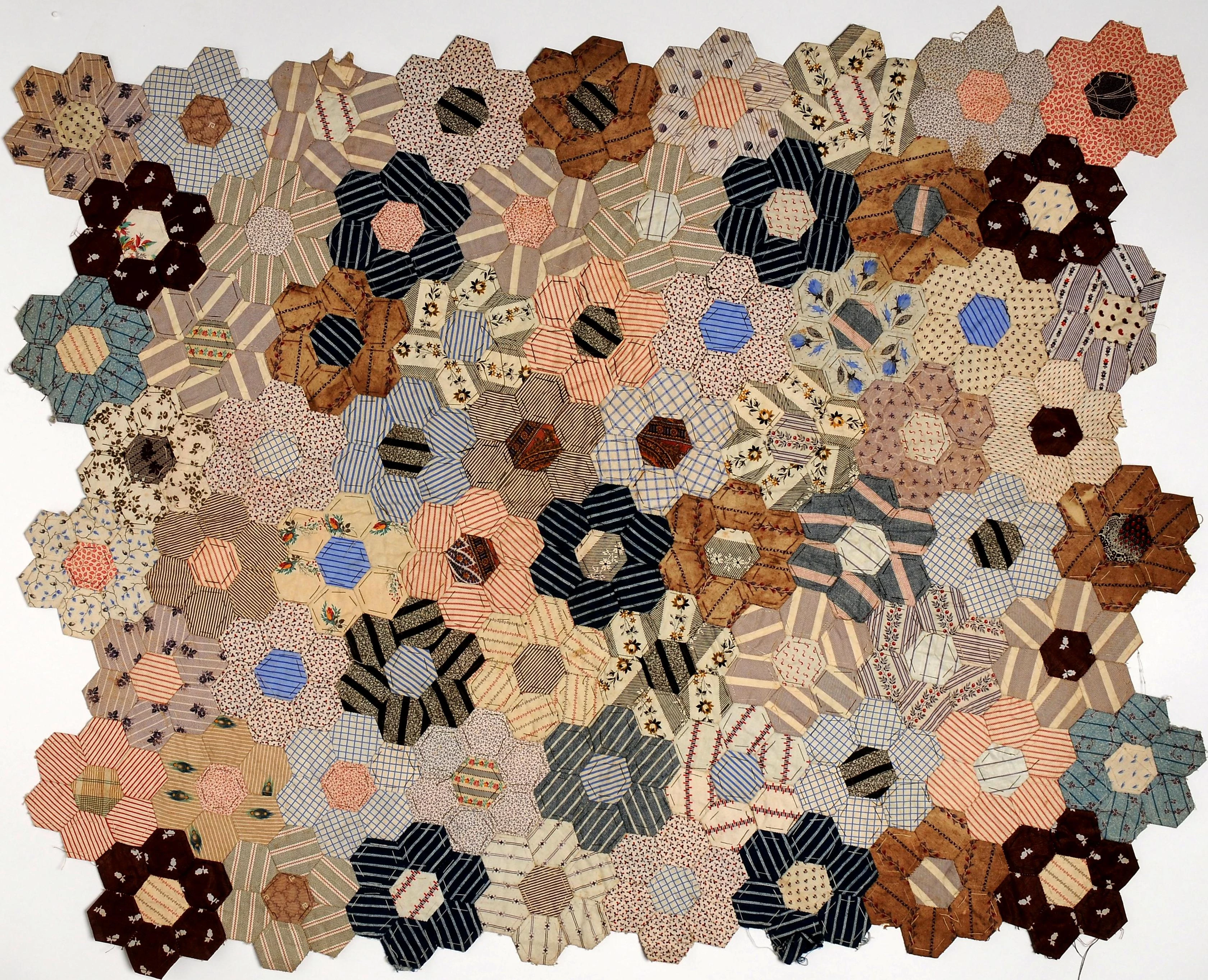
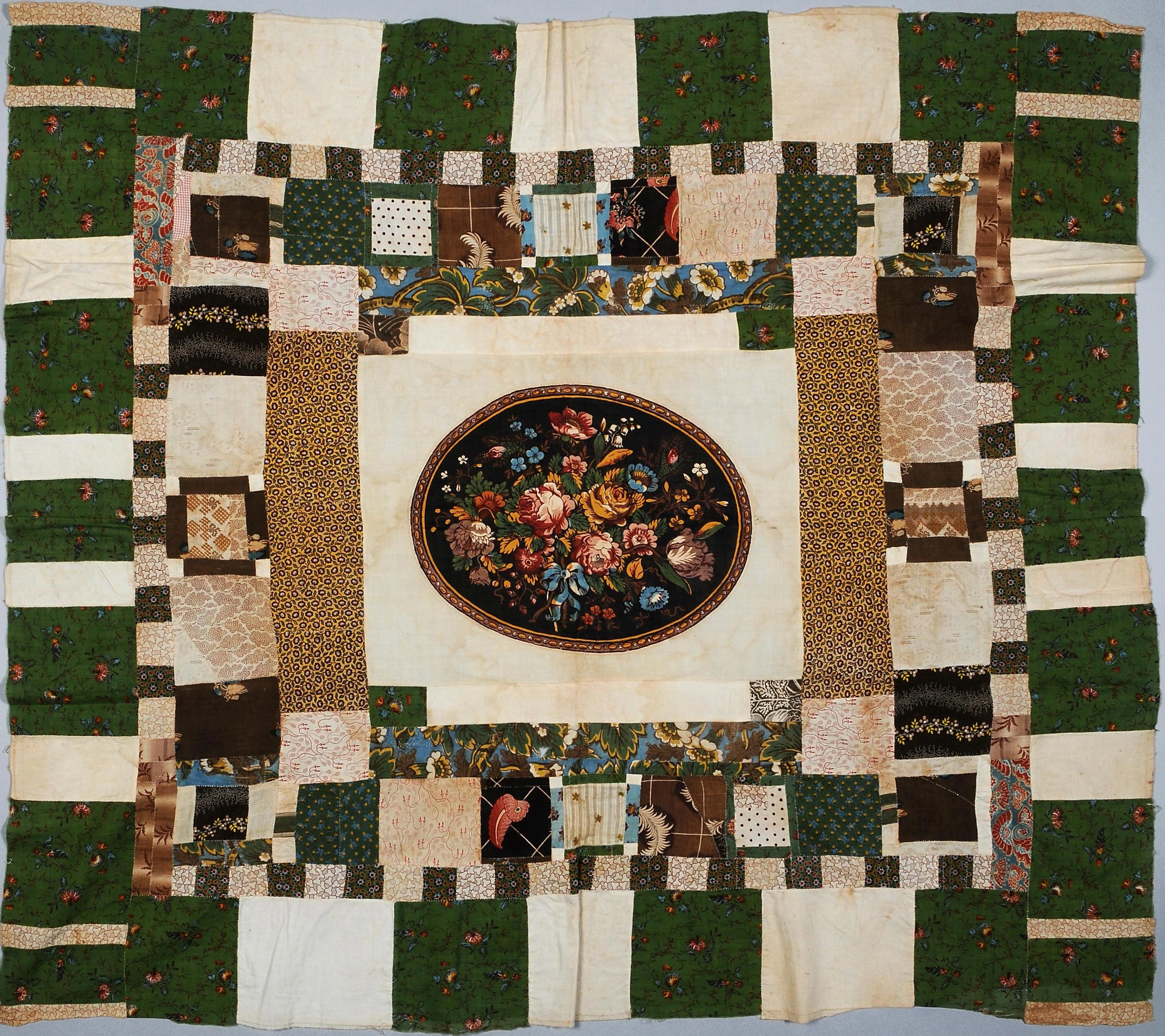
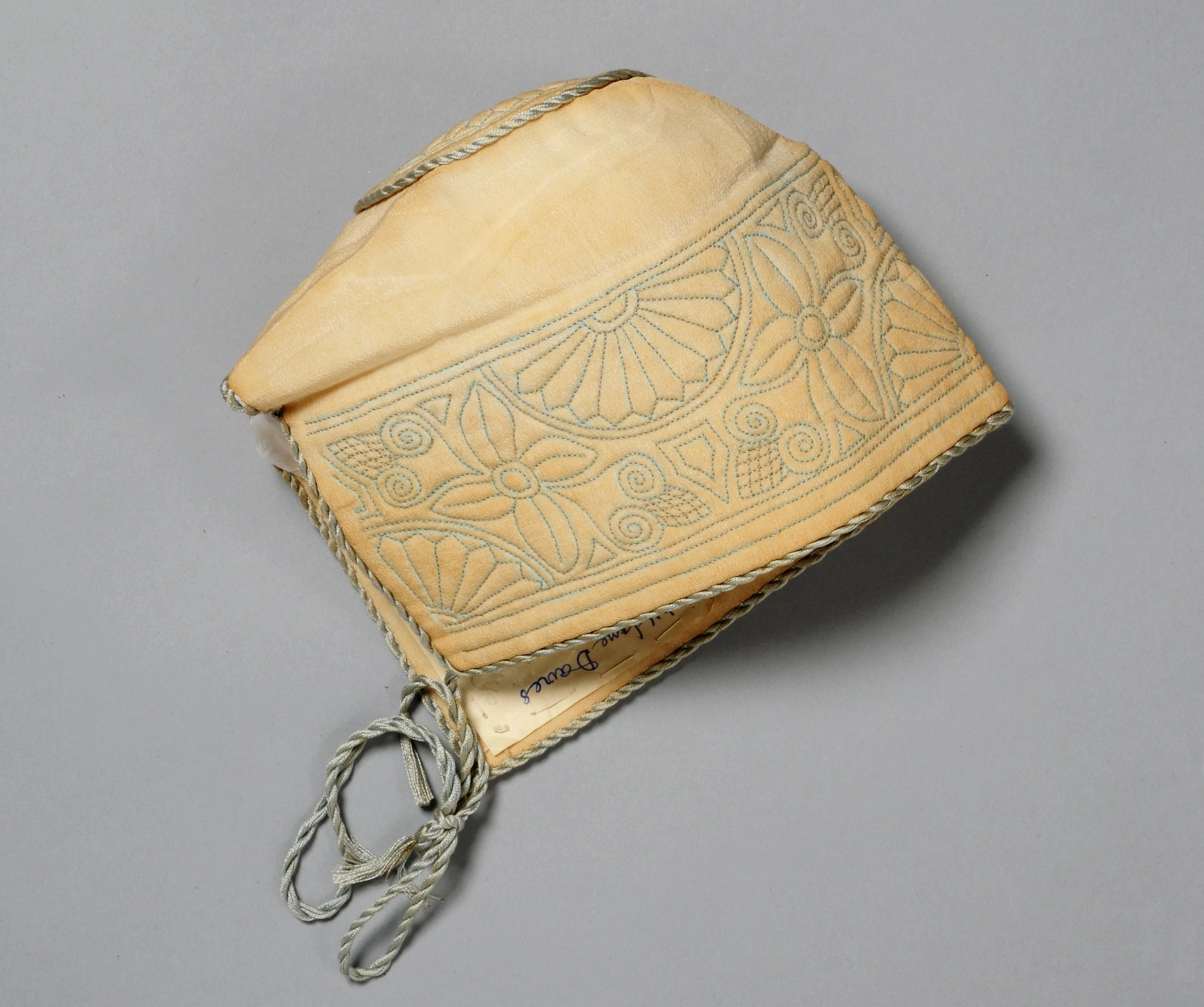
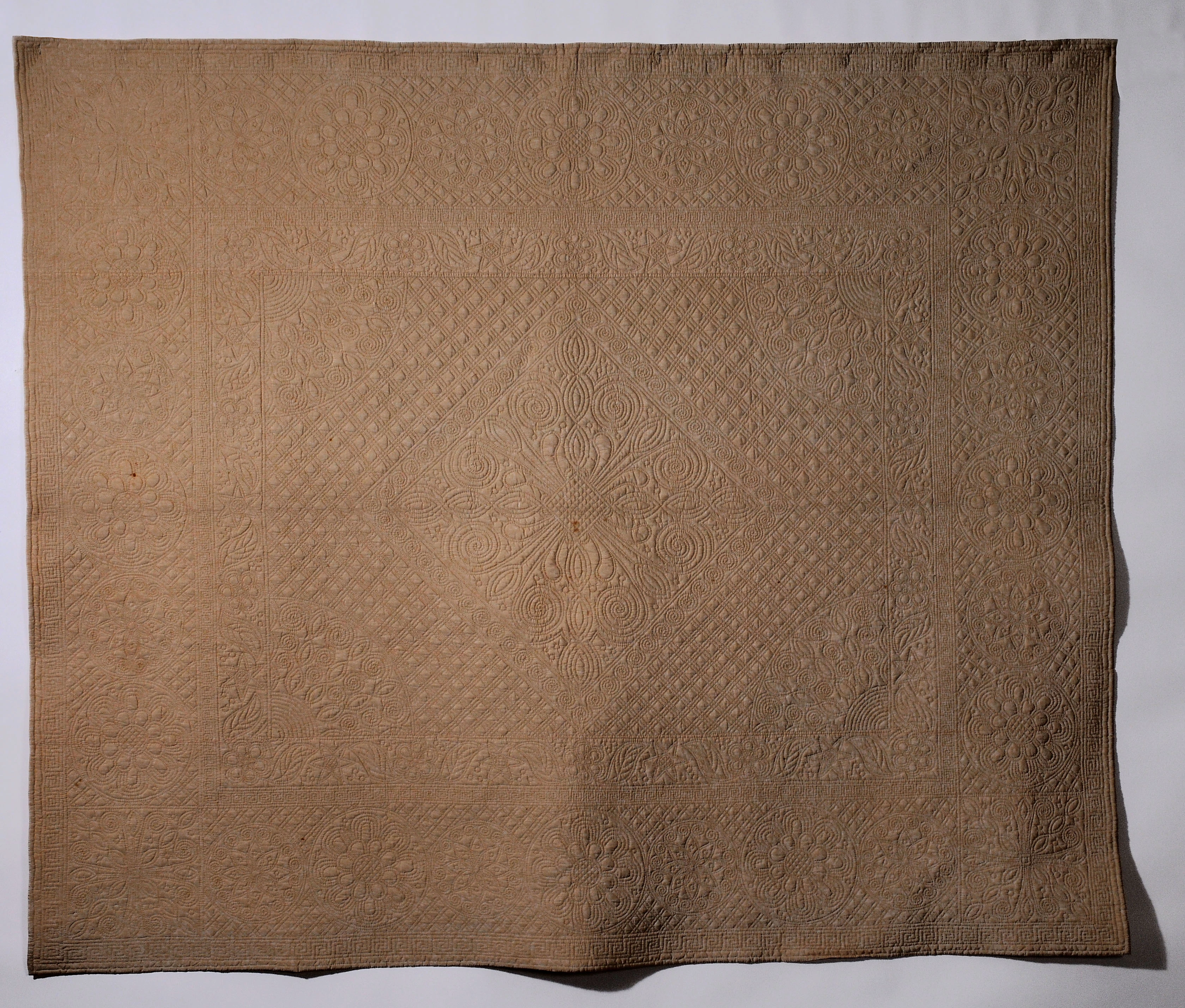
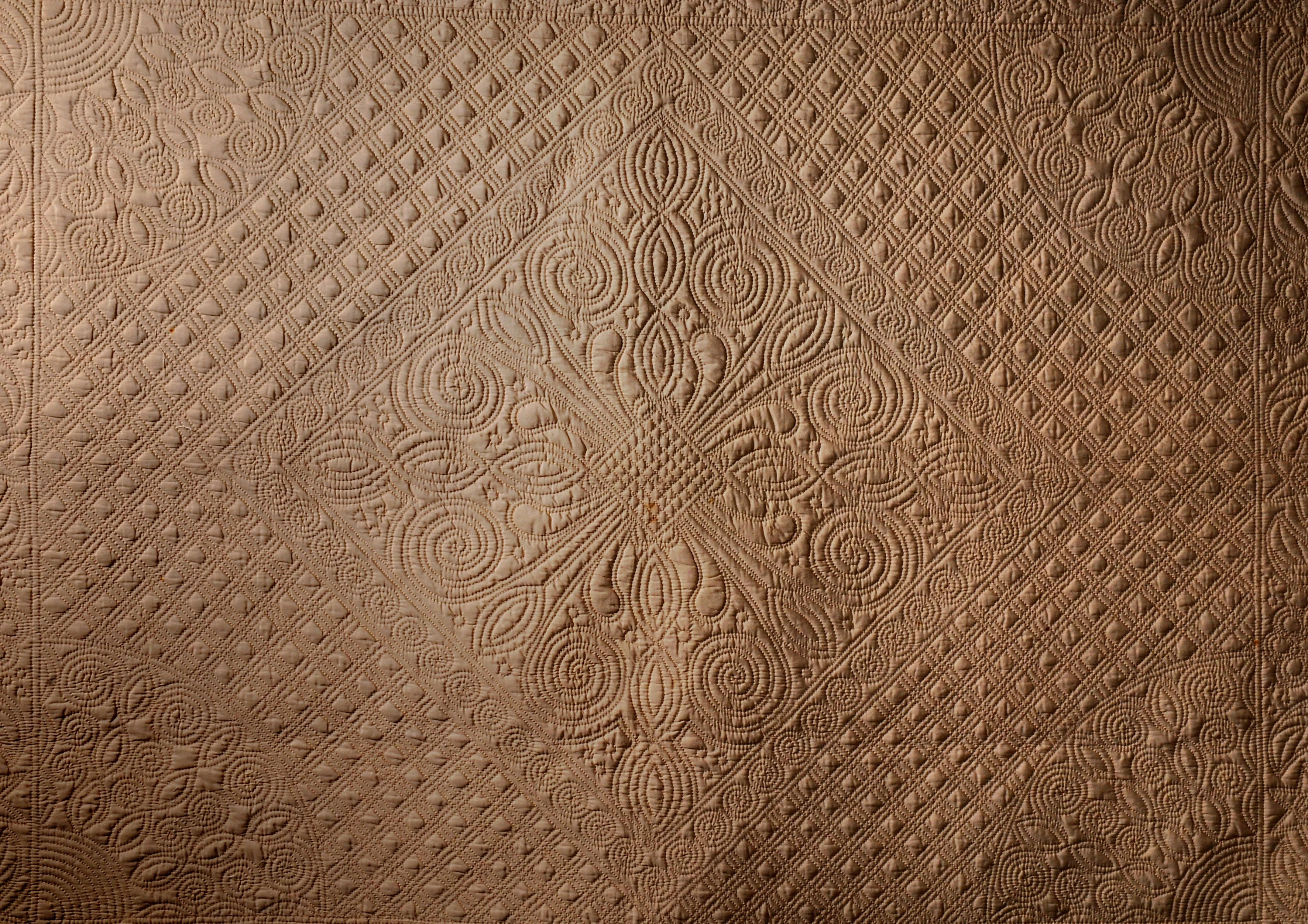
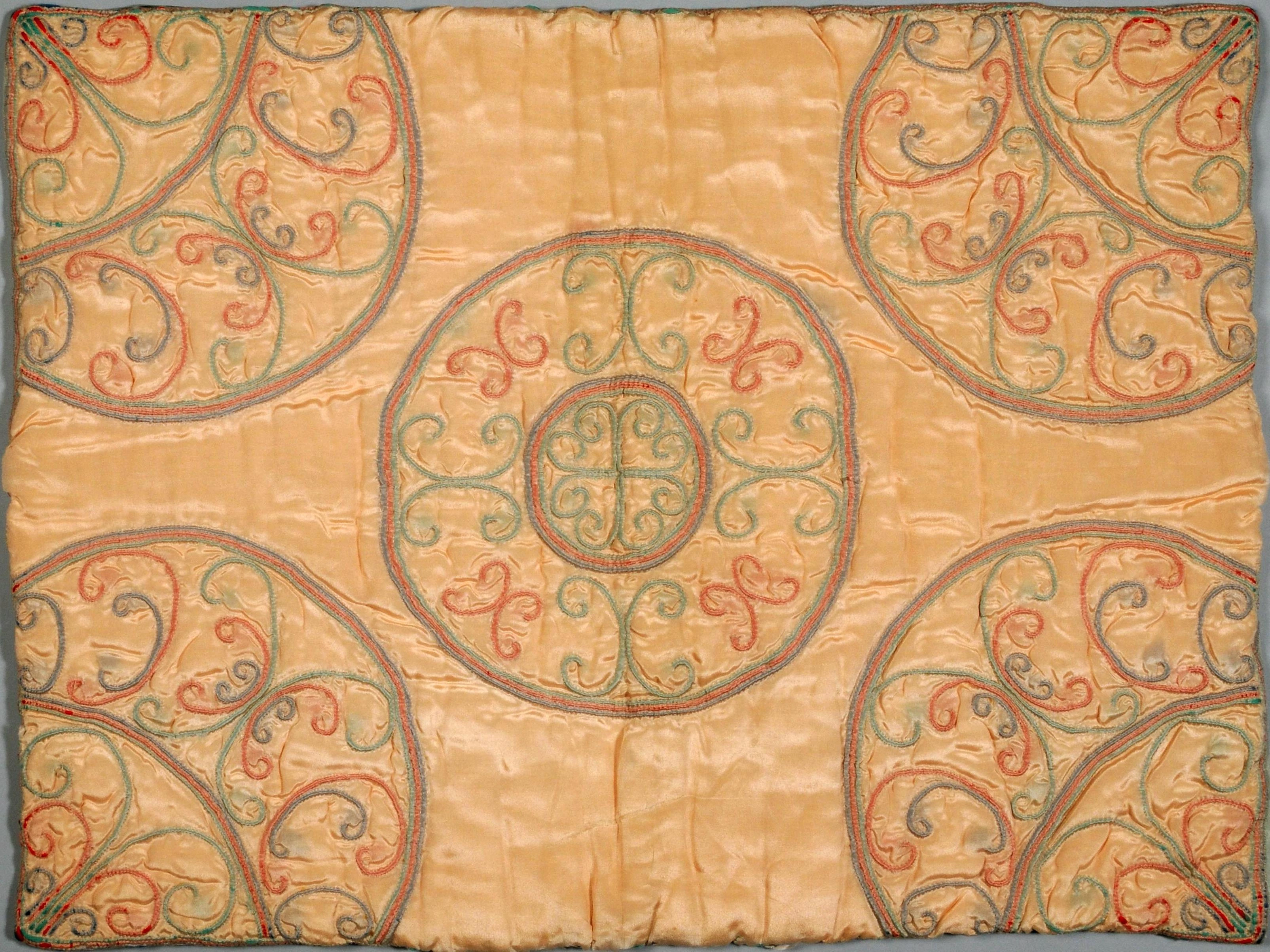
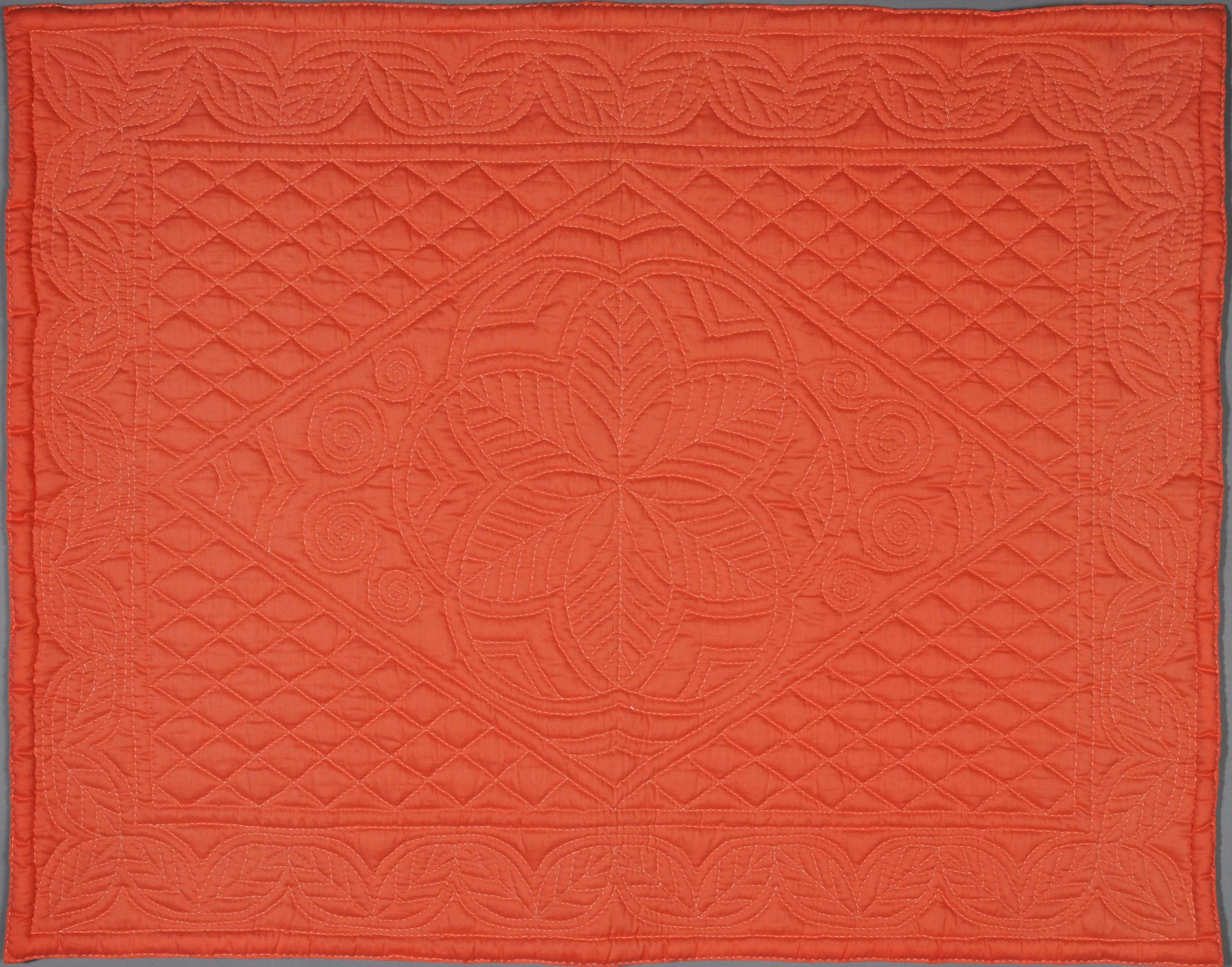
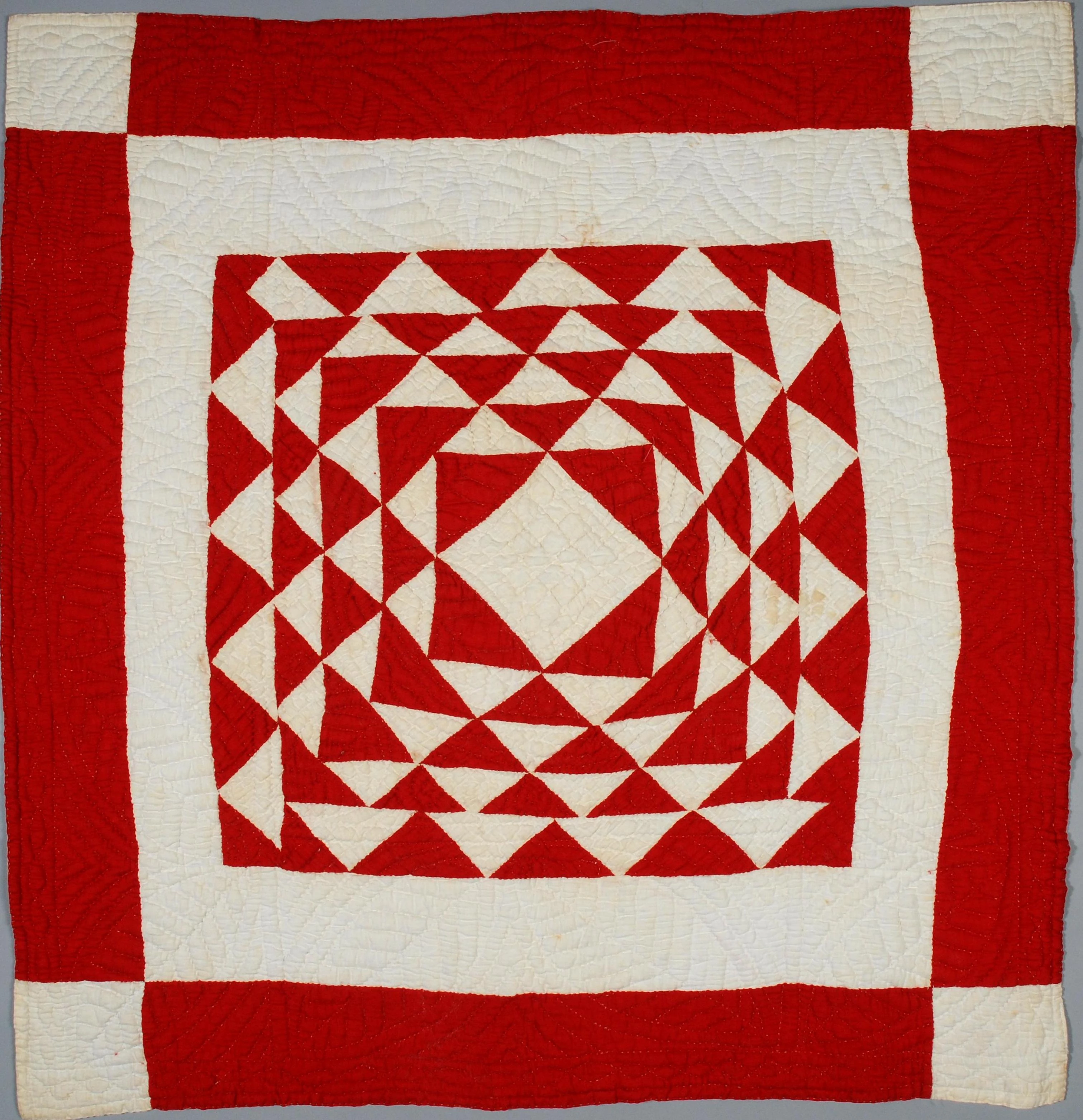
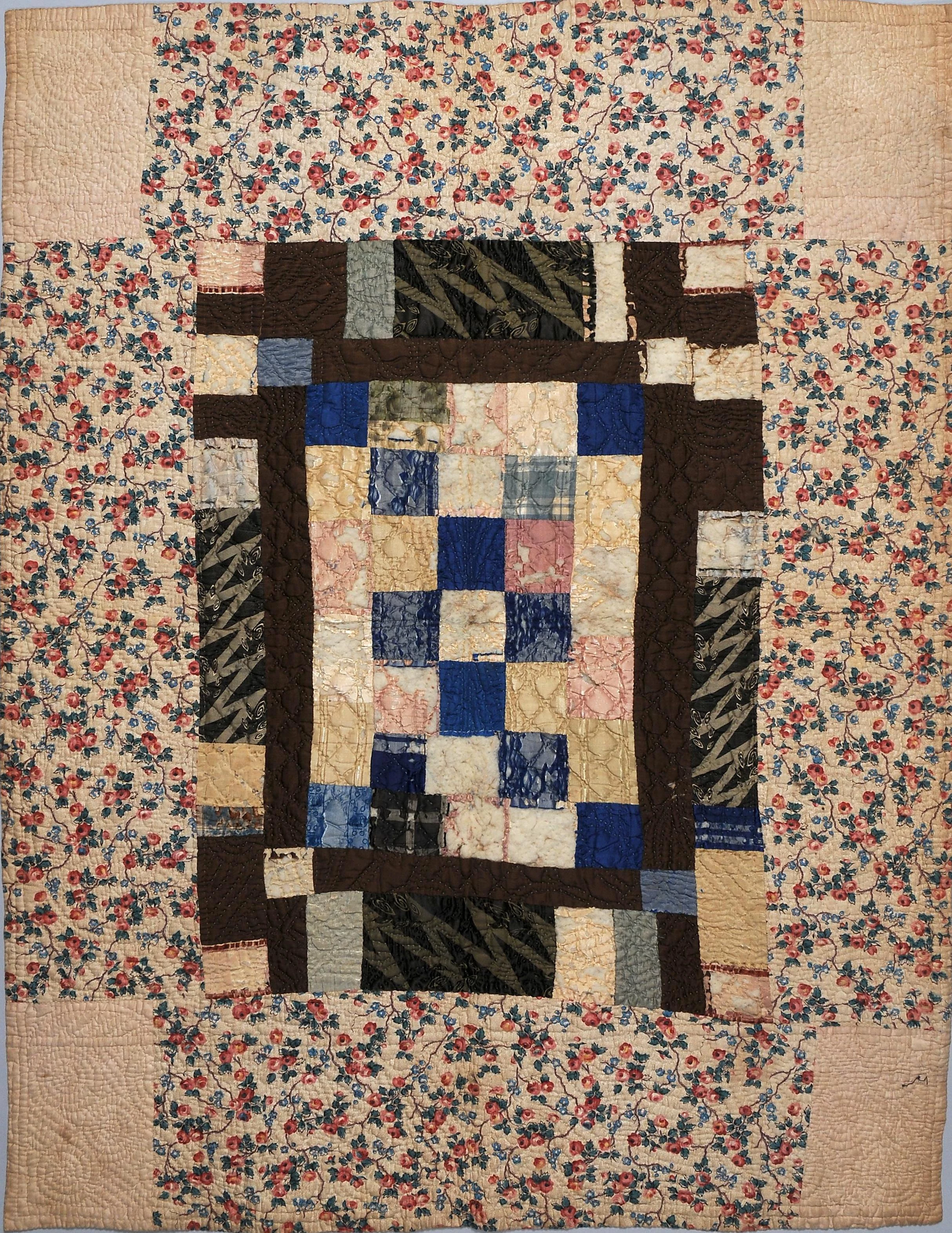
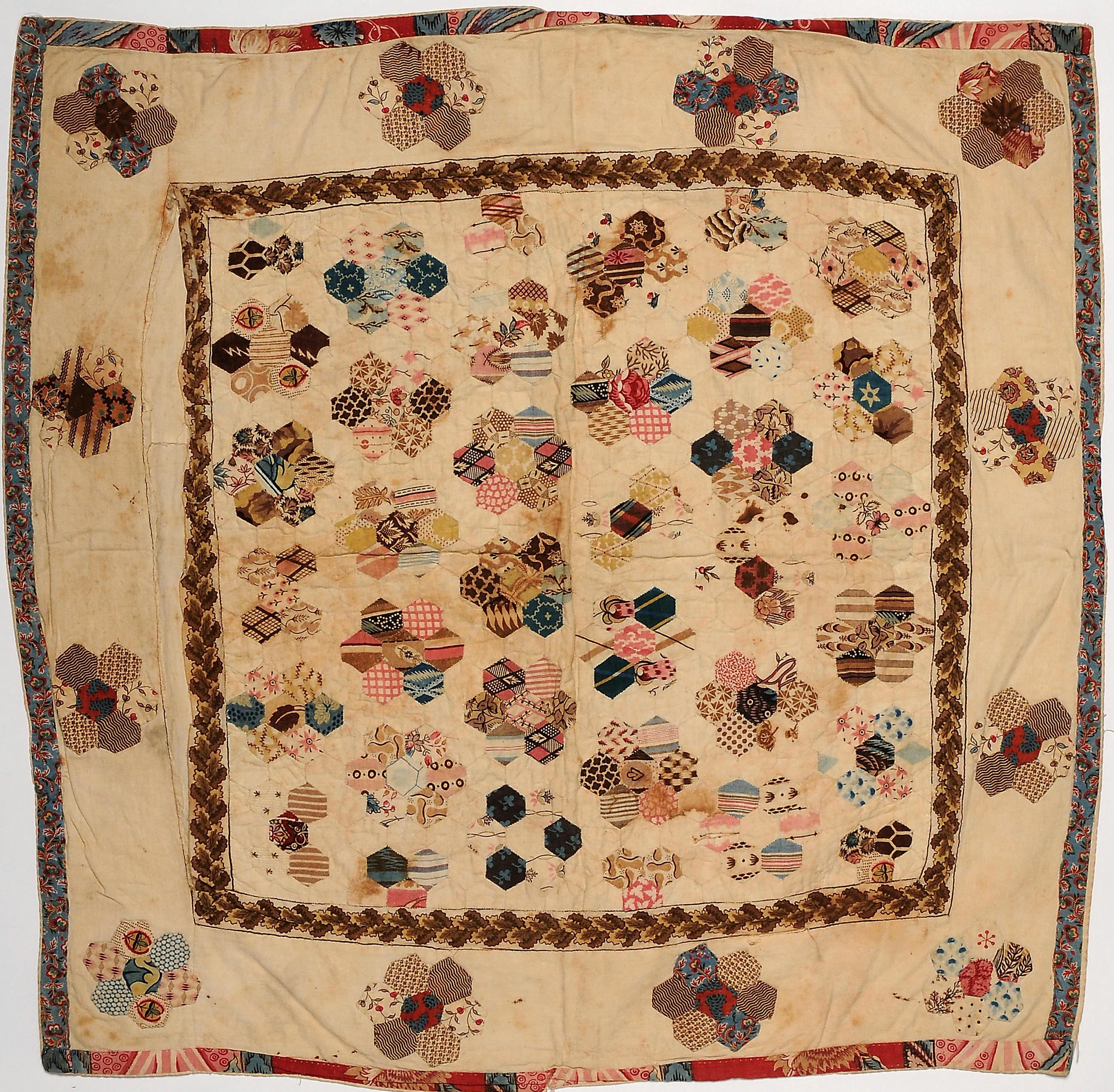
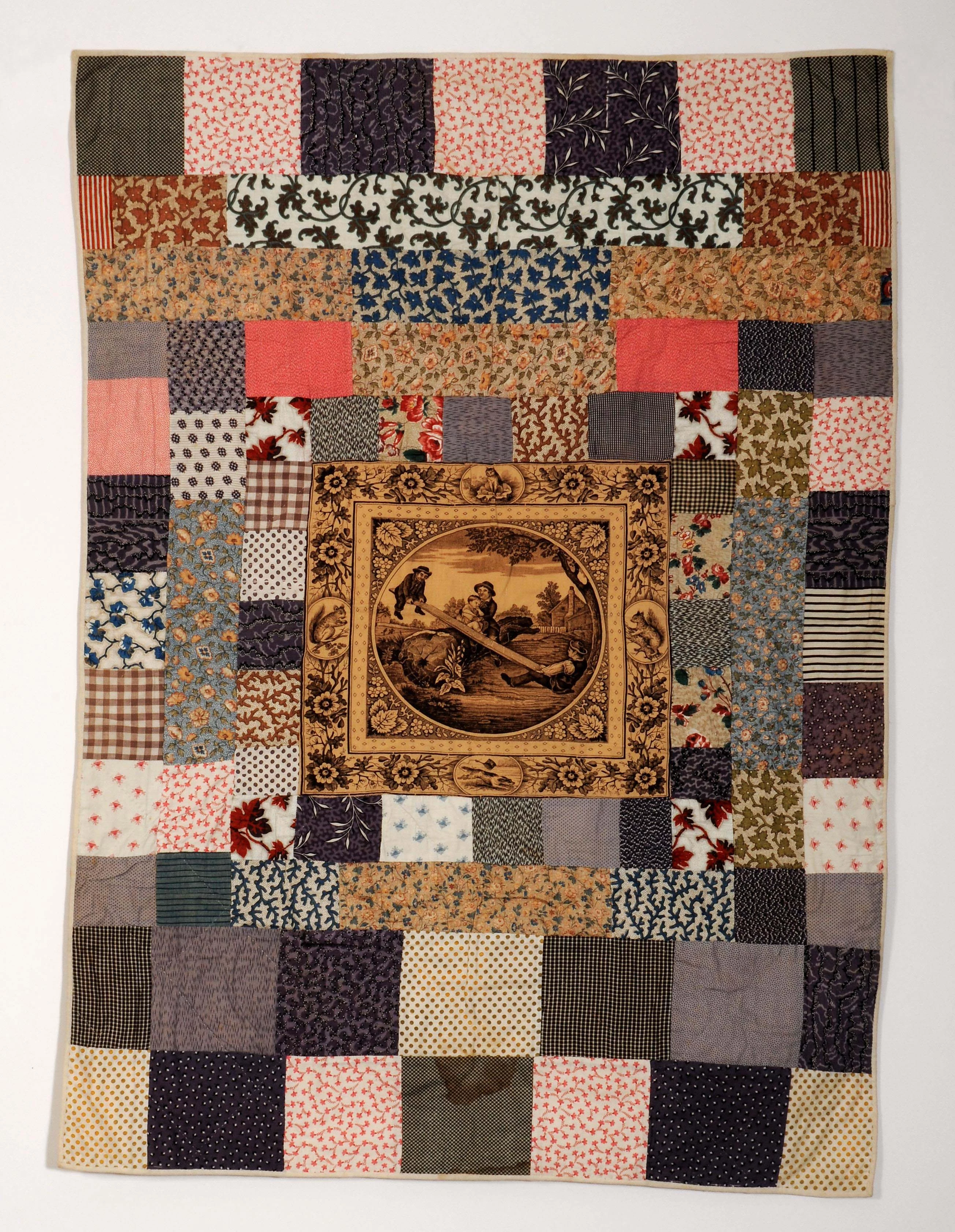
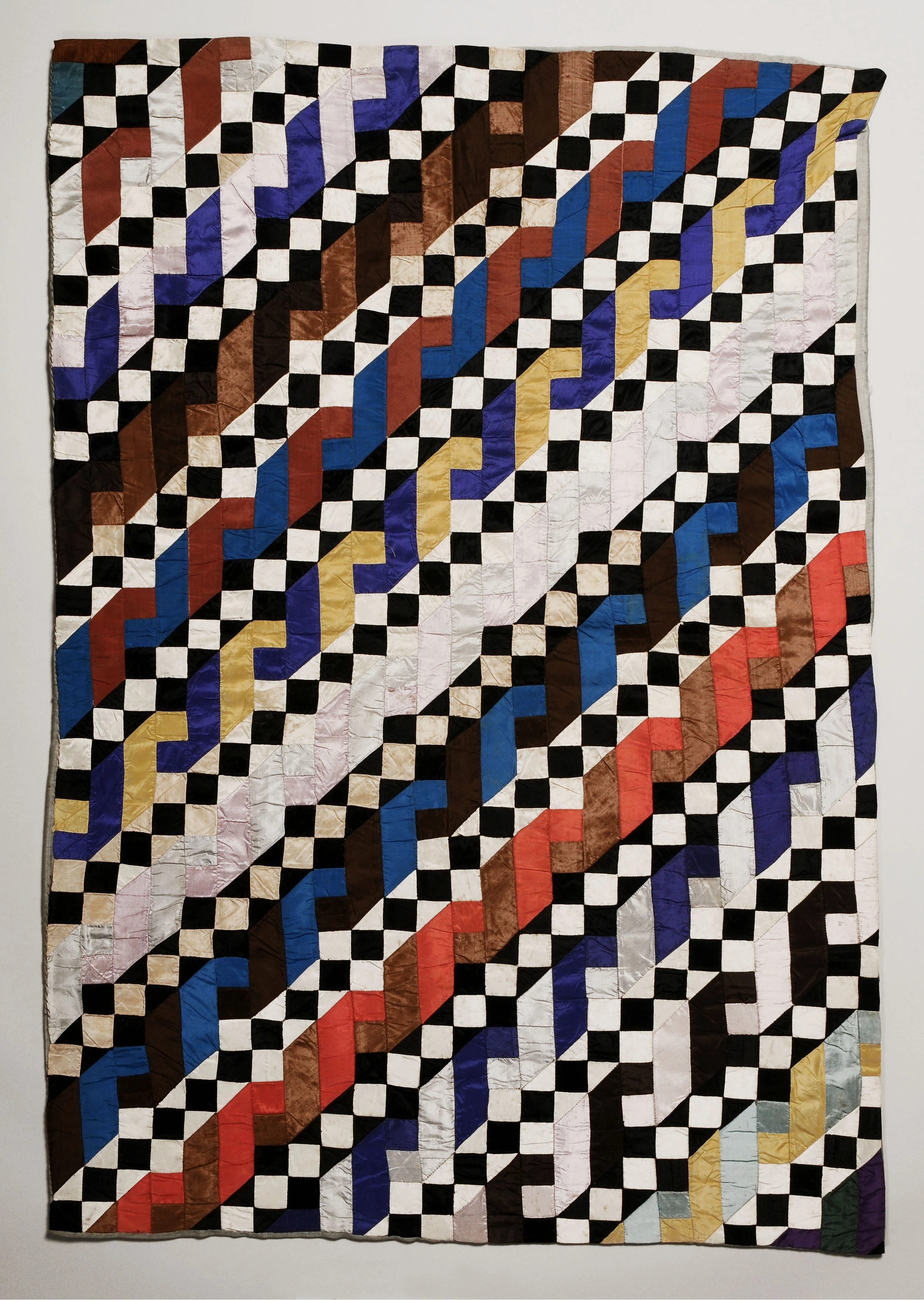
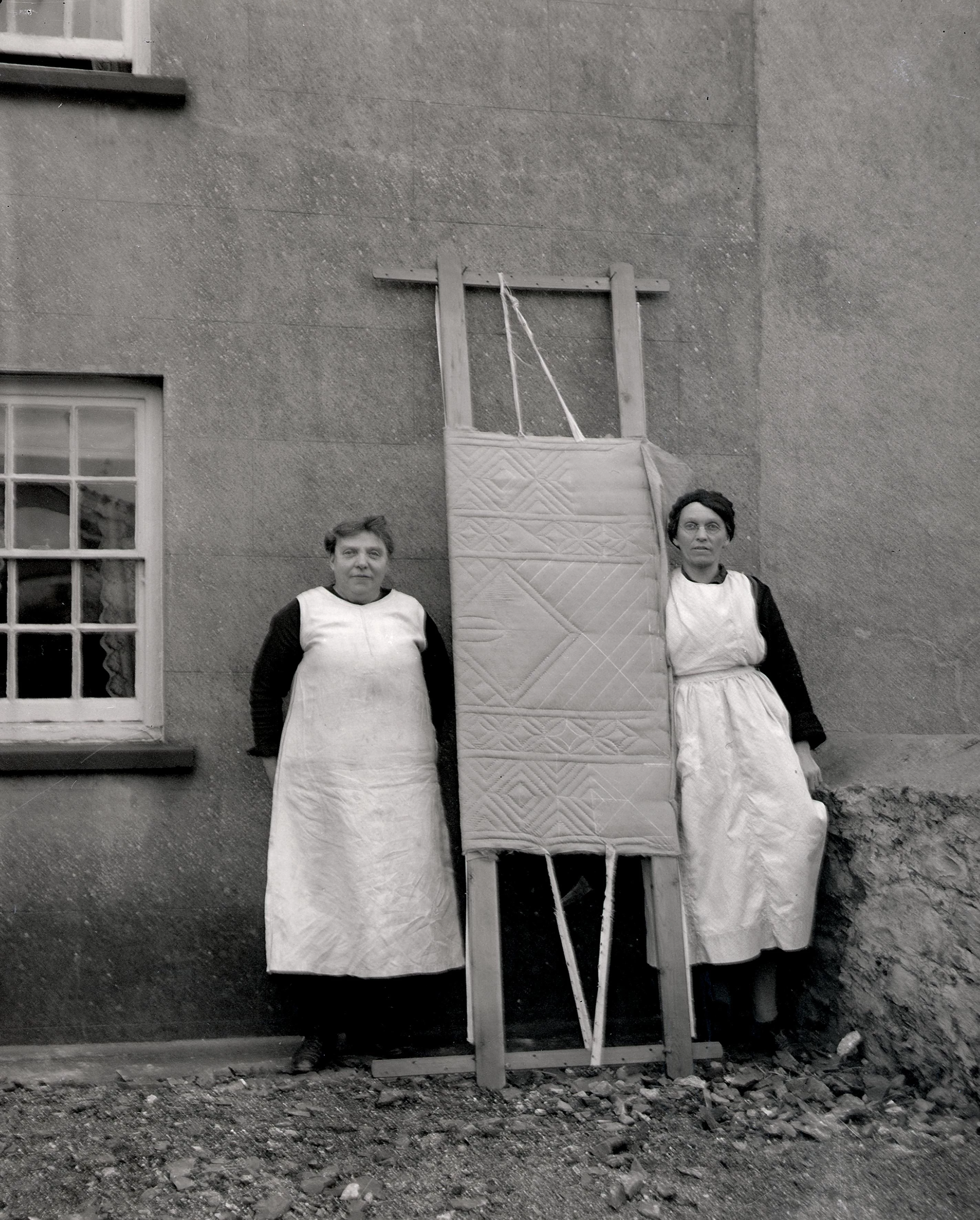
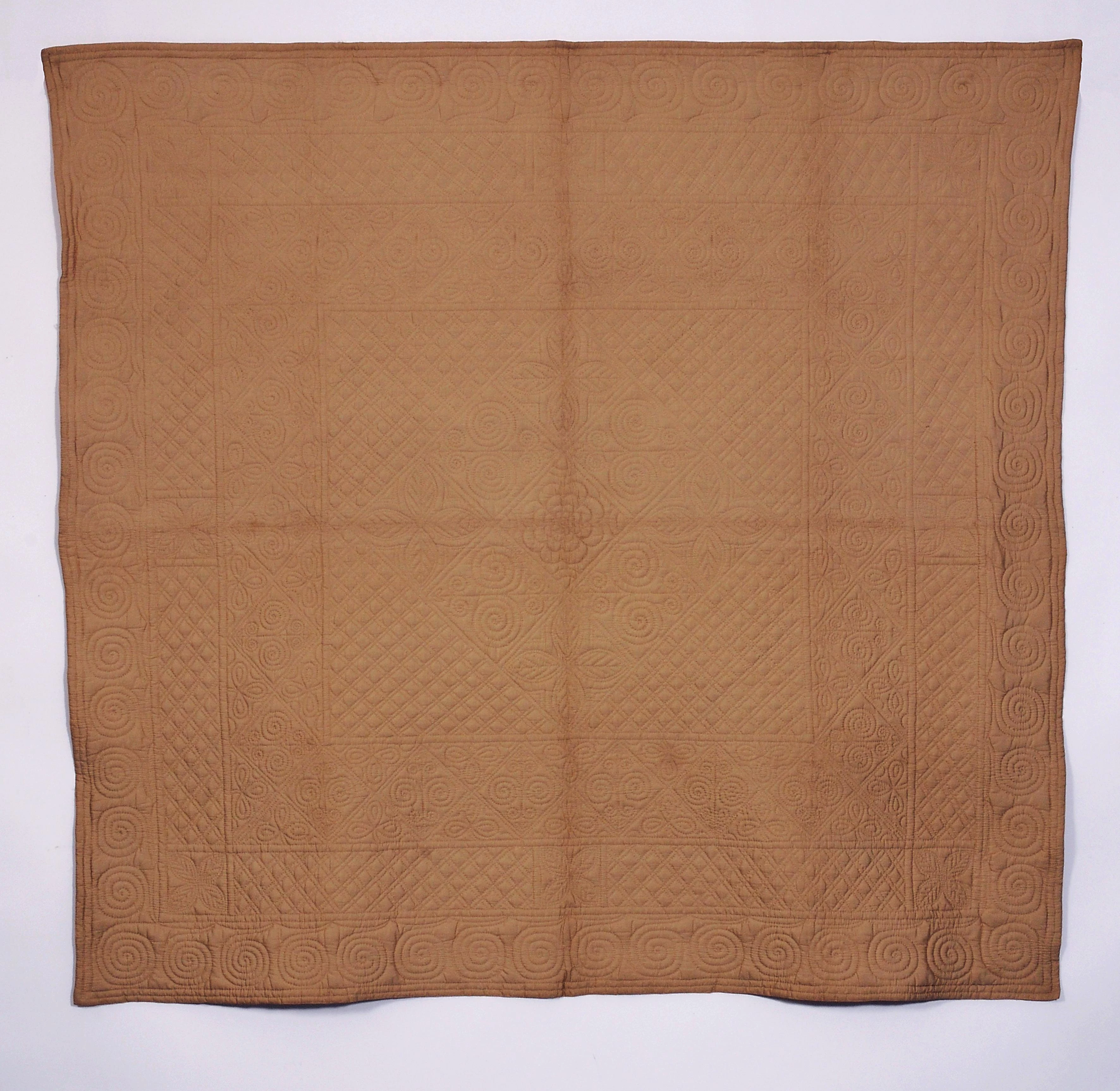
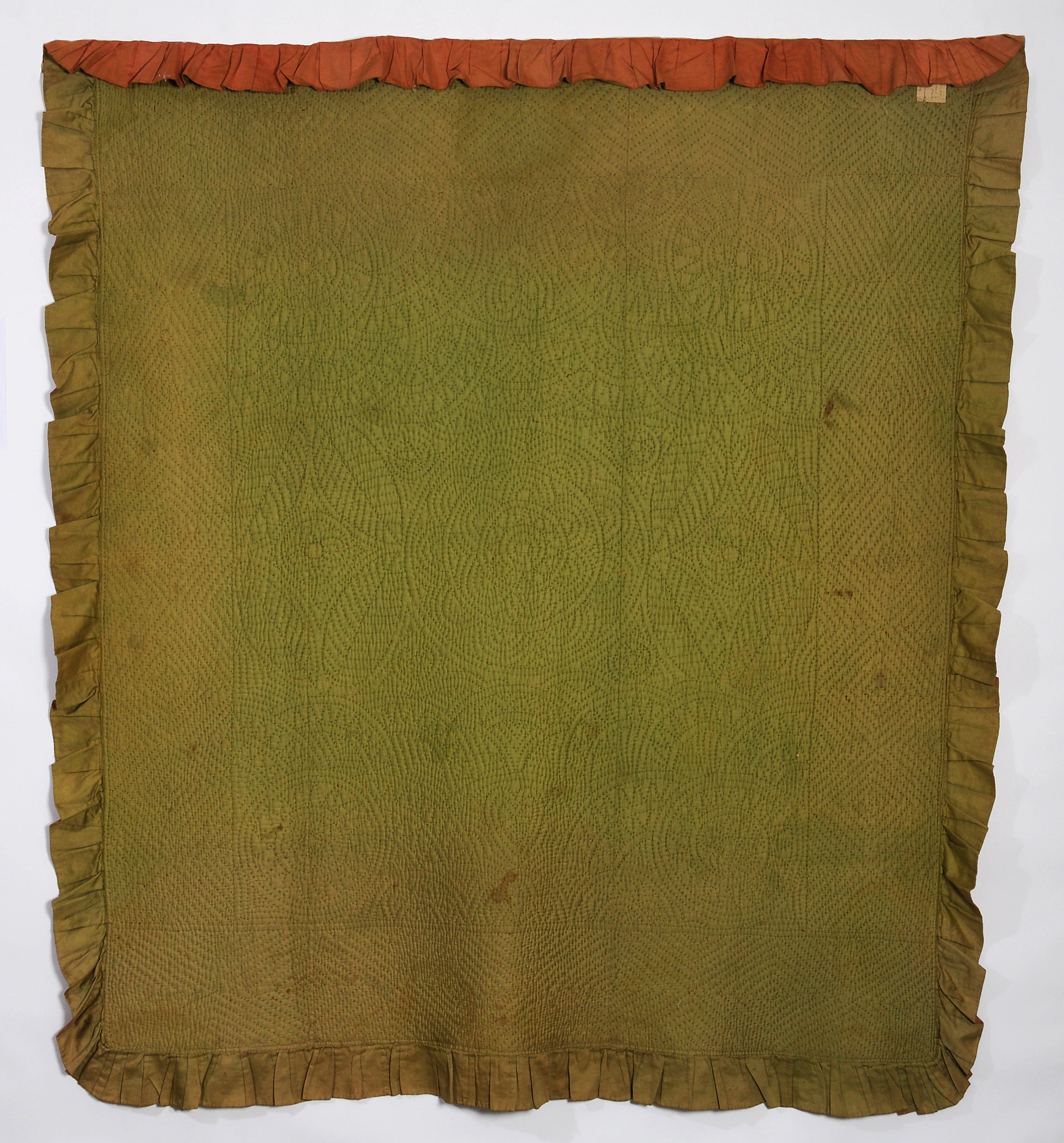
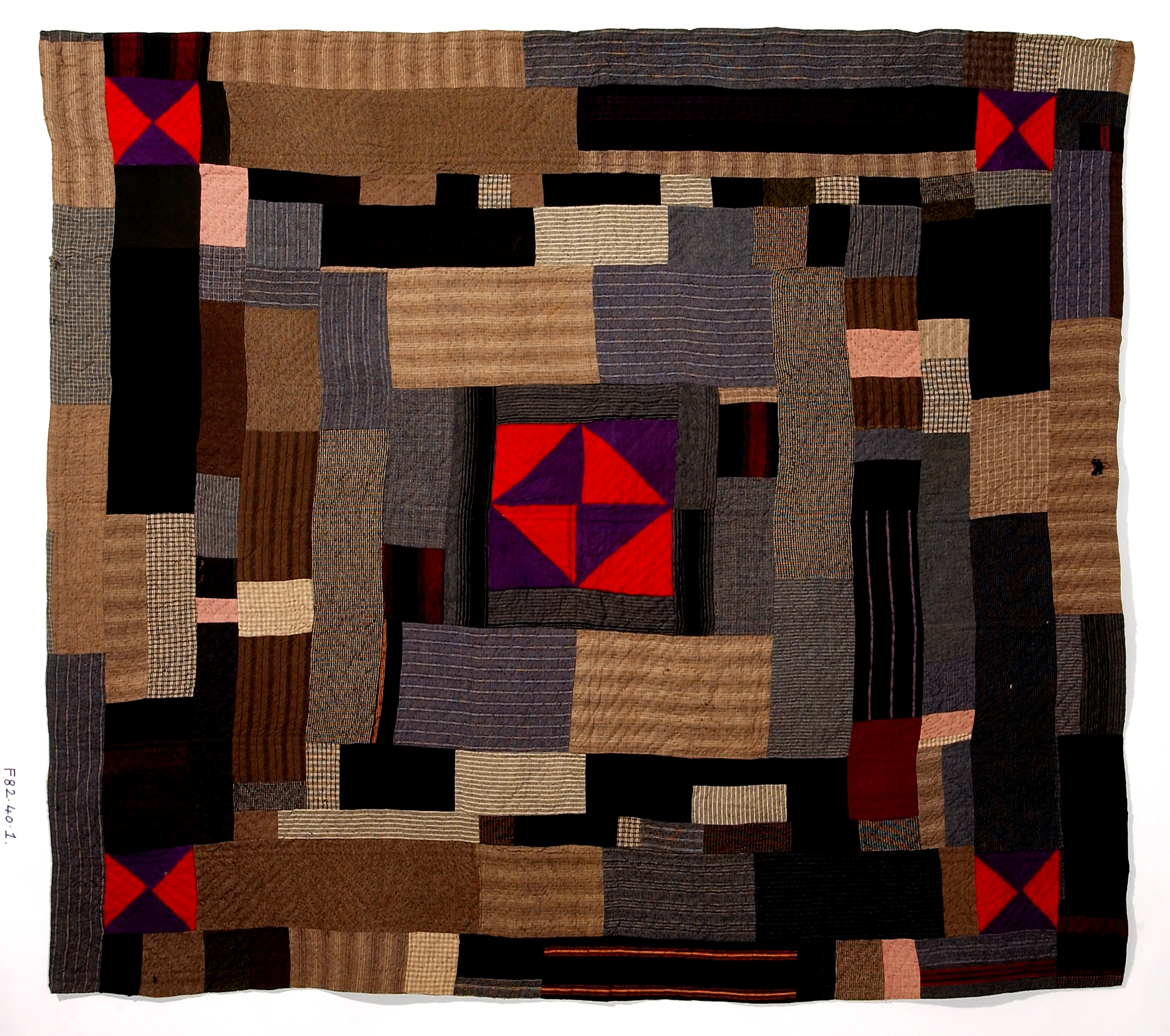
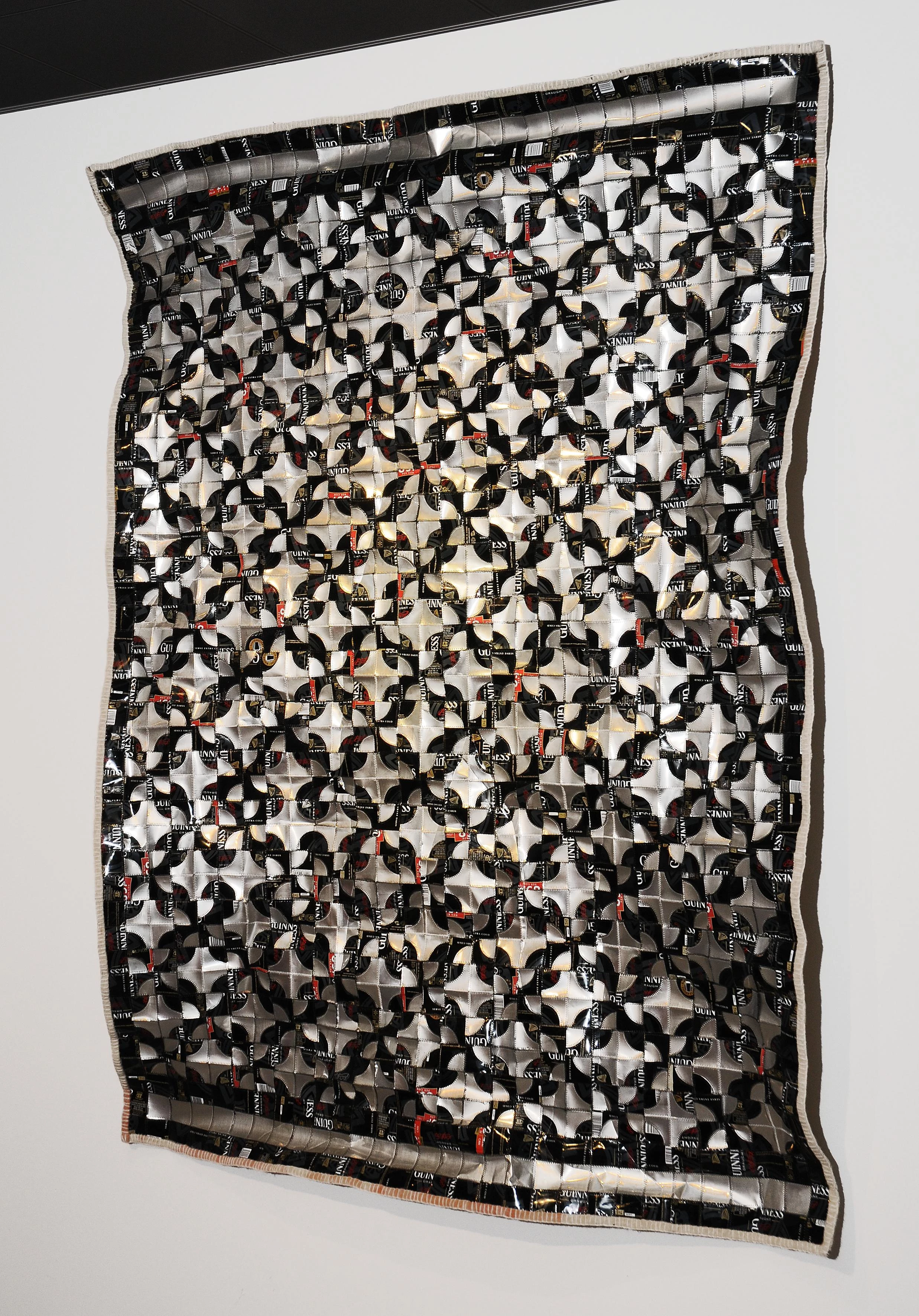
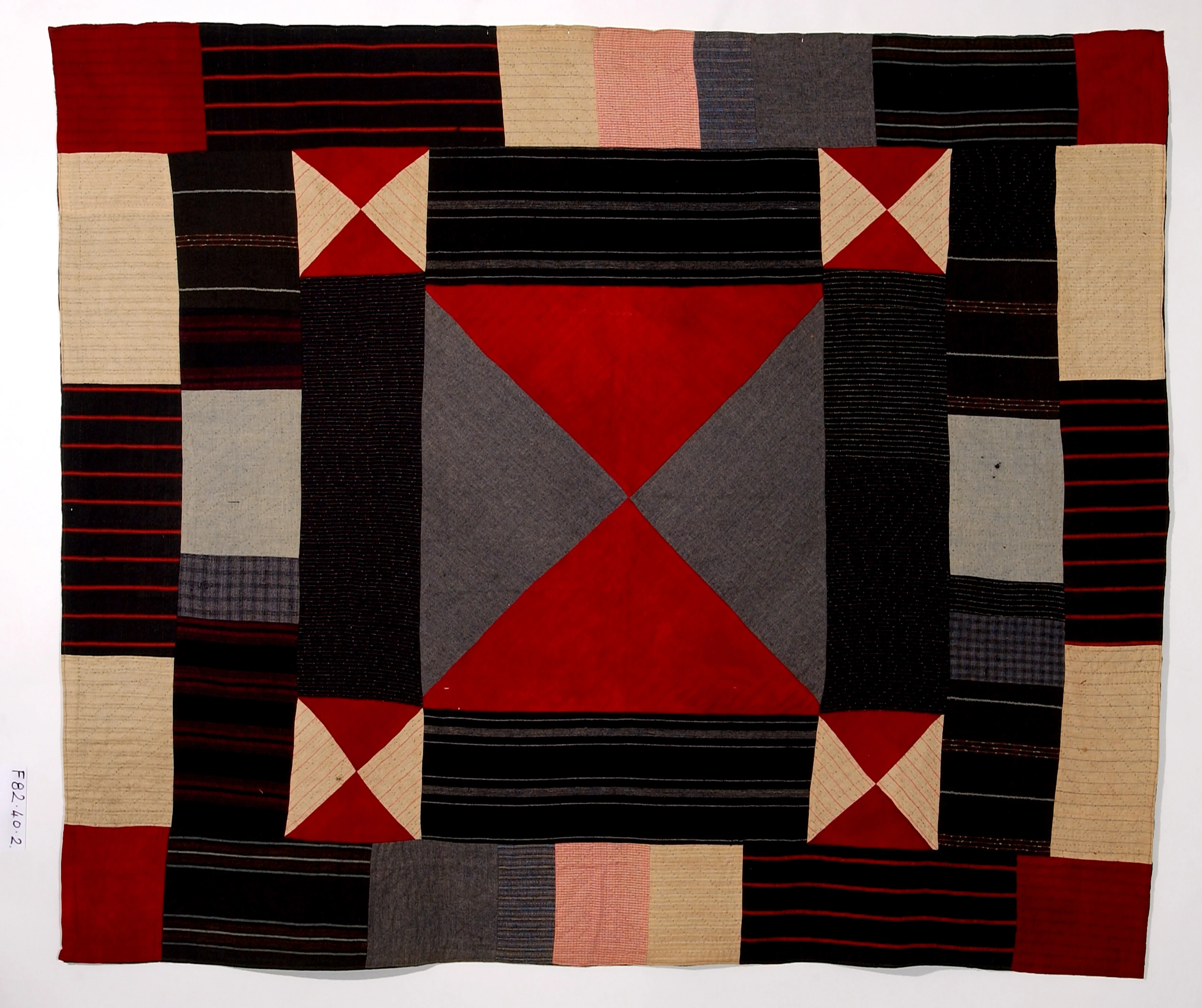
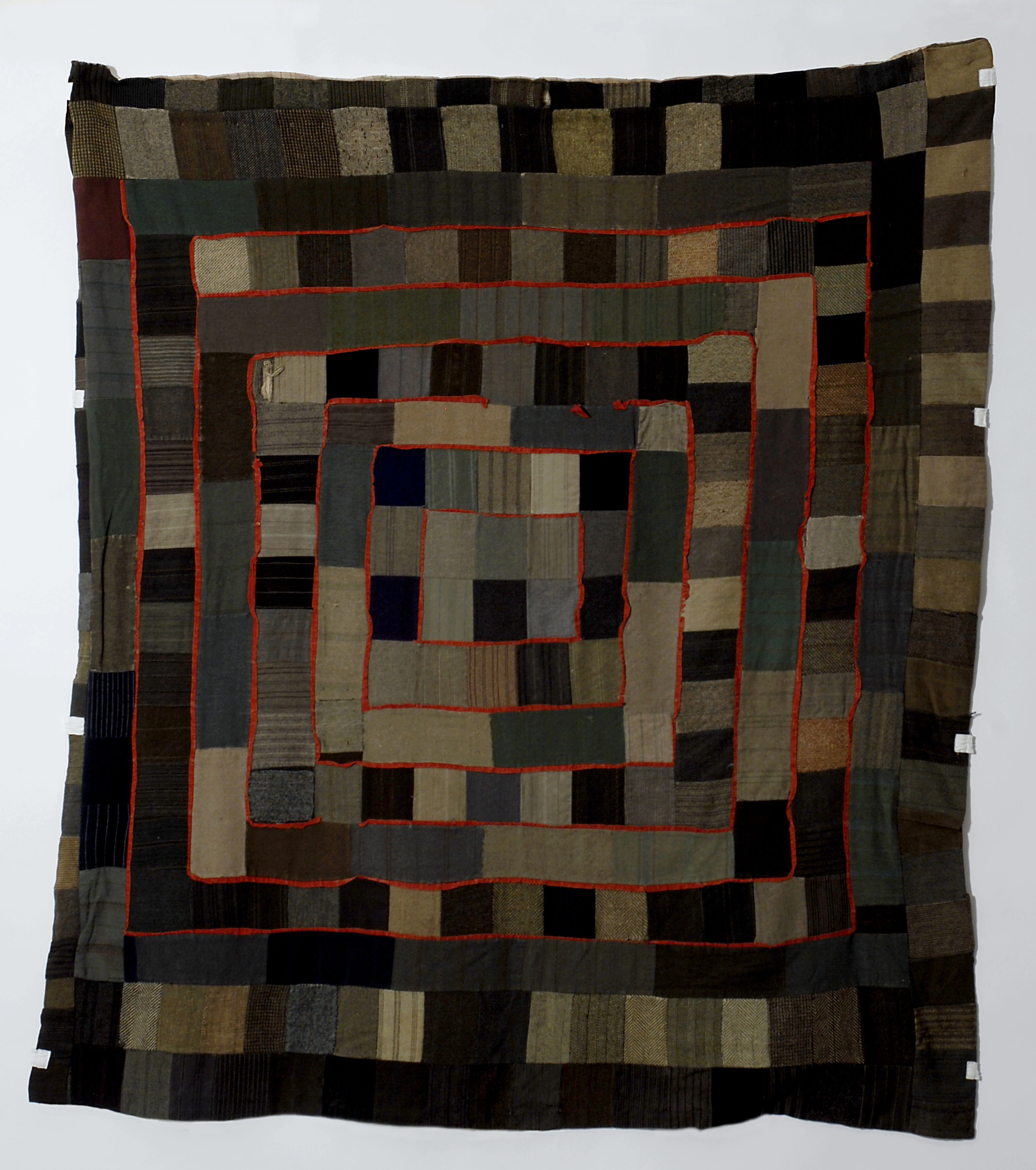
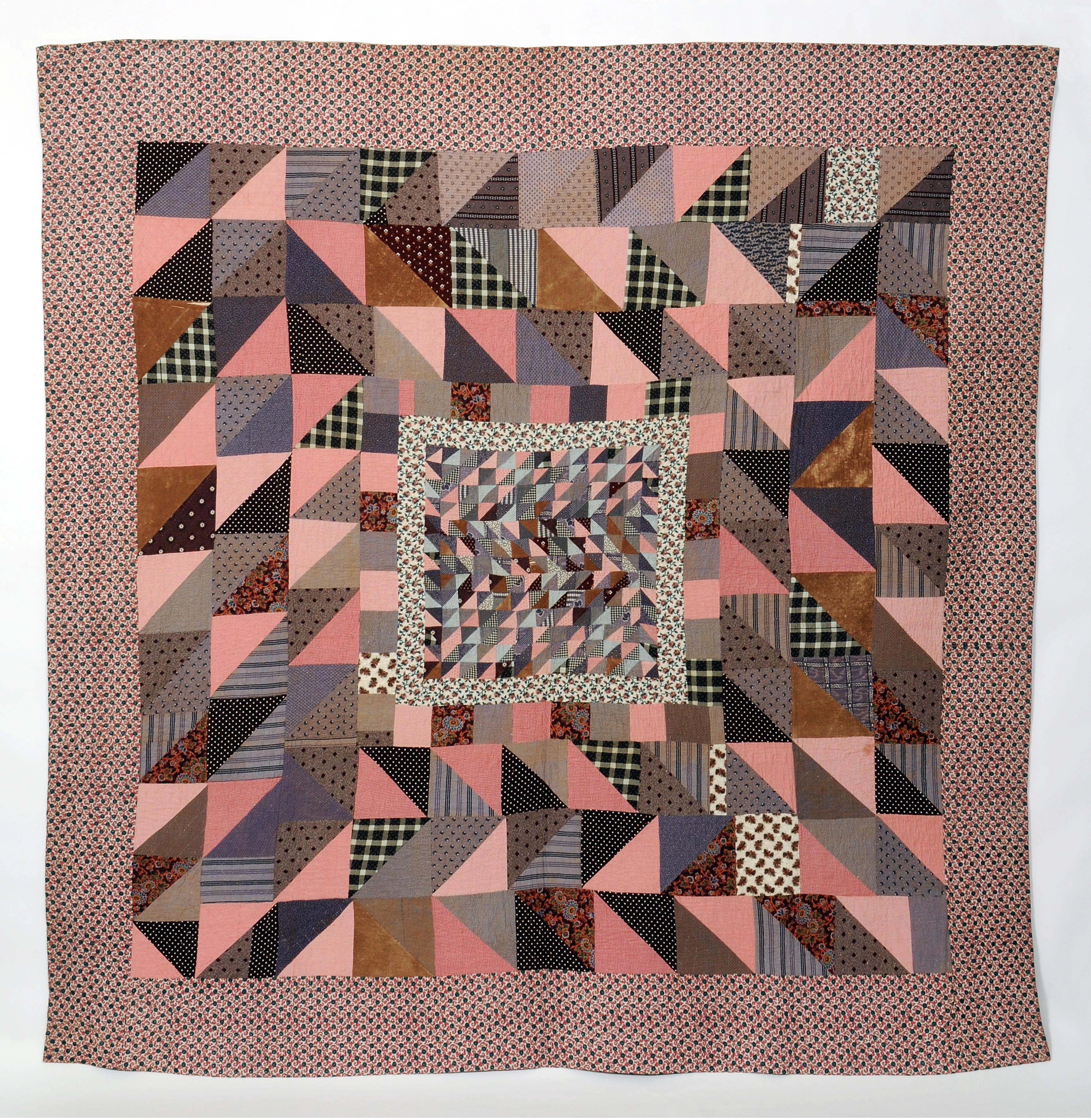
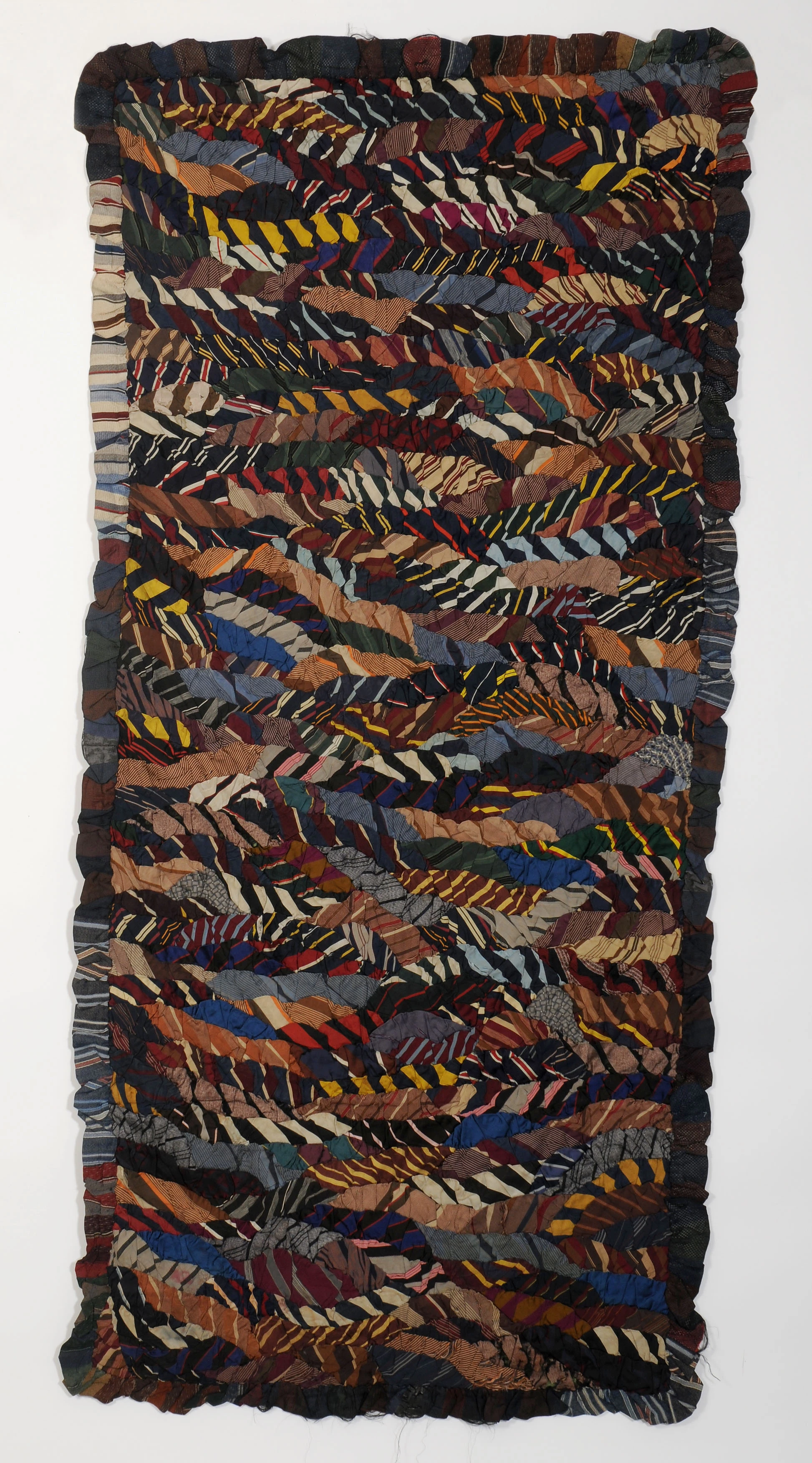
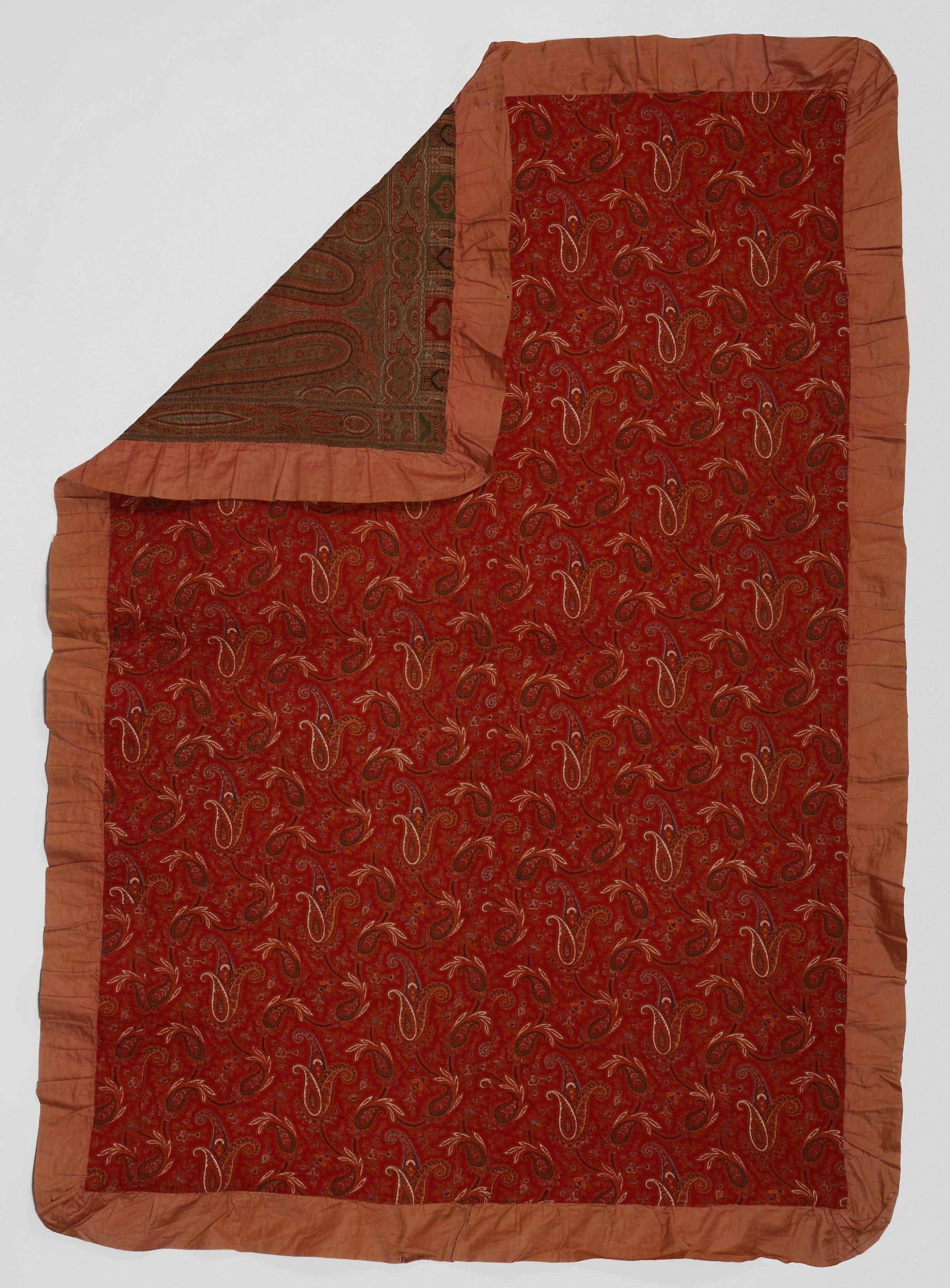
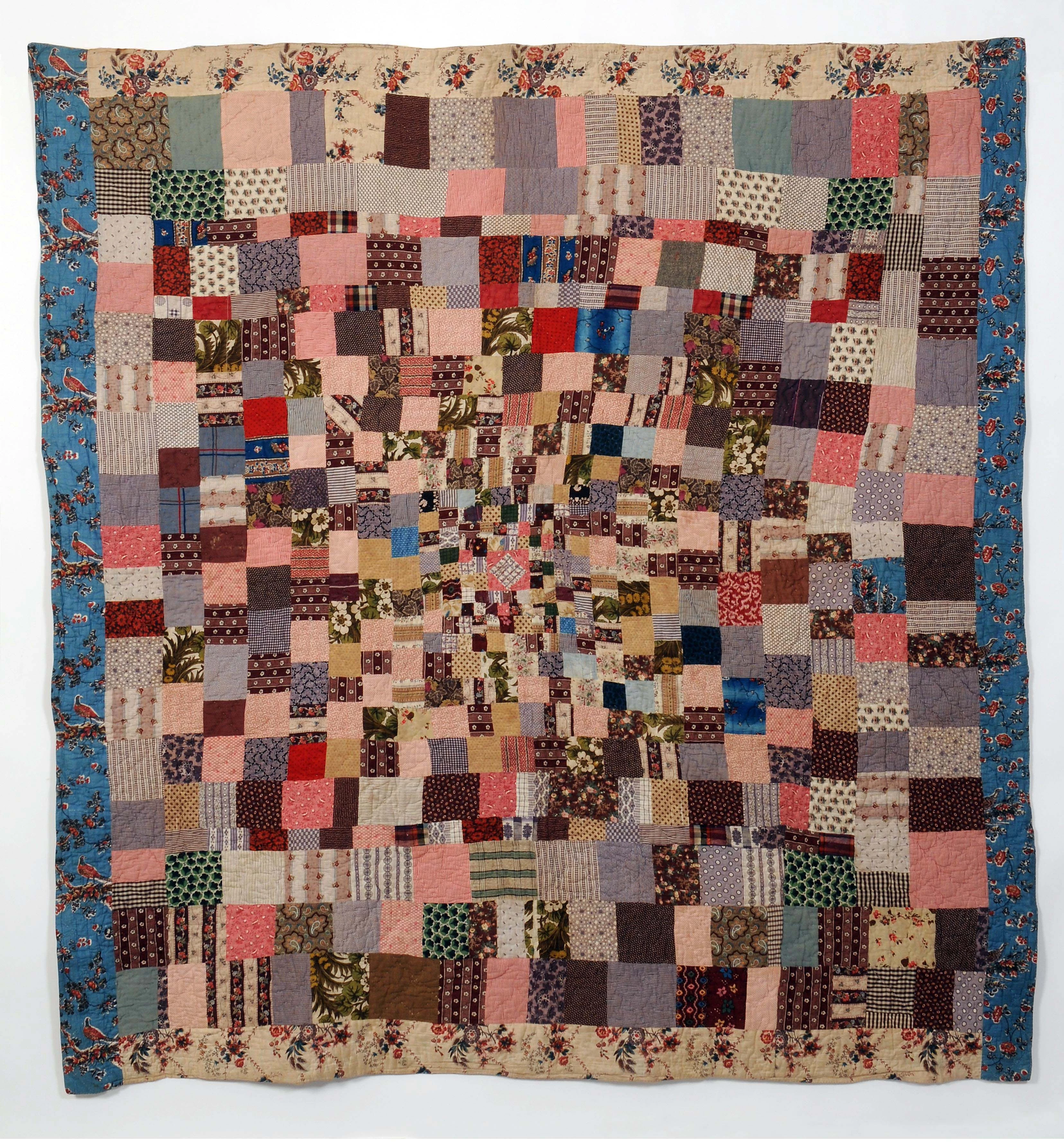
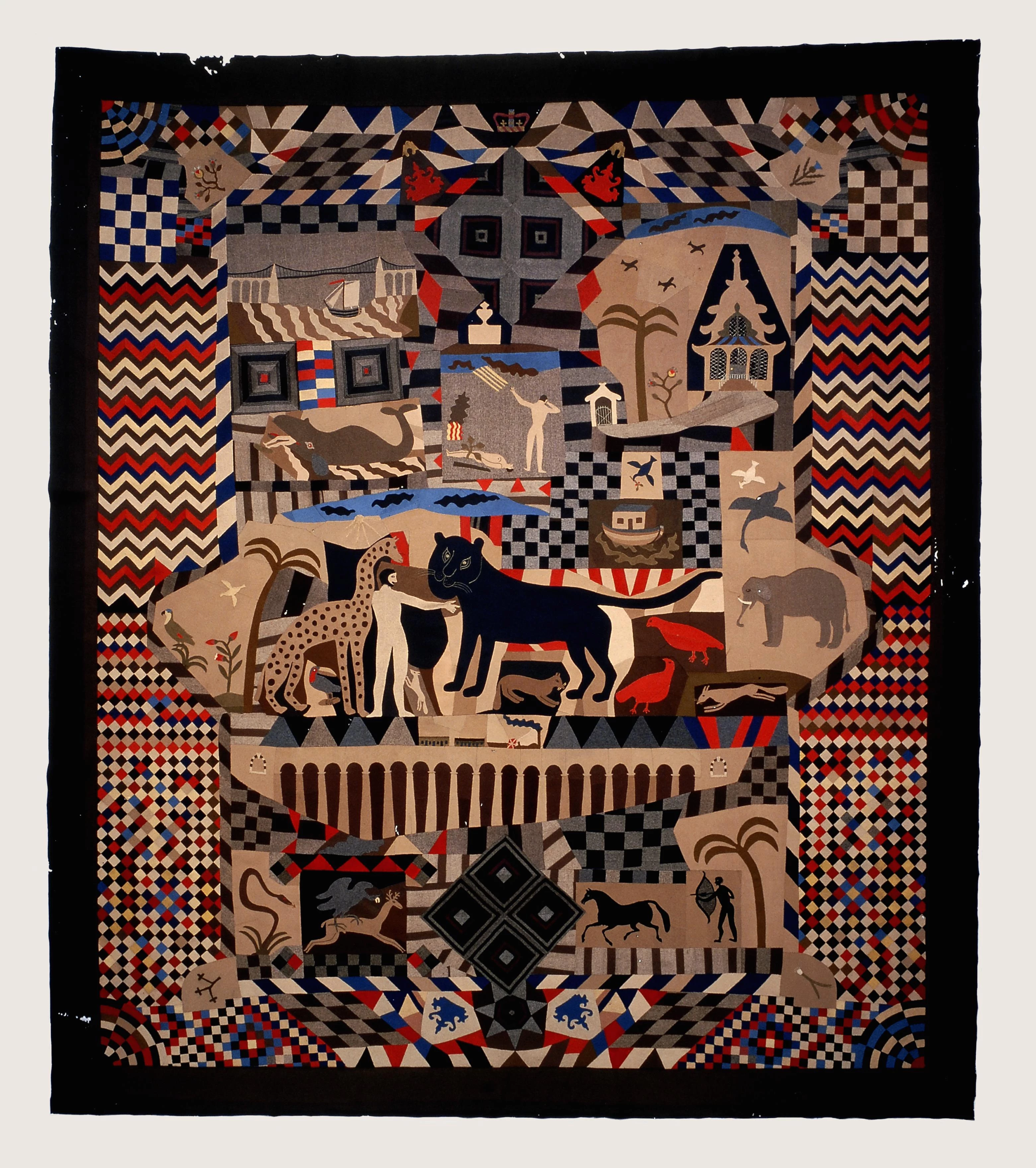
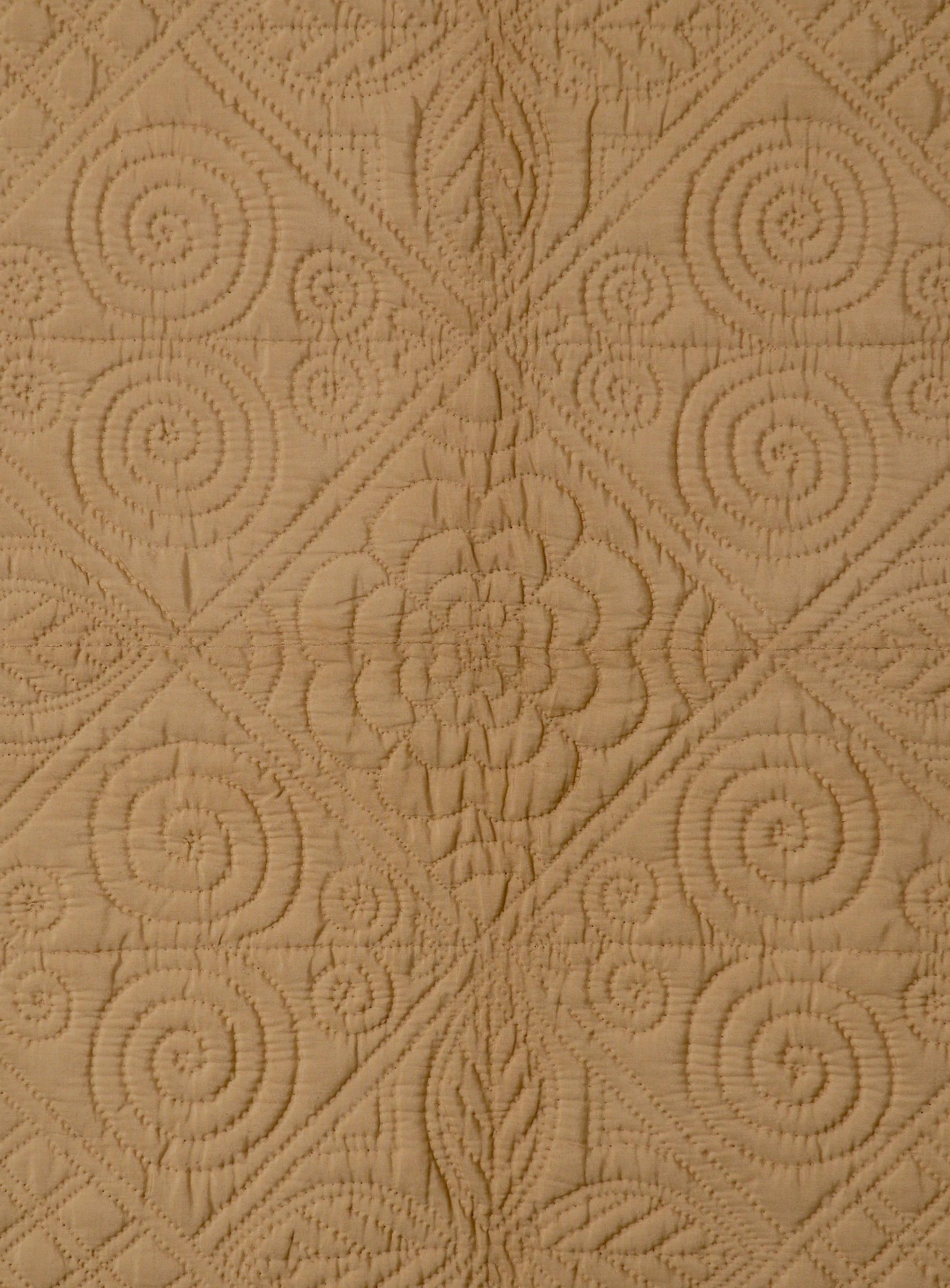
The collection of quilting and patchwork at Amgueddfa Cymru contains examples of bedcovers from the eighteenth to the twentieth centuries, together with smaller items such as cushion covers, linings from christening baskets, eighteenth-century petticoats and a christening gown worn by Peter Morgan of Golden Grove in 1722. The quilt collection at the Museum dates back to the 1930s. Although a few examples of quilts had been donated to the Museum in 1914, no systematic collecting had been undertaken prior to the establishment of the Department of Folk Culture and Industries in 1932.

The collection is available to view by appointment. If you would like further information, please contact the curator using our Email Form.

Scroll down through our collection of quilts which are listed in the following categories:

The rarest plants in Wales

1 April 2009

thumbnail flower

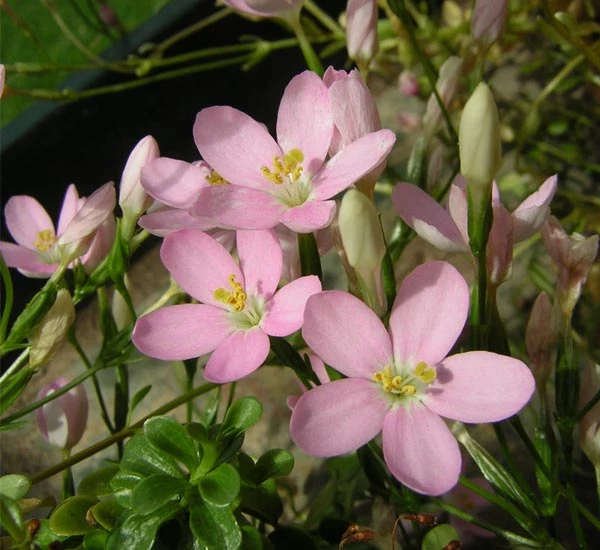
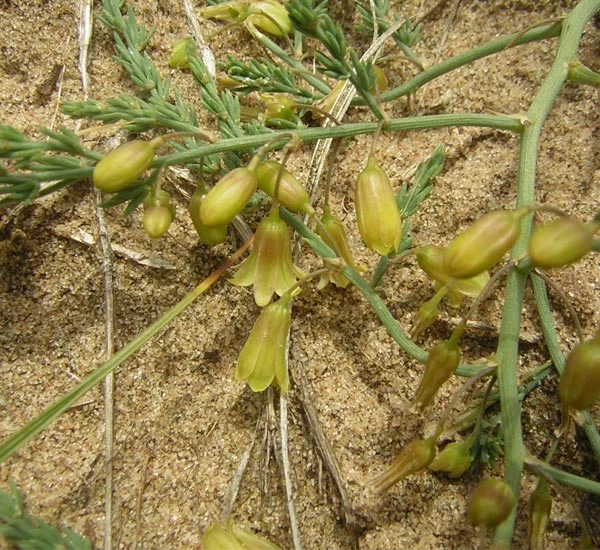
Scientists at Amgueddfa Cymru have been researching the possibility that the Perennial Centuary (Centaurium scilloides) colonised Britain by sea.
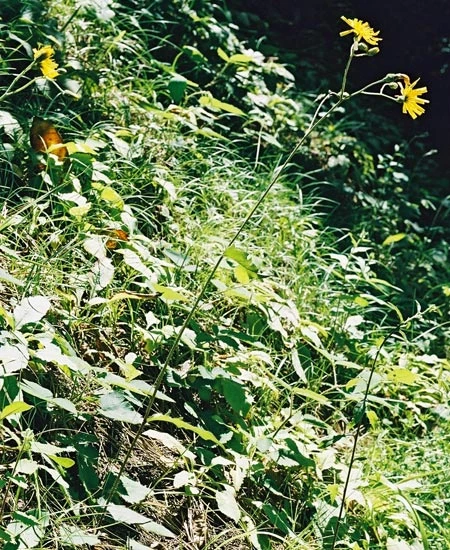
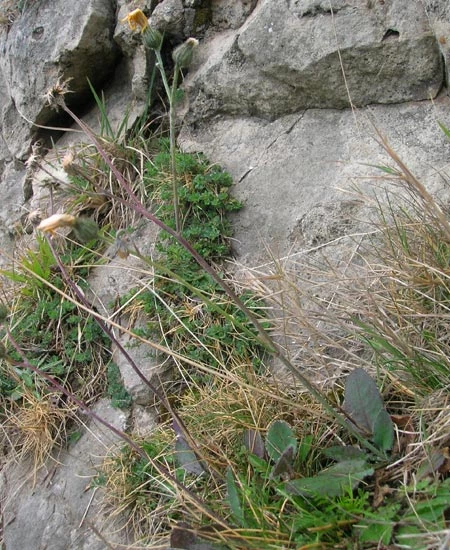
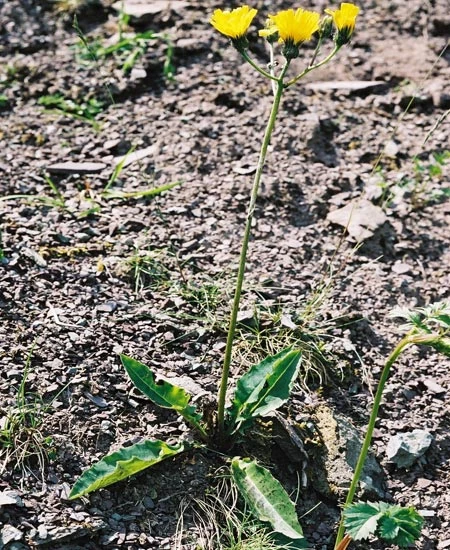
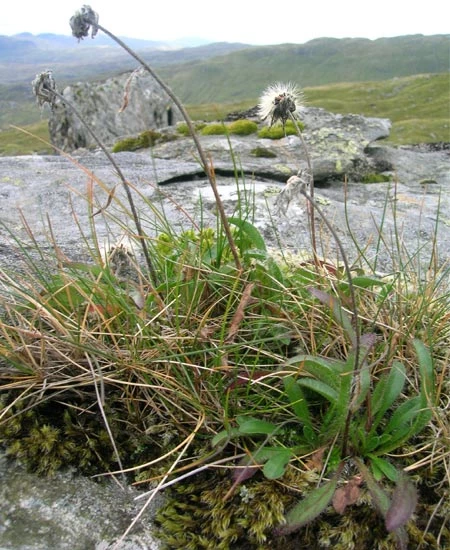
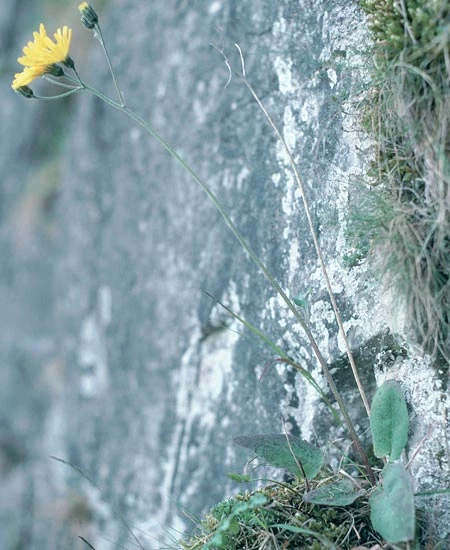
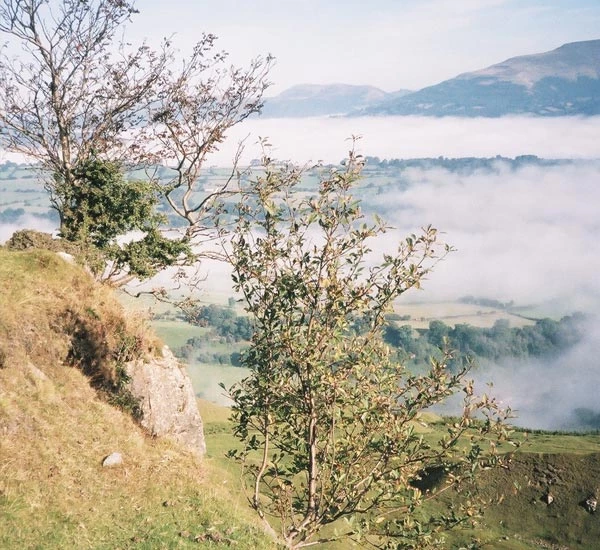
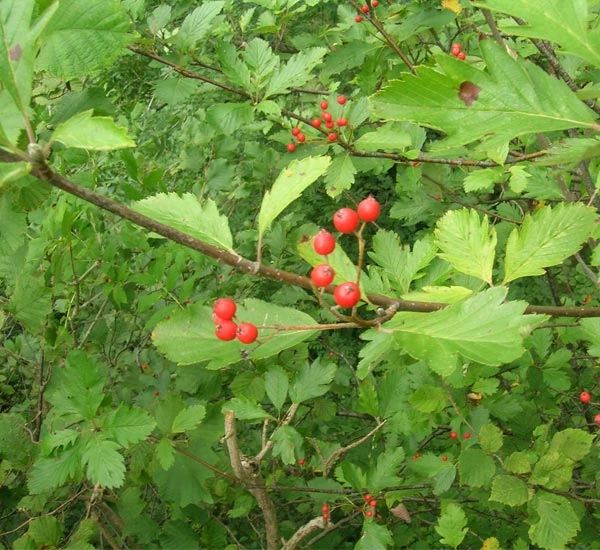
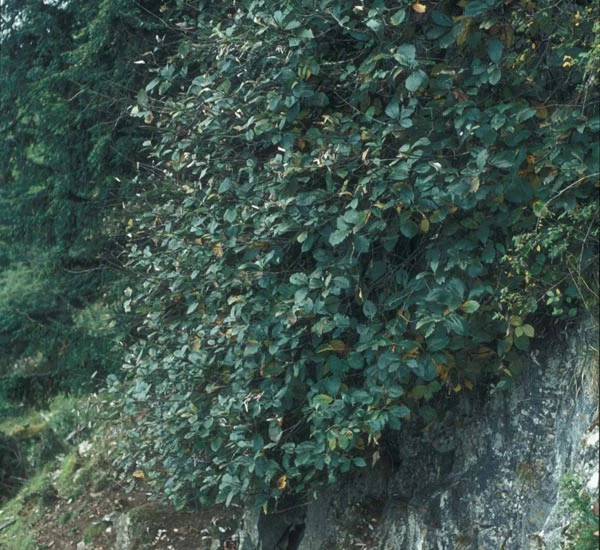
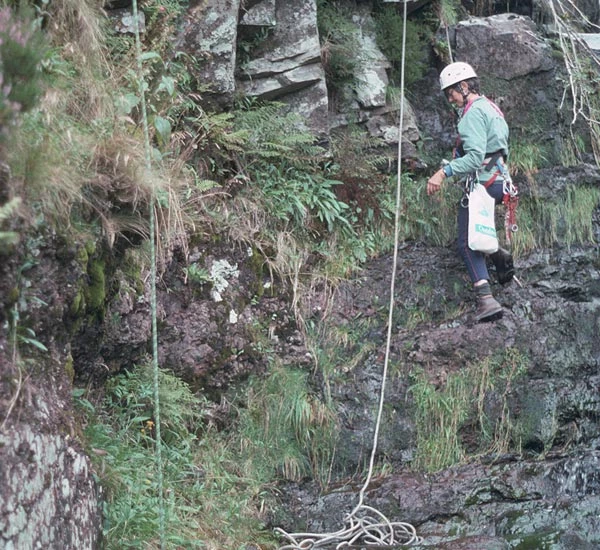
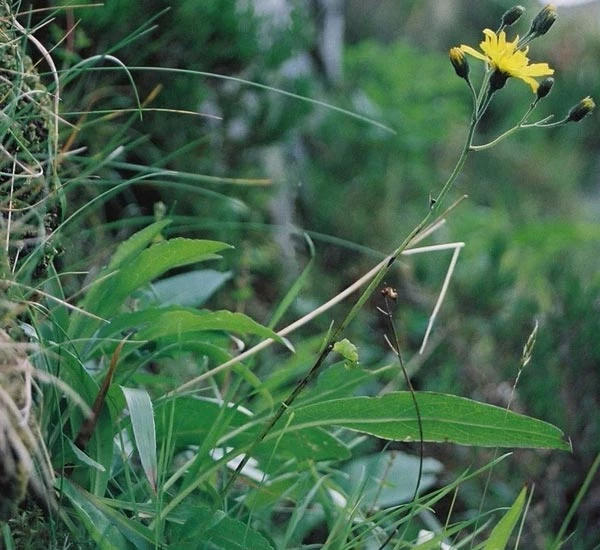
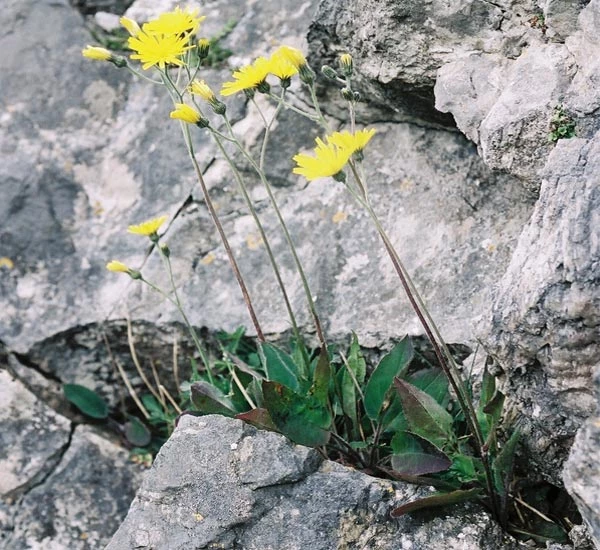
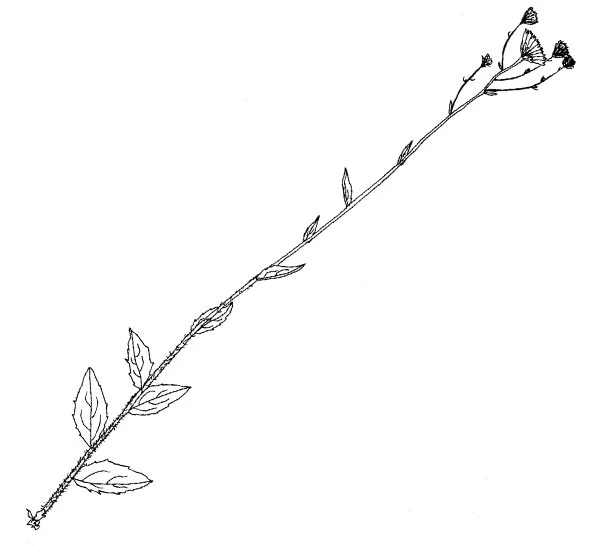
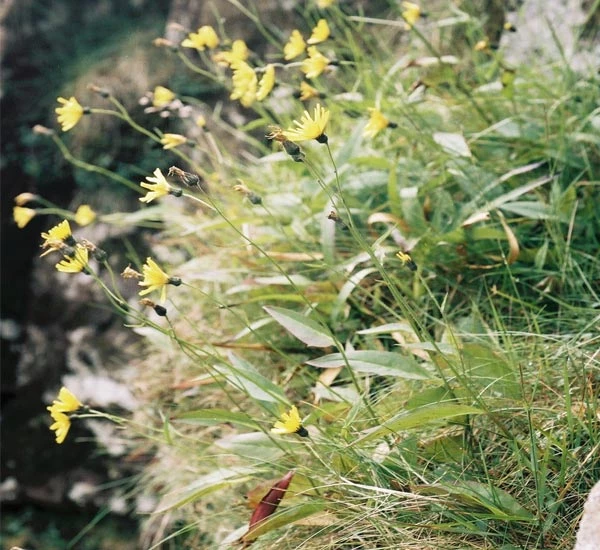
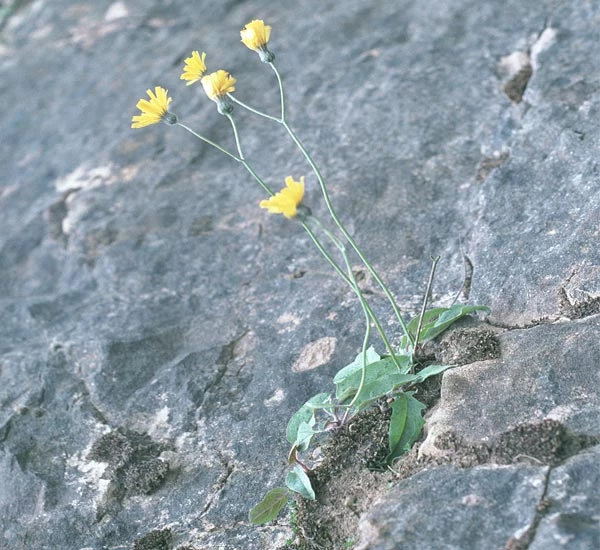
For its size, Wales has a rich flora. The variation in rock types and landscapes from the limestones of the Gower Peninsular to the mud-stones and volcanic rocks of Snowdonia support many different and special plants. Wales is home to a number of rare plants. Some rare species are endemic to Wales and occur nowhere else in the world, such as Ley's Whitebeam or the Black Mountain Hawkweed. Other rare plants occur elsewhere but in the British Isles only occur in Wales, such as the Snowdon Lily or Yellow Whitlow Grass. Others are rare on an international basis, such as Perennial Centaury or Wild Asparagus.

The Welsh Rare Plants Project aims to help conserve threatened Welsh plants by providing a firm scientific basis for their conservation. The advice is provided by collecting information on the size and location of rare plant populations, assessing threats to their survival, collecting ecological information, analysing genetic variation and making recommendations for habitat management.

It is a joint project between Amgueddfa Cymru — National Museum Wales and the National Botanic Garden of Wales, with part funding from the Countryside Council for Wales.

Click on the thumbnails below for information on each rare plant:

Gas-guzzling clams

1 April 2008

The new species and Genus Spinaxinus sentosus, collected from the organic cargo of the sunken ship Francois Vieljeux

The new species and Genus Spinaxinus sentosus, collected from the organic cargo of the sunken ship Francois Vieljeux. The genus bears little resemblance to other known thyasirids and remains the only record of this species.

Thyasira methanophila Clam
Thyasira methanophila

, a clam new to science from a methane seepage area off Concepción, Chile. Its name suggests its dependence on methane.

An extreme magnification of the exterior shell of Spinaxinus sentosus

An extreme magnification of the exterior shell covering of Spinaxinus sentosus, recovered from the organic cargo of the sunken ship Francois Vieljeux. The spines witnessed at this magnification lead scientists at the Museum to name the new genus 'Spinaxinus'.

Deep beneath the sea floor there are large reservoirs of oil and natural gas, but it is only relatively recently that methane has been discovered to seep from the surface of the sea bed. These areas are known as 'gas seeps' and certain animals have evolved specifically to take advantage of this unique environment.

A diet of methane and sulphur

Found alongside these methane gas seeps are communities of clams that use the gas as a source of food. They don't actually eat the gas but they have evolved to harbour bacteria in their tissues that do the job for them.

These organisms are known as 'chemosymbiotic' and a few groups of clams have been very successful in adapting to this environment.

The same group of clams can also exploit sulphur and these are found living in areas where there are layers of rotting vegetation, around decaying whale carcasses, at hot vents and even on mud contaminated with diesel oil.

Because these clams come from unusual environments and often from deep water, many have yet to be studied in detail. A number of these gas guzzling clams were sent to Amgueddfa Cymru - National Museum Wales for identification and description. Several scientific papers have now been written on these species new to science

Clams from Chile

Clam shells and whole specimens were sent to the Museum following the discovery of a methane seep off the coast of Chile at a depth of 700-900m. One of these species, belonging go the genus Thyasira, was new to science and has been described in a scientific paper. The bacteria in the gill tissue of the clam were studied using a scanning electron microscope. This confirmed the symbiosis (reliance) between the bacteria and the clam.

A species of the genus Lucinoma was also discovered to be new to science but only shells have been found so far. It is likely that the majority of species living at this site are endemic (restricted to this location) and found nowhere else in the world.

The Pakistan Margin

From the other side of the world, we were sent a small species from the same group as the Chilean bivalve - Thyasira - but from the Indus Fan, off the coast of Pakistan, collected while investigating the unusual fauna that live in the very low oxygen waters of this region. The Museum worked with the Natural History Museum, London to investigate the DNA alongside describing the anatomy and shell of this bivalve.

A clam with a taste for shipwrecks

Man-made sources of methane and sulphur are also exploited and one of the strangest was the cargo of the sunken container ship Francois Vieljeux. This ship sank off the north coast of Spain in 1,160m of waters, taking with it its cargo of castor beans and sunflower seeds.

During attempts to salvage the vessel it was noted that clams had settled and grown on the cargo. All the clams belonged to chemosymbiotic groups and were exploiting the sulphur released by the rotting cargo. One clam was a Thyasira, similar to the specimen from Chile.

Cascadia Basin, off Washington State

The Baby Bare Seamount in the north-east Pacific Ocean is a hot spring and home to a new species of Axinus (similar to Thyasira). This site is unusual in that no other species of bivalve typically found at other methane seeps and hot vent sites are found here. Methane and Hydrogen sulphide levels are low, so initially it was a mystery as to what these animals were using as nutrition.

Cadiz Mud Volcanos

Off the Southern coast of Portugal there are numerous marine mud volcanoes created by stresses on the African and Eurasian tectonic plates. These stresses cause hot, methane and sulphur rich fluids to eject from deep within the volcanoes out into the sea bed above. By the time the fluids reach the sediment surface they are cold, so the mud volcanoes are classed as cold-seeps. Many species of Thyasira clams are found at some of these sites, but only a few are known to harbour the chemosymbiotic bacteria that help them to extract nutrition from sulphur and methane. A collaboration between the Museum and Cadiz University, Spain has resulted in the newly described species Thyasira vulcolutre , meaning 'belonging to mud volcano'.

Finally, in conjunction with Bangor University, the Museum is carrying out the taxonomic work on a Thyasira collected from a mud volcano in the Arctic and a mussel of the genus Idas which was collected from diesel contaminated mud beneath an oil rig in the North Sea.

This work by Amgueddfa Cymru - National Museum Wales is helping research the possibility of using these clams to clean up contaminated areas of the sea bed.

St Teilo's

12 March 2008

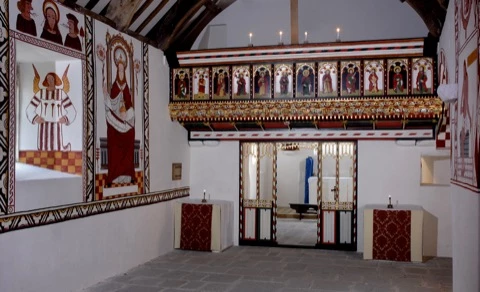
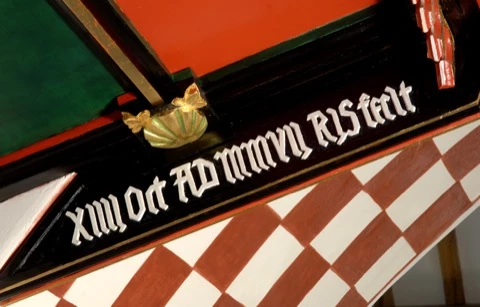
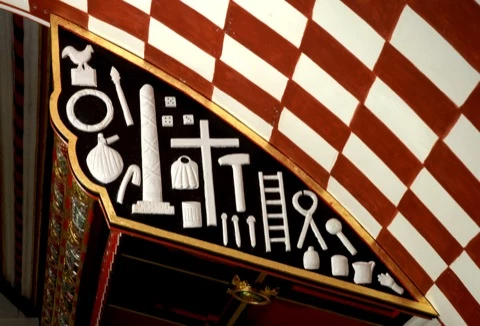
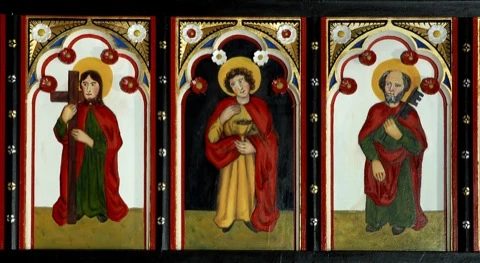
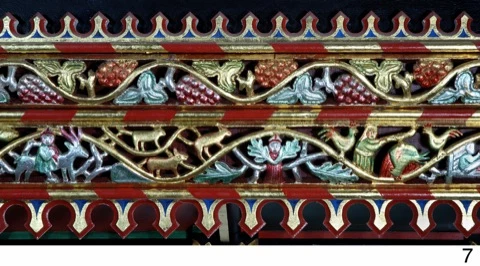
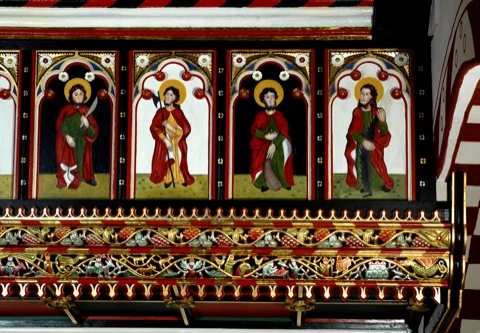
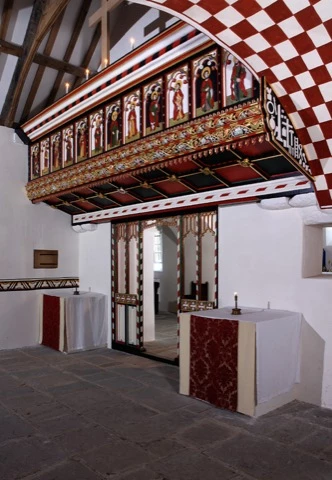
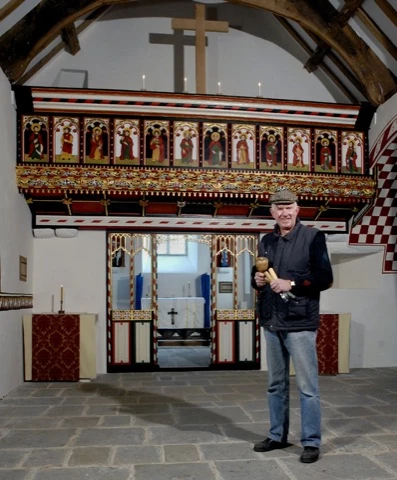
A selection of images from St Teilo's Church