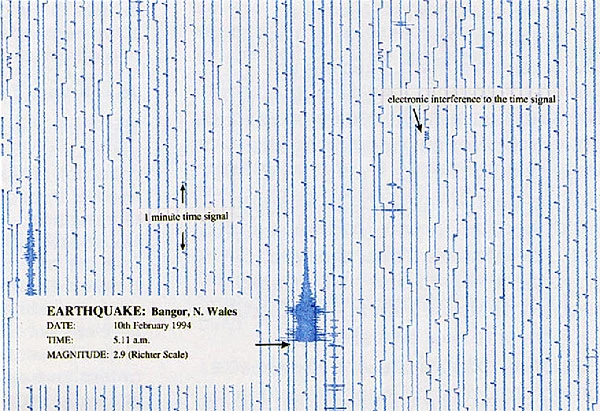
Earthquakes in Wales 27 March 2008 Although not competing with areas famous for their instability such as western California, Japan or Sumatra, Wales is a region of regular active Earth movements. You might be surprised to learn that at least sixteen significant earthquakes have occurred in Wales during the last century. Seismograph showing an earthquake in north Wales in 1994 Why do earthquakes occur in Wales?The British Geological Survey (BGS) records around 300-400 earthquakes each year in Britain. Wales, along with the rest of the UK, sits on the European plate, and stress builds up as it is pushed slowly north-eastwards from the Mid-Atlantic Ridge. The stress is released by movement along pre-existing fault planes, causing an earthquake.Where do earthquakes occur in Wales?There are several long-active fault systems in Wales. Once faults form, they create weak zones in the crust that can be reactivated time and time again. For example, the fault system running parallel to the Menai Strait between Anglesey and Bangor in north Wales are known to have been active over 500 million years ago and have also been the sites of more recent earthquakes.The Menai Strait area is the most seismically active area in Wales and one of the most active in the UK. The last major earthquake occurred here in 1984, but many others are known from historical records (including 1827, 1842, 1852, 1874, 1879, 1903). Although many events have been recorded in south Wales, from Pembroke to Newport, only the Swansea area shows consistent activity, with significant earthquakes occurring in 1727, 1775, 1832, 1868 and 1906. Largest earthquake in Wales for 100 yearsThe 1984, magnitude 5.4, Menai Strait earthquake was the largest onshore UK event for over 100 years. The epicentre was located in northern Llŷn, north Wales and the quake originated at a depth of approximately 22 km in the Earth's crust.Another major UK earthquake occurred on 2 April 1990 in the Welsh Borders. This magnitude 5.1 event was felt over an area of approximately 140,000 square kilometres and was followed by six aftershocks. The epicentre was initially identified as being at Bishop's Castle in Shropshire, but this was later revised to a location just inside the Welsh border (latitude 52.43°' N, longitude 3.03° W).Local damageIn both earthquakes the damage was relatively minor, including cracks in plaster and masonry and collapse of chimneys. In the Bishop's Castle event this was limited to the area immediately around the epicentre.The only fatality known from any seismic activity in Wales is from a woman falling down the stairs and being killed during the Porthmadog earthquake of 1940.Recent activityAn earthquake with a magnitude of 4.6 occurred in south Wales on February 17, 2018. According to the British Geological Survey (BGS), its epicentre was between Ystradgynlais and Ystalafera. A Welsh earthquake also occurred in the Bristol Channel on 20th February 2014, and was widely felt across South Wales, Devon, Somerset and western Gloucestershire. The BGS received several reports from the media and local residents describing “felt like the vibration of a large vehicle passing the building”, “the whole house seemed to move/wobble back and forth a few times”..The magnitude 4.1 earthquake is the largest to hit South Wales since 2013.Other recent earthquake activity from Wales include:A magnitude 3.8 earthquake on the Lleyn Peninsula on 29th May 2013.Magnitude 2.9 earthquake near Nantyffyllon on 5th June 2009.Magnitude 2.9 earthquake near Llangollen on 30th November 2007A magnitude 2.9 quake in Cardiff on 20th June 2002.In general, humans cannot feel events of less than magnitude 2.Recording earthqake activity at Amgueddfa Cymru.A seismograph at National Museum Cardiff displays output from a local seismometer and allows observation of data from seismic events.As seismometers are very sensitive to all types of ground vibrations, not only earthquakes but local traffic, trains and even roadworks, it was not possible to locate a seismometer in Cardiff city centre. Instead, data is obtained by a radio link from the nearest BGS seismometer near Newport, Gwent.GlossaryAftershocks are earthquakes that follow the largest shock of an earthquake sequence; they are smaller than the main event and can continue for years afterwards. The length of the aftershock period relates to the magnitude of the main shock, with large events having more numerous and larger aftershocks for the longer periods.Epicentre this is the point on the Earth's surface above the earthquake hypocentre.Hypocentre this is the place deep in the Earth where the earthquake rupture starts.Intensity is a measure of an earthquake's effect on people and the environment. It is controlled by: the distance from the epicentre, the magnitude of the earthquake and the local geology. In Europe the 12 division EMS 98 (European Macroseismic Scale) is used and in the USA the Modified Mercalli Intensity Scale. For details of the EMS 98 see www.earthquakes.bgs.ac.uk/macroseismics/ems_synopsis.htm.Magnitude is a measure of the strength of an earthquake. This is a logarithmic scale, which means that for each whole number increase there is a ten-fold increase in ground movement. There are several types of magnitude scale, but the 'Richter Scale'(ML — magnitude local) is the one used most commonly in the UK for 'local' earthquakes.Plate. The outer layers of the Earth's crust and mantle are divided into segments known as plates, which are in constant motion. The process by which plates move is know as plate tectonics.Seismometers work by measuring the position of a weight, to which a coil is attached, relative to a magnet in a frame. Vibrations cause movement of the coil and the generation of an electrical current which is then recorded by a seismograph. Seismometers, are highly sensitive, and can record the slightest of movements that are totally unfelt by humans.Seismographs record the motion detected by the seismometer. This is either on a paper trace or as electronic data. Time markers record the precise time a seismic event reaches the seismometer. By using data from at least three seismographs the position of an earthquake can be calculated.For current earthquake data see: http://earthquake.usgs.gov/earthquakes/ & http://www.earthquakes.bgs.ac.uk/ & http://www.emsc-csem.org/
Museum records largest earthquake in UK for 25 years 28 February 2008 A scan from the seismograph at National Museum Cardiff showing the Market Rasen earthquake on 27 February 2008 at 00:57.14 GMT. The shock waves were recorded by a seismometer located near Newport, south Wales, and transmitted to the seismograph at the Museum. The seismograph at National Museum Cardiff has recorded the largest onshore seismic event in the UK since 1990. The earthquake was recorded by the Museum's seismograph at 00:57.14 GMT 27 February. This has been identified as the Magnitude 5.2 earthquake detected by the British Geological Survey. The epicentre was initially reported as located just north of Market Rasen, Lincolnshire, at 00:56.47 GMT. The earthquake waves took just 27 seconds to travel the 158 miles between Market Rasen and the Museum's seismometer near Newport, south Wales. This means that the earthquake's waves were travelling at approximately 5.85 miles per second. This is the largest onshore event in the UK since the Magnitude 5.1 earthquake at Bishops Castle in the Welsh Borderland on 2 April 1990. The Market Rasen event was felt by people as far afield as Newcastle, Yorkshire, London, Cumbria, the Midlands, Norfolk and parts of Wales. Damage to roofs, walls and chimneys around the epicentre area were reported and one person was injured in Wombwell near Barnsley, South Yorkshire as a result of falling masonry. Aftershock Earthquakes of this size are typically followed by smaller earthquakes or 'aftershocks'. A magnitude 1.8 earthquake was recorded in the region just a few hours after the main event. A detailed investigation is required to establish the geological structure responsible for the main earthquake. The Geological Survey has already calculated that the quake occurred at a depth of around 18km. This suggests it most likely occurred along an ancient fault in Precambrian rocks, such as those that underlie much of Wales. The exact fault along which the quake occurred is unlikely to be exposed at the surface as younger Palaeozoic and Mesozoic rocks (Carboniferous, Permian, Triassic and Jurassic, for example) overlie the Precambrian rocks in the Market Rasen area. The magnitude 5.4 Lleyn Peninsula earthquake of 19 July 1984 remains the largest recorded onshore earthquake in the UK. Information from: http://www.earthquakes.bgs.ac.uk/ http://www.emsc-csem.org/ http://earthquake.usgs.gov/regional/neic/ http://news.bbc.co.uk/
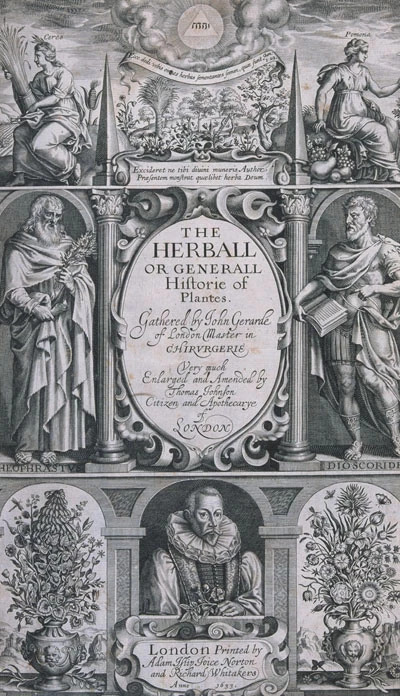
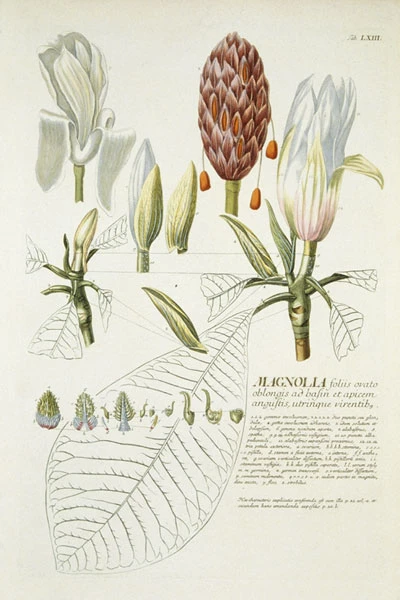
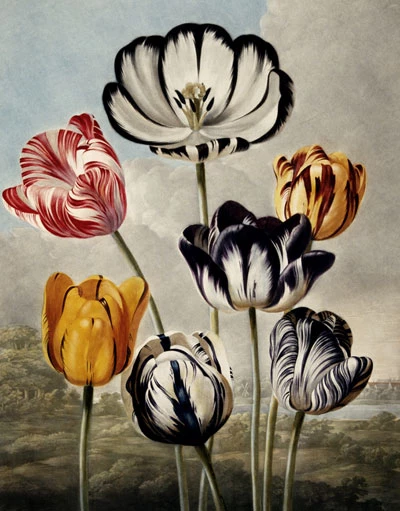
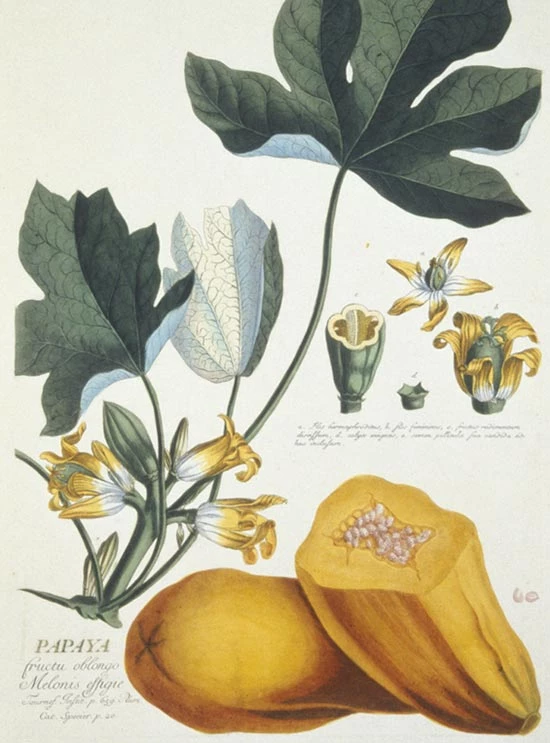
Drawn from nature: Botanical illustrations 20 August 2007 Throughout the Dark Ages, disease and poor hygiene were rife and people relied on herbalists and their remedies. Cure for deafness: take rat's urine, the oil of eels, the house leek, the juice of travellers' joy and a boiled egg. Plant collectors travelled to remote parts of the world. Finding new plants meant exploring new lands - often without accurate maps, through country without roads, and with few settlements. In the 17th century, travel and trade brought many new exotic plants to Europe. So-called 'Tulipomania' rose from the passionate desire of the wealthy to own the rarest plants. In Holland, a single tulip bulb was bought for 4,600 florins, plus a coach and a pair of dappled greys. Many of the exotic fruits such as the Paw-paw and Pineapple discovered on the voyages of discovery quickly became fashionable in Europe. The Paw-paw (papaya) is a native of tropical America. Mankind has always been fascinated by flowers, by their beauty, and by their possibilities for healing and knowledge. Amgueddfa Cymru holds a unique collection of more than 9,000 botanical illustrations spanning five centuries. After a small exhibition at National Museum, Cardiff in 1942, the illustrations were put into store. Fifty years later the breadth and significance of the collection was rediscovered and their exquisite draughtsmanship fully appreciated. The collection comprises work ranging from professional engravings to amateur watercolours, and includes several items by acknowledged masters such as Georg Dionysius Ehret and Pierre Joseph Redouté. 500 years of botanical illustrations The collection traces the development of botanical illustration and its relationship between art and science from the medieval herbals of the Dark Ages, when man feared nature, through the Enlightenment and the great voyages of discovery to the contemporary illustrations of the 21st century. Floras By 1600, after the early woodblocked herbals, the process of engraving on metal allowed a finer delineation of every minute detail, revolutionising botanical illustration. Flora Londinensis (1777-87) by William Curtis is one of the most famous British floras listing all the plants within a ten-mile radius of London. An important early 19th century European flora is the Flora Danica (1763-1885), which took almost a hundred years to complete. In the 17th century, plants were grown for their beauty as well as practical and scientific use. The wealthy produced 'florilegias' illustrating the rare and beautiful plants on their estates, while scientific guides were full of precise illustrations from a whole range of plants. The collection contains many original prints from the 17th century, including work by Redoute, Sowerby, Fitch and the Welsh-born Sydenham Edwards. The introduction of taxonomy In 1753 the Swedish naturalist Carl Linnaeus developed a new system of naming and classifying all living things. Everything was given two names in Latin: a genus name and a species name. This had a profound impact on the style of botanical illustration. Emphasis was now on the plant's sexual organs — much to the alarm of polite society. The acceptance of the new Linnaean system was helped, in part, by the high quality of illustrations produced by G. D. Ehret at that time. The Museum holds illustrations by Ehret from Plantae Selectae (1750-73) and also a collection by J. S. Miller from Bute's Botanical Tables (1785), commissioned by John Stuart, 3rd Earl of Bute. The collection also includes works by Redouté, Kirchner and Elizabeth Blackwell. Backwell illustrated a herbal entitled A Curious Herbal to free her husband from incarceration in a debtor's prison. Voyages of discovery Botanists accompanying the epic voyages of discovery in the 18th and 19th centuries were the first to record and collect the exotic plants encountered in the remote uncharted lands. For the first time Europeans saw pictures of exotic fruits such as pineapples, paw-paws and pomegranates. Examples in the collections include Banks' Florilegium and works from Curtis's Botanical Magazine. Victorian enthusiasm The Victorians brought about an immense enthusiasm for science. Engravings of newly introduced plants became widely available through journals and popular magazines, such as Carter's Floral Illustrations and Paxton's Floral Garden. With the discovery of Victoria regia, the giant water lily from the Amazon, there was much rivalry between the gardeners of the stately houses of England as to who would be first to induce it to flower in Britain. Joseph Paxton, the gardener at Chatsworth, won the race. It is said that the structure of the huge leaf inspired his design for the Crystal Palace.
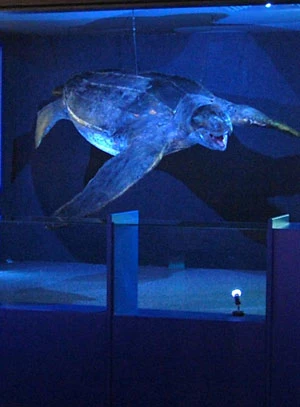
The largest turtle in the world 15 August 2007 The leatherback turtle on display at National Museum Cardiff was washed ashore on Harlech beach, Gwynedd in September 1988. Sadly, the turtle had drowned after being trapped by fishing lines. It was approximately 100 years old when it died. The turtle attracted worldwide attention as it was the largest and heaviest turtle ever recorded, measuring almost 3m (9ft) in length and weighing 914 kilos (2,016 pounds).The turtle's arrival on the beach saw a flurry of activity by Museum staff who were keen to exhibit the turtle. However, preparing such a specimen for display was not straightforward. The turtle had to be flipped upside down before repairing cracks on the underside. Displaying the world's largest turtleAfter undergoing an autopsy for scientific information, the skin was removed and preserved and a mould of the body shape was made. The preserved skin was stretched over the mould to produce a lifelike pose.The skeleton was also removed and prepared for display alongside the body. The taxidermy mount and associated skeleton were then put on display in their own gallery, with linking displays on the leatherback's history, threats, ecology and conservation. The Leatherback being cleaned and repaired Sixteen years onAfter 16 years on display, significant cracks had started to appear on the specimen. There had long been problems with cracking, and it had been patched up over the years. Low humidity was identified as a cause, so there was no choice but to close the gallery and conserve this popular specimen properly.The first stage was to clean the turtle of its layer of dust and oily grime. A non-ionic detergent removed the worst of the dirt.Once reasonably clean the next stage was to return the distorted parts of the specimen back to the correct shape. This involved soaking the exterior with a solution of deionised water, salt and detergent, enabling it to be moved back into position.Removing old repairsOnce the specimen was dry, the old repairs were removed. This was a long and slow process requiring care so as not to damage the turtle's skin any further. A large amount of the skin had been painted black some years before, so this also had to be removed. This was achieved with acetone and a mobile fume extraction system.Once the previous repairs and paint were removed, the turtle's original patterns and skin texture could be seen once more. Gaps and splits in the specimen were then filled in and painted over to blend with the turtle's original skin colour and texture. The Turtle after conservation The leatherback turtle in its new display at the National Museum, Cardiff RedisplayingThe skeleton was also carefully cleaned before the finished turtle was re-hung as before. After 4 months of work, the turtle gallery could finally be re-opened to the public.Another journey for the turtleConditions in the turtle gallery were continuing to cause conservation problems. As a result, during 2006 the turtle was moved to a new location in the adjoining 'Man and the Environment' gallery, next to the humpbacked whale. The new space has better environmental conditions, allowing the turtle to remain on open display. In addition, the information panels have been renewed with up-to-date information. The turtle now sits as a fine addition to this gallery space.
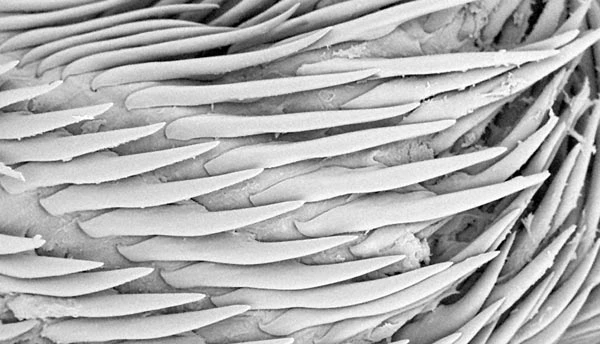
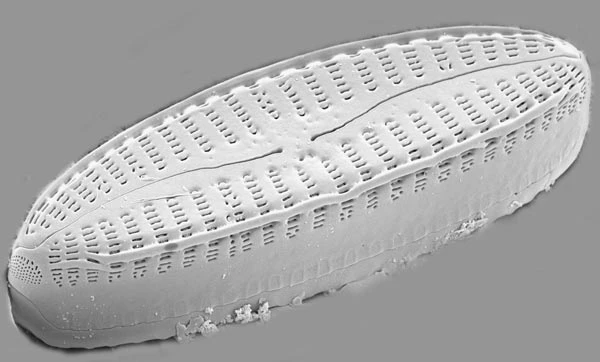
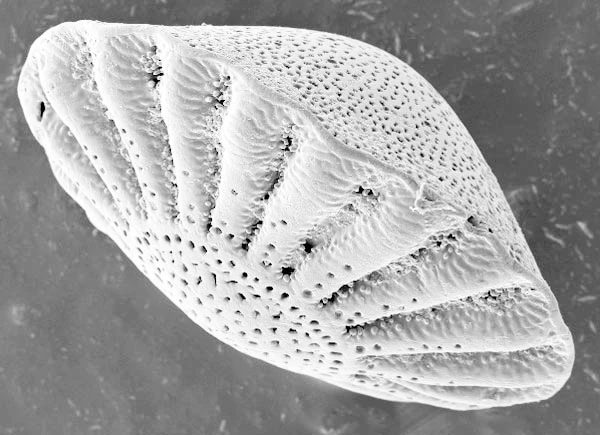
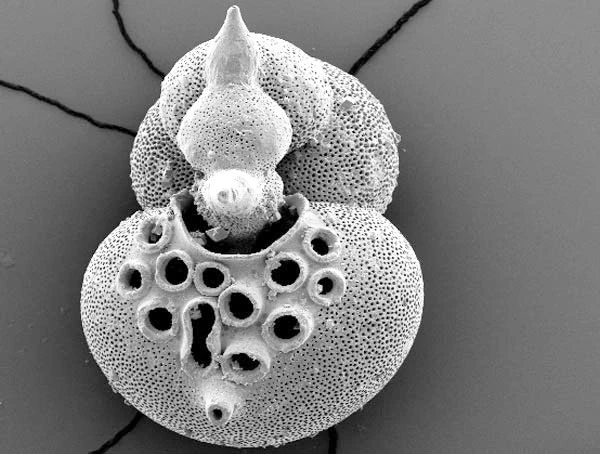
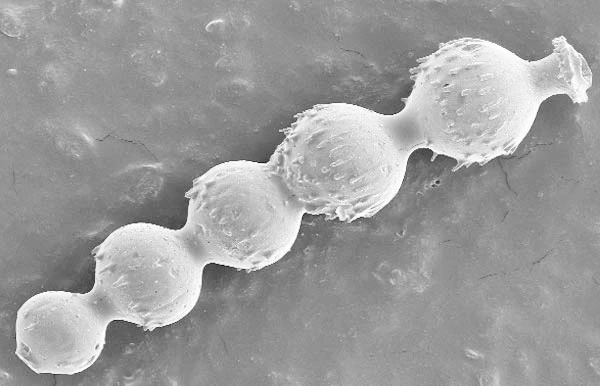
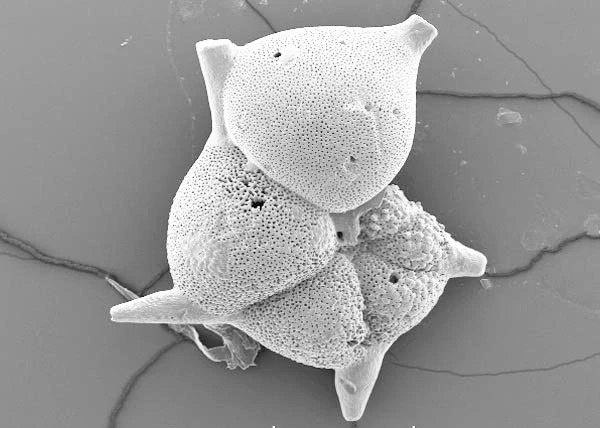
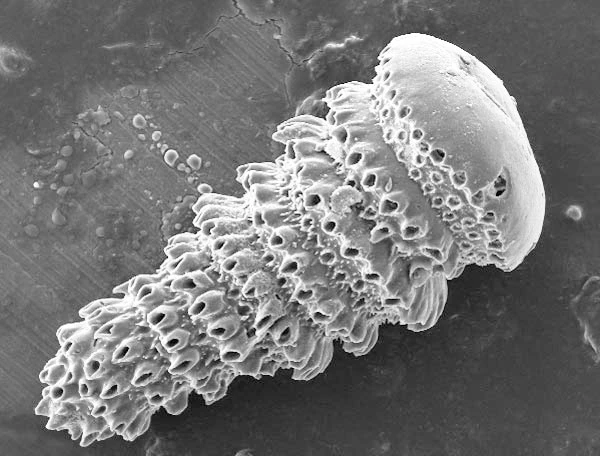
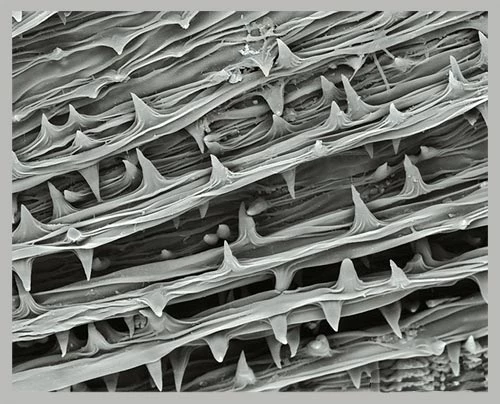
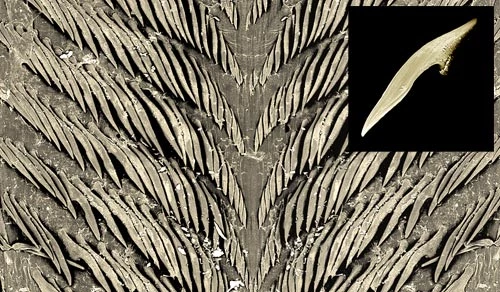
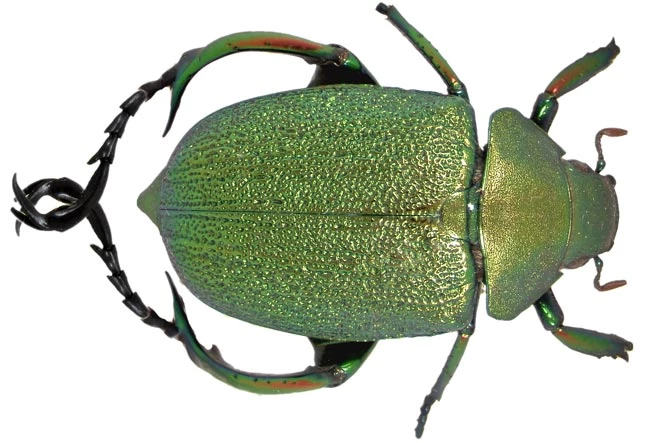
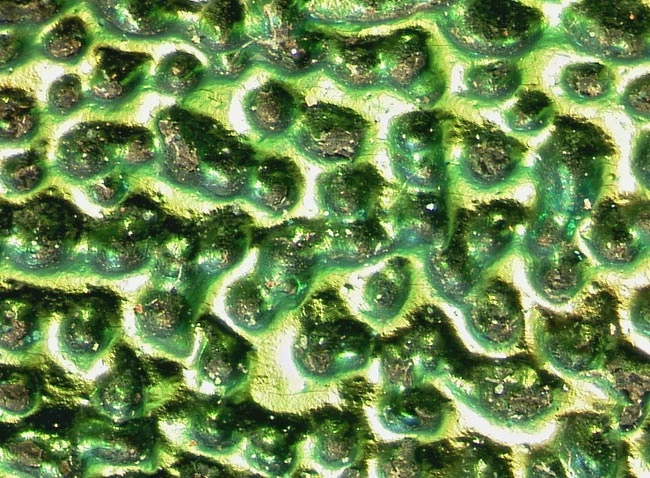
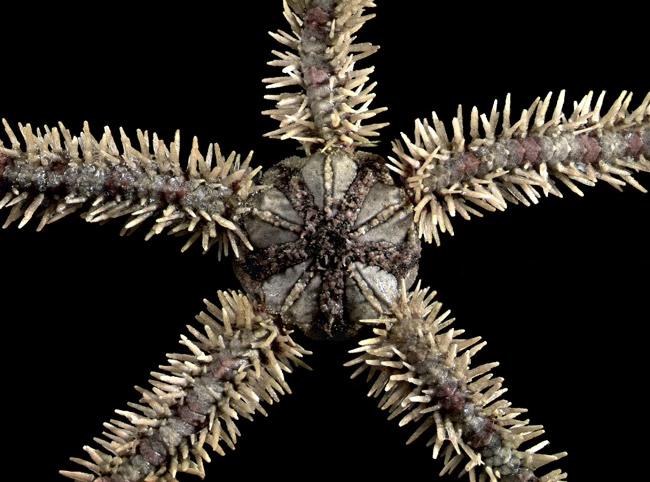
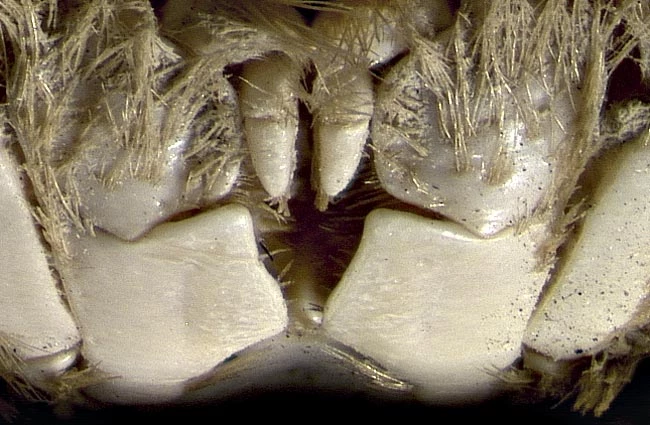
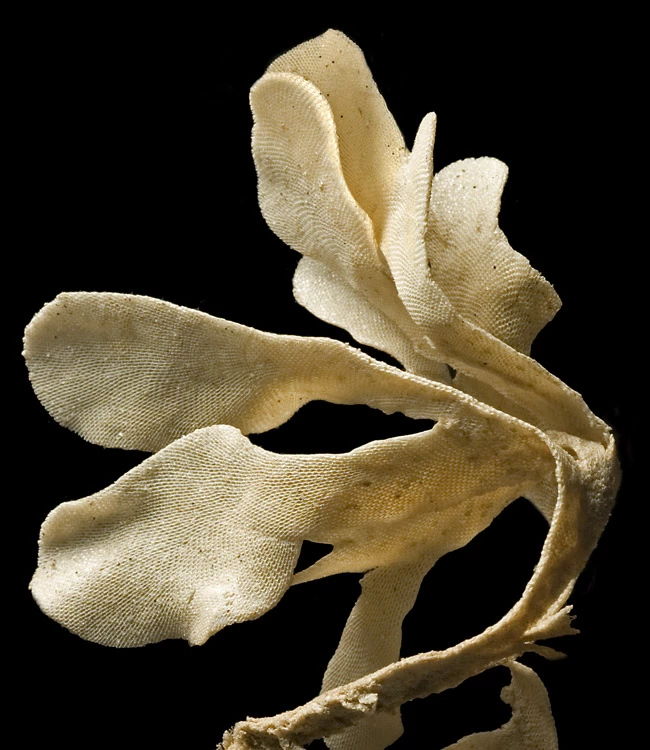
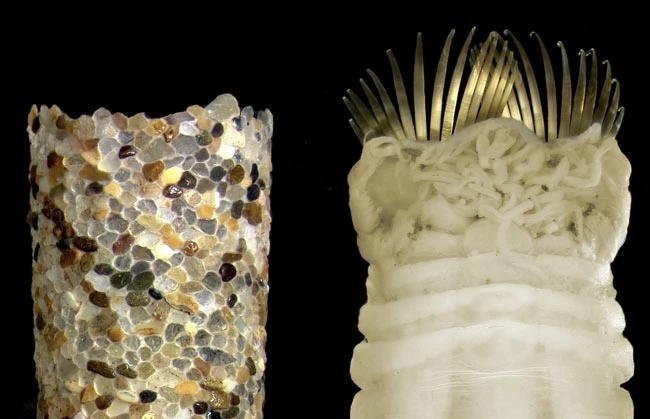
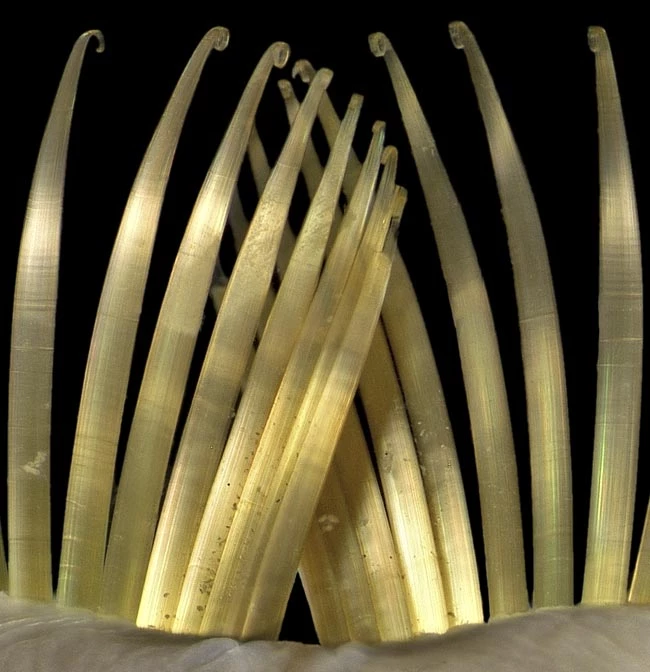
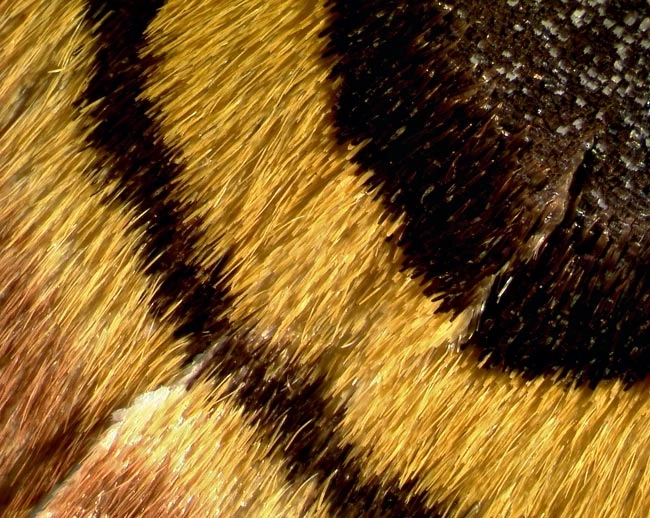
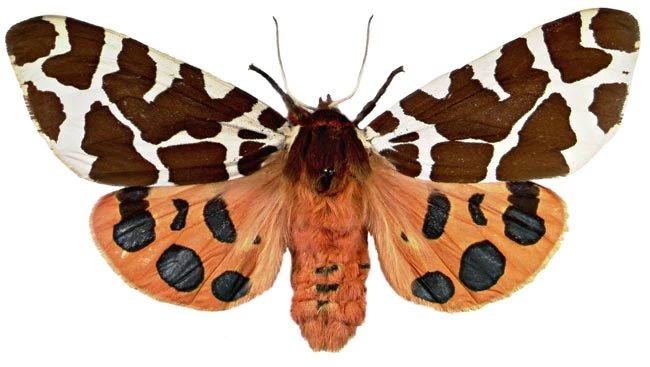
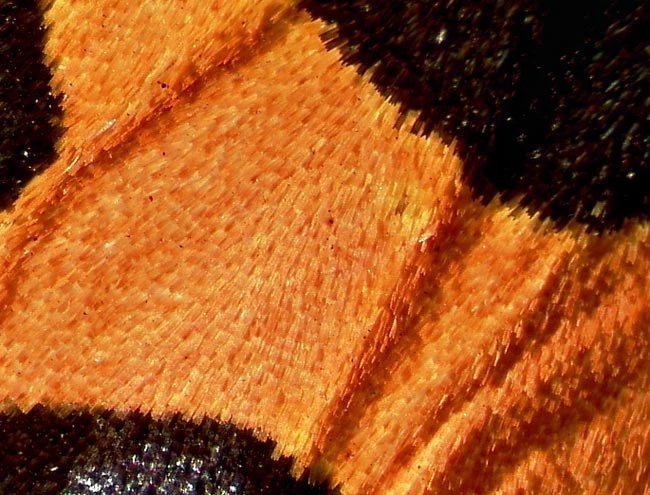
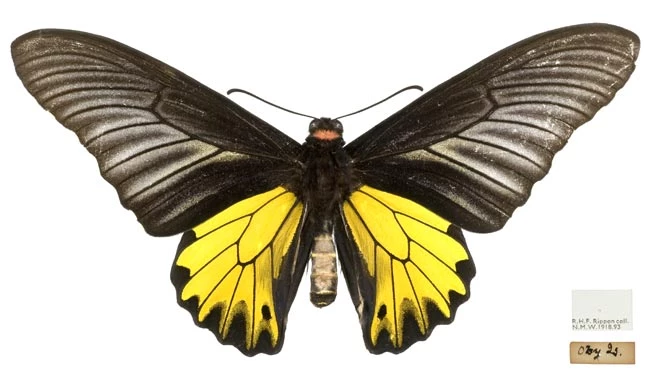
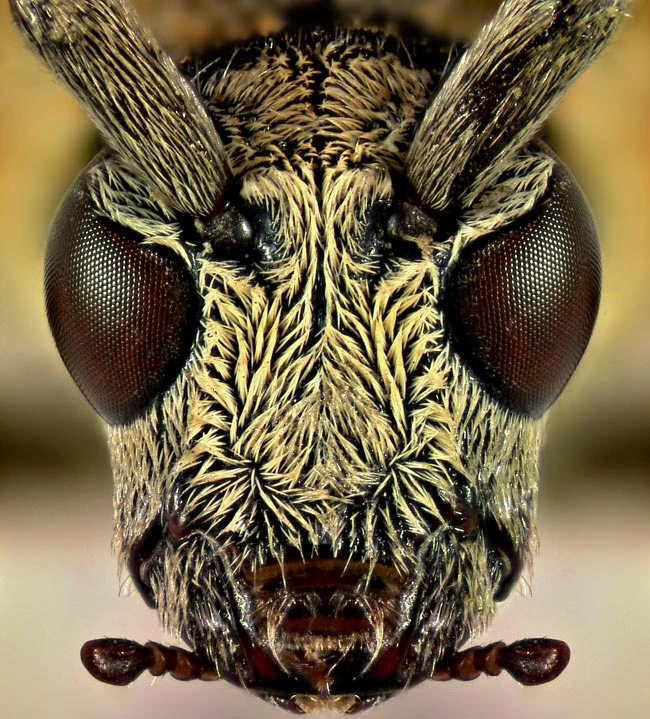
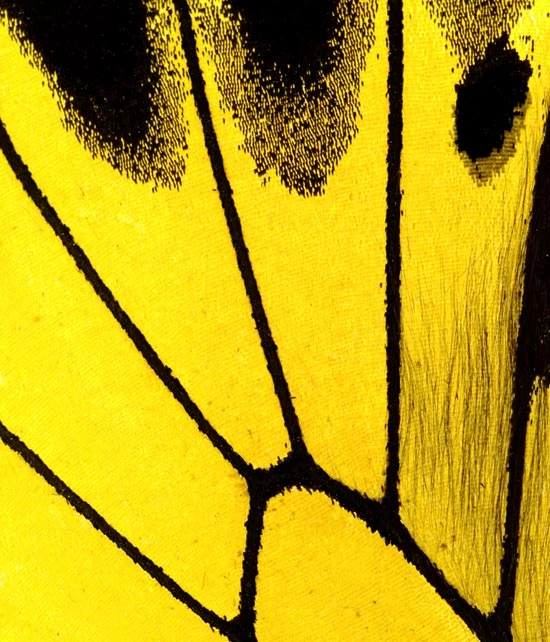
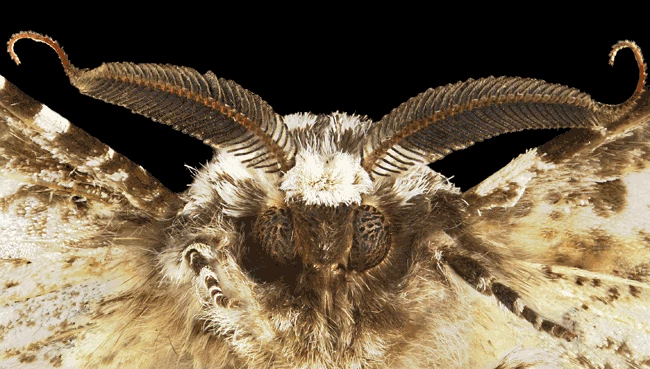
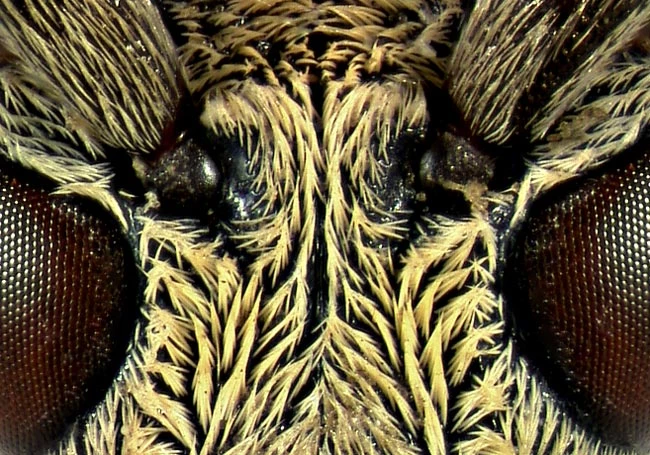
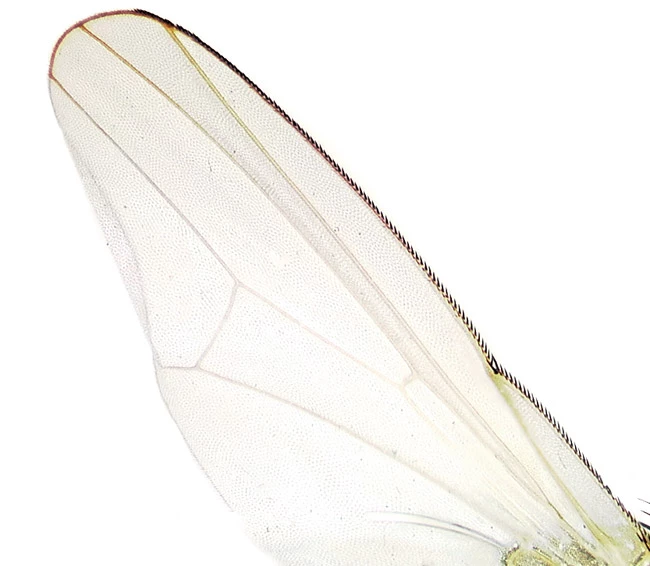
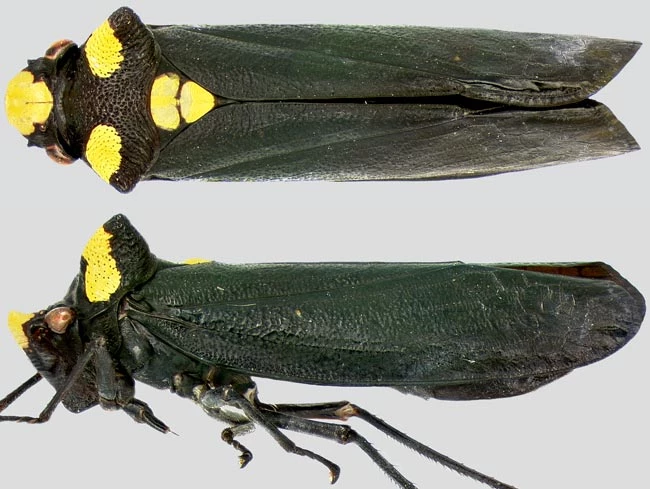
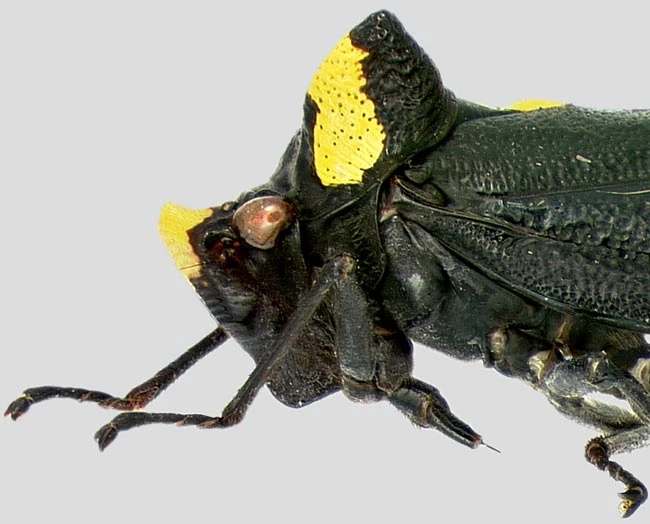
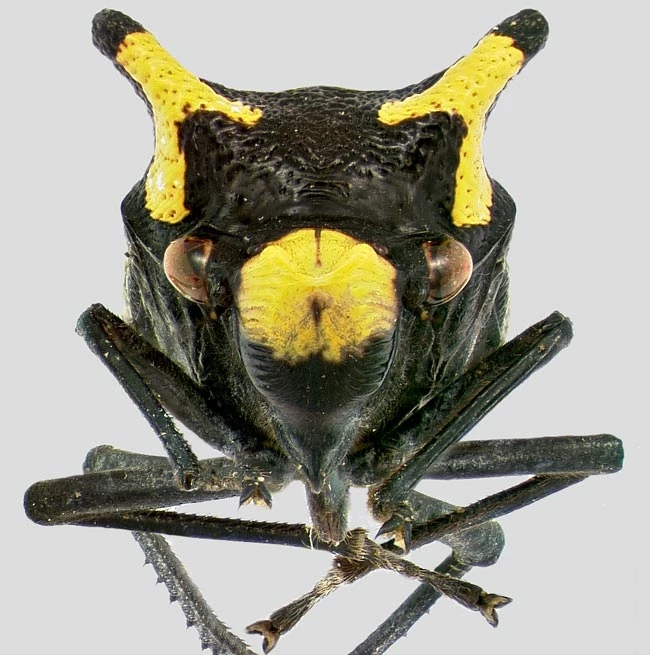
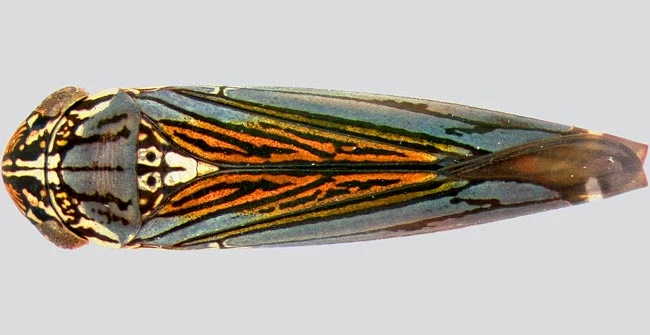
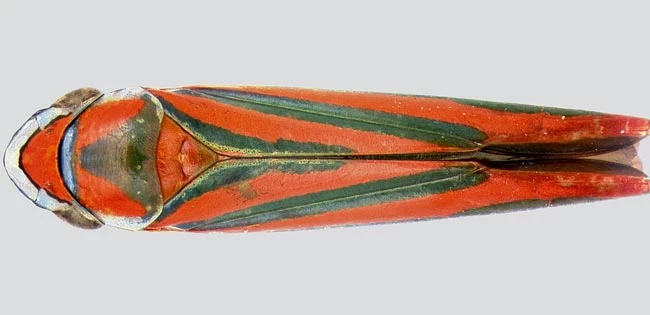
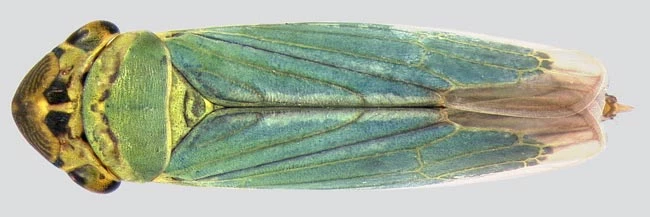
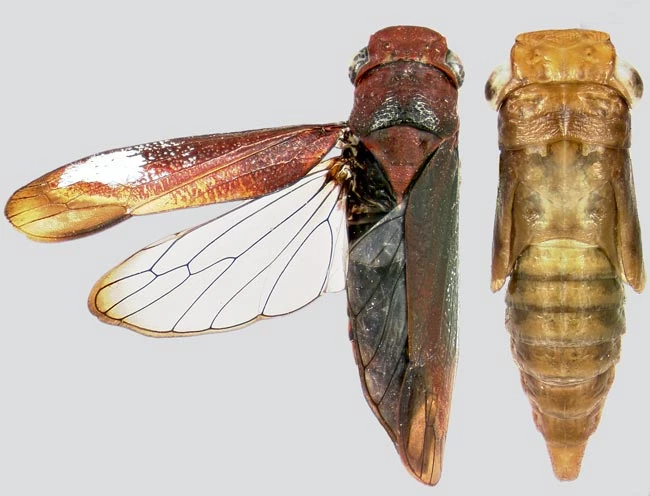
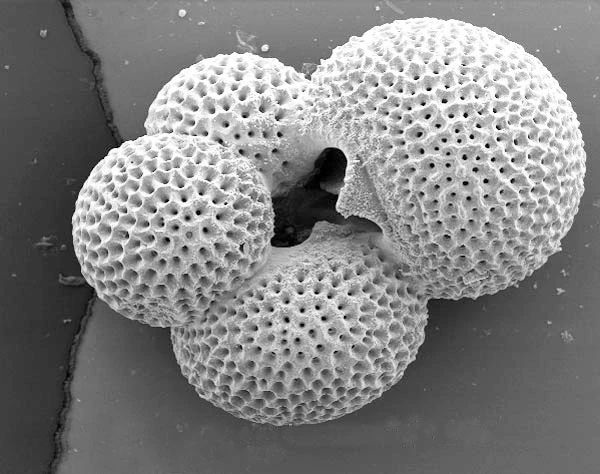
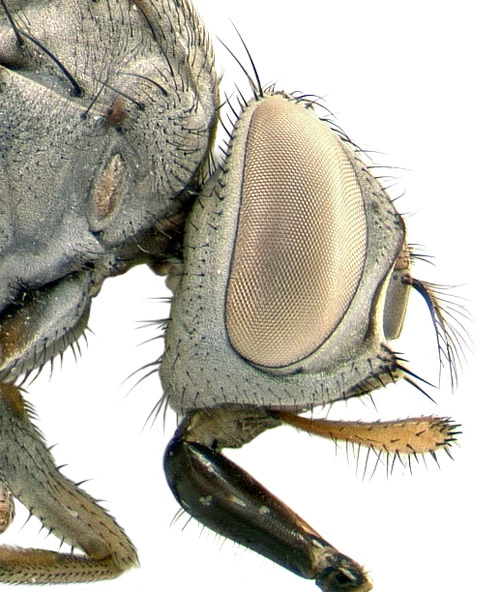
Up close with nature 3 August 2007 Witness the bizarre structures and patterns of nature close up. These amazing images have been created by the scientists at Amgueddfa Cymru using highly magnified photography. From butterflies to microscopic plankton - remarkable details are revealed in a whole new light in these breathtaking pictures, which are to be admired for their striking beauty as well as the scientific value they hold. At this level of magnification, reality becomes quite surprising, click on the images below to discover more... Up Close with Nature Radula, or mouthpiece, from a carnivorous land snail from East Africa.A radula is a rough tongue or band of horny teeth used by snails to rasp at its food, whether its plant or animal matter. As a snails radula can differ between different species, Amgueddfa Cymru examines these images carefully in order to identify one species from another. Cymbelloid diatom, genera unidentified. Diatoms are a type of microscopic algae that consist of one cell or a group of cells; Diatoms produce a hard silica shell that is often preserved after the animal dies and sinks to the sea floor. Scientists are able to extract diatom shells and use them to investigate past climates. Foraminifera: Halkyardia minimaThese shells pictured here belonged to pin-head sized animals called 'foraminifera', or formas. These ones lived about 35 million years ago, but similar kinds live in today's oceans.Find out how these tiny specimens are helping scientists at Amgueddfa Cymru research climate change that took place 34 million years ago in When Antarctica went into the deep freeze Image: Ian McMillan, Cardiff University. Foraminifera: Cribrohantkenina inflata.The chemistry of these foram shells can tell us how ocean temperatures changed through time by measuring the amount of magnesium in the shells - Forams take elements from the ocean into their shells, using more magnesium at warmer temperatures. Find out how these tiny specimens are helping scientists at Amgueddfa Cymru research climate change that took place 34 million years ago in When Antarctica went into the deep freeze Image: Paul Pearson, Cardiff University. Foraminifera: NodogenerinaDead forams fall to the sea floor and build up in layers of mud over millions of years. The foram shells are like time capsules, with their chemical information locked inside.Find out how these tiny specimens are helping scientists at Amgueddfa Cymru research climate change that took place 34 million years ago in When Antarctica went into the deep freeze Image: Ian McMillan, Cardiff University. Foraminifera: Hantkenina alabemensisBy measuring the magnesium content of forams, it gives us a record of how ocean temperature has changed through time: more magnesium present in the shells the warmer the ocean was when the foram died. Find out how these tiny specimens are helping scientists at Amgueddfa Cymru research climate change that took place 34 million years ago in When Antarctica went into the deep freeze Image: Paul Pearson, Cardiff University. Foraminifera: Subbotina.Find out how these tiny specimens are helping scientists at Amgueddfa Cymru research climate change that took place 34 million years ago in When Antarctica went into the deep freeze Image: Paul Pearson, Cardiff University. Foraminifera: Tubulogenerina narghilella.Find out how these tiny specimens are helping scientists at Amgueddfa Cymru research climate change that took place 34 million years ago in When Antarctica went into the deep freeze Image: Ian McMillan, Cardiff University. Hinge teeth and sockets of Yoldiella lata, a Protobranch Bivalve shell.These join to opposing teeth and sockets in the opposite valve. The teeth are one of many characters which help scientists to identify different bivalve species. Image: James Turner, Amgueddfa Cymru. An extreme magnification of the exterior shell covering of Spinaxinus sentosus, recovered from the organic cargo of the sunken ship Francois Vieljeux. The spines witnessed at this magnification lead scientists at Amgueddfa Cymru to name the new genus 'Spinaxinus' For more information see: Gas Guzzling Clams . The carnivorous Ghost Slug's blade-like teeth, each about half a millimetre long. These are much longer and sharper than those of herbivorous species. Help us find out more about the mysterious alien "Ghost Slug" BeetleImage: James Turner, Amgueddfa Cymru Magnified image showing detail of beetle shell.Image: James Turner, Amgueddfa Cymru Common Brittle star, Ophiothrix fragilis.Closely related to starfish, brittle stars crawl across the sea-floor using their flexible arms as "legs" for locomotion. There are some 1,500 species of brittle stars living today, and they are largely found in deep waters more than 500 metres (1,650 feet) down. Image: James Turner, Amgueddfa Cymru. Magnified section of the common brittle star showing spine structure.Image: James Turner, Amgueddfa Cymru Thumbnail Crab, Thia scutella.The Thumbnail crab gets its name from its shell resembling a thumbnail. It is found in the North Sea, north-east Atlantic and Mediterranean Sea. Image: James Turner, Amgueddfa Cymru. Magnified image of mouthparts of the Thumbnail crab.Image: James Turner, Amgueddfa Cymru. Hornwrack coral, Flustra foliacea, from The Gower, South Wales.Hornwracks are small aquatic animals known as bryozonas that reproduce by budding and form branching colonies attached to stones or seaweed. Image: James Turner, Amgueddfa Cymru. Detail of Hornwrack coral from South Wales.Image: James Turner, Amgueddfa Cymru. Image of a marine bristle worm, Lagis koreni, otherwise known as the 'Ice Cream Cone Worm' along with its cast.This worm builds its delicate tube home out of a thin layer of sand grains cemented by secretions of the worm's body The tube is just one sand grain thick with the individual sand grains positioned tight up against each other, forming a beautiful mosaic. Image: James Turner, Amgueddfa Cymru. Close up of the head of the Ice Cream Cone worm, along with detail of cast. Ice Cream Cone worms actually live upside down on the sea floor. The head of the worm possesses comb-like structures that rake through the sand as other feeding tentacles pick out food. The tube can be up to 3 inches long and protect the soft parts of the animal. It is also commonly referred to as a tusk worm. Note the mosaic like pattern of sand grains. Image: James Turner, Amgueddfa Cymru Extreme close up of the feeding filaments of the Ice Cream Cone Worm.The head of this worm bears two groups of large, slightly curved, golden bristles. The bristles are used to loosen and turn over the sand, and the tentacles collect particles for food and for tube building. Image: James Turner, Amgueddfa Cymru Silkmoth.Image: James Turner, Amgueddfa Cymru. Magnified image of Silkmoth wing section showing scales and structure.Image: James Turner, Amgueddfa Cymru. Garden Tiger Moth.Image: James Turner, Amgueddfa Cymru. Magnified image of wing section of the Garden Tiger Moth.Image: James Turner, Amgueddfa Cymru. The Birdwing butterfly Troides minos.This specimen, from India, is housed in the Rippon collection of Amgueddfa Cymru. Rippon was the first to monograph this group of Butterflies. Image: James Turner, Amgueddfa Cymru. Head on view of the beetle Chlorophorus varius.Even small beetles can have frightening characteristics when viewed up close and head on! This specimen is only a few centimetres in body length. Image: James Turner, Amgueddfa Cymru. Magnified image of wing section of Birdwing butterfly, Troides minos.Image: James Turner, Amgueddfa Cymru. Close up image of the Peppered Moth Biston betularia Image: James Turner, Amgueddfa Cymru Abstract image of a beetle's head, Chlorophorus varius.Click on the next image along to reveal its face... Image: James Turner, Amgueddfa Cymru. Close up of the fly Stygeromyia maculosa.Image: James Turner, Amgueddfa Cymru. Stygeromyia maculosa.This specimen was collected in Fujairah, United Arab Emirates. Image: James Turner, Amgueddfa Cymru. Megaselia scalaris.This specimen was collected in Izmir, Turkey. Image: James Turner, Amgueddfa Cymru. Hind leg detail of Megaselia scalaris.Image: James Turner, Amgueddfa Cymru. Magnification of head and eyes of Atherigona bimaculata.Image: James Turner, Amgueddfa Cymru. Atherigona bimaculata.This specimen was collected at Maraba, Aseer, Saudi Arabia. Image: James Turner, Amgueddfa Cymru. Lamprolonchaea metatarsata.This specimen was collected in Al-Ajban, United Arab Emirates. Image: James Turner, Amgueddfa Cymru. Lamprolonchaea metatarsata.This image illustrates the intricate detail of the wing veination. Image: James Turner, Amgueddfa Cymru. Sharpshooter Leafhopper: Zyzzogeton quadrimaculata.Adult sharpshooters lay eggs into the plant and these hatch into nymphs. In most species it takes about a month for the nymph to become an adult. The adult may then live for a further month or two before dying. Image: James Turner, Amgueddfa Cymru. Sharpshooter Leafhopper: Zyzzogeton quadrimaculata.All species have long thin mouthparts, like hypodermic needles, which they use to pierce and suck sap from plants. Some true bugs, such as bed bugs, feed from animals. Image: James Turner, Amgueddfa Cymru. Sharpshooter Leafhopper: Zyzzogeton quadrimaculata.Scientists at Amgueddfa Cymru have been photographed as many species of sharpshooter leafhoppers as possible to create identification guides so that farmers will be able to identify the bugs for themselves. To do this we have used new photographic techniques to produce the detailed images you see here. Image: James Turner, Amgueddfa Cymru. Sharpshooter Leafhopper.Sharpshooter leafhoppers are the largest and most colourful of all leafhoppers. They are so named as some squirt sap after feeding. Image: James Turner, Amgueddfa Cymru. Sharpshooter Leafhopper.Sharpshooter leafhoppers belong to the insect group Hemiptera, which also contains aphids, scale insects, spittlebugs, cicadas, treehoppers and true bugs. Image: James Turner, Amgueddfa Cymru. Sharpshooter Leafhopper: Cicadella viridis.There are about 200 leafhoppers species in Britain. Around 19,000 species have been described in the world but many more remain to be discovered. Image: James Turner, Amgueddfa Cymru. A nymph and adult of the species Paraquichira costaricensis.The nymphs of leafhoppers shed their skin several times as they grow. Their wings develop as they grow, the wing pads getting a little larger with the shedding of each skin. The wings expand when the nymph becomes an adult. This is very different to insects such as butterflies where the caterpillar changes straight into an adult in a process called metamorphosis. Image: James Turner, Amgueddfa Cymru. Sharpshooter Leafhopper: Homalodisca vitripennis.There are over 2,300 known species of Sharpshooters, some of which spread disease in fruit trees. Grape vines in California have been hit very hard by Homalodisca vitripennis, as have Citrus trees in Brazil by other species of sharpshooter leafhoppers - so it is very important that we can identify those that spread disease from those that don't. Image: James Turner, Amgueddfa Cymru.