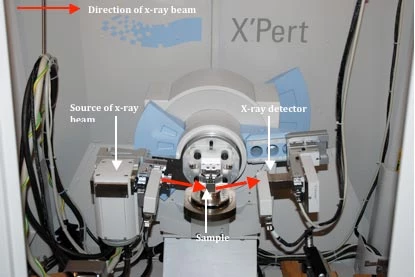
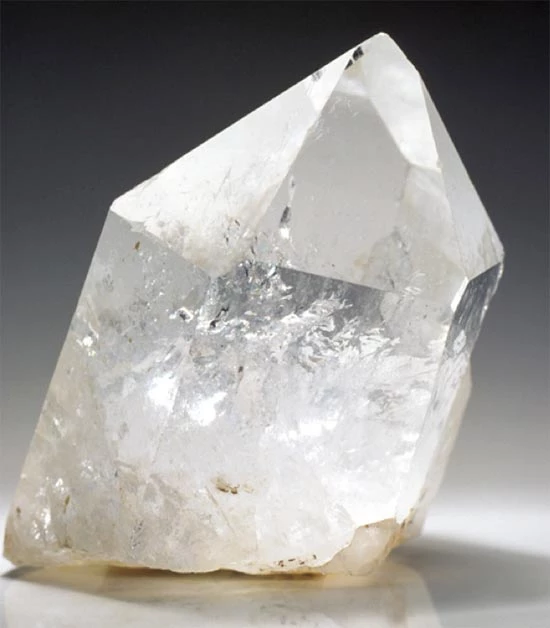
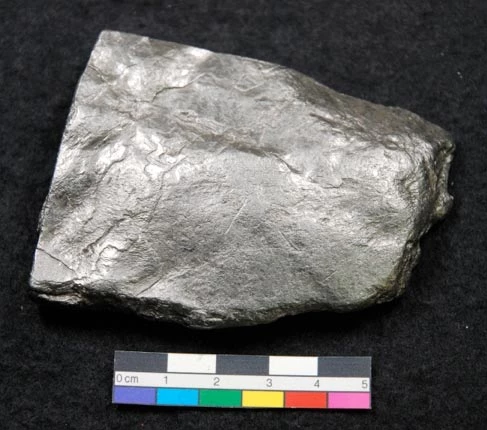
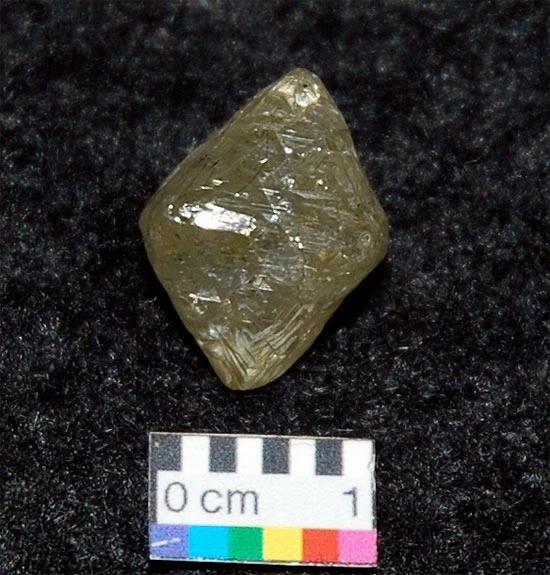
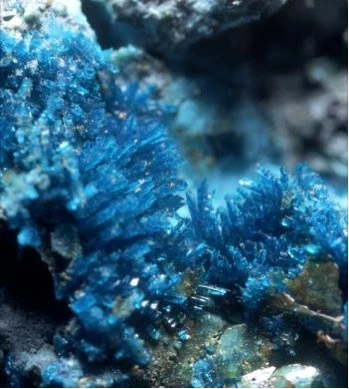
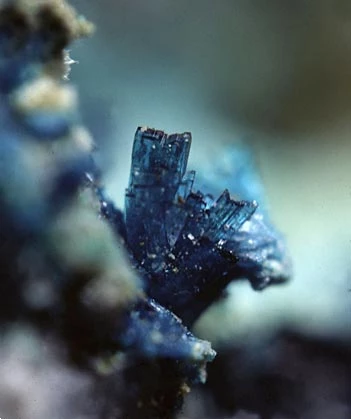
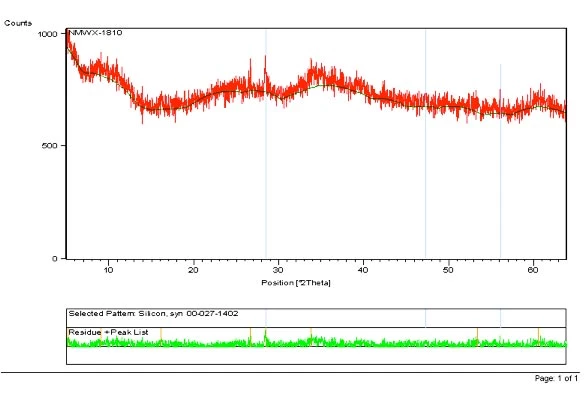
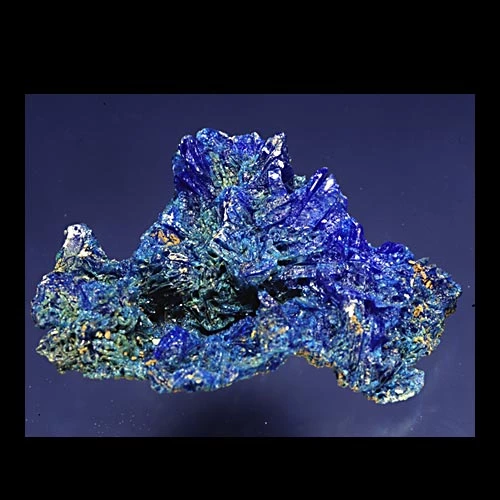
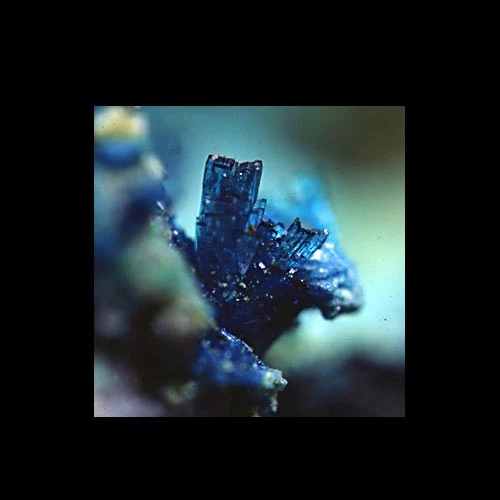
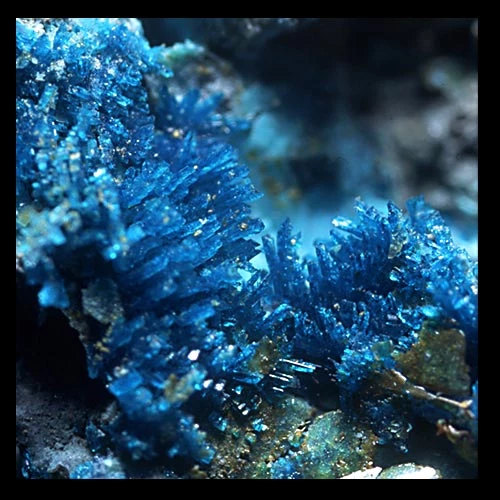
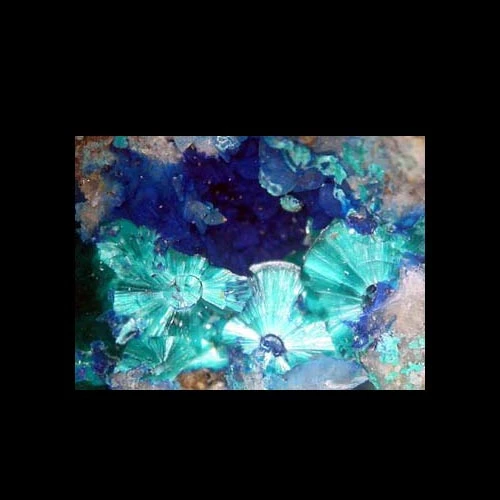
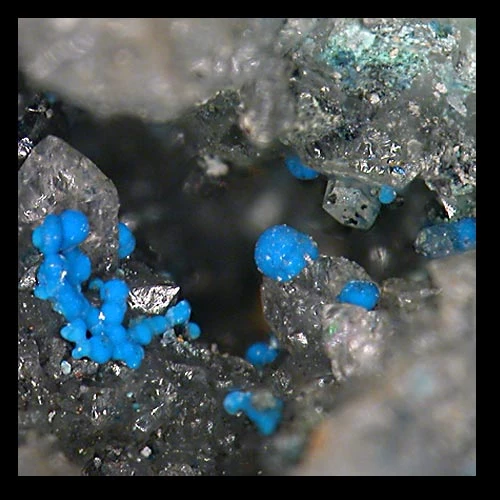
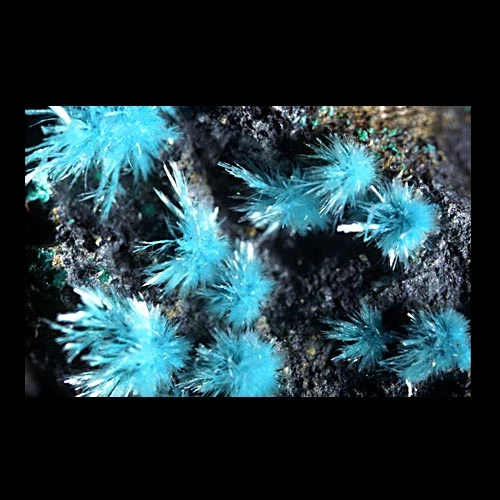
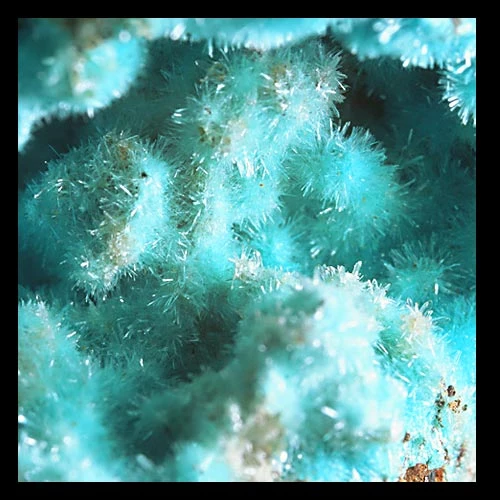
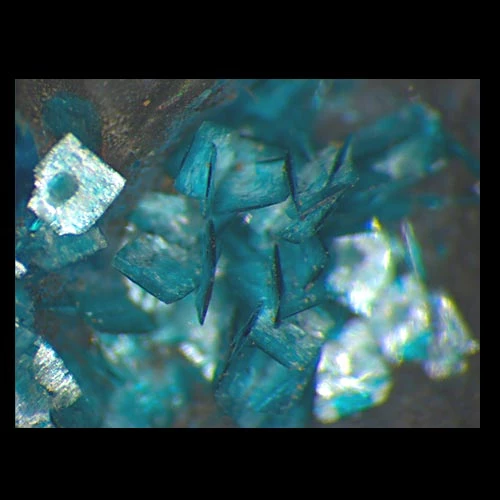
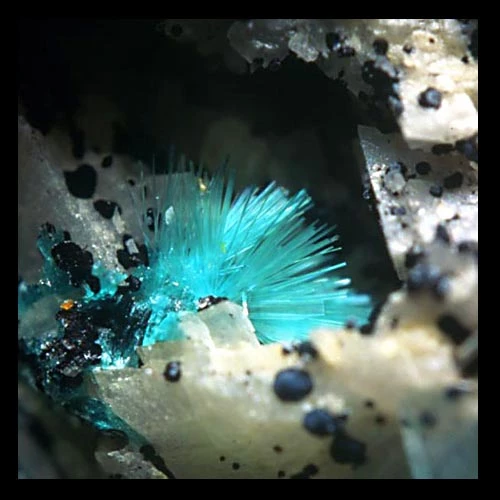
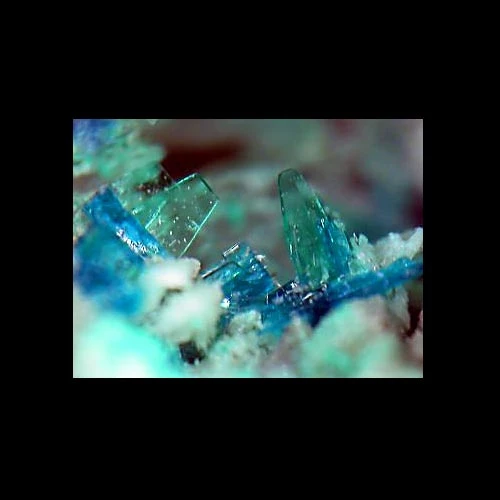
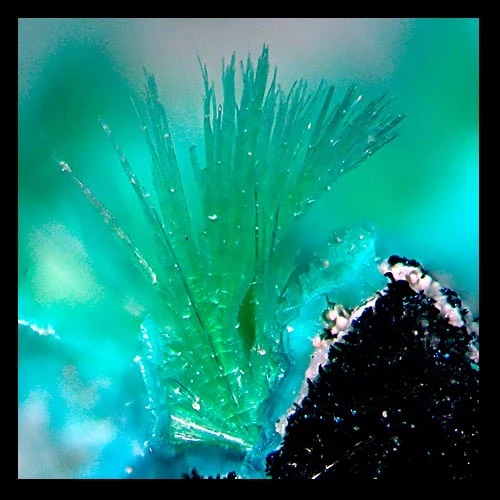
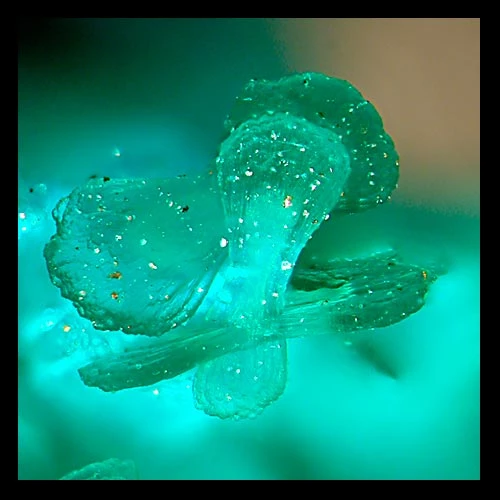
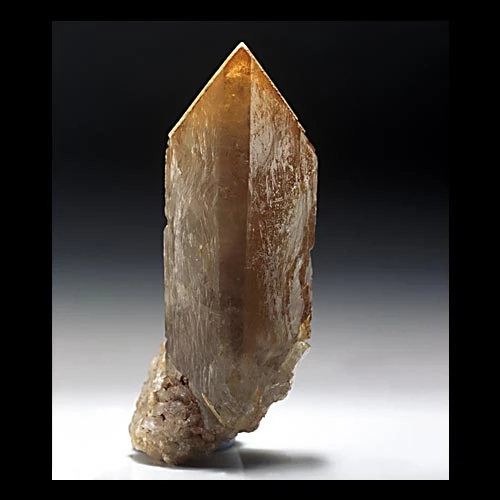
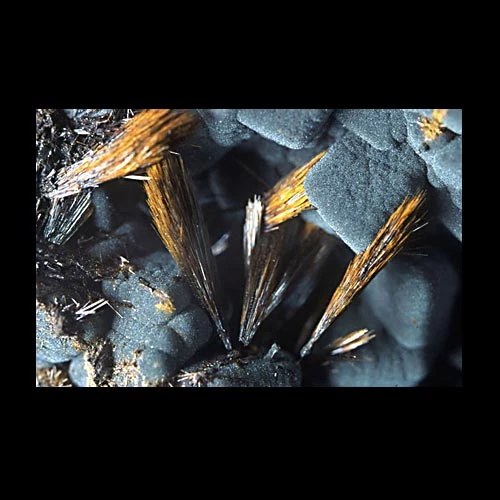
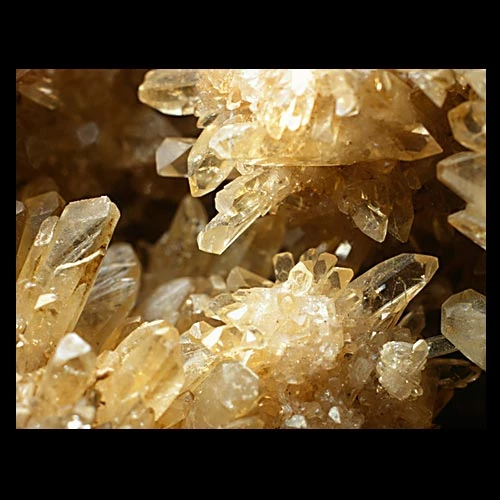
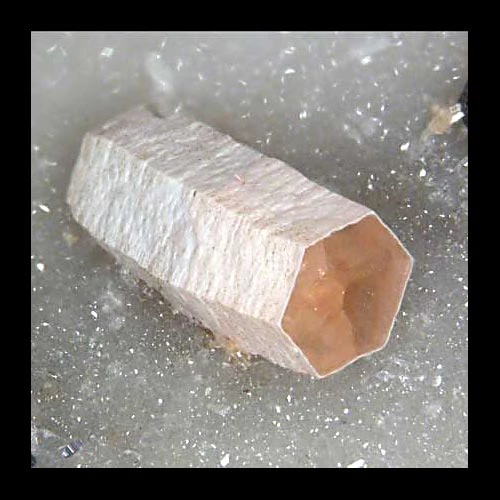
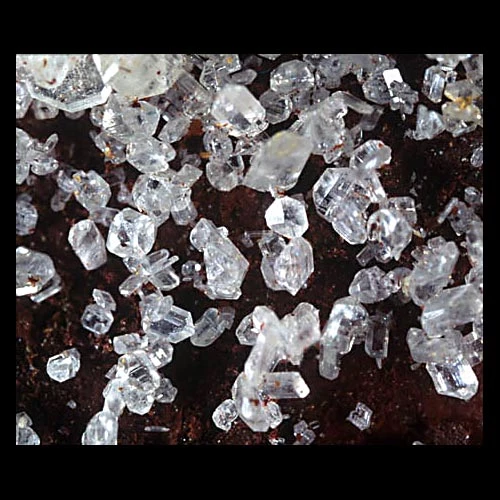
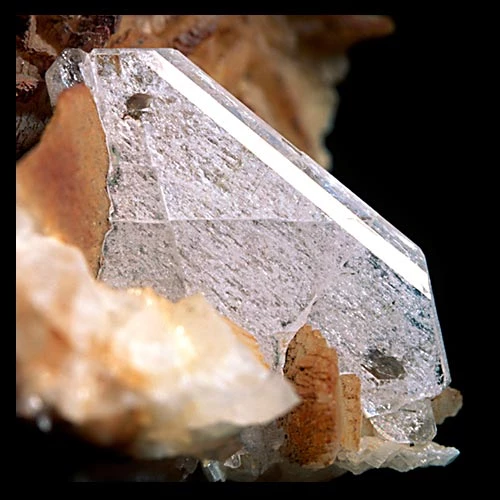
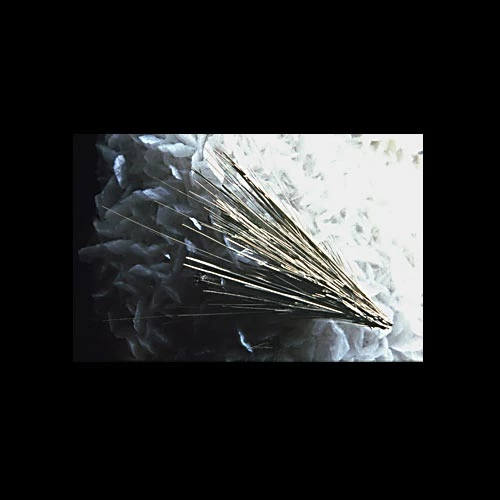
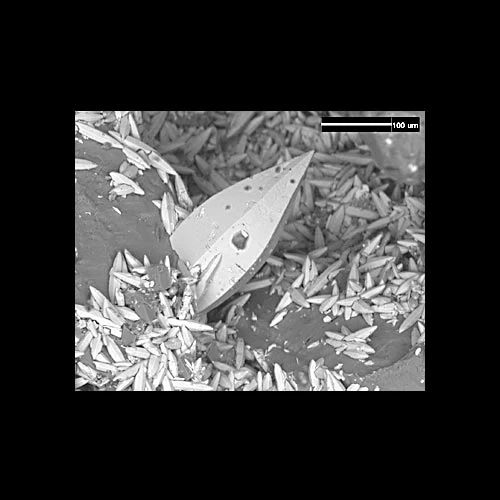
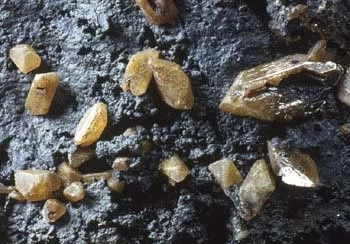
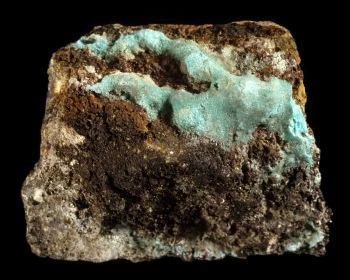
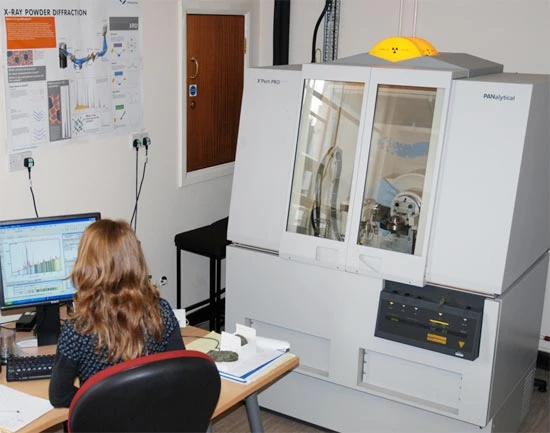
Mineral identification at Amgueddfa Cymru Amanda Valentine & Jana Horak, 7 December 2009 The X-Ray diffraction machine at the Museum Passing of an X-ray beam through a rock sample from the source to the detector Quartz crystal Graphite Diamond Langite wroewolfeite One of the activities of the Geology Department at Amgueddfa Cymru is to document all the minerals known in Wales. Minerals can be identified visually, but for a more definitive confirmation a process known as X-ray diffraction analysis (XRD) is used. This technique allows natural minerals and man-made crystalline materials to be 'fingerprinted' and compared to a database of known samples. X-ray diffraction analysis Most minerals are crystalline, which means they are made up of a regular framework of atoms creating a unique 'crystal lattice'. When X-rays are passed through a mineral, the atoms cause the X-rays to be diffracted, or bent, into many directions. The resulting X-ray pattern can then be recorded to produce a 'fingerprint'. Because no two minerals have exactly the same arrangement of atoms, their 'fingerprints' (or lattices diffraction patterns) are unique. These patterns can therefore be used to identify the mineral. To analyse a mineral by XRD a small sample, usually ground into a powder, is bombarded with X-rays. The data is recorded as a graph, called a diffractogram, which is a convenient form for viewing the result. To identify the mineral, the result is compared with a database of patterns from thousands of known minerals. An X-ray pattern of quartz showing its unique pattern Identical looking minerals Visual identification is still important, as it is possible for two different mineral species to have the same chemical composition but look very different. For example, diamond and graphite (both pure carbon) have the same chemical composition, but are clearly different not only in appearance but also in hardness and crystal form. On the other hand, langite and wroewolfeite are two chemically identical copper minerals that both form blue needles and are consequently difficult to tell apart visually. But because they have different crystal structures and therefore produce different diffraction patterns, XRD provides a quick and reliable method for distinguishing between them. Some minerals don't have a regular crystal structure and therefore don't produce diffraction patterns. Known as 'Amorphous minerals', they cannot be identified by XRD. A diffractogram pattern of an amorphous sample with no identifiable peaks The application of XRD The technique is widely used in geology and also in a range of related disciplines. For example, it is used to identify minerals in artists' pigments and the composition of corrosion on archaeological artefacts. Conservators can then devise the appropriate treatment for museum specimens.
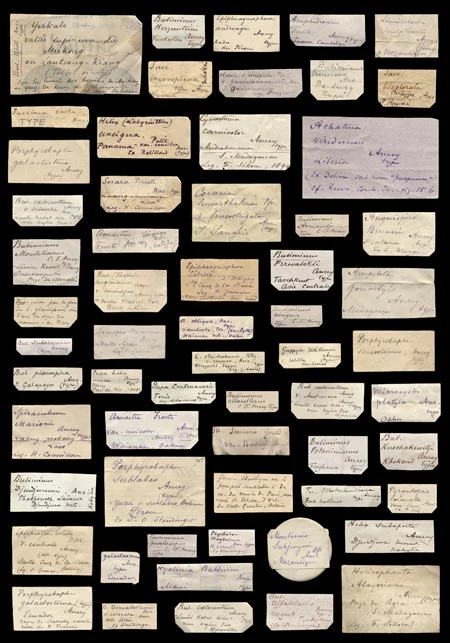
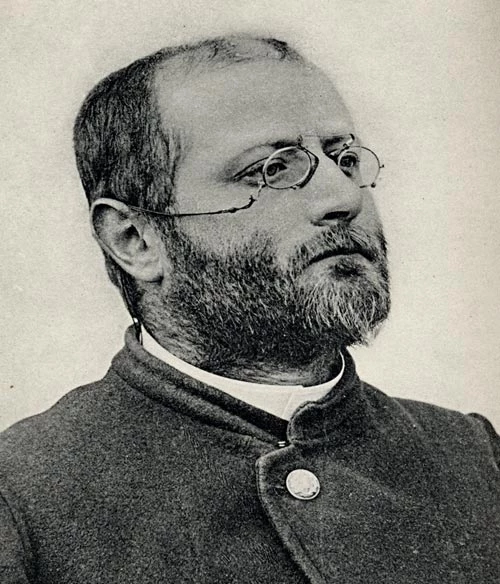
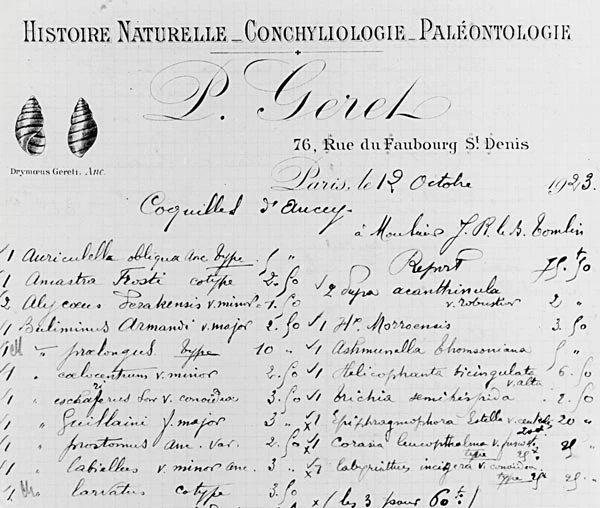
A great shell collector's work is finally brought together Harriet Wood and Jennifer Gallichan, 9 November 2009 A specimen plate from the The New Molluscan Names of César-Marie-Felix Ancey Amgueddfa Cymru’s mollusc collections are of international significance, and contain hundreds of thousands of specimens. In 2008 the definitive book on the work of the great collector César-Marie-Felix Ancey (1860–1906) was produced. César-Marie-Felix Ancey named many land and freshwater species new to science. A portion of his collection came to Amgueddfa Cymru in 1955, as part of the Melvill-Tomlin collection. Museum staff have been researching Ancey’s collection, held in museums across the world, since 2004 and have now produced the most up-to-date and comprehensive list ever of his new scientific names and publications. It forms a reference tool for specialists and researchers worldwide. Examples of Ancey’s handwritten collection labels César-Marie-Felix Ancey (1860–1906) Geret’s sales list, selling some of Ancey’s collection to Tomlin César-Marie-Felix Ancey César-Marie-Felix Ancey was one of the great Victorian collectors and made a huge contribution to science in his short life. Born in Marseille, France, on 15 November 1860, he showed a keen interest in natural history from an early age. He created his own collection of shells and later wrote and published many papers on conchology. Aged 23 he was appointed conservator of the Oberthur entomological collections at Rennes, France. He later returned to Marseille to study law, literature and science, and successfully obtained his diploma in 1885. Two years later he entered the government in Algeria. After 13 years hard work he was promoted to acting administrator at Mascara in Western Algeria. All his mollusc studies were done in his spare time. Specimens from across the globe Ancey’s main interest was in small land snails. Through exchange and purchase he collected specimens from all over the world. The Pacific and Asia are particularly strong in his collection, but it also covers Europe, North and South America and Africa. It was Ancey’s great desire to make a scientific journey to the Cape Verde Islands or South America, but sadly this dream was never realised as Ancey died of a fever at the young age of 46. The collection gets split up After Ancey’s death his entire collection went to Paul Geret, a shell dealer, who sold it on in 1919 and 1923. It was at this point that the collection was split up — the great private collectors of the time, Tomlin, Dautzenberg and Connolly among others, all competed for a part of it. A majority of Ancey’s specimens are now held at Amgueddfa Cymru (Cardiff: Melvill-Tomlin collection), the Royal Belgian Institute of Natural Sciences (Brussels: Dautzenberg collection), Muséum National d’Histoire Naturelle (Paris), Bernice P. Bishop Museum (Honolulu) and the Natural History Museum (London: Connolly collection). A tribute to Ancey’s achievements In 1908 a list of his mollusc publications was produced, shortly followed by a separate list of the scientific names he had published. These two publications indicated that Ancey had described some 550 scientific names in over 140 papers. The problem was that neither of these lists were complete, and this has caused difficulty to researchers in this field of science ever since. Staff at Amgueddfa Cymru have now located all of Ancey’s papers to form a comprehensive bibliography listing 176 publications and within these we have identified 756 new scientific names. From trawling the Melvill-Tomlin collection we know that nearly 300 of these names are represented in our collection of Ancey specimens and that we hold type specimens of 155 of these. The result of this research is The New Molluscan Names of César-Marie-Felix Ancey, the most complete access to Ancey’s work that has ever been available. Now the true extent of Ancey’s contribution to science and conchology can be revealed, helping to make his collection more accessible to the scientific community worldwide.
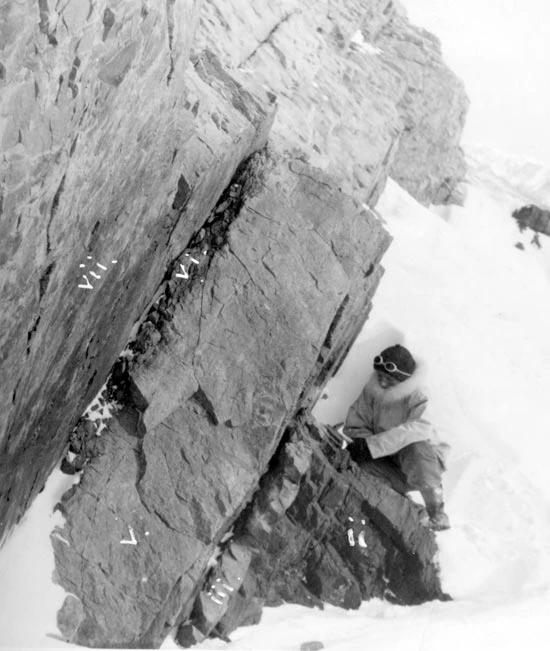
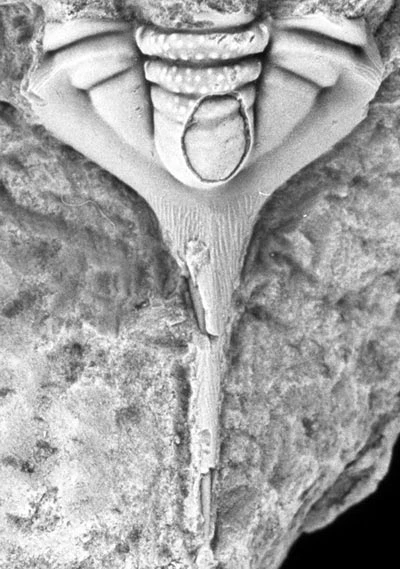
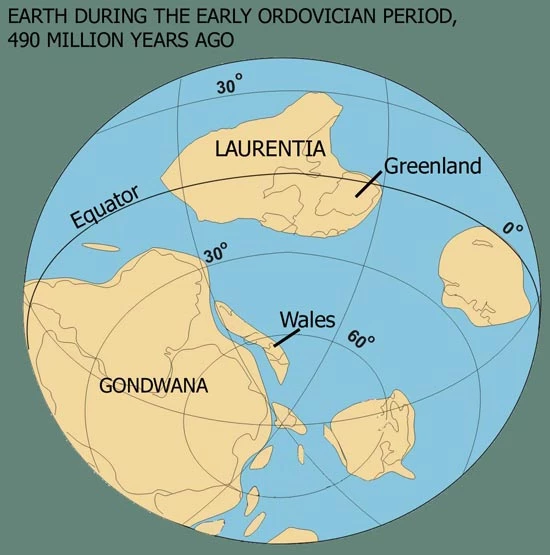
Tropical trilobites from frozen Greenland Lucy McCobb, 5 August 2009 Collecting fossils in the snow. 1950s. Aerial Photo of Greenland: The fossils were collected from the area shaded in red. The large fossilised eye of Carolinites, a trilobite which swam in the open ocean searching for food. The tail of the trilobite Acidiphorus has an impressive spine. The Museum's extensive holding of fossils include a collection of Ordovician age (470-490 million years old) trilobite fossils from Greenland. Although the continent is now cold and icy, it was not always so. British explorers in the icy north Greenland is a very difficult place in which to study and collect fossils. Most of it remains ice-covered throughout the year, and rock outcrops are readily accessible only in coastal areas during the summer months. Expeditions to explore the geology of Greenland began in the late nineteenth century, and continue to the present day. These have been organised by the Greenland Geological Survey, based in Copenhagen. In the 1990s, the Museum was presented with a collection of Cambrian and Ordovician trilobites from central east Greenland made between 1950 and 1954 by Dr John Cowie, formerly of the University of Bristol, and a colleague, Dr Peter Adams. Globe-trotting Greenland Today, we are familiar with Greenland as a cold, icy place, but this has not always been the case. The tectonic plates that make up the Earth's lithosphere have moved around throughout its history, and geologists have demonstrated that during the Ordovician Period Greenland lay close to the equator, and together with North America and Spitsbergen formed the ancient continent of Laurentia. At this time, Wales lay far away in cool, high southern latitudes, close to the vast continent of Gondwana. The fossil faunas of the shallow Ordovician seas around Laurentia and Gondwana are very different, and no trilobite species is common to Greenland and Wales. Earth during the early Ordovician Period, 490 million years ago Tropical trilobites new to science. The Ordovician trilobites of Greenland are preserved in limestone which accumulated on the floor of warm, shallow sub-tropical seas. Around forty different species have been identified in our Greenland collection, and several are new to science. Research has confirmed they are common to, or closely related, to those from other parts of Laurentia. Features of different trilobite species provide clues as to how they lived. Most were probably benthic (living on the sea floor), and were either scavengers or deposit feeders. Others have features such as very large eyes, showing that they were pelagic (swimmers); such forms were widely distributed in the Ordovician oceans, and found in other tropical regions apart from Laurentia.
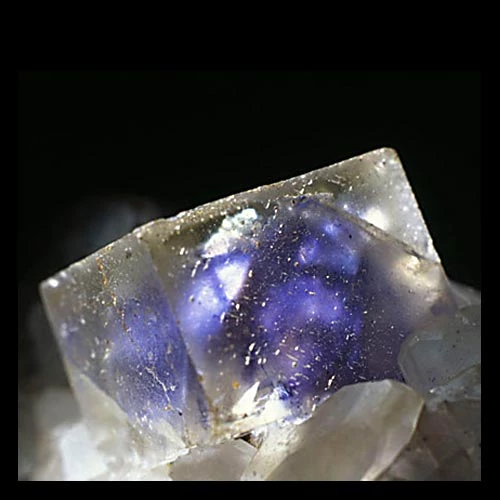
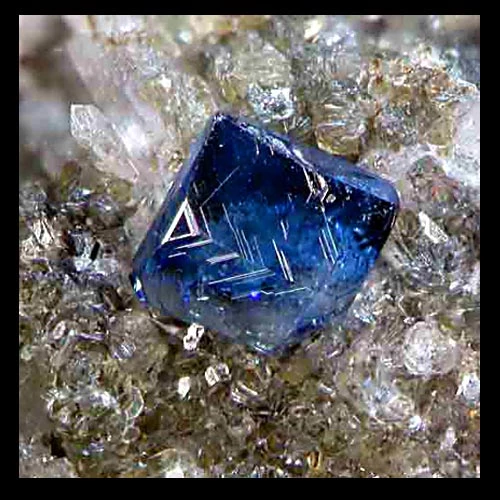
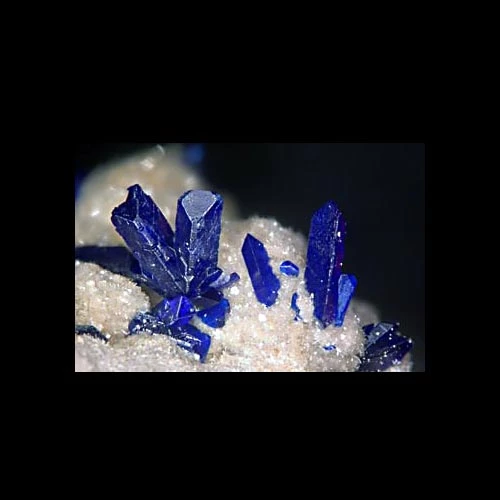
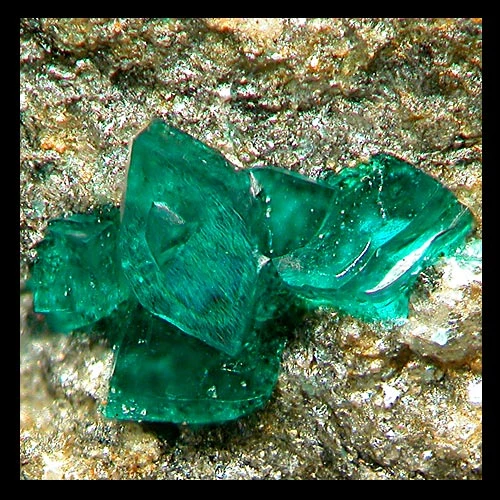
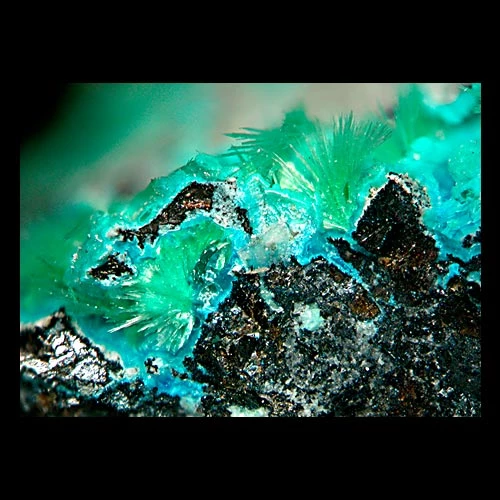
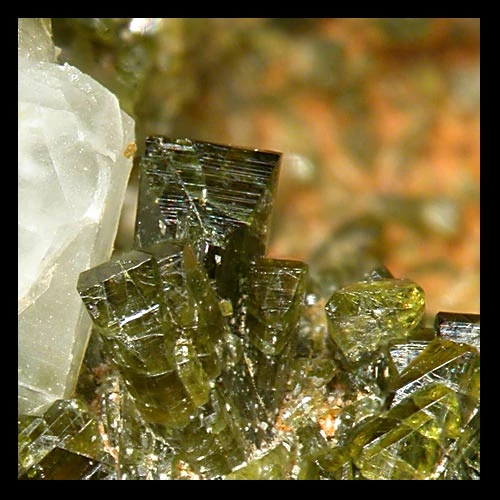
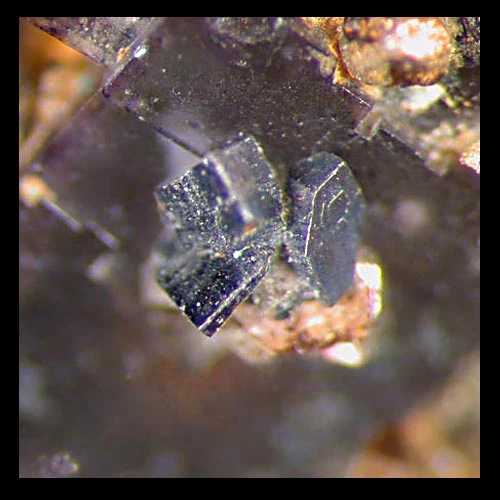
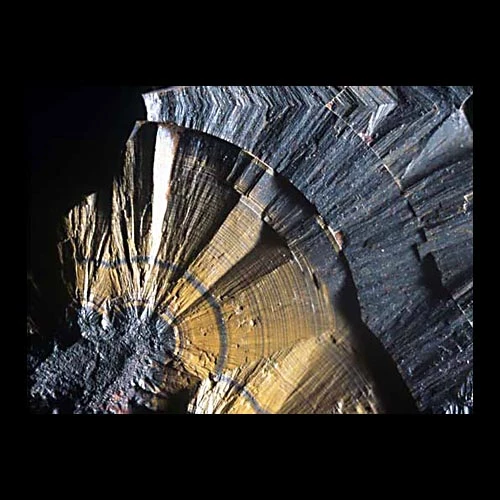
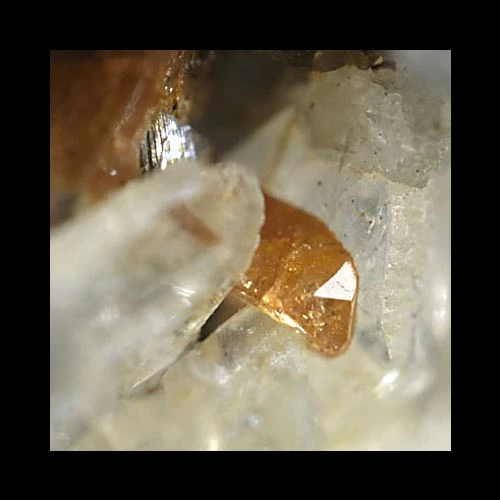
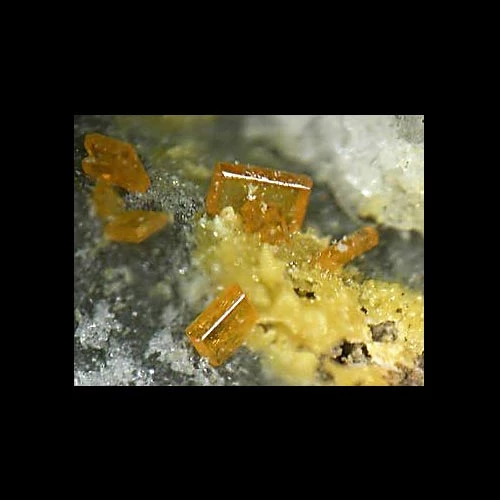
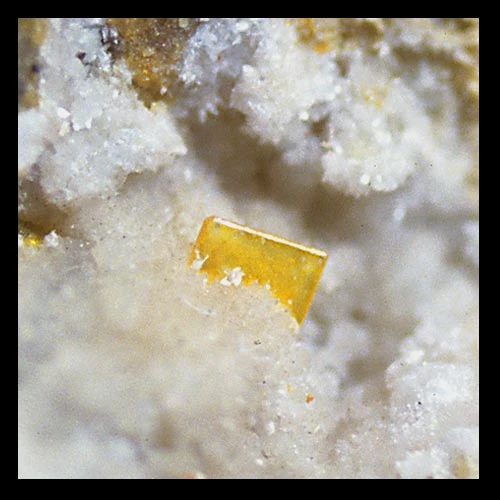
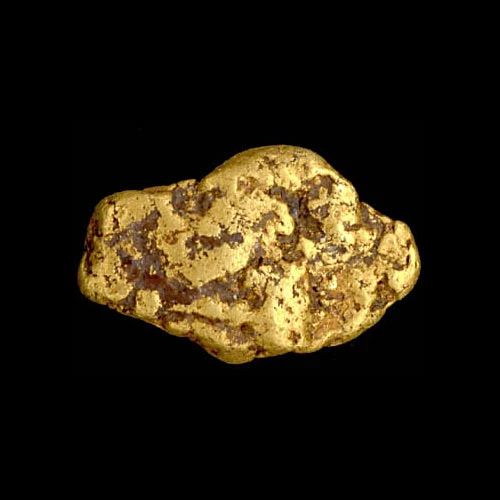
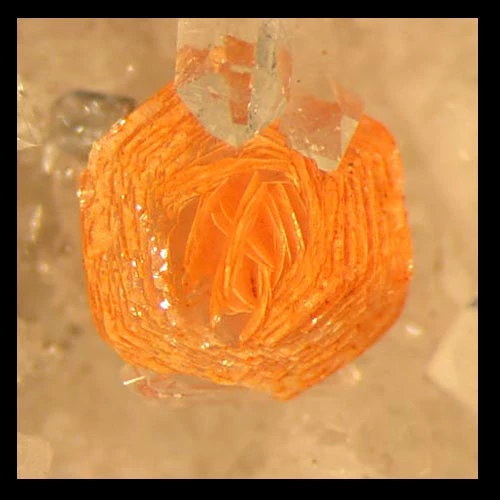
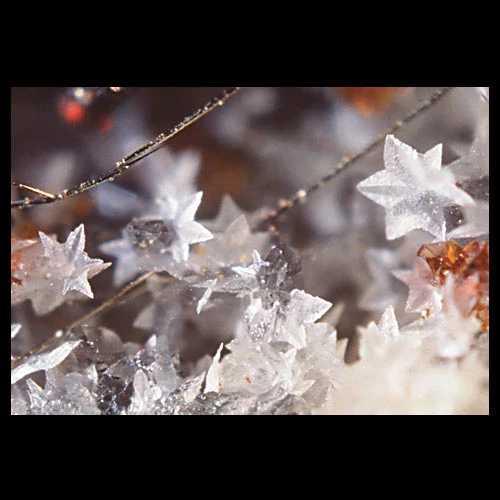
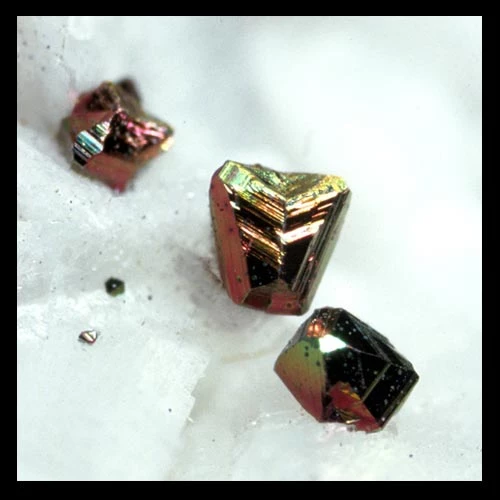
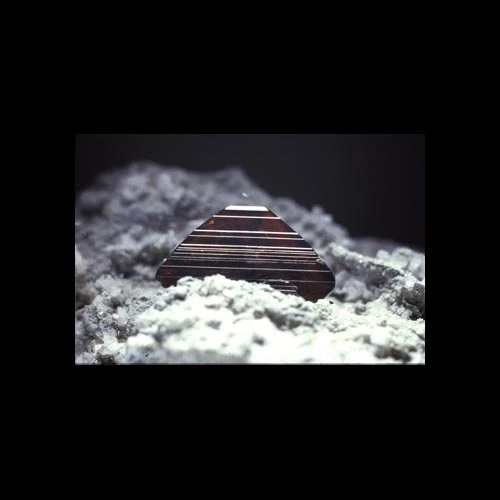
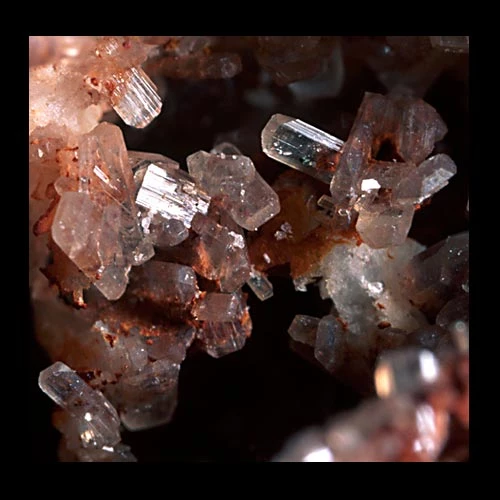
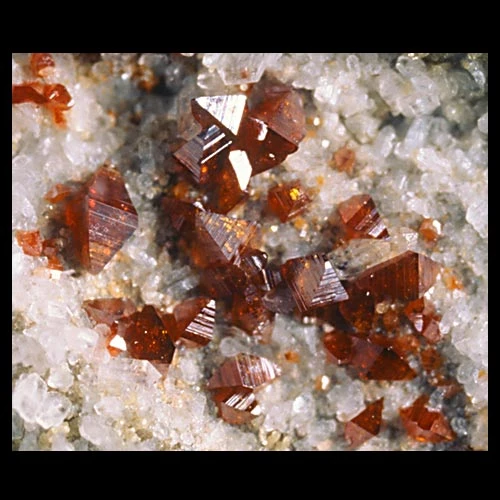
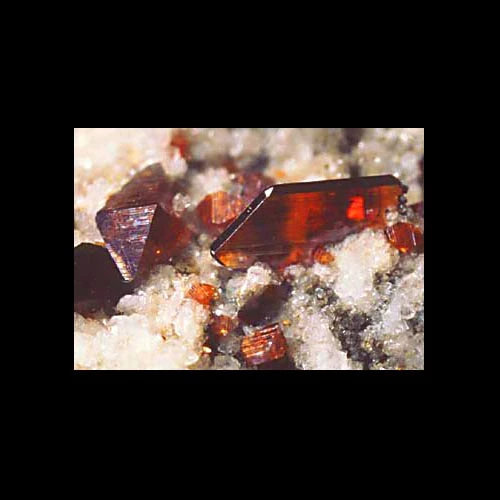
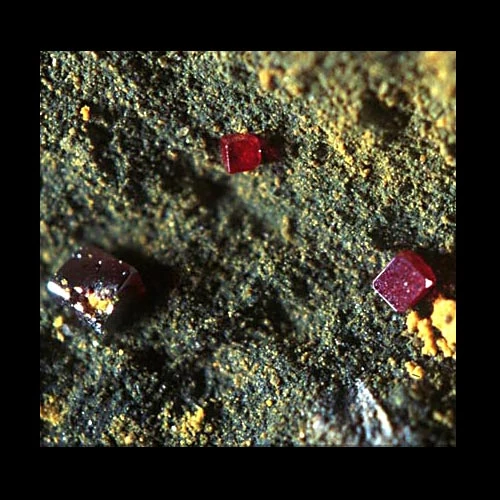
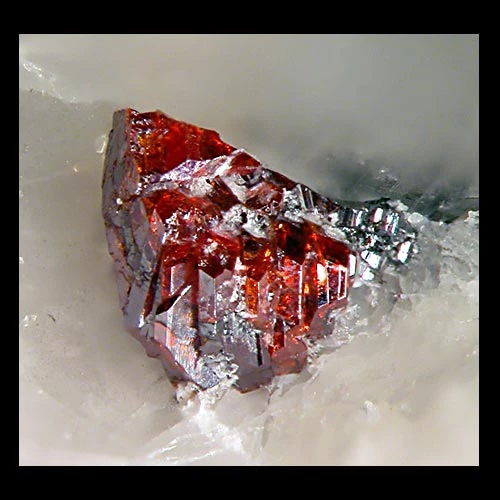
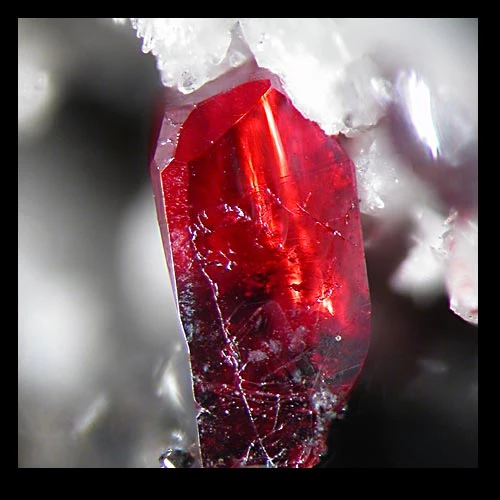
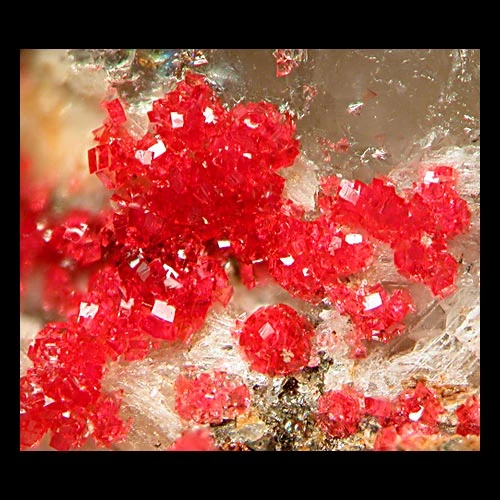
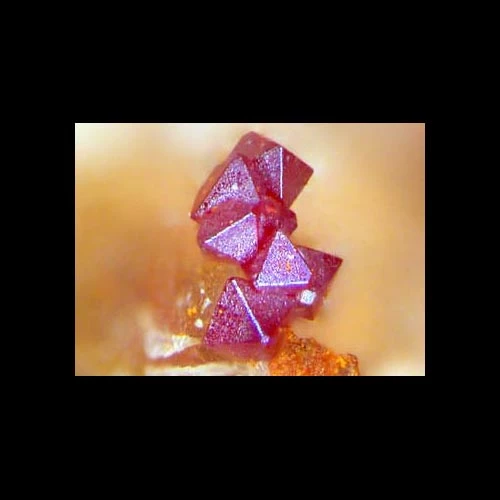
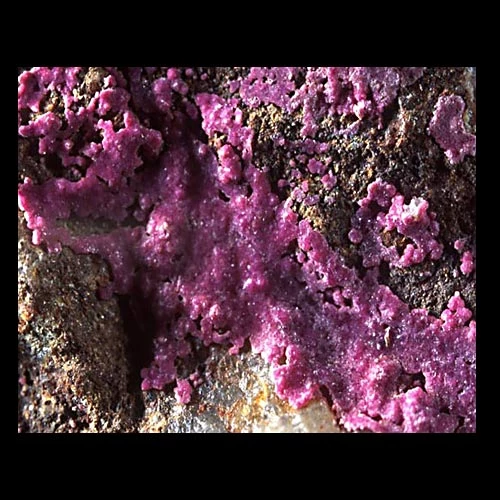
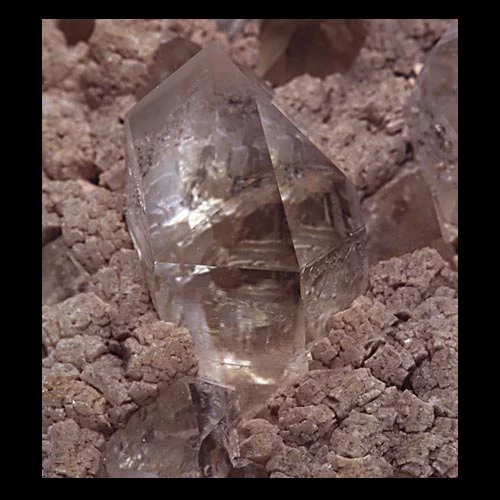
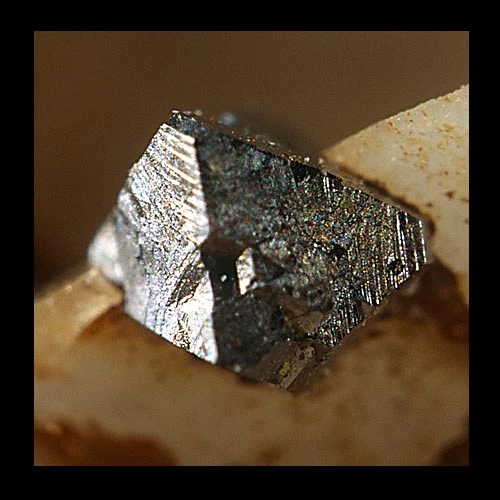
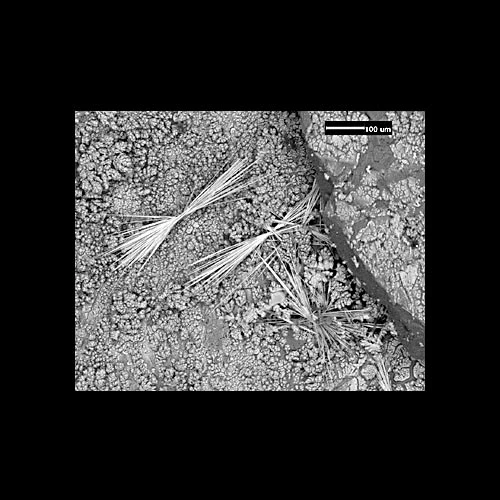
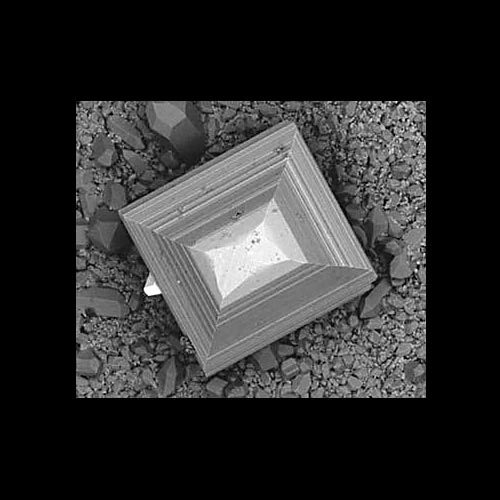
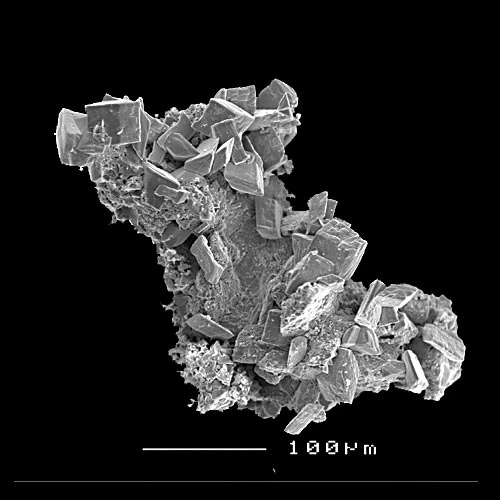
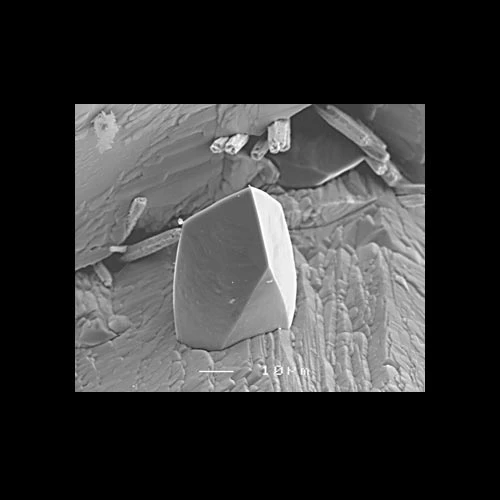
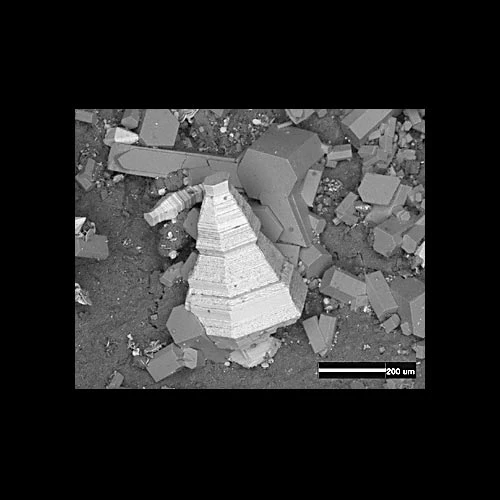
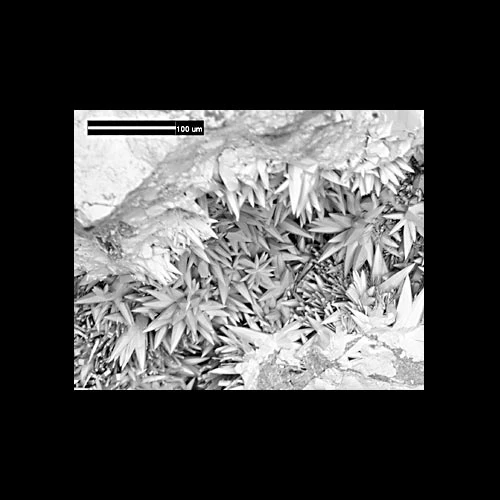
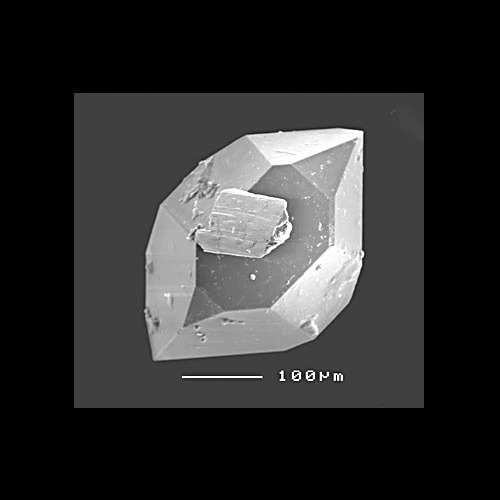
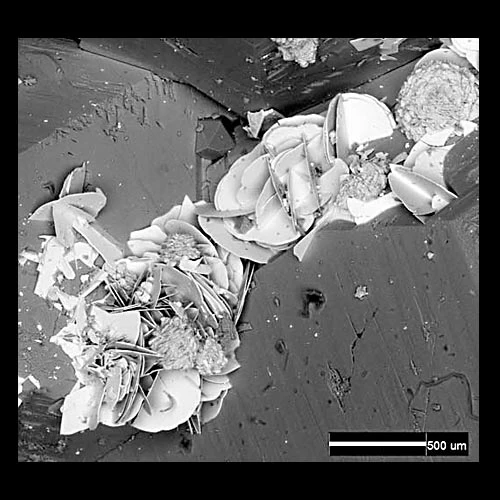
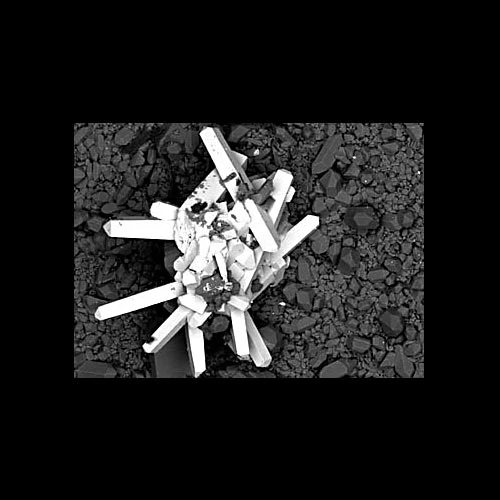
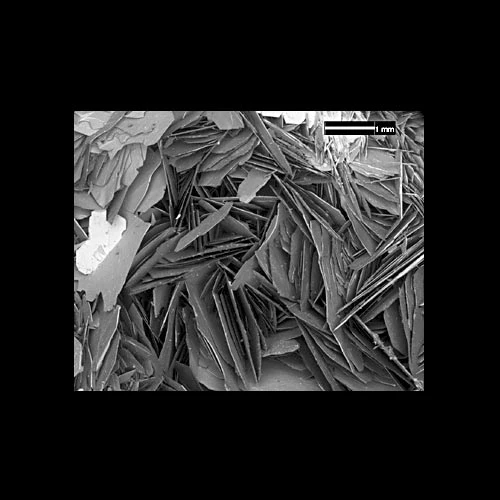
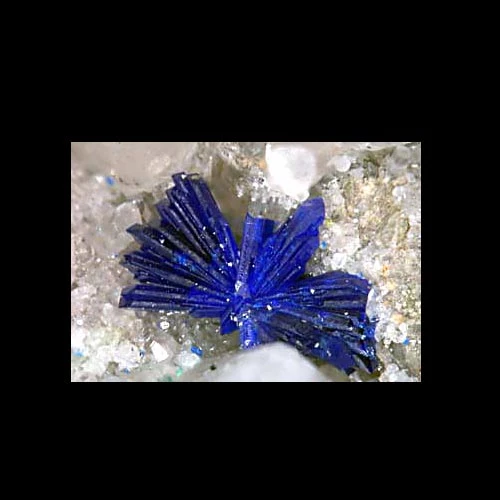
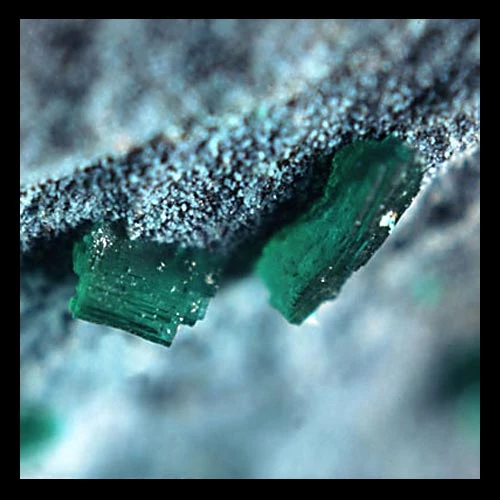
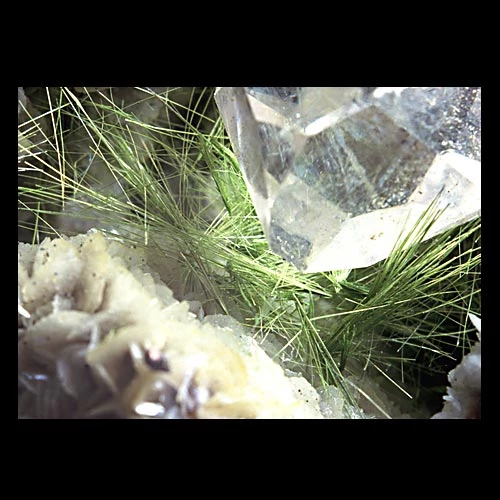
Crystals and minerals of Wales 23 July 2009 Minerals have played a major role in the economic and social development of Wales since the Bronze Age . Since these ancient times, mineral outcrops and mines have been worked throughout Wales; by Romans and Cistercian Monks, and on into the heyday of Welsh metal mining in the mid nineteenth century, when virtually every outcropping vein or fault was tried by the drivage of adits or the sinking of shallow shafts. There are currently around 4,900 officially recognized mineral species known to occur globally, of which, 430 have been confirmed from Wales. Here we present a gallery of Welsh minerals for you to enjoy the incredible colours, forms and lustre of these magnificent museum specimens. Crystals and Minerals Colour-zoned fluorite crystal (17 x 12 mm), from Merthyr Tydfil. Fluorite is one of the earliest recorded minerals from Wales. Photo: M.P. Cooper. Inky-blue tabular anatase crystal from Tanygrisiau, Blaenau Ffestiniog. Photo: D.I. Green. Prismatic linarite crystals (largest 1.5 mm long) forming a spray. Dolwen Mine, in the Central Wales Orefield. Photo: M.P. Cooper Azurite crystal spray from Dolyhir Quarry. © D.I. Green. Freestanding crystals of azurite on drusy calcite. Dolyhir Quarry. © D.I. Green. Chalcanthite from 16 fathom level, Carreg-y-Doll Lode, Parys Mountain. Natural crystals are very rare, although crystals can easily be produced artificially. Photo: D.I. Green. Bladed wroewolfeite crystals up to 1 mm long, from Eaglebrook Mine. Langite crystals (up to 1 mm in length) from Lodge Park copper trial, near Tre'r-ddol, in the Central Wales mining district. Photo: M.P. Cooper Radial tyrolite sprays with azurite in limestone. Dolyhir Quarry. Photo: D.I. Green. Minute spherical schmiederite aggregates from Llechweddhelyg Mine, Central Wales Orefield. Field of view 3 mm wide. Photo: D.I. Green Serpierite rosettes to 5 mm from Ystrad Einion Mine, in the Central Wales Orefield. Photo: M.P. Cooper Acicular aurichalcite crystals from Machen Quarry. Tabular botallackite crystals from Neath Valley, south Wales. Photo: T.F. Cotterell. A spray (up to 0.75 mm across) of devilline crystals from near Bontddu, Gwynedd. Photo: M.P. Cooper. Pale emerald-green bladed lautenthalite microcrystals from Eaglebrook Mine. © D.I. Green. Delicate spray of redgillite crystals from Eaglebrook Mine. Photo: D.I. Green Bow-tie brochantite crystals (to 1 mm across) from Eaglebrook Mine. Photo: D.I. Green. Ramsbeckite crystals (1.5 mm), from Penrhiw Mine. Photo: D.I. Green. Redgillite sprays with brochantite from Eaglebrook Mine. Photo: D.I. Green. Bladed brochantite crystals up to 0.5 mm across, from Lodge Park copper trial, in the Central Wales Orefield. Photo: M.P. Cooper. Unknown green coating on millerite needles previously thought to be morenosite. Wyndham Deep Mine. Subsequent X-ray analysis by Amgueddfa Cymru has failed to provide confirmation. Recent research suggests that these coatings are in fact nickelhexahydrite. Photo: M.P. Cooper Lustrous, prismatic epidote crystals from Marloes Bay, Pembrokeshire. Photo: D.I. Green. Blocky enargite crystals on fluorite from Halkyn, Flintshire. Photo: T.F. Cotterell Barytocalcite from Mwyndy Mine, Llantrisant. Photo: M.P. Cooper. Yellow-brown hexagonal ewaldite crystal 2.5 mm long from Dolyhir Quarry. Ewaldite is an extremely rare mineral. © D.I. Green. Pyrite - a classic striated cubic crystal (10 x 12 mm) embedded in Cambrian slate from Penrhyn Quarry, Bethesda, Gwynedd. Cog-wheel marcasite crystals up to 10 mm across from Gwynfynydd Mine, in the Dolgellau Gold-belt. Yellow baryte crystal, Mwyndy Mine, Llantrisant. Photo: M.P. Cooper Goethite needles up to 4 mm in length from the Dolgellau Gold-belt. Photo: M.P. Cooper. Radiating goethite from Mwyndy Mine, Llantrisant, Mid Glamorgan. Photo: M.P. Cooper. Orange monazite crystal (1 mm) associated with quartz from Fron Oleu, near Prenteg, Gwynedd. Photo: M.P. Cooper Yellow, prismatic baryte crystals (up to 7 mm long) from Llwyn-saer Engine House, Mwyndy Mine. Photo M.P. Cooper Wulfenite crystals (up to 1 mm) from Elgar Mine. Photo: D.I. Green. Tabular wulfenite on hemimorphite from Bwlchrhennaid Mine. Photo: M.P. Cooper Large (5 mm on edge) tabular wulfenite crystal, Llechweddhelyg Mine, Ceredigion. A 6.5 g waterworn nugget of welsh gold, 20 mm in length. Found in 2001 following severe flash-floods on the Afon Wen, Gwynedd. Nuggets of this size are now exceptionally rare in Wales. © J.S. Mason. Partially altered synchysite rosette (2 mm across) from Gloddfa Ganol Quarry, Gwynedd. Photo: T.F. Cotterell. Glassy prismatic wavellite with spherical cacoxenite from Pwlldu beach. Photo: D.I. Green. Unusual stellate twinned siderite crystals associated with sphalerite (brown, centre right) and millerite (tarnished needles), from Wyndham Colliery. Chalcopyrite tetrahedra, Caerau Colliery. Maesteg. Crystals up to 0.5 mm cross. Chalcopyrite is the principal ore of copper. Photo: M.P. Cooper. Tabular brookite crystal from Fron Oleu, Prenteg. The crystal measures 20 mm across. Photo: M.P. Cooper Well-formed, clear, prismatic hemimorphite crystals in cavity in baryte vein. Machen Quarry. Reddish-brown bipyramidal crystals of anatase (up to 1.5 mm in size) from Hendre Quarry, Glyn Ceiriog. © M.P. Cooper. Tabular brookite (2.5 mm across) and anatase from Hendre Quarry. © M.P. Cooper. Cubic cuprite crystals, to 0.2 mm on edge, from Lodge Park copper trial, in the Central Wales Orefield. Photo: M.P. Cooper. Xanthoconite from Dolyhir Quarry. Photo: D.I. Green, © D.I. Green. Gemmy red proustite crystal (1 mm tall) from Dolyhir Quarry, Old Radnor. Proustite is one of the rarer Welsh species and highly sought-after by collectors. © D.I. Green. Erythrite encrusting quartz from the Dolgellau Gold-belt. Photo: D.I. Green Octahedral cuprite crystals (up to 0.09 mm across) from Dolyhir Quarry. © D.I. Green. Sparkling pink erythrite microcrystals from Clogau Mine. Known for many years to miners as 'cobalt bloom', erythrite is a very conspicuous mineral, due to its vivid pink colour. Photo: M.P. Cooper Colourless quartz crystal, St. David's Head. Photo: D.I. Green A cubo-octahedral siegenite crystal 1.5 mm across on siderite. Gelli Colliery, Mid Glamorgan. Photo: M.P. Cooper. Prismatic synchysite crystal with anatase and minor xenotime. Cwmorthin Quarry, Gwynedd. Photo: D.I. Green. Gemmy colourless cerussite crystals, 1-2 mm across, from Rhyd Fach Mine, in the Central Wales Orefield. Photo: M.P. Cooper. Tabular baryte crystal, South Wales coalfield. Photo: M.P. Cooper Millerite spray (25 mm in length) on siderite from the south Wales Coalfield. Millerite is justifiably one of Wales' more famous minerals, a position it shares with gold, brookite and anglesite. Photo: M.P. Cooper Cream-coloured prismatic xenotime associated with bipyramidal anatase form Blaenau Ffestiniog. Photo: D.I. Green Scanning electron micrograph of 'bow-tie' sprays of agardite-(Y). Agardite-(Y) is only known from three UK localities - one in Wales and two in Cornwall. The Welsh occurrence is at Gwaith-yr-Afon Mine in Central Wales. Backscatter-mode SEM image of a complex albite crystal with anatase (pale grey, top left) at Gloddfa Ganol Quarry, Blaenau Ffestiniog. Scanning Electron Micrograph of bipyramidal anatase crystal (0.5 mm), Cwmorthin Quarry, Blaenau Ffestiniog. Scanning electron micrograph of a small fragment of blocky arsentsumebite crystals from Dolyhir Quarry. © D.I. Green. Scanning electron micrograph of individual beudantite crystal from Dolyhir Quarry. © D.I. Green. Scanning electron micrograph of ewaldite crystal, showing stepped growth patterns from Dolyhir Quarry. Ewaldite is an extremely rare mineral previously recorded from only three other localities worldwide Scanning electron micrograph of a spray of harmotome crystals from Dolyhir Quarry. Scanning Electron Micrograph of extremely rare mattheddleite crystals. Only a few occurrences of mattheddleite known from Wales, all in microscopic quantities. Scanning electron microphotograph of a well-formed realgar crystal from Dolyhir Quarry. © D.I. Green. Scanning electron micrograph of platy synchysite-(Ce) crystals from Dolyhir Quarry in the Welsh Borderlands. Image: T.F. Cotterell. Scanning electron micrograph of sub-millimetre euhedral 'cleopatra's-needle'-shaped xenotime-(Y) crystals from Cwmorthin Quarry near Blaenau Ffestiniog, Gwynedd. Abhurite occurs exclusively on tin ingots in shipwrecks. It is formed by the chemical reaction between the tin and the chloride ions present in seawater. Here, a scanning electron micrograph shows the platy abhurite crystals discovered on tin ingots salvaged from the wreck of S.S. Liverpool off the coast of Anglesey. Scanning Electron Micrograph of a pyrite crystal. Pyrite occurres in many geological settings, including sedimentary, igneous and metamorphic rocks of all ages. Scanning electron micrograph of a pyramidal alstonite (larger crystal) with smaller, doubly-terminated paralstonite crystals, from Dolyhir Quarry.
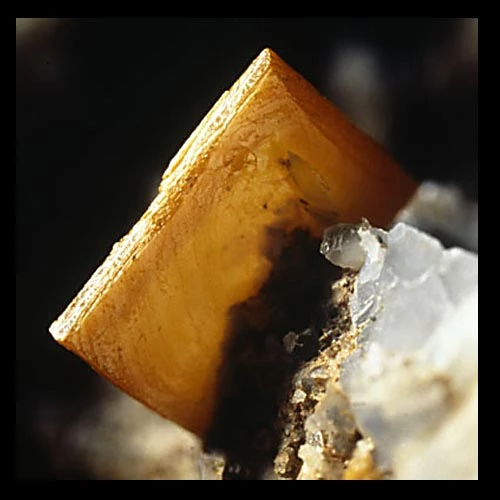
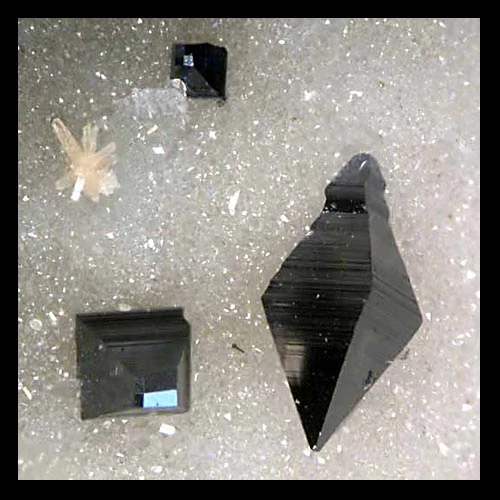
Minerals first discovered in Wales Tom Cotterell, 29 June 2009 Anglesite crystals up to 10 mm in length from the type locality at Parys Mountain, Anglesey. Photo M.P. Cooper. A 20 mm wide crystal of brookite from the type locality at Prenteg, Gwynedd. Photo M.P. Cooper Scanning electron micrograph of prismatic cymrite crystals from the type locality at Benallt mine, Rhiw, Pen Llŷn, Gwynedd. Powdery dickite coating dolomite from the type locality at Trwyn-Bychan, Anglesey. Photo M.P. Cooper The type specimen of namuwite from Aberllyn mine, Betws-y-coed, Gwynedd. Over 430 different mineral species occur in Wales, approximately ten percent of all those known. Eleven minerals were first discovered in Wales and have been named after famous Welsh geologists, mineralogists, places and even the Museum itself. These are: anglesite banalsite brammallite brinrobertsite brookite cymrite dickite lanthantite-(ce) namuwite pennantite and steverustite Brookite, an oxide of titanium, was first discovered in north Wales in around 1809. It was named in 1825 in honour of the British crystallographer and mineralogist, Henry James Brooke (1771-1857) by the French mineralogist Armand Lévy. In 1783 Reverend William Withering described a new species, plumbum (lead) mineralized by vitriolic acid and iron, occurring in, "immense quantity in the island of Anglesea". The name, anglesite, was later proposed for lead sulphate by the French mineralogist Francois Sulpice Beudant in 1832, in recognition of the original locality, and this name has been used ever since. In 1930 a new clay mineral dickite was named in honour of the Scottish metallurgical chemist, Allan Brugh Dick (1833-1926) who had published a detailed account of its properties on material from Trwyn-Bychan, Anglesey. Another clay mineral, brammallite, named after Alfred Brammall (1879-1954), formerly of the Department of Geology, Imperial College, London, was described in 1943 from Llandebie, Carmarthenshire. During the 1940s extensive research was carried out at the manganese mines at Rhiw, Llŷn Peninsula, Gwynedd, where several new species were discovered at the Benallt mine. The first, banalsite, was named from its composition, barium (Ba), sodium (Na), aluminium (Al), silicate (Si). The famous Welsh naturalist Thomas Pennant (1726-1798) was recognised in 1946 with a manganese chlorite mineral, pennantite. A new hydrated barium feldspar was named cymrite for Wales in 1949. In 1982, a new zinc copper sulphate hydroxide hydrate was identified on an old museum specimen collected from the Aberllyn mine, near Betws-y-coed. It was given the name namuwite after the National Museum of Wales where the specimen is housed. The naming of a mineral after an institution is now considered inappropriate, but the name stands, making this a very unusual mineral. In 1985 a new cerium-dominant lanthanite from Britannia mine on Snowdon, was described and named lanthanite-(Ce) . A new clay mineral found near Bangor in Gwynedd was named brinrobertsite in 2002, in honour of Brinley Roberts of the University of London, who has published widely on the geology of North Wales. The latest mineral to be discovered in Wales is a rare lead thiosulphate formed within mine dumps at a number of sites in Central Wales. It was named steverustite, in 2009, in honour of its discoverer, Steve Rust, a micromineral collector who has dedicated much of his life to identifying unusual post-mining minerals in the Central Wales Orefield. To find out more about these and other Welsh minerals look at Amgueddfa Cymru's Mineralogy of Wales website.