Off With His Head!
The Story of Commonwealth Coins
, 16 December 2016

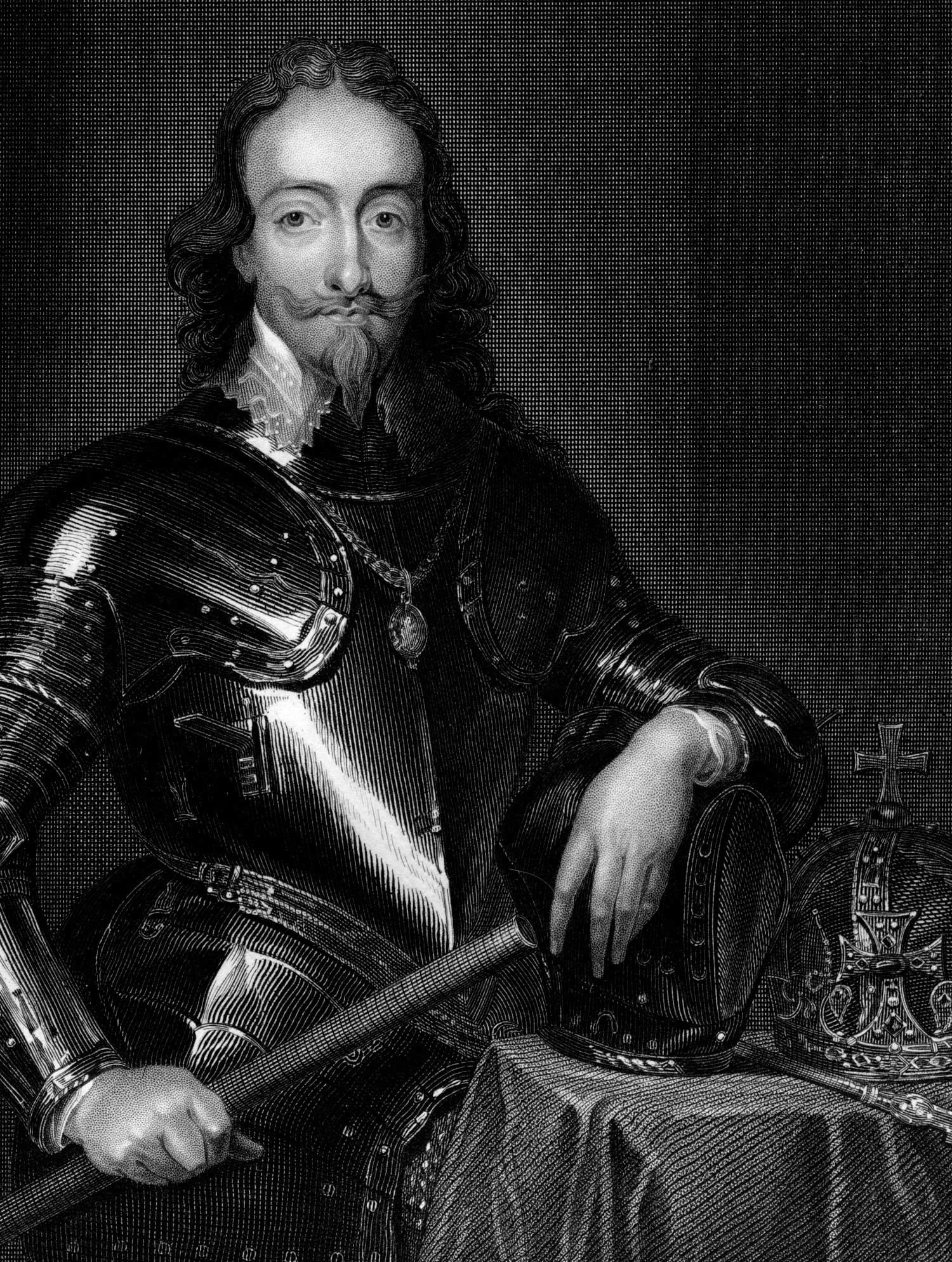
Portrait of King Charles I
On the bitterly cold morning of 30 January 1649, following a long and brutal civil war between Crown and Parliament, King Charles I was beheaded in London and the monarchy was abolished.
Three years earlier, in 1646, Parliament had rid the Church of England of its bishops, and when the House of Lords was also abolished in March 1649, virtually the entire, centuries-old, basis of government in Britain had disappeared, seemingly for good. Little wonder people living at the time called it ‘a world turned upside down.’
In the end this uncertain Commonwealth period was to last only eleven years as the monarchy was restored in 1660, but the highly distinctive coins minted during this short stretch of time are sometimes unearthed by metal detectorists in Wales and reported via the
Portable Antiquities Scheme . They have been found in small numbers all over Wales, from Manorbier in Pembrokeshire to Cwm in Flintshire, and in various states of wear including one or two which were later reused for other purposes. So what makes them worth talking about?Coins for the Commonwealth
It is not surprising that the radically new form of government ushered in so bloodily with the end of the monarchy in 1649 should have caused an upheaval in another enduring aspect of national identity – the coinage. Prior to this all coins had been issued in the monarch’s name and contained his or her image. Even during the Civil Wars (1642-48), Parliament – which was in control of London and therefore also of the Tower Mint - had continued to strike coins in the traditional style as long as the outcome of the war was uncertain. But now that Britain was a republic the centuries-old design of coins with the monarch’s head and Latin legend was clearly inappropriate. A new design, emphasising the legitimacy of the new republican regime, was needed.
Why do they look different?
Commonwealth half groat (twopence) found by R. W. Bevans in Manorbier, Pembrokeshire, 2009. The smaller denomination coins did not have a legend or date.
You don’t need to be a coin expert to notice the obvious difference between the new coins and those we are all more familiar with - there is no king’s head! Of course, when the real king’s head was removed from his shoulders, its likeness also had to be removed from the coinage. With the king gone, the House of Commons claimed that it now exercised sovereign power on behalf of the people, and that God had given his approval to this new state of affairs by allowing Parliament to defeat the king in battle. This bold claim was bolstered by the imagery and lettering used on the new coinage.
On the obverse (heads) side, replacing the traditional monarch’s crowned head, there now appeared a shield containing the cross of St George, representing England. This was surrounded by a wreath of laurel and palm, symbolising Parliament’s victory and the peace it claimed it had brought. On the reverse (tails) side were the conjoined shields of England and Ireland, the latter represented by an Irish harp, along with the date of issue and denomination. Scotland, then a separate nation with its own coinage, was not represented, nor was Wales, which was thought of as part of the kingdom of England and so covered by the cross of St George – as is still the case in the modern Union Jack.
There were also changes to the legends, or lettering, appearing around the edge of the coin’s faces. Traditionally these would have been in Latin, giving the name of the monarch and an abbreviated list of their titles (including a claim to France!) as well as a Latin motto, but this was now replaced with ‘THE COMMONWEALTH OF ENGLAND’ on the obverse and ‘GOD WITH US’ on the reverse. These simple statements not only did away with all references to royal power, they also replaced Catholic-sounding Latin with good Protestant English, and in true Puritan style laid claim to God’s favour and support.
Royalist reaction and the ‘Rump Parliament’
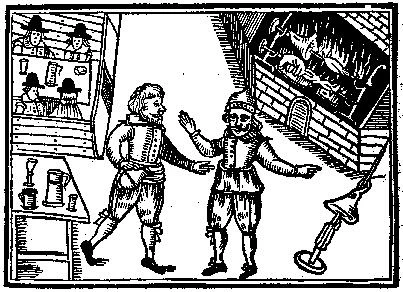
A seventeenth-century woodcut showing two men in a tavern, wearing the breeches said to resemble the conjoined shields of the Commonwealth coins. (Source: http://www.godecookery.com/mirth/mirth008.html)
Although Charles had been defeated and the monarchy abolished, there were still many people who had been against his execution and were fierce critics of the new republican regime, led by the so-called ‘Rump Parliament’ until 1653. Even the coins came in for ridicule, the royalists finding ways to attack the government by poking fun at the new designs. The wording of the legends on either side of the coins, for example, led royalists to observe that ‘God’ and ‘the Commonwealth’ were on opposite sides. The appearance of the conjoined shields of England and Ireland also caused amusement as they bore an uncanny resemblance to a pair of breeches, and were referred to in royalist circles as ‘breeches for the rump’, ‘rump’, being not only the name of the parliament but also a common term for someone’s backside.
Interestingly, in 1658 the government made an attempt to return to a more familiar design harking back to the royalist period. This featured the profile of the new head of state, Protector Oliver Cromwell, crowned with a laurel wreath on the obverse, and a coat of arms surmounted by – of all things – a crown on the reverse. Cromwell had earlier been offered the crown, but had refused it, so was it included in the new design in an attempt by the shaky government of the day to present an image of stability using the more familiar symbolism of times gone by? Cromwell died soon after this and the coins were never circulated so are not likely to be found by detectorists.
The Restoration and beyond
Worn commonwealth half groat reused as a love token, found by Gwyn Rees near Wenvoe, South Glamorgan, in 2012.
Commonwealth half groat found by Gwyn Rees near Wenvoe in 2015. The piercing may have been to take it out of circulation.
The republican experiment ultimately failed and the monarchy was restored under Charles II in 1660. Those who had signed his father’s death warrant, known as the regicides, were rounded up and executed; even the corpse of Oliver Cromwell was exhumed and hung in chains. A similar lack of mercy was shown to the Commonwealth coinage. It was suppressed and called in for recoining between 1661 and 1663, with an estimated two-thirds out of the total minted since 1649 being recovered. But what happened to the rest?
Most will have been taken abroad and some was hoarded, although the coins recovered by detectorists in Wales, which are all of the smaller denominations of penny and half-groat, suggest that some were accidentally lost. The wear and tear suffered by most of these finds may be a result of use or of subsequent damage while in the ground, although one found by Gwyn Rees near Wenvoe, South Glamorgan, in 2012, which has been bent and pierced with a hole at the top, seems to have been reused as a love token, possibly to have been suspended from a chain or ribbon. Was this discarded coin an accidental loss, or is it evidence of a failed relationship? Another Commonwealth half groat, also found near Wenvoe by Mr Rees in 2015, has been pierced in the centre, probably to demonetise it and take it out of circulation in the early 1660s. It is possible that the Restoration government did not bother to recall all the smaller denomination coins, which may therefore have continued in circulation beyond the early 1660s.
Historical significance
Commonwealth of England, half crown (2s 6d), 1649
Although collectors see them as relatively uninteresting because of the plainness of the design and its uniformity across the denominations, Commonwealth coins are fascinating from a historical and archaeological point of view. In circulation for such a short period of time they are survivors of a troubled period in British history, when a bloody and divisive war was followed first by the shock of the king’s execution and then by years of political and religious upheaval as the country tried to find an acceptable alternative to monarchical rule. Just as all the political alternatives failed in turn, the new coins’ design was also shortlived – Charles II reverting to the familiar, centuries-old monarch’s head format, which continues in use today. The radical changes in design show how the new republican government tried to heal the ruptures of the Civil Wars and bolster its legitimacy in the absence of the king. Are they best seen as signs of life continuing much as it always had, or relics of a world turned upside down?
Oliver Cromwell, pattern half crown, 1658


![Pietas offering at an altar [Diva Faustina I]](/media/15261/version-full/4654_02.webp)
![Pax (peace) setting fire to weapons [Trajan]](/media/15258/version-full/4255_02.webp)
![clasped hands: emperor and army [Nerva]](/media/15257/version-full/4179_02.webp)
![An exotic beast [Titus]](/media/15256/version-full/4091_02.webp)
![Sow and piglets [Vespasian] - refers to foundation myth](/media/15255/version-full/4067_02.webp)
![Fortuna ('fortune') [Trajan]](/media/14318/version-full/4286_02.webp)
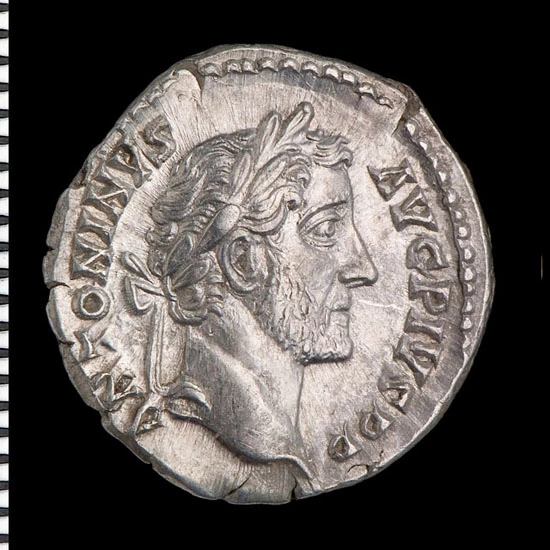
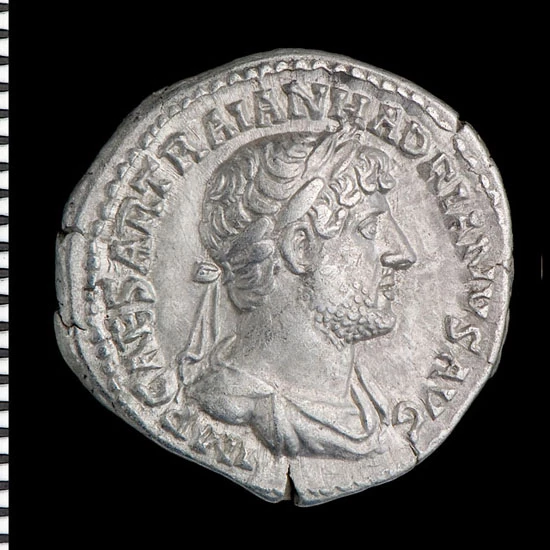
![Felicitas ('happiness') [Trajan]](/media/14315/version-full/4294_02.webp)
![Liberalitas - the emperor's generosity [Hadrian]](/media/14313/version-full/4568_02.webp)
![Concordia [Antoninus Pius]](/media/14312/version-full/4611_02.webp)
![Clementia ('mercy') [Antoninus Pius]](/media/14311/version-full/4635_02.webp)
![Italia - another province personified [Antoninus Pius]](/media/14310/version-full/4639_02.webp)
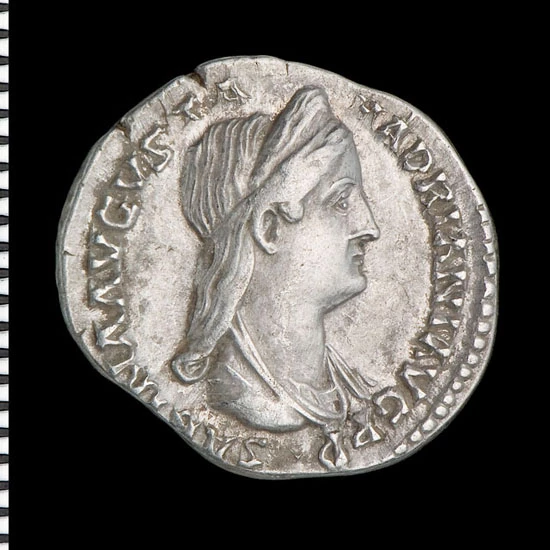
![Vesta, goddess of the hearth [Sabina]](/media/14308/version-full/4604_02.webp)
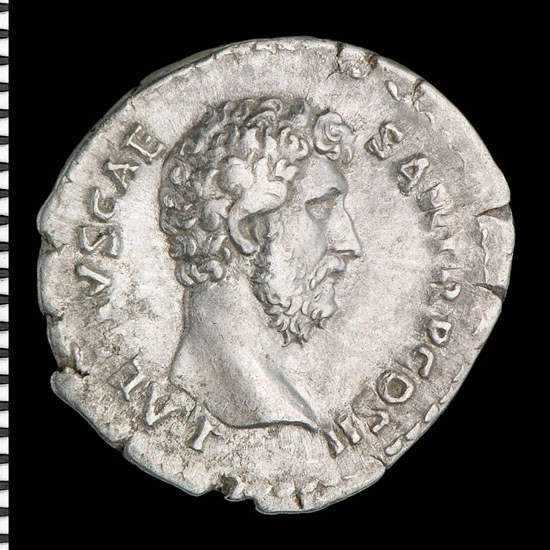
![Priestly implements [Marcus Aurelius Caesar]](/media/14303/version-full/4665_02.webp)
![Thunderbolt on a chair [Antoninus Pius]](/media/14301/version-full/4648_02.webp)
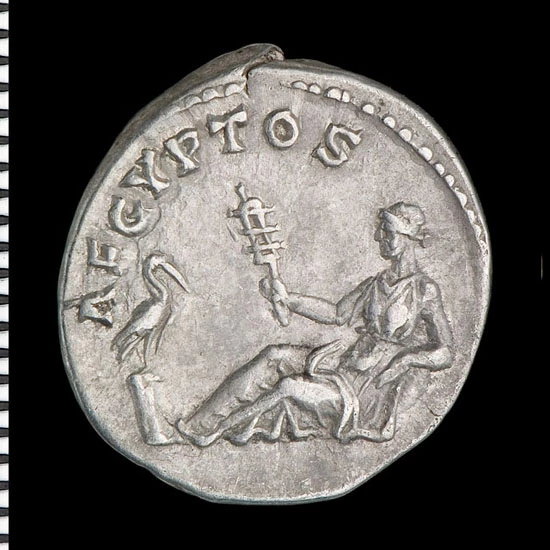
![Aequitas ('fair dealing') or Moneta (the mint) [Antoninus Pius]](/media/14298/version-full/4644_02.webp)
![Pietas ('piety, duty') [Hadrian]](/media/14297/version-full/4585_02.webp)
![Victoria: goddess of victory [Hadrian]](/media/14296/version-full/4597_02.webp)
![Fides publica: the 'good faith' of the state (!) [Hadrian]](/media/14295/version-full/4582_02.webp)
![Moneta - personifies the mint and the coinage [Hadrian]](/media/14294/version-full/4584_02.webp)
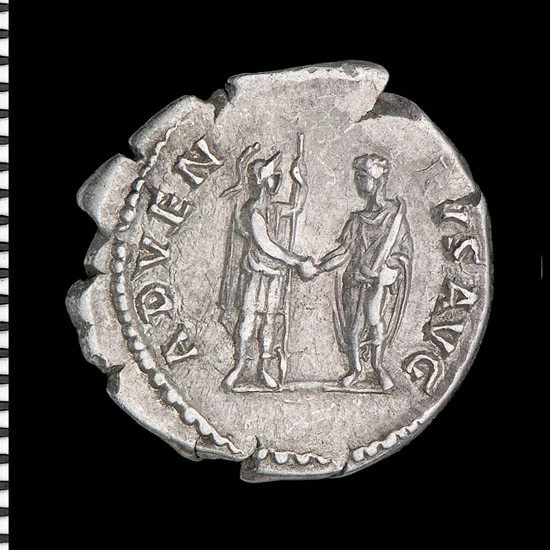
![Neptune, god of water/the sea [Hadrian]](/media/14292/version-full/4541_02.webp)
![Iustitia ('justice') [Hadrian]](/media/14291/version-full/4567_02.webp)
![Hercules and his club [Hadrian]](/media/14290/version-full/4539_02.webp)
![Salus ('Health'/'welfare') [Hadrian]](/media/14289/version-full/4532_02.webp)
![Diana, goddess of hunting and fertility [Hadrian]](/media/14288/version-full/4537_02.webp)
![Libertas ('freedom') [Hadrian]](/media/14287/version-full/4524_02.webp)
![Providentia ('foreseeing') [Hadrian]](/media/14286/version-full/4527_02.webp)
![Hilaritas ('rejoicing') [Hadrian]](/media/14285/version-full/4510_02.webp)
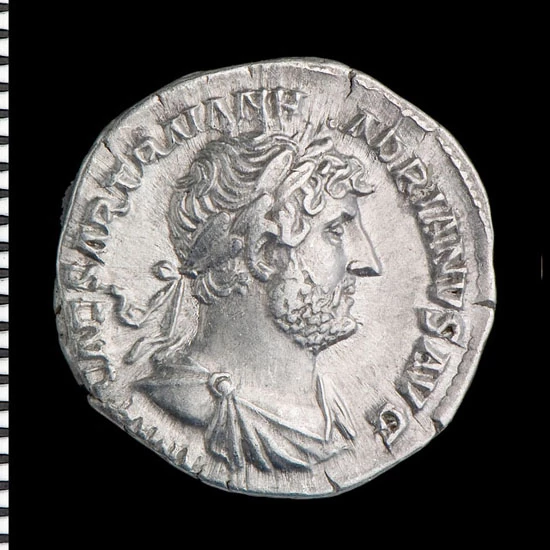
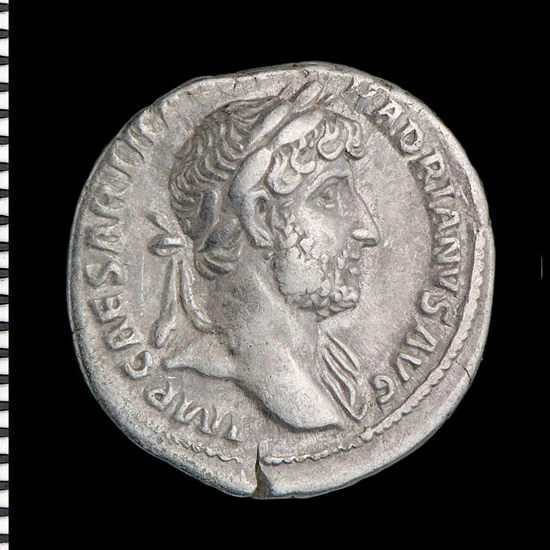
![Roma - goddess/personification of the city [Hadrian]](/media/14282/version-full/4469_02.webp)
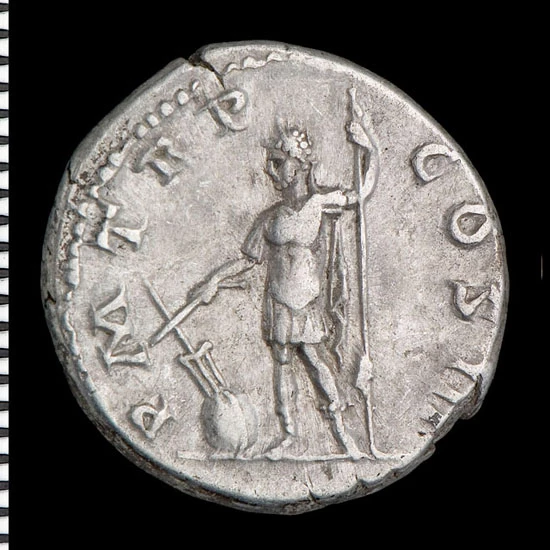
![Oceanus, the river round the earth, personified [Hadrian]](/media/14280/version-full/4468_02.webp)
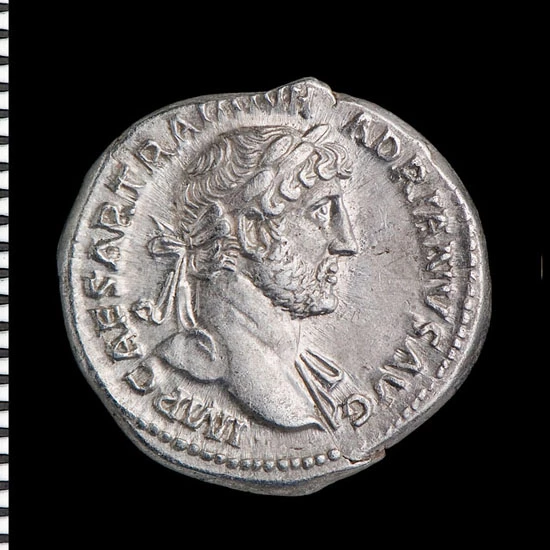
![Virtus ('valour') [Trajan]](/media/14278/version-full/4436_02.webp)
![Hadrian adopted as Trajan's heir [Hadrian]](/media/14277/version-full/4499_01.webp)
![Felicitas ('happiness') [Trajan]](/media/14276/version-full/4435_02.webp)
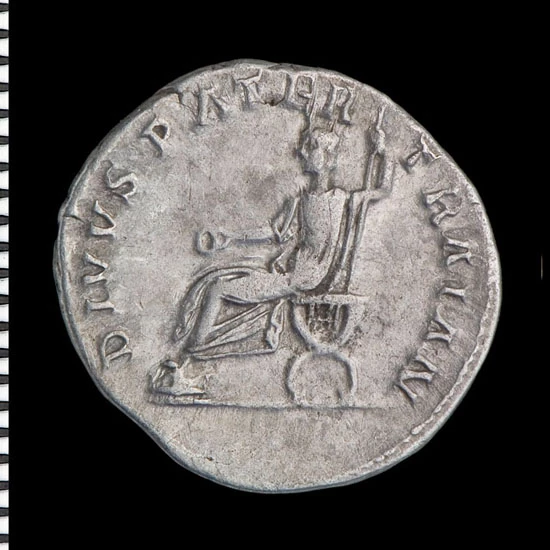
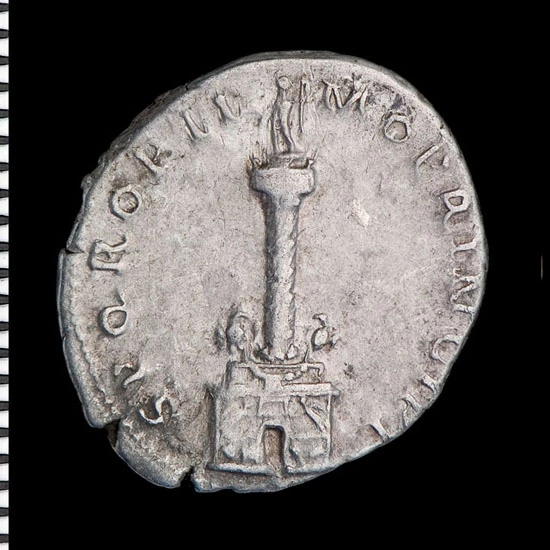
![Military standards [Trajan]](/media/14273/version-full/4412_02.webp)
![The province of Arabia personified, with camel [Trajan]](/media/14269/version-full/4321_02.webp)
![Trophy of arms [Trajan]](/media/14268/version-full/4325_02.webp)
![Ceres, goddess of agriculture [Trajan]](/media/14267/version-full/4330_02.webp)
![A defeated Dacian [Trajan]](/media/14266/version-full/4354_02.webp)
![Trophy of arms and captured Dacian [Trajan]](/media/14265/version-full/4357_02.webp)
![Via Traiana, a new road in southern Italy [Trajan]](/media/14264/version-full/4398_02.webp)
![Spes ('hope') holds a flower [Trajan]](/media/14263/version-full/4298_02.webp)
![Mars, god of war [Trajan]](/media/14262/version-full/4260_02.webp)
![Conquest of Dacia [Trajan]](/media/14261/version-full/4252_02.webp)
![Eternity, holding sun and moon [Trajan]](/media/14260/version-full/4248_02.webp)
![Hercules, wearing lionskin and holding a club [Trajan]](/media/14257/version-full/4228_02.webp)
![Minerva [Domitian Augustus]](/media/14255/version-full/4141_02.webp)
!['Concord of the armies' [Nerva]](/media/14254/version-full/4181_02.webp)
![Venus [Titus Augustus]](/media/14250/version-full/4090_02.webp)
![Wolf with Romulus and Remus [Domitian Caesar]](/media/14249/version-full/4083_02.webp)
![Pegasus [Domitian Caesar]](/media/14248/version-full/4080_02.webp)
![Jupiter [Vespasian]](/media/14247/version-full/4070_02.webp)
![Judaea - suppression of the Jewish Revolt [Vespasian]](/media/14244/version-full/4029_02.webp)
![Jupiter, Chief of the Gods [Nero]](/media/14239/version-full/4011_02.webp)