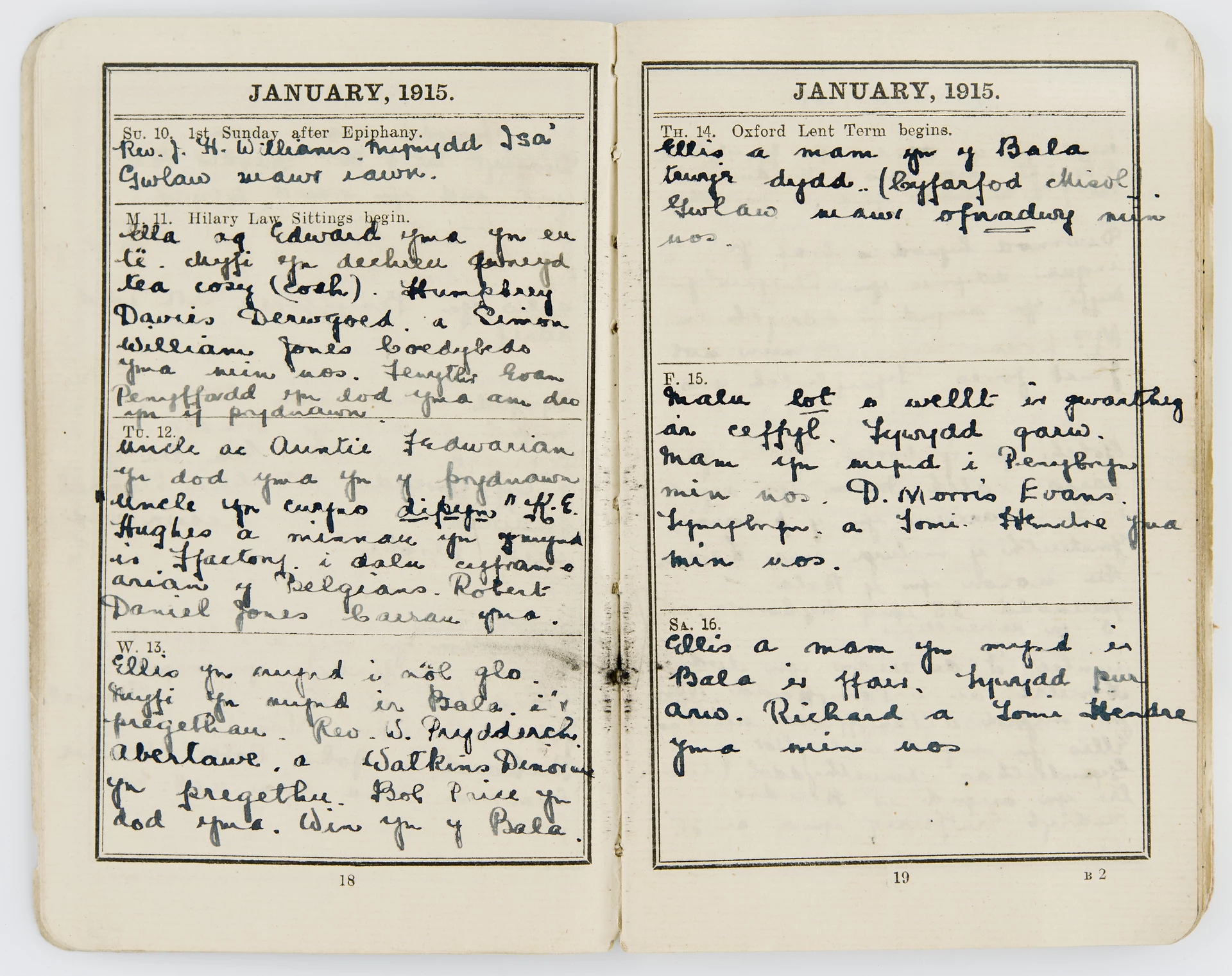
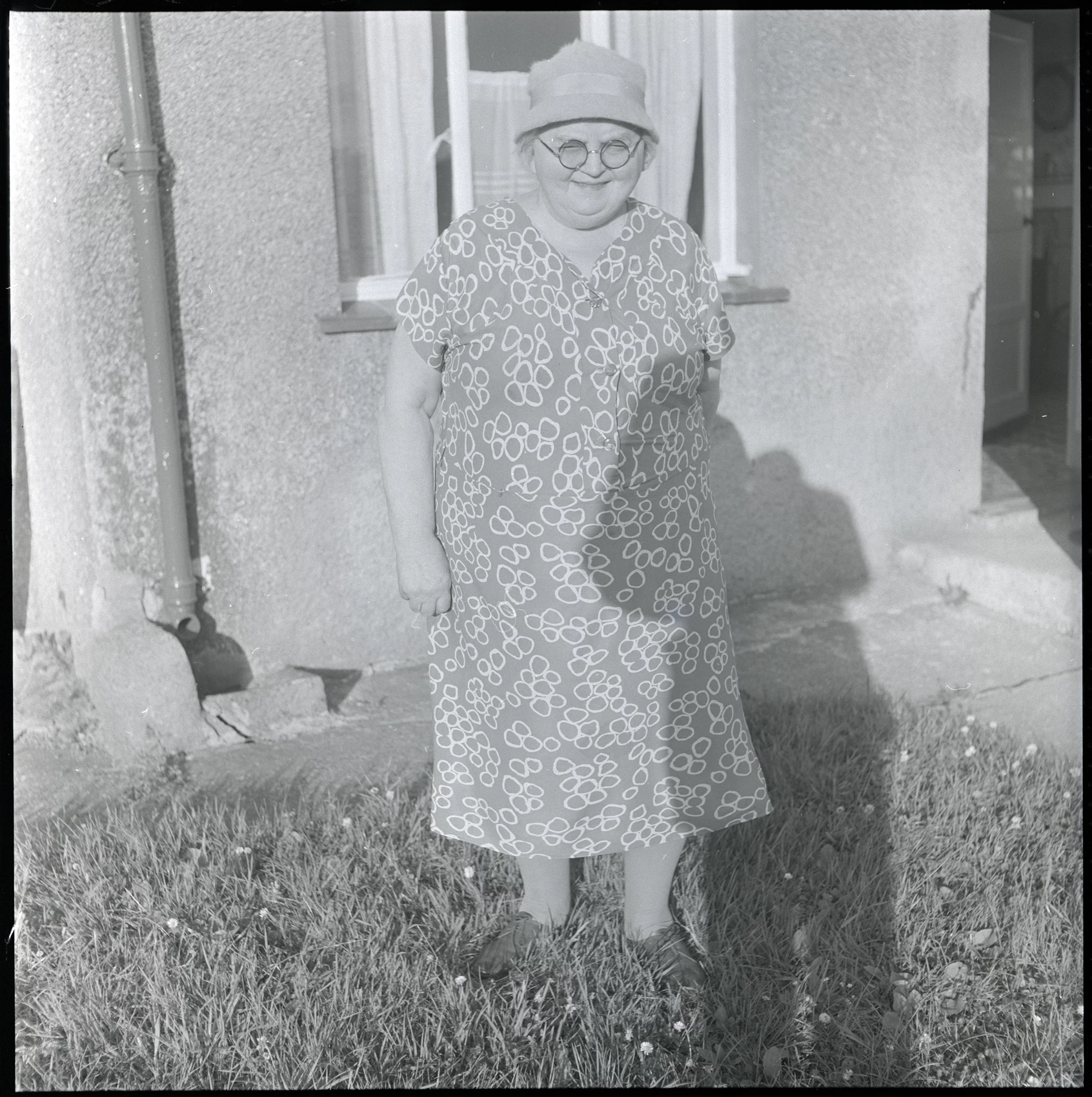
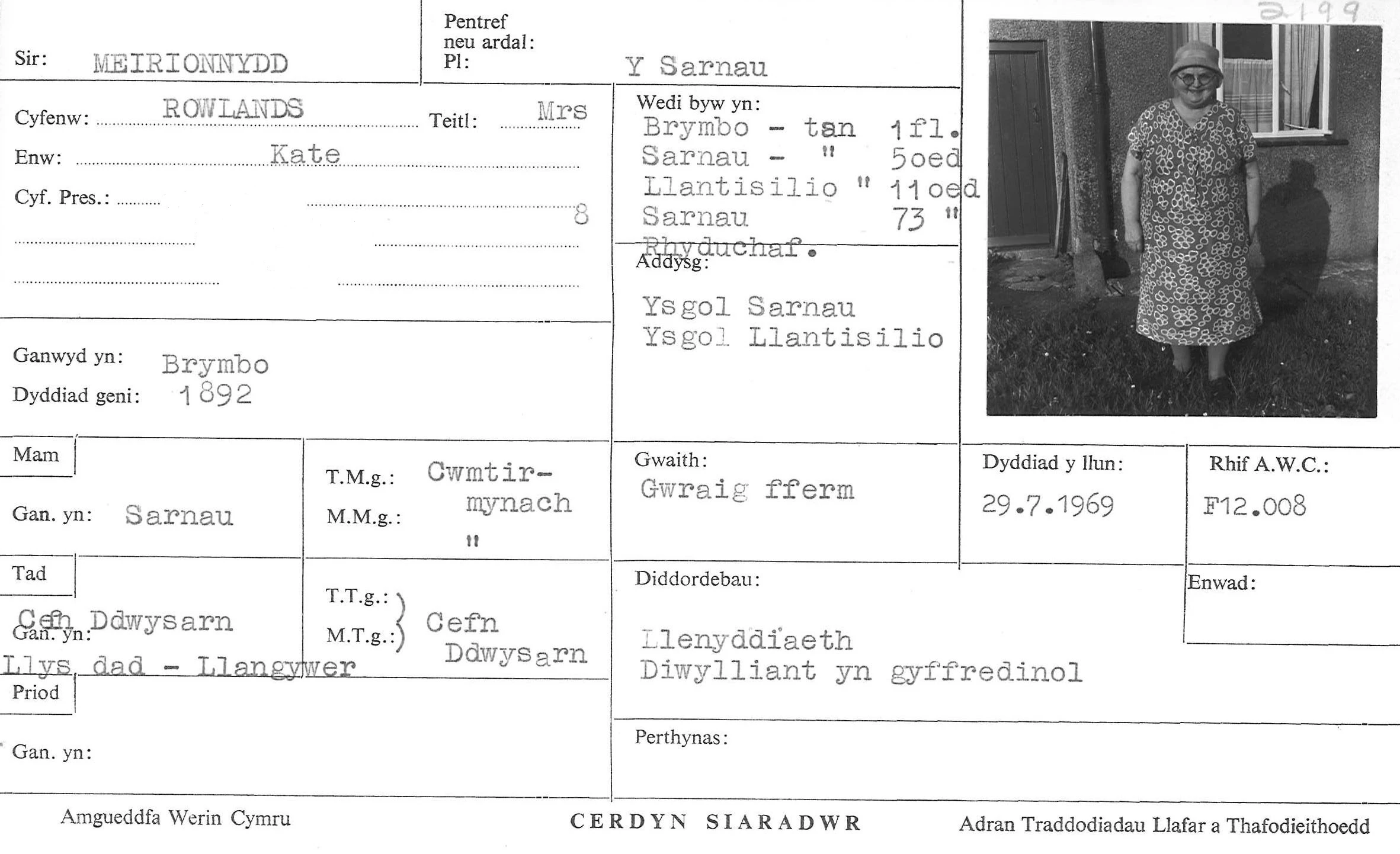
Wales and the World Wars: Kate Rowlands' Diaries 27 January 2017 The twitter account @DyddiadurKate shares entries from the diaries of Kate Rowlands, Sarnau. Over a century later, her entries from 1915 tell a story about life in Wales during the First World War. The diary was donated to the Museum in 1969, during a period when archive staff travelled to communities across Wales to record people telling their stories, in their own words. Kate Rowlands' 1915 diary is a rich and nuanced account of life in rural Wales during the Great War. It gives us glimpses into everyday tasks, the names of fields and farms, local characters, dialects, as well chapel and farm life. The diary is reproduced in Welsh, exactly as it was written, on twitter. You can read more about the personal stories we've uncovered about the First World War on the museum blog. Tweets by DyddiadurKate More about the Diary The Author Kate Rowlands' diary from 1915 was donated to the Museum in 1969. She also recorded a number of Oral History recordings with curators from the Museum, all of which add to our understanding of her life in rural North Wales, in the early to mid twentieth-century. She was born in Brymbo, near Wrexham, in 1892. Her mother, Alice Jane, was originally from Hendre, Cefnddwysarn, and nine months after Kate was born, both mother and daughter returned to this area, following the sudden death of Kate's father from an illness sustained working in the steel industry. Her mother's family had a great influence on her upbringing - in one oral history interview with the Museum, Kate states that "y nhw oedd y canllawie gathon ni gychwyn arnyn nhw" - "they were the ones who guided us as we got started in life". Homework to farm work Kate's mother remarried with Ellis Roberts Ellis, who is also mentioned in the diary. In 1897, when Kate was five years old, the family moved to a small farm near Llantisilio, Llangollen, and then to Tyhen, Sarnau - the location of the diary. An only child, she left school at fourteen to help her parents with work on the farm. "My parents lost their health to an extent. That really went across my going ahead with my education. I had to be home, you see... A bit of everything, jack of all trade. I had to help a lot with horses and things like that. Heating up the big oven to cook bread, and churning when it was called for, two times a week or so." Oral History Kate Rowlands donated her diary after being interviewed in 1969. Due to the tireless work of St Fagans' early curators, the archive now holds a rich collection of items, documents and recordings relating to women's history, especially women living and working in rural communities. Kate also donated her 1946 diary to the Museum. This volume is also available online on twitter. Read more about Welsh Women's History. Kate Rowlands - Early life (Welsh recording) Kate Rowlands - Week on the Farm (Welsh recording) Kate Rowlands - Playing Steddfod and Leaving School (Welsh recording) You can download an electronic version of the diary here: Dyddiadur Kate E-book (PDF) PLEASE NOTE: The diary is in Welsh
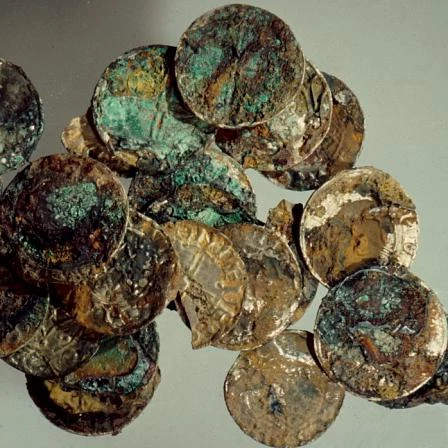
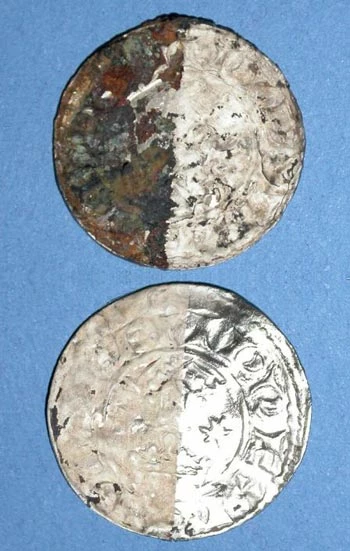
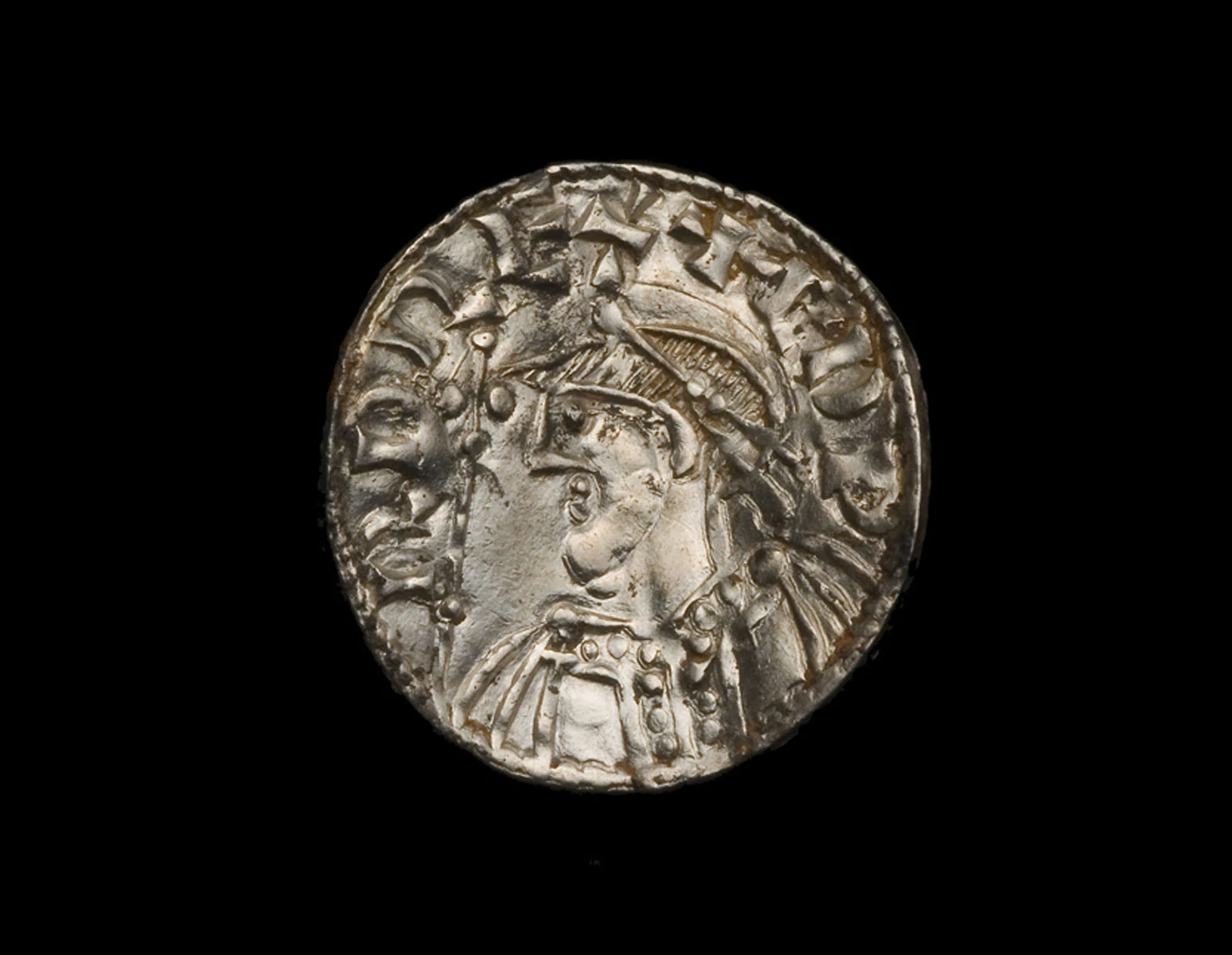
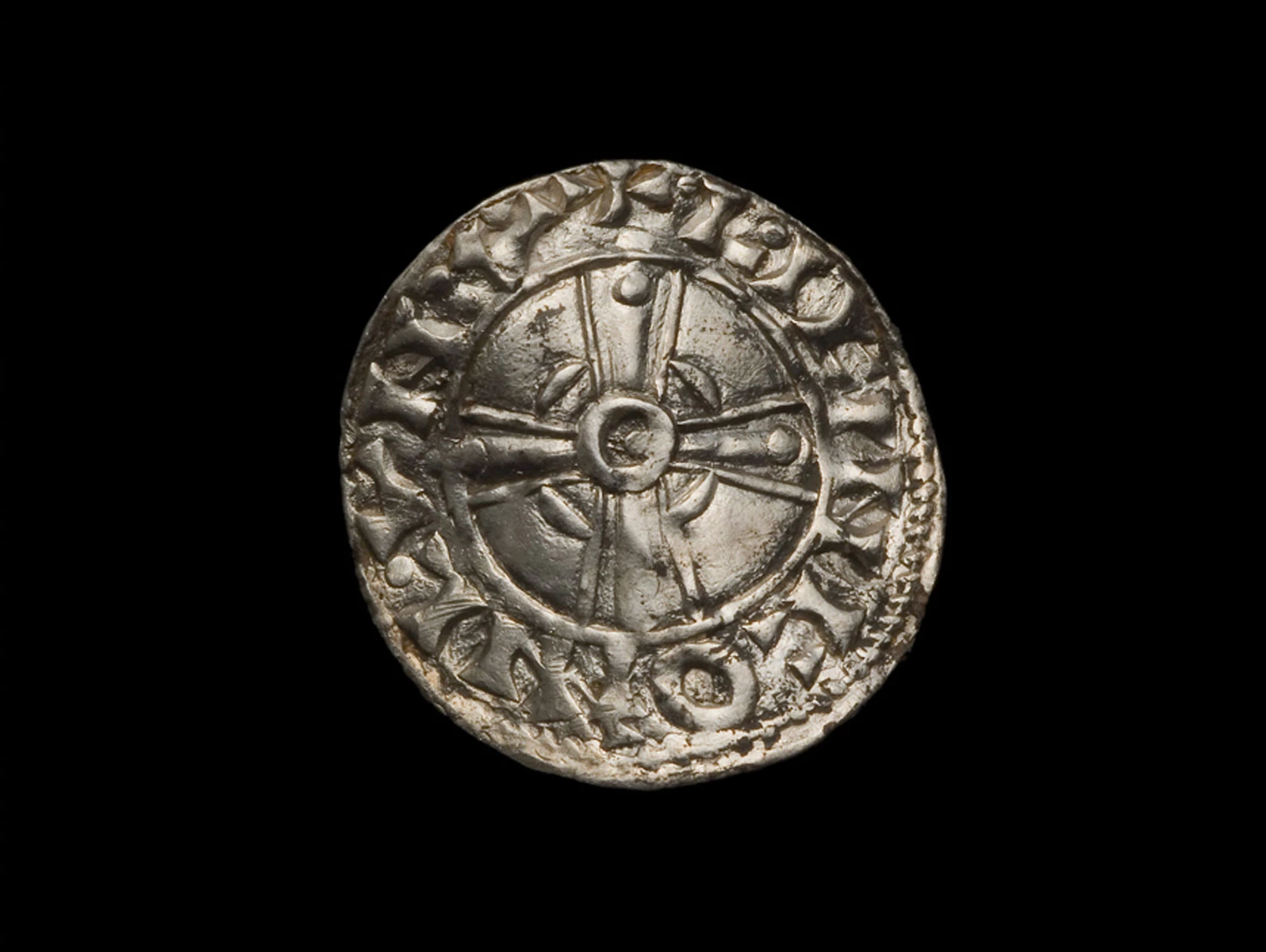
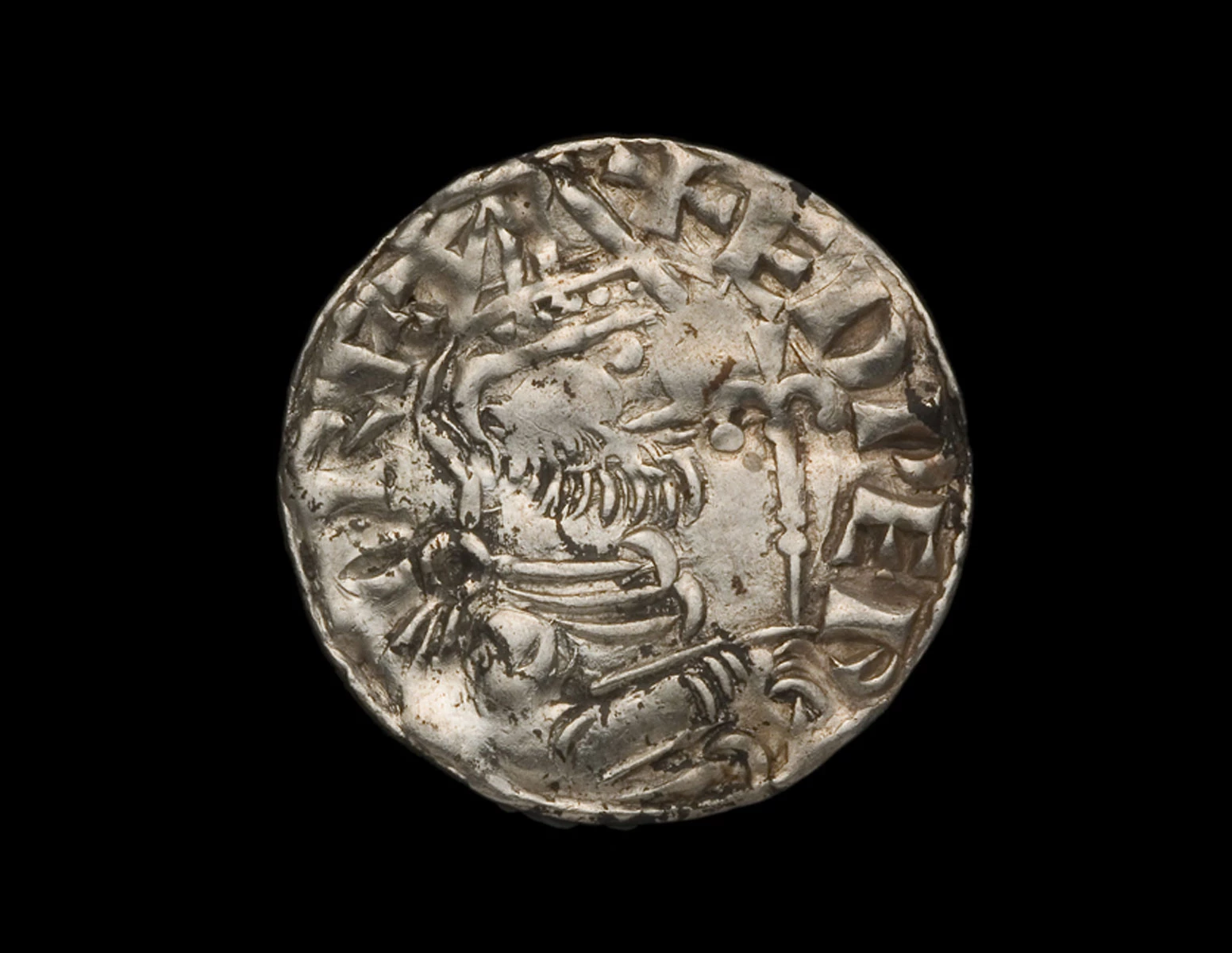
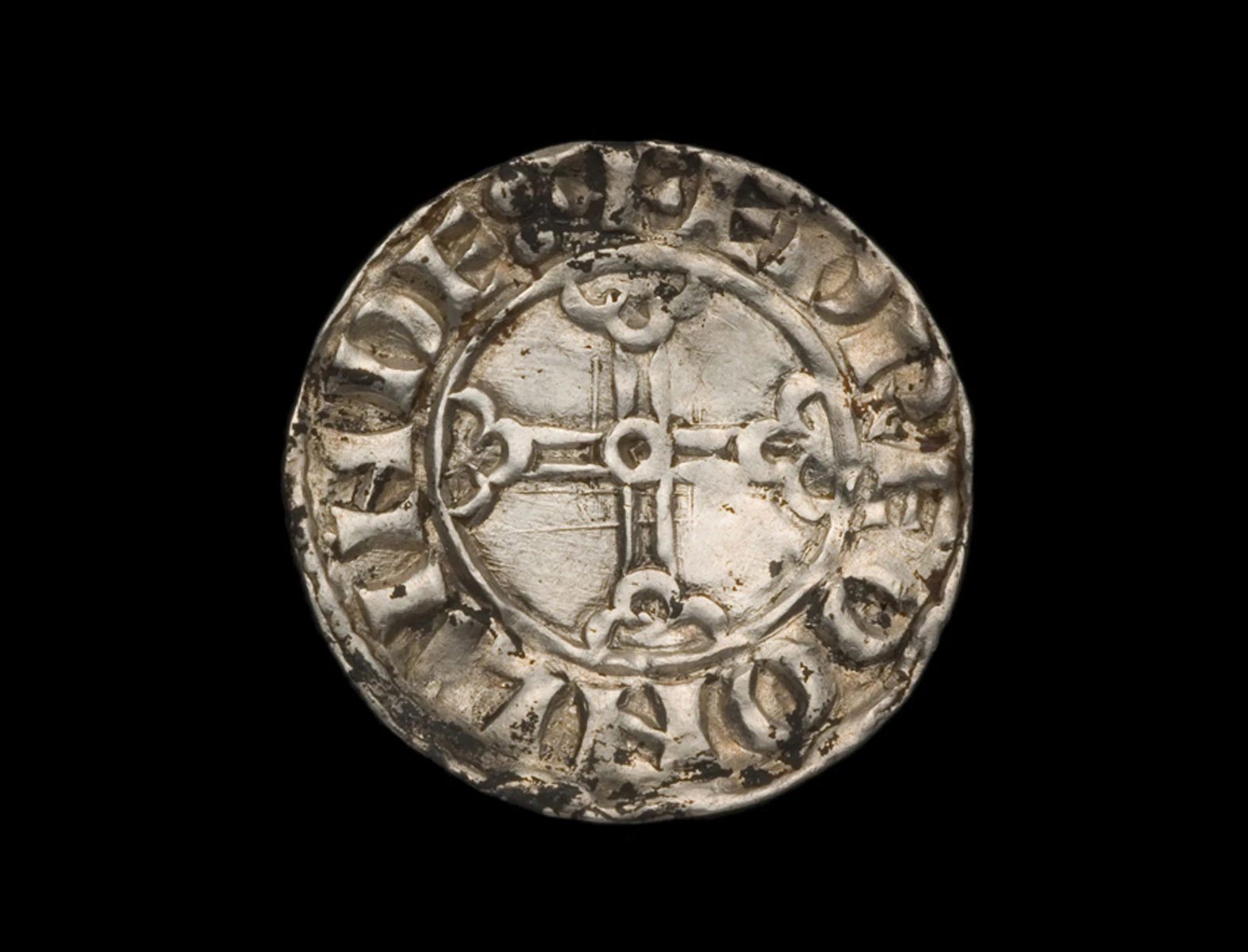
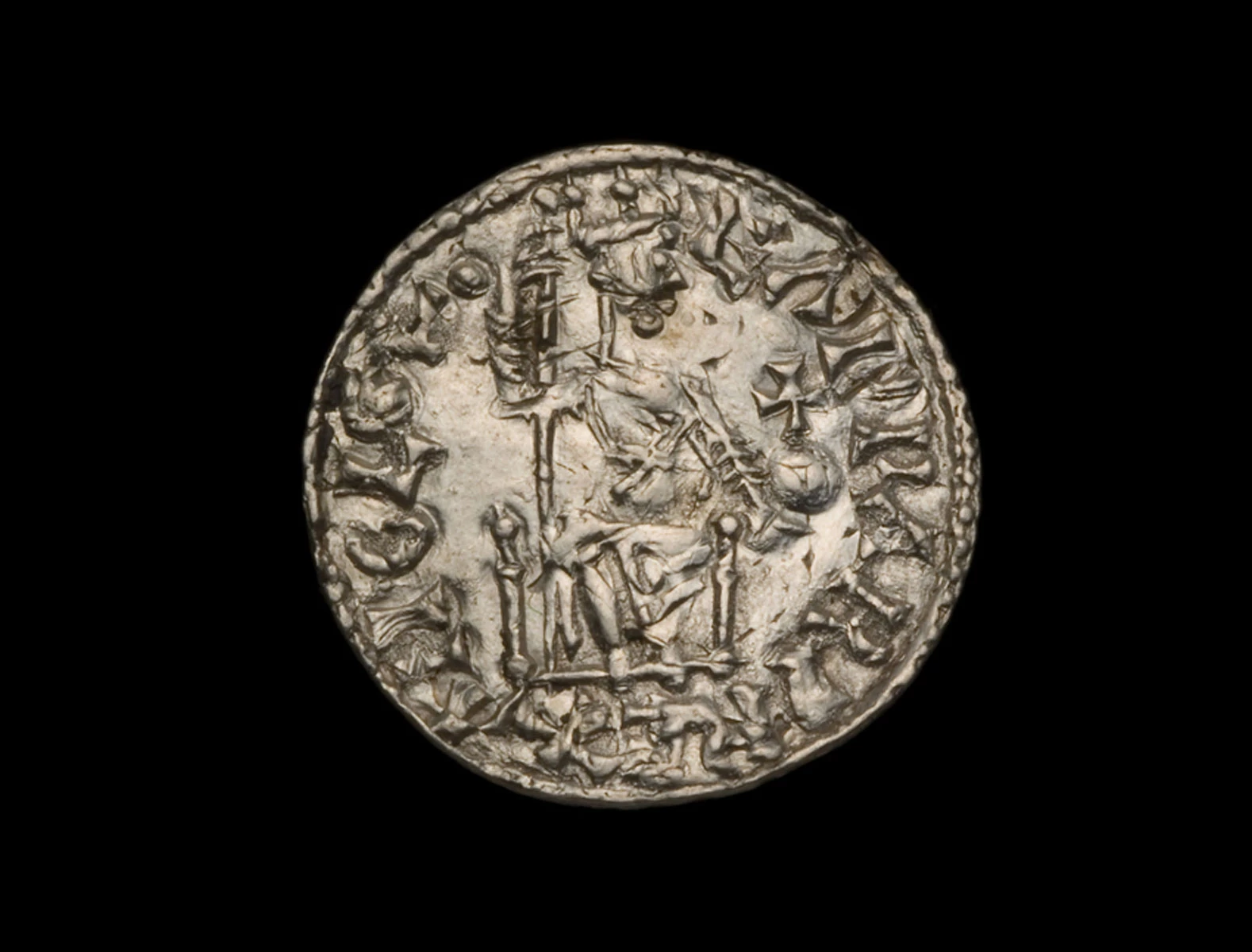
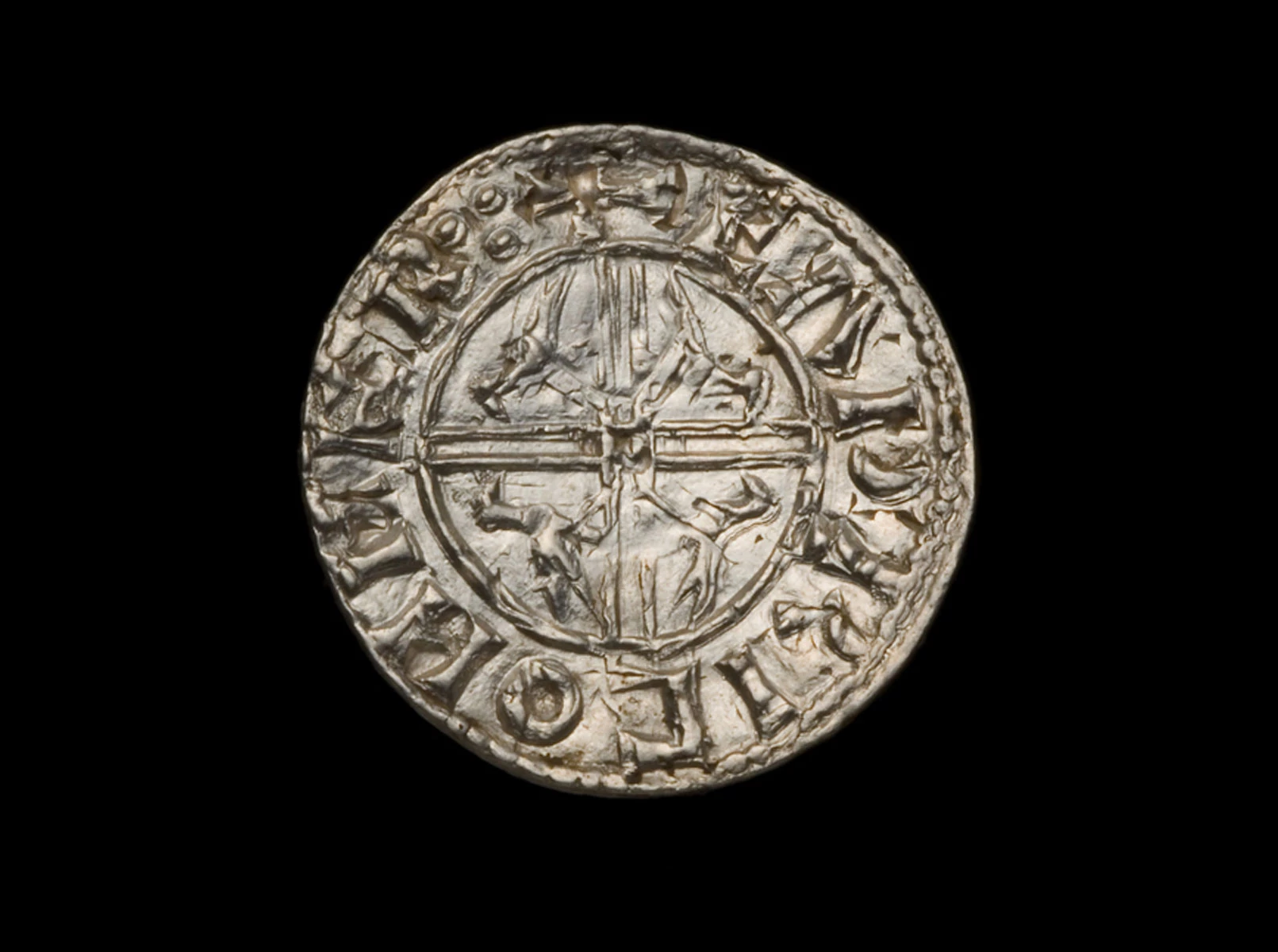
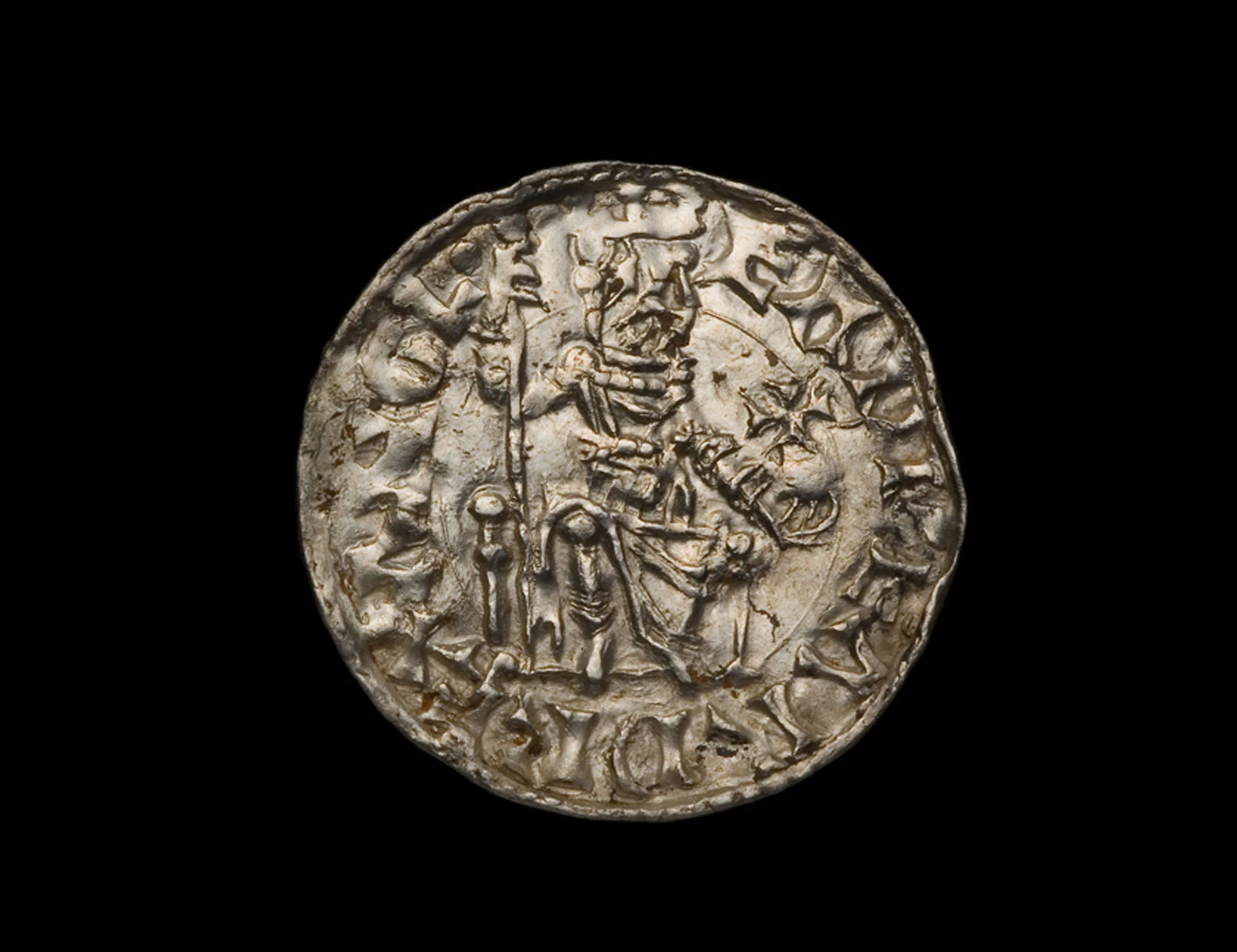
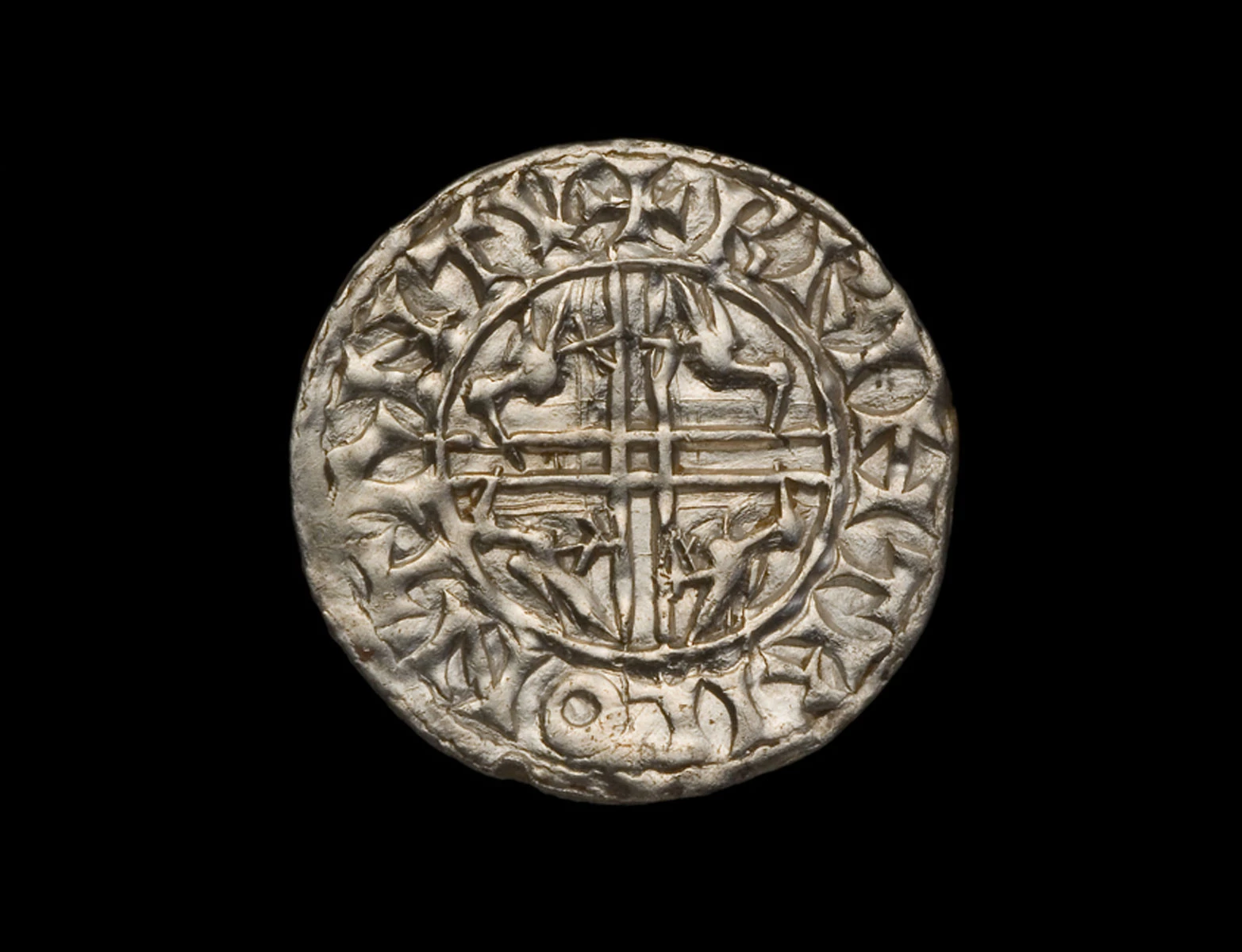
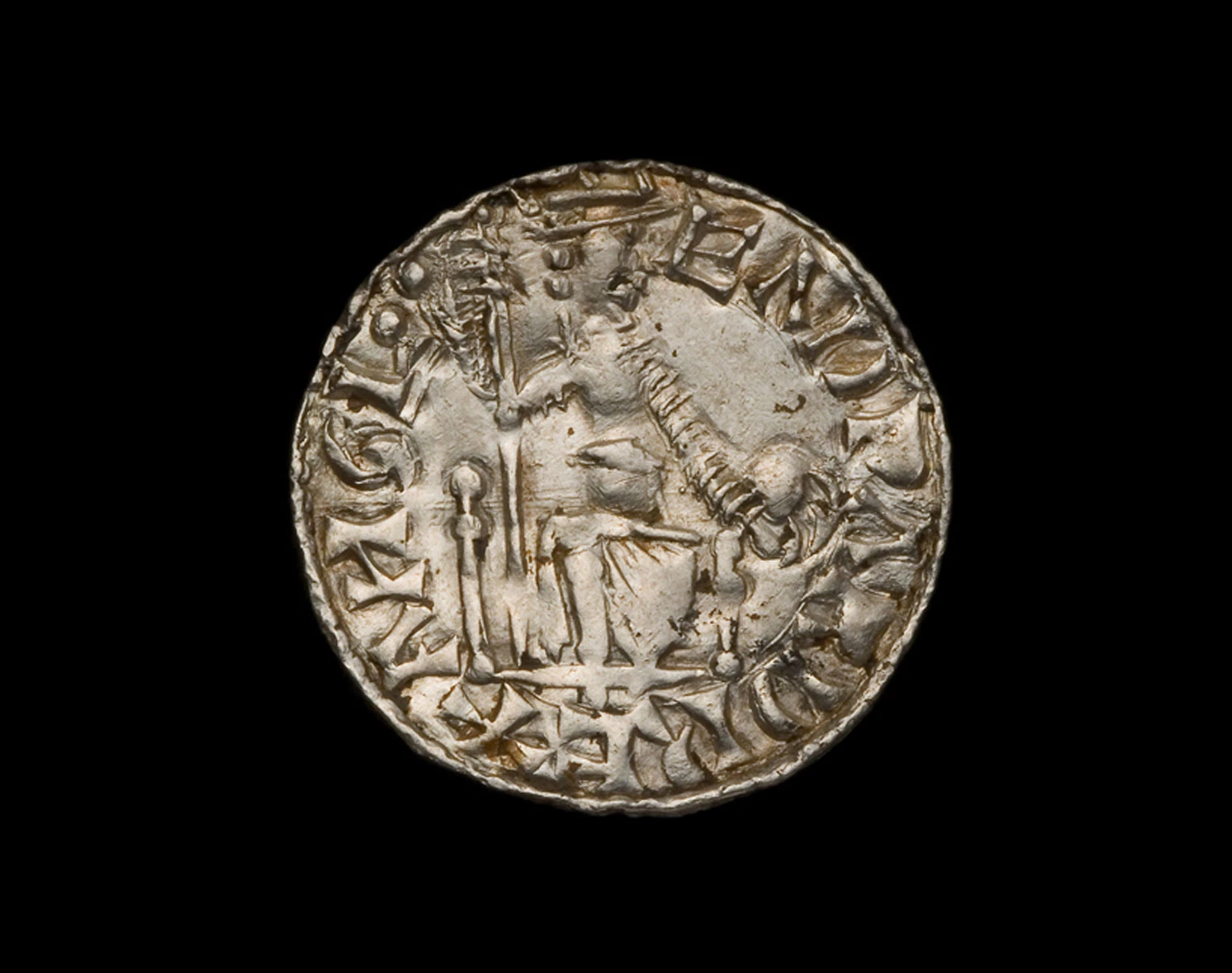
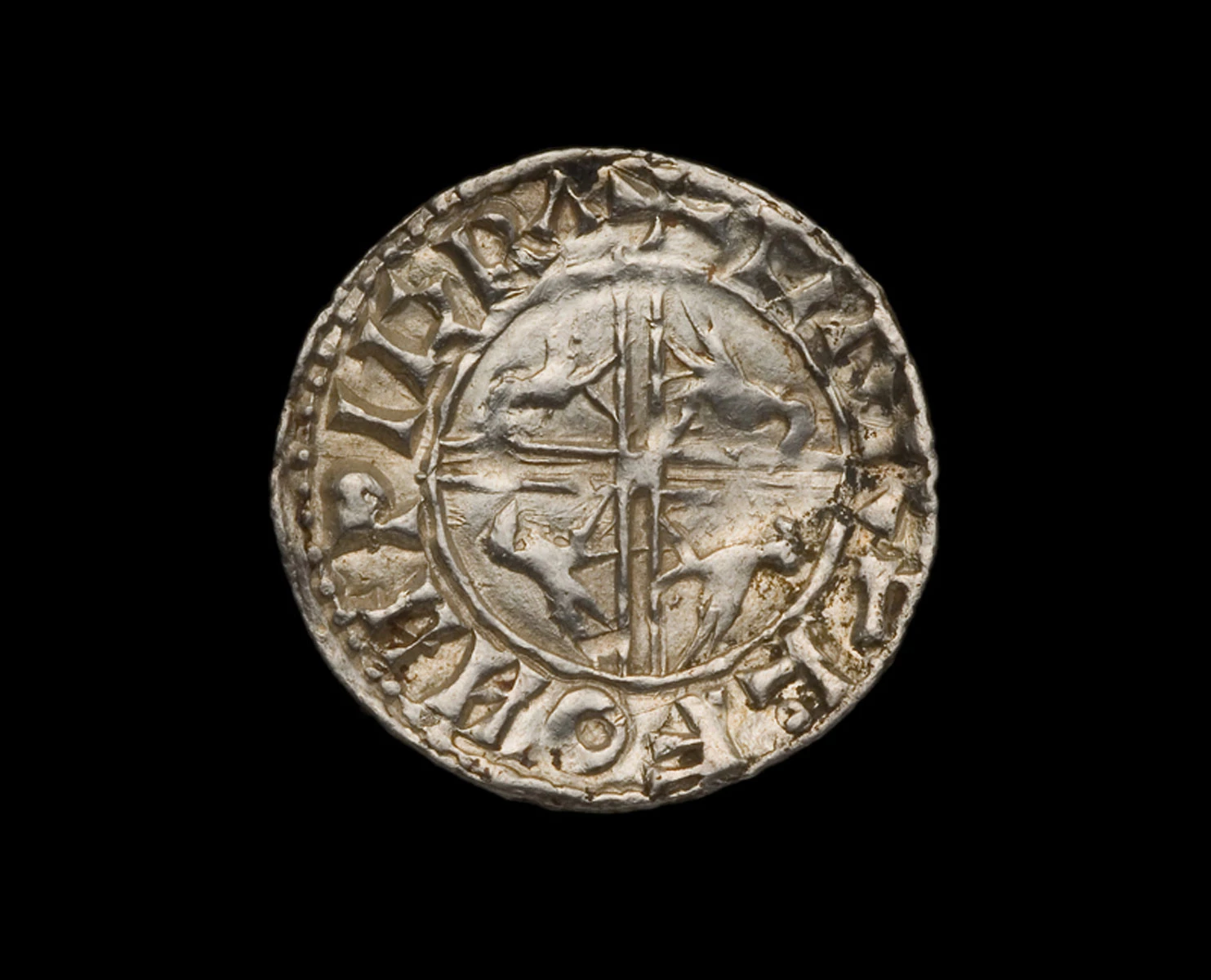
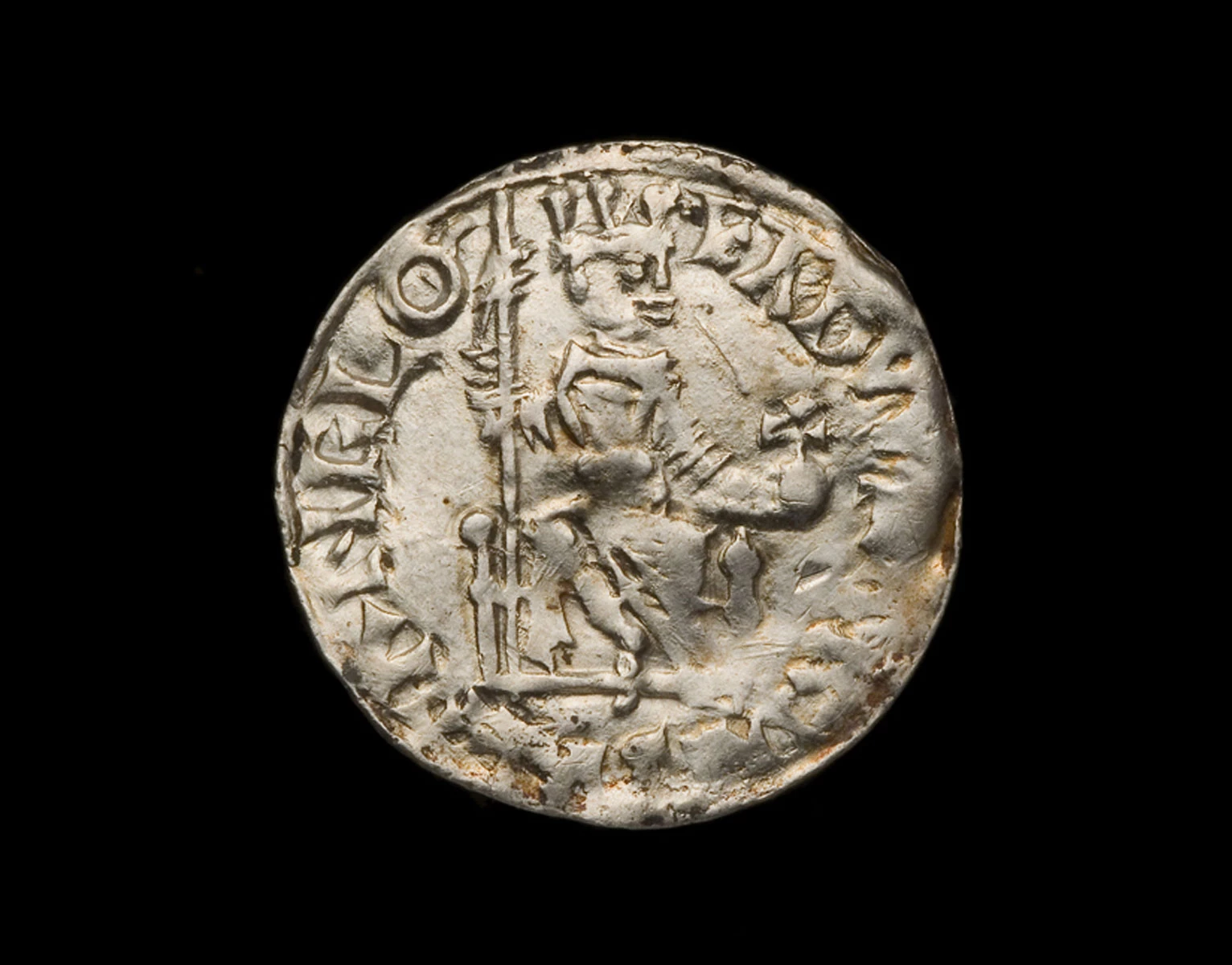
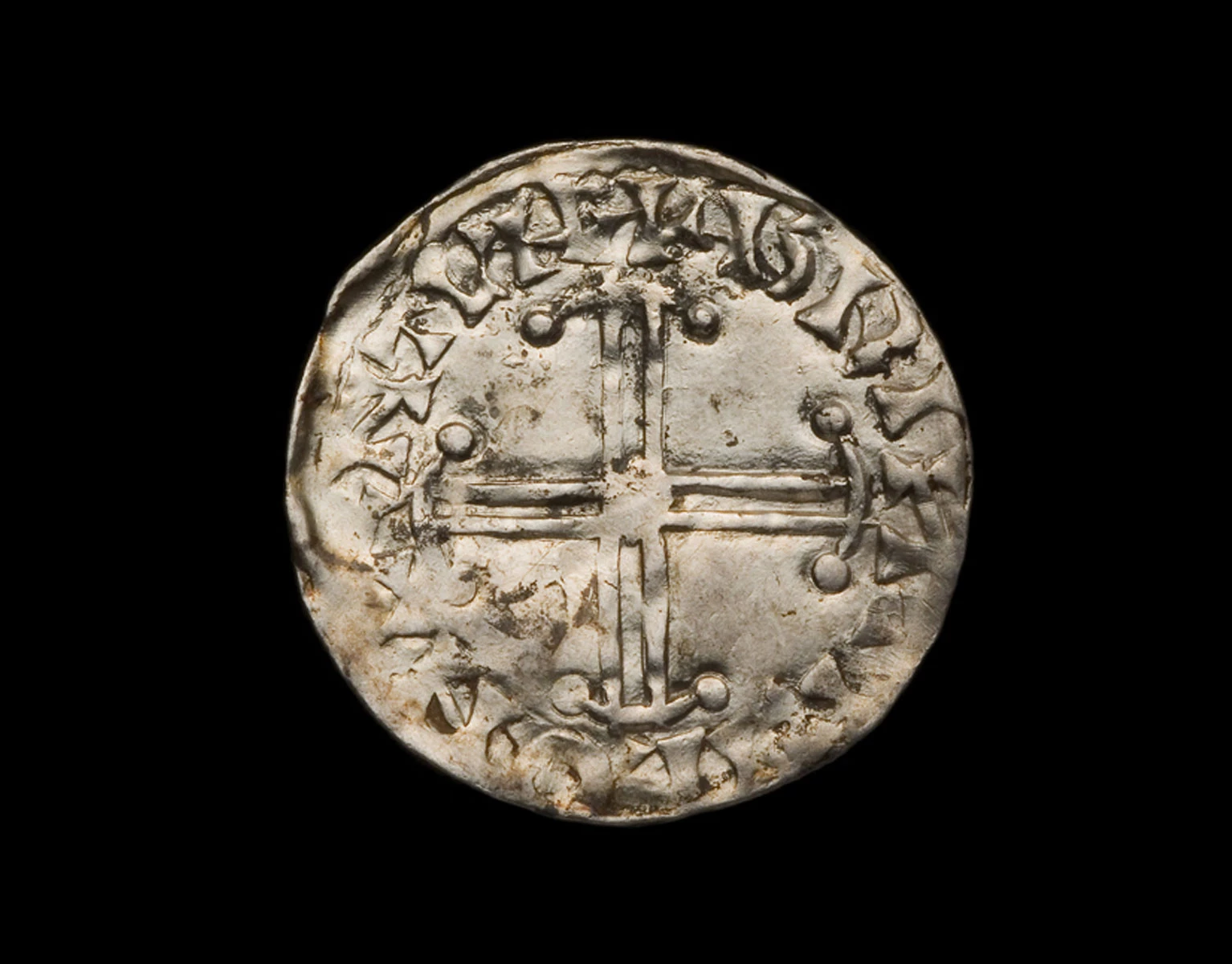
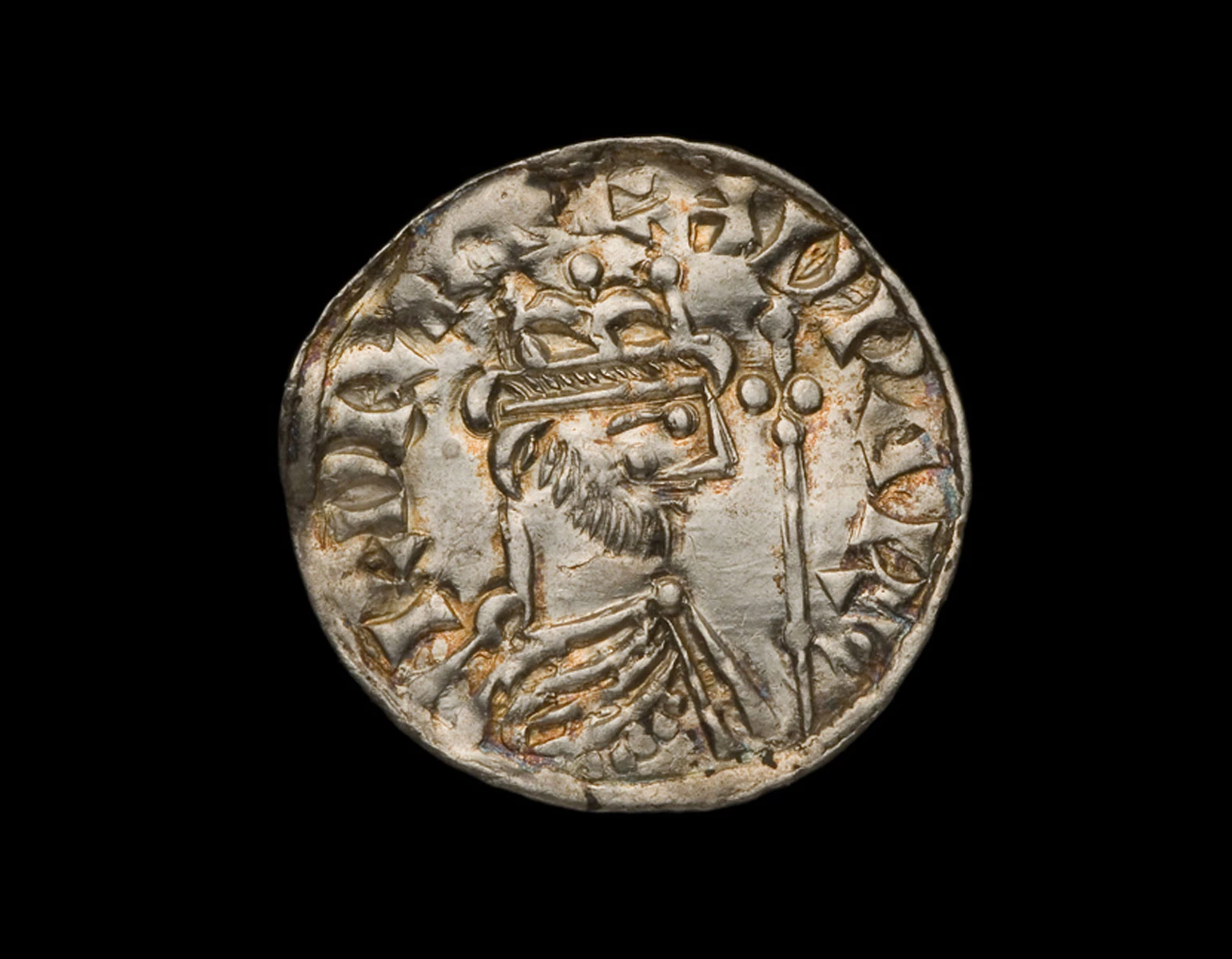
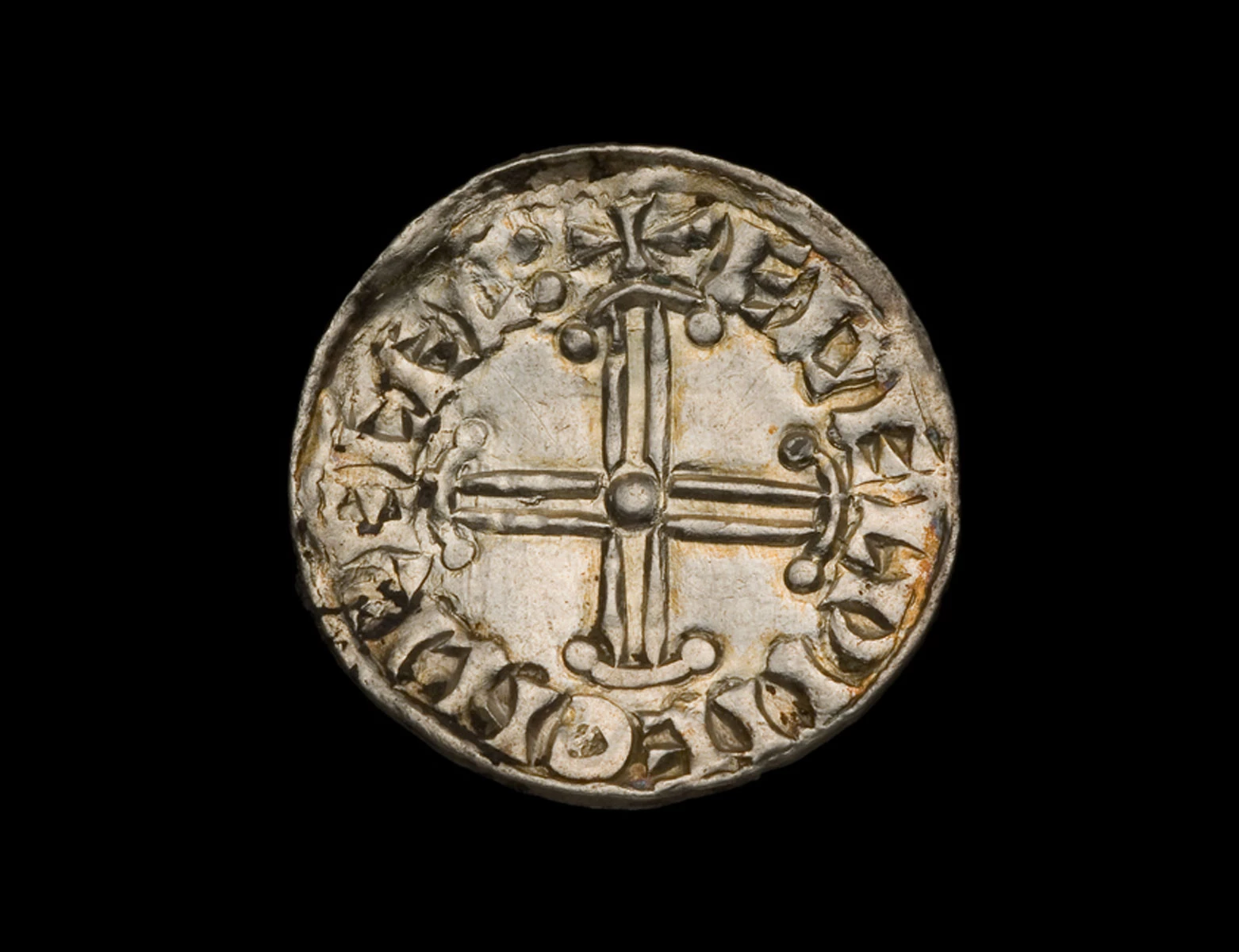
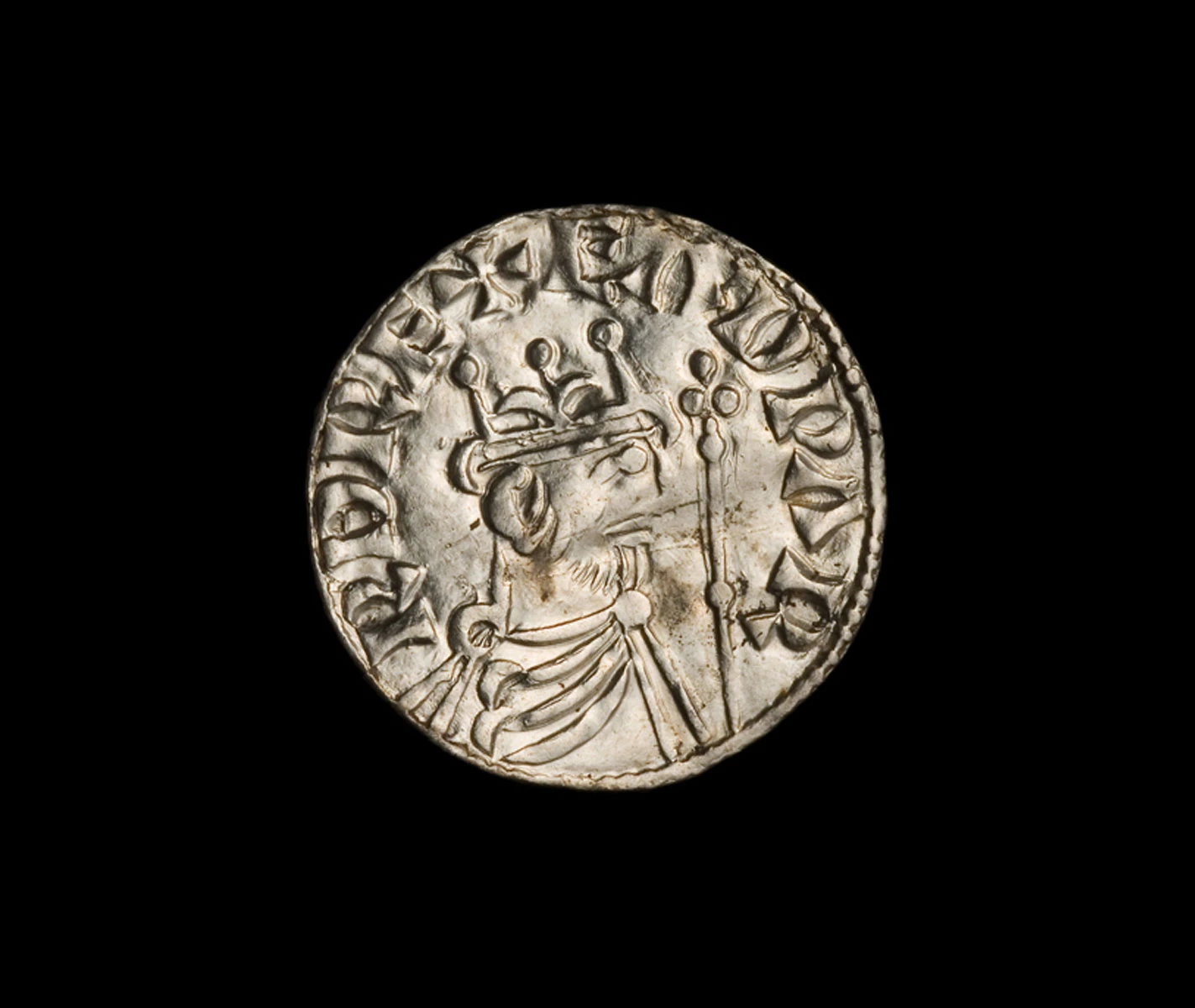
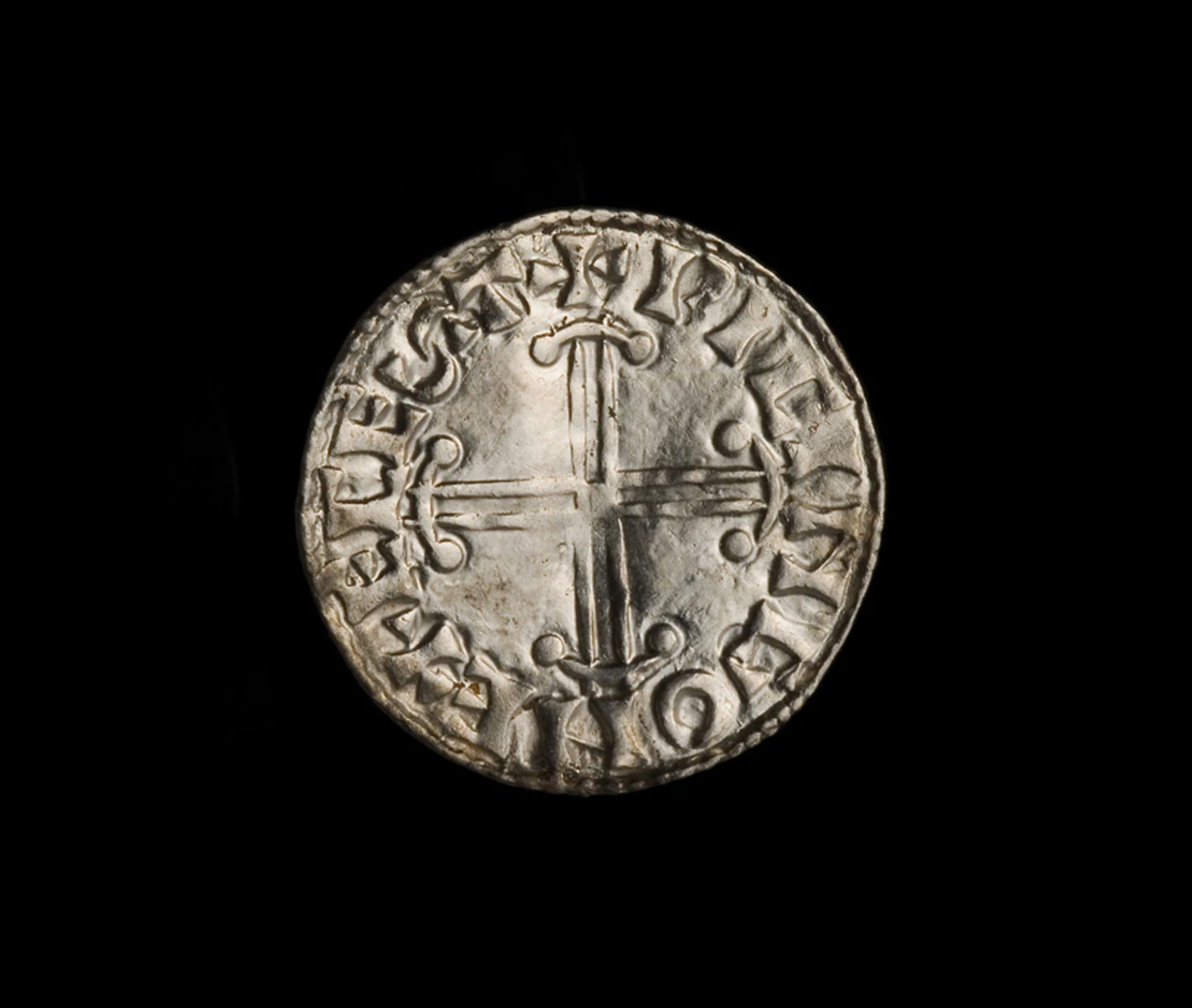
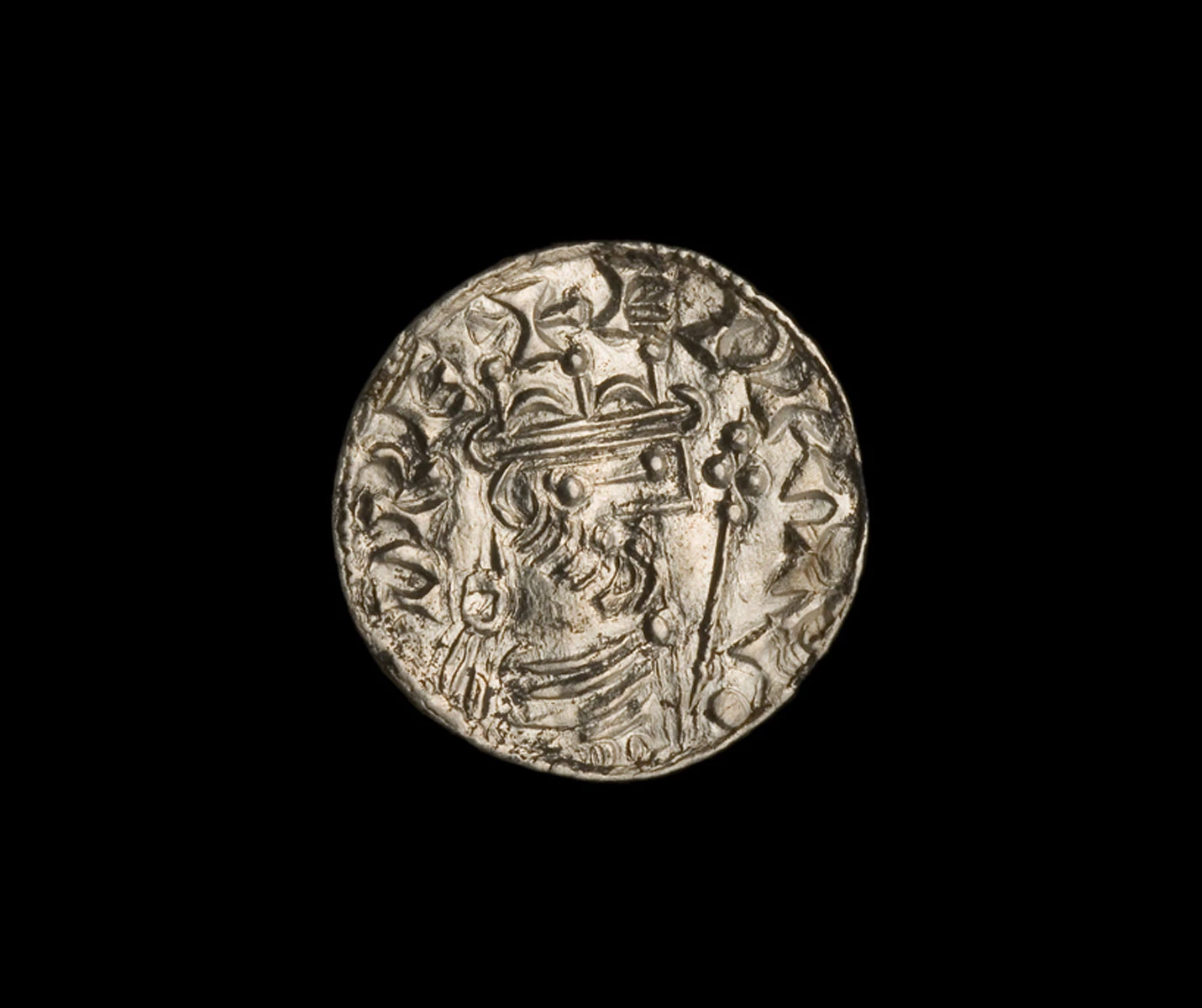
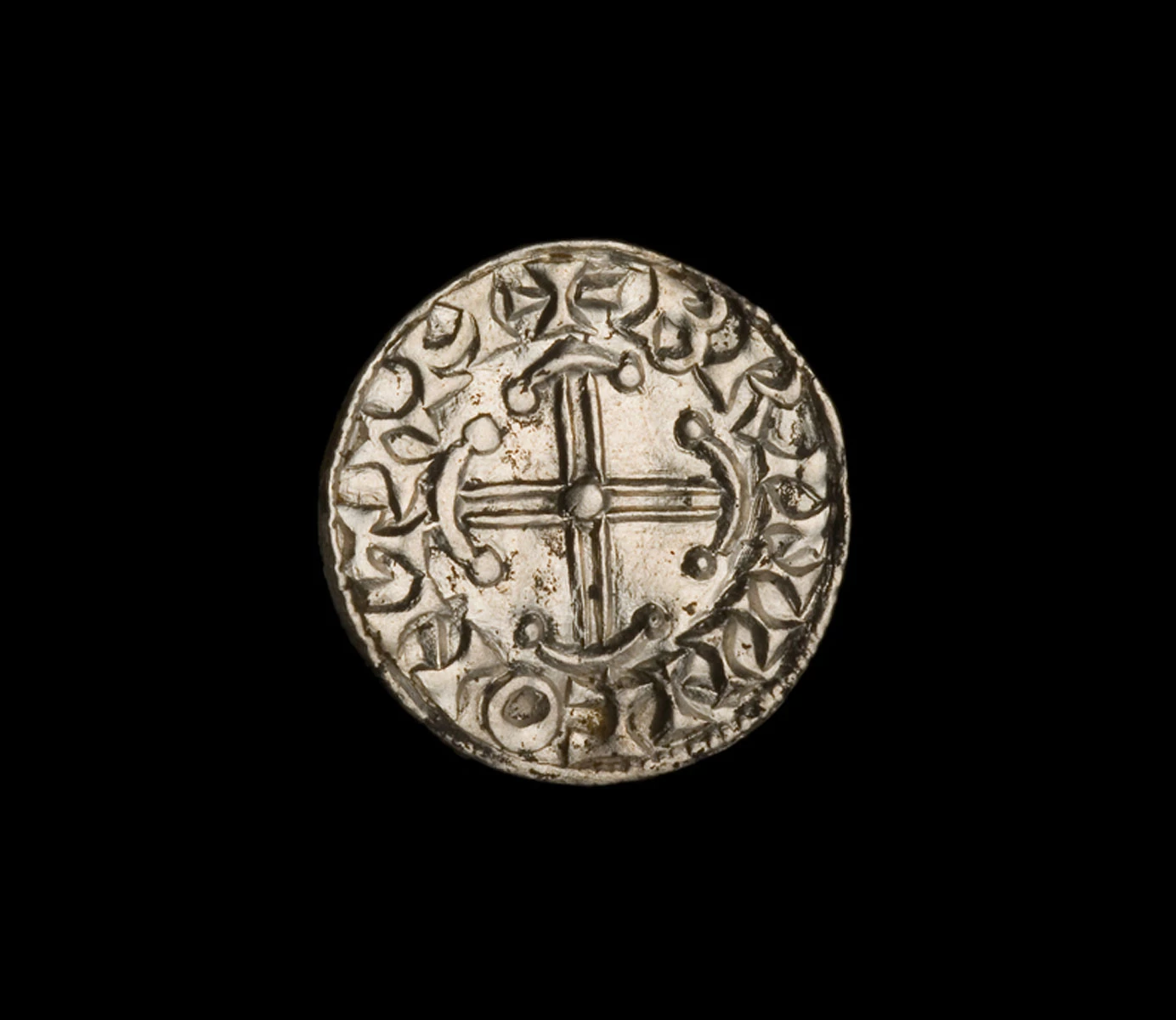
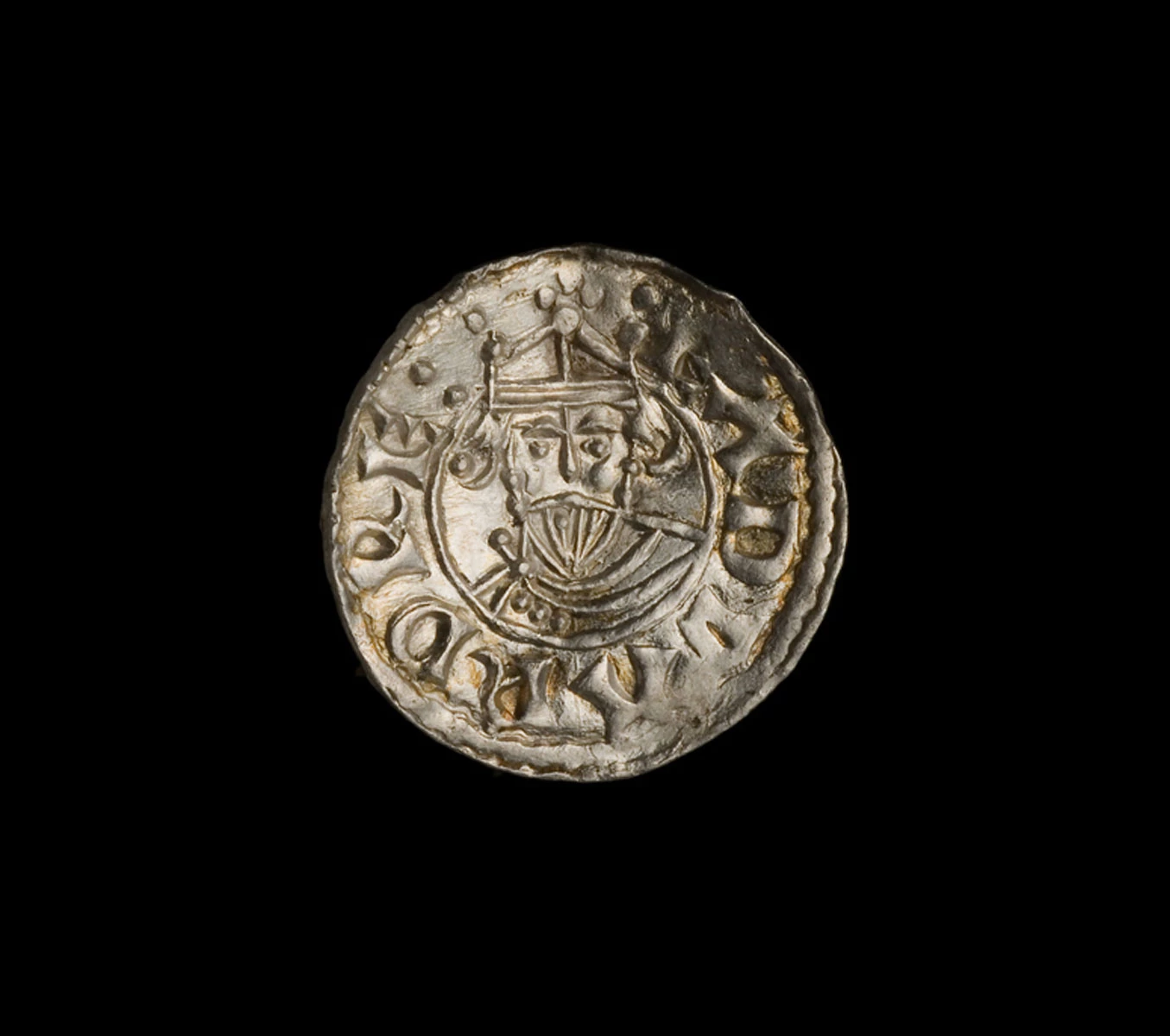
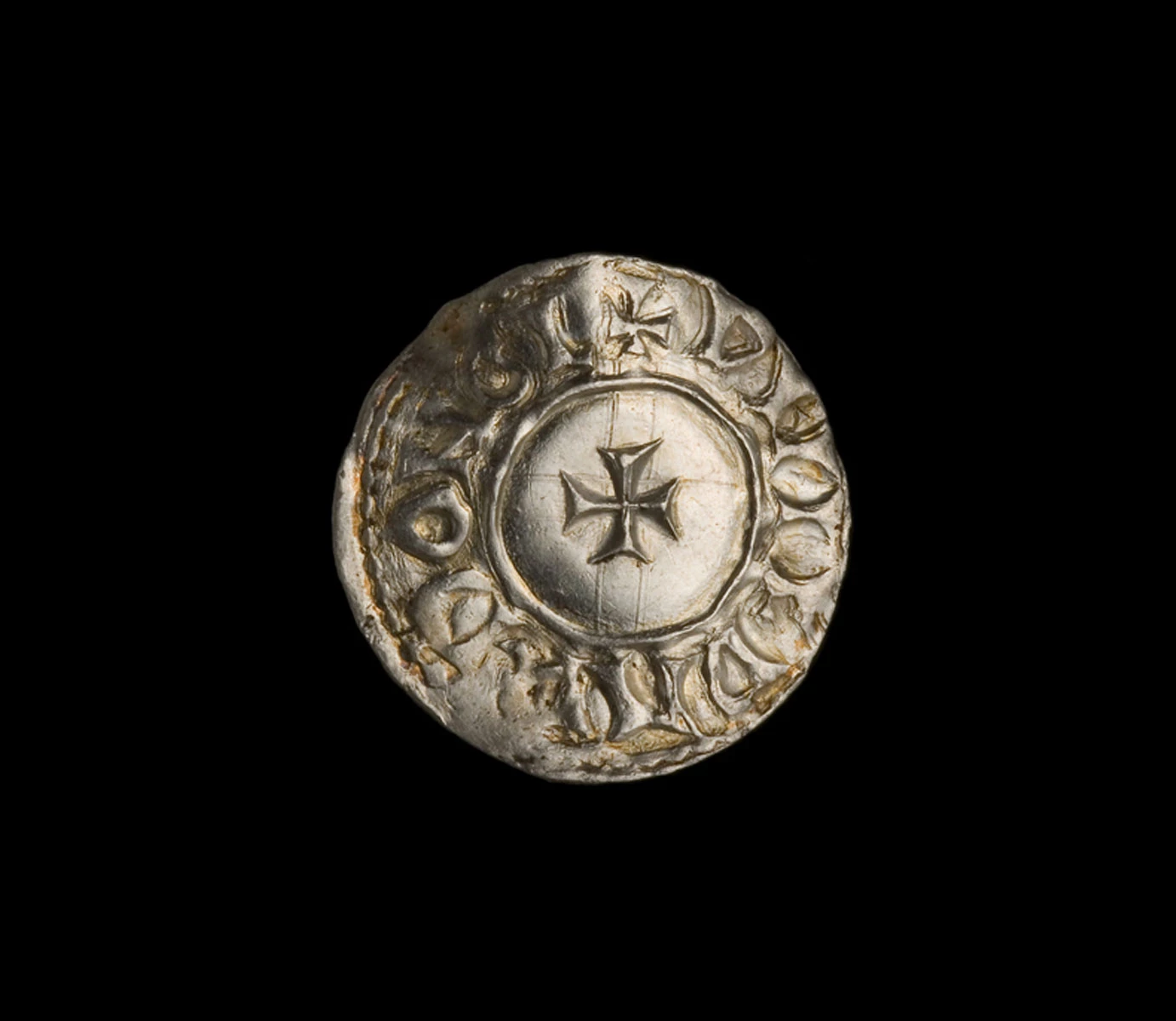
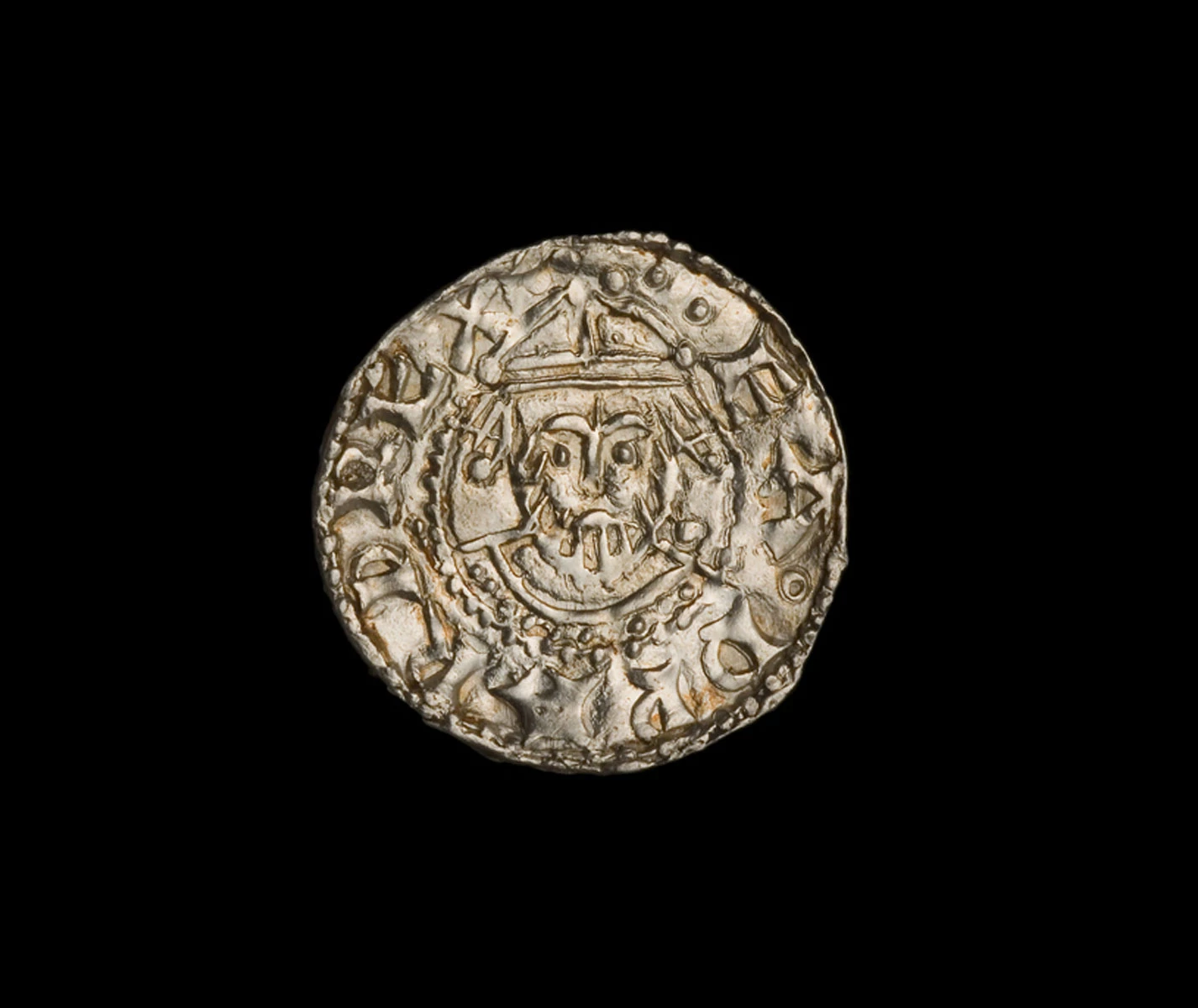
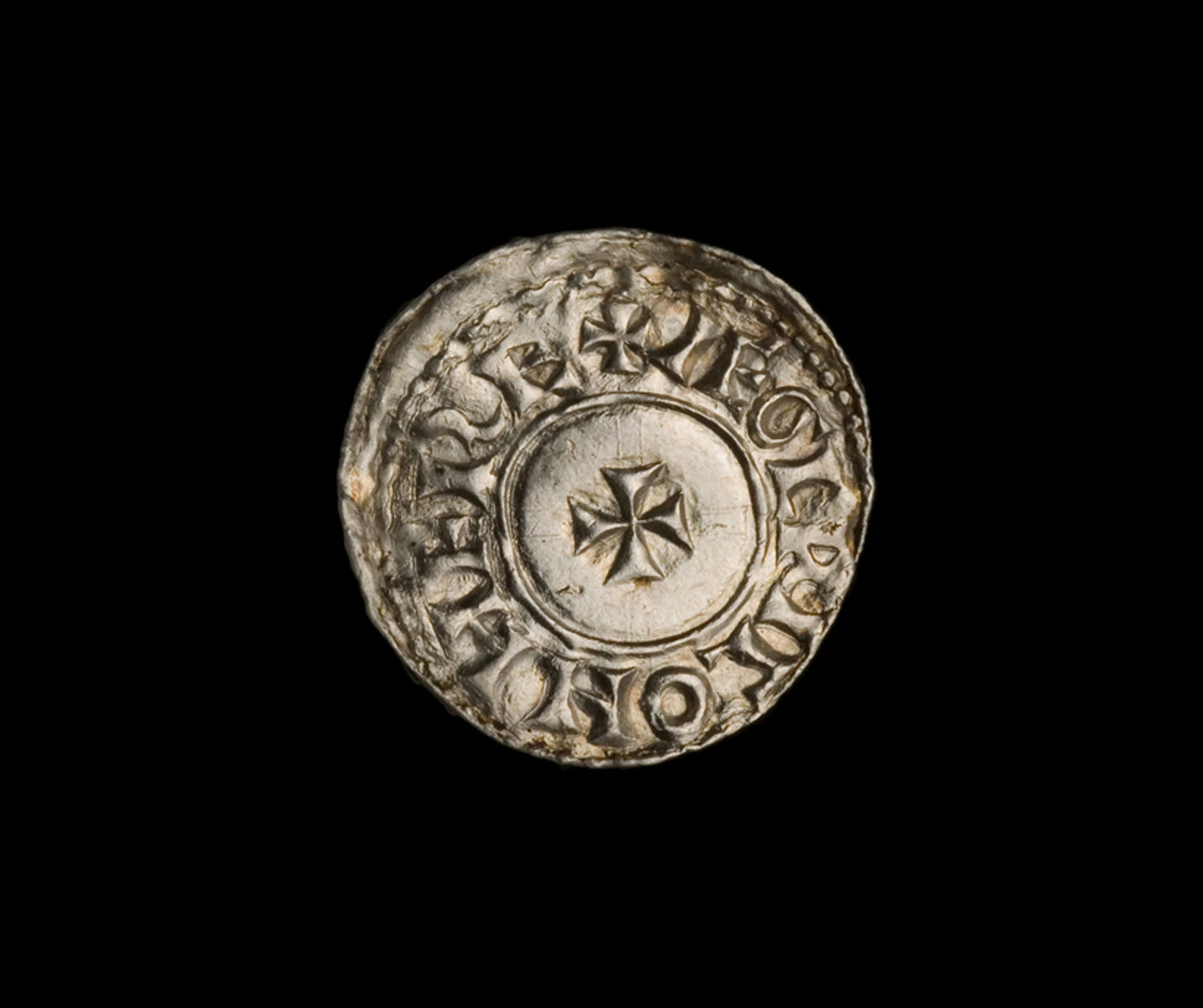
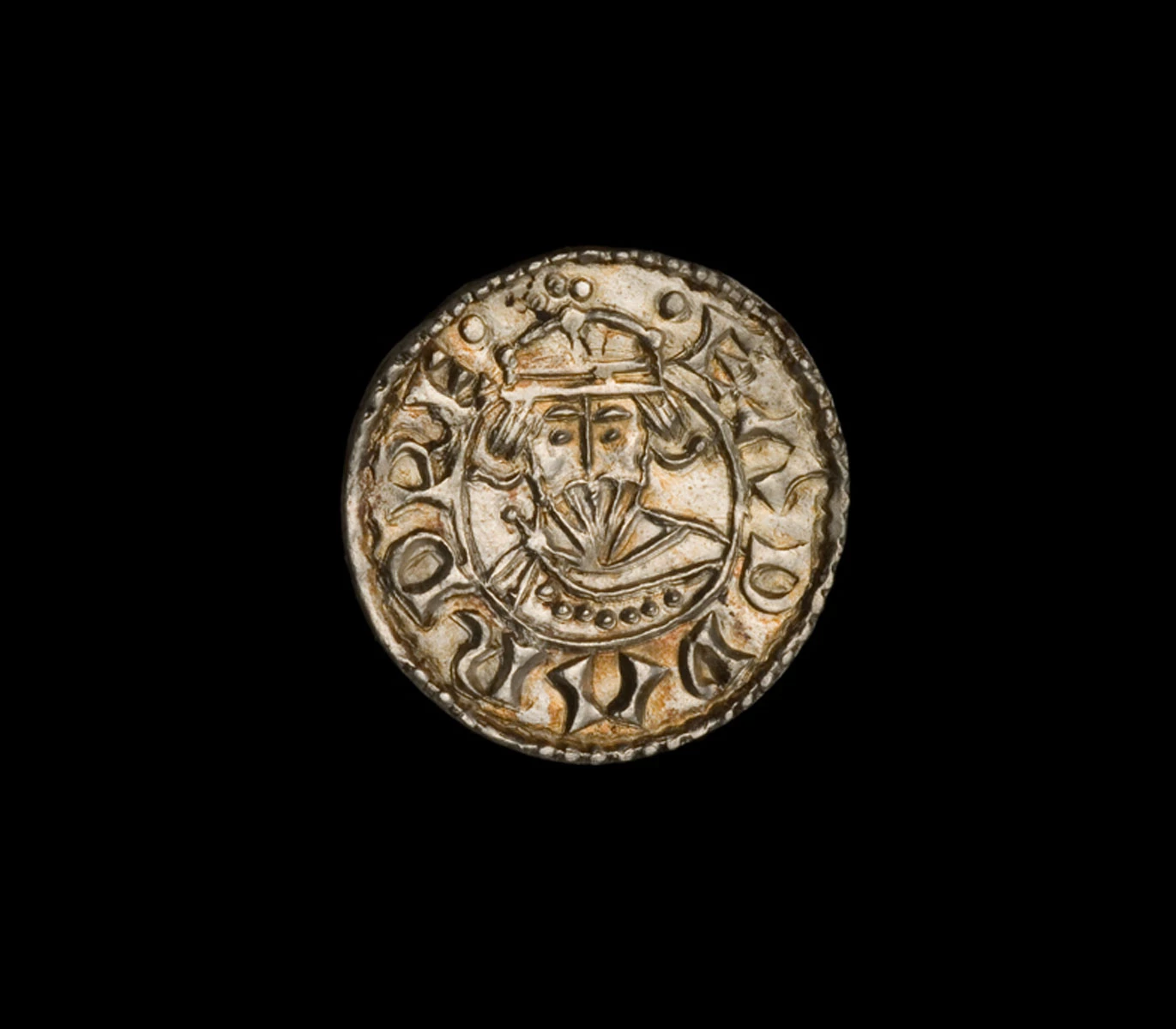
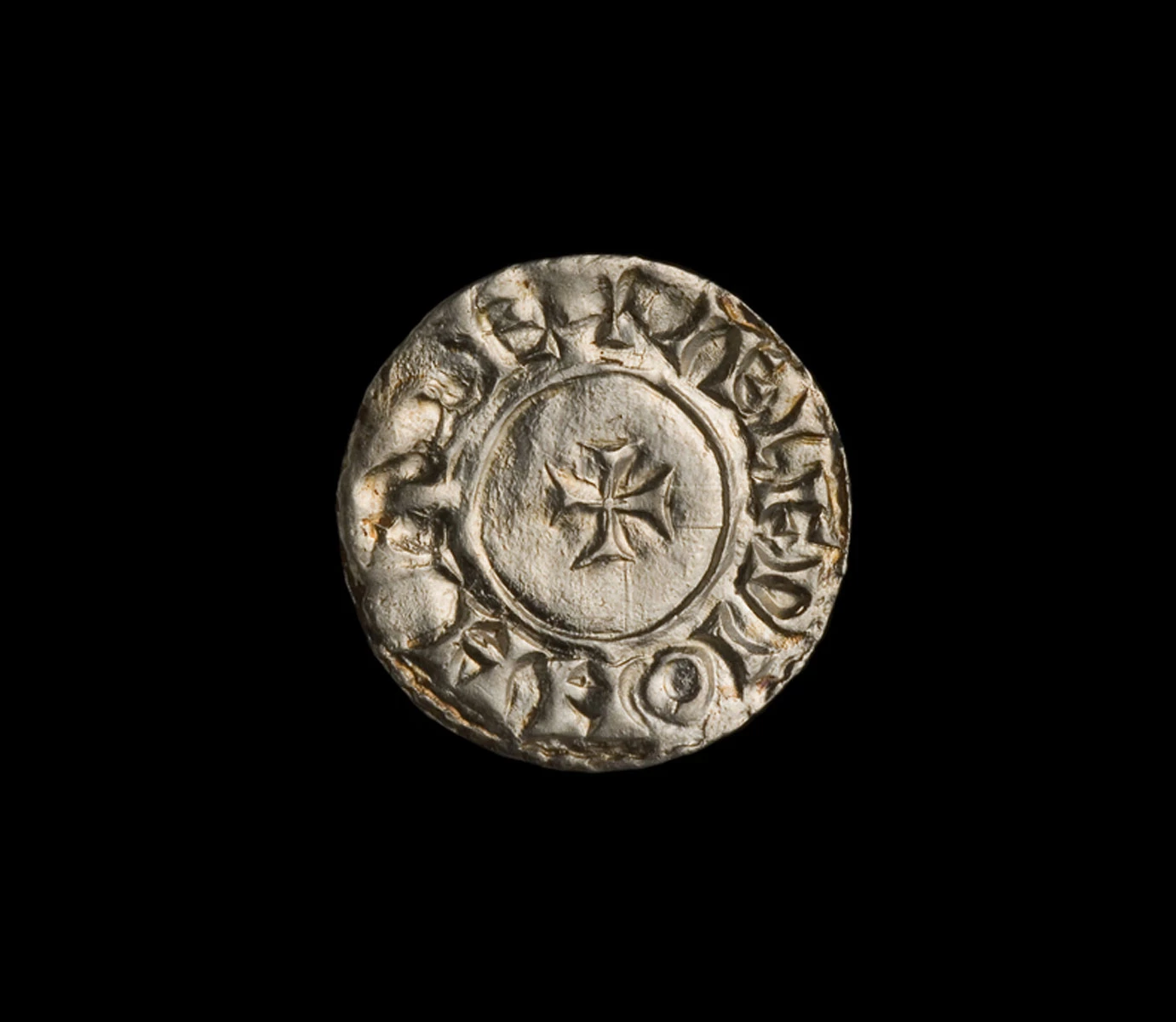
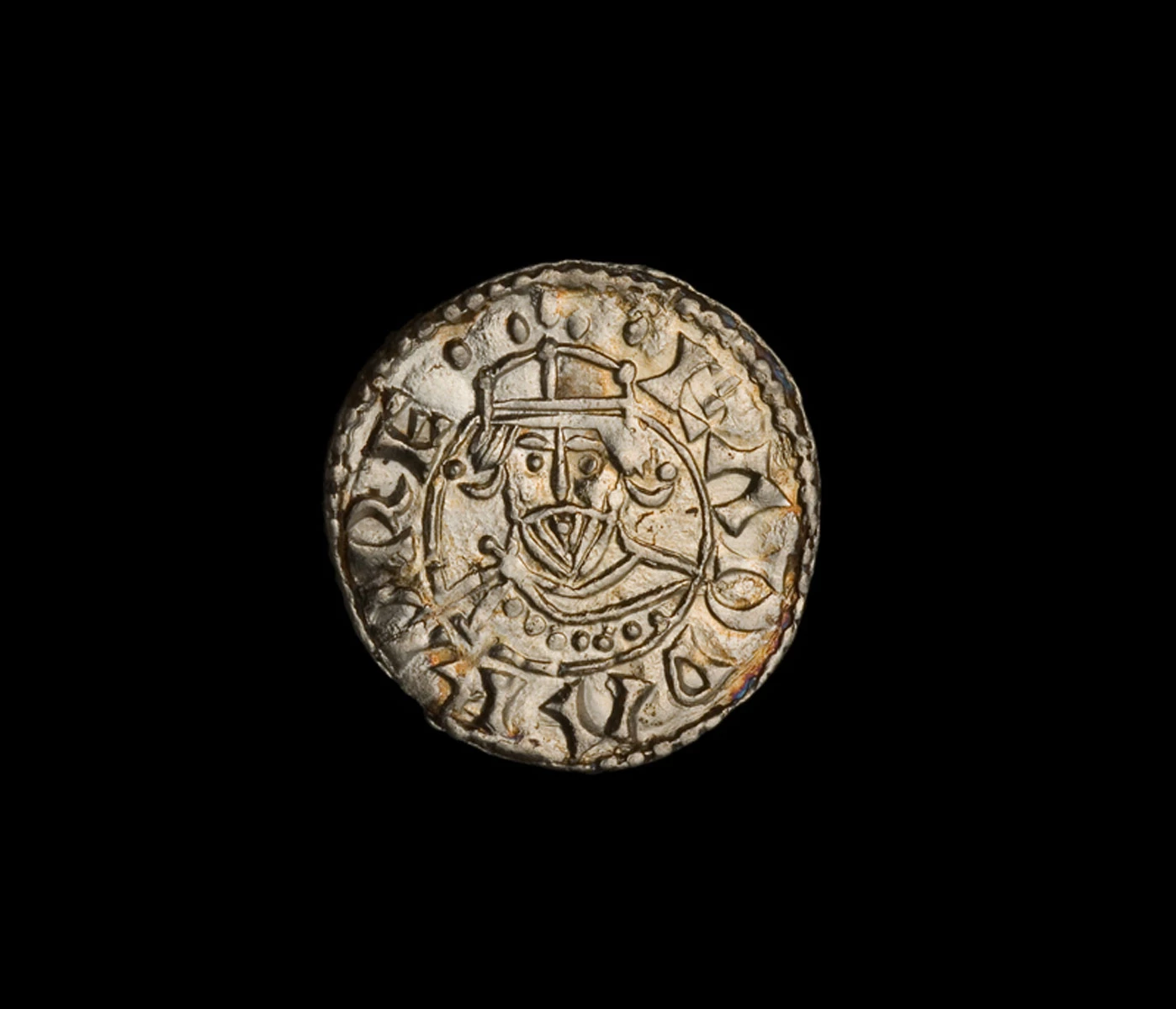
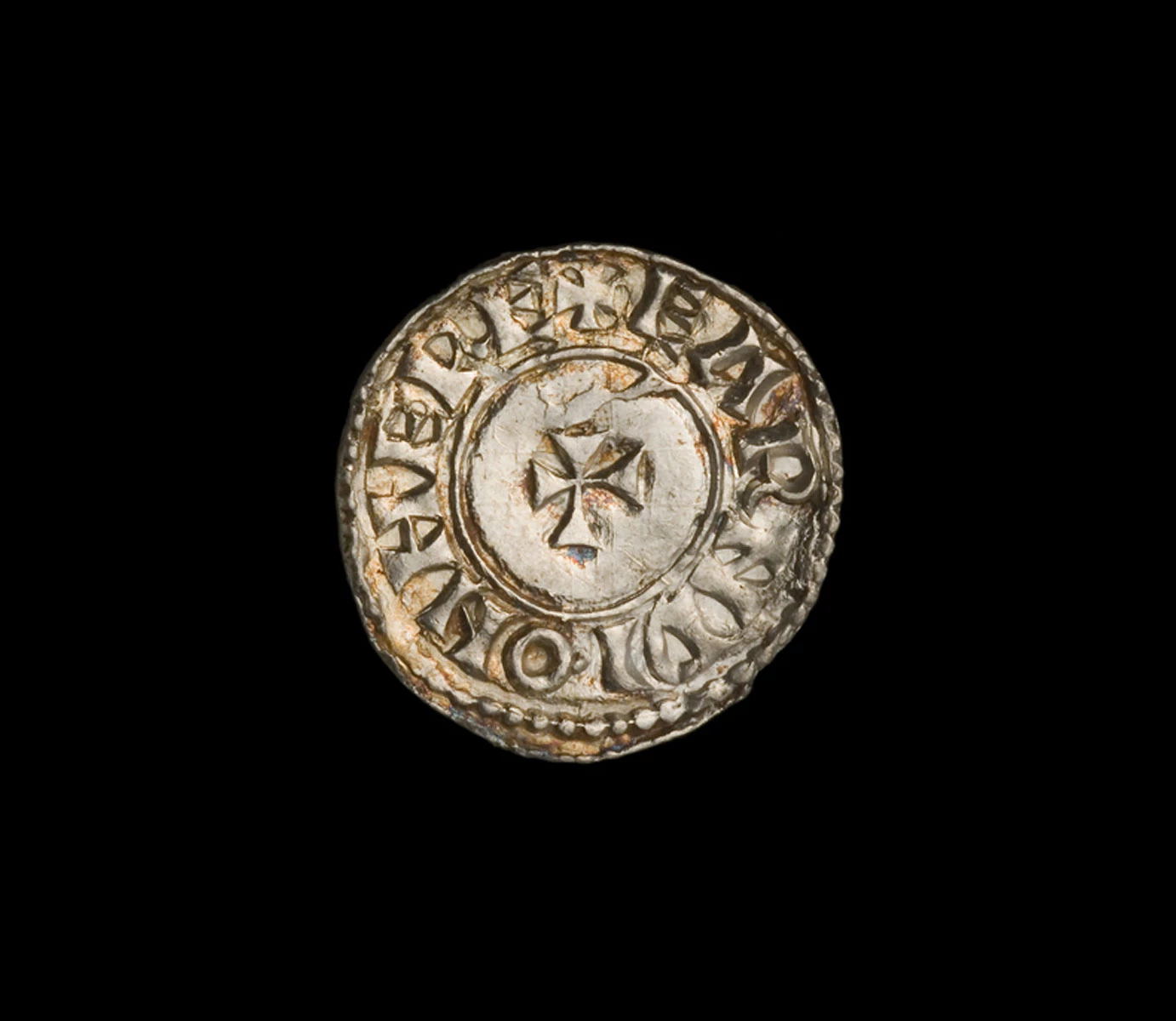
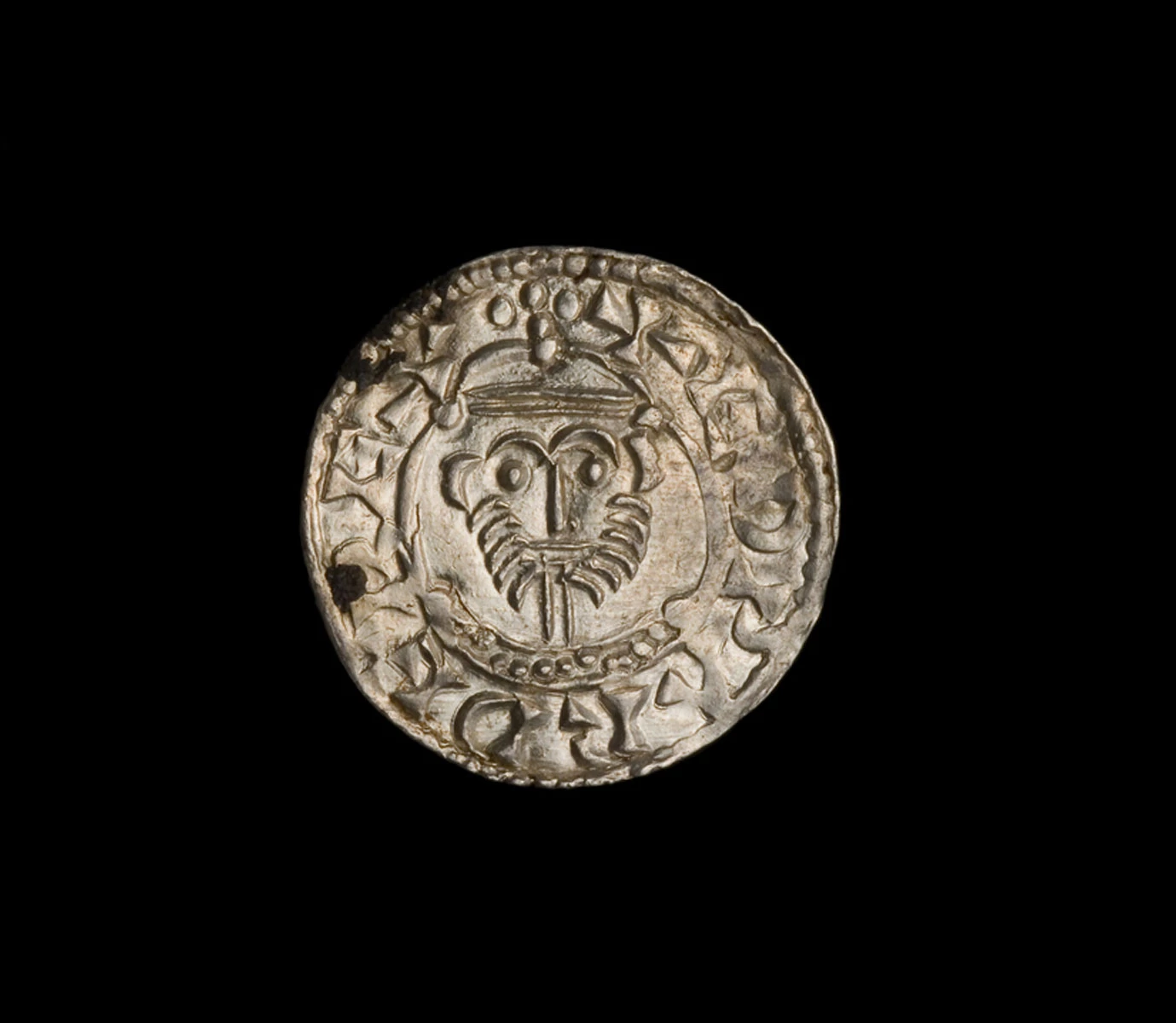
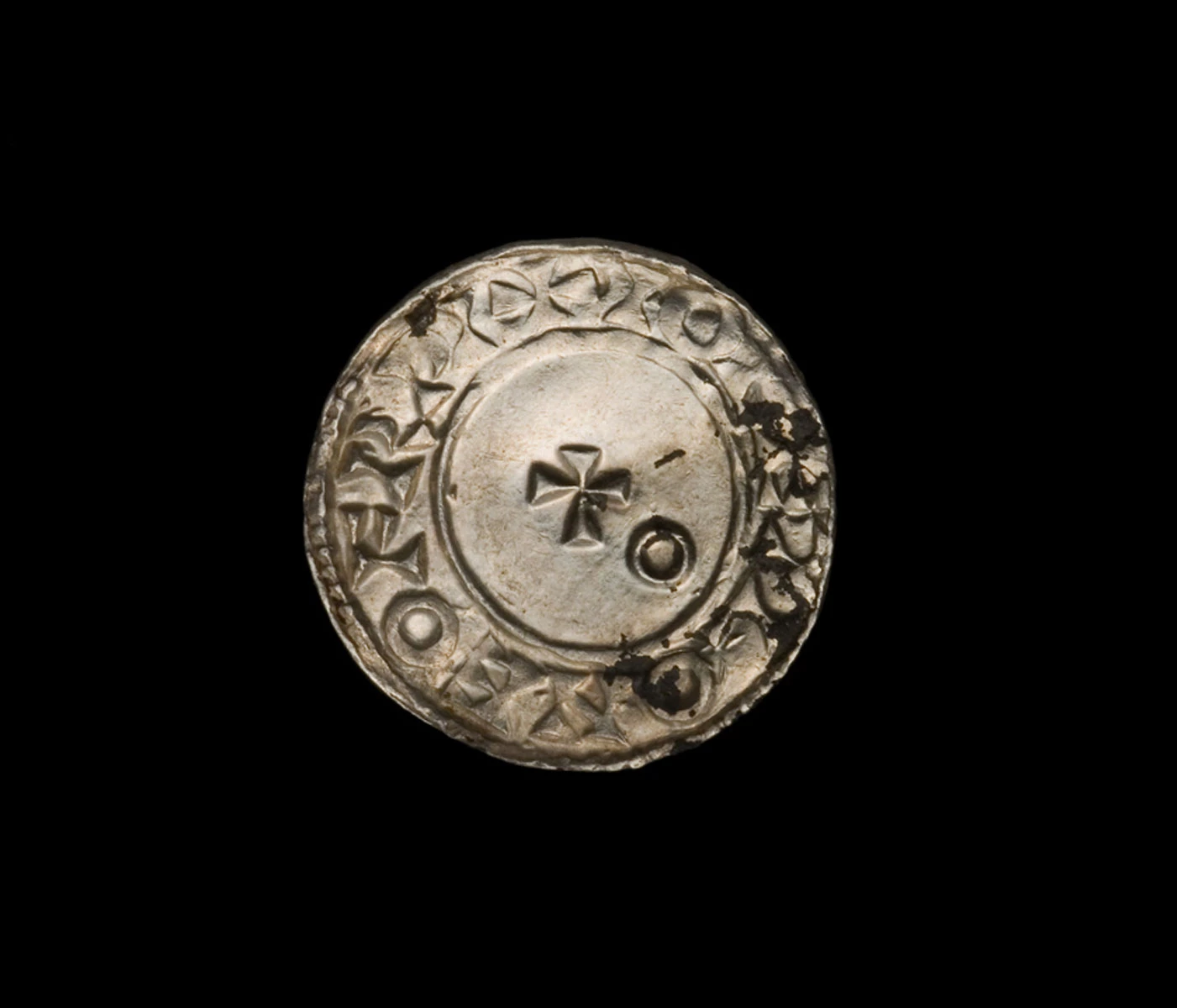
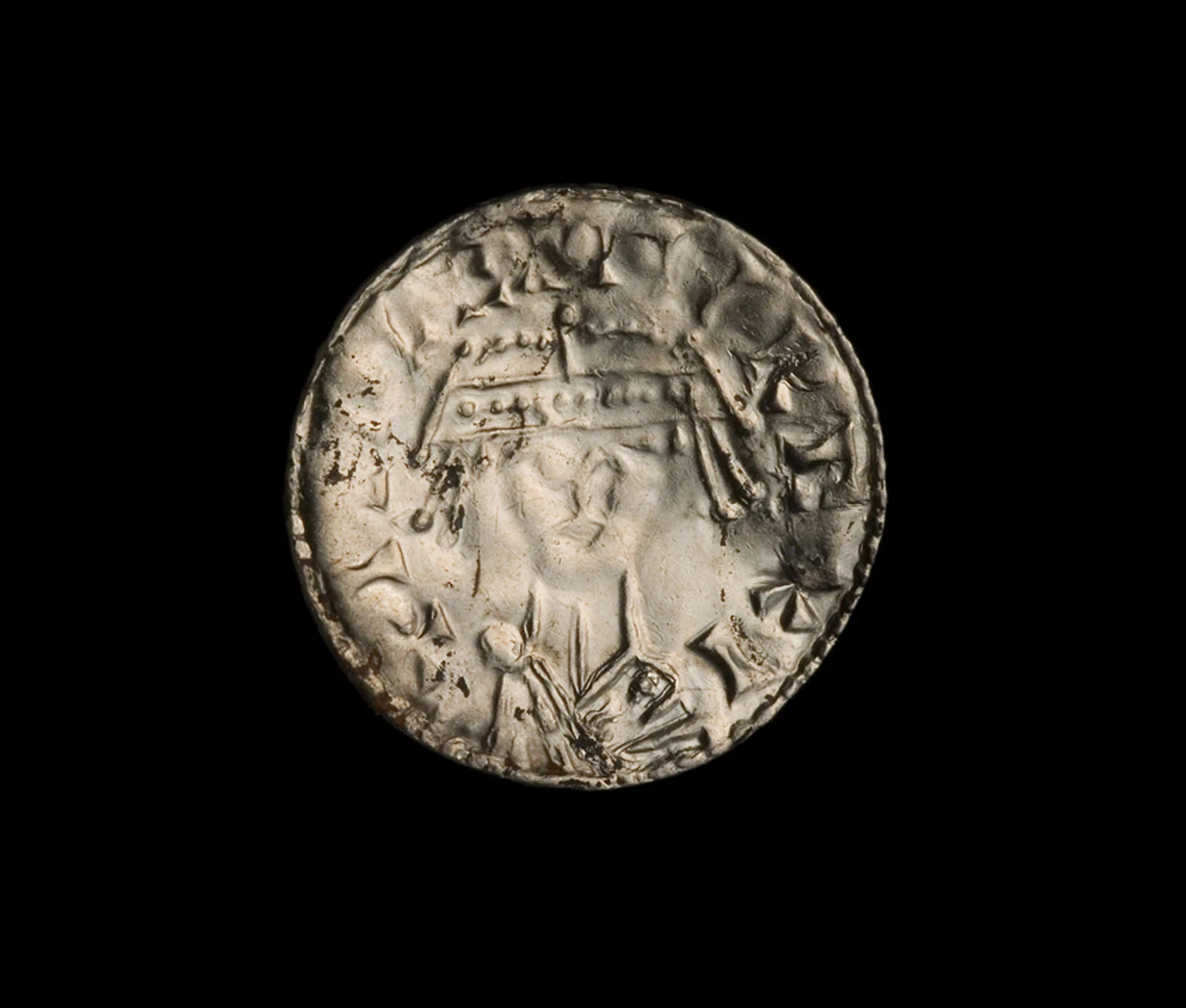
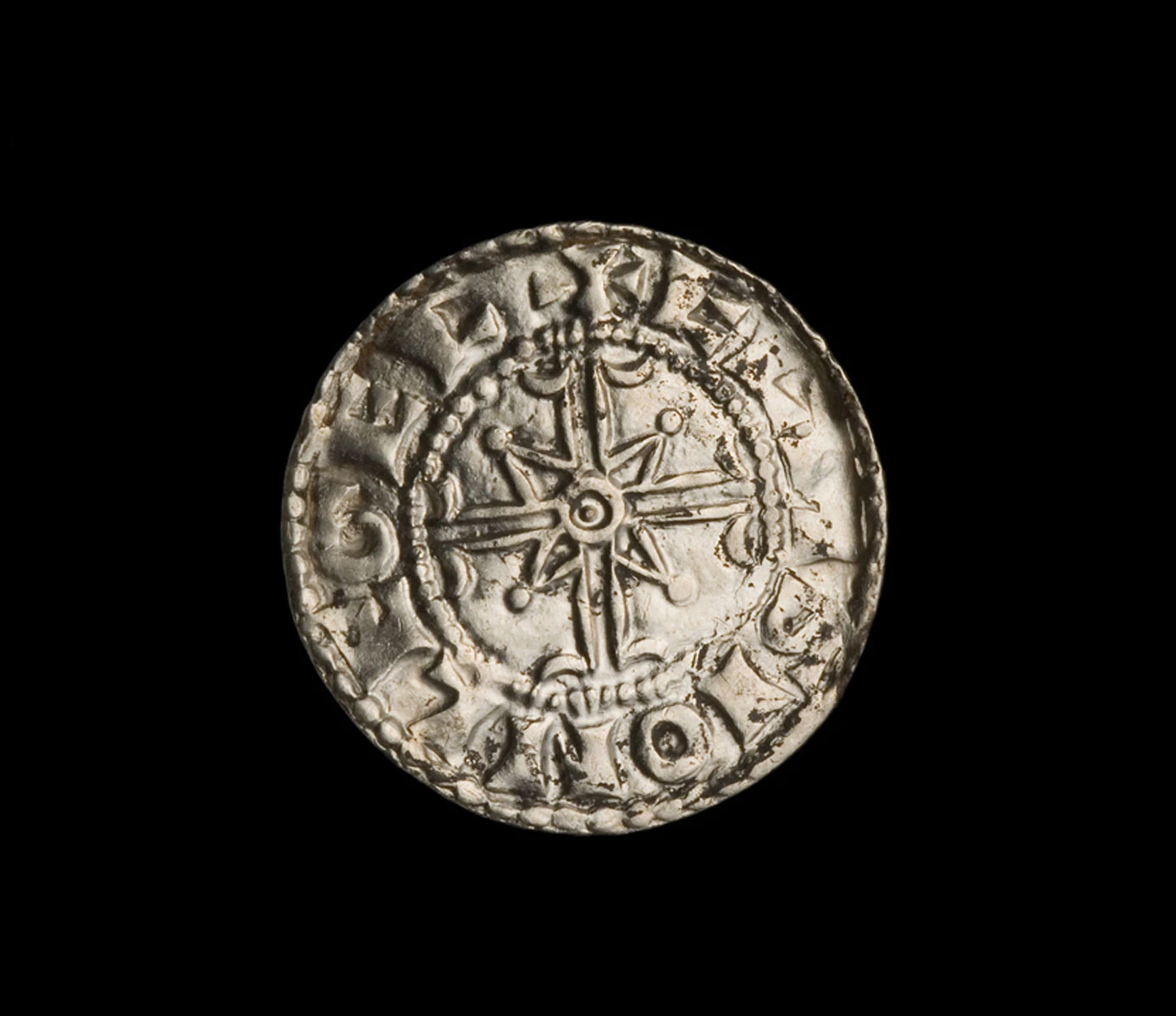
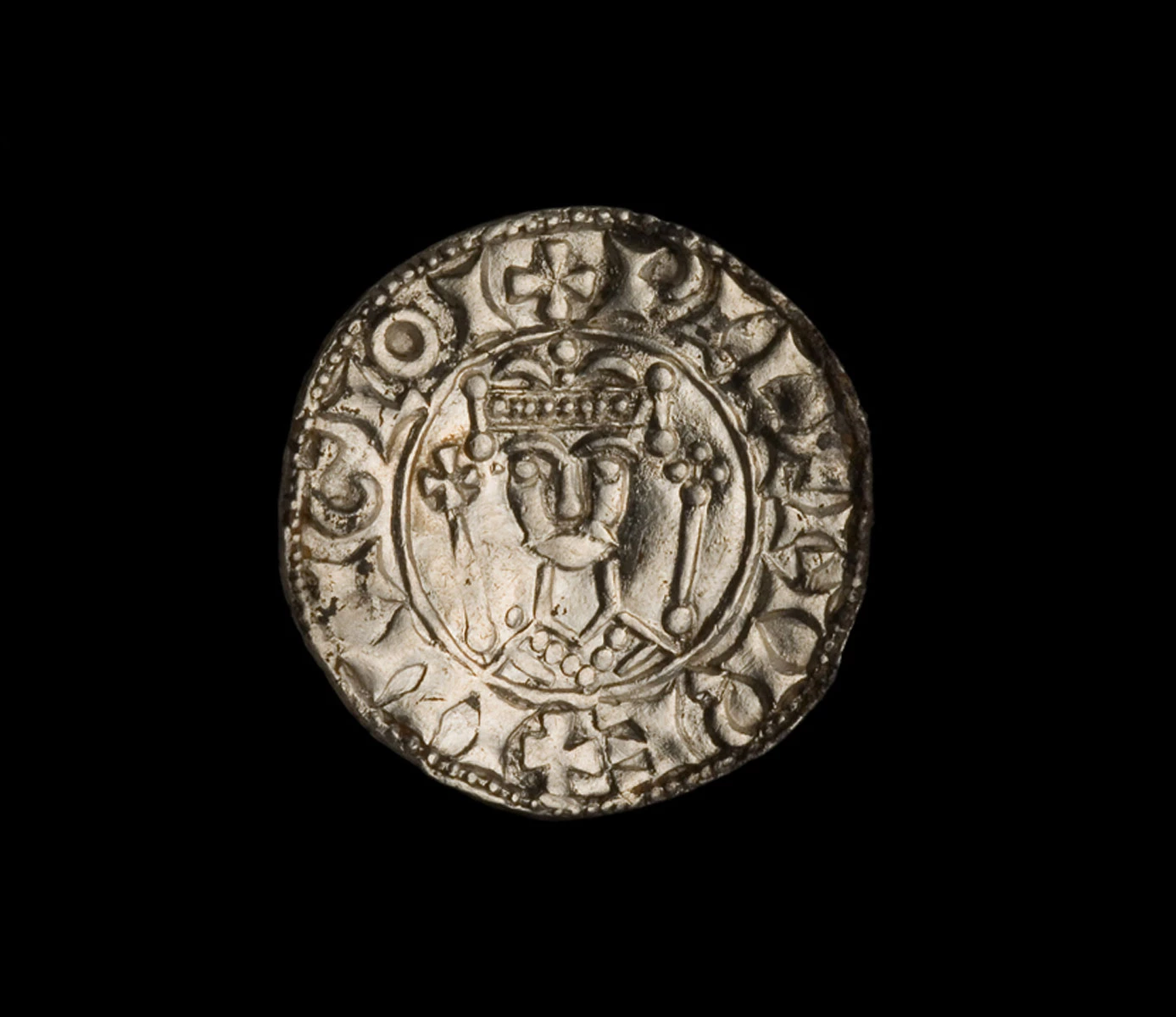
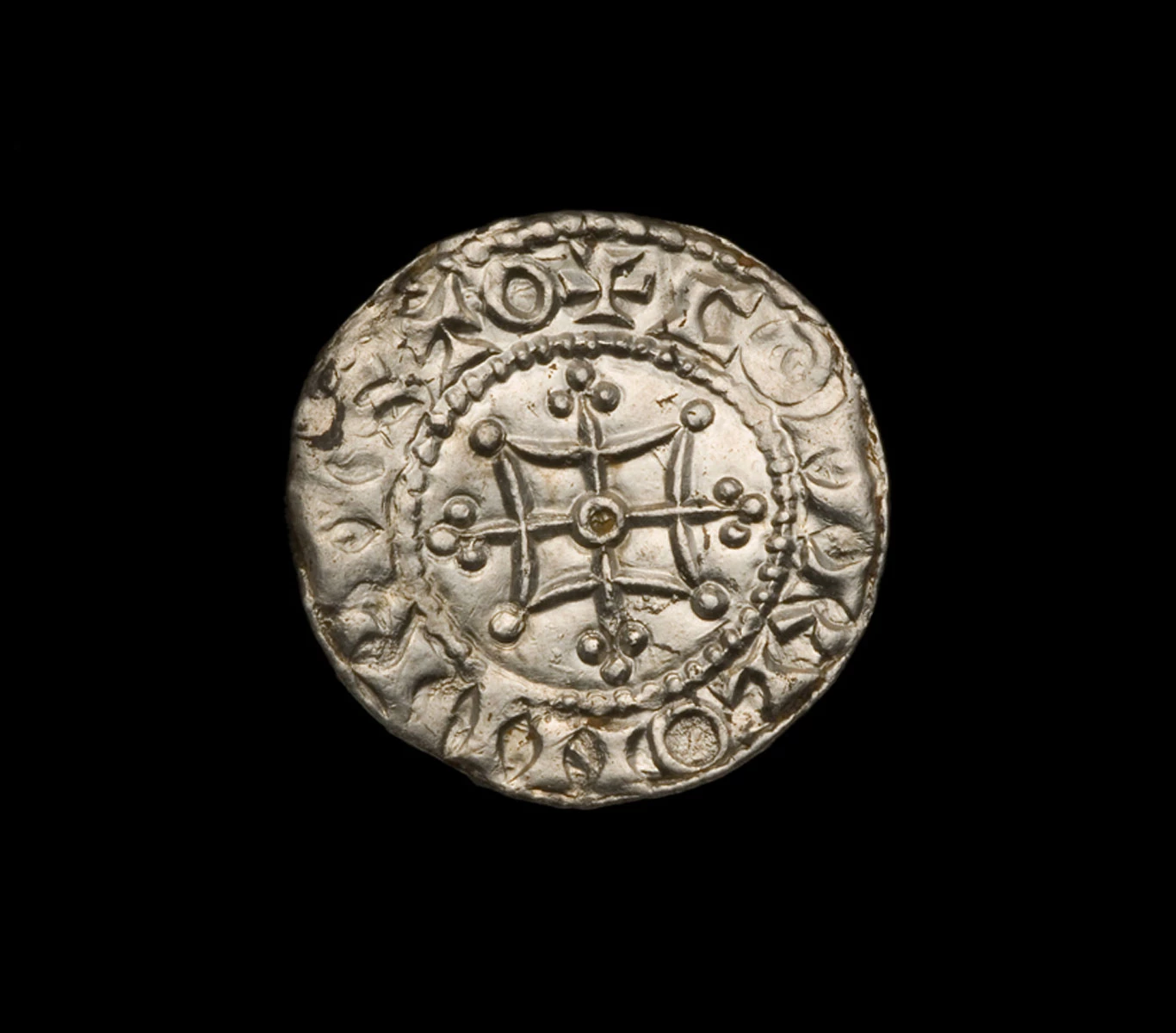
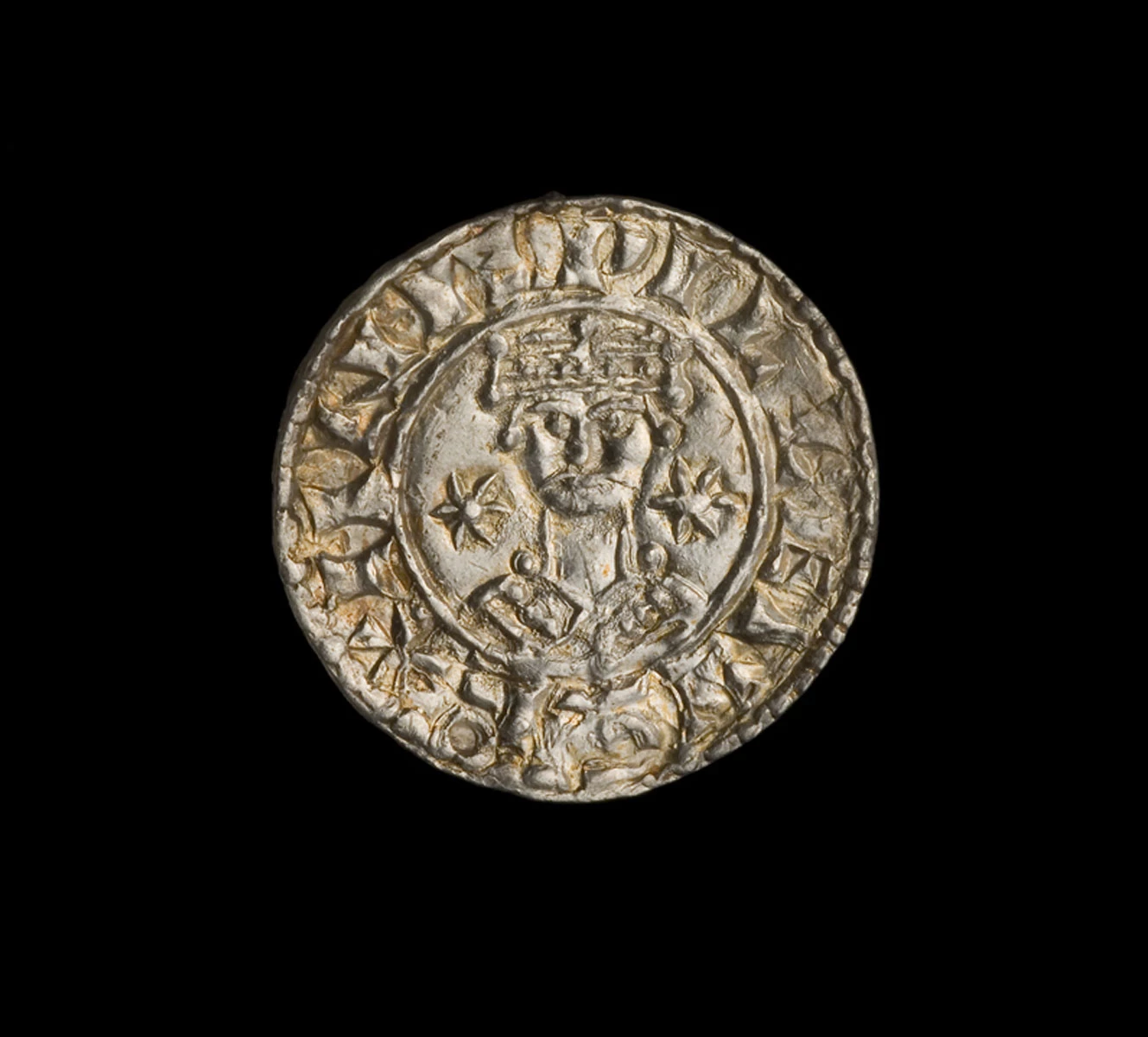
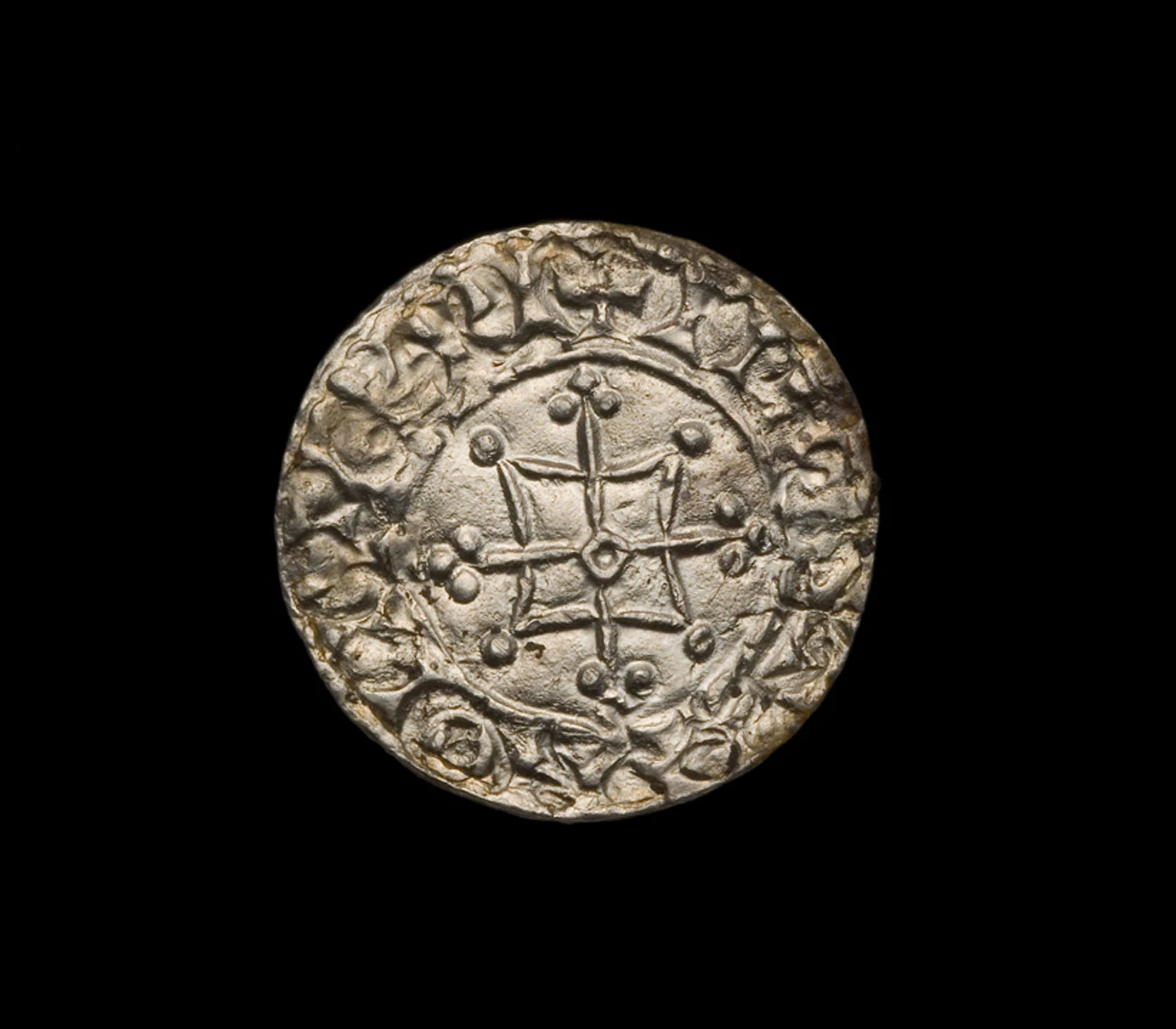
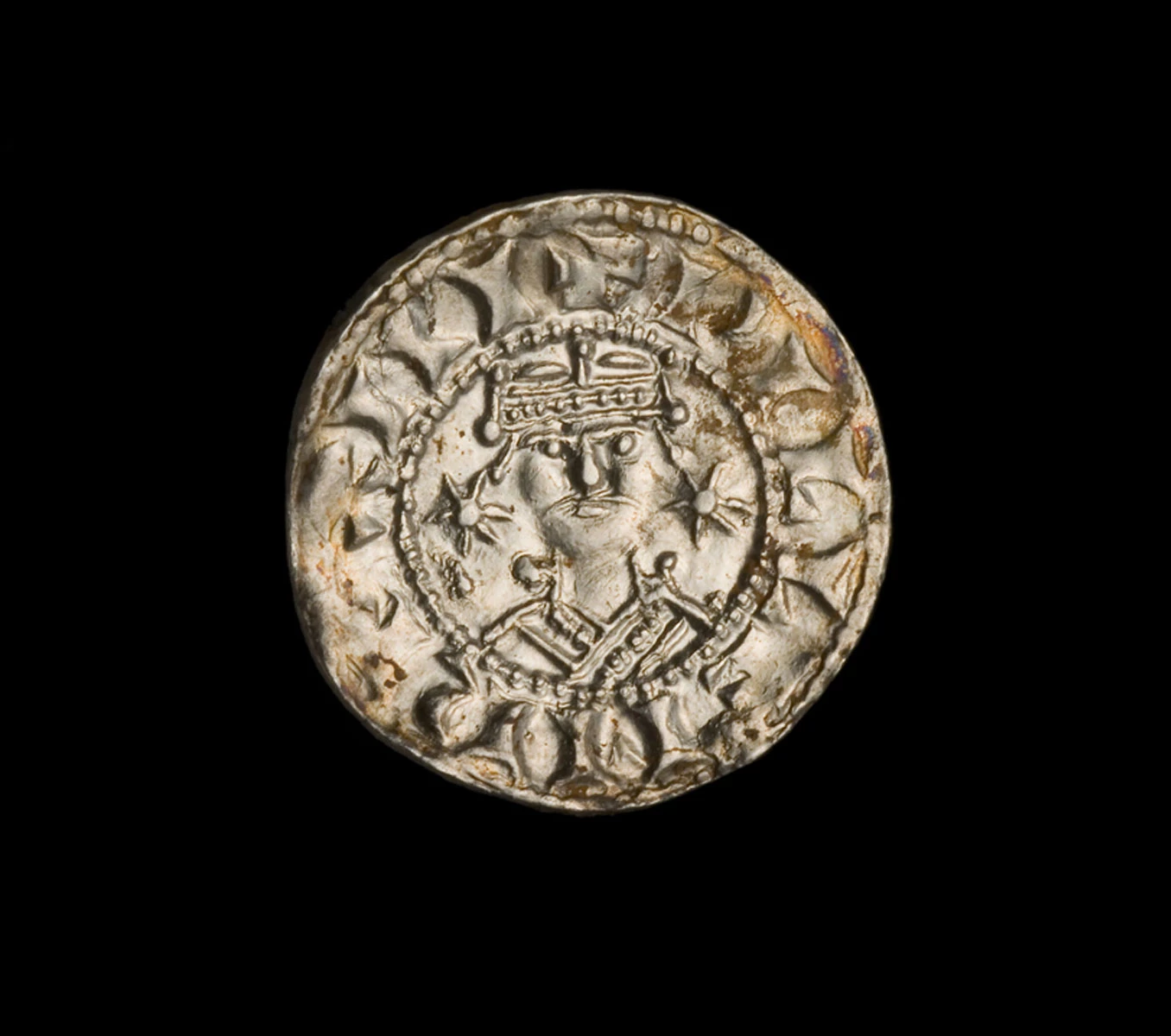
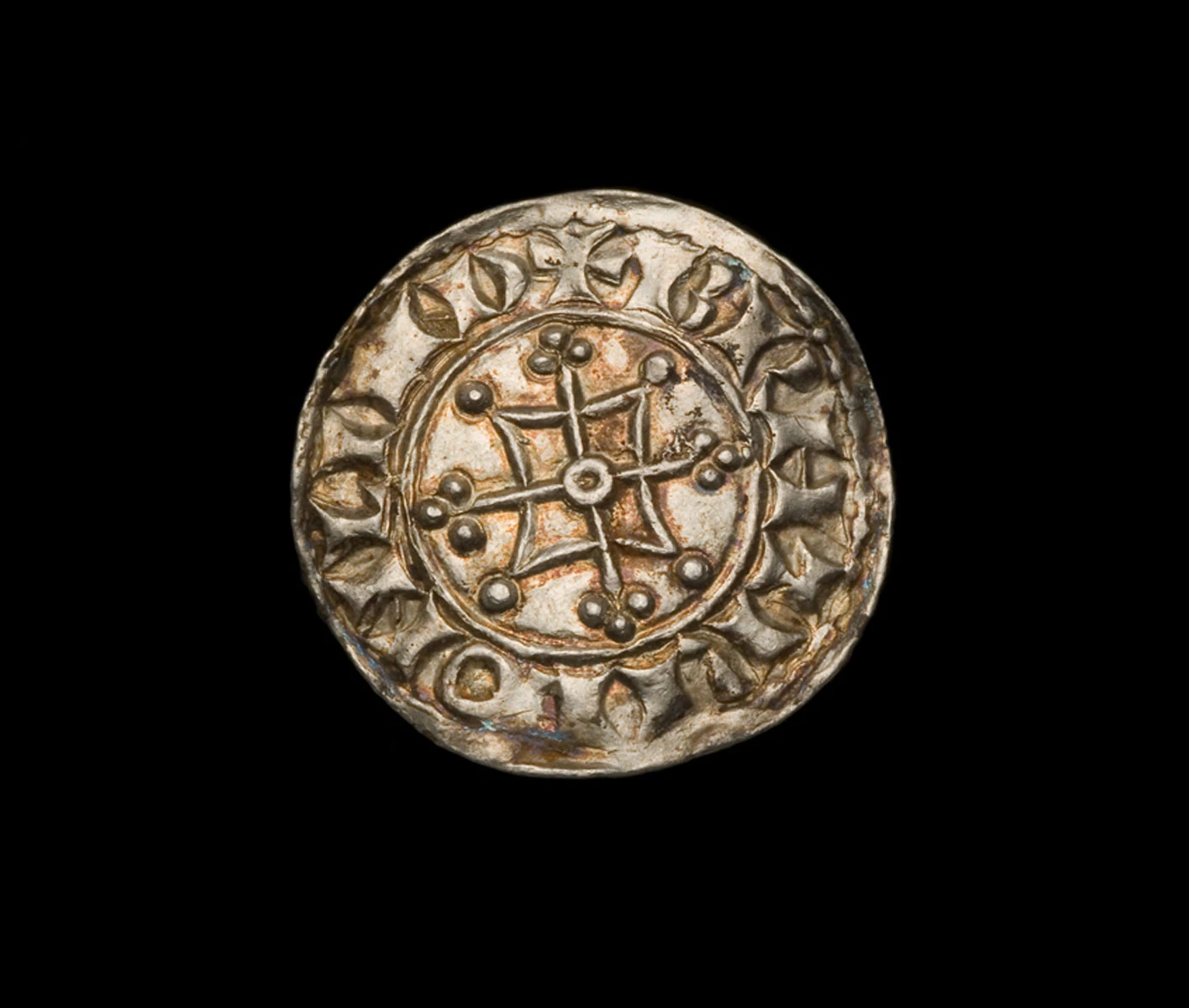
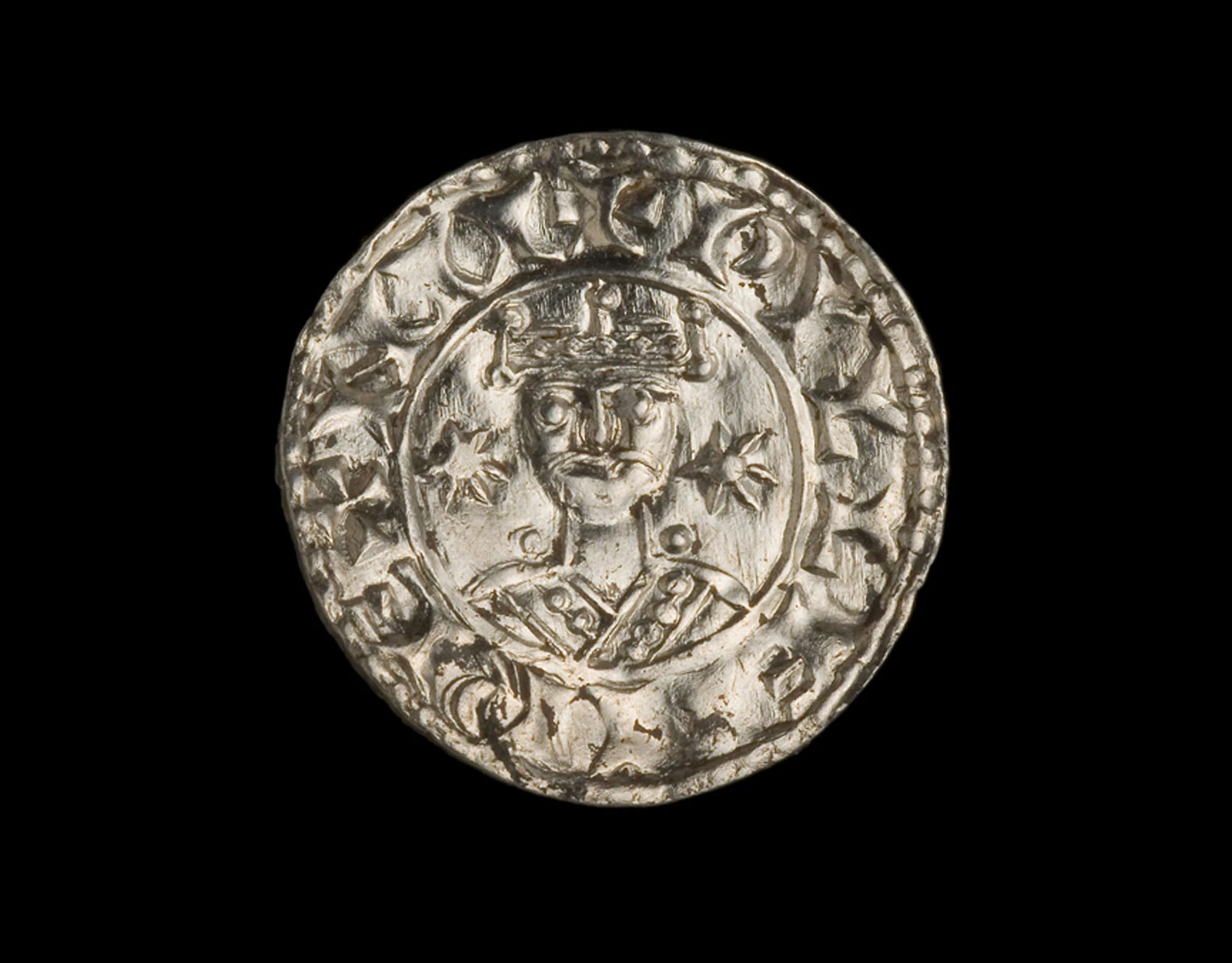
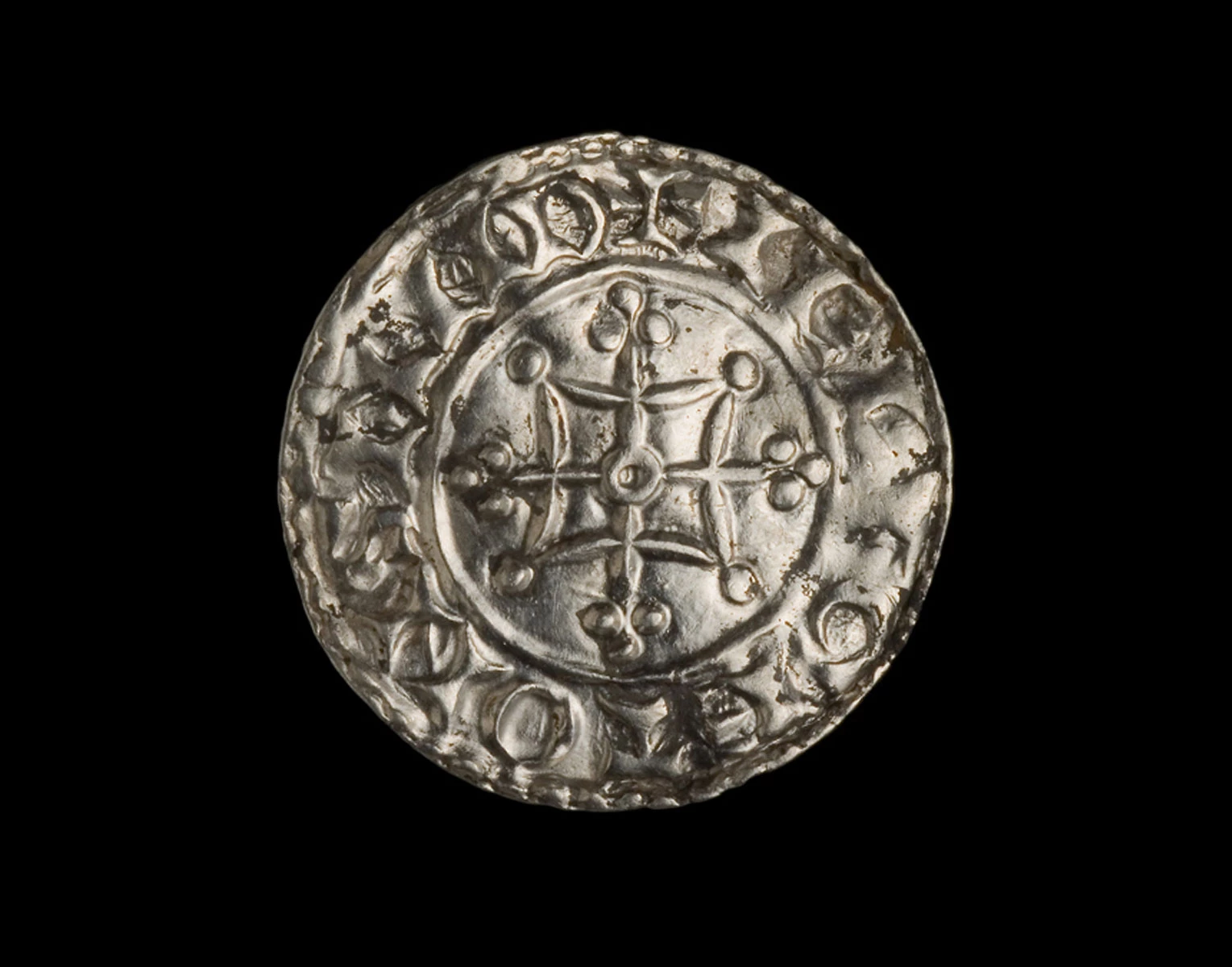
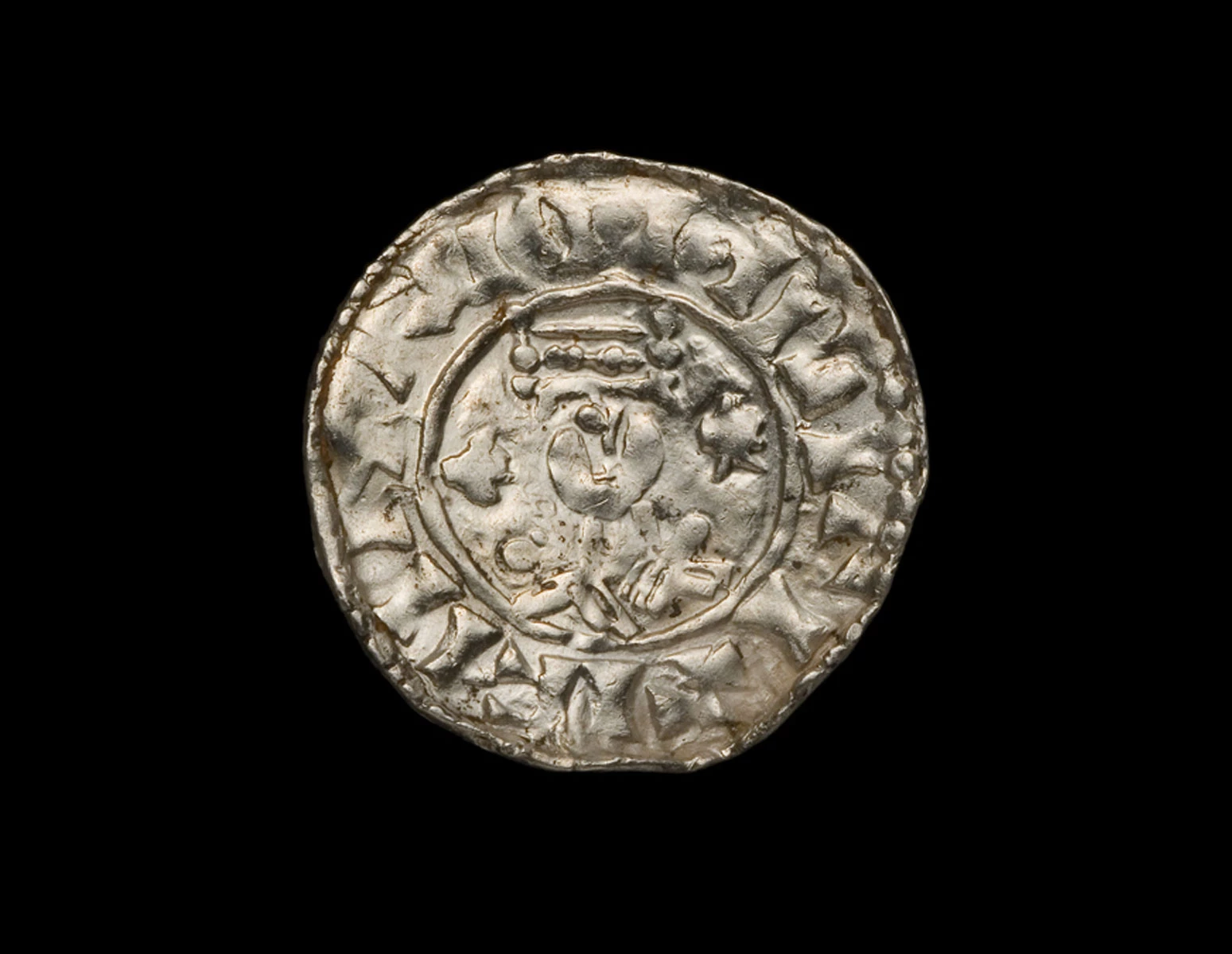
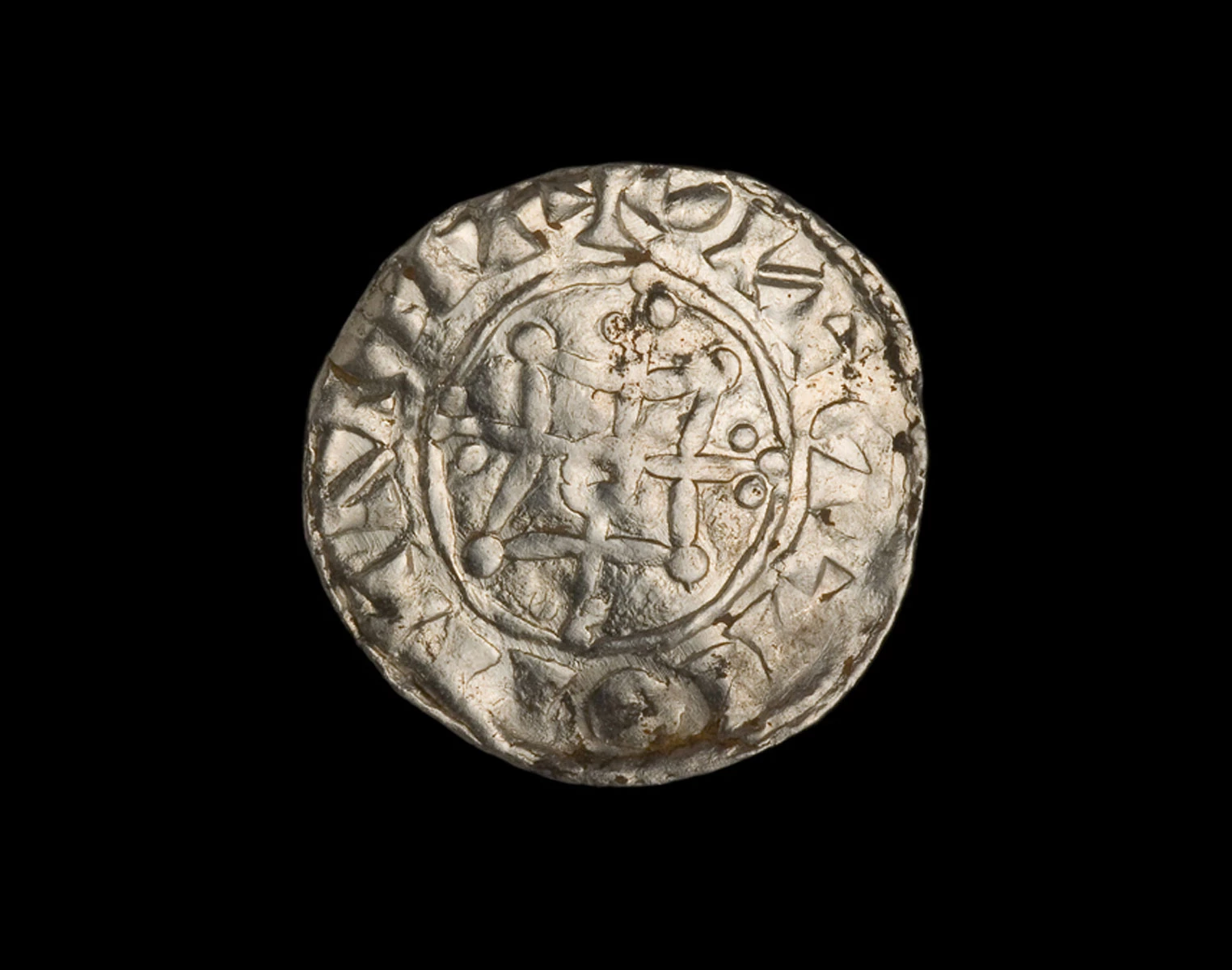
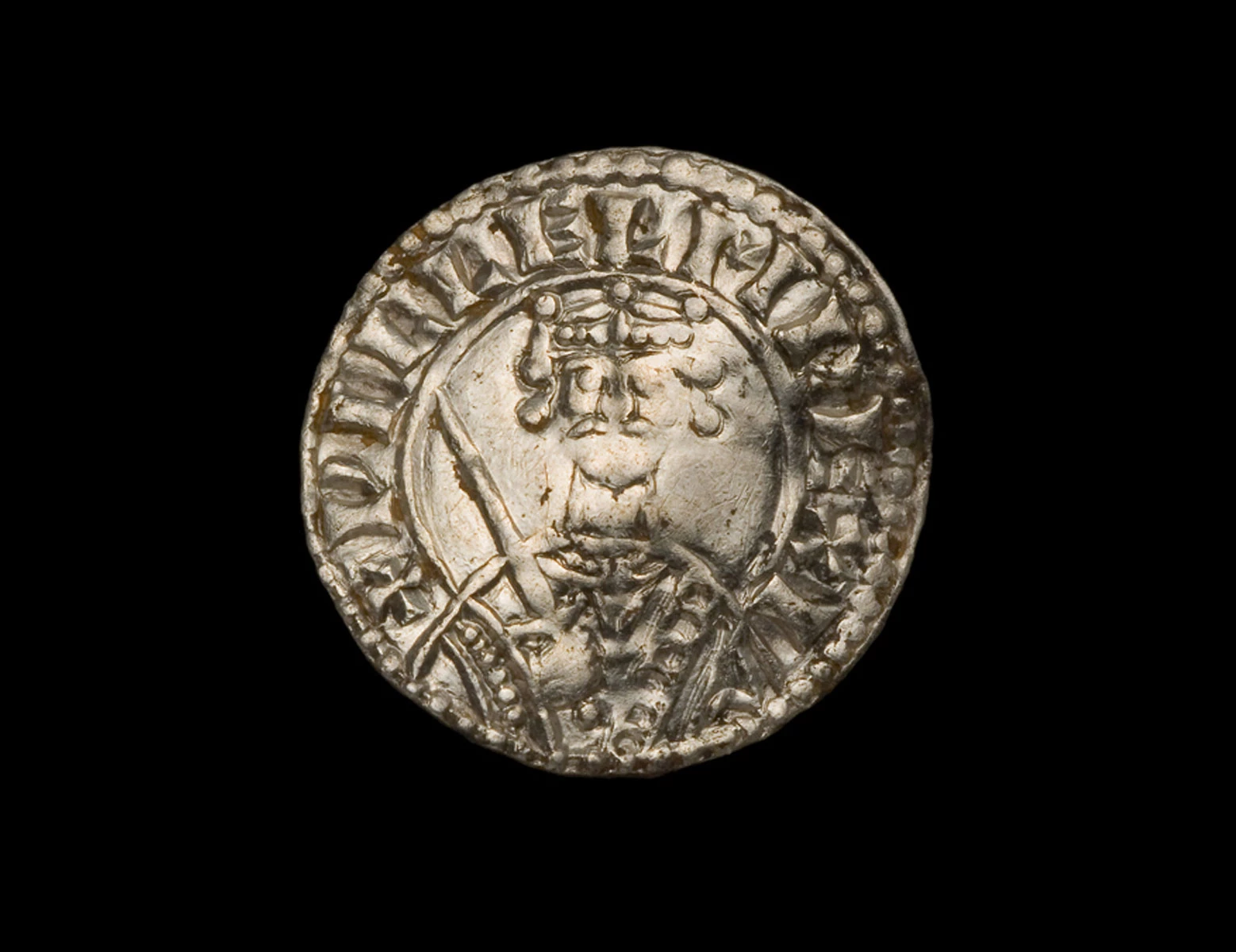
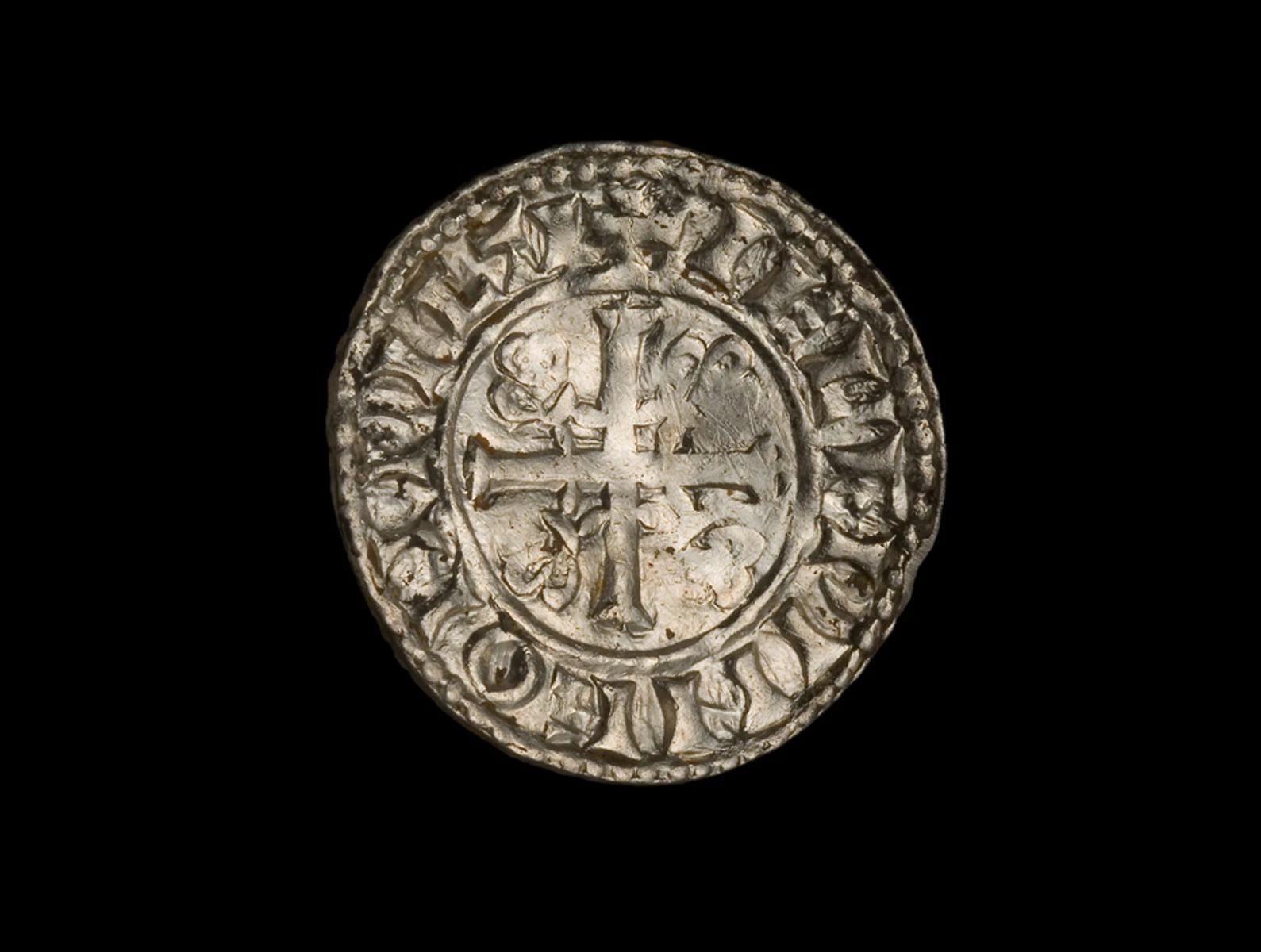
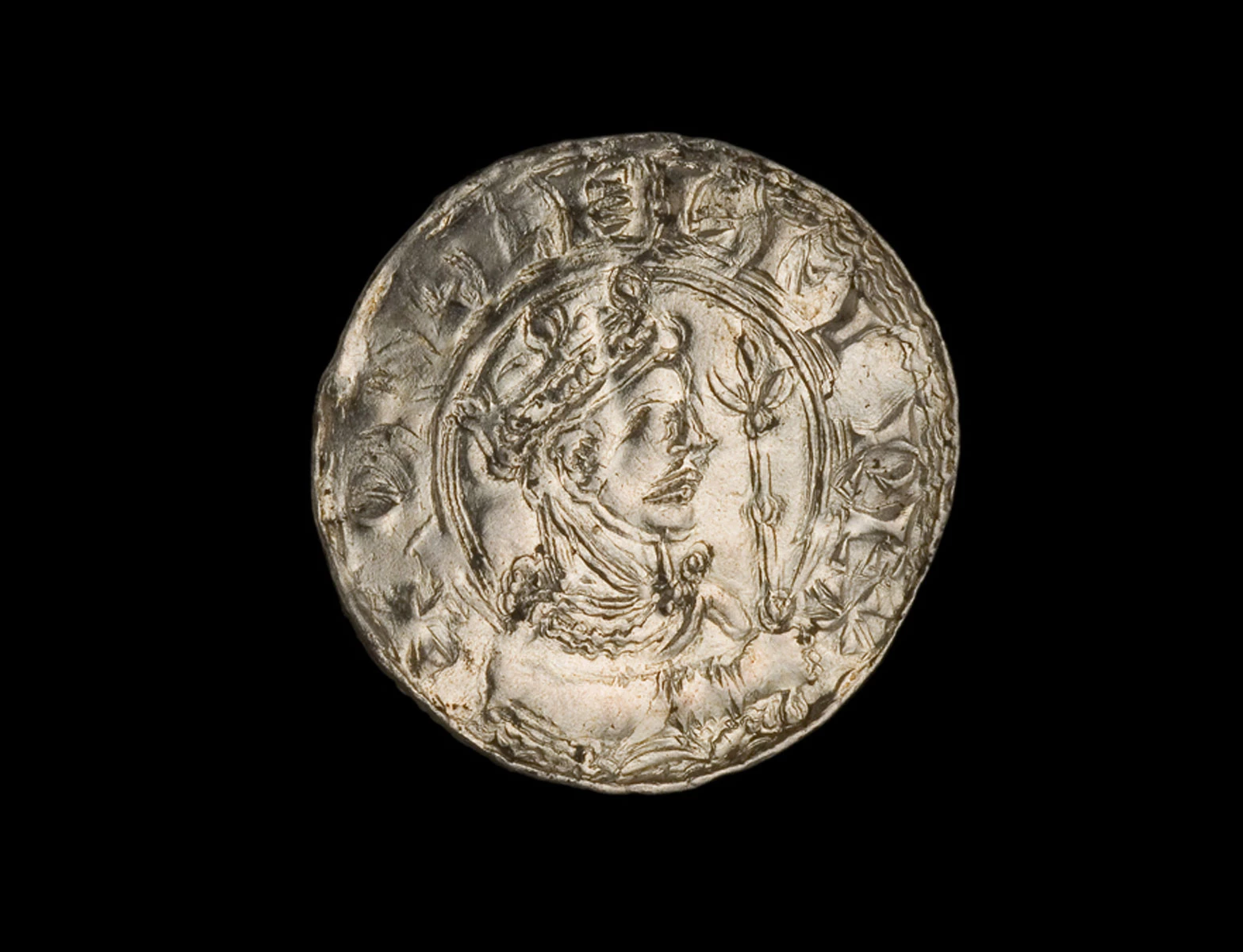
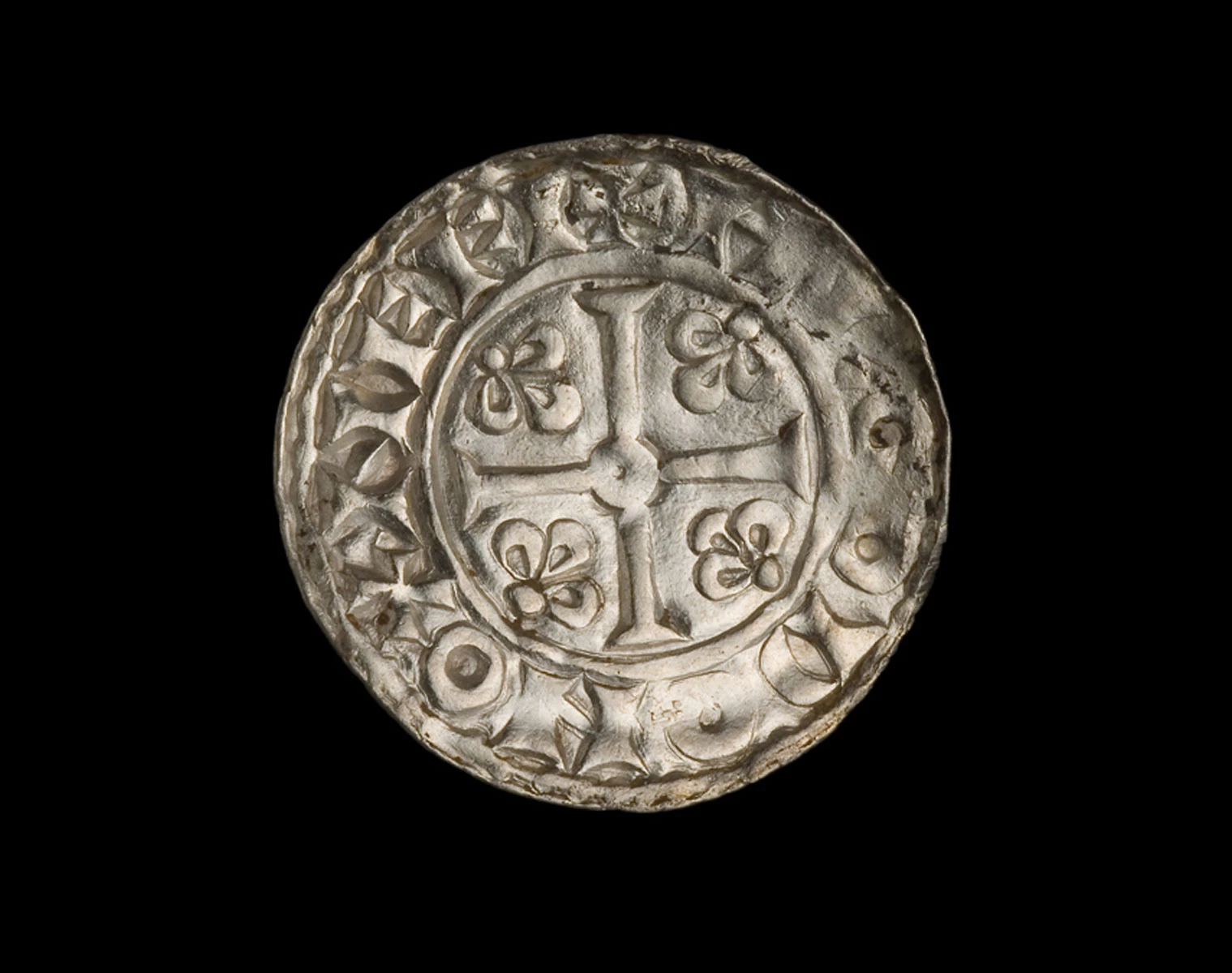
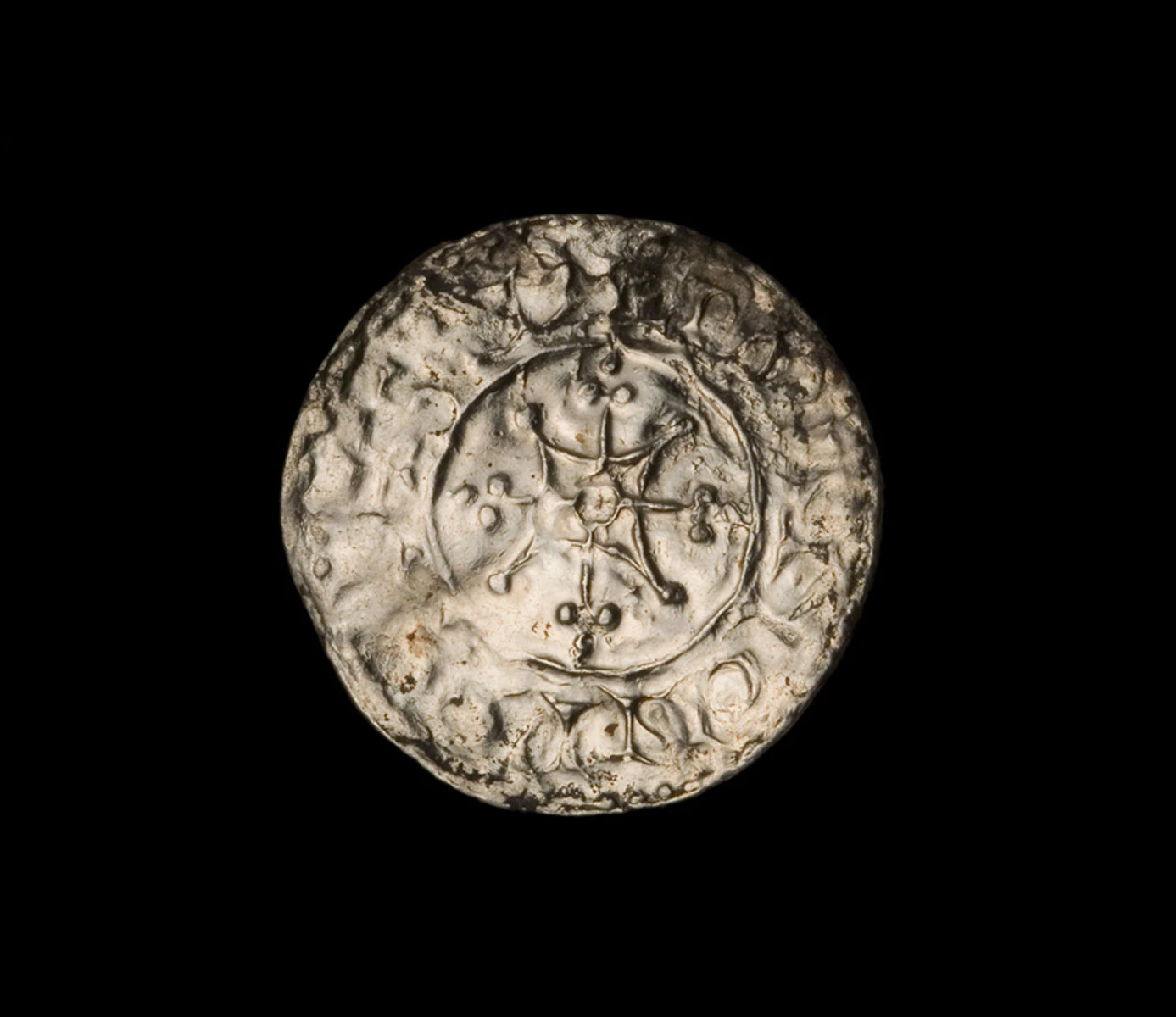
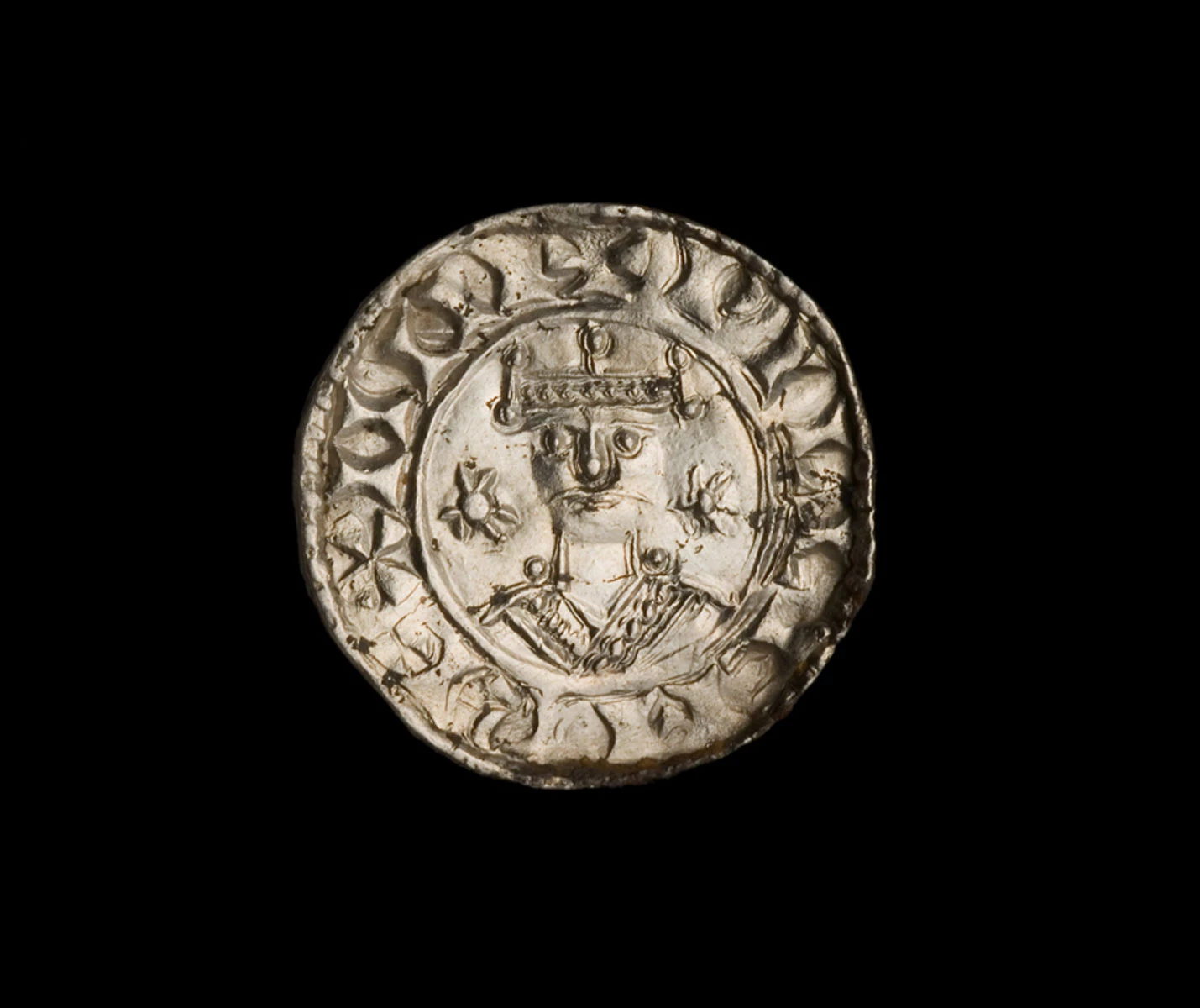
199 Silver Pennies - the Abergavenny Hoard Edward Besly, 6 January 2017 Part of the Abergavenny hoard as discovered. In April 2002 three metal-detectorists (John L Jones, Richard Johns and Fred Edwards) had the find of their lives in a field near Abergavenny, Monmouthshire: a scattered hoard of 199 silver pennies. The hoard included coins of the Anglo-Saxon king Edward the Confessor (1042-66) and the Norman king William the Conqueror (1066-87). The hoard probably pre-dates the founding of Abergavenny near by in the 1080s. The hoard was heavily encrusted with iron deposits, including traces of fabric, suggesting that the coins had originally been held in a cloth bag. It is not clear whether they had been deliberately hidden, or simply lost. Either way their owner was the poorer by a significant amount: sixteen shillings and seven pence (16s 7d, or £0.83p) would for most have represented several months' wages. Minting coins Anglo-Saxon and Norman coins form an unique historical source: each names its place of minting and the moneyer responsible. People had easy access to a network of mints across England (there were none in Wales) and every few years existing money was called in to be re-minted with a new design. The King, of course, took a cut on each occasion. The Abergavenny hoard includes 36 identifiable mints, as well as some irregular issues which cannot at present be located. Coins from mints in the region, like Hereford (34 coins) and Bristol (24), are commonest, outweighing big mints such as London (19) and Winchester (20). At the other end of the scale there are single coins from small mints such as Bridport (Dorset), or distant ones such as Thetford (Norfolk) and Derby. Hoards from western Britain are rare, so the Abergavenny Hoard has produced many previously unrecorded combinations of mint, moneyer, and issue. We shall probably never know quite why these coins ended up in the corner of a field in Monmouthshire but, as well as expanding our knowledge of the coinage itself, they will cast new light on monetary conditions in the area after the Norman Conquest. Conservation The coins were found covered in iron concretions and many of them were stuck to each other. This disfigured the coins and obscured vital details. Removing this concretion with mechanical methods, such as using a scalpel, would have damaged the silver, and chemicals failed to shift the iron. The solution to the problem was found in an unexpected, but thoroughly modern tool - the laser. A laser is a source of light providing energy in the form of a very intense single wavelength, with a narrow beam which only spreads a few millimetres. As laser radiation is of a single colour (infrared light was used in this case) the beam will interact intensely with some materials, but hardly at all with others. This infrared source was absorbed better by the darker overlying iron corrosion than by the light silver metal. The laser was successful at removing much of the iron crust, but initially left a very thin oxide film on the surface. When this was removed, the detail revealed on the underlying coin was excellent; it was possible to see rough out and polishing marks transferred to the coin from the original die, as well as the inscribed legend. Abergavenny Hoard Edward the Confessor, 'Expanding Cross'; London, Lifing Edward the Confessor, 'Expanding Cross'; London, Lifing Edward, 'Pointed Helmet'; London, Eadred Edward, 'Pointed Helmet'; London, Eadred Edward, 'Sovereign'; Hereford, Eadric Edward, 'Sovereign'; Hereford, Eadric Edward, 'Sovereign'; Taunton, Brihtric Edward, 'Sovereign'; Taunton, Brihtric Edward, 'Sovereign'; Worcester, Garulf Edward, 'Sovereign'; Worcester, Garulf Edward, 'Sovereign/Hammer Cross'; Taunton, Brihtric Edward, 'Sovereign/Hammer Cross'; Taunton, Brihtric Edward, 'Hammer Cross'; Cricklade, Æthelwine Edward, 'Hammer Cross'; Cricklade, Æthelwine Edward, 'Hammer Cross'; Exeter, Wicing Edward, 'Hammer Cross'; Exeter, Wicing Edward, 'Hammer Cross'; Tamworth, Brininc Edward, 'Hammer Cross'; Tamworth, Brininc Edward, 'Bust Facing'; Gloucester, Wulfweard Edward, 'Bust Facing'; Gloucester, Wulfweard Edward, 'Bust Facing'; Hereford, Ægelric Edward, 'Bust Facing'; Hereford, Ægelric Edward, 'Bust Facing'; Hereford, Ælfwi Edward, 'Bust Facing'; Hereford, Ælfwi Edward, 'Bust Facing'; Hereford, Earnwi Edward, 'Bust Facing'; Hereford, Earnwi Edward, 'Bust Facing'; York, Iocetel Edward, 'Bust Facing'; York, Iocetel William I, 'Bonnet'; Chester, Ælfsige William I, 'Bonnet'; Chester, Ælfsige William, 'Two Sceptres/Two Stars'; Wareham, Sideman William, 'Two Sceptres/Two Stars'; Wareham, Sideman William, 'Two Stars'; Bristol, Ceorl William, 'Two Stars'; Bristol, Ceorl William, 'Two Stars'; Hereford, Leofstan William, 'Two Stars'; Hereford, Leofstan William, 'Two Stars'; London, Brihtric William, 'Two Stars'; London, Brihtric William, 'Two Stars'; Sandwich, Ælfget William, 'Two Stars'; Sandwich, Ælfget William, 'Two Stars'; irregular issue William, 'Two Stars'; irregular issue William, 'Sword'; Wilton, Ælfwine William, 'Sword'; Wilton, Ælfwine William, 'Profile Right'; Oxford, Heregod William, 'Profile Right'; Oxford, Heregod Background Reading Conquest, Coexistence, and Change. Wales 1063-1415 by R. R. Davies. Published by Oxford University Press (1987). The Norman Conquest and the English Coinage by Michael Dolley. Published by Spink and Son (1966).
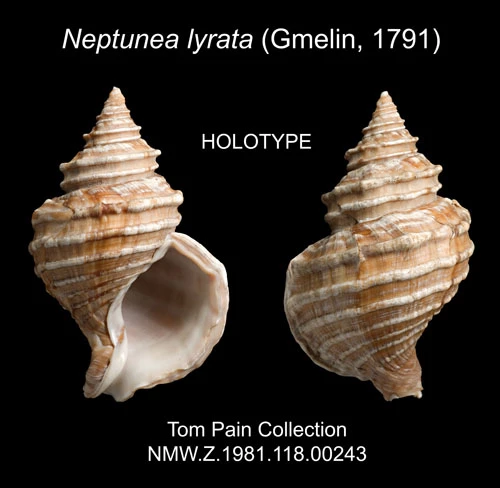
Type your way into our collections Harriet Wood, 17 April 2014 The homepage of the Mollusca Types Catalogue. Neptunea lyrata, the oldest type specimen held at Amgueddfa Cymru, collected by Captain James Cook in 1778 from Alaska. Specimen images and labels for the type of Octopus maculosus described by our first director, Williams Evans Hoyle, in 1883. A map illustrating the 110 countries that our web visitors come from so far. Top 10 most viewed specimens after 18 months online The Mollusca Types Catalogue was published online by Amgueddfa Cymru in September 2012. This was the first time that images of over 350 of our most important mollusc specimens were made available to our ever growing cyber audience. The Mollusc collections at Amgueddfa Cymru The mollusc collections at Amgueddfa Cymru are of international significance and contain hundreds of thousands of specimens. Molluscs are an extremely diverse group that exist in most of the environments on the planet – from landsnails on mountain tops to bivalves in deep-sea hydrothermal vents, venomous cone shells to freshwater pearl mussels, carnivorous slugs to camouflaging cuttlefish. Our collection reflects this diversity and geographical and environmental range. What are type specimens? The ‘type’ specimens of any natural history collection are among the scientific gems that need to be safeguarded above all others. They are specimens carefully selected to represent new species and offer a permanent reference for future taxonomists. Within the Amgueddfa Cymru Mollusca collection there are 3200 type specimens, spanning nearly 200 years of collecting. Two-thirds come from the famous Melvill-Tomlin shell collection, illustrating its scientific depth and historical importance. Our earliest type is a large cold-water whelk from Alaska, collected in 1778 by Captain James Cook during his third and last voyage. This and many others were described by some of the great collectors and taxonomists of their time, including William Evans Hoyle, the Museum’s first director and Cephalopod expert. The Mollusca Types Catalogue online With many collection-based enquiries hinging on type material we were keen to develop a tool to make them accessible across the world and so the Mollusca Types Catalogue was born. The project began in 2009 when the focus was on isolating 350 of our most important types from the main collection, then storing them in new cabinets for easy access and increased security. All of these specimens and their labels were photographed and references for the original species descriptions were checked and scanned. This information was pulled together onto a database and published online. But this is only the beginning… The many remaining types will be added periodically, with staff continuing to research unrecognised types within our collections. New type specimens will also be added whenever new species are discovered and described by our taxonomists. Who’s been looking? Since going online in 2012 the number of enquiries relating to type specimens has increased dramatically. This illustrates the important role that websites play in increasing access and the use of our collections. With the use of Google Analytics we can get some idea of who’s been looking over the last 18 months: We have had 3,973 visitors, viewing 12,268 pages. We have had hits from 113 countries. Top 5 users: UK, Spain, United States, Italy, France. 59.5% are new visitors and 40.5% are returning visitors. Most viewed specimen: Scintilla lynchae Oliver & Holmes, 2004 Take a look So, take a look for yourselves and let’s see where we are in a year from now…. Wood, H. & Turner, J. A. 2012. Mollusca Types Catalogue. Amgueddfa Cymru - National Museum Wales. Available online at http://naturalhistory.museumwales.ac.uk/molluscatypes
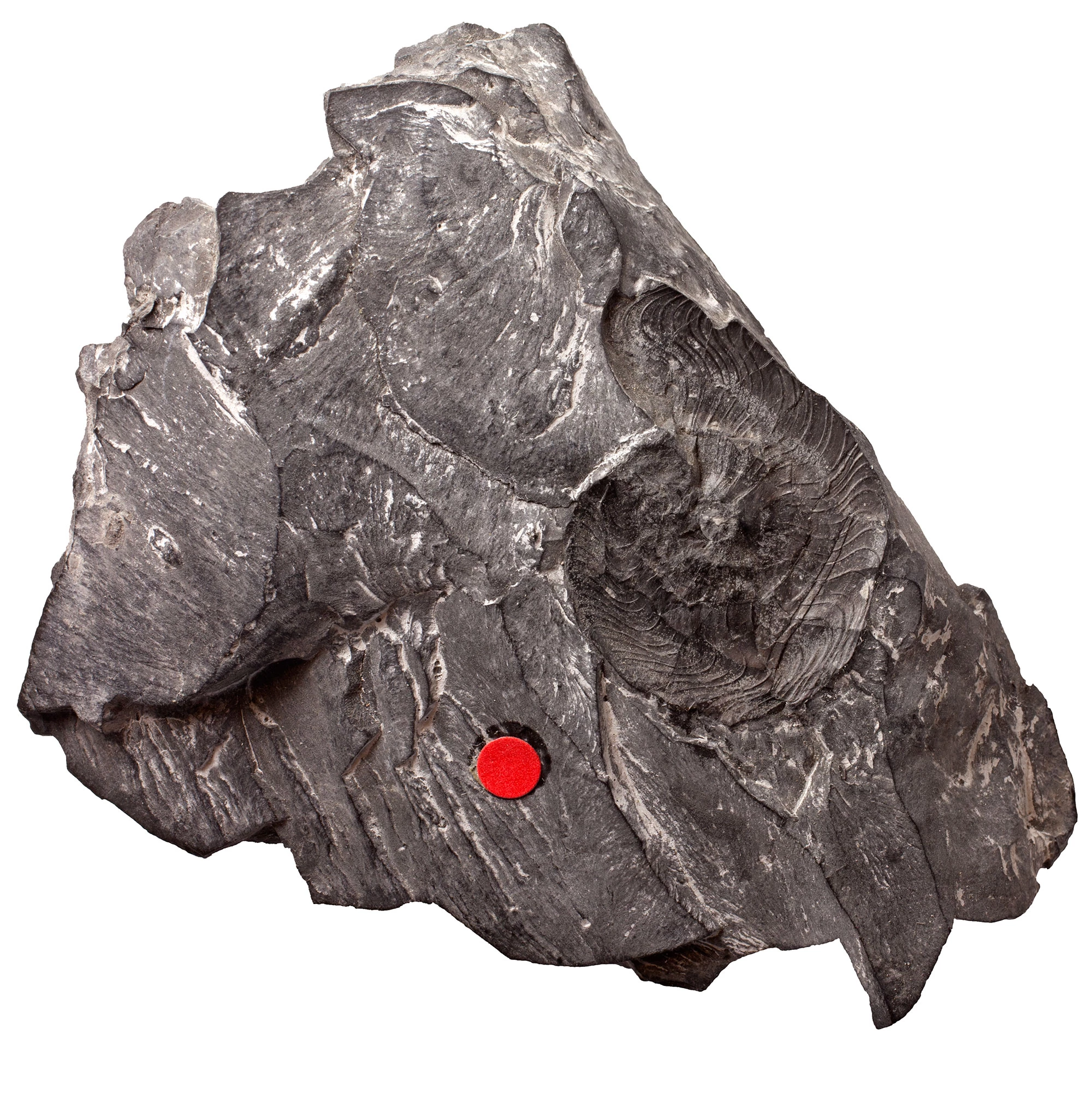
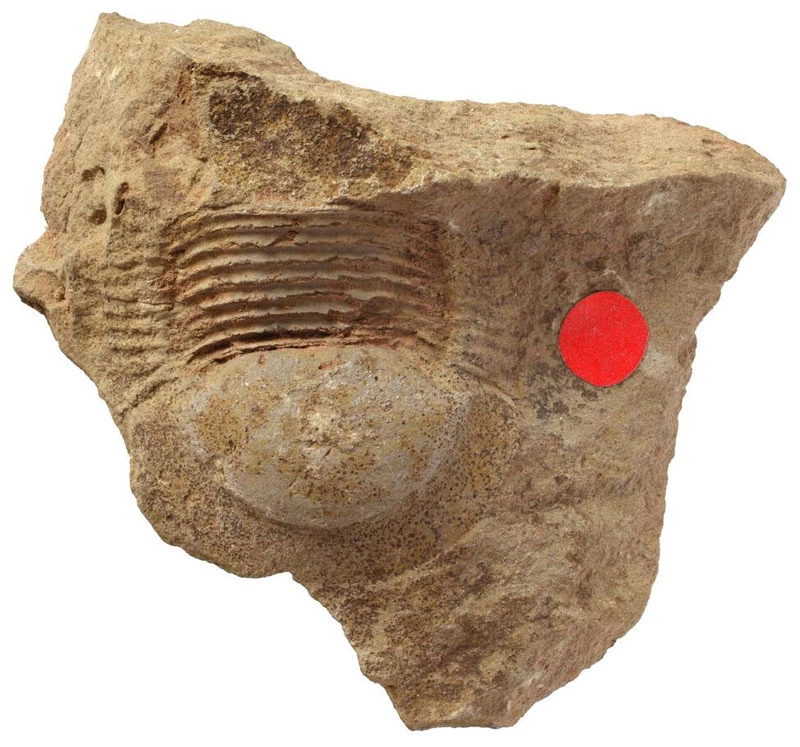
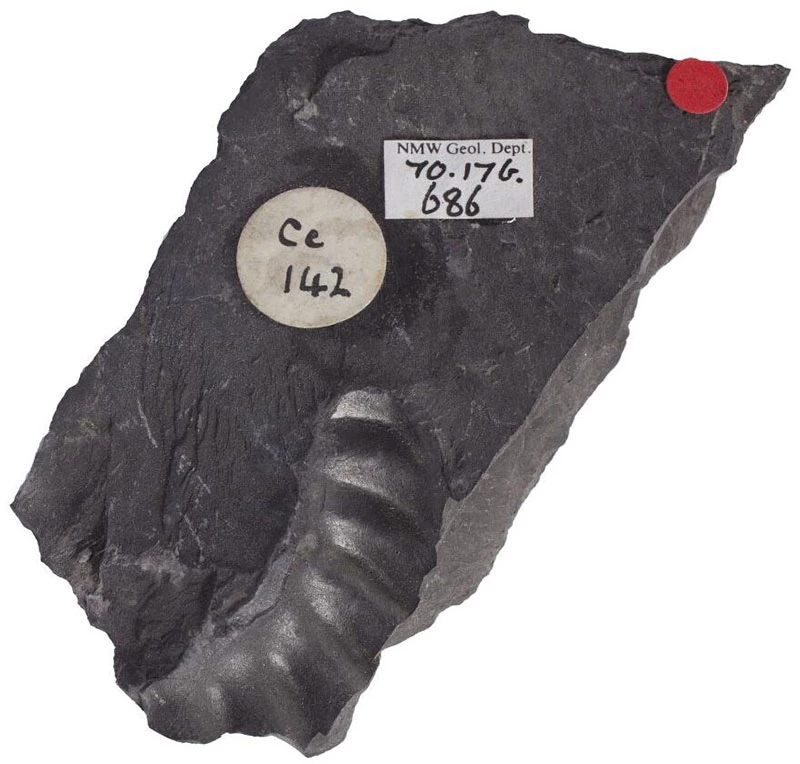
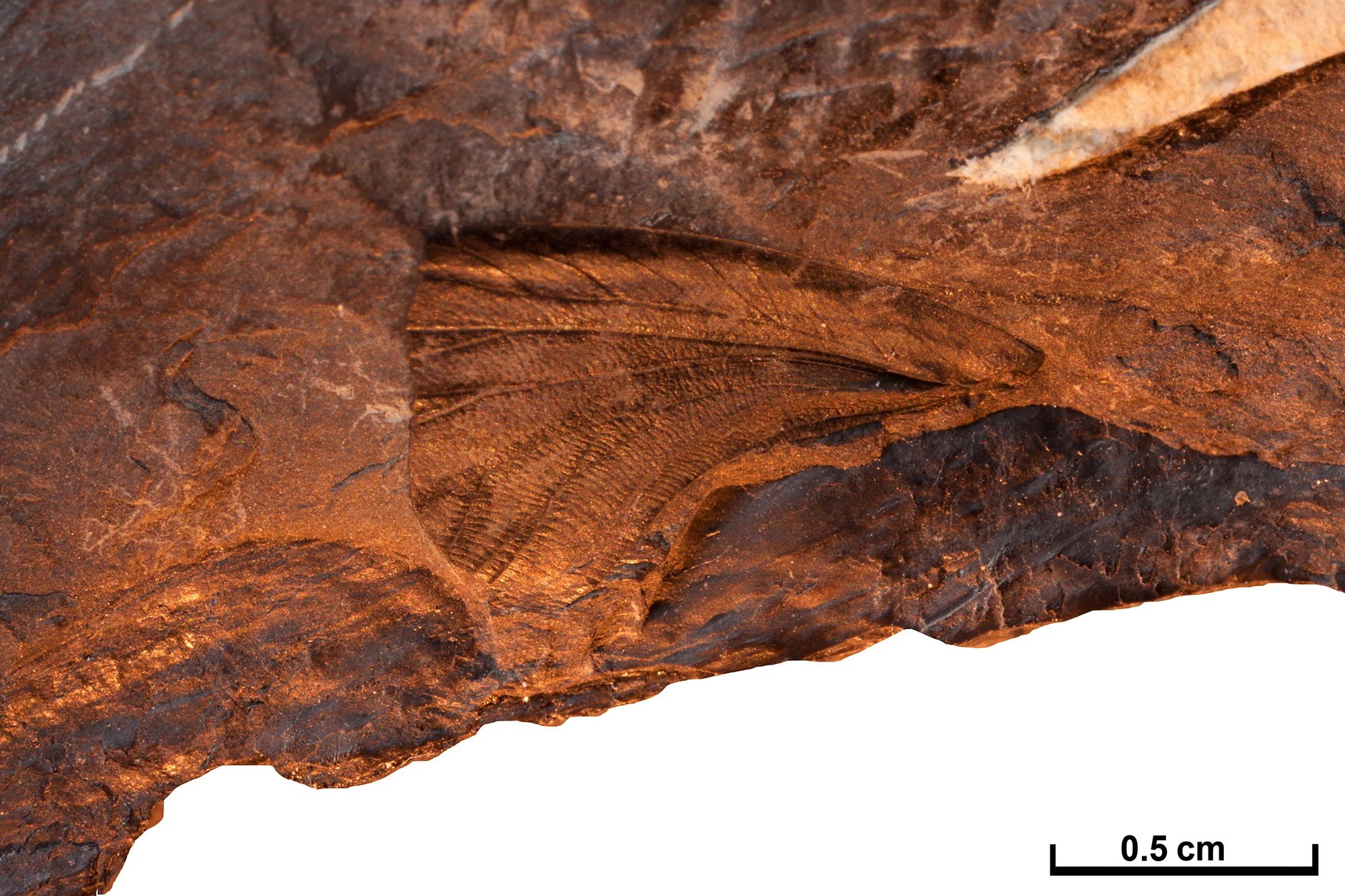
Museum Type Fossils Online Caroline Buttler, 8 April 2014 Anthracoceras cambriense Bisat, 1930 Bumastus? xestos Lane & Thomas, 1978 Metacoceras postcostatum Bisat, 1930 Archimylacris scalaris Bolton, 1930 When a new species is described a single ‘type’ specimen is identified, which is then deposited in a recognised organisation and made available for anyone to study. These type specimens become the essential reference for taxonomists, both when describing existing species and erecting new ones. Without type specimens it would be hard to keep the integrity of a species, and over time the taxonomy could drift so that subsequent species interpretations would not bear any relationship to the original one. GB3D Type Fossils Amgueddfa Cymru has joined with the British Geological Survey and other UK organisations to produce the world’s first 3D virtual collection of British fossil type specimens, funded by JISC. Thousands of high quality images, many as 3D anaglyphs, and spectacular 3D digital fossil models can now be browsed and downloaded for free. The GB3D Type Fossils Online project has taken the fossils from their stores and made them available for academics, researchers and fossil enthusiasts to enjoy at their leisure. Our British fossil type collection of over 2000 specimens forms a very small proportion of our total collection of fossil specimens from Wales and the rest of the world. Researchers from Wales, the United Kingdom and world-wide use the collections to support their taxonomic research. Palaeontologists at the museum have named many new species of fossils and have sometimes had fossils named after them. For them and for all taxonomists it is essential to have access to type material. If you are dealing with a potential new species, ideally the actual type specimens of similar looking species should be examined, but this is not always possible, due to travel costs, for example. When a new species is proposed it is described in a scientific journal and the type specimen is photographed. However, in old publications some types have not been illustrated, and in some publications the images may be of poor quality making it hard to determine specific features of the specimen. Therefore this new digital resource will be invaluable, illustrating the British type collection in high-resolution 2D and 3D images, in addition to 3D models. The freely available website will also provide worldwide access to our collections. See the website here.
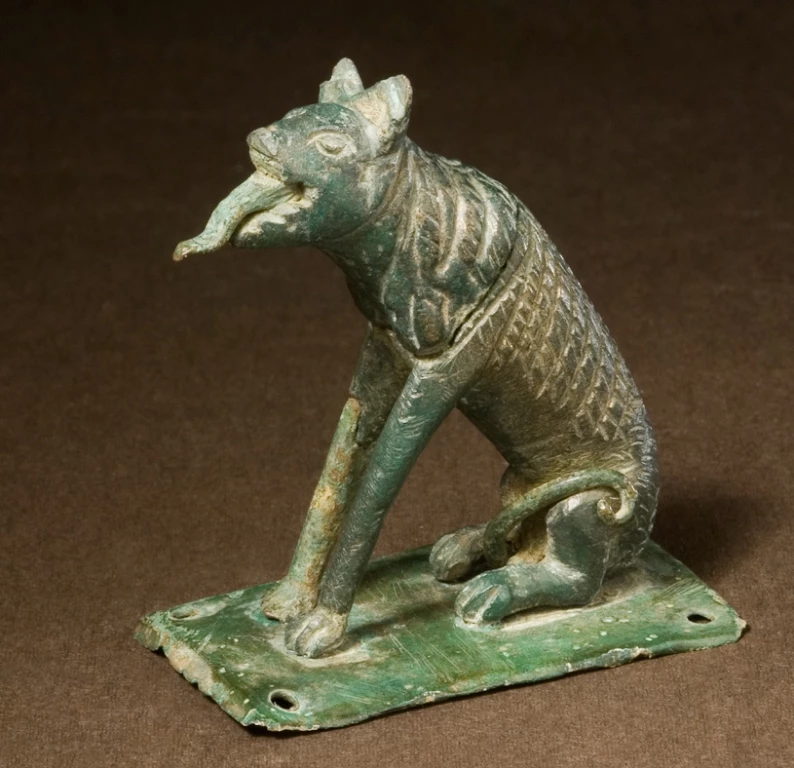
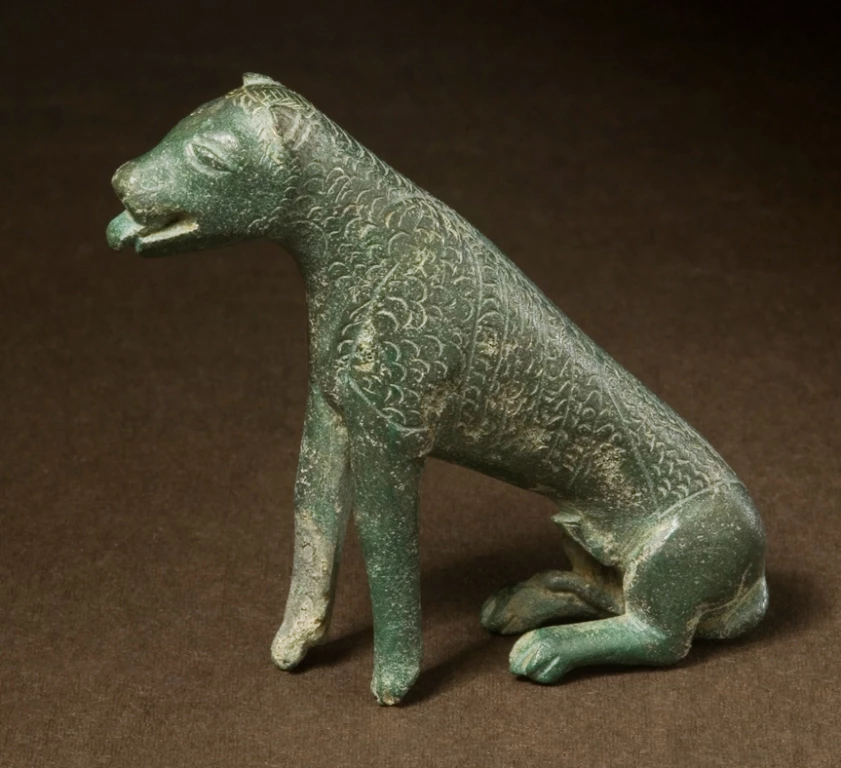
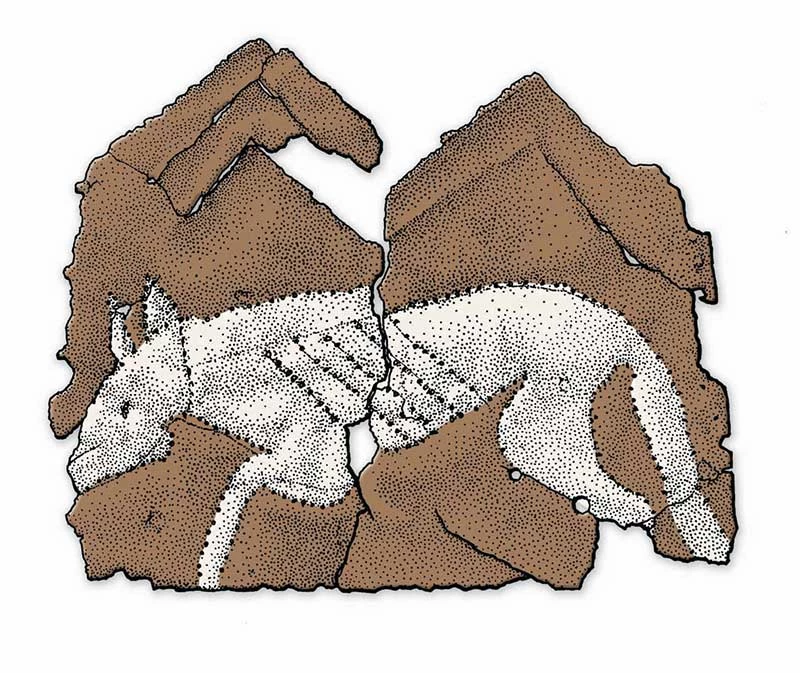
The Healing Power of Dogs Penny Hill, 5 March 2014 This detailed miniature statue of a dog is no more than 4 to 5cms in height, and was probably once coated in tin or silver. Holes in the metal base plate suggest he was attached to a small plinth. One of two miniature statues of dogs found at Llys Awel. His tongue is sticking out in the action of licking. Man’s best friend, the dog has recently been making headlines again through his ability to save life by either sniffing out cancer or licking to help restore circulation to injured limbs. This association between people, dogs and good health is nothing new and was recognised back in antiquity. Housed in the Archaeology collections are 2 small dog figurines, part of a group of objects found at Llys Awel, Conwy. There are also two copper alloy plaques. One is decorated with a dot-punched outline of a dog; the second is not so well preserved, the dotted outline is less clear and it could either be another dog or a name, possibly of a god. The site is believed to be a shrine dedicated to a healing god and the objects themselves date to the Roman period in Britain, sometime between the late first century AD and the end of the fourth century AD. The objects were probably left by people as gifts to the god hoping they would be granted good health and help to recover from an illness. Why dogs? Well, the Greek god of medicine, Asklepios (adopted by the Romans who knew him as Aesculapius), was frequently depicted with a dog as his animal companion. This association probably came about after people observed dogs healing themselves by licking. A major sanctuary to his cult was built in the fourth century BC at Epidaurus, in Greece. This place became one of the major centres for healing in the ancient world. One part of the healing treatment or ritual was to receive licks from a sacred dog kept at the sanctuary. The only known British equivalent of Epidaurus is the cult centre of the Romano-British god Nodens at Lydney in Gloucestershire. Here, 9 representations of dogs were found: like the dogs at Llys Awel these were probably left by visitors seeking cures for their ailments. The dogs are made from copper alloy and are about 5cm tall. They are seated with tails between their legs and tongues sticking out, as if in the action of licking. The figures are incredibly detailed with eyes, ears, nose, paws and fur texture well defined. They were probably made by the lost wax process, so there was only one chance to get the metal casting right. One dog was cast as a single piece, but the other revealed a slightly more complicated construction. During conservation we can find out how the statue was made. Different pieces appear to have been cast separately and soldered together. Illustration of a votive plaque with added shading to highlight the outline of a dog. Illustration of votive leaf plaque. Do the dotted lines in the lower half spell out the name of a long lost god or is it another dog? Conservation During conservation it became apparent the dog was cast in several sections, the head, body, tail and tongue. The individual pieces were then soldered together to create the whole figure. Grooves in the metal at the junction between the head and body support this idea and would have helped the solder grip and hold the two sections together. There is evidence to suggest the craftsman had problems casting the figure, the molten copper alloy failing to flow to all parts of the tiny mould. Repairs had to be made to the nose and the right front leg, the miscast material removed and then new sections recast and soldered in place. The replacement nose has gone, but we still have the replacement leg, which is not as well modelled as the original left leg. The statue was probably given a coat of either tin or silver to hide the construction detail and enhance its appearance, which would have helped elevate our dog to a slightly higher pedigree. Unfortunately analysis of the surface was inconclusive; the coating, if one had existed, did not survive. Therefore we can only imagine its original appearance and wonder if the people who gave this little treasure to the god were ever granted their wish.