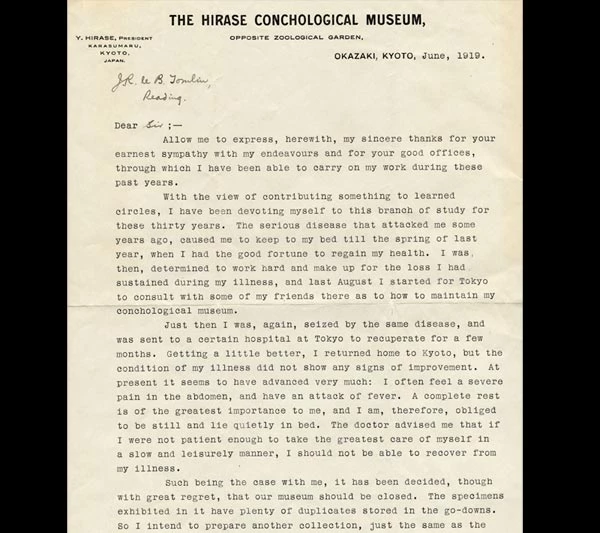
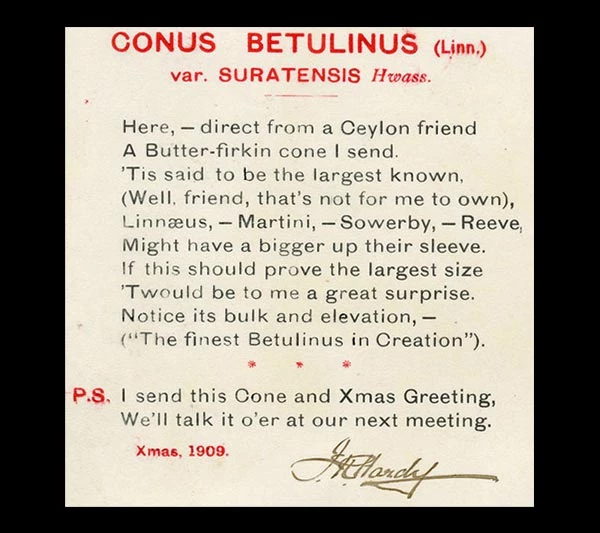
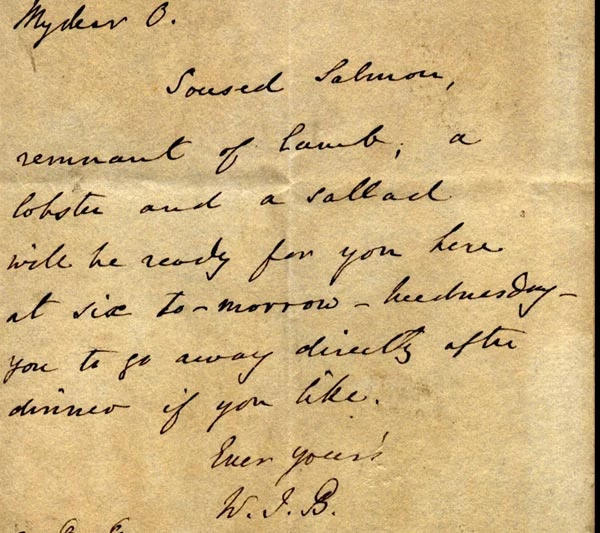
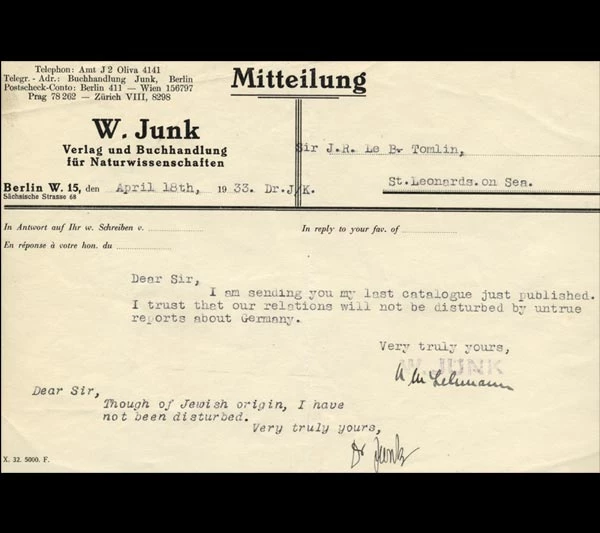
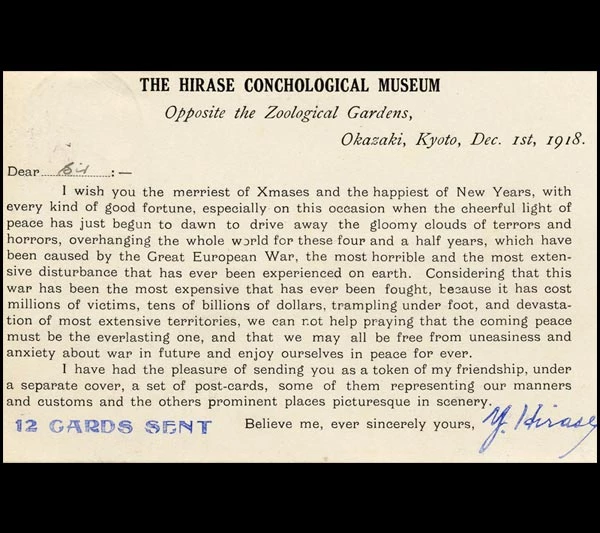
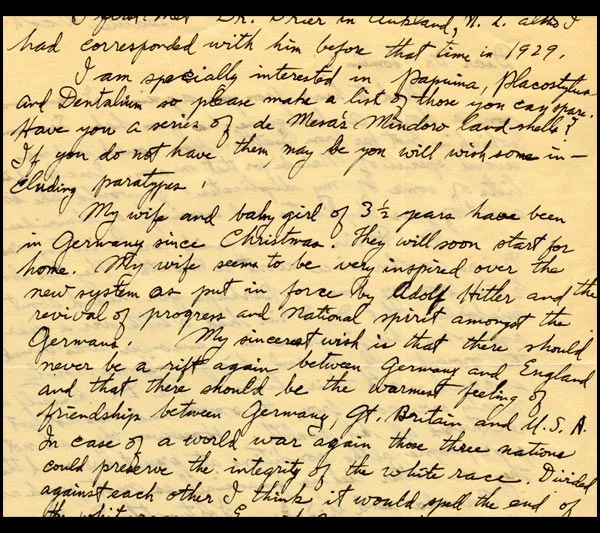
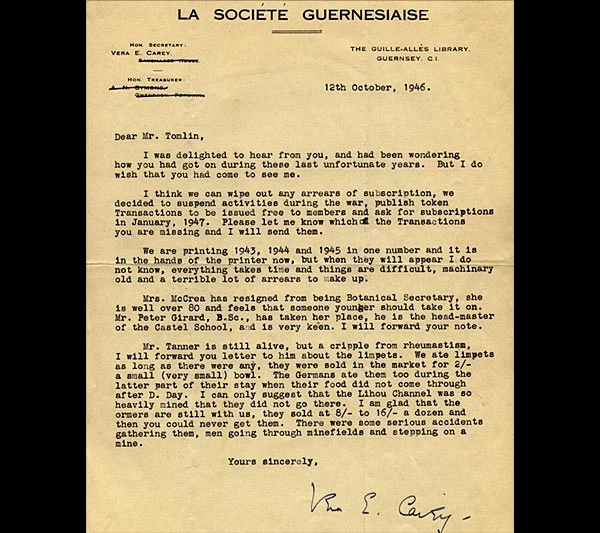
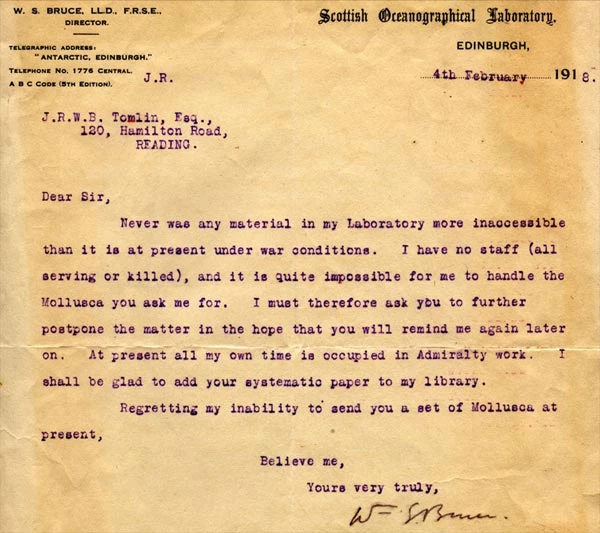
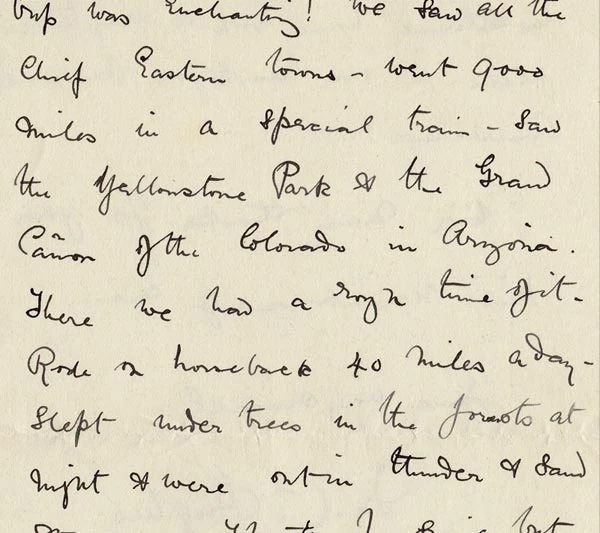
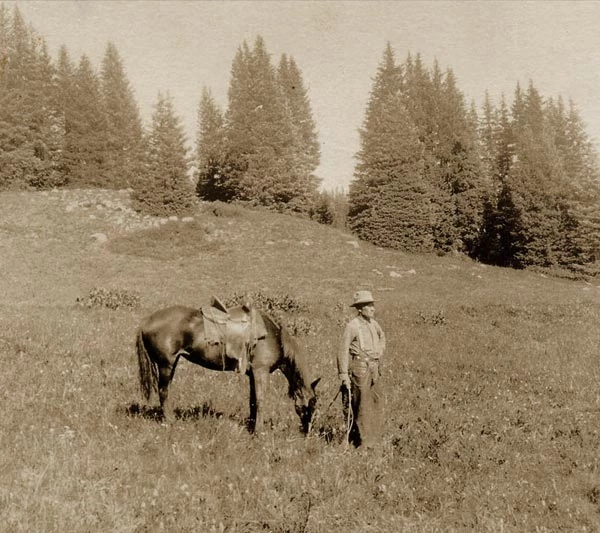
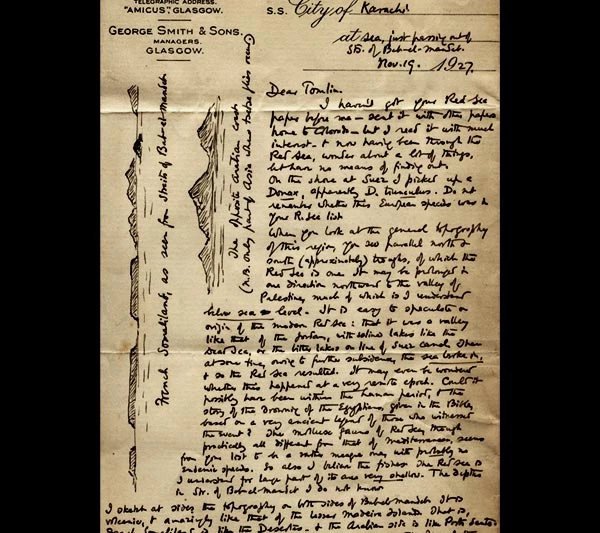
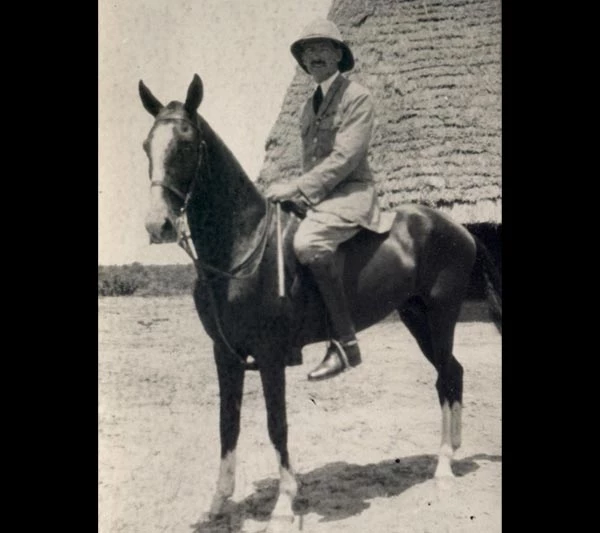
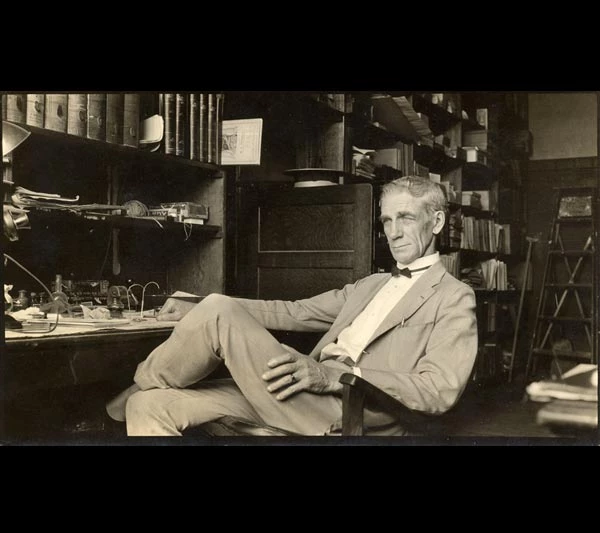
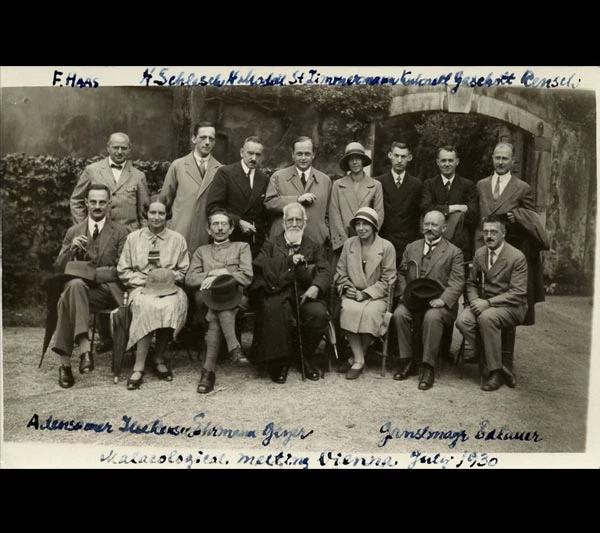
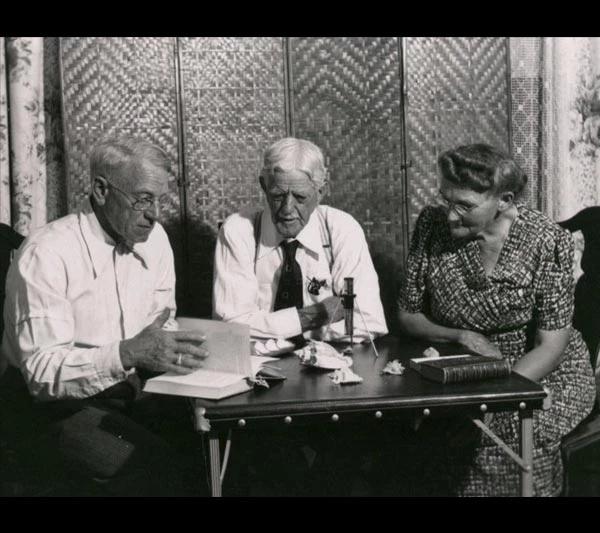
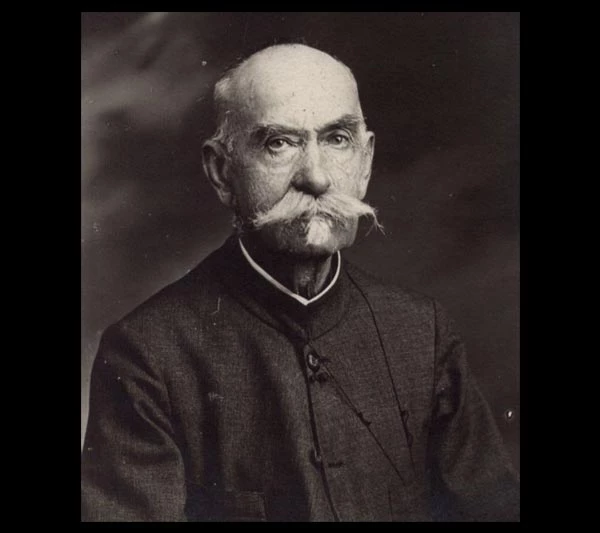
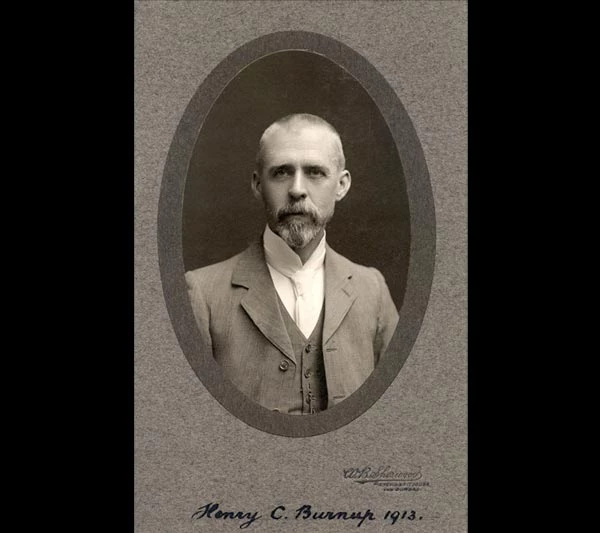
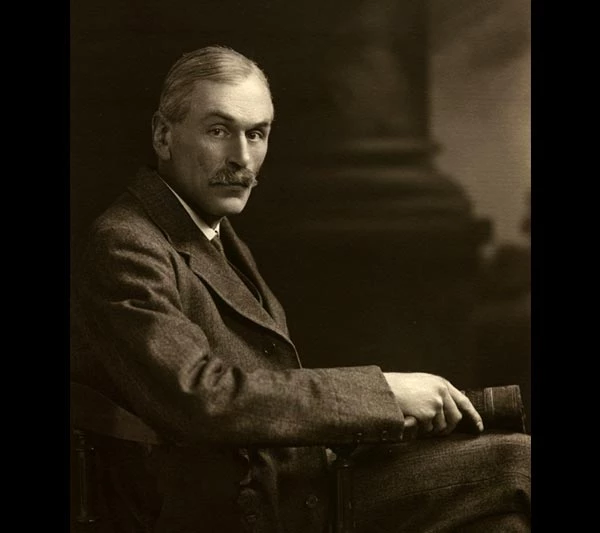
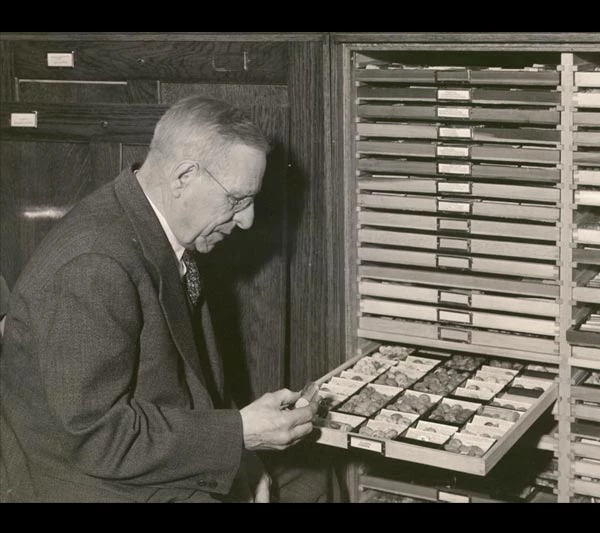
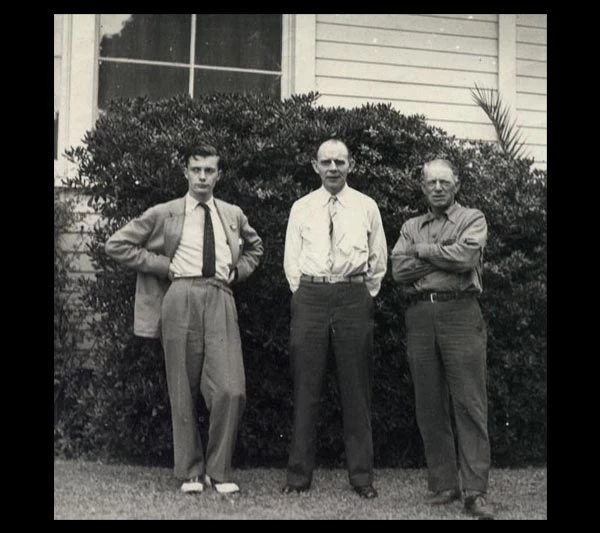
Documenting the Past - The Tomlin archive 15 February 2010 John Read le Brockton Tomlin was one of the most highly respected shell collectors of his time. Amgueddfa Cymru holds both his extensive shell collection and his archive of correspondence. It is an archive not only of scientific history, capturing a bygone era of collecting, but also a personal insight into the lives of some of the most famous shell collectors of the day. The archive is estimated to contain well over a thousand documents dating from the early 1800's through to the mid 1900's. It is a collection of all of the correspondence between Tomlin and his many shell associates around the world. Many interesting discoveries have been made whilst cataloguing this archive. It has brought into focus aspects of the lives of collectors, recounting expeditions and voyages, personal illness and hardship, war, dinner invitations and Christmas cards. A selection of items from the archive have been made available below. Tomlin Archive INTIMATE INSIGHTS: A photograph of the Japanese shell collector, Shintaro Hirase, his wife and six children. INTIMATE INSIGHTS: A letter from Yoichiro Hirase relating how his ill health has led to the closure of his museum in Kyoto, Japan. "I often feel a sever pain in the abdomen and an attack of fever. A complete rest is of the greatest importance to me, and I am, therefore, obliged to be still and lie quietly in bed". INTIMATE INSIGHTS: A Christmas card from William Evens Hoyle, the first director of Amgueddfa Cymru, 1909-1926. INTIMATE INSIGHTS: Seasons greetings and a poem! "Here, direct from a Ceylon friend A Butter-firkin cone I send. 'Tis said to be the largest known, (Well, friend, that's not for me to own) Linnaeus, Martini, Sowerby, Reeve, Might have a bigger up their sleeve. If this should prove the largest size 'Twould be to me a great surprise. Notice its bulk and elevation, ("The finest Betulinus in Creation"). INTIMATE INSIGHTS: Letter from the American shell collector, Joseph Emerson, announcing his retirement. "...Now I am 86 and a half years old and I must say finis to a work which I love and have been engaged in so long. It is too great a tax on my nerves...". INTIMATE INSIGHTS: A dinner invitation "Soused salmon, remnant of lamb and a salad will be ready for you here at six tomorrow". INTIMATE INSIGHTS: An invitation from Reverend Ellerton Alderson to Tomlin, proposing a visit to his house in West Sussex. "The nearest railway station at Goring is practically useless, the train service being, as you justly remark 'putidious' ". COLLECTING IN ADVERSITY / WAR: Postcard from W. Junk, Berlin, 18 April 1933. "Though of Jewish origin, I have not been disturbed". COLLECTING IN ADVERSITY / WAR: A postcard from a German shell collector and dealer Martin Holtz, 1 February 1928. "By the war however my whole existence is destroyed and especially as naturalist, traveller and dealer. In want of means and without support, I am unable to continue my scientifical enterprises". COLLECTING IN ADVERSITY / WAR: A postcard from the Japanese conchologist Yoichiro Hirase, 1 December 1918. "I wish you the merriest of Xmases and the happiest of new Years, with every kind of good fortune, especially on this occasion when the cheerful light of peace has begun to dawn to drive away the gloomy clouds of terrors and horrors, overhanging the whole world for these four and a half years, which have been caused by the Great European War, the most horrible and the most extensive disturbance that has ever been experienced on earth". COLLECTING IN ADVERSITY / WAR: Letter from the American conchologist Walter Eyerdam, 4 August 1935. "My wife and baby girl of 3 and a half years have been in Germany since Christmas. They will soon start for home. My wife seems to be very inspired over the new system as put in force by Adolf Hitler and the revival of progress and national Spirit amongst the Germans. My sincerest wish is that there should never be a rift again between Germany and England...". COLLECTING IN ADVERSITY / WAR: Letter from La Société Guernesiaise, 12 October 1946. "We ate limpets as long as there were any, they were sold in the market for 2/- a small (very small) bowl. The Germans ate them too during the latter part of their stay when their food did not come through after D. Day". COLLECTING IN ADVERSITY / WAR: Letter from the Scottish Oceanographical Laboratory, Edinburgh. 4 February 1918 "Never was any material in my laboratory more inaccessible than it is at present under war conditions. I have no staff (all serving or killed), and it is quite impossible for me to handle the Mollusca you ask me for". COLLECTING IN ADVERSITY / WAR: Letter from the Honorary Secretary of the Biology War Committee, 4 December 1944. "The Biology War Committee has been asked...for information on the dangers of swimming in tropical waters...I should be very grateful if you could give me any information on the distribution of clams or other mollusca which might either catch swimmers or in any way inconvenience them". COLLECTING IN ADVERSITY / WAR: Portrait of Arthur Douglas Bacchus. (Reserve) Household Battalian, Combermere Barracks, Windsor. 17 January 1917 EXPEDITIONS AND HOLIDAYS: Letter from C. Hughes describing his holiday in America, 19 April 1892. "Our American trip was enchanting! We saw all the Chief Eastern towns — went 9000 miles in a special train — saw the Yellowstone Park and the Grand Canyon of the Colorado in Arizona...Rode on horseback 40 miles a day, slept under trees in the forests at night and were out in the thunder and sand storms...The Grand Canyon was beyond words...". EXPEDITIONS AND HOLIDAYS: An American conchologist, Junius Henderson, collecting molluscs in Colorado. "A sort of a conchologist in 'cowboy' leather 'chaps' collecting molluska on Grand Mesa, Colorado at an altitude of 10000 ft. 1923...". EXPEDITIONS AND HOLIDAYS: Letter from the Australian conchologist, Charles Hedley recounting a long holiday in Africa. 11 April 1925 "I wondered leisurely through the Great Rift Valley, one of the geological wonders of the world, down to Nairobi. After wasting a week trying to buy a giraffe for the Sydney Zoo, I moved on to Kilimanjaro". EXPEDITIONS AND HOLIDAYS: Continuation of letter from Theodore Dru Alison Cockerell, 19 November 1927. "We left the boat at Port Said and went to Cairo and saw Pyramids and Sphinx. The things in Museum at Cairo are more splendid than the published pictures could reveal...We had about 8 hours at Naples — saw the Zoological Station and went to Pompei". EXPEDITIONS AND HOLIDAYS: Letter written at sea by Theodore Dru Alison Cockerell. 'Just passing out of Bab-el-Mandeb' [a strait located between Yemen, Djibouti and Eritrea], 19 November 1927 "I sketch at sides the topography on both sides of Bab-el-Mandeb. It is volcanic and amazingly like that of the lesser Madeira Islands. That is French Somaliland is like the Desertas and the Arabian side is like Porto Santo". EXPEDITIONS AND HOLIDAYS: Anthony Arkell — Sudan (c. 1925) COLLECTORS AND COLLECTING: "Just me in one of my dreams". Thompson van Hyning - Florida State Museum, 27 April 1925. COLLECTORS AND COLLECTING: Photograph of a meeting in Vienna, July 1930. COLLECTORS AND COLLECTING: The collectors Phillipe Dautzenberg, Charles Hedley and Henri Fischer - Paris, October 1912. COLLECTORS AND COLLECTING: The collectors Emery and Elsie Chace and Daniel Emery - St Petersburg, Florida. COLLECTORS AND COLLECTING: The French collector Eugène Caziot, 1923. COLLECTORS AND COLLECTING: John Wesley Carr from the Natural History Museum, Nottingham. COLLECTORS AND COLLECTING: Amateur conchologist, Henry Burnup who settled in South Africa in 1894. COLLECTORS AND COLLECTING: The British collector Arthur Edwin Boycott, 1925. COLLECTORS AND COLLECTING: The American collector Frank Collins Baker in his collection. COLLECTORS AND COLLECTING: Collectors Robert Tucker Abbott, Bill Clench and Emery Chace - San Pedro, 1940.
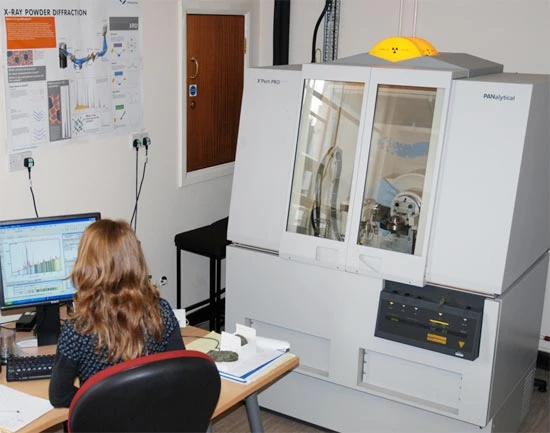
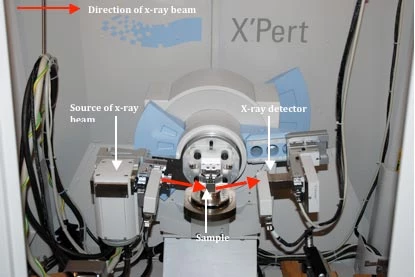
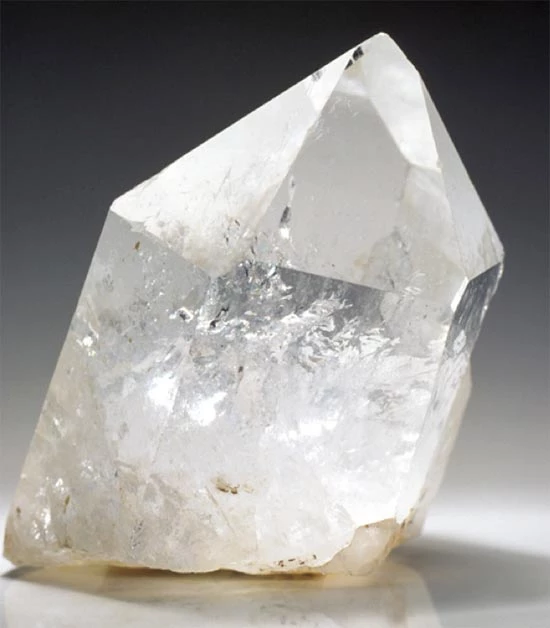
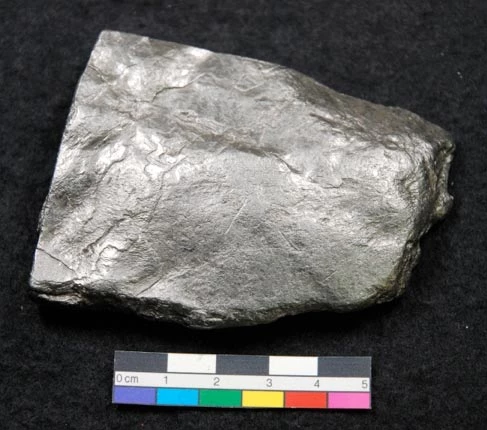
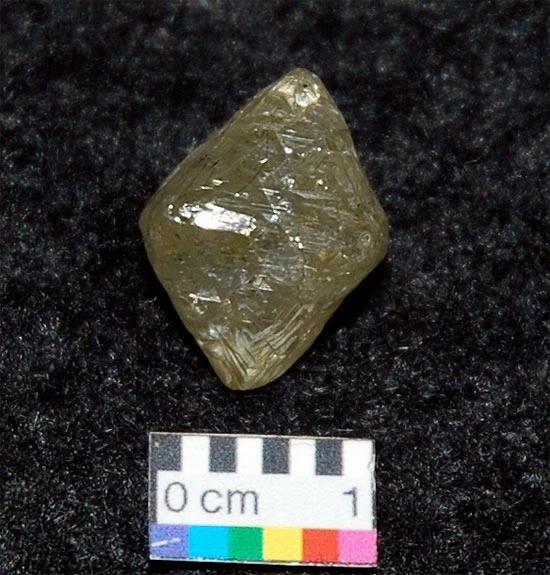
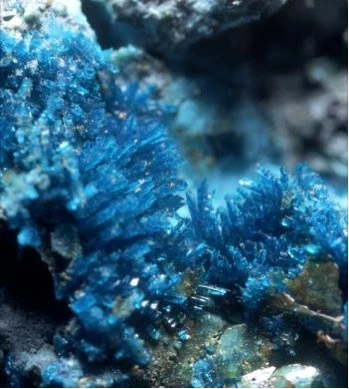
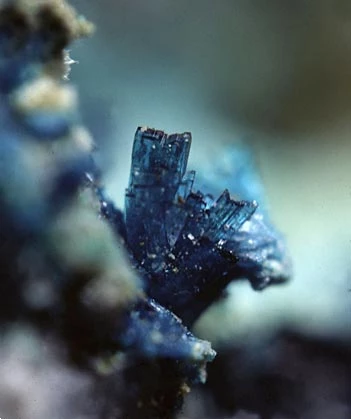
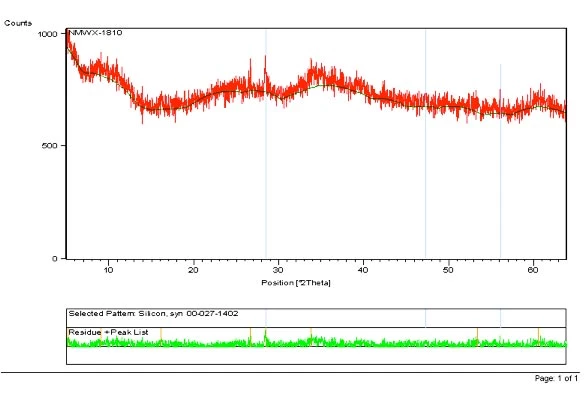
Mineral identification at Amgueddfa Cymru Amanda Valentine & Jana Horak, 7 December 2009 The X-Ray diffraction machine at the Museum Passing of an X-ray beam through a rock sample from the source to the detector Quartz crystal Graphite Diamond Langite wroewolfeite One of the activities of the Geology Department at Amgueddfa Cymru is to document all the minerals known in Wales. Minerals can be identified visually, but for a more definitive confirmation a process known as X-ray diffraction analysis (XRD) is used. This technique allows natural minerals and man-made crystalline materials to be 'fingerprinted' and compared to a database of known samples. X-ray diffraction analysis Most minerals are crystalline, which means they are made up of a regular framework of atoms creating a unique 'crystal lattice'. When X-rays are passed through a mineral, the atoms cause the X-rays to be diffracted, or bent, into many directions. The resulting X-ray pattern can then be recorded to produce a 'fingerprint'. Because no two minerals have exactly the same arrangement of atoms, their 'fingerprints' (or lattices diffraction patterns) are unique. These patterns can therefore be used to identify the mineral. To analyse a mineral by XRD a small sample, usually ground into a powder, is bombarded with X-rays. The data is recorded as a graph, called a diffractogram, which is a convenient form for viewing the result. To identify the mineral, the result is compared with a database of patterns from thousands of known minerals. An X-ray pattern of quartz showing its unique pattern Identical looking minerals Visual identification is still important, as it is possible for two different mineral species to have the same chemical composition but look very different. For example, diamond and graphite (both pure carbon) have the same chemical composition, but are clearly different not only in appearance but also in hardness and crystal form. On the other hand, langite and wroewolfeite are two chemically identical copper minerals that both form blue needles and are consequently difficult to tell apart visually. But because they have different crystal structures and therefore produce different diffraction patterns, XRD provides a quick and reliable method for distinguishing between them. Some minerals don't have a regular crystal structure and therefore don't produce diffraction patterns. Known as 'Amorphous minerals', they cannot be identified by XRD. A diffractogram pattern of an amorphous sample with no identifiable peaks The application of XRD The technique is widely used in geology and also in a range of related disciplines. For example, it is used to identify minerals in artists' pigments and the composition of corrosion on archaeological artefacts. Conservators can then devise the appropriate treatment for museum specimens.
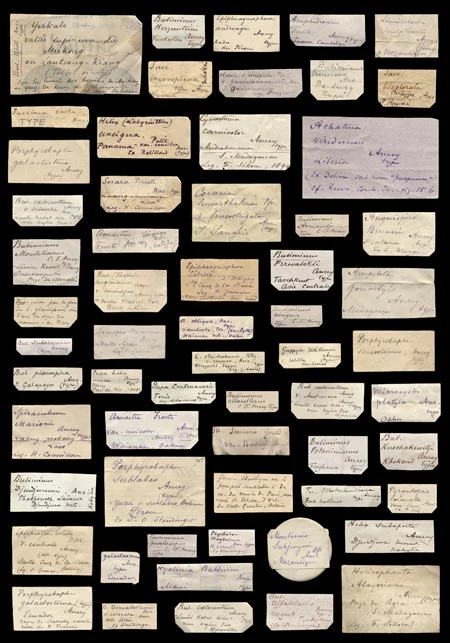
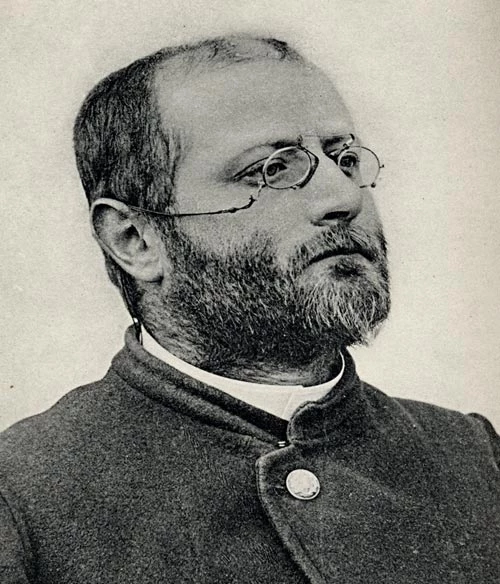
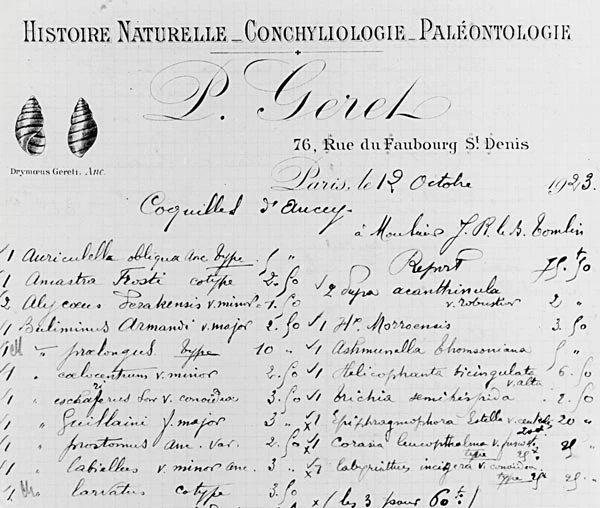
A great shell collector's work is finally brought together Harriet Wood and Jennifer Gallichan, 9 November 2009 A specimen plate from the The New Molluscan Names of César-Marie-Felix Ancey Amgueddfa Cymru’s mollusc collections are of international significance, and contain hundreds of thousands of specimens. In 2008 the definitive book on the work of the great collector César-Marie-Felix Ancey (1860–1906) was produced. César-Marie-Felix Ancey named many land and freshwater species new to science. A portion of his collection came to Amgueddfa Cymru in 1955, as part of the Melvill-Tomlin collection. Museum staff have been researching Ancey’s collection, held in museums across the world, since 2004 and have now produced the most up-to-date and comprehensive list ever of his new scientific names and publications. It forms a reference tool for specialists and researchers worldwide. Examples of Ancey’s handwritten collection labels César-Marie-Felix Ancey (1860–1906) Geret’s sales list, selling some of Ancey’s collection to Tomlin César-Marie-Felix Ancey César-Marie-Felix Ancey was one of the great Victorian collectors and made a huge contribution to science in his short life. Born in Marseille, France, on 15 November 1860, he showed a keen interest in natural history from an early age. He created his own collection of shells and later wrote and published many papers on conchology. Aged 23 he was appointed conservator of the Oberthur entomological collections at Rennes, France. He later returned to Marseille to study law, literature and science, and successfully obtained his diploma in 1885. Two years later he entered the government in Algeria. After 13 years hard work he was promoted to acting administrator at Mascara in Western Algeria. All his mollusc studies were done in his spare time. Specimens from across the globe Ancey’s main interest was in small land snails. Through exchange and purchase he collected specimens from all over the world. The Pacific and Asia are particularly strong in his collection, but it also covers Europe, North and South America and Africa. It was Ancey’s great desire to make a scientific journey to the Cape Verde Islands or South America, but sadly this dream was never realised as Ancey died of a fever at the young age of 46. The collection gets split up After Ancey’s death his entire collection went to Paul Geret, a shell dealer, who sold it on in 1919 and 1923. It was at this point that the collection was split up — the great private collectors of the time, Tomlin, Dautzenberg and Connolly among others, all competed for a part of it. A majority of Ancey’s specimens are now held at Amgueddfa Cymru (Cardiff: Melvill-Tomlin collection), the Royal Belgian Institute of Natural Sciences (Brussels: Dautzenberg collection), Muséum National d’Histoire Naturelle (Paris), Bernice P. Bishop Museum (Honolulu) and the Natural History Museum (London: Connolly collection). A tribute to Ancey’s achievements In 1908 a list of his mollusc publications was produced, shortly followed by a separate list of the scientific names he had published. These two publications indicated that Ancey had described some 550 scientific names in over 140 papers. The problem was that neither of these lists were complete, and this has caused difficulty to researchers in this field of science ever since. Staff at Amgueddfa Cymru have now located all of Ancey’s papers to form a comprehensive bibliography listing 176 publications and within these we have identified 756 new scientific names. From trawling the Melvill-Tomlin collection we know that nearly 300 of these names are represented in our collection of Ancey specimens and that we hold type specimens of 155 of these. The result of this research is The New Molluscan Names of César-Marie-Felix Ancey, the most complete access to Ancey’s work that has ever been available. Now the true extent of Ancey’s contribution to science and conchology can be revealed, helping to make his collection more accessible to the scientific community worldwide.
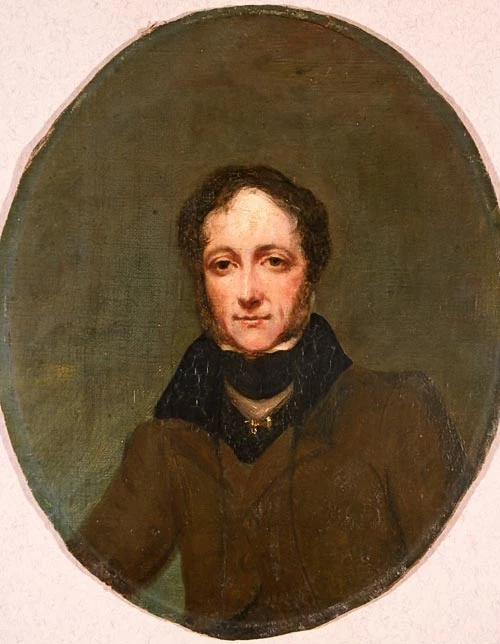
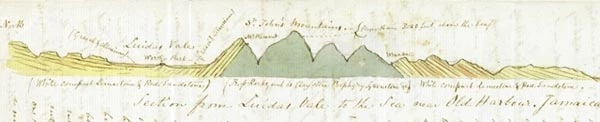
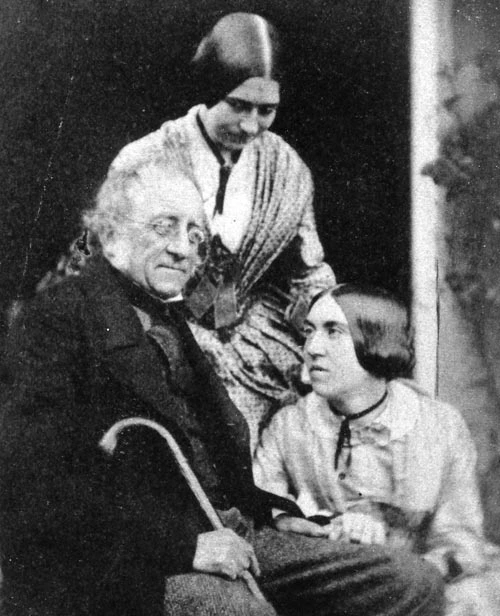
The De la Beche archive at Amgueddfa Cymru Tom Sharpe, 20 April 2009 Sir Henry Thomas De la Beche (1796-1855) The first geological map of Jamaica Duria Antiquior - A more Ancient Dorset. A watercolour painted in 1830 by Henry De la Beche. This was the first portrayal of a fossil environment in its entirety, showing the interactions of the various elements of the fossil fauna and flora, in particular the large marine reptiles of the early Jurassic Period. De la Beche and his daughters in Swansea, 1853 The Department of Geology at Amgueddfa Cymru houses one of the most important geological archives in the world. It contains over 2,000 items - letters, diaries, journals, sketches and photographs - of one of the leading geologists of the early 19th century, Sir Henry Thomas De la Beche (1796-1855). During the first half of the 19th century De la Beche played an important role in the new science of geology. In addition to his own scientific contributions, he established geology as a profession and founded several of Britain's major geological institutions, including the British Geological Survey the Museum of Practical Geology (later the Geological Museum and now part of the Natural History Museum in London) the School of Mines (now part of Imperial College London) and the Mining Record Office (now part of the Coal Authority). De la Beche was born in London and brought up in Devon and in Lyme Regis in Dorset, where he developed an interest in geology through his friendship with a local fossil collector, Mary Anning (1799-1847). Jamaica His family wealth came from slavery, and a sugar plantation in Jamaica, and in 1823-4 he spent 12 months on the estate. He toured the island, examining its rock outcrops. On his return to England he published the first description of the geology of Jamaica and its first geological map. De la Beche is regarded as the 'Father of Jamaican geology'. De la Beche began mapping the rocks of Devon in the early 1830s. However unrest in Jamaica, related to the abolition of slavery and the collapse of the sugar market, left him in financial difficulties and unable to continue his work. He wrote to the Board of Ordnance offering to complete the geological mapping of Devon for the Government for £300. His application was successful and he was appointed Geologist to the Ordnance Trigonometrical Survey. Founding the British Geological Survey Once the Devon work was completed, he successfully applied to continue with the geological mapping of Cornwall, and in 1835 the Ordnance Geological Survey was established. From this grew today's British Geological Survey. When most geologists were clerics or interested amateurs of private means, De la Beche was one of the first professionals. In 1837, De la Beche moved his Geological Survey to Swansea, recognising the economic importance of the Welsh coalfield. He soon became involved in the local scientific scene as a member of the Swansea Philosophical and Literary Institution and a friend of the Swansea naturalist Lewis Weston Dillwyn. De la Beche was accompanied by his 18-year-old daughter Elizabeth (Bessie). She soon got to know one of Dillwyn's sons, Lewis Llewelyn Dillwyn , and they married in August 1838. It is from their descendants that the Museum acquired the bulk of the De la Beche archive in the 1930s. Spectacular fossils discovered The papers contain a wealth of information about the developing science of geology in the first half of the 19th century. The names of the geological timescale (Cambrian, Ordovician and so on) that we now take so much for granted were being proposed and argued over, new and spectacular fossils were being discovered and evidence of the Ice Age was being recognised for the first time. De la Beche himself worked on the first descriptions of the large fossil marine reptiles, the ichthyosaurs and the plesiosaurs, and there is much in the papers on the formation of the Geological Survey and the other organizations he established. Darwin writes to De la Beche De la Beche corresponded with the leading geologists of the day and, with his experience of Jamaica, was often called on for advice relating to that island. One letter of 1842 in the collection quizzes him about the colours of horses, cattle and other animals bred for a number of generations on the island, and how they had changed. The author was Charles Darwin, at that time formulating his theory of evolution. De la Beche was a skilled draughtsman and this is evident in the archive, for in addition to faithful landscape views, fossil illustrations and geological cross-sections, he sketched many caricatures and cartoons. Through these he would comment on developments in the science, or on his activities and those of his contemporaries. The archive is an important resource for the history of geology and is frequently consulted by researchers from Britain and abroad - to arrange a visit, please contact us . Editor's note: this article was amended on 28/06/17 to remove a reference to de la Beche being a "fair slave-owner".
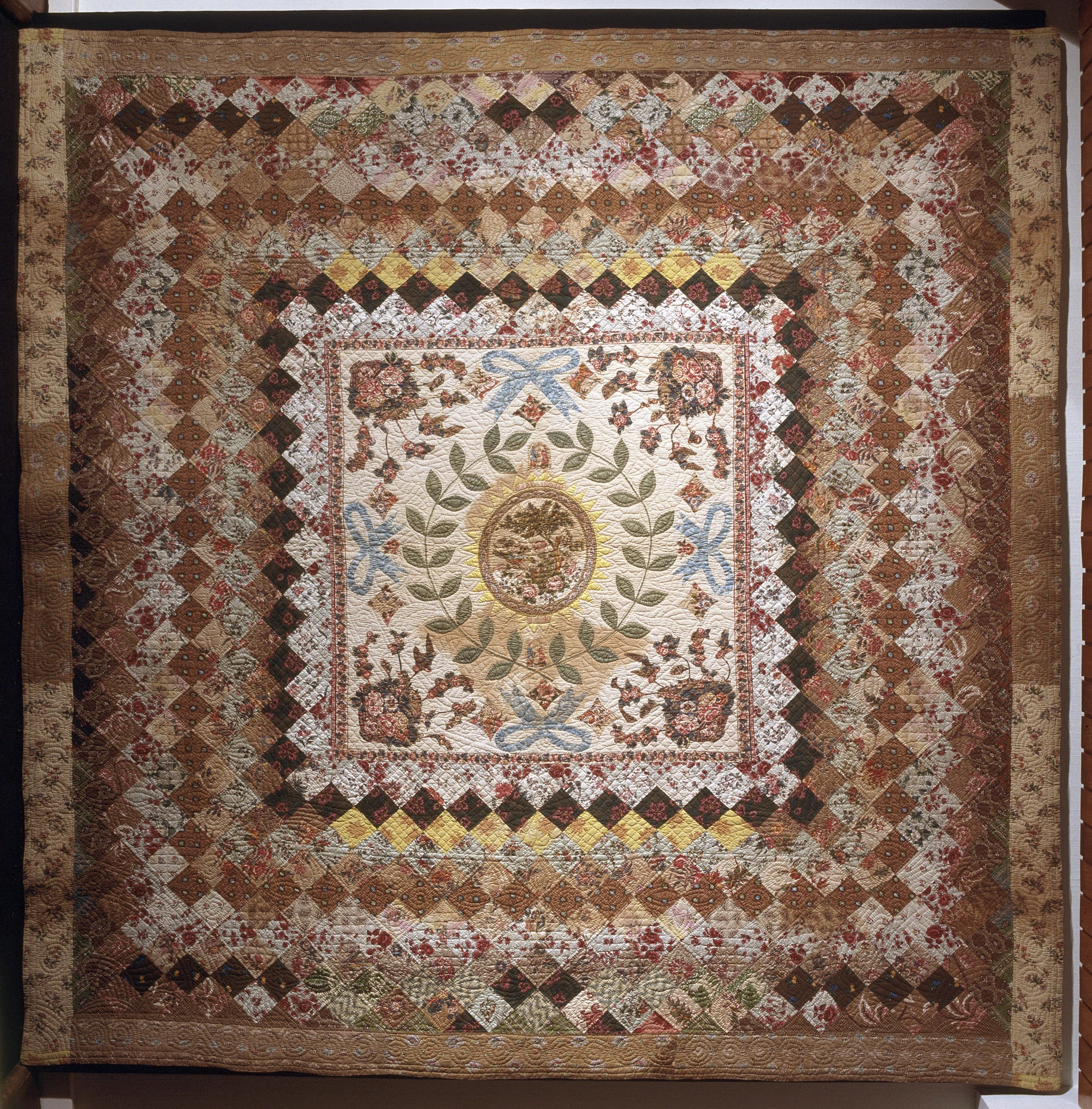
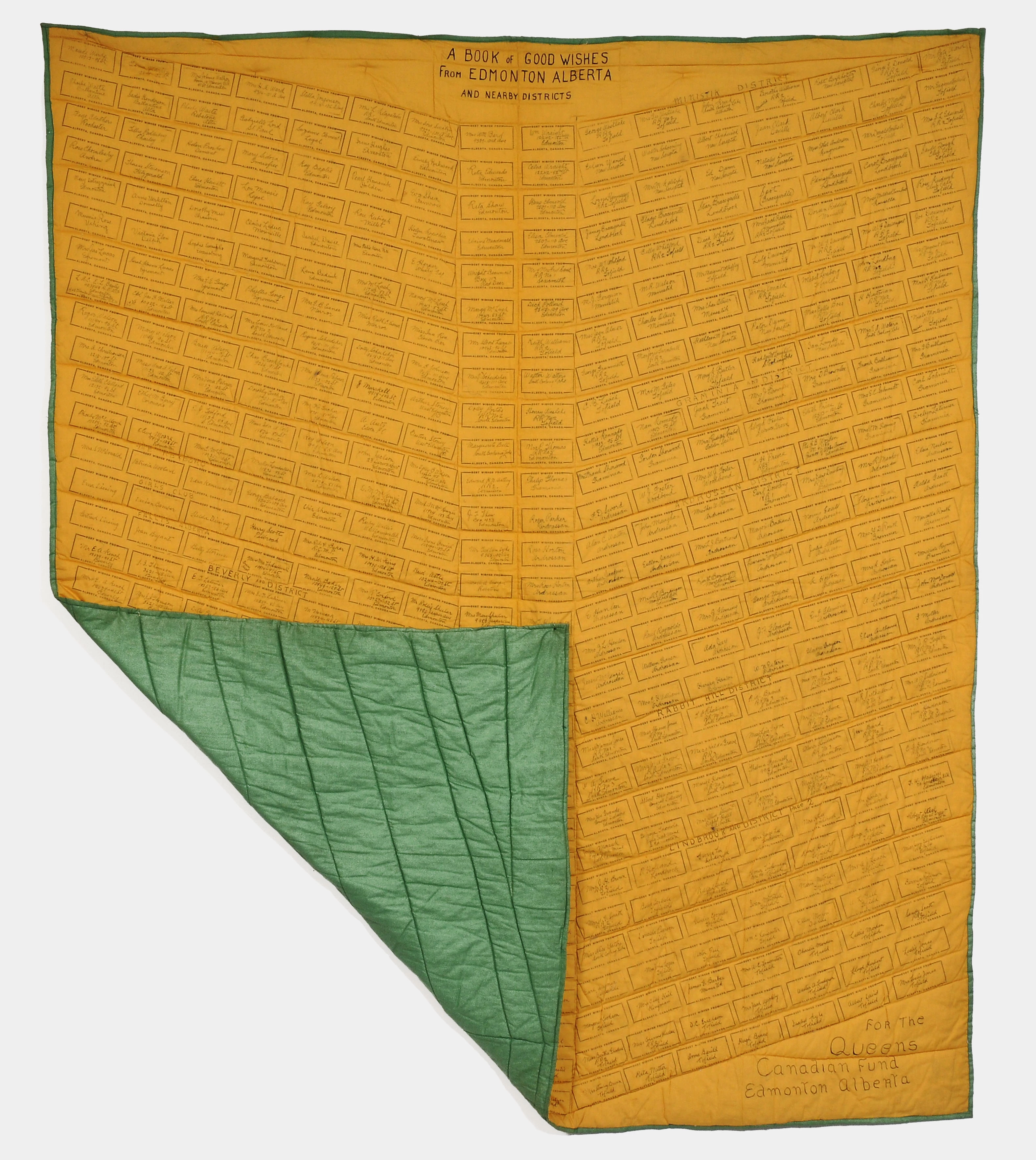
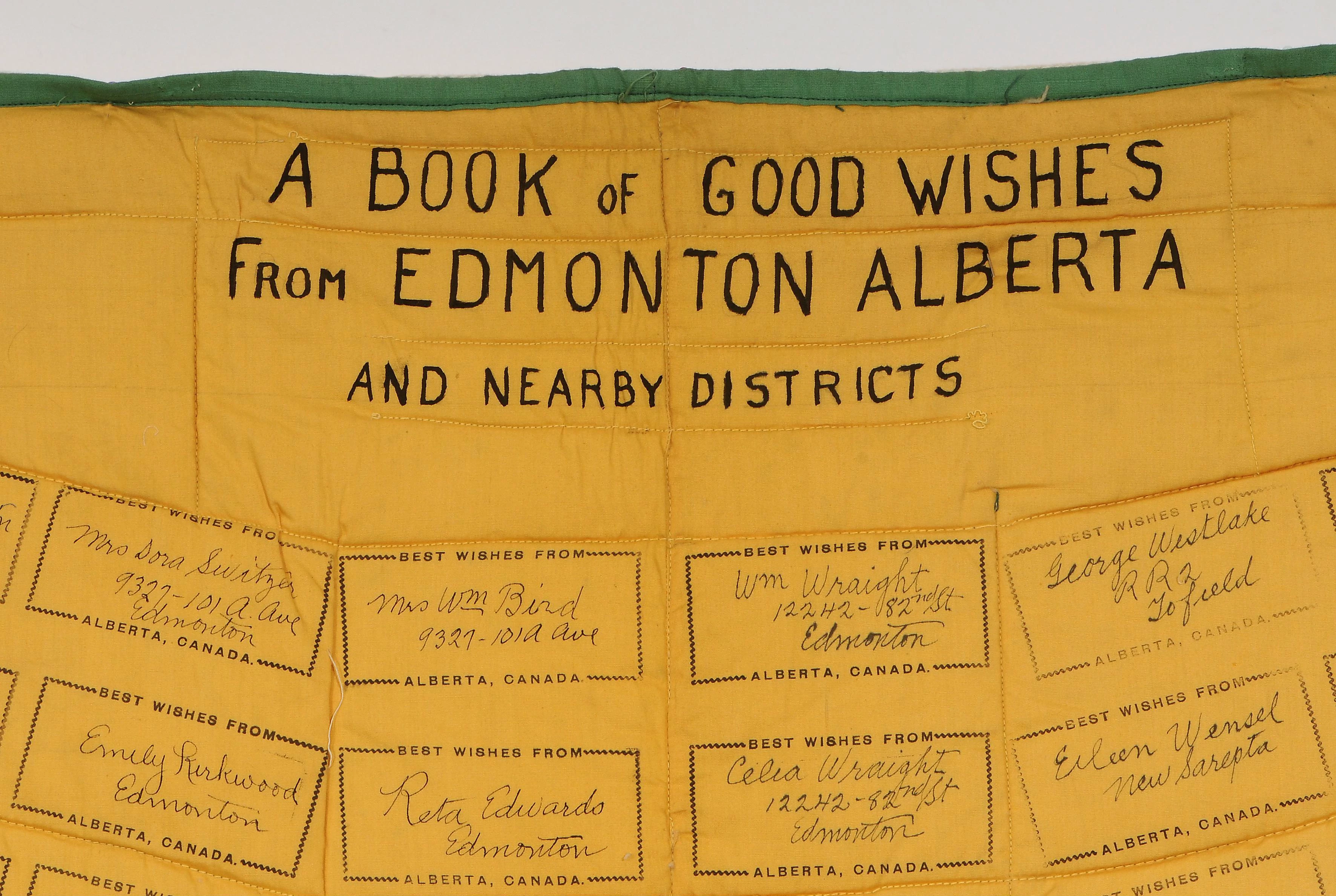
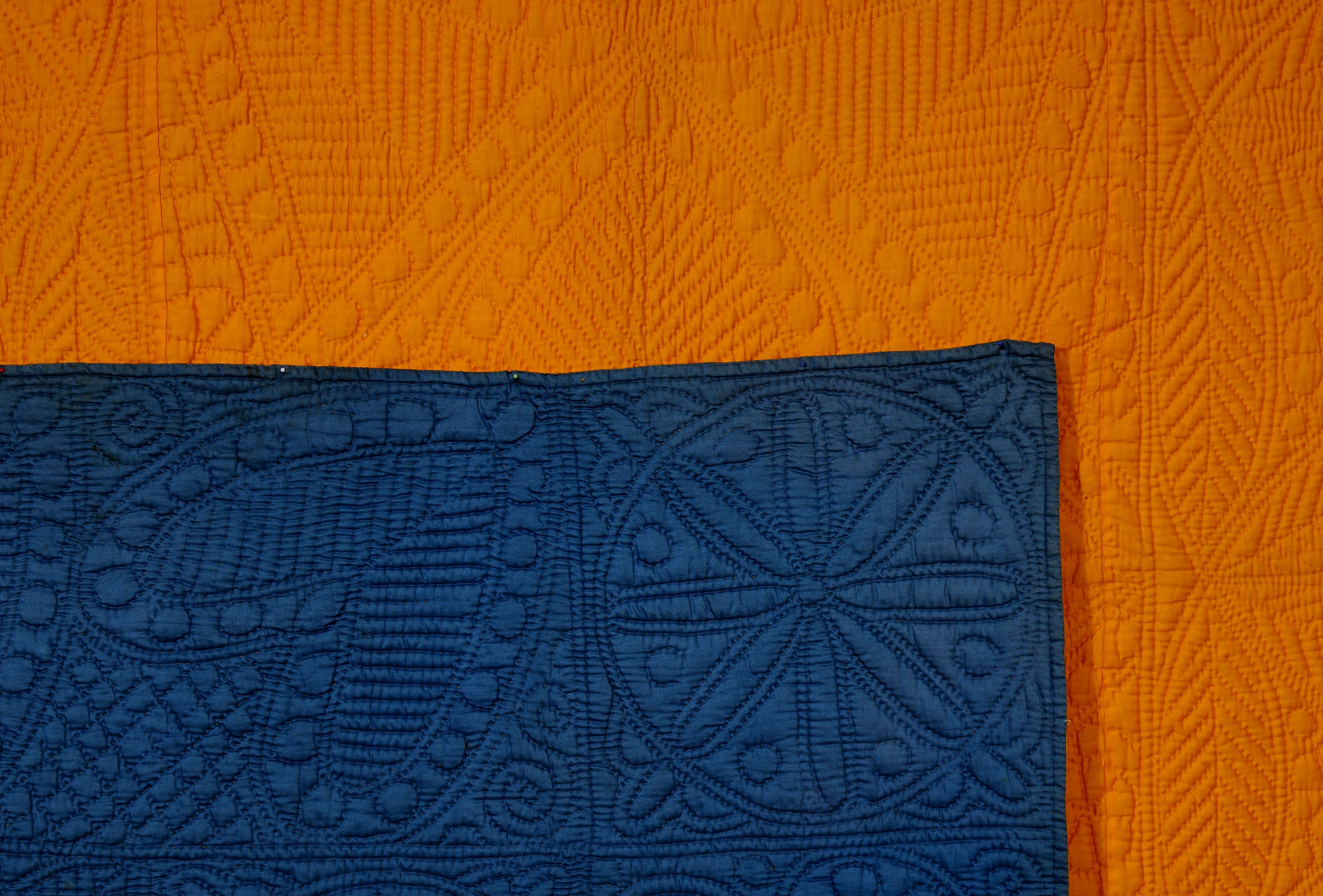
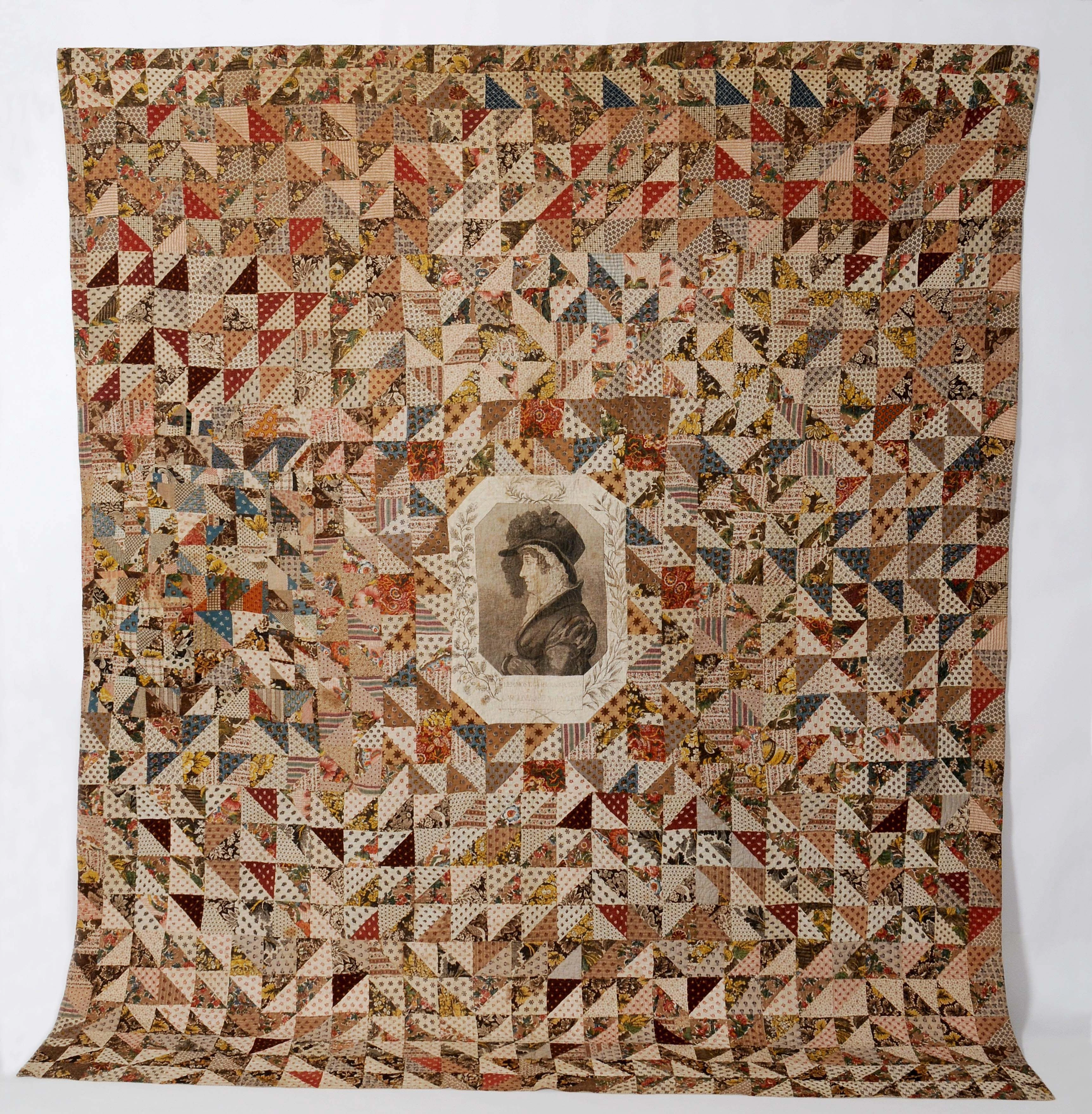
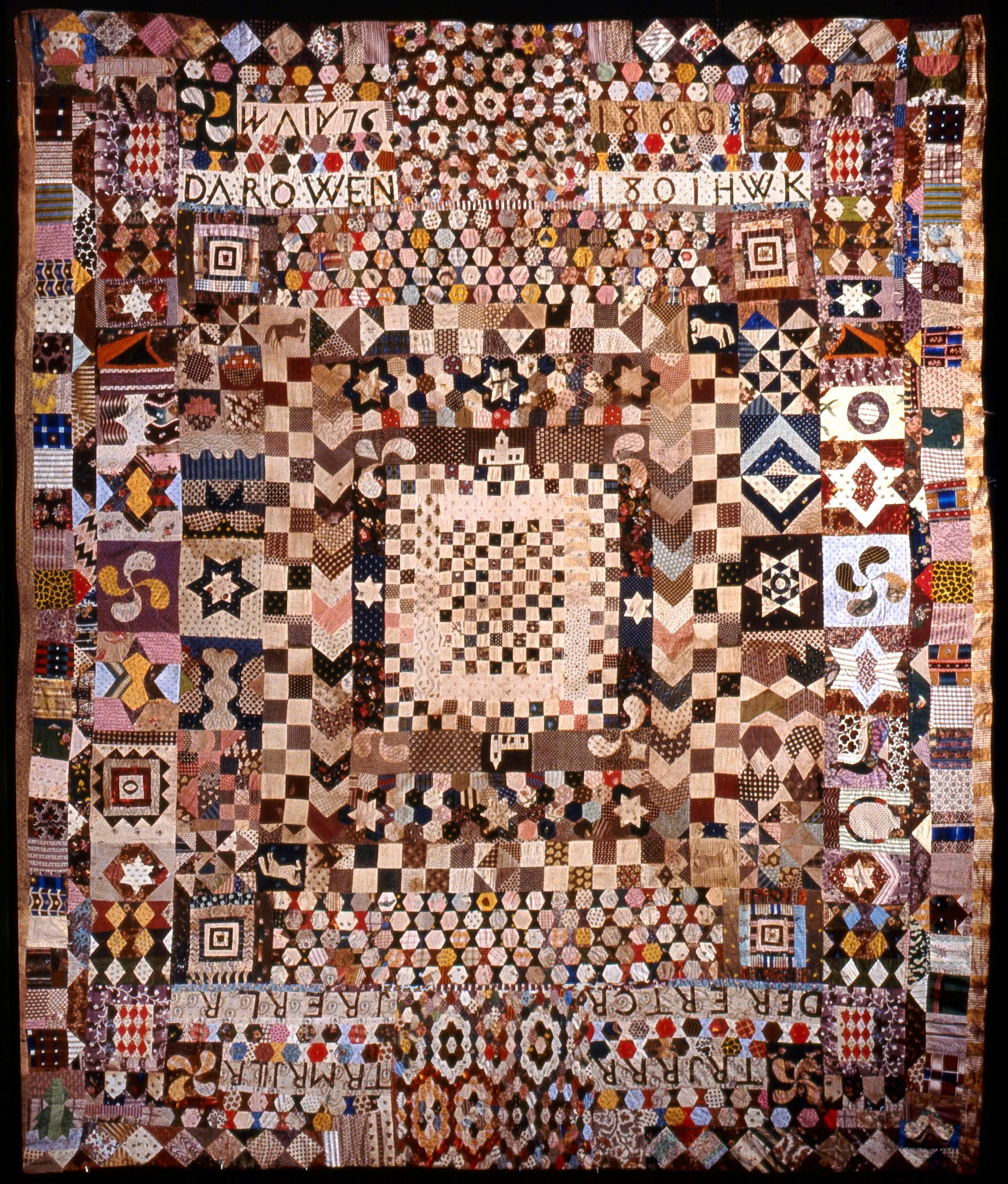
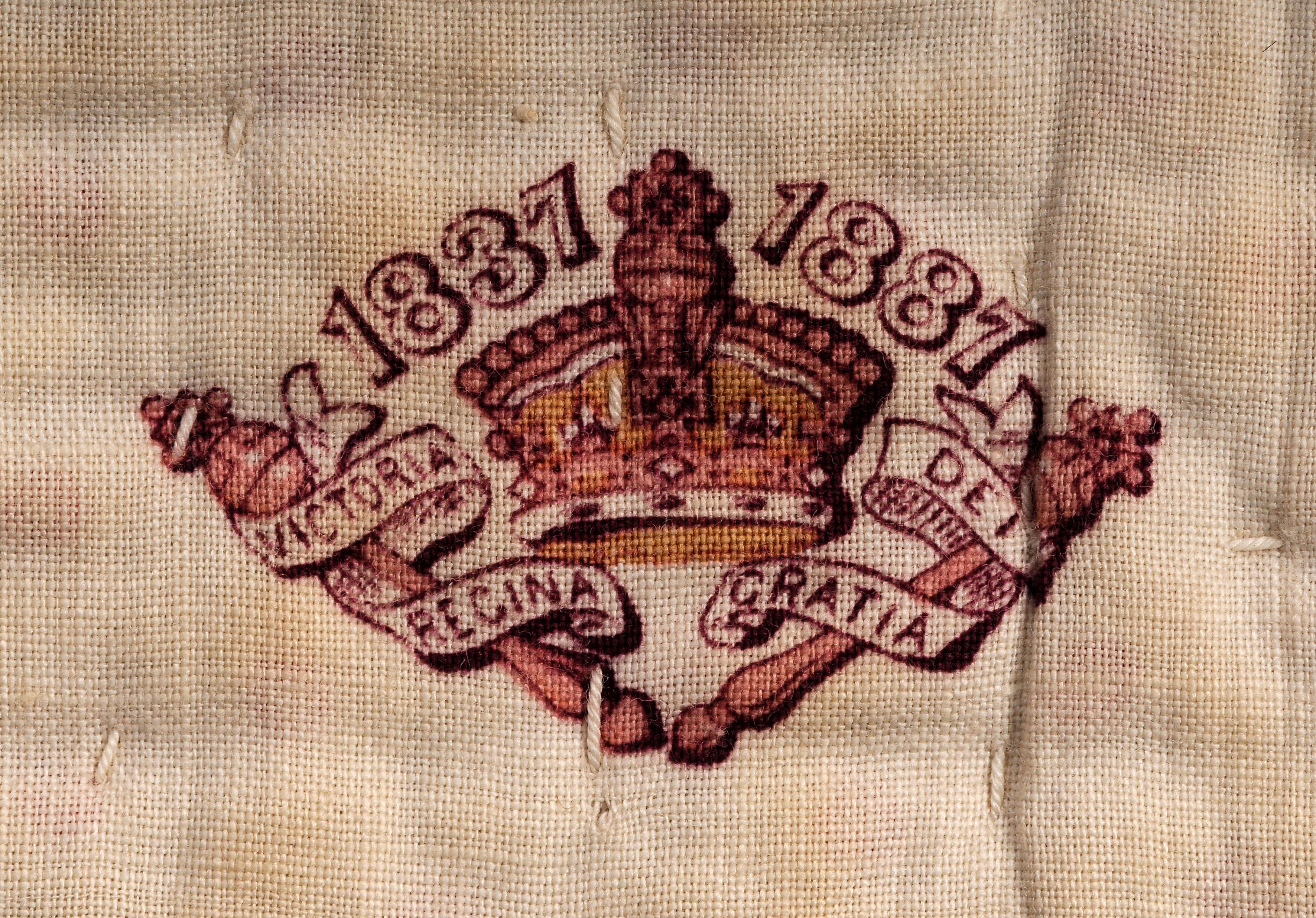
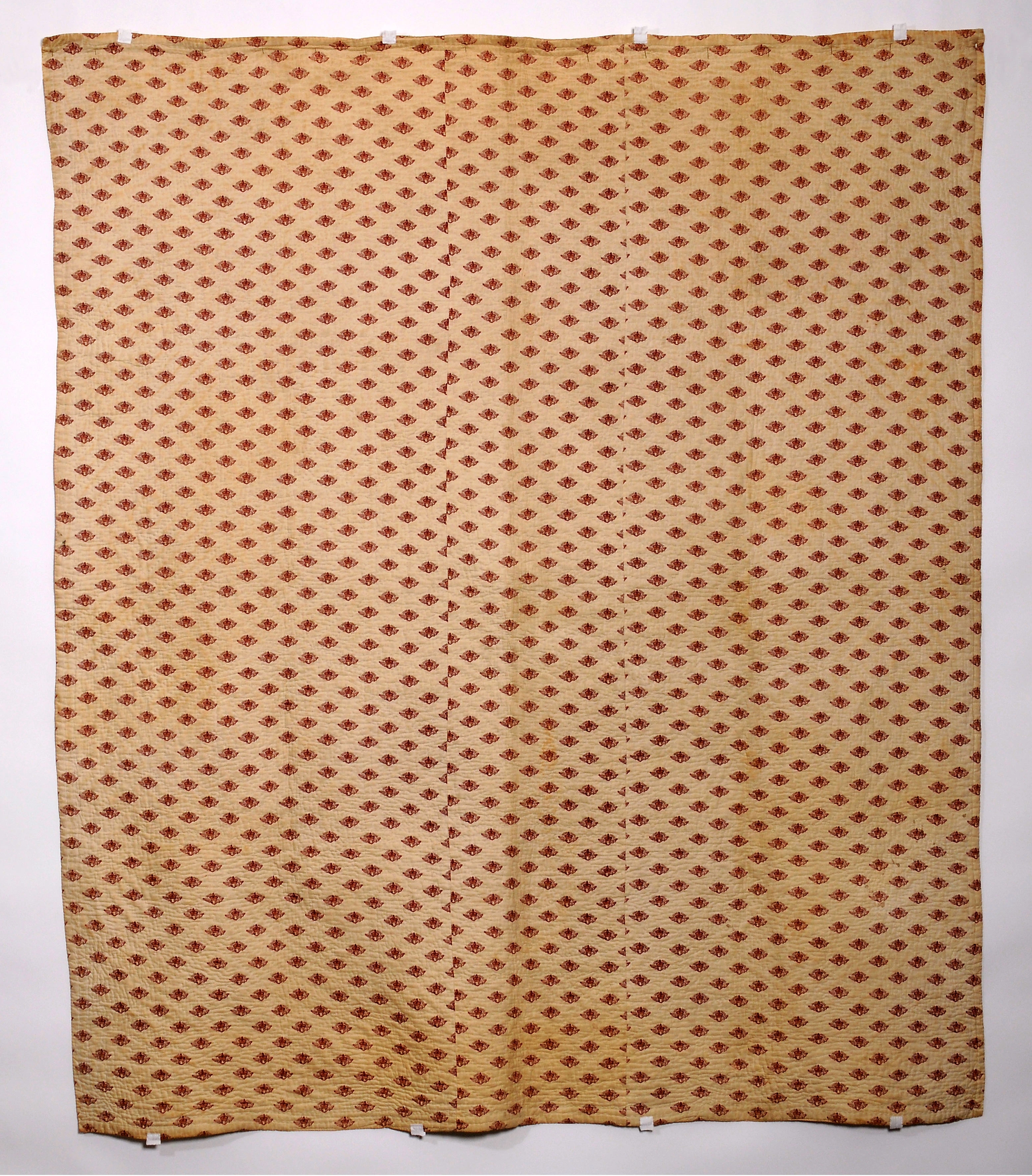
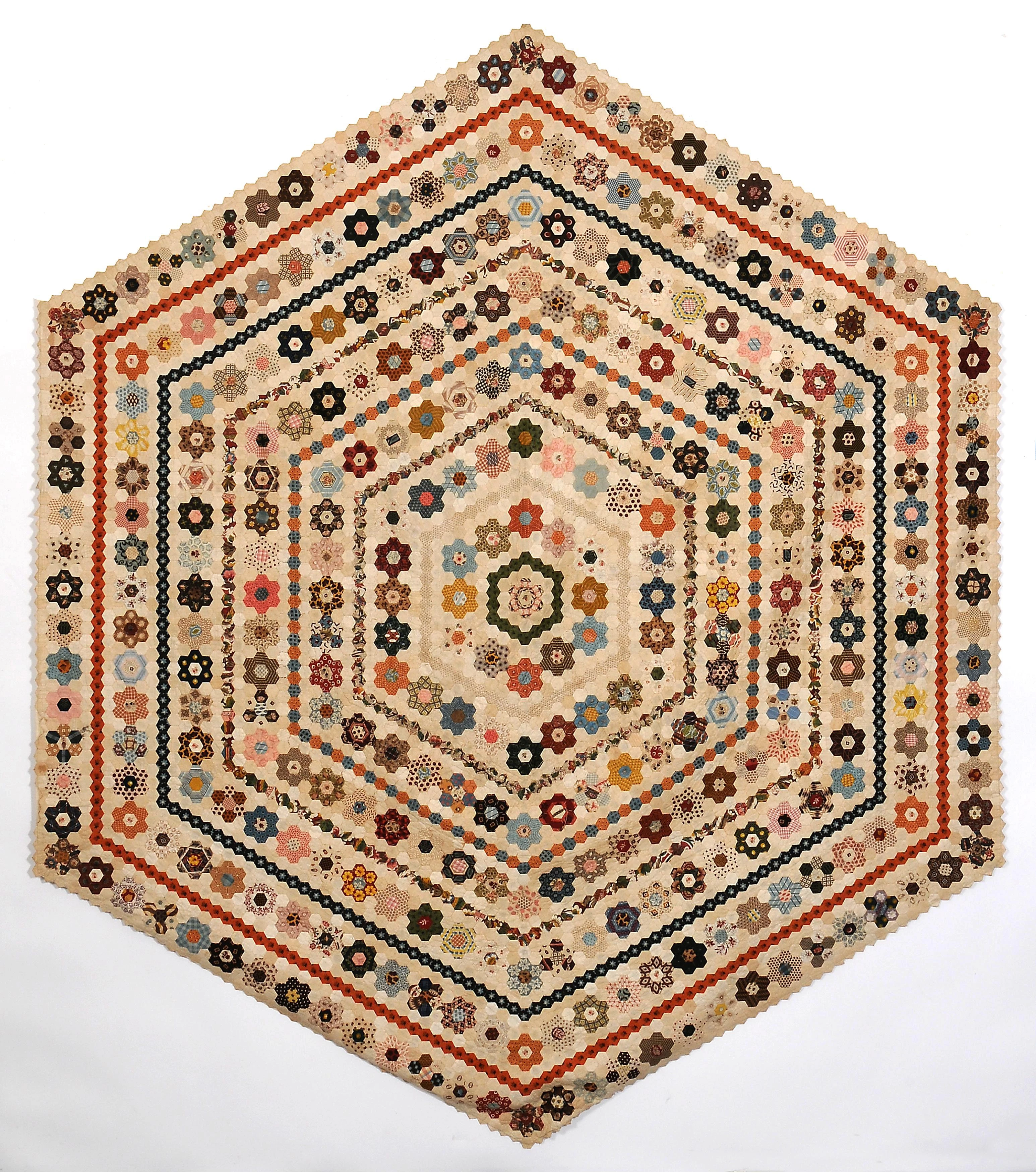
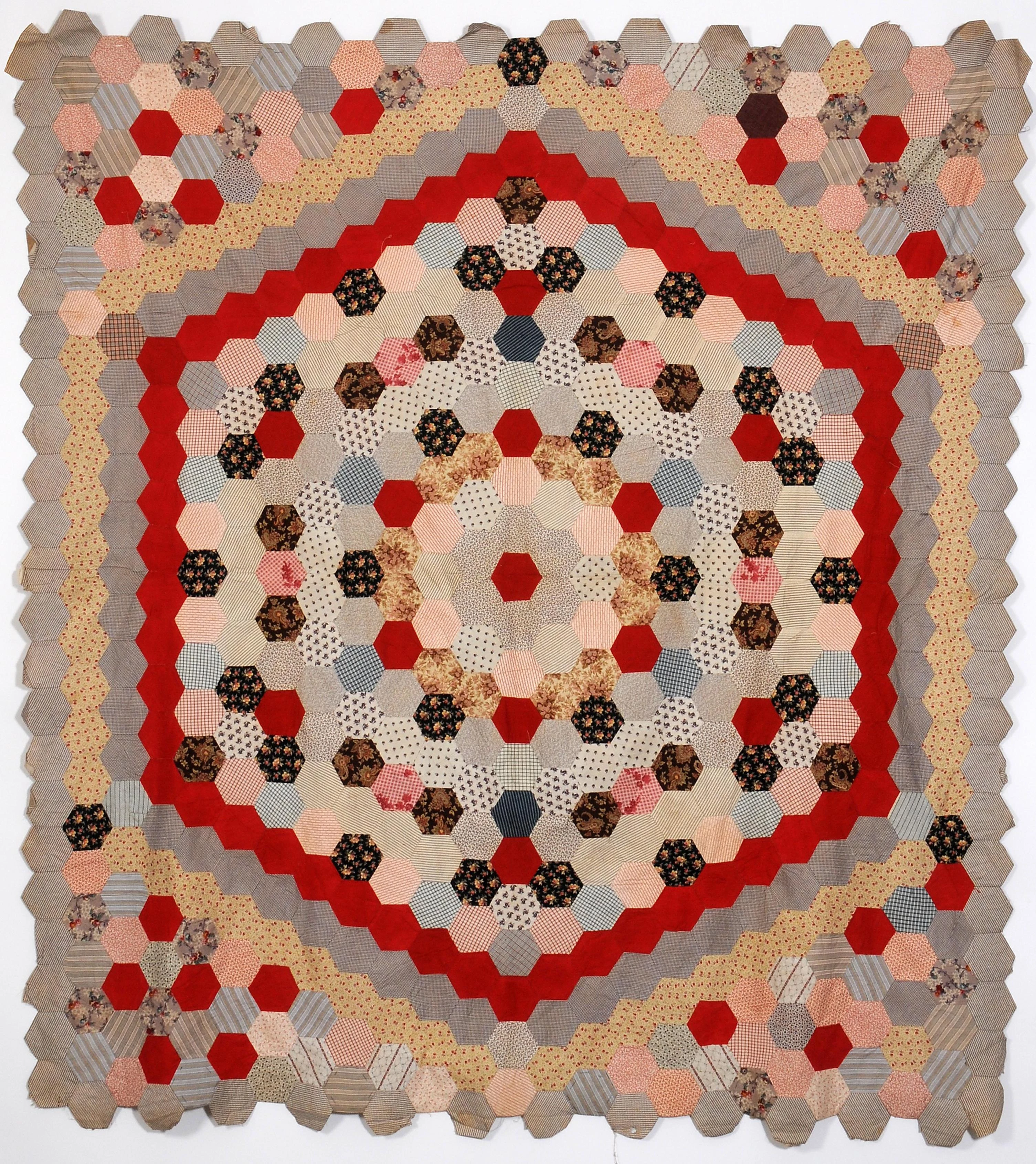
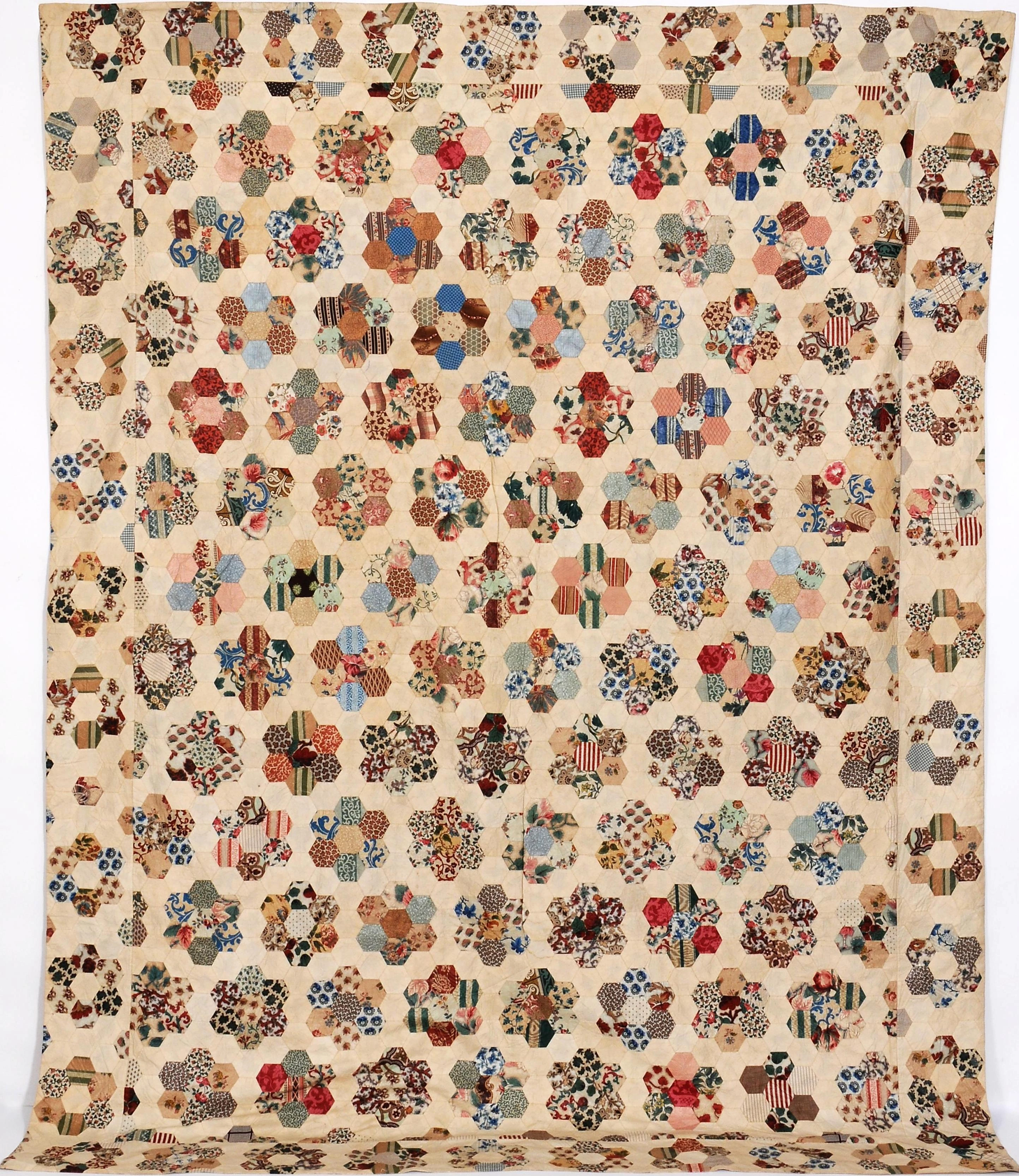
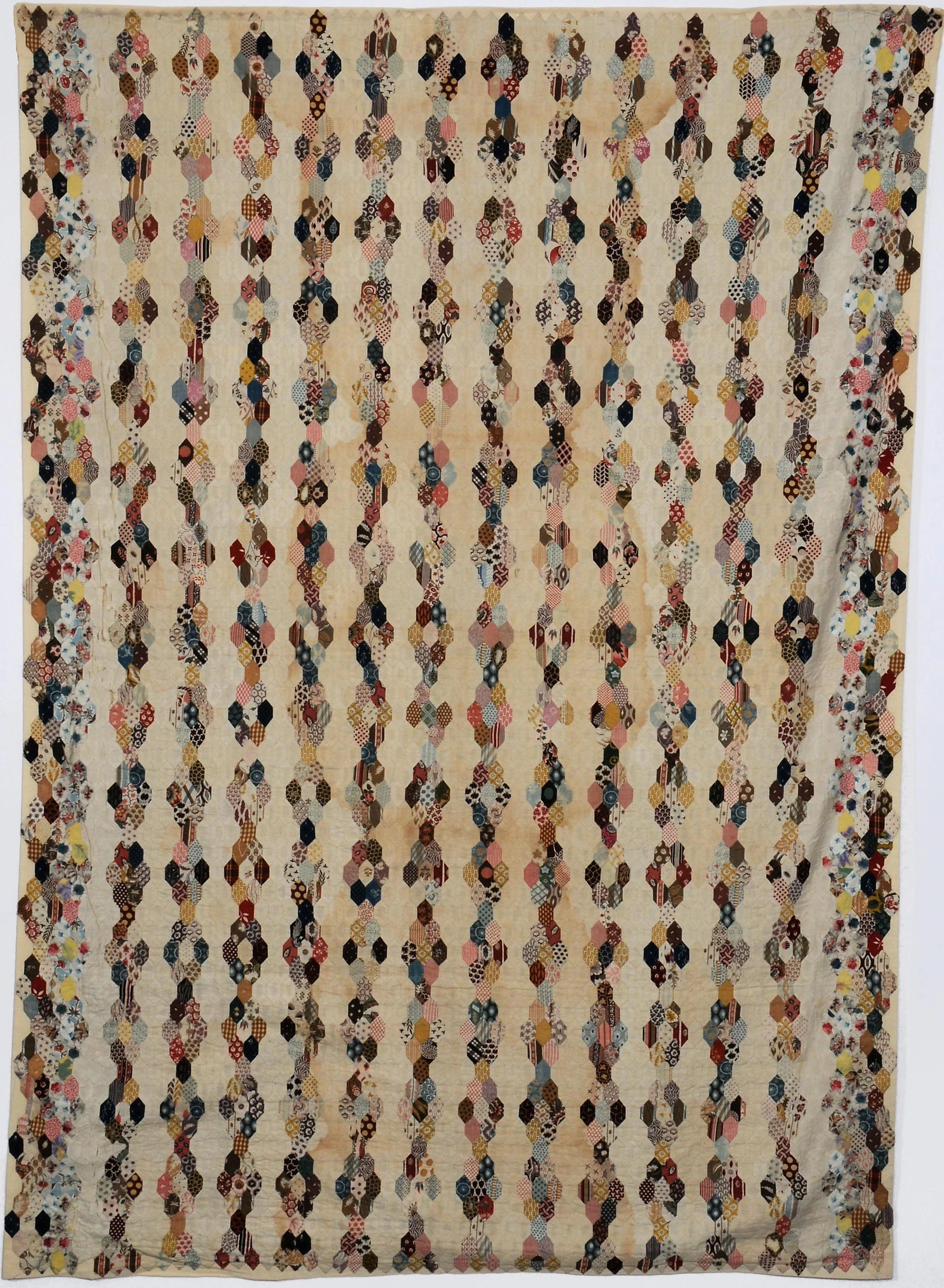
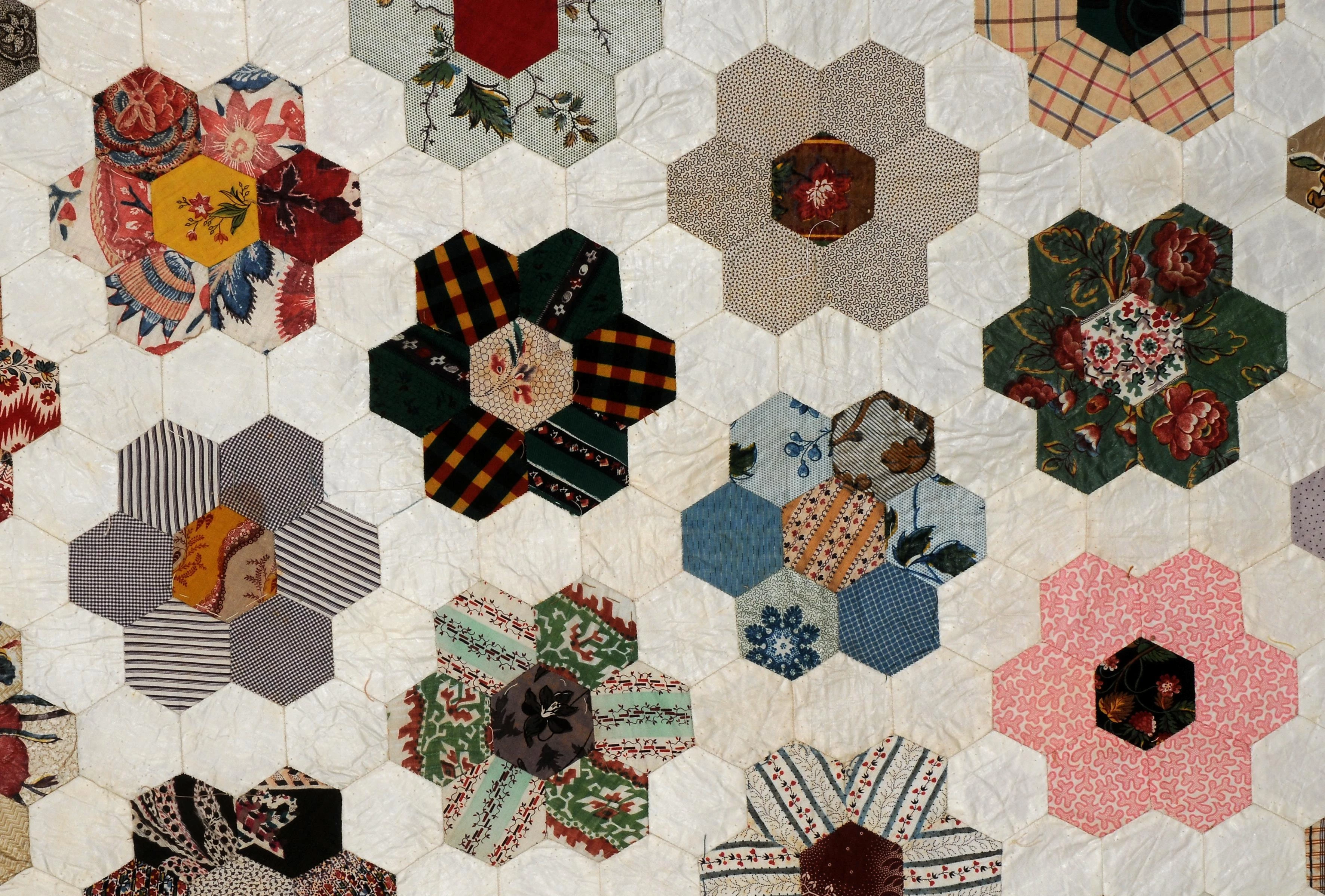
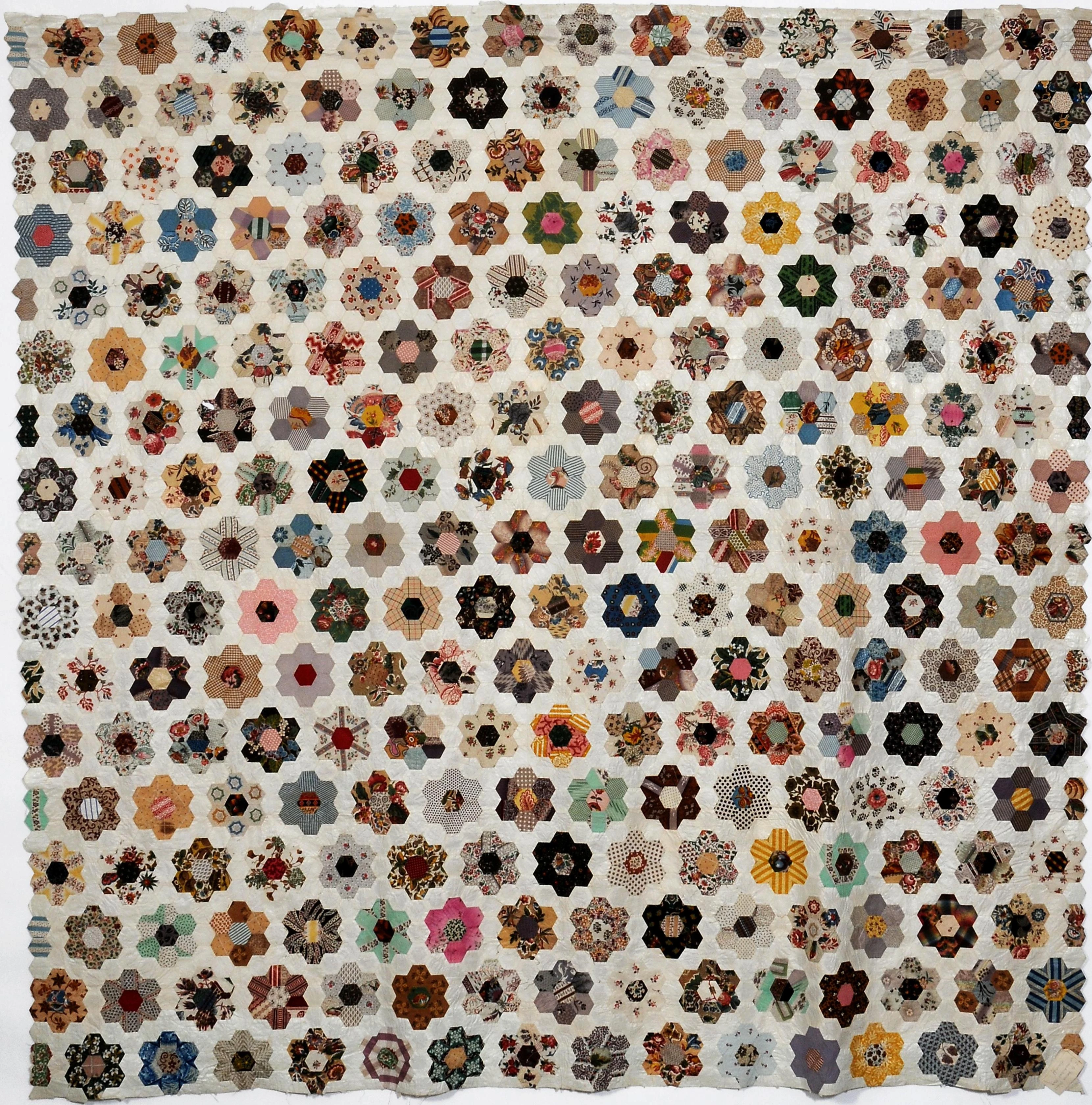
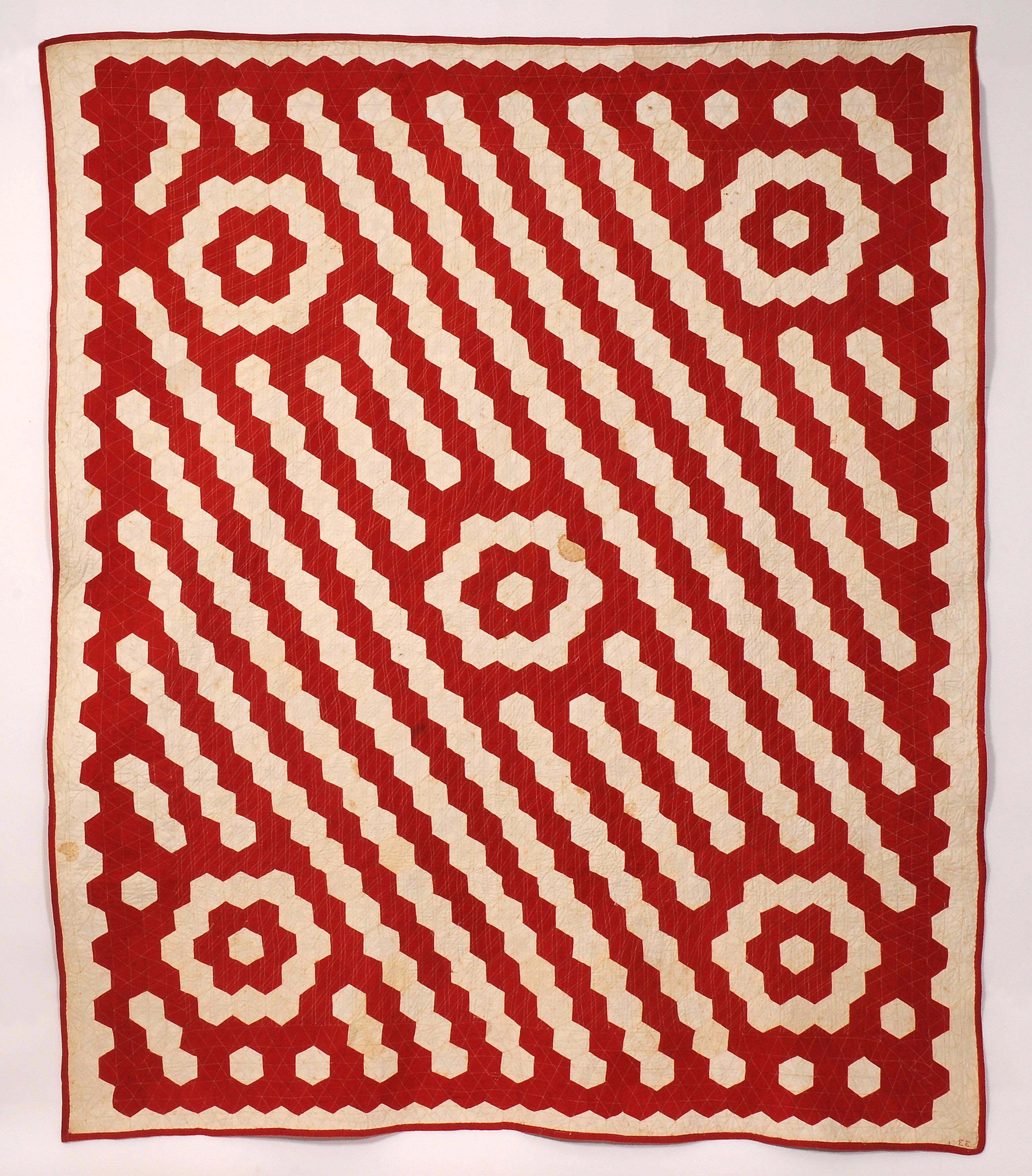
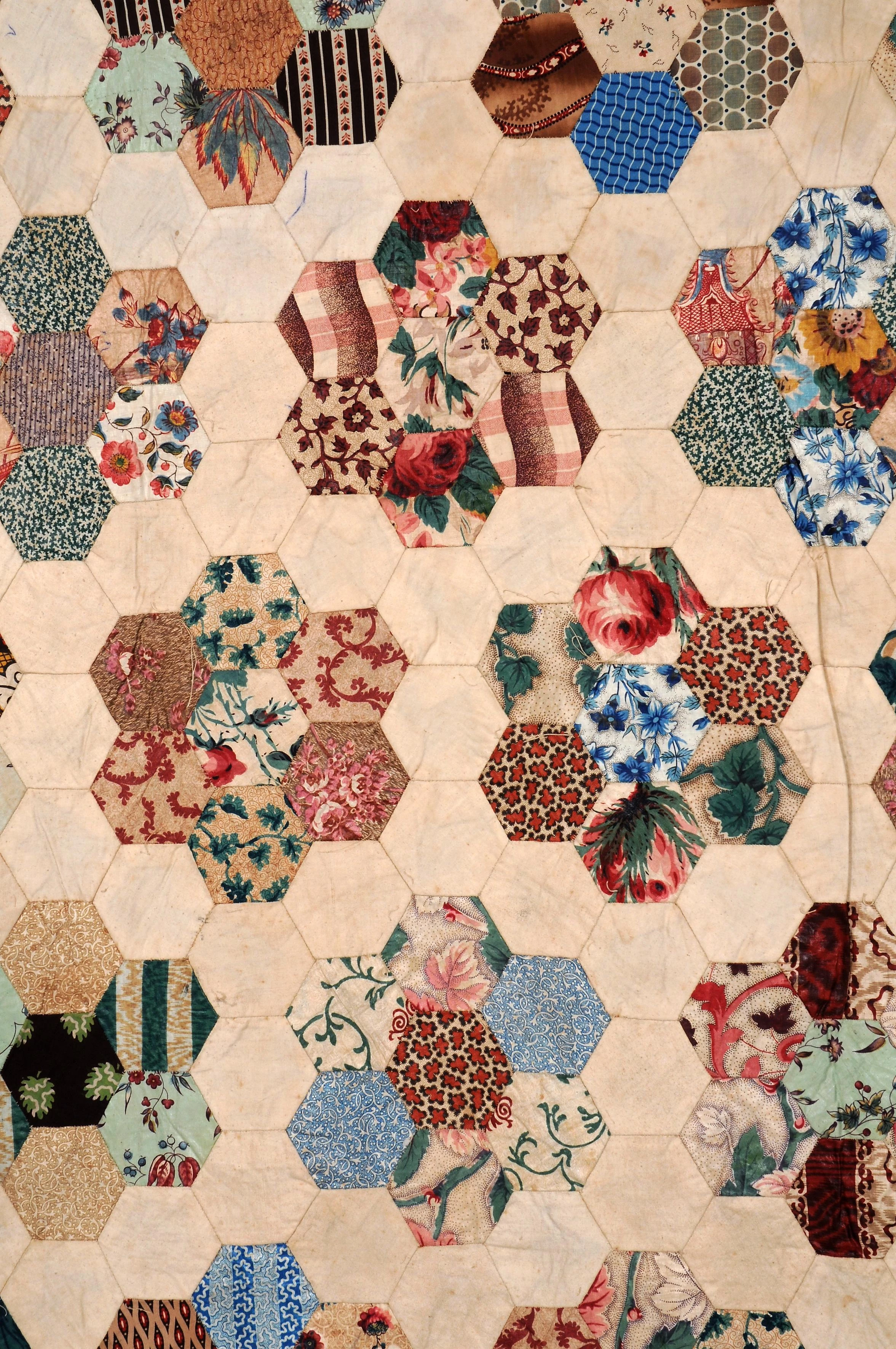
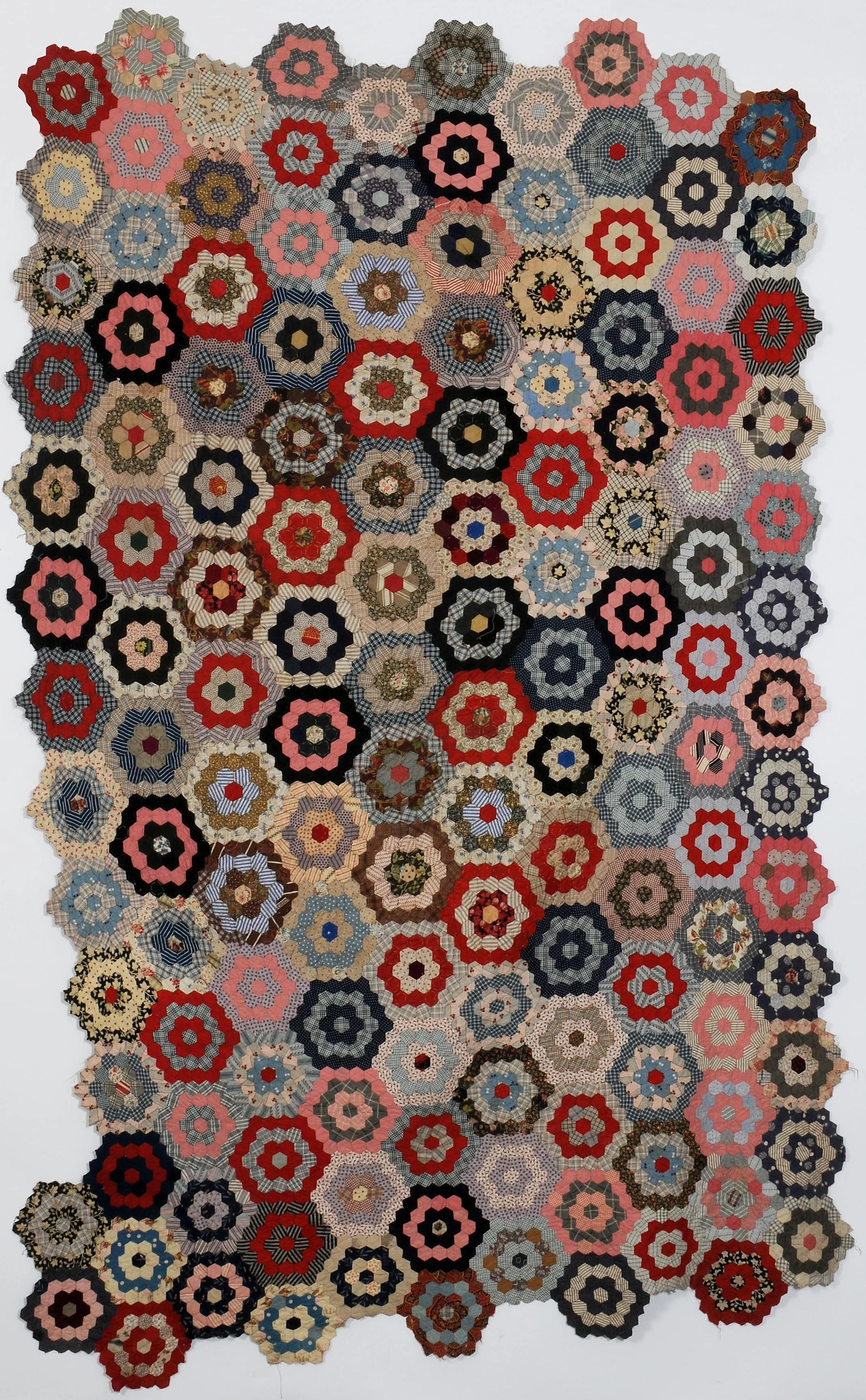
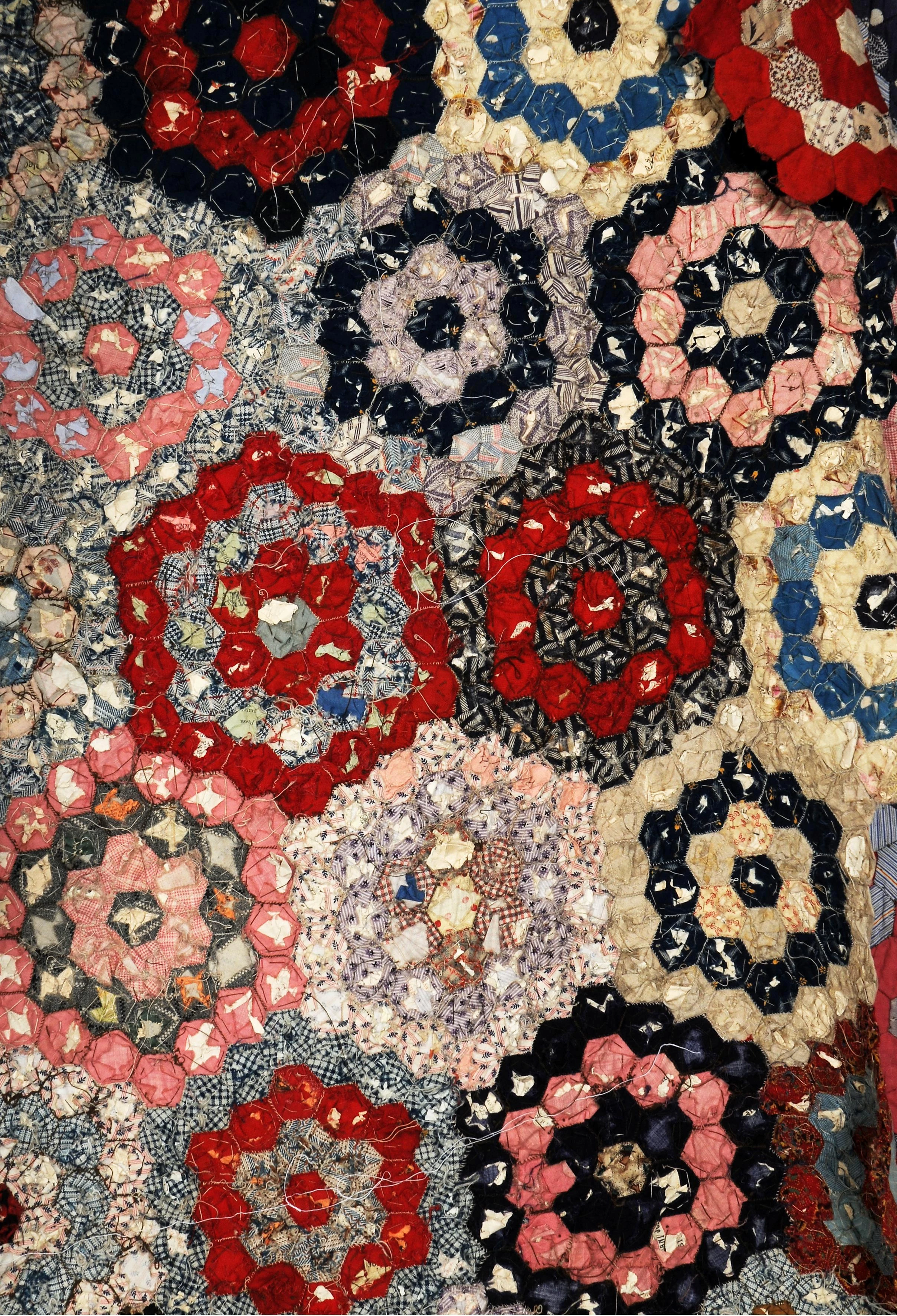
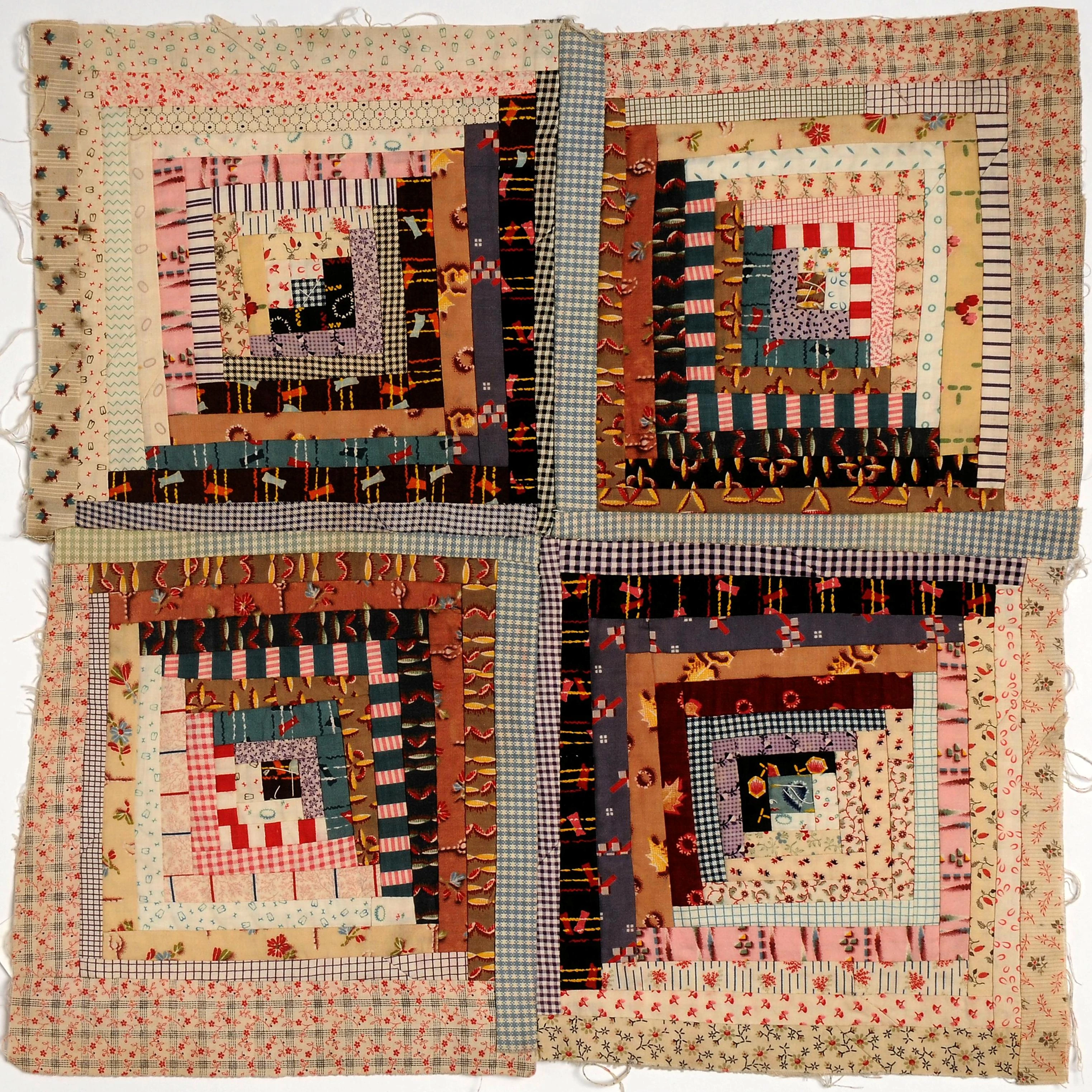
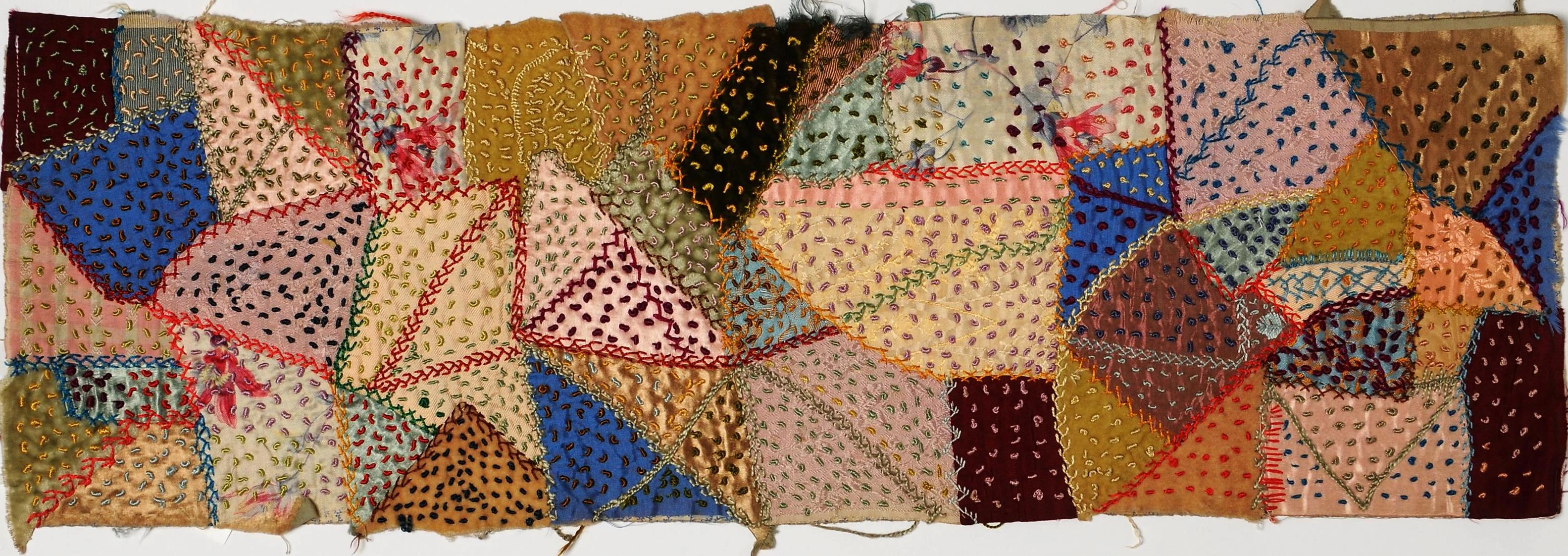
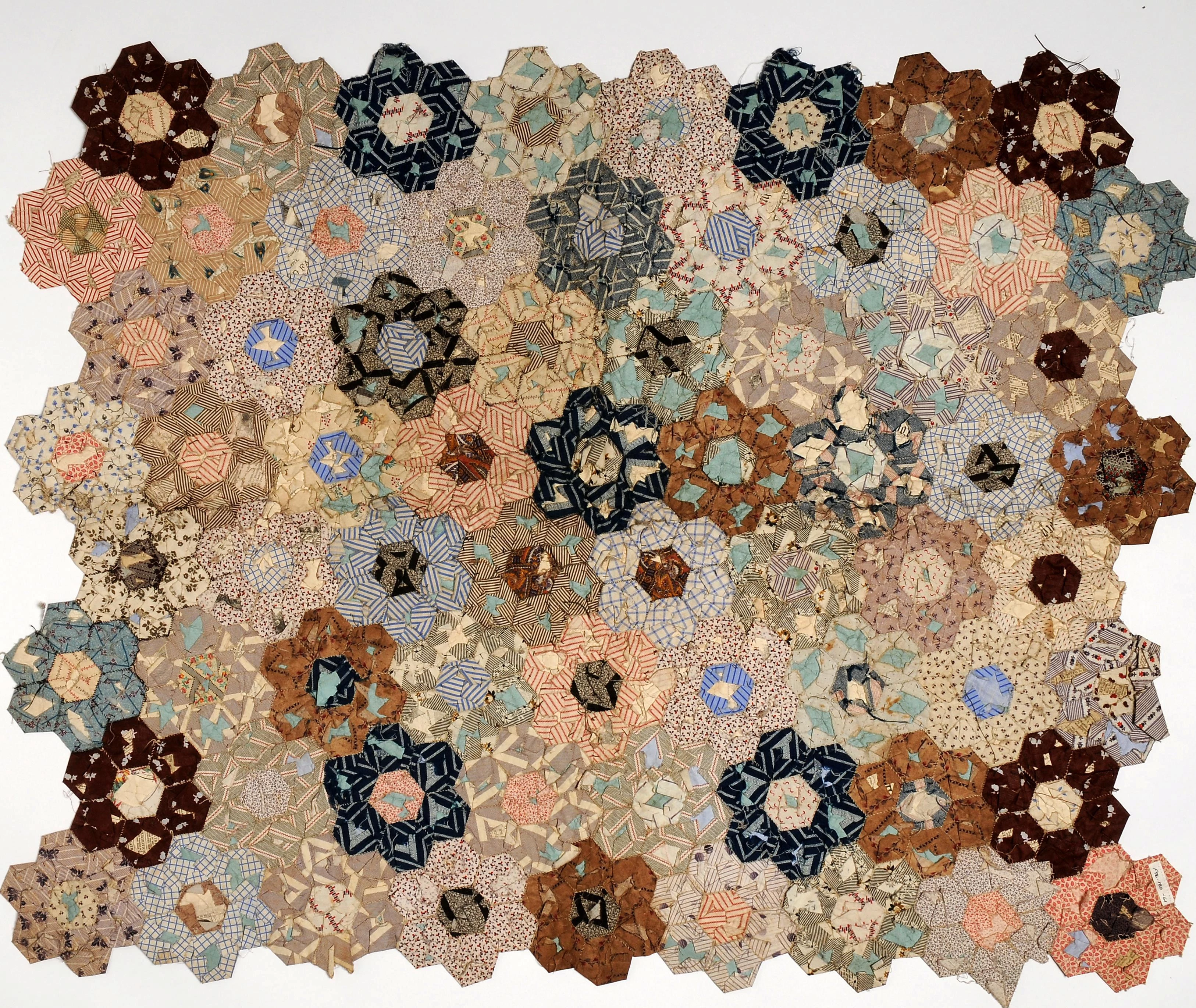
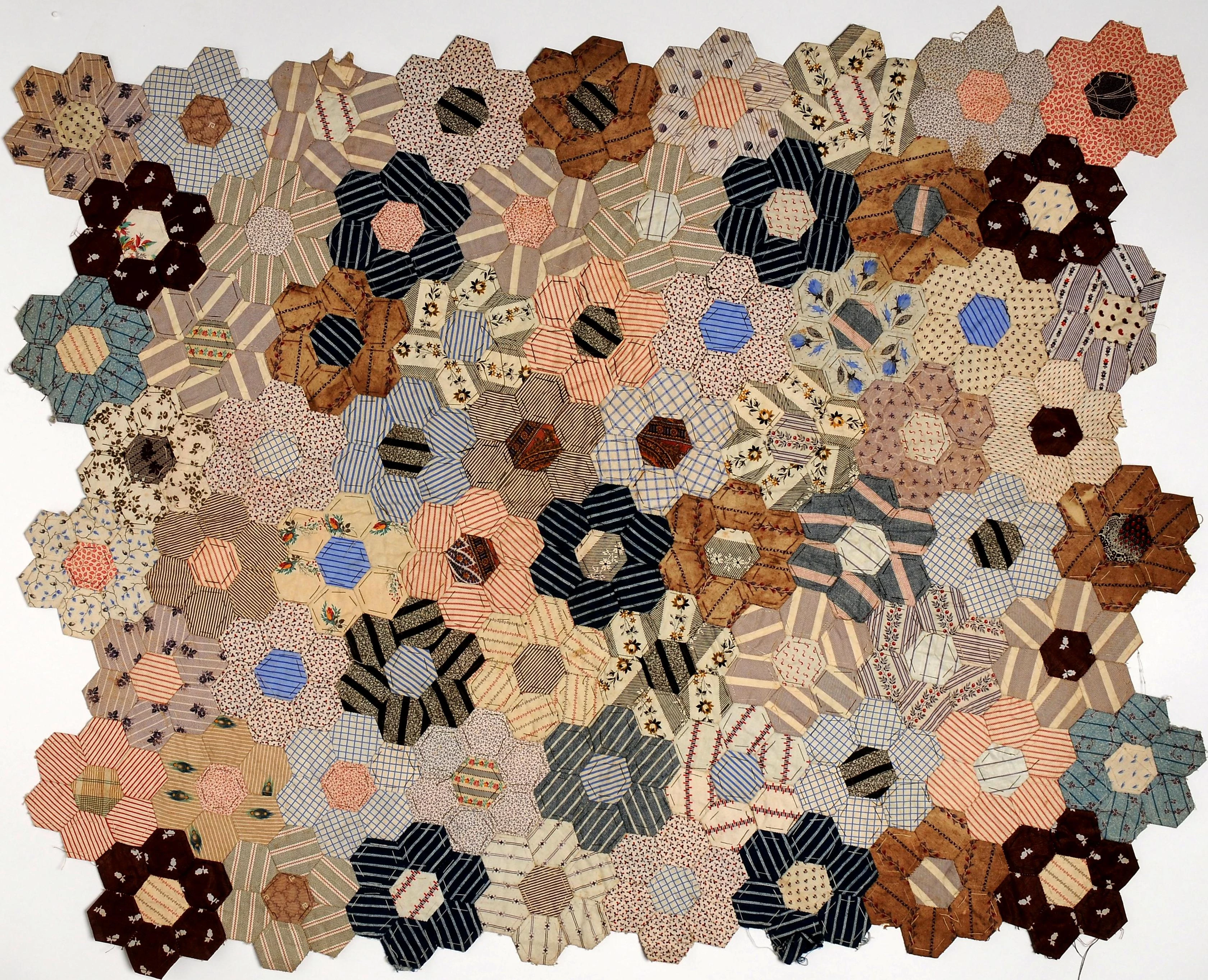
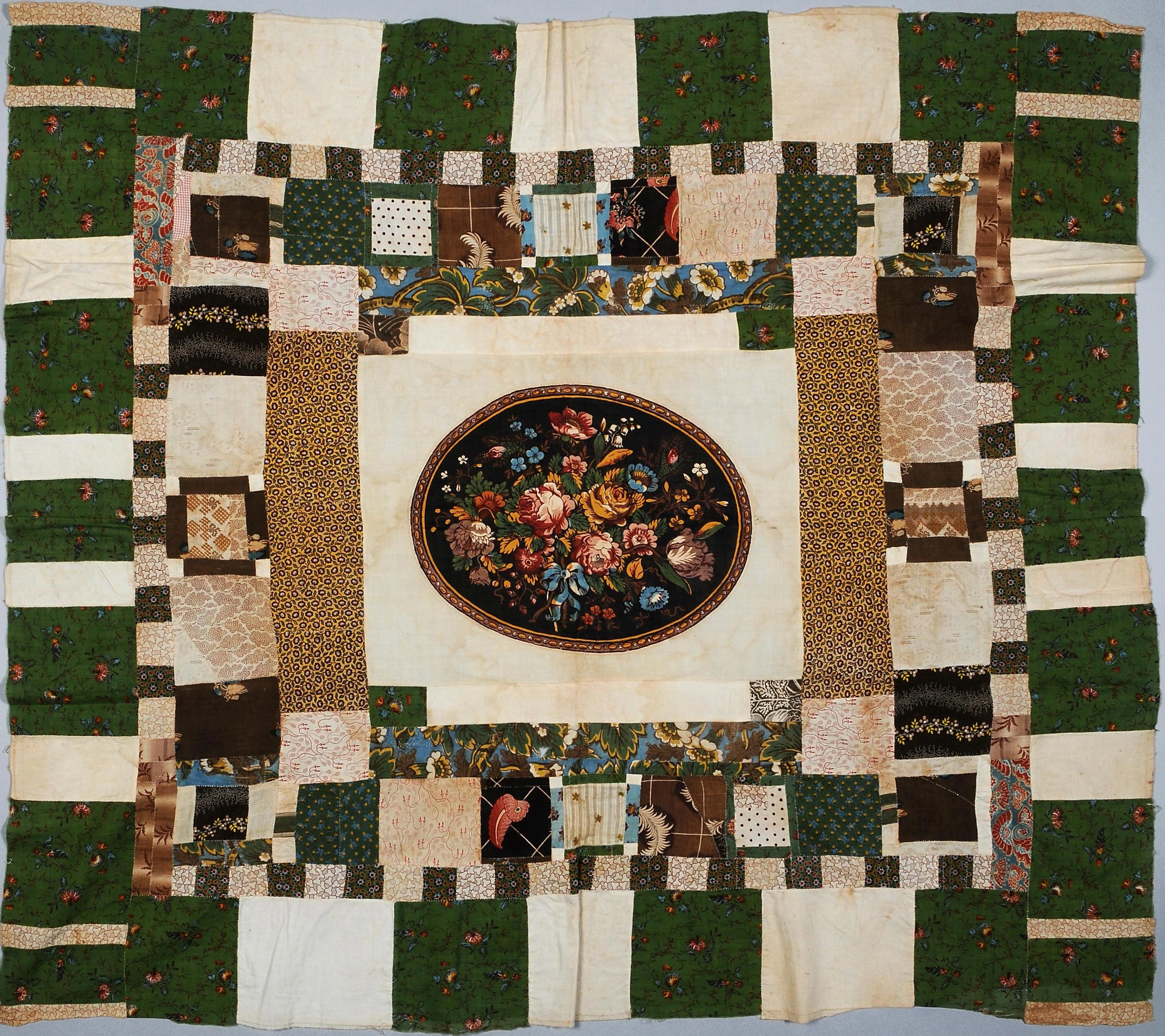
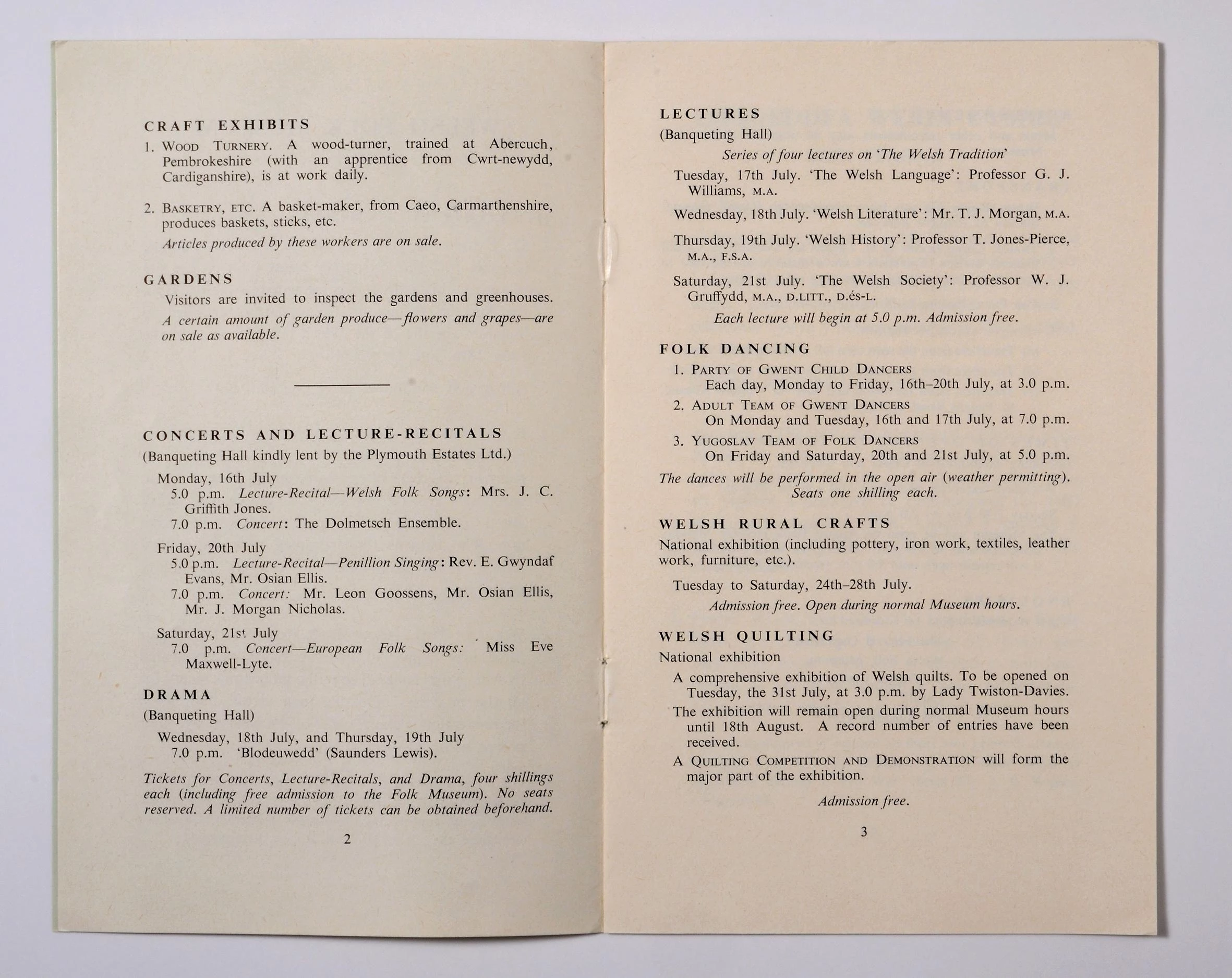
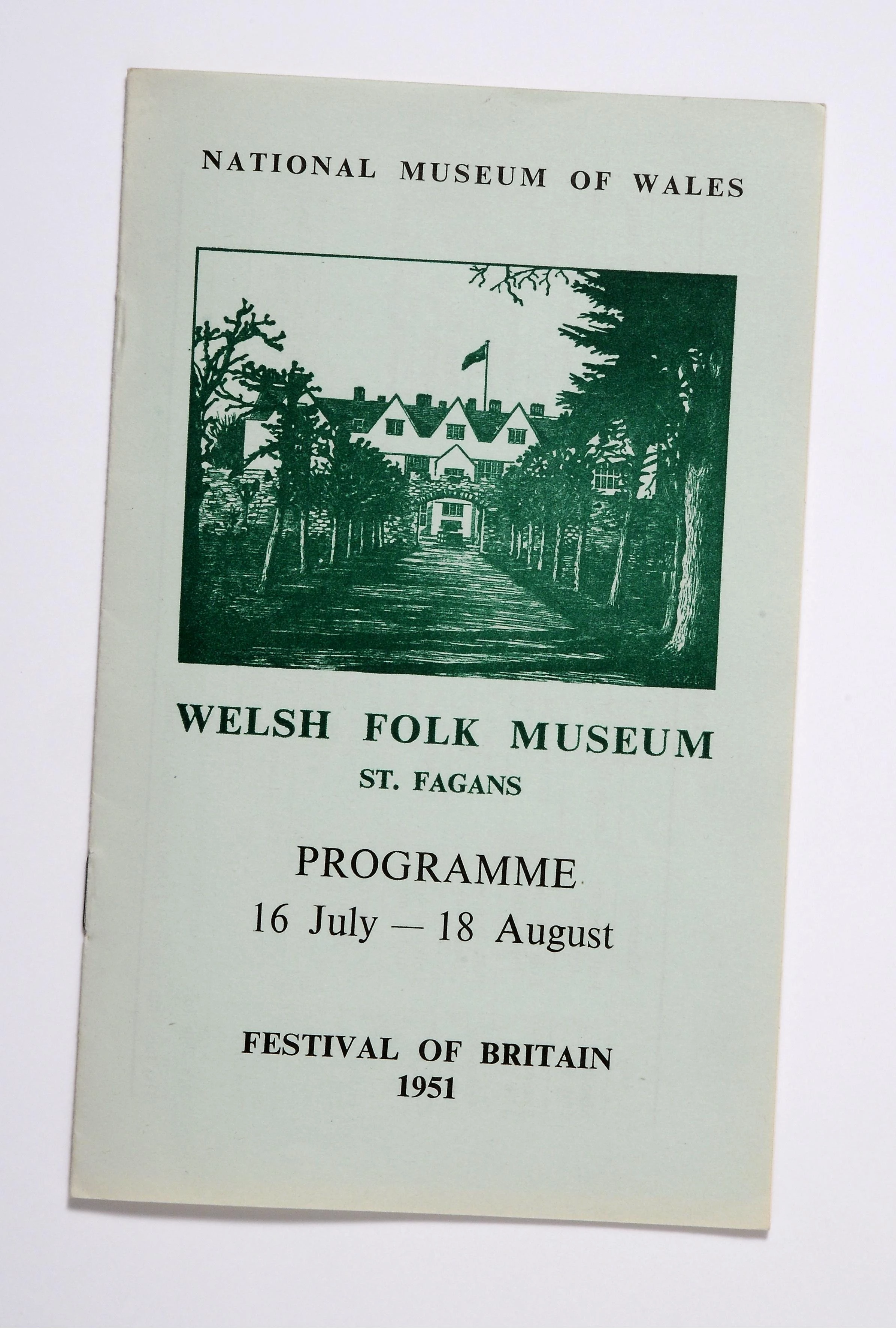
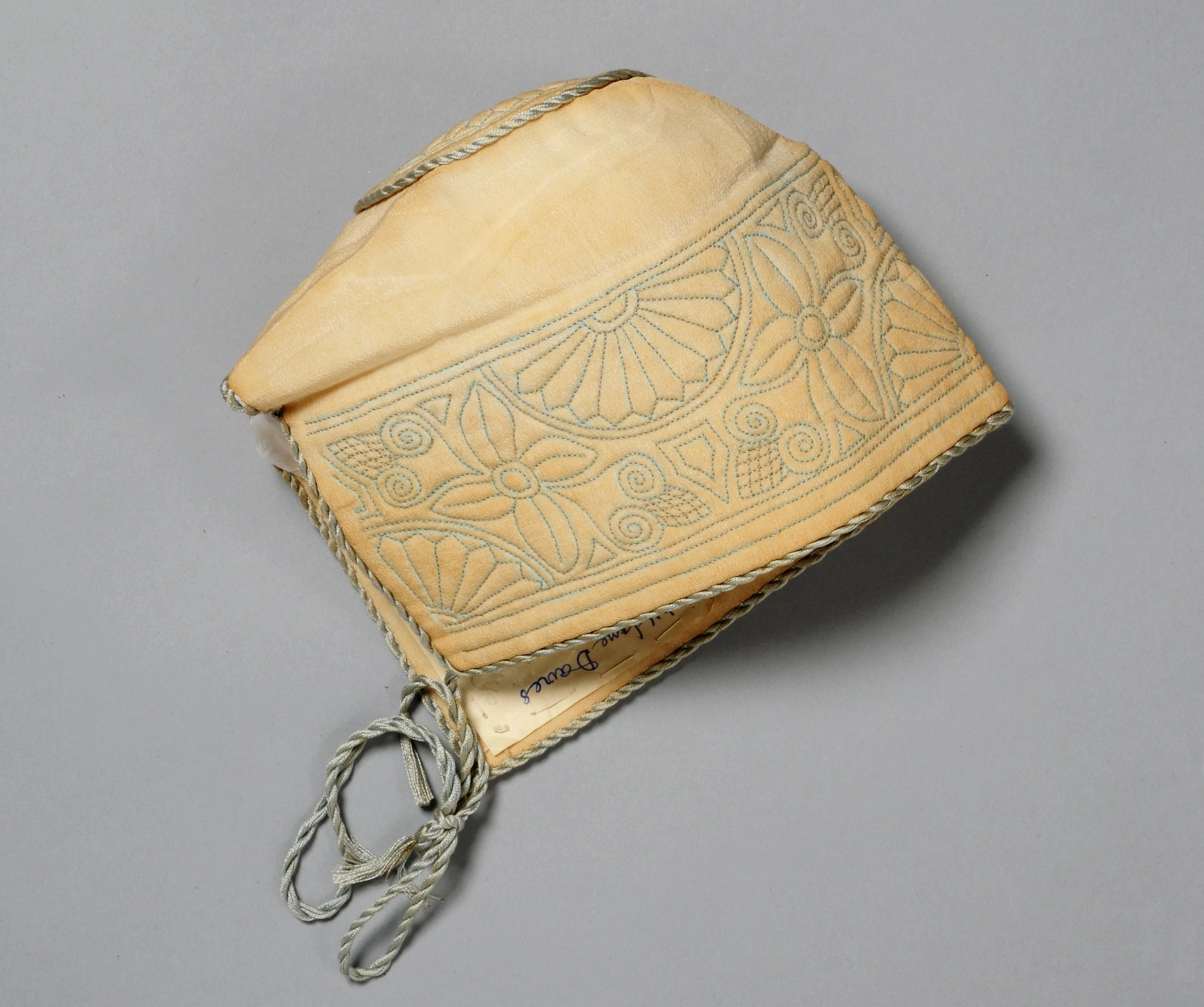
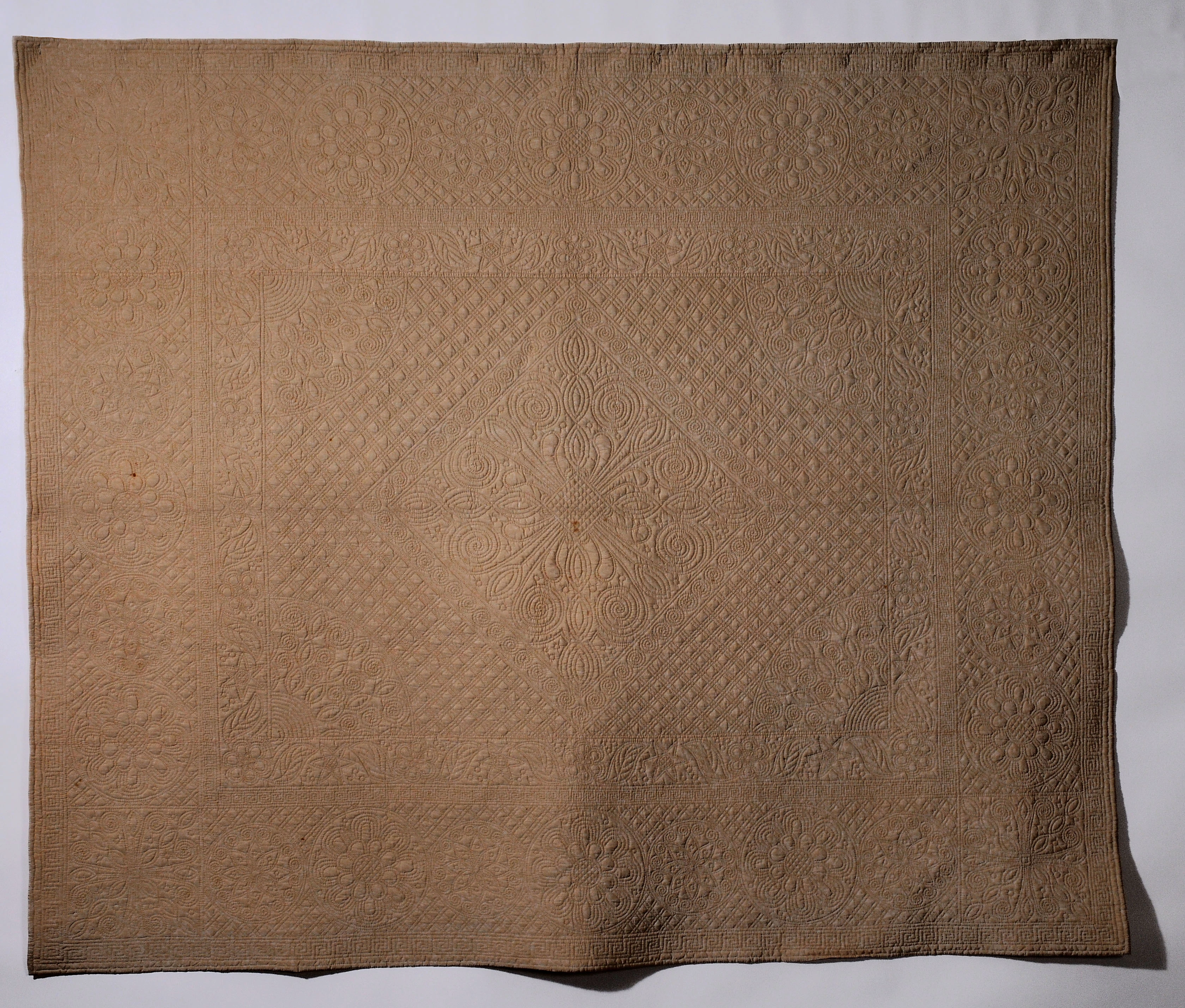
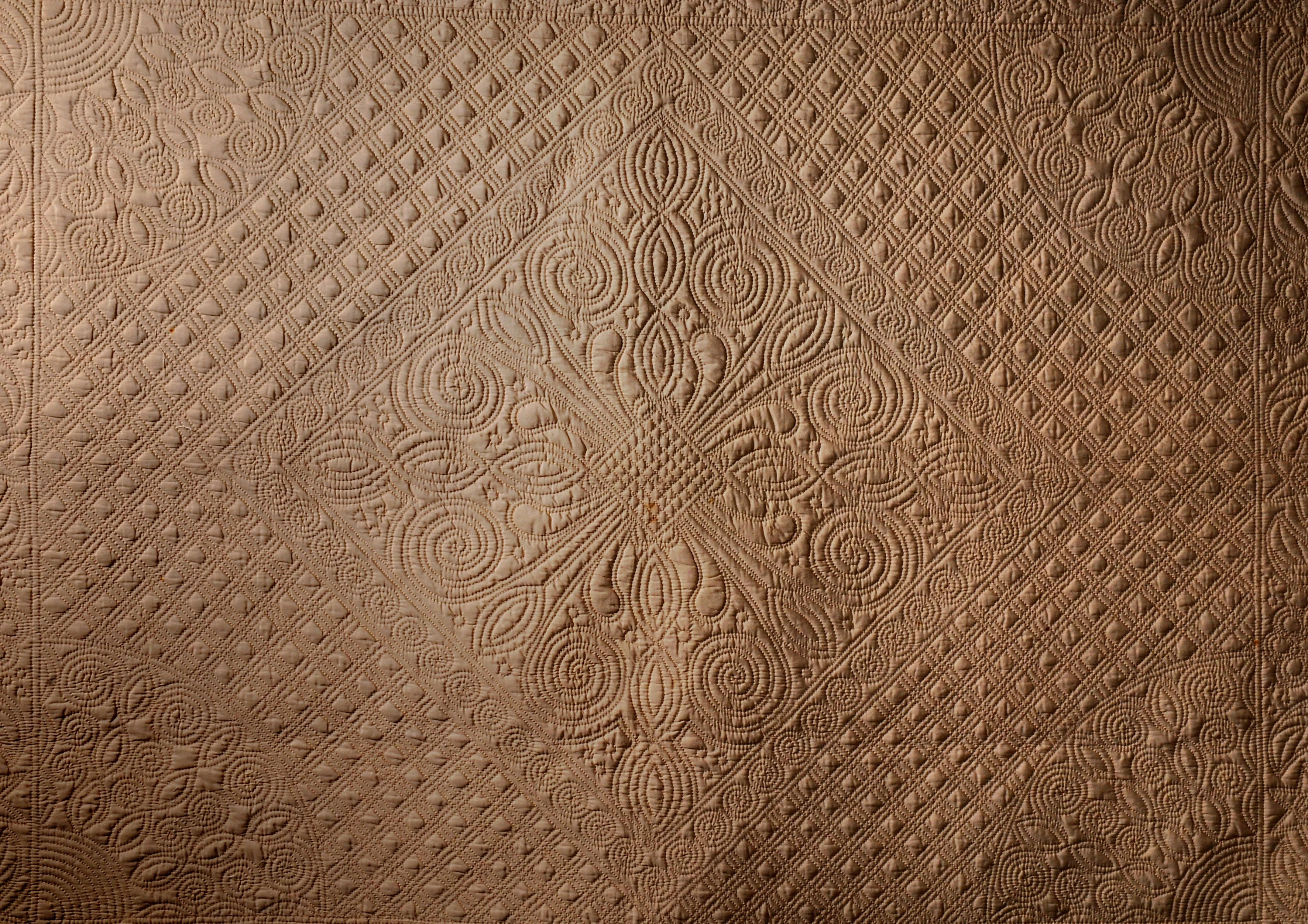
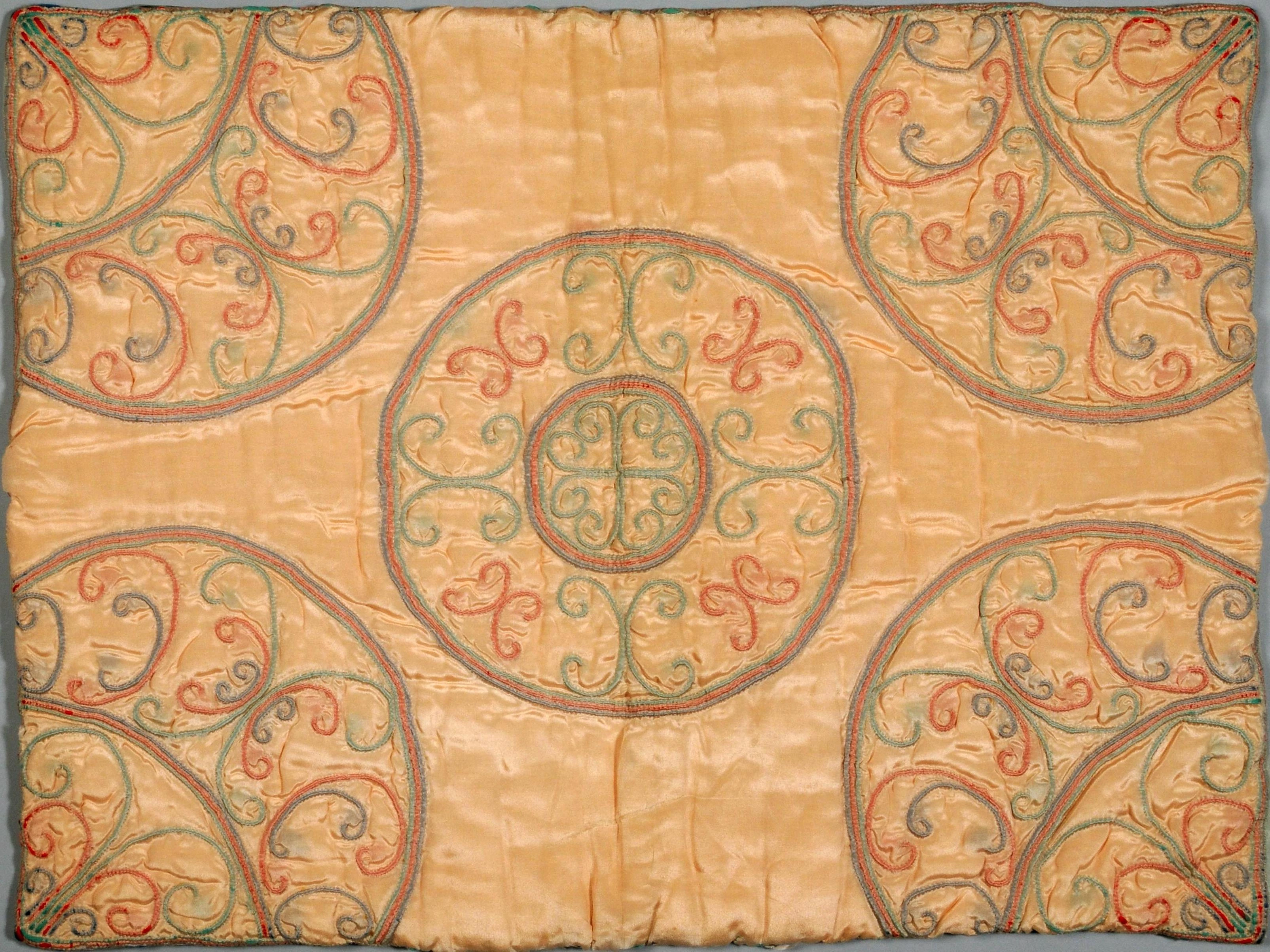
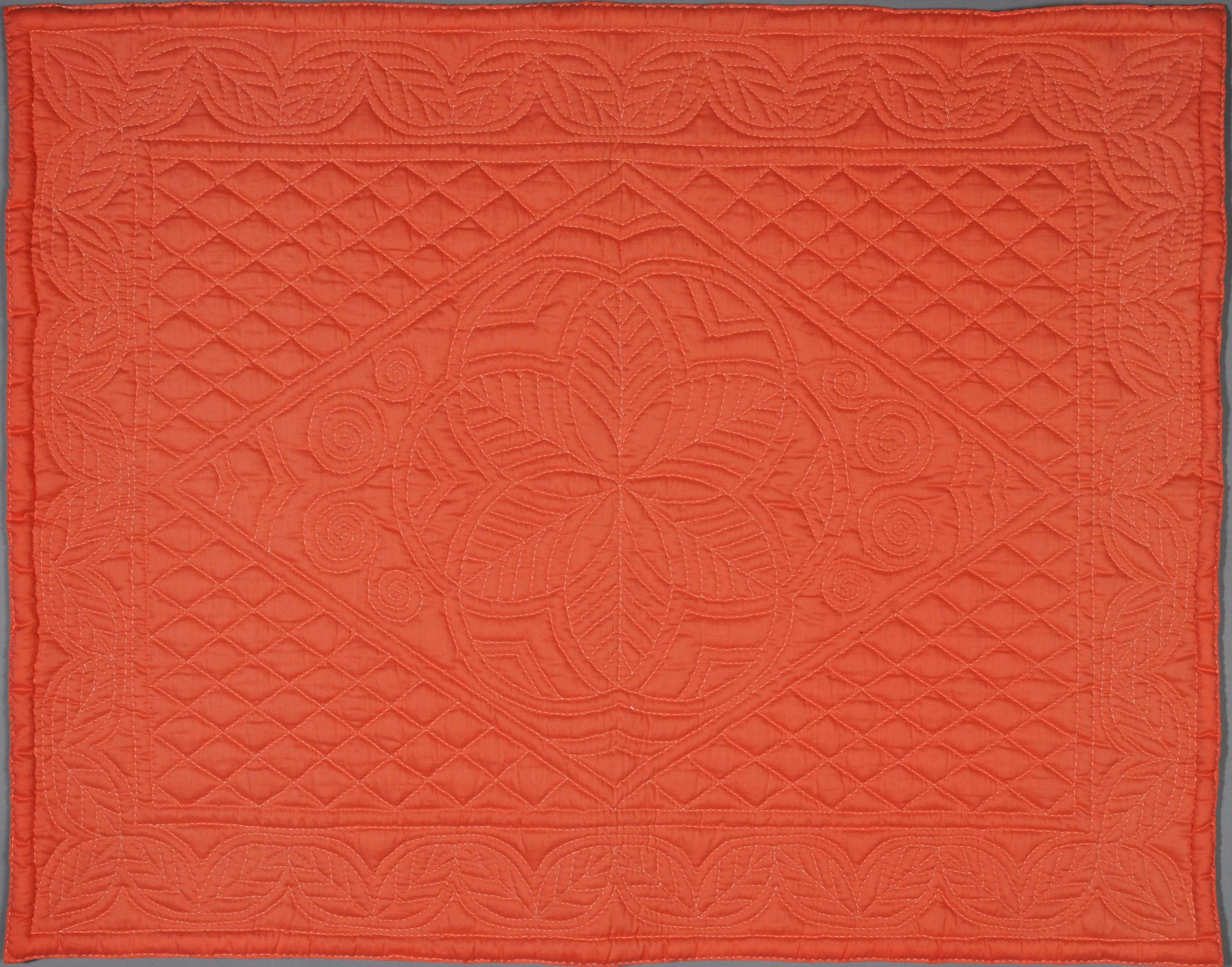
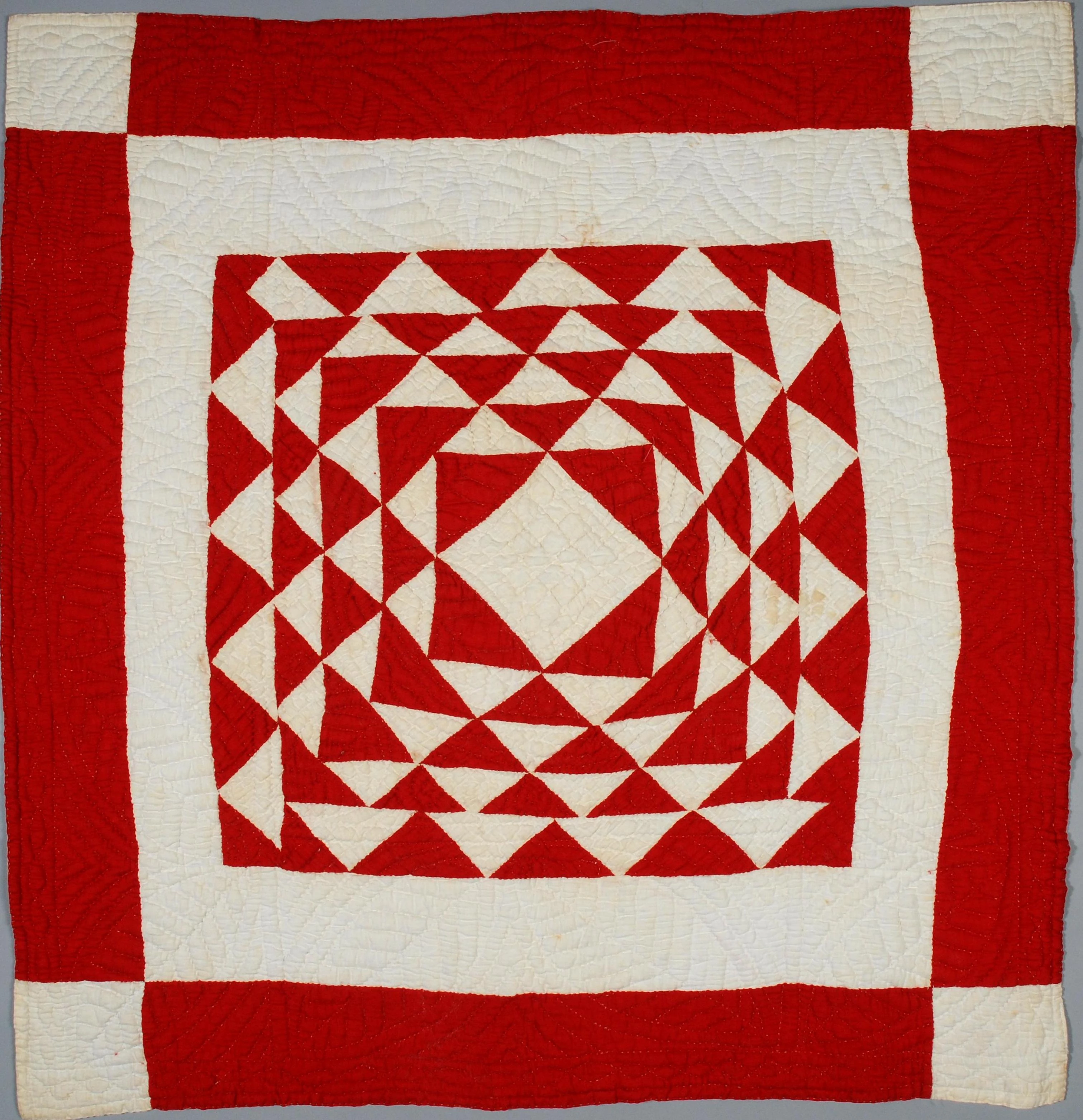
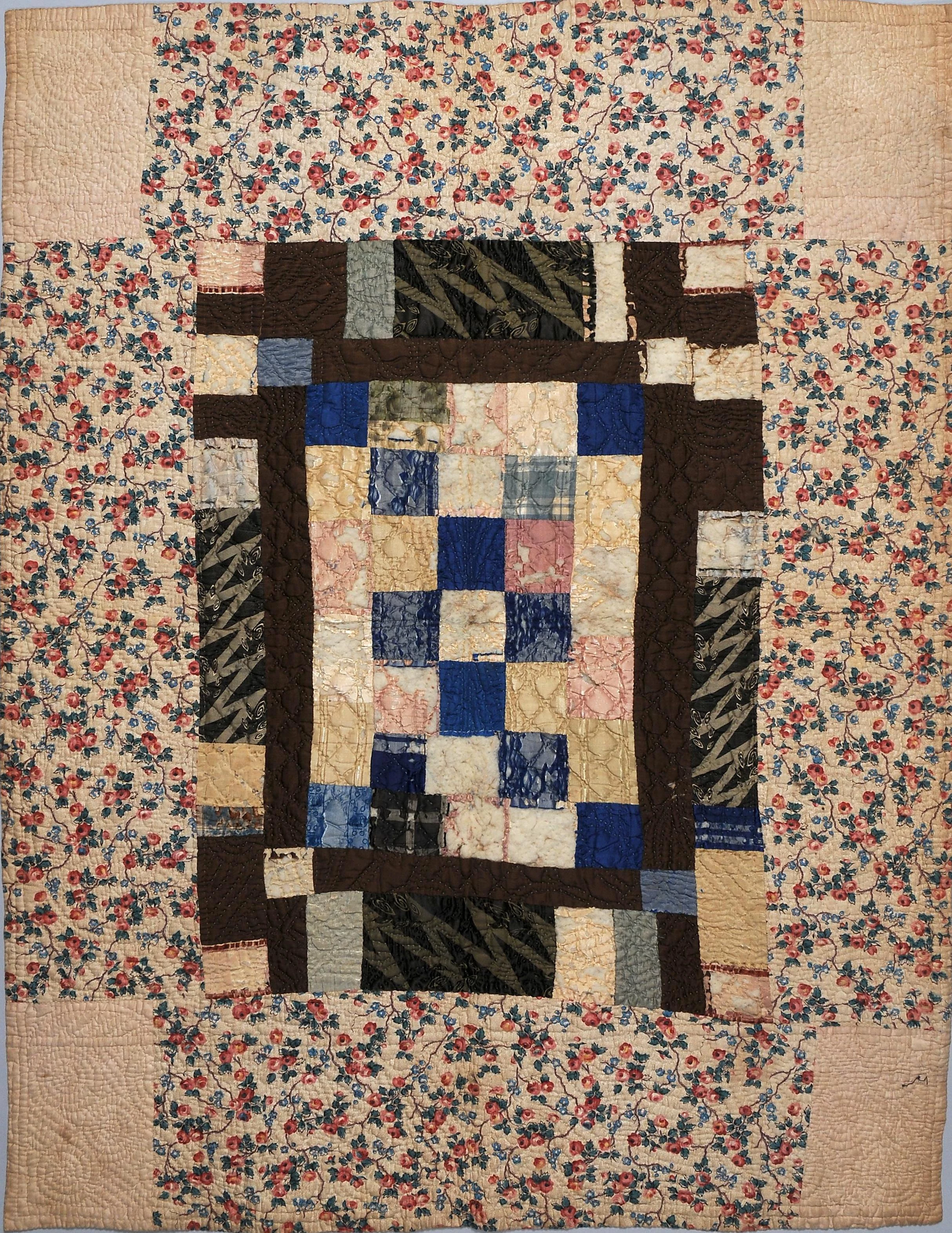
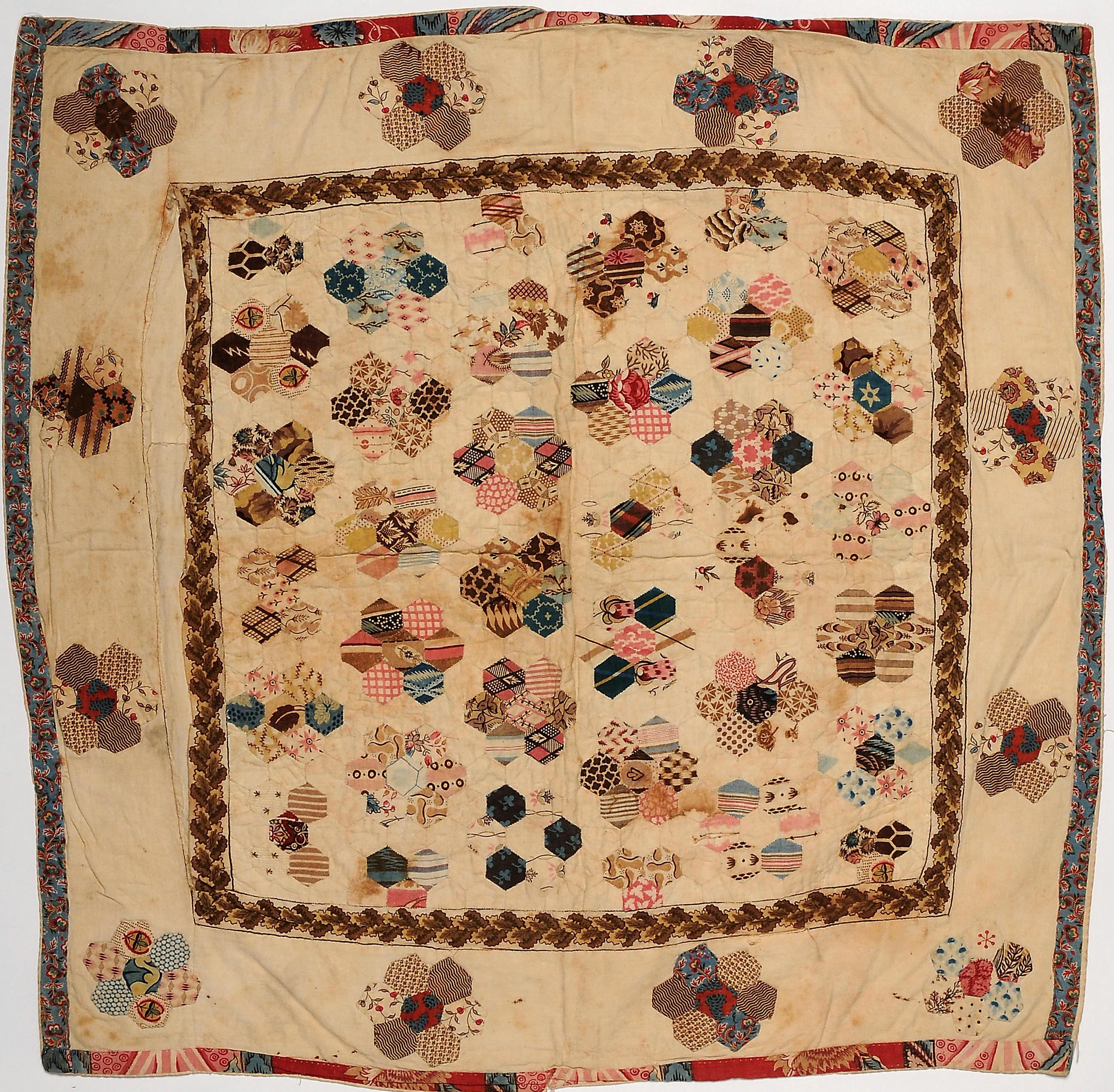
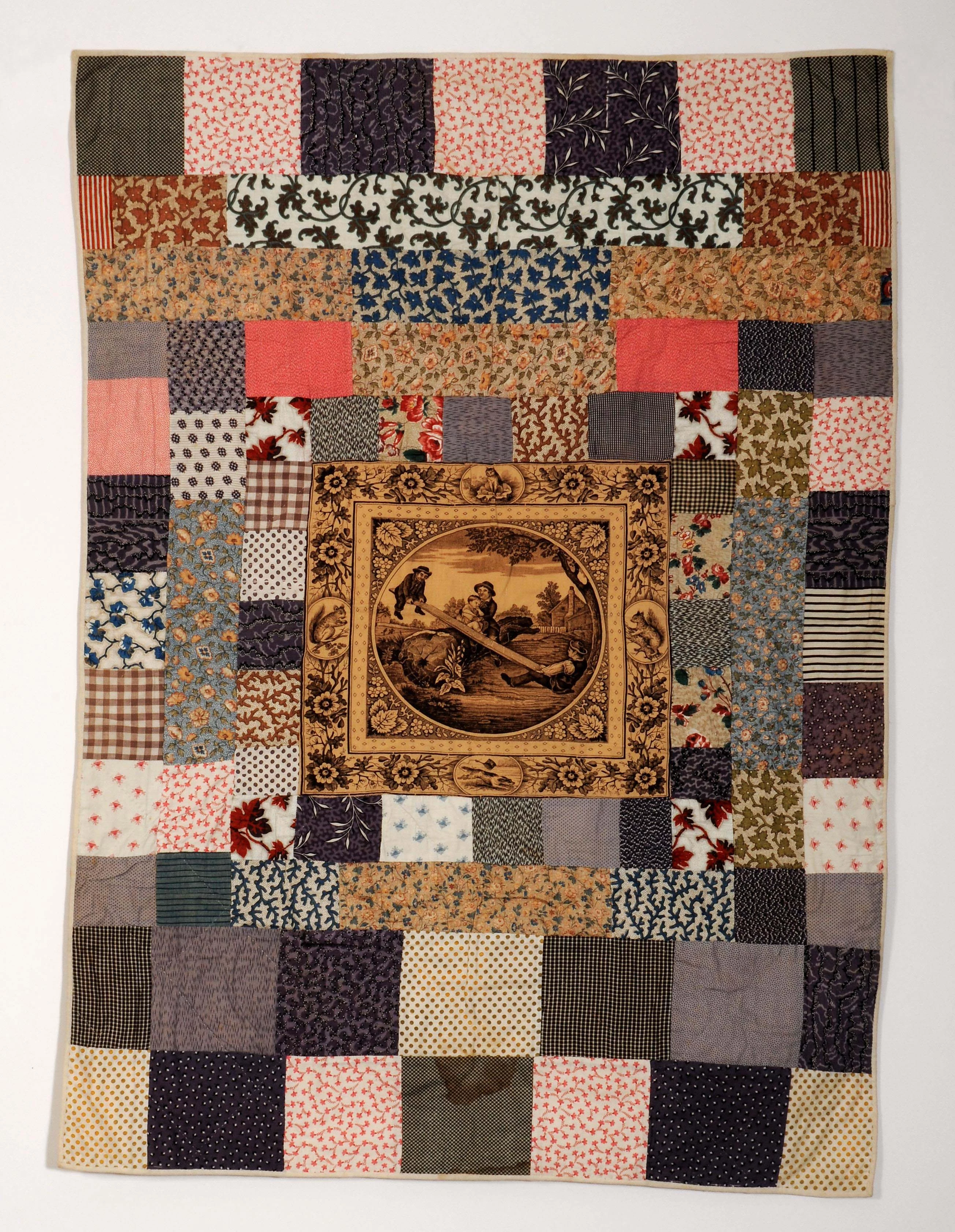
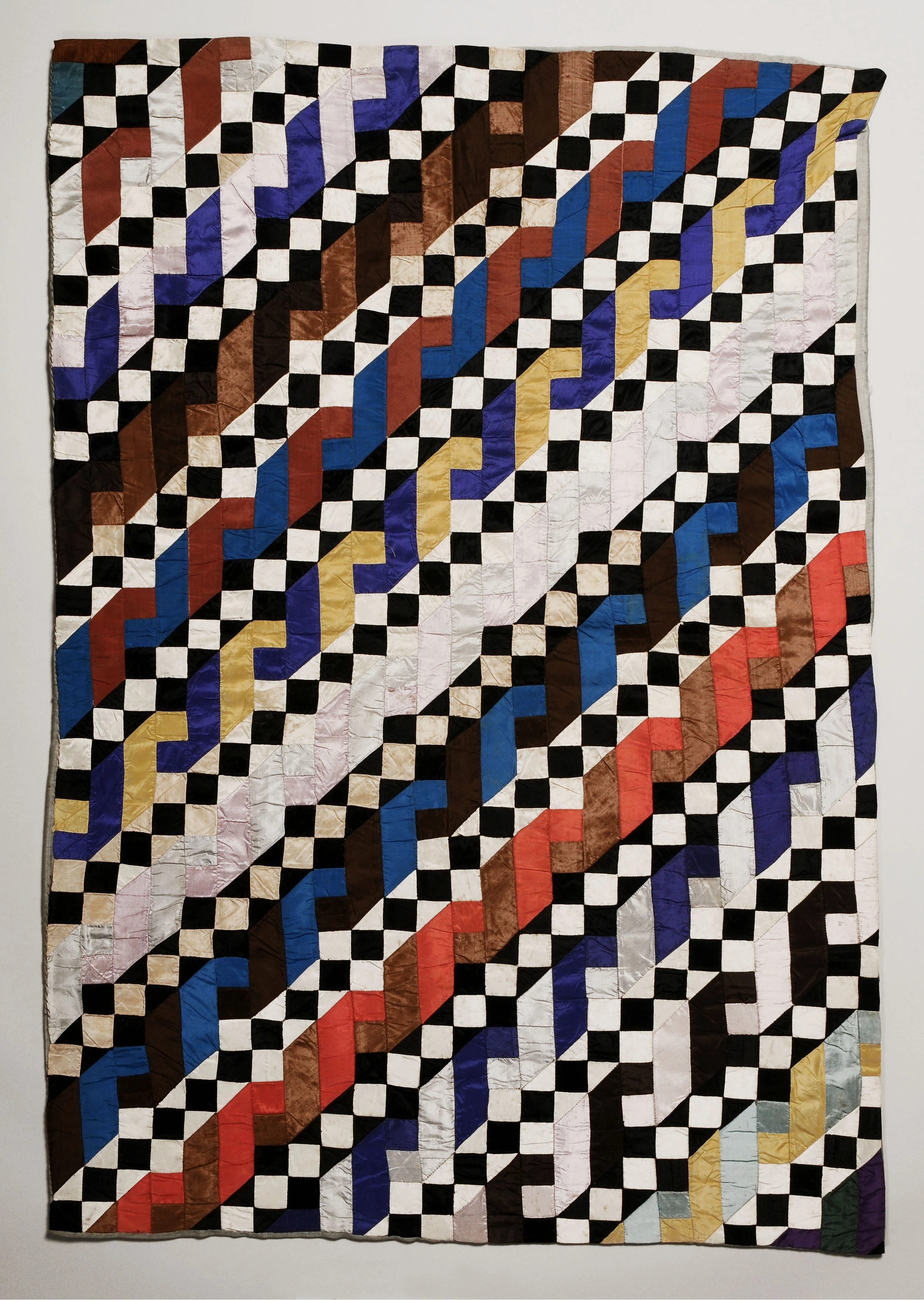
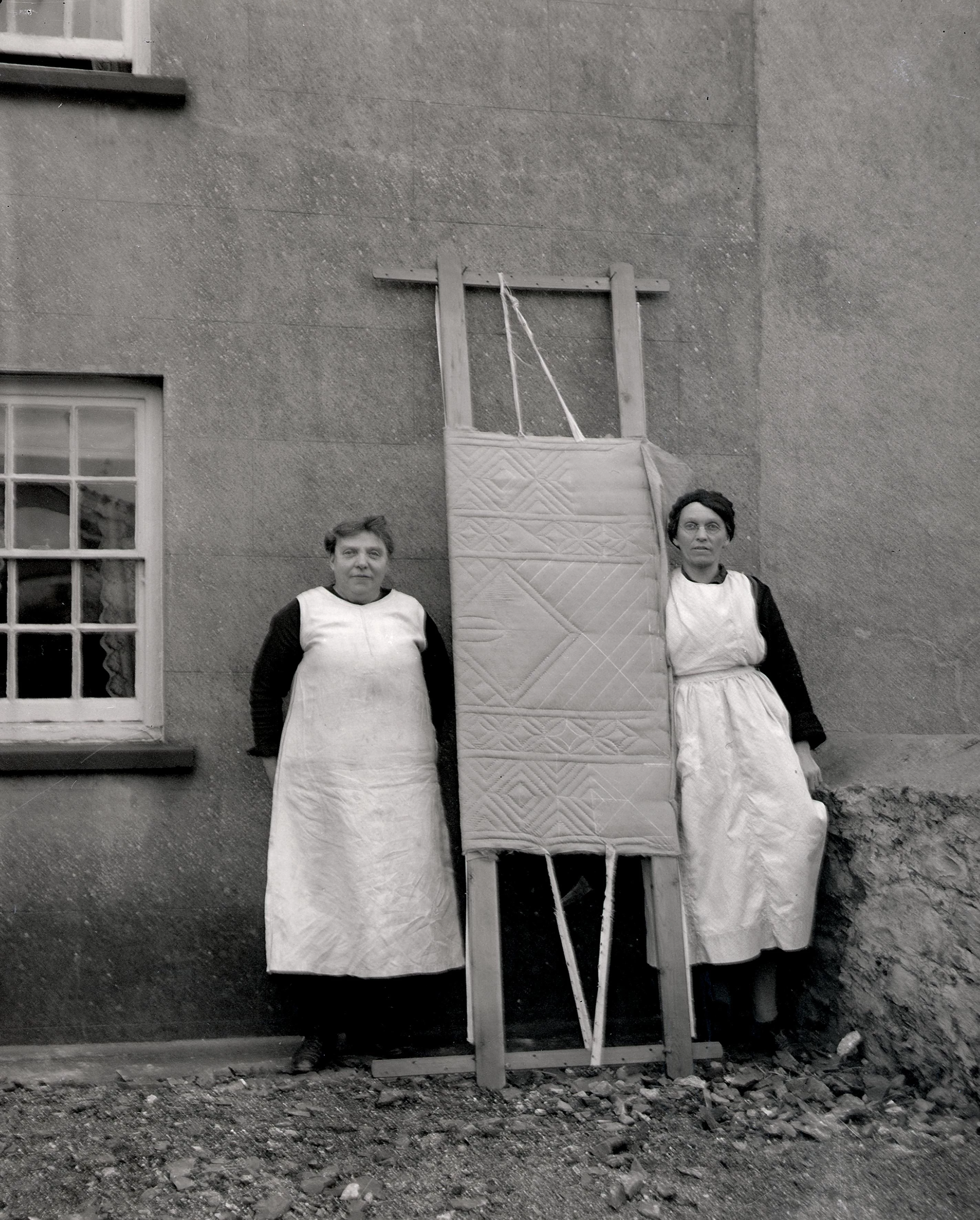
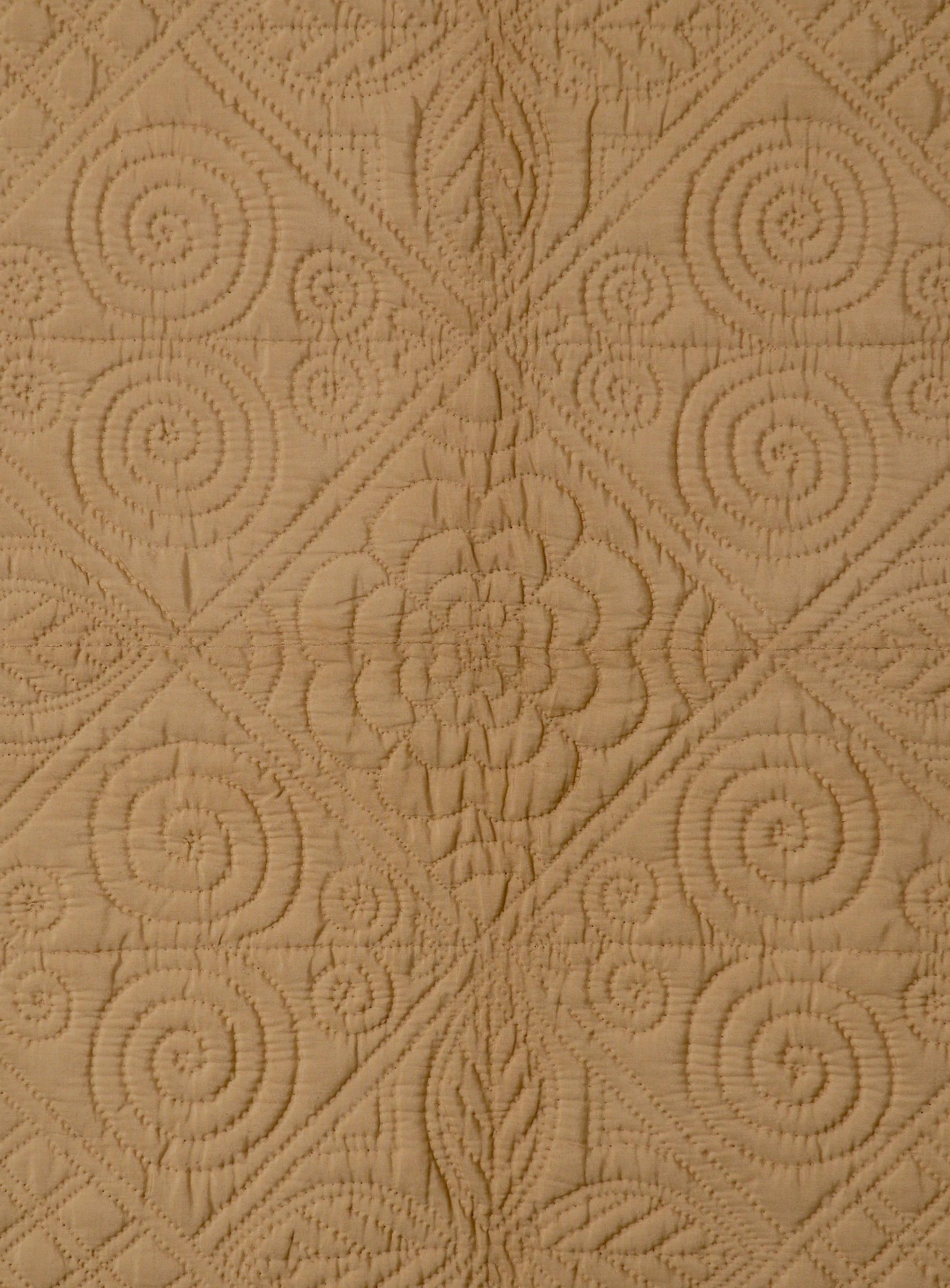
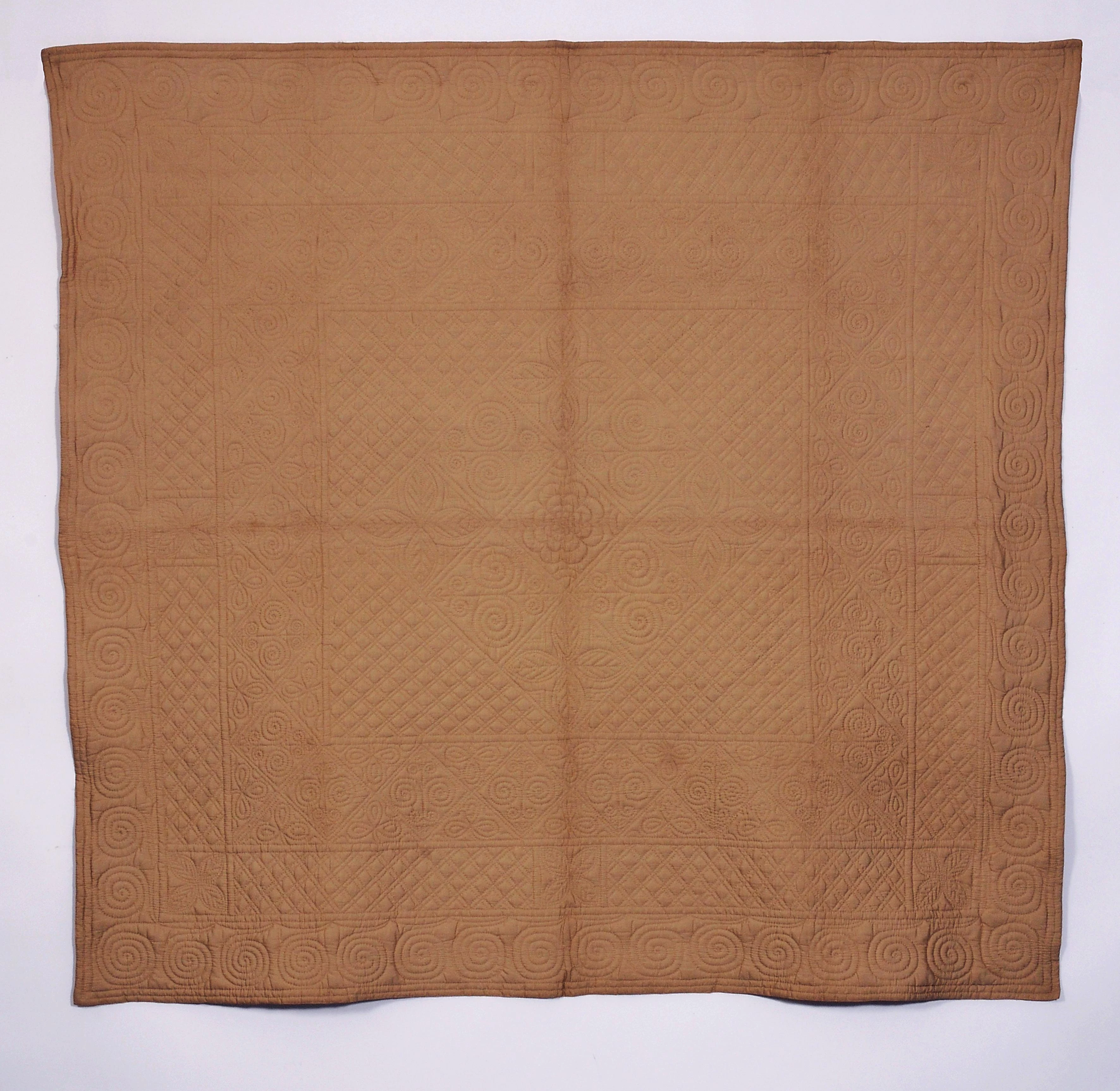
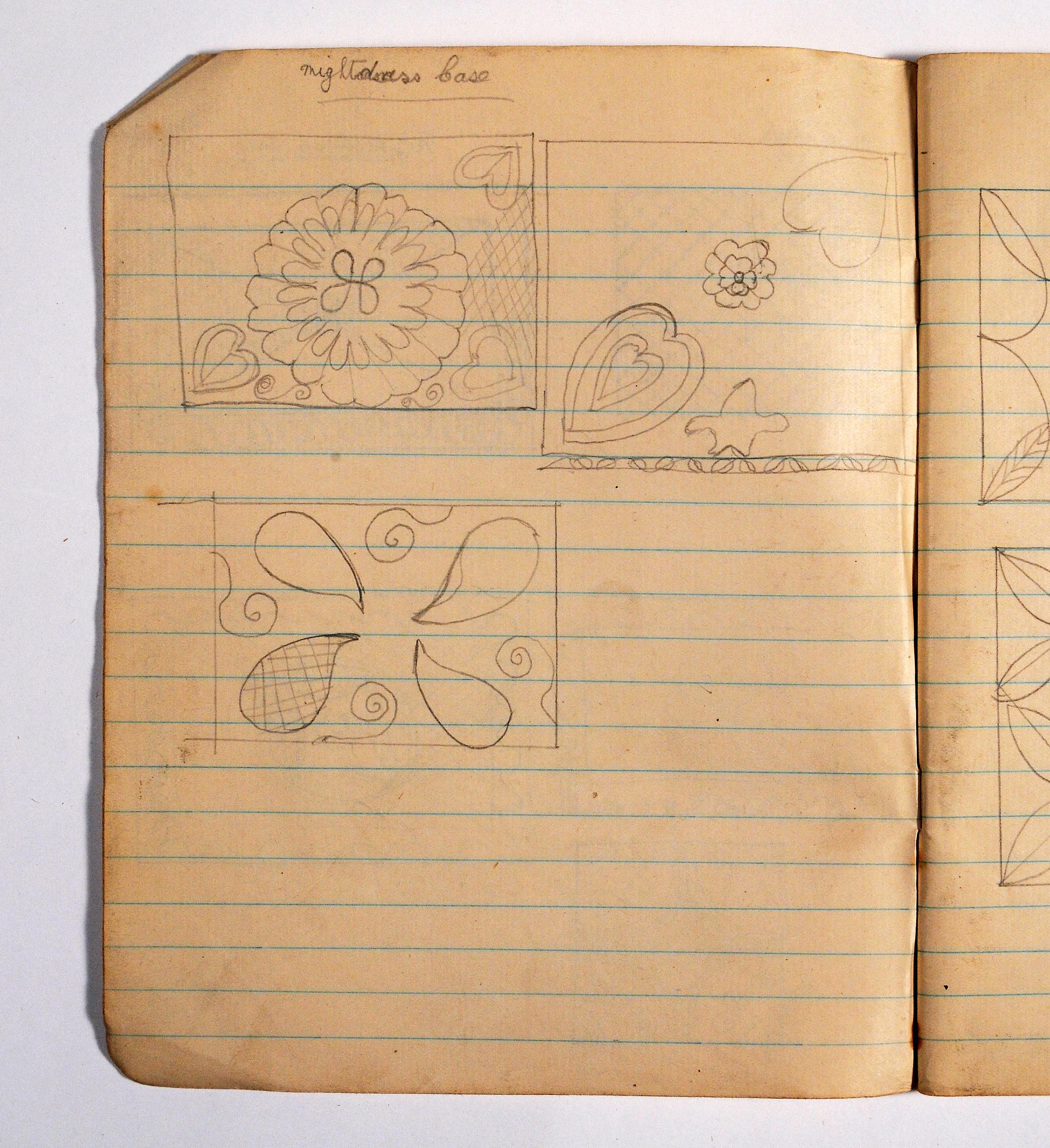
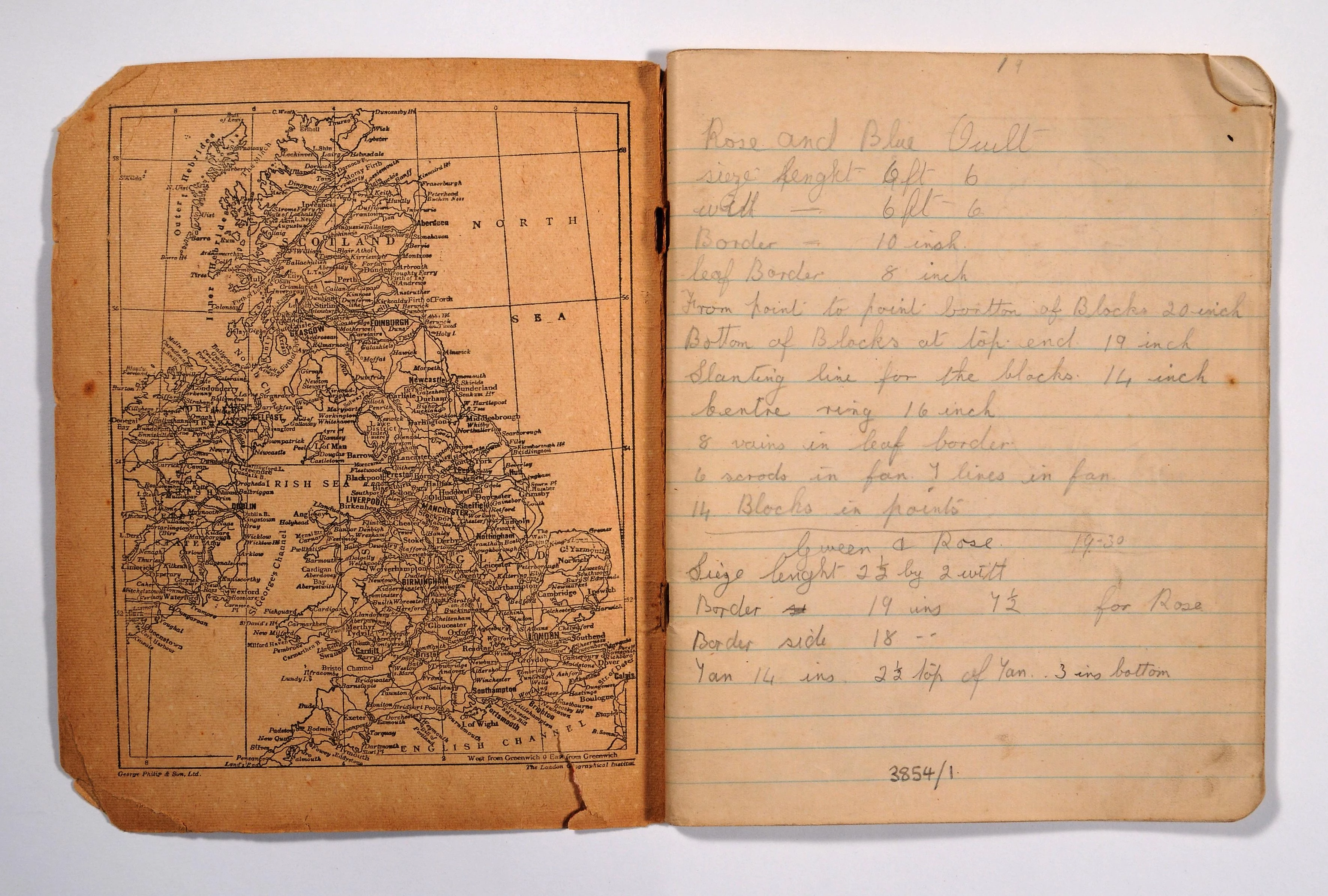
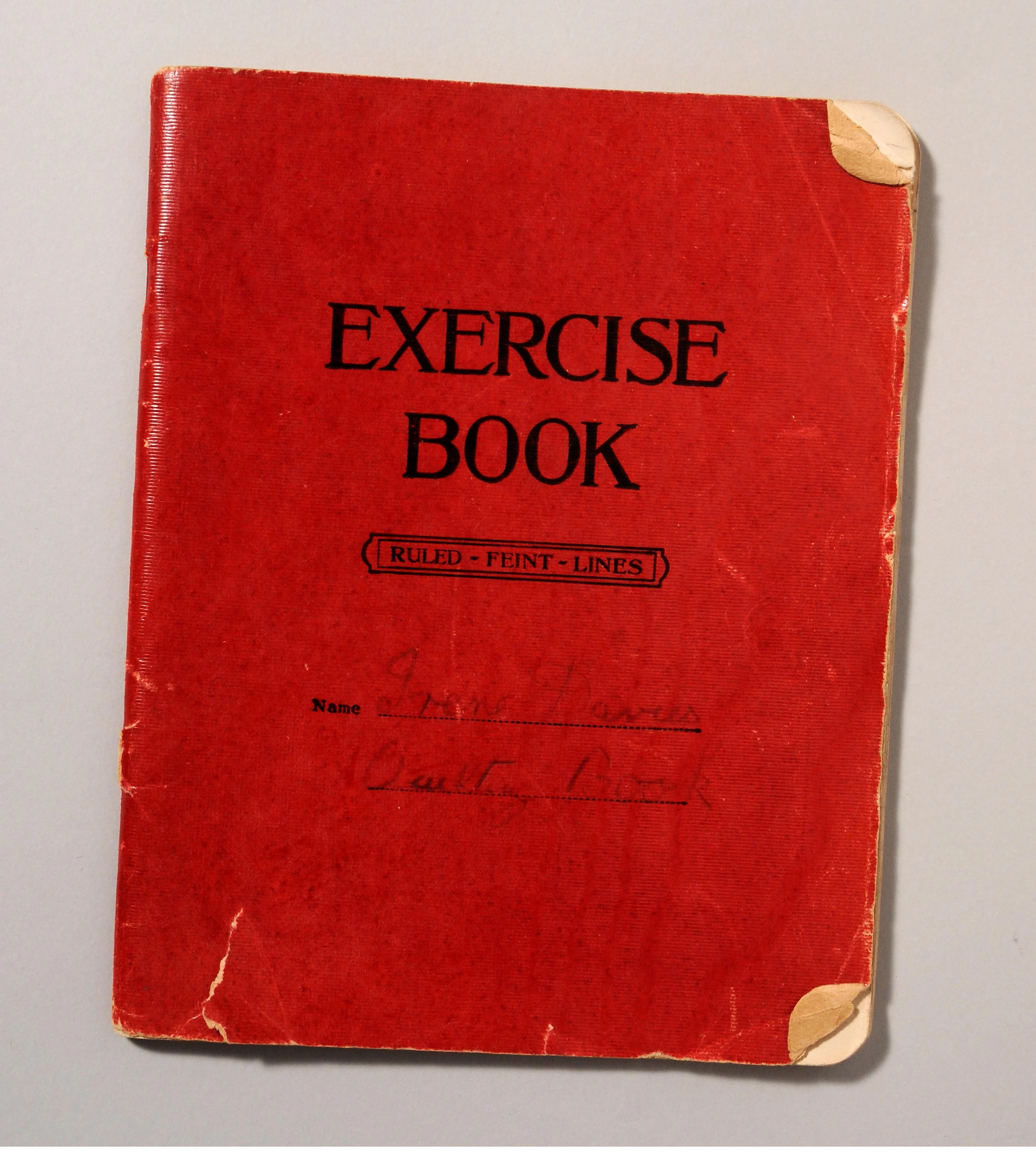
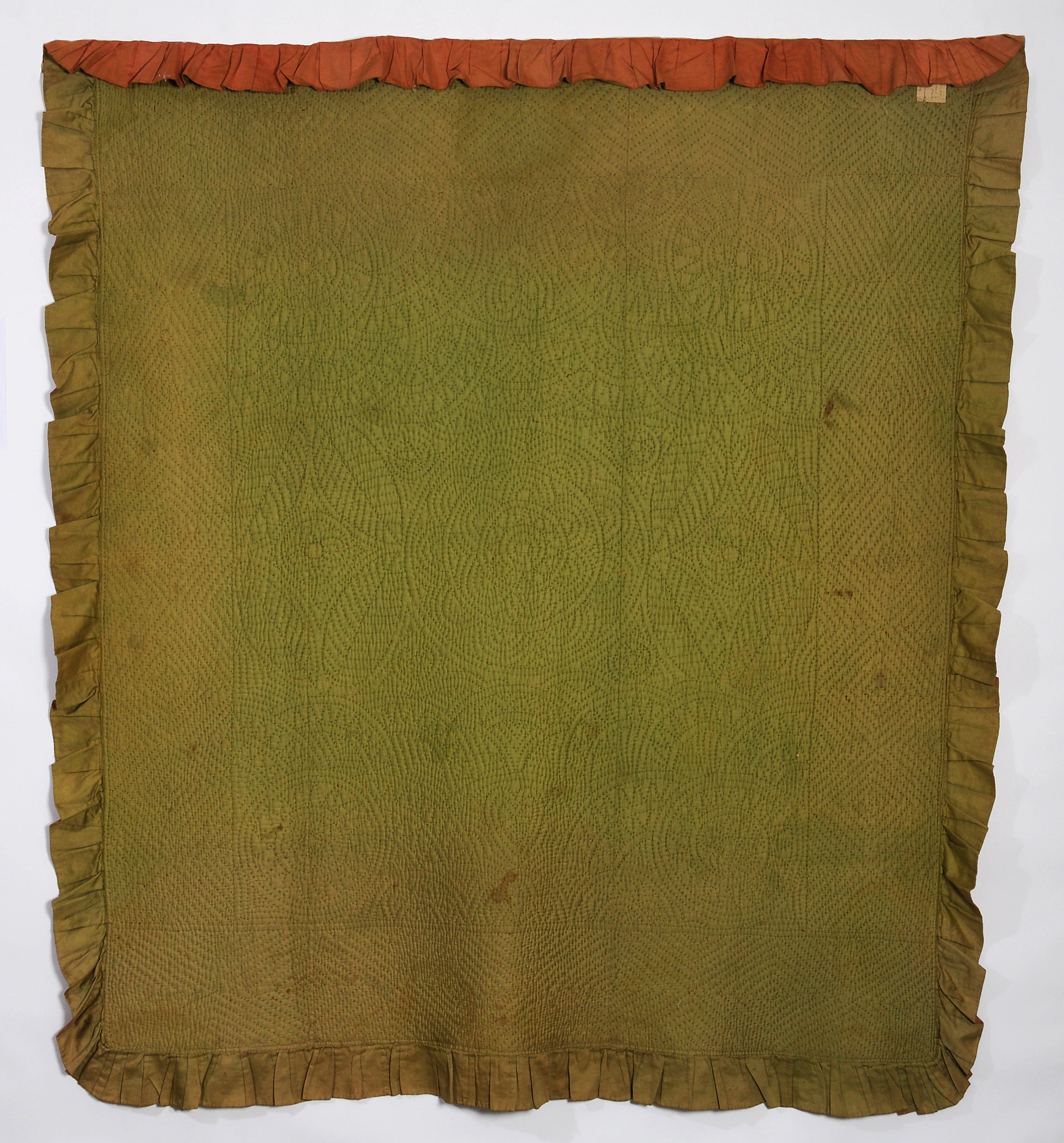
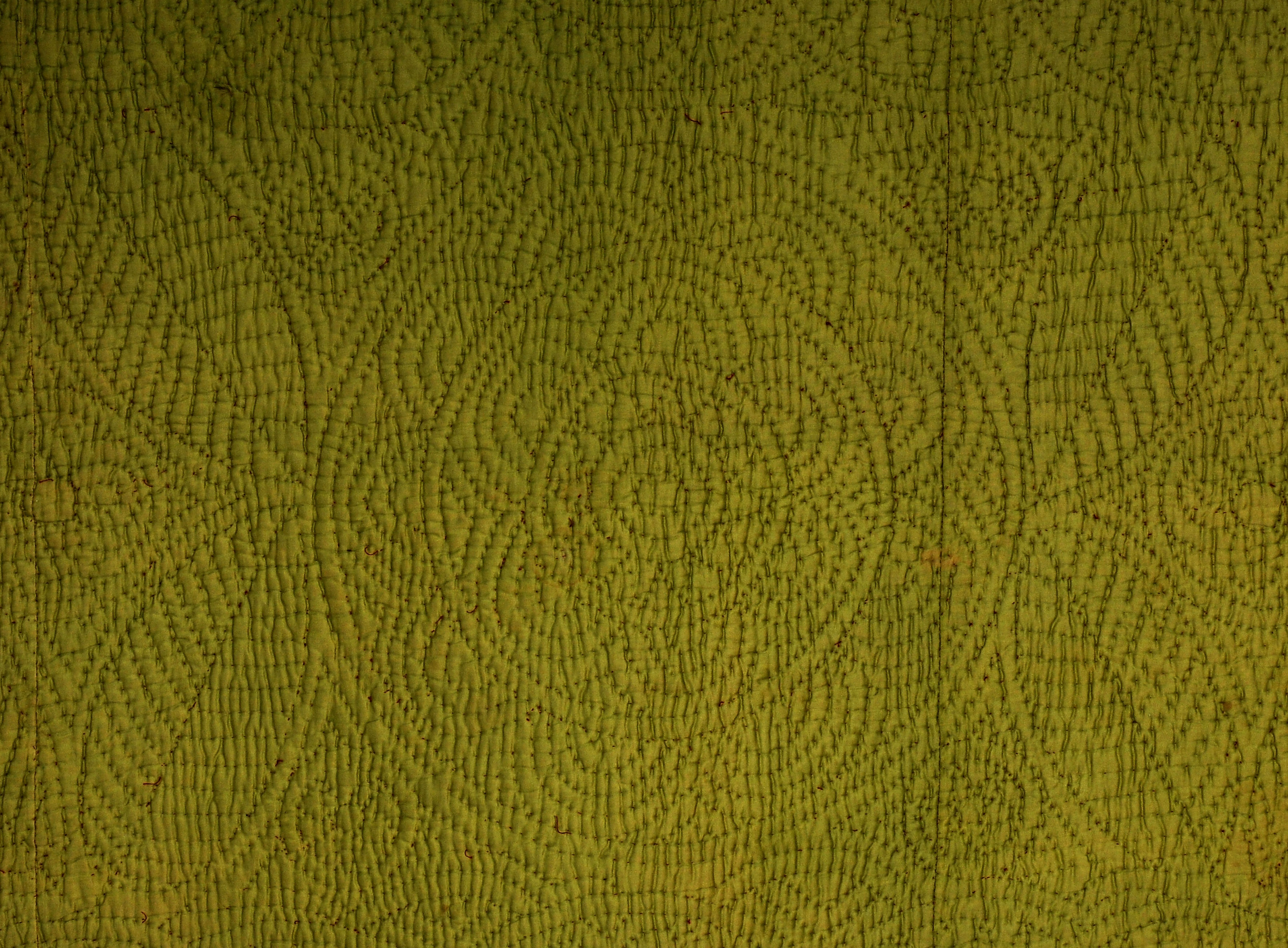
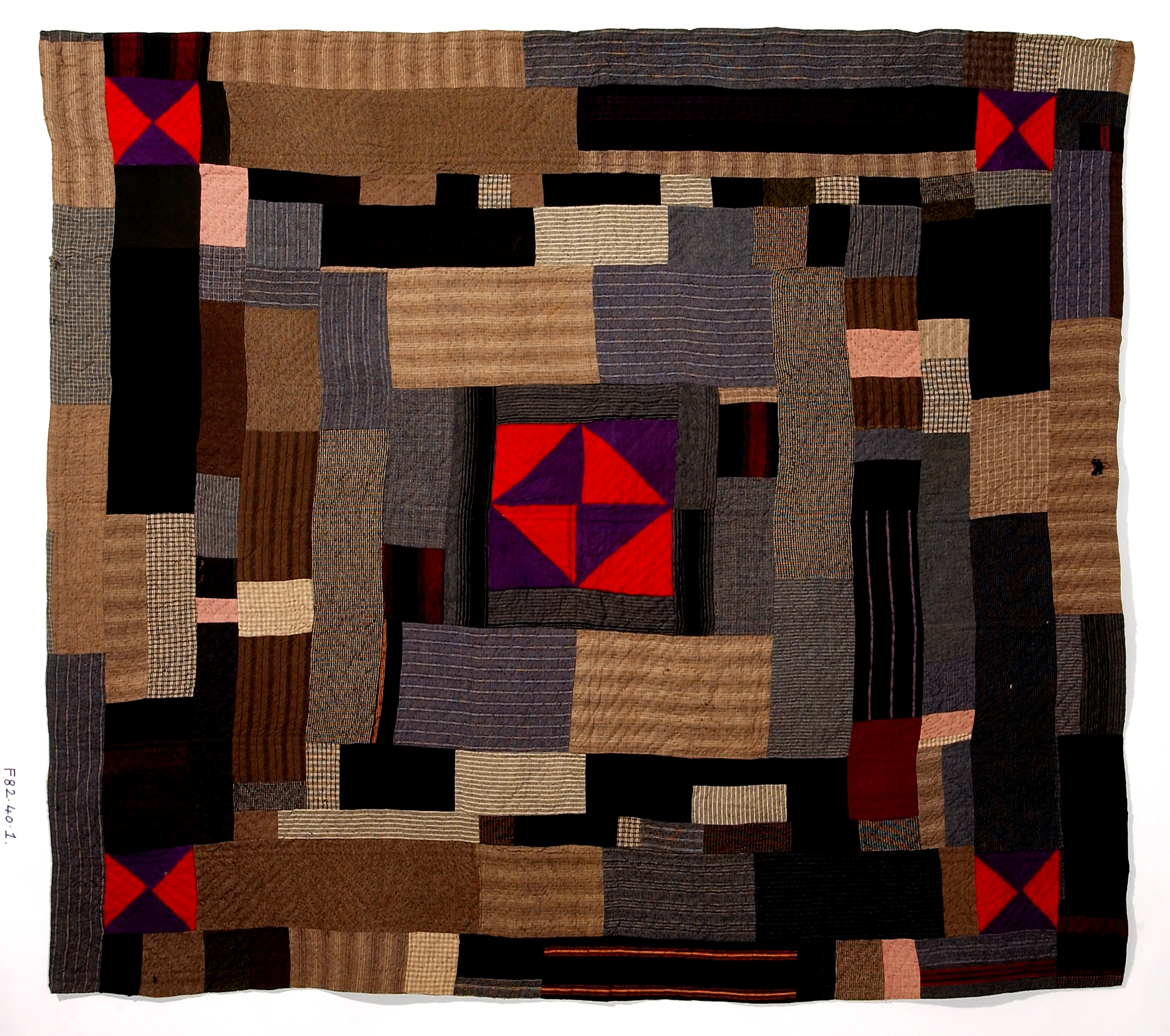
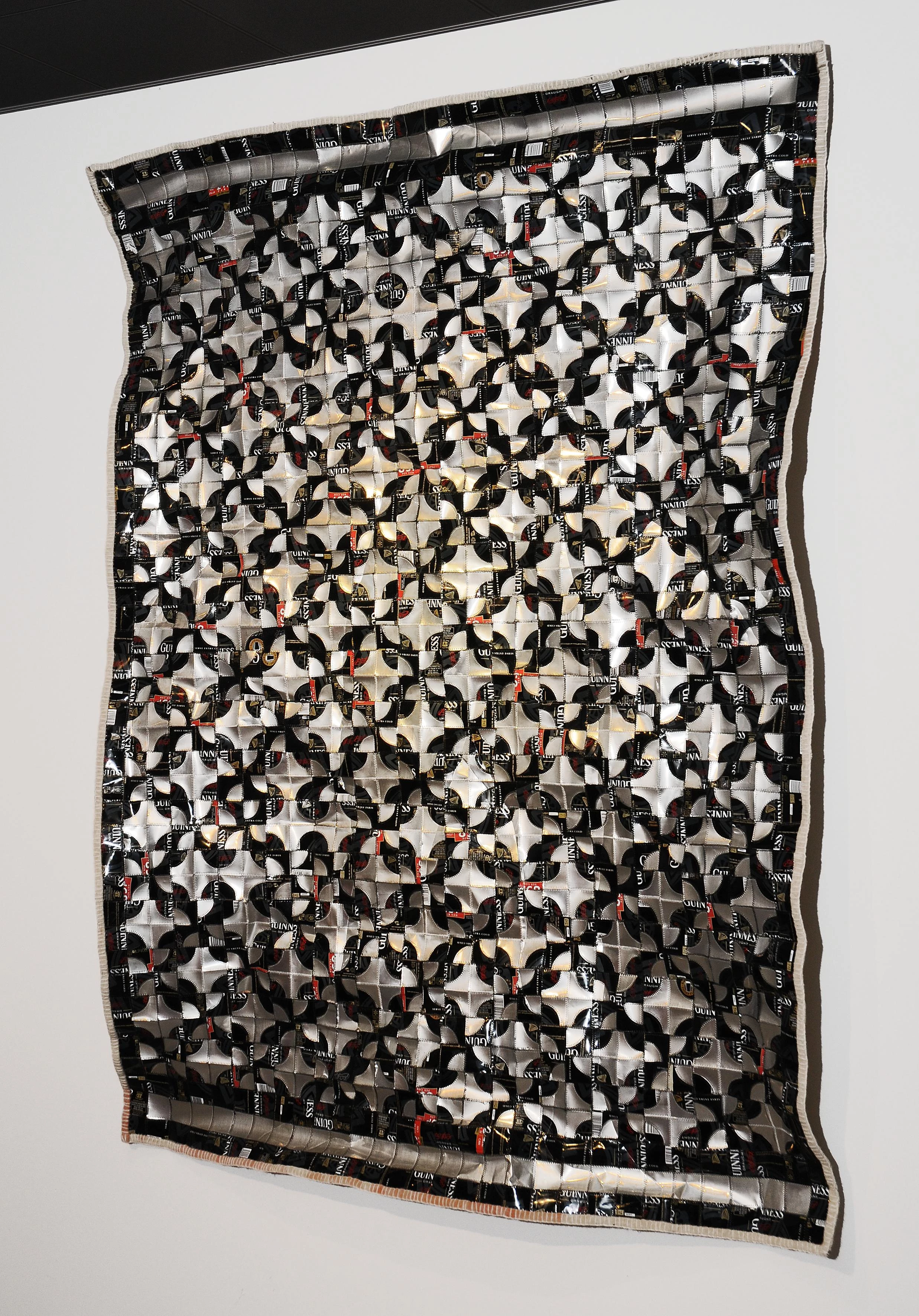
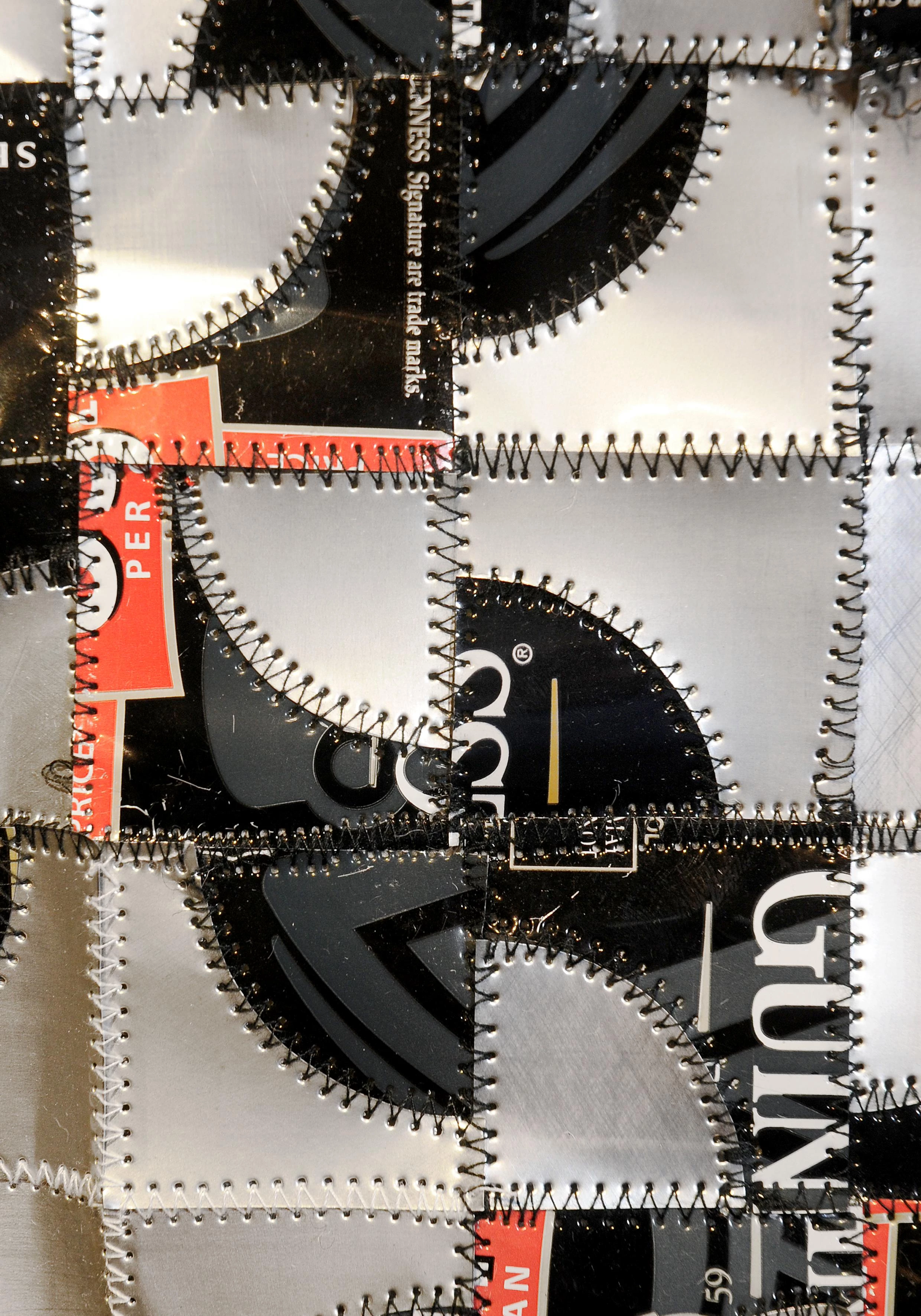
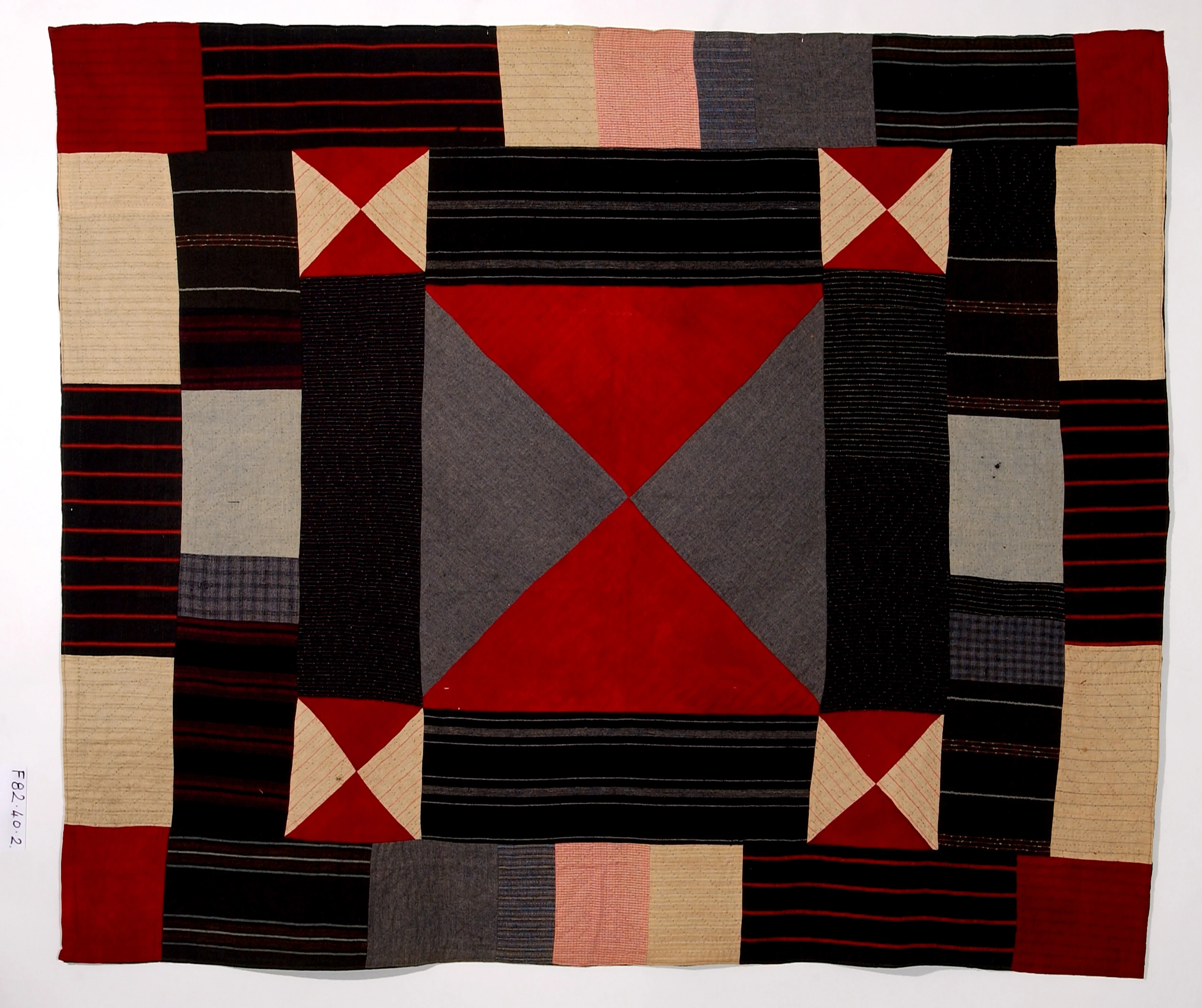
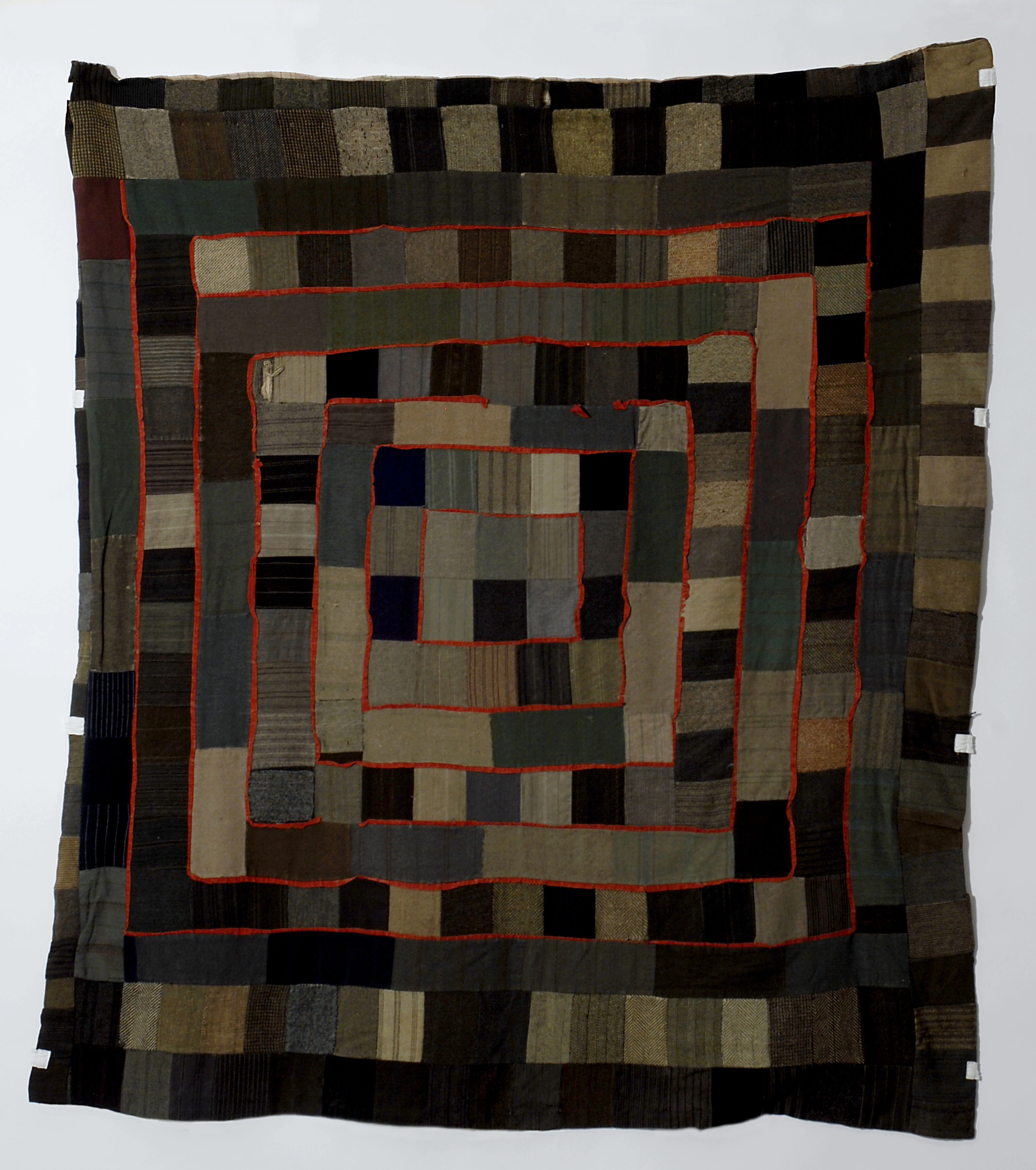
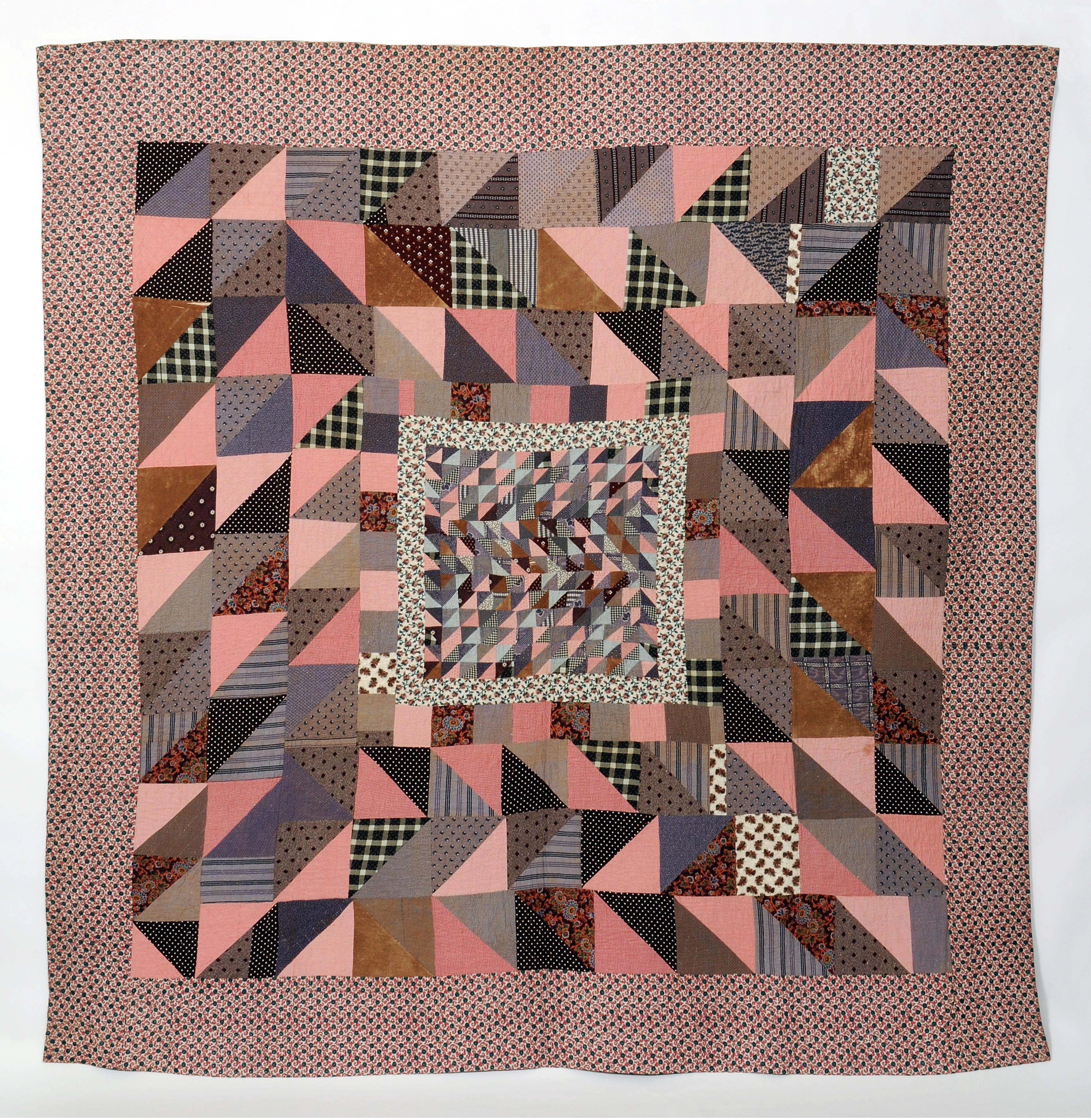
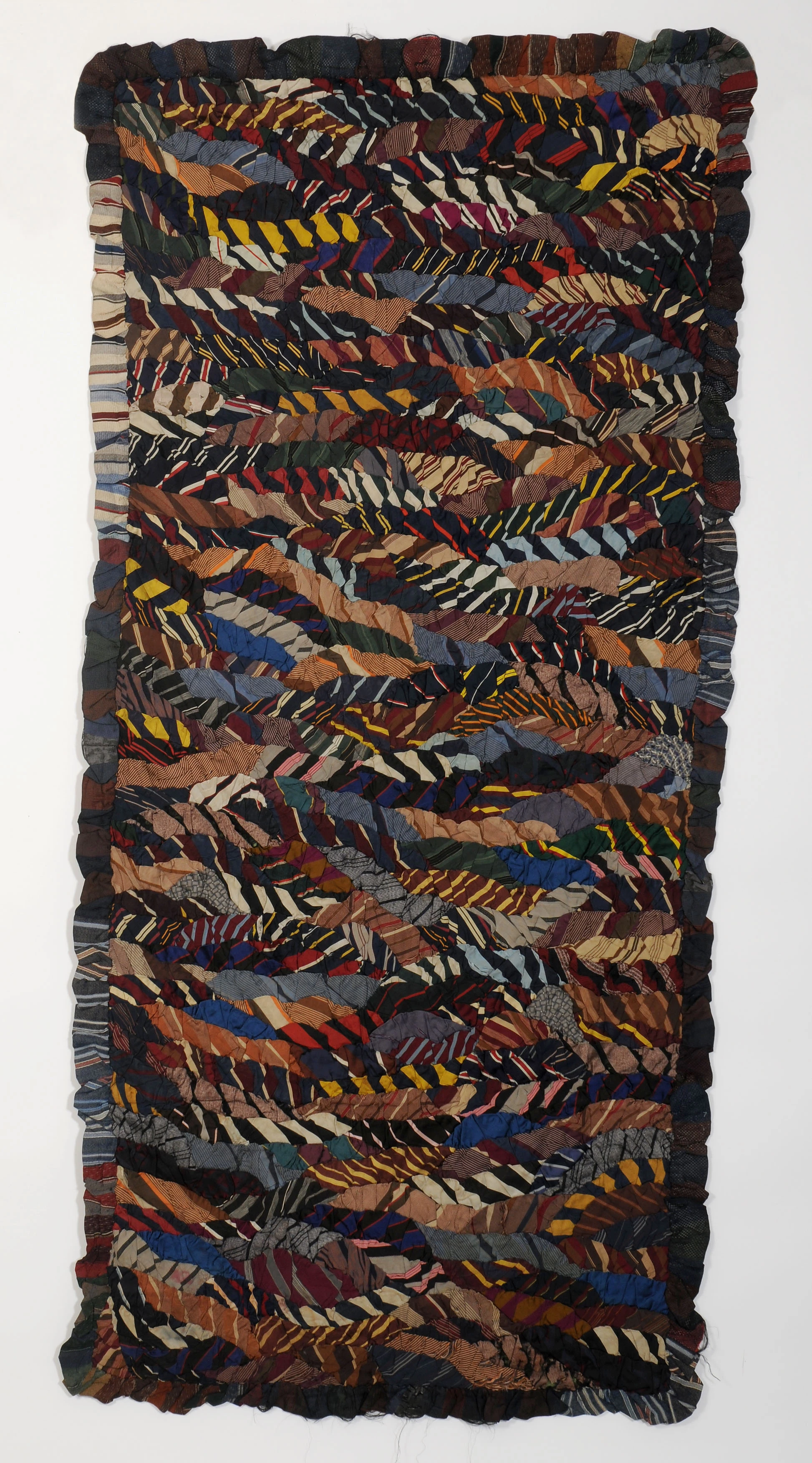
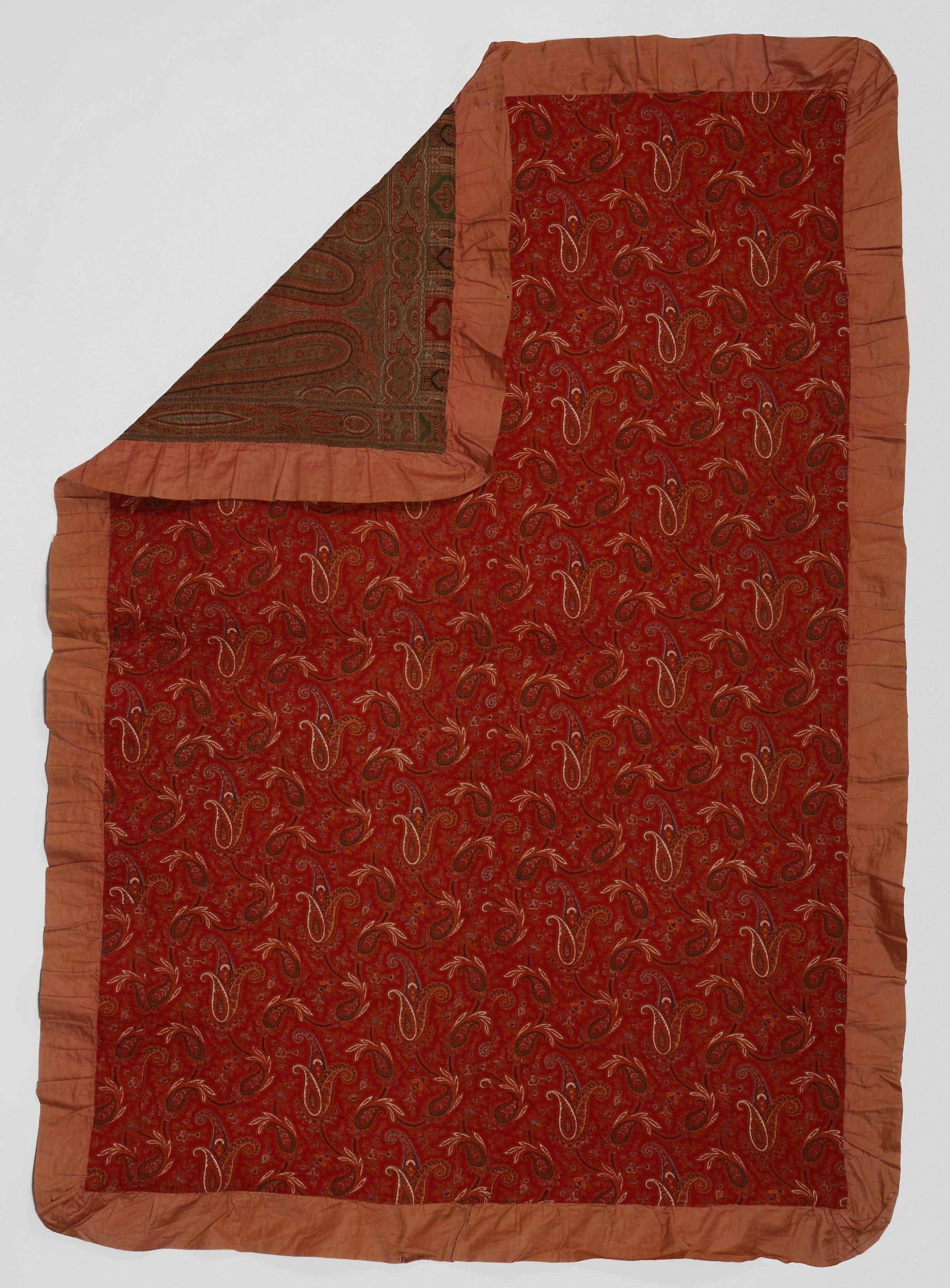
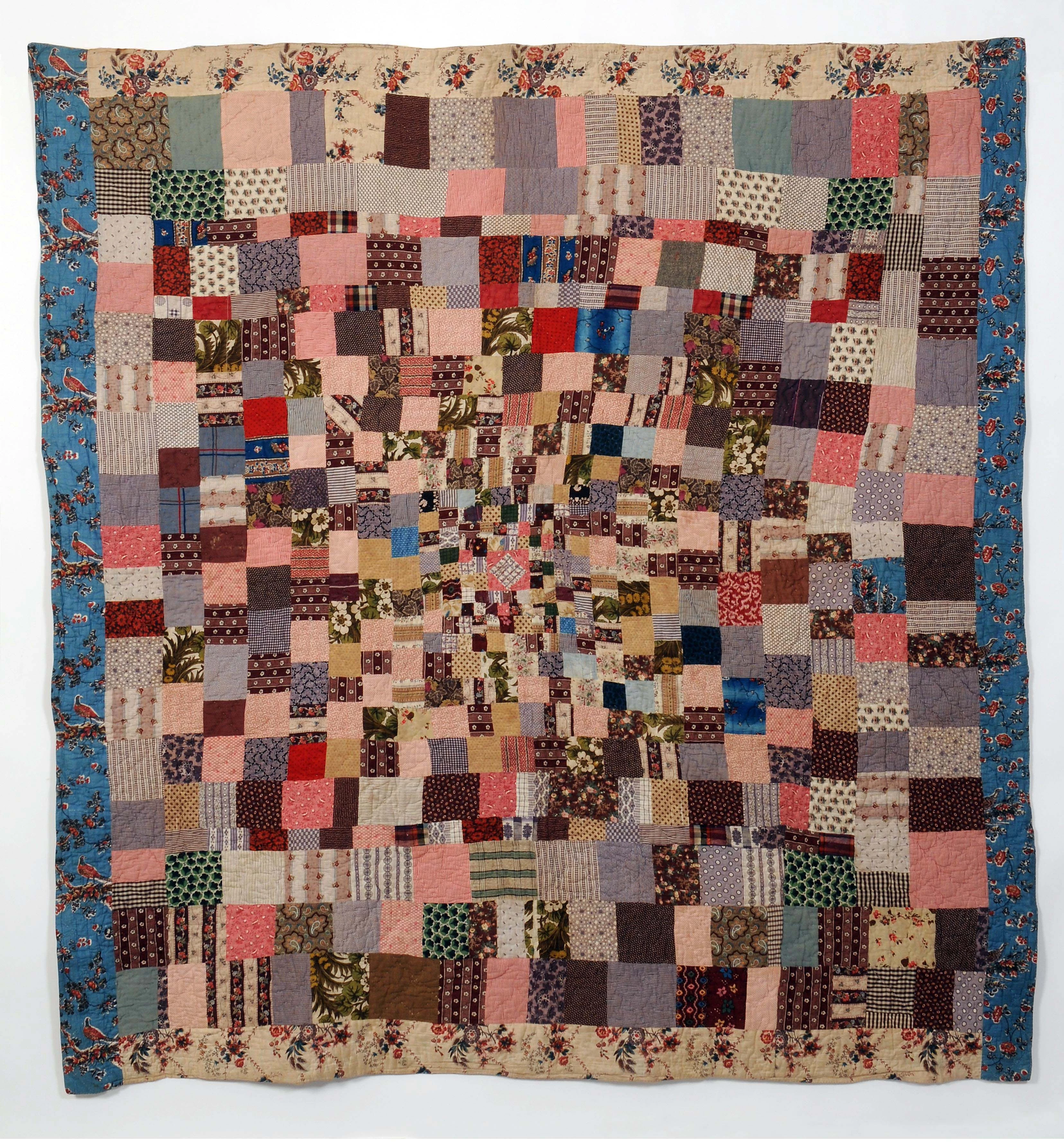
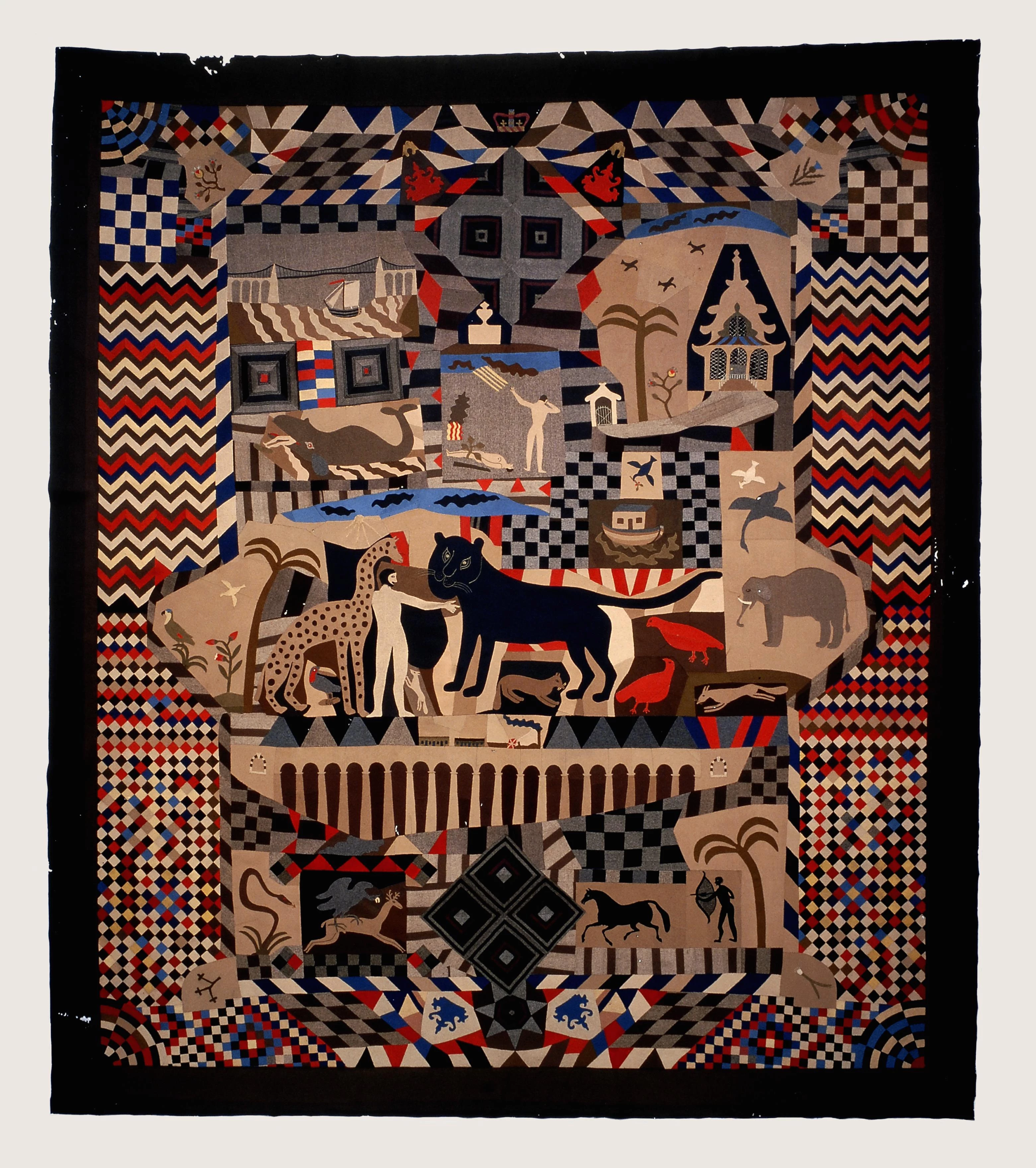
The Quilt Collection 17 April 2009 The collection of quilting and patchwork at Amgueddfa Cymru contains examples of bedcovers from the eighteenth to the twentieth centuries, together with smaller items such as cushion covers, linings from christening baskets, eighteenth-century petticoats and a christening gown worn by Peter Morgan of Golden Grove in 1722. The quilt collection at the Museum dates back to the 1930s. Although a few examples of quilts had been donated to the Museum in 1914, no systematic collecting had been undertaken prior to the establishment of the Department of Folk Culture and Industries in 1932. The collection is available to view by appointment. If you would like further information, please contact the curator using our Email Form. Scroll down through our collection of quilts which are listed in the following categories: Commemorative quilts Patchwork and appliqué quilt made by Mary Lloyd of Cardigan in 1840. A marriage quilt made by Mary Miles of Berthlwyd Farm, Quakers Yard, in 1886. Detail of a wholecloth marriage quilt made by Mary Miles of Berthlwyd Farm, Quakers Yard, in 1886. A sateen quilt decorated with printed signatures. It was sent to the Welsh War Relief Committee in 1942 from Edmonton, Canada. Detail of a sateen quilt decorated with printed signatures. It was sent to the Welsh War Relief Committee in 1942 from Edmonton, Canada. Detail of a marriage quilt made in Maesteg in the 1920s. A wholecloth wedding quilt made in Maesteg in the 1920s. A quilt made from a range of printed cottons. The central panel contains a portrait of Caroline of Brunswick, consort of King George IV. Made in Brecon in about 1820. An unlined patchwork bedcover. Made by the Richards family of Darowen, possibly to commemorate the building of their new parish church in 1863. Detail of a wholecloth quilt from Abergwawr made to commemorate Queen Victoria's Golden Jubilee in 1887. A wholecloth quilt from Abergwawr made to commemorate Queen Victoria's Golden Jubilee in 1887. Hexagonal patchwork A patchwork table cover used at Llwyn Onn Hall, Wrexham. Made from cotton dress fabrics and chintzes which date from about 1780-1820. A cotton patchwork bedcover made by a dairy-maid at Llanharan House, near Llanharan, in 1886. A bedcover of predominantly red and lilac cotton prints. Made mid-to-late 19th century by Esther David of Llanfabon. A 19th century patchwork bedcover from Cardiff. Mostly made from cotton chintzes. A bedcover of hexagonal cotton prints arranged in cables. Given as a wedding present in 1874 to A. C. Humphreys-Owen of Glansevern House, Welshpool. Detail of an unlined patchwork bedcover. Made in Llantrisant in 1886. An unlined patchwork bedcover made in 1886 in Llantrisant. A 19th century patchwork quilt from Wick. Made from a range of printed cottons. A quilt of red and white hexagons arranged in diagonal bands. Made by Elizabeth Edwards of Cardiff in 1870. Patchwork: Work in progress Detail of a 19th-century patchwork bedcover from Cardiff. Mostly made from cotton chintzes. An unfinished late 19th century patchwork bedcover from Port Talbot. Made from plain and printed cotton hexagons. The paper templates remain in parts. Detail of an unfinished late 19th century patchwork bedcover from Port Talbot. Made from plain and printed cotton hexagons. The paper templates remain in parts. An unfinished late 19th century patchwork from Cardiff. The 'log cabin' pattern has been achieved by dividing strips of cotton into light and dark shades. An unfinished late 19th century crazy patchwork of satin, velvet and ribbed silk. Oversewn with feather stitches and French knots. Made in Maentwrog. The reverse of an unfinished patchwork. The paper templates and tacking remain in position. Made in Mountain Ash in 1880. An unfinished patchwork of hexagonal printed cottons. The paper templates and tacking remain in position. Made in 1880 in Mountain Ash. An unfinished early 19th century patchwork from Dinas Powys. Made from printed cotton pieces arranged around an oval central panel. Prize-winning quilts A programme containing details of events and exhibitions held at St Fagans in conjunction with the Festival of Britain in 1951. A programme containing details of events and exhibitions held at St Fagans in conjunction with the Festival of Britain in 1951. A quilted bonnet made by Jane Davies of Pontardawe for the 1951 quilting competition held at St Fagans. A prize-winning poplin quilt made by Jessie Edwards, a quilting teacher from Merthyr. Exhibited at the Fagans during the 1951 Festival of Britain. Detail of a poplin quilt made by Jessie Edwards of Merthyr. The quilt won first prize at the 1951 quilting exhibition held at St Fagans. Quilts for children A silk cot quilt made by Miss Mabel Owen of Aberdare. It won first prize at the Royal Welsh Show held in Aberystwyth in 1933. A cot quilt made in 1987 at St Fagans National Museum of History by Katy Lewis of Caerphilly. Peach coloured cotton with polyester filling. A red and white patchwork cot quilt. Made and used in Carmarthen in 1914. A patchwork cot quilt from St David's, Pembrokeshire. A patchwork cot cover used in about 1850 by the infant William Hely Llewelyn of Cwrt Colman, Bridgend A cot quilt made from printed cotton and chintz squares. Made in 1856 for William Hely Llewelyn of Cwrt Colman, Bridgend, as a seven year old child. A cot cover of plain and ribbed silk patchwork arranged in the 'falling blocks' design. Made and used in St Asaph in 1870. Quilts: Earning a living Village quilters from Solva posing with a frame in 1928. Central motif of a wholecloth quilt made in 1933 by a group of quilters from Porth, Rhondda. A cream cotton poplin quilt with carded wool filling. Made in 1933 by a group of quilters from Porth, Rhondda. A notebook filled with notes, pencil drawn patterns and payments for quilting. Complied by Irene Morgan (nee Davies) of Abderdare in the 1920s-30s. A notebook filled with notes, pencil drawn patterns and payments for quilting. Complied by Irene Morgan (nee Davies) of Abderdare in the 1920s-30s. A notebook filled with notes, pencil drawn patterns and payments for quilting. Complied by Irene Morgan (nee Davies) of Abderdare in the 1920s-30s. A reversible wholecloth quilt of pink and green cotton with a flounced edge. Made by Phoebe Walters, a professional quilter from Bancyfelin, in about 1906. Detail of a wholecloth quilt of pink and green cotton. Made by Phoebe Walters, a professional quilter from Bancyfelin, in about 1906. Quilts: Make do and mend A 19th century geometric patchwork quilt made from off-cuts of flannel from Ogof Woollen Mill, Drefach-Felindre. Probably made by the weaver Benjamin Jones, or a member of his family. A quilt made by the Borth based artist Becky Knight in 2006. Constructed from recycled Guinness cans, machine stitched to form the traditional 'drunkards path' design. Detail of a quilt made from recycled Guinness cans. Designed and made by Becky Knight of Borth in 2006. A 19th century patchwork quilt made from off-cuts of flannel from Ogof Woollen Mill, Drefach-Felindre. Probably made by the weaver Benjamin Jones, or a member of his family. An early 20th century bedcover. Made in Blaenau Ffestiniog from scraps of tweed and worsted suits worn by quarrymen. A patchwork quilt made from a range of printed cottons. Made by an unknown quilter from Rhydlafar in about 1850. A mid 20th century quilt from Cardiff. Made from rouched up silk ties. Lined with larger pieces of silk, possibly suit lining. A reversible late 19th century quilt from Llangamarch. Made from two recycled woven and printed paisley shawls. A patchwork quilt made from multicoloured printed cotton squares. The filling is probably an older quilt. Made by Esther David of Llanfabon. Mid to late 19th century. A bedcover made by James Williams, a tailor from Wrexham, between 1842-52. Made from 4,525 pieces of woollen cloth, mainly off-cuts from military uniforms.