: Keeping and caring for collections

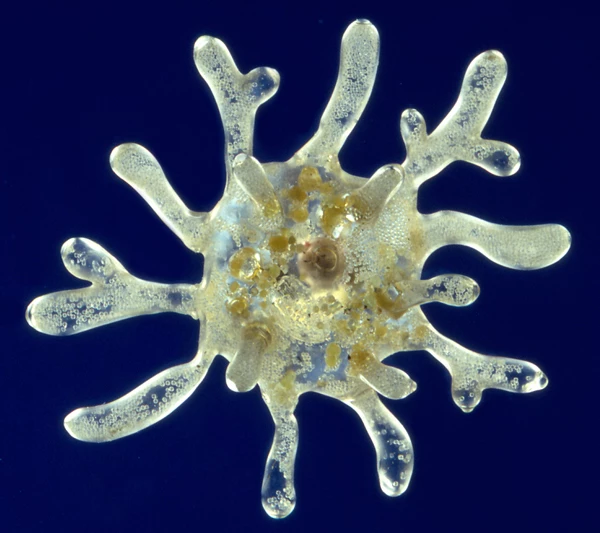
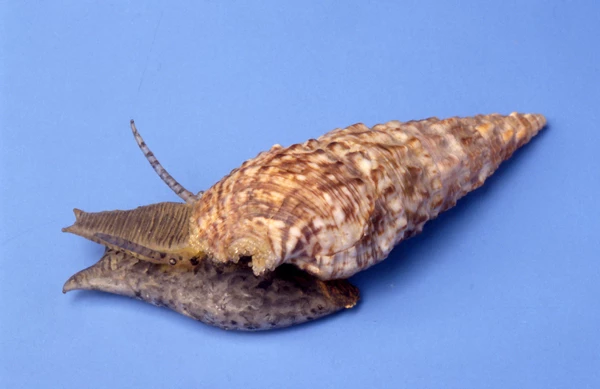
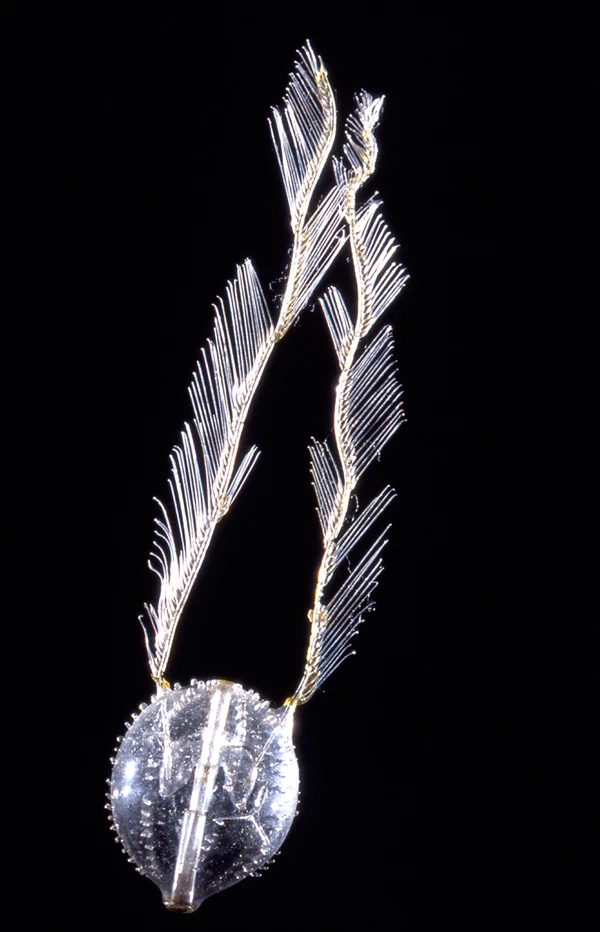
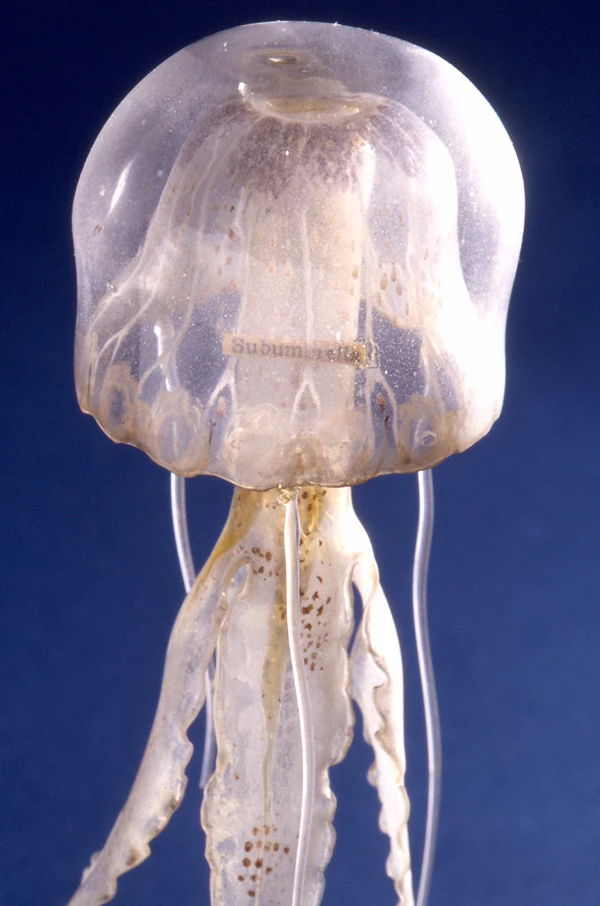
Sea creatures of the deep - the Blaschka Glass models

15 May 2007

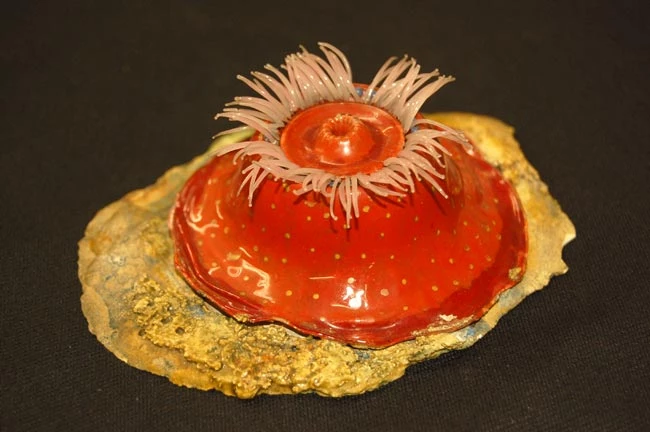
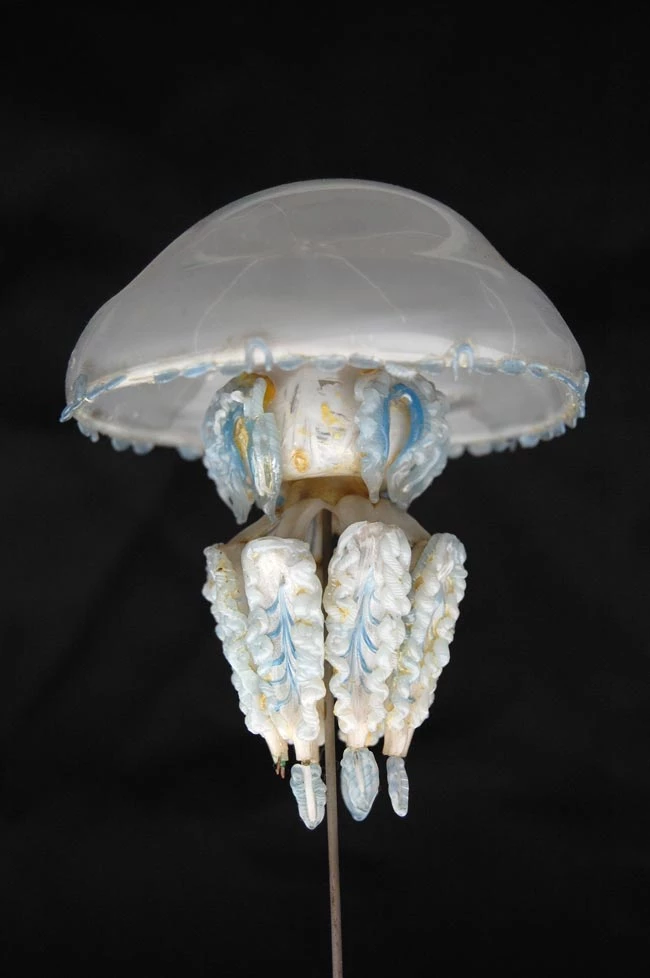
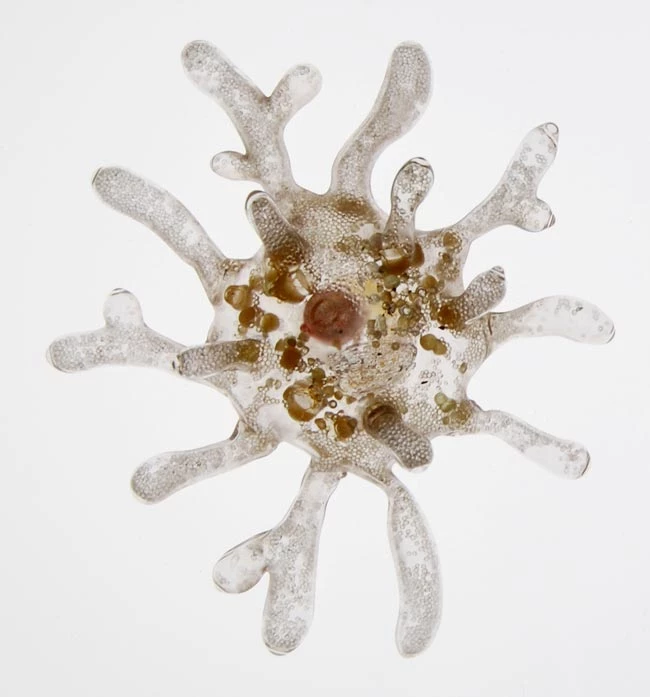
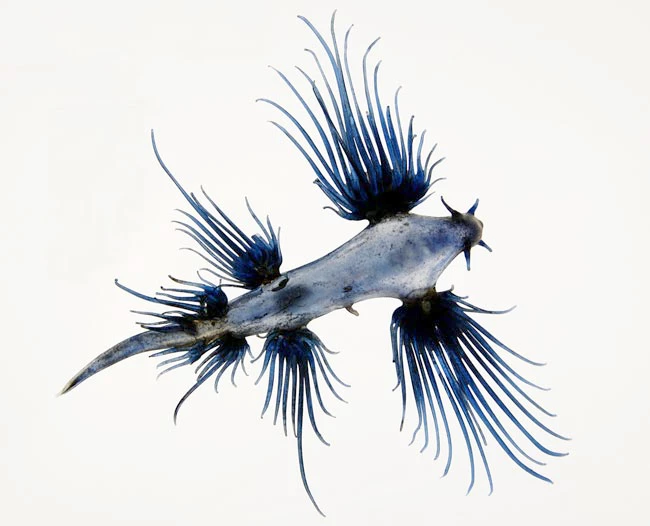
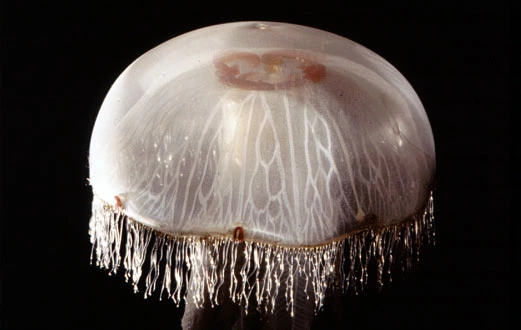
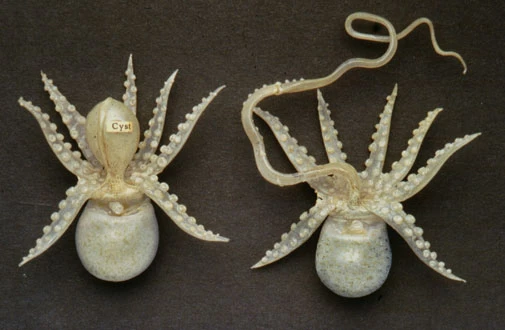
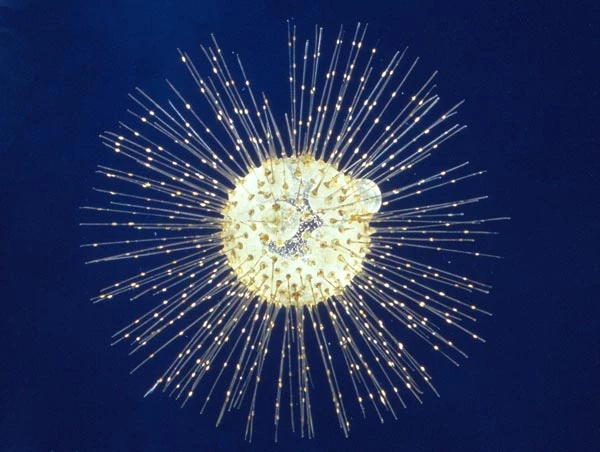
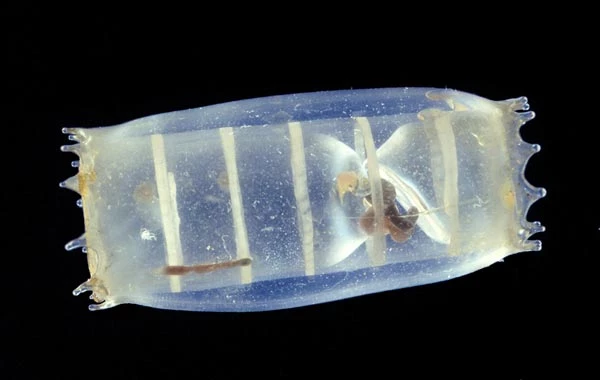
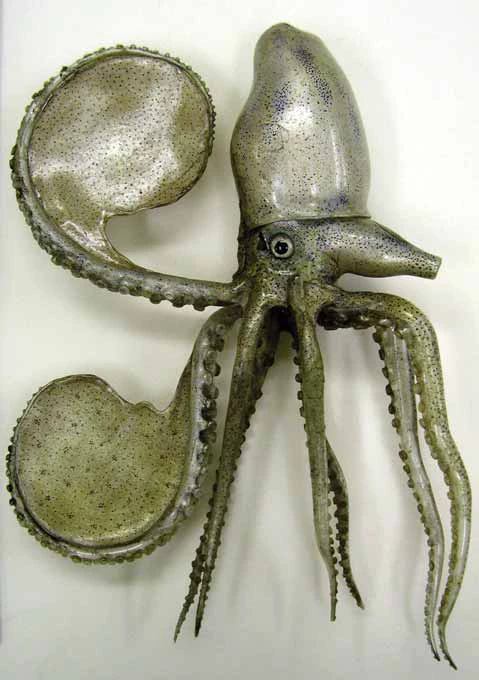
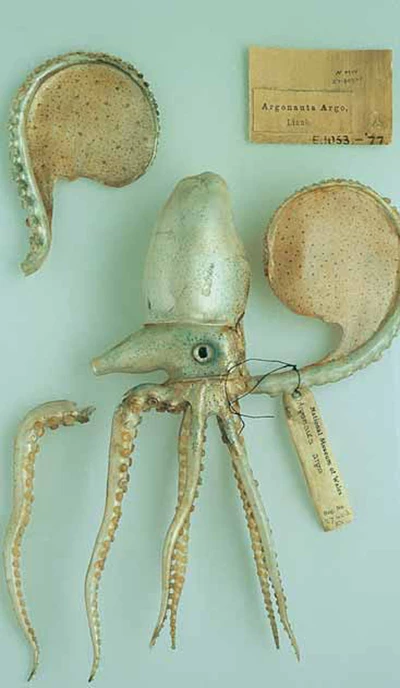
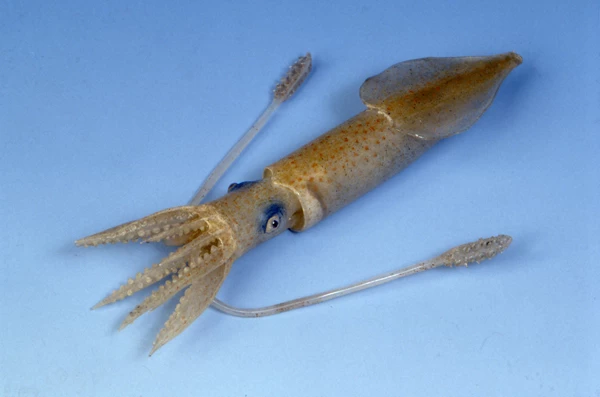
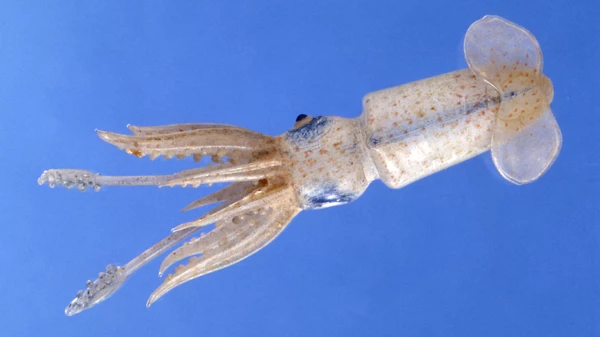
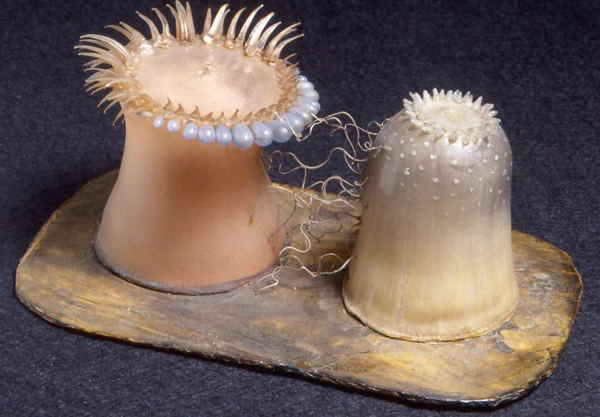
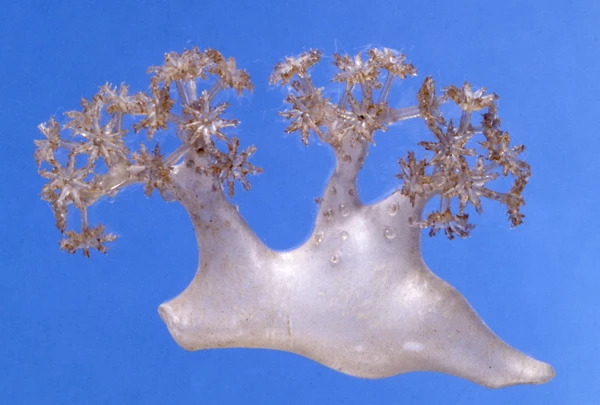
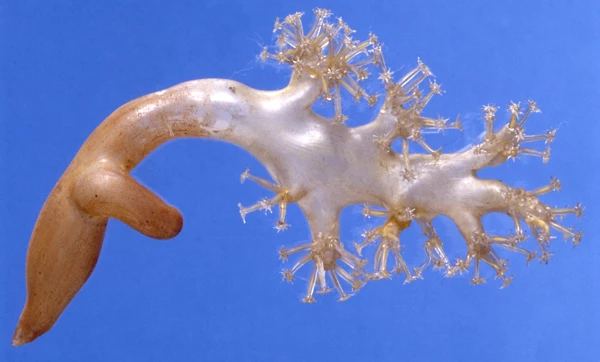
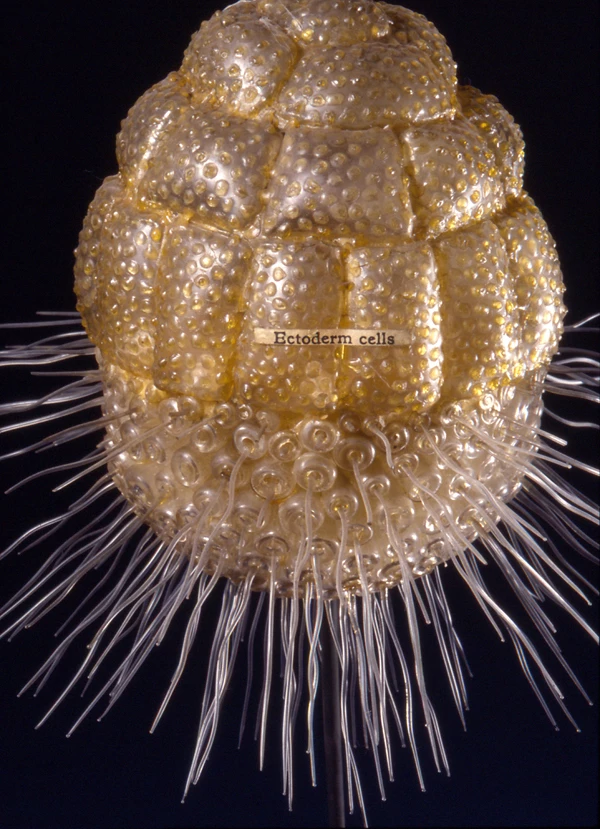
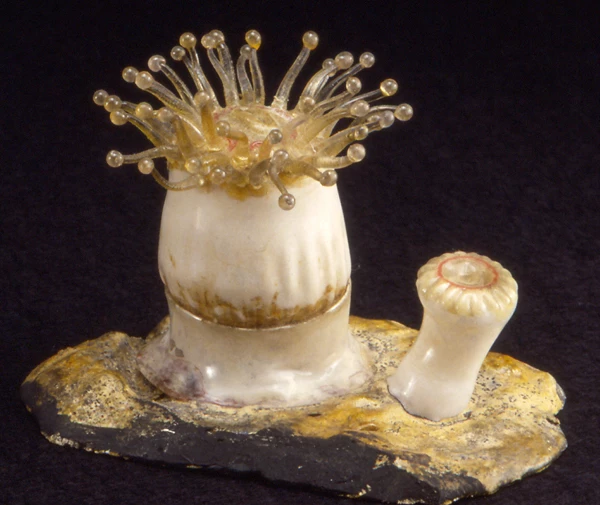
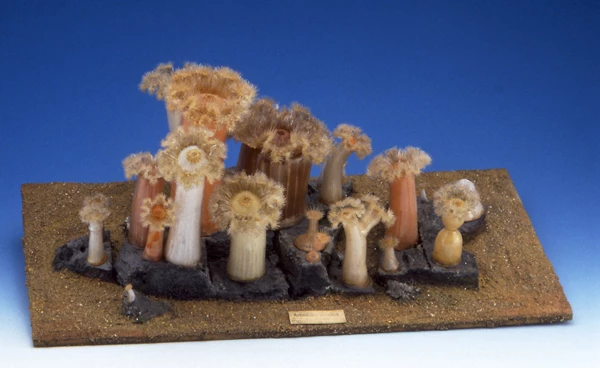
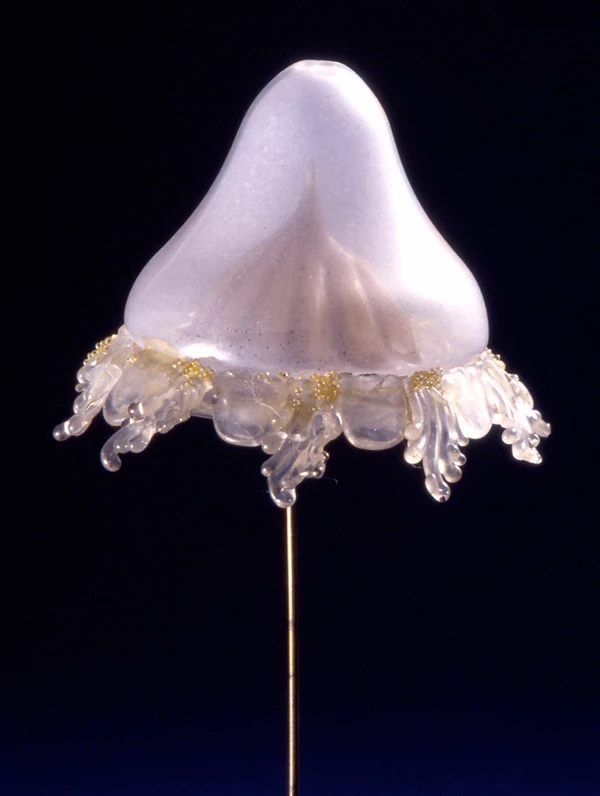
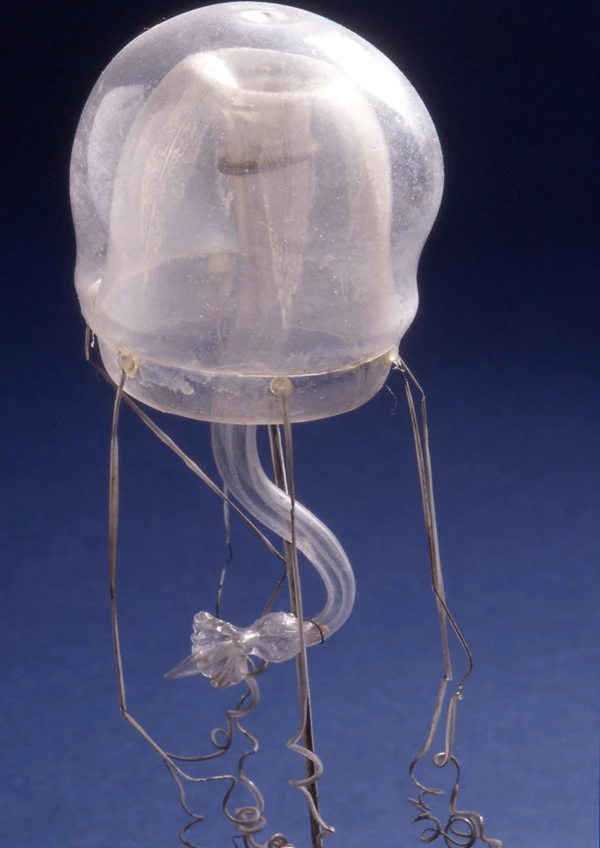
During the late 19th century, Leopola Blaschka (1822-1895) and his son Rudolf (1857-1929) produced beautifully detailed glass models of bizarre sea creatures for natural history museums and aquaria all over the world.

Their work has been hailed as: “an artistic marvel in the field of science and a scientific marvel in the field of art.”

Today, the Blaschkas seem remarkably contemporary: working as they did on the cusp of design, craft, art and industry.

Click the thumbnails below to view larger images from a selection of these remarkable glass models held at Amgueddfa Cymru.

Britain's only surviving Roman will

10 May 2007

Roman Trawsfynydd

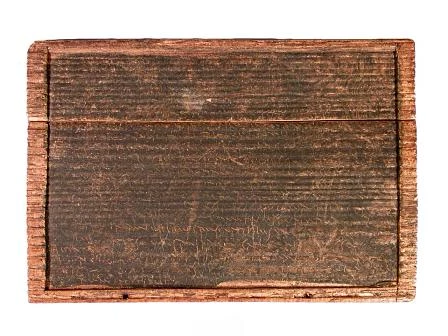
The first 'page' of a Roman will found near Trawsfynydd in the 19th century. The tablet was already broken in two.

The first 'page' of a Roman will found near Trawsfynydd in the 19th century. The tablet was already broken in two.

Britain's only surviving Roman will was found in the 19th century near Trawsfynydd, Merionethshire. Two letters written at the time shed light on its history.

The first letter describes a 'wooden book', consisting of 10 or 12 leaves, as being found by farm servants cutting peat 5km to the south-east of the Roman fort at Tomen-y-Mur. The letter reads:

"I saw the book a few days after it was first found – only 2 or 3 of the leaves then contained the inscription perfect – On the rest it had been partly obliterated by the carelessness of the farm servants. The work is, probably, a relic of the Ancient Druids, who may have employed a modification of the Roman alphabet to write their own language."

The author of the letter was mistaken in linking the text to the Druids, but did well to identify it as Roman, since at this time Roman 'cursive' (joined characters) writing was unknown.

TV show prompts artefact to be identified

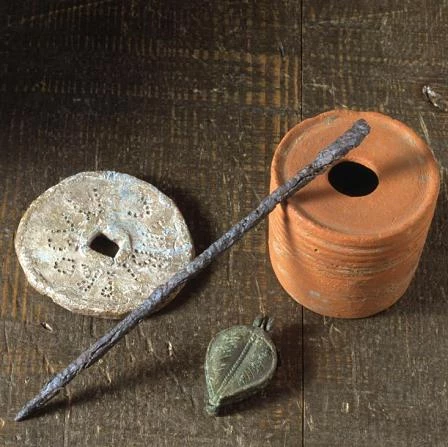
Pottery inkwell, an iron stylus for writing on waxed tablets, a seal box and a lead property marker.

Pottery inkwell, an iron stylus for writing on waxed tablets, a seal box and a lead property marker.

The second letter records the delivery, probably in the mid 19th century, of one leaf to George Carr Pearson in London. Pearson studied the tablet, but never returned it. Eventually, the tablet was found again when clearing a house in West Kensington. In 1991 it came into the possession of Mr Stafford Ellerman, who in 2003 saw a television programme about the writing tablets discovered at the Roman fort of Vindolanda on Hadrian's Wall. He realised he too owned a Roman writing tablet and took it to the British Museum for identification. He generously donated it to Amgueddfa Cymru.

The will

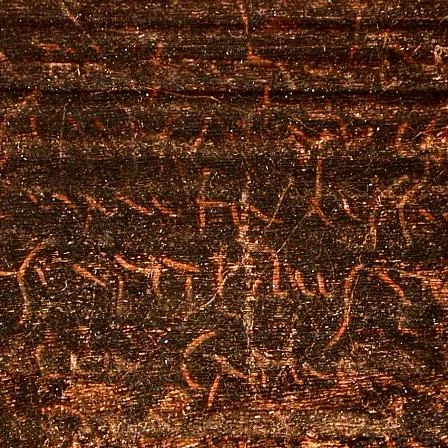
Detail of the tablet revealing the Roman writing preserved on its surface.

Detail of the tablet revealing the Roman writing preserved on its surface.

The tablet is a thin rectangular slab of wood from a silver fir tree, which was not native to Britain. The wax coating on one side is now degraded. Originally this would have been a smooth dark coating made of beeswax and a colouring agent, probably soot, in which the scribe wrote with his 'stylus' (a pointed metal writing tool) to expose the pale wood underneath. Some 300 stylus tablets have now been found on sites in Britain.

With careful photography and meticulous study of the original, it is possible to discern a ghost of writing in many places. The writing is in 'lower-case' Roman cursive script. The tablet forms the first page of a Roman will, written in Latin.

Its author names an heir to his estate, possibly his wife or daughter, and charges them with responsibility for accepting it within 100 days of becoming aware of their inheritance. The identity of the author and the extent of his estate were presumably detailed on the other tablets, now lost.

Considering that Roman wills were regularly written on waxed tablets, with good reason to preserve them and millions of Roman citizens to write them, it is surprising that the actual tablets should be so rare; four are known from Egypt and now this example from Wales.

The text translates as:

"[The name and status of the testator] ... before I die, I order that [name] be my sole heir...

Let all others for me be disinherited [...] on no other terms than that as much as I shall give, have given, shall have ordered to be given [...] and you [enter upon, accept my estate [... within] the next hundred [days] after my death in which you know or can know that you are my legitimate heir, in the presence of witnesses [...] let the heirs be those who know that they are [...] of this property.

But if you do not thus accept my estate, if you refuse to enter upon it, be thou disinherited [...], whom I have instituted as my sole heir."

Background reading

‘A Roman Will from North Wales’ by R. S. O. Tomlin. In Archaeologia Cambrensis, 150 (2004) pp. 143–56

Life and Letters on the Roman Frontier by A. K. Bowman. Published by British Museum Press (1994).

Exquisite Roman treasure gives up its secrets

9 May 2007

The leopard cup.

The leopard cup. 11.5cm (4.5 inches) tall.

Detail of the leopard handle

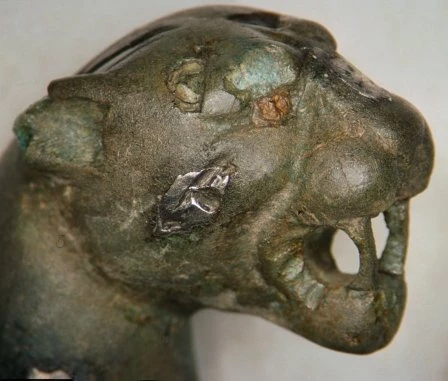
Detail of the leopard handle, showing its finely worked features and silver spots.

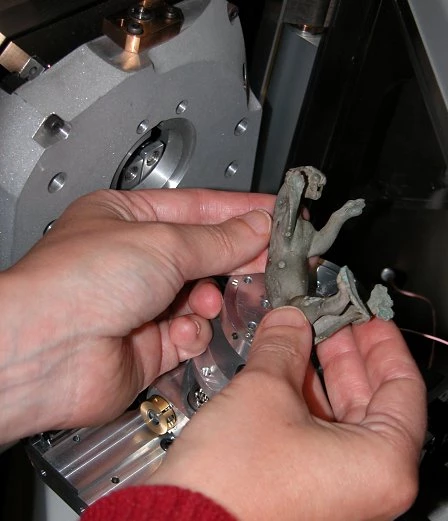
Leopard cup being placed in the Scanning Electron Microscope.

Leopard cup being placed in the Scanning Electron Microscope.

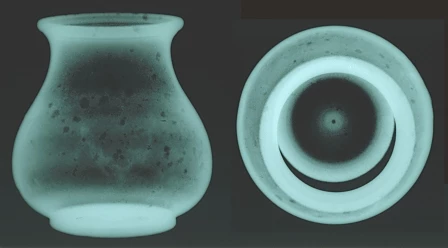
X-rays of the cup.

X-rays of the cup.

Microphoto of the leopard's face.

Microphoto of the leopard's face.

Discovered in 2003, this exquisite Roman vessel has been the subject of detailed study at Amgueddfa Cymru - National Museum Wales.

The bronze cup is one of the finest Roman vessels to have been found in Wales. It was discovered by Mr Gary Mapps near Abergavenny (Monmouthshire). It was reported to the Portable Antiquities Scheme, enabling the finds spot to be investigated.

Excavation of the site revealed that the cup had been placed upside down in a small pit containing a cremation. This cremation was part of a cemetery beside a Roman Road some distance from the mid 1st to early 2nd century fort at Abergavenny (Roman Gobannium). There is also a growing amount of evidence for a civilian settlement dating from the 2nd to 4th centuries in the neighbourhood of this cemetery.

The cup displays craftsmanship of a high standard and it was almost certainly manufactured in Italy during the 1st century AD. Very similar cups have been found at the doomed city of Pompeii, which was destroyed after the eruption of Vesuvius in AD79.

X-rays of the cup revealed that it was first cast in a mould using leaded bronze. Lead was added to help the molten bronze (principally copper and tin) flow more easily and improve the quality of the casting. Once this casting had been made the vessel was turned on a lathe with the use of a sharp cutting tool to produce its final shape.

The cup's decorative handle depicts a leopard which, in Roman mythology, appears as the draught-beast and companion of Bacchus, the god of wine. His worship involved feasting, drinking, music and dancing. Leopards, captured in both Africa and Asia, were also popular with the Romans for display and fighting in the amphitheatre arena.

The leopard handle was made separately using 'lost wax' casting. The first process was to make a wax model of the leopard. A clay mould was formed around the model and then heated to run off the wax. Leaded bronze was poured in to fill the space left by the wax and, after cooling, the mould was broken to remove the bronze handle.

Further work was undertaken on the finished casting: for example the tail and canine teeth, originally cast thicker, were cut away to form finer features. The spots were also chiselled out from the body after casting and inlaid with silver. The leopard was then attached to the cup using solder. The leopard's eyes, measuring about a millimetre in diameter, were also inlaid. Analysis of the remaining traces of inlay indicate that the eyes may have been of amber.
It is unknown whether the cup belonged to a member of the Roman army, or a native Briton from the nearby civilian settlement. Whichever is the case, this 1st century cup was a costly import and probably belonged to someone of status, who cherished it sufficiently to want it buried with them on their death.

Background Reading

Things Fall Apart: museum conservation in practice. National Museum Wales Books, 2006

Coins from Edward the Confessor and William the Conqueror found in Monmouth field

4 May 2007

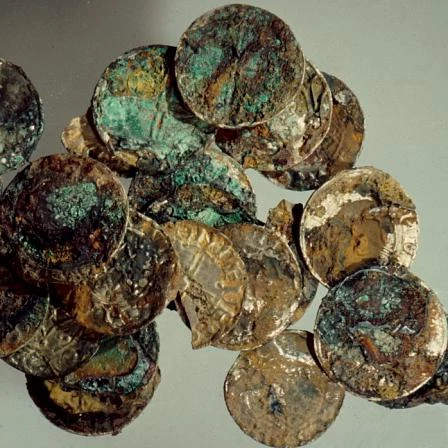
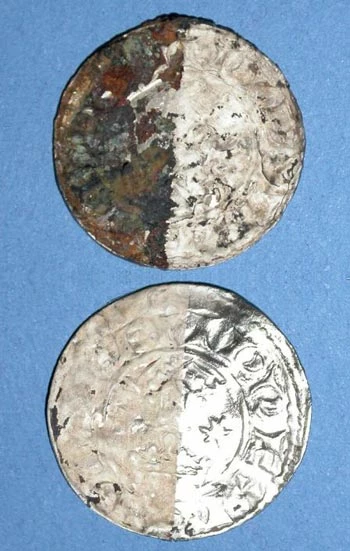
Part-cleaned and fully-cleaned coins. Each coin measures about 2cm (0.75 inches) across.

Part-cleaned and fully-cleaned coins. Each coin measures about 2cm (0.75 inches) across.

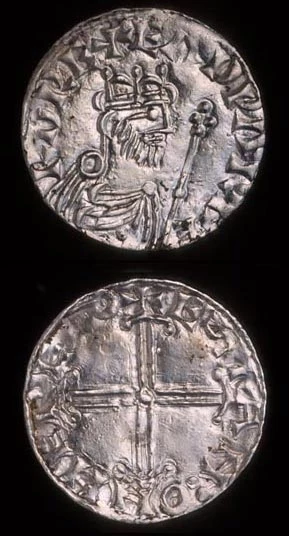
Penny of Edward the Confessor struck by Estan at Hereford, around 1060. Measures 1.9cm (0.75 inches) across.

Penny of Edward the Confessor struck by Estan at Hereford, around 1060. Measures 1.9cm (0.75 inches) across.

Part of the Abergavenny hoard as discovered.

Part of the Abergavenny hoard as discovered.

Traces of the cloth bag, preserved in the mineralization. This image shows some of the stitching.

Traces of the cloth bag, preserved in the mineralization. This image shows some of the stitching.

An updated version of this article has been published.

In April 2002 three metal-detectorists had the find of their lives in a field near Abergavenny, Monmouthshire: a scattered hoard of 199 silver pennies.
The hoard included coins of the Anglo-Saxon king Edward the Confessor (1042-66) and the Norman king William the Conqueror (1066-87). The hoard probably pre-dates the founding of Abergavenny near by in the 1080s.
The hoard was heavily encrusted with iron deposits, including traces of fabric, suggesting that the coins had originally been held in a cloth bag. It is not clear whether they had been deliberately hidden, or simply lost. Either way their owner was the poorer by a significant amount: sixteen shillings and seven pence (16s 7d, or £0.83p) would for most have represented several months' wages.
Minting coins

Anglo-Saxon and Norman coins form an unique historical source: each names its place of minting and the moneyer responsible. People had easy access to a network of mints across England (there were none in Wales) and every few years existing money was called in to be re-minted with a new design. The King, of course, took a cut on each occasion.

The Abergavenny hoard includes 36 identifiable mints, as well as some irregular issues which cannot at present be located. Coins from mints in the region, like Hereford (34 coins) and Bristol (24), are commonest, outweighing big mints such as London (19) and Winchester (20). At the other end of the scale there are single coins from small mints such as Bridport (Dorset), or distant ones such as Thetford (Norfolk) and Derby.

Hoards from western Britain are rare, so the Abergavenny Hoard has produced many previously unrecorded combinations of mint, moneyer, and issue.

We shall probably never know quite why these coins ended up in the corner of a field in Monmouthshire but, as well as expanding our knowledge of the coinage itself, they will cast new light on monetary conditions in the area after the Norman Conquest.

Conservation

The coins were found covered in iron concretions and many of them were stuck to each other. This disfigured the coins and obscured vital details. Removing this concretion with mechanical methods, such as using a scalpel, would have damaged the silver, and chemicals failed to shift the iron.

The solution to the problem was found in an unexpected, but thoroughly modern tool - the laser. A laser is a source of light providing energy in the form of a very intense single wavelength, with a narrow beam which only spreads a few millimetres.

As laser radiation is of a single colour (infrared light was used in this case) the beam will interact intensely with some materials, but hardly at all with others. This infrared source was absorbed better by the darker overlying iron corrosion than by the light silver metal.

The laser was successful at removing much of the iron crust, but initially left a very thin oxide film on the surface. When this was removed, the detail revealed on the underlying coin was excellent; it was possible to see rough out and polishing marks transferred to the coin from the original die, as well as the inscribed legend.

Background Reading

Conquest, Coexistence, and Change. Wales 1063-1415 by R. R. Davies. Published by Oxford University Press (1987).

The Norman Conquest and the English Coinage by Michael Dolley. Published by Spink and Son (1966).

Stunning ironwork firedog uncovered in farmer’s field

4 May 2007

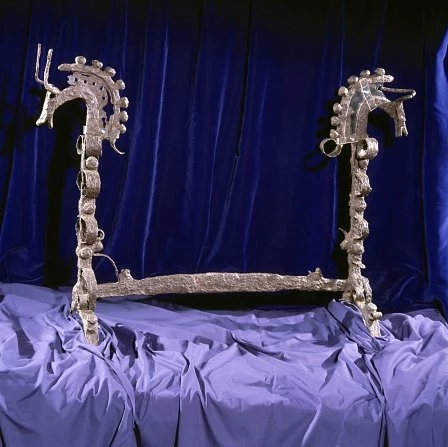
The Capel Garmon Firedog

The Capel Garmon Firedog (Conwy). Firedogs are decorated stands used to contain wood burning in a fireplace. This fine example has heads and crests shaped to resemble aspects of both a bull and a horse.

One of the heads on the firedog

Detail showing one of the heads on the firedog. The head may have represented a mythical creature recounted in the tales of warriors or an emblem of the tribe or community of its owners.

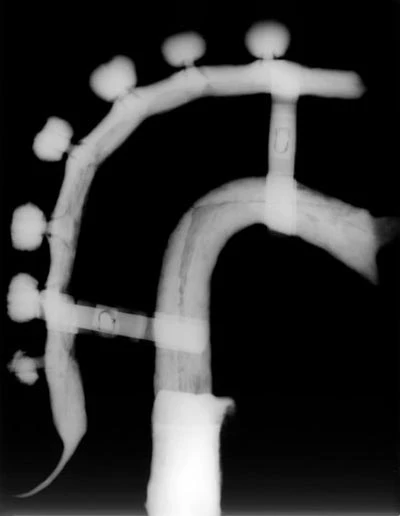
X-ray of one of the heads on the Capel Garmon Firedog

X-ray of one of the heads on the Capel Garmon Firedog. This X-ray shows the complex way in which the firedog was constructed. (The horizontal and vertical struts are modern supports added to stabilize the head).

Experimental iron smelting

Experimental iron smelting has shown the amount of time and skill that would have been involved in the production of the Capel Garmon Firedog.

This iron stand with two opposing horned animal heads is known as the Capel Garmon Firedog, and was made by a master craftsperson of the Celtic Iron Age.

An offering to the gods

Found in 1852, the firedog was uncovered in a field at Carreg Goedog Farm, Capel Garmon (Conwy). It lay on its side, with a large stone placed at each end, and was deeply buried. Its careful placing and unbroken state suggest that it was deliberately placed as an offering to a god of the pagan Celtic world. This fits into a long-established tradition of depositing metalwork in Wales’s lakes, rivers and bogs during the Bronze and Iron Ages.

One of a pair

Originally one of a pair, the firedog would have sat next to a hearth at the centre of a timber or stone round-house. This hearth would have been a natural focus for eating, feasting and discussion and the firedog would have been on view to be admired by all.

Recent X-raying of the firedog, together with an attempt to replicate the artefact by a modern blacksmith, has shown that its maker was a master craftsperson, highly skilled in shaping and working iron.

Magical process

It has been estimated that the Capel Garmon Firedog may have taken one person over 3 years to make, from the gathering of raw materials, through the smelting of the ore to the finishing of the artefact. This transformation of iron ore into metal was probably viewed as a magical process by the Celts, and blacksmiths would have been given great respect for the powers that they wielded.

Dating the Capel Garmon Firedog is difficult - there were no archaeologists to record the excavation. However, since the Capel Garmon find, similar firedogs have been discovered in south-east England, in the graves of Iron Age chieftains.

In addition to the firedogs, these burials were accompanied by grave goods, all of which can be dated to between 50BC and AD75 - the Late Iron Age. It therefore seems likely that the Capel Garmon firedog was also buried around this time.

Iron was first used in Wales at around 750BC. From 300BC onwards iron tools, weapons and brooches became increasingly common on hillforts, settlements and in hoards. However, the scale and quality of the Capel Garmon Firedog sets it apart from these objects. Despite all the discoveries that have been made in the past 150 years, it remains one of the most important pieces of early decorative ironwork to have been found in Britain.

Background Reading

Celtic art, reading the messages by M. Green. Published by Weidenfeld & Nicholson (1996).

'Firedogs in Iron Age Britain and beyond' by S. Piggott. In The European community in later prehistory: studies in honour of C. F. C. Hawkes by J. Boardman, M. A. Brown and T. G. E. Powell, p245-70. Published by Routledge & Kegan Paul (1971).

'The Capel Garmon Firedog' by C. Fox. In The Antiquaries Journal, vol. 19, p446-8 (1939).